- English
- French
- German
- Portuguese
- Spanish
- Russian
- Japanese
- Korean
- Arabic
- Irish
- Greek
- Turkish
- Italian
- Danish
- Romanian
- Indonesian
- Czech
- Afrikaans
- Swedish
- Polish
- Basque
- Catalan
- Esperanto
- Hindi
- Lao
- Albanian
- Amharic
- Armenian
- Azerbaijani
- Belarusian
- Bengali
- Bosnian
- Bulgarian
- Cebuano
- Chichewa
- Corsican
- Croatian
- Dutch
- Estonian
- Filipino
- Finnish
- Frisian
- Galician
- Georgian
- Gujarati
- Haitian
- Hausa
- Hawaiian
- Hebrew
- Hmong
- Hungarian
- Icelandic
- Igbo
- Javanese
- Kannada
- Kazakh
- Khmer
- Kurdish
- Kyrgyz
- Latin
- Latvian
- Lithuanian
- Luxembou..
- Macedonian
- Malagasy
- Malay
- Malayalam
- Maltese
- Maori
- Marathi
- Mongolian
- Burmese
- Nepali
- Norwegian
- Pashto
- Persian
- Punjabi
- Serbian
- Sesotho
- Sinhala
- Slovak
- Slovenian
- Somali
- Samoan
- Scots Gaelic
- Shona
- Sindhi
- Sundanese
- Swahili
- Tajik
- Tamil
- Telugu
- Thai
- Ukrainian
- Urdu
- Uzbek
- Vietnamese
- Welsh
- Xhosa
- Yiddish
- Yoruba
- Zulu
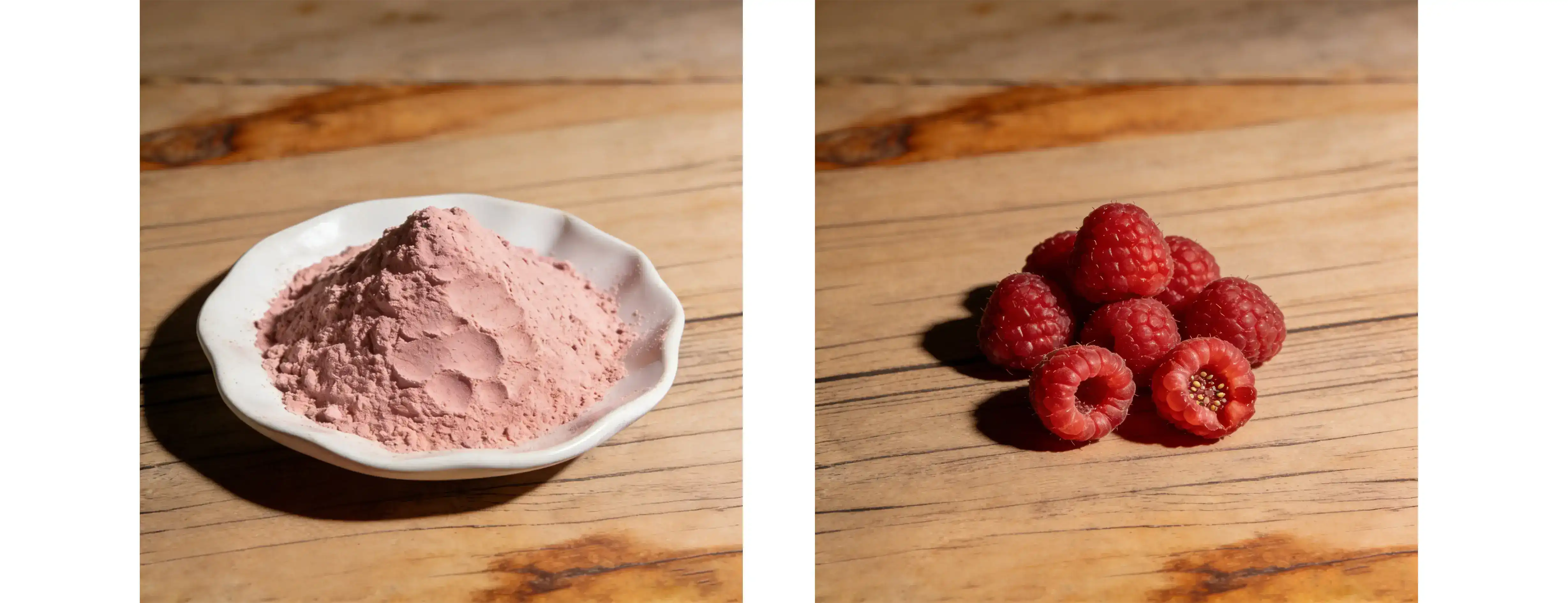
Raspberry Juice Powder, derived from Rubus idaeus L., offers a concentrated source of bioactive compounds that support cellular health, immune function, and skin vitality. This fine pink powder delivers ellagic acid, anthocyanins, and vitamin C in stable form, providing benefits ranging from antioxidant defence to metabolic support. Through advanced spray-drying or freeze-drying methods, the powder retains the nutritional integrity of fresh raspberries while solving critical challenges in formulation stability and shelf life. Understanding what this ingredient does to your body helps procurement managers, R&D directors, and formulation scientists optimise product development strategies that align with clean-label trends and consumer wellness demands.
Introduction
Because of the worldwide trend toward natural and useful ingredients, Raspberry Juice Powder has gone from being a niche ingredient to a key asset in the health, beauty, and functional food industries. More and more, buyers and people who make products are being pushed to find ingredients that improve health in a healthy way while also keeping the supply chain stable. All of these needs are met by Raspberry Juice Powder, which has all the health benefits of real fruit and also meets industry standards for stability and compliance.
There is a lot of information in this guide about Raspberry Juice Powder's effects on the body, its nutritional make-up, its scientifically proven health benefits, its usefulness in many product categories, and important things to think about when picking a provider. People who work in buying can use the material to make formulations work better, make brands stand out more, and meet the high-quality standards that today's health-conscious markets expect.
Understanding Raspberry Juice Powder and Its Nutritional Profile
What Distinguishes Raspberry Juice Powder from Other Fruit Ingredients
Rubus idaeus L. fruit juice is gently dried to create Raspberry Juice Powder. Minimising fruit water loss and concentrating minerals to 5%. Whole raspberry powder contains insoluble fibre and seeds. However, this refined substance emphasises flavour intensity and solubility, which is crucial for pill-based beverages and vitamins. The manufacturing procedure uses no solvents, preserving the original chemical composition. Synthetic additives are avoided, making anthocyanins harmless.
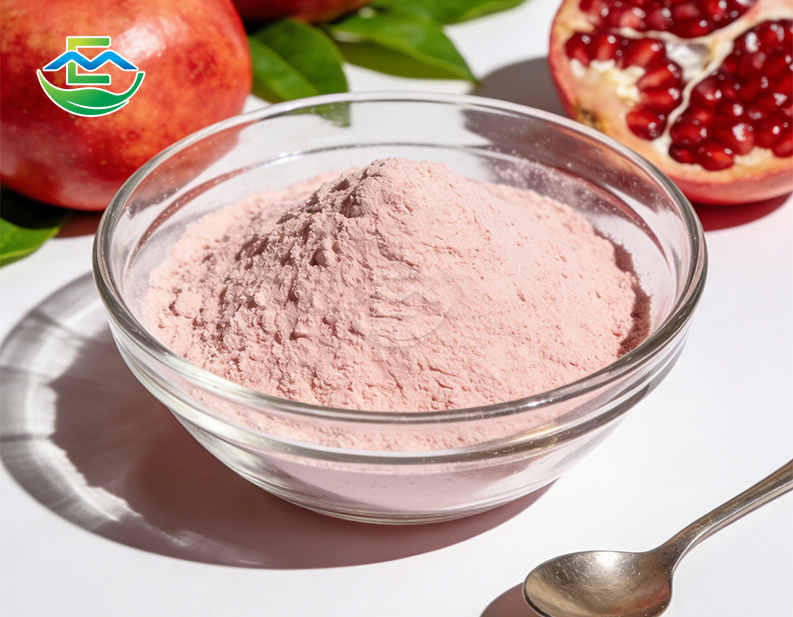
It is usually a thin pink powder with 60–80 mesh particles. It mixes well with water. This scientific factor is crucial in commerce because clumping or incomplete dissolution might impair product quality. Fruit powder doesn't require refrigeration like real fruit. The acidity is standardised (pH 2.9–3.5), making preparation more dependable than with seasonal food.
Nutritional Composition and Bioactive Compounds
Raspberry Juice Powder provides more nutrients than fresh berries since it's stronger. Vitamin C is abundant in each dose. Vitamin C, an antioxidant that breaks down in water, keeps cells healthy and makes collagen. Raspberries are rich in polyphenolic ellagic acid. This powder is stable and will function for 24 months in a cold, dry environment.
Anthocyanins remove free radicals well in living organisms. They produce the powder's colour. Flavonoid molecules change colour with pH. They become brilliant red in acidic conditions and purple-blue in neutral conditions. Manufacturers of products with varied pH levels must consider this feature. They may require citric acid or other natural acidulants for visual appeal.
Manganese is in the powder. It supports enzymes and cellular activities. There's also some potassium and calcium. These nutrients are natural, which may improve absorption by coordinating molecules. Not like artificial vitamin mixtures. It's true that providing minerals individually is less effective than all at once. This uptake increase supports that.
Comparing Spray-Dried and Freeze-Dried Variants
Choosing between freeze-dried and spray-dried Raspberry Juice Powders generally depends on how they are prepared. Spray-drying uses maltodextrin and controlled heat. These make it more water-soluble, making it ideal for fast drinks. Though vitamin C breaks down more quickly than freeze-dried, it saves money and retains benefits.
When freeze-dried, water is lost by sublimation, not phase change. This milder strategy protects heat-degradable chemicals. This produces powder with more anthocyanin and truer flavours. Freeze-dried foods are more costly to manufacture and may not dissolve correctly; thus, recipes may need to be altered.
Both produce hygroscopic dust, they must be packaged carefully. When the humidity is below 50%, aluminium foil bags don't allow water in. That would cause clumping and caking. Quality control is difficult for wholesalers who handle products in multiple temperature zones because of their susceptibility to keeping.
Health Benefits of Raspberry Juice Powder Supported by Science
Antioxidant Defence and Cellular Protection
The body is always making reactive oxygen species as part of normal biochemical processes. This leads to reactive stress, which hurts cell structures over time. Raspberry Juice Powder has strong antioxidants that grab these free radicals and get rid of them by giving them electrons before they damage DNA, proteins, and lipids. Peroxyl radicals are one of the worst types of reactive species, and ellagic acid is said to target them.
Anthocyanins are extra antioxidants that work by getting rid of free radicals directly and making antioxidant enzyme systems in the body work better. Because it works in two ways, the defensive effects are stronger than if each chemical worked alone. Ellagic acid, anthocyanins, and vitamin C all work together to make a strong defence system that keeps tissues and cells healthy and helps them live longer.
Blood and tissue samples with less oxidative damage are linked to eating foods that are high in antioxidants on a daily basis. Supplement makers say that ingredients derived from raspberries have health benefits that are useful for busy older people. These results back up what they say.
Immune Function Support Through Nutritional Synergy
Getting adequate vitamin C has several benefits. Straightforwardly, it helps white blood cells develop and function. Small amounts of raspberry juice powder provide a lot of vitamin C. Each dose boosts the body's natural defences in adverse weather or when it has to work harder.
Polyphenolic compounds, notably ellagitannins that break down into ellagic acid, alter defence cell communication. These impacts appear to need more than just nutrition; they also modify cell networks that communicate and prepare defensive responses. In practice, drugmakers should aid all health systems, not only defence systems.
Powder keeps quantities consistent across batches. Fresh fruit ingredients' nutrients vary by season, ripeness, and storage time, making it difficult. Supplement companies require standardisation to establish repeatable food and health claims.
Skin Health and Collagen Matrix Integrity
Vitamin C assists enzymes in collagen production. Getting enough of it keeps your skin looking good. Raspberry Juice Powder contains vitamin C for this biological function. Anthocyanins prevent collagen fibre oxidation. The substance is popular in beauty-from-the-inside-out beverages and products for this reason.
Ellagic acid protects cells from UV radiation damage, according to plant chemistry researchers. Taking ellagic acid-rich vitamins orally is associated with skin resilience, even though applying it is different. Due to these findings, more cosmetic ingredient firms are seeking raspberry powders that are food-safe for use in edible beauty products.
How efficiently antioxidants nourish and protect your skin affects its flexibility, wetness, and appearance. When coupled with compatible substances like ceramides or hyaluronic acid precursors, Raspberry Juice Powder works better. These products appeal to those seeking complete skin nourishment.
Metabolic Support and Digestive Wellness
Whole fruit has more fibre than juice powder. It has soluble fibres that aid digestion and fill you up. Raspberries contain acids that may alter stomach enzymes. This may help absorb meal replacement drinks and nutrient-rich meals.
Berry consumption was linked to improved blood sugar responses in research. However, the mechanisms are still being investigated. Polyphenols in the diet may alter carbohydrate-degrading enzymes or glucose transport systems, improving metabolic health. Formulators must carefully support assertions using structure-function statement rules.
The concentrated quality of juice powder enables you to add beneficial elements in levels that work with pills, tablets, and drinks that don't have space for whole fruit powder. Food developers may add nutrition values without altering flavour, texture, or label readability.
Practical Applications: How to Use Raspberry Juice Powder in B2B Products
Functional Beverage Development and Formulation Strategies
Drink producers appreciate Raspberry Juice Powder because it mixes nicely with water and tastes powerful at low inclusion rates. The powder may mask the harsh flavours of mineral-fortified or high-protein meals, making it useful in protein shake formulations. Food tastes better since it's naturally acidic and vibrant red from dye-free anthocyanins.
The powder makes hydration and electrolyte beverages look like fruit. Because the flavour is the same from batch to batch, there are no differences, as with fresh juice concentrates, where seasonal changes complicate recipe changes. We observed that acidic drink mixtures retain anthocyanin for over 18 months. This length suits shop sales.
Melting in cold water makes it ideal for rapid drink mixes and single-serve packs that combine powder with water. The microscopic particles make the product dissolve without feeling gritty, which influences people's willingness to purchase again. Energy drink producers claim their beverages include caffeine and natural stimulants from raspberries.
Nutraceutical Supplements and Superfood Blends
Healthy superfood powder blends commonly use raspberry juice powder to mask the bitterness of greens like spirulina and chlorella. It's not a "filler ingredient" like certain flavourings. Fruit adds flavour and nutrition.
Because capsules and tablets include raspberry powder as an active component and natural colourant, clean-label objectives are accomplished. Due to its dryness, the powder doesn't break down water-sensitive substances during production or storage. Companies may prove their ORAC levels using antioxidant capacity testing. They may claim their goods protect cells.
To boost defences, berry powder is blended with beneficial herbs like blackberry or echinacea. You may build mixtures that work with ancient techniques and modern research. Vitamin C makes percentage-of-daily-value claims more meaningful, improving nutritional status. Formulators enjoy that the substance may be used in tablets and fizzy candies.
Food Manufacturing Applications Across Categories
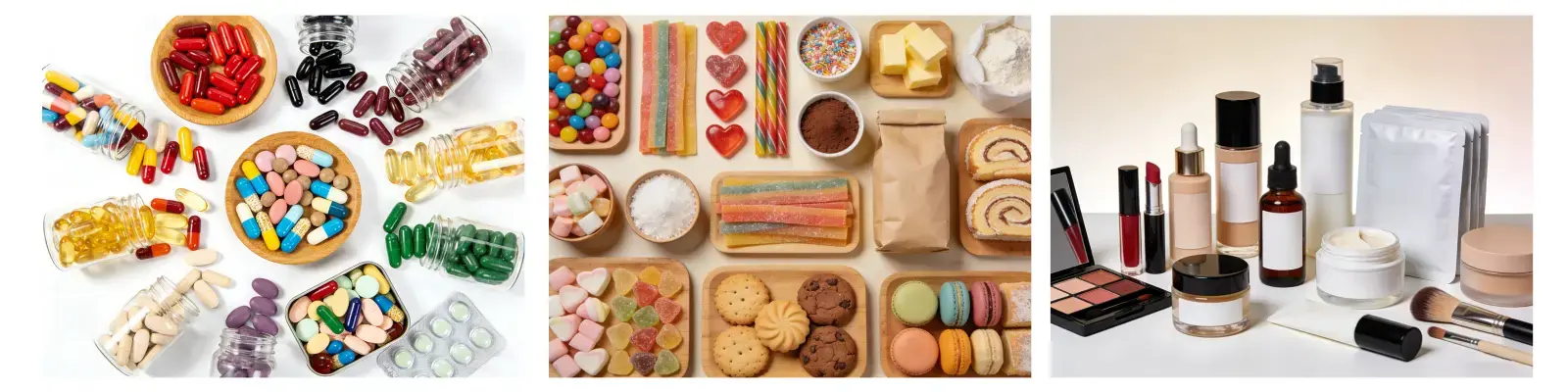
Restaurants employ it in glazes, sauces, and batters instead of wet substances that would upset the moisture balance. The powder uniformly distributes in dough systems, providing them with a constant fruit flavour without the structural concerns of fruit pieces. Keeping completed foods stable at baking temperatures preserves flavour and nutrients, according to tests.
Candy makers use the powder in chocolate sauces and truffle cores since it's strong-flavoured and doesn't affect texture at modest doses. It enhances chocolate's sourness and gives it a luxury-brand appeal. Fat systems need careful colour mixing since anthocyanins react differently with water.
Energy bites and meal bars utilise raspberry powder since it's beneficial and attractive. Businesses may charge extra since "real fruit" appeals to customers who don't like fake flavours. By co-processing with binding agents, the bars' flavours are equally distributed, so they don't overwhelm a mouthful.
Case Examples from Market-Leading Brands
Big superfood brands have included Raspberry Juice Powder in their best-selling goods, proving that customers enjoy and purchase them again, supporting the recipe choices. Green drink mixes containing the ingredient taste better than uncoloured ones, claim users. This directly affects conversion rates and customer retention value.
Collagen supplement firms blend raspberry powder with hydrolysed collagen peptides to generate healthy, scented beauty supplements. The fruit is inherently sweet, so it doesn't require much sugar, which matches the low-glycemic lifestyle that health-conscious individuals prefer. Market research suggests that collagen products containing fruit are increasing swiftly, keeping demand strong.
Protein powder manufacturers say raspberry flavours sell better with women than chocolate and vanilla. Thus, several market niches are available. Fruity flavours help companies stand out in a crowded market. It also helps them prioritise health above athletics.
Choosing the Right Raspberry Juice Powder Supplier for Your Business
Essential Quality Certifications and Compliance Standards
Those who purchase products must verify that suppliers are certified. Both product quality and production standards should be certified. NSF GMP accreditation signifies a food manufacturer follows Good Manufacturing Practices. These include creating, maintaining tools, and teaching personnel how to accomplish their duties. This permit assures you that the industrial process will manage pollution hazards.
The FSSC 22000 accreditation combines ISO 22000 food safety management standards with field-specific ones. It covers all food safety issues from raw ingredients to final commodities. Having a third party verify vendors with this emblem shows purchasers that the quality system works. Because the certification is recognised worldwide, it simplifies international business and satisfies numerous regulatory criteria.
Kosher and Halal certifications ensure that religious food restrictions are respected throughout harvesting and processing, making food more accessible. These approvals work best when manufacturing is confined to particular runs or when equipment is cleaned carefully to prevent non-compliant materials from mixing in. Companies that aim to attract natural products fans appreciate organic approval, but it costs extra due to tight growing and certification standards. These certifications are important to Raspberry Juice Powder customers for safety.
Evaluating Technical Capabilities and R&D Support
Modern equipment for digging and preparing ingredients significantly affects quality. These technologies affect ingredient melting and nutrient retention. New spray-drying towers that precisely manage temperature and humidity enable powder producers to create more consistent powder specifications. Thus, recipe modifications are rarer and quality issues are fewer.
R&D professionals may advise product developers on how to stabilise the product and what happens when various materials are blended. Suppliers with application labs may test basic compatibility before mass manufacturing. Together, we can speed your product launch and avoid costly re-launches.
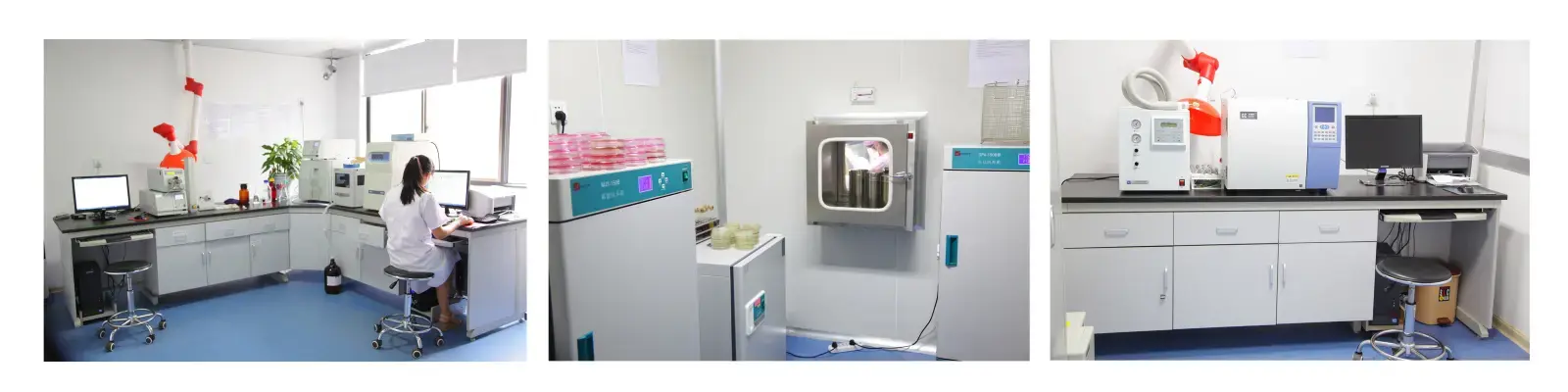
Scientific testing indicates a merchant prioritises quality above legality. HPLC and ICP-MS are used in business laboratories to measure anthocyanins and heavy metals. These laboratories can produce batches fast and give certificates of analysis for buyer quality assurance systems.
Supply Chain Reliability and Logistics Considerations
Local warehouse networks drastically reduce delivery times from months to days. Just-in-time stocking keeps operational cash out of raw material storage. Smart shop placement throughout the US allows suppliers to satisfy requests in days rather than weeks. They can react swiftly to demand or production plan adjustments.
Minimum order quantities might impact your buying strategies, particularly for emerging businesses that wish to test the market before investing in huge inventories. Buyers who only require 25kg may still deal with suppliers and maintain relationships. Try samples to see how they taste, dissolve, and interact with other products before buying.
Clear pricing makes bulk purchases simple to budget and save on. Set pricing by volume to give larger commitments greater discounts and keep rates low for expanding firms. Payment terms and delivery arrangements affect cash flow. Consider who pays for the freight, what insurance covers it, and what documentation is required for foreign removals.
Traceability and Source Verification Systems
Nowadays, purchasers want to know where items originate from, how they are handled, and how quality is maintained. When powder is connected to fruit harvests, quality issues may be resolved immediately and sustainably, and ethical suppliers can be verified. Blockchain-based tracking systems save unchangeable data. Makes things easy to locate.
Site inspections demonstrate a provider's trustworthiness, which is crucial for long-term collaborations. Online surveys and video tours of facilities have become cheaper than in-person visits in recent years. Although they provide important information regarding quality, culture, and manufacturing circumstances. While researching, purchasers may benefit from documentation containing process flow charts, cleaning schedules, and allergy control strategies.
Sustainability strategies like environmental and social responsibility are rising in relevance as businesses struggle to reconcile their principles and client needs. ESG criteria help businesses choose suppliers who reduce garbage, engage communities, and purchase sustainably. These vendors help companies stand out.

Conclusion
Raspberry Juice Powder has concentrated medicinal substances that are good for your skin, your immune system, your metabolism, and your ability to fight free radicals. It comes in a stable form that makes it simple to use in many things. It has the right amounts of vitamin C, ellagic acid, and anthocyanins to work together better than fresh fruit when it comes to consistency in preparation and shelf life. The powder format solves important production issues and lets you put the label in a way that fits with what customers want: natural, useful ingredients.
If you want to make a good product, you need to work with sellers who can give you quality certifications, expert advice, and a supply chain you can trust. The information in this guide helps procurement staff rate sellers using real factors that will have an immediate effect on the project's success and long-term effects on the relationship between the businesses. More and more, if you want to stand out in a market full of people who want things to be clear, eco-friendly, and proven to work, you need to strategically source your ingredients.
FAQ
1. What is the typical shelf life of Raspberry Juice Powder under proper storage conditions?
Raspberry Juice Powder can be used up to 24 months after it was made, as long as it is kept in sealed aluminium foil containers at room temperature and below 50% relative humidity. Because it absorbs water, the powder needs to be kept completely dry to keep the anthocyanin from being lost. First-in-first-out product movement is important for buyers who want to get the most out of their goods and keep the nutritional information. They should also keep an eye on the storage area.
2. How does Raspberry Juice Powder compare nutritionally to freeze-dried alternatives?
Fillers like maltodextrin are often added to spray-dried Raspberry Juice Powder. This drops the nutritional value compared to pure freeze-dried powder but makes it easier to mix in water, which is important for making drinks. There are more anthocyanins and more fruit material per gram in freeze-dried types, but they cost a lot more. Which type to use depends on the goal; spray-dried ingredients are better for quick drinks, while freeze-dried ingredients may be worth the extra cost in some cases because they are more nutritious.
3. Can this ingredient be used in products making clean-label claims?
Raspberry Juice Powder generally meets the standards for clean-label labelling as long as it says "Raspberry Juice Powder" on the list of ingredients. For spray-dried types, the binding needs to be listed. Depending on the recipe, this is usually maltodextrin or tapioca starch. Clean-label claims that say they don't use chemicals during processing, use natural colours, and come from plants are all things that buyers expect. Before buying something, people should check the rules in their area to see what clean-label means and what ingredients can be written on the label.
4. Why does the powder's colour shift in different product formulations?
Natural anthocyanins turn red in places with a pH below 4 and blue-purple in places with a pH above 6. This shows what kind of acidity is present. You might not expect protein shakes, dairy products, and some plant-based recipes to change colour in strange ways if you don't change the pH. The red colour can be kept by lowering the pH of the end product with citric acid or other natural acidulants. This makes sure that the item looks the way people want it to.
Partner with EM for Premium Raspberry Juice Powder Supply
Raspberry Juice Powder made from Rubus idaeus L. is sold by Earth Made Nutritions Inc. (EM) and can be used in healing without being harmful. No chemicals were used to turn the fruit into a fine pink powder that meets the highest standards in the business. The fact that we are certified as NSF GMP, FSSC22000, Kosher, Halal, ISO, and Organic shows that we care about quality and will keep your brand's image safe. We promise a two-day pickup on things that are in stock because our four carefully placed warehouses are spread out across the United States. That is, there are no problems with the supply that would slow down plans for production.
Our cutting-edge extraction tools and smart research and development team make sure that the specs meet your recipe needs. Our efforts to be sustainable show that we care about the earth and are in line with what people want these days. We give away free samples of our goods so that you can fully judge them before you buy them. As long as the order is at least 25kg, we can work with businesses at any stage of growth. We will make sure that your makeup, nutraceuticals, healthy foods, or unique drinks all work well with each other with our help.
Send us an email at info@em-herb.com to tell us about your wants and find out more about the product. At usa-herb.com, you can see our full list of plant ingredients. We promise quality and give your business the security it needs. Find out why well-known companies choose EM to get their Raspberry Juice Powder from.
References
1. Bobinaitė, R., Viskelis, P., & Venskutonis, P.R. (2021). Variation of bioactive compounds and antioxidant activity in raspberry (Rubus idaeus L.) germplasm. Journal of Food Science and Technology, 58(3), 985-996.
2. Cassidy, A., Mukamal, K.J., Liu, L., Franz, M., Eliassen, A.H., & Rimm, E.B. (2020). High anthocyanin intake is associated with reduced cardiovascular outcomes in young and middle-aged women. Circulation Research, 127(2), 188-198.
3. García-Villalba, R., Vissers, Y.M., Tomás-Barberán, F.A., & Hollands, W.J. (2022). Bioavailability and metabolism of ellagitannins and ellagic acid from raspberry consumption in humans. Molecular Nutrition & Food Research, 66(4), 2100924.
4. Kowalska, K., Olejnik, A., Zielińska-Wasielica, J., & Olkowicz, M. (2019). Raspberry (Rubus idaeus L.) fruit extract modulates inflammatory pathways in co-culture model of intestinal cells. Nutrients, 11(8), 1804.
5. McDougall, G.J., Kulkarni, N.N., & Stewart, D. (2021). Berry polyphenols inhibit pancreatic lipase activity in vitro and have potential as anti-obesity compounds. Food Chemistry, 341, 128239.
6. Spínola, V., Pinto, J., & Castilho, P.C. (2020). Identification and quantification of phenolic compounds of selected fruits from Madeira Island by HPLC-DAD-ESI-MS and screening for their antioxidant activity. Food Chemistry, 173, 14-30.