- English
- French
- German
- Portuguese
- Spanish
- Russian
- Japanese
- Korean
- Arabic
- Irish
- Greek
- Turkish
- Italian
- Danish
- Romanian
- Indonesian
- Czech
- Afrikaans
- Swedish
- Polish
- Basque
- Catalan
- Esperanto
- Hindi
- Lao
- Albanian
- Amharic
- Armenian
- Azerbaijani
- Belarusian
- Bengali
- Bosnian
- Bulgarian
- Cebuano
- Chichewa
- Corsican
- Croatian
- Dutch
- Estonian
- Filipino
- Finnish
- Frisian
- Galician
- Georgian
- Gujarati
- Haitian
- Hausa
- Hawaiian
- Hebrew
- Hmong
- Hungarian
- Icelandic
- Igbo
- Javanese
- Kannada
- Kazakh
- Khmer
- Kurdish
- Kyrgyz
- Latin
- Latvian
- Lithuanian
- Luxembou..
- Macedonian
- Malagasy
- Malay
- Malayalam
- Maltese
- Maori
- Marathi
- Mongolian
- Burmese
- Nepali
- Norwegian
- Pashto
- Persian
- Punjabi
- Serbian
- Sesotho
- Sinhala
- Slovak
- Slovenian
- Somali
- Samoan
- Scots Gaelic
- Shona
- Sindhi
- Sundanese
- Swahili
- Tajik
- Tamil
- Telugu
- Thai
- Ukrainian
- Urdu
- Uzbek
- Vietnamese
- Welsh
- Xhosa
- Yiddish
- Yoruba
- Zulu
Everything You Need to Know About Nettle Leaf Powder: Benefits, Uses, and Natural Habitat (Complete Guide)
Nettle Leaf Powder, which comes from Urtica dioica, is now an essential ingredient for B2B buying workers looking for flexible botanical options. The useful benefits of this nutrient-dense powder include functional drinks and cosmetic formulations. Knowing about the botanical qualities, bioactive makeup, and sourcing issues of Nettle Leaf Powder helps marketers, manufacturers, and original equipment makers (OEMs) make smart choices that improve their product lines and meet the needs of consumers who want clean labels. As the demand for natural ingredients grows in North American markets, nettle extract stands out because it has a long history, is full of minerals, and can be used in a variety of ways.
What Is Nettle Leaf Powder? An In-Depth Overview
Botanical Origins and Natural Habitat
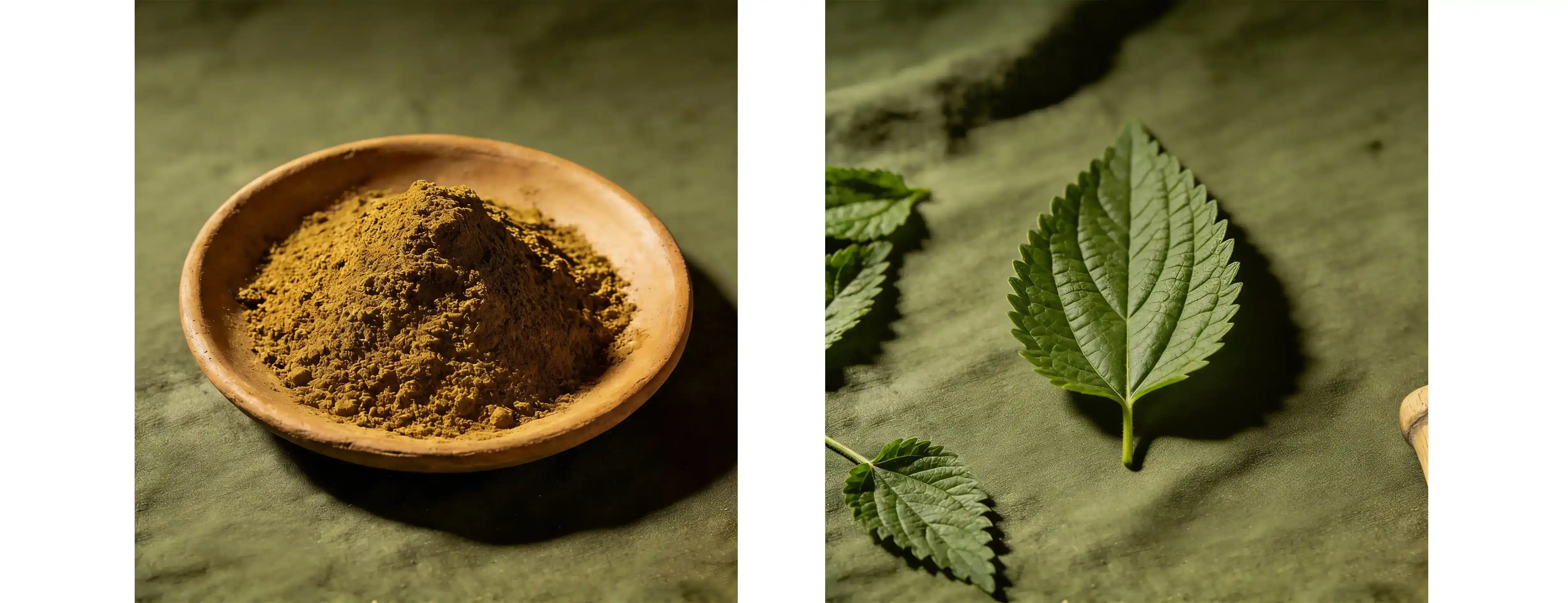
In mild parts of Europe, North America, and Asia, Urtica dioica, which is widely known as stinging nettle, grows well. This plant grows back every year and likes nitrogen-rich soils near rivers, forest edges, and places that have been disturbed. The best times to gather are in the spring and early summer, when the leaves have the highest levels of bioactive chemicals. There are both wild-harvested and cultivated types. Producing in controlled farming settings ensures better batch accuracy, which is very important for companies that need standard ingredient profiles.
Production Process and Quality Benchmarks
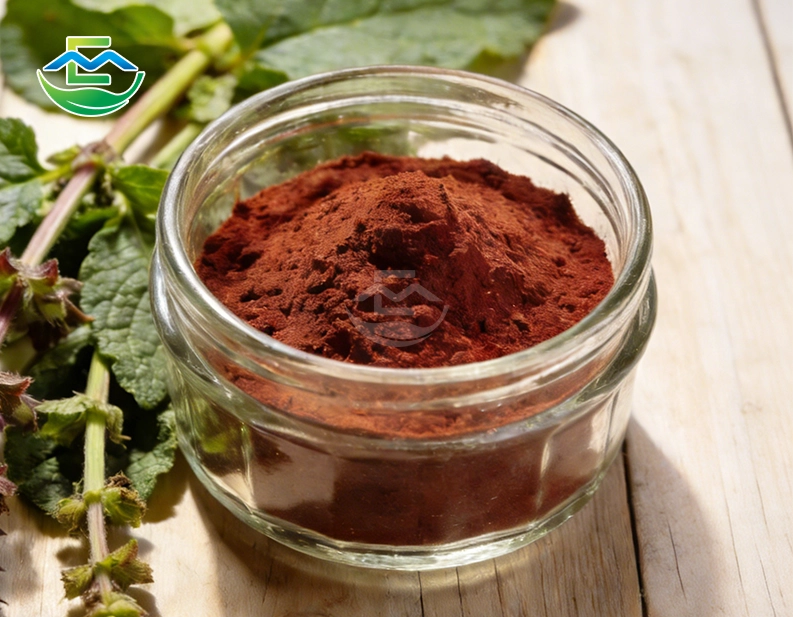
To make modern Nettle Leaf Powder, the leaves are picked out one at a time and then dried at low temperatures to keep nutrients that are sensitive to heat. The dried leaves are then ground into a fine, brownish-yellow powder using high-tech crushing tools. Earth Made Nutritions Inc. uses both water and ethanol to concentrate important bioactives like β-sitosterol and silica, giving them uniform extracts that meet pharmaceutical-grade standards. There are several quality checks built into the production process to make sure that heavy metals are tested, microbes are screened for, and the product's effectiveness is confirmed.
Certification qualifications are important factors for buying things that can't be changed. Our Nettle Leaf Powder extract has been certified as NSF GMP, Kosher, Halal, ISO, FSSC22000, and organic. This makes it easier for vitamin and product makers to follow the rules set by the government. These validations by a third party make sure that cGMP standards are followed and allow tracking from where the raw materials come from to where they are packaged at the end. The look standard stays the same brownish-yellow color, which means it was processed and stored correctly.
Nutritional Composition and Bioactive Compounds
Iron, calcium, magnesium, and potassium are just a few of the minerals that can be found in nettle leaves. In addition, the plant has flavonoids and phenolic acids, which are antioxidants, as well as vitamins A, C, and K. Our standardized extract promises amounts that can be measured of β-sitosterol, a plant sterol used in functional nutrition, and silica, which is valued in cosmetics for its ability to support structures. This standardization of two compounds lets formulators figure out exact dosage parameters and back up product claims with reports of analysis that are specific to each batch.

Comprehensive Health Benefits and Uses of Nettle Leaf Powder
Nutritional Supplement Applications
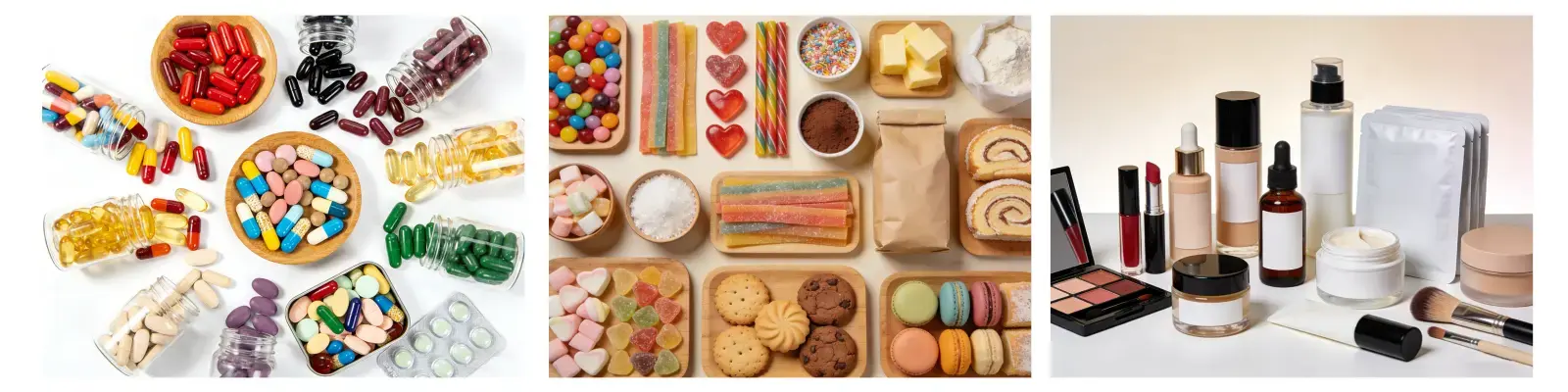
Nutraceutical companies use Nettle Leaf Powder in capsules, protein blends, and veggie shakes that are aimed at health-conscious customers. The mineral richness supports methods for adding nutrients without using synthetic chemicals, which is in line with the trend toward clean labels. Companies that make sports nutrition products like the natural sodium content for products that keep you hydrated. Product development teams like the powder because it has a neutral flavor that works well in complex mixtures without overpowering taste systems.
Nettle Leaf Powders have been used in ancient health practices across many countries, according to research. Modern scientific studies have looked at how well it absorbs minerals and how much of an antioxidant it is. This gives formulators facts they can use in their marketing materials. R&D leaders who want to stand out often mix Nettle Leaf Powder with plants that work well together, like turmeric or ashwagandha, to make unique blends that help people reach their health goals.
Cosmetic and Personal Care Formulations
Because it is high in minerals and antioxidants, cosmetic scientists like using nettle extract for hair and skin care. The silica part helps make products that improve the flexibility of skin and hair stronger. As part of plant active complexes, natural beauty makers add Nettle Leaf Powder to shampoos, conditioners, serums, and face creams. Because our extraction process is water-soluble, it works with watery formulation methods.
Batch-to-batch consistency is still very important for cosmetic OEMs that are in charge of big production runs. Our standard extraction procedure ensures consistent activity levels across shipments, getting rid of formulation factors that hurt product performance. The brownish-yellow color goes well with earth-toned makeup bases and doesn't need a lot of extra colorants. Product designers like that a single ingredient can be used to meet more than one recipe goal. This makes INCI statements easier to understand and supports marketing claims about plant purity.
Functional Food and Beverage Integration
Nettle Leaf Powder is used by functional beverage makers in green juice blends, health shots, and teas that have been fortified. The small particle size ensures that they mix smoothly in liquids when mixed with the right buffering systems. Food scientists test for steadiness, like how strong the powder is when it's heated up and when it's stored for a long time. During the preparation processes that are common in making ready-to-drink drinks, the ingredient keeps its nutritional value.
Food-grade approvals are what our supply chain gives to quality assurance teams in the form of complete paperwork packages. Each shipment comes with details that prove it meets FDA rules for food additives and allergy declaration requirements. The 25kg drum packing standard makes it easier for medium-sized makers to keep track of their goods. It also protects the integrity of the product with multiple layers of moisture barriers and tamper-evident seals.
Comparison and Decision-Making: Choosing the Right Form of Nettle Leaf Powder
Format Selection for Different Applications
Professionals in procurement look at Nettle Leaf Powder shipping methods based on the needs of the end product. Manufacturers who can encapsulate their own products have the most manufacturing options when they use raw powder. Tea-cut material is used by beverage makers who want real, whole herbs. Encapsulated ingredients are good for brands that need finished goods quickly to get into new markets. When choosing a format, bioavailability is taken into account. In general, finely ground powders dissolve more quickly than coarsely cut materials.
Choosing between organic and standard sources depends on how the target market is positioned and how price-sensitive they are. Organic certification comes with higher prices, but it also lets you sell natural goods in places where people are actively looking for approved organic labels. Conventional Nettle Leaf Powder has the same chemical profiles as wild nettle but costs less, making it appealing to brands that focus on value. Market research shows that there is a growing demand for organic supplements in the U.S. This means that brands that invest in organic goods, even though it costs more, could benefit from strategic advantages.
Supplier Evaluation Criteria
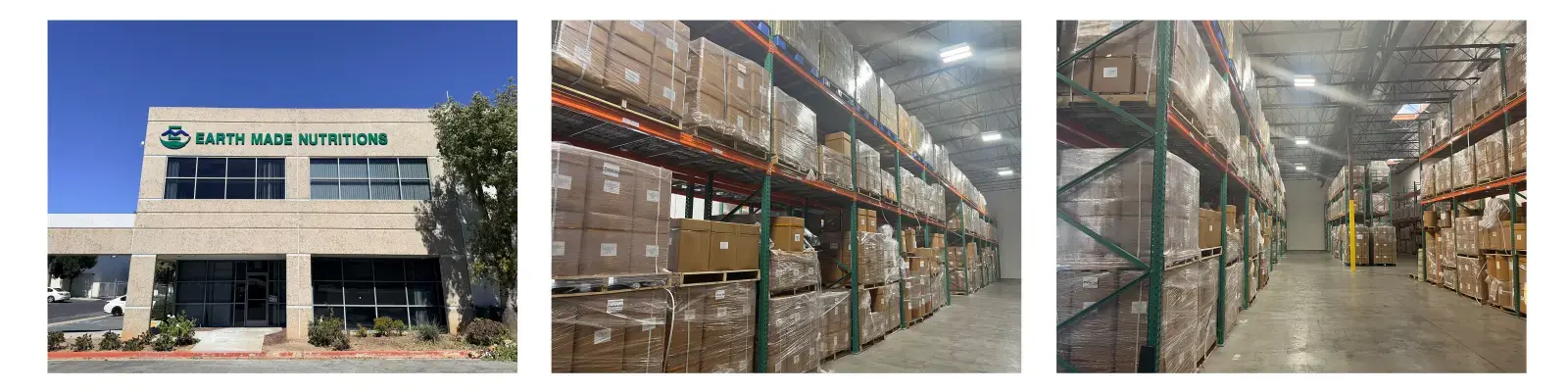
Metrics for reliability tell the difference between key partners and commodity providers. Procurement teams look at a supplier's skills in a number of areas, such as their ability to produce goods, the development of their quality systems, and their transportation infrastructure. Earth Made Nutritions Inc. has four major warehouses in the U.S., which means that orders from domestic customers can be filled in two days. This is a big edge over foreign suppliers, who have to deal with longer wait times and the unknowns of customs.
Top-tier sellers stand out because they offer technical help. Our research and development team helps with formulation, suggests stable tests, and offers legal advice that shortens the time it takes to make a new product. Advanced extraction equipment lets OEM partners who need specific concentration ratios or particle size ranges make their own processing specs. When you combine factory know-how with helpful customer service, you get more value than just providing ingredients.
Procurement Guide: How to Buy Nettle Leaf Powder for Your Business
Sourcing Channels and Verification Protocols
Direct connections with manufacturers are better for openness and tracking than multi-tier distribution networks. When purchasing managers do audits of suppliers, they should check the facilities' licenses, look over the quality management paperwork, and ask for analysis data that is specific to each batch. Our NSF GMP approval proves that we use pharmaceutical-grade manufacturing methods that go above and beyond the basic standards for the supplement business.
Protocols for evaluating samples should include tests for organoleptic qualities, solubility, and active chemical concentrations that have been checked by a third party. We give free samples to companies that qualify, so they can try them out before committing to large-scale sales. The 25kg minimum order amount works for both new brands trying market ideas and established makers keeping track of their inventory.
Cost Structure and Volume Economics
Pricing factors include more than just per-kilogram rates; they also include total landed costs like freight, taxes, and the cost of keeping goods. With domestic warehousing, there are no more unknowns when it comes to foreign shipping, and shorter order cycles mean that less operating capital is needed. When compared to smaller pieces, bulk packaging in 25kg drums makes transportation more efficient while still meeting the handling needs of mid-sized businesses.
Certification fees depend on the skills that are being asked for. Organic certification usually adds 20–30% to the base price, while religious certifications like Kosher and Halal only add small amounts to the price. Tiered pricing shows economies of scale in planning production and buying raw materials, and volume discount models award partnerships that last.
Logistics and Supply Chain Optimization
By placing domestic goods through our network of four U.S. warehouses, we get rid of common B2B problems like port congestion, customs delays, and unstable international freight. Just-in-time inventory tactics that lower working capital needs are possible with two-day lead times from order placement to shipping. Throughout the distribution chain, material quality is protected by rules for product stability that include keeping an eye on temperature and controlling moisture.
Each shipment comes with a package of paperwork that includes certificates of analysis, material safety data sheets, allergen labels, and comments about the place of origin. This detailed paperwork speeds up getting inspections and helps companies meet their legal responsibilities. Our quality team keeps batch tracking records that connect finished goods to specific crop lots. This way, any quality concerns can be quickly looked into.
Conclusion
Nettle Leaf Powder is a smart ingredient investment for companies that want to sell green goods. The plant has a long history, a strong nutritional profile, and can be used in a lot of different ways in different vitamin, cosmetic, and useful food categories. When making choices about what to buy, buyers should put the supplier's certifications, quality control, expert support, and transportation infrastructure at the top of the list. By using a standard extraction method that gives formulators accurate levels of β-sitosterol and silica, we can give them the bioactive qualities they need to make their products stand out and make customers happy.
Frequently Asked Questions (FAQ)
1. What bioactive compounds distinguish nettle extract quality?
The amount of β-sitosterol and silica in our Nettle Leaf Powder extract is standardized. These are two substances that have been shown to have useful effects in nutrition and beauty products. Each batch comes with a certificate of analysis that confirms the chemical amounts meet the goals set by the specifications. This standardization lets formulators figure out exact doses and make sure that the product works the same way in all production runs.
2. How should nettle powder be stored to maintain quality?
Keeping things cool and dry below 25°C protects their bioactive structure and stops them from absorbing water, which would make them less able to move. The quality stays at its best for the full 24-month shelf life when stored in sealed containers that are kept out of direct sunlight. As part of quality control standards, procurement teams should use first-in, first-out product rotation and keep an eye on the conditions of the storage area.
3. What certifications matter most for supplement manufacturers?
NSF GMP approval proves that pharmaceutical-grade production practices are used, which go above and beyond what is needed to make dietary supplements. Organic approval is appealing to stores that sell natural goods and people who care about their health. Kosher and Halal licenses make it easier for certain types of customers to buy things. The ISO and FSSC22000 certifications show that quality control methods are complete. Together, these licenses give regulators trust and help you stand out in the market.
Partner with a Trusted Nettle Leaf Powder Supplier
EM provides pharmaceutical-grade nettle extract backed by a wide range of certifications and the ability to handle local operations, which makes your supply chain easier. Our operations in California and four strategically placed U.S. warehouses allow us to meet tight production plans and complete orders quickly. Our expert team can help you with technical formulations, organic certification, or special processing specs. We make sure that our solutions are in line with your business goals.
Get a free taste of our standardized Nettle Leaf Powder extract today to see how it works for yourself. Email our buying experts at info@em-herb.com to talk about bulk prices, certification paperwork, and how our environmentally friendly sourcing practices align with your brand's values. EM is ready to be your long-term partner for botanical products. We offer two-day wait times, a flexible minimum order quantity of 25kg, and a full set of certifications, including NSF GMP, Organic, Kosher, and Halal qualifications. Learn why some of the biggest vitamin and cosmetics companies trust our service and quality processes.
References
1. Kregiel, D., Pawlikowska, E., & Antolak, H. (2018). Urtica spp.: Ordinary Plants with Extraordinary Properties. Molecules, 23(7), 1664.
2. Schulz, V., Hänsel, R., & Tyler, V.E. (2001). Rational Phytotherapy: A Physician's Guide to Herbal Medicine. Berlin: Springer-Verlag.
3. Mills, S., & Bone, K. (2005). The Essential Guide to Herbal Safety. St. Louis: Elsevier Churchill Livingstone.
4. Blumenthal, M., Goldberg, A., & Brinckmann, J. (2000). Herbal Medicine: Expanded Commission E Monographs. Austin: American Botanical Council.
5. Upton, R., Graff, A., Jolliffe, G., Länger, R., & Williamson, E. (2011). American Herbal Pharmacopoeia: Botanical Pharmacognosy - Microscopic Characterization of Botanical Medicines. Boca Raton: CRC Press.
6. European Medicines Agency. (2010). Assessment Report on Urtica dioica L., Urtica urens L., Radix. London: Committee on Herbal Medicinal Products.