- English
- French
- German
- Portuguese
- Spanish
- Russian
- Japanese
- Korean
- Arabic
- Irish
- Greek
- Turkish
- Italian
- Danish
- Romanian
- Indonesian
- Czech
- Afrikaans
- Swedish
- Polish
- Basque
- Catalan
- Esperanto
- Hindi
- Lao
- Albanian
- Amharic
- Armenian
- Azerbaijani
- Belarusian
- Bengali
- Bosnian
- Bulgarian
- Cebuano
- Chichewa
- Corsican
- Croatian
- Dutch
- Estonian
- Filipino
- Finnish
- Frisian
- Galician
- Georgian
- Gujarati
- Haitian
- Hausa
- Hawaiian
- Hebrew
- Hmong
- Hungarian
- Icelandic
- Igbo
- Javanese
- Kannada
- Kazakh
- Khmer
- Kurdish
- Kyrgyz
- Latin
- Latvian
- Lithuanian
- Luxembou..
- Macedonian
- Malagasy
- Malay
- Malayalam
- Maltese
- Maori
- Marathi
- Mongolian
- Burmese
- Nepali
- Norwegian
- Pashto
- Persian
- Punjabi
- Serbian
- Sesotho
- Sinhala
- Slovak
- Slovenian
- Somali
- Samoan
- Scots Gaelic
- Shona
- Sindhi
- Sundanese
- Swahili
- Tajik
- Tamil
- Telugu
- Thai
- Ukrainian
- Urdu
- Uzbek
- Vietnamese
- Welsh
- Xhosa
- Yiddish
- Yoruba
- Zulu
Finding genuine Chaga mushroom Powder and how it works is crucial when searching for plant components for cosmetic or functional food dishes. This high-quality item originates from the cold-weather birch tree fungus Inonotus obliquus. The nutrients include polysaccharides, beta-glucans, and antioxidants. Unlike mycelium-on-grain or highly processed extracts, authentic pure Chaga mushroom Powder preserves wild-harvested fruiting bodies, offering your products bioactive compounds. We'll discuss quality, sourcing, and application specifics in this guide to help you make smarter purchases and stand out in crowded marketplaces.
Understanding the Botanical Identity and Processing Standards
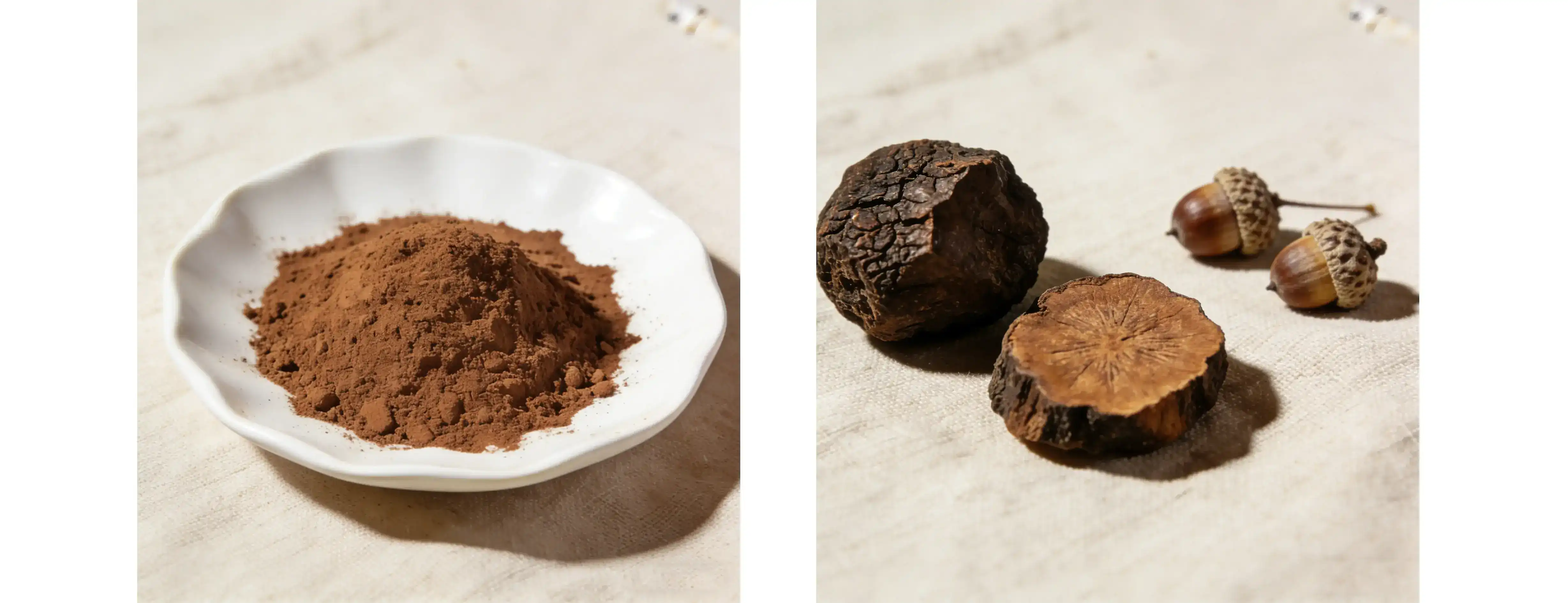
Making a decent purchase starts with understanding the actual pure Chaga mushroom Powder. Siberia, Northern Canada, Finland, and other circumpolar regions have birch trees with sterile conks from Inonotus obliquus. The dark, woody mass builds up beneficial compounds over time, making it a nutrient-dense raw material.
Distinguishing Authentic Wild-Harvested Material
Pure Chaga mushroom Powder comes from wild-picked fruiting bodies, not lab-grown mycelium on grain supports. This distinction is crucial to your product's functionality. Wild material contains birch-derived triterpenes, notably betulinic acid, that can't be synthesized in a lab. Check botanical information using HPTLC fingerprinting to ensure it matches Inonotus obliquus profiles when comparing sources.
The appearance of genuine Chaga mushroom Powder indicates its quality. Premium genuine Chaga mushroom Powder is 80–120 mesh and brownish-yellow. Natural melanin gives it its colour. The texture should be smooth and not clumpy, indicating below 5% moisture.
Processing Methods That Preserve Bioactivity
How food is treated affects its value. Grinding raw pure Chaga mushroom powder, the old-fashioned technique leaves cell walls intact, making it less accessible. Advanced dual-extraction technologies that combine hot water and ethanol extraction and spray drying break down chitinous cell walls, releasing body-usable polysaccharides and triterpenes.
Good suppliers utilize solvent-free processes for clean-label appeal. Earth Made Nutritions Inc. uses high-tech extraction techniques to safely extract heat-sensitive compounds at standard concentrations. No solvents are utilized, so your compositions fulfil clean-label regulations without sacrificing efficacy.
How something is handled affects its solubility. The dual-extracted pure Chaga mushroom Powder dissolves readily in water-based beverages and oil-based cosmetic bases, providing you with additional product creation possibilities.
Critical Quality Parameters for B2B Procurement
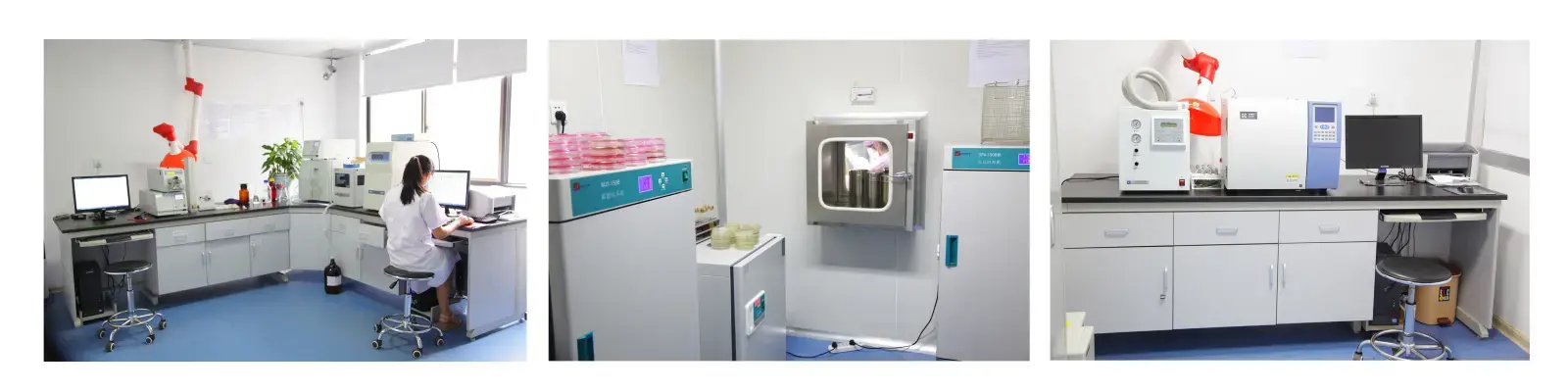
Setting strict quality standards protects the image of your brand and makes sure that your products always work well. In addition to basic identity checking, your technical specs should cover a number of other analytical aspects.
Standardizing Bioactive Compound Concentrations
Polysaccharide levels over 30% are typical for premium pure Chaga mushroom Powder, according to HPLC techniques. Beta-glucans should make up 10–20% of the total, and the 1,3–1,6 linkage structures that distinguish beneficial from starch-based alpha-glucans should be validated.
Triterpene content also matters. Products with at least 2% triterpenes like betulin and betulinic acid are good. These compounds from birch bark in fungal tissue show wild collection.
The chromogenic complex, which powers antioxidants, should exceed 10%. This melanin-polyphenol proportion greatly affects ORAC values, which B2B buyers use to establish product claims.
Contaminant Screening and Safety Compliance
ICP-MS heavy metal profiling ensures worldwide market safety. Arsenic, mercury, cadmium, and lead must be kept below 1ppm, 0.1ppm, and 2ppm, respectively, since fungi retain contaminants. These restrictions comply with FDA and global safety standards.
The USP microbiological testing ensures that germs like E. coli and Salmonella, and the overall number of plates is acceptable for raw plant products. Microbial screening protects industrial processes once wild materials are used.
Materials from environmentally hazardous areas are further protected by radioactivity screening. Cesium-137 testing cleans up historical contamination in Siberian agricultural regions, safeguarding consumers and upholding the law.

Strategic Applications Across Industry Segments
Knowing the unique needs of an application helps you choose specs that will help you reach your product development goals. Different industrial situations need pure Chaga mushroom Powders with different properties.
Nutraceutical and Supplement Formulations
To make capsules and tablets, pure Chaga mushroom Powder must have particular qualities. Encapsulation equipment performance depends on bulk density and flowability. Varying particle sizes affect uniform dosage weights. Granulation pre-treatment may increase high-speed sealing line flow.
Standardized extract pure Chaga mushroom Powders simplify recipe creation and provide correct bioactive chemical dosages per serving. Beta-glucan standardization allows immune support and antioxidant blends to have accurate label claims and equivalent user experiences.
Pure Chaga mushroom Powder absorbs water; thus, it must be kept securely and packaged dry. A moisture level below 5% prevents product sticking and keeps it stable on the shelf.
Functional Food and Beverage Integration
They must dissolve quickly in water and be stable across pH ranges for beverages. Spray-dried extracts dissolve completely without clumping or making the tongue feel scratchy, making them ideal for coffee alternatives and functional drink mixtures. Vanilla overtones from vanillic acid molecules complement coffee flavours.
Pure Chaga mushroom Powder boosts antioxidants in protein powder blends, energy bars, and plant mixtures. Particle sizes under 120 mesh provide smooth texture, and flavour-neutral profiles enable you to be creative without concealing ingredients.
Processing stability via temperature, pH, and storage determines food structure suitability. Good suppliers support shelf life and regulatory filings with stability data.
Cosmetic and Personal Care Applications
Chaga's high ORAC and melanin concentrations are exploited in skin care products to claim UV protection and anti-aging. Cosmetic creams and serums require pure Chaga mushroom Powder smaller than 10 microns to avoid gritty emulsions.
The antioxidant profile supports oxidative stress protection, while the carbs preserve moisture. Organic, properly selected Chaga mushroom Powder is a natural alternative to synthetic active ingredients that clean-label cosmetic businesses enjoy.
Formulation chemists must ensure product compatibility with emulsion and protection systems. Technical assistance from cosmetics experts accelerates development and reduces reformulating costs.

Evaluating Suppliers and Establishing Reliable Partnerships
Choosing the right supplier has a big effect on the stability of your supply chain, the consistency of your quality, and the image of your business. A structured review method helps you find partners who can help your business grow.
Certification and Compliance Credentials
Having a lot of certifications shows that you are serious about quality. For food safety management, look for FSSC22000 certification, NSF GMP certification that shows pharmaceutical-grade production practices, and organic certifications that meet USDA or EU standards for pure Chaga mushroom Powder.
Kosher and Halal licenses make it easier for more types of consumers to get into markets. ISO certifications for quality management systems give people faith in uniform processes and attitudes of constant growth.
Earth Made Nutritions Inc. has a full set of certifications, such as NSF GMP, FSSC22000, Kosher, Halal, ISO, and organic qualifications. These licenses are regularly checked by a third party to make sure they are still valid and of high quality.
Supply Chain Transparency and Traceability
Knowing where materials came from and their chain of custody helps prove their accuracy and backs up claims of sustainability. Reliable providers keep records of where the crops are harvested, how they are collected during different seasons, and where they are processed so that everything can be tracked.
Sustainability practices are becoming more important to both end users and company positioning. Ethical gathering practices protect fungal populations and forest environments, which helps with regrowth processes that make sure materials will be available for a long time.
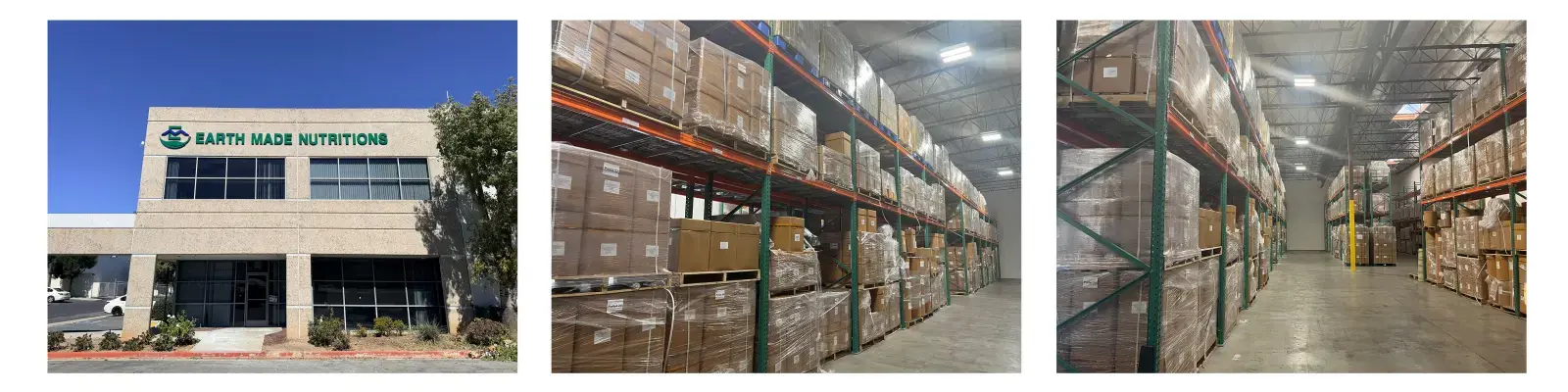
Reliability in the supply chain means keeping enough goods on hand, dealing with changes in harvest times, and making sure that wait times are always the same. Our four carefully placed U.S. warehouses allow for quick fulfillment within two days of an order being placed, which lowers your costs for holding goods and keeps production going.
Technical Support and Product Development Collaboration
In addition to providing materials, useful partners offer advice on formulation, knowledge on application, and help with regulatory issues. Having access to technical experts speeds up the development of your product, fixes problems with preparation, and improves the performance of your ingredients.
If samples are available, they can be tested on a small scale before mass sales are made. We offer free samples so that you can check the quality of the material, see if it works with your formulations, and confirm what the seller says through your own research.
Long-term relationships based on openness give businesses an edge over their competitors. When suppliers put money into research and development, they can help with projects to change the recipe, come up with new uses for goods, and help you stand out in crowded markets.
Navigating Procurement Logistics and Volume Purchasing
Strategic buying strikes a balance between the need for quality, the need to save money, and the need to run the business. Knowing about packaging, minimum sales, and logistics factors will help you make better buying choices.
Bulk Order Economics and Minimum Quantities
Standard packaging in 25 kg drums makes it easy to move materials during most production processes and keeps them fresh by controlling the amount that is used. This packaging style strikes a good mix between keeping things safe, making them easy to handle, and keeping costs low.
Standard container units are often the same as minimum order sizes. Smaller brands can get premium ingredients without having to keep too much inventory on hand, thanks to a 25 kg minimum order barrier. Larger makers, on the other hand, can save money by ordering in bulk for multiple drums.
When you buy in bulk, you should think about how long the materials will last (usually 24 months if they are stored properly) and how much you plan to make. Setting up planned releases for blanket buy orders improves cash flow and ensures price and supply continuity.
Domestic Warehousing and Rapid Fulfillment
When compared to foreign shipments, local storage cuts wait times by a huge amount. Our four warehouses in the U.S. allow for regional marketing, which cuts down on shipping times and transportation costs. This system makes just-in-time manufacturing possible and frees up your working capital that would have been used to buy inventory.
Domestic completion makes customs procedures easier, gets rid of the uncertainties that come with international freight, and lowers the carbon footprint that comes with sending goods abroad. Being able to get materials within two days of placing an order gives you the freedom to adjust to changes in production needs or market possibilities.
Being able to place emergency orders through local stock keeps output from being interrupted. Having a seller with ready-to-ship goods turns procurement from a problem into a benefit in the market.
Regulatory Documentation and Import Compliance
Regulatory reports and quality system standards are easier to meet when you have complete documentation packages. Every package should have a Certificate of Analysis, a safety data sheet, an allergy statement, and a GMO statement.
USDA organic certificates and transaction certificates can be used to track materials through approved supply lines for organic goods. These papers back up your organic product certifications and meet the audit standards of the agencies that approve your products.
Products that are aimed at the Kosher and Halal markets can have the necessary certificates. Country-of-origin paperwork helps with customs processing and trade compliance programs.
Comparing Cost Versus Value in Supplier Selection
Price needs to be weighed against quality guarantee, supply dependability, and the total cost of ownership. Most of the time, the cheapest provider doesn't offer the best value over time.
Quality-Adjusted Pricing Analysis
Standardized bioactive content makes it possible to compare prices in a useful way. Instead of finding the cost per kilogram of raw materials, figure out the cost per gram of beta-glucans or polysaccharides in pure Chaga mushroom Powder. Even though they cost more, materials with higher potencies often offer better value.
Organic certification comes with fair price increases that are based on the costs of certification, the limited crop, and the value of being in a certain marketplace. The price difference backs up claims of clean labels and speaks to health-conscious shoppers who are willing to pay more.
Consistency from batch to batch lowers the prices of reformulation and the work of quality control. Tight standard ranges from suppliers reduce production variability and the number of failed batches, which lowers your overall quality costs.
Hidden Costs of Unreliable Suppliers
When there are problems with the supply chain, shipping costs go up, work stops, and sales opportunities are lost. Reliability of the supplier has a monetary value that goes beyond comparing unit prices.
When quality fails, customers cry, products are recalled, and the brand's image is hurt. These huge costs far outweigh any savings that come from making cutting-edge purchasing decisions. Investing in approved sources with strong quality systems protects your business from these situations that could be bad for it.
When you have access to technical help, your internal R&D costs go down, and time-to-market goes faster. Suppliers who offer help with preparation and application add value on top of the element itself.
Building Long-Term Strategic Partnerships
Transactional relationships for buying things miss chances to work together to create value. Strategic relationships with qualified providers give businesses an edge over their competitors and help them grow.
Collaborative Product Development
Forward-thinking suppliers put time and money into learning about your company's goals, its place in the market, and its plans for growth. This partnership-based method lets people make proactive ideas for how to make products better, find new uses for them, and spot new market trends.
Sharing product development cuts down on research and development costs and speeds up the growth cycle. Suppliers with advanced extraction and analytical tools can change specs, make special mixes, or make unique formulas that will help you stand out from the competition.
Market Intelligence and Trend Insights
Suppliers who work with more than one business group can give you useful information about the market. You can predict market changes and take advantage of opportunities if you know what your competitors are doing, what new apps are coming out, and what your customers want.
Regulatory changes affect how ingredients are approved, how labels must be made, and how people can get to the market. Suppliers who keep an eye on these changes around the world can let you know about upcoming changes that will need to be made to the recipe or the paperwork.
Sustainability trends have a bigger effect on what people buy and on business responsibility programs. Partners who really care about the environment help you meet the needs of stakeholders and set your brand apart through real sustainability stories.
Conclusion
To get high-quality pure Chaga mushroom Powder, you need to know how to authenticate botanicals, set strict quality standards, and choose sellers who can show that their certifications are excellent and their supply chains are reliable. The difference between mycelium-on-grain goods and wild-harvested fruiting bodies has a big impact on the bioactive profiles and placement of the products. Quality standards that include standardizing polysaccharides, checking beta-glucan levels, triterpene content, and thoroughly screening for contaminants protect the image of the brand and make sure that the product works the same way in functional food and cosmetic uses. Strategic relationships with suppliers based on openness, technical cooperation, and top-notch logistics turn procurement from a transactional task into a competitive benefit that helps businesses grow and come up with new ideas.
Frequently Asked Questions About Chaga Powder Procurement
1. What distinguishes pure powder from concentrated extracts?
Pure Chaga mushroom Powder is made from ground whole mushrooms or a spray-dried extract. It has a wider range of compounds, including polysaccharides, triterpenes, and melanin complexes. Concentrated extracts focus on a few key molecules, resulting in higher strength levels but a smaller range of phytochemicals. The best format depends on the use. For example, soluble extracts work best in drinks, but either format can be used in pills.
2. How do I verify organic certification authenticity?
Ask for copies of your supplier's most recent USDA organic certificates, which will show the state and scope of their approval. Organic packages should come with transaction papers that show how the certified product moved through the supply chain. Use the USDA's organic integrity database to make sure the certifier is real. Authentic sellers keep their certificates up to date and are happy to provide proof of their organic claims.
3. What shelf life should I expect under proper storage conditions?
If you keep good, pure Chaga mushroom Powder in covered cases at a controlled temperature below 25°C and humidity below 60%, it should stay effective for 24 months. Bioactive chemicals break down faster when they are exposed to oxygen, so nitrogen flushing or vacuum closing is helpful for long-term storage. Suppliers regularly test the stability of their products to make sure that key signs stay in place for the whole shelf life time that is claimed.
Partner With a Certified Chaga Mushroom Powder Supplier You Can Trust
Earth Made Nutritions Inc. (EM) can help you get the ingredients you need by providing approved organic pure Chaga mushroom Powder that meets pharmaceutical-grade quality standards. Our long list of certifications, which includes NSF GMP, FSSC22000, Kosher, Halal, ISO, and organic badges, shows that we are dedicated to quality excellence and following all regulations in all global markets. Unlike foreign suppliers, our four U.S. warehouses allow for fast two-day delivery, which keeps production going while lowering your inventory costs. You can check the quality of our free samples before committing to buying a lot of them. We also offer full analytical data and technical help from our experienced team. Get in touch with our procurement experts at info@em-herb.com to talk about your unique needs and find out how working with a dependable domestic provider can turn finding ingredients into a competitive edge.
References
1. Glamočlija, J., Ćirić, A., Nikolić, M., Fernandes, Â., Barros, L., Calhelha, R.C., Ferreira, I.C., Soković, M., & van Griensven, L.J. (2015). Chemical characterization and biological activity of Chaga (Inonotus obliquus), a medicinal "mushroom". Journal of Ethnopharmacology, 162, 323-332.
2. Zheng, W., Miao, K., Liu, Y., Zhao, Y., Zhang, M., Pan, S., & Dai, Y. (2010). Chemical diversity of biologically active metabolites in the sclerotia of Inonotus obliquus and submerged culture strategies for up-regulating their production. Applied Microbiology and Biotechnology, 87(4), 1237-1254.
3. Balandaykin, M.E., & Zmitrovich, I.V. (2015). Review on Chaga medicinal mushroom, Inonotus obliquus (higher Basidiomycetes): realm of medicinal applications and approaches on estimating its resource potential. International Journal of Medicinal Mushrooms, 17(2), 95-104.
4. Shashkina, M.Y., Shashkin, P.N., & Sergeev, A.V. (2006). Chemical and medicobiological properties of Chaga (review). Pharmaceutical Chemistry Journal, 40(10), 560-568.
5. Cui, Y., Kim, D.S., & Park, K.C. (2005). Antioxidant effect of Inonotus obliquus. Journal of Ethnopharmacology, 96(1-2), 79-85.
6. Wasser, S.P., & Weis, A.L. (1999). Medicinal properties of substances occurring in higher Basidiomycetes mushrooms: current perspectives (review). International Journal of Medicinal Mushrooms, 1(1), 31-62.