- English
- French
- German
- Portuguese
- Spanish
- Russian
- Japanese
- Korean
- Arabic
- Irish
- Greek
- Turkish
- Italian
- Danish
- Romanian
- Indonesian
- Czech
- Afrikaans
- Swedish
- Polish
- Basque
- Catalan
- Esperanto
- Hindi
- Lao
- Albanian
- Amharic
- Armenian
- Azerbaijani
- Belarusian
- Bengali
- Bosnian
- Bulgarian
- Cebuano
- Chichewa
- Corsican
- Croatian
- Dutch
- Estonian
- Filipino
- Finnish
- Frisian
- Galician
- Georgian
- Gujarati
- Haitian
- Hausa
- Hawaiian
- Hebrew
- Hmong
- Hungarian
- Icelandic
- Igbo
- Javanese
- Kannada
- Kazakh
- Khmer
- Kurdish
- Kyrgyz
- Latin
- Latvian
- Lithuanian
- Luxembou..
- Macedonian
- Malagasy
- Malay
- Malayalam
- Maltese
- Maori
- Marathi
- Mongolian
- Burmese
- Nepali
- Norwegian
- Pashto
- Persian
- Punjabi
- Serbian
- Sesotho
- Sinhala
- Slovak
- Slovenian
- Somali
- Samoan
- Scots Gaelic
- Shona
- Sindhi
- Sundanese
- Swahili
- Tajik
- Tamil
- Telugu
- Thai
- Ukrainian
- Urdu
- Uzbek
- Vietnamese
- Welsh
- Xhosa
- Yiddish
- Yoruba
- Zulu
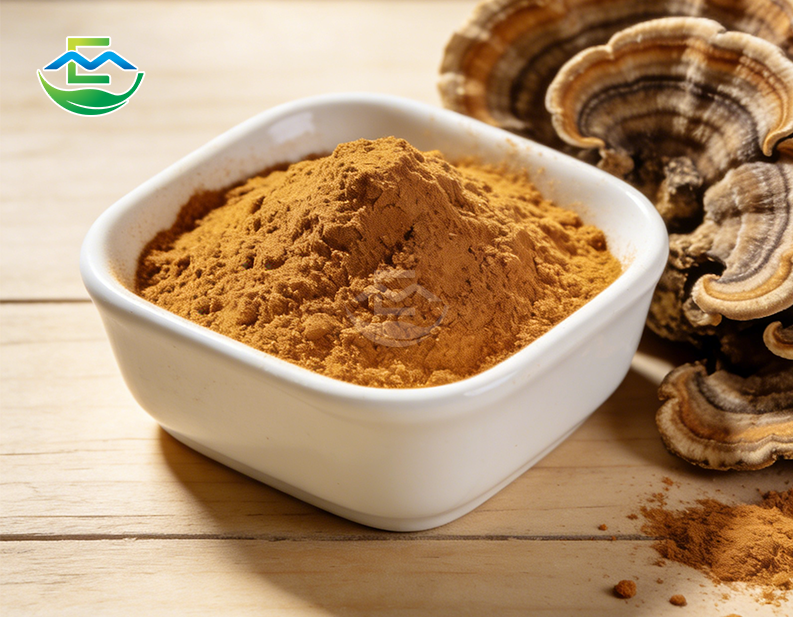
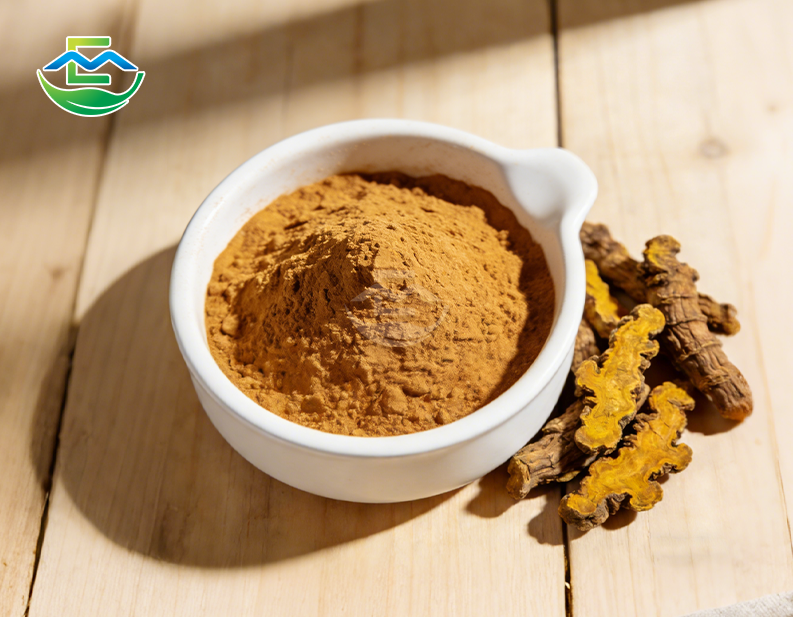
If you dry the root of Curcuma longa L. is what is used to make pure Turmeric Root Powder, which is one of the most useful plant foods. A lot of curcuminoids are found in this golden-yellow powder. Curcuminoids are natural chemicals that are useful in the supplement, makeup, and functional food businesses. Not like most spice mixes, this one keeps all of its antioxidants, like the medicinal substances and essential oils that have curcumin levels between 2% and 6%. As clean-label trends grow and businesses look for whole-food products that have been shown to work, it's important to know what makes good turmeric powder different so you can buy it from a good source.


What is Pure Turmeric Root Powder? Understanding Its Composition and Production
Defining Purity and Composition Standards
The word "pure" means a lot when it comes to plant items. Some things that can be in pure Turmeric Root Powder but aren't really pure Turmeric Root Powder are rice flour, cassava starch, and artificial colors like Metanil Yellow and lead chromate. Because these additives make things less safe and less effective, buying teams need to make sure that the right testing steps are taken.
Curcumin, demethoxycurcumin, and bisdemethoxycurcumin are the three main curcuminoids that are found in good, pure Turmeric Root Powder. The strong orange-yellow color of the ingredient comes from these chemicals, which also make it helpful. The powder naturally has volatile oils like turmerone, atlantone, and zingiberene, which give it an earthy, spicy smell and a slightly bitter, strong taste. Whole root powder is different from separate extracts because it has the full phytochemical structure. It gives what many formulators call "broad-spectrum synergy."
Production Process and Quality Retention
The first step in the making process is to pick out the grown rhizomes. Most of the time, this happens eight to ten months after growth began. In post-harvest preparation, controlled drying methods are used to keep the food's nutritional value while dropping the moisture level below 10%. This is needed to stop the growth of microbes while the food is being stored and shipped.
Next is precision grinding, which makes pieces that are 60 to 80 mesh in size. When particles are mixed in dry mixes or used in food, this standard makes sure that the particles are spread out properly. It doesn't dissolve in water because it is lipophilic. Instead, it forms solid solutions. This trait changes how different companies make their goods.
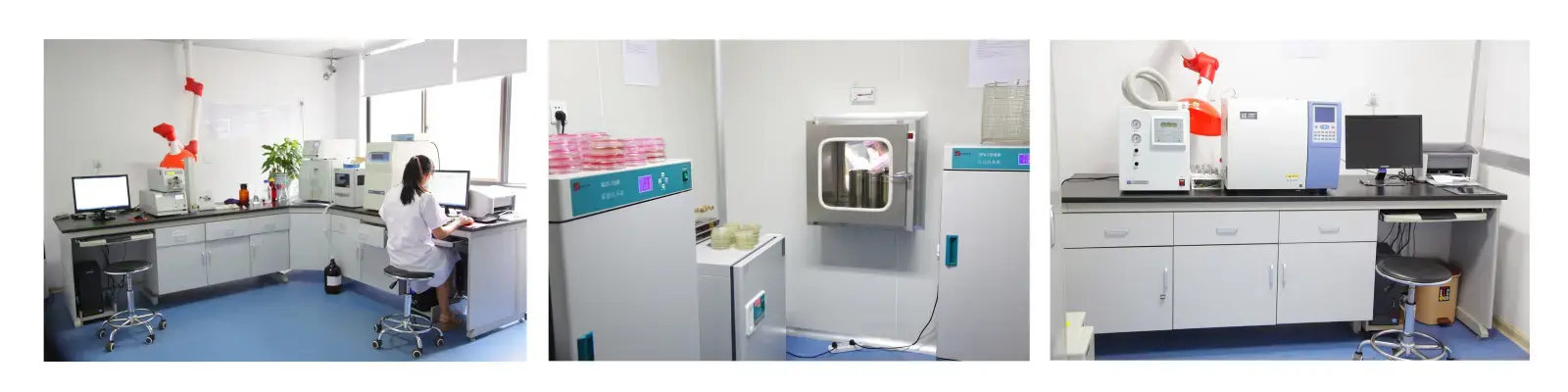
For industrial-grade materials, one important quality standard is to use High-Performance Liquid Chromatography (HPLC) to check the curcumin amount instead of UV spectroscopy, which can be fooled by things that change color. A total ash content of less than 7% means that the earth isn't too polluted, and a moisture level of less than 10% means that the product is safe to store for longer.
Certification and Compliance Considerations
When you buy something from another business, you need paperwork that follows a lot of different legal rules. The fact that manmade fertilizers and chemicals are not used in gardening is shown by the organic seal. It's becoming more and more important for customers to be open, and non-GMO certification protects genetic purity. GMPs and other food safety standards, such as FSSC22000, keep goods from getting contaminated and make sure that they can be used for medical and nutritional uses.
In some ways, different ways of cleaning are better for organic obedience than others. Even though they kill germs, irradiation and ethylene oxide treatments aren't used very often in some places, so steam cleaning is still the best way to keep your organic certification. When buying, teams know about these differences, and they can better match the skills of sellers with the needs of the target market.
Exploring the Health Benefits of Pure Turmeric Root Powder
Anti-Inflammatory and Antioxidant Properties
Studies on the bioactive ingredient in pure Turmeric Root Powder have shown that it helps keep inflammation reactions in check. By working with several chemical pathways, curcuminoids change the way cells deal with oxidative stress. Pure Turmeric Root Powder can be used to make products that boost the immune system and ease joint pain. These are two types of nutritional goods that are growing quickly.
Turmeric is a strong antioxidant that can get rid of free radicals and make the body's own antioxidant enzyme systems work better. Both of these processes work together to make gains that are bigger than what either of them could do by itself. What this means is that formulators can use pure Turmeric Root Powder in two ways: as an active ingredient and as a natural way to keep things fresh longer.
Whole Powder Versus Isolated Curcumin
People often have to pick between whole root powder and standardized curcumin extracts, which are almost always made up of 95% curcuminoids. The pros of each design are different. The full phytochemical makeup is kept in whole powder. This includes the fiber and volatile oils that may make the phytochemicals easier for the body to use through entourage effects. This "food matrix" method is liked by people who want ingredients that are made from whole foods, and it lets businesses market their goods as having been lightly processed.
On the other hand, standardized extracts have more curcumin per dose. This means that capsules can be smaller and doses can be more carefully watched. But they need fillers or carriers, and they might not be as stable at high temperatures as whole powder, which is good for baking and other high-temperature tasks. When formulating, teams know these trade-offs and can make the shape of an item fit the needs of a product and the people they want to sell it to.
Dosage Considerations and Safe Usage
As an extra, most people take 500 mg to 2,000 mg of whole root powder every day. This is the same as 10 mg to 40 mg of curcuminoids that are found in nature. Because it is lipophilic, curcumin is not easily absorbed, which is something that needs to be thought about in commercial goods. Piperine (black pepper extract) or fat carriers make absorption much better when added to a mixture. This method is often used in whole food mixes for nutraceuticals.
There shouldn't be more than 1 ppm of heavy metals, especially lead (Pb). This is more than the general US Pharmacopeia levels. This should be checked by quality control methods. Lead chromate that has been tampered with in the past shows how important it is to use Inductively Coupled Plasma Mass Spectrometry (ICP-MS) to do full tests.
Culinary and Industrial Uses of Pure Turmeric Root Powder
Traditional and Contemporary Food Applications
For hundreds of years, pure Turmeric Root Powder has been an important part of cooking, especially in South Asian food. It makes food taste better and keeps it fresh naturally. These traits are used by current food manufacturers in a number of different types of food. It makes spice mixes yellow and gives them a light, earthy smell. Companies that make functional drinks use them to make golden milk, turmeric coffee, and wellness shots that help with overall health and inflammation.
Natural colorants can be used instead of man-made colors like Tartrazine (Yellow 5). Pure Turmeric Root Powder is being used more and more in sauces, mustards, and processed foods that need a yellow-orange color as clean-label movements gain steam. You have to be very careful about the things you use, though, because it marks so deeply. The powder sticks well to PVC and plastic parts of production lines, so you need special tools or very thorough cleaning methods to work with them.
Turmeric is used for more than just its color. It also kills germs, which helps wet sauces last longer on the shelf. People who want natural ways to keep food fresh can use it for two different things. When companies change the recipes of their goods to get rid of man-made stabilizers, this property comes in very handy.
Cosmetic and Personal Care Applications
Cosmetics companies now use pure Turmeric Root Powder in items that you put on your face to make it look and feel better. The fact that curcuminoids don't break down in oil means that they can be used in treatments, serums, and creams. The ingredient is liked by formulators because it works well with other plant-based actives and helps them make claims about green goods.
If the specs are for cosmetics, you need to pay extra attention to how the bits are spread out and how many germs are there. For better texture and feel on the skin, micronized forms are used. And steam sterilization makes sure that products meet strict microbial limits without changing their organic certification or leaving behind chemical residues.
Functional Food and Beverage Innovation
Healthy foods are one of the areas where the use is growing the fastest. People who make protein powder use pure Turmeric Root Powder in plant-based mixes, which means that their products are good for your health because they reduce inflammation. Sports nutrition companies use pure Turmeric Root Powder in recipes with protein, branched-chain amino acids, and adaptogens that help the body heal.
One problem that keeps coming up in formulation is how to deal with grittiness and settling in liquid solutions. Using encapsulation technologies, micronizing, or mixing with fat carriers like coconut milk powder are some options. These technologies make the product feel better in the mouth and make it more bioavailable. How well people like the product and how often they buy it again are directly linked to these technical factors. This is why it's so important to optimize recipes for the market.

How to Choose and Source the Best Pure Turmeric Root Powder for Your Business
Quality Certification and Supplier Assessment
You need to look at a provider's skills and compliance in a number of areas to find pure Turmeric Root Powder you can trust. The first thing that is looked at is quality approvals. Getting organic certification from the USDA, the EU, or a similar group proves that the crops are grown in a certain way. With NSF GMP approval, you can see that the production process is controlled. FSSC22000 is about food safety management systems. Goods that are meant for certain groups of people can reach more people with the help of Kosher and Halal licenses.
Another important thing to look at is traceability tools. It is important for suppliers to provide proof of where the materials came from, how they were handled, and how they were packed. People who check things and people who ask about where goods come from need to know this chain of control. Tracking that works well also lets you move quickly if there are problems with the quality, which keeps the supply chain happy.
You should pay close attention to how well the supply chain works and how much it can produce. When it comes to supplies and costs, sellers who work directly with farmers or who combine several businesses into one are better. Because buying teams know when crops usually grow and how to handle stocks, they can plan ahead for times when there might not be enough supplies.
Organic Versus Conventional: Making the Trade-Off
Most of the time, organic pure Turmeric Root Powder costs 20–40% more than normal pure Turmeric Root Powder. The price difference is because of the higher costs of licenses, smaller returns, and farming methods that require more work. But getting approved as organic lets you sell your goods in new places where buyers care about clean growing methods.
A lot of the time, regular pure Turmeric Root Powder works just fine when organic claims aren't important for business reasons. It is still necessary to do a full test on quality reference material to look for heavy metals, pesticide residues, and microbial contamination. The decision will rely on what the target market wants, how price-conscious they are, and where they want their brand to be placed.
Root Powder Versus Concentrated Extracts
When studying the cost-effectiveness, the amount of curcuminoid present needs to be taken into account. It might look like extracts cost more per kilogram, but because they contain more curcumin, they might cost less per standard amount. But extracts need carriers, might not be accessible without extra process steps, and don't sell as a whole food as whole powder does.
Pure Turmeric Root Powder doesn't break down when kept away from light and can handle high temperatures well for baking. This makes it useful for adding nutrients to foods and making snacks healthy. You can also say that the whole plant and all of its effects are good for you when you sell it. This puts goods in the growing "food as medicine" area.
Pricing Benchmarks and Procurement Channels
Bulk pure Turmeric Root Powder (500 kg or more) costs between $4 and $8 per kilogram right now. The price of organically approved material ranges from $6 to $12 per kilogram, depending on how much curcumin it has, what certifications it has, and how well the buyer and seller know each other. The price of standardized curcumin extracts (95% of the active ingredient) ranges from $35 to $75 per kilogram. Approved organic forms cost close to $100 per kilogram.
One way to get goods is to work directly with makers, work with ingredient brokers, or buy goods in bulk. This method can save you money and give you more control over the details, but you have to place bigger orders and be more in charge of the supply chain. There are distributors who give smaller lots and things from the area, but they charge more, which makes delivery more expensive.
When companies make private label and OEM goods, having suppliers who can help with recipe, do custom mixing, and offer a range of packaging options gives them an edge over their competitors. Aside from the commodity price, professional service skills such as stable testing, application help, and support for regulations make the product more valuable.

Conclusion
Well-made pure Turmeric Root Powder is used in lots of different areas, from health and beauty items to useful foods and makeup. To find this plant ingredient, you need to think about a lot of things, like how much curcuminoids are in the ingredient, how pure it is, how well it meets licensing standards, and how reliable the seller is. Because it has the whole food, pure Turmeric Root Powder is better than other products. This is especially true for brands that stress clean labels and plant benefits that cover a wide range. More and more people want natural products that work, so buying teams need to connect with buyers who can show they know their stuff when it comes to technology, quality control, and being open with the supply chain. People want plant ingredients that can be proven, tracked, and shown to work. How competitive a company is today will depend on the strategic buying decisions it makes.
Frequently Asked Questions
1. What distinguishes turmeric root powder from standard turmeric spice blends?
Ground Curcuma longa rhizomes are all that make up pure Turmeric Root Powder. There are no other spices, fillers, or chemicals in it. There are other ingredients in some standard spice mixes that might change the amount of curcuminoids in the mix and make it less stable. Because it is so controlled, pure Turmeric Root Powder lets you make sure that every batch of your product follows the rules and has the same amount of beneficial ingredients.
2. How can I verify the purity and quality of turmeric powder before committing to bulk purchases?
Ask for Certificates of Analysis (COA) that show tests for bacteria, manmade dyes, heavy metals (especially lead using ICP-MS), and starch fillers, as well as tests for HPLC curcuminoid. Sellers you can trust will give you these papers out of the blue and accept checks from a third party. By sending samples to outside labs for testing before placing large orders, you lower the risk in the supply chain and make sure the seller is telling the truth.
3. What are the recommended usage levels for incorporating turmeric powder into commercial formulations?
For each type of treatment, the dose is different. Most nutraceutical pills have between 500 mg and 1000 mg in each dose. Foods and drinks use 50–200 mg, mostly for color and taste. Functional drinks, on the other hand, use 200–500 mg per dose. Bioavailability boosters, such as piperine or lipid carriers, can help you get more out of smaller amounts of a product while continuing to use it.
Partner with EM: Your Trusted Turmeric Root Powder Supplier
Curcuma longa L. pure Turmeric Root Powder that is shipped by Earth Made Nutritions Inc. is pharmaceutical-grade and meets the high standards of companies in North America that make cosmetics, nutraceuticals, and functional foods. Our yellow root powder comes in drums that hold 25 kg, and you have to order at least 25 kg to place an order. Many approvals, like NSF GMP, FSSC22000, Kosher, Halal, ISO, and Organic, show that it follows the rules in many places. We have four carefully placed stores in the U.S. that allow us to fill orders with in-stock items in just two days. This takes away the uncertainty in the supply chain that can cause production plans to slip. We can make unique formulas thanks to our advanced research and development (R&D). We also have strict quality control measures in place that use high-performance liquid chromatography (HPLC) to check the curcumin level and look for impurities that could hurt the purity of the product. Try some for free today and learn how working with a company that makes pure Turmeric Root Powder can help your supply chain. Send an email to info@em-herb.com to get technical information, prices, and private label choices from our buying experts.
References
1. Aggarwal, B.B., & Harikumar, K.B. (2009). Potential therapeutic effects of curcumin, the anti-inflammatory agent, and their relationship with molecular targets. Biochemical Pharmacology, 78(4), 1399-1408.
2. Hewlings, S.J., & Kalman, D.S. (2017). Curcumin: A review of its effects on human health. Foods, 6(10), 92-105.
3. Nelson, K.M., Dahlin, J.L., Bisson, J., Graham, J., Pauli, G.F., & Walters, M.A. (2017). The essential medicinal chemistry of curcumin. Journal of Medicinal Chemistry, 60(5), 1620-1637.
4. Prasad, S., & Aggarwal, B.B. (2011). Turmeric, the golden spice: From traditional medicine to modern formulations. Herbal Medicine: Biomolecular and Clinical Aspects, CRC Press, Chapter 13.
5. Tayyem, R.F., Heath, D.D., Al-Delaimy, W.K., & Rock, C.L. (2006). Curcumin content of turmeric and curry powders. Nutrition and Cancer, 55(2), 126-131.
6. Hewlings, S., & Kalman, D. (2017). Curcumin delivery systems and bioavailability enhancement strategies in dietary supplements and functional foods. Agro Food Industry Hi Tech, 28(3), 56-59.