- English
- French
- German
- Portuguese
- Spanish
- Russian
- Japanese
- Korean
- Arabic
- Irish
- Greek
- Turkish
- Italian
- Danish
- Romanian
- Indonesian
- Czech
- Afrikaans
- Swedish
- Polish
- Basque
- Catalan
- Esperanto
- Hindi
- Lao
- Albanian
- Amharic
- Armenian
- Azerbaijani
- Belarusian
- Bengali
- Bosnian
- Bulgarian
- Cebuano
- Chichewa
- Corsican
- Croatian
- Dutch
- Estonian
- Filipino
- Finnish
- Frisian
- Galician
- Georgian
- Gujarati
- Haitian
- Hausa
- Hawaiian
- Hebrew
- Hmong
- Hungarian
- Icelandic
- Igbo
- Javanese
- Kannada
- Kazakh
- Khmer
- Kurdish
- Kyrgyz
- Latin
- Latvian
- Lithuanian
- Luxembou..
- Macedonian
- Malagasy
- Malay
- Malayalam
- Maltese
- Maori
- Marathi
- Mongolian
- Burmese
- Nepali
- Norwegian
- Pashto
- Persian
- Punjabi
- Serbian
- Sesotho
- Sinhala
- Slovak
- Slovenian
- Somali
- Samoan
- Scots Gaelic
- Shona
- Sindhi
- Sundanese
- Swahili
- Tajik
- Tamil
- Telugu
- Thai
- Ukrainian
- Urdu
- Uzbek
- Vietnamese
- Welsh
- Xhosa
- Yiddish
- Yoruba
- Zulu
Reishi Mushroom Extract Powder Benefits: What It Does, How People Use It, and How to Grow It at Home
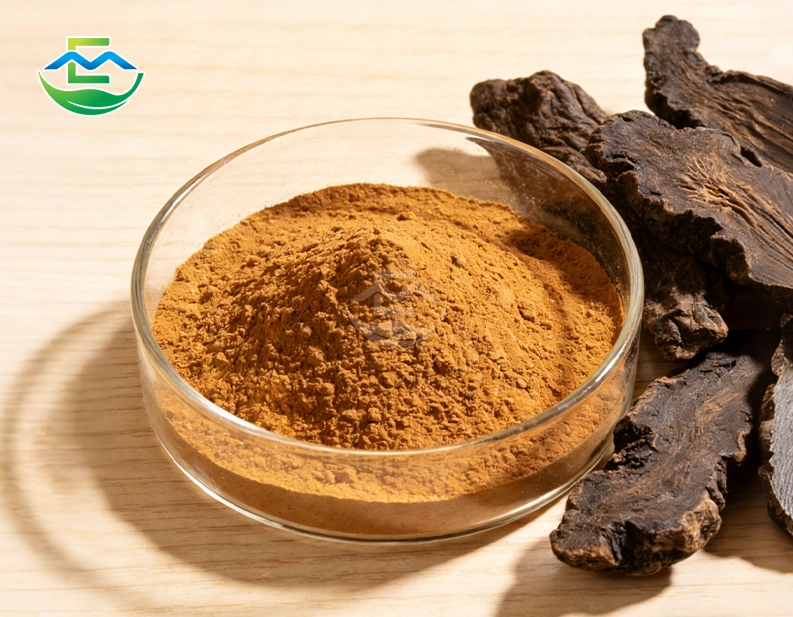
The beneficial elements of the ancient fungus Reishi Mushroom are concentrated in Reishi Mushroom Extract Powder, which comes from Ganoderma lucidum. This brownish-yellow powder standardizes key actives like beta-glucans and triterpenes by using both hot water and ethanol extraction methods. This solves the absorption problems that come with raw mushroom material. Unlike regular ground reishi, this extract is more stable, has higher strength, and has been tested to be pure. This makes it an important ingredient for nutraceutical products that want to support the immune system and adaptogens in today's health market.


Understanding Reishi Mushroom Extract Powder: Definition and Core Benefits
What Makes Extract Powder Different from Other Formats
The main difference is in how the data is processed. Raw reishi powder has chitin cell walls that can't be digested and stop compounds from being absorbed. Reishi Mushroom Extract Powder, on the other hand, goes through a lot of hot water extraction to separate polysaccharides and ethanol extraction to concentrate triterpenes. This two-step process provides a full-spectrum profile that can't be found in pills with raw materials or simple tinctures. Spore powder has a lot of oils, but it doesn't have the usual amount of polysaccharides that are needed for uniform formulation. The bioavailability-versus-potency problem that R&D teams face when making supplements for immunity is solved by the change from raw material to functional ingredient.
Scientifically Validated Health Properties
Researchers have found that Ganoderma lucidum mycelium products can change the immune system in a measured way through beta-1,3/1,6-D-glucan contents that range from 10 to 30 percent. These sugars work with natural killer cells and macrophages to help the body's natural defenses. Triterpene chemicals, which are usually found in amounts between 2 and 5 percent in high-quality extracts, help reduce inflammation by changing the production of cytokines. Antioxidant activity, which can be measured by ORAC levels, helps cells deal with reactive stress. Studies show that standardized extracts also help keep cortisol levels healthy, which is why they have been used for a long time to help people sleep well and deal with stress. This feature, which is based on proof, makes reishi extract a key ingredient for functional supplement brands that want to attract health-conscious customers.
The B2B Value Proposition for Product Developers
When it comes to buying things, standardized extracts get rid of the batch-to-batch differences that come with farming raw materials. A Certificate of Analysis that guarantees 30% carbohydrates and 2% triterpenes makes sure that the recipe stays the same from one production run to the next. The powder's fine mesh size (usually 80 to 100 mesh) makes it easy to blend evenly in beverage and pill production. Low moisture level (below 5%) makes food last longer on the shelf, which lowers the risk of expiration. Heavy metal testing that meets USP guidelines (Pb <2ppm, As <1ppm) meets the needs of regulations in all foreign markets. Formulation managers who have to balance claims of effectiveness with quality control methods care a lot about these technical details.

How Reishi Mushroom Extract Powder Is Used in B2B and Consumer Markets
Primary Applications in Supplement Formulations
Reishi Mushroom Extract Powder is often mixed with vitamin C, zinc, and astragalus in immune-supporting combinations so that they work better together. It is used by sports nutrition companies in healing products that help control inflammation after exercise. Reishi, L-theanine, and ashwagandha are all found in mental health items to help with stress response. For ready-to-drink immunity shots and adaptogenic coffee replacements, functional beverage makers use extracts that dissolve in water. The powder form lets brands precisely control dosing—standard daily dose sizes are between 500 mg and 1,500 mg—so they can adjust strength to suit their target audience. Its use in nutrition, functional food, and cosmetic ingredient markets is due to its flexibility.
Dosage Guidelines and Formulation Considerations
According to a clinical study, the daily effective dose is between 1 and 3 grams of standardized extract. However, less concentrated forms need less. When making a product, people have to think about extraction ratios. For example, a 10:1 extract means that 10 kg of raw material makes 1 kg of powder. The water-extracted versions focus on supporting the immune system through polysaccharide delivery, while the alcohol-extracted versions focus on triterpenes for adaptogenic uses. Premium powders that are dual-extracted cost more but have many advantages. Formulation chemists should think about particle size when figuring out how a pill will move and how fast it will dissolve. When making powdered drink mixes, settling problems can be avoided by testing the stability in small amounts. Knowing these technical details helps hiring teams choose the right grades for the jobs they want to do.
Comparing Product Types for Procurement Decisions
Organic versus conventional sourcing affects how hard it is to get certified and how much it costs. It costs 15–25% more for ingredients to be certified organic by the USDA, but this helps the clean-label image. Extraction method transparency separates reliable sellers from commodity traders by the openness of their extraction methods. Dual-extraction with third-party verification of beta-glucan content via the Megazyme method guarantees real quality. Potency standardization creates clear tier structures: entry-level extracts should have 10% polysaccharides, mid-tier products should have 30%, and top products should have 50% polysaccharides with 4% to 10% triterpenes. Buying managers can use these differences to find the right quality levels for their brand positioning. When you buy in bulk, you can save money by lowering the minimum order size to 25 kg while still keeping the integrity of the certification through proper paperwork.

Choosing the Right Reishi Mushroom Extract Powder for Your Business Needs
Essential Quality Markers and Certifications
When judging a supplier's goods, you have to look at a lot of different quality factors. Certificates of Analysis should show the amount of polysaccharides using UV-VIS spectroscopy, the amount of beta-glucans using an enzyme test, and the profiles of triterpenes using HPLC. The NSF GMP approval shows that the production process meets standards for pharmaceutical-grade products. Food safety management methods are approved by the FSSC22000 approval. Kosher and Halal licenses make it easier for certain types of customers to buy things. ISO standards show that quality control is done in a planned way. For organic approvals to be valid, the food must be able to be tracked from plant growth to preparation. Tests for heavy metals must show that mercury is less than 0.1ppm, arsenic is less than 1ppm, and lead is less than 2ppm. Microbiological standards say that the total plate count should be less than 1,000 cfu/g. These paperwork rules protect the purity of the formulation and make sure that regulations are followed.
Supplier Reliability and Supply Chain Transparency
For procurement to work, relationships with makers must show that they can consistently produce what is needed. Suppliers who run their own sites with controlled extraction tools lower the risk of contamination. In-stock material that can be picked in two days works for production plans that need to be met quickly. Just-in-time production needs can be met quickly by four carefully placed warehouses across the United States. Formulation teams can check for compatibility with free sampling tools before committing to bulk sales. Response-time providers are different from commodity traders because it takes less than 48 hours from placing an order to shipping it. Clear information about harvest times, extraction ratios, and testing procedures builds trust, which is needed for long-term relationships with ingredient providers.
Balancing Cost and Quality in Bulk Purchasing
When buying in bulk, volume-based price systems make it easier to get what you need. The 25 kg minimum order number is an entry level for new names, while established makers can get better prices when they buy 500 kg or more. As the order size goes up, the cost per kilogram goes down, but quality standards must not be changed. Prices that are competitive should never mean lowering the level of standards or tampering with certifications. Purchasing managers should ask for multi-year supply deals that lock in prices and make sure that specifications stay the same. Knowing how the market works, like how changes in farming times affect the prices of raw materials, helps you plan when to buy things. Having partnerships with highly skilled suppliers who put money into research and development (R&D) and environmentally friendly sourcing gives you more than just a lower cost benefit.

How to Grow Reishi Mushrooms at Home: A Practical Guide for Beginners
Selecting Optimal Spawn and Substrate Materials
Choosing good seed is the first step to successful growing. Colonized grain spawned from reputable sources guarantees strong mycelial growth. Hardwood sawdust from oak, maple, or beech is the best medium because it has the right amount of lignin and cellulose for Ganoderma lucidum and the production of Reishi Mushroom Extract Powder. Adding 5 to 20 percent of wheat bran or rice bran to food improves protein without putting it at risk of contamination. Substrate moisture level should be between 55 and 60%. When you squeeze something, it should feel damp, but it shouldn't drip water. Competing creatures are killed by sterilization at 15 PSI for 2.5 hours. Once it is room temperature, add the inoculum at a rate of 5% spawn and mix it well. Put substrate into grow bags that have filter patches on them. The patches let gas exchange happen while keeping the substrate clean. The success of gardening depends more on this planning phase than on any other step that comes after.
Managing Environmental Conditions for Maximum Yield
Temperature control is very important. Mycelial growth does best at 75 to 80°F, while fruiting body development needs 65 to 75°F. Humidity maintenance between 85 and 95% during flowering keeps mushrooms from drying out. Light exposure for 12 hours a day should be indirect natural light or cool white lighting tubes. This will help the antlers grow properly. Fresh air exchange every 4 to 6 hours stops carbon dioxide from building up, which leads to growth problems. By checking these factors every day, problems can be fixed before they get worse. Hygrometers and thermometers can be used by home gardeners to keep track of the weather and make changes to humidifiers and fans as needed. The flowering time lasts for four to six weeks, and when the brackets are fully grown, they take on a kidney-shaped appearance and turn brown.
Addressing Common Cultivation Challenges
Green mold or bacterial contamination means that cleaning failed or there was an environmental breach. Isolating the affected bags stops the spread of the infection. If settlement is slow, it means there aren't enough spawns, or it's too cold. Moving to warmer places speeds up mycelial growth. Lack of humidity stunts growing bodies. This can be fixed by increasing the frequency of misting and decreasing air exchange. If antlers grow too fast without conks developing, it means that carbon dioxide levels are too high. Increasing air causes the right shape to form. Compound content is highest when harvested at the peak of growth, just as the spores start to fall off. Dehydrating mushrooms that have been picked at 95 to 115°F keeps their bioactivity so that they can be extracted later. Home cultivation takes time and care, but it offers benefits like quality control and sustainability that companies looking into vertical integration or premium source tales may find appealing.
Maximizing the Value of Reishi Mushroom Extract Powder in Your Product Line
Formulation Strategies for Immunity and Wellness Products
Putting Reishi Mushroom Extract Powder with plants that work well together increases their health benefits by making the ingredients work better together. When mixed with astragalus and blackberry, it makes immunity support formulas that are more complete. Strong adaptogen combinations are made when ashwagandha and rhodiola are added. Anti-inflammatory posture is improved by adding turmeric and ginger. In these multi-ingredient matrices, 500 to 1,000 mg of reishi extract is usually included in each dose. The flow qualities of the extract help with capsule formulas, but the particle size needs to be optimized for powdered drink mixes to have a smooth texture. To make sure that compounds stay together, formulation scientists should test their stability under fast conditions for three months at 40°C/75% relative humidity. For product makers to make unique products that work well throughout their shelf life, they need to understand these technical issues.
Marketing and Brand Differentiation Approaches
Teaching target groups about extraction methods and consistency sets you apart from the competition. Consumers who know what they're talking about will trust you more if you show them Certificate of Analysis data that shows verified beta-glucan content. Using certificates for organic, non-GMO, and third-party testing shows that you care about quality. By using content marketing to talk about the nutritional benefits of dual-extracted powders over raw mushroom pills, brands can be seen as experts in their fields. When selling to businesses, you should stress how reliable your supply chain is, how well you follow the rules, and how well you can help customers with technology issues. Case studies that show how recipes worked well and comments from happy procurement managers make sales stories stronger. These tactics help both companies that sell ingredients and companies that make finished products get a bigger part of the growing functional mushroom market.
Emerging Trends and Innovation Opportunities
A high-level chance is the demand from consumers for high-potency extracts that are standardized to 50% polysaccharides. New developments in liposomal delivery methods offer better bioavailability, which will lead to higher profits. Water-dispersible extract forms make beneficial beverage uses possible that weren't possible before because of problems with solubility. Combination goods with more than one type of medical mushroom, like cordyceps for energy and lion's mane for brain health, appeal to people who want to get the most out of their purchases. Buyers who care about the environment like sustainability badges that show carbon-neutral output and regenerative farming methods. When brands invest in these innovation paths, they put themselves at the front of the market and attract early adopters who are willing to pay more for clear progress.
Conclusion
In the fields of nutraceuticals, useful foods, and cosmetics, Reishi Mushroom Extract Powder is a highly advanced ingredient that meets important needs. Its uniform bioactive profile makes manufacturing easier and gives benefits that are backed by science. It is important to understand the extraction method, quality standards, and application strategies when looking for ingredients to make supplements, researching cultivation for supply chain integration, or creating the next generation of health goods. When traditional plant knowledge meets modern extraction science, it opens up possibilities for brands that want to use high-quality ingredients and stand out in the market.
Frequently Asked Questions
1. What concentration of polysaccharides should I specify when purchasing reishi extract?
Entry-level formulations usually call for 10–20% polysaccharides, which are good for health items that want to save money. The best vitamins aim for 30% polysaccharides and 2-4% triterpenes, which give the immune system and adaptogens a healthy boost. Ultra-premium products have 50% carbohydrates, but the price goes up by the same amount. Your choice should fit with your marketing strategy, the people you want to reach, and the other businesses in your market group.
2. How does dual-extraction differ from single-method processing?
Hot water extraction separates water-soluble carbohydrates that help the immune system work. Alcohol extraction yields triterpenes that dissolve in fat and have adaptogenic qualities. Dual-extraction uses both ways together to get all the chemicals that can't be gotten with single processing. This all-encompassing method is the best choice for high-end product lines because it works better and makes more practical claims, which supports its higher cost.
3. Can reishi extract powder be used in beverage formulations?
Versions of Reishi Mushroom Extract Powder that have been removed with water and have a lot of polysaccharides dissolve well in water, which means they can be used in functional drinks, immunity shots, and powdered drink mixes. Test for breakdown at the temperatures and pH values you want. Some mixtures work better when they have natural emulsifiers or spray-dried forms that are made to work with drinks so they don't settle during storage.
Source High-Quality Reishi Mushroom Extract Powder from EM
Earth Made Nutritions Inc. sells high-quality Ganoderma lucidum mycelium extract that has been tested to meet strict standards. Our brownish-yellow powder comes in 25-kilogram drums and comes with free samples. It is certified by NSF GMP, FSSC22000, Kosher, Halal, ISO, and Organic. As a well-known provider of Reishi Mushroom Extract Powder, we keep four carefully placed U.S. warehouses that allow us to complete orders in two days. Our advanced research and development (R&D) skills and unique extraction technology ensure uniform batch quality with full data for tracking. Our commitment to sustainable sourcing and quick technical help makes us a good choice for companies looking for a reliable Reishi Mushroom Extract Powder maker. Get in touch with info@em-herb.com to talk about your formulation needs and get unique buying solutions that fit your brand's goals.
References
1. Wachtel-Galor S, Yuen J, Buswell JA, Benzie IFF. Ganoderma lucidum (Lingzhi or Reishi): A Medicinal Mushroom. In: Benzie IFF, Wachtel-Galor S, editors. Herbal Medicine: Biomolecular and Clinical Aspects. 2nd edition. Boca Raton: CRC Press; 2011. Chapter 9.
2. Boh B, Berovic M, Zhang J, Zhi-Bin L. Ganoderma lucidum and its pharmaceutically active compounds. Biotechnology Annual Review. 2007;13:265-301.
3. Sanodiya BS, Thakur GS, Baghel RK, Prasad GB, Bisen PS. Ganoderma lucidum: a potent pharmacological macrofungus. Current Pharmaceutical Biotechnology. 2009;10(8):717-742.
4. Bishop KS, Kao CHJ, Xu Y, Glucina MP, Paterson RRM, Ferguson LR. From 2000 years of Ganoderma lucidum to recent developments in nutraceuticals. Phytochemistry. 2015;114:56-65.
5. Stamets P. Growing Gourmet and Medicinal Mushrooms: A Companion Guide to The Mushroom Cultivator. Berkeley: Ten Speed Press; 2000.
6. Ahmad MF. Ganoderma lucidum: Persuasive biologically active constituents and their health endorsement. Biomedicine & Pharmacotherapy. 2018;107:507-519.