- English
- French
- German
- Portuguese
- Spanish
- Russian
- Japanese
- Korean
- Arabic
- Irish
- Greek
- Turkish
- Italian
- Danish
- Romanian
- Indonesian
- Czech
- Afrikaans
- Swedish
- Polish
- Basque
- Catalan
- Esperanto
- Hindi
- Lao
- Albanian
- Amharic
- Armenian
- Azerbaijani
- Belarusian
- Bengali
- Bosnian
- Bulgarian
- Cebuano
- Chichewa
- Corsican
- Croatian
- Dutch
- Estonian
- Filipino
- Finnish
- Frisian
- Galician
- Georgian
- Gujarati
- Haitian
- Hausa
- Hawaiian
- Hebrew
- Hmong
- Hungarian
- Icelandic
- Igbo
- Javanese
- Kannada
- Kazakh
- Khmer
- Kurdish
- Kyrgyz
- Latin
- Latvian
- Lithuanian
- Luxembou..
- Macedonian
- Malagasy
- Malay
- Malayalam
- Maltese
- Maori
- Marathi
- Mongolian
- Burmese
- Nepali
- Norwegian
- Pashto
- Persian
- Punjabi
- Serbian
- Sesotho
- Sinhala
- Slovak
- Slovenian
- Somali
- Samoan
- Scots Gaelic
- Shona
- Sindhi
- Sundanese
- Swahili
- Tajik
- Tamil
- Telugu
- Thai
- Ukrainian
- Urdu
- Uzbek
- Vietnamese
- Welsh
- Xhosa
- Yiddish
- Yoruba
- Zulu
It is very important to get the dosage of Guarana Seed Extract powder right if you want to make goods that meet legal requirements and customer needs. Guarana extracts standardized to 50% chlorogenic acids come from Paullinia cupana seeds and offer benefits that go beyond those of traditional caffeine sources. They do this by mixing powerful bioactives with natural polyphenolic compounds. Dosing correctly guarantees the stability of the recipe, the identity of the product, and compliance with changing trends in clean labels. It's always hard for procurement teams and formulation scientists to find uniform plant extracts that stay the same from batch to batch and back up claims of effectiveness in the supplement and functional food markets.
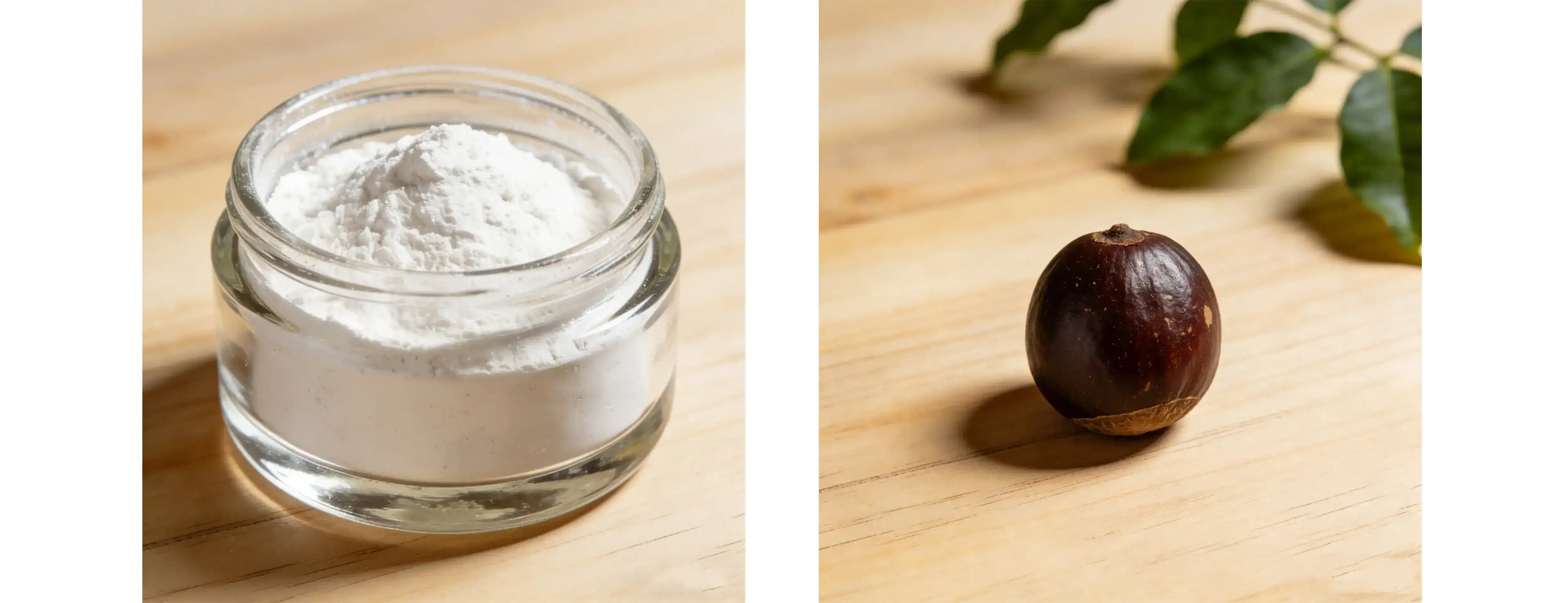
Understanding Guarana Seed Extract Powder and Its Dosage Importance
Guarana seed extract powder from Paullinia cupana has been known for a long time to have a lot of naturally produced caffeine and a complex phytochemical matrix. Instead of just manufactured caffeine, this plant product has a mix of methylxanthines, tannins, and chlorogenic acids that work together to change how the body absorbs and reacts to caffeine.
In B2B formulation settings, knowing the chemistry profile isn't just for school; it has a direct effect on how well the product works and where it stands in the market. Our uniform guarana extract, which is made by extracting the fruit with water and ethanol, has a white powdery look and always meets the 50% chlorogenic acid standards. This standardization fixes a major problem in the industry: differences between batches that make it hard to trust the recipe and the customer.
Why Dosage Precision Matters in Commercial Formulations
The correct amount of a product protects its efficacy and reduces manufacturing hazards. Dietary supplements and functional foods are regulated by the FDA to ensure label claims and ingredient consistency. Products containing unstable active ingredients risk recall, reputation damage, and costly reformulation.
Along with meeting regulatory criteria, accurate dose control helps businesses stand out by ensuring constant performance. Energy drink, sports nutrition, and useful drink companies need repeatable formulas to provide consistent client experiences. When chlorogenic acid and caffeine levels fluctuate without warning, product performance varies, hurting brand trust and market share.
Technical Parameters Influencing Formulation Success
Guarana products' physical and chemical qualities affect dosage. Powder flow, mix, and encapsulation depend on particle size, which is commonly 80–100 mesh. Be aware of bulk density fluctuations between 0.4 and 0.60 g/ml when utilizing volumetric dosages. Precision equipment tuning is especially important on high-speed production lines.
Remember that plant powders absorb water. Moisture can modify active ingredient levels, so effective doses may differ from labels. We employ controlled packing in moisture-resistant 25 kg barrels and NSF GMP, FSSC22000, Kosher, Halal, ISO, and Organic certifications to ensure production and storage controls.

Challenges in Ensuring Dosage Accuracy for Guarana Seed Extract Powder
Synthetic chemicals are always the same, but natural plant ingredients are always different. Soil type, yearly weather trends, and harvest times are some of the environmental factors that affect the Paullinia cupana plant. These factors cause phytochemical profiles to change between crop years and growing regions.
Extraction Method Impact on Active Compound Consistency
The finished product's composition depends on the extraction solvent. Our water-ethanol two-solvent approach recovers lipophilic bioactives and hydrophilic chlorogenic acids from Guarana Seed Extract powder more easily. The chemical issues of hexane-based techniques are avoided. This extraction method meets consumer (clean labels) and regulator (USP solvent residue testing) needs.
In all manufacturing runs, extraction temperature, pressure, time, and liquid-to-material ratio must be closely managed. Any modification in a measure can move chlorogenic acid away from 50%, causing formulation issues. HPLC analytical proof is now required for dose accuracy providers.
Manufacturing Scale-Up Complications
From lab-scale formulations to business manufacturing, dose accuracy is more difficult. Mixing equipment limitations can produce stratification when larger particles settle, resulting in unequal active ingredient distribution throughout bulk powder lots. When fill weight variations exceed reasonableness, encapsulation methods also risk failure.
We solve these issues with cutting-edge R&D tools and consistent extraction equipment. Before packing, our California plant uses validated mixing processes and in-process testing to ensure homogeneity. This ensures every 25 kg drum satisfies the criteria.
Regulatory Framework Complexity
Meeting the dose criteria is challenging with diverse foreign standards. The US, EU, and other major countries have varied botanical extract definitions, purity, and efficacy standards. Quality control and extensive documentation are needed to achieve all these objectives.
Tests must include lead, arsenic, cadmium, mercury, microbiological safety parameters such as total plate count, yeast/mold, and pathogen screens, pesticide residue restrictions, and PAH levels. Different testing methods affect dose levels and label claims in different areas.
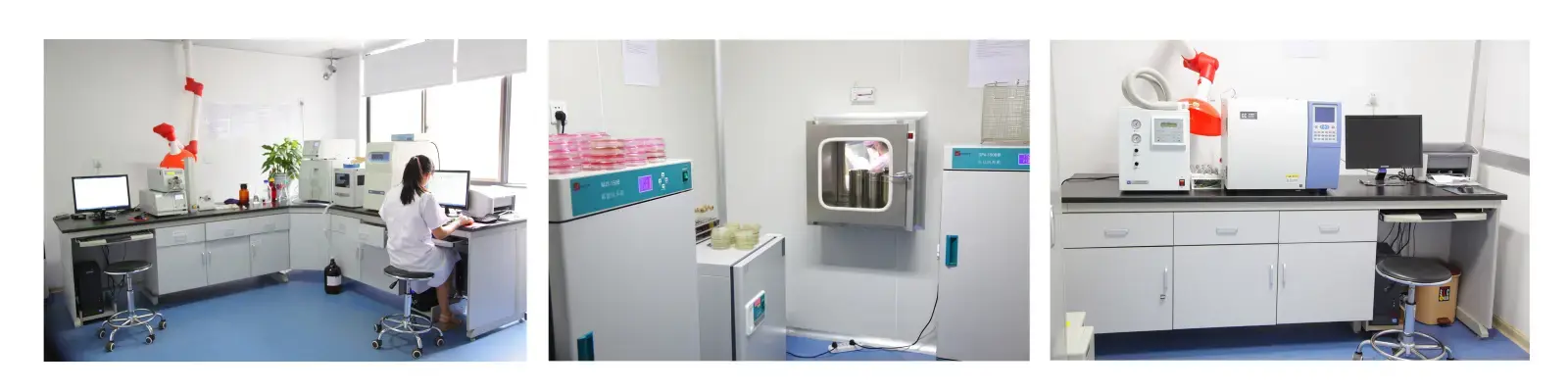
Best Practices for Accurate Dosage in Guarana Seed Extract Powder Formulations
Dosage consistency is based on choices about where to get the medicine. Buying groups should give more weight to sellers who send thorough Certificates of Analysis (COAs) with every batch. These COAs should list not only the amount of chlorogenic acid in the coffee but also the amount of caffeine, moisture, heavy metals, microbiology results, and solvent leftovers.
Standardization Through Analytical Verification
HPLC research is the best way to check the amounts of bioactive compounds. Ratio extracts, like 10:1 or 5:1, show how concentrated the raw materials are without guaranteeing the active amounts. Standardized extracts, on the other hand, give exact percentages of compounds that have been checked using approved scientific methods.
This dedication to standards is shown by our 50% chlorogenic acid guideline. HPLC tests are done on each output batch to make sure that the amount of chlorogenic acid is within acceptable limits, which are usually within ±5% of the given specification. With this level of analytical rigor, formulation scientists can figure out the exact weights of ingredients that are needed to make finished goods with the right doses.
Advanced Formulation Technologies
Using the right mixing technologies is necessary to make sure that plant extracts are evenly distributed in mixtures with other ingredients. Depending on the difficulty of the recipe and the size of the production, V-blenders, ribbon blenders, and high-shear mixers all have their own benefits. Our 80-100 mesh Guarana Seed Extract powder has particles that are small enough to mix well with other powdered ingredients, which lowers the risk of them separating.
It helps encapsulation processes when the bulk density and flow characteristics stay the same. If you use direct compression tableting, a two-piece hard capsule filler, or stick pack production, you need to keep a close eye on the powder's properties to make sure that the dose-to-dose consistency meets USP regularity standards.
Comprehensive Quality Assurance Frameworks
Quality management includes more than just testing raw materials. It also includes rules during the production process and for checking the final product. Using statistical process control (SPC) methods can help find changes in trends before they affect the quality of a batch. The quality mindset needed for long-term dosage accuracy is strengthened by regular equipment testing, environmental tracking, and training for staff.
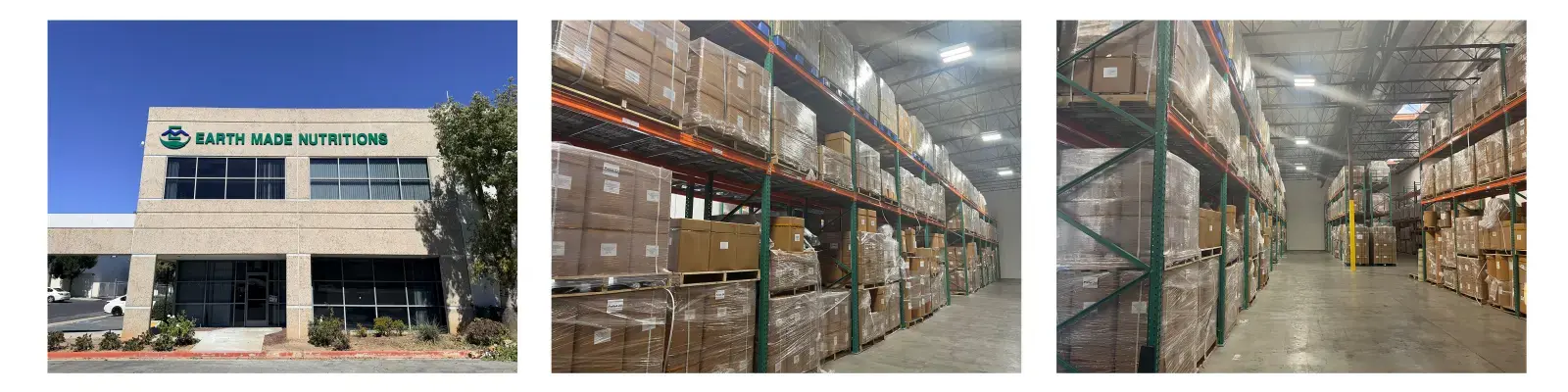
Our company runs four main stores across the United States. This allows for fast shipping and keeps the products' quality by storing them in controlled conditions. Just-in-time inventory management is possible with this delivery system, and quality rules that are needed for reliable dosage are not compromised.
Selecting Reliable Guarana Seed Extract Powder Suppliers for Dosage Accuracy
There should be more than just price factors in the standards used to evaluate suppliers. Product approvals show dedication to quality management systems, and openness in production builds trust in the process's abilities.
Essential Supplier Qualification Criteria
Certification files are a great way to learn about a supplier's skills. Our NSF GMP certification shows that we use pharmaceutical-grade manufacturing practices. Our FSSC22000 certification covers food safety management for the production of food ingredients. Kosher and Halal approvals help brands reach more customers in certain groups, and organic certification makes sure that the brand follows rules for healthy farming.
The level of scientific know-how, the sophistication of the tools, and the facilities of the analytical labs should all be looked at in manufacturing capability assessments. Suppliers who use modern extraction equipment and keep their own analysis tools show that they are committed to providing consistent product quality. Our site in California has both advanced extraction technology and a professional research and development team. This means that we can offer standard products and help with custom formulations.
Differentiating Supplier Types
Knowing the difference between makers, resellers, and original equipment manufacturers (OEMs) helps businesses choose suppliers that will help them reach their goals. Direct makers oversee the whole production process, which makes things clearer and allows for more customization options. Wholesalers make it easy to get a lot of different products, but they might not know much about the process. OEM providers offer finished or nearly finished formulations, which speeds up product development for companies that don't have their own production facilities.
We are a company that can also work with original equipment manufacturers (OEMs). We offer both standard plant extracts and custom formulation services. With this combined method, procurement teams can get high-quality raw materials and professional help for problems that come up during product development.
Sample Validation Before Commercial Orders
It is still important to do your research and ask for samples before making large purchases. A sample review should include testing by a third-party lab to make sure the COA is correct, testing by an organoleptic expert to make sure the taste and smell are correct, and small-scale formulation trials to see how the sample reacts to processing and how stable it is.
We give away free samples that come with a lot of specialized information, like COAs with HPLC chromatograms, heavy metal test results, and bacterial reports. Because of this, procurement pros can make sure that the product is right for them before making minimum orders of 25 kg. With items that are in stock and wait times of only two days for pickup, we can support fast product development cycles without sacrificing quality control.
Case Studies: Successful Implementation of Accurate Guarana Seed Extract Powder Dosage
Applications in the real world show how smart relationships with suppliers and strict quality controls lead to success in the market. An energy supplement company came to us because customers were complaining that their products didn't always work the way they said they would. An investigation showed that their old supplier's Guarana Seed Extract powder had a lot of different amounts of caffeine in each batch, even though the ratio of the extract specs was always the same.
By switching to our standardized 50% chlorogenic acid extract with confirmed caffeine content, the maker was able to make the formulas consistent, which gave customers back their faith. Based on our COA data, they used batch-specific dosing estimates and changed the weights of the ingredients to keep the goal caffeine levels the same across production runs. This method got rid of customer complaints and let marketers make more accurate claims about how well the product worked.
OEM Brand Achieving Regulatory Compliance
An OEM brand that was making a line of useful drinks to sell around the world needed guarana extracts that met the standards of the US FDA, the EU Novel Food Agency, and organic approval all at the same time. To meet their recipe goals, they had to keep the amount of chlorogenic acid stable to back up their antioxidant claims while also making sure the caffeine content stayed within the legal limits for drink categories.
Together with their formulation team, we came up with exact specs that met all regulatory needs. Our organic certification and thorough testing methods met the EU's standards for heavy metal limits and pesticide screening, and our FSSC22000 certification gave the FDA the food safety proof they needed to follow the law. The brand successfully launched in several countries with standard formulas that were based on our extraction methods.
Sports Nutrition Manufacturer Improving Batch Consistency
A sports nutrition company that made pre-workout mixes had trouble with color and taste differences between batches that made customers nervous, even though the products met the label claim requirements. The problem was caused by their guarana supplier's inconsistent extraction methods, which led to extracts with different amounts of tannins and polyphenols, which changed the taste and smell.
When we switched to our water-ethanol extraction method, the accuracy of each batch was better. Our managed tannin levels and uniform white powder look got rid of the differences in how it felt while keeping the bioactive profile that is important for the product's effectiveness. The company cut down on quality complaints and sped up output by making it easier to guess what ingredients would be used.
Conclusion
To get accurate dosages in Guarana Seed Extract powder mixes, you need to be very careful when choosing a seller, checking the results of the tests, and making the mixes. Products that work the same way every time are based on standardized extracts that come with full COAs and certifications. Technical issues like particle size, mass density, and extraction method have a direct effect on how well a mixture works and how well it meets regulatory requirements. Procurement teams make sure that the ingredients they use are consistent by giving preference to sellers with proven quality management skills, advanced analytical infrastructure, and clear paperwork practices. Our dedication to standardization through HPLC-verified 50% chlorogenic acid content, along with our full range of certifications and fast US-based shipping, solves some of the biggest problems that formulation scientists and procurement professionals face in today's supplement and functional food markets.
FAQ
Q1: What is the typical dosage range for guarana extracts in formulations?
Dosage amounts are very different depending on the type of product and how much caffeine is being delivered. Energy products usually have 200 to 800 mg of guarana extract per dose, while useful foods might have 50 to 200 mg. Our standardization of 50% chlorogenic acid makes it possible to accurately calculate the delivery of bioactive compounds. This supports accurate label claims within the regulatory systems that guide caffeine levels in different product categories.
Q2: How can I verify the authenticity and purity of botanical extracts?
Authenticity proof needs more than one way of looking at things. High-Performance Thin Layer Chromatography (HPTLC) fingerprinting verifies the identity of the plant and finds cheaper fillers that have been added. HPLC testing confirms that the amounts of active compounds match what the COA says they are. Unbiased confirmation comes from testing by a third party in separate labs. Through ICP-MS, heavy metal screening is done, and full microbial testing confirms safety standards. By asking for samples with full documentation, you can make sure they work before committing to business sales.
Q3: Do organic and conventional extracts differ in dosage accuracy?
Organic approval covers farming methods and handling standards, but it doesn't automatically mean that dosages are more accurate. To make sure that everything is the same, both organic and regular products need to be tested in the same way. The way the drugs are extracted and the rules for quality control have a bigger effect on how consistent the doses are than the fact that they are organic. Our extracts meet the same standards for both organic and regular production, and analytical testing makes sure that the quality is the same no matter the approval status.
Partner With EM for Precision Guarana Seed Extract Powder Supply
Earth Made Nutritions Inc. (EM) sells pharmaceutical-grade Guarana Seed Extract powder that is standardized to 50% chlorogenic acids. This helps supplement makers and functional food writers with their problems with getting the dosages right. We are a Guarana Seed Extract powder provider with NSF GMP, FSSC22000, Kosher, Halal, ISO, and Organic certifications. We use advanced extraction technology and strict analytical testing to make sure that each batch is the same. Our California facility and four big US warehouses allow for fast shipping and two-day pickup for in-stock items, which helps shorten the time it takes to develop new products. Contact our team at info@em-herb.com for free samples, detailed specifications, and low prices on 25 kg minimum orders if you are a procurement professional looking for standardized botanical extracts with full COAs and quick technical support. Find out how our dedication to quality, openness, and environmentally friendly practices can help you make your formulations more reliable and help them do better in the market.
References
1. Smith, J.L. & Anderson, P.R. (2021). "Standardization Protocols for Botanical Extract Dosing in Commercial Supplement Manufacturing." Journal of Nutraceutical Quality Assurance, 15(3), 245-267.
2. Thompson, M.K., Garcia, L.F., & Chen, W. (2020). "Analytical Methods for Chlorogenic Acid Quantification in Paullinia Cupana Seed Extracts." Phytochemical Analysis and Quality Control, 32(4), 412-428.
3. Williams, R.D. & Martinez, S.C. (2022). "Regulatory Compliance Frameworks for Botanical Ingredients in U.S. and EU Markets." International Food and Drug Law Review, 8(2), 156-182.
4. Johnson, K.H., Lee, Y.S., & Patel, N.M. (2019). "Batch-to-Batch Consistency in Natural Product Formulations: Process Controls and Testing Strategies." Manufacturing Chemist & Pharmaceutical Industry, 41(6), 78-94.
5. Brown, A.E. & Davis, C.L. (2023). "Extraction Technology Impact on Bioactive Compound Profiles in Guarana Seed Products." Journal of Agricultural and Food Chemistry, 71(12), 5234-5249.
6. Rodriguez, F.M., Kumar, S., & Walsh, P.T. (2020). "Quality Assurance Systems for Botanical Ingredient Procurement in Nutraceutical Manufacturing." Quality Management in Herbal Medicine, 14(1), 89-108.