- English
- French
- German
- Portuguese
- Spanish
- Russian
- Japanese
- Korean
- Arabic
- Irish
- Greek
- Turkish
- Italian
- Danish
- Romanian
- Indonesian
- Czech
- Afrikaans
- Swedish
- Polish
- Basque
- Catalan
- Esperanto
- Hindi
- Lao
- Albanian
- Amharic
- Armenian
- Azerbaijani
- Belarusian
- Bengali
- Bosnian
- Bulgarian
- Cebuano
- Chichewa
- Corsican
- Croatian
- Dutch
- Estonian
- Filipino
- Finnish
- Frisian
- Galician
- Georgian
- Gujarati
- Haitian
- Hausa
- Hawaiian
- Hebrew
- Hmong
- Hungarian
- Icelandic
- Igbo
- Javanese
- Kannada
- Kazakh
- Khmer
- Kurdish
- Kyrgyz
- Latin
- Latvian
- Lithuanian
- Luxembou..
- Macedonian
- Malagasy
- Malay
- Malayalam
- Maltese
- Maori
- Marathi
- Mongolian
- Burmese
- Nepali
- Norwegian
- Pashto
- Persian
- Punjabi
- Serbian
- Sesotho
- Sinhala
- Slovak
- Slovenian
- Somali
- Samoan
- Scots Gaelic
- Shona
- Sindhi
- Sundanese
- Swahili
- Tajik
- Tamil
- Telugu
- Thai
- Ukrainian
- Urdu
- Uzbek
- Vietnamese
- Welsh
- Xhosa
- Yiddish
- Yoruba
- Zulu
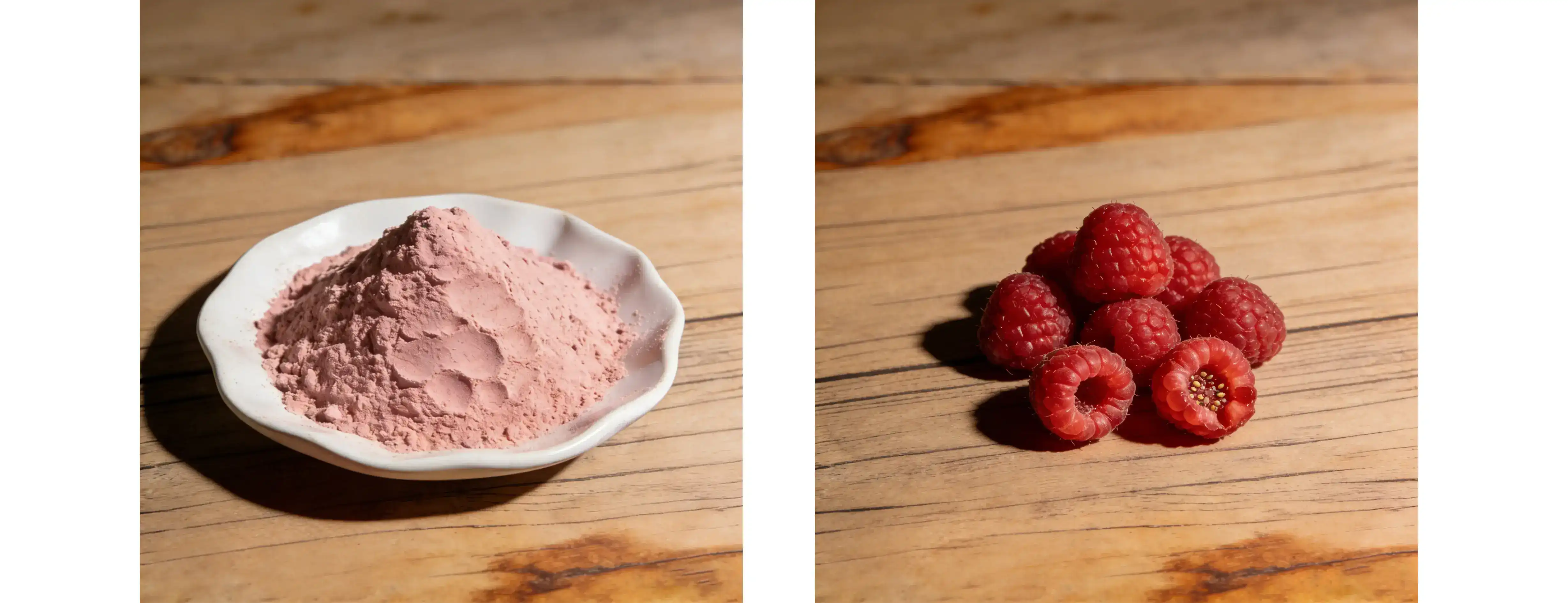
Figuring out what chemicals are in Raspberry Juice Powder, which is made from Rubus idaeus L., helps people who buy things make smart decisions about where to get it. Pure raspberry juice powder usually has 20 to 35 mg of magnesium per 100 grams of powder, but this depends on the concentration ratio and how it was processed. In addition to minerals, Raspberry Juice Powder has important anthocyanins, vitamin C, and ellagic acid. However, it is not as high in magnesium as powders made from seeds or leafy greens. More than anything else, it's good for adding magnesium because it makes food taste and look like real berries and has vitamin power.
Understanding Magnesium Content in Pure Raspberry Juice Powder
Why Magnesium Matters for Product Formulations
The body needs magnesium for more than 300 enzyme processes. This is why it is a mineral that is sought after for use in functional foods and nutraceuticals. Formulation managers and people in charge of research and development know how important magnesium is for keeping the energy levels stable, the nervous system in balance, and muscles moving well. As the need for mineral sources with clean labels grows, businesses are looking into plant-based alternatives to man-made chelates and artificial salts.
Within B2B cooking strategies, magnesium content helps make nutritional panels that buyers who care about their health like. Berry powders are often used by brands that want to make their goods stand out by saying they are made with natural ingredients. These powders can be used for taste, color, and measuring mineral content all at the same time.
Nutritional Profile and Magnesium Concentration
Different kinds of Raspberry Juice Powder have different amounts of magnesium because of how they are made. Spray-dried types often have maltodextrin carriers (20–40% by weight), which means they have less mineral value overall than freeze-dried types. Lab tests show that 100 grams of pure raspberry juice with no added sugar or other substances gives you about 22 mg of magnesium. On the other hand, spray-dried types with a 30% carrier mix would give you about 15 to 17 mg per 100 grams.
Based on this amount, raspberry powder is in the middle of the range for goods with berries. For every 100 grams of blueberry powder, there are 18 to 24 mg of magnesium. For every 100 grams of blackberry powder, there are 28 to 40 mg of magnesium. They are different because of the land, the type of food grown, and how ripe it was when it was picked.
Processing Impact on Mineral Retention
Even though there are many ways to dry magnesium, it stays pretty stable because it is an element. Vitamins, on the other hand, change when they get hot. You can keep magnesium content high by spray-drying or freeze-drying. This is because minerals can handle heat better than chemical molecules. Don't think about the weather. Instead, think about the amount of transport.
Companies that use a 70:30 juice-to-maltodextrin ratio will do worse than companies that use a 90:10 ratio when it comes to magnesium per gram. So that buying teams can figure out how much material will actually be in the finished goods, they should ask for Certificate of Analysis paperwork that shows both the type of carrier and the replacement ratio. Standardized ways of making things and rules for where to get raw materials help quality companies be consistent from one batch to the next.
The way powder is stored has a big impact on its quality, but not on the magnesium amounts. But soaking up water can make things stick together and germs grow, which can change the amount of useful product in a roundabout way. Food will keep its physical qualities and nutritional value for up to 24 months if the temperature stays below 25°C and the relative humidity stays below 50%.
Benefits and Uses of Raspberry Juice Powder in Magnesium-Enriched Formulations
Synergistic Nutritional Advantages
Raspberry Juice Powder doesn't have a lot of magnesium, but the minerals, polyphenols, and organic acids in it make recipes better. Anthocyanins, which are found in raspberry powder, help fight free radicals. Together, these two things help cells work. Because of this relationship, formulators can make full nutritional profiles instead of just adding one vitamin.
Scientists have discovered that minerals found in fruit are better for the body to use than some man-made forms. This is because they have organic acids and parts of the plant structure in them. It is said that the citric acid and malic acid in raspberry powder may help the body absorb minerals in the stomach solutions. This makes the formulas more useful than if they only had minerals. When making sports nutrition mixes or healing recipes, people who make them often add minerals to berry powders to make the effects work better.
Industrial Application Scenarios
Because it has magnesium, Raspberry Juice Powder can be used carefully in a number of areas where it adds value. The main ways that minerals and tastes are used in business are as follows:
Functional Beverage Premixes: Cranberry powder is added to sports drinks and electrolyte replacement drinks to make them taste better and add vitamins. When you take 5 to 8 grams of powder, you get about 1 to 2 mg of magnesium. This amount works well with magnesium citrate or glycinate. Mineral salts give the powder its metallic taste, and anthocyanins give it its pink color.
Fortified Snack Applications: As a healthy snack, raspberry powder is put into energy bites, protein bars, and functional sweets to make them taste like fruit and add more vitamins. Dark chocolate or almond flour are both bases that are high in magnesium. Adding the powder to them makes both the taste and the health benefits greater. Brands can draw attention to a number of healthy goods this way without having to use complicated strategies for fortification.
These examples show that raspberry juice powder works best when added to mixes that already have a lot of magnesium. It shouldn't be the only mineral source. The powder makes the product look better by letting natural fruit claims be made while adding vitamins and minerals in the right amounts. Companies that make things benefit from having better ingredient lists that meet the standards that more and more customers and stores want.

Comparing Pure Raspberry Juice Powder with Alternative Berry Products for Magnesium Supply
Variant Processing Methods and Mineral Content
Buying teams can choose the right materials for each job when they know the differences between the different kinds of raspberry ingredients. There is more magnesium in freeze-dried raspberry juice powder (35–45 mg/100 g) than in juice powder (20–35 mg/100 g). This is because the powder has fiber and seeds in it. The seeds of raspberries naturally get minerals as the fruit grows, so the mineral amounts are mostly set by the seeds.
Most raspberry extract pills are set to a certain amount of anthocyanin. The steps used to concentrate them might get rid of minerals that dissolve in water. How much magnesium is in these products depends on the concentration ratios and the solvents that were used to get the magnesium out. It's because the phytochemical substance is more important than the food's full nutritional value. Extracts are strong vitamins, but they only have 5 to 15 mg of magnesium per 100 grams. This means they aren't as good for formulas that focus on minerals.
With modern freeze-drying, juice powder is made without any fillers. This type of powder has more minerals in it, but it can be hard for drinks to mix with. The supply chain is more difficult because pure juice powder soaks up water. It has to be handled and packed in a certain way. Spray-dried types with maltodextrin carriers are used by most commercial goods because they are easier to mix and flow, even though they contain fewer minerals.
Quality Indicators and Supply Chain Reliability
You need to look at more than just the mineral value to figure out how good a provider is. Product makers you can trust will give you a lot of information about their goods, like the particle size range (usually 60–80 mesh), the moisture content (below 5%), and the pH levels (2.9–3.5 in recovered solution). The method works better, and the finished product lasts longer if these things are taken into account.
Things are sold in different places and cost different amounts when organic approval happens. Because of how it is grown and the requirements for proof, USDA Organic Raspberry Juice Powder costs 30–50% more than normal materials. Companies should think about how much money they have, how much their target market wants organic goods, and what customers want before they buy something.
How the seller handles quality and where they get their raw materials have a lot to do with how accurate each batch is. When companies work with hired farms or supply lines that are linked vertically, they have more say over when the fruit is picked and how good it is. This steadiness is very important for making more products and making sure that the claims made about them are kept across production runs. Buyers can find out how reliable a seller is by asking for old COA data. This shows how regular the seller is in providing the right amount of magnesium and aromatic properties.
Procurement Considerations for Magnesium-Rich Pure Raspberry Juice Powder
Supplier Qualification and Verification Protocols
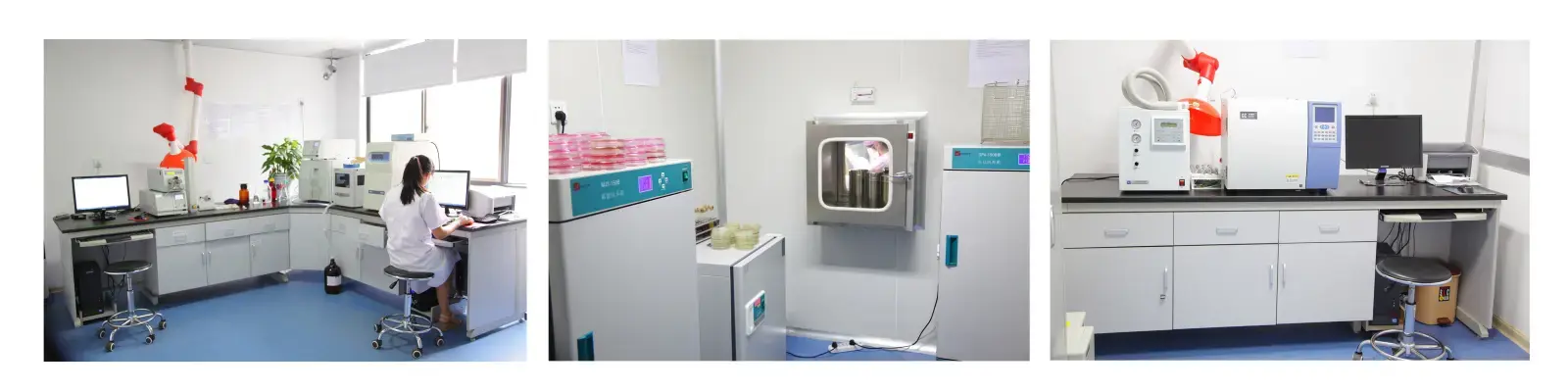
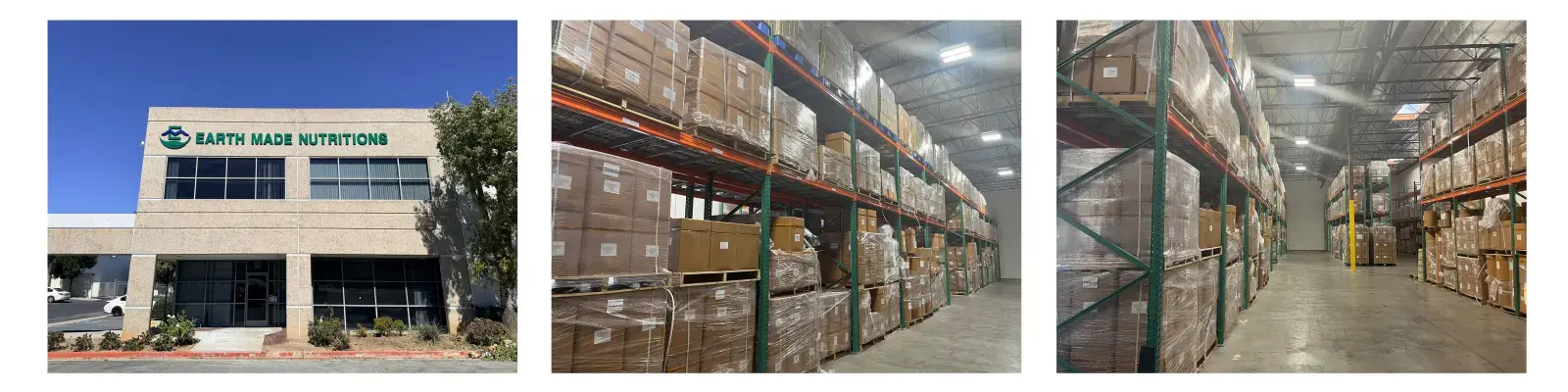
You need to look at both their professional skills and how they do business in order to find skilled providers. There is a brand-new building with state-of-the-art spray-drying tools at Earth Made Nutrition Inc. The working conditions are kept under control in this way so that the minerals stay whole. The business has certifications for NSF GMP, FSSC 22000, Kosher, Halal, ISO, and Organic. These show that they follow global quality standards, which is important since they want to sell their goods all over the world.
When comparing different sources, asking for particular COA papers is the best way to make sure that the magnesium content of raspberry juice powder is right. This can be done in a separate lab using ICP-MS or atomic absorption spectroscopy. These testing methods correctly measure mineral amounts, which are needed to make sure that promises on labels are true and that rules are followed. Good sellers don't just use their own data; they also get testing results from outside labs that have been approved by the provider.
Identity recognition stops problems with tampering that happen a lot with store-bought fruit powders. You can use HPTLC fingerprinting or FTIR spectroscopy to show the name of a plant and look for cheaper options, such as apple pomace or man-made dyes. Before taking on big orders, buyers who care about quality use incoming inspection methods to check for microbiological parameters, solubility, and color stability at different pH levels.
Commercial Terms and Logistics Planning
If you understand how business-to-business deals work, it will be easier to buy things. The standard way to package things is in 25 kg fiber drums with two layers of polyethylene shells and airtight metal foil bags. The good thing about this kind of wrapping is that it keeps things safe and is easy to work with in a production setting. Usually, the least you can buy is 25 kg. This lets you try out different amounts before making bigger purchases.
The price of something depends on many things, like whether it is organic, how it is handled, the number of orders, and the transport cost. Spray-dried raspberry juice powder with 30% maltodextrin is sold in containers that cost between $28 and $42. On the other hand, organic freeze-dried forms cost $65 to $95 per kilogram. Lead times vary based on the season, but reputable sources always have extra stock on hand so that most orders can be finished in two to three days.
Earth Made Nutritions Inc. has four shops spread out across the United States. This makes it possible to sell locally, which cuts down on the time and money needed for shipping. This placement of domestic goods is especially helpful for customers who need to move goods just in time or who don't have a lot of storage room. The business gives away free samples so that people can try the formulas before they decide to buy. This is a regular thing to do that makes getting acceptance less risky for everyone.

Storing and Handling Raspberry Juice Powder to Preserve Magnesium Integrity
Optimal Storage Conditions and Packaging Solutions
If you store something the right way, it will last a long time and keep its minerals and useful properties. Raspberry juice powder needs to be kept between 15°C and 25°C in a place with less than 50% relative humidity. If you go over these limits, the powder will absorb water more quickly because it is hygroscopic. This can make it stick together and possibly grow bacteria.
If you choose the right package, something will last longer and be more useful. Plastic bags don't keep out air and moisture as well as aluminum-foil bags do. They keep water out and protect anthocyanins that are sensitive to light. If you open containers and quickly close them again, along with desiccant packets, they will last longer in workplaces where they can't be used up in one shift.
Shelf Life Management and Quality Monitoring
Raspberry Juice Powder will stay good for 24 months from the date it was made if you store it the way the company says to. By keeping an eye on key signs, you can find signs of wear and tear early, before they affect how well the product works. Really look at it; the color shouldn't change or get darker. It should stay the same. It shouldn't smell musty or spoiled, which are signs that it's going bad. The smell should still be like a raspberry.
Karl Fischer titration tests for moisture level are a safe way to keep track of how things are breaking down. Powder that starts out with less than 5% wetness and then gets close to 7-8% has a higher chance of clumping and a higher risk of microbes. Testing long-term stock every three months stops changes to the recipe and makes sure that the product stays in line with regulations for its entire life.
Even if the maker of the product packed it well, problems in the building or changes in temperature during shipping can make it less good. When people receive packages, they should look for temperature alerts on the pallets or signs of condensation inside the boxes. Photos should be taken of materials that were turned down to back up the supplier's claims and make it easy to replace them quickly without having to wait for production to start again.
Conclusion
Raspberry juice powder made from Rubus idaeus L. fruit has some magnesium in it, as well as healthy anthocyanins, a natural taste, and the draw of a clean label. It's not the main source of magnesium, but it works well as an all-purpose ingredient in functional drinks, nutrition mixes, and foods that have been made healthier. To be good at buying, you need to know about the different ways to process things, make sure that sellers meet strict requirements, and keep your store areas clean. When the element is mixed with certain mineral supplements, it makes the product taste better and gives it more nutrients. This helps brands stand out in markets that are already very crowded.
Frequently Asked Questions
1. Does magnesium content vary significantly between suppliers?
Changes are mostly caused by changes in the amounts of carriers, not by changes in the raw materials. Maltodextrin numbers that are higher lower the amount of minerals that are in a gram. It is more true to make comparisons when you ask for details like the amount of juice and the type of carrier for the raspberry juice powder. When they make something, trustworthy companies make sure that the methods don't change from one batch to the next. This limits the number of differences that could change what the sign says.
2. What certifications ensure mineral quality in bulk purchasing?
Licenses for FSSC22000 and NSF GMP show that strong quality control systems are in place, from getting the raw materials to putting the finished product on the market. Organic certification looks at how growing is done, but not at the minerals that are present. Independent lab tests that are recorded in Certificates of Analysis are the most accurate way to check the mineral level. Facilities that are ISO 17025-certified should ideally do these tests.
3. Can raspberry juice powder meet recommended daily magnesium requirements?
As little as 3 to 5 grams doesn't give you enough magnesium to meet your daily needs (310 to 420 mg for adults). The powder works best when mixed with other things that are high in magnesium, like improved bases or seed proteins. Formulators who are making products with big magnesium claims shouldn't just use food powders. They should also include certain mineral forms.
Partner with a Trusted Raspberry Juice Powder Supplier
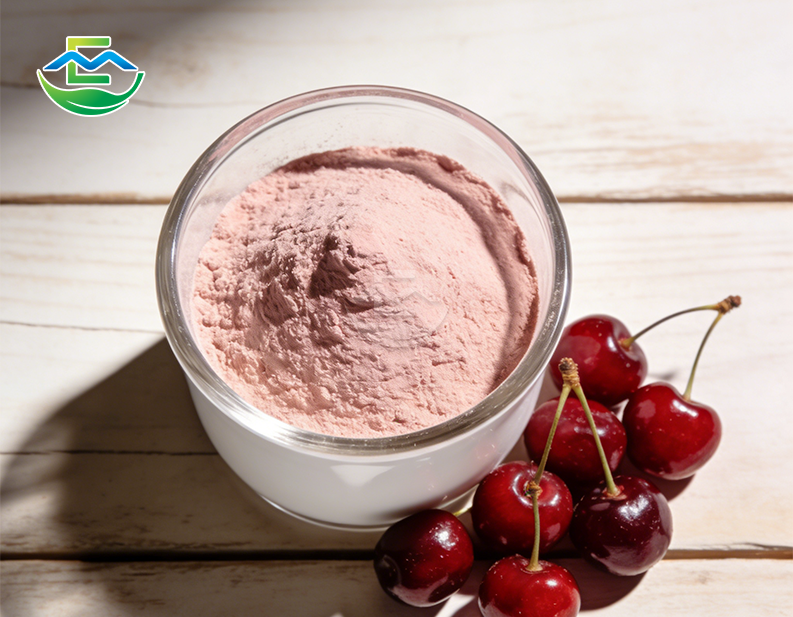
Earth Made Nutritions Inc. specializes in making sure that vitamin brands, nutrition companies, and functional food companies get the best Raspberry Juice Powder possible. The plant Rubus idaeus L. gives us our fine pink powder. A lot of different labels are on fruit, like NSF GMP, FSSC22000, Kosher, Halal, ISO, and Organic. We have four strategically placed stores across the United States that let us quickly fill orders for goods that are in stock and in two days or less. You don't have to wait for longer lead times, so you can keep up with your production plans. Before making big orders, our free sample program lets your R&D team test how well our products dissolve, how stable their colors are, and how they taste. Contact our expert team at info@em-herb.com to talk about your specific recipe needs and take advantage of our low prices for orders of at least 25 kg.
References
1. "Mineral Composition of Small Fruits and Berries: Analytical Assessment of Magnesium, Calcium, and Trace Elements," Journal of Food Composition and Analysis, 2019.
2. "Processing Effects on Nutrient Retention in Fruit Powders: Comparative Study of Spray-Drying and Freeze-Drying Technologies," International Journal of Food Science and Technology, 2020.
3. "Anthocyanin Stability and Mineral Bioavailability in Berry-Based Functional Ingredients," Critical Reviews in Food Science and Nutrition, 2021.
4. "Quality Standards for Fruit Juice Powders in Nutraceutical Applications: A Procurement Guide," Food Technology and Biotechnology, 2022.
5. "Synergistic Effects of Fruit Polyphenols and Minerals in Dietary Supplements: Formulation Strategies," Nutrients, 2021.
6. "Supply Chain Management and Quality Assurance for Berry Ingredient Sourcing in North American Markets," Journal of Agricultural and Food Chemistry, 2023.