- English
- French
- German
- Portuguese
- Spanish
- Russian
- Japanese
- Korean
- Arabic
- Irish
- Greek
- Turkish
- Italian
- Danish
- Romanian
- Indonesian
- Czech
- Afrikaans
- Swedish
- Polish
- Basque
- Catalan
- Esperanto
- Hindi
- Lao
- Albanian
- Amharic
- Armenian
- Azerbaijani
- Belarusian
- Bengali
- Bosnian
- Bulgarian
- Cebuano
- Chichewa
- Corsican
- Croatian
- Dutch
- Estonian
- Filipino
- Finnish
- Frisian
- Galician
- Georgian
- Gujarati
- Haitian
- Hausa
- Hawaiian
- Hebrew
- Hmong
- Hungarian
- Icelandic
- Igbo
- Javanese
- Kannada
- Kazakh
- Khmer
- Kurdish
- Kyrgyz
- Latin
- Latvian
- Lithuanian
- Luxembou..
- Macedonian
- Malagasy
- Malay
- Malayalam
- Maltese
- Maori
- Marathi
- Mongolian
- Burmese
- Nepali
- Norwegian
- Pashto
- Persian
- Punjabi
- Serbian
- Sesotho
- Sinhala
- Slovak
- Slovenian
- Somali
- Samoan
- Scots Gaelic
- Shona
- Sindhi
- Sundanese
- Swahili
- Tajik
- Tamil
- Telugu
- Thai
- Ukrainian
- Urdu
- Uzbek
- Vietnamese
- Welsh
- Xhosa
- Yiddish
- Yoruba
- Zulu
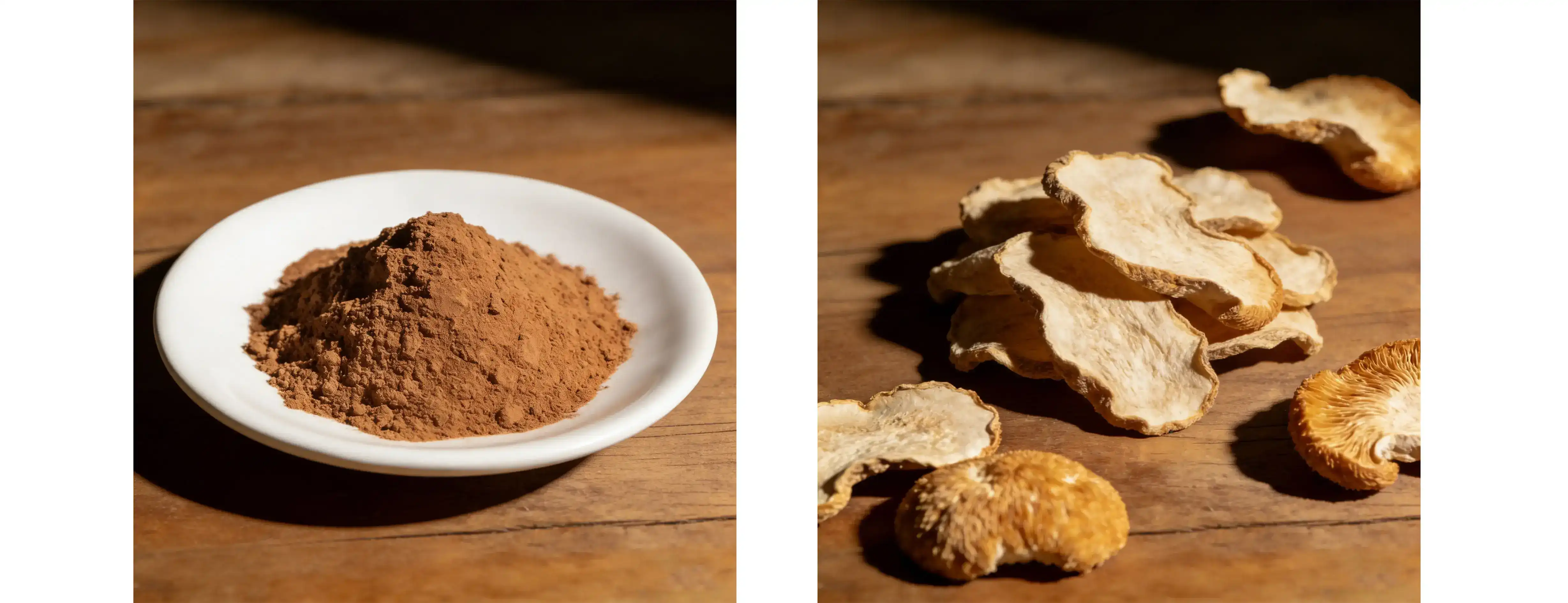
Lion's Mane Extract Polysaccharides Beta Glucan represents a standardized botanical fraction derived from Hericium erinaceus fruiting bodies, specifically quantified for its 1,3-1,6 beta-D-glucan content—the true immunomodulating and neuroprotective compounds that drive product efficacy. Unlike generic mushroom powders padded with grain starches, this extract delivers measurable bioactivity through ethanol-water dual extraction, offering formulation teams predictable performance, regulatory compliance, and clean-label differentiation in competitive supplement markets.
Understanding Lion's Mane Extract Polysaccharides and Beta Glucan
The Chemical Nature of Bioactive Compounds
There are different types of carbohydrates in the mushroom Hericium erinaceus, but not all of them are equally useful. Beta-glucans, especially those with 1,3 and 1,6 glycosidic linkages, are structural polysaccharides that are found in the walls of fungal cells. They connect with immune receptors and help nerve paths work. These long-chain carbohydrates are very different from alpha-glucans, which are starches like maltodextrin or dextrin, and add to the total polysaccharide percentage without adding any bioactivity. Our standardized Lion's Mane Extract Polysaccharides Beta Glucan, which has 50% total polysaccharides and 30% beta-glucan, makes sure that formulation teams get concentrated useful chemicals instead of inert fillers.
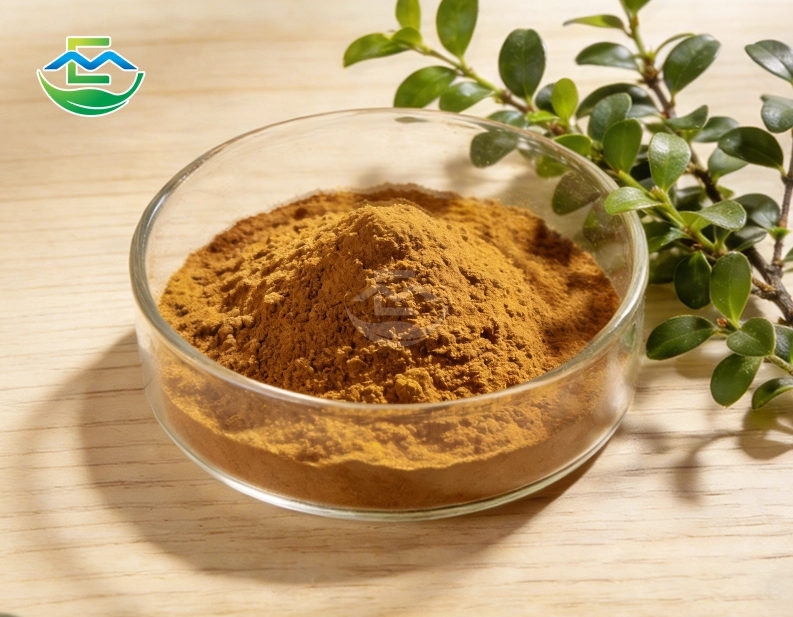
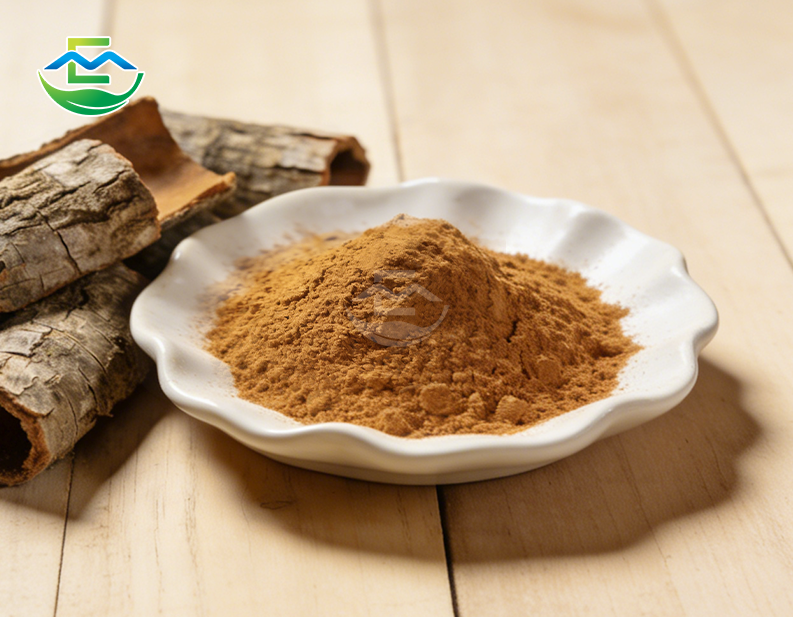
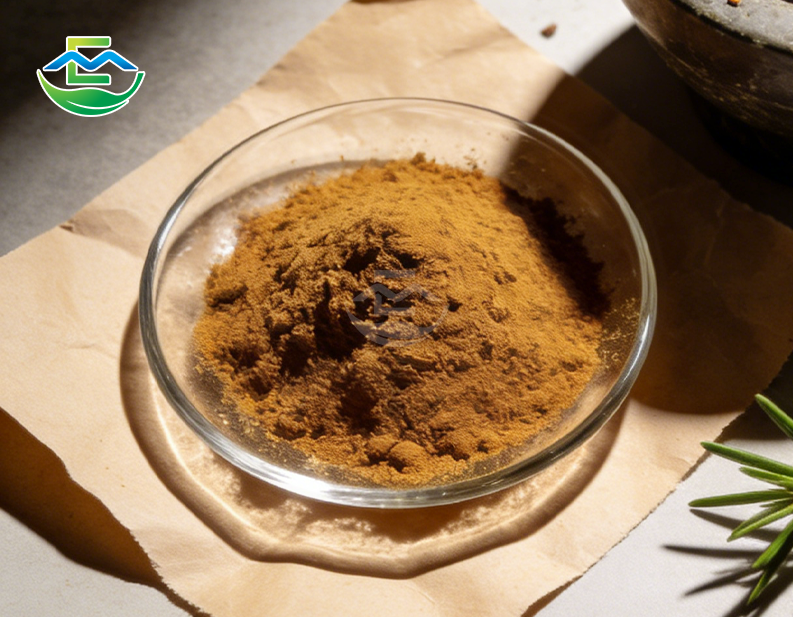
The two-step extraction process that uses ethanol and water works on both terpenoids that dissolve in alcohol and polysaccharides that dissolve in water. This makes a full bioactive profile. Beta-glucans are released when chitin structures are broken down by hot water extraction, and hericenones and erinacines are captured by ethanol. These are secondary metabolites that are linked to nerve growth factor activation. The brownish-yellow powder that is made, which comes only from fruiting bodies and not myceliated grain, has the same level of potency across all output runs.
Documented Health Benefits and Biological Mechanisms
Fungal beta-glucans have been studied and shown to link with pattern recognition receptors on macrophages and natural killer cells, which sets off an immune reaction cascade. Lion's Mane beta-glucans have a unique structure that lets them bind with complement receptor 3 (CR3) and dectin-1. This changes the way the natural immune system works without overstimulating it. This process backs up formulation tactics for immune health goods in the functional food and dietary supplement industries.
In addition to affecting the immune system, chemicals in this extract may also help brain function through pathways that make nerve growth factors. The action of beta-glucans, hericenones, and erinacines working together is what makes Lion's Mane different from other medical mushrooms. This unique chemical profile helps formulators make nootropic stacks or cognitive health products that work better for older people or people who are focused on performance.
Fruiting Body versus Mycelium: Impact on Extract Quality
Choosing between fruiting body and mycelium-on-grain as a source has a big effect on the end makeup of the extract. Fruiting body products naturally have low amounts of alpha-glucans (usually less than 5%) and high amounts of target beta-glucans. Mycelium growing on grain substrates, on the other hand, often has 30–60% starch from the growth medium, which falsely raises polysaccharide percentages while lowering active compound density. This quality issue is no longer a problem thanks to our fruiting body specification, which gives R&D leaders clean starting materials for accurate formulation.
The way of extraction also affects bioavailability and strength. Spray drying vs. vacuum drying changes how the particles are distributed and how much wetness is retained, both of which are important for making capsules and using them in drinks. The fine, brownish-yellow powder we make goes through an 80-mesh screen to make sure it fits perfectly into lines for compressing tablets, encasing them, and making drinkable drinks. A moisture level below 5% keeps hygroscopic mushroom products from caking during storage, which can happen.
Choosing the Best Lion's Mane Extract for Your Business Needs
Essential Selection Criteria for B2B Buyers
Extract clarity starts with choosing the right raw materials and goes on through proving the processing steps. The definition of 50% polysaccharides and 30% beta-glucan makes it easy to figure out how to make a formulation. There's no need to guess about the active ingredient density. Because of this standardization, product makers can set up dosing methods that are the same across production runs. This is important for keeping label claims and customer trust. When brands switch from raw mushroom powders to concentrated Lion's Mane Extract Polysaccharides Beta Glucan, they can cut down on dose sizes while keeping or improving bioactivity delivery. This saves money and makes customers more likely to stick with the brand.
Certification skills cover more than just basic food safety. They also include validation of the production process. The NSF GMP certification shows that the plant meets the standards for making pharmaceuticals, and the FSSC22000 certification talks about food safety management systems. These licenses give you the proof you need to enter a regulated foreign market, like one in the European Union, Australia, or Canada. Purchasing teams that are in charge of global supply lines gain when sellers keep full portfolios of certifications. This cuts down on the need for multiple regional sources.
Market Overview and Supplier Considerations
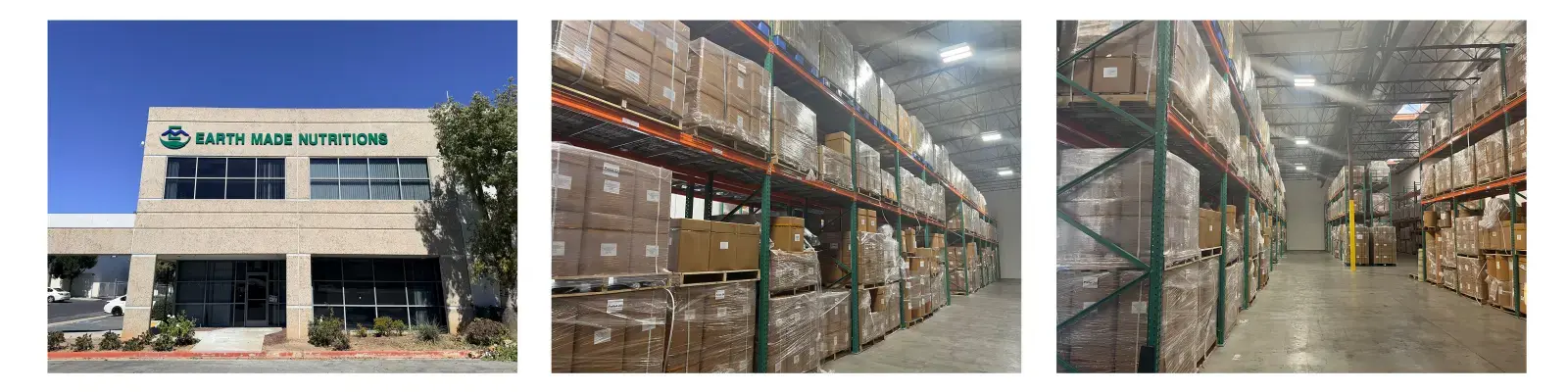
The North American mushroom extract business has developed, and greater attention is paid to its source and testing. One-stop cultivation, extraction, and quality testing set top suppliers apart. We call this vertical integration. Earth Made Nutritions Inc. has four strategically placed US warehouses and advanced California extraction facilities. Local clients receive orders in two days. This logistical advantage reduces inventory costs and aids just-in-time manufacturing.
Suppliers' MOQs and prices vary widely. Our 25-kilogram MOQ works for new businesses testing the market and established firms with various product lines. Standard manufacturing batch sizes fit in the 25-kilogram drum packaging, which keeps inventory low for smaller firms. R&D teams may verify stability, organoleptic quality, and compatibility with free sampling equipment before purchase.
Application-Specific Extract Selection
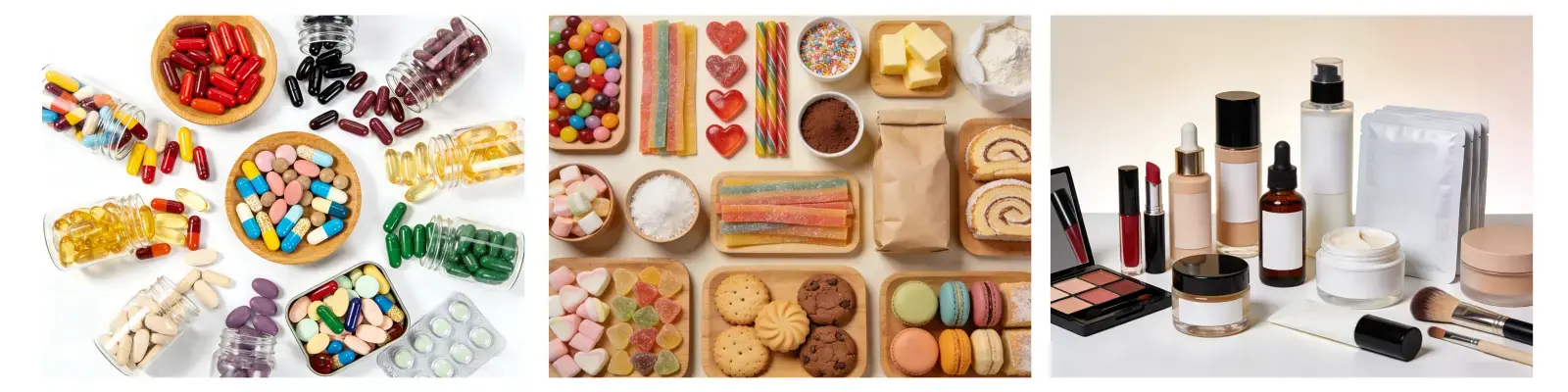
The extract's low moisture content and tiny particle size enable regular flow during encapsulation and tablet compression, making it ideal for nutritious capsules and tablets. A 95% pass rate via 80-mesh screening uniformly distributes mixtures, preventing stacking or segregation during manufacturing. The extract can be put directly into pre-blends or as a layer of active ingredients in multi-phase pills.
The extract's water-soluble and high-temperature stability make it useful in drinking. Beta-glucan structure doesn't break down at 72°C for 15 seconds; thus, it's still effective. The brownish-yellow tint complements coffee, chocolate, and earthy functional beverages. Brands seeking neutral color may need to tint clear products. The extract melts in hot liquids but solidifies in cold. This allows formulators additional seasonal product alternatives.

Procurement Strategies for Lion's Mane Polysaccharides and Beta Glucan Extracts
Identifying and Vetting Reliable Suppliers
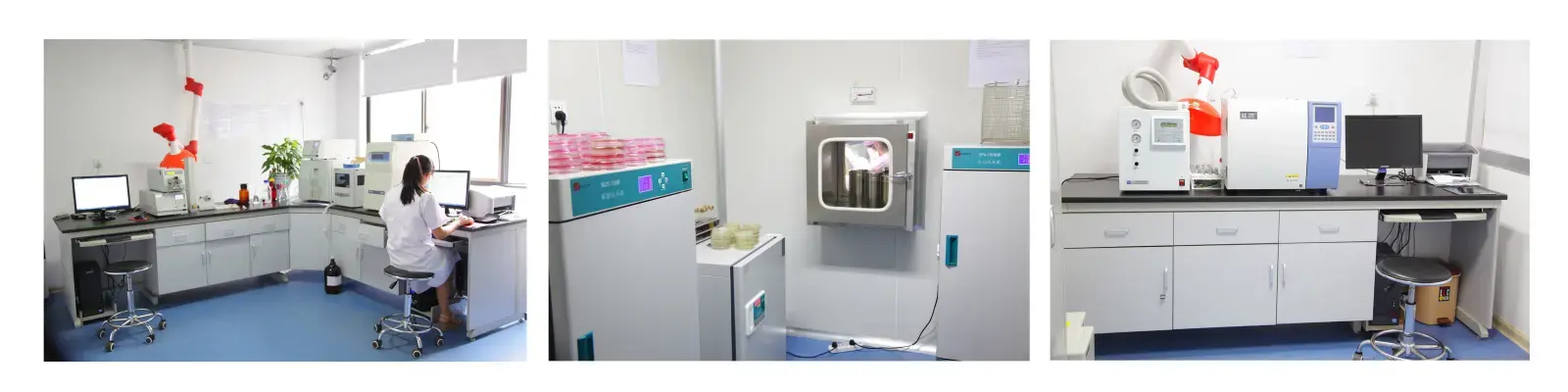
Before a supplier is qualified, their paperwork is looked over, and certificates of analysis (COAs) are checked to make sure they meet the requirements and cover all the tests. Authentication certificates from reputable providers include identification testing, active ingredient measurements, contaminant screening, and microbial analysis for each batch. Using Megazyme techniques for enzymatic beta-glucan testing instead of just UV spectroscopy shows that there are advanced quality control methods in place that can tell the difference between active compounds and overall carbohydrate content.
Facility checks, which can be done directly or by third-party certification groups, make sure that the paperwork matches how things are actually run. For NSF GMP approval, the building must be inspected once a year to check the design, the functionality, the training of staff, and the process controls. Suppliers who keep this license show they are dedicated to pharmaceutical-grade quality systems. This lowers the risk of quality problems and legal compliance issues further down the line. To meet the standards for due diligence, procurement teams can use current certifications instead of doing new facility assessments for Lion's Mane Extract Polysaccharides Beta Glucan.
Pricing Mechanisms and Contract Structuring
High-quality fruiting body extracts usually cost between $80 and $150 per kilogram on the market, but this depends on the strength of the specifications, the number of certifications, and the size of the order. The standard of 50% polysaccharides and 30% beta-glucan puts it at the top of this range, which is due to the dual extraction method and strict testing protocols. Tiered pricing structures are often unlocked by making volume promises that cover multiple quarters. However, brands should weigh the cost savings they achieve against the costs of keeping inventory and the length of time a product will last on the shelf.
Payment terms and Incoterms have a big effect on how much the total landing cost is. With ex-works prices, buyers are responsible for logistics, while delivered duty paid (DDP) terms make foreign shipping costs more reliable. Our four U.S. warehouses make it easier to send goods within the U.S., which cuts down on delays caused by customs clearance and lowers freight costs for North American producers. The "in-stock" inventory state allows for two-day delivery, which is very important for brands that are trying to keep their inventories low or deal with sudden spikes in demand.
Quality Assurance and Regulatory Compliance
Protocols for batch testing should include more than just supplier-provided COAs. They should also include independent proof of key factors. Independent testing by third-party labs that specialize in plant identity testing and contaminant screening is very important when building new relationships with suppliers. The money spent on verification testing—usually $500 to $1,000 per complete panel—keeps specifications from changing and harmful substances from getting into the product, which could lead to expensive product recalls.
Traceability systems that link finished goods to specific lots of raw materials make it possible to respond quickly to quality or legal questions. Through our quality control system, you can view full batch records that include where the plants were grown, when they were extracted and processed, and the results of any tests that were done. This paperwork backs up the current good manufacturing practice (CGMP) standards for dietary supplements set out in 21 CFR Part 111. It shows that the seller was properly qualified and that the components were checked.
Future Trends and Innovations in Lion's Mane Polysaccharide and Beta Glucan Extracts
Emerging Extraction Technologies
Supercritical fluid extraction (SFE) with carbon dioxide is a new and exciting way to handle mushrooms because it doesn't need any solvents and is better at separating out certain types of compounds. Traditional ethanol-water extraction is still the standard because it works well and doesn't cost much. However, SFE technology may allow future specs that aim for ultra-high beta-glucan ratios above 40% while keeping hericenone profiles for Lion's Mane Extract Polysaccharides Beta Glucan. Early users of these technologies could gain a competitive edge in premium product groups. However, adoption is still limited by the need for large investments and complicated processes.
Enzyme-assisted extraction (EAE) uses cellulase and chitinase enzymes to break down fungal cell walls more effectively than thermal processing alone. This could increase the amount of beta-glucan while lowering the time and energy needed for extraction. The carbon footprint per kilogram of finished extract is lower with this method, which is in line with sustainable goals. As processing technologies get better, procurement strategies should keep an eye on providers who are spending in ways to make their processes more efficient. This could save money or make the products better.
Growing Demand Across Industry Sectors
The fastest-growing market for mushroom products is useful foods and drinks, which is due to people's desire for natural ingredients that help their brains work better. In the past few years, sales of mushroom coffee have grown so much that big stores have made room on their shelves for this product. Brands that want to get into this market need reliable supply chains for ingredients that can handle increasing production while keeping specifications the same. This creates chances for suppliers who can show they are strong in transportation and quality.
As formulators look for natural options to replace manufactured polymers and humectants, mushroom beta-glucans have become useful in cosmetics. Beta-glucans can hold on to wetness, and they may also have antioxidant qualities that make Lion's Mane extracts suitable for use in anti-aging serums, moisturizers, and face masks. Our FSSC22000 and ISO certifications allow us to support crossover uses in cosmetics production. This means that buyers of ingredients can get them from the same providers for a variety of product categories.
Sustainability and Ethical Sourcing
Environmental awareness is becoming more and more important in buying choices, especially for brands that want to appeal to younger people who care about sustainability. Growing mushrooms is better for the earth than growing many other plant-based foods because they need less water, no chemicals, and shorter growth cycles. In competitive markets, suppliers who keep records of sustainable practices like recycling, using green energy, and responsible buying help brands stand out through marketing stories.
Traceability goes beyond quality control and includes sustainable proof, which lets brands back up their environmental claims with supply chain records. To follow the idea of sustainable growth, we keep an eye on how plants are grown, find ways to make extraction more efficient so that waste is kept to a minimum, and make sure that our environmental management systems are in line with ISO 14001 standards. Environmental, social, and governance (ESG) reporting requirements from stores and investors are getting stricter. These practices help brand partners meet those requirements.
Conclusion
The standardized Lion's Mane Extract Polysaccharides Beta Glucan with 50% polysaccharides and 30% beta-glucan provides bioactive substances that can be measured and are important for formulators making goods that support immune health and brain health. Clear specification standards, large certification portfolios, and dependable domestic supply chains that cut down on wait times and make operations easier are all good for procurement teams. When looking at true cost-per-dose and recipe effectiveness, it's important to tell the difference between fruiting body extracts and mycelial goods. As the need for functional foods and cosmetics grows, supplier relationships that stress quality, transparency, rigorous testing, and environmentally friendly practices give businesses an edge in the natural goods markets, which are changing quickly.
FAQ
Q1: What distinguishes beta-glucan from total polysaccharides in Lion's Mane extracts?
Total polysaccharides are all carbohydrate polymers, such as starches and inactive alpha-glucans that are often found as fillers or grain-based leftovers. Beta-glucans are unique 1,3-1,6 glycosidic-linked polysaccharides that have been shown to have biological action. By specifying the Lion's Mane Extract Polysaccharides Beta Glucan content, you can be sure that you are paying for useful chemicals and not inert carbs. This is a very important difference for formulation teams that need to know for sure that the product will work.
Q2: How can buyers verify authentic beta-glucan content?
The Megazyme enzymatic test is the best way to measure beta-glucans because it uses enzyme processing to separate and measure real fungal beta-glucans from starch contaminants. UV spectroscopy counts total carbohydrates without separating them, but this method is better. The iodine test also gives a quick quality screening—real extracts stay neutral, while materials that have been tampered with by starch turn blue-black.
Q3: Which extract type suits immune support formulations best?
Fruiting body products that have been tested for beta-glucan content have the best immune-modulating potential because they contain concentrated 1,3-1,6 glucan structures and very little starch loss. The 30% beta-glucan standard lets you accurately figure out how much of a product to use for label claims while keeping the product's effectiveness across production runs. Extracts that dissolve in water are easily added to a variety of delivery methods, such as pills, drinks, and gummy vitamins.
Partner with a Trusted Lion's Mane Extract Polysaccharides Beta Glucan Supplier
Earth Made Nutritions Inc. provides high-quality Hericium erinaceus fruiting body extract that is standardized to contain 50% polysaccharides and 30% beta-glucan. This meets the strict needs of companies that make supplements, functional foods, and cosmetics. Our plants in California use cutting-edge extraction technology and quality systems that are approved by NSF GMP, FSSC22000, Kosher, Halal, ISO, and Organic standards. The four carefully placed U.S. warehouses allow domestic fulfillment in two days with minimum order numbers of 25 kilograms, which helps both new names and well-known makers. Your R&D team can test compatibility and performance with free samples before making a purchase pledge. Contact our technical team at info@em-herb.com to talk about your particular formulation needs and get full product details from a reputable Lion's Mane Extract Polysaccharides Beta Glucan manufacturer who cares about quality, sustainability, and a responsive relationship.
References
1. Friedman, M. (2015). Chemistry, Nutrition, and Health-Promoting Properties of Hericium erinaceus (Lion's Mane) Mushroom Fruiting Bodies and Mycelia and Their Bioactive Compounds. Journal of Agricultural and Food Chemistry, 63(32), 7108-7123.
2. Khan, M. A., Tania, M., Liu, R., & Rahman, M. M. (2013). Hericium erinaceus: an edible mushroom with medicinal values. Journal of Complementary and Integrative Medicine, 10(1), 253-258.
3. Benson, K. F., Stamets, P., Davis, R., Nally, R., Taylor, A., Slater, S., & Jensen, G. S. (2019). The mycelium of the Trametes versicolor (Turkey tail) mushroom and its fermented substrate each show potent and complementary immune activating properties in vitro. BMC Complementary and Alternative Medicine, 19(1), 342.
4. Wasser, S. P. (2002). Medicinal mushrooms as a source of antitumor and immunomodulating polysaccharides. Applied Microbiology and Biotechnology, 60(3), 258-274.
5. Rossi, P., Difrancia, R., Quagliariello, V., Savino, E., Tralongo, P., Randazzo, C. L., & Berretta, M. (2018). B-glucans from Grifola frondosa and Ganoderma lucidum in breast cancer: an example of complementary and integrative medicine. Oncotarget, 9(37), 24837-24856.
6. McCleary, B. V., & Draga, A. (2016). Measurement of β-Glucan in Mushrooms and Mycelial Products. Journal of AOAC International, 99(2), 364-373.