- English
- French
- German
- Portuguese
- Spanish
- Russian
- Japanese
- Korean
- Arabic
- Irish
- Greek
- Turkish
- Italian
- Danish
- Romanian
- Indonesian
- Czech
- Afrikaans
- Swedish
- Polish
- Basque
- Catalan
- Esperanto
- Hindi
- Lao
- Albanian
- Amharic
- Armenian
- Azerbaijani
- Belarusian
- Bengali
- Bosnian
- Bulgarian
- Cebuano
- Chichewa
- Corsican
- Croatian
- Dutch
- Estonian
- Filipino
- Finnish
- Frisian
- Galician
- Georgian
- Gujarati
- Haitian
- Hausa
- Hawaiian
- Hebrew
- Hmong
- Hungarian
- Icelandic
- Igbo
- Javanese
- Kannada
- Kazakh
- Khmer
- Kurdish
- Kyrgyz
- Latin
- Latvian
- Lithuanian
- Luxembou..
- Macedonian
- Malagasy
- Malay
- Malayalam
- Maltese
- Maori
- Marathi
- Mongolian
- Burmese
- Nepali
- Norwegian
- Pashto
- Persian
- Punjabi
- Serbian
- Sesotho
- Sinhala
- Slovak
- Slovenian
- Somali
- Samoan
- Scots Gaelic
- Shona
- Sindhi
- Sundanese
- Swahili
- Tajik
- Tamil
- Telugu
- Thai
- Ukrainian
- Urdu
- Uzbek
- Vietnamese
- Welsh
- Xhosa
- Yiddish
- Yoruba
- Zulu
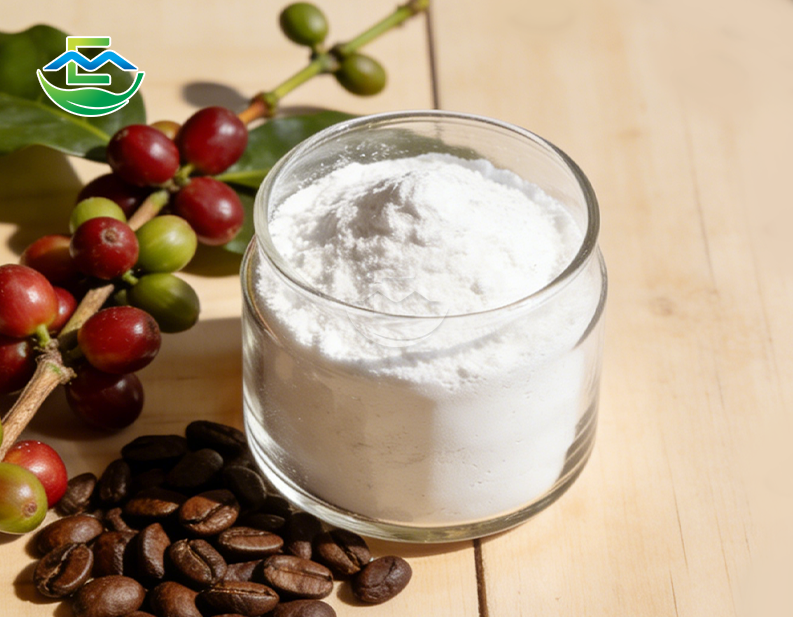
Unroasted Coffea Arabica L. is the source of Green Coffee Bean Extract powder, a multipurpose useful ingredient. This keeps the beneficial chemicals in the beans that would be lost if they were roasted. This plant extract has normal amounts of chlorogenic acids, caffeine, and polyphenols that appear naturally. This makes it useful for use in cosmetics and functional drinks. Our method of extracting chlorogenic acids using water and ethanol produces a brownish-yellow powder that is standardized to 50% chlorogenic acids. This powder meets strict quality standards for formulation stability and effectiveness in commercial product development.
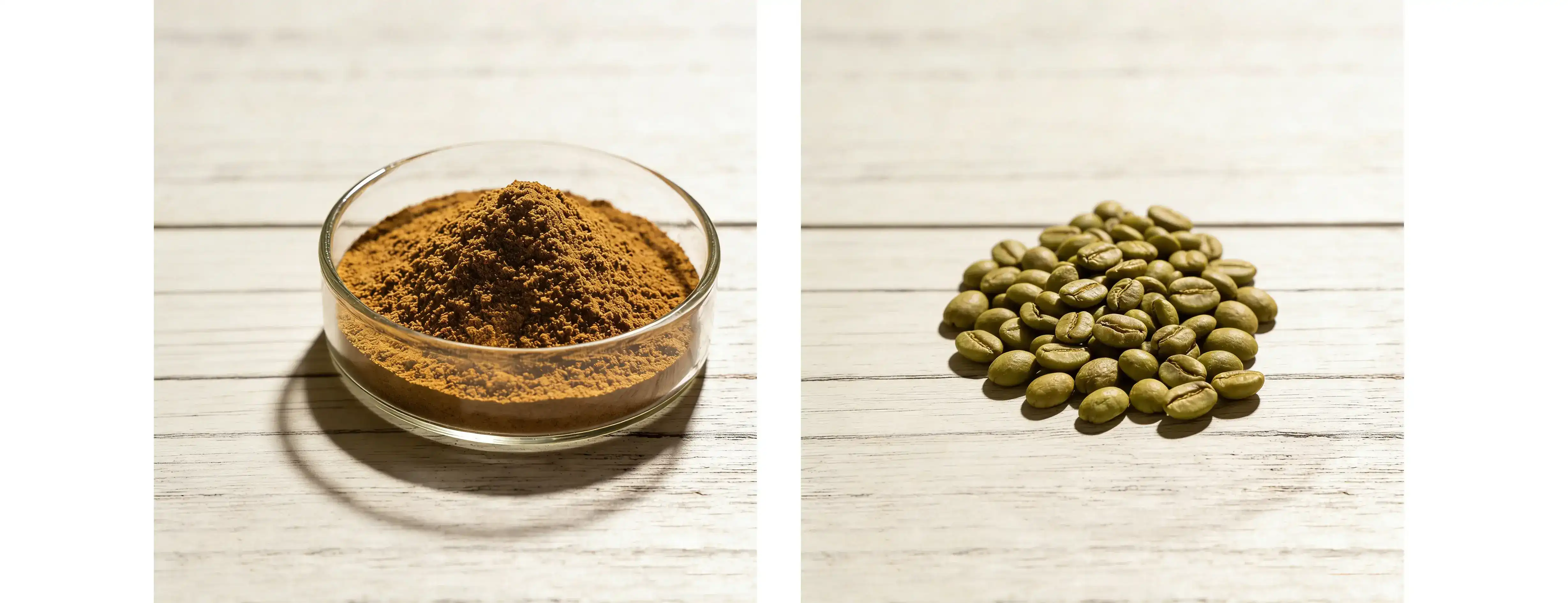
Understanding Green Coffee Bean Extract Powder and Its Functional Benefits
The structure of chlorogenic acids, esters formed when trans-cinnamic acids react with quinic acid, is unaffected by plant chemical removal. Following proper processing techniques, these compounds are stable. This allows Green Coffee Bean Extract powder to be used in many formulations.
Core Bioactive Components
The major active marker element is chlorogenic acid, which premium brands standardize between 45 and 50%. Unique physicochemical properties of this polyphenolic molecule. It dissolves easily in water and stays stable in low-pH settings, making it useful for beverages. The molecular weight allows excellent incorporation into water- and lipid-based media, allowing formulation freedom across several product categories.
Coffee caffeine naturally varies, but most commercial standards keep it below 2%. Green coffee bean extract powder is a gentle stimulant that doesn't overpower. This balance helps when creating metabolism-boosting products without overstimulating the CNS.
Functional Mechanisms and Benefits
Chlorogenic acids interact with glucose-6-phosphatase enzyme systems to break down carbs, according to peer-reviewed studies. Because of this chemical interaction, Green Coffee Bean Extract powder is sought after for weight reduction solutions that maintain metabolism.
The compounds' phenolic hydroxyl groups provide antioxidant power. To minimize reactive oxygen species, functional groups provide electrons. Helps cells handle oxidative stress. Formulation scientists enjoy this while producing age- and cell-healthy products.
Clinical Validation Compared to Traditional Coffee
Traditional roasted coffee's chlorogenic acids are reduced by 50 to 95% by heat, depending on roast intensity. Green Coffee Bean Extract powder provides more active compounds that B2B clients want in functional ingredients because of this basic distinction.
Studies reveal that Green Coffee Bean Extract powder retains different beneficial chemicals from roasted coffee. The chlorogenic acids in Green Coffee Bean Extract powder enable product makers to achieve homogeneous, measured active levels for standard formulations and predictable performance.
Comparing Green Coffee Bean Extract Powder with Other Popular Functional Ingredients
When buying teams and formulation scientists know how green coffee bean extract powder compares to other ingredients, they can make better choices about where to get the ingredients that will help them meet the goals of their products and meet the needs of their target markets.
Green Tea Extract: Complementary but Distinct Profiles
Both substances are antioxidant and polyphenolic, although their active chemical compositions differ. Green coffee bean extract powder contains primarily chlorogenic acids, while green tea is mostly catechins, especially EGCG. Because of structural variations, solubility, stability, and functional applications vary.
Green tea extract is astringent, making it tougher to mask flavors in recipes. Green coffee bean extract powder tastes less strong than ordinary coffee extract, but its raw coffee overtones make it simpler to blend with other flavors, especially in ready-to-drink drinks and functional food combinations.
Garcinia Cambogia: Different Metabolic Pathways
Standardized garcinia cambogia extract for HCA inhibits citrate lyase in distinct molecular mechanisms. Product designers distinguish these substances by how they operate with metabolic pathways and how they are positioned for consumers.
HCA changes fat production, while chlorogenic acid in green coffee bean extract powder changes glucose usage. Formulators might choose substances that match product claims and marketing strategies due to this discrepancy.
Organic Versus Conventional Variants
Certified organic Green Coffee Bean Extract powder is best for clean-label products. Our organically certified products meet USDA, EU, and other organic requirements and undergo thorough third-party auditing.
The benefits of licensing go beyond marketing impressions. Organic certification tracks the product from cultivation to extraction and packaging. More retailers and customers desire sustainable, standard-compliant products, and this openness satisfies their expectations.

How to Choose the Right Green Coffee Bean Extract Powder for Your Business Needs?
To choose the right extract specs, you have to look at a lot of technical and business factors that have a direct effect on how well the product works and how efficiently the supply chain works.
Purity and Concentration Assessment
The key quality indicator is chlorogenic acid. Our 50% guideline standardizes and checks potency with HPLC. Uniformity between batches is crucial for consistent results. Ultra-premium varieties with 60% concentration fulfill high-concentration needs, although lower standards (45%) may be sufficient.
Full analysis reports should include heavy metal values and chlorogenic acids. ICP-MS testing demonstrates that our material constantly stays below lead (less than 2 ppm), cadmium (0.5 ppm), and arsenic (1 ppm) limitations. These guidelines follow global safety standards and California's Prop 65.
Microbe-free is another quality factor. Total plate counts below 3,000 cfu/g ensure the mixture's safety and long-term stability. Several phases in our extraction approach destroy germs without irradiation or chemical fumigants. This preserves clean-label products' natural ingredient identity.
Supplier Credentials and Certifications
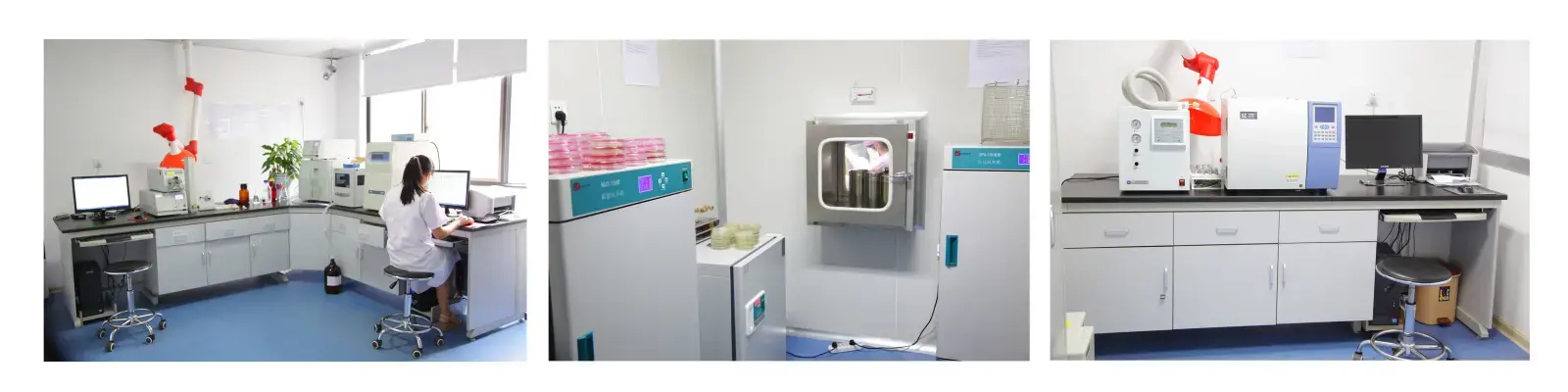
The seller's certificates demonstrate their commitment to quality and compliance. Our plant is NSF GMP, FSSC 22000, ISO, Kosher, and Halal certified, allowing us to serve many markets.
Certificates are more than paper. They demonstrate that you have quality management systems, have tested your manufacturing processes, and have documented traceability procedures to safeguard your brand and follow the requirements in many places.
Private Label and Bulk Purchasing Advantages
Work with skilled private label providers to speed up product development and save money on manufacturing infrastructure. Our 25 kg minimum purchase covers product testing and company manufacturing.
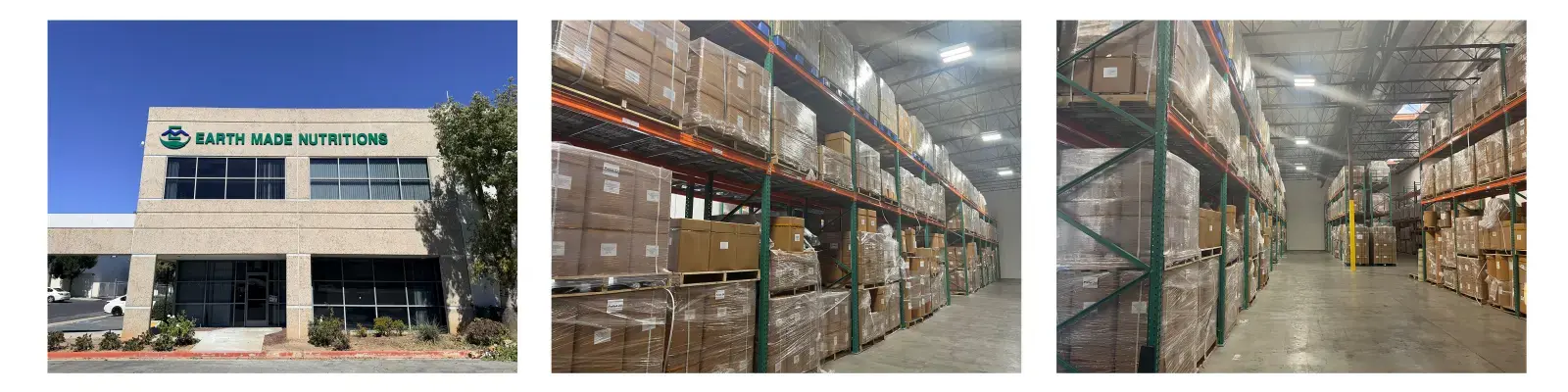
Through economies of scale, bulk purchases save money and keep the supply chain flexible. Within two business days following order approval, our four US warehouses execute orders quickly. This reduces inventory costs and promotes just-in-time manufacturing.
Free samples before major orders reduce the risk of buying. Physically inspecting the mixture's appearance, solubility, and taste before mass production is necessary.
Best Practices for Using Green Coffee Bean Extract Powder in Product Development
To successfully add Green Coffee Bean Extract powder, you need to pay attention to the right dose, how well the recipe works with the extract, and follow the rules set by regulators.
Dosage Ranges and Scientific Guidelines
According to published study methods, the amounts used are usually between 200 mg and 400 mg of a green coffee bean extract powder that is standardized to 45 to 50 percent chlorogenic acids. This means that each serving has about 90 to 200 mg of active chlorogenic acids. These areas are good places to start when making a new product, but some uses may need changes based on the target audience and how the product is positioned.
When formulating goods with more than one plant stimulant, formulation scientists should think about how much caffeine each one adds up to. Our standardized caffeine content of below 2% in the Green Coffee Bean Extract powder makes it easier to follow volunteer caffeine declaration guidelines and keeps stimulant levels from being higher than planned.
Formulation Guidelines Across Product Categories
The green coffee bean extract powder is very easy to crush, which makes it useful for making dietary supplements. The bulk density is usually between 0.4 and 0.60 g/mL, which makes it easy to make tablets or capsules by directly compressing the material. Keeping the moisture level below 5% stops hygroscopic clumping while the product is being stored and processed.
The people who make functional drinks like that know the Green Coffee Bean Extract powder dissolves easily in water, which lets clear solutions form in low-pH conditions like those found in sports drinks and functional waters. The light yellow to brownish-yellow color doesn't have much of an effect on how the end product looks, especially in drinking systems that are already colored.
Chlorogenic acids are stable at high temperatures under normal processing settings, which is used in food uses. The compound keeps its shape well after being pasteurized and baked at mild temperatures. However, it should be tested for particular formulations before being exposed to long-term high-heat processes.
Synergistic Ingredient Combinations
Strategically combining plant extracts that work well together improves functional positioning and addresses a number of health paths. Combinations with green tea extract take advantage of different polyphenol profiles, and adding B-vitamin complexes helps energy metabolism routes that metabolic health formulations are aimed at.
Another popular pairing in glucose control goods is chromium picolinate. This trace mineral helps the body's insulin work better, which works with chlorogenic acid. These methods that work together allow for wider functional claims and more unique product positioning in competitive market segments.
Regulatory Compliance Frameworks
Nutritional Supplement Health and Education Act (DSHEA) rules must be followed in order to get into the US market for nutritional supplements. When it comes to things that are used to make food, Green Coffee Bean Extract powder meets basic standards to be considered a food element.
Structure-function claims must be carefully separated from disease claims to support normal metabolic function rather than curing diseases. Label compliance includes correct comments about allergens and ingredients, as well as standard writing for the Supplement Facts page.
European market entry is based on rules set by the EFSA and carried out by each member state. Novel food ratings may be needed based on how the food was extracted and how it was used in the past. The usual way of extracting our material using water and ethanol is similar to standard processing methods, which helps it get approved by regulators in many places.
Procuring Green Coffee Bean Extract Powder: Market Insights and Supplier Selection
The global market for Green Coffee Bean Extract powder keeps growing because more and more people want to buy products with clean labels and natural ingredients that help the metabolism.
Market Overview and Production Regions
Most coffee is grown and processed in locations with existing infrastructure. Tropical Latin America, East Africa, and Asia grow Arabica coffee. It's an extraction of raw material.
Quality depends on crop height, harvesting, and processing. Premium Green Coffee Bean Extract powder comes from carefully selected green beans that exceed physical and flavor criteria before extraction. Upstream quality control distinguishes between standard-grade materials and product makers' high-end requirements.
Evaluating Supplier Credibility
As your product grows, a manufacturing capacity estimate ensures your providers can fulfill your volume needs. Our sophisticated botanical extraction plant uses proven methods to maintain quality across production batches. We can scale up from test to commercial manufacturing.
Independent third-party testing verifies standard compliance. Our commitment to openness includes providing certificates of analysis before shipping and inviting customers to inspect our quality systems and manufacturing processes.
Industry references and client relationships might reveal a supplier's reliability beyond their marketing materials. Our quality and fast service have earned us long-term relationships with major cosmetics, functional drinks, and supplement brands.
Logistics and Supply Chain Support
International shipping is crucial when buying plant goods from other nations. Our long-term logistics connections ensure that all documentation is completed correctly, that transportation is at the right temperature, and that customs processing proceeds easily, eliminating delays and protecting product purity.
The planned installation of four US facilities gives the corporation a competitive edge. This form of distribution reduces shipment lengths and transit times, allowing you to swiftly satisfy urgent needs and lower freight expenses that affect ingredient pricing.
From technical queries to formulation aid after delivery, responsive customer service is available. Our application scientists have experience solving formulation issues in a variety of product categories and can provide guidance that speeds up product development.
Conclusion
In conclusion, for the development of functional ingredients addressing metabolic health, antioxidant support, and clean-label branding, Green Coffee Bean Extract powder provides standardized chlorogenic acid content. This plant ingredient is a good choice for functional food uses because it carefully extracts bioactive compounds using water and ethanol solvents and is strictly checked to make sure it meets the standards for 50% chlorogenic acid. When making a purchase choice, it's helpful to look at the certifications, production capabilities, and logistics infrastructure of the seller to make sure that there is a steady supply of goods and expert support throughout the product development cycle. The unique bioactive profile compared to other plant extracts lets formulators make smart choices that are in line with specific functional claims and marketing goals for the target market.
FAQ
Q1: What dosage should I use for weight management formulations?
According to published study methods, each dose should contain between 200 mg and 400 mg of Green Coffee Bean Extract powder that is standardized to 45 to 50 mg of chlorogenic acids. This is equal to about 90 to 200 mg of active chlorogenic acids. Your exact formulation may be different depending on your target audience, the style of your product, and your positioning plan. We suggest that you do pilot studies with your whole formulation to find the best dose that matches practical benefits with user acceptance and low cost.
Q2: How can I verify ingredient authenticity and quality?
Real Green Coffee Bean Extract powder has certain physical and chemical properties that can be checked using scientific tests. Ask for reports of analysis that show the results of the HPLC test for chlorogenic acid, the ICP-MS test for heavy metals, and the microbial purity factors. Our material has TLC/HPTLC fingerprints compared to reference standards, which gives us more proof that the plants are who they say they are. The brownish-yellow color, strong smell of raw coffee, and easy dissolving in water are all visible signs that the coffee has been processed and stored correctly.
Q3: Is your extract free from contaminants?
Heavy metals and microbes that could be harmful are thoroughly checked in every production batch. ICP-MS research shows that our standards keep Lead below 2 ppm, cadmium below 0.5 ppm, and arsenic below 1 ppm. Through our proven separation and handling methods, the total plate numbers stay below 3,000 cfu/g. Only water and ethanol are used as solvents in the extraction process. No artificial ingredients or hard chemicals are used, which would hurt the clean-label positioning. Every shipment comes with full test paperwork, which gives you the quality guarantee your formulations need.
Partner with EM for Premium Green Coffee Bean Extract Powder Supply
For Premium Green Coffee Bean Extract powder, work with EM. Earth Made Nutrition Inc. sells Green Coffee Bean Extract powder that is refined and meets strict quality standards that are needed to make competitive products. Our powder is a brownish-yellow color and is guaranteed to contain 50% chlorogenic acids from Coffea Arabica L. beans, which are extracted using water and ethanol as solvents in a plant in California that has the latest processing technology. Each 25 kg drum comes with full certificates that show it meets the standards for NSF, GMP, FSSC 22000, Kosher, Halal, ISO, and organic production. This makes it easier for you to meet the requirements set by regulators. We are your trusted source for green coffee bean extract powder because we have four strategically located warehouses in the U.S. that allow us to complete orders in two days, offer free samples for formulation trials, and provide quick technical support. Email our team at info@em-herb.com to talk about your unique recipe needs and to ask for certificates of analysis that show our dedication to quality excellence.
References
1. Farah A., Monteiro M., Donangelo C.M., Lafay S. (2008). "Chlorogenic Acids from Green Coffee Extract are Highly Bioavailable in Humans." Journal of Nutrition, 138(12), 2309-2315.
2. Roshan H., Nikpayam O., Sedaghat M., Sohrab G. (2018). "Effects of Green Coffee Extract Supplementation on Anthropometric Indices, Glycaemic Control, Blood Pressure, Lipid Profile, Insulin Resistance and Appetite in Patients with Metabolic Syndrome." British Journal of Nutrition, 119(3), 250-258.
3. Watanabe T., Arai Y., Mitsui Y., Kusaura T., Okawa W., Kajihara Y., Saito I. (2006). "The Blood Pressure-Lowering Effect and Safety of Chlorogenic Acid from Green Coffee Bean Extract in Essential Hypertension." Clinical and Experimental Hypertension, 28(5), 439-449.
4. Naveed M., Hejazi V., Abbas M., Kamboh A.A., Khan G.J., Shumzaid M., Ahmad F., Babazadeh D., FangFang X., ModarresiGhazani F., WenHua L., XiaoHui Z. (2018). "Chlorogenic Acid: A Pharmacological Review." Journal of Dietary Supplements, 15(1), 67-90.
5. Tajik N., Tajik M., Mack I., Enck P. (2017). "The Potential Effects of Chlorogenic Acid, the Main Phenolic Components in Coffee, on Health: A Comprehensive Review of the Literature." European Journal of Nutrition, 56(7), 2215-2244.
6. Mubarak A., Bondonno C.P., Liu A.H., Considine M.J., Rich L., Mas E., Croft K.D., Hodgson J.M. (2012). "Acute Effects of Chlorogenic Acid on Nitric Oxide Status, Endothelial Function, and Blood Pressure in Healthy Volunteers." Food & Function, 3(8), 819-825.