- English
- French
- German
- Portuguese
- Spanish
- Russian
- Japanese
- Korean
- Arabic
- Irish
- Greek
- Turkish
- Italian
- Danish
- Romanian
- Indonesian
- Czech
- Afrikaans
- Swedish
- Polish
- Basque
- Catalan
- Esperanto
- Hindi
- Lao
- Albanian
- Amharic
- Armenian
- Azerbaijani
- Belarusian
- Bengali
- Bosnian
- Bulgarian
- Cebuano
- Chichewa
- Corsican
- Croatian
- Dutch
- Estonian
- Filipino
- Finnish
- Frisian
- Galician
- Georgian
- Gujarati
- Haitian
- Hausa
- Hawaiian
- Hebrew
- Hmong
- Hungarian
- Icelandic
- Igbo
- Javanese
- Kannada
- Kazakh
- Khmer
- Kurdish
- Kyrgyz
- Latin
- Latvian
- Lithuanian
- Luxembou..
- Macedonian
- Malagasy
- Malay
- Malayalam
- Maltese
- Maori
- Marathi
- Mongolian
- Burmese
- Nepali
- Norwegian
- Pashto
- Persian
- Punjabi
- Serbian
- Sesotho
- Sinhala
- Slovak
- Slovenian
- Somali
- Samoan
- Scots Gaelic
- Shona
- Sindhi
- Sundanese
- Swahili
- Tajik
- Tamil
- Telugu
- Thai
- Ukrainian
- Urdu
- Uzbek
- Vietnamese
- Welsh
- Xhosa
- Yiddish
- Yoruba
- Zulu
Stability testing for High-Potency Pumpkin Seed Extract from Cucurbita moschata is an important quality control step for B2B buyers looking for reliable, useful botanical products. Manufacturers make sure that bioactive chemicals like fatty acids, phytosterols, and tocopherols keep working as they should throughout the shelf life by using fast and real-time testing processes. Stability tests are very important for cosmetic and functional food uses that need stable performance because they protect the purity of the formulation, help with regulatory compliance, and lower supply chain risks.
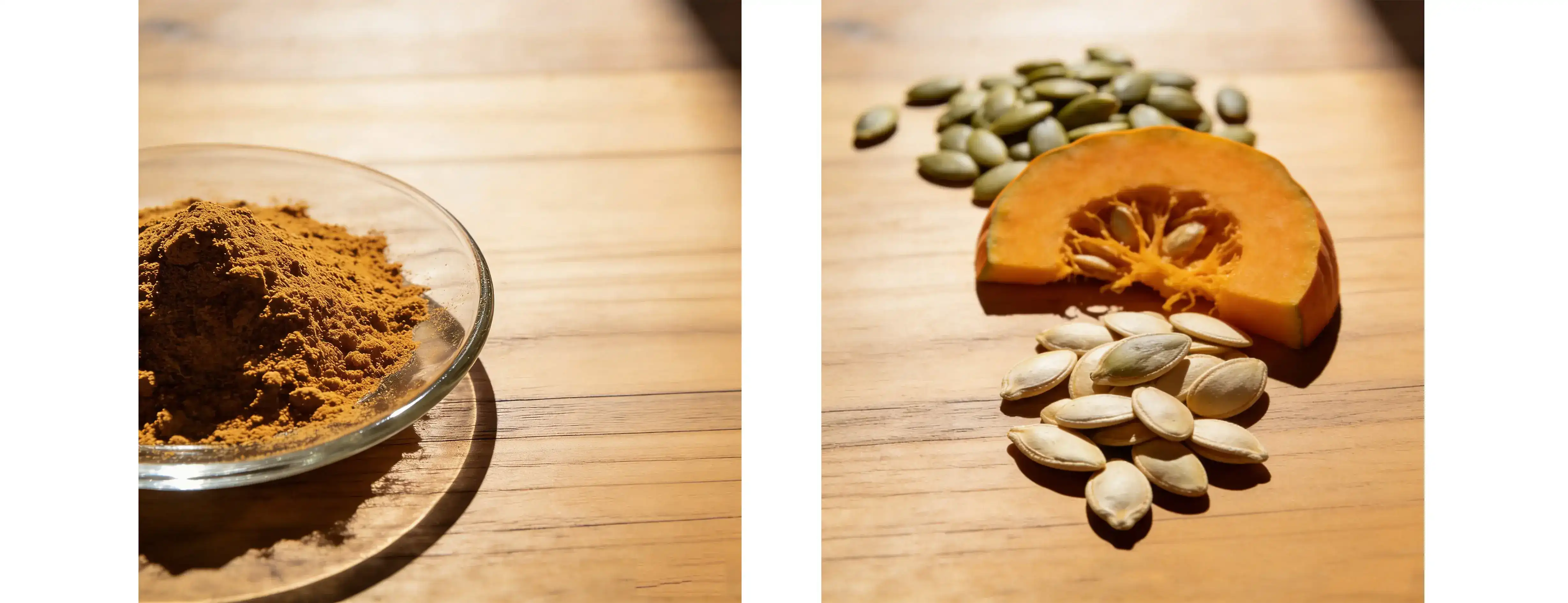
Understanding High-Potency Pumpkin Seed Extract and Its Stability Requirements
Botanical extracts that have been designed for therapeutic or useful uses are not at all like regular powdered seeds. A 10:1 concentration ratio means that 10 kg of raw fruiting body material makes 1 kg of refined extract. This process concentrates bioactives while removing bulky fiber and parts that aren't good for you. This process of concentration makes it stronger, but it also makes it more unstable, which isn't a problem with lower-potency options.
Defining High-Potency Standards
Pharmaceutical-grade extracts are standardized to ensure they contain enough valuable chemicals for HPLC or GC screening. Standardized formulations have the fewest active components, such as 40% fatty acids or 2-4% beta-sitosterol. This guarantees consistent recipe results. In our 10:1 extract, water extraction protects heat-sensitive nutrients while maintaining clean-label certification. It doesn't employ hexane or other synthetic solvents, which could undermine its natural market reputation.
The fine brownish-yellow powder from Cucurbita moschata fruit bodies has unusual physical and chemical features. Lipid-rich plants break down through oxidation, but their regulated acid value (typically less than 3.0 mg KOH/g) and peroxide value (below 10 meq/kg) make them resistant. These factors directly affect shelf stability and compatibility.
Critical Stability Challenges
The environment is a big danger to the purity. Air accelerates the oxidation of unsaturated fatty acids, especially at high temperatures or in light. Microbes and chemicals can grow and break down with moisture intake, compromising safety and efficacy. Unpackaged photosensitive chemicals might break down due to temperature changes and humidity.
R&D executives and buying teams can determine storage, packaging, and handling requirements based on these weaknesses. Stability-focused buying reduces dead stock, ensures product consistency, and builds brand trust through reliable supply chain management.
Core Principles and Methods of Stability Testing for Pumpkin Seed Extract
To predict how something will work in the real world, comprehensive stability programs use both old-fashioned methods and cutting-edge analysis tools. These methods create data that backs up claims about shelf life, helps make storage suggestions, and proves that packing works.
Accelerated and Real-Time Testing Protocols
Fast stability tests at 40°C and 75% relative humidity for three to six months are performed on High-Potency Pumpkin Seed Extract samples. Experts can predict the material's usual behavior by speeding up degradation processes during stress testing. Real-time stable studies monitor samples for 24 months at the right temperature and humidity. This provides reliable sample performance data.
Each technique tracks key quality factors at specific periods. Look, color uniformity, particle size distribution, and wetness are physical factors. Chemical markers check for reactive chemicals, oxidation (peroxide and acid values), and fluid residue. Pharmacopoeia restrictions are followed by microbiological testing to exclude Salmonella and E. coli.
Advanced Analytical Techniques
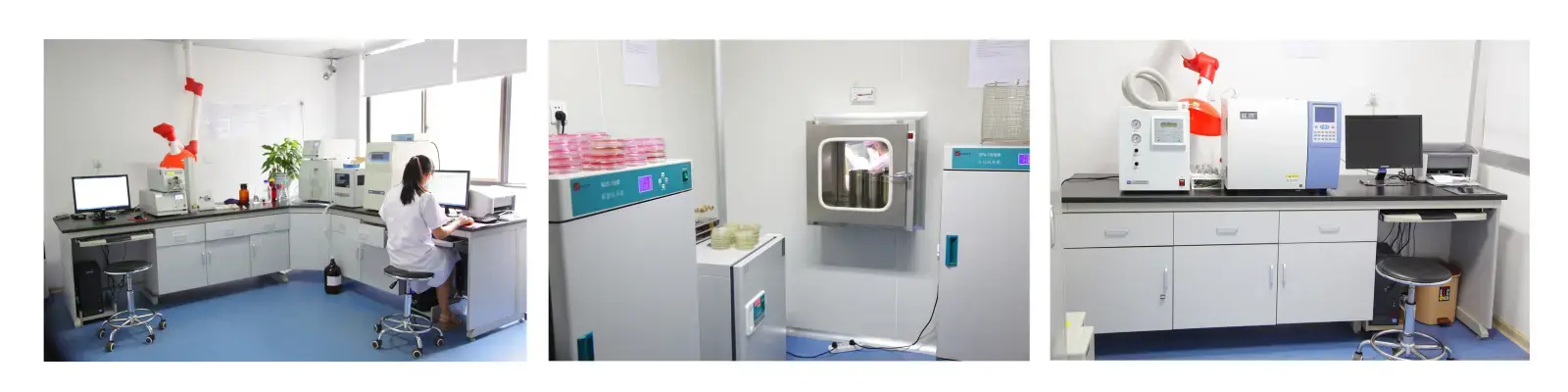
High-tech tools help modern stable programs see things clearly. High-Performance Liquid Chromatography (HPLC) detects minor variations in phytosterols and tocopherols that other tests miss. Gas chromatography (GC) revealed fatty acid shifts toward oxidized species. With mass spectrometry and chromatographic separation, you can witness molecules break down and contaminants form.
Assays that evaluate antioxidant capacity, such as ORAC or DPPH radical scavenging, focus on how well chemicals act rather than how many there are. Biological investigations indicate that chemical stability preserves functional properties, which is crucial for products sold on efficacy claims.
Quality Control Benchmarks
Industry rules keep stability parameters reasonable. Lead is less than 3 ppm, and arsenic is less than 1 ppm, according to ICP-MS studies. PAHs, toxins from drying processes, must be monitored to stay within EU limitations. Low-cost fillers like soy and corn are avoided when plant identification is done with HPTLC.
With NSF, GMP, FSSC22000, Kosher, Halal, ISO, and Organic certifications, we meet global standards. Third-party validations reassure buyers that the manufacturing process follows routines that keep things stable from raw ingredients to packaging.
Comparing Stability Profiles: High-Potency vs Regular Pumpkin Seed Extract
The way ingredients are concentrated changes their stability in basic ways, which means that formulation scientists and procurement managers have to think about these changes when they are looking at ingredient choices.
Impact of Concentration on Degradation Pathways
High-Potency Pumpkin Seed Extracts have higher chemical levels, which make reactions stronger. Higher amounts of unsaturated fatty acids make burning more likely, while higher amounts of phytosterols may crystallize when the temperature changes. These things need stronger protection, like adding antioxidants, oxygen-barrier packing, or microencapsulation technologies, which makes stability upkeep more difficult and expensive.
Regular ground seed powders are less effective per unit weight, but they are more stable because the seed structures are still whole, which naturally protects the fatty parts. These protected structures are lost during the extraction and concentration process, so stable solutions are needed. Maltodextrin-based water-soluble forms have better spread in water-based systems, but they are more likely to absorb water, so they need to be stored in a way that keeps the moisture level low.
Formulation Format Considerations
Powder extracts in 25 kg drums are subject to different stability forces than goods that are sealed in capsules. Keeping powder in bulk increases the area that is exposed to oxygen in the air, which speeds up oxidation unless the powder is packed with nitrogen-draining or vacuum-closing. Materials used for drum wrapping must keep wetness out and still be food-grade.
The brownish-yellow powder form makes it easy to add directly to pills, capsules, or beverage premixes, but you need to be careful about how the ingredients will interact with each other. Oxidation processes are sped up by mineral salts, especially iron and copper. Acidic parts of the composition may speed up the breakdown of ester bonds in fatty acid molecules. Before going into mass production, these possible conflicts are found through compatibility studies that are done during stability testing.
Source Material Quality Influences
Through purity ratings, organic approval has an effect on stability. Cucurbita moschata that is grown organically usually has less heavy metal and chemical pollution, which means that fewer factors could affect how quickly it breaks down. Our organic-certified extract comes from fields that have been checked out. This ensures that the quality of the base material is good enough to support stable performance.
When the fruit is picked, how it is dried, and how it is stored before it is extracted all have a big impact on how stable the end extract is. If seeds are dried in too much heat, the fats may have already been damaged, which shortens their shelf life. Better stability patterns in finished extracts come from suppliers who have control over farming methods and treatment after harvest.

Procurement Considerations: Ensuring Stable High-Potency Pumpkin Seed Extract Supply
Stability-based strategic sourcing choices protect the quality of the product and the continuity of production across all delivery channels.
Supplier Verification and Documentation
Reliable providers give full batch-specific paperwork, such as Certificates of Analysis (COA) that list factors that affect stability. Check for peroxide and acid levels, bacteria counts, heavy metal screens, and effectiveness tests done by reputable labs. Testing by a third party in a separate facility gives another level of verification on top of the testing done by the provider.
As part of our dedication to openness, we can fully track everything from the farm to the finished extract. Each 25 kg drum has a unique batch number that lets the whole supply chain be tracked, which is very important for quality reviews or recalls. Shipments come with detailed stability data, such as storage suggestions and the product's expected shelf life under certain circumstances.
Storage and Handling Best Practices
When you store things properly, you protect the security investments you made when you made them. Temperature-controlled facilities that keep the temperature between 15°C and 25°C stop thermal degradation, and keeping the relative humidity below 60% stops moisture absorption as much as possible. Light-protected storage places with opaque cases or amber glass keep phytochemicals from breaking down.
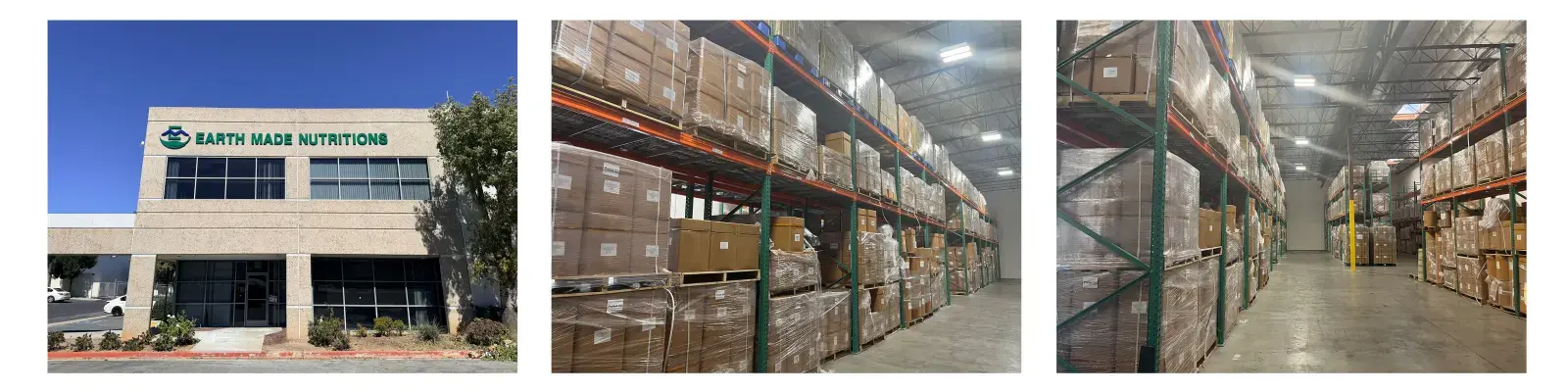
Earth Made Nutritions Inc. has four carefully placed warehouses across the United States. This allows for fast shipping within two business days and keeps the warehouses in great condition. This spread-out infrastructure cuts down on travel times and changes in temperature that could threaten stability, especially in the summer or when shipping to warm places.
Balancing Cost and Quality
Expensive, stability-assured extracts are priced that way because of the money that was spent on advanced extraction technology, protected packing, and thorough analytical testing. While cheaper options might seem appealing, stability problems during formulation development or market distribution result in much higher costs due to wasted materials, the need to redo the formulation, and damage to the brand's image.
The 25 kg minimum order quantity is in line with industrial production sizes and allows for recipe tests. Free samples let you check for compatibility and security before you buy in bulk, which lowers the risk of buying. Because we keep a lot of items in stock, we can complete orders right away. This cuts down on long lead times that could force customers to settle for less-than-ideal options when supplies are low.
Future Trends in Stability Testing and Quality Assurance of Pumpkin Seed Extracts
The next wave of stability assurance practices is shaped by new technologies and changing legal environments, which give companies chances to stand out from the competition.
Technological Innovation in Monitoring
Internet of Things (IoT) devices built into packaging or shipping packages record temperature and humidity in real time along the entire supply chain. This constant tracking finds deviations right away, so they can be fixed before they cause a lot of damage. Blockchain integration creates immutable records of environmental conditions, strengthening traceability and accountability across multi-party supply chains.
More accurately than traditional Arrhenius modeling, artificial intelligence programs look at past stability data to guess how long High-Potency Pumpkin Seed Extract will last in different storage conditions. Machine learning finds small patterns that connect the properties of raw materials to the security of the finished extract. This helps make better choices about where to get the materials and how to run the process. These predictive skills make shelf-life predictions more accurate while reducing the amount of testing that needs to be done.
Demand for Full-Spectrum and Organic Extracts
More and more, people want lightly processed, full-spectrum botanicals that keep their original phytochemical profiles over chemicals that have been isolated. This trend changes the way stability models were made for pure actives because complicated mixtures add more factors that change the breakdown paths. Water extraction methods meet the needs for clean labels, but they have different stability issues from solvent-based processes.
Organic certification rules limit stable additives and processing aids, which makes it harder to find ways to make food last longer. Instead of using artificial preservatives or antioxidants, manufacturers must rely on controlling the extraction process, using safe packaging, and following the best storage guidelines to make sure that the product stays stable.
Regulatory Evolution and Compliance
The US Food and Drug Administration (FDA) is paying more attention to claims that food supplements are stable, so they need strong proof to back up shelf-life claims. Novel Food laws in the European Union require plant ingredients that haven't been used safely in the past to have very specific stability data. Asian markets are adopting more and more ICH (International Council for Harmonization) standards, which were first made for pharmaceuticals. This raises the bar for checking the stability of plants.
Our FSSC22000 food safety certification and NSF GMP approval show that we are proactive about keeping up with changing government rules. These frameworks include process controls that focus on stability, environmental tracking, and change management methods that ensure consistent compliance as needs change. When B2B partners buy from certified sellers who keep their documentation systems ready for auditors to look at, they lower their legal risk.
Conclusion
Testing for stability is more than just following the rules; it's also a way to protect investments throughout the duration of a product. Botanical products from Cucurbita moschata fruiting bodies need strict methods to keep an eye on oxidation, microbial stability, and bioactive preservation in a range of environmental conditions. Advanced analytical methods give exact information that helps with formulating better, choosing the right packing, and storing things correctly. To tell the difference between high-potency pumpkin seed extract and normal materials, you need to know how concentration changes the breakdown pathways and use the right safety measures. Strategic sourcing that focuses on clear communication with suppliers, thorough paperwork, and efficient operations guarantees a steady supply of stable ingredients that support the effectiveness of products and the image of brands in cosmetic and functional food markets.
FAQ
Q1: What distinguishes a 10:1 ratio extract from standardized versions?
A 10:1 concentration ratio means that 10 kg of starting material makes 1 kg of extract. This shows concentration without guaranteeing specific bioactive amounts. Standardized extracts have minimum amounts of active ingredients (like 40% fatty acids) that have been tested and proven to work. This makes the potency constant, which is important for making sure that the product works as claimed on the package.
Q2: How does water extraction affect stability compared to solvent-based methods?
When you use water for extraction, you don't leave behind any chemical solvents that could speed up oxidation or cause legal problems. This method keeps the clean-label placement and protects nutrients that are sensitive to heat. While water-extracted powders may be more hygroscopic and need to be stored in a way that keeps the wetness level low, they don't have to go through the testing and dumping costs that come with ethanol or hexane processes for solvent residues.
Q3: What storage conditions optimize shelf life?
Keeping the temperature below 25°C in places with low humidity (under 60% RH) slows down rusting and moisture uptake. Light-protected containers stop photodegradation from happening. When packaging is vacuum-sealed or nitrogen-flushed, air contact is cut down. Extracts that are kept properly and meet these standards usually keep their effectiveness for 24 months, with the help of rapid stability data and real-time tracking procedures.
Q4: Which analytical parameters best predict long-term stability?
The peroxide value and acid value show when lipid-rich products are starting to break down due to oxidation. Using HPLC to measure the amounts of different phytosterols and fatty acids can help find changes in strength before they show up in the way the food tastes. Using antioxidant capacity tests, you can find out how well biological effectiveness is maintained over time, in addition to just checking the chemical makeup.
Partner with Earth Made Nutritions Inc. for Stability-Assured Botanical Ingredients
When looking for a High-Potency Pumpkin Seed Extract provider, you need to look for more than just the cheapest one. You also need to work with companies that have a history of stability, knowledge, and good infrastructure. Earth Made Nutritions Inc. has a wide range of certifications, such as NSF GMP, FSSC22000, Kosher, Halal, ISO, and organic qualifications. They also do advanced research and development. Our operations in California keep strict process controls in place during extraction, and four regional stores make sure that products get delivered quickly while keeping the integrity of the cold chain.
Each 25 kg drum of our 10:1 water-extracted powder goes through a lot of stability tests, and all the scientific paperwork that goes with it is sent with the powder. Free samples let you check for fit before committing to buying a lot of something. With in-stock items that can be shipped in two days, supply problems won't affect your preparation schedules. Our expert team can be reached at info@em-herb.com to talk about your unique stability needs and to see our full range of botanical ingredients. As the only company you need to make high-potency pumpkin seed extract, we can give you the scientific rigor and supply chain stability that your quality assurance needs.
References
1. Association of Official Analytical Chemists (AOAC). (2019). Official Methods of Analysis for Botanical Dietary Supplements: Stability Testing Protocols. 21st Edition, AOAC International.
2. European Medicines Agency. (2020). Guideline on Stability Testing of Herbal Medicinal Products and Traditional Herbal Medicinal Products. EMA/HMPC Documentation Series.
3. Murkovic, M., & Pfannhauser, W. (2000). Stability of pumpkin seed oil. European Journal of Lipid Science and Technology, 102(10), 607-611.
4. United States Pharmacopeial Convention. (2021). USP-NF General Chapter <1150>: Pharmaceutical Stability. USP 44-NF 39.
5. Xanthopoulou, M. N., & Nomikos, T. (2021). Phytosterol oxidation products: Chemistry, bioactivities, and analysis in food systems. Comprehensive Reviews in Food Science and Food Safety, 20(1), 198-228.
6. Zhou, Q., & Zhang, L. (2022). Advances in analytical techniques for stability assessment of plant-based functional ingredients. Journal of Agricultural and Food Chemistry, 70(12), 3567-3582.