- English
- French
- German
- Portuguese
- Spanish
- Russian
- Japanese
- Korean
- Arabic
- Irish
- Greek
- Turkish
- Italian
- Danish
- Romanian
- Indonesian
- Czech
- Afrikaans
- Swedish
- Polish
- Basque
- Catalan
- Esperanto
- Hindi
- Lao
- Albanian
- Amharic
- Armenian
- Azerbaijani
- Belarusian
- Bengali
- Bosnian
- Bulgarian
- Cebuano
- Chichewa
- Corsican
- Croatian
- Dutch
- Estonian
- Filipino
- Finnish
- Frisian
- Galician
- Georgian
- Gujarati
- Haitian
- Hausa
- Hawaiian
- Hebrew
- Hmong
- Hungarian
- Icelandic
- Igbo
- Javanese
- Kannada
- Kazakh
- Khmer
- Kurdish
- Kyrgyz
- Latin
- Latvian
- Lithuanian
- Luxembou..
- Macedonian
- Malagasy
- Malay
- Malayalam
- Maltese
- Maori
- Marathi
- Mongolian
- Burmese
- Nepali
- Norwegian
- Pashto
- Persian
- Punjabi
- Serbian
- Sesotho
- Sinhala
- Slovak
- Slovenian
- Somali
- Samoan
- Scots Gaelic
- Shona
- Sindhi
- Sundanese
- Swahili
- Tajik
- Tamil
- Telugu
- Thai
- Ukrainian
- Urdu
- Uzbek
- Vietnamese
- Welsh
- Xhosa
- Yiddish
- Yoruba
- Zulu
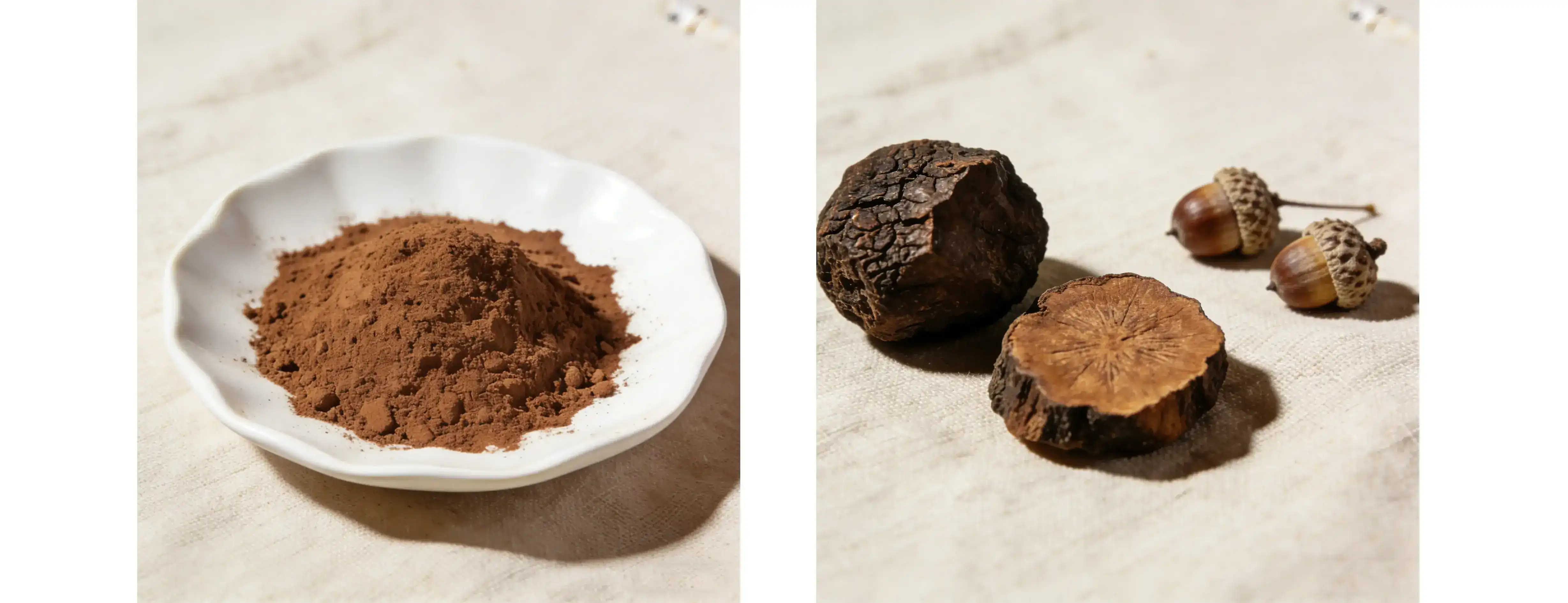
Pure Chaga mushroom powder is a game-changing ingredient for businesses that make cosmetics and functional foods and want to add high-quality plant actives. This powder comes from the Inonotus obliquus fungus, which is collected from wild birch trees in circumpolar regions. It contains high concentrations of polysaccharides, triterpenes, and melanin compounds that meet clean-label requirements and have been shown to be stable in a range of formulation conditions. Knowing its chemical makeup, quality standards, and wide range of uses helps R&D directors and formulation managers make unique goods that appeal to today's health-conscious customers.
What Makes Pure Chaga Mushroom Powder a Premium Botanical Ingredient?
The way that normal mycelial goods are sourced and processed is what makes them different from real pure Chaga mushroom powder. Chaga sclerotium, which is collected in the wild from birch woods in Siberia and northern Canada, has medicinal chemicals that can't be found in replacements that are made in a lab. The way the plant is extracted is very important. Dual-extraction, which uses both hot water and ethanol, breaks down the tough chitinous cell walls, releasing polysaccharides and triterpenes in forms that the body can use.
In terms of purchasing, this process turns plant material into a useful ingredient that can be dissolved in water and used in drinking systems, capsules, and skin applications. If a company wants to make their products work better, they should use powders that have been sprayed dry after they have been extracted, making sure that the particles are all the same size (80 to 120 mesh). This standard promises that the substance will mix easily into liquids, pills, tablets, and other solids without sticking or precipitating.
The melanin content, which gives Chaga its dark brown to jet-black colour, gives it high ORAC values, which make it appealing to people who are making antioxidant-rich vitamins and cosmetics. When looking for organic Chaga powder, making sure it comes from birch trees is very important. Triterpene profiles, especially amounts of betulinic acid, are like chemical fingerprints that show if the Chaga is really wild and not just grain-substrate mycelium.
Chemical Composition and Quality Benchmarks for B2B Procurement
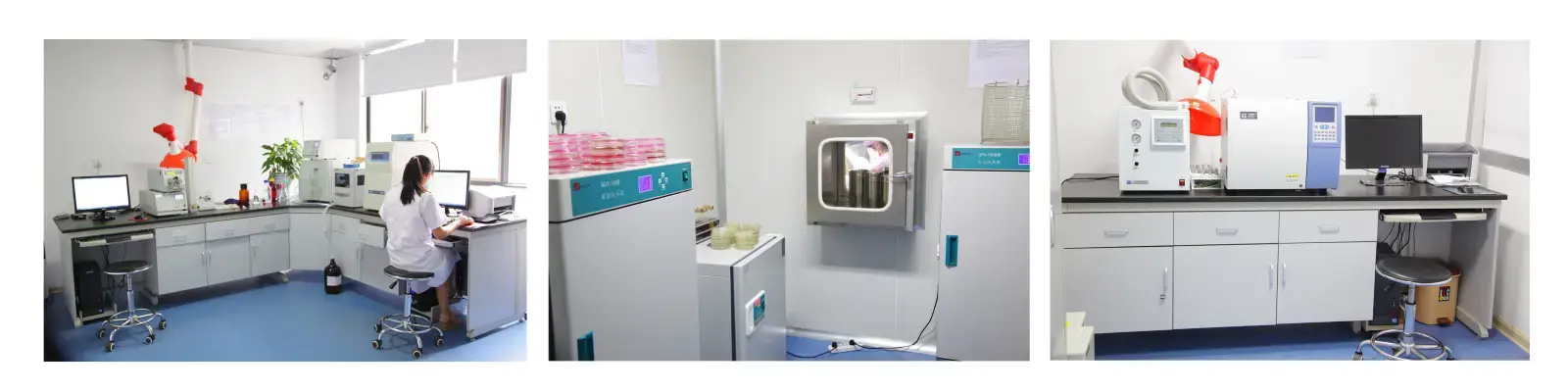
When formulators and buying teams are looking at Chaga mushroom extract providers, they should make strict requirements that cover five important factors. The main active part is the carbohydrate content. Premium types must have at least 30% total polysaccharides, which can be proven using HPLC/UV methods. In this part, beta-glucans with certain 1,3-1,6 linking sequences separate pharmaceutical-grade material from goods that have been tampered with.
The beta-glucan to alpha-glucan ratio can be used to find fake products. If the alpha-glucan amount in high-quality wild pure Chaga mushroom Powder is less than 5%, it means that the powder is free of grain-substrate contaminants or starch fillers. The Megazyme method is the best way to tell the difference between fungus beta-glucans and grain starches, so procurement offices should require suppliers to show proof of their tests.
Quantification of terpenes adds to the authenticity. The percentage of betulin and betulinic acid, which are chemicals that Chaga takes in from birch bark as it grows, should be at least 2%. The powder's functional profile is helped by these chemicals, which also prove that the botanicals are real. These birch-derived triterpenes are missing from liquid-culture fermented goods, so quality assurance teams need to do HPLC triterpene research.
Heavy metal profiling handles safety issues that come with collecting mushrooms in the wild. Because chaga takes in and stores natural chemicals, strict limits for ICP-MS tests are needed: lead must be less than 2ppm, cadmium must be less than 1ppm, mercury must be less than 0.1ppm, and arsenic must be less than 1ppm. Due to past pollution events, checking for radioactivity for Cesium-137 is still very important for sources in Eastern Europe.
Controlling moisture keeps things from breaking down while they are being stored or shipped. Hygroscopic Chaga superfood powders need less than 5% wetness to stay flowable and stop the growth of microbes. Putting products in foil-lined drums with desiccant bags protects their quality all the way through the supply chain.
Applications Across Nutraceutical and Cosmetic Formulations
Dietary Supplements and Functional Foods
Manufacturers of chaga mushroom supplements use the powder's adaptogenic qualities to make capsules and tablets. The mass density and compressibility of different types of pure powder have a direct effect on how well high-speed packaging equipment works for production. In order to keep automatic filling processes from voiding, technical requirements should include measures for particle size distribution and flowability.
Sports nutrition companies use Chaga polysaccharides in their pre-workout and recovery mixes because the substance is known to help cells' energy routes. The powder has a bland flavour, which is sometimes described as slightly vanilla-like because it contains vanillic acid. It mixes well with other protein powders without overpowering the taste systems.
When making functional drinks with mushroom products, the formulators have to deal with some unique problems. Chaga powder stays mixed in coffee replacements, drinks, and ready-to-drink health shots based on how well it dissolves in water and how stable its pH is. Spray-dried dual-extract powders are better at mixing than raw ground Chaga because they stay homogeneous during heat processing and don't form sediments.
Chaga detox powder can be used to improve the health benefits of mushroom candies, which are becoming more popular. Formulators have to make sure that the amounts of bioactive ingredients are balanced with gelatin or pectin systems. They also have to think about how Chaga's melanin might affect the colour of other plant products. Encapsulation technology or microencapsulation methods can separate reacting chemicals, keeping the brightness of the candy while still providing beneficial amounts.
Cosmeceutical and Personal Care Applications
Cosmetic makers love using pure Chaga mushroom Powder in anti-aging serums and skin care products that protect against damage. Chaga is a plant that can be used instead of artificial UV filters because it has a lot of melanin, which is a natural sunblock. For leave-on goods to have smooth emulsion surfaces without gritty parts, product designers must define micro-fine particle sizes below 10 microns.
The triterpene part helps skin barrier repair formulas, and polysaccharides add moisture to systems by acting as humectants. Because of problems with batch-to-batch uniformity, sellers must keep up with standardized extraction methods and record SOD (superoxide dismutase) activity levels. This makes sure that performance is consistent across production runs.
Chaga has a great active profile that doesn't use any artificial preservatives or stabilizers, which is great for natural skincare companies that want to promote "clean beauty." The powder's natural antibacterial qualities, which come from betulinic acid, help water-based products last longer, but more preservation methods are still needed to meet legal requirements.

Brewing, Dosage, and Formulation Considerations
People are interested in individual powder goods that contain chaga tea because of its health benefits, but B2B uses go far beyond just making drinks. When tea companies buy Chaga mushroom extract, they need to be clear about how much water-soluble extract they want. This is because home-brewed teas with raw ground sclerotium don't get much bioactive extraction.
The recommended daily doses for standardized Chaga mushrooms in supplement forms are usually between 500 mg and 2000 mg, but these amounts can change depending on the extraction ratios and polysaccharide concentrations. To find the right powder inclusion rates, formulators have to work backwards from the goal bioactive release. A 10:1 extract at 1000 mg has the same amount of phytochemicals as 10,000 mg of the raw material. This is important information for making claims on labels and figuring out costs.
Food scientists who are making enhanced goods worry about how stable the products will be during the manufacturing process. Some thermolabile compounds may break down after being exposed to temperatures above 90°C for a long time, but high-quality Chaga mushroom powder bulk ingredients keep their polysaccharide integrity through pasteurization temperatures that are common in beverage production. Bioactive preservation after manufacturing should be confirmed by process validation tests.
When formulating, it's important to pay attention to how well the ingredients work with other plant products. Polyphenolic chemicals in chaga may react with proteins in dairy-based drinks, resulting in colour changes or precipitation. Costly scale-up failures can be avoided by doing pilot batch testing with goal grids.
Quality Control Protocols and Regulatory Compliance
When R&D leaders set up partner approval programs, they should include more than just normal Certificates of Analysis tests. HPTLC fingerprinting checks the identification of plants by comparing material from different suppliers to real reference standards for pure Chaga mushroom Powder.
To meet microbiological standards set by the USP <2021>, total plate counts, yeast and mould counts, and pathogen screens for E. coli and Salmonella. Wild-harvested materials are more likely to be contaminated than farmed plants, so it is important to keep accurate records of the kill steps. When suppliers use ethylene oxide treatment, gamma irradiation, or steam sterilization, they should show process validation data that proves functional retention after treatment.
Environmental contamination issues are dealt with by pesticide screening screens that are made to fit wild-harvested mushrooms. Even though Chaga grows on trees instead of in the ground, possible leftovers can get there through air deposition and bark absorption routes. Multi-residue test kits that look for organophosphates, pyrethroids, and organochlorines give a full picture of the risk.
Different foreign markets have different regulatory routes, which affect the paperwork that needs to be done. The European Novel Foods rules, the FDA's GRAS status factors, and Health Canada's NHP labels all put different levels of legal responsibilities on businesses. International buyers gain when sellers keep their certifications up to date, such as USDA Organic, NSF GMP, FSSC22000, Kosher, and Halal qualifications.
Traceability methods that link produced powder lots to where they were harvested back up claims of sustainability and make it easy to fix quality problems quickly. Premium brands that stress ethical sources are becoming more and more interested in supply chain paperwork that is allowed by blockchain.

Anti-Inflammatory and Antioxidant Properties in Product Development
The antioxidant qualities of Chaga come from a number of different types of compounds working together. ORAC tests show that melanin complexes, antioxidants, and superoxide dismutase enzymes help the body get rid of free radicals very well. Product makers who put supplements in the "anti-aging" or "cellular health" categories use these well-documented antioxidant measures to back up their marketing claims. However, regulatory authorities need to carefully review treatment claims first.
The study of chaga's anti-inflammatory properties focuses on how carbohydrate parts change the production paths of cytokines. Nutraceutical companies that make immune-boosting products often mix Chaga polysaccharides with plants that work well together, like elderberry, astragalus, or reishi mushroom, so that the benefits work better together. When formulating multiple immunomodulating substances, they should be stacked with possible additive or competitive interactions in mind.
The chromogenic complex, which is made up of melanin and polyphenolic substances, does more than just work as an antioxidant. This part helps Chaga's image for being adaptogenic, but the molecular study is still changing. If a brand says it has an adaptogen, it needs to make sure that the language used in its marketing fits with how to prove it in its target markets.
Sustainable Sourcing and Ethical Harvesting Practices
More and more, procurement managers look at a supplier's environmental values as a way to set their business apart. When done carelessly, gathering wild Chaga mushrooms can be bad for protection. Ethical sellers use selected gathering methods that leave enough sclerotium mass for trees to grow back, so trees don't die.
Third-party sustainability reports and forest care certifications are objective ways to check that responsible sourcing claims are true. Brands that want to show they care about the environment should work with providers who keep records of harvest site change plans, yearly time optimization, and studies of the effects on the ecosystem.
The strength of Chaga depends on the climate. In hard subarctic conditions, the bioactive amounts are higher. Getting them from woods in Siberia, Alaska, and northern Canada guarantees the best phytochemical profiles compared to options from milder regions. Geographic origin becomes a quality factor that should be written down for supply chain openness.
Conclusion
Pure Chaga mushroom powder stands as a versatile botanical ingredient meeting diverse formulation needs across nutraceutical, cosmetic, and functional food sectors. Quality procurement demands attention to extraction methodology, chemical standardization, and contamination screening protocols that separate premium ingredients from commodity alternatives. By understanding the technical specifications underlying bioavailability and formulation stability, product developers create differentiated offerings aligned with clean-label trends and efficacy expectations. Strategic supplier partnerships emphasizing traceability, certification depth, and technical support enable brands to navigate complex regulatory landscapes while delivering innovative products to health-conscious markets.
Partner with EM for Premium Pure Chaga Mushroom Powder Supply
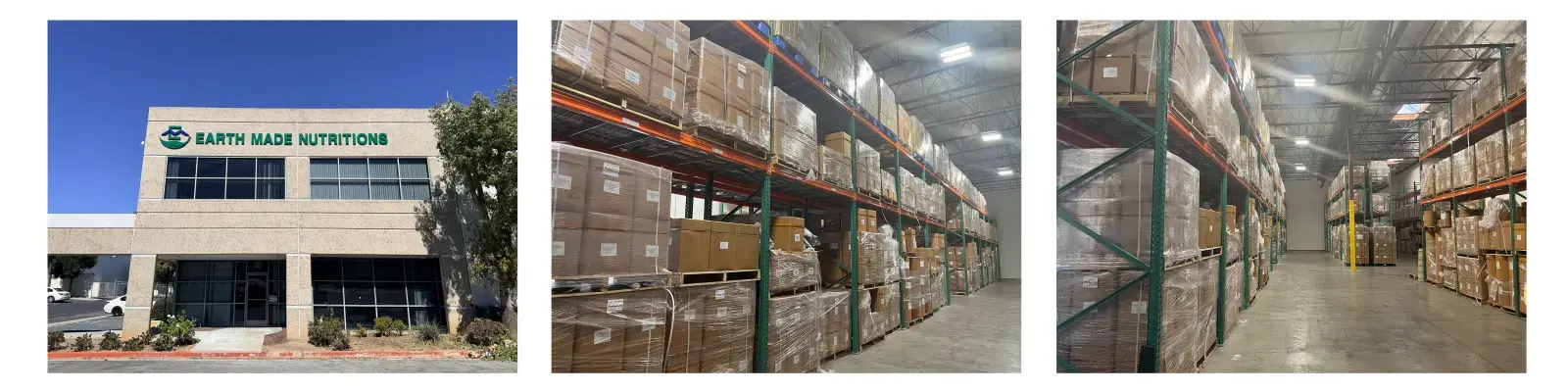
EM delivers pharmaceutical-grade Chaga mushroom powder to formulators demanding uncompromising quality and regulatory compliance. Our California-based operations combine advanced extraction technology with four strategically positioned U.S. warehouses, ensuring rapid fulfillment for production schedules. As a leading pure Chaga mushroom powder supplier, we maintain NSF GMP, FSSC22000, Kosher, Halal, and Organic certifications, supporting your global market access requirements. Contact our technical team at info@em-herb.com to request analytical specifications, stability data, and complimentary samples for your next formulation project.
References
1. Powell, M. (2014). Medicinal Mushrooms: A Clinical Guide. Mycology Press, Seattle, WA.
2. Wasser, S.P. & Weis, A.L. (2019). Therapeutic Effects of Substances Occurring in Higher Basidiomycetes Mushrooms: A Modern Perspective. Critical Reviews in Immunology, 39(4), 283-315.
3. Glamočlija, J., Soković, M., Tešanović, K. & Van Griensven, L. (2015). Chemical Composition and Biological Activities of Chaga (Inonotus obliquus): A Literature Review. Mycological Progress, 14(12), 1-15.
4. Balandaykin, M.E. & Zmitrovich, I.V. (2015). Review on Chaga Medicinal Mushroom, Inonotus obliquus: Realm of Medicinal Applications and Approaches on Estimating its Resource Potential. Applied Microbiology and Biotechnology, 99(16), 6479-6492.
5. Rogers, R.D. (2011). The Fungal Pharmacy: The Complete Guide to Medicinal Mushrooms and Lichens of North America. North Atlantic Books, Berkeley, CA.
6. Zheng, W., Miao, K., Liu, Y., Zhao, Y., Zhang, M., Pan, S. & Dai, Y. (2010). Chemical Diversity of Biologically Active Metabolites in the Sclerotia of Inonotus obliquus and Submerged Culture Strategies for Up-Regulating Their Production. Applied Microbiology and Biotechnology, 87(4), 1237-1254.