- English
- French
- German
- Portuguese
- Spanish
- Russian
- Japanese
- Korean
- Arabic
- Irish
- Greek
- Turkish
- Italian
- Danish
- Romanian
- Indonesian
- Czech
- Afrikaans
- Swedish
- Polish
- Basque
- Catalan
- Esperanto
- Hindi
- Lao
- Albanian
- Amharic
- Armenian
- Azerbaijani
- Belarusian
- Bengali
- Bosnian
- Bulgarian
- Cebuano
- Chichewa
- Corsican
- Croatian
- Dutch
- Estonian
- Filipino
- Finnish
- Frisian
- Galician
- Georgian
- Gujarati
- Haitian
- Hausa
- Hawaiian
- Hebrew
- Hmong
- Hungarian
- Icelandic
- Igbo
- Javanese
- Kannada
- Kazakh
- Khmer
- Kurdish
- Kyrgyz
- Latin
- Latvian
- Lithuanian
- Luxembou..
- Macedonian
- Malagasy
- Malay
- Malayalam
- Maltese
- Maori
- Marathi
- Mongolian
- Burmese
- Nepali
- Norwegian
- Pashto
- Persian
- Punjabi
- Serbian
- Sesotho
- Sinhala
- Slovak
- Slovenian
- Somali
- Samoan
- Scots Gaelic
- Shona
- Sindhi
- Sundanese
- Swahili
- Tajik
- Tamil
- Telugu
- Thai
- Ukrainian
- Urdu
- Uzbek
- Vietnamese
- Welsh
- Xhosa
- Yiddish
- Yoruba
- Zulu
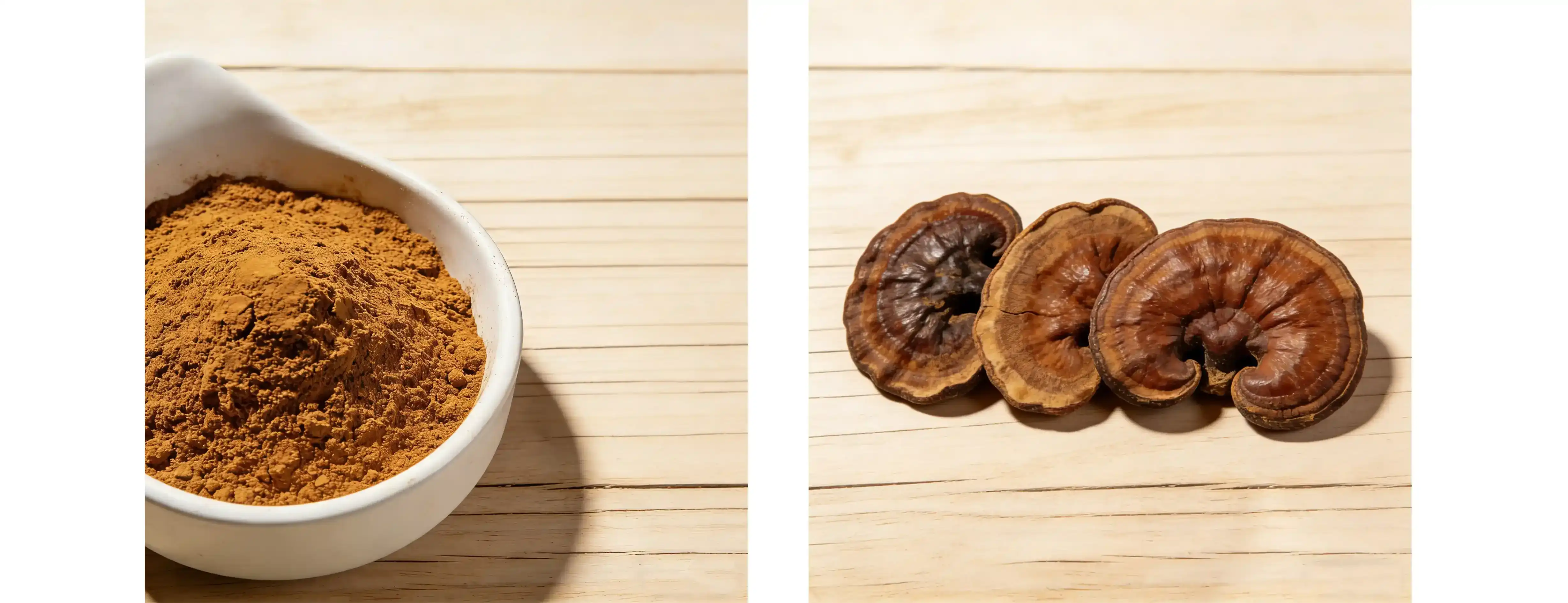
In today's busy world, more and more health brand makers and nutrition formulators are using Reishi Mushroom Extract Powder as a key ingredient in products that help with overall health and stress management. This pure plant extract comes from Ganoderma lucidum and contains standardised bioactive compounds, mainly polysaccharides and triterpenes, that meet the needs of current consumers looking for natural, effective adaptogenic support. This detailed guide talks about the technical details, formulation benefits, and market placement strategies for this element that make it essential for new product development in health products, functional drinks, and dietary supplements.
Understanding the Extraction Science Behind Reishi Mushroom Concentrate
The chitin-based cell walls of raw mushroom material make it hard for helpful chemicals to get into the body. This problem is fixed by Premium Reishi Mushroom Extract Powder, which uses two different extraction methods. Hot water extraction separates immune-boosting polysaccharides, while ethanol extraction concentrates triterpenes that protect the liver. With this full-spectrum method, an ingredient is made that has 10–20 times more active compounds than simple mushroom powder.
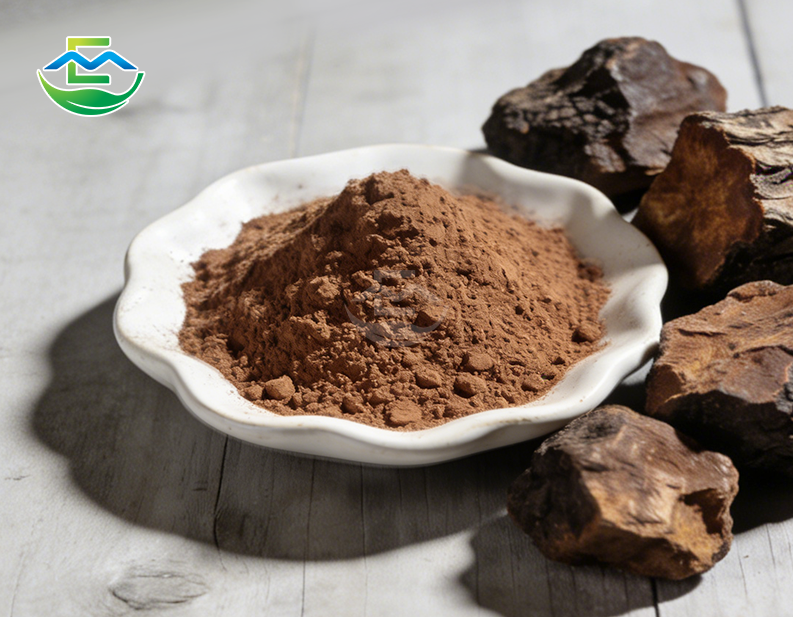
Formulation teams care a lot about the extraction ratio. A 10:1 extract means that 10 kg of dried fruiting bodies are used to make 1 kg of powder. Higher ratios are linked to higher amounts of beneficial compounds, but cost-benefit analysis is needed above 20:1. The colour range from brownish-yellow to dark chocolate shows that it is high in triterpenes, and the fine mesh size (80–120) makes sure that the ingredients mix evenly in pills, tablets, and drink mixes.
Market-grade material is defined by its quality standards. The Megazyme method should show a beta-glucan content of between 10 and 30 per cent. This is what separates real immune support potential from starch fillers. HPLC values of 2 to 5 per cent triterpene show anti-inflammatory potential. The immune system-modulating claims are based on polysaccharide content range from 10 to 50 per cent, and are backed up by modern studies.
Stress Adaptation Mechanisms in Modern Formulations
R&D leaders who want to stand out in the busy supplement market pay a lot of attention to the adaptogen group. There are several ways that Reishi Mushroom Extract Powder works to help the body's natural stress response systems. Triterpene substances change the way cells talk to each other, and carbohydrates change the way defence cells talk to each other.
Formulators who are making goods to help with stress like that the ingredient works well with other plants. When you mix this therapeutic mushroom with ashwagandha, rhodiola, or L-theanine, you get solutions that work better together and help with more types of stress. The powder's moderate hygroscopicity means it needs to be packed in a way that keeps out moisture, especially in wet places. However, it stays stable in normal storage conditions as long as it is handled properly.
Companies that make sports nutrition know that it can help with healing. When you're stressed after working out, your immune system and inflammation response systems have to work harder. Adding standardised mushroom extract to protein powder mixes or recovery drinks gives them more uses than just delivering macronutrients. This flavour is mild and natural, and it goes well with chocolate, vanilla, and berry flavours without taking over the taste.
Those who make functional drinks have to deal with special problems when it comes to heat stability and particulate suspension. The water-soluble polysaccharide part mixes easily in water-based systems, but triterpenes might need to be encapsulated or emulsified for ready-to-drink forms. Stability tests over a range of pH levels (3.5–7.0) and pasteurisation methods show that the ingredient stays intact during normal beverage preparation.
Immune Wellness Applications for Product Development
Because people are more aware of health benefits, the immune support group is one of the fastest-growing areas of nutraceuticals. The amount of beta-glucan is the best way to tell if something can change the immune system. These complicated sugars work with immune cell receptors to help the body's natural defences without making them too active.
Formulation managers who make immune health products usually give between 500 mg and 1500 mg of standardised extract every day, spread out over one to three doses. Capsules are easy to measure out and last longer, while powder blends for shakes and smoothies are good for people who want to use the product in a variety of ways. Because powder absorbs water and doesn't flow easily, it's important to choose the right excipients when compressing tablets.
Triterpene molecules have anti-inflammatory qualities that work well with immune-boosting carbohydrates. With this dual-action character, brands can market their goods for overall health instead of just one process. People who are looking for organic ways to stay healthy like natural health boosts that have been used for many years.
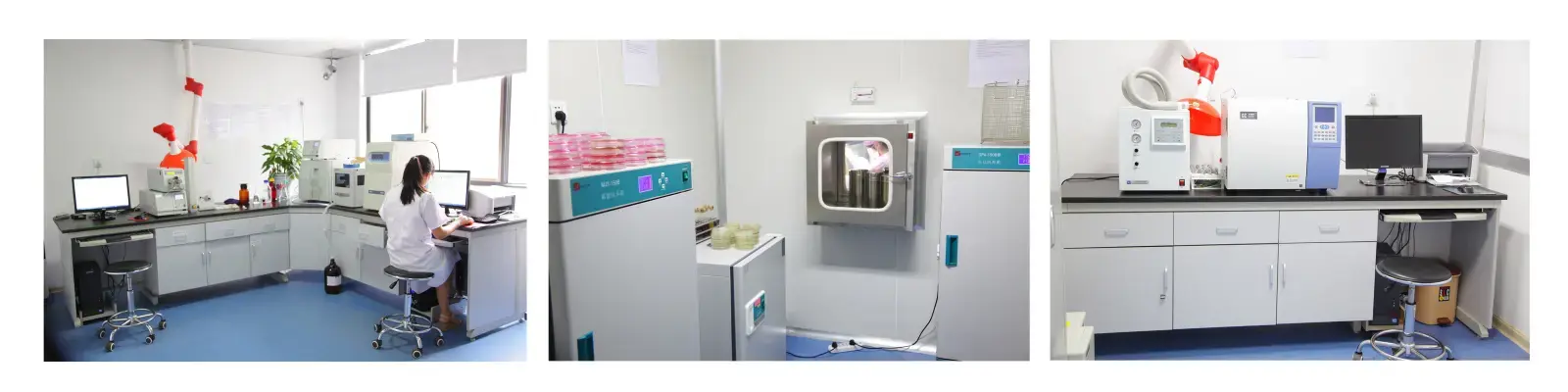
When looking for organic mushroom extract, quality control is very important. Heavy metal tests (lead <2ppm, arsenic <1ppm, mercury <0.1ppm) keep people safe and protect brands' reputations. Microbiological standards (total plate count <1,000 cfu/g, no bacteria) are the same as those used by the FDA for food supplements and other foreign standards, such as FSSC22000.
Technical Specifications That Matter to Procurement Teams
When purchasing managers evaluate sources, they look at more than just active ingredient amounts as a sign of quality. A moisture level below 5% stops microbes from growing and keeps Reishi Mushroom Extract Powder's flowability while it's being made. An ash level of less than 5% means that there isn't much artificial waste present. The traits of solubility decide how well a substance works with different transportation forms.
Consistency from batch to batch is a big problem for formulators. The Certificate of Analysis should show that the standard values are tight across various production lots. Label claims and recipe standardisation are made harder when polysaccharide or triterpene content varies by more than 10%. Suppliers with high-tech extraction tools and process controls give R&D leaders the stability they need.
Different target markets have different certification needs. Clean-label brands like names that have USDA Organic and EU Organic certifications. Kosher and Halal licenses make markets bigger and easier to get into. NSF GMP and ISO approvals show that quality processes are in place for production. For those international providers who meet these standards and keep their prices low, they offer great value.
Decisions about buying are affected by lead time and minimum order numbers. Keeping goods in local stores cuts down on shipping delays and the difficulties of importing. A 25 kg MOQ allows for initial recipe tests without committing too much inventory. Since free samples are available, they can be used for testing before being bought in bulk.

Formulation Strategies for Maximum Efficacy
When water-soluble and alcohol-soluble parts work together, they open up manufacturing options that aren't possible with raw mushroom powder. The polysaccharide fraction is very good at dispersing, which is useful for beverage uses. The triterpene fraction adds functional depth. Heat-sensitive chemicals in goods that need to be processed at high temperatures can be kept safe by encapsulation technologies.
Both the success of production and absorption are affected by the size range of particles. Finer mesh sizes (100–120) make mixing more even in capsules with more than one ingredient, but they might cause flow problems during high-speed sealing. Coarser particles (60–80 mesh) move more easily, but they need to be mixed very well to make the mixture uniform. For most business uses, 80 to 100 mesh is the best mix.
When making a product, moisture sensitivity needs to be taken into account at all stages. Because fungus bioactive substances are water-attracting, they can be packed in desiccant bags in bottles, plastic packs for single doses, or moisture-barrier cases. Stability studies done under fast conditions (40°C/75% RH) support predictions for the shelf life and help with the design of the packaging.
When used in chewable pills and drinks, flavour hiding is useful. Medicinal mushroom products have an earthy, slightly bitter taste that goes well with coffee, cocoa, and chai spice flavours. Natural sweeteners, like stevia or monk fruit, can balance out taste without going against the clean-label message. Adding citrus notes to healthy drinks can make them taste better overall.
Market Positioning and Consumer Trends
There are overlaps between the categories of life supplements, immunity and stress support, and brands that want to position themselves in the premium market. People who value ancient plant knowledge will connect with the true tale elements in traditional Chinese medicine. Modern science behind Reishi Mushroom Extract Powder extraction backs up traditional methods and gives reliable, measured results.
Consumer trust grows when sources and processes are clear. In markets full of general "mushroom blend" goods, brands that talk about extraction ratios, standardisation of active compounds, and testing methods stand out. When marketing tools make the dual-extraction method easy to understand, it becomes a key selling point.
Adaptogen plant mixtures are a growth area, especially for Gen Z and teenagers who are dealing with work-life stress. People who think about preventative health see goods as daily healing routines instead of reactive answers. The fact that the ingredient can be used consistently over a long period of time is good for subscription plans.
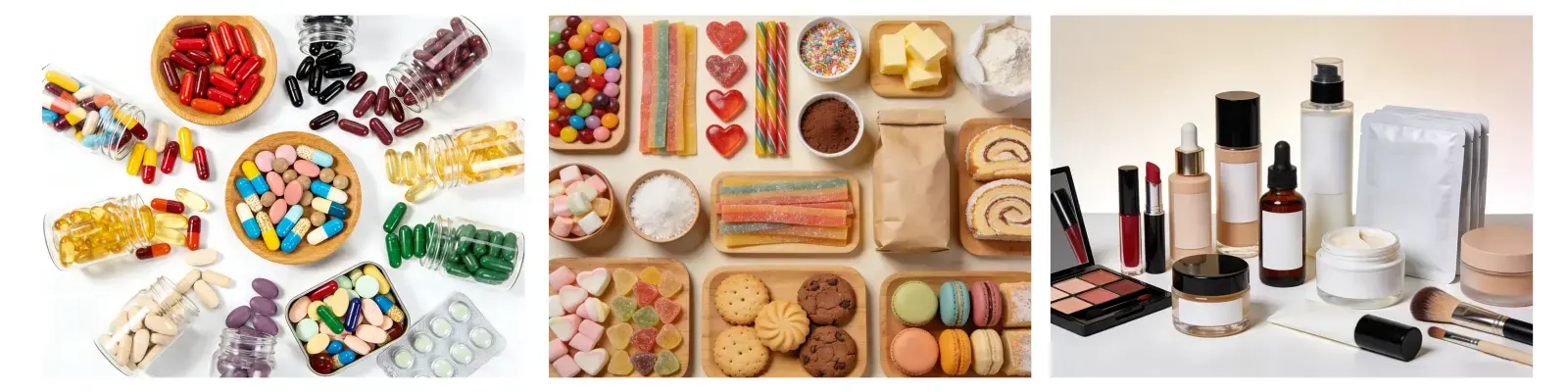
More and more, the makeup industry is looking into using antioxidant boost chemicals on the skin. This guide mostly talks about forms that can be eaten, but people who make anti-ageing skin care know that the same polysaccharide and triterpene chemicals that are good for your body can also be used on the outside. Cross-category growth chances are waiting for brands that are willing to look beyond the usual extra forms.
Conclusion
The technical sophistication of modern Reishi Mushroom Extract Powder transforms traditional botanical wisdom into precision nutraceutical ingredients. From standardised polysaccharide content supporting immune wellness to triterpene profiles enabling stress adaptation formulations, this medicinal mushroom concentrate offers formulators a differentiated ingredient for competitive markets. Quality specifications, extraction methodology, and supplier certifications determine ultimate product success. As consumer demand for natural, effective wellness solutions continues expanding, strategic ingredient partnerships become essential for brands seeking to lead rather than follow market trends.
Partner with EM: Your Trusted Reishi Mushroom Extract Powder Supplier
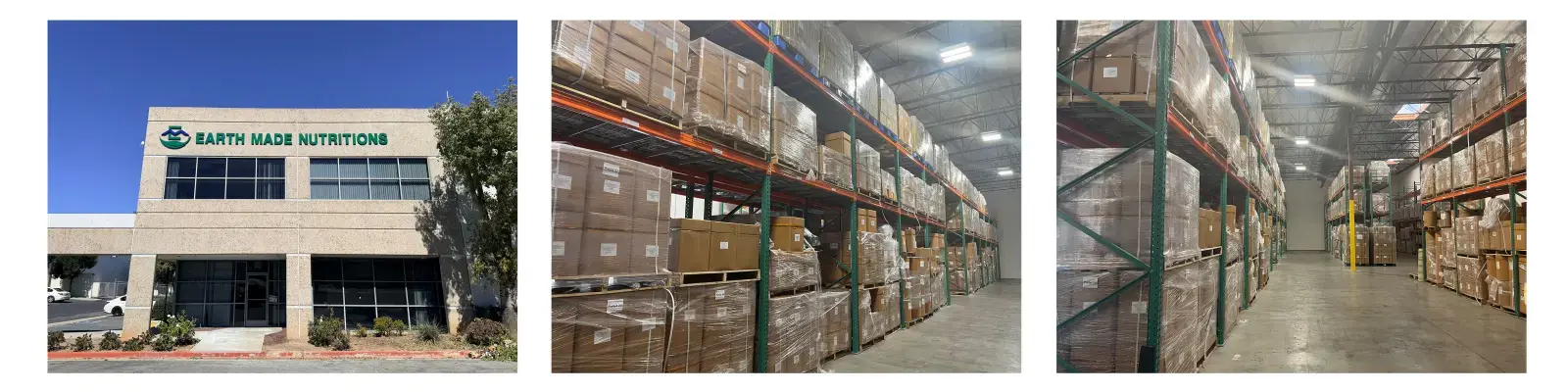
Earth Made Nutritions Inc. delivers pharmaceutical-grade Reishi Mushroom Extract Powder from our California headquarters, backed by NSF GMP, FSSC22000, Kosher, Halal, and Organic certifications. Our dual-extraction process yields standardized 30% polysaccharides with verified beta-glucan content, meeting the rigorous demands of formulation managers and R&D directors. With four strategically located U.S. warehouses ensuring rapid delivery and technical support from our extraction specialists, we eliminate supply chain uncertainties. Contact our team at info@em-herb.com to request certificates of analysis, complimentary samples, or discuss custom specifications for your next product launch.
References
1. Wachtel-Galor, S., Yuen, J., Buswell, J.A., & Benzie, I.F. (2011). "Ganoderma lucidum (Lingzhi or Reishi): A Medicinal Mushroom." In: Herbal Medicine: Biomolecular and Clinical Aspects, 2nd edition. Boca Raton: CRC Press.
2. Boh, B., Berovic, M., Zhang, J., & Zhi-Bin, L. (2007). "Ganoderma lucidum and its Pharmaceutically Active Compounds." Biotechnology Annual Review, Volume 13, Pages 265-301.
3. Sanodiya, B.S., Thakur, G.S., Baghel, R.K., Prasad, G.B., & Bisen, P.S. (2009). "Ganoderma lucidum: A Potent Pharmacological Macrofungus." Current Pharmaceutical Biotechnology, Volume 10, Issue 8, Pages 717-742.
4. Bishop, K.S., Kao, C.H., Xu, Y., Glucina, M.P., Paterson, R.R., & Ferguson, L.R. (2015). "From 2000 Years of Ganoderma lucidum to Recent Developments in Nutraceuticals." Phytochemistry, Volume 114, Pages 56-65.
5. Ahmad, M.F. (2018). "Ganoderma lucidum: Persuasive Biologically Active Constituents and Their Health Endorsement." Biomedicine & Pharmacotherapy, Volume 107, Pages 507-519.
6. Jin, X., Ruiz Beguerie, J., Sze, D.M., & Chan, G.C. (2016). "Ganoderma lucidum (Reishi mushroom) for Cancer Treatment." Cochrane Database of Systematic Reviews, Issue 4, Article CD007731.