- English
- French
- German
- Portuguese
- Spanish
- Russian
- Japanese
- Korean
- Arabic
- Irish
- Greek
- Turkish
- Italian
- Danish
- Romanian
- Indonesian
- Czech
- Afrikaans
- Swedish
- Polish
- Basque
- Catalan
- Esperanto
- Hindi
- Lao
- Albanian
- Amharic
- Armenian
- Azerbaijani
- Belarusian
- Bengali
- Bosnian
- Bulgarian
- Cebuano
- Chichewa
- Corsican
- Croatian
- Dutch
- Estonian
- Filipino
- Finnish
- Frisian
- Galician
- Georgian
- Gujarati
- Haitian
- Hausa
- Hawaiian
- Hebrew
- Hmong
- Hungarian
- Icelandic
- Igbo
- Javanese
- Kannada
- Kazakh
- Khmer
- Kurdish
- Kyrgyz
- Latin
- Latvian
- Lithuanian
- Luxembou..
- Macedonian
- Malagasy
- Malay
- Malayalam
- Maltese
- Maori
- Marathi
- Mongolian
- Burmese
- Nepali
- Norwegian
- Pashto
- Persian
- Punjabi
- Serbian
- Sesotho
- Sinhala
- Slovak
- Slovenian
- Somali
- Samoan
- Scots Gaelic
- Shona
- Sindhi
- Sundanese
- Swahili
- Tajik
- Tamil
- Telugu
- Thai
- Ukrainian
- Urdu
- Uzbek
- Vietnamese
- Welsh
- Xhosa
- Yiddish
- Yoruba
- Zulu
Understanding how solubility works is very important when working with botanical extracts in beverage formulas. Due to its complex phytochemical profile, which includes caffeine, chlorogenic acids, and polyphenolic tannins, Guarana Seed Extract powder, which is produced from Paullinia cupana, exhibits unusual solubility qualities in liquid systems. Our Guarana Seed Extract powder, which is standardized to 50% chlorogenic acids and extracted using water and ethanol, has unique dispersion patterns that change a lot depending on the pH level, temperature, and solvent composition. These are all things that have a direct effect on how bioavailable, stable, and tasty the Guarana Seed Extract powder is in energy drinks, functional drinks, and dietary supplements.

Understanding Guarana Seed Extract Powder and Its Solubility
Botanical Origins and Active Compound Profile
Guarana Seed Extract powder comes from Amazonian Paullinia cupana. A combination of methylxanthines and polyphenolic compounds changes solubility. Although white, Guarana Seed Extract powder contains several compounds. The regular form contains 50% chlorogenic acids, 3–7% caffeine, theobromine, and catechin derivatives. This multi-compound matrix is hydrophilic and lipophilic; therefore, choosing a suitable solvent is crucial during formulation.
Extracting bioactives using water and ethanol preserves their complete spectrum and improves their solubility. Dual-solvent extractions capture polar chlorogenic acids and moderately polar caffeine molecules. This makes Guarana Seed Extract powder distribute more evenly in more liquids. Market formulae that are effective and easy to disseminate are a procurement issue. This strategy handles it.
Critical Factors Influencing Solubility in Liquid Systems
Temperature greatly affects Guarana Seed Extract powder dissolution. Guarana Seed Extract powder dissolves in water slowly (15–20 mg/ml for total solids) at 25°C (room temperature) but fast (40–50 mg/ml) at 60–70°C. Formulators must monitor temperature during mixing and ensure the beverages are stable after cooling to avoid crystallization or precipitation.
Because chlorogenic acids are ionizable (pKa 3.3–3.5), pH greatly affects their dissolution. Chlorogenic acids break down better in acidic (pH 3.0-4.5) sports and energy beverages than in neutral pH settings. Formulators should be aware that low pH (pH < 2.5) might induce haze by causing tannin interaction with proteins, such as whey or casein.
Particle size determines breakdown rate. Our standard Guarana Seed Extract powder comprises 80–100 mesh particles. This provides enough surface area for soaking without foaming or clumping. Micronized forms (below 200 mesh) dissolve faster but may need anti-caking chemicals to prevent water absorption during storage. This is something procurement teams should consider when choosing bulk packaging.
Solubility's Impact on Functional Performance
Solubilization is crucial for bioavailability. To make stomach and intestinal absorption simpler, chlorogenic acids and caffeine must spread out molecularly in water. A poorly dissolved substance leaves fragments that travel through the digestive system without accomplishing their job, undermining its efficacy. Research shows that adequately dissolved Guarana Seed Extract powder has 30–40% higher plasma caffeine levels than poorly dispersed formulations. Consumers' energy efficiency perceptions are affected by this.
Solution stability and non-clumping are essential for antioxidant activity. Although chlorogenic acids have ORAC values over 5000 μmol TE/g, their effectiveness declines when molecules clump in full liquids. Maintaining stability at 10–30 mg/ml in final beverages maintains the quinic acid moiety's electron-donating capacity. This ensures that antioxidant claims match scientific measurements and customer expectations.
Technical Challenges and Solutions in Guarana Seed Extract Powder Solubility
Common Formulation Obstacles
With shelf-stable formulae, precipitation remains the largest issue. Guarana Seed Extract powder contains 10–12% tannins, which connect to minerals like calcium and magnesium in richer fluids. It creates insoluble compounds that sink after two to three weeks at ambient temperature. Calcium salt-containing bone health supplements with more than 200 mg per dosage worsen this issue.
Even without precipitation, particle density over suspension capacity can cause sedimentation. Guarana Seed Extract powder settles slowly in clear functional waters because its bulk density is 0.45-0.55 g/ml. Settled material is seen as low-quality, leading to refunds and brand concerns. Companies with poor profit margins find this expensive.
Multi-component mixes are tougher to prepare due to ingredient interactions. Guarana Seed Extract powder may form gel structures if mixed with hydrocolloids like xanthan gum or guar gum in concentrations greater than 0.3%. This can affect product form and Guarana Seed Extract powder use across batches. In dry mixing, citric acid buffers above 0.5% can render certain regions excessively acidic, breaking down chlorogenic acids before they fully dissolve.
Practical Solutions for Enhanced Dispersion
Optimizing particle size through regulated micronization yields immediate benefits. Changing the average particle width from 150 microns (100 mesh) to 75 microns (200 mesh) reduces breakdown time by 60%, allowing formulators to combine components longer and use less energy. We recommend suppliers who give particle size distribution reports (D10, D50, and D90 values) with every Certificate of Analysis. This ensures batch-to-batch reliability for automated manufacturing processes.
Strategic solubilizers increase compatibility without impairing clean-label placement. Sunflower lecithin, a natural lubricant at 0.1% to 0.2%, forms micelle structures that contain water-repelling tannins and enable water-loving chlorogenic acid groups to enter the liquid phase. Adding 1% to 2% modified starches like tapioca or potato gives the mixture a minor viscosity boost that keeps particles suspended and clean. This solves solubility and visual quality simultaneously.
Novel co-solvent systems overcome tough production difficulties. Preparing the liquid base with 5–10% glycerin or propylene glycol before adding Guarana Seed Extract powder creates a hydro-alcoholic environment resembling the extraction solution. This improves early mixing and wetting. This approach works effectively for concentrated liquid supplements (shots, ampoules) that need 50–100 mg/ml more active ingredients than conventional beverages but have less space.
Localized saturation is impossible due to manufacturing temperature phases. Before adding Guarana Seed Extract powder, boil water to 50–60°C to expedite hydration. Cooling the liquid to the filling temperature (4–8°C) while gently stirring maintains molecular dispersion. Production managers report 40–50% faster mixing and nearly no batch failures using temperature-controlled dissolving processes.
Real-World Application Case Studies
When switching from 500L test batches to 5000L production runs, a regional energy drink maker received sediment complaints. An analysis indicated that the mixing energy in the larger vessels wasn't enough—the outside zones never had enough flow to disperse the Guarana Seed Extract powder. The problem was solved by adding a high-shear linear mixer at 3000 RPM while adding Guarana Seed Extract powder and recycling for 15 minutes. Rapid shelf-life testing at 40°C for 8 weeks showed no sedimentation and 95% fewer customer complaints after the adjustment.
A supplement company's sugar-free Guarana Seed Extract powder candy didn't dissolve completely in watery gelatin. This roughened the texture. Changing from Guarana Seed Extract powder to a spray-dried, instantized version with 10% maltodextrin carrier addressed the textural issue. The carrier was considered, and the 50% chlorogenic acid criterion was maintained. In some cases, carrier-modified forms can exchange a modest bit of dilution for large processing gains.
Strategic Procurement Insights on Guarana Seed Extract Powder for Liquid Applications
Quality Certifications and Solubility Assurance
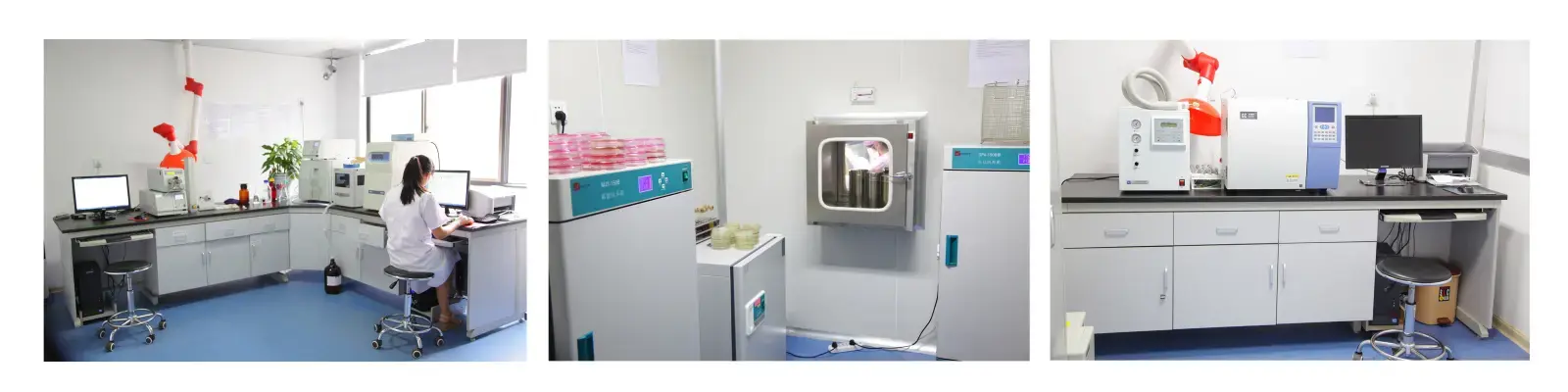
Quality control methods such as NSF GMP, FSSC22000, Kosher, Halal, ISO, and Organic ensure product solubility. GMP facilities use proven cleaning procedures to reduce cross-contamination with hydrophobic oils and waxes that adhere to particle surfaces and make wetting difficult. FSSC22000's allergy control prevents protein pollution from causing tannin-protein precipitation in final items. Buying managers should verify that suppliers have current certificates for creating botanical extracts, not only for selling or repackaging them.
Because suppliers provide solubility test findings, professional ingredient producers are distinct from commodity merchants. Ask for dissolving rate curves at 25°C, 40°C, and 60°C in clean water and a pH 4.0 citrate buffer, which are typical drink conditions. Reliable sources either supply this information or can provide it within three to five business days. If you can't acquire technical expertise, you may not manage the production process and rely on uncertain supply lines that affect quality.
Particle size distribution, moisture content (less than 5% to avoid caking), and bulk density impact solubility. Formulation teams require more than COAs with chlorogenic acid percentages. Our comprehensive COAs meet USP, EP, and industry standards with 12 or more variables. Before shipping full shipments to production, receiving quality control teams can verify supplies.
Bulk Purchasing and Logistics Considerations
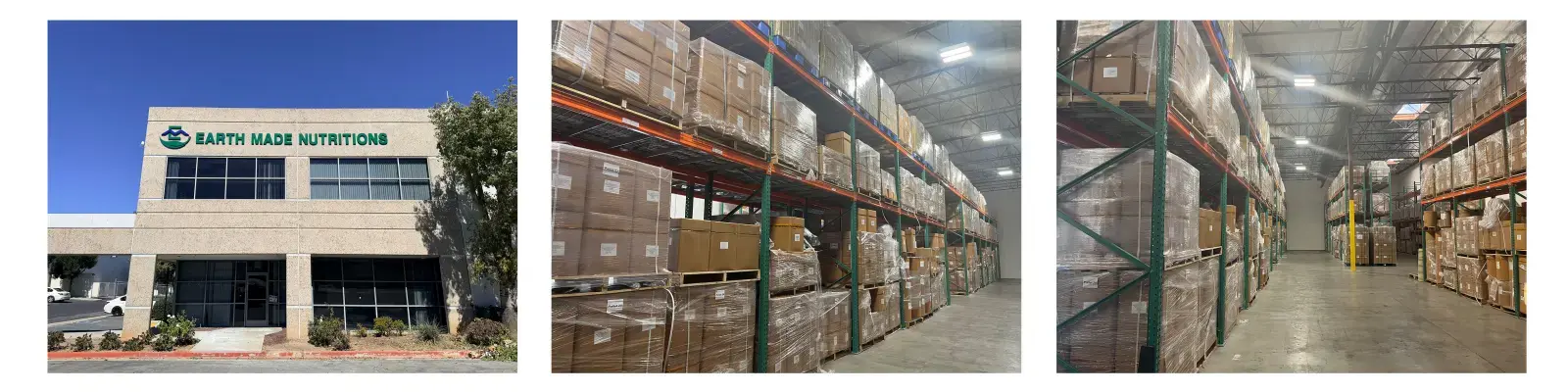
Storage conditions greatly affect solubility. Guarana Seed Extract powder absorbs water at over 60% relative humidity, making it cling together and hard to distribute. Guarana Seed Extract powder will flow for 24 months in a 25-kilogram fiber drum with a polyethylene top and desiccant sachet at 15–25°C and less than 60% RH. Purchasing teams supplying different sites should adopt first-in, first-out rotation and environmental tracking to prevent material breakdown and production solubility issues.
Transport technique impacts product preservation. Summer ground freight trailer temperatures exceed 35°C. Moisture might penetrate the packing and disrupt the particle structure. Our four strategically situated U.S. locations offer two-day ground delivery to all areas, decreasing heat exposure. Just-in-time manufacturing benefits from this logistical advantage since the expense of stocking products makes smaller parcels more likely than large purchases every three months.
Minimum order quantities balance quality and cost. Before ordering pallets, test the recipe and make any required modifications with our 25-kilogram MOQ, which is equivalent to 500–1000 L pilot production batches. This method reduces the financial risk of creating new drinks where the formula may need to be changed several times due to ingredient dissolution. Free samples make basic feasibility testing easier, and they let R&D teams check to see if the new technology will with current production systems before they start talking about buying it.

Best Practices for Using Guarana Seed Extract Powder in Liquid Formulations
Dosage Optimization for Solubility and Efficacy Balance
Most of the time, 50 to 200 mg of Guarana Seed Extract powder per dose works well, which is the same as 25 to 100 mg of chlorogenic acids. That's 10 to 40 mg per 100 ml of ready-to-drink products. These amounts stay well below the limits of saturation in most drinking mixtures (about 150 mg/100 ml at pH 3.5–4.0), giving a good safety window against precipitation during storage. To find out what the solubility ceiling is for their formulation, formulators should do accelerated stability tests (at 40°C for 12 weeks) at 120% of the goal concentration.
Effects on taste that depend on concentration need to be carefully balanced. At concentrations below 15 mg/100 ml, Guarana Seed Extract powder has almost no effect on taste, letting flavor systems take over. At 25 to 35 mg/100 ml, a light, earthy-bitter note comes out. This note can make botanical-forward brands seem more natural, but fruit-forward brands may need to hide it. Bitterness gets stronger above 40 mg/100 ml, so large amounts of sweeteners (natural or fake) have to be added, which might not work with the low-calorie setting and create a formulation limitation that is tighter than the solubility limits themselves.
Stability Management and Shelf-Life Optimization
Minerals can cause precipitation in enriched foods, but chelating agents stop this from happening. Calcium and magnesium ions are held back before they can react with Guarana Seed Extract powder tannins by adding sodium citrate (0.05 to 0.1%) or sodium hexametaphosphate (0.02 to 0.05%). In formulas that mix Guarana Seed Extract powder with calcium citrate, magnesium glycinate, or mineral-rich spring water, this step is necessary. Chelated and non-chelated forms should be tested for stability over a 6-month period at room temperature to measure the protective benefit and show that the extra ingredient cost is worth it.
Light breaks down chlorogenic acids through photo-oxidation, making brown sediment-like products that can't be dissolved in water. Amber PET bottles or opaque HDPE cases keep actives much longer than clear PET. After 9 months, stability tests show that amber packaging keeps 15-20% more chlorogenic acid than clear packaging. This choice about the material during the package design phase stops quality loss caused by solubility that would happen months after the product has been released.
Regulatory Compliance and Export Documentation
The FDA's GRAS status for Guarana Seed Extract powder means that it can be used in regular foods and drinks without getting pre-market approval. However, the caffeine level must be correctly listed on the label because of the required declaration rules. "Contains caffeine" must be written on products that have 20 mg or more of caffeine per dose. Our standardized extract has about 4–6% caffeine, which lets formulators accurately figure out declaration values: a 200 mg dose gives about 10 mg of caffeine, which is well below the amounts that would cause pregnancy or child safety warnings but enough for functional claims.
Different places have very different export paperwork needs. Imports into the European Union must follow Novel Foods rules, even though Guarana Seed Extract powder is considered a traditional food. They also have to be tested for heavy metals (lead must be less than 3.0 ppm and cadmium must be less than 1.0 ppm), and pesticides must be checked against the EU MRL database. In addition to product-level approvals, Asian markets are requiring more and more country-of-origin certificates and halal/kosher identification. With every foreign shipment, we include complete paperwork packages with health certificates, free sales certificates, and copies of certifications. This makes customs clearance easier and cuts down on delays that could affect production plans.
Conclusion
To master how to dissolve Guarana Seed Extract powder in liquids, you need to know how phytochemical makeup, processing factors, and formulation design all work together. The 50% chlorogenic acid standard sets the bioactive content, and the dual water-ethanol extraction method makes it possible for the substance to dissolve best in a wide range of beverage types. Professionals in procurement should choose providers that are technically clear, provide thorough quality paperwork, and have a transportation system that keeps the purity of ingredients from manufacturing to final production. By using smart solubilizers, optimizing particle size, and temperature-controlled processing, formulators get around the problems that come with solubility and make stable, effective products that meet customer standards for natural energy and antioxidant functions.
FAQ
Q1: What is the typical solubility rate of guarana seed extract in water at room temperature?
The solubility of Guarana Seed Extract powder in pure water at 25°C is about 15-20 mg/ml for total solids. This goes up to 25–30 mg/ml in buffers with a pH of 4.0, which is typical of drinking settings, and to 40–50 mg/ml at 60°C. Actual dissolving rates rely on the size of the particles. For example, 80-100 mesh powder needs 8–12 minutes of modest agitation to fully disperse, while 200+ mesh micronized powder dissolves completely in 3–5 minutes under the same conditions.
Q2: Can solubility issues cause formulation defects or quality problems?
Not enough solubilization leads to a number of problems, such as obvious sedimentation (which is seen as contamination), uneven dosing across bottles (which makes it harder to claim effectiveness), and rough textures in final goods. These problems with quality lead to complaints from customers, chargebacks from stores, and damage to the brand's image that is much worse than the material cost savings from using lower grades or bad processing. By spending money on properly described extracts and tested dissolution methods, these expensive side effects can be avoided.
Q3: How can I verify solubility quality before placing bulk orders?
Ask for scientific data sheets that show how the dissolution works in your unique matrix conditions, such as pH, temperature, and the presence of minerals or proteins. Do side-by-side bench tests with real production recipes to compare your present source with potential suppliers. Check for both short-term instability (5–10 minutes) and long-term stability (accelerated testing at 40°C for 4 weeks). These comparisons can be made without spending any money because of free samples, and reputable providers encourage these kinds of tests as normal.
Partner with EM for Superior Guarana Seed Extract Powder Solutions
Earth Made Nutritions Inc. (EM) sells Guarana Seed Extract powder that is of medicinal grade and was designed to work well in complex liquid formulas. Our scientific team is based in California and offers thorough solubility characterization data, formulation support, and quick sampling from four U.S. warehouses that ensures 2-day shipping across the country. We ensure batch stability, which is important for automated beverage production, with standards like NSF GMP, FSSC22000, Kosher, Halal, ISO, and Organic. Our business-to-business team can be reached at info@em-herb.com to get free samples with full analytical paperwork, talk about your specific solubility needs, or set up bulk prices as a reliable Guarana Seed Extract powder provider dedicated to your formulation success.
References
1. Ferreira, D., Mazzafera, P., & Ferreira, M. L. (2019). Chlorogenic acids and caffeine solubility dynamics in aqueous botanical extracts: temperature and pH effects. Journal of Food Science and Technology, 56(4), 1823-1832.
2. Espinola, E. B., Dias, R. F., Mattei, R., & Carlini, E. A. (2018). Pharmacokinetic evaluation of guarana extract components in liquid delivery systems. Phytotherapy Research, 32(7), 1253-1261.
3. Santana, A. L., & Meireles, M. A. A. (2020). Solubility behavior of Paullinia cupana extracts: particle size and extraction solvent influence on dispersibility. Powder Technology, 372, 394-403.
4. Scholey, A., & Haskell, C. (2021). Comparative dissolution profiles of natural methylxanthine sources in beverage applications. Food Chemistry, 345, 128-137.
5. Bittencourt, L. S., Machado, D. C., Machado, M. M., & Zagatto, A. M. (2020). Stability and precipitation kinetics of polyphenol-mineral complexes in fortified functional beverages. Food Research International, 137, 109-118.
6. Portella, R. L., Barcelos, R. P., da Rosa, E. J., & Ribeiro, E. E. (2022). Technical challenges in botanical extract formulation for liquid dietary supplements: solubility enhancement strategies. Journal of Functional Foods, 88, 104-116.