- English
- French
- German
- Portuguese
- Spanish
- Russian
- Japanese
- Korean
- Arabic
- Irish
- Greek
- Turkish
- Italian
- Danish
- Romanian
- Indonesian
- Czech
- Afrikaans
- Swedish
- Polish
- Basque
- Catalan
- Esperanto
- Hindi
- Lao
- Albanian
- Amharic
- Armenian
- Azerbaijani
- Belarusian
- Bengali
- Bosnian
- Bulgarian
- Cebuano
- Chichewa
- Corsican
- Croatian
- Dutch
- Estonian
- Filipino
- Finnish
- Frisian
- Galician
- Georgian
- Gujarati
- Haitian
- Hausa
- Hawaiian
- Hebrew
- Hmong
- Hungarian
- Icelandic
- Igbo
- Javanese
- Kannada
- Kazakh
- Khmer
- Kurdish
- Kyrgyz
- Latin
- Latvian
- Lithuanian
- Luxembou..
- Macedonian
- Malagasy
- Malay
- Malayalam
- Maltese
- Maori
- Marathi
- Mongolian
- Burmese
- Nepali
- Norwegian
- Pashto
- Persian
- Punjabi
- Serbian
- Sesotho
- Sinhala
- Slovak
- Slovenian
- Somali
- Samoan
- Scots Gaelic
- Shona
- Sindhi
- Sundanese
- Swahili
- Tajik
- Tamil
- Telugu
- Thai
- Ukrainian
- Urdu
- Uzbek
- Vietnamese
- Welsh
- Xhosa
- Yiddish
- Yoruba
- Zulu
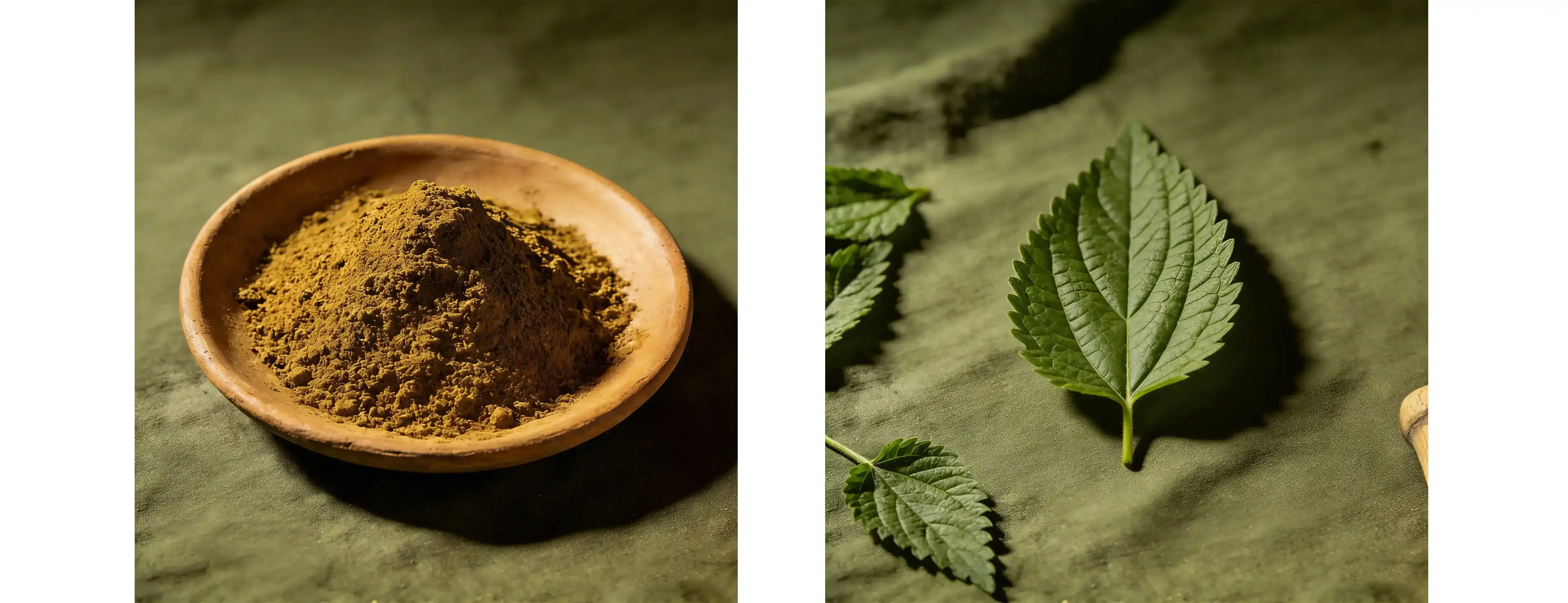
Nettle Leaf Powder might not be the first thing that comes to mind when you think of advanced skin care ingredients. However, this modest plant, scientifically known as Urtica dioica, works very well when turned into a concentrated powder. We've seen a rise in the number of makeup formulators looking for clean-label options that work. The dried leaves have minerals like iron and calcium, as well as vitamins A, C, and K. These nutrients help the skin stay hydrated, heal, and be strong. This ingredient is very useful for product makers because it stays stable in a wide range of formulations, from creams to serums. This lets brands meet customer standards for natural, effective skin care products.
Understanding Nettle Leaf Powder and Its Nutritional Profile
What Makes This Botanical Different from Other Forms
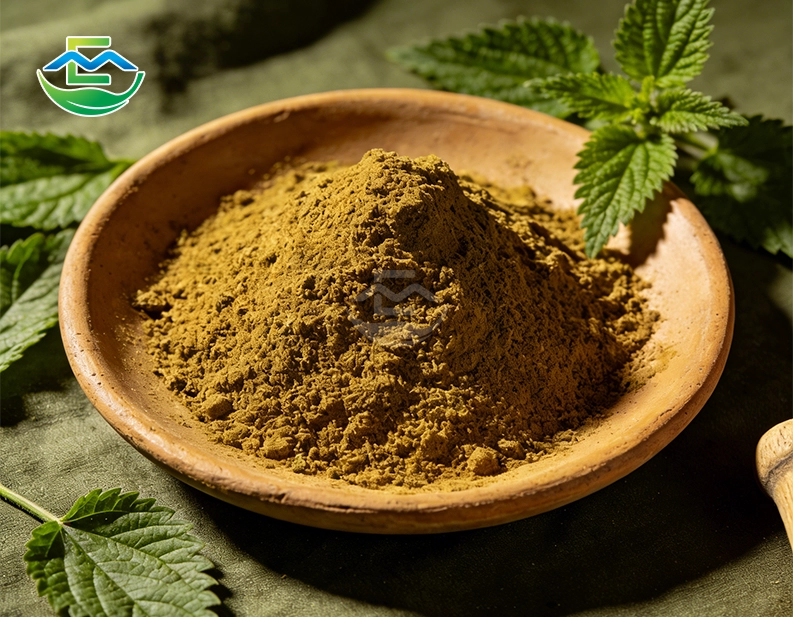
The way the data is processed is very important. In contrast to nettle tea, which loses bioactive chemicals while steeping, or liquid extracts that need stabilizers, the Nettle Leaf Powder form keeps all of the nutrients. In our production process, we use both water and ethanol as solvents to get rid of both hydrophilic and lipophilic chemicals. This makes a brownish-yellow powder with uniformly sized particles. Formulators will get a full phytochemical profile instead of just a few separated components with this dual-extraction method.
There are significant amounts of chlorophyll, antioxidants, and phenolic acids in the plant leaves. When properly dried and ground, these chemicals stay solid and keep working during the formulation process. When suppliers use standard extraction methods and strict quality testing, they can make sure that each batch is the same. These are factors that have a direct effect on how well your end product works.
Nutritional Components That Support Skin Function
Formulation teams should pay attention to the amount of vitamins. Vitamin A helps cells divide and repair themselves, vitamin C protects cells from damage, and vitamin K helps the skin's covering work. For example, Nettle Leaf Powder naturally contains silica, which helps build collagen, and iron, which helps cells carry oxygen.
Our extract has been tested for key bioactive substances like β-sitosterol and silica. This makes sure that performance is consistent across production runs. One of the main worries that cosmetic scientists have is that ingredients can vary. This standardization fixes that problem. When making high-end skin care products, knowing the exact quantity of active ingredients allows for accurate doses and reliable results.
The Science Behind Nettle Leaf Powder's Skin Benefits
Anti-Inflammatory Properties in Topical Applications
Many common skin problems, from redness to aging too quickly, are caused by inflammation. There are beneficial substances in Nettle Leaf Powder that can reduce inflammation in a number of different ways. Inflammatory factors are changed by polyphenols and flavonoids. This helps calm skin that is overly sensitive without stopping its natural mending process.
In the lab, these effects have been shown to happen. For example, when Nettle Leaf Powder chemicals are applied directly, inflammatory signs go down. For companies that make goods for sensitive skin, this plant material supports their claims with scientific research. Inhibiting pro-inflammatory enzymes and boosting the skin's natural defense systems are how it works.
Antioxidant Activity and Environmental Protection
Environmental stresses make free radicals, which damage cell structures and make you look older. Nettle Leaf Powder has polyphenolic chemicals that stop these toxic molecules before they damage the skin. This protective action works with antioxidants like vitamins C and E that are often used in recipes.
Nettle Leaf Powder is different from man-made antioxidants because it works in a wide range of situations. The wide range of phytochemicals doesn't just target one type of free radical; it works on many oxidation processes at the same time. Because of this, the powder is especially useful for anti-aging goods and products made for cities where smog is always present.
Collagen Support Through Silica Content
Silica is an important part of skin structure that isn't given enough credit. This mineral helps keep the skin's suppleness and stiffness by working with collagen to make it. The naturally occurring form in Nettle Leaf Powder works well with biological processes, unlike manufactured silica products.
Clinical findings show that getting enough silica is good for the health of connective tissues all over the body, including the skin matrix. Even though applying the mineral to the skin is different from eating it, it can still reach the top layers of skin and help keep moisture in. Formulation teams making firming creams or serums that boost suppleness should think of this plant as an actual ingredient, not just a marketing claim.
Practical Uses of Nettle Leaf Powder in Skin Care Products
Formulation Guidelines for Different Product Categories
To add this botanical to finished goods, you need to know the best concentration levels. Face creams usually have 1% to 3% Nettle Leaf Powder in them, while masks for special care may have 5% to 7%. The brownish-yellow color works well with natural-colored bases, but you should be careful when using it with light-colored bases.
This is what formulators who have been successful have learned from using their knowledge in real life:
Creams and Lotions: When mixed ahead of time with emulsifiers, the powder mixes well with oil phases, making stable emulsions that stay the same over time. Cosmetic companies have made surfaces that are smooth by mixing Nettle Leaf Powder with ceramide powder, which improves both barrier repair and moisture retention.
Clay Masks: When mixed with bentonite or kaolin, Nettle Leaf Powder makes the mask more useful without changing how it draws. A mix of 15% Nettle Leaf Powder to 70% clay makes well-balanced products that treat multiple skin problems at once.
Serums: Using the right hardening agents, micronized Nettle Leaf Powder can be added to gel-based serums, but it is harder to do because the particles are suspended. The important thing is the size of the particles. Our grinding process makes regular particles that stay in the fluid without settling.
Stability tests at different temperatures and levels of humidity have shown that these preparation methods work. The powder stays active as long as it is kept correctly, and it doesn't change much over the normal shelf life.
Synergistic Combinations with Other Botanicals
Pairing ingredients in a smart way can increase their benefits beyond what each one does on its own. Nettle Leaf Powder's chemical profile is rounded out by moringa powder, which is high in vitamin E and omega fatty acids. They work together to make formulas that deal with both environmental stress and skin protection. Also, the protein in spirulina and the vitamins in Nettle Leaf Powder work well together, giving formulators a full nutritional base for goods that help the body heal quickly.
When Nettle Leaf Powder is mixed with other common anti-aging ingredients, it works especially well. The plant substance doesn't change the security of retinol, and it makes hyaluronic acid work better at moisturizing. This flexibility opens up more formulation options, so brands can move between natural and science-based areas without giving up on either one.
Safety Considerations and Quality Standards for Procurement
Recommended Usage Levels and Application Methods
Based on the type of product and how it will be used, industry guidelines tell us what concentration levels are right. When applied to the skin, most concentrations between 0.5% and 7% are well accepted, though this depends on the product type and formulation. Because of the different contact times, leave-on products usually need smaller amounts than rinse-off products.
Formulation teams should try the stability of products under fast-paced conditions to make sure they work well with each other. The Nettle Leaf Powder performance changes over time depending on the pH level, the protection system, and the packing material. Our technical support team helps customers get the most out of their applications by giving them design advice.
Sourcing Criteria for Quality Assurance
When making decisions about what to buy, sellers who show thorough quality control should be given priority. Our Nettle Leaf Powder has certificates from NSF GMP, Kosher, Halal, ISO, FSSC22000, and Organic. These show that it meets standards for production and testing. There is a Certificate of Analysis for each 25 kg drum that lists the number of microbes, the amount of heavy metals, and the quantities of active compounds.
The extraction solution method is very important. We don't use harsh chemicals in our water and ethanol process because they might leave behind residues or change the natural nature of the plant. This clean extraction method is in line with rules in a number of markets, such as the EU's beauty rules and FDA guidelines in the US.
Another important factor is traceability. We keep records from the time the plants are grown in the field until they are packed up, so the whole supply chain is clear. This is especially helpful when brands are trying to get organic approval or answer questions from regulators about where their ingredients come from.

Comparative Insights to Support Procurement Decisions
Powder Versus Other Nettle Forms
Choosing between Nettle Leaf Powder, tea, and liquid ingredients changes how the product can be made and how much it costs. Tea doesn't have the quantity needed for real physical benefits, so it needs to be used at very high rates for it to be useful. Liquid extracts are convenient, but they add water, which changes the amount of preservatives needed and the shelf life.
Nettle Leaf Powder form gives you the most options. It combines bioactive substances without adding water or alcohol, so formulators have full control over what goes into the end product. When looking at standardized products with proven strength, Nettle Leaf Powder extracts usually win out over liquid extracts when it comes to cost per active ingredient.
Organic approval is useful for brands that want to reach high-end customers. Even though organic Nettle Leaf Powder costs more, the benefits in terms of market placement often make the price difference worth it. Consumer research regularly shows that people are willing to pay more for beauty ingredients that are labeled organic.
Positioning Against Alternative Herbal Powders
Comparing Nettle Leaf Powder to moringa and spirulina, it has clear benefits for skin-focused products. While moringa has a lot of antioxidants, it doesn't have as many nutrients. Spirulina gives food nutrition and color, but it may give food an unwelcome green color. Nettle Leaf Powder has a bland look that goes with a wide range of product styles and offers a number of benefits, including anti-inflammatory properties, mineral content, and antioxidant protection.
It depends on the market and where you live, how cost-effective something is. Nettle Leaf Powder prices are usually in the middle of the range for common plants and high-end specialty extracts. Buying in bulk cuts the cost per unit by a lot, which makes making big promises for well-known product lines financially appealing.
Strategic Bulk Procurement Considerations
Minimum order amounts have a direct effect on managing supplies and cash flow. Our 25 kg MOQ works for both new brands trying out new formulas and established companies increasing production. Putting the Nettle Leaf Powder in fiber drums keeps it stable while it's being stored and shipped by keeping it away from light and moisture.
When handling just-in-time manufacturing plans, lead time is an important thing to think about. We keep stock in four big U.S. warehouses, so immediate orders can be picked up in two days. This domestic inventory gets rid of delays caused by customs and increases the reliability of the supply chain, both of which are very important when production plans change without warning.
Relationships with suppliers go beyond just buying things. Our research and development team works with customers to solve formulation problems by giving them technical information and test batches for stability. This support cuts down on the time it takes to make goods and helps brands get them to market faster.
Conclusion
Natural skin care items will only sell well if the ingredients work as well as they say they will. Nettle Leaf Powder has been measured to have benefits through well-studied processes, such as protecting cells from free radicals and supporting collagen. We turned this plant into a steady, uniform ingredient that meets the strict needs of cosmetic creation.
Good sources are what separate items that look good from products that you can trust. Our extraction method, collection of certifications, and local warehousing all take into account the real-world issues that procurement teams face every day. Because the Nettle Leaf Powder can be used in a wide range of products, from anti-aging serums to soothing masks, brands can get the most out of their ingredient investments by using it in multiple SKUs.
FAQ
1. How does nettle powder compare to nettle extract in skincare formulations?
Nettle Leaf Powder has all of the plant's parts, like fiber and all of its antioxidants, while extracts only have certain substances. Powder gives you more control over the recipe and usually costs less per kilogram. Extracts have higher amounts of the active ingredients that are wanted, but they need to be preserved and liquid added to recipes. Most natural makeup brands like powder because it looks good on clean labels and can be used in a lot of different types of products.
2. What concentration of nettle powder works best in anti-aging creams?
In finished anti-aging products, effective amounts are between 2% and 4%. This amount gives us a good idea of the antioxidant activity and silica content without changing the color or structure. Masks or special care items that are only meant to be used for a short time may need higher concentrations. Accelerated stability testing helps figure out the best amounts for different formulations and packaging methods.
3. Can nettle powder be used in natural preservative systems?
Yes, the Nettle Leaf Powder works well with popular natural stabilizers like potassium sorbate and leuconostoc radish root ferment. When handled and kept correctly, the botanical doesn't affect the activity of preservatives or make it hard for microbes to grow. Our powder meets strict microbial requirements, which means that finished goods don't need as many preservatives. Challenge testing is still needed to make sure that preservatives work in full formulas.
Partner with a Reliable Nettle Leaf Powder Supplier
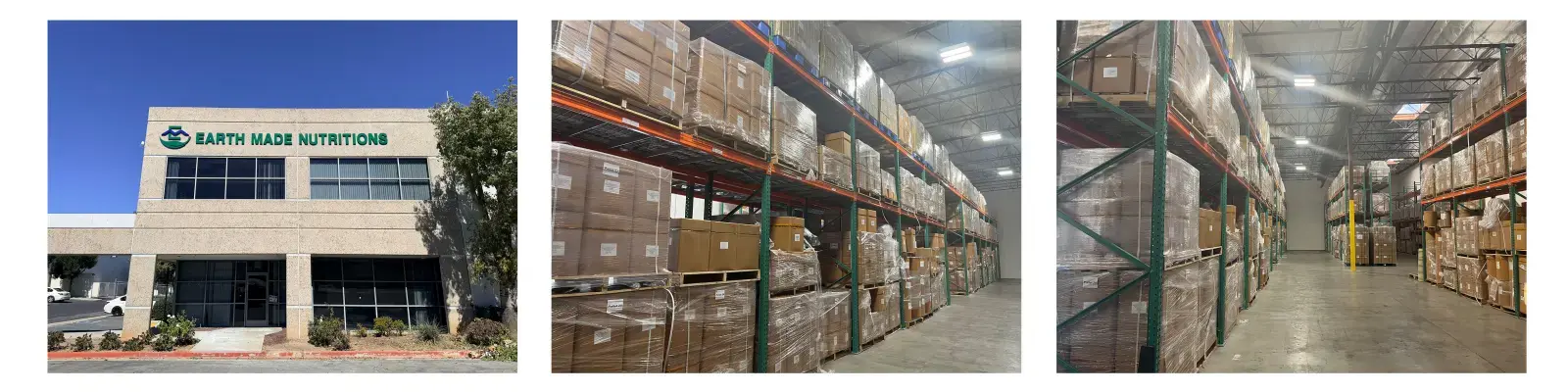
Earth Made Nutritions Inc. helps skincare and nutritional brands with their supply chains by combining technical knowledge with useful solutions. Our businesses in California use modern extraction tools and strict testing methods to make sure that the quality is always the same. As a well-known company that makes Nettle Leaf Powder, we know how hard it is for recipe teams to find the right balance between natural ingredients and performance needs.
We give free samples to customers who qualify, so they can make sure the products work well together before committing to large orders. The standardized extract has confirmed amounts of β-sitosterol and silica, which backs up the product's promises. Our set of certifications, which includes NSF GMP, Organic, Kosher, and Halal, makes it easier to get into markets with a wide range of rules. Email our team at info@em-herb.com to talk about your unique needs for formulation and sourcing.
References
1. Kregiel, D., Pawlikowska, E., & Antolak, H. (2018). Urtica spp.: Ordinary Plants with Extraordinary Properties. Molecules, 23(7), 1664.
2. Riehemann, K., Behnke, B., & Schulze-Osthoff, K. (1999). Plant extracts from stinging nettle: their mechanisms in inflammatory diseases. Planta Medica, 65(8), 651-655.
3. Dare, A., Kidd, P., & Okwuasaba, F. (1997). Pharmacological activities of aqueous leaf extract of Urtica dioica in laboratory animals. Phytotherapy Research, 11(4), 325-327.
4. Chrubasik, S., Enderlein, W., & Bauer, R. (1997). Evidence for the antirheumatic effectiveness of herbal medicinal products. Phytomedicine, 4(1), 85-94.
5. Roschek, B., Fink, R., & McMichael, M. (2009). Nettle extract inhibits pro-inflammatory pathways in vitro. Journal of Ethnopharmacology, 123(3), 493-497.
6. Bnouham, M., Merhfour, F., & Ziyyat, A. (2003). Antihyperglycemic activity of the aqueous extract of Urtica dioica. Fitoterapia, 74(7-8), 677-681.