- English
- French
- German
- Portuguese
- Spanish
- Russian
- Japanese
- Korean
- Arabic
- Irish
- Greek
- Turkish
- Italian
- Danish
- Romanian
- Indonesian
- Czech
- Afrikaans
- Swedish
- Polish
- Basque
- Catalan
- Esperanto
- Hindi
- Lao
- Albanian
- Amharic
- Armenian
- Azerbaijani
- Belarusian
- Bengali
- Bosnian
- Bulgarian
- Cebuano
- Chichewa
- Corsican
- Croatian
- Dutch
- Estonian
- Filipino
- Finnish
- Frisian
- Galician
- Georgian
- Gujarati
- Haitian
- Hausa
- Hawaiian
- Hebrew
- Hmong
- Hungarian
- Icelandic
- Igbo
- Javanese
- Kannada
- Kazakh
- Khmer
- Kurdish
- Kyrgyz
- Latin
- Latvian
- Lithuanian
- Luxembou..
- Macedonian
- Malagasy
- Malay
- Malayalam
- Maltese
- Maori
- Marathi
- Mongolian
- Burmese
- Nepali
- Norwegian
- Pashto
- Persian
- Punjabi
- Serbian
- Sesotho
- Sinhala
- Slovak
- Slovenian
- Somali
- Samoan
- Scots Gaelic
- Shona
- Sindhi
- Sundanese
- Swahili
- Tajik
- Tamil
- Telugu
- Thai
- Ukrainian
- Urdu
- Uzbek
- Vietnamese
- Welsh
- Xhosa
- Yiddish
- Yoruba
- Zulu
The market for Guarana Seed Extract powder is growing very quickly in many different types of businesses. This natural energizing ingredient comes from the plant species Paullinia cupana. It has a special mix of caffeine linked to tannins that gives you longer-lasting energy than synthetic options. The normal specification at 50% Chlorogenic Acids gives formulators consistent active amounts. This makes it very appealing to nutraceutical companies looking for plant-based energy options with clean labels. As more people look for natural performance boosters, buying teams in the pharmaceutical, cosmetics, and functional drinks industries are actively looking for reliable providers who can promise purity, regulatory compliance, and efficient logistics.
Overview of Guarana Seed Extract Powder Market
Chemical Composition and Industrial Value
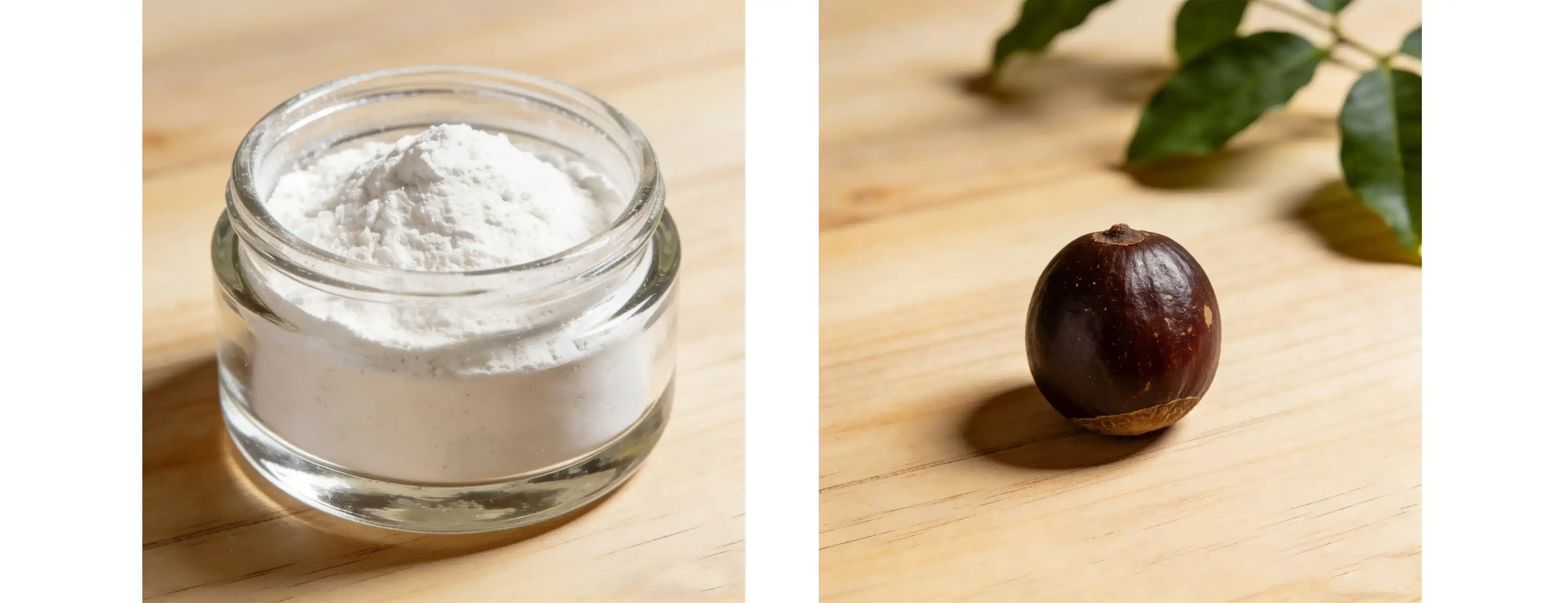
Guarana Seed Extract powder from Paullinia cupana differs from other stimulants due to its phytochemical composition. Extraction using water and ethanol preserves chlorogenic acids, tannins, theobromine, catechins, and caffeine. Our extract standard is 50% Chlorogenic Acids. This guarantees its antioxidant and energy-boosting qualities. Formulators who wish to stand out by incorporating multipurpose plant actives would appreciate this.
In pill fills, beverage systems, and topical treatments, the fine white powder appearance (micronized to 80–100 mesh) helps contents distribute uniformly. It absorbs water, so handle it cautiously. Experienced suppliers employ moisture-controlled wrapping. Methylxanthines and polyphenolic compounds generate a continuous release mechanism that reduces caffeine's extremes.
Global Market Expansion Drivers
North American market research demonstrates robust demand growth. Because more individuals are using plant-based health products. Health-conscious millennials and active aging populations seeking natural cognitive and physical performance assistance will drive functional supplement growth through 2028.
Antioxidant Guarana Seed Extract powder is increasingly utilized in anti-aging serums and firming lotions to promote healthy skin. This component is common in ready-to-drink energy drinks, smoothie mixes, and pre-workout beverages for label-readers. Regulatory support across all FDA frameworks and growing GRAS (Generally Recognized As Safe) status in food applications have made it simpler for new firms to enter the market, accelerating mid-sized company growth.
Primary Applications Across Industry Verticals
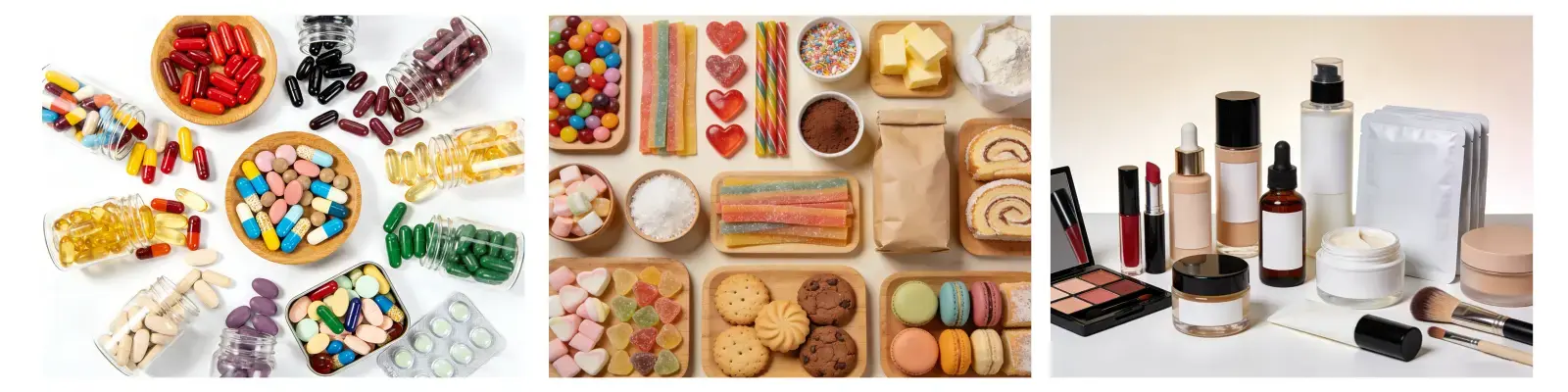
Nutraceuticals employ Guarana Seed Extract powder in thermogenic weight reduction, nootropic, and sports recovery products. Its steady energy release is ideal for endurance athletes who need to perform effectively without crashing. Functional food companies use it in energy bars, protein snacks, and nutrient-rich cereals because consumers like clean labels.
In addition to cosmetics, hair care firms employ the extract in shampoos to stimulate the scalp and reduce hair loss. New drink creators are considering employing Guarana Seed Extract powder in effervescent adaptogen beverages and functional coffee, which they are selling at an expensive. Pharmaceutical and medical nutrition companies are investigating standardized extracts for brain-boosting products. These situations require batch-to-batch precision. Understanding these uses helps buyers match supplier expertise to product development initiatives.
Key Factors Influencing Procurement Decisions for Guarana Seed Extract Powder
Quality Metrics and Analytical Verification
A skilled buyer must understand the scientific elements that impact product quality. Buyers should look beyond 50% Chlorogenic Acids. The extraction ratio and native Guarana Seed Extract powder should also be checked. HPLC chromatograms should show caffeine, theobromine, and catechin peaks. These peaks are fingerprints that indicate whether the product was not tampered with using cheaper synthetic caffeine or coffee extracts.
Keep moisture below 5% to prevent microbial growth and caking during storage. Bulk density (0.4–0.60g/ml for this powder) affects automated encapsulation line dosing accuracy. Mineral contamination is minimal, with ash below 5%. In 25g samples, the Total Plate Count must be less than 1000 cfu/g and the Yeast/Mold count must be less than 100. Salmonella and E. coli are prohibited.
Testing for residual solvents protects consumers, especially when extracts undergo multiple processing steps. In our production method, water and ethanol extraction produce fewer residuals than hexane extraction. In addition to supplier-generated COAs, ISO 17025-approved third-party test verification provides peace of mind.
Pricing Structures and Volume Economics
Regular grades of Guarana Seed Extract powder with 50% Chlorogenic Acids cost $45-85 per kilogram. Organic-certified versions cost $65–120 per kilogram, depending on order quantity and certification complexity. Test recipes and regular manufacturing runs may be done with our 25-kilogram (one drum) minimum purchase. Discounts begin at 100 kg, 500 kg, and pallets.
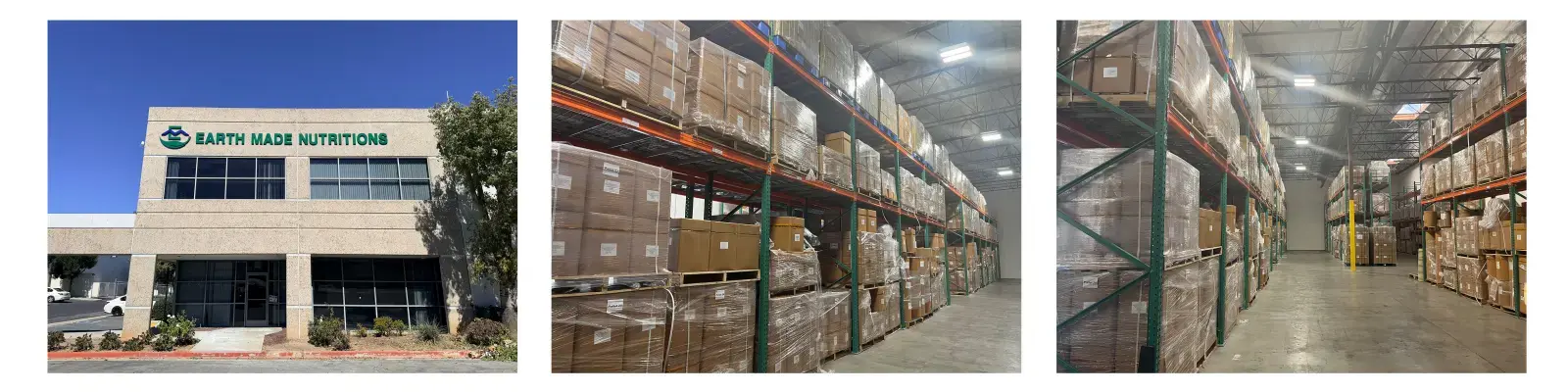
Smart purchasers debate prices based on annual volume guarantees, not one-time purchases. They can save 8–15% through partnerships. Purchase contracts should specify payment, shipping (FOB, CIF, DDP), and currency changes. Inventory at local U.S. warehouses reduces international freight delays and landing costs compared to direct imports. Our California operations and distributed warehouse network provide us with an edge.
When comparing the total cost of ownership, you must consider consistent quality that prevents batch rejection, a stable supply chain that keeps production continuing, and skilled assistance that facilitates recipe development. The lowest price doesn't necessarily indicate the greatest value for plant extracts.
Supplier Evaluation Criteria for Long-Term Partnership
In addition to product requirements, suppliers should be evaluated for manufacturing capacity, legal compliance infrastructure, and logistical skill. For FDA-regulated products, NSF GMP manufacturers must follow tight batch tracking and systematic contamination control regulations. FSSC22000 accreditation indicates good food safety systems.
Good merchants offer technological support, unlike commodity suppliers. Our research and development team advises on component addition, stability testing, and active ingredient compatibility. Safety statements, GMO declarations, BSE/TSE certificates, and country-specific compliance letters simplify product registration.
Lead time reliability affects manufacturing strategies. Established clients may pick up their goods in two days with our in-stock stocking strategy, and we disclose backorders. Four U.S. warehouses fulfill regional orders. Freight expenditures and transportation damage are reduced. Having backup sources is still a good idea, but having reliable suppliers simplifies the supply chain.

How to Optimize Use and Application of Guarana Seed Extract Powder in B2B Operations
Formulation Guidelines and Dosage Considerations
When adding Guarana Seed Extract powder to finished goods, it's important to know how much to add. Energy supplement mixes usually have 200 to 500 mg per dose, which is about the same amount of caffeine as 40 to 100 mg of coffee, when added to the metabolic benefits of the chlorogenic acid complex. Pre-workout mixes may have up to 800 mg of caffeine per dose, but the people who make them should make sure that the whole thing has other caffeine sources in it.
The thermogenic effects are used in weight loss products at amounts of 500 mg to 1000 mg per day, spread out over several meals. Cognitive function pills often mix 300 mg of Guarana Seed Extract powder with nootropics like L-theanine or Bacopa monnieri, which work together to make your mind clear. Solubility improvement is needed for beverage use. Our micronized powder dissolves well in liquids when mixed with the right emulsifiers or enclosed using cyclodextrin complexation.
In cosmetics, the amounts are lower—usually between 0.5 and 2% in serums and creams—and the antioxidant profile helps market the product rather than giving you energy. Stability tests at high temperatures (40°C/75%RH) should show that the extract stays active for the whole time it's supposed to be stored. To shorten the time it takes to make a new product, our expert team gives you recipe worksheets and compatibility data.
Performance Comparison with Synthetic Alternatives
Product designers often argue about whether to use natural or artificial coffee. Synthetic caffeine is cheaper ($8–15/kg vs. Guarana Seed Extract powder's higher price), but it doesn't have the marketing draw or phytochemical complexity that makes elite consumers choose it. Consumer studies regularly show that 60–70% of health-conscious buyers would rather see information about the botanical source on labels than just a list of "caffeine".
Formulators can use Guarana Seed Extract powder to tell stories about jungle plants, traditional uses, and how the whole plant works together, which is appealing to the target audience. The sustained energy profile makes goods stand out in areas that are already crowded, where claims of clean energy lead to higher prices. Brands successfully place Guarana Seed Extract powder-based goods 15–30% higher than synthetic caffeine rivals. The higher margins help to make up for the higher costs of the raw materials.
Emerging Trends and Innovation Opportunities
Early users can come up with new ideas as the delivery method changes. Microencapsulation technologies hide Guarana Seed Extract powder's naturally sour taste, making it possible to use it in candies and chewables that taste good. Sustained-release beadlet methods give more energy over a longer period of time, aiming for 8–10-hour performance windows that are appealing to shift workers and endurance athletes.
Sustainable source stories are becoming more and more important in deciding what to buy. Brands that care about doing the right thing by society prefer suppliers who practice fair trade, protect wildlife, and offer carbon-neutral shipping choices. Our approach to sustainable growth and efforts to protect the environment are in line with what the market wants. This gives our relationship credibility and helps your brand's values communication.
More and more people are buying supplements that combine Guarana Seed Extract powder with adaptogens (like ashwagandha and rhodiola), minerals, or protein structures. These complicated goods cost more at retail but help people reach more than one health goal at the same time. Label claims for these kinds of products need to be carefully backed up by evidence. Our support for regulatory affairs helps you meet these needs in a variety of foreign markets.
Market Challenges and Risk Management in Guarana Seed Extract Powder Procurement
Quality Variability and Adulteration Prevention
The market for plant extracts has problems with quality variations that won't go away. Most of the Guarana Seed Extract powder that is grown comes from areas in the Brazilian Amazon. Phytochemical profiles are affected by changes in climate, harvest time, and seed growth. Standardization to 50% Chlorogenic Acids using approved HPLC methods reduces this variation, making sure that every production batch meets the requirements, even if the raw materials change.
Adulteration is a very big risk when buying things. Suppliers who aren't honest may add manufactured caffeine to extracts to make them seem more powerful while using lower-quality plant materials. Fraud like this can be found using thorough testing methods like HPTLC fingerprints, alkaloid profile, and isotope ratio mass spectrometry. These risks can be lessened by building relationships with makers as a source and keeping full chain-of-custody documents.
When finished goods are put through stability tests for regulatory applications, batch-to-batch consistency is very important. If suppliers keep samples from each production lot, they can be used for an investigation if there are problems with the quality months after delivery. Our quality control system keeps samples for three years, which meets your needs for the long-term usage of your products.
Regulatory Compliance Across International Markets
It can be hard for foreign procurement processes to keep up with the rules in different countries. Under DSHEA rules, the US allows Guarana Seed Extract powder to be used in dietary products. For new extraction methods, New Dietary Ingredient (NDI) notices are required. Novel Food Regulations and maximum caffeine limits in drinks (320 mg/L for energy drinks) must be followed by companies selling their goods in Europe.
The Natural Health Products Directorate in Canada needs certain monographs to be followed in order to license a product. The TGA in Australia keeps a list of ingredients that are okay to use, with limits on how much can be used. Our regulatory paperwork package comes with compliance letters that are special to each country. These letters will help you enter new markets more quickly and easily. We keep our Kosher, Halal, and Organic certifications up to date to meet the needs of religious diets and give us entry to specific markets around the world.
Supply Chain Continuity and Contingency Planning
Agricultural product supply lines are naturally vulnerable to disruptions caused by bad weather, unstable politics, or transportation problems caused by pandemics. To make smart purchasing decisions, you should keep enough of certain items on hand to last for three to six months, build relationships with a variety of suppliers, and set clear communication rules for when there are problems with the supply chain.
Protections in contracts should cover situations of "force majeure," how to reject a quality product, and how to settle a disagreement. Price adjustment terms that are linked to clear market data protect both parties from changes in the prices of goods. When we handle our inventory, we make sure that there are strategic stock positions in various warehouses. This gives our customers extra capacity in case of short-term supply problems.
Proactive capacity planning is possible when you work together with your suppliers and let them know your production plans and growth expectations. These partnerships are strengthened by business reviews that happen every three months and talk about demand forecasts, quality performance measures, and new idea possibilities. We see our relationships with customers as long-term partnerships rather than one-time transactions. We invest in your success by offering expert help and promises of reliable supply.
Conclusion
The Guarana Seed Extract powder market has a lot of possibilities for companies that want to use natural, useful products that fit with current health trends. To be good at buying, you need to find a balance between checking the quality, following the rules, keeping costs low, and building relationships with suppliers. Standardized requirements, like our 50% Chlorogenic Acids promise, along with thorough certificates and analytical records, make it possible to make smart choices about where to get your supplies. Understanding the benefits of synthetic options, improving the ways your products are made, and putting in place strong quality control measures will help your products compete in growing market segments. Strategic relationships with providers who show they are good at logistics, technical know-how, and regulatory compliance give businesses benefits that go beyond just low costs.
FAQ
Q1: How does the caffeine content in guarana compare to coffee?
Guarana seeds naturally have about 4% to 6% caffeine by weight, which is about twice as much as coffee beans (1% to 2% caffeine by weight). When our 50% Chlorogenic Acids standardized extract is made, the powerful stimulant complex gives you energy for 4-6 hours, while coffee only gives you energy for 2-3 hours. This is because the tannins in coffee slow down the absorption process.
Q2: What testing should B2B buyers request to verify product authenticity?
Ask for HPLC chromatograms that show the amount of chlorogenic acid, alkaloid profiling that shows the caffeine/theobromine ratios that are typical of real Guarana Seed Extract powder, heavy metal screening that meets USP standards, microbial testing, pesticide residue analysis, and HPTLC fingerprints. In addition to supplier Certificates of Analysis, third-party lab proof from ISO 17025-approved facilities gives you even more peace of mind.
Q2: Can this ingredient support specific product claims?
When backed up by ORAC testing, Guarana Seed Extract powder with proven chlorogenic acid content can support claims of antioxidant ability. When making claims about energy, you have to follow the FDA's structure-function claim standards. Cosmetics can use plant ingredients, but they can't make drug claims. Our regulatory team gives you advice on how to back up claims that are specific to your target markets and product groups. This makes sure that your label copy is legal and has the most effect on marketing.
Partner with a Trusted Guarana Seed Extract Powder Supplier
Earth Made Nutritions Inc. sells pharmaceutical-grade Guarana Seed Extract powder that is standardized to 50% Chlorogenic Acids. This powder meets the strict needs of companies that make cosmetics and functional foods. Our operations in California and four carefully placed U.S. stores make sure fast delivery—often within two days for in-stock items—by getting rid of the uncertainty of foreign logistics. Each 25 kg drum comes with a full CoA that lists all of its certificates, including NSF GMP, FSSC22000, Kosher, Halal, ISO, and Organic. This makes it easier for you to follow the rules set by regulators.
We know that the success of a mixture depends on how consistent the ingredients are. That's why our professional R&D team and high-tech extraction tools do strict quality control from batch to batch. You can test free samples to make sure they work with your system before committing to large-scale production. Our commitments to environmentally friendly practices and sustainable sources are in line with modern brand values. This gives our partnerships respect that careful customers can relate to. Get in touch with our expert team at info@em-herb.com to talk about your unique needs and get quotes that are tailored to your formulation goals and budget.
References
1. Smith, N. and Atroch, A.L. (2019). "Guarana's Journey from Regional Tonic to Global Energy Supplement: Phytochemical and Pharmacological Review." Journal of Ethnopharmacology, 245: 112175.
2. Espinola, E.B., Dias, R.F., Mattei, R., and Carlini, E.A. (2020). "Pharmacological Activity of Guarana (Paullinia cupana Mart.) in Laboratory Animals and Human Subjects: A Systematic Review." Phytotherapy Research, 34(8): 1788-1807.
3. Marques, L.L.M., Ferreira, E.F.P., Paula, M.N., Klein, T., and Mello, J.C.P. (2019). "Standardization of Guarana Extract by Liquid Chromatography: Caffeine and Tannin Quantification." Brazilian Journal of Pharmacognosy, 29(3): 364-372.
4. Kennedy, D.O. (2021). "Phytochemicals for Brain Health: Guarana and Cognitive Performance in Nutraceutical Applications." Advances in Nutrition, 12(4): 1361-1373.
5. Bortolotti, L.R., Silva, C., and Zuccolotto, T. (2018). "Quality Control Parameters for Paullinia cupana Commercial Extracts: HPLC Profiling and Bioactive Compound Stability." Food Chemistry, 267: 141-149.
6. International Trade Centre (2022). "Market Analysis Report: Natural Stimulant Extracts in North American Functional Food and Dietary Supplement Sectors." ITC Technical Paper Series, Geneva.