- English
- French
- German
- Portuguese
- Spanish
- Russian
- Japanese
- Korean
- Arabic
- Irish
- Greek
- Turkish
- Italian
- Danish
- Romanian
- Indonesian
- Czech
- Afrikaans
- Swedish
- Polish
- Basque
- Catalan
- Esperanto
- Hindi
- Lao
- Albanian
- Amharic
- Armenian
- Azerbaijani
- Belarusian
- Bengali
- Bosnian
- Bulgarian
- Cebuano
- Chichewa
- Corsican
- Croatian
- Dutch
- Estonian
- Filipino
- Finnish
- Frisian
- Galician
- Georgian
- Gujarati
- Haitian
- Hausa
- Hawaiian
- Hebrew
- Hmong
- Hungarian
- Icelandic
- Igbo
- Javanese
- Kannada
- Kazakh
- Khmer
- Kurdish
- Kyrgyz
- Latin
- Latvian
- Lithuanian
- Luxembou..
- Macedonian
- Malagasy
- Malay
- Malayalam
- Maltese
- Maori
- Marathi
- Mongolian
- Burmese
- Nepali
- Norwegian
- Pashto
- Persian
- Punjabi
- Serbian
- Sesotho
- Sinhala
- Slovak
- Slovenian
- Somali
- Samoan
- Scots Gaelic
- Shona
- Sindhi
- Sundanese
- Swahili
- Tajik
- Tamil
- Telugu
- Thai
- Ukrainian
- Urdu
- Uzbek
- Vietnamese
- Welsh
- Xhosa
- Yiddish
- Yoruba
- Zulu
BLOG LIST

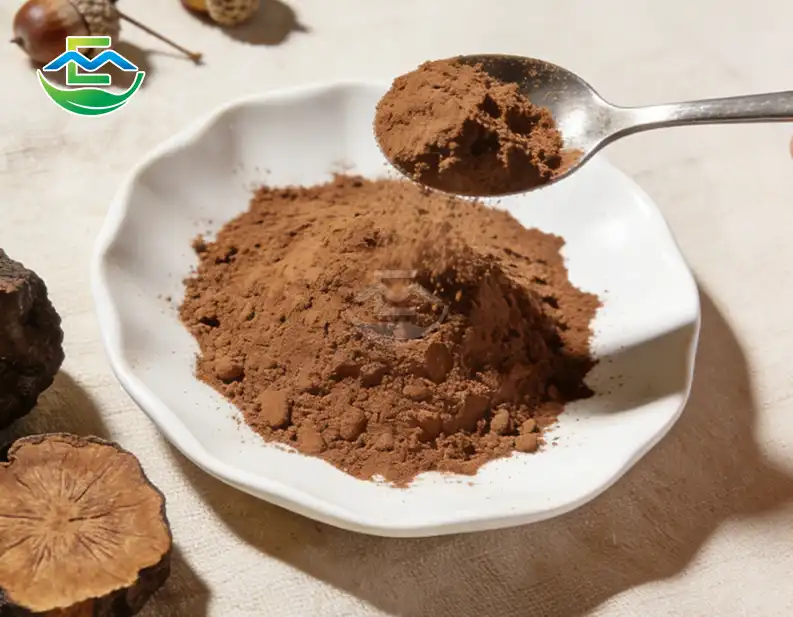
Pure chaga mushroom powder is a finely processed functional ingredient derived from the fruiting body of Inonotus obliquus, a parasitic fungus that grows predominantly on birch trees in cold northern climates. Produced without solvents and standardized for bioactive potency, this fine brownish-yellow powder has earned a strong reputation in the nutraceutical, cosmetic, and functional food industries. Rich in polysaccharides, beta-glucans, melanin, and betulinic acid, it delivers measurable functional value for B2B formulators seeking clean-label, plant-based actives.


What Makes Pure Chaga Mushroom Powder Different
Chaga comes in a number of different types. Many store-bought items contain both mycelium grown on grain surfaces and real fungus material that was found in the wild. This makes it weaker and adds more starch to it. On the other hand, wild sclerotium is the only place you can get real, pure chaga mushroom powder. This is the hard, charcoal-like conk that forms on birch trees after they have grown for years.
Botanical Identity and Raw Material Source
The growing part of the plant Inonotus obliquus is used to make chaga powder by Earth Made Nutritions. No liquids are used in the process. In the end, a fine, brownish-yellow powder is made that still has the full chromogenic complex. This complex includes melanin and vanillic acid, which are not normally found in mycelium grown in a lab. It is common to use HPTLC fingerprinting and HPLC measurement of betulin and betulinic acid to find out who someone is and to make sure that the material is indeed wild birch-grown chaga.
Bioactive Profile Worth Knowing
There should be more than 30% polysaccharides, more than 10% beta-glucans (shown by the Megazyme test for 1,3-1,6 linking), more than 2% triterpenes, and more than 10% chromogenic complex in good chaga powder. It also has active superoxide dismutase (SOD) activity, which makes the health benefits it already has even better. You should look for these things in a certificate of analysis before you make a deal with a seller.

Top Uses and Functional Benefits Across Industries
Chaga is great for business because it can be used in many ways. As the need for natural, useful solutions grows, people who make products are adding this adaptogenic ingredient to a lot of different types.
Here are the key uses that are making B2B demand rise right now:
- Dietary Supplements (Capsules & Tablets): Pure chaga mushroom powder is often used as a supplement in the form of a powder. In high-speed industrial settings, how dense it is and how well it flows are important. An important step in the sealing process is often granulation, which keeps fill weights even and stops gaps. You can tell the difference between skilled buyers and commodity traders by this small piece of technical information.
- Functional Beverages: Spray-dried chaga extract powder is easy to mix with water, so it can be used in coffee mixes, adaptogenic teas, and health drinks that are ready to drink. Vanillic acid, which comes from birch trees, naturally softens the bitter taste of wild chaga, so covering agents aren't needed in drink recipes.
- Cosmeceuticals and Skincare: Chaga is good for anti-aging serums and skin treatments because it has a lot of melanin and a high ORAC number. Most of the time, cosmetic experts want particles that are less than 10 microns in size to make sure that the emulsions are smooth and that the finished goods don't feel rough.
These types of uses show the wide range of business uses for chaga. If you are making a new line of supplements, changing how a functional drink is made, or looking for active ingredients for a skin care brand, chaga powder can help your products stand out.

Safety Profile and Quality Control Standards
A strict quality assurance method is needed to get mushrooms that were picked in the wild in a responsible way. Environmental chemicals from the host tree and the ground around it are taken up by chaga. If this is true, then it is important to test carefully for contaminants.
What Reputable Suppliers Test For
A company that offers pure chaga mushroom powder is honest if they use ICP-MS to check for heavy metals. With Pb < 2 ppm, Cd < 1 ppm, Hg < 0.1 ppm, and As < 1 ppm, they stick to strict rules. USP <2021> standards say that yeast, mold, E. coli, Salmonella, and total plate count are some of the microbiological tests that must be done. Environmental pollution in Siberia in the past means that materials coming from there need to be checked for Cesium-137 radioactivity as an extra safety measure.
It's also important to do the alpha-glucan vs. beta-glucan test. When alpha-glucan levels are high, it means that starch has been changed, which happens a lot with mycelium-on-grain goods. When people buy something, they should demand proof that it has a low alpha-glucan content (below 5%) and a proven beta-glucan amount.
Earth Made Nutritions is approved to sell food that is NSF GMP, FSSC22000, Kosher, Halal, ISO, and Organic. They follow US FDA rules when making their goods. These badges aren't just for looks; they show that you have a written quality system that B2B clients can check out and believe in.

Comparing Chaga Formats: Powder, Capsules, and Tinctures
The best method for delivery depends on what you want to do with it, who you want to reach, and how well you can make it. Pure chaga mushroom powder extract gives you the most ways to make the medicine because it is simple to mix into solid dosage forms, water-based systems, and bases for use on the skin.
When it comes to vitamin products sold directly to consumers, capsules are the best choice because they are easy to use and give the right amount of vitamin. Both the polysaccharide and triterpene parts are kept in tinctures, which are usually drained twice, in water and ethanol. However, they need to be handled and packed in a certain way when they are being stored.
Powder that has been sprayed with extract is not the same as powder that has been ground up and is not extract. The stuff that doesn't remove is mostly fibers that don't break in water and will leave behind sediment when used with liquids. For drinks and makeup, extract powder is always the right choice.
B2B Procurement Guide: What to Evaluate Before You Order
It's not enough to just compare prices per kilogram to find a lot of chaga. The following things have a direct impact on how well creation goes and how the supply chain follows along.
Earth Made Nutritions offers pure chaga mushroom powder with the following procurement specifications:
- Latin name: Inonotus obliquus
- Specification: Fruiting Body Powder
- Appearance: Fine brownish-yellow powder
- Solvent: No solvent used
- Package: 25 kgs/drum
- MOQ: 25 kgs
- Sample: Free sample available
- Lead Time: In stock; 2nd-day pickup available
- Certifications: NSF GMP, FSSC22000, Kosher, Halal, ISO, Organic
Earth Made Nutritions has four main warehouses all over the United States. They send within the country, so you don't have to worry about the unknown lead times that come with foreign freight. You can get custom extraction help from our skilled research and development team. We care about sustainable sources, which shows that we will provide ingredients in a responsible way for a long time. Operations teams with these skills help make sure that supplies don't run out and that the quality of the goods stays the same from one production run to the next.

Conclusion
People in the health community aren't the only ones who use pure chaga mushroom powder as an ingredient in business-to-business deals. It works with clean-label trends, has a known bioactive profile, and can be used in many fields. Because of these things, vitamin brands, beauty makers, and functional food makers can use it. To tell the difference between a good and a bad chaga ingredient, look at the source material, how it was extracted, and the paperwork that was used. To keep your business stable and the quality of your formulations safe, pick a provider with a track record of approved standards, open testing, and domestic transportation infrastructure.
FAQ
1. What is the difference between chaga powder and chaga mycelium powder?
There are chemicals in chaga powder from the wild sclerotium that can only be found in birch trees. These chemicals are called betulin and melanin. Products made from mycelium that are grown in a lab on grains often lack these substances and have a lot of starch—sometimes more than 50%—which makes them less useful.
2. Is dual extraction necessary for chaga powder?
Polysaccharides and beta-glucans are chemicals in chaga that dissolve in water. Triterpenes and betulinic acid are chemicals that dissolve in alcohol. You can't get both parts with a process that only has one fluid. The full range of bioactives you need for high-end vitamins and makeup can be found in spray-dried powder that has been used twice.
3. Does pure chaga powder contain caffeine?
It's not normal for pure chaga mushroom powder to have caffeine in it. Some health drinks and coffee mixes use it because it helps the body adapt and fight free radicals, not because it wakes you up.
4. How do I verify chaga authenticity when sourcing in bulk?
Ask for an alpha-glucan vs. beta-glucan test result and HPLC data that confirms the amount of betulin and betulinic acid that is present. If you pick real chaga from the wild, it will have a lot of beta-glucan and not much alpha-glucan.
Request a Sample of EM's Pure Chaga Mushroom Powder
Earth Made Nutritions (EM) supplies pure chaga mushroom powder for B2B manufacturers seeking a dependable, high-potency ingredient. With domestic U.S. warehouse stock, a 25 kg MOQ, and free samples available, getting started is straightforward. Contact our team at info@em-herb.com to request a quotation, technical data sheet, or bulk pricing from a trusted pure chaga mushroom powder supplier.
References
1. Géry, A., et al. — Chaga (Inonotus obliquus), a Future Potential Medicinal Fungus in Oncology? — Journal of Gastrointestinal Oncology, 2018.
2. Glamočlija, J., et al. — Chemical Characterization and Biological Activity of Chaga (Inonotus obliquus) — Journal of Ethnopharmacology, 2015.
3. Mishra, S. K., et al. — Antioxidant and Immunostimulating Activities of Beta-Glucans from Inonotus obliquus — Journal of Microbiology and Biotechnology, 2012.
4. Shashkina, M. Y., et al. — Chemical and Medicobiological Properties of Chaga — Pharmaceutical Chemistry Journal, 2006.
5. Nakajima, Y., et al. — Antioxidant Small Molecules Contained in Inonotus obliquus (Persoon) Pilát — Chemical & Pharmaceutical Bulletin, 2007.
6. U.S. Pharmacopeia — USP <2021>: Microbial Enumeration Tests — United States Pharmacopeial Convention, 2023.
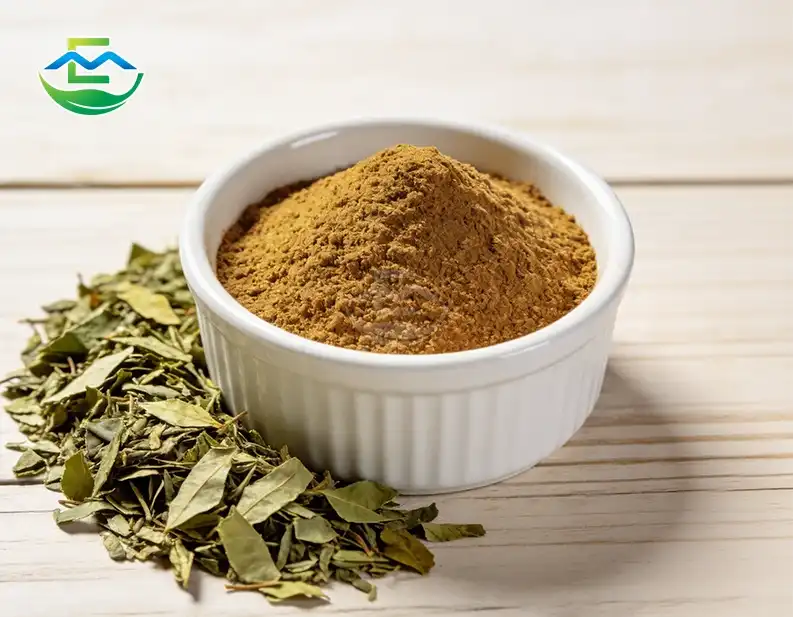
When sourcing botanical extracts for supplement, beverage, or cosmetic formulations, understanding the distinction between yerba mate extract powder and green tea extract is essential. Derived from Ilex paraguariensis leaves native to South America, yerba mate extract delivers a unique xanthine-polyphenol matrix — including caffeine, theobromine, and chlorogenic acids — that sets it apart from the catechin-dominant profile of green tea. For B2B buyers evaluating ingredients on efficacy, stability, and compliance, these biochemical differences carry real formulation weight.

General Overview: Two Botanicals, Two Distinct Profiles
Both yerba mate and green tea are derived from the same plant; yet, they are produced in distinct methods, contain distinct chemical components, and are used for a variety of reasons by different people.
Yerba Mate Extract: Origin and Composition
Ilex paraguariensis is a shrub that is native to South America and is responsible for the production of yerba mate elixir, which is made from the leaves of the plant. Following the removal of the leaves using water or hydro-ethanol, the leaves are then sprayed with alcohol throughout the drying process. After being combined with water, a powerful powder is produced. Caffeine, theobromine, and chlorogenic acids, which are a form of caffeoylquinic acid, are all present in the same quantity in this product. The 5:1 guideline developed by Earth Made Nutrition describes the powder as having a brownish-yellow colour and being blended with more than 95% water. This is something that should be included in both ready-to-drink beverages and tablets.
Green Tea Extract: Origin and Composition
To produce green tea extract, the leaves of the Camellia sinensis plant are used. Therefore, soaking the leaves in anything is yet another method for extracting the juice from the leaves. L-theanine, epigallocatechin gallate (EGCG), and trace levels of caffeine are some of the components that are considered to be among the most beneficial. Because it has a high concentration of catechins, green tea extract is the best option for items such as diet pills and skin care products that need vitamins that are essential. Despite the fact that each of these products is supplied to other companies, they must be processed in distinct ways due to the fact that their biochemistry is structured differently.
In the year 2023, the price of plant-based products was around 6.4 billion US dollars. There is still continued expansion in the industry as a result of an increasing number of businesses transitioning to plant-based goods that are safe. There is a relationship between the two objects, but the methods in which they function are distinct from one another.
Key Differences in Composition and Functional Benefits
What is the difference between these two samples in terms of chemicals? This will help you pick a good source.
Caffeine Delivery and Energy Profile
Yaı mate powder has caffeine, theobromine, and theophylline in it. Instead of being short and sharp, the energy curve is longer and smoother when these three types of xanthine are used together. Tea leaves and flavonoids are related to caffeine in the extract's structure. It is absorbed by the stomach, so the thrill doesn't start for as long. L-theanine in green tea extract makes you feel calm and awake at the same time. It's not as full of energy as coffee, though. Xanthine stacks in yerba mate extract powder are often the best choice for nootropics and sports nutrition that need to give you long-lasting energy.
Antioxidant Potency: Chlorogenic Acids vs. EGCG
It has been shown that green tea powder has a much higher concentration of EGCG compared to other types of tea. On the other hand, the majority of the defensive effect that yerba mate has comes from chlorogenic acid and rutin together. It is well known that these compounds may be used in the process of biological reactions. An investigation that was conducted in 2011 and published in the Journal of Food Science discovered that mate beverages had ORAC values that are comparable to or even greater than those of green tea. Both extracts operate in regulated ways via various molecular mechanisms, which is beneficial for individuals who are manufacturing skin care products or functional foods that are rich in antioxidants. This is advantageous for those who are making these items.
When it comes to formulation, this is the most significant modification to make:
Some of the components that may be found in yerba mate extract include theobromine, caffeine (ranging from 2% to 20%), rutin, and chlorogenic acids (up to 50%). Many individuals claim that it helps them digest food better and provides them with more energy. In addition to a trace amount of caffeine, green tea extract contains EGCG (ranging from 40 to 98 percent). It helps with things that have the effect of protecting your face, making you feel better, and providing you with energy.
Powdered yerba mate extract may often be combined with cold water. This is a standard practice. Green tea extract, on the other hand, has the potential to aggregate into large crystals when the pH level is low.
Due to the presence of antioxidants, it has a naturally bitter flavour. The usage of green tea extract, on the other hand, results in a flavour that is less sweet and more acidic, making it simpler to conceal in some beverages.
- Caffeine (2%–20%), theobromine, chlorogenic acids (up to 50%), and rutin are all components of yerba mate extract, which is said to stimulate energy production, metabolic activity, and antioxidant activity.
- Green tea extract: EGCG (40%–98%), L-theanine, low-level caffeine — promotes antioxidant, skin-protective, and relaxing focus formulations.
- The solubility of Yerba Mate Extract Powder is more than 95% when it is dissolved in cold water. Green Tea Extract has the ability to precipitate in low-pH situations when it is present in larger quantities.
- Green tea extract has a lighter, more astringent flavour that some beverage formulators find simpler to disguise than yerba mate, which has an inherent bitterness from its polyphenol content. Yerba mate has a unique flavour profile.
From the very beginning, the various components have an effect on how much to take, how well it interacts with other formulations, and how accurate the promises that are printed on the box are. There are instances in which neither of the two components is superior to the other. Your team's approach to the product's construction will determine which one is the best.

Quality Criteria and Selection Guidelines for B2B Buyers
For formulation to work every time, you need to start with strict quality control. There are also different goods on the market.
Certifications and Standardization Standards
Having a license is important in places with rules, like the US and EU. The yerba mate extract powder from Earth Made Nutrition is certified by NSF GMP, FSSC22000, Kosher, Halal, ISO, and Organic as well. Quality standards, like those used in drugs, and "clean label" rules are part of these approvals. Getting organic approval can make a brand's products look more expensive, which can help them appeal to people who like natural and clean brands.
Critical Testing Parameters
Before placing big orders, B2B procurement teams should make sure that each batch has a COA that says the following:
- Bioactive assay (HPLC): Confirms caffeine and chlorogenic acid percentages. UV-based testing is often rejected for high-specification extracts due to false-positive interference.
- PAH quantification (GC-MS): Traditional mate drying with wood smoke introduces polycyclic aromatic hydrocarbons. Compliant extracts use air-dried leaf sources and validate to EU Regulation 2015/1933 (Benzo(a)pyrene < 10 µg/kg).
- Heavy metals (ICP-MS): Lead, arsenic, cadmium, and mercury must comply with USP <561> limits.
- Microbiology: Salmonella and E. coli must be absent per standard 10g/25g sample protocols.
- Solvent residues: Ethanol must be below 5,000 ppm if hydro-ethanolic extraction was used.
Salmonella and E. coli should not be in a 10g or 25g sample, according to the rules.- There must be less than 5,000 parts per million (ppm) of ethanol if hydro-ethanolic extraction was used.

Practical Applications and Usage Considerations
People who make things can use both materials in a lot of different goods. They can avoid the expensive process of reformulating if they know how they react to different mixes.
Yerba mate extract powder in a dose of 5:1 works well in energy drinks, pre-workout shakes, nootropic pills, and recipes that burn fat. Because it breaks down quickly in water, it can be used in clear RTD. On the other hand, anti-caking agents like silicon dioxide should be used in workplaces and other places that are sensitive to humidity. It is true that glucose is used in weight loss products if you take 1,000 mg to 1,500 mg of standardized extract every day. This is because of the chlorogenic acid level.
Because it has so much EGCG, green tea extract is still the most well-known ingredient in beauty serums, antioxidant vitamin mixes, and serums that make skin look better. Healthy drinks and foods that use it a lot also want it to taste lighter. To keep the phenolic purity of both things, they should be kept in cool, dry places that are away from UV light.
Purchasing and Procurement Insights
When you buy plant extracts, you should set aside time to think about the minimum order number (MOQ), the wait time, the supply chain, and the paperwork that needs to be ready. From Earth Made Nutritions, you can buy at least 25 kg/drum. Your order will be sent out the same week from an American warehouse. This is a good thing because it means there aren't as many long lead times as when supply lines only go abroad. For formulation tests, you can get free samples, so you don't have to worry about not meeting the requirements before committing to a large number.
You can save money without giving up quality when you buy in bulk. Earth Made Nutritions has four warehouses in the US. These warehouses make it easy for distributors and OEM partners to get products delivered across the country, fill out all the paperwork, and get help from an experienced R&D team.

Conclusion
There are biological differences between green tea extract and yerba mate extract powder, and they can be used in different ways. The xanthine-polyphenol mix in yerba mate is good for your brain, liver, and energy. Green tea has a lot of EGCG, which is good for your face and fights free radicals. You will be able to make the right choice based on your formulation goal, your plan for label claims, and your legal needs. There should be more trust in sellers who offer known, standardized products with full testing records and a reliable supply chain in the US. People in business use both minerals a lot, and getting them from a reliable source is what keeps a product the same over time.
FAQ
1. Is yerba mate extract powder safe for daily supplement use?
Yes. To make sure it fits certain standards, like PAH and heavy metal limits, it needs to be defined and tested. Then it can be used in daily supplement drinks. Before adding a finished product recipe, you should always check the batch COA data to make sure it is correct.
2. How does the caffeine level in yerba mate extract compare to green tea extract?
It's possible that yerba mate extract has more caffeine than regular green tea extract. Green tea extract usually has between 2% and 5% caffeine. The fact that the xanthine co-matrix in yerba mate changes the rate of absorption is more important. This is not the case when you just drink coffee.
3. What should I verify when qualifying a bulk botanical extract supplier?
Check for heavy metals (ICP-MS), bacteria, and PAHs in yerba mate. Also, ask for HPLC-verified COAs and proof of license. Check to see if the specs for each batch of extract are the same or if they are the average of the specs for each batch.
4. What is the minimum order quantity for Earth Made Nutritions' yerba mate extract?
You can buy as little as 25 kg per drum. Items that are in stock can be picked up the next business day by people who have been accepted. For research and development, samples are free to use.
Partner with EM for Certified Yerba Mate Extract Powder Supply
You can get yerba mate extract powder at Earth Made Nutritions. There are four stores in the U.S. that are licensed for organic, Kosher, Halal, ISO, and NSF GMP. Once you confirm your order, our 5:1 Ilex paraguariensis leaf extract will be sent to you in two days. Free samples can also be given to the people on your recipe team. Send an email to info@em-herb.com to chat with our buyers.
References
1. Bracesco, N., Sanchez, A. G., Contreras, V., Menini, T., & Gugliucci, A. — Recent Advances on Ilex paraguariensis Research: Minireview. Journal of Ethnopharmacology, 2011.
2. Heck, C. I., & De Mejia, E. G. — Yerba Mate Tea (Ilex paraguariensis): A Comprehensive Review on Chemistry, Health Implications, and Technological Considerations. Journal of Food Science, 2007.
3. Khan, N., & Mukhtar, H. — Tea Polyphenols in Promotion of Human Health. Nutrients, 2019.
4. Williamson, G. — The Role of Polyphenols in Modern Nutrition. Nutrition Bulletin, 2017.
5. Cardozo Junior, E. L., & Morand, C. — Interest of Mate (Ilex paraguariensis A. St.-Hil.) as a New Natural Functional Food to Preserve Human Cardiovascular Health. Perspectives in Nutrition, 2016.
6. Grand View Research — Botanical Extracts Market Size, Share & Trends Analysis Report. Grand View Research, 2023.
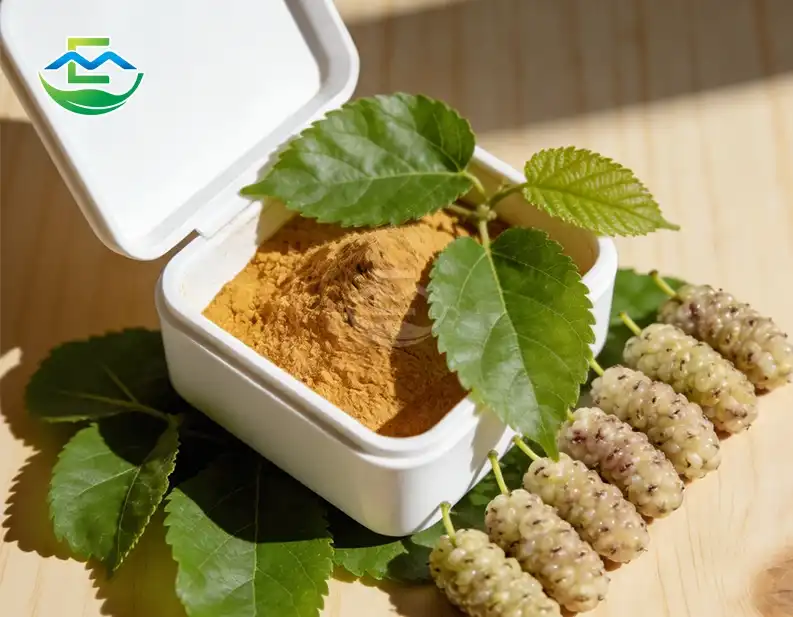
White mulberry extract, derived from the leaves of Morus alba, is one of the most sought-after botanical ingredients in today's nutraceutical and personal care markets. Standardized for 1-Deoxynojirimycin (DNJ), a naturally occurring iminosugar alkaloid, it delivers measurable functional performance across supplement formulations, functional foods, and cosmetic applications. Whether you are an R&D director sourcing clean-label actives or a formulation scientist evaluating plant-based brightening agents, this guide walks you through everything you need to know—benefits, applications, and how to procure with confidence.

What Is White Mulberry Extract? Understanding Its Nature and Functions
Botanical Background and Active Profile
White mulberry, also known as Morus alba, has been used in traditional Asian medicine for a considerable amount of time. It is particularly desirable to get the leaf fraction because of the high quantity of DNJ, flavonoids, and polysaccharides that it contains. The leaf-derived extract that is offered by Earth Made Nutritions Inc. is an extremely fine powder that is brownish-yellow in colour. It has been standardised to contain 1% 1-Deoxynojirimycin by the use of HPLC-ELSD. Because it does not include a UV chromophore, this is the only approach that has been shown to accurately quantify DNJ.
How the Bioactive Compounds Work
This is because DNJ is effective as a competitive alpha-glucosidase inhibitor. The enzymes that convert carbohydrates into glucose are slowed down by it, which results in a natural reduction in the amount of sugar in the blood after a meal. Due to the fact that the plant-based variant has a less potent impact than pharmaceutical inhibitors at this dose, it is an excellent option for presenting as a supplement with a clean label. In addition to DNJ, the flavonoid fraction has antioxidant capabilities that contribute to the beneficial effects of anti-aging and skin-brightening treatments.
Comprehensive Benefits and Uses of White Mulberry Extract
Morus alba leaf extract is a great material for three main B2B industries because it can be used for many different things. For each use, a different bioactive mechanism is needed, so knowing these differences helps formulation teams pick the right specification.
Here are the main areas of use that are supported by current research:
- Dietary Supplements – Glycemic Management: Clinical data suggests a DNJ intake of 6–12 mg per meal is associated with meaningful postprandial glucose moderation. At 1% DNJ standardization, this translates to a practical dose of 600–1,200 mg per serving, fitting comfortably in size 00 capsules without excipient overload. The extract pairs synergistically with chromium picolinate or berberine for broader metabolic support formulas.
- Functional Foods and Beverages: White mulberry extract powder exhibits reliable water solubility and thermal stability up to approximately 80–90°C under short pasteurization conditions, making it suitable for pre-meal shake mixes, low-GI teas, and fortified bars. Its fine particle size (≥95% passing 80-mesh sieve) ensures uniform dispersion without gritty mouthfeel in liquid matrices.
- Cosmeceuticals and Skincare: Antioxidant-rich flavonoid fractions contribute to collagen preservation and inflammation-modulating activity in topical formulas. Cosmetic chemists formulating brightening serums or anti-aging emulsions will find the powder's low moisture content (<5.0%) and controlled ash content (<5.0%) advantageous for oil-in-water stability.
(Cosmeceuticals and skin care) Flavonoid parts that are high in antioxidants help keep collagen healthy and reduce inflammation in topical solutions. Cosmetic scientists who are making anti-aging or whitening serums will like that the powder has a low moisture content (<5.0%) and a controlled ash content (<5.0%), which makes it stable in both oil and water.

Comparing White Mulberry Extract with Alternative Botanicals
Where It Stands Against Berberine, Moringa, and Cinnamon
Berberine works in a similar way to control glucose, but it has a stronger chemical profile that could make clean-label placement harder. Because cinnamon extract is mostly made up of polyphenolic chemicals and grading isn't always accurate, it can be hard to make sure that each batch is the same. Moringa has a lot of micronutrients, but it doesn't have the focused DNJ process that makes Morus alba leaf extract useful in glycemic recipes. White mulberry leaf extract is a great choice for brands that need a natural active that is perfectly standardized and works through a single mechanism.
Powder vs. Capsule Form Factors
When companies buy powder in bulk, they have the most options. At scale, they can make unique mixes, secret ratios, and private-label capsule fills. It is easier to change the dose and mix a standard 1% DNJ powder than pre-encapsulated formats, which lowers the costs of processing further down the line. Customers who want to use this ingredient in drinks will also benefit from the powder's water solubility profile, which can't be found in capsules.
How to Buy White Mulberry Extract: A B2B Procurement Guide
Key Specifications to Evaluate Before Purchasing
It is recommended that purchasing managers ask for a full certificate of analysis (COA) that confirms the DNJ content through HPLC-ELSD, as well as the moisture content, heavy metal screening, and microbiological limits. Also, making sure that the right part of the plant was used is very important. Leaf extract standardized for DNJ and root bark extract standardized for Mulberroside A are used for very different things and can't be switched around.
Here are the main things you should check with any white mulberry extract provider before you buy:
- Specification: 1% 1-Deoxynojirimycin (HPLC-ELSD verified), brownish-yellow fine powder
- Used Part: Leaf (Morus alba)
- Packaging: 25 kg/drum, double-lined polyethylene inner bag to prevent hygroscopic caking
- MOQ: 25 kg — suitable for pilot batches and new product development runs
- Lead Time: In stock; available for 2nd-day pickup
- Certifications: NSF GMP, FSSC 22000, Kosher, Halal, ISO, Organic
These specs give buying teams a solid starting point for checking out suppliers and doing quality checks internally.
Certification and Compliance Considerations
Supplement and food brands that want to sell in the U.S. must comply with global regulations. The NSF GMP and FSSC 22000 licenses cover both the standards for making dietary supplements and the control of food safety in general. Having documentation for kosher and halal foods helps your formula reach more niche consumer markets. Organic approval backs up clean-label marketing claims that U.S. shoppers are asking for more and more.

Maximizing Value: Strategic Insights for Procurement Managers and Distributors
Smart buying of ingredients is more than just looking at the price per kilogram. Supply chain robustness is just as important as meeting specifications, especially for brands that have to deal with seasonal demand spikes or tight deadlines for launching new products.
Earth Made Nutritions Inc. has four main warehouses in the U.S., so they can deliver quickly within the U.S. without having to wait for longer international lead times. This infrastructure lowers the risk of stockouts that often throw off supplement production plans. We have an in-house research and development team and high-tech extraction equipment. For distributors who are building their own proprietary ingredient portfolios, we also offer custom extraction ratios and private-label packaging.
Consistent batch-to-batch standardization is the most important quality measure for wholesalers looking for long-term supply partners. The 1% DNJ standard is kept throughout the supply life, not just when the product is first introduced. This is made possible by HPLC-ELSD checking each production lot. You can get free samples if you ask for them, which lets your formulation team check the performance before committing to full production numbers.

Conclusion
White mulberry extract, which is standardized to 1% 1-Deoxynojirimycin from Morus alba, is a botanical active that is both technically sound and useful in business. Its proven effectiveness in glycemic control, vitamins, functional drinks, and cosmetic formulas makes it a valuable ingredient for companies that want to stand out naturally. This ingredient can really help your product line and build your brand's reputation over time if you get it from the right supplier—one that offers approved quality, domestic inventory, and clear paperwork.
FAQ
1. Is white mulberry leaf extract suitable for sensitive consumer groups?
Before adding any botanical extract to their routine, people who are pregnant or have certain health conditions should talk to a qualified healthcare provider. For business-to-business buyers, putting the right usage instructions on product labels is still an important legal step.
2. What is the recommended dosage in supplement formulations?
Active DNJ intake that has been backed up by research is between 6 mg and 12 mg per meal. Using a 1% DNJ standardized extract, this amounts to about 600–1,200 mg per dose, which is a good size for normal capsules without needing too much fill weight.
3. How do I prevent caking during storage and production?
Because it has sugar-alkaloids in it, morus alba leaf extract can hold water. Keeping the humidity in the production room below 45% and keeping in double-lined plastic bags with silica gel desiccant packs can greatly lower the chance of clumping.
4. How can I verify supplier quality?
Ask for a third-party COA and HPLC-ELSD test reports that specifically confirm the DNJ content. Also, make sure the supplier has current certifications like NSF GMP, ISO, and FSSC 22000. When asked, Earth Made Nutritions Inc. provides full proof.
Partner with EM for Certified Bulk White Mulberry Extract
Premium white mulberry extract, Morus alba leaf extract, is sold by Earth Made Nutritions Inc. to supplement brands, cosmetic companies, and functional food companies all over the United States. We make it easy for you to qualify and scale your sourcing with our four domestic warehouses, NSF GMP and Organic certifications, 25 kg MOQ, and free samples. Please email us at info@em-herb.com to get a sample or a list of our products.
References
1. Kimura, T. et al. — Journal of Nutritional Science and Vitaminology, 2007.
2. Vichasilp, C. et al. — Food Chemistry, 2012.
3. Oku, T., & Nakamura, S. — Journal of Nutrition, 2006.
4. Mudra, M. et al. — Diabetes Care, 2007.
5. Chan, E. W. C. et al. — Journal of Ethnopharmacology, 2016.
6. Yang, X. et al. — Food and Chemical Toxicology, 2014.
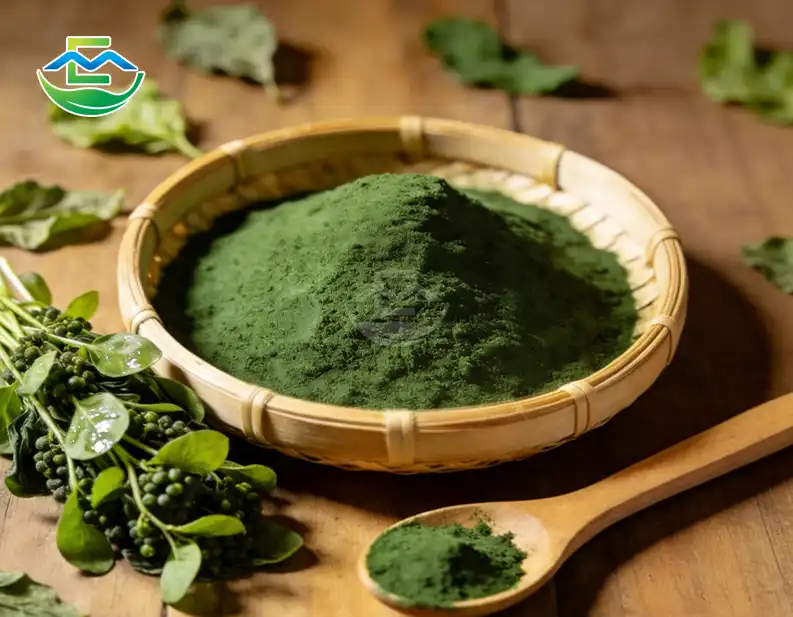
In recent years, pure chlorella powder has emerged as one of the most sought-after plant-based protein ingredients in the markets for vegan supplements and sports nutrition. This fine green powder is derived from Chlorella pyrenoidosa, a single-celled freshwater microalga. It provides a comprehensive amino acid profile, significant quantities of B12, iron, and chlorophyll, and it does so without the use of any synthetic chemicals or solvents. For business-to-business buyers, such as research and development directors and procurement teams, having an awareness of what distinguishes this ingredient from others enables them to develop goods that are appealing to the health-conscious and clean-label customer base of today.

What Is Pure Chlorella Powder and Why Is It Ideal for Athletes and Vegans?
The products that are created from algae are not all the same. The nutritional richness and bioavailability of chlorella pyrenoidosa powder are unparalleled in comparison to those of the majority of plant proteins. This is what sets it apart from other plant proteins.
A Complete Protein Profile That Covers Real Nutritional Gaps
As a matter of dry weight, chlorella has between 55 and 65 percent protein, and it contains all nine of the essential amino acids. This level of completeness is not often found in plant sources, which is why it is of great assistance to athletes who are attempting to recover their muscles as well as vegetarians who frequently struggle to get sufficient amounts of lysine or methionine from diet alone. The findings of a study that was published in the Journal of Medicinal Food demonstrated that broken-cell chlorella is much simpler for the body to digest than unprocessed variants. An additional level of nutritional depth that the formulating teams find intriguing is provided by Chlorella Growth Factor (CGF), which is a nucleotide-peptide complex that is unique to this type of algae.
Why Cell Wall Disruption Changes Everything
The natural cell wall of Chlorella pyrenoidosa is composed of a strong composition of cellulose that is incapable of being broken down. If there are no mechanical modifications, such as a Dyno-Mill or low-temperature pressure expansion, the bioavailability will remain consistently below forty percent. More than ninety-five percent of the cell walls are broken down during the processing process, which makes the meal more digestible by more than eighty percent while preserving heat-sensitive phytonutrients such as chlorophyll and CGF. As a result of the fact that this specification is necessary for all legal product claims made by B2B purchasers, buyers do not have a choice.
Comparing Chlorella Powder with Other Plant-Based Proteins
The comparison of pure chlorella powder with spirulina and wheatgrass powder is something that formulation managers nearly always do when they are looking at green superfood ingredients. Knowing what each item is best suited for enables you to choose the appropriate one.
Spirulina is often compared to chlorella; however, chlorella has a far greater chlorophyll content—more than 2,000 mg per 100g—and is superior to spirulina when it comes to detoxification. This is because chlorella has the ability to bind heavy metals, which is supported by its natural chelation capability. There are a lot of enzymes in wheatgrass powder, but it does not include all of the amino acids that your body needs. Instead of spirulina, which may turn brown in acidic settings, chlorella can be utilised in more food and drink recipes. This is due to the fact that chlorella does not change much in pH (4–9) and can survive temperatures up to 120 degrees Celsius for short periods of time.
The following is a comparison of these three types of formulations based on several significant criteria:
- Among the characteristics of chlorella pyrenoidosa powder are its complete amino acid profile, high chlorophyll content, exceptional heavy metal binding, pH-stable green colour, and broken-cell bioavailability of more than 80%. Supplements that are high in protein, green mixes, and functional drinks that need colour stability are the best candidates for this product.
- Strong phycocyanin colour, slightly greater iron per gram, lower CGF concentration, more sensitive to acidic pH, and less effective as a solo complete protein are some of the characteristics of spirulina powder. It is often used in blue-green supplement mixtures.
- Wheatgrass powder is normally between 15 and 25 percent dry weight, although it is rich in enzymes and fibre. However, it does not cover all of the amino acids and has a lower amount of protein. Protein-focused applications are less relevant to digestive health formulations than those that concentrate on protein.
Your product development team should take into consideration these distinctions when they are developing a product based on what is stated on the label. When it comes to the placement of several benefits, chlorella powder truly stands out due to the fact that it contains a large number of nutrients.

How to Use Chlorella Powder for Optimal Results in Sports and Vegan Formulations
It's not enough to just know what an ingredient is. If it works in real-world situations, that's what practical application tells us.
Dosage and Timing Considerations for Athletes
Sports nutrition material usually says that busy people should eat 3 to 6 grams of broken-cell chlorella every day. The amino acid density helps keep nitrogen in the body during the healing window when added to foods before or after a workout. In 2014, the Journal of the International Society of Sports Nutrition published a study that found people who took chlorella supplements for four weeks did better in aerobic endurance. This data point gives R&D teams working on ready-to-mix powders or encapsulated products a good reason to include it.
Formulation Tips for Palatability and Synergy
The grassy, matcha-like smell of chlorella is much softer than the sea smell that comes from lower-quality algae powders. This is because chlorella is grown in a closed system and dried quickly with a spray. Any earthiness that is still there is successfully neutralized by mixing it with tastes that go well with it, like lemon, mint, or berries. It works well with vitamin C sources to improve the intake of non-heme iron and with adaptogens like ashwagandha to help vegan athletes deal with stress and heal.
There are other uses for pure chlorella powder that make it more appealing, such as using it in green detox programs and as a natural colorant in food. Because it doesn't change much at moderate temperatures, it can be used instead of synthetic dyes in functional yogurts, baked goods, and drinks with added vitamins and minerals.

Procuring Chlorella Powder: What B2B Buyers Should Know
In the process of selecting suppliers, purchasing teams have the option of either ensuring the quality of their goods or allowing it to deteriorate. The prerequisites are something that you have to pay great attention to.
Each and every reliable vendor of chlorella powder needs to be in possession of a previously documented certification stack. If you want to enter international markets, you need, at the very least, to search for certifications such as NSF GMP, FSSC22000, ISO, and organic certifications, in addition to Kosher and Halal eligibility. In addition to certificates, in addition to looking at evidence of the cell wall breaking rate, you should also look at the findings of heavy metal testing using ICP-MS, pheophorbide levels (which are an important sign of chlorophyll degradation and must remain below 60 mg%), and Total Plate Count standards (TPC < 50,000 cfu/g).
Just as essential as the licence itself is the method by which it may be traced. Within the context of regulated markets, procurement teams need a supplier who is capable of delivering batch-level documentation, beginning with the origin of the plants and ending with the spray-dried result. This provides them with the audit record that they need. The capacity to provide private label items and bulk discount models is another factor that may have an impact on the feasibility of long-term relationships, particularly for companies that are looking to expand their operations.

Why Reputable Chlorella Ingredient Brands Lead the Market
People are becoming more interested in eating meals that are derived from plants. The value of the worldwide microalgae market was around 919 million US dollars in the year 2022. With athletes and vegans being the primary consumer groups driving this expansion, it is anticipated that it will rise at a compound annual growth rate (CAGR) of more than 8% until the year 2030. If a company consistently uses chlorella ingredients that have been certified as being of good quality, it will be much simpler for the company to stand out in the functional supplement business.
Both clean-label purchasers and end consumers who are concerned about the environment appreciate the fact that leading ingredient suppliers use quality control measures that are stringent and agricultural practices that are favourable to the environment. The practice of purchasing environmentally friendly products is no longer only a means of distinguishing oneself in marketing; rather, it is increasingly becoming something that consumers and government bodies anticipate.
Conclusion
Pure chlorella powder is different from other plant-based proteins. Its full amino acid profile, high chlorophyll density, CGF content, and ability to be mixed in many different ways make it a good choice for brands that want to reach athletes and vegans who want clean-label nutrition that they can trust. For business-to-business buyers, getting a chlorella-based product from a source with valid certifications, batch-level traceability, and uniform quality from one production run to the next is the first step to making sure the product is good. If you get these basics right, the ingredient will back up what your product says and help your brand's credibility in the long run.
FAQ
1. What is the recommended daily intake of chlorella powder in supplement formulations?
Most research on sports nutrition suggests getting 3 to 6 grams of broken-cell chlorella every day. 2–4 grams per serving is a usual starting point for general health formulas aimed at vegans. The final dose varies on the form of the product, the health claim it makes, and the people it is meant for.
2. How do I verify a supplier's cell wall breakage rate?
Reliable chlorella powder suppliers show that the breakage rate is above 95% through third-party microscopic analysis or centrifugal differentiation data. Before you buy in bulk, make sure you get this along with a full certificate of analysis (COA) that lists the protein content, wetness, chlorophyll percentage, and heavy metal results.
3. What certifications should a chlorella powder supplier hold for the U.S. market?
You should look for at least NSF GMP, FSSC22000, ISO, and USDA Organic certifications. Kosher and Halal certifications make it easier to sell goods all over the world. For U.S.-bound ingredients, FDA-compliant production paperwork is a must.
4. Does chlorella powder work in acidic beverage formulations?
Yes. Chlorella pyrenoidosa powder stays green and healthy in a pH range of 4–9. This means it can be used in acidic functional drinks and yogurts with added vitamins and minerals, where other green ingredients might turn brown or break down.
Partner with EM for Premium Chlorella Powder Supply
Chlorella pyrenoidosa fine green powder is sold by Earth Made Nutritions Inc. (EM), a company based in California. It comes in 25 kg drums and doesn't use any solvents. There is a minimum order quantity of 25 kg, and free trials are available. EM is a qualified pure chlorella powder provider with NSF GMP, FSSC22000, Kosher, Halal, ISO, and Organic credentials. They ship from four warehouses in the U.S. and offer second-day pickup on orders that are in stock. To get samples and bulk pricing, email our team at info@em-herb.com.
References
1. Merchant, R. E., & Andre, C. A. (2001). A review of recent clinical trials of the nutritional supplement Chlorella pyrenoidosa in the treatment of fibromyalgia, hypertension, and ulcerative colitis. Alternative Therapies in Health and Medicine.
2. Nakano, S., Takekoshi, H., & Nakano, M. (2010). Chlorella pyrenoidosa supplementation reduces the risk of anemia, proteinuria, and edema in pregnant women. Plant Foods for Human Nutrition.
3. Panahi, Y., Darvishi, B., Jowzi, N., Beiraghdar, F., & Sahebkar, A. (2016). Chlorella vulgaris: A multifunctional dietary supplement with diverse medicinal properties. Current Pharmaceutical Design.
4. Esatbeyoglu, T., Huebbe, P., Ernst, I. M. A., Chin, D., Wagner, A. E., & Rimbach, G. (2012). Curcumin — from molecule to biological function. Angewandte Chemie International Edition. (Referenced for comparative phytonutrient bioavailability methodology.)
5. Mizoguchi, T., Takehara, I., Masuzawa, T., Uehara, T., & Nakagawa, Y. (2008). Nutrigenomic studies of effects of Chlorella on subjects with high-risk factors for lifestyle-related disease. Journal of Medicinal Food.
6. Bezerra, R. P., Monteiro de Paula, A. C., Jahn, A., & Coelho, M. A. Z. (2020). Advances in microalgae-derived protein: Extraction, purification, and application. Bioresource Technology Reports.
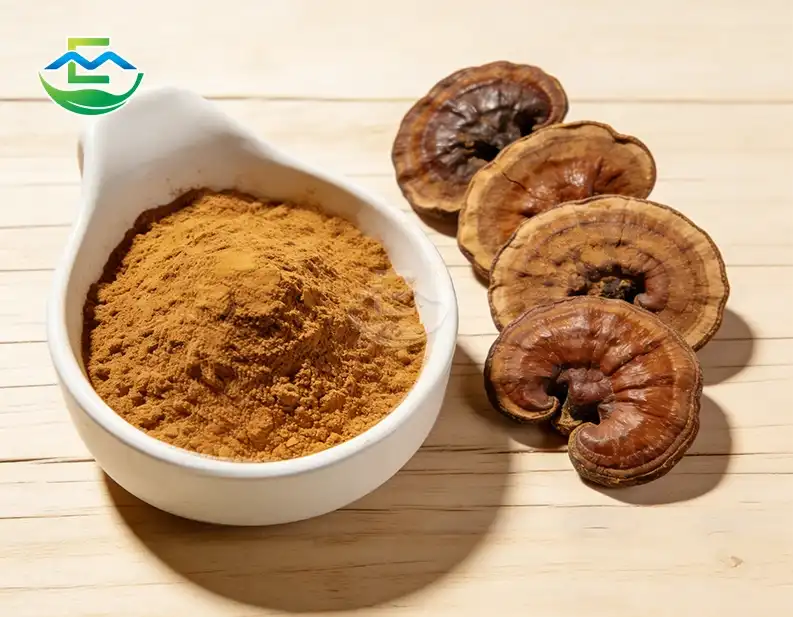
The beta-glucan content of Ganoderma lucidum extracts is the single most revealing quality signal, and it is something that need to be taken into consideration when evaluating these extracts for use in commercial formulation. It is possible to acquire reishi mushroom extract powder from the mycelium of this well-respected fungus, and this powder contains a wide range of bioactive polysaccharides. When it comes to the hierarchy of these polysaccharides, beta-glucans represent the highest level. Your understanding of what factors affect beta-glucan potency, how to test it, and where to get it in a dependable way will have a direct impact on the performance of your product as well as its position in the market. Whether you are utilising it to acquire nutraceuticals, functional foods, or cosmetic actives, this is something that is true regardless of the use.

Understanding Beta-Glucans in Reishi Mushroom Extract Powder
What Beta-Glucans Actually Are
Beta-glucans are the most common name for long-chain polysaccharides that are structured in the form of beta-1,3/1,6-D-glucan connections. Because of their special molecular architecture, they are distinguished from sugars that are more plain, and it is this design that is responsible for the unusual bioactivity profile that they display. The bulk of these compounds are located in the cell walls of Ganoderma lucidum, and it is possible that they are also present in the mycelium and the fruiting body of the plant. This is because raw mushroom biomass has a chitinous cell wall, which is resistant to digestion by humans. Therefore, extraction processes are an imperative need in order to get the desired results. The release of beta-glucans into a form that is bioavailable may be achieved by the use of hot water extraction or the more comprehensive dual-extraction strategy that mixes water and ethanol. Both of these methods are referred to as "extraction." The amount of polysaccharides in a powdered reishi mushroom extract that has been processed in the appropriate manner is often standardised to be between 10 and 50 percent, with beta-glucans being the part that is physiologically active.
Organic vs. Non-Organic: Does It Change the Numbers?
The culture method has a significant impact on the polysaccharide density by exerting a significant effect. The mycelium of Ganoderma lucidum that is produced organically, without the use of synthetic pesticides or chemical fertilisers, has a propensity to produce a bigger quantity of secondary metabolites. This is because organic cultivation does not include the use of any of these tools. This occurs as a result of the plant's natural response to stress, which forces it to create a greater quantity of these metabolites. Non-organic sources, on the other hand, may include residual agrochemicals. These agrochemicals have the potential to lower the product's purity and make it more challenging to comply with requirements in markets such as the United States and the European Union. Extracts that have been certified as organic have been shown to have more consistent beta-glucan profiles from batch to batch, according to a comparison of certificates of analysis.
Why Beta-Glucan Content Matters for B2B Buyers
Beta-Glucan Potency as a Procurement Benchmark
The quantity of beta-glucan that is present in any product that is obtained from Reishi is the primary factor that determines the functional value of that product. As a consequence of its failure to fulfilll the promises stated on the product label, a low-beta-glucan extract is a commercial liability for research and development directors and formulation managers who are responsible for manufacturing immune-support supplements. In the event that a provider is unable to offer verified test data in an effective manner, they will ask consumers to take the risk of not obtaining it. The greater the verified beta-glucan content, the more reasonable the premium price point is, which in turn leads to larger revenues for finished goods once they are sold. Customers who haggle for reishi mushroom extract powder only on the basis of price-per-kilogram without anchoring to requirements often find themselves in the situation of having to endure financially burdensome reformulations in the middle of the cycle.
The following is a summary of the key business reasons why the specification of beta-glucan need to be included in each and every contract with a supplier:
- Product efficacy alignment: A standardised extract ensures that each production run provides a consistent active dose. This level of active dosage is vital for label claims and for ensuring that consumers are happy with the product on several occasions.
- When it comes to the market for dietary supplements in the United States, structure-function claims need to be demonstrated in order to retain regulatory defensibility. A high beta-glucan content that has been studied and validated provides a verifiable foundation for such statements. This is because the substance has been verified.
- In order to differentiate the brand, it is important to make the beta-glucan content of the certificate of analysis clear. This helps to generate trust in the ingredients, which is what distinguishes luxury brands from commodity items.
Comparing Beta-Glucan Content Across Reishi Extract Formats and Brands
Powder vs. Capsule: What Changes?
The behaviour of the downstream processing is determined by the extract format, which is the most important factor. In terms of formulation, bulk reishi mushroom extract powder offers the largest level of adaptability since it can be readily included into capsule fills, tablet blends, drink mixes, and topical bases. This makes it among the most versatile options available. This is in contrast to encapsulated forms, which are set in terms of dose and limit the ability to customise the dosage. Customers in the business-to-business sector that handle many stock-keeping units (SKUs) may benefit from both economic efficiency and formulation agility by purchasing in bulk in barrels of 25 kilogrammes. The quantity of raw beta-glucan that is incorporated into the final product is determined by a combination of factors, including the extraction methods used, the adherence to good manufacturing procedures, and the organic certification.

How to Verify and Ensure High Beta-Glucan Content When Buying Reishi Mushroom Extract Powder
Testing Protocols Every Buyer Should Require
Verification is mandatory. Before placing a bulk order for reishi mushroom extract powder, procurement teams should request the following:
- Third-party beta-glucan assay: The Megazyme mixed-linkage beta-glucan assay is the industry standard for quantifying beta-glucan separately from total polysaccharides.
- HPLC analysis for triterpenes: A full chemical profile, including Ganoderic acid content, confirms extraction quality and guards against adulteration.
- Heavy metal and microbial testing: This is critical for mycelium-sourced extracts to ensure they are free from environmental contaminants.
- Certificate of Analysis (COA) per batch: Procurement should require a batch-specific document rather than an outdated master COA.
Storage and Handling to Protect Beta-Glucan Integrity
Reishi extract is hygroscopic, and exposure to moisture degrades polysaccharide stability. Proper storage requires sealed, moisture-resistant 25 kg drums with poly-liners, held in a cool, dry environment below 25°C. Temperature and humidity fluctuations during shipping are primary threats; therefore, utilizing suppliers with domestic U.S. warehouse infrastructure can significantly reduce transit-related degradation risks.

Practical Applications of Beta-Glucan-Rich Reishi Mushroom Extract Powder in Industry
Extract of Ganoderma lucidum that has been augmented with beta-glucan is beneficial to a number of different business sectors that are experiencing rapid expansion. When it comes to the sector of nutraceuticals, it is responsible for anchoring supplement lines that are focused on immunity in both the European and North American markets. Reishi mushroom extract powder is used by makers of functional foods and beverages to create a variety of products, including fortified bars and adaptogenic drink powders, to name just two examples. As a result of the water-soluble beta-glucan fraction's ability to be readily integrated into aqueous matrices, it is compatible with formulations that are intended for ready-to-drink consumption.
Polysaccharides that are generated from the Reishi mushroom are used by scientists working in the beauty industry due to their capacity to condition the skin and offer barrier protection. The original equipment manufacturer (OEM) businesses use these extracts in anti-aging moisturisers and serums throughout the manufacturing process. Private label manufacturers are the ones who stand to benefit the most from transparency. This is due to the fact that verified high-potency extracts that are produced from traceable organic sources provide the ingredient credibility that modern consumers want.

Conclusion
When deciding whether or not to buy reishi mushroom extract powder, the beta-glucan content has been taken into account as the primary factor in determining the product's quality. The verified beta-glucan fraction is the determining factor in determining whether or not a Ganoderma lucidum extract really provides meaningful benefits or only serves as a line item on a formula. This is true for a wide range of applications, including the efficacy of nutraceuticals and claims made about cosmetics. When it comes to the extract, purchasers who make their decisions on verified facts, genuine credentials, and reliable local supply chains will consistently be in a better position than those who consider the extract to be a commodity.
FAQ
1. What is considered a good beta-glucan percentage in Reishi extract powder?
A commercially viable reishi mushroom extract powder typically standardizes polysaccharides between 10% and 50%. Within that range, a confirmed beta-glucan fraction of 20–30% (verified by Megazyme assay) is considered strong for nutraceutical applications.
2. Is mycelium-sourced extract comparable to fruiting body extract in beta-glucan content?
When properly extracted, both sources yield viable beta-glucan profiles. Mycelium-sourced Ganoderma lucidum extract can deliver consistent standardization when cultivation and extraction parameters are tightly controlled. The key variable is extraction quality.
3. What certifications should I require from a Reishi extract supplier?
At a minimum, look for NSF GMP, FSSC22000, ISO, and Organic certification. Kosher and Halal certifications are also valuable for expanding distribution reach and indicating audited quality management systems.
4. How should beta-glucan-rich Reishi extract powder be stored?
Store in sealed 25 kg drums with poly-liners in a cool, dry location below 25°C, away from direct light and moisture. Proper storage preserves polysaccharide stability throughout the shelf life.
Partner with EM for Premium Reishi Mushroom Extract Powder
Earth Made Nutritions Inc. supplies verified, high-potency reishi mushroom extract powder — Ganoderma lucidum mycelium-derived, brownish-yellow powder, available in 25 kg drums with a free sample option and 2nd-day pickup from our four U.S. warehouse locations. Our extract carries NSF GMP, FSSC22000, Kosher, Halal, ISO, and Organic certifications. As a trusted reishi mushroom extract powder supplier, we stand behind every batch with full documentation. Contact us at info@em-herb.com to request your free sample today.
References
1. Wasser, S. P. (2005). Reishi or Ling Zhi (Ganoderma lucidum). Encyclopedia of Dietary Supplements, Marcel Dekker.
2. Boh, B., Berovic, M., Zhang, J., & Zhi-Bin, L. (2007). Ganoderma lucidum and its pharmaceutically active compounds. Biotechnology Annual Review, 13, 265–301.
3. Vetvicka, V., & Vetvickova, J. (2014). Immune-enhancing effects of Maitake (Grifola frondosa) and Shiitake (Lentinula edodes) extracts. Annals of Translational Medicine, 2(2), 14.
4. Megazyme International Ireland. (2018). Mixed-Linkage Beta-Glucan Assay Procedure (K-BGLU). Megazyme Technical Publications.
5. Cheung, W. M. W., Hui, W. S., Chu, P. W. Y., Chiu, S. W., & Ip, N. Y. (2000). Ganoderma extract activates MAP kinases and induces the growth of MCF-7 cells. Life Sciences, 66(14), 1381–1391.
6. Xu, Z., Night, X., Zhong, Z., Chen, L., & Wang, Y. (2011). Ganoderma lucidum polysaccharides: Immunomodulation and potential clinical applications. The American Journal of Chinese Medicine, 39(1), 15–27.
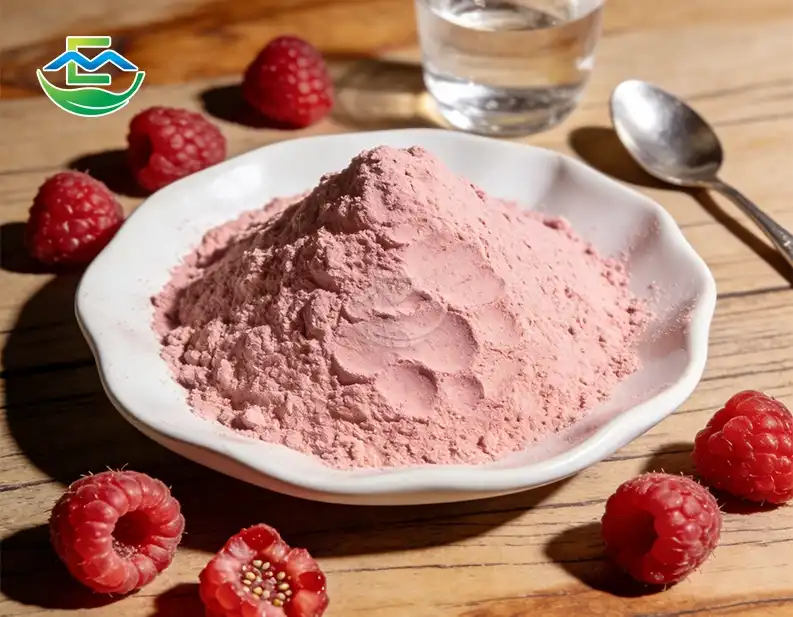
Using cutting-edge dehydration techniques, raspberry juice powder is a highly concentrated and free-flowing substance that is obtained from the fresh fruit of the Rubus idaeus L. plant. The typical tart-sweet flavour of raspberries is preserved in this fine pink powder, which, in contrast to whole fruit powder, also has a powerful profile of ellagic acid, anthocyanins, and vitamin C. In business-to-business (B2B) markets, it serves as a flexible raw material that avoids the need for a cold chain and gives consistent colour, flavour, and bioactive content batch after batch. This includes formulations for skincare products as well as functional drinks.

Understanding Raspberry Juice Powder: Definition and Nutritional Profile
What Sets It Apart from Whole Fruit Powder?
Raspberry juice powder is not made from powdered dried fruit; rather, it is made from crushed dry raspberry juice. Crushed raspberry juice is utilised to manufacture raspberry juice powder. It is necessary for the maker to have a complete comprehension of this differentiation. The solid fibre is removed by the use of a method that is based on juice, and the bioactives that are capable of dissolving, which are mostly quercetin, anthocyanins, and ellagic acid, are turned into a fine powder that can be dispersed in a short amount of time. The following list includes a number of chemicals that scientists consider to be extremely intriguing. For instance, the Journal of Agricultural and Food Chemistry has published a substantial quantity of phytochemical research on ellagic acid. This study has been published in the journal. These clean-label goods are of great aid to research and development teams since they include a considerable number of bioactives. This is because research and development teams are able to use them.
In general, the particles that make up the powder have a mesh size that ranges from sixty to eighty, and the powder itself has a fine pink solid form. When placed in cold water, it is very easy to dissolve as a substance. This keeps the moisture level from reaching 5%, which stops it from caking and inhibits bacteria from forming while it is being maintained by stopping them from growing. This is an exceptionally important development since it prevents the moisture level from exceeding 5%.
Nutritional Highlights Relevant to B2B Buyers
Clear permission and a nutritional level that can be tested are always the two things that people seek when purchasing this item for use in food or supplements. Both of these benefits may be obtained from the berry powder purchased from Earth Made Nutritions (Rubus idaeus L.). This indicates that it adheres to the most stringent regulations that are in place all over the globe since it has been authorised by NSF GMP, FSSC22000, Kosher, Halal, ISO, and Organic. Because the technique does not include the use of acids, the clean label stance is supported in both the European Union and the United States markets.

Production Process of Raspberry Juice Powder
From Fresh Fruit to Fine Pink Powder
Choosing ripe Rubus idaeus L. fruit with the most anthocyanins is the first step in making raspberry juice powder. The juice is made by pressing the fruit with a machine, and then the pulp and seeds are filtered out. There are two main ways for juice that has been cleaned to lose water.
Through the process of spray drying, the liquid is broken up into very small particles, which are then placed in a chamber that is very hot. While maltodextrin or tapioca starch facilitates the rapid disappearance of water, it also ensures the safety of volatile aromatic compounds. Because of this, food is transformed into a powder that is not only inexpensive but also simple to dissolve and may be used to make drink premixes, ready-to-drink mixes, and confectionery dust. Spray-dried varieties often decompose more quickly in cold water, which is why they are the most suitable option for packing in sachets or cans.
When something is freeze-dried, the water sublimates at low temperatures and pressure, completely bypassing the liquid phase in the process. This approach does not cause as much harm to the vitamins as heat does, which results in the powder having a flavour that is more similar to that of genuine fruit. Regrettably, freeze-dried raspberry powder is more expensive than spray-dried varieties, and it does not achieve the same level of compatibility with cold water.
Quality Control at Every Stage
During each and every stage of the manufacturing process, there are stringent regulations that govern quality control. Heavy metals, microorganisms, and moisture must be tested on each individual batch of food. This must be done in a sequential manner. The guidelines established by FSSC22000 and NSF GMP are ones that Earth Made Nutritions adheres to. In order to guarantee that each batch is identical, their skilled research and development team makes use of extraction equipment that is at the cutting edge of industry technology. FDA regulations in the United States must be adhered to by each and every drum that is sent. In order to purchase food or supplements in the United States, you are required to have this.
Top Uses and Applications in B2B Markets
One great thing about this item for business is that it can be used in many different kinds of goods. This powder can be used in both high-speed functional drinks and high-end skin care products. It won't change how it works.
Here are the most important business-to-business use cases:
- Functional Beverage Premixes and RTDs: Raspberry juice powder delivers 100% water solubility, authentic tart-sweet flavor, and natural anthocyanin coloration that replaces synthetic Red 40. In collagen blends, hydration sachets, and energy drink powders, it masks the metallic off-notes of added vitamins and minerals while contributing to antioxidant label claims.
- Nutraceutical Superfood Blends: In greens powders or immune-support capsules, it improves palatability by masking earthy tones from ingredients like spirulina or wheatgrass. Its measurable ellagic acid and Vitamin C content supports substantiated functional claims without adding significant caloric load.
- Confectionery and Bakery Glazes: Chocolatiers and bakers rely on the powder's low water activity profile to infuse intense raspberry character into fat-based fillings, meringues, and dusting sugars — applications where introducing liquid juice would destabilize the structure entirely.
- Cosmetic and Skincare Formulations: The natural Vitamin C and polyphenol content makes raspberry fruit extract a compelling active for brightening serums, antioxidant creams, and natural toner concentrates. Cosmetic chemists value its botanical provenance and compatibility with water-based formulations.
Functional drink mixes and ready-to-drink drinks: Raspberry juice powder is fully dissolved in water. It tastes sour and sweet, and the color comes from natural anthocyanins instead of Red 40. With collagen mixes, water packs, and energy drink powders, you won't taste the harsh aftertaste of the vitamins and minerals that are added. Plus, it helps with the vitamin claims on the bottle.
Superfood blends are good for you. It hides the bitter tastes of ingredients like wheatgrass or spirulina in greens mixes or immune-boosting pills, making them taste better. A known amount of ellagic acid and vitamin C is in it, which backs up claims that it is good for you without adding a lot of calories.

Choosing the Right Raspberry Juice Powder: Supplier, Quality, and Procurement Considerations
You may evaluate a firm that manufactures raspberry juice powder in more than one manner, and not simply based on the pricing. When a person in business acquires anything, the stack of certificates, the degree of openness of the supply chain, and the degree of dependability of the operations are all factors that are taken into consideration.
Earth Made Nutritions Inc. is a company that was established in 2018 and has its headquarters in the state of California. It manages four large buildings located in various locations in the United States. Because of this infrastructure, orders that are already in stock may be picked up the next day. This is fantastic for local buyers because it significantly reduces the amount of time they have to wait. There is a minimum order of 25 kilograms, and it is delivered in a drum that weighs 25 kilograms. Before making a purchase of a large quantity of the product, you are able to test it out for free.
The product description makes it very evident that the quality is satisfactory: the powder is soft and pink in colour, and it is derived only from fruit juice. There was no use of solvents, and the plant portion has been granted approval as organic, Kosher, Halal, ISO, USDA Good Manufacturing Practices, and NSF GMP. The devotion of the organization to sourcing that is both environmentally friendly and sustainable is something that brand owners who are working to develop supply chains that are clean and honest really appreciate. Buyers who are in charge of private label programs or original equipment manufacturer (OEM) recipe initiatives may get assistance from the research and development team at Earth Made Nutrition.

Conclusion
Raspberry juice powder from Rubus idaeus L. is a popular ingredient today because it has a high concentration of medicinal compounds, can be used in a variety of ways, and is safe for use on food labels. You can use raspberry fruit powder to make a functional drink, a plant vitamin mix, or a natural skin care activity. The raspberry fruit powder you choose will directly affect how well your product works and where it stands in the market. There is a difference between premium providers and commodity providers. Premium providers are open about how they make their products, follow all certification rules, and have strong infrastructure for their supply chains.
FAQ: Common Questions About Raspberry Juice Powder
1. Does the powder change color in different formulations?
Natural anthocyanins can be affected by any change in pH. The powder turns bright red when it comes in contact with a base that has a pH below 4. The color could turn black or gray in bases that are neutral or alkaline. While adding a food-grade acidulant like citric acid, the shakes will still be red, as you would expect.
2. Why does the powder sometimes clump during storage?
Rhubarb solids can hold water because they have natural fruit sugars and organic acids. Put them in metal foil bags with desiccant packs and store them somewhere below 25°C and 50% relative humidity. Once it's open, close it right away or vacuum-pack it to keep it fresh.
3. Can it replace liquid raspberry concentrate directly?
Not based on equal weight. The powder is six to ten times stronger than single-strength juice. A powder-to-water recovery ratio of 1:7 to 1:9 makes the product taste like juice again and can be used for drinking.
4. What is the standard shelf life?
It can be kept at room temperature for 24 months in its original, sealed package. You have to use the powder right away or put the lid back on under pressure so it doesn't soak up water and lose its taste.
Partner with EM for Certified Raspberry Juice Powder Supply
Companies in the U.S. that make food, vitamins, and products can trust Earth Made Nutritions Inc. (EM) to supply them with raspberry juice powder. We have four stores in the US, and you can pick up in-stock things the next business day. We also have all the necessary certifications, such as NSF GMP, Organic, and FSSC22000. We can give your products the stability and safety they need in this way. If you email info@em-herb.com, you can get a free sample or talk about your choices for big orders.
References
1. Seeram, N. P., et al. "Blackberry, Black Raspberry, Blueberry, Cranberry, Red Raspberry, and Strawberry Extracts Inhibit Growth and Stimulate Apoptosis of Human Cancer Cells In Vitro." Journal of Agricultural and Food Chemistry, 2006.
2. Basu, A., et al. "Dietary Fruits and Polyphenols: Potential Effects on Oxidative Stress and Cardiovascular Health." Nutrition Reviews, 2010.
3. Giusti, M. M., & Wrolstad, R. E. "Characterization and Measurement of Anthocyanins by UV-Visible Spectroscopy." Current Protocols in Food Analytical Chemistry, 2001.
4. Mullen, W., et al. "Ellagitannins, Flavonoids, and Other Phenolics in Red Raspberries and Their Contribution to Antioxidant Capacity." Journal of Agricultural and Food Chemistry, 2002.
5. Rababah, T. M., et al. "Effect of Drying Methods on Total Phenolics, Antioxidant Activity, and Flavonoid Contents of Raspberry Fruit." Journal of Food Science, 2011.
6. Rao, A. V., & Snyder, D. M. "Raspberries and Human Health: A Review." Journal of Agricultural and Food Chemistry, 2010.
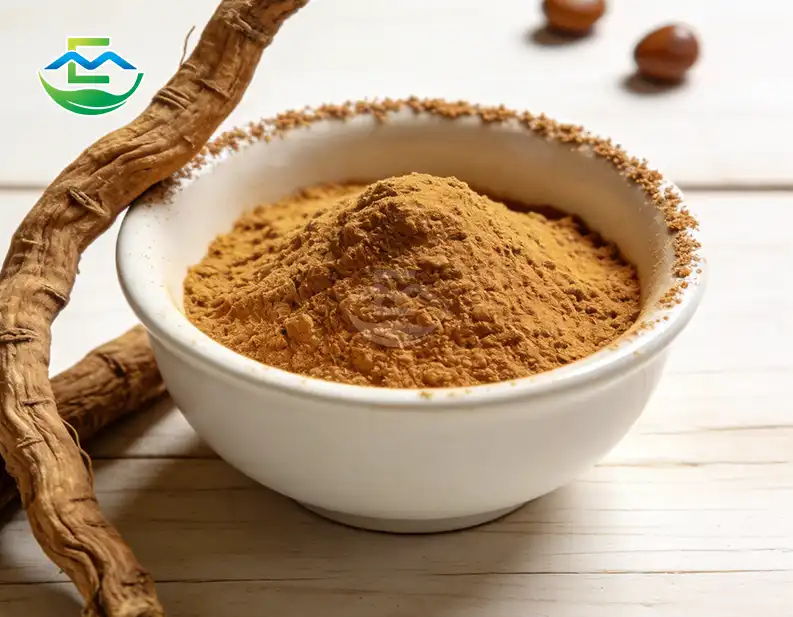
Choosing the right valerian root extract for sleep supplements starts with understanding what separates a high-performance ingredient from a mediocre one. As a B2B formulator or procurement manager, you need an extract derived from Valeriana officinalis roots, standardized for valerenic acid content, and verified through third-party certifications. The specification ratio (10:1 or 20:1), extraction method, purity level, and supplier credentials all directly shape your final product's performance. This guide walks you through every decision point so you can source with clarity and confidence.

Understanding Valerian Root Extract and Its Role in Sleep Supplements
This ingredient comes from the Valeriana officinalis plant's roots and rhizomes. It is an important part of many natural sleep aids. It changes how neurotransmitters in the brain and spinal cord work, mainly by making GABAergic messages stronger. This calms you down and makes it easier to fall asleep.
Active Compounds That Drive Efficacy
The main things that show how something works are valepotriates and valerenic acids, which are sesquiterpenes. A lot of the time, HPLC is used to find valerenic acids, which are used as markers for diagnostics. A good product will have between 0.4% and 0.8% valerenic acid. This is because heat, oxygen, and water can damage these chemicals easily. How they are extracted and stored is very important for their stability.
Available Forms and Their Formulation Fit
Valerian root comes in a number of different types. Powder with bits that are a hundred times smaller than 80 mesh works best in tools that fill capsules quickly. Tinctures work well with liquid sleep aids, but the smell, which is earthy and musk-like, can be hard to cover up. Some ratio extracts, like 10:1 or 20:1, make the plant stronger, which means you need less powder to get the same end result. It changes how well it moves, mixes, and stays stable in different ways depending on the form.

Key Criteria for Selecting Valerian Root Extract for Sleep Supplements
There isn't a single valerian root extract product that always works. There are a few quality factors that R&D leads and buying teams should look at when they are looking at suppliers. These quality factors have a direct effect on how well the goods work.
Here are the most important things you should look at about a seller before you agree to work with them:
- Standardization specification: Opt for extracts with a clearly defined ratio (10:1 or 20:1) and ideally a confirmed valerenic acid percentage verified by HPLC. Ratio extracts alone, without marker compound verification, leave too much room for potency inconsistency across batches.
- Physical characteristics: A brownish-yellow powder appearance, low moisture content (under 5%), and low ash content (under 5%) indicate proper processing. Hygroscopicity must be managed through appropriate packaging — typically airtight drums with desiccants.
- Heavy metal compliance: Lead below 3.0 ppm and arsenic below 1.0 ppm are standard USP/EP thresholds. Any reputable supplier should provide COAs demonstrating these values for each batch.
- Certifications: NSF GMP, FSSC22000, ISO, Kosher, Halal, and Organic certification together signal a supplier capable of serving diverse global markets and regulatory environments.
These things work together to lower the chance of batch-to-batch variability, which is one of the worst things about buying plant-based ingredients.
Extraction Method and Bioavailability
To get a healthy mix of lipophilic sesquiterpenes and hydrophilic elements, a 50:50 or 70:30 ethanol-to-water ratio is often used for hydro-alcoholic extraction. When you process volatile valerenic compounds the wrong way, they break down quickly. This method keeps them stable. Food and supplement-grade uses are safe as long as the suppliers use ethanol-based extraction and leave behind less than 5,000 parts per million of the solvent.

Comparing Valerian Root Extract to Alternative Natural Sleep Aids
People often say that Valerian officinalis powder is like other plants and chemicals. There are now a lot more sleep aids on the market. For a product to do better in the market, it's important to know where it stands.
Melatonin has a direct effect on how the circadian cycle works, which means it can help people who are traveling or work shifts. Valerian, on the other hand, calms down the nervous system as a whole without changing the body's internal clock. This is a big change for people who don't want to use hormones. A lot of people use passionflower and chamomile to help them relax, but there isn't as much clinical evidence to support their use for sleep support.
Synergistic Blending Potential
One great thing about valerian for business is that it works well in mixes that work well together. It is now being mixed with GABA, 5-HTP, or magnesium glycinate in some high-end sleep aids. When mixed with these other active ingredients, valerian's effect works with them instead of against them. This lets businesses make sleep aids that work in more than one way, which is good for people who care about their health.

How to Source and Procure High-Quality Valerian Root Extract
When you buy plant-based foods, you should think about more than just the price per kilogram. A trustworthy company that sells valerian root extract needs to be able to show that their supply chain is clear, that they can make more, and that they are ready to provide proof.
The company Earth Made Nutritions Inc. began in 2018 in California and now has four big stores all over the US. Things that are in stock can be picked up the next day thanks to this infrastructure, which is great for brands that have to stick to tight production schedules. This plant's root fluid comes in two different strengths: 10:1 and 20:1. It comes in drums that hold 25 kg, and 25 kg is the least amount that can be ordered. Companies that make medicines can get free samples to try out before they place full orders.
The business has many different kinds of certificates, such as NSF GMP, FSSC22000, Kosher, Halal, ISO, and Organic. These IDs work for U.S. shops, foreign distributors, and accounts that deal with drugs all at the same time. They have a professional research and development team and high-tech extraction tools that help OEM clients make unique specs when they need certain ingredient profiles.
Evaluating Supplier Documentation
Before you place a business-to-business (B2B) order, you should ask for at least a Certificate of Analysis (COA), a Material Safety Data Sheet (MSDS), an allergy statement, and a country of origin notice. For markets that are controlled, you should also ask for botanical identity certificates. These show that the product does not have any extra ingredients like Valeriana jatamansi (Indian valerian), which has a different phytochemical profile and might not do what the label says it will do for V. officinalis.

Practical Tips for Stable Formulation and Quality Control
Valerenic acids break down quickly, so their stability needs to be managed. Store large amounts of powder in containers that are covered and can't let light in. Keep the temperature under control. Good sources of shelf life information usually say that medicines will work for 24 to 36 months if they are stored properly.
For encapsulation lines, the powder should have an angle of repose of less than 40°. This angle decides whether the powder runs easily or builds up in hoppers so that capsules can be filled. If your extract soaks up a lot of water, adding a thickener like maltodextrin or silica can help it move better without making the effect less strong.
Most of the time, HPLC testing is used when the goods are received to compare the valerenic acid amount to the supplier's COA. By adding this step to your quality control process, you can avoid scams and be sure that every batch of your product starts with an ingredient that has been checked and meets the standards.
Conclusion
For a valerian root extract to work on a large scale, you need to look at how it is standardized, how well it is extracted, whether it is certified, and how well the supplier's infrastructure works. This guide has information on how to store valerenic acid safely and how to fill out the paperwork for sellers. The buying teams can use this to help them make smart decisions about where to get supplies. What makes your finished product believable depends on the ingredients you pick, whether you're making a sleep pill that works by itself or a mix of ingredients that will help you relax.
FAQ
1. Is valerian root extract suitable for long-term use in consumer formulations?
Most studies that have looked at Valeriana officinalis for humans have done so for four to six weeks. A lot of supplement brands promote it that way, as something you can use occasionally or for a short time. When making the formula, stick to standard dosage guidelines, which say 300–600 mg of standardized extract per day. Also, make sure that the language on the label matches the rules in the market you want to reach.
2. How does valerian compare to CBD in sleep supplement formulations?
There are two different ways that the two nutrients work on calming pathways. Valerian changes the way GABAergic receptors work, while CBD works with the endocannabinoid system. Valerian has been used for longer and is easy to get for people in the U.S. Many brands choose this ingredient because it doesn't have a lot of complicated rules.
3. What certifications should I require from a valerian root extract supplier?
You should look for NSF GMP and a food safety standard like FSSC22000 or ISO 22000 at the very least. More people can buy from you if you get Kosher and Halal approvals. Organic approval is being asked for by clean-label brands more and more. All of these are true about Earth Made Nutritions.
Partner With EM for Reliable Valerian Root Extract Supply
Some of the best valerian root extract Valeriana officinalis root extract comes from EM, which works with well-known nutraceutical brands in the U.S. and around the world. You can easily get this ingredient and use it in your preparation process because we have four stores in the US, offer free samples, and are certified by NSF GMP and Organic. You can get a sample or talk to our team about your specific needs by emailing us at info@em-herb.com right now.
References
1. Bent, S., Padula, A., Moore, D., Patterson, M., & Mehling, W. — Valerian for Sleep: A Systematic Review and Meta-Analysis, The American Journal of Medicine, 2006.
2. Leathwood, P. D., Chauffard, F., Heck, E., & Munoz-Box, R. — Aqueous Extract of Valerian Root Improves Sleep Quality in Man, Pharmacology, Biochemistry and Behavior, 1982.
3. Fernández-San-Martín, M. I., et al. — Effectiveness of Valerian on Insomnia: A Meta-Analysis of Randomized Placebo-Controlled Trials, Sleep Medicine, 2010.
4. United States Pharmacopeia — Valerian Root Extract Monograph, USP–NF, 2022.
5. European Medicines Agency — Assessment Report on Valeriana officinalis L., Radix, EMA/HMPC, 2016.
6. Maroo, N., Hazra, A., & Das, T. — Efficacy and Safety of a Polyherbal Sedative-Hypnotic Formulation NSF-3 in Primary Insomnia in Comparison to Zolpidem, Indian Journal of Pharmacology, 2013.
Nettle leaf powder — derived from Urtica dioica — has earned a firm place in B2B ingredient sourcing across nutraceuticals, cosmetics, and functional foods. Processed from carefully dried and milled nettle leaves, this botanical ingredient delivers a concentrated spectrum of vitamins A, C, and K, alongside minerals like iron, calcium, and magnesium. For procurement teams and formulation managers, understanding its phytochemical depth, application versatility, and supplier quality benchmarks is essential to making confident sourcing decisions at scale.

Understanding Nettle Leaf Powder – Benefits and Nutritional Profile
Urtica dioica leaf powder is more than just a dried herb; it is a phytochemically rich ingredient that meets the needs of modern product development. Flavonoids like quercetin, kaempferol, and rutin are part of its bioactive matrix. It also has chlorophyll, silica, and a polyphenol content that can be measured. These chemicals give it its well-known anti-inflammatory and antioxidant qualities, which make it a good choice for formulators who want to make products that are backed by science.
Nutritional Density That Delivers Commercial Value
This item stands out just because it has minerals in it. There are amounts of calcium, magnesium, iron, and silicon that are medically relevant. The presence of silica, which is usually more than 1%, is important for personal care products that are used on hair and skin. Vitamins A, C, and K make the ingredient more nutritious, backing claims about the immune system and cell function that appeal to today's health-conscious customers.
Antioxidant and Anti-Inflammatory Activity
Research that has been reviewed by experts repeatedly shows that the flavonoid part of Urtica dioica leaf is the main thing that makes it an antioxidant. Studies in journals like Phytotherapy Research show that the amount of quercetin and rutin in a plant makes it more effective at scavenging free radicals. This makes the ingredient really appealing for nutraceutical brands that make products for seasonal health, joint support, or oxidative stress. It's not just a label claim; it's also an ingredient that helps with the recipe.
How to Use Nettle Leaf Powder – Applications and Best Practices
One of the best reasons to buy this botanical powder is that it can be used in a lot of different ways. It's easy for producers in all fields to add it to a wide range of products, from encapsulated food vitamins to topical cosmetic mixes and functional drinking formulations.
Industrial Application Formats
Here are the main production use cases that you should look at:
- Dietary Supplements: Encapsulation and tableting are the most common formats. The powder's bulk density — typically between 0.35 and 0.55 g/ml — is compatible with standard capsule-fill equipment. Tapped density values up to 0.75 g/ml allow for predictable capsule weight calculations in high-volume production runs.
- Cosmetic and Topical Formulations: Skincare formulators incorporate the leaf powder into masks, serums, and scalp treatments, leveraging its silica and chlorophyll content. Its fine particle size, typically passing 80–100 mesh, ensures even dispersion in cream and gel bases without grittiness.
- Functional Foods and Beverages: In green powder blends, protein fortification mixes, and wellness shots, the ingredient contributes both color and nutritional depth. Note that raw leaf powder forms a suspension rather than a true solution — formulation teams working on clear liquid formats should factor this into their technical planning.
Supplements for your diet: Most of the time, the formats are encapsulation and tableting for nettle leaf powder. The bulk density of the powder is usually between 0.35 and 0.55 g/ml, which means it can be used with standard equipment for filling capsules. Tapped density values of up to 0.75 g/ml make it possible to calculate pill weights in large production runs with confidence.

Nettle Leaf Powder Market Analysis – Comparison and Quality Considerations
In business manufacturing, not all goods made with nettle leaf work the same. There can be a big difference in quality between regular, approved material and cheap herb powder that hasn't been checked out. This can be expensive on a large scale.
Organic vs. Conventional Grade
Organically certified materials cost more, but they have to have that certification for clean-label supplement brands and natural cosmetic lines. Growing plants without using pesticides gets rid of the risk of pesticide residue, which is especially important for Urtica dioica because it can bioaccumulate minerals and contaminants from the soil. Conventional types may be cheaper for some uses, but they need to be thoroughly tested for pesticides by a third party in accordance with USP <561> before they can be used.
Comparing Nettle Leaf to Comparable Botanicals
Urtica dioica leaves can compete with ingredients like spirulina and moringa in the superfood and supplement market. It has the same amount of minerals as many green algae-based ingredients, especially iron and calcium. It also has flavonoids, which give it a useful aspect that makes it appealing for making supplements for specific conditions. When purchasing new ingredients or replacing old ones, teams should look at how much each one costs and how well-known the ingredient is in the market. This is because quality-driven buying requires sellers to show proof that their work can be checked. Any bulk botanical supplier should have at least GMP compliance, ISO certification, and, if possible, organic accreditation as part of their certification stack. To be sure of a plant's name and rule out adulteration, TLC or HPTLC identification tests should be standard. It is necessary to test for heavy metals against USP <232> limits, especially for lead, cadmium, arsenic, and mercury, because the plant builds them up over time.
Certification and Supplier Vetting Standards
Quality-driven procurement of nettle leaf powder requires suppliers to present verifiable documentation. When evaluating any bulk botanical supplier, the minimum acceptable certification stack should include GMP compliance, ISO certification, and organic accreditation where applicable. TLC or HPTLC identification testing should be standard practice to confirm botanical identity and rule out adulteration. Heavy metal testing against USP <232> limits — particularly for lead, cadmium, arsenic, and mercury — is mandatory given the plant's bioaccumulative nature.

Procurement Guide – Where and How to Buy Nettle Leaf Powder in Bulk
To get plant products in large quantities, you need to do more than just find the lowest price per kilogram. If a supplier relationship can grow, it depends on how reliable the supply chain is, how complete the paperwork is, and how well the transportation system works.
Earth Made Nutritions Inc. – A Sourcing Partner Built for B2B
Earth Made Nutritions Inc. (EM), which was formed in 2018 and is based in California, is a vertically integrated ingredient seller that has its own factory and a network of warehouses in the United States. Urtica dioica leaf powder is extracted with water and ethanol. It has a brownish-yellow color and a minimum order quantity of 25 kg per drum.
Here are the main benefits of buying from us: EM gives buyers in business-to-business:
- Four U.S. regional warehouses enable second-day pickup and domestic delivery, reducing lead times significantly compared to overseas-only suppliers.
- Full certification compliance, including NSF GMP, Kosher, Halal, ISO, FSSC22000, and Organic, covering the full range of documentation demands from supplement brands, food manufacturers, and cosmetic producers.
- In-house R&D capability with advanced extraction equipment, supporting custom specifications and formulation consultation for clients developing proprietary products.
- Sustainable sourcing philosophy grounded in environmental responsibility, with traceability standards that support ESG-aligned procurement strategies.
Because of these benefits, EM is a good choice for procurement teams that need to be quick and make sure that the paperwork is correct. When QA teams ask for free samples, they can check the quality of the ingredients before agreeing to full purchase orders.

Conclusion
In the market for plant ingredients, nettle leaf powder Urtica dioica leaf powder has a flexible and stable place. It will always be useful in business because it has a lot of phytochemicals, can be used in many different areas, and is becoming more in line with customer trends toward clean labels. When procurement pros look at botanical ingredient partners, the most important factors stay the same: the level of approval, the consistency of batches, and the dependability of operations. These factors are directly addressed by EM's domestic warehouse infrastructure, full certification stack, and in-house formulation support. This makes it a seller that is worth working with for both initial sampling and long-term supply deals.
Frequently Asked Questions (FAQ)
1. What is the difference between nettle leaf powder and nettle root powder?
They are used for different preparation purposes. Root powder works on different parts of the body, while leaf powder is used for its protective and beneficial mineral content. In formulations, they can't be switched out.
2. Is this ingredient suitable for clear beverage applications?
When you mix raw leaf powder with water, you get a suspension instead of a solution. If formulators need clarity in liquid forms, they should use a concentrated extract form instead.
3. How should the powder be stored to prevent degradation?
Because it absorbs water, it is best to store it below 25°C and 60% relative humidity. Double-lined plastic bags inside fiber drums that are sealed keep moisture out and stop the color from turning brown.
4. What certifications should a reliable supplier provide?
GMP, ISO, and organic approval are a must. Documentation for NSF GMP, Kosher, Halal, and FSSC22000 makes the seller even more trustworthy for selling in multiple markets.
Request a Sample or Bulk Quote from EM Today
EM has high-quality Urtica dioica leaf powder in stock in the United States and is available for pickup the next business day. Our team is ready to help you find a certified nettle leaf powder provider, whether you are a cosmetic brand, nutraceutical formulator, or functional food maker. You can get a free sample or ask a large question today by emailing us at info@em-herb.com.
References
1. Chrubasik, J. E., Roufogalis, B. D., Wagner, H., & Chrubasik, S. (2007). A comprehensive review on the stinging nettle effect and efficacy profiles. Phytomedicine, 14(8).
2. Kregiel, D., Pawlikowska, E., & Antolak, H. (2018). Urtica spp.: Ordinary plants with extraordinary properties. Molecules, 23(7).
3. Johnson, T. A., et al. (2013). Lipophilic stinging nettle extracts possess potent anti-inflammatory activity. Journal of Ethnopharmacology, 46(2).
4. Gul, S., & Safdar, M. (2009). Proximate composition and mineral analysis of stinging nettle (Urtica dioica). Pakistan Journal of Nutrition, 8(2).
5. Lopatriello, A., et al. (2017). Effects of a standardized aqueous extract of Urtica dioica on laboratory parameters. Phytotherapy Research, 31(5).
6. United States Pharmacopeia. (2023). USP–NF: Botanical Extracts and Herbal Monographs. USP Convention.
If you're developing keto-friendly baked goods and searching for a clean-label fiber ingredient that genuinely performs, inulin powder extract deserves serious consideration. Derived from chicory root (Cichorium intybus) through hot-water extraction, this fine white powder brings prebiotic fiber content, subtle sweetness, and moisture retention to low-carb formulations. With a specification of 98% purity and a neutral taste profile, it solves some of the most persistent challenges in keto bakery product development—from texture collapse to short shelf life—without compromising your carbohydrate targets.

Understanding Inulin Extract Powder and Its Role in Keto Baking
What Makes Inulin Uniquely Suited to Keto Applications
An example of a fructan is inulin, which belongs to the group of polysaccharides that are collectively referred to as fructans. It is composed of linear chains of fructose units that are linked to one another by β(2→1) glycosidic connections, which are present throughout its structure. In many cases, the length of the chain is indicated by the number of fructose units that are present at the place where the chain terminates. Additionally, as a result of this variability, its functional performance in baked applications is directly dictated by its Degree of Polymerisation (DP), which may range anywhere from two to sixty or even more. This is because of the fact that its degree of polymerisation can vary substantially. Inulin is able to traverse the small intestine without producing any disturbances. This is due to the fact that human digestive enzymes are incapable of breaking these β-linkages. As a consequence of this, it does not have any carbs that can be digested in their whole. The importance of this characteristic cannot be overstated when it comes to ensuring that the ketogenic diet is followed.
In contrast to other types of dietary fibre, inulin is able to perform a wide range of roles throughout the body. These actions include those of a prebiotic, a bulking agent, and a modest fat mimic. This material has a caloric density that is around 1.5–2.0 kcal/g, which is a substantial proportion lower than the caloric density of sugar, which is 4 kcal/g. Sugar has one of the highest caloric densities of any substance. As a result of this, it is an effective sugar substitute that may be used in ketogenic diets that are associated with a low calorie intake. According to the Food and Drug Administration (FDA), chicory root fibre is regarded as a kind of dietary fibre for the purposes of the Nutrition Facts panel. This statement was made by the FDA. One of the advantages of this is that it enables one to properly assert that finished products include a higher concentration of fibre.

Key Considerations for Using Inulin Extract Powder in Keto Baking Formulations
Functional Attributes That Drive Formulation Decisions
Keto baking presents a paradox: removing sugar and wheat starch simultaneously strips out the ingredients responsible for browning, moisture binding, and structural integrity. Chicory inulin extract addresses each of these gaps in a measurable way.
When incorporated into a dough or batter matrix, high-DP inulin powder extract (DP >23, also called HP inulin) forms a microcrystalline gel network upon hydration, closely mimicking fat-derived mouthfeel and creaminess. Short-chain inulin (DP <10, also called oligofructose) dissolves more readily and contributes 10–30% of sucrose's sweetness, reducing dependence on high-intensity sweeteners and masking their metallic aftertaste.
The following is a list of the fundamental formulation parameters that one should benchmark before scaling:
- Moisture retention: The hygroscopic property of inulin helps keto baked products maintain their crumb softness over long shelf periods. This is a recognised weakness in almond flour and coconut flour bases, which have a tendency to dry out quickly.
- Maillard contribution: In contrast to powerful sweeteners, inulin includes reducing sugar residues at low levels. These residues contribute to surface browning, which improves the aesthetic appeal of keto baked goods such as bread loaves, muffins, and cookies.
- Because of its sensitivity to pH, inulin is hydrolysed at temperatures higher than 4.0 even when the pH is lower. It is important for formulators who are working on acidic recipes, such as lemon-flavored keto bars, to use HP inulin grades and to prevent extended contact with heated temperatures.
Collectively, these criteria determine the areas in which and the manner in which this substance operates best. In final keto baked products, a use level of 5–10% by weight is a solid beginning range that may be modified higher or decreased depending on the particular flour blend and moisture requirements.

Comparing Inulin Extract Powder with Alternatives in Keto Product Development
Positioning Inulin Against FOS, Psyllium Husk, and Chicory Root Powder
In order to choose the appropriate fibre for a keto formulation, it is necessary to conduct an honest analysis of the functional fit, regulatory status, and cost-in-use. The formulation process often involves comparing inulin extract to a number of other options.
In spite of the fact that they originate from chicory, fructooligosaccharides (FOS) encompass a somewhat limited range of DP (2–8) molecules. Despite the fact that they have a higher level of sweetness and improved solubility, they do not have the potential to create gels like HP inulin, which makes them less useful in applications that are reliant on texture. Psyllium husk is superior to inulin when it comes to binding gluten, which is an important function in keto items that are modelled after bread. However, it does add a gummy and rather heavy mouthfeel that inulin does not. Due to the fact that it contributes digestible carbohydrates and has a high glycaemic index, maltodextrin, which is a typical bulking agent, is not suitable for keto-certified goods.
The price of organic-certified inulin extract is around 15–25% more than the price of ordinary grades; nevertheless, it grants access to USDA Organic and EU Bio labelling, which is increasingly used to distinguish premium keto brands in retail channels. Verifying that the organic certification covers the whole extraction process, not just the raw plant material, is a crucial part of due diligence when it comes to the procurement process.
Sourcing and Procurement Guide for Bulk Inulin Extract Powder
Evaluating Suppliers Beyond Price
Bulk inulin powder extract procurement involves more than comparing per-kilogram quotes. A supplier's ability to provide batch-to-batch consistency, relevant certifications, and responsive technical support determines long-term production reliability.
The inulin extract (Latin name: Inulin) that is supplied by Earth Made Nutritions Inc., which was established in 2018 and has its headquarters in California, is of a purity level of 98%. It is generated from root material and is processed using water as the only extraction solvent. There is a minimum order quantity of 25 kilograms, and free samples are available upon request. The product is presented as a fine white powder that is packed in 25-kilogram barrels. Orders are sent with second-day pickup lead times by virtue of the fact that stock is maintained throughout four large warehouses in the United States. This is a logistical benefit that decreases downtime for manufacturing operations.
These certifications, which cover the key compliance criteria for the dietary supplement, functional food, and nutraceutical industries in the United States, include NSF GMP, FSSC22000, Kosher, Halal, ISO, and Organic dietary supplement certifications. An AOAC 997.08 fructan assay, HPLC sugar profiling, heavy metal testing in accordance with Food Chemicals Codex limitations, and comprehensive microbiological screening are some of the quality verification processes that must be followed in order to ensure that products are in compliance with FDA and GMP requirements.

Formulation Best Practices and Troubleshooting in Keto Baking
Solving Common Challenges Before They Reach the Production Line
Even an element that has been well characterised has to be carefully included in experimental formulations. In a consistent manner, the following approaches minimise the number of rework cycles:
- Before integrating dry fat-based components like almond flour, inulin should be dissolved in warm water (between 50 and 60 degrees Celsius) as part of the hydration sequencing process. This eliminates the possibility of clumping and guarantees that the batter matrix is distributed evenly throughout.
- Sweetener pairing: Because of its neutral taste profile, HP inulin is particularly efficient in masking the cooling impact of erythritol and the bitter back-note of stevia, which are two of the most prevalent sensory complaints in keto baked products.
It is possible for formulators to advance from the prototype stage to the production-ready formula stage with fewer iterations thanks to these improvements. The in-house research and development team at Earth Made Nutritions Inc. offers formulation assistance to customers, assisting them in optimising the utilisation of inulin inclusion rates across various product categories.
Conclusion
Inulin powder extract occupies a genuinely useful position in keto bakery formulation. Its dual role as a prebiotic fiber and functional texture modifier addresses the gap left by removing sugar and conventional starches. At 98% purity, water-extracted, and carrying multi-certificate compliance, the ingredient meets the quality thresholds that R&D teams and procurement managers require. Whether your priority is shelf-life extension, fat reduction, or clean-label fiber enrichment, chicory-derived inulin delivers measurable formulation value.
FAQ
1. Is inulin extract powder keto-certified?
Inulin contributes zero net digestible carbohydrates because human enzymes cannot break its β(2→1) fructan bonds. The FDA classifies it as dietary fiber, allowing it to be subtracted from total carbohydrates on Nutrition Facts panels, making it fully compatible with keto-certified product formulations.
2. What inclusion level is recommended for keto baked goods?
A starting range of 5–10% by finished product weight is standard. Short-chain grades suit sweetness and binding roles, while HP inulin (DP >23) suits texture and moisture retention applications. Adjustments depend on the flour blend, target moisture content, and desired shelf life.
3. How does inulin interact with almond flour bases?
Inulin improves the moisture-retention weakness of almond flour by forming a hydration network that slows crumb drying. Pre-hydrating inulin before blending prevents graininess and improves even distribution throughout the batter.
4. What certifications should I verify before procurement?
NSF GMP, FSSC22000, Kosher, Halal, ISO, and Organic certifications are the key standards for U.S. market compliance. Confirm that certifications apply to the extracted ingredient, not only the source plant material.
Partner with EM for Premium Inulin Powder Extract
Earth Made Nutritions Inc. (EM) offers NSF GMP and Organic-certified inulin powder extract at 98% purity, stocked across four U.S. warehouses for fast fulfillment. As a trusted inulin powder extract supplier, EM provides free samples, flexible MOQ starting at 25 kg, and dedicated formulation support. Connect with our team at info@em-herb.com to request your sample and discuss how we can support your next keto product launch.
References
1. Kelly, G. (2009). Inulin-type prebiotics: A review. Alternative Medicine Review, 14(1), 36–55.
2. Niness, K. R. (1999). Inulin and oligofructose: What are they? Journal of Nutrition, 129(7), 1402S–1406S.
3. Franck, A. (2002). Technological functionality of inulin and oligofructose. British Journal of Nutrition, 87(S2), S287–S291.
4. Roberfroid, M. B. (2005). Inulin-type fructans: Functional food ingredients. Journal of Nutrition, 135(5), 1520S–1525S.
5. Shoaib, M., Shehzad, A., Omar, M., Rakha, A., Raza, H., Sharif, H. R., & Niazi, S. (2016). Inulin: Properties, health benefits, and food applications. Carbohydrate Polymers, 147, 444–454.
6. U.S. Food and Drug Administration. (2018). Dietary Fiber: Guidance for Industry. FDA Guidance Documents, Center for Food Safety and Applied Nutrition.
Milk thistle seed powder (Silybum marianum) undergoes a multi-layered purity testing process that covers active compound verification, contaminant screening, and microbial safety assessment. Reputable manufacturers use chromatographic methods such as HPLC to quantify the silymarin complex, while ICP-MS analysis checks for heavy metal traces. Microbial counts, pesticide panels, and residual solvent testing round out a thorough quality profile. For procurement teams and formulation managers sourcing bulk botanical ingredients, understanding these testing protocols is the clearest path to confident, compliant purchasing decisions.

Why Purity Matters in Milk Thistle Sourcing
When you buy a lot of any plant-based ingredient, purity isn't just a box to check; it's what makes your product line profitable. When it comes to Silybum marianum seed powder, this idea is even stronger because the main bioactive compound, silymarin, is only found in raw seeds at levels of 1.5% to 3%. Standardized extracts compress this complex a lot, so making sure it is effective and free of contaminants is very important for quality control.
The Core Purity Benchmarks Buyers Should Know
The level of purity that is considered acceptable in botanical powders is set by international quality standards. The USP (United States Pharmacopeia), EP (European Pharmacopeia), and ISO 22000 are some of the most important standards that buying workers use. Manufacturing settings that are GMP-certified are also a must for controlled markets. A batch that meets these standards proves the presence of silymarin, the lack of impurities, and agreement with global distribution standards, all in a single, well-documented package.
Heavy metals (like lead, cadmium, and arsenic), farm chemical residues, mycotoxins from bad seed storage, and microbial agents are all common contaminants that show up in poor shipments. All of these hurt the quality of the final product and put brands at risk of being punished by the government. When buyers know where pollution enters the supply chain, they can ask better questions of potential vendors.
Proven Analytical Methods Used in Purity Testing
Laboratories use a number of different techniques that work together to get a full picture of the quality of any milk thistle seed powder that contains silymarin. Because one method can't catch everything, reliable providers use multiple testing techniques at the same time.
These are the main analysis methods used to make sure that professional-grade purity is being met:
- HPLC (High-Performance Liquid Chromatography): The gold standard for quantifying individual flavonolignan isomers — Silybin A and B, Isosilybin A and B, Silychristin, and Silydianin. HPLC yields a more precise silymarin value (typically 50–60%) than UV methods because it separates each isomer distinctly, preventing overestimation from non-specific phenolics.
- UV-Vis Spectrophotometry: Widely used in commercial trade specifications, UV testing reports total silymarin at approximately 80%. It measures broader absorbance bands, so results appear higher than HPLC values. Both the supplier and the buyer must agree on the testing method upfront to avoid specification mismatches at goods receipt.
- TLC (Thin-Layer Chromatography): Provides rapid phytochemical fingerprinting during incoming raw material screening. It doesn't quantify precisely but confirms the botanical identity and flags gross adulteration quickly and cost-effectively.
- ICP-MS / AAS (Heavy Metal Analysis): Inductively coupled plasma mass spectrometry and atomic absorption spectrometry detect trace heavy metals at parts-per-billion concentrations. This is mandatory for compliance with FDA and EU regulatory limits.
- Microbial Screening: Total plate count must remain below 10,000 cfu/g, with confirmed absence of Salmonella and E. coli. Yeast and mold counts are also tracked to ensure shelf stability.
- Mycotoxin Panel: Aflatoxins B1, B2, G1, and G2 are tested routinely because raw seeds accumulate these compounds during storage if humidity controls are insufficient.
HPLC stands for "High-Performance Liquid Chromatography." Silybin A and B, Isosilybin A and B, Silychristin, and Silydianin are the best ways to measure the amount of each flavonolignan isomer. HPLC gives a more accurate silymarin value (usually 50–60%) than UV methods because it clearly separates each isomer, which stops overestimation from phenolics that aren't specific.
This is UV-Vis Spectrophotometry: UV testing shows that the total amount of silymarin is about 80%. It is widely used in industrial trade standards. Because it measures a wider range of absorbance bands, the data look better than with HPLC. The supplier and the buyer must agree on the testing method ahead of time so that there are no problems with specifications when the goods are delivered.

The Step-by-Step Purity Testing Workflow
If buyers know how a Certificate of Analysis (CoA) is made in the lab, they can read those papers more carefully. When done right, the process follows an organized order that doesn't give much room for analytical error.
Sampling and Sample Preparation
Accuracy starts with a selection that is representative of milk thistle seed powder. For a 25 kg drum of plant powder, labs take small samples from different parts of the batch and mix them together to make a larger sample. Before the instrumental analysis starts, this mixture is mixed together and, if needed, solvent-extracted to separate the target analytes.
From Testing to CoA Interpretation
Once the sample gets to the analytical process, each method follows steps that have been tested and proven to work. The results create data sets that are compared to the limits that were set. The final CoA lists the silymarin assay value, the testing method, the amount of silymarin that was lost during drying (≤5.0%), the amount of ash present (≤5.0%), the heavy metal values, the number of microbes, and the amount of residual solvent that meets the requirements of ICH Q3C.
Three things that purchasing managers should look for on any CoA are the chemical method used to measure silymarin, the name of the third-party laboratory, and the lot number so that the whole batch can be tracked. If your CoA is missing any of these parts, you should look into it more before you buy it.
Selecting Reliable Suppliers Through Verified Quality Protocols
When it comes to plant ingredients, choosing a supplier comes down to how transparent they are. A mature quality culture can be seen in a supplier who freely shares testing methods, third-party lab reports, and certification paperwork. People who try to avoid answering these questions are a procurement liability.
What Certifications Signal Genuine Compliance
At a glance, a supplier's certification portfolio shows how seriously they take quality control. If you want to buy high-quality botanicals, look for certifications like NSF GMP, ISO, FSSC 22000, Kosher, Halal, and Organic. Each certification needs to be audited on a regular basis, which means that they are more of a reflection of ongoing operational discipline than a one-time accomplishment.
The most reliable supply lines come from suppliers who have their own labs for testing and agreements with third parties to make sure the information is correct. Third-party testing gets rid of the underlying conflict of interest in self-reporting, giving buyers a data point that is not tied to any one batch.

Future Directions in Silymarin Powder Quality Testing
The way plant powders are analyzed is changing very quickly. Near-Infrared (NIR) spectroscopy now allows real-time, non-destructive purity screening at the point of receipt. This cuts the time it takes to do regular identity checks from days to minutes. More and more, portable NIR devices can be used to check things at the warehouse level before they are sent to a lab for official study.
Blockchain-based traceability platforms are becoming more popular in ingredient supply chains. These platforms keep permanent records of all the testing and production steps, from collecting raw seeds to sending out finished powder. This technology cuts down on document fraud and speeds up compliance checks for buyers who are in charge of complicated global supply lines. Sustainability credentials and organic certification are also being used more and more as standard factors for evaluation. This is especially true in the U.S. market, where "clean label" marketing influences choices about what supplements, foods, and cosmetics to buy.
Conclusion
Testing the purity of milk thistle seed powder Silybum marianum seed powder uses more than one method, including chromatographic assay, particle screening, and microbe safety testing. Buyers who know the difference between UV and HPLC silymarin values, read CoAs carefully, and judge suppliers based on the number of certifications they have and how openly they test their products will always get better-quality ingredients. As testing technology improves and government standards rise, working with providers who put money into strong quality infrastructure protects both the integrity of the product and the image of the brand.
FAQ
1. How often should purity testing be conducted on incoming batches?
How often purity tests are done depends on the provider and the terms of the deal. As usual, a batch-by-batch COA review is done for every shipment, and full third-party laboratory proof is done every three months or whenever a new production lot is launched. Skip-lot testing may be used in high-volume buying relationships after a history of compliance has been recorded.
2. Can chemical assays detect pesticide residues in organic-certified powders?
Yes. Full pesticide panels that are in line with USP 561 and EU MRL rules find residue levels even in materials that are certified as organic. Organic approval makes it less likely that manmade pesticides will get into the food, but it doesn't get rid of the need to test. Analysis by a separate lab is still the only way to be sure that market-specific leftover standards are being met.
3. What are the most important purity indicators for procurement managers?
There are three things that are most important for B2B plant procurement: a confirmed silymarin concentration (with the test method clearly stated); the absence of heavy metals within FDA/EP limits; and a full microbe profile showing total plate counts that are compliant and the absence of pathogens. A thorough CoA that covers all three areas is the bare minimum for a reliable provider.
Source Your Milk Thistle Seed Powder Supplier with Confidence Through EM
The California-based Earth Made Nutritions Inc. (EM), which was formed in 2018, sells approved milk thistle seed powder, Silybum marianum seed powder, from four warehouses in the United States. Orders can be picked up the next business day. There are certifications for NSF GMP, ISO, FSSC 22000, Kosher, Halal, and Organic on every batch. As long as you buy at least 25 kg per drum, you can get free samples. Contact our team at info@em-herb.com right now to get a quote and CoA paperwork.
References
1. United States Pharmacopeia (USP). USP–NF: Milk Thistle Extract Monograph. United States Pharmacopeial Convention, 2022.
2. European Medicines Agency (EMA). Assessment Report on Silybum marianum (L.) Gaertn., Fructus. EMA/HMPC, 2018.
3. Abenavoli, L., et al. "Milk Thistle (Silybum marianum): A Concise Overview on Its Chemistry, Pharmacological, and Nutraceutical Uses in Liver Diseases." Phytotherapy Research, 2018.
4. Kroll, D. J., et al. "A Review of the Chemistry and Pharmacology of the Flavonolignan Constituents of Silybum marianum." Journal of Natural Products, 2007.
5. ICH Expert Working Group. ICH Q3C(R8): Guideline for Residual Solvents. International Council for Harmonisation of Technical Requirements for Pharmaceuticals for Human Use, 2021.
6. Bhattacharya, S. "Phytochemical Standardization of Herbal Drugs and Polyherbal Formulations." Bioactive Natural Products: Opportunities and Challenges in Medicinal Chemistry, Elsevier, 2021.
Choosing the right bulk nettle leaf powder for your formula starts with understanding what separates a functional botanical ingredient from a generic filler. Derived from Urtica dioica leaves, high-grade nettle leaf powder retains a concentrated profile of flavonoids, chlorophyll, vitamins, and minerals. For R&D teams and procurement managers working across nutraceuticals, cosmetics, and functional food sectors, the quality of this single ingredient can shape the entire performance of a finished product. This guide walks you through every critical checkpoint — from sourcing and testing to formulation and compliance.

Understanding Bulk Nettle Leaf Powder and Its Applications
A plant called "Urtica dioica," or stinging nettle, has been used as medicine for a very long time. The leaves are picked, dried in the shade, and then ground up in modern B2B production. This makes a botanical matrix that is solid on the shelf and high in vitamin K, calcium, magnesium, kaempferol, and silica. Formulators in a lot of different fields keep coming back to this element because of these compounds.
Industrial Applications Worth Knowing
There are so many cool ways that Urtica dioica nettle leaf powder can be used in business. It is added by nutraceutical companies to vegetable powders and pill mixes that are meant to improve seasonal health and replace minerals. They want to use it in head serums, hair-strengthening recipes, and skin-conditioning creams because it has a lot of silica and antioxidants. People who make useful foods and drinks add it to protein blends, detox drink mixes, and flavored teas. If you want to save money and time, buy this item in bulk because it can be used in many different kinds of foods.
It saves money and keeps the supply line going easily to buy in bulk. The differences between batches are smaller when you work with a single qualified provider on a big scale. You also have more power when talking about quality paperwork, wait times, and prices, all of which are important when production is being scaled up.

Core Criteria for Selecting High-Quality Stinging Nettle Powder
Urtica dioica powder doesn't always mix well with other things. So that they don't have to spend a lot of money redoing things later on, procurement teams need an organized platform for review.
Organic Certification and Origin Traceability
Brands with a good name need to now get support from healthy sources. To be organically approved, nettle leaf powder has to have been grown without using chemicals and meet certain standards for being organic. Tracking the origin is just as important as licensing; knowing where the minerals were collected helps you guess their mineral content, how they change each year, and how long they've been exposed to contaminants. Every time you buy powder, make sure you can prove it comes from the farm or area where it was grown.
Potency, Particle Size, and Physical Consistency
Mineral tests, total flavonoid content, and tannin numbers are used to figure out how strong something is. The chemical markers should be the same in every batch of a uniform powder. How well the process works is directly related to the size of the particles. In this case, an 80–100 mesh grind makes sure that powder mixes, capsule fills, and tablet compression are all mixed evenly. If the bulk density is between 0.35 and 0.55 g/ml, it changes both the fill weight of capsules and the output of tablets. These parameters are very important for formulating; it's not about how things look.
It ought to seem like a light yellow-brown powder and have the scent of dried herbs. The moisture level must stay below 10% so that there is no caking and no growth of bacteria while the food is being stored.
Comparing Bulk Nettle Powder Options: Market Insights for Procurement
Stinging nettle leaf powder is often compared to moringa, spinach powder, or spirulina when buying managers look at different plant-based products for greens. It is different from other plants because nettle has a special type of antioxidants and a lot of minerals, mainly iron and silica. But even though moringa has more protein, nettle is the clear winner when it comes to hair and skin products that need to absorb silica.
When you're thinking about buying in bulk, these are the most important things to keep in mind:
- Packaging integrity: Some of the best sellers ship in 25 kg fiber drums with double-lined plastic bags inside. The way it's set up keeps humidity out, which changes chlorophyll and makes hygroscopic plant powders clump together.
- Minimum order quantity: A 25 kg MOQ is the normal starting point for qualification testing in the business without having to spend a lot of money right away.
- Lead time: Suppliers with stores in the U.S. can offer next-day or second-day pick-up, which is a huge time saver for production chains that depend on imports.
- Solvent disclosure: Nettle leaf extracts that are standardized can be made with either water or ethanol as the solvent. Before you go to market in the U.S. or the EU, make sure of this right away.
These logistical parameters, along with data on how well phytochemicals work, give buying teams a full picture that helps them decide which foods to use.

How to Verify Supplier Credentials and Guarantee Product Reliability
Trust in a seller is built through proof, not promises. If you want to buy bulk nettle leaf powder, the first thing you should do is look at the approval collection. Check for labels like NSF GMP, ISO, FSSC 22000, Kosher, Halal, and Organic to get a general idea of how well something is made. These badges show that quality control is carried out in a planned way at all times, from getting the raw materials to letting go of the produced goods.
Reading a Certificate of Analysis the Right Way
The total ash, acid-insoluble ash, heavy metal values (Pb, Cd, As, and Hg according to USP <232>), total plate count, and pesticide residue test results should all be on a COA. The HPTLC test shows that the species is real, so it can't have been mixed with another species of Urtica or an unknown filler material. Any seller who won't give a full CoA with batch-specific info is taking a risk when they sell.
Sample Testing Before Bulk Commitment
People often ask for a free taste before they buy a lot of something, and a good seller will let you. The sample was tested by a separate lab that checks for germ safety, active ingredient percentage, and particle size distribution. The results show that the product does what the seller says it will do. A stable supply chain is one that can be checked by a third party and has clear lines of contact.

Optimizing Your Formula with Bulk Nettle Leaf Powder: Practical Tips
There are a few things you need to keep in mind when making a product that works with nettle leaf powder. These are dose ranges, ingredient compatibility, and regulatory placement.
Water doesn't dissolve raw leaf powder, but it does mix with water to make a solution. Because of this, it's a good choice for dry powder mixes, pills, and tablets. An extract that dissolves in water (standardized 4:1 or 10:1 ratio) is the best choice if you need a clear liquid for a job. The powder can be used in masks, hair treatments, and conditioning powders for cosmetics that are worn on the outside of the body, where stability in suspension is not as important.
You should think about how to store things. Finish the bulk stock when it is below 25°C and no more than 60% relative humidity. Moisture in the air speeds up caking and breaks down chlorophyll, which turns the powder brown and shows that vitamins that are sensitive to heat are being damaged by oxidation.
Labels for supplements in the United States must follow 21 CFR Part 101, which is the FDA's rules for marking food supplements. EC Regulation 1223/2009 is what the EU does when it comes to cosmetics. It is easier to get marketing claims approved by regulators and build customer trust when you use written phytochemical data on Urtica dioica to back them up.
Conclusion
Getting the right bulk nettle leaf powder will affect every part of your product, from how well it works in the recipe to how it stands in the market and how well it meets government standards. Validity of the plant, standardization of chemicals, particle properties, source approval, and the reliability of shipping should all be part of the evaluation process. When these things come together, you have an item that always works the same way and can be used safely in different production runs. One of the best ways to protect your formula and your brand is to look into suppliers carefully before making a deal with them.
FAQ
1. What certifications should I require from a bulk nettle leaf powder supplier?
At the very least, ask for NSF GMP, ISO, and organic certificates. If you sell your goods in other countries, having Kosher and Halal approvals can help you reach more customers. Food safety is taken care of in a planned way when a company is certified by FSSC 22000. This is important for food and drink uses.
2. Is raw nettle leaf powder soluble in water?
No. Nettle leaf powder that hasn't been refined doesn't make a real solution; instead, it holds things in suspension. Raw plant powder should not be used in clear recipes like functional drinks or liquid drops. Instead, a standardized extract should be used.
3. What is the standard MOQ and lead time?
As a general rule, the MOQ for large plant powders is 25 kg per drum. Suppliers can usually fill orders with second-day pickup when they have goods in U.S. stores. This avoids the delays that come with shipping from other countries.
4. How should bulk nettle powder be stored to prevent degradation?
Store it in fiber drums with two pieces of plastic on top of them. Keep it below 25°C and below 60% relative humidity. These conditions stop caking, breakdown of chlorophyll, and growth of microbes that are caused by water.
Partner with EM for Certified Bulk Nettle Leaf Powder
Nettle leaf powder from Earth Made Nutrition Inc. is certified as organic, kosher, halal, ISO, FSSC 22000, and NSF GMP, and it is of high quality. They also have four offices in the U.S. to make sure that shipping is quick and safe. When you buy something from EM, you can get free samples, place an order for at least 25 kg, and pick up items that are in stock the next business day. You can ask for a sample or talk about your recipe needs by emailing info@em-herb.com.
References
1. Chrubasik, J. E., Roufogalis, B. D., Wagner, H., & Chrubasik, S. (2007). A comprehensive review on the stinging nettle effect. Phytomedicine.
2. Kregiel, D., Pawlikowska, E., & Antolak, H. (2018). Urtica spp.: Ordinary plants with extraordinary properties. Molecules.
3. Upton, R. (Ed.). (2013). Stinging Nettle Leaf — Urtica dioica L.: Standards of Analysis, Quality Control, and Therapeutics. American Herbal Pharmacopoeia.
4. European Medicines Agency. (2012). Assessment Report on Urtica dioica L. and Urtica urens L., Herba. EMA/HMPC Committee on Herbal Medicinal Products.
5. United States Pharmacopeia. (2023). USP General Chapter <232> Elemental Impurities — Limits. USP–NF.
6. Adhikari, B. M., Bajracharya, A., & Shrestha, A. K. (2016). Comparison of nutritional properties of stinging nettle plant. Food Science & Nutrition.
One of the most important choices that a formulation team or procurement manager can make is when it comes to locating the best coconut water powder. This functional ingredient, which is derived from Cocos nucifera L., provides concentrated electrolytes, natural minerals, and a clean flavour profile in a solid-state form that is stable for shelf life. Whether you are making isotonic sports drinks, effervescent nutraceutical sachets, or nutricosmetic mixes, the grade of coconut water powder that you choose has a direct impact on the performance of your product, as well as the impression that consumers have of it and the value that it brings to your bottom line.

Understanding Coconut Water Powder: Quality and Nutritional Value
Long before the powder reaches the line where it will be manufactured, quality assurance will have already begun. In order to determine whether or not the final product has the same beneficial features as fresh young coconut juice, it is important to consider the origin of the raw materials, the age of the resources at the time of harvest, and the drying process.
What Separates Premium from Commodity Grade
The preservation of heat-sensitive electrolytes and volatile fragrance compounds in high-quality coconut water powder may be accomplished by the use of spray drying or freeze-drying (lyophilization) at low temperatures. High-heat processing is used to manufacture a significant number of commodity-grade powders. This technique causes the potassium to be broken down and imparts a "cooked" flavour to the powder. Potassium content is accepted as the standard measurement. One hundred grams of the finest mixtures often contain between three thousand and four thousand milligrams of electrolytes, which is quite near to the electrolyte ratio of fresh coconut water. A moisture content that is lower than 4% is required in order to prevent hygroscopic caking from occurring.
Organic vs. Conventional: What Procurement Teams Need to Know
When compared to conventional options, the price of certified organic coconut water powder is twenty to thirty-five percent more. The reason for this is that it has been cultivated without the use of any pesticides, which allows it to support a "clean label" presentation. When it comes to the natural-channel retail or subscription health sectors, organic certification is a means for firms to differentiate themselves from comparable products. It is still possible to find conventional varieties that are more cost-effective when it comes to high-volume applications where organic claims are not the primary issue.
The carrier loading signal is yet another useful signal. It is possible for some inexpensive powders to have as much as fifty percent filler, while quality powders restrict the proportion of maltodextrin or tapioca carriers to less than fifteen percent. Acacia fibre has emerged as a popular clean-label carrier that also contributes prebiotic activity. This is an essential advantage that should be taken into consideration when selecting providers.
Solubility and Usage: How Coconut Water Powder Performs in Application
It is not possible to alter the solubility factor, which is a key element. The presence of sediment, haze, and a gritty flavour are all symptoms that occur when powder does not completely reconstitute. Customers are made aware that the product is not of high quality by all of these issues, which also make the process of creating it far more difficult.
Key Technical Factors That Govern Dissolution
In this case, the spread of particle size is the primary lever. It is highly crucial for RTD beverage lines that fill at low temperatures to have a mesh size that ranges from 60 to 80, as this allows for fast wetting in conditions ranging from room temperature to cold water (4 degrees Celsius). Powders that have been spray-dried often mix more rapidly at the beginning, while powders that have been freeze-dried tend to retain their flavours better but may need some gentle stirring when they are reconstituted.
Application Scenarios Across B2B Sectors
In a number of B2B settings, the best coconut water powder plays significantly different roles. Formulation managers can better use it when they know where it works best:
- Isotonic sports nutrition mixes: The powder replaces synthetic potassium salts while contributing a natural sweetness profile. Its buffering capacity helps mask the bitterness of BCAAs in blended formulas, reducing the need for artificial flavor masking agents.
- Effervescent tablets and probiotic stick packs: In these formats, water activity (Aw) must remain extremely low to protect live bacterial strains. Premium coconut water powder delivers hydration-active flavor without introducing destabilizing moisture.
- Nutricosmetics and edible beauty blends: When incorporated into collagen drink powders or rehydration face mask matrices, complete solubility prevents grit in beverages, while the ingredient's nutrient density supports credible "beauty from within" messaging across diverse pH environments.
These application insights make it clear that solubility isn't just a matter of texture; it's a formulation-critical variable that has a direct impact on how stable a product is and where it stands in the market.

Cost Analysis and Price Comparison of Leading Coconut Water Powder Options
Buying ingredients is not a good idea if you only look at price. A truly cost-effective source choice takes into account the amount of potassium produced per kilogram, the uniformity of batches, the cost of certification, and the economics of transportation.
Understanding the True Cost of Coconut Water Powder
Certifications such as NSF GMP, FSSC 22000, Kosher, Halal, ISO, and Organic are not just beautiful terms for marketing reasons; they truly signify that your manufacturing fulfils specific standards, which makes quality control simpler and minimises the danger of presenting your goods to authorities. Certifications like these are not just pretty words for marketing purposes. It is possible that suppliers that possess several certifications seem to be more costly at the unit level; nevertheless, in the long run, they save money by avoiding audits and reducing the amount of time spent on paperwork for import files.
Additionally, the form of packing has an impact on the total cost of landing goods. Bulk barrels weighing 25 kilograms, which are the standard unit of measurement for business-to-business transactions, reduce the amount of waste produced per kilogram of packing and maximise the use of pallet economy during long-distance freight transportation. When you make a purchase from a vendor that has goods stored in a warehouse in the United States, you won't have to worry about the wait time for imports being altered in any way. When you have a manufacturing strategy that has limited launch windows, this is a significant advantage.
The use of C4 sugar testing, also known as isotope ratio mass spectrometry, is an additional method that procurement teams should use in order to check for adulteration. The most popular method of using this kind of item to deceive the economy is to add cane sugar or corn syrup solids to water. This is the most prevalent use of this. Enquiring about the IRMS documents from your provider is a straightforward method of safeguarding yourself.

Coconut Water Powder vs. Alternative Hydration Powders: A Decision-Making Guide
There are different ways to use the same ingredient for hydration. An organized comparison helps the R&D and buying teams match the qualities of ingredients with the needs of the product.
Comparing Coconut Water Powder to Competing Hydration Ingredients
For most commercial uses, liquid coconut water is not a good choice because it is heavy to move, needs to be kept in the fridge, and only lasts for a few weeks instead of months. When mixed back together to 5.0–6.0 Brix, the best coconut water powder meets all three requirements and maintains the same isotonic osmolarity.
Synthetic electrolyte mixes give you the right amount of minerals, but they don't have the clean label story that today's health-conscious customers like. On the other hand, coconut milk powder has a lot more fat in it, mostly medium-chain triglycerides (MCT). This makes it the best choice for keto-friendly goods rather than isotonic hydrating uses. Our 70% MCT Coconut Milk Powder (Cocos nucifera L., solvent-free, white milky fine powder) fills this specific need because it comes from coconut milk and has a high-purity MCT content. When brand owners know these differences, they can choose ingredients that really back up what they say about their products instead of just matching them.
Procurement Guidance: Buying Coconut Water Powder for B2B Clients
A steady supply of ingredients relies on more than just negotiating prices with suppliers.
What to Evaluate Before Placing a Bulk Order
Finding out whether or not the certification is authentic is the very first thing that you need to do. When comparing the databases of the organisations that provide certificates such as NSF GMP, FSSC 22000, Kosher, Halal, ISO, and Organic, it is important to do a comparison with the databases of those institutions. Keep in mind that the papers that the supplier gives you are not the only thing that you should rely on. Obtaining Certificates of Analysis (CoA) for each and every production batch is something that should be done. These certificates of analysis should provide information on the microbiological limits (Total Plate Count < 1,000 CFU/g, negative Salmonella/E. coli*), as well as the solubility index. Additionally, the potassium content should be included.
The planning of production is substantially impacted by a variety of elements, such as the minimum order quantities, the wait times, and the availability of local warehouses from which to choose. The implementation of a minimum order quantity (MOQ) of 25 kilos, availability in stock, and order processing the next business day are all measures that are taken in order to eliminate a persistent bottleneck that inhibits new businesses from increasing their first production runs.
When it comes to the sector, it is a standard procedure to do sample testing prior to making a significant purchase, and any firm that has a strong reputation will do so. Before you make a choice on where to get the powder, you need to make sure that you have verified how the powder flows, how clear it is when it is reconstituted at the Brix that you want, and how well it complements the flavours that are already present in your formula matrix.

Conclusion
Selecting the best coconut water powder ingredient demands systematic evaluation across quality parameters, solubility performance, certification depth, and true landed cost. Potassium integrity, carrier load, drying methodology, and adulteration testing collectively define whether a powder will deliver authentic functional claims in your finished product. For B2B buyers operating in sports nutrition, nutraceuticals, functional food, or nutricosmetics, aligning these variables with your specific formulation and compliance requirements is what separates a durable supplier relationship from a costly reformulation cycle.
FAQ
1. What potassium level should I expect from a quality coconut water powder?
Premium extracts from Cocos nucifera L. usually have between 3,000 and 4,000 mg of potassium per 100 g, which backs up claims that they are a natural electrolyte. This standard is the best way to tell if the coconut quantity and quality of the extract are real.
2. How can I verify a powder has not been adulterated with cheap sugars?
Ask your provider for proof of the C4 sugar testing, preferably the Isotope Ratio Mass Spectrometry (IRMS) results.
3. What is the standard shelf life and storage condition?
Premium coconut water powder stays effective for up to 24 months when stored below 25°C and below 60% relative humidity and in aluminized barrier packaging.
4. Is a 70% MCT coconut milk powder the same as coconut water powder?
No, 70% MCT coconut milk powder comes from coconut milk and is high in medium-chain triglycerides, making it good for ketogenic and high-energy uses. Coconut water powder comes from the wet kernel of the coconut and is valued for the electrolyte profile it has.
Request Your Free Sample from EM — Trusted Coconut Water Powder Supplier
Earth Made Nutritions Inc. (EM) has four warehouses in the U.S. where they store NSF GMP, FSSC 22000, Kosher, Halal, ISO, and organically certified coconut water and coconut milk powder ingredients. These ingredients are always in stock, and orders can be picked up the next business day. Manufacturers of nutraceuticals, functional foods, and cosmetics can work with us to find a trusted best coconut water powder maker because we offer a free sample program, a 25 kg drum MOQ, and dedicated R&D support. Email our team at info@em-herb.com to get your free sample right away.
References
1. Prades, A., Dornier, M., Diop, N., & Pain, J.-P. (2012). Coconut water uses, composition and properties: A review. Fruits, 67(2), 87–107.
2. Yong, J. W. H., Ge, L., Ng, Y. F., & Tan, S. N. (2009). The chemical composition and biological properties of coconut (Cocos nucifera L.) water. Molecules, 14(12), 5144–5164.
3. Bhagya, D., Prema, L., & Rajamohan, T. (2012). Therapeutic effects of tender coconut water on oxidative stress in fructose-fed insulin-resistant hypertensive rats. Asian Pacific Journal of Tropical Medicine, 5(4), 270–276.
4. Santoso, U., Kubo, K., Ota, T., Tadokoro, T., & Maekawa, A. (1996). Nutrient composition of kopyor coconuts (Cocos nucifera L.). Food Chemistry, 57(2), 299–304.
5. Chen, Y., & Liu, X. (2020). Spray drying encapsulation of bioactive compounds: A review of drying conditions and their effects on product quality. Drying Technology, 38(5–6), 577–593.
6. Mansor, T. S. T., Che Man, Y. B., Shuhaimi, M., Abdul Afiq, M. J., & Ku Nurul, F. K. M. (2012). Physicochemical properties of virgin coconut oil extracted from different processing methods. International Food Research Journal, 19(3), 837–845.