- English
- French
- German
- Portuguese
- Spanish
- Russian
- Japanese
- Korean
- Arabic
- Irish
- Greek
- Turkish
- Italian
- Danish
- Romanian
- Indonesian
- Czech
- Afrikaans
- Swedish
- Polish
- Basque
- Catalan
- Esperanto
- Hindi
- Lao
- Albanian
- Amharic
- Armenian
- Azerbaijani
- Belarusian
- Bengali
- Bosnian
- Bulgarian
- Cebuano
- Chichewa
- Corsican
- Croatian
- Dutch
- Estonian
- Filipino
- Finnish
- Frisian
- Galician
- Georgian
- Gujarati
- Haitian
- Hausa
- Hawaiian
- Hebrew
- Hmong
- Hungarian
- Icelandic
- Igbo
- Javanese
- Kannada
- Kazakh
- Khmer
- Kurdish
- Kyrgyz
- Latin
- Latvian
- Lithuanian
- Luxembou..
- Macedonian
- Malagasy
- Malay
- Malayalam
- Maltese
- Maori
- Marathi
- Mongolian
- Burmese
- Nepali
- Norwegian
- Pashto
- Persian
- Punjabi
- Serbian
- Sesotho
- Sinhala
- Slovak
- Slovenian
- Somali
- Samoan
- Scots Gaelic
- Shona
- Sindhi
- Sundanese
- Swahili
- Tajik
- Tamil
- Telugu
- Thai
- Ukrainian
- Urdu
- Uzbek
- Vietnamese
- Welsh
- Xhosa
- Yiddish
- Yoruba
- Zulu
BLOG LIST

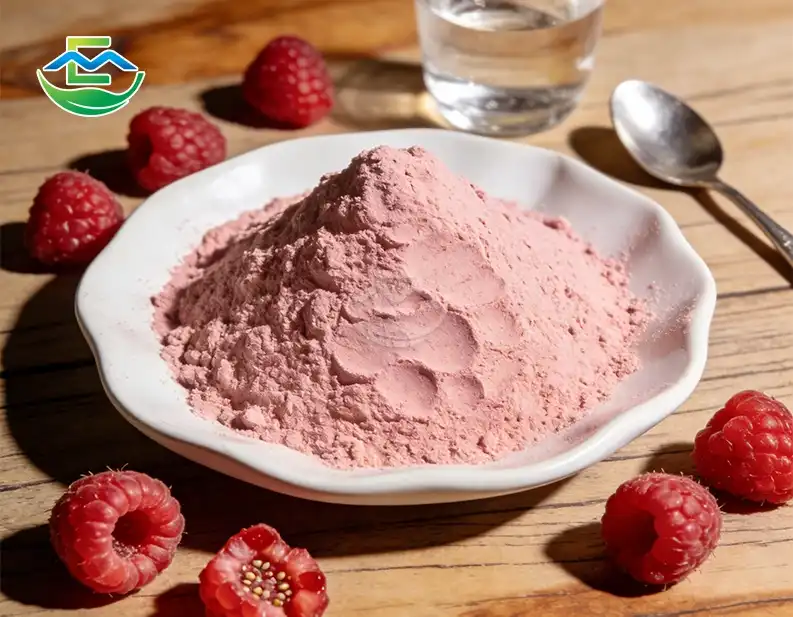
Raspberry juice powder (Rubus idaeus L.) is a versatile, concentrated ingredient that transforms everyday formulations into vibrant, functional products. Derived from fresh raspberry fruit through advanced spray-drying technology, this fine pink powder delivers authentic tart-sweet flavor, natural anthocyanin color, and a rich antioxidant profile—all without the complexity of fresh fruit handling. Whether you're developing a clean-label yogurt, a premium ice cream, or a functional beverage, incorporating raspberry juice powder into your formula is a practical, scalable solution that meets both consumer demand and manufacturer requirements.

Understanding Raspberry Juice Powder: Definition, Benefits, and Nutritional Profile
What Sets Raspberry Juice Powder Apart from Other Raspberry Ingredients
The powdered version of raspberry juice consists of more than simply the dried fruit that has been crushed. This product is created by drying out raspberry juice that has been strained, which causes the product to be produced. This procedure involves the removal of the tough fibre, as well as the concentration of the bioactives that are capable of dissolving in water. A powder that is pink in colour and has a finer consistency than powders that are obtained from whole fruits is the end result of this process to be completed. Water is also a superior medium for its mixture. Its particles normally have a mesh size that falls anywhere between sixty and eighty, which implies that they are able to swiftly spread in conditions that are either moderately warm or very cold. Due to the fact that the production process does not include the use of any solvents, the flavonoids, ellagic acid, and vitamin C that are found in nature are maintained in their natural condition.
Nutritional Value and Storage Considerations
Because of its antioxidant properties and the fact that it has a clean label from a nutritional standpoint, this vitamin is highly desired in a wide variety of dietary supplements. Some things you have to keep in mind with regard to the technical side:
- The name in Latin is Rubus idaeus L.
- Utilised Component of the Plant: a fruit
- Appearance: a pure powder of pink colour
- A moisture content of less than five percent is essential for avoiding caking.
- There is a maximum shelf life of twenty-four months when stored in dry, airtight conditions.
- NSF GMP, FSSC22000, Kosher, Halal, ISO, and Organic certifications are at your disposal.
It is simple to store items, but you must exercise caution while doing so. The powder is able to efficiently absorb water due to the presence of fruit sugars and organic acids inside it. Whenever it is exposed to the elements, it immediately absorbs any water that may be present in the air. You can keep it flowable and functional for a very long time if you keep it covered with aluminised paper and keep the temperature below 25 degrees Celsius and the relative humidity below 50 percent.

How to Effectively Use Raspberry Juice Powder in Yogurt, Ice Cream, and Drinks
Yogurt Formulation: Flavor Enhancement and Texture Integrity
You need to find a fruit flavor, like raspberry juice powder that doesn't mess up the fermentation culture or the final gel structure in order to make yogurt. An amount between 1% and 3% by weight of the whole blend works well most of the time. The powder smells strongly of berries and is a soft pink color at this stage. Since the powder is acidic (pH 2.9–3.5 in solution), it mixes well with the lactic acid in yogurt and doesn't need any big changes to the buffer, and it works well. Before you add it to the base, mix it with dry sugar or other powdered ingredients. This makes it blend well.
Ice Cream Applications: Color Stability and Sweetness Balance
Freezing colours may cause them to seem lifeless and uninteresting. The colour of anthocyanins changes to a greyish or purple hue when the pH level is normal or alkaline. If you want to manufacture ice cream that is made with dairy and has a pH that is higher than 6.0, you should be aware of this. The following are the primary methods that businesses use to manufacture items that circumvent this problem:
- In order to maintain the unique red-pink colour of the raspberry powder, it is necessary to add a tiny amount of citric acid to the mixture. This will ensure that the pH of the system remains below 4.0.
- If you want a significant flavour depth without an excessive amount of acidity, include between 1.5% and 4% by weight of the complete mix.
- Before mixing into the base of the ice cream, pre-disperse the ingredients in a small amount of water to ensure that they are distributed evenly and to avoid them being unequal colour pockets.
In order to maintain the reddish-pink colour and a pH level that is lower than 4.0, it is recommended that a small amount of citric acid be added in addition to the raspberry powder. In order to have a robust flavour depth without an excessive amount of sourness, add between 1.5% and 4% by weight of the whole mixture.
In order to ensure that the colours are distributed uniformly, it is recommended that you first combine them in a small amount of water before adding them to the foundation of the ice cream. With this, colour spots will be avoided.
Beverage Applications: Solubility and Flavor Release
Taking these processes helps to ensure that every batch of ice cream has the same flavour, which is an essential need for businesses that produce a large quantity of the product. In order to get a distinct appearance or flavour in the final product, it is also less likely that the dispersion will be abnormal prior to the process of mixing it in.

Quality and Procurement Considerations for Raspberry Juice Powder
Organic vs. Conventional: Certification Implications
People's purchasing decisions are often influenced by the placement of a label. It is more expensive to purchase organic raspberry juice powder, but it provides evidence to support promises made on clean labels, which consumers who are concerned about their health would appreciate. NSF GMP, FSSC22000, Kosher, Halal, ISO, and Organic certifications are all awarded to products that are organic and manufactured by Earth Made Nutritions Inc. As a result, it is much simpler to sell these items in the United States and other countries.
Supplier Evaluation and Bulk Purchasing Logistics
It's not enough to just compare prices to find the best raspberry juice powder supplier. Just as important is that each batch has the same color, amount of water, and size of particles. When you buy something, these are important things to think about:
- MOQ: 25 kgs per order
- Package: 25 kgs/drum
- Lead Time: In stock; available for second-day pickup
- Sample Availability: Free samples available upon request
California-based Earth Made Nutritions Inc. has been around since 2018 and is based there. The company has four main warehouses in the US and makes sure that its products are made according to FDA and GMP rules. People who buy from this infrastructure can save money on freight, cut down on wait times, and keep supplies going without having to worry about when things can be sent overseas.

Real-World Applications and Case Studies of Raspberry Juice Powder Usage
Demonstrated Results Across Product Categories
Large corporations that produce useful meals and beverages have been known to employ powders created from raspberries in an effort to increase the number of people who like their products. Natural fruit powders that include anthocyanins are able to make dairy products seem and taste much fresher than artificial colourants, according to research that was recently published in the Journal of Food Science with supporting evidence. People who are concerned about their health are more inclined to purchase beverages that include active compounds that originate from berries, according to data collected by the SPINS industry in the year 2023.
It has been discovered by those who are responsible for the development of functional drinks that switching from the colour Red 40 to a natural raspberry colour helps with clear labelling and does not compromise shelf stability as long as the pH levels are maintained. New yoghurts that are made with natural berry powders have received positive feedback from customers who have expressed satisfaction with the authenticity of the flavours. Based on these findings, it is clear that the substance may be used for purposes other than its pure nutritional value.
Conclusion
Raspberry juice powder, which comes from the plant Rubus idaeus L., can be used to make yogurt, ice cream, and other drinks. It is easy to dissolve, has a natural color, and tastes like real food. These are the real issues that companies that make goods have when they try to stop using man-made additives. It always works the same way as long as the pH is set correctly and the amount is monitored. The time it takes to make a new product goes faster when you work with a qualified U.S. provider that has a lot of stock. It is a good choice for brands that want to make natural products because it has a clean label and several certifications.
FAQs About Raspberry Juice Powder for Industrial Use
1. What is the shelf life of raspberry juice powder under standard storage?
It can last up to 24 months if it is kept below 25°C and below 50% relative humidity and packed in aluminum foil bags. When the vacuum cover is opened, use it right away or put it back in the cover.
2. How does raspberry juice powder differ from whole raspberry powder?
The fiber, seeds, and other solids stay in the powder after the whole raspberry fruit is dried and then ground. Raspberry juice powder is made from fully concentrated, dehydrated raspberry juice. This makes it easier to mix, more consistent in taste, and faster to spread when used in liquids. Formulators need to keep a close eye on the pH of dairy systems, though, because the powder is sour. High-protein dairy bases can keep proteins from becoming unstable by changing how acidic they are or giving you a choice of acid levels.
3. Can it be used in dairy protein formulations?
Anthocyanins are colors that change when the pH changes. The color changes to purple or gray if you put it somewhere neutral or alkaline (pH above 6.0). So long as the acidic pH stays below 4.0, the reddish-pink color can be kept.
4. Why might the color appear purple instead of red?
Anthocyanins are pH-sensitive pigments. In alkaline or neutral environments (pH above 6.0), the color shifts toward purple or grey. Adding citric acid to maintain an acidic pH below 4.0 preserves the desired red-pink appearance.
Request a Free Sample from Earth Made Nutritions Inc.
You can trust Earth Made Nutritions Inc. to make raspberry juice powder. They work with R&D teams, buying managers, and recipe scientists from all over the US. We can meet the needs of your production with four stores in the US, second-day pickup, and standards like NSF GMP, Kosher, Halal, and Organic. To get a free sample or a full spec sheet, email us at info@em-herb.com. Let's make your next thing together.
References
1. Szajdek, A., & Borowska, E. J. (2008). Bioactive compounds and health-promoting properties of berry fruits. Plant Foods for Human Nutrition, 63(4), 147–156.
2. Colantuono, A., Ferracane, R., Vitaglione, P., & Fogliano, V. (2016). Evaluation of ellagic acid in raspberry and related products. Food Chemistry, 194, 1298–1306.
3. Clifford, M. N., & Scalbert, A. (2000). Ellagitannins: Nature, occurrence, and dietary burden. Journal of the Science of Food and Agriculture, 80(7), 1118–1125.
4. de Souza, V. R., Pereira, P. A., & Queiroz, F. (2014). Physicochemical properties and sensory acceptability of yogurt incorporated with berry fruit powder. Journal of Food Science, 79(6), S1127–S1133.
5. Brownmiller, C., Howard, L. R., & Prior, R. L. (2008). Processing and storage effects on monomeric anthocyanins, percent polymeric color, and antioxidant capacity of processed blueberry products. Journal of Food Science, 73(5), H72–H79.
6. SPINS. (2023). U.S. Natural and Specialty Food Market Report: Functional Beverage Trends and Consumer Preferences. SPINS LLC.
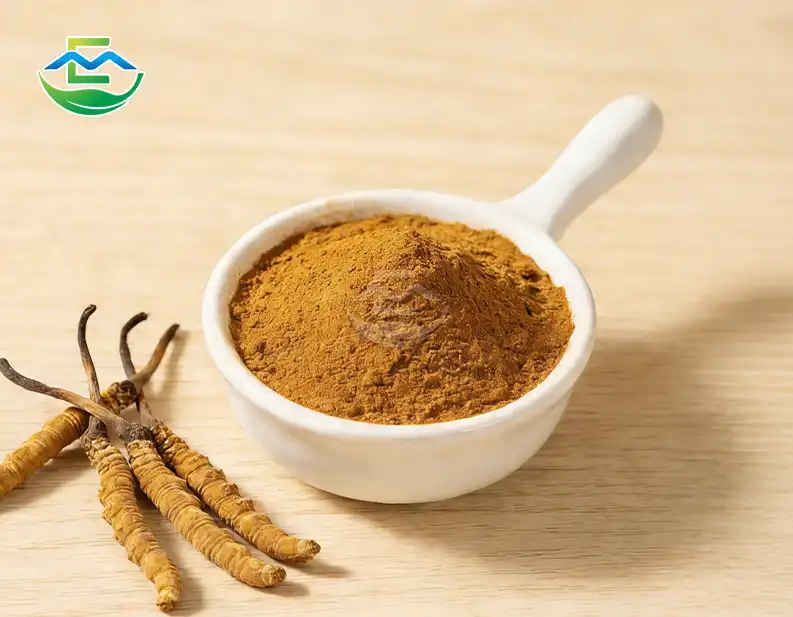
Choosing the right cordyceps sinensis extract for a new formula is one of the most consequential decisions a formulation team makes. With sourcing options ranging from wild-harvested biomass to standardized mycelium-derived powders, the quality gap between products can be significant. This guide walks through the core criteria — polysaccharide specification, extraction method, certification, and supplier reliability — to help procurement managers, R&D directors, and product developers make a confident, well-documented sourcing decision that holds up under regulatory scrutiny and consumer expectations.

What Is Cordyceps Sinensis Extract and Why Does It Matter?
There is a fungus known as Ophiocordyceps sinensis that dwells on high plateaus in China and Tibet and consumes other plants as its food source. Due to the fact that it is believed to contain functional marker molecules such as polysaccharides, adenosine, and cordycepic acid (D-mannitol), which assist the body in responding, it has been used in traditional Chinese medicine for hundreds of years.
The Case Against Wild-Harvested Material
Wild Cordyceps sinensis may fetch more than $20,000 per kilogramme when it is sold in international markets. What this indicates is that it is not suitable for use in business-to-business transactions of a significant magnitude. It has been shown that wild plants have higher-than-safe levels of arsenic and heavy metals, in addition to the fact that they are expensive. Wild plants furthermore often have varying strengths. The high-altitude soil is responsible for absorbing these toxins, which is why this is the case. In order to avoid placing everyone in danger, it is impossible for any production business that adheres to good manufacturing practices (GMP) to manage such a large diversity simultaneously.
Why Mycelium-Derived Extracts Are the Industry Standard
Currently, the process of producing B2B-grade Cordyceps sinensis extract involves the fermentation of several types of fungal mycelium in water. Paecilomyces hepiali (Cs-4) or Hirsutella sinensis, both of which are asexual variants of the wild fungus, are used the majority of the time. The use of this technology results in the production of an ingredient that is genetically stable, can be scaled up, is suitable for vegans, and can be sold in stores at a price that makes sense. Chitinous cell walls are broken down when mycelium is split using hot water and ethanol. This process is known as mycelium splitting. The body is able to more easily use the active substances as a result of this. You can't complete this crucial stage using just powders that have been crushed up.

Core Criteria for Selecting the Right Extract
Some things that say "cordyceps sinensis extract" aren't really that good. Procurement workers and recipe scientists need to think about a lot of things before they decide on a seller or ingredient standard.
Make sure of these important quality standards before you buy anything:
- Polysaccharide content: A normal range for polysaccharides is 30% to 50%. You can use UV-VIS and the anthrone-sulfuric acid method to check this. Extra maltodextrin can throw off test results, making them look like polysaccharide readings when the tests aren't very good.
- Adenosine and cordycepic acid: These are adenosine and cordycepic acid. HPLC should be used to check both of them. If you see these signs, you can tell the difference between a real bioactive extract and one that has been changed or lessened.
- Heavy metal compliance: There should be less than 10 parts per million (ppm) of heavy metals, less than 1 ppm of arsenic, less than 2 ppm of lead, and less than 0.1 ppm of mercury.
- Microbial load: There shouldn't be more than 10,000 cfu/g of microbes on the plate, and it should be clear that E. coli, Salmonella, and Staphylococcus aren't there.
- Loss on Drying (LOD): This number needs to be less than 5% so that the product doesn't stick, bacteria don't grow, and it doesn't break down while it's being shipped or kept.
They are not only goals for the company itself, but also what the U.S. Food and Drug Administration (FDA), the European Union's food safety officials, and GMP certification inspectors expect. A Certificate of Analysis (CoA) from a third party needs to be used to check them.
Cordyceps Sinensis vs. Cordyceps Militaris
People often want to know whether they should get Cordyceps sinensis extract or Cordyceps militaris extract when they are shopping for business. When Militaris is grown on surfaces with more grains, it generally has more cordycepin. This mycelium extract from Sinensis, on the other hand, is known for having a lot of carbohydrates and being used for a long time. Which one is best depends on what the product is meant to do and where it stands in the market.
Comparing Extract Forms: Powder, Liquid, and Capsule Formats
The form of the cordyceps sinensis extract has a direct effect on how well the end product works, how well it mixes with other ingredients, and how long it lasts. You should give some thought to which style will work best with your production line.
People still mostly get their ingredients in the form of powder extracts, especially regulated brownish-yellow powders made from mycelium. Because they are so flexible, they can be used to fill capsules, mix liquids, make useful food matrices, and make skin-care solutions. And they are the easiest to test, move, and store when they are packed right.
When it comes to OEM and retail-ready needs, liquid extracts and packaged forms work well, but they cost more per unit and are harder to ship. A uniform mycelium powder with 30% to 50% polysaccharides works best for most R&D and sourcing teams that are making new recipes from scratch. It gives them the best mix of purity, flexibility, and help with paperwork.
What to Confirm in a Supplier's CoA
First, the CoA should have the name of an experienced quality control researcher, the values for polysaccharides and adenosine, and the results of heavy metal and microbiological tests. Only then should any batch be accepted. High-Performance Thin-Layer Chromatography (HPTLC) should also be used to confirm the species identity. That is why a provider shouldn't move forward in the evaluation process if they can't show this amount of proof.

Procurement Best Practices and Logistics Considerations
It is not enough to only consider the quality of the components while searching for a dependable source of Cordyceps sinensis extract; other factors are also important. The continuity of the supply chain, as well as things like paperwork, lead times, and the flexibility of the minimum order quantity, are also significant. In terms of operations, these factors determine the length of time that a connection with a seller may continue to exist.
When the cordyceps plant is ready to be purchased, the seller of the plant should behave in the following manner:
- There is a minimum order quantity (MOQ) of 25 kilograms per drum. This is the minimum order quantity. Teams who are working on new products are able to test out full-scale batches without having to invest a significant amount of money. Enquire with the provider about whether or not they have the items in stock, or if they need some time to produce them.
- Verify that the product has at least the following certifications: NSF GMP, FSSC22000, ISO, Kosher, Halal, and Organic certifications. Because each of these credentials is meant to be used for a separate legislation or to enter a new market, you are unable to use them in conjunction with any other credentials.
- When it comes to sample availability, a trustworthy firm should be able to provide you with a free sample to test out before you decide to purchase more of their product.
- For purchasers in the United States, having a warehouse in the United States reduces the amount of time they have to wait and the amount of hassle they have to go through customs. The management of the company is just as vital as the specifications, particularly for companies that are required to produce their products at certain periods of the year or by a particular date.
-

Integrating the Extract Into New Formulas
After finding a good ingredient, the next hard part is adding it to the recipe. It's easy to mix standardized Cordyceps sinensis mycelium powder with skin care serums, useful drinking powders, and pill fillers. It is brownish-yellow and tastes mild and earthy. It works in most grids but should be considered in apps that care about taste.
Before making a final decision on a formula, it's best to see how stable it is across a range of temperature and humidity levels. This is very important for things that need to last between 18 and 24 months. Talk to your provider's technical team to make sure it will work with other parts and any secret blends.
Conclusion
The three most important things to look for in a cordyceps sinensis extract are confirmed bioactive content, quality compliance, and a supplier system that can handle your production size. A normal mycelium-derived extract with 30% to 50% polysaccharides, dual-solvent extraction, and a full certification package is what is expected for B2B ingredient quality right now. The recipe is much less risky, and you can get your product to market faster if you take the time to look over the CoA paperwork, compare the skills of different providers, and do some basic stability testing.
FAQ: Frequently Asked Questions
1. What polysaccharide specification is appropriate for supplement formulas?
Most nutrition products can use polysaccharides in a standard range of 30% to 50%. This is also in line with GMP rules for production. It matters how the test is done. The anthrone-sulfuric acid method for UV-VIS is a good reference for this test.
2. Is mycelium extract equivalent to fruit body extract?
These polysaccharide and adenosine profiles are always the same in mycelium-derived extracts from fermentation of Paecilomyces hepiali or Hirsutella sinensis strains. They are often more consistent than those found in fruit body extracts. Most of the time, mycelium-based production is more stable from one lot to the next.
3. What certifications should I require from a supplier?
You should ask for approval from NSF GMP, FSSC22000, ISO, Kosher, Halal, and Organic at the very least. You need to show that you follow FDA rules and have a full CoA with test results from a third party in order to get into the U.S. market.
4. What is the MOQ and sample policy?
They should offer free samples and a minimum order quantity of 25 kg/drum as a way to get to know each other and come up with recipes. Suppliers who keep goods in stock in the U.S. can usually fill orders that need to be picked up in two days.
Partner With EM for Certified Cordyceps Sinensis Extract Supply
There are four warehouses in the U.S. that hold premium cordyceps sinensis extract supplier-grade material. This material is 30% to 50% polysaccharides and is certified by NSF GMP, FSSC22000, Kosher, Halal, ISO, and Organic. It can be picked up in two days. People who meet the conditions can get samples for free. Email us at info@em-herb.com to get a taste and start talking about where to get it right away.
References
1. Holliday, J., & Cleaver, M. (2008). Medicinal Value of the Caterpillar Fungi Species of the Genus Cordyceps. Evidence-Based Complementary and Alternative Medicine.
2. Zhu, J. S., Halpern, G. M., & Jones, K. (1998). The Scientific Rediscovery of a Precious Ancient Chinese Herbal Regimen: Cordyceps sinensis. Journal of Alternative and Complementary Medicine.
3. Das, G., et al. (2010). An Insight into the Pharmacological Activities of Ophiocordyceps sinensis. Phytochemistry Reviews.
4. United States Pharmacopeia (USP). (2023). General Chapter on Heavy Metals Testing and Botanical Ingredient Standards. USP-NF.
5. Chen, S., et al. (2013). Polysaccharides from Cordyceps sinensis Mycelium: Extraction, Purification and Bioactivity. Carbohydrate Polymers.
6. American Herbal Products Association (AHPA). (2020). Guidance for Good Agricultural and Collection Practices for Botanical Ingredients. AHPA Industry Standards.
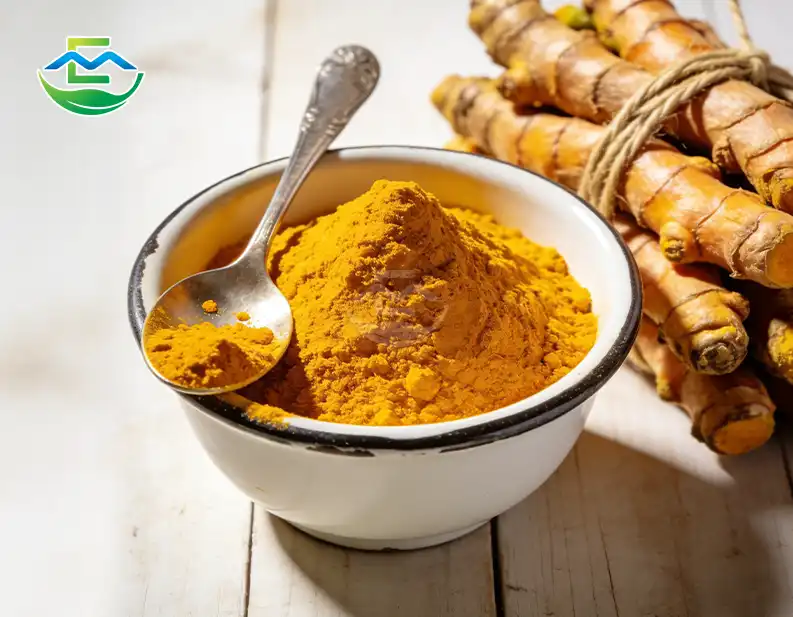
Choosing the right turmeric root extract for your supplement line is not as straightforward as it might seem. With dozens of suppliers, varying extract ratios, and inconsistent quality benchmarks flooding the market, procurement teams can easily end up with an ingredient that underdelivers. This guide walks you through what actually matters — from decoding extract specifications to evaluating supplier credentials — so your final product reflects the potency and purity your brand promises.

What Is Turmeric Root Extract and Why Does It Matter?
Because of the high curcuminoid concentration that it contains, an extract of turmeric root is prepared from the rhizomes of Curcuma longa L. This extract is highly respected due to the fact that it includes turmeric root. The anti-inflammatory and antioxidant effects of turmeric are attributed to these bioactive molecules, which are responsible for imparting these qualities. When compared to raw turmeric powder, which normally only contains three to five percent curcuminoids, an extract that has been thoroughly processed has a much higher active density than natural turmeric powder. It is a more appropriate alternative for the formulation of regular supplements for this reason.
The whole-root extract and the curcumin that has been extracted are two separate substances, and it is essential to keep this distinction in mind. In addition to the core curcumin molecule, whole-root extracts include a broader range of bioactives. These bioactives include demethoxycurcumin and bisdemethoxycurcumin, among a few more. Formulators who are searching for synergistic benefits rather than a single specific ingredient will find this phytochemical composition to be more thorough, which will appeal to them.
The Science Behind Curcuminoids
Altering the NF-κB pathway is the primary mechanism by which curcuminoids exert their effects. Through this mechanism, cells are able to modulate how they react to oxidative stress. It was shown in a review that was published in the year 2021 in the journal Nutrients that supplements that include curcumin are beneficial in maintaining a healthy balance of inflammation. This is of utmost significance for the health of the joints and the skin, particularly. Due to the fact that it has properties that have been shown to be effective, Curcuma longa extract is highly sought after as an ingredient in both functional goods and nutraceuticals.

Core Criteria for Selecting a High-Quality Extract
And not every turmeric root extract is the same. Procurement teams and formulation scientists need to look at more than just price when weighing their options. They need to pay attention to the factors that directly affect how well the finished product works.
These are the most important selection criteria that every buyer should look at:
- Standardization ratio and extract specification: A 10:1 ratio means 10 kg of raw root yields 1 kg of extract, concentrating the natural bioactives proportionally. A 20:1 ratio delivers even greater concentration. Neither guarantees a specific curcuminoid percentage unless explicitly stated, so always request a Certificate of Analysis (CoA) confirming active content per batch.
- Certification credentials: Look for NSF GMP, FSSC22000, ISO, Kosher, Halal, and Organic certifications. These aren't just labels — they reflect audited manufacturing practices, food-safety compliance, and traceability across the supply chain.
- Extract form and processing method: Yellow powder form (the standard appearance for quality Curcuma longa extract) indicates proper drying and processing. Solvent-free or approved organic solvent extraction is critical for clean-label positioning.
- Bioavailability enhancement options: Curcuminoids are lipophilic by nature, meaning they absorb poorly in water-based systems. Premium suppliers offer water-dispersible grades or recommend co-formulation with piperine to significantly enhance uptake in the body.
These factors together tell you if the ingredient you find will work the same way in all production batches. When the image of your brand rests on each capsule or dish giving the same result, you can't be inconsistent.

Turmeric Root Extract vs. Alternative Botanicals
When deciding how to position a supplement, purchasing managers often compare curcuma longa extract to other options such as ginger root extract or supplements that only contain curcumin. No matter what, they are all useful in their own ways.
Isolated curcumin that is 95% pure has a high level of strength that is perfect for clinical goods. Whole-root extracts at 10:1 or 20:1 ratios, on the other hand, have a wider range of phytochemicals that fit better with the growing popularity of clean-label and whole-food supplements in the U.S. market.
Turmeric and Ginger: A Synergistic Pairing
Turmeric and ginger (Zingiber officinale) are both in the Zingiberaceae family, and they are often mixed together in recipes. Curcuminoids and ginger's gingerols work well together, and many sports nutrition and general health brands combine the two to make their products stand out more. If the people you want to reach are interested in holistic plant health, this mix might be worth looking into.
Delivery Format Decisions
For companies that make a lot of products, bulk powder is still the most cost-effective format. On the other hand, brands that want to make a lot of products quickly should use pre-measured capsule ingredients. Liquid extract forms are flexible for use in drinks, but they need to be microencapsulated to keep them from settling and breaking down in UV light. It's cheaper to avoid expensive changes later on if you match the delivery format to your production equipment early on in the buying process.
Supplier Evaluation: What Reliable Procurement Looks Like
To build a reliable supply chain, you need to know what to look for in a supplier besides the product. Third-party testing is a must. Any reputable supplier of turmeric root extract should offer independent lab confirmation for heavy metals, pesticide residues, microbial limits, and curcuminoid content.
Costs and lead times are also affected by how close things are to each other. When U.S. manufacturers buy from a supplier with inventory stored in a domestic warehouse, they avoid delays at customs and save money on carrying costs. Traceability of the whole production process, from the origin of the raw root to the finished powder, gives another level of quality assurance.
Key Supplier Evaluation Metrics
Before agreeing to a long-term partnership with a dealer, use the following criteria to narrow down your list of options:
- Third-party CoA availability per batch
- Certifications: NSF GMP, FSSC22000, ISO, Organic, Kosher, Halal
- Minimum order flexibility and sample availability
- Domestic U.S. warehouse capacity for rapid fulfillment
- R&D support for custom formulations and specification adjustments
These measures tell the difference between transactional sellers and real ingredient partners. Your development cycle will be faster and better if your supplier can help with your research and development (R&D) process as well as ship product.

Decision-Making Framework for Procurement Teams
Make certain that the location from which you plan to get the product is compatible with the purpose for which it will be used before you submit a purchasing order. For a general wellness powder mix for typical individuals, the requirements for curcumin concentration are different from those for a joint health supplement for grown-ups who are always on the go.
You should evaluate your requirements in light of the following helpful criteria: the required extract ratio (10:1 vs 20:1), the certification requirements of the sales channel you want to use, the order volume in comparison to the minimum order quantity (MOQ), the delivery time constraints, and the timeliness of the supplier for the whole term. Following the establishment of these standards, the process of assessing the various supplier options becomes much more organised and can be justified to the internal stakeholders.
After the supplier has been brought on board, quality is continuously monitored by conducting tests on newly acquired raw materials and doing routine reviews of the documentation provided by the provider. This guarantees that the integrity of the procurement on which your brand relies will continue to be robust.
Conclusion
If you want to find a good turmeric root extract Curcuma longa extract, you need to know what you need, check the certifications, and work with a seller whose production skills match your needs. A good buying decision is based on four things: standardization, bioavailability strategy, format choice, and the dependability of the supply chain. When all four of these are in place, your finished supplement product will have the reliability and stability that will help your brand stand out in a crowded market.
FAQ
1. What is the difference between a 10:1 and 20:1 turmeric extract?
If there are 10 parts of raw turmeric root in 1 part of the extract, it is called a 10:1 extract. That concentration is doubled with a 20:1 ratio. You should always ask for a CoA to make sure of the active content—neither ratio guarantees a certain curcuminoid percentage.
2. Is turmeric root extract water-soluble?
Curcuminoids naturally stick to fats and don't mix well with water. For use in drinks or water, water-dispersible grades or nano-emulsion formats are suggested to make sure stability and even distribution.
3. How do I verify extract authenticity?
Request HPLC tests by a third party to check the amount of curcuminoids, and C14 isotopes to make sure the product comes from plants and not manmade materials. If you ask, reputable providers will give you full batch paperwork.
4. What certifications should I prioritize for U.S. market entry?
A lot of people know about NSF GMP and FSSC22000. Getting certified as organic, kosher, or halal lets you reach a wider audience, especially in specialty stores and online.
Partner with EM for Certified Turmeric Root Extract Supply
Earth Made Nutritions Inc. (EM) sells high-quality Curcuma longa L. root extract in 10:1 and 20:1 ratios. It comes in large 25 kg drums, and you can pick it up the next day from any of our four U.S. warehouses after getting a free taste. EM has NSF GMP, FSSC22000, ISO, Kosher, Halal, and Organic certifications, which prove that they are a real supplier of turmeric root extract. To get a taste and talk about special formulation help, email our team at info@em-herb.com.
References
1. Hewlings, S. J., & Kalman, D. S. (2017). Curcumin: A Review of Its Effects on Human Health. Foods.
2. Prasad, S., & Aggarwal, B. B. (2011). Turmeric, the Golden Spice: From Traditional Medicine to Modern Medicine. Herbal Medicine: Biomolecular and Clinical Aspects, 2nd Edition.
3. Anand, P., et al. (2007). Bioavailability of Curcumin: Problems and Promises. Molecular Pharmaceutics.
4. Gupta, S. C., Patchva, S., & Aggarwal, B. B. (2013). Therapeutic Roles of Curcumin: Lessons Learned from Clinical Trials. AAPS Journal.
5. Nelson, K. M., et al. (2017). The Essential Medicinal Chemistry of Curcumin. Journal of Medicinal Chemistry.
6. Shoba, G., et al. (1998). Influence of Piperine on the Pharmacokinetics of Curcumin in Animals and Human Volunteers. Planta Medica.
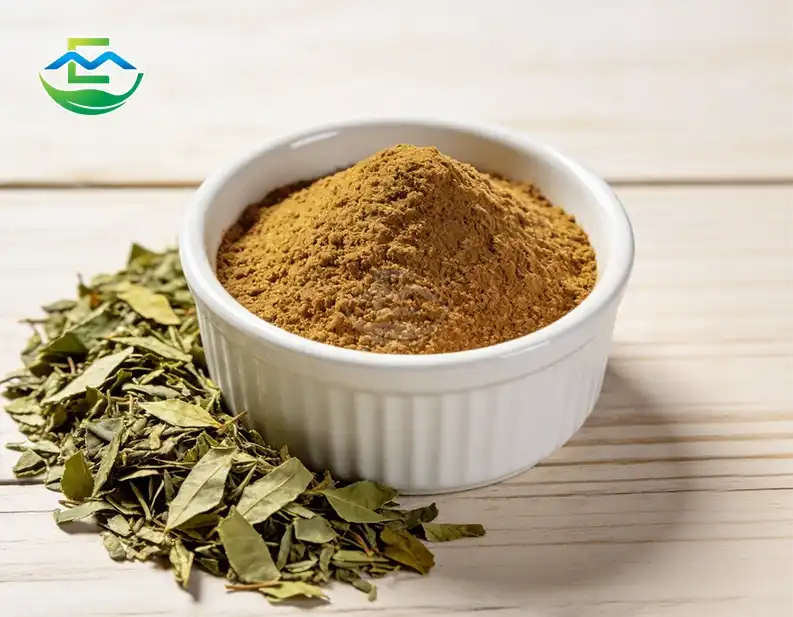
Choosing the right yerba mate extract powder supplier is one of the most consequential decisions a procurement team can make. Sourced from the leaves of Ilex paraguariensis, this botanical ingredient powers formulations across nutraceuticals, functional beverages, skincare, and sports nutrition. With demand climbing steadily across North America, the market is crowded with options that vary widely in purity, certification, and supply reliability. This guide walks you through every critical checkpoint—from evaluating certificates to negotiating terms—so your sourcing decision is grounded in evidence, not guesswork.

Understanding the Yerba Mate Extract Market and Procurement Challenges
The worldwide market for botanical extracts was estimated to be valued at more than 4.6 billion US dollars in the year 2023. There was a growing interest among formulators and brand developers in South American plant ingredients such as the leaf extract of Ilex paraguariensis. This expansion is being driven by a variety of different sectors, including functional energy, cognitive performance, and personal care products that are high in antioxidant agents.
However, purchasing items that fall into this category is a very challenging task. The time at which raw materials are harvested, the age of the leaves, and the method by which they are dried all have an impact on the quality of the raw materials. The classic method of smoke-drying involves the addition of polycyclic aromatic hydrocarbons, sometimes known as PAHs. These are regulated by EU Regulation 2015/1933, which stipulates that the amounts of benzo(a)pyrene must be lower than 10 µg/kg. When purchasers are seeking a large quantity of anything, they are faced with the challenge of dealing with inconsistent proof papers, varying degrees of standardisation, and the difficulty of distinguishing between genuine extract concentrations and diluted blends. The protection of your supply chain and the improvement of the accuracy with which your purchasing team evaluates each seller on your shortlist will result from your having this information about the market in advance.
Core Criteria to Evaluate When Selecting a Botanical Extract Supplier
Certifications That Actually Matter
Not every ticket is worth the same amount of money. When choosing an Ilex paraguariensis extract seller, look at proof that it has been checked by a third party more than claims that the supplier has made on their own. Certifications like NSF GMP, FSSC22000, ISO, Kosher, Halal, and Organic are the most trustworthy. When put together, these prove that the company uses approved production methods, keeps records, and follows food safety management standards known in the U.S. and around the world.
Purity Documentation and Standardization
A standard sheet for yerba mate extract powder is not enough on its own. For a good concentrated extract, you should insist on HPLC-verified assay reports that prove the active marker level. Caffeine, chlorogenic acid, and total polyphenols are the main things that you should look for. Every batch Certificate of Analysis should come with ICP-MS results for heavy metals (lead, arsenic, cadmium, and mercury) and bacterial panel results (Salmonella absent, E. coli absent).
Production Capacity and Delivery Infrastructure
Capacity is important. A seller that handles big orders from many different industries needs to show that their output is consistent without affecting the uniformity of batches. Logistics skills are also very important. When compared to suppliers who only ship from overseas, those with local port infrastructure in the U.S. have much shorter lead times.
These three things—depth of certification, openness of assays, and ability to handle logistics—must be met for any relationship to be trusted. When these standards are enforced from the start, it's much less likely that there will be problems with supply or quality later on.

Organic vs. Non-Organic: What B2B Buyers Need to Weigh
Cost, Compliance, and Consumer Demand
Products made from Ilex paraguariensis leaves that have been certified as organic are more expensive; nevertheless, this additional expense often indicates that there is a lower concentration of pesticides and a more comprehensive audit trail. Organic certification is becoming more of a must than an option for businesses that want to participate in the clean-label supplement or natural beauty care industries. This is because organic certification is becoming more of a necessity.
It is not always the case that extracts that are not organic are inferior. Reputable manufacturers use the same PAH testing, heavy metal screening, and microbiological controls regardless of whether or not the product is approved for organic production. The things that should be considered in making a decision are the regulatory environment in your end market as well as the positioning of your brand among other consumers.
Geographic Origin and Traceability
South America, especially Paraguay, Argentina, and Brazil, provides the vast majority of Ilex paraguariensis that is taken for business purposes. For better traceability documents and more reliable raw material supply, suppliers with direct sourcing ties in these areas are the best choice. Check to see if the vendors you've chosen can give you country-of-origin certificates and records of how the raw materials were harvested.
OEM and Private Label Flexibility
If a provider of yerba mate extract powder is ready to support private labeling and OEM manufacturing, it makes a big difference for wholesalers and brand owners who are looking into custom formulations. This feature lets you create unique specifications, like a special extract ratio or a custom particle size profile, without having to build your own manufacturing facilities.

Best Practices for Due Diligence Before Committing to a Supplier
During the due diligence stage, most choices about purchases either become firm or fall apart. Here are the things you should do to best protect your interests:
- Request a verified sample before committing to any MOQ. A reputable supplier will offer free samples with full COA documentation. Earth Made Nutritions Inc., for example, provides complimentary samples of its 5:1 Ilex paraguariensis leaf extract (brownish yellow powder, packaged in 25kg drums) with a 2nd-day pick-up option from U.S. stock.
- Conduct a virtual or on-site audit of manufacturing capabilities. Review extraction equipment, drying technology, and QC lab infrastructure. Spray-drying and freeze-drying systems directly influence the extract's solubility and stability profile in your finished formulation.
- Embed enforceable quality clauses into your purchase agreement. These should include batch-rejection protocols, re-testing rights, and defined remedies for specification non-conformance. Clear contractual language prevents ambiguity during dispute resolution.
- Verify warehouse and logistics capacity in your target market. Suppliers operating multiple U.S.-based distribution points offer a measurable supply chain advantage over those without domestic inventory.
Doing these things in a planned way before making large orders gives your purchasing team a lot more trust and protects the integrity of your brand's ingredients.

Building Long-Term Supplier Partnerships That Support Innovation
This type of buying works for a short time. Strategic partnerships add value over time. When suppliers put money into research and development, answer batch questions clearly, and share regulatory changes on their own, they become more like members of your product development team and less like sellers.
Both parties are held responsible when procurement platforms and CRM tools are used to keep track of order history, batch traceability, and communication logs. If feedback from the market points to a chance to change the formula, like going from a normal 5:1 ratio to a higher-potency chlorogenic acid assay, a reliable provider can work with you to see if it's possible instead of just quoting a catalog item.
Alignment with sustainability is also becoming more important here. Suppliers who share a brand's commitment to the environment can help it by responsibly finding materials, making sure there is little waste during production, and providing clear supply chain reports. This shared focus protects both sides' reputations and makes the business relationship stronger over time.
Conclusion
To find a reliable supplier of yerba mate extract powder Ilex paraguariensis extract, you need to carefully look at their certifications, test results, shipping options, and potential for a long-term partnership. Long-term contracts are given to suppliers who are both technically sound and open about how they run their businesses. The integrity of your finished product depends on the quality of the raw materials you use. This is true whether you are making an energy supplement, a botanical skincare active, or a functional beverage ingredient. It's important to take the time to confirm, audit, and match your brand.
FAQ: Frequently Asked Questions About Yerba Mate Extract Powder Procurement
1. How do I verify the caffeine and polyphenol content in a supplier's extract?
Ask for COA paperwork that has been checked by HPLC for each run. When it comes to complex botanical matrices, UV-based methods are less reliable and can give false positives. HPLC is a precise way to measure caffeine, chlorogenic acid, and total flavonoid markers.
2. What is the typical lead time for bulk orders?
Suppliers with stock in the U.S. can fill orders much more quickly than those who ship from other countries. Earth Made Nutritions Inc. keeps stock in four warehouses in the United States. Orders that meet certain criteria can be picked up the next business day. The minimum order quantity is 25 kg per drum.
3. Is organic-certified extract meaningfully different from conventional?
Organic certification mostly makes sure that synthetic chemicals are not used and that approved farming standards are met. This paperwork makes the product more valuable in the market for clean-label or natural channels, and your retailer or distributor may ask for it.
4. What certifications should I require at minimum?
Prioritize NSF GMP, FSSC22000, and ISO at the very least. Depending on the type of goods and market you're trying to reach, Kosher, Halal, and Organic approvals can be useful.
Partner With EM for Certified Yerba Mate Extract Powder
Earth Made Nutritions Inc. (EM), a company based in California that sells botanical ingredients, has approved Ilex paraguariensis leaf extract that is brownish-yellow, has a 5:1 concentration, and comes in 25 kg drums. They offer free trials and fast U.S. warehouse delivery. We have certifications from NSF GMP, FSSC22000, Kosher, Halal, ISO, and Organic. As a reliable manufacturer and supplier of yerba mate extract powder, we can meet your specific needs and buy in bulk. Email our team at info@em-herb.com to get your free sample right away.
References
1. European Commission. Commission Regulation (EU) 2015/1933 on Polycyclic Aromatic Hydrocarbons in Food. Official Journal of the European Union, 2015.
2. Grand View Research. Botanical Extracts Market Size, Share & Trends Analysis Report. Grand View Research, 2023.
3. Filip, R., et al. "Phenolic Compounds in Seven South American Ilex Species." Fitoterapia, Elsevier, 2001.
4. United States Pharmacopeia. USP General Chapter <561>: Articles of Botanical Origin. USP, 2022.
5. Heck, C. I., & De Mejia, E. G. "Yerba Mate Tea (Ilex paraguariensis): A Comprehensive Review on Chemistry, Health Implications, and Technological Considerations." Journal of Food Science, Wiley, 2007.
6. Food and Drug Administration (FDA). Current Good Manufacturing Practice (CGMP) Regulations for Dietary Supplements. U.S. FDA, 2021.
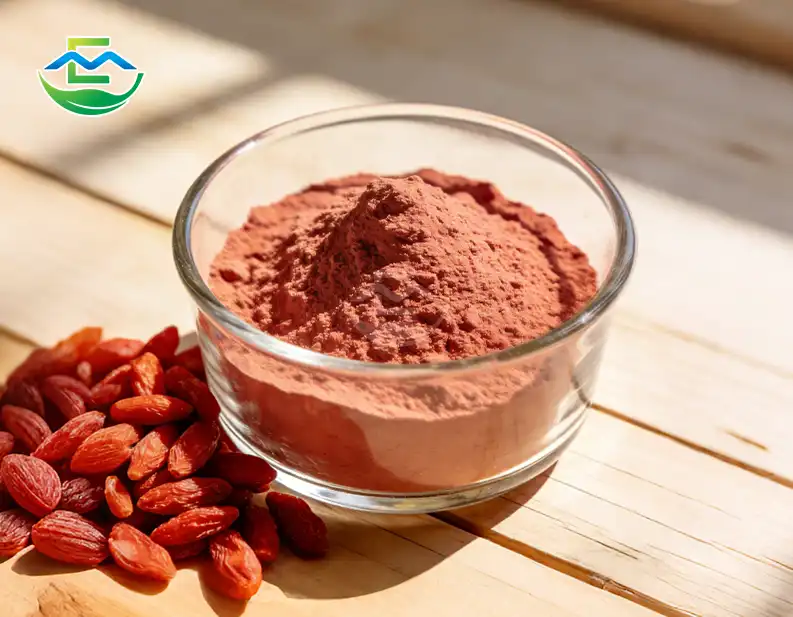
Goji juice powder (Lycium barbarum) is a spray-dried, water-soluble ingredient that brings concentrated wolfberry bioactives directly into beverage formulations. Derived purely from the berry with no solvent used, it delivers a clean brownish-red powder that disperses fully in liquid systems. For R&D directors and formulation managers building functional drink lines, this ingredient offers a rare combination of authentic fruit identity, high polysaccharide content, and label-friendly sourcing — making it a genuinely compelling choice in today's crowded functional beverage market.

Understanding Goji Juice Powder and Its Functional Benefits
What Makes This Ingredient Distinct
The production of this component is distinct from that of whole-fruit powders since it is produced by juicing fresh Lycium barbarum berries, sifting the pulp, concentrating the liquid, and then spray-drying it into a fine powder that is reddish-brown in colour and flows readily. Due to the fact that this technique does not involve the use of any liquid, the bioactive characteristics of the berry are preserved without being exposed to any damage. By doing so, a chemical is produced that is capable of dissolving in water at more than 98%, which is essential for drinking systems that are clear or mainly clear.
When it comes to the primary bioactives that functional drink manufacturers consider, there is a great deal of information available. Spectrophotometry using ultraviolet-visible light indicates that the quantity of Lycium barbarum polysaccharides (LBP) found in professional-grade material is typically between twenty percent and fifty percent. It is primarily due to the presence of these polysaccharides that the component is recognised for its ability to support the immune system. In addition to LBP, the berry contains zeaxanthin, betaine, carotenoids, and B vitamins. Each of these components is good for various product positioning, such as making the skin more radiant, assisting with eye health, or providing you with energy that lasts for a long time.
Consumers who are concerned about their safety should make certain that the sulphite levels have been checked by an independent third party. There are instances in which sulphur fumigants are used in the traditional cultivation of goji. The quantities of sulphur dioxide (SO2) in high-quality powder that comes from sources that can be traced should be lower than 10 parts per million.
Key Factors When Using Goji Juice Powder in Functional Drinks
Dosage, Flavor, and Formulation Compatibility
To get the right amount of calories, taste, and effectiveness, claims must all be taken into account. Most of the time, adding between 1% and 5% by weight of fruit gives RTD functional drinks a recognizable fruit flavor without being too sweet. Since it has natural sugar in it, it also has a slight flavor-changing effect that can help hide earthy notes in green mixes or protein-heavy recipes.
The following beverage groups can easily incorporate goji juice powder:
- Immune-boosting RTD drinks: The high LBP content supports immunity-focused marketing claims. Combine with complementary actives like elderberry or vitamin C at pH 3.5–4.5 for shelf-stable, clear formats.
- Superfood smoothie mixes: Full solubility eliminates the gritty texture common with whole-berry powders, resulting in a smooth mouthfeel consumers expect in premium blends.
- Detox and cleanse beverages: The zeaxanthin and carotenoid profile supports antioxidant-forward positioning. Works well alongside botanical companions such as turmeric or green tea extract.
- Sports recovery drinks: As a natural carbohydrate source with adaptogenic character, it fits pre-workout and recovery applications that require clean-label, non-synthetic energy contributors.
These types of applications cover a lot of different launch options. Each one benefits from the ingredient's real fruit solids, which set it apart from extracts that don't have their own unique taste.
Storage and Handling for Bulk Supply Chains
The powder can hold a lot of water because goji juice naturally has a lot of lowering sugars. For bulk handling, storage must be kept at temperatures below 25°C, with a relative humidity below 60% and a lid that keeps air out. It is strongly suggested that desiccant packs be put inside open drums. For beverage lines that fill with hot water or are pasteurized, the element can handle heat through normal handling. Adding vitamins at temperatures below 80°C, on the other hand, protects heat-sensitive vitamins, especially Vitamin C, from breaking down over time.

Comparing Goji Juice Powder Options for Procurement Decisions
Juice Powder vs. Berry Powder — and the Organic Advantage
Both formats are common for B2B procurement teams to see. Goji berry powder is made by grinding up whole dried berries. It has fiber that doesn't dissolve in water: skins and seeds. It has a slightly grassy, less polished taste and tends to settle at the bottom of liquids. Goji juice powder, on the other hand, gets rid of all the insoluble parts, leaving behind a fully dispersible ingredient that works with clear beverage systems and has a better flavor.
Concerning the organic certification question, certified organic varieties come with sourcing information that meets USDA standards, which gets rid of the worries about pesticide residues that come with conventional crops. Organic approval improves the product story and makes the higher price tier make sense for brands that want to position themselves as "clean labels" or "premium retailers."
When looking at providers, look for stacks of certifications that cover more than one standard. The product from Earth Made Nutritions Inc. has NSF GMP, FSSC22000, Kosher, Halal, ISO, and Organic certifications. This meets the needs of regulators in the U.S., Europe, and the Middle East all at the same time.

Step-by-Step Guide: How to Develop Functional Drink Products with Goji Juice Powder
It takes more than picking an ingredient to bring a new useful drink to market. Here is a useful sequence structure that teams can use:
Make your product's goal very clear. Are you trying to boost your energy, your immune system, your eyes, or your antioxidants? The rate of inclusion, the items that go well with it, and the marketing copy your labeling team needs to support will depend on each goal.
Test your method on a bench scale. Mix the powder with your base liquid at the rate you want it to dissolve, then change the pH and check the color stability after 72 hours. This ingredient easily fits into formulas that are berry- or pomegranate-based because it is brownish-red. No added colorants are needed.
Work out the paperwork with your provider. Get a COA (certificate of analysis), results on heavy metal tests, and organic certification papers before you start scaling. A trustworthy goji juice powder provider makes sure that each batch is the same and gives you this information as normal, not just when you ask for it.
Set quality gates for scaling up production and start testing for moisture content (aim for less than 5%), pH of 10% solution (4.5–5.5), and standardization of polysaccharides. These factors protect you from batch differences that could make your label promises less true.

Case Studies: Successful Functional Drink Products Featuring Goji Juice Powder
A functional smoothie brand from California changed the ingredients in its immunity line to include organic wolfberry juice powder as the main plant-based ingredient. When they switched from whole-berry powder to clear bottles, customers stopped complaining about the texture, and the brand got a big boost in shelf appeal. Within two product rounds, the reformulated SKU had a higher rate of return purchases than the one that came before it.
The star product of an American detox drink company is made from goji juice powder, dandelion root extract, and lemon balm. Standardizing the polysaccharides in the goji part helped the brand make a specific nutritional claim on the Supplement Facts panel, which was well received by retail buyers during buyer presentations.
Formulators have added this ingredient to more than just drinks. They have also put it in useful candies and nutricosmetic powders. When it comes to pectin-based candies, the fine mesh size and full solubility stop the grainy texture that comes with larger fruit powders. This is a technical win that directly affects how happy customers are.
Conclusion
Incorporating goji juice powder into functional drink products requires attention to solubility, polysaccharide standardization, processing temperatures, and supplier documentation. When sourced from a certified, traceable supplier, this ingredient delivers formulation flexibility, authentic fruit identity, and clean-label credentials that resonate with today's informed consumer. Whether developing RTD immunity drinks, superfood blends, or sports recovery beverages, this concentrated wolfberry ingredient merits serious consideration in your next development cycle.
Frequently Asked Questions
1. What is the difference between goji juice powder and goji berry powder?
Goji berry powder is ground from whole dried berries and retains insoluble fiber, resulting in sediment in liquid applications. Goji juice powder is spray-dried from filtered, concentrated juice — making it fully water-soluble and texture-neutral in beverages.
2. What is the recommended dosage in a functional drink?
Typical inclusion rates range from 1% to 5% by weight, depending on the desired flavor intensity and polysaccharide contribution. Bench-scale testing at your target pH is the most reliable way to determine the optimal rate for your specific formula.
3. Is this ingredient compatible with hot-fill beverage lines?
Yes. It is heat-stable through standard pasteurization. Adding it at temperatures below 80°C protects heat-sensitive vitamins and preserves maximum nutritional value.
4. How should bulk drums be stored?
Store sealed drums below 25°C at relative humidity below 60%. Once opened, use desiccant packs and reseal promptly to prevent moisture absorption and caking.
Partner with Earth Made Nutritions Inc. for Certified Goji Juice Powder Supply
Goji berry powder is made by grinding up whole, dried berries. It still has some insoluble fiber in it, which makes it settle to the bottom of liquids. Goji juice powder is made by spray-drying filtered, concentrated juice. It mixes completely with water and doesn't change the taste of drinks. Connect with our team today at info@em-herb.com.
References
1. Amagase, H., & Farnsworth, N. R. (2011). A review of botanical characteristics, phytochemistry, clinical relevance in efficacy and safety of Lycium barbarum fruit. Food Research International.
2. Chang, R. C., & So, K. F. (2008). Use of anti-aging herbal medicine Lycium barbarum against aging-associated diseases. Cellular and Molecular Neurobiology.
3. Li, X. M., et al. (2015). Structural characterization and biological activity of Lycium barbarum polysaccharides. Carbohydrate Polymers.
4. Gross, P. M., Zhang, X., & Zhang, R. (2006). Wolfberry: Nature's Bounty of Nutrition and Health. Booksurge Publishing.
5. Potterat, O. (2010). Goji (Lycium barbarum and L. chinense): Phytochemistry, pharmacology, and safety from the perspective of traditional uses and recent popularity. Planta Medica.
6. Cheng, J., et al. (2015). Zeaxanthin dipalmitate from Lycium barbarum attenuates injury caused by activated retinal microglia. Molecular Vision.
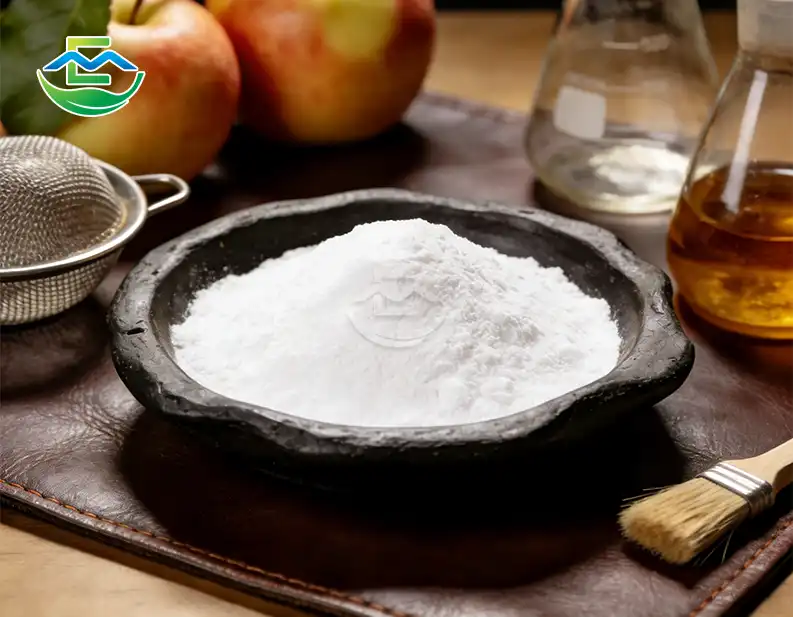
Apple cider vinegar fruit powder (Pyrus malus) is a spray-dried, concentrated ingredient derived from fermented apple juice, converting liquid ACV's bioactive profile into a stable, brownish-yellow powder. For nutraceutical companies, functional food producers, and cosmetic formulators, this ingredient solves three persistent challenges: logistical complexity, formulation instability, and inconsistent potency. Available in 5% and 10% total acids specifications, it delivers measurable acetic acid content in every batch, making it a reliable building block for supplement, food, and personal care applications at industrial scale.

Understanding Apple Cider Vinegar Fruit Powder: Composition, Benefits, and Applications
What Makes ACV Powder Different from Liquid Vinegar
Water makes up to 95% of apple cider vinegar in liquid form. Because of its acidity, it may cause damage to packaging, and its volatile scent makes it difficult to handle on the factory floor. It is costly to transport products in large quantities. Apple cider vinegar fruit powder is the solution to all three issues. Through the use of controlled spray drying, the water is extracted from the fermented apple soup that is created from Pyrus malus fruit. Consequently, the organic acid complex, which consists of acetic acid, malic acid, and a trace amount of citric acid, is concentrated onto a carrier matrix at this point. A powder that is brownish-yellow in colour and has a bulk density of 0.40–0.60 grams per millilitre is produced as a result of this process. The powder has a pH of 3.0–4.0 (10% solution), less than 5% moisture, and so on.
Functional Benefits Relevant to Industrial Formulation
This ingredient is popular among formulators because it contains organic acids, which are beneficial to the health of the digestive tract and metabolism in functional meals and other vitamins. The polyphenols that are preserved throughout the drying process—which takes place at low temperatures—are the source of its antioxidant properties. Because of this, it may come in handy when it comes to skin care and anti-aging promises in personal care products. The use of standardised acidity, which may be either 5% or 10% total acids, enables correct dosing, which in turn enables product manufacturers to determine the amount of active ingredient contained in each quantity without having to depend on liquid batches that are subject to change.
Application Spectrum Across B2B Industries
If you take ACV powder instead of liquid vinegar, you can use it for many industrial purposes that liquid vinegar can't. Here are the main types of uses for this ingredient that make the formulation more valuable:
- Functional gummy supplements: Liquid acid destabilizes pectin and gelatin gelling systems. Powder form allows 500–1,000 mg per serving to be incorporated without compromising texture, enabling berry- or apple-flavored keto and weight management gummies.
- Hard-shell capsules and tablets: Higher-assay powder (10% total acids) blends with flow agents like silicon dioxide to maintain consistent fill weights, disintegration times, and capsule integrity across large production runs.
- Instant drink mixes and dry beverage powders: Detox teas, electrolyte blends, and functional shot powders benefit from ACV's tangy flavor profile and rapid cold-water dispersibility without sedimentation.
- Savory seasonings and snack coatings: In dry rub or chip seasoning applications, the powder contributes natural tanginess without introducing moisture that shortens shelf life.
Because of these benefits, apple cider vinegar fruit powder is a useful ingredient for research and development teams that are working on many types of products at the same time.

Comparison and Quality Assessment: Choosing the Right ACV Powder for B2B Needs
Powder vs. Liquid vs. Capsule: A Formulator's Perspective
Liquid apple cider vinegar needs special containers to store it, doesn't mix well with other ingredients because it is acidic, and causes problems with water activity. It's important to note that capsule formats are finished goods, not raw materials. On the other hand, ACV fruit powder is a real industrial raw material because it can be stored on shelves for a long time, is perfectly uniform, and can be used with dry-blend production lines. For purchasing teams looking at different types of ingredients, the powder's long shelf life and need for dry handling make it easier to store and lower the insurance costs that come with storing acidic liquids.
Quality Criteria That Matter in B2B Procurement
When choosing a supplier, you need to look closely at a number of quality factors. Assay proof using HPLC shows that the stated total acids percentage—5% or 10%—truly shows the amount of acetic and malic acid present and not artificial acetic acid mixed in with the maltodextrin. Market access is directly affected by certification status. For example, NSF GMP, Kosher, Halal, ISO, FSSC22000, and Organic standards all open up different ways to sell or distribute a product. Prop 65 requires that heavy metals, especially Lead below 3.0 ppm and Arsenic below 1.0 ppm, be in the right amounts. End-product safety is protected by microbiological standards, such as a Total Plate Count below 3,000 CFU/g and the absence of Salmonella and E. coli.

Procurement Essentials: How to Source ACV Powder Efficiently
Navigating the Supplier Landscape
B2B buyers can get ACV powder from suppliers in the US, ingredient makers in other countries, or online markets for ingredients. Direct connections with suppliers usually give you better access to documentation, the ability to make custom specs, and the choice of OEM or private label manufacturing. While marketplace platforms make it easier to search, they often involve middlemen who aren't authorized to give batch-specific COAs or answer technical formulation questions.
Key Logistics and MOQ Considerations
Earth Made Nutritions Inc. sells apple cider vinegar fruit powder in bins that hold 25 kg, and the minimum order size is also 25 kg. This is a good starting point for product development tests and the first runs of the product. You can get free samples to test the quality, and if your order is in stock, you can pick it up the next business day from one of four warehouses in the US. This model for domestic stocking gets rid of the uncertainty about lead times that comes with international shipments and makes customs paperwork easier for procurement teams that are working with tight launch schedules.

Decision-Making Framework for B2B Buyers
Aligning Specification to Application
Whether you use 5% or 10% total acids depends on what you want to do with them. When taste is important, 5% total acids are usually the best choice for food and drinks that need a mild sourness. 10% total acids are good for dietary supplement forms like pills, tablets, and high-potency candies because they allow smaller fill weights while still delivering the same amount of bioactives. Before approving specifications, procurement teams should ask for a Certificate of Analysis and an acidity profile that has been checked by HPLC.
Mitigating Supplier Risk Through Due Diligence
Quality differences on a large scale can be avoided by having suppliers inspected, samples tested against standard sheets, and clear contractual terms about batch uniformity. Earth Made Nutritions Inc. follows the rules set by NSF GMP, ISO, FSSC22000, Kosher, Halal, and Organic, and their products are safe for use in the US according to FDA rules. Premium brands also ask for third-party isotope ratio tests (IRMS) to make sure the acidity comes from real apples and not manufactured substitutes.

Future Trends and Innovations in the ACV Powder Market
Clean-Label and Organic Demand
Consumers' demands for clear information about where ingredients come from are changing the goals of buying. Organic-certified ACV powder made from organically grown Pyrus malus apple and a binder that is organic-compliant lets brands put organic claims on the labels of finished products. As the market for clean-label supplements and functional foods grows in the US, this approval road becomes more important.
Technology-Driven Stability Improvements
Low-temperature spray-drying and micro-encapsulation technologies are making it easier to keep the "Mother" part of proteins, good bacteria, and enzymes that people think of when they think of real ACV. These improvements also lower the ingredient's natural ability to absorb water, which makes it clump together in damp storage areas. Sustainable buying practices, like apple supply lines that can be tracked and packaging that uses less carbon, are becoming important decision-making factors for brands that care about the environment and are building ESG-aligned procurement programs.
Conclusion
Apple cider vinegar fruit powder made from Pyrus malus has consistent acidity, works well with other ingredients, and is easier to transport than liquid vinegar on a commercial scale. It can be used in a lot of different ways, from functional gummies to dry drink mixes. This makes it a smart ingredient investment for companies that make food, personal care products, and nutraceuticals. Procurement teams can make uniform, legal, and competitive product lines by making sure that the right specification—5% or 10% total acids—is matched to the final product and that suppliers are thoroughly screened.
FAQ
1. Does spray-drying destroy the beneficial enzymes in ACV powder?
Controlled low-temperature spray-drying does not kill enzymes and good bacteria; instead, it puts them to sleep. When they get wet in the gastric system, they start working again. Normal high-heat drying doesn't preserve this biological activity as well as high-quality manufacturing processes do.
2. Why does ACV powder sometimes clump inside the drum?
The organic acid in apple cider vinegar powder makes it hygroscopic, which means it absorbs water from the air. Caking happens faster when the seals on the drum are broken or when it is stored above 25°C and 60% relative humidity. Standard ways to reduce damage are to use double PE bags and include desiccant in the packing.
3. How do I convert liquid ACV dosage to powder equivalents?
A powder that is standardized to 10% total acids has about twice as much acetic acid as a normal 5% liquid ACV. For the purposes of formulating, 500 mg of 10% powder is the same amount of reactive acidity as 1,000 mg of normal liquid vinegar.
4. What certifications should I verify before purchasing?
Check to see if the product has NSF GMP, ISO, FSSC22000, Kosher, Halal, or organic certifications, depending on the needs of your target market. Documents showing FDA compliance and a heavy metals report that follows Prop 65 in California are required for US release and cannot be changed.
Partner with EM for Reliable Apple Cider Vinegar Fruit Powder Supply
Earth Made Nutritions Inc. has four warehouses in the US where you can pick up certified ACV fruit powder (Pyrus malus, 5% and 10% total acids, water extraction, brownish-yellow, 25 kg/drum). You can pick it up the next business day. As a reliable provider of apple cider vinegar fruit powder, EM has certifications for NSF GMP, Kosher, Halal, ISO, FSSC22000, and Organic, which means they can fully meet your compliance needs. Email us at info@em-herb.com for a free sample or bulk price right now.
References
1. Budak, N. H., et al. "Functional Properties of Vinegar." Journal of Food Science, 2014.
2. Johnston, C. S., & Gaas, C. A. "Vinegar: Medicinal Uses and Antiglycemic Effect." MedGenMed, 2006.
3. Petsiou, E. I., et al. "Effect and Mechanisms of Action of Vinegar on Glucose Metabolism." Food & Function, 2014.
4. Grand View Research. "Apple Cider Vinegar Market Size, Share & Trends Analysis Report." Grand View Research, 2023.
5. United States Pharmacopeia. "Dietary Supplement Ingredient Monographs." USP–NF, 2022.
6. Nutraceuticals World. "Spray-Drying Technologies for Botanical Extract Stabilization." Nutraceuticals World, 2021.
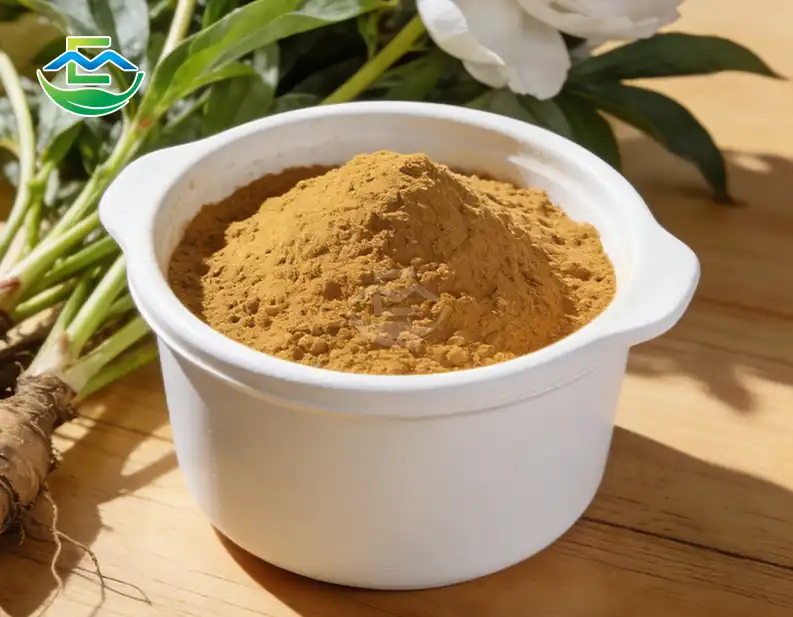
White peony extract, derived from the root of Paeonia lactiflora Pall., has earned a respected position in modern skincare formulation. Standardized for its primary active compound, paeoniflorin, this botanical ingredient delivers measurable antioxidant and skin-brightening activity that resonates with today's clean-label market. Whether you are developing a brightening serum or a soothing facial cream, understanding how to formulate and source this ingredient correctly can meaningfully elevate your product line. This guide covers everything B2B procurement teams, R&D directors, and cosmetic chemists need to know.


Understanding White Peony Extract and Its Role in Skincare
The Science Behind Paeonia lactiflora Root Extract
We were able to determine the reason why Paeonia lactiflora root is so beneficial for skincare with the assistance of analytical science. Since the beginning of time, it has been used in the practice of traditional medicine. The primary molecule that is beneficial to you, paeoniflorin (CAS: 23180-57-6, chemical formula C₂₃H₂₈O₁₁), has been scientifically shown to inhibit the activity of tyrosinase, as demonstrated by several dermatological investigations. By preventing tyrosinase from functioning, it prevents an excessive amount of melanin from being produced. This helps the skin tone seem more even, and unlike artificial brighteners, it does not cause itching when using it.
This component is a potent antioxidant that also helps to brighten the appearance of the skin. The ability to reduce reactive oxygen species, which are a key contributor to photoaging, has been shown by research that was published in the Journal of Ethnopharmacology as well as other sources that have been subjected to peer review. Makeup artists who deal with skin that is delicate or reactive will find this two-action profile, which works to soothe and brighten the complexion, to be an excellent choice.
Formulation Principles: How to Incorporate White Peony Extract into Skincare Products
Concentration Guidelines and Synergistic Pairings
One's perspective is of utmost significance. It is recommended that peony-standardized root extract be applied to the outside of the body at a concentration of between 0.5 and 3 percent by weight. In the case of serums and spot treatments, the most effective concentrations are those that are highest. Low concentrations, on the other hand, are the most effective for daily lotions and creams and are recommended for sensitive skin. For the most part, adding more than three percent does not improve the recipe, and it may even make it more difficult to follow.
These combinations are not only a notion; rather, they are the result of actual judgements that research and development teams have made about how to manufacture products for both high-end and ordinary clients. Manufacturers of products may create formulae that are more effective and stand out more if they are aware of how these combinations interact with one another.
- Vitamin C, also known as L-ascorbic acid or ascorbyl glucoside, is a powerful brightening agent that targets hyperpigmentation via distinct routes. One of these processes is enzymatic, while the other is oxidative. Once stabilised at a pH range of 3.5–4.0, these two substances become a powerful brightening pairing.
- Hyaluronic acid is a humectant carrier that enhances the skin's capacity to absorb water-soluble actives. As a result, it increases the bioavailability of paeoniflorin in serum systems that are hydrophilic.
- Niacinamide has a slight buffering action that may assist in stabilising formulations that include botanical extracts. It functions by reducing the appearance of uneven skin tone via a method that is distinct from the other mechanisms.
You can get white peony extract in capsules, powder, or a liquid concentrate. Extracts that come in powder form, such as 4:1 or 10:1, stay stable longer on the shelf and are easy to give in both water and emulsion systems. To make a lot of liquid, liquid concentrates are helpful, but they need to be stored carefully. Actives that are wrapped up in a capsule work well for targeted release. Powder that has been spray-dried is still the most versatile and cost-effective option for most B2B skincare production scenes.
Choosing the Right Extract Format
White peony root extract is commercially available in powder, liquid concentrate, and encapsulated forms. Powder formats (such as 4:1 or 10:1 standardized extracts) offer superior shelf stability and ease of dosing in both aqueous and emulsion systems. Liquid concentrates provide convenience for high-volume liquid formulations but require careful preservation management. Encapsulated actives suit targeted delivery applications. For most B2B skincare manufacturing environments, spray-dried powder remains the most versatile and cost-efficient option.

White Peony Extract Sourcing: Ensuring Quality and Reliability for B2B Buyers
Key Quality Indicators for Procurement Teams
Quality is always the most important thing to think about when getting food for a business. When procurement teams look for a supplier of Paeonia lactiflora root extract, these things should be at the top of their list to protect the security of the product and the reputation of the brand:
- Standardization transparency: Confirm the paeoniflorin assay level (typically 10%–98% by HPLC) and request the corresponding CoA with each batch.
- Heavy metal and pesticide testing: Root-derived botanicals carry inherent risk of soil-based contamination; third-party testing reports are essential.
- Sulfur-free processing: Modern extraction techniques should yield SO₂ residues below 10 ppm, a critical marker of clean processing standards.
- Certifications: NSF GMP, FSSC22000, Kosher, Halal, ISO, and Organic certifications collectively signal that a supplier operates within internationally recognized quality frameworks.
Inconsistencies in the recipe, batch variation, and not following the rules can stop sales in their tracks. These signs work together to keep you safe.
Navigating Supplier Markets
You don't have to worry about wait times or logistics as much when you buy white peony extract straight from a maker with stores in the US. Third-party platforms may be cheap, but they can make quality assurance harder because there is less paperwork and there are questions about whether the platform is real. The best way to buy in bulk is to deal directly with the maker, who can give you full paperwork that can be tracked and quick technical help.

Making Informed Decisions: Choosing the Right Extract for Your Skincare Line
Extract Format, Purity, and Organic Sourcing
It changes how the product is made and how much it costs whether you use a 4:1 or 10:1 extract ratio. An ounce of extract is equal to four kilograms of raw root. Some formulators like this ratio because it keeps more naturally occurring co-compounds, which gives a fuller picture of the plant. It is better to use a 10:1 ratio when the main goal is to make paeoniflorin work better because it gives a more concentrated active load per gram.
It costs more for organic-certified extract, but it helps the clean-label image. This is very important in the US market, where more and more people want certified organic skin care products. Products that need to be cheap can still use non-organic options, as long as they are tested for chemical residues in a way that meets the law. Buying teams should think about how these trade-offs fit with their brand image, their target customer group, and the needs of the regulatory market before they agree to a specification.
Best Practices and Case Studies: Successful Skincare Formulations
Real-World Formulation Outcomes
In order to make a whitening cream, a US beauty brand mixed 1.5% white peony root extract (10:1, paeoniflorin-standardized) with ascorbyl glucoside and sodium hyaluronate. Over the course of eight weeks, a group of consumers gathered data that showed that even people with discoloration thought their skin was better. The person who mixed the ingredients said it was easy to add the extract to the water part since it didn't smell bad and was soluble in water.
A different anti-aging cream for sensitive skin mixed a 4:1 extract at a 2% strength with beta-glucan and ceramide powder. The mix passed RIPT (repeated insult patch testing) without any problems, and steady testing at 40°C/75% RH for 12 weeks showed that the paeoniflorin content didn't change much. Getting these results shows that making sure the extract is standardized and of good quality directly leads to consistent performance on the production floor.
Make sure the pH is right (the best range is 4.0 to 6.5), test how well it works with protection systems, and do quick stability tests before going big. This list will help R&D teams who are working with this ingredient.

Conclusion
It is now used in products that contain the root extract of Paeonia lactiflora for white peony extract. This method is based on paeoniflorin, which makes skin brighter, protects against free radicals, and can be used by both low-cost and high-end skin care brands. Whether or not those benefits are always in the finished product depends on what choices are made about standardization, certification, and how reliable the supplier is. If you put proven quality ahead of price alone, you will protect your business and your fans.
FAQ
1. What is the recommended use level for white peony root extract in topical products?
For most recipes, a range of 0.5% to 3% by weight works well. Leave-on skin care products for sensitive skin usually have 0.5% to 1.5% alcohol in them, but serums can have up to 3%.
2. How should this extract be stored to maintain ingredient stability?
Keep in a cool, dry place away from direct light and water. When sealed properly, powder types of paeoniflorin work for 24 months as long as they are used as directed.
3. How can procurement teams verify extract purity before purchasing?
Look for a Certificate of Analysis (CoA) that lists the results of the heavy metal tests, the microbe data, and the HPLC-verified paeoniflorin amount. Suppliers you can trust will give you third-party lab results if you ask for them.
4. What certifications should a reliable supplier hold?
Look for NSF GMP, FSSC22000, ISO, Kosher, Halal, and Organic standards to get a general idea of the quality of plant-based products used in cosmetics.
Partner with EM for Premium White Peony Extract Supply
Earth Made Nutritions Inc. (EM) sells Paeonia lactiflora root extract that is safe for use in medicine in two different ratios: 4:1 and 10:1.1. The powder is pale yellow and comes in drums that hold 25 kg. The minimum order quantity (MOQ) is also 25 kg. EM is a good place to get white peony extract. They offer free samples and have four shops in the US where you can pick up your order the next day. They have certifications for NSF GMP, FSSC22000, Kosher, Halal, ISO, and Organic. To get yours right away, email us at info@em-herb.com.
References
1. Zheng, Y. et al. — Journal of Ethnopharmacology, 2013
2. He, D. et al. — Phytomedicine, 2011
3. Jiang, W. et al. — International Journal of Cosmetic Science, 2019
4. Luo, X. et al. — Molecules, 2017
5. Kim, Y. J. & Uyama, H. — Cellular and Molecular Life Sciences, 2005
6. Boo, Y. C. — Antioxidants (MDPI), 2019
When sourcing dehydrated fruit ingredients at scale, the supplier you choose shapes everything from your product's sensory profile to your regulatory standing. A reliable apple juice powder supplier delivers consistent purity, certified quality, transparent sourcing, and responsive logistics — every single order. Whether you're formulating a functional beverage, a clean-label snack, or a dietary supplement, the powder behind your product must meet exacting B2B standards. This guide breaks down exactly what separates a trustworthy supplier from one that creates headaches down the line.

Understanding Apple Juice Powder and Its Market Demand
The plant Pyrus Malus L. is the source of pure apple juice concentrate that has been dehydrated. After that, it is either freeze-dried or spray-dried to produce a powder that is brownish-yellow in colour, has a flavour similar to that of fresh apple juice, and can be kept for an extended period of time. Between 3.5 and 4.5 is the usual pH range for apples when they are in a 10% solution. Additionally, the element preserves organic acids such as malic acid, as well as heat-sensitive polyphenols and vitamin C in freeze-dried forms.
Why Demand Is Growing
There has been a rapid expansion in the market for fruits and vegetables that have been dehydrated. This is due to the fact that an increasing number of individuals are interested in purchasing items that have clean labels; functional meals and beverages are gaining popularity; and they are keen on discovering natural flavour options. Apple powder is an excellent option for research and development directors and formulation managers due to its natural sweetness derived from fructose, its authentic tart flavour, its ability to dissolve rapidly in cold water, and its versatility in terms of its use in a range of recipes, including those for instant-mix, confectionery, and pharmaceuticals. It is becoming more vital to pay attention to the components that go into fruit powder as consumers move away from artificial flavours.
If procurement teams have a solid understanding of these market patterns, they will be able to anticipate supply constraints and make decisions about where to purchase goods that strike a balance between cost, quality, and adhering to the regulations for a wide variety of applications.

Core Criteria for Evaluating Apple Juice Powder Suppliers
Not every company that sells a product online can back it up with proof, reliability, or customer service. A structured review keeps your supply chain from being interrupted in ways that can be avoided.
Certifications That Actually Matter
Check to see if a seller has the right certifications for your business and target market before you do anything else. To sell in the U.S., look for certifications like NSF GMP, FSSC 22000, ISO, Kosher, Halal, and Organic. These credentials show that a provider has quality control systems that have been checked and meet food safety standards that are in line with what the U.S. Food and Drug Administration (FDA) expects. Certifications also have a direct effect on whether or not you can put "clean label" or "certified organic" claims on finished goods.
Quality Control: Beyond the Certificate
Certifications help you get in, but quality control at the small level is what keeps your production going smoothly for apple juice powder. A reliable source tests for pesticide residues using GC-MS, microbiologically (Total Plate Count <1,000 CFU/g, Yeast & Mold <100 CFU/g, lack of Salmonella and E. coli), heavy metals (Lead <3.0 ppm, Arsenic <1.0 ppm), and the amount of moisture (<5.0%). It is important to be clear about the fruit solid-to-maltodextrin ratio (carrier ratio clarity) when you're trying to get the exact Brix equivalent in a formulation.
The following is a list of operational criteria that have to be included on your evaluation agenda:
- Documentation of traceability includes complete supply chain records, beginning with the origin of raw fruit and ending with powder, which enables regulatory audits to be conducted without delay.
- A minimum order quantity (MOQ) of 25 kilograms per drum allows for both pilot batches and complete production runs to be accommodated, hence lowering the amount of capital exposure that is experienced throughout the product development process.
- In-stock inventory that is available for collection on the second day enables procurement teams to react to changes in demand without causing line stoppages. Lead time and stock availability are other important considerations.
- As part of their sample policy, suppliers that provide free samples prior to making a bulk commitment exhibit their trust in their product and lower the risk associated with onboarding.
There are a number of practical considerations that determine whether or not a supplier can develop along with your company or if it will become a problem when demand is very high. When procurement teams take into account all of these aspects combined, they are in a far better position to form supplier agreements that are both long-lasting and free of friction.

Comparison of Leading Apple Juice Powder Supplier Types
To pick the right provider group, you need to make sure that your production size, certification needs, and customization goals are in line with what each category actually provides.
Global Manufacturers vs. Local U.S. Distributors
In most cases, global producers provide reasonable unit pricing and strong scalability; nevertheless, the lead times and the logistics involved in importing might be problematic. This gap is immediately covered by suppliers operating in the United States who have storage facilities located in the United States. The four regional warehouses that are controlled by suppliers are located all throughout the United States. By allowing suppliers to transport orders within the same area within a few days, these warehouses reduce the amount of money spent on inventory and the number of times that supply disruptions occur. This proximity is of utmost significance when it comes to nutraceutical products that have debut dates that are quite close together.
Spray-Dried vs. Freeze-Dried: Matching Process to Application
In situations when heat stability is not as crucial, spray-dried apple powder is an excellent choice since it is inexpensive, totally dissolves, and works well in fast drink mixes and baked items. It is possible for freeze-dried varieties to maintain their superior colour, more potent aroma, and greater bioactive chemical density. Because of this, they are the greatest option for high-end supplement formulas or instances in which nutritional integrity is a very important promise on the label. You will end up saving a significant amount of money in the long run if you are able to determine which processing technique is most suitable for your application.
OEM and Private Label Capabilities
Suppliers that offer contract manufacturing or white-label customization for apple juice powder add another layer of strategy for brands that want to stand out. Formulation managers can use custom carrier ratios, organic certification, and particle size specs to make their own blends of ingredients instead of using standard, mass-produced ones in their goods.

How to Ensure a Smooth Procurement Process with Your Supplier
As much as product standards are important for a solid supply relationship, so are clear communication and steps for the process.
Start with Samples and Documentation
When it comes to the procurement of ingredients in a responsible manner, it is standard practice to request a free sample before making a commitment to purchase in bulk. Examine the brownish-yellow powder to see whether or not it will dissolve in your product, as well as whether or not it satisfies the pH norms and the flavour profile. It is recommended that you get a complete Certificate of Analysis (COA), Safety Data Sheet (SDS), and any other certification documents that are associated with the sample. Because you have checked these elements in advance, you will be able to prevent surprises about the uniformity of the batch later on.
It is essential to maintain transparency in logistics throughout the whole purchase process. When there is clear communication regarding shipping conditions, real-time monitoring of deliveries, and clear directions for what to do in the event that there are backorders, procurement managers are able to know what is going on with production plans. It is possible to boost the value of a long-term connection by providing clients with assistance after the transaction has been completed, such as by providing expert assistance with storage and usage.
Practical Tips for Storing and Using Apple Juice Powder
When you handle something the right way, you can keep both its sensory and useful traits.
Storage Conditions
Due to the presence of fructose and glucose in its natural composition, apple-based fruit powder has the ability to absorb water. Caking is caused by the presence of humidity in the air, which also speeds up the Maillard browning process, which darkens both the colour and the flavour. The powder should be stored in an environment with temperatures below 25 degrees Celsius and relative humidity (RH) below 50 percent. It is common practice in the industry to make use of packaging that is very effective in preventing the entry of moisture, such as drums that are coated with metal foil. When stored under these circumstances, the lifespan of the product is typically twenty-four months.
Industrial Application Guidance
Because the powder in functional beverage sachets dissolves so fast in cold water, sedimentation is prevented, and the customer is provided with a clean experience. When it comes to candies and gummies that are based on pectin, the powder form allows for exact control over the flow of water, which prevents the texture from breaking down without the need for chemical acidulants. By imparting a nuanced tart-sweet flavour that cannot be replicated by man-made flavourings, it functions as a natural humectant in cookie and glaze recipes for bakeries.
Sensory testing of each manufacturing batch, which includes screening for regularity in colour, scent, dissolving rate, and pH in solution, identifies discrepancies in quality early on, before they reach the point when they are considered to be completed products.

Conclusion
If you want to find a reliable provider of apple juice powder or dried apple fruit powder, you should look at more than just price. You should also look at the level of certification, the quality control, the ability to handle logistics, and the technical support. Procurement teams can build consistent, market-ready goods with the help of suppliers who offer U.S. warehouse infrastructure, multi-standard certifications, clear paperwork, and quick service. The source of the ingredients determines the maximum amount that can be used in your product, whether it's for functional nutrition, flavor formulation, or cosmetic actives.
Frequently Asked Questions
1. What is the shelf life of apple juice powder?
Under proper storage conditions — below 25°C and 50% RH in sealed, moisture-barrier packaging — the standard shelf life is 24 months. Exposure to heat or humidity accelerates oxidation and color darkening.
2. Is apple juice powder suitable for vegan and allergen-sensitive formulations?
Yes. The ingredient is plant-derived (Pyrus Malus L. fruit) and contains no animal-derived components. Suppliers holding Kosher and Halal certifications further confirm its suitability for diverse dietary requirements.
3. What is the difference between apple juice powder and apple cider powder?
Apple juice powder derives from clarified, filtered juice, producing a lighter color and cleaner flavor profile. Apple cider powder retains fermented or cloudy juice characteristics, yielding a more complex flavor and higher polyphenol content.
4. Why does the powder clump during storage?
Fruit sugars are naturally hygroscopic. Without adequate moisture-barrier packaging or climate-controlled storage, the powder absorbs ambient humidity and cakes. Maintaining sealed drums below 50% RH prevents this entirely.
Partner with EM for Certified Apple Juice Powder Supply
Earth Made Nutritions Inc. (EM), founded in 2018 and based in California, stocks certified apple juice powder — Pyrus Malus L., brownish-yellow powder, 25 kg/drum MOQ — across four U.S. regional warehouses with 2nd-day pickup. Holding NSF GMP, FSSC 22000, ISO, Kosher, Halal, and Organic certifications, EM delivers documentation-complete, FDA-aligned ingredients with free samples available. Connect with our team at info@em-herb.com to request a sample or discuss your apple juice powder supplier requirements today.
References
1. Food and Agriculture Organization of the United Nations (FAO). Codex Alimentarius: General Standard for Fruit Juices and Nectars. 2005.
2. Institute of Food Technologists (IFT). Annual Review of Food Science and Technology. 2021.
3. U.S. Food and Drug Administration (FDA). Current Good Manufacturing Practice in Manufacturing, Packaging, Labeling, or Holding Operations for Dietary Supplements (21 CFR Part 111). 2023.
4. Journal of Food Engineering. Spray Drying of Fruit Juices: Effect of Carrier Agent on Powder Properties. 2019.
5. International Journal of Food Science & Technology. Freeze-Drying vs. Spray-Drying: Retention of Bioactive Compounds in Apple-Derived Powders. 2020.
6. Mintel Group Ltd. Global New Products Database: Clean Label Trends in Functional Food and Beverages. 2022.
When sourcing wild yam root extract for nutraceutical, cosmetic, or functional food applications, asking the right questions upfront separates reliable partnerships from costly mistakes. Derived from Dioscorea oppositae Thunb., this standardized botanical ingredient is valued for its diosgenin content — a steroidal sapogenin with broad formulation utility. Whether you need a 16% diosgenin powder for supplement capsules or a cosmetic-grade active for topical emulsions, the supplier's quality infrastructure, documentation depth, and logistics capability directly determine your product's performance and market readiness.

Understanding Wild Yam Root Extract — Key Insights for Buyers
Botanical Identity and Active Marker
It's called Dioscorea oppositae. The root of Thunb. produces a fine, white powder that is standardized to diosgenin, a steroidal sapogenin that is the most important bioactive marker. HPLC quantification is the standard way to check diosgenin amounts (like 6%, 16%, or 20%), because it can tell the difference between real diosgenin and sterols that could be interacting with the test. Identifying the species is very important here; yam types that aren't used for medicine don't have the dioscin breakdown potential needed to make strong standardized extracts.
Dosage Forms, Solubility, and Formulation Fit
It is naturally lipophilic, which means it doesn't dissolve in water but does easily in lipid and organic solvent systems. A 16% diosgenin powder with a bulk density of 0.45–0.65 g/ml and 95% passage through an 80-mesh sieve is great for encapsulation because it flows easily. To keep things from settling, cyclodextrin encapsulation or nano-emulsion preparation is needed for water-based uses like functional drinks. Figuring this out early on saves time and money later on when you need to redo the method.

Critical Quality and Compliance Questions to Ask Suppliers
Quality control is a must when buying wild yam root extract botanical ingredients, especially since regulations are getting stricter in the EU and U.S. markets. Before committing to a provider, it is important to do a structured quality check that includes reviewing all the paperwork.
Here are the main areas of compliance that every procurement team should check:
- Diosgenin assay via HPLC: Confirm the supplier uses HPLC rather than gravimetric methods. A validated 16% diosgenin specification should include a Certificate of Analysis (COA) with instrument data, not just a stated percentage.
- Botanical identity testing: HPTLC fingerprinting should confirm the extract originates from Dioscorea opposita Thunb. Rather than lower-value, non-functional yam species that lack pharmacological relevance.
- Heavy metal compliance: Given the bio-accumulative nature of tuber crops, require test reports confirming Pb < 3 ppm, Cd < 1 ppm, and Hg < 0.1 ppm per USP standards.
- Pesticide residue screening: Compliance with USP <561> is the baseline expectation for agricultural contaminants common in root crops.
- Solvent residue documentation: Clean-label products require strict Class 1 solvent absence (e.g., benzene), with residual ethanol within acceptable limits.
- Shelf-life and storage data: Diosgenin is thermally stable up to approximately 200°C, but proper moisture and oxidation controls are critical. Suppliers should provide validated 36-month retest data stored below 25°C.
Before a single pill even gets to the shelf, these checks protect your business from quality problems. Certified suppliers with NSF GMP, FSSC 22000, ISO, Kosher, Halal, and Organic badges show that their quality management systems meet the standards set by the U.S. Food and Drug Administration (FDA) and other foreign regulatory bodies.

Comparing Wild Yam Extract Products and Supplier Differentiators
Even if the diosgenin percentage on a spec sheet looks the same, not all uniform plant powders are the same. Different products can be told apart by their extraction methods, certification scope, and level of traceability.
A 16% diosgenin powder extract from an approved organic supply chain is better for marketing than a regular one, especially for companies that want to present their products as natural or having clean labels. When it comes to women's health products, wild yam root extract is different because it is a non-hormonal botanical with a steroidal precursor mechanism. This makes it a unique ingredient rather than a straight replacement for dong quai or black cohosh.
Some of the things that set one supplier apart from another that are worth looking at are OEM/ODM private label options, sustainability sourcing programs, vegan-certified supply chains, and batch traceability systems that show where an ingredient comes from on the farm and how it is extracted and packaged at the end. This level of openness builds trust over time and makes it easier to do your own internal quality checks.
Pricing, MOQ, and Procurement Logistics
To make procurement more efficient, you need to know the whole business structure before you place an order. Earth Made Nutritions Inc. has an easy way for new customers to start buying and terms that can be changed for existing customers.
The standard MOQ is 25 kg per drum, which is a good starting point for testing new recipes or doing pilot production runs. The extract is packed in 25 kg drums with two layers of LDPE covers that keep it safe from moisture and rust while it's being shipped. Lead time is very competitive: goods are in stock and can be picked up the next business day, which is a big plus for brands with tight start dates.
Four large local stores spread across the United States get rid of the long lead times and complicated customs procedures that come with sellers who only work with other countries. For buyers in the U.S., this domestic transport system means lower freight costs, shorter delivery windows, and less risk with their goods. You can get free samples, which let formulation teams test for compatibility and taste before committing to buying in bulk.

Supplier Reliability and After-Sales Support
The licenses a seller has show you how compliant they are right now. How well they handle customer service after the sale shows how valuable the partnership will be in the long run.
Earth Made Nutritions Inc. was formed in 2018 and is based in California. It has its own modern production center with advanced extraction equipment, which means that each batch is the same because the company doesn't depend on outside manufacturers. The professional R&D team at the company offers technical consulting help, which is especially useful for formulation managers who are changing the extract to work in new delivery systems or who need help with regulatory paperwork for entering a new market.
A supplier that is built for business-to-business relationships will have clear issue settlement procedures, be able to track batches, have paperwork on allergen control, and make MSDS and COA packages easy to find. Earth Made Nutritions Inc. also believes in sustainable development, which means putting an emphasis on responsible buying and environmental protection. This is something that more and more brands are thinking about when they want to show their customers that they care about an ethical supply chain.
Conclusion
To find plant products professionally, you need to do a lot more than just compare prices per kilogram. Every part of the seller connection is important, from identity and diosgenin assay validation to transportation infrastructure and expert help after the sale. Wild yam root extract standardized to 16% diosgenin from Dioscorea oppositae Thunb. is a very technical element that needs to be sourced with the same level of care. The suppliers that offer licenses, a domestic warehouse, clear paperwork, and specialized R&D support are the ones that you should build long-term relationships with.
FAQ
1. Does wild yam root extract directly convert into hormones in the human body?
No, even though diosgenin is a steroidal sapogenin, our bodies don't have the enzymes to change it into progesterone or any other steroid. This change needs to be done in a lab. The extract works through the natural processes of plants. There is a 10:1 ratio and a 16% standardized extract.
2. What is the difference between a 16% standardized extract and a 10:1 ratio?
An HPLC test shows that the diosgenin standard of 16% is correct, which means that the active compound is actually at that concentration. A 10:1 ratio only shows how concentrated the raw material is (10 kg of root gives you 1 kg of extract), but it doesn't guarantee bioactive potency. For professional preparation work, standardized products are best.
3. How do I detect adulteration with synthetic diosgenin?
Carbon Isotope Ratio Mass Spectrometry (C14 testing) or chiral HPLC analysis can reliably tell the difference between diosgenin that comes from natural sources and synthetic petrochemical analogs, proving that diosgenin does come from natural sources.
4. What certifications should a compliant supplier hold?
You should at least look for certifications from NSF GMP, FSSC 22000, ISO, Kosher, Halal, and Organic. All of these meet the standards of the U.S. Food and Drug Administration (FDA), foreign markets, and food safety.
Partner With EM for Reliable Wild Yam Root Extract Supply
The company Earth Made Nutritions Inc. (EM) is a reliable source for wild yam root extract. They offer NSF GMP, FSSC 22000, Kosher, Halal, ISO, and organic-approved ingredient options, and they have four warehouses in the U.S. for quick domestic shipping. You can get free samples when you pick up in-stock items the next business day. Contact our team at info@em-herb.com to get a sample or talk about your needs for a unique recipe right away.
References
1. Araújo, J. R., et al. — Journal of Steroid Biochemistry and Molecular Biology, 2018.
2. Hollman, P. C. H. — Phytochemistry Reviews, 2014.
3. Sautour, M., et al. — Food Chemistry, 2007.
4. United States Pharmacopeia (USP) — USP–NF General Chapter <561> Articles of Botanical Origin, 2022.
5. European Food Safety Authority (EFSA) — Scientific Opinion on the Safety of Botanicals and Botanical Preparations, 2021.
6. American Herbal Products Association (AHPA) — Herbs of Commerce, 3rd Edition, 2019.
If you've ever added a fiber ingredient to a baked good and ended up with an unpleasant sandy bite, you already know the frustration. Inulin powder extract—derived from chicory root (Cichorium intybus)—is one of the most promising functional fiber ingredients available for bakery applications today. When sourced at 98% purity and processed correctly, it integrates smoothly into formulations without leaving any gritty residue. This guide walks procurement managers, product developers, and OEM clients through every practical step to get clean, smooth results from chicory root fiber in bread, cakes, and beyond.

Understanding the Grit Issue in Bakery Products Containing Inulin Extract Powder
It is not always bad makeup that makes grit worse. A lot of them start much earlier at the level of the ingredients.
Particle Size Is the Primary Culprit
If the inulin powder extract particles are too big or too small, they will land all over the place in batter or dough. You can still see bigger pieces after baking because they do not melt all the way when you mix them. For heated uses, it is even more important to keep an eye on particle size for high-performance (HP) inulin that has an average Degree of Polymerization (DP) above 23. This is because it does not dissolve as quickly in water as short-chain versions.
Purity Gaps Worsen Texture
If free sugars like glucose, fructose, and sucrose make up more than 10% of a batch, they can mess up the fructan chain network that makes inulin behave like a smooth gel. These extra sugars make it hard for the water to spread out evenly while baking, which often results in rough spots in the final crumb. When you use AOAC 997.08 to check the fructan content at intake, you can find purity issues before they happen in production.
Storage and Handling Accelerate Degradation
It is not good for inulin to be wet or have a low pH. When more than 5 percent of the moisture is absorbed, particles stick together and form a cake. Things that have been stuck together often break apart in different ways when they go into a high-shear mixer. This creates a range of fragment sizes that bake out as grit. If you keep drums in the right way, with the right amount of humidity, and in a 25 kg sealed drum format, the level of moisture stays below 5%, and the density stays the same over time.
Addressing these three root causes early in the supply chain is the most reliable path to grit-free bakery outcomes.

Key Principles for Using Inulin Extract Powder Smoothly in Bakery Applications
For chicory root inulin to work well, you need to do a few things that you can do over and over again. To make formulations that always lower grit, follow these simple rules:
- Select 98% purity, fine white powder grade: At this level, the particles are all about the same size, there isn't much sugar left over, and the fructan chain stays together. Because of this, particles are less likely to stay in baked patterns.
- Pre-hydrate before incorporation: If you mix inulin powder extract with warm water (40–60°C) first, it works much better when added to a dry mix. For every 100 grams of dry mix, mix the inulin powder extract with a little of the water from the recipe.
- Use a controlled dosage between 5–10% of total recipe weight: If you go over this range without adding more liquid to make up for it, there will be problems with texture and competition for moisture. As you improve, keep adding little things one at a time.
- Introduce emulsifiers or enzymes as texture bridges: Lecithin or mono-diglycerides cover the inulin particles and help them spread out evenly in fat-based mixes. In gluten-containing breads, transglutaminase helps keep the crumb's shape while fiber is added.
These principles apply whether you're developing high-fiber sandwich bread, reduced-sugar muffins, or gluten-free snack bars. Applying them in sequence—source, pre-hydrate, dose, and support with co-ingredients—gives your team a reliable, repeatable protocol.
Case Studies: Successful Applications of Inulin Extract Powder in Bakery Products Without Grit
High-Fiber Bread: Collaboration Drives Quality
A functional food company in the U.S. changed how its white sandwich bread is made so that each slice has 6% more fiber. The team first got inulin powder extract from a spot market, but the DP values were all over the place, and they kept failing batches with a sandy crumb. When grit concerns were switched to a water-extracted inulin powder extract that was proven to be 98% pure and had a recorded DP distribution, they went away totally after just two production runs. How consistent the source was from lot to lot was the most important thing.
Gluten-Free Cake: Texture Optimization Under Pressure
A company that makes gluten-free baked goods had to do two tough things: get rid of the gluten and add fiber. This was their first recipe. It only had one step and used a medium-chain inulin that made up 8% of the whole. It turned into a thick, rough cake. When you added short-chain inulin that had already been dissolved (DP <10) at 55°C and mixed it with xanthan gum to give it shape, you got a cake that was clean and moist. These results show that picking the right DP is just as important as making sure it is pure when gluten isn't present.
Procurement Takeaway
It's just as important to be honest with your sources about things like DP proof, moisture content data, and batch certificates as it is to follow the ingredient standard. People often ask for a free taste to try before they buy a lot of something.

Choosing the Best Inulin Extract Powder for Your Bakery Production
You can buy a lot of different fibers made from chicory, but not all of them work well in baked goods. Look at more than just the price per kilogram to find the best place to buy inulin powder extract.
When evaluating an inulin powder extract manufacturer, the following criteria matter most:
- Purity and assay: As tested by methods approved by the AOAC, the fructan content must be at least 90% (dry basis). Tests done by someone else have shown that our standard meets 98% of needs.
- Certifications: It has been certified with NSF GMP, FSSC22000, Kosher, Halal, ISO, and organic standards, which all meet the clean label rules for markets in the U.S. and other countries.
- Physical form: This is what it looks like: a fine white powder made from the root of a plant and water. The appearance stays the same when processing is consistent.
- Packaging and MOQ: 25 kg/drum. A 25 kg minimum order lets you make small groups or a lot of them without having to make a lot of promises.
- Lead time and logistics: If an item is in stock, it can be picked up the next business day from one of four stores in the U.S. This helps keep production plans on track.
These procurement factors, taken together, significantly reduce supply chain risk and support consistent formulation performance from batch to batch.

Future Trends and Innovations in Using Inulin Extract Powder in Bakery Products
Ultra-Fine Milling Technology
Now that milling has come a long way, it can make inulin pieces that are less than 50 microns in size and spread out more widely. Even in cold water, smaller pieces break down faster. This cuts down on the time needed to pre-hydrate and makes it easier to use in cold-process baking.
Clean-Label Fiber Demand Is Growing
It was found by SPINS that sales of baked goods with added fiber increased by more than 12% in the U.S. from 2021 to 2023. More and more, people look at ingredient lists to find words they know, like "chicory root fiber" or "vegetable fiber." According to the FDA, inulin is a dietary fiber. This means that it can be counted as part of the total dietary fiber count on Nutrition Facts panels. This is very helpful for people who make goods and want to make sure they follow the rules.
Sustainable Sourcing as a Purchasing Standard
More and more, buying teams want to see proof of environmental compliance, tracking, and farming that doesn't harm the land. Suppliers who care about the environment and keep their supply lines open will have a big advantage as ESG standards get tighter in the food and supplement business.
Conclusion
If you watch out for three things, you can use chicory root inulin in baked goods without adding grit: how pure the ingredients are, how big the particles are, and how they are mixed with water. It's pretty easy to tell what it is when you buy 98% pure fine white powder from an authorized, honest seller. The formulation rules we've talked about here will help your team make a smooth product that people will like, whether they're making a gluten-free snack bar or a high-fiber loaf. Not only do you need to get the inulin powder extract, but you also need to make sure that the quality of the product is good.
FAQ
1. Is inulin powder safe for use in all bakery products?
Yes. A food fiber called inulin is approved by the U.S. Food and Drug Administration (FDA). It comes from water and is safe to eat. As well, it is Organic, Kosher, and Halal. It works with most baking grids, like those for cakes, cookies, bread, and bars.
2. How do I assess grit potential before placing a bulk order?
You can get a free sample and look at the particle size distribution (PSD). For most baking jobs, samples with D90 numbers less than 100 microns work well. A simple way to check for hydration is to mix 5g with 100mL of warm water and look for bits that can still be seen after the water is gone.
3. What is the difference between organic and regular inulin powder?
It says on the package that the chicory root used in organic inulin was grown without any chemical pesticides or fertilizers. From a practical point of view, success depends on more than just the organic status. It also depends on purity and DP distribution. Getting organic approval can help you sell high-end or clean-label goods.
4. What dosage range works for bakery without causing texture issues?
A normal range for an inclusion rate is between 5% and 10% of the recipe's total weight. Higher amounts of water need to be added to keep the face smooth.
Request Your Free Sample of Inulin Powder Extract from EM
Earth Made Nutritions Inc. (EM) keeps 98% pure inulin powder extract in four warehouses in the U.S. that can be picked up the next business day. If a bakery in the US or another country wants to use our product, they can, because it is certified by NSF GMP, FSSC22000, Kosher, Halal, ISO, and Organic. Because you can trust us to give you good inulin powder extract, we offer free trials, discounts for large orders, and help with formulating. Send us an email at info@em-herb.com right away.
References
1. Kelly, G. (2009). Inulin-type prebiotics: A review. Alternative Medicine Review, 14(1).
2. Niness, K. R. (1999). Inulin and oligofructose: What are they? Journal of Nutrition, 129(7 Suppl).
3. Rossen, J. L., & Miller, R. A. (2010). Dietary fiber incorporation in baked goods: Functional challenges and solutions. Cereal Chemistry, 87(4).
4. Van Loo, J., et al. (1995). On the presence of inulin and oligofructose as natural ingredients in the western diet. Critical Reviews in Food Science and Nutrition, 35(6).
5. Shoaib, M., et al. (2016). Inulin: Properties, health benefits, and food applications. Carbohydrate Polymers, 147.
6. U.S. Food and Drug Administration. (2020). Dietary Fiber: Guidance for Industry on Nutrition Labeling. FDA Guidance Document Series.
Valerian root extract, derived from the roots and rhizomes of Valeriana officinalis, has earned a prominent position in the global botanical ingredient market. Traditionally cultivated across Europe and Asia, this brownish-yellow extract is recognized for its naturally occurring valerenic acids and valepotriates — bioactive compounds associated with calming and relaxation support. For nutraceutical formulators, cosmetic chemists, and functional food developers alike, understanding the extract's benefits, available forms, and reliable sourcing pathways is essential for building competitive, high-integrity product lines.

Understanding Valerian Root Extract: Benefits and Scientific Insights
Botanical Profile and Key Bioactive Compounds
There are parts of Valeriana officinalis that affect GABA levels, and a lot of sesquiterpenes in the plant, especially valerenic acid. Gamma-aminobutyric acid (GABA) receptors in the brain and nervous system are what these chemicals work with to help you calm down and sleep better. A review paper from 2020 in the journal Phytotherapy Research confirmed that in a number of controlled trials, standardized valerian root extract preparations greatly improved sleep latency and quality scores compared to groups that were given a placebo. It is based on these results that formulators can make products that help people sleep, relax, or deal with stress.
Mechanism of Action and Formulation Relevance
The extract's ability to bind to GABA receptors is what makes it technically appealing for use in making products. It takes longer for GABA to calm you down because valerenic acid stops enzymes from breaking it down. This mechanism can be useful for stacking when R&D directors are working on synergistic blends like valerian with melatonin, 5-HTP, or magnesium glycinate. Normal rates of 10:1 or 20:1 make it possible to measure how much valerenic acid is in each dose. That is, the planning can be exact instead of rough.
Safety Profile and Regulatory Consideration
A lot of studies have shown that valerian root is safe in amounts between 300 mg and 600 mg of pure extract. It's been used for a long time. In the US, regulatory groups like the FDA say it is an ingredient in dietary products that can be used in some food-grade ways. They can be sure that the ingredient meets all national and international standards if they buy it from a company that is certified by NSF GMP, FSSC22000, Kosher, Halal, ISO, and Organic. This is because the company already has these certifications.

Exploring Different Forms of Valerian Root Extract for B2B Buyers
Standardized Powder vs. Raw Extract: What Matters for Manufacturing
You can buy different kinds of valerian root extract. The best one for you will depend on what you want to use it for. Nutraceutical companies like powder extracts that are standardized and have concentration ratios between 10:1 and 20:1. This is because they promise that every batch will be strong the same way. Because the amount of valerenic acid in raw root powder changes a lot, it can't be used to make pills or tablets that are dosed correctly. Here is how well-known forms work in different business settings:
- Standardized powder (10:1 / 20:1): This powder has a set amount of valerenic acid, so it's great for putting into capsules for dietary supplements. The stuff moves through an 80-mesh sieve that lets 95% of it through, so it doesn't get stuck in high-speed filling equipment. Batch-to-batch consistency makes sure that the recipe doesn't change too much and that the claims on the label are kept.
- Water-soluble grade extract: This grade of extract, which dissolves in water, was made for functional drinks and liquid sleep shots that need to be clear and easy to mix. This grade is often mixed with flavor-neutralizing agents or microencapsulation technology to get rid of the smell of isovaleric acid, which can make the taste less attractive.
- Organic-certified extract: It has USDA organic credibility. Companies that make natural cosmetics, clean-label supplement brands, and health foods that want botanical ingredients with clear stories about where they came from, like organic credibility.
Each style fits a different set of technology needs, so you shouldn't just look at price. Instead, you should start with the end-use case. Knowing which grade works with your production process is the best way to avoid having to do extra work on the formula later on.
Organic vs. Conventional: Certification as a Commercial Asset
There is a small rise in the market value of finished products that are certified organic. This is especially true in the US market, where people are looking for clean-label products that are more and more similar in nature. Conventional extracts are still the most cost-effective choice for large-scale uses. On the other hand, organic grades help with positioning and pricing at a higher level. Organic valerian extract meets the growing need for eco-friendly ingredients for beauty brands that use plant-based chemicals in lines of skin care that soothe or fight aging.

Valerian Root Extract Market Comparison and Buyer Considerations
Evaluating Suppliers on Quality Metrics That Matter
There are many businesses that sell plant extracts. What sets them apart is the paperwork that comes with the products. When teams that buy things compare valerian root extract makers, they should look at more than just price per kilogram. When you buy from the best company, they'll give you a full-panel Certificate of Analysis (COA) that lists all the heavy metals that were tested (Lead <3.0 ppm and Arsenic <1.0 ppm according to USP/EP standards), as well as the residue solvent analysis, microbial compliance data, and HPLC-verified valerenic acid content. When things are this clear, you can tell if a service provider checks quality earlier, during extraction, instead of at the warehouse door.
Pricing, MOQ, and Bulk Procurement Strategy
Standardized valerian root extract costs different amounts based on the order size, the approval state, and the amount of extract used. When businesses buy from each other and sign long-term contracts, they often agree on different prices based on how much they buy. With a starting MOQ of 25 kg, formulators can make small amounts to test the product before committing to larger amounts. This lowers the risk during the development stage without leaving money on the table for large amounts of ingredients that haven't been tested. Before you place an order, it's a good idea to ask for free samples to see how the product meets the COA's needs in terms of how it looks, smells, and dissolves in water.

Valerian Root Extract Procurement: Sourcing and Transaction Options for B2B Clients
Vetting Suppliers and Reducing Sourcing Risk
Getting valerian root extract in large amounts needs to be based on a set of steps. Sites that go straight to makers, trade lists, and approved B2B ingredient platforms can all be used as entry points. The amount of due diligence, on the other hand, displays how dependable the supply relationship is. The steps for key proof include checking certifications with issuing bodies, auditing COAs for full third-party lab reports, and prioritizing sellers with in-stock inventory for fast fulfillment. Before increasing output, check samples for stability, organoleptic properties, and HPLC to ensure the material neither messes up your production plan nor breaks the law.
Why US-Based Warehousing Changes the Procurement Equation
People in North America don't have to worry about when foreign packages will arrive or how long it will take to clear customs when they buy from a supplier with warehouses in the US. Earth Made Nutritions Inc. has four main warehouses all over the United States. You can pick up in-stock items the next business day. This ability to plan ahead is very helpful for supplement brands that have to deal with short product development processes or big demand spikes once a year.

Conclusion
Valerian root extract from Valeriana officinalis has strong regulatory positioning for use in healthy foods, beauty products, and functional foods. It has functions that are based on science and come in different market forms. Pick the correct extract grade (10:1 or 20:1 regulated powder) and make sure you get it from a licensed US warehouse. The goods will always work well because of this. Earth Made Nutritions Inc. meets all of these needs with certifications that cover a number of different standards and a quality control method based on research and development.
FAQ: Common Questions About Valerian Root Extract for B2B Buyers
1. What dosage range is typically used in commercial sleep support formulations?
Most supplement brands put 300 to 600 mg of pure valerian root extract in each dose of their sleep aids. The exact amount is based on the extract ratio and the store where the item is bought.
2. How does standardized valerian extract compare to raw root powder in formulation performance?
There is a set amount of valerenic acid in standardized extracts (10:1 or 20:1). This can be checked with HPLC to make sure the strength stays the same. This isn't always the case with raw root powder, which can make the difference between how well it works and what the label says it is.
3. What purity indicators should buyers verify in a COA?
A few important signs are the amount of heavy metals, the amount of ash, the amount of moisture (<5%), the amount of valerenic acid (≥0.4% HPLC), and the lack of species that shouldn't be there, like Valeriana jatamansi.
4. Is valerian root extract suitable for organic-certified finished products?
Of course, but only if the product has a sticker that says it is certified organic. Earth Made Nutritions Inc. sells valerian root extract that is organically approved and shows up on store shelves in the US as organic.
Get Your Valerian Root Extract Quote from EM Today
You can trust Earth Made Nutritions Inc. to sell you valerian root extract. Standardized 10:1 and 20:1 powder is in stock, and they ship from their warehouse in the US. They are certified to follow NSF GMP, FSSC22000, Kosher, Halal, ISO, and organic standards. It's easy to buy things from EM because the minimum order size is 25 kg, samples are free, and customers can pick up accepted stock the next day. You can email us at info@em-herb.com to get a sample or talk about how you want to buy in bulk.
References
1. Bent, S., et al. "Valerian for Sleep: A Systematic Review and Meta-Analysis." The American Journal of Medicine, 2006.
2. Fernández-San-Martín, M. I., et al. "Effectiveness of Valerian on Insomnia: A Meta-Analytic Review." Sleep Medicine, 2010.
3. Shinjyo, N., Waddell, G., & Green, J. "Valerian Root in Treating Sleep Problems and Associated Disorders." Journal of Evidence-Based Integrative Medicine, 2020.
4. Bos, R., et al. "Composition of the Essential Oils from Valeriana officinalis." Phytochemistry, 1998.
5. Leathwood, P. D., & Chauffard, F. "Aqueous Extract of Valerian Reduces Latency to Fall Asleep in Man." Planta Medica, 1985.
6. European Medicines Agency. "Assessment Report on Valeriana officinalis L., Radix." EMA/HMPC Committee on Herbal Medicinal Products, 2016.
When sourcing Morus alba leaf extract for commercial formulations, one of the most common questions I hear from R&D directors and procurement teams is straightforward: powder or liquid? White mulberry extract — standardized for its active iminosugar alkaloid 1-Deoxynojirimycin (DNJ) — is available in both formats, and each carries meaningful advantages depending on your production line. This article breaks down the core differences, helping you align your sourcing decision with your formulation goals, manufacturing scale, and compliance requirements.
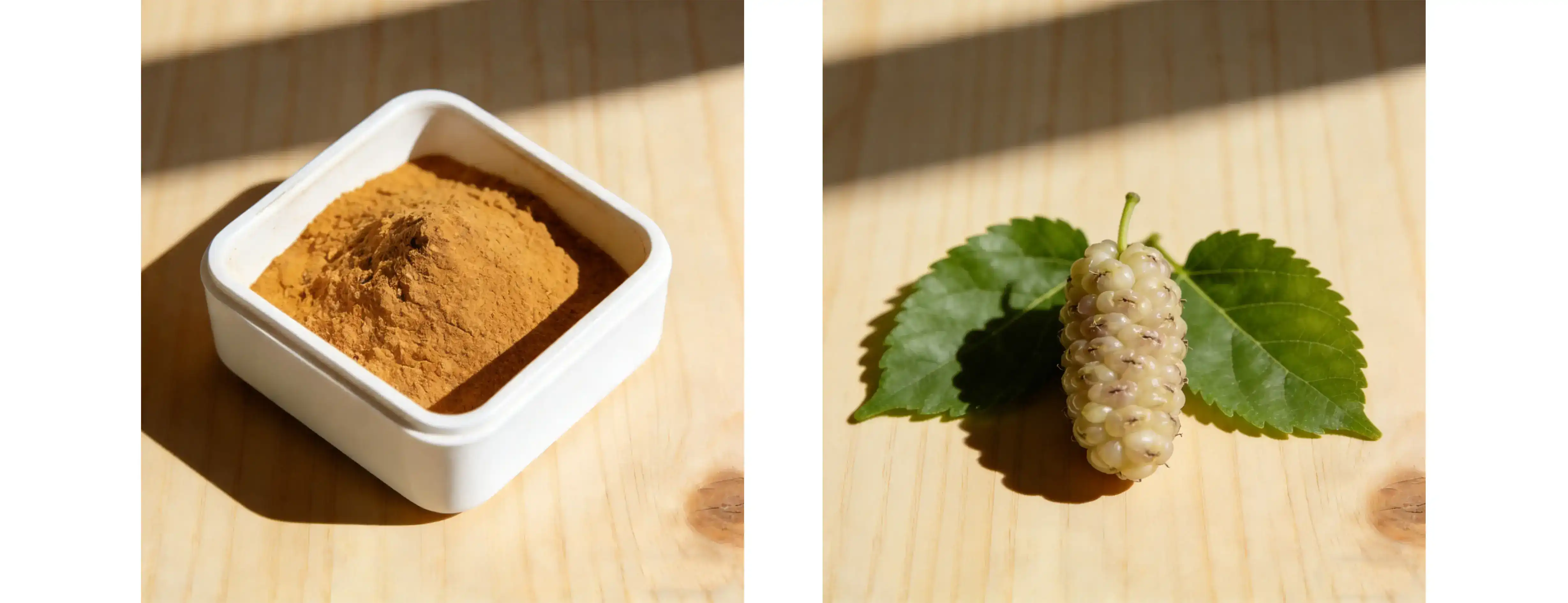
Understanding White Mulberry Extract: Powder vs. Liquid Forms
After being extracted with water or alcohol, the morus alba leaf extract is turned into a powder that can be sprayed or frozen. This makes a brownish-yellow powder that is free-flowing and has a controlled moisture content below 5%. Liquid extracts, on the other hand, don't dry out at all because they keep their liquid base, which is usually water or glycerin. The change in handling is not just for looks. It changes the reactive content, how it needs to be handled, and how long it will stay stable on the shelf.
From an industrial point of view, powder extracts are very precisely standardized. Professional-grade Morus alba leaf powder that has been tested and found to contain 1% DNJ gives a consistent and measurable active dose. It may be faster for liquid forms to dissolve in water, but the DNJ concentration changes more between batches, which makes it harder to make controlled product categories.
Nutraceuticals, functional food and beverage systems, and cosmetic formulas can all use both types. The real decision-making starts when you know which format is best for your needs.
Key Considerations When Choosing Between Powder and Liquid Forms
Stability and Shelf Life
Formulation managers always tell me that stability is their biggest worry. It is clear that powder products are better in this case. Standardized Morus alba powder stays active for 24 months when stored properly in sealed, double-lined polyethylene bags with desiccant packets. The bulk density should be between 0.45 and 0.65 g/ml, and the moisture content should be kept below 5%. There is a higher chance that microbes will multiply in liquid extracts, especially water-based medicines. To keep their integrity over longer periods of time, they usually need cold-chain operations or preservative systems.
Dosage Accuracy and Bioavailability
According to clinical data, eating between 6 and 12 mg of active DNJ per meal is linked to significant alpha-glucosidase inhibitory activity in white mulberry extract. This means that a 1% DNJ standardized powder has a dose range of 600–1,200 mg, which is a good amount to put into size 00 capsules without adding too many fillers. Liquid extracts do dissolve quickly in water-based drinks, which can be helpful for making healthy drinks, but their bioavailability profile changes more when the pH level changes. Powders are stable at pH levels between 3.5 and 6.0, which means they can be mixed with acidic drinks without precipitating or breaking down.
Before deciding on either format, procurement teams should look at these important selection factors:
- Powder form: Longer shelf life (up to 24 months), easier to transport at ambient temperature, precise dosage control, compatible with capsule, tablet, and dry beverage applications, passes 80-mesh sieve at 95% rate for uniform blending.
- Liquid form: Faster solubilization in water-based systems, potentially beneficial for topical cosmeceutical applications, but requires refrigerated storage, tighter handling protocols, and often has a shorter usable life after opening.
These differences in functionality have a direct effect on your purchasing costs and the efficiency of your production processes later on. It is important to make sure that the format is right for the application type before making large orders.
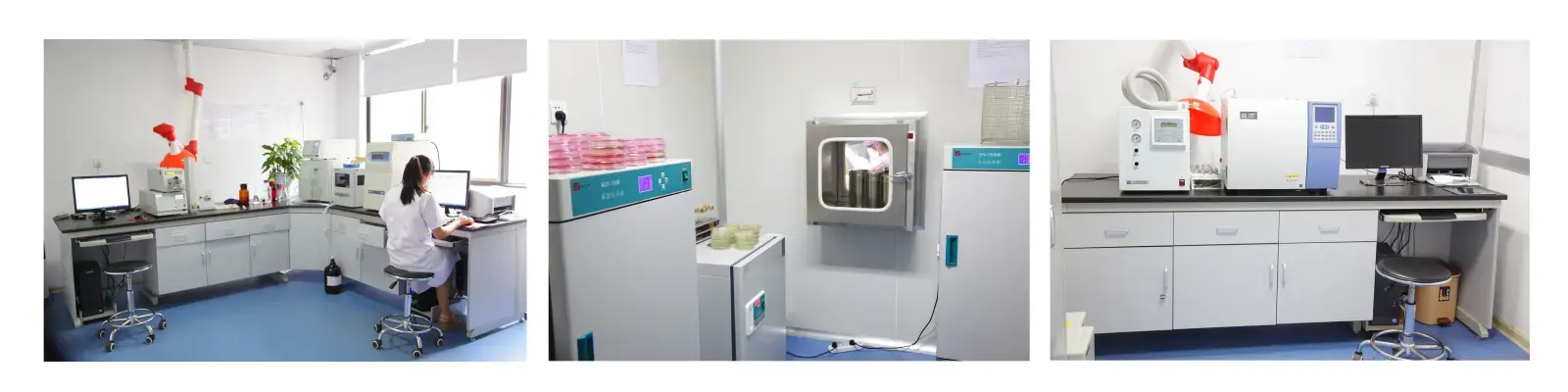
Comparative Analysis: Morus Alba Extract Powder vs. Liquid for Blood Sugar and Weight Management
Mechanism of Action and Efficacy Evidence
The main chemical in mulberry leaf extract is DNJ, which blocks intestinal alpha-glucosidase enzymes from working. This slows down the breakdown of polysaccharides and disaccharides in the small intestine. This lowers the rise in blood sugar after a meal without having the stomach problems that come with manmade medication inhibitors. A 2017 study in the Journal of Functional Foods confirmed that standardized DNJ-containing mulberry leaf extract greatly lowered blood sugar levels after a meal in humans at doses that are similar to those found in widely available standardized powders.
Powder-based versions are the most popular type of blood sugar control supplement because they are easy to standardize. Liquid extracts can work, but different runs of production can have different amounts of DNJ, which makes it harder to back up label claims under FDA dietary supplement rules. This is a big problem for brands sold in the U.S.
Morus alba leaf powder in white mulberry extract can help with weight loss because it changes how carbohydrates are absorbed, which means it can be used in goods that help you plan your meals, pre-meal capsule mixes, and low-GI functional foods. Most of the time, liquid extracts are used in cosmeceutical serums. In these, the focus is on Mulberroside A (from root bark extracts) to stop tyrosinase activity instead of DNJ-based metabolic activity.
Procurement and Supply Chain Factors for B2B Buyers
For U.S. B2B buyers, buying choices are about more than just how well something works. Total purchase cost is affected by how reliable the supply chain is, how accurate the paperwork is, and how long the wait times are. Earth Made Nutritions Inc. was started in 2018 and has its headquarters in California. It has four major local stores across the United States that make it possible to pick up in-stock items the next business day after an order is confirmed.
Standardized Morus alba leaf powder (1% DNJ, brownish-yellow color, 25 kg/drum) has a minimum order quantity of 25 kg and can be used for both small-scale pilot projects and large-scale commercial operations. You can get free samples for research and development, which I think is important before buying large quantities of ingredients.
The following certifications does Earth Made Nutritions Inc. have: NSF GMP, FSSC 22000, Kosher, Halal, ISO, and Organic. These credentials are required for brands that want to sell their products in the U.S. market and get into retail channels, especially those that want to position themselves as natural or clean.
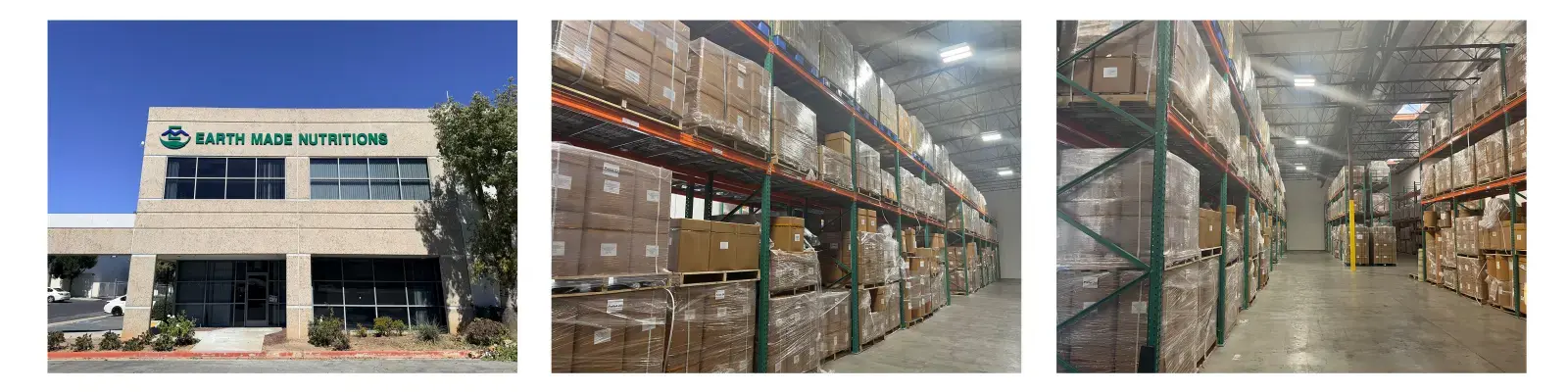
Making the Right Choice: Which Format Best Meets Your Business Needs?
After looking at stability, dosage accuracy, clinical support, and logistics, it's clear that powder form is the most flexible, cost-effective, and compliant way to make nutraceutical pills, functional food matrices, and dry beverage mixes for most business-to-business uses. There is a small market for liquid extracts in cosmetic topicals and some drinking systems where quick dissolving is more important than standardization.
New trends in the U.S. supplement market make powder-based plant products even more popular. The need for clean labels, the need for organic certification, and the rise of personalized nutrition goods are all things that support the tracking and accuracy that standardized dry extracts offer. OEM and private-label options make powder sourcing even more valuable by letting brands create their own formulas without having to build their own extraction infrastructure.
Conclusion
Choosing between powder and liquid white mulberry extract Morus alba leaf extract comes down to your formulation requirements, compliance obligations, and supply chain priorities. Standardized powder — particularly at 1% DNJ specification — consistently outperforms liquid forms in stability, dosage precision, and regulatory alignment for the U.S. nutraceutical and functional food markets. Liquid extracts retain utility in specific cosmeceutical and rapid-dissolution applications. Aligning your sourcing decision with credible, certified suppliers who maintain domestic inventory and full documentation is the most dependable path to formulation success.
Frequently Asked Questions
1. Is powder or liquid mulberry extract more potent?
Potency depends on standardization, not format. A 1% DNJ powder delivers a verified, repeatable active concentration that liquid extracts often cannot match batch-to-batch. For regulated supplements and functional foods, standardized powder is generally more reliable.
2. What are the optimal storage conditions for liquid mulberry extract?
Liquid extracts typically require refrigeration at 2–8°C and should be used within 12 months of opening. Exposure to light and heat accelerates degradation of active phenolic compounds.
3. Can mulberry leaf extract be combined with other botanical ingredients?
Yes. Morus alba leaf powder is commonly paired with berberine, chromium picolinate, and bitter melon extract in blood sugar support formulations. Always conduct compatibility testing within your specific matrix before finalizing a multi-ingredient blend.
4. Why is HPLC-ELSD the preferred testing method for DNJ?
DNJ lacks a UV chromophore, so UV spectrophotometry cannot accurately measure its concentration. HPLC-ELSD provides specific, quantifiable separation of DNJ, ensuring label claim accuracy.
Request a Sample from EM — Your Trusted White Mulberry Extract Supplier
Earth Made Nutritions Inc. (EM) sells approved, standardized white mulberry extract powder at low minimum order quantities (MOQs) and with clear prices and free samples. We have four warehouses in the U.S. and are certified by NSF GMP, FSSC 22000, Kosher, Halal, ISO, and Organic. This lets us serve quickly and reliably. To get your sample today, email us at info@em-herb.com.
References
1. Kimura, T. et al. "Mulberry leaf extract inhibits postprandial hyperglycemia with fewer gastrointestinal side effects." Journal of Traditional and Complementary Medicine, 2011.
2. Oku, T., et al. "Inhibitory effects of 1-deoxynojirimycin on disaccharidase activity in rats." Journal of Nutritional Science and Vitaminology, 2006.
3. Liu, L. K., et al. "Mulberry anthocyanins and DNJ: a review of health functions and food applications." Journal of Functional Foods, 2017.
4. Yang, X. B., et al. "Bioactive components and health benefits of white mulberry leaf extract." Food Chemistry, 2020.
5. Yimam, M., et al. "Botanical composition and standardization strategies for mulberry leaf dietary supplements." Natural Product Communications, 2019.
6. Vichayanrat, A., et al. "Efficacy of Morus alba leaf standardized extract on postprandial blood glucose in healthy adults: a randomized crossover trial." Phytotherapy Research, 2015.