- English
- French
- German
- Portuguese
- Spanish
- Russian
- Japanese
- Korean
- Arabic
- Irish
- Greek
- Turkish
- Italian
- Danish
- Romanian
- Indonesian
- Czech
- Afrikaans
- Swedish
- Polish
- Basque
- Catalan
- Esperanto
- Hindi
- Lao
- Albanian
- Amharic
- Armenian
- Azerbaijani
- Belarusian
- Bengali
- Bosnian
- Bulgarian
- Cebuano
- Chichewa
- Corsican
- Croatian
- Dutch
- Estonian
- Filipino
- Finnish
- Frisian
- Galician
- Georgian
- Gujarati
- Haitian
- Hausa
- Hawaiian
- Hebrew
- Hmong
- Hungarian
- Icelandic
- Igbo
- Javanese
- Kannada
- Kazakh
- Khmer
- Kurdish
- Kyrgyz
- Latin
- Latvian
- Lithuanian
- Luxembou..
- Macedonian
- Malagasy
- Malay
- Malayalam
- Maltese
- Maori
- Marathi
- Mongolian
- Burmese
- Nepali
- Norwegian
- Pashto
- Persian
- Punjabi
- Serbian
- Sesotho
- Sinhala
- Slovak
- Slovenian
- Somali
- Samoan
- Scots Gaelic
- Shona
- Sindhi
- Sundanese
- Swahili
- Tajik
- Tamil
- Telugu
- Thai
- Ukrainian
- Urdu
- Uzbek
- Vietnamese
- Welsh
- Xhosa
- Yiddish
- Yoruba
- Zulu
Reishi Mushroom Extract Powder, derived from Ganoderma lucidum, stands as one of nature's most revered botanical ingredients. Known historically as the "Mushroom of Immortality" across Eastern traditions, this concentrated extract delivers standardized bioactive compounds—polysaccharides and triterpenes—engineered for modern nutraceutical, cosmetic, and functional food applications. Through dual-extraction processes combining water and ethanol, manufacturers transform raw fungal biomass into a potent, bioavailable powder that addresses critical industry challenges: inconsistent potency, poor absorption rates, and unstable formulation performance. For procurement professionals seeking clean-label solutions, understanding this extract's technical profile unlocks significant product differentiation opportunities.


What Is Reishi Mushroom Extract Powder?
Origins and Cultural Significance
Ganoderma lucidum has been an important part of traditional health systems for more than 2,000 years. In ancient writings, this polypore fungus was called a rare gem that was only for nobles to have because it was so hard to find in wild woods. The name "Mushroom of Immortality" comes from its historical links to health and life, which are very important to today's health-conscious consumers.
Modern farming methods have made this ingredient more widely available to more people. Reishi that has been picked in the wild is still hard to come by, but controlled farming environments now make consistent, contamination-free biomass. This change makes it possible to produce on a big scale reliably while still maintaining the bioactive purity that buying teams require. Brands can tell more true stories that connect ancient knowledge with modern science when they understand this historical context.
From Raw Material to Extract: The Production Journey
Raw Reishi mushrooms have chitin walls that are hard to digest and lower their absorption. Simple grinding makes a powder with a low percentage of active compounds, which makes it hard to formulate. This problem is fixed by a complex dual-extraction method in Reishi Mushroom Extract Powder:
- Polysaccharides, especially beta-glucans, make up 10–50% of quality products and are separated by water extraction. These water-soluble fractions have immune-modulating properties that are useful in many supplement forms.
- Triterpenes, such as ganoderic acids and similar chemicals, are extracted with ethanol, and concentrations of between 1 and 6 percent are reached through HPLC standardization. These molecules that are compatible with lipids help the skin adapt and improve the penetration of cosmetics when used on the skin.
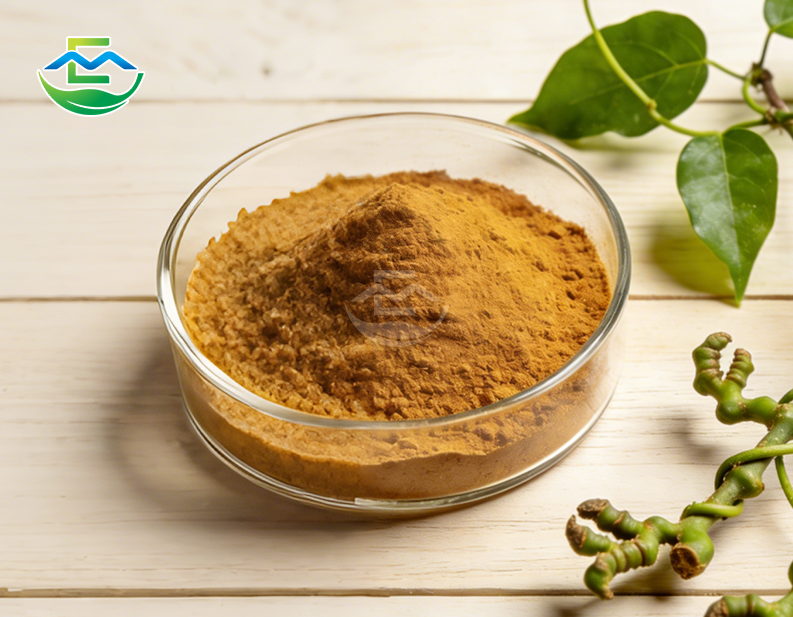
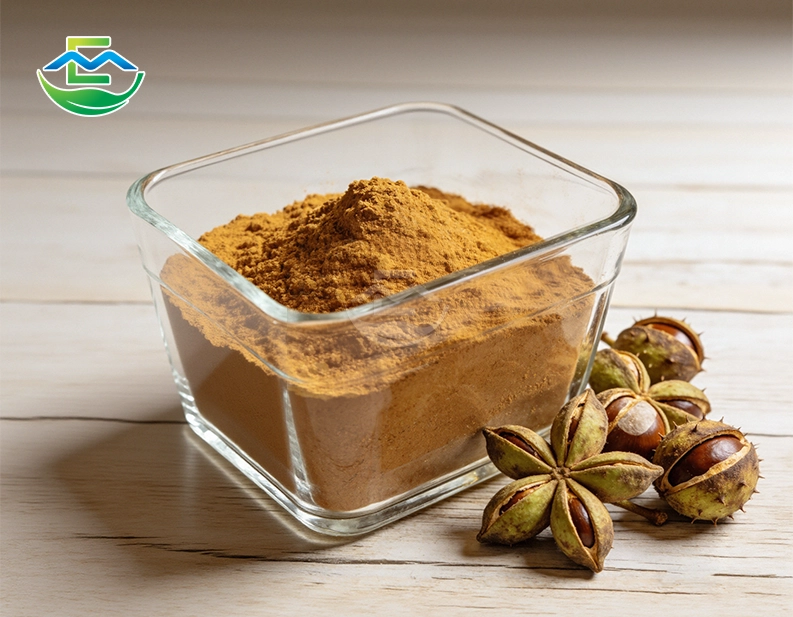
The brownish-yellow powder that is made comes from mycelium or fruiting bodies. It has a mesh size of 80–100, which makes it easy to mix evenly in capsules, drinks, or serums. We use high-tech tools at Earth Made Nutritions Inc. to manage extraction ratios, which are usually 10:1 or 20:1. This means that 10 to 20 kg of raw material go into every kg of extract. This high concentration density means that procurement managers have powerful advantages that they can use to get ahead in the market.
Technical Specifications That Matter
The quality of an extract is determined by its physical properties. The color can be anywhere from reddish brown to dark chocolate, and darker colors usually mean that there are more triterpenes. The type of solubility determines the best use: water-soluble versions work best in drinks, while lipid-compatible versions make softgels more bioavailable.
Chemical specs set standards for quality. Active chemical density is shown by polysaccharide content (determined by UV-VIS) between 10 and 50 percent. Beta-glucan levels above 10% separate real extracts from goods that have been tampered with to add starch. Triterpene amounts (verified by HPLC) between 1% and 6% show the ability to reduce inflammation. Lead limits of less than 2ppm, arsenic limits of less than 1ppm, and mercury limits of less than 0.1 ppm make sure that all foreign markets follow the rules. There are very few inorganic fillers if the ash content is less than 5%.
Earth-Made Nutritions Inc.'s Reishi Mushroom Extract Powder meets these strict requirements: it comes from the mycelium of Ganoderma lucidum, is packed in 25 kg drums, and has NSF GMP, FSSC22000, Kosher, Halal, ISO, and organic certifications. With free samples and a minimum order quantity of 25 kg, R&D teams can make sure that the materials are compatible before committing to buying in bulk. Because our four U.S. warehouses are stocked, you can pick up your order in two days, which helps product makers meet the speed-to-market demands of today.

Benefits and Safe Usage of Reishi Mushroom Extract Powder
Scientifically Supported Functional Properties
Reishi Mushroom Extract Powders contain polysaccharides that work with immune cells to change reaction paths without overstimulating them. This balanced method is liked by people who make immune support items for daily use. Peer-reviewed immunology papers have written about how beta-glucans specifically turn on macrophages and natural killer cells.
Triterpene parts are antioxidative, which means they get rid of free radicals that speed up the aging process of cells. Cosmetic chemists use these chemicals in anti-aging serums because ganoderic acids are stable in oil-based mixtures. Because they can help the immune system from the inside and protect the skin, Reishi Mushroom Extract Powders are unique in many different types of industries.
Adaptogenic properties help people deal with occasional stress by changing the hypothalamic-pituitary-adrenal axis. Functional drink companies mix Reishi Mushroom Extract Powder into coffee and tea blends, where its natural sharpness goes well with roasted flavors and balances out the strength of the caffeine. For this use, the extracts must be able to withstand temperatures up to 100°C without breaking down. This is a requirement that we test very carefully.
Comparative Advantages Over Other Functional Mushrooms
Hericium erinaceus, also known as Lion's Mane, helps the brain by stimulating nerve growth factors. Chaga (Inonotus obliquus) focuses on melanin levels and resistance to oxidative stress. Reishi stands out because it has more adaptogenic benefits and a wider range of triterpenes. When procurement managers put together complete mushroom combinations, they often use Reishi as the main tonic and add other species as supplements.
When you compare two things, extraction rates are important. A 10:1 Reishi Mushroom Extract Powder has a lot more active compounds than an equivalent-weight Lion's Mane powder. This changes how to figure out the dosage and the cost-per-serving. Knowing these differences helps you make smart decisions about blends and make sure your product claims are true.
Dosage Guidelines and Consumption Formats
Standardized extracts should be taken in amounts between 500 mg and 1500 mg per day, with the amount changed based on the polysaccharide percentage. When making capsules, the dose is exact, but when making drinks, the amount used may be between 250 mg and 500 mg per serving, depending on how good the drink tastes. 0.5 to 2% Reishi Mushroom Extract Powder is added to serum bases for cosmetic use. This increases activity without making emulsions less stable.
Triterpenes are lipophilic, which means they are best absorbed when eaten with fats. This helps formulators choose delivery systems like softgels or oil suspensions. People who make drinks that add Reishi to coffee naturally get this effect from milk fats or creamers made from nuts. These small differences in makeup are what set great products apart from competitors that don't do as well.
We suggest that sample testing of Reishi Mushroom Extract Powder at the desired amounts be done before any purchase talks start. Formulation scientists can use our free sample program to check solubility, stability, and taste impact before placing bulk orders. This method of reducing risk shortens the time it takes to make a product.

Choosing the Best Reishi Mushroom Extract Powder for Your Business
Critical Procurement Criteria
The main quality indicator is the amount of polysaccharides present. Extracts that are less than 10% are likely to have fillers or be low-extraction-ratio goods. Premium features hit 30–50%, but the price goes up in the same way. To find the right balance between effectiveness and cost, you need to know exactly what your health claims are and where you stand in the market.
Bioavailability is affected by the method of extraction. Dual-extraction (using both water and ethanol) makes sure that all compounds are captured, while single-method methods only give partial profiles. Procurement managers should ask for detailed protocols for extraction and verification of active markers by a third party. Suppliers who won't give you certificates of analysis (COA) should be taken with a grain of salt.
Certifications prove that production standards are met. Pharmaceutical-grade production limits are confirmed by NSF GMP. Pesticide-free farming is guaranteed by organic certification. Labels like "Kosher" and "Halal" appeal to certain types of customers. FSSC22000 talks about how to manage food safety. All of these certificates are held by Earth Made Nutritions Inc. and can be checked by our quality assurance staff.
Supplier Evaluation and Verification
Supplier trustworthiness starts with being able to track them. Ask for proof that connects batches of finished extract to lots of source farming. GPS-tagged fields, harvest times, and processing timelines show that the supply chain is open and honest. Manufacturers who don't want to give tracking data may get their goods from unreliable middlemen, which increases the risk of contamination.
Lab tests are what set competent providers apart from commodity dealers. Real-time quality control is possible with HPLC, UV-VIS spectrophotometry, and heavy metal measurement that are all done in-house. Third-party testing by approved labs (like Eurofins or SGS) adds another level of proof. Our facility in California has high-tech analytical tools that let us quickly confirm specifications before shipping.
When brands want to grow, production capacity and consistency are important. When demand grows, suppliers with low turnover may find it hard to keep up, and formulation problems are caused by batches that aren't always of high quality. Talk about yearly production rates and batch-to-batch variation coefficients during the first round of talks. Established makers, such as Earth Made Nutritions Inc., which has been in business since 2018, have shown that they can meet the needs of a wide range of clients with consistent quality and capacity.
Form Factors and Application Matching
Pure Reishi Mushroom Extract Powder can be used for both packing and tablet compression, giving formulators the most options. Pre-encapsulated choices cut down on processing on the client side, but they make it harder to customize. Spray-dried forms make them easier to dissolve in instant drinks, but the triterpene level may be slightly lower because of the heat used in processing. Matching the form factor to the application improves both the efficiency of production and the performance of the finished product.
For creams and serums to have a smooth texture, cosmetic formulators need micronized grades (less than 80 mesh). Developers of drinks focus on instant-dissolving versions that stop buildup. Brands of nutraceuticals using Reishi Mushroom Extract Powder balance the size of the particles with the density of the capsule fill. Talking about the specifics of the application during procurement makes sure that suppliers provide materials that have been processed correctly.

Conclusion
To choose the best Reishi Mushroom Extract Powder, you have to weigh technical requirements, source reliability, and the ease of logistics. The amount of polysaccharides and triterpenes determines how well they work, and certifications and traceability make sure that the product meets safety standards and is safe for consumers. Direct relationships with manufacturers, along with strict testing protocols and staged procurement methods, help lower the quality risks that come with getting botanicals from around the world. Earth Made Nutritions Inc. solves these problems with buying things by using certified production, U.S.-based transportation, and clear quality systems. Whether you're making anti-aging products, immune-supporting supplements, or adaptogenic drinks, working with technically skilled sellers can turn finding ingredients from a necessary evil into a competitive edge. Reishi Mushroom Extract Powder is a key ingredient for brands that want to make natural, effective, and market-different products because it combines old plant knowledge with modern extraction science.
FAQ
1. How does extract powder differ from raw mushroom powder?
Raw mushroom powder has ground fruiting bodies or mycelium in it, along with chitin that can't be digested and lowers bioavailability. Concentrations of active compounds stay low and change over time. Solvent extraction separates polysaccharides and triterpenes in Reishi Mushroom Extract Powder, making it 10–20 times more potent than raw powder. Extraction gets rid of parts that the body can't digest, which improves absorption and recipe stability. For makers, extracts allow for accurate dosing and trustworthy health claims. On the other hand, raw powders are better for cost-effective uses that can handle lower strength.
2. Can reishi extract be consumed daily?
Taking standardized Reishi Mushroom Extract Powder every day is in line with both traditional and current supplementation methods. Doses are usually between 500 mg and 1500 mg per day, and are based on the strength of the extract. Years of use in Asian markets and published research support regular use within the ranges that are recommended. Formulation managers should give clear dose directions based on the strength of the extract so that end users know how to use it correctly.
3. How do buyers verify supplier authenticity and product quality?
Ask for full proof, including information on where the plants were grown, how they were extracted, batch-specific COAs that have been checked by a third-party lab, and certifications (GMP, organic, ISO). Before buying in bulk, specs are checked by sending samples to independent labs for testing. Virtual or real audits of a supplier's site show what operations can be done. Check the company's licenses, participation in business groups, and customer recommendations. Using test orders to gradually buy things shows that they are the same across batches. Transparent sellers accept calls for proof; resistance is a sign that there may be problems with the quality.
Partner With Earth-Made Nutritions Inc. for Certified Reishi Mushroom Extract Powder Supply
Earth Made Nutritions Inc. is ready to help you make new products by giving you high-quality Ganoderma lucidum mycelium extract. Our certificates for NSF GMP, FSSC22000, Kosher, Halal, ISO, and Organic make sure that we follow all the rules in all global markets. We can send your 25 kg orders within two days because we have four carefully placed U.S. warehouses. This cuts down on import delays and the cost of keeping inventory on hand. Our California center has state-of-the-art extraction and analysis labs that make sure that batch-to-batch consistency is met, which is important for formulation experts. Free samples let you test for suitability without any risk before you commit. Whether you're a Reishi Mushroom Extract Powder supplier looking for a reliable source of supply or a brand working on the next big immune supplement, our technical team is here to help you every step of the way. Email our team at info@em-herb.com to talk about specifics, get prices, or set up shipping of samples.
References
1. Wachtel-Galor, S., Yuen, J., Buswell, J. A., & Benzie, I. F. (2011). Ganoderma lucidum (Lingzhi or Reishi): A Medicinal Mushroom. In Herbal Medicine: Biomolecular and Clinical Aspects, 2nd edition. CRC Press/Taylor & Francis.
2. Boh, B., Berovic, M., Zhang, J., & Zhi-Bin, L. (2007). Ganoderma lucidum and its pharmaceutically active compounds. Biotechnology Annual Review, 13, 265-301.
3. Sanodiya, B. S., Thakur, G. S., Baghel, R. K., Prasad, G. B., & Bisen, P. S. (2009). Ganoderma lucidum: a potent pharmacological macrofungus. Current Pharmaceutical Biotechnology, 10(8), 717-742.
4. Xu, Z., Chen, X., Zhong, Z., Chen, L., & Wang, Y. (2011). Ganoderma lucidum polysaccharides: immunomodulation and potential anti-tumor activities. American Journal of Chinese Medicine, 39(1), 15-27.
5. Sliva, D. (2006). Ganoderma lucidum in cancer research. Leukemia Research, 30(6), 767-768.
6. Bishop, K. S., Kao, C. H., Xu, Y., Glucina, M. P., Paterson, R. R., & Ferguson, L. R. (2015). From 2000 years of Ganoderma lucidum to recent developments in nutraceuticals. Phytochemistry, 114, 56-65.