- English
- French
- German
- Portuguese
- Spanish
- Russian
- Japanese
- Korean
- Arabic
- Irish
- Greek
- Turkish
- Italian
- Danish
- Romanian
- Indonesian
- Czech
- Afrikaans
- Swedish
- Polish
- Basque
- Catalan
- Esperanto
- Hindi
- Lao
- Albanian
- Amharic
- Armenian
- Azerbaijani
- Belarusian
- Bengali
- Bosnian
- Bulgarian
- Cebuano
- Chichewa
- Corsican
- Croatian
- Dutch
- Estonian
- Filipino
- Finnish
- Frisian
- Galician
- Georgian
- Gujarati
- Haitian
- Hausa
- Hawaiian
- Hebrew
- Hmong
- Hungarian
- Icelandic
- Igbo
- Javanese
- Kannada
- Kazakh
- Khmer
- Kurdish
- Kyrgyz
- Latin
- Latvian
- Lithuanian
- Luxembou..
- Macedonian
- Malagasy
- Malay
- Malayalam
- Maltese
- Maori
- Marathi
- Mongolian
- Burmese
- Nepali
- Norwegian
- Pashto
- Persian
- Punjabi
- Serbian
- Sesotho
- Sinhala
- Slovak
- Slovenian
- Somali
- Samoan
- Scots Gaelic
- Shona
- Sindhi
- Sundanese
- Swahili
- Tajik
- Tamil
- Telugu
- Thai
- Ukrainian
- Urdu
- Uzbek
- Vietnamese
- Welsh
- Xhosa
- Yiddish
- Yoruba
- Zulu
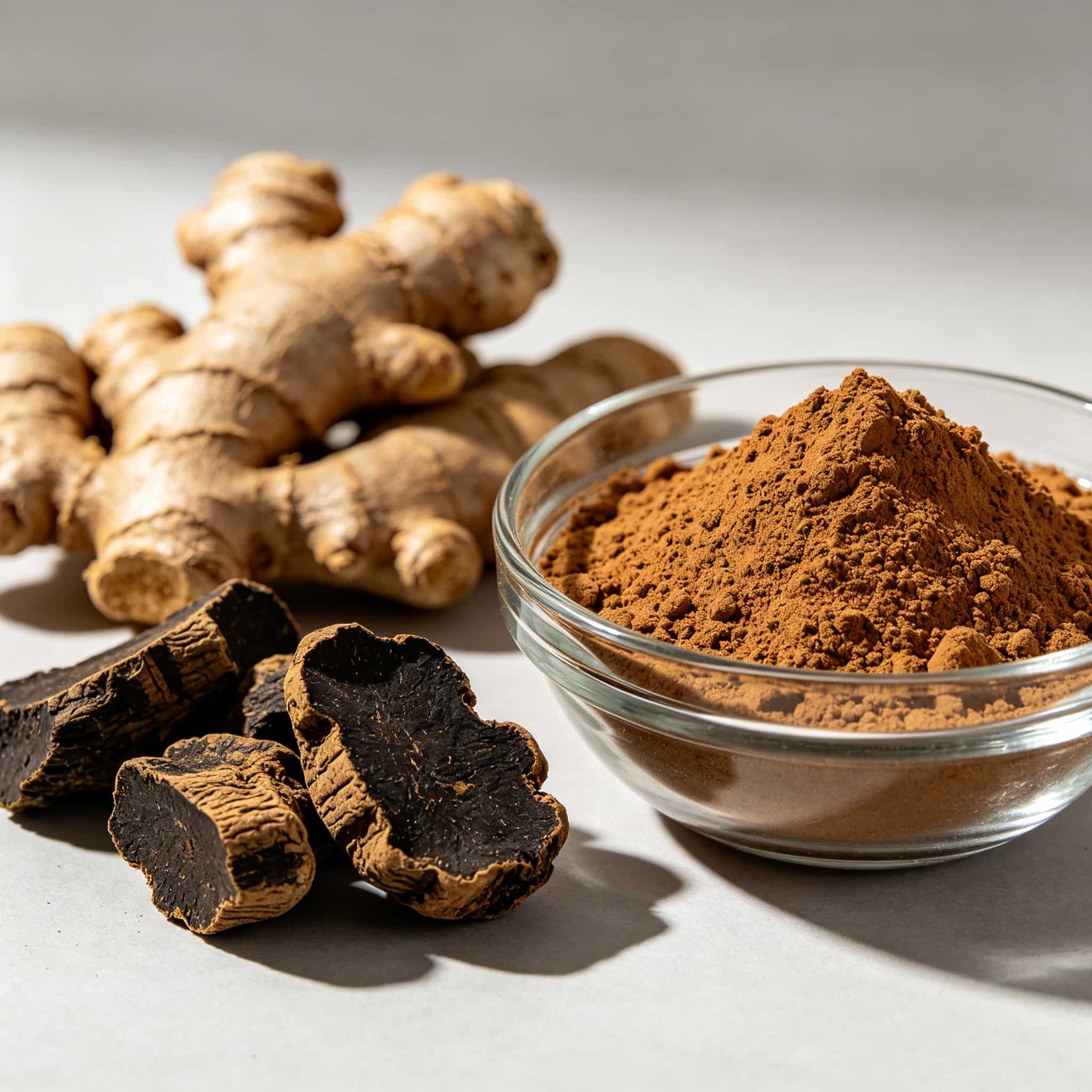
You can use turmeric root powder derived from Curcuma longa L. for pigmentation management. This botanical ingredient, rich in curcumin and related curcuminoids, has demonstrated measurable effects on melanin modulation through its antioxidant and tyrosinase-inhibitory properties. When formulated correctly, pure Turmeric Root Powder serves as a functional active in both topical skincare and dietary supplement applications designed for cosmetic formulations focused on skin appearance and tone care. Its effectiveness depends on purity, particle size, and the presence of synergistic compounds naturally found in the whole root.


Understanding Turmeric Root Powder and Its Effects on Pigmentation
What Distinguishes Pure Turmeric Root Powder from Common Culinary Turmeric?
The difference is in the standards for processing and the intended use. Turmeric used in cooking doesn't go through a lot of quality control, so it might contain impurities that aren't good for use in cosmetics or supplements. On the other hand, pure turmeric root powder used in cosmetics and supplements has to meet strict requirements for the amount of heavy metals, microbes, and curcuminoid it contains. This stuff comes from carefully chosen Curcuma longa rhizomes that were picked when they were fully grown and processed so that the bioactive properties stayed the same. Earth Made Nutritions Inc. gets their premium yellow powder from the root part. They make sure that the powder is traceable and meets all the standards needed by B2B buyers in the cosmetics and nutraceutical industries.
Active Compounds That Influence Melanin Production
There are three main curcuminoids that make skin look better: curcumin, demethoxycurcumin, and bisdemethoxycurcumin. These antioxidants stop tyrosinase from working, which is the enzyme that limits the rate of melanin production. This stops too much pigment from being made. A study in the Journal of Cosmetic Dermatology shows that topical preparations with curcumin at doses of 0.5 to 2% can reduce hyperpigmentation over the course of 8 to 12 weeks. In addition to blocking enzymes, turmeric's antioxidant properties also neutralise free radicals that cause melanogenesis. This helps even out skin tone in two ways. When formulators are making unique pigmentation products, they like that this multi-pathway effectiveness works well.
Nutritional Components Relevant to Skin Health in Ingredient Formulation
Whole pure turmeric root powder has more than just curcuminoids. It also has turmerone, atlantone, and zingiberene, which are chemical substances that help the skin's microcirculation and barrier function. These parts make it easier for curcumin to get into finished products and keep it stable. Turmeric's lipophilic property makes it easier for the body to absorb when combined with piperine or healthy fats. This makes it a good ingredient for useful supplement recipes. Whole-root powder is different from separated curcumin extracts because it contains volatile oils and curcuminoids that work together. This gives formulators a complete botanical active that fits with the growing desire for natural and clean-label products.

Application Methods: Using Pure Turmeric Root Powder for Pigmentation
Topical Application Guidelines for Cosmetic and Skincare Formulations
When using pure Turmeric Root Powder in cosmetic or nutritional formulations, you need to pay attention to how well it dissolves and the size of the particles. When powders go through an 80-mesh sieve, they mix better with creams, serums, and masks. In finished products, the usual inclusion rates are between 0.5% and 3%. This is done to balance the level of effectiveness with the colour intensity and the chance of staining. Advanced formulas use encapsulating or micronisation to make the product more stable, get rid of the yellow colour, and keep the curcuminoid available. Cosmetic chemists should use patch testing methods to see if their samples are safe for people with sensitive skin when they are making them. Earth Made Nutritions helps product developers find the best dosage and delivery systems for different skin care goals by giving them technical support and free samples.
Oral Supplementation Protocols for Dietary and Nutraceutical Products
Pure Turmeric Root Powder is usually put into capsules or mixed into functional food structures and given by mouth in amounts between 500 mg and 2 grammes per dose. Bioavailability is still an issue; curcumin's natural absorption is low because it is broken down quickly in the body. Adding black pepper extract (standardised to piperine) or fat carriers to a recipe greatly improves systemic uptake, raising the amount of curcuminoid in the blood by up to 2000%. This change is very important for supplement companies that want to back up promises about pigmentation. Purchasing teams should check the methods and purity tests that suppliers use. For example, HPLC analysis proving that whole-root powders have curcuminoid content above 2% is a good way to make sure that products always work well and to back up marketing claims.
Comparative Product Forms: Raw Powder vs. Standardised Extracts vs. Curcumin Supplements
Product makers have to make a smart choice between three main formats. Raw, pure turmeric root powder has a wide range of phytochemicals and is reasonably priced, which makes it appealing to brands that focus on natural ingredients. Standardised extracts that concentrate curcuminoids to 95% make it possible to give exact doses in small pills, which makes them great for sports nutrition and high-potency vitamins. While isolated curcumin supplements have the most active ingredients, they lack the beneficial chemicals that are found in the whole plant. This choice is based on how the market is positioned and what the target customers want. When it comes to texture and taste, cosmetic companies often choose raw or lightly processed powders, while pharmaceutical-grade nutraceuticals may choose standardised extracts. By knowing these differences, buying managers can choose ingredients that work with strategies for differentiating brands and meet legal requirements.

Comparing Turmeric Root Powder Options in the Market for Pigmentation Solutions
Organic vs. Conventional Quality Standards and Certification Requirements
Organic approval, like USDA Organic, makes sure that synthetic fertilisers and pesticides are not used. This meets the growing demand from customers for goods with clean labels. This label needs to be checked by a third party and tracked all the way through the supply chain. These requirements make it easier for manufacturers of finished goods to follow the rules. Conventional turmeric might be cheaper, but it has to go through a lot of testing for herbicide residue, including tests for over 500 chemical agents. Organic sources boost the reputation of high-end skin care lines and dietary supplements aimed at consumers seeking natural-ingredient products, which allows for higher selling prices. Earth Made Nutritions keeps all of its pure Turmeric Root Powder organically certified, which helps clients meet their commitments to transparency and gets them ready for international markets.
Evaluating Supplier Credibility and Manufacturing Practices
To figure out how reliable a supplier is, you have to look at their manufacturing infrastructure, quality control procedures, and where their products come from. Reliable providers run GMP-certified factories with cutting-edge testing and extraction tools that make sure accuracy from batch to batch, which is something that formulation managers often complain about. Adulteration worries, like adding synthetic dyes or cheaper Curcuma zedoaria species, can be lessened by being clear about where the crops are harvested and how they are handled afterwards. Validating operating standards can be done on-site or by looking over audit reports from a third party. Earth-Made Nutritions has its own plant in California and four carefully placed warehouses across the United States. This lets them turn orders around quickly and keep the supply chain running smoothly. This advantage of the infrastructure meets the needs of buying teams for reliable, just-in-time inventory management.
Pricing Considerations and Bulk Purchasing Benefits for B2B Buyers
The price of pure Turmeric Root Powder depends on how pure it is, whether it is certified, and how much you order. In bulk, regular powder usually costs between $8 and $15 per kilogram, while approved organic powder costs between $18 and $30 per kilogram. When you buy 500 kg or more, you can get a volume discount that cuts the price per unit by 15–25%. Managers of procurement have to find a balance between upfront investments and long-term supply security and quality guarantee. There may be secret costs with cheaper choices if they fail quality checks or have to be recalled. Smaller brands can get high-quality products without spending too much money by working with sources that have flexible minimum order quantities, like Earth Made Nutritions' 25 kg minimum. This level of adaptability helps with testing the market and coming up with new ideas before production is scaled up.

Procurement Guide: Buying Pure Turmeric Root Powder for Pigmentation
Identifying Reliable Sourcing Channels and Distribution Networks
Business-to-business buyers should give more weight to suppliers who have a well-established distribution network and clear ways to communicate. Direct connections with manufacturers get rid of markups from middlemen and make responses faster. Online sites make it easier to find each other at first, but for long-term partnerships, more thorough checks are needed. Wholesalers who focus on botanical ingredients usually keep a wide range of products in stock and can meet unique packing needs. Brands that are releasing new product lines can use private label providers' turnkey solutions, which include help with formulation and regulatory paperwork. Earth-Made Nutritions offers prices directly from the manufacturer and offers full technical support. They offer free samples and detailed certificates of analysis to make evaluation easier. We can meet immediate purchasing needs without sacrificing quality by keeping items in stock and picking them up the next day.
Regulatory and Logistical Considerations for Import and Compliance
Paying close attention to paperwork and certification is necessary to get through legal systems. FDA Current Good Manufacturing Practices say that products meant to be used as food supplements, including pure turmeric root powder, must follow them. On the other hand, makeup ingredients need to be tested for safety and have the right labels. Customs statements, phytosanitary certificates, and sometimes country-specific licenses are needed to import goods. Suppliers who have experience with international trade provide the necessary paperwork, which cuts down on customs delays and uncertainty about compliance. To get the best landed costs, you need to understand Harmonized System codes and price classes. Buying from U.S.-based companies like Earth Made Nutritions makes operations easier, gets rid of the hassles of importing, and makes sure that goods meet strict U.S. regulatory standards from the start. This is especially helpful for product launches and regulatory filings that need to be done quickly.
Due Diligence Steps: Verification, Audits, and Laboratory Testing
Comparing prices is only one part of smart buying. You also need to make sure the quality is high. Asking for Certificates of Analysis that prove the amount of curcumin, the limits of heavy metals, and the safety of microbes sets the standard. Third-party lab tests, such as HPLC analysis to find manmade adulterants or off-species replacement, back up what suppliers say. Sudan dye screening guards against colourants that can cause cancer and are sometimes used to make people look better. When you do supplier audits, you check how clean the building is, how well you keep records, and how you handle complaints. Building relationships with approved analytical labs makes quality control easier over time. These due diligence steps protect the brand's image and reduce weaknesses in the supply chain. They make the initial investment in qualifying suppliers worthwhile and build trust in long-term relationships.
Real-World Use Cases and Benefits of Turmeric Root Powder in Pigmentation Management
Case Studies from Skincare Developers and Nutraceutical Brands
A natural face care brand from California added pure Turmeric Root Powder to its brightening serum line. Within six weeks, customers could see improvements in their colour, which led to a 23% increase in customer retention. Formulation scientists noticed that the powder was stable in systems without water and could be mixed with plant oils. In a different case, a functional beverage business made a beauty-from-within product by mixing vitamin C, collagen peptides, and pure turmeric root powder. Feedback from customers showed that their skin tone became more even after 60 days, which encouraged them to buy again. These examples show that turmeric can be used in a variety of ways and can help products stand out in markets where competition is high. Success depends on how pure the ingredients are and how reliable the provider is. These are the things that make formulations work and build trust with customers.
Strategic Advantages for Procurement Teams Selecting Premium Turmeric Suppliers
Choosing high-quality pure Turmeric Root Powder has more strategic benefits than just making the ingredient work better. Consistent quality cuts down on formulation changes and production slowdown, which makes the manufacturing process more efficient. Comprehensive approvals make it easier to submit to regulators and get into markets, which speeds up the time it takes for new goods to hit the market. Partnerships with suppliers that offer technical help and customisation choices make it possible for new products to be made that fit new consumer trends. Supply reliability, which is achieved through domestic storage and predictable lead times, keeps production schedules from being thrown off by a lack of inventory. These benefits lead to better positioning in the market, more stable operations, and higher profits. Earth Made Nutrition's dedication to quality control, sustainable buying, and quick customer service is in line with the goals of forward-thinking procurement professionals who want to create strong, scalable supply chains.

Conclusion
There is scientific evidence that pure Turmeric Root Powder from Curcuma longa can help handle colour in more than one way. It can be used in both skin makeup and oral supplements, which gives formulators a lot of options when making new products. Paying attention to certifications, supplier credibility, and quality assurance protocols is an important part of good procurement. Strategic relationships with dependable providers like Earth Made Nutritions, which provides organic certification, domestic storage, and full technical support, allow brands to offer unique, effective goods that appeal to health-conscious customers. When you add quality pure Turmeric Root Powder to your formulations, your brand is put where effectiveness, sustainability, and market desire all meet.
FAQ
1. How can I verify the purity of turmeric root powder before bulk purchase?
Ask your provider for a Certificate of Analysis (COA) that shows the HPLC test results that prove the curcuminoid level. Test the sample in a lab that is not connected to the company to look for manufactured colours like Sudan Red and heavy metals like lead and cadmium. Suppliers you can trust will give you batch-specific paperwork and let you try out samples before you place big orders.
2. What storage conditions maintain the potency of turmeric root powder?
Keep pure Turmeric Root Powder in containers that keep air out and light out, and keep them somewhere cool and dry, below 25°C. Heat, dampness, and UV light all speed up the breakdown of curcumin. Putting things in vacuum-sealed containers and flushing them with nitrogen extends their shelf life and protects their bioactive integrity, which is important for making sure they keep working well over time.
3. Can turmeric root powder be combined with other botanical actives for enhanced pigmentation effects?
Yes, professional formulas often use vitamin C, niacinamide, liquorice extract, and kojic acid together because they work well together. These ingredients work together to get rid of discolouration in ways that are more effective generally. During formulation development, compatibility testing makes sure that the formula is stable and stops bad interactions from happening.
Partner with Earth-Made Nutritions for Premium Turmeric Root Powder Supply
Earth Made Nutritions stands as a trusted pure Turmeric Root Powder supplier, delivering certified organic, high-purity botanical ingredients from our California facility. We sell pure Turmeric Root Powder (Curcuma longa L.) in 25 kg drums, and the minimum order quantity is also 25 kg. Our pure turmeric root powder is certified by NSF GMP, FSSC22000, Kosher, Halal, ISO, and organic. We keep four carefully located warehouses across the United States, ensuring rapid delivery—often with next-day picking for in-stock items. Our advanced R&D team and modern extraction equipment support our goal of producing organic turmeric root powder, while our commitment to sustainable sourcing aligns with our brand values. Our brand values. Free samples are available to evaluate quality before commitment. Contact us today at info@em-herb.com to discuss your procurement needs and discover how our premium pure turmeric root powder can elevate your pigmentation-focused product lines.
References
1. Vaughn, A.R., Branum, A., & Sivamani, R.K. (2016). Effects of Turmeric (Curcuma longa) on Skin Health: A Systematic Review of the Clinical Evidence. Phytotherapy Research, 30(8), 1243-1264.
2. Panahi, Y., Hosseini, M.S., Khalili, N., Naimi, E., Majeed, M., & Sahebkar, A. (2015). Antioxidant and anti-inflammatory effects of curcuminoid-piperine combination in subjects with metabolic syndrome. Nutrition & Metabolism, 12, 48.
3. Hewlings, S.J. & Kalman, D.S. (2017). Curcumin: A Review of Its' Effects on Human Health. Foods, 6(10), 92.
4. Gupta, S.C., Patchva, S., & Aggarwal, B.B. (2013). Therapeutic roles of curcumin: lessons learned from a clinic-steric root-plant-herb-powder journal, 15(1), 195-218.
5. Kurd, S.K., Smith, N., VanVoorhees, A., Troxel, A.B., Badmaev, V., Seykora, J.T., & Gelfand, J.M. (2008). Oral curcumin in the treatment of moderate to severe psoriasis vulgaris. Journal of the American Academy of Dermatology, 58(4), 625-631.
6. Vaughn, A.R., Haas, K.N., & Sivamani, R.K. (2017). Natural Skin Surface pH Is on Average Below 5, Which Is Beneficial for Its Resident Flora. International Journal of Cosmetic Science, 39(6), 574-580.