- English
- French
- German
- Portuguese
- Spanish
- Russian
- Japanese
- Korean
- Arabic
- Irish
- Greek
- Turkish
- Italian
- Danish
- Romanian
- Indonesian
- Czech
- Afrikaans
- Swedish
- Polish
- Basque
- Catalan
- Esperanto
- Hindi
- Lao
- Albanian
- Amharic
- Armenian
- Azerbaijani
- Belarusian
- Bengali
- Bosnian
- Bulgarian
- Cebuano
- Chichewa
- Corsican
- Croatian
- Dutch
- Estonian
- Filipino
- Finnish
- Frisian
- Galician
- Georgian
- Gujarati
- Haitian
- Hausa
- Hawaiian
- Hebrew
- Hmong
- Hungarian
- Icelandic
- Igbo
- Javanese
- Kannada
- Kazakh
- Khmer
- Kurdish
- Kyrgyz
- Latin
- Latvian
- Lithuanian
- Luxembou..
- Macedonian
- Malagasy
- Malay
- Malayalam
- Maltese
- Maori
- Marathi
- Mongolian
- Burmese
- Nepali
- Norwegian
- Pashto
- Persian
- Punjabi
- Serbian
- Sesotho
- Sinhala
- Slovak
- Slovenian
- Somali
- Samoan
- Scots Gaelic
- Shona
- Sindhi
- Sundanese
- Swahili
- Tajik
- Tamil
- Telugu
- Thai
- Ukrainian
- Urdu
- Uzbek
- Vietnamese
- Welsh
- Xhosa
- Yiddish
- Yoruba
- Zulu
Valerian Root Extract offers a powerful solution for formulators seeking natural ingredients that support relaxation and restful sleep. Sourced from Valeriana officinalis, this botanical extract contains bioactive compounds including valerenic acids that interact with neurotransmitter pathways in the body. The extract demonstrates significant value in dietary supplements, functional beverages, and wellness products, helping manufacturers meet consumer demand for clean-label, plant-based ingredients. Its versatility across multiple delivery formats makes it an essential component for brands targeting the expanding sleep support and stress management markets.

Introduction
Valerian Root Extract is leading the trend toward natural health products. In nutraceuticals, functional foods, and cosmetics, Valeriana officinalis is trusted. A product line with high-quality valerian extract meets numerous market criteria, according to purchasing teams.
Stress and sleep management are more understood than ever. Botanical firms with scientific proof have huge prospects. Valerian extract meets this desire and reflects the clean-label trend influencing all ages' purchases. R&D leaders and formulation managers know trusted botanical extracts impact product performance, differentiation, and market position.
Valerian Root Extract is strategic beyond its use. Consider extraction, standardisation, supply chain reliability, and compliance paperwork when selecting a provider. These considerations determine whether a botanical ingredient is a buy or a risk.
Understanding Valerian Root Extract and Its Benefits
Botanical Origins and Extraction Methods
Valerian root is native to Asia and Europe, but it is now also grown in North America to meet growing demand. The underground rhizomes have high concentrations of active ingredients that are taken out by producers using different methods. The most common way to remove the active constituents is still using ethanol and water. Standardized ratios of 10:1 and 20:1 make sure that the potency is always known. Based on these concentration ratios, 10 or 20 kilograms of raw root material make 1 kilogram of finished extract powder. This makes a dense, useful ingredient that can be used in precise formulation work.
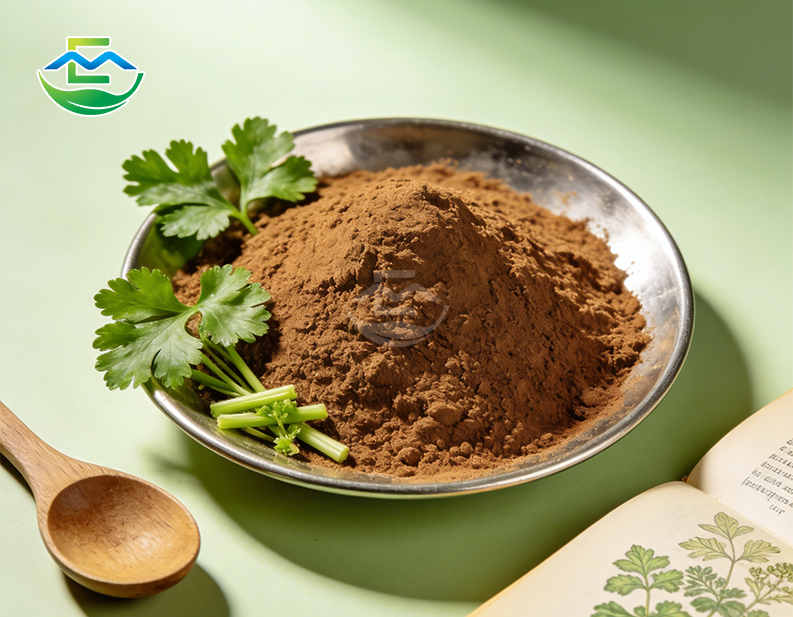
The method of separation keeps the volatile oils, valerenic acids, and valepotriates that make up the functional makeup of the extract. Modern extraction centers use closed-loop processes and temperature-controlled methods to keep the purity of the compound while it is being made. The brownish-yellow powder that is made is very stable when kept correctly, which helps finished goods last longer on shop shelves.
Primary Functional Benefits
A lot of people say that the Valerian Root Extract helps them relax and sleep well without making them feel sleepy in the morning. Because of these uses, it is great for supplements to take at night, bedtime teas, and drinks that help you relax. Unlike synthetic alternatives, valerian extract doesn't make you sleepy right away; instead, it works slowly with your body's natural processes.
Beyond helping people sleep, the extract can also help people deal with stress. People today are constantly stressed out by many things, which is why there is a strong demand for natural ingredients that help people feel calm. Formulation scientists like that valerian extract can be mixed with plants that work well together, like chamomile, passionflower, and lemon balm, to make results that are stronger.
Scientific Mechanisms
Its useful qualities come from its complicated relationships with GABA receptors in the nervous system. Valerenic acid binds to these receptor sites and may change the brain signaling pathways that are connected to relaxation reactions. This mechanism is different from pharmaceutical sleep aids because it is gentler, which makes it appealing to health-conscious people who are looking for alternatives to traditional options.
According to research, the best effects come from using valerian regularly for a few weeks. This makes it different from fast-acting synthetic substances. This trait fits with the botanical supplement group as a whole, where long-term benefits usually outweigh short-term effects. The procurement teams should make sure that downstream partners and end customers understand these usage trends.

Comparing Valerian Root Extract with Other Natural Sleep and Anxiety Aids
Positioning Against Melatonin
Melatonin is the most popular sleep aid because it directly affects circadian rhythms. However, Valerian Root Extract has clear benefits in certain situations. Melatonin tells the body when to go to sleep, and valerian helps the body get into a restful state by changing neurotransmitters. Many formulators now mix the two to improve more than one part of sleep quality at the same time.
The rules that govern these ingredients are also different. It is illegal to sell melatonin in some international markets, but it is usually easier to sell valerian extract. When a brand wants to sell their products all over the world or in places where certain ingredient rules apply, this is an important thing to think about.
Comparison with Other Botanicals
Passionflower extract (Passiflora incarnata) is another natural choice that can be used in similar ways but in different ways. Passionflower has flavonoids and alkaloids that are different from valerian's valerenic acids. This lets formulators make choices based on the tastes and preferences of the target audience and how they want to place their products. Kava root (Piper methysticum) is very good at helping people relax, but it is closely watched by regulators in many places because of past worries about how well it works with the liver. For procurement teams that don't want to take risks, valerian is a safer option.
Chamomile and lemon balm are milder options that can be used in daytime stress relief formulas. These plants work well with valerian and don't compete with it. This makes it possible to make sophisticated products with more than one ingredient that can help with different health issues throughout the day.
Form Factor Considerations
Valerian extract comes in a number of different delivery formats, and each one has its own manufacturing and shipping issues that need to be thought through. Concentrated powder extracts are the most flexible because they mix easily into powder blends, pills, and tablets. The 10:1 and 20:1 concentration ratios let you be flexible with your formulations while keeping doses the same across all product lines.
Liquid extracts are used in specific ways, like in tinctures, drinking concentrates, and skin treatments. But liquids need to be handled carefully while being shipped and stored so they don't go bad. These worries are lessened by powder forms, which also lower freight costs per active unit. This makes them the best choice for large-scale buying operations.
Safety, Dosage, and Regulatory Considerations for Procurement
Recommended Usage Guidelines
Clinical research backs up daily doses of 300 to 600 mg of standardized extract as helpful for adults who want to sleep better. For correct formulation work, concentration ratios are very important because these doses are for products that have been standardized to a certain amount of valerenic acid. The 10:1 and 20:1 specs let formulators figure out the same amount of raw herb, which backs up both traditional and scientific product claims.
Product designers should know that Valerian Root Extract usually needs to be used regularly for two to four weeks in order to work best. This trend of use affects how big a product should be, what marketing themes should be used, and efforts to teach consumers. During the initial discussions about sourcing, procurement teams should make these deadlines clear to brand partners.
Quality Assurance and Testing
Responsible valerian extract sourcing is based on testing methods set up by a third party. Heavy metal screening makes sure that levels of lead, arsenic, cadmium, and mercury stay below the limits set by FDA guidance and USP standards. Pathogenic species, such as Salmonella and E. coli, were not found through microbial tests, but the total plate counts stay in ranges that are good for dietary supplements.
More and more people are becoming aware of how farming works, which has made pesticide residue analysis more important. Multi-residue screening, which looks at hundreds of substances, makes sure that the ways plants are grown and harvested are safe and meet clean standards. Every package should come with a Certificate of Analysis (COA) that verifies the purity and strength claims for each batch.
Certification Requirements
For modern business-to-business purchases, certifications must cover a wide range of topics and meet many regulatory frameworks at the same time. The NSF GMP certification shows that the manufacturing process follows current good manufacturing practices for dietary supplements. Kosher and Halal certifications help brands reach more religious customers, and organic certification gives brands top spots in channels for natural products.
The FSSC22000 certification is about food safety management systems. It is especially useful for items that will be used in healthy foods and drinks. With ISO certifications, companies promise to do a better job of managing quality, which lowers the risk in the supply chain. Instead of depending on old paperwork, procurement managers should make sure that sellers keep their certifications up to date.

Market Insights and Procurement Strategies for Valerian Root Extract
Supplier Landscape Analysis
There are different types of suppliers in the Valerian Root Extract supply chain, and each one meets different buying needs. Direct botanical manufacturers run extraction facilities that are connected directly to agricultural sources. This gives them price advantages and makes the supply chain clearer. Most of the time, these providers have higher minimum order amounts, but they offer a lot of technical help and choices for custom standardization.
Ingredient wholesalers keep a wide range of plant extracts from different companies in stock, which lets customers place smaller orders and get them faster. This model works well for brands that are trying out new formulas or need to handle their goods in a flexible way. Private label makers give complete packages that include formulating, packaging, and legal paperwork. These packages are perfect for brands that value speed to market over unique formulations.
Cost Structure and MOQ Considerations
Valerian Root Extract prices depend on a number of factors, such as the concentration ratio, whether the product is organically certified, and the size of the order. Because it takes more time and more raw materials to make, the 20:1 percentage usually costs more than the 10:1 standard. Certification as organic adds 15–25% to the base price, but it gives you access to high-end markets where price is less important than ingredient quality.
For standard specifications, the minimum order quantity usually starts at 25 kilograms. However, some suppliers will accept smaller quantities for qualified accounts. The 25kg drum packaging format strikes a good balance between how quickly it can be shipped and how easily it can be managed, so that too much capital doesn't get stuck in raw material stocks. When choosing a supplier, procurement teams should compare annual usage estimates to MOQ requirements.
Logistics and Lead Times
When compared to directly importing from foreign sources, domestic warehouse networks cut lead times by a huge amount. Four carefully placed U.S. warehouses allow transport to most domestic places in two to three days, which supports just-in-time inventory strategies that lower the cost of storage. This system is especially helpful when a new product comes out, and demand predictions are hard to make.
When an item is in stock, it doesn't have to go through the 6–12 week lead times that come with foreign shipping, clearing taxes, and quality checks. Purchasing teams can quickly respond to sudden increases in demand or changes to the formula without having to wait for production to finish. Second-day pickup from warehouse places gives customers more options for meeting urgent needs.
Case Studies and Successful Formulation Applications
Nutraceutical Product Integration
Leading supplement companies have successfully added Valerian Root Extract to sleep aid formulas that contain other plant ingredients. Each dose of these items usually has 300 to 400 mg of valerian extract along with other ingredients that work well together, such as magnesium, L-theanine, and chamomile. Standardized concentration ratios make sure that all production batches of a product work the same way, which is good for the brand's image and keeps customers coming back.
Manufacturers say that powder extracts work well in capsule formulations and don't cause problems with flow or stability. When goods are stored in light-resistant bottles with the right moisture barriers, the brownish-yellow color stays the same over time. Studies on consumer acceptance show that goods with clear instructions for use that stress regular daily use get high satisfaction scores.
Functional Beverage Applications
Valerian extract is being used more and more in functional beverages, especially in drinks for relaxing at night and products that help with stress. People who make drinks like how easily concentrated extracts dissolve in both hot and cold liquids without leaving behind unwanted sediment. The mildly earthy taste goes well with plants and natural flavorings that go well with it.
To keep the extract stable during distribution, shelf-stable ready-to-drink formats need careful pH management and preservation strategies. Commercially successful products usually have 150 to 250 mg of valerian extract per serving, which strikes a balance between taste and health benefits. Manufacturers of drinks say that customers will buy their products again and again if they consistently help people relax without making them sleepy in the morning.
Quality Benchmarks from Established Brands
Suppliers of reputable ingredients show their commitment to quality by using clear testing protocols and lots of paperwork. Companies like Nature's Way and NOW Foods have become market leaders by setting high-quality standards that go above and beyond what the government requires. These brands keep detailed systems for tracking the origin of their raw materials from where they are grown to where they are sold as finished goods.
Third-party testing verification through independent laboratories gives buying teams that are handling source risk even more confidence. When suppliers provide full COA paperwork for every production lot, it makes it easier to do thorough quality checks and make sure they are following the rules. This openness is especially helpful when regulators come to check on the food or when customers ask about where the ingredients come from.

Conclusion
Valerian Root Extract is a key botanical ingredient for companies that want to reach the growing markets for sleep aids and stress relief. The extract's scientifically backed useful profile, along with its good reputation with regulators and customers, makes it a key ingredient for natural health products. For successful procurement, you need to look at more than just price when examining a supplier's skills. You should also look at their certification coverage, supply chain infrastructure, expert help, and consistency of quality. Standardized 10:1 and 20:1 concentration ratios give formulators more freedom while keeping consistent performance across a wide range of product forms. Building partnerships with reputable valerian extract providers is becoming more and more important for brands that want to stay ahead of the competition in the natural goods market as the demand for plant-based health products keeps rising.
FAQ
1. Could valerian powder be mixed with other plant-based ingredients?
Valerian Root Extract works well with plants that are similar to it, like chamomile, passionflower, lemon balm, and hops. When compared to single-ingredient products, these synergistic formulations often give better results. Formulators should make sure that the combined doses follow established usage guidelines and do stability tests to make sure that the ingredients will still work together after they've been stored for a while.
2. Which method of extraction makes the best valerian extract?
Using temperature-controlled methods to extract ethanol from water gives better results because it keeps heat-sensitive compounds safe while achieving concentrated standardization. The 10:1 and 20:1 ratios show how well the extraction worked and let you do exact estimates for the formulation. During the supplier qualification process, procurement teams should ask for detailed documentation on the extraction method.
3. How long does it take for users to notice effects?
Valerian Root Extract usually needs to be used every day for two to four weeks to work at its best. This slow start-up makes it different from manmade options and shows how gently it works with the body's natural processes. These reasonable dates should be written on product labels and consumer education tools to keep people's expectations in check and encourage them to keep using the product.
4. What certifications are most important for buying valerian extract as a business?
NSF GMP certification makes sure that supplements are made in accordance with the rules, and organic certification helps market high-end products. With Kosher and Halal approvals, you can reach more customers, and FSSC22000 covers food safety for beverage uses. Procurement teams should give more weight to suppliers that have multiple certifications than to those that only have one.
Premium Valerian Extract from EM
EM, a California-based company that has been specializing in botanical ingredients since 2018, can help procurement professionals find a reliable Valerian Root Extract supplier. Our standardized extracts come from Valeriana officinalis roots and have tight 10:1 and 20:1 concentration ratios. They give your formulation team the stability they need. With certificates for NSF GMP, FSSC22000, Kosher, Halal, ISO, and organic products on every shipment, EM meets all the compliance needs of a wide range of market outlets. Four strategically placed U.S. warehouses make sure that your 25 kg minimum orders get to you within two to three business days. This lets you keep up with changing production schedules without having to keep too much inventory on hand. Our R&D team gives expert advice on how to make formulations work better, and our quality control methods make sure that each batch is reliable. Your development team can test the performance of free samples before committing to full-scale buying. Get in touch with our team at info@em-herb.com to talk about how our Valerian Root Extract manufacturer services can help you expand your product line and get your next health idea to market faster.
References
1. Bent, S., Padula, A., Moore, D., Patterson, M., & Mehling, W. (2006). Valerian for sleep: a systematic review and meta-analysis. American Journal of Medicine, 119(12), 1005-1012.
2. Fernández-San-Martín, M.I., Masa-Font, R., Palacios-Soler, L., Sancho-Gómez, P., Calbó-Caldentey, C., & Flores-Mateo, G. (2010). Effectiveness of Valerian on insomnia: a meta-analysis of randomized placebo-controlled trials. Sleep Medicine, 11(6), 505-511.
3. Stevinson, C., & Ernst, E. (2000). Valerian for insomnia: a systematic review of randomized clinical trials. Sleep Medicine, 1(2), 91-99.
4. Diaper, A., & Hindmarch, I. (2004). A double-blind, placebo-controlled investigation of the effects of two doses of a valerian preparation on the sleep, cognitive and psychomotor function of sleep-disturbed older adults. Phytotherapy Research, 18(10), 831-836.
5. Hadley, S., & Petry, J.J. (2003). Valerian. American Family Physician, 67(8), 1755-1758.
6. Shikov, A.N., Pozharitskaya, O.N., Makarov, V.G., Wagner, H., Verpoorte, R., & Heinrich, M. (2014). Medicinal plants of the Russian Pharmacopoeia; their history and applications. Journal of Ethnopharmacology, 154(3), 481-536.