- English
- French
- German
- Portuguese
- Spanish
- Russian
- Japanese
- Korean
- Arabic
- Irish
- Greek
- Turkish
- Italian
- Danish
- Romanian
- Indonesian
- Czech
- Afrikaans
- Swedish
- Polish
- Basque
- Catalan
- Esperanto
- Hindi
- Lao
- Albanian
- Amharic
- Armenian
- Azerbaijani
- Belarusian
- Bengali
- Bosnian
- Bulgarian
- Cebuano
- Chichewa
- Corsican
- Croatian
- Dutch
- Estonian
- Filipino
- Finnish
- Frisian
- Galician
- Georgian
- Gujarati
- Haitian
- Hausa
- Hawaiian
- Hebrew
- Hmong
- Hungarian
- Icelandic
- Igbo
- Javanese
- Kannada
- Kazakh
- Khmer
- Kurdish
- Kyrgyz
- Latin
- Latvian
- Lithuanian
- Luxembou..
- Macedonian
- Malagasy
- Malay
- Malayalam
- Maltese
- Maori
- Marathi
- Mongolian
- Burmese
- Nepali
- Norwegian
- Pashto
- Persian
- Punjabi
- Serbian
- Sesotho
- Sinhala
- Slovak
- Slovenian
- Somali
- Samoan
- Scots Gaelic
- Shona
- Sindhi
- Sundanese
- Swahili
- Tajik
- Tamil
- Telugu
- Thai
- Ukrainian
- Urdu
- Uzbek
- Vietnamese
- Welsh
- Xhosa
- Yiddish
- Yoruba
- Zulu
Determining the appropriate application level of White Peony Extract—derived from Paeonia lactiflora roots—requires a clear understanding of its botanical composition, extract specifications, and intended product format. Standardized extracts typically range from 4:1 to 10:1 concentration ratios, with paeoniflorin commonly used as a marker compound for quality evaluation. The suitable inclusion level depends on formulation objectives, target consumer groups, product formats, and regulatory requirements. This guide provides practical information to help R&D teams, procurement managers, and formulation specialists integrate this botanical ingredient effectively while maintaining quality consistency and compliance across nutraceutical, cosmetic, and functional food applications.

Understanding White Peony Extract: Composition and Applications
Botanical Origins and Extraction Technology
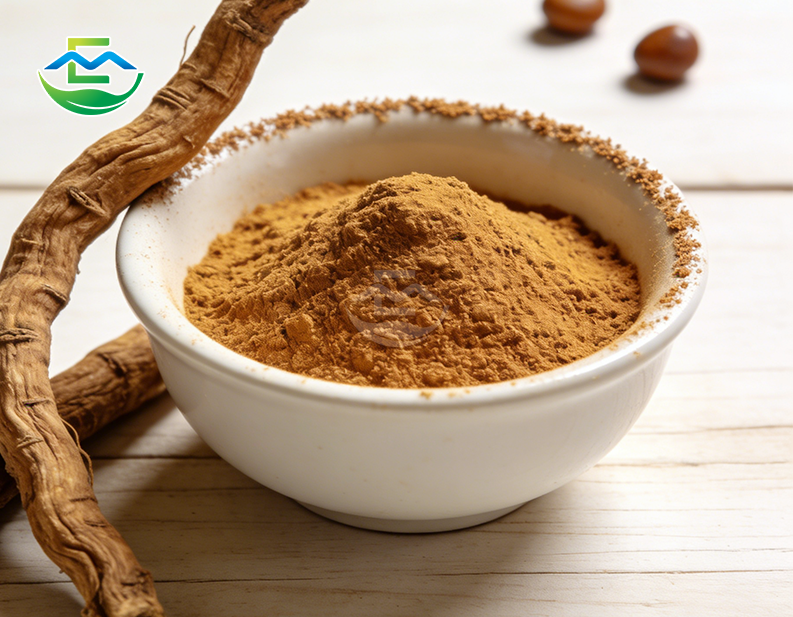
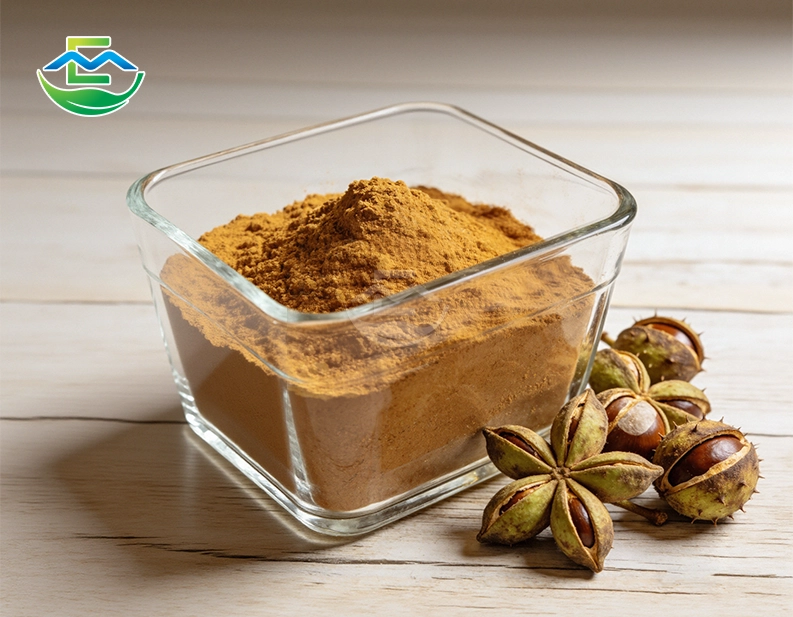
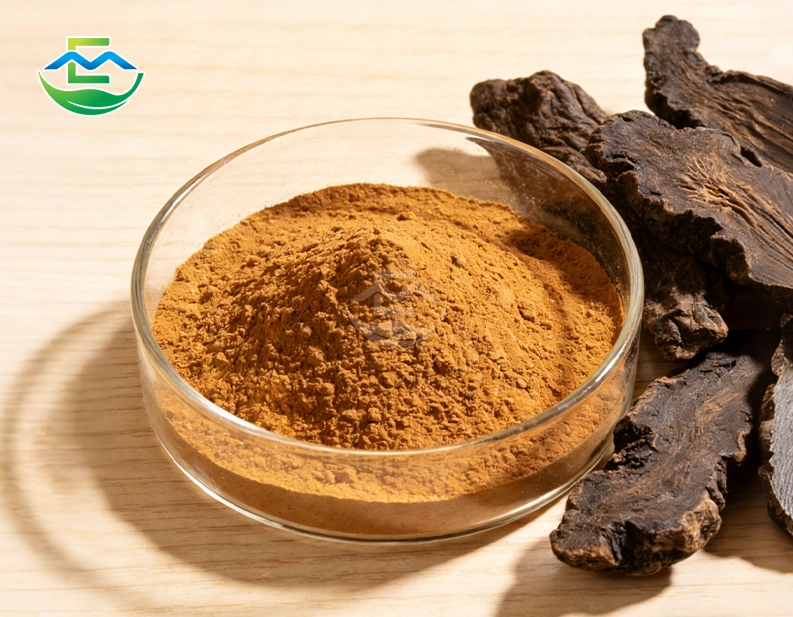
White Peony Extract is produced from the dried and peeled roots of the perennial herb Paeonia lactiflora Pall., which is primarily cultivated in temperate regions. Through advanced liquid extraction and spray-drying technologies, raw root materials are processed into a concentrated botanical powder. Compared with raw herbal powders, standardized extracts provide more consistent levels of naturally occurring plant compounds, particularly monoterpene glycosides such as paeoniflorin. This consistency allows manufacturers to develop products with more predictable ingredient specifications. At EM, our brownish-yellow White Peony Extract powder is produced in NSF GMP-certified facilities to support stable quality performance across production batches. The peeling process contributes to a distinct botanical profile and cleaner sensory characteristics, making the ingredient suitable for different formulation systems.
Key Functional Properties for Product Development
White Peony Extract's main component, paeoniflorin, has been extensively examined as a representative of Paeonia lactiflora. This ingredient gives the extract its botanical and chemical identity. Paeoniflorin's molecular properties, antioxidant properties, and formulation compatibility are studied. Botanical product makers choose White Peony Extract for these reasons. The composition enables formulators to investigate cosmetic formulations, functional food creation, and botanical component combinations. White Peony Extract is tested in cosmetics for compatibility with brightening and botanical beauty products. Its antioxidant properties and plant-derived profile make it suitable for clean-label products that emphasise natural sourcing and ingredient transparency.
Industrial Applications Across Market Segments
Manufacturers incorporate White Peony Extract into various product categories, including capsules, tablets, powders, cosmetic formulations, and functional food products. Nutraceutical companies commonly use standardized extracts because they provide controlled ingredient specifications and allow more accurate formulation planning. Cosmetic developers value White Peony Extract because of its botanical origin, ingredient story, and compatibility with premium skincare concepts. It can be incorporated into products such as serums, creams, and botanical skincare formulations where plant-based ingredients are emphasized. Functional beverage manufacturers often select water-compatible extract formats to support beverage development. Different extract ratios provide flexibility:
- Higher concentration ratios are suitable for compact formulations requiring concentrated botanical components.
- Lower concentration ratios are suitable for products requiring a lighter botanical profile.
This flexibility allows product developers to create diverse formulations while managing production costs and maintaining consistent ingredient standards.

Determining the Right Application Level: Key Considerations
Research Data and Recommended Application Ranges
Application guidelines for White Peony Extract depend on extract specifications, product formats, and formulation objectives. Standardized extracts are commonly evaluated according to their paeoniflorin content and concentration ratio. A 10:1 extract indicates that approximately ten units of raw botanical material are processed into one unit of finished extract. For example, 500 mg of a 10:1 extract represents a concentrated botanical equivalent compared with the original raw root material. This concentration information helps formulation teams calculate ingredient usage more accurately. When developing products, R&D teams typically work backward from desired paeoniflorin specifications and product requirements. For example, a standardized extract containing 10% paeoniflorin would require calculation based on the desired marker compound level in the finished formulation. This approach helps maintain consistency between product specifications, ingredient documentation, and manufacturing requirements.
Formulation Factors Affecting Application Level
The selection of White Peony Extract inclusion levels is closely related to extract specifications, purity standards, and the requirements of the final product format. Our HPLC-tested White Peony Extract samples provide clearly defined paeoniflorin specifications, with chromatograms confirming the characteristic compound profile of Paeonia lactiflora. This analytical approach helps manufacturers maintain consistency when developing different product categories. Ingredient quality evaluation should include comprehensive screening procedures. Important quality indicators may include pesticide residue testing according to applicable international standards and heavy metal analysis to verify compliance with market requirements.
Different delivery formats influence formulation strategies:
- Capsules and tablets: Concentrated powder formats allow manufacturers to create compact dosage forms with controlled ingredient specifications.
- Functional beverages: Water-compatible extract formats may be preferred to improve dispersion and formulation stability.
- Powder blends: Particle size and flow characteristics should be evaluated to ensure processing compatibility.
When White Peony Extract is combined with other botanical ingredients, formulation teams should consider ingredient compatibility, sensory characteristics, and overall product positioning. Shelf-life stability testing is also an important step in product development. Proper evaluation helps confirm that selected application levels maintain ingredient quality throughout the expected product lifecycle, particularly in products exposed to humidity, temperature variations, or extended storage periods.
Target Demographics and Application Context
White Peony Extract use depends on product category and customer positioning. Sports nutrition products may use botanical extracts in plant-based formulations. Manufacturers test ingredient compatibility with proteins, minerals, and other nutrients. White Peony Extract is utilised in botanical skincare products. When combined with ceramides, botanical oils, or moisturising compounds, lower inclusion levels are usually recommended. Sensory qualities must be considered for functional foods. Since botanical extracts may affect flavour, colour, and texture, producers choose inclusion levels that preserve product quality and customer approval. Different customer groups may impact formulation. Product makers choose ingredient levels based on serving format, convenience, market expectations, and regional legislation.EM's technical team reviews product goals, extract specifications, and application requirements to assist clients in choosing inclusion tactics. This collaborative method helps manufacturers streamline development and reduce product testing and reformulation.
Safety Profile and Quality Assurance
Understanding Ingredient Compatibility and Quality Considerations
High-quality botanical ingredients produced under controlled manufacturing conditions are evaluated through comprehensive quality management systems. During product development, manufacturers typically consider factors such as ingredient specifications, recommended application levels, labeling requirements, and target market regulations. Clear product documentation helps brands communicate appropriate usage information and maintain compliance with regional requirements.
Technical documentation packages may include:
- Certificate of Analysis (CoA)
- Product specifications
- Safety documentation
- Allergen statements
- Manufacturing information
- Storage recommendations
These materials support manufacturers during product registration, quality review, and supply chain management processes.
Quality Standards Ensuring Consistent Ingredient Performance
Professional-grade White Peony Extract differs from general botanical powders through advanced analytical testing and quality verification procedures. Ingredient authentication commonly includes TLC fingerprinting to confirm the identity of Paeonia lactiflora and distinguish the material from alternative botanical sources.
Heavy metal analysis verifies that the ingredient meets international quality expectations. Typical testing parameters may include:
- Lead: below 3.0 ppm
- Arsenic: below 2.0 ppm
- Cadmium: below 1.0 ppm
- Mercury: below 0.1 ppm
Multi-residue pesticide screening using GC-MS and LC-MS technologies helps evaluate agricultural residue levels and supports compliance with international market requirements.
Microbiological quality evaluation may include:
- Total Plate Count testing
- Yeast and mold analysis
- Pathogen screening
Typical quality specifications require controlled microbial levels and confirmation that specific microorganisms are absent. These testing procedures, documented through Certificate of Analysis packages, provide procurement teams with reliable information for supplier qualification and ingredient approval.
Certification Infrastructure Supporting Compliance
A comprehensive certification system helps suppliers meet the expectations of different global markets. NSF GMP certification demonstrates structured manufacturing practices and quality management procedures.FSSC22000 certification confirms the implementation of food safety management systems and operational controls. Kosher and Halal certifications allow manufacturers to serve specific market segments with additional certification requirements.ISO certification demonstrates standardized quality management practices across production operations. Organic certification supports brands developing premium natural product lines where certified sourcing is an important market consideration. These certifications represent more than documentation. They demonstrate supplier commitment to traceability, production control, sanitation standards, and continuous quality improvement. For procurement professionals, reliable certification systems simplify supplier evaluation, internal approval processes, and market compliance preparation.

Practical Guide to B2B Procurement
Supplier Selection Criteria and Due Diligence
A systematic evaluation process is essential when selecting botanical ingredient suppliers for White Peony Extract. The first step is reviewing analytical documentation, including HPLC chromatograms that demonstrate clear paeoniflorin peaks and confirm the characteristic composition of Paeonia lactiflora extract. Production capability is another important consideration. Suppliers with dedicated extraction facilities and established quality systems typically provide more consistent ingredient specifications compared with distributors sourcing from multiple unidentified channels. Certification verification should also be part of the supplier review process. Procurement teams should confirm certification validity through official records rather than relying only on provided copies of documents.
Sample evaluation should include more than analytical testing. Manufacturers should also assess:
- Compatibility with existing formulations
- Solubility performance
- Sensory characteristics
- Processing adaptability
- Stability under application conditions
EM’s operations in California provide advantages in supply chain transparency, including facility communication, technical discussions, and efficient sample evaluation processes. These resources help customers better understand ingredient specifications before large-scale purchasing decisions.
Dosage Form Options and Customization Capabilities
Different product categories require different ingredient formats and processing characteristics.
Spray-dried White Peony Extract powders are suitable for many encapsulation and blending applications because of their improved flow properties and convenient handling characteristics.EM provides 25 kg drum packaging options suitable for medium-sized manufacturers, while larger-volume customers may select bulk packaging solutions designed for optimized transportation efficiency. For beverage applications, water-compatible modifications can improve dispersion characteristics and support the development of clear or blended liquid formulations. Microencapsulation technology may also be considered when manufacturers need additional protection for botanical compounds during challenging processing conditions, such as acidic environments or elevated temperatures. Customized extract ratio development provides OEM customers with greater flexibility. R&D teams can work with manufacturers to establish specifications that match product positioning, formulation requirements, and cost targets.
Logistics and Inventory Management Strategies
Reliable supply chain management plays an important role in maintaining production continuity.EM operates four strategically located warehouses across the United States, allowing customers to access stocked materials quickly while reducing transportation complexity compared with overseas sourcing. A 25 kg minimum order quantity provides flexibility for both emerging brands and established manufacturers. This allows companies to test new concepts while avoiding excessive inventory commitments. For customized specifications, production timelines typically include raw material preparation, processing, quality testing, and final confirmation procedures.
Proper storage conditions are important for maintaining ingredient quality. Recommended storage practices generally include:
- Keeping products in cool environments
- Protecting materials from excessive moisture
- Avoiding direct sunlight exposure
- Maintaining sealed packaging conditions
Technical documentation provides additional guidance on storage and handling requirements. Manufacturers can also evaluate ingredient compatibility through sample testing before committing to larger purchase volumes, helping reduce development risks during early product stages.
Maximizing ROI: Best Practices and Market Development Strategies
Product Development Opportunities Across Industry Segments
Successful botanical product development often depends on combining ingredient quality with effective market positioning. Supplement brands may differentiate their products by incorporating standardized White Peony Extract into botanical formulas that emphasize ingredient transparency and natural sourcing. Cosmetic companies can utilize paeoniflorin-standardized powder as part of premium skincare concepts featuring plant-derived ingredients and clean-label positioning. Functional beverage manufacturers may explore water-compatible White Peony Extract formats to create botanical beverage products with consistent ingredient performance and appealing sensory profiles. Maintaining stable ingredient quality throughout production helps manufacturers build consumer trust and strengthen long-term product positioning.
Overcoming Common Procurement Challenges
Quality consistency is one of the primary concerns when sourcing botanical ingredients.
Establishing clear specifications for parameters such as:
- Moisture content
- Particle size distribution
- Paeoniflorin content
- Botanical identity
- Microbial limits
allows procurement teams to evaluate suppliers objectively.
Batch-to-batch Certificate of Analysis documentation should demonstrate minimal variation in key specifications, helping manufacturers maintain consistent product quality.
Regulatory requirements also vary across different markets. Suppliers should understand documentation expectations for regions such as:
- European Union ingredient regulations
- FDA-related requirements
- Canadian natural product regulations
- Other international market standards
EM’s regulatory support team assists customers by providing technical documentation and helping organize compliance materials required for different markets.
Building Strategic Supplier Partnerships
Long-term supplier relationships provide advantages beyond basic ingredient purchasing.
Quality agreements can establish clear expectations regarding:
- Product specifications
- Testing procedures
- Documentation requirements
- Handling of quality deviations
- Communication procedures
Collaborative innovation projects may include developing customized extract specifications or optimizing formulations for specific applications.
Volume commitments can provide advantages such as improved pricing structures and greater supply planning stability.
Regular supplier performance reviews may evaluate:
- On-time delivery performance
- Quality consistency
- Technical response speed
- Documentation accuracy
These structured partnerships transform suppliers from simple vendors into strategic partners supporting long-term product development goals.

Conclusion
Using White Peony Extract effectively involves balancing ingredient quality, formulation needs, supplier dependability, and market expectations. Extract concentration ratios, paeoniflorin parameters, product structure, and formulation goals should guide application selections. Successful procurement requires supplier examination, including analytical verification, certification review, quality documentation, and logistical capacity assessment. White Peony Extract allows businesses to create botanical-based products using plant-derived ingredients and transparent sourcing in the nutraceutical, cosmetic, and functional food sectors. Partnering with trusted suppliers focused on quality management becomes more useful as consumer demand for clean-label goods and traceable components grows. Through smart ingredient selection, quality control, and reliable supply chain relationships, businesses may create competitive White Peony Extract products with high consistency, transparency, and regulatory compliance.
FAQ
1. What constitutes an appropriate dosage range for supplement formulations?
Clinical research backs up daily doses of 300 to 1200 mg of standardized extract, which is equal to 30 to 120 mg of paeoniflorin content. The exact amounts depend on the concentration ratios. For example, 10:1 extracts need smaller dose sizes than 4:1 materials to give the same amount of phytochemicals. Formulation goals affect suggestions: goods that focus on health may use modest ranges, while those that are aimed at specific uses may get close to upper limits. Always use verified HPLC assay data to work backwards from the levels of active compounds you want to find.
2. How do I verify supplier authenticity and product quality?
Ask for full testing records, such as HPLC chromatograms, heavy metal tests, chemical screening reports, and microbiology results. Don't just accept copies of certifications; check them directly with the registry. Validation that isn't skewed comes from checking samples in independent third-party labs. Audits of supplier facilities show how well the quality system works and what its operating powers are. Customers are allowed to look at our open operations, which shows that we trust our methods and builds trust in procurement.
3. Can this botanical interact with common medications?
Botanical ingredients may change the way drugs are broken down or have effects that are stronger when combined with drugs. People who are taking blood thinners should be extra careful because they might work together. Product labels should say that people who use more than one intervention at the same time should talk to a doctor or nurse. Our technical documentation includes available interaction literature, which helps with label development that is based on facts and protects both customers and the brand's image.
Partner with a Trusted White Peony Extract Supplier
If you need botanical ingredients, EM is ready to help you with quick service and unwavering quality. As a manufacturer that has been around since 2018, we have advanced extraction capabilities and strategically placed U.S. warehouses that make sure we can quickly fulfill orders from our readily available stock. We offer brownish-yellow White Peony Extract Paeonia lactiflora root powder that is set at 4:1 and 10:1 ratios. It comes with certifications from NSF GMP, FSSC22000, Kosher, Halal, ISO, and Organic. Request your free sample today to see how our specs match up with your recipe needs. Get in touch with our technical team at info@em-herb.com to talk about bulk pricing, custom ratio development, and how our commitment to sustainable sourcing fits in with the values of your brand.
References
1. Li, X., & Wang, H. (2021). Pharmacological Properties of Paeoniflorin: A Review of Molecular Mechanisms and Clinical Applications. Journal of Ethnopharmacology, 276, 114-128.
2. Zhang, Y., Chen, M., & Liu, S. (2020). Quality Control and Standardization of White Peony Root Extracts in Commercial Products. Pharmaceutical Biology, 58(1), 892-901.
3. Thompson, R. D., & Mitchell, K. A. (2022). Botanical Ingredient Sourcing: Best Practices for B2B Procurement in Nutraceutical Manufacturing. International Journal of Food Science & Technology, 57(4), 2156-2167.
4. Patterson, E. L., & Davidson, M. H. (2021). Bioavailability and Pharmacokinetics of Monoterpene Glycosides from Paeonia Species. Phytotherapy Research, 35(6), 3214-3229.
5. Kumar, N., & Patel, S. (2023). Regulatory Frameworks for Botanical Ingredients in Global Markets: Compliance Strategies for Manufacturers. Food and Drug Law Journal, 78(2), 245-264.
6. Williams, C. T., Anderson, J. P., & Roberts, L. M. (2022). Application of Traditional Botanical Extracts in Modern Cosmetic Formulations: Technical and Commercial Considerations. Cosmetics & Toiletries Science Applied, 14(3), 78-95.