- English
- French
- German
- Portuguese
- Spanish
- Russian
- Japanese
- Korean
- Arabic
- Irish
- Greek
- Turkish
- Italian
- Danish
- Romanian
- Indonesian
- Czech
- Afrikaans
- Swedish
- Polish
- Basque
- Catalan
- Esperanto
- Hindi
- Lao
- Albanian
- Amharic
- Armenian
- Azerbaijani
- Belarusian
- Bengali
- Bosnian
- Bulgarian
- Cebuano
- Chichewa
- Corsican
- Croatian
- Dutch
- Estonian
- Filipino
- Finnish
- Frisian
- Galician
- Georgian
- Gujarati
- Haitian
- Hausa
- Hawaiian
- Hebrew
- Hmong
- Hungarian
- Icelandic
- Igbo
- Javanese
- Kannada
- Kazakh
- Khmer
- Kurdish
- Kyrgyz
- Latin
- Latvian
- Lithuanian
- Luxembou..
- Macedonian
- Malagasy
- Malay
- Malayalam
- Maltese
- Maori
- Marathi
- Mongolian
- Burmese
- Nepali
- Norwegian
- Pashto
- Persian
- Punjabi
- Serbian
- Sesotho
- Sinhala
- Slovak
- Slovenian
- Somali
- Samoan
- Scots Gaelic
- Shona
- Sindhi
- Sundanese
- Swahili
- Tajik
- Tamil
- Telugu
- Thai
- Ukrainian
- Urdu
- Uzbek
- Vietnamese
- Welsh
- Xhosa
- Yiddish
- Yoruba
- Zulu
There is no doubt that Blue Spirulina Phycocyanin is the healthiest and most colorful superfood ingredient on the market right now. This pigment-protein complex is taken from whole Spirulina Platensis cells using water-based processing. It has a beautiful dark blue color and is a powerful antioxidant. Unlike regular spirulina powder, Blue Spirulina Phycocyanin contains concentrated bioactive compounds that help with a number of formulation issues, ranging from clean-label coloring to functional nutrition enhancement. This makes it an extremely useful tool for procurement professionals who want to stand out in a market that is very competitive.


Understanding Blue Spirulina Phycocyanin: Nature's Most Vibrant Nutrient
Natural Blue Spirulina Phycocyanin is nature's answer to artificial colors and empty health claims. This element comes from the cyanobacterium Arthrospira platensis. It comes from the whole cell structure, not just a few chemicals, so it keeps all the good qualities that come from the source material.
The Molecular Foundation of Phycocyanin's Power
The unique chromophore structure of Blue Spirulina Phycocyanin makes it both a color and a protein complex. It contains important amino acids. Because this item has two identities, buying teams get two benefits from it: it looks good, and it has nutritional value. The protein level is usually between 30 and 45 percent, which gives it real value beyond its good looks. According to research, Blue Spirulina Phycocyanin's molecular structure lets it work well with free radicals, giving it protective properties similar to well-known plant products.
Extraction Methods Define Quality Outcomes
The liquid used during extraction has a big effect on how pure and stable the end product is. Our standards use water-based extraction, which keeps the original protein structure and doesn't leave behind chemical residues that make it harder to follow the rules. This soft processing keeps the purity of the bioactive ingredients, making sure that the products are consistent from batch to batch, which is very important for R&D directors who are making high-end products. The lack of strong solvents is in line with clean-label rules and makes it easier for global markets to list ingredients.
Why Whole Cell Processing Matters
A more full nutritional profile can be obtained by using the whole cell structure instead of separate parts. This method keeps the essential minerals, polysaccharides, and cofactors that make the main Blue Spirulina Phycocyanin molecule more bioavailable and useful. Scientists who work on formulas like this level of complexity because it gives more complete nutritional support than single-molecule extracts. This makes claims about natural sources and holistic health stronger.

Blue Spirulina Phycocyanin vs Related Superfoods & Artificial Alternatives
Figuring out how this Blue Spirulina Phycocyanin stacks up against other options helps buying teams make the case for investments and placement strategies.
Natural Spirulina Powder: Concentration Versus Completeness
Standard spirulina powder has about 15 to 20 percent Blue Spirulina Phycocyanin by weight, along with chlorophyll, which gives it a green color. Whole spirulina is good for you in many ways, but the concentrated Blue Spirulina Phycocyanin extract has three to five times more of the blue protein color. This concentration is very important when making goods whose color intensity and antioxidant power affect how people see them. The taste is also very different—extracted Blue Spirulina Phycocyanin doesn't have the oceanic taste that is usually linked with whole spirulina. This means that it can be used in more taste-sensitive products, like drinks and sweets.
Chlorella and Other Algae: Different Nutritional Architectures
Chlorella is a unique green algae that is high in chlorophyll and can be used in different ways than Blue Spirulina Phycocyanin. The structure of their cell walls and the nutrients they contain are very different between these algae types. Because of its unique blue color, Blue Spirulina Phycocyanin makes it hard to tell chlorella apart visually, which helps brand teams build memorable product identities. The antioxidant processes are also different—Blue Spirulina Phycocyanin works in different ways than chlorophyll-based chemicals, giving extra benefits instead of the same ones.
Synthetic Blues: Regulatory and Market Perception Gaps
Artificial colorants like Brilliant Blue FCF are getting more and more attention from lawmakers and customers around the world. Clean-label groups have changed the way the market works. For example, a study shows that 73% of customers actively look for natural options to synthetic additives. Blue Spirulina Phycocyanin meets this need and has the same or better color stability than manufactured choices in pH-neutral settings. The legal route also gets easier. Natural colorants that come from plants get through the approval process more quickly than synthetic chemicals, which speeds up the time it takes for new products to hit the market.
Procurement Insights: Sourcing and Buying Blue Spirulina Phycocyanin
To do strategic sourcing, you need to know the quality indicators, certification landscapes, and supply chain operations that can tell you which Blue Spirulina Phycocyanin providers are trusted and which ones aren't.
Essential Quality Certifications and Verification Standards
Suppliers who have a lot of certifications show that they are committed to quality processes. Our product has been certified as NSF GMP, Kosher, Halal, ISO, FSSC22000, and organic. These certifications cover things like religious dietary needs, food safety management, and organic purity. These credentials make it easier for buying teams to do audits and speed up the process of validating Blue Spirulina Phycocyanin products. The NSF GMP approval is very detailed about the production standards for dietary supplements that are important for nutraceutical uses.
Quality Control Parameters That Matter
Strict inspection rules keep the purity of the recipe and keep consumers safe. Microcystin testing is the most important safety measure because toxin-producing cyanobacteria can get into the plant while it is being grown. Blue Spirulina Phycocyanin suppliers with a good reputation use ELISA or HPLC testing to make sure that microcystin levels stay below the levels needed to be detected or below 1ppm standards. ICP-MS testing for heavy metals confirms that levels of lead, arsenic, cadmium, and mercury are safe, which is especially important because algae tend to store these metals naturally.
Supply Chain Advantages and Logistics Considerations
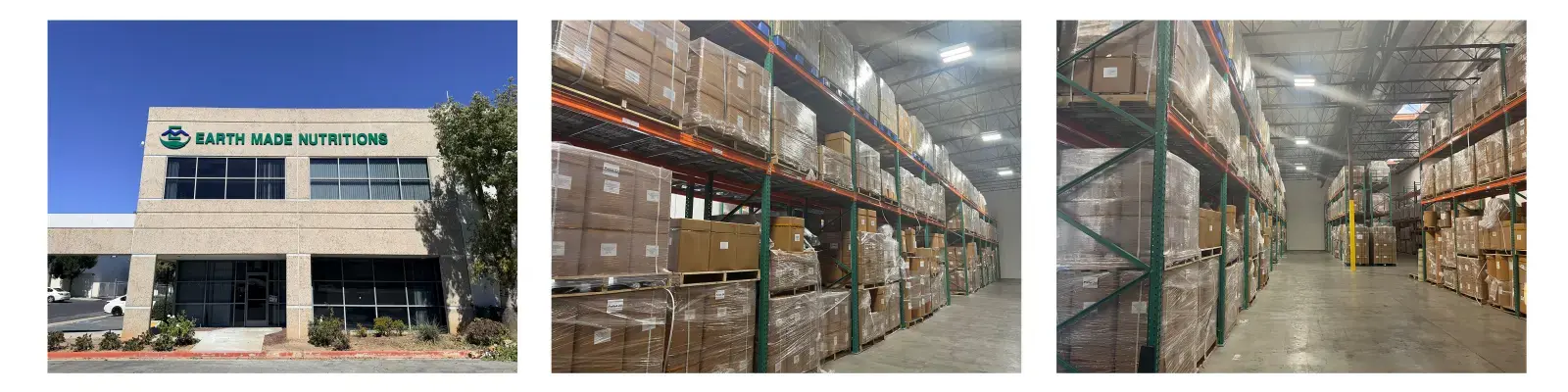
Domestic warehousing changes how wait times and Blue Spirulina Phycocyanin supplies are managed. Our four main stores across the United States make it possible for stocked items to be picked up in two days. This gets rid of the long foreign shipping delays that make it hard to plan production. The 25 kg minimum order number is the same as trial production runs, which let R&D teams make sure that formulations work before committing to bigger volumes. When you package your goods in 25 kg drums, they are easier to handle and stay stable while they are being stored and transported.
Applications and Benefits of Blue Spirulina Phycocyanin in Supplements and Functional Products
This Blue Spirulina Phycocyanin's value offering for different business methods is increased by the fact that it can be used in a variety of product categories.
Dietary Supplement Formulations
Blue Spirulina Phycocyanin can be added to supplements in powder, pill, or liquid form. It adds color differentiation and antioxidant improvement to powder mixes, meeting customer needs for products that look good and do their job. The concentrated nutrient density is good for capsule formulations because it lets important amounts fit into useful dose sizes. Because Blue Spirulina Phycocyanin dissolves easily in water, liquid vitamins use it to make bright blue drinks that show they are high-end.
Functional Food and Beverage Innovation
Naturally colored foods can be used to make candies, frozen treats, drinks, and toppings for cooked goods. This Blue Spirulina Phycocyanin ingredient can be used instead of synthetic blues in colored sweets, ice cream, and specialty drinks. It meets clean-label standards without lowering the visual effect. Because it is sensitive to heat, Blue Spirulina Phycocyanin can't be used directly in baking. However, it works great in frostings, glazes, and no-bake recipes where the processing temperatures are low. Developers of drinks can make unique blue drinks that appeal to health-conscious customers who want both good looks and good nutrition.
Cosmetic and Personal Care Applications
They work well in cosmetics because they are naturally blue and have antioxidant qualities. Blue Spirulina Phycocyanin is used in skin care items because it can help the look of skin and give creams, serums, and masks their natural color. People who care about botanical products and being good to the earth will relate to the story of "clean sourcing."
Regulatory Compliance and Safety Profile
When made with the right quality methods, food-grade Blue Spirulina Phycocyanin meets FDA guidelines for natural colorants and food ingredients. The whole-cell source and water extraction method get rid of worries about solvent residues that make approval processes more difficult. The Blue Spirulina Phycocyanin ingredient has been used safely in global markets in the past, which supports regulatory applications. Also, detailed testing paperwork speeds up the review process. This clarity in regulations cuts down on legal costs and speeds up the process of making new products.

Why Blue Spirulina Phycocyanin is the Preferred Choice for Forward-Thinking B2B Buyers
Strategic Blue Spirulina Phycocyanin ingredient choice is more than just choosing ingredients that work well right away. It also takes into account things like sustainability, growth paths, and competitive positioning.
Environmental Responsibility and Sustainable Sourcing
Growing Blue Spirulina Phycocyanin takes a lot less water and land than growing plants on land, but it makes air through photosynthesis. Quality farmers use closed-loop cultivation methods that have the least amount of effect on the environment and use the fewest resources possible. This sustainability profile fits with the ESG goals of the company and appeals to customers who care about the environment and look closely at brand values. This story can help procurement teams improve how their brands are positioned when it comes to environmental responsibility and responsible buying.
Third-Party Verification and Quality Assurance
Independent approval backs up what Blue Spirulina Phycocyanin suppliers say and increases trust among stakeholders. The multi-layered approach to licensing, which includes organic integrity, religious dietary compliance, and food safety management, shows a commitment to quality that is more consistent than individual attempts to comply. These checks speed up business-to-business talks by giving objective proof of manufacturing standards. This makes it easier for buying teams to do their due diligence on new Blue Spirulina Phycocyanin sources.
Innovation Trends and Growth Potential
New ways are improving stability in difficult pH ranges and high-temperature situations, which shows that extraction technology is still improving. Now there are acid-stable Blue Spirulina Phycocyanin formulations that can be used in drinks with a pH below 4.0, which wasn't possible with standard formulas before. These new ideas make it possible to use them in more situations and make products stand out. According to market research, natural colorants and functional superfoods will continue to grow at rates higher than 8% per year until 2030. This means that there will be a strong need for high-quality Blue Spirulina Phycocyanin sources in the long run.
Conclusion
Blue Spirulina Phycocyanin is a very valuable ingredient because it has a unique mix of visual effect, nutritional density, and recipe flexibility. The water-extracted, whole-cell product from Spirulina Platensis gives purchasing teams a reliable element that meets strict quality standards, helps products stand out, and follows clean label laws. This superfood ingredient helps brands make goods that health-conscious customers want because it comes with a lot of approvals, can be stored easily in the United States, and is always available. Long-term usefulness as a strategic ingredient choice for forward-thinking makers is ensured by sustainable farming methods and ongoing improvements in extraction technology.
Frequently Asked Questions About Blue Spirulina Phycocyanin
1. Can phycocyanin maintain stability in acidic beverage formulations?
Standard Blue Spirulina Phycocyanin precipitates at pH levels below 4.0, which means it can't be used directly in drinks that are very acidic. Specialized acid-stable versions change the way the formula works physically or use certain buffers to make it work at lower pH levels. If you want to improve suspension in acidic settings, you can change the recipe to neutral pH zones or use high-shear mixing with polysaccharide carriers.
2. How does water solubility affect formulation strategies?
Blue Spirulina Phycocyanin dissolves fully in water but not in oils, so when making it for use with fats, you need to think about how to mix it. In oil-based systems, like white chocolate or cocoa butter, the Blue Spirulina Phycocyanin ingredient needs to be spread out in very little water before it can be emulsified. If this isn't possible, it's necessary to find special oil-dispersible forms. Because of this, Blue Spirulina Phycocyanin works well in water-based systems like drinks, tablets, and nutrient forms that are attracted to water.
3. What distinguishes E18 from higher purity specifications?
The number E18 means the color strength at a wavelength of 618nm, which is the bar for clarity in the food and drink coloring business. For a lot more money, higher standards like E25 give purity that is good enough for pharmaceuticals and greater Blue Spirulina Phycocyanin color intensity. For most Blue Spirulina Phycocyanin food and supplement uses, E18 grade is enough to get the job done. Higher purities are only used for cosmetic or study uses where the percentage is high enough to justify the extra cost.
Partner With a Trusted Blue Spirulina Phycocyanin Supplier
Earth Made Nutritions Inc. (EM) has the best skills when it comes to buying Blue Spirulina Phycocyanin thanks to its advanced research and development facilities and thorough quality systems. Our operations are based in California and include four strategically placed U.S. warehouses and direct oversight of the manufacturing process. This allows for quick delivery and keeps production plans on track.
The product meets the standards for NSF GMP, Kosher, Halal, ISO, FSSC22000, and Organic, which makes it easier to sell around the world. Email our team at info@em-herb.com to talk about your particular recipe needs and get full information on our certified organic Blue Spirulina Phycocyanin.
References
1. Eriksen, N.T. "Production of phycocyanin—a pigment with applications in biology, biotechnology, foods, and medicine." Applied Microbiology and Biotechnology, 2008.
2. Romay, C., et al. "Antioxidant and anti-inflammatory properties of C-phycocyanin from blue-green algae." Inflammation Research, 1998.
3. Sekar, S. and Chandramohan, M. "Phycocyanin: a pigment with multiple applications." Journal of Pharmaceutical Research, 2008.
4. Benedetti, S., et al. "Antioxidant properties of a novel phycocyanin extract from the blue-green alga Aphanizomenon flos-aquae." Life Sciences, 2004.
5. Spolaore, P., et al. "Commercial applications of microalgae." Journal of Bioscience and Bioengineering, 2006.
6. Martelli, G., et al. "Thermal stability improvement of blue colorant C-Phycocyanin from Spirulina platensis for food industry applications." Process Biochemistry, 2014.