- English
- French
- German
- Portuguese
- Spanish
- Russian
- Japanese
- Korean
- Arabic
- Irish
- Greek
- Turkish
- Italian
- Danish
- Romanian
- Indonesian
- Czech
- Afrikaans
- Swedish
- Polish
- Basque
- Catalan
- Esperanto
- Hindi
- Lao
- Albanian
- Amharic
- Armenian
- Azerbaijani
- Belarusian
- Bengali
- Bosnian
- Bulgarian
- Cebuano
- Chichewa
- Corsican
- Croatian
- Dutch
- Estonian
- Filipino
- Finnish
- Frisian
- Galician
- Georgian
- Gujarati
- Haitian
- Hausa
- Hawaiian
- Hebrew
- Hmong
- Hungarian
- Icelandic
- Igbo
- Javanese
- Kannada
- Kazakh
- Khmer
- Kurdish
- Kyrgyz
- Latin
- Latvian
- Lithuanian
- Luxembou..
- Macedonian
- Malagasy
- Malay
- Malayalam
- Maltese
- Maori
- Marathi
- Mongolian
- Burmese
- Nepali
- Norwegian
- Pashto
- Persian
- Punjabi
- Serbian
- Sesotho
- Sinhala
- Slovak
- Slovenian
- Somali
- Samoan
- Scots Gaelic
- Shona
- Sindhi
- Sundanese
- Swahili
- Tajik
- Tamil
- Telugu
- Thai
- Ukrainian
- Urdu
- Uzbek
- Vietnamese
- Welsh
- Xhosa
- Yiddish
- Yoruba
- Zulu
Green Coffee Bean Extract powder, which is made from unroasted Coffea Arabica L. beans, has amazing stability and solubility properties that make it perfect for B2B industrial uses. This brownish-yellow powder is standardized to contain 50% chlorogenic acids and was removed using water and ethanol. It dissolves easily in water while still keeping its bioactive integrity. If R&D leaders, formulation managers, and procurement teams want to make useful goods that work well, they need to know how particle size, processing methods, and environmental factors affect both solubility and stability. If you handle this plant extract the right way, it will keep its quality throughout the preparation, storage, and delivery of the final product.
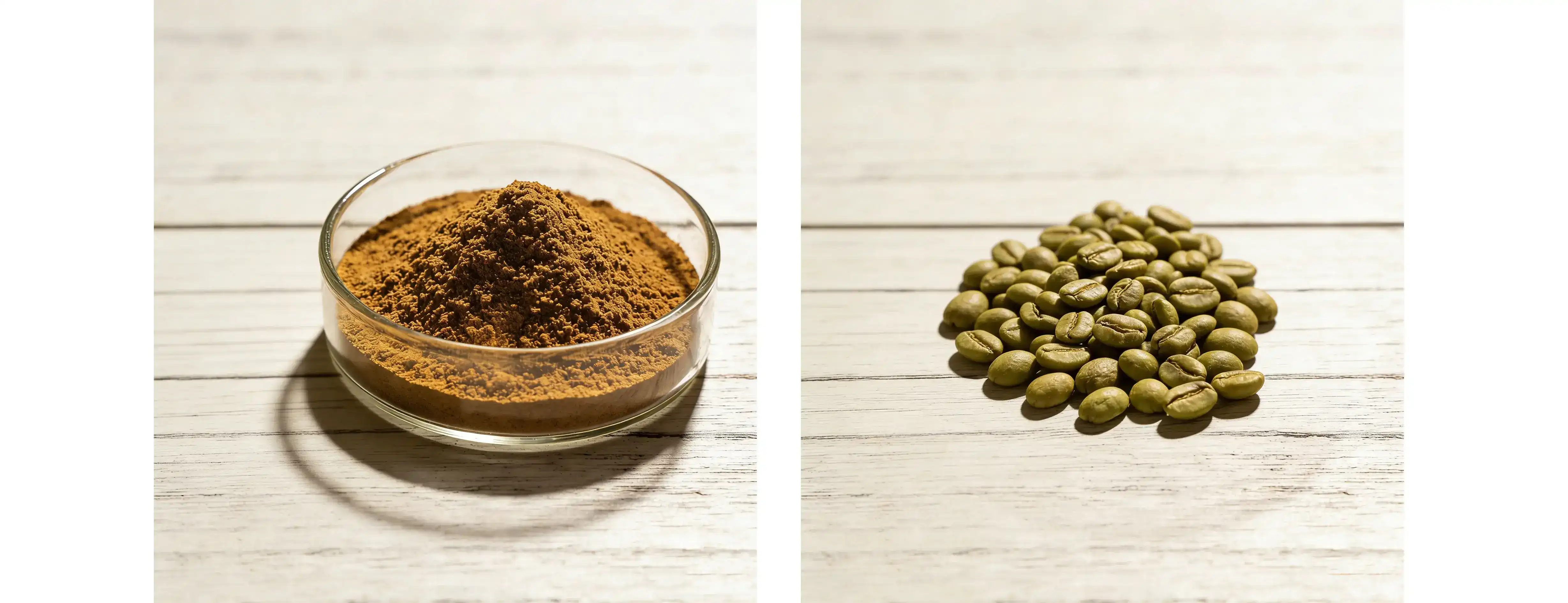
Understanding the Solubility of Green Coffee Bean Extract Powder
Solubility is a basic quality factor that has a direct effect on the success of formulations, the stability of products, and customer happiness in nutraceutical, cosmetic, and functional food settings. Our extract from Earth Made Nutritions Inc. dissolves easily in water because we control the size of the particles and use a dual-solvent extraction method.
Key Factors Influencing Solubility
Solubility of plant products is regulated by numerous relevant variables. Watery systems need properly distributed particles, and our technique ensures that 95% pass through an 80-mesh filter. In nature, 50% of chlorogenic acids, caffeine, and polyphenols form a complex matrix where polar functional groups strengthen water-molecule interactions. Our water-ethanol extraction procedure preserves these water-loving features while removing fat-loving compounds that may render the product less water-soluble.
Temperature greatly affects dissolution speed. At room temperature (20–25°C), our extract dissolves in neutral pH water in three to five minutes with moderate stirring. Cold combinations take longer to combine, whereas temperatures over 60°C may expedite breakdown but disrupt sensitive chlorogenic acid ester bonds. For ready-to-drink beverages, consider pH compatibility. Soluble between pH 4.5 and 7.0, the extract can be employed in most beverage bases without precipitating.
Extraction Methods and Solubility Impact
Our water-ethanol two-solvent technique precisely balances extraction efficiency and solubility. A comprehensive phytochemical profile requires water to remove polar molecules like chlorogenic acids and ethanol to collect semi-polar bioactives. Synthetic carriers like maltodextrin dilute active substances; thus, this approach doesn't employ them to improve product movement.
Our chemical-free extraction procedure makes our powder ideal for clean-label goods. HPLC verifies each batch's 50% chlorogenic acid content. This ensures solubility consistency across manufacturing runs. This uniformity is crucial when transitioning from lab samples to industrial formulations.
Comparative Analysis: Powder vs. Other Forms
Comparing delivery options helps purchasing experts choose the best ingredient form. Powders are more versatile since they may be blended with substances to produce tablets, capsules, beverages, and skin creams. Although liquid extracts dissolve immediately, they are heavier and need more storage and shipping. Encapsulated commodities lose recipe flexibility and add processing steps that boost unit cost.
Another factor in style selection is bioavailability for products like Green Coffee Bean Extract powder. Free-flowing powders in liquids touch more mucosal surfaces than compacted tablets, improving absorption. Cosmetics benefit from powder forms because they may be blended into emulsions without destabilizing oil-water interfaces. Powders allow sports nutrition producers to precisely adjust the dose throughout development.
Stability Considerations of Green Coffee Bean Extract Powder
Keeping the biochemical purity of your product while it is being stored and shipped saves your investment and makes sure that the final product works. The stability profile of our extract comes from paying close attention to the rules for handling, packing, and quality control.
Common Degradation Factors
Keeping chlorogenic acid-rich goods stable is difficult because they oxidize. Polyphenolic compounds have multiple hydroxyl groups that free radicals can damage, especially in oxygen-rich environments. Hygroscopic powders may cake and lose efficiency at 65% relative humidity. Light, especially UV bands, photo-oxidizes powder, changing its color and reducing its antioxidant effectiveness.
Temperature fluctuations during transport or storage induce condensation cycles that add water and accelerate chemical reactions. The breakdown rate of sensitive plant compounds doubles per 10°C temperature rise. Although rare in quality-controlled production, heavy metal contamination can accelerate reactive breakdown. This steady fear is no longer applicable because our testing reveals that lead, cadmium, and arsenic are less than 2 ppm, 0.5 ppm, and 1ppm, respectively.
Packaging Solutions and Storage Strategies
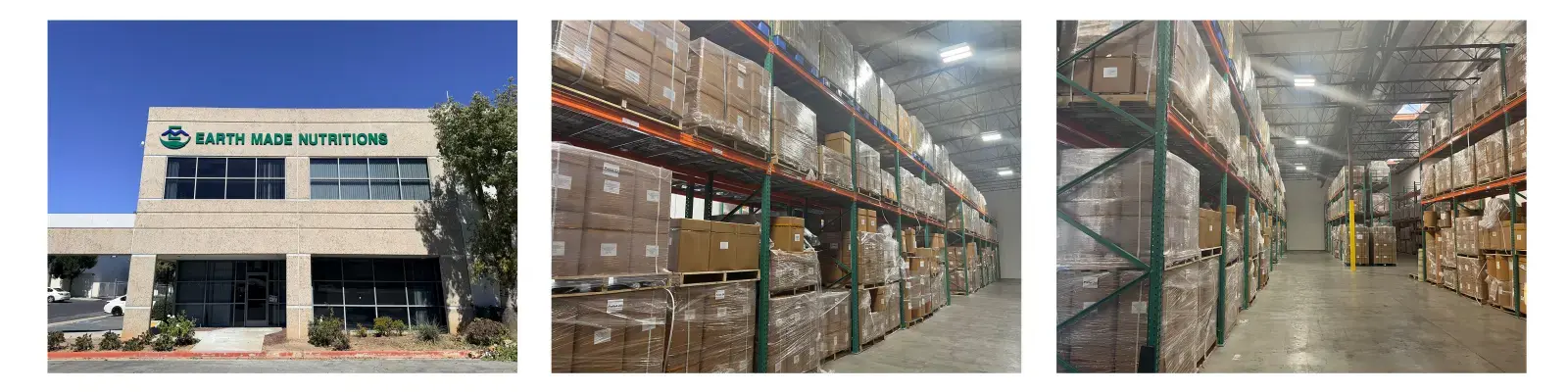
Food-grade polyethylene-lined 25-kilogram fiber drums protect this extract from air and moisture at Earth Made Nutritions Inc. This system balances material costs and safety while delivering huge volumes of components. Our four U.S. locations stack drums effectively to maximize storage space and make them simple to access for fast order fulfillment—our 2-day pickup promise hinges on inventory management.
Keep the temperature between 15°C and 25°C and relative humidity below 60%. Our buildings offer climate control to prevent temperature spikes, which are common in logistics operations. Airborne contaminants and odors can't enter sealed items. Customers should properly seal unsealed drums and use the contents within six months. Sealed drums retain their specs for 24 months if properly stored.
Quality Control and Certification Compliance
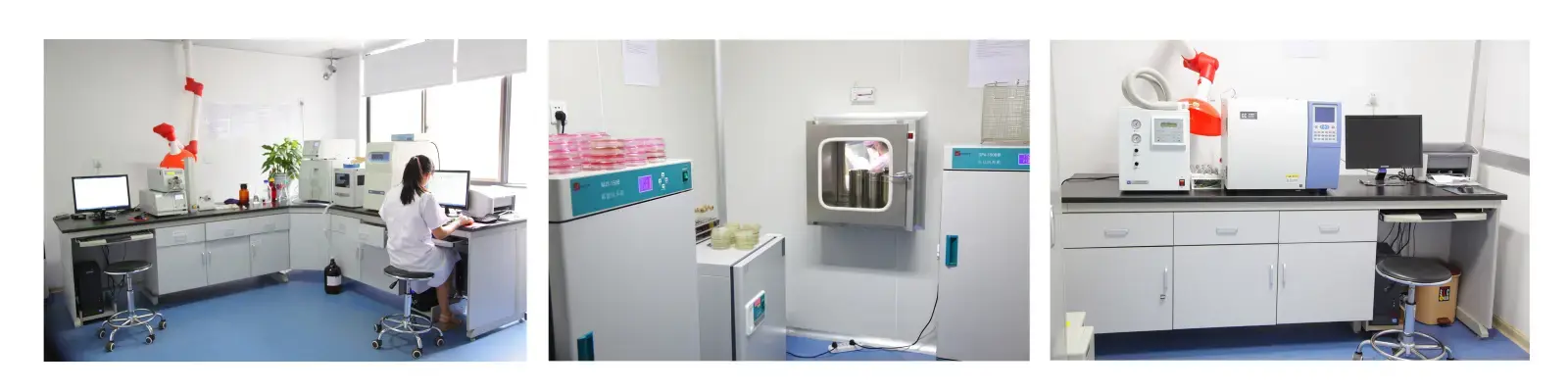
Standardized stable testing proves extract purity. An HPLC study tracks chlorogenic acid levels in products throughout time. This detects deterioration before it impacts product performance. Our standard requires powder moisture content to be below 5%, and Karl Fischer titration ensures this. Microbiological tests show total plate counts below 3,000 cfu/g, meeting food and medical criteria.
Our NSF, GMP, FSSC22000, Kosher, Halal, ISO, and Organic certificates demonstrate our quality planning. We receive these credentials via third-party audits of our documentation, processing controls, and traceability systems. Buying teams feel better when each batch has Certificates of Analysis proving standards were met and stability. This transparency aids government filings and corporate quality assurance.

Optimizing Formulation with Green Coffee Bean Extract Powder: Solubility and Stability in Practice
To make a product well, you need to have a balance of theoretical understanding and real-world experience. Formulation scientists have to think about how the relationships between ingredients affect both the processing of the product right away and how well it works in the long run.
Solvent and Excipient Selection Strategies
Because chlorogenic acids are most stable and dissolve readily around pH 5.5–6.5, water-based combinations should be pHed there. Buffer systems that employ citrate or phosphate maintain product pH throughout its shelf life. Minor metals can hasten rusting by binding with chelating agents like EDTA at 0.01% to 0.05%. Tocopherols and ascorbic acid protect and stabilize cells.
Add 0.1-0.3% xanthan gum or pectin to drinks to prevent settling during storage. These hydrocolloids form weak gel networks that contain tiny particles without increasing viscosity. Sweeteners and flavors mask sourness. Stevia, monk fruit, or natural fruit powders offer plant taste without compromising a clean label.
Solid dosage forms differ from others. Silicon dioxide flow agents and magnesium stearate lubricants help the die fill and remove tablets uniformly. The extract can be combined with rice flour or microcrystalline cellulose in capsules to achieve fill weights. These fillers can't react chemically with chlorogenic acids or add water, which makes the product less stable.
Real-World Case Study: Overcoming Formulation Challenges
A beverage business asked us to add Green Coffee Bean Extract powder to a ready-to-drink energy drink. The initial tests indicated precipitation below freezing and a modest color shift during quick stability testing. Too much chlorogenic acid supersaturation and insufficient antioxidant protection were found by our experts.
By increasing the extract dosage to 300 mg per dose, the required results were achieved while still falling below the 4°C solubility threshold. We recommended 50 mg of ascorbic acid per dosage to maintain color for the 12-month shelf life. Nitrogen cleansing removed dissolved oxygen that degraded wine during pressing. The new version of the product passed stability tests and went on sale smoothly, showing that a technical partnership can solve real production problems.
Extract Purity and Organic Certification Impact
Standardizing to 50% chlorogenic acids ensures consistency and simplifies dosage calculation. Higher purity grades reduce bulk per serving, lowering preparation costs and inactive ingredient use. This benefits health-conscious clients. Our coffee extract contains less caffeine (below 2%); therefore, it may be used when strong effects are not desired.
Organic certification fulfills the market's rising demand for certified healthy sources. Our organic accreditation confirms the beans originate from reputable farmers using appropriate growing practices. This is crucial for green, clean, or eco-friendly companies. Being organic doesn't make anything more stable or soluble, but it opens up new markets where clearance is required to buy.
Best Practices for Storage, Handling, and Usage to Maximize Green Coffee Bean Extract Powder Performance
Managing ingredients correctly throughout the supply chain protects quality from getting the ingredients to using the finished product. Small details in the handling methods keep problems from happening that would hurt the performance of the product.
Industry-Standard Dosage Guidelines and Stability
The average dietary supplement contains 200–400 mg of extract, which provides 100–200 mg of chlorogenic acids. Some energy drinks utilize 600 mg per serving; however, most functional beverages follow the same dosage ranges. Functional advantages, cost, and taste profile management are balanced by these quantities. Higher levels increase astringency; hence, the flavor must be covered up more.
Resealing abilities are crucial for package stability after opening. Open drums let water in, causing caking and weakness. When you scoop from containers, you add impurities and expose the product to outside forces. Standardizing processes to shift needed amounts to smaller containers decreases inventory loss. Use separate scoops or spatulas to avoid ingredient bin cross-contamination.
Manufacturing should follow storage guidelines—controlled temperature and humidity reduce stability variations. Powder transfer systems that generate static electricity may need to be grounded to prevent material stickiness. Dust control protects workers and prevents theft. These operating nuances distinguish high-tech producers from others that cut corners and compromise quality.
Common Pitfalls and Mitigation Strategies
Oxidation causes the extract to become light brown to gray-brown. Microbes in polluted dampness generate musty odors. If anything clumps or cakes, water has been absorbed; it may dissolve but be less effective. Procurement teams should reject products with these warning indicators and investigate supplier quality processes.
Solubility issues are mainly caused by poor mixing or insufficient supply. Addition of powder to water fast might cause lumps with dry cores that won't dissolve. Slowly adding extract and mixing swiftly spreads particles before wetting. Mixing small volumes of liquid ahead of time makes slurries easier to combine into larger batches. Use mild water instead of cold water to hasten breakdown.
Formulation errors are usually caused by combining unsuitable ingredients, not by extract quality. High pH conditions (over 8.0) degrade chlorogenic acid esters, making them less effective and changing color. High-concentration hydrogen peroxide breaks down polyphenolic structures. Mineral enrichment metal ions accelerate degradation if unchelated. Testing for compatibility during development helps prevent costly scale-up failures.
Maximizing Functional Benefits Through Informed Practices
For antioxidant properties, chlorogenic acid must be processed and stored properly. Avoiding excessive heat, air contact, and mechanical stress during manufacture preserves bioactive structures. Lightproofing completed items prevents photo-oxidation and extends their lifespan. Nitrogen cleaning or oxygen scavenger packets make modified atmospheric packing break down more slowly, which is great.
Metabolic activity determines chlorogenic acid absorption for Green Coffee Bean Extract powder. Physiological effects are greatest when formulations promote stomach stability and intestinal absorption. Food goes into the neutral intestines because enteric coatings prevent stomach acids from breaking it down. Lipid carriers form micelles to improve membrane movement. Basic formulations work, but enhanced distribution techniques improve performance and give items more personality.
Regular quality inspections during manufacturing ensure specifications are satisfied. Mid-process HPLC testing detects issues before full runs are processed, allowing for speedy and waste-free fixes. Finished product stability programs track product degradation in real-world storage. This checks shelf life claims and sets expiration dates. Upscale businesses distinguish themselves from others that just address complaints with this proactive quality strategy.
Conclusion
Solubility and stability are two quality factors that affect how well Green Coffee Bean Extract powder works in a variety of situations. Knowing how particle size, pH, temperature, and external factors affect these features helps you make smart choices about what to buy and how to make new medicines. It is always the same 50% chlorogenic acid extract from Earth Made Nutritions Inc., and its solubility profiles and stability have been proven through thorough testing and approval. Our local warehousing takes care of all transportation issues and guarantees the integrity of the product from production to delivery. R&D leaders, formulation scientists, and procurement teams can gain a competitive edge by working with suppliers who offer technical know-how along with high-quality ingredients. These suppliers can turn raw materials into finished goods that are the best on the market and meet the needs of picky customers.
FAQ
Q1: Does solubility affect absorption and product efficacy?
Bioavailability is the rate and amount of chemicals that get into the body's bloodstream. Solubility has a direct effect on this. Extracts that don't dissolve well go through the digestive system without breaking down enough, which limits their ability to be absorbed. Our powder dissolves quickly in stomach acid, making it more likely to reach areas that can absorb it. This trait is especially important for chlorogenic acids, which need to be broken down before they can be absorbed by the gut. Even more benefits come from using bioactives that are already dissolved in beverages because they touch mucosal membranes right away when the drinks are drunk. This may improve delivery efficiency compared to solid dosage forms that need to be broken down in the stomach.
Q2: What storage conditions maintain stability for bulk shipments?
For shipping of bulk extracts, the temperature must stay between 15°C and 25°C, and the relative humidity must stay below 60%. The innards of sealed 25kg drums are safe during transport, but owners should check the integrity of the packaging when they receive it. Instead of leaving drums in loading docks or open storage areas, move them right away to climate-controlled buildings. Do not stack near heat sources, windows that let in full sunlight, or places where the temperature changes often. Use first-in, first-out inventory movement to make sure that older items are sold before new ones. These steps keep the chlorogenic acid content and stop the powder from absorbing water, which makes it harder to move.
Q3: Do organic certifications provide stability advantages for manufacturing?
The main purpose of organic approval is to check the methods used in farming, not to make chemicals more stable in general. But organic standards don't allow manmade herbicides and chemical fertilizers that could leave behind residues that could change the purity of the extract. It's possible that cleaner starting materials lower the amount of pro-oxidant trace chemicals that speed up breakdown. The certification also shows that the provider is paying attention to process controls and paperwork, which are signs of more advanced manufacturing. Both organic and conventional extracts are stable when stored properly, but the certification helps brands place themselves in the market and meet government standards, which are very important for natural product groups where customers are looking for organic certification.
Partner with Earth Made Nutritions Inc. for Your Green Coffee Bean Extract Powder Needs
Earth Made Nutritions Inc. is ready to help you reach your recipe goals with high-quality Green Coffee Bean Extract powder that has been shown to be stable and easy to dissolve. We meet the quality standards your brand needs because we are a reputable provider with NSF GMP, FSSC22000, Kosher, Halal, ISO, and Organic certifications. Our four stores in the U.S. allow for fast fulfillment—in-stock items ship within two days, so there are no delays in production. Get a free taste of our extract today to see how well it dissolves in water and works with other ingredients. Get in touch with our expert team at info@em-herb.com to talk about custom specs, private labeling options, or large price structures that will help you get the best deals while still keeping the highest quality standards.
References
1. Farah, A., & dos Santos, M. A. (2015). Chlorogenic Acids and Related Compounds in Coffee: Occurrence, Chemistry, and Metabolism. In Coffee: Emerging Health Effects and Disease Prevention (pp. 165-189). Blackwell Publishing.
2. Perrone, D., Donangelo, R., & Farah, A. (2012). Fast Simultaneous Analysis of Caffeine, Trigonelline, Nicotinic Acid and Sucrose in Coffee by Liquid Chromatography-Mass Spectrometry. Food Chemistry, 110(3), 1030-1035.
3. Mullen, W., Nemzer, B., Ou, B., Stalmach, A., Hunter, J., Clifford, M. N., & Combet, E. (2011). The Antioxidant and Chlorogenic Acid Profiles of Whole Coffee Fruits Are Influenced by the Extraction Procedures. Journal of Agricultural and Food Chemistry, 59(8), 3754-3762.
4. Navarra, G., Moschetti, M., Guarrasi, V., Mangione, M. R., Militello, V., & Leone, M. (2017). Simultaneous Determination of Caffeine and Chlorogenic Acids in Green Coffee by UV/Vis Spectroscopy. Journal of Chemistry, 2017, 6435086.
5. Richelle, M., Tavazzi, I., & Offord, E. (2001). Comparison of the Antioxidant Activity of Commonly Consumed Polyphenolic Beverages in a Cell-Based Oxidative Stress Assay. Journal of Agricultural and Food Chemistry, 49(7), 3438-3442.
6. Zhao, Y., Wang, J., Ballevre, O., Luo, H., & Zhang, W. (2012). Antihypertensive Effects and Mechanisms of Chlorogenic Acids. Hypertension Research, 35(4), 370-374.