- English
- French
- German
- Portuguese
- Spanish
- Russian
- Japanese
- Korean
- Arabic
- Irish
- Greek
- Turkish
- Italian
- Danish
- Romanian
- Indonesian
- Czech
- Afrikaans
- Swedish
- Polish
- Basque
- Catalan
- Esperanto
- Hindi
- Lao
- Albanian
- Amharic
- Armenian
- Azerbaijani
- Belarusian
- Bengali
- Bosnian
- Bulgarian
- Cebuano
- Chichewa
- Corsican
- Croatian
- Dutch
- Estonian
- Filipino
- Finnish
- Frisian
- Galician
- Georgian
- Gujarati
- Haitian
- Hausa
- Hawaiian
- Hebrew
- Hmong
- Hungarian
- Icelandic
- Igbo
- Javanese
- Kannada
- Kazakh
- Khmer
- Kurdish
- Kyrgyz
- Latin
- Latvian
- Lithuanian
- Luxembou..
- Macedonian
- Malagasy
- Malay
- Malayalam
- Maltese
- Maori
- Marathi
- Mongolian
- Burmese
- Nepali
- Norwegian
- Pashto
- Persian
- Punjabi
- Serbian
- Sesotho
- Sinhala
- Slovak
- Slovenian
- Somali
- Samoan
- Scots Gaelic
- Shona
- Sindhi
- Sundanese
- Swahili
- Tajik
- Tamil
- Telugu
- Thai
- Ukrainian
- Urdu
- Uzbek
- Vietnamese
- Welsh
- Xhosa
- Yiddish
- Yoruba
- Zulu
What is pure Turmeric Root Powder Made Of? Ingredients, Composition & Health Benefits explained
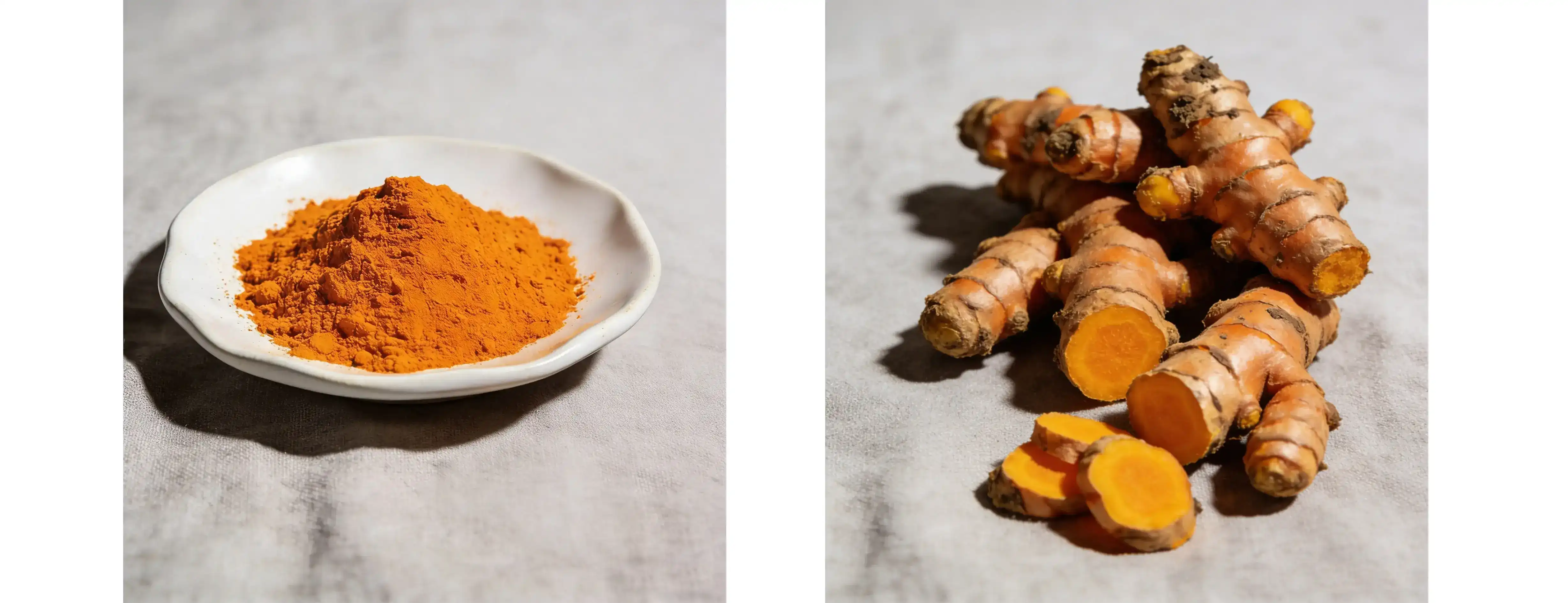
The crushed rhizome of Curcuma longa L., known for its bioactive properties, makes up pure turmeric root powder. Curcumin, volatile oils like turmerone and zingiberene, nutritional fiber, and important minerals are preserved in this whole-food ingredient without synthetic chemicals. This clean-label botanical solution contains 2-6% naturally occurring curcuminoids and synergistic chemicals that identify its true composition and functional flexibility.
Understanding Pure Turmeric Root Powder: Ingredients and Composition
Knowing what's left of the rhizome after thorough processing makes pure turmeric root powder most effective. Earth Made Nutritions Inc. knows that recipe scientists and procurement teams require reliable compositional data to make sensible ingredient purchases.
Primary Bioactive Compounds in Turmeric Rhizome
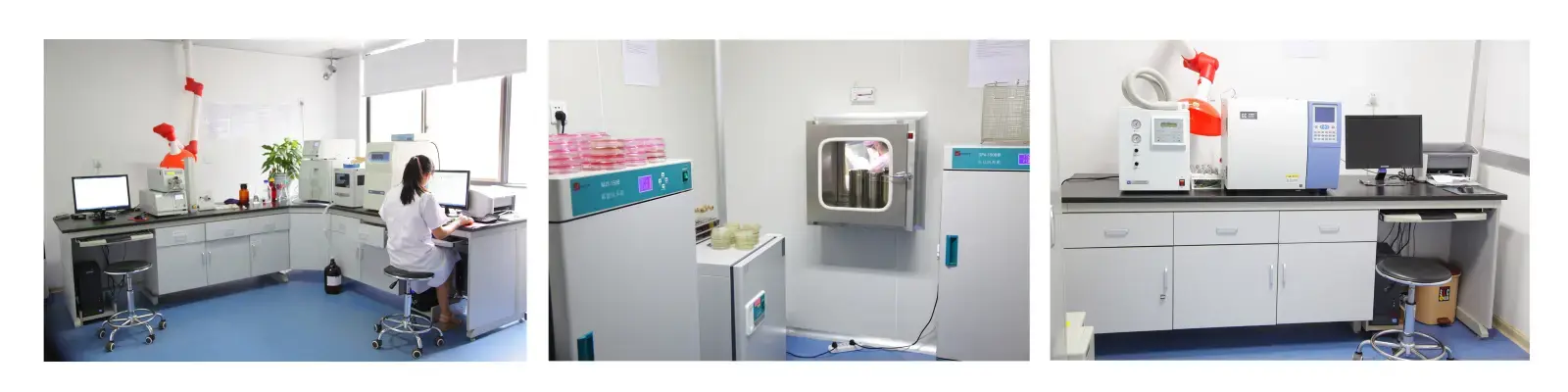
Curcuminoids provide most of turmeric's health advantages. HPLC testing shows that high-quality material contains 3.0 to 4.0 percent total curcuminoids, unlike UV techniques, which might mislead. Curcumin (the major constituent), demethoxycurcumin, and bisdemethoxycurcumin function together in this combination. Our pure Turmeric Root Powder allows formulators who appreciate whole-spectrum plant components to retain this natural quality.
The earthy, smoky aroma comes from 3–7% volatile oil by weight. These essential oils, like atlantone and ar-turmerone, offer benefits beyond curcuminoids. These compounds distinguish true turmeric root powder from fakes colored with artificial dyes.
Physical and Chemical Characteristics
Product creators must know how material reacts during preparation. Pure turmeric root powder is orange-yellow and powdered to 60–80 mesh to combine evenly in dry mixtures. The lipophilic, hydrophobic material suspends in water rather than dissolving. This is crucial for creating beverages or liquid nutrition.
Professional-grade materials must have a moisture level below 10% to prevent microbe growth during storage and a total ash content below 7% to indicate clean soil. Controlled processing and certified testing ensure these aspects are in our product. The material is stable at high baking temperatures if kept out of the light. It must be properly prepared since it is photosensitive in solution.
Nutritional Matrix and Mineral Content
The pure Turmeric Root Powder contains fiber, iron, potassium, and manganese, as well as the bioactive compounds researchers want. This complete nutritional profile supports the rising demand for whole-food supplements. Because of its botanical purity, this raw form is ideal for brands that wish to stand out with thorough nutrition panels.
Quality Indicators and Certification Standards
B2B buyers use verifiable quality indicators. Organic, NSF GMP, FSSC22000, Kosher, and Halal certifications reassure you regarding food production. With careful documentation and third-party inspections, our facility maintains these certifications. This fulfils international supplement and medication companies' safety requirements.
Colour value homogeneity and curcuminoid quantity are directly related; adulteration may vary this. Dependable vendors utilise microscopy to detect cassava or rice starch fillers and LC-MS/MS to detect banned artificial colors like Sudan Red and Metanil Yellow. These quality control measures protect companies from supply chain hazards that might damage their image or government status.

Health Benefits of Pure Turmeric Root Powder for Industrial and Consumer Use
Scientific data support pure Turmeric Root Powder's functional claims in many applications. Knowing these advantages from evidence helps product makers design formulae that fulfil consumer requirements and regulators.
Anti-Inflammatory and Antioxidant Properties
Research indicates that curcuminoids alter inflammatory pathways by inhibiting NF-κB. This procedure allows pure Turmeric Root Powder to be naturally added to joint health products. Sports nutrition companies employ this in recovery recipes to capitalise on people's understanding that food helps regulate inflammation.
Curcumin fights free radicals and boosts the body's antioxidant mechanisms. Plant actives are used in anti-aging skin care products for "clean beauty." Natural cosmetic companies prefer this element since it works and promotes. Particularly when pure Turmeric Root Powder is organic, it looks great on the clean label.
Joint and Mobility Support
Researchers discovered that pure Turmeric Root Powder has long helped individuals move and be flexible. Nutraceutical enterprises for busy seniors combine the plant with complementary herbs and minerals. Whole-food supplements rather than isolated chemicals are preferred by Turmeric Root Powder fans. This is a major U.S. natural products trend.
Digestive Wellness Applications
Due to our understanding of bioactive chemicals, we now know that the root aids digestion after centuries of usage. Functional food firms incorporate pure turmeric root powder into golden milk mixes and workout drinks to suit gut health demand. Mild bitterness helps stomach fluids flow, making it beneficial as a functional and flavouring element in finished items.
Immune System Support
Pure Turmeric Root Powder includes immune-boosting curcuminoids and volatile oils, making it ideal in seasonal health formulas. Dietary supplement commercials are emphasising immune support, which opens up immunomodulatory substances. Formulators may address several health issues in a single SKU using the plant's flexibility, making it more marketable.
Comparing Pure Turmeric Root Powder with Alternatives for Procurement Decisions
To do strategic sourcing, you need to know how the different forms of the plant can be used to achieve different recipe goals. Each version of pure Turmeric Root Powder has its own pros and cons that affect how well the product works and how much it costs.
Root Powder Versus Standardised Extracts
Standardised preparations concentrate curcuminoids to 95%, so smaller amounts are always effective. But this separation takes away the volatile oils and fibre that make whole-spectrum action possible. Pure Turmeric Root Powder keeps the full phytochemical profile, which makes it appealing to brands that stress plant accuracy and the way compounds work together to make them stronger. On an equal weight basis, extract is usually three to five times more expensive than pure Turmeric Root Powder, but lower dose needs can make up for this difference.
Extracts are often used by formulators who want to target specific curcumin amounts, while pure Turmeric Root Powder is used by formulators who want to make whole-food mixes or get a wider range of functional benefits. These materials are often used as bases in sports nutrition products, while extracts are used to make claims about their effectiveness. By knowing about these strategic factors, buying teams can make sure that the ingredients they choose are in line with their brand positioning and recipe goals.
Organic Certification and Supply Chain Transparency
Organic approval ensures farming without synthetic herbicides or pesticides, meeting the demand of consumers for clean farming. In addition to helping with marketing, organic standards need clear records of how the pure Turmeric Root Powder got from the farm to the consumer. Organic approval is important for brands that sell natural goods to get their products in stores, while for mass-market standard products, cost optimisation may be more important.
Our organic pure Turmeric Root Powder comes from farms that are approved and have well-established quality systems. These farms provide the paperwork that importers and wholesalers need to follow international rules. Concerns about heavy metals are also addressed by the certification, since organic farming usually results in less soil contamination than normal farming in areas with a lot of industrial activity.
Fresh Root Versus Dried Powder for Bulk Applications
Since fresh root is 80% water, it can be hard to get in bulk because it needs to be transported in a refrigerator and goes bad quickly. Pure Turmeric Root Powder has a longer shelf life—usually 24 months if stored properly—and is easier to ship because it is a stable material. The standardised powder is necessary for stability from batch to batch, which is a must for makers who need to stick to formulation standards.
There are different types of micronisation that can be used to separate pure Turmeric Root Powder grades even more. The particle size affects how well drinks mix and how smooth finished goods feel in the mouth. Specifications for purchases should spell out the mesh size needed for each job, with finer types costing more because they take more work to make.
How to Use and Dosage Guidelines for Turmeric Root Powder in B2B Applications
For effective use of pure Turmeric Root Powder, dose and absorption methods must be matched to the type of product being used. These real issues have a direct effect on how well the product works and how efficiently it is made.
Recommended Dosage Ranges by Application
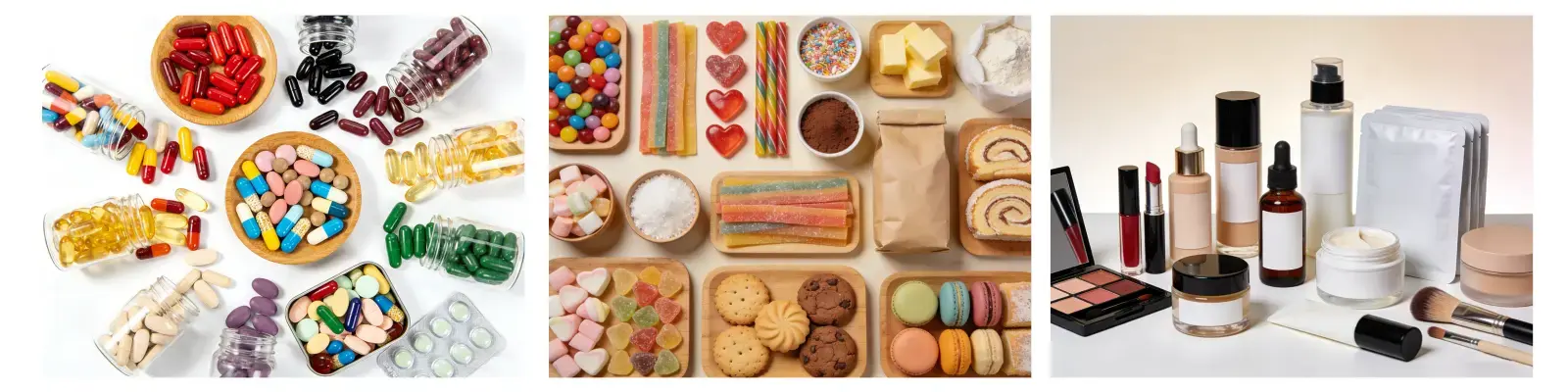
Nutraceutical capsules usually have between 500 mg and 2000 mg per serve. For higher amounts of pure Turmeric Root Powder, bioavailability boosters like piperine are needed to make sure they are absorbed properly. For functional beverage uses, 200 to 500 mg per serving is the right amount to balance usefulness with flavour effect, since too much adds bitterness. In finished cosmetics, concentrations range from 0.5 to 3%. The exact amounts are found through stability testing and effectiveness studies.
Incorporation Best Practices
When food scientists make fortified goods, they have to think about how the pure Turmeric Root Powder's strong yellow colour might clash with other colours in the mix. Higher concentrations can be used in savory goods than in sweet ones, where the taste profile needs to be carefully balanced. Because of these quantity concerns, trial batching is very important before starting full-scale production runs.
Because the material is lipophilic, it needs to be mixed in a certain way for it to spread out evenly. Before adding them to the main batch, dry blends use benefits from pre-mixing with ingredients that have similar particle sizes. For better suspension, liquid versions mix the pure Turmeric Root Powder with a small amount of oil or fatty base first, then add water to thin it out.
Different handling conditions affect how sensitive curcumin is to heat. At normal baking temperatures, curcumin doesn't break down much as long as the moisture level stays the same. But being exposed to temperatures above 190°C for a long time in dry places can lower the bioactive content. Manufacturers should confirm processing effects through HPLC testing before and after production, making sure that label promises match the makeup of the finished product.
Regulatory Compliance and Label Transparency
The rules for dietary supplements in the United States require correct labeling, including the plant name (Curcuma longa), the part used (root or rhizome), and any processing methods that change the makeup. These marking rules are backed up by our pure Turmeric Root Powder paperwork, which includes allergen statements and reports of analysis. There are some extra things to think about when selling in international markets. For example, EU rules require tests for certain contaminants, like pyrrolizidine alkaloids, and some Asian markets need country-of-origin statements.
When procurement teams understand these legal systems, they can choose providers who have a strong documentation infrastructure. We keep our NSF GMP and FSSC22000 certifications to help our customers deal with the complicated rules of foreign trade. These certifications give us the quality assurance paperwork that makes the customs clearance and store qualification processes go more smoothly.
Procurement Insights: Sourcing Pure Turmeric Root Powder for Global B2B Clients
Supply chain choices affect the quality of the pure Turmeric Root Powder, how much it costs, and the brand's image in the long run. When you do strategic buying, you have to look at sources in more ways than just price.
Supplier Verification and Quality Assurance
Direct relationships with manufacturers give you more information about how the crops are grown and processed than relationships with middleman dealers. When purchasing managers look at possible suppliers for pure Turmeric Root Powder, they should ask for a lot of paperwork, like farm audit reports, processing center certifications, and batch testing methods. Our California plant is fully vertically integrated, which means that quality is controlled from the time that raw materials arrive until they are packed.
Because of how common it is for people to change the quality of the plant for financial reasons, it needs to be carefully screened. Lead chromate adulteration, which is used to make colours look better intentionally, is a major threat to public safety. Reliable providers use ICP-MS to test for heavy metals, and the limits for lead are lower than 1ppm, which is higher than the general standards set by the pharmacopeia. As normal, we use these better specs, which protect our customers from risks in the supply chain that can lead to expensive recalls.
Pricing Factors and Cost Optimisation
The price per kilogram of pure Turmeric Root Powder changes a lot depending on how much curcumin it has, where it comes from, and if it is certified organic. Material with Indian roots usually has lower prices, but location doesn't always mean quality. Our buying team looks at a lot of different supply sources and chooses partners whose quality standards stay the same across multiple crops. The cost-effectiveness of this method is balanced with the quality uniformity that formulation teams need.
Bulk number agreements often lead to better prices, but the minimum order amounts must be in line with how well the inventory can be managed. Our direct U.S. warehouse stock position and 25 kg minimum order support both large manufacturers and new brands. This is because we don't have any expensive MOQs, which can make it hard for smaller companies to get premium pure Turmeric Root Powder.
Logistics and Supply Reliability
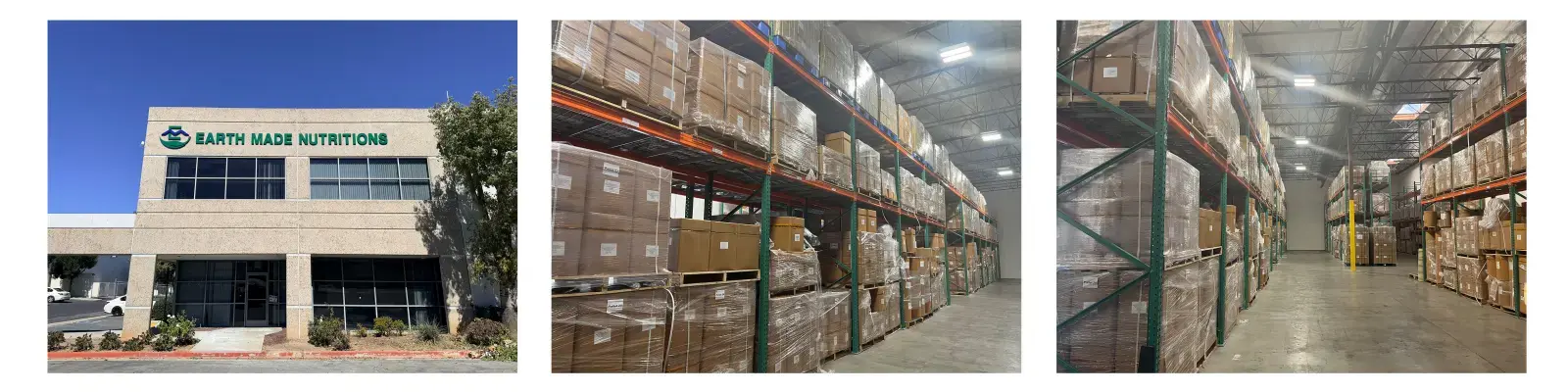
For just-in-time production to work, the infrastructure of domestic warehouses is essential. Earth Made Nutritions Inc. has four warehouses in the United States. This lets them process orders in two days, which helps with methods for keeping inventory low. This transportation benefit helps contract makers and brands that don't have a lot of storage space because it frees up working capital that would otherwise be used to buy ingredients.
Some of the things that can go wrong in international supply lines are crowded ports, delays at customs, and changes in the value of the currency. Working with a U.S.-based provider that already has relationships with importers can lower these risks and make the process of buying pure Turmeric Root Powder easier. Our established procedures for processing customs paperwork speed up clearing, and our domestic storage options take away the hassle of coordinating international freight for our customers.
Conclusion
Pure Turmeric Root Powder is a plant-based ingredient that can be used in a lot of different ways in food, medicine, and beauty products. Knowing everything about it, from the curcuminoids and volatile oils to the processing rules that guarantee quality, helps buying workers make smart choices about where to get things. The differences between root powder and other forms, along with licensing standards and dosage rules for each application, make it possible to choose the right ingredients strategically. As the need for whole, clean-label ingredients keeps growing, the powder's benefits, backed by science and a true plant profile, make it a useful ingredient for formulations. To integrate things well, you need to work with suppliers who offer more than just materials. You also need suppliers who can provide detailed instructions, expert help, and a reliable shipping system.
Frequently Asked Questions
1. What distinguishes pure turmeric root powder from turmeric extract?
Pure Turmeric Root Powder has all the phytochemicals that are found in the dried rhizome. It has between 2 and 6 per cent naturally occurring curcuminoids, volatile oils, fibre, and minerals. Extracts take out other chemicals and concentrate curcuminoids to 95%. Root powder is good for whole-food recipes, and extracts are good for specific strength needs.
2. How should I verify turmeric powder quality when sourcing?
Ask for HPLC testing to see how much curcumin is present in the pure Turmeric Root Powder, ICP-MS testing for heavy metals with lead values below 1ppm, and LC-MS/MS testing to see if any manufactured dyes, such as Sudan Red and Metanil Yellow, are present. The adulteration of starch can be seen under a microscope. Certifications like Organic, NSF GMP, and FSSC22000 add to the confidence in the quality.
3. What factors affect turmeric powder pricing?
The price of pure Turmeric Root Powder is affected by the amount of curcumin, the organic certification, the location, the particle size, and the source certifications. Material that is approved as organic and has been tested for quality gets a higher price. Commitments to buy in bulk usually get better prices and make sure there is a steady supply.
Partnering with a Trusted Pure Turmeric Root Powder Manufacturer
Choosing the right ingredient partner has a direct effect on how quickly you can build your product and how well it does in the market. Earth Made Nutritions Inc. supports recipe creation from idea to commercialisation by combining technical know-how with a reliable supply chain. Our pure Turmeric Root Powder (Curcuma longa L.) always has between 3.5 and 4.0 percent curcumin in it, is certified organic, and comes with a lot of quality proof, like NSF GMP, FSSC22000, Kosher, and Halal certificates. Our four warehouses in the U.S. keep ready-to-ship goods, so your production plans won't be delayed. In addition to providing ingredients, our R&D team helps with formulation and gives expert advice to help you get the most out of the plant's benefits in your particular application. We're committed to sustainable sources and advanced quality systems, so we can be the supply partner who grows with your business, whether you're making nutraceuticals, functional foods, or cosmetic formulations. You can check our quality standards with free samples before agreeing to large orders. Get in touch with our team at info@em-herb.com to talk about your unique needs and see what a difference it makes to work with a source that only sells pure Turmeric Root Powder.
References
1. Aggarwal BB, Sundaram C, Malani N, Ichikawa H. Curcumin: the Indian solid gold. Advances in Experimental Medicine and Biology, 2007; 595: 1-75.
2. Hewlings SJ, Kalman DS. Curcumin: A Review of Its Effects on Human Health. Foods, 2017; 6(10): 92.
3. Prasad S, Aggarwal BB. Turmeric, the Golden Spice: From Traditional Medicine to Modern Medicine. Herbal Medicine: Biomolecular and Clinical Aspects, 2nd edition, 2011.
4. Gupta SC, Patchva S, Aggarwal BB. Therapeutic roles of curcumin: lessons learned from clinical trials. The AAPS Journal, 2013; 15(1): 195-218.
5. Nelson KM, Dahlin JL, Bisson J, Graham J, Pauli GF, Walters MA. The Essential Medicinal Chemistry of Curcumin. Journal of Medicinal Chemistry, 2017; 60(5): 1620-1637.
6. Tayyem RF, Heath DD, Al-Delaimy WK, Rock CL. Curcumin content of turmeric and curry powders. Nutrition and Cancer, 2006; 55(2): 126-131.