- English
- French
- German
- Portuguese
- Spanish
- Russian
- Japanese
- Korean
- Arabic
- Irish
- Greek
- Turkish
- Italian
- Danish
- Romanian
- Indonesian
- Czech
- Afrikaans
- Swedish
- Polish
- Basque
- Catalan
- Esperanto
- Hindi
- Lao
- Albanian
- Amharic
- Armenian
- Azerbaijani
- Belarusian
- Bengali
- Bosnian
- Bulgarian
- Cebuano
- Chichewa
- Corsican
- Croatian
- Dutch
- Estonian
- Filipino
- Finnish
- Frisian
- Galician
- Georgian
- Gujarati
- Haitian
- Hausa
- Hawaiian
- Hebrew
- Hmong
- Hungarian
- Icelandic
- Igbo
- Javanese
- Kannada
- Kazakh
- Khmer
- Kurdish
- Kyrgyz
- Latin
- Latvian
- Lithuanian
- Luxembou..
- Macedonian
- Malagasy
- Malay
- Malayalam
- Maltese
- Maori
- Marathi
- Mongolian
- Burmese
- Nepali
- Norwegian
- Pashto
- Persian
- Punjabi
- Serbian
- Sesotho
- Sinhala
- Slovak
- Slovenian
- Somali
- Samoan
- Scots Gaelic
- Shona
- Sindhi
- Sundanese
- Swahili
- Tajik
- Tamil
- Telugu
- Thai
- Ukrainian
- Urdu
- Uzbek
- Vietnamese
- Welsh
- Xhosa
- Yiddish
- Yoruba
- Zulu
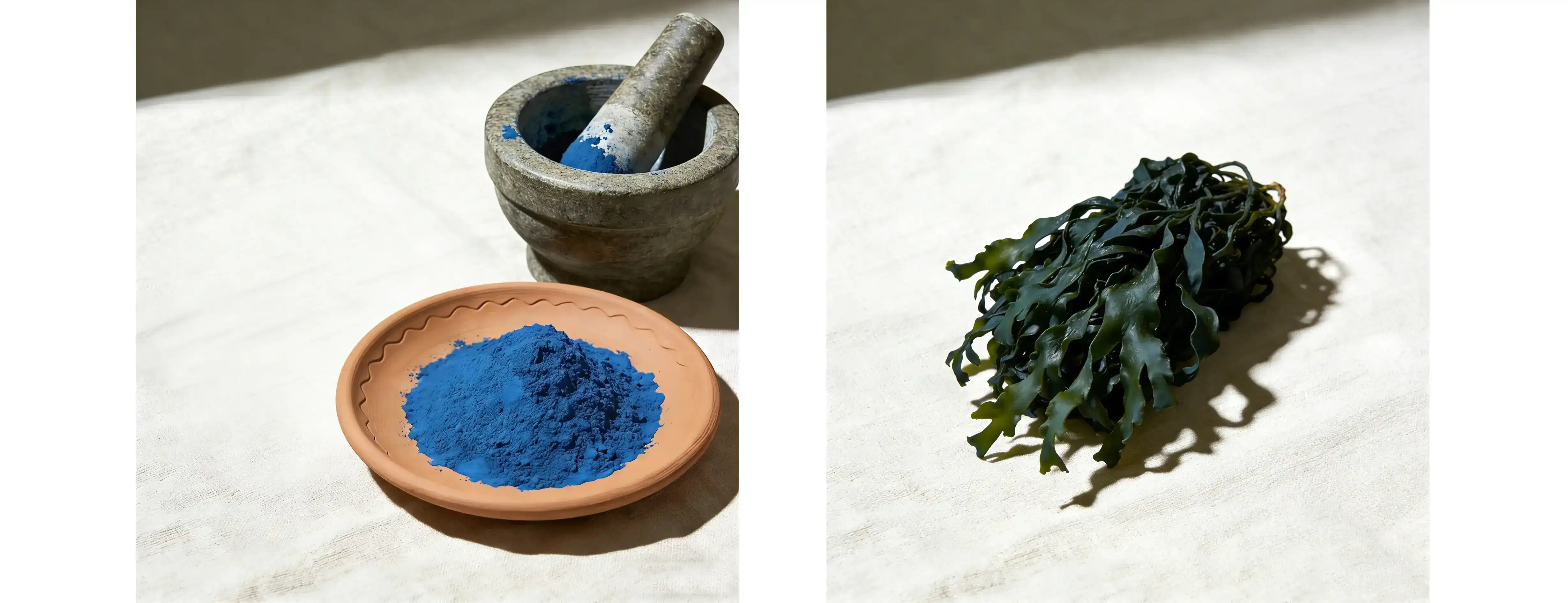
Blue Spirulina Phycocyanin has emerged as a natural ingredient capturing attention across nutraceutical, cosmetics, and functional food industries. Derived from Spirulina platensis whole cells through water-based extraction, this vibrant dark blue protein-pigment complex offers both aesthetic appeal and functional properties. Its popularity stems from meeting clean-label demands while delivering antioxidant and anti-inflammatory characteristics valued by formulators seeking natural alternatives to synthetic additives. This rising interest reflects broader market shifts toward botanical actives with proven stability and purity.
Understanding Blue Spirulina Phycocyanin
Origins and Biological Makeup
Phycocyanin is a pigment-protein complex that dissolves in water. It is obtained from Spirulina platensis, a blue-green microalgae that is grown in controlled watery settings. Whole spirulina powder stays green-blue because of many colors, including chlorophyll. Isolated phycocyanin, on the other hand, is extracted with water, which takes out the cell parts and leaves only the pure blue protein. This method of extraction doesn't use any chemical solvents, which is in line with sustainability concepts that makers who care about the environment like.
The blue color comes from chromophore molecules bound to protein groups that make up the biological structure. Under certain conditions, this molecular design stays steady, but it needs to be handled carefully during formulation to keep the color intensity and functional activity.
Antioxidant and Anti-inflammatory Properties
Researchers have found that phycocyanin is very good at getting rid of free radicals, which adds to its image as a useful ingredient. The shape of the protein lets it connect with the membranes of cells, which helps keep the oxidative balance without using harsh chemicals. Because of these qualities, the chemical is very appealing to formulators who are making goods for people who care about their health.
Its anti-inflammatory properties come from its power to change the pathways in cells that are involved in the inflammatory reaction. In contrast to manufactured options, this process works through gentle biochemical interactions instead of strong drug action. Product makers like this level of detail when they're making everyday ingredients for foods, drinks, and skin care.
Distinguishing Whole Spirulina from Isolated Phycocyanin
Specification differences can be hard for procurement teams to understand. Whole spirulina powder has proteins, vitamins, minerals, and chlorophyll, as well as about 15 to 20 percent phycocyanin by weight. This whole cell material has a green tint to it and a unique bitter taste that limits its uses.
Isolated phycocyanin focuses the active protein, reaching purity levels that can be measured by the E-value. Standard grades, like E18, show the level of color strength that is good for coloring food and drinks commercially. Higher grades, like E25, are used in pharmaceutical and cosmetic uses that need very high purity. The extraction method creates a powder that dissolves in water and has no discernible flavor. This allows for more formulation options without affecting taste or sensory experience.
Knowing these differences helps R&D leaders and formulation managers choose the right specs for their products based on what the target market wants.
Benefits and Uses of Blue Spirulina Phycocyanin
Antioxidant Capacity and Immune Support
The structure of the pigment-protein gives it strong protective properties that are valuable in many fields. Companies add phycocyanin to nutrition supplements, healthy drinks, and fortified foods to back up their claims that they protect cells. Because it dissolves in water, it's easy to add to water-based systems like protein shakes and drinks that boost defense.
Sports nutrition brands like this ingredient a lot because it has a clean label and has been shown to have antioxidant qualities. Natural ingredients are better for products aimed at busy people because they appeal to people who are wary of fake ingredients. The lack of manufactured processing is in line with current market trends that value authenticity and organic origin.
Applications in Cosmetics and Nutraceuticals
Cosmetic makers are using phycocyanin more and more in skin care products that need a natural blue color and other benefits. The protein is mixed into serums, creams, and masks that are meant to protect the skin from the environment and improve its look. Consistency from batch to batch is still very important, and providers must show that they follow strict quality control procedures.
Nutraceutical companies have to deal with special manufacturing problems like making sure the products work and stay stable on the shelf. Blue Spirulina Phycocyanin stays intact when it is stored correctly, away from direct sunlight and very high temperatures. Standard packaging in 25 kg drums with desiccant protection keeps things fresh while they're being moved and stored. Purchasing managers like it when sellers have certificates like NSF GMP, Kosher, Halal, ISO, FSSC22000, and Organic, which show that they follow a lot of different rules.
Safety and Dosage Guidelines for Bulk Applications
For industrial-scale uses, you need to know what the best inclusion rates are. Manufacturers of food and drinks usually add 0.1% to 0.5% by weight to get the color they want without changing the taste. Dietary supplement brands may raise concentrations based on what the label says and how much is in a dose. However, formulation scientists should test the safety of the product over its entire shelf life.
The ingredient is considered GRAS for use in food, but producers should check with their local governments to see what rules apply to natural colorants. When processing, temperature sensitivity needs to be thought about because boiling above 60°C can break down proteins and remove color. Smoothie mixes, yogurt blends, and no-bake snacks are all examples of cold-process uses that keep the best color and usefulness.
Quality control procedures should make sure that there are no contaminants, that the bacterial load is within acceptable limits, and that the color strength meets the standards. These things help build confidence in the creation of a wide range of products, from useful sweets to high-end skin care lines.
Comparing Blue Spirulina Phycocyanin with Alternatives
Nutritional and Functional Differences
When compared to whole spirulina, the separated phycocyanin has the desired effect without the full nutritional matrix. Spirulina in its whole form contains protein, B vitamins, iron, and other minerals, making it a nutritional ingredient rather than just a colorant. Product makers have to figure out if formulas need full nutritional value or just the right amount of color and antioxidants.
Chlorella and wheatgrass are two other plant-based choices, but neither of them has the bright blue color that makes phycocyanin stand out. Due to chlorophyll dominance, chlorella tends to be green, while wheatgrass has grassier flavors that don't work well with many drinking uses. Blue Spirulina Phycocyanin's unique blue color puts it in an area with little natural competition, which is great for brands that want to stand out through their looks.
Synthetic blue dyes, such as Brilliant Blue FCF, give clothes a deep color for less money, but they don't meet the clean label standards that customers are demanding more and more. As regulations continue to move toward natural alternatives, phycocyanin is still tactically useful, even though it costs more. Brands that sell their goods as high-end, natural, or wellness-focused find that the investment helps them stand out in the market.
Organic Versus Conventional Sourcing
The state of certification has a big effect on choices about what to buy. To get organic phycocyanin, spirulina has to be grown according to approved organic rules that don't allow synthetic fertilizers, pesticides, or processing tools. Chemical agents that would change the organic state must not be used in the extraction process. Only water can be used. These standards raise the cost of production, which is usually represented in price differences of 20 to 40 percent from regular grades.
Regular phycocyanin is safe for food and doesn't need to be certified as organic. This saves money in situations where organic claims don't add much value to the product. When choosing specs, purchasing managers should think about target markets, how the company stands in the market, and how willing customers are to pay higher prices. Verification of certification through third-party papers keeps brands safe from problems in the supply chain that could hurt their image.
Price factors include more than just the cost of the raw materials. They also include the minimum order quantity, the process of shipping, and the terms of payment. Established providers usually have a 25 kg minimum order size, which fits normal drum packaging. Lead times vary by source, but keeping items in stock makes it possible to quickly fulfill orders within two-day pickup windows for customers who already have relationships with warehouses.
Procurement Guide for Blue Spirulina Phycocyanin
Supplier Evaluation Criteria
If you want to choose trusted sources, you need to look at more than just price. Certifications like NSF GMP, FSSC22000, and ISO standards show that the company is committed to quality processes and makes excellent products. Kosher and Halal licenses make it easier for brands that cater to certain groups of people to sell their products. For organic approval to stay valid, it needs to be renewed every year and checked by a third party.
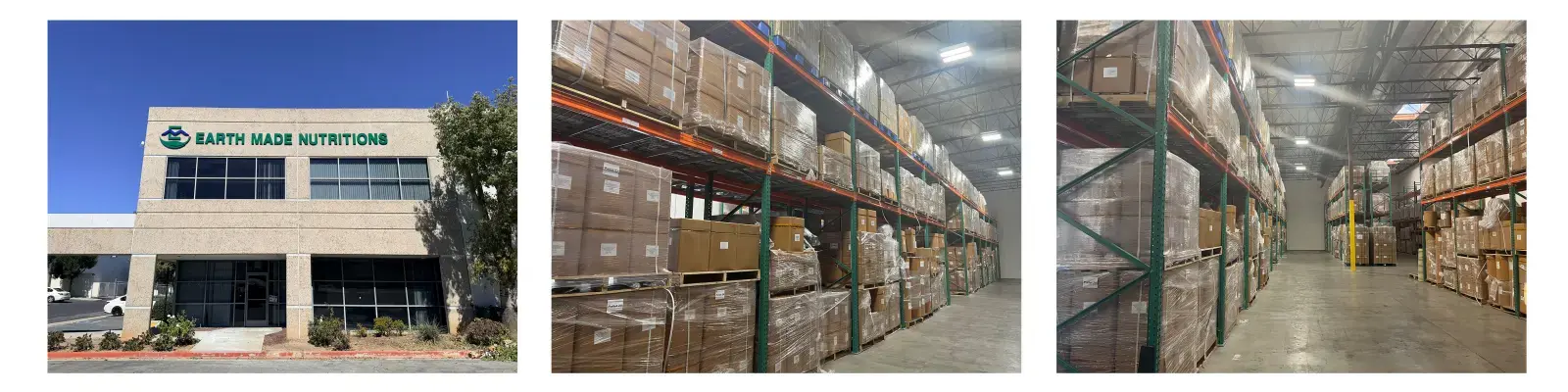
Supply chain dependability separates established players from sellers who are just looking for a quick buck. North American buyers benefit greatly from suppliers with specialized warehouses in the United States because they shorten delivery times, make customs handling easier, and allow smaller batch orders. Companies like Earth Made Nutritions Inc. keep four main stores in the U.S. This makes sure that deliveries happen quickly and on time to meet production plans without having to pay too much for storage.
Technical help is what sets suppliers who really work with you on product growth apart from transactional vendors. Having access to formulation advice, stable testing data, and application knowledge speeds up the time it takes to get a product to market and lowers the costs of making mistakes. When sellers offer free samples, R&D teams can test them on their own before making large purchases.
Pricing Influences and Market Trends
Some of the things that affect the price of Blue Spirulina Phycocyanin in the market are the yields from growing spirulina, how well it is extracted, and changes in demand across businesses. Due to controlled growing conditions, seasonal access doesn't have much of an effect on supply. However, as more people buy the product, prices continue to rise. Buyers should build relationships with several approved suppliers to protect themselves against interruptions in supply and keep their negotiating power.
When people negotiate bulk purchases, they usually talk about yearly promises to buy a certain amount, payment terms, and ways to change prices. Suppliers may offer tiered prices to reward consistent volume, but buyers should make sure that the supplier is flexible enough to meet changing market demand. Long-term contracts are good for both parties when they are set up with acceptable ways to adjust for changes in the cost of raw materials.
Regulatory Compliance and Documentation
For international trade to happen, there needs to be a lot of paperwork to help with customs clearance and following the rules. Suppliers should show Certificates of Analysis that show their products meet the requirements, as well as allergy statements, GMO status statements, and bacterial test results. Traceability paperwork makes the whole supply chain clear, which is very important for brands that are being audited by retailers or questioned by regulators.
Packaging standards affect how well a product stays intact while it's being shipped and stored. Standard 25 kg fiber drums with polyethylene bottoms are good enough to protect things as long as they are properly sealed with desiccant bags that keep wetness out. Buyers should make sure that the materials used for packing meet the rules for food contact and have enough protective qualities to keep the environment from breaking down.
Lead times affect how many goods to keep on hand and when to start making things. Suppliers who keep goods in stock have a lot of benefits over those who need to wait for production. Pickup in two days from regional stores cuts down on costly production delays. This is especially helpful when a new product is released or when seasonal demand spikes.

Why Blue Spirulina Phycocyanin Is a Growing Trend in B2B Markets
Consumer-Driven Market Forces
Clean-label efforts are still changing how ingredients are chosen in the food, drink, and personal care industries. More and more, people are looking closely at ingredient lists and prefer natural plant names to manufactured drug names. This change in behavior opens up possibilities for natural colorants like phycocyanin, even though they are more expensive than man-made ones. Brands that cater to these tastes have an edge over their competitors, especially among millennials and Gen Zers who value honesty.
Social media promotion helps people learn more about ingredients faster. For example, visually appealing blue goods get a lot of activity on Instagram, TikTok, and Pinterest. The ability to be photographed helps marketing campaigns that focus on natural beauty and health-related looks. Product designers know that this value goes beyond useful benefits and includes things like brand stories and making the product stand out visually.
Emerging Applications and Innovations
New products keep making it possible to use Blue Spirulina Phycocyanin in areas other than the ones that were originally thought of. Frozen treat makers make blue spirulina ice cream and sorbets that look great on Instagram and sell for a lot of money. Blue healing shots, protein shakes, and plant elixirs are made by beverage companies for health-conscious customers. Cosmetic formulators use the pigment in color makeup, sheet masks, and washes that focus on using natural ingredients.
Standardized phycocyanin products that meet pharma-grade quality standards are being looked into by the pharmaceutical and medical nutrition sectors. Research schools look into uses that need proof of purity, stability, and traceability to support regulatory reports. These new possibilities show that the market can grow beyond the current dominance of cosmetics and food.
Industry Success Stories
Phycocyanin has been successfully added to a number of different types of products in North America. A California-based smoothie bowl chain built its brand around bright blue bowls that were colored by nature. By making visually appealing products, the chain was able to grow quickly. A supplement business in New York released products that focus on immunity and stress the phycocyanin content. These products quickly gained popularity among wellness-conscious city workers.
Cosmetic companies that market their products as safe for reefs and the ocean are replacing manufactured blues in their formulas with phycocyanin more and more. When food sources and brand values are in line with each other, it makes marketing stories that are more real and resonate with eco-conscious customers. These examples of success encourage more makers to follow suit as they try to stand out in crowded markets.
Conclusion
Consumers are increasingly interested in natural, clear, and useful ingredients, which is why Blue Spirulina Phycocyanin is becoming more popular. This protein, which is made from whole Spirulina platensis cells and water, looks good and has antioxidant qualities that are valuable in useful foods, cosmetics, and nutraceuticals. Understanding differences in specifications, application needs, and source factors helps you make smart purchasing choices that support product development. The ingredient's clean-label status and proven stability when treated correctly make it a good choice for brands that want to appeal to health-conscious consumers. As the market keeps growing, it becomes more important to keep a competitive edge by building partnerships with certified providers who offer consistent quality, thorough paperwork, and reliable logistics.
FAQ – Your Blue Spirulina Phycocyanin Questions Answered
1. Can Phycocyanin Be Used in High-Temperature Processing?
In general, phycocyanin is sensitive to heat; above 60°C, the protein starts to break down. In situations where baking, pasteurizing, or hot-fill processes are used, the color may fade. The best results come from cold-process recipes like smoothies, yogurts, no-bake treats, and drinks that need to be kept cold. If a manufacturer needs heat-stable choices, they should talk to their suppliers about specialized stabilized grades or change the processing settings to keep the pigment's integrity.
2. What Documentation Should Suppliers Provide?
Reliable sellers provide a lot of paperwork, such as Certificates of Analysis that prove they meet specifications, allergen statements, GMO status statements, microbe testing results, and copies of certifications (NSF GMP, Kosher, Halal, ISO, FSSC22000, Organic). Traceability paperwork makes the supply chain clear, which helps with government compliance and retailer audits. These materials show that the seller is committed to quality processes and helps people feel good about their decisions to buy.
3. How Does E-Value Specification Impact Selection?
The E-value tells you how intense the color is and how much protein is present. A higher number means the protein is purer. E18 grades are good for most food and drink uses because they are a good balance between cost and function. The E25 standards are used in medicine and high-end cosmetics that need to be very pure. The choice should be based on the needs of the planned application and the available budget. Suppliers should be able to provide advice based on the design goals.
Partner with a Trusted Blue Spirulina Phycocyanin Supplier
Earth Made Nutritions Inc. delivers certified, high-purity phycocyanin powder extracted from Spirulina platensis using water-based methods, preserving natural integrity. Our California-based operations maintain four major U.S. warehouses, ensuring prompt delivery matching your production schedules. We offer 25kg minimum orders with free sampling, enabling formulation testing before bulk commitment. Our quality certifications include NSF GMP, Kosher, Halal, ISO, FSSC22000, and Organic, confirming compliance across diverse regulatory requirements. With advanced R&D capabilities and sustainable sourcing practices, we support your product innovation goals while strengthening brand differentiation. Contact our team at info@em-herb.com for personalized quotations, technical specifications, and partnership opportunities as your reliable Blue Spirulina Phycocyanin manufacturer.
References
1. Eriksen, N.T. (2008). Production of phycocyanin—a pigment with applications in biology, biotechnology, foods, and medicine. Applied Microbiology and Biotechnology, 80(1), 1-14.
2. Romay, C., González, R., Ledón, N., Remirez, D., & Rimbau, V. (2003). C-phycocyanin: a biliprotein with antioxidant, anti-inflammatory, and neuroprotective effects. Current Protein and Peptide Science, 4(3), 207-216.
3. Sekar, S., & Chandramohan, M. (2008). Phycobiliproteins as a commodity: trends in applied research, patents, and commercialization. Journal of Applied Phycology, 20(2), 113-136.
4. Spolaore, P., Joannis-Cassan, C., Duran, E., & Isambert, A. (2006). Commercial applications of microalgae. Journal of Bioscience and Bioengineering, 101(2), 87-96.
5. Lafarga, T., Fernández-Sevilla, J.M., González-López, C., & Acién-Fernández, F.G. (2020). Spirulina for the food and functional food industries. Food Research International, 137, 109356.
6. Martelli, G., Folli, C., Visai, L., Daglia, M., & Ferrari, D. (2014). Thermal stability improvement of blue colorant C-phycocyanin from Spirulina platensis for food industry applications. Process Biochemistry, 49(1), 154-159.