- English
- French
- German
- Portuguese
- Spanish
- Russian
- Japanese
- Korean
- Arabic
- Irish
- Greek
- Turkish
- Italian
- Danish
- Romanian
- Indonesian
- Czech
- Afrikaans
- Swedish
- Polish
- Basque
- Catalan
- Esperanto
- Hindi
- Lao
- Albanian
- Amharic
- Armenian
- Azerbaijani
- Belarusian
- Bengali
- Bosnian
- Bulgarian
- Cebuano
- Chichewa
- Corsican
- Croatian
- Dutch
- Estonian
- Filipino
- Finnish
- Frisian
- Galician
- Georgian
- Gujarati
- Haitian
- Hausa
- Hawaiian
- Hebrew
- Hmong
- Hungarian
- Icelandic
- Igbo
- Javanese
- Kannada
- Kazakh
- Khmer
- Kurdish
- Kyrgyz
- Latin
- Latvian
- Lithuanian
- Luxembou..
- Macedonian
- Malagasy
- Malay
- Malayalam
- Maltese
- Maori
- Marathi
- Mongolian
- Burmese
- Nepali
- Norwegian
- Pashto
- Persian
- Punjabi
- Serbian
- Sesotho
- Sinhala
- Slovak
- Slovenian
- Somali
- Samoan
- Scots Gaelic
- Shona
- Sindhi
- Sundanese
- Swahili
- Tajik
- Tamil
- Telugu
- Thai
- Ukrainian
- Urdu
- Uzbek
- Vietnamese
- Welsh
- Xhosa
- Yiddish
- Yoruba
- Zulu
Spirulina vs Blue Spirulina Phycocyanin: What’s Actually Different and Which Should You Use?
You can choose between Blue Spirulina Phycocyanin and whole spirulina based on your manufacturing goals. With its distinctive green colour, whole spirulina provides a wide range of nutrients, such as protein, vitamins, and minerals. Blue Spirulina Phycocyanin comes from spirulina cells and is a rich blue pigment that is also a powerful antioxidant. It doesn't have the strong taste of algae. Phycocyanin extract is the best thing to use if your product needs to be bright blue, has no taste, and has specific protective action. Whole spirulina is better for getting all the nutrients you need.
What Is Spirulina? Understanding the Whole Cell Superfood
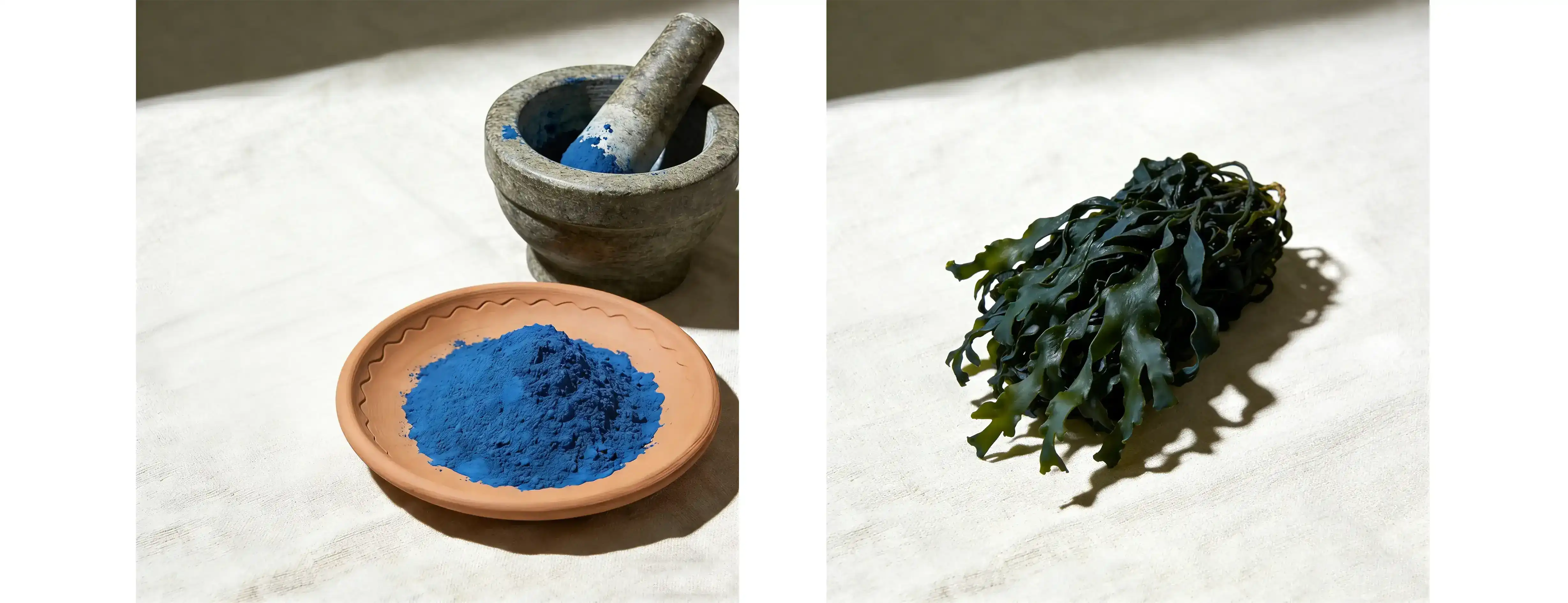
Spirulina, whose formal name is Spirulina platensis, is a blue-green microalgae that is grown in controlled marine settings all over the world. This tiny creature has been supporting communities for hundreds of years and is known for having a lot of nutrients.
Whole spirulina is one of the most abundant plant protein sources in nature, with about 60–70% protein by dry weight. The algae also give you B vitamins, iron, calcium, and important fatty acids, in addition to protein. Along with pigments and phycobiliproteins, chlorophyll, which gives spirulina its dark green colour, makes up the whole cell structure.
Three good things about whole spirulina for your health:
- Full amino acid makeup with all the necessary amino acids present
- The bioavailable iron level helps keep blood healthy.
- Omega-6 fatty acid benefits from gamma-linolenic acid (GLA)
If you need a complete nutritional ingredient for supplements that focus on protein or green vegetable mixes, whole spirulina is the better choice.
The algae grows in spiral-shaped strands, which is how it got its name. It does best in alkaline water, which keeps other germs from getting into it. This plant's natural resistance helps make it easy to grow.
What Is Blue Spirulina Phycocyanin? The Extracted Pigment Protein
The blue pigment-protein complex Blue Spirulina Phycocyanin is taken from spirulina cells using water-based means and is then cleaned up. This process separates phycocyanin from chlorophyll and other chemicals, leaving behind a bright blue powder.
In spirulina's photosynthesis process, phycocyanin is a protein that collects light. When the pH level is just right, the substance is very stable and has unique fluorescent qualities. The strong blue colour comes from chromophore groups that are attached to protein chains in its chemical structure.
Important things about phycocyanin extract:
- Phycocyanin amounts of purity are usually between 10% and 25%.
- water-soluble, making it easy to incorporate into formulations
- Neutral flavour profile, without the unique taste of spirulina
- Instead of manufactured dyes, natural blue colouring is used
Standardised extraction methods show that phycocyanin keeps its colour stable at pH levels between 5.5 and 7.5, with neutral pH giving it the most vibrant colour. The compound's antioxidant capacity, as measured by ORAC values, shows that it is very good at getting rid of free radicals.
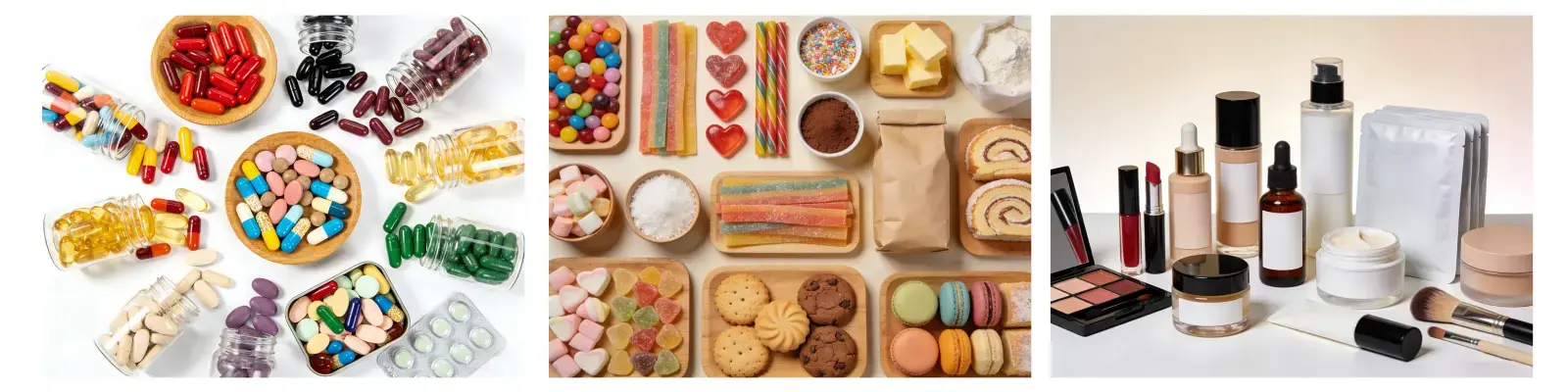
Phycocyanin extract is better than whole spirulina if you need a natural blue colourant that can also be used as an antioxidant in drinks, makeup, or high-end supplements.
Three Core Differences Between Whole Spirulina and Phycocyanin Extract
Composition and Nutritional Profile
Whole spirulina is a source of nutrition in many ways. A normal 5-gram dose has about 3 grams of protein, 11% of your daily iron needs, and important amounts of copper, B vitamins, and vital amino acids. Polysaccharides, nucleic acids, and different phytonutrients work together to make up the whole biological framework.
The increased pigment-protein makeup of phycocyanin extract gives specific benefits. Most of the beneficial parts of spirulina are taken out during the extraction process, leaving only the phycocyanin molecule. This separation makes a unique ingredient that is valued for its specific qualities rather than its overall health benefits.
Comparative analysis:
| Component | Whole Spirulina | Phycocyanin Extract |
|---|---|---|
| Protein content | 60-70% | 10-25% (phycocyanin protein) |
| Chlorophyll | Present | Absent |
| Vitamin B12 | Present | Absent |
| Antioxidant focus | Broad spectrum | Concentrated phycocyanin |
| Mineral content | Rich | Minimal |
Colour, Taste, and Sensory Properties
Because it has chlorophyll and mixed pigments, whole spirulina powder looks dark green to almost black. Because of its strong colour, it can't be used in goods that need to look a certain way. Some people don't like the earthy, seaweed-like notes in the taste, especially when they're taken in higher doses.
Blue Spirulina Phycocyanin makes bright blue colours that can range from sky blue to deep azure, based on how much is used. The extracted pigment doesn't have any green tones at all, as chlorophyll does. Taste is surprisingly bland; even at useful levels, it doesn't add any flavour that can be picked out.
Colour stability tests in the lab show that phycocyanin keeps its colour when it is safe from long-term light exposure and big changes in pH. The natural blue colour gives brands that are moving away from manmade colours like Brilliant Blue FCF a clean-label draw.
When it comes to ready-to-drink drinks, smoothie mixes, or beauty products, phycocyanin extract is better at getting people to like them because it looks good without changing the taste.
Application Versatility and Formulation Behaviour
Whole spirulina works really well in opaque mixtures because its colour and flavour blend in naturally. Tablets, tablets, protein shakes, and green juice mixes can all be made to work with spirulina's taste and texture. The powder mixes easily with liquids, but it might settle over time in drinks that don't have stabilisers.
Phycocyanin extract works great in clear to see-through situations that need accurate colour matching. The powder dissolves fully in water-based systems, which makes the colour even without the particles getting mixed up. Its stable profile makes it good for drinks that need to be kept cold, water boosters, and beauty serums where clarity is important.
Formulation issues to think about:
- pH sensitivity: Phycocyanin works best at a normal pH. If the pH is below 4.5, the colour may change to purple.
- Heat stability: Both ingredients can handle normal temperatures used in food processing, but phycocyanin's colour strength fades after a while of high heat.
- Light protection: Phycocyanin needs dark packing or UV-protective materials to keep it from breaking down during storage.
Phycocyanin keeps its colour 85% longer after 12 months at room temperature when it is kept out of the light, but only 70% longer when it is exposed to light all the time.
Benefits of Whole Spirulina: When Complete Nutrition Matters
Whole spirulina is used in preparation methods that focus on delivering all of the nutrients that the body needs. The whole cell structure keeps the phytonutrient connections that have formed over thousands of years.
Some of the main benefits are:
- Full protein source: all nine necessary amino acids in amounts that are good for the human diet
- Micronutrient density: a lot of vitamins and minerals in forms that your body can use
- Digestive tolerance: Standard meal amounts (3–5 grams per day) are usually well handled.
- Cost-effectiveness: It costs less to make than recovered chemicals.
- Clean label appeal: customers who care about openness like that a product only has one ingredient.
85% of spirulina protein can be digested, which is about the same as egg protein and better than many plant sources. This ease factor is very important for sports nutrition and meal replacements.
The iron in algae is found in ferredoxin and other protein-bound forms that may be better absorbed by the body than manufactured iron supplements. Studies that track changes in iron levels show that regular spirulina eating leads to real changes.
Whole spirulina is better than separate extracts if you need a cheap, nutritionally full ingredient for functional foods or supplements for the mass market.
Spirulina tastes better now that it is grown in better ways. Modern processing methods get rid of strong smells while keeping the nutrients, which means they can be used in more popular goods than just those aimed at health nuts.
Benefits of Blue Spirulina Phycocyanin: When Function Meets Aesthetics
Phycocyanin extraction opens up unique possibilities that aren't possible with whole spirulina. During the separation process, certain qualities are concentrated while sense limits are taken away.
Some strategic benefits are:
- Natural blue colourant: Can be used instead of manufactured colours in clean-label products
- Neutral flavour: Can be used in delicate taste profiles without covering them up.
- Targeted antioxidant activity: phycocyanin, which is concentrated, gives specific effects
- Premium positioning: commands more money in more high-end product groups
- Cosmetic compatibility: blue dye that dissolves in water for use in skin care products
The antioxidant power of phycocyanin is the same as or better than that of popular antioxidants, as shown by various test methods. DPPH radical scavenging tests show that the activity changes with concentration, and IC50 numbers show how well the free radical is neutralised.
Because phycocyanin is bright, it can be used in new ways in functional drinks where the visual effect helps tell the brand's story. The colour looks good enough for Instagram and gets people to interact with you on social media, which is especially helpful for brands that sell directly to consumers.
Phycocyanin extract is better for making your product stand out in the market if you want to use visual innovation to do so in competitive categories like improved drinks, beauty supplements, or premium superfood mixes.
Recent improvements in the production of phycocyanin have made it more efficient and consistent in terms of purity. Advanced water extraction methods that use controlled temperature and pressure keep molecules intact while increasing concentration factors.
Which Ingredient Fits Your Product Strategy?
Choosing between Blue Spirulina Phycocyanin and whole spirulina depends on a number of recipe and marketing factors.
When you should eat whole spirulina:
- Your main product selling point is nutritional value.
- Protein content is the main thing that it does.
- Aligning the categories of green superfoods is good for brand placement
- Cost efficiency has a big effect on profit ratios.
- Capsule or pill forms of release work for looks
- Target customers care more about complete nutrition than taste.
When to use phycocyanin extract:
- Visual difference gives you an edge over your competitors
- For more uses, flavour neutrality opens up more options.
- Synthetic blue dyes are replaced by natural ones.
- Investing in ingredients is supported by high prices.
- Formats that are clear or see-through show off colour
- Cosmetic or external uses need to be pure.
By testing both chemicals in sample formulas, you can see that they work well with your unique matrix. pH, other materials, handling conditions, and packing are just some of the things that can change how well an end product works.
If you need help choosing the best spirulina style for your needs, talking to experienced ingredient sellers is better than just doing a formal analysis.
Processing and Quality Considerations for B2B Buyers
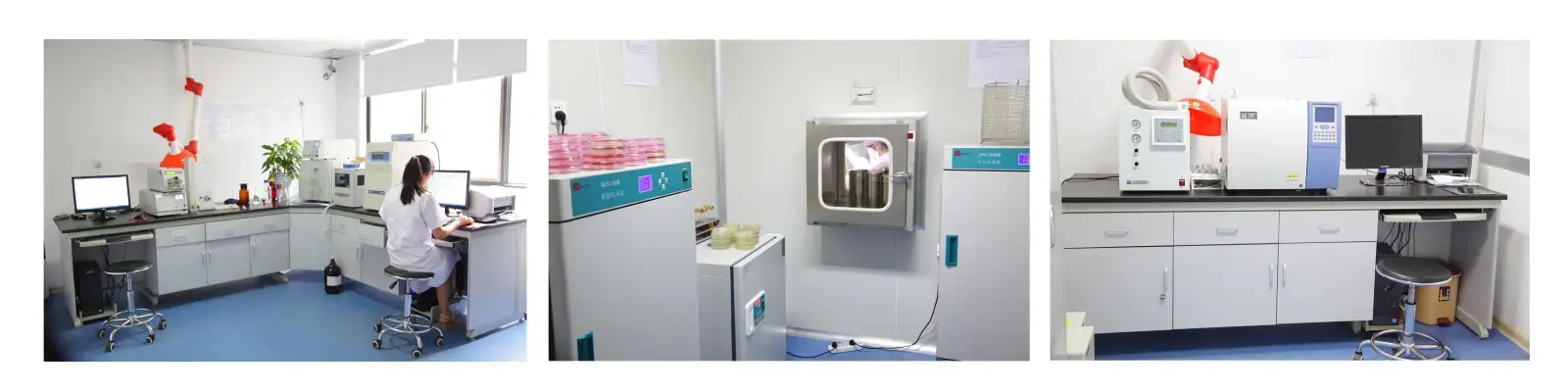
To make decisions about what to buy, you need to know how the production factors affect the performance of the ingredients and how to follow the rules.
The quality of whole spirulina relies on how it is grown, when it is harvested, and how it is dried. Growing algae in an open pond puts them at risk of polluting the environment, while controlled photobioreactor systems give you more control. Spray-drying costs more than drum-drying but keeps more of the nutrients.
The quality of phycocyanin extraction depends on the liquid used, the temperature, and the steps taken to clean the extract. Chemical cleaners are not as good for clean labels as water extraction. Final purity levels and batch uniformity are set by multiple stages of filtration and concentration.
Important quality factors:
- Testing for heavy metals: levels of lead, arsenic, cadmium, and mercury are below the limits set by law
- Count of all microbes, including yeast and mould, coliforms, and viruses
- Verification of identity: HPLC or optical proof of phycocyanin content
- Allergen status: Usually allergen-free, but there is a chance of cross-contamination
- GMO status: Growing spirulina does not involve changing genes.
Each batch should come with a Certificate of Analysis (COA), which lists the test results and how they compare to the standards. Having a third-party check it through NSF GMP, Kosher, Halal, ISO, FSSC22000, or organic approval makes it seem more trustworthy.
Shelf life performance can be predicted by testing stability in the settings that will be used for keeping. Studies that speed up the ageing process show patterns of breakdown that help with decisions about packing and preparation.
A screening process that includes facility checks is better than just looking at price if you need a reliable source that meets pharmaceutical-grade standards for nutritional uses.

Regulatory Status and Global Compliance
Whole Blue Spirulina Phycocyanin extracts are generally well-regulated around the world, though they are classified in different ways.
In the US, spirulina is generally thought to be safe for use in food and has been given the GRAS label. The chemical is in the FDA's database, but there aren't many limits on how much can be used. According to European rules, spirulina is a new food that has not been tested for safety before.
Phycocyanin extract is regulated in a wider range of ways. Because it is a cleaned component and not a whole food, some places need more paperwork. The natural blue pigment is labelled differently because it doesn't have an E-number like manmade colourants do.
Thoughts on the region:
- In North America, both ingredients are commonly used in healthy foods and nutrition supplements.
- European Union: Spirulina is well-known; phycocyanin needs to be evaluated in new foods in some situations.
- Asia-Pacific: Generally allowed, and more and more elite sectors are accepting it.
- Beauty use: Both ingredients are used around the world in skin formulas that follow beauty rules.
Labelling rules are different in each area and type of application. Accurately listing ingredients helps with compliance and backs up marketing claims.
If you want to sell products around the world that meet foreign standards, it's best to choose sellers with a wide range of certifications. This will help you avoid legal problems as much as possible.
Conclusion
The choice between whole spirulina and Blue Spirulina Phycocyanin depends on your product's functional and aesthetic priorities. Whole spirulina delivers comprehensive nutrition with complete proteins, vitamins, and minerals, suited for traditional supplements and superfood blends. Phycocyanin extract provides concentrated antioxidant properties with vibrant blue colouring and neutral taste, ideal for premium beverages, cosmetics, and visually distinctive products. Understanding these differences enables strategic ingredient selection aligned with formulation goals, target market expectations, and brand positioning. Both ingredients offer natural, clean-label solutions meeting consumer demand for plant-based alternatives to synthetic compounds.
Earth Made Nutritions Inc.: Your Blue Spirulina Phycocyanin Supplier
Earth Made Nutritions Inc. delivers pharmaceutical-grade Blue Spirulina Phycocyanin extract backed by rigorous quality systems and responsive technical support. Our water-extracted phycocyanin powder maintains consistent purity and colour performance across production batches, addressing formulation reliability concerns that procurement teams prioritise.
Why leading nutraceutical and cosmetic manufacturers choose our phycocyanin:
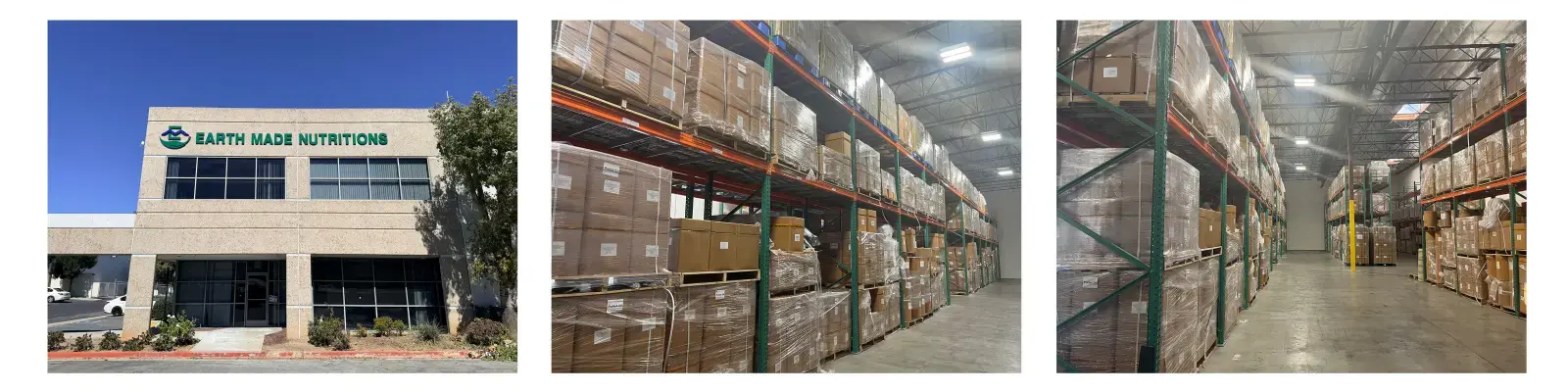
- U.S.-based warehouses: Four strategic locations ensure two-day delivery, fulfilling just-in-time inventory requirements
- Certification depth: NSF GMP, Kosher, Halal, ISO, FSSC22000, and Organic certifications supporting diverse market access
- Technical collaboration: R&D team provides formulation guidance, optimising phycocyanin performance in your specific matrix
- Quality transparency: Complete documentation, including COA, stability data, and regulatory support letters
- Sustainable sourcing: Cultivation partners meet environmental standards, aligning with corporate responsibility commitments
- Flexible minimums: 25kg MOQ with free sampling, enabling evaluation before full-scale adoption
- In-stock availability: Maintained inventory eliminates lead-time delays, disrupting production schedules
Our phycocyanin specifications include:
- Appearance: Dark blue powder with a characteristic azure tone
- Purity: Standardised phycocyanin content with batch-to-batch consistency
- Solubility: Complete dissolution in water-based systems
- Particle size: Optimised for various application requirements
- Testing: Heavy metals, microbiological, and identity confirmation per batch
Earth Made Nutritions Inc. understands the technical challenges formulators face in integrating natural pigments without compromising product stability or sensory properties. Our application scientists provide dosage recommendations, pH optimisation strategies, and packaging guidance based on extensive testing across multiple product formats.
Contact our team at info@em-herb.com to discuss your Blue Spirulina Phycocyanin requirements and receive technical specifications supporting your formulation development process.
References
1. Capelli, B. & Cysewski, G.R. (2010). Spirulina: Nature's Superfood. Cyanotech Corporation Press.
2. Eriksen, N.T. (2008). Production of phycocyanin—a pigment with applications in biology, biotechnology, foods and medicine. Applied Microbiology and Biotechnology, 80(1), 1-14.
3. Sekar, S. & Chandramohan, M. (2008). Phycobiliproteins as a commodity: trends in applied research, patents and commercialisation. Journal of Applied Phycology, 20(2), 113-136.
4. Spolaore, P., Joannis-Cassan, C., Duran, E. & Isambert, A. (2006). Commercial applications of microalgae. Journal of Bioscience and Bioengineering, 101(2), 87-96.
5. Belay, A. (2013). Biology and Industrial Production of Arthrospira (Spirulina). In Handbook of Microalgal Culture: Applied Phycology and Biotechnology, Second Edition.
6. Kannaujiya, V.K. & Sinha, R.P. (2016). Thermokinetic stability of phycocyanin and phycoerythrin in food-grade preservatives. Journal of Applied Phycology, 28(2), 1063-1070.