- English
- French
- German
- Portuguese
- Spanish
- Russian
- Japanese
- Korean
- Arabic
- Irish
- Greek
- Turkish
- Italian
- Danish
- Romanian
- Indonesian
- Czech
- Afrikaans
- Swedish
- Polish
- Basque
- Catalan
- Esperanto
- Hindi
- Lao
- Albanian
- Amharic
- Armenian
- Azerbaijani
- Belarusian
- Bengali
- Bosnian
- Bulgarian
- Cebuano
- Chichewa
- Corsican
- Croatian
- Dutch
- Estonian
- Filipino
- Finnish
- Frisian
- Galician
- Georgian
- Gujarati
- Haitian
- Hausa
- Hawaiian
- Hebrew
- Hmong
- Hungarian
- Icelandic
- Igbo
- Javanese
- Kannada
- Kazakh
- Khmer
- Kurdish
- Kyrgyz
- Latin
- Latvian
- Lithuanian
- Luxembou..
- Macedonian
- Malagasy
- Malay
- Malayalam
- Maltese
- Maori
- Marathi
- Mongolian
- Burmese
- Nepali
- Norwegian
- Pashto
- Persian
- Punjabi
- Serbian
- Sesotho
- Sinhala
- Slovak
- Slovenian
- Somali
- Samoan
- Scots Gaelic
- Shona
- Sindhi
- Sundanese
- Swahili
- Tajik
- Tamil
- Telugu
- Thai
- Ukrainian
- Urdu
- Uzbek
- Vietnamese
- Welsh
- Xhosa
- Yiddish
- Yoruba
- Zulu
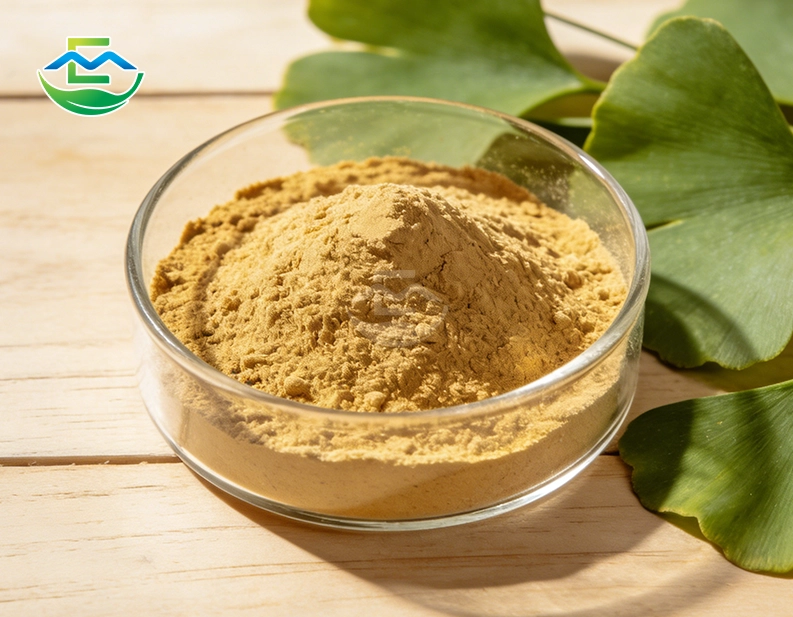
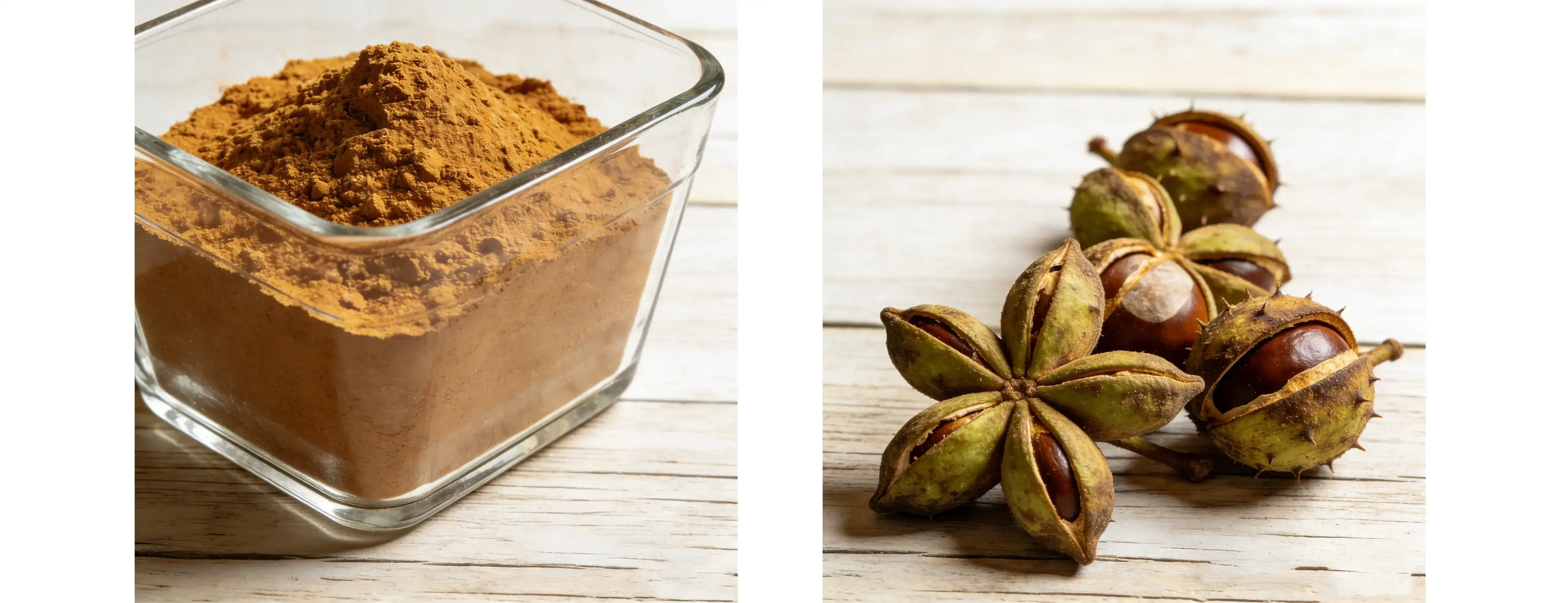
When looking for plant-based ingredients for your recipes, Horse Chestnut Extract 20% Aescin UV stands out as a versatile option, highly valued for its consistent saponin content and robust functional profile. This brownish-yellow powder comes from Aesculus hippocastanum seeds that were extracted with water and ethanol. Its uniformity and purity are consistent, which is important for B2B uses in the development of pharmaceuticals, cosmetics, functional foods, and dietary supplements. This guide shows you important things to think about when buying things, like how to read technical specs and meet government rules, as well as how to check the credibility of a seller. This will help your R&D and procurement teams make smart, confident purchases.
Understanding Horse Chestnut Extract 20% Aescin and Its UV Protection Benefits
Because it reduces inflammation and free radicals, horse chestnut seed extract is used in beauty products. When it says Horse Chestnut Extract 20% Aescin UV, it means that the total amount of triterpene saponin was tested using UV spectrophotometry, which works best at bands between 268nm and 270nm. This measuring method measures the total amount of saponin, and it's a standard and inexpensive way to get big ingredients.
How UV Measurement Defines Quality Standards
UV testing is different from HPLC-based tests because it measures the whole saponin profile instead of just focusing on one isomer at a time. This method looks at bioactive chemicals as a whole, keeping the beneficial mix of flavonoids and sterols that are already in the raw seed. The "entourage effect" is when different phytochemicals work together in a balanced way to make finished goods work better. For R&D leaders and formulation managers, this means that the extract still has what researchers call the "entourage effect." The fine brownish-yellow powder that is left goes through an 80-mesh screen, which makes sure that it can be compressed easily for tableting and spread out evenly for packaging.
Functional Benefits Beyond Basic Applications
The main ingredient, aescin, helps keep blood vessels healthy and improves circulation. This makes it useful for leg health formulas and face care products that target puffiness and under-eye issues. Because the extract is hygroscopic and only partially dissolves in water and ethanol, it needs to be handled carefully during preparation, especially when it comes to hydro-alcoholic solutions. The mass density of it is usually between 0.45 and 0.65 g/ml, which is a key factor for figuring out the amount in production planning. The Horse Chestnut Extract 20% Aescin UV has a wider range of phytochemicals than higher concentrations like 98% sodium aescinate. This makes it better for placing natural and clean-label products, which are becoming more popular among health-conscious customers.
Comparing Horse Chestnut Extract 20% Aescin With Other Concentrations and Plant Extracts
Choosing the right quantity and plant source has a direct effect on how well your product works, how stable it is, and how easy it is to sell. By knowing these differences, buying teams can make sure that the ingredients they choose are in line with their recipe goals and the types of customers they want to reach.
Evaluating Concentration Variations: 20% vs. 40% Aescin
The Horse Chestnut Extract 20% Aescin UV specification is the industry standard for food supplements and cosmetics sold to the public, where appropriate strength and cost-effectiveness are important. This quantity has enough bioactive load to back claims like "supports healthy circulation" or "reduces leg swelling" while still being cost-effective for mass production. 40% aescin extracts, on the other hand, have twice as much saponin, making them good for pharmaceutical-grade mixtures that need to be stronger in smaller amounts. The higher percentage does, however, come at a higher cost, and it may be hard to get a uniform spread during formulation. The Horse Chestnut Extract 20% Aescin UV is the best compromise for most nutrition brands and functional supplement makers when it comes to effectiveness and making money.
Comparing Plant Extract Alternatives
When compared to plants like diosmin and gotu kola (Centella asiatica), horse chestnut extract stands out because it has a well-known saponin profile and standard ways of being made. Diosmin, a flavonoid that comes from citrus fruits, tackles similar vascular issues but needs to be synthetically modified for best bioavailability, which could be in conflict with clean-label positioning. While gotu kola can help with circulation and adaptogens, it doesn't have the usual aescin level that makes dosing and regulatory paperwork easier. For cosmetic scientists working on lines of skin care that target anti-aging or repair, horse chestnut's proven ability to reduce swelling and inflammation makes it a strong natural option to synthetic actives.
Powder vs. Liquid: Format Considerations
The extract is mostly sold as a powder, and it comes in 25 kg drums with a 25 kg minimum order number. This is the standard for medium to large-sized producers. The powder form is more stable during shipping and storage, which keeps heat-sensitive saponins from breaking down too much. Liquid extracts are easier to add to some drink recipes, but they can make it harder to control microbes and extend the shelf life. The powder format works with both spray-drying and encapsulation technologies, which gives food makers who are making healthy drinks or fortified goods more options for how they can make their products.
How to Source High-Quality Horse Chestnut Extract 20% Aescin for Your Business
The success of procurement depends on finding providers with stable quality, open business practices, and full certification portfolios. Because global plant supply lines are so complicated, it's important to do your research to keep formulation errors and legal problems to a minimum.
Essential Supplier Certifications and Quality Markers
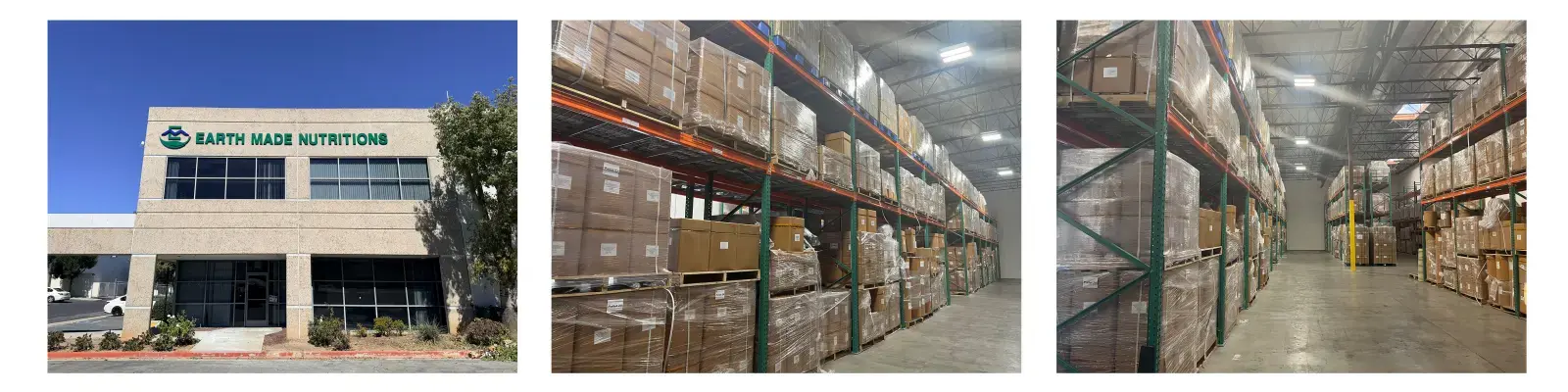
Give NSF GMP, FSSC22000, Kosher, Halal, ISO, and organic certifications more weight when choosing business partners. These certificates demonstrate tight manufacturing and traceability. Since 2018, Earth Made Nutritions Inc. has been in California. Their advanced extraction facilities provide high-quality batches. Their certificates satisfy a wide range of markets, from religious diets to healthy product production.
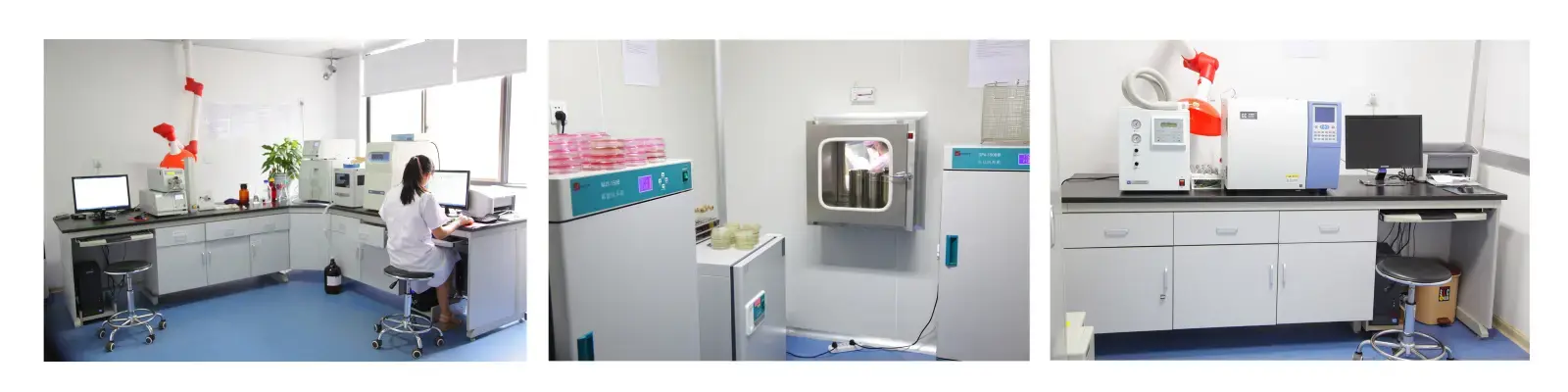
Methodology transparency is crucial in extraction. Normal safety requires water and ethanol solution systems to leave less than 5000ppm of ethanol after processing horse chestnuts. Request Certificates of Analysis (CoA) with lead and mercury content below 3.0 and 0.1 mg/kg, respectively. Also, request PAH tests, which are common pollutants in seed extracts. EU regulations require high-quality materials to keep benzo(a)pyrene and PAH4 below 10 ppb and 50 ppb, respectively.
Navigating MOQ, Pricing, and Packaging Options
Well-known brands and contract manufacturers with stable production rates benefit from the 25 kg drum bundle and minimum order number. This level balances buyer flexibility with seller efficiency. It preserves freshness without the financial hardship of larger contracts. The company operates four major U.S. stores, including Earth Made Nutritions Inc. They can offer two-day pickup for in-stock items, reducing wait times and inventory costs. Local delivery infrastructure aids just-in-time manufacturing and product launches.
Pricing depends on order volume, certification, and customization. With superior per-kilogram pricing and batch-to-batch stability, long-term supply partnerships help maintain formulation integrity across production runs.
Private Label and OEM Manufacturing Opportunities
When brands want to stand out but don't have production facilities, private label and OEM services help them enter new markets. Verified providers can create custom formulae, secret mixtures, and brand-name items. This relationship allows cosmetic, functional food, and supplement companies to harness extraction experts' expertise while focusing on marketing and sales. Choose an OEM partner based on their research and development skills, knowledge of legislation in your target markets, and track record with similar goods.
Safety, Dosage, and Regulatory Considerations in Using Horse Chestnut Extract 20% Aescin
For responsible manufacturing, it's important to know the right amount of use and the paperwork that's needed to get the product on the market in different regulatory areas.
Recommended Dosage Guidelines for Various Applications
Research backs up daily aescin doses between 100 mg and 150 mg, which can usually be reached by taking 500 mg to 750 mg of the Horse Chestnut Extract 20% Aescin UV as a food supplement. This quantity range is for goods that help vein health and recipes that support the circulatory system. The most common ways to take the extract by mouth are in capsule or tablet form, and it is often mixed with vitamin C, butcher's broom, or flavonoid combinations to improve absorption and function.
In topical cosmetic applications, eye creams that reduce puffiness and leg gels work best with amounts of 1% to 5% of the extract in finished products. When applied to damaged areas, the aescin substance lowers the buildup of fluid and inflammation. Before adding the extract to emulsions, cosmetic formulators should dissolve it in hydroglycolic bases. This will stop it from precipitating and make sure it stays mixed throughout the pH range of 5.0 to 7.0. Product designers who make sports nutrition recovery blends usually add 300 mg to 500 mg of the extract to each dose. This is done to help with inflammation control after exercise without affecting the protein or amino acid components.
Critical Certification Requirements for Global Markets
To get into the U.S., EU, and other big countries, you need more than just basic quality certificates. To be FDA-approved, dietary supplements must follow Current Good Manufacturing Practices (CGMP), have the right labels with supplement facts panels, and have any structure-function claims backed up. Novel Foods rules say that products sold in the European Union need to keep specific batch records that can be linked to plant ingredients.
Certifications like Kosher and Halal make it easier for religiously observant consumers to get into the market. Certifications like organic appeal to the growing group of people who want to buy products with clean labels. The FSSC22000 approval is only for uses that are safe for food, which is very important for companies that make functional drinks and foods with added nutrients. Earth Made Nutritions Inc.'s full range of certifications makes launches in multiple markets easier by ensuring compliance across all of these standards ahead of time.
Handling and Storage Best Practices
Because the extract absorbs water, it needs to be stored in controlled, low-humidity areas so that the powder stays fluid and doesn't clump. Keep sealed packages in a cool, dry place out of direct sunlight, preferably below 25°C with less than 60% relative humidity. Once the drums are opened, they should be quickly sealed again and used within an acceptable amount of time to maintain their biological properties. When you store things correctly, they don't absorb water, which could change the security of microbes and the results of a test.

Making an Informed Purchase Decision: Best Practices for B2B Buyers
Strategic buying is more than just finding good ingredients. It also includes managing relationships with suppliers, lowering costs, and making sure the supply chain is resilient.
Defining Application Needs and Extract Grades
Start by making your recipe goals and target product placement very clear. Match the grade of extract to the needs of the application: standard Horse Chestnut Extract 20% Aescin UV for common supplements and cosmetics, higher amounts for pharmaceutical-grade products, or custom specs for your own unique formulas. Getting suppliers involved early on in the product development process makes it easier to fix problems with the formulation and get legal advice that fits your unique plan for entering the market.
Evaluating Supplier Quality Metrics
Consistency across production batches stands as the paramount quality metric for ingredient suppliers. Ask for retention samples from several runs and test them side by side to compare assay results, particle size distribution, and solubility profiles. Tight coefficient of variation (CV) numbers from suppliers—ideally below 5% for aescin content—show that they have good manufacturing controls. After-sales support is what sets great suppliers apart from average ones. It includes expert service teams that can help with formulation, regulatory paperwork, and communication problems that come up during production.
Customer comments is very helpful for figuring out how reliable a seller is. Ask companies in the same field for references and be clear about what you want to know about on-time delivery rates, accurate paperwork, and how quickly problems are resolved. Earth Made Nutritions Inc. has been in business since 2018 and has established operations in the United States. This gives partners the security and ease of access they need to make relationships last.
Negotiation Strategies for Optimal Terms
Effective negotiation balances immediate cost considerations with long-term value creation. People usually look at the price per kilogram, but you should also look at the overall cost of ownership, which includes freight, tax effects, storage needs, and payment terms. When you sign a volume commitment deal, you can often get better prices. But make sure that your forecasting is accurate enough to justify such promises so that you don't have to pay too much to store too much inventory. Talk about transportation flexibility. Having access to a domestic warehouse can cut emergency restocking costs by a huge amount and protect against problems with international shipping. Establishing preferred supplier relationships with clear quality standards, pricing frameworks, and communication rules makes everyone responsible, which makes the supply chain more resilient and helps businesses grow in the long term.
Conclusion
To find Horse Chestnut Extract 20% Aescin UV, you need to carefully look at the technical details, the supplier's reputation, and the rules that apply to your particular purpose. The Horse Chestnut Extract 20% Aescin UV has the normal level of strength on the market, making it good for cosmetics and useful foods. It is also cheap enough for large-scale production. Putting Earth Made Nutritions Inc. and other providers with full certifications, clear extraction methods, and local marketing skills at the top of the list reduces formulation inconsistencies and speeds up time-to-market. Strategic purchasing relationships based on consistent quality, quick support, and shared growth goals put your brand in a good position to take advantage of the growing demand for botanical products that have been backed by science.
FAQ
Q1: Can horse chestnut aescin be used safely in sensitive skin formulations?
When properly formulated at recommended concentrations (1-5% in finished topical products), the extract has demonstrated compatibility with sensitive skin applications. Cosmetic chemists should conduct appropriate stability and compatibility testing within their specific formulation matrices, maintaining pH levels between 5.0 and 7.0 to optimize skin tolerance.
Q2: Is the extract suitable for both topical and oral formulations?
Yes, the Horse Chestnut Extract 20% Aescin UV can be used for both oral and topical methods of release. Oral pills usually have 500 to 750 mg per dose to help blood flow, and creams and gels for puffy eyes and other skin problems contain 1 to 5 percent of the extract. For each delivery method, you need to think about how to make the drug dissolve and stay stable in a certain structure.
Q3: What quality certifications should buyers verify before committing to bulk purchases?
Essential certifications include NSF GMP for manufacturing quality, FSSC22000 for food-grade applications, and ISO standards for management systems. Organic, Kosher, and Halal certifications address specific market segments. Request current CoAs documenting heavy metal content, microbial limits, PAH levels, and aescin assay values matching your specification requirements.
Partner With a Trusted Horse Chestnut Extract 20% Aescin UV Manufacturer
Earth Made Nutritions Inc. (EM) delivers pharmaceutical-grade botanical ingredients backed by comprehensive certifications and responsive technical support. Our brownish-yellow horse chestnut seed powder, standardized to Horse Chestnut Extract 20% Aescin UV, meets stringent quality benchmarks including NSF GMP, FSSC22000, Kosher, Halal, ISO, and Organic credentials. Operating four strategically located U.S. warehouses enables rapid two-day pickup for in-stock materials, minimizing your inventory holding costs and production delays. Our California-based R&D team provides formulation consultation, regulatory guidance, and custom OEM solutions tailored to your brand's unique positioning. Free samples allow hands-on evaluation before committing to the 25kg minimum order quantity. Contact our procurement specialists at info@em-herb.com to discuss your project requirements and receive competitive pricing as a reliable Horse Chestnut Extract 20% Aescin UV supplier committed to your long-term success.
References
1. Sirtori, C.R. (2001). Aescin: pharmacology, pharmacokinetics and therapeutic profile. Pharmacological Research, 44(3), 183-193.
2. Pittler, M.H. & Ernst, E. (2012). Horse chestnut seed extract for chronic venous insufficiency. Cochrane Database of Systematic Reviews, Issue 11.
3. Guillaume, M. & Padioleau, F. (1994). Veinotonic effect, vascular protection, antiinflammatory and free radical scavenging properties of horse chestnut extract. Arzneimittelforschung, 44(1), 25-35.
4. Wilkinson, J.A. & Brown, A.M. (1999). Horse chestnut – Aesculus hippocastanum: potential applications in cosmetic skin-care products. International Journal of Cosmetic Science, 21(6), 437-447.
5. European Medicines Agency (2009). Assessment report on Aesculus hippocastanum L., semen. Committee on Herbal Medicinal Products (HMPC).
6. Bombardelli, E., Morazzoni, P. & Carini, M. (1996). Biological activity of a Centella asiatica extract. Fitoterapia, 67(4), 291-302.