- English
- French
- German
- Portuguese
- Spanish
- Russian
- Japanese
- Korean
- Arabic
- Irish
- Greek
- Turkish
- Italian
- Danish
- Romanian
- Indonesian
- Czech
- Afrikaans
- Swedish
- Polish
- Basque
- Catalan
- Esperanto
- Hindi
- Lao
- Albanian
- Amharic
- Armenian
- Azerbaijani
- Belarusian
- Bengali
- Bosnian
- Bulgarian
- Cebuano
- Chichewa
- Corsican
- Croatian
- Dutch
- Estonian
- Filipino
- Finnish
- Frisian
- Galician
- Georgian
- Gujarati
- Haitian
- Hausa
- Hawaiian
- Hebrew
- Hmong
- Hungarian
- Icelandic
- Igbo
- Javanese
- Kannada
- Kazakh
- Khmer
- Kurdish
- Kyrgyz
- Latin
- Latvian
- Lithuanian
- Luxembou..
- Macedonian
- Malagasy
- Malay
- Malayalam
- Maltese
- Maori
- Marathi
- Mongolian
- Burmese
- Nepali
- Norwegian
- Pashto
- Persian
- Punjabi
- Serbian
- Sesotho
- Sinhala
- Slovak
- Slovenian
- Somali
- Samoan
- Scots Gaelic
- Shona
- Sindhi
- Sundanese
- Swahili
- Tajik
- Tamil
- Telugu
- Thai
- Ukrainian
- Urdu
- Uzbek
- Vietnamese
- Welsh
- Xhosa
- Yiddish
- Yoruba
- Zulu
Sourcing premium botanical extracts demands precision, reliability, and a supplier who understands the nuances of modern formulation requirements. Horse Chestnut Extract 20% Aescin UV delivers a powerful plant-based active derived from the seeds of Aesculus hippocastanum, crafted specifically to meet the rigorous demands of nutraceutical, cosmetic, and functional food manufacturers. This extract represents an optimal balance between potency and cost-effectiveness, offering manufacturers a versatile ingredient supported by both traditional use and contemporary research. Our offering combines purity, batch-to-batch consistency, and compliance with international standards, positioning your brand to confidently develop products that resonate with today's health-conscious consumers seeking natural, effective solutions.


Understanding Horse Chestnut Extract 20% Aescin UV
What Makes Horse Chestnut Extract 20% Aescin UV Unique?
This plant ingredient comes from the mature seeds of the horse chestnut tree. It is carefully processed with water and ethanol solvents to get rid of unwanted compounds while keeping the bioactive saponin fraction called Aescin. The 20% limit is based on the total saponin content that was tested using ultraviolet spectrophotometry, which is a popular, accurate, and low-cost method used by supplement companies around the world. Unlike versions with higher concentrations, this Horse Chestnut Extract 20% Aescin UV keeps an effective combination of complementary phytochemicals like flavonoids and sterols that contribute to the ingredient’s botanical profile.
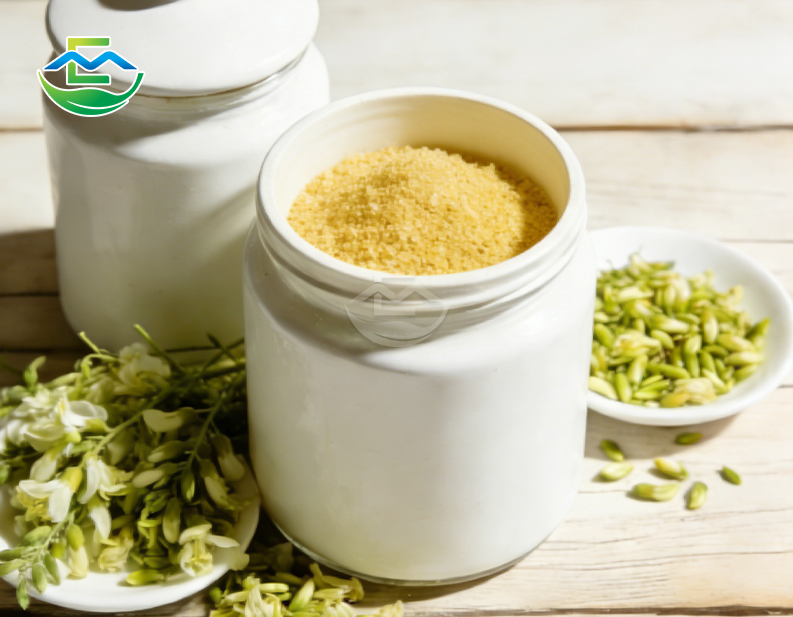
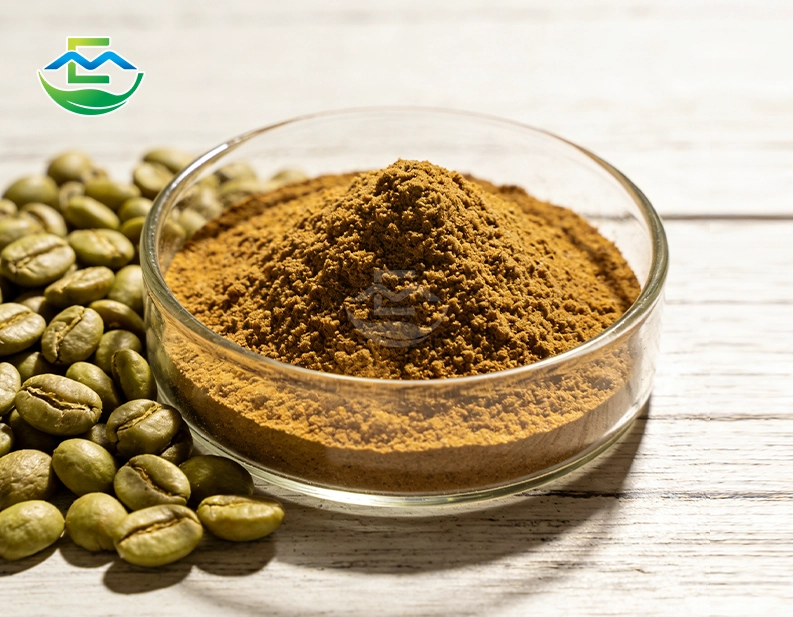
The brownish-yellow powder absorbs water, so it's important to store it properly to keep the ingredient's structure. The material is easy to use in capsule fills, tablet matrices, and topical formulations because the particle sizes are all the same and can pass through 80 mesh screens. Bulk density is usually between 0.45 and 0.65 g/ml, which makes it possible to do accurate volumetric calculations when making a lot of something.
Core Benefits Driving Market Demand
Aescin is a naturally occurring saponin compound that has been studied for its interaction with various biological pathways. This characteristic contributes to the botanical profile that makes Aescin a commonly researched plant compound. Many different types of manufacturers know how useful this ingredient is:
For nutritional applications, formulators often combine the extract with botanical ingredients such as butcher's broom and diosmin to create comprehensive plant-based formulations. Because the extract contains naturally occurring plant compounds with antioxidant characteristics, it is used in sports nutrition formulations designed for active lifestyle products. Cosmetic scientists use the ingredient in eye creams and leg gels because it can contribute to the sensory characteristics and appearance-focused positioning of topical products. Standardized botanical extracts are being used more and more in the functional food industry to support marketing claims related to botanical ingredients and antioxidant content.
Quality Parameters Every Procurement Manager Should Know
When comparing providers, knowing the technical details is what sets experienced buyers apart from newbies. The assay method is very important. UV spectrophotometry measures more types of saponin than HPLC methods, which only measure certain Aescin isomers. To avoid problems, buyers should make sure that the technique listed on the supplier's reports of analysis matches the method that was used.
Heavy metal pollution is a big problem for regulators. Our materials always test less than 3.0 mg/kg for lead and 0.1 mg/kg for mercury, which is in line with FDA rules and EU norms. Because seeds dry, polycyclic aromatic hydrocarbons are another important control point. Total PAH4 levels stay below 50 ppb and benzo(a)pyrene levels stay below 10 ppb in high-quality extracts. The guidelines for microbes are still very strict, with overall plate counts staying below 10,000 CFU/g and pathogens like Salmonella and E. coli.

Comparing Horse Chestnut Extract 20% Aescin UV with Alternatives
Concentration Considerations: 20% vs. Higher Potency Options
There are Aescin concentrations on the market that range from 10% to 98%, but 20% is still the best for mass-market supplements. This concentration provides a practical level of standardized botanical compounds for formulation development while still keeping costs low for brands that want to sell their products at competitive prices. Higher amounts, like 40% or pharmaceutical types of sodium aescinate, are good for specific uses that need the most power in the smallest dose forms, but they also mean that the cost of the raw materials goes up.
Another benefit of the 20% grade is that it allows for more flexible formulations. Lower amounts make it possible to mix with other ingredients that work well together without going over the size limits of capsules or tablets. When companies develop botanical formulations, they often combine Horse Chestnut Extract 20% Aescin UV with ingredients such as vitamin C and hesperidin to create differentiated ingredient combinations. This makes for unique products that work on multiple paths.
Complementary Botanicals and Strategic Combinations
Butcher's broom works in a different way by interacting with adrenergic receptors, while horse chestnut extract works by protecting blood vessels by blocking hyaluronidase. Putting these two ingredients together creates complementary botanical combinations for specialized formulation concepts. Grape seed extract contains oligomeric proanthocyanidins that contribute to its antioxidant botanical profile.
When formulating products, formulators should think about these interactions. A well-made vein health product might have 300 mg of horse chestnut extract standardized to 20% Aescin, along with 150 mg of butcher's broom and 100 mg of hesperidin. This is because each ingredient works in a different way. This formulation strategy helps brands create differentiated products in competitive markets.
Powder versus Liquid Extract Forms
Powder extracts are the most common type of OEM purchase for a number of functional reasons. Stability profiles favor dry powder forms, which don't oxidize or grow microbes when they are kept correctly. When compared to liquid concentrates, transportation costs go down by a lot, which has a direct effect on the landing costs for buyers from other countries. Powder can be easily added to tablets, capsules, sachets, and even dry drink mixes because of how versatile the manufacturing process is.
For some topical uses where direct solubilization is needed, liquid extracts may be more convenient, but they come with storage and shelf-life concerns that make managing the supply chain more difficult. Most experienced OEM brands choose powder specs because they keep control over how the end formulation is hydrated and how the delivery system works best.
OEM Procurement Insight: How to Source the Best Horse Chestnut Extract 20% Aescin UV?
Supplier Evaluation Framework
In order to find trusted supplier partners, you need to do more than just compare prices. The first thing that is used to screen applicants is their certification portfolios. Our building has NSF GMP, FSSC22000, Kosher, Halal, ISO, and Organic certificates, which show that we are committed to quality systems that are recognized by regulators around the world. These badges show not only compliance but also process stability and operating maturity.
When evaluating a company's manufacturing capabilities, it should ask about the complexity of its extraction equipment, its analytical testing abilities, and its systems for tracking the origin of its raw materials. When compared to trading companies that don't have their own processing facilities, suppliers that run their own offer better quality control, more flexible lead times, and lower prices. Earth Made Nutritions Inc. runs a modern plant in California with cutting-edge extraction tools. This lets us be in charge of the whole production process, from choosing the seeds to making the end powder.
Logistics and Order Optimization
Different sellers have very different minimum order amounts, which can affect the cost of keeping goods and cash flow. For products such as Horse Chestnut Extract 20% Aescin UV, our 25 kg MOQ works for both new brands that are testing the market and established manufacturers that are in charge of managing a lot of different SKUs. Standard packaging in 25 kg fibre drums with food-grade plastic covers keeps the goods safe during transport and makes it easier to move them around in the storeroom.
Production scheduling confidence is based on how reliable lead times are. Our four regional warehouses across the United States make it possible to ship stocked items in just two days, cutting out the weeks-long delays in international shipping that throw off manufacturing schedules. This plan for keeping local goods on hand works especially well during busy production times or when demand suddenly rises.
Building Strategic Supplier Partnerships
Transactional relationships make it harder to be responsive and come up with new ideas. Strategic relationships with ingredient providers allow teams to work together to create new products, make sure they meet specific needs, and give priority to certain tasks when supplies are low. When looking at possible partners, you should check how well they can help you with technical issues. Can their team give you advice on how to formulate? Do they keep R&D resources available to come up with new standards or meet new legal requirements?
We offer full technical support throughout the whole process of making a product. Our experts help with designing stability studies, testing for excipient compatibility, and finding the best dose. This consultative method changes the relationship between you and your seller from a transactional one to a strategic one. This shortens the time it takes to get your Horse Chestnut Extract 20% Aescin UV to market and increases the chances of it working.

Application Guidelines for OEM Brands Using Horse Chestnut Extract 20% Aescin UV
Nutraceutical Supplement Formulation Best Practices
Most of the market for Horse Chestnut Extract 20% Aescin UV comes from uses as dietary supplements. A typical dose is between 300 mg and 600 mg per meal, which gives you 60 mg to 120 mg of Aescin every day. Capsule formulations are easy to use because they only need a flow agent like silicon dioxide and maybe a filler like microcrystalline cellulose if they need to make certain sizes.
Because they need to be able to be compressed, tablet formulations require more complex development. It's easy for the extract to mix with common binders like hydroxypropyl methylcellulose and disintegrants like croscarmellose sodium. Manufacturers should test the tablets' hardness and friability to make sure they can withstand the stresses of shipping and packaging without changing how easily they break down.
Beverage applications pose special problems because the extract is bitter and doesn't mix well with water. A lot of the time, microencapsulation technologies or flavor systems that hide the astringency are used in successful applications. Functional beverage companies that make drinks for athletes and active consumers have added the extract to recovery-focused beverages because of its antioxidant-related ingredient characteristics.
Cosmetic Integration Strategies
Topical applications utilize Aescin’s botanical characteristics in appearance-focused cosmetic formulations. Most eye creams that try to get rid of dark circles and puffiness use 2-5% of the extract mixed with hydro-glycolic solutions before they are emulsified. It is important to keep the pH of the formulas between 5.0 and 7.0 so that the extract works best.
Leg gels and cooling creams designed for tired, heavy legs represent another significant application. A lot of the time, these products mix horse chestnut with menthol and camphor to provide a refreshing sensory experience while complementing the overall formulation concept. Formulators should test the stability of their products under fast conditions to make sure that the Aescin level stays the same and the emulsion stays intact for the full shelf life that was planned.
Functional Food Development Considerations
Different markets have very different rules about how to handle claims about useful foods. In the US, structure-function claims need to be backed up, but dietary supplements don't need to be approved before they go on sale. Brands that are making functional foods should talk to regulatory experts to find out what claims are legal and what labeling rules apply.
Adding botanical extracts to new products like fortified snack bars, functional shots, and better water is a good idea. Horse Chestnut Extract 20% Aescin UV stays stable under normal food processing conditions, which means it can be added to products that are being pasteurised or sterilised in a retort, but validation testing is still needed. Product designers should think about how saponins might react with other active ingredients, especially minerals that could form complexes with saponins and change how bioavailable they are.

Conclusion
Choosing the right botanical extract provider affects more than just the cost of the ingredient; it also affects the quality of the product, the trust of regulators, and the success of the market. Horse Chestnut Extract 20% Aescin UV is a flexible and well-researched ingredient that can be used in a wide range of nutritional, cosmetic, and functional food products. We are your ideal long-term ingredient partner because we are dedicated to quality and have all the necessary certifications, the ability to manufacture products in the United States, and helpful customer service. Setting up reliable supply chains for proven botanicals is becoming more and more important for keeping a competitive edge and a good brand image as shopper demand for natural, high-quality ingredients keeps growing.
FAQ
1. What certifications should I look for when I buy horse chestnut extract to use in my business?
Reliable suppliers keep a number of third-party certifications that show their quality system is mature. NSF GMP certification is only for making sure that dietary supplements meet certain standards, while FSSC22000 certification is for making sure that food safety management systems are in place. Kosher and Halal licenses make it easier for brands that cater to certain groups of people to sell their products. ISO standards show that a general quality control system has been put in place. When organic approval is available, it makes sure that handling and processing standards for organic products are followed all along the supply chain.
2. How should bulk Horse Chestnut Extract be stored to maintain potency?
Because this extract is hygroscopic, it needs to be carefully controlled for moisture. Keep containers that are tightly sealed in a cool, dry place that is below 25°C and has a relative humidity that stays below 60%. Once containers are opened, seal them back up quickly to keep air out, and as inventory runs out, you might want to move things to smaller containers. When stored properly, Horse Chestnut Extract 20% Aescin UV stays in line with specifications for 24 months after the date it was made. Stay away from direct sunlight and heat sources, which may affect sensitive botanical compounds over time.
Partner with EM for Premium Horse Chestnut Extract Supply.
Earth Made Nutritions Inc. is ready to help you reach your product development goals by giving you reliable access to high-quality Horse Chestnut Extract 20% Aescin UV. As a well-known manufacturer and supplier, we get rid of the supply chain uncertainties that mess up production schedules and make it harder to keep formulations consistent. Our professional team has decades of experience between them in extracting plants, doing analytical chemistry, and following the rules. We freely share this knowledge with our partners. We give you the ingredients, knowledge, and support you need to be successful whether you're starting a new line of botanical dietary supplements, improving a cosmetic recipe, or looking into functional beverage possibilities. Email us at info@em-herb.com right now to get samples, talk about your specific needs, and find out how our operations in California and national delivery network can give your brand the dependability it needs.
References
1. Mills, S., & Bone, K. (2020). Principles and Practice of Phytotherapy: Modern Herbal Medicine. Churchill Livingstone Publishers.
2. European Medicines Agency. (2019). Assessment Report on Aesculus hippocastanum L., semen. Committee on Herbal Medicinal Products.
3. Williamson, E., Driver, S., & Baxter, K. (2021). Stockley's Herbal Medicines Interactions. Pharmaceutical Press.
4. Botanical Safety Handbook Editorial Committee. (2020). Botanical Safety Handbook: Second Edition. American Herbal Products Association.
5. Upton, R., Graff, A., & Swisher, D. (2018). American Herbal Pharmacopoeia: Horse Chestnut Seed Monograph. American Herbal Pharmacopoeia.
6. Blumenthal, M., Goldberg, A., & Brinckmann, J. (2019). Herbal Medicine: Expanded Commission E. Monographs. Integrative Medicine Communications.