- English
- French
- German
- Portuguese
- Spanish
- Russian
- Japanese
- Korean
- Arabic
- Irish
- Greek
- Turkish
- Italian
- Danish
- Romanian
- Indonesian
- Czech
- Afrikaans
- Swedish
- Polish
- Basque
- Catalan
- Esperanto
- Hindi
- Lao
- Albanian
- Amharic
- Armenian
- Azerbaijani
- Belarusian
- Bengali
- Bosnian
- Bulgarian
- Cebuano
- Chichewa
- Corsican
- Croatian
- Dutch
- Estonian
- Filipino
- Finnish
- Frisian
- Galician
- Georgian
- Gujarati
- Haitian
- Hausa
- Hawaiian
- Hebrew
- Hmong
- Hungarian
- Icelandic
- Igbo
- Javanese
- Kannada
- Kazakh
- Khmer
- Kurdish
- Kyrgyz
- Latin
- Latvian
- Lithuanian
- Luxembou..
- Macedonian
- Malagasy
- Malay
- Malayalam
- Maltese
- Maori
- Marathi
- Mongolian
- Burmese
- Nepali
- Norwegian
- Pashto
- Persian
- Punjabi
- Serbian
- Sesotho
- Sinhala
- Slovak
- Slovenian
- Somali
- Samoan
- Scots Gaelic
- Shona
- Sindhi
- Sundanese
- Swahili
- Tajik
- Tamil
- Telugu
- Thai
- Ukrainian
- Urdu
- Uzbek
- Vietnamese
- Welsh
- Xhosa
- Yiddish
- Yoruba
- Zulu
For industrial uses in nutraceutical, functional food, and cosmetic formulations, Apple Cider Vinegar Fruit Powder offers significant value. This concentrated powder form contains acetic acid, malic acid, and helpful enzymes and comes from fermented apple fruit (Pyrus malus). It can be stored for a long time. The dehydration process, which is usually spray-drying, gets rid of more than 95% of the water content while keeping the bioactive compounds. This makes it very easy to develop new products. For business-to-business buyers looking at different ingredient options, this powder solves the transportation problems that come with liquid vinegar while keeping the same level of potency. This allows for accurate dosing and more formulation options across a wide range of product categories.


Understanding Apple Cider Vinegar Fruit Powder
Production Process and Core Composition
It is made by fermenting crushed apple fruit with Acetobacter bacteria under controlled circumstances. This produces acetic acid from natural carbohydrates. Next, low-temperature spray drying turns this fermentation soup into a silky powder. Modern processing preserves the enzymatic "Mother," a protein-rich matrix with beneficial compounds that distinguishes excellent powder from poor.
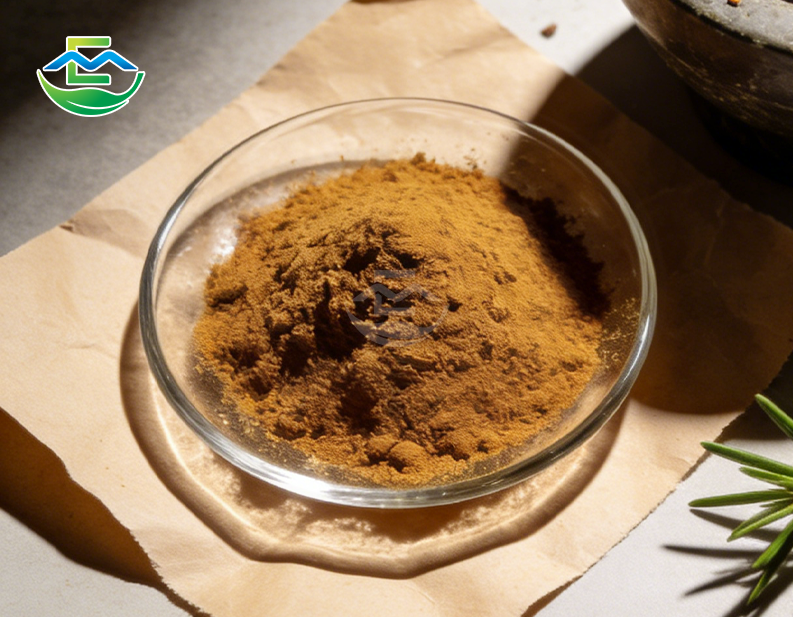
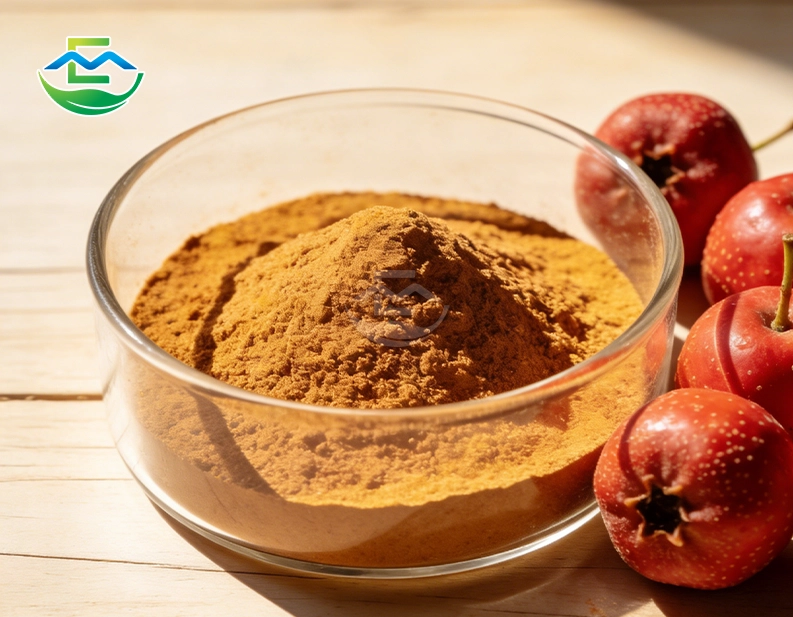
Water is the sole extraction agent in our clean-label formula. Titration measured the brownish-yellow powder, which meets the 5% and 10% total acid standards. This standardization helps formulators determine acidity levels for useful gummies, capsules, and drink mixes.
Physical and Chemical Characteristics
The powder dissolves rapidly in water, making it suitable for fast drink mixes and liquid vitamins. Through careful processing, the bulk density is 0.40–0.60 g/ml, and the moisture content is below 5%. This low-moisture profile extends shelf life compared to liquid vinegar, which has to be kept cold and oxidized.
Consider hygroscopicity while keeping and producing. Powder absorbs water from the air; thus, it must be packed to prevent further absorption. Our regular 25-kilogram barrels are induction-sealed for quality. R&D teams should use silicon dioxide (2–5%) to prevent caking in humid environments or for long-lasting products.
Nutritional Profile and Bioactive Compounds
The powder contains more than acetic acid. The apple fruit structure provides malic acid, polyphenolic antioxidants, and minor minerals. The naturally fermented profile comprises organic acids that assist the powder's work, unlike manufactured acetic acid. HPLC testing demonstrates the existence of these complementary chemicals, distinguishing true apple-derived powder from industrial vinegar-tampered fakes.
Concentration is crucial while purchasing. A 10:1 ratio indicates 100 mg of powder (with 10% acidity) has the same acetic acid as 1 gram of liquid vinegar. Shipping and keeping are cheaper and simpler. Concentration efficiency boosts profit margins for enterprises with limited production capacity.

Benefits of Apple Cider Vinegar Fruit Powder
Functional Advantages for Product Development
Formulators like that Apple Cider Vinegar fruit Powder can be used with a number of different delivery systems. Adding liquid acid to the process of making gummies changes how pectin and gelatin gel, which weakens the feel and structure. The powder form makes it possible to add 500–1000 mg doses without making the matrix unstable, and microencapsulation methods make it easier to hide flavours.
For vitamins that are put inside capsules, the powder works well with HPMC veggie capsules, which are better at staying stiff when acidic than regular gelatin shells. This compatibility makes sure that the shell won't break down over 24 months, which is important for foreign marketing that needs longer supply chain timelines.
Industrial Handling and Logistical Benefits
Getting rid of the need to handle corrosive liquids lowers safety concerns in the workplace and maintenance costs for equipment when using Extract. Production lines avoid the volatile, smelly nature of liquid vinegar, which makes workers more comfortable and lowers the need for ventilation. Extract powder's consistent flow properties make it possible to precisely control the weight of automated filling equipment, so it needs less calibration.
Moving from corrosive liquid (UN 2790) to general cargo status changes shipping classifications in a good way. This lowers freight costs and makes it easier to clear international customs. Our four strategically located U.S. warehouses make it possible for orders to be picked up in two days, which supports just-in-time production plans without the high costs of bulk liquid storage.
Formulation Versatility Across Categories
The powder mixes easily into dry drink mixes and adds tangy notes right away without settling to the bottom. In savoury uses like seasoning blends, it adds natural acidity without adding water, which would make the crispiness less good. Cosmetic formulators use the powder in face creams and scrubs that exfoliate. The light acidity helps with gentle exfoliation, and the powder form makes production easier than using liquid vinegar.
There are sports nutrition companies that use the ingredient in pre-workout and recovery mixes because the powder mixes well with protein and electrolyte compounds. Nutrition panels can correctly show the amount of organic acid because of the standardised acidity. This supports clear label claims that health-conscious customers like.
Common Precautions and Quality Assurance
Formulation Considerations for End-User Experience
When creating consumer items, acidity levels must be considered. Unbuffered concentrations exceeding 10% may induce minor oral sensitivity. Formulators use calcium carbonate or magnesium oxide as mild buffers. Gummy formulas contain 5–7% acid granules to balance flavor and function.
Chemically sensitive persons should see a doctor or nurse before utilizing concentrated organic acids. This standard disclosure wording protects companies and promotes responsible consumer behavior. Portion sizes should be clearly marked on product packages to assist consumers in planning their daily intake.
Quality Control Standards and Certification Requirements
Premium suppliers are different from commodity suppliers because they have strong quality assurance protocols. Our factory has certifications for NSF GMP, Kosher, Halal, ISO, FSSC22000, and organic products, which show that we follow international quality standards. These certifications meet the different regulatory needs of brands that work in more than one market.
ICP-MS tests for heavy metals make sure that strict levels for lead, arsenic, cadmium, and mercury are met, as required by California Prop 65 and EU rules. Microbiological controls keep the total plate counts below 3,000 CFU/g and show that bacteria like E. coli, S. coli, Salmonella, and E. aureus. These requirements protect the brand's reputation and meet the needs of retailer audits.
Authenticity Verification and Supply Chain Integrity
C13 isotope testing is the only way to be sure that the powder comes from apples and not from petroleum-based acetic acid or maize vinegar. This method of analysis works especially well for companies that market their goods as high-end or organic, since authenticity has a direct effect on how much people believe them and how much they pay for those products.
Traceability paperwork follows each batch from where the apples come from to fermentation and drying, which backs up claims of not being made with GMOs and meets the standards for organic certification. Our clear supply chain lets brands talk about where their products come from with confidence, which improves marketing stories about natural ingredients and environmentally friendly practices.

Comparing Apple Cider Vinegar Fruit Powder with Alternative Forms
Powder Versus Capsules and Tablets
Capsules are convenient for consumers, but they cost more to make and limit how much Apple Cider Vinegar fruit Powder you can take. Buying powder in bulk lets brands change serving sizes and pick their own packaging partners, which helps them make the most of their margins. Tablets need extra binders and compression equipment, which could mean adding ingredients that don't work with clean-label positioning.
The powder format of Extract is the most flexible because it can be used in stick packs, canisters, and other custom packaging formats. This versatility is especially helpful for new brands that want to see how well different product forms do in the market before investing in specialised manufacturing equipment.
Organic Versus Conventional Specifications
Organic certification means higher prices, but it also opens up sales channels in natural stores and health-focused online stores. The certification process makes sure that the apples are grown without using pesticides and don't use any artificial processing aids. This makes it appealing to brands that want to appeal to environmentally conscious customers.
Conventional specifications offer similar acidity levels at lower prices, making them a good choice for value-oriented brands or products where organic certification doesn't affect the decision to buy. Both versions go through the same quality testing procedures, which ensure that they have the same safety ratings while still appealing to different types of customers.
Integration with Complementary Ingredients
When you mix the powder with Bacillus coagulans or other acid-resistant strains, it makes gut health items that work better together. The organic acids create a slightly acidic environment that helps keep probiotics stable while they're stored and may even increase the diversity of microbes in the gut.
When combined with chromium picolinate or green tea extract, full metabolic support formulas are made that are popular in weight management categories. The powder has a mild flavour that goes well with botanical extracts. This lets formulators make complex ingredient mixtures without having to worry about flavour conflicts that make it harder to hide unpleasant tastes.
Procurement and Supply Considerations for Apple Cider Vinegar Fruit Powder
Evaluating Supplier Capabilities and Reliability
A solid procurement partnership goes beyond price negotiations. It also involves technical support, regulatory assistance, and a consistent supply of commodities. Suppliers with specialized R&D teams assist companies in blending ingredients and addressing manufacturing issues. This collaborative approach reduces reformulation costs and product launch time.
Manufacturing openness distinguishes reliable suppliers from middlemen without manufacturing control. Site audits demonstrate equipment, quality control, and personnel expertise. Our California firm welcomes visitors to observe its cutting-edge extraction equipment and testing labs that ensure product quality.
Minimum Order Quantities and Pricing Structures
Our 25kg MOQ works for new businesses entering the market and established brands needing container loads. This flexible strategy reduces entrance barriers and facilitates scalable expansion. Free samples reduce the risk of purchasing a product by letting you test its safety and composition.
Description, quantity of agreements, and certification requirements determine pricing. Organic powder costs 30–40% more than ordinary powder, and the higher acidity requirements (15–20%) are attributable to the additional labor needed to attain concentration standards. When brands purchase 500 kg or more quarterly, bulk savings make sense. This rewards brands with predictable demand.
Logistical Advantages and Lead Time Management
Four U.S. warehouses stock inventory, so orders can be filled quickly without international shipping. This domestic distribution network helps with strong production or unexpected demand. Flexible manufacturing operations that can't wait for ingredient lead times benefit from two-day pickup.
Water absorption and clumping make the product harder to flow; therefore, temperature-controlled storage maintains it steady throughout the distribution chain. Regardless of the weather, our logistics partners handle hygroscopic powders appropriately, so items always arrive intact.
How to Use Apple Cider Vinegar Fruit Powder in Product Development
Dosage Guidelines for Various Applications
Depending on the powder, dietary supplements include 500 to 1500 mg per dose of Extract, or 50 to 150 mg of acetic acid. This spectrum balances taste and function, notably in unflavored or light-flavored items. Pills contain larger concentrations than gummies, which are less sour.
Drinks with 1- 3 g per serving offer tartness without dominating other flavors. RTD protein shakes and electrolyte drinks disguise acidity with citrus or berry flavors. Clear conscience companies, however, utilize vinegar to convince educated buyers that the product is genuine.
Formulation Techniques and Stability Optimization
Pay attention to how the particle sizes are spread out when dry blending. By using the same mesh sizes for all ingredients, segregation can't happen during shipping and packaging, and the doses will be the same for everyone. Before adding finer ingredients like vitamins or minerals, mixing the powder with ingredients that have bigger particles first makes the base more uniform.
For liquid uses, mixing Apple Cider Vinegar fruit Powder slowly into cold water while shaking keeps the solids from sticking together. Adding the powder to the swirl that is made by mixing it very quickly ensures that it dissolves completely. In buffered systems, the pH may need to be changed to keep sensitive ingredients like some B vitamins or plant products from precipitating.
Real-World Applications Across Industries
Our 5% acidity powder at 800 mg per serving was added to a popular brand of functional gum, making it a best-selling weight-loss product sold in major U.S. stores. Because the powder's quality stayed the same, the brand was able to go from regional to national distribution without having to change the recipe.
An organic skin care line mixed the powder with kaolin clay and lavender extract to make a face mask that scrubs and smooths the skin. The mild acidity made the chemical exfoliation gentle, and the powder form made it easier to make than liquid vinegar formulations. The product got clean beauty certification and had a high rate of repeat purchases.
Making the Right Choice: Guidelines for B2B Buyers
Critical Quality Indicators and Specification Alignment
Purchasers should prefer supplier Certificates of Analysis that show acidity, heavy metals, microbiological contamination, and moisture. These requirements impact design and regulation. Multiple batch studies show product uniformity, indicating good manufacturing control.
Seller certification files show quality commitment. FSSC22000 oversees food safety, while NSF GMP makes only supplements. Halal and Kosher licenses help religious companies grow. With our certification suite, you don't need market-specific ingredients from suppliers.
Customization Capabilities and Technical Support
Suppliers with bespoke specs help companies stand out. Manufacturers may distinguish their goods from the competition by adjusting carrier ratios, particle sizes, or unique mixes. Our research and development team develops unique formulas and signs agreements to protect intellectual property.
Technical support continues after the sale. Assistance in reformulating during test runs and bulk production prevents costly errors. Regulatory aid speeds market entry by producing NDI notifications, demonstrating structure-function claims, and completing international registration requirements.
Building Long-Term Partnership Value
Reliable vendors are strategic partners, not simply transactional. When they know about supply problems, harvest variances, or regulatory changes, brands may adjust their plans. We have safety stock buffers and apples from many sources to ensure we always have apples, even when farming is difficult.
Clear pricing rules build confidence and improve financial projections. We keep our rates the same for yearly contracts. This shields brands from spot market volatility and rewards loyalty via volume tier development. This predictability is crucial for brands with low profit margins or that must meet investor gross profit expectations.

Conclusion
Apple Cider Vinegar fruit Powder overcomes the production, logistical, and quality challenges of employing liquid vinegar in contemporary products. The condensed form is easier to produce, has stable acidity, and is suitable for nutraceutical, functional food, and skincare products. Procurement experts consider supplier qualifications, product positioning, and partnership reliability while evaluating possibilities. Our brownish-yellow Pyrus malus powder is standardized to 5% and 10% total acids. It is affordable, high-quality, and ships promptly via domestic warehouses. Strategic component selection affects product performance, regulatory compliance, and brand distinctiveness in competitive marketplaces.
FAQ
1. What serving size is typically recommended for supplement formulations?
Depending on whether 5% or 10% acidity powder is used, standard dietary supplements have between 500 and 1500 mg per serving, which is 50 to 150 mg of acetic acid. When it comes to functionality and taste, gummy forms usually use lower concentrations, while capsules can handle higher concentrations. Most beverage mixes use 1 to 3 grams per serving to add a noticeable tartness without overpowering the main flavour.
2. How does powder form compare nutritionally to liquid vinegar?
The powder combines the bioactive chemicals that are in watery vinegar while getting rid of the water. This makes the powder about 10 times stronger by weight. One hundred milligrams of 10% acidity powder is the same amount of acetic acid as one gram of liquid vinegar. Low-temperature spray-drying methods keep the organic acid profile, which includes malic acid and polyphenols, intact. This keeps the nutritional qualities that health-conscious customers value.
3. What certifications matter most for international distribution?
NSF GMP approval covers the rules for making dietary supplements in the United States, while FSSC22000 covers the rules for making food that are known all over the world. Kosher and Halal certifications are necessary for products that are meant to appeal to religious customers. Getting certified as organic opens up premium placement and access to natural store channels. Heavy metals testing that meets EU and California Prop 65 standards protects brands that work in more than one regulatory area and keeps them from having to pay for expensive recalls or market withdrawals.
Partner with EM for Premium Apple Cider Vinegar Fruit Powder Supply
EM is ready to help you reach your formulation goals by providing pharmaceutical-grade ingredients backed by a wide range of certifications and the best domestic logistics. As a well-known supplier of Apple Cider Vinegar fruit Powder, we keep four strategically placed U.S. warehouses to ensure two-day fulfilment and get rid of the long lead times that mess up production plans. Our brownish-yellow powder comes from Pyrus malus fruit and is standardised to meet your needs—5% or 10% total acids—and is extracted with water to support clean-label claims.
In addition to low prices and a flexible minimum order quantity of 25 kg, we offer free samples so that you can fully evaluate our products before making a decision. Our NSF GMP, Kosher, Halal, ISO, FSSC22000, and Organic certifications show that our quality system is mature, and our R&D team can help you with creation, which cuts down on the time it takes to make a new product. Our technical know-how and reliable supply set your brand up for long-term market success, whether you're releasing useful gummies, encapsulated vitamins, or new drink ideas. To talk about custom specs, bulk prices, or to set up a technical consultation, please email our procurement experts at info@em-herb.com. Your competitive edge starts with core partners who are committed to helping you grow.
References
1. Johnston, C.S., & Gaas, C.A. (2006). Vinegar: Medicinal uses and antiglycemic effect. MedGenMed: Medscape General Medicine, 8(2), 61.
2. Budak, N.H., Aykin, E., Seydim, A.C., Greene, A.K., & Guzel-Seydim, Z.B. (2014). Functional properties of vinegar. Journal of Food Science, 79(5), R757-R764.
3. Petsiou, E.I., Mitrou, P.I., Raptis, S.A., & Dimitriadis, G.D. (2014). Effects and mechanisms of action of vinegar on glucose metabolism, lipid profile, and body weight. Nutrition Reviews, 72(10), 651-661.
4. Nazıroğlu, M., Güler, M., Özgül, C., Saydam, G., Küçükayaz, M., & Sözbir, E. (2014). Apple cider vinegar modulates serum lipid profile, erythrocyte, kidney, and liver membrane oxidative stress in ovariectomized mice fed high cholesterol. Journal of Membrane Biology, 247(8), 667-673.
5. Yagnik, D., Serafin, V., & Shah, A.J. (2018). Antimicrobial activity of apple cider vinegar against Escherichia coli, Staphylococcus aureus and Candida albicans. Scientific Reports, 8(1), 1732.
6. Ho, C.W., Lazim, A.M., Fazry, S., Zaki, U.K., & Lim, S.J. (2017). Varieties, production, composition, and health benefits of vinegars: A review. Food Chemistry, 221, 1621-1630.