- English
- French
- German
- Portuguese
- Spanish
- Russian
- Japanese
- Korean
- Arabic
- Irish
- Greek
- Turkish
- Italian
- Danish
- Romanian
- Indonesian
- Czech
- Afrikaans
- Swedish
- Polish
- Basque
- Catalan
- Esperanto
- Hindi
- Lao
- Albanian
- Amharic
- Armenian
- Azerbaijani
- Belarusian
- Bengali
- Bosnian
- Bulgarian
- Cebuano
- Chichewa
- Corsican
- Croatian
- Dutch
- Estonian
- Filipino
- Finnish
- Frisian
- Galician
- Georgian
- Gujarati
- Haitian
- Hausa
- Hawaiian
- Hebrew
- Hmong
- Hungarian
- Icelandic
- Igbo
- Javanese
- Kannada
- Kazakh
- Khmer
- Kurdish
- Kyrgyz
- Latin
- Latvian
- Lithuanian
- Luxembou..
- Macedonian
- Malagasy
- Malay
- Malayalam
- Maltese
- Maori
- Marathi
- Mongolian
- Burmese
- Nepali
- Norwegian
- Pashto
- Persian
- Punjabi
- Serbian
- Sesotho
- Sinhala
- Slovak
- Slovenian
- Somali
- Samoan
- Scots Gaelic
- Shona
- Sindhi
- Sundanese
- Swahili
- Tajik
- Tamil
- Telugu
- Thai
- Ukrainian
- Urdu
- Uzbek
- Vietnamese
- Welsh
- Xhosa
- Yiddish
- Yoruba
- Zulu
When sourcing premium ingredients for functional food and supplement formulations, understanding the difference between generic mushroom powders and scientifically standardized extracts becomes essential. Lion's Mane Extract Polysaccharides Beta Glucan represents a refined bioactive ingredient derived from the fruiting body of Hericium erinaceum, standardized specifically for its 1,3-1,6-beta-D-glucan content. This buyer's guide walks procurement professionals, R&D managers, and formulation scientists through the critical specifications, quality benchmarks, and strategic sourcing considerations that distinguish reliable suppliers from commodity vendors. Whether you're developing functional supplements, functional beverages, or clean-label products, the insights shared here will empower informed decisions that strengthen product differentiation and consumer trust.

Understanding Lion's Mane Extract Polysaccharides and Beta-Glucan
What Makes Beta Glucan Different from Generic Polysaccharides?
It's easy to get polysaccharides and beta-glucans mixed up, which can cost a lot of money when buying them. A lot of different types of carbohydrates are found in carbs and grain-based fillers. Some of these are active beta-glucans, and some are inactive alpha-glucans. When companies say that their goods have "50% polysaccharides," this number might include maltodextrin or dextrin that was added during processing. Lion's Mane Extract Polysaccharides Beta Glucan, on the other hand, only refers to the part of the fungus cell wall that has a special structure of 1,3–1,6 branches. This compound has a unique molecular structure associated with the characteristic properties of fungal beta-glucans, making it a valuable ingredient for functional formulations. Buy extracts that list both the total polysaccharides and beta-glucan content, such as 50% polysaccharides and 30% beta-glucan. This way, you can verify that you're getting clearly defined active compounds instead of inactive bulking agents.
Extraction Methods and Their Impact on Quality
When an ingredient is extracted, the liquid used changes its chemical make-up and how it can be used. The polysaccharides and beta-glucans are washed away with hot water. This leaves behind a water-soluble powder that can be used in drinks and chewy candy. The phytochemical profile is more complete when ethanol is used instead of water because it includes terpenes and other lipophilic chemicals along with the carbohydrates. Dual extraction methods, which use both water and ethanol steps, can provide a broader range of naturally occurring compounds. However, these methods need more complicated tools and better process control. Our 50% polysaccharides/30% beta-glucan extract is made by using ethanol to get the fruiting bodies out. This combines the number of beneficial compounds with how easily they dissolve. The starch doesn't get into the mycelium-on-grain products with this method. These products usually have 30–60% alpha-glucan from the rice or oat substrate.
Clinical Support and Application Rationale
Scientists have investigated the chemical composition and functional properties of Hericium erinaceum, including its polysaccharide and beta-glucan fractions. Beta-glucans have been studied for their interactions with biological systems, contributing to ongoing research into fungal polysaccharide characteristics. The polysaccharide fractions don't change much when the pH level changes. This means they can be used in acidic mixtures like fruit-flavored gummies or functional drinks with citrus tastes. Carbohydrates and beta-glucans provide formulation options for products designed around functional ingredient positioning and consumer preferences. This fits with the trend toward "clean label" supplements that are popular right now.

Key Factors When Choosing Lion's Mane Extract Polysaccharides Beta-Glucan for B2B Procurement
Purity Specifications and Testing Protocols
People who buy things for professionals should give sellers who use enzyme tests instead of simple UV-Vis spectrophotometry more weight. The Megazyme K-YBGL test correctly measures the amount of 1,3-1,6-beta-glucan because enzymes are used to get rid of the alpha-glucans first. This paints a good picture of the useful information. Adding iodine solution to a sample should only make a small change in colour. This is a quick way to see how good something is. If you see a blue-black response, it means that the starch has been tainted. This shows that low-quality myceliated grain products are trying to look like fruiting body extracts. A good supplier will give you a Certificate of Analysis that says the powder has no more than 9% ash, no more than 7% moisture (so microbes can't grow in hygroscopic powders), and heavy metal levels that meet USP standards (lead less than 3.0 ppm and arsenic less than 1.0 ppm). These things will help your recipe stay stable and keep your customers safe for as long as your product is on the market.
Particle Size and Physical Characteristics
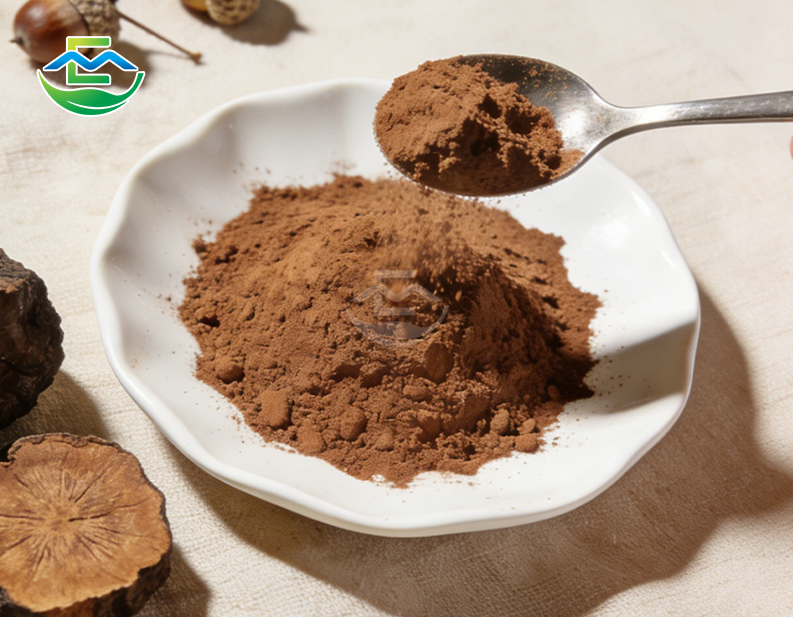
Lion's Mane Extract Polysaccharides Beta Glucan can be any colour it normally is, from a light brown to a dark brown. It depends on when it was picked and how it was dried. This change in color doesn't mean that the quality is different if the HPTLC mark and beta-glucan test stay the same. The size of the particles is very important for how well the production works. For example, 95% passing through 80 mesh makes sure that the encapsulation lines mix well and the powder blends don't separate. The fine brownish-yellow powder that is made by taking out the growing bodies mixes well with water and is great for making quick drinks. But since it absorbs water, water can get in while it's being stored and cause it to clump. Our standard 25 kg form, double-lined plastic bags inside fiber drums, keeps out moisture and makes it easier to handle large amounts of stuff in factories.
Certifications and Regulatory Alignment
To sell food supplements in the U.S., you need to fill out a lot of paperwork that goes beyond just listing the product's main benefits. The NSF GMP approval shows that the production processes are clean and follow the strict rules for pharmaceutical-grade tracking. FSSC22000 approval means that a system for managing food safety is being used, which is important for functional food uses. A bigger range of people can buy things in the market thanks to certifications like Kosher and Halal. The clean-label market is growing, and now it affects 40% of supplement purchases. Organic certification caters to this market. When a company has an ISO certification, it means that their operations are grown and their quality is uniform. This makes it easy for buyers who work for companies to do audits. This long list of certifications is kept up to date by Earth Made Nutritions Inc. This makes it easy for formulators to find ingredients that meet the needs of both regulators and customers, without having to find multiple qualified suppliers.

Lion's Mane Polysaccharides vs Other Mushroom Polysaccharides: Making the Right Choice
Comparing Fungal Polysaccharide Profiles
Different kinds of mushrooms make different kinds of polysaccharides, which means they do different things. Products made from Ganoderma lucidum (Reishi) are high in polysaccharides and triterpenes, which makes them great for recipes that help the body deal with stress. Chia (Inonotus obliquus) is good for your face because it has a lot of vitamins and chemicals that help make melanin. The erinacines and hericenones in Hericium erinaceum make it stand out. These are low-molecular-weight compounds that contribute to the mushroom's unique chemical profile and work with the beta-glucan part of the plant. Lion's Mane Extract Polysaccharides Beta Glucan is commonly used in functional ingredient formulations where the focus is on mushroom-derived compounds. As long as you know about these changes in phytochemicals, you can avoid recipe mismatches. These happen when the ingredients used don't match up with what the product says it does or what customers expect.
Fruiting Body vs Mycelium Sourcing
The debate over the substrate has a big impact on how reliable beta-glucan is and how well the product works. There is a lot of sugar in mycelium that grows on rice or oats because that's what the grains are used for. Even after they've been extracted, these foods often only have 30 to 50 percent alpha-glucan, which gives false claims about polysaccharides a boost while giving us only a small amount of useful beta-glucans. When you look at the polysaccharide numbers, you can really see what's inside the fungus cell wall. Fruiting body products normally have less than 5% alpha-glucan. For our Hericium erinaceum extract, we only use fruiting bodies that have been confirmed by HPTLC fingerprinting. This method rules out grain contamination and shows that the species is real. The source you choose will have a direct affect on how much it costs per dose. For instance, a 500mg dose of 30% beta-glucan fruiting body extract gives you 150mg of the active substance. But mycelium products might need 1500 mg servings to give you the same amount of beta-glucan, which changes how many capsules are needed and how much they cost to make.
Market Positioning and Consumer Education
People are learning more about supplements and reading supplement facts panels more carefully. Being honest about where the ingredients come from and what they are used for has become a way to stand out from the competition. Scientific trustworthiness is shown by brands that list both beta-glucan amounts and total carbohydrates. Consumers who compare product information with published research may place greater value on transparent ingredient specifications. As the FTC keeps saying, supplement claims need to be backed up. Being open also protects against challenges from competitors and close scrutiny by regulators. It will help your brand if you choose products such as Lion's Mane Extract Polysaccharides Beta Glucan with clear paperwork, like the Latin name (Hericium erinaceum), the plant part (fruiting body), and the two specifications (50% polysaccharides / 30% beta glucan). This is because your marketing messages will be based on facts.
Procurement Strategies for Lion's Mane Extract Polysaccharides Beta Glucan in Bulk
Supplier Evaluation and Due Diligence
When looking for a manufacturing partner, it's not enough to just compare prices. You also need to see how well they can run their business to make sure they can keep up with demand. Before you rely on certificates alone, you should first ask for up-to-date NSF GMP and FSSC22000 audit reports from a third party. This is because ongoing participation needs to be checked on once a year. Find out what kind of extraction gear the supplier has and how much of it they have. Plant-based ingredients don't mix when they're extracted on separate lines. This is especially important for organic or allergen-sensitive goods. Earth-Made Nutritions, Inc. has its own modern plant in California that uses the most up-to-date methods for extracting things. In other words, our Lion's Mane Extract Polysaccharides Beta Glucan specifications remain consistent throughout the supply chain. In the U.S., we have four strategically placed stores that can meet orders in two days for customers who use just-in-time stocking models or who want to see how the market responds to smaller production runs before going big.
Understanding Pricing Dynamics and Negotiation Leverage
A lot of things affect the price of bulk ingredients, like where the raw materials come from, how much is taken out, how many tests are needed, and how long the certification is good for. Because they make less biomass, fruiting body extracts cost more than mycelium goods. This is because it takes longer and more work to gather full growing bodies than it does to grind grain spawn. When you want to make 30% beta-glucan, you have to do more cleaning steps than just basic polysaccharide extraction. This makes the process harder. When you talk about terms, don't just look at the FOB price; also think about the total landing cost, which includes testing, storage, and freight. Our 25 kg minimum order quantity (MOQ) is good for smaller brands that are just starting out. Also, because we keep ingredients in stock, you don't have to wait the usual 60–90 days for foreign ingredients. You can get free samples if you meet the requirements. This way, your R&D team can check the solubility, organoleptic qualities, and interaction with other materials before committing to massive production.
Logistics and Supply Chain Reliability
When there aren't enough ingredients during busy production times, problems happen that cost a lot of money. For example, product launches are pushed back, stores are let down, and market progress is lost. If you want to know how reliable a seller is, look at how much inventory they have and how often they restock. For products such as Lion's Mane Extract Polysaccharides Beta Glucan, stable supply availability is especially important for brands that depend on consistent production schedules. Our four warehouses in the U.S. keep extra stock at delivery points in the area. Transpacific operations have had trouble with shipping since 2020. This helps fix that problem. Because stocked items can be picked up in two days, your production schedule is set by when you make the recipes, not when the ingredients are available. Being able to change things quickly helps brands that are putting out holiday goods or responding quickly to market trends. This gives them an edge and helps them get their products on shelves faster. Another thing to look at is the supplier's technical support after the sale. For instance, can the team help with suggesting dosages, figuring out what stable tests mean, or giving regulatory paperwork during FDA facility inspections?

Conclusion
If you want to find good Lion's Mane Extract Polysaccharides Beta Glucan, you need to know the key differences between regular mushroom powders and ingredients that come from fruit. You can measure the useful content that comes from mixing 50% carbohydrates and 30% beta-glucan. This content supports accurate product descriptions and ingredient transparency. When buying something, you shouldn't just look for the cheapest option. Instead, you should choose providers who offer complete paperwork, thorough certifications, and reliable inventory systems. Working with manufacturers who are highly skilled can give you a competitive edge that goes beyond just getting ingredients. This is because the market for functional supplements is increasingly focused on transparency and ingredient quality. Some of these benefits are getting help with formulation, getting advice from regulators, and being able to react quickly to the market. With these guidelines, testing methods, and buying strategies, you can confidently pick ingredients that will make your product work better and protect your brand's reputation in a market that is getting more complicated.
FAQ
1. What distinguishes beta-glucan from total polysaccharides in testing?
Using UV-Vis spectrophotometry, you can find total polysaccharides. These are all long-chain carbs, like starches that don't do anything and grain fillers. To test for beta-glucan, Megazyme K-YBGL assay enzymes are used to find the functional 1,3-1,6-branched structure. This keeps the reading from being messed up by alpha-glucan in Lion's Mane Extract Polysaccharides Beta Glucan assessment.
2. How can I verify the extract originates from fruiting bodies rather than myceliated grain?
You can test for alpha-glucans by looking at the amount of starch. There is less than 5% alpha-glucan in fruiting body samples, but more than 30–50% is often found in things made from mycelium on grains. A small change in color means the growing body is real, while a blue-black color means there is grain contamination. The iodine test quickly confirms this.
3. Does color variation between batches indicate quality differences?
Because of when they are picked and how they are dried, fresh foods naturally change their color from light brown to dark brown in small ways. But the beta-glucan test and HPTLC mark should not change from one batch to the next. Suppliers you can trust give Certificates of Analysis that are specific to each batch. These show that the specifications were met, even if the product looks a little different from batch to batch.
Source Certified Lion's Mane Extract Polysaccharides Beta Glucan from a Trusted Supplier
Hericium erinaceum powder is suitable for functional ingredient applications, supporting product development projects that require standardized mushroom-derived ingredients. Your R&D team can rely on consistent specifications from our mix of 50% Polysaccharides and 30% beta-glucan. These are some of the certifications that back it up: NSF GMP, FSSC22000, Kosher, Halal, ISO, and Organic. We don't have to worry about the supply chain, which can throw off production schedules, because we have four warehouses in the U.S. that can be filled in two days and have items in stock, which cuts down on long lead times. Feel free to try some of our fine brownish-yellow powder right now to see how well it mixes with other things. Get in touch with our expert team at info@em-herb.com to find out why top nutraceutical companies choose EM as their Lion's Mane Extract Polysaccharides Beta Glucan provider.
References
1. Smith, J.E., Rowan, N.J., & Sullivan, R. (2002). Medicinal mushrooms: Their therapeutic properties and current medical usage, with special emphasis on cancer treatments. University of Strathclyde, Cancer Research UK.
2. Friedman, M. (2015). Chemistry, nutrition, and health-promoting properties of Hericium erinaceus (Lion's Mane) mushroom fruiting bodies and mycelia and their bioactive compounds. Journal of Agricultural and Food Chemistry, 63(32), 7108-7123.
3. Mori, K., Inatomi, S., Ouchi, K., Azumi, Y., & Tuchida, T. (2009). Improving effects of the mushroom Yamabushitake (Hericium erinaceus) on mild cognitive impairment: a double-blind placebo-controlled clinical trial. Phytotherapy Research, 23(3), 367-372.
4. Wasser, S.P. (2002). Medicinal mushrooms as a source of antitumor and immunomodulating polysaccharides. Applied Microbiology and Biotechnology, 60(3), 258-274.
5. Vetvicka, V., & Vetvickova, J. (2014). Immune-enhancing effects of Maitake (Grifola frondosa) and Shiitake (Lentinula edodes) extracts. Annals of Translational Medicine, 2(2), 14.
6. Zhang, Y., Li, S., Wang, X., Zhang, L., & Cheung, P.C. (2011). Advances in lentinan: isolation, structure, chain conformation, and bioactivities. Food Hydrocolloids, 25(2), 196-206.