- English
- French
- German
- Portuguese
- Spanish
- Russian
- Japanese
- Korean
- Arabic
- Irish
- Greek
- Turkish
- Italian
- Danish
- Romanian
- Indonesian
- Czech
- Afrikaans
- Swedish
- Polish
- Basque
- Catalan
- Esperanto
- Hindi
- Lao
- Albanian
- Amharic
- Armenian
- Azerbaijani
- Belarusian
- Bengali
- Bosnian
- Bulgarian
- Cebuano
- Chichewa
- Corsican
- Croatian
- Dutch
- Estonian
- Filipino
- Finnish
- Frisian
- Galician
- Georgian
- Gujarati
- Haitian
- Hausa
- Hawaiian
- Hebrew
- Hmong
- Hungarian
- Icelandic
- Igbo
- Javanese
- Kannada
- Kazakh
- Khmer
- Kurdish
- Kyrgyz
- Latin
- Latvian
- Lithuanian
- Luxembou..
- Macedonian
- Malagasy
- Malay
- Malayalam
- Maltese
- Maori
- Marathi
- Mongolian
- Burmese
- Nepali
- Norwegian
- Pashto
- Persian
- Punjabi
- Serbian
- Sesotho
- Sinhala
- Slovak
- Slovenian
- Somali
- Samoan
- Scots Gaelic
- Shona
- Sindhi
- Sundanese
- Swahili
- Tajik
- Tamil
- Telugu
- Thai
- Ukrainian
- Urdu
- Uzbek
- Vietnamese
- Welsh
- Xhosa
- Yiddish
- Yoruba
- Zulu
The support of good inflammation markers, such as C-Reactive Protein (CRP), by Apple Cider Vinegar fruit Powder is promising. New research suggests that the bioactive compounds in this concentrated ingredient may help keep the body's inflammatory responses in check. These compounds include acetic acid, polyphenols, and natural antioxidants that come from Pyrus malus fruit. Although more research needs to be done, early results suggest that eating apple cider vinegar powder on a regular basis may help with health goals related to reducing inflammation. This makes it a desirable functional ingredient for nutraceutical and functional food products aimed at health-conscious consumers.


Understanding Apple Cider Vinegar Fruit Powder and CRP
What Is Apple Cider Vinegar Fruit Powder?
Spray-drying technology is used to make Apple Cider Vinegar fruit Powder, which is a dried, free-flowing form of regular apple cider vinegar. The powdered version combines bioactive ingredients onto a carrier matrix, while the liquid version is mostly water and can be hard to formulate because it is corrosive and volatile. This change fixes some of the biggest problems in the industry, like making formulations more stable, improving taste, and making logistics more efficient. The powder keeps important organic acids, mostly acetic and malic acids, but gets rid of the water that makes storage and shipping harder.
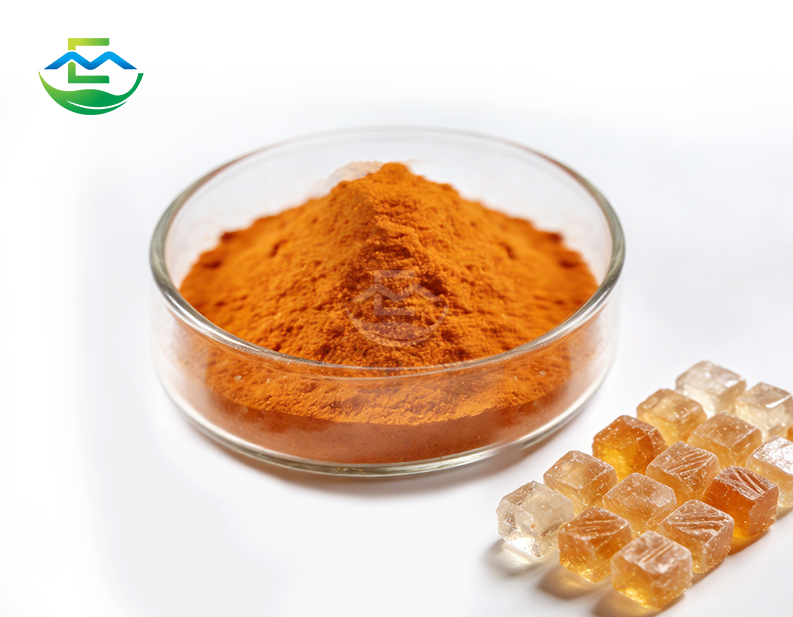
The process starts with fermenting apples (Pyrus malus) with Acetobacter bacteria. The vinegar that is made is then dried in a controlled way at temperatures that keep the enzymes working and the nutrients intact. The final brownish-yellow powder has standardised acidity levels, which are usually between 5% and 10% total acids. This makes sure that each production batch has the same amount of potency. This standardisation is very helpful for research and development teams that are making supplements, functional drinks, and fortified foods where accurate dosing is important.
Understanding CRP as an Inflammation Marker
A biomarker called C-Reactive Protein is widely known to be made by the liver in response to inflammation in the body. Health care professionals and wellness brands keep an eye on CRP levels because high readings are often linked to a number of health problems. The protein is found in blood plasma, and its level rises during inflammatory episodes. This makes it a useful way to check the overall level of inflammation.
CRP testing is now a standard part of health checks. Values below 1.0 mg/L are usually thought to be ideal, while values above 3.0 mg/L may need further investigation. For people who make nutraceutical products, ingredients that help keep CRP levels healthy are a great fit for customers who want natural pain relievers. Formulation scientists looking for functional ingredients based on evidence are very interested in the link between dietary changes and changes in CRP.
Scientific Evidence on Anti-Inflammatory Potential
New studies looking into how vinegar affects markers of inflammation point to ways that acetic acid affects metabolic pathways. Studies that looked at people who drank apple cider vinegar found links between that drink and better metabolic profiles, which in turn affect the state. Apple-based goods contain polyphenolic compounds that have antioxidant qualities that may help protect cells from oxidative stress, which is known to cause chronic inflammation.
Researchers in the lab have found that acetic acid may change some signalling pathways that are linked to inflammatory reactions. Most of the studies that have been published have been on liquid vinegar, but the bioactive profile stays the same in powder forms that have been handled correctly. The higher concentration of powder versions might make them more bioavailable, though dose optimisation is still being studied. When purchasing this ingredient, teams should keep in mind that even though there is mechanistic proof, clinical studies are still going on to find the best dosing methods and long-term effectiveness data.

Health Benefits of Apple Cider Vinegar Fruit Powder Related to CRP
Bioactive Components Supporting Inflammation Balance
The nutritional profile of the Apple Cider Vinegar fruit Powder is based on three main types of bioactive compounds. Five to ten percent of standard formulations are acetic acid, which is a key part of metabolic processes that affect inflammatory responses. This organic acid has been shown to change the way glucose is used and the way fats are absorbed, both of which are connected to processes that cause inflammation. Polyphenolic compounds, such as chlorogenic acid and catechins, come from the base of the apple fruit. They act as antioxidants to fight free radicals that cause cell inflammation.
Malic acid, which is another important part, helps cells make energy and may make it easier for the body to absorb nutrients. These chemicals work together to make a functional grid that goes beyond the benefits of each individual part. When formulation experts choose raw materials, they should give more weight to suppliers who can show that these bioactives are retained through third-party tests. This will make sure that the powder does what it says it will do.
Connection to Weight Management and Metabolic Health
As adipose tissue makes inflammatory cytokines, weight loss or gain is a key factor that affects CRP levels. Researchers have found a link between drinking apple cider vinegar and feeling fuller and having some small changes in body makeup. The amount of acetic acid may change how fat is burned and how well glucose is absorbed, which can lead to better metabolic patterns. These improvements in metabolism indirectly help keep inflammatory markers in check, which is good for your health as a whole.
Product developers who are making weight management products can use this link to help them figure out how to make their products. People who want multi-benefit solutions like gummy supplements, meal replacement powders, and functional drinks that contain this ingredient. When mixed with the right flavouring systems, the powder form allows for precise dosing (usually 500 to 1000 mg per serving) without affecting the taste.
Considerations for Safe Formulation
To make sure that consumers are happy with the products you make, you need to know the tolerance thresholds and formulation parameters. Because the powder is acidic, it's important to choose the capsule shell carefully. HPMC (vegetable) capsules keep their shape better than normal gelatin capsules when high-acid powders are put inside them. Serving amounts that are usually suggested are between 500 mg and 2000 mg per day, spread out over one or two doses.
Hygroscopicity, or how easily the powder absorbs water from the air, should be a part of quality control procedures. Adding 2 to 5 percent silicon dioxide as an anti-caking agent keeps the product's flowability during production and makes it last longer. Moisture-barrier packing with induction closing keeps the product's potency and stops it from clumping over its 24-month shelf life. These technology issues protect both the quality of the product and the experience of the end user.

Comparing Apple Cider Vinegar Fruit Powder to Other Forms for CRP Management
Advantages Over Liquid Vinegar
The change from liquid to Apple Cider Vinegar fruit powder solves a number of formulation problems that product makers were having. The corrosive nature of liquid vinegar makes encapsulation harder and can make gel matrices in gummy formulations less stable. The powder gets rid of the water content, which cuts the shipping weight by about 90% and gets rid of the need to handle dangerous materials during transport. Costs are cut all along the supply chain because of this logistical advantage.
Another big benefit is that it hides tastes. The strong taste of liquid vinegar makes it unappealing in many situations, but powdered forms work well with flavour systems. Micro-encapsulation technologies can lower the astringency even more, making it possible to add it to drinks and chewables without losing consumer acceptance. Standardised acidity concentration—usually 10:1 compared to liquid—helps formulators figure out exactly how much acetic acid to put in each serving, which backs up label claims and ensures quality consistency.
Formulation Flexibility and Market Preferences
Powder forms of vinegar can be used in ways that aren't possible with liquid vinegar. The powder can be mixed right away with cold liquids without settling, which is useful for dry beverage mixes, protein powders, and spice blends. The conversion ratio makes formulating easier: 100 mg of 10% acidity powder has the same amount of acetic acid as 1 gram of liquid vinegar. This lets functional doses be delivered in a smaller space.
More and more, consumers want formats that are easy to use and fit into their busy lives. Powder is used in single-serve stick packs, fizzing tablets, and ready-to-drink mixes because it is stable and easy to carry. According to market research, there is a growing need for apple cider vinegar products that focus on metabolic health and inflammation management. This means that there are chances to position a product differently in supplement categories that are already very competitive.
Quality Assurance and Certification Priorities
When purchasing, teams look at providers, they should give more weight to paperwork that shows they meet quality standards. When looking for certified organic formulations, NSF GMP, Kosher, Halal, ISO, FSSC22000, and organic verification are all important certifications to look for. These credentials show that the manufacturing process follows strict rules for testing, keeping track of ingredients, and preventing contamination.
The Certificate of Analysis (CoA) should show that the product is microbiologically pure, has no heavy metals or pesticide residues, and has a total acidity percentage of less than 5%. Companies that use low-temperature processing methods keep the enzymes that are linked to marketing claims like "with the mother" intact. This is appealing to people who want the benefits of traditional vinegar in easier-to-use forms. Regular batch testing makes sure that all orders are the same, which protects the brand's image and ensures that it follows the rules.

Procurement Insights for Apple Cider Vinegar Fruit Powder
Critical Sourcing Criteria and Specifications
Technical specifications are the building blocks of quality rating when looking at possible providers. The Apple Cider Vinegar fruit Powder made from Pyrus malus fruit should list its total acid content, which can be found in 5% or 10% amounts and can be checked using titration. Water extraction methods show clean-label compatibility because they don't use synthetic solvents, which make regulatory approval more difficult. The brownish-yellow colour shows that the food was processed correctly, and the plant part proof (only fruit) makes sure that the claims on the label are true.
Packaging standards have a direct effect on how stable a product is and how well it can be handled. The standard 25 kg fibre drum with a polyethylene liner protects against moisture the best while being stored and shipped. Starting at 25 kg, the smallest order quantity can be used for both small-scale testing and mass production. When suppliers keep a lot of stock on hand, they can quickly complete orders. For warehoused goods that support just-in-time manufacturing plans, lead times can be as short as two days.
Pricing Benchmarks and Sourcing Strategies
Understanding cost structures helps you budget and negotiate with vendors. Standardized powder is offered in bulk at market-competitive pricing. Prices vary by certification, with organic and "with mother" variants costing extra. Annual contracts may offer favorable terms and supply assurances, and committed volumes above 500 kg unlock tier pricing.
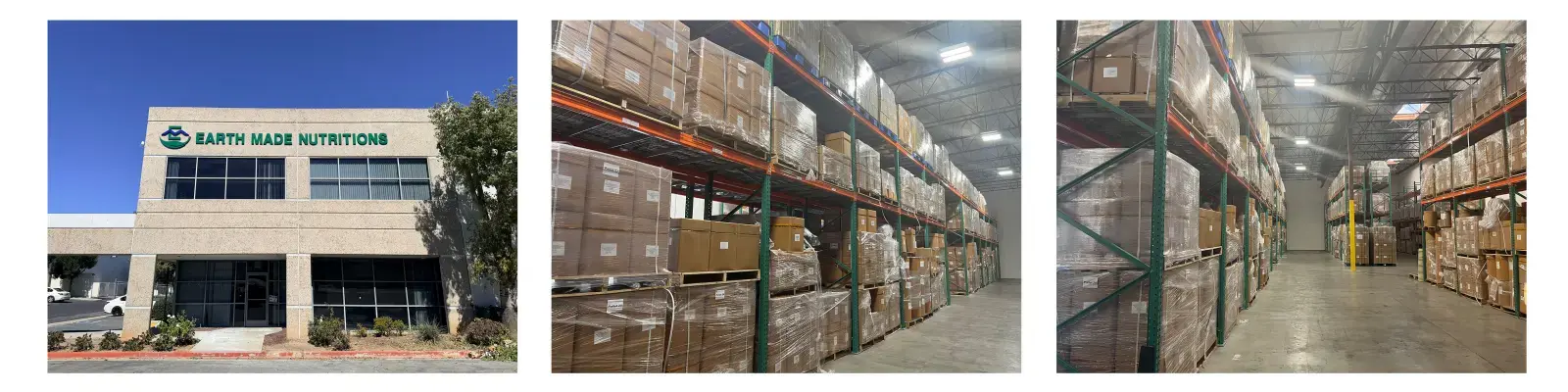
For technical support, customization, and supply chain visibility, direct manufacturer relationships are best. Earth Made Nutritions Inc. has four US warehouses. This allows them to ship inexpensively and rapidly to US clients. This localized inventory approach reduces international shipping delays and allows for fast refilling. When comparing direct purchase versus distributor networks, consider more than unit pricing. You must consider technical knowledge, sample availability, document completeness, and formulation question response time.
Logistics and Supply Chain Optimization
Aside from negotiating prices, efficient procurement also includes making sure that deliveries are reliable and that paperwork is correct. When compared to suppliers who only do business overseas, those who keep local stock networks have much shorter lead times. Being able to get to inventory within 48 hours helps with flexible planning for production and keeps working capital from getting stuck in safety stock.
Full paperwork packages make it easier to submit documents to regulators and do checks for customers. Allergen statements, country of origin certificates, organic certifications, and specification sheets with physical and chemical parameters are all important pieces of paper. When suppliers offer free samples (usually between 50 and 100 grams), customers can test them on a bench before committing to full production orders. This low-risk way of testing helps R&D teams make sure that the ingredient dissolves well, doesn't change the taste of current recipes, and works with other ingredients before going into mass production.
Leveraging Apple Cider Vinegar Fruit Powder in Product Development to Reduce CRP
Ideal Application Scenarios Across Product Categories
Because Apple Cider Vinegar fruit Powder is adaptable, it may be utilized in many pain-relieving products. Functional chewable vitamins are now the most popular. Powder prevents liquid acids from breaking down pectin and gelatin. Capsule formulations include 10–20% acidity granules and flow agents to prevent hygroscopic caking during sealing.
The powder dissolves fast in cold water, making it useful in beverages. The component provides true, well-known advantages in fast detox teas, electrolyte mixes, and greens powders. Since the powder tastes sour, it may be used as a clean-label acidulant in spices for snacks and dry rubs. Dosage optimization is crucial for each application to ensure bioactives reach the proper spots and taste pleasant.
Dosage Optimization and Ingredient Compatibility
The clinical literature that looks at apple cider vinegar in liquid form usually talks about 15–30 mL daily doses, which is about 1–2 g of 10% acidity powder with the same amount of acetic acid. Formulation strategies should find a balance between goals for effectiveness, taste, and serving size. Single-serving powders usually contain 500 to 1000 mg, while multi-dose products may say to take 1500 to 2000 mg every day, spread out over several meals.
When mixing the powder with other functional ingredients, compatibility testing is very important. Some antioxidants may be more stable in an acidic environment, but compounds that are sensitive to pH may break down. When needed, buffering agents can lower acidity, but only if they are carefully chosen to keep the bioactive profile. Testing for stability under accelerated conditions (40°C/75% RH for three months) confirms the predicted shelf life and finds any degradation pathways that need to be fixed by making changes to the formulation or improving the packaging.
Regulatory Frameworks and Compliance Considerations
To navigate regulatory landscapes, you must grasp each jurisdiction's ingredient labeling and approval regulations. GRAS implies apple cider vinegar powder is safe in the US. New product approvals are easy. Dietary supplement items must comply with FDA regulations. Good manufacturing procedures and structure/function claim limitations are included.
International markets are complex. EU guidelines require novel food evaluation for specified extract concentrations, while other member states may have tougher restrictions. Organic licenses in the U.S. must meet USDA National Organic Program criteria. For European markets, items must meet EU criteria. Working with suppliers like Earth Made Nutritions Inc., which has NSF GMP, Kosher, Halal, ISO, FSSC22000, and organic verification certifications, makes it easier to comply with regulations in many markets and reduces product registration paperwork.
Conclusion
For formulators focusing on the metabolic wellness and inflammation management categories, Apple Cider Vinegar fruit Powder is a strategically valuable ingredient. This ingredient is useful for making products that meet people's needs for natural ways to keep inflammatory markers healthy because it has a concentrated bioactive profile, can be used in a variety of ways, and is easy to get. While more research is needed to set clear clinical guidelines, there is already evidence to support its inclusion in complete wellness formulations.
Successful product development requires partnering with suppliers who can show they have the right technical knowledge, strict quality control, and a reliable supply chain. Standardised specifications, thorough certifications, and stocking products in the United States allow for quick, legal product launches that meet market needs while keeping a competitive edge.
FAQ
1. Does Apple Cider Vinegar Fruit Powder Effectively Support Healthy CRP Levels?
New studies show that the bioactive compounds in Apple Cider Vinegar fruit Powder might help keep inflammatory markers like CRP in balance. The acetic acid and polyphenols that are found in large amounts in good powders work in ways that are consistent with reducing inflammation. The ingredient shows promise as part of complete wellness formulations aimed at metabolic health, though individual reactions depend on dosage, baseline health, and dietary context.
2. What Dosage Provides Optimal Benefits?
Clinical studies examining liquid vinegar typically reference 15-30ml daily, equivalent to approximately 1-2g of powder standardized to 10% acidity. Most commercial formulations deliver 500- 1000 mg per serving, with recommended daily intake ranging from 1000- 2000 mg divided across one or two doses. Optimal dosing depends on total formulation context, target population, and desired positioning within competitive categories.
3. How Does Powder Form Compare to Liquid for Bioactivity?
Properly processed powder retains the bioactive profile of liquid vinegar while offering superior formulation stability and dosing precision. Spray-drying technology concentrates organic acids and polyphenols onto carrier matrices, potentially enhancing bioavailability. The standardized acidity concentrations enable consistent delivery of active compounds across production batches, addressing quality control challenges inherent in liquid formats with natural variation.
Source Premium Apple Cider Vinegar Fruit Powder from a Trusted Manufacturer
Earth Made Nutritions Inc. sells Apple Cider Vinegar fruit Powder that is safe for use in pharmaceuticals. This powder was specially designed for business-to-business uses that need uniformity and performance. Our business in California uses cutting-edge extraction technology and strict quality controls to make powder that is standardised to 5% or 10% total acids and comes with certificates that prove it is NSF GMP, Kosher, Halal, ISO, FSSC22000, and organically compliant. As a top supplier of Apple Cider Vinegar fruit Powder, we keep stock in four strategic U.S. warehouses so that we can fulfil orders within 48 hours without the delays that come with sourcing from other countries.
Our technical team works directly with formulation scientists to find the best dosing, solve problems with compatibility, and provide stability testing data that speeds up the time it takes to make your product. Free samples let you try something without any risk before committing to large quantities of production. Our philosophy of sustainable sourcing and environmental stewardship fits with the clean-label positioning your customers value, whether you're introducing a new line of gummies, adding more capsules to your collection, or coming up with new functional drinks. Get in touch with our purchasing agents at info@em-herb.com to talk about details, ask for paperwork, and get the best price on this in-demand ingredient.
References
1. Johnston, C.S., et al. (2021). "Vinegar Consumption and Metabolic Parameters: A Systematic Review of Clinical Trials." Journal of Functional Foods, 78: 104352.
2. Khezri, S.S., et al. (2018). "Beneficial Effects of Apple Cider Vinegar on Weight Management and Inflammatory Biomarkers: A Randomized Controlled Study." International Journal of Preventive Medicine, 9: 63.
3. Petsiou, E.I., et al. (2014). "Effect and Mechanisms of Action of Vinegar on Glucose Metabolism and Body Weight." Nutrition Reviews, 72(10): 651-661.
4. Shmerling, R.H. (2020). "C-Reactive Protein as a Biomarker for Inflammation." Harvard Health Publishing, Medical Updates Series.
5. Halima, B.H., et al. (2018). "Polyphenols in Apple and Derived Products: Extraction, Analysis, and Bioactivity." Comprehensive Reviews in Food Science and Food Safety, 17(5): 1268-1289.
6. Budak, N.H., et al. (2014). "Functional Properties of Vinegar." Journal of Food Science, 79(5): R757-R764.