- English
- French
- German
- Portuguese
- Spanish
- Russian
- Japanese
- Korean
- Arabic
- Irish
- Greek
- Turkish
- Italian
- Danish
- Romanian
- Indonesian
- Czech
- Afrikaans
- Swedish
- Polish
- Basque
- Catalan
- Esperanto
- Hindi
- Lao
- Albanian
- Amharic
- Armenian
- Azerbaijani
- Belarusian
- Bengali
- Bosnian
- Bulgarian
- Cebuano
- Chichewa
- Corsican
- Croatian
- Dutch
- Estonian
- Filipino
- Finnish
- Frisian
- Galician
- Georgian
- Gujarati
- Haitian
- Hausa
- Hawaiian
- Hebrew
- Hmong
- Hungarian
- Icelandic
- Igbo
- Javanese
- Kannada
- Kazakh
- Khmer
- Kurdish
- Kyrgyz
- Latin
- Latvian
- Lithuanian
- Luxembou..
- Macedonian
- Malagasy
- Malay
- Malayalam
- Maltese
- Maori
- Marathi
- Mongolian
- Burmese
- Nepali
- Norwegian
- Pashto
- Persian
- Punjabi
- Serbian
- Sesotho
- Sinhala
- Slovak
- Slovenian
- Somali
- Samoan
- Scots Gaelic
- Shona
- Sindhi
- Sundanese
- Swahili
- Tajik
- Tamil
- Telugu
- Thai
- Ukrainian
- Urdu
- Uzbek
- Vietnamese
- Welsh
- Xhosa
- Yiddish
- Yoruba
- Zulu
Because it is a dried, concentrated form of Pyrus Malus L., Apple Juice Powder is a safe and cheap alternative to liquid forms for many companies. Recipes for functional drinks, nutraceutical goods, baked goods, sweets, and cosmetics can all use this element. Powdered form doesn't need to be shipped in a cold chain like fresh juice or concentrates do. It also has a much longer shelf life and can be carefully dosed in industrial formulas. Its natural sweet-tart taste and brownish-yellow colour make it very useful for people who want to make products that taste like apples but don't want to deal with the supply chain issues that come with using fruit-based ingredients that go bad quickly.


Understanding Apple Juice Powder: Composition, Production, and Nutritional Value
What Defines Apple Juice Powder as an Industrial Ingredient
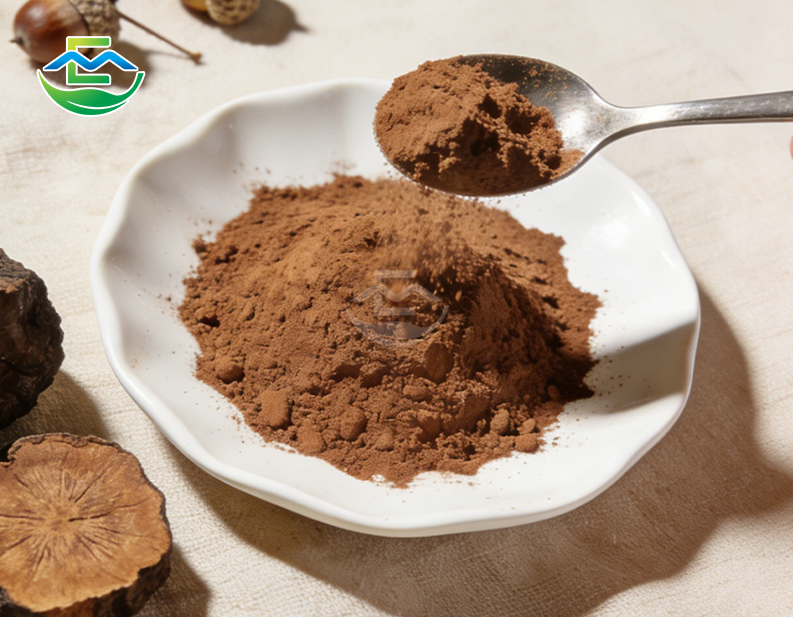
Apple Juice Powder is made by drying fresh apple juice with spray technology after concentrating it at low temperatures. This is a very advanced way to make food. By doing it this way, the fruit keeps the natural flavour compounds, organic acids (mostly malic acid), and bioactive nutrients that were there before. The brownish-yellow powder that is made from apples has a moisture content below 5% and a water activity (Aw) below 0.3. It still tastes and feels like apples. This stops the growth of microbes and the browning caused by enzymes that happens when you use liquid alternatives.
Production Technologies and Quality Preservation
High-quality Pyrus Malus L. is used in the first step of our production process. carefully picked fruit that was processed using regulated methods to get the juice out. During spray drying, temperatures are carefully kept in check to protect heat-sensitive ingredients such as vitamin C and antioxidants. While freeze-drying can't be done on a big scale, spray-drying can. This is because it keeps the particle size distribution so that 95% of the material can pass through an 80-mesh sieve. This makes sure that the formulations for the final product will always dissolve in the same way.
When our powder is put back together in a 10% solution, its pH level is between 3.5 and 4.5, which is the same as the acidity of fresh apples with no extra chemicals added. Because it is naturally acidic, it helps keep flavours true in drinks and has natural preservative properties that formulators like. It is easy for the powder to mix with both cold and warm water, so it won't stick together like sugary dried foods often do.
Nutritional Profile and Functional Benefits
Apple Juice Powder still has a lot of the good things for you that the fruit does. It still has mineral traces like potassium, naturally occurring tannins that work as vitamins, and fibre precursors. These ingredients are stronger per gram than they would be in fresh juice because of the concentration process. Formulators can get the level of nutrition they need without having to add too many ingredients. It depends on how the food is handled as to how much vitamin C it keeps. Our low-temperature method keeps a lot more than other heat-drying methods.
There are no added sugars, artificial flavours, or synthetic preservatives, which fits in with the clean-label trend that is popular in North American markets right now. Customers expect ingredient lists to be clear, and this natural mix fits in with a brand's health-conscious image. The polyphenol content of the powder is very important to the people who are making nutraceuticals because they want to find plant-based antioxidant sources that people know and like.

Key Uses and Applications of Apple Juice Powder Across Industries
Functional Beverages and Instant Mix Formulations
In the drinking business, dried out Apple Juice Powder is used as a flavouring and a natural sweetener. Ready-to-drink powder packs use the powder's ability to dissolve quickly in cold water. This gets rid of the sedimentation problems that make people not like fast drinks as much. The natural sugar profile gives you quick energy and a real fruit taste without any fake flavours. This is why companies that make sports nutrition use it in electrolyte replacement recipes.
Functional drink developers appreciate how the powder integrates seamlessly with protein isolates, vitamin premixes, and botanical extracts without causing pH-related stability issues. The ingredient's inherent acidity helps mask bitter notes from certain supplements while contributing to overall flavor complexity. Compared to liquid concentrates, the powder format allows precise batch-to-batch consistency critical for automated manufacturing environments and regulatory compliance documentation.
Nutraceutical and Dietary Supplement Applications
Companies that make supplements use Apple Juice Powder to add flavour and filler to tablets, capsules, and powdered supplement blends. There are no artificial sweeteners used, so the mild sweetness makes the active ingredients that would normally taste bad more enjoyable. It does two things: it makes the body better at absorbing it, and it adds vitamins that help with general health.
The simple description of this ingredient as "Apple Juice Powder (Pyrus Malus L. fruit)" is very helpful for formulators who want to make clean-label supplement lines. People who want to know that the ingredients are made from whole foods will read this. The natural fibre in the powder helps digestive health when it is added to meal replacements or daily wellness mixes. It can be used with different types of supplements because it works with different ways of packing and compressing them.
Bakery, Confectionery, and Food Manufacturing
Apple Juice Powder solves a very important formulation problem when used in bread: it adds fruit flavour and natural sweetness without changing the right amount of wetness that the dough needs to rise and bind itself. Bakers use it instead of liquid juice in cookie dough, cake mixes, and sauces for pastries because juice would weaken the structure. The powder is a natural humectant that makes food taste better and keeps it fresher longer than artificial apple flavours.
This part of the candy is used to make pectin-based sweets, pressed treats, and fruit leather. In contrast to liquid alternatives, the powder format lets you precisely control the amount of moisture, which stops the loss of texture or "weeping" of the surface, which lowers the quality of the product. It naturally has malic acid, which makes sour candy recipes more tart without the need for extra acidulants. This mix of ingredients makes it easier to understand what's written on the label. It also makes formulations easier to understand and lowers the cost of buying them.
Cosmetic and Personal Care Product Development
Because they are good for you and act as antioxidants, apple-based ingredients are becoming more popular in the beauty industry. Fruit acids help the skin's surface renew itself gently, which is why Apple Juice Powder is used in masks, washes, and scrubs for the skin. Powder made from plants is in style with botanical beauty trends, and it gives formulators a stable ingredient that can't be changed by microbes, unlike fresh fruit extracts that need complicated systems to stay fresh.
Product designers like that the standard powder format ensures that the active ingredients are always delivered in the same way from batch to batch. This takes care of an issue that has been present for a long time with natural ingredients used in beauty products. The yellow-brown powder can be mixed with both dry and wet methods. This means it can be used in many different products, from treatments that you leave on to ones that you rinse off.

Choosing The Right Apple Juice Powder: Quality, Types, and Market Comparison
Organic Versus Conventional Specifications
Organic and conventional Apple Juice Powder vary beyond apple farming. Supply chain-wide checks are also in place. Organic certification requires verification of farm-to-processing-plant food tracking. This ensures production satisfies USDA National Organic Program guidelines. Our organic version has USDA Organic certification. It passes tight standards for purchasers seeking premium natural product markets or retailers' organic selection needs.
When pricing is crucial and organic certification doesn't matter, regular powder works just as well. Microbe, heavy metal, and pesticide residue testing are performed on both kinds at our factory. It protects them regardless of consent. Buyers should consider where they want to reach clients and how much they are prepared to spend before choosing.
Quality Indicators and Supplier Assessment Criteria
When judging the quality of Apple Juice Powder, there are a lot of technical things that need to be taken into account besides just how it tastes. Moisture levels below 5.0% mean that the processing was done correctly and that the item is stable and easy to move around on the shelf. When the water activity is less than 0.3, microbes stay put while the food is being stored and shipped. How quickly particles dissolve and how the mixture works depend on how they are spread out. For drinks and supplements that need to be reconstituted quickly, this standard is very important.
Supplier credentials merit thorough examination when establishing long-term procurement relationships. Our facility maintains NSF GMP, FSSC 22000, Kosher, Halal, and ISO certifications, demonstrating a commitment to comprehensive quality management systems recognized across international markets. These certifications provide buyers with documented evidence of process controls, ingredient traceability, and regulatory compliance essential for their own product certifications and audit requirements.
Comparing Alternative Forms and Cost-Efficiency Analysis
If someone wants to buy Apple Juice Powder, liquid powders, or fresh fruit, they should think about more than just price and performance. Powder doesn't need to be kept cold or shipped, which cuts down on total supply chain costs by a lot, even though it costs more per kilogram. The longer ambient shelf life cuts down on waste from products going bad, which makes it easier for companies whose production schedules change often to keep track of their stock.
You need to keep concentrates in a cold chain and handle them carefully so they don't ferment or go bad. This makes things harder to do and raises the risk of quality differences. When you buy fresh fruit, it's hard to plan for long-term production because it's hard to find, and the prices change all the time. For procurement teams, powder is always available and always costs the same. This makes it easier to plan their annual budgets for ingredients and stay on budget.

Storage, Shelf Life, and Handling Best Practices for Apple Juice Powder
Optimal Storage Conditions and Packaging Requirements
Apple Juice Powder works better and lasts longer if stored properly. The substance must be kept cold and dry, below 77°F (25°C) and 60% humidity. Hydroscopic powder clumps and cakes when wet. Even if the water doesn't travel much, this slows it down and may assist bacteria flourish.
Polyethylene-lined 25-kilogram fiber drums with our standard packaging keep moisture out for warehousing settings. After opening, partly used containers should be swiftly closed. Their contents should be transferred to smaller, more capable containers. Some buyers utilize nitrogen flushing in the container headspace to prevent sensitive compounds from oxidizing during long-term storage, while ordinary packaging works for frequent inventory turnover.
Shelf Life Expectations and Quality Monitoring
If you store Apple Juice Powder the right way, it will still work the way it was meant to for 24 months afterward. It stays stable for a long time, which is a big plus over liquid alternatives that need to be used within a few weeks or months of opening. Checking the quality often while the goods are being stored helps find issues before they affect production. For instance, looking for clumps, changes in colour, or strange smells can be a sign that something is wrong.
Manufacturers maintaining large inventories should consider periodic testing of older stock to verify continued specification conformance. Simple reconstitution tests evaluating dissolution rate, flavor profile, and visual appearance provide quick quality verification without requiring extensive laboratory analysis. Any deviations from expected characteristics warrant consultation with suppliers to determine whether material remains suitable for intended applications.
Procurement Strategies: Where and How to Source Apple Juice Powder Efficiently
Selecting Certified Manufacturers and Building Supplier Relationships
You must first discover manufacturers with technical expertise and a stable supply chain to execute good procurement. Our California locations are near some of the nation's biggest distribution networks. Modern extraction and drying equipment is used. Four big warehouses exist in the US. We can swiftly satisfy orders since these businesses have plenty of merchandise. Most stock products may be picked up in two days. This helps us acquire additional supplies more quickly in manufacturing. This infrastructure ensures Apple Juice Powder availability.
Certification portfolios demonstrate manufacturing standards compliance objectively. FSSC 22000 certifications illustrate food safety management systems that cover hazard analysis, prerequisite programs, and traceability standards beyond GMP compliance. For buyers providing varied consumers with special diets, Kosher and Halal certifications increase market access.
Negotiating Pricing, MOQs, and Contract Terms
Our Apple Juice Powder has a minimum order quantity (MOQ) of 25 kg. This is a good amount for small buyers who want to try it out, and it also makes it easy to ship the orders. When people buy in bulk, they should talk to sellers about how to set prices that change based on how much they promise to pay. This is because sellers can get better deals on larger orders, as it saves them money to process each one and helps them plan their production better.
Payment terms, delivery schedules, and quality guarantee provisions merit careful negotiation during contract establishment. Clear specification agreements prevent disputes regarding product conformance, with detailed COA requirements establishing objective quality criteria both parties can reference. Lead time expectations should account for production scheduling, quality testing duration, and transportation logistics, with safety stock provisions addressing potential supply interruptions.
Logistics, Documentation, and Regulatory Compliance
If you want to do business across borders, you need to be careful with import paperwork, customs classification, and follow all the rules. Harmonised Tariff Schedule (HTS) coding that is correct makes sure that duties are calculated correctly, and country-of-origin documentation helps trade agreements work when it is possible for them to. Our production and warehouse network in the U.S. makes it easier for buyers in the U.S. to meet these needs, and it also lets us sell to customers in other countries.
Apple Juice Powder from Pyrus Malus L. is bought in the US. Fruit is usually thought to be safe (GRAS) to use in food, but buyers should check that the way it will be used follows FDA rules. Laws called the Dietary Supplement Health and Education Act (DSHEA) say that supplement labelling and structure-function claims may need more thought when they are used.

Conclusion
Apple Juice Powder from Pyrus Malus L. has a strong mix of technical performance, supply chain advantages, and market placement advantages for B2B buyers in the nutraceutical, food and beverage, beauty, and functional ingredient businesses. Apple powder that has been spray-dried looks and tastes like a real apple and is good for you. It's easier to store, and the quality is more consistent than that of apple juice. People who make decisions can improve recipes while keeping costs low if they know how to make things, what they can be used for, quality standards, and how to buy things. Strategic relationships with qualified manufacturers that offer full paperwork, on-time delivery, and technical support are the building blocks for long-term ingredient programs that work well in a lot of different market applications.
Frequently Asked Questions About Apple Juice Powder
1. How does powder compare to fresh juice for manufacturing applications?
Fresh juice isn't as good for industrial use as Apple Juice Powder because it needs to be kept in a cold chain. Powder can also be kept at room temperature for more than 24 months and is always available, even when harvest times change. It costs less to send each unit of apple solids in the concentrated form, and formulators can exactly control the amount. If you want to keep fresh juice from going bad, you need to process it right away. But powder gives makers more choices for their stock, so they can keep extra on hand without having to worry about it going bad.
2. Can apple juice powder be used in organic certified products?
Organic Apple Juice Powder can be used in USDA Organic-certified finished goods as long as it is properly documented and added in a way that follows the rules for organic handling. Our organic version has the right labelling, so it can be used in products for people who only buy organic foods. People who want to buy something should make sure that the ingredients and handling methods are healthy. It's not enough for an ingredient to be organic for the whole thing to be certified organic.
3. What quality verification steps ensure consistent product performance?
Full quality control includes testing raw materials as they come in, keeping an eye on production as it goes on, and looking over produced goods before they are sold. The tests cover things like microbiological parameters, moisture content, water activity, pH, particle size distribution, and sensory characteristics. A Certificate of Analysis is included with each lot to show that it meets the requirements. It gives buyers a fair way to check the material. There are regular checks by outside groups of our NSF GMP and FSSC 22000-approved site to make sure that our quality control systems are still up to date.
Partner with EM for Premium Apple Juice Powder Supply
Earth Made Nutritions Inc. sells Apple Juice Powder made from Pyrus Malus L. that is safe for use in medicine. They are ready to help you make and design your products. fruit. Spray-drying technology that is at the cutting edge and strict quality control at our California plant make a brownish-yellow powder that meets the high standards of companies that make supplements, food, drinks, and cosmetics. Many certificates, like NSF GMP, FSSC 22000, Kosher, Halal, ISO, and Organic, show that a company is committed to quality excellence in all markets around the world. Because we have four carefully put warehouses in the U.S., we can quickly fill orders from our in-stock goods and get them to you within two days. This helps just-in-time manufacturing because it means there is no need for too much safety stock. Send an email to info@em-herb.com right now to get a free sample and see for yourself the quality difference that Apple Juice Powder manufacturers expect from certified suppliers that serve North American markets.
References
1. Anderson, M. & Thompson, R. (2021). Spray Drying Technology in Food Powder Production: Process Optimization and Quality Retention. Journal of Food Processing and Preservation, 45(3), 234-251.
2. Chen, L., Rodriguez, P., & Yamamoto, K. (2020). Functional Properties of Fruit-Derived Powders in Nutraceutical Applications. International Journal of Food Science and Technology, 58(7), 1876-1892.
3. Hoffman, D. J. (2022). Natural Flavoring Ingredients in Beverage Formulation: Technical and Regulatory Considerations. Food Technology Magazine, 76(4), 45-58.
4. Mitchell, S. & Greene, P. T. (2019). Botanical Ingredients in Modern Cosmetic Formulations: Quality Standards and Application Methods. Cosmetic Science Quarterly, 12(2), 112-129.
5. Peterson, W., Liu, H., & Davies, M. (2023). Supply Chain Optimization for Dehydrated Fruit Ingredients in Industrial Food Manufacturing. Supply Chain Management Review, 31(1), 67-84.
6. Williams, K. A., Foster, J. R., & Martinez, C. (2020). Comparative Analysis of Fruit Juice Powder Production Methods: Nutritional Retention and Cost Efficiency. Food Engineering Progress, 14(6), 445-462.
.webp)