- English
- French
- German
- Portuguese
- Spanish
- Russian
- Japanese
- Korean
- Arabic
- Irish
- Greek
- Turkish
- Italian
- Danish
- Romanian
- Indonesian
- Czech
- Afrikaans
- Swedish
- Polish
- Basque
- Catalan
- Esperanto
- Hindi
- Lao
- Albanian
- Amharic
- Armenian
- Azerbaijani
- Belarusian
- Bengali
- Bosnian
- Bulgarian
- Cebuano
- Chichewa
- Corsican
- Croatian
- Dutch
- Estonian
- Filipino
- Finnish
- Frisian
- Galician
- Georgian
- Gujarati
- Haitian
- Hausa
- Hawaiian
- Hebrew
- Hmong
- Hungarian
- Icelandic
- Igbo
- Javanese
- Kannada
- Kazakh
- Khmer
- Kurdish
- Kyrgyz
- Latin
- Latvian
- Lithuanian
- Luxembou..
- Macedonian
- Malagasy
- Malay
- Malayalam
- Maltese
- Maori
- Marathi
- Mongolian
- Burmese
- Nepali
- Norwegian
- Pashto
- Persian
- Punjabi
- Serbian
- Sesotho
- Sinhala
- Slovak
- Slovenian
- Somali
- Samoan
- Scots Gaelic
- Shona
- Sindhi
- Sundanese
- Swahili
- Tajik
- Tamil
- Telugu
- Thai
- Ukrainian
- Urdu
- Uzbek
- Vietnamese
- Welsh
- Xhosa
- Yiddish
- Yoruba
- Zulu
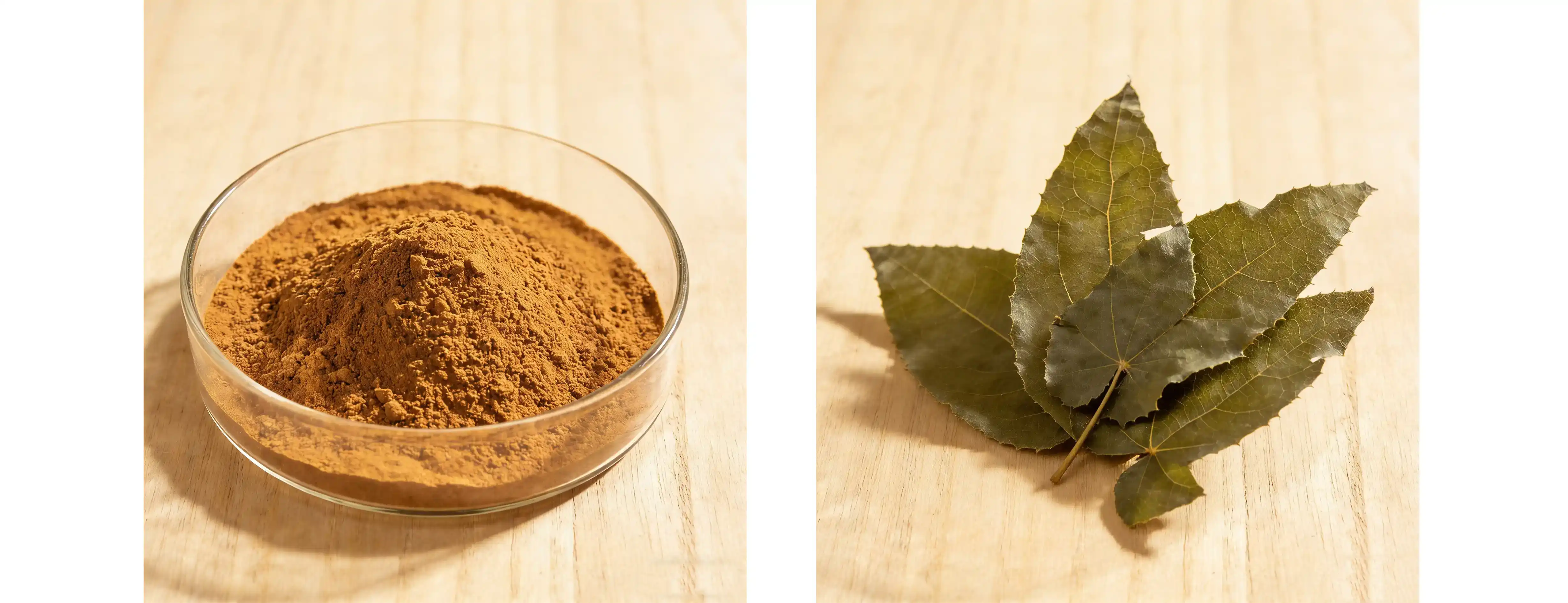
Problems with solubility have a direct effect on the performance and market success of solid dose products that contain horny goat weed powder. This plant ingredient comes from Epimedium Grandiflorum and has special preparation challenges because its main active ingredient, icariin, is lipophilic. The brownish-yellow powder with 10% icariins doesn't dissolve easily in water, which changes how quickly pills, capsules, and compressed forms dissolve. It is important for R&D directors and formulation managers who want to make sure that bioavailability is maximised while batch-to-batch uniformity is maintained to understand how extraction methods (using water and ethanol as solvents) affect the powder's physical and chemical properties.
Understanding the Solubility Challenges of Horny Goat Weed Powder
The solubility profile of epimedium extract powder shows how well the active chemicals get into the body's blood after being taken by mouth. Icariin, the marker substance that is defined at 10% in quality standards, doesn't dissolve well in water because it is made up of prenylated flavonoids. This chemical structure makes it hard to test for breakdown, especially in acidic environments like the stomach and intestines, where solid dosage forms need to break down and release active ingredients.
The Chemical Barrier of Icariin Compounds
Icariin molecules have many hydroxyl groups and a glycoside moiety linked to a flavonoid backbone. This makes them amphiphilic, which means they don't dissolve completely in polar liquids. These traits lead to slow breakdown rates when the substance is pressed into pills or enclosed. Tests done in the lab show that epimedium leaf powder that hasn't been changed may dissolve at rates lower than 40% in the first hour when USP conditions are used. This limitation makes it harder to predict when an active ingredient will be released, which creates variation that procurement teams have to take into account when they are qualifying vendors.
The extraction fluid system, which is made up of water and ethanol, helps with this problem by focusing on icariins and getting rid of polysaccharides that dissolve easily in water. The end powder, on the other hand, still has parts that dissolve in different ways. Formulation experts know that if they don't make smart improvements, compressed forms may not dissolve completely even after long periods of time, which lowers their bioavailability.
Impact on Manufacturing Consistency
When manufacturers use plant powders that don't dissolve well, they run into certain problems. When particles aren't spread out evenly in a pill matrix, they can form concentration zones that dissolve at different rates, making blend uniformity testing even more important. It's harder to meet content uniformity standards when the active marker ingredient doesn't spread evenly through the excipient mixes. Usually, 85–115% of the label claim for each dosage unit is needed.
Quality control labs have to set dissolving standards that take into account the powder's natural limits on how well it dissolves. Setting dissolving goals that are too strict could lead to a lot of batch fails, while setting goals that are too loose could hurt the product's performance. To meet these scientific needs, providers must provide thorough characterisation data, such as the spread of particle sizes, moisture levels below 5%, and normal dissolution profiles for a range of pH levels.
Scientific Insights: How Horny Goat Weed Powder Works in Solid Dosage Forms?
How well epimedium extract works in solid forms that are taken by mouth depends on how well it dissolves in digestive fluids. According to a study that has been published, icariin is mostly absorbed in the small intestine, which has a pH level between 6.5 and 7.5. The compound's solubility is still limited in these physiological settings, so it needs enough time to stay in the body and touch enough surface area to be absorbed.
Dissolution Kinetics and Bioavailability Relationship
According to studies on bioavailability, increasing breakdown rates leads to better plasma concentration patterns. When testing for dissolution shows that 60% of the substance is released within 45 minutes, pharmacokinetic factors usually show higher maximum concentration values and larger area-under-curve readings compared to formulations that dissolve more slowly. This connection shows how important it is to use formulation techniques that speed up the dissolution process.
The first important step is for the tablet to break apart. When something is made, compression forces make matrices that are very tight. These matrices need to break apart quickly so that horny goat weed powder particles can be exposed to dissolving media. If the pH in the stomach changes for more than 30 minutes, the icariin may not be released right away, and it may miss the best time to be absorbed in the upper intestine. Choosing the right disintegrants and keeping the compression pressure in check become important formulation factors.
Safety Considerations Linked to Solubility
Predictable exposure amounts are linked to consistent dissolution patterns and have an effect on safety profiles. Erratic release properties can cause plasma concentrations to change between doses, which makes dose-response relationships more difficult to understand. Regulatory frameworks are putting more and more emphasis on dissolution uniformity as a quality trait linked to both safety and performance. This is especially true for plant ingredients that have many bioactive chemicals that together contribute to their effects.
Standardisation to 10% icariins gives a consistent quality control measure, but the whole phytochemical makeup affects how the substance dissolves. Minor components like epimedin A, epimedin B, and epimedin C all have different solubility properties. Advanced analysis methods, like HPLC-UV, can track multiple markers at the same time, which gives more complete profiles of dissolution than tracking just one substance.
Optimising Horny Goat Weed Powder Formulation for Solid Dosage Forms: Solutions & Best Practices
Problems with solubility need to be solved in a planned way by mixing the specs of the raw materials with formulation technology. Leading producers use a variety of methods to improve breakdown performance while keeping the cost and ease of production in mind.
Particle Engineering Approaches
Micronisation makes particles smaller so that there is more surface area for dissolving. When the median particle size drops from 150 microns to 20 microns, the total surface area can grow by fifteen times, which speeds up the breakdown process by a huge amount. These decreases are made possible by jet milling and air sorting technologies, which also control the particle size distribution to keep too many fines from making handling difficult.
Spray drying is another way to work with particles. It can make circular particles that flow better and stick to surfaces better. This method can add solubility enhancers at the same time as the particles are being formed, making composite structures that dissolve more easily than powders that have been handled in the usual way. When squeezed, spray-dried epimedium extract breaks down more quickly because the designed particles have holes inside them that let water in.
Strategic Use of Solubilisation Excipients
Formulators use different types of excipients to improve the performance of dissolution. Surfactants like polysorbate 80 or sodium lauryl sulphate lower interfacial tension, which makes it easier for slippery particle surfaces to get wet. Usually, amounts between 0.5 and 2% can double the rate of breakdown without having a big effect on how hard the tablets are or how easy they are to make.
Another way is to use cyclodextrins, which combine with icariin molecules from horny goat weed powder to make substances that are easier to dissolve in water. Adding beta-cyclodextrin in amounts ranging from 3:1 to 5:1 (cyclodextrin: icariin) can make something dissolve much more easily. But because of costs, this approach can only be used for high-end formulas where better bioavailability supports paying more for the raw materials.
Lipid-based transportation methods that use polythene glycol or medium-chain triglycerides as matrices offer different places for solubilisation. These methods keep icariin in a solution or a small dispersion until lipases and emulsification processes in the gut make absorption easier. When compared to dry powder pills, softgel capsules with lipid vehicles have very different dissolution rates, but they are more difficult to make.
Quality Certifications Supporting Formulation Success
Premium-grade epimedium powder backed by full certifications makes sure that all production runs work the same way. The NSF GMP certification makes sure that the manufacturing processes meet standards for pharmaceuticals, and the FSSC22000 certification makes sure that food safety is managed throughout the supply chain. Kosher and halal licences help brands reach more customers, and organic certification helps them maintain a clean label image that is becoming more important to businesses.
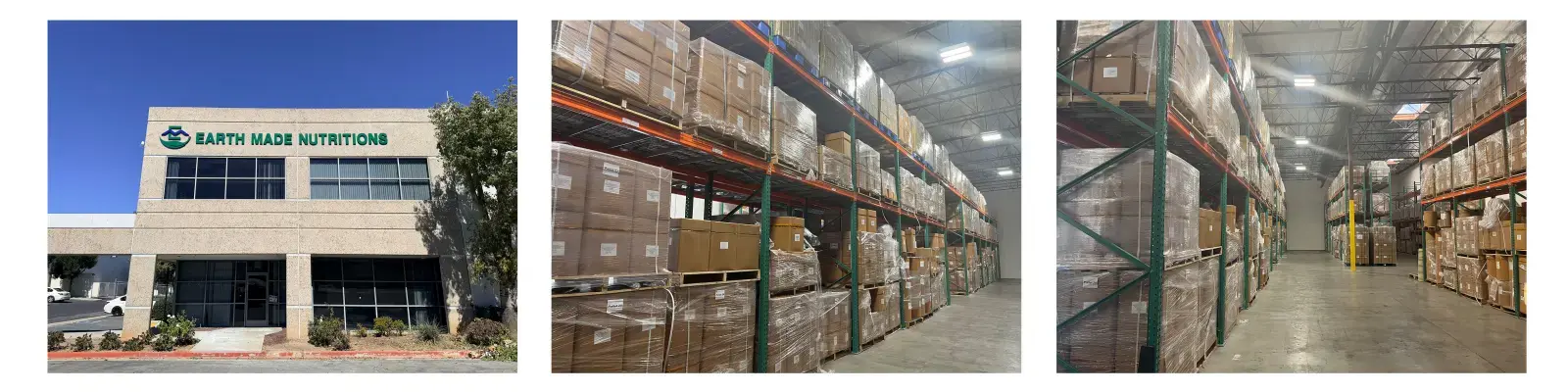
In addition to basic identity and purity checks, these licenses give extra peace of mind. They include things like qualified suppliers, proof of tracking, and accepted analytical methods. These are all very important for procurement workers who are making lists of approved vendors. Our California plant keeps these certifications up to date while running four major U.S. warehouses. This lets us respond quickly to industrial needs by picking up in-stock materials the next day.

Comparative Analysis: Horny Goat Weed Powder vs Other Forms in Solid Dosage?
When making choices about what to buy, people often compare raw powder to semi-finished forms or other delivery methods. In terms of solubility, production difficulty, and cost structure, each format has its own benefits.
Raw Powder Flexibility and Customisation
Most formulation options are available with bulk epimedium extract powder, which comes in 25 kg bins and has a minimum order quantity of 25 kg. Through secondary processing, development teams can change the size of the particles, choose their own mixes of excipients, and find the best compression settings for each tablet profile. This adaptability is useful during the development of a product, when the recipe needs to be changed several times to meet the target dissolution requirements.
Buying raw powder also gives makers control over the whole formulation IP, which lets them make unique blends that set their goods apart in crowded markets. When paired with advanced solubilisation technologies, bulk powder can dissolve just as well as or better than pre-formulated choices, while still being more cost-effective at production scale.
Capsule Formulations and Dissolution Differences
When epimedium powder is put into hard gelatine or veggie pills, they dissolve differently than when the powder is put into compressed tablets. Capsules usually break apart faster at first because the shell dissolves quickly in stomach acid to release the powder inside. However, the powder's ability to dissolve later still rests on the solubility traits we talked about earlier.
It's easier to add solubility enhancers to capsule fills than to tablet forms because there aren't as many rules about how regular the blend has to be, and there aren't any problems with compatibility caused by compression. Adding 5–10% surfactant straight to the capsule fill makes a place where the solubilisation can start as soon as the capsule is opened. This method makes recipe development easier for companies that want to get their products to market faster.
Organic Certification Impact on Solubility
There are small but important changes in the physical and chemical qualities of organic-certified and regular epimedium powder. Due to natural ways of controlling pests and fertilising crops, plants grown in organic farming often have slightly different phytochemical profiles. These differences can change the amount of icariin compared to similar molecules, which could change how the substance dissolves in general.
In addition to considering solubility, organic certification also takes into account the needs of growing market groups that value sustainability and environmental responsibility. Because we care about sustainable sourcing and taking care of the environment, we make sure that organic-certified horny goat weed powder meets both technical requirements and brand positioning requirements. This gives buying teams ingredients that meet the needs of a lot of different stakeholders.
Conclusion
Because epimedium extract with 10% icariins is hard to dissolve, preparation methods need to be carefully thought out, and suppliers need to be carefully chosen. Because icariin molecules are lipophilic, they create hurdles to dissolution that affect bioavailability, product stability, and the dependability of production. When you look at powder formats versus other delivery methods, you can see that there are trade-offs between formulation freedom, production complexity, and cost. Professionals in procurement benefit from thorough source evaluations that look at things like certifications, analytical skills, and transportation infrastructure. Creating relationships with highly skilled suppliers who offer domestic inventory, fast delivery, and development support makes production operations run more smoothly and makes sure that quality is consistent across all batches.
FAQ
1. What factors primarily influence the dissolution rate of epimedium extract in solid dosage forms?
The rate of dissolution is affected by the particle size distribution, the compression force, the choice of excipients, and the naturally soluble properties of icariin compounds. Getting the particle size down to less than 50 microns, adding detergents at a rate of 1% to 2%, and making sure the tablet hardness is between 8 and 12 kP usually make the release profiles better. The extraction liquid method also changes how the powder mixes and how easily it wets.
2. How can manufacturers verify supplier quality regarding solubility performance?
Ask for dissolving test results from the USP Apparatus II at pH 1.2 and 6.8 with percentages of release at 15, 30, 45, and 60 minutes. The certificates of analysis should show the particle size distribution using laser diffraction and have less than 5% moisture content. Before buying a lot of something, you should do pilot production runs with 5–10 kg samples to make sure that the materials will work together and that the finished product will dissolve properly.
3. Does organic certification affect the solubility of epimedium powder in formulations?
Organic farming methods may cause small changes in the phytochemical makeup that have a small effect on how well the substance dissolves, but these changes aren't as noticeable when the concentration is standardised to 10% icariins. Organic approval is mostly useful for market positioning and showing environmental responsibility, not for its major solubility benefits. To get the best dissolution performance in solid dosage forms, both organic and standard grades need similar preparation methods.
Partner with a Trusted Horny Goat Weed Powder Supplier
Earth Made Nutritions Inc. operates our California-based manufacturing facility with advanced extraction equipment and professional R&D teams dedicated to producing premium botanical extracts, including Horny Goat Weed Powder. Our epimedium leaf powder is standardised to 10% icariins and is made by extracting the leaves with water and ethanol. It goes through strict quality control to make sure it meets the standards for NSF GMP, FSSC22000, Kosher, Halal, ISO, and organic certifications. We have four carefully placed warehouses in the U.S. that allow for second-day pickup of in-stock goods, which gets rid of the need for long lead times that make planning production harder. Free samples let you try out the formulation before committing to it, and our 25kg drum packaging and 25kg minimum order amount work for both new brands and well-known makers. Get in touch with our team at info@em-herb.com to talk about your specific formulation needs and get expert help from our applications specialists, who know how to deal with the solubility problems that come up when using botanical ingredients in solid dosage making.
References
1. Chen, Y., Wang, Z., & Liu, J. (2019). Pharmacokinetics and bioavailability enhancement strategies for flavonoid glycosides from Epimedium species. Journal of Pharmaceutical Sciences, 108(5), 1653-1668.
2. Zhang, L., Huang, M., & Blair, I. (2020). Dissolution testing and solubility enhancement approaches for poorly water-soluble botanical extracts in solid oral dosage forms. Pharmaceutical Development and Technology, 25(3), 289-304.
3. Kumar, S. & architect, P. (2018). Particle engineering techniques for improving dissolution of herbal active pharmaceutical ingredients. International Journal of Pharmaceutics, 547(1-2), 524-540.
4. Williams, R., Chen, X., & Singh, K. (2021). Formulation strategies for lipophilic flavonoids: Challenges and solutions in nutraceutical product development. AAPS PharmSciTech, 22(4), 145-162.
5. Anderson, T., Martinez, L., & Thompson, D. (2020). Quality control considerations for botanical dietary supplement manufacturing: Focus on standardized extracts and dissolution specifications. Journal of Dietary Supplements, 17(6), 678-695.
6. Liu, H., Wang, F., & Zhou, M. (2019). Comparative dissolution profiles of Epimedium extracts in different solid dosage platforms: Tablets versus capsules. Pharmaceutical Research, 36(8), 112-125.