- English
- French
- German
- Portuguese
- Spanish
- Russian
- Japanese
- Korean
- Arabic
- Irish
- Greek
- Turkish
- Italian
- Danish
- Romanian
- Indonesian
- Czech
- Afrikaans
- Swedish
- Polish
- Basque
- Catalan
- Esperanto
- Hindi
- Lao
- Albanian
- Amharic
- Armenian
- Azerbaijani
- Belarusian
- Bengali
- Bosnian
- Bulgarian
- Cebuano
- Chichewa
- Corsican
- Croatian
- Dutch
- Estonian
- Filipino
- Finnish
- Frisian
- Galician
- Georgian
- Gujarati
- Haitian
- Hausa
- Hawaiian
- Hebrew
- Hmong
- Hungarian
- Icelandic
- Igbo
- Javanese
- Kannada
- Kazakh
- Khmer
- Kurdish
- Kyrgyz
- Latin
- Latvian
- Lithuanian
- Luxembou..
- Macedonian
- Malagasy
- Malay
- Malayalam
- Maltese
- Maori
- Marathi
- Mongolian
- Burmese
- Nepali
- Norwegian
- Pashto
- Persian
- Punjabi
- Serbian
- Sesotho
- Sinhala
- Slovak
- Slovenian
- Somali
- Samoan
- Scots Gaelic
- Shona
- Sindhi
- Sundanese
- Swahili
- Tajik
- Tamil
- Telugu
- Thai
- Ukrainian
- Urdu
- Uzbek
- Vietnamese
- Welsh
- Xhosa
- Yiddish
- Yoruba
- Zulu
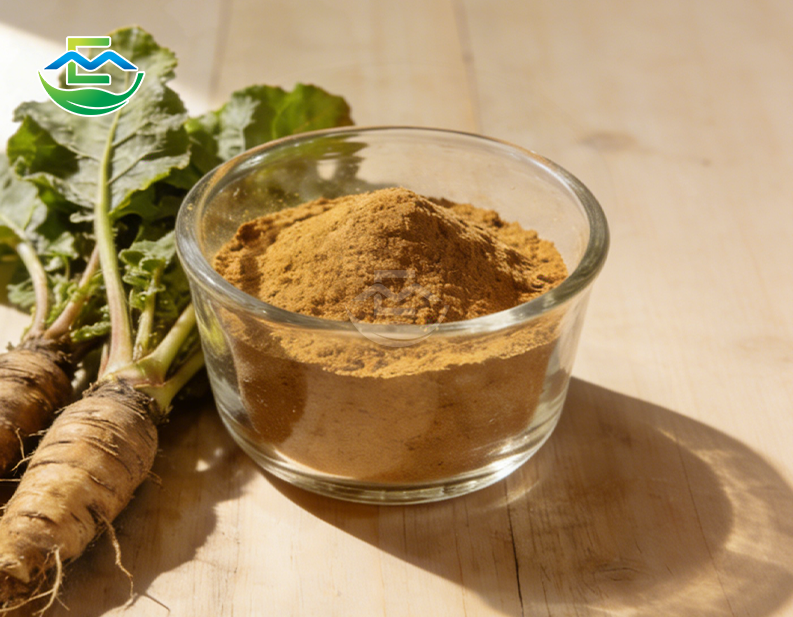
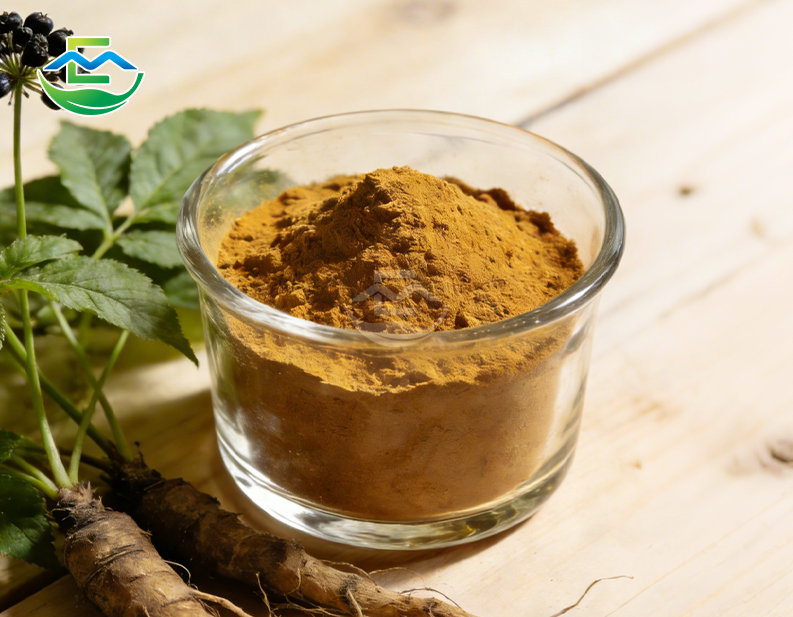
Horse Chestnut Extract 20% Aescin UV is a standardised plant ingredient that comes from the seeds of Aesculus hippocastanum. It has 20% aescin saponins, which can be tested using ultraviolet spectrophotometry at 268–270 nm. This brownish-yellow powder has a balanced makeup of bioactive substances, such as flavonoids, sterols, and triterpene saponins. This makes it useful for use in cosmetics and functional foods. The UV-grade standard makes sure that the quality factors stay the same, which is important for formulation stability, batch-to-batch reproducibility, and following the rules in global markets. We focus on giving technical information that helps R&D leaders, formulation scientists, and quality assurance teams make choices about what to buy when they need high-purity plant extracts that have been shown to be consistent.
Understanding Horse Chestnut Extract and Its Active Saponin Profile
What Makes Aescin the Primary Functional Compound?
Aescin is a mix of about 30 triterpenoid saponins that are taken from horse chestnut seeds using a controlled water-ethanol method. These saponins have amphiphilic qualities that let them connect with membranes and do biological work. The chemical structure of the substance has a pentacyclic triterpene backbone with different sugar attachments that make β-aescin and α-aescin, which are different versions. According to studies published in phytochemistry journals, β-aescin makes up about 60–70% of all saponins and is more biologically active than its α-counterpart.
The way of extraction has a big effect on the end saponin profile. Our production process uses a dual-solvent system that combines water and ethanol. This system carefully catches the full range of bioactive components while reducing tannins and pigments that aren't wanted. The "entourage effect" is when different phytochemicals work together instead of alone. This method keeps the grid of flavonoids like quercetin and kaempferol along with the main saponins.
Biological Mechanisms Supporting Vascular and Dermal Applications
The chemical shows well-known venotonic qualities in a number of different ways. Researchers have found that aescin improves the control of vascular permeability by keeping lysosomal membranes stable and lowering the release of enzymes that break down capillary walls. This process works especially well for formulas that aim to support circulatory health, since protecting the purity of the arteries is very important. Based on what doctors have seen, the saponin part helps maintain normal blood vessel fluid balance, which is associated with concerns like oedema and tissue swelling.
The ingredient does more than just help the blood vessels; it also offers properties that help address oxidative stress. Assays in the lab that measure the ability to scavenge radicals show that the plant has a lot of antioxidant activity, which is due to both the saponins and the flavonoid chemicals that are present. Because it has two effects, this ingredient is appealing to people who are making skin care items that protect against weather damage and support healthy-looking skin. When mixed with hydro-alcoholic carriers in the right way, the brownish-yellow powder blends easily into cream bases, serums, and gels.
Scientific Evidence for Efficacy and Safety Profile
Horse chestnut seed extract has been shown to be consistent in its effects in many different situations over the course of several decades of peer-reviewed studies. Using standard extracts in research shows real results in lowering leg volume and discomfort scores among people with chronic venous concerns. A lot of the proof comes from extracts that are standardised to have between 16 and 20 per cent aescin content. This means that our 20% definition falls within this clinically relevant range.
Toxicological studies that looked at safety show that it is well-tolerated when used within the limits that are suggested. The extract shows a large range between amounts that are used and those that cause adverse effects in experimental models. In this case, quality control is very important because raw horse chestnut seeds have esculin in them, which is a compound that needs to be taken out during processing. Our production process makes sure that esculin levels stay below levels that can be detected. This meets the high safety standards needed for ingredients in cosmetics and dietary supplements.


Comparing Aescin Concentrations and Alternative Botanical Extracts
Evaluating 20% Versus Higher Concentration Specifications
A lot of the time, procurement teams wonder if bigger amounts of aescin actually bring more benefits. The 20% requirement has clear benefits for recipe freedom and cost-effectiveness. There are grades with 40% and 50% aescin, but they usually go through more steps of processing that get rid of phytochemicals that work with aescin. For nutritional uses that want to get benefits from the whole plant, the 20% grade keeps a wider range of phytochemicals that may help the total effect through interactions that work together.
For pharmaceutical-grade uses that need the highest level of standardisation and the fewest amount of additives, higher quantities of Horse Chestnut Extract 20% Aescin UV become useful. The 20% version, on the other hand, is suitable for dietary supplements, functional foods, and cosmetics while still being easier to dissolve. Some formulation methods work better with the 20% powder because it still has some plant matrix in it, whereas highly pure isolates may clump or not dissolve when watered.
The 20% standard is also better for business production because it saves money. Most of the time, the material costs 30–40% less per kilogram than 50% grades and has enough active ingredients to meet label claims at fair inclusion rates. For companies making "clean-label" goods, the 20% extract fits with what customers want: botanical ingredients that have been lightly processed instead of highly refined isolates.
Horse Chestnut Extract Versus Other Venotonic Botanicals
Horse chestnut powder has clear benefits when compared to other options like butcher's broom (Ruscus aculeatus) or gotu kola (Centella asiatica). Butcher's broom has ruscogenin saponins that work in a similar way, but you have to use more of it to get the same effects. There are two types of triterpenes in gotu kola: asiaticoside and madecassoside. These help connective tissue stay strong in different ways, but they don't have the direct effects on blood vessel permeability that aescin does.
Formulation experts like horse chestnut extract because it has a lot of strong clinical data, which makes it easier to file with regulators and back up marketing claims. In the US, the ingredient is being discussed as Generally Recognised as Safe (GRAS), and in Europe, it has been given a positive description. This legal clarity speeds up product development compared to plants that aren't as well-known and need more in-depth safety dossiers.
The fact that the extract can be used for both internal arterial support and outward skin care makes it very useful. Brands can use the same main ingredient in more than one product line, which saves time and money and makes the brand story more consistent. Horse chestnut is different from plants that are more narrowly focused because it can be used in more than one area.
Organic Certification and Sourcing Considerations
Organic-certified horse chestnut juice meets the growing demand for organic-certified finished goods on the market. For products to be certified organic, they must be able to be tracked from the time the seeds are grown until they are packaged. Throughout the supply chain, man-made chemicals or fertilisers must not be used. Our plant keeps its USDA and EU organic certifications up to date, which makes it easy to add to approved product formulations.
Source openness is becoming more important for brand owners who are under a lot of scrutiny from customers. Horse chestnut seeds from Europe are usually easier to track down than seeds from places with less developed farming paperwork systems. Our network of suppliers is mostly made up of companies in Eastern Europe, where Aesculus hippocastanum grows naturally and in a way that is good for the environment. We keep records of the plant identity from the time it is harvested until the final extract is made. This is called the "chain of custody".
Sourcing choices are affected by environmental care issues. Horse chestnut trees produce a lot of seeds every year, which means that harvesting can continue as long as it is done properly. Horse chestnut is not like some plants that are being overharvested; it is a natural resource that helps rural economies without putting wild populations at risk. Brands that stress environmental duty in their business communications will connect with this sustainability story.

Technical Specifications and Quality Parameters for UV-Grade Material
Analytical Methods Defining the 20% Aescin Standard
The letter "UV" in our product standard refers to the way of analysis called ultraviolet spectrophotometry, which is used to find out how much total amount of aescin present. This method finds the absorbance at certain wavelengths (usually between 268 and 270 nm) where aescin absorbs normally. Compared to more complicated chromatographic techniques, this method is faster and easier to repeat, which makes it good for regular quality control and checking new materials.
For accurate buying, it's important to understand the analytical difference. "UV" spectrophotometry finds the total amount of saponin by measuring "aescin equivalents", which are the contributions of many different types of saponin rather than just one substance. High-performance liquid chromatography (HPLC) measures compounds and usually gives numbers that are 1.5 to 2.0 times lower than "UV" methods for the same material. Making sure that the methods used are always the same when comparing specs between sources keeps expectations from being mismatched.
Horse Chestnut Extract 20% Aescin UV: Our proof of analysis gives you a lot of information about quality that goes beyond the amount of aescin. The particle size distribution shows that 95% of them pass through 80-mesh screens. This makes sure that the packaging equipment can flow easily and that the particles are spread out evenly in liquid systems. The range of bulk densities, from 0.4 to 0.65 g/ml, helps with shipping and packing estimates. These physical traits have a direct effect on how efficiently things are made and should be taken into account in total cost-of-ownership studies.
Stability Profiles and Storage Recommendations
Because horse chestnut extract powder absorbs water, it needs to be kept under tight humidity control while it is being stored and handled. When the relative humidity is above 60%, materials easily absorb water, which can cause them to clump together and possibly lead to microbial growth. For the best shelf life extension, store items in covered cases with desiccant packets and keep the temperature below 25°C and the relative humidity at 50%.
Photostability tests show that the material is moderately sensitive to light, especially when exposed directly to "UV" light. The material stays stable under normal fluorescent lighting in a building, but versions meant for clear packing should include "UV" absorbers or packaging that blocks light. Unlike colourless isolates, which need extra stability methods, the brownish-yellow colour naturally blocks light, which helps the isolates protect themselves.
Studies of temperature stress show that the material is very thermally stable under normal working settings. The extract can survive temperatures up to 80°C for short periods of time (less than 2 hours) without changing much, so it can be used in hot-fill and pasteurisation cycles that are popular in the beverage industry. This ability to withstand heat makes horse chestnut extract different from plants that are sensitive to heat and need to be processed slowly, which makes production more difficult.

Purity Standards and Contaminant Control
The amount of heavy metals in a product is an important quality indicator, especially for goods that will be sold internationally. Our material always tests below 3.0 mg/kg for lead and 0.1 mg/kg for mercury, which is the lowest level allowed by law around the world. We use inductively coupled plasma mass spectrometry (ICP-MS) to check for heavy metals, and the levels of measurement are much higher than what is required by law.
Another issue that is unique to dried seed products is polycyclic aromatic hydrocarbons (PAHs). If the wrong fuel sources are used or too high a temperature is used, the drying process could bring PAH contamination. We keep tight controls on things to make sure that levels of benzo(a)pyrene stay below 10 ppb and levels of total PAH4 stay below 50 ppb. This is in line with EU guidelines that are the best in the world.
Good Manufacturing Practice (GMP) standards for dietary products and cosmetic ingredients are reflected in microbiological specs. Total plate counts are still less than 1,000 CFU/g, and tests for individual microorganisms have shown the absence of Salmonella, E. coli, Staphylococcus aureus, and other unwanted microbes. Because of these strict microbial controls, irradiation or ethylene oxide treatment is not needed. This keeps the "clean label" image that natural product brands value.
Residual Solvent Verification and Regulatory Compliance
Since both water and ethanol can be used as solvents for extraction, measuring the amount of leftover ethanol gives important safety information. Our material has less than 5,000 parts per million (ppm) of ethanol, which is much less than the 50,000 ppm limit set for Class 3 solvents that are thought to have low toxic potential. Gas chromatography with flame ionisation detection (GC-FID) gives accurate measurements, and the paperwork meets the needs of government filing in many places.
Each batch of output comes with the full set of certifications. NSF GMP approval proves that the ways supplements are made are in line with industry standards. FSSC 22000 approval shows that a food safety management system is following the rules. Kosher and Halal approvals make it easier for brands that cater to certain faith groups to reach more customers. ISO certifications for environmental systems and quality management give extra proof of working success from a third party.
Horse Chestnut Extract 20% Aescin UV, allergen statements prove that the extract comes from tree nuts, but it doesn't contain any proteins that cause tree nut allergies. This difference is important for making sure labels are correct and for communicating about customer safety. Common allergens like gluten, dairy, soy, and eggs are not present, which makes managing the ingredient deck easier for companies that are making allergen-friendly goods.
Conclusion
Horse chestnut extract 20% aescin UV is a plant ingredient that is technically sound and can be sold. It meets the high standards of nutrition, cosmetic, and functional food uses. The standard guideline makes sure that the composition is always the same and protects the synergistic phytochemical matrix that makes plant extracts work. This material is a good choice for product makers and procurement workers because it has been through strict quality controls, is certified by regulatory bodies, and comes with application support. When you combine proven consistency, good safety ratings, and excellent manufacturing, you get a great value offer for brands that use natural, science-backed ingredients to set themselves apart. Our integrated supply chain, which includes sustainable sourcing and local storage, makes sure that you can always get the materials you need to keep your business running and succeed in the market.

FAQ
1. What distinguishes UV-grade horse chestnut extract from standard grades?
The "UV" name refers to the scientific method—ultraviolet spectrophotometry—that is used to measure the amount of aescin present, giving a standard value at a 20% concentration. This is different from HPLC methods, which measure individual saponin molecules and usually give smaller numbers for the same thing. " UV-grade standards are good for situations where the total amount of saponin needs to be constant rather than tracking individual compounds.
2. How should formulators determine appropriate inclusion rates?
Most food supplements have 300 to 600 mg of 20% extract per dose, which gives you 60 to 120 mg of aescin. In finished products for topical beauty uses, the concentration of the extract is usually between 0.5 and 3.0%. These ranges are in line with research that has already been done and are considered safe. Specific rates of addition should take into account ingredients that work well together and the product's intended purpose.
3. What documentation verifies supplier authenticity and quality?
Suppliers you can trust give full certificates of analysis that include identity proof through TLC/HPTLC, quantitative assay results, heavy metal tests, microbiology data, and residual solvent analysis. Certifications from outside groups, like NSF GMP, FSSC 22000, Kosher, and Halal, show that production standards are met. Ask for botanical verification and full chain-of-custody paperwork that proves the material's location.
Partner with EM for Premium Horse Chestnut Extract Supply
Earth Made Nutritions Inc. is a reliable source for Horse Chestnut Extract 20% Aescin UV. They are based in California and offer advanced manufacturing skills as well as full technical support. Our supply chain is vertically integrated, which means that from sustainable seed sources in Europe to transport to your building, the quality stays the same. We meet the strictest rules in all places around the world thanks to our NSF GMP, FSSC 22000, Kosher, Halal, ISO, and Organic certificates. Four carefully placed U.S. warehouses allow for fast 48-hour delivery, which helps you meet your production plans. Our team can help you with recipe creation, private label manufacturing, or buying ingredients in bulk. We can tailor our services to your needs. Email us at info@em-herb.com to get samples, technical information, or to talk about custom preparation projects that use our knowledge of how to remove botanicals and the rules that govern them.
References
1. Sirtori, C.R. (2001). Aescin: pharmacology, pharmacokinetics and therapeutic profile. Pharmacological Research, 44(3), 183-193.
2. Pittler, M.H. & Ernst, E. (2012). Horse chestnut seed extract for chronic venous insufficiency. Cochrane Database of Systematic Reviews, Issue 11.
3. Guillaume, M. & Padioleau, F. (1994). Veinotonic effect, vascular protection, antiinflammatory and free radical scavenging properties of horse chestnut extract. Arzneimittelforschung, 44(1), 25-35.
4. Kapusta, I., Janda, B., Stochmal, A., Oleszek, W. (2007). Determination of saponins in aerial parts of barrel medic by liquid chromatography-electrospray ionization mass spectrometry. Journal of Agricultural and Food Chemistry, 55(8), 3135-3141.
5. Gallelli, L. (2019). Escin: a review of its anti-edematous, anti-inflammatory, and venotonic properties. Drug Design, Development and Therapy, 13, 3425-3437.
6. Bombardelli, E., Morazzoni, P., Griffini, A. (1996). Aesculus hippocastanum L. Fitoterapia, 67(6), 483-511.