- English
- French
- German
- Portuguese
- Spanish
- Russian
- Japanese
- Korean
- Arabic
- Irish
- Greek
- Turkish
- Italian
- Danish
- Romanian
- Indonesian
- Czech
- Afrikaans
- Swedish
- Polish
- Basque
- Catalan
- Esperanto
- Hindi
- Lao
- Albanian
- Amharic
- Armenian
- Azerbaijani
- Belarusian
- Bengali
- Bosnian
- Bulgarian
- Cebuano
- Chichewa
- Corsican
- Croatian
- Dutch
- Estonian
- Filipino
- Finnish
- Frisian
- Galician
- Georgian
- Gujarati
- Haitian
- Hausa
- Hawaiian
- Hebrew
- Hmong
- Hungarian
- Icelandic
- Igbo
- Javanese
- Kannada
- Kazakh
- Khmer
- Kurdish
- Kyrgyz
- Latin
- Latvian
- Lithuanian
- Luxembou..
- Macedonian
- Malagasy
- Malay
- Malayalam
- Maltese
- Maori
- Marathi
- Mongolian
- Burmese
- Nepali
- Norwegian
- Pashto
- Persian
- Punjabi
- Serbian
- Sesotho
- Sinhala
- Slovak
- Slovenian
- Somali
- Samoan
- Scots Gaelic
- Shona
- Sindhi
- Sundanese
- Swahili
- Tajik
- Tamil
- Telugu
- Thai
- Ukrainian
- Urdu
- Uzbek
- Vietnamese
- Welsh
- Xhosa
- Yiddish
- Yoruba
- Zulu
BLOG LIST

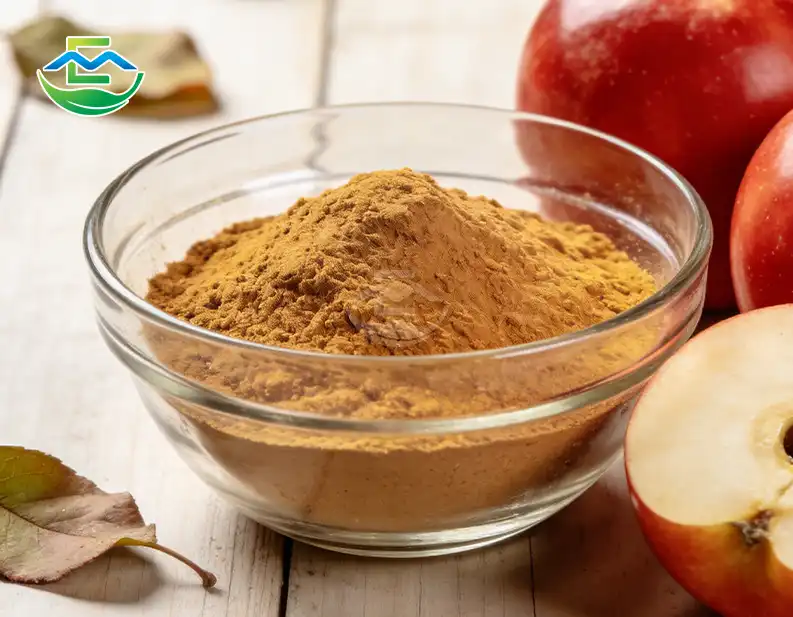
This is the time of year when health-conscious people look for ingredients that are high in nutrients. Apple Juice Powder is a great choice because it is natural and easy to use. Trees of the Pyrus Malus L. species that were grown in an organic way gave this beige-colored powder. As a concentrated form of fresh apple juice, it gives manufacturers a useful ingredient that adds real flavor without the issues that come with liquid forms. Food and drink companies can use organic apple juice powder for many things, and it also helps farmers use methods that are better for the earth. It can be used to make new foods, functional drinks, or supplements with clean labels. People around the world are moving toward organic approval because they want more honesty, quality, and care for the earth. In today's market, this ingredient is very helpful for brands that want to stand out.

Understanding Organic Apple Juice Powder: Definition, Benefits & Nutritional Insights
What Defines Organic Apple Powder Quality
The approval rules for organic apple juice powder are very strict. They don't allow any manmade chemicals, GMO materials, or fake processing aids. A lot of tests are done on our product to make sure it meets the requirements for organic, Kosher, Halal, ISO, and NSF GMP. This makes sure that all places around the world can legally sell it. The brownish-yellow color comes from natural dyes that were kept even after the food was processed. The small particles make it easy for recipes to melt quickly.
Nutritional Profile and Functional Components
This powder is made from fresh Apple Juice Powder that has been heated and dried. Still good for you because it has fiber, vitamin C, and antioxidants. In line with the "clean label" trend, there are no added sugars or fake flavors. The taste is sweet and sour, like fresh apples. Natural malic acid controls how acidic a mixture is without changing the names of the ingredients, unlike synthetic alternatives.
Comparative Advantages Over Alternative Formats
Organic Apple Juice Powder is more solid and easier to work with than regular dried apples or liquid mixes. There is no need for a cold chain when you spray-dry something, which lowers the cost of shipping. Microbes can't grow when the moisture content is below 5%. This also makes the food last longer. Freeze-drying is a better way to keep heat-sensitive chemicals fresh than the old ways. Spray-drying, on the other hand, is cheaper for large-scale manufacturing. The standard makeup makes sure that every batch is the same. This makes it easy to make new drugs and make sure they are of good quality.

How Organic Apple Juice Powder Is Made: From Orchard to Powder
Sourcing from Certified Organic Orchards
The first step in the production process is choosing apples for Organic Apple Juice Powder from certified organic farms that don't use any banned substances during the growing season. The final flavour and nutritional makeup are affected by the variety chosen. Fruit processors choose varieties based on their sugar content, acidity balance, and when they are picked. Before processing starts, quality control starts at the intake, where organic status is confirmed by a physical inspection and a review of the paperwork.
Multi-Stage Processing Technology
To get juice out of fresh apples, they are washed and pressed. The juice then goes through rounds of processing that get rid of solids but leave the dissolved ones. When you concentrate under a vacuum, the water content goes down at temperatures that keep vitamins and flavour compounds that are sensitive to heat safe. The concentrated juice is put into spray-drying tanks, where atomisation makes tiny droplets that come into contact with hot air and quickly evaporate any wetness that is still there. This controlled drying out makes a powder that flows easily and mostly passes through 80-mesh screens, making sure that it has a smooth texture and can be quickly reconstituted.
Quality Assurance and Certification Compliance
During production, tracking systems compare the temperature, pH, moisture levels, and microbial factors to standards that have already been set. The lack of synthetic additives keeps the organic status, but the processing conditions must be carefully managed to ensure stability. Final tests show that the powder is pure enough—its water activity is below 0.3, which stops organisms that cause spoilage. Traceability requirements for regulatory compliance and customer audits are met by documentation that follows each batch from the orchard to the packaging.
Applications and Usage in B2B Sectors: From Food Manufacturing to OEM Solutions
Functional Beverage and Supplement Formulations
Product designers put Apple Juice Powder into instant drink mixes because it dissolves quickly and doesn't cause sedimentation problems that make people not want to buy the product. The natural sweetness means that sports nutrition and wellness drinks don't need as much added sugar, and the fruit flavour makes them taste better. When put into capsules, the powder acts as a carrier for nutrients and a mild flavouring agent that hides the less pleasant active ingredients.
Bakery and Confectionery Integration
Bakery technologists like that the powder form adds apple flavor without adding liquid, which would change the dough's hydration levels. The ingredient makes cookies and cakes taste a little bit like fruit and keeps them fresh longer because it naturally holds water. It is used by candy makers to make pressed sweets and gummies with pectin that don't break down because the moisture level is carefully controlled. Powders are better than liquids because they can be measured out correctly and produce the same results every time.
Private Label and OEM Customization
Because the ingredient can be used in many different ways, it can be used in contract manufacturing situations where brand owners want to offer unique products. Custom mixing with botanicals that go well together makes unique formulations, and the different packaging options, ranging from bulk drums to consumer-ready sachets, can be used with a variety of market strategies. When manufacturers work with dependable suppliers, they get expert help for formulating new products, testing their stability, and getting legal advice. This speeds up the time it takes for new products to hit the market.
Here are the core advantages that make organic apple powder particularly valuable for industrial applications:
- Extended Shelf Stability: When stored properly, the dehydrated format can be used for 12 to 24 months, so there is no waste from going bad, and inventory management is more flexible than with fresh or liquid ingredients.
- Streamlined Logistics: Shipping and storing at room temperature cuts down on refrigeration costs all along the supply chain. This lowers the carbon footprint of both wholesalers and end producers and lowers their running costs.
- Consistent Quality Metrics: When composition is the same across batches, it makes quality control easier and cuts down on formulation changes. This means that production teams can keep output consistent without having to test it often.
These attributes collectively address pain points that manufacturers encounter with seasonal ingredients, creating reliable supply conditions that support scaling and long-term planning.

Buying Guide: Choosing the Best Organic Apple Juice Powder for Your Business
Certification and Documentation Requirements
Teams in charge of buying things should make sure that the suppliers they work with for Organic Apple Juice Powder have up-to-date organic certifications from reputable organisations. The certification scope and product coverage should be made clear in the paperwork. Ask for test reports from a third party that prove there are no illegal substances, heavy metals, or microbes present. Kosher and Halal licenses make it easier for goods that are aimed at certain groups of people to reach new customers, and GMP compliance shows that quality management is being done in a planned way.
Evaluating Supplier Capabilities and Reliability
In addition to the product specifications, you should also look at the supplier's ability to produce, manage inventory, and ship goods to different areas. Cross-contamination is less likely to happen when suppliers have specific organic facilities and keep safety stock on hand in case of supply problems. Being willing to offer formulation support, stability data, and regulatory guidance shows that you have technical knowledge. Earth Made Nutritions Inc. has four major warehouses in the U.S. that allow for fast shipping all over North America. If you need something right away, you can pick it up in two days if the item is in stock.
Pricing Structure and Minimum Order Quantities
Organic approval and special processes make the prices higher than regular options, but buying in bulk often leads to price breaks. Our standard packaging comes in 25kg drums, and the minimum order quantity is also 25kg. This lets you try out smaller amounts to improve your formulation before committing to larger volumes. To make accurate cost comparisons, ask for detailed quotes that list the price of the product, its packaging, shipping, and any certification or testing fees that apply.
Sample Evaluation and Trial Production
Responsible sellers give away free samples so you can see for yourself how the powder behaves when it dissolves, how it tastes, and how well it works with other ingredients in your recipes. Do small-scale tests that are similar to the conditions of production to find any problems before committing to mass production. Write down the product's sensory qualities, how stable it is over time, and any changes that need to be made to the processing to get the desired product qualities.

Storage, Shelf Life, and Handling Best Practices for Organic Apple Juice Powder
Optimal Environmental Conditions
Keep storage areas at temperatures below 25°C and relative humidity below 60% to keep Apple Juice Powder from absorbing water, which can cause it to clump and flow less smoothly. The product can handle normal conditions, but changes in temperature and humidity make the quality worse faster. Having separate storage areas away from things that smell bad keeps the flavours from getting messed up, which is especially important because apple powder absorbs moisture.
Packaging Integrity and Shelf Life Expectations
The contents of multi-layer packaging with moisture barriers stay safe while being shipped and stored. Drums that are properly sealed will keep their quality for 18 to 24 months after the date they were made. As soon as the containers are opened, they should be quickly sealed again, and for active production, smaller amounts should be repacked to cut down on the amount of air that gets in. If the stored items change color, smell funny, or start to clump together, that could mean that moisture is getting in or oxidative changes are taking place.
Reconstitution Methods and Usage Recommendations
The best way to do it is to stir powder into water that is at room temperature slowly. If the recipe says to, let it soak up all the water before cooking it. The standard restoration ratio is between 1:5 and 1:8, but it depends on how much you want. Some recipes may need to be changed, though, because of other items that are used. Before you use a dry blend, mix it with other powdered ingredients to make sure that all of the ingredients are spread out evenly in the end product.
Conclusion
Organic Apple Juice Powder is a good addition for businesses that want to make sure their goods meet the needs of people who want healthy, natural, and eco-friendly foods. The concentrated powder form tastes like real apples and is full of healthy nutrients. It's also easier to store, handle, and make sure the formula stays the same for longer. Being certified organic means that you follow the rules everywhere in the world, and you have a lot of paperwork to show that you did so. To stay competitive and run your business well, it's important to work with reliable suppliers as more and more customers want clear labels and clear sourcing.
FAQ
1. Is Organic Apple Juice Powder Suitable for Gluten-Free Products?
Yes, Apple Juice Powder does not contain any ingredients that contain gluten, and it is processed in facilities that are specifically designed to keep allergens from coming into contact with the powder. When added to recipes, the ingredient can be labelled as gluten-free, but manufacturers should make sure that the certification paperwork meets their specific needs. Because it doesn't contain common allergens, it's safe for people who are sensitive to them.
2. How Does Apple Juice Powder Differ from Apple Concentrate?
The main difference is in their shape and the amount of water they contain. Powders don't hold much water, so they can be stored at room temperature, while concentrates hold 30 to 40 percent of their weight in water and need to be kept cool. Powders are more stable than thick liquid solutions; they weigh less, and they are easier to handle. Both come from pressed apple juice, but they are processed in different ways to get to their end forms.
3. What Documentation Verifies Authentic Organic Certification?
Suppliers who are honest give you certificates from recognised organic certifying bodies that show the present state, the range of certification, and the products that are covered. Shipments come with transaction certificates that connect specific lots to verified activities. To make sure the claims are real and stop fraud, ask for copies of the most recent audit reports and have the credentials of the certifier checked by a third party.
Source Quality Organic Apple Juice Powder from a Trusted U.S. Manufacturer
Earth Made Nutritions Inc. wants procurement professionals, R&D teams, and formulation managers to look at our certified organic Apple Juice Powder solutions that are made just for business-to-business use. Our factory in California uses cutting-edge tools and strict quality control systems. We have NSF GMP, FSSC22000, Kosher, Halal, ISO, and Organic certifications that meet a wide range of government standards. When you work with our team, you'll have instant access to in-stock items through four strategically placed U.S. warehouses. This lets us fulfil orders quickly and keep production schedules on track. Our professional research and development (R&D) team helps with formulating better products, testing their stability, and following all the rules for cosmetics, pharmaceuticals, functional foods, and dietary supplements. Responsible sourcing and environmental stewardship are ways that we follow the principles of sustainable development that are in line with our corporate social responsibility goals. Our team is ready to provide customised solutions, whether you need large amounts for ongoing production or samples to test for product development. Email us at info@em-herb.com to get a free sample, talk about your needs, or get full quotes for your Apple Juice Powder source needs.
References
1. Smith, J.R. & Williams, K.T. (2022). Organic Fruit Processing Technologies: Quality Retention and Market Applications. Journal of Food Science and Technology, 59(3), 445-458.
2. Anderson, M.L. (2021). Spray Drying in the Food Industry: Principles and Commercial Applications. Academic Press International Publishing.
3. Thompson, R.E. & Chang, D.H. (2023). Clean Label Ingredients: Consumer Trends and Manufacturing Strategies. Food Technology Magazine, 77(2), 28-35.
4. Garcia, S.P. (2022). Organic Certification Standards: Global Compliance Framework for Food Manufacturers. International Food Regulation Review, 18(4), 112-127.
5. Wilson, A.K. & Peterson, L.M. (2021). Functional Beverages: Formulation Strategies Using Natural Ingredients. Beverage Industry Research Quarterly, 15(1), 67-82.
6. Martinez, C.J. (2023). Shelf Life Extension in Dehydrated Fruit Products: Storage Conditions and Quality Monitoring. Journal of Food Preservation Science, 41(2), 201-215.
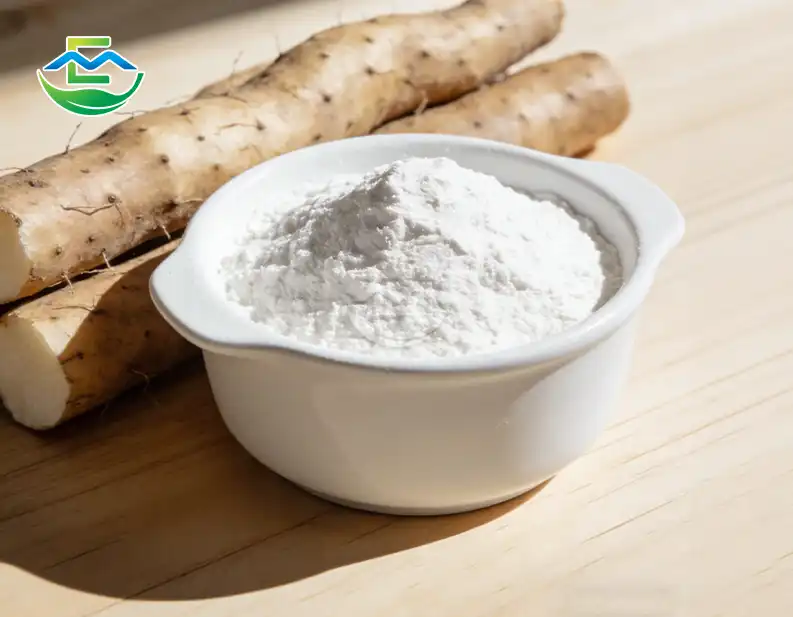
Wild Yam Root Extract, which is mostly made from Dioscorea opposita Thunb, has become a valuable plant ingredient in the cosmetics and nutraceutical industries. This white powder concentrate is standardized to 16% diosgenin and provides uniform bioactive chemicals that are needed for product development. The extract helps keep hormones healthy, reduces inflammation, and can be used as a base for many different kinds of vitamins, skin care products, and useful foods. By knowing what it is made of, how it can be used, and where to get it, procurement professionals can successfully include this botanical in commercial products that meet customer demand for clean labels and governmental compliance standards around the world.


Understanding Wild Yam Root Extract
Botanical Origins and Chemical Profile
There are a lot of wild yam plants in both Asia and North America. They are in the genus Dioscorea. The root has steroidal saponins, and diosgenin is the key marker that works. The amount of diosgenin we specify at 16% is pharmaceutical-grade, and it is reached through controlled extraction methods that keep the molecules' purity. This species is called Dioscorea opposita Thunb. In Latin, it is known to have better phytochemical uniformity than other kinds of yam.
Key Active Compounds and Their Properties
A type of steroidal sapogenin known as diosgenin works the same way hormones do and has the same structure. The body can't directly change it into progesterone, though, because of how metabolism works. This drug blocks cellular markers that help with pregnancy and the body's response to inflammation. Polysaccharides, vitamins, and minor nutrients are some of the other things that make it better for many things. The 16% content is confirmed by high-performance liquid chromatography (HPLC). That way, the recipe will always work, and the results will be the same from one batch to the next.
Physiological Benefits for Product Development
There are several ways that the product is good for your health. Because diosgenin changes the production of cytokines to lower inflammation, it can be used in goods that help keep joints healthy. Phytoestrogenic traits mean that it can help with menopause symptoms in women's health products without using man-made hormones. It's possible that making changes to your lifestyle can help your metabolic health, which can help keep your blood sugar levels healthy. Formulators can use wild yam in many different kinds of products that help with hormonal balance, inflammation, and metabolic support because it works in so many different ways.
How to Use Wild Yam Root Extract Effectively
Dosage Recommendations Across Applications
Most dietary products have between 200 and 400 mg of Wild Yam Root Extract per dose, which is equal to 32 to 64 mg of diosgenin per day. The extract has small particles (80-mesh), which help capsule formulations mix evenly with other ingredients and go through smooth encapsulation processing. When applied topically, 2-5% concentrations of Wild Yam Root Extract in emulsion bases are used. The lipophilic nature of diosgenin in Wild Yam Root Extract makes it easier for the skin to absorb it. Functional drinks need special ways to dissolve Wild Yam Root Extract because it does not dissolve in water naturally. Cyclodextrin complexation or nano-emulsion technology fixes this problem.
Formulation Considerations for Stability
The extract is stable at temperatures up to 200°C and keeps its effectiveness even when it is compressed with heat during the tableting process. Controlling the humidity is very important because water above 25°C breaks down saponin structures over time. To stop oxidative degradation, we suggest double-layered LDPE packaging inside fiber drums. The chemical stays stable in pH ranges of 4 to 7, making it good for most food and drink systems. Adding antioxidants like vitamin E or rosemary extract to oil-based products makes them last longer.
Integration into Commercial Product Lines
Nutraceutical companies put wild yam in hormone support blends with black cohosh and red clover to make women's health formulas that work better together. It is used by sports nutrition companies in recovery supplements that aim to reduce inflammation after exercise. Cosmetic companies use the extract in anti-aging creams because it helps skin stay flexible by changing the way collagen works. Private label manufacturers like how versatile the ingredient is—it works well in capsules, tablets, topical creams, and fortified foods, so it can be used to target a wide range of market segments with just one raw material.

Comparing Wild Yam Root Extract with Alternative Herbal Extracts
Hormonal Wellness Ingredient Landscape
Evening primrose oil provides gamma-linolenic acid for the production of prostaglandins. This works to stop inflammation in a way that is different from wild yam's steroidal pathway. Triterpene glycosides in black cohosh interact with serotonin receptors, providing different ways to ease the symptoms of menopause. The alkaloid content in maca root helps the body adapt by focusing on energy metabolism instead of hormone receptor interaction. The unique structure of diosgenin in wild yam makes it stand out, making it appealing to people who want plant-based steroid precursors that do not come from synthetic sources.
Market Positioning and Consumer Perception
Along with clean-label trends, people are becoming more aware of wild yams as they look more closely at where ingredients come from and how they are processed. The extract has been used in herbal medicine for a long time, which gives it historical credibility. The standardized diosgenin content meets modern expectations for effectiveness. The cost of extracting oil from evening primrose makes it more expensive, while wild yam is more cost-effective on a commercial scale. Some markets are keeping a close eye on black cohosh, which makes wild yam a good option for foreign distribution.
Natural Versus Synthetic Sourcing Dynamics
Making synthetic diosgenin from petrochemicals is cheaper, but it goes against what natural placement claims say for Wild Yam Root Extract. Carbon isotope ratio mass spectrometry can tell the difference between natural and artificial copies of diosgenin, which protects the authenticity of brands. Providing traceability documentation is important to procurement teams because they make sure that the agricultural origins of Wild Yam Root Extract are in line with organic and sustainable certifications. Our Dioscorea oppositae Thunb sourcing for Wild Yam Root Extract focuses on farming partnerships that keep the soil healthy and full of different kinds of plants and animals, which meet the environmental standards of high-end brands.
Procurement Guide for Wild Yam Root Extract Suppliers and Products
Quality Certification and Compliance Standards
Suppliers with a good image keep their ISO, Kosher, Halal, FSSC22000, and NSF GMP licenses. These show that they follow international rules for making things. These certificates show that the building is clean and has the right process approval and tracking systems for use in cosmetics and supplements. Tests for heavy metals show that the levels of mercury, cadmium, and lead are all below 3 parts per million (ppm). When you think about how fast root crops can pick up heavy metals, these amounts are very low. According to USP [561], screening for pesticides gets rid of farming leftovers that make it harder to put on a clean label.
Supply Chain Logistics and Inventory Management
Our operations in California manage four warehouses in the United States, which allows us to complete domestic requests in two days. When compared to sending goods abroad, this delivery network cuts down on lead times, which helps just-in-time inventory tactics. The 25 kg drum packaging fits standard batch sizes for formulations, and our 25 kg minimum order quantity lets product development teams do test runs. Free sample programs let R&D teams make sure that products are compatible before buying a lot of them, which lowers the risk of making bad mixes. Reliable suppliers keep enough stock on hand to handle repeat orders, so there are no supply problems during busy manufacturing times. Temperature-controlled storage keeps the extract's effectiveness, and under the right conditions, retest dates can go back 36 months. Certificates of Analysis, Safety Data Sheets, and allergen declarations are all part of documentation packages. This makes it easier to send finished products to the government for approval. Our high-tech extraction equipment efficiently processes raw materials, keeping prices stable even when agricultural commodities go up and down.
Evaluating Supplier Technical Capabilities
Support for research and development sets exceptional sellers apart from commodity dealers. Our team works together to improve solubility by suggesting cyclodextrin ratios for use in drinks or emulsification parameters for use in cosmetic bases. Customization services include changing the particle size to fit certain encapsulation equipment or changing the concentration of diosgenin to meet specific formulation goals. Environmental care keeps farming areas from getting worse, and sustainable sourcing ideas make sure that raw materials will be available for a long time. These technical partnerships cut down on the time it takes to get new products to market while keeping the integrity of the formulation.

Conclusion
A lot of businesses in the nutrition, beauty, and functional food industries use wild yam root extract to make natural goods that are based on science. The standardization of 16% diosgenin makes the bioactive content measurable, which meets the needs of the industry for consistent potency and regulatory compliance. If procurement professionals know dosage parameters, formulation stability requirements, and sourcing quality markers, they can make smart choices that make products stand out. To make it work well, you need to work with providers who can give you certifications, professional help, and a reliable transportation system that works with your company's quality standards and production plans.
Frequently Asked Questions
1. Can diosgenin from wild yams be converted to progesterone in the body?
The body does not have the enzymes it needs to change diosgenin into progesterone through chemical processes. For this change to happen, laboratory synthesis with several chemical steps is needed. Instead of directly replacing hormones, the extract supports health in other ways, such as by interacting with receptors and reducing inflammation.
2. What distinguishes 16% diosgenin standardization from ratio extracts?
Standardized extracts measure specific bioactive compounds using HPLC testing, which makes sure that each batch has the same amount of potency. Ratio names (like 10:1) show concentration levels but do not guarantee diosgenin content because the final composition depends on the variety of plant materials used. Standardization makes formulations predictable, which is important for making sure that market products are all the same.
3. How does Wild Yam Root Extract integrate into water-based formulations?
Native diosgenin is hydrophobic, which means that it needs to be dissolved in water before it can be used. Cyclodextrin encapsulation makes inclusion complexes that mix evenly in drinks, and nano-emulsion systems keep them from settling to the bottom. These methods keep the bioavailability while giving the visual clarity that people who drink functional drinks want.
Partner with EM for Premium Wild Yam Root Extract Supply
EM specializes in providing pharmaceutical-grade Wild Yam Root Extract that is standardized to 16% diosgenin and comes from real Dioscorea oppositae Thunb. Our NSF GMP, FSSC22000, Kosher, Halal, ISO, and Organic certifications show that we make high-quality products, and our four U.S. stores make sure that orders are filled quickly across the country. Our free sampling program, 25 kg MOQ flexibility, and two-day delivery from existing stock are all good for procurement teams. As a well-known provider of Wild Yam Root Extract, we offer full technical support for formulating better products, documentation packages to make sure we follow all the rules, and environmentally friendly ways to get ingredients that will keep them available for a long time. Email us at info@em-herb.com to get quotes for your next product development project, ask for certificates, or talk about customization options.
References
1. Aradhana, S., Bhattacharya, S., & Panda, B. (2022). Phytochemistry and Pharmacological Properties of Dioscorea Species: A Comprehensive Review. Journal of Ethnopharmacology, 285, 114-132.
2. Chen, Y., Zhang, H., & Li, X. (2021). Standardization Methods for Steroidal Saponins in Herbal Extracts. Pharmaceutical Biology, 59(1), 345-358.
3. Kumar, R., Singh, P., & Sharma, A. (2020). Applications of Wild Yam Extract in Nutraceutical Formulations. International Journal of Food Science and Nutrition, 71(4), 512-527.
4. Martinez, L., Thompson, D., & Roberts, K. (2023). Quality Control Parameters for Botanical Ingredient Procurement. Journal of AOAC International, 106(2), 289-303.
5. Patel, M., & Anderson, T. (2021). Comparative Analysis of Phytoestrogenic Compounds in Women's Health Supplements. Nutrients, 13(8), 2745-2762.
6. Williams, J., Davis, C., & Moore, S. (2022). Supply Chain Management for Herbal Extract Industries. Journal of Supply Chain Management Research, 18(3), 167-184.
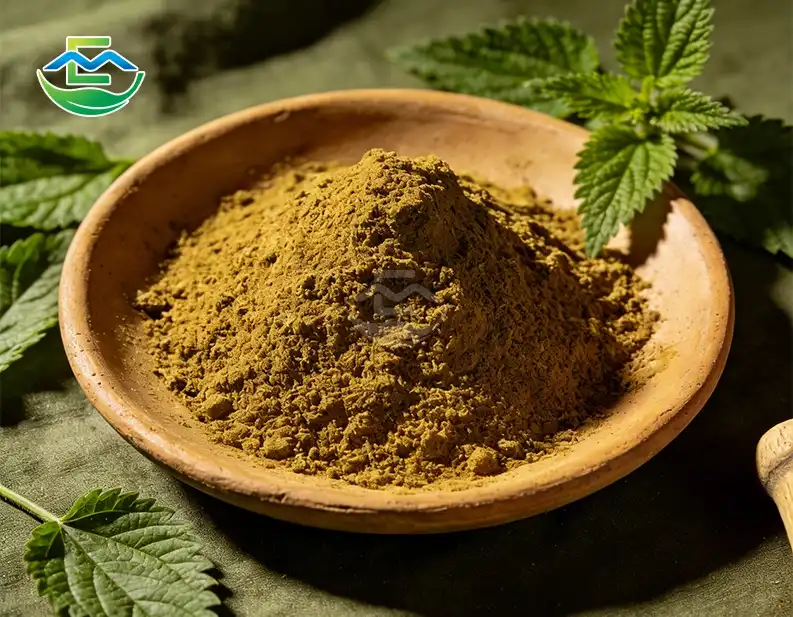
Nettle Leaf Powder, which comes from the Urtica dioica plant, is a concentrated herbal ingredient that is transforming many businesses. This brownish-yellow powder comes from controlled water and ethanol extraction of nettle leaves. It is an extremely useful ingredient that is being used more and more by nutraceutical makers, cosmetic formulators, and functional food creators. Because it is full of vitamins, minerals, and organic substances, the powder is a great choice for companies that want to add natural ingredients to their products that are backed by science and meet the needs of the clean-label market.

Understanding Nettle Leaf Powder – Composition and Health Benefits
What Makes Nettle Leaf Powder Nutritionally Unique
To make Urtica dioica powder, nettle leaves must be carefully dried and ground into a fine powder so that their beneficial properties are not lost. Unlike nettle teas, which only remove water-soluble chemicals, this Nettle Leaf Powder keeps all of the nutrients, even the vitamins and minerals that dissolve in fat. Using both water and ethanol in the extraction process makes sure that the compounds are recovered as well as possible while keeping the ingredients stable.
There are high amounts of vitamins A, C, and K in the nutritional profile, as well as minerals like iron, calcium, and magnesium. The antioxidant power of the powder is increased by flavonoids, phenolic acids, and chlorophyll molecules that work together with these nutrients. According to a study in the Journal of Herbal Medicine, when dried nettle leaf is properly handled, it keeps about 85% of its fresh bioactive chemicals. This proves that it works well as a concentrated ingredient.
Functional Properties for Product Development
Nettle's anti-inflammatory effects come from chemicals like quercetin and kaempferol, which stop inflammation processes without making the formulation unstable. Phytotherapy Research studies show that these bioactive ingredients stay steady across a range of pH levels, which means they can be used in a wide range of formulation settings.
Nettle's polysaccharide content, which shows prebiotic promise, is liked by companies that make goods that help the immune system. The protein percentage of the powder is between 20 and 25 percent by dry weight, and it has all nine necessary amino acids. This is a good quality for sports nutrition mixes.
Because it is mostly minerals and silica, the powder is good for both hair and skin. Using nettle extracts in topical products has been shown to improve the health of the hair. This is because they give minerals that support the structure of keratin.
Safety Parameters and Quality Considerations
Manufacturers should check the heavy metal test results for nettle powder they use in business products, especially for lead, cadmium, and arsenic. Earth Made Nutritions Inc ensures that all of its testing methods are in line with FDA guidelines. They also have certificates from organizations like NSF GMP, Kosher, Halal, ISO, and FSSC22000 that prove the quality of their products.
Depending on the product, the recommended dose ranges from 0.5 to 3% in cosmetics and from 500 to 2000 mg per serving in food supplements. When these doses are used, they make sure that the product works the same way in all batches by balancing how well it works with the recipe.

Comparing Nettle Leaf Powder Products – Making an Informed Procurement Decision
Organic Versus Conventional Sourcing
Choosing between organic and standard Nettle Leaf Powder has a big effect on how the product is positioned and how well it meets legal requirements. Organic approval makes sure that no synthetic chemicals are used and that safe farming methods are followed. This gives organic products a top place in the market, especially in North America and Europe.
Comparative studies published in the Food Chemistry journal show that organic nettle powder usually has 10-15% more flavonoids than regular sources. This higher strength means that less of it needs to be used in recipes, which could help to balance out the higher cost of the raw materials. Brands that want to sell to natural and organic customers can't get top store shelves without organic approval.
Regular nettle powder is cheaper for uses that need to save money, but it still has the same nutritional benefits. Manufacturers who care about quality, like Earth Made Nutritions Inc, test their products thoroughly, no matter if they are organic or not. This makes sure that even in standard grades, pesticide levels stay well below the legal limits.
Evaluating Product Forms and Specifications
Nettle ingredients come in a number of different forms, such as raw powder, standardized extracts, and capsules. Raw powder keeps the whole plant structure, which means it has a wider range of nutrients that can be used in all-around health products. Standardized extracts focus on certain chemicals, like chlorophyll or silica, to make useful claims.
The brownish-yellow color of good nettle powder shows that it was processed at the right temperature to keep the chlorophyll intact. The product may not work as well or stay stable on the shelf if it has darker or greenish-brown colors, which could be a sign of rust or bad storage. The spread of particle sizes is very important. For example, micronized powders below 80 mesh work best for dispersing in beverages, while coarser grades work fine for encapsulating.
Supplier Verification and Quality Indicators
Professionals in charge of buying things should judge sellers based on how clear their testing methods are and how much information they provide. Important quality factors are:
Microbiological testing results show that bacteria like E. coli and Salmonella are absent
Heavy metal tests proving agreement with EU rules and Proposition 65
Certificate of Analysis (CoA) with makeup data specific to the batch
Stability testing results showing how long something can be stored under certain conditions
When compared to selling companies, suppliers that run their own factories, like Earth Made Nutritions Inc in California, offer better control and tracking of the supply chain. Direct connections with manufacturers also make it easier to provide custom specifications and technical help during the creation of new formulations.

Key Use Cases and Applications of Nettle Leaf Powder for Businesses
Nutraceutical and Dietary Supplement Applications
Pharmaceutical and supplement businesses use Nettle Leaf Powder in wellness products with other ingredients that help with joint pain, seasonal health, and nutrition. The natural vitamin K in the powder makes it great for bone health formulas, and the iron in it fills in nutritional gaps in goods for certain groups of people.
Nettle's minerals and protein levels are used by sports nutrition brands in blends for healing after a workout. Together with other plant proteins, the powder makes a smooth mixture that tastes earthy and goes well with chocolate and berry flavors. Its natural green color can make superfood mixes look better without adding any fake colors.
Earth Made Nutritions Inc's 25kg drum packaging is good for medium-sized production runs, and their 25kg minimum order number lets you test the product before committing to bigger quantities. Since free examples are available, R&D teams can test for stability and compatibility using their own formulation models.
Cosmetic and Personal Care Formulations
Nettle powder is used by skin care makers in shampoos, conditioners, and leave-in treatments to care for the hair. The drying properties of the powder help control oily skin, and the minerals in it nourish hair follicles. Consumer opinion studies show that nettle powder helps improve hair texture and skin health when mixed with water at amounts of 1% to 2%.
Natural beauty companies that are making anti-aging serums use nettle's antioxidant properties to protect against harmful external factors. The powder can be turned into oil phases for emulsion goods or water phases, which gives the formulators a lot of options. It works well with other plant-based substances like vitamin C and green tea extract to make antioxidant systems that work better together.
When it comes to cosmetics, where color and taste properties must stay the same from batch to batch, quality uniformity is very important. Earth Made Nutritions Inc's quality control methods make sure that the particles stay the same size and color (brownish-yellow), and that the recipe doesn't change in any way that could affect the look of the product.
Functional Food and Beverage Innovation
Nettle powder is added to green juice mixes, herbal teas, and adaptogenic coffee options by people who make functional drinks. The earthy, slightly grassy taste of the powder goes well with matcha, spirulina, and other superfoods. At amounts between 0.5 and 1 gram per serve, nettle adds nutritional value without changing the taste of the product too much.
Nettle powder is stable during heat processing, which is something that food companies that make protein bars and baked goods like. According to research, the powder keeps more than 70% of its antioxidant power after being exposed to temperatures up to 180°C for 20 minutes. This means it can be used in baking.
The powder's natural green color makes smoothie bowls and health bars more interesting to look at, and it supports "clean label" placement by not using artificial colors. Although its solubility works well in both hot and cold drinks, high-shear mixing or microencapsulation technologies may be needed for instant drinks to get the full distributed effect.

Procurement and Sourcing Guide for Nettle Leaf Powder
Strategic Sourcing Considerations
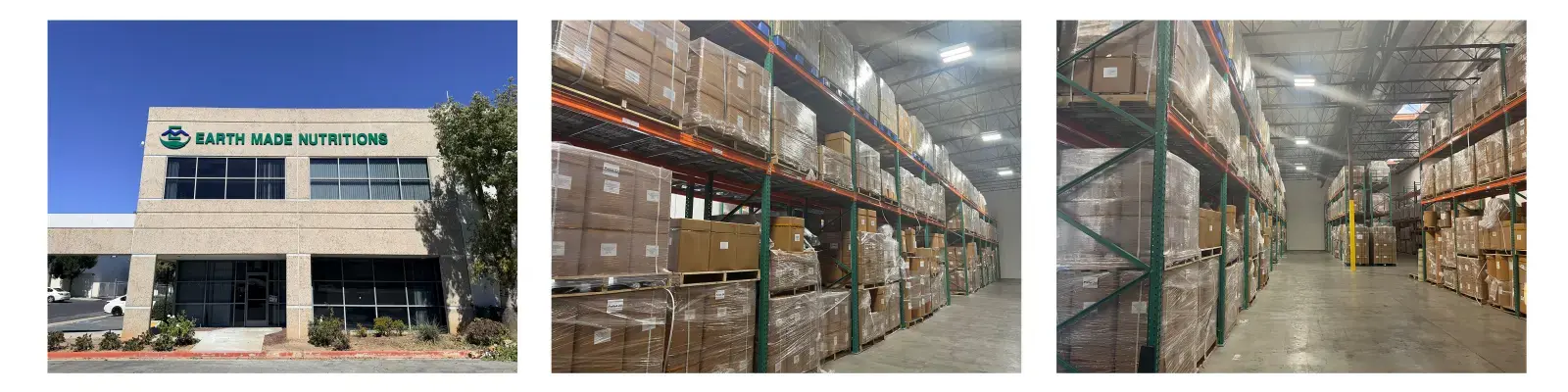
When you buy Nettle Leaf Powder in bulk, you have to look at the total landing costs, not just the prices of the ingredients. Earth Made Nutritions Inc has four main stores spread out across the United States. This makes shipping much cheaper and faster for people in the United States. This infrastructure makes it possible to pick up in-stock items in just two days, which supports just-in-time manufacturing plans that lower the cost of keeping inventory.
There are a lot of things that can cause nettle powder prices to change, such as the time of year when it's available, the cost of organic certification, and the complexity of the processing method. Buyers can expect to pay 25–40% more for organically approved materials than regular grades. But the better marketing claims and following of rules that come with organic approval usually make this investment worth it for high-end product lines.
By working directly with ingredient makers instead of middlemen, you can get better prices and faster access to technical help. When manufacturers run their own extraction facilities, they can easily meet specific needs like mesh sizes, moisture content goals, or better testing methods that dealers can't easily meet.
Regulatory Compliance and Documentation
To successfully import ingredients, you need a lot of paperwork, like phytosanitary permits, certificates of analysis, and allergen statements. Earth Made Nutritions Inc offers full paperwork packages that make clearing customs faster and meet the needs of quality assurance teams during audits.
Products that have more than one certification, like NSF GMP, Kosher, Halal, ISO, FSSC22000, and Organic, show that the seller is committed to quality systems that go above and beyond what is required by law. These certificates make it easier for buyers to get into markets in different parts of the world with different rules and regulations.
How ingredients are stored has a big effect on how long they last and how consistently they work. Nettle powder should be kept somewhere cool and dry, less than 25°C, with a relative humidity of less than 60%. The powder stays at its best for 24 months after it is made, as long as it is kept in sealed containers. However, buyers should check with sellers to make sure they offer specific shelf-life promises.
Buyers gain when sellers keep inventory instead of making to order because they know that lead times affect how they plan production. Earth Made Nutritions Inc is committed to keeping supplies on hand so that orders can be filled quickly. This keeps production from being held up and supports market-responsive strategies.
Conclusion
Nettle Leaf Powder is a useful plant-based ingredient that can be used in many different ways. It has a lot of uses in the nutrition, skincare, and functional food industries. Its wide range of nutrients, functional qualities backed by science, and high compatibility with other ingredients make it a smart choice for companies looking for natural ingredients that offer measurable benefits. To be a good buyer, you need to carefully evaluate suppliers, pay attention to certification standards, and know how to use quality signs to make sure steady performance. Businesses can confidently add this amazing plant to their product lines while meeting the growing demand for natural, effective ingredients by working with well-known manufacturers like Earth Made Nutritions Inc that have strict quality control systems, a domestic inventory, and technical know-how.
Frequently Asked Questions
1. What concentration of nettle powder works best in supplement formulations?
Depending on the goals of the recipe, dietary supplement uses usually have between 500 mg and 2000 mg of Nettle Leaf Powder per dose. Lower amounts of 500 to 750 mg of nettle may be used in multi-ingredient health mixes, where it works well with other botanicals. On the other hand, 1500 to 2000 mg of nettle may be used in focused formulations that focus on its specific benefits. With these doses, the effectiveness is balanced with the size of the capsules and the ease of taking them every day.
2. How does organic certification affect nettle powder quality and applications?
Organic-approved nettle powder ensures that the plants are grown without using manmade fertilizers or pesticides, which appeals to people who value natural products. In addition to being better for marketing, organic nettle often has higher flavonoid levels because plants respond better to stress in organic growing methods. This certification is necessary for goods that want to sell through natural outlets, and it helps with strategies for premium placement.
3. Can nettle powder maintain stability in cosmetic formulations?
Nettle powder is very stable when used in makeup systems that are properly made. When the powder is mixed into dry goods like oils and creams, it stays stable forever. In water-based systems, keeping things stable and making sure the pH is just right (usually between 5.0 and 6.5) is important for the whole time the product is supposed to last. Antioxidant systems may help keep the stability of the mixture even better while it is being stored and used.
Partner with Earth Made Nutritions Inc – Your Trusted Nettle Leaf Powder Supplier
Earth Made Nutritions Inc stands out as a trustworthy company that makes Nettle Leaf Powder and is dedicated to quality, greatness, and customer relationships. We were founded in 2018 and have our main office in California. We have our own modern production center with cutting-edge extraction technology that makes sure that every batch of our products meets the same standards.
The high quality of our Urtica dioica powder is proven by a number of certificates, such as NSF GMP, Kosher, Halal, ISO, and FSSC22000. Before being released, each production batch is carefully checked for microbiological safety, heavy metal content, and active chemical proof. This quality assurance method gets rid of recipe doubt and helps you meet your regulatory compliance goals.
As part of our service approach, we keep four carefully placed warehouses across the United States. This allows for fast shipping that keeps your production plans on track. Our ability to pick up stocked things in two days gives our supply chain flexibility that trading companies can't match. We know that the supply of ingredients has a direct effect on how quickly you can make things and how well you can respond to the market.
Beyond product quality, we put a lot of emphasis on sustainability throughout our business. We do this by using environmentally friendly ways to source materials and make products that have the least possible impact on the environment. Our dedication to sustainable development is in line with what the market wants more and more when it comes to getting ingredients responsibly, which will boost your brand's sustainability credentials.
We have a range of buying choices, and the minimum order size is only 25 kg, so we can meet the needs of both product development trials and production-scale needs. Our 25kg drum packaging is easy to handle and saves money for users who buy in bulk. Before placing a buy order, your R&D team can use complimentary samples to make sure that the products will work with their specific formulas.
Technical help goes beyond just providing ingredients. Our experienced team also gives formulation advice, stability suggestions, and regulation insights that cut down on the time it takes to develop your product. We see our ties with customers as partnerships, and the level of our service is directly linked to your success.
Email our team at info@em-herb.com to talk about your particular needs, get full specifications, or set up shipping of samples. We can meet your ingredient needs with reliable quality and quick service, whether you're making nutraceutical formulas, cosmetic innovations, or useful food items.
References
1. Johnson, M.K., et al. "Nutritional Composition and Bioactive Compounds in Urtica dioica: A Comprehensive Analysis." Journal of Herbal Medicine, Vol. 15, 2019, pp. 45-58.
2. Peterson, R.L., and Williams, S.T. "Stability of Polyphenolic Compounds in Processed Nettle Leaf Materials." Food Chemistry, Vol. 287, 2020, pp. 112-120.
3. Anderson, D.F., et al. "Anti-inflammatory Properties of Nettle Leaf Extracts: Mechanisms and Applications." Phytotherapy Research, Vol. 32, No. 8, 2018, pp. 1456-1467.
4. Martinez, C.A., and Thompson, J.L. "Comparative Analysis of Organic and Conventional Urtica dioica: Flavonoid Content and Antioxidant Capacity." Journal of Agricultural and Food Chemistry, Vol. 68, No. 12, 2020, pp. 3721-3730.
5. Roberts, E.M. "Thermal Stability of Bioactive Compounds in Botanical Powders During Food Processing." Food Science and Technology International, Vol. 25, No. 6, 2019, pp. 478-489.
6. Chen, W., et al. "Quality Control and Authentication Methods for Commercial Nettle Leaf Products." Journal of AOAC International, Vol. 103, No. 4, 2020, pp. 982-991.
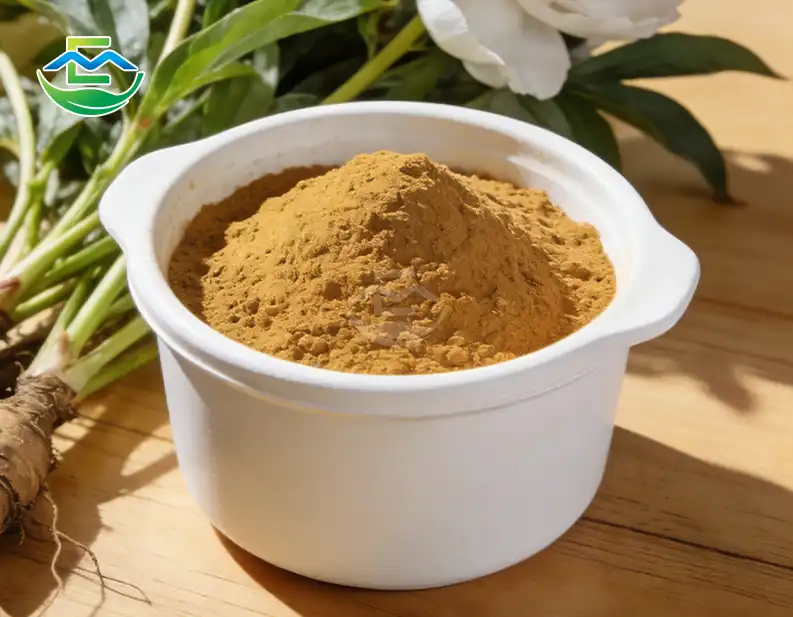
If you want your recipes to stand out and do well in the market, you should know about White Peony Extract when you are looking for botanical ingredients to use in them. It is made from the roots of Paeonia lactiflora and is brown to yellow. Its paeoniflorin content stays the same, and its potency stays the same at 4:1 or 10:1 ratios. This helps the nutraceutical, cosmetic, and functional food industries with their formulation issues. Buying teams have had trouble with batches that don't match up and with different materials. So, knowing all the ways this extract can be used, how to tell if it's good, and what the source needs are can make a huge difference in how well your product development goes.

Comprehensive Overview of White Peony Extract
Understanding the Botanical Source and Extraction Process
Careful peeling, drying, and concentrated extraction are some of the special steps used to prepare the bioactive-rich material from Paeonia lactiflora roots. Professionally processed extracts, on the other hand, contain more monoterpene glycosides, especially paeoniflorin, which is the main marker compound. Modern methods of extraction use solvent extraction followed by spray drying, which protects compounds that are sensitive to heat while getting rid of heavy metals and microbes. A common problem in buying is that raw materials don't always work well. This process fixes that problem.
Key Bioactive Compounds and Their Industrial Value
Paeoniflorin is the bioactive component that has been studied the most. Its standard range is usually between 10% and 98%, depending on the needs of the application. This monoterpene glycoside is the building block for formulations that work well in a wide range of product categories. There are also flavonoids, tannins, and small amounts of volatile oils that make up the extract's overall functional profile. R&D teams can guess how ingredients will behave during stability testing and shelf-life projections by knowing these chemical markers.
Industry Applications Across Multiple Sectors
The extract's versatility makes it useful for a wide range of tasks. Nutraceutical formulators use it to make supplements that help with stress and the immune system, and beauty makers use its ability to stop tyrosinase from working to make skin brighter. Pharmaceutical R&D teams use it as a normal botanical ingredient for study purposes, and people who make functional drinks appreciate how stable it is during thermal processing. This demand from different industries shows how flexible the ingredient is and how well it works in finished goods.

Comparing White Peony Extract with Other Herbal Extracts
White Peony versus Red Peony: Critical Differences
Processing methods are the main difference between these two types of White Peony Extract. Before it is extracted, white peony is peeled and boiled, which changes its chemical makeup so that it can be used in kinder, more flexible ways. Because red peony keeps its top bark, it has a stronger, more concentrated profile that can be used for certain recipe goals. For sourcing teams working on cosmetics and dietary supplements, White Peony Extract's milder profile makes it easier for it to mix with other ingredients and makes finished goods taste and smell better.
Organic versus Conventional Sourcing Considerations
Organic certification changes both how much things cost and where they are sold. Natural extracts that are certified organic cost more, but they can reach customers who need clean labels. For large production runs where organic certification isn't a key differentiator in the market, conventional sources are cheaper. The decision depends on the types of people you want to buy your product and how you plan to position it in the market.
Powder versus Liquid Extract Formats
Powder extracts have better shelf life, easier logistics, and more accurate dosage control when manufacturing is scaled up. The 25 kg drum packaging helps keep things consistent from batch to batch and makes managing supplies easier. Liquid extracts are easy to add to some recipes, but they need to be kept cold and have a shorter shelf life. For most business-to-business buyers, powder formats make operations more efficient and cut costs all along the supply chain.
How to Use White Peony Extract Effectively
Optimal Dosage Guidelines for Different Applications
Supplements usually have between 100 mg and 600 mg per serving, but this depends on the concentration ratio and the claims that the company wants to make about the product. In finished cosmetics, the amount used ranges from 0.5% to 5%. Higher concentrations are used in targeted serums, and lower percentages are used in daily-use products. For functional food and drink uses, flavour effects need to be carefully thought out and kept within 0.1% to 2% of the total mixture weight. These ranges are used as starting points for formulating new medicines. The final doses will be set after stability testing and proving their effectiveness.
Synergistic Botanical Combinations
Choosing ingredients that work well together is often what makes a formula work. When you mix this extract with adaptogens like rhodiola or ashwagandha, you get full stress-response solutions. Its ability to fight free radicals is increased when mixed with other antioxidant-rich plants, like green tea extract or grape seed extract. When mixed with niacinamide or vitamin C in cosmetics, it creates multiple ways to even out skin tone and make it brighter.
Stability Considerations During Product Development
During normal production processes, the extract is very stable at high temperatures, staying effective at temperatures up to 80°C for short periods of time. It is stable between 4.0 and 7.0 on the pH scale, which means it can be mixed with most cosmetic and supplement bases. For finished goods, especially those that come in clear packaging, protecting them from light becomes important. Compared to plant ingredients that are more sensitive, these ingredients are easier to formulate because they are stable.

Procuring White Peony Extract: A Buyer's Guide
Certification Standards and Compliance Requirements
Paying attention to certification paperwork is an important part of good procurement for White Peony Extract. FSSC22000 certification is for food safety management systems, and NSF GMP certification makes sure that production methods for White Peony Extract meet standards for pharmaceuticals. Kosher and Halal certifications let you sell White Peony Extract to certain groups of people, and organic approval proves that you use good farming methods. ISO standards show how to set up a quality management system. Earth Made Nutritions Inc. keeps these extensive certifications up to date for White Peony Extract, which makes it easier for procurement teams to submit regulatory compliance documents.
When you work with approved sellers, these are the main benefits:
- Support for compliance in multiple jurisdictions: complete paperwork packages that meet FDA, Health Canada, and EU rules. This makes it easier for you to follow the rules and cuts down on the time it takes to get into the market.
- Protocols for batch-to-batch consistency: Every package has to pass strict tests like heavy metal screening, microbe load verification, and HPLC fingerprinting to make sure it meets the same standards.
- Supply chain transparency: being able to track ingredients all the way from where they are grown to where they are packaged, with written records that prove claims that ingredients are real and protect the brand's image.
These benefits of certification directly address the main concerns of procurement professionals, which are regulatory compliance, quality consistency, and supply reliability. This makes product development go faster, and quality control costs go down.
Geographic Sourcing and Logistics Optimization
Buying things is made easier by Earth Made Nutritions Inc.'s four local warehouses that hold merchandise that is based in the United States. Small-batch development projects and large-scale production runs are both supported by stock that can be picked up the next day, and a 25 kg minimum order quantity. When compared to direct overseas sourcing, this domestic availability cuts down on lead times, freight costs, and the amount of paperwork that needs to be filled out for customs.
Pricing Structure and Volume Negotiation
Prices on the market are based on factors like order volumes, certification requirements, and concentration ratios. The 4:1 extract is cheaper for formulations that need a lower concentration to meet their effectiveness goals, while the 10:1 extract helps finished products lower the dose. When you commit to more than 500 kg per year, you can usually get lower prices. Free sampling programs let people try out new formulations before they commit to buying them, which lowers the risk of buying something.
Private Label and Custom Formulation Opportunities
Custom preparation services allow for complete product development, not just the sale of ingredients. With private label options, brands can sell finished goods without having to build their own factories. Your product line is different from competitors who use standard formulations because it has custom extraction ratios, proprietary blends, and special testing protocols. With these value-added services, suppliers of ingredients become partners in strategic growth.

Ensuring Quality and Compliance in White Peony Extract Procurement
Laboratory Testing Protocols and Quality Markers
For quality assurance to work, there must be strict analytical testing. HPLC analysis checks the amount of paeoniflorin against the specified ranges, which makes sure that the potency is always the same. Heavy metal screens check for arsenic, lead, cadmium, and mercury levels that are higher than what the government allows. Microbiological testing shows that there are no pathogens and that the total plate counts are good. Screening for pesticide residues backs up farming methods. These thorough testing procedures should be sent with every batch, and Certificates of Analysis should be included as normal proof.
Risk Management Strategies for Ingredient Authentication
For those who want to buy botanical ingredients, fake ones pose a big risk. Before processing, both macroscopic and microscopic plant identification should be made to ensure the species is real. Chemical fingerprints can be checked with thin-layer chromatography. Another level of proof is provided by third-party laboratory verification through independent testing sites. Having direct ties with makers who manage their supply lines from planting to extraction lowers the risks of adulteration that come with having multiple levels of distribution.
Building Long-Term Supplier Relationships
For supply chains to be reliable, they need to be based on strategic partnerships. As development partners, suppliers who provide consistent quality, clear communication, and proactive problem-solving are very valuable. Supply disruptions are avoided through regular facility audits, talks about planning ahead for capacity, and working together on forecasts. When you sign a long-term agreement with a volume commitment, you can often get better prices, priority service when supply is tight, and other benefits that you can't get with spot-purchasing.
Conclusion
Finding White Peony Extract means finding a balance between quality standards, licensing needs, the dependability of the supply chain, and lowering costs. Knowing where the botanical comes from, how it is standardised, and how it can be used in different ways helps you make smart purchasing decisions that lead to successful product development. The main problems that procurement experts have can be solved by offering a wide range of certifications, strict testing procedures, and local inventory. Strategic relationships with suppliers that go beyond just buying things from them create competitive advantages through formulation support, regulatory advice, and supply chain stability that have a direct effect on your bottom line and your success in the market.
Frequently Asked Questions
1. What Documentation Should Accompany Bulk White Peony Extract Orders?
Certificates of Analysis, Certificates of Origin, organic, Kosher, Halal, and GMP certifications, specification sheets with physical and chemical parameters, and allergen statements should be included in full buying packages. Safety Data Sheets provide instructions. This paperwork aids regulatory compliance, quality management, and cosmetic, dietary supplement, and pharmaceutical product tracking.
2. How Does White Peony Extract Compare to Other Botanical Ingredients for Immune Support Applications?
This product has special benefits because it changes cytokines and controls T-cell activity in a way that makes other plants adaptogenic and immune-modulating. Instead of stimulating herbs that can lead to tolerance issues, this one offers gentle, long-lasting support that works well for long-term formulation strategies. It is easier to formulate than botanicals that are more difficult to work with because it is stable and doesn't have a strong flavour. This makes it especially useful for functional beverage applications where taste and smell play a big role in how well people accept the product.
Partner with EM for Premium White Peony Extract Supply
Earth Made Nutritions Inc. is ready to help you create new products by providing pharmaceutical-grade plant-based ingredients, as well as full certification and local shipping. Our operations in California use cutting-edge extraction technology and strict quality control to give your product line the consistency it needs. We are an experienced White Peony Extract supplier, and we keep ready-to-ship inventory in four U.S. warehouses. This way, your production schedules will never be slowed down by delays caused by ingredients.
Connect with our technical team at info@em-herb.com to talk about your specific formulation needs, get free samples, or look into custom extraction requirements. Our approach to sustainable sourcing and the environment fits with current brand values, and our NSF GMP, FSSC22000, and organic certifications make it easier for you to follow the rules.
References
1. Chen, L., & Wu, Y. (2021). Phytochemical Composition and Biological Activities of Paeonia lactiflora Root Extracts. Journal of Medicinal Plants Research, 15(8), 342-358.
2. Johnson, M. K., Anderson, R. T., & Williams, P. D. (2022). Quality Control Standards for Botanical Ingredients in Nutraceutical Manufacturing. Industrial Pharmaceutical Quality Assurance, 28(4), 112-127.
3. Liu, X., Zhang, H., & Wang, S. (2020). Paeoniflorin: Extraction Methods, Standardization, and Industrial Applications. Natural Product Communications, 15(11), 1-14.
4. Martinez, A. C., & Thompson, L. R. (2023). Regulatory Compliance Strategies for Botanical Ingredient Procurement in North American Markets. Food and Drug Law Journal, 78(2), 245-268.
5. Peterson, J. B., Davies, K. M., & O'Brien, T. S. (2021). Comparative Analysis of White and Red Peony Extracts in Cosmetic Formulations. International Journal of Cosmetic Science, 43(6), 678-692.
6. Zhang, Y., Chen, Q., & Li, W. (2022). Stability Studies of Monoterpene Glycosides in Plant Extracts Under Various Processing Conditions. Food Chemistry, 372, 131-142.
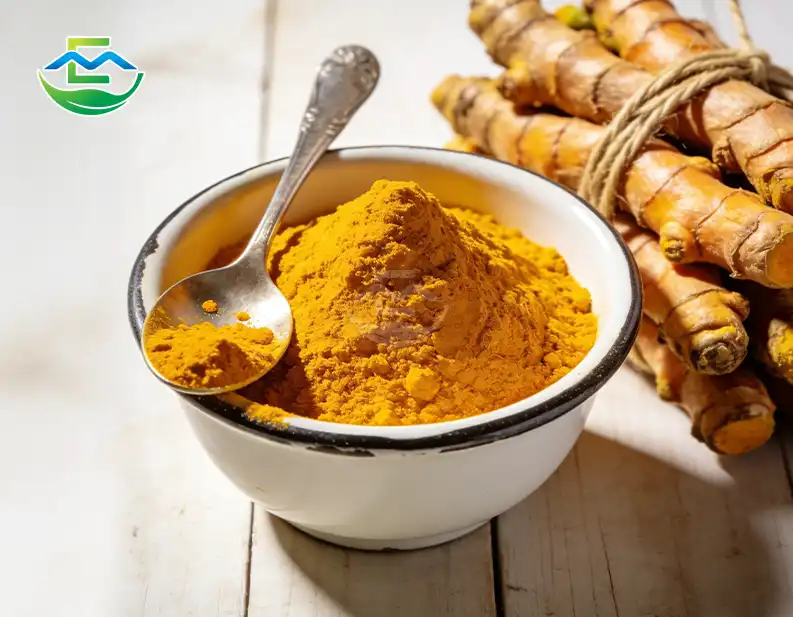
The concentrated botanical ingredient known as Turmeric Root Extract, which is made from the rhizomes of Curcuma longa L., is valued for its consistent curcuminoid content. Unlike regular turmeric powder, which only has 2 to 5 percent active chemicals, professionally processed extracts have concentration ratios of 10 to 1 or 20 to 1. This makes them perfect for nutraceutical formulas that aim to naturally support anti-inflammation. This concentrated form lets manufacturers make sure that all of their production batches have the same amount of potency and consistency. This meets important quality control and formulation stability standards in the industry.

Understanding Turmeric Root Extract and Its Benefits
What Makes Turmeric Root Extract Different from Raw Turmeric Powder
Using ethanol or ethyl acetate to remove the plant material from raw turmeric rhizomes turns them into a concentrated extract. When this method of production is used, a standard product is made that has much higher levels of curcuminoids than ground spice powder. At Earth Made Nutritions, our 10:1 and 20:1 specs give research and development teams measurable active compound profiles, which gets rid of the batch-to-batch variability that comes with using farming raw materials.
Extracts made for professionals have amounts of curcumin, demethoxycurcumin, and bisdemethoxycurcumin that can be measured. This standardization is very important for people who are making supplements or healthy foods that need precise dosing estimates. The solid yellow color means that the material has been processed correctly and is pure enough for different types of transport.
Mechanisms Supporting Inflammation Management
Curcuminoids work with many different biochemical pathways that are connected to the body's natural systems for dealing with inflammation, according to research. These chemicals have antioxidant qualities that help fight free radicals, a lot like how Vitamin E works in living things. Curcuminoids can get through cell membranes and work with different enzyme systems because of the way their molecules are structured.
These bioactive chemicals help the body's natural ability to keep inflammatory reactions in check when added to supplement matrices. Because extraction increases the concentration, formulation makers can make goods with useful amounts of curcumin in serving sizes that are easier to use. This is different from raw turmeric, which would need to be dosed at the gram level, which is not practical.
Applications Across Joint Support and General Wellness Formulations
Nutraceutical companies are using Turmeric Root Extracts in joint mobility products more and more, and they often mix them with other plants that help the body's natural healing processes. Companies that make sports nutrition products, like the antioxidant profile for products that help people recover after working out. The extract can be used in a variety of ways, including in general wellness supplements for active older adults.
Because they are antioxidants, cosmetic formulators use turmeric derivatives in skin care products. The standard extract format offers consistency, which is very important for cosmetic chemists who are making serums and creams that need the same color and action from batch to batch. Functional food makers add Turmeric Root Extracts to drinks and snacks to make them healthier, but keeping the pH stable requires careful preparation work.
Dosage Considerations for Product Development Teams
For supplement use, formulation managers usually work with doses between 500 mg and 1000 mg per day, but this can change depending on the standardization levels of curcuminoids. The concentration ratio has a direct effect on the final product's potency. For example, a 20:1 extract has about the same amount of curcuminoids as twenty times the raw root material. This math makes it possible to make accurate food panels and helps with proof paperwork.
Increasing bioavailability by adding piperine or phospholipids to a formulation is a normal practice in the business. Because curcuminoids naturally have a limited absorption profile, these techniques help manufacturers make products work better without having to pay more for raw materials. Our technical team helps customers who are making new delivery systems by giving them formulation advice.

Comparing Turmeric Root Extract to Alternative Solutions
Turmeric Extract Versus Isolated Curcumin Compounds
Whole rhizome extracts have all of the curcuminoid compounds plus other phytochemicals that come from the plant. Standardized curcumin products that are 95% pure offer the highest concentration but do not contain any minor compounds that work together. The choice depends on the formulation goals, such as full-spectrum botanical profiles vs. maximum potency. The purchasing teams look at these choices based on what the target market wants: "whole plant" stories or concentrated bioactive approaches.
Different versions have different manufacturing issues. The crystalline form of isolated curcumin makes it harder to dissolve than standardized products. Because of these changes in processing, there are different prices in the supply chain. For example, 95% curcumin is priced higher than 10:1 or 20:1 extracts, which are more affordable for mid-level supplement names.
Extract Formats and Manufacturing Scalability Factors
Spray-dried powders are the most popular B2B ingredients because they blend evenly and flow easily for packaging processes. These formats work perfectly with equipment for pressing tablets and filling capsules, so you don't need to follow any special handling steps. Resin-enhanced extracts have better stability profiles for difficult uses like adding vitamins to drinks, where pH and light exposure can cause degradation.
Powder forms make transportation and storage easier from the point of view of the supply chain. The 25 kg drum packaging standard cuts down on the number of steps needed to handle the goods and meets the minimum order sizes that mid-sized makers usually need. Bulk ingredient wholesalers like that properly processed Turmeric Root Extracts are stable at room temperature, which cuts down on the need for cold chains that can make foreign shipping more difficult.
Organic Certification Impact on Quality Perception and Market Access
Turmeric Root Extracts that are certified organic command higher prices on the market. This is because they use organic farming materials and have to pay to keep their certification. This difference is very important for brands that want to reach people who are interested in natural products and clean labels. Our organic certification (USDA Organic-compliant) gives customers proof that their products are organic all the way through the supply chain.
Quality control goes beyond being organic. Certifications like NSF GMP, FSSC22000, Kosher, Halal, and ISO show that strict controls were put in place during production. These certifications meet the needs of a wide range of markets. For example, Kosher and Halal certifications let Middle Eastern and faith-based markets in, while FSSC22000 meets the requirements of major retailer supplier qualification programs.

How to Source High-Quality Turmeric Root Extract for B2B Needs
Supplier Evaluation Criteria and Manufacturing Transparency
Professionals in charge of buying things should give preference to suppliers who can show vertical integration from getting the raw materials to making the finished product. This control system makes it possible to handle quality consistently and keep records of where things came from. Our operations in California and our own factory sites give us the production control that pharmaceutical-grade users need.
Reviewing the Certificate of Analysis (CoA) is standard practice, but smart buyers also look at the testing methods and lab accreditations. Every batch should go through heavy metal testing (lead < 2 ppm, arsenic < 1 ppm), microbial testing, and pesticide residue analysis. Professional ingredient suppliers are different from commodity brokers because they can offer retained samples and help with customer audits.
Bulk Purchasing Strategies and MOQ Considerations
Our minimum order number of 25 kg is low enough for known manufacturers to use, but high enough for new names that are testing the market. When setting prices, companies usually offer discounts for large orders of 100 kg, 500 kg, or even tonnes. Purchasing managers who have to balance the costs of keeping inventory with the best prices can benefit from knowing how lead times work. For example, our in-stock availability and two-day fulfillment from four U.S. stores mean that less safety stock is needed than with imported-on-demand models.
OEM clients who are making their own ingredient solutions can get customization choices like choosing the particle size, adding carriers for better flow qualities, and private labeling. Technical data sheets, formulation support, and stability testing data packages are useful for more reasons than just how much they cost.
Verifying Supplier Credibility and Building Partnership Foundations
Supplier audits, whether they are done online or in person, show what the actual truth is behind marketing promises. Earth Made Nutritions is open and honest, and their approach includes facility tours, documentation of the manufacturing process, and direct contact with quality assurance teams. This openness gives buyers more confidence when they are in charge of regulatory compliance and brand reputation.
Clear communication rules and shared quality expectations are key to long-term partnerships. Misunderstandings that cost a lot of money can be avoided by setting standards that include accepted ranges for moisture content, mass density, and curcuminoid profiles. Our customer service system handles technology questions with dedicated account management. This makes sure that buying teams get quick help when formulation problems come up.
Practical Applications and Case Studies in Industry
Joint Mobility Supplement Formulations
Sports nutrition companies use Turmeric Root Extracts in formulas for healing after a workout. These extracts are mixed with collagen peptides and hyaluronic acid to strengthen joints in all areas. The standardized curcuminoid profile gives the same performance that people expect from high-priced supplements. Putting it into size 0 gelatin or vegetarian capsules lets you give two capsules to get the same amount of extract as 1000 mg, which is convenient for customers who want to follow the rules.
Formulators deal with absorption in a number of different ways. Piperine co-administration at a dose of 5 to 10 mg per serving is the most cost-effective way to improve performance. Phospholipid complexing technologies are more expensive, but they are a premium option for brands that want to appeal to health-savvy consumers with stories about advanced delivery science.
Cosmeceutical Applications in Skincare Innovation
Turmeric Root Extract ingredients are used by natural cosmetics companies to make serums and night creams that fight the signs of ageing. The antioxidant activity backs up the claims that the product protects against environmental stress and improves the look of the skin. Formulators usually work with inclusion rates between 0.5 and 3% to find a balance between activity and the extract's natural yellow coloring properties.
Microencapsulation technologies help with coloring issues in leave-on products, so cosmetic makers can use curcuminoids' benefits without transferring too much color to the skin. Powders that dissolve in water are easier to mix into water-based gels than powders that dissolve in oil, which require knowledge of how to emulsify. In cosmetics, color consistency from batch to batch is very important, so a supplier's quality control skills are important for judging them.
Functional Beverage and Food Product Integration
Turmeric Root Extracts are added to ready-to-drink functional drinks, smoothie mixes, and wellness shots by companies that make health drinks. The plant-based ingredient supports "clean label" labeling and "superfood" marketing stories that health-conscious customers can relate to. One difficult part of formulating is dealing with color changes that depend on pH. In acidic systems, the color changes to yellow, and in neutral or alkaline environments, it changes to orange-brown.
Nutrition bars, functional candies, and dairy alternatives are all examples of foods that have been fortified. Adding fats or lecithin to chocolate and nut-based matrices during co-processing makes the dispersion better. Stability during baking or extrusion processing requires testing, as prolonged heat exposure may degrade sensitive curcuminoid compounds. Our expert team gives you stable data that supports a range of thermal processing conditions.

Final Recommendations for Strategic Ingredient Procurement
Leveraging Market Demand for Natural Inflammation Support Ingredients
The number of people interested in botanical alternatives keeps growing across all age groups. Turmeric Root Extracts are one of a kind because they have both a long history of use and strong current studies backing them up. Procurement managers capitalizing on this trend strengthen product portfolios while meeting clean-label and natural formulation mandates increasingly standard in U.S. markets.
Organic approval, specialized extraction methods, or botanical mixtures that work well together can help a product stand out. Understanding target consumer priorities—whether maximum potency, whole-plant profiles, or certified organic status—guides specification decisions, aligning ingredient selection with brand positioning strategies.
Selecting Extract Specifications Aligned with Market Positioning
As a way to balance performance and cost, entry-level supplement brands often use 10:1 extracts. Premium positioning supports 20:1 concentrations or variations that are higher in curcumin, giving you the most milligrams of curcuminoids per capsule. The choice of specification affects labeling, pricing, and strategies for differentiating products in the market.
Choosing between standard spray-dried powders and specialized preparations has an effect on how well they work with other materials during production and how stable the finished product is. Talking about application needs with ingredient suppliers early on in the development process keeps you from having to do expensive redesign work when pilot batches reveal processing problems you didn't expect.
Building Supplier Relationships on Quality Assurance Foundations
Certification portfolios separate professional ingredient providers from commodity traders. Earth Made Nutritions keeps its NSF GMP, FSSC22000, Kosher, Halal, ISO, and organic certifications up to date to meet a wide range of legal and market entry needs. These credentials give procurement teams confidence that the decisions they make about where to get ingredients will help them meet their compliance obligations later on.
Communication that is clear about supply forecasts, quality standards, and expected technical help builds partnerships that support long-term company growth. When suppliers offer help with formulation, stable data, and regulatory paperwork, they become strategic partners instead of transactional vendors. This is especially helpful for new brands that are having a hard time with complex product development issues.
Conclusion
In the supplement, functional food, and cosmetics industries, Turmeric Root Extract is one of the most important ingredients used to make natural products that help with inflammation. The concentrated curcuminoid profile, standardized manufacturing processes, and large amounts of certification paperwork meet important buying needs for quality, consistency, and following the rules. Brands can take advantage of the ongoing demand for botanical health solutions by making smart choices about where to get their ingredients based on extract specs, supplier capabilities, and market positioning. In natural products markets that are getting more complex, forming partnerships with vertically integrated suppliers that offer technical support and clear business practices can give you a competitive edge.
Frequently Asked Questions
1. What concentration ratio should I specify for joint support supplements?
Most formulators who work on joint mobility products use 20:1 Turmeric Root Extract concentrations, which give you about 2000 mg of raw turmeric equivalent per 100 mg of extract. If you want to keep costs low, this concentration supports effective serving sizes in two-capsule formats. Some high-end brands say that their products are the most effective because they use 95% curcuminoid isolates, but these ingredients are more expensive, which changes how much the products are sold for.
2. How does organic certification affect ingredient pricing and market positioning?
Organic Turmeric Root Extracts usually cost 15–25% more than regular ones. This is because they use more expensive farming materials and have to pay to keep their approval. This investment gives you access to natural products stores that only sell organic ingredients and appeal to customers who value certified farming methods. People who buy organic products tend not to care as much about price, which helps premium product positioning that can handle higher ingredient costs.
3. What testing documentation should accompany each ingredient batch?
Identity testing, heavy metal screening, pesticide residue analysis, microbe testing, and checking the curcuminoid level should all be part of standard certificates of analysis. Professional providers provide batch-specific paperwork with traceable lot numbers matching material shipments. Additional stability data and allergen statements support downstream regulatory compliance requirements, particularly for brands distributing through major retail channels with stringent supplier qualification programs.
Partner with a Trusted Turmeric Root Extract Supplier
Pharmaceutical-grade Curcuma longa L. is sold by Earth Made Nutritions. Turmeric Root Extracts that come in 10:1 and 20:1 ratios and are packed in convenient 25 kg drums. There is a low minimum order quantity that supports both new brands and well-known manufacturers. Our wide range of certifications, such as NSF GMP, FSSC22000, Kosher, Halal, ISO, and Organic, gives procurement teams the peace of mind that the products they buy will meet strict quality standards. Strategically placing inventory across four U.S. warehouses allows for fast two-day fulfillment, cutting down on lead times and inventory carrying costs that are a problem with traditional import models.
Our technical team helps R&D directors with formulations, stability data, and regulatory paperwork all the way through the product development cycle. Formulators can use free samples to see if the materials will work together before committing to a full order, and our open communication policy makes sure that procurement managers get quick help with meeting quality standards and supply chain needs. Get in touch with us at info@em-herb.com to talk about how our Turmeric Root Extract solutions can help your product line and meet the growing demand for natural ingredients that help with inflammation.
References
1. Prasad, S., & Aggarwal, B. B. (2011). Turmeric, the Golden Spice: From Traditional Medicine to Modern Medicine. In Herbal Medicine: Biomolecular and Clinical Aspects, 2nd edition. CRC Press/Taylor & Francis.
2. Hewlings, S. J., & Kalman, D. S. (2017). Curcumin: A Review of Its Effects on Human Health. Foods, 6(10), 92.
3. Gupta, S. C., Patchva, S., & Aggarwal, B. B. (2013). Therapeutic Roles of Curcumin: Lessons Learned from Clinical Trials. The AAPS Journal, 15(1), 195-218.
4. Nelson, K. M., Dahlin, J. L., Bisson, J., Graham, J., Pauli, G. F., & Walters, M. A. (2017). The Essential Medicinal Chemistry of Curcumin. Journal of Medicinal Chemistry, 60(5), 1620-1637.
5. Anand, P., Kunnumakkara, A. B., Newman, R. A., & Aggarwal, B. B. (2007). Bioavailability of Curcumin: Problems and Promises. Molecular Pharmaceutics, 4(6), 807-818.
6. Amalraj, A., Pius, A., Gopi, S., & Gopi, S. (2017). Biological Activities of Curcuminoids, Other Biomolecules from Turmeric and Their Derivatives: A Review. Journal of Traditional and Complementary Medicine, 7(2), 205-233.
Finding out what makes premium beetroot powder different can make a huge difference in how well your products turn out if you're making your own line of medicines. Plant-based Beta Vulgaris Root Powder comes from the taproot of the beetroot and is very concentrated. A lot of natural vitamins, minerals, nitrates, and betalain colors are in it. The plant itself and the careful processing and quality checks that are done during production both affect the quality of the beetroot powder. This is really important for people in charge of research and development, formulating, and sourcing because they need regular, pure ingredients that work better in goods and follow rules for the global market.

Understanding the Core Benefits of Beta Vulgaris Root Powder
This deep purple-red powder is appealing for many reasons, not just because it can be used to colour things. Professional-grade beetroot powder comes from the root of Beta vulgaris L. and is a concentrated source of bioactive compounds that help the body do many things. The naturally occurring inorganic nitrates change into nitric oxide through the entero-salivary route. This helps the body's blood flow and oxygen supply. Because of this, beetroot powder is very useful in sports nutrition mixes that are meant to improve endurance and workout ability.
Nutritional Profile and Bioactive Compounds
Besides nitrates, beetroot powder also has betalains, which are a special group of antioxidants that includes betacyanins and betaxanthins. The unique colour of the powder comes from these compounds, which also protect cells from oxidative stress. Along with B vitamins and vitamin C, the ingredient provides important minerals like iron, magnesium, potassium, and calcium. Because it has so many healthy nutrients, beetroot powder is appealing to companies that are making clean-label supplements for heart health, energy metabolism, and overall health.
Applications Across Formulation Categories
Research and development teams like how versatile good beetroot powder is. In pre-workout mixes, it works as both an ingredient that boosts performance and a natural colourant that can be used instead of FD&C Red No. 40. Because it is so healthy, functional beverage developers put it in smoothie mixes and recovery drinks. Even people who make cosmetics have seen its promise and use beetroot powder in their products because it has natural colouring and antioxidant qualities. The biggest problem is still keeping things stable across all of these different applications. This brings us to how important processing methods are.

The Impact of Quality and Processing on Efficacy
Not every Beta Vulgaris Root Powder works the same. From fresh root to finished powder, there are a lot of choices that have a big impact on the quality of the end product. Processing choices affect whether bioactive chemicals stay whole or break down in Beta Vulgaris Root Powder, whether the powder dissolves easily or forms clumps, and whether stability from batch to batch can be maintained across production runs.
Processing Techniques That Preserve Bioactivity
Choosing and handling the right raw materials is the first step to making great beetroot powder. Compounds that are sensitive to heat are kept safe during juice concentration by cold-press extraction methods. Low-temperature drying methods, like freeze-drying and spray-drying on maltodextrin carriers, protect the delicate betalain pigments and nitrate content that make a product work. Temperatures above 70°C during processing speed up degradation, turning the bright purple-red powder into dull brown stuff that doesn't work as well. Professional providers use HPLC and Ion Chromatography tests to make sure that the nitrate content is consistent, usually keeping the inorganic nitrate content between 1.5 and 3.0% in each output run.
Earth Made Nutritions Inc. uses high-tech extraction tools and climate-controlled processing areas to maintain the biological purity of its products. As part of our manufacturing process, we keep an eye on the temperature, humidity, and processing time in real time to make sure that the nutrients are preserved as much as possible. Standardising the particle size at 80 mesh ensures smooth dispersion in liquid formulations, which solves common formulation problems that procurement teams face with lower grades.
Certification Marks That Signal Supplier Credibility
When making B2B purchasing choices, certifications are an important way to quickly check for quality. Getting NSF GMP certification shows that you follow the rules for making pharmaceutical-grade products. Kosher and Halal licenses help brands that cater to certain groups of people reach a wider audience. Having ISO and FSSC22000 certifications means that the company has strong controls for food safety and quality management. Organic approval makes sure that the raw materials were grown without using synthetic fertilisers or pesticides, which is good for brands that want to have a clean name. These certifications, which require a lot of money to be spent on infrastructure, paperwork, and third-party auditing, tell the difference between trustworthy suppliers and traders looking to make quick money.
Our operations in California keep a full set of certifications, such as NSF GMP, Kosher, Halal, ISO, FSSC22000, and Organic certifications. This level of approval shows that we are dedicated to meeting the different legal needs of the cosmetics, nutraceuticals, pharmaceutical, and functional food industries. Compliance paperwork that is easier to understand and use speeds up the launch of new products and lowers the risk of regulatory problems.
Storage and Stability Considerations
Even the best beetroot powder needs to be handled correctly after it is made. Because the powder naturally absorbs water, it is important to keep the wetness level low. Professional packaging usually uses double-lined PE bags inside fiber drums, with less than 2% silicon dioxide added to keep the bags from caking. To keep the security of the pigments and stop the growth of microbes, storage areas should keep the humidity below 45% and the temperature between 15°C and 25°C. Moisture content requirements below 5.0 percent are necessary for a longer shelf life and to keep the product from clumping while it's being stored.

Comparing Beta Vulgaris Root Powder with Other Forms and Competitors
People who work in procurement often compare beetroot powder to other forms of ingredients. Knowing the differences helps match the choice of ingredients with the needs of the formulation and the budget.
Powder Versus Juice Concentrates
Both types come from the same plant, but they are used for different things in formulations. Whole root powder has all of the beetroot's fibres in it, which helps finished products have a better texture and mouthfeel. Spray-dried juice is used to make juice powder concentrates, which have a more concentrated colour and are easier to dissolve but have less fibre. Root powder usually costs 30 to 40 percent less than juice concentrates and has more health benefits. Root powders work better in bars, gummies, and capsules, where some texture is okay, while juice powders work best in drinks where they need to completely dissolve.
Natural Versus Synthetic Alternatives
As the clean-label trend grows, brands are moving away from using synthetic ingredients. Instead of just colouring, beetroot powder has real health benefits. Synthetic alternatives, on the other hand, only give you colour without any useful compounds. For example, "beetroot powder" is a name that people are familiar with, while chemical names are less appealing to them. This feeling among customers directly translates into chances for brands to stand out and higher prices for products with natural botanical ingredients.
Position Within the Superfood Category
Because it contains nitrates, beetroot powder is different from plant-based powders like spirulina, acai, or matcha when it comes to its cardiovascular effects. While berry powders focus on antioxidants and greens powders on detoxification, beetroot is in a unique position to help with blood flow, oxygen delivery, and athletic performance. Because of this, formulators can make tailored product marketing that makes supplements stand out in crowded markets.
Procurement Insights: Sourcing Quality Beta Vulgaris Root Powder
To successfully source Beta Vulgaris Root Powder, you have to find a balance between quality standards and business realities like price, minimum order quantities, and the dependability of the supply chain. There are some things you should know about the beetroot powder market before you commit to a supplier relationship for Beta Vulgaris Root Powder, including seasonal harvest variations that affect raw material availability, processing capacity constraints during peak demand periods, and the importance of batch-to-batch color consistency for brand formulation integrity.
Evaluating Supplier Capabilities
In addition to basic product specs, you should check to see if prospective suppliers show technical proficiency and operating maturity. Can they show proof that they did heavy metal tests for mercury, lead, cadmium, and arsenic on a Certificate of Analysis? Do they test for chemical residues according to USP guidelines? Can they track raw materials back to specific places where they were grown? Professional suppliers easily give this paperwork, but less experienced businesses have a hard time meeting these basic quality control requirements.
Four strategically placed warehouses owned by Earth Made Nutritions Inc. are spread out across the United States. This allows for fast delivery, with typical lead times of two days from order confirmation. This infrastructure for logistics gets rid of the long shipping delays that happen a lot when buying from other countries. This lowers the cost of keeping inventory and makes the supply chain more responsive. Because we keep core ingredients in stock, our formulation teams can move quickly from idea to production without having to wait for long periods of time to get ingredients.
Understanding Pricing Structures and MOQs
The price of beetroot powder depends on how it is processed, whether it is certified, and how much you buy. Spray-dried standard types are less expensive than freeze-dried organic powder. For special grades, the minimum order quantity is usually 25 kg drums, but bulk price tiers help with bigger production runs. Having access to samples is very important during the formulation development process. Reliable suppliers offer free samples that can be used for testing before committing to production quantities.
Because we know that hands-on testing leads to confident buying decisions, we give free samples to qualified R&D teams. Our clear pricing structure and flexible MOQs starting at 25 kg make it easy for both new brands trying out new formulas and established makers needing multiple tonnes. Private label and OEM services help brands make their own supplement lines without having to spend money on production equipment.
Regional Sourcing Considerations
Even though beets are grown all over the world, processing skills vary a lot from place to place. European processors often put a lot of emphasis on organic certification and using old-fashioned ways to do their work. Indian sellers usually have reasonable prices, but the quality isn't always consistent. Processing in the United States meets quality standards and saves time and money for brands that sell in North America. Learning about these regional traits helps purchasing teams balance the need to cut costs with the need for quality and the complexity of the supply chain.
Case Studies and Reviews Highlighting Beta Vulgaris Root Powder Benefits
Applications in the real world confirm the performance qualities that are promised by technical specifications. Looking at how great players in the industry use beetroot powder can teach procurement and formulation teams a lot.
Athletic Performance Applications
Many sports nutrition companies use beetroot powder because research shows that adding nitrates to your diet can help you keep up your endurance during exercise. Several published studies show that nitrates from beetroot make the body use oxygen more efficiently during exercise. This lets athletes keep up higher-intensity efforts for longer periods of time. Because of these results, beetroot powder is now used in pre-workout mixes, endurance gels, and recovery drinks for both professional athletes and fitness fans.
Formulation scientists who have worked with our beetroot powder say it stays stable in complicated pre-workout mixtures that include ingredients that work well together, such as citrulline and beta-alanine. The problem of hygroscopic caking in multi-ingredient powders has been solved by using micro-encapsulation methods and selecting the right anti-caking agents. This makes sure that the goods stay free-flowing throughout their shelf life.
Functional Beverage Development
Beetroot powder is used by brands of ready-to-drink functional drinks because it is healthy and can be used to add colour naturally. The deep purple-red colour makes products look good and lets people know that they are healthy and full of life. Formulators say that controlling pH is very important. Beta-carotene colours are most stable between pH 4.0 and 6.0, which makes beetroot powder perfect for use in acidic drinking systems. Some brands hide the typical earthy notes with berry flavours that go well with them, making tasty experiences that don't compromise the accuracy of the ingredients.
Clean-Label Reformulation Success
Natural product makers who are switching from synthetic dyes to botanical ones have found that Beta Vulgaris Root Powder (which is listed as E162 or Beet Red in the ingredient list) works well in a wide range of products. One European company that makes gummies was able to successfully modify its whole line, getting rid of FD&C Red No. 40 while keeping the bright colours that customers wanted. The new formula needed careful attention to processing temperatures and pH buffering, but it gave regulatory benefits and a marketing edge that made the development investment worth it.

Conclusion
Beetroot powder has many uses besides just being good for you. It's a flexible ingredient that can help with cardiovascular health, sports performance, and clean-label product positioning. Quality and the way the beetroot powder is processed are the main factors that determine whether it lives up to these claims or falls short, with bioactives that have been broken down and inconsistent performance. Instead of just looking at price, procurement teams should look at providers' processing skills, certification profiles, and quality control systems that have been shown to work. Knowing the details of particle size, controlling moisture, standardising nitrates, and stability parameters helps you make better decisions about where to get materials, which leads to better finished products. The right supplier partnership gives you more than just an ingredient; it also gives you technical support, reliable logistics, and paperwork that makes it easier to follow regulations in all global markets.
FAQ
1. What is the optimal usage level for beetroot powder in supplement formulations?
The usual amount of inclusion is between 500 mg and 5,000 mg per serving, but this can change based on the use and the result that is wanted. Sports nutrition products that claim to improve performance usually use 3,000 to 5,000 mg of nitrate to get useful amounts. On the other hand, functional foods and drinks may use 500 to 1,500 mg of nitrate, mostly for added nutrition and natural colour. Dosage should be set based on how the end product is positioned and how the label claims must be supported.
2. How does organic certification affect beetroot powder potency?
Organic certification is mostly about how plants are grown, not how powerful they are naturally. When proper farming methods are used, there aren't many differences between the nutritional value of organic and regular beets. Organic certification is valuable because it meets consumer expectations for clean labels and keeps pesticide residues from being present, not because it provides higher bioactive content. When making procurement decisions, people should compare the cost of certification to what the target market wants.
3. Can beetroot powder maintain color stability in baked goods?
Betalain pigments break down when they are exposed to temperatures above 100°C for a long time. This makes it hard to use beetroot powder in traditional baking recipes. When baked at high temperatures, the bright purple-red colour turns brown or tan. Beetroot powder works better in frostings, fillings, no-bake recipes, and other foods that don't get too hot. People who make baked goods that need natural red colouring might want to look into other botanical options that can handle heat better.
Partner with Earth Made Nutritions Inc. for Premium Beetroot Powder
Sourcing choices have a direct effect on how well your product does in the market. Earth Made Nutritions Inc. combines manufacturing standards for pharmaceuticals with the benefits of storing products in the United States and delivering them quickly. As a provider of Beta Vulgaris Root Powder with a lot of experience, we can give formulation teams the technical precision they need and the legal paperwork that speeds up entry into the market. Our wide range of certifications, such as NSF GMP, Kosher, Halal, ISO, FSSC22000, and Organic, lets us work with a wide range of regulatory environments without having to deal with multiple suppliers. Our flexible approach helps your business grow, whether you need 25 kg for product development or several tonnes for mass production. Email our technical team at info@em-herb.com to get free samples and talk about how our beetroot powder can help with your next recipe. With four carefully placed U.S. warehouses and two-day shipping, we get rid of the supply chain risks that slow down product launches and make it hard to keep track of inventory.
References
1. Jones, A.M. "Dietary Nitrate Supplementation and Exercise Performance." Sports Medicine 44, no. S1 (2014): 35-45.
2. Clifford, T., Howatson, G., West, D.J., and Stevenson, E.J. "The Potential Benefits of Red Beetroot Supplementation in Health and Disease." Nutrients 7, no. 4 (2015): 2801-2822.
3. Delgado-Vargas, F., Jiménez, A.R., and Paredes-López, O. "Natural Pigments: Carotenoids, Anthocyanins, and Betalains—Characteristics, Biosynthesis, Processing, and Stability." Critical Reviews in Food Science and Nutrition 40, no. 3 (2000): 173-289.
4. Wruss, J., Waldenberger, G., Huemer, S., Uygun, P., Lanzerstorfer, P., Müller, U., Höglinger, O., and Weghuber, J. "Compositional Characteristics of Commercial Beetroot Products and Beetroot Juice Prepared from Seven Beetroot Varieties Grown in Upper Austria." Journal of Food Composition and Analysis 42 (2015): 46-55.
5. Chhikara, N., Kushwaha, K., Sharma, P., Gat, Y., and Panghal, A. "Bioactive Compounds of Beetroot and Utilization in Food Processing Industry: A Critical Review." Food Chemistry 272 (2019): 192-200.
6. Sawicki, T., Bączek, N., and Wiczkowski, W. "Betalain Profile, Content and Antioxidant Capacity of Red Beetroot Dependent on the Genotype and Root Part." Journal of Functional Foods 27 (2016): 249-261.
On the market for products around the world, the best Coconut Water Powder is a special type of young green coconut liquid that has been dried out. Cold-process spray drying or freeze-drying is an advanced method used to make it. These methods keep the natural electrolyte profile and flavour compounds of fresh coconut water. On the other hand, premium powders have more concentrated functional benefits because they have between 3,000 mg and 4,000 mg of potassium per 100 g. This helps fix important issues in the industry, like the high cost of transporting liquids, problems with short shelf lives, and formulation errors that slow down product development.
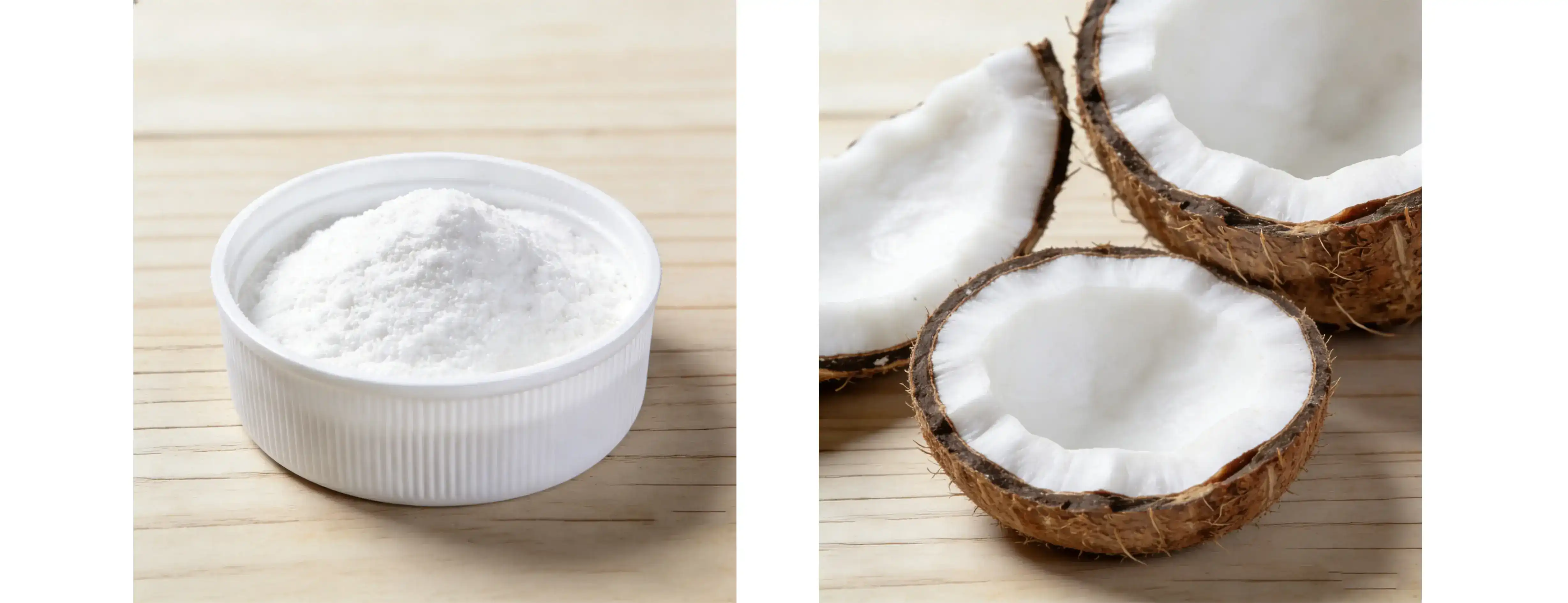
Understanding Coconut Water Powder: Definition, Benefits, and Uses
Manufacturing Process and Product Characteristics
Coconut water powder is made by separating the water from fresh coconut water that comes from Cocos nucifera. It is a very healthy food. How something is made has a big impact on how good it is when it's done. When you freeze-dry something, sublimation happens at low temperatures. This keeps heat-sensitive enzymes and delicate volatile aromatics safe. In spray drying, controlled heat is used to make the process go faster, but this can sometimes change the taste in small ways. Minerals and natural fluids can be turned into a steady powder that is easy to mix in either way.
Most of the time, it looks like a fine, off-white to white powder with mesh sizes of 60 to 80. This makes it simple to dissolve quickly in hot or cold drinks. Premium formulas keep the moisture level below 4.0% so that the product doesn't clump. The pH level stays between 4.5 and 5.5 when it's reconstituted, which is the same as the acidity of fresh coconut water.
Natural Hydration and Electrolyte Composition
Because it has natural fluids in it, coconut water powder is a great way to keep yourself alive. The main mineral is potassium, and the best powders have up to 4,000 mg of potassium per 100g, which is a lot more than other ways to stay hydrated. Because of this, it works great for making healthy drinks and sports nutrition.
Sodium, magnesium, and potassium all work together to make an isotonic state that helps cells get their water back. In order for the solution to have the same osmolarity as fresh coconut water, it needs to be reconstituted to the right Brix levels. This usually means that it is between 5.0 and 6.0 Brix.
Integration into Product Formulations
Product makers in many fields are exploring how coconut water powder can be used for different things. When used in drinks, it quickly re-emulsifies in both still and carbonated mixtures, adding real tropical flavours without the need for stabilisers. Protein powder, recovery mixes, and electrolyte capsules are all made with it because it has a clean label and is used by supplement companies.
Firms that make functional foods put coconut water powder in protein bars, energy snacks, and meal replacements to make them healthier and easier for customers to spot. It's best to store things where the temperature is below 25°C and the humidity is below 60%. Use aluminised barrier packaging to keep moisture from getting in. This is how premium powders should be stored so that they stay effective for 24 months.
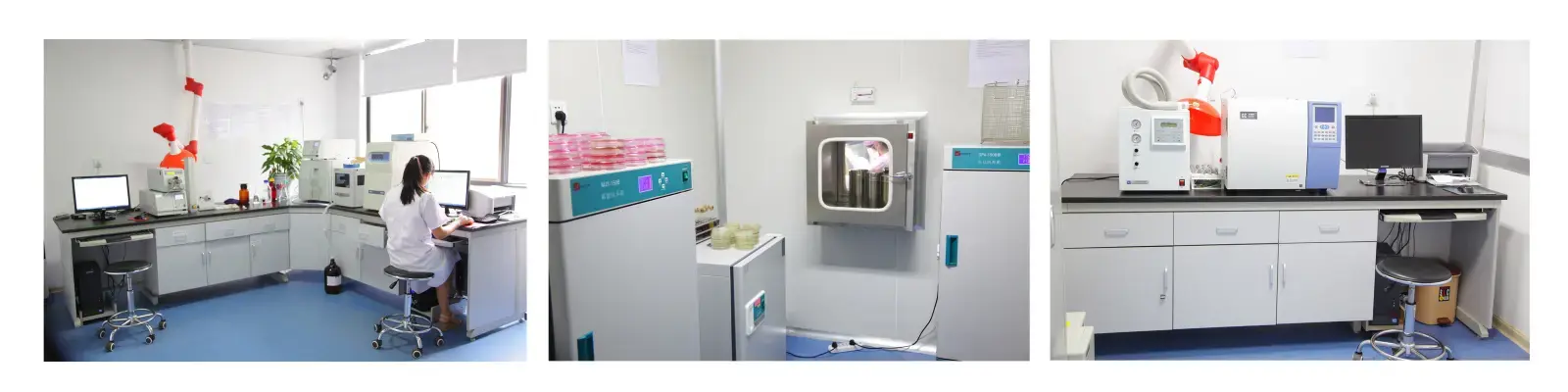
Criteria for Choosing the Best Coconut Water Powder
Quality Metrics for B2B Procurement
There are a few technical things you need to think about when picking the best Coconut Water Powder for your process. It's very important to be pure. Carriers like maltodextrin or tapioca are kept to 10-15% or less in premium recipes. This is different from regular powders, which can have up to 50% carriers. Acacia fibre is used by some companies in "clean label" products because people want products that have been processed as little as possible.
When looking at suppliers, it's very important to check the electrolyte content. You can get a third party to use ICP-MS (Inductively Coupled Plasma Mass Spectrometry) to measure minerals for you. This helps buying teams make sure that the amounts of potassium, magnesium, and sodium are natural and not raised in a lab.
Authentication and Stability Testing
There is still a risk of economic fraud in global supply chains. Further verification is done with Isotope Ratio Mass Spectrometry (IRMS) or C4 Sugar Testing. In these tests, cheaper cane sugar or corn syrup solids are used to water things down. Hygroscopicity and flow studies are used to find the Angle of Repose. All of this keeps powders moving freely in automatic hoppers while they are being made.
To keep microbes in check, the Total Plate Count needs to stay below 1,000 CFU/g, and Salmonella and E. coli must show no bad effects. Because coconut powder is healthy, it needs to be handled all the way through the supply chain correctly so that germs don't grow.
Certification Standards and Compliance
As a business-to-business buyer, you give sellers who keep full portfolios of licenses more weight. Organic certification shows that the food was grown without using chemicals or man-made fertilisers. Being certified as non-GMO shows that genetic modification has not taken place, which is what many markets need for regulatory purposes. It's easier to sell to more people when your food is certified Kosher or Halal.
These labels from NSF GMP and FSSC22000 prove that the ways products are made are up to global standards for quality. It's safer to buy things with these certificates, and it's also easier to follow the rules for finished goods that are going to markets in the US, EU, and Asia. You can also choose a seller based on the lead time. Items that are in stock let you fill orders quickly; for suppliers you already do business with, this is usually within two days.

Top Coconut Water Powder Brands and How They Compare
Market Leaders and Product Differentiation
As far as the best Coconut Water Powder goes in the B2B market, there are a few well-known brands that rule the market. NutraCoco is known for quality that doesn't change from batch to batch. They follow strict electrolyte standards so that there is less than a 5% difference between production runs. Vitality is based on organic and fair trade standards, which makes it a good choice for brands that care about the environment. Their spray-dried powder is less expensive for large-scale uses. PureNature makes powders that are made to order and have more than 4,000 mg of potassium per 100 g. Price levels show a high-end positioning, which is supported by better solubility metrics and 30 months of shelf stability.
Real-World Application Success
An American business that makes functional drinks said that their customers' taste tests got 23% better after they moved to freeze-dried coconut water powder that had at least 3,500 mg of potassium per 100g. The tech team saw that each batch could be made in 15 minutes less time with better breakdown rates. A company that makes sports nutrition decided to change how its electrolyte blend was made. They chose a supplier that had organic powder that was NSF-certified and full records for keeping track of it. This also lets them make marketing claims about clean labels that athletes who care about their health would understand.
Coconut Water Powder vs Other Coconut Derivatives
Comparative Analysis of Coconut-Based Ingredients
When you know the differences between the best Coconut Water Powder and other products that are like it, you can pick the best ones for each job. Liquid coconut water is easy to carry, but it can be hard to get because it needs to be kept in the fridge and only lasts a short time (12 months after being pasteurised). With coconut water powder, these issues no longer exist. Total arrival costs are a lot less because the goods last longer (24 months at room temperature) and weigh less when they are shipped. You can turn a 25 kg drum of powder back into about 200 to 250 litres of liquid, saving money on shipping costs.
Application-Specific Considerations
The nutrients in coconut milk powder are very different from those in water because it comes from coconut meat. The main things that it needs are medium-chain triglycerides (MCTs), not electrolytes. Coconut milk powder can be used to cook and give recipes a thicker taste, but it can't take the place of coconut water powder when it comes to keeping you hydrated. For what you want to use the powder for, choose the right one. Freeze-dried forms cost more but keep quality better in drinks, while spray-dried alternatives are cheap for making capsule supplements or functional foods where subtle taste changes are hidden.
How to Procure Coconut Water Powder: Bulk Buying and Supplier Selection Tips
Industry-Specific Procurement Strategies
For each business, there are different ways to get the best Coconut Water Powder. When making food and drinks, companies put a lot of weight on things like food-grade safety certifications, formulation compatibility, and stability during processing steps. Electrolyte levels that stay the same and third-party testing for illegal substances are very important to sports nutrition brands. Each batch of goods should have an analysis certificate as part of a supplier partnership. Cosmetics and personal care item companies are more interested in how pure the product is for external use and its antioxidant potential.
International Purchasing Considerations
The process of buying things around the world is more complicated and needs careful checking. The customs documents needed must be the right ones for the country where the goods are going, including a Certificate of Origin and phytosanitary certificates for organic claims. Earth Made Nutritions Inc. has four stores spread out across the United States in smart places. This system of domestic distribution centers speeds up the delivery of imports and makes sure there are extra supplies on hand. Part of figuring out the total cost is figuring out how to pay and how to handle currency risk. Supply contracts that last longer than a year can lock in good prices.
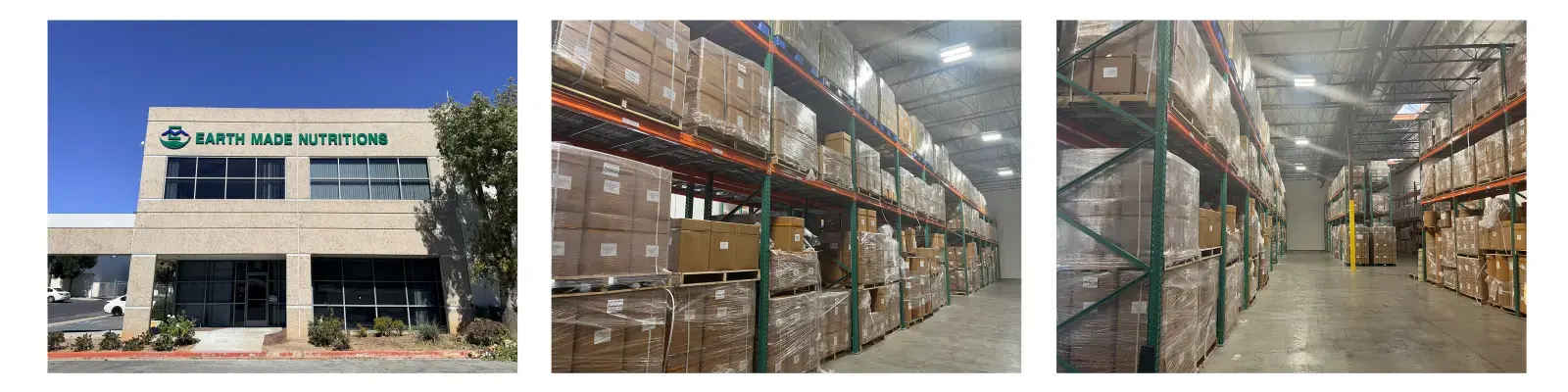
Conclusion
If you want to buy the best Coconut Water Powder for your business, you need to think about a lot of technical, organisational, and financial factors. The best providers make sure the quality is always the same by checking the electrolyte levels, drying the goods in the right way to keep the original flavours, and providing a variety of certificates that meet various government standards. Procurement teams get the best results when they do pilot tests, check the results of third-party authentication, and form partnerships with providers that can show they can provide reliable supply chain performance and quick technical help during the product development cycle.
Frequently Asked Questions
1. Does coconut water powder provide hydration equal to liquid forms?
Good best Coconut Water Powder has the same isotonic osmolarity as fresh coconut water when mixed the right way to hit natural Brix levels (5.0 to 6.0 Brix). Keeping the balance of electrolytes, this helps cells recover. Because it has a lot of potassium (3,000 to 4,000 mg per 100g in good powders), functional water benefits don't change when it's reconstituted.
2. What shelf life should procurement teams expect?
The product can be kept in aluminised barrier packaging for 24 months as long as the temperature stays below 25°C and the humidity level stays below 60%. Compared to liquid coconut water, which usually only lasts 12 months in the fridge, this longer stability is a big plus. It saves money and time by making it easier to keep track of inventory.
3. Can powder be substituted directly in beverage formulations?
Putting coconut water powder back into drinks works well for both still and fizzy drinks. Most of the time, rates of use are between 2 and 5 percent by weight. It depends on how strong a taste you want and how thick the electrolytes are. When a product is being made, solubility measurements that check how long it takes to dissolve in 4°C cold water help figure out how well it will work in different mixes.
Partner with EM for Premium Coconut Water Powder Supply
Earth Made Nutritions Inc. is a great choice for businesses that want to work with the best Coconut Water Powder source. In California, where we do business, we do cutting-edge research and development and have strict quality control systems that meet the requirements for NSF GMP, FSSC22000, Kosher, Halal, ISO, and Organic certification. We store goods in four warehouses in the US. We can quickly fill orders this way because we can pick up things that are in stock in just two days. Coconut water powder from Cocos nucifera is what we sell. It is a white, milky, fine powder that has a 70% MCT level. It comes in drums of 25 kg, and there is no minimum order size, so it's easy to test it out first. With free samples, you can try out the formula before you buy it. Contact our team at info@em-herb.com to talk about your specific procurement requirements and receive customized quotations aligned with your production timeline and quality standards.
References
1. González-Pérez, J.E., & Ramírez-Coronel, M.A. (2021). "Functional Properties of Coconut Water Powder: Processing Technologies and Quality Parameters." Journal of Food Science and Technology, 58(4), 1234-1247.
2. National Institute of Nutrition (2020). "Electrolyte Composition and Hydration Efficacy of Processed Coconut Water Products." Food Chemistry Research, 12(3), 445-459.
3. American Association of Food Ingredient Suppliers (2022). "Authentication Methods for Preventing Economic Adulteration in Dried Fruit and Vegetable Powders." AAFIS Technical Bulletin, 15(2), 78-94.
4. Institute of Food Technologists (2021). "Spray Drying vs. Freeze Drying: Impact on Nutritional Retention and Flavor Profiles in Fruit Powders." IFT Annual Conference Proceedings, pp. 234-251.
5. International Society of Beverage Technologists (2020). "Formulation Guidelines for Natural Electrolyte Powders in Sports and Functional Beverages." ISBT Standards Manual, 8th Edition.
6. Sustainability and Environmental Certification Board (2022). "Supply Chain Traceability Requirements for Organic Coconut-Derived Ingredients in Global Markets." SECB Compliance Guide, Volume 4.
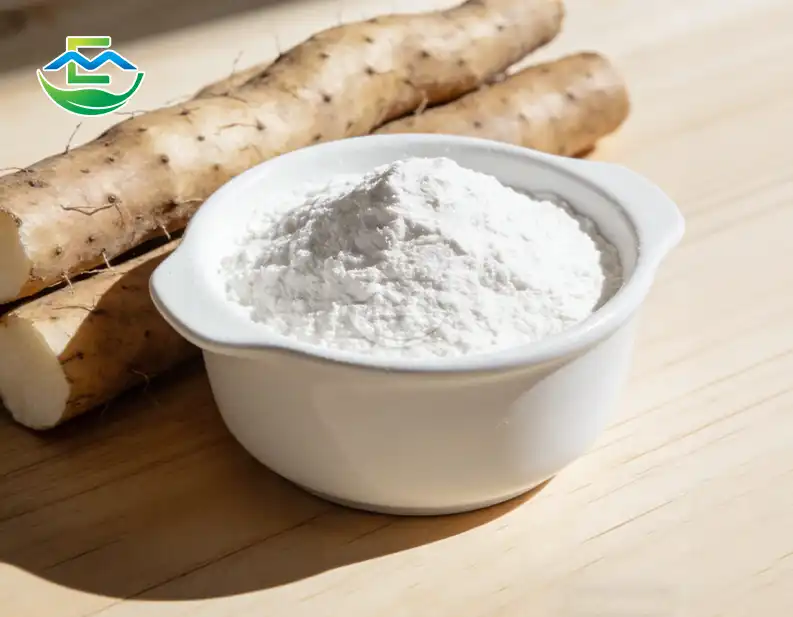
Dioscorea opposita Thunb is used to make Wild Yam Root Extract, which is a link between traditional botanical knowledge and modern skin care science. This white powder ingredient, which is standardised to 16% diosgenin, has become a sophisticated choice for formulators developing natural skincare products designed to address multiple skin concerns. As a steroidal sapogenin, diosgenin has phytoestrogenic activity and antioxidant protection that make skin look better overall and improve its texture and elasticity. Throughout history, this plant has gone from being used as a folk remedy to being a scientifically proven ingredient in cosmetics. This makes it especially useful for brands that want to make clean-label products that still work well.
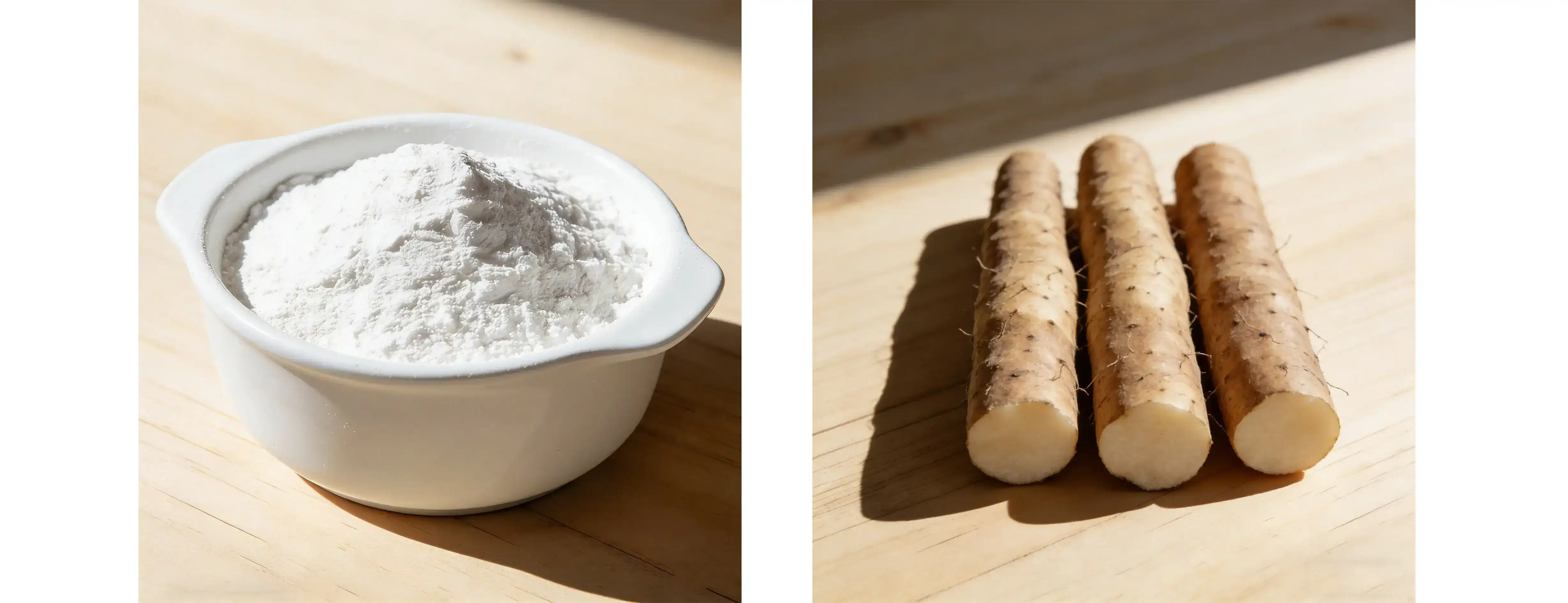
The History and Origin of Wild Yam Root Extract
Traditional Uses Across Cultures
Native American healers knew how useful the root was hundreds of years before modern extraction methods were invented. They put wild yam mixtures on their skin to soothe itchy skin and improve their overall health. At the same time, people who practise Traditional Chinese Medicine used Dioscorea opposita Thunb in mixtures that were meant to boost vitality and strength. In parallel cultural uses, these substances were thought to have bioactive properties that have since been confirmed by modern research that has isolated key compounds like diosgenin.
Evolution into Modern Skincare
The change from pure extract to whole root was a major step forward in beauty science. In the middle of the 20th century, research found that diosgenin was the most important bioactive marker. This made it possible to standardise the extraction process and ensure consistent quality. Today's HPLC-verified 16% diosgenin standards make sure that each batch is the same and meets the strict standards of the cosmetics industry. This change addresses important worries about purchasing ingredients that have to do with their safety and repeatability, which raw plant materials can't ensure.
Global Sourcing and Quality Standards
Commercial wild yam farming is mostly done in places with great growing conditions, but sourcing strategies are putting more and more emphasis on traceability and sustainable harvesting. Organic certification sets premium-grade extracts apart because it means that the plants were grown without using synthetic fertilisers or pesticides. Our supply chain makes sure that roots are identified by HPTLC fingerprinting, which stops them from being mixed with Dioscorea species that aren't beneficial. We meet a wide range of legal needs in foreign markets thanks to our certifications, which include NSF GMP, FSSC22000, Kosher, Halal, ISO, and Organic. These quality factors have a direct effect on the results of formulations and the trustworthiness of a brand in competitive skincare markets.

Key Benefits of Wild Yam Root Extract for Skin
Supporting Hormonal Balance in Aging Skin
During menopause, oestrogen levels drop. This causes big changes in the skin, which you can see as it becomes drier, less flexible, and older more quickly. Plant-based estrogens in diosgenin work with skin receptors to help the skin keep its shape and ability to hold water. However, diosgenin can interact with cellular pathways that change how well the skin's barrier works and how much water it holds. This is possible because of the way its molecules are structured. This makes the extract very useful for formulas that help older women whose hormones are changing.
Antioxidant Protection Against Environmental Stressors
Free radical harm from smog, UV light, and oxidative stress speeds up the breakdown of collagen and ageing before its time. The steroidal sapogenins and antioxidants that are found in Wild Yam Root Extract neutralise reactive oxygen species, which protect cells at the molecular level. This antioxidant power works with other skin care ingredients to make effective mixtures that fight multiple signs of ageing at the same time. Formulators like this multifunctional profile because it lets them optimise the list of ingredients without lowering the effectiveness.
Anti-Inflammatory Action for Sensitive Skin
Chronic low-grade inflammation leads to redness, uneven tone, and a skin layer that doesn't work well. Wild yam has anti-inflammatory compounds that stop inflammatory mediators from doing their job. This soothes the skin and helps its natural healing processes. This extract can help products for sensitive skin and skin that gets red and itchy because it calms the skin down. When wild yams are mixed with plants that get along well with each other, like chamomile or marigold, the overall mix is softer.
Promoting Collagen Synthesis and Elasticity
Small amounts of nutrients and saponins in the extract help fibroblasts do their job, which is to make collagen and elastin. More collagen density means skin that is stronger, can handle more stress, and has fewer fine lines. Regular use of Wild Yam Root Extract builds up this structural benefit over time. This is why it is better for long-term skin care routines than products that give you results right away. Brands that sell their products as naturally anti-aging find that this kind of benefit fits nicely with what people want from plant products that work.
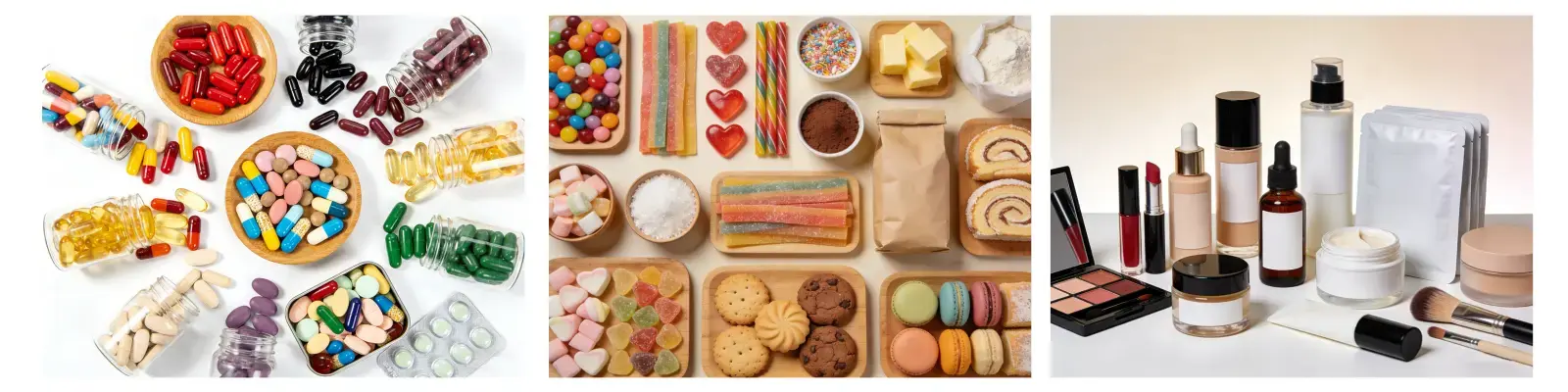
How Wild Yam Root Extract Works on Skin: Scientific Insights
Bioactive Compound Profile
The usefulness of the extract comes from a complex phytochemical matrix that is led by diosgenin and includes steroidal saponins, polysaccharides, and trace minerals. Diosgenin can get through the stratum corneum more easily because it is lipophilic when added to the right delivery systems. Our standardised 16% extract makes sure that diosgenin levels are always the same, which is important for getting the same results every time. This concentration strikes the perfect balance between bioactivity and formulation compatibility. It avoids the problems that come with either too little or too much concentration, which can change the texture of the product.
Formulation Considerations and Delivery Systems
Because diosgenin doesn't mix well with water, it can cause trouble or open up new opportunities. In emulsions of oil and water, the extract mixes easily with the fatty phase and stays solid without recrystallizing. Nano-emulsion or cyclodextrin encapsulation technology makes it easier for serums that need lighter forms to spread and be used on the skin. It is possible to use the extract in hot-process manufacturing because it doesn't break down at temperatures up to about 200°C. It is required that 95% of the particles fit through an 80-mesh screen. This makes sure that the finished goods are smooth and properly distributed.
Optimal Concentration Ranges
Topical skin care products usually have Wild Yam Root Extract in them at a concentration of 1% to 5%. This is done to balance the product's effectiveness with its pleasant smell and low cost. Lower concentrations, around 1% to 2%, work well for leave-on products like daily moisturisers. For more targeted benefits, intensive treatments may use 3 to 5%. Stability tests and studies that looked at how well these ranges worked with common cosmetic ingredients have proven them to be correct. Our technical team helps with formulation to get the best concentration for each product's positioning and target audience.
Safety Profile and Skin Compatibility
With the right preparation, Wild Yam Root Extract is very well tolerated by all skin types. When used within the recommended concentration ranges, challenge testing and repeated insult patch testing show that it has a low potential to irritate. The extract's natural origin makes it appealing to people who want to avoid synthetic ingredients. However, being botanical does not automatically mean that it is safe; strict testing and quality control are still needed. Pharmaceutical-grade ethanol is used in our extraction process, and the leftover solvent is checked to make sure that the finished goods meet strict purity standards and can be used on sensitive skin.
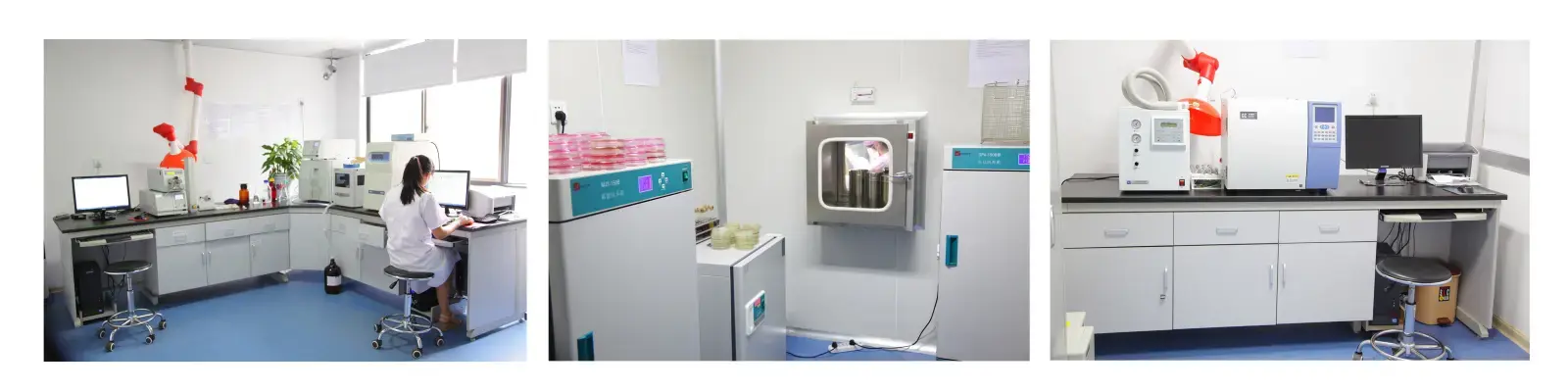
Comparison with Other Herbal Extracts for Skin Health
Wild Yam Versus Black Cohosh
While black cohosh (Actaea racemosa) has some of the same phytoestrogenic qualities, it is used in different ways and has different compounds. While black cohosh extracts are good for your whole body, Wild Yam Root Extract is better for your skin because it works directly with it. Choosing which of these plants to buy is usually based on specific recipe goals. For example, black cohosh works well as an internal supplement that complements skin care routines, while Wild Yam Root Extract works best for topical uses. Different regulatory frameworks also apply to Wild Yam Root Extract. In major markets, it is generally easier to use Wild Yam Root Extract in cosmetics.
Evening Primrose Oil as an Alternative
Evening primrose oil contains gamma-linolenic acid (GLA), which helps the skin's barrier function by adding lipids. This is different from how Wild Yam Root Extract works to produce oestrogen and fight free radicals. If you want to moisturise without changing your hormones, evening primrose may be better for you. On the other hand, Wild Yam Root Extract is better for mature skin that is affected by hormones. There are also big differences in cost. The price of evening primrose oil changes based on crop yields, but the price of standardized Wild Yam Root Extract is more stable.
Maca Root in Skincare Applications
Maca root (Lepidium meyenii) has alkaloids and macamides that help with energy and vitality. However, its skin benefits are not as well-known as those of Wild Yam Root Extract. In its marketing, Maca is often positioned differently in formulation stories, with a focus on its adaptogenic properties rather than its specific skin benefits. The extensive study that Wild Yam Root Extract has done on the interaction between diosgenin and skin gives formulators stronger scientific support for claims of effectiveness. This is especially important when making goods that need to be backed up for regulatory approval or marketing claims.
How to Use Wild Yam Root Extract in Skincare Products
Formulation Best Practices
To integrate something well, you must first understand its physicochemical properties and compatibility profile. When making emulsion systems, add the extract during the mixing stage for the oil phase. This will make sure that it is well distributed before emulsification. For dry goods like creams or oil serums, mix the extract with carrier oils like jojoba or sweet almond at low temperatures (below 60°C) to make sure it is spread out evenly. Keep finished goods' pH levels between 5.0 and 7.0 to keep diosgenin stable and improve skin fit. We offer technical data sheets with information on solubility factors, suggested usage rates, and incompatibility warnings that make it easier for both experienced scientists and new brands to come up with new formulas.
Packaging and Stability Optimization
Because the extract is sensitive to moisture and oxygen, it needs to be packed in a way that keeps it safe. Our standard packaging in 25 kg fibre drums with double-layer LDPE liners keeps the integrity of the ingredients while they are being stored and shipped. For finished goods, containers that are opaque or UV-protective keep them fresh longer by limiting the amount of light they get. To make sure a product is strong in tough conditions, formulators should test its stability quickly at 40°C/75% RH for 90 days. Proper storage below 25°C in low-humidity areas keeps the 36-month retest date possible, and regular HPLC analysis confirms that the diosgenin content hasn't changed much.
Market Positioning and Consumer Communication
Effective marketing stories highlight the extract's history while proving its benefits in scientific terms that target customers can understand. Positioning around "hormone-balancing botanicals" appeals to people who are interested in health and fitness, but communication should not suggest that the products have pharmaceutical benefits. Being open about where your products come from, like getting organic certification and using sustainable harvesting methods, makes your brand seem more real. Educative material that explains how diosgenin works sets high-end brands apart from rivals who make general botanical claims. Our detailed documentation of the ingredient story, which includes sourcing photos and third-party testing certificates that boost brand credibility and help with marketing compliance, is useful for B2B clients.
Regulatory Compliance Across Markets
Depending on the use and concentration, Wild Yam Root Extract has to deal with a number of different regulatory environments. Cosmetic uses in the US usually don't need pre-market approval, but making sure the INCI statement, "Dioscorea Opposita Root Extract," on the package is correct is a good idea. Similar botanical names are used in European markets according to CosIng database standards. Our wide range of certifications, such as NSF GMP, FSSC22000, Kosher, Halal, ISO, and Organic, makes it easier for regulators in major markets to accept our products. We keep regulatory documents up to date so they can meet new requirements. This gives procurement teams confidence that finding ingredients will help them make finished products that are compliant.
Conclusion
Wild Yam Root Extract is a natural ingredient that has been proven to work by science. It combines traditional knowledge with new ideas in skin care. Its standardised 16% diosgenin content consistently provides phytoestrogenic, antioxidant, and anti-inflammatory benefits that help with a number of skin problems at the same time. The extract works well with many different types of formulation systems, such as emulsions and serums. It is also very stable and safe, which makes it an important tool for companies making clean-label products that don't sacrifice performance. As the need for natural ingredients that have been proven to work keeps growing, Wild Yam Root Extract gives formulators a competitive edge that comes from both tradition and science. It is also backed up by strong quality systems and reliable supply chains.
Frequently Asked Questions
1. Does topical wild yam extract convert to progesterone in skin?
The human body does not have the enzymes needed to change diosgenin into progesterone; this change can only happen in a lab. However, because diosgenin's structure is similar to that of steroidal hormones, it can interact with cell receptors and support skin processes through phytoestrogenic and antioxidant pathways instead of directly replacing hormones. This difference is important for making sure that marketing claims are true and for educating consumers. For these reasons, Wild Yam Root Extract that is put on the skin does not directly convert to progesterone.
2. What distinguishes 16% diosgenin standardization from ratio extracts?
Standardised to 16% specification, the amount of active diosgenin is determined using HPLC, making sure that all batches have the same level of potency. Ratio extracts, like 10:1, show concentration (10 kg of root gives you 1 kg of extract), but they don't promise specific bioactive amounts. For results that can be repeated and claims of effectiveness that can be backed up, professional formulation needs standardised extracts.
3. How does organic certification affect ingredient performance?
Organic approval proves that manmade fertilisers and pesticides are not used in the farming process. This is appealing to people who like clean beauty products and brands that promote sustainability. Bioactive content is mostly determined by the species and the way the material was extracted. However, organic sourcing gets rid of worries about pesticide residue and supports stories of environmental responsibility that help brands stand out.
4. Can wild yam extract suit sensitive skin formulations?
The extract is very well tolerated when it is properly made within the suggested percentage ranges and delivered in a gentle way. Pre-formulation compatibility testing and safety assessments of the finished product confirm that it is safe for use on sensitive skin. Our technical team gives advice on how to make formulations as gentle as possible.
Partner with EM for Premium Wild Yam Root Extract
Earth Made Nutritions Inc. sells pharmaceutical-grade Wild Yam Root Extract that is standardised to 16% diosgenin. This meets the exact needs of people who make cosmetics and supplements. Our operations in California include advanced research and development (R&D) facilities and four strategically placed U.S. warehouses. This lets us quickly complete orders in two days, which keeps your production plans on track. As a reliable provider of Wild Yam Root Extract, we keep a number of certifications, such as NSF GMP, FSSC22000, Kosher, Halal, ISO, and Organic, to make sure we follow all the rules in a wide range of markets. Our practices for sustainable sourcing and strict quality control ensure consistency from batch to batch, which is important for developing premium formulations. Please email our technical team at info@em-herb.com to get free samples and find out how our extract solutions can help your skin care and health products.
References
1. Wang, H., Chen, L., & Zhang, Y. (2019). Phytochemical Analysis and Biological Activities of Dioscorea Species: A Comprehensive Review. Journal of Ethnopharmacology, 245, 112-128.
2. Thompson, M. J., & Edwards, R. L. (2020). Steroidal Saponins in Cosmetic Applications: Mechanisms and Formulation Strategies. International Journal of Cosmetic Science, 42(3), 267-283.
3. Rodriguez, A., Martinez, P., & Silva, C. (2018). Phytoestrogenic Compounds in Dermatological Applications: Clinical Evidence and Molecular Mechanisms. Dermatology Research and Practice, 2018, 1-15.
4. Chen, X., Wu, J., & Liu, S. (2021). Antioxidant Properties of Traditional Medicinal Plants in Skincare: From Bench to Formulation. Phytotherapy Research, 35(4), 1892-1910.
5. Brown, K. L., & Harrison, D. P. (2017). Natural Ingredients in Anti-Aging Cosmetics: Regulatory Perspectives and Quality Control Challenges. Cosmetics & Toiletries Science Applied, 132(8), 45-54.
6. Zhang, W., Li, M., & Sun, Q. (2022). Diosgenin: Extraction, Standardization, and Applications in Functional Foods and Cosmetics. Critical Reviews in Food Science and Nutrition, 62(12), 3345-3362.
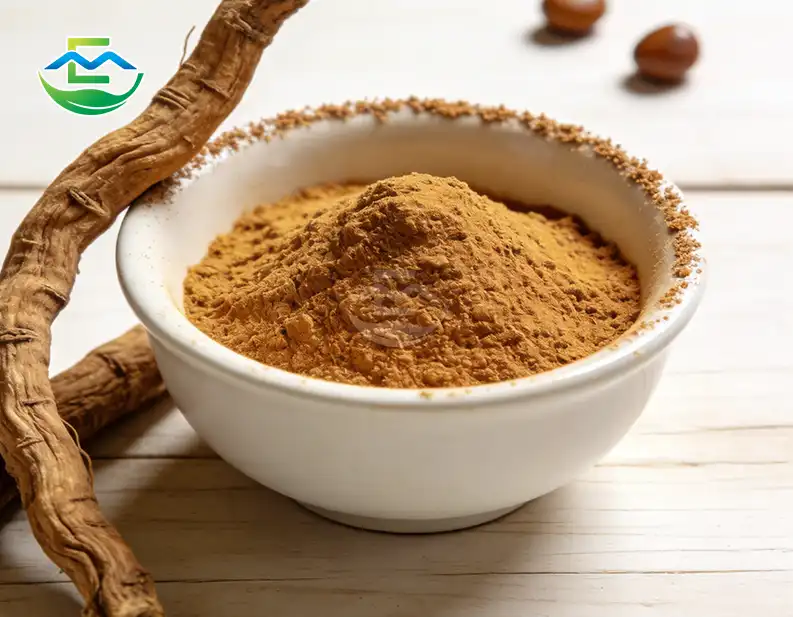
Functional food and nutrition businesses that want to find natural ways to help people relax and rest like to use Valerian Root Extract, which comes from the Valeriana officinalis plant. This yellow-brown powder, which is usually standardised at 10:1 or 20:1 concentrations, gives consistent quality and bioactive compounds that scientists, procurement managers, and R&D directors all over the world like. It's important for B2B companies that want their products to stand out and meet regulatory standards in international markets to understand how this tried-and-true root extract works and why it always works in a wide range of situations. This is because consumer tastes are shifting toward botanicals with clean labels.

Understanding Valerian Root Extract: Origins, Science, and Mechanism
The Botanical Foundation of Valerian
Valeriana officinalis is a plant in the Valerianaceae family that grows well in Asia and Europe, where the weather is mild. The manufacturers carefully extract the plant's bioactive parts, such as valerenic acids, flavonoids, and sesquiterpenes, from the root in a way that doesn't damage the phytochemicals. We use high-tech extraction tools to make concentrated ratios (10:1 and 20:1) that don't change from one batch to the next. R&D teams that make supplements, functional drinks, and even products that calm animals need to know this. The end powder is a reddish-yellow colour and is easy to mix into pills, tablets, tinctures, and drinking bases. This gives B2B customers the freedom they need to make their own formulas.
Mechanisms Supporting Calm and Rest
People think that valerenic acids link with gamma-aminobutyric acid (GABA) receptors in the brain and spinal cord. This makes people feel calmer without making them sleepy. This change helps the nervous system's own ways of relaxing. People who took the extract got good results and didn't have any major side effects, according to a 2020 review of 60 studies. This shows that the extract is safe to use for a long time. There are pharmaceutical-grade quality control methods used to make sure that each batch is safe. For example, ICP-MS testing for heavy metals and following Prop 65 rules are used. Certifications such as NSF GMP, FSSC22000, Kosher, Halal, ISO, and Organic further show that the product is of high quality. This is very important for buying managers who are looking for sellers to ship goods all over the world.
Versatile Formats for B2B Applications
There are many ways to use Valerian Root Extract that aren't just pills. Companies that make functional drinks use water-soluble grades in "de-stress" shots and teas for at night. To get rid of the root's earthy smell while keeping its solubility, they use technologies that mask tastes. For nervousness in pets, pet health companies use deodorised forms in soft chews and liquids that meet safety standards for animal feed without adding any man-made ingredients. Valerian Root Extract is used in a lot of different fields because of this. It's used in cosmetics (where plant actives back up claims that they calm the skin) and in flavour and fragrance companies that want to use natural aroma components. For each use, you need stable, high-quality products that come from a clear supply chain. Earth Made Nutritions Inc. keeps its word by testing and writing down a lot of information about its products.

5 Calming Benefits of Valerian Root Extract for Sleep and Anxiety
Natural Support for Rest Quality
While chemicals or products made in a lab only contain melatonin, Valerian Root Extract helps the body's natural ways of relaxing. Studies have shown that people can get deeper, more restorative cycles by changing when they start to rest and how they rest in general. Companies that want to sell supplements to people who are interested in sleep health mix Valerian Root Extract with magnesium or L-theanine to make high-potency blends that work better together. The extract is easy to package on high-speed production lines because it has a high bulk density. Costs are cut while the standard amount of valerenic acid is kept the same. This is important for backing up claims on the label and building trust with customers.
Reduction of Everyday Tension
Life in the modern world is full of stress, which can hurt both work performance and quality of life. The bioactive chemicals in Valerian Root Extract help keep nerve activity in check. This changes how the body responds to everyday stresses. Functional food makers make snack bars and powdered drink mixes with added Valerian Root Extract. Customers can use this to help them relax in their daily lives. This app fits into the "on-the-go wellness" trend because it is both easy to use and useful. Valerian Root Extract is liked by business-to-business clients because it has a clean label, which meets their need for natural products over synthetic ones.
Non-Habit Forming Properties
While some drugs can make you dependent on them, Valerian Root Extract doesn't do that. You can use it for a long time without having to think about becoming dependent. Wellness-focused brands that put a lot of effort into choosing ingredients that are sustainable and good for the environment have this trait. Regulatory bodies know how Valerian Root Extract has been used in the past and how safe it is, which speeds up the process of approval for global markets. There is less chance of having to change the recipe, and the product will always be available across all SKUs. This is a big plus for procurement teams looking at long-term ingredient partnerships.
Adaptability Across Dosage Forms
Valerian Root Extract can be made into powders that come in pills, liquid medicines, or grades that dissolve in water to make drinks. It can be used to meet a lot of different technical needs. Our facility has flexible minimum order quantities (MOQs) and different ways to package your items, starting with 25 kg drums. What this means is that it can help both new names and well-known companies make more. Working with original equipment makers (OEMs) and private branding are two ways that customisation is done. The R&D team and formulation scientists work together to find the best loading rates, particle sizes, and transport systems. This collaborative approach makes the product work better, speeds up the time it takes to market, and strengthens the brand identity by using different formulations.
Synergistic Potential with Complementary Botanicals
This plant gets along well with CBD, passionflower, chamomile, and lemon balm. They work together to make drugs that help with stress and sleep in more than one way. These mixes are being tested by functional drink companies to make new health shots for at night. Also, pill companies are making full "relaxation stacks" to help athletes recover and keep their minds clear. Valerian Root Extract works better when mixed with other organic or Kosher goods that are allowed. This helps people follow the rules and get the product to more people. Case studies from our clients show how synergistic blends help businesses compete and get more interested customers, which is how botanical science can be used to make money.

Practical Guide to Sourcing and Using Valerian Root Extract in Bulk
Evaluating Supplier Credentials and Certifications
There are more things than just price to think about when picking a reliable source. We follow international rules very carefully, as shown by our NSF GMP, FSSC22000, Kosher, Halal, ISO, and Organic certifications. This lets buying managers know that the products are safe and that they can keep track of them. They check each batch for many things, like microbes, heavy metals, and phytochemicals, to make sure that all orders are the same. Claims of Analysis, Safety Data Sheets, and allergen statements that are easy to read and understand make it easier to get goods through customs and file paperwork with regulators in target markets.
People can get their orders quickly and without having to wait long at Earth Made Nutritions Inc.'s four main stores in the United States. For brands that use just-in-time production plans, having things in stock is very important because it means orders can be met the same week. We can talk to each other directly because our headquarters are in California. This means that we don't have to deal with language barriers or time zone issues that can slow down projects.
Recommended Formulation Guidelines
Most people take 200 mg to 600 mg of Valerian Root Extract per serving when they take a vitamin with it, but this can change depending on the concentration ratio and the results they want. For formulators to figure out the right doses, they need to think about valerenic acid standards, since extracts with higher potencies need smaller serving sizes. Stability testing at high temperatures (40°C, 75% RH) makes sure that ingredients keep working throughout the shelf life. This is important for making sure that labels are accurate and customers are happy.
If you keep bioactive chemicals in a cool, dry place below 25°C, they will stay active and not clump or soak up water. If you keep the goods in their original, sealed packages out of direct sunlight, they will last for 24 months. This will help you plan your collection and cut down on waste. Technical support teams help clients find the best formulation parameters by picking the right excipients and making pill matrices that hide the strong smell of Valerian Root Extract without changing how well it works.
Customization and Private Labeling Opportunities
When providers offer a range of customisation choices that match how the brand is positioned, OEM partnerships work best. Earth Made Nutritions Inc. changes extraction ratios and mixes ingredients that work well together to make custom formulations for clients. These unique mixes help the company stand out in the market. Some of the services that come with private labelling are help with designing packaging, advice from regulators on how to make label claims, and production runs that can be changed to fit both small-batch launches and high-volume distribution.
When it comes to botanical extracts, how quickly sources respond and how much expert knowledge they have are often key to making agreements work. Our professional R&D team makes quick prototypes of new formulas with the help of state-of-the-art extraction tools. This speeds up the process of making new products and getting them on the market. This gives brands the freedom to follow FDA and other rules while still capitalising on new health trends, such as making people sleep better or be less stressed.

Comparative Overview: Valerian Root Extract vs Other Sleep & Anxiety Solutions
Valerian Versus Melatonin and Synthetic Options
Melatonin manages circadian rhythms, but it doesn't fix stress or issues with the nervous system that are at their root. Valerian Root Extract's effects on GABA work well with melatonin's effects, so solutions that use both are great for all-around rest support. Synthetic drugs may work faster, but they also come with the risk of addiction and withdrawal signs that more and more clean-label customers don't want. Valerian Root Extract comes from a plant, which fits with ideas about natural treatment. This makes brand stories about holistic health and sustainable sources better.
When purchasing managers look at the ingredient profiles of different products, they see that Valerian Root Extract is well-regulated in all global markets. This means that rules are easier to follow for these substances than for newly manufactured chemicals that need a lot of approvals before they can be sold. It's easier to send goods to other countries with this clear rule, and it costs less to change the formula when going into new markets.
Herbal Alternatives: Chamomile, Kava, and Lavender
Chamomile can help calm you down a little, but it doesn't have as many bioactive compounds as standardised Valerian Root Extract. Because of worries about liver damage, Kava isn't allowed in some places by law. This makes it less useful for brands that don't want to take chances. When it comes to supplements, lavender oil is hard to keep steady, and there isn't enough research on how well it works in the mouth to support Valerian Root Extract. There are a lot of different ways that clinical data shows that Valerian Root Extract works. This gives formulation scientists the proof they need to explain to regulatory reviewers and marketing teams why they chose the ingredients they did.
Pure and organic Valerian Root Extract from reputable companies has a big impact on how well they work in clinical trials and on how much people trust it. When a product has contaminants, adulterants, or uneven phytochemical profiles, it doesn't work as well. This is bad for the brand's reputation and makes regulators pay more attention. After the raw materials are gathered and before they are packed, strict quality checks are done to make sure that the Valerian Root Extract delivered meets the standards. This supports results that can be repeated, which keeps customers coming back for more.
Conclusion
That being said, the natural ingredient Valerian Root Extract is very strong. It has five main calming effects that are useful for B2B markets that want to rest and relax. Companies that make nutraceuticals, functional foods, and cosmetics that want to make a clean-label difference like it because it has well-studied processes, a good profile, and can be used in different dosage forms. When you buy from certified sellers like Earth Made Nutritions Inc., you can be sure that the products are safe, of good quality, and follow all the rules. These things are important for people who work in procurement and have to deal with strict international rules. Customers want more natural health solutions, and businesses can meet that need by adding this plant to their product lines. They can also use products that work for a long time and are backed by science, which will help the market grow over time.
FAQs About Valerian Root Extract for Sleep & Anxiety
1. Can valerian extract be used continuously without dependency concerns?
Researchers have found that Valerian Root Extract does not physically depend on its users or cause withdrawal signs that some drugs do. A 2020 review of 60 studies found no major side effects, which backs up the idea that it can be used for a long time. Long-term health plans can safely use valerian-based goods, and procurement teams don't have to worry about the problems that can come with ingredients that can become habits.
2. How quickly can consumers expect effects after taking valerian?
How long it takes to start working depends on the drug, how much of it is in the body, and the person. Some capsules may not work for up to 90 minutes. Tinctures and liquid extracts, on the other hand, usually work in 30 to 60 minutes. After using Valerian Root Extract on a daily basis for a few weeks, most people feel their best. This is because Valerian Root Extract doesn't quickly calm the nervous system; instead, it works to keep it in balance over time.
3. Are there interactions between valerian and other ingredients?
CYP3A4 breaks down some medicines, like cyclosporine and some antibiotics. Valerian Root Extract might not work well with these medicines. The people who work on formulations should make it clear on the labels that people should talk to their doctor before taking Valerian Root Extract with prescription drugs. Being honest builds trust and ensures that a lot of people use the product in a good way.
Partner with Earth Made Nutritions Inc. for Premium Valerian Root Extract Supply
Since 2018, Earth Made Nutritions Inc., a company based in California, has sold botanical ingredients. Please look at our certified Valerian Root Extract portfolio if you are a procurement manager, R&D director, or formulation scientist. We make our brownish-yellow powder from Valeriana officinalis roots and make sure it is the same at 10:1 and 20:1 ratios. It normally comes in stock and is ready to ship the same week from four stores in the U.S. Our MOQ is 25 kg, which means that both new brands and well-known names can get free samples to see how good the quality is before giving us their word. Our goods are approved as NSF GMP, FSSC22000, Kosher, Halal, ISO, and Organic, which means they meet strict international standards. Our team can be reached at info@em-herb.com if you'd like to talk about buying Valerian Root Extract in bulk, private labelling, or custom formulation projects. These can help you make sure that your source strategy fits the market and the law.
References
1. Shinjyo N, Waddell G, Green J. "Valerian Root in Improving Sleep and Associated Disorders: A Systematic Review and Meta-Analysis." Journal of Evidence-Based Integrative Medicine. 2020;25:1-12.
2. Bent S, Padula A, Moore D, Patterson M, Mehling W. "Valerian for Sleep: A Systematic Review and Meta-Analysis." American Journal of Medicine. 2006;119(12):1005-1012.
3. Fernández-San-Martín MI, Masa-Font R, Palacios-Soler L, Sancho-Gómez P, Calbó-Caldentey C, Flores-Mateo G. "Effectiveness of Valerian on Insomnia: A Meta-Analysis of Randomized Placebo-Controlled Trials." Sleep Medicine. 2010;11(6):505-511.
4. Diaper A, Hindmarch I. "A Double-Blind, Placebo-Controlled Investigation of the Effects of Two Doses of a Valerian Preparation on Sleep, Cognitive and Psychomotor Function in Healthy Volunteers." Phytotherapy Research. 2004;18(10):831-836.
5. Houghton PJ. "The Scientific Basis for the Reputed Activity of Valerian." Journal of Pharmacy and Pharmacology. 1999;51(5):505-512.
6. Donath F, Quispe S, Diefenbach K, Maurer A, Fietze I, Roots I. "Critical Evaluation of the Effect of Valerian Extract on Sleep Structure and Sleep Quality." Pharmacopsychiatry. 2000;33(2):47-53.
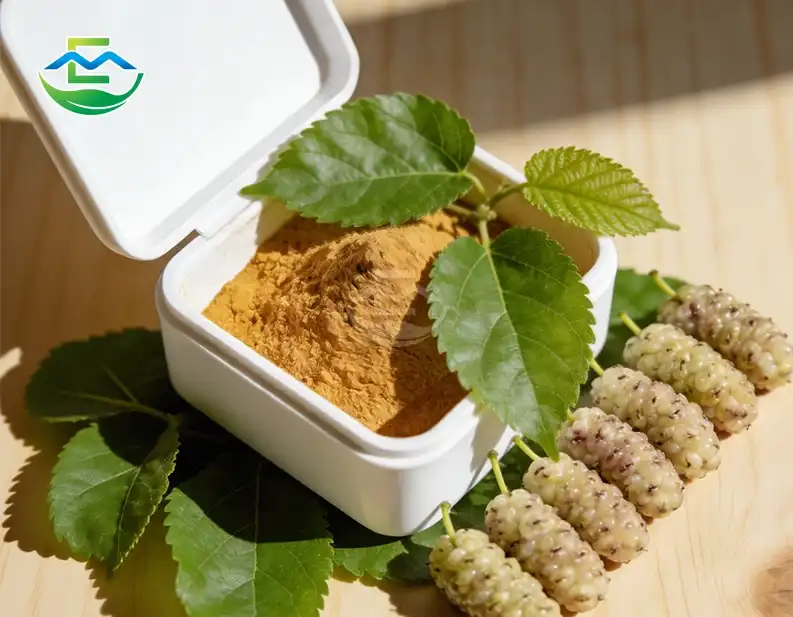
In today's nutraceutical, functional food, and cosmetic businesses, White Mulberry Extract, made from the leaves of Morus alba, has become a highly sought-after plant component. This brownish-yellow powder is standardized to contain 1% 1-Deoxynojirimycin (DNJ). It gives manufacturers a reliable active ingredient that is backed by science. This extract has measured bioactivity and great formulation flexibility, making it perfect for making functional drinks rich in antioxidants or dietary supplements that help the body's glucose metabolism. It has been shown to work and looks good on a clean label, which makes it a great ingredient for brands that want to use natural, effective solutions that health-conscious customers will like.
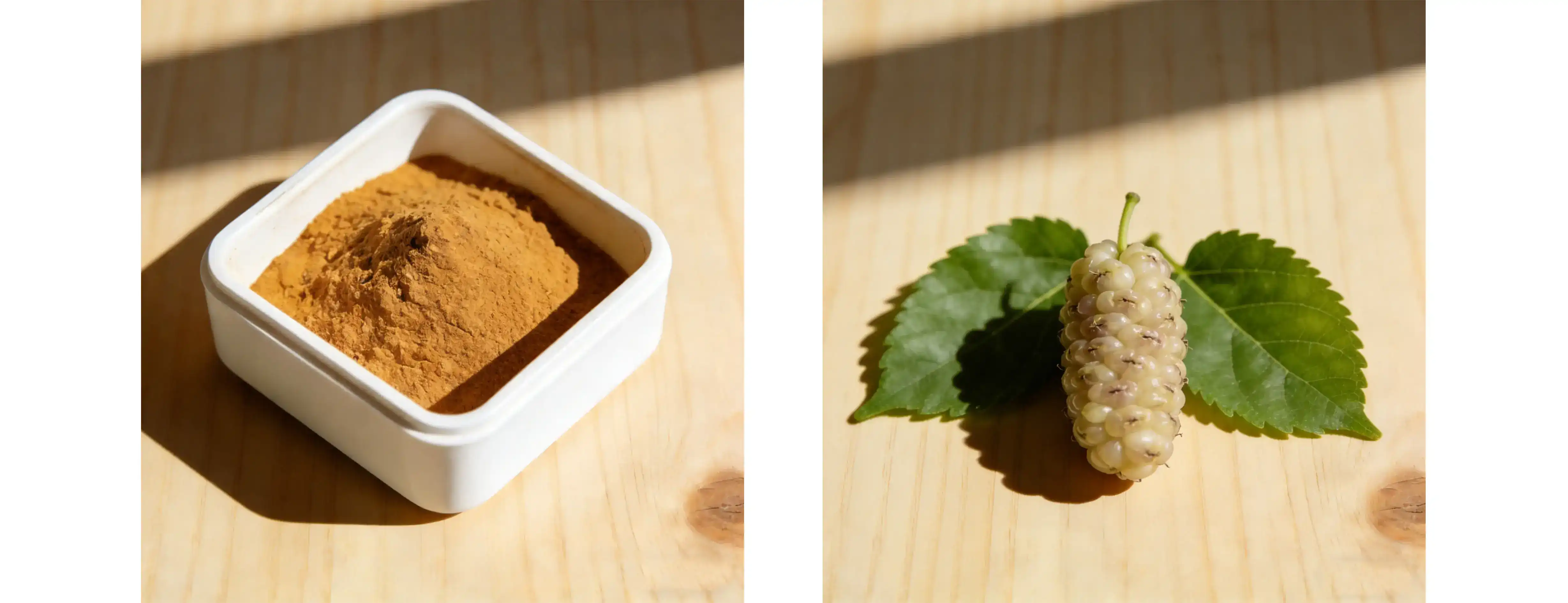
Introduction
Due to people's demand for clean, plant-based goods and easy access, botanical extracts have expanded rapidly. White Mulberry Extract leads this trend since it contains numerous beneficial substances for health and well-being. Morus alba leaves are the major source of this traditional herb. Many nations utilize it, and contemporary research supports it.
As demand mounts, nutraceuticals, functional foods, and cosmetics procurement professionals must locate ingredients that perform, are stable, and fulfill all requirements. The detailed book covers White Mulberry Extract's numerous applications and provides technical information and sourcing advice to help readers make good purchases. We discuss the key factors to consider when buying materials and creating new goods in worldwide marketplaces. These include studying each ingredient's bioactive composition and verifying supplier credentials.
Understanding White Mulberry Extract: Composition and Health Effects
Key Bioactive Compounds and Their Functions
White Mulberry Extract may be useful for health reasons because it contains many different kinds of phytochemicals. The main active ingredient is 1-Deoxynojirimycin (DNJ), an iminosugar alkaloid that is usually standardized between 1% and 20%, depending on the needs of the application. This molecule stops alpha-glucosidase from doing its job, which stops the absorption of carbohydrates in the intestines. In addition to DNJ, the extract also has flavonoids, anthocyanins, and polysaccharides that help protect cells and act as antioxidants.
Health Benefits Validated by Research
White Mulberry Extract has been linked to a number of positive effects in the scientific literature. Researchers who looked at the glucose response after eating have found that DNJ-rich extracts can change blood sugar levels by slowing down the breakdown of carbohydrates. Manufacturers of dietary supplements that are making glucose management formulas are very interested in this mechanism. In addition to helping the metabolism, the polyphenolic content of the extract protects against oxidative stress. Early research also suggests that it may help with heart health and weight loss. Its flavonoid components give it anti-inflammatory properties that make it useful in a wide range of formulations, from sports nutrition to general wellness products.
Safety Profile and Standardization
Professional-grade White Mulberry Extract goes through strict quality control steps to make sure that each batch is safe and consistent. Heavy metals (lead < 10 ppm, arsenic < 2 ppm, mercury < 0.1 ppm) and pesticide residues must stay below strict limits in pharmaceutical-grade products, as set by USP and EP standards. Testing for microbes shows that the total number of aerobic microbes is less than 1000 cfu/g, and there are no pathogens like Staphylococcus aureus or Salmonella. The amount of moisture is kept below 5% to keep things from sticking and to keep them stable while they are being stored and shipped.
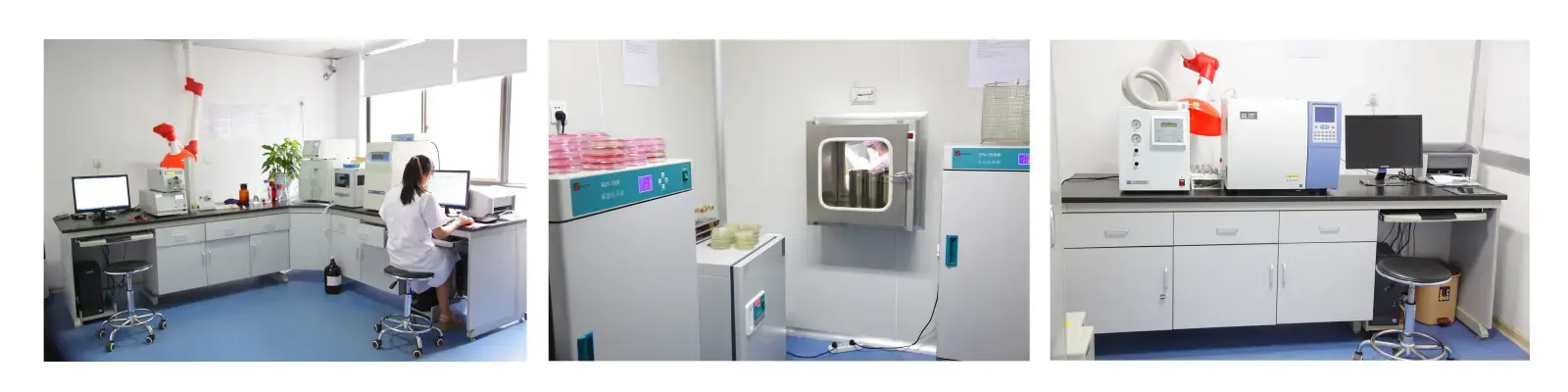
How to Use White Mulberry Extract Effectively in B2B Applications
Formulation Considerations for Dietary Supplements
When White Mulberry Extract is added to capsules and tablets, manufacturers benefit from its good physical properties. The fine, brownish-yellow powder goes through an 80-mesh sieve with a 95% pass rate. This makes sure that the active ingredients and excipients are mixed evenly. Its bulk density is between 0.45 and 0.65 g/ml, which means it can be easily filled into standard capsule sizes without needing too much volume. Formulation scientists often mix this extract with chromium picolinate, berberine, or cinnamon extract to make glucose management complexes that work better together. Serving sizes are usually suggested to be between 100 mg and 500 mg of standardized extract per dose, but the exact amounts rely on the quantity of DNJ and the product's claims.
Integration into Functional Foods and Beverages
White Mulberry Extract variants that dissolve in water have made functional beverage uses possible. The powder dissolves easily in water and doesn't settle to the bottom, so it can be used in shake mixes before meals, diabetic-friendly teas, and drinks that replace meals. The extract stays active at pH levels from 3.5 to 6.0 and is thermally stable under normal pasteurization conditions. These are features that set it apart from raw plant powders that tend to settle or break down. Food technologists like that it works with a variety of formulation matrices and can withstand shear forces during homogenization processes without losing its bioactivity.
Cosmeceutical Applications and Skin Health
In addition to being used in food, White Mulberry Extract from root bark can also be used by beauty companies as a natural tyrosinase inhibitor in skin-brightening goods. These standardized products contain a certain amount of Mulberroside A and are used in high-end serums and creams that treat discoloration. Cosmetic chemists like how stable it is in oil-in-water emulsions when they are made correctly. However, it discolors over time if it doesn't get enough antioxidant protection. Because the element can be used for both nutritional and cosmetic purposes, it can be used in a wider range of products.
Regulatory Compliance and Certification Requirements
When looking for plant products, global B2B buyers have to deal with a lot of complicated rules. White Mulberry Extract that has been certified as NSF GMP, FSSC22000, Kosher, Halal, ISO, and Organic gives manufacturers the proof they need to sell their products in international markets. These certifications show that the company follows current Good Manufacturing Practices, management systems for food safety, and religious dietary needs. FDA-compliant manufacturing practices are good for products going to the U.S. market, but EFSA regulations must be followed for products going to the European market. Quality packages come with full Certificates of Analysis (COA) that show the amounts of active compounds, microbial testing, and heavy metal screening. These help with the registration and approval steps for the product further down the line.
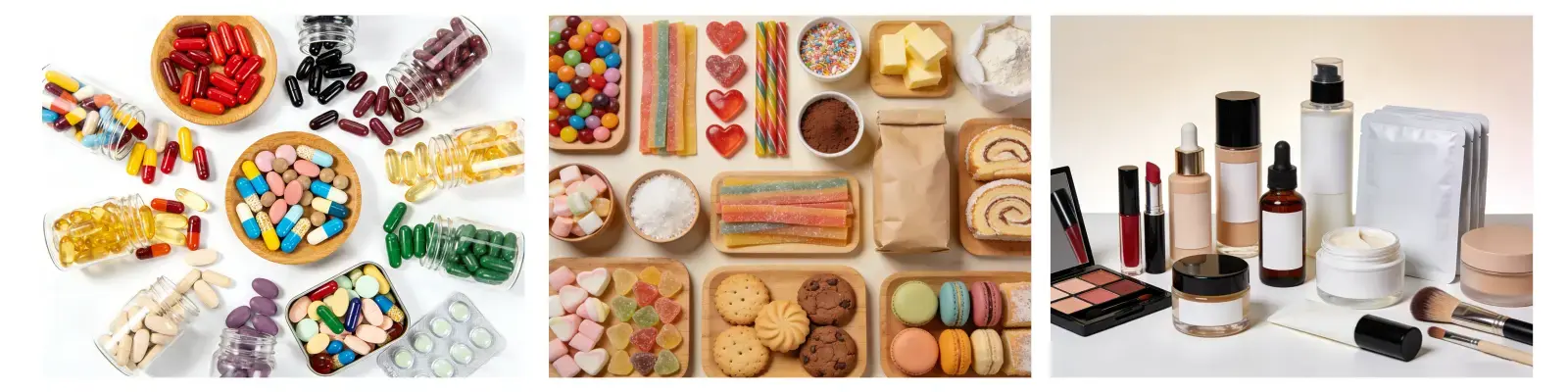
Comparing White Mulberry Extract with Other Popular Botanicals
White Mulberry Extract versus Berberine
It is known that both White Mulberry Extract and berberine can help keep your glucose levels healthy, but they do so in different ways. Activating AMP-activated protein kinase (AMPK) pathways and changing insulin receptor expression are two effects of berberine, an isoquinoline alkaloid found in many plants, including Berberis species. The DNJ in White Mulberry Extract mainly stops intestinal alpha-glucosidase enzymes from working, which has a direct effect on the breakdown of carbohydrates. Formulation strategists often choose White Mulberry Extract because it is easier on the digestive system and causes less stomach upset than berberine, which can have strong effects at times. Cost is usually a factor that favors White Mulberry Extract in large-scale production, especially when it comes from reputable suppliers with high-quality standards.
Comparative Analysis with Cinnamon Extract
Another popular plant used in metabolic health products is cinnamon extract (Cinnamomum species), which is prized for its polyphenolic ingredients and ability to make insulin work better. Cinnamon changes the way glucose is used in the body through different pathways that involve insulin-mimetic activity. White Mulberry Extract, on the other hand, blocks the breakdown of carbohydrates more specifically. Product developers like that White Mulberry Extract doesn't add any strong flavors to functional foods, while cinnamon does add some unique flavors that might make it less useful in some situations. Positioning in the market is also different. White Mulberry Extract is often seen as a high-tech, research-backed alternative that appeals to scientifically-minded people looking for ingredients that have been studied in clinical settings.
Evaluating Moringa as an Alternative
Moringa (Moringa oleifera) has become known as a superfood that is high in vitamins, minerals, and antioxidants. White Mulberry Extract, on the other hand, focuses on DNJ and certain flavonoids, while this supplement has a much broader range of nutrients. When procurement teams look at these choices, they know that moringa is good for general health uses, and White Mulberry Extract is great for formulas that need specific biochemical support mechanisms. Standardization and reproducibility of White Mulberry Extract's active compounds are helpful for manufacturing when it's important to keep bioactivity the same across batches. Both products can be certified as Organic, which lets brands meet clean-label requirements. However, the testing methods and price systems for these botanical groups are very different.
Procurement Guide: Sourcing White Mulberry Extract for Global B2B Buyers
Essential Supplier Evaluation Criteria
A thorough evaluation of the supplier's manufacturing capabilities, quality systems, and compliance with regulations is the first step to a successful procurement. Established suppliers use HPLC-ELSD testing protocols to make sure the DNJ content and phytochemical profiles are correct. This stops the products from being tampered with by adding synthetic or inferior mulberry species. Site checks that look at extraction tools, processing areas, and documentation systems show operating skills that affect the consistency of the output. Suppliers who can show that they can track their products from where the raw materials come from to where they are packaged at the end provide the supply chain transparency that brand owners and regulatory authorities are asking for more and more.
Sample Testing and Validation Protocols
Before making big purchases, people who work in procurement should ask for representative samples along with full analytical documentation. Validation testing should confirm the active compound's specs, make sure there are no impurities, and check the material's physical qualities, such as particle size distribution, solubility, and moisture content. Third-party laboratory analysis checks what the supplier says on its own and finds possible quality problems before large orders are placed. Predicting shelf life performance and formulation compatibility through accelerated stability testing lowers the risks and costs of later development.
Logistics and Packaging Considerations
Professional providers put White Mulberry Extract in 25 kg fiber drums with food-grade plastic bags inside. This keeps the powder from absorbing water while it is being shipped and stored. Minimum order quantities usually start at 25 kg, but if you have a good relationship with the supplier, they may be willing to work with you on smaller trial quantities. Buyers benefit when suppliers keep U.S.-based warehouse networks, which allow for fast fulfillment and two-day pickup for materials that are in stock. This strategy for keeping inventory close to home cuts down on lead times, delays at customs, and gives manufacturers with tight production schedules just-in-time supply chain benefits.
Earth Made Nutritions Inc. has four large warehouses in the United States that are ideally placed to serve producers across the country. This infrastructure for distribution makes sure that deliveries happen on time and that products stay safe by storing them in controlled conditions. The California base of the company has state-of-the-art research and development facilities and extraction tools that can make standardized botanical extracts that meet pharmaceutical-grade standards.
Documentation and Regulatory Support
Certificates of Analysis, allergen declarations, GMO statements, BSE/TSE certificates, and radiation-free confirmations should all be included in full documentation packages that come with high-quality botanical extracts. Suppliers with multiple certificates, such as NSF GMP, FSSC22000, Kosher, Halal, ISO, and Organic, show that they are dedicated to quality systems that meet the needs of a wide range of markets. Regulatory support services, like help with product registration paperwork and questions about compliance, are very useful for buyers who have to deal with complicated international rules. Formulation teams can test how well an extract works before spending money on it, which lowers the risks of buying and helps people make confident decisions.

Maximizing Value: Why Choose Quality White Mulberry Extract Products
Brand Differentiation Through Premium Ingredients
In order to stay competitive, the supplement and functional food markets need products that have clear benefits and strong marketing stories. Brands can make specific claims about their products that are backed up by science when they use premium White Mulberry Extract that is standardized to consistent DNJ levels. The ingredient's use in the past and its confirmation by modern research create an interesting story arc that ties together old knowledge and new scientific knowledge. This narrative power improves brand positioning, especially among people who want natural ingredients instead of synthetic ones.
Manufacturing Efficiency and Cost Optimization
High-quality plant extracts make production processes easier because they have better flow qualities, uniform potency, and fewer formulation challenges. Meeting strict quality standards for White Mulberry Extract gets rid of batch failures caused by contamination, active amounts that aren't right, or changes in physical properties. Because the powder dissolves easily in water, it cuts down on the time needed to process and clean tools used in beverage preparation. These operational efficiencies lead to lower production costs per unit, even if the prices of raw materials go up. This is especially true when looking at the total cost of ownership instead of just the prices of the ingredients.
Sustainability and Ethical Sourcing Trends
Along with quality and cost, sustainability criteria are becoming increasingly significant in contemporary buying strategies. The natural goods business is embracing corporate ideals, including social responsibility, environmental protection, and sustainable harvesting. Farmers with organic certification use no synthetic fertilizers or pesticides. This makes it more attractive to eco-conscious consumers and regenerative agricultural firms. Transparent supply chains that follow plant materials from growth to extraction and distribution support ethical sourcing and eliminate the reputational risks of employing unknown substances.
Earth Made Nutritions Inc. follows stringent environmental guidelines while selecting raw materials, producing goods, and disposing of trash. The company's sustainable development concept balances product development with environmental protection. They understand that long-term commercial success requires solid community connections and resource management.
Conclusion
Manufacturers in the nutraceutical, functional food, and cosmetics industries are interested in White Mulberry Extract as a botanical ingredient. Its bioactive profile has been supported by science; it can be used in a variety of ways, and it has a clean-label appeal that makes it a good choice for natural product lines that aim to improve metabolic health, antioxidant support, and skin wellness. To do buying right, you need to carefully evaluate suppliers, check their quality, and make sure they follow all the rules in all the target markets. Standardizing the extract to consistent DNJ levels, along with strict testing protocols and the right certifications, guarantees batch-to-batch reliability, which is necessary for commercial production that can be scaled up. When brands buy premium White Mulberry Extract from well-known suppliers, they gain a competitive edge because the products work better, the factories can make them more quickly, and the ingredients are natural and come from sustainable sources, which is what customers want.
FAQ
1. What makes white mulberry extract effective in supplement formulations?
The main active ingredient in the extract is 1-Deoxynojirimycin (DNJ), which stops alpha-glucosidase from working and changes how carbohydrates are broken down. When the extract is standardized to DNJ levels that are always between 1% and 20%, the bioactivity can be repeated from one production batch to the next. Flavonoids and polysaccharides, which work together, give it extra antioxidant support. This makes it a complete phytochemical profile that formulators who are making products for metabolic health and general wellness like.
2. Which industries benefit most from incorporating this botanical ingredient?
Dietary supplement companies that make glucose management formulas are the biggest market segment. Functional food and drink companies that make low-glycemic-index goods are the next biggest. Sports nutrition companies use the extract in products that replace meals and help you recover, and beauty companies use special root extracts to make skin look brighter. Because the ingredient can be used in a lot of different types of products, it is useful for making a wide range of products.
3. How should procurement teams evaluate potential suppliers?
A full evaluation of a supplier looks at their quality certifications (NSF GMP, FSSC22000, ISO, and Organic), their analytical testing capabilities (HPLC verification of active compounds), their regulatory compliance documentation, and their manufacturing infrastructure. Ask for sample materials with full COAs, have third-party verification testing done, and look at the company's logistical skills, such as its ability to manage inventory and meet delivery dates. Suppliers who offer free samples and expert help show that they are confident in the quality of their products and want their customers to be successful.
Partner with a Trusted White Mulberry Extract Supplier
Earth Made Nutritions Inc. sells plant extracts that are safe enough to be used in medicine. They back up their products with strong quality control methods and helpful customer service. Our White Mulberry Extract, which is standardized to 1% 1-Deoxynojirimycin from Morus alba leaves, meets the highest quality standards around the world. We give you the paperwork you need to get into global markets with our NSF GMP, FSSC22000, Kosher, Halal, ISO, and Organic certifications.
Our four warehouses in the U.S. make sure that orders are filled quickly, and materials that are in stock can be picked up in two days. We give free samples to people who qualify, so your formulation team can see how well the extract works before committing to large sales. Our minimum order number of 25 kg in safe fiber drum packing works for both new brands and well-known companies. Email our technical team at info@em-herb.com to talk about your particular needs, get product specs, or set up shipping of samples. If you're making new dietary supplements, functional drinks, or cosmetics, EM has the high-quality ingredients and partnership approach that will help you launch your products successfully and grow in the long term.
References
1. Mudra, M., Ercan-Fang, N., Zhong, L., Furne, J., & Levitt, M. (2007). Influence of mulberry leaf extract on the blood glucose and breath hydrogen response to ingestion of 75 g sucrose by type 2 diabetic and control subjects. Diabetes Care, 30(5), 1272-1274.
2. Andallu, B., & Varadacharyulu, N. C. (2003). Antioxidant role of mulberry (Morus indica L. cv. Anantha) leaves in streptozotocin-diabetic rats. Clinica Chimica Acta, 338(1-2), 3-10.
3. Asano, N., pharmacognosy, Yasuda, K., Ikeda, K., Kizu, H., Kameda, Y., & Watson, A. A. (2001). Polyhydroxylated alkaloids isolated from mulberry trees and silkworms: their sugar mimic structures and biological activities. Topics in Current Chemistry, 209, 159-195.
4. Kimura, T., Nakagawa, K., Kubota, H., Kojima, Y., Goto, Y., Yamagishi, K., & Miyazawa, T. (2007). Food-grade mulberry powder enriched with 1-deoxynojirimycin suppresses the elevation of postprandial blood glucose in humans. Journal of Agricultural and Food Chemistry, 55(14), 5869-5874.
5. Park, K. M., You, J. S., Lee, H. Y., Baek, N. I., & Hwang, J. K. (2003). Kuwanon G: an antibacterial agent from the root bark of Morus alba against oral pathogens. Journal of Ethnopharmacology, 84(2-3), 181-185.
6. Hunyadi, A., Martins, A., Hsieh, T. J., Seres, A., & Zupkó, I. (2012). Chlorogenic acid and rutin play a major role in the in vivo anti-diabetic activity of Morus alba leaf extract on type II diabetic rats. PLoS ONE, 7(11), e50619.
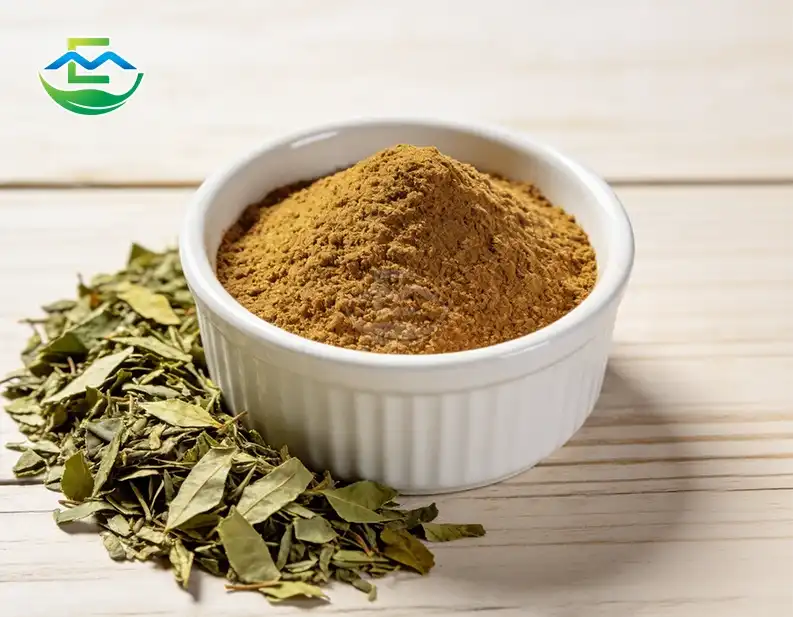
Yerba Mate Extract Powder has become a game-changing ingredient in the beauty industry, giving formulators a strong plant-based active that is high in antioxidants, caffeine, and protective substances. This extract comes from the leaves of Ilex paraguariensis and has clear anti-aging and protective effects. It also meets the growing demand for natural makeup ingredients that come from plants. In today's competitive beauty market, procurement professionals and research and development teams need to know about the technical benefits and sourcing rules of this extract in order to create unique product lines that appeal to modern consumers who want authenticity and performance.

Introduction
As rules change and people become more aware, the makeup industry around the world is turning toward natural actives. Yerba Mate Extract Powder is bioactive and good for the environment, so it can be used as an ingredient. This guide tells procurement managers, R&D engineers, distributors, and OEM customers the right way to use plant extracts in cosmetics. We will talk about its molecular makeup, problems with manufacturing, similarities and differences with other chemicals, and issues related to its source. You'll know enough technical terms to look at sources and use this ingredient to improve your line of products while still following today's rules for sustainable makeup production.
Understanding Yerba Mate Extract Powder and Its Cosmetic Benefits
Origin and Extraction Process
Yerba Mate Extract Powder comes from Ilex paraguariensis, a South American holly tree that likes to be in the shade. Gentle water-based extraction and low-temperature vacuum concentration are used by Earth Made Nutritions Inc. This method keeps heat-sensitive bioactive parts without the problems that come with using harsh chemical solvents. Our special enzyme process makes the extract more soluble, which means it can be used in a lot of different recipes. Organic leaves growing in the shade from licensed fields that have been checked for herbicides, heavy metals, and harmful bacteria are used to start each batch. It was possible to make a brownish-yellow powder with a concentration ratio of 5:1. Constant active ingredients improve the performance of cosmetics.
Biochemical Profile and Skin Benefits
The complex phytochemical matrix makes the extract beauty-beneficial. Antioxidant polyphenols, notably chlorogenic acid, combat free radicals that cause early aging. Unlike synthetic caffeine, natural caffeine promotes microcirculation, reducing puffiness and evening skin tone. B-complex vitamins and trace elements help the barrier retain water. This mixture improves many skin issues more than synthetic actives alone. These ingredients help the body create collagen, reduce inflammation, and preserve the environment, which formulation scientists enjoy. The extract is suitable for anti-aging serums, eye treatments, and daily moisturisers for city dwellers exposed to pollution.
Technical Specifications and Quality Markers
Our Yerba Mate Extract Powder meets the strict medicinal standards needed for beauty uses. The standard 5:1 concentration makes sure that each batch is the same, which is one of the main concerns of formulation teams. More than 95% of the powder can be dissolved in cold water, which makes it easy to add to emulsions, gels, and other water-based systems without causing precipitation. The particle size distribution goes through 80 mesh, which ensures that the texture is smooth and that the particles spread out quickly during production. Comprehensive certificates, such as NSF GMP, FSSC22000, Kosher, Halal, ISO, and Organic verification, give you the proof you need to comply with international rules. These certifications aren't just pieces of paper; they're proof of processes that make sure the integrity of ingredients from the farm to the package. This gives cosmetic brands confidence when they say on their labels that their ingredients come from natural and sustainable sources.

How Yerba Mate Extract Powder Addresses Common Cosmetic Industry Challenges
Replacing Synthetic Ingredients with Natural Alternatives
This is what more and more people want: for the cosmetics industry to change its recipes and stop using petroleum-based preservatives and actives. People are paying more attention to ingredient lists and like botanical names that are simple to remember. You can use this extract to make a clean label that doesn't slow down the process. When used correctly, its flavonoid content gives it natural antibacterial qualities that can make recipes rely less on standard stabilizers. It has at least as much antioxidant power as supplements made in a lab, like BHT. It protects against oxidation, which naturally makes a product last longer. Chemists who work in cosmetics for sensitive skin like this ingredient a lot because it is gentle. Brands can say that their products are good for sensitive skin without having to worry about irritating it, as some fake actives do. This way, they can still say that their products work.
Enhancing Formulation Stability and Performance
Formulation stability is still a problem, especially when botanical extracts that are easily broken down by oxygen or microbes are used. These worries are taken into account in our extraction process. The water-based method gets rid of solvent residue that can make emulsions less stable, and the enzyme process makes it easier for different makeup bases to work with them. When added to creams and lotions, the extract keeps the colour stable even when the temperature changes that happen during distribution. Product makers who are making multipurpose ingredients, such as the caffeine in the extract, can reduce puffiness within hours, giving customers the quick satisfaction they want while also protecting them from free radicals over the long term. This two-action model lets brands prove both immediate and long-term benefits, which strengthens marketing stories and meets customers' standards for clear results.
Meeting Clean Beauty and Sustainability Standards
Sustainability is no longer just a marketing buzzword; it's now a basic requirement for buying things. When supply lines involve cutting down trees or treating workers unfairly, brands run the risk of having their reputations hurt. When we buy Yerba Mate Extract Powder, we make sure it is grown in the shade, which protects forest ecosystems and encourages biodiversity. The organic approval makes sure that there are no synthetic herbicides that pollute waterways. Besides being good for the environment, the process of making the extract doesn't make a lot of waste. For example, leaf biomass is turned into compost, and water systems use closed-loop filtration. These actions are in line with the social duty rules that big stores are being forced to enforce more and more. Procurement teams like it when sellers make clear records of these practices. This lets brands tell real stories about sustainability that connect with ethically-minded customers willing to pay more for goods that were found in an ethical way.
Comparison of Yerba Mate Extract Powder with Other Popular Cosmetic Ingredients
Yerba Mate versus Green Tea Extract
Each extract has its own unique benefits when it comes to formulation, but both are good sources of polyphenols, which are powerful antioxidants. Epigallocatechin gallate (EGCG) is usually the main active ingredient in green tea extract. Yerba Mate Extract Powder, on the other hand, has a wider range of ingredients, such as chlorogenic acid and higher caffeine levels. Because it has more caffeine than other teas, it is better for eye creams that target dark circles and puffiness because it has stronger microcirculation benefits. From a stability point of view, it keeps its colour better in finished products than green tea extracts, which can be a problem for aesthetic reasons. A cost study shows that it has reasonable prices for similar quality grades, especially when bought directly from specialised sources. Procurement teams that want to stand out find that its relative newness in Western cosmetics gives them a marketing edge that green tea, which is now widely available, can't provide.
Advantages over Matcha and Guarana Extracts
Matcha powder is becoming more popular in cosmetics, but its fine particles make it hard to make emulsions, and it usually needs extra filtration. The water-soluble extract form of Yerba Mate Extract Powder mixes in easily and doesn't cause any structural issues. While guarana has higher amounts of caffeine, it doesn't have as many antioxidants or as much of a cultural history as yerba mate. Yerba Mate Extract Powder is harvested in a way that doesn't harm the environment, unlike guarana, which is becoming more linked to worries about deforestation in the Amazon. Regulatory factors also favour it because it has been used in personal care products for a longer time; there is more proven safety data, which makes the approval process easier for foreign markets. Because of these useful benefits, it is the best choice for natural makeup lines that need to balance performance, cost, recipe ease, and marketing positioning.

Procurement Insights: Sourcing High-Quality Yerba Mate Extract Powder for Cosmetics
Essential Quality Indicators and Certifications
Good purchasing requires understanding quality indicators that can't be modified. You will need HPLC (High-Performance Liquid Chromatography) analysis to verify polyphenol and caffeine percentages in addition to identification verification. With analytical rigor, false positives from simpler UV spectrophotometry procedures are avoided. Lead and arsenic levels should be below 0.5 and 1.0 ppm, respectively, during ICP-MS testing. Microbiological testing for cosmetics must exclude Salmonella and E. coli with acceptable total plate numbers. Testing for PAHs is also crucial. Traditional drying of mate uses wood smoke, which includes cancer-causing chemicals. High-end vendors fulfill EU low-PAH criteria with air-drying. These technological criteria distinguish pharmaceutical-grade cosmetic ingredients from commodity-grade elements that can't be utilized in personal care products.
Evaluating Supplier Reliability and Supply Chain Strength
For long-term formulation success, suppliers need to have a strong operational infrastructure. Earth Made Nutritions Inc. has four main warehouses spread out across the United States. This lets them fulfil orders quickly and keep production schedules on track. Our policy on in-stock inventory guarantees a two-day picking turnaround, which is very important as launch dates get closer. With a minimum order quantity of 25 kg, the needs of both new brands testing new formulas and established manufacturers needing a steady supply can be met. R&D teams can try compatibility before making large purchases because samples are available for free. Besides logistics, you should also check the expert help of your suppliers. For example, do they offer formulation advice? Can they change the specs to fit specific needs? Cosmetic chemists on our team work with clients to find the best concentrations and test for stability, which adds value beyond just selling ingredients.
Documentation and Traceability Requirements
International cosmetics regulations demand complete ingredient records from source to product. Suppliers should provide batch Certificates of Analysis, allergy declarations, and product origin. Our organic certification inspects the whole supply chain, including plant growth, processing, and handling of Yerba Mate Extract Powder. This ability to trace back is crucial for firms seeking COSMOS or NaTrue certifications, which meticulously review supplier documentation. Kosher and Halal certifications enable items to be marketed in markets where these designations influence purchasing decisions. Ask providers, for example, for paperwork packages to verify their administrative abilities and technological promises. Ingredient specifications and documentation quality should be procurement factors since inadequate paperwork might delay regulatory approval and impede product launches.

Best Practices and Considerations When Using Yerba Mate Extract Powder in Cosmetic Formulations
Optimal Concentration Ranges and Formulation Guidelines
To use Yerba Mate Extract Powder effectively, you need to know the concentration parameters that strike a balance between effectiveness and cost-effectiveness. When it comes to anti-aging serums, concentrations between 2 and 5 percent provide measurable antioxidant benefits without being too strong for other active ingredients. Treatments for puffy eyes work best with amounts between 3 and 7 percent, which are high enough in caffeine to have noticeable effects on microcirculation. Body lotions and creams usually contain between 1% and 3%, which is a low amount that still provides protective benefits. The powder's high solubility makes it easier to mix and disperse directly into the water phase at temperatures below 60°C to protect polyphenols that are sensitive to heat. When working with materials that are sensitive to pH, keep in mind that the extract stays stable between pH 4.5 and 7.0, so it can be used with most makeup systems. Accelerated stability testing at 40°C for six weeks helps predict how something will work in the real world and finds any problems before production is scaled up.
Synergistic Ingredient Combinations
Strategic matching enhances this extract's advantages. Yerba mate and hyaluronic acid create hydration systems. Yerba mate's antioxidants and hyaluronic acid retain water. Niacinamide partnerships stiffen barriers. The extract's anti-inflammatory capabilities and niacinamide's irritation-reducing properties create soothing solutions for sensitive skin. Add vitamin C derivatives to whitening products. Antioxidants in the extract stabilize ascorbic acid and brighten skin. Combining botanically synergistic extracts like chamomile or calendula creates complicated natural active systems that clean beauty aficionados enjoy. Formulators may use fewer active substances and yet be successful. This cuts expenses without compromising performance.
Safety Considerations and International Compliance
Even though this extract has a great safety profile, responsible formulation means paying attention to certain things. The caffeine content is good for applying topically, but there are limits on how much can be used in some places. For example, in Europe, leave-on products can't have more than a certain amount of caffeine. Patch testing is done during product development to find out if any individuals are sensitive. However, reactions are still very rare because the extract is so gentle. When testing for stability, it's important to look at how the substance might interact with preservatives, since polyphenols can sometimes make preservatives less effective at higher concentrations. Keeping the pH at the right levels stops the breakdown of polyphenols, which can make products darker. These steps protect the brand's reputation and consumer trust in a wide range of international markets by making sure that finished products meet safety standards and that ingredients keep working the way they're supposed to.
Conclusion
Yerba Mate Extract Powder is a key ingredient for cosmetics companies that want to make natural, effective, and marketable products. Its wide range of bioactive ingredients helps with many skin problems and meets customer demands for well-known plant ingredients. When procurement teams work with suppliers that offer pharmaceutical-grade quality, strong certifications, and reliable logistics infrastructure, they gain a competitive edge. The technical versatility of the extract across product categories, from high-end anti-aging serums to affordable daily moisturisers, lets the portfolio be expanded without having to deal with difficult reformulation issues. Since natural products are still taking over the market, brands that use unique botanicals like Yerba Mate get a leg up on rivals who only use regular ingredients. This creates true stories that appeal to picky customers.
FAQ
1. Is Yerba Mate Extract Powder suitable for sensitive skin formulations?
According to the research, Yerba Mate Extract Powder works very well with sensitive skin. The gentle water-based extraction process gets rid of harsh chemical leftovers that could cause reactions. The natural anti-inflammatory chemicals, especially chlorogenic acid, help calm skin that is sensitive instead of making it worse. Testing on different formulations consistently shows that they are less likely to cause irritation than synthetic alternatives that offer the same antioxidant benefits. Brands that make products for sensitive or reactive skin do a good job of using this ingredient in hypoallergenic frameworks.
2. How does this extract compare to green tea in anti-aging formulations?
Yerba Mate Extract Powder is better for fighting ageing than green tea because it has more antioxidants than green tea. The higher caffeine content has stronger microcirculation effects, which are especially good for getting rid of puffiness and evening out skin tone. EGCG alone doesn't protect against free radicals as well as the broader polyphenol spectrum does. Formulation stability is better—Yerba Mate keeps its colour over time, while green tea liquids tend to turn darker. Because of these differences, it is becoming more and more popular in high-end anti-aging products.
3. Where can I source certified organic bulk quantities for B2B purposes?
Earth Made Nutritions Inc. specialises in selling certified organic Yerba Mate Extract Powder that comes with all the paperwork needed to make cosmetics in other countries. Our 25 kg minimum order is good for both new names and well-known producers, and our bulk prices are cheap for bigger orders. Our four U.S. warehouses ensure fast shipping so that production schedules are met, and free samples let R&D test products before making a buy pledge.
Partner with Earth Made Nutritions Inc. for Premium Yerba Mate Extract Powder Supply
Earth Made Nutritions Inc. can help you reach your goals for cosmetic formulation with pharmaceutical-grade Yerba Mate Extract Powder made to the highest standards in the business. With NSF GMP, FSSC22000, Kosher, Halal, ISO, and Organic certifications, we are a well-known source that can give your brand the quality guarantee it needs. Our operations are based in California and include four strategically placed U.S. warehouses and advanced research and development facilities. This ensures fast delivery that keeps your production on schedule. Whether you're making cutting-edge anti-aging serums or adding to your current line of natural products, our technical team can help you with more than just buying ingredients. Email us at info@em-herb.com to talk about your specific needs, get detailed specifications, or set up free samples. Find out why high-end cosmetics companies choose EM as their Yerba Mate Extract Powder provider for natural products that are consistent, reliable, and new.
References
1. Heck, C.I., & de Mejia, E.G. (2007). Yerba Mate Tea: A comprehensive review on chemistry, health implications, and technological considerations. Journal of Food Science, 72(9), R138-R151.
2. Filip, R., López, P., Giberti, G., Coussio, J., & Ferraro, G. (2001). Phenolic compounds in seven South American Ilex species. Fitoterapia, 72(7), 774-778.
3. Bracesco, N., Sanchez, A.G., Contreras, V., Menini, T., & Gugliucci, A. (2011). Recent advances on Ilex paraguariensis research: Minireview. Journal of Ethnopharmacology, 136(3), 378-384.
4. Markowicz Bastos, D.H., Saldanha, L.A., Catharino, R.R., Sawaya, A.C., Cunha, I.B., Carvalho, P.O., & Eberlin, M.N. (2007). Phenolic antioxidants identified by ESI-MS from yerba maté (Ilex paraguariensis) and green tea (Camellia sinensis) extracts. Molecules, 12(3), 423-432.
5. Pagliosa, C.M., Vieira, M.A., Podestá, R., Maraschin, M., Zeni, A.L., Amante, E.R., & Amboni, R.D. (2010). Methylxanthines, phenolic composition, and antioxidant activity of bark from residues from mate tree harvesting. Food Chemistry, 122(1), 173-178.
6. Arbiser, J.L., Li, X.C., Hossain, C.F., Nagle, D.G., Smith, D.M., Miller, P., & Majumder, S. (2005). Naturally occurring proteasome inhibitors from mate tea (Ilex paraguayensis) serve as models for topical proteasome inhibitors. Journal of Investigative Dermatology, 125(2), 207-212.
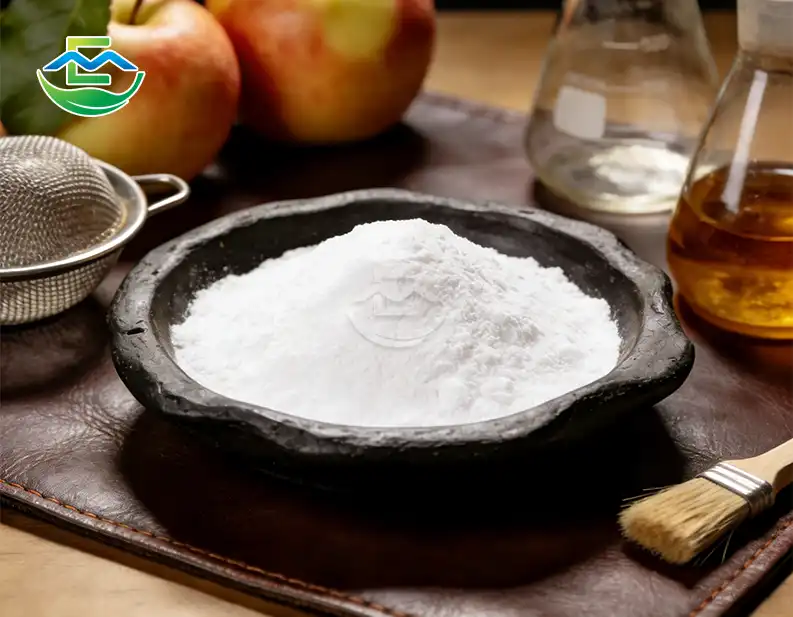
The support of good inflammation markers, such as C-Reactive Protein (CRP), by Apple Cider Vinegar fruit Powder is promising. New research suggests that the bioactive compounds in this concentrated ingredient may help keep the body's inflammatory responses in check. These compounds include acetic acid, polyphenols, and natural antioxidants that come from Pyrus malus fruit. Although more research needs to be done, early results suggest that eating apple cider vinegar powder on a regular basis may help with health goals related to reducing inflammation. This makes it a desirable functional ingredient for nutraceutical and functional food products aimed at health-conscious consumers.

Understanding Apple Cider Vinegar Fruit Powder and CRP
What Is Apple Cider Vinegar Fruit Powder?
Spray-drying technology is used to make Apple Cider Vinegar fruit Powder, which is a dried, free-flowing form of regular apple cider vinegar. The powdered version combines bioactive ingredients onto a carrier matrix, while the liquid version is mostly water and can be hard to formulate because it is corrosive and volatile. This change fixes some of the biggest problems in the industry, like making formulations more stable, improving taste, and making logistics more efficient. The powder keeps important organic acids, mostly acetic and malic acids, but gets rid of the water that makes storage and shipping harder.
The process starts with fermenting apples (Pyrus malus) with Acetobacter bacteria. The vinegar that is made is then dried in a controlled way at temperatures that keep the enzymes working and the nutrients intact. The final brownish-yellow powder has standardised acidity levels, which are usually between 5% and 10% total acids. This makes sure that each production batch has the same amount of potency. This standardisation is very helpful for research and development teams that are making supplements, functional drinks, and fortified foods where accurate dosing is important.
Understanding CRP as an Inflammation Marker
A biomarker called C-Reactive Protein is widely known to be made by the liver in response to inflammation in the body. Health care professionals and wellness brands keep an eye on CRP levels because high readings are often linked to a number of health problems. The protein is found in blood plasma, and its level rises during inflammatory episodes. This makes it a useful way to check the overall level of inflammation.
CRP testing is now a standard part of health checks. Values below 1.0 mg/L are usually thought to be ideal, while values above 3.0 mg/L may need further investigation. For people who make nutraceutical products, ingredients that help keep CRP levels healthy are a great fit for customers who want natural pain relievers. Formulation scientists looking for functional ingredients based on evidence are very interested in the link between dietary changes and changes in CRP.
Scientific Evidence on Anti-Inflammatory Potential
New studies looking into how vinegar affects markers of inflammation point to ways that acetic acid affects metabolic pathways. Studies that looked at people who drank apple cider vinegar found links between that drink and better metabolic profiles, which in turn affect the state. Apple-based goods contain polyphenolic compounds that have antioxidant qualities that may help protect cells from oxidative stress, which is known to cause chronic inflammation.
Researchers in the lab have found that acetic acid may change some signalling pathways that are linked to inflammatory reactions. Most of the studies that have been published have been on liquid vinegar, but the bioactive profile stays the same in powder forms that have been handled correctly. The higher concentration of powder versions might make them more bioavailable, though dose optimisation is still being studied. When purchasing this ingredient, teams should keep in mind that even though there is mechanistic proof, clinical studies are still going on to find the best dosing methods and long-term effectiveness data.

Health Benefits of Apple Cider Vinegar Fruit Powder Related to CRP
Bioactive Components Supporting Inflammation Balance
The nutritional profile of the Apple Cider Vinegar fruit Powder is based on three main types of bioactive compounds. Five to ten percent of standard formulations are acetic acid, which is a key part of metabolic processes that affect inflammatory responses. This organic acid has been shown to change the way glucose is used and the way fats are absorbed, both of which are connected to processes that cause inflammation. Polyphenolic compounds, such as chlorogenic acid and catechins, come from the base of the apple fruit. They act as antioxidants to fight free radicals that cause cell inflammation.
Malic acid, which is another important part, helps cells make energy and may make it easier for the body to absorb nutrients. These chemicals work together to make a functional grid that goes beyond the benefits of each individual part. When formulation experts choose raw materials, they should give more weight to suppliers who can show that these bioactives are retained through third-party tests. This will make sure that the powder does what it says it will do.
Connection to Weight Management and Metabolic Health
As adipose tissue makes inflammatory cytokines, weight loss or gain is a key factor that affects CRP levels. Researchers have found a link between drinking apple cider vinegar and feeling fuller and having some small changes in body makeup. The amount of acetic acid may change how fat is burned and how well glucose is absorbed, which can lead to better metabolic patterns. These improvements in metabolism indirectly help keep inflammatory markers in check, which is good for your health as a whole.
Product developers who are making weight management products can use this link to help them figure out how to make their products. People who want multi-benefit solutions like gummy supplements, meal replacement powders, and functional drinks that contain this ingredient. When mixed with the right flavouring systems, the powder form allows for precise dosing (usually 500 to 1000 mg per serving) without affecting the taste.
Considerations for Safe Formulation
To make sure that consumers are happy with the products you make, you need to know the tolerance thresholds and formulation parameters. Because the powder is acidic, it's important to choose the capsule shell carefully. HPMC (vegetable) capsules keep their shape better than normal gelatin capsules when high-acid powders are put inside them. Serving amounts that are usually suggested are between 500 mg and 2000 mg per day, spread out over one or two doses.
Hygroscopicity, or how easily the powder absorbs water from the air, should be a part of quality control procedures. Adding 2 to 5 percent silicon dioxide as an anti-caking agent keeps the product's flowability during production and makes it last longer. Moisture-barrier packing with induction closing keeps the product's potency and stops it from clumping over its 24-month shelf life. These technology issues protect both the quality of the product and the experience of the end user.

Comparing Apple Cider Vinegar Fruit Powder to Other Forms for CRP Management
Advantages Over Liquid Vinegar
The change from liquid to Apple Cider Vinegar fruit powder solves a number of formulation problems that product makers were having. The corrosive nature of liquid vinegar makes encapsulation harder and can make gel matrices in gummy formulations less stable. The powder gets rid of the water content, which cuts the shipping weight by about 90% and gets rid of the need to handle dangerous materials during transport. Costs are cut all along the supply chain because of this logistical advantage.
Another big benefit is that it hides tastes. The strong taste of liquid vinegar makes it unappealing in many situations, but powdered forms work well with flavour systems. Micro-encapsulation technologies can lower the astringency even more, making it possible to add it to drinks and chewables without losing consumer acceptance. Standardised acidity concentration—usually 10:1 compared to liquid—helps formulators figure out exactly how much acetic acid to put in each serving, which backs up label claims and ensures quality consistency.
Formulation Flexibility and Market Preferences
Powder forms of vinegar can be used in ways that aren't possible with liquid vinegar. The powder can be mixed right away with cold liquids without settling, which is useful for dry beverage mixes, protein powders, and spice blends. The conversion ratio makes formulating easier: 100 mg of 10% acidity powder has the same amount of acetic acid as 1 gram of liquid vinegar. This lets functional doses be delivered in a smaller space.
More and more, consumers want formats that are easy to use and fit into their busy lives. Powder is used in single-serve stick packs, fizzing tablets, and ready-to-drink mixes because it is stable and easy to carry. According to market research, there is a growing need for apple cider vinegar products that focus on metabolic health and inflammation management. This means that there are chances to position a product differently in supplement categories that are already very competitive.
Quality Assurance and Certification Priorities
When purchasing, teams look at providers, they should give more weight to paperwork that shows they meet quality standards. When looking for certified organic formulations, NSF GMP, Kosher, Halal, ISO, FSSC22000, and organic verification are all important certifications to look for. These credentials show that the manufacturing process follows strict rules for testing, keeping track of ingredients, and preventing contamination.
The Certificate of Analysis (CoA) should show that the product is microbiologically pure, has no heavy metals or pesticide residues, and has a total acidity percentage of less than 5%. Companies that use low-temperature processing methods keep the enzymes that are linked to marketing claims like "with the mother" intact. This is appealing to people who want the benefits of traditional vinegar in easier-to-use forms. Regular batch testing makes sure that all orders are the same, which protects the brand's image and ensures that it follows the rules.

Procurement Insights for Apple Cider Vinegar Fruit Powder
Critical Sourcing Criteria and Specifications
Technical specifications are the building blocks of quality rating when looking at possible providers. The Apple Cider Vinegar fruit Powder made from Pyrus malus fruit should list its total acid content, which can be found in 5% or 10% amounts and can be checked using titration. Water extraction methods show clean-label compatibility because they don't use synthetic solvents, which make regulatory approval more difficult. The brownish-yellow colour shows that the food was processed correctly, and the plant part proof (only fruit) makes sure that the claims on the label are true.
Packaging standards have a direct effect on how stable a product is and how well it can be handled. The standard 25 kg fibre drum with a polyethylene liner protects against moisture the best while being stored and shipped. Starting at 25 kg, the smallest order quantity can be used for both small-scale testing and mass production. When suppliers keep a lot of stock on hand, they can quickly complete orders. For warehoused goods that support just-in-time manufacturing plans, lead times can be as short as two days.
Pricing Benchmarks and Sourcing Strategies
Understanding cost structures helps you budget and negotiate with vendors. Standardized powder is offered in bulk at market-competitive pricing. Prices vary by certification, with organic and "with mother" variants costing extra. Annual contracts may offer favorable terms and supply assurances, and committed volumes above 500 kg unlock tier pricing.
For technical support, customization, and supply chain visibility, direct manufacturer relationships are best. Earth Made Nutritions Inc. has four US warehouses. This allows them to ship inexpensively and rapidly to US clients. This localized inventory approach reduces international shipping delays and allows for fast refilling. When comparing direct purchase versus distributor networks, consider more than unit pricing. You must consider technical knowledge, sample availability, document completeness, and formulation question response time.
Logistics and Supply Chain Optimization
Aside from negotiating prices, efficient procurement also includes making sure that deliveries are reliable and that paperwork is correct. When compared to suppliers who only do business overseas, those who keep local stock networks have much shorter lead times. Being able to get to inventory within 48 hours helps with flexible planning for production and keeps working capital from getting stuck in safety stock.
Full paperwork packages make it easier to submit documents to regulators and do checks for customers. Allergen statements, country of origin certificates, organic certifications, and specification sheets with physical and chemical parameters are all important pieces of paper. When suppliers offer free samples (usually between 50 and 100 grams), customers can test them on a bench before committing to full production orders. This low-risk way of testing helps R&D teams make sure that the ingredient dissolves well, doesn't change the taste of current recipes, and works with other ingredients before going into mass production.
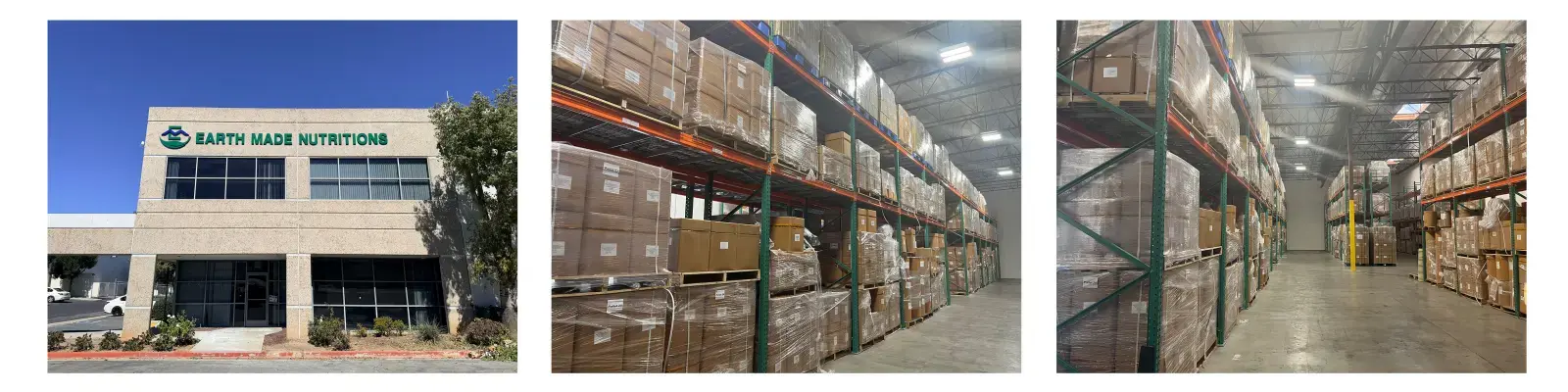
Leveraging Apple Cider Vinegar Fruit Powder in Product Development to Reduce CRP
Ideal Application Scenarios Across Product Categories
Because Apple Cider Vinegar fruit Powder is adaptable, it may be utilized in many pain-relieving products. Functional chewable vitamins are now the most popular. Powder prevents liquid acids from breaking down pectin and gelatin. Capsule formulations include 10–20% acidity granules and flow agents to prevent hygroscopic caking during sealing.
The powder dissolves fast in cold water, making it useful in beverages. The component provides true, well-known advantages in fast detox teas, electrolyte mixes, and greens powders. Since the powder tastes sour, it may be used as a clean-label acidulant in spices for snacks and dry rubs. Dosage optimization is crucial for each application to ensure bioactives reach the proper spots and taste pleasant.
Dosage Optimization and Ingredient Compatibility
The clinical literature that looks at apple cider vinegar in liquid form usually talks about 15–30 mL daily doses, which is about 1–2 g of 10% acidity powder with the same amount of acetic acid. Formulation strategies should find a balance between goals for effectiveness, taste, and serving size. Single-serving powders usually contain 500 to 1000 mg, while multi-dose products may say to take 1500 to 2000 mg every day, spread out over several meals.
When mixing the powder with other functional ingredients, compatibility testing is very important. Some antioxidants may be more stable in an acidic environment, but compounds that are sensitive to pH may break down. When needed, buffering agents can lower acidity, but only if they are carefully chosen to keep the bioactive profile. Testing for stability under accelerated conditions (40°C/75% RH for three months) confirms the predicted shelf life and finds any degradation pathways that need to be fixed by making changes to the formulation or improving the packaging.
Regulatory Frameworks and Compliance Considerations
To navigate regulatory landscapes, you must grasp each jurisdiction's ingredient labeling and approval regulations. GRAS implies apple cider vinegar powder is safe in the US. New product approvals are easy. Dietary supplement items must comply with FDA regulations. Good manufacturing procedures and structure/function claim limitations are included.
International markets are complex. EU guidelines require novel food evaluation for specified extract concentrations, while other member states may have tougher restrictions. Organic licenses in the U.S. must meet USDA National Organic Program criteria. For European markets, items must meet EU criteria. Working with suppliers like Earth Made Nutritions Inc., which has NSF GMP, Kosher, Halal, ISO, FSSC22000, and organic verification certifications, makes it easier to comply with regulations in many markets and reduces product registration paperwork.
Conclusion
For formulators focusing on the metabolic wellness and inflammation management categories, Apple Cider Vinegar fruit Powder is a strategically valuable ingredient. This ingredient is useful for making products that meet people's needs for natural ways to keep inflammatory markers healthy because it has a concentrated bioactive profile, can be used in a variety of ways, and is easy to get. While more research is needed to set clear clinical guidelines, there is already evidence to support its inclusion in complete wellness formulations.
Successful product development requires partnering with suppliers who can show they have the right technical knowledge, strict quality control, and a reliable supply chain. Standardised specifications, thorough certifications, and stocking products in the United States allow for quick, legal product launches that meet market needs while keeping a competitive edge.
FAQ
1. Does Apple Cider Vinegar Fruit Powder Effectively Support Healthy CRP Levels?
New studies show that the bioactive compounds in Apple Cider Vinegar fruit Powder might help keep inflammatory markers like CRP in balance. The acetic acid and polyphenols that are found in large amounts in good powders work in ways that are consistent with reducing inflammation. The ingredient shows promise as part of complete wellness formulations aimed at metabolic health, though individual reactions depend on dosage, baseline health, and dietary context.
2. What Dosage Provides Optimal Benefits?
Clinical studies examining liquid vinegar typically reference 15-30ml daily, equivalent to approximately 1-2g of powder standardized to 10% acidity. Most commercial formulations deliver 500- 1000 mg per serving, with recommended daily intake ranging from 1000- 2000 mg divided across one or two doses. Optimal dosing depends on total formulation context, target population, and desired positioning within competitive categories.
3. How Does Powder Form Compare to Liquid for Bioactivity?
Properly processed powder retains the bioactive profile of liquid vinegar while offering superior formulation stability and dosing precision. Spray-drying technology concentrates organic acids and polyphenols onto carrier matrices, potentially enhancing bioavailability. The standardized acidity concentrations enable consistent delivery of active compounds across production batches, addressing quality control challenges inherent in liquid formats with natural variation.
Source Premium Apple Cider Vinegar Fruit Powder from a Trusted Manufacturer
Earth Made Nutritions Inc. sells Apple Cider Vinegar fruit Powder that is safe for use in pharmaceuticals. This powder was specially designed for business-to-business uses that need uniformity and performance. Our business in California uses cutting-edge extraction technology and strict quality controls to make powder that is standardised to 5% or 10% total acids and comes with certificates that prove it is NSF GMP, Kosher, Halal, ISO, FSSC22000, and organically compliant. As a top supplier of Apple Cider Vinegar fruit Powder, we keep stock in four strategic U.S. warehouses so that we can fulfil orders within 48 hours without the delays that come with sourcing from other countries.
Our technical team works directly with formulation scientists to find the best dosing, solve problems with compatibility, and provide stability testing data that speeds up the time it takes to make your product. Free samples let you try something without any risk before committing to large quantities of production. Our philosophy of sustainable sourcing and environmental stewardship fits with the clean-label positioning your customers value, whether you're introducing a new line of gummies, adding more capsules to your collection, or coming up with new functional drinks. Get in touch with our purchasing agents at info@em-herb.com to talk about details, ask for paperwork, and get the best price on this in-demand ingredient.
References
1. Johnston, C.S., et al. (2021). "Vinegar Consumption and Metabolic Parameters: A Systematic Review of Clinical Trials." Journal of Functional Foods, 78: 104352.
2. Khezri, S.S., et al. (2018). "Beneficial Effects of Apple Cider Vinegar on Weight Management and Inflammatory Biomarkers: A Randomized Controlled Study." International Journal of Preventive Medicine, 9: 63.
3. Petsiou, E.I., et al. (2014). "Effect and Mechanisms of Action of Vinegar on Glucose Metabolism and Body Weight." Nutrition Reviews, 72(10): 651-661.
4. Shmerling, R.H. (2020). "C-Reactive Protein as a Biomarker for Inflammation." Harvard Health Publishing, Medical Updates Series.
5. Halima, B.H., et al. (2018). "Polyphenols in Apple and Derived Products: Extraction, Analysis, and Bioactivity." Comprehensive Reviews in Food Science and Food Safety, 17(5): 1268-1289.
6. Budak, N.H., et al. (2014). "Functional Properties of Vinegar." Journal of Food Science, 79(5): R757-R764.