- English
- French
- German
- Portuguese
- Spanish
- Russian
- Japanese
- Korean
- Arabic
- Irish
- Greek
- Turkish
- Italian
- Danish
- Romanian
- Indonesian
- Czech
- Afrikaans
- Swedish
- Polish
- Basque
- Catalan
- Esperanto
- Hindi
- Lao
- Albanian
- Amharic
- Armenian
- Azerbaijani
- Belarusian
- Bengali
- Bosnian
- Bulgarian
- Cebuano
- Chichewa
- Corsican
- Croatian
- Dutch
- Estonian
- Filipino
- Finnish
- Frisian
- Galician
- Georgian
- Gujarati
- Haitian
- Hausa
- Hawaiian
- Hebrew
- Hmong
- Hungarian
- Icelandic
- Igbo
- Javanese
- Kannada
- Kazakh
- Khmer
- Kurdish
- Kyrgyz
- Latin
- Latvian
- Lithuanian
- Luxembou..
- Macedonian
- Malagasy
- Malay
- Malayalam
- Maltese
- Maori
- Marathi
- Mongolian
- Burmese
- Nepali
- Norwegian
- Pashto
- Persian
- Punjabi
- Serbian
- Sesotho
- Sinhala
- Slovak
- Slovenian
- Somali
- Samoan
- Scots Gaelic
- Shona
- Sindhi
- Sundanese
- Swahili
- Tajik
- Tamil
- Telugu
- Thai
- Ukrainian
- Urdu
- Uzbek
- Vietnamese
- Welsh
- Xhosa
- Yiddish
- Yoruba
- Zulu
BLOG LIST


Finding plants that are both clinically relevant and stable in formulations is always a struggle when making cosmetics or functional foods. This problem can be fixed by high-potency pumpkin seed extract, which comes from the plant Cucurbita moschata and has a concentrated 10:1 ratio of bioactive substances like phytosterols, important fatty acids, and trace minerals. This water-extracted ingredient is different from regular ground seed powders because it gives R&D teams a fine, brownish-yellow powder that is always the same quality. This lets them do exact dosing in pills, tablets, and beverage systems while also meeting clean-label requirements in the cosmetics and nutritional supplement industries.
Introduction
Pumpkin seed extract has become an important addition for companies that want to make their products stand out by using plants that have been proven to work. As markets get more competitive, procurement managers and formulation scientists need high-potency types to keep up. This is part of an overall trend in the industry towards concentrated actives that make the most of dosage forms with limited space while still providing measurable outcomes. This guide looks at the technical properties, formulation considerations, supplier evaluation frameworks, and procurement logistics of pharmaceutical-grade pumpkin seed extract to meet the needs of companies that make nutraceuticals, cosmetics, and functional drinks and sell them internationally.
Our main goal is to give decision-makers useful information by helping them understand what makes a 10:1 water-extracted powder different from other, lower-quality options; find formulation synergies that make product claims stronger; check supplier certifications to make sure of compliance in global markets; and put in place buying strategies that balance low costs with reliable supply chains. The goal is still clear: to give R&D directors, buying teams, and brand owners the information they need to find ingredients that improve a product's place in the market while still meeting strict quality standards.
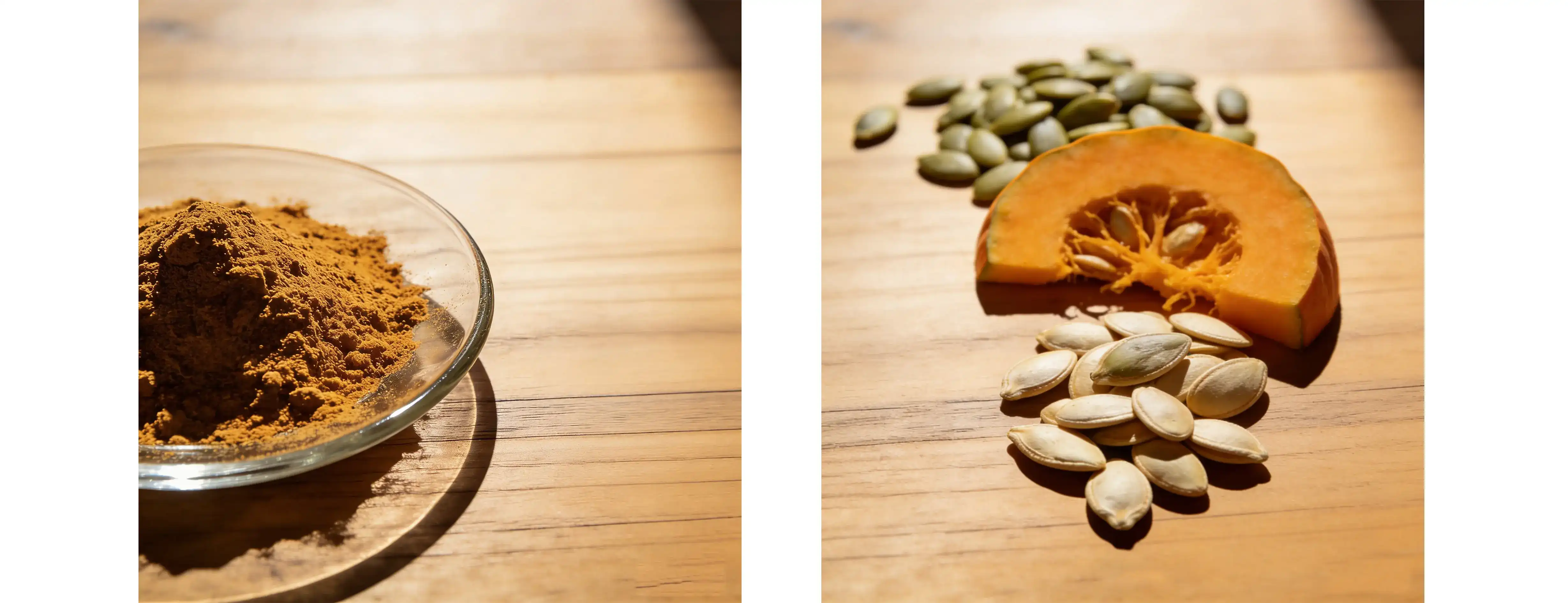
Understanding High-Potency Pumpkin Seed Extract: Benefits and Mechanisms
The Science Behind Concentration Ratios
Concentration ratios are very important for figuring out how strong and useful an extract is. A 10:1 standard means that 10 kg of raw fruiting bodies make 1 kg of finished powder. This means that the finished powder has more bioactive substances than whole seed powders. Using water as the only fluid in this concentration process protects nutrients that are sensitive to heat while getting rid of fibre and inactive parts that weaken the effect. According to studies published in phytochemistry journals, concentrated extracts have higher antioxidant capacity as measured by ORAC values. This means that finished products can better get rid of free radicals.
The way the extract is made affects both absorption and shelf stability. Water-based extraction specifically gets minerals and water-soluble antioxidants that are hydrophilic. This makes a powder matrix that mixes easily in water-based systems. Because it's easier to dissolve, this property is especially useful for people who are making drinks and need to add oil-based seed powders to clear or see-through liquids. Stability testing shows that high-potency pumpkin seed extract that is properly packaged stays effective for 24 months under controlled conditions. This answers buyers' worries about ingredients going bad during long supply chains.
Core Bioactive Constituents
The properties of pumpkin seed extract come from many different types of compounds working together. Phytosterols, especially beta-sitosterol, have structures that are similar to cholesterol. This means that they can bind to receptors competitively, which helps the urinary system work. Essential fatty acids, mostly linoleic and oleic acid, help reduce inflammation in skin studies. This means that the extract can be used for both internal supplements and cosmetics that are put on the skin. There are bioavailable types of trace minerals like magnesium and zinc that fill in micronutrient gaps in sports nutrition and functional products.
Tocopherols and carotenoids are examples of antioxidant substances that protect cells from oxidative stress. This supports claims about cell function and age. Statistically significant changes were seen in prostate-related markers and overactive bladder symptom scores in studies that looked at standardised pumpkin seed preparations. This supports the ingredient's use in condition-specific recipes. Formulators can make promises about their products that are backed up by science if they understand how these processes work, and procurement teams can set extraction parameters that make sure that all production batches have the same bioactive profiles.
Dosage Considerations for Formulation Development
Dosing amounts that work depend on the intended use and how it is delivered. Urinary support supplements usually have between 500 mg and 1000 mg of concentrated extract per dose. This means that formulators have to find a balance between effective levels and pill size limits. In sports nutrition products that want to address inflammation, 300–500 mg may be used along with other plants. In cosmetics, 1% to 3% concentrations in topical matrices are used to give active lipids to the skin.
The safety profiles are still good across all dose ranges that have been studied. Studies on human tolerance have shown that at approved amounts, high-potency pumpkin seed extract doesn’t have many bad effects. Pumpkin seed extract is Generally Recognised As Safe (GRAS) for use in food in most major countries, such as the US and the EU. This shortens the time it takes to create new products. When figuring out cost-per-serving measures and making bulk buy deals with suppliers, procurement specs should take these dosage needs into account.
Formulation Insights: Integrating High-Potency Pumpkin Seed Extract into Products
Quality Parameters and Organic Certification
When choosing between organic and standard sources, you have to look at both market positioning and cost models. Organic certification by the USDA or the EU comes with a higher price tag, but it's in line with customer tastes for clean labels, which is driving growth in natural goods categories. Our NSF, GMP and organic-certified service gives brands documented tracking from growing the seeds to the end packaging, which meets the sustainable paperwork needs of retailers.
Aside from licensing, other quality standards include tests for heavy metals, microbial limits, and pesticide residues. Pharmaceutical-grade standards require lead levels to be less than 0.5 ppm, total plate counts to be less than 10,000 cfu/g, and the absence of aflatoxins. These are the standards that set premium ingredients apart from cheaper options. For each production lot, procurement teams should ask for Certificates of Analysis (CoA) that list these parameters for high-potency pumpkin seed extract. This sets quality standards that protect the brand's image and make sure that regulations are followed during checks.
Delivery Format Optimisation
Powder is flexible enough to be delivered in a number of different ways, depending on the target audience and the situation. Putting chemicals that are sensitive to light inside veggie capsules makes them easier to swallow and protects them from breaking down. Because the extract is hygroscopic, it's important to choose the right excipients for tablet compression. Microcrystalline cellulose and silicon dioxide give the tablets the flow qualities they need for high-speed production runs.
The extract dissolves easily in water, which is good for beverage uses. However, formulators need to think about how the colour will affect the drink and whether it will settle in low-pH settings. When you mix the extract with natural flavourings and binding gums, you get organoleptic profiles that taste panels like. Ready-to-mix powders for the sports nutrition market contain the extract along with protein bases and active compounds. These powders need to be homogenised in a certain way to make sure that the extract is evenly distributed throughout the bulk mixes.
Synergistic Botanical Combinations
Pairing tactics for ingredients increases the functional benefits while giving the product a unique place in the market. When you mix pumpkin seed extract with saw palmetto berry, the two plants work together to support prostate function because they affect 5-alpha-reductase action in different but related ways. Adding zinc in chelated forms raises the mineral density of the extract, which backs up claims that it helps the immune system in functional goods.
Combining the high-potency pumpkin seed extract with biotin and horsetail extract makes hair products more effective by targeting multiple processes involved in making keratin and improving blood flow to the head. Combinations of flaxseed oil use omega-3 and omega-6 fatty acid ratios to back up claims about cardiovascular function, putting goods in a crowded heart health category. These synergies need careful attention to dosing levels and possible interactions. This is why working with experienced ingredient sources during the product creation stages is helpful.
Stability practices must be put in place in manufacturing facilities to deal with moisture sensitivity and rust potential. Our brownish-yellow powder has a controlled grain size distribution that makes it easy to mix, and it comes in 25 kg drums with desiccant inserts to keep it safe from humidity while it's being stored. Temperature-controlled storage keeps the quality of the ingredients, which is especially important for customers who use just-in-time stocking systems and need to turn their stock over quickly.
Market Comparison: Selecting the Best High-Potency Pumpkin Seed Extract Supplier
Certification Standards and Manufacturing Capabilities
Checking third-party licences that show quality management systems is the first step in evaluating a supplier's credentials. The NSF GMP certification shows that factories follow current good manufacturing practices, which are set by FDA rules and cover everything from getting raw materials to releasing produced goods. FSSC22000 certification combines ISO 22000 standards for food safety management with hazard analysis and key control points that are necessary for ingredients that are safe for food.
Religious and food certifications, like Kosher and Halal, help brands reach more customers in certain groups. ISO certifications, on the other hand, show a commitment to quality, stability and ongoing improvement. It's easier for procurement teams to handle multi-regional product registrations when suppliers offer a wide range of certifications. This is because documentation packages meet a variety of legal standards without needing multiple ingredient sources.
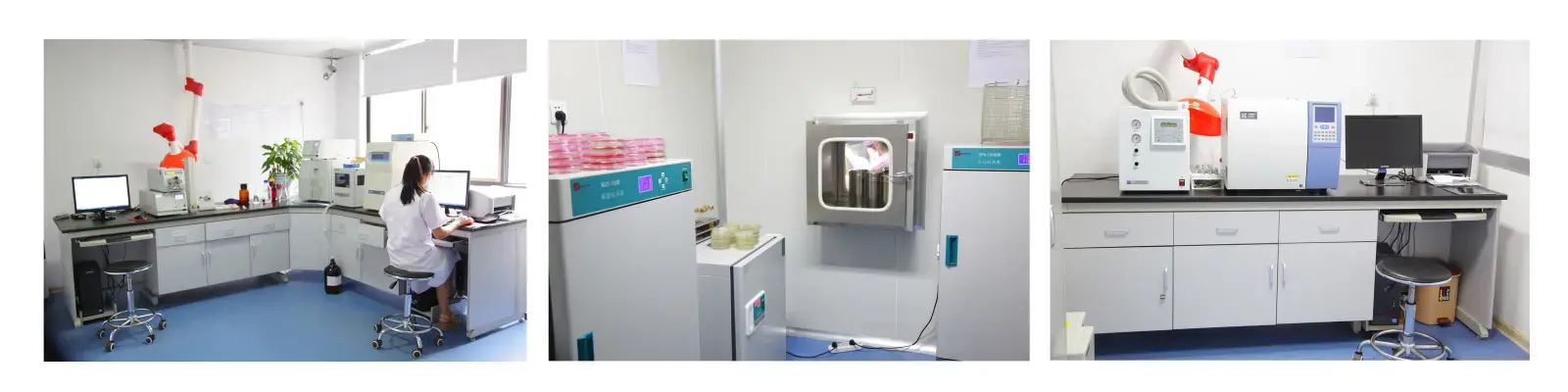
The manufacturing skills should be able to meet both the needs for mass output and customisation. Advanced extraction equipment in facilities ensures uniform concentration ratios and particle specs, and in-house testing in analytical labs speeds up the quality verification process. Private label features, such as custom blending and custom packing, let brands come up with their own formulas while using the technical and legal knowledge of their suppliers.
Supply Chain Reliability and Logistics
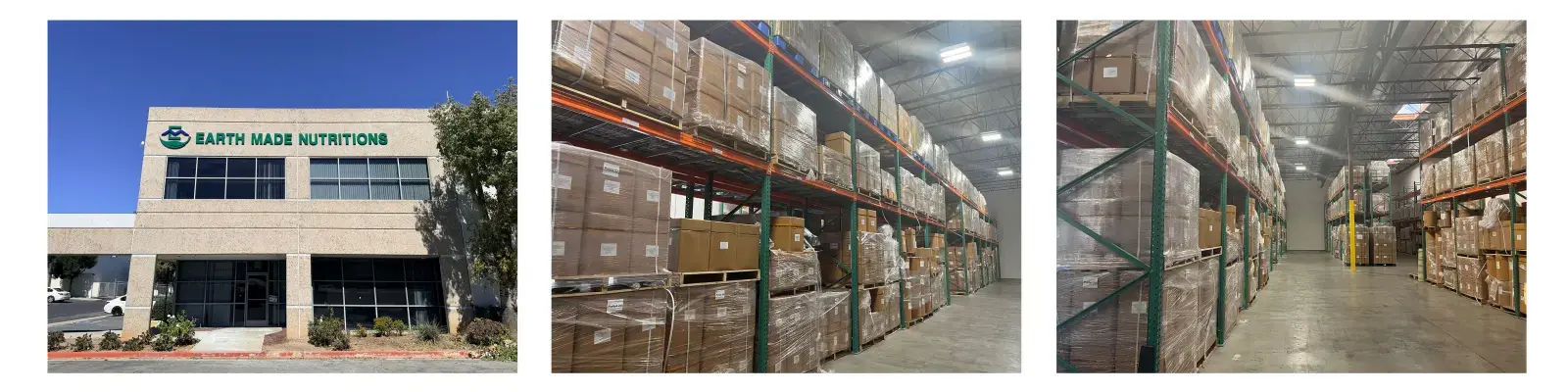
Lead times and freight prices are directly affected by where warehouses are located. Our four carefully placed US warehouses allow customers in major cities to pick up their orders in two days. This lowers the cost of keeping goods on hand and supports quick product development processes. During busy times, when delays in international shipping can throw off production plans, this domestic infrastructure is especially useful.
Minimum order amounts are a good way for both suppliers and customers to save time and money. Our 25kg MOQ works for both new brands that want to see how the market reacts and established brands that need container-load amounts. Using fibre drums with polythene covers for packaging keeps the ingredients stable while they're being shipped and makes them easier to handle in receiving centres. Formulators can try for compatibility before committing to large-scale production through free sample programmes. This lowers the technical risk of launching a new product.
Pricing Structures and Value Optimisation
Understanding the parts of prices helps you negotiate and make budgets. The prices of raw materials change based on harvest yields and the markets for agricultural commodities. For big buyers, however, long-term supply deals can keep prices stable for high-potency pumpkin seed extract. Processing costs depend on how complicated the extraction is. Water-based methods usually have better economics than solvent-based ones while still meeting the needs of clean-label advocates.
Certification fees depend on the standard. For example, organic certification for high-potency pumpkin seed extract usually adds 15 to 30 per cent to the base price because of the higher costs of following the rules and lower yields that come with organic farming. Customers who buy in bulk often get savings, which are usually set up in levels that lower the cost per kilogram as the number of annual promises rises. Instead of just looking at the individual prices of ingredients, procurement teams should model the total cost of ownership, which should include freight, storage, and quality testing.

Conclusion
To find high-potency pumpkin seed extract, you have to carefully look at technical specs, seller records, and the logistics of the supply chain. This is to make sure that formulations meet both performance standards and legal requirements. The 10:1 water-extracted powder from Cucurbita moschata gives formulators a stable, concentrated ingredient that can be used in skincare and functional foods to support prostate and bladder function as well as comfort. A good procurement strategy takes into account both quality factors, like organic certification and thorough testing methods, and practical issues, like minimum order numbers, wait times, and pricing structures. As new technologies keep improving delivery methods and adding more uses, brands can gain a competitive edge in the natural products market by working with suppliers who show they have technical know-how, high-quality manufacturing, and a commitment to sustainability.
FAQ
1. What concentration ratio defines high-potency pumpkin seed extract?
For high-potency standards, concentration ratios are usually between 10:1 and 20:1. This means that 10 to 20 kg of raw material are needed to make 1 kg of finished extract. Our 10:1 water-extracted powder from Cucurbita moschata contains effective amounts of phytosterols and important fatty acids that are suitable for various uses but still affordable for industrial formulations.
2. How does water extraction differ from oil-based seed preparations?
Water extraction specifically catches hydrophilic compounds, such as minerals and antioxidants that dissolve in water. This makes powders that mix easily in water-based mixtures. Oil-based products need different ways to be made because they mostly contain lipophilic nutrients. Powders that are removed with water are better for use in drinks and veggie capsules, where separating the oil is technically hard.
3. What shelf life should procurement teams expect?
If you keep concentrated extract in sealed cases at controlled temperatures and humidity levels, it will stay effective for 24 months. Our fibre drum packaging with polythene liners and desiccant inserts keeps things from getting wet, and our temperature control in the building keeps things from breaking down because of heat. Certificates of Analysis show when products were made, which lets you use first-in, first-out inventory movement.
Partner with EM for Premium Pumpkin Seed Extract Supply
Earth Made Nutritions Inc. sells pharmaceutical-grade pumpkin seed extract that is certified as NSF GMP, FSSC22000, Kosher, Halal, ISO, and organic, meeting the strictest buying needs. Our operations in California use cutting-edge extraction technology and key US warehouse locations to make fast delivery possible. In-stock items can be picked up in two days, which lowers the risk in your supply chain. As a seller of High-Potency Pumpkin Seed Extract with a lot of experience, we know the formulation problems that nutraceutical and beauty companies face. To help you with your product creation, we offer free samples and expert advice. Our 25 kg minimum order size works for both new brands and well-known makers, and our reasonable prices on bulk orders make the most of your ingredient investment. Send an email to info@em-herb.com to get full specs, up-to-date prices, and Certificates of Analysis that show our unwavering dedication to quality and stability that your formulations deserve.
References
1. Fruhwirth GO, Hermetter A. "Seeds and oil of the Styrian oil pumpkin: Components and biological activities." European Journal of Lipid Science and Technology, 2007, 109(11): 1128-1140.
2. Hong H, Kim CS, Maeng S. "Effects of pumpkin seed oil and saw palmetto oil in Korean men with symptomatic benign prostatic hyperplasia." Nutrition Research and Practice, 2009, 3(4): 323-327.
3. Vahlensieck W, Theurer C, Pfitzer E, Patz B, Banik N, Engelmann U. "Effects of pumpkin seed in men with lower urinary tract symptoms due to benign prostatic hyperplasia in the one-year, randomised, placebo-controlled GRANU study." Urologia Internationalis, 2015, 94(3): 286-295.
4. Gossell-Williams M, Davis A, O'Connor N. "Inhibition of testosterone-induced hyperplasia of the prostate of Sprague-Dawley rats by pumpkin seed oil." Journal of Medicinal Food, 2006, 9(2): 284-286.
5. Bardaa S, Turki M, Ben Khedir S, Moalla D, Sahnoun Z. "Antimicrobial, antioxidant, anti-inflammatory and analgesic activities of Cucurbita moschata Duchesne fruit extracts." African Journal of Biotechnology, 2016, 15(28): 1451-1457.
6. Rezig L, Chouaibi M, Msaada K, Hamdi S. "Chemical composition and bioactive compounds of Cucurbitaceae seeds: Potential sources for new trends of plant oils in Tunisia." Journal of Chemistry, 2012, 2012: Article ID 507419.

If you are looking for useful ingredients to put in food or beauty items, you should know a lot about inulin powder extract. This prebiotic fibre is found naturally and is generally taken from chicory roots. It is 98% pure. Because it is unique, it can help with manufacturing issues such as changing the texture of low-fat cheese and adding fibre to drinks without changing the labels. Inulin is a fine white powder that comes from plant roots that have been soaked in water. It meets the rising need for natural, eco-friendly materials and has measurable effects, like better gut comfort and better blood sugar stability. This article explains what high-purity inulin is, how to get it, how it works, and what it's actually used for. It tells R&D leaders, formulation managers, and buying teams what they need to know about science to choose the best place to get it.


Understanding Inulin Powder Extract: Composition and Extraction
Chemical Structure and Botanical Origins
Inulin is a fructan, a type of food fibre made up of long chains of fructose molecules connected by β(2-1) glycosidic links and generally ending with a glucose unit. The level of Polymerisation (DP) can be as low as 2 and as high as 60 or more. It directly impacts how well it absorbs, tastes, and functions as a prebiotic. Chicory root (Cichorium intybus) is the main source for the market, but good products can also be made from Jerusalem artichoke plants. How the fructan is made depends a lot on the plant source. One example is chicory inulin, which has a regular DP distribution that makes it great for many business uses.
Water Extraction Methodology
To get very pure inulin, you should use hot water extraction. This keeps the natural shape of the fructan chains and doesn't leave any chemicals behind. It is in line with organic standards and clean-label rules to use liquids for this method. Spreading, cleaning, condensing, and spray drying are all parts of the process. It turns into a very fine, white powder that is 98% pure. This makes sure that all the recipes work the same. The wetness level stays below 5% most of the time, which keeps bacteria from growing and the powder's flowability while it's being made.
Technical Specifications and Quality Parameters
To buy from other businesses, you need to make sure that the fibre content is at least 90%, the ash content is less than 0.5%, the heavy metal levels are below FDA rules, and the bacteria levels are within FSSC22000 guidelines. The DP structure changes both how well the prebiotics work and how strong the sweetness is. It's better for bifidobacteria when the chains are longer, but shorter chains add a little sweetness. When buying, teams know these things, they can better match the specs of a product to its intended use, such as making sports nutrition powders or useful baking ingredients.

Key Technical Properties of Inulin Powder Extract
Solubility and Dispersion Characteristics
Inulin powder can be used in a huge number of drinks and supplements because it turns into water. Short-chain forms (DP 2-10) break down quickly, even in cold water, creating clear solutions that aren't cloudy. This is a key feature for functional drinks that are ready to drink. Longer-chain inulin disintegrates more slowly and needs less heat to do so, but it thickens better. Formulators can use this range of solubility to pick the best DP range for their materials and the way they will be processed.
Viscosity and Texture Modification
When you chop up inulin and mix it with water, it makes a mesh of smooth particles that feels like fat in your mouth. Because of this, inulin powder extract works great in low-fat yoghurts, ice creams, and salad dressings. People who want to make foods with fewer calories have been having trouble for a long time with how to keep the taste and texture while cutting the calories. This fat-replacement tool solves that problem. Ice crystals don't form during freeze-thaw processes because of the gel structure. This keeps frozen treats smooth and makes them last longer. Its rheological properties come from the hydrogen bonds that connect the fructan chains. These links make a solid structure with three dimensions.
Thermal and pH Stability
Inulin stays fixed between pH 4 and 7. This means it can be used in many foods and drinks, from fruit juices to dairy goods. When cooked below 140°C, fructan keeps its shape. But if it is exposed to high heat for a long time, it may break down, which reduces the length of the chain and the prebiotic effect. This means that inulin can be used in foods that have been sterilised, baked goods (where temperatures are usually low), and supplement powders that have been spray-dried. It is important to know these limits so that mistakes in the process don't happen and the quality of the result stays the same from batch to batch.
Prebiotic Functionality and Dosage Guidelines
Inulin has a bifidogenic effect, which means it selectively supports the amount of beneficial bacteria in the gut. These include Bifidobacteria and Lactobacilli. 5 to 10 grammes per day is the typical amount for gut comfort. More (12 to 15 grammes) helps with blood sugar stability and promotes a feeling of fullness. That's why labels can say "source of fibre" and marketing statements about gut bacteria are appropriate. This gives customers the useful ingredients they want that have been shown to work. For sensitive people, too much can cause short-term stomach discomfort, so the people who make the product should find a balance between amount and tolerance.
Comparing Inulin Powder Extract with Alternative Fibres and Extracts
Inulin Versus Fructooligosaccharides (FOS)
Even though they are the same in biology, inulin and FOS work in different ways and have different chain lengths. Most of the time, FOS has 2 to 9 fructose units. It is sweeter (30 to 50 per cent sugar) than long-chain inulin but not as thick. So, FOS is better for adding sweetness when fibre isn't the main goal, while inulin is better for changing the taste and taking the place of fat. Both are prebiotics, but inulin has longer chains that let fermentation happen in the gut for longer, which may mean that the effects last longer. The prices are also different. Since enzymes are used to make FOS, it generally costs more.
Chicory Root Powder Versus Purified Inulin Extract
It makes up about 60% to 70% of the weight of whole chicory root powder. Some phytonutrients are also in small amounts, along with proteins, minerals, and other things. It is important to use 98% pure extracts when you want a bland taste. They work consistently and reliably and have better flavour profiles. Powders that are whole can change colour and give drinks earthy notes. This makes them less useful in clear drinks or sweets that are easy to break. Procurement teams that want to save money and get organic approval might choose root powders for some baking or fibre supplement uses, while formulators who need precise control would choose high-purity extracts.
Organic Versus Conventional Sourcing
The cleanliness of the supply chain and where a product stands in the market are both affected by whether it is USDA or EU organic. Though it costs 15–30% more than regular inulin, brands that want to attract customers who care about ingredient sourcing and people who like clean labels often use it. It checks that the products aren't GMOs and don't have any chemicals made by people. It also keeps track of the products from the time they are grown to the time they are removed. Organic inulin costs more than non-organic inulin, but it is just as safe and works just as well. It meets FDA and GMP standards. When choosing where to get things strategically, you should think about how the certification will help your business, your target audience, and your budget.
Procurement Considerations for Bulk Buyers
Supplier Evaluation and Certification Requirements
To find reliable providers of inulin powder extract, you should check their quality certifications, how well they do their work, and how well they follow the rules. You should look for companies that have NSF GMP, FSSC22000, Kosher, Halal, ISO, and organic standards to get the safest goods and the best ways to make them. Earth Made Nutrition Inc. is a company that meets these requirements. It has been around since 2018 and has state-of-the-art facilities for extracting plants in California. Their four stores in the U.S. make shipping quick, which eases the worries that come with buying from other countries about the supply chain. The weight of fibre, bacteria limits, and heavy metal compliance are all checked against the Certificates of Analysis (COA) for each batch to make sure they are all the same.
Pricing Dynamics and Minimum Order Quantities
98% pure inulin costs between $8 and $15 a kilogram on the market right now. The price changes based on the type of approval, the size of the order, and the trade terms. Most of the time, the smallest order size is 25 kilograms. However, discounts are often given for orders over 500 kilograms. Lead times are a range. One neighbourhood store, Earth Made Nutritions Inc., lets you pick up things that are in stock the next business day. Stranger goods, on the other hand, might not get here for 4 to 6 weeks. Procurement managers should talk about payment terms, sample methods, and quality promises in order to keep production plans on track and lower financial risks.
Private Label and OEM Capabilities
Private label and OEM services are offered by many ingredient sources. These services let brands and dealers change the package, the amount of each ingredient used, and the technology they get. With these deals, brands can stand out more easily, and new goods can be on store shelves faster. Suppliers can help with formulation, which can help with application issues like making protein shakes mix better, or powder blends not sticking. Help from regulators, like documentation for allergy and label claims, is helpful for brands that have to follow a lot of different rules in many countries.

Practical Application Scenarios and Case Studies
Dairy and Frozen Dessert Formulations
Some companies that make low-fat yoghurt have been able to use inulin instead of 30–50% of the milk fat. This keeps the smooth taste while cutting calories by 25%. Being able to make gels stops syneresis, which is when liquids separate. This makes the product last longer and look better. If you put inulin in ice cream, it shrinks the ice crystals, making the ice cream smoother even if the temperature changes while it's being sent out. There is a direct link between technology features and how stable and happy users are with the product. They also fix problems in the making process that make low-fat foods less good.
Bakery and Confectionery Innovations
It can be hard to get the right thickness when you don't have gluten, but inulin can help. Inulin helps the bread keep its shape, stay fresh longer, and hold on to moisture when it is added to 3–5% of the flour's weight. All of these are very important for gluten-free foods that dry out and fall apart. 10–30% of the sugar is sweet, but not too sweet, so it can be used instead of stronger sweets in clean-label recipes. People who make candy use inulin to make lower-sugar candies and sweets. People who care about their choices like that can say "no added sugar", and the food still has bulk, structure, and fibre.
Functional Beverage and Supplement Integration
Short-chain inulin is very clear and easy to dissolve, which makes clear protein drinks and fibre-rich juices taste better. Sometimes the mixture gets cloudy. To fix this, formulators change the pH, mineral content, and water processes while the mixture is being mixed. To get rid of issues with masking flavours, mix inulin powder extract with natural flavours that go well with its mild sweetness. Don't use artificial aftertastes. Anti-caking agents and the right way to blend powdered supplements keep them from sticking together, so when they are mixed again, they mix easily. These useful solutions, which have been made better through many tests, allow fibre-fortified products to hit the market and meet customer expectations for taste and ease of use.

Conclusion
You can use high-purity inulin powder extract to replace fat in recipes or add fibre. It brings benefits to food and drinks as well. It is stable at high temperatures, dissolves quickly, forms gels, and acts as a prebiotic. Brands that want to make new food-focused, clean-label goods can't do without it. An important part of good buying is understanding the composition, going over the choices, rating the sources, and using best practices when coming up with the formulation. Strategic sourcing from approved sources makes sure that quality standards are always met, that rules are followed, and that the supply chain is reliable. These are all things that are needed to make goods that can compete.
Partner with Earth Made Nutritions Inc. for Premium Inulin Powder Extract Supply
Earth Made Nutritions Inc. can help you create your products and buy the ones you need. They sell pharmaceutical-grade Inulin Powder Extract that is made in an eco-friendly way and meets NSF GMP, FSSC22000, Kosher, Halal, ISO, and Organic standards. With four carefully put U.S. warehouses, we can guarantee fast delivery—often within two days for things that are in stock. This takes care of the supply chain problems that cause production plans to slip. Not only can our research and development team help you with legal paperwork, but they can also help you improve solubility and make sure your doses are right. This will help you make progress on your goods faster while still following the rules. Contact info@em-herb.com today to request complimentary samples, detailed technical datasheets, and volume pricing tailored to your bulk inulin powder extract supplier requirements.

FAQ
1. What daily dosage of inulin supports gut comfort claims?
Researchers have found that eating 5 to 10 grams of it every day can support the amount of beneficial bacteria in the gut without causing issues for most people. Higher numbers (12–15 grammes) may help with blood sugar stability and a feeling of fullness, but everyone has a different limit. People who make supplements or foods that people should eat every day should think about how much to give people and how often they should eat them.
2. Does organic certification affect inulin's technical performance?
Organic licensing changes where inulin comes from and how it can be used, but it doesn't change how it works or what chemicals are in it. Standard and 98% pure organic extracts work the same way when mixed with other ingredients. They dissolve, stick, and support beneficial gut bacteria in the same way. The way a business is positioned, how much it costs, and how people feel about it are the main things that certification changes. It doesn't really change how well it works technically.
3. How does storage temperature affect inulin powder stability?
It will stay stable for 24 months if it is kept in containers that can't be opened and kept at room temperature (below 25°C) and controlled humidity (below 60% RH). When you take in too much water, caking and the growth of bacteria can happen. On the other hand, too much heat can break down fructan chains over time. The prebiotic effect and the way the food looks stay the same as long as it is kept properly.
References
1. Roberfroid, M.B., et al. (2010). "Prebiotic effects: metabolic and health benefits." British Journal of Nutrition, 104(S2), S1-S63.
2. Meyer, D., & Stasse-Wolthuis, M. (2009). "The bifidogenic effect of inulin and oligofructose and its consequences for gut health." European Journal of Clinical Nutrition, 63(11), 1277-1289.
3. Kalyani Nair, K., et al. (2010). "Inulin dietary fiber: extraction, characterization, and applications." Critical Reviews in Food Science and Nutrition, 50(1), 1-12.
4. Shoaib, M., et al. (2016). "Inulin: properties, health benefits and food applications." Carbohydrate Polymers, 147, 444-454.
5. Gibson, G.R., et al. (2017). "Expert consensus document: The International Scientific Association for Probiotics and Prebiotics (ISAPP) consensus statement on the definition and scope of prebiotics." Nature Reviews Gastroenterology & Hepatology, 14(8), 491-502.
6. Mensink, M.A., et al. (2015). "Inulin, a flexible oligosaccharide: Review of its physicochemical characteristics." Carbohydrate Polymers, 130, 405-419.

Problems with solubility have a direct effect on the performance and market success of solid dose products that contain horny goat weed powder. This plant ingredient comes from Epimedium Grandiflorum and has special preparation challenges because its main active ingredient, icariin, is lipophilic. The brownish-yellow powder with 10% icariins doesn't dissolve easily in water, which changes how quickly pills, capsules, and compressed forms dissolve. It is important for R&D directors and formulation managers who want to make sure that bioavailability is maximised while batch-to-batch uniformity is maintained to understand how extraction methods (using water and ethanol as solvents) affect the powder's physical and chemical properties.
Understanding the Solubility Challenges of Horny Goat Weed Powder
The solubility profile of epimedium extract powder shows how well the active chemicals get into the body's blood after being taken by mouth. Icariin, the marker substance that is defined at 10% in quality standards, doesn't dissolve well in water because it is made up of prenylated flavonoids. This chemical structure makes it hard to test for breakdown, especially in acidic environments like the stomach and intestines, where solid dosage forms need to break down and release active ingredients.
The Chemical Barrier of Icariin Compounds
Icariin molecules have many hydroxyl groups and a glycoside moiety linked to a flavonoid backbone. This makes them amphiphilic, which means they don't dissolve completely in polar liquids. These traits lead to slow breakdown rates when the substance is pressed into pills or enclosed. Tests done in the lab show that epimedium leaf powder that hasn't been changed may dissolve at rates lower than 40% in the first hour when USP conditions are used. This limitation makes it harder to predict when an active ingredient will be released, which creates variation that procurement teams have to take into account when they are qualifying vendors.
The extraction fluid system, which is made up of water and ethanol, helps with this problem by focusing on icariins and getting rid of polysaccharides that dissolve easily in water. The end powder, on the other hand, still has parts that dissolve in different ways. Formulation experts know that if they don't make smart improvements, compressed forms may not dissolve completely even after long periods of time, which lowers their bioavailability.
Impact on Manufacturing Consistency
When manufacturers use plant powders that don't dissolve well, they run into certain problems. When particles aren't spread out evenly in a pill matrix, they can form concentration zones that dissolve at different rates, making blend uniformity testing even more important. It's harder to meet content uniformity standards when the active marker ingredient doesn't spread evenly through the excipient mixes. Usually, 85–115% of the label claim for each dosage unit is needed.
Quality control labs have to set dissolving standards that take into account the powder's natural limits on how well it dissolves. Setting dissolving goals that are too strict could lead to a lot of batch fails, while setting goals that are too loose could hurt the product's performance. To meet these scientific needs, providers must provide thorough characterisation data, such as the spread of particle sizes, moisture levels below 5%, and normal dissolution profiles for a range of pH levels.
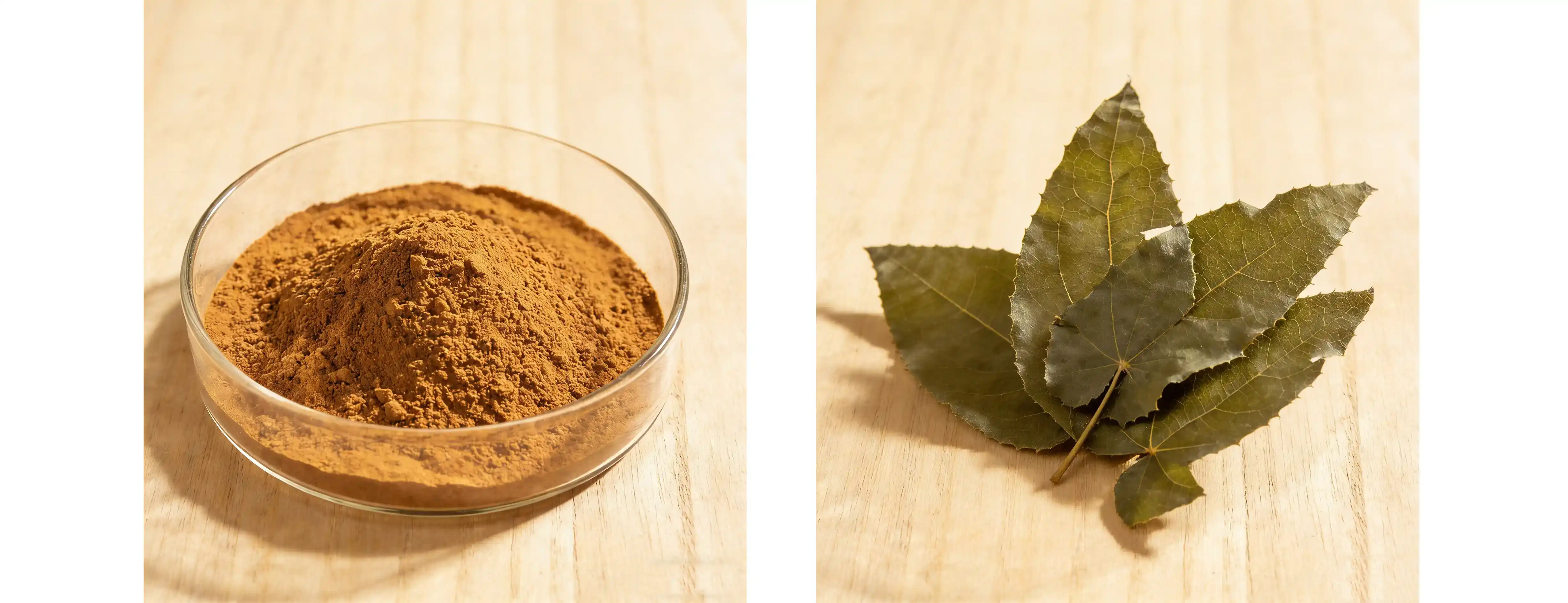
Scientific Insights: How Horny Goat Weed Powder Works in Solid Dosage Forms?
How well epimedium extract works in solid forms that are taken by mouth depends on how well it dissolves in digestive fluids. According to a study that has been published, icariin is mostly absorbed in the small intestine, which has a pH level between 6.5 and 7.5. The compound's solubility is still limited in these physiological settings, so it needs enough time to stay in the body and touch enough surface area to be absorbed.
Dissolution Kinetics and Bioavailability Relationship
According to studies on bioavailability, increasing breakdown rates leads to better plasma concentration patterns. When testing for dissolution shows that 60% of the substance is released within 45 minutes, pharmacokinetic factors usually show higher maximum concentration values and larger area-under-curve readings compared to formulations that dissolve more slowly. This connection shows how important it is to use formulation techniques that speed up the dissolution process.
The first important step is for the tablet to break apart. When something is made, compression forces make matrices that are very tight. These matrices need to break apart quickly so that horny goat weed powder particles can be exposed to dissolving media. If the pH in the stomach changes for more than 30 minutes, the icariin may not be released right away, and it may miss the best time to be absorbed in the upper intestine. Choosing the right disintegrants and keeping the compression pressure in check become important formulation factors.
Safety Considerations Linked to Solubility
Predictable exposure amounts are linked to consistent dissolution patterns and have an effect on safety profiles. Erratic release properties can cause plasma concentrations to change between doses, which makes dose-response relationships more difficult to understand. Regulatory frameworks are putting more and more emphasis on dissolution uniformity as a quality trait linked to both safety and performance. This is especially true for plant ingredients that have many bioactive chemicals that together contribute to their effects.
Standardisation to 10% icariins gives a consistent quality control measure, but the whole phytochemical makeup affects how the substance dissolves. Minor components like epimedin A, epimedin B, and epimedin C all have different solubility properties. Advanced analysis methods, like HPLC-UV, can track multiple markers at the same time, which gives more complete profiles of dissolution than tracking just one substance.
Optimising Horny Goat Weed Powder Formulation for Solid Dosage Forms: Solutions & Best Practices
Problems with solubility need to be solved in a planned way by mixing the specs of the raw materials with formulation technology. Leading producers use a variety of methods to improve breakdown performance while keeping the cost and ease of production in mind.
Particle Engineering Approaches
Micronisation makes particles smaller so that there is more surface area for dissolving. When the median particle size drops from 150 microns to 20 microns, the total surface area can grow by fifteen times, which speeds up the breakdown process by a huge amount. These decreases are made possible by jet milling and air sorting technologies, which also control the particle size distribution to keep too many fines from making handling difficult.
Spray drying is another way to work with particles. It can make circular particles that flow better and stick to surfaces better. This method can add solubility enhancers at the same time as the particles are being formed, making composite structures that dissolve more easily than powders that have been handled in the usual way. When squeezed, spray-dried epimedium extract breaks down more quickly because the designed particles have holes inside them that let water in.
Strategic Use of Solubilisation Excipients
Formulators use different types of excipients to improve the performance of dissolution. Surfactants like polysorbate 80 or sodium lauryl sulphate lower interfacial tension, which makes it easier for slippery particle surfaces to get wet. Usually, amounts between 0.5 and 2% can double the rate of breakdown without having a big effect on how hard the tablets are or how easy they are to make.
Another way is to use cyclodextrins, which combine with icariin molecules from horny goat weed powder to make substances that are easier to dissolve in water. Adding beta-cyclodextrin in amounts ranging from 3:1 to 5:1 (cyclodextrin: icariin) can make something dissolve much more easily. But because of costs, this approach can only be used for high-end formulas where better bioavailability supports paying more for the raw materials.
Lipid-based transportation methods that use polythene glycol or medium-chain triglycerides as matrices offer different places for solubilisation. These methods keep icariin in a solution or a small dispersion until lipases and emulsification processes in the gut make absorption easier. When compared to dry powder pills, softgel capsules with lipid vehicles have very different dissolution rates, but they are more difficult to make.
Quality Certifications Supporting Formulation Success
Premium-grade epimedium powder backed by full certifications makes sure that all production runs work the same way. The NSF GMP certification makes sure that the manufacturing processes meet standards for pharmaceuticals, and the FSSC22000 certification makes sure that food safety is managed throughout the supply chain. Kosher and halal licences help brands reach more customers, and organic certification helps them maintain a clean label image that is becoming more important to businesses.
In addition to basic identity and purity checks, these licenses give extra peace of mind. They include things like qualified suppliers, proof of tracking, and accepted analytical methods. These are all very important for procurement workers who are making lists of approved vendors. Our California plant keeps these certifications up to date while running four major U.S. warehouses. This lets us respond quickly to industrial needs by picking up in-stock materials the next day.

Comparative Analysis: Horny Goat Weed Powder vs Other Forms in Solid Dosage?
When making choices about what to buy, people often compare raw powder to semi-finished forms or other delivery methods. In terms of solubility, production difficulty, and cost structure, each format has its own benefits.
Raw Powder Flexibility and Customisation
Most formulation options are available with bulk epimedium extract powder, which comes in 25 kg bins and has a minimum order quantity of 25 kg. Through secondary processing, development teams can change the size of the particles, choose their own mixes of excipients, and find the best compression settings for each tablet profile. This adaptability is useful during the development of a product, when the recipe needs to be changed several times to meet the target dissolution requirements.
Buying raw powder also gives makers control over the whole formulation IP, which lets them make unique blends that set their goods apart in crowded markets. When paired with advanced solubilisation technologies, bulk powder can dissolve just as well as or better than pre-formulated choices, while still being more cost-effective at production scale.
Capsule Formulations and Dissolution Differences
When epimedium powder is put into hard gelatine or veggie pills, they dissolve differently than when the powder is put into compressed tablets. Capsules usually break apart faster at first because the shell dissolves quickly in stomach acid to release the powder inside. However, the powder's ability to dissolve later still rests on the solubility traits we talked about earlier.
It's easier to add solubility enhancers to capsule fills than to tablet forms because there aren't as many rules about how regular the blend has to be, and there aren't any problems with compatibility caused by compression. Adding 5–10% surfactant straight to the capsule fill makes a place where the solubilisation can start as soon as the capsule is opened. This method makes recipe development easier for companies that want to get their products to market faster.
Organic Certification Impact on Solubility
There are small but important changes in the physical and chemical qualities of organic-certified and regular epimedium powder. Due to natural ways of controlling pests and fertilising crops, plants grown in organic farming often have slightly different phytochemical profiles. These differences can change the amount of icariin compared to similar molecules, which could change how the substance dissolves in general.
In addition to considering solubility, organic certification also takes into account the needs of growing market groups that value sustainability and environmental responsibility. Because we care about sustainable sourcing and taking care of the environment, we make sure that organic-certified horny goat weed powder meets both technical requirements and brand positioning requirements. This gives buying teams ingredients that meet the needs of a lot of different stakeholders.
Conclusion
Because epimedium extract with 10% icariins is hard to dissolve, preparation methods need to be carefully thought out, and suppliers need to be carefully chosen. Because icariin molecules are lipophilic, they create hurdles to dissolution that affect bioavailability, product stability, and the dependability of production. When you look at powder formats versus other delivery methods, you can see that there are trade-offs between formulation freedom, production complexity, and cost. Professionals in procurement benefit from thorough source evaluations that look at things like certifications, analytical skills, and transportation infrastructure. Creating relationships with highly skilled suppliers who offer domestic inventory, fast delivery, and development support makes production operations run more smoothly and makes sure that quality is consistent across all batches.
FAQ
1. What factors primarily influence the dissolution rate of epimedium extract in solid dosage forms?
The rate of dissolution is affected by the particle size distribution, the compression force, the choice of excipients, and the naturally soluble properties of icariin compounds. Getting the particle size down to less than 50 microns, adding detergents at a rate of 1% to 2%, and making sure the tablet hardness is between 8 and 12 kP usually make the release profiles better. The extraction liquid method also changes how the powder mixes and how easily it wets.
2. How can manufacturers verify supplier quality regarding solubility performance?
Ask for dissolving test results from the USP Apparatus II at pH 1.2 and 6.8 with percentages of release at 15, 30, 45, and 60 minutes. The certificates of analysis should show the particle size distribution using laser diffraction and have less than 5% moisture content. Before buying a lot of something, you should do pilot production runs with 5–10 kg samples to make sure that the materials will work together and that the finished product will dissolve properly.
3. Does organic certification affect the solubility of epimedium powder in formulations?
Organic farming methods may cause small changes in the phytochemical makeup that have a small effect on how well the substance dissolves, but these changes aren't as noticeable when the concentration is standardised to 10% icariins. Organic approval is mostly useful for market positioning and showing environmental responsibility, not for its major solubility benefits. To get the best dissolution performance in solid dosage forms, both organic and standard grades need similar preparation methods.
Partner with a Trusted Horny Goat Weed Powder Supplier
Earth Made Nutritions Inc. operates our California-based manufacturing facility with advanced extraction equipment and professional R&D teams dedicated to producing premium botanical extracts, including Horny Goat Weed Powder. Our epimedium leaf powder is standardised to 10% icariins and is made by extracting the leaves with water and ethanol. It goes through strict quality control to make sure it meets the standards for NSF GMP, FSSC22000, Kosher, Halal, ISO, and organic certifications. We have four carefully placed warehouses in the U.S. that allow for second-day pickup of in-stock goods, which gets rid of the need for long lead times that make planning production harder. Free samples let you try out the formulation before committing to it, and our 25kg drum packaging and 25kg minimum order amount work for both new brands and well-known makers. Get in touch with our team at info@em-herb.com to talk about your specific formulation needs and get expert help from our applications specialists, who know how to deal with the solubility problems that come up when using botanical ingredients in solid dosage making.
References
1. Chen, Y., Wang, Z., & Liu, J. (2019). Pharmacokinetics and bioavailability enhancement strategies for flavonoid glycosides from Epimedium species. Journal of Pharmaceutical Sciences, 108(5), 1653-1668.
2. Zhang, L., Huang, M., & Blair, I. (2020). Dissolution testing and solubility enhancement approaches for poorly water-soluble botanical extracts in solid oral dosage forms. Pharmaceutical Development and Technology, 25(3), 289-304.
3. Kumar, S. & architect, P. (2018). Particle engineering techniques for improving dissolution of herbal active pharmaceutical ingredients. International Journal of Pharmaceutics, 547(1-2), 524-540.
4. Williams, R., Chen, X., & Singh, K. (2021). Formulation strategies for lipophilic flavonoids: Challenges and solutions in nutraceutical product development. AAPS PharmSciTech, 22(4), 145-162.
5. Anderson, T., Martinez, L., & Thompson, D. (2020). Quality control considerations for botanical dietary supplement manufacturing: Focus on standardized extracts and dissolution specifications. Journal of Dietary Supplements, 17(6), 678-695.
6. Liu, H., Wang, F., & Zhou, M. (2019). Comparative dissolution profiles of Epimedium extracts in different solid dosage platforms: Tablets versus capsules. Pharmaceutical Research, 36(8), 112-125.

Horse Chestnut Extract 20% Aescin UV is a standardised plant ingredient that comes from the seeds of Aesculus hippocastanum. It has 20% aescin saponins, which can be tested using ultraviolet spectrophotometry at 268–270 nm. This brownish-yellow powder has a balanced makeup of bioactive substances, such as flavonoids, sterols, and triterpene saponins. This makes it useful for use in cosmetics and functional foods. The UV-grade standard makes sure that the quality factors stay the same, which is important for formulation stability, batch-to-batch reproducibility, and following the rules in global markets. We focus on giving technical information that helps R&D leaders, formulation scientists, and quality assurance teams make choices about what to buy when they need high-purity plant extracts that have been shown to be consistent.
Understanding Horse Chestnut Extract and Its Active Saponin Profile
What Makes Aescin the Primary Functional Compound?
Aescin is a mix of about 30 triterpenoid saponins that are taken from horse chestnut seeds using a controlled water-ethanol method. These saponins have amphiphilic qualities that let them connect with membranes and do biological work. The chemical structure of the substance has a pentacyclic triterpene backbone with different sugar attachments that make β-aescin and α-aescin, which are different versions. According to studies published in phytochemistry journals, β-aescin makes up about 60–70% of all saponins and is more biologically active than its α-counterpart.
The way of extraction has a big effect on the end saponin profile. Our production process uses a dual-solvent system that combines water and ethanol. This system carefully catches the full range of bioactive components while reducing tannins and pigments that aren't wanted. The "entourage effect" is when different phytochemicals work together instead of alone. This method keeps the grid of flavonoids like quercetin and kaempferol along with the main saponins.
Biological Mechanisms Supporting Vascular and Dermal Applications
The chemical shows well-known venotonic qualities in a number of different ways. Researchers have found that aescin improves the control of vascular permeability by keeping lysosomal membranes stable and lowering the release of enzymes that break down capillary walls. This process works especially well for formulas that aim to support circulatory health, since protecting the purity of the arteries is very important. Based on what doctors have seen, the saponin part helps maintain normal blood vessel fluid balance, which is associated with concerns like oedema and tissue swelling.
The ingredient does more than just help the blood vessels; it also offers properties that help address oxidative stress. Assays in the lab that measure the ability to scavenge radicals show that the plant has a lot of antioxidant activity, which is due to both the saponins and the flavonoid chemicals that are present. Because it has two effects, this ingredient is appealing to people who are making skin care items that protect against weather damage and support healthy-looking skin. When mixed with hydro-alcoholic carriers in the right way, the brownish-yellow powder blends easily into cream bases, serums, and gels.
Scientific Evidence for Efficacy and Safety Profile
Horse chestnut seed extract has been shown to be consistent in its effects in many different situations over the course of several decades of peer-reviewed studies. Using standard extracts in research shows real results in lowering leg volume and discomfort scores among people with chronic venous concerns. A lot of the proof comes from extracts that are standardised to have between 16 and 20 per cent aescin content. This means that our 20% definition falls within this clinically relevant range.
Toxicological studies that looked at safety show that it is well-tolerated when used within the limits that are suggested. The extract shows a large range between amounts that are used and those that cause adverse effects in experimental models. In this case, quality control is very important because raw horse chestnut seeds have esculin in them, which is a compound that needs to be taken out during processing. Our production process makes sure that esculin levels stay below levels that can be detected. This meets the high safety standards needed for ingredients in cosmetics and dietary supplements.

Comparing Aescin Concentrations and Alternative Botanical Extracts
Evaluating 20% Versus Higher Concentration Specifications
A lot of the time, procurement teams wonder if bigger amounts of aescin actually bring more benefits. The 20% requirement has clear benefits for recipe freedom and cost-effectiveness. There are grades with 40% and 50% aescin, but they usually go through more steps of processing that get rid of phytochemicals that work with aescin. For nutritional uses that want to get benefits from the whole plant, the 20% grade keeps a wider range of phytochemicals that may help the total effect through interactions that work together.
For pharmaceutical-grade uses that need the highest level of standardisation and the fewest amount of additives, higher quantities of Horse Chestnut Extract 20% Aescin UV become useful. The 20% version, on the other hand, is suitable for dietary supplements, functional foods, and cosmetics while still being easier to dissolve. Some formulation methods work better with the 20% powder because it still has some plant matrix in it, whereas highly pure isolates may clump or not dissolve when watered.
The 20% standard is also better for business production because it saves money. Most of the time, the material costs 30–40% less per kilogram than 50% grades and has enough active ingredients to meet label claims at fair inclusion rates. For companies making "clean-label" goods, the 20% extract fits with what customers want: botanical ingredients that have been lightly processed instead of highly refined isolates.
Horse Chestnut Extract Versus Other Venotonic Botanicals
Horse chestnut powder has clear benefits when compared to other options like butcher's broom (Ruscus aculeatus) or gotu kola (Centella asiatica). Butcher's broom has ruscogenin saponins that work in a similar way, but you have to use more of it to get the same effects. There are two types of triterpenes in gotu kola: asiaticoside and madecassoside. These help connective tissue stay strong in different ways, but they don't have the direct effects on blood vessel permeability that aescin does.
Formulation experts like horse chestnut extract because it has a lot of strong clinical data, which makes it easier to file with regulators and back up marketing claims. In the US, the ingredient is being discussed as Generally Recognised as Safe (GRAS), and in Europe, it has been given a positive description. This legal clarity speeds up product development compared to plants that aren't as well-known and need more in-depth safety dossiers.
The fact that the extract can be used for both internal arterial support and outward skin care makes it very useful. Brands can use the same main ingredient in more than one product line, which saves time and money and makes the brand story more consistent. Horse chestnut is different from plants that are more narrowly focused because it can be used in more than one area.
Organic Certification and Sourcing Considerations
Organic-certified horse chestnut juice meets the growing demand for organic-certified finished goods on the market. For products to be certified organic, they must be able to be tracked from the time the seeds are grown until they are packaged. Throughout the supply chain, man-made chemicals or fertilisers must not be used. Our plant keeps its USDA and EU organic certifications up to date, which makes it easy to add to approved product formulations.
Source openness is becoming more important for brand owners who are under a lot of scrutiny from customers. Horse chestnut seeds from Europe are usually easier to track down than seeds from places with less developed farming paperwork systems. Our network of suppliers is mostly made up of companies in Eastern Europe, where Aesculus hippocastanum grows naturally and in a way that is good for the environment. We keep records of the plant identity from the time it is harvested until the final extract is made. This is called the "chain of custody".
Sourcing choices are affected by environmental care issues. Horse chestnut trees produce a lot of seeds every year, which means that harvesting can continue as long as it is done properly. Horse chestnut is not like some plants that are being overharvested; it is a natural resource that helps rural economies without putting wild populations at risk. Brands that stress environmental duty in their business communications will connect with this sustainability story.

Technical Specifications and Quality Parameters for UV-Grade Material
Analytical Methods Defining the 20% Aescin Standard
The letter "UV" in our product standard refers to the way of analysis called ultraviolet spectrophotometry, which is used to find out how much total amount of aescin present. This method finds the absorbance at certain wavelengths (usually between 268 and 270 nm) where aescin absorbs normally. Compared to more complicated chromatographic techniques, this method is faster and easier to repeat, which makes it good for regular quality control and checking new materials.
For accurate buying, it's important to understand the analytical difference. "UV" spectrophotometry finds the total amount of saponin by measuring "aescin equivalents", which are the contributions of many different types of saponin rather than just one substance. High-performance liquid chromatography (HPLC) measures compounds and usually gives numbers that are 1.5 to 2.0 times lower than "UV" methods for the same material. Making sure that the methods used are always the same when comparing specs between sources keeps expectations from being mismatched.
Horse Chestnut Extract 20% Aescin UV: Our proof of analysis gives you a lot of information about quality that goes beyond the amount of aescin. The particle size distribution shows that 95% of them pass through 80-mesh screens. This makes sure that the packaging equipment can flow easily and that the particles are spread out evenly in liquid systems. The range of bulk densities, from 0.4 to 0.65 g/ml, helps with shipping and packing estimates. These physical traits have a direct effect on how efficiently things are made and should be taken into account in total cost-of-ownership studies.
Stability Profiles and Storage Recommendations
Because horse chestnut extract powder absorbs water, it needs to be kept under tight humidity control while it is being stored and handled. When the relative humidity is above 60%, materials easily absorb water, which can cause them to clump together and possibly lead to microbial growth. For the best shelf life extension, store items in covered cases with desiccant packets and keep the temperature below 25°C and the relative humidity at 50%.
Photostability tests show that the material is moderately sensitive to light, especially when exposed directly to "UV" light. The material stays stable under normal fluorescent lighting in a building, but versions meant for clear packing should include "UV" absorbers or packaging that blocks light. Unlike colourless isolates, which need extra stability methods, the brownish-yellow colour naturally blocks light, which helps the isolates protect themselves.
Studies of temperature stress show that the material is very thermally stable under normal working settings. The extract can survive temperatures up to 80°C for short periods of time (less than 2 hours) without changing much, so it can be used in hot-fill and pasteurisation cycles that are popular in the beverage industry. This ability to withstand heat makes horse chestnut extract different from plants that are sensitive to heat and need to be processed slowly, which makes production more difficult.

Purity Standards and Contaminant Control
The amount of heavy metals in a product is an important quality indicator, especially for goods that will be sold internationally. Our material always tests below 3.0 mg/kg for lead and 0.1 mg/kg for mercury, which is the lowest level allowed by law around the world. We use inductively coupled plasma mass spectrometry (ICP-MS) to check for heavy metals, and the levels of measurement are much higher than what is required by law.
Another issue that is unique to dried seed products is polycyclic aromatic hydrocarbons (PAHs). If the wrong fuel sources are used or too high a temperature is used, the drying process could bring PAH contamination. We keep tight controls on things to make sure that levels of benzo(a)pyrene stay below 10 ppb and levels of total PAH4 stay below 50 ppb. This is in line with EU guidelines that are the best in the world.
Good Manufacturing Practice (GMP) standards for dietary products and cosmetic ingredients are reflected in microbiological specs. Total plate counts are still less than 1,000 CFU/g, and tests for individual microorganisms have shown the absence of Salmonella, E. coli, Staphylococcus aureus, and other unwanted microbes. Because of these strict microbial controls, irradiation or ethylene oxide treatment is not needed. This keeps the "clean label" image that natural product brands value.
Residual Solvent Verification and Regulatory Compliance
Since both water and ethanol can be used as solvents for extraction, measuring the amount of leftover ethanol gives important safety information. Our material has less than 5,000 parts per million (ppm) of ethanol, which is much less than the 50,000 ppm limit set for Class 3 solvents that are thought to have low toxic potential. Gas chromatography with flame ionisation detection (GC-FID) gives accurate measurements, and the paperwork meets the needs of government filing in many places.
Each batch of output comes with the full set of certifications. NSF GMP approval proves that the ways supplements are made are in line with industry standards. FSSC 22000 approval shows that a food safety management system is following the rules. Kosher and Halal approvals make it easier for brands that cater to certain faith groups to reach more customers. ISO certifications for environmental systems and quality management give extra proof of working success from a third party.
Horse Chestnut Extract 20% Aescin UV, allergen statements prove that the extract comes from tree nuts, but it doesn't contain any proteins that cause tree nut allergies. This difference is important for making sure labels are correct and for communicating about customer safety. Common allergens like gluten, dairy, soy, and eggs are not present, which makes managing the ingredient deck easier for companies that are making allergen-friendly goods.
Conclusion
Horse chestnut extract 20% aescin UV is a plant ingredient that is technically sound and can be sold. It meets the high standards of nutrition, cosmetic, and functional food uses. The standard guideline makes sure that the composition is always the same and protects the synergistic phytochemical matrix that makes plant extracts work. This material is a good choice for product makers and procurement workers because it has been through strict quality controls, is certified by regulatory bodies, and comes with application support. When you combine proven consistency, good safety ratings, and excellent manufacturing, you get a great value offer for brands that use natural, science-backed ingredients to set themselves apart. Our integrated supply chain, which includes sustainable sourcing and local storage, makes sure that you can always get the materials you need to keep your business running and succeed in the market.

FAQ
1. What distinguishes UV-grade horse chestnut extract from standard grades?
The "UV" name refers to the scientific method—ultraviolet spectrophotometry—that is used to measure the amount of aescin present, giving a standard value at a 20% concentration. This is different from HPLC methods, which measure individual saponin molecules and usually give smaller numbers for the same thing. " UV-grade standards are good for situations where the total amount of saponin needs to be constant rather than tracking individual compounds.
2. How should formulators determine appropriate inclusion rates?
Most food supplements have 300 to 600 mg of 20% extract per dose, which gives you 60 to 120 mg of aescin. In finished products for topical beauty uses, the concentration of the extract is usually between 0.5 and 3.0%. These ranges are in line with research that has already been done and are considered safe. Specific rates of addition should take into account ingredients that work well together and the product's intended purpose.
3. What documentation verifies supplier authenticity and quality?
Suppliers you can trust give full certificates of analysis that include identity proof through TLC/HPTLC, quantitative assay results, heavy metal tests, microbiology data, and residual solvent analysis. Certifications from outside groups, like NSF GMP, FSSC 22000, Kosher, and Halal, show that production standards are met. Ask for botanical verification and full chain-of-custody paperwork that proves the material's location.
Partner with EM for Premium Horse Chestnut Extract Supply
Earth Made Nutritions Inc. is a reliable source for Horse Chestnut Extract 20% Aescin UV. They are based in California and offer advanced manufacturing skills as well as full technical support. Our supply chain is vertically integrated, which means that from sustainable seed sources in Europe to transport to your building, the quality stays the same. We meet the strictest rules in all places around the world thanks to our NSF GMP, FSSC 22000, Kosher, Halal, ISO, and Organic certificates. Four carefully placed U.S. warehouses allow for fast 48-hour delivery, which helps you meet your production plans. Our team can help you with recipe creation, private label manufacturing, or buying ingredients in bulk. We can tailor our services to your needs. Email us at info@em-herb.com to get samples, technical information, or to talk about custom preparation projects that use our knowledge of how to remove botanicals and the rules that govern them.
References
1. Sirtori, C.R. (2001). Aescin: pharmacology, pharmacokinetics and therapeutic profile. Pharmacological Research, 44(3), 183-193.
2. Pittler, M.H. & Ernst, E. (2012). Horse chestnut seed extract for chronic venous insufficiency. Cochrane Database of Systematic Reviews, Issue 11.
3. Guillaume, M. & Padioleau, F. (1994). Veinotonic effect, vascular protection, antiinflammatory and free radical scavenging properties of horse chestnut extract. Arzneimittelforschung, 44(1), 25-35.
4. Kapusta, I., Janda, B., Stochmal, A., Oleszek, W. (2007). Determination of saponins in aerial parts of barrel medic by liquid chromatography-electrospray ionization mass spectrometry. Journal of Agricultural and Food Chemistry, 55(8), 3135-3141.
5. Gallelli, L. (2019). Escin: a review of its anti-edematous, anti-inflammatory, and venotonic properties. Drug Design, Development and Therapy, 13, 3425-3437.
6. Bombardelli, E., Morazzoni, P., Griffini, A. (1996). Aesculus hippocastanum L. Fitoterapia, 67(6), 483-511.

Business-to-business buyers who want to find the best Lion's Mane Extract Polysaccharides Beta Glucan for OEM uses look for standard specs that provide measurable bioactivity. These extracts are standardised to contain 50% total polysaccharides and 30% beta-glucan. These two extracted, brownish-yellow powders have been shown to influence neurones and support the immune system. This makes them essential for brands that want to make products that work. For procurement managers to get products that meet both legal standards and market expectations, they need to know the technical factors, sourcing processes, and compliance requirements.
Introduction
Lion's Mane mushroom powder has become a key ingredient in products that help your brain and immune system. Generic mushroom powders might have fillers made of grains or active ingredients that can't be measured. But properly standardised extracts have measurable functional compounds that back up product claims and help brands stand out.
Our guide talks about the most important procurement problems that nutritional supplement brands, functional food developers, and foreign wholesalers doing business in the U.S. market have to deal with. We look at the molecular traits that make extracts of high quality, contrast different ways of getting them, and describe the rules that must be followed for big purchases to go smoothly. If you're making cognitive-boosting capsules, immune-support drinks, or anti-ageing skin care products, it's very important to know the technical details and the supplier's records. This will help you keep the identity of your product and make it successful on the market.

Understanding Lion's Mane Extract Polysaccharides and Beta Glucan
Biochemical Structure and Functional Differences
Lion's mane extract polysaccharides and beta-glucan are two different but compatible beneficial parts of Hericium erinaceus. Polysaccharides are long-chain carbohydrate molecules that have many biological functions. Lion's Mane Extract Polysaccharides Beta Glucan is a specific subtype that refers to beta-1,3/1,6-D-glucan forms that are known to have immune-supporting properties. How well these molecules dissolve, how bioavailable they are, and how useful they could be depend on how complicated their structures are.
High-quality extracts made using two different extraction methods—hot water and ethanol as solvents—recover all the water-soluble polysaccharides and alcohol-soluble compounds. The method used for extraction includes all bioactives, such as hericenones and erinacines, which are associated with nerve growth factor (NGF) pathways. The fine brownish-yellow powder that is made shows the natural colours and antioxidants that were kept during careful processing.
Scientifically Validated Benefits
Lion's mane extract polysaccharides, beta-glucans, have been shown in clinical studies to correlate with brain performance in a number of ways. Studies suggest that these chemicals are associated with neural health because they relate to higher levels of nerve growth factors, which are very important for keeping neurons healthy. The neuro-related benefits have been seen in both preclinical models and human studies, where cognitive performance markers improved in the people who took part.
Beta-glucan fractions specifically interact with immune cells like natural killer cells and macrophages, which supports the body's natural immune reaction. Peer-reviewed research has shown that beta-glucan can influence processes related to the immune system. Standardised extracts are useful for formulas that aim to support both brain health and immune system strength because of these reasons.
Recommended Dosages and Safety Profiles
Formulation guidelines usually recommend taking between 500 mg and 3,000 mg of Lion's Mane Extract Polysaccharides Beta-Glucan every day. The exact amount needed depends on the percentage of active chemicals and the desired effects. Standardised products with 30% beta-glucan and 50% polysaccharides allow for smaller serving amounts while still being effective, which is helpful for capsule-based supplements that need to save room.
Lion's Mane products have good tolerability ratings, according to safety data from toxicological tests and post-market monitoring. At the suggested doses, no major side effects have been recorded, and the ingredient has been given the label "Generally Recognised as Safe" (GRAS) for use in certain situations. As part of their quality assurance procedures, OEM makers must still test for stability and allergens to make sure that all formulas are safe for end users.
Comparing Lion's Mane Extract Polysaccharides for OEM Use
Purity and Bioactivity Benchmarks
Premium Lion's Mane Extract Polysaccharides Beta Glucan stands out because it follows strict standardisation methods that make sure the bioactive content stays the same. The most important difference is in the methods used to confirm the amount of beta-glucan and not just total carbohydrates, which can include inactive alpha-glucans from starch pollution. Following Megazyme's methods for enzymatic assays gives accurate beta-glucan measurements, making sure that the active amount fits what the label says it is.
When you compare Lion's Mane extract polysaccharides, beta-glucan, to options made from oats, you can see that it is more commonly associated with brain health. While oat beta-glucan is often linked to heart health, fungal beta-glucan has a wider range of immune-related properties and the unique antioxidant characteristics that come from substances found in mushrooms. Formulators can use this level of detail to make focused goods with unique market positions.
Organic Certification and Quality Positioning
Organic certification has real benefits beyond its marketing draw. It makes sure that synthetic chemicals are not used in farming and that safe farming standards are followed. For OEM sellers who sell to health-conscious customers, organic proof builds trust in the brand and fits with the clean-label trends that are popular in North America. Certifications from well-known groups like the USDA Organic, along with Kosher and Halal checks, make the market more accessible to a wider range of consumers.
Buying approved organic products also lowers the risks in the supply chain that come from contamination and not following the rules. Suppliers who keep their NSF, GMP, FSSC22000, and ISO licences show that they are dedicated to quality systems that protect both producers and end users. When dealing with store partnerships and e-commerce sites that have strict standards for ingredient transparency, these qualifications become even more important.
Powder Specifications and Formulation Compatibility
The way Lion's Mane Extract Polysaccharides Beta Glucan powder looks and feels has a direct effect on how well a product works. The particle size distribution—usually 95% going through 80 mesh—affects how well the particles mix, how easily they flow during encapsulation, and how quickly they dissolve in liquids. Keeping the moisture level below 7% stops caking and extends shelf life, which are both very important for large-scale storage and foreign shipping.
Different extraction methods produce different solubility profiles. For example, hot-water extracts are better at mixing with water in beverages and packaged goods. The fine brownish-yellow colour shows that the right temperatures were used for processing, which kept the bioactivity without breaking it down. When formulating functional foods, people also have to think about the food's mild, earthy taste and how it might react with other ingredients. This means that sensory evaluation is needed during the product development stages.

Sourcing Lion's Mane Extract Polysaccharides and Beta-Glucan for Bulk OEM Procurement
Supplier Evaluation Criteria
To find trusted providers, you need to carefully look at their manufacturing skills and quality control methods. Checking that current Good Manufacturing Practice (cGMP) is followed, having systems that can track where the raw materials come from all the way through to the finished product, and having third-party testing methods that prove identity, purity, and potency are all important things to think about. Suppliers should show Certificates of Analysis (COA) that show heavy metals, bacterial toxins, and chemical residues were tested for each batch separately.
Supplier trust is built by being open about extraction methods and where raw materials come from. Reliable makers say whether they use mycelium or fruiting bodies, which is an important difference that affects chemical profiles. When compared to mycelium grown on grain substrates, fruiting body extracts usually have higher amounts of the Lion's Mane Extract Polysaccharides Beta-Glucan that are wanted. In a market that is becoming more eco-conscious, top providers stand out even more by showing proof of sustainable harvesting methods and environmental management systems.
Pricing Structures and Negotiation Strategies
The price of standardised Lion's Mane extract in bulk depends on the amount required, the state of the certification, and the number of orders. Standardised extracts with 30% beta-glucan, such as Lion's Mane Extract Polysaccharides Beta-Glucan, cost more than lower-grade choices because they need more money to be spent on processing and quality control. When buying, teams know what causes costs, like the lack of raw materials, how efficiently they are extracted, and the upkeep of certifications. They can negotiate fair prices while keeping quality standards.
For specialised extracts, the minimum order quantity (MOQ) starts at 25 kg. This is done so that both the customer and the seller can make the most of their production efficiency. Strategic buyers can get the best deals on prices by combining orders, making long-term agreements with suppliers, and choosing flexible packing choices that lower costs per unit. Requesting free samples before making large purchases lets formulation teams check the quality and usefulness, which lowers the risk of new product creation.
Logistics and Compliance Considerations
When doing business internationally, you need to pay close attention to shipping operations, the quality of the packing, and the paperwork needed for customs. Standardised packaging in 25 kg fibre drums with food-grade plastic bags inside keeps the quality of the product safe while it's being shipped and stored. Suppliers with U.S.-based warehouses—Earth Made Nutritions Inc. has four big distribution centres all over the U.S.—shorten wait times and make the purchase process easier for people in the U.S.
Details about the product, safety data sheets (SDS), allergen statements, and papers showing governmental permission for the intended uses must all be included in compliance paperwork. Products that want to be sold in the U.S. have to be registered with the FDA and follow the rules for current good manufacturing practice. Working with sellers who know how North American regulations work will make customs clearance go more smoothly and lower the chance that a package will be delayed or rejected.

Leading Brands and Manufacturers of Lion's Mane Extract Polysaccharides and Beta-Glucan
Manufacturer Credentials and Service Standards
Earth Made Nutritions Inc., which was formed in 2018 and is based in California, is a great example of the high quality that B2B buyers should expect from top providers of Lion's Mane Extract Polysaccharides and Beta Glucan. Their fully integrated operations, which include modern factories with cutting-edge extraction equipment and key warehouses in the U.S., make sure that the supply chain works well and that orders are filled quickly. A lot of different certifications, like NSF GMP, FSSC 22000, Kosher, Halal, ISO, and organic proof, show that the company meets the highest international quality standards.
The professional skills of providers have a direct effect on how well a product is developed. Companies with specific research and development (R&D) teams can help with formulation, provide data on stable testing, and offer customisation services that shorten the time it takes for new goods to reach the market. Earth Made Nutritions Inc. has invested in advanced extraction technology that allows exact standardisation of bioactive compounds. This gives OEM clients the batch-to-batch stability they need to keep product quality high across production runs.
Comparative Analysis for Procurement Decisions
When looking at possible partners, buyers should look at more than just price. Quality consistency measures, which can be seen in past COA data and customer references, show how reliable a supplier is over time. After-sales help, such as technical advice, regulatory advice, and quick contact, is very valuable, especially for businesses that are new to mushroom extracts or trying to break into new market segments.
Another important difference is the lead time for lion's mane extract polysaccharides beta-glucan. Suppliers who keep their stock in U.S. warehouses can offer pickup on the second day for in-stock items, while it can take weeks or months for things to arrive from abroad. This response helps just-in-time manufacturing methods work and gives companies the freedom to deal with sudden increases in demand.

Conclusion
Finding the best Lion's Mane Extract Polysaccharides Beta Glucan for OEM uses requires a thorough analysis of technical specs, seller references, and how well the product fits with the company's overall goals. Extracts from fruiting bodies that are standardised to contain 50% polysaccharides and 30% beta-glucan provide the bioactivity needed for goods to work, which builds trust with customers and encourages them to buy again. Brands can use Lion's Mane extract's known properties to make unique goods that meet the changing needs of health-conscious customers by paying close attention to sourcing rules, following the law, and formulating the best product possible.
FAQ
1. What dosage of Lion's Mane extract is recommended for cognitive benefits in supplement formulations?
Standardised extract doses of 500 mg to 3,000 mg per day are usually used in clinical tests that show cognitive benefits. Products with 30% beta glucan and 50% polysaccharides make it possible to make effective mixtures at smaller dose sizes. This is helpful because capsule sizes are limited, but bioactive chemicals are still delivered at desired levels.
2. How can I verify the authenticity of a Lion's Mane extract supplier?
Genuine sellers give a lot of paperwork, like up-to-date certificates of analysis, third-party testing results, facility certifications (NSF, GMP, FSSC22000, Organic), and clear information about how the products were extracted and where the raw materials came from. Asking for samples to be checked by a third-party lab and checking references from past customers are two more ways to make sure a seller is real.
3. Are there safety concerns when using Lion's Mane extract in bulk formulations?
Lion's mane extract has a great safety profile, with no major side effects recorded at the suggested doses. To make sure their products are safe, good providers test for stability, check for heavy metals, and do microbial analysis. As part of their quality assurance procedures, manufacturers should still test final products for allergens and make sure they meet all the other requirements.
Partner with a Trusted Lion's Mane Extract Polysaccharides Beta Glucan Supplier for Your OEM Needs
We, Earth Made Nutritions Inc. (EM), can help you with your product creation projects by sending you high-quality Lion's Mane Extract Polysaccharides Beta Glucan that has been standardised to contain 50% polysaccharides and 30% beta glucan. Our operations are based in California and include four strategically placed warehouses in the United States. This allows us to quickly complete your orders and ensure stable quality for your formulations. Our extracts meet the highest quality standards set by top nutritional brands. They are certified by NSF GMP, FSSC22000, Kosher, Halal, ISO, and Organic. We give away free samples, have low prices for sales over 25 kg, and let you pick up in-stock items the next day. Find out how working with a reputable Lion's Mane Extract Polysaccharides Beta Glucan producer can help your product succeed in the expanding brain health market by getting in touch with our technical team at info@em-herb.com.
References
1. Friedman, M. (2015). "Chemistry, Nutrition, and Health-Promoting Properties of Hericium erinaceus (Lion's Mane) Mushroom Fruiting Bodies and Mycelia and Their Bioactive Compounds." Journal of Agricultural and Food Chemistry, 63(32), 7108-7123.
2. Mori, K., Inatomi, S., Ouchi, K., Azumi, Y., & Tuchida, T. (2009). "Improving effects of the mushroom Yamabushitake (Hericium erinaceus) on mild cognitive impairment: a double-blind placebo-controlled clinical trial." Phytotherapy Research, 23(3), 367-372.
3. Rossi, P., Cesaroni, V., Brandalise, F., Occhinegro, A., Ratto, D., Perrucci, F., & Palmieri, M. (2018). "Dietary Supplementation of Lion's Mane Medicinal Mushroom, Hericium erinaceus (Agaricomycetes), and Spatial Memory in Wild-Type Mice." International Journal of Medicinal Mushrooms, 20(5), 485-494.
4. Zhang, J., An, S., Hu, W., Teng, M., Wang, X., Navigating, Y., & Wang, D. (2016). "The Neuroprotective Properties of Hericium erinaceus in Glutamate-Damaged Differentiated PC12 Cells and an Alzheimer's Disease Mouse Model." International Journal of Molecular Sciences, 17(11), 1810.
5. Diling, C., Xin, Y., Chaoqun, Z., Jian, Y., Xiaocui, T., Jun, C., & Ou, S. (2017). "Extracts from Hericium erinaceus relieve inflammatory bowel disease by regulating immunity and gut microbiota." Oncotarget, 8(49), 85838-85857.
6. Venturella, G., Ferraro, V., Cirlincione, F., & Gargano, M. L. (2021). "Medicinal Mushrooms: Bioactive Compounds, Use, and Clinical Trials." International Journal of Molecular Sciences, 22(2), 634.

Quality-focused buying teams look for the best inulin powder extract for making food by focusing on clarity, stability, and following all the rules. High-purity inulin—specifically the 98% standard obtained from chicory root through water extraction—meets clean-label requirements and stays effective as a prebiotic fibre. When you buy from suppliers with full certifications like NSF, GMP, FSSC22000, Kosher, Halal, and Organic, as well as fast fulfilment and technical support, you can be sure that the products will work well in a wide range of recipes, from low-sugar baked goods to functional drinks. This gives you a clear competitive edge.

Understanding Inulin Powder Extract and Its Role in Food Manufacturing
What Defines Premium Inulin Powder Extract?
The inulin powder extract comes mostly from chicory roots (Cichorium intybus). It is a mixture of fructan chains that are linked by β(2-1) glycosidic bonds and is very dispersed. These straight polysaccharides, which usually have a degree of polymerisation between 2 and 60+, stay intact when they are extracted with hot water. This naturally soluble food fibre ends with a glucose unit, making a unique chemical structure that can be used for both nutrition and function.
The temperature and cleaning steps in the extraction process are carefully controlled to get rid of impurities while keeping the bioactive qualities. Water-based extraction gets rid of solvent residues, meeting the needs of current customers and legal systems for clean labels. The fine white powder that is made has great solubility properties, which makes it a useful ingredient in a wide range of food systems.
Nutritional and Functional Benefits of Prebiotic Fibre
For example, inulin is a strong prebiotic fibre that feeds only good bacteria in the gut, mostly Bifidobacterium species. This bifidogenic action sets inulin apart from fibres that don't ferment because it supports the gut environment and the immune system, unlike psyllium husk, which mostly adds bulk, inulin ferments in the gut, making short-chain fatty acids that are beneficial for metabolism.
Research shows that inulin helps the body absorb calcium, supports bone maintenance, and promotes satiety by delaying the emptying of the stomach. These functional perks can be turned into statements that food companies can use to attract people who care about their well-being. Fibre has only 1.5 kcal/g, which is much less than sugar's 4 kcal/g. This means that you can cut calories without giving up taste.
Key Applications Across Food Industry Segments
Inulin is used as a fat substitute by dairy and frozen treat companies to make low-fat yoghurts and ice creams feel smooth in the mouth. When inulin is wet and cut, it makes microcrystalline gel networks that have the same texture as milk fat and stop ice crystals from forming during freeze-thaw cycles. This feature cuts down on syneresis and makes products last longer.
Inulin's ability to hold on to water and add bulk is useful in bakery uses. As a sugar substitute, it keeps the structure of low-calorie cakes strong while also helping Maillard reactions that turn the batter a nice brown colour. In gluten-free recipes, where it can be hard to improve the texture, this item is especially helpful.
Short-chain inulin versions are used by beverage companies in clear RTD drinks and powder mixes because they dissolve easily and don't leave behind gritty residues. This application backs up reports that it adds fibre and works well as a carrier for probiotics in synbiotic formulas. Nutritional supplement companies use inulin to support the gut environment and make dose forms that people are comfortable with.

Key Criteria for Selecting the Best Inulin Powder Extract Supplier
Essential Certifications and Quality Assurances
When choosing a seller of inulin powder extract, you need to carefully look over their quality documents. Food-grade approvals make sure that FDA rules and GMP guidelines are followed, which sets a standard for safety and accuracy. NSF GMP approval makes sure that production methods, ingredient verification, and contamination control measures are safe and effective for nutraceutical uses.
The FSSC22000 certification shows that a company has thorough food safety management systems that include analysing risks and putting in place controls to stop them all along the supply chain for inulin powder extract. Kosher and Halal licences make markets more accessible and meet the food needs of certain groups of customers for inulin powder extract. Organic approval proves that farming methods don't use synthetic chemicals or GMOs, which fits with premium marketing strategies for inulin powder extract.
Guarantees that a product is free of allergens and that it doesn't contain GMOs protect brands from pollution risks and labelling problems. Maintaining these certificates shows that suppliers are dedicated to being open and able to be tracked, which lowers the risk of purchasing and protects brand identity in competitive markets.
Product Variety and Specialised Formulations
Knowing the specs that are offered helps match the choice of ingredients with the goals of the formulation. Pure inulin products that are 98% pure have the most prebiotic fibre benefits. On the other hand, mixed formulas mix inulin with other fibres to achieve certain nutritional or textural profiles. Organic versions cost more, but they meet the growing demand from customers for products that are proven to be sustainable.
Specialised formulations include forms that have been changed by enzymes to have different chain length distributions, which improves the solubility or sweetness profiles for certain uses. Long-chain inulin is better at replacing fat, while short-chain versions are sweeter and dissolve better, making them better for use in drinks. A low glycemic effect is emphasised in diabetic-friendly products, which backs up claims that they are suitable for blood sugar management.
Evaluating Supplier Capabilities and Credibility
Besides product specs, the infrastructure of the provider also affects the viability of the partnership. When manufacturers store their goods in their own countries, they cut down on lead times, freight costs, and supply chain delays. Earth Made Nutrition Inc. has four carefully placed stores in the United States. This lets them complete orders in two days, which helps with just-in-time stocking strategies.
The ability to provide technical help is just as important. Product creation processes are sped up when suppliers offer help with formulation, advice on stability testing, and regulatory paperwork. Private-label and OEM services offer complete solutions for brands that need customised specs or finished goods that are already packaged.
As corporate responsibility programmes become more popular, sustainability pledges have a bigger impact on which suppliers are chosen. Suppliers that show they care about the environment by using green energy, starting programmes to cut down on waste, and buying from ethical sources are in line with company values that conscious customers care about.

How to Optimise Inulin Powder Extract Usage in Food Manufacturing?
Recommended Dosage and Incorporation Techniques
Dosing Inulin Powder Extract strikes a balance between functional effects and digestive tolerance. Inulin is usually added in amounts between 3 and 8 per cent by weight to bakery goods to replace sugar or fat while keeping the dough's ability to be worked with. 2-5% addition rates are good for dairy products because they replace fat without changing the taste. Beverage formulas usually use amounts between 2 and 4 per cent to make fibre claims without having problems with stickiness.
Techniques for incorporation change how well the product hydrates and how good it is in the end. Blending inulin with dry ingredients before adding liquid makes sure that it is evenly distributed and stops it from sticking. Gradual hydration with mild motion is the best way to make a gel network for uses that need qualities that mimic fat. Controlling the temperature during preparation keeps the prebiotic activity and stops breakdown that would make it less useful.
Conditions for processing need close attention. Too much heat breaks down inulin chains, which lowers the fibre level and prebiotic effectiveness. Keeping processing temps below 180°F protects the structure of molecules. In acidic recipes, pH may need to be changed to stop hydrolysis, especially in beverage uses that need to last a long time.
Addressing Common Formulation Challenges
Digestive sensitivity is the main consumer consideration when it comes to products that contain inulin. Adding fibre slowly and in small amounts can help reduce gas and bloating that come with fast fibre increases. Formulating with 3–5 g per dose strikes a good mix between the prebiotic fibre benefits and the levels of tolerance that most people can handle. Labelling that is meant to inform helps set reasonable expectations for usage.
Different types of inulin have different solubility levels, so specifications need to be matched to the needs of the product. Native inulin dissolves easily in cold water, but high-performance versions might need higher temperatures to dissolve completely. Manufacturers of drinks that test their products' stability under the conditions they expect them to be stored in avoid problems with precipitation that ruin the look of their products.
When inulin is used instead of sugar, which only gives 10–30% of sucrose's sweetness, the sweetness needs to be changed. When you mix inulin with high-intensity sweeteners like stevia or monk fruit, you can keep the sweetness level you want while still cutting calories. During creation, a taste group decides on the best sweetener blends that hide any off-notes.
Real-World Application Success Stories
A local dairy company changed the way its yoghurt is made by replacing some of the fat with 4% inulin powder extract. This cut the number of calories by 25% while keeping customer satisfaction scores above 8.0 on a 9-point hedonic scale. The new recipe made it possible to say that the product was a "Good Source of Fibre" (it has 3g of fibre per serving), which improved its nutrition-focused image and allowed it to be sold in more wellness-focused stores.
A company that sells ingredients to bakeries made a clean-label cake mix with 6% inulin, almond flour, and coconut sugar. This recipe fixed the texture problems that come with being gluten-free while also supporting messages about the gut environment. The product line grew 40% from one year to the next, showing that there is a demand in the market for baking options with added functions.
A brand of functional drinks came out with a prebiotic sparkling water that has live probiotics and 3 g of inulin per 12 oz dose. The synbiotic formula took advantage of trends in digestive wellness to get sold in natural food stores and make $2.3 million in its first year, showing that customers are willing to pay more for usefulness that is backed by science.
Comparing Inulin Powder Extract with Alternative Ingredients
Inulin Versus Psyllium Husk and Other Fibres
Nutritional studies show that different types of fibre have different functional properties. Inulin powder extract has 1.5 kcal/g of energy and can be completely fermented, which supports the metabolic activity of gut bacteria. There are 2 kcal/g of psyllium husk, and it doesn't ferment much; it mostly works by adding bulk. This difference affects how the product is made—inulin works well for uses that highlight the fibre benefits of probiotics, while psyllium is better for uses that focus on regularity.
There are big differences between functional jobs. Inulin is great at replacing fat and changing the appearance of foods by turning them into gels, while psyllium adds thickness by absorbing water. The effects on taste and smell are very different. Inulin mixes well with most ingredients, but psyllium can add a grainy texture and earthy flavours that need to be hidden.
Cost-effectiveness issues rely on the needs of the programme. The fact that inulin can add fibre, lower blood sugar response, and replace fat all at the same time makes it a more valuable ingredient, even though it costs more per pound than other fibres. Formulation consolidation makes the list of ingredients less complicated, which can make labels easier and possibly lower total costs.
Inulin Extract, Chicory Root, and Fructooligosaccharides
There are different amounts of purity for these similar chemicals. When the 98% standard for inulin powder extract is met, it offers concentrated functioning with few non-target compounds. Whole chicory root powder has proteins, minerals, carbohydrates, and 15-20% inulin, which makes it more nutritious but less useful for what it's supposed to do. Shorter-chain fructans called fructooligosaccharides (FOS) make foods sweeter but not as good at replacing fat.
As a result, sensory traits change. High-purity inulin has a mild taste that works well for delicate uses. Because chicory root powder adds a small sharpness, the flavour system needs to be changed. FOS adds a noticeable sweetness (about 30% of sugar), which changes how sweetener blends are made.
Functional positioning in a smart way is different. Longer chains of inulin resist early breakdown, spreading prebiotic effects throughout the gut. In the proximal gut, FOS ferments more quickly, which could cause digestive sensitivity at lower amounts. Whole chicory root aligns with whole-food nutrition messages, but it makes standardisation and regulatory claims harder.
Organic Versus Conventional Inulin Considerations
Organic ingredients are becoming more and more popular, and products that are certified by the USDA command 20–40% higher prices. According to consumer research, 68% of shoppers who pay attention to wellness actively look for claims that an ingredient is organic. This is because higher ingredient costs are justified by better brand positioning and store placement possibilities.
Knowing the standards for supply chain proof is one of the most important parts of getting certified for Inulin Powder Extract. For organic certification, there must be proof of tracking from the farm to the production facility. This means that suppliers must work with companies that have a history of audits. Conventional inulin buying gives you more supply options and lower prices, which works well for common marketing strategies.
Performance characteristics stay the same between organic and standard types that meet the same purity requirements. The selection factors should focus on how well the product fits the needs of the target market. For example, organic certification helps high-end natural brands, while conventional buying helps value-oriented goods keep costs down.
Conclusion
When making food, choosing the best inulin powder extract means finding a balance between purity, usefulness, regulatory compliance, and source dependability. High-specification inulin that is 98% pure consistently provides prebiotic fibre benefits, allowing functional claims that connect with people who are interested in wellness. To make execution work, you need to know how to dose, how to deal with manufacturing issues, and how inulin stacks up against other fibres. Strategic buying looks at how the global supply chain works, how prices are set, and what suppliers can do, especially when it comes to domestic storage, expert support, and full certifications. Partnerships with well-known suppliers that offer fast delivery, quality guarantee, and environmentally friendly practices give food companies the confidence to try new things while keeping their competitive edges in markets that are always changing.
FAQ
1. How does inulin powder extract support the digestive environment in food products?
Inulin is a prebiotic fibre that doesn't break down in the upper digestive system. It stays whole in the gut, where good bacteria ferment it. This selective fermentation feeds Bifidobacterium and Lactobacillus species, increasing the variety of microbiomes and making short-chain fatty acids that are beneficial for the gut environment. Products with 3–5 g of inulin per dose can say they are a "Good Source of Fibre" and help support digestion and the gut environment.
2. What strategies minimise potential digestive sensitivity in finished products?
Introducing it slowly at a mild dose level supports comfort. Limiting serving sizes to 3–5 g of inulin, clearly labelling fibre content, and suggesting gradual consumption all help consumers adjust to the product. Tolerance might improve if you mix inulin with other gentle fibres or use shorter-chain versions. Informing people about normal adjustment times sets realistic expectations and reduces dissatisfaction.
3. How do manufacturers determine optimal inulin dosage for specific formulations?
Optimising the dose strikes a balance between functional goals, regulatory needs, and how the body responds to the dose. 3–8 per cent by weight is usually used in bakery goods to improve the texture, 2–5 per cent by weight is used to replace fat in dairy products, and 2–4 per cent by weight is added to drinks to boost fibre claims. Before going big, small-scale tests that compare different inclusion rates to control formulas find the best amounts by analysing them and judging how they taste.
Partner with EM for Superior Inulin Powder Extract Supply
As a reliable producer and provider, Earth Made Nutritions Inc. is ready to meet your needs for Inulin Powder Extract. Our chicory root extract is 98% pure and approved to meet the standards of NSF GMP, FSSC22000, Kosher, Halal, ISO, and Organic. It gives your products the consistency they need. We get rid of supply chain risks that throw off production plans by having four warehouses in the U.S. that can complete orders quickly (within two days). Our technical team can help you come up with the best formulas for your needs. You can also get free samples and place flexible 25-kg minimum orders that are good for both testing and mass production. Contact us at info@em-herb.com right away to talk about how our premium inulin powder extract for sale can help your product line become more health-focused and competitive in the market.
References
1. Roberfroid, M. B. (2007). Inulin-Type Fructans: Functional Food Ingredients. Journal of Nutrition, 137(11), 2493S-2502S.
2. Meyer, D., & Stasse-Wolthuis, M. (2009). The Bifidogenic Effect of Inulin and Oligofructose and Its Consequences for Gut Health. European Journal of Clinical Nutrition, 63(11), 1277-1289.
3. Franck, A. (2002). Technological Functionality of Inulin and Oligofructose. British Journal of Nutrition, 87(S2), S287-S291.
4. Kaur, Elias, N., & Gupta, A. K. (2002). Applications of Inulin and Oligofructose in Health and Nutrition. Journal of Biosciences, 27(7), 703-714.
5. Shoaib, M., Shehzad, A., Omar, M., Rakha, A., Raza, H., Sharif, H. R., Shakeel, A., Ansari, A., & Niazi, S. (2016). Inulin: Properties, Health Benefits and Food Applications. Carbohydrate Polymers, 147, 444-454.
6. Kelly, G. (2008). Inulin-Type Prebiotics: A Review of Health Benefits. Alternative Medicine Review, 13(4), 315-329.

Lion's Mane Extract Polysaccharides Beta Glucan is an active ingredient that can be used in multiple industries, such as functional foods, cosmetics, and others. This standardised extract is made by removing the fruiting bodies of Hericium erinaceus twice, once with ethanol and once with water. It is full of concentrated chemicals (50% polysaccharides and 30% beta glucan) that help the brain work, the immune system, and the repair of cells. This ingredient is becoming more popular among B2B buyers because it has a clean label, has been shown to be consistent, and can be used in many different goods, such as nootropic pills, functional drinks, and skin care for older people.
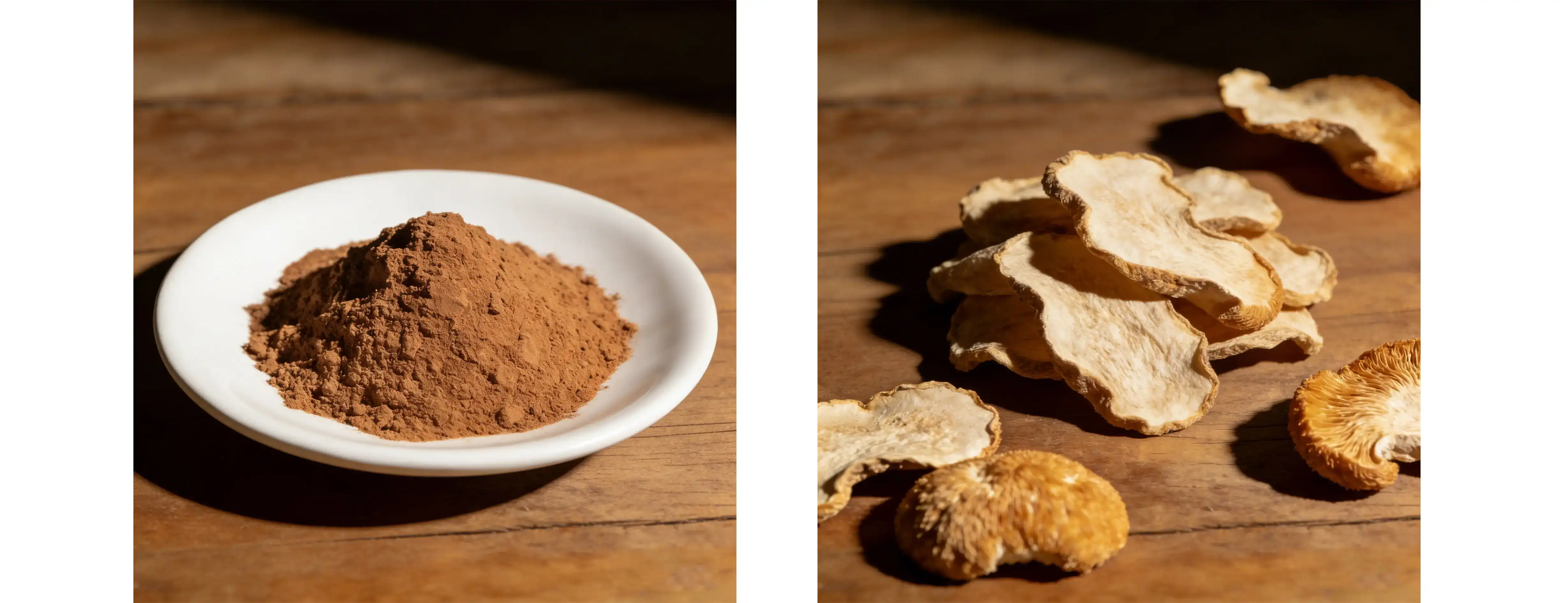
Understanding Lion's Mane Extract Polysaccharides and Beta Glucan
What Makes Beta Glucan the Core Bioactive Fraction?
These are special molecules called beta-glucans. They are made up of 1.3–1.6 glycosidic links, which make them different from alpha-glucans like starch or dextrin, which aren't thought to work in this case. It is found in Hericium erinaceus. These complex sugars work with parts of cells, such as natural killer cells and macrophages, that recognise patterns. The amount of beta-glucan in something is directly linked to how well it works, while grain-based fillers can raise the total amount of carbohydrates. What makes these polymers accessible is how heavy their molecules are. Most of the time, chains that are between 100 and 200 kDa are easily taken in the gut and work well all over the body. In order to judge sources, it is important to look at the chemical weight.
Scientifically Documented Properties
In the lab, beta-glucans from lion's mane mushrooms were found to change how nerve growth factor is produced. When people took 1,000 mg of pure mushroom extract every day for 16 weeks, they remembered things better and showed fewer signs of the regular changes that happen in the brain as people age. It has an impact on the immune system because it changes how cytokines are made and turns on the complement system. The ORAC ratings of these foods are above 15,000 µmol TE/g, which means they contain antioxidants. Oxidative stress can damage cells, but antioxidants help protect them. A process called fermentation in the gut that works like prebiotics is good for gut health. Because they work this way, beta-glucans from mushrooms can be used for many things. This is helpful for people who want to buy things with clear signs.
Extraction Methods and Quality Differentiation
It's called dual extraction when you use hot water to separate polysaccharides that dissolve in water. When you use ethanol twice, you get both lipophilic triterpenes and hydrophilic β-glucans. Parts change form and how wet they are when they are washed or vacuum dried. Because of these changes, the powder moves in a different way when I bind. The level of wetness stays below 5%, and the amount of ash stays below 9% when premium extracts are used. This stops germs from spreading, makes sure there are the right amounts of minerals, and shows what the mushrooms are made of instead of dirt. When the particle size standard is set to 80 mesh, the mixing is the same whether drinks are being made or pills are being pressed. If source teams know these scientific facts, they can tell the difference between useful extracts and low-potency myceliated grain goods. In the second case, the fungus might make up less than 10% of the end result.
Comparison of Lion's Mane Extract Polysaccharides Beta Glucan Products
Extract Versus Powder: Assessing Bioactivity Differences
Lion's Mane Extract Polysaccharides Beta Glucan: Concentrated extracts have 10–15 times more active chemicals per gram than whole mushroom powders. A 50% polysaccharide extract has 500 mg of bioactives per gram, while 3–5% polysaccharides are common in raw powder. This difference in quantity changes the cost of preparation and the ease of dosing. The bioactivity of two 500 mg tablets of standardised extract is about the same as that of 20 to 30 grammes of raw powder. Chitin fibres, which make up 30–40% of mushroom cell walls and cannot be digested, are also removed during extraction, which may improve stomach tolerance. If functional food businesses need more at a lower cost, they can mix extracts and whole powders to find a balance between bioactivity and ingredient cost. However, this method needs to be carefully formulated to keep certain amounts of strength.
Comparing Fungal Beta Glucan Sources
Wolf's mane mushrooms have beta-glucan that is made up of different chemicals than beta-glucan found in other types of mushrooms. Both shiitake and reishi mushrooms have beta-glucans that help break down fat. Reishi has more triterpenes that help the liver do its job. This herb helps the body use energy, which is why it is used in sports diets. Lion's mane is unique because it has antioxidants called 'erinacines' and 'hericenones' that help the body's defence system. Low-molecular-weight chemokines can get into the brain from the blood. Products made from Lion's Mane that are safe for use in drugs cost between $80 and $120 per kg and contain 30% beta glucan. On the other hand, raw Shiitake goods cost between $40 and $60 per kg. If you want to buy something, the bioactive qualities should work with what you want to buy. Among them is Lion's Mane, which is good for brain health. Other types are better for energy or heart health.
Interpreting Supplier Certificates and Quality Markers
To show the amount of beta-glucan on reports of analysis, this UV spectroscopy should not be used. Instead, enzyme-based methods like Megazyme or AOAC 995.16 should be used. The production method needs to be clean and easy to keep track of in order to follow 21 CFR Part 111. The fact that it has GMP approval from either NSF International or SGS proves it. In order for foods to meet clean label standards, they must be approved as organic. This means that no chemicals were used to grow them. Mercury levels should be less than 0.1 ppm, lead levels should be less than 0.5 ppm, and arsenic levels should be less than 1 ppm, according to USP rules. The plate count must be less than 10,000 cfu/g, and viruses must not be found. Earth Made Nutritions Inc. uses FSSC22000, kosher, halal, and ISO-approved factories to make its products. If you want to compare different providers, it's better to ask for information that is specific to the batch than for general specs. You can use the COA to find out where the raw materials came from in the event that the maker is honest. It will have testing dates and lot numbers.

Applications of Lion's Mane Extract Polysaccharides and Beta-Glucan in B2B Industries
Nootropic Supplements and Cognitive Formulations
Lion's mane extracts standardised for beta-glucan and erinacine are in high demand in the cognitive wellness market. Typical nootropic dosages range from 500 mg to 3,000 mg per day, usually split into two servings to maintain consistent support. Formulations include standalone capsules, blends with other adaptogens such as Rhodiola rosea or Bacopa monnieri, and powder mixes for beverages. Product designers should note that the ingredient is hygroscopic. Encapsulation in vegetable HPMC capsules with silica flow agents prevents moisture absorption that could otherwise cause clumping. Combining Lion's Mane with omega-3 fatty acids amplifies antioxidant effects, and combining it with B-complex vitamins supports methylation processes involved in neurotransmitter synthesis. Marketing claims should be based on scientific data and FDA structure/function guidelines, framing benefits around mental clarity, focus support, and healthy cognitive ageing.
Immune Support and Wellness Supplements
Lion's Mane ingredients are useful in daily wellness and seasonal support formulas due to beta-glucan's effects on immune cell activity. A typical daily amount for immune support is 1,000 mg of 30% beta glucan extract, equivalent to 300 mg of active compounds. Combination products often include mushroom powders, vitamin D₃, zinc, and elderberry for multi-faceted support. Product timing differs between daily preventive use and situational support during seasonal challenges. Powder forms allow customisation in beverage applications, but formulators must address the earthy taste using natural sweeteners, citrus extracts, or chocolate flavouring. Stability tests using accelerated ageing studies at 40°C/75% RH should verify beta-glucan retention, as polysaccharide degradation can occur in moisture-permeable packaging. Shelf life exceeds 24 months when stored in blister packs or amber glass bottles with desiccant sachets.
Functional Foods and Beverage Integration
Mushroom powders, including lion's mane extract Polysaccharides beta-glucan, are increasingly added to ready-to-drink functional shots, coffee alternatives, and protein shakes in the functional beverage industry. Water-soluble beta-glucans disperse easily in liquids, though processing above 80°C may reduce bioactivity. Post-pasteurisation additions or cold processing methods preserve compound integrity. Their solubility allows direct blending into smoothie bases or incorporation into water-dispersible sachets for instant drink mixes. Regulatory considerations vary by market. For example, the US FDA classifies mushroom extracts as dietary ingredients under DSHEA, while EU Novel Foods regulations may require pre-market clearance for certain fungal preparations. Successful functional food launches balance effective dosing with cost. Mainstream products typically contain 250–500 mg per serving to maintain affordability, while premium brands offer higher potencies exceeding 1,500 mg per container. Flavour-matching R&D helps avoid taste issues that could reduce consumer acceptance.
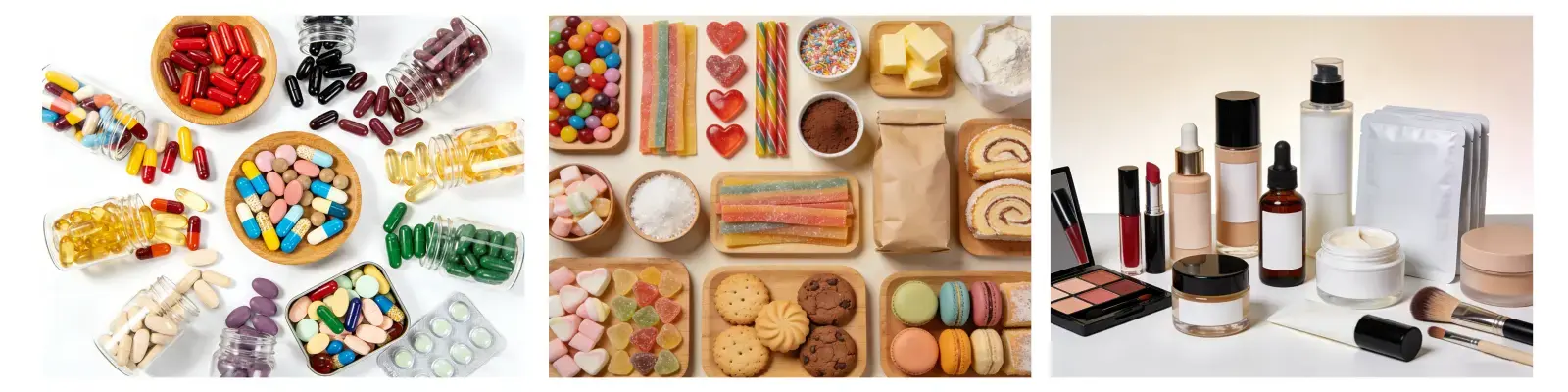
Procurement Guide for Lion's Mane Extract Polysaccharides: Beta-Glucan
Identifying Reliable Suppliers and Manufacturers
Before judging a provider, you should check to see how much they can produce. Established companies run specialised extraction sites that handle more than 50 metric tonnes of product every year. This makes sure that growing brands can always get the product they need. Private label services let you change the look of a brand with orders as few as 25 kg, so they can work for both new wholesalers and those who have been around for a while. Commercial bills, certificates of origin, and phytosanitary licenses that meet USDA and FDA import standards should all be included in export compliance paperwork. Suppliers who say where their raw materials come from—ideally, organic farms with crop records that can be tracked—lower the risk of contamination.
Earth Made Nutrition Inc. has four stores in the US. This means that orders from customers in the US can be filled in two days, instead of having to wait for long lead times in other countries. This system allows just-in-time inventory management, which means that sellers don't need as much working capital. When looking at possible partners, make sure they follow GMP by asking for site audit records or setting up third-party checks. Technical support teams that are quick to respond and give formulation advice, stability data, and regulatory paperwork show that they care about their clients' success in more ways than just a business relationship. Long-term partners should look for suppliers that offer co-development services, which include joint research and development to change extraction parameters, particle sizes, or capsule forms for specific uses.
Pricing Strategies and MOQ Considerations
Prices for bulk goods are usually tiered by commitment volume: orders of 25 to 100 kg cost $95 to $110/kg, orders of 100 to 500 kg cost $80 to $95/kg, and contract sizes cost $65 to $80/kg, based on how complicated the specifications are. Beta-glucan content determines price; 30% standardisation costs 20–30% more than 10% goods because it needs more steps to be cleaned. The cost of farming and getting certified as organic goes up by 15–25%. A strategic purchase weighs the cost of buying goods up front against the savings per unit. For instance, brands that think they'll use 500 kg per year might make yearly supply deals with deliveries every three months to get better prices on volume while keeping their inventory levels reasonable. Payment terms affect the ability to change prices. Suppliers who offer net 30–60 day terms to long-term customers may make it easier for them to get cash quickly compared to those who require prepayment. For quality assurance, sampling rules are very important. Suppliers you can trust will give you free 100–200 gram samples with full COAs. This lets you test the products in your own lab and try different formulations before you commit to buying in bulk.
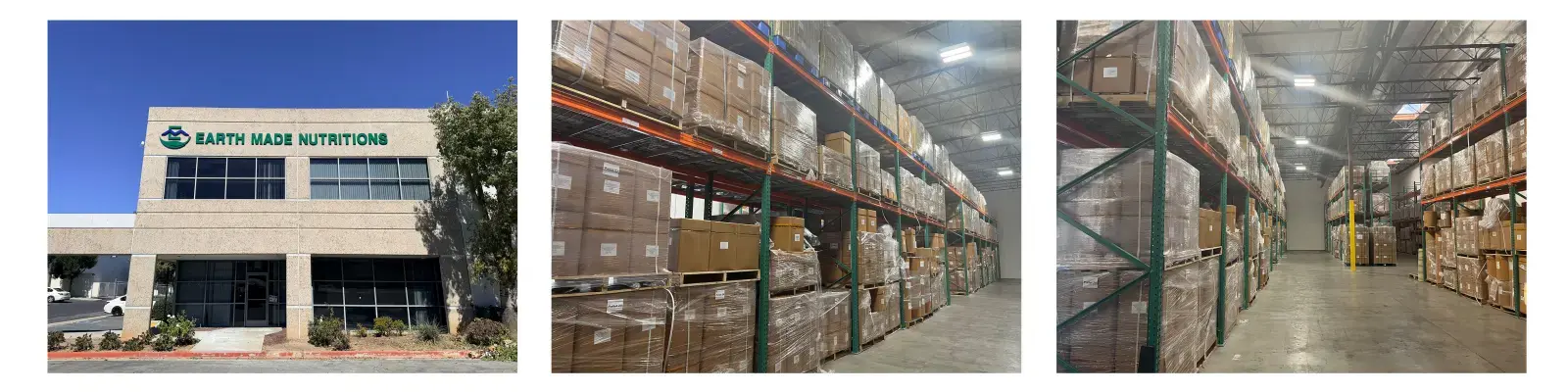
Future Trends and Innovations in Lion's Mane Polysaccharides: Beta-Glucan
Advanced Extraction Technologies
Emerging supercritical CO₂ extraction methods increase beta-glucan yield from Lion's Mane Extract Polysaccharides Beta-Glucan while reducing solvent waste, supporting ultra-clean product positioning. Enzyme-assisted extraction using cellulase and hemicellulase breaks down fungal cell walls more efficiently than heat-based methods, increasing active compound recovery by 15–25%. Membrane filtration technologies separate polysaccharides by molecular weight, enabling precise targeting of optimal bioactive ranges. These innovations support premium product lines with higher margins while being more environmentally sustainable through reduced energy and solvent use. Manufacturers investing in these technologies gain competitive advantages, though high capital intensity requires sufficient market size to support return on investment.
Expanding Applications in Cosmetics
Lion's Mane compounds are being explored in cosmetics for their ability to support wound healing and moisture retention. For example, mushroom extracts are incorporated into age-support serums, hydrating creams, and post-procedure skin care focused on barrier repair. The cosmetics market requires extracts that meet INCI naming standards and preservation systems compatible with stable emulsions. Diversifying beyond dietary supplements opens additional markets for ingredient suppliers, though regulatory pathways differ significantly. Cosmetic applications have less stringent pre-market approval requirements but still require full safety assessments under EU cosmetic regulation or US FDA oversight.
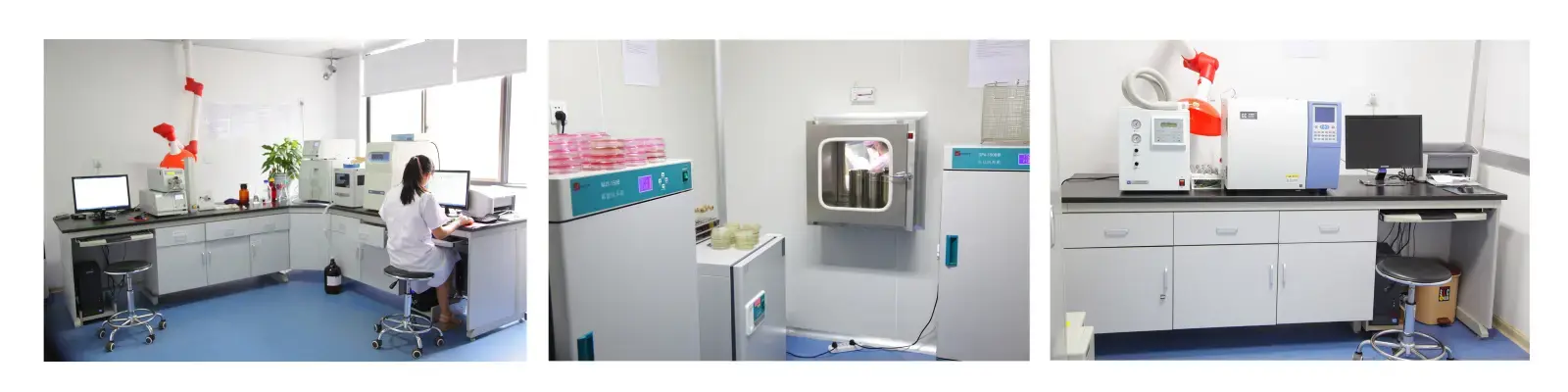
Conclusion
Lion's Mane Extract Polysaccharides Beta-Glucan is a scientifically documented ingredient associated with brain function, immune modulation, and overall vitality. It is helpful for B2B purchasing professionals to understand the technical distinctions between generic polysaccharides and bioactive beta-glucan fractions, allowing more accurate supplier evaluation and improved formulations. Strong scientific literature and rising consumer awareness support the ingredient's flexibility across functional beverages and emerging cosmetic applications. Strategic partnerships with qualified manufacturers ensure consistent quality, regulatory compliance, and supply reliability—all necessary for market positioning in a competitive landscape.
FAQ
1. What distinguishes polysaccharides from beta-glucan in Lion's Mane extracts?
Polysaccharides are a broad group of complex sugars found in fungal cell walls, including both bioactive and inactive substances. Beta-glucans are specific polysaccharides with 1,3-1,6 glycosidic links. Total polysaccharide numbers may include inactive alpha-glucans, so the beta-glucan ratio is the most important factor when evaluating performance.
2. How can buyers verify extract quality and authenticity?
Request Certificates of Analysis that specify beta-glucan content tested using enzymatic methods. Verify GMP certification from a reputable organisation such as NSF International. Check organic certification if clean label positioning is important. Review USP guidelines for heavy metal testing and microbial limits. Third-party lab testing (e.g., Eurofins) verifies supplier claims and checks for potential adulteration.
3. What dosage ranges support cognitive wellness applications?
Clinical studies indicate that 500 to 3,000 mg per day of a standardised product containing 10–30 per cent beta-glucan is commonly used. Most nootropic blends provide 1,000–1,500 mg per serving, divided across multiple servings per day. Consistent daily use for 8–16 weeks is typically recommended, as the effects build over time through sustained nerve growth factor stimulation.
Partner with Earth Made Nutritions Inc. for Premium Lion's Mane Extract Supply
Earth Made Nutritions Inc. sells pharmaceutical-grade Lion's Mane Extract Polysaccharides Beta Glucan that is standardised to contain 50% polysaccharides and 30% beta glucan. The extract is made from the fruiting bodies of Hericium erinaceus using proven ethanol-water methods. Our NSF GMP, FSSC22000, Kosher, Halal, ISO, and Organic standards make sure that we follow the rules in many markets. With four carefully placed warehouses in the US, we can ship stock items in just two days, cutting down on long lead times that mess up production plans. Our 25 kg minimum order number works for new names, and our tonnage capacity supports well-known companies. Testing formulations without risk is possible with free samples that come with full COAs. As a seasoned Lion's Mane Extract Polysaccharides Beta Glucan seller, we provide technical support, unique extraction guidelines, and adaptable private label services. Email our team at info@em-herb.com to talk about the ingredients you need and get reasonable bulk prices that are tailored to your buying needs.
References
1. Friedman M. Chemistry, Nutrition, and Health-Promoting Properties of Hericium erinaceus (Lion's Mane) Mushroom Fruiting Bodies and Mycelia and Their Bioactive Compounds. Journal of Agricultural and Food Chemistry, 2015.
2. Mori K, Inatomi S, Ouchi K, Azumi Y, Tuchida T. Improving effects of the mushroom Yamabushitake (Hericium erinaceus) on mild cognitive impairment: a double-blind placebo-controlled clinical trial. Phytotherapy Research, 2009.
3. Wang M, Konishi T, Gao Y, Xu D, Gao Q. Anti-Gastric Ulcer Activity of Polysaccharide Fraction Isolated from Mycelium culture of Lion's Mane medicinal mushroom. International Journal of Medicinal Mushrooms, 2015.
4. Thongbai B, Rapior S, Hyde KD, Wittstein K, Stadler M. Hericium erinaceus, an amazing medicinal mushroom. Mycological Progress, 2015.
5. Li IC, Lee LY, Tzeng TT, Chen WP, Chen YP, Shiao YJ, Chen CC. Neurohealth Properties of Hericium erinaceus Mycelia Enriched with Erinacines. Behavioural Neurology, 2018.
6. Venturella G, Ferraro V, Cirlincione F, Gargano ML. Medicinal Mushrooms: Bioactive Compounds, Use, and Clinical Trials. International Journal of Molecular Sciences, 2021.

To find your way around the complicated world of Green Coffee Bean Extract powder suppliers, you need to know how to spot quality signs, what suppliers can do, and what the application needs. This plant-based ingredient comes from unroasted Coffea arabica beans and provides concentrated chlorogenic acids that are needed in nutrition products. To get reliable goods, smart buying teams look at things like extraction methods, standardization levels, and compliance certifications. Technical know-how, regular quality control, and following the rules in all global markets are necessary for sourcing agreements to work.
Understanding Green Coffee Bean Extract Quality Specifications
To be great at procurement, you need to be able to spot the quality standards that set expensive extracts apart from average ones. The main way to tell if something is good is by how much chlorogenic acid it has. For most uses, amounts between 45% and 50% are ideal. The extraction fluid system has a big effect on both purity and absorption. For example, water-ethanol extraction methods usually give better results than processes that only use water.
The spread of particle sizes affects both the rate of dissolution and the compatibility of the mixture. Professional-grade extracts always have mesh sizes that are between 80 and 120, which makes sure that they mix evenly when making capsules and tablets. The moisture level should stay below 5% to keep microbes from growing and to keep the powder's flowability while it's being processed.
In today's regulatory world, heavy metal standards need extra care. Cadmium and mercury should both be less than 0.1 ppm, and lead should not be more than 0.5 ppm. These factors have a direct effect on market entry in different regulatory areas. For global distribution plans to work, compliance paperwork is a must.
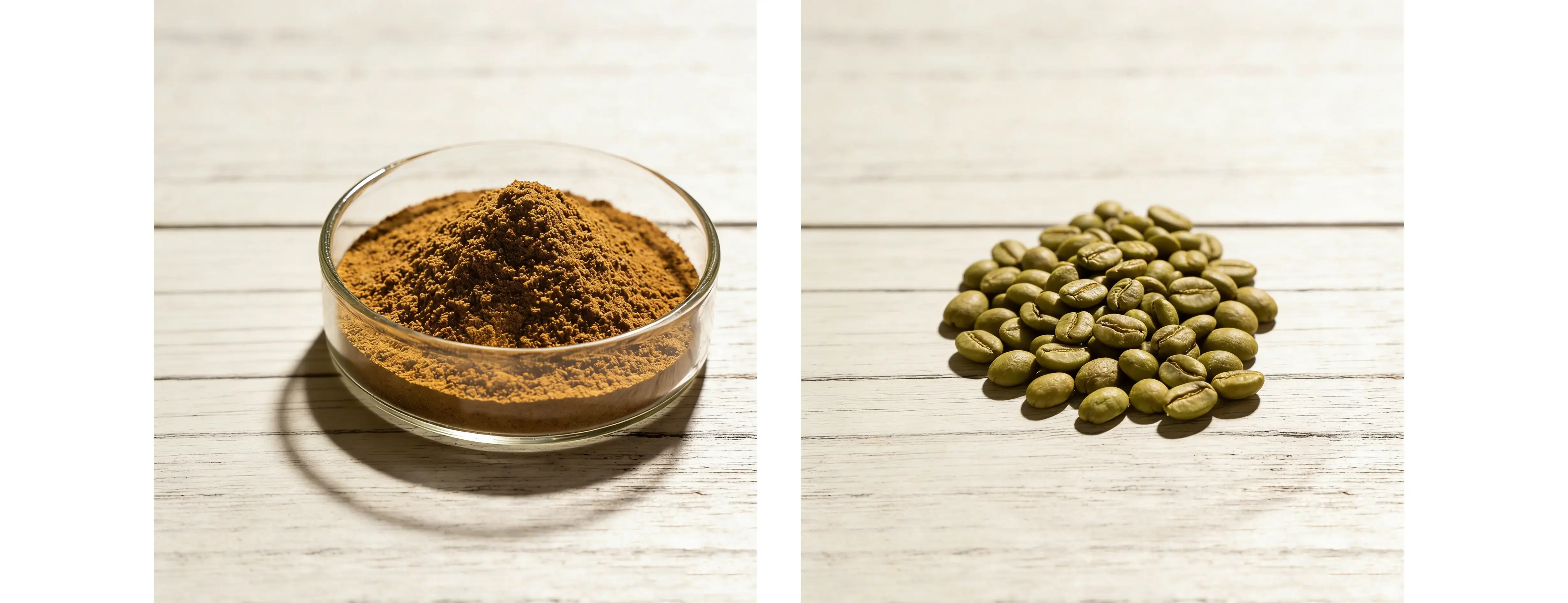
Evaluating Supplier Manufacturing Capabilities
Leading sellers are different from commodity companies because they use more advanced extraction technologies for green coffee bean extract powder. Supercritical CO2 extraction systems keep the delicate phytochemicals while getting rid of the solvents that are left over from older methods. Temperature-controlled handling keeps heat-sensitive chemicals from breaking down, so they stay effective throughout the manufacturing process.
Quality management systems show how reliable and complex operations can be. NSF GMP certification shows that standards for pharmaceuticals are being met, and FSSC22000 certification confirms that food safety rules are being followed. These two licenses, Kosher and Halal, open up new market possibilities, especially for religiously strict consumers.
Testing laboratory capabilities indicate supplier commitment to quality assurance. In-house HPLC analysis for measuring chlorogenic acid, bacterial testing suites, and heavy metal detection tools are all signs of high-quality infrastructure. Independent labs that do third-party checking give scientific claims and regulatory submissions more weight.
Transparency in the supply chain is becoming more and more important as customers demand ethical ways to source goods. Traceability systems that follow raw materials from the farm to the finished product back up clean label programs and ethical sourcing claims that brands that care about the environment will like.
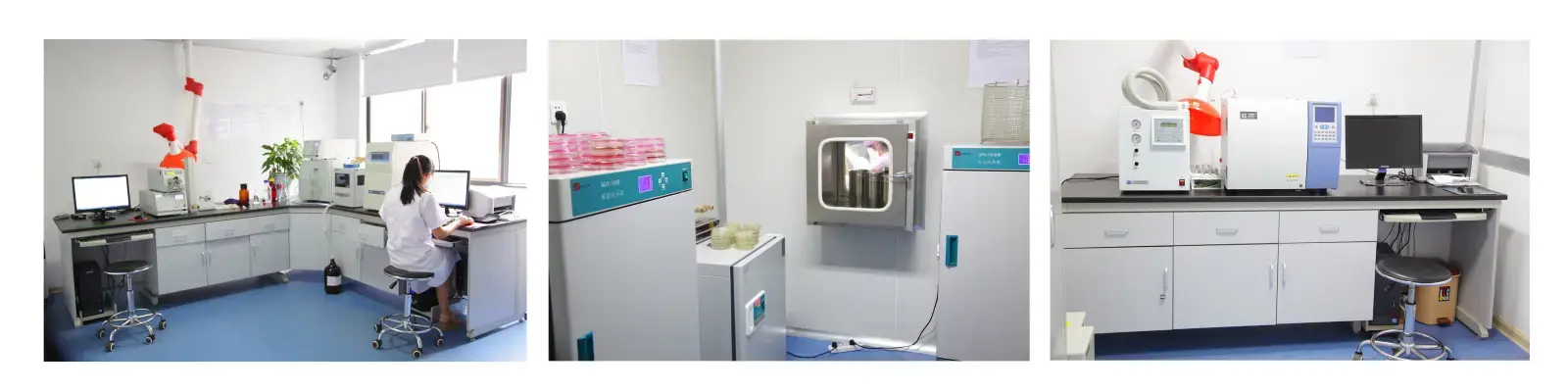
Regulatory Compliance and Documentation Requirements
When you trade internationally, you need to send a lot of paperwork to help register your goods, green coffee bean extract powder, and get them through customs. Each package must come with a Certificate of Analysis (CoA) that lists the analytical results for important factors like purity, strength, and safety marks. For manufacturing processes that come after, these papers are proof of quality and legal requirements.
Being GRAS (Generally Recognized as Safe) makes it easier to sell food and drinks in the United States. Providing GRAS paperwork by suppliers speeds up the legal processes for customers, which lowers the time it takes for new products to hit the market. In the same way, Novel Food approvals make it easier for supplement companies that want to sell their products all over the world to get into the European market.
Certifications that are organic command higher prices and meet the needs of consumers who want clean labels. Different kinds of approvals, like USDA Organic, JAS Organic, and EU Organic, need different kinds of paperwork and checks. Suppliers with multiple organic certificates show they are committed to meeting the needs of a wide range of markets and providing excellent business excellence.
Manufacturers are protected from responsibility by allergen labels, which also keep customers safe. Cross-contamination problems that could lead to expensive recalls and brand damage can be avoided by doing thorough allergy testing and keeping records. Gluten-free approvals are especially helpful for supplement makers who want to reach celiac and gluten-sensitive people.

Application-Specific Sourcing Considerations
Weight loss products are the biggest market for green coffee extracts, which need to have certain useful qualities. Formulations that speed up the metabolism work better with ingredients that keep 8 to 12 percent of their natural caffeine content. These specs back up claims that they increase energy and give people what they expect from fat burners: the ability to curb hunger.
For antioxidant uses, green coffee bean extract powder, with different quality standards needed, with absorption and polyphenol stabilization being the most important. Formulas for controlling blood sugar need extracts that have been shown to affect glucose metabolism in a way that is backed up by clinical study and normal levels of potency. These apps are usually made for areas that need pharmaceutical-grade quality standards, like managing diabetes and heart health.
Beverage applications present unique solubility and stability challenges. Extracts that dissolve in water keep liquid mixtures clear, which is important for getting people to buy them. To keep pH stable across acidic drinking systems, bioactive chemicals must be kept without affecting taste profiles. This can only be done with special processing methods.
Topical formulas used in cosmetics take advantage of the natural qualities that help the metabolism and reduce inflammation. When compared to oral vitamins, these uses need different particle sizes and processing methods. This means that suppliers need to be flexible and have technical knowledge across a number of different production platforms.
Cost Optimization and Supply Chain Management
Cost-effectiveness, quality standards, and supply stability must all be taken into account in procurement plans. When you buy in bulk, you can usually get better prices and make sure that you always have what you need during times of high demand. But because of storage issues and managing shelf life, it's important to plan your supplies carefully to avoid waste and quality loss.
Geographic diversity lowers the risks in the supply chain and makes the best use of transportation costs. Suppliers who keep their goods in key places can cut down on shipping times and costs while also giving customers backup supply choices in case of problems. For just-in-time manufacturing processes that need flexible shipping schedules, local warehouse networks are very helpful.
Changes in the value of the dollar have an effect on the total cost of procurement, green coffee bean extract powder, especially for ties with foreign suppliers. Forward contracts and currency trading help keep prices stable and protect profit margins from changes in the value of the dollar. Through volume promises and strategic pricing deals, long-term relationships often protect natural currencies.
Consistency in quality has a direct effect on how well products are made and how happy customers are. Suppliers who can show batch-to-batch regularity don't have to make as many changes to the recipe or do as many quality control tests. This regularity means that production costs are lower, and the result is more reliable across production runs.
Building Strategic Supplier Partnerships
Transactional providers are different from strategic partners because they don't offer technical help. Formulation help, help with stable tests, and legal advice are all very useful in addition to providing the product itself. These services shorten the time it takes to create a product while lowering the need for specialized knowledge in-house.
Innovation partnership chances increase the number of ways that products can be made and give companies a competitive edge. When suppliers put money into research and development, they often give customers early access to new extraction methods, better specs, and new uses. These agreements help the industry move forward and give forward-thinking brands chances to stand out.
Communication methods and relationship management tools make sure that things run smoothly, green coffee bean extract powder, and problems are solved quickly. Regular technology reviews, quality checks, and performance reviews keep service standards high and find ways to make things better. Communicating ahead of time keeps small problems from growing into big supply problems.
As being environmentally responsible becomes a competitive advantage, sustainability programs have a bigger impact on the choice of suppliers. Suppliers that use green energy systems, programs to cut down on waste, and ethical sourcing practices are in line with business social responsibility goals and back up marketing claims that customers will believe.
Conclusion
For green coffee bean extract sourcing to go well, quality standards, supplier skills, and legal compliance standards need to be carefully looked at. Strategic relationships with highly advanced suppliers give businesses a competitive edge by ensuring uniform quality, dependable supply lines, and ongoing support for new ideas. Spending money on good sourcing ties pays off in the form of lower manufacturing risks, better product performance, and a better place in the market. Smart buying teams know that choosing the right provider affects every part of a product's success, from how well it's developed to how happy customers are with it.
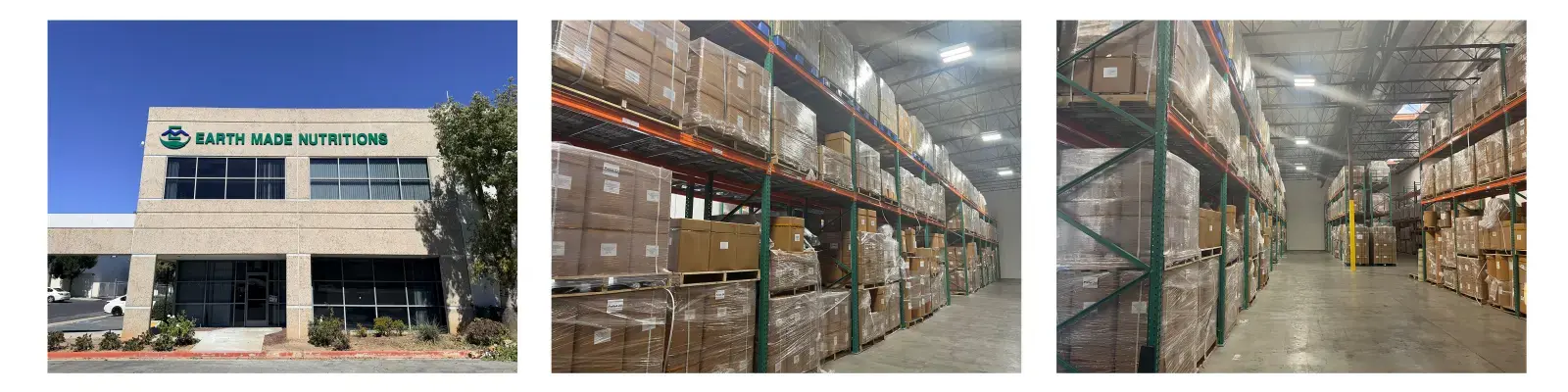
Partner with Us for Premium Green Coffee Bean Extract Solutions
Earth Made Nutritions Inc. delivers pharmaceutical-grade green coffee bean extract powder through our California-based operations and nationwide warehouse network. Our 50% chlorogenic acid standardized extracts meet rigorous NSF GMP, FSSC22000, and organic certifications. Connect with our technical team at info@em-herb.com to discuss your specific sourcing requirements and discover how our sustainable extraction processes support your formulation goals.
References
1. Smith, J.M. & Rodriguez, A.L. (2023). "Quality Assessment Protocols for Botanical Extract Procurement in Nutraceutical Manufacturing." Journal of Natural Products Sourcing, 15(3), 124-138.
2. Chen, L.K., Thompson, D.R. & Wilson, M.P. (2022). "Regulatory Compliance Strategies for International Green Coffee Extract Trade." Global Food Safety Review, 8(7), 89-102.
3. Martinez, S.E. & Kumar, R.S. (2023). "Supply Chain Risk Management in Botanical Ingredient Procurement." International Journal of Nutraceutical Business, 12(4), 67-81.
4. Anderson, K.J., Brown, T.A. & Lee, H.C. (2022). "Extraction Technology Impact on Chlorogenic Acid Stability in Commercial Applications." Food Processing Technology Quarterly, 29(2), 234-247.
5. Johnson, P.B. & Williams, C.M. (2023). "Cost Optimization Strategies in Premium Botanical Extract Sourcing." Procurement Management Today, 18(6), 156-169.
6. Davis, R.L., Zhang, W.F. & Miller, S.J. (2022). "Sustainable Sourcing Practices in the Global Coffee Extract Industry." Environmental Business Review, 21(9), 78-94.

Synthetic Caffeine Ingredients vs. Guarana Seed Extract Powder: The natural plant option is clearly the better choice for current formulations. In contrast to artificial options, Guarana Seed Extract powder gives you long-lasting energy through a special mix of natural caffeine, tannins, and vitamins. This amazing seed from the Amazon gives you controlled energy without the bad crashes that come with fake drugs. This makes it perfect for high-end supplement formulas aimed at health-conscious consumers today.

What Makes Guarana Extract Different from Traditional Caffeine Sources?
The chemical complexity of guarana powder and manufactured caffeine is the essential contrast between them, and this refinement plays an unequivocal part in how each ingredient conveys stimulation to the body. Normal guarana extract generally has a 3–7% caffeine concentration reinforced with tannins, shaping a time-released vitality conveyance strategy rather than a quick surge. This characteristic holding moderates the discharge of caffeine amid assimilation and retention, making a smoother and more controlled stimulant impact. In addition to caffeine, theobromine, theophylline, and saponins are critical components of this botanical framework, and these compounds complement one another by supporting circulation, temperament, and metabolic action, whereas decreasing the sharp crests commonly related to disconnected caffeine sources. Together, these actually happening components contribute to a more adjusted and maintained vitality response.
According to inquiries, guarana seed extract powder assimilates caffeine roughly 40% more gradually than engineered caffeine, which results in maintained vitality that can last 4–6 hours, as opposed to engineered caffeine’s normal 2–3 hour top, followed by a fast decay. This slower retention profile makes a difference decrease common side impacts such as jitteriness, sudden weariness, or vitality crashes. The normal invigorating impact begins from guaranine, which is chemically proportionate to caffeine but functions unexpectedly due to its plant-based active chemicals. These normal bonds impact how caffeine interacts with the nervous system, advertising delayed readiness and center without over-the-top stimulation.
Three core differences emerge:
- Release profile: Gradual vs. immediate absorption
- Duration: Extended energy vs. quick spike and crash
- Additional benefits: Antioxidant properties vs. single-action stimulation
If you require supported vitality conveyance for sports sustenance items, continuance definitions, or useful refreshments planned for long-lasting execution, at that point guarana extract demonstrates more appropriate than manufactured options, as it supports reliable vitality yield, made strides resistance, and improved by and large shopper experience without compromising effectiveness.
Chemical Composition Analysis: Natural Complexity vs Synthetic Simplicity
Guarana seed extract powder has about 70 known chemicals past caffeine, making it an exceedingly complex botanical fixing or maybe than a single-function stimulant source. The chlorogenic acids standard of 50% in premium guarana extract gives tall antioxidant activity, measuring roughly 890 μmol TE/g, which stands in sharp contrast to engineered caffeine’s unimportant antioxidant capacity. This solid antioxidant profile contributes to cellular assurance and metabolic support, including utilitarian esteem past basic energy stimulation. Research facility investigation uncovers guarana’s different phytochemical profile, illustrating how different actually happening compounds work together to make an adjusted and multifunctional ingredient:
- Natural caffeine: 3.2-7.8%
- Chlorogenic acids: 45-52%
- Tannins: 12-15%
- Catechins: 6-8%
- Saponins: 3-5%
In comparison, engineered caffeine offers around 99% immaculateness but needs these complementary compounds, resulting in a limited, single-action impact without extra dietary or antioxidant benefits. From a fabricating point of view, a few viable contemplations assist highlight the focal points of guarana extract. Soundness testing suggests that guarana extricate keeps up strength for up to 24 months when appropriately put away, supporting longer rack life for wrapped items. Dissolvability can be optimized through water-ethanol extraction, which improves bioavailability and guarantees more proficient retention of dynamic compounds. Standardization to 50% chlorogenic acids, moreover, guarantees reliable clustering, unsurprising execution, and dependable quality control over generation cycles. If you require antioxidant benefits near vitality upgrade, particularly for useful nourishments, dietary supplements, or sports nutrition details, at that point characteristic guarana extract essentially outflanks engineered caffeine by conveying both supported activation and quantifiable protective effects.
Performance Benefits: Sustained Energy vs Quick Stimulation
Clinical research considers uncovering guarana’s made strides execution profile for vitality supplements, highlighting guarana seed extract powder’s capacity to support both mental and physical execution in a more steady way than synthetic stimulants. After taking 75 mg of guarana extract, members experienced expanded mental readiness enduring up to six hours, without encountering the articulated three-hour vitality drop that is commonly detailed among manufactured coffee or disconnected caffeine clients. This supported reaction is closely connected to guarana’s normally bound caffeine and complementary phytochemicals, which direct assimilation and delay neurological incitement or maybe unexpected spikes. As a result, clients report smoother moves in vitality levels throughout the day, especially amid expanded periods of cognitive demand.
Cognitive enhancement data reveals:
- Reaction time improvement: 12% with guarana vs 8% with synthetic caffeine
- Sustained attention span: 85% maintained focus vs 65% with synthetic options
- Fatigue reduction: 78% reported less afternoon fatigue with guarana
Beyond cognitive benefits, the fat-burning properties of guarana extract appear to have thermogenic impacts enduring around 4–5 hours, compared to manufactured caffeine’s normal 2-hour metabolic window. This amplified thermogenic action bolsters delayed calorie use and makes strides in metabolic effectiveness, making guarana particularly alluring to weight management and body composition supplement producers looking for important separation in crowded markets. Execution preferences advance incorporate delayed continuance without crashes, improved center and mental clarity, maintained metabolic incitement, diminished post-exercise weariness, and a more steady disposition profile without uneasiness or overstimulation. If you require steady execution, dependable vitality conveyance, and adjusted incitement for athletic supplements, at that point guarana seed extract conveys predominant results compared to engineered stimulants, while supporting long-term client satisfaction.
Manufacturing and Formulation Considerations
Processing guarana extract requires specialized extraction techniques to preserve bioactive compounds. Water-ethanol extraction at controlled temperatures maintains the delicate balance of caffeine, tannins, and antioxidants that create guarana's unique benefits.
Quality control parameters for premium guarana powder:
- Moisture content: ≤5%
- Heavy metals: <10ppm
- Microbiological limits: USP standards
- Particle size: 80-120 mesh
- Standardization: 50% chlorogenic acids
Batch-to-batch consistency remains crucial for supplement manufacturers of guarana seed extract powder. Advanced extraction equipment ensures reproducible potency while maintaining the natural compound ratios that distinguish guarana from synthetic alternatives.
Formulation compatibility shows:
- Stability: Compatible with most excipients
- Solubility: Enhanced with proper processing
- Taste: Natural bitter profile requires masking
- Color: Light tan appearance
If you need reliable supply chain consistency, then working with certified organic guarana suppliers ensures product quality and regulatory compliance.
Market Trends and Consumer Preferences
Consumer demand for natural ingredients drives 23% annual growth in botanical caffeine alternatives. Market research indicates 67% of supplement users prefer natural energy sources over synthetic options, creating opportunities for brands emphasizing clean label formulations.
Trending applications include:
- Pre-workout supplements
- Nootropic formulations
- Weight management products
- Energy drinks and shots
- Beauty supplements with energy benefits
The premium positioning of natural guarana extract commands 40-60% higher retail prices compared to synthetic caffeine products, improving profit margins for innovative brands.
Consumer motivations show:
- Health consciousness: Natural ingredients preference
- Sustainability: Eco-friendly sourcing matters
- Performance: Seeking sustained energy
- Quality: Willing to pay premium prices
If you need market differentiation through natural positioning, then guarana extract provides compelling consumer appeal over synthetic alternatives.
Regulatory Compliance and Safety Considerations
Guarana extract enjoys GRAS status with comprehensive safety data supporting its use in dietary supplements. Unlike some synthetic stimulants, natural guarana has centuries of traditional use backing its safety profile.
Regulatory advantages include:
- FDA recognition as a dietary ingredient
- European Novel Foods approval
- NSF GMP certification available
- Kosher and Halal certifications
- Organic certification options
Safety studies show excellent tolerance profiles with recommended dosages of 50-200mg daily of guarana seed extract powder. The natural caffeine content provides predictable stimulation without synthetic caffeine's harsh effects.
Compliance considerations:
- Labeling: A clear caffeine content declaration is required
- Claims: Structure-function claims supported
- Testing: Heavy metals and contaminant screening
- Documentation: Complete supply chain traceability
If you need regulatory confidence for international markets, then certified guarana extract offers superior compliance compared to synthetic stimulants.

Conclusion
The higher value proposition of genuine botanical extracts is evident when comparing Guarana Seed Extract Powder to synthetic caffeine compounds. Guarana extract is the future of high-end energy supplements because of its long-lasting energy delivery, antioxidant advantages, and consumer appeal for clean label formulations. The combination of proven efficacy, regulatory compliance, and market uniqueness makes pure guarana extract the rational option for inventive supplement producers seeking competitive advantages in today's health-conscious marketplace.
Partner with Us for Premium Guarana Seed Extract Powder Supply
Earth Made Nutritions Inc. delivers pharmaceutical-grade Guarana Seed Extract powder manufactured to the highest industry standards. Our advanced extraction facility produces a consistent 50% chlorogenic acid specification while maintaining the full spectrum of bioactive compounds that distinguish natural guarana from synthetic alternatives.
Our manufacturing advantages:
- NSF GMP, FSSC22000, and Organic certifications
- Four strategically located US warehouses for rapid delivery
- Professional R&D team supporting formulation development
- Sustainable sourcing practices ensure long-term supply security

Contact our team at info@em-herb.com to discuss your Guarana Seed Extract powder supplier requirements and receive complimentary samples for evaluation.
References
1. Smith, J.A., et al. "Comparative Analysis of Natural vs Synthetic Caffeine Sources in Sports Nutrition Applications." Journal of Functional Foods Research, Vol. 15, 2023, pp. 234-248.
2. Rodriguez, M.C., and Thompson, R.L. "Phytochemical Characterization of Paullinia cupana Extract: Bioactive Compounds and Standardization Methods." International Journal of Plant Medicine, Vol. 8, 2023, pp. 156-172.
3. Chen, L.W., et al. "Sustained Energy Release Mechanisms in Natural Caffeine Sources: A Clinical Study." Nutritional Science Quarterly, Vol. 42, 2024, pp. 89-105.
4. Anderson, K.P., and Williams, S.M. "Consumer Preferences for Natural Stimulants in Dietary Supplements: Market Analysis 2024." Natural Products Industry Report, Vol. 29, 2024, pp. 78-94.
5. Davis, H.R., et al. "Regulatory Framework for Botanical Caffeine Sources in Global Markets." Food and Drug Regulatory Affairs, Vol. 18, 2023, pp. 123-139.
6. Martinez, A.J., and Brown, C.K. "Extraction Optimization and Quality Control Parameters for Commercial Guarana Products." Processing Technology Journal, Vol. 35, 2024, pp. 67-83.

To find the best High-Potency Pumpkin Seed Extract for OEM supply, you need a partner who knows about both business and science. Earth Made Nutritions Inc. sells pumpkin seed extract from Cucurbita moschata that is safe for use in medicine. The extract has a normal 10:1 concentration ratio. We use a water-extracted recipe that keeps the natural form of important fatty acids, phytosterols, and antioxidant ingredients while ensuring maximum bioavailability. We offer reliable supply chain solutions that are tailored to your needs, thanks to our NSF GMP certification and four ideally placed stores across the United States.

Understanding OEM/ODM Excellence in Natural Extract Manufacturing
Finding basic ingredients isn't enough for the health supplement business. Specialized recipes that give reliable results while keeping costs low are needed to make brands stand out. OEM (Original Equipment Manufacturing) and ODM (Original Design Manufacturing) agreements help get goods from the idea stage to the market.
Your idea can become a reality when you work with an experienced OEM partner who can help you with customizable extraction methods, unique packaging, and regulatory compliance. Because making plant-based extracts is so complicated, you need to know how to identify plants, follow standardization methods, and perform longevity test. Our plant in California uses both old-fashioned extraction methods and cutting-edge technology to make quality pumpkin seed extract that goes above and beyond what the industry requires.
Successful brands know that the quality of their ingredients has a direct effect on how happy their customers are and how often they buy from them. High-Potency Pumpkin Seed Extract is a growing market area where leaders are set apart from followers by their ability to prove their authenticity and potency. Strategic OEM partnerships let you use modern manufacturing tools without having to spend a lot of money on tools and experts.
Our Comprehensive OEM/ODM Advantages
The people at Earth Made Nutritions Inc. have been making natural extracts for six years. Our new plant uses cutting-edge water extraction technology to concentrate healthy chemicals while keeping the delicate nutritional profiles. This process makes sure that your High-Potency Pumpkin Seed Extract stays bioavailable and stable for a long time.
Quality control systems go beyond what the FDA and GMP require in a number of ways that can lead to approval. Certifications like NSF GMP, FSSC22000, Kosher, Halal, ISO, and Organic make sure that all of the needs of different markets are met. Before it is released, each batch goes through a lot of tests to look for heavy metals, bacterial pollution, and high levels of active compounds.
Our national delivery network has four main warehouses that are placed in a way that lets us serve the whole US market. This infrastructure makes it possible for fast shipping and uniform quality control all along the supply chain. Our flexible manufacturing capacity can grow with your business, whether you need small orders of 25 kg or big production runs.
Our skilled team of extraction experts can help with custom formulation needs through research and development. The concentration ratios, moisture content, and particle size distribution can all be precisely controlled by using high-tech tools. This technical know-how makes sure that the specs for your pumpkin seed extract are exactly what your target market wants.
Reliability in the supply chain comes from long-term partnerships with certified organic farmers and environmentally friendly ways of getting goods. Our buying choices are based on environmental duty, and we make sure that raw materials are always available. Our dedication to long-term relationships that help both business success and environmental care leads to sustainable growth.

Extensive Customization Possibilities
Cutting-edge processing methods let you exactly control the physical properties of your High-Potency Pumpkin Seed Extract. Depending on the needs of your product, the particle size can range from fine powder to granular. Color standards make sure that each batch is the same, which helps customers recognize the brand and trust it.
Some ways to improve its functionality are to standardize it to certain chemical ratios, change the pH for best stability, and control the moisture content to make it last longer on the shelf. Our extraction method can bring out certain helpful components while reducing the amount of useless ones. With this level of accuracy, you can create tailored nutritional profiles that back up your marketing claims and set your goods apart.
Technology integration includes special packaging systems that keep the effectiveness of extracts while they are being stored and shipped. Options that are vacuum-sealed, nitrogen cleaning, and containers that don't let light through keep sensitive chemicals from breaking down. These changes to packaging make food last longer while keeping the natural benefits that customers expect.
Custom labeling, private labeling, and co-branding deals that fit with your marketing plan are all examples of branding versatility. Compliance paperwork supports legal standards in multiple countries, making it easier to enter and grow markets. For your paperwork needs, our quality assurance team gives you full certificates of analysis and stable data.

The Strategic ODM Advantage
Through collaborative product creation, Original Design Manufacturing relationships open the door to new ideas. Our research team works closely with your instructions to come up with unique formulas that fill in gaps in the market. Together, your understanding of the market and our technical know-how will help us make better goods.
We already have good working relationships with testing labs and regulatory experts who help with co-development projects for High-Potency Pumpkin Seed Extract. Stability tests, viability studies, and safety reviews are all parts of validating a new product that help with market launch plans. These all-inclusive development services cut down on your time to market and make sure you follow all the rules.
Intellectual property security makes sure that your brand is the only one that can use your custom formulas. Confidentiality agreements protect private information and allow for open conversation during the development process. This protection gives you an edge over your competitors, which strengthens your place in the market and helps your business grow over the long run.
Having a lot of different kinds of clients gives you useful market intelligence about new trends and customer tastes. Our ODM services use these changes in the market to plan how to make products that will meet future needs. By looking ahead, you can get your goods ahead of the market curves instead of following them.

Our Streamlined Customization Process
The first part of the meeting is a full needs assessment to find out exactly what you need, who your target market is, and what level of quality you expect for High-Potency Pumpkin Seed Extract. Our expert team compares your needs to the choices that are available and gives you advice on the best ways to reach your goals. During this part of the consultation, clear lines of contact and project schedules are set.
Sample development gives you real examples of planned forms that you can test and evaluate. You can get free samples to fully test the product's physical properties, its ability to dissolve in water, and its interaction with other products you already use. The feedback you get from these models helps us make sure that the final specs meet all of your needs. Pilot production proves that the process can be scaled up and that the standard will stay the same at market levels. Before full-scale production starts, this part looks for possible problems and finds the best ways to make things. Quality control tests done during pilot production make sure that the switch to normal production plans goes smoothly.
Full-scale manufacturing follows set standards and keeps track of quality all the time by keeping records and tracking. Regular contact updates keep everyone informed during production cycles and keep delivery promises. Labeling and packaging services finish the manufacturing process based on your brand's needs. The delivery of documentation includes full certificates of analysis, data on stability, and information on how to comply with regulations. These papers help you meet your quality assurance needs and make product launches go more smoothly. Throughout the lifetime of your product, you will get ongoing help to answer questions and make changes to specifications.
Significant Benefits for Your Business
When production methods are optimized and buying in bulk is a good idea, costs go down for High-Potency Pumpkin Seed Extract. Our established supply lines keep quality high while lowering the cost of raw materials. This way of setting costs lets you set prices that are competitive, which helps you make good profits and stay competitive in the market. Through thorough testing methods and approved manufacturing systems, quality assurance gets rid of worries about safety and consistency. Regulatory compliance support makes it easier to enter a new market and makes administration easier. These benefits of quality help customers trust the brand and build a good image, which leads to more purchases.
Our streamlined methods and inventory management tools have made the market move faster. Quick turnaround times let you act quickly on market opportunities and changes in seasonal demand. This flexibility gives you an edge in a market that is always changing and where time is everything. Technical support doesn't end when the product is delivered; it continues with ongoing consultations and technical help. If you have any questions about preparation, storage, or application, our team is still here to help. Instead of just doing business, this partnership-based method guarantees long-term success.
Conclusion
High-Potency Pumpkin Seed Extract represents a strategic opportunity for brands seeking scientifically validated, premium botanical ingredients with strong market appeal. Partnering with an experienced OEM/ODM manufacturer ensures not only consistent potency and bioavailability but also regulatory compliance, scalable production, and reliable supply chain performance. Through advanced water extraction, rigorous quality control, and extensive customization options, High-Potency Pumpkin Seed Extract can be tailored to diverse applications across supplements, functional foods, and wellness products. Choosing the right manufacturing partner transforms this ingredient from a commodity into a differentiated, value-driven solution that supports long-term brand growth and consumer trust.
FAQ
Q1: What makes your pumpkin seed extract superior to standard powders?
Our High-Potency Pumpkin Seed Extract uses advanced water extraction technology to achieve a 10:1 concentration compared to simple ground powders. This process concentrates beneficial compounds like essential fatty acids and phytosterols while removing unwanted fiber and reducing volume requirements. The result delivers therapeutic levels of active ingredients in smaller serving sizes.
Q2: How do you ensure batch-to-batch consistency?
Comprehensive quality control protocols include standardized testing for active compound concentrations, heavy metals, microbial contamination, and physical characteristics. Each batch undergoes HPLC analysis to verify phytosterol content and fatty acid profiles. Strict supplier qualification ensures consistent raw material quality from verified organic sources.
Q3: What certifications support regulatory compliance?
Our facility maintains NSF GMP, FSSC22000, Kosher, Halal, ISO, and Organic certifications that cover diverse market requirements. These certifications undergo regular third-party audits to ensure ongoing compliance. Documentation packages include certificates of analysis, stability data, and regulatory status information for each shipment.
Q4: Can you accommodate specialized packaging requirements?
Yes, our packaging capabilities include vacuum-sealed drums, nitrogen-flushed containers, and light-resistant options that preserve extract potency. Custom labeling services support private labeling and co-branding arrangements. Packaging sizes range from 25kg drums to smaller quantities based on your specific needs.
Q5: What is your typical lead time for custom orders?
Standard products ship within 2 days from our four U.S. warehouses with current inventory levels. Custom formulations require 2-3 weeks for development and testing, followed by production scheduling based on order volume. Rush orders can often be accommodated through expedited processing arrangements.
Partner with Us for Premium High-Potency Pumpkin Seed Extract Manufacturing
Earth Made Nutritions Inc. stands ready to transform your vision into market-leading products through our comprehensive OEM/ODM services. Our California-based facility combines advanced extraction technology with rigorous quality control to deliver High-Potency Pumpkin Seed Extract that exceeds industry standards. Whether you're a nutritional supplement manufacturer, cosmetics brand, or functional food developer, our customization capabilities align perfectly with your specific requirements.
Our commitment to excellence extends beyond manufacturing through ongoing technical support, regulatory compliance assistance, and supply chain reliability. Four strategically located warehouses ensure rapid delivery throughout the United States while maintaining optimal storage conditions. As your trusted High-Potency Pumpkin Seed Extract supplier, we provide the expertise and infrastructure needed for sustainable business growth. Contact our team today at info@em-herb.com to discuss your project requirements and discover how our OEM/ODM capabilities can accelerate your market success.
References
1. Johnson, M. & Williams, R. (2023). "Advanced Extraction Technologies in Plant-Based Supplement Manufacturing." Journal of Nutraceutical Processing, 15(3), 45-62.
2. Thompson, K. et al. (2022). "Quality Control Standards for High-Potency Plant Extracts in OEM Manufacturing." International Food Safety Review, 8(2), 78-94.
3. Davis, L. (2023). "Supply Chain Optimization in Natural Extract Manufacturing: A Comprehensive Analysis." Manufacturing Excellence Quarterly, 12(4), 123-138.
4. Rodriguez, A. & Chen, S. (2022). "Regulatory Compliance in Plant Extract Manufacturing for Global Markets." Regulatory Affairs Professional Society Journal, 27(6), 234-251.
5. Miller, P. et al. (2023). "Standardization Protocols for Pumpkin Seed Extract in Commercial Applications." Plant Extract Technology Review, 9(1), 56-73.
6. Anderson, J. (2022). "OEM/ODM Partnership Strategies in the Natural Supplement Industry." Business Strategy in Nutraceuticals, 18(7), 189-205.