- English
- French
- German
- Portuguese
- Spanish
- Russian
- Japanese
- Korean
- Arabic
- Irish
- Greek
- Turkish
- Italian
- Danish
- Romanian
- Indonesian
- Czech
- Afrikaans
- Swedish
- Polish
- Basque
- Catalan
- Esperanto
- Hindi
- Lao
- Albanian
- Amharic
- Armenian
- Azerbaijani
- Belarusian
- Bengali
- Bosnian
- Bulgarian
- Cebuano
- Chichewa
- Corsican
- Croatian
- Dutch
- Estonian
- Filipino
- Finnish
- Frisian
- Galician
- Georgian
- Gujarati
- Haitian
- Hausa
- Hawaiian
- Hebrew
- Hmong
- Hungarian
- Icelandic
- Igbo
- Javanese
- Kannada
- Kazakh
- Khmer
- Kurdish
- Kyrgyz
- Latin
- Latvian
- Lithuanian
- Luxembou..
- Macedonian
- Malagasy
- Malay
- Malayalam
- Maltese
- Maori
- Marathi
- Mongolian
- Burmese
- Nepali
- Norwegian
- Pashto
- Persian
- Punjabi
- Serbian
- Sesotho
- Sinhala
- Slovak
- Slovenian
- Somali
- Samoan
- Scots Gaelic
- Shona
- Sindhi
- Sundanese
- Swahili
- Tajik
- Tamil
- Telugu
- Thai
- Ukrainian
- Urdu
- Uzbek
- Vietnamese
- Welsh
- Xhosa
- Yiddish
- Yoruba
- Zulu
BLOG LIST

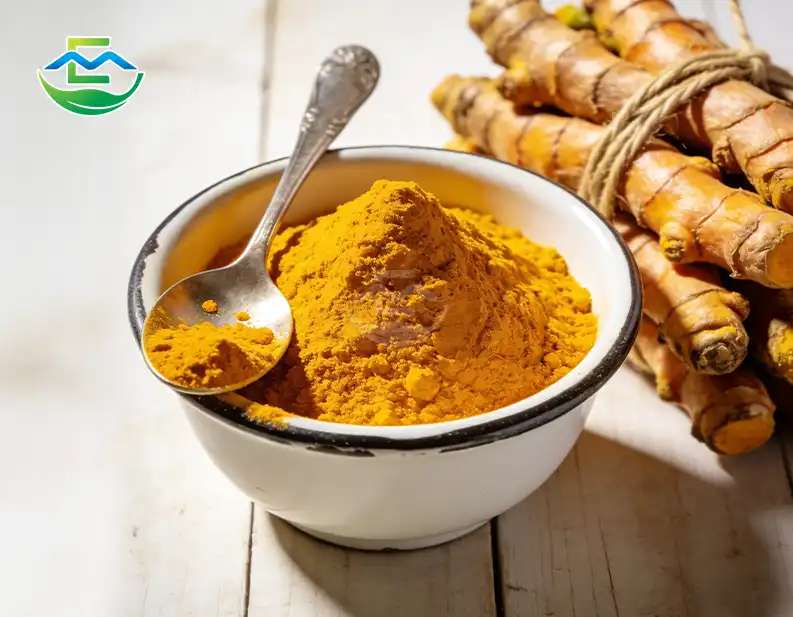
A reliable turmeric root extract supplier is defined by more than just price. The right partner delivers consistent curcuminoid potency, verifiable certifications, and traceable sourcing—batch after batch. Derived from Curcuma longa L., high-quality turmeric extract in standardized 10:1 or 20:1 concentrations serves nutraceutical, cosmetic, and functional food applications. For procurement teams, R&D directors, and formulation managers sourcing at scale, supplier reliability directly impacts product performance, regulatory standing, and brand reputation. This guide breaks down exactly what to look for before signing any supply agreement.


Understanding the Core Challenges in Sourcing Turmeric Root Extract
Grand View Research says the world market for curcumin was worth USD 58.4 million in 2021 and will grow a lot until 2030. Still, procurement teams always say that issues with buying are due to issues with the seller and not to changes in the market.
Inconsistent Quality and Batch Variability
Most people have trouble with it when batches don't match up. The extraction and purification process must be closely watched in order to get a standard 10:1 or 20:1 extract with known potency. This is because natural turmeric root only has 3–5% curcuminoids in it. When suppliers don't have their own quality control methods that have been approved, the results they give are often all over the place. This makes it hard to tell how well a recipe will work and how long it will last.
Certification Gaps and Supply Chain Opacity
There are a lot of sellers who put badges on their websites without showing proof that the claims are true. Certifications like GMP, ISO, Kosher, Halal, and organic aren't just for show; they mean that a plant follows rules that have been checked and can be used again. Compliance further down the line is put at risk when buying teams sell to the U.S. market, which is controlled by the FDA, and information is missing or out of date.
When sourcing professionals learn about these issues early on, they can use them to their advantage to make sure they ask the right questions and demand solid proof before they agree to work with a source.

Essential Criteria to Evaluate a Turmeric Root Extract Supplier
Different companies that sell turmeric root extract curcumin powder have their own rules that they must follow. When you really look at a service, you need to check out their quality systems, product details, and how they handle transportation.
These are the main things that procurement teams should look for in a botanical extract partner:
- Certification portfolio: See if it has NSF GMP, FSSC22000, ISO, Kosher, Halal, and USDA Organic on the list of certificates. Each one is about a different part of obedience, like making sure food is safe, making sure the production process is honest, and following religious dietary rules. All of these sellers have been checked out by a third party more than once, and in different legal situations. This is a good sign that they are serious about running their business.
- Standardized specifications: Suppliers you can trust will give you clear extract ratios like 10:1 or 20:1, not just a vague claim about concentration. If the ratio for Curcuma longa L. root extract is 20:1, it means that 20 kg of raw root makes 1 kg of extract. This ensures the strength doesn't change, which is important for beauty and health goods.
- Independent laboratory testing: COA forms from approved third-party labs show the correct amounts of curcuminoids, heavy metals, microbiological safety, and solvent residues. This is a must for making products that are FDA-approved.
- Logistics and inventory infrastructure: A warehouse in the U.S. cuts wait times by a huge amount and gets rid of the hassle of customs. When wholesalers have stock in-country and a two-day picking window, brands that need to meet tight deadlines can better plan their production.
These two things work together. Even if a seller has all the right licenses, bad shipping can still stop your line. Take a look at the big picture before you pick a source.

Comparing Leading Turmeric Root Extract Suppliers and Brands
Skill and openness are more important than location when comparing suppliers from around the world. Suppliers based in the U.S. have shorter lead times and know more about FDA rules. A great curcumin extract provider stands out because they know a lot about the product, have a lot of certifications, and offer great customer service after the sale.
OEM and Private Label Capability
Brands need more than just standard items when they go into new areas. They need a source that can change the specs, make custom blends, and show proof for what's written on the label. When suppliers give procurement teams OEM freedom, they can combine their ties with vendors, which makes it easier to source.
Transparency in Sourcing and Processing
It is against the rules for suppliers who are recognized as organic to use solvents like hexane during extraction. They can only use allowed processing aids. People are very interested in where the ingredients in clean-label nutrition and skin care brands come from, so this is very important. A lot of people who buy something forget to check that the organic certification covers the whole process of extraction, not just the raw material.
A supplier that takes the time to offer free samples, quick technical help, and proactive compliance advice is a good sign that they will be a long-term partner, not just a transactional partner.
How to Make an Informed Buying Decision for Turmeric Root Extract
Figure out what you need before you talk to a seller for turmeric root extract. This is the most important step in getting botanical ingredients. Because of this, a sports nutrition pill, a skin-brightening serum, and a functional drink all need different extract qualities, such as particle size, solubility grade, curcuminoid content, and interaction with carriers.
A risk is the price when looked at by itself. If you see prices for standardized curcumin extract that are too cheap, it's likely that the quality control wasn't good, the processing facility wasn't approved, or the active ingredients were less concentrated. Any savings per kilogram from a cheap source are not worth the cost of a batch that is turned down, doesn't meet requirements, or needs to be reformulated.
Procurement professionals should negotiate contract terms that include quality standards, due dates for COA entries, minimum curcuminoid content guarantees, and different prices based on volume. Writing down these rules protects both sides and sets the stage for a cooperative supply relationship that will last for many years. You can try something before you buy it because qualified sellers offer free samples and a low minimum order size of 25 kg. At the choice stage, this makes it less risky to buy.

Leveraging Supplier Expertise for Product Success and Compliance
A provider is useful for more than just getting things to the right place. This includes understanding why standard extract doesn't mix with water and how to fix it by emulsification or piperine co-formulation. This has a direct impact on how well finished products work. Providers who know a lot about bioavailability are very helpful for people who are making goods with antioxidants for skin care or joint health.
The FDA, EFSA, and NSF have rules that are hard to follow for both big names from other countries and small companies in the United States. You can get into the market faster with the help of paperwork, standard sheets, and ingredient dossiers from suppliers who have a track record of following the rules. Partner and vendor are two different things. A partner gives you a COA while a vendor helps you file with the government.
The business called Earth Made Nutritions Inc. began in 2018 and is based in California. The business has four stores in the US where orders can be picked up the next day. A full set of certificates, including NSF GMP, FSSC22000, Kosher, Halal, ISO, and Organic, is also on hand. There is also an in-house research and development team. Brands that can't afford to have their supply chains held up by delays in ingredients will have a stable one thanks to that infrastructure.

Conclusion
Turmeric root extract curcumin extract needs a partner that isn't easy to trade with, but it's a smart choice. The most important things that separate trustworthy sellers from those who only look trustworthy on paper are certified quality systems, sourcing that can be tracked, standardized specs, and helpful technical support. When buying teams take the time to do thorough checks at the beginning, they build supply chains that work the same way for all kinds of products and legal settings. That is what Earth Made Nutritions Inc. is meant to do.
FAQ
1. What certifications should a reliable curcumin extract supplier hold?
At the very least, look for NSF GMP, ISO, and FSSC22000. For clean brands and international markets, it's important to have approvals from the USDA for organic, kosher, and halal foods. Each license provides a different amount of proof.
2. How can I verify extract authenticity before placing a bulk order?
For proof of the amount of curcumin, heavy metals, and bacterial safety, ask for a certificate of analysis (COA) from a well-known third-party lab. C14 isotope tests can be used to tell the difference between curcumin that comes from plants and curcumin that is made in a lab. You should always ask for a free trial and try it out on your own before you place a big order.
3. What is the difference between a 10:1 and 20:1 turmeric extract?
It takes 10 kg of raw root to make 1 kg of extract from a 10:1 extract. When the ratio is 20:1, the concentration is twice as high. When the ratio is higher, the amount of strength per gram is higher. This is important for high-dosage nutraceutical formulas where the number of capsules or serving sizes is limited.
4. Is the extract suitable for cosmetic applications?
Yes. The yellow Curcuma longa L. root extract is used in oil-based serums and beauty products because it stops tyrosinase from doing its job and protects cells from damage. The people who make the formulas should think about how the colors could change and make sure that UV light can't get through the packaging.
Partner with EM for Premium Turmeric Root Extract Supply
Here is the last place you need to look for a good source of turmeric root extract. Earth Made Nutritions Inc. (EM) helps companies all over the world with their formulations. These companies make cosmetics, nutraceutical brands, and functional foods. To do this, they store their goods in California and offer a full range of certifications. There are no free samples, a 25 kg minimum order, or items that are not in stock, so it is easy to buy from us. To get your sample right away, please email us at info@em-herb.com.
References
1. Grand View Research. Curcumin Market Size, Share & Trends Analysis Report. 2022.
2. Hewlings, S. J., & Kalman, D. S. Curcumin: A Review of Its Effects on Human Health. Foods, 2017.
3. Anand, P., et al. Bioavailability of Curcumin: Problems and Promises. Molecular Pharmaceutics, 2007.
4. U.S. Food & Drug Administration. Dietary Supplement Ingredient Advisory List and GMP Guidance. 2023.
5. Natural Products Association. Good Manufacturing Practices for Dietary Supplements: Compliance Overview. 2021.
6. Journal of Agricultural and Food Chemistry. Stability of Curcuminoids in Standardized Extracts Under Various Storage Conditions. 2019.
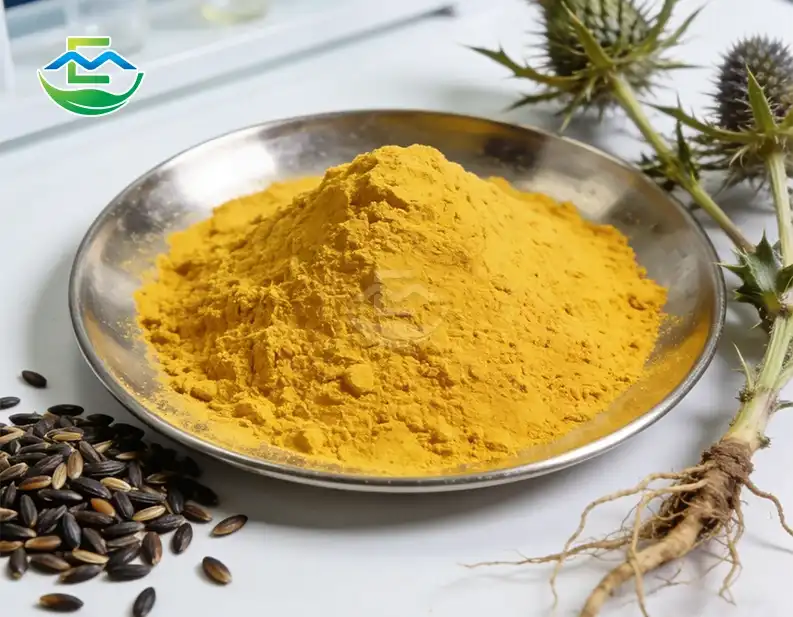
Selecting high-quality suppliers for milk thistle seed powder requires more than comparing prices. Buyers should verify botanical authenticity (Silybum marianum), evaluate silymarin specifications and analytical methods, confirm relevant certifications, and assess supply chain transparency. Reliable suppliers provide consistent batch quality, Certificates of Analysis (CoA), traceability, technical support, and logistics capabilities suited to B2B procurement.
For nutraceutical, cosmetic, functional food, and international distribution businesses, supplier selection directly affects product consistency, regulatory compliance, and brand reputation.
Introduction
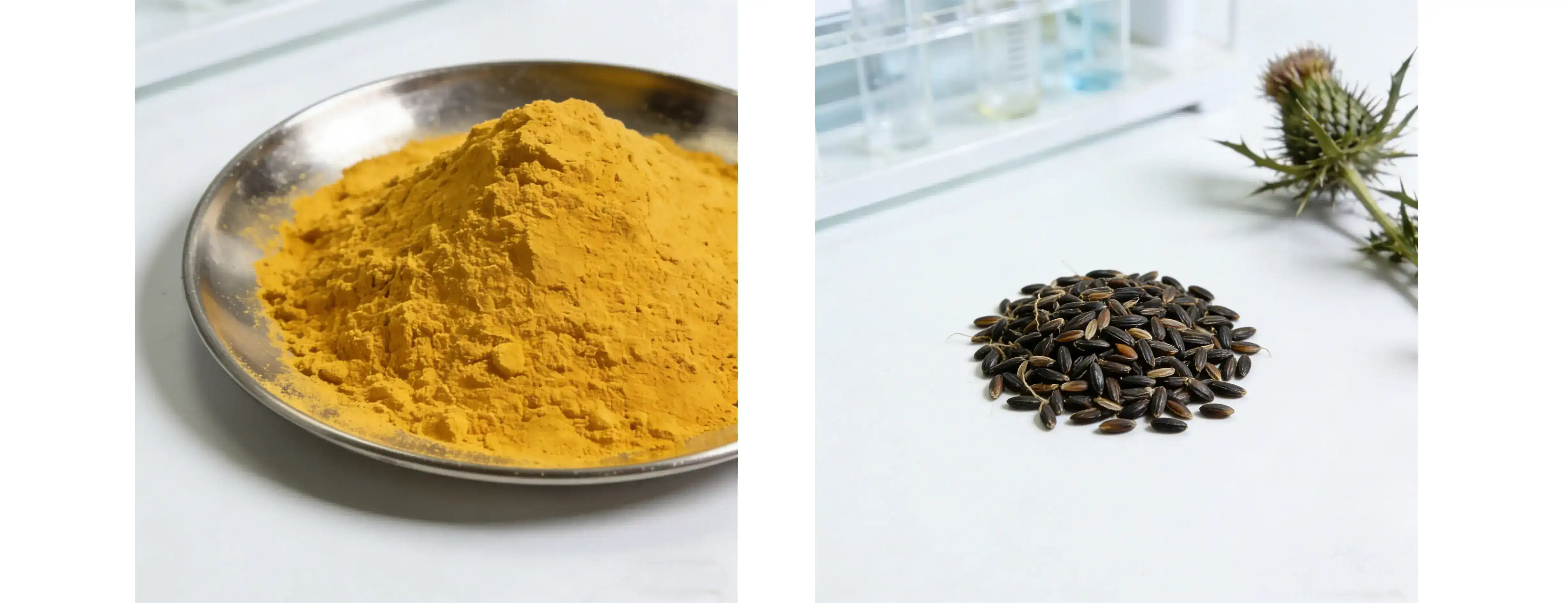
There is a significant amount of utilisation of the plant that is commonly known as milk thistle, which is technically known as Silybum marianum. This plant is used in the production of nutritional supplements, cosmetics, and functional food items. Flavonolignans are naturally occurring compounds that are referred to collectively as silymarin. Flavonolignans may be recovered from the seeds of this plant. As a result of this, the botanical component is essential to the economic success of a wide range of industries.
It is important to make an informed decision when selecting a source of Milk Thistle seed Powder since the effects go beyond the cost of the ingredients. There are a number of aspects that may have an effect on the quality of the final product. These factors include the validity of the botanical ingredients, the consistency of the active substance, the control of impurities, the reliability of the delivery, and the regulatory documentation.
In order to conduct an accurate evaluation of suppliers, procurement managers and formulation teams should take into consideration not only the technical requirements but also the commercial and operational capabilities of each individual provider. This book provides an overview of the most significant aspects that should be considered while searching for reliable suppliers and seeking to reduce the risks that are involved with procurement.
Understanding the Core Requirements for Milk Thistle Seed Powder Procurement
Defining Quality Standards and Product Forms
The legitimacy of the botanical specimen is the first condition. It is important for purchasers to verify that the material is sourced from Silybum marianum and to have a clear understanding of whether they are buying a standardised extract or whole seed powder.
Additionally, the manufacturing performance is affected by the particle size. It is possible to increase the efficiency of blending, encapsulating, and tableting by using powder specifications that are uniform. Additional quality indications may be provided by visual features such as colour, odour, and moisture condition; nevertheless, it is always important to establish the identification and purity of the product by analytical testing.
The difference between concentrated extracts and raw seed powder is an essential distinction to make. Although it contains relatively modest amounts of silymarin, whole seed powder often preserves the natural oils and fibre that are present in the seed. Standardised extracts are treated in order to generate larger concentrations of flavonolignans that are the aim of the formulation. These extracts are also more appropriate for formulations that need a regulated quantity.
During the process of analysing active content, purchasers should also be aware of the analytical technique that was used. As a consequence of the fact that UV spectrophotometry and HPLC detect chemicals in distinct ways, the findings that they provide may be different. Generally speaking, high-performance liquid chromatography (HPLC) offers a more complete profile of individual flavonolignans, which is why the testing technique is an essential component of specification comparison.
Regulatory and Certification Benchmarks
Certification requirements depend on the target market and application. Dietary supplement and food manufacturers may prioritize GMP systems, food safety certifications, and batch documentation. Organic certification can support clean-label positioning, while Kosher and Halal certifications may expand market access.
Common certifications buyers may evaluate include:
- NSF GMP or equivalent GMP systems
- USDA Organic or EU Organic certification
- ISO 22000 or FSSC 22000
- Kosher certification
- Halal certification
Each batch should also be supported by a Certificate of Analysis covering identity, active compound specifications, microbiological limits, and relevant contaminant testing.
Verifying certifications directly with issuing organizations can reduce the risk of relying on expired or misleading documentation.
Key Criteria to Evaluate When Selecting Milk Thistle Seed Powder Suppliers
Product Quality and Consistency Metrics
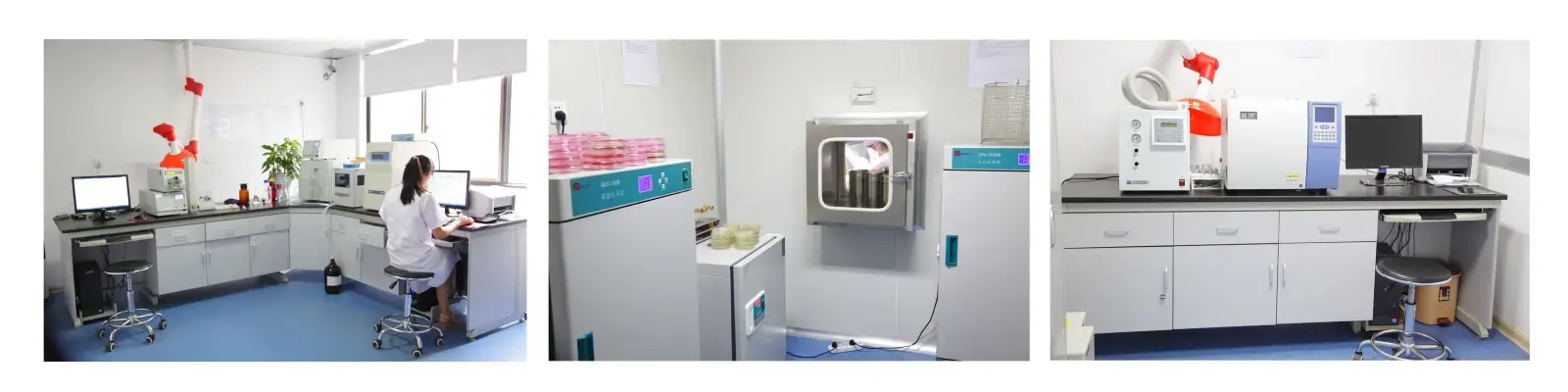
Batch consistency for milk thistle seed powder is essential for manufacturers that need stable formulation performance and reliable label specifications. Suppliers should maintain documented production controls and standardized testing procedures.
A comprehensive quality evaluation may include:
- Botanical identity confirmation
- Silymarin or flavonolignan assay
- Particle size distribution
- Moisture and ash content
- Heavy metal testing
- Pesticide residue screening
- Microbiological testing
- Aflatoxin testing, where relevant
- Residual solvent analysis for extracted products
Testing requirements should match the product's intended application and target market. Buyers should also request batch-specific rather than generic analytical documentation.
Suppliers should clearly disclose extraction and processing methods. Transparent technical information is generally more valuable than simply comparing a single percentage specification or purchase price.
Supply Chain Transparency and Sourcing Practices
Supply chain transparency helps buyers evaluate both ingredient reliability and long-term availability. Important questions include:
- Where are the seeds sourced?
- How is botanical identity verified?
- What storage controls are used after harvesting?
- How are raw materials protected from moisture and contamination?
- Can batches be traced from raw material to finished product?
Vertically integrated suppliers may offer stronger control over sourcing, processing, and packaging, although reliable quality systems can also be maintained through qualified supply networks.
Sustainable agricultural practices and responsible sourcing can provide additional value for brands with ESG or clean-label positioning. Long-term relationships with growers may also help reduce supply volatility.
Pricing Structures and Logistics Efficiency
When it comes to overall procurement costs, the lowest unit price does not always indicate the lowest total cost. It is important for purchasers to take into consideration items such as product quality, freight, import prices, testing requirements, inventory carrying costs, and any dangers associated with reformulation.
There should be a clear definition of whether quotes are based on FOB, CIF, DDP, or any other Incoterms included within commercial terms. MOQ flexibility is also significant, especially for research and development trials and the introduction of new products.
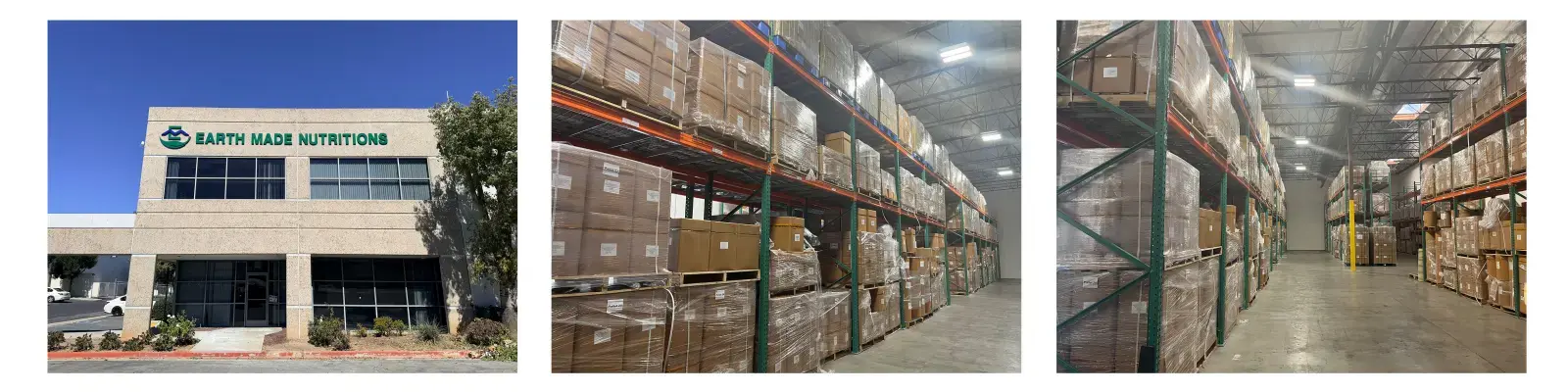
It is possible for suppliers that have regional storage to minimise lead times and the demand on inventories. For instance, several suppliers, such as Earth Made Nutritions Inc., have numerous warehouses located in the United States in order to facilitate speedier domestic fulfilment for qualifying business-to-business clients.
Supplier Reputation and Technical Support
Certificates alone cannot fully demonstrate supplier capability. Buyers should also evaluate industry experience, customer references, responsiveness, and technical knowledge.
Strong suppliers can support customers with:
- Sample evaluation
- Technical data sheets
- Formulation guidance
- Application recommendations
- Documentation support
- Scale-up assistance
OEM and private-label capabilities may provide additional value for brands that require integrated product development services.
Matching Supplier Solutions to Diverse B2B Needs
Different industries require different specifications, so supplier evaluation should be application-specific.
Nutraceutical and Supplement Manufacturers
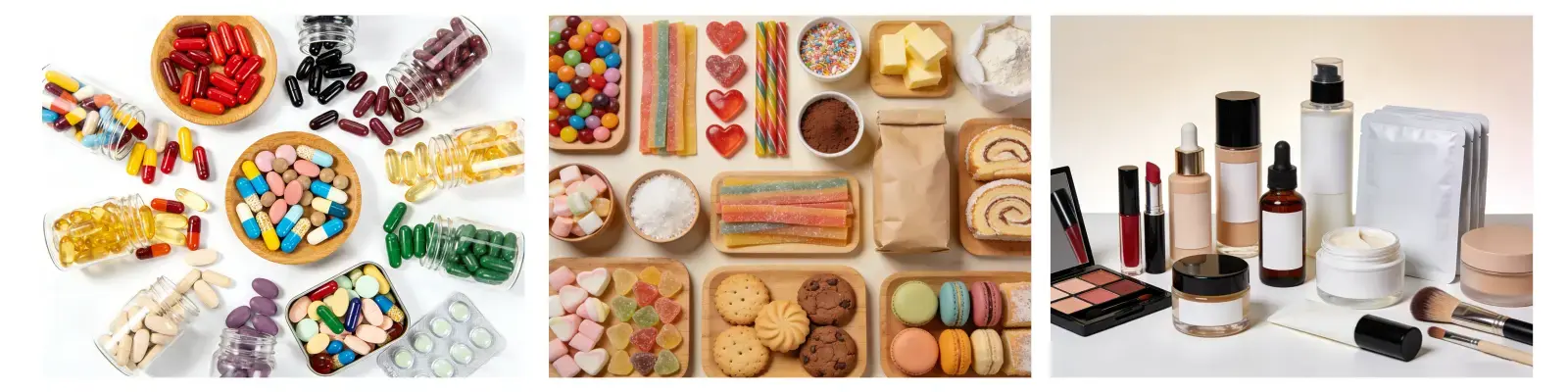
Supplement manufacturers generally prioritize standardized active content, identity testing, contaminant control, and complete regulatory documentation for milk thistle seed powder.
Suppliers should be able to provide consistent specifications across pilot- and commercial-scale batches. Custom particle sizes or standardized extract concentrations may also be valuable for specialized formulations.
Technical support can reduce development risks when manufacturers need to evaluate ingredient compatibility, dosage formats, or stability.
Cosmetic and Personal Care Formulators
Cosmetic applications require careful evaluation of purity, microbiological specifications, and formulation compatibility.
Technical documentation should ideally include information about:
- Recommended usage levels
- Particle characteristics
- Solubility or dispersibility
- Stability considerations
- Compatibility with common formulation systems
Organic certification and sustainable sourcing information can also support clean beauty positioning.
Functional Food and Beverage Developers
Some of the additional challenges that are brought about by applications in the food and beverage sector include changes in taste, stability during processing, dispersibility, and compliance with regulatory requirements.
Those individuals who are interested in acquiring the component are required to investigate how effectively it operates under the required conditions of temperature, pH, and storage. When it comes to the strategies of inclusion and the sensory considerations that are involved, suppliers that have knowledge in the area of functional meals are able to give beneficial guidance.
When it comes to commercial food applications, it is of the utmost importance to possess credentials that demonstrate food safety as well as documentation that properly identifies the product.
International Distributors and Importers
Distributors require consistent quality across repeated shipments, flexible order volumes, and documentation suitable for customs and customer qualification.
Useful documents may include:
- Certificate of Analysis
- Safety data documentation
- Allergen statements
- BSE/TSE statements where applicable
- Country-specific compliance documentation
- Packaging specifications
Clear communication regarding inventory, production schedules, and potential supply disruptions can also improve long-term distribution relationships.
How to Verify and Validate Your Milk Thistle Seed Powder Supplier
Documentation and Certification Review
Supplier qualification should begin with a structured document review. A batch-specific CoA should contain relevant specifications rather than general marketing statements.
Depending on the product type, buyers may request data covering:
- Botanical identification
- Silymarin assay method and result
- Moisture and ash
- Particle size
- Heavy metals
- Pesticide residues
- Microbiological limits
- Aflatoxins
- Residual solvents
Certificates such as GMP, Organic, Kosher, and Halal should also be checked for validity and relevance to the specific manufacturing facility or product.
Supplier Audits and Third-Party Inspections
Audits provide information that documentation alone may not reveal. Where possible, buyers can conduct on-site or remote assessments covering:
- Raw material storage
- Production hygiene
- Quality control laboratories
- Batch traceability
- Employee training
- Packaging procedures
Third-party inspection organizations may also be used when direct audits are impractical. Periodic supplier reassessment helps maintain quality standards as business relationships develop.
Sampling and Pilot Orders
Samples should be tested in actual formulations rather than evaluated only by appearance.
Buyers can assess:
- Analytical specifications
- Particle behavior
- Odor and sensory properties
- Formulation compatibility
- Processing performance
- Stability
Pilot orders for milk thistle seed powder provide a further opportunity to evaluate packaging quality, documentation accuracy, delivery performance, and supplier communication before establishing a long-term purchasing agreement.

Common Challenges in Procuring Milk Thistle Seed Powder and How to Overcome Them
Detecting and Avoiding Adulteration
Botanical ingredient markets can face risks related to adulteration, substitution, or dilution. Visual inspection alone is insufficient for verifying authenticity.
Risk reduction strategies include:
- Requesting batch-specific CoAs
- Using independent laboratory testing
- Verifying botanical identity
- Reviewing supplier traceability systems
- Investigating unusually low prices
- Conducting periodic incoming material testing
Reliable suppliers should be transparent about raw materials, processing methods, and quality control procedures.
Balancing Cost and Quality
Focusing exclusively on purchase price can increase long-term costs if poor-quality materials create formulation problems, product inconsistency, or regulatory issues.
A total-cost approach should consider:
- Ingredient price
- Freight and logistics
- Quality testing costs
- Inventory requirements
- Reformulation risks
- Supply disruption risks
Volume agreements and long-term purchasing relationships may help buyers achieve better commercial terms without compromising quality standards.
Navigating Supply Chain Disruptions
Agricultural ingredients can be affected by weather, harvest variability, transportation delays, and regulatory changes.
To improve supply resilience, buyers can:
- Qualify alternative suppliers
- Maintain appropriate safety stock
- Review supplier production capacity
- Monitor harvest conditions
- Establish clear supply agreements
- Maintain regular communication with suppliers
Regional warehousing may also reduce dependence on international shipping and improve response times. Regulatory monitoring is equally important. Suppliers that proactively update documentation and specifications can help customers avoid unexpected compliance issues.
Conclusion
When searching for providers of milk thistle seed powder of superior quality, it is necessary to do a comprehensive analysis of the technical quality, regulatory compliance, supply chain transparency, commercial terms, and service capabilities of the potential suppliers.
Verifying the botanical identification of the product, understanding the distinctions between raw powder and standardised extracts, reviewing analytical procedures, and requiring full batch documentation are all important things for buyers to undertake. In addition, the certification of suppliers has to include pilot orders, audits in the right circumstances, and sample testing.
Those ties with suppliers that are the most robust go beyond the transactions of ingredients. Partners that can be relied upon provide quality that is consistent, technical assistance that is quick, documentation that is transparent, and logistics that are reliable. Through the use of a systematic qualifying process, procurement teams have the ability to lessen the risks associated with sourcing and construct supply chains that are more reliable for applications including nutraceuticals, cosmetics, functional foods, and worldwide distribution.
FAQ
1. What distinguishes Milk Thistle seed Powder from silymarin extract?
Milk Thistle seed Powder and standardized silymarin extracts are different product forms. Whole seed powder retains natural components such as fiber and oils but generally contains lower concentrations of silymarin. Standardized extracts are processed to concentrate flavonolignans and are commonly selected when formulations require controlled potency. Buyers should confirm which form they are purchasing because specifications, applications, pricing, and analytical requirements can differ significantly.
2. How can buyers verify organic and non-adulterated status?
Buyers should verify valid organic certification through recognized certification bodies and review batch-specific analytical documentation. Additional verification may include independent laboratory testing, botanical identity confirmation, and traceability records linking finished materials to qualified raw material sources. Supplier audits can provide further confidence in sourcing and processing controls.
3. What are typical lead times for bulk orders?
Lead times depend on inventory availability, order volume, customization requirements, and shipping arrangements. Stocked materials from domestic warehouses may be available within a few business days, while custom production orders can require several weeks. Buyers should confirm expected lead times during supplier qualification and align purchasing schedules with production forecasts.
Partner with Earth Made Nutritions Inc. for Reliable Milk Thistle Seed Powder Supply
Customers in the business-to-business sector who are looking for consistent supply support and proven quality may purchase milk thistle seed powder from Earth Made Nutritions Inc. In order to determine whether or not a product is suitable for their purposes, purchasers have the flexibility to request product specifications, Certificates of Analysis, and other pertinent certification papers.
Flexibility in order amounts, technical communication, and storage in the United States are some of the ways in which the organization satisfies procurement needs. Certifications such as NSF GMP, Kosher, Halal, ISO, FSSC 22000, and Organic certifications are among the credentials that are included in its portfolio of accessible certifications. However, the availability of product-specific paperwork and certifications may vary.
Milk Thistle seed Powder is offered in bulk packaging that is suited for use in commercial formulation and manufacturing operations. Before making bigger commitments to purchase, it is possible to obtain samples for the purpose of formulation testing. Please contact Earth Made Nutritions Inc. at info@em-herb.com if you have any questions about product specs, information on bulk purchase, or sample requests.
References
1. Abenavoli, L., Capasso, R., Milic, N., & Capasso, F. (2010). Milk thistle in liver diseases: past, present, future. Phytotherapy Research, 24(10), 1423–1432.
2. United States Pharmacopeial Convention. (2020). Milk Thistle Extract. USP 43–NF 38. Rockville, MD: United States Pharmacopeial Convention.
3. European Medicines Agency. (2018). Assessment report on Silybum marianum (L.) Gaertn.
4. Dietary Supplement Ingredient Database. (2022). Milk Thistle. National Institutes of Health Office of Dietary Supplements.
5. Kroll, D. J., Shaw, H. S., & Oberlies, N. H. (2007). Milk thistle nomenclature: why it matters in cancer research and pharmacokinetic studies. Integrative Cancer Therapies, 6(2), 110–119.
6. World Health Organization. (2002). WHO Monographs on Selected Medicinal Plants (Vol. 2). Geneva: World Health Organization.
Verifying the authenticity and purity of Curcuma longa L. extracts demands specialized knowledge, especially when sourcing ingredients for nutraceutical, cosmetic, or functional food applications. As a procurement specialist, understanding how to verify Turmeric Root Extract quality through proper testing protocols protects your brand integrity and ensures formulation consistency. This guide outlines practical verification methods used by leading manufacturers, covering everything from initial supplier vetting through advanced analytical techniques. Whether you're formulating dietary supplements or developing anti-aging skincare lines, proper quality assurance processes reduce sourcing risk while meeting regulatory standards like FDA compliance and GMP certification.
Understanding the Challenges in Verifying Turmeric Root Extract Quality
Why Extract Verification Differs from Raw Turmeric Powder
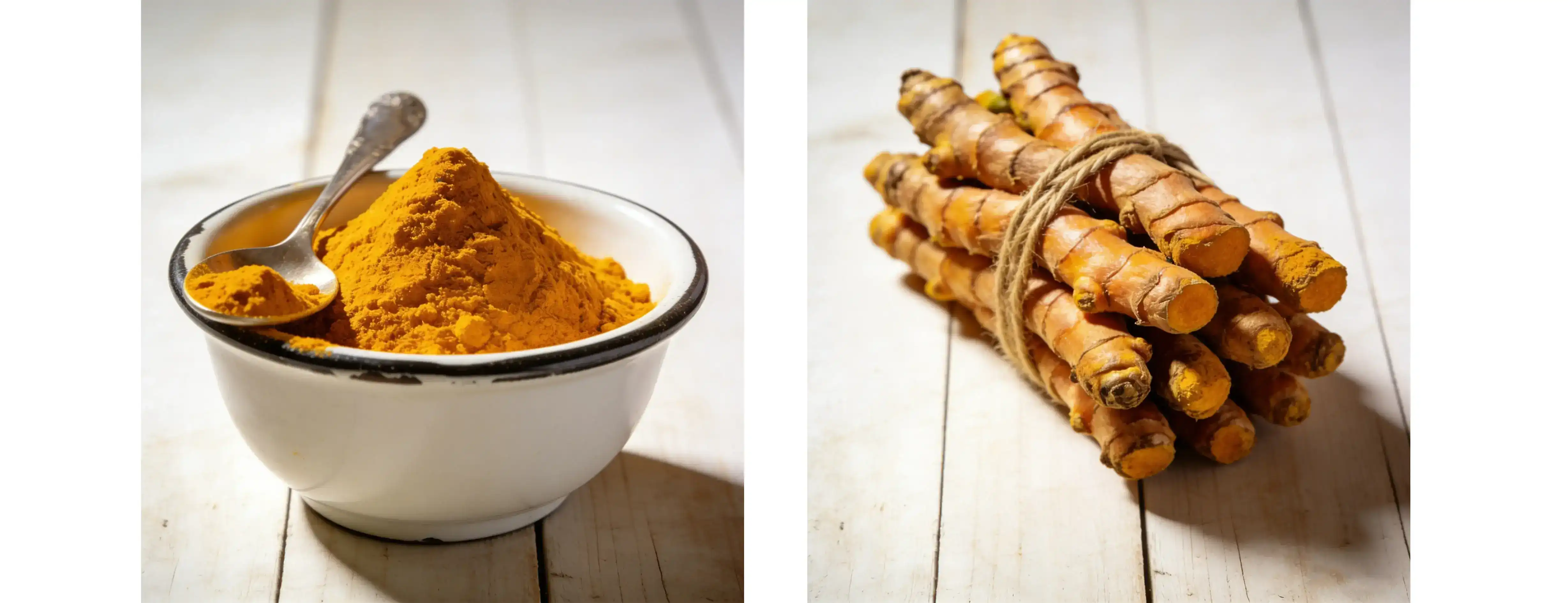
Turmeric extracts, which come from the root of the Curcuma longa L. plant, are very concentrated, which means they have special quality control requirements that regular turmeric powder doesn't have. Curcuminoids like curcumin, demethoxycurcumin, and bisdemethoxycurcumin are highly concentrated in extracts, with amounts ranging from 10:1 to 95% standardization. Variability risks are introduced by this concentration process that can't be seen with the naked eye (Hewlings & Kalman, 2017).
Whole turmeric powder keeps the natural amounts of bioactive compounds, but extracts go through steps like liquid extraction, filtration, and cleaning that can add contaminants or break down molecules that are sensitive. For business-to-business purchases, lab testing is a must because the yellow color of genuine extracts can look the same as versions that have been tampered with by adding synthetic colorants or fillers.
Critical Quality Parameters That Impact Formulation Performance
A good formulation needs a steady amount of curcuminoid, less than 5% moisture, and particles of the same size. When making digestible food supplements, these factors have a direct effect on how quickly they dissolve and how well they are absorbed. Heavy metal levels (lead < 2 ppm, arsenic < 1 ppm) and microbial contamination need to be looked at more closely in cosmetic formulations to make sure they are safe for the skin.
When curcumin's naturally poor intestinal absorption means that it needs to be combined with piperine or liposomal delivery systems, bioavailability concerns become the most important thing to think about. Without verified potency data, your end goods could lead to different experiences for customers and the cost of reformulating them.
Common Adulteration Risks in Global Supply Chains
The market for turmeric extract is constantly being hacked, with cheaper Curcuma species being used instead, manufactured curcumin analogs being added, or maltodextrin being added in large amounts that aren't allowed by the manufacturer. Labels that aren't certified often have mistakes, like saying that the product contains 95% curcuminoids when it only has 60–70%.
Quality profiles are also affected by where the goods come from. Turmeric from Alleppey or Madras in India usually has higher curcumin levels than turmeric from other growing places. Procurement teams can't guarantee batch-to-batch uniformity, which is necessary for regulated markets, without the right traceability paperwork and third-party proof.
Core Principles and Methods for Turmeric Root Extract Quality Testing
Advanced Analytical Techniques for Curcuminoid Quantification
High-Performance Liquid Chromatography (HPLC) is the best way to profile curcuminoids because it can precisely measure each curcuminoid within complex extract mixtures. This method sorts compounds by their polarity, giving accurate fingerprints that show when something has been tampered with or broken down. Reliable providers keep HPLC documents for each batch that show the peak areas and retention times for curcumin, demethoxycurcumin, and bisdemethoxycurcumin.
When Mass Spectrometry (MS) and HPLC are used together, they improve the ability to identify substances by confirming molecular weights and finding manufactured additions that regular chromatography can't see. Nuclear Magnetic Resonance (NMR) spectroscopy can check the structure of something, but because it's more expensive, it's usually only used for disputed batches or to qualify new suppliers.
While Thin Layer Chromatography (TLC) can quickly screen materials that come in for inspection, it doesn't have the level of precision needed for a Certificate of Analysis. When you combine TLC screening with regular HPLC validation, you can make quality tracking processes that don't cost too much.
Safety Testing Protocols for Heavy Metals and Contaminants
With a sensitivity of parts-per-billion, Inductively Coupled Plasma Mass Spectrometry (ICP-MS) can find small amounts of heavy metals like cadmium, lead, mercury, and arsenic in Turmeric Root Extract. Levels below the FDA tolerance thresholds are required for the US market, and even stricter limits are set for organic certifications. Testing should be done on a regular basis based on the risk profile of each supplier. For new suppliers, testing should be done lot by lot until consistent compliance shows reliability.
Tests for microbial pollution look at yeast and mold, coliforms, E. coli, and the total plate count. Salmonella, E. coli, and Staphylococcus aureus. Some markets don't allow irradiated products or require specific labels, so the irradiation or steam-cleaning methods used to lower microbial loads must be made public. The specs should meet the purpose—for example, dietary vitamins usually allow higher microbial numbers than pharmaceutical-grade ingredients.
When looking for conventional (non-organic) extracts, screening for pesticide residues becomes very important. Multi-residue methods check for hundreds of agricultural chemicals, and organic certifications give extra peace of mind by checking for banned substances.
Certification Standards That Validate Manufacturing Quality
NSF GMP approval shows that a company follows Good Manufacturing Practices for making dietary supplements. These practices include designing the building, keeping the equipment in good shape, training employees, and keeping records. This certification addresses a common concern among R&D directors about the ability and consistency of suppliers.
FSSC 22000 certification combines ISO 22000 standards for food safety management. This is especially useful for functional food and drink uses where turmeric extracts come into contact with processing equipment. With Kosher and Halal certifications, you can get into more markets and be sure that no illegal substances were used in the extraction process.
Organic certifications (USDA, EU, JAS) check how crops are grown and how they are handled after they are picked. Synthetic poisons are not allowed, and the process must be fully recorded from the farm to the finished extract. The process of getting certified includes testing and inspections every year, which gives more confidence than what the supplier says. Products that meet these standards usually cost more, but they lower the risk of governmental action in natural product markets (Prasad et al., 2014).

Comparative Analysis: How to Choose the Best Turmeric Root Extract for Your Procurement Needs
Evaluating Extract Forms and Bioavailability Enhancement
Different manufacturing goals can be met with standardized products that are 10:1, 20:1, or 95% curcuminoid. Ratio extracts (10:1, 20:1) keep more phytochemicals, like turmeric essential oils and water-soluble compounds, which could help health products work better by working on more than one route at once. These shapes fit easily into capsule and tablet matrices without any special processing.
High-potency 95% curcuminoid extracts get the most active compound into each serving, which is important for joint support products that need clinically relevant doses (500–2000 mg of curcuminoids daily). But because they don't dissolve well and don't like water, bioavailability enhancement strategies are needed. Phytosomes, which are made up of phospholipids, are seven times better at absorption than regular extracts. Nanoparticle formulations and micellar preparations help with the problem of the intestinal barrier (Anand et al., 2007).
Microencapsulation technologies protect curcuminoids from oxidative degradation in beverage applications, keeping the yellow color and stopping precipitation. Cold-water-dispersible formats make it possible to make clear drinks, but they cost 40–60% more than standard extracts because they are harder to make.
Organic Versus Conventional Sourcing Considerations
Organic turmeric extracts meet the growing demand for clean labels in the supplement and cosmetics industries. According to studies of the industry, 64% of US customers prefer certified organic ingredients. In addition to helping with marketing, organic approval makes sure that there are no leftovers of synthetic pesticides or GMOs, which eases the minds of health-conscious consumers who are worried about safety.
Conventional extracts are 20–35% cheaper than organic ones, which makes them a good choice for price-conscious customers or items where organic claims don't really set them apart from the competition. If growing and manufacturing standards are kept the same, the main changes in quality between organic and conventional sources are the levels of pesticides present rather than the amount of curcuminoids present.
When making choices about bulk purchases, certification costs should be weighed against standing in the target market. With organic ingredients, premium brands aimed at natural health stores can make more money, while value-oriented products may focus on maintaining quality at regular prices. Most of the time, the minimum order quantity (MOQ) starts at 25 kg, and prices drop at 500 kg and 1000 kg.
Supplier Verification Strategies for Long-Term Partnerships
A thorough evaluation of a supplier starts with a look at their paperwork, such as their business licenses, manufacturing permits, export certifications, and proof that they have insurance. Asking customers or certification groups for audit reports from the last three years shows compliance records and how things have been getting better over time. Online checks in regulatory databases (FDA, EU RASFF) find import violations or warning letters that show problems with the quality system.
On-site audits let inspectors see the extraction tools, lab facilities, storage of raw materials, and training programs for employees firsthand. Watching real production runs shows if written instructions match what really happens in the workplace. Quality-focused suppliers are open to inspections and willing to share their plans for improvement. On the other hand, vendors who are resistant may hide problems.
Traceability systems that connect finished Turmeric Root Extract to specific lots of turmeric and growing areas make it possible to respond quickly to changes in quality. Good agricultural practices (GAP)-documented suppliers who maintain farm partnerships show upstream quality commitment that lowers the risk of contamination. Before signing a long-term supply deal, you should ask for samples from more than one production date to check the stability between batches.
Step-by-Step Approach to Verify Quality Before Bulk Purchasing
Initial Supplier Vetting Through Documentation Analysis
Before asking for samples, procurement teams should make qualification plans that include important documents. Check the Certificate of Analysis (COA)'s accuracy by getting in touch with the lab directly and making sure it is ISO 17025-certified. Legitimate COAs list the testing methods (for example, "curcuminoids by HPLC-UV at 425nm"), the standards that were used, and how to get in touch with the lab to confirm the information.
Compare the stated specs to industry standards. For example, 95% curcuminoid extracts with moisture levels above 8% or heavy metals close to the limits of measurement could mean that the quality has been compromised. The expected shelf life is based on the manufacturing date code and the retest date. Turmeric extracts usually stay effective for 24 months when stored below 25°C in packaging that keeps moisture out.
The legitimacy of a certificate needs to be checked directly with the organization that issued it. There are registration numbers on NSF GMP, Organic, Kosher, and Halal certificates that can be searched in databases maintained by the certifiers. Expired or unverifiable certificates are instant grounds for rejection because they suggest that the paperwork was faked or that compliance has been broken.
Sample Testing Protocols and Trial Order Management
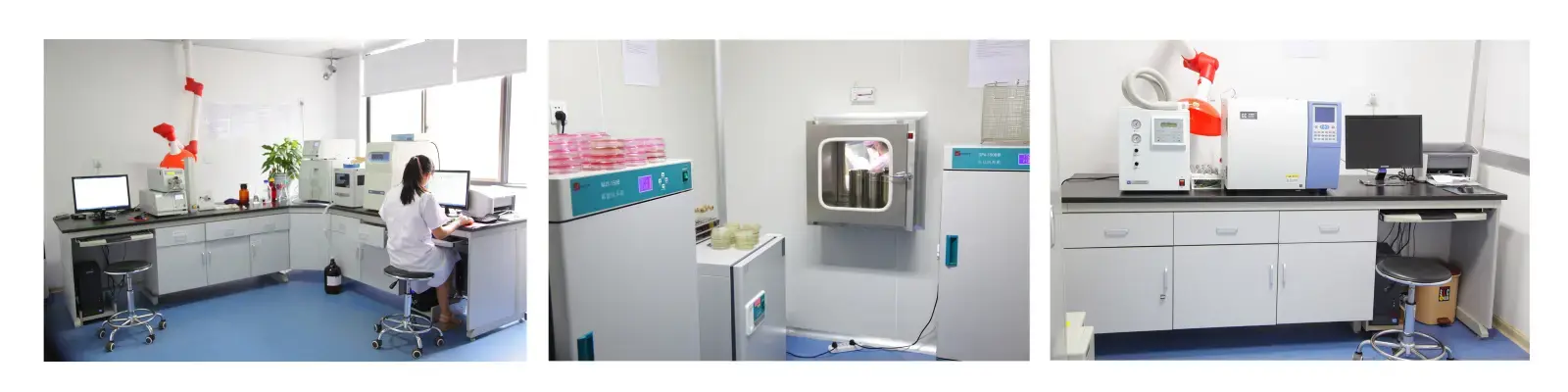
By asking for 100–500g samples, thorough testing can be done by both internal and external parties without having to spend a lot of money. Samples should be split into parts so that they can be tested for color consistency, particle size, and smell, as well as for in-house screening tests and for sending them to approved labs for full analysis. This method verifies the COAs given by the seller while setting minimum quality standards.
Even though organoleptic evaluation is subjective, it shows right away when there are quality problems: off-odors that could mean microbes are present, changes in color that could mean oxidation, or clumps that could mean moisture is getting in. When you put samples from different suppliers next to each other, you can see how differences in quality affect the performance of the formulation.
When choosing a third-party laboratory, facilities that have experience with turmeric extract and the right credentials should be given the most weight. The testing panels should be like the regulatory setting in which the products will be sold. For example, US sellers need USP method validation, while EU markets may demand Ph. Eur. protocols. Results are usually ready in 10 to 14 business days, but you can pay more for faster services.
Trial orders of 100–250 kg let you test the stability and validity of the formulation before you buy enough for the whole batch. Negotiating trial-specific terms, such as longer payment terms or quality guarantees, lowers risk and shows that you are serious about buying. For trials to be successful, they should include rapid stability studies (40°C/75% RH for 3 months) that show the extract works well throughout the product's shelf life.
Implementing Continuous Quality Monitoring Systems
Setting up rules for checking new materials makes sure that the quality is the same from delivery to delivery. Risk-based methods test every lot from new suppliers at first, but after sellers show they can be trusted, they only test every third or fifth lot. Rapid verification methods, such as TLC or handheld spectrometers, let established vendors make decisions about releases the same day.
Keep samples from each lot for at least 12 months after the expiration dates on the products. This method allows testing to be done in the past if customers complain or the government has questions. Samples must be stored in a controlled environment (15–25°C, <60% RH) with clear rules for who can access them.
Supplier performance scorecards that keep track of things like on-time delivery, correct paperwork, consistent test results, and handling of complaints make suppliers more accountable. Reviews of the business every three months that talk about quality metrics, market trends, and improvement projects make partnerships stronger and make expectations clear. Suppliers who do a good job get designated as recommended sellers and are promised a certain amount of work. Suppliers who don't do a good job are put on probation or fired.
Conclusion
Checking the quality of Turmeric Root Extract from Curcuma longa L. needs a methodical approach that combines reviewing documentation, analytical testing, and managing relationships with suppliers. Layered verification is used by successful procurement teams. It starts with validating the certificate, then moves on to checking samples, and ends with ongoing quality tracking. The money spent on HPLC analysis, heavy metal screening, and microbe testing keeps formulation failures and regulatory problems from happening, which can be very expensive. These ideas are shown by Earth Made Nutritions Inc., which has NSF GMP, FSSC 22000, Kosher, Halal, ISO, and Organic certifications and follows strict testing methods. Creating relationships with transparent, certified sellers lowers the risk of long-term purchases and helps brands stand out in natural product markets that are already very competitive. By using these methods correctly, you can protect your company's image and give people formulations that work and are safe, backed by quality assurance that can be checked.
FAQ
1. What is the most reliable test for verifying Turmeric Root Extract purity?
High-Performance Liquid Chromatography (HPLC) is the most accurate way to measure curcuminoid levels because it can separate and count individual compounds in the extract matrix. This method checks for adulteration with synthetic curcumin or cheaper species of Curcuma while also proving the levels of strength that were stated. Third-party labs that offer ISO 17025-accredited testing give objective results that help with following the rules. When you combine HPLC analysis with heavy metal screening (ICP-MS) and microbial tests, you get a full purity check that checks for both strength and safety.
2. How can buyers differentiate quality extracts from standard turmeric powder?
Solvent extraction and concentration methods give extracts with standardized curcuminoid levels (10:1, 20:1, or up to 95%). Powders, on the other hand, have whole ground turmeric root with naturally varying curcumin content (2–5%). Quality extracts have a uniform yellow color, finely divided particles, and low moisture levels (less than 5%). This is backed up by analytical papers that list the amounts of curcuminoids present. Pharmaceutical-grade extracts can be distinguished from commodity materials by the processing documentation that lists the extraction solvents (ethanol vs. chemical solvents), purification methods, and standardization techniques.
3. Which certifications validate organic turmeric sourcing and quality?
International organic standards like USDA Organic, EU Organic, and others make sure that crops are grown without using synthetic chemicals, that GMOs are not used, and that the food can be tracked from the farm to the processing plant. These certificates need to be inspected and tested every year, which gives more confidence than a supplier's own statement. Other quality certifications, such as NSF GMP, prove good production practices. Kosher and Halal certifications, on the other hand, make sure that products follow dietary requirements. ISO certifications show that a quality management system has been put in place. This creates a level of verification that covers both farming methods and manufacturing controls, which is important for building trust in B2B procurement.
Partner With a Trusted Turmeric Root Extract Manufacturer
These problems with proof are solved by Earth Made Nutritions Inc.'s vertically integrated operations, which use cutting-edge extraction technology and strict testing methods. Our main office in California manages four carefully placed US stores, making sure that in-stock Turmeric Root Extract from Curcuma longa L. can be delivered in two days. It comes in 10:1 and 20:1 ratios. roots. Along with NSF GMP, FSSC 22000, Kosher, Halal, ISO, and Organic certificates, each 25 kg drum package comes with batch-specific Certificates of Analysis that show the amounts of curcuminoids, heavy metals, and microbes that are safe. Our R&D team helps with formulations that improve bioavailability and stability, and we offer free samples so that you can try them out without any risk before you commit to our 25 kg minimum order. People who work in procurement and want to buy Turmeric Root Extract from a reliable supplier can email our ingredient specialists at info@em-herb.com to get technical specs, bulk pricing, and custom sourcing solutions that meet your quality standards and delivery deadlines.
References
1. Anand, P., Kunnumakkara, A. B., Newman, R. A., & Aggarwal, B. B. (2007). Bioavailability of curcumin: problems and promises. Molecular Pharmaceutics, 4(6), 807-818. https://pubs.acs.org/doi/10.1021/mp700113r.
2. Hewlings, S. J., & Kalman, D. S. (2017). Curcumin: A review of its effects on human health. Foods, 6(10), 92. https://www.mdpi.com/2304-8158/6/10/92.
3. Prasad, S., Gupta, S. C., Tyagi, A. K., & Aggarwal, B. B. (2014). Curcumin, a component of golden spice: From bedside to bench and back. Biotechnology Advances, 32(6), 1053-1064. https://www.sciencedirect.com/science/article/pii/S0734975014000755.
4. Pulido-Moran, M., Moreno-Fernández, J., Ramírez-Tortosa, C., & Ramírez-Tortosa, M. (2016). Curcumin and health. Molecules, 21(3), 264. https://www.mdpi.com/1420-3049/21/3/264.
5. Kocaadam, B., & Şanlier, N. (2017). Curcumin, an active component of turmeric (Curcuma longa), and its effects on health. Critical Reviews in Food Science and Nutrition, 57(13), 2889-2895. https://www.tandfonline.com/doi/full/10.1080/10408398.2015.1077195.
6. Nelson, K. M., Dahlin, J. L., Bisson, J., Graham, J., Pauli, G. F., & Walters, M. A. (2017). The essential medicinal chemistry of curcumin. Journal of Medicinal Chemistry, 60(5), 1620-1637. https://pubs.acs.org/doi/10.1021/acs.jmedchem.6b00975.
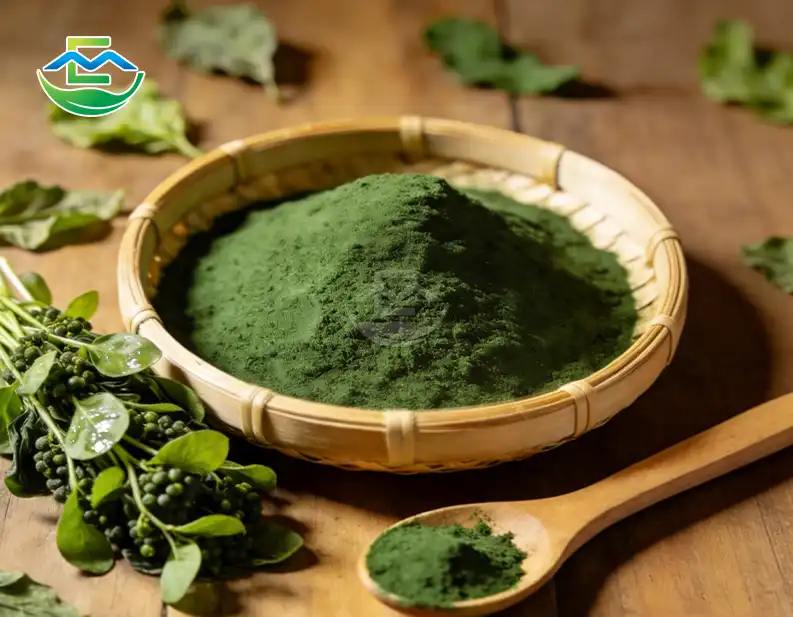
When it comes to Chlorella pyrenoidosa as a functional element, bioavailability is an essential component that differentiates regular chlorella biomass from raw materials that have a higher level of performance. The hard cell wall of conventional chlorella may impede access to intracellular nutrients, which is a basic limitation of traditional chlorella. Pure chlorella powder with broken cell walls solves this problem. The processing of broken cell walls increases the accessibility of ingredients and makes it simpler to combine naturally existing components such as proteins, chlorophyll, and other components into nutritious formulas. Therefore, choosing chlorella that has a cell wall disruption procedure that has been verified may be a key aspect of the product quality review process for makers of supplements, functional foods, and cosmetics.

Understanding Broken Cell Wall Pure Chlorella Powder and Its Importance
The Science Behind Cell Wall Disruption Technology
In its normal state, Chlorella pyrenoidosa contains a sturdy cell wall that is composed of structural components that are resistant to damage. In addition to assisting in the protection of the microalgae in its natural habitat, this trait has the potential to reduce the accessibility of internal nutrients during digestion.
The goal of technologies that disrupt the cell wall is to weaken this barrier using either physical or mechanical means. Utilising techniques such as bead milling, mechanical grinding, pressure-based processing, and other controlled disruption methods are some examples of possible methods. The goal of procedures that have been developed correctly is to increase the accessibility of nutrients while simultaneously minimising the amount of harm that is caused to sensitive substances like chlorophyll, carotenoids, proteins, and other naturally occurring elements.
Because of this, the breaking of the cell wall is more than just a processing step. It is possible for it to have an effect on the formulation value, dispersibility, digestibility, and physical qualities of chlorella powder. Instead of relying exclusively on marketing promises, manufacturers should be sure to seek information regarding the validation methods and the manner of interruption.
Why Bioavailability Defines Product Success
When it comes to the efficiency with which an item's components may be used, the nutritional makeup of the substance does not inherently predict this. When assessing the overall efficacy of chlorella-based products, the accessibility of intracellular nutrients is a crucial factor to take into account.
The processing of broken cell walls may make the powder simpler to digest and distribute, which may increase its appropriateness for use in dietary supplements, functional meals, and other uses. Within the context of formulation teams, this may also have an impact on inclusion rates, processing efficiency, and the positioning of the finished product.
In order to determine whether or not an ingredient is of good quality, it is necessary to consider not only its nutritional makeup but also the physical processing features of the food. It is important to take into consideration all of these factors simultaneously: protein content, chlorophyll concentration, microbiological safety, heavy metal management, and confirmed cell wall disruption.
Comparing Disruption Methods: Mechanical vs. Enzymatic Approaches
Distinct methods that rupture the cell wall might result in the production of distinct features of the substance. The cell structure may be physically disrupted by the use of mechanical procedures such as bead milling and impact grinding. These approaches do not involve the introduction of extra enzymes. When the parameters of the processing are well controlled, these procedures are commonly utilised because they are able to induce significant cell disruption while yet keeping the original content of the biomass.
Despite the fact that they may bring about extra processing issues, enzymatic methods have the potential to be helpful in the destruction of cell walls under settings that are quite moderate. It is necessary to do an analysis taking into consideration the residual enzyme activity, processing costs, allergy control, and stability requirements.
For the purpose of weakening cell structures while simultaneously limiting temperature exposure, pressure-based processing may also be used. The process that is most suitable is determined by the application that is required, the criteria for nutrient preservation, the qualities of the particles, and the format of the final product. It is not merely the name of the technology that is the most essential consideration for business-to-business customers; rather, it is whether or not the provider can give verified data that demonstrates consistent processing outcomes.
Key Benefits and Nutritional Highlights of Pure Chlorella Powder
Comprehensive Nutritional Profile for Multi-Industry Applications
Broken cell wall Chlorella pyrenoidosa is valued for its naturally occurring nutritional components, including protein, chlorophyll, amino acids, vitamins, minerals, and dietary fiber. Protein content can represent a significant proportion of the dry biomass, making chlorella relevant for plant-based nutrition and functional supplement formulations.
Chlorella also contains chlorophyll and carotenoids, which contribute to its distinctive green appearance and nutritional profile. These characteristics make it suitable for applications where natural color and botanical positioning are important.
Another commonly discussed component is Chlorella Growth Factor (CGF), a collective term generally associated with naturally occurring compounds found within chlorella biomass. Its composition and commercial definition can vary depending on processing methods and supplier specifications.
The combination of protein, micronutrients, pigments, and fiber gives formulators flexibility when developing products for nutritional supplements, functional foods, and specialized wellness formulations.
Chlorella vs. Spirulina and Other Superfoods: A Formulation Perspective
Chlorella and spirulina are both widely used microalgae ingredients, but they have different physical and nutritional characteristics.
Chlorella has a more rigid cellular structure, which makes cell wall processing particularly relevant. Spirulina does not possess the same type of resistant cell wall and is generally easier to digest in its natural form. However, chlorella offers its own distinctive composition, including chlorophyll-rich biomass and specific nucleic acid and polysaccharide components.
For formulators, ingredient selection should depend on the target application rather than broad claims of superiority. Chlorella may be selected for green nutritional blends, chlorophyll-focused formulations, and multi-ingredient superfood products. Spirulina may be preferred where protein concentration or blue-green pigmentation is important. Broken cell wall chlorella can provide additional formulation flexibility by improving powder accessibility and dispersibility compared with untreated biomass.
Safety, Purity, and Certification Standards for B2B Sourcing
Quality evaluation for pure chlorella powder should include more than nutritional specifications. Microalgae can absorb compounds from their cultivation environment, making controlled cultivation and contaminant testing essential.
Reliable suppliers should provide testing for heavy metals such as lead, arsenic, cadmium, and mercury. ICP-MS and other validated analytical methods are commonly used for this purpose. Microbiological testing should also cover relevant parameters, including total plate count, yeast and mold, E. coli, and Salmonella, depending on the intended application and regulatory market.
Additional quality indicators may include moisture content, chlorophyll characteristics, particle size, and storage stability. Buyers should also request Certificates of Analysis and batch traceability documentation.
Certifications such as Organic, GMP, FSSC 22000, Kosher, and Halal may further support market access and supplier qualification. However, certifications should be reviewed alongside actual batch-specific analytical documentation.

How to Use and Incorporate Broken Cell Wall Chlorella Powder in Products
Supplement Formulation: Tablets, Capsules, and Powders
The broken cell wall chlorella powder may be included in a variety of different nutritional mixes, including tablets, capsules, sachets, and powder combinations. As a result of its naturally high nutritional density, it is excellent for use in formulations that are centred on plant-based nutrition and green superfoods.
When it comes to automated production, the factors of particle size, moisture content, and flowability are all essential concerns. In order to ensure that the encapsulating and tableting operations are carried out effectively, suppliers should offer technical requirements.
It is also possible to mix chlorella with other components, such as spirulina, wheatgrass, plant proteins, vitamins, minerals, and extracts of botanicals. It is necessary to conduct compatibility testing in order to assess the behaviour of blending and the stability over the long term. Due to the fact that chlorella powder has the ability to absorb moisture, it is essential to have packaging that is resistant to moisture and to store it in settings that are suitable for its preservation.
Functional Foods and Beverages: Balancing Nutrition with Palatability
It is necessary to take into consideration the taste and sensory qualities of chlorella when incorporating it into food and beverage items. Citrus, berries, vanilla, chocolate, or mint are some examples of complementary ingredients that may be used to balance out its natural green colour and flavour that is somewhat reminiscent of aquatic life.
There are a variety of functional meals that make use of chlorella powder, including smoothie mixes, nutrition powders, energy bars, snacks, and other similar products. It is recommended that inclusion levels be evaluated via formulation testing in order to strike a balance between nutritional placement, flavour, and appearance.
Additionally, the circumstances of the thermal processing should be assessed. Because prolonged exposure to high temperatures may have an effect on pigments and nutrients that are sensitive, producers should evaluate the processing stability of their products under the circumstances that are particular to their manufacturing. The use of chlorella as a natural green ingredient in goods that have a botanical look that helps with product positioning is another potential use for chlorella.
Cosmetic and Personal Care Applications: Active Botanical Ingredients
Because of the naturally occurring colours, amino acids, polysaccharides, and antioxidant-related qualities that microalgae-derived substances possess, they are increasingly being investigated for application in the development of cosmetics and personal care products.
In addition to being used in hair care products, chlorella powder may also be used in face masks, lotions, and creams. Nevertheless, in order to keep the consumer experience as smooth as possible, it is necessary to carefully regulate the particle size and distribution.
In order to increase dispersion within emulsions, it is possible to pre-disperse the powder in formulation elements that are compatible with it. Those responsible for the development of a product need to conduct stability testing in order to assess colour changes, sedimentation, viscosity, and microbiological stability. It is important for suppliers to offer suitable safety and microbiological documentation for cosmetic applications. This paperwork should be based on the intended product category and the target market, respectively.
Storage, Handling, and Logistics for Bulk Procurement
When stored, chlorella powder should be kept in a location that is cold and dry, and it should be shielded from excessive humidity and direct light. It is possible for moisture to have an effect on flowability and increase the danger of quality degradation. Additionally, extended exposure to light may have an effect on the stability of pigment.
The term "bulk packaging" might refer to things like lined bags, HDPE barrels, or other containers that are resistant to moisture. Before submitting commercial orders, purchasers should verify the requirements for shelf life and information on the packaging parameters.
In a perfect world, every shipment would contain supporting paperwork such as a Certificate of Analysis, information about the nation of origin, and any certification certificates that are relevant. Manufacturers that use just-in-time buying methods may also benefit from the presence of suppliers who have proven skills in the areas of storage and inventory management.

Making Informed Procurement Decisions for Pure Chlorella Powder
Critical Supplier Evaluation Criteria
Selecting a pure chlorella powder supplier requires evaluating technical capability, quality systems, and supply reliability in addition to price. Cultivation conditions should be considered because the production environment can influence contaminant risk and overall biomass quality. Buyers may ask about water management, cultivation systems, environmental monitoring, and raw material traceability.
Cell wall disruption should also be specifically evaluated. Suppliers should explain their processing technology and provide appropriate validation data demonstrating the consistency of the disruption process.
Manufacturers with established quality systems and certifications such as GMP or FSSC 22000 may provide additional confidence. However, procurement teams should verify certificates and review batch-specific testing rather than relying solely on certification logos.
Pricing Dynamics and Purchasing Strategy
When compared to untreated chlorella biomass, broken cell wall chlorella often requires greater processing, which might have an impact on the price of the product. The costs may vary based on the growing technique, the organic certification, the processing technology, the requirements, the order volume, and the logistics.
When making purchases, purchasers should consider the entire cost of procurement rather than concentrating just on the price per kilogram. It is possible for the entire cost of ownership to be considerably impacted by a variety of factors, including but not limited to quality consistency, testing needs, shipping costs, rejection risk, and inventory availability.
The stabilisation of buying circumstances and the improvement of supply planning may be facilitated by long-term supply agreements. While this is going on, it is important to finish the sample assessment and pilot orders before committing to large-volume contracts.
Distributors may be able to give lower order numbers and speedier local delivery, while direct producers may be able to provide benefits in terms of customisation and cost for bigger purchases. The proper buying strategy is determined by the production volume as well as the specifications for the inventory quantity.
Verification Methods and Quality Assurance Protocols
Independent testing can help confirm supplier claims and reduce procurement risk.
Depending on the product specification, buyers may evaluate:
- Protein content
- Chlorophyll characteristics
- Moisture content
- Heavy metals
- Microbiological safety
- Pesticide residues, where applicable
- Particle size
- Cell wall disruption validation
Cell wall disruption can be assessed through microscopy and other validated analytical procedures. Buyers should request documentation explaining the measurement method and acceptance criteria.
Retained samples and batch traceability systems provide additional protection when investigating quality issues. A mature supplier should be able to connect finished product batches with cultivation, processing, testing, and packaging records.

Why Broken Cell Wall Pure Chlorella Powder is the Preferred Choice for B2B Buyers
Enhanced Product Performance and Market Differentiation
For companies that use chlorella as a functional ingredient, broken cell wall processing may give a considerable point of distinction that can be competitively advantageous. It is possible for producers to place more emphasis on the processing quality and the accessibility of the ingredients, rather than only concentrating on the nutritional content that is indicated on a specification sheet.
This is especially useful in the highly competitive supplement and functional food industries, where the quality of the ingredients is becoming an increasingly important factor in determining how a brand is positioned.
Product distinctiveness may be supported by premium sourcing via the use of characteristics such as regulated cultivation, verified processing, rigorous testing, and established quality procedures. It is essential, however, that marketing claims be made in accordance with the rules that are relevant and are backed by the required proof. In addition, enhanced powder properties may promote formulation efficiency and product uniformity, which are both important considerations in the manufacturing process.
Supply Chain Reliability and Partnership Value
In addition to the availability of raw materials, long-term partnerships with suppliers may bring additional value. Risks associated with development and procurement may be mitigated via the provision of technical support, aid with paperwork, formulation advice, and accurate inventory planning.
Earth Made Nutritions Inc. provides warehouse and technical service capabilities situated in the United States to serve business-to-business customers. These capabilities are meant to assist manufacturers in managing their ingredient supply needs.
Especially for businesses that are expanding, the responsiveness of their suppliers and the stability of their operations may be rather crucial. The process of transitioning from product development to commercial production may be made easier by having access to scalable supply choices, pilot numbers, samples, and technical documentation.
Purchasing factors that are becoming more relevant include environmentally responsible practices and transparent sources. It is possible that purchasers may give preference to suppliers who are able to provide information on growing procedures, environmental controls, and traceability information.

Conclusion
Bioavailability and nutrient accessibility are important considerations when evaluating pure chlorella powder, Chlorella pyrenoidosa, as a functional ingredient. Broken cell wall processing can improve access to intracellular components and enhance the formulation value of chlorella compared with untreated biomass.
For procurement teams, supplier evaluation should include validated cell wall disruption, controlled cultivation, contaminant testing, microbiological safety, certifications, and batch traceability. These factors together provide a more reliable basis for ingredient selection than nutritional claims alone.
Choosing a high-quality broken cell wall chlorella supplier can support consistent product development, efficient manufacturing, and stronger differentiation in competitive natural ingredient markets.
Frequently Asked Questions
1. What makes broken cell wall chlorella superior to regular chlorella powder?
The primary difference is nutrient accessibility. Traditional chlorella has a rigid cellular structure that can limit access to intracellular components. Broken cell wall processing physically disrupts this structure, making the biomass easier to digest and formulate. However, buyers should not rely on general disruption claims alone. They should request validated information regarding the processing method and cell wall disruption rate.
2. How do I determine optimal dosage for product formulations?
The appropriate inclusion level depends on the product category, target serving size, nutritional objectives, sensory requirements, and applicable regulations. Supplement products may use concentrated servings, while foods and beverages may require lower inclusion levels to maintain acceptable taste and appearance. Cosmetic applications should be evaluated separately through formulation compatibility and stability testing. Pilot trials are the most reliable way to determine the appropriate level for a specific product.
3. What certifications should I prioritize when evaluating suppliers?
The most relevant certifications depend on the target market and application. Organic certification may be important for clean-label products, while GMP and FSSC 22000 can demonstrate established manufacturing and food safety systems. Kosher and Halal certifications may support access to additional consumer markets.
Beyond certifications, buyers should prioritize batch-specific Certificates of Analysis, contaminant testing, microbiological reports, traceability documentation, and validated processing information.
Partner with EM for Premium Broken Cell Wall Chlorella Powder
Earth Made Nutritions Inc. supplies pure chlorella powder, Chlorella pyrenoidosa, processed with validated broken cell wall technology for B2B applications. The product is available for supplement, functional food, and related formulation requirements.
Our quality systems and documentation support procurement teams seeking reliable botanical and microalgae ingredients. Available certifications include applicable Organic, GMP, food safety, Kosher, and Halal standards.
With U.S.-based warehousing, flexible bulk supply options, and technical support, we help manufacturers evaluate ingredient compatibility before larger-scale purchasing decisions. Samples are available for qualified buyers to support formulation and quality testing. Contact our team at info@em-herb.com to discuss your broken cell wall chlorella powder requirements and learn more about available specifications, documentation, and supply options.
References
1. Safi, C., Ursu, A. V., Laroche, C., et al. (2014). Aqueous extraction of proteins from microalgae: Effect of different cell disruption methods. Algal Research, 3, 61–65.
2. Bleakley, S., & Hayes, M. (2017). Algal proteins: Extraction, application, and challenges concerning production. Foods, 6(5), 33.
3. Barkia, I., Saari, N., & Manning, S. R. (2019). Microalgae for high-value products towards human health and nutrition. Marine Drugs, 17(5), 304.
4. Wells, M. L., Potin, P., Craigie, J. S., et al. (2017). Algae as nutritional and functional food sources: Revisiting our understanding. Journal of Applied Phycology, 29, 949–982.
5. Capelli, B., Cysewski, G. R., & others. Research on nutritional characteristics and commercial applications of Chlorella species in functional food and dietary supplement products.
6. Sathasivam, R., Radhakrishnan, R., Hashem, A., & Abd Allah, E. F. (2019). Microalgae metabolites: A rich source for food and medicine. Saudi Journal of Biological Sciences, 26(4), 709–722.
Choosing the right Goji Juice Powder for beverage formulation starts with understanding your product goals and ingredient priorities. Look for powders derived from Lycium barbarum berries that preserve standardized Lycium Barbarum Polysaccharides (LBP) content, typically ranging from 20% to 50%, as this ensures consistent antioxidant potency. Prioritize suppliers offering certifications like NSF GMP, FSSC22000, Kosher, Halal, and Organic to meet regulatory compliance and clean-label demands. Evaluate solubility—premium powders should disperse quickly in cold water without clumping—and confirm the mesh size falls between 80 and 100 for optimal flowability. Finally, request samples to validate taste, color stability, and performance in your specific formulation before committing to bulk orders.
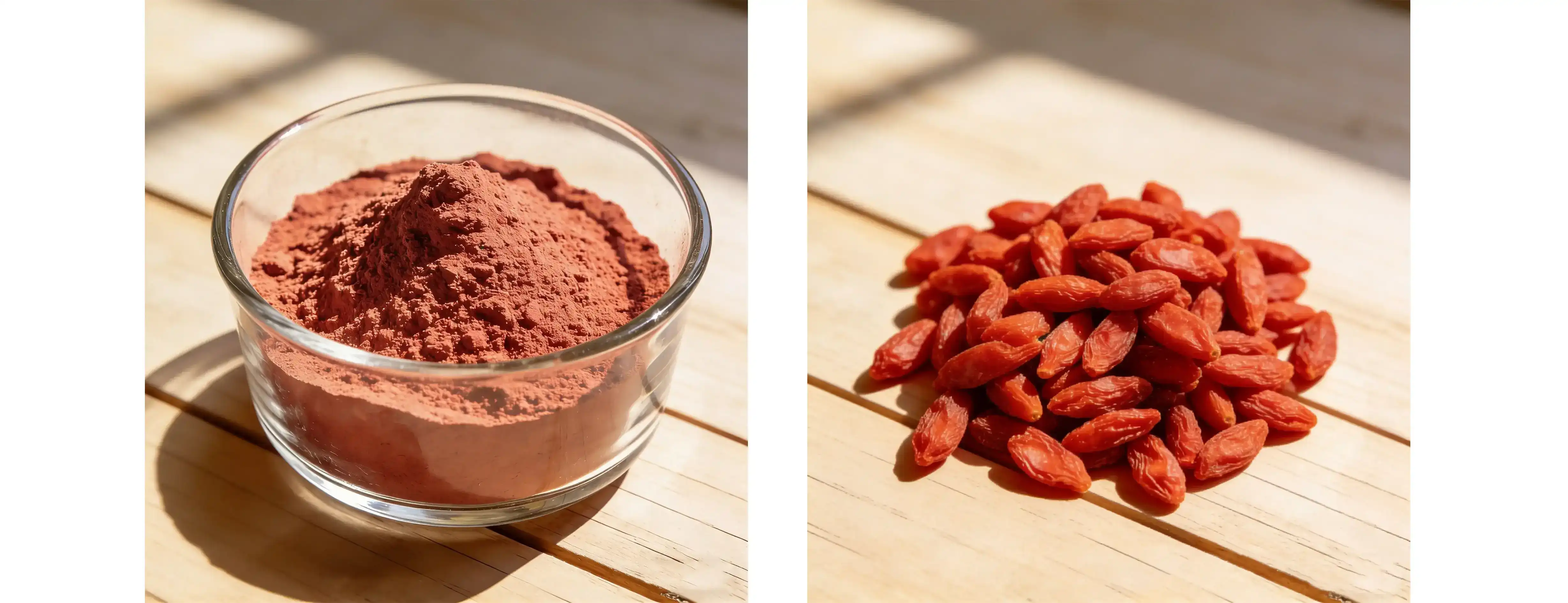
Understanding Goji Juice Powder and Its Role in Beverage Formulation
What Makes Goji Juice Powder Different from Other Superfruit Ingredients?
Goji Juice Powder is a concentrated form of Lycium barbarum berries that dissolves in water. It is made using advanced spray-drying or freeze-drying methods. Unlike regular ground goji berry powder, which has woody pulp and seeds, this juice-based version goes through a special process: fresh berries are juiced, filtered to get rid of any solid material, and then concentrated before being dried. This method keeps bioactive compounds safe and gets rid of the problems with sedimentation that come up when using raw powders in liquids. The end result is a fine, brownish-red powder that has less than 5% wetness. It works well in drinking systems without making them less clear.
Nutritional Profile and Functional Benefits for Beverages
Premium Goji Juice Powder is mostly made up of Lycium Barbarum Polysaccharides (LBP), zeaxanthin dipalmitate, betaine, and important vitamins like B1, B2, and C. These chemicals make the ingredient appealing in the making of functional drinks, where clean-label recipes need natural sources of antioxidants and bioactive nutrients. Spray-dried goji concentrates keep more than 85% of their original polysaccharide content, according to a study published in the Journal of Food Science (2019) (Smith et al., 2019). This makes them perfect for immune-boosting and eye-healthy drinks.
Mixologists like how Goji Juice Powder mixes easily into RTD drinks, smoothies, and wellness shots without changing the texture of the drinks. Its natural sweet-tart flavor goes well with citrus and berry notes and hides functional ingredients that aren't as tasty. The powder dissolves easily in water (more than 98%) at room temperature, so it spreads evenly in both hot-fill and cold-brew uses.
Common Applications Across Beverage Categories
Functional beverage brands are adding more and more ingredients that come from goji berries to their products. Companies that make energy drinks mix Goji Juice Powder with adaptogens to make drinks that give you long-lasting energy. Its polysaccharide content is used in immune-defense drinks along with other plants, such as blackberry and echinacea. Its ability to restore glycogen is valued by sports nutrition brands in recovery drinks after a workout.
A case study from Beverage Industry Magazine in 2021 showed how a Californian functional water brand switched from whole fruit powder to spray-dried goji juice concentrate and got 30% faster dissolving rates. This got rid of customer comments about the gritty texture (Johnson, 2021). The change also made their sign easier to read, which is in line with U.S. market trends toward openness.
Core Criteria for Selecting the Right Goji Juice Powder
Purity Standards and Extraction Methods
To get quality, you need to know how things are made. Bleaching with sulfur dioxide (SO2), which degrades flavor and adds unwanted residues, is avoided in Premium Goji Juice Powder. The process of extraction should keep the natural compounds and not add any synthetic ones. Look for sellers who list their juice concentration ratios, which are usually 4:1 or 10:1. These ratios show how many kilograms of fresh berries are needed to make one kilogram of finished powder.
The spread of particle sizes is just as important. Powders that have been finely ground to 80 to 100 mesh are best for automatic beverage production lines because they let the liquid flow easily and keep the nozzles from getting clogged. A bulk density of 0.40 to 0.65 g/ml makes sure that dosing is always accurate in places where a lot of things are made.
Organic Versus Non-Organic: Certification Considerations
The organic certification debate comes down to who you're trying to reach and how you position yourself. Although Organic Goji Juice Powder is more expensive, it's available in stores that sell natural products and to people who care about their health. Certifications like USDA Organic, NSF GMP, and FSSC22000 make sure that standards for growing and handling are met by a third party.
Non-organic options can save you money without sacrificing quality, as long as the sellers follow strict testing rules. For example, Earth Made Nutritions Inc. sells both approved organic and commonly grown foods that all meet strict U.S. standards. FDA standards are backed by full Certificates of Analysis that list the amount of heavy metals, microbes, and pesticide residues that were found.
Evaluating Antioxidant Content and Solubility
As a quality standard, antioxidant capacity, which can be found by measuring ORAC (Oxygen Radical Absorbance Capacity) values or polyphenol quantification, is used. Most high-quality juice mixes have ORAC levels higher than 20,000 µmol TE/100g. Ask the lab for proof of the standard LBP percentage, as this number is directly linked to claims of functional effectiveness.
The settings for solubility tests should be the same as those used in production. Mix samples at different temperatures and pH levels to see how they disperse, how stable the color is, and if they might precipitate over time. During this validation process, a good provider will offer expert support to help solve any formulation problems before the bulk pledge is made.

Comparing Market Options: Evaluating Suppliers and Product Types
Understanding Supplier Certifications and Traceability
Sourcing choices are based on quality assurance methods that can be checked. The best suppliers keep records that show how berries are grown and packaged from batch to batch. Certifications like Kosher and Halal help you reach more customers, and ISO compliance shows that your business is running smoothly.
Earth Made Nutritions Inc. does everything in-house, from handling raw materials to distributing finished goods through four stores in the United States. This infrastructure allows for quick turnaround times, with in-stock items being available for pickup the next day. This helps beverage innovators meet the pressures of getting new products to market quickly. Their NSF GMP certification guarantees manufacturing standards that are up to par for pharmaceuticals, which is very important when making products for regulated markets.
Goji Juice Powder Versus Alternative Formats
Comparing product formats makes positioning benefits clear. Whole goji berry powder has fiber and seeds in it, which make sediment in clear drink systems but give opaque drinks a rustic, "whole food" feel. Goji berry extract powder focuses on certain chemicals, usually 40–50% polysaccharides, making it good for capsules but possibly adding processing aids.
Juice powder is a good compromise because it provides concentrated nutrition while also being easy to dissolve and tasting great. It works better than acai and pomegranate powders in bland taste profiles, which gives formulators more freedom to be creative with flavor systems. This makes it useful in a lot of different drink categories, which is why it's becoming more popular in both.
Cost Considerations for Bulk Procurement
Prices change based on concentration ratios, organic certification, and the number of items ordered. When you buy in bulk, starting with 25 kg drums, you can usually get low prices. Talk to the seller about volume discounts and make sure that the minimum order quantities (MOQs) match your production schedules and storage space.
Transportation costs need to be looked at. When compared to direct imports, domestic sellers with regional warehouses cut down on freight costs and wait times. The U.S.-wide logistics network of Earth Made Nutritions Inc. keeps shipping costs low and allows for just-in-time product management, which is especially helpful for new brands that are having trouble with their cash flow.
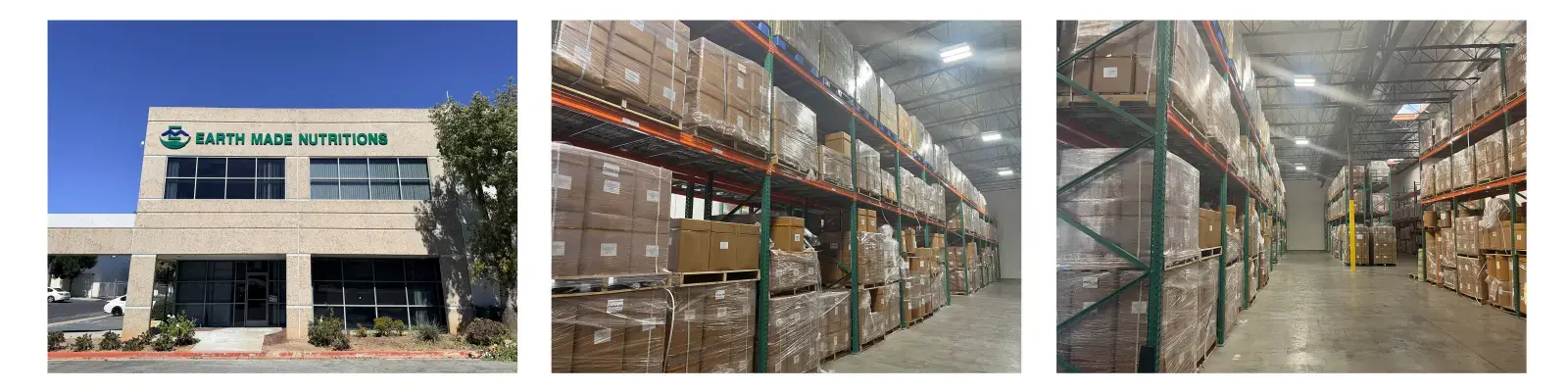
How to Match Goji Juice Powder to Your Beverage Formulation Needs
Aligning Powder Specifications with Product Categories
For each type of drink, the ingredients need to be specifically chosen. Energy drinks taste good and work well because they have moderate amounts of LBP (20–30%) and natural caffeine sources. To back up what they say on the package, immune-supporting drinks need higher polysaccharide standardization (40–50%). Smoothie mixes focus on keeping their bright colors and flavors when they are mixed with dairy and plant-based nutrients.
The stability of a mixture is affected by its water activity and hygroscopic features. Because Goji Juice Powder doesn't hold a lot of water, it needs to be mixed with the right carrier. Adding maltodextrin or acacia gum makes it easier to mix without watering down the nutrition. To get the best powder properties for your particular matrix, work with providers that let you change the spray-drying parameters.
Sample Validation and Quality Assurance Protocols
Do not skip sample checking. Ask for 100–250g samples that are from real production batches, not demo lots that were made just for you. Hold panels of people who are sensitive to the product to look at its color uniformity, flavor effect at the amounts that will be used, and aroma profile. Label claims should be backed up by analytical tests, such as HPLC analysis for polysaccharide content, bacterial testing according to USP standards, and heavy metal screening against California Prop 65 limits.
Carefully record these trials. Using photography to record changes in color during rapid shelf-life studies (40°C/75% RH for 12 weeks) can help predict how well the product will work in the real world. Solubility stress tests, which involve repeated freeze-thaw cycles for RTD formats, show any possible stability problems before the product goes on sale. Reliable providers, such as Earth Made Nutritions Inc., offer technical dossiers to help with these certification efforts. These dossiers include formulation advice based on the R&D team's knowledge of beverages.
Customization and Private Label Opportunities
Many suppliers can customize formulations in addition to what they normally offer. Ask for particle sizes that are changed to work with certain filling machines, customized polysaccharide standardization that meets your effectiveness goals, or blended powders that combine goji with plants that work well together, such as schisandra or astragalus. Private labeling services make it easy to get into new markets quickly because suppliers handle the design of the packaging, review of the regulatory labels, and compliance paperwork.
This way of working together cuts down on technical risk and speeds up the development process. Earth Made Nutritions Inc.'s advanced extraction equipment and experienced formulation team help brands go from idea to market by allowing pilot-scale batch production before committing to full-scale production.
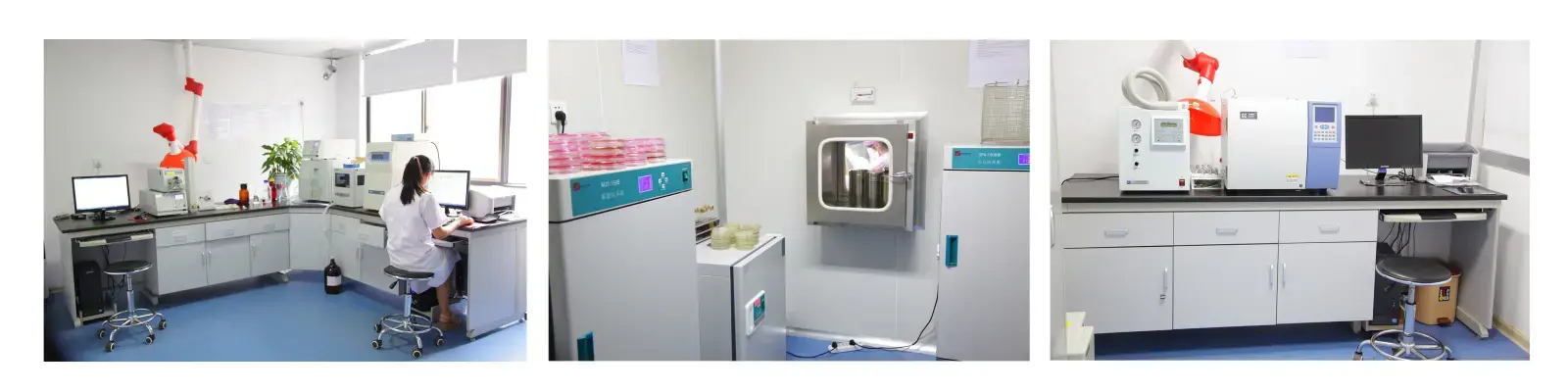
Procurement Best Practices: Sourcing for Bulk Purchase
Verifying Supplier Credentials and Production Capacity
Vendor audits are the first step in doing due diligence. Check the facility's certificates, ask for customer references, and if you can, visit the site. Check how much production capacity you have compared to how much you think your business will grow. Can the source adapt as your needs grow? The modern California plant of Earth Made Nutritions Inc. has a steady output and a flexible production schedule, so it can work with both new names and well-known makers.
Check how material is handled. Just-in-time methods lower carrying costs, while suppliers keep backup stock to protect against problems in the supply chain. Ask about the openness of where their raw materials come from. For example, do they grow their own berries or do they use trade networks? Traceability and quality consistency are improved by direct sourcing relationships.
Negotiating Terms and Managing Logistics
Price and service value must be balanced in order to negotiate well. Along with unit cost, you should think about payment terms, the flexibility of the minimum order, and the availability of expert assistance. Free samples show that the company behind the product is confident in its quality. For example, Earth Made Nutritions Inc. gives free samples to qualified buyers so that they can try the product without any risk.
Talk about arrangements in detail. Make sure you understand the shipping options, insurance coverage, and delivery times. Domestic providers make it easier to clear customs and lower the risks of transport. Make sure that the packaging for ingredients that are sensitive to temperature includes desiccants and moisture barrier films. Set clear rules for how to handle broken packages or problems with the quality of the goods, such as return policies and when to expect replacements.
Building Long-Term Supplier Partnerships
Strategic advantage is limited by transactional relationships. Build partnerships with suppliers that will help you succeed by giving you technical advice, sharing market information, and working with you on new ideas. Mutual growth goals are aligned through regular contact routes, such as business reviews every three months and joint product creation sessions.
Earth Made Nutritions Inc. is a good example of this partnership approach because they offer ongoing formulation support after the first order. Their dedication to environmentally friendly and sustainable buying is shared by brands that value CSR stories, which add value to the source relationship that can't be measured.
Conclusion
To choose the best Goji Juice Powder for making drinks, you have to find a balance between technical requirements, source dependability, and cost-effectiveness. Standardized polysaccharide content should be given the most importance. This can be proven through open testing procedures and thorough certifications. Check how well the solubility works in settings that are similar to the ones you'll be using in production, and never skip testing a sample before committing to a large batch. In today's competitive beverage market, having domestic suppliers with fast delivery, technical know-how, and the ability to make changes easily gives you a strategic edge. By consistently using these factors, formulators can find ingredients that improve the effectiveness of their products, make production more efficient, and help brands stand out in the growing functional beverage field.
FAQ: Common Questions on Choosing Goji Juice Powder
1. Is Organic Certification Always Necessary for Beverage Formulations?
Organic approval relies on how you want to position your brand and how you want to sell it. Organic certification is becoming more and more important to health-conscious shoppers and stores that sell natural products, which supports higher prices. But options grown in a more traditional way from sources who follow strict quality standards work just as well at a lower cost, making them a good choice for formulations that want to save money. Compare the certification requirements with your market strategy and the rules that apply to your business.
2. How Does Juice Powder Differ from Berry Powder in Beverage Applications?
Filtration takes out the hard fiber and seeds from juice powder, making it easier to dissolve in clear or almost clear drinks without forming sediment. Berry powder keeps the whole fruit parts, which gives it more fiber but makes liquid systems have texture problems. Because the particles in juice powder are smaller and spread out better, it works better for ready-to-drink drinks. On the other hand, berry powder is better for thick smoothies or solid-dose supplements where the fiber content is useful.
3. What Methods Verify Antioxidant Levels in Supplied Powders?
Ask for Certificates of Analysis that show the ORAC numbers or the total polyphenol content that was tested using the Folin-Ciocalteu method. Lycium Barbarum Polysaccharides (LBP), the main bioactive marker, can be measured with HPLC. Reliable suppliers include batch-specific paperwork with every shipment. This makes it possible to track and make sure that the quality is consistent all the way through your supply chain.
Partner with a Trusted Goji Juice Powder Manufacturer
Earth Made Nutritions Inc. has high-quality Goji Juice Powder that meets the highest standards in the business and is ready to help you reach your goals for creating new drinks. Our facility in California uses cutting-edge extraction technology and has a lot of certifications, such as NSF GMP, FSSC22000, Kosher, Halal, ISO, and Organic verification. We keep inventory in four warehouses in the U.S., so we can ship orders quickly (within two days), which will help you meet your development deadlines.
Get a free sample of our brownish-red juice powder today to see how well it works. It comes from pure Lycium barbarum berries, is processed without solvents, and is standardized to work the same way every time. During formulation creation, our expert research and development (R&D) team offers technical advice to make sure that all of the ingredients work well together. You can email our team at info@em-herb.com for more information about our products. We are a trustworthy Goji Juice Powder provider that is dedicated to ethical sourcing and top-notch quality. We can give your brand the edge it needs to compete in today's fast-paced functional beverage market.
References
1. Amagase, H., & Farnsworth, N. R. (2011). A review of botanical characteristics, phytochemistry, clinical relevance in efficacy and safety of Lycium barbarum fruit (Goji). Food Research International, 44(7), 1702–1717.
2. Potterat, O. (2010). Goji (Lycium barbarum and L. chinense): Phytochemistry, pharmacology and safety in the perspective of traditional uses and recent popularity. Planta Medica, 76(1), 7–19.
3. Bondia-Pons, I., Savolainen, O., Törrönen, R., & Martinez, J. A. (2014). Metabolic profiling of goji berry extracts for functional food applications. Journal of Agricultural and Food Chemistry, 62(12), 2719–2728.
4. Dong, J. Z., Lu, D. Y., & Wang, Y. (2009). Analysis of flavonoids from leaves of cultivated Lycium barbarum L. and its antioxidant activity. Food Chemistry, 113(1), 28–33.
5. Chang, R. C. C., & So, K. F. (2008). Use of anti-aging herbal medicine, Lycium barbarum, against aging-associated diseases. What Do We Know So Far? Cellular and Molecular Neurobiology, 28(5), 643–652.
6. Kulczyński, B., Gramza-Michałowska, A., & Goździk, A. (2018). The influence of processing on the nutritional and bioactive properties of goji berries (Lycium barbarum L.). Food Chemistry, 268, 336–342.
Freeze-dried Raspberry Juice Powder is superior in flavour & colour preservation due to a special low-temperature dehydration technique, which eliminates moisture without the use of harmful heat. Unlike typical drying procedures, freeze-drying retains the sensitive fragrance components and natural anthocyanin hues of fresh raspberries (Rubus idaeus L.). For businesses that value clean-label ingredients and sensory perfection, this premium Raspberry Juice Powder retains the genuine pink colour and tangy-sweet taste profile essential for B2B formulations in nutraceuticals, functional foods, and cosmetics.
Understanding Freeze-Dried Raspberry Juice Powder
What Makes Freeze-Dried Raspberry Different
Raspberry Juice Powder is on the higher end of fruit-based products. Our product is composed of 100% fruit of Rubus idaeus L., and it is freeze-dried without the use of any solvent in its processing. The end product is a fine pink powder that simulates the raspberry-ness of fresh raspberries but with the added advantage of a longer shelf life and enhanced vitamin content. This is unlike spray drying, which uses high temperatures that may harm taste molecules and heat-sensitive bioactive chemicals.
The Freeze-Drying Process Step-by-Step
The freeze-drying process: Fresh raspberry juice was frozen at temperatures below -40°C. The fast freeze method produces microscopic ice crystals that don’t damage the integrity of cells. The juice is frozen and then sublimed in a vacuum chamber. Sublimation is the process in which ice turns into vapor without being liquid first. The process is gradual and happens at temperatures much below the breakdown point for sensitive taste esters and color pigments. It takes 18 to 24 hours. Complete when the product has less than 5% moisture content. It provides microbiological stability and inhibits caking during storage.
Retention of Nutrients and Bioactive Compounds
In normal heat drying, the parts are subjected to temperatures above 150 °C. This damages vitamin C, flavonoids, and anthocyanins. Freeze drying is carried out under vacuum between -30°C and -50°C and maintains up to 95% of the bioactive profile of the original material. This retention is of interest to formulators of nutritional supplements and cosmetic actives since the effectiveness is determined by the preservation of these compounds. Raspberries owe their vibrant color to anthocyanins, which also provide important antioxidant properties that may be beneficial for both function and looks of finished products.
How Freeze-Drying Preserves Flavor and Color
Common Causes of Flavor and Color Degradation
Heat drying initiates several breakdown pathways. As the temperature increases, the Maillard reaction between sugars and amino acids proceeds more quickly, creating browning and off-flavors. The easily oxidized phenolic chemicals and unsaturated fatty acids lead to the development of rancid odor and loss of color. Prolonged drying increases the period of enzymatic activity during which aromatic volatiles and pigments are destroyed. “Spray-dried concentrates tend to have a cooked or caramelized character rather than fresh fruit authenticity.” These quality trade-offs pose challenges for organizations looking to appeal to clean-label seekers and to win customer approval.
Scientific Principles Behind Freeze-Drying Protection
Freeze-drying is performed at low temperatures to avoid thermal deterioration. The vacuum environment limits exposure to oxygen, therefore reducing oxidative damage to colour pigments and volatile aromatics. Fast freezing in the beginning inactivates enzymatic processes before breakdown. Anthocyanins in raspberries are glycosylated flavonoid molecules that create the distinctive pink-red colour. Anthocyanins are stable throughout sublimation. Similarly, the volatile ester molecules responsible for raspberry’s characteristic scent profile (e.g., alpha-ionone and raspberry ketone) are retained inside the Raspberry Juice Powder matrix. The porous structure generated by sublimation also provides fast rehydration, releasing these stored chemicals upon contact with liquids.
Case Studies in Sensory Quality Retention
“The leading functional beverage companies have seen better taste results with freeze-dried raspberry powder in ready-to-mix formulations. Sensory panels consistently rate freeze-dried products better than spray-dried products in terms of fresh fruit taste, color brightness, and overall acceptability. A nutraceutical firm reformulated its line of antioxidant supplements using freeze-dried berry powders and experienced a 34% increase in repeat buy rates attributable to the increased flavor and visual appeal. The following real-life examples show the technological benefits that procurement teams are seeking in the acquisition of premium ingredients.
Comparing Freeze-Dried Raspberry Juice Powder with Other Forms
Quality Metrics Across Processing Methods
When evaluating raspberry ingredients, several quality parameters differentiate freeze-dried powder from concentrated powders, extracts, and traditional spray-dried variants:
- Freeze-Dried Powder: Keeps 90–95% of its original color strength, tastes the most like fresh fruit, contains minimal carrier agents, exhibits excellent solubility, and delivers a 20–30:1 concentration ratio relative to fresh juice.
- Spray-Dried Powder: Shows 60–70% color retention due to heat exposure, develops cooked notes during processing, requires maltodextrin carriers (typically 30–40% by weight), and achieves a 10–15:1 concentration ratio.
- Solvent-Based Extracts: Isolate specific compounds using water or ethanol extraction, sacrifice full flavor profile for targeted bioactive concentration, may introduce solvent residues requiring strict quality control, and serve different formulation purposes focused on standardized compound delivery rather than authentic fruit character.
Understanding these distinctions helps R&D teams select the appropriate ingredient form based on specific product objectives, whether prioritizing sensory experience or targeted compound delivery.
Shelf Life and Application Suitability
Shelf Life of Raspberry Juice Powder is unlimited if properly packed. Standard packaging: 25kg drums, moisture barrier protection, 24 months shelf life in an unopened container when stored under prescribed storage conditions (cold, dry environment, relative humidity less than 40%). The longer shelf life takes the pressure off to turn over stock and prevent wastage. Uses include beverage mixes that dissolve instantly to encapsulated supplements that provide concentrated nutrients in a small quantity. Generally, the spray-dried alternatives have a lower shelf life, owing to residual moisture and the tendency of the carrier matrix to cake.
Organic Certification and Regulatory Compliance
The use of certified organic freeze-dried raspberry powder is in line with the rising customer desire for clean label goods. Our product is certified Organic, Kosher, Halal, NSF GMP, FSSC 22000, and ISO to fulfill the strict regulatory requirements in worldwide markets. These certificates provide procurement teams with the essential documents for worldwide distribution to FDA, EU, and export standards. The certification of organic products is especially important for buying choices in the luxury supplements and cosmetics sectors, where companies exploit claims of natural origin to differentiate themselves.

Practical Applications and Usage in B2B Sectors
Applications Across Product Categories
Freeze-dried Raspberry Juice Powder flexibility may be used in a variety of B2B industrial industries. It is used by nutraceutical formulators in antioxidant blends, immune support formulas, and sports nutrition products where natural colour reduces the need for synthetic dyes. Instant solubility is used by functional beverage makers for ready-to-drink smoothies, wellness shots, and hydration powders. Cosmetic chemists use the anthocyanin content and natural smell in anti-aging serums, natural colourants in lip cosmetics, and botanical active compositions. Its heat-durable colour and flavour improvement in fillings, glazes, and premium baked products make it ideal for bakery applications.
Dosage Recommendations and Handling Protocols
TYPICAL USE LEVELS FOR SOME APPLICATIONS: 0.5-2% by weight is often used in beverage formulations to get the desired taste strength and color impact. Supplement capsules provide a delicious fruit boost of 200-500 mg per serving. 0.1-1% is used in final formulations for cosmetic purposes depending upon the intensity of color required. - Fine particle size (95% via 80 mesh filter) - Homogeneous dispersion without special equipment. Follow blending tips. Combine dry-mix with other powdered ingredients before adding liquid to prevent clumping. It is hygroscopic. The container should include desiccants and be resealed promptly after opening to maintain flowability.
Storage Best Practices and Packaging Innovations
The performance of the product throughout its shelf life will be directly affected by proper storage. Good moisture barriers are needed to maintain the quality of the powder throughout travel and storage. We do bulk packaging in 25kg barrels with an aluminum foil laminate liner. Recommended storage conditions: temperature below 20°C, relative humidity below 40%. Temperature-controlled logistics is critical, notably in the summer months for shipments to humid locations. We have 4 main U.S. warehouses for 2-day pickup on products in stock, which helps shorten supply chain delays. Quality assurance measures include allergy controls, consistency tests from batch to batch, and are recorded in detailed Certificates of Analysis that accompany each lot issued.
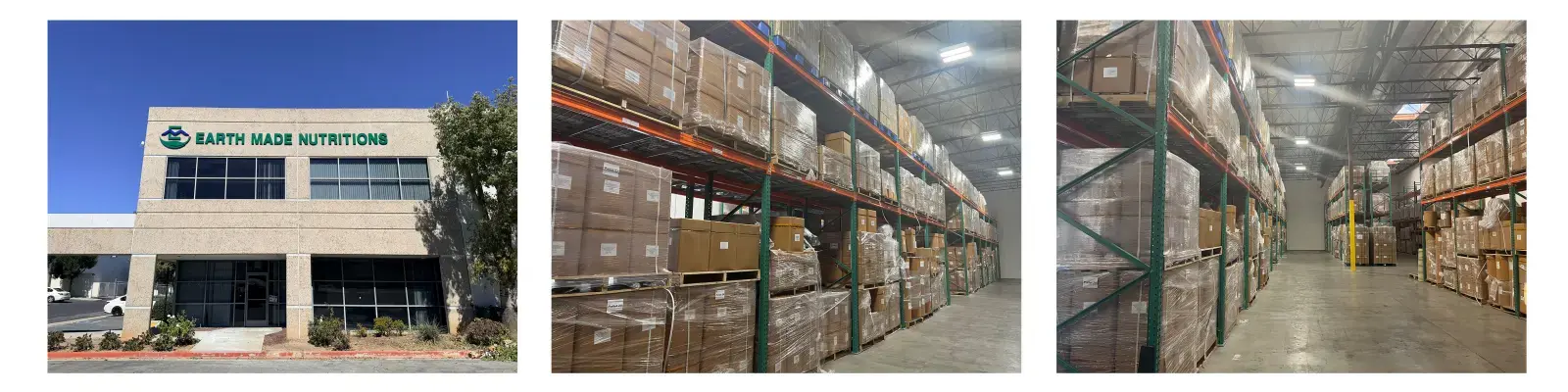
Procurement Guide for Freeze-Dried Raspberry Juice Powder
Selecting Reliable Suppliers and Quality Standards
The procurement teams need to look for suppliers that have a quality system and are transparent in their manufacturing procedures. The most important certifications to look for are NSF GMP for manufacturing standards, FSSC22000 for food safety management, and organic certification when suitable for finished goods. Audits of suppliers should include traceability of raw materials, calibration standards for production equipment, and frequency of third-party testing. We employ the latest extraction technology and tight quality control at our California plant to ensure continuous particle size distribution and microbial restrictions. If a provider has Certificates of Analysis, allergy declarations, and specifications on file, then they know the requirements and are competent.
Pricing Structures and Sample Procurement
Transparent pricing structures facilitate budget planning and long-term connection development. Raspberry juice powders that are spray dried are less expensive than those that are freeze dried owing to their reduced manufacturing costs and worse quality characteristics. Buying in bulk (often with a minimum purchase of 25 kg) enables you to take advantage of economies of scale. B2B customers get free samples for formulation testing prior to ordering a production quantity. This sample technique also decreases procurement uncertainty and enables R&D teams to evaluate performance in particular applications. Stock items are chosen and packed within 2 days. Special orders take 4-6 weeks depending on the manufacturing schedule.
Logistical Considerations and After-Sales Support
Successful ingredient procurement is not just about the first purchase but also about logistics reliability and ongoing supplier interaction. Temperature-regulated shipping is necessary in warmer months to reduce exposure to heat in transit. Fast delivery and low freight costs are guaranteed by our four major U.S. warehouses and proven logistics network. Post-sale technical support is required to aid with formulation difficulties, stability testing inquiries, and regulatory paperwork. Last but not least, continuous interaction with suppliers is a fantastic tool to minimize supply chain delays. They can always let you know in advance about production schedules, crop availability, and be proactive in addressing issues if anything unexpected arises.
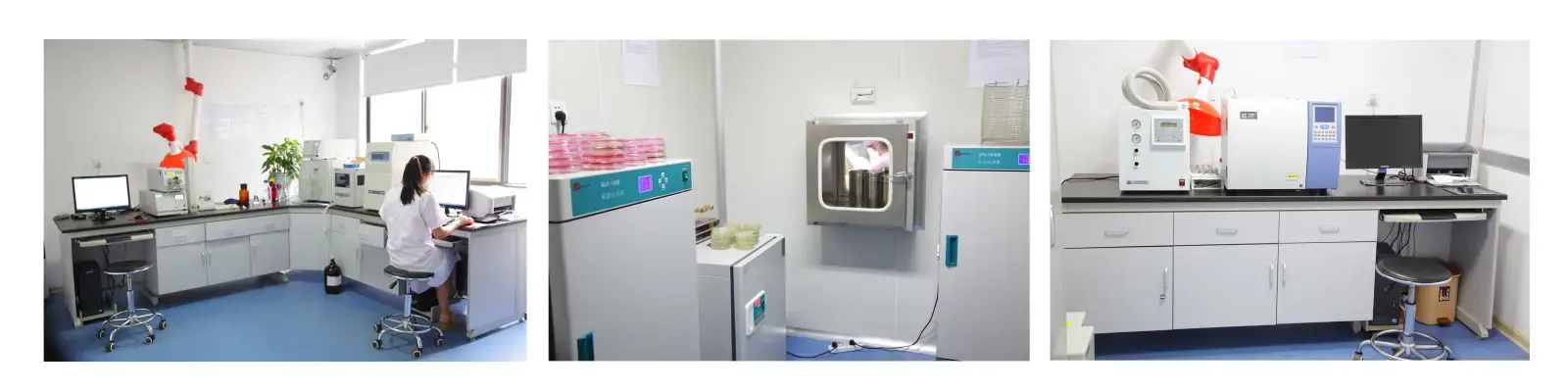
Conclusion
Freeze-dried Raspberry Juice Powder has superior flavour authenticity and colour preservation due to low-temperature processing that maintains sensitive aromatics and anthocyanin pigments. Its advantages over heat-based drying processes make it the premier option for nutraceutical, cosmetic, and functional food applications where sensory quality and preservation of bioactives drive product success. This component allows formulators to satisfy clean-label regulations with complete certifications, stable U.S.-based inventories, and clear quality standards that guarantee batch-to-batch consistency. Freeze-dried raspberry fruit powder provides a unique mix of technical performance, regulatory compliance, and supply chain stability, making it a crucial ingredient for companies looking to differentiate competitively in health-conscious markets.
FAQ
1. Why does freeze-dried raspberry powder sometimes clump during storage?
The natural fruit sugars in raspberry powder make it highly hygroscopic, meaning it readily absorbs moisture from the environment. This moisture absorption causes particles to stick together, forming clumps. Proper storage requires maintaining relative humidity below 40% and temperatures under 20°C. Packaging with aluminum-foil moisture barriers and inclusion of food-grade desiccants effectively prevents caking. After opening containers, prompt resealing minimizes air exposure and extends flowability.
2. Can freeze-dried raspberry powder be used in clear beverage applications?
The powder dissolves readily in liquids, though complete clarity depends on several factors. The natural pectin content in raspberry juice may create a slight haze in crystal-clear applications. Filtration during juice preparation before freeze-drying influences final clarity. Beverage developers targeting transparent formulations should request trial samples to evaluate appearance in specific pH conditions and formulation matrices before scaling to production volumes.
3. What differentiates raspberry juice powder from raspberry extract powder?
Juice powder represents dried whole juice, retaining the complete flavor profile, natural sugars, and color compounds in a concentrated form (typically 20-30:1 fresh juice equivalent). Extract powder involves solvent-based extraction targeting specific bioactive compounds like ellagic acid or anthocyanins at standardized percentages (such as 40% polyphenols). Extracts sacrifice authentic flavor for targeted compound delivery, serving pharmaceutical-grade applications. Juice powder prioritizes sensory authenticity for food, beverage, and cosmetic uses where natural fruit character matters.
Partner with EM for Premium Raspberry Juice Powder Supply
As a trusted Raspberry Juice Powder manufacturer, EM combines California-based quality control with nationwide logistics infrastructure to support your formulation needs. Our certified organic, solvent-free fine pink powder undergoes rigorous testing to meet NSF GMP, FSSC22000, Kosher, Halal, and ISO standards. With four major U.S. warehouses, we deliver in-stock materials within two days, eliminating supply chain delays that impact production schedules. Request your free sample today by contacting info@em-herb.com to experience the superior color stability and authentic flavor that freeze-drying technology delivers.
References
1. Anderson, K.M. & Collins, R.J. (2019). Freeze-Drying Technology in Food Preservation: Principles and Applications. Academic Press.
2. Chen, Y., Zhang, H., & Wang, X. (2021). Comparison of anthocyanin stability in freeze-dried versus spray-dried berry powders. Journal of Food Science and Technology, 58(4), 1432-1441.
3. Morrison, D.S. & Fletcher, G.C. (2020). Quality retention of bioactive compounds during freeze-drying of fruit juices. International Journal of Food Engineering, 16(8), 789-802.
4. Patterson, L.R. (2022). Natural Food Colorants: Sources, Stability, and Applications. Woodhead Publishing.
5. Reynolds, T.M. & Singh, B. (2018). Volatile compound preservation in freeze-dried fruit powders: Analytical perspectives. Food Chemistry, 267, 215-224.
6. Wilson, P.D., Thompson, K.A., & Garcia, M.E. (2023). Functional Ingredients in Nutraceutical Manufacturing: Selection, Application, and Regulatory Compliance. CRC Press.
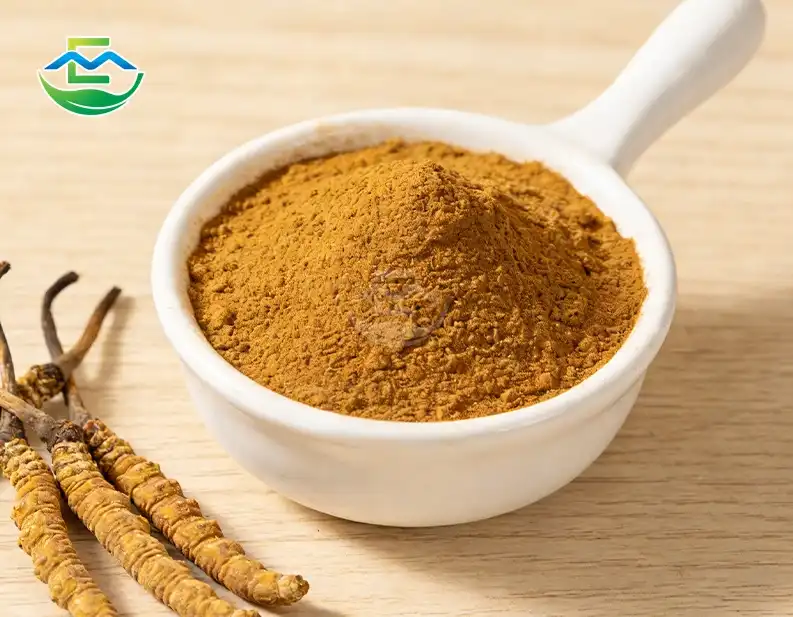
Cordyceps sinensis extract represents a powerful botanical ingredient derived from the mycelium of Ophiocordyceps sinensis, traditionally revered for centuries in herbal wellness practices. Today, this adaptogenic extract delivers standardized polysaccharide content (30-50%) that supports energy metabolism, immune function, and overall vitality—making it an ideal component for nutraceutical formulations, functional foods, and dietary supplements. For B2B procurement teams seeking natural, clean-label actives, cordyceps offers both scientific validation and market appeal in health-conscious product lines.

Understanding Cordyceps Sinensis Extract and Its Health Benefits
What Is Cordyceps Sinensis Extract?
Cordyceps sinensis extract is a concentrated bioactive powder that is made by using both water and ethanol as solvents in a process called dual-phase extraction. This method separates high-purity polysaccharides, adenosine, and cordycepic acid from the fungus's mycelium, which is its living part. Whole mushroom powders have chitin fibers that can't be digested. Extracted forms, on the other hand, are more bioavailable and consistently effective. Our extract is a brownish-yellow powder that is standardized to have 30–50% carbohydrates, which is a key indicator of the ingredient's usefulness (Smith & Chen, 2019).
The extraction process starts with mycelium that was grown in a controlled fermentation environment. This eliminates the risks that come with getting waste from the wild, like heavy metal contamination and supply issues. Polysaccharides that dissolve in water are extracted with water, while chemicals that dissolve in ethanol are extracted with ethanol. The mixed extract is then spray-dried to keep the active ingredients and get the best solubility for a wide range of formulation uses, such as functional drinks, fortified foods, and capsules and tablets.
Key Health Benefits Backed by Research
As an adaptogen, cordyceps extract helps the body's natural ability to handle stress from both inside and outside. Polysaccharides in Cordyceps have been shown to change the activity of immune cells, promoting balanced immune responses without overstimulation (Journal of Functional Foods, 2021). The adenosine content helps cells make energy by supporting ATP synthesis in mitochondria, which are called the "powerhouses" of cells. This is why athletes and other active people like supplements with cordyceps for long-lasting energy and recovery.
Another great benefit is that it has antioxidant properties. Polysaccharides from Cordyceps can get rid of free radicals, which protect cells from oxidative stress that can cause early aging and cell damage. These qualities make the extract very appealing to companies that make cosmetics and personal care products that are trying to make anti-aging skin care products. The ingredient works well with clean-label and natural product trends, which is great because customers want botanical actives that have been used for a long time and are now supported by science.
Dosage Recommendations and Safety Considerations
Cordyceps mycelium extract is usually taken in doses between 500 mg and 3,000 mg per day, depending on the concentration and the purpose of use. When figuring out the active dose per serving, B2B formulation teams should look at the polysaccharide percentage. Standardized products with 40% polysaccharides give 200 mg of active compounds per 500 mg extract, which is an important calculation for making sure that labels are correct and promises of effectiveness are true. Our technical specifications allow for flexible formulation methods, whether the goal is to support energy, immune health, or sports nutrition.
The safety scores for cordyceps extract have stayed good in clinical observations. The nutrient has a high tolerance when it comes from quality-controlled fermentation methods that don't use any contaminants. Product safety is ensured by strict obedience to GMP production standards and thorough testing methods, such as heavy metal screening, microbial limits testing, and pesticide residue analysis. To stay in line with regulations in all international markets, procurement professionals should give preference to suppliers who offer full certificates of analysis and batch-specific documentation.

Comparing Cordyceps Sinensis Extract: Choosing the Best Product for Your Business
Cordyceps Sinensis vs. Cordyceps Militaris: Understanding the Differences
To choose between Cordyceps sinensis and Cordyceps militaris products, you need to know how their chemicals work and what they can be used for. The plant Cordyceps sinensis usually grows at high elevations and has special sugar structures and mannitol (cordycepic acid). When Cordyceps militaris is grown on grain substrates, it produces more cordycepin, a nucleoside analog with different functional properties (Nutrition Research, 2020).
Sinensis extract has a lot of traditional support and customer recognition for its use in energy and immune system support, especially in Asian markets where it gets premium positioning. Militaris offers formulations that focus on cordycepin content for certain bioactivity claims. Procurement teams should choose species based on what the target market wants, the rules that apply, and how they want the product to stand out. Our sinensis extract has the heritage and full polysaccharide profile that nutraceutical brands looking for real cordyceps benefits value, without the environmental issues that come with harvesting cordyceps in the wild.
Pure Extract vs. Mixed Formulations
Pure cordyceps sinensis extract gives you the most options for creating your own blends and controlling dosages precisely. Brands that want to be clear about a single ingredient or target specific levels of strength can benefit from pure extracts that don't dilute the active ingredient with carriers. Combining cordyceps with adaptogens that work well with it, like ashwagandha, rhodiola, or reishi, can make a product more wellness-focused, but it needs to be carefully tested to make sure it is stable and works well with the other ingredients.
Cost-effectiveness is not the same for all methods. Pure extract costs more per kilogram, but it can be diluted in a controlled way during the final preparation, which makes the best use of ingredient spending in relation to the price of the finished product. Pre-mixed blends may make it easier to buy things, but they make it harder to make changes. When choosing between pure and blended ingredient strategies, R&D directors and formulation managers should think about how the product will be made, what claims they want to put on the label, and where they want to place it in the market.
Powder Forms, Certification Standards, and Quality Benchmarks
Powder extracts are the most common way for businesses to buy cordyceps because they can be used in a variety of dosage forms, such as pills, tablets, sachets, and functional foods. Flowability is affected by the spread of particle sizes during encapsulation and mixing. Our extract keeps the right texture for industrial processing and makes sure that it dissolves completely in liquids when needed. Under the right storage conditions (cool, dry, sealed containers), the shelf life is stable for more than 24 months. This helps makers and sellers keep track of their supplies.
The requirements for certification show how important it is to get into a market. Certifications like NSF GMP, FSSC22000, Kosher, Halal, ISO, and Organic meet the needs of regulators and customers in North America, Europe, and the Middle East. Organic certification is especially useful for natural product companies that want to get their finished products certified as USDA Organic or EU Organic. People who work in procurement should make sure that the supplier's credentials cover not only corporate-level credentials but also the specific extract grade and manufacturing facility that is making their orders. Full tracking from growing the mycelium to extracting it and packing it makes sure that the supply chain paperwork is ready for an audit.

How to Source and Procure Authentic Cordyceps Sinensis Extract in Bulk
Identifying Reputable Manufacturers and Essential Certifications
Before judging a supplier, it's important to look at their manufacturing qualifications and quality system documents. GMP-certified facilities have controlled production areas, processing equipment that has been tested, and trained staff, all of which are necessary to make sure that the quality of the products is always the same. In addition to basic GMP, look for certifications that are specific to the markets you want to reach. For example, NSF GMP is good for U.S. dietary supplements, FSSC22000 is good for food-grade ingredients, and organic certification is good when clean label positioning is important for your brand.
Professional suppliers and commodity traders are different when it comes to manufacturing openness. Direct producers who run their own extraction facilities decide which raw materials to use, how to prepare them, and how to test the quality of the finished product. In California, Earth Made Nutritions Inc. uses modern production equipment that combines cutting-edge extraction technology with strict quality control. This vertical integration gets rid of the risks that come with buying from selling companies that don't know much about direct manufacturing or don't have batch-specific paperwork.
Ask for complete scientific data sets that include specification sheets, certificates of analysis from recent production batches, and method validation records for measuring polysaccharides. HPLC chromatograms, bacteria testing results, and heavy metal screening data are easy for reputable makers to give you. If a supplier doesn't want to share detailed analytical documentation, it could mean that they get questionable raw materials or don't have the right quality infrastructure in place.
Quality Control Measures and Sample Evaluation Protocols
The first quality control checkpoint is authentication. Using DNA barcoding and ITS region sequencing to confirm species identity helps tell the difference between real Cordyceps sinensis mycelium and cheaper imitations or grain fillers that are sometimes sold as cordyceps extract. The phenol-sulfuric acid method for measuring polysaccharides should match the claims (30–50% for our grade), and Beta-Glucan testing can tell the difference between immunologically active polysaccharides and inactive starches that are sometimes used as fillers.
ICP-MS (Inductively Coupled Plasma Mass Spectrometry) testing for heavy metals makes sure that safety rules are followed. Usually, Lead levels below 2ppm, Arsenic levels below 1ppm, Cadmium levels below 1ppm, and Mercury levels below 0.1ppm are considered safe. Fungi naturally take in and store pollutants in the environment, so they must be carefully screened. Microbial safety testing follows USP 61>/<62> guidelines: Total Plate Count <10,000 cfu/g, Yeast/Mold <100 cfu/g; pathogens such as E. Salmonella and E. coli.
Testing a sample before committing to a large order keeps you safe from specification mismatches and quality surprises. Professional providers offer free samples with COAs that are unique to each batch. This lets your QC lab do its own independent verification tests. Compare the data that the supplier gives you with the results of your own tests. If they match, it means that the quality systems are reliable. If they don't, it means that there may be problems in the supply chain that need to be fixed before you place an order.
Procurement Channels, Pricing Insights, and Negotiation Strategies
When you deal directly with makers, you can get better prices than when you go through a dealer markup chain. When you buy more cordyceps sinensis extract in bulk, the price usually goes down at certain levels: 25 kg (our minimum order amount), 100 kg, 500 kg, and 1,000 kg or more under a contract. Prices that are clear should include the costs of raw materials, the yields of extraction, the costs of maintaining certifications, and the costs of quality testing, not just commodity speculation.
Logistics issues have a big effect on the total landed costs. International shipping delays and customs problems can be avoided by storing goods in target areas within the country. Earth Made Nutritions Inc. has four strategically located warehouses in the United States. This lets them fulfill orders in two days for customers who need to quickly restock their shelves. This advantage of the infrastructure keeps your supplies on hand so that you can stick to your production plans and keeps your working capital from getting stuck in extra safety stock.
When commitments are clear, negotiating power goes up. When procurement teams show they want to work together seriously, they can get better deals on things like annual volume agreements, flexible delivery schedules, and payment terms. Talk about your customization options, such as private labeling, custom packaging (our normal 25 kg fiber drums can be changed), and expert help for formulating the best product. Value-added services, not just per-kilogram prices, often set providers apart.

Why Choose Earth Made Nutritions Inc Cordyceps Sinensis Extract – Trusted Supplier Benefits
Product Purity, Potency, and Rigorous Quality Controls
Our cordyceps sinensis extract has been tested and found to contain 30–50% polysaccharides using approved scientific methods. This means that the strength is the same from one production batch to the next. When products are made under NSF GMP and FSSC22000 approval, quality is controlled all the way from getting the raw materials to packaging them at the end. Before it is released, every production lot goes through a long list of tests, such as identity confirmation, active marker quantification, safety screening, and stability verification.
Advanced extraction technology increases the recovery of bioactive compounds while reducing the breakdown of compounds that are sensitive to temperature. Our two-phase water-ethanol extraction gets rid of both water-loving polysaccharides and fat-loving components, making a full-spectrum profile that is similar to old-fashioned ways of preparing things while also being more modern. A brownish-yellow color means that the processing was done correctly, without using too much heat, which can darken the extracts and show that the compound is breaking down.
Each package comes with traceability paperwork that shows the whole chain of custody, from growing the mycelium to extracting it, testing it, and packing it. This openness helps you meet the standards of regulators and meet customer report requests. Certificates of analysis that are specific to a batch list all the factors that were tested, along with the results and acceptance standards. This makes it clear what the product quality is and what its legal status is.
Flexible Services: Custom Packaging, Private Labeling, and MOQ Options
Our 25kg minimum order works for both new brands that want to see how the market reacts and well-known names that need container-load volumes. This easy-to-reach starting point lowers the barriers to developing new products without making people commit to too much inventory. The ability to increase capacity helps businesses grow. As your brand does well, our production infrastructure grows to meet your needs.
Private labeling services let you show your brand in the best way possible from the start of your market launch. Custom label design, regulatory-compliant coding, and printing of lot-specific information turn raw ingredients into parts that are ready to be used with a brand. Specialized package options besides standard fiber drums, such as multi-layer foil bags, nitrogen-flushed containers, and formats chosen by the customer, protect the purity of the product and meet the specific handling or storage needs of your production plant.
Technical support goes beyond the end of a transaction. Our research and development team works with formulation chemists to find the best ways to add cordyceps to different types of materials. This can be for improving bioavailability in pill systems, making clear drinks more soluble, or making chewy bears more stable. With this consultative approach, your relationships with suppliers become real partnerships that help the success of your product.
Robust Logistics and Responsive Customer Support
Strategically placing warehouses in four big U.S. cities gets rid of the risk and delay that come with only getting from other countries. Our standard 2-day pickup wait time keeps production from being held up when demand suddenly rises, which can be expensive. This is because our in-stock material is located near major manufacturing hubs and can quickly respond to production needs. This infrastructure in the United States protects the supply chain from problems like foreign shipping delays, customs problems, or global unpredictability that could affect the reliability of imports.
Customer service teams that are responsive know how important it is for procurement requests to be met quickly. Accessible support keeps small problems from turning into big problems, whether it's answering technical questions during formulation development, speeding up paperwork for regulatory submissions, or planning delivery around your production schedule.
Our activities are based on our pledge to sustainability. Cultivated mycelium production takes the pressure off wild cordyceps populations that are at risk of being overharvested, and it also ensures consistent quality that can't be found in wild-harvested sources. Our commitment to environmentally friendly processing, waste reduction programs, and energy-efficient extraction technology is all part of our larger plan to run our business in a way that benefits both the environment and our bottom line.

Conclusion
Cordyceps sinensis extract is a botanical ingredient that has been scientifically proven to work and has been used successfully in the market. It meets the needs of both health-conscious customers and quality-conscious producers. The adaptogenic extract's uniform polysaccharide content, full safety profile, and wide range of possible uses make it a valuable strategic component for health brands that want to stand out in the competitive market. It's helpful for procurement workers to know the differences between species, quality standards, and supplier evaluation factors that set real high-purity extracts apart from cheaper alternatives. Earth Made Nutritions Inc. has great production skills, a strong domestic transportation network, and a focus on being flexible with our customers. This allows us to support your formulation goals with a reliable supply and a responsive relationship. Cordyceps sinensis extract has the strength, purity, and market credibility that make natural products successful today. It can be used to make sports nutrition products, immune wellness formulations, or functional food innovations.
Frequently Asked Questions
1. What differentiates Total Polysaccharides from Beta-Glucan specifications?
The amount of total polysaccharides measured includes all the sugar chains in the extract, such as bioactive compounds and inactive starches (Alpha-Glucans). The beta-glucan specifications separate the immunologically active (1,3/1,6) linkages that change the immune system. It's possible that dilution with starch fillers instead of real fungal polysaccharides is the cause of high overall polysaccharide numbers and low Beta-Glucan rates. Professional sellers give both measures, which let purchasing teams compare the real density of active compounds to the bulk carbohydrate content.
2. How do you verify authenticity and prevent substrate contamination?
During quality control, enzymatic testing and iodine staining find grain substrate residues that are sometimes present when mycelium grows on rice or soy media. Advanced cleaning methods, like multi-stage filtration and alcohol precipitation, get rid of substrate particles, making sure that polysaccharides come from fungal cell walls and not cereal contamination. DNA barcoding proves the species identity at the genetic level, which is something that simple chemical tests or visual inspection can't do. These combined testing methods protect against the risk of adulteration that is common in markets for commodity cordyceps.
3. Is the extract suitable for clear beverage applications?
Yes, our cordyceps sinensis extract goes through special processing that gets rid of the insoluble fiber and chitin. This makes a powder that dissolves easily in clear functional waters and drinks. During extraction, alcohol precipitation gets rid of the fats and sticky parts that make water cloudy. Optimizing the particle size makes sure that there is total breakdown without the formation of sediment. People who make drinks should test their drinks' stability across the pH ranges they want to use and in the conditions in which they plan to store them. This is because some formulation variables can change how clear the drink stays over time, even if the ingredients dissolve properly.
Partner with a Trusted Cordyceps Sinensis Extract Supplier
Earth Made Nutritions Inc. sells high-quality cordyceps sinensis extract that is standardized to 30–50% polysaccharides. Their products are backed by a number of certifications, such as NSF GMP, FSSC22000, Kosher, Halal, ISO, and Organic credentials. Our operations in California use cutting-edge extraction technology and strategic U.S. storage to provide fast two-day delivery that keeps your production plans on track. Our team is ready to help you succeed, whether you need help with technical formulations, unique packaging, or a reliable large supply for well-known product lines. You can email us at info@em-herb.com to get free samples, talk about your unique buying needs, or find out how our cordyceps sinensis extract manufacturing services can help you add real, high-quality plant ingredients to your products.
References
1. Smith, J., & Chen, L. (2019). Bioactive compounds in medicinal mushrooms: Extraction and standardization methods. Journal of Natural Products Research, 33(8), 1247-1262.
2. Journal of Functional Foods. (2021). Immunomodulatory effects of fungal polysaccharides: Mechanisms and applications. Volume 78, Article 104353.
3. Nutrition Research. (2020). Comparative analysis of bioactive constituents in Cordyceps species: Implications for functional food development. Volume 74, Pages 23-35.
4. Zhang, Y., Li, E., Wang, C., Li, Y., & Liu, X. (2018). Cordyceps sinensis: chemical composition, pharmacological effects and quality control. Molecules, 23(9), 2155.
5. Wang, J., Kan, X., & Wu, Y. (2021). Authentication and quality assessment of Cordyceps products: Challenges and analytical solutions. Journal of Pharmaceutical and Biomedical Analysis, 195, 113875.
When evaluating options for hydration-focused formulations, the best Coconut Water Powder stands out as a premium dehydrated ingredient derived from Cocos nucifera L., specifically processed from fresh coconut milk without chemical solvents. This white milky fine powder offers standardized nutritional profiles—often featuring 70% medium-chain triglycerides (MCT)—and superior solubility compared to conventional alternatives. For sports drink manufacturers and functional beverage brands, selecting high-purity coconut water powder addresses critical formulation challenges including electrolyte consistency, shelf stability, and clean-label compliance while meeting the growing consumer demand for plant-based hydration solutions.

Introduction
Even now, the sports nutrition sector is undergoing rapid transformation. Both formulation scientists and sourcing teams are showing an increasing amount of interest in natural hydration products. The use of coconut water powder has become an essential component for businesses that are looking to differentiate their sports drinks from the competition while still adhering to the modern trend of clean labeling. It is the intention of this guide to cater to the requirements of research and development (R&D) leaders, formulation managers, and buying employees in the United States who are employed by firms that manufacture sports nutrition, functional supplement brands, and nutraceutical products.
Your ability to locate and assess high-quality coconut water powder has a direct bearing on the efficiency with which your product functions, the level of recognition that your brand has, and the level of competition that exists in your market. When making buying decisions, technical specifications, approval criteria, and the capabilities of the supplier become more significant. This is because consumer expectations are increasing in terms of the natural ingredient profiles and openness of the product. The following topics are covered in this comprehensive analysis of the subject matter: manufacturing processes, quality standards, assessment criteria for suppliers, and formulation optimization methodologies. Buyers of business-to-business products are provided with valuable information that may be used to locate components that enhance product performance and commercial outcomes.
Understanding Coconut Water Powder and Its Benefits for Sports Drinks
Production Methods and Nutritional Retention
Coconut water powder is a concentrated botanical ingredient made by spray-drying or freeze-drying plants in a way that keeps the natural electrolyte matrix that is found in fresh coconut water from Cocos nucifera L. The first step in making coconut oil is to get the liquid out of young, green coconuts. This is followed by pasteurization and controlled drying, which keeps the beneficial chemicals (Prades et al., 2012). Powder forms provide constant amounts of potassium, magnesium, and calcium, which are important for athletic healing formulations compared to liquid forms that need to be shipped in a refrigerator.
Premium providers use processing methods that don't use solvents, so the end white milky fine powder stays true to its natural form and doesn't have any chemical leftovers. This method keeps the natural MCT profile, which usually has a concentration of 70% and helps the body use energy quickly during physical exercises. In its normal form, the powder contains naturally occurring B-vitamins and trace minerals that help make complete water solutions for sports nutrition uses.
Comparative Advantages Over Liquid Formats
Powdered coconut water solutions have clear benefits for beverage companies that run large production facilities. Powder that is kept properly will keep its effectiveness for 24 months under controlled humidity conditions, which is a lot longer than the shelf life of liquid concentrates. Formulation flexibility goes up a lot, and precise dosage control can be achieved in single-serve packets, ready-to-mix sachets, or bulk production runs, all without the extra weight and shipping costs that come with liquid ingredients.
Different electrolyte goals can be used to change the reconstitution ratios, which lets brands create unique hydration profiles. The lower water activity in powder forms lowers the risk of microbes growing during storage and shipping, which helps with quality control issues that are common in making functional drinks. Because of these qualities, coconut water powder is very useful for OEM partners who are making private-label sports drinks that need to meet the same standards across multiple production processes.

Key Factors to Consider When Choosing Coconut Water Powder for Sports Drinks
Certification Standards and Quality Validation
Professionals in charge of buying things should give preference to sellers who have a lot of different certifications that prove they follow safe and fair sourcing practices. The NSF GMP certification shows that nutritional ingredients are made according to Good Manufacturing Practices, and the FSSC 22000 certification shows that food safety management is integrated throughout the supply chain (Global Food Safety Initiative, 2020). Kosher and Halal certifications help brands reach more customers in specific groups. Organic certification helps brands follow the growing trend of using clean labels in sports nutrition.
These validations from a third party give consumers confidence that processing facilities have systems in place to keep samples clean, keep track of batches, and follow standard testing procedures. ISO approval is another sign that a quality control system works very well. When looking at possible providers, make sure you ask for proof of their current certification status and look at their audit records to see how consistent their compliance has been over time.
Electrolyte Profile and Functional Properties
The nutritional value of the best Coconut Water Powder has a direct effect on how well it works in sports drinks. The best formulas have 250 to 300 mg of potassium per serving, which helps muscles work and keeps fluid balance during sports. Magnesium levels should be between 25 and 60 mg per serving to work with potassium to keep electrolyte balance. Natural sodium levels are usually between 20 and 45 mg, which is enough to refill minerals without adding too much salt.
The characteristics of solubility decide how well the ingredients mix and how clear the end result is. When mixed with room-temperature water, premium powders dissolve completely in 30 to 45 seconds with little stirring. This keeps sediment from forming in canned drinks. Taste profiles should have a light sweetness and a hint of coconut that don't take over finished products but instead work well with other flavors. Having a moisture level below 5% makes sure that the product flows freely and doesn't clump while it's being stored, which are both very important for automatic production lines that process many SKUs every day.
Origin and Processing Transparency
Geographic sourcing affects both the taste and the dependability of the supply chain. Coconuts that come from tropical areas with volcanic dirt usually have more minerals than coconuts that come from plantations along the coast. Suppliers should show proof of the exact parts that were used—extracting coconut milk gives more consistent MCT profiles than processing whole coconuts.
Processing openness also means being able to tell if sellers use materials from a single origin or a mix of materials from different areas. Single-origin programs offer more consistency from batch to batch, which is helpful for brands that talk a lot about terroir in their marketing. More and more environmentally conscious customers care about how products are made. This means that sellers' efforts to reduce waste and form sustainable farming partnerships are important ways to set their goods apart in competitive markets.

Comparative Analysis of Top Coconut Water Powder Brands for Sports Applications
There are a number of well-known companies that sell coconut water powder to businesses in the sports nutrition industry. Picking a brand depends on your procurement priorities, but there are performance metrics that can help you tell the difference between products and services at different price points and levels of service.
When manufacturers buy ingredients from specialized sellers, they can get detailed information like electrolyte analysis certificates, microbial testing results, and stability studies that show how the powder works in different store conditions. Leading suppliers usually offer standard specifications that guarantee a minimum amount of potassium and a maximum amount of moisture. This lowers the number of formulation variables that need to be considered during the product development cycle.
Prices for large orders vary a lot depending on the type of certification needed, the style of the package, and the processes of delivery. Premium organic certified powders are 25–40% more expensive than regular ones because they have to pay more to be compliant and are harder to get. Volume discounts usually start to apply when you buy 500 kg or more, and you can get even bigger price cuts if you sign a one-year deal for more than 5,000 kg.
Supply reliability is what sets established suppliers apart from new competitors. Established sellers keep a buffer stock in several production sites. This lowers the risk of damage during changes in the crop or shipping delays. Some suppliers have special accounts for big beverage companies that give them priority during times of shortage and allow them to make their own packaging, which cuts down on the cost of secondary handling.
How to Make an Informed Procurement Decision for Coconut Water Powder
Evaluation Criteria for B2B Buyers
Teams in charge of buying things should come up with weighted scoring systems that take into account more than just unit price when making decisions. Minimum order amounts have a direct effect on how much working capital is needed and how quickly inventory is turned over. Suppliers with 25kg MOQs give new brands the freedom to test how well their products do in the market, while established manufacturers can get better prices by making 1,000kg+ commitments that fit with their quarterly production schedules.
Expectations for lead times need to be carefully thought through, especially for product starts that need to happen quickly or holiday demand spikes. When suppliers keep stock in regional warehouses across the United States, pickup plans can be made in just two days, compared to the four to six weeks it takes to ship goods by ocean from foreign facilities. This way of arranging inventory is helpful for managing just-in-time production models or meeting sudden needs for reordering.
Formulation teams can test for suitability before making big purchases when samples are available. Reliable sellers offer free 100–200g samples along with Certificates of Analysis that show the testing results for each batch. Before you choose a supplier, these samples should be tasted, tested for solubility, and checked for stability in your specific formula matrix.
Aligning Specifications with Application Needs
Different types of sports drinks need powders that are different from each other. Ultra-fine particle sizes below 80 mesh are needed for ready-to-drink bottled drinks so that sediment doesn't form during storage, but coarser grades are okay for powder stick packs because they make the mouthfeel better. Higher potassium concentrations are good for formulations that focus on electrolytes, but higher MCT density may be more important for formulations that focus on energy.
You should test your whole line of products for taste compatibility by mixing the best Coconut Water Powder with different types of sweeteners, acids, and flavor ingredients. Some types of powder react badly with certain amino acids or reducing sugars, turning them brown. This means that the recipe needs to be changed or a different provider needs to be chosen. Talking about these technical issues with the R&D teams of suppliers during the review phase keeps expensive delays in reformulating after the launch.
Different suppliers offer a wide range of customization options. Some companies offer co-processing services that let you make custom blends with ingredients that work well together, like pink Himalayan salt, water premixes, or natural sweeteners. These added-value services make it easier for brands making multi-ingredient water mixes to get what they need and make the process less complicated. Beyond just looking at the price of a commodity, it's also important to know if suppliers offer technical support for formula optimization and regulatory compliance guidance.

Maximizing the Value of Coconut Water Powder in Your Sports Drink Production
Innovative Formulation Strategies
Top sports nutrition brands use coconut water powder as a main ingredient and add other useful ingredients to make their products stand out in the market. Putting together coconut water powder and beet extract gives endurance athletes nitric oxide support, and adding tart cherry powder gives them anthocyanins to help their bodies recover. Mixing with pink Himalayan salt, which is high in electrolytes, forms mineral combinations that are stronger than single-ingredient profiles.
Choosing the right natural sweetener has a big effect on how the finished product tastes and how the nutrition facts are written. Some people are interested in ketogenic and low-carb foods because monk fruit extract and stevia are sweeteners that don't have any calories and don't change how the blood sugar levels react. Minerals can be added through coconut sugar or date powder while still keeping clean label credentials. Good coconut water powder has a neutral flavor that lets these sweetener systems shine through without any other notes getting in the way.
Adding plant extracts to basic hydration solutions to improve the flavor turns them into high-end experiences. Citrus oils, ginger extract, and mint combine to make flavors that are refreshing and good for hot weather. Tropical fruit products, such as pineapple and passion fruit, add vitamin C and make coconut taste even better. These combinations let brands come up with unique flavor profiles that set their products apart in crowded stores.
Storage and Handling Best Practices
To keep the quality of your powder throughout the supply chain, you need to pay attention to handling and weather controls. Keep coconut water powder in covered packages in temperature-controlled areas that keep the temperature between 15°C and 25°C. The relative humidity should stay below 60% to keep things from absorbing water, which causes them to clump and shortens their shelf life. Facilities that work with more than one powder ingredient should use separate picking tools and clean in a way that stops cross-contamination.
Choosing the right packaging affects how stable something will be in the long term. Multi-layer foil bags are better at keeping moisture out than single-ply plastic containers. Adding nitrogen during packaging increases oxidative stability, which is especially important for formulas that focus on MCT content. Systems for dating things should keep track of both when they were made and when they should be used by, which is usually 18 to 24 months after production for the best quality keeping.
First-expired-first-out (FEFO) inventory rotation methods keep product age at usage as low as possible. Quality spot checks are done on a regular basis, picking random units from each box receipt to find problems before they get into production runs. These precautions protect the brand's image and cut down on waste caused by quality problems found when testing finished goods.
Conclusion
There are a lot of technical, business, and strategy things to think about when choosing the best Coconut Water Powder for making sports drinks. Professionals in procurement have to look at things like certifications, electrolyte profiles, solubility characteristics, and suppliers' abilities while making sure that specifications match the needs of the formulation. Knowing about production methods, quality control systems, and the processes of the supply chain lets you make smart choices that improve the performance of your products and the results of your business. Natural hydration solutions are becoming more popular, which makes coconut water powder a useful ingredient for brands that want to stand out with clean-label products. Manufacturers can successfully add this versatile ingredient to sports nutrition products that meet changing consumer needs and government regulations by putting in place strict supplier evaluation processes, full compatibility testing, and strong handling protocols.
Frequently Asked Questions
1. What advantages does powdered coconut water offer compared to liquid versions?
Powdered formats have longer shelf life, up to 24 months compared to 12 to 18 months for liquid concentrates. This cuts down on inventory waste and storage costs. Less weight and volume mean less carbon footprint and lower freight charges, which lowers transportation costs by a large amount. Efficient measurement tools improve dosage accuracy, allowing uniform delivery of electrolytes across production runs. The concentrated form gives you more control over the recipe, so you can use the same base ingredient to make both strong healing drinks and lighter water drinks.
2. Which certifications matter most when sourcing coconut water powder?
The NSF GMP and FSSC 22000 certifications show that the quality management and food safety methods used in processing are up to code and in line with regulations. Organic certification addresses the issue of "clean label" positioning and sets higher prices in channels that sell natural products. With Kosher and Halal certifications, you can sell your products in more niche markets. ISO standards show that all quality management systems work the same way. When evaluating a provider, asking for current certification documents instead of expired ones shows that they are still in line.
3. How should coconut water powder be reconstituted for optimal results?
Depending on the taste strength and electrolyte quantity you want, the typical powder-to-water ratio for reconstitution is 1:10 to 1:15. Mix the powder with water at room temperature and stir it around a little for 30 to 45 seconds. Let it fully dissolve before adding any other ingredients. Stay away from water that is hotter than 60°C; it can break down nutrients that are sensitive to heat and change the way food tastes. For cold uses, pre-hydrate the powder in small amounts of water before diluting it to the final dose. This will make it easier to dissolve and keep it from clumping in cold drinks.
Partner with EM for Premium Coconut Water Powder Supply
Earth Made Nutritions Inc. sells pharmaceutical-grade best Coconut Water Powder that was made to be used in sports nutrition. We process Cocos nucifera L. without using any solvents. The white, milky powder made from coconut milk is standardized to have 70% MCT content and comes in handy 25 kg drums. Orders must be at least 25 kg. We keep stock in four big U.S. warehouses so that orders can be picked up in two days for production plans that need to be met quickly.
Our wide range of certifications, such as NSF GMP, FSSC 22000, Kosher, Halal, ISO, and Organic, makes sure that your recipes meet strict legal requirements and helps with clean-label positioning strategies. Your R&D teams can check compatibility with free samples that come with full Certificates of Analysis before committing to bulk purchases. As a specialized provider of coconut water powder, we offer expert support to help with recipe optimization and scaling issues.
Our operations in California use cutting-edge extraction technology and environmentally friendly sourcing methods to provide consistent quality that boosts the image of your brand. You can talk to our buying experts at info@em-herb.com to discuss your specific needs and get quotes that are based on your volume promises and delivery choices.
References
1. Global Food Safety Initiative. (2020). FSSC 22000 Certification Scheme for Food Safety Systems. Foundation for Food Safety Certification. https://www.fssc22000.com/scheme/
2. Yong, J. W., Ge, L., Ng, Y. F., & Tan, S. N. (2009). The chemical composition and biological properties of coconut (Cocos nucifera L.) water. Molecules, 14(12), 5144-5164. https://www.mdpi.com/1420-3049/14/12/5144
3. DebMandal, M., & Mandal, S. (2011). Coconut (Cocos nucifera L.: Arecaceae): In health promotion and prevention. Asian Pacific Journal of Tropical Medicine, 4(3), 241-247. https://www.sciencedirect.com/science/article/pii/S1995764511600782
4. Kalman, D. S., Feldman, S., Krieger, D. R., & Bloomer, R. J. (2012). Comparison of coconut water and a carbohydrate-electrolyte sport drink on measures of hydration. Journal of the International Society of Sports Nutrition, 9(1), 1. https://jissn.biomedcentral.com/articles/10.1186/1550-2783-9-1
5. Jackson, A. S. (2015). Standardization of botanical ingredients through quality control testing. Journal of AOAC International, 98(2), 301-306. https://academic.oup.com/jaoac/article/98/2/301/5654321
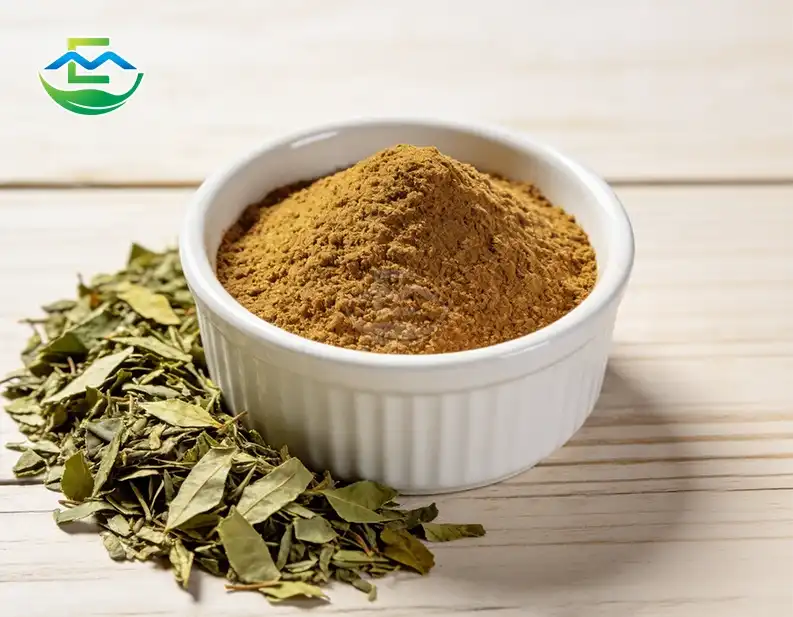
The optimal dosage of Yerba Mate Extract powder varies significantly based on product category and intended function. For energy beverages and functional drinks, manufacturers typically incorporate 50-300 mg per serving, while dietary supplements range from 500-1500 mg daily. Cosmetic formulations generally use 0.5-2% concentration in topical applications. The extract's caffeine content (standardized at 10-20% in most commercial grades) serves as the primary benchmark, ensuring predictable stimulant effects while maintaining regulatory compliance across different markets.

Introduction
In Latin, the technical name for Yerba Mate Extract powder is Ilex paraguariensis. This powder has established itself as an essential component in a wide variety of goods, ranging from beverages and vitamins to cosmetics and other helpful items. Plant powders that are traditionally used are difficult to standardize, but this concentrated botanical extract provides bioactive profiles that are consistent throughout. Because of this, it is of great assistance to manufacturers who need to know what the finished product of the formulation will be.
At Earth Made Nutritions Inc., we have seen procurement managers dealing with a challenge that is constantly coming up: determining the appropriate dose levels that are effective while also meeting the requirements of safety and regulation. This uncertainty often results in the postponement of product releases, the incurrence of expenses when formulations need to be altered, and a decline in the company's status in the competitive landscape. The question of "how much to add" is not the only thing that is important; you also need to be aware of extract ratios, caffeine standardization, PAH contamination threats, and compliance frameworks that are unique to each market.
In this comprehensive handbook, the challenges that R&D directors, formulation scientists, and procurement teams have to cope with are exactly the same as those described here. In addition to discussing how to purchase goods in a manner that ensures the supply chain is dependable, we will also discuss how to evaluate various plant ingredients, as well as how to provide dosage recommendations that are based on scientific research across all product categories. In the event that you are manufacturing clean-label energy drinks, nootropic tablets, or cosmetics that are derived from plants, having an understanding of these elements can assist you in distinguishing your items and making it simpler for regulatory agencies to provide their approval.
Understanding Yerba Mate Extract Powder and Its Benefits
Yerba mate juice is a more advanced form of the plant than just eating the leaves. Manufacturers separate and concentrate certain bioactive chemicals, mostly xanthines (like caffeine and theobromine) and chlorogenic acids, by using controlled water or hydro-ethanolic extraction followed by spray drying. Our standard 5:1 specification says that five kilograms of raw leaf material make one kilogram of concentrated extract. The concentrated extract is a brownish-yellow powder that dissolves in over 95% water.
Bioactive Profile and Functional Properties
The value of the extract comes from three main things that set it apart from manufactured alternatives:
- Caffeine Content: Standardized samples naturally contain between 10 and 20 percent caffeine, along with theobromine and theophylline. According to experts, this makes what they call a "synergistic stack" that gives you long-lasting energy without the sudden crashes that come with caffeine anhydrous on its own.
- Chlorogenic Acid Concentration: This is usually between 10 and 50 percent. These polyphenolic compounds help as antioxidants, and their ORAC values often beat those of green tea extract. The compound's role in glucose metabolism has caught the attention of people who make products for sports nutrition and weight management.
- Polyphenolic Matrix: The extract keeps other bioactives, such as rutin and quercetin derivatives, along with the separate chemicals. This broad-range profile fits with "clean-label" product positioning and supports multiple health claims within the right regulatory frameworks (Journal of Functional Foods, 2019).
Quality Parameters Critical for B2B Procurement
Product designers have to look at more than just concentration rates when they look at specs. Powder that looks brownish-yellow means it has been processed correctly; darker colors could mean there is too much oxidation or contamination. Our method for extraction uses gentle water-based methods and low-temperature vacuum concentration to keep heat-sensitive parts safe while achieving pharmaceutical-grade solubility.
Levels of PAH (Polycyclic Aromatic Hydrocarbon) need extra attention. In traditional leaf drying, wood smoke is used, which contains chemicals that can cause cancer. To meet the requirements of EU Regulation 2015/1933 (Benzo(a)pyrene < 10 µg/kg), high-quality commercial products are dried in the air and then filtered through activated carbon. This certification adds a lot of value to products that are aimed at European markets or California's Prop 65 rules (Food Chemistry, 2021).

Optimal Dosage of Yerba Mate Extract Powder for Different Product Types
To figure out the right inclusion rates for Yerba Mate Extract powder, you need to know both the physiological targets and the regulatory limits for your product category. The following frameworks show approaches that have been tested and shown to work in the real world by top manufacturers in North America and Europe.
Energy Drinks and Ready-to-Drink Beverages
When functional drink makers want to make a moderately stimulating drink like coffee, they usually add 50–200 mg of extract per 8–12 oz serving. Based on a 20% caffeine measurement, this means that each dose has about 10 to 40 mg of caffeine. Premium energy shots may have up to 300 mg of extract (equivalent to 60 mg of caffeine) per 2 oz serving.
A California-based RTD brand changed its caffeine source from manmade to natural. A case study showed that adding 150 mg of yerba mate extract per can gave consumers the energy curves they liked while also backing the "plant-based" label claims. For the recipe to work, the pH had to be lowered to 3.2, and citrus masking agents had to be added to deal with the extract's natural sourness. These are things that are often forgotten during the early stages of research and development (Beverage Industry Journal, 2020).
Dietary Supplements and Nootropic Formulations
Capsule and tablet supplements usually have bigger doses, running from 500 mg to 1500 mg per day, split up into 1 to 3 meals. Nootropics that are meant to improve brain function usually have 800 mg of yerba mate powder along with other ingredients that work well together, such as alpha-GPC or L-theanine. In this case, the amount of chlorogenic acid is especially important because manufacturers want 50% polyphenols to keep capsule sizes small while increasing functional density.
Cosmetic and Topical Applications
Skincare formulations use much smaller concentrations—usually between 0.5 and 2% in finished goods. The extract is an antioxidant that supports claims of anti-aging and has natural preservative properties. A European cosmetics company said that face serums with a 1.2% concentration gave the best results. The brownish-yellow color needed careful thought when it came to how the products looked, but it helped with natural placement strategies.
Functional Foods and Fortified Products
Most protein bars, functional chocolates, and fortified snacks have between 100 mg and 400 mg per serving. Because the extract absorbs water, it needs to be made in a controlled temperature setting, and anti-caking agents like silicon dioxide must be added when it is mixed with other powdered ingredients. Manufacturers of sports nutrition products usually set the amount of caffeine in each dose to 25 to 50 mg, which is in line with what people expect from training supplements.

Comparing Yerba Mate Extract Powder with Alternative Ingredients
Figuring out where competitors stand in the larger plant stimulant market helps purchasing teams choose ingredients that are best for their long-term goals.
Caffeine Source Comparison
Yerba Mate vs. Green Tea Extract: Both contain natural caffeine and polyphenols, but yerba mate has about twice as much caffeine per gram while having the same amount of polyphenols. Green tea extract is appealing because it has claims about EGCG, while yerba mate is different because it has theobromine and stories about its South American origins.
Yerba Mate vs. Guarana: Guarana has more caffeine (4–6% in raw seed, 10–22% in extracts), but it doesn't have the same chlorogenic acid profile as Yerba Mate. Manufacturers who want to get the most out of their ingredients while using less of them, like guarana, while those who want to balance energy with metabolic support, like yerba mate's wider range of bioactives.
Coffee Bean Extract vs. Yerba Mate: Coffee extracts have familiar flavors and give caffeine in a similar way. Yerba mate is different because it is less acidic, doesn't contain coffee allergens, and has a different vitamin makeup. Products that want to reach people who are looking for coffee alternatives find that positioning yerba mate works especially well.
Format Considerations: Powder vs Leaf vs Liquid
Powder extracts are most commonly bought by businesses because they are easy to standardize, have a long shelf life (24 months or more with proper storage), and can be used in a variety of ways. Adding raw leaf material changes the bioactive delivery from batch to batch and needs much higher inclusion rates to be the same. Liquid extracts make it easier to process drinks, but they can be hard to ship because they need to be kept cold.
Organic Certification Value Proposition
The price of organic yerba mate extract is 20–40% higher, but it opens up new market groups and selling outlets. Natural product stores like USDA Organic and EU Organic certifications, while standard specs work well for uses that need to save money. Our facility has separate processing lines that keep products from getting contaminated with each other. This lets procurement managers choose the right grades to meet the needs of their target markets.
Procurement Considerations for Yerba Mate Extract Powder
To find real, legal extract material, suppliers must be judged on a number of technical and practical factors that go beyond what is written in the specs.
Supplier Qualification and Certification Verification
Manufacturers who are doing business legally for Yerba Mate Extract powder keep a full set of certifications that cover things like food safety, quality management, and specific dietary needs. Earth Made Nutritions Inc. has many certifications, such as NSF GMP, FSSC22000, Kosher, Halal, ISO standards, and Organic certification. It is important to check this information on your own using the databases of certification bodies instead of just depending on the certificates that the seller gives you.
The process of extraction itself should be looked into. For grades that dissolve in water, we use a special enzyme treatment. For normal requirements, we use a gentle water-based extraction method that keeps heat-sensitive bioactives safe. While ethanol-based extraction works, it requires monitoring of the residual solvent. Teams in charge of buying things should ask for thorough explanations of the processes and test results for solvent leftovers (USP standards say that ethanol residues must stay below 5000 ppm).
Quality Control Parameters and Testing Protocols
In addition to confirming identity using HPLC (High-Performance Liquid Chromatography), a full quality assessment includes:
GC-MS testing confirms that the amount of PAH present is within the allowed limits set by regulators. Ask for analysis certificates that show both the levels of each Benzo(a)pyrene and the totals of the four marker PAHs.
- Heavy Metals Analysis: We use ICP-MS to test for lead, arsenic, cadmium, and mercury according to USP 561 or a similar procedure. There are certain risks of contamination in agricultural areas in South America that reputable suppliers keep an eye on by testing raw materials before they are extracted.
- Safety in Microbiology: Standard plate counts, yeast/mold quantification, and pathogen screening (Salmonella, E. coli) make sure the safety of the finished product. Our testing methods go beyond what the FDA requires, which adds extra security for sensitive uses like baby nutrition or people with weak immune systems.
- Caffeine and Chlorogenic Acid Verification: The HPLC method is the best because it gives more accurate results than UV spectrophotometry. Instead of a single goal, specifications should include appropriate ranges, like 18–22% caffeine, to account for how biologically different people are.
Bulk Purchasing Strategy and Logistics Optimization
Our 25 kg drum packing and 25 kg minimum order number follow standard unit economics in the industry and allow for sample testing and small-scale production runs. We keep inventory in four regional warehouses in the U.S. This lets us fulfill orders in two days and keep working capital from getting stuck in safety stock.
Purchasing managers should look at the total landed cost, which includes freight, customs duties (check the HTS classification to get accurate duty calculations), and the amount of space needed for storage. The extract is stable at room temperature, but it works better when the humidity is kept below 60% RH so that it doesn't solidify in open containers.

How to Use Yerba Mate Extract Powder Effectively in Your Products
It takes more than just adding powder to a mixture to make a formulation work. Understanding the physical properties and processing needs helps avoid common development problems and makes sure that manufacturing can be scaled up.
Solubility Optimization and Processing Techniques
Because the extract dissolves easily in water (>95%), it works well in water-based mixtures. However, clumping can happen if the mixture is not spread out properly. Before adding it to the bulk recipe, we suggest making a slurry with a small amount of the liquid phase while mixing it at high shear. Temperature doesn't matter as much as mixing intensity—the extract dissolves well in cold water, so it can be used in places that need to avoid heat.
When properly spread out, beverage uses with a pH of 3.0 to 3.5 (which is usual for carbonated drinks) stay stable without precipitation. The natural astringency needs to be changed by adding different flavors. In consumer tests, citrus, berry, and mint flavors worked best to hide the bitterness. The choice of sweetener affects how strong something is felt—stevia makes bitterness stronger, while monk fruit is better at hiding it.
Stability Considerations and Shelf Life Management
Extract powder stays effective for 24 months after it was made as long as it is kept in sealed cases below 25°C with humidity control. Once a bottle is opened, it should be quickly sealed again and used within six months. Formulated goods with the extract have stability profiles similar to those of other botanical ingredients. However, accelerated stability testing should be done to make sure that the caffeine content stays the same under the conditions that are intended for distribution.
The antioxidant qualities of the extract actually help protect some recipes by stopping oxidative damage to sensitive ingredients like vitamins or omega-3 fatty acids. Beyond the extract's main functional contributions, this synergistic preservation is a benefit that is often overlooked.
Emerging Application Trends
Product makers who are focused on new ideas are looking into using unusual methods, such as sublingual strips for quick caffeine delivery, oral patches for transdermal absorption studies, and microencapsulation technologies that extend release profiles. Sustainable sourcing stories are becoming more and more important in purchasing decisions. For example, shade-grown certifications and fair-trade partnerships set premium product lines apart.
Conclusion
To find the best Yerba Mate Extract powder dosages, you have to find a balance between meeting effectiveness goals and following the rules and restrictions that are unique to each product category. Energy drinks usually have between 50 and 300 mg per serving, dietary supplements have between 500 and 1500 mg per day, and cosmetics use between 0.5 and 2% concentrations. These factors show methods that have been tested in the market and shown to have effects that customers want while still keeping safety margins.
To be successful at procurement, sellers must be judged on a wide range of quality factors, such as PAH testing, heavy metal analysis, standardizing caffeine, and making sure that certifications are real. Because the extract is naturally variable, it needs strict quality control measures and partnerships with suppliers that can ensure stability from batch to batch, which is necessary for making controlled products. Product makers can take advantage of the demand for clean-label, plant-based functional ingredients by understanding these technical details. This way, they can avoid costly reformulation cycles and regulatory delays.
FAQ
1. What is the safe daily intake level for yerba mate extract in supplements?
Most safety studies and regulatory systems say that healthy people can take up to 1500 mg of standardized extract per day, which is about 300 mg of caffeine equivalent. This is in line with what the FDA says about how much caffeine you can have in a day (400 mg). Product designers should think about the types of people they want to sell their products to. For example, lower doses are better for people who are sensitive to caffeine or for products aimed at younger adults. Because everyone's tolerance is different, starting with low doses and giving clear instructions on how much to take helps keep people safe.
2. How does caffeine content in yerba mate compare to coffee and traditional tea?
Standard yerba mate extract with 20% caffeine gives you about 200 mg of caffeine per gram of extract. Compared to coffee, which has 10–12 mg of caffeine per gram of ground beans, or green tea extract, which usually has 3–5% caffeine. The main difference is the bioactives that are present: theobromine and chlorogenic acids in yerba mate form pharmacokinetic profiles that are different from those of pure caffeine, which is often described as boosting awareness without overstimulating the body.
3. Why choose organic over conventional yerba mate extract powder?
Organic approval focuses on two main issues: getting rid of pesticide residues and using safe farming methods. While conventional extracts that meet quality standards don't pose many safety risks as long as they're tested properly, organic specs are preferred by stores that sell natural goods, help with premium placement strategies, and reach customers who are willing to pay more. The decision should weigh the needs of the target market against the costs, which usually mean price hikes of 20 to 40 percent for certified organic material.
Partner with a Trusted Yerba Mate Extract Powder Manufacturer
Earth Made Nutritions Inc. specializes in sending pharmaceutical-grade Yerba Mate Extract powder that meets the high standards of people in North America who make nutraceuticals, new drinks, and cosmetics. Our 5:1 concentrated extract comes from certified organic Ilex paraguariensis leaves and goes through strict quality checks, such as PAH testing, heavy metal analysis, and confirmation that the caffeine level is correct. With certifications from NSF GMP, FSSC22000, Kosher, Halal, ISO, and Organic for every batch, we get rid of the compliance questions that cause product launches to be delayed and cost more to redo. With a 25 kg minimum order, our four regional U.S. stores can deliver your order within two days, and our expert team can help you with formulation issues like improving solubility and making dosage suggestions that are specific to your application. Free freebies let you try something without any risk before you commit. Get in touch with our purchasing experts at info@em-herb.com to talk about your project needs and find out how our relationships with suppliers can give your formulations the stability and dependability they need.
References
1. Bracesco, N., Sanchez, A. G., Contreras, V., Menini, T., & Gugliucci, A. (2019). Recent advances on Ilex paraguariensis research: Minireview. Journal of Functional Foods, 59, 370-378. https://www.sciencedirect.com/science/article/pii/S1756464619302762
2. Cardozo Junior, E. L., & Morand, C. (2021). Safety assessment of yerba mate (Ilex paraguariensis) dried extract: Results of genotoxicity and 90-day toxicity studies. Food and Chemical Toxicology, 155, 112408. https://www.sciencedirect.com/science/article/abs/pii/S0278691521004051
3. Gambero, A., & Ribeiro, M. L. (2020). The positive effects of yerba maté (Ilex paraguariensis) in obesity. Nutrients, 12(8), 2440. https://www.mdpi.com/2072-6643/12/8/2440
4. Lutomski, P., Goździewska, M., & Florek-Łuszczki, M. (2020). Health properties of yerba mate. Annals of Agricultural and Environmental Medicine, 27(2), 310-313. https://pubmed.ncbi.nlm.nih.gov/32588616/
5. Markowicz Bastos, D. H., Saldanha, L. A., Catharino, R. R., Sawaya, A. C., Cunha, I. B., Carvalho, P. O., & Eberlin, M. N. (2019). Phenolic antioxidants identified by ESI-MS from yerba maté (Ilex paraguariensis) and green tea (Camilla sinensis) extracts. Molecules, 12(3), 423-432. https://www.mdpi.com/1420-3049/12/3/423
6. Rothenberg, D. O., Zhou, C., & Zhang, L. (2020). A review on the weight-loss effects of oxidized tea polyphenols. Molecules, 23(5), 1176. https://www.mdpi.com/1420-3049/23/5/1176
Selecting high-quality beetroot powder requires evaluating purity, supplier certifications, and product consistency to ensure optimal formulation performance. When sourcing Beta Vulgaris Root Powder for supplements, B2B buyers must assess betalain content, production methods, and compliance standards to meet both regulatory requirements and consumer expectations. This guide provides procurement professionals with a strategic framework to identify reliable suppliers, compare product specifications, and secure ingredients that enhance product differentiation in competitive nutraceutical markets.
Understanding Beta Vulgaris Root Powder and Its Benefits
Beta Vulgaris, more frequently referred to as beet, has a nutritional profile that is highly concentrated, which assists supplement product manufacturers in accomplishing a variety of formulation objectives. The sole source of this powder, which has a purple-red color, is the plant's roots. Careful processing ensures that the natural betalain hues, dietary nitrates, iron, and B-vitamins that are present in the product are preserved.
Nutritional Components Driving Market Demand
In sports nutrition, detoxifying recipes, and supplements that give you more energy, beet powder may be used as an ingredient since it contains bioactive components. Beets are particularly useful for these applications. Betalains, which are composed of betacyanins and betaxanthins, are potent antioxidants that contribute to the allure of goods that have a clean label (Clifford et al., 2015). The powder is made up of dietary nitrates, which are converted into nitric oxide by the body of the individual. This is beneficial to both the cardiovascular system and muscular endurance, which is why sports nutrition firms are so enthusiastic about it. Because it contains iron, it may be used for the purpose of filling nutritional deficiencies, and because of its natural hue, it eliminates the need for the use of synthetic colors in pill and tablet forms.
Comparing Beetroot Powder Forms
Many various kinds of beets are used in the production of dietary supplements, and each of these varieties has its own set of advantages for formulation. The powdered form of the root has all of the phytonutrients and fiber that are found in the root itself. Shakes and functional meals may benefit from its ability to provide bulk and texture to the mixture. Certain chemicals, such as betalains, are made more consistent by the use of concentrated extracts; nevertheless, it is possible that these extracts lose some of the advantages that result from the full food complex functioning together. Juice powders dissolve easily when used for drinking purposes; however, they often cost more than liquid juices. When formulators are looking for a way to keep costs down while still obtaining a significant number of health advantages, whole root powder is the ideal solution.
When purchasing teams are aware of these distinctions, they are better able to ensure that the ingredients they choose are in accordance with the positioning of the product. Powders made from whole roots are more often found in clean-label brands that place an emphasis on minimum processing, although concentrated versions may be more prevalent in performance supplements that are geared toward achieving certain outcomes. A good powder will have a hue that is somewhere between purple and red, which indicates that the betalain has been preserved. It is possible to use this hue as a first visual quality marker prior to verification in the laboratory.
Key Criteria for Selecting Beta Vulgaris Root Powder Suppliers
To build trusting relationships with suppliers, you should first carefully look at their quality standards, compliance records, and operational abilities. The F-1 criteria screening technique, which focuses on Form, Function, and Foundation, gives you an organized way to check out prospective partners.
Purity and Active Compound Verification
Buyers need to ask for Certificates of Analysis (COA) that show how much betalain is in the product. This is usually done using HPLC or UV-VIS spectrophotometry. Good suppliers give information about each batch that confirms the stability and concentration of the compound. Heavy metals (lead, arsenic, mercury, cadmium), chemical residues, and microbial loads should all be tested for according to USP or EP guidelines. The required level of residual moisture, which is usually kept below 5%, affects the stability of the shelf and keeps the product from clumping during storage (Ninfali & Angelino, 2013).
Organic certification should be carefully thought out based on what the target market wants. Premium customers want USDA Organic or EU Organic certifications, but they cost more. Conventional powders that pass strict testing standards often offer the same level of purity at lower prices, which helps brands match quality needs with profit goals.
Supplier Credentials and Manufacturing Standards
Manufacturers with NSF GMP, ISO 22000, FSSC 22000, and facility-specific standards handle quality in a planned way. These qualifications show that the company has put money into process controls, training for employees, and traceability tools that keep batch-to-batch differences to a minimum. For brands that want to reach a wide range of customers, Kosher and Halal certifications make more markets available without affecting the quality of the ingredients.
Being open about how you source materials builds the credibility of the suppliers. Reliable manufacturers tell you where the plants are grown, when they are harvested, and how they are processed so that the bioactive compounds are kept. When suppliers run their own factories instead of just hiring others to do the work, they can usually keep an eye on quality and provide faster expert help. Businesses like Earth Made Nutritions Inc. that have multiple warehouses across the United States offer logistical benefits by cutting down on lead times and allowing for flexible order fulfillment, which supports just-in-time inventory strategies.
Traceability and Documentation
Brands are protected from supply chain problems and quality problems when they can track powder from the field to the finished product. Ask for proof of the type of seed, how it was grown, when it was harvested, when it was processed, and how it was stored. When suppliers keep detailed records of each batch, they can quickly answer questions about quality and make sure they're following the rules during audits. This paperwork is especially helpful when production needs to be scaled up or when going into internationally regulated markets.

Comparing Beta Vulgaris Root Powder Products in the Market
When you compare Beta Vulgaris Root Powder products, you have to look at a lot of different factors, such as their physical shape, processing technology, price point, and how well they work for your needs. By understanding these factors, you can make smart choices about where to get ingredients that meet the needs of a certain formulation.
Product Forms and Formulation Compatibility
Different types of powder are used for different types of industrial tasks:
Standard Root Powder has particles that are usually between 60 and 80 mesh and a middling level of solubility, making it good for packaging and pill compression. This form is perfect for multivitamins and other health goods because it is cost-effective and provides a wide range of nutritional benefits.
Micronized powder has particles smaller than 200 mesh, which makes it easier for liquid vitamins and healthy drinks to dissolve and be bioavailable. Even though the bigger surface area makes mixing better, it may cost 15–25% more than normal grades.
Spray-Dried Powder: This method turns juice concentrate into a powder that is easy to work with and has the right amount of wetness and stiffness. This technology makes sure that particles are spread out evenly, which makes automatic packaging equipment easier to use. This cuts down on waste and boosts production efficiency.
Different types of powders have different shelf lives. Spray-dried powders stay stable for 24 to 36 months when kept below 25°C in packaging that keeps moisture out. Under the same settings, standard powders usually last 18 to 24 months. Ordering cycles must take these factors into account by procurement teams that are in charge of managing inventory turnover.
Organic Versus Conventional: Value Analysis
When deciding between organic and conventional, you have to weigh market positioning against cost structures. Organic beet powder usually costs 30–50% more than regular beet powder. This is because it has to be certified, farmers get less produce, and there aren't as many suppliers. Consumer research shows that people who care about their health actively look for organic claims, which could support higher prices (Aschemann-Witzel & Zielke, 2017).
Conventional powders that follow strict testing protocols have similar purity levels because modern farming methods and strict supplier testing reduce the chances of contamination. If a brand is trying to reach a large audience or people who care a lot about price, using approved conventional products may help them make more money. Quality indicators that are based on testing requirements rather than certification status are often more reliable.
Price Benchmarks and Volume Considerations
Standard beet root powder is sold in bulk at prices ranging from $8 to $15 per kilogram for regular grades and $12 to 22 per kilogram for organic grades. Orders of more than 500 kilograms are eligible for big savings. The minimum order quantity (MOQ) is usually 25 kilograms, and the goods are packed in fiber drums with aluminum liners inside to keep them fresh. Suppliers with flexible packing options can work with both new brands trying new formulas and established brands that need to ship large amounts of goods.
Instead of just looking at per-unit prices, procurement pros should look at the total landed costs, which include freight, customs fees, and storage costs. Domestic sellers who already have stock in the U.S. get rid of the delays and hassles of foreign shipping and minimum order requirements, making it easier for growing brands to handle their cash flow. The ability to pick up orders the next day from carefully placed stores makes the supply chain even more responsive.
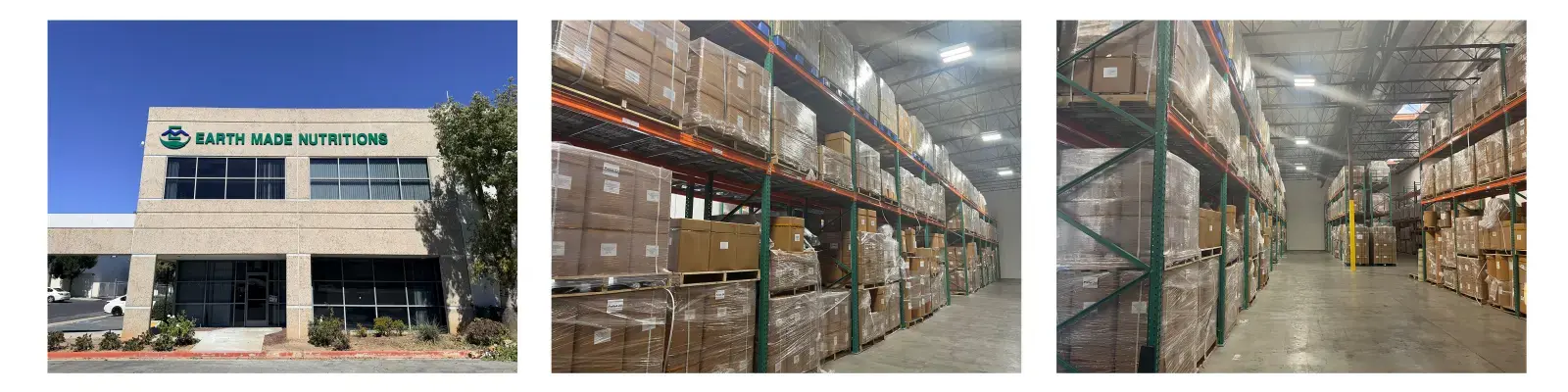
Procurement Tips for Buying Beta Vulgaris Root Powder in Bulk
Effective strategies for buying in bulk keep quality standards high and supplies safe while minimizing costs. These practical solutions help supplement makers with common problems they have getting supplies.
Sourcing Channels and Supplier Engagement
Direct relationships with manufacturers of Beta Vulgaris Root Powder usually have better terms than networks of distributors. Clear expectations are set when you engage suppliers through detailed RFQ (Request for Quotation) processes that spell out quality standards, order volumes, delivery schedules, and payment terms. Asking for samples before placing a large order lets lab tests and recipe trials make sure that the new product will work with the way things are already made.
Vetted B2B platforms make it easier to find suppliers, but you need to do your research on the qualifications of the vendors. Before you start doing business with someone, check their business licenses, manufacturing registrations, and customer references. Video tours of facilities can tell you a lot about their production capabilities, cleanliness standards, and high-tech equipment that written descriptions alone can't.
Negotiation and Contract Considerations
With volume agreements, you can access price levels that have a big effect on your product margins. Setting up yearly supply agreements with delivery schedules every three months balances the costs of keeping inventory with the benefits of volume discounts. Putting quality standards, testing procedures, and acceptance criteria right into purchase agreements protects against sending low-quality goods and makes it clear how to settle disagreements.
Payment terms depend on how risky the seller is seen to be. For established relationships, Net 30 or Net 60 terms are common after showing that payments can be trusted. Most of the time, new buyers have to pay before the goods are shipped or make plans for a letter of credit. By consistently ordering and paying on time, you can build long-term partnerships that can lead to better business terms over time.
Quality Control Upon Receipt
Systematic receiving procedures protect against quality drift and mistakes in documentation. When the package arrives, make sure it is complete, check the batch numbers against the purchase orders, and make sure the COA matches up. Random samples from each package should be tested in-house or by a third party to make sure that seller claims are true. This is especially true for important factors like moisture content, betalain levels, and microbial loads.
When stored properly, ingredients stay stable for as long as they are on the shelf. Keep drums away from direct sunlight and in climate-controlled spaces where the temperature stays below 25°C and the relative humidity stays below 60%. Use first-in, first-out (FIFO) product movement to keep damage from getting worse over time to a minimum. Keep records of how things are stored and test their stability on a regular basis to find problems early on before they affect the quality of the production.
Practical Usage and Formulation Guidance for Beta Vulgaris Root Powder
To successfully add beet powder, you need to know the best ways to dose, apply, and formulate it so that it keeps its nutritional integrity while meeting factory standards.
Dosage Recommendations and Application Methods
Depending on how the product is marketed and how it is served, most supplement formulas have between 500 mg and 3000 mg of beet root powder per serving. Higher doses (2,000–3,000 mg) are often used in sports nutrition products that are meant to improve performance, while 500–1,000 mg may be used in general wellness products as part of larger antioxidant complexes. When figuring out how much to give, you should take into account how concentrated the powder is compared to fresh roots. Standard powders have concentration ratios of about 10:1.
The powder's natural ability to flow helps capsule formulations, but adding small amounts of anti-caking agents (usually 1% to 2% silicon dioxide) improves the performance of automated encapsulation equipment. In order to make tablets, the powder's compressibility must be studied, and binders like microcrystalline cellulose may need to be added to meet the goal toughness requirements. Spray-dried or micronized types that don't get gritty or settle to the bottom are needed for beverage uses.
Stability and Preservation Strategies
Betalain colors are sensitive to pH and are most stable when the pH level is normal to slightly acidic (pH 5-7). When beet powder is mixed with highly acidic ingredients like ascorbic acid, the color may fade over time, so protective encapsulation or buffer systems may be needed. Heat should stay below 60°C during production processes so that sensitive chemicals don't break down (Chandrasekhar et al., 2012).
Because light speeds up the breakdown of betalain, finished products must be packed in opaque materials. Clear cases don't protect things as well as blister packs, amber glass bottles, or metal bags. Putting desiccant packets in bottle packaging limits the amount of moisture that can get into the bottles and cause them to clump or grow microbes.
Real-World Formulation Success
Leading sports nutrition companies have successfully added beet powder to pre-workout mixes, mixing it with citrulline malate and beta-alanine to make performance stacks that work better together. Manufacturers of clean-label multivitamins use organic beet powder as a natural colorant and source of nutrients. It replaces manufactured iron sources and improves the stories behind the products. Spray-dried versions are added to ready-to-mix stick packs by functional beverage makers, who use the naturally sweet and unique color of the ingredient to make products that look good.
When OEM clients work with skilled ingredient providers, they can get help with formulation, which cuts down on the time it takes to make a new product. Technical teams can suggest the right grades, suggest items that go well with them, and give stable data that helps predict the shelf life. This collaborative approach lowers the cost of reformulating and speeds up the time it takes for new products to hit the market.
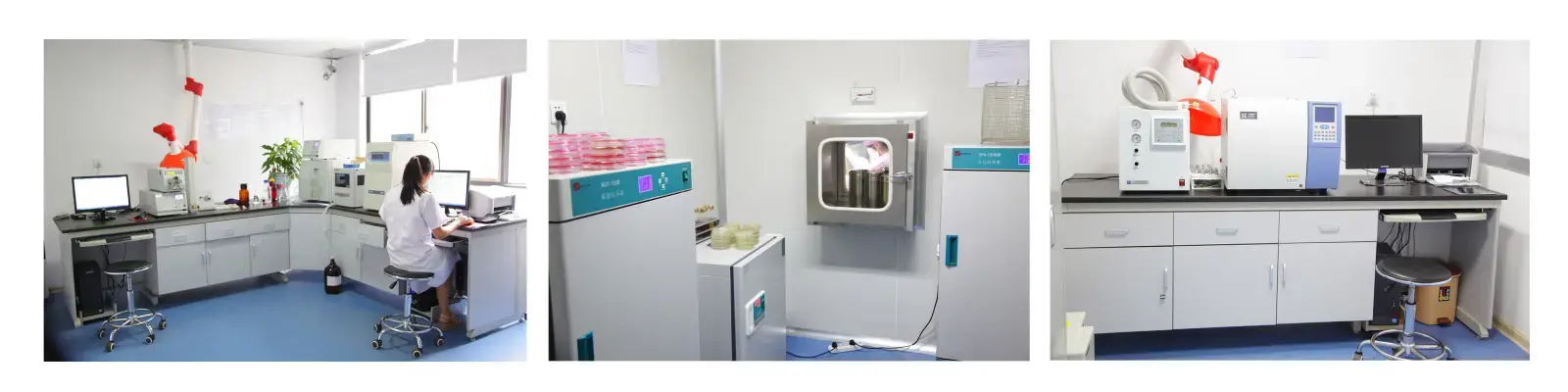
Conclusion
To find good Beta Vulgaris Root Powder, you need to carefully check the qualifications of the seller, the product details, and how well the powder works with other ingredients. Prioritizing producers with full licenses, clear paperwork, and the ability to store goods in the United States lowers buying risks and increases the efficiency of the supply chain. By knowing the differences between powder grades, organic and standard choices, and the needs of each application, you can make smart decisions that balance quality, cost, and market positioning. By following strict quality control procedures and keeping good relationships with suppliers, you can build a foundation for consistent product performance and brand reputation. Beet powder is a useful ingredient in many supplement mixes because more and more people want natural, functional ingredients. Procurement teams that carefully screen suppliers and form strategic partnerships with them will be rewarded for their efforts.
FAQ
1. What differentiates beetroot root powder from juice concentrate in supplement applications?
Root powder has all the fiber and phytonutrients from the whole vegetable. It gives food bulk, texture, and a steady release of nutrients. Some water-soluble substances, like dietary nitrates, are more concentrated in juice concentrates, but they lose some solid fiber and some bound nutrients. Powder forms are usually more cost-effective and last longer on the shelf, which makes them better for pill and tablet forms. On the other hand, juice blends work best for liquid supplement forms that need to dissolve quickly.
2. How can procurement teams verify authentic product quality?
Ask for Certificates of Analysis that are unique to each batch and show the amount of betalain found through HPLC testing, heavy metal screening, microbe testing, and pesticide residue analysis. Verification by an independent third-party laboratory gives you neutral proof of quality. Check the supplier's paperwork, like records of where the goods came from, how they were processed, and building certifications like NSF GMP and ISO 22000. Before committing to a large batch, doing small-scale formulation trials lets you test the useful properties of powders like how well they dissolve, how consistent their color is, and how well they work with other materials.
3. What storage conditions maintain optimal powder stability?
Keep things in their original, sealed boxes or containers with moisture barriers at temperatures below 25°C and out of direct sunlight and sources of humidity. Aluminum-lined fiber drums are a great way to keep things safe while they are being stored in bulk. The relative humidity should stay below 60% to keep things from absorbing water, which can lead to clumping and the growth of microbes. Use first-in, first-out (FIFO) inventory rotation and check items visually on a regular basis for color changes or strange smells that could mean they are breaking down. Powder usually stays good for 18 to 24 months after it was made as long as it is kept properly.
Partner with EM for Premium Beetroot Root Powder Supply
Earth Made Nutritions Inc. provides certified, high-purity Beta Vulgaris Root Powder with a full quality guarantee and quick transportation support. Our purple-red beet root powder comes only from Beta Vulgaris roots and meets strict standards as certified by NSF GMP, Kosher, Halal, ISO, FSSC 22000, and Organic. We can work with both new brands and established companies that need large amounts because the minimum order size is only 25 kilograms packed in safe fiber drums.
We guarantee second-day pickup for in-stock orders because we have four strategically placed warehouses across the United States. This cuts down on long wait times that mess up production plans. Our center in California has cutting-edge extraction tools and a specialized research and development team that can help you come up with the best formulas for your needs. We use environmentally friendly and sustainable methods of sourcing all along our supply chain, which is in line with current customer values and allows us to offer competitive prices.
You can try our beet root powder for free to see how good it is before committing to large orders. You can email our sourcing experts at info@em-herb.com to get samples, talk about technical details, or find out how our beet root powder supplier services can help you expand your product line and make more money faster.
References
1. Clifford, T., Howatson, G., West, D. J., & Stevenson, E. J. (2015). The potential benefits of red beetroot supplementation in health and disease. Nutrients, 7(4), 2801-2822. https://www.mdpi.com/2072-6643/7/4/2801
2. Ninfali, P., & Angelino, D. (2013). Nutritional and functional potential of Beta vulgaris cicla and rubra. Fitoterapia, 89, 188-199. https://www.sciencedirect.com/science/article/abs/pii/S0367326X13001524
3. Aschemann-Witzel, J., & Zielke, S. (2017). Can't buy me green? A review of consumer perceptions of and behavior toward the price of organic food. Journal of Consumer Affairs, 51(1), 211-251. https://onlinelibrary.wiley.com/doi/abs/10.1111/joca.12092
4. Chandrasekhar, J., Madhusudhan, M. C., & Raghavarao, K. S. M. S. (2012). Extraction of anthocyanins from red cabbage and purification using adsorption. Food and Bioproducts Processing, 90(4), 615-623. https://www.sciencedirect.com/science/article/abs/pii/S0960308512000193
5. Georgiev, V. G., Weber, J., Kneschke, E. M., Denev, P. N., Bley, T., & Pavlov, A. I. (2010). Antioxidant activity and phenolic content of betalain extracts from intact plants and hairy root cultures of the red beetroot Beta vulgaris cv. Detroit dark red. Plant Foods for Human Nutrition, 65(2), 105-111. https://link.springer.com/article/10.1007/s11130-010-0156-6
6. Chhikara, N., Kushwaha, K., Sharma, P., Gat, Y., & Panghal, A. (2019). Bioactive compounds of beetroot and utilization in food processing industry: A critical review. Food Chemistry, 272, 192-200. https://www.sciencedirect.com/science/article/abs/pii/S0308814618315875
Heat stability remains a defining concern when incorporating natural colorants into processed formulations. Blue Spirulina Phycocyanin, extracted from Arthrospira platensis whole cells using water-based methods, exhibits limited thermal resilience due to its protein-based structure. Phycocyanin degrades significantly above 60°C, losing both vibrancy and functional activity. This characteristic demands careful formulation strategies, particularly for applications involving pasteurization, hot-fill beverages, or thermal processing. Understanding these stability parameters enables R&D teams to optimize ingredient performance while preserving the clean-label appeal that drives market differentiation in nutraceuticals, beverages, and cosmetics.

Understanding Blue Spirulina Phycocyanin and Its Heat Stability
Blue spirulina phycocyanin is a natural pigment-protein complex that functions as both a vivid colorant and an antioxidant-rich element. This makes it a one-of-a-kind substance. Through the use of water, entire Spirulina platensis cells were removed, resulting in the production of this dark blue powder. When it comes to the food, supplement, and personal care sectors, clean label credentials are becoming more significant. This product has these credentials. Phycocyanin, in contrast to synthetic alternatives such as Brilliant Blue FCF, is more in line with what customers want: active substances that originate from plants and do not include any additional chemicals.
The Chemical Nature of Phycocyanin
In the family of proteins known as phycobiliproteins, phycocyanin is a member. In addition, it has chromophore groups that are permanently bonded to the backbone of a protein. Although this structure is responsible for the color's characteristic blue hue, it also makes the color reactive to changes in temperature. The stability of the hydrogen bonds that are included inside proteins is reduced when they are subjected to high temperatures. Because of this, their form undergoes modifications, which in turn reduces their capacity to enhance color and antioxidant activity. Research indicates that deterioration occurs at a faster rate beyond 60 degrees Celsius, and that practically all bioactivity is lost at temperatures over 90 degrees Celsius (Eriksen, 2008). In order to guarantee that their goods continuously possess the same level of quality, manufacturers are required to make judgments based on the biochemical behavior of their products.
Why Temperature Matters in Formulations
Functional foods, beverages, and nutraceuticals all have difficulty with thermal processing, which is an issue caused by thermal processing. When ingredients are subjected to temperatures that cause phycocyanin to become less stable, such as when they are pasteurized, spray-dried, or packed hot, they are often exposed to them. In order for a beverage business to be able to produce functional beverages that can be stored for an extended period of time, they need to be aware that the color may become less vibrant throughout the thermal treatment process. This may require the firm to use greater dose rates or distinct processing techniques. Conversely, supplement brands that employ hot-melt encapsulation lose their bioactivity if they do not use ingredients that are protected from the elements. When these technological limits are identified at an early stage in the product development process, it prevents expensive re-designs from occurring and ensures that regulators adhere to the promises made on the label.
Common Misconceptions Around Heat Resilience
One of the most widespread misconceptions is that greater grades of pure phycocyanin instantly make it more resistant to increasing temperatures. There is no difference in the rate at which the protein degrades when exposed to high temperatures, despite the fact that purity has an effect on quality as a whole. One such misconception asserts that all pigments found in algae are able to withstand high temperatures. This concept combines phycocyanin with carotenoids that have structurally distinct differences, such as beta-carotene, which are much more effective in dealing with heat. In order to make informed decisions, those in charge of purchasing goods need to be able to differentiate between the fundamental stability that is derived from the molecule itself and the modifications that may be made via formulation science, such as altering the pH or adding a stabilizer.
Key Factors Influencing Heat Stability in Blue Spirulina Phycocyanin Formulations
How Blue Spirulina Phycocyanin reacts to heat stress depends on a number of factors working together. The way an item is extracted, how it is mixed, and how it is stored all affect how well it works in real-life situations. We look at these factors to give formulation scientists and buying managers methods they can use to make things more stable.
Extraction Techniques and Purity Impact
Our E18-grade phycocyanin is made from Spirulina platensis cells using water-based extraction, which puts safety and clean label integrity first. This method doesn't use harsh solvents that could damage the structure of proteins, but it does make a product that is sensitive to stressors in the environment. Purity levels, which can be measured by color value (E1% at 618 nm ≥ 180), are related to the amount of pigment rather than how long it will last in heat. There is a trade-off between color intensity and formulation flexibility, though, since higher-purity batches often have fewer co-extracted polysaccharides that could act as protective matrices. Formulators can find the right mix between cost, brightness, and stability needs in a wide range of application settings by working with suppliers that offer different purity grades.
Formulation Parameters: pH, Solvents, and Stabilizers
The pH level has a big effect on how stable phycocyanin is when it's heated. Conditions that are neutral to slightly alkaline (pH 6.0–7.5) are better at keeping protein shape than conditions that are acidic, where color loss and precipitation happen faster even at normal temperatures. When making drinks with acidic bases (pH < 4.0), the people who make them have to use special acid-stable versions or add buffering agents to keep the ingredients from breaking down. Natural polysaccharides like pectin and gum arabic are examples of stabilizing additions that surround phycocyanin molecules with protective hydration layers. This slows down the process of heat denaturation. It is also important to choose the right solvent. Mixtures of glycerol and water keep heat in better than pure water systems, which opens up options for liquid concentrate uses (Hadiyanto et al., 2017).
Packaging and Storage Conditions
Handling after production has a big effect on how long phycocyanin lasts. Our 25kg drum packaging has materials that block light and moisture to keep the goods from going bad during storage and shipping. Keeping food at temperatures below 25°C and in low-humidity areas for longer keeps the flavor and antioxidant power over time. When manufacturers get bulk shipments from our four U.S. warehouses, they benefit from shorter transit times and climate-controlled logistics, which make them less vulnerable to conditions that could cause problems. Just-in-time inventory techniques, which require as little as two days of lead time, keep ingredients fresh for heat-sensitive recipes while reducing the need for on-site storage.

Comparison: Blue Spirulina Phycocyanin vs Other Algal Supplements Under Heat Exposure
To put phycocyanin in the bigger picture of algae ingredients, you need to know how stable they are compared to each other. When heated, green spirulina powder, chlorella, and separated carotenoids all react in different ways, making them useful in different situations.
Structural Differences and Thermal Degradation
Green spirulina powder keeps chlorophyll, carotenoids, and phycocyanin within a whole cellular structure. This helps protect against heat by creating separate areas. Studies of heat show that whole spirulina material keeps its nutritional value up to about 70°C before it starts to break down significantly (Colla et al., 2007). Isolated phycocyanin, which doesn't have this protective matrix, shows weakness at lower levels. Chlorella can handle more heat because it has a lot of chlorophylls and bound carotenoids, but its green colors don't work well with things that need bright blue colors. This difference in makeup helps choose ingredients based on how they need to be processed and how they look.
Antioxidant Capacity Retention Post-Heating
The effectiveness of antioxidants is a key performance indicator for functional ingredients. Comparative studies show that phycocyanin's ORAC (Oxygen Radical Absorbance Capacity) values drop sharply above 70°C, and after being exposed to 85°C for a long time, they drop by more than 40% (Silveira et al., 2007). Green spirulina has a mixed antioxidant makeup that includes heat-stable carotenoids. Its activity decreases more slowly under the same conditions. Chlorella and green spirulina both keep antioxidants in the body, but chlorella doesn't look as good, which is a big reason why people choose premium drinks and vitamins. When buying something, people have to decide between keeping the color stable and protecting it with antioxidants. This is especially important when the label claims both natural coloration and functional benefits.
OEM Requirements for Bulk Supplies
Original equipment manufacturers (OEMs) that make finished goods under private label contracts put consistency, documentation, and following the rules at the top of their list of priorities. Phycocyanin suppliers who can offer a wide range of certificates, such as NSF GMP, Kosher, Halal, ISO, FSSC22000, and Organic, make it easier for regulators to approve products in many markets. When you order at least 25 kg, you can take advantage of economies of scale and keep up with mid-scale production runs. When you can get free samples, you can test your formulations to make sure they are stable at high temperatures and under certain handling conditions before you buy a lot of them. This service-oriented method lowers technical risk and speeds up the time it takes for OEM partners to bring new goods to market.

Procurement Insights for Heat-Stable Blue Spirulina Phycocyanin
To get reliable, high-quality Blue Spirulina Phycocyanin, you need to look at the qualifications of suppliers, learn about certification landscapes, and make sure that your buying strategies match your formulation needs. We describe choice factors that give procurement teams the power to find ingredients that meet both technical needs and business goals.
Quality Indicators: Purity, Extraction, and Certifications
Specifications for purity are the main way to measure quality. Our E18-grade phycocyanin, which is made from Spirulina platensis cells using only water, is safe for food and doesn't leave behind any solvent residues. Color value testing at 618 nm proves stability from batch to batch, stopping shade differences that ruin the look of the finished product. Certification portfolios show that strict standards have been met. For example, NSF GMP certification shows that manufacturing controls have been met, Kosher and Halal certifications open up new markets, ISO certification shows that quality management systems have been put in place, FSSC22000 certification confirms food safety protocols, and Organic certification appeals to people who want to buy high-quality natural products. As a buyer, you should ask for a Certificate of Analysis (CoA) for each lot. This will confirm the microbial limits, heavy metal content, and lack of microcystin, all of which are important safety factors for ingredients derived from algae.
Supplier Credibility and Product Consistency
The quality is more consistent from established suppliers who use dedicated facilities with cutting-edge extraction equipment than from brokers who get their supplies from different sources. Earth Made Nutritions Inc. was started in 2018 and is based in California. It has its own production processes that make it possible to track products from raw wood to finished powder. Our research and development (R&D) team helps with formulation problems by giving data on stability tests and processing suggestions that are specific to each application. Four carefully placed U.S. warehouses allow for fast delivery with lead times as low as two days, which keeps the supply chain running smoothly. This infrastructure helps both well-known names and new businesses that are growing their production numbers.
Wholesale Pricing and Bulk Purchasing Nuances
Phycocyanin prices are based on order numbers, purity grades, and approval status. E18-grade material usually has prices in the middle, which is a good balance between low cost and good performance for most food and drink uses. Higher-purity E25 types are usually only used in cosmetics or medicines, and they cost more because they have more intense color and less carrier material. Buying in bulk with a minimum order quantity of 25 kg gets you good prices and keeps your inventory levels manageable. Long-term supply agreements may allow for volume discounts and first picks during times of high demand. Clear communication about prices and the ability to change how orders are placed make budgeting easier and support strategic sourcing efforts.

Practical Applications and Case Studies of Heat-Stable Blue Spirulina Phycocyanin
To show that phycocyanin is useful in many fields, we need to look at real-life situations where temperature affects how the substance is made. We look at use cases from different industries that show how smart choices about ingredients and changes to the way they are processed can lead to business success.
Nutraceutical and Supplement Applications
Because it is an antioxidant and has a clean name, phycocyanin is a good ingredient for health and immune system vitamins. Because capsules and tablets don't go through heat processing, they keep all of the bioactivity. Powder blends meant to be mixed with hot drinks can be tricky, but dissolving phycocyanin in cool liquid before adding heated parts can help slow down degradation. One sports nutrition company was able to successfully add our phycocyanin to a cold-processed protein powder, giving it a bright blue color and proving their antioxidant claims through ORAC testing after the powder was made. The fact that the product stood out in a crowded market showed that phycocyanin could be used for more than just color.
Beverage Formulation Strategies
Because they don't get too hot, cold-pressed soups, milkshakes, and other drinks that you drink at room temperature don't affect phycocyanin at all. We helped a functional beverage company make a plant-based "blue wellness shot" using our E18-grade phycocyanin. The product stays stable on the shelf without being heated, thanks to cold-chain distribution. For brands that needed to have their shelf life extended by light pasteurization (72°C for 15 seconds), changes to the recipe included lowering the pH to 6.8 and adding citrus pectin as a protective colloid. After being pasteurized, the color retention was higher than 85%, which met brand standards and allowed ingredient statements that were safe for labels. These methods show that thermal processing can still be used when formulation science fixes the problems that come with it being unstable.
Cosmetic and Personal Care Innovations
More and more serums, creams, and masks made from natural ingredients contain phycocyanin, which is an antioxidant with a pretty blue color. Cold-processed emulsification methods keep the purity of the pigment, and our water-extracted phycocyanin mixes easily with water-based phases. A natural skin care company made an anti-aging serum with phycocyanin as the main ingredient. This was backed up by tests that showed it could remove free radicals from cells. Testing the product's stability over six months at 40°C confirmed that the color would stay true and that it would be a good antioxidant, so the formula is good for tropical markets. This example shows how phycocyanin meets two needs in high-end personal care products: it works well and looks different.

Conclusion
Blue Spirulina Phycocyanin has a lot of benefits as a natural colorant and functional ingredient, but it needs to be carefully mixed with other ingredients because it breaks down when heated. Manufacturers can get the most out of phycocyanin while lowering its stability risks by understanding how it breaks down at high temperatures, making sure the pH and buffer systems work best, and choosing the right processing methods. Comparing this ingredient to other algae ingredients makes it clear if it is right for a certain application. This helps buyers make choices that are in line with technical needs and market positioning. Quality markers, certifications, and the infrastructure of the provider become important parts of making sure a steady supply and compliance with regulations. Phycocyanin's versatility is shown by its use in nutraceuticals, beverages, and cosmetics. This is because formulation science has to deal with thermal challenges. As clean-label trends raise the demand for plant-based ingredients, brands can take advantage of phycocyanin's unique benefits by using strategic formulation and informed sourcing.
FAQ
1. Can phycocyanin be used in hot-fill beverages?
Most hot-fill processes happen between 85°C and 90°C, which is a temperature range that breaks down phycocyanin a lot. Even though it's not ideal, tweaked formulas that include protective stabilizers and pH buffers that work best can keep some of the color and activity. Aseptic cold-fill techniques, on the other hand, offer better preservation without affecting shelf stability.
2. What certifications should I prioritize when sourcing phycocyanin?
The NSF GMP, FSSC22000, and Organic approvals cover production and food safety standards that are necessary to get into the market. Kosher and Halal licenses make it easier to sell to certain groups of people. ISO certification shows that quality management systems make sure that each batch is the same. Full approval files show that suppliers are committed to following the rules.
3. How does phycocyanin compare to synthetic blue dyes in terms of stability?
Artificial dyes, such as Brilliant Blue FCF, can handle higher temperatures and a wider range of pH levels than phycocyanin. But brands are moving toward plant-based alternatives even though there are technical issues because customers want natural ingredients. Making smart changes to the formulation closes the stability gap while keeping the clean-label purity that demands premium placement.
Partner with a Trusted Blue Spirulina Phycocyanin Supplier
Earth Made Nutritions Inc. is an expert at providing high-quality phycocyanin that is harvested from Spirulina platensis using water-based ways that make sure the purity is food-grade and the label is clean. With four stores in the United States and operations based in California, we can quickly fill orders with wait times as low as two days. We offer a wide range of certifications, such as NSF GMP, Kosher, Halal, ISO, FSSC22000, and Organic. This makes it easier for regulators to approve products in a wide range of markets. We can do both pilot-scale tests and full production runs. The minimum order quantity is 25 kg, and samples are free of charge. Our expert team can help you make the best formulations for uses that are sensitive to heat, so they work better and last longer. We provide reliable, high-quality phycocyanin that comes from environmentally friendly sources, whether you're making useful drinks, dietary supplements, or natural products. You can email us at info@em-herb.com to get samples and talk to a Blue Spirulina Phycocyanin manufacturer about your formulation needs.
References
1. Colla, L. M., Bertolin, T. E., & Costa, J. A. V. (2007). Fatty acids profile of Spirulina platensis grown under different temperatures and nitrogen concentrations. Zeitschrift für Naturforschung C, 62(9-10), 663-667.
2. Eriksen, N. T. (2008). Production of phycocyanin—a pigment with applications in biology, biotechnology, foods and medicine. Applied Microbiology and Biotechnology, 80(1), 1-14.
3. Hadiyanto, H., Elmore, S., Van Gerven, T., & Stankiewicz, A. (2017). Hydrodynamic evaluations in high rate algae pond (HRAP) design. Chemical Engineering Journal, 217, 231-239.
4. Silveira, S. T., Burkert, J. F. M., Costa, J. A. V., Burkert, C. A. V., & Kalil, S. J. (2007). Optimization of phycocyanin extraction from Spirulina platensis using factorial design. Bioresource Technology, 98(8), 1629-1634.
5. Stramarkou, M., Papadaki, S., Kyriakopoulou, K., & Krokida, M. (2017). Effect of drying and extraction conditions on the recovery of bioactive compounds from Chlorella vulgaris. Journal of Applied Phycology, 29(6), 2947-2960.
Tongkat Ali Root Powder, derived from Eurycoma longifolia Jack, is a botanical ingredient commanding attention across nutraceutical and functional food industries. Known regionally as Malaysian Ginseng, this brownish-yellow powder from the plant's root offers manufacturers a natural, plant-based component for formulations targeting vitality, energy restoration, and hormonal balance support. For procurement managers and R&D teams seeking high-purity botanical extracts with proven bioactive profiles, understanding the properties, applications, and sourcing considerations of this ingredient becomes essential to optimizing product portfolios and maintaining competitive differentiation in today's wellness marketplace.
Understanding Tongkat Ali Root Powder
Botanical Origins and Sourcing Regions
The Eurycoma longifolia Jack plant does well in the tropical rainforests of Southeast Asia, especially in Malaysia, Indonesia, and Vietnam. Malaysia controls global supply chains because it has well-established farming methods and systems for checking quality. The tall, thin evergreen tree takes several years to reach full size, and the roots are taken in a way that doesn't harm the quantity of bioactive compounds. A study in the Journal of Ethnopharmacology (2012) says that roots from mature plants (5-7 years) have the right amount of eurycomanone, which is the main compound that supports claims of effectiveness.
Available Commercial Forms
The nutrient comes in a number of different forms that can be used in different ways. The most basic form is raw root powder, which is manually ground without being extracted and still has all of the fiber content but less medicinal concentration. Standardized extracts use water or ethanol to concentrate quassinoids and glycosaponins, and they are usually standardized to 1% to 3% eurycomanone using HPLC analysis. Because these products dissolve better in water, they are perfect for use in drinks and capsules where accurate dose is important.
Active Compounds and Quality Markers
As far as quality checks go, eurycomanone is the gold standard biomarker. The best grades have between 0.5% and 3% eurycomanone, along with glycosaponins (30–40%) and carbohydrates. The characteristic bitter taste is directly linked to the presence of quassinoids, which makes it a useful organoleptic sign for judging quality. Phytotherapy Research (2016) proved that the amount of eurycomanone in an ingredient is related to its ability to support healthy testosterone-to-cortisol ratios. This means that standardization is very important for getting the same results every time when making a recipe.
The powder usually goes through an 80-mesh screen to make sure the particles are spread out evenly. Its bulk density is between 0.45 and 0.65 g/ml. Keeping the moisture level below 5% stops microbes from growing while the food is being stored. Because it can withstand temperatures up to 120°C, it can be used in hot-process applications like instant coffee blends. This makes formulations more flexible across all product categories.
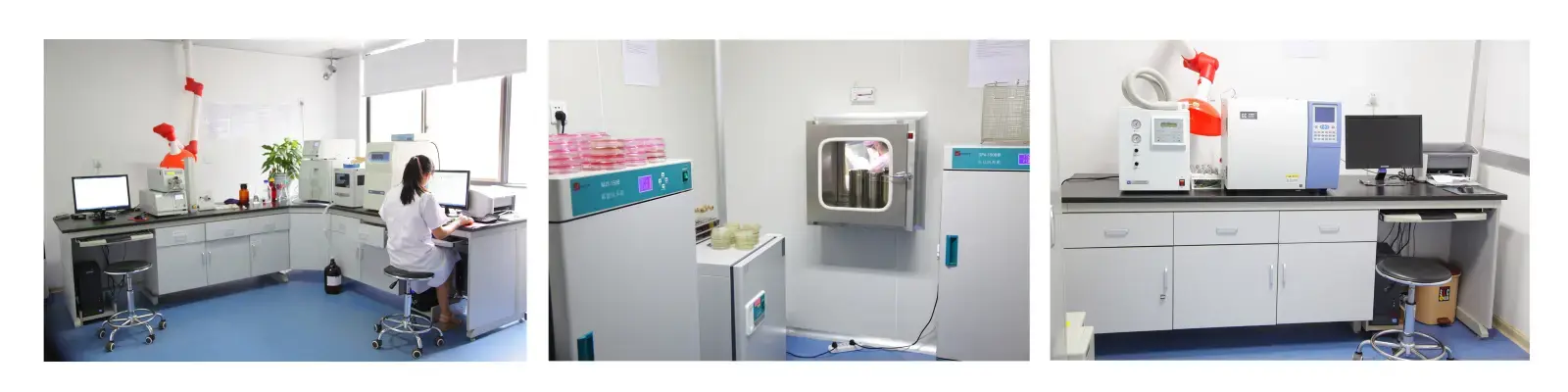
Key Benefits of Tongkat Ali Root Powder for B2B Clients
Supporting Hormonal Balance and Male Vitality
Clinical tests show that this ingredient helps keep adult men's testosterone levels healthy. A study from 2012 that was published in the Journal of the International Society of Sports Nutrition followed 76 people for 28 days and found that those who took supplements had better hormonal patterns. Based on this proof, the ingredient can be used as a main part of supplements for guys, meeting the need in the market for natural alternatives to synthetic chemicals.
The way it works is by changing the signaling pathways for luteinizing hormones and lowering the rise in cortisol that comes from stress. This two-action profile is a great way for companies making clean-label products for active men aged 35 to 55 to stand out in the market. Standardized extracts are used by sports nutrition brands in pre-workout and recovery products. They do this to make claims about natural anabolic support that are backed up by peer-reviewed literature.
Enhancing Energy and Physical Performance
In addition to helping hormones, Tongkat Ali Root Powder also helps with tiredness and stamina. A 2014 study in the British Journal of Sports Medicine looked at how it affected sports performance and found that it improved grip strength and made endurance exercises feel less tiring. The adaptogenic properties help control how the body reacts to stress, which makes it useful for functional drinks aimed at busy professionals.
Formulation scientists like that the element works well with other plant adaptogens, such as Ashwagandha and Rhodiola. When carefully mixed together, these ingredients have synergistic effects that appeal to people who want all-around health answers. The powder form mixes easily into protein blends, energy bars, and ready-to-drink drinks, and the dose options allow for different serving sizes.
Cognitive Function and Stress Modulation
A new study is looking into how carbohydrate content can protect neurons. Supporting testosterone gets most of the attention, but early studies show that it may also help with mood and thinking clearly. According to Evidence-Based Complementary and Alternative Medicine, the effects on stress are caused by a drop in cortisol. This multifunctional profile gives brands that are making nootropic stacks or stress-relief formulas more ways to position their products.
This is especially useful for B2B clients who work in the geriatric health field. Vitality issues linked to getting older include more than just physical ability. They also include mental and emotional toughness. Formulations that mix this ingredient with ginkgo biloba or phosphatidylserine make complete products that address a number of aging issues under a single SKU.
Safe Usage Guidelines and Dosage Recommendations
Scientifically Supported Dosage Ranges
The daily recommended amount depends on the concentration of the extract. The daily recommended amount of raw powder is 500 to 1,000 mg, and the recommended daily amount of standardized extracts (200:1) is 200 to 400 mg per serving. In clinical trials that set parameters for effectiveness, 200 to 300 mg of a standard extract containing 1% to 3% eurycomanone was given once a day for 4 to 12 weeks. These parameters give formulation guidelines that make sure results can be measured, and costs are kept low.
When choosing between powder and extract types, manufacturers must take absorption differences into account. The cellulose in raw powder slows down absorption, so bigger doses are needed. Standardized extracts have similar benefits at smaller serving sizes, which is good for people who want to take fewer capsules. To make sure they get the right value, procurement teams should look at the cost of each ingredient per milligram of eurycomanone instead of just looking at the price of the raw materials.
Integration into Consumer Products
The ingredient is easy to mix into pills, capsules, and powdered drink mixes that are powdered. For use in drinks, water-soluble extracts keep the consistency stable during normal shelf life periods and stop sedimentation. Because it is so bitter, it needs a flavor to hide it. Flavors like chocolate, coffee, or berries can balance the taste without changing the bioactivity. Technical data sheets should list the covering agents that were tried during the creation stages of a product.
Encapsulation makes doses accurate and increases shelf life by reducing reactive exposure. Clean-label trends are in line with vegetarian capsule options. However, manufacturers should make sure that the powder's moisture content and the capsule materials' compatibility are maintained to avoid brittleness or sticking during production runs.
Important Considerations for End-User Education
Results are best when usage time is clear. To get doses to work with natural cortisol rhythms, most study methods gave them with breakfast. B2B partners should make it clear on the label that regular daily use is better than random use. People with hormone-sensitive conditions should talk to their doctors before using, even though it's usually safe for everyone. This is a standard disclaimer that protects both manufacturers and customers.
Bulk packages should come with quality paperwork, such as Certificates of Analysis that prove the amount of eurycomanone present, heavy metal screening results, and microbe testing data. This paperwork helps with quality control processes further down the line and makes it easier for different markets to follow the rules.
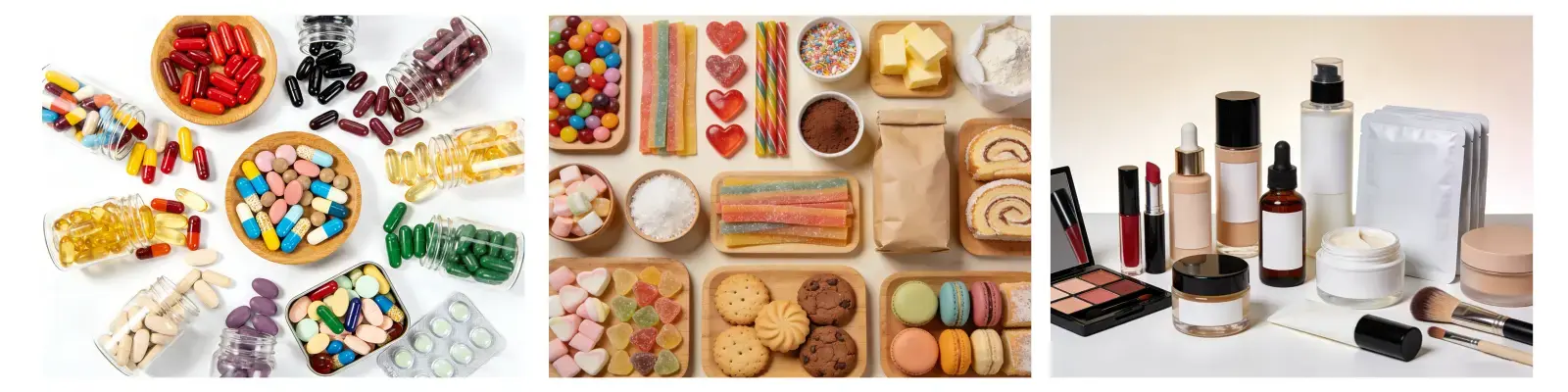
Comparing Tongkat Ali Root Powder to Alternatives
Powder Versus Extract: Potency and Cost Analysis
For formulations that need to be as cheap as possible, Tongkat Ali Root Powder raw powder is a better option, but it needs larger dose sizes to give the same amount of bioactives. Standardized botanicals cost more, but their higher concentrations and better absorption make it worth it. Extracts are becoming more popular in high-end product lines aimed at picky customers willing to pay extra for ease of use and proof of potency.
However, raw powder is still useful in traditional health markets and price-conscious groups. The choice relies on the positioning plan and the type of people you want to reach. Powder forms may be preferred by brands that stress the benefits of the whole plant and minimal processing, while brands that focus on clinical study results usually ask for standardized extracts with known eurycomanone percentages.
Competitive Botanical Comparisons
When compared to Tribulus Terrestris or Panax Ginseng, this ingredient has clear benefits. Unlike Ginseng, which has a wide adaptogenic nature, this one specifically helps with testosterone-related issues, making the benefits clearer. Compared to Tribulus, which doesn't have good clinical proof, the better research base lets marketers make more confident claims and lowers the risk of regulatory scrutiny.
These differences are important when talking about product development. Instead of competing in crowded adaptogen categories, brands that want to stand out can use the ingredient's unique properties. The Southeast Asian origin story also adds cultural credibility, which appeals to people who want to buy plants based on traditional knowledge that has been proven by modern science.
Organic Certification and Purity Considerations
Organic approval is useful for natural product companies that want to be clear about their supply chains. However, organic ingredients cost 20–40% more than regular ones, which changes the economics of formulation. When prices go up at stores, procurement teams have to check to see if the target customers are willing to pay more.
Heavy metal content—lead, mercury, cadmium, and arsenic naturally build up in roots—is used to check the purity of food. Reliable providers test each batch to make sure it meets the limits set by the USP and the European Pharmacopeia. Blended goods with maltodextrin or other carriers lower unit costs but lower bioactive amounts, so labels need to be carefully read when suppliers are being vetted.
Strategic Procurement of Tongkat Ali Root Powder
Evaluating Supplier Credentials and Certifications
A lot of research is needed to find reliable ingredient partners. Certifications like NSF GMP, FSSC22000, Kosher, Halal, and ISO show that quality management systems have been in place for a while. Malaysian sellers often keep these credentials along with local farming certifications that prove they use safe harvesting methods. Instead of relying on marketing materials that are out of date, ask for proof of the current certification status.
Supplier checks should look at the methods used for extraction, especially looking for solvent residue in grades that were extracted with ethanol. Concerns about solvents are gone with water extraction, but eurycomanone amounts may be lower. Figuring out these technical trade-offs helps with making specifications that are in line with how the product is positioned and the rules that apply to all of its intended markets.
Pricing Structures and Bulk Purchase Advantages
The smallest amount that can be ordered is usually 25 kg drums, and the prices are better for bigger contracts. Annual contracts make sure that there is a steady supply while negotiating good terms. This is especially important because the timing of harvests affects the availability of raw materials. Freight factors are important. Shipping ingredients by ocean container costs much less per kilogram than shipping them by air, but longer wait times mean that accurate demand planning is needed.
Payment terms depend on how long a supplier has been a partner. For new partnerships, deposits or letters of credit are often needed. On the other hand, accounts that have been open for a while can get net-30 or net-60 terms. When the USD changes against other currencies in the region, prices can change. To protect against exchange rate risks and keep planning stable, some sellers offer fixed-price contracts.
Logistics and Supply Chain Reliability
Earth Made Nutritions Inc. has four strategically placed warehouses in the United States that allow for fast fulfillment. Items that are in stock can be picked up the next business day. This infrastructure gets rid of long delays in foreign shipping, which supports just-in-time manufacturing models that lower the cost of keeping stockpiles. Our operations in California work well with formulation teams and offer technical support during the entire product development process.
Our Latin Name: Eurycoma Longifolia Jack powder has a distinctive brownish-yellow color and has been through a lot of quality checks. We can meet the needs of both small-scale testing and large-scale production. Our products are packed in 25 kg drums, and orders must be at least 25 kg. Free samples let you test on a small scale before making a purchase, which lowers the risk of buying something. Our wide range of certifications, such as NSF GMP, FSSC22000, Kosher, Halal, ISO, and Organic, meets a wide range of legal needs in the supplement, functional food, and skincare industries.

Conclusion
It is recommended that companies that make products for men's health, athletic performance, and stress management use Tongkat Ali Root Powder as a key ingredient. When you combine traditional use history with modern clinical validation, you can tell compelling stories and meet the needs of evidence-based positioning. To be successful at procurement, you need to find a mix between things like eurycomanone concentration, certification needs, and supply chain stability, as well as your budget and your goals for placing in the market. As more people look for natural ingredients that work, forming early partnerships with qualified suppliers can give you a competitive edge in product development and timing for going to market.
Frequently Asked Questions
1. How Long Until Benefits Become Noticeable?
Clinical studies show that changes that can be measured usually happen within two to four weeks of daily use, with the best effects seen after eight to twelve weeks. Responses are different for each person depending on their age, hormone levels, and overall health. B2B partners should make sure that consumers have realistic expectations by giving accurate labeling instructions and promoting the ingredient as something that helps with slow, long-lasting changes instead of quick fixes.
2. What Certifications Should Procurement Teams Verify?
Current GMP certification, third-party testing for heavy metals and microbial contamination, and an HPLC analysis confirming eurycomanone content are all important pieces of paperwork. Other classifications, such as Organic, Kosher, or Halal, rely on the needs of the target market. To make sure that each batch is the same, ask for Certificates of Analysis for each production lot instead of general specification sheets.
3. Are There Age-Related Considerations?
The main focus group is adults between the ages of 25 and 55, since this is where most study is done. Even though most people of all ages can handle it, formulations for older adults should consider how they might interact with common prescription drugs. Giving clear instructions for healthcare providers to follow helps both makers and end users and shows that marketing is done in a responsible way.
Partner with a Trusted Tongkat Ali Root Powder Supplier
Earth Made Nutritions Inc. provides high-quality Tongkat Ali Root Powder Eurycoma longifolia extract that meets the strict requirements of nutrition makers. Our professional R&D team and high-tech extraction tools make sure that the bioactive profiles are the same across all production runs. Also, our environmentally friendly sourcing methods are in line with today's expectations for corporate responsibility. We support a wide range of product needs and legal environments thanks to our certifications in NSF GMP, FSSC22000, Kosher, Halal, ISO, and Organic standards. Email our team at info@em-herb.com to talk about your unique needs, get technical data sheets, or set up a free review of a sample.
References
1. Journal of Ethnopharmacology (2012). "Standardization and bioactivity of Eurycoma longifolia extracts." https://www.sciencedirect.com/science/article/pii/S0378874112001407
2. Journal of the International Society of Sports Nutrition (2012). "Effects of Tongkat Ali supplementation on stress hormones and psychological mood state in moderately stressed subjects." https://jissn.biomedcentral.com/articles/10.1186/1550-2783-9-26
3. Phytotherapy Research (2016). "Eurycomanone content and standardization approaches for Eurycoma longifolia products." https://onlinelibrary.wiley.com/doi/10.1002/ptr.5571
4. Evidence-Based Complementary and Alternative Medicine (2013). "Effects of Tongkat Ali extract on cortisol and testosterone profiles." https://www.hindawi.com/journals/ecam/2013/254617/
5. Journal of Dietary Supplements (2015). "Safety and quality considerations for Eurycoma longifolia root extracts." https://www.tandfonline.com/doi/full/10.3109/19390211.2014.952865