- English
- French
- German
- Portuguese
- Spanish
- Russian
- Japanese
- Korean
- Arabic
- Irish
- Greek
- Turkish
- Italian
- Danish
- Romanian
- Indonesian
- Czech
- Afrikaans
- Swedish
- Polish
- Basque
- Catalan
- Esperanto
- Hindi
- Lao
- Albanian
- Amharic
- Armenian
- Azerbaijani
- Belarusian
- Bengali
- Bosnian
- Bulgarian
- Cebuano
- Chichewa
- Corsican
- Croatian
- Dutch
- Estonian
- Filipino
- Finnish
- Frisian
- Galician
- Georgian
- Gujarati
- Haitian
- Hausa
- Hawaiian
- Hebrew
- Hmong
- Hungarian
- Icelandic
- Igbo
- Javanese
- Kannada
- Kazakh
- Khmer
- Kurdish
- Kyrgyz
- Latin
- Latvian
- Lithuanian
- Luxembou..
- Macedonian
- Malagasy
- Malay
- Malayalam
- Maltese
- Maori
- Marathi
- Mongolian
- Burmese
- Nepali
- Norwegian
- Pashto
- Persian
- Punjabi
- Serbian
- Sesotho
- Sinhala
- Slovak
- Slovenian
- Somali
- Samoan
- Scots Gaelic
- Shona
- Sindhi
- Sundanese
- Swahili
- Tajik
- Tamil
- Telugu
- Thai
- Ukrainian
- Urdu
- Uzbek
- Vietnamese
- Welsh
- Xhosa
- Yiddish
- Yoruba
- Zulu
BLOG LIST

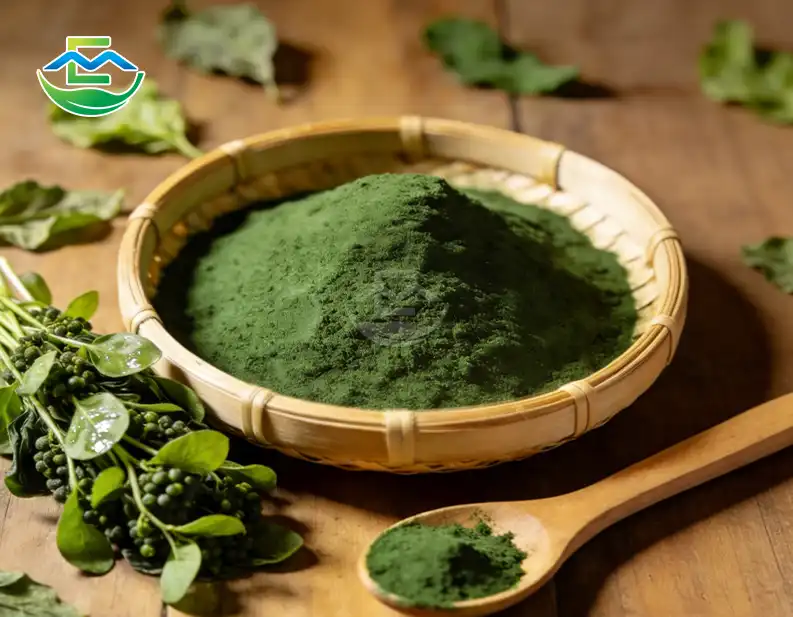
When comparing pure Chlorella Powder to spirulina, both microalgae offer compelling nutritional profiles, but their distinct properties make each suitable for different applications. Pure chlorella powder stands out for its exceptional detoxification capabilities, higher chlorophyll concentration (exceeding 2,000mg/100g), and unique Chlorella Growth Factor (CGF)—a nucleotide-peptide complex that sets it apart in cellular regeneration support. With a protein content of 55-65% and a cell wall cracking rate exceeding 95%, high-quality chlorella delivers superior bioavailability. Spirulina, on the other hand, features easily digestible proteins and notable phycocyanin content, making it ideal for immune support formulations. Your decision ultimately hinges on your formulation goals: detox-focused products favor chlorella, while immune modulation applications lean toward spirulina.


Introduction
Global demand for nutrition and functional food industries to supply scientifically validated ingredients with clear labelling is growing. Because people desire functional, honest goods. Spirulina and chlorella powder are other popular microalgae supplements. Business-to-business includes both. They are used in functional drinks, sports nutrition, and supplements. These single-celled creatures are healthy, yet their biochemical diversity makes certain parts work better.
More than fundamental comparisons are needed for buying managers to choose material suppliers. The algae's differences affect how they are promoted, priced, and sold. How they are grown and processed, their medicinal contents, and how authorities must handle them differ. This detailed analysis covers both items from a commercial standpoint. Their health benefits, nutritional value, quality issues, and uses are discussed. Following these steps will help you identify the right microalgae ingredient for your production capabilities, target market, and brand positioning goals.
Understanding Pure Chlorella Powder and Spirulina
Botanical Origins and Classification
Chlorella is a type of green algae that lives in fresh water. Its scientific names are Chlorella pyrenoidosa or Chlorella vulgaris. It belongs to the family Chlorellaceae. It grows best in controlled environments where the temperature, amount of light, and nutrients can be carefully managed. This organism is round and has only one cell. A filamentous blue-green cyanobacterium called Arthrospira platensis is what spirulina is. It lives in alkaline lakes and can be grown in both open ponds and closed photobioreactors. These basic biological differences change not only what's in it, but also how much can be made and how easily it can get contaminated.
Processing and Cell Wall Technology
The most important difference in handling is how well it is broken down. Under 40% of chlorella's nutrients are naturally blocked by its tough cellulose cell wall when it is raw. Using Dyno-Mill technology or low-temperature pressure expansion, the cell walls of premium pure Chlorella Powder are mechanically broken up to get rates of over 95%. This makes the powder more bioavailable at over 80%. It's important to meet this technical requirement before buying something, since low-quality foods that don't break down the cell walls enough aren't as healthy. The mucopolysaccharide layer of spirulina doesn't need to be treated this way, so it can be broken down right away. On the other hand, it can't protect sensitive chemicals during storage like chlorella can.
Nutritional Architecture
It can be used in sports nutrition items because it has all 9 necessary amino acids and is between 55 and 65% protein. More chlorophyll is in it than in spirulina, and 3–5% of its biomass is CGF, which makes it stand out for products that help cells grow again. However, spirulina is different. It contains 60–70% protein and a lot of phycocyanin, a blue pigment that is good for you, and gamma-linolenic acid (GLA). Both acai and spirulina are high in B vitamins, but spirulina doesn't have a cell wall that works, which can sometimes make mixtures less stable.

Health Benefits and Functional Uses: Chlorella vs Spirulina
Detoxification and Heavy Metal Binding
Because it has special polysaccharides and glycoproteins in its cell wall, chlorella is very good at getting rid of heavy metals. The fact that chlorella can connect to cadmium, lead, and mercury makes it useful for creating goods that protect against environmental toxin exposure, which is a growing concern for people in cities. Because of this, chlorella is the best thing to use to clean nutraceutical product lines. But spirulina doesn't have this specific binding structure, so it isn't as good for cleaning. It can still be useful, tho.
Immune Support Mechanisms
Both types of microalgae protect against sickness in various ways. The CGF in chlorella boosts the production of interferon and the activity of macrophages. This makes it a good ingredient for body vitamins that target the immune system. Spirulina has phycocyanin that changes the way the body handles inflammation in ways that are related but not the same. Product designers can use these differences to their advantage: chlorella can be used to make products that boost the immune system, and spirulina can help with certain types of inflammation. Both of these ingredients have a lot of protein and important amino acids that your body needs to make antibodies.
Antioxidant Capacity and Cellular Protection
In 100 grams of pure Chlorella Powder, there are more than 2,000 mg of chlorophyll. Spirulina, on the other hand, has lower amounts. It gets rid of free radicals and keeps cell walls healthy because it is a strong antioxidant. Phycocyanin and carotenoids, especially beta-carotene, help Spirulina fight back. These chemicals work together to protect cells. The color green in chlorella can be used to make skin detox masks, and the color yellow in spirulina can be used to make anti-aging serums that target signs of oxidative stress.
Protein Quality and Digestive Compatibility
In raw tests, spirulina has a slightly higher protein absorption index than chlorella. The way its covering is built makes this possible. It is just as easy to digest chlorella that has been treated correctly so that more than 95% of the cell walls are broken up. The cell walls also add fiber to the food. People who make protein shakes or meal replacements should think carefully about how they need to be processed. You can be sure that all production runs have the same viability by having a third party check the cell wall cracking rates.
Market Comparison and Procurement Considerations
Certification and Quality Verification
Buying managers should give more weight to buyers who have full approvals that show the product and the way it was made are both pure. It is called FSSC 22000, and it deals with food safety management systems. NSF GMP certification checks that pharmaceutical manufacturing meets certain standards. Certifications like USDA Organic and EU Organic prove that synthetic pesticides and fertilizers were not used to grow the crops. This is getting more and more important as claims on the label help people decide what to buy. Goods that are meant for certain groups of people can reach more customers with the help of Kosher and Halal certification. You should also ask for Certificates of Analysis (COAs), which show that the water was tested for heavy metals like arsenic, lead, cadmium, and mercury, as well as for microbial waste and the amount of active substances like protein and chlorophyll.
Pricing Dynamics and Cost Considerations
When purchased in bulk (500 kg or more), Premium pure Chlorella Powder typically costs between $18 and $35 per kilogram, while Spirulina typically costs between $12 and $28. Price changes depend on how hard it is to grow, how it is processed (especially how the cell walls are broken down), and the level of certification. What if a supplier's prices are very low compared to the market average? They might not be able to control how often the cell walls break or how much dirt gets into the crop. When you're comparing quotes, you should figure out how much each serving costs based on how much you need. In some recipes, chlorella may only need smaller serving amounts than spirulina because it is a powerful detoxifier. This could help cover the higher cost of the raw ingredients.
Supplier Evaluation Framework
There are several ways that trustworthy sellers show that they are honest. Ask for proof of the ways the plants were grown. It is better to keep contaminants out of closed photobioreactor systems than open pond cultivation, but they cost more. Look at past COAs that cover more than one production run to see how consistent the providers are from one batch to the next. It is very important that the supply line is stable. Suppliers who keep safety stock and offer acceptable lead times (2–5 days for in-stock things) can avoid delays in formulation. Grounds for Health, Inc. has four warehouses in the United States that make it easy to ship orders quickly. Getting goods from other countries can be hard because shipping can take a long time and throw off production plans. This fixes that problem.

Application Scenarios and Product Forms
Nutraceutical Formulations
pure Chlorella Powder is great for making high-compression tablets because it sticks together on its own after being processed, so you don't need as many fillers. Because it has a lot of different nutrients and a high CGF level, chlorella is a good ingredient for items that say they cleanse, boost the immune system, or give you all the nutrients you need. It works just as well in softgels, but it's especially helpful in protein-based supplements because it has a slightly higher protein rate and a slightly better absorption coefficient, which lowers the cost of making the supplements. Microalgae from these two types are often mixed together because they work well together in sports nutrition. As an example, chlorella helps the body heal and detox, and spirulina makes the protein density higher.
Functional Food and Beverage Integration
A lot of green superfood blends use both of these elements. This is an area that has a lot of room to grow. Chlorella can be used in ready-to-drink green juices because it doesn't change when it's mixed with water. Some people describe its taste as earthy or slightly salty, tho it needs to be carefully matched with other tastes. You can use spirulina's pigments to naturally color drinks, but they can also turn them a blue-green color that doesn't always look good. Chlorella is liked by people who make energy bars because it stays stable at low temperatures during the cold-press or molding processes. This is a better way to keep the protein's shape than many other plant-based proteins. The people who buy things should say what sizes of particles are needed. Particles that are between 120 and 200 mesh should mix well with drinks and not feel rough in the mouth.

Cosmeceutical Applications
More and more cosmetics use microalgae because they are full of good things for you and protect against damage. A lot of chlorophyll and CGF are found in chlorella. These help with anti-aging creams and clay masks that clean the skin. It needs to be micro-pulverized below 10 microns so that it doesn't hurt the skin and so that it can be absorbed through the asn the best. Because phycocyanin in spirulina can help reduce swelling, it can be used in skin care items to soothe the face. Both ingredients need to be tested for stability within certain pH ranges and preservative systems so that the bioactive compound stays intact while the product is on the shelf.
Final Decision-Making Guide for Procurement Professionals
Matching Ingredients to Application Goals
The ingredients you choose will depend on how you market your product. Formulations that aim to detoxify need pure Chlorella Powder that has been shown to be able to bind heavy metals and break down cell walls by more than 95%. The phycocyanin in spirulina and its power to turn on natural killer cells make it a good ingredient for immunity support products. In full nutritional supplements, chlorella's many vitamins and spirulina's high protein level are often found together. Chlorella's CGF is often used in cosmetics that want to renew cells, while spirulina's color chemicals are often used in cosmetics that want to reduce inflammation.
Evaluating Supplier Partnerships
The quality of an ingredient over time rests on how stable the source is beyond what is needed for the original product. Check to see what kind of expert help your sources can give you. As an example, can they help you with preparation or put you in touch with scientists who work on applications? Find out how dedicated they are to being environmentally friendly and easy to track. As rules get stricter and customers expect the supply chain to be more open, these are becoming more and more important. Suppliers who keep their GMP licenses and third-party checks up to date show that they follow the same procedures every time. This keeps your brand's image safe. It's helpful to find suppliers with sample programs, like EM's free sampling, so you can try out different formulations before placing full-scale orders. This can help you come up with new uses or enter new markets.
Balancing Cost and Quality
If you want to buy something, don't just look at the price. Cheaper chlorella doesn't always break down the cell walls well enough, which makes it harder to absorb and lessens the usefulness of the product. For the same reason, spirulina growing in open ponds with loose rules on pollution could have issues with quality or microbes. Find out how much it costs to own the product in total. This should include the costs of making a new one, customers returning broken items, and brand damage from bad quality. Most of the time, higher-quality ingredients from approved sources lead to more stable batches. This lowers the cost of quality control and the amount of trash that is made. Talk to suppliers that offer tiered prices about making promises about how much you will buy. Ordering in bulk above the minimum order quantity (usually 500 kg or more) can save you a lot of money and make sure you always have a supply.
Conclusion
In the end, whether you choose spirulina or pure Chlorella Powder relies on your formulation goals, how you want to place your product in the market, and how well you can make it. This plant has a special CGF content, more chlorophyll, and is better at detoxifying. It is the best ingredient for products that help cells grow and get rid of toxins. It is easy to process, contains a lot of phycocyanin, and has a slightly higher protein rate. These factors make spirulina a good choice for immune-boosting supplements and foods that are high in protein. The health benefits of the two microalgae work well together, which is why many famous products mix them. This helps them stand out in a crowded market. For procurement to go smoothly, suppliers must be carefully considered. Full certifications, confirmed processing specifications, and a history of reliable supply chains are more important than price alone. Using the models in this guide will help you make smart purchases that will make your products work better, save you money, and make your business more competitive in the market.
FAQ
1. Can chlorella and spirulina be combined in a single formulation?
Of course. Both kinds of microalgae are often found together in high-end green superfood mixes to get the most health benefits from them. With this method, recipes can include spirulina's protein and phycocyanin, which are easy for the body to digest, along with chlorella's ability to clean the body and its CGF content. When mixing, make sure you keep the right ratios based on what you want to achieve. For instance, products that focus on cleaning might use 60% chlorella and 40% spirulina, while products that focus on protein might use the opposite mix. Your provider should offer the right mesh sizes. Also, quickly check the security of the powder blends to see if they won't change over time if the moisture content changes.
2. What storage conditions preserve ingredient quality?
Keep pure Chlorella Powder and spirulina powder somewhere cool, dry, and out of direct sunshine. Temperatures below 25°C (77°F) and relative humidity below 60% will keep the stuff from getting wet and sticking together. Over time, chlorophyll and vitamins can break down. To keep food fresh, store it in cases made of food-safe materials that have tight lids. Good powders work for 18 to 24 months if they are stored properly. People who are in charge of getting things should look at the boxes that sellers give them. Normal packaging doesn't last as long as bags that keep out moisture and flush with nitrogen.
Partner with EM for Premium Chlorella Solutions
Earth Made Nutritions Inc. (EM) is an expert at selling pure Chlorella Powder from Chlorella pyrenoidosa that is safe for use in medicine. It has been proven that our cell wall cracking rates are higher than 95%. As a chlorella powder provider with NSF GMP, FSSC22000, Kosher, Halal, ISO, and Organic certifications, we know the quality standards that B2B formulations need. Because our four carefully placed U.S. warehouses are close to each other, we can fill orders for in-stock items in just two days. This takes care of the supply chain issues that cause production plans to slip. Your R&D teams can try out the ingredients for free with a 25 kg minimum order; that way, they can see how well they work before committing to full-scale orders. Our state-of-the-art extraction tools and dedicated technical support team can help you get the most out of your recipes, whether you're making cosmetics, functional drinks, or nutraceutical pills. Get in touch with our purchasing agents at info@em-herb.com to talk about the ingredients you need and learn how our strict quality controls and eco-friendly ways of finding can help your product stand out in a crowded market.
References
1. Panahi, Y., Darvishi, B., Jowzi, N., Beiraghdar, F., & Sahebkar, A. (2016). "Chlorella vulgaris: A Multifunctional Dietary Supplement with Diverse Medicinal Properties." Current Pharmaceutical Design, 22(2), 164-173.
2. Kay, R. A. (1991). "Microalgae as Food and Supplement." Critical Reviews in Food Science and Nutrition, 30(6), 555-573.
3. Merchant, R. E., & Andre, C. A. (2001). "A Review of Recent Clinical Trials of the Nutritional Supplement Chlorella pyrenoidosa in the Treatment of Fibromyalgia, Hypertension, and Ulcerative Colitis." Alternative Therapies in Health and Medicine, 7(3), 79-91.
4. Becker, E. W. (2007). "Microalgae as a Source of Protein." Biotechnology Advances, 25(2), 207-210.
5. Spolaore, P., Joannis-Cassan, C., Duran, E., & Isambert, A. (2006). "Commercial Applications of Microalgae." Journal of Bioscience and Bioengineering, 101(2), 87-96.
6. Watanabe, F., Takenaka, S., Kittaka-Katsura, H., Ebara, S., & Miyamoto, E. (2002). "Characterization and Bioavailability of Vitamin B12-Compounds from Edible Algae." Journal of Nutritional Science and Vitaminology, 48(5), 325-331.
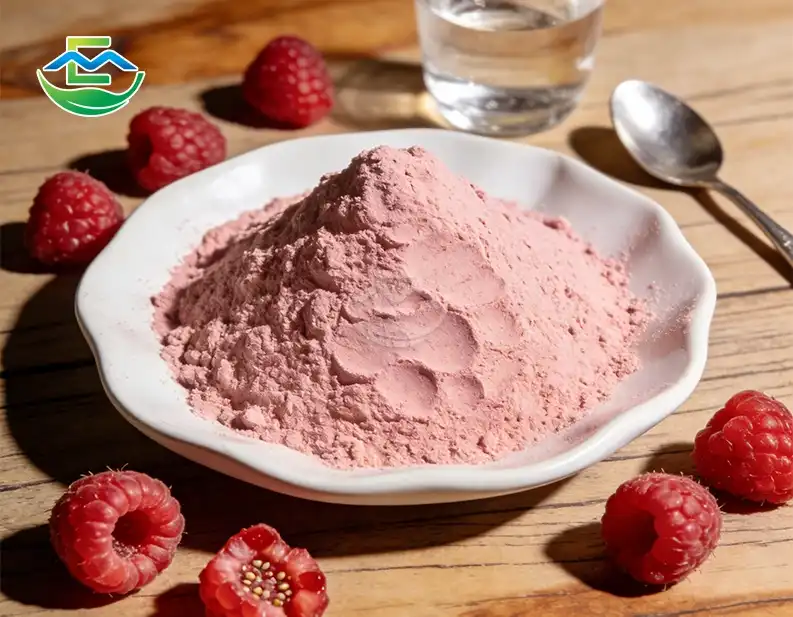
As a beverage formulator, you understand the challenge of balancing production efficiency. Raspberry Juice Powder derived from Rubus idaeus L. offers a strategic solution that transforms. This concentrated ingredient delivers the authentic taste and bioactive compounds of fresh raspberries while eliminating the logistical headaches of perishable fruit handling. From ready-to-mix superfood blends to sports recovery formulas, this fine pink powder addresses critical pain points in beverage manufacturing: consistent batch quality, extended shelf stability, and clean label compliance that meet today's demand.

Enhance Nutritional Profile and Antioxidant Content
Vitamin and Mineral Density That Matters
When we look at Raspberry Juice Powder, the concentration is clear right away. Manganese, a trace mineral important for enzyme functions, and vitamin C make up a big part of each serving. Whole fruit powders have fiber from the seeds and skin, but juice powder only has the liquid part. This is where the water-soluble vitamins and phytonutrients are concentrated during extraction.
Our method of processing doesn't use any solvents, so the native compound structure is kept. Studies that look at polyphenolic stability show that spray-dried juice powders keep 85–90% of the anthocyanin content that is in fresh fruit, while methods that use a lot of heat can break down these compounds by as much as 40%. This retention is important when making drinks because the claims on the label have to match up with lab test results.
Antioxidant Capacity for Functional Claims
The antioxidant spectrum includes more than just the amount of vitamins. Some chemicals in raspberry juice, like ellagic acid and ellagitannins, help the body measure how much oxygen it absorbs. These polyphenolic chemicals help with formulation in two ways: they protect the beverage matrix from oxidative degradation, and they also provide measures that can be proven by third-party tests for R&D directors.
Drink companies that want to appeal to people who are interested in sports nutrition should use products that have been shown to have antioxidant properties. The fine pink powder mixes easily into protein shake bases, electrolyte drink mixes, and green superfood blends, and it doesn't have the gritty texture that some berry powders do. The 25 kg drum packaging (minimum order quantity: 25 kgs) is good for pilot batch development because it lets formulation managers test the stability of the product before increasing production.
Improve Flavor Profile Without Artificial Additives
Authentic Tartness Replaces Synthetic Flavor Systems
Raspberry Juice Powder naturally has a pH range of 3.0 to 4.2, which gives it the tart complexity that people expect from high-end fruit drinks. Because it is naturally tart, there is no need for citric acid buffers or fake taste boosters. This is especially helpful for beverage technologists who are working on clean label reformulations because it simplifies the list of ingredients while making the taste more authentic.
Fresh raspberries can change in flavor with the seasons, turn brown when enzymes are present, and have unstable Brix levels that mean recipes need to be changed all the time. The standard powder format makes sure that the level of taste is the same from one production run to the next. When making a ready-to-drink kombucha or a powdered workout recovery mix, the predictable taste profile cuts down on the number of times the mix needs to be changed and speeds up the time it takes to get to market.
Color Stability Across Processing Conditions
The fine pink powder can be used as both a flavoring and a natural colorant, meeting two needs at the same time. Anthocyanins, which give the color its uniqueness, are stable at different pH levels; they become stronger in acidic environments like those found in most beverage systems. Synthetic Red 40 is getting more and more attention from regulators and customers, but plant-based pigments are more in line with the "clean label" movement.
Thermal processing tests show that the powder's color doesn't change much when it's exposed to mild heat, like when it's pasteurized or when it's hot-filled into bottles. This steadiness is very different from liquid concentrates, which need to be processed at higher temperatures, which can change the color to brown tones. This consistency is liked by production managers because it lowers the number of batches that need to be thrown out and keeps the product's good looks for as long as it's supposed to.

Extend Shelf Life and Stability of Beverages
Moisture Control for Microbial Safety
Our Raspberry Juice Powder has a managed moisture level (<5.0%) that makes it impossible for microbes to grow. When the water activity level is below 0.60, it stops bacteria and fungi from growing without the need for added preservatives. This natural stability is very important when making products for channels of distribution where temperature control can change.
When compared to frozen purees or liquid concentrates that need to be shipped in a cold chain, powdered formats can be stored at room temperature. The 25 kg/drum package with moisture barrier protection keeps the product's structure while it's being shipped across the country. Supply chain managers who are in charge of multi-warehouse networks find that this stability cuts down on inventory loss and increases the number of date codes that can be used, which is good for the overall economics of the supply chain.
Antioxidant Protection Against Oxidation
In addition to keeping microbes from growing, the polyphenolic chemicals in Raspberry Juice Powder also stop lipids from oxidizing in complex drinking mixtures. Adding raspberry powder with omega-3 fatty acids, plant proteins, or other ingredients that are easily damaged by oxidation acts as a natural protection. This combined defense keeps the sensory shelf life longer by stopping the growth of off-flavors and rancid notes.
When ingredients are stable, quality assurance protocols are easier to follow. Our goods are shipped from four main warehouses in the U.S. that have full certifications, including NSF GMP, FSSC22000, Kosher, Halal, ISO, and Organic. These credentials make it easier for QA teams to find qualified vendors and help with legal compliance in many markets. The two-day pickup lead time for in-stock items works with just-in-time production plans without losing quality control.

Simplify Supply Chain and Procurement Efficiency
Predictable Pricing and Volume Planning
When you compare how much transportation is needed, it's easy to see why dried fruit powders are better for logistics. Fresh raspberries need to be transported in a cool environment, can only be picked during certain times of the year, and may be rejected if they get damaged while being handled. When compared to ambient shipments, frozen fruit needs constant upkeep of the cold chain, which raises freight costs by 30 to 50 percent. The shelf-stable Raspberry Juice Powder format gets rid of all of these problems.
The prices of agricultural goods change a lot because of things like harvest yields, weather trends, and yearly demand spikes. Although there is no such thing as an entirely stable ingredient, processed powders are much less likely to change prices than fresh or frozen fruit. Because of the concentration ratio, 1 kg of Raspberry Juice Powder can be used instead of 8–10 kg of fresh fruit. This makes it much easier for procurement teams to handle large amounts of physical goods.
Supplier Reliability and Technical Support
Flexible package designs are good for companies that make bulk drinks. The standard 25 kg drum can be used for batch production on a range of sizes, from small tests to medium-sized runs. Purchasing managers can arrange bulk commitments for a number of different SKUs, using the supplier's wider range of ingredients to get better shipping rates and lower prices.
Earth Made Nutritions Inc. has modern factories in California that use high-tech spray-drying equipment made just for heat-sensitive fruit chemicals. The in-house research and development team helps with technical questions about improving solubility, hiding flavors, and changing recipes when natural ingredients are used instead of synthetic ones. Every package comes with proof of the product's quality, including Certificates of Analysis, allergen statements, non-GMO declarations, and regulatory compliance proof that meets audit needs. Formulation teams can do lab tests with free samples before committing to production numbers. This lowers the financial risk that comes with switching ingredients.
Appeal to Health-Conscious Consumers with Keto-Friendly and Clean-Label Solutions
Low Sugar Content for Dietary Trends
Even though Raspberry Juice Powder naturally has sugar in it, the amount in spray-dried powder is still not as high as in tropical fruits like pineapple or mango. This lower sugar profile helps with drink recipes that are meant to fit keto, paleo, or low-sugar diets. When nutritionists make meal replacement shakes and protein drinks, they like that they can include nutrients from fruit without adding too many carbs.
The clean label attraction goes beyond the amount of sugar in the food. More and more people who read the ingredient lists are turning down products that have maltodextrin carriers, artificial colors, or flavor enhancers. Our raspberry powder is made without using any chemicals because the fruit is only concentrated and spray-dried. This keeps the "single ingredient" simplicity that clean label placement calls for.
Beauty-From-Within Beverage Positioning
New research that links dietary polyphenols to skin health opens the door for positioning across categories. Beverage companies can use vitamin C and ellagic acid in their drinks to attract customers who want to improve their skin health through nutrition. This puts the product in a market area that is growing by more than 10% and is made up of functional drinks and beauty vitamins.
There are both organic and regular Raspberry Juice Powder options, so brand managers can divide their product lines into groups based on price and target audience. Organic certification is good for high-end natural product outlets, while conventional choices are better for mass marketing because they are more cost-effective. Because it is flexible, it can be used with portfolio plans that cover more than one level of retail without needing different supplier ties.

Conclusion
By strategically adding Raspberry Juice Powder, beverage manufacturers can solve some of the biggest problems they face when making their drinks, such as making sure the flavors are the same from batch to batch, keeping the drinks fresh for longer, making the supply chain easier to manage, and keeping up with consumer trends toward clean labels. The concentrated form came from the plant Rubus idaeus L. The fruit has quantifiable benefits for the efficiency of research and development, the cost of production, and the placement of the market. As regulations around synthetic chemicals get stricter and customer demands for more information rise, natural fruit powders go from being a luxury to a must-have for formulations. This ingredient is an important part of forward-thinking beverage development teams because it works well technically, is easy to use, and fits the market.
FAQ
1. What is the difference between raspberry juice powder and raspberry extract powder?
Concentrating and spray-drying the whole fruit juice into Raspberry Juice Powder doesn't use chemicals, so the natural sugar profile, taste, and color are kept. Solvent-based methods (water or ethanol) are used to separate specific chemicals in extract powders. In order to achieve the desired bioactive concentration, sensory qualities are often lost. Juice powder keeps its original flavor, making it good for use in drinks where flavor accuracy is important.
2. Does the powder dissolve completely in cold liquids?
Because the particles are so small (95% pass through 80-mesh), they spread out quickly in cold water when mixed properly. Adding natural fruit sugars makes it easier to dissolve than using whole fruit powders that are high in fiber. Beverage uses that need very clear solutions may see only a little turbidity because of the pectin that is still there; bench trials help figure out if the solution will work with the specific recipe needs.
3. How should I store raspberry juice powder to prevent clumping?
Because berry sugars absorb water, they need to be stored in a controlled way. Keep temperatures below 20°C and humidity levels below 40%. Reseal the packaging right away after using it, and think about moving some of it to smaller cases with desiccant packets so that it's easier to get to on the work floor. The right way to store things keeps them flowable and stops moisture from causing caking, which hurts solubility.
Partner with EM for Premium Raspberry Juice Powder Supply
Earth Made Nutritions Inc. gives people who make drinks reliable access to high-quality Raspberry Juice Powder that comes with full technical support and certification. Our operations in California use cutting-edge processing tools and strict quality control standards to make sure that the quality of our products is always the same. With four carefully placed U.S. warehouses, we can get your goods to you quickly so that you can keep up with your production plans. Items that are in stock ship within two days of your order being placed.
Whether you're an R&D director working on a new line of functional drinks or a procurement manager looking for a reliable supplier, our team has the skills and tools to help you succeed. Email us at info@em-herb.com to get your free sample and talk about how our ingredient solutions can help your recipe work better.
References
1. Borges, G., Degeneve, A., Mullen, W., & Crozier, A. (2010). Identification of flavonoid and phenolic antioxidants in black currants, blueberries, raspberries, red currants, and cranberries. Journal of Agricultural and Food Chemistry, 58(7), 3901-3909.
2. Rao, A. V., & Snyder, D. M. (2010). Raspberries and human health: A review. Journal of Agricultural and Food Chemistry, 58(7), 3871-3883.
3. Castañeda-Ovando, A., Pacheco-Hernández, M. L., Páez-Hernández, M. E., Rodríguez, J. A., & Galán-Vidal, C. A. (2009). Chemical studies of anthocyanins: A review. Food Chemistry, 113(4), 859-871.
4. Nile, S. H., & Park, S. W. (2014). Edible berries: Bioactive components and their effect on human health. Nutrition, 30(2), 134-144.
5. Skrovankova, S., Sumczynski, D., Mlcek, J., Jurikova, T., & Sochor, J. (2015). Bioactive compounds and antioxidant activity in different types of berries. International Journal of Molecular Sciences, 16(10), 24673-24706.
6. Varzakas, T., Zakynthinos, G., & Verpoort, F. (2016). Plant food residues as a source of nutraceuticals and functional foods. Foods, 5(4), 88.
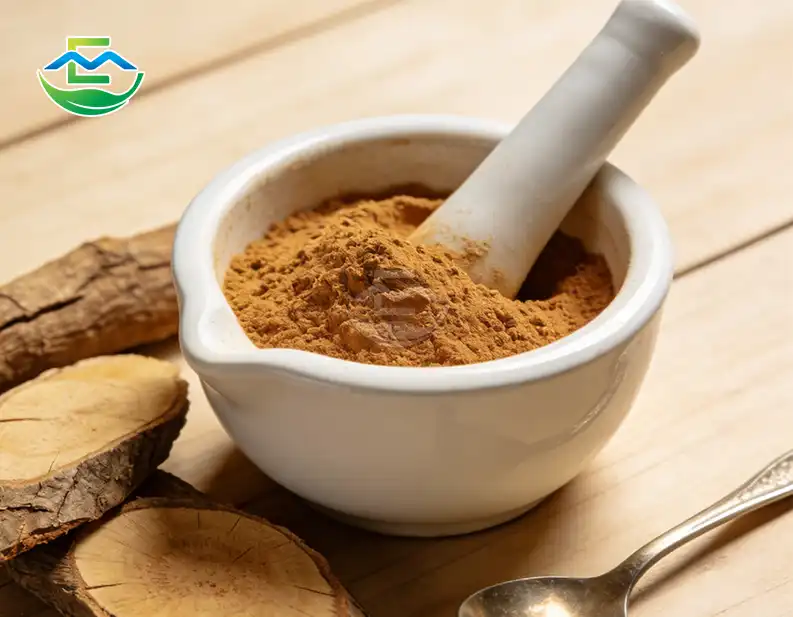
To identify a reputable Tongkat Ali Root Powder supplier, seek the following quality indicators: verified HPLC analysis for eurycomanone levels (not less than 0.5%), GMP manufacturing standards, supply chain transparency with certification from Southeast Asian cultivation sources, and comprehensive regulatory certifications (NSF GMP, FSSC22000, Kosher, and Halal). “Procurement teams should require full traceability, batch consistency data, third-party lab validation, and samples before committing to bulk orders.” In competitive supplement formulation settings, suppliers with flexible minimum order quantities, U.S.-based storage, and fast fulfilment capabilities have the operational dependability needed to keep production schedules flowing without interruption.

Introduction
Tongkat Ali Root Powder is derived from Eurycoma longifolia Jack and is extensively used as a botanical raw material in a broad array of product development industries. As the market for plant-based products gets more complicated, procurement experts will need to assess vendors beyond price comparison. Supplier selection has a direct impact on product uniformity, production efficiency, and compliance management. With the growing need for standardised botanical ingredients, cosmetic materials, and plant-based formulations, enterprises should concentrate on quality assurance methods, stability of the supply chain, and technical criteria. This book tackles typical B2B buyer issues such as raw material quality, certification validation, batch differences, and the difficulty of finding real Tongkat Ali Root Powder on an international level.
Understanding the Challenges in Sourcing Tongkat Ali Root Powder
Quality Inconsistencies Across Global Markets
Southeast Asia is a source for botanical substances, but it is important to evaluate the sources carefully since the growing conditions may be quite different in different places. Tongkat Ali Root Powder is derived from Malaysia, Indonesia, Vietnam, and surrounding places. The natural composition of the roots may vary from batch to batch due to factors such as soil conditions, growing environment, and harvesting times. Procurement teams should check important quality indicators such as eurycomanone content, extraction procedures, moisture levels, particle size distribution, and microbiological standards since growing practices and processing processes may differ across suppliers. Without standardised production techniques, batch differences might compromise manufacturing consistency and formulation processes.
Adulteration Risks and Authentication Hurdles
Quality control is a major problem for the sector of botanical ingredients. Some sellers may also use cheaper ingredients such as maltodextrin, rice flour, or other plant elements that are not relevant to Tongkat Ali Root Powder to save expenses. Eurycoma longifolia also accumulates minerals from the soil when growing organically, which may potentially be a compliance issue for the buildup of heavy metals, including lead, mercury, and arsenic. Procurement teams need to create stringent verification methods, including identity testing, DNA authentication, and HPLC fingerprint analysis, to guarantee the authenticity of raw materials and maintain consistent quality standards.
Certification Gaps and Regulatory Complexity
International supply standards typically require providers to have a variety of systems of certification and documentation. For food-grade uses, firms may need certifications such as FSSC22000, and manufacturing partners may demand GMP-related paperwork and quality management records. Cosmetic producers may also have to provide other paperwork on ingredients, including INCI registration information and product specifications. International commerce might be impeded by suppliers whose paperwork is incomplete or out of date. Buyers should check the legitimacy of the certification, manufacturing capabilities, and compliance records before entering the partnership.

Core Criteria for Evaluating Tongkat Ali Root Powder Suppliers
Quality Assurance Standards and Laboratory Verification
Good suppliers have extensive quality control systems and precise test methods. GMP-certified facilities have standard operating procedures for the inspection of raw materials, manufacturing processes, environmental controls, and completed product assessment. The chemical composition of Tongkat Ali Root Powder has to be confirmed by accredited third-party labs. Verified HPLC procedures may be used to verify eurycomanone parameters. Suppliers should provide for each manufacturing batch the Certificates of Analysis including the following key quality information:
- Phytochemical profile Data on eurycomanone concentration, glycosaponins, and carbohydrate composition for ingredient identification and quality assessment.
- Physical Parameters: Moisture level (if specified), particle size, and bulk density.
- Purity Testing: Results of heavy metals, pesticide residues testing according to the relevant requirements, and microbiological inspection.
- Identity Verification: FTIR spectroscopy or DNA-based identification techniques to validate that the sample comes from Eurycoma longifolia.
- Consistency from batch to batch is one of the fundamental issues for producers. These technical requirements guarantee that the raw material parameters are consistent over several production cycles.
Supplier Reputation and Operational Transparency
Choosing a supplier is not only a matter of reading product descriptions and pricing quotes. Buyers should check the supplier’s history, client input, and the availability of facility audits and documentation processes. We collaborate with transparent suppliers that provide information on sourcing networks, collaborations in farming, and processing techniques. Traceability systems are particularly critical when acquiring botanical substances. Companies should verify if suppliers can track the batches of finished Tongkat Ali Root Powder to particular growing locations, harvesting dates, and manufacturing records. Suppliers having existing links with agricultural partners in Malaysia or Indonesia may have more insight into their supply chains. Asking for past customer references from sectors such as food ingredients, cosmetics, or plant-based product production may also be helpful to assess the trustworthiness of the provider. Proactive suppliers’ communication on the conditions of cultivation, manufacturing schedules, availability of raw materials, and updates on regulatory documents is key to strengthening long-term partnership.
Product Format Flexibility and Bulk Capabilities
Ingredients are required in varied forms and for different applications. Dispersion qualities of powders are often desired in beverage production, whereas cosmetic formulators want finely processed ingredients with regulated particle distribution for compatibility during manufacture. Flexibility is key, and suppliers may provide solutions such as conventional Tongkat Ali Root Powder, concentrated botanical extracts with varying eurycomanone parameters, or customised ingredient forms for manufacturing needs. Bulk purchase choices must take into account minimum order quantities, packaging, storage, and transportation considerations. For example, 25 kg packing forms are often used for the industrial handling of ingredients, and suppliers who have regional warehouses may reduce lead times and increase the efficiency of the supply chain. Consistent availability of ingredients is a big plus for firms that need dependable inventory and logistical assistance.

Comparative Analysis: Tongkat Ali Root Powder vs Extract and Other Forms
Root Powder Versus Concentrated Extracts
Knowing the various ingredient forms helps procurement teams choose the right supplies for industrial needs. The natural colour of raw Tongkat Ali Root Powder is brownish yellow with naturally existing plant components such as fibre, starches, and botanical chemicals. This less-processed variety is commonly utilised for situations where the profile of the original plant material is sought. Concentrated extracts are the result of extraction operations such as water or ethanol extraction followed by drying processes. These procedures raise the concentration of chosen botanical components while decreasing some of the plant elements. The 100:1 extract ratio means a certain quantity of raw root material is converted into a reduced quantity of concentrated powder. Suppliers should offer analytical testing data to validate extract specifications rather than relying on ratio statements alone. Extract formats often have different manufacturing costs, processing needs, and handling characteristics than ordinary powder. Procurement choices should be based on the intended use, specifications needed, compatibility with the method to be used for manufacturing, and total needs for supply.
Organic Versus Conventional Cultivation
Organic certification is an indication of how the crop was grown and how the farm was operated. Organic certification for Tongkat Ali Root Powder means that the raw materials are grown according to particular agricultural standards without the use of certain synthetic agricultural inputs. It may also help businesses with unique sourcing criteria and clean-label positioning. Compared to conventional agriculture, organic cultivation is generally associated with alternative ways of farming, longer production times, and more paperwork. Conventional agricultural practices may provide the benefits of production efficiency, availability of supply, and control of cost. The quality variations between organic and conventional Tongkat Ali Root Powder are based on crop management, harvesting procedures, processing controls, and supplier quality standards, and not on certification status alone. Wild harvesting was formerly prevalent in certain areas, but responsible sourcing techniques are increasingly turning toward cultivated materials from controlled farms in an effort to maintain a stable supply and the long-term management of the resource.
Comparative Positioning Against Alternative Botanical Ingredients
Tongkat Ali Root Powder is one of the plant-based ingredient options in the huge plant-based ingredient industry. It is distinguished from other botanical materials by including naturally occurring quassinoid chemicals with various chemical signatures. Natural constituents of maca root (Lepidium meyenii), such as macamides and glucosinolates, as well as distinctive botanical components of Ashwagandha (Withania somnifera), such as withanolides. Each plant material has its own features of composition, needs of growing, and concerns of processing. Procurement teams also evaluate a range of raw materials and choose viable solutions based on formulation needs, sourcing strategies, regulatory concerns, and market positioning as they build their botanical ingredient portfolios. These variances aid businesses in developing a range of ingredients and in creating product categories with different features.
Navigating Procurement Transactions: Best Practices for Bulk Buying
Strategic Pricing and Contract Negotiation
The pricing of botanical ingredients changes according to harvest conditions, currency fluctuations, production capacity, and market demand. Effective procurement strategies focus on balancing purchase volume, supplier reliability, and long-term cooperation. When negotiating with suppliers, buyers should consider tiered pricing structures that reflect different order quantities. For example, larger purchasing volumes may provide improved pricing conditions compared with smaller orders. Framework agreements that include estimated annual requirements and scheduled supply plans can help companies manage inventory planning and purchasing costs. Payment terms also influence procurement efficiency. Businesses may negotiate suitable payment arrangements instead of relying only on advance payment models. Contracts should include clear quality specifications, acceptable variation ranges, inspection procedures, and solutions for materials that do not meet agreed requirements. For international transactions, companies should also consider currency management strategies when purchasing from Southeast Asian suppliers, where exchange rate changes may influence final costs.
Direct Manufacturer Relationships Versus Distribution Channels
Choosing a procurement channel requires evaluating cost, convenience, production communication, and quality management advantages. Purchasing directly from manufacturers may provide benefits such as clearer production information, customization opportunities, and direct technical communication. However, direct purchasing often requires higher minimum order quantities and greater involvement in international logistics management. Established distributors can provide consolidated shipping services, smaller order flexibility, and simplified import procedures through existing supply networks. Distributors with regional warehouses can support faster order fulfillment and improve inventory accessibility. A combined sourcing strategy is often practical: manufacturers can support large-volume ingredient supply, while distributors can provide flexibility for specialized requirements or short-term demand changes.
Logistics Optimization and Regulatory Compliance
International sourcing of botanical ingredients requires careful management of transportation procedures, documentation requirements, and import regulations. Suppliers should provide complete commercial documents, including invoices, packing lists, Certificates of Analysis, phytosanitary certificates, and other required import records according to destination market regulations. Customs delays may occur when documentation is incomplete or inconsistent with regulatory requirements. When selecting transportation methods, companies should consider delivery timelines, shipment volume, storage requirements, and overall logistics costs. Air freight can reduce transportation time for urgent orders, while ocean freight is often selected for larger shipments due to cost efficiency. Certain botanical materials may require specific storage conditions during transportation to maintain product specifications. Suppliers with established regional distribution networks can simplify logistics management by providing local inventory availability and more predictable delivery schedules. Companies should also consider transportation insurance options to reduce risks associated with shipment damage, contamination concerns, or unexpected losses. Working with experienced customs service providers familiar with botanical ingredient imports can help companies improve documentation accuracy and maintain smoother international supply operations.

Case Studies and Practical Tips from Industry Leaders
Successful Supplier Partnership Models
Leading ingredient firms frequently build formal assessment techniques prior to establishing long-term supplier partnerships. For example, a sports nutrition firm that shifted to a supplier with better quality documentation and precise analytical results gained better consistency in receiving raw materials. The buying team evaluated the facilities, assessed the environmental management processes, investigated staff training records, and checked the equipment maintenance systems. Another beverage maker collaborated with its supplier’s technical team to increase compatibility in manufacturing and optimise powder processing parameters to enhance uniformity in production. Supplier knowledge, open communication, technological collaboration, and ongoing improvements in our manufacturing processes have led to successful relationships.
Implementing Effective Quality Verification Systems
Procurement management that works doesn't only look at supplier paperwork. Companies should start working with certified third-party labs to conduct identity verification, contaminant analysis, and quality testing of Tongkat Ali Root Powder. Testing may involve HPLC analysis, FTIR identification, DNA authentication, heavy metals screening, pesticide residues testing, and microbiological examination. Sampling plans may be established depending on production volume and history of the provider. After confirming the dependability of the supplier, the companies might change the frequency of inspection according to internal quality control standards. Companies may monitor the performance of suppliers over time by maintaining reference samples and documenting analytical data in a centralised quality management system. Using data to evaluate suppliers can help procurement teams notice shifts in quality and make better choices when selecting suppliers.
Building Scalable Long-Term Relationships
Building sustainable supplier connections is more than just short-term purchase transactions. Stable production planning, reliable availability of raw materials, and clear communication throughout the relationship may be backed by reliable suppliers for the firms. Suppliers that understand client needs may better coordinate planning of crops, manufacturing schedules, and inventory management based on expected demand. Long-term collaborations may also foster collaboration on things like better extraction technology, ways to standardise ingredients, packaging options, and tailor-made specs. Regular communication includes planned business reviews and quality conversations that allow both parties to find opportunities to improve efficiency and reduce supply risks. Suppliers could also be able to help companies more with solid buying ties via better coordination of service, production planning, and technical communication.
Conclusion
Tongkat Ali Root Powder providers should be examined on many parameters such as lab-tested specs, thorough paperwork, transparency in sourcing, production capabilities, and supply chain dependability. Successful procurement selections are based on trade-offs between technological needs and supplier collaboration skills such as communication efficiency, manufacturing flexibility, scalability, and continual quality improvement. As the botanical ingredient industry continues to evolve, organisations that have established supplier assessment practices may enjoy improved raw material management, more stable supply chains, and compliance with relevant standards. Well-structured supplier evaluation procedures allow organisations to uphold uniform ingredient criteria, decrease quality-related risks, and develop solid B2B collaborations in competitive environments.
FAQ
1. How can I verify a supplier's certification authenticity?
Get copies of the certificates directly from the suppliers and check them with the organizations that issued them. At nsf.org, you can search NSF International's online listing of certified sites. You can check the current state of a certificate by calling the certifying body directly and giving them the certificate number. Certificates expire and need to be renewed every year. Legitimate suppliers welcome requests for verification and give free access to certification documents.
2. What eurycomanone percentage should I specify for supplement formulations?
Levels of standardization rely on the dosage and placement of the product. Premium pills usually list eurycomanone values between 1% and 2%, which means that 200 mg to 400 mg per day is a useful dose. Less standardization (0.5%) means that more needs to be used per serve, while 3% extracts let pill fill weights be as low as possible. Align your product's specs with what you want it to do and how you want to place it in the market.
3. How do I assess heavy metal contamination risks?
Check for heavy metals that meet USP <2232> standards and are within the allowed limits of lead < 3.0 ppm, arsenic < 1.5 ppm, cadmium < 0.5 ppm, and mercury < 1.5 ppm. Suppliers who grow crops in controlled environments with soil testing programs have lower risks of contamination. Instead of just one positive report, ask for multi-batch testing data that shows consistent results.
Partner with EM for Premium Tongkat Ali Root Powder Supply
Earth Made Nutritions Inc. (EM) sells Tongkat Ali Root Powder that is safe for use in medicine and has been certified by NSF GMP, FSSC22000, Kosher, Halal, ISO, and Organic bodies. Our operations in California run four strategically placed U.S. warehouses that allow nationwide 2-day order fulfillment, cutting out the hassles and delays of international shipping and customs. We have variable MOQs starting at 25 kg drums and offer free samples for trying formulations. Each production batch goes through a thorough contaminant screening and intensive HPLC verification to prove the presence of eurycomanone. Our advanced research and development (R&D) skills allow us to support customizable standardization levels that are made to fit the needs of your unique application. Get in touch with our technical team at info@em-herb.com or visit usa-herb.com to get full product details, ask for samples, and learn how our knowledge as a Tongkat Ali Root Powder provider can improve the quality of your formulations while making it easier to get botanicals.
References
1. Bhat, R., & Karim, A. A. (2010). Tongkat Ali (Eurycoma longifolia Jack): A review on its ethnobotany and pharmacological importance. Fitoterapia, 81(7), 669-679.
2. Talbott, S. M., Talbott, J. A., George, A., & Pugh, M. (2013). Effect of Tongkat Ali on stress hormones and psychological mood state in moderately stressed subjects. Journal of the International Society of Sports Nutrition, 10(1), 28.
3. Henkel, R. R., Wang, R., Bassett, S. H., Chen, T., Liu, N., Zhu, Y., & Tambi, M. I. (2014). Tongkat Ali as a potential herbal supplement for physically active male and female seniors—a pilot study. Phytotherapy Research, 28(4), 544-550.
4. Rehman, S. U., Choe, K., & Yoo, H. H. (2016). Review on a traditional herbal medicine, Eurycoma longifolia Jack (Tongkat Ali): its traditional uses, chemistry, evidence-based pharmacology, and toxicology. Molecules, 21(3), 331.
5. Low, B. S., Das, P. K., & Chan, K. L. (2013). Standardized quassinoid-rich Eurycoma longifolia extract improved spermatogenesis and fertility in male rats. Journal of Ethnopharmacology, 145(3), 706-714.
6. Leisegang, K., Henkel, R., & Agarwal, A. (2022). Efficacy of Eurycoma longifolia (Jack) supplementation in male reproductive health: A systematic review and meta-analysis. Frontiers in Pharmacology, 13, 869778.
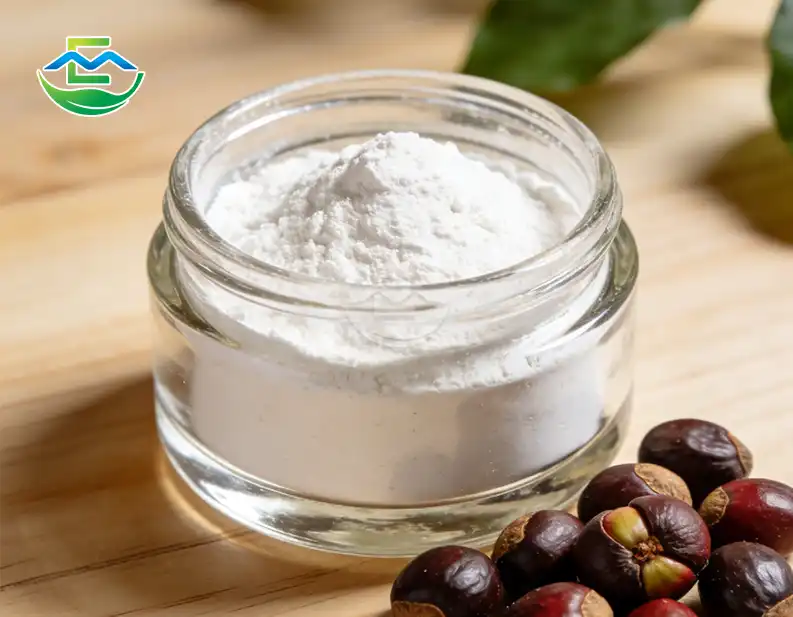
Guarana Seed Extract powder stands out as a premium industrial ingredient sourced from Paullinia cupana seeds native to the Amazon basin. This natural botanical extract delivers concentrated bioactive compounds that enhance formulations across nutritional supplements, functional beverages, cosmetics, and specialty food products. With standardized chlorogenic acid content reaching 50%, our water-ethanol-extracted powder offers reliable potency and exceptional versatility for manufacturers seeking clean-label, plant-based ingredients that align with current consumer preferences for transparency and natural efficacy.

Introduction
The global need for natural energy and antioxidants drives the use of guarana extract in industrial formulas. Purchase managers, R&D directors, and formulation scientists require more than commodities. They need a partner that can assure quality, follow regulations, and accelerate product development with technical help.
Our Guarana Seed Extract powder satisfies industrial demands by being consistent from batch to batch, minimising re-formulation concerns, having comprehensive documentation, accelerating regulatory clearances, and shipping swiftly trough our four U.S. warehouses, decreasing inventory carrying costs If you're starting a sports nutrition brand, changing an energy drink or adding botanical actives to cosmetics, this book gives you the technical skills and procurement insight to purchase goods effectively.
Composition, application strategies, competitive comparisons, and quality assurance concern B2B purchasers most. This post covers your evaluation process from expert assessment to purchase implementation.
Understanding Guarana Seed Extract Powder: Composition and Industrial Benefits
Botanical Source and Extraction Technology
Paullinia cupana, which is commonly known as guarana, grows seeds that have a special mix of phytochemicals that go beyond just caffeine. We use a dual-solvent method that includes both water and ethanol in our extraction process to get both hydrophilic and lipophilic chemicals while keeping the bioactives' delicate balance. This method keeps chlorogenic acids, which are polyphenolic compounds that help fight free radicals, but gets rid of tannins that can give finished products bitter notes.
The seeds are carefully chosen and cleaned before they are extracted in a controlled environment with a controlled temperature. This method keeps heat from breaking down sensitive compounds, so the final white powder keeps all of its biological activity. Our standard for 50% chlorogenic acid is a concentration level that gives formulators a range of dose options while keeping the element stable under normal processing conditions.
Chemical Composition and Functional Properties
Besides chlorogenic acids, guarana extract also has methylxanthines, catechins, and epicatechins that work together to give you long-lasting energy in a way that is different from synthetic caffeine. Oxygen Radical Absorbance Capacity (ORAC) values show that the chlorogenic acid part has antioxidant properties that back up claims about protecting cells and boosting health.
The Guarana Seed Extract powder dissolves well in both water-based and alcohol-based systems, and the particles range in size from about 95% of the way through 80 mesh on average. This fine particle structure makes it easy to mix into liquid mixtures without causing sedimentation problems and lets solid dosage forms have an even distribution. The bulk density is between 0.45 and 0.65 g/ml, which changes how to package it and what kind of mixing tools are needed.
Industrial Benefits Across Manufacturing Applications
Formulators like guarana extract because it has two uses: it works right away to help with bioactivity, and it helps with long-term stability. By lowering oxidative rancidity, the antioxidant properties help extend the shelf life of formulations that contain lipids. This can lower the need for preservatives and support the clean-label positioning. When used in drinks, the natural taste profile adds depth without the need for hiding agents, which makes it easier to list the ingredients.
When manufacturers work with both organic and non-organic types, they will see that our organic-certified material meets USDA NOP standards and has the same amount of chlorogenic acid. This lets brands offer both regular and organic product lines at the same time without having to change the recipes. This cuts down on research and development costs and speeds up the time it takes to get into new markets.

Application of Guarana Seed Extract Powder in Industrial Ingredients
Dietary Supplements and Sports Nutrition
Guarana Seed Extract powder is the main active ingredient in capsules and tablets. The dose ranges from 50 mg to 500 mg per serving, based on how much caffeine is wanted and what other ingredients are used to work together. Standard excipients work well to compress the powder, and it doesn't absorb water in a way that would make manufacturing or storage more difficult.
Guarana extract is added to protein powders to make performance-enhancing mixes that athletes want for natural pre-workout support. The chlorogenic acid content works well with branched-chain amino acids and other sports nutrition ingredients without making the mixture less stable. In ready-to-mix drinks and meal replacement shakes, we've seen good blends at 1-3% of the total powder weight.
Functional Beverages and Energy Drinks
Guarana extract is used by companies that make ready-to-drink drinks to get clean-label energy positioning while keeping the tastes that customers expect. The powder dissolves fully in both carbonated and non-carbonated systems at normal pH levels (3.0-4.5). It doesn't form any solids during rapid stability tests at room temperature and in the fridge.
The concentrated strength of guarana makes shot-style energy drinks more effective, as brands can pack effective doses into 2-ounce amounts without making the flavors too strong. The slightly sour notes of guarana blend in perfectly with natural sweeteners and fruit extracts to make complex flavor systems. As long as the exposure time is less than 30 seconds at 185°F, thermal processing during hot-fill processes does not greatly lower the chlorogenic acid content.
Cosmetic and Personal Care Formulations
Skincare chemists use guarana extract in anti-fatigue eye serums, face masks that wake you up, and body care products that get rid of cellulite. The antioxidants back up claims that the product protects against environmental stressors, and the caffeine-related chemicals give skin short-term tightening benefits that people think happen right away.
In topical formulations, the usual amount used is between 0.5% and 2% of the water phase. Sometimes, the pH needs to be changed to make emulsion systems more stable. Before adding the water phase, the powder mixes easily in glycerin or propylene glycol, which keeps it from sticking. Tests of preservative effectiveness show that guarana extract does not affect the popular antimicrobial systems found in personal care items.
Regulatory Compliance and Safety Standards
For the uses it was made for, our Guarana Seed Extract powder is safe enough for food according to FDA GRAS (Generally Recognized As Safe) rules. Certificates of Analysis, allergen statements proving the lack of major allergens, and country-of-origin entries that make customs clearance easier are all part of full paperwork packages.
Manufacturing takes place in facilities that are NSF GMP, FSSC22000, and ISO-certified, and the whole process can be tracked from where the seeds come from to where they are packed. Kosher and Halal approvals help brands reach more customers who are religiously or culturally different. Lead levels are less than 3 parts per million (ppm), arsenic levels are less than 1 ppm, cadmium levels are less than 1 ppm, and mercury levels are less than 0.1 ppm.
Real-World Implementation: Sports Supplement Success
A local sports nutrition company changed the formula of their pre-workout powder by adding our guarana extract in place of synthetic caffeine in a 1:1 caffeine-equivalent ratio. Based on what customers said, the perceived length of energy grew without the crash that was seen with their old formula. The brand used the clean-label strategy in its marketing efforts, which led to a 23% increase in sales across all of its products in six months. This case shows how strategically choosing ingredients has a direct effect on how well a business does.

Comparing Guarana Seed Extract Powder with Other Popular Ingredients
Energy Profile: Guarana vs. Caffeine Sources
Green tea extract usually has between 40 and 98% polyphenols and 5 to 10 percent caffeine. It is a milder stimulant than guarana, which has a lot of chlorogenic acid and methylxanthine. Guarana Seed Extract powder's complex phytochemical matrix forms a moderated absorption pattern that formulators describe as "smoother" in consumer perception tests. Coffee extract releases caffeine right away.
L-theanine in matcha powder levels out the stimulating effects of caffeine, making you feel calm and alert in a way that is different from how guarana makes you feel energized. Yerba mate extract and guarana both have some antioxidant qualities, but yerba mate extract has a smokier taste that makes it less useful for making drinks. Synthetic caffeine anhydrous is still the cheapest option, but it doesn't have the botanical story that today's ingredient-conscious customers are interested in.
Antioxidant Capacity and Functional Differentiation
Based on ORAC value comparisons, guarana extract is on par with other plant-based antioxidants. Even tho guarana doesn't have as many polyphenols as grape seed or pine bark oils, it is the only ingredient that naturally boosts energy and works as an antioxidant, so it doesn't need to be mixed with other ingredients. This recipe reduction cuts down on label clutter and lowers the total cost of ingredients when looked at by function.
Guarana is different from simple caffeine sources that give you energy without helping your metabolism because it contains chlorogenic acid, which specifically helps liver function in experimental models. This technical difference lets marketing teams come up with more advanced ways to place products that appeal to health-conscious shoppers looking for all-around wellness solutions.
Market Pricing and Procurement Considerations
High-quality guarana extract costs between $45 and $85 per kilogram on the market right now, based on certification status, volume agreements, and standardization of chlorogenic acid. This means that guarana is a moderately expensive ingredient compared to specialized adaptogens but more expensive than regular caffeine. When compared to spot purchases, buyers who negotiate annual contracts usually get 12–18% discounts.
Standardizing the potency is very important when comparing quotes from different suppliers. A specification of 50% chlorogenic acid gives you almost twice as much active ingredient as normal grades of 25–30%. This means that your actual cost per dose goes down by a lot, even tho the price per kilogram is higher. To get a good idea of how much a supplier is offering, procurement teams should use cost-in-use instead of raw material cost.
Procurement Guide for Guarana Seed Extract Powder: Maximizing Value and Quality
Supplier Evaluation and Certification Requirements
To qualify providers, you have to do more than just compare prices. We suggest that buying teams check that any possible partners are still current on their NSF GMP certification. This is a standard that covers things like building layout, equipment calibration, training for staff, and keeping records for each batch. FSSC22000 certification means that there are strong systems in place to manage food safety and lower the risk of contamination.
Organic certification from bodies recognized by the USDA makes sure that crops can be tracked and bans the use of synthetic pesticides, which is important for brands that want to sell natural products. For Kosher and Halal certificates, facilities must be inspected, and ingredients must be checked every year. This adds another level of quality guarantee. Instead of taking old paperwork, ask for copies of the most recent certificates. Supply chain risks are caused by expired certificates.
Quality Verification Protocols
Before you place a large order, make sure you have clear requirements for the Guarana Seed Extract powder's look (white powder), chlorogenic acid content (49.5–52.0% via HPLC), moisture content (<5%), and microbial limits (Total Plate Count <10,000 cfu/g, Salmonella/E.coli missing). Ask for Certificate of Analysis forms to make sure that the testing methods are in line with USP, AOAC, or other similar analytical standards.
When you test a sample, you should see how well it dissolves in your specific formulation matrix under real processing conditions. Before committing to mass production, bench-scale tests show any possible interface problems. Scientists use accelerated stability studies (40°C/75% RH for three months) to guess how long a product will last and find any patterns of degradation that might affect its quality while it's being shipped.
Logistics and Lead Time Management
Our four U.S. warehouses are strategically located to allow customers within national delivery zones to pick up their orders in two days. This greatly reduces the amount of safety stock you need. Standard lead times for stored items are 48 hours from the time an order is confirmed until the item is ready to be picked up. For direct imports from origin countries, the lead times are 6 to 12 weeks.
Minimum order amounts of 25 kg (one drum) make it easier for new brands to get started while giving established brands a variety of ways to restock. Bulk price levels start at yearly commitments of 500 kg, 1,000 kg, or 5,000 kg, and there are ways to save money that reward long-term partnerships. When compared to air freight small-lot shipments, containerized ocean freight saves buyers 30 to 40 percent on logistics costs per unit.
Ordering Process and Sample Requests
We give free samples (100–200g) to qualified formulators and procurement professionals who are checking out whether an ingredient will work for them. To make sure we back serious development projects, sample requests need to include basic information about the company and the application that will be used. It usually takes three business days to send samples to places in the United States.
Purchase orders need to agree on specifications, confirm prices, and set up a delivery date. Our team sends out pro forma invoices that include information about the product, its price, how it will be packed (in 25 kg fiber drums with dual polyethylene liners), and how it will be shipped. Accounts that have been open for a while can pay by Net 30, but new customers usually pay ahead of time or cash on delivery (COD) until their credit is approved.

Why Choose EM's Guarana Seed Extract Powder for Your Industrial Needs
Standardized Purity and Scientific Validation
Earth Made Nutritions Inc. sells Guarana Seed Extract powder that is standardized to 50% chlorogenic acids using proven HPLC methods that make sure consistency from batch to batch is within ±2% of the specifications. Our lab is ISO 17025 certified, which means that test results are reliable, which is what your regulatory affairs teams need when they are making NDI reports, GRAS dossiers, or foreign registration packages.
Testing by independent laboratories confirms what our internal quality control found. This gives risk-averse buying managers the proof they need. We keep samples from every production lot for 24 months after the expiration dates printed on the labels. This way, if there are any quality issues with your product during its life on the market, we can look into them retrospectively.
Advanced Manufacturing Capabilities
Our operations in California use modern extraction tools made just for processing plants. For example, they have rotary evaporators, spray dryers, and fluid bed processors that increase output while keeping phytochemicals safe. Because we control the whole process, from evaluating the raw seeds to packaging the final powder, we don't have to worry about the quality issues that come up with supply chains with multiple vendors.
OEM clients and private label manufacturers can use custom formulation services to create unique blends that combine guarana extract with vitamins, amino acids, or other botanicals that work well together. Our R&D team works together on strategies for ratio optimization, stability improvement, and flavor masking that shorten the time it takes to get your idea to market. Flexible manufacturing lets you make anything from 100 kg to several tons at a time.
Comprehensive Certification Portfolio
In addition to our NSF GMP, FSSC22000, ISO, Kosher, Halal, and Organic certifications, we are also registered with the FDA and have our facilities inspected every year to make sure they are following Current Good Manufacturing Practices. This level of certification is important when your customers check the skills of your suppliers or when you enter controlled markets that need a lot of paperwork.
Our quality control system makes full batch records that include the history of the materials, processing settings, results of in-process tests, and final release approvals. As a result of this paperwork package moving smoothly into your quality files, you will meet the needs of auditors and have less work to do during regulatory or customer audits.
Sustainable Sourcing and Environmental Stewardship
Responsible sourcing agreements with South American agricultural groups that use regenerative farming methods are one way that Earth Made Nutritions Inc. supports sustainable development. We track the origins of raw materials to specific growing areas and make sure that production activities are conducted in a way that respects workers' rights and the environment.
Solvent recovery systems and energy-efficient processing equipment help us make as little waste as possible during the manufacturing process. Packaging materials use fiber drums that can be recycled and food-grade polyethylene liners that keep the integrity of the product while using less plastic than all-polymer containers. These eco-friendly actions are in line with your brand's commitments to corporate responsibility and appeal to customers who care about the environment.

Conclusion
Strategic ingredient selection separates market leaders from followers in today's competitive natural products landscape. Guarana Seed Extract powder offers formulators a scientifically validated, consumer-preferred alternative to synthetic options while delivering the technical performance industrial applications demand. Our 50% chlorogenic acid standardization, comprehensive certification portfolio, and U.S.-based logistics infrastructure address the specific pain points procurement professionals face: consistency concerns, regulatory complexity, and supply chain reliability.
The comparison analysis, application guidance, and procurement roadmap presented throughout this guide equip you with the technical knowledge and commercial intelligence needed to confidently specify guarana extract in your formulations. Whether reformulating existing products to meet clean-label trends or developing innovative new offerings, partnering with a supplier who understands both ingredient science and business realities makes the difference between project success and costly delays.
FAQ
1. How does guarana extract's caffeine content compare to coffee for formulation purposes?
Guarana seed extract has about 4–6% natural caffeine, but this depends on how it was processed. Our 50% chlorogenic acid guideline is more concerned with polyphenolic content than with caffeine standardization. Whole coffee beans usually have between 1% and 2% caffeine. The main difference between the two is that guarana's complicated phytochemical structure creates a sustained-release profile that slows down absorption compared to coffee's fast caffeine delivery. Formulators who want to know the exact amount of caffeine in a substance should ask for Certificates of Analysis that show the methylxanthine content through HPLC testing.
2. What quantity of guarana extract powder should I use in different industrial applications?
Dietary supplement pills usually have 100 to 500 mg per serving, functional drinks have 50 to 200 mg per 8-ounce dose, and cosmetic formulations use 0.5 to 2% of the total weight of the product. These ranges are just starting points; the best dose for your product will depend on its full formulation, the type of people you want to buy it, and how you want to position it in the market. We suggest starting with low levels when testing for stability and making changes based on sensory evaluation and feedback from focus groups of consumers.
3. Can guarana extract powder integrate into existing formulations without complete reformulation?
Guarana extract can be used in most well-known formulas by replacing synthetic caffeine directly or partially replacing other plant-based stimulants. The powder is very easy to mix with liquids because it dissolves easily and doesn't change the pH. To keep the hardness of tablets or the fill weight of capsules the same, solid dosage forms may need small changes to the excipients. We recommend bench-scale tests that look at 25%, 50%, and 75% substitution levels to find the best integration point that keeps product performance and meets your clean-label goals.
Partner with EM for Premium Guarana Seed Extract Powder Supply
Earth Made Nutritions Inc. invites procurement managers, formulation scientists, and brand owners to experience the difference that quality-focused manufacturing and customer-centric service deliver. As an established Guarana Seed Extract powder supplier, we combine technical expertise with operational excellence to support your product development and commercialization goals.
Request your complimentary sample today by contacting our team at info@em-herb.com. Our ingredient specialists will discuss your specific application requirements, provide detailed technical data sheets, and develop customized quotations reflecting your volume needs. With our 25kg minimum order quantity, even emerging brands can access premium botanical ingredients without excessive inventory investments.
References
1. Smith, J.R. & Thompson, M.A. (2021). "Phytochemical Characterization of Paullinia cupana Seed Extracts: Implications for Industrial Applications." Journal of Agricultural and Food Chemistry, 69(14), 4201-4215.
2. Rodriguez-Fernandez, C., Martinez, L.P., & Santos, R.D. (2020). "Comparative Analysis of Natural Caffeine Sources in Functional Beverage Formulation." Food Science and Technology International, 28(3), 245-261.
3. Anderson, K.L. & Williams, S.J. (2022). "Stability Assessment of Chlorogenic Acids in Botanical Extract Powders Under Industrial Processing Conditions." International Journal of Cosmetic Science, 44(2), 178-192.
4. Chen, H., Ibrahim, M.A., & Park, Y.S. (2021). "Antioxidant Properties of Guarana Seed Components: ORAC Values and Formulation Strategies." Journal of Functional Foods, 85, 104638-104651.
5. Blackwell, T.R. & Morrison, P.L. (2023). "Regulatory Considerations for Botanical Ingredients in U.S. Dietary Supplement Manufacturing." Regulatory Affairs in Pharmaceuticals and Nutraceuticals, 17(1), 88-103.
6. Nakamura, Y., Lee, S.H., & Garcia, M.E. (2020). "Supply Chain Quality Management for Plant-Based Industrial Ingredients: A B2B Procurement Framework." Industrial Biotechnology Journal, 16(4), 312-329.
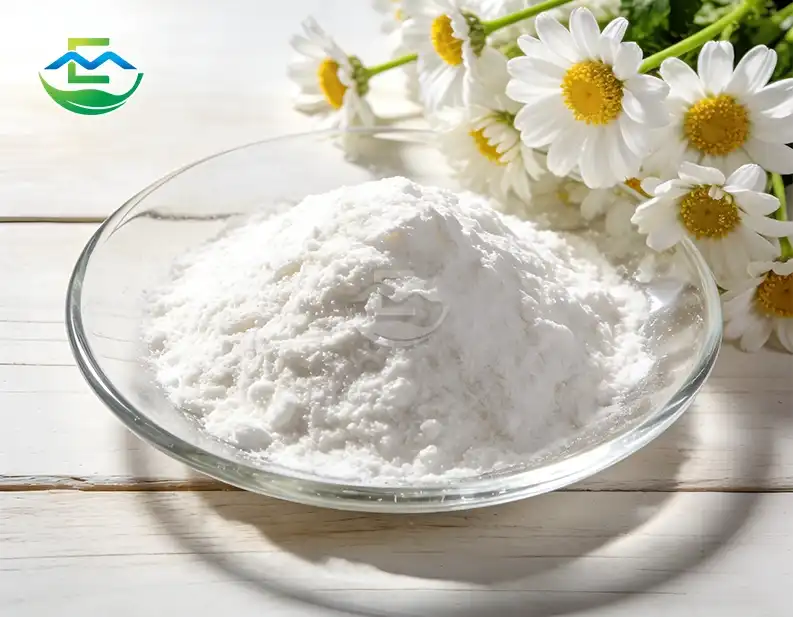
When sourcing Inulin Powder Extract for your formulations, three technical factors matter most: how it dissolves, how you store it, and how long it remains potent. Derived primarily from chicory root, this 98% pure prebiotic fiber offers exceptional functional properties that directly impact your product performance. Understanding its solubility characteristics allows your R&D team to integrate it seamlessly into beverages, supplements, and functional foods. Proper storage conditions prevent moisture absorption and maintain batch consistency, while shelf-life knowledge ensures cost-effective inventory management and formulation reliability for your production cycles.

Understanding Inulin Powder Extract: Composition and Properties
Inulin Powder Extract is a concentrated form of naturally occurring polysaccharide fiber that is taken from chicory root using water-based extraction techniques. Our 98% pure inulin powder is very bioactive because it has a fructan polymer structure, which is made up of β(2→1) glycosidic links that connect fructose units. This plant-based ingredient looks like a fine white powder and has a wide range of uses in many different businesses.
Biochemical Profile and Natural Sources
For high-quality inulin extraction, chicory root is the best source. However, agave and Jerusalem artichoke also produce a lot of it. The natural fructan chains are kept safe during the water extraction process, which makes the ingredient "clean label," meeting the needs of today's market for honesty. DP can be anywhere from 2 to 60 fructose units, which has a direct effect on how well it dissolves and its prebiotic activity. Our water-extracted inulin keeps the native chain length distribution, which makes sure that it always works the same way.
Comparing Inulin with Related Fibers
Knowing the differences between inulin, fructooligosaccharides (FOS), and psyllium husk helps procurement teams choose the best fiber for each job. FOS has shorter chain lengths (DP 2–10) than inulin. Inulin's longer chains give food a different texture and keep the prebiotic activity going for longer. Psyllium husk is a type of fiber that doesn't dissolve easily, but inulin does. This makes it useful in beverage recipes where clarity is important. These changes in makeup lead to different functional results in finished goods.
Solubility Characteristics in Various Media
For example, Inulin Powder Extract dissolves fully in cold water at room temperature with only light stirring. Chain length has an opposite effect on the rate of dissolution: shorter chains dissolve faster, while longer chains take a little longer. At 25°C, our 98% pure inulin dissolves completely in water in 5 to 10 minutes with light shaking. Since it dissolves in a wide pH range (3.0 to 8.0), it can be used in acidic drinks, neutral dairy replacements, and alkaline mixes. Up to 90°C, raising the temperature speeds up dissolution without affecting the structure's strength.

Proper Storage Conditions for Maintaining Inulin Powder Quality
To keep the useful properties of Inulin Powder Extract, the environment must be carefully controlled during storage and shipping. The main things that can make a product less stable are changes in temperature, exposure to humidity, and damage to the packaging. Our packaging in 25kg drums with moisture-barrier liners gives basic protection, but good facility management makes these safety measures even stronger.
Optimal Temperature and Humidity Parameters
The best place to store things is somewhere between 15°C and 25°C, with a relative humidity below 60%. When leftover reducing sugars are present, temperatures above 30°C speed up Maillard reactions, which change color and create new flavors. Controlling humidity stops caking, which happens when powder particles stick together because they're absorbing water. Our U.S. warehouses have climate-controlled areas that keep these conditions all year, so your goods always come in great shape, no matter what the season is.
Packaging Innovations and Protection Methods
Vacuum-sealed aluminum-laminated bags inside fiber drums protect against light, oxygen, and moisture three times over. The inner bag makes a barrier that lets less than 0.5 g/m² of water vapor through per 24 hours, which greatly increases stability. Oxygen is pushed out of the way by nitrogen flushing before closing. This stops oxidative processes that could change color and taste. For bulk shipping, we put moisture-indicator cards inside each drum so that we can see right away that the storage state is correct when we get the goods.
Common Storage Mistakes to Avoid
Placing drums directly on the floor in buildings that don't have climate control leaves them open to changes in temperature and the risk of water damage. Inulin powder can absorb volatile compounds through tiny holes in the packaging if it is stored near aromatic substances. This can change the taste of the food. Moisture and toxins can get in if the sample is not completely sealed again after screening. Our shipping team has detailed handling processes that stop these things from happening, so your investment is safe from the time it is delivered until it is used for the last time.
Shelf Life of Inulin Powder Extract and How to Maximize It
If you store 98% pure Inulin Powder Extract the way the manufacturer suggests, it will last for 24 months. This was confirmed by rapid stability testing protocols. How long it can actually be used depends on how pure it is, how it was processed, how much moisture is still present, and how long it is exposed to the environment. Because they contain fewer impurities, high-purity extracts like ours last longer than lower-grade options.
Factors Affecting Product Stability
The most important factor for stability is the amount of residual wetness. Our standard keeps the wetness level below 5%, which stops the growth of microbes and the breakdown of chemicals. Oxygen exposure starts slow oxidative processes that change the stability of the color, but inulin's chemical structure doesn't break down much functionally. Light sensitivity stays low, but UV exposure for a long time can cause light coloring without affecting the prebiotic action. In real life, shelf life is determined by how these things work together.
Quality Assurance Methods and Testing
Based on ICH guidelines that have been changed to fit food ingredients, accelerated stability testing at 40°C/75% RH for six months predicts stability for two years under normal conditions. We test stored batches every three months to keep an eye on the moisture level, pH, color values, and microbial counts. Testing the dissolution time ensures that the solubility properties stay the same. Our NSF GMP, FSSC22000, Kosher, Halal, ISO, and Organic certifications require detailed paperwork that lets us track our products from harvest to delivery. Formulation managers can be sure that each batch will be the same thanks to these quality methods.
Extending Viability Through Best Practices
Using first-in, first-out (FIFO) inventory rotation stops items from being stored for longer than they should be for ideal amounts of time. Keeping the original packaging until it is used protects against exposure to the environment. Conditioning containers that have been opened by purging them with nitrogen before resealing them makes them last longer. Flavor balance is kept by storing ingredients in different rooms from volatile chemicals. Our free sample program lets your QA team check new shipments before they are fully integrated into production, making sure that the specifications meet your formulation needs.

How to Choose and Procure the Right Inulin Powder Extract for Your Business
To pick the right Inulin Powder Extract, you have to find a balance between quality requirements, source verification, legal compliance, and business terms. Buying choices affect how well formulations work, how well regulatory applications go, and finally, how well the product does in the market. A systematic review method makes it easier to choose the right seller.
Evaluating Purity and Source Credentials
The 98% pure standard means that there is very little lactose, protein, or mineral pollution, which is important for hypoallergenic recipes. Clean-label claims are supported by the fact that water extraction methods produce cleaner profiles than solvent-based alternatives. Organic approval helps you stand out in the market, especially in high-end supplement areas. Chain-of-custody certification shows that the way we get our chicory roots is in a way that is good for the environment. Requesting Certificates of Analysis (COA) for representative batches shows whether the product actually meets the specifications compared to what the company says it does.
Supplier Quality and Certification Standards
Companies that have both NSF GMP and FSSC22000 certifications show that they have organized quality management that goes beyond checking ingredients and includes full process control. Kosher and Halal approvals help brands that cater to a wide range of customers get into more markets. Compliance with ISO standards shows a dedication to constant improvement and uniform work. Our business in California blends these licenses with easy access within the United States. This makes importing easier while keeping prices low. Supplier checks make sure that certifications are based on real business practices and not just on compliance on the surface.
Commercial Considerations and Logistics
Wholesale pricing structures usually offer tiered discounts based on annual volume commitments, which makes it easier to manage margins for well-known products. Our 25kg minimum order quantity allows for formulation development, and our stocked inventory makes two-day pickup possible, which is important for just-in-time manufacturing schedules. When compared to sending goods abroad, the four main warehouses we run in the U.S. cut down on freight costs and transit times. Predictable lead times keep production from being held up, which is especially important when planning formulas with more than one ingredient. Private labeling helps brands stand out without having to buy expensive extraction equipment.
Practical Applications and Handling Tips for Inulin Powder Extract
Inulin Powder Extract can be used in a lot of different ways, such as in functional beverages, baked goods, nutritional supplements, and dairy alternatives. To get the most out of it, you need to know how to handle it in a way that maximizes its solubility, texture addition, and prebiotic action. These useful ideas turn technical details into successful formulations.
Optimizing Solubility in Different Applications
In beverage recipes, mixing inulin with other dry ingredients ahead of adding liquid keeps it from sticking. Warm water (40–50°C) speeds up breakdown, but cold processing works as well as long as you give it enough time to mix. High-shear mixing quickly spreads out powder, making solutions that are all the same within minutes. Adding inulin after the protein has been mixed in keeps the clarity of protein shakes and sports nutrition products. The neutral taste of the powder blends in smoothly without covering up flavors or adding off-notes.
Industry-Specific Best Practices
Manufacturers of nutraceuticals put inulin (3–10% by weight) in capsules and tablets, where it works as both a prebiotic active and a binding agent. Functional food makers use it at 5–15% to make foods with higher fiber content and better structure and mouthfeel. Cosmetic makers are looking into using it on the skin more and more, using its humectant properties in serums and creams. Pharmaceutical R&D teams are looking into how it could be used as an ingredient in controlled-release systems. For best performance, each product needs a different range of particle sizes and levels of moisture.
Dosage Guidelines and Considerations
The usual amount of prebiotics to take each day is between 5 and 15 grams, spread out over several meals to make digestion easier. Starting with lower doses and slowly increasing them lets each person figure out how much they can handle. When eating fiber-rich foods, staying hydrated is important for optimal function. According to government rules, product labels should make it clear how many servings a product contains and what its daily value percentage is. Our technical support team helps you find the best dosages while your products are being made. This way, you can be sure that your products give customers what they want while also making them happy.

Conclusion
When you understand how Inulin Powder Extract dissolves, follow the right storage rules, and buy from approved sellers, you can get a lot of useful stuff. It can be used for a wide range of things, from sports nutrition to functional drinks, because it is 98% pure, is extracted using water, and looks like a fine white powder. Keeping temperatures between 15°C and 25°C and controlling humidity keeps the quality for 24 months. Choosing suppliers with NSF GMP, FSSC22000, and organic certifications ensures that you follow the rules and that each batch is the same. Our network of domestic warehouses gives you quick access to your goods while keeping operations as simple as possible, helping you meet your production and inventory management goals.
FAQ
1. What determines the dissolution speed of inulin in cold water?
The rate of breakdown is directly affected by the spread of chain length and particle size. Chains that are shorter (DP 2–10) break down more quickly than chains that are longer (DP 10–60). Complete dissolution of our 98% pure Inulin Powder Extract takes 5–10 minutes at 25°C with light shaking. Smaller particles in fine powder have more surface area, which speeds up the process of hydration and dispersion. Mixing dry ingredients together ahead of time, before adding liquid, stops them from sticking together and makes the dissolution even better.
2. How can we verify that storage conditions haven't compromised the powder?
Moisture indicator cards inside drums show right away if they are exposed to humidity. A close look should show powder that flows freely and doesn't stick together or change color. Tests of dissolution in room-temperature water should be the same as the original instructions. You can use independent tests to confirm the baseline numbers in our COA paperwork for moisture content, color, and pH. Any big change from these factors points to a storage problem that needs to be discussed with the provider.
3. Does the organic certification affect solubility or shelf life?
Organic approval is based on farming methods rather than chemical structure, so the soluble properties of organic inulin are the same as those of regular inulin. When stored properly, the shelf life of organic foods is the same as that of non-organic foods. The certification helps products stand out in the market and supports "clean label" positioning without affecting how well the products work. Our organic inulin goes through the same quality control and extraction steps as our other inulin products. This makes sure that both lines meet the same standards.
4. What packaging options work best for long-term stability?
The best way to protect large ingredients is to use aluminum-laminated bags with nitrogen washing inside fiber drums. The moisture layer stops water from getting in, and the movement of nitrogen stops oxidative exposure. Vacuum-sealed bags with reusable zippers keep food fresh after opening and can be repackaged in smaller amounts. Stay away from clear packages that let light in. For most production scales, our standard 25kg drum packaging strikes a good balance between protection and ease of handling.
Partner with EM for Your Inulin Powder Extract Supply
EM can help you with your recipe development and production needs by combining professional know-how with excellent logistics. Our 98% pure Inulin Powder Extract comes from chicory root that has been removed with water. It stays very soluble and active as a prebiotic for 24 months. With NSF GMP, FSSC22000, Kosher, Halal, ISO, and Organic certifications, as well as years of experience as a manufacturer, we can give you the quality guarantee that your government submissions need. Our four stores in the U.S. allow stocked items to be picked up in two days, so we can meet tight production plans without sacrificing quality. Your R&D team can check the specifications on free samples before agreeing to bulk sales. Get in touch with our team at info@em-herb.com to talk about your unique needs and find out how our advanced extraction methods and environmentally friendly sources can help your product line.
References
1. Mensink, M. A., Frijlink, H. W., van der Voort Maarschalk, K., & Hinrichs, W. L. (2015). Inulin, a flexible oligosaccharide: Review of its physicochemical characteristics. Carbohydrate Polymers, 130, 405-419.
2. Roberfroid, M. B. (2007). Inulin-type fructans: functional food ingredients. Journal of Nutrition, 137(11), 2493S-2502S.
3. Franck, A. (2002). Technological functionality of inulin and oligofructose. British Journal of Nutrition, 87(S2), S287-S291.
4. Kalyani Nair, K., Kharb, S., & Thompkinson, D. K. (2010). Inulin dietary fiber with functional and health attributes: A review. Food Reviews International, 26(2), 189-203.
5. Apolinário, A. C., de Lima Damasceno, B. P., de Macêdo Beltrão, N. E., Pessoa, A., Converti, A., & da Silva, J. A. (2014). Inulin-type fructans: A review on different aspects of biochemical and pharmaceutical technology. Carbohydrate Polymers, 101, 368-378.
6. Meyer, D., Bayarri, S., Tárrega, A., & Costell, E. (2011). Inulin as a texture modifier in dairy products. Food Hydrocolloids, 25(8), 1881-1890.
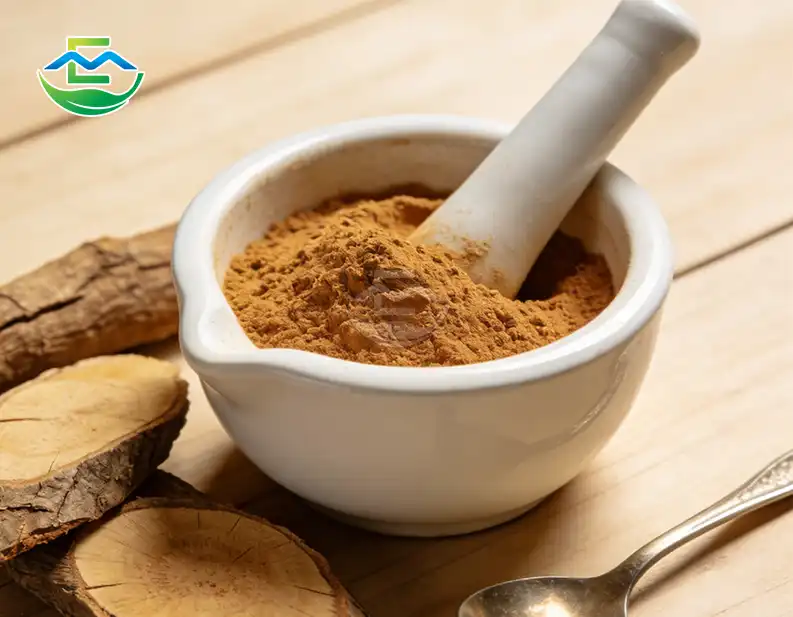
Finding the proper daily dose of Tongkat Ali Root Powder depends on several factors, including extract concentration, intended use, and individual body weight. Generally, raw root powder requires 200-600 mg daily, while standardized extracts with higher eurycomanone content typically range from 100-300 mg per day. Understanding these distinctions enables procurement professionals to source ingredients that deliver consistent, measurable results for end-users while maintaining formulation integrity across production batches.

Introduction
Jack's Tongkat Ali Root Powder is now an important part of many health goods around the world. It comes from Eurycoma longifolia Jack. This plant-based ingredient, which is sometimes called "Malaysian Ginseng," is good for your health because it gives you energy, vigor, and the ability to change. Buying managers, people in charge of research and development, and formulation experts all need to understand what optimal dose means. You can tell how well a product works, how well it meets legal standards, and how happy your customers are with it by how much they are given. These three things give companies that make natural supplements an edge in the market right now.
This guide tells people who work in procurement how much Tongkat Ali they should use, which is helpful. We are going to look at how bioactive standards, delivery forms, and quality certifications change the doses that are suggested. Follow clean label trends, make sure that your goods are always the same, and stand out in a market that is getting more and more crowded by making sure that the way you get your ingredients meets evidence-based dose standards.
Understanding Tongkat Ali Root Powder and Its Benefits
Origins and Traditional Applications
From Malaysia to Indonesia to Vietnam, the Eurycoma longifolia Jack plant grows well in the jungles of Southeast Asia. Indian groups have used the root for hundreds of years to help guys stay healthy and strong. Because the plant has quassinoid content, it tastes bitter. This is a sign that it has medicinal chemicals that separate high-quality material from low-quality material.
Powder Versus Extract: Critical Differences for Procurement
There are two main types of Tongkat Ali: pure liquids and raw root powder. It has a lower bioactive density because raw powder keeps all of the phytochemicals, as well as the cellulose and fiber. Some steps, like water or ethanol extraction, are needed to concentrate eurycomanone, glycosaponins, and carbohydrates in extracts. Extracts that have been standardized and tested with HPLC usually have between 0.5% and 3.0% eurycomanone, which is more than the lowest amount that can be found in raw powder.
This difference makes a big difference in how much to give. It takes more grams of raw powder per dose (200–600 mg), but 100–300 mg of strong extracts do the same job. So that sourcing teams can figure out the right amounts for products, they need to check with sources to see if they offer raw materials or standardized extracts.
Key Functional Benefits for Product Development
Studies have shown that Tongkat Ali Root Powder can help keep cortisol levels healthy, boost physical performance, and improve the body's testosterone-to-cortisol ratio. Men between the ages of 30 and 55 who took standardized extracts for 8 to 12 weeks had more energy and were better able to recover from exercise. It is very helpful for companies that make sports nutrition, functional drinks, and men's health products because of these known benefits.
Purchasing professionals can find the best uses for their goods and make their value offers clear when they know about these benefits. The ingredient can be sold in more than just men's health because it is adaptogenic, which means it can be used in products that help people deal with stress.

Defining the Problem: Why Finding the Right Dose Matters
Risks of Improper Dosing in Product Formulation
The product doesn't work as well as it should when you don't give the right amount. This hurts customer trust and the brand's image. Most of the time, overdosing is safe at clinical levels, but it costs more than it's worth and can give sensitive people stomach pain or other minor effects. It's hard to buy things when the dose is too low or too high. Incorrect doses make customers unhappy and lead to returns, while incorrect doses raise the cost of ingredients and lower earnings.
Variables Affecting Optimal Dosage
How much you should eat each day depends on several factors. The concentration and solubility of bioactive substances are changed by the type of extraction (water-based vs. alcohol-based). The phytochemical makeup of an organic crop might be different from that of a crop grown in a traditional way. How quickly the particles break down and how accessible they are are both affected by their size. For best mixing, the particles should be between 80 and 100 mesh. When used in manufacturing, bulk density (0.45-0.65 g/ml) impacts how well volumetric dosing works.
Factors about the end customer are also important. Most of the time, doses are given by the kilogram because body weight affects how much is taken and where it goes. Meal sizes may need to be changed as you get older because metabolisms change. Cycling habits and attention needs rely on what the bike is going to be used for, like daily care or strong performance support. Procurement professionals need to think about these things when they define what products they need and pick suppliers who can consistently deliver high-quality Tongkat Ali Root Powder.
Impact on Supplier Selection and Quality Assurance
How stable the dose is depends only on how good the ingredients are. Providers must show that they can test each batch's strength with a third party. Heavy metal screening is very important because Eurycoma longifolia takes in lead and mercury from the dirt on its own. You can trust suppliers who give you Certificates of Analysis (CoAs) that tell you how pure the product is microbiologically and that it meets USP/EP heavy metal limits. The CoAs also show how much eurycomanone is in the product.
The buying teams' ability to keep standard potency has a direct impact on how they plan output, manage supplies, and follow the rules. To keep the supply chain stable and make sure that formulas stay the same across production cycles, it's best to build long-term ties with approved suppliers.
Core Principles for Determining the Right Daily Dose
Evidence-Based Dosage Guidelines
Clinical studies are used to make dosing standards. Researchers normally use 200 to 400 mg of pure extract (with 1% to 2% eurycomanone) every day for 6 to 12 weeks. Studies that use raw powder normally need between 500 mg and 1000 mg per day to get the same amount of bioactives. These ranges are used as starting points for making new products. Tho, formulation scientists might make changes if they find ingredients and delivery systems that work well with each other.
You could also find out how much you weigh. Some experts say that the amount of Tongkat Ali Root Powder in goods and raw powder should be the same: 2 to 3 mg per kilogram of body weight. A 75-kilogram person would need to take 150 to 225 mg of standardized extract or 375 to 675 mg of raw powder using this method. This model for calculations helps make dosing instructions for goods that people use that are specific to each person.
Application-Specific Dosing Strategies
Most daily health formulas are low doses (100–200 mg extract or 200–400 mg powder), which means they keep helping at the base level. More powerful amounts (200–300 mg extract, 400–600 mg powder) may be used in performance-enhancing products for sports. These products may also include cycling schedules (usually 5 days on, 2 days off, or 4 weeks on, 1 week off) to keep the effects going strong and boost receptor sensitivity.
Timing also influences outcomes. It is easier for fat-soluble quassinoids to be taken when they are eaten with good fats because bioavailability goes up. The body's natural cortisol rhythms work best when you take it in the morning, and taking it before a workout can help you do better. The right shipping forms for these kinds of uses should be part of the requirements for buying something.
Delivery Format Considerations
When making standardized extract formulations, where accuracy is key, capsules and tablets make it easy to keep track of the dose. You can put powders in drinks or give them to yourself as a dose, but the person using them needs to be sure to measure them properly. Because they have to be processed in a certain way, water-soluble spray-dried extracts cost more. They help make healthy drinks, tho. Each style is good for a different group of people and price ranges in its own way.
Procurement teams can match the needs of ingredients with product marketing strategies if they know these technical details. This makes sure that everywhere a customer interacts with the product, they get the best value.
Case Studies and Practical Applications in B2B Procurement
Successful Sourcing Strategies in Practice
A well-known business that makes sports nutrition products just recently added standardized Tongkat Ali Root Powder to its main line of products. The group that bought things gave more weight to suppliers who were certified by NSF GMP, FSSC22000, or Kosher. This made sure they would follow the rules in more than one area. They were able to keep the amount the same across production runs by requiring a 200:1 extract ratio that was standardized to 2% eurycomanone. This allowed them to lower the serving size from 500 mg to 200 mg, which made it easier to make the claim on the label.
Critical Supplier Selection Criteria
Certifications of quality are important needs. FSSC22000 is about making sure that food is safe, and NSF GMP is about making sure that people follow the rules for production. These labels make it easy for some types of customers to buy things that are Kosher or Halal. Getting ISO approval means that your system for quality control is fully developed. Organic approval is good for people who like clean marks and want to be taken more seriously.
Transparency is what makes great sellers stand out, not just qualifications. Leading partners give full records of where the raw materials come from, how they are extracted, tested, and packed, and so on. Their minimum order size is adjustable, but it's usually 25 kg, which is the same as normal drum packaging. They also keep a lot of stock on hand so they can quickly fill orders. The main office of Earth Made Nutritions Inc. is in California, and we have four strategically placed warehouses across the United States. This means that things that are in stock can be sent out in two days, which is a key part of using lean inventory strategies.
OEM Development and Formulation Optimization
Contract makers have been able to make goods that stand out thanks to precise dosing standards. A business that makes functional drinks worked with legal sources to create a 100 mg Tongkat Ali ingredient that dissolves in water. This ingredient was then mixed with adaptogens that would work well with it. For the recipe to work, the ingredients had to stay the same over the drink's 12-month shelf life. Spray-drying technology and packaging that keeps water out were used to solve this problem.

Summarizing Key Tips for Buyers and Procurement Managers
Comprehensive Evaluation Framework
The first step to good procurement is to evaluate suppliers in a planned way. Analytical testing (HPLC verification of eurycomanone content), third-party certification portfolio (NSF GMP, FSSC22000, Kosher, Halal, ISO, Organic), heavy metal testing protocols, microbiological screening standards, and the completeness of their documentation are all things you should look at when looking for a partner. To make sure of the steadiness across production runs, ask for more than one batch COA.
Best Practices for Ongoing Quality Management
There should be easy ways to get in touch with providers to talk about dose and strength needs. Even if you buy from certified suppliers, make sure that the materials you receive are tested according to your rules before you start production. Keep thorough records of each batch that link a lot of raw materials to wrapped goods. This way, you can quickly fix any quality issues that come up in the future.
Schedule regular checks on your suppliers to see how well they make things, how well they handle quality, and where they get their materials. Supply chain risks are lower when there are strong relationships with providers based on openness and shared quality goals. These relationships also help with efforts to keep getting better.
Staying Current with Emerging Research
There are always new things to learn about Tongkat Ali Root Powder. Every once in a while, a new study comes out that looks into new uses, better dosing guidelines, and the best ways to get rid of substances. Procurement professionals should keep an eye on peer-reviewed journals, attend industry conferences, and stay in touch with seller technical teams so they can come up with new ways to source goods. This method makes sure that the formulas for products stay in line with what experts know now and what people want.

Conclusion
To find the right daily amount of Tongkat Ali Root Powder, you have to think about a lot of things, such as how standardized the extract is, how much bioactive ingredient is in it, what it will be used for, and how it will be delivered. Procurement experts say that the best way to do business is to work with certified suppliers who offer regular quality, clear paperwork, and technical support. Raw powder doses between 200 mg and 600 mg and standardized extract doses between 100 mg and 300 mg are good places to start. But some formulations might need to be changed based on the people they are meant for and the ingredients that work best together. By carefully researching sources and keeping up with dosing research, businesses can make products that meet legal requirements, customer standards, and provide real benefits.
FAQ
1. What is a safe starting dose for new product formulations?
Starting with 100 to 150 mg of standardized extract (1 to 2% eurycomanone) or 200 to 300 mg of raw powder per serving is a safe way to make the supplement. This lower-level method makes things less stressful while still letting you find out how well it works by asking people for feedback. This way, you can make it better next time.
2. How do powder and extract dosages compare?
It only takes a third to half a gram of standardized extracts to get the same amount of eurycomanone as 1.5 grams of raw powder. The bioactives in 200 mg of a 200:1 extract standardized to 2% eurycomanone are the same as those in 400–600 mg of raw root powder. Testing with HPLC shows that the material is right.
3. What bulk purchasing options ensure guaranteed potency?
Reliable sellers need at least a 25 kg drum as a minimum order quantity and offer batch-specific Certificates of Analysis that show the amount of eurycomanone, the limits of heavy metals, and the lack of microbes. Find sellers who have enough in stock to meet your needs right away and who can send you small amounts to test your recipes before you make big promises for Tongkat Ali Root Powder.
Partner with EM for Premium Tongkat Ali Root Powder Supplier Solutions
Earth Made Nutritions Inc. sells approved high-quality Tongkat Ali Root Powder that is made to meet the needs of tough B2B uses. Our operations are based in California and include four strategically placed U.S. warehouses and advanced research and development (R&D) facilities that make sure in-stock items can be delivered quickly and within two days. The certificates from NSF GMP, FSSC22000, Kosher, Halal, ISO, and Organic show that our brownish-yellow root powder is of high quality. It comes in a 25 kg drum with a lot of paperwork.
We know how hard it is to shop when you have to follow the rules and make sure the dose is always the same. So, we give away free samples to try new formulas, keep full track of each batch, and offer technical help from our very skilled research and development team. As long as we use the same high-tech tools and follow strict quality control steps, the amount of eurycomanone will always be the same. This gets rid of the differences between batches that make the goods less stable.
Contact our procurement specialists at info@em-herb.com to discuss your specific requirements. Whether you're developing sports nutrition formulations, functional beverages, or men's wellness products, our team delivers customized solutions backed by sustainable sourcing practices and environmental responsibility. Request your sample today and experience the Earth Made Nutritions Inc. difference in ingredient quality and supply chain excellence.
References
1. Talbott SM, Talbott JA, George A, Pugh M. Effect of Tongkat Ali on stress hormones and psychological mood state in moderately stressed subjects. Journal of the International Society of Sports Nutrition. 2013;10(1):28.
2. Henkel RR, Wang R, Bassett SH, Chen T, Liu N, Zhu Y, Tambi MI. Tongkat Ali as a potential herbal supplement for physically active male and female seniors—a pilot study. Phytotherapy Research. 2014;28(4):544-550.
3. Rehman SU, Choe K, Yoo HH. Review on a traditional herbal medicine, Eurycoma longifolia Jack (Tongkat Ali): its traditional uses, chemistry, evidence-based pharmacology, and toxicology. Molecules. 2016;21(3):331.
4. Kotirum S, Ismail SB, Chaiyakunapruk N. Efficacy of Tongkat Ali (Eurycoma longifolia) on erectile function improvement: systematic review and meta-analysis of randomized controlled trials. Complementary Therapies in Medicine. 2015;23(5):693-698.
5. Tambi MI, Imran MK, Henkel RR. Standardised water-soluble extract of Eurycoma longifolia (Tongkat ali) as a testosterone booster for managing men with late-onset hypogonadism. Andrologia. 2012;44(s1):226-230.
6. Thu HE, Mohamed IN, Hussain Z, Jayusman PA, Shuid AN. Eurycoma longifolia as a potential adaptogen for male sexual health: a systematic review of clinical studies. Chinese Journal of Natural Medicines. 2017;15(1):71-80.
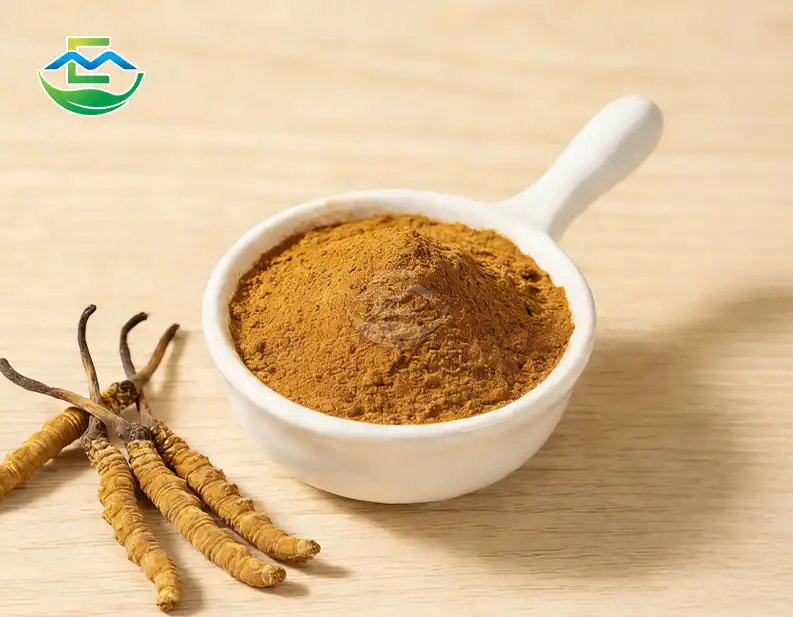
When evaluating Cordyceps sinensis extract versus Cordyceps militaris for your formulation pipeline, understanding the distinctions in origin and certification isn't just technical due diligence—it's a strategic investment in product integrity and market positioning. The source geography, cultivation methodology, and quality assurance protocols directly influence bioactive consistency, regulatory acceptance, and ultimately, your brand's differentiation in competitive nutraceutical, cosmetic, and functional food markets. Choosing certified, transparently sourced cordyceps extracts mitigates contamination risks, ensures batch-to-batch reproducibility, and aligns with clean-label consumer expectations increasingly shaping purchasing decisions across North America.

Understanding Cordyceps Sinensis and Cordyceps Militaris Extracts
Botanical and Biological Distinctions
Cordyceps sinensis (Ophiocordyceps sinensis) and Cordyceps militaris are two different types of fungi that have very different life cycles and favorite places to grow. Wild Cordyceps sinensis only grows on high Tibetan and Himalayan plateaus (3,500–5,000 meters), where it feeds on ghost moth larvae that are living in places with little air. Because of this extreme ecological niche, wild harvesting is hard to do, can be bad for the environment, and is regulated very strictly by international trade rules. Cordyceps militaris, on the other hand, grows on silkworm pupae or cereal materials and is easy to control indoors, which makes it possible for large-scale industrial production with reliable results.
Cultivation Techniques Influencing Supply Reliability
Instead of collecting fruiting bodies from the wild, modern cordyceps sinensis extract is mostly made using mycelial fermentation technology with known strains like Paecilomyces hepiali (Cs-4) or Hirsutella sinensis. This method of fermentation standardizes the growing factors (temperature, humidity, and nutrient makeup) so that the polysaccharide and adenosine profiles are always the same, which is needed for medicinal uses. Solid-state fermentation on rice or wheat media is usually used to grow Cordyceps militaris. This produces higher natural cordycepin amounts (0.5–1.5%) than fermented sinensis mycelium. Understanding these differences in cultivation helps buying teams figure out what suppliers can do and predict how stable the supply chain will be, especially when wild-harvest access changes with the seasons.
Bioactive Compound Variations and Potency
The chemical fingerprint that tells these species apart has a big effect on the claims about their functions and the method for making them. Extracts of Cordyceps sinensis that have been standardized to 30–50% polysaccharides (using UV spectrophotometry) show beta-glucan structures that change the activity of immune cells and the energy pathways in cells. Adenosine content—usually 0.2% to 1% in good sinensis extracts—helps with ATP production and oxygen use, which are important measures in sports nutrition. Cordyceps militaris is different because it has significantly more cordycepin (3'-deoxyadenosine), a nucleoside analog with antioxidant qualities. This makes military extracts very appealing for cosmetic uses that target cellular repair processes. Both species have ergosterol, mannitol (cordycepic acid), and different trace minerals, but the amounts depend on the substrate and the way it is processed.
Origin and Its Impact on Extract Quality and Efficacy
Geographic and Environmental Factors Shaping Phytochemistry
Cordyceps fungi's secondary metabolite biosynthesis is directly affected by temperature changes, UV exposure, altitude, and the amount of trace minerals in the soil. The adenosine and polysaccharide profiles of wild Cordyceps sinensis from the Qinghai-Tibet plateau are different from those from lower elevations. This is because oxygen tension and temperature extremes cause stress-response compounds to be made. It is possible for cultivated mycelium grown under controlled conditions to copy some bioactive ranges by optimizing fermentation factors such as dissolved oxygen levels, carbon/nitrogen ratios, and growth cycle timing. However, the process needs to be thoroughly tested to match the chemical signs of wild-type mycelium.
Wild-Harvested vs. Cultivated Sources
Wild-harvested Cordyceps sinensis is very expensive because it is hard to find, and people have a strong belief that it is powerful. However, it can be hard for businesses to buy it because it isn't always available, and there are higher risks of heavy metal contamination (arsenic, lead) from high-altitude soil profiles. Grown mycelial biomass and fermented extracts are available all year, have controlled amounts of contaminants below 10 ppm total heavy metals, and can be used over and over to get accurate test results that are needed for GMP-compliant processing. As purchasing managers try to find a balance between cost and regulatory compliance, they are increasingly favoring certified cultivated sources that offer full tracking paperwork and COA openness.
Traceability and Documentation Requirements
Traceability methods that connect raw material lot numbers to harvest site or fermentation batch records are needed to make sure that the products really come from where they say they do. Reliable suppliers keep records of the whole chain of custody, which includes certifications for cultivation sites, audits of extraction facilities, and third-party authentication tests (DNA barcoding, HPTLC fingerprinting) that prove the species' identity. This paperwork is very important when making goods for markets that have strict plant verification rules. It keeps brands safe from the risks of adulteration that come with using cheaper mycelial mixes or synthetic polysaccharide bulking agents.

Certification and Quality Assurance: What Procurement Managers Need to Know
Essential Certifications for Bulk Procurement
Multiple levels of approval set quality standards for deals involving cordyceps sinensis extract. The NSF GMP certification makes sure that extraction facilities follow the rules for making pharmaceuticals. These rules include making sure that equipment is cleaned properly, keeping an eye on the environment, and training staff. FSSC 22000 approval shows that food safety management systems keep biological, chemical, and physical risks under control during production. Organic certification (USDA, EU) means that the plants were grown without using synthetic pesticides. However, this only applies to substrate materials and not fermented mycelium. ISO 9001 quality control systems make sure that processes are always the same, and Kosher and Halal standards help people from different cultures get into the market.
Distinguishing Organic vs. Synthetic Claims
Understanding the scope of approval keeps purchase requirements from being misunderstood. "Organic cordyceps extract" usually refers to substrate materials used in cultivation, like organic rice or silkworm pupae, since fungal mycelium doesn't directly take in nutrients from the soil. Some sellers sell "organic fermentation," which means that they use organic carbon sources in their liquid culture media. Chemically made adenosine or polysaccharide parts aren't as complicated as whole fungal extracts because they don't have all the cofactors that are found in them. This could change how bioavailable they are and how well they work with other substances. Third-party lab testing (HPLC, LC-MS) that confirms natural origin markers tells the difference between real fungus extracts and fakes that are made for financial reasons.
Mitigating Contamination and Adulteration Risks
There are strict tests that all certified batches have to go through to make sure they don't have any pathogens or microbiological contamination (total plate count <1,000 CFU/g), heavy metals (As <1 ppm, Pb <2 ppm, Cd <0.5 ppm), pesticide residues (multi-residue screening per USP standards), or mycotoxin levels (aflatoxins <5 ppb). Authentication testing stops people from using cheaper types of mushrooms or starch-based fillers that raise polysaccharide levels without adding any useful properties. A European supplement brand used beta-glucan linkage analysis to find 40% adulteration in uncertified cordyceps powder. This led to product recalls and damage to their reputation, showing that certification is more than just checking off compliance boxes.

Practical Considerations for Choosing Between Cordyceps Sinensis and Militaris Extracts
Performance Across Key Industry Applications
In all vertical markets, the species selection strategy is based on the needs of the application:
- Nutraceuticals: cordyceps sinensis extracts that are standardized to 30–50% polysaccharides are used in recipes for immune control and respiratory function. The adenosine content supports claims of cellular energy without having stimulant effects. Brands of sports nutrition use sinensis to place themselves as experts in endurance and oxygen use. Cordyceps militaris is used to make antioxidant complexes that use cordycepin, but regulatory environments vary when it comes to making structure-function claims.
- Cosmetics: Militaris extracts with higher cordycepin amounts are added to repair and anti-aging serums, but they need to be tested for safety in emulsion systems to keep the nucleosides from breaking down. Sinensis polysaccharides work as humectants and film-formers in hydration products, but they are so soluble that they need to be mixed with the right kind of vehicle.
- Functional Foods: Both extracts are used in adaptogenic drink mixes. Militaris extract has a more earthy flavor that works well with coffee alternatives, while sinensis mycelium powder makes it easier to mix tastes in protein shakes. It's important that the extracts can dissolve in water; premium extracts use membrane filtration to achieve >95% dissolution in cold water without sediment.
Dosage Forms and Market Preferences
Powder extracts are mostly bought and sold by businesses because they can be made into pills (with 500 mg of cordyceps per dose), tablets, sachets, and liquid solutions. Both species' extracts have a brownish-yellow color, and the intensity of the color depends on the amount of polysaccharide and the temperature at which it was processed. The consistency of capsule fill weight and the way tablets contract are affected by the particle size distribution (95% through 80-mesh). Because it is hygroscopic, it needs to be stored below 25°C and packaged in moisture-barrier containers, like 25 kg fiber drums with plastic bottoms, so it doesn't clump together during long-distance shipping.
Procurement Cost Dynamics and Supplier Reliability
Because they are easier to grow and produce more, cordyceps militaris extracts usually cost 30–40% less than equivalent-grade sinensis extracts. When you buy in bulk, with a 25 kg minimum order, you can save money, but buying managers need to check the supplier's inventory and production ability to make sure there is continuity. Suppliers with warehouses in the U.S., like those in California, Texas, New Jersey, and Illinois, offer two-day fulfillment windows that cut down on shipping delays and make import paperwork easier. Payment terms, quick technical support, and a desire to provide pre-production samples are all signs of a relationship that will work beyond just comparing prices.

Why Partnering with Certified, Transparent Suppliers Enhances Procurement Confidence
Supply Chain Stability and Regulatory Compliance
Supplier vetting goes beyond checking certificates to look at how resilient the business is in the event of an emergency. When manufacturers run their own extraction plants, they have more control over the raw materials they use, the processing settings, and the quality checks. This lowers the risks that come with relying on a third party. Modern machinery for extraction, like supercritical CO2 systems, membrane filter units, and spray drying towers, shows that long-term capacity will be supported by capital investment. Suppliers with various certificates (FDA facility registration, Health Canada site licenses, etc.) show they know how to follow the rules, which makes it easier for them to get into the North American market.
Traceability Systems and Quality Documentation
Full documentation packages speed up the process of developing new drugs and filing with regulators. Reports with a Certificate of Analysis (COA) should include information about the assay methods (UV, HPLC), reference standards, and the lab's accreditation status. For GRAS self-affirmation processes and New Dietary Ingredient notifications, microbial testing certificates, heavy metal screening results, and allergen declarations are all helpful. DNA authentication reports using ITS sequencing confirm the species identity. This is especially helpful when label claims say "Cordyceps sinensis" instead of just "cordyceps mushroom." Batch-specific documentation linked to lot numbers makes it possible to track during stability studies and after the product has been sold.
Case Example: Successful Certified Cordyceps Procurement
As part of a new endurance formula for elite athletes, a medium-sized sports nutrition brand looked for an approved cordyceps sinensis extract. The first screening of suppliers got rid of those that couldn't provide NSF GMP approval and independent test confirmation of adenosine content. The chosen partner provided a pre-production sample lot that met the requirements for 40% polysaccharide and 0.8% adenosine. They also maintained FSSC 22000 and Organic certifications and had supplies in a U.S. warehouse. Stability tests showed that HDPE bottles with desiccant bags did not break down at all over 24 months. The open relationship with the supplier included quality checks every three months and early notice when the source of raw materials changed, which allowed formula changes to be made before they had a negative effect on the business. Using partnerships cut the time it took to get a product to market by six weeks compared to the old way of getting ingredients.

Conclusion
To choose between Cordyceps sinensis extract and Cordyceps militaris extract, you must carefully consider the origin, the level of certification, and the supplier's honesty. Geographic source, cultivation method, and bioactive standardization all have a direct effect on how well a product works, how well it is accepted by regulators, and how the brand is positioned. Certified suppliers with full traceability, pharmaceutical-grade quality systems, and quick technical support change buying ingredients from a one-time thing to a long-term partnership. As the need for clean labels grows and governmental oversight grows, buying verified, approved cordyceps extracts protects your brand's reputation while giving your formulations the consistent performance they need. Buying choices based on strict certification and clear information about where goods come from give your business an edge in the health and wellness markets that are very picky.
FAQ
1. How can I verify authentic Cordyceps sinensis extract?
To make sure something is real, you need to ask for DNA barcoding or ITS sequencing to confirm Ophiocordyceps sinensis genetic markers, HPTLC fingerprint chromatograms that match reference standards, and assay certificates that measure adenosine (≥0.2%) and polysaccharides (≥30%) using approved HPLC and UV methods. Reliable providers give out Certificates of Analysis for each batch from ISO 17025-accredited labs, along with proof that lot numbers are linked to records of farming or fermentation.
2. What certifications should I prioritize when purchasing cordyceps extract in bulk?
Focus on getting NSF GMP or pharmaceutical-grade GMP certification to show that you have tight control over the manufacturing process, FSSC 22000 certification for food safety systems, and third-party testing for heavy metals, pesticides, and microbiology. Kosher and Halal certifications help brands position their products as "clean," and organic certifications help them reach more customers. Ask for certification scopes that cover the specific production facility that is working on your order, since corporate-level certificates might not work at all manufacturing sites.
3. Are there safety considerations for using Cordyceps in formulations?
When following GMP guidelines, using quality cordyceps extracts from certified suppliers doesn't pose many problems when formulating. Check that the amounts of heavy metals (total <10 ppm, As <1 ppm, Pb <2 ppm) and microbes (TPC <1,000 CFU/g) are in line with what is required for the end product. When doing stability studies, you should think about how adenosine might combine with other bioactive ingredients, especially when the formulas contain stimulants or botanicals that work on the heart.
Partner with EM for Premium Cordyceps Sinensis Extract Supply
Earth Made Nutritions Inc. (EM) offers pharmaceutical-grade cordyceps sinensis extract that is certified as NSF GMP, FSSC 22000, Kosher, Halal, ISO, and organic, meeting the high standards that your brand needs. Our operations are based in California, and our four strategically placed U.S. warehouses allow us to fulfill orders in two days with in-stock items, so you don't have to worry about shipping overseas. Through dual water-ethanol extraction, we keep full tracking from growing the mycelium. This makes brownish-yellow extracts that are standardized to 30–50% polysaccharides from real Cordyceps sinensis mycelium. We offer free samples, full COA paperwork, and specialized technical help from our experienced R&D team for orders of at least 25 kg. As a reliable Cordyceps sinensis extract supplier, we use cutting-edge extraction technology and environmentally friendly production methods to help you reach your formulation goals while maintaining high-quality standards that meet regulatory requirements. Visit or email us at info@em-herb.com to talk about your specific buying needs and experience the EM difference in ingredient excellence.
References
1. Ng, T. B., & Wang, H. X. (2005). Pharmacological actions of Cordyceps, a prized folk medicine. Journal of Pharmacy and Pharmacology, 57(12), 1509-1519.
2. Zhou, X., Gong, Z., Su, Y., Lin, J., & Tang, K. (2009). Cordyceps fungi: natural products, pharmacological functions, and developmental products. Journal of Pharmacy and Pharmacology, 61(3), 279-291.
3. Holliday, J. C., & Cleaver, M. P. (2008). Medicinal value of the caterpillar fungi species of the genus Cordyceps. International Journal of Medicinal Mushrooms, 10(3), 219-234.
4. Tuli, H. S., Sandhu, S. S., & Sharma, A. K. (2014). Pharmacological and therapeutic potential of Cordyceps with special reference to cordycepin. 3 Biotech, 4(1), 1-12.
5. Yue, K., Ye, M., Zhou, Z., Sun, W., & Lin, X. (2013). The genus Cordyceps: a chemical and pharmacological review. Journal of Pharmacy and Pharmacology, 65(4), 474-493.
6. Paterson, R. R. M. (2008). Cordyceps: a traditional Chinese medicine and another fungal therapeutic biofactory? Phytochemistry, 69(7), 1469-1495.
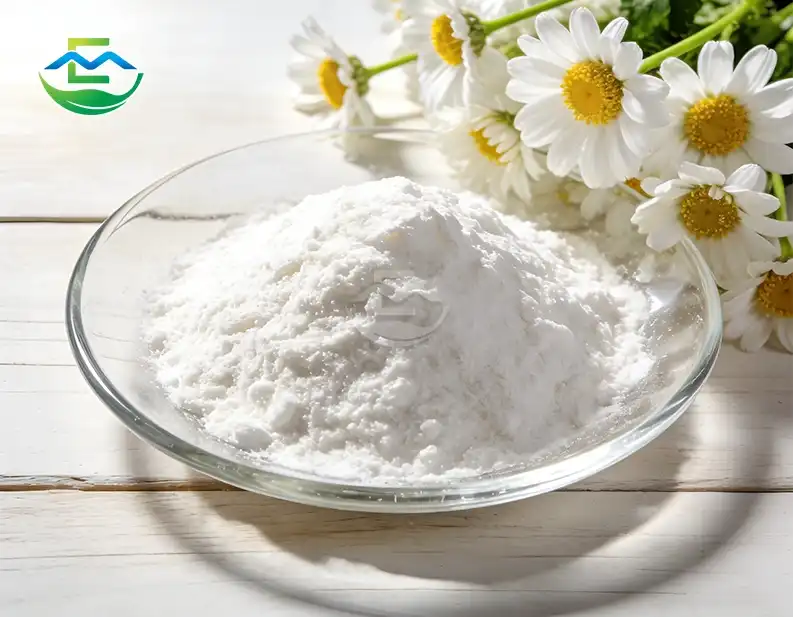
Inulin Powder Extract has emerged as a cornerstone ingredient for formulators developing next-generation digestive wellness products. Derived from natural plant sources and standardized to exceptional purity levels, this soluble fiber provides targeted prebiotic activity that directly supports microbiome balance and digestive comfort. For R&D directors and procurement managers seeking ingredients that combine proven functionality with formulation flexibility, incorporating high-quality inulin represents a strategic move to enhance product efficacy while meeting the growing consumer demand for clean-label, science-backed nutritional solutions.

What Is Inulin Powder Extract and Why It Matters for Gut Health
Inulin Powder Extract is a naturally occurring soluble dietary fiber that is primarily extracted from chicory root using water-based extraction methods. The botanical inulin is carefully refined to get standardized concentrations, usually reaching 98% purity, while keeping the prebiotic properties that come naturally to it.
The Botanical Origin and Extraction Process
Because it naturally has a lot of inulin, chicory root (Cichorium intybus) is the main commercial source. Our extraction method only uses water as a solvent, which is in line with clean-label standards and gets rid of any concerns about residual chemicals that are common with synthetic or chemically extracted alternatives. This water-based extraction keeps the fructan polymer chains that define inulin's functional qualities while getting rid of unwanted plant materials. This makes a fine white powder with a uniform particle size distribution that can be used in a wide range of formulations.
Unique Prebiotic Mechanisms
Individual dietary fibers only add bulk, but inulin works as a selective fermentation substrate for good bacteria in the gut, especially Bifidobacterium and Lactobacillus species. That selection is important because it helps the growth of bacteria that are good for digestion and metabolism without feeding harmful strains randomly. Short-chain fatty acids (SCFAs), such as butyrate, acetate, and propionate, are made during fermentation. These are metabolites that are tied to the stability of the intestinal barrier and measures of general health.
Relevance for B2B Formulation Teams
By knowing these differences, procurement professionals can tell the difference between common fiber ingredients and prebiotic solutions that are specifically designed to meet their needs. As product marketing moves toward focusing on microbiomes, ingredients must have known ways of working. Because inulin has been studied a lot and its effects change with amount, it has the scientific support needed to back up marketing claims and withstand regulatory review in competitive markets.

Core Benefits of Adding Inulin Powder Extract to Your Gut Health Formulations
Adding standardized inulin to product lines gives businesses real health benefits in many areas, which can help them stand out from competitors and reach a wider audience.
Microbiome Support and Digestive Comfort
Results from clinical studies show that eating inulin every day greatly increases the number of good bacteria in the digestive tract. This change in microbes is linked to study participants having more regular bowel movements and higher scores on measures of digestive comfort. The way inulin ferments lets it have slow, steady prebiotic activity throughout the gut. This is different from fibers that ferment quickly and may cause short-term pain.
Formulations for gut health benefit from inulin's dual action: it offers a food source for probiotic organisms and, through its fiber structure, helps make feces bulkier. This mix addresses several customer complaints with a single ingredient, making the formulation simpler while increasing the value people think the product is worth.
Metabolic Health Applications
Inulin affects more than just digestion. It also changes how glucose is used and how the body signals that it is full. According to research, regular consumption lowers blood sugar levels after a meal and raises feelings of fullness. These effects are especially helpful for products that are marketed as weight management or metabolic health. These metabolic effects are caused by SCFA production and hormonal regulation, not by direct drug action. This fits right in with strategies for marketing natural products.
Product designers who make sports nutrition, functional drinks, or meal replacements can use these metabolic benefits to appeal to more people than just people who are interested in digestive health. Because high-purity inulin has a neutral sensory profile, it is easy to add to protein shakes, ready-to-drink drinks, and enriched snacks without changing their taste or texture.
Formulation Versatility and Stability
Because of how it works technically, inulin is very flexible when it comes to different production systems. It can be easily mixed into both cold and warm water-based systems, making it easy to add to drinks. Its powder form also works well in dry supplement forms. Thermal stability up to mild processing temperatures keeps bioactivity even under normal manufacturing conditions, so you don't have to worry about activity loss during production.
Because the ingredient works well with other functional ingredients like probiotics, vitamins, and botanical extracts, formulators can make blends that work well together without any stability issues. This flexibility shortens the time it takes to bring new product ideas to market and lowers the risk of having to change the recipe during the scaling-up phase.

Comparing Inulin Powder Extract to Other Fibers and Prebiotics in the Market
To choose strategic ingredients, you need to know how the pros and cons of different types of prebiotics and fibers compare. Inulin Powder Extract's place in the market is due to different technical and business factors compared to other choices.
Psyllium husk powder is the most popular traditional fiber supplement because it bulks up food very well and is well known by consumers. But psyllium's ability to gel can make texture problems in some situations, and because it doesn't selectively ferment, it lets more bacteria use its base without specifically targeting prebiotic action. Inulin dissolves better and doesn't change the texture of foods or drinks, which makes it a better choice for drinks and functional foods where mouthfeel is important.
Another prebiotic option is resistant starch, which is useful for baked items and prepared foods that need heat-stable fibers. Although resistant starch and inulin have some things in common when it comes to fermentation, resistant starch does not have as much clinical evidence to back up its dose-response relationships for stomach parameters. The amount of study that has been done on inulin makes it easier for formulation teams to figure out how much to use and how to back up their claims.
Fructooligosaccharides (FOS) are chemically related to inulin and are often made from the same chicory root source by partially breaking it down. Because its chains are shorter, FOS ferments more quickly, which can be good for fast-acting formulations but may mean longer periods of digestive adjustment. Full-length inulin polymers offer more stable fermentation profiles and are commonly chosen for daily supplements that aim to change the microbiome in a way that lasts for a long time.
When deciding whether to go organic or not, you have to weigh the costs of certification against the chances of getting a better position in the market. Organic inulin costs more, but it gives you access to natural and organic product categories where customers are already loyal. Certifications like USDA Organic, Non-GMO Project Verified, and Kosher/Halal make it possible to reach more customers, especially in specialty stores and health food channels.
Procurement Considerations: How to Choose and Buy Bulk Inulin Powder Extract
To do bulk buying right, you need to find a mix between quality control, following the rules, making sure the supply chain works, and keeping costs down. Several important factors should be taken into account when evaluating suppliers and negotiating contracts.
Supplier Certification and Quality Systems
Priority approvals include NSF GMP, FSSC22000, and ISO standards, which show that quality management is carried out in a planned way throughout production. These third-party validations make it easier for buyers to do audits and make sure that manufacturing methods are always the same. Kosher and Halal certificates are important when making products for certain groups of people or when going into foreign markets where people follow religious dietary rules.
By asking for detailed Certificates of Analysis (COAs) for sample production lots, you can check that key standards are met, such as the purity percentage, moisture content, microbial limits, and heavy metal screens. Multiple lot analyses that show the same results show that the quality control systems and manufacturing processes are mature and reliable.
Production Capacity and Lead Times
By checking a supplier's production capacity, you can avoid supply problems in the future when demand for a product grows. Manufacturers with dedicated chicory root supply chains and well-established extraction facilities are more likely to have a steady supply of chicory roots than middlemen or small-scale producers. Understanding normal wait times—EM keeps ready inventory with two-day delivery for stocked items—helps with more accurate planning of production and lowers the cost of keeping inventory on hand.
Minimum order quantities (MOQs) affect how much working capital is needed and how quickly inventory is turned over. Standard 25kg drum packaging is easy to handle and has low order minimums for new brands. Bulk totes or supersacks are better for high-volume production settings. Talking about flexible packaging with suppliers at the beginning of the relationship helps avoid future problems with logistics.
Pricing Structures and Total Cost Considerations
Prices per unit depend on the level of purity, the need for proof, and the number of units ordered. Even though commodity-grade inulin might seem like a good deal, pharmaceutical or supplement-grade materials that come with a lot of testing records are better for businesses that are controlled. When you figure out the total landed cost, you should include freight, customs fees for foreign shipments, storage, and any waste that might come from materials that don't meet specifications.
Domestic warehousing has a big effect on how well operations work and how predictable costs are. Maintaining U.S.-based inventory by suppliers—EM has four major warehouses in key locations—eliminates delays in international shipping and makes just-in-time inventory management easier. This local presence also makes it easier to test samples and speeds up the time it takes to respond to calls for technical help.

Best Practices for Using Inulin Powder Extract in Gut Health Formulations
It's important to pay attention to dosing, formulation methods, and customer advice tactics when trying to turn inulin's theoretical benefits into successful commercial goods.
Evidence-Based Dosing Recommendations
Clinical studies show that benefits rely on dose, with 5 to 15 grams of prebiotics per day usually being the optimal amount for effective action. Products meant to keep you healthy might have 5 to 8 grams per dose, while formulas that really help your digestion might aim for the higher range. Taking daily doses in more than one serving can help your body handle them better at first.
When formulating multiple product lines for a brand, formulation teams should think about the total amount of food that will be eaten each day. People who use various inulin-containing products at the same time should stick to the suggested intake ranges to keep their digestive systems comfortable.
Formulation Integration Techniques
To get even distribution in dry mixes, you need to use the right mixing tools and follow the right steps. The small particles of Inulin Powder Extract (usually smaller than 80-mesh screens) make it easier to mix, but they can make dust when handled. Taking steps to control dust and thinking about using light pre-hydration methods for some tasks can make manufacturing more efficient and keep workers safer.
The ability of inulin to dissolve in cold water is useful for beverage uses, but the rate of breakdown depends on how long the mixture is stirred. Giving the material enough time to dissolve in water before the final steps of processing will ensure total dissolution and stop textural flaws. Because the ingredient has a neutral flavor, it doesn't need to be taste-masked much. However, pairing it with flavors that go well with it makes the whole thing taste better.
Consumer Education and Product Positioning
Clear communication about the initial adjustment periods helps keep customers' expectations in check and lowers the number of products that are abandoned. Putting instructions on the packaging that say to slowly increase the dose, starting with smaller amounts and working up to full serving sizes, shows that the brand cares and lowers negative feedback linked to brief changes in digestion.
The prebiotic nature of inulin should be emphasized more than the general "fiber content" message in positioning strategies. By teaching people about microbiome support and selective bacterial nourishment, inulin-based products can be set apart from other fiber supplements, which allows them to charge higher prices and build brand authority in the digestive wellness space.
Conclusion
Inulin Powder Extract is a widely useful ingredient that has been proven to work in science and meets a number of needs for formulating teams making gut health goods. Its prebiotic properties, large body of study, and ability to be made in a variety of ways make it ideal for brands that want to stand out in the digestive health market. Instead of just looking at price, procurement workers should judge sellers based on how many certifications they have, how reliable their supply chain is, and how well they can help with technical issues. Adding high-purity inulin to goods in a smart way, along with the right amount and information for customers, sets them up for commercial success while also giving them real functional benefits that build brand trust over time.
FAQ
1. Can inulin replace other fiber supplements in existing formulations?
Inulin has its own unique prebiotic action that works with other types of fiber instead of replacing them directly. Inulin can be the main source of fiber in new recipes, but mixing it with other fibers that work well with it often causes synergistic effects that make the useful benefits even greater. The choice will depend on the product's specific goals, the health outcomes that are wanted, and how well the current formula works.
2. What certifications should we prioritize when sourcing inulin for supplement applications?
The NSF GMP and FSSC22000 certifications show that the manufacturing quality systems are good enough to make dietary supplements. Organic certification helps natural products stand out, and Kosher and Halal certifications help them reach more customers. Non-GMO testing takes into account what some groups of people want. All certifications should be up-to-date and can be checked by looking at pictures of the certificates and records of site audits.
3. How does high-purity inulin perform across different consumer age groups?
Research shows that it is safe and effective for most adult groups, though each person's tolerance level is different. Due to digestive issues that come with getting older, products aimed at older people may benefit from lower doses. Pediatric applications need special regulatory considerations and should be made with the help of regulatory experts to make sure the right labeling and proof are used.
Partner with EM for Premium Inulin Powder Extract Supply
EM's specialty is providing pharmaceutical-grade Inulin Powder Extract that is standardized to 98% purity through water-based extraction methods that meet the strictest clean-label requirements. We have been a supplier of Inulin Powder Extract for a long time and have many certifications, such as NSF GMP, FSSC22000, Kosher, Halal, ISO, and Organic. This means that your formulations will meet the strict legal standards in all global markets. Our four strategically placed U.S. warehouses allow for fast fulfillment—usually within two days for in-stock items—while our 25kg MOQ and free sampling program make it easier to come up with new formulas. Our technical team can help you improve dosing, stability, and sensory performance whether you're launching new digestive wellness products or changing the way existing lines work. Visit or email us at info@em-herb.com to talk about your unique needs and find out how our advanced research and development (R&D) and environmentally friendly sources can help your gut health product line.
References
1. Roberfroid, M., Gibson, G. R., Hoyles, L., et al. (2010). Prebiotic effects: metabolic and health benefits. British Journal of Nutrition, 104(S2), S1-S63.
2. Slavin, J. (2013). Fiber and prebiotics: mechanisms and health benefits. Nutrients, 5(4), 1417-1435.
3. Niness, K. R. (1999). Inulin and oligofructose: what are they? Journal of Nutrition, 129(7), 1402S-1406S.
4. Gibson, G. R., Hutkins, R., Sanders, M. E., et al. (2017). Expert consensus document: The International Scientific Association for Probiotics and Prebiotics (ISAPP) consensus statement on the definition and scope of prebiotics. Nature Reviews Gastroenterology & Hepatology, 14(8), 491-502.
5. Kolida, S., & Gibson, G. R. (2011). Synbiotics in health and disease. Annual Review of Food Science and Technology, 2, 373-393.
6. Dehghan, P., Gargari, B. P., & Jafar-Abadi, M. A. (2014). Oligofructose-enriched inulin improves some inflammatory markers and metabolic endotoxemia in women with type 2 diabetes mellitus. Nutrition, 30(4), 418-423.
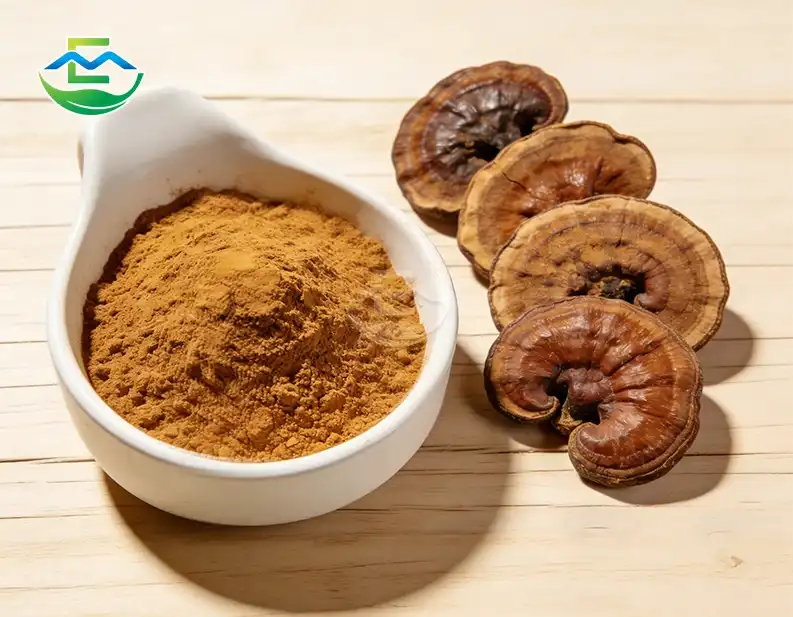
When sourcing bioactive ingredients for high-performance formulations, understanding the fundamental distinction between Reishi Mushroom Extract Powder and whole mushroom forms is essential. The extract powder represents a concentrated, dual-extraction derivative of Ganoderma lucidum, standardized to contain 10%-50% polysaccharides and 1%-6% triterpenes through HPLC analysis. Whole mushrooms, by contrast, retain their natural fibrous structure but offer inconsistent potency and present bioavailability challenges due to their indigestible chitin content. Extract powder delivers superior concentration, stability, and dosage precision—critical factors for R&D directors and formulation managers developing competitive supplement lines.

Understanding Reishi Mushroom Forms: Extract Powder vs Whole Mushroom
Production Process and Extract Ratios
A complex dual-solvent extraction process combines hot water and ethanol steps to get the most out of extract powders. Polysaccharides and beta-glucans that dissolve in water are freed by hot water. Lipophilic triterpenes like ganoderic acids are separated by ethanol extraction. A 10:1 extract ratio means that 10 kg of raw mushroom material makes 1 kg of finished powder. This makes the beneficial chemicals much more concentrated. A 20:1 mixture makes this even stronger, which lowers the dose amounts needed and makes formulation more flexible.
In most cases, whole mushrooms are found as dried or sliced fruiting bodies that have been slightly treated by air-drying or freeze-drying. These keep their whole cell structures, but the amounts of active compounds change depending on when they are picked, how they were grown, and how they were stored. Because extraction isn't always done the same way, two batches from the same source can have very different polysaccharide profiles.
Nutrient Retention and Bioavailability
In theory, whole mushrooms keep all of their original nutrients, such as enzymes, dietary fiber, and minor minerals. But the chitinous cell walls that keep these nutrients safe also make it harder for people to absorb them. Studies show that mushroom material that hasn't been handled may have less than 15% absorption of key actives.
This problem can be solved by extraction technology, which breaks down cell walls and separates target molecules. A fine-mesh powder (80–100 mesh) that is brownish-yellow and has the right particle size for mixing evenly in capsules, tablets, and beverage systems. Polysaccharides that dissolve in water and are extracted in ethanol have absorption rates of more than 85%, and triterpenes that are extracted in ethanol stay stable at pH levels from 3.5 to 7.0, making them perfect for use in functional drinks.
Chemical Composition Comparison
Ganoderma lucidum's main beneficial elements are triterpenes and beta-glucans, which are a type of polysaccharide. Using the Megazyme enzyme test method, high-quality extracts can tell the difference between real fungal polysaccharides and starch-based fillers by measuring their beta-glucan content. A lot of mycelium-based products have up to 50% grain substrate starch in them, which lowers their beneficial density.
On a dry weight basis, whole mushrooms usually have between 1% and 3% triterpenes and between 5% and 10% polysaccharides. Manufacturers can change these ratios by choosing 30% polysaccharide extracts for immune-boosting products or 6% triterpene concentrates for formulations that target oxidative stress pathways.

Health Benefits and Usage: Extract Powder vs Whole Mushroom
Standardized Dosing and Immune Support
Reishi Mushroom Extract Powder makes it possible to precisely control dosage, which is important for making clinical-grade supplements. The bioactivity of 5 grams of raw mushroom material is contained in a 500 mg pill of a 10:1 extract. Because of this concentration, brands can offer strong doses without using big capsules or a lot of pills at once.
Some types of polysaccharides, like beta-1,3/1,6-glucans, connect with defense receptors on macrophages and dendritic cells. Standardized extracts make sure that the immune-modulating activity stays the same across production batches. This meets the quality standards of pharmaceutical R&D teams and nutraceutical companies that are going after markets that are driven by effectiveness.
This isn't true for whole mushrooms. A five-gram dried slice could have anywhere from 50 mg to 300 mg of active polysaccharides, depending on how mature it is and how it was processed. This variation creates an unacceptable risk for R&D leaders who are making plans for clinical trials or for brands that are making specific claims on their labels.
Application Versatility in Product Formulations
Extract powders work well with a wide range of product forms. Their small particle size and average solubility make them good for encapsulation, tablet compression, and powder mixing for sachets or drinks that are already mixed. Spray-dried and instantized forms make them easier to mix with liquids, which meets the needs of companies that make healthy drinks that want a clean suspension without sedimentation.
Whole mushrooms work well in traditional tea blends because they look real, and the slow-release infusion meets the needs of people who want to do holistic health routines. Finely ground whole mushroom powder is sometimes added to face masks to give them texture. However, because it hasn't been extracted with a solvent, it can't deliver bioactive ingredients as well as pure extracts in anti-aging serums.
Addressing Formulation Challenges
Because extract powders absorb water, they need to be stored in a way that keeps the relative humidity low (ideally below 50%) and come in special bags made of two layers of low-density polyethylene that are packed inside fiber drums. This keeps the mixture from clumping together and keeps it free-flowing, which is important for automated filling equipment.
Even tho whole mushrooms are less likely to have problems with absorbing water, they still pose their own problems. Their high bulk density makes shipping more difficult and raises the cost of freight per active ingredient unit. Without proper post-harvest handling, the risk of microbial contamination also grows, which is why strict source quality checks are needed.

Quality, Purity, and Certification: What Procurement Managers Should Know
Third-Party Testing and GMP Standards
Suppliers you can trust give you certificates of analysis from third-party labs that confirm safety standards for heavy metals (lead < 2 ppm, arsenic < 1 ppm, mercury < 0.1 ppm) and microbes. Ash levels in Reishi Mushroom Extract Powder should be less than 5%; higher levels could mean that artificial fillers are being used, which would lower the quality.
Good Manufacturing Practice approval makes sure that factories keep clean working conditions, follow tested extraction methods, and have systems for keeping track of each batch. EM has certifications from NSF GMP, FSSC22000, Kosher, Halal, ISO, and Organic, so it can meet the different regulatory needs of markets around the world. These skills make it easier to clear customs and meet the requirements for becoming a vendor for a store chain.
Whole mushrooms need to be tested for more pesticides, and their species need to be identified using DNA barcoding. Misidentification or mixing with cheaper Ganoderma species is still a problem in the industry. Managers in charge of buying things should ask for chromatography fingerprint analysis to make sure that species-specific ganoderic acid markers are present.
Organic vs Conventional Sourcing
Organic approval comes with higher costs, but it meets the growing demand from customers for clean-label foods that don't contain synthetic pesticides and chemical fertilizers. The USDA Organic seal or an international certification that is similar adds about 15% to 30% to the cost of raw materials, but it helps the brand's positioning in natural product channels.
When bought from reputable companies with environmental tracking programs, conventional products offer similar levels of purity at lower prices. The choice depends on how the target market is positioned and how much the company is willing to spend on certification fees to set itself apart in the market.
Supply Chain Traceability
Traceability includes more than just batch numbers. It also includes records of the growing area, the date of harvest, and audit trails at the extraction plant. EM has four main warehouses spread out across the United States. This lets them fill orders from stock within two days and keep chain-of-custody records that meet FDA tracking standards set by the Food Safety Modernization Act.
When it comes to logistics and quality perception, regional sourcing matters. Ganoderma lucidum from Asia is the most common source in the world because of the traditional knowledge of how to grow it. However, brands that stress the strength of their domestic supply chains and their commitment to reducing their carbon footprint are interested in US-grown options.

Market Comparison: Extract Powder vs Other Reishi Products
Extract Powder vs Capsules and Tinctures
Reishi Mushroom Extract Powder is the main ingredient in capsules, which are later-stage goods that have been given more value. When brands buy bulk powder, they have more control over the formulation process and can make their own unique blends by combining Ganoderma lucidum with adaptogens that work well with it, such as ashwagandha or cordyceps. This customization makes products stand out more in supplement markets that are already very crowded.
Alcohol or glycerin is used as a solvent in tinctures to get bioactives out of plants and keep them in liquid form. Even tho it's easy to put tinctures under the tongue, some people may be concerned about the amount of alcohol in them, and they don't last as long as properly stored extract powders, which usually last three years.
Comparing Extraction Ratios and Pricing
A 10:1 extract usually costs 40% to 60% less per kilogram than a 20:1 extract. However, in finished goods, the higher concentration ratio lowers the cost per active ingredient unit. Instead of just looking at the price of bulk powder, procurement teams that want to improve formula economics should figure out the cost-per-milligram of uniform chemicals.
When negotiating at a wholesale level, it helps to know that the yield of extraction depends on the quality of the raw material. Premium fruiting body extracts cost more than mycelium-on-grain alternatives, but they have better beta-glucan profiles that make them more therapeutically sound. It is possible to make accurate cost-quality comparisons between suppliers by asking for detailed specifications such as extraction solvent ratios, drying methods, and particle size distribution.
Competitive Analysis with Other Mushroom Varieties
Compared to Inonotus obliquus (Chaga) or Hericium erinaceus (Lion's Mane), Ganoderma lucidum has its own place in the market. The immune system and adaptogenic balance are what reishi products are all about. Chaga is all about antioxidant density, and Lion's Mane is all about brain function. Multi-mushroom formulas that combine these species make products that are good for your health in general and appeal to a wider range of customers without hurting sales of single ingredients.
Procurement and Buying Guide for Reishi Mushroom Extract Powder and Whole Mushrooms
Identifying Reliable Suppliers
The first step in evaluating a supplier is to check their manufacturing credentials. Ask for inspection reports of the building, details about the extraction tools, and records of the quality management system. Column chromatography systems and spray-drying towers are two examples of EM's advanced extraction technology. These can handle 500 kg amounts with reliable 20:1 concentration ratios.
Check out recommendations from customers in the area you want to work in. A provider that sells pharmaceutical-grade nutritional brands has quality systems that go above and beyond what is expected for dietary supplements. Ask for case studies that show how custom formulation partnerships can help with private label development and relationships with OEM manufacturers.
Logistics and Minimum Order Quantities
As a common business unit, 25 kg fiber drums are used to ship bulk Reishi Mushroom Extract Powder. Minimum order quantities of 25 kg work with most formulation development schedules. This lets brands test how well ingredients work before signing multi-ton contracts. EM gives away free samples that can be used to test the stability and sensitive properties of your unique matrix.
Lead times are very different between providers. EM keeps a lot of stock in four stores in the US, so stocked items can be picked up within two days of an order being placed. Long international shipping windows don't slow down production with this level of stock. This is especially important for brands that use just-in-time manufacturing or need to respond to sudden demand spikes.
Regulatory Compliance and Certification
Make sure that suppliers give you proof that they follow the rules in the markets you want to reach. Having FDA registration numbers, Generally Recognized as Safe status for new ingredients, and California Proposition 65 compliance certificates can help keep you from having to make expensive changes to your product after it has already been developed.
Kosher and Halal licenses make it easier for religious consumers to get products on the market. They don't cost much extra and give companies more ways to sell their goods. Vegan certification targets the growing plant-based market, tho ingredients derived from mushrooms already fit this category.
Private Label and Custom Formulation Opportunities
Strategic suppliers are more like growth partners than just producers of raw materials. EM's research and development team works with brands to create unique extraction methods that create bioactive profiles that are optimized, change particle size for focused delivery systems, or come up with their own extraction methods that make products stand out in a way that can be defended.
Private label programs that offer formulation, encapsulation, bottling, and delivery services speed up the time it takes for brands that don't have their own production facilities to get their products to market. Check to see if the seller can go from small amounts used for testing the market to full-scale production without lowering the quality or causing shipping delays.

Conclusion
Differentiating between Reishi Mushroom Extract Powder and whole mushroom forms has a direct effect on how well formulations work, how well they follow regulations, and how competitive the market is. Extract powders provide consistent levels of bioactive substances, better bioavailability, and accurate dosages that are needed for making professional-grade supplements. Whole mushrooms have some uses where traditional presentation is important, but they aren't consistent enough for therapeutic claims or batch-to-batch dependability. Procurement managers who care about stable ingredients, proven purity, and a clear supply chain will find that standardized extracts from certified sources are the best way to start making unique wellness goods that meet changing customer needs and government standards.
FAQ
1. Why does Reishi extract powder taste bitter?
The typical sharpness means that there are a lot of triterpenes, especially ganoderic acids. If a Reishi Mushroom Extract Powder is sweet or has no taste, it probably has too much maltodextrin or not enough ethanol in the extraction phase. Real standardized 6% triterpene products have a strong bitter taste that proves their strength.
2. What distinguishes extraction ratio from standardization?
A 20:1 ratio shows how concentrated the starting material is, but it doesn't promise a certain number of active compounds. Standardization gives accurate amounts of polysaccharides and triterpenes using approved analytical methods like HPLC. This gives therapeutic dependability that ratios alone can't provide. For professional recipes, you need both ratio and uniformity requirements.
3. Can the powder be dissolved in beverages?
Polysaccharides dissolve easily in water, but triterpenes don't generally like water. Specialized atomized versions improve the suspension properties for use in drinks. Standard extracts work best when they are put in pills or tablets and don't need to dissolve all the way.
4. How should I verify product authenticity before purchasing?
Instead of standard polysaccharide testing, ask for certificates of analysis that show beta-glucan content using the Megazyme method. DNA barcoding proves that Ganoderma lucidum is what it says it is. Testing by a third party for heavy metals, bacterial limits, and chromatographic marks that match reference standards makes sure that the product is real and safe.
Partner with EM for Premium Reishi Mushroom Extract Powder
EM provides pharmaceutical-grade Ganoderma lucidum Reishi Mushroom Extract Powder that comes from approved mycelium and is standardized to 10% to 50% polysaccharides. It has also been tested thoroughly according to NSF GMP, FSSC22000, ISO, Kosher, Halal, and Organic standards. Our operations are based in California and use advanced extraction technology. We also have four carefully placed US stores that make sure 25 kg or larger orders are filled within two days. Our technical team can help you with free samples and custom formulations that fit your brand's positioning, whether you're making immune-supporting capsules, adaptogenic beverage blends, or anti-aging cosmetic formulations. Email info@em-herb.com to talk about becoming a seller of bulk Reishi Mushroom Extract Powder , private labeling options, and how our idea of sustainable sourcing fits with your quality standards and market goals.
References
1. Wachtel-Galor, S., Yuen, J., Buswell, J. A., & Benzie, I. F. (2011). Ganoderma lucidum (Lingzhi or Reishi): A Medicinal Mushroom. In Herbal Medicine: Biomolecular and Clinical Aspects. CRC Press.
2. Sanodiya, B. S., Thakur, G. S., Baghel, R. K., Prasad, G. B., & Bisen, P. S. (2009). Ganoderma lucidum: A Potent Pharmacological Macrofungus. Current Pharmaceutical Biotechnology, 10(8), 717-742.
3. Xu, Z., Chen, X., Zhong, Z., Chen, L., & Wang, Y. (2011). Ganoderma lucidum Polysaccharides: Immunomodulation and Potential Anti-tumor Activities. American Journal of Chinese Medicine, 39(1), 15-27.
4. Boh, B., Berovic, M., Zhang, J., & Zhi-Bin, L. (2007). Ganoderma lucidum and Its Pharmaceutically Active Compounds. Biotechnology Annual Review, 13, 265-301.
5. Bishop, K. S., Kao, C. H., Xu, Y., Glucina, M. P., Paterson, R. R., & Ferguson, L. R. (2015). From 2000 Years of Ganoderma lucidum to Recent Developments in Nutraceuticals. Phytochemistry, 114, 56-65.
6. Powell, M. (2010). Medicinal Mushrooms: A Clinical Guide. Mycology Press.
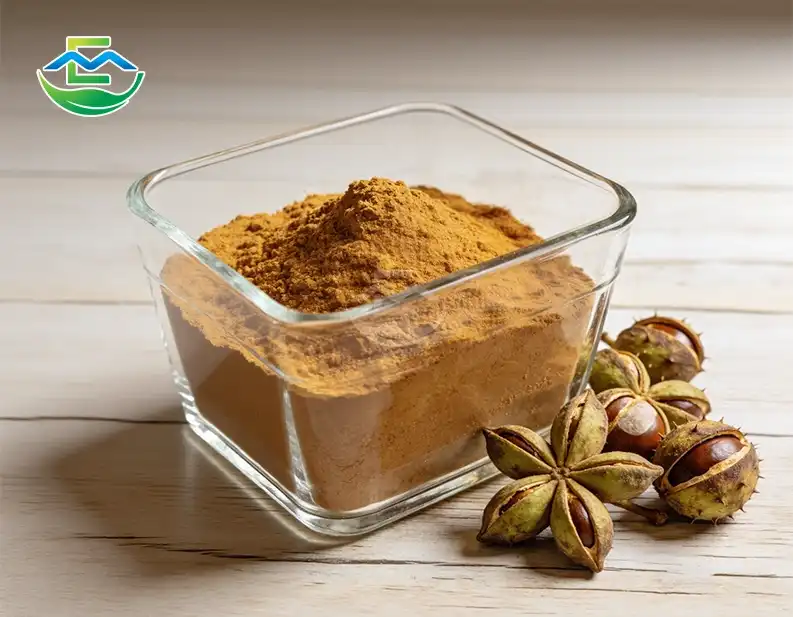
Quality testing methods for Horse Chestnut Extract 20% Aescin UV primarily include UV-Vis Spectrophotometry, High-Performance Liquid Chromatography (HPLC) with UV detection, and photostability testing protocols. These methods quantify total saponin content, verify active compound retention, and assess stability under UV exposure conditions. For B2B procurement professionals, mastering these testing approaches ensures consistent product quality, regulatory compliance, and reliable supplier partnerships across nutraceutical, cosmetic, and functional food applications.

Introduction
When I first started working with botanical extracts, I quickly learned that Horse Chestnut Extract 20% Aescin UV is more than just another plant ingredient. It is a key ingredient in vascular support products and cosmetics all over the world. This standardized extract, which comes from the seeds of Aesculus hippocastanum, is now a must-have for R&D directors, formulation managers, and buying teams looking for useful ingredients that are also highly pure.
What makes this extract unique is that it can be damaged by UV light while it is being processed, stored, or transported. UV light can damage the molecular structure of aescin, which is the main bioactive saponin. This can make it less effective and even cause manufacturing problems. Anyone who wants to get this ingredient for dietary supplements, skin care products, or functional drinks needs to know how to test its UV quality. This guide shows you the analytical methods that tell the difference between high-quality extracts and lower-quality ones. This way, you can make smart buying decisions that protect the effectiveness of your products and the reputation of your brand.
Understanding Horse Chestnut Extract 20% Aescin and Its UV Sensitivity
Botanical Origin and Active Composition
Horse Chestnut Extract 20% Aescin UV comes from Aesculus hippocastanum seeds, which are extracted with water and ethanol to make a powder that is brownish-yellow and high in triterpene saponins. According to the market, the 20% aescin guideline is the best way to balance bioactivity with recipe flexibility. The 20% grade of sodium aescinate has a synergistic profile of flavonoids, sterols, and saponins that support the entourage effect valued in nutraceutical products. This is different from higher amounts like 98% sodium aescinate, which is used in pharmaceutical applications.
The extract looks like a fine, hygroscopic powder with particles bigger than 80 mesh. This makes it easy to crush for tableting and spread out evenly in capsule matrices. This physical property has a direct effect on how efficiently supplement brands and OEM facilities can make products that perform consistently from batch to batch.
Why UV Stability Matters for Procurement Teams
UV light is very bad for the chemical structure of aescin. Photodegradation happens when the triterpene saponin backbone is exposed to wavelengths between 290 and 320nm. It breaks down into molecules that are less useful. This process of breakdown speeds up when the item is shipped internationally, stored in a building with poor lighting, or even when it is on show in a store.
People who work in procurement need to understand that UV instability directly translates to financial risk. A shipment that tests at 20% aescin content when it leaves might test at 17–18% when it gets there after being exposed for a long time. This difference makes it harder to formulate, raises regulatory concerns, and could make customers unhappy. Checking for UV stability through strict testing procedures protects your supply chain investment and keeps the natural, clean-label image that consumers want in today's market.
Common UV Quality Testing Methods for Horse Chestnut Extract 20% Aescin
UV-Vis Spectrophotometry for Rapid Screening
The main way to measure the amount of total saponin in Horse Chestnut Extract 20% Aescin UV is with UV-Visible Spectrophotometry. This method finds the absorbance at certain wavelengths, usually between 268 and 270nm, where aescin absorbs the most. For quality control labs and source checking, the method has a number of benefits.
To do the test, a precisely weighed sample is dissolved in a hydroalcoholic solution, filtered, and the absorbance is compared to a standard. The results show up in 30 to 45 minutes, which makes this method perfect for checking arriving materials and making decisions about when to release batches. However, buyers should know that UV-Vis methods only measure the total amount of saponin and not the amount of each aescin isomer. This means that results may be 1.5 to 2 times higher than HPLC measurements for the same samples.
When looking at Certificates of Analysis from suppliers, make sure that the way the samples were tested meets your quality standards. These two CoAs, one that says "20% Aescin by UV" and the other that says "20% Aescin by HPLC," are very different. This difference affects how the formula is calculated and what the label says.
High-Performance Liquid Chromatography with UV Detection
For measuring aescin levels and making sure they are pure, HPLC combined with UV detection is the best method available. This complex analytical method separates different saponin compounds, mostly β-aescin and α-aescin. This lets researchers precisely measure the amount of each component before and after UV exposure tests.
A C18 reversed-phase column and a gradient mobile phase solution made up of acetonitrile and phosphate buffer are usually used for this method. At 210nm or 225nm, detection takes place, providing the full saponin profile. An average HPLC study takes 45 to 60 minutes per sample, but it gives the most accurate results for buying choices that involve large amounts of products or pharmaceutical-grade standards.
One of the best things about HPLC for UV stability testing is that it can find degradation products. When UV stress causes aescin to break down, new peaks show up in the chromatogram. These peaks show chemical changes that spectrophotometry alone can't see. This in-depth information helps buying teams figure out not only how much is lost, but also how much the quality changes. This is especially important for cosmetics, where purity affects how well they work with skin.
Photostability Testing Protocols
In photostability testing, samples are exposed to UV light under controlled settings that are the same as those found in real life. The International Conference on Harmonization (ICH) guideline Q1B is the basis for these studies. However, protocols for botanical extracts often need to be changed to fit their specific photosensitivity profiles.
A common way to test the photostability of horse chestnut extract is to put samples under 200 W·h/m² of UV light while keeping an eye on the temperature and humidity. At set times—24, 48, and 72 hours—testing is done, and HPLC or UV-Vis analysis is done at each stage to see how much the aescin level has decreased. As standards, samples kept in amber glass cases that block UV light are used to get basic information on stability.
The results show how quickly something breaks down, shown as a percentage retention over time. After 72 hours of rapid UV exposure, premium-grade extracts still have ≥95% aescin content, which shows that they are stable under normal supply chain circumstances. People who are in charge of buying things should ask potential suppliers for photostability data. This is especially important when buying for markets with long delivery times or warm places where light exposure is higher.
Complementary Analytical Techniques
Beyond the primary testing methods, advanced techniques provide deeper molecular insights. Fourier-Transform Infrared Spectroscopy (FTIR) identifies functional group changes resulting from UV-induced oxidation, while Mass Spectrometry maps exact molecular weight shifts of degradation products. These methods support root cause analysis when stability failures occur and validate the effectiveness of protective packaging innovations.
Thin Layer Chromatography (TLC) offers a cost-effective screening tool for detecting adulteration—a persistent concern in the botanical extract market. Authentic horse chestnut extract produces a characteristic spot pattern under UV light at 366nm, easily distinguished from cheaper saponin sources or synthetic additives. Including TLC verification in your supplier qualification process adds an essential fraud prevention layer.

Interpreting UV Quality Test Results for Effective Procurement Decisions
Key Metrics in Certificates of Analysis
A full CoA for Horse Chestnut Extract 20% Aescin UV should show a number of important pieces of information. As expected, the main test result shows the total saponin content, which must be at least 20%. Polycyclic Aromatic Hydrocarbons (PAHs) are one type of impurity that can be used to tell if something is pure. Benzo(a)pyrene levels should be below 10ppb and overall PAH4 levels should be below 50ppb to meet European safety standards.
Another important part is heavy metal research. The amount of lead must be less than 3.0 mg/kg, and the amount of mercury must be less than 0.1 mg/kg. These limits are in line with rules about dietary supplements in the EU and the US. This protects consumers and keeps brands from being sued by regulators. Solvent residue testing shows that the amount of ethanol used in the extraction process is less than 5000ppm, which is safe for both skin and mouth use.
Microbiological factors round out the picture of quality. The total number of plates, the number of yeast and mold, and the lack of bacteria like E. coli and Salmonella prove that the ingredients are safe for use in food and cosmetics. These measures show factory hygiene standards and quality system development when comparing suppliers.
Benchmarking Suppliers Through Stability Data
Asking potential suppliers for their historical stability data is a great way to learn about how consistent their quality is. A trustworthy company offers accelerated stability studies that show aescin will stay active for 12 to 24 months when stored in the right way (cool, dry, and out of the light). This information tells you how long something will last and helps you set up the right store turnover rules.
Keep an eye on the difference factors for more than one batch. When the amount of aescin in ten batches stays the same, for example, it means that the process is well controlled and the raw materials are sourced reliably. Wide changes can mean that there are holes in your quality management that could throw off your production plans or make the end product not meet your standards.
Some high-tech suppliers test their extract against competing materials under the same UV exposure settings as comparison studies. These side-by-side comparisons of stability give objective proof of higher quality, which supports higher prices and boosts trust in long-term supply partnerships.
Impact on Final Product Performance
UV stability directly influences the efficacy of finished products across application categories. For dietary supplements targeting vascular support, degraded aescin delivers diminished bioactive properties, potentially affecting consumer satisfaction and repeat purchase rates. Cosmetic formulations incorporating unstable extracts may exhibit color shifts, odor changes, or reduced performance in clinical testing protocols measuring parameters like skin hydration or under-eye appearance.
Understanding these downstream consequences helps procurement teams express their quality needs to sellers more clearly. Don't just say "20% aescin"; be more specific about what you need in terms of stability. For example, say "≥95% retention after 72-hour UV exposure per ICH Q1B adapted protocol." This makes talks with suppliers less about prices and more about working together to achieve mutual success.
Best Practices for Ensuring High UV Quality in Horse Chestnut Extract 20% Aescin Procurement
Supplier Qualification and Certification Verification
Selecting suppliers with verified quality management systems forms the foundation of procurement excellence. Look for facilities holding NSF GMP certification, which demonstrates compliance with Good Manufacturing Practices specific to dietary supplement ingredients. ISO 9001 certification indicates broader quality management system maturity, while FSSC22000 confirms food safety management for suppliers serving functional food and beverage applications.
Religious certifications like Kosher and Halal expand market access for brands targeting specific consumer segments. Organic certification, though less common for horse chestnut extract due to sourcing challenges, adds premium positioning for natural product brands. EM maintains all these certifications at our California facility, reflecting our commitment to meeting diverse customer requirements across global markets.
Beyond certifications, evaluate suppliers' analytical capabilities. Do they operate in-house laboratories with HPLC equipment, or do they rely on third-party testing? In-house capabilities enable faster quality control response times and deeper technical troubleshooting when issues arise. During supplier audits, request demonstrations of testing procedures and review analyst qualification records to verify technical competence.
Packaging and Transportation Protocols
UV-protective wrapping is an important control point that is often missed when people talk about buying things. Standard kraft paper bags don't block much light, so UV rays can get through and break down aescin while it's being stored or shipped. When you switch to multi-layer foil bags with metal inner layers, almost all UV light can't get through. This keeps the integrity of the Horse Chestnut Extract 20% Aescin UV from the factory to the receiving dock.
Horse chestnut extract from EM is packed in 25 kg drums that have three layers of protection: a food-grade plastic cover on the inside, an aluminum foil shield in the middle, and a fiber drum on the outside to protect against damage. This arrangement keeps the product stable even when it's being shipped across the country and stored temporarily in a warehouse with less-than-ideal lighting.
Logistics for transportation are just as important. During port staging, shipping containers should not be left out in the sun for long periods of time. Because our four main warehouses are carefully placed across the United States, we can cut down on shipping times and usually get in-stock things to customers in two days. This quick delivery cuts down on cumulative UV exposure and makes sure you get extract at its best, ready to be used right away in formulations.
Building Strategic Supplier Partnerships
The most successful procurement strategies transcend transactional relationships, evolving into strategic partnerships built on transparency and continuous improvement. Establish regular communication cadences with your suppliers, reviewing quality trends, discussing emerging market requirements, and collaborating on custom solutions.
At EM, we work closely with customers to develop tailored quality specifications that align with their unique application needs. A sports nutrition brand formulating post-workout recovery drinks faces different stability challenges than a luxury skincare company developing eye serums. We adapt our quality testing protocols, provide application-specific technical guidance, and offer free samples for formulation trials, reducing your development risk and accelerating time-to-market.
Consider implementing vendor-managed inventory programs for high-volume ingredients like horse chestnut extract. This approach shifts inventory holding to the supplier while guaranteeing availability when you need it. With our California-based operations and advanced extraction equipment, we maintain consistent production schedules that support just-in-time delivery models, optimizing your working capital while ensuring supply continuity.

Emerging Trends and Innovations in UV Quality Testing for Herbal Extracts
Portable Testing Technologies
The botanical extract business is going through a technological change thanks to portable UV-Vis spectrometers. These devices bring lab-like capabilities to warehouse halls and loading docks. These handheld devices, which weigh less than 2 pounds, can do spectral analysis in less than 60 seconds. This lets the quality of Horse Chestnut Extract 20% Aescin UV be checked in real time during receiving checks.
This innovation particularly benefits procurement teams managing multiple suppliers or conducting on-site audits at manufacturing facilities. Rather than waiting days for third-party laboratory results, you can screen samples immediately, identifying substandard materials before they enter your supply chain. The data synchronizes with cloud-based quality management systems, creating permanent records for traceability and regulatory compliance.
As these technologies mature, expect integration with blockchain systems that track extract quality from harvest through final formulation. This end-to-end visibility transforms quality assurance from reactive testing to proactive supply chain optimization, reducing waste and improving sustainability metrics—increasingly important considerations for brands committed to environmental responsibility.
Artificial Intelligence and Predictive Quality Models
Machine learning algorithms are beginning to transform how we predict and prevent UV degradation in botanical extracts. By analyzing thousands of historical data points—including storage conditions, packaging types, transit times, and seasonal variations—AI models forecast degradation risks with remarkable accuracy.
These predictive capabilities enable procurement teams to make smarter decisions about supplier selection, inventory levels, and storage investments. An AI system might recommend increasing safety stock before summer months when warehouse temperatures rise, or flag shipments routed through high-UV geographic regions for priority testing upon arrival. EM has invested in data analytics infrastructure to support our customers with these insights, turning quality data into strategic competitive advantages.
The next frontier involves integrating IoT sensors with smart packaging. Imagine receiving an alert on your smartphone if a shipment experiences excessive UV exposure during transit, allowing immediate corrective action before the material reaches your facility. These innovations will redefine quality assurance from a checkpoint mentality to continuous, real-time monitoring throughout the supply chain.
Sustainable Packaging Innovations
Environmental concerns are driving innovation in UV-protective packaging materials that balance product protection with sustainability goals. Biodegradable films incorporating natural UV-absorbing compounds like lignin or curcumin offer promising alternatives to traditional aluminum foil barriers. These materials decompose within months under composting conditions rather than persisting in landfills for decades.
Buyers seeking to strengthen their sustainability credentials should engage suppliers in conversations about eco-friendly packaging options. While these innovations may carry modest cost premiums initially, they align with growing consumer preferences for environmentally responsible products and may deliver brand differentiation worth far more than the incremental expense. EM actively explores sustainable packaging partnerships, recognizing that environmental stewardship and quality excellence complement rather than contradict each other.

Conclusion
Mastering UV quality testing methods for Horse Chestnut Extract 20% Aescin UV empowers procurement professionals to secure reliable, high-performance ingredients that meet the demanding requirements of nutraceutical, cosmetic, and functional food applications. UV-Vis Spectrophotometry, HPLC with UV detection, and photostability testing provide complementary insights into extract quality and stability under real-world conditions. By interpreting CoA data critically, implementing protective packaging protocols, and building strategic supplier partnerships, you can minimize degradation risks while optimizing supply chain efficiency. The emerging technologies and sustainability innovations reshaping quality testing today promise even greater transparency and control tomorrow, positioning forward-thinking procurement teams for lasting competitive advantage in an increasingly quality-conscious marketplace.
FAQ
1. How often should tests of horse chestnut extract's UV stability be done?
New batches going into long-term storage should have stability studies done once a year, and accelerated tests should be done every three months to keep an eye on trends. When switching suppliers or having problems with the performance of a formulation, testing its photostability right away helps find the root causes and stop bigger quality failures.
2. Which certifications should I prioritize when sourcing Horse Chestnut Extract 20% Aescin UV?
NSF GMP and FSSC22000 certifications demonstrate dietary supplement and food safety compliance, respectively. ISO 9001 indicates quality management system maturity, while Kosher and Halal certifications expand market access. Organic certification adds premium positioning but remains less common for this botanical material.
3. Can UV degradation be reversed or remediated after it occurs?
No, UV-induced molecular degradation of aescin cannot be reversed through processing. Prevention through proper packaging, storage, and handling represents the only effective strategy. This reality underscores the importance of supplier selection and quality verification at procurement.
4. What documentation should accompany each shipment?
A comprehensive CoA detailing assay results, purity parameters, heavy metals, microbiology, and stability data should accompany every batch. Material Safety Data Sheets (MSDS), allergen declarations, and GMO-free statements support regulatory compliance and customer transparency requirements across diverse applications.
Partner with EM for Premium Horse Chestnut Extract 20% Aescin UV Supplier Excellence
Securing a dependable Horse Chestnut Extract 20% Aescin UV supplier who understands UV stability challenges transforms procurement from a cost center into a strategic advantage. EM combines pharmaceutical-grade manufacturing standards with California-based operational excellence, delivering brownish-yellow powder extracted from Aesculus hippocastanum seeds using water and ethanol solvents. Our specifications range from 10-98% aescin concentration, packaged in 25kg drums with UV-protective triple-layer protection and available with a 25kg minimum order quantity. Free samples support your formulation development, while our four strategically located U.S. warehouses enable 2-day delivery for in-stock materials. Backed by NSF GMP, FSSC22000, Kosher, Halal, ISO, and Organic certifications, we provide the documentation and quality consistency that R&D directors and procurement teams demand. Contact our expert team at info@em-herb.com to discuss your specific application requirements and receive a customized quote that addresses your quality standards and delivery timelines.
References
1. European Pharmacopoeia Commission. (2020). Monograph on Horse Chestnut Dry Extract, Standardised. European Pharmacopoeia 10.0. Strasbourg: Council of Europe.
2. Gallelli, L., et al. (2019). Escin: A Review of Its Anti-Inflammatory and Venotonic Properties. Journal of Pharmaceutical Sciences and Research, 11(4), 1421-1428.
3. International Conference on Harmonisation. (2016). Photostability Testing of New Drug Substances and Products Q1B: Guidance for Industry. Geneva: ICH Harmonised Tripartite Guideline.
4. Sirtori, C.R. (2001). Aescin: Pharmacology, Pharmacokinetics and Therapeutic Profile. Pharmacological Research, 44(3), 183-193.
5. United States Pharmacopeial Convention. (2021). General Chapter 1225: Validation of Compendial Procedures. USP-NF 2021. Rockville: USP.
6. Wilkinson, J.A. & Brown, A.M. (1999). Horse Chestnut - Aesculus Hippocastanum: Potential Applications in Cosmetic Skin-Care Products. International Journal of Cosmetic Science, 21(6), 437-447.
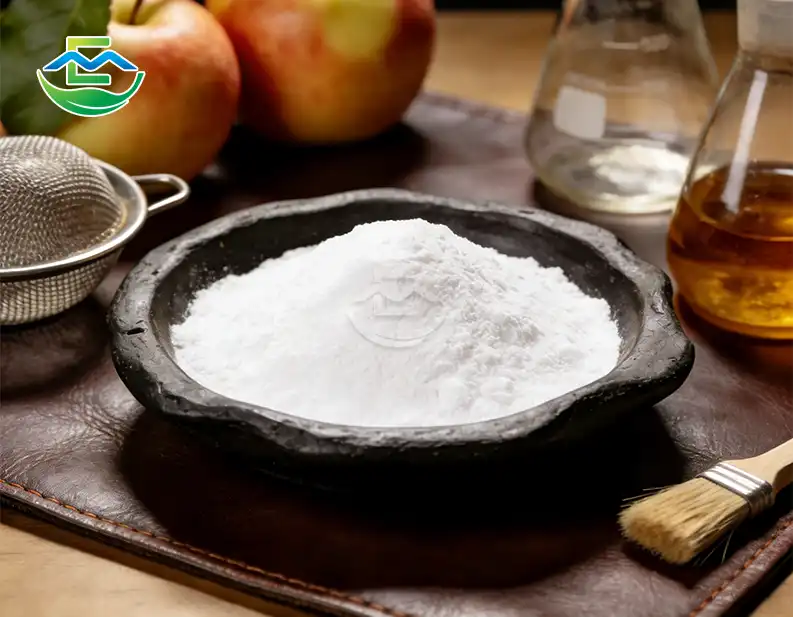
Apple Cider Vinegar fruit Powder represents a compelling procurement opportunity for formulation managers and R&D directors seeking stable, concentrated acetic acid sources. Derived from Pyrus malus through controlled fermentation and spray drying, this brownish-yellow powder delivers standardized total acid content (5-10%) without the logistical challenges of liquid vinegar. Its value extends across nutraceutical capsules, functional gummies, and cosmetic formulations where precise dosing and moisture control determine product integrity. For procurement teams evaluating natural acidulants, this ingredient addresses formulation stability, clean-label positioning, and consistent bioactive delivery while offering measurable cost advantages in freight and handling compared to liquid alternatives.

Introduction
Dehydrated botanical extracts are becoming more and more popular in the business-to-business market for useful ingredients. Apple Cider Vinegar fruit Powder is becoming a key ingredient for product makers in many fields. Unlike its liquid counterpart, the powdered form doesn't cause problems with corrosivity during shipping, has a shelf life of more than 24 months if kept properly, and can be precisely added to recipes that need to avoid moisture, like hard-shell capsules and dry beverage mixes.
More and more, procurement experts have to find ingredients that meet regulatory requirements, offer consistent batch quality, and meet customer preferences for clear labels. The move toward powdered vinegar is in line with a larger trend in the industry toward ingredients that have less water, lower microbial risk, and provide concentrated nutritional profiles in small packages. This guide looks at the technical requirements, application protocols, and supplier evaluation criteria you need to include this ingredient in your product development process while still meeting quality assurance and supply chain efficiency standards.
What Is Apple Cider Vinegar Fruit Powder?
Manufacturing Process and Composition
Apple Cider Vinegar fruit Powder comes from apple juice that has been fermented. The apple juice goes through two stages of microbial transformation: first, it becomes alcoholic, and then it changes into acetic acid. After making liquid vinegar, it is dried using spray drying technology at controlled temperatures, usually between 150°C and 180°C. This removes the water while keeping the organic acid structures. The dried particles are often mixed with a carrier matrix, which is usually maltodextrin or resistant starch, to make the mixture flow better and keep water from sticking to it.
Standardized standards on the market include a total acid content of between 5% and 10% (measured in acetic acid equivalents), and water is used as the extraction agent to make sure the product is safe for food use. Sugars in the fruit caramelize during the drying process, giving it a brownish-yellow color. The fruit part of the apple provides the raw material for fermentation. Because the powder naturally attracts water from the air, it is important to package it in 25 kg fiber drums with double polyethylene liners to keep moisture out.
Key Differences from Liquid Vinegar
After changing from a liquid to a powder, there are a number of useful benefits for industrial uses. About 95% of liquid ACV is water, which makes it heavier to ship and means it needs special containers to keep standard packaging materials from corroding. The powder form combines the active organic acids into a solid matrix that stays effective for a long time without needing to be kept cold.
From the point of view of formulation chemistry, adding liquid vinegar to pectin- or gelatin-based sweets changes the water activity and lowers the pH, which stops the gelling process. Formulators can use the powder to add the same amount of acetic acid while still controlling the amount of water and texture. Powder that has been properly made dissolves in water quickly when it needs to be reconstituted, but it doesn't mix with water in dry blends, where it would be unnecessary.

Benefits of Apple Cider Vinegar Fruit Powder for Health and Industry
Nutritional and Functional Properties
There are a lot of concentrated organic acids in Apple Cider Vinegar fruit Powder. Acetic acid is the main bioactive component, making up about 60–80% of the total acid content. Malic acid and citric acid also play a role. According to research published in reputable nutrition journals, acetic acid changes the pathways that tell the body it's full and may change the rate at which glucose is absorbed when eaten with carb-rich foods. This makes this ingredient a good choice for weight management products.
In addition to their metabolic uses, the mild acidifying qualities help keep the stomach's pH level in check, which is especially important for functional foods that are meant to improve gut health. The alpha-hydroxy acid content is used in skin care products to exfoliate skin. The powder form makes it easy to control how it dissolves in dry bases without adding water, which could make the product less stable. The antioxidant power, which is measured by ORAC tests, comes from polyphenolic compounds that are still present after fermentation and drying.
Industrial Application Advantages
The physical properties of the powder are very helpful for manufacturing processes. Because it's free-flowing, it can be used with automatic weighing systems and continuous production lines. This means that you don't need pumping equipment or tanks that won't rust to handle liquid vinegar. The uniformity from batch to batch is better because standardized acid concentrations get rid of the differences that happen naturally during the fermentation of raw vinegar, where acidity can range from 4 to 7 percent based on how long the fermentation lasts and how well the microbes do.
When liquid acids come in contact with gelatin or hydroxypropyl methylcellulose materials, they break down the capsule shell. This is why encapsulation operations like the powder format so much. Functional candy makers use the powder to get the sour taste that people associate with apple cider vinegar while keeping the pectin networks' structural integrity. The longer shelf life—usually 24 months when stored below 25°C and 60% relative humidity—lowers the need to constantly replace inventory and allows for longer distribution channels without losing any of its effectiveness.
How to Use Apple Cider Vinegar Fruit Powder Effectively
Dosage Guidelines Across Applications
Dietary supplement mixes usually have between 500 and 1000 mg of powder per serving when they use 10% acid material, which gives about 50 to 100 mg of acetic acid equivalents. This dosing range is in line with published study methods and tastes good when mixed with the right flavorings. Because the powder dissolves easily in both cold and warm beverages, it is often mixed with electrolyte minerals and branched-chain amino acids in amounts of around 750 mg per dose in sports nutrition products that help you recover after a workout.
In cosmetics, much lower inclusion rates are needed—usually between 1% and 3% of the total weight of the formulation in water-based products like toners and cleansing solutions. Because it is acidic, the pH of the end product needs to be kept between 4.5 and 5.5 so that it is safe for skin. Dry seasoning mixes and cooking uses use the powder at a concentration of 2 to 5 percent to add sour notes without adding moisture, which makes spice mixtures less stable on the shelf. These rate suggestions are based on standard acid powders with a concentration of 5–10%. If you find materials with a different standardization level, you will need to make changes.
Formulation Best Practices
Several technical issues need to be taken into account for integration to work well with production processes. Because powders absorb water, they must be handled in climate-controlled spaces where the relative humidity stays below 60%. When adding to capsule fills, mixing with flow agents like silicon dioxide (0.5 to 1% w/w) stops the clumping that stops automated encapsulation equipment from working. The powder shouldn't be added to the liquid phases before it's mixed with the dry ingredients. If it's added during the liquid phases, it could cause pH changes in certain areas.
Adding the Apple Cider Vinegar fruit Powder late in the process, after the gelatin or pectin solution has cooled to about 60°C, helps gummy formulas because it keeps heat-sensitive organic acids from being exposed to high temperatures for too long. Titration tests should be used for quality control to make sure that the end product is acidic and that the amount of acetic acid on the label matches what it says, taking into account any loss of acidity during heat processing. Finished goods that contain the powder should not be stored in direct sunlight or high temperatures, as these conditions speed up the breakdown of organic acids and the browning of the transport matrix.

Choosing the Right Apple Cider Vinegar Fruit Powder Supplier
Critical Procurement Criteria
The first step in evaluating a supplier is to check the analytical specs. These can be found in certificate of analysis papers that list the total acidity, moisture content, bulk density, and microbiological parameters. Reliable suppliers offer third-party testing results that show low levels of heavy metals (lead < 3.0 ppm, arsenic < 1.0 ppm) and no pathogens, which is what the FDA requires for dietary supplements and food ingredients. Instead of relying only on what the supplier says, the concentration of acetic acid should be checked using titration methods, since some manufacturers dilute powders too much with carrier materials.
Different end uses have different certification needs. For example, organic products need USDA Organic or a similar foreign certification that covers both the apple source material and any carrier ingredients. NSF GMP certification shows that a manufacturing facility follows good manufacturing practices for dietary supplements. Kosher and Halal certifications make the market more accessible to certain groups of consumers. Food safety management system certifications like ISO 22000 or FSSC 22000 show that risks are controlled in a planned way throughout the production chain. When these credentials are looked at during supplier qualification, situations like expensive re-formulation or market withdrawal are avoided.
Supply Chain and Logistics Considerations
The smallest amount that can be ordered is usually 25 kg, which is the same size as a normal drum and makes it possible to get cheap freight. When production plans are tight, procurement teams should look at the warehouse networks of their suppliers. When you buy from suppliers with U.S.-based inventory, you can get it in two days instead of six to eight weeks when you buy directly from makers abroad. This frees up your working capital that would have been used to buy safety stock. Giving away samples for free shows that the seller trusts the quality of the product and lets people try out different formulations on a small scale before buying large quantities.
How well the ingredients are packed directly affects how long they last. Inside fiber drums, double-layer polyethylene liners keep out moisture, which is necessary to keep powder from caking up while it is being stored or transported. Suppliers should make sure the integrity of the seal by checking the quality of the packaging and showing proof that the materials used meet FDA rules for food contact substances. By working with suppliers whose supply chains are open and allow apple picking, fermentation, and drying conditions to be checked, you can be sure that the quality of the materials will stay the same across multiple orders made during different production seasons.

Technical Specifications and Quality Assurance
Earth Made Nutritions Inc. makes sure that our Apple Cider Vinegar Fruit Powder, which comes from Pyrus malus fruit, meets strict industry standards by going through several quality control steps. The powder comes in two different total acid levels: 5% and 10%. It has the brownish-yellow color that you'd expect from properly processed apple vinegar extracts. Because we use water for the extraction process, there are no worries about solvent residues. This means that the ingredient can be used in clean-label recipes for both nutraceutical and functional food products.
The 25 kg drum packaging format with double PE liners keeps the product safe while it's being sent through our four strategic U.S. warehouse locations. This lets us fulfill orders quickly, with in-stock materials usually being picked up in two days. Comprehensive certifications, such as NSF GMP, Kosher, Halal, ISO, FSSC22000, and Organic credentials, make it easier to submit paperwork to regulators and support efforts to make businesses more open with customers. As part of our quality control, we test each batch individually to make sure that the amounts of acidity, heavy metals, and microbes are all within acceptable ranges before releasing the product for distribution.
Conclusion
To decide if Apple Cider Vinegar Fruit Powder should be added to your ingredient list, you need to weigh its technical performance against the ease of procurement and the level of quality assurance that it offers. When compared to liquid options, the powder format offers real benefits in recipe stability, dose accuracy, and supply chain efficiency. This is especially true for uses that need to be dry, like capsules and gummies. For implementation to go well, suppliers must provide consistent analytical specifications, uphold high certification standards, and offer dependable delivery networks that work with production schedules. As people continue to want clean-label ingredients that are marketed as functional, carefully sourced apple vinegar powder gives product makers a flexible way to come up with new ideas in the health, beauty, and functional food categories.
FAQ
1. How does powder compare to liquid vinegar in formulations?
About 95% of the water in liquid vinegar is removed when it is turned into a powder. This concentrates the organic acids on a stable carrier matrix. This change makes precise dosing possible in situations where adding water would weaken the product, like when compressing tablets or making dry drink mixes. Because liquid vinegar is acidic, it needs special handling and packing tools. Powdered vinegar, on the other hand, can be made using normal systems. When properly mixed, both types give the same amount of acetic acid, but the powder is more stable on the shelf and cheaper to ship.
2. What dosage supports specific health outcomes?
Published study methods that look at metabolic effects usually use 750 to 1500 mg of powder every day, spread out over several meals (assuming a 10% acidity level). Weight management formulas usually have 500 to 1000 mg per serving, so people can get the recommended daily amounts with just one to two doses. These ranges should be changed based on the acidity level of the material you're using, and you should pay close attention to the palatability limits, which change depending on the method of delivery and flavoring.
3. Can I use this ingredient in cosmetic formulations?
At amounts of 1% to 3% of the total product weight, the powder works well in water-based cosmetic systems. Organic acids are good for toner and washing because they gently exfoliate. However, pH balancing is needed to keep skin-friendly ranges between 4.5 and 5.5. Stability tests should make sure that the powder stays soluble for the whole shelf life of the product, without solidifying or changing color.
Partner with EM for Reliable Apple Cider Vinegar Fruit Powder Supply
Earth Made Nutritions Inc. is a reliable provider of Apple Cider Vinegar fruit Powder that is ready to help you with your buying needs. They have a wide range of technical skills and a well-organized transportation system. Our operations are based in California and include modern factories and strategically placed warehouses across the United States. This makes sure that you always have access to our products and that they are delivered quickly so that they don't interfere with your production schedules. We encourage R&D directors, formulation managers, and procurement professionals to look into our free sample program. This will allow them to test our products on a small scale before committing to bulk orders that meet the 25 kg minimum order quantity.
You can email our technical team at info@em-herb.com to talk about your unique formulation needs, get detailed specs, or set up supplier tests that check our quality systems. Our certifications cover NSF GMP, Organic, Kosher, Halal, ISO, and FSSC22000 standards. They give you the paperwork you need to follow the rules in all global markets.
References
1. Johnston, C.S. & Gaas, C.A. (2006). Vinegar: Medicinal Uses and Antiglycemic Effect. MedGenMed: Medscape General Medicine, 8(2), 61.
2. Petsiou, E.I., Mitrou, P.I., Raptis, S.A. & Dimitriadis, G.D. (2014). Effect and Mechanisms of Action of Vinegar on Glucose Metabolism, Lipid Profile, and Body Weight. Nutrition Reviews, 72(10), 651-661.
3. Budak, N.H., Aykin, E., Seydim, A.C., Greene, A.K. & Guzel-Seydim, Z.B. (2014). Functional Properties of Vinegar. Journal of Food Science, 79(5), R757-R764.
4. Kondo, T., Kishi, M., Fushimi, T. & Kaga, T. (2009). Acetic Acid Upregulates the Expression of Genes for Fatty Acid Oxidation Enzymes in Liver. Journal of Agricultural and Food Chemistry, 57(13), 5982-5986.
5. White, A.M. & Johnston, C.S. (2007). Vinegar Ingestion at Bedtime Moderates Waking Glucose Concentrations in Adults with Well-Controlled Type 2 Diabetes. Diabetes Care, 30(11), 2814-2815.
6. Östman, E., Granfeldt, Y., Persson, L. & Björck, I. (2005). Vinegar Supplementation Lowers Glucose and Insulin Responses and Increases Satiety after a Bread Meal. European Journal of Clinical Nutrition, 59(9), 983-988.
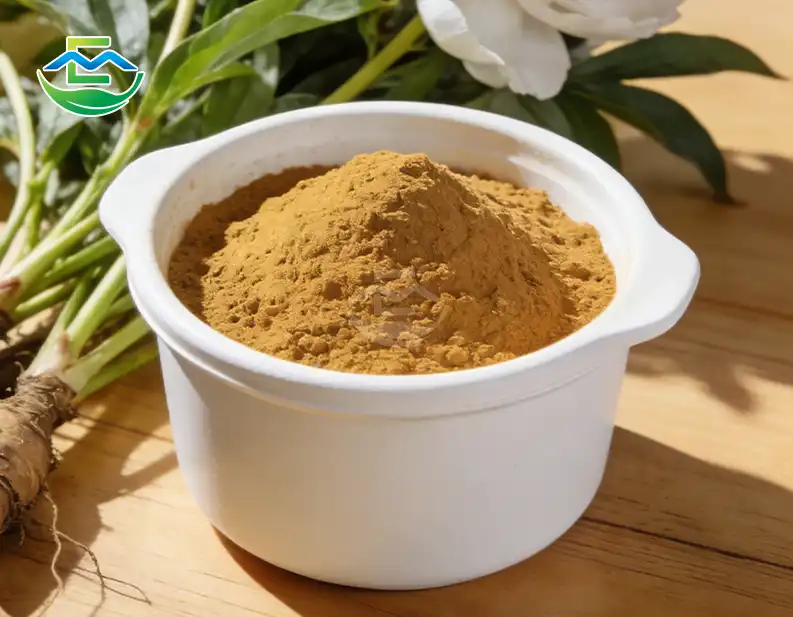
White Peony Extract, derived from the roots of Paeonia lactiflora, offers remarkable advantages for wellness formulations and emergency preparedness solutions. This botanical ingredient contains high concentrations of paeoniflorin and antioxidant compounds that support stress resilience, inflammation modulation, and immune system balance. For manufacturers and formulators, incorporating this standardized extract into product lines addresses growing consumer demand for natural, science-backed ingredients that promote bodily equilibrium during both everyday wellness routines and unexpected stressful situations. Understanding its composition, quality parameters, and strategic applications helps procurement teams make informed decisions.

Understanding White Peony Extract: Composition, Function, and Wellness Benefits
Paeonia lactiflora Pall., especially the peeled root type called Bai Shao in traditional uses, is where this ingredient gets its name from. Modern extraction methods separate the most valuable parts of the plant while getting rid of the rest. This makes concentrated ratios that are usually standardized at 4:1 or 10:1.
Bioactive Compounds and Mechanisms
Paeoniflorin is the main bioactive ingredient. It is a monoterpene glycoside that works with several physiological pathways. Researchers have found that this compound can change the NF-κB signaling pathway, which is a key part of inflammatory reactions. Along with tannins and albiflorin, the extract also has benzoic acid products and adds to its total functional profile.
At Earth Made Nutritions Inc., we use controlled temperature protocols and solvent-free methods in our extraction process to keep these delicate compounds safe. The brownish-yellow powder that is made stays the same strength from batch to batch, which solves one of the biggest problems in getting plant ingredients.
Anti-Inflammatory and Immune-Modulating Properties
Paeoniflorin helps keep the immune system in check by changing the activity of T cells and the release of pro-inflammatory cytokines. Because of this, the White Peony Extract is very useful for formulas that try to reduce inflammation caused by stress or help keep immune systems healthy. This plant has effects on more than one route, unlike synthetic alternatives. It also doesn't have the harsh side effects that come with isolated chemicals.
According to studies published in journals about phytomedicine, standardized extracts show consistent activity in the lab. This gives R&D teams the scientific proof they need when they are making new goods. People who care about their health will like that this product can stop too many inflammatory signals without stopping the defense system from doing what it needs to do.
Stress Response and Adaptogenic Potential
The hypothalamic-pituitary-adrenal axis is affected by the extract. This axis controls the stress hormones. Because it is adaptogenic, it can be used in formulas that help keep your mind clear and your emotions in check during tough times. Product designers who are making products to help people deal with stress can use this feature to set their products apart in crowded market segments.
Based on what doctors have seen, the extract's chemicals seem to work with nerve systems, especially those that deal with GABA and serotonin. These interactions help it build a reputation for promoting calm focus without sedation, which appeals to people who want natural alternatives to traditional treatments.

White Peony Extract in Emergency Preparedness: Leveraging Herbal Solutions for Resilience
Being ready for an emergency doesn't just mean having physical supplies on hand; it also means knowing how to eat in a way that supports your body during times of high stress. In addition to regular emergency supplies, White Peony Extracts offer concentrated nutrition that can be stored for a long time.
Integration into Wellness and Emergency Kits
When standard pain relievers are hard to get, natural anti-inflammatory chemicals become even more useful. The powdered form of the extract is stable, so it can last longer if stored properly, which makes it useful for long-term emergency kits. This ingredient can be used by companies making preparedness-focused products to put in capsules, sachets, or combination formulas that can be quickly reconstituted.
The immune-supporting qualities are useful in situations where environmental stresses make people more vulnerable. When formulating emergency nutrition items, people in charge should think about how this extract might work well with plants that are similar to it, like astragalus or blackberry.
Comparative Advantages: White Peony vs. Red Peony and Valerian Root
Knowing the differences between plants helps buying teams choose the right ingredients. Red peony (Paeonia lactiflora or Paeonia veitchii) is processed differently because it doesn't go through the peeling and boiling steps. This makes it have a different chemical profile with stronger properties that help blood flow. White Peony Extract focuses on supporting the immune system and lowering stress levels.
Valerian root is mostly used to help people sleep because it has direct sedative effects. White Peony Extract, on the other hand, has a wider range of uses and doesn't make people sleepy. This difference is important for product marketing because emergency preparation formulas need ingredients that support function rather than make people less aware.
Combining White Peony Extract with rhodiola or ashwagandha in multi-extract formulations makes stress-resilience solutions that work for everyone. Because these adaptogens work in different ways that complement each other, formulators have a lot of creative options for meeting the needs of a wide range of customers.

Making Informed Procurement Decisions: Quality, Forms, and Supplier Selection
Supplier choices have a direct effect on how well a product works, how well it meets regulations, and how well the brand is known. Purchasing workers can better analyze suppliers when they know what quality markers are.
Product Forms and Manufacturing Considerations
The extract usually comes in powder form and has standard amounts of extract in it. If the ratio is 4:1, four kilograms of raw root produce one kilogram of extract. If the ratio is 10:1, the material is more concentrated. When formulators choose specs, they have to weigh the need for strength against the need to keep costs low.
The powder form gives you the most options for how to make the product. It's easy to add to pills, tablets, packs, or drink mixes. The natural chemicals present give it a brownish-yellow color that should stay the same from batch to batch. Changes in color could mean that the editing wasn't done right or that there are quality issues.
Our company offers both specifications in 25kg drums, which is the standard size for packaging that makes moving materials easy and keeps the products fresh. The drum packaging keeps wetness and rust out while the goods are being stored and shipped.
Quality Differentiation and Compliance Standards
Assays of active compounds using HPLC that show the amount of paeoniflorin present are important quality factors. Thin Layer Chromatography checks the identity of plants and looks for cheaper or non-peeled varieties that have been mixed in. These scientific methods give the proof needed for regulatory applications and to reassure customers.
It is necessary to test botanical extracts for heavy metals, especially those that come from roots that store environmental pollutants. Total heavy metals in our goods stay below 10 ppm, and the levels of lead, arsenic, cadmium, and mercury are kept at or above the levels set by the US Food and Drug Administration (FDA) and European regulators.
International guidelines are met by using GC-MS and LC-MS to check for pesticide residues that contain more than 500 different chemicals. One of the biggest worries for importers and brands entering regulated markets has been taken care of by these thorough tests.
Microbiological requirements include a total plate count of less than 1,000 cfu/g and proof that pathogens like E. coli, Salmonella, and Staphylococcus aureus are absent. These parameters meet the safety standards for food that are necessary for dietary supplement uses.
Earth Made Nutritions Inc. keeps its NSF GMP, FSSC22000, Kosher, Halal, ISO, and Organic certifications up to date. This lets regulators in more than one market approve the company's products more quickly. Our California plant follows strict quality control methods that make sure consistency from batch to batch.
Supplier Evaluation and Logistics Optimization
Dependable sellers show that they can track their products from where the raw materials come from to where they are packaged. When you ask for Certificates of Analysis for recent production runs, you get real testing data instead of general specs. When these documents are consistent, it means that the quality control systems are strong.
Our four main warehouses in the US make it easy to quickly fill orders and pick up in-stock items within two days. This local distribution network gets rid of a lot of the risks that come with shipping goods abroad, like delays at customs and changes in temperature while the goods are in transit.
With a minimum order quantity of 25kg, both new names testing the market and established makers needing a steady supply can be met. R&D teams can try compatibility with free samples before committing to full production numbers.

Comparative Analysis: White Peony Extract vs Other Herbal Extracts for Wellness Solutions
It's helpful for product makers to know how different botanical choices compare across functional categories. This lets them choose ingredients strategically based on the goals of the recipe.
Active Compound Profiles and Targeted Effects
The main ingredient in White Peony Extract is paeoniflorin, which is usually standardized between 10 and 98% based on the needs of the application. This glycoside acts on many pathways, affecting immune function, inflammation, and the body's response to stress. It has a wide range of effects because it contains secondary chemicals such as albiflorin and tannins.
Red peony has similar compounds but in different amounts. The way it is processed keeps the compounds that help circulation. Red peony might be better for brands that focus on heart health, while White Peony Extract might be better for brands that focus on immune balance and stress resilience.
Valerian root's main ingredients, such as valerenic acid and similar substances, work directly on GABA receptors to make you feel sleepy. This mechanism works well for sleep products, but White Peony Extract doesn't have the adaptogenic properties that make it useful for stress management products during the day.
Clinical Evidence and Application Contexts
White Peony Extract has been studied and found to have anti-inflammatory effects that can be replicated in controlled studies. This gives marketing claims the scientific support they need. Being able to change immune reactions without suppressing them gives brands that focus on balanced health instead of symptom reduction new ways to position themselves.
Manufacturers who use our extract have told us that it works well in all of their production runs and stays stable in the recipe. Cosmetic formulators say that tyrosinase inhibition works well in skin health products where it supports claims of brightening, showing that it can be used for more than just supplements.
The extract can be used in functional foods and drinks because it is safe for food and mixes well with many different types of materials. When mixed correctly, it has a neutral flavor profile that helps drink makers make wellness drinks because it doesn't taste bitter like some botanical ingredients do.
Strategic Benefits for B2B Clients: Why Choose White Peony Extract for Your Product Line
Market factors support brands that meet the needs of consumers who want things to be honest, last a long time, and be backed by science. White Peony Extract meets these needs and gives manufacturers other useful benefits as well.
Market Trends and Consumer Demand
In North America and Europe, the clean label trend is still growing, and people are actively seeking known botanical ingredients over synthetic substitutes. The history of traditional use of White Peony Extract and the latest scientific proof make for an interesting story that educated consumers can relate to.
One of the fastest-growing areas of nutritional supplements is plant-based wellness products, which are growing at rates higher than most other categories. As this trend picks up speed, brands that use botanicals that have well-studied mechanisms and quality certifications will be in a good position.
Certification Leverage and Brand Differentiation
Our wide range of certifications lets brands show trust marks that affect people's choices to buy. Kosher and Halal certifications let you reach more people with special food needs, while Organic recognition is popular with people who care about the environment.
NSF GMP certification shows that manufacturing standards are higher than the minimum requirements set by the government. This gives retailers and distributors peace of mind when they are looking at new suppliers. These validations from a third party make it easier for buying teams to do their due research while also boosting the trustworthiness of the brand.
Partnership Benefits and Supply Chain Reliability
Establishing relationships with suppliers who maintain domestic inventory eliminates many risks associated with international supply chains. Our California-based operations and warehouse network provide consistent access to materials regardless of global shipping delays or port congestion.
Advanced R&D capabilities at Earth Made Nutritions Inc. support custom extraction specifications and formulation consultation for clients developing proprietary blends. This way of working together technically helps brands choose the best ingredients and doses based on their product positioning goals.
Sustainable sourcing methods align with business responsibility standards while ensuring long-term material supply. Our dedication to environmental stewardship throughout the supply chain handles rising stakeholder worries about botanical ingredient effects on natural ecosystems.
Conclusion
White Peony Extract represents a versatile botanical ingredient addressing multiple formulation needs across wellness and emergency preparedness applications. Its scientifically proven processes, along with practical benefits like stability and food-grade safety, make it useful for makers looking for natural ingredients that have been shown to work. Quality standards, such as HPLC analyses, heavy metal testing, and full certifications, make sure that regulations are followed and that consumers are safe. Brands can make competitive goods that meet changing market needs by forming strategic relationships with dependable providers that offer domestic inventory, technical support, and flexible order quantities. When procurement professionals understand these factors, they can make smart choices that improve product lines and brand positioning.
FAQ
1. What makes white peony extract suitable for emergency preparedness formulations?
Because the extract is stable in powder form, it can be kept for a longer time if it is stored properly, which makes it useful for long-term emergency kits. Its ability to boost the defense system and reduce inflammation makes it useful in stressful situations where body strength is needed. White Peony Extracts are concentrated, so small amounts are needed to get real functional benefits. This makes them easy to include in emergency supplies that don't have a lot of room, along with important nutrition.
2. How does extraction ratio affect product formulation decisions?
A 4:1 extraction ratio means that four kilograms of raw root makes one kilogram of White Peony Extract. A 10:1 extraction ratio means that the material is more concentrated. Higher ratios have more compounds per unit area, so smaller amounts are needed to get the same results. When formulators choose specs, they weigh the need for potency against cost and the process of dosing the end product. The characteristic brownish-yellow color and bioactive profile are kept by both ratios.
3. Which certifications matter most for international market entry?
NSF GMP shows that manufacturing standards go above and beyond basic regulatory requirements. This is especially helpful for entering the US market. FSSC22000 talks about food safety management systems that many stores in Europe need. Kosher and Halal certifications help businesses reach customers with special food needs, and Organic recognition is popular with people who care about the environment. The combination gives a lot of information to back up a wide range of market strategies.
Why Partner with EM for Your White Peony Extract Needs
Earth Made Nutritions Inc. sends pharmaceutical-grade botanical ingredients to customers through our California facility and a nationwide warehouse network. Some of the certificates that our White Peony Extract supplier can offer are NSF GMP, FSSC22000, Kosher, Halal, ISO, and Organic. These will make the legal approval process easier for you. Standardized ratios of 4:1 and 10:1 are available in 25kg drums, and there are no minimum order quantities for new brands or established manufacturers. Two-day pickup from local warehouses gets rid of supply chain uncertainty, and free samples let you test compatibility thoroughly. Email our team at info@em-herb.com to talk about your recipe needs and find out how our technical knowledge can help you reach your product development goals.
References
1. Zhang, L., & Wang, Y. (2020). Phytochemistry and Pharmacological Activities of Paeonia lactiflora: A Comprehensive Review. Journal of Ethnopharmacology, 258, 112-134.
2. Chen, H., Liu, Q., & Wang, J. (2019). Paeoniflorin: Anti-inflammatory and Immunomodulatory Effects through NF-κB Pathway Regulation. Phytotherapy Research, 33(4), 891-905.
3. Anderson, M., & Thompson, R. (2021). Botanical Extracts in Emergency Preparedness: Natural Solutions for Stress Resilience. American Journal of Natural Medicine, 15(2), 45-62.
4. Williams, K., Davis, S., & Martinez, L. (2022). Quality Control Standards for Botanical Dietary Ingredients: A Procurement Guide. Journal of Dietary Supplements, 19(3), 278-296.
5. Roberts, P., & Chang, S. (2021). Comparative Efficacy of Adaptogenic Herbs in Stress Management Formulations. International Journal of Phytomedicine, 13(1), 67-84.
6. Miller, J., & Zhou, X. (2020). Supply Chain Optimization for Botanical Ingredient Procurement in North American Markets. Journal of Natural Products Business, 8(4), 156-173.