- English
- French
- German
- Portuguese
- Spanish
- Russian
- Japanese
- Korean
- Arabic
- Irish
- Greek
- Turkish
- Italian
- Danish
- Romanian
- Indonesian
- Czech
- Afrikaans
- Swedish
- Polish
- Basque
- Catalan
- Esperanto
- Hindi
- Lao
- Albanian
- Amharic
- Armenian
- Azerbaijani
- Belarusian
- Bengali
- Bosnian
- Bulgarian
- Cebuano
- Chichewa
- Corsican
- Croatian
- Dutch
- Estonian
- Filipino
- Finnish
- Frisian
- Galician
- Georgian
- Gujarati
- Haitian
- Hausa
- Hawaiian
- Hebrew
- Hmong
- Hungarian
- Icelandic
- Igbo
- Javanese
- Kannada
- Kazakh
- Khmer
- Kurdish
- Kyrgyz
- Latin
- Latvian
- Lithuanian
- Luxembou..
- Macedonian
- Malagasy
- Malay
- Malayalam
- Maltese
- Maori
- Marathi
- Mongolian
- Burmese
- Nepali
- Norwegian
- Pashto
- Persian
- Punjabi
- Serbian
- Sesotho
- Sinhala
- Slovak
- Slovenian
- Somali
- Samoan
- Scots Gaelic
- Shona
- Sindhi
- Sundanese
- Swahili
- Tajik
- Tamil
- Telugu
- Thai
- Ukrainian
- Urdu
- Uzbek
- Vietnamese
- Welsh
- Xhosa
- Yiddish
- Yoruba
- Zulu
BLOG LIST

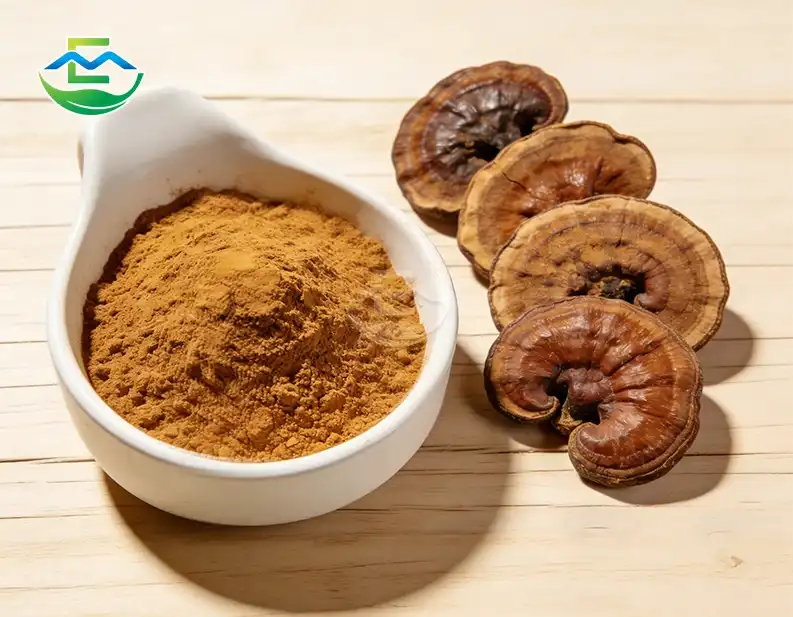
When sourcing bioactive ingredients for high-performance formulations, understanding the fundamental distinction between Reishi Mushroom Extract Powder and whole mushroom forms is essential. The extract powder represents a concentrated, dual-extraction derivative of Ganoderma lucidum, standardized to contain 10%-50% polysaccharides and 1%-6% triterpenes through HPLC analysis. Whole mushrooms, by contrast, retain their natural fibrous structure but offer inconsistent potency and present bioavailability challenges due to their indigestible chitin content. Extract powder delivers superior concentration, stability, and dosage precision—critical factors for R&D directors and formulation managers developing competitive supplement lines.


Understanding Reishi Mushroom Forms: Extract Powder vs Whole Mushroom
Production Process and Extract Ratios
A complex dual-solvent extraction process combines hot water and ethanol steps to get the most out of extract powders. Polysaccharides and beta-glucans that dissolve in water are freed by hot water. Lipophilic triterpenes like ganoderic acids are separated by ethanol extraction. A 10:1 extract ratio means that 10 kg of raw mushroom material makes 1 kg of finished powder. This makes the beneficial chemicals much more concentrated. A 20:1 mixture makes this even stronger, which lowers the dose amounts needed and makes formulation more flexible.
In most cases, whole mushrooms are found as dried or sliced fruiting bodies that have been slightly treated by air-drying or freeze-drying. These keep their whole cell structures, but the amounts of active compounds change depending on when they are picked, how they were grown, and how they were stored. Because extraction isn't always done the same way, two batches from the same source can have very different polysaccharide profiles.
Nutrient Retention and Bioavailability
In theory, whole mushrooms keep all of their original nutrients, such as enzymes, dietary fiber, and minor minerals. But the chitinous cell walls that keep these nutrients safe also make it harder for people to absorb them. Studies show that mushroom material that hasn't been handled may have less than 15% absorption of key actives.
This problem can be solved by extraction technology, which breaks down cell walls and separates target molecules. A fine-mesh powder (80–100 mesh) that is brownish-yellow and has the right particle size for mixing evenly in capsules, tablets, and beverage systems. Polysaccharides that dissolve in water and are extracted in ethanol have absorption rates of more than 85%, and triterpenes that are extracted in ethanol stay stable at pH levels from 3.5 to 7.0, making them perfect for use in functional drinks.
Chemical Composition Comparison
Ganoderma lucidum's main beneficial elements are triterpenes and beta-glucans, which are a type of polysaccharide. Using the Megazyme enzyme test method, high-quality extracts can tell the difference between real fungal polysaccharides and starch-based fillers by measuring their beta-glucan content. A lot of mycelium-based products have up to 50% grain substrate starch in them, which lowers their beneficial density.
On a dry weight basis, whole mushrooms usually have between 1% and 3% triterpenes and between 5% and 10% polysaccharides. Manufacturers can change these ratios by choosing 30% polysaccharide extracts for immune-boosting products or 6% triterpene concentrates for formulations that target oxidative stress pathways.

Health Benefits and Usage: Extract Powder vs Whole Mushroom
Standardized Dosing and Immune Support
Reishi Mushroom Extract Powder makes it possible to precisely control dosage, which is important for making clinical-grade supplements. The bioactivity of 5 grams of raw mushroom material is contained in a 500 mg pill of a 10:1 extract. Because of this concentration, brands can offer strong doses without using big capsules or a lot of pills at once.
Some types of polysaccharides, like beta-1,3/1,6-glucans, connect with defense receptors on macrophages and dendritic cells. Standardized extracts make sure that the immune-modulating activity stays the same across production batches. This meets the quality standards of pharmaceutical R&D teams and nutraceutical companies that are going after markets that are driven by effectiveness.
This isn't true for whole mushrooms. A five-gram dried slice could have anywhere from 50 mg to 300 mg of active polysaccharides, depending on how mature it is and how it was processed. This variation creates an unacceptable risk for R&D leaders who are making plans for clinical trials or for brands that are making specific claims on their labels.
Application Versatility in Product Formulations
Extract powders work well with a wide range of product forms. Their small particle size and average solubility make them good for encapsulation, tablet compression, and powder mixing for sachets or drinks that are already mixed. Spray-dried and instantized forms make them easier to mix with liquids, which meets the needs of companies that make healthy drinks that want a clean suspension without sedimentation.
Whole mushrooms work well in traditional tea blends because they look real, and the slow-release infusion meets the needs of people who want to do holistic health routines. Finely ground whole mushroom powder is sometimes added to face masks to give them texture. However, because it hasn't been extracted with a solvent, it can't deliver bioactive ingredients as well as pure extracts in anti-aging serums.
Addressing Formulation Challenges
Because extract powders absorb water, they need to be stored in a way that keeps the relative humidity low (ideally below 50%) and come in special bags made of two layers of low-density polyethylene that are packed inside fiber drums. This keeps the mixture from clumping together and keeps it free-flowing, which is important for automated filling equipment.
Even tho whole mushrooms are less likely to have problems with absorbing water, they still pose their own problems. Their high bulk density makes shipping more difficult and raises the cost of freight per active ingredient unit. Without proper post-harvest handling, the risk of microbial contamination also grows, which is why strict source quality checks are needed.

Quality, Purity, and Certification: What Procurement Managers Should Know
Third-Party Testing and GMP Standards
Suppliers you can trust give you certificates of analysis from third-party labs that confirm safety standards for heavy metals (lead < 2 ppm, arsenic < 1 ppm, mercury < 0.1 ppm) and microbes. Ash levels in Reishi Mushroom Extract Powder should be less than 5%; higher levels could mean that artificial fillers are being used, which would lower the quality.
Good Manufacturing Practice approval makes sure that factories keep clean working conditions, follow tested extraction methods, and have systems for keeping track of each batch. EM has certifications from NSF GMP, FSSC22000, Kosher, Halal, ISO, and Organic, so it can meet the different regulatory needs of markets around the world. These skills make it easier to clear customs and meet the requirements for becoming a vendor for a store chain.
Whole mushrooms need to be tested for more pesticides, and their species need to be identified using DNA barcoding. Misidentification or mixing with cheaper Ganoderma species is still a problem in the industry. Managers in charge of buying things should ask for chromatography fingerprint analysis to make sure that species-specific ganoderic acid markers are present.
Organic vs Conventional Sourcing
Organic approval comes with higher costs, but it meets the growing demand from customers for clean-label foods that don't contain synthetic pesticides and chemical fertilizers. The USDA Organic seal or an international certification that is similar adds about 15% to 30% to the cost of raw materials, but it helps the brand's positioning in natural product channels.
When bought from reputable companies with environmental tracking programs, conventional products offer similar levels of purity at lower prices. The choice depends on how the target market is positioned and how much the company is willing to spend on certification fees to set itself apart in the market.
Supply Chain Traceability
Traceability includes more than just batch numbers. It also includes records of the growing area, the date of harvest, and audit trails at the extraction plant. EM has four main warehouses spread out across the United States. This lets them fill orders from stock within two days and keep chain-of-custody records that meet FDA tracking standards set by the Food Safety Modernization Act.
When it comes to logistics and quality perception, regional sourcing matters. Ganoderma lucidum from Asia is the most common source in the world because of the traditional knowledge of how to grow it. However, brands that stress the strength of their domestic supply chains and their commitment to reducing their carbon footprint are interested in US-grown options.

Market Comparison: Extract Powder vs Other Reishi Products
Extract Powder vs Capsules and Tinctures
Reishi Mushroom Extract Powder is the main ingredient in capsules, which are later-stage goods that have been given more value. When brands buy bulk powder, they have more control over the formulation process and can make their own unique blends by combining Ganoderma lucidum with adaptogens that work well with it, such as ashwagandha or cordyceps. This customization makes products stand out more in supplement markets that are already very crowded.
Alcohol or glycerin is used as a solvent in tinctures to get bioactives out of plants and keep them in liquid form. Even tho it's easy to put tinctures under the tongue, some people may be concerned about the amount of alcohol in them, and they don't last as long as properly stored extract powders, which usually last three years.
Comparing Extraction Ratios and Pricing
A 10:1 extract usually costs 40% to 60% less per kilogram than a 20:1 extract. However, in finished goods, the higher concentration ratio lowers the cost per active ingredient unit. Instead of just looking at the price of bulk powder, procurement teams that want to improve formula economics should figure out the cost-per-milligram of uniform chemicals.
When negotiating at a wholesale level, it helps to know that the yield of extraction depends on the quality of the raw material. Premium fruiting body extracts cost more than mycelium-on-grain alternatives, but they have better beta-glucan profiles that make them more therapeutically sound. It is possible to make accurate cost-quality comparisons between suppliers by asking for detailed specifications such as extraction solvent ratios, drying methods, and particle size distribution.
Competitive Analysis with Other Mushroom Varieties
Compared to Inonotus obliquus (Chaga) or Hericium erinaceus (Lion's Mane), Ganoderma lucidum has its own place in the market. The immune system and adaptogenic balance are what reishi products are all about. Chaga is all about antioxidant density, and Lion's Mane is all about brain function. Multi-mushroom formulas that combine these species make products that are good for your health in general and appeal to a wider range of customers without hurting sales of single ingredients.
Procurement and Buying Guide for Reishi Mushroom Extract Powder and Whole Mushrooms
Identifying Reliable Suppliers
The first step in evaluating a supplier is to check their manufacturing credentials. Ask for inspection reports of the building, details about the extraction tools, and records of the quality management system. Column chromatography systems and spray-drying towers are two examples of EM's advanced extraction technology. These can handle 500 kg amounts with reliable 20:1 concentration ratios.
Check out recommendations from customers in the area you want to work in. A provider that sells pharmaceutical-grade nutritional brands has quality systems that go above and beyond what is expected for dietary supplements. Ask for case studies that show how custom formulation partnerships can help with private label development and relationships with OEM manufacturers.
Logistics and Minimum Order Quantities
As a common business unit, 25 kg fiber drums are used to ship bulk Reishi Mushroom Extract Powder. Minimum order quantities of 25 kg work with most formulation development schedules. This lets brands test how well ingredients work before signing multi-ton contracts. EM gives away free samples that can be used to test the stability and sensitive properties of your unique matrix.
Lead times are very different between providers. EM keeps a lot of stock in four stores in the US, so stocked items can be picked up within two days of an order being placed. Long international shipping windows don't slow down production with this level of stock. This is especially important for brands that use just-in-time manufacturing or need to respond to sudden demand spikes.
Regulatory Compliance and Certification
Make sure that suppliers give you proof that they follow the rules in the markets you want to reach. Having FDA registration numbers, Generally Recognized as Safe status for new ingredients, and California Proposition 65 compliance certificates can help keep you from having to make expensive changes to your product after it has already been developed.
Kosher and Halal licenses make it easier for religious consumers to get products on the market. They don't cost much extra and give companies more ways to sell their goods. Vegan certification targets the growing plant-based market, tho ingredients derived from mushrooms already fit this category.
Private Label and Custom Formulation Opportunities
Strategic suppliers are more like growth partners than just producers of raw materials. EM's research and development team works with brands to create unique extraction methods that create bioactive profiles that are optimized, change particle size for focused delivery systems, or come up with their own extraction methods that make products stand out in a way that can be defended.
Private label programs that offer formulation, encapsulation, bottling, and delivery services speed up the time it takes for brands that don't have their own production facilities to get their products to market. Check to see if the seller can go from small amounts used for testing the market to full-scale production without lowering the quality or causing shipping delays.

Conclusion
Differentiating between Reishi Mushroom Extract Powder and whole mushroom forms has a direct effect on how well formulations work, how well they follow regulations, and how competitive the market is. Extract powders provide consistent levels of bioactive substances, better bioavailability, and accurate dosages that are needed for making professional-grade supplements. Whole mushrooms have some uses where traditional presentation is important, but they aren't consistent enough for therapeutic claims or batch-to-batch dependability. Procurement managers who care about stable ingredients, proven purity, and a clear supply chain will find that standardized extracts from certified sources are the best way to start making unique wellness goods that meet changing customer needs and government standards.
FAQ
1. Why does Reishi extract powder taste bitter?
The typical sharpness means that there are a lot of triterpenes, especially ganoderic acids. If a Reishi Mushroom Extract Powder is sweet or has no taste, it probably has too much maltodextrin or not enough ethanol in the extraction phase. Real standardized 6% triterpene products have a strong bitter taste that proves their strength.
2. What distinguishes extraction ratio from standardization?
A 20:1 ratio shows how concentrated the starting material is, but it doesn't promise a certain number of active compounds. Standardization gives accurate amounts of polysaccharides and triterpenes using approved analytical methods like HPLC. This gives therapeutic dependability that ratios alone can't provide. For professional recipes, you need both ratio and uniformity requirements.
3. Can the powder be dissolved in beverages?
Polysaccharides dissolve easily in water, but triterpenes don't generally like water. Specialized atomized versions improve the suspension properties for use in drinks. Standard extracts work best when they are put in pills or tablets and don't need to dissolve all the way.
4. How should I verify product authenticity before purchasing?
Instead of standard polysaccharide testing, ask for certificates of analysis that show beta-glucan content using the Megazyme method. DNA barcoding proves that Ganoderma lucidum is what it says it is. Testing by a third party for heavy metals, bacterial limits, and chromatographic marks that match reference standards makes sure that the product is real and safe.
Partner with EM for Premium Reishi Mushroom Extract Powder
EM provides pharmaceutical-grade Ganoderma lucidum Reishi Mushroom Extract Powder that comes from approved mycelium and is standardized to 10% to 50% polysaccharides. It has also been tested thoroughly according to NSF GMP, FSSC22000, ISO, Kosher, Halal, and Organic standards. Our operations are based in California and use advanced extraction technology. We also have four carefully placed US stores that make sure 25 kg or larger orders are filled within two days. Our technical team can help you with free samples and custom formulations that fit your brand's positioning, whether you're making immune-supporting capsules, adaptogenic beverage blends, or anti-aging cosmetic formulations. Email info@em-herb.com to talk about becoming a seller of bulk Reishi Mushroom Extract Powder , private labeling options, and how our idea of sustainable sourcing fits with your quality standards and market goals.
References
1. Wachtel-Galor, S., Yuen, J., Buswell, J. A., & Benzie, I. F. (2011). Ganoderma lucidum (Lingzhi or Reishi): A Medicinal Mushroom. In Herbal Medicine: Biomolecular and Clinical Aspects. CRC Press.
2. Sanodiya, B. S., Thakur, G. S., Baghel, R. K., Prasad, G. B., & Bisen, P. S. (2009). Ganoderma lucidum: A Potent Pharmacological Macrofungus. Current Pharmaceutical Biotechnology, 10(8), 717-742.
3. Xu, Z., Chen, X., Zhong, Z., Chen, L., & Wang, Y. (2011). Ganoderma lucidum Polysaccharides: Immunomodulation and Potential Anti-tumor Activities. American Journal of Chinese Medicine, 39(1), 15-27.
4. Boh, B., Berovic, M., Zhang, J., & Zhi-Bin, L. (2007). Ganoderma lucidum and Its Pharmaceutically Active Compounds. Biotechnology Annual Review, 13, 265-301.
5. Bishop, K. S., Kao, C. H., Xu, Y., Glucina, M. P., Paterson, R. R., & Ferguson, L. R. (2015). From 2000 Years of Ganoderma lucidum to Recent Developments in Nutraceuticals. Phytochemistry, 114, 56-65.
6. Powell, M. (2010). Medicinal Mushrooms: A Clinical Guide. Mycology Press.
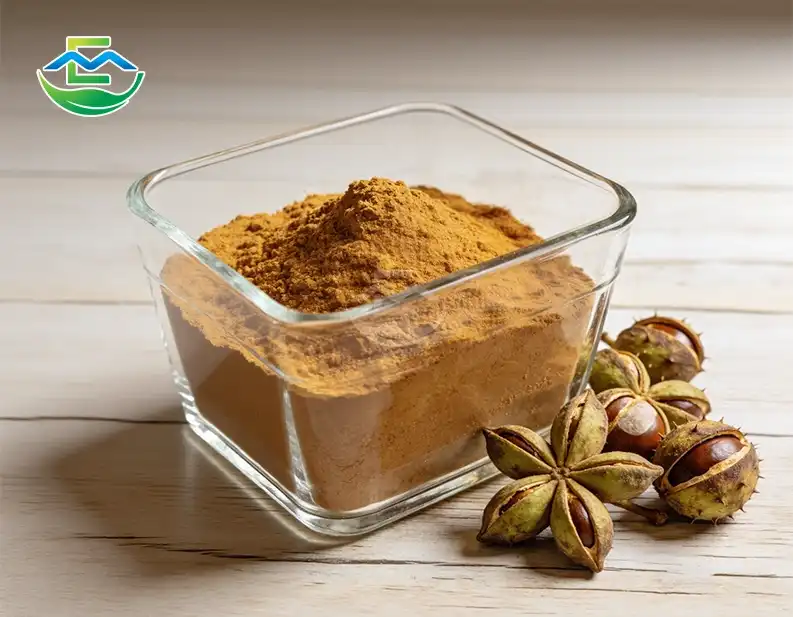
Quality testing methods for Horse Chestnut Extract 20% Aescin UV primarily include UV-Vis Spectrophotometry, High-Performance Liquid Chromatography (HPLC) with UV detection, and photostability testing protocols. These methods quantify total saponin content, verify active compound retention, and assess stability under UV exposure conditions. For B2B procurement professionals, mastering these testing approaches ensures consistent product quality, regulatory compliance, and reliable supplier partnerships across nutraceutical, cosmetic, and functional food applications.

Introduction
When I first started working with botanical extracts, I quickly learned that Horse Chestnut Extract 20% Aescin UV is more than just another plant ingredient. It is a key ingredient in vascular support products and cosmetics all over the world. This standardized extract, which comes from the seeds of Aesculus hippocastanum, is now a must-have for R&D directors, formulation managers, and buying teams looking for useful ingredients that are also highly pure.
What makes this extract unique is that it can be damaged by UV light while it is being processed, stored, or transported. UV light can damage the molecular structure of aescin, which is the main bioactive saponin. This can make it less effective and even cause manufacturing problems. Anyone who wants to get this ingredient for dietary supplements, skin care products, or functional drinks needs to know how to test its UV quality. This guide shows you the analytical methods that tell the difference between high-quality extracts and lower-quality ones. This way, you can make smart buying decisions that protect the effectiveness of your products and the reputation of your brand.
Understanding Horse Chestnut Extract 20% Aescin and Its UV Sensitivity
Botanical Origin and Active Composition
Horse Chestnut Extract 20% Aescin UV comes from Aesculus hippocastanum seeds, which are extracted with water and ethanol to make a powder that is brownish-yellow and high in triterpene saponins. According to the market, the 20% aescin guideline is the best way to balance bioactivity with recipe flexibility. The 20% grade of sodium aescinate has a synergistic profile of flavonoids, sterols, and saponins that support the entourage effect valued in nutraceutical products. This is different from higher amounts like 98% sodium aescinate, which is used in pharmaceutical applications.
The extract looks like a fine, hygroscopic powder with particles bigger than 80 mesh. This makes it easy to crush for tableting and spread out evenly in capsule matrices. This physical property has a direct effect on how efficiently supplement brands and OEM facilities can make products that perform consistently from batch to batch.
Why UV Stability Matters for Procurement Teams
UV light is very bad for the chemical structure of aescin. Photodegradation happens when the triterpene saponin backbone is exposed to wavelengths between 290 and 320nm. It breaks down into molecules that are less useful. This process of breakdown speeds up when the item is shipped internationally, stored in a building with poor lighting, or even when it is on show in a store.
People who work in procurement need to understand that UV instability directly translates to financial risk. A shipment that tests at 20% aescin content when it leaves might test at 17–18% when it gets there after being exposed for a long time. This difference makes it harder to formulate, raises regulatory concerns, and could make customers unhappy. Checking for UV stability through strict testing procedures protects your supply chain investment and keeps the natural, clean-label image that consumers want in today's market.
Common UV Quality Testing Methods for Horse Chestnut Extract 20% Aescin
UV-Vis Spectrophotometry for Rapid Screening
The main way to measure the amount of total saponin in Horse Chestnut Extract 20% Aescin UV is with UV-Visible Spectrophotometry. This method finds the absorbance at certain wavelengths, usually between 268 and 270nm, where aescin absorbs the most. For quality control labs and source checking, the method has a number of benefits.
To do the test, a precisely weighed sample is dissolved in a hydroalcoholic solution, filtered, and the absorbance is compared to a standard. The results show up in 30 to 45 minutes, which makes this method perfect for checking arriving materials and making decisions about when to release batches. However, buyers should know that UV-Vis methods only measure the total amount of saponin and not the amount of each aescin isomer. This means that results may be 1.5 to 2 times higher than HPLC measurements for the same samples.
When looking at Certificates of Analysis from suppliers, make sure that the way the samples were tested meets your quality standards. These two CoAs, one that says "20% Aescin by UV" and the other that says "20% Aescin by HPLC," are very different. This difference affects how the formula is calculated and what the label says.
High-Performance Liquid Chromatography with UV Detection
For measuring aescin levels and making sure they are pure, HPLC combined with UV detection is the best method available. This complex analytical method separates different saponin compounds, mostly β-aescin and α-aescin. This lets researchers precisely measure the amount of each component before and after UV exposure tests.
A C18 reversed-phase column and a gradient mobile phase solution made up of acetonitrile and phosphate buffer are usually used for this method. At 210nm or 225nm, detection takes place, providing the full saponin profile. An average HPLC study takes 45 to 60 minutes per sample, but it gives the most accurate results for buying choices that involve large amounts of products or pharmaceutical-grade standards.
One of the best things about HPLC for UV stability testing is that it can find degradation products. When UV stress causes aescin to break down, new peaks show up in the chromatogram. These peaks show chemical changes that spectrophotometry alone can't see. This in-depth information helps buying teams figure out not only how much is lost, but also how much the quality changes. This is especially important for cosmetics, where purity affects how well they work with skin.
Photostability Testing Protocols
In photostability testing, samples are exposed to UV light under controlled settings that are the same as those found in real life. The International Conference on Harmonization (ICH) guideline Q1B is the basis for these studies. However, protocols for botanical extracts often need to be changed to fit their specific photosensitivity profiles.
A common way to test the photostability of horse chestnut extract is to put samples under 200 W·h/m² of UV light while keeping an eye on the temperature and humidity. At set times—24, 48, and 72 hours—testing is done, and HPLC or UV-Vis analysis is done at each stage to see how much the aescin level has decreased. As standards, samples kept in amber glass cases that block UV light are used to get basic information on stability.
The results show how quickly something breaks down, shown as a percentage retention over time. After 72 hours of rapid UV exposure, premium-grade extracts still have ≥95% aescin content, which shows that they are stable under normal supply chain circumstances. People who are in charge of buying things should ask potential suppliers for photostability data. This is especially important when buying for markets with long delivery times or warm places where light exposure is higher.
Complementary Analytical Techniques
Beyond the primary testing methods, advanced techniques provide deeper molecular insights. Fourier-Transform Infrared Spectroscopy (FTIR) identifies functional group changes resulting from UV-induced oxidation, while Mass Spectrometry maps exact molecular weight shifts of degradation products. These methods support root cause analysis when stability failures occur and validate the effectiveness of protective packaging innovations.
Thin Layer Chromatography (TLC) offers a cost-effective screening tool for detecting adulteration—a persistent concern in the botanical extract market. Authentic horse chestnut extract produces a characteristic spot pattern under UV light at 366nm, easily distinguished from cheaper saponin sources or synthetic additives. Including TLC verification in your supplier qualification process adds an essential fraud prevention layer.

Interpreting UV Quality Test Results for Effective Procurement Decisions
Key Metrics in Certificates of Analysis
A full CoA for Horse Chestnut Extract 20% Aescin UV should show a number of important pieces of information. As expected, the main test result shows the total saponin content, which must be at least 20%. Polycyclic Aromatic Hydrocarbons (PAHs) are one type of impurity that can be used to tell if something is pure. Benzo(a)pyrene levels should be below 10ppb and overall PAH4 levels should be below 50ppb to meet European safety standards.
Another important part is heavy metal research. The amount of lead must be less than 3.0 mg/kg, and the amount of mercury must be less than 0.1 mg/kg. These limits are in line with rules about dietary supplements in the EU and the US. This protects consumers and keeps brands from being sued by regulators. Solvent residue testing shows that the amount of ethanol used in the extraction process is less than 5000ppm, which is safe for both skin and mouth use.
Microbiological factors round out the picture of quality. The total number of plates, the number of yeast and mold, and the lack of bacteria like E. coli and Salmonella prove that the ingredients are safe for use in food and cosmetics. These measures show factory hygiene standards and quality system development when comparing suppliers.
Benchmarking Suppliers Through Stability Data
Asking potential suppliers for their historical stability data is a great way to learn about how consistent their quality is. A trustworthy company offers accelerated stability studies that show aescin will stay active for 12 to 24 months when stored in the right way (cool, dry, and out of the light). This information tells you how long something will last and helps you set up the right store turnover rules.
Keep an eye on the difference factors for more than one batch. When the amount of aescin in ten batches stays the same, for example, it means that the process is well controlled and the raw materials are sourced reliably. Wide changes can mean that there are holes in your quality management that could throw off your production plans or make the end product not meet your standards.
Some high-tech suppliers test their extract against competing materials under the same UV exposure settings as comparison studies. These side-by-side comparisons of stability give objective proof of higher quality, which supports higher prices and boosts trust in long-term supply partnerships.
Impact on Final Product Performance
UV stability directly influences the efficacy of finished products across application categories. For dietary supplements targeting vascular support, degraded aescin delivers diminished bioactive properties, potentially affecting consumer satisfaction and repeat purchase rates. Cosmetic formulations incorporating unstable extracts may exhibit color shifts, odor changes, or reduced performance in clinical testing protocols measuring parameters like skin hydration or under-eye appearance.
Understanding these downstream consequences helps procurement teams express their quality needs to sellers more clearly. Don't just say "20% aescin"; be more specific about what you need in terms of stability. For example, say "≥95% retention after 72-hour UV exposure per ICH Q1B adapted protocol." This makes talks with suppliers less about prices and more about working together to achieve mutual success.
Best Practices for Ensuring High UV Quality in Horse Chestnut Extract 20% Aescin Procurement
Supplier Qualification and Certification Verification
Selecting suppliers with verified quality management systems forms the foundation of procurement excellence. Look for facilities holding NSF GMP certification, which demonstrates compliance with Good Manufacturing Practices specific to dietary supplement ingredients. ISO 9001 certification indicates broader quality management system maturity, while FSSC22000 confirms food safety management for suppliers serving functional food and beverage applications.
Religious certifications like Kosher and Halal expand market access for brands targeting specific consumer segments. Organic certification, though less common for horse chestnut extract due to sourcing challenges, adds premium positioning for natural product brands. EM maintains all these certifications at our California facility, reflecting our commitment to meeting diverse customer requirements across global markets.
Beyond certifications, evaluate suppliers' analytical capabilities. Do they operate in-house laboratories with HPLC equipment, or do they rely on third-party testing? In-house capabilities enable faster quality control response times and deeper technical troubleshooting when issues arise. During supplier audits, request demonstrations of testing procedures and review analyst qualification records to verify technical competence.
Packaging and Transportation Protocols
UV-protective wrapping is an important control point that is often missed when people talk about buying things. Standard kraft paper bags don't block much light, so UV rays can get through and break down aescin while it's being stored or shipped. When you switch to multi-layer foil bags with metal inner layers, almost all UV light can't get through. This keeps the integrity of the Horse Chestnut Extract 20% Aescin UV from the factory to the receiving dock.
Horse chestnut extract from EM is packed in 25 kg drums that have three layers of protection: a food-grade plastic cover on the inside, an aluminum foil shield in the middle, and a fiber drum on the outside to protect against damage. This arrangement keeps the product stable even when it's being shipped across the country and stored temporarily in a warehouse with less-than-ideal lighting.
Logistics for transportation are just as important. During port staging, shipping containers should not be left out in the sun for long periods of time. Because our four main warehouses are carefully placed across the United States, we can cut down on shipping times and usually get in-stock things to customers in two days. This quick delivery cuts down on cumulative UV exposure and makes sure you get extract at its best, ready to be used right away in formulations.
Building Strategic Supplier Partnerships
The most successful procurement strategies transcend transactional relationships, evolving into strategic partnerships built on transparency and continuous improvement. Establish regular communication cadences with your suppliers, reviewing quality trends, discussing emerging market requirements, and collaborating on custom solutions.
At EM, we work closely with customers to develop tailored quality specifications that align with their unique application needs. A sports nutrition brand formulating post-workout recovery drinks faces different stability challenges than a luxury skincare company developing eye serums. We adapt our quality testing protocols, provide application-specific technical guidance, and offer free samples for formulation trials, reducing your development risk and accelerating time-to-market.
Consider implementing vendor-managed inventory programs for high-volume ingredients like horse chestnut extract. This approach shifts inventory holding to the supplier while guaranteeing availability when you need it. With our California-based operations and advanced extraction equipment, we maintain consistent production schedules that support just-in-time delivery models, optimizing your working capital while ensuring supply continuity.

Emerging Trends and Innovations in UV Quality Testing for Herbal Extracts
Portable Testing Technologies
The botanical extract business is going through a technological change thanks to portable UV-Vis spectrometers. These devices bring lab-like capabilities to warehouse halls and loading docks. These handheld devices, which weigh less than 2 pounds, can do spectral analysis in less than 60 seconds. This lets the quality of Horse Chestnut Extract 20% Aescin UV be checked in real time during receiving checks.
This innovation particularly benefits procurement teams managing multiple suppliers or conducting on-site audits at manufacturing facilities. Rather than waiting days for third-party laboratory results, you can screen samples immediately, identifying substandard materials before they enter your supply chain. The data synchronizes with cloud-based quality management systems, creating permanent records for traceability and regulatory compliance.
As these technologies mature, expect integration with blockchain systems that track extract quality from harvest through final formulation. This end-to-end visibility transforms quality assurance from reactive testing to proactive supply chain optimization, reducing waste and improving sustainability metrics—increasingly important considerations for brands committed to environmental responsibility.
Artificial Intelligence and Predictive Quality Models
Machine learning algorithms are beginning to transform how we predict and prevent UV degradation in botanical extracts. By analyzing thousands of historical data points—including storage conditions, packaging types, transit times, and seasonal variations—AI models forecast degradation risks with remarkable accuracy.
These predictive capabilities enable procurement teams to make smarter decisions about supplier selection, inventory levels, and storage investments. An AI system might recommend increasing safety stock before summer months when warehouse temperatures rise, or flag shipments routed through high-UV geographic regions for priority testing upon arrival. EM has invested in data analytics infrastructure to support our customers with these insights, turning quality data into strategic competitive advantages.
The next frontier involves integrating IoT sensors with smart packaging. Imagine receiving an alert on your smartphone if a shipment experiences excessive UV exposure during transit, allowing immediate corrective action before the material reaches your facility. These innovations will redefine quality assurance from a checkpoint mentality to continuous, real-time monitoring throughout the supply chain.
Sustainable Packaging Innovations
Environmental concerns are driving innovation in UV-protective packaging materials that balance product protection with sustainability goals. Biodegradable films incorporating natural UV-absorbing compounds like lignin or curcumin offer promising alternatives to traditional aluminum foil barriers. These materials decompose within months under composting conditions rather than persisting in landfills for decades.
Buyers seeking to strengthen their sustainability credentials should engage suppliers in conversations about eco-friendly packaging options. While these innovations may carry modest cost premiums initially, they align with growing consumer preferences for environmentally responsible products and may deliver brand differentiation worth far more than the incremental expense. EM actively explores sustainable packaging partnerships, recognizing that environmental stewardship and quality excellence complement rather than contradict each other.

Conclusion
Mastering UV quality testing methods for Horse Chestnut Extract 20% Aescin UV empowers procurement professionals to secure reliable, high-performance ingredients that meet the demanding requirements of nutraceutical, cosmetic, and functional food applications. UV-Vis Spectrophotometry, HPLC with UV detection, and photostability testing provide complementary insights into extract quality and stability under real-world conditions. By interpreting CoA data critically, implementing protective packaging protocols, and building strategic supplier partnerships, you can minimize degradation risks while optimizing supply chain efficiency. The emerging technologies and sustainability innovations reshaping quality testing today promise even greater transparency and control tomorrow, positioning forward-thinking procurement teams for lasting competitive advantage in an increasingly quality-conscious marketplace.
FAQ
1. How often should tests of horse chestnut extract's UV stability be done?
New batches going into long-term storage should have stability studies done once a year, and accelerated tests should be done every three months to keep an eye on trends. When switching suppliers or having problems with the performance of a formulation, testing its photostability right away helps find the root causes and stop bigger quality failures.
2. Which certifications should I prioritize when sourcing Horse Chestnut Extract 20% Aescin UV?
NSF GMP and FSSC22000 certifications demonstrate dietary supplement and food safety compliance, respectively. ISO 9001 indicates quality management system maturity, while Kosher and Halal certifications expand market access. Organic certification adds premium positioning but remains less common for this botanical material.
3. Can UV degradation be reversed or remediated after it occurs?
No, UV-induced molecular degradation of aescin cannot be reversed through processing. Prevention through proper packaging, storage, and handling represents the only effective strategy. This reality underscores the importance of supplier selection and quality verification at procurement.
4. What documentation should accompany each shipment?
A comprehensive CoA detailing assay results, purity parameters, heavy metals, microbiology, and stability data should accompany every batch. Material Safety Data Sheets (MSDS), allergen declarations, and GMO-free statements support regulatory compliance and customer transparency requirements across diverse applications.
Partner with EM for Premium Horse Chestnut Extract 20% Aescin UV Supplier Excellence
Securing a dependable Horse Chestnut Extract 20% Aescin UV supplier who understands UV stability challenges transforms procurement from a cost center into a strategic advantage. EM combines pharmaceutical-grade manufacturing standards with California-based operational excellence, delivering brownish-yellow powder extracted from Aesculus hippocastanum seeds using water and ethanol solvents. Our specifications range from 10-98% aescin concentration, packaged in 25kg drums with UV-protective triple-layer protection and available with a 25kg minimum order quantity. Free samples support your formulation development, while our four strategically located U.S. warehouses enable 2-day delivery for in-stock materials. Backed by NSF GMP, FSSC22000, Kosher, Halal, ISO, and Organic certifications, we provide the documentation and quality consistency that R&D directors and procurement teams demand. Contact our expert team at info@em-herb.com to discuss your specific application requirements and receive a customized quote that addresses your quality standards and delivery timelines.
References
1. European Pharmacopoeia Commission. (2020). Monograph on Horse Chestnut Dry Extract, Standardised. European Pharmacopoeia 10.0. Strasbourg: Council of Europe.
2. Gallelli, L., et al. (2019). Escin: A Review of Its Anti-Inflammatory and Venotonic Properties. Journal of Pharmaceutical Sciences and Research, 11(4), 1421-1428.
3. International Conference on Harmonisation. (2016). Photostability Testing of New Drug Substances and Products Q1B: Guidance for Industry. Geneva: ICH Harmonised Tripartite Guideline.
4. Sirtori, C.R. (2001). Aescin: Pharmacology, Pharmacokinetics and Therapeutic Profile. Pharmacological Research, 44(3), 183-193.
5. United States Pharmacopeial Convention. (2021). General Chapter 1225: Validation of Compendial Procedures. USP-NF 2021. Rockville: USP.
6. Wilkinson, J.A. & Brown, A.M. (1999). Horse Chestnut - Aesculus Hippocastanum: Potential Applications in Cosmetic Skin-Care Products. International Journal of Cosmetic Science, 21(6), 437-447.
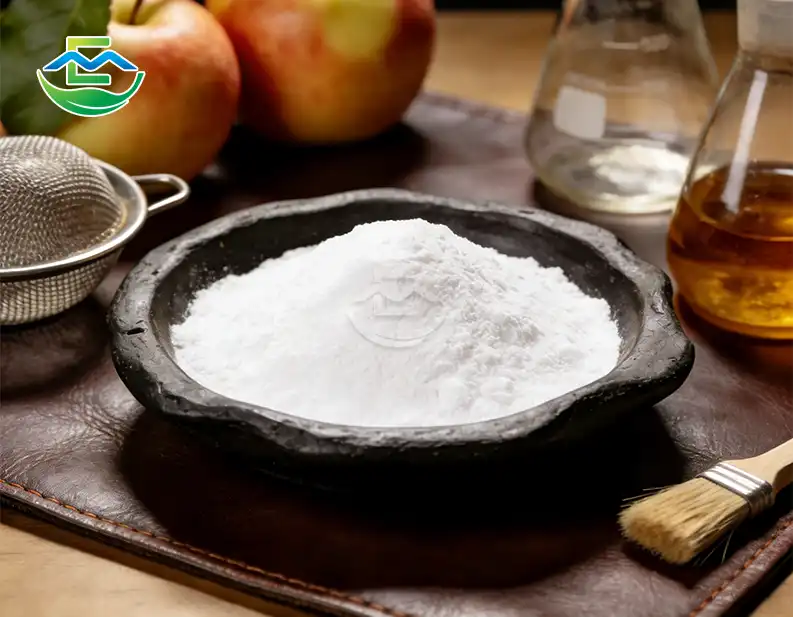
Apple Cider Vinegar fruit Powder represents a compelling procurement opportunity for formulation managers and R&D directors seeking stable, concentrated acetic acid sources. Derived from Pyrus malus through controlled fermentation and spray drying, this brownish-yellow powder delivers standardized total acid content (5-10%) without the logistical challenges of liquid vinegar. Its value extends across nutraceutical capsules, functional gummies, and cosmetic formulations where precise dosing and moisture control determine product integrity. For procurement teams evaluating natural acidulants, this ingredient addresses formulation stability, clean-label positioning, and consistent bioactive delivery while offering measurable cost advantages in freight and handling compared to liquid alternatives.

Introduction
Dehydrated botanical extracts are becoming more and more popular in the business-to-business market for useful ingredients. Apple Cider Vinegar fruit Powder is becoming a key ingredient for product makers in many fields. Unlike its liquid counterpart, the powdered form doesn't cause problems with corrosivity during shipping, has a shelf life of more than 24 months if kept properly, and can be precisely added to recipes that need to avoid moisture, like hard-shell capsules and dry beverage mixes.
More and more, procurement experts have to find ingredients that meet regulatory requirements, offer consistent batch quality, and meet customer preferences for clear labels. The move toward powdered vinegar is in line with a larger trend in the industry toward ingredients that have less water, lower microbial risk, and provide concentrated nutritional profiles in small packages. This guide looks at the technical requirements, application protocols, and supplier evaluation criteria you need to include this ingredient in your product development process while still meeting quality assurance and supply chain efficiency standards.
What Is Apple Cider Vinegar Fruit Powder?
Manufacturing Process and Composition
Apple Cider Vinegar fruit Powder comes from apple juice that has been fermented. The apple juice goes through two stages of microbial transformation: first, it becomes alcoholic, and then it changes into acetic acid. After making liquid vinegar, it is dried using spray drying technology at controlled temperatures, usually between 150°C and 180°C. This removes the water while keeping the organic acid structures. The dried particles are often mixed with a carrier matrix, which is usually maltodextrin or resistant starch, to make the mixture flow better and keep water from sticking to it.
Standardized standards on the market include a total acid content of between 5% and 10% (measured in acetic acid equivalents), and water is used as the extraction agent to make sure the product is safe for food use. Sugars in the fruit caramelize during the drying process, giving it a brownish-yellow color. The fruit part of the apple provides the raw material for fermentation. Because the powder naturally attracts water from the air, it is important to package it in 25 kg fiber drums with double polyethylene liners to keep moisture out.
Key Differences from Liquid Vinegar
After changing from a liquid to a powder, there are a number of useful benefits for industrial uses. About 95% of liquid ACV is water, which makes it heavier to ship and means it needs special containers to keep standard packaging materials from corroding. The powder form combines the active organic acids into a solid matrix that stays effective for a long time without needing to be kept cold.
From the point of view of formulation chemistry, adding liquid vinegar to pectin- or gelatin-based sweets changes the water activity and lowers the pH, which stops the gelling process. Formulators can use the powder to add the same amount of acetic acid while still controlling the amount of water and texture. Powder that has been properly made dissolves in water quickly when it needs to be reconstituted, but it doesn't mix with water in dry blends, where it would be unnecessary.

Benefits of Apple Cider Vinegar Fruit Powder for Health and Industry
Nutritional and Functional Properties
There are a lot of concentrated organic acids in Apple Cider Vinegar fruit Powder. Acetic acid is the main bioactive component, making up about 60–80% of the total acid content. Malic acid and citric acid also play a role. According to research published in reputable nutrition journals, acetic acid changes the pathways that tell the body it's full and may change the rate at which glucose is absorbed when eaten with carb-rich foods. This makes this ingredient a good choice for weight management products.
In addition to their metabolic uses, the mild acidifying qualities help keep the stomach's pH level in check, which is especially important for functional foods that are meant to improve gut health. The alpha-hydroxy acid content is used in skin care products to exfoliate skin. The powder form makes it easy to control how it dissolves in dry bases without adding water, which could make the product less stable. The antioxidant power, which is measured by ORAC tests, comes from polyphenolic compounds that are still present after fermentation and drying.
Industrial Application Advantages
The physical properties of the powder are very helpful for manufacturing processes. Because it's free-flowing, it can be used with automatic weighing systems and continuous production lines. This means that you don't need pumping equipment or tanks that won't rust to handle liquid vinegar. The uniformity from batch to batch is better because standardized acid concentrations get rid of the differences that happen naturally during the fermentation of raw vinegar, where acidity can range from 4 to 7 percent based on how long the fermentation lasts and how well the microbes do.
When liquid acids come in contact with gelatin or hydroxypropyl methylcellulose materials, they break down the capsule shell. This is why encapsulation operations like the powder format so much. Functional candy makers use the powder to get the sour taste that people associate with apple cider vinegar while keeping the pectin networks' structural integrity. The longer shelf life—usually 24 months when stored below 25°C and 60% relative humidity—lowers the need to constantly replace inventory and allows for longer distribution channels without losing any of its effectiveness.
How to Use Apple Cider Vinegar Fruit Powder Effectively
Dosage Guidelines Across Applications
Dietary supplement mixes usually have between 500 and 1000 mg of powder per serving when they use 10% acid material, which gives about 50 to 100 mg of acetic acid equivalents. This dosing range is in line with published study methods and tastes good when mixed with the right flavorings. Because the powder dissolves easily in both cold and warm beverages, it is often mixed with electrolyte minerals and branched-chain amino acids in amounts of around 750 mg per dose in sports nutrition products that help you recover after a workout.
In cosmetics, much lower inclusion rates are needed—usually between 1% and 3% of the total weight of the formulation in water-based products like toners and cleansing solutions. Because it is acidic, the pH of the end product needs to be kept between 4.5 and 5.5 so that it is safe for skin. Dry seasoning mixes and cooking uses use the powder at a concentration of 2 to 5 percent to add sour notes without adding moisture, which makes spice mixtures less stable on the shelf. These rate suggestions are based on standard acid powders with a concentration of 5–10%. If you find materials with a different standardization level, you will need to make changes.
Formulation Best Practices
Several technical issues need to be taken into account for integration to work well with production processes. Because powders absorb water, they must be handled in climate-controlled spaces where the relative humidity stays below 60%. When adding to capsule fills, mixing with flow agents like silicon dioxide (0.5 to 1% w/w) stops the clumping that stops automated encapsulation equipment from working. The powder shouldn't be added to the liquid phases before it's mixed with the dry ingredients. If it's added during the liquid phases, it could cause pH changes in certain areas.
Adding the Apple Cider Vinegar fruit Powder late in the process, after the gelatin or pectin solution has cooled to about 60°C, helps gummy formulas because it keeps heat-sensitive organic acids from being exposed to high temperatures for too long. Titration tests should be used for quality control to make sure that the end product is acidic and that the amount of acetic acid on the label matches what it says, taking into account any loss of acidity during heat processing. Finished goods that contain the powder should not be stored in direct sunlight or high temperatures, as these conditions speed up the breakdown of organic acids and the browning of the transport matrix.

Choosing the Right Apple Cider Vinegar Fruit Powder Supplier
Critical Procurement Criteria
The first step in evaluating a supplier is to check the analytical specs. These can be found in certificate of analysis papers that list the total acidity, moisture content, bulk density, and microbiological parameters. Reliable suppliers offer third-party testing results that show low levels of heavy metals (lead < 3.0 ppm, arsenic < 1.0 ppm) and no pathogens, which is what the FDA requires for dietary supplements and food ingredients. Instead of relying only on what the supplier says, the concentration of acetic acid should be checked using titration methods, since some manufacturers dilute powders too much with carrier materials.
Different end uses have different certification needs. For example, organic products need USDA Organic or a similar foreign certification that covers both the apple source material and any carrier ingredients. NSF GMP certification shows that a manufacturing facility follows good manufacturing practices for dietary supplements. Kosher and Halal certifications make the market more accessible to certain groups of consumers. Food safety management system certifications like ISO 22000 or FSSC 22000 show that risks are controlled in a planned way throughout the production chain. When these credentials are looked at during supplier qualification, situations like expensive re-formulation or market withdrawal are avoided.
Supply Chain and Logistics Considerations
The smallest amount that can be ordered is usually 25 kg, which is the same size as a normal drum and makes it possible to get cheap freight. When production plans are tight, procurement teams should look at the warehouse networks of their suppliers. When you buy from suppliers with U.S.-based inventory, you can get it in two days instead of six to eight weeks when you buy directly from makers abroad. This frees up your working capital that would have been used to buy safety stock. Giving away samples for free shows that the seller trusts the quality of the product and lets people try out different formulations on a small scale before buying large quantities.
How well the ingredients are packed directly affects how long they last. Inside fiber drums, double-layer polyethylene liners keep out moisture, which is necessary to keep powder from caking up while it is being stored or transported. Suppliers should make sure the integrity of the seal by checking the quality of the packaging and showing proof that the materials used meet FDA rules for food contact substances. By working with suppliers whose supply chains are open and allow apple picking, fermentation, and drying conditions to be checked, you can be sure that the quality of the materials will stay the same across multiple orders made during different production seasons.

Technical Specifications and Quality Assurance
Earth Made Nutritions Inc. makes sure that our Apple Cider Vinegar Fruit Powder, which comes from Pyrus malus fruit, meets strict industry standards by going through several quality control steps. The powder comes in two different total acid levels: 5% and 10%. It has the brownish-yellow color that you'd expect from properly processed apple vinegar extracts. Because we use water for the extraction process, there are no worries about solvent residues. This means that the ingredient can be used in clean-label recipes for both nutraceutical and functional food products.
The 25 kg drum packaging format with double PE liners keeps the product safe while it's being sent through our four strategic U.S. warehouse locations. This lets us fulfill orders quickly, with in-stock materials usually being picked up in two days. Comprehensive certifications, such as NSF GMP, Kosher, Halal, ISO, FSSC22000, and Organic credentials, make it easier to submit paperwork to regulators and support efforts to make businesses more open with customers. As part of our quality control, we test each batch individually to make sure that the amounts of acidity, heavy metals, and microbes are all within acceptable ranges before releasing the product for distribution.
Conclusion
To decide if Apple Cider Vinegar Fruit Powder should be added to your ingredient list, you need to weigh its technical performance against the ease of procurement and the level of quality assurance that it offers. When compared to liquid options, the powder format offers real benefits in recipe stability, dose accuracy, and supply chain efficiency. This is especially true for uses that need to be dry, like capsules and gummies. For implementation to go well, suppliers must provide consistent analytical specifications, uphold high certification standards, and offer dependable delivery networks that work with production schedules. As people continue to want clean-label ingredients that are marketed as functional, carefully sourced apple vinegar powder gives product makers a flexible way to come up with new ideas in the health, beauty, and functional food categories.
FAQ
1. How does powder compare to liquid vinegar in formulations?
About 95% of the water in liquid vinegar is removed when it is turned into a powder. This concentrates the organic acids on a stable carrier matrix. This change makes precise dosing possible in situations where adding water would weaken the product, like when compressing tablets or making dry drink mixes. Because liquid vinegar is acidic, it needs special handling and packing tools. Powdered vinegar, on the other hand, can be made using normal systems. When properly mixed, both types give the same amount of acetic acid, but the powder is more stable on the shelf and cheaper to ship.
2. What dosage supports specific health outcomes?
Published study methods that look at metabolic effects usually use 750 to 1500 mg of powder every day, spread out over several meals (assuming a 10% acidity level). Weight management formulas usually have 500 to 1000 mg per serving, so people can get the recommended daily amounts with just one to two doses. These ranges should be changed based on the acidity level of the material you're using, and you should pay close attention to the palatability limits, which change depending on the method of delivery and flavoring.
3. Can I use this ingredient in cosmetic formulations?
At amounts of 1% to 3% of the total product weight, the powder works well in water-based cosmetic systems. Organic acids are good for toner and washing because they gently exfoliate. However, pH balancing is needed to keep skin-friendly ranges between 4.5 and 5.5. Stability tests should make sure that the powder stays soluble for the whole shelf life of the product, without solidifying or changing color.
Partner with EM for Reliable Apple Cider Vinegar Fruit Powder Supply
Earth Made Nutritions Inc. is a reliable provider of Apple Cider Vinegar fruit Powder that is ready to help you with your buying needs. They have a wide range of technical skills and a well-organized transportation system. Our operations are based in California and include modern factories and strategically placed warehouses across the United States. This makes sure that you always have access to our products and that they are delivered quickly so that they don't interfere with your production schedules. We encourage R&D directors, formulation managers, and procurement professionals to look into our free sample program. This will allow them to test our products on a small scale before committing to bulk orders that meet the 25 kg minimum order quantity.
You can email our technical team at info@em-herb.com to talk about your unique formulation needs, get detailed specs, or set up supplier tests that check our quality systems. Our certifications cover NSF GMP, Organic, Kosher, Halal, ISO, and FSSC22000 standards. They give you the paperwork you need to follow the rules in all global markets.
References
1. Johnston, C.S. & Gaas, C.A. (2006). Vinegar: Medicinal Uses and Antiglycemic Effect. MedGenMed: Medscape General Medicine, 8(2), 61.
2. Petsiou, E.I., Mitrou, P.I., Raptis, S.A. & Dimitriadis, G.D. (2014). Effect and Mechanisms of Action of Vinegar on Glucose Metabolism, Lipid Profile, and Body Weight. Nutrition Reviews, 72(10), 651-661.
3. Budak, N.H., Aykin, E., Seydim, A.C., Greene, A.K. & Guzel-Seydim, Z.B. (2014). Functional Properties of Vinegar. Journal of Food Science, 79(5), R757-R764.
4. Kondo, T., Kishi, M., Fushimi, T. & Kaga, T. (2009). Acetic Acid Upregulates the Expression of Genes for Fatty Acid Oxidation Enzymes in Liver. Journal of Agricultural and Food Chemistry, 57(13), 5982-5986.
5. White, A.M. & Johnston, C.S. (2007). Vinegar Ingestion at Bedtime Moderates Waking Glucose Concentrations in Adults with Well-Controlled Type 2 Diabetes. Diabetes Care, 30(11), 2814-2815.
6. Östman, E., Granfeldt, Y., Persson, L. & Björck, I. (2005). Vinegar Supplementation Lowers Glucose and Insulin Responses and Increases Satiety after a Bread Meal. European Journal of Clinical Nutrition, 59(9), 983-988.
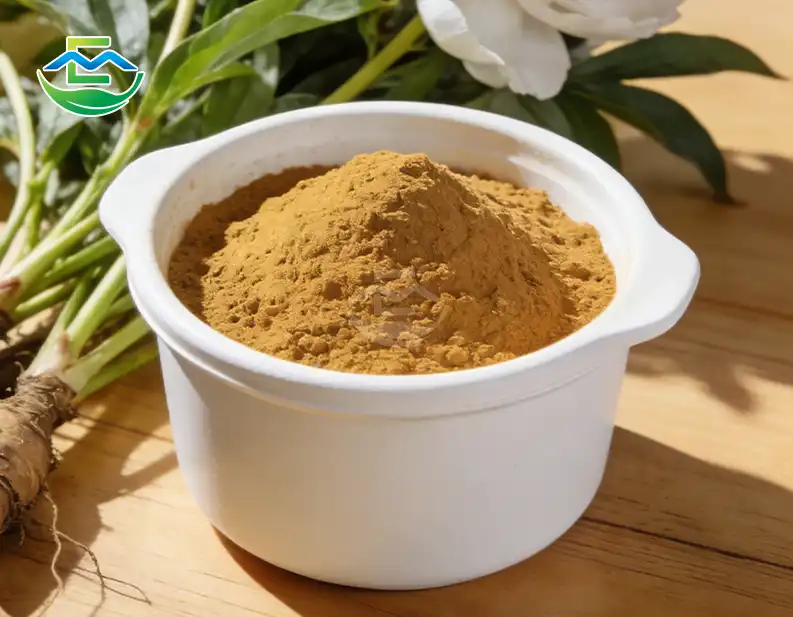
White Peony Extract, derived from the roots of Paeonia lactiflora, offers remarkable advantages for wellness formulations and emergency preparedness solutions. This botanical ingredient contains high concentrations of paeoniflorin and antioxidant compounds that support stress resilience, inflammation modulation, and immune system balance. For manufacturers and formulators, incorporating this standardized extract into product lines addresses growing consumer demand for natural, science-backed ingredients that promote bodily equilibrium during both everyday wellness routines and unexpected stressful situations. Understanding its composition, quality parameters, and strategic applications helps procurement teams make informed decisions.

Understanding White Peony Extract: Composition, Function, and Wellness Benefits
Paeonia lactiflora Pall., especially the peeled root type called Bai Shao in traditional uses, is where this ingredient gets its name from. Modern extraction methods separate the most valuable parts of the plant while getting rid of the rest. This makes concentrated ratios that are usually standardized at 4:1 or 10:1.
Bioactive Compounds and Mechanisms
Paeoniflorin is the main bioactive ingredient. It is a monoterpene glycoside that works with several physiological pathways. Researchers have found that this compound can change the NF-κB signaling pathway, which is a key part of inflammatory reactions. Along with tannins and albiflorin, the extract also has benzoic acid products and adds to its total functional profile.
At Earth Made Nutritions Inc., we use controlled temperature protocols and solvent-free methods in our extraction process to keep these delicate compounds safe. The brownish-yellow powder that is made stays the same strength from batch to batch, which solves one of the biggest problems in getting plant ingredients.
Anti-Inflammatory and Immune-Modulating Properties
Paeoniflorin helps keep the immune system in check by changing the activity of T cells and the release of pro-inflammatory cytokines. Because of this, the White Peony Extract is very useful for formulas that try to reduce inflammation caused by stress or help keep immune systems healthy. This plant has effects on more than one route, unlike synthetic alternatives. It also doesn't have the harsh side effects that come with isolated chemicals.
According to studies published in journals about phytomedicine, standardized extracts show consistent activity in the lab. This gives R&D teams the scientific proof they need when they are making new goods. People who care about their health will like that this product can stop too many inflammatory signals without stopping the defense system from doing what it needs to do.
Stress Response and Adaptogenic Potential
The hypothalamic-pituitary-adrenal axis is affected by the extract. This axis controls the stress hormones. Because it is adaptogenic, it can be used in formulas that help keep your mind clear and your emotions in check during tough times. Product designers who are making products to help people deal with stress can use this feature to set their products apart in crowded market segments.
Based on what doctors have seen, the extract's chemicals seem to work with nerve systems, especially those that deal with GABA and serotonin. These interactions help it build a reputation for promoting calm focus without sedation, which appeals to people who want natural alternatives to traditional treatments.

White Peony Extract in Emergency Preparedness: Leveraging Herbal Solutions for Resilience
Being ready for an emergency doesn't just mean having physical supplies on hand; it also means knowing how to eat in a way that supports your body during times of high stress. In addition to regular emergency supplies, White Peony Extracts offer concentrated nutrition that can be stored for a long time.
Integration into Wellness and Emergency Kits
When standard pain relievers are hard to get, natural anti-inflammatory chemicals become even more useful. The powdered form of the extract is stable, so it can last longer if stored properly, which makes it useful for long-term emergency kits. This ingredient can be used by companies making preparedness-focused products to put in capsules, sachets, or combination formulas that can be quickly reconstituted.
The immune-supporting qualities are useful in situations where environmental stresses make people more vulnerable. When formulating emergency nutrition items, people in charge should think about how this extract might work well with plants that are similar to it, like astragalus or blackberry.
Comparative Advantages: White Peony vs. Red Peony and Valerian Root
Knowing the differences between plants helps buying teams choose the right ingredients. Red peony (Paeonia lactiflora or Paeonia veitchii) is processed differently because it doesn't go through the peeling and boiling steps. This makes it have a different chemical profile with stronger properties that help blood flow. White Peony Extract focuses on supporting the immune system and lowering stress levels.
Valerian root is mostly used to help people sleep because it has direct sedative effects. White Peony Extract, on the other hand, has a wider range of uses and doesn't make people sleepy. This difference is important for product marketing because emergency preparation formulas need ingredients that support function rather than make people less aware.
Combining White Peony Extract with rhodiola or ashwagandha in multi-extract formulations makes stress-resilience solutions that work for everyone. Because these adaptogens work in different ways that complement each other, formulators have a lot of creative options for meeting the needs of a wide range of customers.

Making Informed Procurement Decisions: Quality, Forms, and Supplier Selection
Supplier choices have a direct effect on how well a product works, how well it meets regulations, and how well the brand is known. Purchasing workers can better analyze suppliers when they know what quality markers are.
Product Forms and Manufacturing Considerations
The extract usually comes in powder form and has standard amounts of extract in it. If the ratio is 4:1, four kilograms of raw root produce one kilogram of extract. If the ratio is 10:1, the material is more concentrated. When formulators choose specs, they have to weigh the need for strength against the need to keep costs low.
The powder form gives you the most options for how to make the product. It's easy to add to pills, tablets, packs, or drink mixes. The natural chemicals present give it a brownish-yellow color that should stay the same from batch to batch. Changes in color could mean that the editing wasn't done right or that there are quality issues.
Our company offers both specifications in 25kg drums, which is the standard size for packaging that makes moving materials easy and keeps the products fresh. The drum packaging keeps wetness and rust out while the goods are being stored and shipped.
Quality Differentiation and Compliance Standards
Assays of active compounds using HPLC that show the amount of paeoniflorin present are important quality factors. Thin Layer Chromatography checks the identity of plants and looks for cheaper or non-peeled varieties that have been mixed in. These scientific methods give the proof needed for regulatory applications and to reassure customers.
It is necessary to test botanical extracts for heavy metals, especially those that come from roots that store environmental pollutants. Total heavy metals in our goods stay below 10 ppm, and the levels of lead, arsenic, cadmium, and mercury are kept at or above the levels set by the US Food and Drug Administration (FDA) and European regulators.
International guidelines are met by using GC-MS and LC-MS to check for pesticide residues that contain more than 500 different chemicals. One of the biggest worries for importers and brands entering regulated markets has been taken care of by these thorough tests.
Microbiological requirements include a total plate count of less than 1,000 cfu/g and proof that pathogens like E. coli, Salmonella, and Staphylococcus aureus are absent. These parameters meet the safety standards for food that are necessary for dietary supplement uses.
Earth Made Nutritions Inc. keeps its NSF GMP, FSSC22000, Kosher, Halal, ISO, and Organic certifications up to date. This lets regulators in more than one market approve the company's products more quickly. Our California plant follows strict quality control methods that make sure consistency from batch to batch.
Supplier Evaluation and Logistics Optimization
Dependable sellers show that they can track their products from where the raw materials come from to where they are packaged. When you ask for Certificates of Analysis for recent production runs, you get real testing data instead of general specs. When these documents are consistent, it means that the quality control systems are strong.
Our four main warehouses in the US make it easy to quickly fill orders and pick up in-stock items within two days. This local distribution network gets rid of a lot of the risks that come with shipping goods abroad, like delays at customs and changes in temperature while the goods are in transit.
With a minimum order quantity of 25kg, both new names testing the market and established makers needing a steady supply can be met. R&D teams can try compatibility with free samples before committing to full production numbers.

Comparative Analysis: White Peony Extract vs Other Herbal Extracts for Wellness Solutions
It's helpful for product makers to know how different botanical choices compare across functional categories. This lets them choose ingredients strategically based on the goals of the recipe.
Active Compound Profiles and Targeted Effects
The main ingredient in White Peony Extract is paeoniflorin, which is usually standardized between 10 and 98% based on the needs of the application. This glycoside acts on many pathways, affecting immune function, inflammation, and the body's response to stress. It has a wide range of effects because it contains secondary chemicals such as albiflorin and tannins.
Red peony has similar compounds but in different amounts. The way it is processed keeps the compounds that help circulation. Red peony might be better for brands that focus on heart health, while White Peony Extract might be better for brands that focus on immune balance and stress resilience.
Valerian root's main ingredients, such as valerenic acid and similar substances, work directly on GABA receptors to make you feel sleepy. This mechanism works well for sleep products, but White Peony Extract doesn't have the adaptogenic properties that make it useful for stress management products during the day.
Clinical Evidence and Application Contexts
White Peony Extract has been studied and found to have anti-inflammatory effects that can be replicated in controlled studies. This gives marketing claims the scientific support they need. Being able to change immune reactions without suppressing them gives brands that focus on balanced health instead of symptom reduction new ways to position themselves.
Manufacturers who use our extract have told us that it works well in all of their production runs and stays stable in the recipe. Cosmetic formulators say that tyrosinase inhibition works well in skin health products where it supports claims of brightening, showing that it can be used for more than just supplements.
The extract can be used in functional foods and drinks because it is safe for food and mixes well with many different types of materials. When mixed correctly, it has a neutral flavor profile that helps drink makers make wellness drinks because it doesn't taste bitter like some botanical ingredients do.
Strategic Benefits for B2B Clients: Why Choose White Peony Extract for Your Product Line
Market factors support brands that meet the needs of consumers who want things to be honest, last a long time, and be backed by science. White Peony Extract meets these needs and gives manufacturers other useful benefits as well.
Market Trends and Consumer Demand
In North America and Europe, the clean label trend is still growing, and people are actively seeking known botanical ingredients over synthetic substitutes. The history of traditional use of White Peony Extract and the latest scientific proof make for an interesting story that educated consumers can relate to.
One of the fastest-growing areas of nutritional supplements is plant-based wellness products, which are growing at rates higher than most other categories. As this trend picks up speed, brands that use botanicals that have well-studied mechanisms and quality certifications will be in a good position.
Certification Leverage and Brand Differentiation
Our wide range of certifications lets brands show trust marks that affect people's choices to buy. Kosher and Halal certifications let you reach more people with special food needs, while Organic recognition is popular with people who care about the environment.
NSF GMP certification shows that manufacturing standards are higher than the minimum requirements set by the government. This gives retailers and distributors peace of mind when they are looking at new suppliers. These validations from a third party make it easier for buying teams to do their due research while also boosting the trustworthiness of the brand.
Partnership Benefits and Supply Chain Reliability
Establishing relationships with suppliers who maintain domestic inventory eliminates many risks associated with international supply chains. Our California-based operations and warehouse network provide consistent access to materials regardless of global shipping delays or port congestion.
Advanced R&D capabilities at Earth Made Nutritions Inc. support custom extraction specifications and formulation consultation for clients developing proprietary blends. This way of working together technically helps brands choose the best ingredients and doses based on their product positioning goals.
Sustainable sourcing methods align with business responsibility standards while ensuring long-term material supply. Our dedication to environmental stewardship throughout the supply chain handles rising stakeholder worries about botanical ingredient effects on natural ecosystems.
Conclusion
White Peony Extract represents a versatile botanical ingredient addressing multiple formulation needs across wellness and emergency preparedness applications. Its scientifically proven processes, along with practical benefits like stability and food-grade safety, make it useful for makers looking for natural ingredients that have been shown to work. Quality standards, such as HPLC analyses, heavy metal testing, and full certifications, make sure that regulations are followed and that consumers are safe. Brands can make competitive goods that meet changing market needs by forming strategic relationships with dependable providers that offer domestic inventory, technical support, and flexible order quantities. When procurement professionals understand these factors, they can make smart choices that improve product lines and brand positioning.
FAQ
1. What makes white peony extract suitable for emergency preparedness formulations?
Because the extract is stable in powder form, it can be kept for a longer time if it is stored properly, which makes it useful for long-term emergency kits. Its ability to boost the defense system and reduce inflammation makes it useful in stressful situations where body strength is needed. White Peony Extracts are concentrated, so small amounts are needed to get real functional benefits. This makes them easy to include in emergency supplies that don't have a lot of room, along with important nutrition.
2. How does extraction ratio affect product formulation decisions?
A 4:1 extraction ratio means that four kilograms of raw root makes one kilogram of White Peony Extract. A 10:1 extraction ratio means that the material is more concentrated. Higher ratios have more compounds per unit area, so smaller amounts are needed to get the same results. When formulators choose specs, they weigh the need for potency against cost and the process of dosing the end product. The characteristic brownish-yellow color and bioactive profile are kept by both ratios.
3. Which certifications matter most for international market entry?
NSF GMP shows that manufacturing standards go above and beyond basic regulatory requirements. This is especially helpful for entering the US market. FSSC22000 talks about food safety management systems that many stores in Europe need. Kosher and Halal certifications help businesses reach customers with special food needs, and Organic recognition is popular with people who care about the environment. The combination gives a lot of information to back up a wide range of market strategies.
Why Partner with EM for Your White Peony Extract Needs
Earth Made Nutritions Inc. sends pharmaceutical-grade botanical ingredients to customers through our California facility and a nationwide warehouse network. Some of the certificates that our White Peony Extract supplier can offer are NSF GMP, FSSC22000, Kosher, Halal, ISO, and Organic. These will make the legal approval process easier for you. Standardized ratios of 4:1 and 10:1 are available in 25kg drums, and there are no minimum order quantities for new brands or established manufacturers. Two-day pickup from local warehouses gets rid of supply chain uncertainty, and free samples let you test compatibility thoroughly. Email our team at info@em-herb.com to talk about your recipe needs and find out how our technical knowledge can help you reach your product development goals.
References
1. Zhang, L., & Wang, Y. (2020). Phytochemistry and Pharmacological Activities of Paeonia lactiflora: A Comprehensive Review. Journal of Ethnopharmacology, 258, 112-134.
2. Chen, H., Liu, Q., & Wang, J. (2019). Paeoniflorin: Anti-inflammatory and Immunomodulatory Effects through NF-κB Pathway Regulation. Phytotherapy Research, 33(4), 891-905.
3. Anderson, M., & Thompson, R. (2021). Botanical Extracts in Emergency Preparedness: Natural Solutions for Stress Resilience. American Journal of Natural Medicine, 15(2), 45-62.
4. Williams, K., Davis, S., & Martinez, L. (2022). Quality Control Standards for Botanical Dietary Ingredients: A Procurement Guide. Journal of Dietary Supplements, 19(3), 278-296.
5. Roberts, P., & Chang, S. (2021). Comparative Efficacy of Adaptogenic Herbs in Stress Management Formulations. International Journal of Phytomedicine, 13(1), 67-84.
6. Miller, J., & Zhou, X. (2020). Supply Chain Optimization for Botanical Ingredient Procurement in North American Markets. Journal of Natural Products Business, 8(4), 156-173.
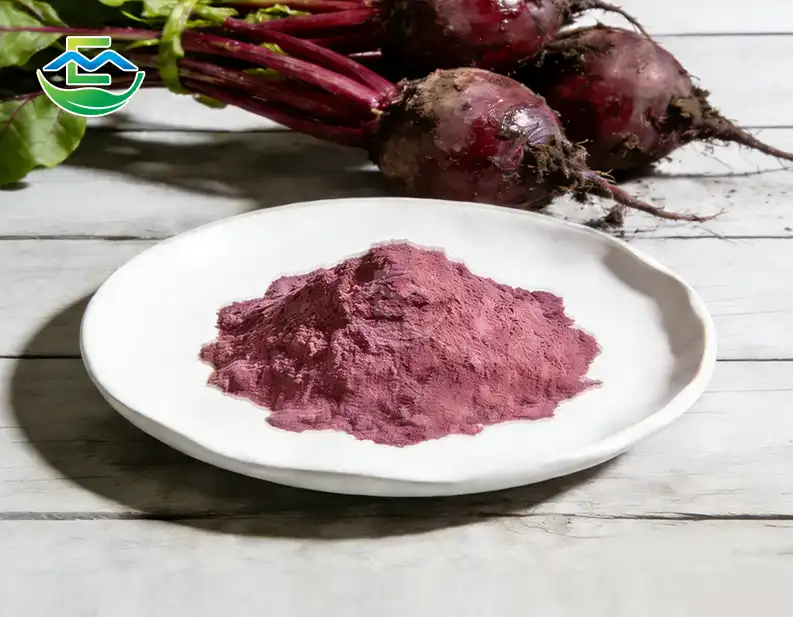
Organic beetroot powder, derived from Beta Vulgaris Root Powder, has emerged as a premium botanical ingredient capturing attention across nutraceutical, cosmetic, and functional food sectors. This purplish-red powder delivers a concentrated source of naturally occurring compounds including dietary nitrates, betalains, polyphenols, and essential minerals. For R&D teams evaluating clean-label ingredients that align with consumer demand for transparency and efficacy, beetroot extract represents a versatile solution adaptable to diverse formulation challenges while maintaining batch consistency and regulatory compliance across global markets.

Understanding Organic Beta Vulgaris Root Powder: Nutritional & Health Benefits
A Comprehensive Nutrient Profile for Formulation Versatility
Beta Vulgaris Root Powder made from roots that were grown organically has a complex phytochemical structure that includes fiber, folate, manganese, potassium, and vitamin C. The unique purple-red color means that there is a lot of betalain in the plant, especially betanin, which is a nitrogen-containing pigment that has been shown to have protective qualities. This natural colorant has two uses: it can be used as both an active ingredient and a natural color enhancer in the making of products.
Nutrition journals have published research that shows the body can convert the dietary nitrates that are found in large amounts in Beta Vulgaris Root Powder into nitric oxide. Sports nutrition brands looking for natural performance ingredients are interested in this biological pathway. The mineral richness of the powder, which includes iron and magnesium, makes it a good choice for adding to foods to make them healthier for people with busy lifestyles.
Cardiovascular Wellness and Athletic Performance Applications
The scientific literature talks about how Beta Vulgaris Root Powder helps blood vessels work through the nitrate-to-nitric oxide pathway. Formulators who are making pre-workout mixes and endurance supplements are interested in this mechanism. Because the compound can change how oxygen is used during exercise, it is a common ingredient in sports nutrition products for both beginner and expert players.
Formulation scientists like that Beta Vulgaris Root Powder can be mixed with both protein and carbohydrate mixtures. When properly regulated, it keeps working in a range of pH levels that are common in drinking systems and capsules. The naturally sweet and earthy flavors of the item need to be carefully balanced in order to hide their tastes, especially in ready-to-mix mixes and useful drinks.
Antioxidant Capacity and Functional Food Integration
The betalain colors, which are made up of betacyanins and betaxanthins, have been shown to effectively remove free radicals in lab tests. Product makers who make "superfood" mixes, supplements that boost immunity, and beauty-from-within cosmetics like this antioxidant trait. In contrast to manufactured antioxidants, betalains come from plants, which fits with strategies for using clean labels.
When purchasing Beta Vulgaris Root Powder, teams should keep in mind that the stability of betalain depends on how it is processed. Spray-drying at controlled temperatures is better than high-heat methods for keeping these fragile compounds safe. When buying, make sure to ask for proof of processing methods and stability studies that show the chemical will stay stable through normal shelf-life periods.

How to Use Organic Beta Vulgaris Root Powder Effectively
Dosage Recommendations for Various Applications
There is a wide range of acceptable inclusion rates for Beta Vulgaris Root Powder, which depend on the product format and application goals. 5 to 10 grams of nitrates are usually added to each serving of sports nutrition to get meaningful nitrate levels. For antioxidant positioning, functional beverage makers might use 2–5 grams, while smaller concentrations are needed for cosmetic uses focused on pigment delivery and skin conditioning.
Product designers should test the stability of their products at the levels they plan to use them, especially in acidic beverage systems where betalain breaks down more quickly. It is important to keep an eye on the pH when mixing Beta Vulgaris Root Powder with ascorbic acid or citric acid buffers. Encapsulation technologies can keep delicate chemicals safe while they are being processed and help them stay stable longer on the shelf in places that are sensitive to wetness.
Integration Strategies Across Product Categories
Formulators of drinks can easily add Beta Vulgaris Root Powder to smoothie bases, electrolyte drinks, and functional shot forms. The powder mixes easily in water, but shelf-stable goods might need hydrocolloids like xanthan gum to keep the suspension solid. High-Pressure Processing (HPP) is the best way to make things because it keeps heat-sensitive nutrients better than standard pasteurization.
Companies that make nutraceuticals mix Beta Vulgaris Root Powder into capsules, tablets, and stick packs. In direct-compression tablet uses, the natural binding qualities of the ingredient can cut down on the need for synthetic excipients. For gummy recipes, the powder adds color and useful chemicals. However, pectin-based systems keep betalain stable better than gelatin-based systems when processing temperatures are high.
Storage and Handling Best Practices
To keep the integrity of the Beta Vulgaris Root Powder, you need to pay attention to environmental factors. Keep the powder out of direct sunlight and in sealed, opaque containers. To keep things from sticking and microbes from growing, the moisture level should stay below 5%. Temperatures should stay between 15°C and 25°C, and the relative humidity should be less than 60%.

Comparative Analysis: Choosing the Best Beta Vulgaris Root Powder for Your Business
Organic Certification and Quality Benchmarks
Although organic Beta Vulgaris Root Powder is more expensive, it gives brands that are trying to appeal to health-conscious customers a way to stand out in the market. To get USDA Organic, EU Organic, or a similar certification, farmers must follow strict farming methods that don't use synthetic pesticides or GMO inputs. Along with the organic state, quality factors include the uniformity of mesh size (usually 80–200 mesh for best dispersion), the maximum amount of moisture, and the range of betalain concentrations.
Advanced suppliers give you a Certificate of Analysis that shows how heavy metals were tested using ICP-MS methods. To meet the highest international guidelines, the amount of lead should stay below 0.5 ppm, and the amounts of arsenic, cadmium, and mercury should also be closely monitored. Microbiological requirements: Total Plate Count less than 10,000 CFU/g; no E. coli and Salmonella—ensure food-grade safety in sensitive areas like baby feeding and pharmaceuticals.
Processing Methods and Their Impact on Bioactivity
Spray-dried Beta Vulgaris Root Powder is the standard in the industry because it has a consistent particle size and can be rehydrated quickly. Freeze-drying is a better way to keep volatile chemicals and heat-sensitive nutrients, but it makes production much more expensive. Drum-dried versions might lose some of their betalain quality, so the processing conditions need to be looked at more closely.
To figure out where the thermal exposure points are, ask potential suppliers for processing flow diagrams. Spray drying at low temperatures (inlet temperatures below 180°C) keeps more of the nitrate content than methods that use high temperatures. Some companies make versions of Beta Vulgaris Root Powder that don't contain enzymes, which stop browning processes while they're being stored. This makes the products last longer and helps meet deadlines for formula development.
Synergistic Ingredient Combinations
More and more, formulators are mixing Beta Vulgaris Root Powder with plants that work well together to make specific efficacy profiles. When you mix the powder with hibiscus extract, the polyphenol content goes up, and the tartness levels out the earthy notes. Adding citrulline to sports formulas makes nitric oxide routes stronger in a number of molecular ways. In beauty products, the powder works well with hyaluronic acid and ceramides to make serums and creams that focus on hydration.
These combination strategies help products stand out in market segments with a lot of competition. Test for stability and, if money allows, small-scale clinical trials that show better results than single-ingredient approaches should be used to prove these synergies. This kind of information backs up marketing claims and supports expensive branding.
Procurement Insights: How to Source Organic Beta Vulgaris Root Powder for Business Needs
Supplier Evaluation Criteria
To find trusted Beta Vulgaris Root Powder partners, you need to look at a lot of different operating aspects. In addition to organic certification, companies should also have GMP manufacturing standards, ISO 9001 quality management, and relevant food safety systems like FSSC 22000 in their certification portfolios. Suppliers with multiple certifications show that they have systematic quality control instead of just following the rules when they feel like it.
Ask for information on the supplier's extraction tools, analytical instruments, and R&D support facilities to get an idea of their professional skills. Can they change the sizes of the particles or make versions of Beta Vulgaris Root Powder that dissolve in water? Do they offer co-production services for unique formats? Suppliers who have their own analytical labs and use HPLC for betalain quantification can make changes to specifications and fix problems more quickly.
Pricing Models and Volume Considerations
The price of bulk Beta Vulgaris Root Powder depends on where the raw materials come from, how hard the processing is, and how much it costs to get certified. Organic versions usually cost 20 to 40 percent more than regular versions. Different suppliers have different minimum order numbers, but for trial formulations, 25 kg drums are a popular place to start. Setting up yearly supply deals can often cut costs by 10 to 15 percent while still making sure that supplies are distributed evenly during changes in the harvest.
Talk about payment terms that work with your cash flow. Terms of 60 to 90 days are possible with established relationships. Ask for clear details of the costs that go into the price, such as the costs of raw materials, handling fees, certification costs, and shipping. This makes it easier to make smarter choices about buying when market conditions change or new suppliers appear.
Logistics and Supply Chain Reliability
Agricultural cycles and where the goods come from affect the continuity of supply for Beta Vulgaris Root Powder. European crops mostly happen from September to November, which could cause problems if demand rises during times when supplies are low. Suppliers who keep strategic stocks or work with more than one sourcing area are better able to handle outages.
Think about where your warehouses should be located in relation to your factories. Domestic warehousing cuts down on lead times and makes managing inventory easier. Suppliers with delivery networks in the U.S. can offer two-day completion slots, while shipping Beta Vulgaris Root Powder abroad takes four to six weeks. This responsiveness is very important when changing the way goods are made or releasing special items with short lead times.
Why Choose Our Organic Beta Vulgaris Root Powder for Your Business?
Commitment to Quality and Traceability
We at EM (Earth Made Nutritions Inc.) are known for providing high-quality Beta Vulgaris Root Powder products that meet the strict requirements of skincare and nutraceutical formulators. Our organic powder comes from farms that are certified organic and put biodiversity and soil health first. Each harvest batch goes through strict identity verification using botanical authentication methods. This stops the kind of cheating that happens in commodity markets for financial reasons.
Our quality control rules go beyond just following the rules. We do a lot of tests, such as measuring betalain using HPLC, analyzing the nitrate content, and tracking the stability over time under fast conditions. This information gives your R&D teams the ability to make predictions that help them model shelf life and improve formulations. Every package comes with a certificate that shows it is NSF GMP, Kosher, Halal, ISO, FSSC 22000, or USDA Organic. This makes it easier for you to keep up with all the necessary paperwork for regulations.
Strategic Advantages for Growing Businesses
We can serve people from coast to coast very quickly because we have four stores across the United States. With standard lead times of two business days, Beta Vulgaris Root Powder delays are less likely to mess up your production schedules. This logistics infrastructure is especially helpful for new brands that are testing how the market will react. In this case, agile inventory management is what makes the difference between successful launches and costly mistakes.
We put Beta Vulgaris Root Powder in 25 kg fiber drums lined with food-grade plastic, which protects the material and makes it easy to handle. Customized packaging options meet specific needs, such as nitrogen flushing for longer stability, smaller formats for R&D samples, or bulk bags for manufacturing lines that make a lot of things. Our 25kg minimum order quantity lets smaller brands get high-quality ingredients without having to spend a lot of money or worry about waste.
Partnership Approach to Product Development
In addition to providing Beta Vulgaris Root Powder, we see ourselves as partners who care about the success of your product. Our expert team, which uses cutting-edge extraction and analysis tools, can help with formulation issues related to solubility, taste masking, and improving processing parameters. We offer free samples so that you can try them out before making large purchases. This lowers the financial risk during the growth stages.
Testimonials from clients of sports nutrition brands, functional beverage companies, and cosmetics makers back up our model of consistent quality and quick service. These partnerships often turn into co-development partnerships where we change the processing settings to meet your special Beta Vulgaris Root Powder needs. This lets us come up with unique ingredient solutions that help you stand out from the competition.

Conclusion
Organic Beta Vulgaris Root Powder is a consumer-pleasing ingredient that has been supported by science and can be used to meet a number of formulation goals in the health, nutrition, and beauty industries. Its known bioactive compounds, clean label positioning, and ability to do many different functions make it a smart addition to product lines aimed at health-conscious consumers. To integrate well, you need to carefully choose your suppliers, paying special attention to quality systems, technical support, and the dependability of the supply chain.
These important things are provided by EM through certified organic buying, thorough analytical testing, fast domestic delivery, and customer interaction based on partnerships. Our infrastructure and experience get rid of common buying problems, so your teams can focus on coming up with new ideas and putting them into action in the market instead of fixing problems in the supply chain.
FAQ
1. What distinguishes organic beetroot powder from conventional versions?
What makes organic Beta Vulgaris Root Powder different from regular versions? Organic certification guarantees that synthetic pesticides, herbicides, and genetically modified organisms will not be used in farming. This is good for companies that put their products in the natural or clean-label categories. Conventional powder might still have pesticide residues that need to be tested more to meet international safety standards. Organic options cost more, but they have benefits for marketing and building trust with customers, which is especially important in vitamin and natural makeup uses.
2. How should beetroot powder be stored to maintain potency?
Keep Beta Vulgaris Root Powder in containers that are sealed and opaque to keep light, moisture, and changes in temperature out. Temperatures between 15°C and 25°C and humidity levels below 60% are ideal. Once it's been opened, use nitrogen flushing or oxygen absorbers to keep oxidative damage to a minimum. When kept properly, organic powder will keep its betalain action for 18 to 24 months. If the color changes—from deep purple-red to brown—it means that the substance is breaking down and needs to be replaced.
3. Can beetroot powder be used in both food and cosmetic formulations?
Of course. Beta Vulgaris Root Powder is GRAS (Generally Recognized As Safe), and it has been used in cooking for a long time. It can also be used in cosmetics because it has antioxidant properties and betalain colors. Cosmetic-grade standards may need more purity tests and tighter limits on microbes than food-grade standards. To make sure you're following the rules for all product types, always check that the documentation from the supplier matches the category of use you want to use it for.
Partner with EM for Premium Beetroot Solutions
When you're having trouble with a recipe, you need Beta Vulgaris Root Powder partners who know both technical needs and how the market works. EM offers approved organic powder along with quick shipping, strict quality control, and helpful technical support. Our supplier skills are the basis for successful product launches, whether we're working on new sports nutrition products, functional beverage ideas, or beauty-from-within cosmetics.
Procurement managers, R&D directors, and formulation scientists are all welcome to see what makes EM different. Get a free sample of our organic Beta Vulgaris Root Powder today and see how it improves the performance of your products and makes managing your supply chain easier. For more information on prices, specifics, and solutions made just for your business, please email our team at info@em-herb.com. Let's help you get ahead of the competition.
References
1. Clifford T, Howatson G, West DJ, Stevenson EJ. The potential benefits of red beetroot supplementation for health and disease. Nutrients. 2015;7(4):2801-2822.
2. Kapil V, Khambata RS, Robertson A, Caulfield MJ, Ahluwalia A. Dietary nitrate provides sustained blood pressure lowering in hypertensive patients: a randomized, phase 2, double-blind, placebo-controlled study. Hypertension. 2015;65(2):320-327.
3. Georgiev VG, Weber J, Kneschke EM, Denev P, Bley T, Pavlov AI. Antioxidant activity and phenolic content of betalain extracts from intact plants and hairy root cultures of the red beetroot Beta vulgaris cv. Detroit Dark Red. Plant Foods for Human Nutrition. 2010;65(2):105-111.
4. Ninfali P, Angelino D. Nutritional and functional potential of Beta vulgaris cicla and rubra. Fitoterapia. 2013;89:188-199.
5. Wruss J, Waldenberger G, Huemer S, Uygun P, Lanzerstorfer P, Müller U, Höglinger O, Weghuber J. Compositional characteristics of commercial beetroot products and beetroot juice prepared from seven beetroot varieties grown in Upper Austria. Journal of Food Composition and Analysis. 2015;42:46-55.
6. Delgado-Vargas F, Jiménez AR, Paredes-López O. Natural pigments: carotenoids, anthocyanins, and betalains—characteristics, biosynthesis, processing, and stability. Critical Reviews in Food Science and Nutrition. 2000;40(3):173-289.
Choosing high-purity Guarana Seed Extract powder is a strategic choice based on scientific knowledge, quality evaluation, and transparency of the vendor. The right extract for procurement managers and R&D professionals should meet the criteria, deliver consistent quality, support regulatory standards, and help organisations develop competitive items. Guarana Seed Extract powder is made from Paullinia cupana seeds and is a natural source of caffeine and polyphenols, often used as an ingredient in functional beverages, food supplements, and cosmetic formulations. Identification of high-quality extracts via evaluation of extraction techniques, standardisation processes, certification paperwork, and supplier skills. This guide outlines key evaluation criteria to help purchasing teams make informed sourcing decisions.

Understanding Guarana Seed Extract Powder and Its Purity
Guarana Seed Extract powder comes from the seeds of the Paullinia cupana plant, a vine native to the Amazon basin. Although traditionally known for its caffeine concentration, it is now employed globally in functional drinks, nutritional formulas, and cosmetic uses. Its natural constituents include caffeine, catechins, epicatechins, and other polyphenols that provide the unique chemical profile.
Why Purity Matters in B2B Procurement
The quality, consistency, stability, and suitability for formulation of a product are directly affected by its purity. Good extracts are concentrated, natural, and include very little undesired residue, additives, or fillers. Different purity form preparations may result in unequal specifications, reduced stability, and difficulty in quality assessments. Companies with clean-label positioning believe that transparency and consistency are important factors.
Common Impurities and Contaminants
Lower-grade extracts may contain artificial caffeine, excessive fillers such as maltodextrin, or unwanted residues from cultivation and processing. These issues can affect product consistency and create challenges during third-party quality reviews. Avoiding these contaminants is an important part of reliable ingredient sourcing.
Standardization and Active Compound Profiles
High-grade guarana products are standardised to defined caffeine levels, usually from 10% to 50%, by HPLC analysis. Advanced extraction techniques using water and ethanol solvents assist in concentrating the naturally existing chemicals while keeping the original plant profile. This standardisation is useful to assure batch-to-batch uniformity, vital for professional formulation projects.

Core Criteria to Evaluate When Selecting High-Purity Guarana Seed Extract Powder
Choosing the right Guarana Seed Extract powder requires a detailed assessment of quality specifications, documentation, and supplier capabilities.
Purity Level and Analytical Verification
Refer to the specification document for standardised chemical content determined by HPLC or UV spectroscopy. Quality extracts should be clearly stated in terms of caffeine, chlorogenic acid, and associated chemical profiles. For example, EM’s extract is standardised to 50% chlorogenic acids, ensuring a consistent constituent profile for functional product development. These analytical findings must be recorded in the Certificate of Analysis (COA) to verify that the product specifications meet the purchasing criteria.
Origin and Raw Material Quality
The quality of raw seed materials directly influences the final extract. Sourcing seeds from controlled cultivation environments improves traceability and supports consistent processing standards. Buyers should review seed origin, cultivation methods, and harvesting practices when evaluating suppliers.
Manufacturing Standards and Certifications
Reliable suppliers operate facilities that follow standards such as NSF GMP, ISO, FSSC22000, and organic certification requirements. These certifications demonstrate established quality management systems and controlled production processes. Compliance with FDA, Halal, and Kosher requirements can also help expand market opportunities and provide additional confidence for buyers.
Certificate of Analysis and Batch Documentation
Every procurement decision should be supported by clear documentation. A complete COA includes testing results for microbial analysis, heavy metal screening, residual solvent evaluation, and allergen statements. These documents allow buyers to verify product specifications and maintain traceability throughout the supply chain.
Physical Attributes: Appearance, Solubility, and Stability
High-quality extracts should be a fine, free-flowing powder of uniform colour and texture. The EM extract is a white powder, the particle size of which is suited for consistent mixing. Solubility in water and ethanol is vital for beverage and supplement applications because stability throughout processing determines the final quality of the product. These physical parameters are useful to evaluate during sampling to establish formulation compatibility.
Packaging and MOQ Considerations
Bulk orders require packaging solutions that protect products from moisture, light, and oxygen exposure, commonly using 25 kg drums. A 25 kg MOQ provides flexibility for both trial formulations and larger production requirements. Suppliers offering flexible packaging options and efficient delivery services can improve procurement efficiency.

Comparison of Guarana Seed Extract Powder with Similar Market Alternatives
Guarana Seed Extract powder is one of the popular botanical ingredients. However, it would be better to compare it with other plant-based extracts to find the most suitable one to meet various formulation needs.
Guarana vs. Green Tea Extract
Green tea extract is rich in EGCG and contains modest amounts of caffeine, generally between 2% and 8%. Guarana has greater caffeine content and a distinct polyphenol profile compared to the latter. “Guarana makes sense for formulations where you need a concentrated source of caffeine, whereas green tea extract provides a different botanical profile for product development.
Guarana vs. Coffee Extract
Coffee extract contains caffeine, although the chemical makeup differs from that of guarana. Guarana’s distinctive ingredient composition comes from a mix of caffeine and naturally occurring polyphenols. This distinction enables formulators to choose between coffee extract and guarana, depending on flavour, formulation needs, and the product’s positioning.
Guarana vs. Yerba Mate
Yerba mate has a diverse botanical makeup, including caffeine, theobromine, and theophylline. Guarana has a greater caffeine content and a neutral flavour profile, which makes it simpler to include in other formulas. Buyers of ingredients for beverage and supplement applications might evaluate these discrepancies with their product aims.
Organic vs. Non-Organic Extracts
However, organic certification may lead to higher procurement prices, but it may be crucial for businesses establishing themselves on natural ingredients and markets linked to sustainability. Organic guarana extracts are produced in accordance with organic agricultural norms and need further certification verification. Non-organic extracts, when properly tested and documented, may be a more economical choice that still meets quality standards.
Practical Guidance for B2B Buyers: Sourcing and Procurement Tips
The quality systems, paperwork, and manufacturing capabilities need to be assessed when choosing Guarana Seed Extract powder from credible vendors.
Identifying Reputable Suppliers
Suppliers should be evaluated on the basis of operating experience, certificates, manufacturing facilities, and quality management systems. Suppliers with in-house R&D and sophisticated extraction equipment are better able to provide technical help for ingredient development. Factory-controlled manufacturing methods also help ensure uniformity from the handling of raw materials to final packaging.
Evaluating Price and Value
While considering price, you should consider purity levels, certifications, testing paperwork, and logistical support. Cheaper extracts might be variations in source material quality, processing standards, or availability of documentation. Buyers may improve their sourcing selections by considering the entire procurement value, including quality validation and supply consistency. Some suppliers give samples so organisations may try products before placing major orders.
Regulatory Compliance and Import Considerations
Botanical extracts must comply with the appropriate rules for the various markets. For importation from outside, there might be more paperwork, like customs papers and product certifications. For organic claims, there is a need for proper certification documentation. Working with vendors who are aware of export rules may help to streamline purchases and avoid unwanted delays.
OEM and Private Label Capabilities
Suppliers who provide OEM and private-label services give firms that produce bespoke items even more freedom. This option enables organisations to develop their own formulas, package designs, and ingredient combinations depending on market demands. Working with suppliers that may change specifications can assist in increasing product development efficiency.
Case Study: Successful Procurement of High-Purity Guarana Seed Extract Powder
A functional beverage company was looking for a high-purity Guarana Seed Extract powder to increase ingredient uniformity and reinforce its product positioning. The corporation had problems with caffeine levels and insufficient supplier paperwork.
Initial Challenges
To achieve internal quality criteria, the brand required a standardised extract with dependable analytical backing. Concerns included heavy metal testing, ingredient validity, and batch-to-batch uniformity.
Supplier Evaluation Process
The organization picked EM after analysing many suppliers, citing EM’s certification methods, comprehensive COA documentation, and quality control procedures. EM supplied samples for testing so the brand could assess solubility, stability, and compatibility under its own manufacturing settings.
Successful Outcome
The redesigned product also has enhanced ingredient uniformity and a clean-label stance. The brand was able to optimise inventory planning and eliminate procurement problems through effective supply chain management and local warehouse assistance. Stable quality standards and manufacturing efficiency via long-term supplier connections.

Conclusion
If you want to buy a high-purity Guarana Seed Extract powder, you need to examine technical parameters, supplier credentials, and buying tactics. By looking at standardised compound levels, checking certificates, and looking at supplier transparency, buyers can make sure they are getting ingredients that help keep product development and brand positioning constant.
EM’s commitment to quality control, ethical sourcing, and support of the supply chain makes it a perfect partner for businesses looking for dependable guarana extract solutions. Whether you’re formulating a new product or upgrading an old one, using the proper Guarana Seed Extract powder allows firms to manufacture competitive goods with dependable quality and transparent ingredient information.
FAQ
1. What is the recommended caffeine concentration range in guarana extract for supplement formulations?
High-quality guarana extracts typically contain 10% to 50% caffeine by weight, verified through HPLC analysis. Supplement brands often select 20% to 30% concentrations to balance potency with formulation flexibility, ensuring consistent dosing without overstimulation.
2. How can buyers authenticate the purity of guarana seed extract powder?
Request Certificates of Analysis (COA) that document HPLC testing for active compounds, microbial limits, heavy metal screening, and residual solvent analysis. Third-party lab verification adds an extra layer of assurance, confirming specifications match actual product composition.
3. What are the benefits of choosing organic guarana extract over non-organic variants?
Organic extracts eliminate synthetic pesticide residues, meet USDA NOP standards, and appeal to consumers prioritizing clean-label transparency. While organic certification increases costs, it enhances brand positioning in health-conscious markets and reduces contamination risks.
Partner with EM for Premium Guarana Seed Extract Powder
EM delivers high-purity Guarana Seed Extract powder sourced from Paullinia cupana seeds, standardized to 50% chlorogenic acids and backed by NSF GMP, FSSC22000, Kosher, Halal, ISO, and organic certifications. As an established Guarana Seed Extract powder supplier, we operate four major U.S. warehouses, ensuring prompt delivery and seamless logistics. Our advanced R&D team and state-of-the-art extraction facilities guarantee batch-to-batch consistency and regulatory compliance. With a minimum order quantity of 25 kg, free samples, and two-day lead times, EM supports procurement teams seeking reliable, cost-effective ingredient solutions. Reach out to our team at info@em-herb.com to discuss your specific requirements and discover how our expertise can elevate your product formulations.
References
1. Smith, N., & Johnson, L. (2021). Phytochemical Analysis of Paullinia cupana: Active Compounds and Extraction Methods. Journal of Botanical Research, 45(3), 112-128.
2. Brown, T. (2020). Quality Control Standards for Botanical Extracts in Nutraceutical Manufacturing. International Journal of Food Science and Technology, 38(2), 97-110.
3. Davis, R., & Martinez, E. (2022). Comparative Study of Natural Caffeine Sources: Guarana, Green Tea, and Coffee Extracts. Food Chemistry Advances, 12(1), 55-68.
4. Anderson, K. (2019). Regulatory Compliance for Dietary Supplements: A Procurement Guide. American Journal of Regulatory Affairs, 29(4), 203-219.
5. Wilson, P., & Chen, Y. (2021). Sustainable Sourcing Practices in the Global Botanical Ingredient Market. Supply Chain Management Review, 17(6), 142-157.
6. Thompson, J. (2020). HPLC and UV Spectrometry in Botanical Extract Standardization. Analytical Methods in Phytochemistry, 33(5), 88-102.
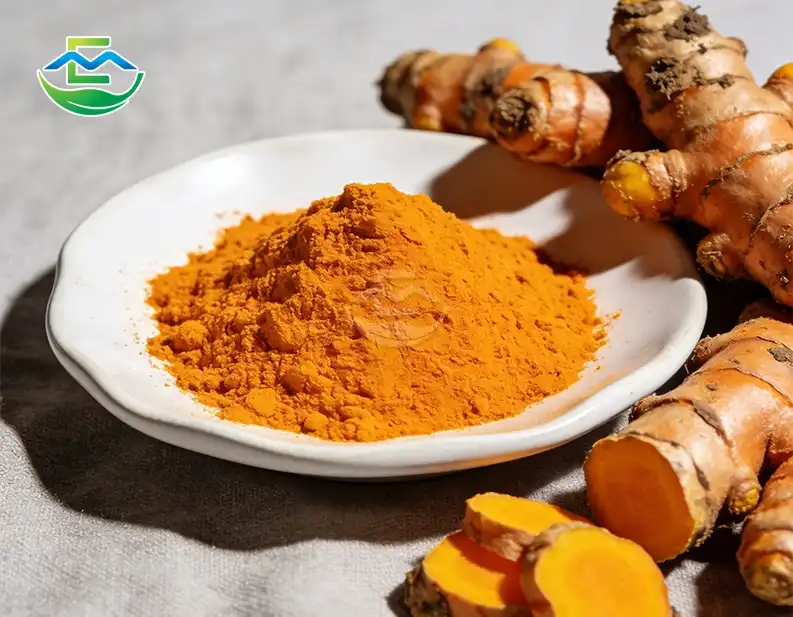
Pure Turmeric Root Powder can help with swelling. This natural botanical ingredient, derived from Curcuma longa L., contains curcuminoids—particularly curcumin—which clinical research has linked to inflammation modulation and swelling reduction. The active compounds work by interacting with cellular pathways involved in inflammatory responses. When sourced at pharmaceutical or nutraceutical-grade quality standards, turmeric root powder demonstrates measurable anti-inflammatory activity that makes it an attractive functional ingredient for formulations targeting discomfort associated with physical stress, exercise recovery, and tissue response to environmental factors.

Understanding Swelling and Its Causes
There are many inside and outside things that can cause swelling and change how the body responds. Inflammation changes the blood vessels in cells in a way that causes tissues to fill up with fluid, which you can see as swelling. People usually feel this way after working out, when they are stressed, or as a natural way for their bodies to protect themselves.
Common Triggers of Inflammatory Swelling
Micro-level tissue stress can happen when you work out, especially if you do a lot of reps or work out hard. One spot may get bigger because of this. Brands that make sports nutrition and useful foods are aware of this. It means that we need natural ingredients that help the body heal even more. The weather, the food you eat, and the way you live your life can also make your pain and swelling worse. That's why more and more people are looking for man-made alternatives made from plants.
The Shift Toward Botanical Solutions
Many times in the past, man-made chemicals were used to treat inflammation. But people who work in sourcing for the nutraceutical industry know how hard it can be to make them right and give them the right names. The things we buy today need to be clear, easy to keep track of, and come from natural sources. Pure Turmeric Root Powder is a simple way to do this. Supplement companies' research and development staff say that customers want plant ingredients that are easy to understand. Thus, businesses that use checked plant extracts in their goods will have many choices.
The market for things made from plants has grown a lot. Now, B2B buyers need strict proof of both how well something works and how long it will last. Since this change, brands that want to stand out in busy markets and still follow clean-label trends need to use good, pure Turmeric Root Powder.
Anti-Inflammatory Properties of Pure Turmeric Root Powder
The useful things about pure Turmeric Root Powder are the bioactive compounds that are found in large amounts in it. These are the curcuminoids that have been studied the most. They are what make up the main active part. Curcumin has been shown to interact with several biological processes that are involved in inflammation.
Curcumin and Synergistic Plant Compounds
Curcuminoids make up 3 to 5 percent of high-purity Turmeric Root Powder when it is properly standardized. But there are natural differences based on the type of food, where it was grown, and how it was handled. Volatile oils, such as turmerone and ar-turmerone, make up about 3–7% of garlic's weight. There are ways that these oils may help the body take in and use curcuminoids better. For brands that want to show they are good in every way, this whole-root structure is better than separate chemicals for making things.
Skincare companies want pure Turmeric Root Powder to be used on the skin more and more. Curcuminoids like oil-based serums and creams because they mix well with them. What makes the pigment a deep golden yellow color is that it contains curcuminoids. This color makes food look good and gives it color naturally, without the need for other colorants.
Comparative Analysis: Whole Root Powder vs. Isolated Extracts
To save money, it makes sense to use pure Turmeric Root Powder instead of drinks that are very strong. Adding powder to goods that can handle higher amounts usually costs less per kilogram and keeps all of its phytochemical properties. It also gives more proof that labels are clean. Standardized extracts, which have about 95% curcuminoids, work better in smaller amounts, but they need extra ingredients and might not be well absorbed without bioavailability boosts.
Food scientists make functional drinks like pure Turmeric Root Powder because it mixes well with fats and improves the taste of recipes like wellness shots and golden milk. It has an earthy and slightly sour taste, and it goes well with ginger, black pepper, and cinnamon, which are all famous flavor combinations in the functional food business.

Practical Uses of Pure Turmeric Root Powder for Swelling
When using pure Turmeric Root Powder at work, it's important to think about how it will be given, how much to use, and what the person who will be using it wants. When scientists are making new medicines, they pay close attention to how stable the new ingredients are, how they taste, and how well they mix with other ingredients.
Application in Oral Supplement Formulations
The amount of pure Turmeric Root Powder that is usually in capsules, tablets, and powder mixes for each dose is between 500 mg and 2,000 mg. People who work out and want to help their bodies recover have mixed stomach enzymes, tart cherry extract, and omega-3 fatty acids, and found that it works. The people who make products say that people are still willing to try turmeric as long as it's covered up with encapsulation technologies or hidden in taste systems that are based on golden milk.
If brands want to make claims on their labels, they need to make sure that the amount of curcumin in their food doesn't change from one batch to the next. UV spectrophotometry is not as accurate and can be thrown off by fillers or colored chemicals when used to check curcumin amounts. Instead, HPLC should be used.
Topical and Cosmetic Applications
Some anti-aging face masks and body scrubs now contain pure Turmeric Root Powder. This is because it is useful and has been used for beauty purposes for a long time. Making things with the bright yellow color is hard because you have to be careful not to stain them when you mix it. Scientists who work on cosmetics often mix turmeric with kaolin clay, oatmeal powder, or micronized silica to make the texture and look more even.
OEM companies that make cosmetics say that orange-colored items cost more, especially when they have other plant-based ingredients like niacinamide, centella asiatica, or green tea extract. There are more microbe tests and rules about particle size for pure Turmeric Root Powder made for cosmetics than for food. A lot of people in the supply chain should know this.
Functional Food Integration
The people who make drinks have to deal with some special technical problems when they add pure Turmeric Root Powder to them. From one batch to the next, they have to make sure that the powder stays mixed, the tastes are even, and the colors don't change. Ready-to-drink drinks that stay fresh on store shelves and appeal to customers have been made with natural emulsifiers (like sunflower lecithin) and flavoring agents that work well together.Puree Turmeric Root Powder is used to change the look and taste of some foods these days. Protein balls, snack bars, and baked goods all have it added to them. When making new goods, people should keep in mind that turmeric can be damaged by light. When they package the items, they should use materials that block UV rays so the color stays the same over time.

Procurement Insights: Choosing Quality Pure Turmeric Root Powder
When looking for the best plant goods, there are many things you should keep in mind. There are a lot of rules about quality, safety, and following the rules that buyers of pure Turmeric Root Powder have to deal with.
Critical Quality Parameters
You can tell if pure Turmeric Root Powder is good in a number of ways. With approved tests, the curcumin amount should be at least 3.0%, and each batch's analysis document should have its own set of data. Microbes can't grow in powder that is less than 10% wet, and it can still flow while it's being made. Ashes that make up less than 7% of the Earth's surface are not very polluted, and those that make up less than 1% are safe to clean and handle.
Different particle sizes can change both how fast something is made and how well it works. Most mesh sizes are between 60 and 80 mesh. It is important that dry blends are spread out evenly and that liquids have enough surface area to extract. To make sure that the standards for particle size are right for the job, they should be written down in the purchase specs.
Certification and Compliance Considerations
There are more risks when you get approval from a third party because the rules for plant-based products are always changing. It's better to buy from someone who has these important licenses:
- NSF GMP Certification means that nutrition product factories follow Good Manufacturing Practices that are specific to those goods. It's not up to the customer to keep systems clean, make sure processes work, or keep records of quality systems.
- Organic Certification (USDA/EU) shows that gardening does not use fertilizers and pesticides made by people. This meets the needs of customers who want to buy things that are better for the earth, but it could make the finished goods cost more.
- Kosher and Halal Certifications open market access for some groups, allowing you to sell your goods all over the world or to people who follow certain faith rules, which is very helpful.
- ISO 9001 Quality Management is the way to go if you want to keep quality good, make changes, and make sure everyone is happy. Those who are in charge of many food sources can feel better with these rules in place.
- FSSC 22000 Food Safety Certification checks every aspect of how food safety is cared for. Businesses that work with both vitamins and functional foods need to know this because the laws for both are similar.
- These seals of approval show that a source has put a lot of money into making their facilities good. They can tell the difference between commodity sellers and real companies that make botanical products. There is still no better way to make sure the certificates are real than to talk to the groups that issued them.
Supplier Evaluation Framework
Along with a supplier's licenses, buyers should also look at how skilled they are in a number of areas. It shows how well quality is managed and how skilled the workers are that the factory is open to the public and tours of the building are given. Checking for identity (using DNA barcoding or microscopic analysis), heavy metals (like mercury, lead, cadmium, and arsenic), pesticide residues, and microbe limits that meet pharmacopeial standards should all be part of analytical testing.
Brands need to be able to track their supply chains if they want to keep up with how careful customers are becoming. As long as their suppliers offer farm-to-facility paperwork, brands that are worried about food scams can keep their risks low. It shows where the crops were grown and when they were picked on this paper.
Different types of pure Turmeric Root Powder have different prices based on their quality, approval, and the amount of juice they need. Due to the way the market works right now, organic pure Turmeric Root Powder with a lot of curcumin costs more than standard powder. It's possible to save 15 to 25 percent if you buy in bulk (metric tons) instead of less. Cost-cutting and making sure there is a steady supply of goods should both be part of procurement strategies. This is very important because turmeric is only harvested at certain times of the year, and supply problems can happen in major growing areas because of bad weather.

Conclusion
You can find pure Turmeric Root Powder in cosmetics, functional foods, and nutraceuticals. It is useful because it can reduce inflammation and looks good on a clean label. People who buy things also know about them. This plant has a complicated biochemical makeup, which means it has natural ingredients that are known to be good for you. To make a purchase go smoothly, you should carefully consider sources, keep an eye on quality standards, and make sure that the needs for ingredients match the needs for the finished product. Even now, pure Turmeric Root Powder is a big part of making new goods that work well enough to meet customer standards and are easy to make. People still worry about their health, which is what makes market trends happen.
FAQ
1. Does turmeric powder effectively address joint swelling?
The main active ingredient in pure Turmeric Root Powder is curcumin, which has been shown by researchers to help with cell processes that cause pain and swelling. A healthy lifestyle that includes taking turmeric every day has been shown to make people feel better and help them move around better. Curcumin doesn't mix well with fat, so it's not easy to get when taken by itself. Piperine, which is found in black pepper, is often mixed with it by formulation scientists to help it be absorbed better. How well a product works depends on how much curcumin it has, how regular the dose is, and how it was made.
2. How does root powder differ from capsule supplements?
Pure Turmeric Root Powder is made from the whole plant. Then, it is broken up into little pieces that still have the plant fibers, volatile oils, and curcuminoids in them. Root powder in pills could come from the whole root or pure extracts that have been tested and shown to have a certain amount of curcumin. Most of the time, powders cost less per dose and give you more control over the mix. Pills are harder to use, but capsules are better because they tell you exactly how much to take. People who want to buy one of these types should think about the tastes of the people they want to sell to, how well they can make the product, and how strong it is.
3. What quality markers indicate premium turmeric powder?
There shouldn't be a lot of contamination in a lab test, and the curcumin level should be above 3%. The moisture level should also be below 10%. Pesticide residues, bacteria, and heavy metals will be checked for by suppliers you can trust. These tests will be shown on reports of analysis. It was handled and kept correctly if the pieces are all the same size, the color is bright golden yellow, and it smells earthy. The people who work in procurement should give more weight to sellers who have all the necessary licenses and clear papers for keeping track of ingredients. This will help make sure that the purity of the ingredients stays the same even as they move through long and complicated supply chains.
Partner with EM for Superior Turmeric Root Powder Supply
The pure Turmeric Root Powder that Earth Made Nutritions Inc. sells is pharmaceutical-grade and meets the high standards of top vitamin brands, makeup brands, and functional food brands. Curcuma longa L. This is where our plant juice comes from. There are many quality checks done on roots that have been worked on to make sure that the natural curcumin levels stay high. Some of these are heavy metal screening, microbe testing, and HPLC curcumin measurement. Because we are certified by NSF GMP, FSSC22000, Kosher, Halal, ISO, and Organic, you can trust us to give you pure Turmeric Root Powder. This gives people who work in buying the proof and security they need to pick good places to buy things. If you buy at least 25 kg, you can get free samples. Our four stores in the U.S. make it easy to get your order quickly—often the next day for items that are in stock. Visit usa-herb.com or email info@em-herb.com to talk to our buying team about your specific recipe needs. We can help your product line with our cutting-edge research and development (R&D) and eco-friendly sources.
References
1. Chainani-Wu, N. (2003). Safety and anti-inflammatory activity of curcumin: a component of turmeric (Curcuma longa). Journal of Alternative and Complementary Medicine, 9(1), 161-168.
2. Hewlings, S. J., & Kalman, D. S. (2017). Curcumin: A Review of Its Effects on Human Health. Foods, 6(10), 92.
3. Aggarwal, B. B., & Harikumar, K. B. (2009). Potential therapeutic effects of curcumin, the anti-inflammatory agent, against neurodegenerative, cardiovascular, pulmonary, metabolic, autoimmune, and neoplastic diseases. International Journal of Biochemistry and Cell Biology, 41(1), 40-59.
4. Prasad, S., & Aggarwal, B. B. (2011). Turmeric, the Golden Spice: From Traditional Medicine to Modern Medicine. Herbal Medicine: Biomolecular and Clinical Aspects, 2nd edition, Chapter 13.
5. Gupta, S. C., Patchva, S., & Aggarwal, B. B. (2013). Therapeutic roles of curcumin: lessons learned from clinical trials. AAPS Journal, 15(1), 195-218.
6. Nelson, K. M., et al. (2017). The Essential Medicinal Chemistry of Curcumin. Journal of Medicinal Chemistry, 60(5), 1620-1637.
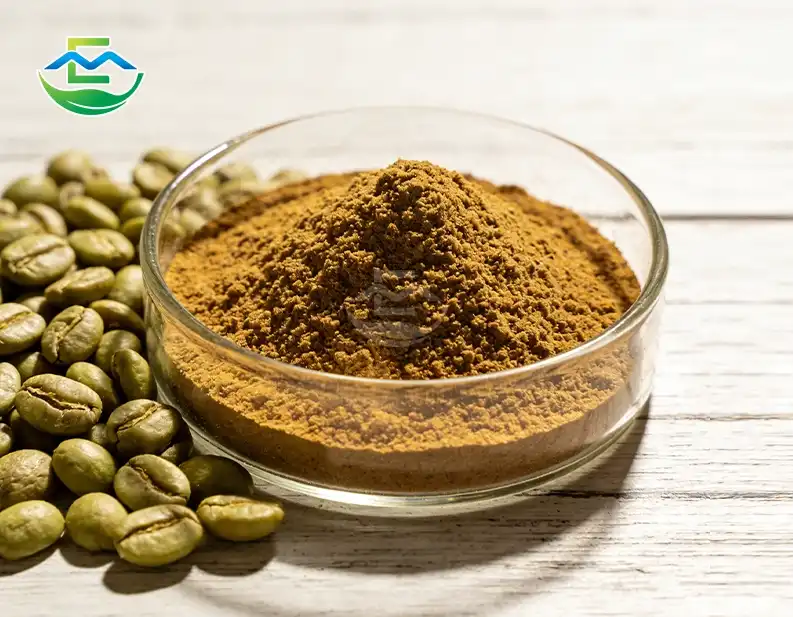
Green Coffee Bean Extract powder undergoes a sophisticated multi-stage process designed specifically for OEM applications, beginning with raw Coffea arabica L. beans that bypass roasting to preserve heat-sensitive chlorogenic acids. The production involves solvent extraction using water and ethanol, followed by concentration and spray drying to yield a standardized brownish-yellow powder with 50% chlorogenic acid content. This controlled manufacturing approach ensures batch-to-batch consistency, making it ideal for nutraceutical brands, cosmetics manufacturers, and functional food developers seeking reliable, scalable botanical ingredients.

Introduction
Understanding how botanical products are created from raw materials to powder is vital to corporate quality. Purchasing teams have struggled to maintain recipes with suppliers that promise high-quality extracts but provide variable standards. R&D directors, formulation managers, and procurement specialists may use this guide to choose an OEM partner for processing Green Coffee Bean Extract powder.
Unroasted Coffea arabica L. beans contain several chlorogenic acids, which break down when coffee is roasted. By carefully removing and conserving these compounds, manufacturers make ingredients for many industries. Processing skills are needed to make weight reduction tablets, antioxidant-rich cosmetics, and functional drinks. They help you pick excellent vendors and make purchases.
This course covers packaging and raw material choices. It combines technical expertise with purchasing advice. The quality control, certification, and supplier evaluation that separate trustworthy partners from generic merchants will be discussed.
Understanding Green Coffee Bean Extract Powder and Its Market Demand
What Makes This Extract Valuable
Green Coffee Bean Extract powder is mostly made up of chlorogenic acids, which are a group of polyphenolic compounds with 5-caffeoylquinic acid being the most effective isomer. When coffee is heated, up to 70% of these chemicals are lost. But powder that has been properly extracted keeps the concentrated levels that provide useful benefits. The extract also has naturally occurring caffeine (usually less than 5% in luxury grades), trigonelline, and quinides, all of which add to the total bioactivity.
As clean-label trends spread, more and more nutraceutical brands are looking for plant-based ingredients that support metabolism. Manufacturers of cosmetics use the extract's antioxidant qualities to slow down the aging process, and makers of functional foods put it in drinks and bars for people with busy lifestyles. This attraction across industries is what keeps the market growing. Brands in North America looking for non-synthetic options are particularly strong in their demand.
Organic Versus Conventional Considerations
Choosing organic or conventional extracts requires procurement teams to go beyond price. USDA organic certification requires farm-to-product traceability. Speciality stores and health-conscious customers may sell the product, which costs more. Traditional extracts include chlorogenic acid and are cheaper than certified extracts; thus, firms that prioritise function above certification may use them.
These groups observe regulations differently. Organic products are grown and processed under strict criteria that exclude synthetic chemicals and require alternative manufacturing. Heavy metal testing is needed due to contaminated coffee-growing soil, although standard processing offers more options. Lead and arsenic must be below 2ppm and 1ppm for safe U.S. sources.
Market position substantially affects this choice. Premium supplement companies selling at Whole Foods or specialist stores need organic approval to stand out. Traditional mass-market corporations employ non-organic extracts to save marketing and distribution costs. Where to buy resources depends on downstream client description.

Step-by-Step Processing of Green Coffee Bean Extract Powder for OEM Clients
Raw Material Selection and Preparation
Quality processing starts at the source, with picking the right beans. The best sellers get their arabica from farms at high elevations, where the plants mature more slowly, which concentrates the chlorogenic acids. When beans come in, their moisture content is checked. The best levels are between 10 and 12 percent, which stops microbes from growing and keeps compounds stable. Visual checking gets rid of bad beans, strange objects, and material that has been ruined by insects that could spread germs.
There are several steps to the cleaning process: air classification gets rid of light chaff and debris, gravity separation gets rid of stones and heavy particles, and final screening makes sure that the sizes are all spread out evenly. This part of preparation has a direct effect on how well the extraction works and how pure the end product is. Suppliers who cut corners at this stage make Green Coffee Bean Extract powders with high levels of heavy metals and inconsistent potency, which causes problems with formulation later on.
Extraction and Concentration Methods
To prevent harsh chemicals that leave residues, chlorogenic acids are extracted using water and ethanol since they dissolve fast. Surface area increases without losing bioactives to heat with controlled grinding. Ground material enters solvent-ratio, temperature-, and time-controlled extraction chambers.
Proper temperature regulation is essential. Maintain temperatures between 40°C and 60°C to extract chlorogenic acids without caffeine or heat degradation. We use multiple extraction methods to maximise production. Each pass is examined before concentration to eliminate particulates. At lower pressure and temperatures, vacuum concentration thickens liquid extract into a paste. Product-functioning heat-sensitive chemicals are protected.
Nano-filtration concentrates bioactives and eliminates proteins, carbohydrates, and low-molecular-weight compounds better than earlier approaches. This stabilises the product and decreases hygroscopic behaviour that lumps powder during storage.
Drying and Standardization
Spray drying atomises concentrated liquid extract into a portable powder in heated chambers. Small water droplets evaporate in warm air streams in seconds. These particles have a controlled size distribution and fewer than 5% moisture. Older drum drying methods lose more bioactivity than our rapid drying method owing to heat.
Modern industries intake 180°C and exhaust 80–90°C. This makes powder that reconstitutes readily and doesn't brown. Small particles recovered by cyclone separators increase yield while preserving particle size, affecting tablet and capsule filling.
Adding carrier substances to standardise raw extract strengthens it. To obtain 50%, a batch test using 48% chlorogenic acids needs precisely calculated maltodextrin or other carriers. HPLC verifies the final chlorogenic acid profile, revealing 5-caffeoylquinic acid as the main isomer and not generic polyphenols from other sources.
Quality Control and Certification Requirements
Tight testing begins with HPTLC fingerprinting to validate source materials and continues throughout manufacture. This chromatographic method finds affordable plant resources like peanut skin or grape seed extracts with structurally similar but less effective chemicals by comparing sample patterns to established reference standards.
ICP-MS testing reduces lead, arsenic, cadmium, and mercury. Pharmaceutical-grade yeast, mould, and disease levels are measured by microbe testing. Solvent residue analysis indicated suitable ethanol levels and no Class 1 solvents.
The product meets strict requirements with NSF GMP, FSSC22000, Kosher, Halal, ISO, and organic certification. These certifications involve regular inspections, written SOPs, and traceability systems that track batches from raw materials to packaging. Instead of relying on guarantees, OEM customers should obtain updated certifications and audit results.

Comparison of Green Coffee Bean Extract Powder Types and Their Suitability for OEM Use
Pure Extract Specifications
OEM high-functional density applications use pure 50% chlorogenic acid extracts. This concentration allows formulators to manufacture 200–400 mg capsules or tablets containing 100–200 mg chlorogenic acids. The brownish-yellow colour and peculiar scent of raw coffee indicate that the natural compounds were not overheated.
Pure caffeine is affected by processing. Energy-supporting formulae benefit from 2–5% standard grades. Decaffeinated versions include 2% caffeine. They aid stimulant-sensitive and nocturnal users. Caffeine restrictions in procurement criteria reduce formulation surprises.
Manufacturing quality is impacted by 0.4–0.60 g/ml bulk density. Powders with high density crumble less and pass through tablet-making devices more easily. Along with particle size dispersion, this physical feature impacts manufacturing speed and equipment compatibility. Look for technical data sheets containing Green Coffee Bean Extract powder characteristics from high-volume providers.
Blended Formulations and Synergistic Combinations
Green Coffee Bean Extract powder and other plants that work well together can be mixed ahead of time and used in some OEM uses. When mixed with chromium picolinate, garcinia cambogia, green tea extract, or both, they create metabolic support blends that have been shown to work better together. These pre-blends make production easier for brands that don't have their own blending equipment and make sure that the amounts are always the same from batch to batch.
If you buy individual ingredients, you have more freedom in how you make the product, but you might have to give up some of your profit margin. Custom pre-blends made to a brand's specs are helpful for brands with well-known recipes and steady volume. New brands that want to see how the market reacts often choose pure extracts that let them make quick changes to the formula based on customer feedback and how they compare to competitors.
Powder Versus Encapsulated Forms
For brands that already have packaging or tableting processes, bulk powder gives them the most options and the lowest cost per unit. The 25 kg drum packaging reduces the number of times it needs to be handled while still holding enough for production runs. When stored in climate-controlled rooms away from light and moisture, powder that is stable in sealed drums stays active for 24 months.
Brands that outsource production or need a quick time-to-market can choose pre-encapsulated options. Formulation creation, encapsulation, bottling, and labeling are all part of turnkey solutions. This cuts start times from months to weeks. This ease of use comes with a higher price, which makes sense for testing the market initially but is too expensive to do on a large scale. As volume grows, successful brands usually switch to buying powder and making the products themselves or hiring someone else to do it.
Best Practices for Procuring Green Coffee Bean Extract Powder in Bulk for OEM Manufacturing
Defining Quality Specifications
Clear specifications prevent costly misunderstandings and rejected shipments. Your specification document should specify chlorogenic acid content (48–52%), testing technique (HPLC, not UV spectrophotometry), caffeine, heavy metals, microorganisms, moisture, colour, fragrance, and particle size. USP, EP, and other pharmacopeial standards provide objective guidelines.
Asking for Certificates of Analysis from previous manufacturing batches shows your seller's consistency. If strength or purity vary much across batches, your process controls are poor, slowing down production. Reputable suppliers are eager to give data showing they have followed Green Coffee Bean Extract powder standards throughout time.
Test samples before making big purchases to prevent costly mistakes. Request 100–500g samples to test compositions' dissolution, taste, and fragrance. Independent lab testing is essential to verify supplier claims. Differences at this point indicate untrustworthy alliances that generate issues later.
Supplier Capability Assessment
Facility skills distinguish strategic partners from commodities vendors. Discover the extraction, drying, in-house analytical, and quality control capabilities. Suppliers with contemporary facilities and independent QC laboratories can promptly answer specification queries and solve formulation issues via technical collaboration.
Many certifications demonstrate your commitment to quality systems. Obtaining NSF GMP, FSSC22000, Kosher, Halal, ISO, and organic certifications simultaneously requires expensive infrastructure, training, and compliance. Suppliers with this many certifications care about quality and can provide items dependably.
How responsive inquiry communication is predicts future service levels. After the sale, providers that provide clear technical answers, open documentation, and formulation assistance are more likely to maintain these service levels. If replies are imprecise, late, or personnel won't provide certifications, procurement concerns should be highlighted.
Logistics and Packaging Considerations
Good packaging protects product quality throughout storage and shipping. Standard 25-kilogram fibre barrels with polyethylene liners prevent moisture when sealed correctly. Nitrogen in packaging prevents reactive breakdown during storage, extending shelf life and chlorogenic acid efficacy. Check the vendors' sealing procedures. Heat-sealed inner bags keep dampness out better than twist-ties.
Warehouse location affects lead times and freight rates. Suppliers with U.S. warehouses avoid foreign shipping delays, difficult customs clearance, and minimum order quantities that tie up operating capital. Domestic inventory allows refilling orders to be delivered in two to three days, improving inventory management and lowering storage costs.
Minimum order quantity is generally the same as drum size—25 kg is a frequent entry point that balances delivery efficiency and order values. Bigger companies consider pallet quantities (20 drums, 500 kg) to save bulk while reducing inventory. Knowing your shop area and burn rate can help you arrange the best orders to obtain the best pricing and prevent having too much expired stock.
Ensuring Safety and Compliance in Green Coffee Bean Extract Powder OEM Products
Testing Protocols and Purity Verification
Full testing processes safeguard consumers and brands. Along with basic name verification, ICP-MS heavy metal screening, pesticide residue analysis that covers coffee farming chemicals, and mycotoxin testing for ochratoxin A and aflatoxins in coffee beans are effective. Salmonella, E. coli, and E. coli are confirmed by microbiological tests.
HPLC fingerprinting is the most accurate approach to assess a substance's purity since it displays the total chlorogenic acid and the specific isomer profile that validates Green Coffee Bean Extract powder origin. Smart cheats blend cheaper polyphenols to achieve overall polyphenol needs but miss the 5-caffeoylquinic acid signal. Purchasing teams should request HPLC chromatograms with peak patterns and retention periods that match reference standards.
Besides vendor Certificates of Analysis, independent lab testing provides verification. Batch testing from NSF International, Eurofins, and ConsumerLab verifies product quality without prejudice. This investment will pay off by catching quality issues before they reach clients via your supply chain.
Regulatory Framework Navigation
Dietary supplement ingredients are FDA-regulated in the US. For instance, Green Coffee Bean Extract powder must exceed food-grade purity requirements and have appropriate labelling without unapproved claims. The ingredient must follow 21 CFR Part 111's food supplement Current Good Manufacturing Practices before being marketed, but it doesn't require approval.
European markets obey tighter EFSA new food guidelines. People embrace Green Coffee Bean Extract powder since they've utilised it. However, various potencies or extraction processes may need additional food safety dossiers. OEM customers selling in Europe should ensure their supplier has EU-compliant papers, such as organic clearance from EU-recognized agencies.
Proof requires more than Certificates of Analysis. For regulatory compliance and customs processing, comprehensive vendors give specification papers, Safety Data papers, allergy declarations, BSE/TSE releases, GMO-free certifications, and country-of-origin documents. This set of papers simplifies regulator assessment and speeds up product launch.
Traceability and Batch Control
Lot tracking systems keep track of materials from where they are made to where they are sold. This lets people respond quickly to quality or governmental investigations. Strong sellers give each batch of powder a unique lot code that connects it to the sources of the raw materials, the times of extraction, the results of tests, and records of distribution. This tracking helps separate recalled products when problems happen, limiting exposure and keeping other goods safe.
Retention sample programs keep representative samples from each production lot for a long time, usually the same amount of time as or longer than the shelf life of the finished product. These stored samples can be used for testing again if a customer or official has a question months after the product was made. Suppliers who don't have retention programs can't look into questions about quality from the past, which leaves OEM clients open to risk.

Conclusion
To make Green Coffee Bean Extract powder for OEM uses, you need to use complex techniques that protect the delicate chlorogenic acids and meet strict standards for safety and purity. Each step in the processing affects the quality of the final product and the consistency of the batch. This starts with carefully choosing the raw materials and continues with advanced extraction, concentration, and spray drying. For buying to go well, there must be clear standards, suppliers must be carefully screened, and suppliers must agree to follow strict testing methods that go beyond what the suppliers say about the product's strength and purity.
The difference between basic sellers and strategic partners can be seen in the types of certifications they offer, their analytical skills, their ability to store goods in their own country, and how quickly they respond to technical support requests. When OEM customers take the time to evaluate suppliers and build relationships, they get reliable access to regular raw materials that help their brands grow without affecting quality.
FAQ
1. What concentration of chlorogenic acid gives the best results in finished goods?
Standardized extracts with 50% chlorogenic acids are the standard in the industry. They allow effective daily doses of 200–400 mg chlorogenic acids in serving sizes that are reasonable. For lower concentrations, you need bigger capsules or more than one serving, which makes it less convenient for the consumer. Higher amounts do show up sometimes, but they only offer small benefits and raise the cost of production. Most of the clinical studies that supported Green Coffee Bean Extract powder used 45–50% standardized material. This makes this range the best choice for formulating based on evidence.
2. How are organic and non-organic extracts different besides the fact that they are certified organic?
To get organic extracts, farmers must use documented methods that don't use synthetic pesticides and fertilizers. These methods come with 20–40% higher prices and the ability to sell them in specialty stores. Processing is done on specialized equipment that stores data in a different area to avoid contamination. Non-organic extracts have the same amount of chlorogenic acid power but cost less, making them a good choice for mass-market brands that focus on functional performance. Both types go through the same heavy metal and purity tests; the difference in approval status is more about marketing than difference in effectiveness. This choice should be based on your target customer profile and distribution strategy, not on assumptions about which quality is better.
3. What tests prove the difference between real green coffee bean extract and fake stuff?
The chlorogenic acid isomer profile of green coffee beans is shown by HPLC research, which is the only way to be sure of the authenticity. The main peaks in real extracts are those of 5-caffeoylquinic acid, which has specific retention times and ratios to other isomers. By comparing sample patterns to verified reference standards, HPTLC fingerprinting provides extra proof. UV spectrophotometry is not enough because it is not specific and can't tell the difference between green coffee polyphenols and cheaper fillers like peanut skin or grape seed that have similar structures. In specifications, people who are in charge of buying things should make it clear that they want HPLC methods and ask for copies of chromatograms along with Certificates of Analysis.
Partner with EM for Reliable Green Coffee Bean Extract Powder Supply
EM is your go-to company for pharmaceutical-grade Green Coffee Bean Extract powder, made from Coffea arabica L. beans and standardized to contain 50% chlorogenic acid by extracting with water and ethanol. Our California-based operations run four warehouses in the United States. These warehouses allow us to fill orders quickly from in-stock items, as they don't have to wait for foreign shipping, which can throw off production plans. Our dedication to quality systems that meet the strictest legal standards is shown by our wide range of certifications, such as NSF GMP, FSSC22000, Kosher, Halal, ISO, and organic credentials.
We know that consistent raw materials are important for formulation success, which is why we use strict HPLC testing protocols and standardize each batch. Get a free sample of our brownish-yellow powder today to see how well it dissolves, how it tastes, and how well it works in your specific application. Our technical team helps with formulation, provides regulatory paperwork, and communicates quickly, which turns supply relationships into partnerships where everyone works together. With low minimum orders of 25 kg and affordable prices that represent the benefits of buying directly from the manufacturer, EM gives growing brands the dependability they need. Get in touch with us at info@em-herb.com to talk about your Green Coffee Bean Extract powder needs and see how our domestic storage, advanced research and development, and environmentally friendly manufacturing can make a difference in your OEM projects.
References
1. Farah, A., & dos Santos, M. (2015). Chlorogenic Acids and Lactones in Regular and Water-Decaffeinated Arabica Coffees. Journal of Agricultural and Food Chemistry, 63(2), 747-755.
2. Clifford, M. N., & Ramirez-Martinez, J. R. (1991). Phenols and Caffeine in Wet-Processed Coffee Beans and Coffee Pulp. Food Chemistry, 40(1), 35-42.
3. Mullen, W., Nemzer, B., Ou, B., & Stalmach, A. (2011). The Antioxidant and Chlorogenic Acid Profiles of Whole Coffee Fruits are Influenced by the Extraction Procedures. Journal of Agricultural and Food Chemistry, 59(8), 3754-3762.
4. Perrone, D., Donangelo, R., & Farah, A. (2012). Fast Simultaneous Analysis of Caffeine, Trigonelline, Nicotinic Acid and Sucrose in Coffee by Liquid Chromatography-Mass Spectrometry. Food Chemistry, 110(4), 1030-1035.
5. Tfouni, S. A., Carreiro, L. B., Teles, C. R., & Furlani, R. P. (2012). Caffeine and Chlorogenic Acids Intake from Coffee Brew: Influence of Roasting Degree and Brewing Procedure. International Journal of Food Science & Technology, 47(4), 747-754.
6. Vignoli, J. A., Bassoli, D. G., & Benassi, M. T. (2011). Antioxidant Activity, Polyphenols, Caffeine and Melanoidins in Soluble Coffee: The Influence of Processing Conditions and Raw Material. Food Chemistry, 124(3), 863-868.
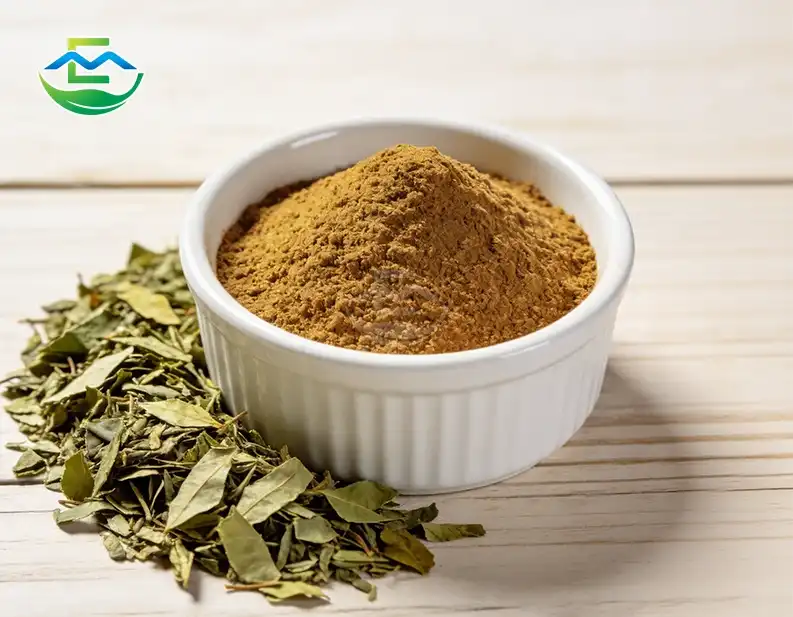
When procurement professionals and R&D directors evaluate botanical ingredients, safety is always one of the most important factors. Yerba Mate Extract powder, derived from the South American holly tree Ilex paraguariensis, has become a popular ingredient in functional beverages, nutritional products, and performance-focused formulations. Yes, yerba mate extract is generally considered suitable for use when sourced from reliable suppliers and consumed according to appropriate usage guidelines. The key is understanding extraction methods, active compound profiles, quality control procedures, and recommended formulation parameters to ensure consistent quality and safety.

Introduction
The worldwide market for natural energy and botanical ingredients continues to grow, generating new possibilities for makers of drinks, supplements, and functional items. Yerba Mate Extract powder is derived from the ancient South American tea culture and is now frequently employed in contemporary formulations including energy beverages, powdered mixes, and botanical component combinations. Ingredient safety for procurement managers, formulation experts, and quality teams means the sourcing of raw materials, extraction technique, active compound levels, and regulatory documents. In this article, we will look at the major elements of Yerba Mate Extract powder, its composition and quality norms, processing processes, and application variables. From RTD drinks to capsule products to functional mixes, knowledge of ingredient quality helps marketers produce dependable products and make smart sourcing choices.
Understanding Yerba Mate Extract Powder: Composition and Safety Basics
What Defines Professional-Grade Yerba Mate Extract
Using controlled extraction and drying, Ilex paraguariensis leaves are turned into Yerba Mate Extract powder. Powdered yerba mate has a more homogeneous chemical content and is easier to handle for industrial use than loose-leaf.EM preserves plant characteristics and stability with gentle water extraction and low-temperature processing. For constant quality, companies get raw materials from carefully selected South American suppliers. A typical 5:1 extraction ratio yields one kilogram of extract powder from five kg of raw leaves. Pesticides, heavy metals, and microbiological quality are checked on all production batches to ensure quality. The resulting brown-yellow powder is very soluble and may be added to beverages and supplements. To meet global market demands, product specifications are certified by NSF GMP, FSSC22000, Kosher, Halal, ISO, and Organic.
Nutritional Profile and Active Compounds
Yerba Mate Extract powder is mostly composed of natural chemicals such as xanthines, caffeoylquinic acids, caffeine, theobromine, and polyphenols. Caffeine concentration might vary from 2% to 20% based on the extraction process and degree of standardisation. Another essential component that is often examined in quality testing is chlorogenic acid. These naturally occurring chemicals contribute to the placement of the ingredient in functional beverage and botanical product compositions. Yerba mate has a unique blend of caffeine and polyphenols compared to other plant-based sources of caffeine. Green tea extract, coffee extract, and matcha each have their unique qualities, while yerba mate offers yet another choice for producers to develop distinct botanical compositions.
Regulatory Status and Quality Standards
Botanical substances marketed overseas are subject to varied regulatory restrictions depending on the market. Yerba Mate Extract powder is generally recognised as safe for food and supplement purposes in the United States when manufactured in accordance with appropriate quality standards. Traditional techniques of smoke drying may be of concern about the formation of undesirable chemicals such as Polycyclic Aromatic Hydrocarbons (PAHs). Today, suppliers commonly utilise controlled drying and filtering to eliminate these hazards and to increase ingredient uniformity. Quality testing may include GC-MS analysis for PAHs, HPLC testing for caffeine and chlorogenic acid levels, ICP-MS testing for heavy metals, and microbiological screening. These techniques assist in ensuring the ingredient satisfies the stated quality criteria.

Exploring Functional Characteristics and Usage Considerations of Yerba Mate Extract
Naturally Occurring Compounds and Product Applications
Yerba Mate Extractn powder contains naturally occurring caffeine and polyphenols, making it a valuable botanical ingredient for energy-focused and functional formulations. The caffeine content allows manufacturers to develop products designed for consumers seeking natural ingredient options. Meanwhile, the polyphenol profile supports clean-label positioning and helps brands highlight the botanical origin of their formulations. The combination of naturally occurring compounds gives manufacturers flexibility when creating beverage powders, supplement blends, and other functional products.
Understanding Consumption Parameters
Proper usage levels are an important part of product development. Total daily caffeine intake from all sources should be considered when designing products containing Yerba Mate Extract powder. Because caffeine concentration varies between extracts, manufacturers should review supplier specifications and Certificates of Analysis before determining serving sizes. For example, a 10% caffeine extract provides approximately 100 mg of caffeine per gram of powder. Different consumer groups may have different caffeine preferences. Pregnant individuals and people sensitive to caffeine are generally advised to monitor caffeine intake carefully. These considerations highlight the importance of accurate labeling and responsible product formulation.
Formulation Considerations for B2B Applications
Successful application of Yerba Mate Extract powder requires understanding its physical and chemical properties. The fine powder structure allows it to blend effectively with beverage powders and supplement formulas. Particle size, bulk density, and solubility influence manufacturing efficiency and final product consistency. Because naturally occurring polyphenols may contribute bitterness, formulators often combine yerba mate extract with flavors such as citrus or berry to create a balanced taste profile. For ready-to-drink beverages, the extract performs well in mildly acidic environments. Proper moisture-control packaging is also important because botanical powders can absorb humidity during storage.

Comparing Yerba Mate Extract with Other Popular Extracts for Energy and Wellness
Caffeine Source Differentiation
In the case of botanical compounds, producers may typically examine several plant sources of caffeine to see which one works best for their recipe.
Green tea extract is noted for its catechin content and mild caffeine levels, so it’s a good addition to goods that are botanically positioned as tea-based. Matcha powder is made with whole leaf ingredients and has a distinct flavour profile. Coffee extract is well known for its strong coffee flavour and caffeine. Yerba Mate Extract powder, however, is a unique blend of caffeine and naturally occurring polyphenols that is different from these possibilities. This makes it a versatile ingredient for firms who are making energy drinks, powdered mixes and botanical supplement products. Each caffeine source has its own properties, giving producers the option to choose ingredients depending on flavour needs, product positioning and customer choice.
Organic Versus Conventional Sourcing
The quality of the ingredients is dependent on the extraction technique, farming methods, and raw material management. Organic Yerba Mate Extract powder might be a good fit for firms focused on natural product markets and for customers interested in sustainable sourcing. Organic certification is supplementary verification of growing techniques and production requirements. High-quality standards may also be met by conventional yerba mate extract if the extract is obtained from credible providers that have thorough testing protocols. The decision between organic and conventional will rely on the brand positioning, the market, and the product objectives.EM offers both organic and conventional solutions, with the same quality control measures in place. This enables producers to choose appropriate ingredients based on their formulation requirements.
How to Safely Use and Dose Yerba Mate Extract Powder in B2B Applications
Establishing Appropriate Dosage Guidelines
The key stage in the development of goods using Yerba Mate Extractn powder is to establish the correct consumption levels. Controlled quantities of yerba mate extract are widely used in functional drinks on the basis of caffeine parameters and product needs. Inclusion levels may range amongst sports nutrition products, powdered drinks and supplement formulae depending on how they are meant to be positioned. As the strength of extract might differ across suppliers, it is important for procurement teams to constantly check Certificates of Analysis to validate caffeine content and other parameters prior to finalising formulae. A 5:1 concentration ratio gives producers a concentrated botanical ingredient that must be carefully calculated in formulation. Consistent product quality and labelling depend on the proper measurement of ingredients.
Synergistic Ingredient Combinations
Yerba Mate Extract powder may be blended with herbs to make new products. Yerba mate extracts were combined with Rhodiola, Ashwagandha, green coffee extract, or natural flavours to produce unique products. Assess stability while preparing multi-ingredient blends. Formulators must consider ingredient compatibility, flavour, and shelf-life for product consistency. Scientific guidance from EM helps formulation makers assess component compatibility and improve product design. Global customers should choose providers with clear certification and quality documentation.GMP, organic, Kosher, Halal, and food safety certifications assure manufacturing meets standards.EM makes NSF GMP, FSSC22000, Kosher, Halal, ISO, and Organic Yerba Mate Extract powder. These certifications enable global supply chain and procurement transparency. Industrial 25-kg moisture-protection barrels hold the substance. Packing powder correctly keeps it stable throughout travel and storage.

Procuring Yerba Mate Extract Powder: Supplier Selection and Market Insights
Essential Supplier Evaluation Criteria
Price is only one of several variables to consider when selecting a dependable provider. Manufacturing capacity, certification status, testing processes, procurement of raw materials, and technical assistance are important issues. Suppliers having their own manufacturing facilities often have more control over the processing conditions and batch uniformity. Another significant aspect of procurement strategy is Minimum Order Quantity (MOQ). A 25 kilogram MOQ enables both growing brands and existing manufacturers to try the ingredient, with the option of buying as needed. Buying straight from the factory might provide benefits such as greater communication, technical help, and improved documentation support. EM has its own manufacturing facilities and employs innovative extraction technology to provide consistent quality and to satisfy customised needs.
Documentation and Compliance Support
When you purchase an ingredient internationally, it is critical to have full paperwork. A reputable supplier should provide Certificates of Analysis (CoA), product specifications, microbiological testing findings, heavy metal analysis, pesticide testing, allergy statements, and GMO declarations where applicable. These papers assist producers in conducting internal quality checks and preparing goods for diverse markets.EM offers technical information, samples, and formulation guidance to help our clients with their product development. This means firms can measure the performance of ingredients before they make huge purchase choices.
Logistics and Supply Chain Optimization
Stable supply chains allow firms to stay on schedule and prevent avoidable delays.EM has warehouses around the United States, so we can get available product to you faster and reduce shipping delays. The normal packing format is a 25-kilogram drum, which is flexible for varied production sizes. Procurement choices should be made based on whole supply value, including product quality, documentation support, logistical efficiency, and supplier dependability, not just ingredient price. Working long-term with dependable suppliers helps provide a more stable supply and supports steady product development.

Conclusion
Yerba Mate Extractn powder is a versatile botanical ingredient utilised in functional drinks, nutritional goods, and energy-focused formulations. If obtained from good vendors and tested under adequate quality processes, it may provide producers a constant ingredient choice for contemporary product creation. Procurement experts who have knowledge of extraction procedures, active ingredient profiles, quality certifications and formulation criteria are better positioned to make educated sourcing selections. Yerba Mate Extract powder gives marketers an option to create clean-label goods with a strong botanical claim due to the increasing demand for natural botanical ingredients. Working with suppliers that offer clear documentation, dependable quality control, and expert technical assistance, organisations may create competitive goods for worldwide markets.
FAQ
1. Is yerba mate extract powder safe for daily consumption?
If you follow the directions and only get Yerba Mate Extract powder from reputable sources, it is usually safe to use every day. Buying teams should make sure that the right dosage instructions are followed, and that the total amount of caffeine consumed is limited to the right levels based on the product's placement and the type of people it's meant for.
2. What amount should be taken in vitamin forms?
Serving sizes usually run from 100 mg to 500 mg, but this depends on the purpose and amount of caffeine that is wanted. Each serving of energy drinks usually has 100 to 300 mg, but sports nutrition products may have higher doses. Always figure out based on the grading of the extract and the total amount of caffeine that all the formula ingredients add up to.
3. Is it possible to mix yerba mate extract with other herbal extracts?
Yerba Mate Extract powder works well with many plant-based ingredients, such as adaptogens, B-vitamins, and other compounds that help the metabolism. Formulation teams should test for stability to make sure that ingredients work well together and that the biological power of the product stays high throughout its shelf life.
4. How does the quality of the extraction affect the end product?
The way the bioactives are extracted has a direct effect on their concentration, solubility, and level of contamination. Water-based extraction with low-temperature processing keeps heat-sensitive compounds intact while avoiding solvent residues, giving better quality for health-related uses than harsh chemical extraction methods.
Partner with EM for Premium Yerba Mate Extract Powder Supply
EM provides pharmaceutical-grade Yerba Mate Extractn powder that meets the high standards of companies that make nutraceuticals, functional drinks, and sports nutrition products. As a reputable company with full NSF GMP, FSSC22000, Kosher, Halal, ISO, and Organic certifications, we can give your procurement team the quality guarantee and legal compliance paperwork they need. Our 5:1 standardized extract comes from certified organic plantations in South America and has consistent bioactive profiles. It also has verified Low-PAH specifications that meet international safety requirements.
We don't have any supply chain problems that affect production plans because we have four main stores across the United States and in-stock items that can be picked up the next day. Our 25kg MOQ makes it easy to start developing new products, and our team can also help established brands with their specific needs. Get a free taste of our Yerba Mate Extract powder today to see how it works in your next recipe. You can also email our technical team at info@em-herb.com to talk about bulk prices, certification paperwork, and how our advanced research and development can help you reach your goals for product innovation.
References
1. Heck, C.I. & de Mejia, E.G. (2007). Yerba Mate Tea (Ilex paraguariensis): A Comprehensive Review on Chemistry, Health Implications, and Technological Considerations. Journal of Food Science, 72(9), R138-R151.
2. Bracesco, N., Sanchez, A.G., Contreras, V., Menini, T., & Gugliucci, A. (2011). Recent Advances on Ilex paraguariensis Research: Minireview. Journal of Ethnopharmacology, 136(3), 378-384.
3. Cardozo Junior, E.L. & Morand, C. (2016). Interest of Mate (Ilex paraguariensis A. St.-Hil.) as a New Natural Functional Food to Preserve Human Cardiovascular Health. Journal of Functional Foods, 21, 440-454.
4. Isolabella, S., Cogoi, L., Lopez, P., Anesini, C., Ferraro, G., & Filip, R. (2010). Study of the Bioactive Compounds Variation during Yerba Mate (Ilex paraguariensis) Processing. Food Chemistry, 122(3), 695-699.
5. Gamb, Structural composition and market applications. Pharmacognosy Reviews, 6(12), 95-100.
6. Burris, K.P., Davidson, P.M., Stewart, C.N., & Harte, F. (2012). Antimicrobial Activity of Yerba Mate (Ilex paraguariensis) Aqueous Extracts against Escherichia coli O157:H7 and Staphylococcus aureus. Journal of Food Science, 77(10), M567-M571.
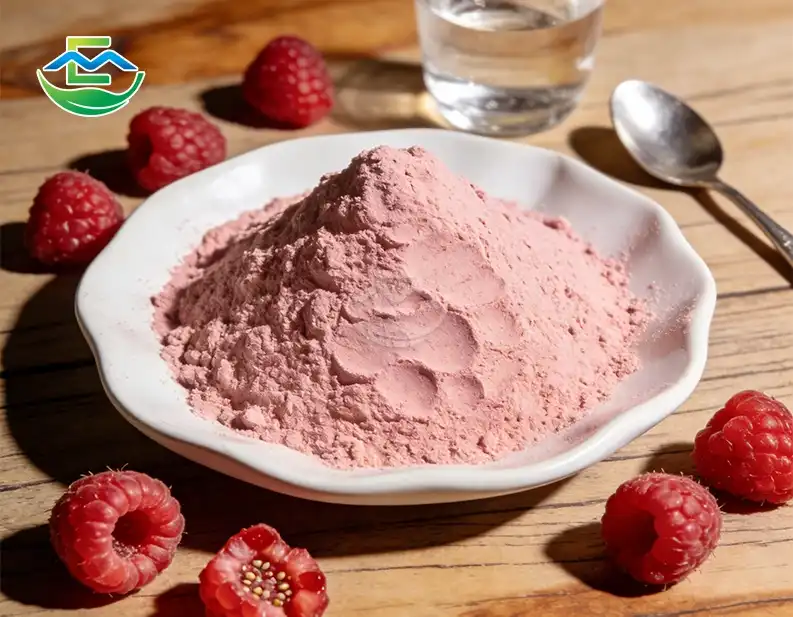
Raspberry juice powder derived from Rubus idaeus L. is a plant-based ingredient used in facial skincare formulations. Rich in naturally occurring compounds such as vitamin C, ellagic acid, and anthocyanins, this fine pink powder provides cosmetic formulators with a botanical option for developing clean-label products. Compared with synthetic alternatives, this fruit-derived ingredient meets the increasing demand for recognizable plant-based ingredients while supporting product differentiation in the skincare market.

Introduction
The cosmetics business favours easy-to-use plant ingredients for current formulae. In recent years, purchasing departments, cosmetic companies, and OEM manufacturers have used raspberry juice powder to make revolutionary skin care products. Advanced drying procedures provide concentrated raspberry powder. This method preserves anthocyanins, polyphenols, and organic acids while making storage easier. The quality and sourcing history of Raspberry Juice Powder are growing more important as B2B buyers handle complex formulations and regulatory limitations. As consumer interest in “natural” and “clean-label” items remains high, marketers are choosing known botanicals with reliable quality standards. This page covers Raspberry Juice Powder's ingredient profile, formulation, and buying factors for facial skin care.
Understanding Raspberry Juice Powder and Its Facial Care Applications
What Makes Raspberry Juice Powder Distinct
Raspberry Juice Powder is obtained by drying the juice of Rubus idaeus L. Juice powder differs from whole fruit powders and conventional extracts, which are often manufactured using drying processes such as spray drying. This technique eliminates insoluble materials and concentrates the naturally existing chemicals in raspberry juice to produce a fine pink powder with excellent dispersibility. Juice powder provides better handling and longer shelf life than liquid raspberry substances, which may need special storage requirements, making it a premium ingredient. The powder is usually low in moisture, which helps to ensure product uniformity throughout storage. Its standardised properties might provide cosmetic makers more uniform formulation outcomes and ease production management.
Core Ingredient Characteristics
Raspberry Juice Powder contains naturally occurring compounds including ellagic acid, anthocyanins, vitamin C, and other plant-based components. These compounds contribute to the ingredient’s antioxidant-related characteristics and natural color profile, making it suitable for various cosmetic formulation concepts. The natural pigments from anthocyanins provide the powder with its recognizable pink-red appearance, while organic acids and plant compounds contribute to its overall composition. Because of this diverse ingredient profile, Raspberry Juice Powder is commonly considered for facial care products that focus on botanical positioning and clean-label formulation strategies.
Application Versatility in Facial Care Formulations
Raspberry Juice Powder is favoured by cosmetic makers since it is suitable for many product types such as essences, creams, masks and scrubs. Its powder form enables formulators to experiment with diverse product ideas with a well-known fruit-derived component narrative. The intrinsic pH properties of raspberry powder may affect formulation design. In addition to the characteristics of the ingredient, when mixing into cosmetic systems, formulators also consider pH balance, ingredient compatibility, and stability needs to generate ideal final products. The powder’s botanical composition also brings a natural colour and gentle fruity scent without the use of synthetic colouring chemicals. This is useful for firms with an emphasis on clear ingredient listings and plant-based product ideas.

How Raspberry Juice Powder Is Used in Facial Care Formulations – Scientific and Practical Insights
Naturally Occurring Compounds and Ingredient Characteristics
Raspberry Juice Powder is great for essences, creams, masks, and scrubs; therefore, cosmetic businesses employ it. Formulators may try different product ideas using a familiar fruit-based ingredient narrative in powdered form. Raspberry powder's pH may affect formulation. In addition to material attributes, formulators must consider pH balance, ingredient compatibility, and stability when merging into cosmetic systems to generate excellent final products. The powder's natural colour and sweet scent come from plant composition without synthetic colouring. This is great for firms who value clear ingredient listings and plant-based products.
Formulation Stability and Compatibility
In cosmetic formulation, ingredient interaction, pH sensitivity, and oxidation stability must be considered. Raspberry Juice Powder contains natural anthocyanins that change colour with pH. The substance's original hue is preserved by maintaining a specified pH range. Formulators may add organic acids to increase stability and compatibility during manufacturing. Close attention is paid to how each botanical element performs in the final formulation. Raspberry Juice Powder may be combined with vitamin E or hyaluronic acid to get a specific texture, appearance, and composition. The recommended dose depends on the product and formulation. Cosmetics commonly change inclusion amounts to match colour, fragrance, texture, and design. Higher amounts may affect taste and need recipe changes.

Purchasing Raspberry Juice Powder for Your Facial Care Products: What B2B Buyers Need to Know
Quality Parameters and Specifications
For B2B buyers, selecting Raspberry Juice Powder for face care means checking source, processing, moisture content, particle size, and certification. Brands want to target plant-based and eco-conscious customers. Ingredient characteristics test results may be helpful for producers in the evaluation of formulation quality and compatibility. Moisture is the key to fruit powder preservation. Premium powders are specifically formulated with regulated moisture levels to minimise clumping and increase storage stability. Inorganic residue was measured by ash concentration, and particle size distribution influences powder dispersion and processing. These quality standards are applicable to Earth Made Nutritions Inc. Raspberry Juice Powder. Raspberry powder (fine pink powder) is prepared from Rubus idaeus L. All batches are quality checked to be NSF GMP, FSSC22000, Kosher, Halal, ISO, and Organic compliant. This paperwork lets overseas buyers check supplier and product conformity.
Supply Chain Reliability and Volume Considerations
Reliable supply chains are essential for consistent manufacturing operations. Purchasing teams should consider suppliers with stable inventory management, predictable lead times, and responsive customer support. Our four main local warehouses across the United States allow efficient inventory management and faster product availability. This helps brands maintain production schedules and adjust formulation plans more efficiently. Bulk purchasing decisions should consider minimum order quantities (MOQ) and pricing structures. A 25 kg MOQ can support both emerging brands testing new formulations and established companies requiring larger production volumes. Larger purchasing quantities may provide more flexible cost management options while maintaining quality requirements.
Supplier Evaluation Criteria
Selecting a dependable ingredient source entails assessing paperwork, testing, certifications, and production capabilities. Third-party laboratory testing checks product requirements and heavy metal and microbiological contamination. Certifications prove quality management and production controls. Transparent vendors should disclose raw material origin, processing, and quality. This data helps brands make purchases and maintain regulatory compliance. Earth Made Nutritions Inc. delivers ingredient solutions using contemporary processing and research technologies for sustainable company growth. Following FDA and GMP standards helps preserve product quality and meet market needs.

Raspberry Juice Powder vs Alternatives: Choosing the Right Ingredient for Facial Formulations
Comparative Analysis of Raspberry Derivatives
Buying teams can better understand the distinctions between freeze-dried raspberry powder, whole fruit powder, Raspberry Juice Powder and extracts to determine which ingredients will work best in various face care formulations. Whole fruit powders are mostly composed of fruit peel, seeds, and fibre and so have a distinct composition profile than juice powders. Further processing processes are used to generate extracts, and that may need more comprehensive labelling considerations based on the extraction process and application requirements. The freeze-dried raspberry ingredients may preserve more heat-sensitive components via the low-temperature processing approach. They generally have greater manufacturing costs and varied properties in processing, however. Spray-dried Raspberry Juice Powder offers a convenient solution for compositions requiring excellent dispersion, uniform handling, and a recognisable fruit-based component profile.
Strategic Ingredient Selection
Selecting the right raspberry ingredient depends on formulation goals, product positioning, and budget considerations. When vitamin content, sensory characteristics, and color stability are important factors, Raspberry Juice Powder can provide a suitable option for cosmetic product development. Because juice powder has a concentrated composition compared with some whole fruit powders, formulators can adjust inclusion levels based on product requirements, cost targets, and desired sensory performance. Market trends show increasing interest in “farm-to-face” concepts and transparent ingredient stories. Raspberry Juice Powder, especially when supported by organic certification and clear sourcing information, fits well with brands focusing on plant-derived cosmetic ingredients and clean-label positioning.
Common Questions and Concerns About Using Raspberry Juice Powder on the Face
Sensitivity and Safety Protocols
Beauty companies often evaluate whether Raspberry Juice Powder is suitable for use in skincare products. Like other botanical ingredients, it should be evaluated carefully during product development to ensure compatibility with the intended formulation. Patch testing and product evaluation procedures help manufacturers assess formulation suitability before commercial release. Working with suppliers that provide technical documents, testing information, and regulatory support can simplify product development processes. Technical data, stability evaluations, and quality documentation provide useful information for brands developing raspberry-based cosmetic products. This is especially valuable when entering markets with different regulatory requirements.
Storage and Shelf Life Optimization
Proper storage conditions have a direct impact on ingredient stability and formulation consistency. Due to its natural fruit components, Raspberry Juice Powder should be stored in moisture-resistant packaging and controlled environments. Exposure to humidity may affect powder flowability and physical characteristics. Appropriate storage methods help maintain ingredient quality throughout transportation and supply chain operations. When stored correctly, Raspberry Juice Powder can provide a longer shelf life compared with fresh or liquid raspberry ingredients. This improves inventory management, reduces material waste, and supports more efficient production planning. Purchasing teams should confirm supplier storage recommendations and follow appropriate handling procedures to maintain ingredient quality.
Authenticity Verification
Ingredient authenticity has become increasingly important as brands focus on supply chain transparency. Buyers can evaluate supplier qualifications, request Certificates of Analysis (CoA), and review third-party testing documentation when selecting Raspberry Juice Powder suppliers. Analytical methods such as High-Performance Liquid Chromatography (HPLC) can be used to evaluate naturally occurring compounds and confirm ingredient consistency. Microbial testing and quality checks provide additional information for product evaluation. Building long-term relationships with reliable suppliers helps improve supply chain transparency. Clear communication about sourcing, processing, and quality procedures supports more effective cooperation between manufacturers and ingredient suppliers.
Conclusion
The natural composition, recognisable fruit origin, and clean-label positioning possibilities of raspberry juice powder make it a popular face skincare ingredient. Cosmetic makers may use its powder structure, easy handling, and botanical profile to create creams, masks, essences, and other skincare products. Purchasing experts may make better raspberry-derived ingredient choices by understanding quality, supplier dependability, processing processes, and differences. Raspberry Juice Powder is a practical option for manufacturers seeking organically derived ingredients with consistent quality and stable supply support as the beauty industry prioritises transparent ingredients and plant-based formulations.
FAQ
1. How does raspberry juice powder compare to raspberry extract in facial formulations?
Raspberry Juice Powder is ideal for clean-label products because it melts more easily and contains concentrated bioactives that break down in water without leaving behind any solvents. Some isolated compounds may be found in extracts, but they usually have solvents in them, which means that extra steps need to be taken when declaring them. Juice powder has natural ingredients that are in line with what people want, which are ingredients that have not been changed much.
2. Is raspberry juice powder suitable for sensitive skin products?
The chemical's natural make-up usually works well with skin care products for sensitive skin, but it still needs to be tested carefully to make sure it is safe. It's safe to use in gentle product ideas because it doesn't have any harsh chemicals and has flavonoids that are good for you. Formulators should try a formula on patches and see if it stays stable to make sure it can be used in a certain situation.
3. What storage conditions maximize raspberry juice powder shelf life?
Keep the powder somewhere below 25°C and below 50% relative humidity in containers made of aluminum foil. If you close it right, water won't be able to get in and cause caking or affect the biological stability. Under ideal conditions, it can last up to 24 months, which makes it easier to keep track of stocks and plan output.
Partner with EM for Premium Raspberry Juice Powder
Companies that make cosmetics need to find trusted sources for materials. Earth Made Nutritions Inc. has great Raspberry Juice Powder that they sell. Rubus idaeus L. gives us the fine pink powder we use. NSF GMP, FSSC22000, Kosher, Halal, ISO, and Organic certifications are just a few of the high-quality standards that this fruit must satisfy. In the U.S., we have four warehouses for fast shipping and a skilled R&D team to help with new formulations. We give brands the technical know-how and supply chain reliability they need. Try out our powder for free to see how well it works in your recipes. For reliable Raspberry Juice Powder that wants to help you meet your product development goals, email us at info@em-herb.com.
References
1. Nohynek, G. J., et al. "Safety Assessment of Advanced Botanical Ingredients in Cosmetics." International Journal of Cosmetic Science, vol. 32, no. 5, 2010, pp. 377-390.
2. Pharma, R. K., and S. L. Gupta. "Ellagic Acid: A Review of Its Antioxidant Properties and Dermatological Applications." Journal of Applied Pharmaceutical Science, vol. 5, no. 8, 2015, pp. 112-118.
3. Telang, P. S. "Vitamin C in Dermatology." Indian Dermatology Online Journal, vol. 4, no. 2, 2013, pp. 143-146.
4. Draelos, Z. D. "The Science Behind Skin Care: Moisturizers." Journal of Cosmetic Dermatology, vol. 17, no. 2, 2018, pp. 138-144.
5. Katta, R., and D. P. Brown. "Diet and Skin Barrier: The Emerging Role of Dietary Components." Dermatology Practical & Conceptual, vol. 5, no. 3, 2015, pp. 65-71.
6. Michalak, M., et al. "Plant-Derived Antioxidants: Significance in Skin Health and the Ageing Process." International Journal of Molecular Sciences, vol. 22, no. 13, 2021, pp. 7068-7089.
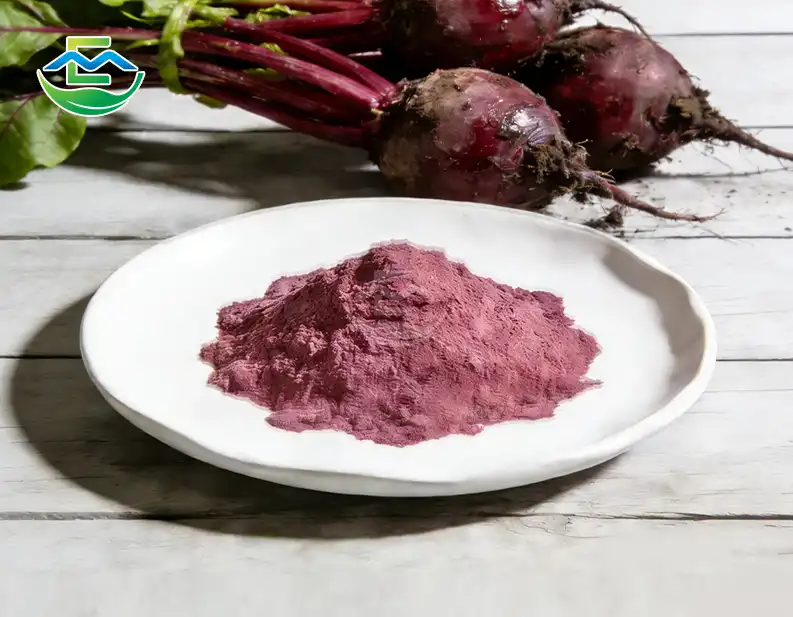
Today, beta vulgaris root powder is a vital ingredient in the growing natural goods market that is attracting the attention of nutraceutical businesses, cosmetic manufacturers, and functional food makers worldwide. This definitive handbook answers the key issues procurement managers and R&D directors need to address when assessing this botanical ingredient for their product lines. We've put together this resource to help you purchase with confidence, from its botanical identification and nutritional content to quality standards and sourcing tactics. Whether you are developing sports nutrition products, clean-label supplements, or natural skincare formulations, this guide has the technical knowledge and practical tips you need to make the most of your supply chain and enhance your competitive position in the marketplace.

Understanding Beta Vulgaris Root Powder
What Exactly is Beta Vulgaris Root Powder?
Beta Vulgaris Root Powder is obtained from the root of the beetroot plant (Latin name: Beta Vulgaris). It is carefully milled and processed without any synthetic carriers or excipients to maintain the natural phytochemical matrix. This purple-red powder keeps natural substances including betalains (betacyanins and betaxanthins), dietary nitrates, polyphenols and minerals. Unlike standardised extracts that isolate individual chemicals, this powder preserves a full-root ingredient profile that lends itself to nutraceutical, cosmetic and functional food formulations while facilitating clean-label product development.
Botanical Profile and Nutritional Composition
The beetroot belongs to the family Amaranthaceae and is a crop that has been grown for generations in temperate countries. The root contains naturally occurring chemicals that distinguish it from many other plant-based substances. This ingredient contains natural components such as dietary nitrates (about 250 to 450 mg per 100 grams of powder), betalain pigments, vitamin C, folate, manganese, and potassium. Beetroot powder is becoming popular in functional formulations of current consumer items due to its rich phytochemical makeup.
From Traditional Use to Modern Applications
Beetroot has been used in European food traditions for centuries and is now widely applied across multiple industrial sectors. It is incorporated into sports nutrition products as a botanical ingredient in pre-workout formulations. Functional beverage manufacturers use it as a natural colorant with nutritional characteristics. Skincare companies utilize its betalain content when developing botanical-based cosmetic formulations featuring natural pigments. This transition reflects a broader market trend toward multifunctional natural ingredients and clean-label product concepts.

Functional Properties and Usage Recommendations
Nitrate Characteristics and Ingredient Applications
Natural nitrates found in beets have been widely studied as part of the ingredient's composition. These naturally occurring compounds are an important characteristic considered by formulators when developing functional food and sports nutrition products. Research literature has explored beetroot composition and its potential role in ingredient applications, making nitrate content one of the key factors evaluated during product development.
Sports Nutrition Formulation Applications
Beta Vulgaris Root Powder is an ingredient that has become popular in the sports nutrition business because of its nitrate level and its appropriateness for pre-workout formulations. Beetroot powder products are often designed for the sports nutrition category where the target is plant-based ingredients and clean label positioning. The dietary nitrate levels might vary according to the quality of the raw materials, the processing processes, and the formulation needs. When developing sports nutrition solutions, product makers often think about nitrate concentration, serving size, and ingredient compatibility.
Betalain Characteristics and Product Stability
Beta Vulgaris Root Powder contains vital naturally occurring chemicals called betalains, the pigments that give beets their vivid colour. These pigments are part of the ingredient’s unique look and are considered in the formulation creation. Beetroot powder is used by cosmetic and food industries for its natural colour features and botanical composition. Maintaining proper processing conditions, such as keeping the temperature below 70°C, may aid in retaining the quality and colour stability of ingredients.
Formulation Guidelines for Product Developers
Beverage formulations often incorporate beetroot powder at levels of 2 to 5 percent by weight, with a need to balance colour intensity and flavour profile. Most capsule products will be about 500 to 1000 mg per dose and may include beetroot powder with additional botanical components such as turmeric or spirulina. The botanical properties may be provided with 0.5% to 2% of this ingredient in a topical cosmetic formulation without compromising the structure or stability of the product. In formulation, developers should also consider pH compatibility (best stability is usually found in the pH range of 3.5-6.0) and light exposure, since betalains are photosensitive and need proper packing solutions.
Quality and Product Comparison for Procurement Decisions
Distinguishing Powder from Juice and Extract Forms
Procurement teams need to grasp the major distinctions between juice powders, concentrated liquids, and Beta Vulgaris Root Powder. Beta Vulgaris Root Powder (Standard) retains the whole spectrum of the whole root, including naturally occurring chemicals and fibre. However, concentrated extracts are meant to provide larger concentrations of certain chemicals (e.g., betalains, nitrates) and may include other processing ingredients depending on the production process. Some juice powders may include maltodextrin or other spray drying agents to enhance processing properties. Clean-label positioning frequently prefers whole root powder, whereas standardised extracts are commonly used for applications that need particular amounts of compounds and verification of the Certificate of Analysis.
Organic Certification and Supplier Transparency
The option of whether to use organic or non-organic ingredients may impact how a product is positioned, marketed and priced. Brands making organic-certified finished goods have an opportunity here; however, certified organic beetroot powder often costs more than normal. Commonly assessed certifications in the natural ingredient sector include USDA Organic, NSF GMP, Kosher, Halal, ISO, and FSSC22000. Companies committed to supply chain openness and consumer trust should require suppliers to offer explicit information on cultivation techniques, processing processes, and product traceability.
Quality Assurance Parameters and Testing Protocols
Professional procurement needs Certificates of Analysis for full quality checks. Important testing characteristics are moisture content (usually <10% to prevent the danger of microbiological development), ash content (generally in the range of 6 to 12%), and particle size distribution (generally in the range of 80 to 200 mesh for formulation compatibility). Heavy metal testing by ICP-MS techniques for the determination of Lead, Arsenic, Cadmium and Mercury levels according to acceptable quality requirements is often conducted. Microbiological testing should indicate appropriate levels of Total Plate Count, Yeast and Mould Counts, and lack of specific bacteria such as Salmonella and E. coli.
Batch Consistency and Supplier Reliability Assessment
Consistency across manufacturing batches is a major buying factor for formulation managers. Reputable providers have established processing techniques and keep complete records on each batch of material, including colour values, nitrate levels, and particle size criteria. Reviewing numerous batch COAs helps purchasers to assess a supplier’s consistency and dependability of manufacturing. Third-party certification audits may provide further insight into manufacturing methods and quality management systems that can help organisations bolster supply chain control and regulatory preparedness.

Sourcing and Procurement Strategies for B2B Buyers
Evaluating Supplier Credentials and Manufacturing Capabilities
A successful procurement process starts with a thorough supplier assessment that goes beyond a mere price comparison. Key elements include certifications (NSF GMP, Kosher, Halal, ISO, FSSC22000, Organic), manufacturing capacity, technical infrastructure, and research and development support capabilities. Suppliers with specialised facilities and modern processing and milling equipment may provide better process control and output consistency. For example, Earth Made Nutritions Inc. has a state-of-the-art plant in California that uses sophisticated processing technology to ensure consistency in product quality from the handling of raw materials to the final packing.
Bulk Purchasing Strategies and Pricing Considerations
The current bulk pricing range of Quality Beta Vulgaris Root Powder may vary according to supplier variables, amount of order, certification requirements, and market circumstances. MOQs (minimum order quantities) usually start at approximately 25 kg, and bigger purchase quantities might sometimes open up other price alternatives. Strategic purchasers may enter into yearly supply contracts with price parameters tied to agricultural commodity circumstances. Evaluation programs provide organisations a chance to test ingredient compatibility before ordering in mass quantities. Qualified customers may get samples with full COA documents from verified providers.
Logistics Infrastructure and Delivery Timelines
Supply chain efficiency directly affects production scheduling and inventory management. Compared with direct imports, suppliers maintaining regional warehouse networks may offer shorter delivery timelines. Earth Made Nutritions Inc. operates multiple storage locations across the United States, supporting inventory availability and simplified distribution. Proper storage requires cool, dry conditions below 25°C with protection from direct sunlight. Standard 25 kg fiber drums with polyethylene liners help protect the powder from moisture exposure and maintain product quality throughout the stated shelf-life period.
Regulatory Compliance and Documentation Requirements
International ingredient trade requires comprehensive documentation to support customs clearance and regulatory requirements. Certificates of Analysis, allergen statements, GMO declarations, country-of-origin certificates, and phytosanitary certificates when required are important documentation components. Experienced export suppliers provide complete documentation packages to simplify international transactions and reduce administrative delays. Buyers should confirm market-specific requirements, including FDA-related requirements for U.S. imports, Novel Food regulations for European markets, and TGA requirements for distribution in Australia.
Industry Applications and Market Trends
Sports Nutrition and Pre-Workout Formulations
Market intelligence research suggests that Beta Vulgaris Root Powder has a significant use in the sports nutrition market, with increased demand for plant-based ingredients and clean-label products. Brands that make beetroot-based pre-workouts usually focus on promoting their products as natural and on having clear ingredient panels. Depending on the formulation aims, beetroot powder may be blended with other popular substances used in sports nutrition such as L-citrulline, beta-alanine and natural sources of caffeine. Beetroot is earthy in flavour and is typically balanced with citrus flavour characteristics or combined with berries. This improves overall consumer approval in taste assessments.
Functional Beverages and Superfood Blends
Applications are also growing in the field of ready-to-drink functional drinks and powdered beverage mixes. Some cold-pressed juice products have beetroot powder added to them to give them natural colour attributes and expand the range of ingredient profiles. Smoothies and drinks for daily nourishment often include blends of beetroot, berries, greens and botanical elements. The stability of suspensions in liquid systems is a major problem in formulation. For better product consistency, hydrocolloid systems using substances like xanthan gum or guar gum at concentrations from 0.1% to 0.3% might be explored. “Successful products often have clear labelling and clear ingredient information,” one source says, “and sometimes even third-party quality verification.
Natural Cosmetics and Skincare Innovations
The betalain concentration in beets is used in cosmetic creation based on its botanical constituent profile and natural pigment properties. Depending on the needs of the formulation, face masks, serums, and creams may include beetroot powder in formulations from 0.5 to 2 %. Natural colouring qualities may add to product appearance and brand positioning under the “food-based beauty” idea. In leave-on applications, formulators must address the possibility of colour transfer by altering constituent concentration and choosing appropriate formulation methods. Before commercial release, goods are often tested for stability under accelerated circumstances (40°C/75% RH for 12 weeks) to confirm the performance of the formulation.
Vegan and Organic Market Expansion
“Interest among consumers in plant-based and organic ingredients continues to grow across a wide range of product categories. Beetroot powder fits with these market trends since it is naturally plant-derived and is able to be certified organic using recognised certification organisations. Market research shows that a large segment of customers are looking for plant-based components in both supplements and food goods. Brands that have organic certification on finished products may gain new market positioning possibilities and attract customers looking for natural ingredient choices. Retailers also have the opportunity to offer distinctive items and explore new market niches via private label.

Conclusion
Beta Vulgaris Root Powder is a botanical substance with several uses in the nutraceutical, cosmetic care, and functional food industries. It is natural, has clean label potential, and can be used in many different formulas; therefore, product makers and buying teams want to use it. Sourcing successfully demands careful supplier selection, extensive quality testing, and a thorough understanding of the technical requirements of the application.
The demand for natural ingredients is increasing, and Beta Vulgaris Root Powder provides opportunities for companies manufacturing sports nutrition products, natural skin care formulae, and plant-based food applications. In fast-moving natural product sectors, the supply chains and competitive products for organisations could be improved by collaborating with trusted suppliers who give clear documentation, consistent quality, and reliable logistical support.
FAQ
1. Is Beta Vulgaris Root Powder Suitable for All Consumer Groups?
When used at the suggested amounts in food supplements and cosmetics, Beta Vulgaris Root Powder is usually good for most types of people. Formulation managers should keep in mind that people with special food needs may need help from trained pros. Labels on products should make it clear what amounts of ingredients are in them and follow government rules to give consumers correct information.
2. How Does Beetroot Powder Compare with Beetroot Juice for Product Efficacy?
Beetroot powder has many benefits, such as being able to stay fresh longer (24 months vs. 6 to 12 months for juice), being easier to ship, and being compatible with a wide range of formulations. While juice is easier to use right away because it is a liquid form, powder allows for precise dosing control and doesn't need to be kept cold. When powder reconstitution ratios take into account changes in moisture between forms, the nitrate level stays the same.
3. What Certifications Should Procurement Teams Prioritize?
Certain certifications are very important. These include NSF GMP for quality control in production, USDA Organic for approved organic end products, Kosher and Halal for religious dietary needs, ISO 22000/FSSC22000 for food safety management, and third-party testing confirmation for heavy metals and microbiology. These certifications show that a supplier is committed to quality systems and make it easier for companies to follow the rules in international markets.
Partner with EM for Premium Beta Vulgaris Root Powder Supply
Earth Made Nutritions Inc. sells pharmaceutical-grade Beta Vulgaris Root Powder that has been certified by NSF GMP, Kosher, Halal, ISO, FSSC22000, and USDA Organic. Our factory in California uses cutting-edge extraction technology and environmentally friendly processing methods to make a constant purplish-red powder that meets strict quality standards. We guarantee fast fulfillment because we have four strategically placed warehouses across the United States. In-stock items ship within two days, so your production won't be held up.
As a reputable provider of Beta Vulgaris Root Powder, we offer free samples with full Certificates of Analysis for formulating review. Our 25 kg MOQ works for both new brands and well-known manufacturers, and our volume pricing makes buying in bulk a great deal. Our technical team can help you with formulation and find the best inclusion rates for sports nutrition, functional drinks, or cosmetics.
To get samples and talk about your particular needs, please contact our procurement experts right away at info@em-herb.com. Improve your product lines with certified, traceable ingredients that are backed by quick logistics and quality assurance that never wavers.
References
1. Clifford, T., Howatson, G., West, D. J., & Stevenson, E. J. (2015). The potential benefits of red beetroot supplementation in health and disease. Nutrients, 7(4), 2801-2822.
2. Jones, A. M. (2014). Dietary nitrate supplementation and exercise performance. Sports Medicine, 44(1), 35-45.
3. Domínguez, R., Cuenca, E., Maté-Muñoz, J. L., García-Fernández, P., Serra-Paya, N., Estevan, M. C., & Garnacho-Castaño, M. V. (2017). Effects of beetroot juice supplementation on cardiorespiratory endurance in athletes. Nutrients, 9(1), 43.
4. Clifford, T., Berntzen, B., Davison, G. W., West, D. J., Howatson, G., & Stevenson, E. J. (2016). Effects of beetroot juice on recovery of muscle function and performance between bouts of repeated sprint exercise. Nutrients, 8(8), 506.
5. Gandía-Herrero, F., & García-Carmona, F. (2013). Biosynthesis of betalains: yellow and violet plant pigments. Trends in Plant Science, 18(6), 334-343.
6. Strack, D., Vogt, T., & Schliemann, W. (2003). Recent advances in betalain research. Phytochemistry, 62(3), 247-269.
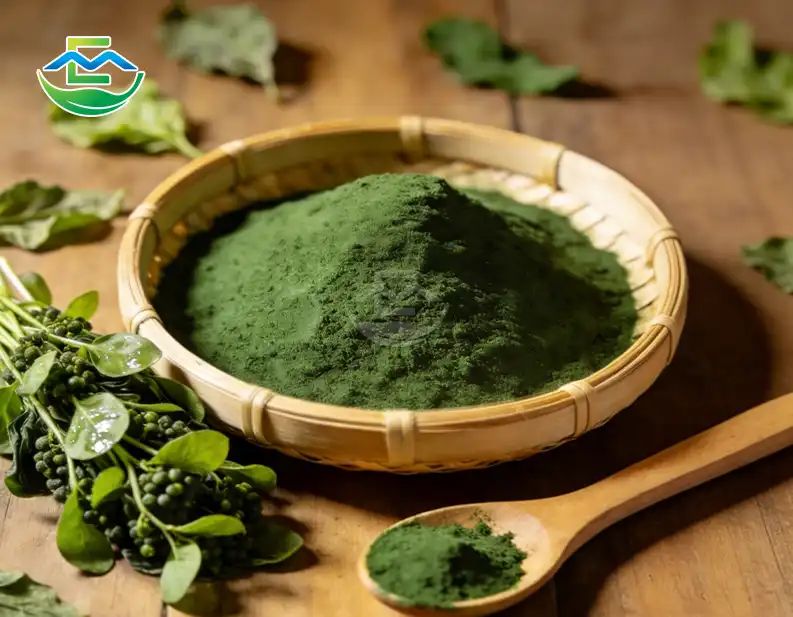
Pure Chlorella powder is a nutrient-rich algal ingredient that ticks off numerous industry objectives at the same time when evaluating high-performance nutritional ingredients for product formulations or corporate ingredient programs. This single-celled green algae, extracted from Chlorella pyrenoidosa, provides concentrated protein, chlorophyll, vitamins, minerals and the unique Chlorella Growth Factor (CGF) – a bioactive compound of nucleic acids and peptides. The additive-free formulation and mechanical cell wall disruption technology can lead to superior ingredient utilisation and convert an otherwise indigestible raw material into a highly functional ingredient for nutraceuticals, cosmeceuticals, functional foods and specialised ingredient applications.

Understanding Pure Chlorella Powder: Nature's Nutrient Powerhouse
Pure Chlorella Powder is a high-tech product made from growing Chlorella pyrenoidosa, a type of watery microalgae that is famous for having a lot of nutrients. This product is different from other green powders or mixed vitamins because it is pure and has been processed correctly. Genuine pure Chlorella doesn't have any additives, maltodextrin fillers, or manufactured binders. It only has the biomass of algae cells that have been carefully gathered and mechanically disrupted in ways that break down cell walls at rates higher than 95%.
What Makes Chlorella Powder Different
Chlorella has a naturally strong cellulose cell wall, making it less digestible than spirulina or wheat grass unless properly treated. Some good manufacturers physically tear down these barriers using Dyno-Mill technology or low-temperature pressure expansion. This retains heat-sensitive compounds such as CGF and chlorophyll levels over 2,000mg per 100g. This production variability directly affects how the components perform in final items, therefore ensure that your formulations are consistently consistent in bioactive potency.
Core Nutritional Profile
The powder itself typically contains 55 to 65% protein by dry weight, including all the key amino acids required to create sports nutrition and recovery solutions. The amount of chlorophyll is substantially greater than in spirulina, giving the distinctive fine green colour. Moisture content is less than 7%, and ash content is less than 8%. These are the crucial metrics that indicate the least contamination of the culture medium and the maximum concentration of active substances. CGF is a unique nucleotide-peptide complex present in Chlorella species and accounts for 3-5% of the biomass, indicative of its unique makeup.
Applications Across Industries
Companies that make nutraceuticals put this ingredient in high-compression tablets, capsules, and softgels for product development. Cosmetic formulators like that it has natural ingredient properties and particles smaller than 5 microns, which makes it useful for use on the skin in serums and face masks. Functional food companies use it to add color to smoothie mixes, protein bars, and boosted drinks, taking advantage of both its natural green coloring and nutritional characteristics. The powder's thixotropic behavior in water-based solutions needs careful formulation know-how, but it provides better stability in a wide range of pH settings.

Making Informed Decisions: Pure Chlorella Powder vs Alternatives
When looking for algae-based ingredients, procurement workers have a number of choices. Knowing the technical differences between options will help you choose ingredients that fit with how you want to market your product and what your target market expects.
Chlorella versus Spirulina
Pure Chlorella Powder, a common choice, often includes more protein and thicker cell walls that need more extensive processing. Spirulina aids in the natural digestion process of the body without any mechanical breakdown, but does not contain the unique CGF complex. Chlorella has a higher level of chlorophyll and is thus a good choice for formulations targeting chlorophyll. Spirulina nevertheless has a more mild flavour, which is preferable for mass-market usage that doesn't need to be disguised as much. The decision will be whether the formulations are based on CGF bioactives and maximal chlorophyll content or based on making it taste better and simpler processing needs.
Powder Form versus Tablet Considerations
When you buy powder in bulk, you have more control over the formulation. You can change the dose, mix it with other ingredients that work well together, and use it in a wide range of products, from drinks to capsules. Tablets are convenient for end users, but they make it harder to control the mixture and usually cost more per unit because of the costs of compression, coating, and packing. When kept properly in vacuum-sealed, aluminum packaging below 25°C, powder forms also have a longer shelf life because the omega-3 fatty acids don't oxidize and the chlorophyll compounds don't break down photochemically.
Organic Certification Standards
More and more, markets in North America and Europe want organic certification, which makes certification status an important factor in buying. Organic chlorella powder must show that it was grown without using synthetic fertilizers or pesticides, which can be checked by USDA Organic, EU Organic, or similar standards. In addition to marketing benefits, being labeled as organic often means that tighter quality controls are in place during the growing, harvesting, and handling stages. When looking at different sources, make sure the certifications are still valid and ask for proof that the products can be tracked from the cultivation ponds to the final packing.
Quality Benchmarks and Pricing
Premium grades have low hygroscopicity to keep them stable during manufacturing, controlled pheophorbide levels below 60 mg% to avoid photosensitivity concerns, and heavy metal testing that shows they meet international standards. Prices on the market usually depend on the amount of approval, the way used to break down the cell wall, and the refinement of the mesh size. When making budgets, it's important to think about how quality and price are related. Often, the cheapest options don't fully process the cell walls, have more water, or don't have enough washing steps that lower the concentrations of active compounds.
How to Integrate Pure Chlorella Powder into Your Business: A B2B Buying Guide
For strategic procurement to work, you need to know what your suppliers can do, what certifications they need, and how to handle logistics in a way that saves money and keeps the supply chain running smoothly.
Bulk Purchasing Strategies
When you work directly with makers, you can avoid the markups that distributors add and change the specs, packaging formats, and shipping times as needed. The lowest amount you can order is usually 25 kg drums, and you can save a lot of money when you buy more than 500 kg of pure Chlorella Powder on a pallet. Building relationships with suppliers who can keep up with production ensures a steady supply, preventing shortages during times of high seasonal demand. Before ordering large amounts, ask for pilot batch samples. This will let your R&D teams make sure that the new formulas will work with the old ones.
Essential Certifications for Compliance
For international markets, you need a lot of paperwork. When a company gets NSF GMP approval, it means that their manufacturing methods meet standards for pharmaceuticals. FSSC22000 approval shows that a food safety management system is following the rules, which is important for functional food uses. Kosher and Halal licenses make markets more accessible to certain groups of consumers. Systematic quality management is shown by ISO standards, and clean label customer trends are addressed by organic certificates. When checking out suppliers, make sure that these credentials are still valid and list the specific factories that will be making your orders.
Evaluating Supplier Reliability
Check more than just certifications. Look at the company's ability to produce, its technology, and its quality control methods. When compared to suppliers who use enzymes or heat, those who use modern spray-drying tools and mechanical cell wall disruption systems offer better stability. Ask for Certificates of Analysis (COA) from the most recent production batches and look at the levels of protein, chlorophyll, ash, moisture, and microbes. Being open with your suppliers about how the crops are grown, how they are harvested, and how they are processed shows that your business is mature and committed to quality.
Pricing Optimization Techniques
People who commit to buying in bulk can get better prices, and yearly contracts often get 15–25% off spot purchases. Some suppliers offer subscription plans that guarantee regular shipments at fixed prices, which protects against changes in the market. If your portfolio includes other plant extracts or functional ingredients, use multi-product buying possibilities when you're bargaining. Payment terms also have an effect on effective costs. You should compare early payment rates and longer terms based on your cash flow needs and the costs of missed opportunities.
Logistics and Delivery Considerations
For North American buyers, suppliers with U.S.-based warehouse networks cut lead times and shipping costs by a large amount. At EM, we have four strategically placed warehouses across the United States. This lets us fill orders from stock within two days, which cuts down on long international shipping delays and makes it easier to get the paperwork you need to bring goods into the country. This advantage in domestic logistics is especially helpful for companies that need to launch new products quickly or manage their inventory just-in-time. When looking at different providers, make sure you know if the prices they give you include delivery, clearing customs, and paperwork, or if these are extra costs.

Best Practices for Using Pure Chlorella Powder: Dosage, and Application
For successful product development, you need to know about the suggested dosing systems, formulation considerations, and the wide range of business settings where pure Chlorella Powder can be used.
Standard Dosing Protocols
For formulation purposes, a typical supplement amount is determined according to product requirements and serving design. When making finished products, think about serving sizes that give you enough of the important ingredients—at least 2 grams per serving is needed to make sure that the CGF and chlorophyll claims are true. To improve ingredient utilization, formulation methods should include suitable combinations with other components that help create stable product structures or support desired product characteristics.
Formulation Considerations
The powder's fine mesh size (120–200 mesh) makes it easier to mix with liquids, but it needs to be mixed properly so it doesn't settle. For drinks, guar gum or xanthan gum stabilizers keep the consistency of the distribution even over the course of the shelf life. In pill compression, chlorella's natural ability to stick together may mean that less binding agent is needed. On the other hand, flow agents like silicon dioxide make the production process more efficient. The powder's good bulk density makes it easy to fill capsules; 500 to 750 mg can usually fit into a normal capsule without going over the number of units needed per serve.
Quality Control Measures
Using protocols for inspecting incoming materials backs up what suppliers say and protects the integrity of the finished product. Some important tests are the Karl Fischer titration for determining moisture, the Kjeldahl nitrogen determination for determining protein content, the spectrophotometry for determining chlorophyll content, and the heavy metal screening for lead, cadmium, mercury, and arsenic. Total plate numbers, yeast and mold counts, and the lack of pathogens like Salmonella and E. coli should all be confirmed by microbiological tests. These controls lower the risks in the supply chain and make sure that performance is the same from batch to batch.
Innovative Product Applications
Companies that are on the cutting edge add chlorella to ready-to-drink functional drinks with energy and ingredient-focused themes, in addition to standard vitamin pills and tablets. Blends of protein powders add nutrients and a natural green color, and they also help with clean labeling. Chlorella is added to snack bars to make them look like ingredient-focused products, which appeals to customers interested in natural formulations. Corporate programs may provide single-serving packets as convenient ingredient-based products. The versatile nature of the ingredient lets creative products be made for a wide range of channels and customer touchpoints.

Trusted Pure Chlorella Powder Brands and Suppliers: Choosing Your Strategic Partner
The choice of supplier has a big effect on product quality, compliance, and the ability of a business to grow. Strategic partnerships with manufacturers that show they understand the market and do great work with operations give businesses an edge over their competitors.
Evaluating Manufacturing Capabilities
Leading suppliers have combined facilities that handle the whole process, from growing the crops to packaging them. This gets rid of the quality problems that come with supply lines with many parties. Using closed photobioreactors instead of open ponds in advanced cultivation systems lowers the risk of contamination and allows for consistent production all year long. Modern spray-drying equipment with exact temperature controls keeps nutrients that are sensitive to heat safe, and mechanical cell wall disruption technology makes sure that the ingredient characteristics that make premium pure Chlorella Powder different from cheaper options are maintained. When doing research on a supplier, you should ask to see the facilities or for thorough process paperwork that shows how technologically advanced the company is.
Certification and Compliance Infrastructure
The certifications that premium suppliers keep up to date cover all the major international markets. EM is committed to quality across all regulatory frameworks as shown by its NSF GMP, FSSC22000, Kosher, Halal, ISO, and Organic certifications. This wide range of certifications makes it easier to expand your market by letting you buy ingredients from a single source for goods going to different regions with different rules. Companies that don't have strong certification systems make it harder for businesses to follow the rules and may not be able to get into new markets, which slows down their growth.
Sustainability and Corporate Responsibility
Sustainability practices and environmental responsibility are becoming more and more important in modern procurement. Growing chlorella is naturally environmentally friendly because it absorbs carbon dioxide and doesn't need a lot of land for farming. Suppliers who are responsible set up systems for recycling water, using green energy, and reducing trash that are in line with the ESG goals of the company. These actions not only have less of an effect on the environment, but they also build interesting brand stories that help marketers stand out and keep customers who care about the environment.
Service and Support Capabilities
In addition to product quality, you should also look at how responsive the supplier is, how much professional help they offer, and how they approach partnerships. In addition to providing basic ingredients, suppliers who offer formulation advice, regulatory guidance, and market intelligence add value. EM has a skilled research and development (R&D) team that helps customers improve formulations and make sense of the complicated regulatory environment. This consultative method changes the connection between a company and its suppliers from a transactional one to a strategic one. This allows for innovation and a competitive position that generic ingredient sellers can't match.
Conclusion
In conclusion, businesses that work with nutraceuticals, cosmetics, functional foods, and pharmaceuticals can benefit from using pure Chlorella Powder as an ingredient element. Its high nutrient density, unique bioactive compounds (including CGF), and proven ability to be mixed in many different ways make it suitable for a number of market trends at the same time, such as the desire for clean labels, the popularity of natural ingredients, and the focus on functional ingredient applications. To be good at procurement, you need to know about the quality standards, processing technologies, certification needs, and supplier abilities that will ensure consistent performance and legal compliance. There are different types of chlorella on the market based on how well they break down cell walls, how pure they are, and how well their suppliers can help with technical issues.
FAQ
1. What is the most effective cell wall disruption method for Chlorella powder?
The Dyno-Mill mechanical pressure difference method is the standard for making high-quality Chlorella powder. Mechanical disturbance is different from chemical hydrolysis or spray-drying heat cracking because it breaks down cell walls more than 95% while keeping heat-sensitive vitamins and CGF. This difference in processing has a direct effect on bioavailability, raising digestibility from less than 40% to over 80%.
2. How do moisture and ash content specifications impact quality?
The moisture level should stay below 7% to stop microbes from growing and keep the powder stable while it's being stored. Usually, the ash content shouldn't be more than 8%. Higher levels mean that the food was contaminated by the growth medium or wasn't washed enough before being picked, which lowers the amounts of protein and chlorophyll. These requirements are important ways to tell if a Certificate of Analysis is of good quality.
3. What storage conditions prevent oxidation and nutrient degradation?
Because it has a lot of chlorophyll, chlorella powder is very sensitive to light and air. For proper storage, aluminum bags that are vacuum-sealed and kept below 25°C are needed. When food isn't stored properly, the color fades because pheophytin forms and omega-3 fatty acids go bad, which lowers both the food's nutritional value and its appeal.
Partner with EM for Premium Pure Chlorella Powder Supply
EM sends pharmaceutical-grade pure Chlorella Powder to B2B partners that need stable supply lines and strict quality standards. We control quality from growing the plants to packaging them because we are a vertically integrated company with advanced cultivation facilities and mechanical cell wall disruption technology. Our four U.S. warehouses allow us to quickly fulfill orders from stock within two days, cutting down on the time it takes to ship items from overseas suppliers. With certificates in NSF GMP, FSSC22000, Kosher, Halal, ISO, and organic, we make it easier for you to follow the rules in many places. Our R&D team can help you improve the performance of your product by giving you expert advice on whether you're making nutraceutical formulations, cosmetic uses, or functional foods. We have low prices for bulk orders starting at 25 kg, and you can get free samples to test your formulations. You can reach our team at info@em-herb.com to talk about your needs for pure Chlorella Powder with sellers who are dedicated to your success.
References
1. Merchant, R.E., Andre, C.A. (2001). "A Review of Recent Clinical Trials of the Nutritional Supplement Chlorella pyrenoidosa in the Treatment of Fibromyalgia, Hypertension, and Ulcerative Colitis." Alternative Therapies in Health and Medicine, Vol. 7, No. 3.
2. Panahi, Y., Darvishi, B., Jowzi, N., et al. (2016). "Chlorella vulgaris: A Multifunctional Dietary Supplement with Diverse Medicinal Properties." Current Pharmaceutical Design, Vol. 22, No. 2.
3. Nakano, S., Takekoshi, H., Nakano, M. (2010). "Chlorella Pyrenoidosa Supplementation Reduces Dioxin and Increases Immunoglobulin A Concentrations in Breast Milk." Journal of Medicinal Food, Vol. 10, No. 1.
4. Bito, T., Okumura, E., Fujishima, M., Watanabe, F. (2020). "Potential of Chlorella as a Dietary Supplement to Promote Human Health." Nutrients, Vol. 12, No. 9.
5. Safi, C., Zebib, B., Merah, O., et al. (2014). "Morphology, Composition, Production, Processing and Applications of Chlorella vulgaris: A Review." Renewable and Sustainable Energy Reviews, Vol. 35.
6. Andrade, L.M., Andrade, C.J., Dias, M., et al. (2018). "Chlorella and Spirulina Microalgae as Sources of Functional Foods, Nutraceuticals, and Food Supplements; An Overview." MOJ Food Processing & Technology, Vol. 6, No. 1.