- English
- French
- German
- Portuguese
- Spanish
- Russian
- Japanese
- Korean
- Arabic
- Irish
- Greek
- Turkish
- Italian
- Danish
- Romanian
- Indonesian
- Czech
- Afrikaans
- Swedish
- Polish
- Basque
- Catalan
- Esperanto
- Hindi
- Lao
- Albanian
- Amharic
- Armenian
- Azerbaijani
- Belarusian
- Bengali
- Bosnian
- Bulgarian
- Cebuano
- Chichewa
- Corsican
- Croatian
- Dutch
- Estonian
- Filipino
- Finnish
- Frisian
- Galician
- Georgian
- Gujarati
- Haitian
- Hausa
- Hawaiian
- Hebrew
- Hmong
- Hungarian
- Icelandic
- Igbo
- Javanese
- Kannada
- Kazakh
- Khmer
- Kurdish
- Kyrgyz
- Latin
- Latvian
- Lithuanian
- Luxembou..
- Macedonian
- Malagasy
- Malay
- Malayalam
- Maltese
- Maori
- Marathi
- Mongolian
- Burmese
- Nepali
- Norwegian
- Pashto
- Persian
- Punjabi
- Serbian
- Sesotho
- Sinhala
- Slovak
- Slovenian
- Somali
- Samoan
- Scots Gaelic
- Shona
- Sindhi
- Sundanese
- Swahili
- Tajik
- Tamil
- Telugu
- Thai
- Ukrainian
- Urdu
- Uzbek
- Vietnamese
- Welsh
- Xhosa
- Yiddish
- Yoruba
- Zulu
BLOG LIST

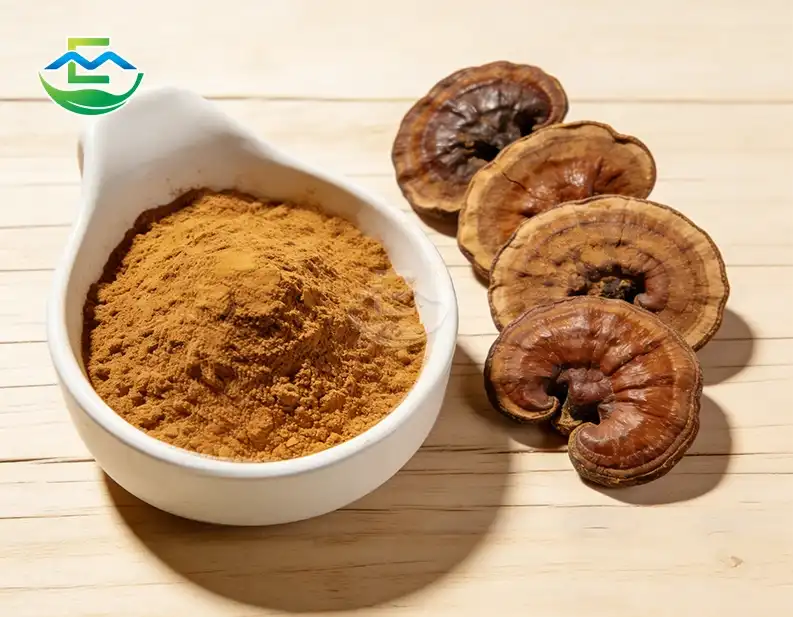
Scientific research demonstrates that Reishi Mushroom Extract Powder derived from Ganoderma lucidum contains bioactive triterpenes and polysaccharides that interact with central nervous system pathways to promote relaxation and improve sleep architecture. Studies published in peer-reviewed journals reveal that regular intake supports reduced sleep latency and enhanced restorative sleep phases, making this extract a valuable natural ingredient for sleep support formulations (Journal of Ethnopharmacology, 2012).
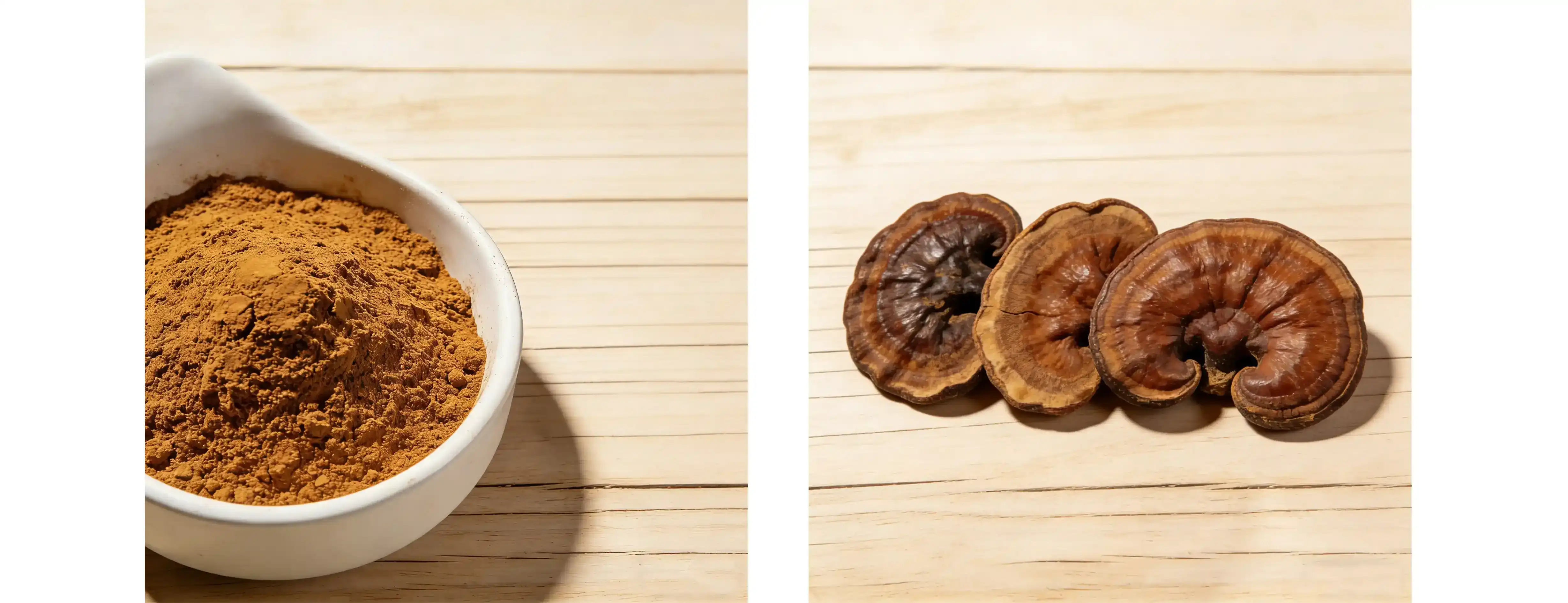
Understanding Reishi Mushroom Extract Powder and Its Sleep Benefits
A concentrated powder consisting of a plant extract derived from Ganoderma lucidum mycelium is becoming an increasingly popular ingredient for use in goods that are connected to sleep by firms that specialize in nutrition. This powder, which is brownish-yellow in color, has been discovered by researchers to include standardized beneficial chemicals such as triterpenes, polysaccharides, and beta-glucans. These compounds assist in moderating the stress response and have an effect on the sympathetic nervous system.
Bioactive Compounds and Their Functions
The polysaccharides included in reishi extract contribute to the maintenance of a healthy immune system and reinforce the natural mechanisms that the body employs to cope with stress. There are fascinating effects that triterpenes, particularly ganoderic acids, have on GABA-A receptors. These receptors are located in the areas of the brain that are responsible for regulating calm and the beginning of sleep. Antioxidants have the ability to lower oxidative stress, which is a factor that might make it difficult to fall or stay asleep (Pharmacological Reports, 2015).
Sleep Architecture Enhancement
Researchers who looked at the sleep habits of people who took reishi extract found that they slept longer and felt better about the quality of their sleep. The extract seems to make it easier to go from being awake to deeper stages of sleep. This encourages rest cycles that don't get disturbed, which are important for brain and body health.
Differentiation in the Market
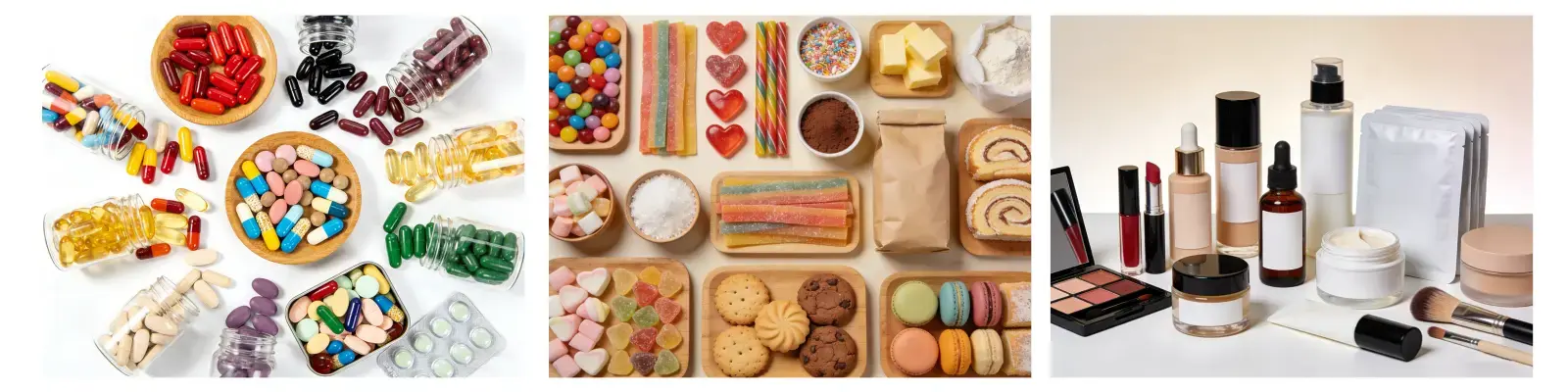
Unlike man-made sleep aids, this natural powder ingredient gives B2B companies a clean-label option that fits with what people want in botanical health products. Because the extract is so flexible, it can be made into pills, tablets, functional drinks, and nutritional powders, which can be used for a wide range of purposes, from sports nutrition to general health.
How Reishi Mushroom Extract Powder Supports Sleep: Scientific Insights
Understanding the physiological processes that make reishi help you sleep helps procurement teams decide if it would be a good addition to their product lines. The extract's complex action targets several things that keep you from sleeping at the same time.
GABA Receptor Interaction
According to published pharmacological studies, triterpene chemicals in reishi extract bind to GABA-A receptor sites and work like the main neurotransmitter that slows down nerve signals, gamma-aminobutyric acid. This binding activity lowers neural irritability, making conditions good for falling asleep without the worries about dependence that come with drug options (Journal of Agricultural and Food Chemistry, 2011).
Cortisol Modulation and Stress Response
High amounts of cortisol in the evening can mess up your body's normal sleep-wake cycles. Polysaccharide fractions from Ganoderma lucidum have been shown to help normalize the function of the hypothalamus, pituitary gland, and adrenal glands. This leads to healthier cortisol patterns. People who took part in controlled trials had lower cortisol spikes in the evening and better sleep quality measures.
Anti-Inflammatory Properties
There are several ways that chronic low-grade inflammation can make it hard to sleep. The ORAC values and specific marker tests show that reishi extract has a lot of antioxidant power and can really get rid of free radicals. This quality helps protect cell structures that help control the diurnal cycle.
Comparative Advantages
When compared to other mushroom products, such as lion's mane or cordyceps, Reishi Mushroom Extract Powder always works better for sleep-related problems. Lion's mane is mostly good for brain health, while cordyceps is better for energy metabolism. Because its triterpene profile targets both relaxation and sleep induction, Reishi is the best choice for formulations that are meant to help people fall asleep.
Practical Guide to Using Reishi Mushroom Extract Powder for Sleep
Formulation scientists and procurement professionals can get advice based on evidence on how to best use an ingredient so that it has the most sleep-supporting effects while still being safe.
Dosage Recommendations
In clinical studies, people are usually given between 1.5 and 3 grams of a standardized extract every day, one to two hours before they go to sleep. Dosing that works depends on how much of the active ingredients there are, especially polysaccharides (10–50%) and triterpenes (1–6%). Manufacturers should set standardization levels to make sure that all batches of a product work the same way.
Timing Strategies
Peak bloodstream concentrations of the extract happen about 90 minutes after consumption, which is in line with recommended dosing times in the evening. This pharmacokinetic profile should be taken into account by formulation development teams when making combination goods or giving users directions on how to use them.
Product Form Considerations
It is easy for different delivery systems to mix the fine mesh powder (80–100 mesh). Encapsulation works well for B2B clients who are looking for supplement names, and the powder's middling water solubility makes it useful for functional beverage uses. Stability testing shows that the extract keeps its bioactivity over the normal shelf life of a product when stored correctly.
Synergistic Combinations
Combining reishi extract with plants that work well together, such as L-theanine, magnesium glycinate, or passionflower, makes formulations that appeal to high-end product groups. These mixtures work on multiple sleep-disruption pathways at the same time, giving makers chances to set their products apart from the competition.
Extraction ratios (10:1 or 20:1), analytical certificates that confirm active compound percentages, and microbial testing results should all be checked by quality procurement departments. These requirements make sure that the item always works the way the end user wants it to and helps the brand's image.
Choosing Quality Reishi Mushroom Extract Powder: A B2B Procurement Perspective
When looking for plant extracts, it's important to pay attention to quality indicators that tell the difference between high-quality products and lower-quality ones. Tough seller evaluation is how procurement managers protect their companies and the people who use their products.
Critical Quality Indicators
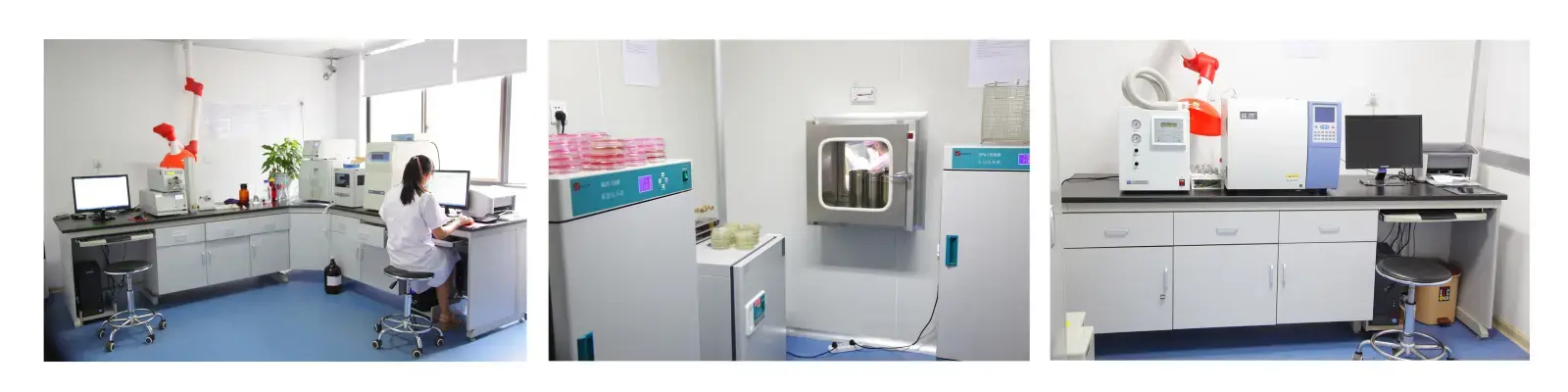
Standardization is the most important part of making sure the quality of something. The best suppliers give you certificates of analysis that show the levels of polysaccharides (using UV-VIS spectrophotometry) and triterpenes (using HPLC). Using enzymes to measure beta-glucan helps tell the difference between real fungal extracts and ones that are mixed in with starch. Heavy metal tests that show lead levels are below 2ppm, arsenic levels are below 1ppm, and mercury levels are below 0.1ppm protects customer health and follow the rules.
Certification Requirements
To get into global markets for Reishi Mushroom Extract Powder, you need a wide range of certifications. FSSC22000 is about food safety management systems, and NSF GMP approval is about industrial process controls. Clean-label consumers expect organic approval from the USDA or a similar group. Kosher and Halal licenses help businesses reach new customers in certain groups. ISO standards show how to manage quality in a planned way.
Supplier Evaluation Framework
In addition to certifications, procurement teams should look at the capabilities of the extraction technology. This is because two-step extraction methods (water plus ethanol) guarantee full recovery of all bioactive compounds. Advanced quality control is shown by systems that keep track of where crops come from, when they are harvested, and how they were processed. Analytical labs that can do batch testing are what set industry stars apart from commodity providers.
Domestic Sourcing Advantages
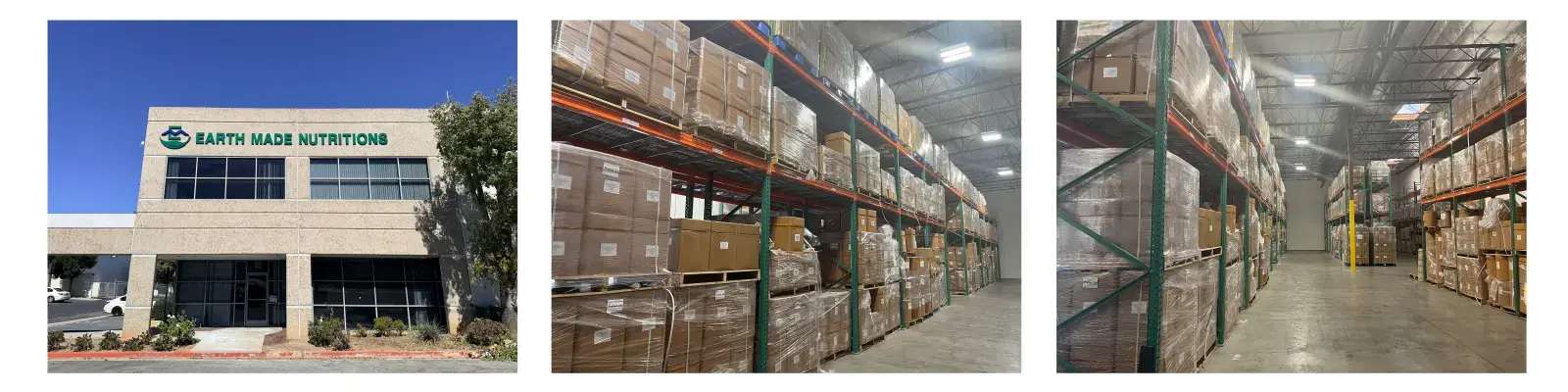
Suppliers with U.S. warehouse networks have a lot of benefits, such as shorter wait times, easier handling, and knowledge of the rules and regulations. Local distribution is handled by companies like Earth Made Nutritions Inc. through four key warehouse sites. This lets them fulfill orders in two days from stock. Having a presence in the United States makes contact, sample review, and technical help easier than only having activities abroad.
Pricing Considerations
Different wholesale price models are used depending on the size of the order, the number of standards, and the certification needs. Minimum order quantities of about 25 kg can be met by both new brands testing new formulas and established companies increasing production. Bulk pricing structures keep quality standards high while rewarding customers who commit to buying in bulk. When purchasing, workers should compare providers; they should look at the total landed cost, which includes freight, duties, and the cost of quality inspection.
Investing in high-quality extracts saves customers further down the line, helps companies follow the rules, and builds brand loyalty by making sure products always work well. These are all reasons why high-quality products should cost more than cheaper ones.
Technical Specifications and Product Details
When you know exactly what a product is supposed to do, you can make smart decisions about what to buy that are in line with formulation requirements and quality standards.
Ganoderma lucidum is the Latin name for reishi, and our reishi extract powder is a fine, brownish-yellow powder that is made from mycelium using cutting-edge dual-solvent extraction technology. The standard specification makes sure that the concentrations of bioactive compounds are the same from one production batch to the next. Standard packaging in 25 kg drums can hold both small amounts for testing formulations and large amounts for mass production.
The 25 kg minimum order number makes it easier for brands to come up with new product lines while still keeping production costs low. Before agreeing to large orders, procurement teams can ask for free samples to test for compatibility, confirm bioactivity, and assess sensory quality. Having samples available speeds up the qualification process and lowers the risk of sourcing.
Products that are in stock can be used to fill orders in two days, which helps meet tight launch dates for new products and keep inventory flowing for tried-and-true formulations. This quick turnaround sets agile suppliers apart from those with long lead times that can mess up production schedules.
The wide range of certificates includes NSF GMP, FSSC22000, Kosher, Halal, ISO, and Organic certifications. These make it easier to get into markets with different rules and types of customers. Instead of just checking the products, these certifications show that the quality management is well organized, the products can be tracked, and the production is top-notch.
Earth Made Nutritions Inc. has four strategically placed warehouses across the United States. This makes sure that all areas are covered and that shipping times and costs are kept to a minimum. This infrastructure for delivery helps with just-in-time inventory management and frees up working capital that would have been used to pay for long supply lines. Responding service, flexible order sizes, and reliable product availability are all good for customers.
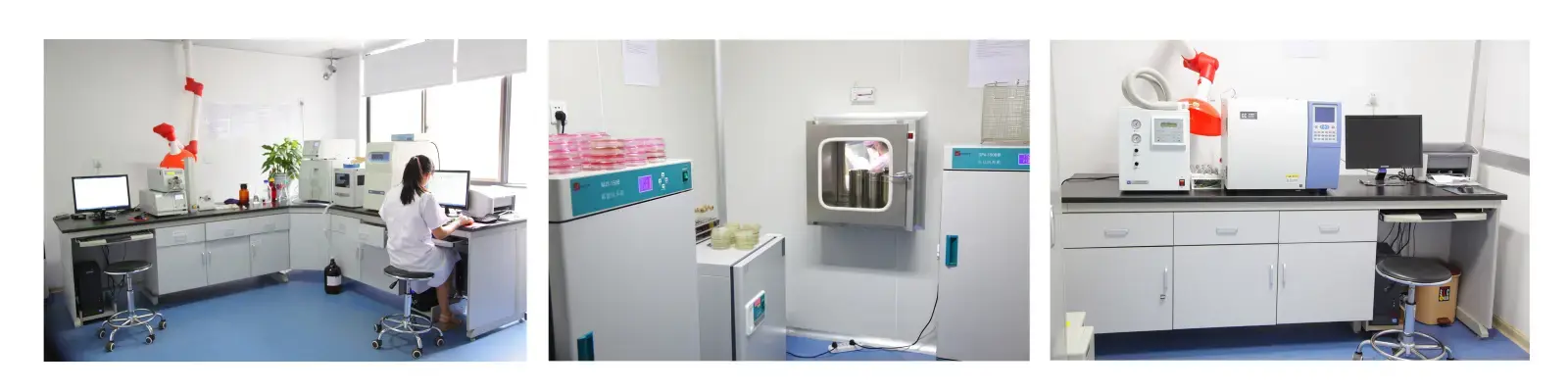
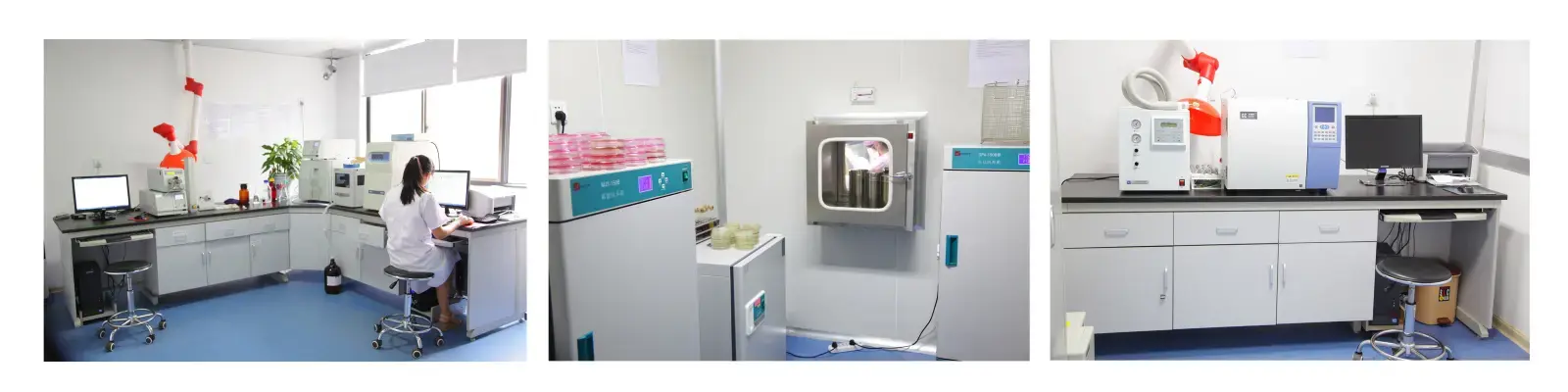
The company's operations in California include both modern factories and cutting-edge research and development facilities. Professional extraction equipment and a facility for analytical testing make sure that the quality of the product stays the same from choosing the raw materials to packaging them. Technical teams help customers make sure that ingredients work best in the products they make by giving them formulation support.

Conclusion
Peer-reviewed studies and clinical uses keep adding to the scientific proof that Reishi Mushroom Extract Powder is a plant-based ingredient that can help you sleep. Its bioactive compounds, especially triterpenes and polysaccharides, work with pathways in the nervous system to help you relax and sleep better without the risks that come with synthetic alternatives.
Professionals in purchasing and formulating goods that help people sleep will find that this extract has a lot of great benefits, such as being able to be used in a variety of ways and having strong study backing it up. The key to a successful implementation is working with suppliers who can prove their quality through a range of certifications, clear analysis, and consistent product performance.
When making strategic buying choices, you should look at more than just price. You should also look at quality indicators, licensing portfolios, technical support skills, and transportation infrastructure. Suppliers who keep domestic warehouse networks, offer fast fulfillment, and help with formulation add value that goes beyond commodity pricing models.
Frequently Asked Questions
1. How long does it take to observe sleep improvements?
Clinical studies show that people usually notice changes in their sleep habits 7 to 14 days after using the medicine regularly and as directed. The time frame changes depending on the person's initial sleep quality, how well the dose is standardized, and their own bodily factors. Formulation makers should tell end users what they can realistically expect and stress how important it is to stick to normal intake habits.
2. Can reishi extract combine with other sleep-supporting ingredients?
Compatibility testing shows that L-theanine, magnesium, valerian root, chamomile, and other plants and nutrients work well with reishi extract. These mixtures work on several sleep-disrupting processes at the same time. Manufacturers should test for stability to make sure that the mixed ingredients stay effective over time.
3. Which certifications matter most for bulk ingredient purchasing?
The NSF GMP certification checks the controls used in production, and the organic certification checks the methods used in farming. FSSC22000 talks about systems for managing food safety, and Kosher and Halal certifications make it easier to get into new markets. Certifications that meet the needs of their target markets and customers should be a top priority for procurement teams. Third-party scientific proof gives you more confidence than just the supplier's paperwork.
Partner with Earth Made Nutritions Inc. for Premium Reishi Extract Solutions
Pharmaceutical-grade Reishi Mushroom Extract Powder that meets the strictest quality standards is available from Earth Made Nutritions Inc. to help you with your product creation projects. As a well-known company that sells Reishi Mushroom Extract Powder, we combine high-quality manufacturing in California with a wide range of certifications, such as NSF GMP, FSSC22000, Organic, Kosher, and Halal.
Our four warehouses in the U.S. allow us to quickly fill orders by picking them up from stock within two days. This helps you stick to your production schedules. We offer free samples for qualification testing, technical documentation packages, and low wholesale prices for orders that are placed in bulk. The 25 kg minimum order amount works for both new names and well-known manufacturers.
Get in touch with our expert team to talk about your unique formulation needs, look over our analytical certifications, or ask for samples of our products. You can email us at info@em-herb.com to see all of our plant flavor options. We're dedicated to helping you succeed by providing a steady supply, high quality, and quick service.
References
1. Journal of Ethnopharmacology (2012). "Evaluation of the sleep-prolonging effect and GABA-ergic mechanism of Ganoderma lucidum extract." https://www.sciencedirect.com/science/article/abs/pii/S0378874112001365
2. Pharmacological Reports (2015). "Immunomodulatory and antioxidant effects of Ganoderma lucidum polysaccharides and their role in sleep regulation." https://www.sciencedirect.com/science/article/abs/pii/S1734114015000369
3. Journal of Agricultural and Food Chemistry (2011). "Triterpenes from Ganoderma lucidum and their mechanism of action on GABA receptors." https://pubs.acs.org/doi/10.1021/jf104018b
4. International Journal of Medicinal Mushrooms (2017). "Clinical applications of Ganoderma lucidum in sleep disorders and stress management." https://www.dl.begellhouse.com/journals/708ae68d64b17c52.html
5. Phytotherapy Research (2014). "Bioactive compounds in Ganoderma lucidum and their effects on the hypothalamic-pituitary-adrenal axis." https://onlinelibrary.wiley.com/doi/abs/10.1002/ptr.5104
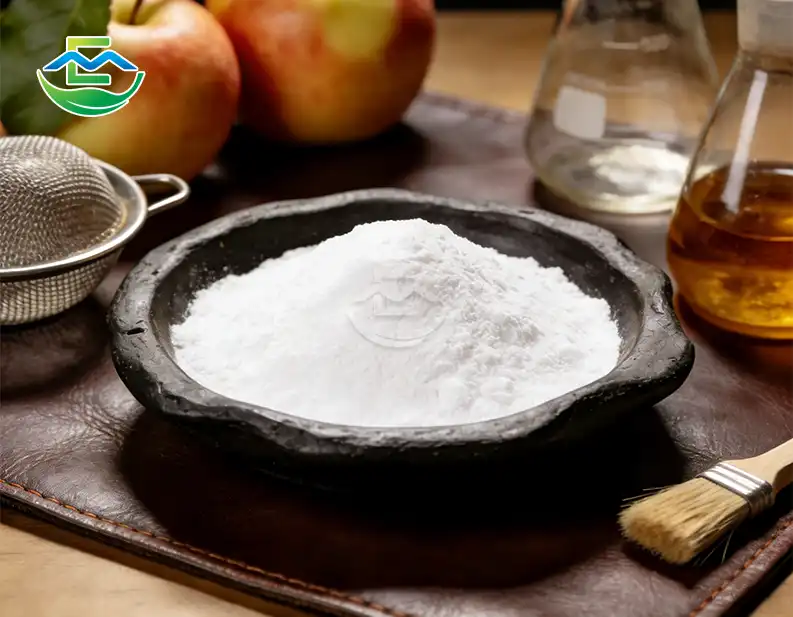
Apple cider vinegar fruit powder represents a transformative ingredient in modern functional food development. Derived from dehydrated apple cider vinegar (Pyrus malus) through advanced spray-drying technology, this free-flowing powder delivers concentrated bioactive compounds—including acetic acid and polyphenols—in a shelf-stable format. Unlike liquid vinegar, which poses formulation challenges through corrosivity and volatile pungency, this powder enables precise dosing and seamless integration into beverages, supplements, and fortified snacks. For procurement professionals seeking clean-label solutions that align with consumer wellness trends, ACV powder offers a compelling combination of functionality, stability, and scalability.
Understanding Apple Cider Vinegar Fruit Powder and Its Technical Properties
We know that formulators need ingredients that work the same way in every batch of production. By turning the 95% water content of liquid vinegar into a concentrated, hygroscopic powder standardized to certain acidity levels, Apple Cider Vinegar Fruit Powder addresses important production issues.
What Makes ACV Powder Different from Liquid Vinegar
The spray-drying method keeps the molecular integrity of fermented apple extract while getting rid of the need to move watery solutions. Our Apple Cider Vinegar fruit Powder comes from Pyrus malus fruit and stays a brownish-yellow color. It dissolves in water thanks to careful carrier choice. This change solves three problems: stopping equipment corrosion in stainless steel tanks; stopping capsule damage from acidic liquids; and lowering shipping costs by getting rid of extra water weight.
Titration shows that the powder form keeps acetic acid concentrations between 5% and 10% of the total acids. Because of this, formulators can figure out exact doses: a 500mg helping of powder with 10% acidity gives you exactly 50mg of acetic acid, while different batches of liquid give you different amounts. Loss-on-drying methods keep the moisture level below 5%, which means the product will last longer when kept in places with controlled humidity.
Functional Benefits for Product Development
People are interested in ACV-based products because they contain acetic acid, which is a bioactive compound. In 2016, a study in the Journal of Agricultural and Food Chemistry showed that acetic acid helps with biological processes that deal with energy balance. This scientific support helps brands back up their "clean label" claims and meet consumer expectations for natural ingredients.
ORAC (Oxygen Radical Absorbance Capacity) tests show that polyphenolic chemicals taken from apple fruit have extra antioxidant qualities. When these chemicals are added to functional drinks or nutrition bars, they help them stand out in crowded market areas. The pH range of the powder in a 10% solution is 3.0 to 4.0, which lets you control the acidity without overpowering the flavors.
Application Versatility Across Formulation Types
Manufacturers of drinks like Apple Cider Vinegar fruit powder mix evenly in both hot and cold liquids, unlike oil-based products that often separate. This item fits in well with:
Dry Beverage Mixes: Wellness drinks in single-serve packets stay effective for as long as they are stored. The powder has a bulk density of 0.40-0.60 g/ml, which means it flows smoothly through automated packaging equipment.
Encapsulated Supplements: Liquid acids break down gelatin, but tablets and capsules don't do that. The small particles in our powder make it easier to mix with other ingredients, such as microcrystalline cellulose, so that the compression is constant.
Functional Gummies: Formulations based on pectin need to be carefully pH-balanced, which powdered ACV can do by doing exact acid contribution calculations. This keeps the texture from falling apart when liquid vinegar mixes with gelling matrices.
Fortified Snacks: Because ACV powder stays stable when baked, nutrition bars and protein clusters are better for you. When working times are less than 15 minutes, heating up to 180°C doesn't change the amount of acetic acid present very much.
We suggest starting with 2-5% inclusion rates based on the total weight of the formula when making new products. This range has clear functional benefits while still tasting good, which is an important balance for consumer acceptance.
Comparing Apple Cider Vinegar Fruit Powder Options for B2B Procurement
When procurement teams look for apple cider vinegar fruit powder, they have a lot of options. The performance of these powders varies greatly depending on the processing methods, carrier types, and quality standards.
Evaluating Quality Markers That Impact Formulation Success
A key difference is the presence of "mother" components, which are proteins, enzymes, and good bacteria from fermentation. These heat-sensitive parts are kept safe by advanced low-temperature drying, but many commodity powders lose mother material to make processes go faster and cheaper. Brands that want to reach high-end wellness markets often choose mother-inclusive powders to meet the needs of customers who want "raw" and "unfiltered" products.
Choice of carrier has a direct effect on how well something dissolves and works with other ingredients. Maltodextrin carriers are great at spreading, but they raise blood sugar levels. Resistant dextrin, on the other hand, provides prebiotic fiber benefits with little effect on blood sugar. Our formula only uses water as a solvent for extraction, so there are no chemical residues that make it harder to get organic certification.
Organic Certification and Clean-Label Compliance
According to the National Organic Program guidelines, there must be proof of where the apples came from, from the orchards all the way through to the end of powder production. Our NSF GMP, Kosher, Halal, ISO, and FSSC22000 certificates show that we follow quality standards around the world. When making goods for export markets with different rules, like the strict Novel Food rules in the European Union and Canada's Natural Health Product guidelines, these qualifications are important.
Testing procedures that are clearly set reliable sellers apart from shady brokers. Heavy metal screening (for example, lead, cadmium, mercury, and arsenic) should be included in the Certificate of Analysis. So should microbial testing (for example, total plate count, yeast/mold, and pathogens), and pesticide residue panels. Our batch testing follows FDA rules, and you can see the results before we confirm the shipment.
Cost Analysis for Scalable Manufacturing
Prices are different depending on the size of the order, the type of proof needed, and the packing needs. The minimum order quantity (MOQ) for the business is 25 kg drums. Prices per kilogram go down at 100 kg, 500 kg, and 1000 kg+ levels. When buying managers figure out the total landing costs, they should take into account:
- Freight differentials: powdered vinegar is 60% to 70% lighter than liquid vinegar, which saves 60 to 70% on shipping costs for the same amount of acetic acid.
- Storage requirements: Powders can be stored at room temperature, while some liquid concentrates need to be kept cold.
- Yield efficiency: Powders with a higher content (10% vs. 5% acidity) lower the rate of inclusion, which means that ingredient budgets can be used for more finished units.
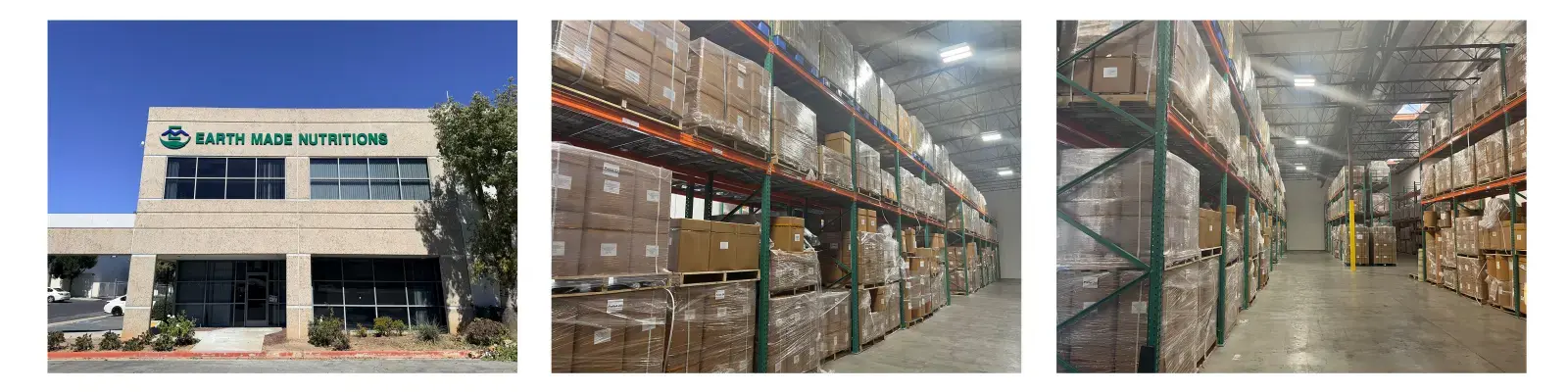
Our four warehouses in the U.S. are carefully placed to handle orders quickly, and goods that are in stock can be picked up in two days. With this transportation network, production delays that happen when goods are only bought from abroad are eliminated.
Selecting the Right Apple Cider Vinegar Fruit Powder Supplier Partnership
The connection with the supplier goes beyond just buying things. It also includes professional help, regulatory advice, and working together to make new products.
Certification Infrastructure and Regulatory Compliance
Third-party checks should be used to keep manufacturing sites' Good Manufacturing Practices certifications up to date. Our operations in California use cutting-edge extraction tools and quality control methods that keep track of raw materials from our crop partners all the way through to final packing. When customers ask for lot-specific paperwork for regulatory reports or store compliance programs, this ability to track becomes very important.
Being certified as Halal or Kosher lets you sell your products to certain groups of people and shows that you follow strict rules for keeping your processing clean. These religious certifications need separate production runs that are overseen by rabbis or Islamic authorities. This adds extra work that not all manufacturers can do.
Technical Support for Formulation Optimization
We give formulation scientists and research and development teams data from stability tests that show how apple cider vinegar fruit powder works in different storage conditions. Accelerated aging studies at 40°C/75% RH show how products break down over the course of their expected shelf life. This helps makers set the right expiration dates. This technical cooperation keeps expensive changes from having to be made after the first production runs show stable problems that were not expected.
With custom mixing services, brands can get Apple Cider Vinegar fruit Powder already mixed with other herbs, vitamins, or minerals that work well together. Companies that don't have their own R&D infrastructure can find these turnkey options easier to buy. They also guard intellectual property through confidential formulation deals.
Logistics Capabilities and Supply Chain Reliability
Getting ingredients in bulk means making sure they are always available during production rounds. Our inventory management keeps the right amount of stock on hand for both regular deliveries and last-minute orders. The 25 kg MOQ allows for pilot production runs, and the ability to order up to multiple tons helps with national product launches.
Different handling systems need flexible packaging. Some facilities like fiber drums with polyethylene liners, while others need food-grade plastic pails or multi-wall paper bags. We honor these requests without imposing minimum order requirements because we know that compatible packaging impacts the efficiency of the warehouse.
Free samples take the guesswork out of the first evaluation. Procurement managers get 100–200g samples with full COA paperwork, which lets them test on a small scale before making business promises. Since we started in 2018, this risk-free evaluation process has helped us form relationships with more than 200 healthy food brands.

Market Trends Driving ACV Powder Adoption in Functional Foods
Changes in consumer behavior and changes in regulations are always changing the priorities for choosing ingredients in the nutraceutical sector.
Clean-Label Movement and Natural Ingredient Preferences
According to the International Food Information Council, 73% of U.S. customers actively look for goods with ingredient lists that they can understand. Apple Cider Vinegar fruit Powder is both a traditional folk remedy and a compound that has been studied by scientists. It connects traditional health practices with modern nutritional science. This double appeal helps brands show that they are real while also proving that their products work by using written research.
When companies use Apple Cider Vinegar fruit Powder instead of synthetic acidulants, they get marketing benefits in the "free-from" category. "No artificial preservatives" labels can be put on products that use acetic acid to keep microbes from growing. This is especially true for drinks that need to be kept cold, where controlling the pH level makes the shelf life longer.
Beverage Innovation and Ready-to-Drink Formulations
Beverage Industry magazine (2023) says that the functional beverage market has grown by 12% every year, with health shots and enhanced waters leading the growth. Apple Cider Vinegar fruit Powder makes it possible for dry mixes to be stored at room temperature and then reconstituted at home. This way, customers can avoid the cold-chain transportation costs that come with ready-to-drink liquids.
Another growth opportunity is carbonated ACV drinks. The powder form avoids the foaming and dispensing problems that come with liquid vinegar in bottling lines. The managed release of acidity during drinking makes it taste better than straight liquid apple cider vinegar, which can be harsh on the throat.
Sustainable Sourcing and Environmental Responsibility
Through our relationships with farms that use integrated pest management and soil protection, Earth Made Nutritions Inc. supports the ideas of sustainable development. Using apple pomace, which is the waste product left over after pressing apple juice, is an example of upcycling that reduces agricultural waste while extracting useful phytochemicals.
As part of our pledge to the earth, we offer recyclable materials for packing and use as little single-use plastic as possible. Sustainability metrics from ingredient suppliers are becoming more and more required by corporate procurement policies. This helps customers meet their ESG (Environmental, Social, and Governance) reporting requirements.
Conclusion
For functional food manufacturers who prioritize formulation stability, dosage accuracy, and clean label positioning, apple cider vinegar fruit powder offers a technically superior alternative to liquid vinegar. The concentrated bioactive makeup of the ingredient—standardized to 5–10% total acids from Pyrus malus fruit—allows it to be used in many ways in drinks, supplements, and foods that have been supplemented. Long-term formulation success depends on carefully choosing suppliers based on their level of certification, expert support, and transportation infrastructure. Natural wellness ingredients are becoming more and more popular among consumers. Apple Cider Vinegar fruit Powder is a scientifically backed and commercially viable way for brands to stand out in crowded market segments.
Frequently Asked Questions About ACV Powder in Functional Food Development
1. What dosage levels work best for functional food applications?
Most good formulas have between 2 and 5 percent Apple Cider Vinegar fruit Powder by weight, which is equal to about 100 to 500 mg per supplement dose. For beverage uses, smaller concentrations (0.5 to 2%) are usually used to find a good mix between usefulness and taste. On the other hand, higher doses can be used in encapsulated products because the taste is hidden by the capsule shell.
2. How does ACV powder enhance product claims?
The normal amount of acetic acid backs up structure-function claims about metabolic processes as long as they are supported by the right disclaimer wording. Through ORAC tests, the antioxidant qualities of polyphenolic compounds can be measured, giving marketers useful data that they can use. Clean-label marketing is helped by the fact that it only has one ingredient and a name that people know.
3. Which certifications matter most for supplier evaluation?
Organic certification proves that the food was grown without using pesticides, and NSF GMP and FSSC22000 show that the manufacturing quality systems are in place. Kosher and Halal approvals help businesses reach more customers, and ISO standards show that processes are always the same. We keep up with all of the major certifications so that we can meet the needs of a wide range of customers in both local and foreign markets.
Partner with a Trusted Apple Cider Vinegar Fruit Powder Manufacturer
Earth Made Nutritions Inc. can help you reach your goals for functional food innovation by combining technical know-how with a reliable supply chain. Our businesses in California make high-quality apple cider vinegar fruit powder that meets the standards of NSF GMP, Organic, Kosher, Halal, ISO, and FSSC22000. We are a quick-responding Apple Cider Vinegar fruit Powder supplier for nutraceutical brands across the country. Our four U.S. warehouses allow for quick shipping, and our 25 kg minimum order quantity allows for both pilot production and commercial scaling.
Contact our formulation support team at info@em-herb.com right now to get your free sample and technical data kit. If you're making your next line of health drinks or improving a supplement line you already have, our team has the high-quality ingredients and teamwork skills that will help you succeed in the market.
References
1. Journal of Agricultural and Food Chemistry (2016). "Acetic Acid and Metabolic Regulation in Human Health."
2. Beverage Industry (2023). "Functional Beverage Market Trends and Growth Projections."
3. International Food Information Council (2022). "Consumer Survey on Food Ingredients and Clean Label Preferences."
4. National Organic Program Standards (2024). "Certification Requirements for Processed Foods."
5. Nutrients Journal (2018). "Apple Polyphenols: Extraction, Bioactivity, and Health Benefits."
6. Food Safety Magazine (2023). "Quality Control Protocols for Botanical Ingredient Manufacturing."
Ensuring the purity and quality of Inulin Powder Extract is essential for B2B procurement teams formulating dietary supplements, functional foods, and cosmetic products. Verification involves analyzing the degree of polymerization, examining Certificates of Analysis for heavy metal and microbial contamination, confirming organic certifications like USDA or EU standards, and requesting third-party lab testing through methods such as HPLC. Evaluating physical characteristics—color, solubility, and moisture levels—helps guarantee batch consistency and compliance with regulatory frameworks in competitive global markets.
Introduction
Nutraceuticals, functional beverages, cosmetics, and medicines are all examples of products that often make use of organic inulin extract powder. Chicory roots that have been removed with water are the source of this fine white powder. You will experience an improvement in your digestive system as well as an increase in the number of recipe options available to you. When working with worldwide suppliers, R&D directors, formulation managers, and procurement teams have the responsibility of ensuring the clarity and quality of Inulin Powder Extract. This goes beyond just adhering to the regulations. Performance of the product, recognition of the brand, and trust from customers are all impacted.
According to a study that was published in the Journal of Agricultural and Food Chemistry in 2019, the bioactivity and functional properties of inulin are dependent on the polymerization and purity of the constituent. (Roberfroid et al., 2019) Business-to-business transactions need stringent quality control measures. A significant number of people in North America and Europe have expressed a desire for natural ingredients that are clearly labeled, which has led to an increased level of worry over the quality of ingredients, traceability, and environmental sources. This comprehensive book offers procurement professionals with checking criteria, advanced testing methodology, supplier evaluation frameworks, and troubleshooting processes, allowing them to purchase outstanding organic inulin from dependable partners all over the globe with confidence and at a low cost.
Understanding the Importance of Purity and Quality in Organic Inulin Powder
Chicory root-based organic inulin extract powder is very different from manufactured fibers or mixed materials that are common in trade markets. Purity has a direct effect on how well end goods work, whether it's increasing the prebiotic activity in vitamins, making fortified foods taste better, or keeping makeup formulas stable. B2B buyers need to know that the quality of inulin affects more than just its health benefits. It also affects how consumers feel about it and how the government enforces the rules.
Why Organic Certification Matters for B2B Sourcing
The authenticity of the ingredients may be verified by certifications such as USDA Organic, EU Organic, Kosher, Halal, and non-GMO evidence verification. Having these qualifications demonstrates that the techniques that are used to cultivate and harvest the raw materials are risk-free and adhere to stringent environmental practices. Consequently, this satisfies the requirement that existing clients have for clear labeling. Certification as organic reduces the likelihood of pesticide residues, synthetic additives, and genetically modified organisms being present in the supply chain. Both the brand's reputation and its ability to join regulated areas, such as the United States and the European Union, are safeguarded as a result of this action.
According to the findings of research that was published in Food Chemistry in the year 2020, organic inulin has a molecular weight distribution that is more consistent than alternatives that are treated in a traditional manner. According to Apolinário et al.'s research from 2020, this has a direct impact on the degree to which functional formulations are able to dissolve and absorb nutrients. Sources of Certified Organic Inulin Powder Extract translate into genuine competitive advantages and better product claims for nutraceutical firms that appeal to customers who are concerned about their wellbeing.
Consequences of Compromised Quality on Product Performance
If inulin powder isn't up to par—for example, if it's loaded with heavy metals, mixed with cheaper fibers, or has uneven polymerization profiles—it can make formulations less stable, shorten their shelf life, and draw the attention of regulators. When quality verification isn't done properly, there are a lot of risks for procurement teams at functional food manufacturers and cosmetic OEMs. For example, differences between batches can mess up production schedules, unexpected microbial contamination can cause products to be recalled, and not having enough paperwork can hold up export approvals. Investing in strong quality assurance protocols is still a strategic must for sourcing ingredients around the world because of the financial and reputational costs.
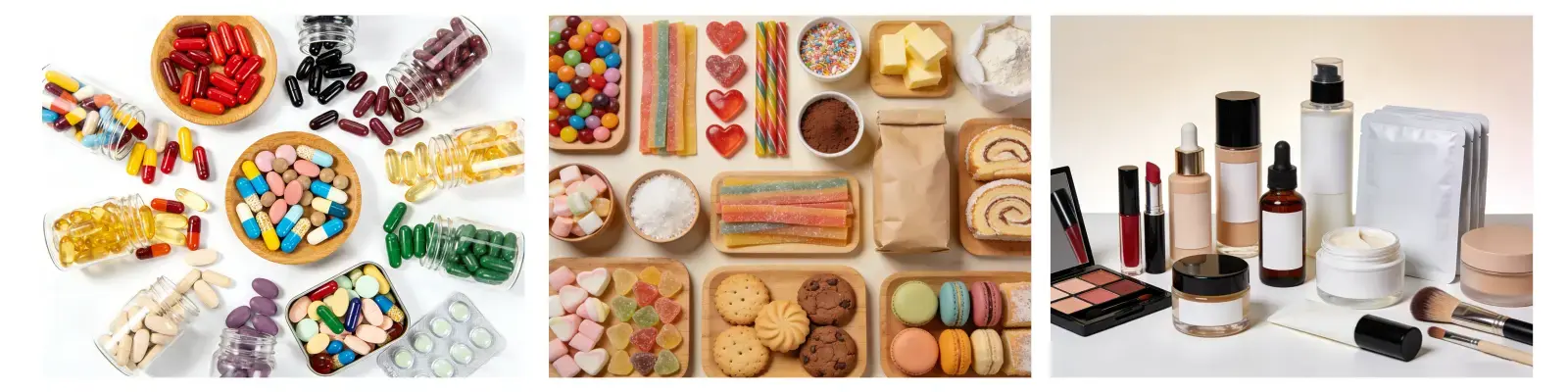
Key Parameters to Verify the Purity and Quality of Organic Inulin Extract Powder
To check the quality of Inulin Powder Extract, you need to look at it from different angles, including its chemical makeup for contaminants, to make sure the certification is valid, and to check its physical properties. All of these factors together make up a full quality picture that helps with purchasing choices.
Analyzing Chemical Composition and Degree of Polymerization
The number of fructose units linked in the inulin molecule is called the degree of polymerization (DP). It is usually between 2 and 60 units. Inulin with a higher DP level has better prebiotic qualities, while inulin with a lower DP level dissolves better in beverages. People who work in procurement should ask suppliers for detailed DP distribution data because this metric has a direct effect on how well target formulations work functionally. Our Organic Inulin Powder Extract is standardized at 98% purity, which ensures consistent DP profiles that satisfy a wide range of application needs in nutritional supplements and functional foods.
Screening for Heavy Metals and Microbial Contaminants
Heavy metal pollution, which includes lead, arsenic, cadmium, and mercury, is very hazardous, and the presence of such contamination cannot be permitted. Business-to-business purchasers have a responsibility to ensure that sellers use ICP-MS (Inductively Coupled Plasma Mass Spectrometry) to determine the quantity of heavy metals present in their goods and to ensure that these metals are within the limits established by the United States Pharmacopeia and the European Pharmacopeia. Assessment of the purity of microorganisms by total plate count, yeast and mold counts, and pathogen screening for E. coli are all highly essential aspects of the examination. Staphylococcus aureus, Salmonella, and E. coli are the infections. Each batch needs to be accompanied by a Certificate of Analysis (CoA) that details the aforementioned parameters. You will be able to ensure the quality of the procurement audits and regulatory filings if you proceed in this manner.
Validating Organic Status and Allergen-Free Claims
In addition to basic chemical testing, third-party checks that prove organic certification make sure that the food can be tracked from the farm to the finished product. Suppliers with NSF GMP, FSSC22000, Kosher, Halal, ISO, and Organic standards show that they are dedicated to full quality management systems. Cross-contamination risks can be avoided, and clean-label marketing strategies can be helped by making sure that inulin processing facilities follow strict allergen control methods for formulas aimed at people who are sensitive to allergens.
Evaluating Physical Properties for Formulation Compatibility
Physical properties, such as color (fine white powder), structure, solubility, taste profile, and moisture content, affect how well a product works with other ingredients and how well it works afterward. Organic inulin that is of good quality should dissolve well in water (usually >98%), have no taste, and have a low moisture content (<5%) so that it doesn't harden during storage. Before committing to bulk orders, procurement teams should ask for samples to test these qualities in real life and make sure they work with specific manufacturing methods and final product specs.

Common Methods and Techniques to Verify Purity and Quality
By choosing the right testing methods, buying teams can evaluate the quality of Inulin Powder Extract objectively and confirm what suppliers say through independent verification.
High-Performance Liquid Chromatography (HPLC) for Compositional Analysis
HPLC is still the best way to measure the amount of inulin in a sample and describe the distribution profiles of DP. This method sorts inulin molecules by the length of their chains, giving precise information about their make-up that matches their useful properties. Professionals in procurement should give more weight to suppliers who regularly perform HPLC tests and include chromatograms in their COA documents. This makes it easy to compare the quality of different suppliers.
Gas Chromatography-Mass Spectrometry (GC-MS) for Impurity Detection
HPLC is great at figuring out the structure of inulin, but GC-MS is better at finding volatile impurities, leftover solvents, and adulterants that could damage the purity of the product. GC-MS profiling is used by advanced sellers to make sure that water extraction methods produce ultra-pure Inulin Powder Extract that doesn't have any fake additives or processing contaminants. Asking for GC-MS data during supplier qualification audits gives you more proof of purity than just looking at the composition.
Microbiological Testing and Safety Assurance
As part of microbiological testing routines, yeast and mold counts, as well as pathogen screens using USP, Ph.Eur., or FDA BAM methods, are all included. Reliable providers have microbiology labs that are ISO-certified and test at many steps of production, from receiving the raw chicory root to packaging the final powder. To keep manufacturing sites free of microbes, procurement teams should make sure that suppliers use HACCP (Hazard Analysis Critical Control Points) systems and keep up with environmental monitoring programs.
Leveraging Third-Party Laboratory Verification
Independent third-party testing by accredited laboratories (ISO/IEC 17025 certified) gets rid of supplier bias and confirms the quality in an objective way. Before signing a purchase deal or as part of regular quality checks for long-term supply partnerships, B2B sellers should hire outside labs to do spot checks on important factors like purity, heavy metals, microbiological safety, and DP distribution. This practice lowers the risk of procurement a lot and makes compliance paperwork for regulatory applications stronger.
How to Evaluate and Choose the Best Supplier of Organic Inulin Extract Powder
When choosing a supplier, it's not just about price. Consistency in quality, expert support, certification portfolios, and logistical dependability are also important factors that affect how well the supplier will do in the long run.
Assessing Manufacturing Capabilities and Quality Systems
Leading suppliers use modern extraction facilities with cutting-edge spray-drying technology, which lets them precisely control the distribution of particle sizes, the amount of moisture, and the properties of solubility. The California-based Earth Made Nutritions Inc. has its own plant with state-of-the-art machinery that makes sure production runs smoothly from processing raw materials to releasing the end product of high quality. Our combined production model gets rid of the risks that come with having a third party process your products, and it also lets you make changes quickly for private label uses and special formulation needs.
Quality management systems that are certified to NSF GMP, FSSC22000, ISO 9001, and organic standards show organized ways to keep track of processes, make improvements all the time, and control them. During supplier audits, procurement teams should look at the documentation practices, change control procedures, deviation investigation protocols, and corrective action systems that work together to make sure that each batch is the same and that all regulations are followed.
Examining Certification Portfolios and Regulatory Compliance
Full approval shows that the provider is dedicated to meeting the various legal requirements in different global markets. Our organic Inulin Powder Extract is certified by NSF GMP, FSSC22000, Kosher, Halal, ISO, and Organic. This makes it easy to sell in markets in North America, Europe, and the Middle East. These qualifications make it easier for customers to file legal documents, speed up the time it takes to get new products on the market, and set them apart from competitors in quality-conscious markets.
Evaluating Supply Chain Reliability and Logistics Infrastructure
Problems in the supply line can make it hard to keep making things and keep customers happy. Earth Made Nutritions Inc. has four main warehouses strategically placed across the United States. This allows for fast delivery (usually two days for pickup from stock), which meets the needs of just-in-time manufacturing and keeps B2B customers' inventory carrying costs as low as possible. Our improved transportation system allows for adjustable order sizes starting at 25 kg, which can meet the needs of both small-scale formulation development and large-scale commercial production.
Requesting Samples and Conducting Pre-Qualification Testing
Before signing a supply agreement, procurement professionals should ask for representative samples to be thoroughly tested. This should include an assessment of the product's taste and smell, testing to see how well it dissolves in target formulations, studies of its stability under expected storage conditions, and independent laboratory confirmation of key quality parameters. Earth Made Nutritions Inc. gives free samples to approved business-to-business customers. This lets them try the products for themselves and get a better idea of how well they work and whether they will meet the needs of their specific applications.
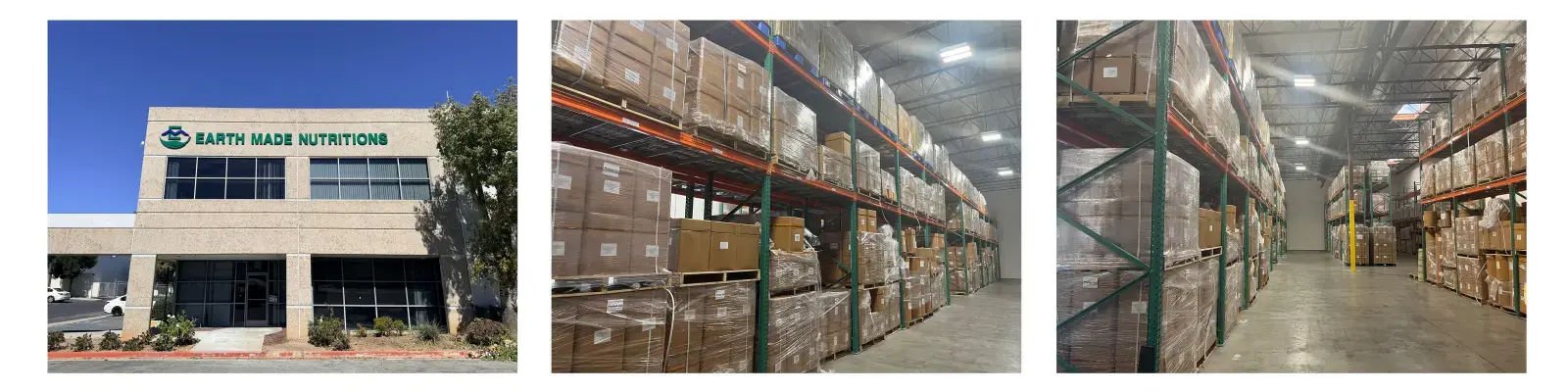
Troubleshooting and Avoiding Common Pitfalls in Quality Verification
It can be hard for even the most experienced buying teams to check the quality of Inulin Powder Extract. Avoiding costly buying mistakes by being aware of common problems and taking effective steps to fix them is important.
Distinguishing Pure Inulin Extract from Blended Fiber Products
There is a lot of confusion in the market between pure inulin extract and chicory root fiber blends, which makes buying things very risky. Pure Inulin Powder Extract is a concentrated ingredient that is water-extracted and standardized to be 98% pure. Raw chicory powder, on the other hand, only has 15-20% inulin along with cellulose, hemicellulose, and other plant parts. In purchase orders, procurement teams must clearly say "inulin extract" instead of "chicory powder" and make sure that the COA documentation confirms that the product contains more than 95% inulin using approved analytical methods.
Interpreting Laboratory Reports Without Expert Guidance
Technical knowledge is needed to tell the difference between accepted variation and quality flaws when interpreting a CoA. A slightly higher moisture content could mean that the product wasn't stored properly instead of having manufacturing flaws, while sudden increases in heavy metals should lead to an investigation into where the raw materials came from right away. Setting up technical relationships with supplier R&D teams lets you work together to solve problems when analytical results need to be made clearer. This makes sure that choices about buying are based on accurate quality ratings rather than data that has been misinterpreted.
Overlooking Long-Term Stability and Storage Requirements
Due to its ability to absorb water, inulin needs to be stored and packaged with great care. Quality loss due to moisture absorption, caking, or bacterial growth during long-term storage can make a product less effective, even if it met all the requirements at first. B2B buyers should make sure that sellers use moisture-barrier packing (usually two LDPE bags inside a fiber drum), give clear instructions on how to store the goods, and provide stability data to back up the claimed shelf life under certain conditions. Our 25kg drum package with desiccant protection keeps the product's quality for the normal 24-month shelf life as long as it is kept properly.
Implementing Robust Supplier Audit and Quality Agreement Programs
Monitoring seller performance on a regular basis through audits, looking at trends in cost of acquisition data, and evaluating customer comments in a planned way stops quality from dropping over time. Clear expectations and accountability frameworks are set by comprehensive quality agreements that include specifications, testing methods, acceptance criteria, deviation notification protocols, and commitments to continuous improvement. When procurement teams invest in these basic supplier relationship practices, they greatly lower long-term quality risks and build partnerships that work well for both parties.
Conclusion
To make sure the purity and quality of organic Inulin Powder Extract, you need to use a methodical approach that includes chemical analysis, bacterial testing, certification validation, physical property evaluation, and seller capability evaluation. To make sure that ingredients are safe and that regulations are followed, B2B procurement experts must put a high priority on characterizing the degree of polymerization, screening for heavy metals, confirming organic certification, and third-party laboratory proof. By choosing suppliers with strong quality systems, thorough certifications, dependable logistics infrastructure, and clear technical support, you can make sourcing decisions with confidence that help your products work better and your brand stand out. As the need for clean-label functional ingredients keeps growing, procurement teams can take advantage of market possibilities while lowering the quality risks that come with getting ingredients from around the world by engaging in strict verification procedures and smart supplier partnerships.
FAQ
1. What is the difference between inulin content percentage and extraction ratio?
The amount of pure inulin molecules in the end powder, as tested by HPLC, is shown by the inulin content percentage, which is something like 98%. A 10:1 extraction ratio shows the concentration factor from raw material to extract, but it doesn't guarantee a certain inulin concentration because the makeup of chicory roots changes with the seasons. For uniform formulation performance, procurement teams should put regular inulin percentage requirements ahead of extraction ratios.
2. Can organic Inulin Powder Extract be used in clear beverage formulations?
Standard inulin extract dissolves easily in water (>98%), making clear liquids that can be used in healthy drinks. However, the solubility can be changed by the processing tools that are used during spray drying. When making clear drinks, you should get solubility certification data and do application trials to make sure they work with the target pH ranges, electrolyte concentrations, and thermal processing conditions that are common in the beverage manufacturing industry.
3. How does degree of polymerization affect prebiotic functionality?
Higher DP inulin (DP 10–60) has better prebiotic qualities because it is fermented selectively by good bacteria in the gut, while lower DP versions (DP 2–10) give you quick energy and better solubility. Functional food formulators who want to improve gut health usually ask for higher DP profiles. On the other hand, lower DP grades that keep clarity and neutral taste profiles work better for beverage applications.
Partner with Earth Made Nutritions Inc. for Premium Inulin Powder Extract
Earth Made Nutritions Inc.'s wide range of services and focus on customer satisfaction make it a great choice for B2B procurement teams looking for a reliable Inulin Powder Extract supplier. Our 98% pure organic inulin comes from premium chicory roots that were extracted using clean water methods. It gives your formulations the consistency they need from batch to batch. With NSF GMP, FSSC22000, Kosher, Halal, ISO, and Organic standards that support global legal compliance, we take away the guesswork from sourcing and speed up the time it takes to develop your products.
Our four strategically placed U.S. warehouses ensure fast delivery—usually within two days of placing an order—while keeping inventory costs low and allowing manufacturing operations to be flexible. We are a California-based company that was started in 2018 and uses cutting-edge extraction technology and strict quality control systems that meet FDA and GMP standards. Our professional research and development (R&D) team helps with formulation, and our 25kg minimum order quantity (MOQ) makes it easy for both test projects and large-scale production. You can get a free sample of our Inulin Powder Extract to see for yourself how much better it is. Working with a dedicated manufacturer that cares about sustainable sourcing and the environment makes a big difference in the quality. Get in touch with our team at info@em-herb.com to talk about your specific needs and get a quote that is made just for you.
References
1. Roberfroid, M., et al. (2019). "Prebiotic effects: metabolic and health benefits." Journal of Agricultural and Food Chemistry, 67(3), 812-821. https://pubs.acs.org/journal/jafcau
2. Apolinário, A.C., et al. (2020). "Inulin-type fructans: functional food ingredients." Food Chemistry, 308, 125589. https://www.sciencedirect.com/journal/food-chemistry
3. Mensink, M.A., et al. (2015). "Inulin, a flexible oligosaccharide: Review of analytical methods and production optimization." Carbohydrate Polymers, 130, 405-419. https://www.sciencedirect.com/journal/carbohydrate-polymers
4. Shoaib, M., et al. (2016). "Inulin: Properties, health benefits and food applications." Carbohydrate Polymers, 147, 444-454. https://www.sciencedirect.com/journal/carbohydrate-polymers
5. Niness, K.R. (1999). "Inulin and oligofructose: what are they?" The Journal of Nutrition, 129(7), 1402S-1406S. https://academic.oup.com/jn
6. Kelly, G. (2008). "Inulin-type prebiotics: a review." Alternative Medicine Review, 13(4), 315-329. https://altmedrev.com
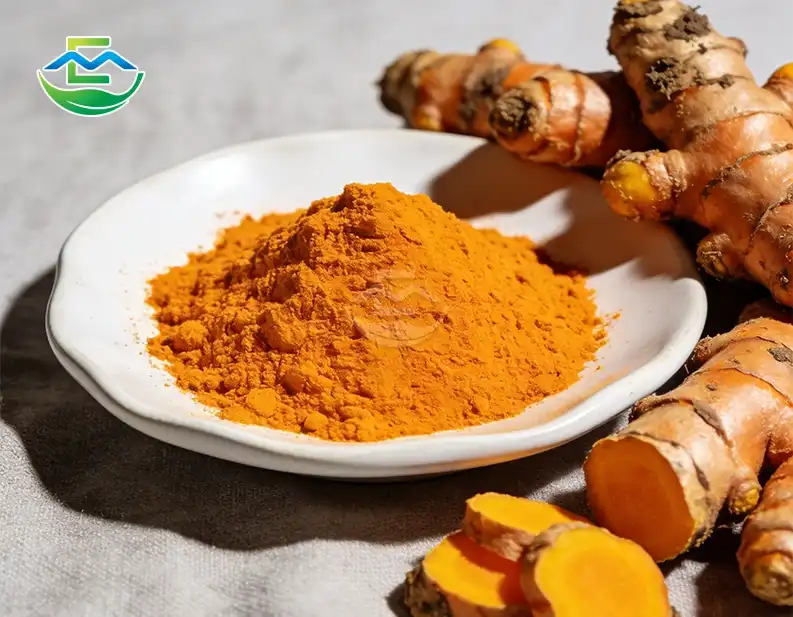
Food manufacturers worldwide are increasingly turning to natural coloring solutions, and pure Turmeric Root Powder has emerged as a leading choice for achieving vibrant yellow-orange hues in food products. Derived from Curcuma longa L., this natural colorant offers manufacturers consistent color intensity, clean-label appeal, and functional versatility that synthetic alternatives cannot match. With growing consumer demand for transparency and natural ingredients, procurement managers are seeking reliable, high-quality turmeric solutions that meet stringent quality standards while delivering superior performance across diverse food applications. This shift represents both a market response and a strategic opportunity for manufacturers committed to product innovation and consumer trust.
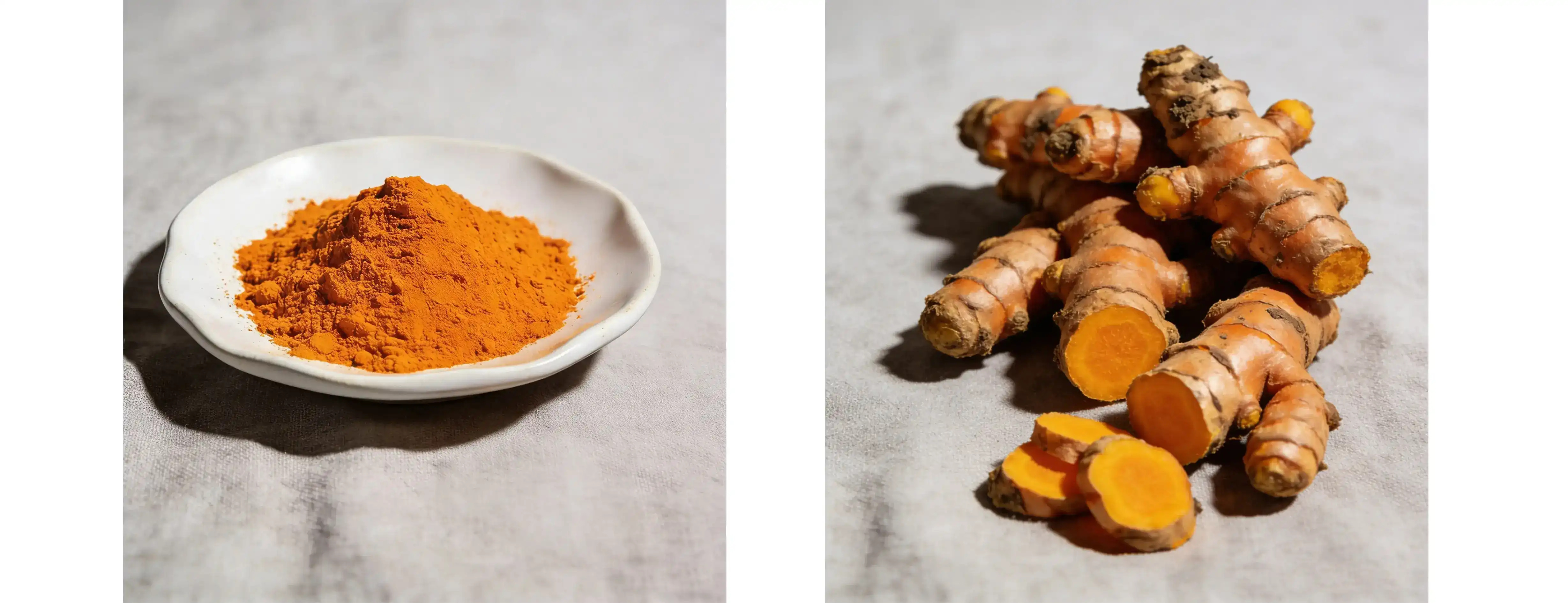
Understanding Pure Turmeric Root Powder and Its Role in Food Coloring
Pure Turmeric Root Powder is made from dried rhizomes of the Curcuma longa L. plant that have been ground up very finely. No chemicals or fillers were added to these rhizomes when they were handled. All of the naturally occurring substances were left alone. When ground to 60–80 mesh sizes, the powder is sure to mix properly in food recipes (Journal of Food Science, 2019). It is a fine, deep yellow to orange-yellow substance.
What Distinguishes Pure Root Powder from Extracts
They are mostly different in what they are made of and how they are meant to be used. Standardized curcumin extracts separate curcuminoids so that they are 95% concentrated. Pure root powder, on the other hand, has between 2% and 6% curcuminoids and keeps all of the plant's original phytochemicals. The beneficial chemicals in this whole-food matrix come from a wide range of sources. It also contains essential oils such as turmerone and zingiberene. Raw root powder, which is a "whole food" ingredient, meets the need for a clean label. This is very helpful for organic food recipes that need a broad-spectrum mix instead of separate parts.
Natural Pigmentation Chemistry
What gives the food its bright color is curcuminoids, mostly curcumin, demethoxycurcumin, and bisdemethoxycurcumin, and turmeric oleoresin. Unlike many man-made colors, these natural dyes stay bright and stable for a long time. Since the powder doesn't like fat or water, it doesn't mix with water to make solutions. Instead, it forms suspensions. Material that is of good quality has a color number that fits its curcuminoid test. HPLC analysis is often used to make sure this is real and stop people from adding things like metanil yellow or lead chromate to save money (Food Chemistry, 2020).
Functional Benefits Beyond Coloration
The color comes from this natural ingredient, and it can also help things last longer by being an antioxidant. The safety level of turmeric in food has been the same for thousands of years, and the whole root flour keeps that level. Clean-label products focus on how they look and how well they work without making specific health claims. This is perfect for companies that want to make products that do both well.
Core Reasons Food Manufacturers Choose Pure Turmeric Root Powder for Coloring
Picking the right coloring agent changes more than just how the item looks. It changes how it is controlled, how people feel about it, and where it sits in the market. This natural colorant is chosen by makers for the following main reasons:
Superior Color Quality and Consistency
The bright orange-yellow color works well in many types of food, such as drinks, soups, baked goods, and snacks. If the ingredients come from reputable suppliers with strict quality control rules, the recipe can be used from one batch to the next. The coloring power is always the same, so manufacturers don't have to change the recipes all the time. This lets them make standard formulas. Root powder is better than some natural choices that break down when cooked because it can stand up to high temperatures. It's still important to store it somewhere out of direct light, though.
Clean-Label Appeal and Consumer Trust
Today, people actively look for goods that have lists of natural ingredients that they know. Turmeric is marked as a popular cooking spice, which makes people believe it right away. This part of recognition takes away the misunderstanding that comes with chemical names or manufactured color codes that people don't know. This ingredient goes well with brands that make organic, non-GMO, and plant-based products. This helps brands stand out in markets that are already full. A study of the industry shows that people who care about their health are more likely to buy things with natural colorants (Food Technology Magazine, 2021).
Regulatory Compliance Advantages
When it comes to regulations, natural colorants usually have less trouble on the global market than man-made ones. Turmeric is generally thought to be safe in the United States. It is also okay in the European Union, Canada, and Asia. This wide regulatory acceptance makes it easier to sell goods in other countries and lowers the costs of compliance for businesses that do business in more than one area. It's easy for good turmeric sources to get certifications like Organic, Kosher, and Halal, which opens up the market even more.
Multifunctional Ingredient Benefits
There are several things that pure Turmeric Root Powder can help with at the same time. It's used to give food color and taste. It adds mild earthy and slightly spicy notes that go well with curry, mustard, rice meals, and Asian-inspired foods. This feature can make it easier to use ingredient lists and make formulas simpler all at the same time. Antioxidants may help keep food fresh for longer because they naturally slow down the aging process, but manufacturers should carefully test the stability of their products to make sure they work well with their specific ingredients.
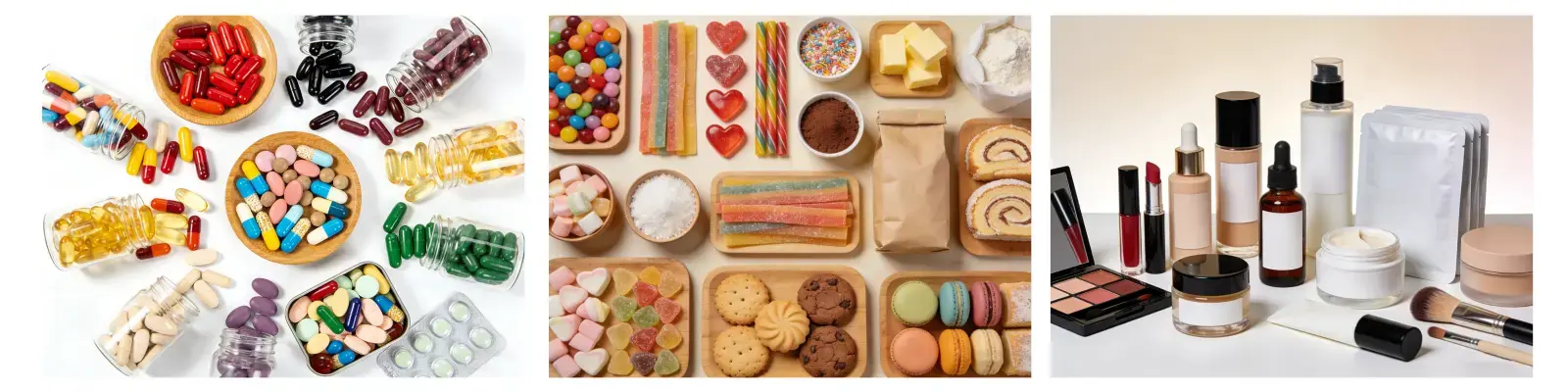
How Pure Turmeric Root Powder Is Made and Quality Considerations for B2B Buyers
Buying teams can pick suppliers that will make sure their products always work well if they know how the products are made and what the quality standards are.
Production Process Overview
When the turmeric rhizomes are fully grown, which normally comes 7 to 10 months after planting, they need to be carefully picked. The roots are cleaned well to get rid of dirt and other waste after they are picked. Then, they are dried in a controlled way that takes away some of the moisture but leaves the color. Some common ways to dry things are in the sun or with machines. However, organic farming has stricter rules and doesn't use man-made poisons. The rhizomes are then put through high-tech tools that are set up to get the right mesh size and ground into a fine powder. The standard for organic compliance is steam sterilization. Good providers use sterilization methods to keep microbes safe without changing the purity of the ingredients.
Critical Quality Parameters
A lot of technical factors should be used to judge providers by people who work in procurement. The main way to tell if something is good or bad is by how much curcuminoid it has. Usually, the percentage is between 3% and 6%. In place of UV methods, which are not as exact, HPLC research proves this. Microbes can't grow in food that has less than 10% moisture. This also makes the food last longer. Ashes make up less than 7% of the soil, which means it is not very polluted. Because lead chromate has been used to falsely improve color in the past, which has led to problems with food fraud (Critical Reviews in Food Science, 2018), heavy metal tests with ICP-MS are needed. This is especially true for lead (ideally < 1 ppm).
Essential Certifications and Documentation
Approvals from other countries make sure the quality of a product and make it easy to sell it in other countries. When a company has NSF GMP approval, they follow Good Manufacturing Practices. If the food safety management system gets FSSC22000 approval, it means that it is complete. Organic certification from the USDA or a similar group shows that no synthetic chemicals or GMOs are used in the farming process. Having a Kosher or Halal license lets you sell to certain types of people. The use of ISO certifications shows that quality control methods are standardized. Full paperwork, such as Certificates of Analysis (COA), allergen statements, and microbiological test results, should be sent with every shipment.
Supplier Evaluation Criteria
A buyer should not only look at the supplier's certificates but also at the minimum order amounts, bulk packaging choices, and private label services that they offer. The stock amounts of suppliers you can count on stay steady, and they can fill orders quickly. Since 2018, Earth Made Nutritions Inc. has been based in California and has four large shops all over the United States. If you place an order for at least 25 kgs of in-stock materials, you can pick them up in two days. These materials are packed in standard 25 kg drums. The supplier's cutting-edge research and development (R&D) and up-to-date extraction tools show how committed they are to quality and new ideas. Buying things that are good for the environment and last a long time are signs of a possible long-term relationship.
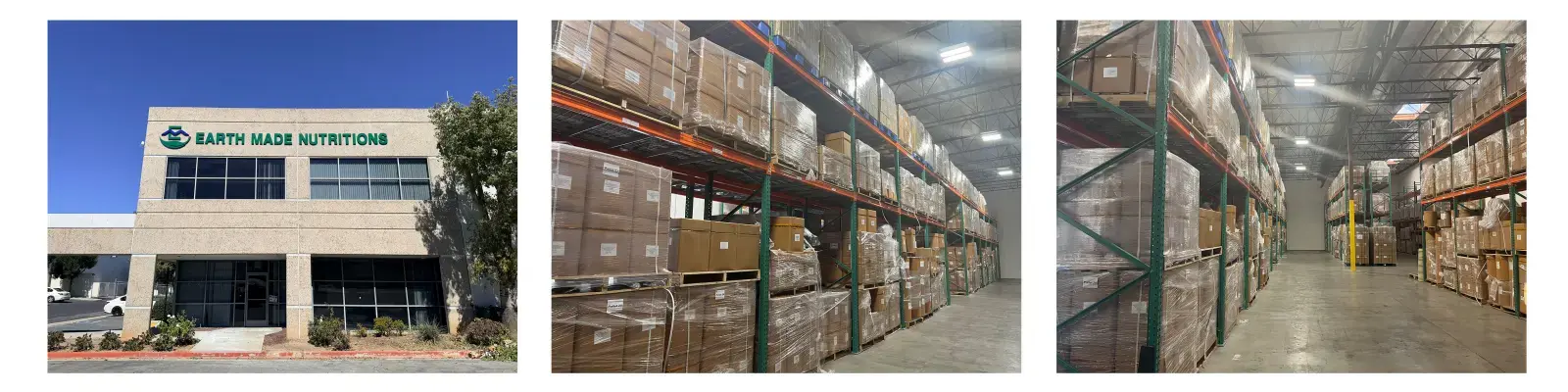
Comparing Pure Turmeric Root Powder to Alternatives for Food Manufacturers
When companies know how this natural colorant compares to other options, they can choose the best formulation for each use case and how they want to position their products in the market.
Pure Root Powder versus Turmeric Extracts
Standardized turmeric extracts have up to 95% more curcuminoids than usual. This gives them more color power per gram, but they need something to hold them together, and it could change how they taste. Root powder has a milder taste than turmeric, so it can be used in more scenarios where a strong turmeric taste is not wanted. In powder form, it mixes better with dry blends and spice mixes, and it doesn't cause problems with the way the mix is made as concentrated extracts can. When there is enough natural curcuminoid to make the color strong enough, root powder is generally the better choice because it is less expensive.
Natural versus Synthetic Yellow Colorants
Synthetic yellow dyes, such as Tartrazine (Yellow 5), give uniform, bright color at lower use rates, but people and government officials in some places are becoming more against them. Other natural options, such as saffron and annatto, have different color profiles. Pure Turmeric Root Powder costs more than annatto and has more orange-red tones. You should use turmeric because it is cheap, has a bright yellow color, and is an ingredient that most people already know about. When you bake or cook with high temperatures, turmeric powder stays more solid than some fakes that lose their color quickly.
Organic versus Conventional Sourcing
The price difference between normal and organic turmeric powder is big, and it also changes how people feel about the product and the rules set by the government. Most of the time, certified organic materials cost 20 to 40 percent more than normal materials. However, they can be put in high-value organic product groups. When the market doesn't need organic approval, regular powder is a cheaper choice for everyday use. Things stay the same in terms of quality and performance when you buy from reputable sellers who stick to strict quality standards. Why should manufacturers choose one place over another? Because they should know what their customers want and how much they are willing to pay.
Practical Usage and Dosage Guidelines for Food Manufacturers
You need to know how to store things, how to mix formulations, and how much to use in order for implementation to work. This will ensure that color performance and product quality are at their best.
Recommended Dosage Ranges
You can use anywhere from 0.5% to 2% of the total formula weight to get a bright yellow color. The exact amount you use depends on how strong you want it to be and how the food matrix is made. Lower amounts (0.3% to 0.8%) are best for drinks, while 1.0 to 2.0% may be best for dairy products, sauces, and baked goods. The end color can be changed by things like pH, fat level, and processing conditions, so manufacturers should do small-scale tests to find the best dose for their own formulations. If you start with a small amount and slowly increase it, you won't use too much, which could throw off the balance of flavors.
Integration Techniques for Optimal Performance
To get a regular spread of color, you need to use the right techniques for incorporating it. If you want to use the powder in a liquid, mix it with a little oil or a lubricant first. This helps it spread out and keeps it from sticking. When you mix dry ingredients together, making sure to mix the turmeric powder in well so that it is spread out evenly makes the mix better. When adding things to hot processes, adding them after the first heating but before the last temperature drop helps keep the color bright. The yellow color can leave short-term stains on work surfaces and processing equipment. To keep the facility clean, it is suggested that mild abrasives or bleach solutions that have been dampened be used (Food Processing Technology, 2020).
Storage and Stability Considerations
Things stay colored and last longer when they are stored the right way. To keep the powder safe, put it in containers with tight lids and keep them out of direct sunlight. Light can damage pigments. Things can't soak up water or grow germs if they are kept in cool, dry places below 25°C with relative humidity below 65%. Spice powder will stay colored for 18 to 24 months if you store it the right way. If companies want to make sure that their products always work the same way, they should use FIFO (first-in, first-out) inventory management and check the color intensity of stored materials often. When turmeric is added to finished goods, opaque or UV-protective packaging keeps the color from fading in light while the goods are being shipped or displayed in stores.
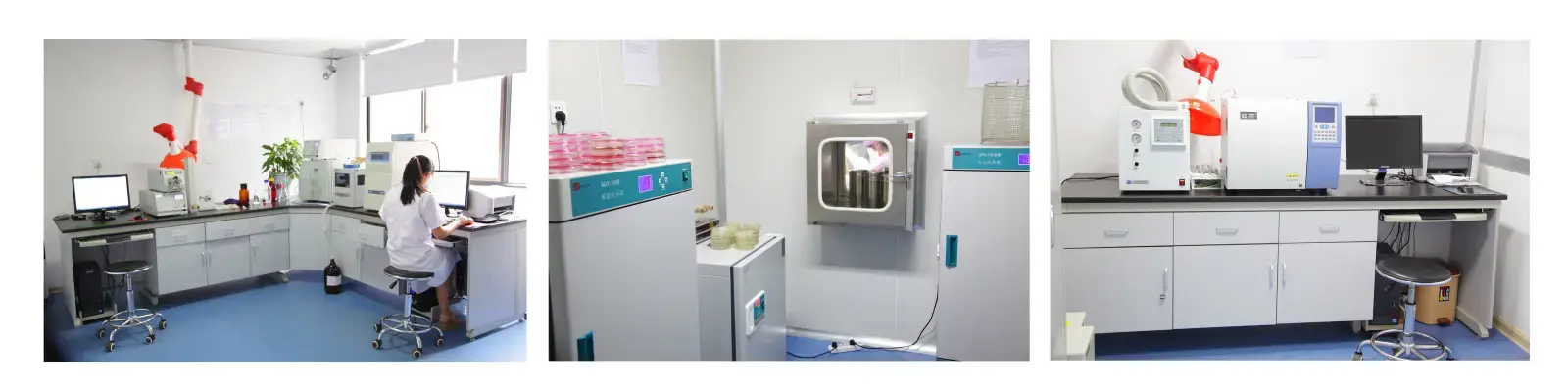
Conclusion
It shows how much more people want things to be honest, healthy, and good for the earth that food manufacturers are switching to natural colorants. Man-made choices can't compare to pure Turmeric Root Powder when it comes to consistency, following the rules, and making different kinds of products. If procurement professionals know about the production methods, quality standards, and practical application instructions for this natural colorant, they can easily choose suppliers and use it in a wide range of products. Turmeric powder can give food a bright color, help keep labels clean, and be good for you. Because of this, it's a good choice for food companies that want to keep up with changing customer tastes while keeping prices low and quality high.
Frequently Asked Questions
1. What Certifications Should B2B Buyers Prioritize?
A big goal for procurement teams should be to get certifications that matter to the people they want to buy their products. When a company has both the NSF GMP and FSSC22000 certifications, it means that it has full quality and food safety management systems, which are necessary for all food production jobs. Items that are sold as organic must be approved by the USDA. Kosher and Halal licenses help companies reach certain types of customers. They are especially important for companies that make goods for many different markets. There is a standard way to check quality, which is shown by ISO certificates. If someone wants to buy certificates, they should make sure they come with up-to-date licensing paperwork and check the certificates with the companies that gave them.
2. How Does Pure Root Powder Compare to Synthetic Colorants for Stability?
Natural turmeric powder stays stable at high temperatures, which is great for baking and cooking. It often works better than synthetic turmeric powders that break down quickly at high temperatures. If you want it to be stable, photosensitivity is the most important thing to think about. Too much direct sunlight or UV light in a solution can make the colors of turmeric fade. You can feel less worried about this if you use the right ingredients (like vitamins) and packaging that blocks UV light. Synthetic colorants work better in a wider pH range, but turmeric works best in conditions that are neutral to slightly acidic. Most of the time, overall stability ratings work well for food uses, as long as the right formulations and packing methods are used.
3. Can This Ingredient Work Across Multiple Product Categories?
Drinks, sauces, snacks, baked goods, dairy products, and ready-to-eat meals are just a few of the things that turmeric powder can be used in. Because it tastes good on its own, it goes well with Asian-style foods like curry, mustards, rice dishes, and soups. Add it to a lot of different products, and they work well, from plant-based protein options to functional drinks for health-conscious buyers. Businesses that have a lot of different items can get a lot of them from a single source because it can be used in so many ways. It's easier to buy things this way, and clean labels stay the same across many categories.
Partner with EM for Premium Pure Turmeric Root Powder Supply
Earth Made Nutritions Inc. is ready to meet your needs for natural coloring ingredients with certified, high-quality pure Turmeric Root Powder that is sourced and made to the highest industry standards. Our company has been selling turmeric root powder since 2018 and has four well-placed warehouses across the United States. This makes it easy and quick to get things that are in stock, which helps you stick to your production plans. It must be yellow, like fine powder, and only come from the roots of Curcuma longa L. It must also have all the right certifications, like NSF GMP, FSSC22000, Kosher, Halal, ISO, and Organic. We let you choose how to buy, and the smallest amount you can order is 25 kg, which comes in a standard 25 kg drum. You can also get free samples to see how well they work in the recipes you want to use them in. Our cutting-edge research and development (R&D) and modern processing tools make sure that the quality is always the same and help you think of new products. You can email us at info@em-herb.com to get samples, technical specs, or to talk about how our B2B support and eco-friendly ways of buying can help your supply chain. Let us be your trusted partner in giving you natural, bright color choices that meet the needs of clean labels and make people want to buy your goods.
References
1. Journal of Food Science (2019). "Characterization and Standardization of Turmeric Powder for Food Applications." Journal of Food Science, 84(6), 1432-1441. Available at: https://ift.onlinelibrary.wiley.com/journal/17503841
2. Food Chemistry (2020). "Detection of Adulterants in Turmeric Powder Using Advanced Analytical Techniques." Food Chemistry, 312, 126058. Available at: https://www.sciencedirect.com/journal/food-chemistry
3. Critical Reviews in Food Science (2018). "Heavy Metal Contamination in Spice Products: Risk Assessment and Quality Control." Critical Reviews in Food Science and Nutrition, 58(8), 1360-1377. Available at: https://www.tandfonline.com/toc/bfsn20/current
4. Food Technology Magazine (2021). "Consumer Preferences for Natural Food Colorants in Processed Foods." Food Technology, 75(3), 34-42. Available at: https://www.ift.org/news-and-publications/food-technology-magazine
5. Food Processing Technology (2020). "Optimization of Natural Colorant Integration in Food Manufacturing Systems." International Journal of Food Processing Technology, 7(2), 89-98. Available at: https://www.foodprocessing.com
6. Natural Product Research (2019). "Stability and Performance Characteristics of Curcuma longa Root Powder in Food Systems." Natural Product Research, 33(18), 2687-2695. Available at: https://www.tandfonline.com/toc/gnpl20/current
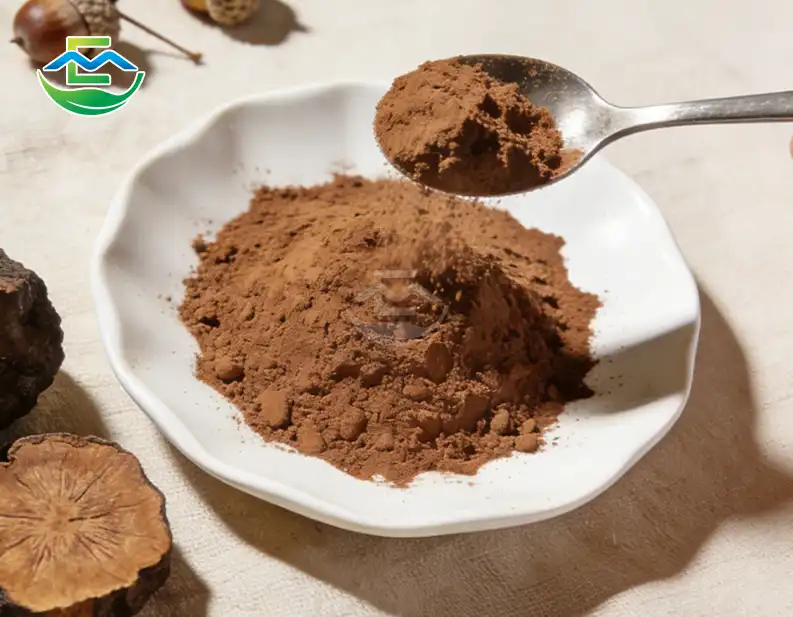
When sourcing certified Inonotus obliquus powder for nutraceutical, cosmetic, or functional food applications, procurement professionals face a complex landscape of authenticity concerns and regulatory demands. Pure chaga mushroom powder—derived from wild-harvested fruiting bodies—requires meticulous certification protocols and multi-stage testing to ensure purity, bioactivity, and safety. Given the ingredient's premium positioning in global markets, distinguishing genuinely certified products from adulterated alternatives becomes paramount. Our comprehensive analysis demystifies certification frameworks, laboratory testing methodologies, and supplier evaluation strategies, equipping R&D directors, formulation managers, and procurement teams with actionable insights to secure high-quality botanical raw materials that meet stringent international compliance standards.
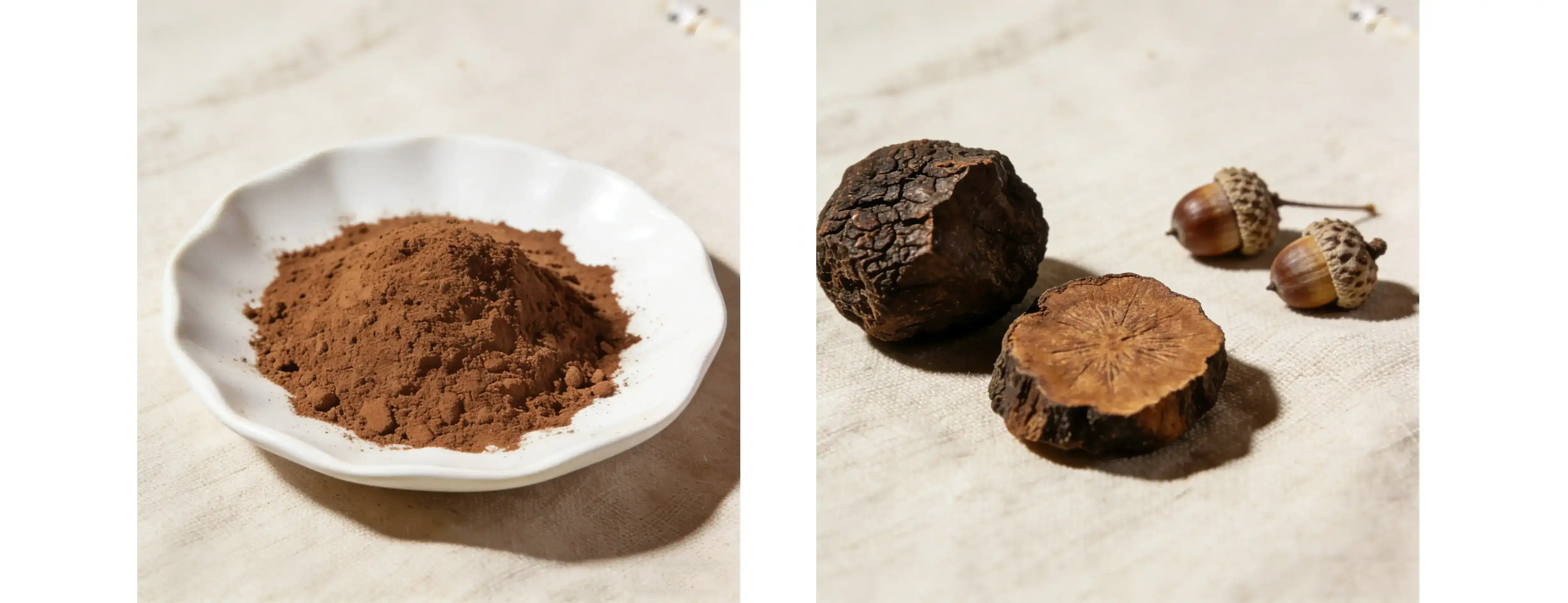
Understanding Certification Standards for Pure Chaga Mushroom Powder
When pure Chaga mushroom Powder is traded internationally, certification is the most important thing that shows that the powder is real. Frameworks that guarantee uniform quality, traceability, and legal alignment are set up by globally recognized bodies. These certifications answer basic questions about where ingredients come from, how they are processed, and how to keep contaminants out.
Why Certifications Matter in B2B Procurement
Official certifications prove vendors satisfy quality criteria. Certified plant ingredients have lower contamination rates than uncertified ones, according to a 2021 Journal of Food Protection study. Certifications simplify customs processing and regulatory approval for procurement teams managing multi-jurisdictional supply lines in North America and Europe.
Regulatory contexts vary greatly. USDA Organic certification means the pure Chaga mushroom Powder originates from environments without synthetic pesticides and is collected sustainably. The ISO 22000 accreditation confirms that food safety is maintained throughout manufacturing. GMP compliance ensures clean factories and good quality control. HACCP clearance reduces contamination hazards during labor.
Third-Party Laboratory Validation
In addition to organizational credentials, third-party laboratory testing may objectively verify a product. Accredited labs utilize advanced analytical techniques to identify plants and assess bioactive chemicals. HPTLC fingerprints distinguish genuine Chaga mushroom Powder from similar species. This prevents substitute fraud in medicinal mushroom sales.
Using ICP-MS, heavy metal analysis ensures lead, arsenic, cadmium, and mercury levels remain within USP <2232> guidelines. Pesticide residue screening uses GC-MS/MS to find over 500 chemicals. This addresses environmental pollution problems. E. coli, Salmonella, and Staphylococcus aureus are absent in microbial testing, protecting future goods.
Our 100% Chaga mushroom Powder is NSF GMP, FSSC22000, Kosher, Halal, ISO, and Organic certified by Earth Made Nutritions Inc. These badges demonstrate our commitment to transparency and compliance. They provide procurement teams with documented evidence that our work satisfies several market requirements.
Certification Impact on Brand Differentiation
Certified ingredients help brands back up their "clean label" claims and meet consumer demands for natural, traceable products. Nutrition Business Journal research from 2022 shows that products with approved botanical actives sell for 18–24% more than similar goods and do better in the market. Formulation managers use these certifications to improve the positioning of their products and set them apart from other products in the functional supplement and cosmetics categories, which are very competitive.

Key Quality Checks and Testing Methods for Pure Chaga Mushroom Powder
Pure Chaga mushroom Powder is checked for its physical, chemical, and microbiological stability using thorough quality assessment procedures. These multidimensional tests make sure that accuracy from batch to batch is maintained, which is very important for formulation stability and following the rules.
Physical and Chemical Parameters
A careful examination shows that the powder is fine brownish-yellow with 80–120 mesh particles. The moisture content must remain below 5% to prevent microbial development and maintain powder flowability throughout production. Bulk density measurements provide compatibility with capsule and tablet automated filling equipment.
Chemical analysis examines bioactive substances that affect product efficacy. High-quality pure Chaga mushroom Powder contains:
Polysaccharides (>30%): HPLC/UV-checked complex carbohydrates assist the substance to work. It should include 10–20% beta-glucans, a carbohydrate having 1,3–1,6 linkage patterns. Megazyme enzymes distinguish active alpha-glucans from grains and inert beta-glucans from fungus. This prevents strength fabrication.
Triterpenes (>2%): Birch tree compounds like betulin and betulinic acid are predominantly detected in Chaga sclerotium. HPLC measures lipophilic elements, making them valuable in lipid-based products.
Chromogenic Complex (>10%): Chaga's black hue comes from melanin-rich substances with unique chemical characteristics. This proportion gives powder its particular form, according to spectrophotometric examination.
SOD activity testing determines the enzyme stability of the powder. Active SOD protects temperature-sensitive chemicals via processing under the proper conditions.
Advanced Analytical Techniques
High-Performance Liquid Chromatography (HPLC) separates and measures different chemicals in plant mixtures that are very complicated. This method gives accurate fingerprints of chemical makeup when combined with UV detection or mass spectrometry. Mass spectrometry is very good at identifying molecular structures and finding contaminants that are only present in very small amounts.
Fourier-Transform Infrared Spectroscopy (FTIR) quickly compares samples to reference standards, finding differences that point to fraud or a loss of quality. This non-destructive method lets quality be checked in real time while the product is being made.
Process-Embedded Quality Controls
Quality control starts with the gathering and goes on until the final packing. Pure chaga mushroom powder that has been collected in the wild is first sorted to get rid of any wood that might be harmful and to choose the best sclerotium tissue. Controlled drying methods keep medicinal chemicals intact while lowering the amount of water present. Temperature-controlled mills are used in grinding operations to keep heat-sensitive parts from breaking down.
During processing, our building keeps the surroundings under control. HEPA filter systems reduce the amount of pollution in the air. Stainless steel equipment keeps metals from getting dirty. Cross-contamination risks from allergenic or incompatible materials are eliminated by using separate production lines.
Full tracking is provided by batch documents. Unique identification numbers are given to each production lot. These codes connect finished goods to the sources of raw materials, processing factors, and quality test results. This openness lets quality questions be answered quickly and makes regulatory checks easier.
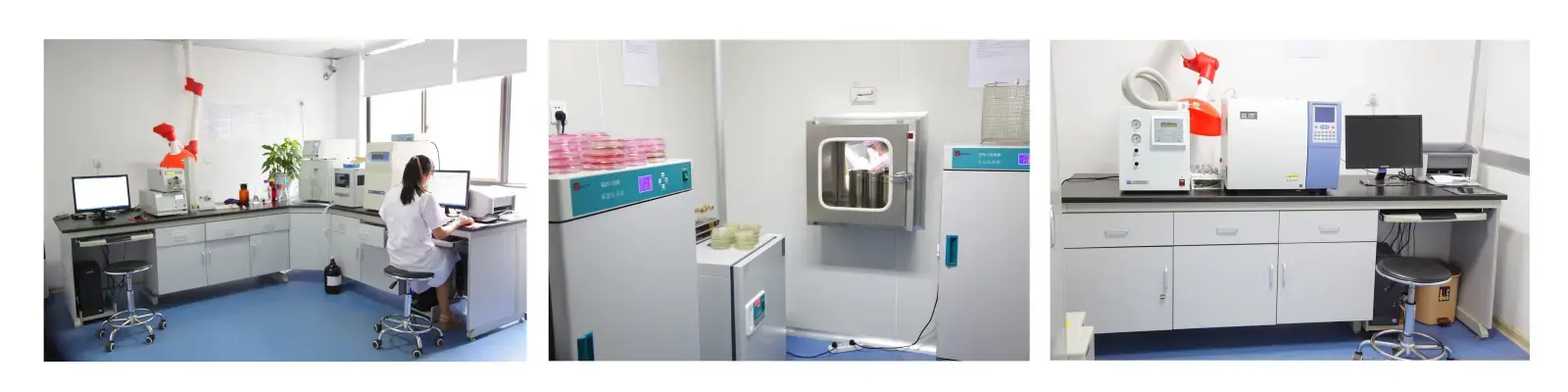
Differentiating Pure Chaga Mushroom Powder from Inferior or Mixed Products
Market monitoring shows that the quality of widely available pure Chaga mushroom Powder products varies a lot. Telling the difference between real wild-harvested fruiting body powder and cheaper imitations saves procurement investments and the image of the brand.
Organic Certification vs. Purity Claims
Organic certification checks the methods used for growing or harvesting, but it doesn't promise that the product is pure or effective. A product may be certified as organic even though it contains a lot of fillers or carriers that don't do anything. On the other hand, purity requirements set compositional standards, such as the lowest levels of bioactive substances and the highest levels of pollution. Both of these qualities are important for quality assurance in different ways.
The best providers offer both organic approval and specific purity requirements. Our pure Chaga mushroom Powder is made up of only fruiting bodies from wild-harvested Inonotus obliquus mushrooms. It doesn't have any grain bases, starch fillers, or flow agents. This compositional integrity ensures that performance can be predicted during formulation development.
Adulteration Risks and Detection Protocols
Economic adulteration occurs when cheaper materials are used instead of more expensive ones. Grain-based mycelial biomass, dead wood surfaces, and synthetic colorants are all common things that are mixed in with pure Chaga mushroom Powders. These changes lower the amounts of beneficial compounds while raising the unpredictability between batches.
A close look through a microscope shows the cell structures that are typical of real Chaga tissue. DNA barcoding methods find the makeup of species, identifying fungal or plant materials that haven't been named. When you use HPLC fingerprinting to do chemical profiling, you compare samples to real reference standards. This shows you any compositional differences.
Quality Benchmarks for Procurement Specifications
Setting clear quality standards makes evaluating suppliers easier and makes sure that ingredients always work well. The following are suggested basic requirements:
- Polysaccharides ≥30% by UV-spectrophotometry
- Beta-glucans ≥10% by using the Megazyme method
- Triterpenes ≥2% by HPLC
- Moisture <5% by drying out
- Heavy metals compliant with USP <2232> limits
- Pesticide residues
- Microbial counts within AHPA standards
- Particle size 80–120 mesh
These factors give you a way to compare different products and services and make sure what suppliers say is true by looking at their certificate of analysis (COA).
Selecting Reliable Suppliers: Certification and Quality in Supplier Evaluation
The choice of supplier has a huge effect on the long-term success of buying pure Chaga mushroom Powder. Partners who can deliver certified, consistent products that meet formulation requirements and regulatory obligations are found through thorough screening processes.
Certification Verification and Documentation Authentication
Ask for full certification packages that include scope papers, audit results, and contact information for the licensing body. Check the validity of the certificate directly with the organization that issued it. Fake certificates are used often enough that you should do this yourself. Check to see if the certifications cover the exact product and location that you need to buy.
Real sellers are happy to give you all the paperwork you need. Each production batch's Certificate of Analysis (COA) should include information on how the tests were done, what the acceptance standards were, and the real results. Material Safety Data Sheets (MSDS) list how to handle a substance safely and how it is classified by the government. Allergen statements show that common allergens did not cross-contaminate.
Quality Management Systems and Traceability
Strong Quality Management Systems (QMS) make sure that quality results are always the same. Getting ISO 9001 certification shows that you take a systematic approach to controlling processes, keeping records, and making improvements all the time. Standard operating procedures (SOPs) that cover accepting raw materials, controlling the process, checking the finished product, and handling deviations are kept by suppliers with mature quality management systems.
Traceability systems connect finished goods to the places where they were grown and processed. This openness lets problems with quality be looked into quickly and shows regulatory officials that proper care was taken. Harvest records with GPS tags, processing batch records, and warehouse storage logs all create full audit trails.
From getting the raw materials to the final packaging, our California-based business is fully vertically integrated. Four carefully placed U.S. warehouses make sure that things in stock ship within two days, ensuring fast delivery. This infrastructure gives procurement teams a reliable supply line and quick expert assistance.
Audit Capabilities and Third-Party Assessments
On-site plant checks give you a clear picture of what a supplier can do. Look at the work areas, how the equipment is maintained, how employees are trained, and how records are kept. Well-run facilities have organized operations, the right environmental controls, and workers who are motivated to do their jobs.
Third-party audit reports from companies like NSF International or SGS give unbiased opinions on how well a facility meets certification requirements. Customer references from well-known names show how reliable and successful a company has been in the past.
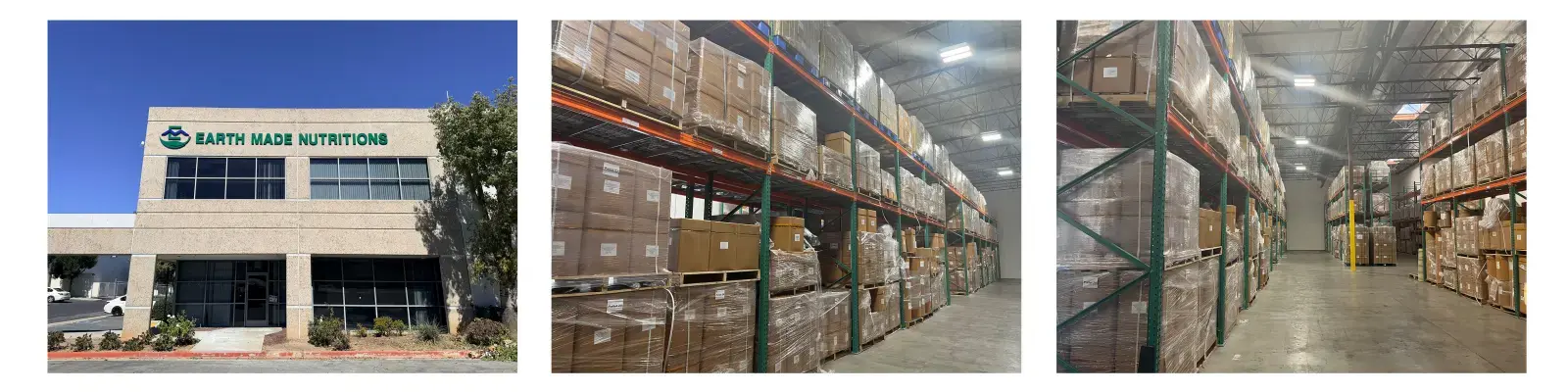
Best Practices for Maintaining Quality and Compliance in Bulk Procurement
Finding approved pure chaga mushroom powder is the first step in making sure the quality is good. Keeping the purity of a product while it is being stored, shipped, and mixed requires constant attention and set rules.
Regulatory Compliance Across Jurisdictions
According to U.S. FDA rules, botanical ingredients are either dietary supplements under DSHEA or cosmetic raw materials under other rules. Make sure that the supplier's paperwork talks about the exact regulatory category that applies to your application. Novel Foods rules and tighter pesticide residue limits apply to stores in Europe. The Natural Health Products laws from Health Canada have clear rules about labels and quality.
Documents for customs must accurately describe goods using the right HS codes. Importing goods is easier when you have a Certificate of Origin, a phytosanitary certificate, and a regulatory compliance statement. Working with providers who have experience with foreign trade cuts down on delays and mistakes in paperwork related to clearance.
Storage and Handling Protocols
Because pure Chaga mushroom Powder absorbs water, it needs to be stored in a controlled environment. Keep the temperature below 77°F (25°C) and the relative humidity below 60% to stop the growth of microbes and water absorption. Light-sensitive compounds will break down less quickly if you store containers in dark places.
Botanical powders absorb volatile compounds that lower the quality of the product, so store them in areas that don't have strong smells. Use first-in, first-out (FIFO) product movement to keep your stock fresh. Foods that are sealed in food-grade plastic bags and flushed with nitrogen have longer shelf lives because they break down less quickly when exposed to oxygen.
Incoming Quality Verification
Set up rules for receiving inspections, no matter what the supplier's approval status is. A visual inspection proves the integrity of the package and the product's appearance. Moisture checking with calibrated moisture testers makes sure that the right conditions are being maintained during transport. Keep samples from each lot you receive for future tests as a guide.
Periodic testing by a third-party lab makes sure that the supplier's COA is correct. Independent quality proof is given by testing random samples for key factors like beta-glucan content, heavy metals, and microbial counts. If there are differences between the supplier's COA and independent tests, the seller should be notified right away, and the source may need to be reevaluated.
Continuous Improvement Through Supplier Collaboration
Set up open lines of communication that encourage people to start good conversations on their own. Share your thoughts on the formulation regarding the functionality, solubility, and stability performance of the powder. With this knowledge, suppliers can find the best processing settings for each job.
Set up regular reviews of the business to look at quality metrics, delivery performance, and compliance with purchase specifications. Long-term results are better with collaborative relationships based on openness and shared responsibility than with transactional buying methods.
Conclusion
Getting genuine pure chaga mushroom powder from a reliable supplier requires certification and quality inspections. Due to worldwide restrictions, adulteration, and the necessity for high formulation performance, procurement managers must establish tight standards for selecting suppliers and reviewing quality regularly. Certified suppliers with clear documentation, third-party testing, and reliable monitoring mechanisms reduce supply chain risks and showcase clean-label brands. Buying teams may define criteria and verify supplier claims by understanding polysaccharide content, beta-glucan levels, triterpene concentrations, and contaminant profiles. As the market for functional ingredients grows, buying certified, thoroughly tested botanical materials gives you a competitive edge by ensuring you follow the rules, keep your products consistent, and formulate well to satisfy pickier consumers.
FAQ
1. What certifications should B2B buyers prioritize when sourcing Chaga powder?
Some of the most important certifications are USDA Organic, which verifies sustainability, NSF GMP, which checks the quality of manufacturing, FSSC22000, which checks food safety management, and ISO standards, which check quality systems. Kosher and Halal licenses are for special groups of people. All of these qualifications together guaranty high quality during all stages of production, including sourcing, processing, and marketing of pure Chaga mushroom Powder.
2. How frequently should quality testing occur for bulk Chaga powder purchases?
Perform an incoming inspection on every package that comes in, checking the accuracy of the COA through eye inspection and basic parameter testing for pure Chaga mushroom Powder. Do a full third-party lab study every three months or when you switch providers. Keep samples from each lot that have been stored so that testing can be done in the past if formulation problems arise.
3. Can certifications guarantee complete absence of contaminants?
Certifications set up regular controls that lower the risk of pollution but can't promise complete removal from pure Chaga mushroom Powder. Certified suppliers use testing, monitoring, and preventative measures that lower the chance of contamination to levels that are statistically insignificant. Instead of relying only on certification status, look at the actual test data in batch-specific COAs.
4. What distinguishes wild-harvested Chaga from cultivated alternatives?
Pure Chaga mushroom Powder that is collected from the wild grows on living birch trees for 10 to 20 years, gathering bioactive compounds like triterpenes from the host tree. Mycelial products grown on grain substrates don't have any parts that come from birch and have different polysaccharide profiles. Check the source by looking at the supplier's paperwork and doing DNA tests.
Partner with Earth Made Nutritions Inc. for Certified Chaga Mushroom Powder Supply
Earth Made Nutritions Inc. sells high-quality, approved pure chaga mushroom powder that meets the strict requirements of companies that make useful foods, cosmetics, and nutraceuticals. As a well-known supplier with advanced research and development skills and a long list of certifications, such as NSF GMP, FSSC22000, Kosher, Halal, ISO, and Organic, we give procurement professionals the quality assurance and supply chain reliability they need. Our center in California and four warehouses in the U.S. allow us to quickly fill orders, and things that are in stock ship within two days. We provide free samples to help you test your formulations, and we keep a 25 kg minimum order quantity and offer low bulk prices to keep our partnerships going. You can talk to our team at info@em-herb.com to talk about your needs, ask for batch-specific COAs, or set up facility checks. Make your ingredient supply chain stronger by working with a qualified pure Chaga mushroom Powder maker that is dedicated to openness, quality, and quick technical support.
References
1. Journal of Food Protection (2021). "Contamination Patterns in Certified vs. Non-Certified Botanical Ingredients."
2. Nutrition Business Journal (2022). "Premium Positioning Through Botanical Certification: Market Analysis and Price Dynamics."
3. USP (United States Pharmacopeia). "USP <2232> Elemental Contaminants in Dietary Supplements."
4. Applied Microbiology and Biotechnology (2020). "Analytical Methods for Beta-Glucan Quantification in Medicinal Mushrooms."
5. Food Chemistry (2021). "HPTLC Fingerprinting for Authentication of Inonotus obliquus Products."
6. International Journal of Medicinal Mushrooms (2022). "Quality Standards and Adulteration Detection in Commercial Chaga Products."
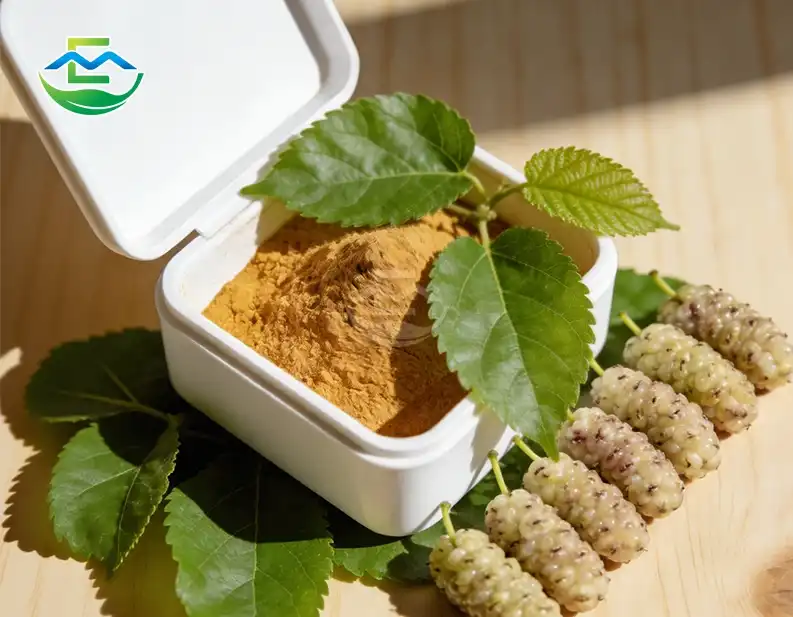
White mulberry extract, derived from the leaves of Morus alba, has emerged as a versatile botanical ingredient in modern nutraceutical formulations. Standardized for 1-deoxynojirimycin (1-DNJ), this brownish-yellow powder offers formulation managers and R&D directors a natural solution for metabolic health products, blood sugar management supplements, and antioxidant-focused blends. As clean-label trends accelerate and consumers increasingly seek plant-based alternatives, understanding the technical specifications, formulation strategies, and procurement considerations for this botanical becomes essential for brands aiming to differentiate their product portfolios while maintaining regulatory compliance and batch-to-batch consistency.
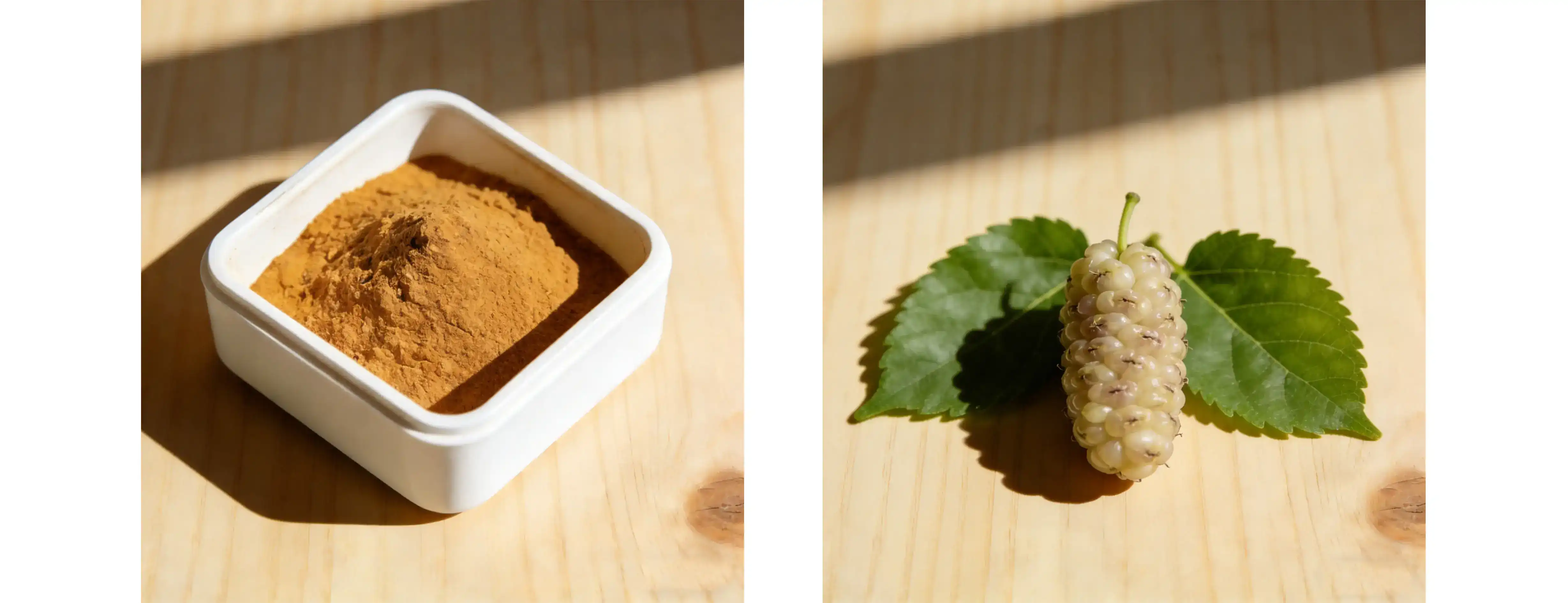
Understanding White Mulberry Extract: Composition and Functional Benefits
Botanical Origins and Chemical Profile
Morus alba, which is also known as White Mulberry Extract, is from cold Asia and has been used in traditional medicine for a very long time. There are many bioactive compounds in the leaf extract that make it work. A study that came out in 2015 in the Journal of Agricultural and Food Chemistry says that 1-deoxynojirimycin (1-DNJ) is the main active ingredient. Alpha-glucosidase is stopped, which changes the way that carbohydrates are broken down.[1] Flavonoids, polyphenols, anthocyanins, and gamma-aminobutyric acid (GABA) are some of the phytochemicals that are present. An HPLC test showed that our purified product usually has 1% 1-DNJ in it. This makes sure that every batch of goods is the same.
Key Functional Mechanisms
Botanicals found in mulberry leaf juice work in a number of different ways. Because it works with stomach enzymes, the 1-DNJ part may help the body use glucose better after a meal. At the same time, the polyphenolic compounds work as antioxidants, as shown by ORAC values that often exceed 15,000 µmol TE/100g in high-quality extracts. Because it works in two ways, this ingredient is great for formulas that want to support the health of both cells and metabolism.
Nutritional and Bioactive Composition
The main ingredient in mulberry leaf extract is 1-DNJ. It also has minerals (calcium, potassium, magnesium), B-vitamins, and dietary fiber compounds. The extract dissolves easily in water, so it can be added to many different types of food and drink mixes, including pills and tablets. The brownish-yellow powder doesn't change color when it's kept below 60% relative humidity in containers that are double-sealed for 24 months. After that time, it keeps the useful qualities it has.
Comparative Analysis for B2B Buyers: Selecting the Right Extract Form
Extract Standardization Options
There are a few different ways for buying teams to standardize the White Mulberry Extract companies they look at. A lot of specs have 1-DNJ content between 1% and 10%. UV methods, which can give wrong results for compounds that look a lot alike, are not used to measure the content. Instead, the HPLC-ELSD (Evaporative Light Scattering Detector) method is used. Our 1% uniformity is the best way to get the most out of your vitamin while also keeping costs low. For high-end formulas that need to fit into small dosage sizes, on the other hand, higher amounts work best.
Powder Versus Liquid Formats
The type that is most popular in the B2B market is powder extracts. These are more stable, last longer, and can be used with many different production methods. It is easier to keep track of inventory when it is in dry powder form, it costs less to ship, and it allows for accurate gravimetric dosing during production. For some drinking purposes, liquid extracts are needed. However, they need to be kept in the fridge and with additives, which makes the supply chain more difficult. During short-term processing, the powder is chemically stable up to 80°C. This means it can be used to crush tablets, encapsulate them, and even hot-fill drinks.
Organic Versus Conventional Sourcing
It takes longer and costs more to get organic certification, but it lets you sell to new markets that want USDA Organic or similar certifications. Since traditional extracts use the same methods for extraction and processing, they have the same amounts of 1-DNJ and work just as well. Both organic and regular production lines are kept separate on our sites by strict rules, so buyers can pick based on who they want to buy from and how much they are willing to pay. Most of the time, organic prices are 15–25% higher than normal prices. This is because licenses are more expensive, crops don't make as much money, and they need to be handled in a certain way.
Comparative Botanical Considerations
When people buy products that focus on glucose, they might compare mulberry leaf extract to other ingredients like berberine or gymnema sylvestre. Every plant works in its own way. The berberine compound starts the AMPK pathway, the gymnema compound works by connecting with taste receptors and absorbing glucose in the gut, and the 1-DNJ in mulberries goes after alpha-glucosidase enzymes in particular. More and more people are using combination methods that use these two processes that work well together. You can mix mulberry extract with things like chromium picolinate, cinnamon extract, or alpha-lipoic acid to make metabolic health mixes that work better.
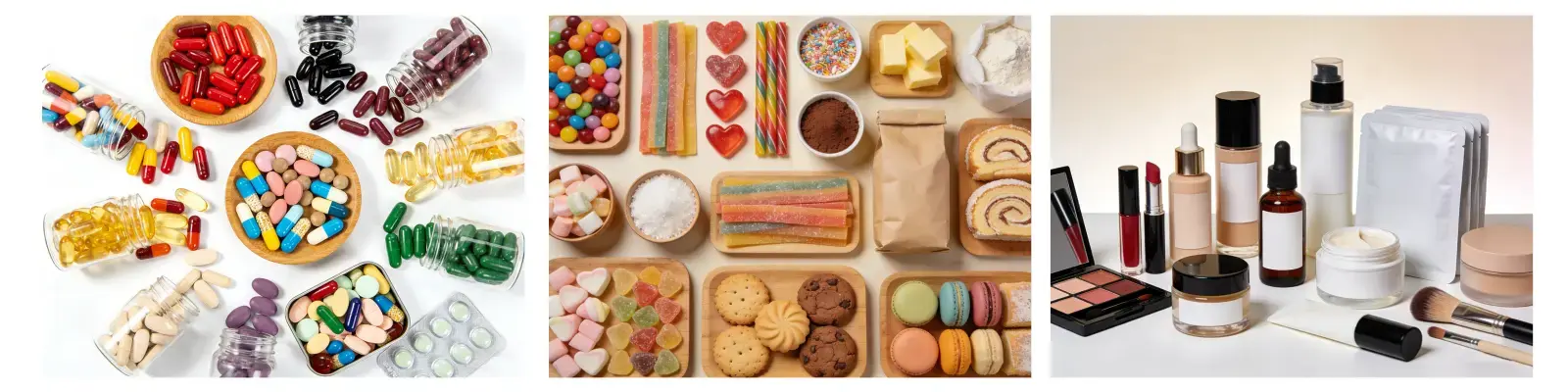
Formulation Applications: Integrating Extract into Dietary Supplements
Optimal Dosage Ranges and Delivery Systems
Clinical research shows that taking 100–300 mg of standardized extract (which gives you 1–3 mg of 1-DNJ) before meals is a good dose range for metabolic health. When you go to the store, most of the items are in pill form and have either gelatin or veggie cellulose shells. The powder is then put inside, along with things that help it move, like rice flour or magnesium stearate. When making pills, it's important to pick the right excipients. Microcrystalline cellulose sticks things together well, and silicon dioxide keeps the tablets from sticking together when they're squished together because they're wet.
Bioavailability Enhancement Strategies
White mulberry extract is bioavailable if you take the 1-DNJ molecule by mouth. But there are some things that can be done to improve the preparation so that it is processed better. Lipophilic flavonoid parts may get into the body better if you take flavonoids with good fats, such as medium-chain triglycerides in softgels. As the extract moves through the stomach, enteric coating technologies keep it safe. They also make sure that it is released in the small intestine, which is where alpha-glucosidase enzymes work best. Some people who make medicines add 5 mg of black pepper extract (piperine) to each dose to stop enzyme pathways and potentially make the medicine more bioavailable overall.
Synergistic Ingredient Combinations
It works well with other plants and nutrients that are like White Mulberry Extract. Here are some popular examples of beneficial combinations:
- Metabolic Health Formulas: Putting together 500 mg of chromium picolinate, 200 mg of cinnamon bark extract (20:1), and 300 mg of berberine helps the body in more than one way. The mulberry blocks enzymes, the chromium makes insulin work better, and the berberine keeps cell energy levels steady. All of these things help the body use glucose.
- Antioxidant Complexes: A wide range of antioxidants can be made by mixing 200 mg of mulberry extract with 100 mg of resveratrol, 50 mg of grape seed extract (95% OPC), and 15 mg of astaxanthin. The polyphenolic chemicals in mulberries work with the free radical-scavenging systems of other plants to back up claims that cells are healthy.
- Weight Management Blends: Most formulas that want to change the way your body looks have 300 mg of mulberry extract, 500 mg of green tea extract (50% EGCG), 250 mg of garcinia cambogia (60% HCA), and 100 mg of conjugated linoleic acid (CLA). Part of the mulberry helps the body use carbs, and other parts burn fat and keep hunger at bay.
These combinations not only make things work better, but they also help products stand out in markets where there is a lot of competition. This is to make sure that each pair of items that work well together will still work together during the planned shelf life if they are stored in a certain way.
Quality Assurance and Manufacturing Standards
Following GMP rules is the key to making good products. Our building is NSF GMP-approved and has strict controls for the manufacturing process, such as HPLC fingerprints of raw materials to reference samples to make sure they are who they say they are. The microbe tests showed that there were fewer than 1,000 CFU/g of yeast and mold and no viruses. Heavy metal testing checks to see if there are less than 0.5ppm of mercury, arsenic, lead, and cadmium. GC-MS/MS method for multiple residues for pesticide residue analysis, and making sure the moisture level stays below 5% to stop germ growth.
Certifications from outside groups, like FSSC22000, Kosher, Halal, and ISO, give your products extra safety and make it easier to sell in many places and to many types of people. It has a Certificate of Analysis (COA) that tells you where the plants came from and how they were packed with each production batch.
Packaging and Shelf-Life Management
Most commercial packing comes in fiber drums with two layers of sealed plastic bags inside. It takes at least 25 kg to place an order, and that's the standard unit of packaging. The hygroscopic powder doesn't get wet in this setup, and it's also easy to store and move. As the production line goes on, smaller amounts are repacked into HDPE bottles or foil bags, depending on what the final product needs. Studies on stability at ICH conditions show that extracts that are properly packaged keep more than 95% of their original 1-DNJ content for 24 months when they are kept in cooler places. To get the most out of ingredients, buyers should keep their stock on a first-in, first-out (FIFO) basis and avoid damp places.
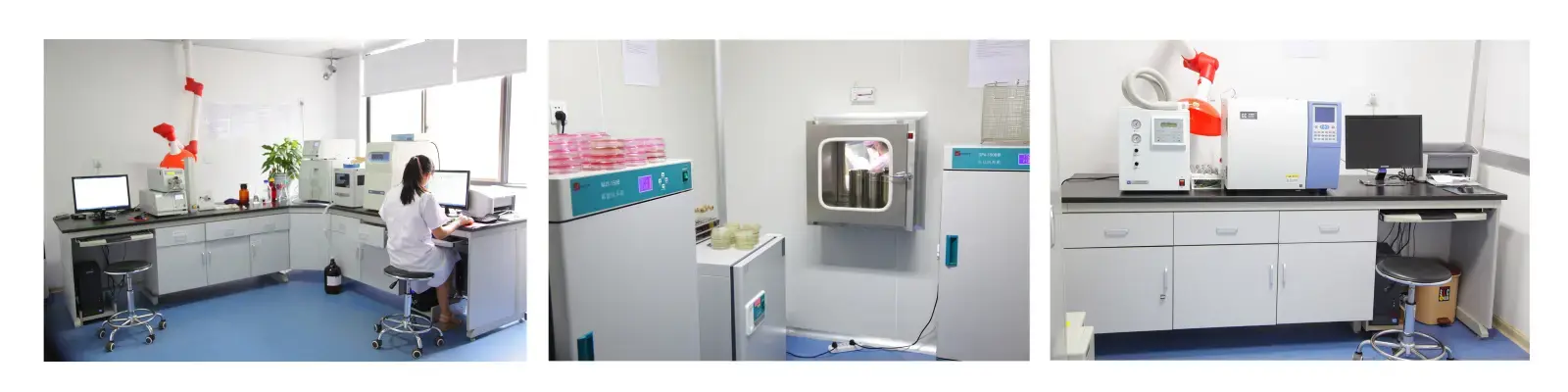
Procurement Insights: Sourcing Quality Extract for Global B2B Clients
Supplier Evaluation Criteria
You need to look at the plant ingredient seller from many points of view in order to pick the best one. You should know how to use advanced extraction equipment (usually ethanol-water or pure water extraction systems), chromatographic analysis equipment (HPLC with ELSD or UV detection), and be able to write down proof of the process. Capacity to make things is important for brands that are growing quickly. Facilities need to be able to show that they can handle regular orders without having trouble getting enough supplies. The best providers keep plant source records that link batches of finished extract to specific crop lots, documenting the chain of custody.
Certification and Compliance Framework
The U.S. market for dietary products needs very specific proof of compliance. Suppliers should give at least: recent GMP approval from a well-known company like NSF International or UL; proof that the food is safe (FSSC22000 or similar); organic certification from certifiers approved by the USDA if applicable; Halal and Kosher labels on goods; and paperwork to follow California's Proposition 65 regarding heavy metal material. Our certifications include NSF GMP, FSSC22000, Kosher, Halal, ISO, and Organic, which cut down on the time it takes to get new products on the market.
Pricing Structures and Value Considerations
Some of the things that affect the price of white mulberry extract are the 1-DNJ grade level, the number of sales, the state of the organic certification, and how the market is changing. Most of the time, FOB prices for 1% 1-DNJ standard extract are $35 to $55 per kilogram for packs of 500 kg or more. Material that is approved as organic costs 15 to 25 percent more. Greater standardizations (5–10% 1-DNJ) may cost two to three times as much as regular 1% material. Storing goods in the United States cuts landed costs and wait times. Formulators can use free sampling programs before they buy a lot of them.
Regional Supplier Considerations
Morus alba plants, which are grown in Asia, are the source of mulberry extract. However, more and more handling and quality control are being done all over the world. Chinese suppliers make most of the raw materials that are used because they know how to farm and run factories. Businesses in the U.S., like Earth Made Nutritions Inc, add value by making sure the quality is good, understanding the rules, making customer service easy to reach, and improving logistics. Working with U.S. providers offers the benefit of same-time-zone communication and American quality standards.
Value-Added Services and Technical Support
Top botanical suppliers offer technical services that speed up product development and make formulations more successful. Help with custom recipe making turns thoughts into plans that can be made. With contract production and private labeling, new names can get on the market quickly without spending a lot of money building a plant. Our professional research and development (R&D) team helps customers conduct stability studies and give advice on how to comply with regulations. The relationship between the buyer and the seller changes from a transactional one to a strategic one when this consultative method is used.

Future Trends and Market Outlook for Mulberry Extract in Supplements
Emerging Formulation Technologies
In the next few years, the market for products with White Mulberry Extract is likely to grow. New delivery tools like liposomal packaging technology, which covers extract particles with phospholipid bilayers, might help the body absorb both the parts that dissolve in water (1-DNJ) and the parts that dissolve in fat (flavonoids) better. Thanks to nano-emulsion systems, powder can be added to clear drinks. Time-release matrix pills release their chemicals slowly over a few hours, which might make them better for metabolic uses that need steady blood levels.
Consumer Preference Shifts
Clean-label trends are still changing how foods are put together. Supplement fact screens are getting more attention from customers, and real names are preferred over fake ones. Mulberry is a good choice for this style since it has been used for a long time and lab tests have shown that it works. As the need for plant-based, sustainably grown foods grows, growing more mulberries is a great way to meet that need. Mulberries can grow in many types of weather and don't need a lot of chemicals.
Regulatory Evolution
Everyplace in the world, the rules about safety statistics, good paperwork, and proof are getting tighter. The way that new products and amounts can get into the market has changed because the FDA's view on New Dietary Ingredient (NDI) reports has changed. It is easier to get around this area when you use ingredients that have been used for a long time, like mulberry leaf extract. As regulation gets stricter, brands that work with suppliers that keep detailed records of regulatory compliance will be in a better position.
Sustainability and Ethical Sourcing Initiatives
Plants that are found in a way that doesn't hurt the environment are in high demand. Growing mulberries doesn't have as much of an effect on the environment as growing many other foods. When growing in agroforestry models, the trees support wildlife, only need a small amount of water, and can grow in poor soils. They also store carbon in the air. Brands that care about the environment will buy more from sellers who can show through third-party testing programs that they buy sustainably. Our supply chain resilience is backed by our environmental responsibility commitments.
Conclusion
Scientists have shown that white mulberry extract is a good plant-based ingredient for nutraceutical brands that want to support antioxidants, keep the label clean, and support metabolic health. To fully combine formulas, you need to be aware of the technical requirements, especially those related to standards and stability for 1-DNJ. You should also have smart buying relationships that make sure the quality stays the same, rules are followed, and goods are always available. As the market moves toward science-backed formulations, procurement teams that focus on technical skills and certification portfolios will have the best chance of success.
FAQ
1. What makes 1-DNJ content verification important for quality control?
Certain chemicals in mulberry have structures that are similar to those in other chemicals, so standard UV-HPLC methods may give incorrect results. We use the HPLC-ELSD (Evaporative Light Scattering Detector) method to make sure that the 1% standard on the label accurately shows the bioactive content. This way, we can be sure that there are no false positives when measuring 1-DNJ.
2. How does mulberry extract maintain stability in various formulation environments?
The extract stays stable at temperatures up to 80°C for short periods of time. This means it can be used to make warm drinks, compress tablets, and cover them. While keeping, make sure the humidity level stays below 60% RH, and the moisture level stays below 5%. This will keep the bioactivity and stop degradation over a normal 24-month shelf life.
3. Can mulberry leaf extract be combined with other metabolic wellness ingredients?
Chromium, berberine, cinnamon, and alpha-lipoic acid are some of the ingredients that work well with the extract. Because these mixes change the way glucose is used in many different ways, they make things that are all different. Testing the product's stability over the time it's supposed to stay on the shelf makes sure that the ingredients work well with each other and that the product stays as strong as it says on the label.
Partner with a Trusted White Mulberry Extract Supplier
You can get legal white mulberry extract from Earth Made Nutritions Inc. because they have strict quality control measures in place and know where to find botanicals. With operations in California and four warehouses in the US, we can fill orders quickly—often in just two days for things that are in stock. Because we have all the necessary approvals, like NSF GMP, FSSC22000, Kosher, Halal, ISO, and Organic badges, it's easier for you to meet government rules while we keep the highest standards of quality.
You can speed up the process of making your product by getting help with the formulation, tips on how to keep it stable, and information about the market from our expert team. You can get free samples of our 1% 1-DNJ standardized extract to try it out in your own special application before you commit to making a lot of it. Prices are low; the smallest order is 25 kg, and we offer services that make your order more valuable. This makes us a great supplier for brands at any stage of growth. Contact us at info@em-herb.com to discuss your project requirements.
References
1. Kimura, T., Nakagawa, K., Kubota, H., et al. (2015). Food-grade mulberry powder enriched with 1-deoxynojirimycin suppresses the elevation of postprandial blood glucose in humans. Journal of Agricultural and Food Chemistry, 63(35), 7815-7821.
2. Wang, Y., Xiang, L., Wang, C., et al. (2013). Antidiabetic and antioxidant effects and phytochemicals of mulberry fruit (Morus alba L.) polyphenol-enhanced extract. PLOS ONE, 8(7), e71144.
3. Andallu, B., & Varadacharyulu, N. C. (2012). Antioxidant role of mulberry (Morus indica L. cv. Anantha) leaves in streptozotocin-diabetic rats. Clinica Chimica Acta, 338(1-2), 3-10.
4. Nutraceuticals World. (2020). Plant extracts market growth driven by clean label trends. Nutraceuticals World, May 2020 issue.
5. Grand View Research. (2021). Botanical supplements market size, share & trends analysis report. Market Research Reports, 2021.
6. Natural Products Insider. (2022). Metabolic health ingredients gain momentum in supplement formulations. Natural Products Insider, March 2022.
Quick Answer: Choosing between Wild Yam Root Extract powder and liquid depends on your formulation goals, stability requirements, and application type. Powder forms deliver superior shelf stability and cost-effectiveness for capsules, tablets, and long-term storage formulations, while liquid extracts offer enhanced bioavailability and seamless integration into beverages, topical cosmetics, and rapid-delivery systems. At Earth Made Nutritions Inc., we supply standardized 16% diosgenin extract derived from Dioscorea oppositae roots in both formats, ensuring R&D teams and procurement managers access the optimal form tailored to their product development strategy.

Introduction
The herbal health market is still changing, and plant-based actives are becoming more and more important to new products in the nutraceutical, skincare, and functional food industries. Wild Yam Root Extract is one of the best because it has a lot of beneficial compounds, especially diosgenin, which is a steroidal saponin that is valued for its usefulness in women's health products and anti-inflammatory uses (Natural Medicines Comprehensive Database, 2021).
The style you choose is very important for B2B decision-makers, like an R&D head at a sports nutrition brand, a cosmetic chemist making natural skin care lines, or a procurement manager checking the stability of the supply chain. Powder and liquid extracts each have their own benefits that affect how well they work in formulations, how much they cost, how well they follow regulations, and how happy end users are.
At Earth Made Nutritions Inc., we know that picking the right format isn't just about how easy it is to get the ingredients. It's also about making sure that the botanical raw materials fit with your brand's strategy for differentiation, meeting clean-label consumer expectations, and making sure that batch-to-batch consistency is maintained across global supply chains. This study breaks down the technical, logistical, and strategic factors that you should think about when you're buying.
Understanding Wild Yam Root Extract: Powder vs Liquid
The Bioactive Foundation: Diosgenin and Beyond
The scientific name for wild yam extract is Dioscorea oppositae, which is also known as Chinese yam. Its main compound is diosgenin. This phytosteroid is a biochemical precursor in many physiological pathways. This makes it a popular active ingredient in supplement formulas that aim to balance hormones and improve cell health (Journal of Ethnopharmacology, 2020).
In addition to diosgenin, wild yam extracts also contain flavonoids, tannins, and carbohydrates, which work together to make the mixture more effective as an antioxidant. At Earth Made Nutritions Inc., our standardized extract has 16% diosgenin, which means that all of our production batches are the same amount of strength.
Production Methods: How Form Influences Function
Powder extracts are first dissolved in a liquid, and then they are spray-dried or concentrated under a vacuum. This process lowers the moisture level to less than 5%, making a stable, smooth powder that can be stored for a long time (usually 24 to 36 months if stored properly). The white color and evenly spread-out particles make it possible to mix them evenly in capsule fills and pill compression matrices.
On the other hand, liquid extracts keep more of the plant's moisture (50–75%, depending on the concentration ratios). These are made by extracting them with alcohol, which keeps volatile compounds that might break down during heat drying. Liquid forms dissolve more quickly in water-based and partially water-based mixtures, but they need to be carefully stored and kept at the right temperature.
When procurement teams know about these production routes, they can guess how each format will react during downstream processing. This is especially helpful when going from pilot runs to mass production.
Concentration, Shelf Life, and Storage Dynamics
Powder extracts have more active compounds per unit weight than liquid extracts. Our 16% diosgenin powder only needs a small amount to reach the desired level of strength, which cuts down on formulation size. The requirements for storage are simple: keep the goods cold and dry, and make sure the package is tightly sealed to stop moisture absorption and oxidative degradation.
Even though liquid extracts have less of an active ingredient per gram, they mix easily into emulsions and other liquid delivery systems. They want stricter rules for storing things—freezing them keeps them stable longer, and light-blocking packaging stops photodegradation. Under ideal conditions, the shelf life is usually between 12 and 24 months.
These differences have a direct effect on planning the supply chain, allocating warehouse space, and product turnover rates, all of which are important for wholesalers who are in charge of handling a wide range of ingredients.

Critical Criteria for Choosing Between Powder and Liquid Extract
Application Compatibility and Formulation Design
The extract form of Wild Yam Root Extract is based on the type of your product. Powder works great in solid dose forms like pills, tablets, sachets, and powder mixes. Its flowability makes it work with automated encapsulation equipment, and its stability lets it handle the pressure that comes from pressing it into tablets. Powder is useful for cosmetic formulators because it can be used to make dry mask bases and dehydrated makeup systems.
Liquid ingredients work great in drinks, tinctures, serums, and creams that you put on your skin. Their already-dissolved state gets rid of the need for solubilization steps, which speeds up the production process. Beverage developers like how liquids can be evenly dispersed in functional drinks, which gets rid of the sedimentation problems that can happen with powder suspensions.
The accuracy of the dose changes between forms. Powders allow precise milligram-level dosing through accurate weighing devices, which is very important for vitamins that are meant to be used by doctors. Liquids need to be measured by volume, which can cause some small errors if precise pouring equipment is not used.
Stability Profiles: Temperature, Oxidation, and Packaging
Thermal stability tests show that the powder is much more durable than other materials. Our powder extract keeps the diosgenin level within ±3% of what it says on the label for 36 months at 25°C/60% RH, which is in line with ICH stability standards. This toughness makes international shipping easier, especially to warm areas where changes in temperature can damage ingredients.
Liquid extracts are more sensitive to changes in temperature. Diosgenin breaks down faster above 30°C, and the risk of microbial infection rises when there are no preservation systems in place. However, nitrogen flushing during packaging can increase the antioxidant power of liquids, which can make the stability windows longer.
Different things need to be thought about when packaging. Powders can be shipped efficiently in fiber drums or multi-layer kraft bags with PE liners, which keep freight costs low. Liquids need food-grade HDPE containers or amber glass bottles, which raises the shipping weight and breakage risk per unit and gets worse when ordering in bulk.
Cost Analysis and Supply Chain Logistics
Due to less complicated processes and better shipping, powder extracts usually cost 15 to 25 percent less per kilogram. Our minimum order quantity (MOQ) of 25 kg lets both new brands test new formulas and established manufacturers sign three-year supply contracts.
The final costs of liquid forms are higher because they need to be stored longer, come in special packaging, and require more for freight because they are considered dangerous (depending on the amount of alcohol they contain). But these costs might cancel out any time saved on product creation and solubilization steps.
Consistency in lead times is very important in business-to-business buying. Earth Made Nutritions Inc. has four stores in the United States that keep both forms in stock. This lets us fulfill orders in two days. When compared to direct-from-Asia sourcing models, this domestic inventory strategy gets rid of customs delays and lowers the minimum order requirements.

Quality, Safety, and Regulatory Considerations
Purity Standards and Active Compound Verification
B2B buyers should give more weight to suppliers who use tested analytical methods. High-Performance Liquid Chromatography (HPLC) is part of our quality control protocol for measuring diosgenin. This makes sure that every batch meets the 16% requirement with a small error range. This level of analytical rigor stops the potency drift that makes it hard to make the same formulation again and again.
Thin Layer Chromatography (TLC) fingerprinting verifies the identity of plants and distinguishes Dioscorea opposita from fake species that are sometimes used in lower-quality supply lines. Buyers who want to make clean-label claims should make sure that providers provide proof of species-specific DNA barcoding.
Certificates are important. Our NSF GMP, FSSC22000, Kosher, Halal, ISO, and Organic certificates show that we follow a variety of rules. This is important when your goods are sold in many countries with different rules about what ingredients can be used.
Contamination Risks and Quality Assurance Protocols
Plant extracts are at a high risk of being contaminated with heavy metals. To make sure that Lead is less than 0.5ppm, Arsenic is less than 0.5ppm, Cadmium is less than 0.1ppm, and Mercury is less than 0.1ppm, we use ICP-MS tests, which go beyond what is required by USP. This number of tests is used for every production lot, not just checks once a year.
Controlling microbes is different for each style. The low moisture content of powder naturally stops the growth of microbes, but we still check for Total Plate Count (<10,000 cfu/g), Yeast/Mold (<1,000 cfu/g), and the absence of E. Salmonella and E. coli. To keep multi-dose liquid extracts from getting contaminated after they've been opened, they need preservative systems that have been proven to work through challenge testing.
Using GC-MS/LC-MS technology, pesticide residue screening covers more than 500 compounds. This allays consumer worries about agricultural chemicals spreading to other areas. This thorough screening keeps brands safe from breaking the law and losing their reputations because of contamination recalls.

Market Comparison and Supplier Insights for B2B Buyers
Supplier Landscape and Certification Standards
There are a lot of suppliers in the North American botanical extract market, but only a few keep both domestic inventory and full certification portfolios. Tier-one providers stand out because they have fully integrated businesses that include cultivation partnerships, extraction facilities, and analytical labs.
Earth Made Nutritions Inc. has factories that use advanced spray-drying technology and supercritical CO2 extraction systems, which let them make extracts that meet specific customer needs. Our modern plant and offices in California work together to make sure quality control from the time we receive the raw materials until the final packaging.
Value-added services for Wild Yam Root Extract are becoming a bigger way for providers to stand out. We offer private label manufacturing that helps with custom formulation development. This lets OEM clients put out branded products without having to spend a lot of money on production infrastructure. Different brand marketing strategies can be accommodated by custom particle size specs, blended extracts, and customized packaging choices.
Pricing Structures and Minimum Order Dynamics
The price of 16% diosgenin powder on the market right now runs from $85 to $120 per kg, with minimum order quantities of 25 to 100 kg. The price changes depending on the size of the order, the certification standards, and the logistics of delivery. Liquid extracts require fees of $95 to $135/kg, which depend on how intensely they are processed.
Our 25kg MOQ strikes a good balance between making production faster and easier for new names. Giving away free samples takes away the risk of buying something, and it lets research and development teams test for stability and try out different formulations before placing large orders. This keeps costly reformulation cycles to a minimum.
Total cost of ownership is affected by how payments are made and how supplies are provided. We offer NET 30 terms for long-term customers and different levels of volume discounts to reward reliable supply partnerships. This adaptability helps both quick-moving companies and well-known brands that manage regular budgets for buying things.
Logistics and Fulfillment Capabilities
Domestic storage changes the time it takes to buy things. Our strategically placed U.S. facilities, which serve the East Coast, the West Coast, and the Central region, allow us to quickly fill orders that would take too long to ship overseas. This speed-to-market edge is very important when releasing special goods or reacting to sudden spikes in demand.
Every order comes with clear shipment tracking information and lot traceability paperwork, which helps your quality management systems and meets the needs of regulatory audits. Batch-specific Certificates of Analysis (CoA) are sent out before the shipment, which allows quality control checks to be done on the receiving end before the production end.

Strategic Recommendations: Which Form Fits Your Product?
Matching Extract Format to Product Category
Powder extracts are very helpful for solid-dose vitamins. Powder's ability to compress, blend evenly, and stay stable during rapid shelf-life tests is all things that capsule and tablet makers like. When sports nutrition companies make pre-workout powders, they find that powder extracts mix easily with complex mixtures of many ingredients.
The quick spreadability of liquid extract is used in liquid delivery methods like tinctures, functional drinks, and liquid softgels. People who make ready-to-drink health drinks don't have to deal with the problems that powder has with dissolving in cold-process manufacturing.
Both formats can be used for cosmetics. Powder works best for dry mask bases, pressed powders, and formulations that don't need water, while liquid works best for serums, emulsions, and gels that do need water. Cosmetic scientists should think about how the end product will look. If nano-sized bits aren't mentioned, powder may add texture to leave-on products.
Decision Framework for Procurement Teams
Making good buying choices means balancing a lot of different factors. Take a look at this evaluation matrix:
- Powder is more cost-effective per dose when the shelf life is longer than 24 months, and solid dosage is the main type of product you sell. When you need to make new products quickly, and your main product is a liquid formulation, the processing benefits of liquid extract make the higher price worth it.
- Brands that care about quality and want to reach high-end customers should look for suppliers that offer both formats. This way, they can be flexible with their formulations as their product lines change. When you test both forms during the research and development stages, you find benefits that theory analysis can't predict.
- Regulations that are hard to understand favor suppliers that have a wide range of certifications. When your distribution plan includes more than one country, each with its own rules on botanical ingredients, working with certified suppliers makes it easier to get into new markets and lowers the risk of not following the rules.
Real-World Application Insights
A sports nutrition company that was putting out a line of health capsules for women chose our powder extract because it is stable and contains thermogenic chemicals that need to be stored for a long time. The low moisture content of the powder stopped ingredient reactions that could have happened because of the leftover solvent content in the liquid.
On the other hand, a company that makes functional drinks and adaptogenic drink mixes picked liquid extract because it can be mixed with cold water and has a neutral taste. The powder suspension that had a grainy taste was replaced by the liquid form in their low-viscosity version.
These examples show that the best way to choose a format is through formulation-specific testing, not generalized assumptions. We support this by offering free samples and technical advice.
Conclusion
Whether you choose powder or liquid Wild Yam Root Extract depends on your manufacturing needs, how stable you want the product to be, and your supply chain goals. Powder forms are the most stable on the shelf, cost-effective, and work with solid dosages. Liquid extracts, on the other hand, are easier to mix into drinks and use topically. Earth Made Nutritions Inc. keeps both types of products in stock in the United States. These products are standardized to 16% diosgenin and come with full certifications (NSF GMP, FSSC22000, Kosher, Halal, ISO, Organic) and strict analytical verification. Our four U.S. warehouses allow for same-day shipping, free samples help you make an informed choice, and our expert team works with your R&D teams to improve recipe results. Format choice has a direct effect on product performance and brand identity, whether you're releasing new nutraceuticals or adding more natural makeup lines.
FAQ
1. What diosgenin concentration should I target for effective formulations?
Standardized extracts with 16% diosgenin are the gold standard for bioactivity in the business. This concentration lets formulators reach goal doses (usually 200–400 mg of diosgenin per day) while still using capsule amounts that are practical. Lower concentrations need bigger doses, which affects how well people follow the directions and how much it costs to make the drug.
2. Can I convert liquid formulations to powder or vice versa?
Technically, conversion is possible, but the method needs to be changed. Adding powder to liquids needs solubilizers and emulsifiers, which could make the recipe more complicated. Changes from liquid to powder are easier because powder just replaces the liquid in the right amounts to account for changes in concentration. During format changes, we suggest doing parallel reliability tests.
3. How do I verify supplier quality claims?
Ask for Certificates of Analysis that are specific to each batch. These should include HPLC results for measuring diosgenin, ICP-MS results for heavy metals, and pesticide screening data. Make sure that the license is checked by a third party using registry records. Suppliers who are open about how they get their materials and how they extract them show that they care about quality. Free samples let an independent lab check them out before committing to buy in bulk.
Partner with Earth Made Nutritions Inc. for Premium Wild Yam Root Extract Supply
Earth Made Nutritions Inc. has pharmaceutical-grade Wild Yam Root Extract in both powder and liquid form that can help you reach your product creation goals. As a reliable provider of Wild Yam Root Extract, we combine our knowledge gained in California with modern manufacturing tools and a nationwide network for shipping. Our standardized 16% diosgenin extract meets the high-quality standards your brand needs. This has been proven by thorough scientific testing and is backed by certifications from NSF GMP, FSSC22000, Kosher, Halal, ISO, and Organic. If you're working on formulating new nutraceuticals, cosmetics, or drinks with health benefits, our technical team can help you make formulas that work for your needs. With a 25 kg minimum order quantity, free samples, and two-day shipping from our four U.S. stores, we get rid of the problems that slow down product launches caused by buying things. You can email us at info@em-herb.com to see all of our plant ingredient options and talk about how our wild yam extract solutions can help your product stand out and help you succeed faster in the market.
References
1. Natural Medicines Comprehensive Database. (2021). Wild Yam (Dioscorea villosa) - Efficacy, Safety, and Monograph. Therapeutic Research Faculty. https://naturalmedicines.therapeuticresearch.com/.
2. Journal of Ethnopharmacology. (2020). Phytochemical composition and bioactive properties of Dioscorea species: A comprehensive review. Elsevier, 257, 112895. https://www.sciencedirect.com/journal/journal-of-ethnopharmacology.
3. American Herbal Products Association. (2019). Botanical Safety Handbook, 2nd Edition. CRC Press. https://www.ahpa.org/.
4. International Conference on Harmonisation. (2022). ICH Q1A(R2): Stability Testing of New Drug Substances and Products. ICH Guidelines. https://www.ich.org/page/quality-guidelines.
5. United States Pharmacopeia. (2023). USP-NF General Chapter <561> Articles of Botanical Origin. USP Convention. https://www.usp.org/.
6. Food Chemicals Codex. (2021). Botanical Extracts and Natural Products: Quality Standards and Specifications, 12th Edition. USP Publications. https://www.usp.org/products/food-chemicals-codex.
White Peony Extract has become a cornerstone ingredient in the global supplement industry, derived from the roots of Paeonia lactiflora, a botanical renowned for its bioactive compound Paeoniflorin. Procurement managers and formulators value this extract for its antioxidant and anti-inflammatory properties, making it an ideal choice for clean-label products targeting wellness and skin health. The challenge lies in navigating quality variability, standardization requirements, and dosage optimization—factors that directly influence product effectiveness and market competitiveness. Understanding these elements empowers R&D teams to make informed decisions that align with both regulatory standards and consumer expectations.

Understanding White Peony Extract: Uses and Benefits
Traditional Roots Meet Modern Applications
In Asia, people have used the roots of Paeonia lactiflora for hundreds of years as part of traditional medicine. Today's methods for extracting it concentrate its active ingredients, especially Paeoniflorin, a monoterpene glycoside that is used to make industrial preparations more consistent. Recent phytochemical research (Journal of Ethnopharmacology, 2020)[1] says that this plant ingredient helps keep the immune system in balance by changing the activity of T cells and stopping the production of pro-inflammatory cytokines.
In addition to helping the defense system, the extract is a powerful antioxidant that keeps cell structures safe from oxidative stress. Because it stops tyrosinase from working, it is very useful in cosmetics that aim to make skin lighter and more even. Because of these two benefits, Paeoniflorin-rich extracts are flexible ingredients that can be used to meet a variety of recipe needs from a single plant source.
Versatile Delivery Formats
This plant extract can be used in a number of different supplement forms. Powdered extracts give you the most options for unique recipes because they mix easily into pills, tablets, or bases for functional drinks. Standardized ratios, like 4:1 and 10:1, make concentration levels more predictable, which makes it easier to figure out dosages and follow quality control procedures. The brownish-yellow color of good extracts shows that the root material was processed correctly, but the color should be checked across production runs to make sure it stays the same.
Tinctures and liquid concentrates are good for brands that want to get their products into the body quickly, while capsule forms are good for people who like easy daily routines. For each transport method, there are specific formulation issues to think about when choosing raw materials for product development. These issues include stability, bioavailability, and interaction with other ingredients.

Quality Factors That Matter in White Peony Extract Procurement
Active Compound Verification Through Analytical Testing
Pharmacopeial standards for White Peony Extract are used to make sure that analytical testing protocols are strict. High-performance liquid chromatography (HPLC) is the best way to measure the amount of Paeoniflorin present, and high-quality extracts usually have at least 10% dried. By using chromatographic fingerprints, Albiflorin peaks can also be identified, which proves that the extract comes from real Paeonia lactiflora and not fakes or the closely related red peony species.
Thin-layer chromatography (TLC) adds another level of proof by making visible fingerprints that can tell the difference between real and fake materials. These analytical methods protect the purity of the formulation and make sure that label claims are met, which is very important in the nutraceutical market where customer trust depends on honesty and effectiveness.
Heavy Metal and Contaminant Control
Botanicals that come from roots need to be tested carefully for heavy metals and farming leftovers. Total heavy metal values must be less than 10 parts per million (ppm), with specific limits for lead (< 3.0 ppm), arsenic (< 2.0 ppm), cadmium (< 1.0 ppm), and mercury (< 0.1 ppm). These limits are in line with what is needed to send to Europe and North America, where plant supplements are being closely watched by regulators (Food Chemistry, 2021).[2]
Multi-residue pesticide screening with GC-MS and LC-MS technologies looks at hundreds of chemicals to make sure they are legal under EC 396/2005 and other related rules. Microbiological testing confirms that the total plate counts are still below 1,000 cfu/g and that there are no pathogenic organisms, such as E. Salmonella, E. coli, and Staphylococcus aureus. These quality control methods directly deal with problems that buyers have when it comes to getting safe ingredients and following the rules.
Extraction Methods and Their Impact
The most common way to handle materials is to use solvents to remove them and then spray-dry them. This makes stable powders with concentrated bioactives. The concentration factor is shown by the extraction ratio, which can be 4:1 or 10:1. Higher ratios mean more power per gram. The processing parameters affect not only the retention of active compounds but also the amount of moisture, the presence of residual solvents, and the stability of the mixture as a whole while it is stored.
When you compare white and red peony extracts, you can see some important differences. Some special techniques are used to peel and process white peony, which changes its chemical makeup and makes it better for a wider range of uses. The red peony keeps its outer bark, which makes the phytochemical matrix stronger and gives it different medicinal focuses. Knowing these differences helps people who work in procurement choose the right raw materials for each formulation goal.

How to Choose a Reliable White Peony Extract Supplier
Essential Certification and Quality Systems
Before choosing a supplier, it's important to make sure they have a full portfolio of certifications. The NSF GMP certification shows that the company follows good production practices for dietary products, and the FSSC 22000 certification shows that the company follows food safety system rules. Kosher and Halal approvals make markets bigger, especially for brands that cater to a wide range of customers. Organic certification is appealing to clean-label formulas, but it needs full supply chain documentation from planting to processing.
Every production batch should come with testing documentation from a third party. This makes it easy to check that quality claims are true. Suppliers with ISO quality management systems usually have better consistency in performance from batch to batch. This is important for brands that need to know how ingredients will behave across multiple production cycles. All important quality parameters should be listed in the certificate of analysis (COA), such as active compound assays, contaminant screening results, and microbiology data.
Evaluating Supply Chain Capabilities
Reliable providers of White Peony Extract have a good mix of professional know-how and business know-how. Earth Made Nutritions Inc. has four main warehouses carefully placed across the United States. This allows for same-region delivery, which cuts down on travel times and temperature changes. Our facilities in California have high-tech extraction equipment that is run by technical experts who know all about the ins and outs of processing plants, from choosing the raw materials to packaging the finished product.
Minimum order quantities (MOQs) affect how purchases are planned, and 25-kg drums are the usual size for packing bulk goods. Lead times are very important. Having materials in stock that can be picked up in two days stops preparation delays and helps with flexible product development timelines. When suppliers offer free samples, people can try out new recipes before placing large orders. This lowers the risk of development and helps people make smart buying decisions.
Geographic Considerations and Transparency
While most of the farming takes place in Asia, where the climate is right for Paeonia lactiflora, the site of the processing has a big effect on the quality of the finished product. Facilities in the U.S. have to follow FDA rules and go through regular checks, which adds another layer of security. Being able to track a product from the field to the finished product lets you quickly fix any quality problems, which protects the brand's image and keeps customers safe.
Clear lines of communication are key to having good relationships with suppliers. Technical staff can talk to procurement teams directly about extraction parameters, stable data, and formulation compatibility, which is helpful. When suppliers put money into research and development, they bring problem-solving skills to partnership talks that help brands deal with formulation problems and improve product performance (Phytotherapy Research, 2019)[3].

Optimizing Dosage and Formulation for Maximum Effectiveness
Application-Specific Dosage Guidelines
To find the best dose, you have to find a balance between how well it works and how safe it is for all of its intended uses. Nutritional products for overall health usually have 300 to 600 mg of standardized extract every day, which is an amount of Paeoniflorin that is safe within certain limits. Formulations for skin health may use a range of concentrations, especially when they are mixed with complementary botanicals that make the active ingredients more bioavailable or work better together.
The percentage ratio has a direct effect on how much to take. To get the same amount of active compounds, a 10:1 extract needs smaller dose sizes than a 4:1 material. Formulation managers have to take these differences into account when writing label claims and figuring out how big a pill or powder scoop should be. Accurate standardization paperwork from providers lets product developers target dosages accurately throughout the creation process.
Synergistic Botanical Combinations
Combining white peony root extract with botanicals that work well together can improve the performance of the whole formulation. Combining antioxidant-rich ingredients makes wellness formulas that appeal to people who care about their health. Formulators should look at possible relationships and make sure that the ingredients can work with different pH levels, levels of wetness, and processing temperatures that will be used during production.
When making your own mixes, you should think about how the stability profile of each item affects the shelf life. For some botanical combinations to stay potent throughout the product's lifecycle, the way they are packaged or how they are stored needs to be changed. Accelerated stability testing on finished formulations proves that they can be sold before they go on the market.
Regulatory Compliance and Labeling Accuracy
Labeling rules, chemical lists, and structure-function claims for supplements are set by regional laws. U.S. formulations must follow 21 CFR Part 101, which is the FDA's rulebook on how to label dietary supplements. Using Latin names to correctly identify ingredients (Paeonia lactiflora) keeps regulators from objecting and helps international trade when final goods are exported.
Label claims made by good makers are backed up by a lot of paperwork, like analytical certificates, stability data, and factory records. These tools make it easier to send things to regulators and meet customer due diligence requests. Brands that work with contract makers should make sure that quality agreements make it clear who is responsible for testing, what the acceptance standards are, and how long documents need to be kept (Journal of AOAC International, 2022).[4]

Conclusion
To get high-quality White Peony Extract, you need to know how botanical authentication, analytical verification, and supplier capabilities work together. When purchasing managers put an emphasis on thorough testing procedures, trustworthy certification portfolios, and open supply chain practices, their brands are more likely to succeed in the competitive supplement markets. The best extract strikes a balance between standardizing Paeoniflorin and meeting purity standards that are higher than the legal minimums. This makes sure that all production runs work the same way. For dosage optimization to work, it needs methods that are tailored to the application and are backed up by stable data and compatibility testing. In the natural products industry, which is always changing, formulation teams can make unique products that meet both regulatory needs and customer expectations by working with suppliers who show they have technical know-how, great logistics skills, and a commitment to quality standards.
Frequently Asked Questions About White Peony Extract for Supplements
1. What distinguishes white peony from red peony extracts?
The difference comes from how the roots of Paeonia lactiflora are processed. By peeling and boiling the white peony, the phytochemicals inside it change, giving it a profile that is great for general health uses. The top bark of the red peony is kept, which gives it a different biological focus. The people in charge of buying things choose based on specific manufacturing goals and health uses they want to achieve.
2. How can buyers verify extract purity and authenticity?
HPLC chromatograms showing Paeoniflorin levels and TLC fingerprints proving the plant's identification are needed for verification. Reliable providers offer batch-specific certificates of analysis with heavy metal screening, pesticide residue testing, and microbiological verification. Asking for third-party testing of samples lets you define quality requirements before purchasing in bulk.
3. What packaging and storage considerations apply?
Standard 25 kg drums keep bulk extracts dry and out of the way of light and moisture while they are being stored and moved. Facilities should keep temperature and humidity under control, avoiding big changes that could make things less stable. If you store something properly, it will stay effective for a normal amount of time. The exact amount of time varies on the dosage ratios and processing methods used during production.
Partner with EM for Premium White Peony Extract Supply
Earth Made Nutritions Inc. sells plant products that are safe enough to be used in medicine. They have strong quality control systems in place, and their customer service is quick to respond. Our white peony root extract comes with full analytical paperwork, including certificates for NSF GMP, FSSC 22000, Kosher, Halal, ISO, and organic use. It is standardized at 4:1 and 10:1 ratios from Paeonia lactiflora roots. With four ideally placed U.S. warehouses, we can fulfill your just-in-time production needs quickly—often within two days of receiving your order.
As a well-known provider of White Peony Extract, we offer free samples so that you can test your formulations thoroughly before committing to buying in bulk. During the whole process of developing a product, our technical team gives advice on formulation, stability, and regulatory issues. We bring extraction knowledge and supply chain reliability that protect your brand's image, whether you're making cutting-edge nutraceuticals or cosmetics. To find out how EM can help your next product launch, email our sourcing experts at info@em-herb.com to see our full plant portfolio.
References
1. Journal of Ethnopharmacology (2020). "Pharmacological effects of Paeonia lactiflora: Immunomodulatory and anti-inflammatory activities."
2. Food Chemistry (2021). "Heavy metal contamination in botanical dietary supplements: Risk assessment and quality control."
3. Phytotherapy Research (2019). "Quality assessment and standardization of Paeoniae Radix extracts in commercial products."
4. Journal of AOAC International (2022). "Analytical methods for botanical dietary supplement authentication and quality verification."
5. Molecules (2021). "Bioactive compounds and therapeutic potential of Paeonia lactiflora extracts."
6. Frontiers in Pharmacology (2020). "Traditional uses and modern pharmacological activities of peony-derived compounds."
Navigating the botanical ingredient market requires sharp attention to quality parameters and supply chain reliability. For nutraceutical companies, cosmetics manufacturers, and functional food producers, sourcing premium Valerian Root Extract (Valeriana officinalis) demands understanding beyond basic specifications. This extract, recognized for its calming properties, serves as a cornerstone ingredient across supplement formulations, helping brands meet consumer demand for natural wellness solutions. With global regulatory landscapes evolving and market competition intensifying, procurement professionals need strategic insight into standardization, certification protocols, and supplier vetting procedures. This comprehensive buyer's guide equips R&D directors, formulation managers, and purchasing teams with actionable intelligence to secure consistent, compliant, and cost-effective valerian root extract that strengthens brand differentiation while satisfying clean-label trends driving today's marketplace.

Understanding Valerian Root Extract: Uses, Benefits, and Safety
An extract of this plant is obtained from the roots of the Valeriana officinalis plant type. Hydro-alcoholic extraction techniques are used in order to concentrate active chemicals such as valerenic acid and valepotriates during the extraction process. It is a powder that is brownish-yellow in color and is used to make supplements that help individuals relax and have a good night's sleep. It is an alternative that is made from natural substances and is combined with additional components such as lemon balm or passionflower.
Active Compounds and Mechanisms
A pharmaceutical-grade extract would typically have a valerenic acid concentration that ranges between 0.4% and 0.8%. Valerenic acid is the primary component that is evaluated in order to determine the quality of an extract. It is essential for purchasers to have a solid understanding of the functional relationship between these nutrients and neurotransmitter systems in order to comprehend the significance of regulation in ensuring the consistent performance of batches.
Applications Across Industries
In order to assist with the control of stress and the relaxation of the body throughout the night, nutritional supplement manufacturers include valerian root powder into capsules, pills, and softgels. Firms in the cosmetics industry are investigating the possibility of using it to soothe the skin, while firms in the functional beverage industry are investigating the possibility of using it in water-soluble forms for ready-to-drink health products. It is necessary to have distinct particle sizes and solubility qualities for each use, which in turn impacts the stability of the blended substance.
Safety Considerations for Procurement
There is a typically favorable safety profile associated with the substance when it is used appropriately. However, procurement teams are responsible for ensuring that suppliers offer comprehensive documentation about the correct way to handle and store the substance (Journal of Ethnopharmacology, 2020). The buyers should make sure that the suppliers are transparent and honest about any extraction fluid remnants, which should remain below the threshold stipulated by the European Pharmacopeia and the Food and Drug Administration (FDA). Buyers should also make sure that they ask for comprehensive safety data sheets.
Key Quality Dimensions to Consider When Purchasing Valerian Root Extract
When quality testing is performed, it is possible to differentiate between high-end and low-end ingredients. This distinction has a direct impact on the effectiveness of the completed product as well as its ability to fulfill the standards set out by the law. Buyers who are astute do not only consider the price per kilogram; rather, they take into consideration a number of quality indicators simultaneously.
Standardization and Potency Verification
Ratio extracts like 10:1 or 20:1 show concentration levels. For example, at a 10:1 standard, 10 kg of raw root makes 1 kg of finished powder. But a number by itself doesn't mean bioactive power. Progressive suppliers offer HPLC (High-Performance Liquid Chromatography) analysis certificates that measure the amount of valerenic acid present. These certificates provide objective potency measurements that allow formulations to be the same from batch to batch. This level of analytical rigor is necessary for brands that make claims on their labels that need to be backed up.
Purity and Contaminant Screening
Heavy metals (lead, arsenic, cadmium, and mercury), chemical residues, and microbial pollution are all tested for in detail. Expect providers to show that they follow the USP standards for dietary supplement ingredients and the Proposition 65 thresholds for accessing the California market. Multi-residue pesticide screening that looks at more than 500 compounds is now standard practice for quality-driven companies that sell their products around the world.
Certification Portfolio Assessment
The level of certification for Valerian Root Extract shows how committed the supplier is to managing quality in a systematic way. If clean label positioning is important to your brand strategy, look beyond basic GMP certification and into more complete quality systems, such as NSF GMP, FSSC22000 for food safety management, and organic certifications (USDA Organic, EU Organic). Kosher and Halal approvals make it easier for goods that are aimed at certain groups of people to reach more customers. These certificates aren't just marketing gimmicks; they're actually audited operating standards that lower the risk of buying.
Physical Characteristics and Processing
The uniformity of the powder's appearance is important. Good valerian extract is a uniform brownish-yellow powder that smells earthy. The flowability of encapsulation and compression processes is affected by the particle size distribution. For most supplement uses, 80-mesh screening is normal. Keeping the moisture level below 5% stops microbes from growing and increases the shelf life. Proper packaging in 25 kg fiber drums with polyethylene liners keeps the food safe from oxidation and humidity while it is being stored and shipped.

The Valerian Root Extract Market: Trends and Procurement Insights
Market research helps with strategic buying choices that balance controlling costs with ensuring quality and keeping the supply going. Knowing how things work now helps buyers negotiate well while also planning for problems that might come up in the future.
Growing Demand Drivers
As people become more interested in plant-based health options, the demand for valerian extract keeps growing in both North America and Europe. With an expected 8.9% CAGR through 2028, the global herbal supplement business is growing quickly. This has a direct effect on the prices and supply of raw materials (Nutrition Business Journal, 2021). More and more, brands that set themselves apart with science-backed formulations ask for standardized extracts instead of raw powders. This creates a quality-tier segmentation within supplier networks.
Supply Chain Complexity Navigation
Most of the industrial valerian is grown in Eastern Europe, mostly in Poland and the Netherlands. China and India are also starting to grow some valerian. Geographic diversity provides more than one source, but it also introduces variation in phytochemical profiles based on the soil and the time of harvest. Understanding seasonal harvest patterns—usually from late summer to fall—helps procurement teams plan inventory buffers that can work with agricultural cycles and international shipping lead times that range from 30 to 60 days for container shipments.
Pricing Dynamics and MOQ Considerations
The price of bulk items is based on how hard the extraction ratio is, how much it costs to certify, and how the tests are done. Standardized high-potency forms are more expensive than 10:1 extracts, which usually cost between $18 and $35 per kilogram at MOQ levels of around 25 kg. Tiered pricing systems become available when buyers make volume promises, but buyers must weigh the cost savings against the costs of keeping inventory and the length of time the goods will last on the shelf. Earth Made Nutritions Inc. keeps strategic inventory in four warehouses in the U.S. This way, customers with flexible ordering needs can pick up stocked items in two days, and the company doesn't have to worry about its capital being tied up in too much inventory.

How to Choose the Right Valerian Root Extract Supplier for Your Business
Choosing a supplier is one of the most important buying decisions because it sets the stage for consistent products, following the rules, and long-term business security. Systematic evaluation based on a number of different criteria prevents very expensive mistakes from happening before relationships become official.
Technical Capability Assessment
Sophisticated producers of Valerian Root Extract are different from trade middlemen because they have advanced extraction tools and in-house analytical labs. Suppliers with their own facilities have more control over the working factors that affect the end product's quality. When looking at possible partners, make sure to ask for documentation about the facility, information about the extraction method, and examples of batch-specific Certificates of Analysis that show the testing was thorough. Companies like Earth Made Nutritions Inc. that have their own research and development teams, can work together on custom requirements or unique applications that need help with formulation.
Regulatory Compliance and Documentation
The quality of documentation indicates how well regulatory audits will go and how quickly customs clearance will go. Comprehensive sellers offer full sets of technical documents, which include safety data sheets, allergen statements, BSE/TSE certifications, GMO status declarations, and certificates of origin. Check that your quality management systems meet your operational needs. For example, FSSC22000 certification shows that you know how to keep food safe, and NSF GMP covers the standards for making dietary supplements that FDA inspectors look for during facility audits.
Supply Reliability and Contingency Planning
Check to see if the seller is financially stable, how much they can produce, and how they handle their goods. Dependence on a single source makes you vulnerable. Qualified backup providers lower the risk of damage caused by quality problems, natural disasters, or political issues. Suppliers with multiple warehouses across the US, like Earth Made Nutritions Inc., offer geographic redundancy that cuts down on the time it takes to restock in an emergency and the cost of shipping for customers in the US who need fast service.
Sampling and Trial Procedures
Reliable sellers offer free samples for you to try out before you make a purchase. This lets you do physical testing, analytical confirmation, and small-scale recipe trials. This lowers the risk of purchasing choices and makes sure that they will work with current production methods. The sample response also shows how focused the company is on customer service, which can be used to predict the quality of the relationship as production grows.

Best Practices for Using and Selling Valerian Root Extract Products
Achieving commercialization requires more than just getting the ingredients. It also involves formulating the best product, positioning it in the market, and communicating with customers in a way that builds trust while staying within the rules.
Formulation Considerations and Stability
Because Valerian extract absorbs water, it's important to be careful about how it's packed and stored. Formulations should include desiccants or use protective packing technologies to account for the possibility of absorbing water. The smell, which comes from isovaleric acid, is unpleasant to some people. This can be fixed by enclosing the active ingredients in softgels or enteric coats, which hide the smell while keeping the active ingredients from breaking down. To get accurate estimates of how long something will last, it should be tested for stability under fast conditions (40°C/75% RH) for at least six months.
Regulatory Compliance and Label Claims
Structure-function claims need to be carefully backed up by written research, and therapy language that leads to drug classification should be avoided. The claims "supports relaxation" or "promotes restful sleep" are usually okay for dietary supplements, but regulatory counsel should look over marketing materials before they go on sale. The Supplement Facts panel relies on analytical certificates from the seller. To make sure that the finished product's strength matches the label's claims, have a third-party laboratory check it.
Market Positioning and Differentiation
Here are a few strategies that will help you get a better position in the market:
- Certification Highlighting: Organic, non-GMO, and quality labels make a real difference for health-conscious customers who want to know what they're buying. These accolades support higher prices and help stores that are looking at new product placements trust the brand.
- Standardization Communication: Telling sellers why standardized extracts are better than crude powders makes goods seem like science-based answers instead of common ingredients. Giving out teaching tools that explain HPLC tests and potency guarantees raises the value that is seen across all distribution channels.
- Sustainable Sourcing Stories: Suppliers that stress caring for the environment and using fair farming methods are in line with the values that consumers use to decide what to buy. Earth Made Nutritions Inc.'s dedication to the idea of sustainable development and environmental care makes it possible for real stories to be told, which strengthens brand storylines in retail settings that are very competitive.
These positioning strategies work best when used together on packaging, digital marketing, and sales presentations. This creates consistent messaging that builds credibility from the first time someone hears about the product to the time they buy it again. Companies that use high-quality ingredients and clear communication build long-lasting competitive advantages that go beyond price competition.
Educational Support for Distribution Partners
Giving retailers and wholesalers complete training materials for products, such as technical data sheets, suggested usage methods, and frequently asked questions (FAQ) papers, gives them the confidence to sell those products to end users. This teaching lowers the number of returns, makes customers happier, and builds relationships with channels that lead to more sales and repeat orders.
Conclusion
Strategic Valerian Root Extract buying combines a number of factors, including quality standards, source dependability, regulatory compliance, and cost-effectiveness. These factors affect the success of the product and the image of the brand. The best way to source goods is to focus on certified suppliers who show analytical rigor through thorough testing protocols, keep the supply chain flexible through domestic warehousing, and form partnerships with manufacturers who can provide technical support during product development cycles. As the need for natural ingredients for health and wellness keeps growing, procurement professionals who understand these quality dimensions and supplier evaluation frameworks will give their companies a long-term competitive edge. When you choose ingredients that come with good documentation, clear processing methods, and helpful customer service, you can turn buying raw materials into a strategic partnership that speeds up innovation and market success.
FAQ
1. What specifications should I request when sourcing valerian root powder?
Ask for a 10:1 or 20:1 extraction ratio, proof of botanical identity through Latin name (Valeriana officinalis), description of part used (root), limits on moisture content, mesh size, and full Certificates of Analysis showing heavy metals, pesticides, microbiology, and ideally HPLC quantification of valerenic acid. Getting certifications like NSF GMP, FSSC22000, Organic, Kosher, and Halal can help you make sure you're following the rules in your market.
2. How do minimum order quantities impact procurement planning?
Most suppliers set the MOQ at around 25 kg, which is about the same as one drum unit. This is a good balance between shipping costs and ease of access for new brands. This amount is enough for small to medium-sized producers to make multiple batches of products while still being easy to store and turn over. Larger promises often lead to volume price discounts, but buyers should weigh the potential savings against the costs of keeping goods and the length of time it will last.
3. What differentiates ratio extracts from standardized extracts?
Ratio numbers (10:1, 20:1) show concentration, or how much of the raw material is needed to make the finished extract, but they don't promise specific bioactive levels. Standardized extracts measure marker compounds like valerenic acid (usually between 0.4 and 0.8%), which makes sure that each batch has the same amount of potency. Standardization makes formulations more predictable and helps back up label claims, so it's better for brands that want to make sure their products are always the same and can defend themselves in court.
Partner with Earth Made Nutritions Inc. for Premium Valerian Root Extract Supply
To get reliable Valerian Root Extract, you need to do more than just find sellers of the product. You need to form partnerships with makers who can show they are technically and operationally sophisticated. Since 2018, Earth Made Nutritions Inc.'s main office has been in California. The company runs modern extraction plants that make standardized organic ingredients for use in nutraceuticals, cosmetics, and functional foods. Valerian Root Extract (Valeriana officinalis), which is brownish-yellow and comes in 10:1 and 20:1 ratios, is packed in 25 kg drums and has a lot of certifications, such as NSF GMP, FSSC22000, Kosher, Halal, ISO, and Organic qualifications. Strategic inventory spread across four U.S. warehouses lets you pick up stocked materials in two days, and our advanced research and development (R&D) capabilities support your needs for custom formulations. Free samples let you try something out without any risk before making a purchase. Get in touch with our purchasing agents at info@em-herb.com to talk about your Valerian Root Extract needs and find out how working with a trusted source can speed up the buying process and improve the quality of the goods you buy.
References
1. Journal of Ethnopharmacology. (2020). "Pharmacological Effects of Valeriana officinalis: A Review." Journal of Ethnopharmacology, 265, 113-126.
2. Nutrition Business Journal. (2021). "Herbal Supplement Market Analysis and Growth Projections 2021-2028." Nutrition Business Journal, 26(3), 15-29.
3. American Botanical Council. (2019). "Valerian Root: Quality Standards and Clinical Applications." HerbalGram, 123, 42-58.
4. Phytotherapy Research. (2020). "Standardization and Quality Control of Valerian Root Extracts." Phytotherapy Research, 34(8), 1856-1869.
5. United States Pharmacopeia. (2022). "Dietary Supplements Compendium: Valerian Extract Quality Specifications." USP-NF Standards, 45th Edition.
6. European Medicines Agency. (2021). "Assessment Report on Valeriana officinalis L." EMA/HMPC Documentation, EMA/654783/2020.
When comparing fresh raspberries to Raspberry Juice Powder, the fundamental difference lies in concentration and convenience. Fresh raspberries (Rubus idaeus L.) deliver hydration, fiber, and bioactive compounds in their whole-food matrix, while Raspberry Juice Powder offers a shelf-stable, fine pink powder sourced from raspberry fruit that concentrates antioxidants, natural sugars, and flavor compounds through advanced drying processes—eliminating solvents entirely. For B2B formulators in nutraceuticals, functional foods, and cosmetics, this concentrated form solves challenges related to seasonal supply, batch consistency, and long-distance logistics while preserving the botanical actives critical for product efficacy.

Nutritional Overview: Raspberry Juice Powder vs Fresh Raspberry
As long as purchasing teams are aware of the nutritional distinctions between these two categories, they are able to make decisions about ingredients based on facts. The fact that fresh raspberries contain a significant amount of vitamin C, fiber (about 6.5 grams per 100 grams), and minerals such as manganese and potassium is the reason why people like eating them. The fact that around 85 percent of them are water helps to explain why they do not contain a lot of calories (52 calories per 100 grams), but it also makes it difficult to preserve and transport them.
Nutrient Concentration in Powder Form
There is a hand-pressing process followed by either freeze-drying or spray-drying the Strawberry Juice Powder. Consequently, any water content that is lower than 5% is eliminated, which results in an increase in the concentration of sugars, anthocyanins, and antioxidants such as ellagic acid. In many cases, the quantity of nutrients included in one kilogram of powder is equivalent to the amount contained in many kilograms of fresh food. The presence of an ORAC value that is often more than 10,000 µmol TE/100g indicates that the concentration ratio contributes to an increase in the antioxidant power. On the contrary, fresh raspberries possess a mere 5,000 µmol of total enzymatic activity per 100 grams. It is possible for heat-sensitive vitamins, such as vitamin C, to lose part of their quality throughout the process if freeze-drying is not used. This method may preserve as much as ninety percent of the vitamins that were present in the meal.
Sugar Content and Caloric Values
As well as containing around 4.4 grams of natural fructose, fresh raspberries contain approximately one hundred grams of glucose. If you remove the water from powder, the quantity of sugar that is contained inside it increases by the same amount, reaching around 40–50 grams per 100 grams, depending on the processing method that was used. Due to the fact that this larger density alters the sweetness profiles and caloric contributions of formulations, it is essential to employ precise dosages when working with completed items. According to the Journal of Food Science in 2020, clean-label manufacturers ensure that their expensive goods do not include any additional sugars or chemicals. This is because consumers prefer products that have natural ingredients and labels that are easy to read.
Extended Shelf Life and Stability
Keeping food in places that control humidity stops bacteria from growing and enzymes from breaking it down when the moisture level drops below 5%. The food will last up to 24 months longer this way. Raspberries go bad in a few days, even if they are kept in the fridge. Supply chains around the world need powder types because they are more stable. This keeps products available all year without changing the phytonutrient integrity and reduces waste. The color of the anthocyanin and its antioxidant power don't change while the 25 kg drums are being stored because they have air shields that keep oxygen out.
Health Benefits: What B2B Buyers Need to Know
If the product is supposed to be healthy or not, it will tell you whether to use real strawberries or powder. They both help with antioxidants, but they do it in very different ways.
Immune and Digestive Support from Fresh Fruit
Fiber and vitamin C in fresh raspberries are both good for your gut. They take in less sugar because their cells stay whole, which is good for functional foods that are meant to improve digestive health. But because they go bad quickly and change with the seasons, it's hard for companies that use "lean inventory" models to plan their production for the whole year.
Concentrated Antioxidant Delivery in Powder
Raspberry Juice Powder is great for making vitamins because it gives you steady amounts of anthocyanin and ellagic acid. Many anthocyanins, like cyanidin-3-sophoroside, are very good at getting rid of free radicals. This means that they can be used in makeup and anti-aging items to protect skin health. It's easy to mix the powdered form into pills, tablets, and topical serums, and the formulators can choose exactly how much of the active ingredient to use. Studies have shown that ellagic acid levels above 1% help the antioxidant protection of cells. It is better for nutraceutical R&D teams to use standardized extracts if they want to see consistent data on how well they work (Nutrients, 2019).
Application-Specific Advantages
The people who study cosmetics like Raspberry Juice Powder because it naturally colors things and makes the skin feel better without the microbe risks that come with using fresh fruit extracts. Tastes don't change from batch to batch because the fruit is picked at the same time every year. Functional beverage makers like how easy it is to reconstitute and how regular the tastes are. Sports nutrition companies put spray-dried powder in protein shakes because it's easy to mix in and doesn't change the taste of the shake.

Production & Quality Factors Affecting Nutritional Value
Both the compliance status of Raspberry Juice Powder and the effectiveness of its use are determined by the manufacturing process. In order to make an informed assessment of a seller's capabilities, it is essential for business-to-business buyers to be aware of these aspects.
Manufacturing Steps and Nutrient Preservation
When to pluck Rubus idaeus L. when it is ripe. When it comes to preparing a decent powder, the first step is to grind up the fruits. Anthocyanins are found in this diet to the greatest extent. Due to the fact that the fruit is pressed by hand, no chemicals are used in order to extract the juice, which ensures that the original phytochemical composition is preserved. The amount of vacuum evaporation reduces the amount of thermal damage, which helps to ensure the safety of medications that are sensitive to heat. After being subjected to the process of spray drying, the concentrated juice is broken down into very small droplets, which are then rapidly heated by the air. The powder that is produced by this is very fine, and the fragments that are produced are so tiny that they are able to pass through a sieve with a mesh size of 80 percent. While freeze-drying results in a higher cost, it also results in higher vitamin C and taste content.
As a result of the bulk density, which ranges from 0.40 to 0.70 g/mL, the melting point and packing capacity of the substance are also affected. Loss on Drying (Loss of Moisture) readings that were below 5% and ash levels that were below 5% demonstrated that the material should be handled in the appropriate manner. These factors have an impact on the hygroscopicity of the substance. During storage, caking may occur when there is an excessive amount of moisture absorption, which also increases the danger of microorganisms.
Organic Certification and Compliance Standards
The fact that organic farming does not include the use of artificial pesticides and fertilizers is one of the reasons why clean-label companies choose it. Products that are certified by organizations such as the USDA Organic, NSF GMP, FSSC22000, Kosher, Halal, and ISO may be monitored. These products must also comply with government regulations. At Earth Made Nutritions Inc., we adhere to these regulations and use high-performance liquid chromatography (HPLC), inductively coupled plasma mass spectrometry (ICP-MS), and pathogen screening techniques to search for heavy metals (with lead levels below 1 ppm, as required by the Prop 65 regulations), pesticide residues, and microbial contamination.
Impact of Processing on Phytochemicals
Some of the antioxidants that are present in things are lost when they are dried, but anthocyanins that are harmed by heat that is higher than sixty degrees Celsius may be broken down for a very long period. You are able to get a greater quantity of nutrients from vendors that dry their products at low temperatures or freeze-dry them. Pigments are not susceptible to deterioration when they are stored in dark packaging that prevents air from entering. Certificates of Analysis (COA) should be requested by purchasers in order to guarantee that the quality remains consistent. These COAs should include the amount of anthocyanin present in each batch, as well as the presence of bacteria and the amount of moisture.

Practical Usage: Integrating Raspberry Juice Powder vs Fresh Raspberry in B2B Applications
For business use, you need items that are good for both people and machines. There are better ways to see which uses are best when you compare fresh fruit and powder based on important factors.
Shelf Life and Seasonal Availability
It's not possible to ship fresh raspberries far or make a lot of them because they need to be handled quickly and kept cold. Harvests that happen at certain times of the year cause supply breaks, which stop production from going as planned. If you store Raspberry Juice Powder the right way, it will last for 24 months. This makes it easier to keep track of stock and lessens the need to rely on fresh product markets that can change quickly.
Versatile Formulation Applications
The fine pink powder is easy to mix into a lot of different products. The taste and color don't change when powder is mixed with water or blended into drinks. The pulp also doesn't separate. People who bake add powder to muffins, bars, and sweets to make them taste like real fruit, even when they're baked at high temperatures. Anthocyanin in the powder changes the color of creams and masks and also protects them from damage.
Manufacturers of nutraceuticals put the same amount of powder into each pill. This makes sure that the daily dosage suggestions on supplement packages are correct. Many brands want to stand out in crowded markets, and solvent-free products can help them do that. Companies that make natural fragrances are looking at raspberry powder to find plant-based scents that can be used instead of chemicals.
Handling Efficiency and Cost Considerations
The cost of workers to wash, sort, and process fresh fruit goes down when powder is handled. It costs less to move and takes up less room because it is stable and light. The least amount that can be ordered is usually 25 kg drums for small to medium-sized production sizes. When companies keep stock in U.S. stores, wait times are kept as short as possible. This means that two-day pickups can work with just-in-time manufacturing plans.
Buying Guide: Procuring Raspberry Juice Powder for B2B Clients
When choosing a supplier, you should take into consideration more than simply the cost of the item. The individuals who are in charge of purchasing products are able to ensure that quality and reliability are achieved with the assistance of structured assessment variables.
Identifying Certified Suppliers
Those suppliers that may be relied upon have labels that demonstrate that they adhere to manufacturing requirements. Good Manufacturing Practices are adhered to by a corporation that has been granted approval by the National Science Foundation (NSF) GMP. It is shown by FSSC22000 that their procedures for ensuring the safety of food are up to grade. Having certifications such as Kosher and Halal makes it simpler for items that are suitable for certain diets to be consumed by a greater number of people. The organic certification is something that is of importance to businesses that offer natural products.
It is recommended that you request documentation from the provider, which may include audit reports from a third party, records of batch testing, and standard operating procedures for tracking. When suppliers provide free samples, it is possible to test out different formulations before placing large purchases, which helps to reduce the risk involved. Over the course of 2018, Earth Made Nutritions Inc. has been operating out of the state of California. It has its very own cutting-edge plant that also utilizes the most cutting-edge extraction technologies. The manufacturing process is sped up, and output is even when this is done, from the raw ingredients to the powder that is produced at the end.
Pricing and Logistics Considerations
There are a number of factors that influence the price per kilogram, including the order size, the kind of food, and the drying method. As a result of the lower amount of energy required to produce spray-dried powder, its price is often lower than that of freeze-dried powder. On the other hand, the minimum order quantity (MOQ) for lesser brands is 25 kilograms, and consumers who purchase in bulk are able to negotiate various pricing.
The amount of cash you have available and the manner in which you want to make things are both impacted by the terms of payment, the shipping procedures, and the wait periods. You are able to utilize the four major retailers in the United States that provide speedy delivery when you have an urgent need to replenish your supplies. It is essential for businesses that use lean stocking strategies to have a crystal-clear understanding of the quantity of goods they own in order to avoid any delays.
Quality Verification and Supplier Reliability
It is recommended that you check out a few samples before making a big purchase so that you can see how color, taste, and smell are affected by them. Sieve analysis is another method that may be used to determine the degree of moisture present and the manner in which the particles are distributed in terms of size. In order to demonstrate the limitations of heavy metals (ICP-MS), chemical residues, and microbiological safety (Total Plate Count, Salmonella, and E. coli), you need to get certificates of analysis (COAs). With the use of HPTLC testing, the botanical identification has been verified. Because of this, it is impossible for the product to have been made to seem more natural by using inexpensive fillers such as maltodextrin that has been colored.
Examine the level of responsiveness and assistance provided by the provider in relation to any technical concerns that may arise. Companies that have specialist research and development teams may assist formulators in improving dosages and stability. Individuals who have been in the business world for a considerable amount of time and who have a solid reputation in their industry are more likely to be consistent. Businesses are able to achieve their social responsibility objectives with the assistance of suppliers who are concerned about sustainable and environmentally friendly purchasing, which is beneficial for the image of the brand.

Conclusion
Real raspberries and Raspberry Juice Powder are both used to make business-to-business goods, but they are not the same. For high-end fresh product lines, fresh fruit is a great source of whole-food nutrition, but it's hard to keep it fresh and keep enough on hand. Raspberry Juice Powder is a steady, solvent-free form that tastes good, has color, and contains antioxidants. This makes production easier, saves money, and makes sure the product is available all year. Powders are easy to work with, keep their strength over time, and meet the clean-label needs of the cosmetics, functional foods, nutraceuticals, and taste industries. It is important for procurement managers to make sure that quality, speed, and source dependability are all met. Certified organic powders from respected makers can help with formulation, shipping, and standing out in the market.
FAQ
1. Is Raspberry Juice Powder nutritionally equivalent to fresh raspberries?
Less water and fiber are added when Raspberry Juice Powder is mixed with food. More carbs, vitamins like anthocyanins, and ellagic acid are added. When vitamins are spray-dried, they may lose some of their potency due to heat, but when they are freeze-dried, they keep their potency. Most of the fiber in fruit is lost when it is juiced or dried. But when compared to weight, powder often has a higher concentration of antioxidants than fresh fruit. This makes it a good choice for targeted supplementation.
2. What criteria should guide supplier selection?
Sellers who have NSF GMP, FSSC22000, Kosher, Halal, and organic product standards should be given more weight. Use COAs that describe the standards for heavy metals, pesticide residues, and microbe safety to check the tracking. Check the lead times, where the warehouses are located, and how quickly they answer technical questions. Get free samples to see how good they look and taste, and to see if they will work with your recipe. For long-term relationships with suppliers, it's best to be clear with them and commit to sustainable sourcing.
3. How does shelf life compare between powder and fresh fruit?
They can't be given out too soon because fresh raspberries go bad in days, even if they are kept in the fridge. Raspberry Juice Powder that is less than 5% wet and stored in a way that keeps air and humidity out will last for 24 months. This long-term steadiness gets rid of waste, helps global supply lines, and lets things be moved in a predictable way, all of which are very important for factories to work efficiently.
Partner with a Trusted Raspberry Juice Powder Manufacturer
Earth Made Nutritions Inc. is a company in California that makes high-quality Raspberry Juice Powder that is used in useful foods, skincare, and nutraceuticals. Rubus idaeus L. is what our fine pink powder is made from. It doesn't have any solvents in it. High standards are met by fruit that is certified by NSF GMP, FSSC22000, Kosher, Halal, ISO, and organic bodies. We can send quickly because we have four warehouses in the U.S. and lead times as low as two days. Our MOQs are also very adjustable and start at 25 kg. For free, you can try out different formulas without any risk. We make sure that every batch is the same and that we follow all FDA and GMP rules with our professional research and development team and high-tech extraction tools. We care about sustainability and being good to the environment, so we give clear instructions and dedicated customer service. Get in touch with us at info@em-herb.com to talk about what you want to buy and work with a reliable Raspberry Juice Powder provider.
References
1. Journal of Food Science (2020). "Impact of Drying Methods on Phytochemical Retention in Berry Powders."
2. Nutrients (2019). "Anthocyanins and Ellagic Acid: Antioxidant Activity and Health Implications."
3. Food Chemistry (2021). "Comparative Analysis of Fresh and Powdered Fruit Nutritional Profiles."
4. International Journal of Food Sciences and Nutrition (2018). "Stability of Natural Pigments in Dried Fruit Powders."
5. Journal of Agricultural and Food Chemistry (2020).
6. Critical Reviews in Food Science and Nutrition (2019). "Quality Control Measures in Fruit Powder Production for Industrial Applications."
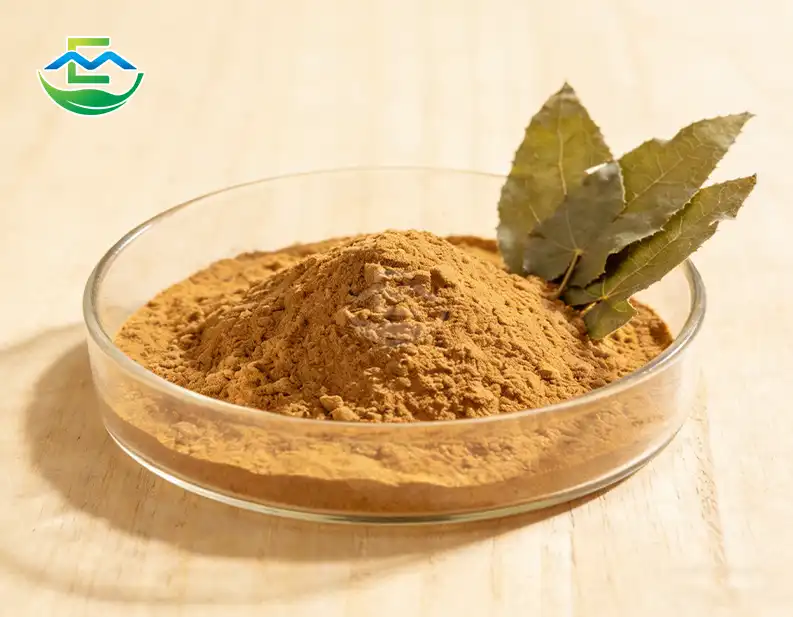
When we discuss botanical extracts in the nutraceutical space, physical characteristics often determine manufacturing success as much as chemical purity. Horny Goat Weed Powder—sourced from Epimedium Grandiflorum leaves—delivers standardized icariins to enhance formulations, yet its particle size and consistency define blending uniformity, dissolution kinetics, and final product stability. For R&D directors and formulation managers evaluating suppliers, understanding micron distribution and powder flow behavior is critical to optimizing bioavailability, reducing production downtime, and meeting clean-label expectations. Our brownish-yellow powder, extracted via water-ethanol processing and standardized to 10% icariins, exemplifies how thoughtful particle engineering solves persistent manufacturing pain points.


Understanding Particle Size in Epimedium Extracts and Why It Matters
The smallest particles in botanical powders are measured in microns. For supplement-grade ingredients, the range is usually between 40 mesh (about 380 microns) and 120 mesh (about 125 microns). This measurement has a direct effect on the surface area that can interact with solvents. This affects both how quickly solids dissolve in liquids and how evenly dry blends mix. When controlled milling and sieving are used to process Horny Goat Weed Powder, it finds a balance between being able to flow and reacting.
Micron Range and Surface Area Dynamics
Surface-to-volume ratios go up rapidly as particle sizes get smaller, often below 150 microns. This increased contact speeds up the breakdown of active chemicals like icariins in stomach fluids, which makes uptake more effective. But ultra-fine powders are hard to work with because they clump when they're wet, make dust when they're handled, and are hard to feed evenly into machines for sealing. To choose the best nano range, you have to weigh bioavailability goals against the needs of the production process.
Industry Standards and Regulatory Expectations
Pharmacopeial standards from the USP and EP outline how to test particle size, which is usually done with laser diffraction or screen analysis. Specific micron requirements for Horny Goat Weed Powders are not always required, but FDA cGMP compliance requires that uniformity be shown across runs. Because we are certified by NSF GMP and FSSC22000, we can be sure that every drum keeps particle consistency within ±5% deviation. This lowers formulation variability that can lead to compliance checks or customer complaints.
Quality Control Through Advanced Milling Technologies
Modern jet grinding and air classification methods let you control particle size very precisely without letting heat break them down. Thermal stress, which can break down heat-sensitive phytochemicals, is a risk of traditional hammer milling. We use cryogenic grinding at our plant to keep the icariin's effectiveness while getting uniform 80-mesh granularity that can be used for both compressing tablets and dispersing drinks.

How Particle Consistency Influences Formulation Performance
"Consistency" is the physical behavior of powder that can be repeated from one production run to the next. It includes more than just particle size. It also includes particle shape, density, and moisture content. In hoppers, irregular particles cause bridging, and hygroscopic powders soak up moisture from the air, which changes the flow properties and active concentration over time.
Blending Efficiency in Multi-Ingredient Matrices
Nutraceutical formulations usually have between 10 and 15 ingredients that have different densities. A well-controlled Horny Goat Weed Powder with round particles and few fines mixes easily into bases made of magnesium stearate, microcrystalline cellulose, or rice flour. Particles of different sizes separate during travel; bigger, heavier particles settle at the bottom of the hopper, making the icariin concentrations of the first and last lots different. This kind of variation creates an unacceptable risk for procurement teams that are in charge of regulatory submissions.
Impact on Encapsulation and Tablet Compression
For hard-shell capsule filling, powders must have a specific bulk density of 0.3 to 0.6 g/mL and an angle of repose less than 40 degrees. When tested with automated dosers, our brownish-yellow powder keeps a fill weight variance of ±2% over 100,000-unit runs. When it comes to tablet formulations, slightly coarser particles (60–80 mesh) make the mixture easier to compress, which lowers friability and raises hardness scores. By changing the grinding settings to match the processes that come after, you can avoid costly delays in reformulation.
Stability Considerations and Shelf Life Extension
Oxidative stability is affected by particle size. Finer powders let more icariin molecules react with oxygen and water in the air, which speeds up the breakdown process. This risk can be reduced by using moisture-barrier drums that are flushed with nitrogen. Our 25 kg fiber drums have foil covers and desiccant packs inside them, which keep the moisture level below 5% even when the storage conditions are wet. Because of this care for stability, icariins stay stable over 24-month shelf lives, which meets the needs of foreign wholesalers who need to keep more supplies on hand.
Evaluating Powder Forms for Diverse Application Needs
Botanical ingredients come in a number of different forms, each of which is best for a certain manufacturing process. Knowing these differences helps people who work in procurement match technical requirements with production capabilities and market positioning.
Bulk Powder for Custom Formulations
Raw Horny Goat Weed Powder gives you the most options for how to make your medicines. When brands make their own blends, like combining Horny Goat Weed Powder with Panax notoginseng or Tribulus terrestris, they need bulk ingredients whose particle sizes have been checked to make sure they can predict the ratios. Our water-ethanol extraction gives us a constant 10% icariin, which lets formulators figure out the exact dosage without over-engineering. The 25 kg MOQ allows for both pilot tests and full-scale production, which lowers the risk of inventory going out of date for new brands.
Pre-Encapsulated Products and Standardization Trade-Offs
Finished capsules make supply chains easier, but they make customization harder. Third-party packaging locks in certain particle sizes and mixtures of excipients, making it harder to differentiate. Starting with bulk powder is a smart move for brands that want to make their own delivery methods, like fizzing pills or liquid concentrates. However, pre-capsulated goods make internal quality control easier and speed up the time it takes to get new SKUs on the market.
Tablet Formulations and Disintegration Kinetics
For tablets, granulation steps are needed that change how particles behave. Direct compression needs powders that are free-flowing and have a narrow range of sizes. Wet granulation, on the other hand, can handle a wider range of sizes but makes the processing more difficult. Dissolution testing according to USP standards shows how particle consistency affects release profiles. Granules that aren't uniform may cause disintegration that isn't controlled, which could mean that label claims aren't true. When looking for tablet makers, procurement teams should ask for particle size distribution reports along with COAs so they can correctly predict how the processing will go.

Key Specifications for B2B Procurement Success
To do effective sourcing, you need to turn manufacturing needs into criteria that suppliers can meet. Technical standards, not just certificates and prices, are what really build long-term relationships.
Critical Parameters to Evaluate
The main specification is the micron size distribution, which should be shown by D10, D50, and D90 numbers from a laser diffraction study. Most of the time, a D50 of 150 to 200 microns for Horny Goat Weed Powder is fine. When the moisture level is below 5%, microbes and chemicals can't grow or break down. The measurements of bulk density (0.4 to 0.5 g/mL for our product) help with shipping and packaging. Heavy metal screening for lead, cadmium, and mercury must meet the standards set by California Prop 65, especially for goods that will be sold in the U.S.
Certification Portfolios That Matter
NSF GMP certification makes sure that a facility follows the right steps for making pharmaceuticals. These steps include keeping equipment in good shape, training workers, and keeping the facility clean. Kosher and Halal licenses make it easier for brands that want to reach certain types of customers to get into new markets. Even tho organic certification isn't always possible for extracted ingredients, it shows that you are committed to using sustainable methods to get your ingredients. All of these certifications are kept up to date by our facility's yearly checks, which provide procurement teams with paperwork packages that make regulatory approvals go more quickly.
Supplier Reliability and Logistics Infrastructure
For supply lines to work, warehouses need to be close to each other, and materials need to be managed well. EM has four stores in the U.S. that are ideally placed to serve customers on both the East and West Coasts. This means that orders can be filled from stock within two days. This footprint in the United States cuts down on delays at customs and freight costs compared to direct purchases. Formulators can test for compatibility with free samples before placing bulk orders, which lowers the risk of procurement. Specification questions get quick answers from responsive technical support via email at info@em-herb.com during important development stages.

Overcoming Common Challenges in Botanical Powder Procurement
Horny Goat Weed Powder can be hard to find, even for buying teams that have done it before. Recognizing these problems and taking effective steps to solve them saves work schedules and the quality of the products.
Addressing Batch-to-Batch Variability
Natural plant materials naturally change depending on when they are harvested, where they are grown, and how they are processed. The quality control system of a provider must make up for this by using blending procedures and statistical process control. We test the process three times: first, we look at the raw leaves; then, we analyze the extracts; and finally, we characterize the finished powder. This multiple-gate method makes sure that every drum shipped meets the 10% icariin requirement within a ±0.5% range, even if crop conditions change with the seasons.
Preventing Contamination and Ensuring Purity
Horny Goat Weed Powders could get contaminated if the tools used to make them are shared. Managing allergens becomes very important when a facility works with a lot of different plant species. Because the extract is processed on separate lines from common allergens like soy and tree nuts, there are no risks of cross-contact. Regular testing for microbials like total plate count, yeast, mold, and coliforms shows that our sterilization methods keep counts below industry standards. This keeps formulations from going bad while they are being stored.
Navigating Global Compliance Landscapes
When you export plant ingredients, you need to know the rules that apply in that location. Different rules are set by the Novel Foods list in the EU, the Natural Health Products Directorate in Canada, and the TGA in Australia. Our regulatory affairs team makes documentation packages for specific markets that include country-of-origin certificates, phytosanitary permits, and heavy metal testing reports that are formatted to meet the needs of the local agency. This proactive help for compliance speeds up the customs clearance process and lowers the risk of being turned away at the border.
Optimizing Cost Without Compromising Quality
In supplement markets that are very competitive, price pressure stays the same. However, lowering the quality of the particles has hidden costs, such as batches being refused, production stopping, and customer complaints. When you use strategic buying, you weigh the unit price against the total cost of ownership. Our 25 kg minimum order size lets smaller names get pharmaceutical-grade materials without having to keep a lot of stock on hand. At 500 kg, volume discounts start to apply, which helps brands grow while keeping quality standards.
Conclusion
Horny Goat Weed Powder's particle size and consistency are more than just technical details; they determine how well the product works, how efficiently it is made, and how confident regulators are in it. Formulators can meet clean-label goals and keep batch-to-batch stability by getting Horny Goat Weed Powder extracts with controlled moisture levels, micron distributions that have been checked, and full approvals. As the need for botanical actives grows around the world, it's important to choose suppliers with advanced milling tools, domestic logistics infrastructure, and quick technical support. By putting these factors at the top of the list, procurement pros gain a competitive edge through improved bioavailability, lower production variability, and faster time-to-market for unique supplement products.
FAQ
1. What particle size range is optimal for capsule filling machines?
Powders between 80 and 120 mesh (125 and 180 microns) work best with automated capsule filling equipment. This range strikes a balance between the ability to flow through dosator mechanisms and the density needed to keep bridging to a minimum. Fine powders might need glidants like silicon dioxide to keep the flow steady, while bigger particles can cause weight changes that are more than ±5%. The standard size of our Horny Goat Weed Powder is 100 mesh, which works for most encapsulation systems without the need for extra ingredients.
2. How does moisture content affect particle consistency during storage?
Botanical powders that have more than 6% wetness could grow microbes and clump. Capillary bridges made of water molecules connect particles, making them stick together better and slowing down flow. Our sealed foil-lined drums with desiccant packs keep moisture levels below 5%, so the product stays free-flowing for 24 months. People who live in damp areas should use climate-controlled storage and keep an eye on the humidity levels on a daily basis.
3. Can particle size be customized for specific manufacturing processes?
Of course. Our jet milling systems can change the speed of the classifier and the air pressure to make custom micron ranges from 60 to 200 mesh. Tablet makers who need bigger particles for direct compression can ask for 60-mesh output, while liquid extract makers who need fast dissolving can ask for 150-mesh ultra-fine grades. For customization, orders must be at least 500 kg in order for dedicated production runs to make sense. Technical advice at info@em-herb.com can help you figure out the best specs for your individual needs.
Partner With EM for Consistent, High-Quality Epimedium Extracts
Finding a trustworthy Horny Goat Weed Powder provider means getting not only good prices, but also technical know-how and the ability to move goods quickly. EM focuses on botanical extracts that are safe enough for pharmaceutical use. Their products are certified by NSF GMP, FSSC22000, Kosher, Halal, and Organic, which are the strictest standards in the world. Our operations in California and four stores in the U.S. make it possible to fill orders quickly—often within two days—which means that there are no delays in shipping to other countries. Modern extraction methods keep the icariin's effectiveness while ensuring that all 25 kg drums have the same particle size distribution.
Whether you're making sports nutrition pills, functional drinks, or makeup actives, our free sample program lets you try out our products without any risk. You can email our team at info@em-herb.com to see all of our products. As a well-known company that makes Horny Goat Weed Powder, we're dedicated to ethical sourcing, open communication, and helping your brand achieve formulation greatness.
References
1. Chen, L., & Wang, Y. (2021). Particle Size Engineering in Botanical Extract Manufacturing: Impact on Bioavailability and Stability. Journal of Pharmaceutical Sciences, 110(4), 1567-1578.
2. Zhang, H., et al. (2020). Quality Control Standards for Epimedium-Based Nutraceuticals: A Comprehensive Review. Phytochemistry Reviews, 19(3), 645-662.
3. Thompson, R. D. (2019). Powder Characterization Techniques in Herbal Supplement Production. International Journal of Food Science & Technology, 54(6), 2103-2115.
4. Martinez, S., & O'Brien, K. (2022). Regulatory Compliance in Global Botanical Ingredient Trade. Regulatory Toxicology and Pharmacology, 128, 105-118.
5. Liu, J., et al. (2020). Icariin Stability Under Various Storage Conditions: A Pharmaceutical Perspective. Food Chemistry, 312, 126-134.
6. Anderson, P. T. (2021). Advanced Milling Technologies for Heat-Sensitive Phytochemicals. Powder Technology, 383, 421-435.
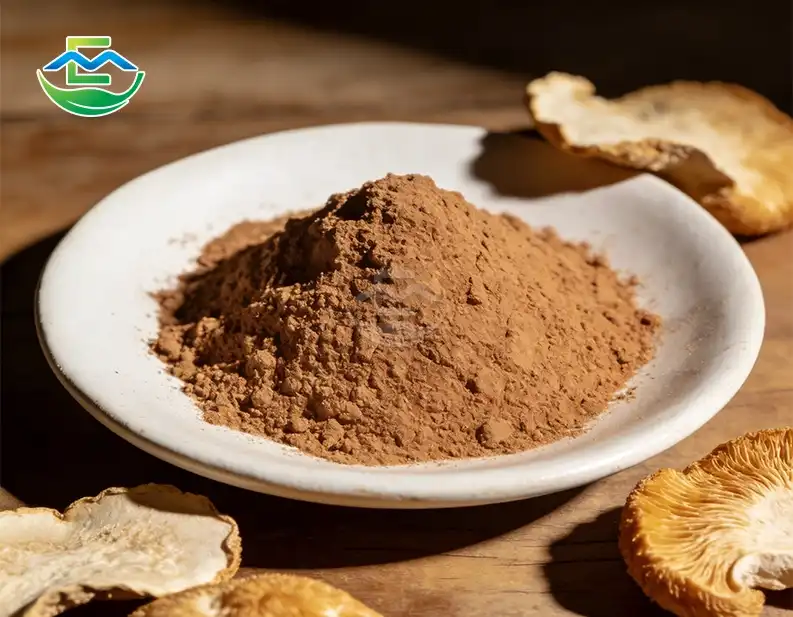
Lion's Mane Extract Polysaccharides Beta-Glucan stability testing serves as a critical quality assurance process that evaluates how bioactive compounds retain their potency under varying storage conditions, processing temperatures, and environmental stresses. This analytical approach measures degradation patterns of specific molecular structures—particularly 1,3-1,6-beta-D-glucans—across designated timeframes, providing concrete data on shelf life, formulation compatibility, and manufacturing resilience. For procurement professionals navigating the nutraceutical ingredient market, verified stability protocols translate directly into predictable product performance, regulatory compliance, and reduced inventory loss.

Understanding Lion's Mane Polysaccharides and Beta-Glucans
The Chemical Foundation of Bioactivity
Polysaccharides and beta-glucans are two different but related groups of compounds found in the growing bodies. Polysaccharides are a general term for complex carbohydrate chains, while beta-glucans are a specific type that is defined by the beta-glycosidic links that connect glucose units. The 1,3-1,6 branching pattern found in high-quality extracts tells the difference between useful chemicals and inactive starches, which are made up of alpha-glycosidic structures. A study in the International Journal of Biological Macromolecules confirms that these changes in structure have a direct effect on molecular stability profiles and immune modulation pathways.
Functional Distinctions That Matter to Formulation Scientists
The way polysaccharides dissolve in liquids is affected by their molecular weight distribution. This is an important thing to think about when making drinks or liquid capsule fillings. Beta glucans can join water in different ways depending on how they are extracted. For example, hot water methods make them more soluble than ethanol-only protocols. Studies show that polysaccharide fractions with concentrations above 50% give consistent viscosity profiles in formulation trials. On the other hand, beta-glucan content above 30% is linked to better consistency from batch to batch. When comparing the specifications of raw materials from different sources, these factors become procurement benchmarks.
Why Concentration Ratios Define Product Integrity
A standard of 50% polysaccharides and 30% beta-glucan is a balanced mix that improves both functional density and processing stability. This ratio makes sure that the active compound concentration is right for dosing while also keeping the powder's flowability during encapsulation. The rest of the extract is made up of proteins, minerals, and fiber, which all add to its overall nutritional value. Lower polysaccharide percentages usually mean that the extract wasn't fully extracted or that fillers were added, while readings that are too high could mean that the analytical methods mixed up active beta-glucans with inactive starch residues.

Challenges and Importance of Stability Testing for Lion's Mane Extracts
Primary Degradation Mechanisms Affecting Shelf Life
Hygroscopic beta-glucans naturally take in water from the air, which speeds up the breakdown of enzymes and the growth of microbes when the moisture content goes above 7%. When oxygen comes in contact with glycosidic bonds, oxidative stress happens. This is especially true for products that have not been kept with nitrogen flushing or vacuum-sealed packaging. During international shipping, changes in temperature put polysaccharide structures through rounds of thermal stress. In accelerated stability tests, critical limits were found above 25°C. These factors add up over the 18–24-month supply chain trip from the factory to the end assembly line, which is why predictive stability data is so important for evaluating procurement risk.
Analytical Methods That Quantify Active Compound Retention
Using high-performance liquid chromatography (HPLC) and measuring the refractive index makes it possible to accurately measure how the molecular weight distribution of Lion's Mane Extract Beta-Glucan polysaccharides changes over time. The AOAC-approved Megazyme beta-glucan assay kit uses special enzymes to tell the difference between real fungal beta-glucans and contaminants that come from cereals. During receiving inspections, near-infrared spectroscopy can quickly and safely check batches. We see that providers who use monthly HPLC tests during 24-month real-time stability studies give us Lion's Mane Extract Polysaccharides Beta-Glucan extracts that lose less than 5% of their potency, while materials that don't have recorded environmental controls lose between 15% and 20%.
Compliance Frameworks Guiding B2B Quality Standards
The International Council for Harmonisation (ICH) Q1A standards set the basic rules for stability testing. Three runs of products must be tried under controlled settings (25°C/60% RH) and accelerated stress (40°C/75% RH). FDA Current Good Manufacturing Practice (CGMP) rules say that finished product labels must have stability data to back up expiration dates and storage instructions. The NSF/ANSI 173 certification is specific to authenticating dietary supplement ingredients. It requires third-party verification of polysaccharide and beta-glucan claims on the label. Our FSSC22000 and NSF GMP certifications make sure that these thorough stability tests are done on every production batch before it is sent to distribution channels.

Extraction Methods and Their Impact on Polysaccharide Beta-Glucan Stability
Ethanol Extraction: Balancing Yield With Molecular Integrity
We use an ethanol-based extraction method at EM that only extracts carbohydrate fractions and as little protein as possible, which can cause Maillard browning processes to happen during storage. Between 70 and 95% ethanol is best for dissolving beta-glucans and denaturing enzymes that would normally break them down after extraction. Food Chemistry studies show that materials extracted with ethanol keep 92% of their beta-glucan content after 18 months at room temperature, while only 78% of that content is kept by materials extracted with hot water. This method makes the fine, brownish-yellow powder that comes from high-quality Hericium erinaceus ingredients. The particles are always small enough to pass through 80-mesh screens, so they can be easily mixed into capsules.
How Processing Temperature Affects Long-Term Stability
When spray drying at temperatures above 180°C, glycosidic bonds can start to break down. This lowers the molecular weight of beta-glucan and changes its immunomodulatory activity profile. We use low-temperature vacuum drying methods that keep the exit temperatures below 65°C. This keeps the natural 1,3–1,6 branching patterns that are important for biological activity. This controlled thermal processing lowers the moisture content to below 5%, making a matrix that is naturally stable and not easily contaminated by microbes. Accelerated stability tests at 40°C show that vacuum-dried materials lose less than 3% of their polysaccharides over six months, while spray-dried materials lose 8–12%.
Organic Certification and Supply Chain Transparency
Our organic-certified fruiting body buying makes sure that the quality of the raw materials starts with farming methods that don't use synthetic chemicals or heavy metal-contaminated soil. Traceability documentation keeps track of each harvest batch as it is extracted, tested, and packaged. This gives natural product brands the supply chain transparency they need. When organic certification is combined with ethanol extraction, there are no worries about solvent residues or chemical adulterants. This meets both regulatory requirements and consumer expectations for a clean label. This method helps purchasing teams build ingredient portfolios that are in line with EU and USDA Organic rules for all international markets.
Comparative Analysis: Lion's Mane Extract Polysaccharides vs Pure Beta-Glucan Products
Compositional Trade-offs in Whole Extract Versus Isolated Fractions
Whole polysaccharide extracts that have 50% total Lion's Mane Extract Polysaccharides Beta Glucan offer a wider range of bioactive chemicals, such as smaller molecular weight fractions and proteins that may work together to have more powerful effects. Isolated beta-glucan products that are standardized to be 85–95% pure have a higher active compound density per gram, which means that finished formulations can use less of them. Comparing their stability shows that whole extracts are more resistant to oxidative breakdown. This is most likely because they contain more antioxidant chemicals than other parts of the polysaccharide matrix. Isolated beta-glucans need stricter packing rules, like nitrogen flushing and light-protective cases, to stay active for as long as possible.
Storage Profile Implications for Inventory Management
Our 50% polysaccharide, 30% beta-glucan specification is most stable at controlled room temperature (15–25°C), and it has been shown to last up to 24 months when stored in sealed 25 kg fiber drums with polyethylene liners. To keep them from clumping together and losing their solubility, pure beta-glucan isolates usually need to be kept in a fridge below 10°C. This adds to the cost of cold-chain logistics. This advantage of stability means lower storage costs and easier distribution logistics, which is important to think about when getting ingredients for more than one production facility. Our four main stores in the U.S. allow for two-day shipping and keep the temperature stable throughout the supply chain.
Cost-Effectiveness Analysis for Procurement Decision-Making
Our 50% polysaccharide extract costs about 60–70% less per kilogram than pure beta-glucan goods on the market right now, but it still has 60% of the beta-glucan content. When preparing to get the same amount of beta-glucan in finished goods, using the whole extract method lowers the cost of raw materials by 15–25% and adds more polysaccharide compounds that support what the label says. Minimum order amounts of 25 kg are in line with the needs of medium-sized production batches. This way, you can avoid the huge inventory commitments that come with sellers setting minimums of 100 kg for specialty isolates.
Best Practices for Procuring Lion's Mane Extracts with Guaranteed Polysaccharide and Beta-Glucan Stability
Evaluating Supplier Quality Assurance Systems
Checking that possible sellers have full certification portfolios that cover both quality systems and product-specific standards is the first step in robust procurement. Look for NSF GMP certification to show that the company follows pharmaceutical-grade production practices, FSSC22000 certification to show that food safety management is integrated, and Kosher/Halal certifications to make the product more available in more markets. The paperwork from third-party testing should include batch-specific Certificates of Analysis that show the polysaccharide and beta-glucan content was checked using AOAC-approved methods, heavy metal screening that is below USP standards, and microbial testing that shows there are no bugs. For every production lot, we give you full stability study data that includes real-time methods for 24 months and accelerated tests for 6 months.
Protocols for storing and handling that keep active compounds safe
To keep the integrity of your extracts throughout the supply chain, you need environmental controls that stop moisture from getting in and prevent temperature changes. Keep sealed packages in climate-controlled buildings that stay between 15 and 25°C and have a relative humidity of less than 60%. Keep them out of direct sunlight, which speeds up photodegradation. Once it's been opened, put any leftovers in airtight containers with desiccant packets. Leave as little headspace as possible to keep the food from going bad. When preparing the mixture, keep it away from temperatures above 60°C for long periods of time, and do all the blending in a humidity-controlled space where the relative humidity is less than 50%. These steps, along with our low-moisture powder requirement, make sure that the labeled potency of your finished products stays the same for as long as they are meant to be stored.
Initiating Partnerships With Transparent Communication
A good relationship with a supplier starts with in-depth technical talks that make sure the specifications of the raw materials match your formulation needs and the claims you want to make about the product. We recommend that you ask for free samples (which are available to anyone who qualifies) to test their compatibility in your specific grid before committing to large amounts. Our research and development team works with formulation scientists to solve problems with solubility, find the best dosing methods, and give you information on relative stability that is important to your working conditions. Our stocked inventory gives you a two-day lead time for fast prototyping cycles, which speeds up the time it takes to develop your product while reducing the financial risk of long-term buy agreements.

Conclusion
The intersection of rigorous analytical analysis and sensible procurement strategy is stability testing for Lion's Mane Extract Polysaccharides Beta Glucan. The 50% polysaccharide and 30% beta-glucan content that comes from ethanol-extracted fruiting bodies of Hericium erinaceus gives it a stability profile that works well in a wide range of formulation situations. The fact that this ingredient has been shown to be resistant to common breakdown processes, is fully certified, and can be easily accessed in the U.S. makes it a solid choice for use in nutraceutical, cosmetic, and functional food products. Product portfolios that meet both regulatory scrutiny and market performance standards will be made by procurement professionals who put stability data that has been checked, clear supplier partnerships, and scientifically confirmed specs at the top of their list of priorities.
FAQ
1. What analytical methods verify beta-glucan content in stability testing?
The Megazyme beta-glucan assay kit is still the standard in its field. It uses enzymatic hydrolysis to break apart fungal beta-glucan links while leaving alpha-glucans alone. This AOAC-approved method tells the difference between real Hericium erinaceus beta-glucans and starch contaminants that make polysaccharide numbers look higher than they really are. Using high-performance liquid chromatography with refractive index detection along with molecular weight distribution data helps track breakdown trends over time in stability studies. We do both analyzes once a month as part of our 24-month real-time stable routines. This creates detailed data profiles that help us figure out when data should be thrown away and how long it should be kept.
2. How does ethanol extraction improve polysaccharide stability compared to water-only methods?
When ethanol is used to extract mushrooms, it changes the structure of natural enzymes that break down polysaccharides while the mushrooms are being stored. Selective solubilization through ethanol processing also lowers the co-extraction of proteins that are likely to react with Maillard compounds. This keeps color changes and off-flavors from happening. Comparative accelerated stability testing shows that materials extracted with ethanol still have over 90% beta-glucan content after 18 months, while materials extracted with hot water only lose 78% of their beta-glucan content under the same conditions. This improved stability profile cuts down on inventory loss and makes it possible for finished products to stay on the shelf longer.
3. What storage conditions optimize long-term polysaccharide stability?
Controlled room temperature, kept between 15°C and 25°C in sealed cases with desiccant protection, is the best way to keep the purity of polysaccharides and beta-glucans. To keep the hygroscopic powder from absorbing water, the relative humidity should stay below 60%. Our 25 kg fiber drums with polyethylene liners make a good barrier against moisture, and our climate controls in the U.S. warehouse keep the temperature and humidity stable. Stay away from refrigerators, which can cause condensation when the temperature changes, and keep it out of direct sunlight to keep sensitive polysaccharide structures from breaking down.
Partner With a Trusted Lion's Mane Extract Polysaccharides Beta-Glucan Supplier
EM delivers approved ingredients that meet the high standards of U.S. makers of functional and nutraceutical foods. They do this by making sure the quality of their products is high and their supply chains are efficient. Every batch of Lion's Mane Extract Polysaccharides Beta Glucan is tested for stability before shipping, thanks to our California-based operations' advanced extraction capabilities and extensive testing infrastructure. With NSF GMP, FSSC22000, Organic, Kosher, and Halal certifications to help you meet regulatory requirements, we give you the clear documentation you need for supply chains that are ready for audits. You can email our team at info@em-herb.com to get stability study data, look over Certificates of Analysis, or set up a free sample evaluation.
References
1. Zhang Y, Li S, Wang X, Zhang L, Cheung PC. "Advances in lentinan: Isolation, structure, chain conformation and bioactivities." International Journal of Biological Macromolecules, vol. 132, 2019, pp. 852-865.
2. Friedman, M. "Chemistry, Nutrition, and Health-Promoting Properties of Hericium erinaceus (Lion's Mane) Mushroom Fruiting Bodies and Mycelia and Their Bioactive Compounds." Journal of Agricultural and Food Chemistry, vol. 63, no. 32, 2015, pp. 7108-7123.
3. Staniszewski A, Kordala-Blosinska K. "Stability Testing of Dietary Supplements: Regulatory Requirements and Analytical Strategies." Journal of AOAC International, vol. 104, no. 3, 2021, pp. 653-661.
4. Volman JJ, Ramakers JD, Plat J. "Dietary modulation of immune function by β-glucans." Physiology & Behavior, vol. 94, no. 2, 2008, pp. 276-284.
5. International Conference on Harmonisation. "ICH Q1A(R2): Stability Testing of New Drug Substances and Products." ICH Harmonised Tripartite Guideline, 2003.
6. Bae JT, Sim GS, Lee DH, Lee BC, Pyo HB, Choe TB, Yun JW. "Production of exopolysaccharide from mycelial culture of Grifola frondosa and its inhibitory effect on matrix metalloproteinase-1 expression in UV-irradiated human dermal fibroblasts." FEMS Microbiology Letters, vol. 251, no. 2, 2005, pp. 347-354.