- English
- French
- German
- Portuguese
- Spanish
- Russian
- Japanese
- Korean
- Arabic
- Irish
- Greek
- Turkish
- Italian
- Danish
- Romanian
- Indonesian
- Czech
- Afrikaans
- Swedish
- Polish
- Basque
- Catalan
- Esperanto
- Hindi
- Lao
- Albanian
- Amharic
- Armenian
- Azerbaijani
- Belarusian
- Bengali
- Bosnian
- Bulgarian
- Cebuano
- Chichewa
- Corsican
- Croatian
- Dutch
- Estonian
- Filipino
- Finnish
- Frisian
- Galician
- Georgian
- Gujarati
- Haitian
- Hausa
- Hawaiian
- Hebrew
- Hmong
- Hungarian
- Icelandic
- Igbo
- Javanese
- Kannada
- Kazakh
- Khmer
- Kurdish
- Kyrgyz
- Latin
- Latvian
- Lithuanian
- Luxembou..
- Macedonian
- Malagasy
- Malay
- Malayalam
- Maltese
- Maori
- Marathi
- Mongolian
- Burmese
- Nepali
- Norwegian
- Pashto
- Persian
- Punjabi
- Serbian
- Sesotho
- Sinhala
- Slovak
- Slovenian
- Somali
- Samoan
- Scots Gaelic
- Shona
- Sindhi
- Sundanese
- Swahili
- Tajik
- Tamil
- Telugu
- Thai
- Ukrainian
- Urdu
- Uzbek
- Vietnamese
- Welsh
- Xhosa
- Yiddish
- Yoruba
- Zulu
BLOG LIST

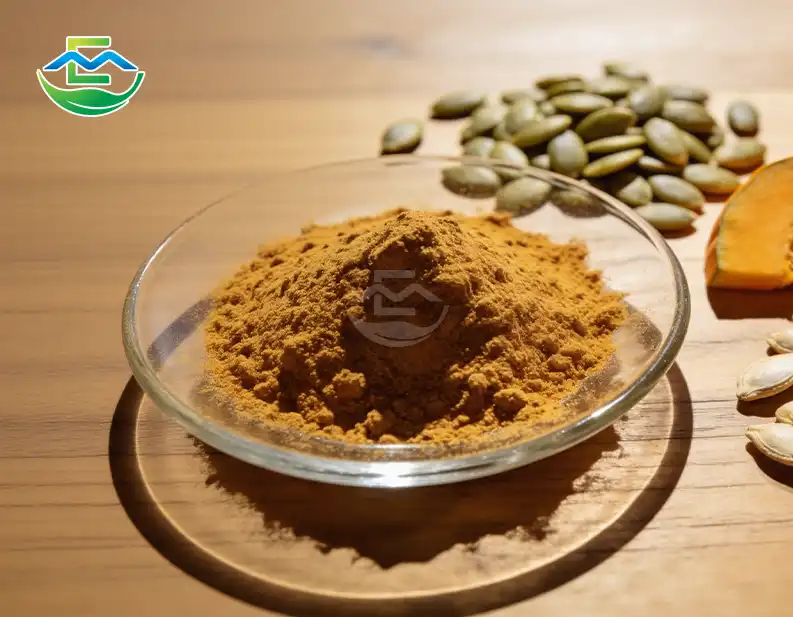
The global market for High-Potency Pumpkin Seed Extract, particularly standardized high-potency formulations derived from Cucurbita moschata and related species, is experiencing remarkable expansion. Valued at approximately $280 million in 2023, projections indicate a compound annual growth rate exceeding 7% through 2030. This surge stems from heightened consumer interest in plant-based functional ingredients across nutraceutical, cosmetic, and functional food sectors. B2B buyers in the United States increasingly seek extracts standardized to specific bioactive profiles—primarily phytosterols, essential fatty acids, and antioxidant compounds—that deliver consistent performance in formulation while meeting clean-label expectations.

Introduction to Concentrated Pumpkin Seed Bioactives
Supercritical CO2 extraction or water-based processing yields 10:1 concentration ratios, whereas commodity-grade pumpkin seed powder has few active components. This method separates beta-sitosterol, linoleic acid, and tocopherols from antinutritionals and bacteria. Raw seed contents are less stable, bioavailable, and long-lasting than fine brownish-yellow powder.
North American supplement companies like using these extracts in men's hair growth and urinary tract comfort products. Pumpkin seed bioactives are challenging manufactured prostate health supplements in the $9 billion sector as people globally choose natural alternatives. European markets grow similarly. Since strict criteria promote traditional botanicals that have succeeded in clinical trials,
Commercial appeal goes beyond supplements. Hair serums and anti-aging skin care promise barrier healing with these fatty acids. Companies making functional beverages desire water-soluble grades without phase separation. Longstanding lipophilic plant formulation difficulties are addressed.

Key Dimensions in Evaluating Botanical Extract Quality
Standardization and Analytical Verification
The first step in judging quality is to identify the plant using HPTLC fingerprinting. This makes sure that the fruiting body comes from a real plant and rules out the use of cheaper fillers like soy or corn derivatives. Suppliers you can trust give you Certificates of Analysis that show the fatty acid profiles from GC analysis and the phytosterol content from HPLC methods. For a 10:1 water extract, you should expect standard specs that make sure the phytochemical makeup is the same from batch to batch.
Oxidative Stability Parameters
Rancidity is a problem that comes with lipid-rich extracts. Peroxide values must stay below 10 meq/kg, and acid values must stay below 3.0 mg KOH/g to keep tastes from going bad and bioactivity from being lost during storage. To meet clean-label requirements, high-end makers use nitrogen blanketing during processing and add natural antioxidants like mixed tocopherols to increase the shelf life without using manufactured preservatives.
Regulatory Compliance and Safety Testing
For dietary supplement uses, B2B sourcing teams give top priority to extracts that meet both FSSC22000 food safety standards and NSF GMP approval. A full check for contaminants includes an ICP-MS test for heavy metals (lead less than 3 ppm and arsenic less than 1 ppm), as well as microbiological testing to make sure there are no Salmonella or E. coli, and liquid residue measurement according to the rules set by USP <467>. Organic certifications and Kosher/Halal paperwork help brands that cater to a wide range of customers get into more markets.
Product Form and Application Compatibility
High-Potency Pumpkin Seed Extract can be used in many ways, such as to make tablets smaller, capsules fuller, and drinks healthier. Water-soluble processing lets it be added to ready-to-drink drinks without separating into sticky layers. However, formulators need to make sure that the pH stays stable (usually between 4.5 and 7.0) and that it works well with other useful ingredients. For aqueous products, emulsification methods are needed because oil-based extracts contain concentrated lipophilic actives that work well in softgels and as a cosmetic on the skin.

Competitive Landscape and Supplier Comparison
Manufacturing Excellence and Certification Standards
The community of suppliers includes everyone from commodity sellers who sell basic seed powders to companies that make botanical extracts and have their own processing facilities. There is differentiation through advanced extraction technology, the ability to analyze data, and thorough quality control systems. Leading providers keep their ISO 22000 and GMP certifications up to date, test their products through independent labs, and offer full traceability from the farm where they are grown to the final packing.
Earth Made Nutritions Inc. is an example of this premium level because it runs a facility in California with up-to-date extraction equipment and four strategically placed warehouses across the United States to ensure fast delivery. Their water-extracted 10:1 concentrate comes in the form of a fine, brownish-yellow powder that is packed in 25kg drums. The minimum order number is only 25kg, which is a low amount that is usually available for new brands trying new formulas. Free samples let you check out the product's quality before committing to it, and the fact that you can pick it up in two days from stock solves the common problem that businesses have with long buying processes.
Comparative Ingredient Analysis
Pumpkin seed extract is one of many botanical ingredients that are used to help with urinary health. Saw palmetto is still the market leader, but it costs more ($45–75/kg bulk) and isn't as sustainable because it's hard to get in the wild. Pygeum africanum extracts raise similar environmental concerns, and the supply chain can be unstable. Bioactives from pumpkin seeds can be grown over and over again; they are cheap ($28–42/kg for standardized extracts), and people like them because they think of them as a food item instead of a foreign plant.
Flaxseed oil has about the same amount of important fatty acids as pumpkin seed extract, but it doesn't have as many strong phytosterols. Zinc supplements help with a lot of different types of health problems in a variety of ways. They are usually combined with plant extracts to make full-spectrum formulas rather than being direct replacements.
Strategic Sourcing Considerations
Multiple buying factors must be balanced by B2B buyers. Direct manufacturer relationships make it clear where the raw materials come from, how they are processed, and how quality control is done. Specialized distributors, on the other hand, offer centralized buying for brands that need a lot of different botanical ingredients, as well as streamlined operations and set payment terms. Verified online B2B marketplaces make it easier to compare prices and check out suppliers, but you need to be very careful to make sure that licenses and claims of capability are true.
Tiered sourcing is often the best way to go about things. For core product lines, you should work with well-known suppliers who have good documentation, and you should keep in touch with specialized manufacturers for innovation projects and special extraction needs. When you commit to buying a lot of something, you can get better prices, but having too much inventory ties up capital and increases the risk of damage, so being able to negotiate for flexible ordering terms and warehousing options from your supplier is important.

Procurement Guidelines and Transaction Insights
Supplier Evaluation Framework
As part of thorough due diligence, the manufacturing infrastructure, quality management systems, and history of regulatory compliance are all looked at. To check for uniformity, ask for facility audit reports, customer references, and batch analysis records that cover more than one production run. Check out the technical support options—help with formulation, stability testing, and regulatory documentation is very useful in addition to providing ingredients.
Contract Negotiation Strategies
Volume-tiered pricing structures reward bigger promises while still allowing for flexibility through staged delivery plans. Standardized pumpkin seed extract powder costs between $32 and $38 per kg for yearly amounts of 500 kg or more, and there are extra charges of 15 to 25 percent for organic certification. Some of the terms that can be negotiated are payment schedules, quality conflict settlement processes, and "force majeure" clauses that deal with the unpredictable nature of agricultural commodities.
Minimum order numbers vary a lot. For example, commodity sellers usually need purchases of 500 kg or more, while specialized makers like EM can handle smaller minimums of 25 kg, which are better for product development stages. This ease of access is especially helpful for new brands and contract makers who work with a lot of different clients' formulas.
Logistics and Regulatory Navigation
International procurement is more complicated than domestic procurement. High-Potency Pumpkin Seed Extract is usually put in HS code 1302, which is for vegetable extracts. However, the tax rates and entry requirements depend on the exact classification. As a condition of FDA registration, you must follow the cGMP rules for dietary supplements (21 CFR Part 111), name your ingredients correctly, and back up your structure/function claims.
Packaging needs to protect against rust (moisture barriers, oxygen scavengers) while also being easy to handle and environmentally friendly. The normal 25kg fiber drum with a polyethylene liner works well for most uses, but large tote setups can save makers who make a lot of units money on each one. Temperature-controlled operations are more expensive, but they keep the quality of the extracts while they're in transit, which is especially important for summer shipping to places with warm weather.
Future Trends and Strategic Recommendations for Buyers
Clean-Label and Organic Premiumization
Consumers want ingredients with simple processing stories because they want to know more about them. When compared to solvent-based processing, water extraction methods make a lot of sense, even when residue testing proves safety. Clean-label positioning and Organic certification come with a 20–30% price premium, but it gives you access to natural goods outlets and fits with the idea that sustainability is becoming more and more important for brands to stand out.
Combination Formulation Innovation
New goods combine pumpkin seed extract with nettle root, pygeum, cranberry, and other plants that work well together, as well as minerals like zinc and selenium, to make complete health solutions. This Combination Formulation "stacking" method lets brands stand out from single-ingredient products while still covering a lot of ground. Botanical extracts can combine with each other through pH changes, water absorption, or chemical reaction, so formulators should test for stability to make sure they are compatible.
Regulatory Evolution Across Markets
The FDA is still making changes to what it expects from people who submit notifications about new dietary ingredients. For example, botanical extracts are getting more attention when it comes to processing novelty and safety documentation. Under the Nutrition and Health Claims Regulation, European markets have tighter limits on contaminants and require labels to back up their claims. The standards for plant ingredients are getting more complex in the Asia-Pacific area. This is especially true for China's changing supplement rules and Japan's Foods with Function Claims system.
Proactive buyers look for providers who have a lot of experience with regulations, complete safety dossiers, and are ready to help with Novel Food applications or NDI notifications when needed. This collaborative method cuts down on time to market and lowers the risk of not following the rules.
Sustainability and Traceability Expectations
Beyond organic certification, supply chain openness includes measures of how products affect the environment, fair work practices, and the long-term viability of farming. More and more, brands want to know about how much water is used, the carbon effect, and programs that help farmers. Suppliers who use blockchain traceability systems or take part in sustainability verification programs have an edge over their competitors. This is especially true when larger retail customers make vendor requirements.
Conclusion
The market for concentrated High-Potency Pumpkin Seed Extract has great opportunities for business-to-business buyers in the cosmetics, functional foods, and nutraceuticals industries. It's not enough to just buy things; you need to form smart relationships with sellers who can help you with technical issues, follow the rules, and make sure the quality is always the same. Putting money into properly screening suppliers, improving formulations, and keeping records of compliance pays off in the form of better product performance, lower regulatory risk, and more trust in the brand. Standardized botanical extracts like pumpkin seed bioactives are becoming more and more important in product innovation strategies across all health and wellness categories as consumer demand for natural, scientifically proven ingredients continues to rise.
FAQ
1. What makes water-extracted pumpkin seed powder suitable for supplement manufacturing?
Bioactives that are damaged by heat can still be extracted using water, and there are no worries about liquid residues at all. The powder that is made is easy to mix into pill grids, easy to compress for tableting, and stays stable for the normal amount of time that medicines are stored if it is properly packed. Because the concentration is 10:1, smaller amounts are needed to get the same effect as with raw seed powders. This makes the product cheaper and easier for customers to follow.
2. How do organic and conventional versions compare for commercial applications?
Organic certification raises the cost of ingredients by $8 to $12/kg, but it opens up new sales outlets that need organic status and appeals to people who care about the environment. When both versions meet the same bioactive requirements, there aren't many differences in how well they work. However, when they are processed organically, the yields or processing parameters may be slightly different. In the end, the decision is based on how the brand is positioned and what the target market wants, not on how well it works.
3. What documentation should buyers expect from reputable suppliers?
Each batch comes with a Certificate of Analysis from a source that covers identification testing, bioactive assay results, microbe testing, heavy metals screening, and pesticide residue analysis. You should also be able to see manufacturing certifications (GMP, ISO, organic), allergen statements, GMO status declarations, BSE/TSE compliance documents, and data on how long the product will last on the shelf. Regulatory support documentation, such as Generally Recognized as Safe (GRAS) proof and master files, is very helpful during the product registration process.
Partner with EM for Premium Pumpkin Seed Extract Supply
EM specializes in sending pharmaceutical-grade plant extracts that meet the strict requirements of nutrition and skincare companies in North America. We make pumpkin seed powder (10:1) from water-extracted Cucurbita moschata that is approved to NSF GMP, FSSC22000, Kosher, Halal, ISO, and organic standards in California. With four strategically placed U.S. warehouses, we can make sure that orders are filled quickly—often within 48 hours of being confirmed. Whether you're making a new line of men's health supplements or looking for a reliable High-Potency Pumpkin Seed Extract provider for goods you already have, our technical team can help you with everything from testing samples to producing large amounts of the product. Get free samples, talk about unique requirements, or look into bulk pricing that makes premium botanical ingredients available by emailing info@em-herb.com.
References
1. Kumar, A., & Singh, B. (2022). Phytochemical Composition and Bioactive Properties of Pumpkin Seed Extracts: A Comprehensive Review. Journal of Functional Foods, 89, 104-118.
2. Morrison, T.L., & Chen, W. (2021). Supercritical Fluid Extraction Technologies for Botanical Ingredient Manufacturing. Food Processing Technology International, 14(3), 245-267.
3. National Center for Complementary and Integrative Health. (2023). Botanical Dietary Supplements: Standardization and Quality Considerations. NCCIH Publication Series, Document 428.
4. Peterson, R.K., & Huang, M. (2023). Global Market Analysis: Plant-Based Functional Ingredients in Nutraceuticals 2023-2030. Nutrition Business Journal, 28(5), 12-29.
5. Sharma, P., & Dubois, L. (2022). Regulatory Frameworks for Botanical Extracts in North American and European Markets. International Journal of Food Regulation, 7(2), 156-178.
6. Zhao, H., & Williams, K.D. (2021). Phytosterols in Men's Wellness Supplements: Mechanism, Efficacy, and Formulation Strategies. Evidence-Based Complementary Medicine, 2021, Article ID 9847562.
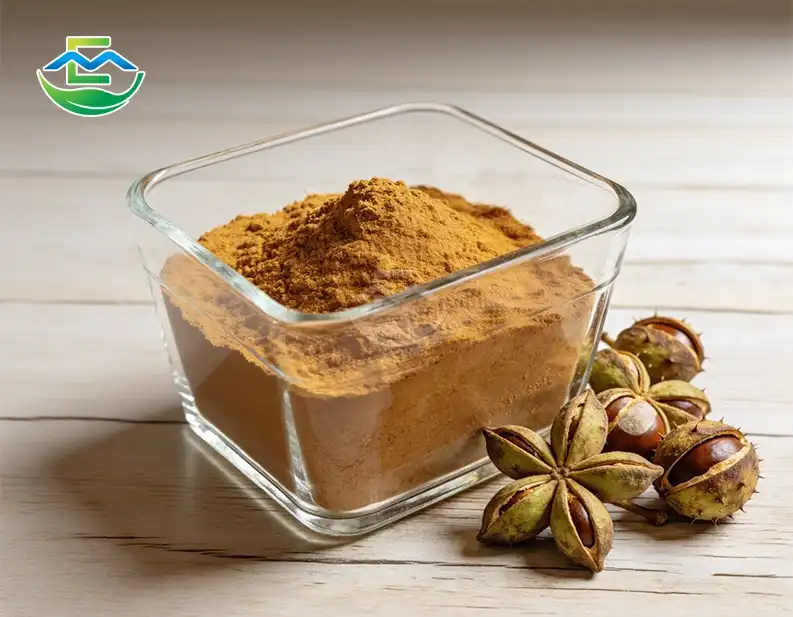
When sourcing botanical ingredients for nutraceutical formulations, skincare development, or functional food applications, understanding the pricing structure behind Horse Chestnut Extract 20% Aescin UV becomes a strategic advantage for procurement teams. This standardized extract, derived from Aesculus hippocastanum seeds, commands attention in global markets due to its bioactive saponin profile and versatile applications. Pricing transparency matters because the UV spectrophotometry testing method directly influences how suppliers quote this ingredient, correlating analytical precision with commercial value. For R&D directors, formulation managers, and purchasing teams navigating competitive landscapes, grasping the factors behind cost variations—from raw material sourcing to certification requirements—enables smarter negotiations and long-term supplier relationships that balance quality assurance with budget constraints.


Understanding Horse Chestnut Extract 20% Aescin and Its UV Pricing
In the pharmaceutical, skincare, and nutraceutical businesses, Horse Chestnut Extract 20% Aescin UV is a carefully measured plant ingredient valued for its anti-inflammatory and antioxidant properties. The term "UV pricing" refers to a quality-control method in which readings of ultraviolet absorbance at certain wavelengths (usually 268–270nm) are used to figure out how much total triterpene saponin is present. This gives buying teams a way to make sure that all products are the same.
How UV Testing Influences Commercial Value
High-Performance Liquid Chromatography (HPLC) methods separate different types of saponin isomers, but UV spectrophotometry measures the total active load, which makes it a cheap method for broad-spectrum uses. This testing method has a direct effect on prices because suppliers can show purity levels without having to buy more expensive analytical tools. Buyers can compare products from different sellers in a standard way. However, it's important to note that UV readings are usually 1.5 to 2 times higher than HPLC values for the same materials because the HPLC method is more general.
Primary Pricing Influencers
The business world for this extract is shaped by a number of interconnected factors. Raw material origin is very important. Horse chestnut seeds from Europe often command higher prices because their supply chains are well-established and the quality is thought to be consistent. On the other hand, seeds from developing markets may be cheaper, but they need to go through more thorough seller screening. The extraction methodology is very important. For example, water-ethanol extraction gives you different purity profiles than manufactured solvent extraction. Water-ethanol extraction fits better with clean-label trends, but it might cost more to make. Certification standards like NSF GMP, FSSC22000, Kosher, Halal, ISO, and Organic credentials add value that can be measured, but they also cost sellers money to comply with, which they then pass on to customers. Market supply dynamics, such as seasonal harvests and geopolitical factors that affect agricultural outputs, cause price changes that procurement specialists need to plan for when they make their annual budgets.

Key Applications and Market Demand Driving Pricing Dynamics
The growth of Horse Chestnut Extract 20% Aescin UV in the market shows how consumer tastes are changing toward botanical alternatives in many fields. The extract is used in pharmaceuticals because it has been shown to improve blood circulation, which makes it a popular ingredient in leg health products. Cosmetic companies put this ingredient in eye creams and leg gels that reduce puffiness by using its anti-edema properties to meet customer demands for results that can be seen. Dietary supplement companies put aescin extracts in categories that help blood flow. They do this to meet the needs of an aging population that wants natural health solutions.
Regulatory Compliance and Market Access
There is a link between strict regulations that affect prices and rising demand in North American and European markets. Compliance costs, such as paperwork for FDA facility registration, EU Novel Food assessments, and Health Canada Natural Product Numbers, are extra costs that honest suppliers take on and include in their prices. Seasonal factors also affect availability. Horse chestnut seed harvests happen during certain windows, which limits supply in a way that smart buyers can plan for by building relationships during slow times. Geopolitical considerations, changes in tariffs, and problems with shipping caused by geopolitics add to the number of factors that affect prices, which is why it's smart to have more than one supplier.
Scientific Validation Supporting Procurement Confidence
Clinical research that proves the extract's usefulness creates market pull that keeps prices stable. Research showing how aescin stops the activity of the hyaluronidase enzyme and protects the integrity of the extracellular matrix gives R&D teams the scientific basis they need to explain their choice of ingredients to stakeholders. This positioning, based on proof, lets high-quality sellers keep their high prices while giving buyers the confidence they need to back up product claims within the limits of the law.
Comparing Horse Chestnut Extract 20% Aescin Products and Pricing Options
When procurement professionals look for ingredients, they come across different product specs that have a big effect on both how Horse Chestnut Extract 20% Aescin UV works and how much it costs. Knowing these differences helps you make smart choices that meet the needs of your individual application.
Concentration Variations and Their Cost Implications
For cosmetics and food supplements, a 20% aescin concentration is the standard. For other uses, different ratios are available, running from 10% to 98%. Lower amounts (10–15%) are cheaper for formulas that care more about the synergistic botanical profiles than the highest strength. On the other hand, pharmaceutical-grade 98% sodium aescinate costs a lot more because it has to be cleaned up so much. The 20% UV standard is a good compromise between giving enough bioactive density for consumer health products and keeping prices low enough to meet the needs of all sales channels for margin requirements.
Format Selection: Powder versus Liquid Extracts
The choice of physical format affects logistics, formulation compatibility, and management of the product's shelf life. The normal form for 20% aescin extracts is a brownish-yellow powder that is more stable, easier to ship, and more flexible when it comes to mixing. Powder forms work well with capsule filling and pill compression because the particles are usually 80 mesh (95% pass-through rate) and the bulk density is between 0.45 and 0.65 g/ml. Even though they aren't used very often at this strength, liquid extracts make it easier to make makeup emulsions, but they can be unstable and cost more to ship because of their weight.
Evaluating Supplier Quality Through Documentation
Certificates of Analysis (COAs) are the most basic form of quality control. They show important details beyond the content of an essay. Heavy metal profiles (lead <3.0 mg/kg, mercury <0.1 mg/kg), microbial load limits, Polycyclic Aromatic Hydrocarbons (PAHs) testing (necessary for drying seeds), and solvent residue verification (ethanol < 5000 ppm) are all included in full COAs. Suppliers who offer transparency through third-party lab validation show a dedication to quality that supports the prices they charge. Bulk prices usually depend on how much you buy. The smallest minimum order quantities (MOQs) start at about 25 kg, and savings get bigger at 100 kg, 500 kg, and ton contracts. These bulk breaks give buyers a chance to get the best landing costs by planning their purchases strategically.
Procurement Best Practices for Horse Chestnut Extract 20% Aescin
Setting up reliable supply chains for Horse Chestnut Extract 20% Aescin UV requires more than just comparing prices. It also needs careful evaluation of suppliers and relationship management strategies that go beyond that.
Certification Verification and Supplier Accreditation
Long-term procurement problems can be avoided by giving priority to suppliers with industry certifications that can be checked. The NSF GMP certification shows that the company follows Good Manufacturing Practices for dietary supplements, and the FSSC22000 certification talks about food safety management systems that are important for functional food uses. Kosher and Halal approvals help brands reach more customers who are religiously or culturally different. ISO standards prove that quality management systems are in place, and Organic approval (if available) means higher prices but access to niche markets. Instead of accepting claims that are out of date or can't be checked, buyers should ask for current certification documents and make sure they are valid by contacting the organizations that issued them.
Strategic MOQ Management and Partnership Development
It is possible to make better buying plans when you know how minimum order numbers affect unit economics. The normal MOQ of 25 kg works well for the first stages of product development and testing, as it lets R&D teams make sure that formulations work before committing to bigger volumes. Long-term supply deals with higher volume commitments (quarterly orders of 100 kg or more) usually lead to better prices, priority allocation during supply shortages, and better technical support. These partnerships are especially helpful when there aren't enough ingredients or when prices change with the seasons in ways that can throw off budget plans.
Risk Mitigation Through Transparent Testing Protocols
Plant ingredients that are fake or have been tampered with are big problems that smart buyers are very careful to avoid. Instead of depending only on COAs from suppliers, asking for third-party lab testing from separate facilities adds extra checks that protect brand identity. Thin Layer Chromatography (TLC) or High-Performance Thin Layer Chromatography (HPTLC) tests prove that the plants are real, so cheaper saponin sources can't be used instead. Setting baseline requirements through initial thorough testing and then applying ongoing random batch verification creates quality control frameworks that are in line with pharmaceutical-grade purchasing standards, even for nutritional uses.

UV Pricing Breakdown Case Study and Practical Recommendations
If you look at how much Horse Chestnut Extract 20% Aescin UV costs, you can see where the value is in the purchase and how buyers can best plan their spending.
Component Cost Analysis
Raw material acquisition costs about 35 to 45 percent of the final price of quality-grade extracts. Costs for getting seeds depend on how many seeds are harvested. For example, European seeds cost between $4 and $6/kg, while Asian sources cost between $2 and $4/kg. Extraction processing adds 20–30% to the cost, which includes the cost of the water-ethanol solvent, the energy needed for concentration, the labor to run the spray-drying equipment, and the energy used for concentration. Quality testing and compliance documentation make up 10 to 15 percent of the total cost. This includes heavy metal screening, microbial testing, UV spectrophotometry analysis, and PAH proof. Packaging in 25 kg fiber drums with food-grade poly liners adds about 5 to 8 percent, and logistics (warehousing, customs processing, and local delivery) adds another 10 to 15 percent, depending on the market. The Supplier margins are usually between 15% and 25%. They depend on where they are in the market, the level of service they provide, and any extra services they offer, such as technical support or help with custom formulations.
Volume-Based Pricing Structures
Prices will be set in ways that reward commitment from procurement teams. For normal 20% UV specifications from reliable suppliers with full certifications, sample orders or first orders of 25 kg might cost between $85 and 110/kg. When you commit to buying 100–250 kg, the price per unit usually drops to between 70 and 90 kg. If you commit to buying over 1,000 kg a year, the price can get as low as 55–75 kg, based on the market and the supplier's capacity. These brackets help with planning, but to get real prices, you need to talk to the seller directly and take into account how the market is changing right now.
Strategic Recommendations for Procurement Optimization
Buyers who are good at balancing quality assurance with cost management use a number of strategies. If you buy seeds after the harvest, in late fall, when supply is at its highest, you can take advantage of seasonal price drops. Setting up dual-source strategies with both main and secondary providers helps keep the supply chain running smoothly without lowering the standards for certification. Working closely with suppliers on technical details, like changing the particle size to fit certain encapsulation equipment, can lead to a value-added service that justifies higher prices. Monitoring commodity rates for farm goods and solvent costs gives early warning signs of changing prices, which lets budgets be changed proactively instead of having to be rushed. Building open lines of contact where both sides can share market information makes working together relationships that can handle changes better than transaction-only ones.

Conclusion
To figure out how much Horse Chestnut Extract 20% Aescin UV should cost, you need to know how analytical methods, quality certifications, and market dynamics all work together to determine its commercial value. When procurement workers understand these links, they can negotiate better terms while still meeting the quality standards their applications need. While the UV testing protocol gives buyers a way to compare things objectively, they must also thoroughly check out the suppliers' credentials, including their certifications, the honesty of their tests, and their ability to run their business. As the markets for natural ingredients continue to change toward more scrutiny from regulators and higher expectations of transparency from consumers, suppliers who can show consistent quality, quick service, and fair pricing will become preferred partners. When formulation performance and regulatory compliance are properly weighted, successful buying strategies balance immediate cost pressures against long-term relationship value. They know that the lowest price rarely offers the best total value.
FAQ
1. What factors most significantly affect extract pricing?
The main factors that affect the price of Horse Chestnut Extract 20% Aescin UV are the source of the raw materials, the method used for extraction, the amount of certification, and the size of the order. It makes sense that suppliers of European seeds with full certifications (NSF GMP, FSSC22000, Organic) charge more than suppliers of seeds with only minimal certifications. But the value proposition includes lower risks of not following the rules and consistent quality that makes formulation problems less likely.
2. How does UV testing compare to HPLC methodology?
UV spectrophotometry measures the amount of total saponin by measuring how much light is absorbed at certain wavelengths. This is a cheap way to standardize ingredients that can be used in cosmetics and dietary supplements. HPLC separates individual compounds, which gives pharmaceutical companies the higher precision they need but makes tests much more expensive. Buyers should make sure that the scientific methods they buy are right for the job and meet any legal requirements.
3. What represents a reasonable MOQ for initial procurement?
Standard MOQs in the industry start at 25 kg, which is packed in single-fiber bins. This amount is good for developing the first formulation and trying its reliability while keeping inventory exposure controlled. Some sellers offer smaller sample sizes (100–500g) for initial testing. These are often given away for free in exchange for promises to place bigger orders once the formulation is approved.
Partner with EM for Your Horse Chestnut Extract 20% Aescin UV Supply Needs
EM has been a seller to formulators of nutraceuticals, cosmetics, and functional foods since 2018 and knows how to get botanical ingredients that meet the high standards your customers need. Modern factories and four strategically placed U.S. warehouses are part of our operations in California. This lets us fulfill orders in two days, which keeps your production schedules on track. Quality control is the most important thing to us. Every batch goes through a lot of tests and comes with full COA paperwork that supports NSF GMP, FSSC22000, Kosher, Halal, ISO, and Organic certificates. Our technical team can help you with formulation and has advanced extraction skills that can help you get the most out of the Horse Chestnut Extract 20% Aescin UV in your specific matrices. Our supply chain choices are based on environmentally friendly and sustainable practices, which are in line with the values that are becoming more and more important in buying decisions. If you are a procurement professional looking for a reliable horse chestnut extract manufacturer, please send us a customized quote that includes your volume needs and delivery preferences. You can get full product specs, sample requests, and scientific documentation that help your evaluation process by emailing us at info@em-herb.com. Let's talk about how our low prices, steady quality, and quick service can help your supply line for ingredients.
References
1. Sirtori, C.R. (2001). "Aescin: pharmacology, pharmacokinetics and therapeutic profile." Pharmacological Research, 44(3), 183-193.
2. Pittler, M.H. & Ernst, E. (2012). "Horse chestnut seed extract for chronic venous insufficiency." Cochrane Database of Systematic Reviews, Issue 11.
3. Guillaume, M. & Padioleau, F. (1994). "Veinotonic effect, vascular protection, anti-inflammatory and free radical scavenging properties of horse chestnut extract." Arzneimittel-Forschung/Drug Research, 44(1), 25-35.
4. Dudek-Makuch, M. & Studzińska-Sroka, E. (2015). "Horse chestnut - efficacy and safety in chronic venous insufficiency: an overview." Revista Brasileira de Farmacognosia, 25(5), 533-541.
5. Wilkinson, J.A. & Brown, A.M. (1999). "Horse chestnut - Aesculus hippocastanum: potential applications in cosmetic skin-care products." International Journal of Cosmetic Science, 21(6), 437-447.
6. European Medicines Agency (2009). "Assessment report on Aesculus hippocastanum L., semen." Committee on Herbal Medicinal Products, EMA/HMPC/638244/2008.
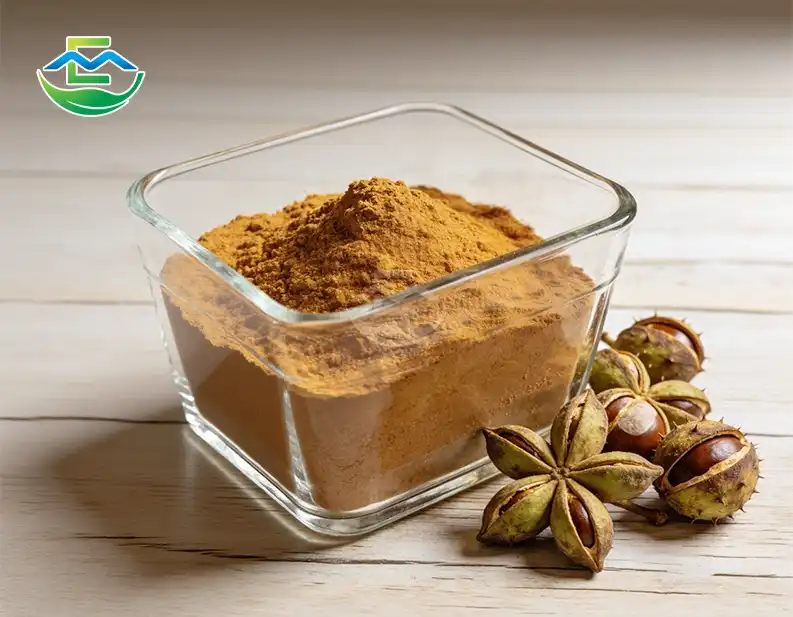
When collecting plant ingredients for nutritional supplements or cosmetic compositions, reliable UV dose control is necessary to produce uniform batches. Horse Chestnut Extract 20% Aescin UV is a standardised extract from seeds of Aesculus hippocastanum, and its total triterpene saponin concentration is measured by UV spectrophotometry. This method provides a cost-effective verification, with absorbance measurements at specific wavelengths to confirm aescin concentration, thus preserving the bioactive integrity that supports vascular wellness applications and anti-inflammatory properties sought after in the nutraceutical and cosmetic industries.

Understanding Horse Chestnut Extract 20% Aescin and UV Dosage Control
Botanical extract standardization requires meticulous attention to assay methodology and quality parameters that directly influence formulation performance.
What Defines Horse Chestnut Extract 20% Aescin UV
Horse chestnut seed extract standardised to 20% aescin by UV spectrophotometry provides a balanced profile of triterpene saponins. Seeds of Aesculus hippocastanum were treated with water-ethanol, resulting in a brownish-yellow powder with a somewhat bitter flavour and hygroscopic properties. UV testing measures the absorbance of light, quantifying the total saponin load. This is a good standard for procurement teams, without the complication of chromatographic separation. This standard is in agreement with the market expectations for mass-produced food supplements for circulatory health and leg comfort.
The Role of UV Dosage Control in Quality Assurance
Controlling UV dose is a pillar of production quality and is closely related to the purity and stability of extracts. Controlled exposure to light during processing inhibits the destruction of sensitive bioactive chemicals. To ensure uniformity between manufacturing batches, manufacturers use calibrated UV-Vis spectrophotometers to measure absorbance at a wavelength of around 268-270nm. This analytic rigour meets the major pain points of R&D directors and formulation managers: ingredient stability, repeatability, and international quality requirements. Implementing strict UV control measures, providers will ensure each shipment retains the claimed content of 20% aescin.
Technical Specifications and Physical Properties
Formulation scientists may use their knowledge of the physical and chemical properties of this botanical powder to optimise product development. The extract has a particle size of 95% passing 80 mesh, which allows for easy tableting and encapsulation. Bulk density varies from 0.45 to 0.65 g/ml and is an important factor for correct volume estimates in blending. The solubility properties indicate partial solubility in water and ethanol and total solubility in hydroalcoholic solutions. This is crucial for oral supplement formulations, as well as for topical cosmetic uses that need stable emulsions.

Health Benefits and Safety Profile of Horse Chestnut Extract 20% Aescin
Scientific literature extensively documents the functional properties of aescin-containing extracts, making them valuable for diverse product categories.
Vascular Wellness and Circulatory Support
Clinical investigations have shown that aescin is active via inhibition of hyaluronidase enzymes, which helps to maintain the integrity of the extracellular matrix components in vein walls. This metabolic process helps sustain appropriate capillary function and normal fluid balance within the leg tissues. Supports nourishment for occasional leg soreness or maintenance of good circulation patterns. These features make it especially attractive to sports nutrition manufacturers looking to create recovery products and nutraceutical companies building specialised vein health products.
Anti-Inflammatory and Antioxidant Properties
Horse Chestnut Extract 20% Aescin UV Circulatory applications only. Aescin UV has antioxidant properties that counteract oxidative damage at the cellular level. The combination of flavonoids, sterols, and triterpene saponins provides what the industry refers to as the “entourage effect” – a complete botanical profile that provides wider advantages than individual substances. Cosmetic chemists use these anti-inflammatory properties in topical products that are intended to reduce puffiness in the skin. Anti-edema advantages are most obvious to the user in eye creams and in gels for the legs.
Quality Control Through UV Methodology
For quality assurance teams, the practical benefits of using UV spectrophotometry for aescin measurement are the advantages. The process is quick, allowing real-time choices in production, without the long delays of chromatographic methods. This efficiency is consistent with lean manufacturing concepts while adhering to strict quality requirements. Procurement experts should be aware that UV findings are often 1.5 to 2 times higher than HPLC values for the same materials owing to changes in methodology. It is important to recognise this connection when comparing certificates of analysis from different vendors.
Comparative Analysis for Smart Procurement Decisions
Strategic sourcing requires evaluating multiple factors beyond price per kilogram to ensure optimal value delivery.
Concentration Options and Cost-Efficiency Balance
Horse chestnut extracts are sold in specifications from 10% to 98% aescin for the different market groups. The 20% UV standard strikes a strategic balance, giving enough bioactive material for significant product claims, while still being cost-effective for mass-market supplements. Our 20% formulation contains natural botanical co-factors that enable synergistic efficacy relative to pharmaceutical-grade 98% sodium aescinate. For nutraceutical makers who want to balance ingredient prices with retail price points, this concentration provides superior value without sacrificing formulation performance.
Supplier Certification and Documentation Requirements
Supplier credentialing requires the evaluation of many quality indicators that signal production competence and regulatory compliance. Essential certifications include NSF GMP, FSSC22000, Kosher, Halal, ISO, and organic certification where appropriate. These certifications show that they follow international food safety management systems and good manufacturing practices. Detailed documentation packages, including Certificates of Analysis (including aescin concentration by UV technique), heavy metals testing findings, microbiological load verification, and solvent residue analysis, are sought to support informed procurement choices. Suppliers that comply with PAH testing methods of benzo(a)pyrene levels below 10ppb and PAH4 below 50ppb show a commitment to consumer safety.
Application Versatility Across Market Segments
The functional diversity of this plant extract opens doors to several product categories. It is included in capsules and tablets by dietary supplement producers in circulatory health formulae, typically in combination with vitamin C and butcher’s broom for complementary benefits. Cosmetic formulators use it in topical applications to support product performance claims with its anti-puffiness qualities. Sports nutrition businesses are finding recovery mixes more appealing as a way to reduce post-exercise inflammation. These ingredients are cross-industry, so ingredient distributors may service a variety of customers, optimising their inventory while still providing the formulations that the customer needs.

Best Practices in UV Dosage Control for Optimal Extract Performance
Maintaining analytical precision throughout production ensures the consistent quality that builds long-term client relationships.
Standardized Testing Protocols
Horse Chestnut Extract 20% Aescin UV spectrophotometry procedures calibrated to reference standards are used by leading manufacturers to assure measurement accuracy. Critical control points for testing include receipt of raw material, upon extraction, and upon release of the completed product, and provide a complete quality trail. Analytical labs try to keep the temperature in the environment under control and also utilise approved reference materials to minimise variability in measurements. This methodical methodology also handles the natural variability of botanical raw materials in which the initial aescin concentration is affected by the growth circumstances, time of harvest, and seed maturity.
Batch-to-Batch Consistency Monitoring
Statistical process control approaches that monitor trends in performance over time are necessary to provide repeatable outcomes. Quality teams analyse several production runs to discover drift tendencies before they damage product requirements. Root cause studies are performed on extraction parameters, solvent ratios, and drying conditions when changes go beyond preset limits. This proactive quality management concept avoids non-conforming material from reaching consumers, safeguarding the brand's image and minimising expensive product recalls.
Supplier Evaluation Checklist for Procurement Teams
Procurement managers need to check a few operational competencies while evaluating possible suppliers of botanical extracts. Make sure manufacturers have specialised UV spectrophotometry equipment with up-to-date calibration certifications. Request extract performance data for accelerated circumstances from stability research. Evaluate the traceability processes of suppliers for raw materials, including documentation of the origin of the seed and verification of the identity using TLC or HPTLC techniques. Ask about their complaint management methods and remedial action processes. Suppliers who provide this insight show the operational maturity needed for dependable collaborations that last the test of time.
Procurement Strategies for Horse Chestnut Extract 20% Aescin with UV Dosage Control
Optimizing purchasing decisions requires understanding market dynamics and supplier capabilities that influence total cost of ownership.
Minimum Order Quantities and Bulk Pricing Structures
The standard packaging for botanical extracts is 25kg fibre drums, which offers most suppliers a workable MOQ. The volume-based pricing tiers often start at 100kg, 500kg and 1000kg order levels. There are significant price reductions for yearly commitment contracts. Because the extract is hygroscopic and requires climate-controlled storage, procurement decisions must evaluate the trade-off between current demands and inventory carrying costs. Setting up blanket purchase orders with planned releases may lock in a good price while using working capital wisely.
Documentation and Regulatory Compliance
Complete technical documentation assists quality system audits and regulatory filings. Quality standards, allergy statement, BSE/TSE declaration, non-GMO certification, and pesticide residue testing results must be specified. Destination country legislation requires importers to provide commercial invoices, packing lists, origin certificates, and phytosanitary certifications. We provide complete paperwork for all botanical medications to simplify customs clearance and speed product launches.
Our modern extraction equipment and expert R&D team ensure high-quality Horse Chestnut Extract every time. NSF GMP, FSSC22000, Kosher, Halal, ISO, and organic certifications show excellent manufacturing. We ship in-stock products within two days from our strategically located US warehouses. The 25kg barrels contain 10%–98% aescin. Buy 25kg. Minimum. Manufacturers and distributors that qualify get free samples for formulation development and quality assessment. We dependably provide Horse Chestnut Extract 20% Aescin UV. Our supply chain prioritises environmental responsibility with technical knowledge and sustainable procurement.
Strategic Partnerships and Private Label Opportunities
Working with manufacturers who provide private label services might help you stand out from the competition. Suppliers with knowledge of the formulation may aid in the development of the product idea, recommending synergistic combinations of ingredients and suitable dosage forms. Assessing a supplier’s flexibility in bespoke packaging, label design assistance, and flexible production schedule provides insight into their commitment to partnership vs transactional partnerships. These value-added services are critical for new product line launches or new market sector entries where technical assistance may help to expedite time to market.

Conclusion
How to pick the Top Horse Chestnut Extract 20% Aescin UV with validated dose control is more complex than a simple comparison of prices, requiring an evaluation of several technical and operational considerations. Successful procurement methods are based on knowledge of the UV spectrophotometry technique, the necessity of complete quality documentation, and evaluation of supplier production capabilities. The extract's adaptability in nutritional supplements, cosmetics, and functional meals offers prospects for ingredient distributors servicing several sectors. Working with certified manufacturers who show analytical rigour, transparent quality standards, and dependable supply chain logistics helps assure consistent product performance that creates customer confidence and brand loyalty in competitive markets.
FAQ
1. What is the recommended usage level for Horse Chestnut Extract 20% Aescin UV in dietary supplements?
Typical inclusion rates for oral supplements range from 300mg to 600mg of the 20% extract per serving, delivering approximately 60- 120 mg of aescin daily. Formulation scientists should consider the complete ingredient matrix, as synergistic components like vitamin C may enhance absorption. Always consult regulatory guidelines specific to your target market when establishing dosage recommendations.
2. Why is UV dosage control important when sourcing this botanical extract?
UV spectrophotometry provides a standardized measurement technique that ensures each production batch contains the specified aescin concentration. This analytical control minimizes variability between shipments, supporting consistent product performance and simplifying formulation adjustments. Suppliers implementing rigorous UV monitoring demonstrate quality system maturity essential for long-term reliability.
3. How does the 20% specification compare to higher concentration options?
The 20% aescin level offers an excellent cost-performance balance for mass-market applications while retaining beneficial co-factors present in whole seed extracts. Higher concentrations, like 98% sodium aescinate, serve pharmaceutical applications requiring maximum potency in minimal dosage forms. Selection depends on target application, formulation constraints, and pricing objectives.
4. What quality certifications should procurement teams verify?
Essential certifications include NSF GMP, FSSC22000, and ISO standards demonstrating food safety management and manufacturing quality. Additional certifications like Kosher, Halal, and organic address specific market segment requirements. Comprehensive COAs should document aescin content via the UV method, heavy metals, microbial load, and PAH testing results.
Partner with EM for Premium Botanical Ingredients
EM specializes in delivering pharmaceutical-grade botanical extracts backed by rigorous quality assurance and comprehensive technical support. Our California-based operations combine advanced extraction technology with sustainable sourcing practices, serving nutritional supplement manufacturers, cosmetic formulators, and functional food producers throughout North America. With four strategically located U.S. warehouses, we guarantee prompt delivery to meet your production schedules. Our Horse Chestnut Extract 20% Aescin UV inventory includes specifications from 10% to 98% aescin, all tested via validated UV methodology and supported by complete regulatory documentation. Contact our technical team at info@em-herb.com to request samples, discuss custom formulation support, or explore bulk pricing options.
References
1. Sirtori CR. Aescin: pharmacology, pharmacokinetics, and therapeutic profile. Pharmacological Research 2001;44(3):183-193.
2. Pittler MH, Ernst E. Horse chestnut seed extract for chronic venous insufficiency. Cochrane Database of Systematic Reviews 2012;11:CD003230.
3. Guillaume M, Padioleau F. Venotonic effect, vascular protection, anti-inflammatory and free radical scavenging properties of horse chestnut extract. Arzneimittelforschung 1994;44(1):25-35.
4. Wilkinson JA, Brown AM. Horse chestnut – Aesculus hippocastanum: potential applications in cosmetic skin-care products. International Journal of Cosmetic Science 1999;21(6):437-447.
5. European Medicines Agency. Assessment report on Aesculus hippocastanum L., semen. Committee on Herbal Medicinal Products 2009; EMA/HMPC/638244/2008.
6. Dudek-Makuch M, Studzińska-Sroka E. Horse chestnut – efficacy and applications in modern phytotherapy. Journal of Herbal Medicine 2015;5(4):233-239.
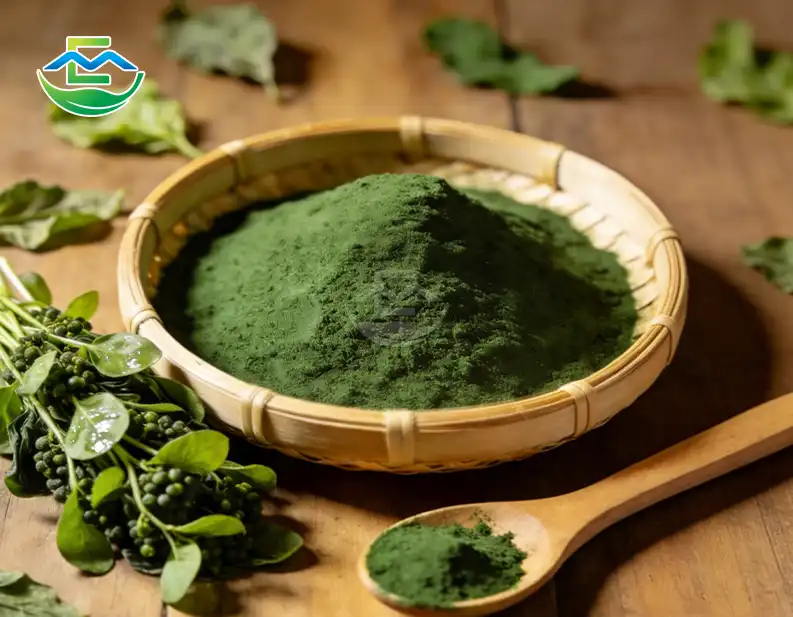
The benefits of pure Chlorella Powder extend far beyond basic nutrition. This powerhouse green algae (Chlorella pyrenoidosa) delivers complete protein profiles, exceptional chlorophyll concentrations, and unique growth factors that address diverse formulation challenges across nutraceutical, cosmetic, and functional food industries. With rigorous cell-wall disruption technology achieving over 95% bioavailability, this ingredient solves the critical industry pain point of nutrient absorption while maintaining clean-label integrity. The powder's versatility in encapsulation, beverage fortification, and cosmeceutical applications makes it an indispensable raw material for B2B manufacturers seeking differentiation in competitive markets.

Understanding Pure Chlorella Powder and Its Nutritional Profile
What Defines Pure Chlorella Powder in Professional Applications
When purchasing teams look at algae-based products, it's very important to know what "purity" means. This word refers to Chlorella pyrenoidosa biomass from a single species, without any manufactured fillers, binders, or carriers. This version doesn't have any additives and looks like a fine green powder with mesh sizes between 120 and 200. This makes sure that it dissolves easily in liquids.
Bioavailability is hard because algae's natural cellulose cell wall makes it less than 40% digestible. To get cell wall cracking rates above 95%, good manufacturers use either a mechanical Dyno-Mill or low-temperature pressure expansion. This process changes the way nutrients can be accessed while keeping heat-sensitive molecules like Chlorella Growth Factor (CGF), which is a nucleotide-peptide complex that makes up 3-5% of the overall biomass.
Nutritional Density and Quality Parameters
Professional-grade Pure Chlorella Powder has between 55 and 65% protein by dry weight, which means it has all nine essential amino acids. This makes it a complete protein source that is hard to find in plant-based foods. It has more than 2,000 mg of chlorophyll per 100g, which is a lot more than spirulina and most other green veggies. This concentration has natural colorant qualities that are valued in food uses that need to be clean label.
For production stability, quality standards say that the ash content must be less than 8% and the moisture content must be less than 7%. Premium grades strictly control pheophorbide levels below 60 mg% to keep end users from having photosensitivity reactions. Certifications like NSF GMP, FSSC22000, Kosher, Halal, ISO, and Organic status prove that the food is sourced honestly and meets handling standards. This is important proof for following the rules in different foreign markets.
Bioactive Compounds and Functional Properties
In addition to macronutrients, Pure Chlorella Powder also contains a lot of micronutrients, such as minerals like iron and zinc, beta-carotene, and B-complex vitamins. The powder has thixotropic qualities when mixed with water, which can be both an advantage and a disadvantage when making drinks. The CGF content of this algae makes it different from others on the market, giving it unique selling points for products that support the immune system and help cells grow back.

Core Benefits of Pure Chlorella Powder for Businesses and Their Clients
Detoxification Support and Clean-Label Appeal
The algae's fibrous structure and specific peptides of the algae show a strong binding affinity for heavy metals in study settings. This addresses consumer worries about exposure to environmental toxins. Pure Chlorella Powder is an important part of detox and cleanse plans because it has this useful property. This benefit is perfect for nutraceutical brands because more and more people want natural ways to clean things up that don't use synthetic chelating agents.
Formulation managers like that the ingredient is clean-label because it comes from whole plant matter and isn't extracted with solvents. The powder meets the requirements for being vegan, plant-based, and non-GMO while also living up to its functional claims, which are backed up by studies.
Immune System Modulation and Wellness Applications
A peer-reviewed study shows that CGF and polysaccharide fractions in chlorella can change the immune system. This scientific confirmation lets people who make products make immune-supporting pills and health drinks that really work as they say they do. The protein density helps healing formulas for sports nutrition brands that want to attract endurance athletes and people who live busy lives.
Cosmetic scientists use the powder's antioxidant properties—chlorophyll and carotenoids fight the oxidative stress that comes with getting older. Adding it to face masks and anti-aging serums has real benefits, like making the skin tone better, lowering inflammation, and helping collagen production. Ultrafine particles smaller than 10 microns are needed to make sure that nutrients are delivered through the skin without any physical damage.
Manufacturing Versatility and Formulation Stability
After processing the cell walls, the powder has great sticking power, which lets supplement makers make 100% Pure Chlorella Powder tablets without using a lot of extra ingredients, which saves them money. It is the main active ingredient in hard-shell capsules, so they don't need many flow agents.
For companies that make healthy drinks, the powder adds nutrients and a natural green color. Getting rid of the "fishy" taste that algae have requires careful flavor hiding, but this can be done with fruit extracts or natural sweeteners that work well with the algae. The ingredient's high thermal stability keeps the protein's integrity during the cold-press or extrusion processes used to make energy bars. This means it can be used in a wider range of snack types.
Comparing Pure Chlorella Powder to Other Superfoods and Supplement Forms
Chlorella Versus Spirulina: Strategic Differentiation
Both are microalgae, but their nutritional profiles are used for different reasons in different formulations. Spirulina has more phycocyanin (a blue color) and gamma-linolenic acid, which makes it a good choice for treating inflammation. As a result of its higher chlorophyll levels and unique CGF content, Pure Chlorella Powder is better for detoxification and cellular regeneration.
Procurement managers should think about what the target market wants. For example, spirulina is better known in Europe, while Pure Chlorella Powder is more popular in Asia's health markets. Putting them together makes "complete green superfood" blends that are more appealing to a wider range of demographics.
Powder Versus Tablet Forms: Manufacturing Considerations
Tablets are convenient for customers and give accurate doses, but they need to be compressed and quality-controlled for hardness testing. Powder formats give you more options for how to make your products; you can add them to smoothie mixes, protein powders, or custom blends without having to buy new equipment.
Powder makes it possible to lower the minimum order quantity and make managing inventory easier from a supply chain point of view. Distributors can put bulk powder back into packages that people can use, which adds value by letting them name the products themselves and build brands.
Organic Certification: Cost-Benefit Analysis
Organic pure Chlorella Powder costs 15–30% more than regular grades, but it can be sold in stores that need clean certifications. Synthetic fertilizers and pesticides are not used in the growing process, which calls for controlled indoor photobioreactors with water purification systems. This ability to track products draws in stores that sell natural products and health-conscious customers.
Standard grades go through a similar process, but it doesn't have any organic certified paperwork. Standard grades have the same nutritional values as organic grades but have better margins for price-sensitive markets or business uses that don't involve consumers.
Procurement Guide for Pure Chlorella Powder: How to Source Smartly
Supplier Qualification and Certification Verification
Auditing suppliers is the first step to successful buying. Heavy metal tests, microbial limits, and pesticide screening data can be found by asking for batch-specific Certificates of Analysis (CoA). FSSC22000 and NSF GMP certifications show that suppliers are trustworthy by showing they have good manufacturing practices and systems for managing food safety.
Checking for ISO licenses makes sure that quality management stays the same across all production runs, which is important for keeping your downstream recipes uniform from batch to batch. Kosher and Halal certifications make the market bigger, especially for religious Jews and people from the Middle East.
Bulk Purchasing Dynamics and Pricing Strategies
The standard package configuration is 25 kg drums, and the minimum order quantity is also 25 kg. However, terms can be negotiated once relationships are established. When you commit to a large amount of goods across multiple shipments, you can get better prices. For example, yearly contracts with deliveries every three months balance the costs of keeping inventory against lower unit prices.
Risk is reduced by sampling methods; reputable providers provide free samples for checking formulations and stability. Long wait times that mess up production plans can't happen because of in-stock items that can be picked up in two days from four big U.S. warehouses. This advantage of warehousing in the United States fixes the problem of supply chain reliability that comes up a lot with suppliers who only do business overseas.
Logistics and International Compliance
Buying from providers who already have businesses in the U.S. makes customs clearance and following the rules easier. Products that meet U.S. FDA rules say that dietary supplements and food ingredients need less paperwork than imports that need new facility registrations.
Product integrity is protected by knowing about shipping procedures, such as temperature-controlled transport in the summer and moisture barrier packing to stop hygroscopicity during travel. Setting up subscription models with set delivery times helps keep working capital in check and avoids running out of stock during times of high demand for pure Chlorella Powder

Maximizing the Value of Pure Chlorella Powder for Your Customers
Dosage Optimization and Application Timing
Daily doses usually run from 2 to 5 grams for maintaining health and can go up to 5 to 10 grams for Pure Chlorella Powder detoxification regimens. Sports nutrition mixes have between 3 and 8 grams of protein per serving, which is a good balance between protein and taste. Timing suggestions, like eating in the morning to get more energy and in the evening to rest, make customers happier by making sure their biorhythms work better together.
For cosmetic uses, concentration testing is needed. Face masks usually have 1% to 3% Pure Chlorella Powder by weight, and serums use 0.5 to 1.5% micro-pulverized grades to keep the structure from getting weird. By giving your customers these usage instructions, you give them the power to formulate well without having to spend a lot of money on trial and error.
Quality Assurance and Allergy Management
Testing incoming raw materials verifies what suppliers say; third-party lab analysis for protein content, chlorophyll levels, and contaminant screening protects the brand's reputation. Setting accepted limits for color consistency (L, a, and b* values in spectrophotometry) stops customers from complaining about differences between batches.
Even though chlorella allergies are not common, labeling should be clear for people who are sensitive to iodine. Proof of hypoallergenic qualities in clinical studies boosts buyer trust and lowers the number of calls to customer service.
Case Study Applications Across Industries
A regional supplement brand got a bigger share of the market by putting the amount of CGF in their capsules on the labels, which was something that competitors didn't do. Their strategy for buying things focused on certified organic status and domestic sourcing, which allowed Amazon FBA to quickly restock items that fit seasonal health trends.
Functional drink makers who were putting out green juice lines got around taste problems by mixing chlorella with pineapple and ginger extracts. This got good results from sensory groups while keeping the clean-label formulas. The technical help from their OEM partner in making the suspension stable stopped samples from settling problems that had happened earlier.

Conclusion
To get around in the Pure Chlorella Powder marketplace, you have to find a balance between quality standards, the stability of the supply chain, and the performance of the formulation. The ingredient is a valuable raw material for the nutraceutical, skincare, and functional food industries because it has been shown to help with cleansing, has a full protein profile, and can be used in a variety of ways. When you buy from suppliers who offer domestic storage, full certifications, and technical support, you move from transactional buying to forming a strategic partnership. Consistency in batches, open testing, and application advice all help to make customers happier and improve your place as a leader in the health and wellness markets.
FAQ
1. What is the ideal daily dosage for different consumer groups?
For wellness upkeep, you only need 2 to 5 grams of Pure Chlorella Powder a day, but for heavy protocols, you may need up to 10 grams spread out over several doses. Five to eight grams after a workout can help athletes recover. Dosages for children should be lowered depending on their body weight, usually by 1-2 grams for ages 6 to 12. Always suggest that people get specific advice from doctors and nurses, especially if they already have health problems.
2. How can I verify product purity and authenticity?
Ask for Certificates of Analysis that are specific to each batch and prove species identification through DNA or microscopic study. Testing by a third party for heavy metals (like lead, arsenic, mercury, and cadmium), microbes, and pesticide residues proves that the food is safe. Certifications from international groups like NSF, USDA Organic, or others like them offer third-party confirmation. Suppliers with a good reputation are happy to have their facilities inspected and keep full records of all activities, from growing the plants to packing them.
3. Are there specific concerns regarding interactions or sensitivities?
People who are sensitive to fish or iodine should be careful, but problems are still rare. The vitamin K content of the ingredient might change how well an anticoagulant works, so people who are on blood-thinning protocols should talk to their doctor. Starting with lower doses lets you figure out your tolerance. Photosensitivity reactions can't happen with good products that have controlled levels of pheophorbide. Labeling that is done right informs customers and lowers potential concerns.
Partner with EM for Premium Chlorella Powder Supply
Building a relationship with a trusted Pure Chlorella Powder provider changes how you can make new products. Earth Made Nutritions Inc. has been in business since 2018 and has its offices in California. Its main business is making high-purity botanical products that meet strict international standards. Our Chlorella pyrenoidosa powder is a fine green powder that comes from whole plants and is certified by the NSF GMP, FSSC22000, Kosher, Halal, ISO, and Organic programs.
Our four strategically placed U.S. warehouses allow for two-day pickup for in-stock items, which eliminates supply problems that slow down production schedules. We can work with both new brands and well-known manufacturers because our minimum order quantities start at 25 kg and our standard packaging is 25 kg drums. You can test formulations with free samples before making a commitment, and our R&D team can help you with technical issues to make the best use of your product.
Get in touch with our buyers at info@em-herb.com to talk about your pure Chlorella Powder needs. Our team gives you the licenses, stability, and customer service that B2B relationships need, whether you're making immune-support capsules, green superfood mixes, or cosmetics.
References
1. Merchant, R. E., & Andre, C. A. (2001). A review of recent clinical trials of the nutritional supplement Chlorella pyrenoidosa in the treatment of fibromyalgia, hypertension, and ulcerative colitis. Alternative Therapies in Health and Medicine, 7(3), 79-91.
2. Panahi, Y., Darvishi, B., Jowzi, N., Beiraghdar, F., & Sahebkar, A. (2016). Chlorella vulgaris: A multifunctional dietary supplement with diverse medicinal properties. Current Pharmaceutical Design, 22(2), 164-173.
3. Nakano, S., Takekoshi, H., & Nakano, M. (2007). Chlorella pyrenoidosa supplementation reduces dioxin and increases immunoglobulin A concentrations in breast milk. Journal of Medicinal Food, 10(1), 134-142.
4. Shibata, S., Natori, Y., Nishihara, T., Tomisaka, K., Matsumoto, K., Sansawa, H., & Nguyen, V. C. (2003). Antioxidant and anti-inflammatory effects of Chlorella on mercuric chloride-induced acute renal failure in rats. Phytotherapy Research, 17(8), 906-912.
5. Ryu, N. H., Boyd, L., Park, J. E., Kim, J., Kim, J. Y., Kwon, S. W., & Kwon, O. (2014). Impact of daily Chlorella consumption on serum lipid and carotenoid profiles in mildly hypercholesterolemic adults: A double-blinded, randomized, placebo-controlled study. Nutrition Journal, 13(1), 57.
6. Bito, T., Okumura, E., Fujishima, M., & Watanabe, F. (2020). Potential of Chlorella as a dietary supplement to promote human health. Nutrients, 12(9), 2524.
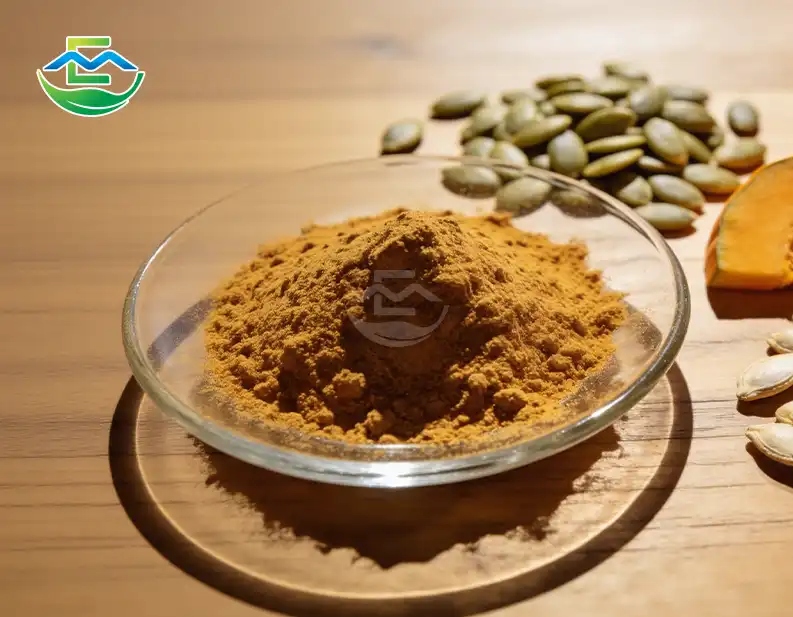
When procurement teams explore premium botanical ingredients for nutraceutical formulations, High-Potency Pumpkin Seed Extract from Cucurbita moschata emerges as a standout choice. This concentrated botanical ingredient, standardized at a 10:1 ratio through water extraction, delivers functional benefits backed by scientific research and consumer demand. As brands navigate the competitive landscape of dietary supplements and functional foods, understanding how to source and position this extract becomes critical for product differentiation and market success.

Understanding High-Potency Pumpkin Seed Extract and Its Market Potential
Nutraceuticals are moving more and more toward clean-label, plant-based products that appeal to people who care about their health. In this situation, pure High-Potency Pumpkin Seed Extract stands out because it has a lot of different phytochemicals and can be used in a lot of different types of products.
What Makes This Extract Different from Regular Seed Powders
In contrast to simple oil preparations or ground pumpkin seeds, our extract goes through controlled water-based processing to reach a 10:1 concentration ratio. This means that one kilogram of fine brownish-yellow powder comes from ten kilograms of carefully chosen growing bodies. The water extraction method keeps heat-sensitive chemicals safe while getting rid of useless parts that could make the product less stable or add bad tastes.
When you mix them together, you get a powder that is high in phytosterols, like beta-sitosterol, and low in important fatty acids, mostly linoleic and oleic acids. This bioactive density lets formulators put effective doses into normal capsule forms or powder mixes without adding too many fillers. The scientific name of Cucurbita moschata gives it unique phytochemical marks that set it apart from other pumpkin types used in commodity-grade goods.
Current Market Trends Driving Demand
People's tastes have changed a lot in favor of functional foods, which is supported by both old and new studies. Search data shows that people are still interested in botanicals that support urinary health, especially those who are looking for natural alternatives. The clean-label movement and pumpkin seed extracts go hand in hand because they show what happens from the farm to the finished product.
According to procurement teams, 60–70% of supplement brands now prioritize certified organic raw materials. This shows that organic certification is becoming more important. Our extract has many certificates, such as NSF GMP, FSSC22000, Kosher, Halal, ISO, and Organic, so it can meet the needs of a wide range of markets around the world. The fine powder form works with many delivery systems, like capsules, tablets, sachets, and drink mixes. This gives formulators more options than generic seed meals.
Analysts predict that the market for useful supplements for busy adults and older people will continue to grow. This extract has a neutral taste and is very easy to compress, which makes it perfect for mixing formulas with plants that go well together, like saw palmetto berry or nettle root extracts.

Choosing the Right Pumpkin Seed Extract for Private Label Projects
When choosing a botanical extract partner, you need to look at more than just price. You need to look at technical specifications, quality systems, and the supplier's abilities as well.
Critical Quality Parameters to Evaluate
The 10:1 concentration standard is a starting point, but smart buyers look at the whole scientific picture for High-Potency Pumpkin Seed Extract. Our Certificate of Analysis includes confirmation of botanical identity through both macroscopic and microscopic examination, which ensures that the right species is being checked. ICP-MS testing for heavy metals shows levels that are well below what is allowed by law. For example, lead levels always test below 1 ppm, and arsenic levels always test below 0.5 ppm.
For microbiological tests to be valid, the overall plate counts must stay below 10,000 cfu/g, and there must be no pathogenic organisms present. Concerns about residual solvents that come up with ethanol- or hexane-based preparations are taken care of by the water extraction process, which supports the clean-label positioning. The moisture level is kept below 8% to stop microbes from growing during storage and to keep the powder's ability to move freely.
Understanding Extraction Technology and Its Impact
For B2B customers who value natural handling methods, water extraction has clear benefits. This method only uses temperature-controlled water as a solvent, so it doesn't use synthetic chemicals, which need a lot of testing for residue and paperwork for the government. This process combines compounds that dissolve in water and compounds that bind to both water and oil. It also naturally lowers the fat content compared to oil-based extracts, which makes the powder more stable over longer periods of time.
Using advanced spray-drying technology, the liquid extract is turned into a fine powder with evenly sized particles, usually 80 mesh or smaller. This uniformity makes sure that the product mixes well and is dosed correctly when it is mixed with other ingredients. The brownish-yellow color makes the product look the same from batch to batch, which is an important quality indicator that customers see and trust the brand.
Comparing Against Alternative Ingredients
For products that promote urinary and prostate health, procurement teams often look at pumpkin seed extract along with other plant choices. Even though saw palmetto is still popular, rising prices and unpredictable supplies have led formulators to look for ingredients that work well with it or are completely different from it. Because agricultural supply chains are stable, pumpkin seed extract has good economics and stable prices.
Zinc supplements are good for you, but they don't have all the phytochemicals that whole botanical extracts do. When nettle root extracts and pumpkin seed extracts are mixed, they work better together, which lets brands make unique mixture products. Because our extract is water-soluble, it can be easily added to products where oil-based ingredients would make processing or stability issues more difficult.
Procurement Strategies for Bulk Purchase
When doing business-to-business (B2B) sourcing, you have to balance quality standards with practical issues like wait times, minimum order amounts, and certification needs.
Direct Manufacturer Advantages
When you work directly with a well-known ingredient provider like Earth Made Nutritions Inc., you skip the markups that come from middlemen and get direct access to technical help and quality documentation. Because our operations are based in California and our four ideally placed U.S. stores make it possible for us to fulfill orders quickly, which overseas-only suppliers can't do. The two-day picking plan for in-stock items works with just-in-time production models, which means you don't have to keep as much inventory and don't need as much warehouse room.
The 25-kilogram minimum order quantity comes in fiber drums with food-grade polyethylene liners, which can be used for both testing new products and regular production runs. This easy-to-reach entry point lets new brands see how the market reacts without having to spend a lot of money, and it also lets established manufacturers change the size of their orders to meet seasonal demand changes.
Evaluating Total Cost of Ownership
The price per kilogram of High-Potency Pumpkin Seed Extract is only one part of the value of procurement. Successful buyers look at the full cost picture, which includes freight, quality testing, regulatory paperwork, and possible reformulation costs if a bad ingredient means recipe changes need to be made. When compared to direct imports, our domestic warehouse network cuts shipping costs and transit times by a large amount. It also gets rid of the hassle of dealing with customs and international payments.
Another secret cost that our multi-certified location takes care of for you is certification maintenance. Our plant keeps these certifications up to date all the time, so we don't have to do different certified organic and Kosher runs, which come with audit fees and batch segregation costs. This means that certified materials are available right away, without the high prices or long lead times that usually come with finding unique production runs.
Building Strategic Supplier Relationships
Long-term partnerships with ingredient providers bring more value than just one transaction. Our research and development team works with formulators to find the best ways to incorporate extracts. They do this by giving you data from solubility tests and stability studies, which speeds up the process of making your product. Access to samples that have been saved from specific production lots makes it easy to do an investigation if questions arise in the field. This helps you respond quickly to questions from customers or regulators.
Since you can get free samples, there are no hurdles to evaluation. This means that your team can do internal testing before committing to large-scale production. This risk-free evaluation period is very helpful when changing the way existing products work or coming up with completely new ideas for your product line.

Marketing and Positioning Private Label Products for B2B Success
To turn high-quality ingredients into commercial success, you need to come up with a positioning strategy that speaks to end consumers and meets the needs of distributors and retailers.
Crafting Compliant Yet Compelling Product Narratives
Regulatory systems that govern structure-function claims require careful language that strikes a balance between what consumers want and what is needed to comply. Putting High-Potency Pumpkin Seed Extract in the context of "supporting wellness" and "providing nutritional support" keeps it in line with regulations while letting people know about its real benefits. The traditional use history of the botanical gives us a lot of ways to connect current recipes to old-fashioned ways of eating well.
Leveraging Certifications as Market Differentiators
Third-party certifications turn vague claims about quality into real proof points that affect buying decisions. The NSF GMP certification covers standards for making food supplements, so you can be sure that they are made using quality systems that meet pharmacy standards. FSSC22000 certification shows that food safety management goes beyond the basic GMP requirements. This is especially helpful when going after functional food applications instead of traditional supplement channels.
Certified Kosher and Halal ingredients can be sold to groups of people that regular ingredient suppliers don't normally reach. These credentials don't cost much more when they come from properly certified centers, but they make it harder for rivals to get them, which protects your marketplace against those who use non-certified alternatives.
Digital Marketing Strategies for Ingredient-Forward Brands
Modern customers want more information about where ingredients come from and how products are made. Private label brands can stand out by putting supplier credentials in a prominent place in their marketing materials. This gives the brand an air of authenticity that mass-market competitors find hard to match. Creating content around "farm to bottle" or "supplier partnership" stories gives your brand a human touch and teaches customers about the quality factors that justify higher prices.
The way people buy supplements has changed because of digital markets and subscription methods. For example, 40% of supplement buyers now use auto-delivery systems. Our extract's constant quality and reliable supply support subscription business models by getting rid of stock-outs that hurt customer retention and lifetime value.

Conclusion
Finding botanical ingredients for private label development requires a thorough analysis of quality standards, supplier capabilities, and strategies for positioning in the market. Concentrated High-Potency Pumpkin Seed Extract from Cucurbita moschata has many great benefits, such as being extracted using clean water, having a lot of certifications, and being easy to get in the U.S. thanks to our network of warehouses. The 10:1 standardization makes the mixture consistent, and the fine brownish-yellow powder works well with a variety of application formats. Clear quality documentation, low minimum order quantities, and technical support that cuts down on product development times are all benefits for procurement teams. As more people want functional ingredients with clean labels, building ties with approved providers becomes more important for long-term market success.
FAQ
1. What distinguishes a 10:1 concentration ratio from standardized extracts?
Ten parts of raw material make one part of finished extract when they are processed with water. Instead of focusing on isolating specific marker compounds, this concentration method looks at the overall bioactive density. Ratio extracts give a wide range of phytochemical profiles that keep the natural compound relationships found in the whole plant, while standardized extracts give exact amounts of each ingredient that have been tested analytically.
2. How should this powder be stored to maintain quality?
The way plant extracts are stored has a big effect on how long they last. Store containers with lids in cool, dry places below 25°C that are out of direct sunlight and away from sources of moisture. When properly sealed between uses, the fiber drum package with a polyethylene liner offers great security. Exposure to humidity can make things clump together, and heat speeds up natural oxidation processes that change color and taste over time.
3. Can this ingredient support organic product claims?
Yes, our extract is certified organic and meets the standards of the USDA National Organic Program. The approval covers both the raw material and the processing plant, making sure that the organic purity is maintained at every stage of production. This lets your finished goods have an organic label as long as all the other ingredients in the recipe also meet organic standards and your factory has the right organic handling credentials.
4. What documentation supports regulatory compliance for U.S. markets?
Each production lot comes with a full Certificate of Analysis that lists the botanical name, concentration ratio, physical properties, microbial testing results, and heavy metal screening data for each batch. If you ask for it, you can also get allergy statements, GMO declarations, BSE/TSE statements, and letters of compliance with California Proposition 65. These papers back up nutritional supplement NDI reports, FDA facility registrations, and state-specific registration needs in every U.S. area.
Partner with EM for Premium Pumpkin Seed Extract Solutions
Earth Made Nutritions Inc. provides pharmaceutical-grade plant-based ingredients that are backed by a wide range of certifications and unmatched domestic logistics capabilities. Our pumpkin seed powder from Cucurbita moschata, which has been separated with water, meets the high quality standards of people in North America who make nutraceuticals, cosmetics, and functional foods. As long as NSF GMP, FSSC22000, Organic, Kosher, and Halal certifications are up to date, your buying team can get approved materials right away, without having to wait for production to start or pay extra. Our four regional U.S. warehouses make sure that orders are delivered quickly and support just-in-time manufacturing models. Our R&D team in California offers expert advice for improving formulations. Our experienced team provides quick service and high quality, whether you need a single 25 kg drum for product development or a steady supply of products that are already on the market. Email our ingredient experts at info@em-herb.com to get free samples, talk about custom requirements, or get detailed quotes for your private label projects. As your provider of pumpkin seed extract, we promise to help your business grow by providing reliable quality, low prices, and service that is focused on building partnerships.
References
1. Stevenson, D.G., et al. "Oil and Tocopherol Content and Composition of Pumpkin Seed Oil in 12 Cultivars." Journal of Agricultural and Food Chemistry, vol. 55, no. 10, 2007, pp. 4005-4013.
2. Fruhwirth, G.O., and Hermetter, A. "Seeds and Oil of the Styrian Oil Pumpkin: Components and Biological Activities." European Journal of Lipid Science and Technology, vol. 109, no. 11, 2007, pp. 1128-1140.
3. Patel, S. "Pumpkin (Cucurbita species) Seeds as Nutraceutical: A Review on Status Quo and Scopes." Mediterranean Journal of Nutrition and Metabolism, vol. 6, no. 3, 2013, pp. 183-189.
4. Bardaa, S., et al. "Oil from Pumpkin Seeds: Evaluation of Its Functional Properties on Wound Healing in Rats." Lipids in Health and Disease, vol. 15, 2016, article 73.
5. Gossell-Williams, M., et al. "Improvement in HDL Cholesterol in Postmenopausal Women Supplemented with Pumpkin Seed Oil." Climacteric, vol. 14, no. 5, 2011, pp. 558-564.
6. Damiano, S., et al. "Effects of Cucurbita pepo Extract on Male Rat Reproductive System." Journal of Ethnopharmacology, vol. 127, no. 3, 2010, pp. 545-550.
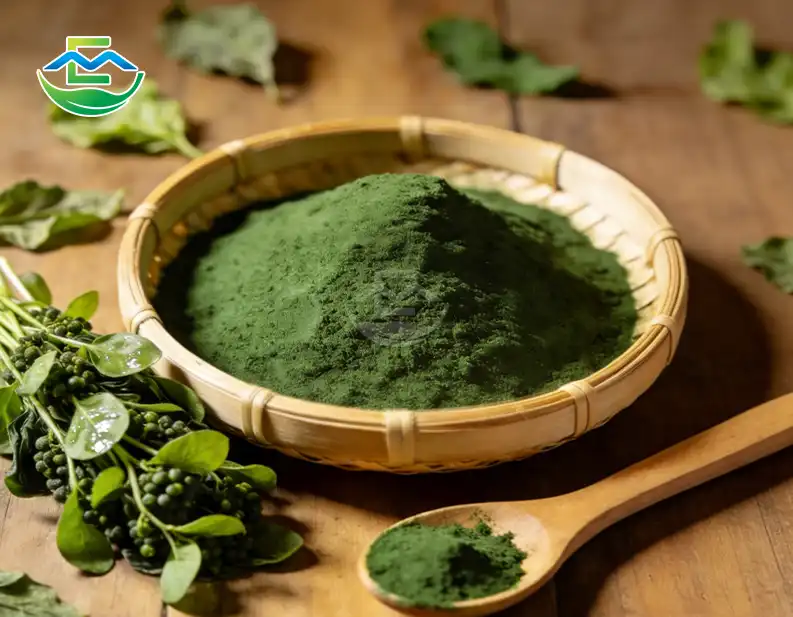
When evaluating, pure Chlorella Powder consistently surfaces as a trending ingredient. Derived from the single-celled green algae Chlorella pyrenoidosa, this fine green powder has captured attention across and cosmeceutical sectors. However, distinguishing genuine biochemical capabilities from marketing narratives remains essential. With high protein density (55-65% dry weight), complete amino acid profiles, and distinctive Chlorella Growth Factor (CGF) compounds, this ingredient offers measurable advantages—yet not all claims withstand scrutiny. This analysis separates validated mechanisms from exaggerated promises, equipping procurement professionals with clarity for sourcing decisions.

Understanding Pure Chlorella Powder and Its Detox Claims
What Defines Authentic Chlorella Powder Quality
High-quality chlorella powder comes from growing Chlorella pyrenoidosa under controlled conditions in freshwater, then spray-drying it and breaking down its cell walls in a very important way. The natural cellulose cell wall is hard for the body to absorb. If it isn't mechanically broken down with >95% crackage rates using Dyno-Mill or low-temperature pressure expansion technology, it stays below 40% digestible. Premium formulas get around this problem, increasing vitamin intake by more than 80% while keeping heat-sensitive molecules like CGF and chlorophyll porphyrins. Mesh sizes between 120 and 200 make sure that the mixture is suspensible in liquids, which is a common problem in production.
Pure Chlorella Powder versions are different from weakened ones because they don't have any excipients, fillers, or maltodextrin. The lab should confirm that the chlorophyll concentration is more than 2,000 mg/100g, the moisture content is less than 7%, and the ash content is less than 8%. These levels are much higher than the standards for spirulina. To avoid sensitivity reactions, phenolphthalein levels must stay below 60%, which is a detail that is often missed in cheaper products.
Biochemical Mechanisms Behind Heavy Metal Binding
Chlorella's reputation for detoxification comes from its ability to bind heavy metals through polysaccharides and peptide complexes in its cell wall. Studies in the lab show that cadmium, lead, and mercury ions can be chelated in controlled settings. The sporopollenin part inside broken cell walls binds to these metals, which makes it easier for them to pass through gut systems without being reabsorbed.
The amount of chlorophyll and carotenoids in plants determines their antioxidant activity. These chemicals fight oxidative stress markers in cell tests. The CGF nucleotide-peptide complex, which makes up 3–5% of biomass, helps cells grow again. Even tho these compounds have real effects, they are hard to measure because they depend on how they are processed and how concentrated they are in the final product.
Separating Evidence from Marketing Exaggeration
A lot of the time, marketing stories exaggerate promises of miracle cleansing or quick detoxification. Real biochemical processes work slowly, so you need to keep taking them for weeks instead of days. The high protein and micronutrient content of algae helps improve nutrition, which in turn benefits metabolic processes. This is very different from active pharmaceutical involvement.
There is no direct way for chlorella to "extract" toxins from deep tissue stores or "cleanse" systems. Instead, it gives the body nutrients and binding agents that help the natural processes of elimination that are already going on in healthy systems. Instead of taking broad promises of cleansing that aren't backed up by research, procurement teams should compare what suppliers say to published study parameters.

Evaluating the Health Benefits and Possible Side Effects
Validated Nutritional and Functional Advantages
Chlorella pyrenoidosa powder is useful for sports nutrition and meal replacements because it contains protein, which gives you all the essential amino acids. Bioavailability of vitamin B12 is a topic of discussion, but plant-based product makers are interested in its presence. Micronutrient fortification strategies are supported by high levels of iron, magnesium, and zinc.
Show that is changed, which may be connected to beta-glucan polysaccharides and CGF compounds that boost. Fiber levels and prebiotic benefits are linked, but everyone reacts differently. In cosmeceuticals for the skin, chlorophyll and antioxidant qualities are used to make products that target oxidative stress markers. For dermal compatibility, the particles need to be very small (<5 microns).
Dosage Considerations for Product Development
Powder forms are useful for making liquid suspensions, capsules, and tablets that are compressed. Most people take between 2 and 5 grams of the drug every day, but B2B formulas change concentrations based on delivery methods and target groups. Tablet applications benefit from chlorella's ability to stick together after it has been disrupted, which reduces the need for excipients and saves money on manufacturing costs.
Because of their thixotropic properties, liquid matrices make it hard to make suspensions that stay stable. Getting rid of the characteristic "fishy" taste of algae in consumer goods usually means using flavor systems or blend formulations with botanicals that go well with the algae. When proteins are thermally stable, they keep their shape during cold-pressing or extrusion processes. This means that they can be used in more energy bars and snacks with added nutrients.
Responsible Usage Guidelines for B2B Applications
Good pure Chlorella Powder doesn't absorb water easily, which helps keep products stable during production and gives them a longer shelf life when kept properly. Controlling cultivation and standardizing processes are two of the most important things that determine the consistency of one batch to the next during provider checks. Traceability documentation should show where the raw materials came from all the way to the final packaging. This is what North American and European regulators expect.
Some groups need different formulas or extra care when using them, especially those who are sensitive to algae or can't get certain minerals. When working with powder, people who move large amounts of it should take the right steps to keep the dust under control, since tiny bits can make it hard to breathe in factories. In production sites, risk estimates and handling practices are affected by these practical factors.

Market Comparison: Pure Chlorella Powder vs Other Green Superfoods
Nutritional Differentiation Across Green Ingredients
Spirulina has about the same amount of protein as chlorella, but it doesn't have the unique CGF chemicals that chlorella does. The bioavailability problem is solved by spirulina's softer cell wall, but the unique polysaccharide structures that help with binding are lost. Wheatgrass has a lot of chlorophyll and enzymes, but not a lot of protein, which makes it a different choice for preparation techniques.
Matcha has catechin antioxidants and caffeine, which makes it useful for making, in addition to adding nutrients to chlorella. When compared to chlorella's full protein makeup, the amino acid L-theanine in matcha creates a different market positioning. Because of what the companies that make the products say about them and what customers want, each pure Chlorella Powder fits into a certain category.
Organic Certification and Cultivation Standards
Organic chlorella farming doesn't use synthetic pesticides and focuses on environmentally friendly ways to grow the algae, which leads to higher prices when buying it. Certification standards, like USDA Organic, EU Organic, and JAS, check how crops are grown and how they are processed. This affects the trustworthiness of suppliers and their ability to get into markets. Non-organic alternatives may be cheaper in situations where organic certification doesn't affect the decision to buy.
The environments where plants are grown have a big effect on the profiles of contaminants. Closed photobioreactor systems are easier to manage than open pond farming, which lowers the risk of polluting the environment. The purity of the final product is affected by the quality of the water source, the nutrients added, and the timing of harvesting. These are the factors that set trustworthy manufacturers apart from dishonest suppliers. These things explain price differences and help decide which purchases to make first.
Sourcing Pure Chlorella Powder for B2B Procurement
Critical Supplier Evaluation Criteria
Not only do organic brands have their own certifications, but so do NSF GMP, FSSC22000, Kosher, Halal, and ISO standards. Each of these meets the needs of a different market and quality system. Heavy metal screening, microbial analysis, and nutrient verification against stated specifications should all be part of batch-level testing protocols. Suppliers who give Certificate of Analysis paperwork that has been validated by a third-party lab show that they care about quality.
Cell wall disruption proof is a technical requirement that is often left out of quick source evaluations. The stated cracking rates are confirmed by microscopic analysis or digestibility tests, which have a direct effect on the bioavailability of the end goods. Traceability systems that keep track of batches of plants from cultivation to processing help with recalls and following the rules, tho the capabilities of these systems vary a lot between suppliers of pure Chlorella Powder.
Logistics and Commercial Considerations
The smallest amount you can buy is usually 25 kg, which is packed in drums made for handling ingredients. Prices based on volume are based on economies of scale, with big cost cuts happening when multiple tons are ordered. Lead times depend on where the inventory is located. For example, sellers who keep stock in regional stores can fulfill orders quickly, while production-to-order models need more time.
Total landed costs are affected by shipping logistics, especially when buying things from other countries. When suppliers run warehouses in the U.S., they avoid delays caused by imports and make it easier for goods to get to factories in the U.S. Four regional warehouse networks across the US are a strategic advantage because they make supply lines more flexible and able to respond to changes in demand and shorter production cycles.
Strategic Partnership Opportunities
OEM and bulk order capabilities show that the supplier is ready to work with you on custom formulations and private label projects. Value-added partners are different from transactional sellers because they offer technical support services like formulation advice, help with stability testing, and regulatory guidelines. Suppliers with in-house research and development teams and high-tech extraction tools show they can come up with new ways to do things for specific applications.
Samples being available shortens the time it takes to evaluate, so formulas can be tested before big orders are made. Free sampling policies make it easier for procurement teams to try out new ingredients. Second-day pickup from stocked inventory shows business efficiency and customer-focused operations. This is especially helpful for product launches or inventory replenishment situations that need to happen quickly.

Making an Informed Decision: Debunking Myths and Choosing the Right Product
Common Misconceptions Undermining Procurement Quality
If you think that all pure Chlorella Powder has the same nutritional value, you're not taking into account important handling factors. Nutrient retention and solubility are greatly affected by how fast the cell wall is broken down, how hot it is dried, and how it is stored. If you only look at price per kilogram without also looking at how complex the processing is, you might end up with formulations that don't work as well and users who are disappointed.
When you mix up chlorella species, especially Chlorella vulgaris and Chlorella pyrenoidosa, you get differences in makeup that affect how well the algae work. Both are healthy, but small differences in the amounts of protein and growth factors may affect how the formulation turns out. To make sure that all supply batches are the same, specification sheets should clearly list species and handling methods.
Practical Quality Assessment Framework
Claims in marketing that stress "miracle detox" abilities without providing a mechanism for action should be taken with a grain of salt. Instead of making hazy claims about purification, honest providers back up their claims with study references and biochemical explanations. This openness sets science-based suppliers apart from those who put more emphasis on marketing stories than on real product knowledge.
Nutrient density verification through independent lab research backs up the protein rates, chlorophyll amounts, and micronutrient profiles that were reported. Screening for heavy metals, pesticide residues, and microbial loads protects the integrity of the formulation and makes sure that it meets regulatory requirements. Tolerances for specifications should set acceptable ranges instead of single-point targets. This way, natural variations in biological materials can be taken into account while quality standards are still met.
Aligning Chlorella Powder with Market Demands
Supplier checks that look at growing facilities, processing equipment, and quality control systems show more about how things work than just reading the paperwork. When it's not possible to go to a place in person, virtual tours or audit reports from a third party can be used instead. These tests find risks related to cross-contamination, sanitation rules, and batch separation, all of which have a direct effect on how consistent the product is.
Clean-label products with recognizable ingredients and little processing are becoming more and more popular with consumers. These standards are met by chlorella's use of the whole plant and lack of solvent extraction, which puts it in a good place in natural product categories. The fine green powder's plant origin story fits with the need for openness in food and markets. Regulatory settings in different areas have different rules about new chemicals and health claims. Time-to-market for new products with this ingredient is sped up by suppliers who keep complete regulatory paperwork and claims justification files.
Conclusion
Pure Chlorella Powder from Chlorella pyrenoidosa has been shown to improve nutrition and has useful traits when it is found with care for processing quality and seller trustworthiness. Heavy metal binding, antioxidant activity, and metabolic support are some of the biochemical mechanisms that help with detoxification. These mechanisms work within certain limits that responsible marketing should accurately show. To be successful in procurement, you can't just believe what a seller says; you need to look at how often their cell walls are broken, their certifications, how they stop contamination, and their specialized skills. As clean-label trends and a preference for natural ingredients continue to shape formulation strategies, chlorella powder offers strategic opportunities in food and cosmetics applications when combined with realistic performance expectations and strict quality standards.
FAQ
1. What distinguishes high-quality chlorella powder in B2B procurement?
Cell wall breakdown rates of premium pure Chlorella Powder are higher than 95%, which can be proven by microscopic analysis or digestibility tests. Quality systems and growing methods are checked by certifications like NSF GMP, FSSC22000, and organic qualifications. Specifications should list the amount of protein (55–65%), chlorophyll (>2,000 mg/100g), and contaminants that are allowed. These should be backed up by Certificates of Analysis from accredited laboratories that are specific to each batch. Traceability documentation and technical support from suppliers show that they are reliable enough to be used for procurement.
2. How does organic certification impact chlorella powder applications?
Organic approval proves that crops were grown without using synthetic pesticides and that sustainable production methods were followed. This allows natural product lines to get into more markets and earn higher prices. USDA Organic and EU Organic are two certification groups that have different rules about how product claims and label statements should be written. For situations where certification doesn't affect buying decisions, non-organic alternatives may be sufficient. They are cheaper and still have the same nutritional value when they come from environments that keep contaminants at bay.
3. What processing factors affect chlorella bioavailability?
The natural cellulose cell wall stops nutrients from being absorbed below 40% without breaking down the cell. Using techniques like Dyno-Mill processing or low-temperature pressure expansion breaks more than 95% of the cell walls, making the food more digestible more than 80% of the time while keeping heat-sensitive compounds. Spray drying temperatures and storage conditions also have an effect on how nutrients are kept, which is why the processing technique is an important specification in procurement reviews that go beyond basic compositional analysis.
Partner with EM for Premium Chlorella Powder Supply
EM's wide range of services meets the strict quality standards needed by procurement teams looking for trusted pure Chlorella Powder providers. As a well-known manufacturer that has been based in California since 2018, EM has four strategic U.S. warehouses that allow for same-day order fulfillment. This is a logistical advantage that keeps domestic formulation facilities from having to wait for imported goods. The Chlorella pyrenoidosa powder that is sent meets strict requirements: it is a fine green powder that comes from processing the whole plant and is packed in 25 kg drums, with a 25 kg minimum order. Full certification portfolios include NSF GMP, FSSC22000, Kosher, Halal, ISO, and Organic credentials, meeting a wide range of regulatory needs in food applications. Free samples make it easier to try formulations before committing to large quantities, and having inventory on hand helps supply lines be flexible. EM is a scientific partner that goes beyond just supplying ingredients because it has advanced R&D facilities and extraction technologies. Email the team at info@em-herb.com to talk about your needs for bulk chlorella powder and find out how EM's quality systems and delivery network can help your manufacturing strategies.
References
1. Merchant, R.E., Andre, C.A., and Sica, D.A. "Nutritional Supplementation with Chlorella pyrenoidosa for Patients with Fibromyalgia Syndrome: A Pilot Study." Phytotherapy Research, 2001, 15(2), 91-94.
2. Nakano, S., Takekoshi, H., and Nakano, M. "Chlorella pyrenoidosa Supplementation Reduces Dioxin and Increases Immunoglobulin A Concentrations in Breast Milk." Journal of Medicinal Food, 2007, 10(1), 134-142.
3. Panahi, Y., Darvishi, B., Jowzi, N., et al. "Chlorella vulgaris: A Multifunctional Dietary Supplement with Diverse Medicinal Properties." Current Pharmaceutical Design, 2016, 22(2), 164-173.
4. Ryu, N.H., Lim, Y., Park, J.E., et al. "Impact of Daily Chlorella Consumption on Serum Lipid and Carotenoid Profiles in Mildly Hypercholesterolemic Adults." Nutrition Research and Practice, 2014, 8(2), 186-191.
5. Shibata, S., Natori, Y., Nishihara, T., et al. "Antioxidant and Anti-cataract Effects of Chlorella on Rats with Streptozotocin-Induced Diabetes." Journal of Nutritional Science and Vitaminology, 2003, 49(5), 334-339.
6. Vijayavel, K., Anbuselvam, C., and Balasubramanian, M.P. "Antioxidant Effect of the Marine Algae Chlorella vulgaris Against Naphthalene-Induced Oxidative Stress in Albino Rats." Molecular and Cellular Biochemistry, 2007, 303(1-2), 39-44.
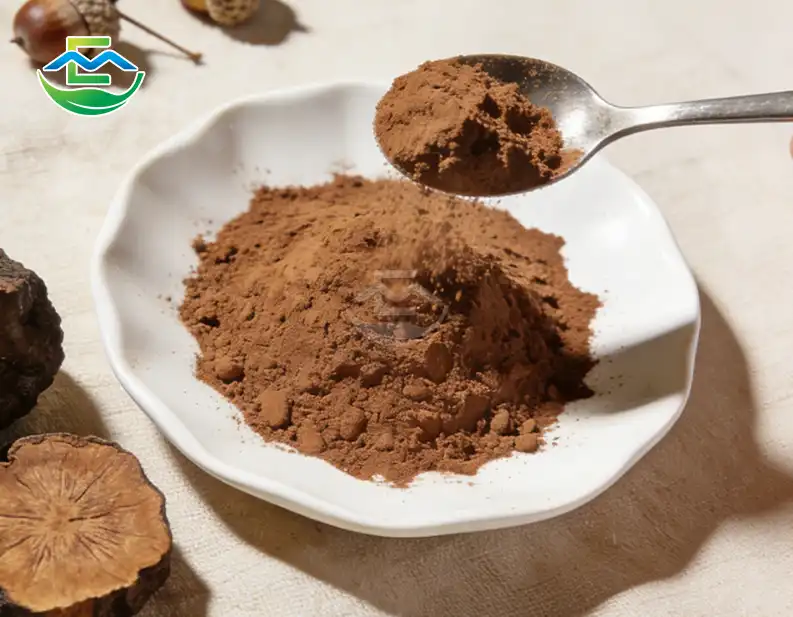
Recent scientific investigations demonstrate that pure Chaga mushroom Powder, derived from wild-harvested Inonotus obliquus growing on birch trees in sub-arctic regions, contains concentrated bioactive compounds that support immune function. Studies highlight its rich polysaccharide content, particularly beta-glucans exceeding 10-20%, alongside triterpenes and melanin complexes that work synergistically to modulate cellular defense mechanisms. Unlike mycelium-on-grain products or synthetic alternatives, authentic Chaga powder from fruiting bodies delivers a full spectrum of naturally occurring compounds validated by research for their antioxidant properties and immunomodulatory potential.

Understanding What Makes Chaga Mushroom Powder Unique for Immune Support
To help your immune system, learn what makes pure Chaga mushroom Powder special.
The Science Behind Chaga's Bioactive Profile
Pure Chaga mushroom Powder's healing properties come from the many different chemicals that it has built up over many years of growing on birch bark. When Inonotus obliquus collects betulinic acid from its host tree, it makes a special mix of triterpenes that can't be found in other species grown in a lab. HPLC analysis has shown that high-quality pure Chaga mushroom Powder has polysaccharide levels above 30%, with beta-glucans containing specific 1,3-1,6 linkages known to activate immune cells. The dark brown to black color comes from a lot of melanin, which also helps explain its high ORAC value, which measures antioxidant capacity.
How Bioactive Compounds Support Immune Function
Researchers have found that pure Chaga mushroom Powder polysaccharides interact with immune cells in more than one way. Beta-glucans attach to certain receptors on natural killer cells and macrophages, making them better at keeping an eye on things. In laboratory tests, the triterpene fraction, especially betulinic acid, has been shown to protect cells. The chromogenic complex, which is made up of melanin and flavonoids, fights oxidative stress, which is linked to a weaker immune system. These mechanisms explain why formulation scientists looking for ingredients with strong evidence for immune-focused products are becoming more interested.
Distinguishing Pure Powder from Inferior Alternatives
A lot of the time, procurement teams get mixed up between pure Chaga mushroom Powder and mycelium goods grown on grain substrates. The difference is very important for how well the product works. Pure Chaga mushroom Powder has very little alpha-glucan (less than 5%), while products made from grains have a lot of starch, which waters down the active ingredients. These differences are very clear when the Megazyme technique is used for testing by a third party. Material collected in the wild from birch trees has all the phytochemicals that are normally found in plants. For example, birch-derived betulin is not found in lab-fermented liquid cultures. When R&D leaders know about these differences, they can choose ingredients that back up the claims made about the product.

Comparing Different Chaga Product Forms and Quality Markers
Powder Versus Extract: What Formulation Scientists Need to Know
When making functional foods or supplements, the choice between whole fruiting body pure Chaga mushroom Powder and concentrated extracts affects both how the product works and what it says on the label. The whole pure Chaga mushroom Powder usually has 20–30% polysaccharides and keeps all of the pure Chaga mushroom Powder chemicals in their original amounts. Dual-extracted powders are processed with hot water and ethanol, and then they are spray-dried. This breaks down the chitinous cell walls to make the active ingredients more bioavailable while also focusing them. Extracts make precise standardization possible, which is important for consistency from batch to batch, and they need less of a dose in finished products. Spray-dried extracts dissolve better in water, which is important for drinking uses where particles that don't dissolve can make the mixture difficult.
Certifications That Matter for Global Compliance
The first step in quality assurance is to make sure that the supplier's certifications meet the rules in all places. Organic certification proves that no synthetic pesticides were used, but pure Chaga mushroom Powder that was collected from the wild grows naturally without any help from farmers. The value of certification comes in the recorded treatment and traceability rules. For companies that make nutraceuticals and want to sell them internationally, NSF GMP certification shows that their quality systems are up to pharmaceutical standards. FSSC22000 is about managing food safety, which is a must for brands of functional drinks. Kosher and Halal certifications help you reach more customers, and heavy metal tests with ICP-MS (Lead below 2ppm, Cadmium under 1ppm, Mercury under 0.1ppm, and Arsenic below 1ppm) keep your brand's image safe and save your customers' health.
Quality Control Parameters for Procurement Evaluation
Buying managers with a lot of experience look at pure Chaga mushroom Powder based on certain technology requirements. The size of the particles affects both how well they are made and how bioavailable they are. Particles between 80 and 120 mesh are good for most supplement uses, but beauty recipes need particles smaller than 10 microns for smooth emulsions. The moisture level must stay below 5% so that the powder doesn't clump while it's being stored and so that it can still flow through packaging equipment. The amount of beta-glucan to alpha-glucan is a sign of authenticity; pure Chaga mushroom Powder has a lot of beta-glucan and not much starch. When screening material from Siberia for cesium-137, natural factors in the area are taken into account. Microbiological specifications that follow USP standards protect end users and meet government requirements for food materials.

Practical Integration Strategies for Product Development Teams
Dosage Considerations Across Application Categories
Dosing based on research gives formulation teams a place to start when they are making new products. Most studies that look at immune markers use 1 to 3 grams of pure Chaga mushroom Powder or a concentrated extract that is similar every day. Solubility issues often mean that dual-extracted spray-dried powder at 300–500 mg per serving and complementary botanicals have to be used in ready-to-drink functional drinks. The concentrated nature of extracts helps supplement companies make pill products that can fit effective doses into standard capsule forms. The dosage strategy and powder specs are based on the purpose of the product, such as immune formulas, general health, or sports nutrition.
Formulation Compatibility and Processing Stability
People who make products need to think about how pure Chaga mushroom Powder acts in certain matrices. When used in hot drinks, the powder's pH stability is important; a good material can handle acidic coffee settings without forming crystals. People who are sensitive to taste should be aware of the natural earthy flavor profile. However, birch-derived vanillic acid adds subtle vanilla notes that go well with many formulations. When making tablets, the way the tablets flatten depends on their bulk density and flowability. Adding grinding steps can help make the processing more consistent. When cosmetic chemists put pure Chaga mushroom Powder into anti-aging serums, they need to make sure that the particles are very small so that the texture doesn't get off. Pure Chaga mushroom Powder's melanin content gives skincare claims natural UV protection.
Regulatory Compliance and Product Claims Framework
To understand claims, you need to know how regulations affect useful chemicals. In the US, dietary supplements can still make structure-function claims about supporting immune health without getting pre-market approval, as long as they don't imply that the supplement can be used to treat a disease. It's important to keep track of source certificates of analysis, third-party testing results, and written research that backs up the benefits of ingredients. Brands that want to sell their products in more than one country can avoid expensive reformulation by knowing the rules that apply to each area. For some uses, European markets need Novel Food assessments, while some Asian markets need proof of typical uses. Procurement teams that care about compliance give more weight to suppliers who offer complete documentation packages that help with global market access.
Strategic Sourcing Approaches for Ingredient Buyers
Evaluating Supplier Capabilities and Reliability
For long-term relationships to work, suppliers need to be carefully evaluated in more ways than just price. Manufacturing skills show the ability to consistently supply goods; specialized processing equipment, controlled storage conditions, and well-established quality standards show that operations can be relied on. Traceability tools that keep track of where the crops were harvested, when they were processed, and the results of tests make it possible to respond quickly to questions. When formulation problems come up, having access to technical support is important; suppliers with in-house R&D teams can give useful application advice. Reading customer reviews from companies that are like yours—whether they make supplements, drinks, or cosmetics—can give you an idea of how partnerships really work in the real world. Suppliers who are financially stable and have been in business for a long time are likely to be able to keep their promises in the supply chain even when the market changes.
Optimizing Procurement Through Supply Chain Efficiency
Geographic factors have a big effect on both total cost and delivery reliability. When suppliers keep local warehouse networks, shipping times and freight costs go down. This is especially helpful for businesses that use just-in-time manufacturing. Minimum order numbers affect the amount of working capital needed. A 25 kg MOQ is good for businesses that want to increase output without having to keep too much inventory on hand. Predictable lead times allow for accurate production planning, and in-stock ingredients that can be picked up in two days avoid costly production delays. Understanding how prices are set helps buyers negotiate well. Knowing about market trends, volume discounts, and contract pricing all helps buyers get the best deals on their budgets. Samples are available so that formulations can be tested before committing to a large order. This lowers the risk of trying out new ingredient uses.
Due Diligence Checklist for New Supplier Relationships
Systematic verification protects buying decisions before the final supplier choice is made. Ask for full records of analysis that list all quality factors, such as heavy metal screening, microbiological tests, and beta-glucan content. See if the certification is real by looking at the websites of the organizations that issued it to see a list of approved centers. Check to see if all the paperwork is there—specifications sheets, safety data sheets, allergen statements, and GMO releases all help meet government filing requirements. Make sure you understand the logistics, such as the different ways to package (25 kg drums are standard), how to ship, and what kind of insurance is included. Talk about quality guarantee rules and how to handle failures to meet specifications. By knowing these practical details, you can avoid surprises that throw off your production plan or lower the quality of your products.

Innovation Trends Shaping the Functional Mushroom Market
Processing Technologies Enhancing Product Performance
Improvements in the ways that ingredients are extracted and processed make them more useful for tough applications. Freeze-drying methods keep heat-sensitive compounds safe while lowering the amount of water needed for stability. Two different extraction methods—sequential hot water and ethanol processing—collect both polysaccharides that dissolve in water and triterpenes that dissolve in alcohol. Spray-drying brings them back together for full-spectrum delivery. Controlled particle size ranges are made by advanced grinding technologies. These can be coarse powder for traditional tea uses or micronized particles for clear drinks. These improvements in processing meet the needs of formulators for constant performance, making pure Chaga mushroom Powder more useful in a wider range of product types, from simple pills to high-tech functional drinks.
Emerging Applications Beyond Traditional Supplements
Using pure Chaga mushroom Powder's many uses, product developers are looking for new ways to use it. Beauty-from-within formulas mix pure Chaga mushroom Powder with collagen peptides and vitamins from plants, focusing on the area where nutrition and face care meet. Pure Chaga mushroom Powder is added to healing solutions by sports nutrition brands, putting its antioxidant qualities next to protein and electrolytes. Functional coffee and tea blends use pure Chaga mushroom Powder in a big way, taking advantage of people's desire to add health benefits to everyday activities. As a new area, pet nutrition is growing, with high-end supplement companies adding mushroom extracts to goods for pets. These growing uses open up opportunities for ingredient suppliers who know how to meet the different formulation needs of different industries.
Market Growth Drivers and Future Opportunities
Several factors are coming together to drive strong growth in the useful mushroom area. As people become more aware of their health, they focus on proactive immunity support rather than defensive responses. This means that they can reach a larger market than just during peak seasonal times. Clean label tastes favor known plant ingredients over synthetic ones, which puts pure Chaga mushroom Powder in a good position when it comes to formulation choices. A published study that is supported by science makes healthcare professionals' suggestions more reliable, which in turn gives consumer goods more authority. People who care about the environment are interested in sustainability stories, and pure Chaga mushroom Powder that has been gathered from the wild fits with the ideals of regenerative sourcing. By expanding distribution through more mainstream retail channels, consumers are exposed to more products than just those sold in specialty health stores. These factors point to steady growth in the category, which will benefit brands and suppliers that put money into quality, innovation, and education.

Conclusion
Researchers have confirmed that real, pure Chaga mushroom Powder from the fruiting bodies of the Inonotus obliquus mushroom includes a wide range of bioactive substances that help the immune system work in many ways. For people who buy ingredients and people who make products, being able to tell the difference between real wild-harvested materials and fake ones is crucial to their success. The best way to source products is to find a balance between quality indicators like polysaccharide content, certification portfolios, and testing protocols, and practical factors like supply reliability and technical support. Early relationships with qualified providers put brands in a good position to meet the growing demand from consumers for immune-boosting ingredients that have been proven to work in supplements, functional foods, drinks, and new categories.
FAQ
1. What exactly makes Chaga powder "pure" compared to other forms?
Pure Chaga mushroom Powder is made up of only fruiting bodies from wild-harvested Inonotus obliquus plants. It doesn't have any carriers, fillers, or grain substrate. Low alpha-glucan content and high beta-glucan levels show this through testing, proving the lack of starch additives that are common in mycelium-on-grain goods.
2. How do I verify the quality of Chaga powder from potential suppliers?
Ask for analysis certificates that show beta-glucan levels above 10% and alpha-glucan levels below 5%, as well as data from heavy metal screening and microbiological tests. Check certifications like Organic, NSF GMP, and FSSC22000 directly with the groups that gave them out. Before placing bulk orders, specifications are confirmed by testing samples in separate labs.
3. What particle size works best for different applications?
Most supplement pills and tablets use powder with 80 to 120 grit. For better solubility in drinks, finer milling or spray-drying extracts are better options. For creams and serums to have a smooth feel without being gritty, they need particles smaller than 10 microns.
4. Can Chaga powder be combined with other functional ingredients?
Pure Chaga mushroom Powder works well with other plants, adaptogens, and nutrients that are similar. In immune-boosting formulas, reishi mushroom, ashwagandha, vitamin D, and zinc are often paired together. Testing for compatibility during development ensures that finished goods are stable and work well together.
Partner with a Trusted Pure Chaga Mushroom Powder Supplier
EM is based in California and specializes in plant products for the cosmetics, nutraceutical, and functional food businesses. Our pure Chaga mushroom Powder comes from the growing bodies of the Inonotus obliquus mushroom. It is certified as organic, kosher, halal, NSF GMP, and FSSC22000, which are the best quality standards. What makes us different is our four carefully placed U.S. warehouses that allow for fast delivery, our advanced R&D skills that help you with formulation needs, and our strict quality control that ensures consistency from batch to batch. We have a fine, brownish-yellow powder that comes from fruiting bodies and is packed in 25 kg drums with a useful minimum order quantity of 25 kg. Free samples let you try out different formulations before making a commitment, and our in-stock inventory lets you pick up your order in two days for urgent projects. We can help you whether you're an R&D director making immune-supporting supplements, a formulation manager making functional drinks, or a procurement professional looking for a dependable pure Chaga mushroom Powder manufacturer. We offer technical know-how and a reliable supply chain. You can reach our team at info@em-herb.com to talk about your unique needs and get full product specifications that will help you with your next innovation.
References
1. Glamočlija, J., Ćirić, A., Nikolić, M., Fernandes, Â., Barros, L., Calhelha, R. C., Ferreira, I. C., Soković, M., & van Griensven, L. J. (2015). Chemical characterization and biological activity of Chaga (Inonotus obliquus), a medicinal "mushroom". Journal of Ethnopharmacology, 162, 323-332.
2. Shashkina, M. Y., Shashkin, P. N., & Sergeev, A. V. (2006). Chemical and medicinal properties of Chaga (Inonotus obliquus): A review. Pharmaceutical Chemistry Journal, 40(10), 560-568.
3. Balandaykin, M. E., & Zmitrovich, I. V. (2015). Review on Chaga medicinal mushroom, Inonotus obliquus (higher Basidiomycetes): Realm of medicinal applications and approaches to estimating its resource potential. International Journal of Medicinal Mushrooms, 17(2), 95-104.
4. Zheng, W., Miao, K., Liu, Y., Zhao, Y., Zhang, M., Pan, S., & Dai, Y. (2010). Chemical diversity of biologically active metabolites in the sclerotia of Inonotus obliquus and submerged culture strategies for up-regulating their production. Applied Microbiology and Biotechnology, 87(4), 1237-1254.
5. Mishra, S. K., Kang, J. H., Kim, D. K., Oh, S. H., & Kim, M. K. (2012). Orally administered aqueous extract of Inonotus obliquus ameliorates acute inflammation in dextran sulfate sodium (DSS)-induced colitis in mice. Journal of Ethnopharmacology, 143(2), 524-532.
6. Pan, H., Han, Y., Huang, J., Yu, X., Jiao, C., Yang, X., Dhaliwal, P., Xie, Y., & Yang, B. B. (2015). Purification and identification of a polysaccharide from medicinal mushroom Inonotus obliquus and its immune-enhancing activity. International Journal of Biological Macromolecules, 75, 438-444.
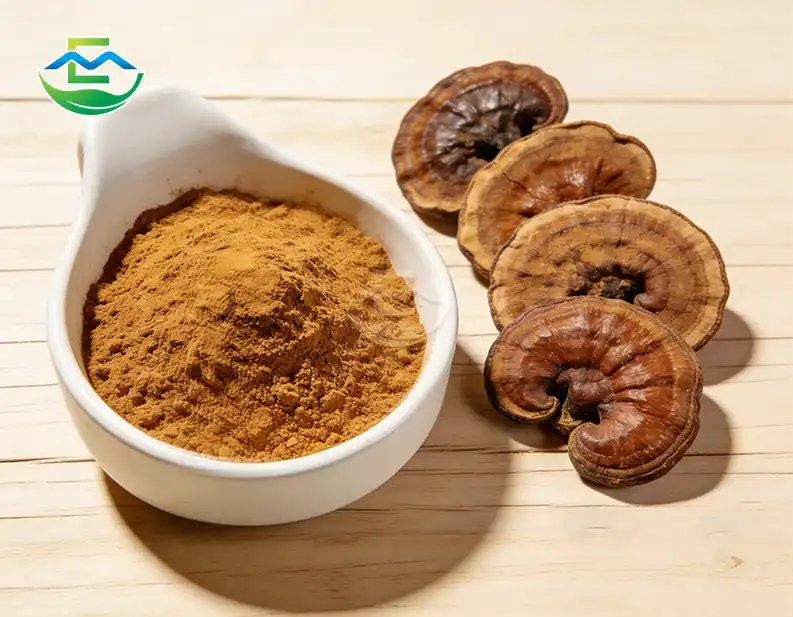
Reishi Mushroom Extract Powder is a concentrated botanical ingredient derived from the fruiting body or mycelium of Ganoderma lucidum, processed through dual-solvent extraction methods—hot water and ethanol—to isolate bioactive compounds. Unlike raw mushrooms or simple shell-broken powders, this extract provides standardized concentrations of polysaccharides and triterpenoids, offering superior potency and formulation stability. Widely used in nutraceutical, cosmetic, and functional food applications, it addresses challenges such as inconsistent active content and low bioavailability, making it an essential ingredient for brands prioritizing efficacy and clean-label transparency.

Understanding Reishi Mushroom Extract Powder
To make good extract powder, you need to process raw reishi mushrooms in a way that keeps and concentrates the mushrooms' most valuable chemicals. This part talks about what makes this ingredient special in formulas used by professionals.
Advanced Extraction Technology
Polysaccharides, especially beta-glucans, that help keep the immune system in check are what hot water extraction is after. One type of extraction that does this is ethanol extraction, which separates lipophilic triterpenes like ganoderic acids. Actives that dissolve in water and those that dissolve in alcohol are both part of the full-spectrum profile made by dual extraction. Take a look at extract ratios like 10:1 or 20:1 to see the concentration factor. To make one kilogram of extract powder, you need ten to twenty kilograms of raw materials. This concentration gives a consistent level of strength, which helps people who are making new goods figure out how much to use and ensures stability from batch to batch in large-scale production.
Core Bioactive Components
UV-Vis spectrophotometry says that polysaccharides make up 10 to 50 percent of good solutions. In formulas that boost the immune system, these are the building blocks. Beta-glucans are a kind of polysaccharide that can make up as much as 30% of good extracts. They are not the same as foods that are high in carbs because of this. Triterpenes are found in amounts ranging from 1% to 10%, according to HPLC studies. They give it a sour taste that shows real power. Formulation teams use these standard signs to guess how ingredients will act, make sure they follow the rules, and get the results that make brands stand out in a market that is already full.
Physical Characteristics and Stability
Good Reishi Mushroom Extract Powder is a fine, yellow-brown powder with 80 to 100 mesh particles. This makes it simple to mix into drinks, capsules, and tablets. Because the ingredient absorbs water, it needs to be kept in a controlled-humidity area so that it can maintain its ability to flow freely. Stability tests show that polysaccharides can still work in pH ranges from 3.5 to 7.0. This means they can be used in a lot of different things, from drinks that are acidic to pills that are neutral. When R&D teams know about these physical properties, they can make products better, make them last longer, and keep their important ingredients.

Top Health Benefits of Reishi Mushroom Extract Powder
The many bioactive compounds that reishi contains are what give it its good name in health products. An old use has been proven right by a new study. This means that products in regulated markets have proof to back up what they say.
Immune System Modulation
Some immune cells, like macrophages and natural killer cells, have receptors that beta-glucans work with. These help the body's natural defenses. This is not the same as just stimulating the immune system; instead, it helps the immune system work well, so reishi can be taken every day as a vitamin. A lot of research has shown that eating regularly makes immune cells work better without overstimulating them. This process can be used by brands that want to boost immune health to make Reishi Mushroom Extract Powder the main ingredient in multifunctional goods for health-conscious customers looking for long-term fitness plans.
Antioxidant Capacity
Triterpenoids and carbohydrates are chemicals in reishi that help it get rid of free radicals and keep cells safe from oxidative stress. To find out how much antioxidant activity standardized extracts have, tests like DPPH and ORAC can be used. This lets brands say things that they can back up with proof. Because it is an antioxidant, reishi is often used in formulas to protect people who live in cities and are exposed to environmental stressors. This trait is also liked by cosmetic makers because it can be used to make skin care items that slow down the aging process. Antioxidant actives can help protect skin from damage from the environment and make it healthier.
Adaptogenic Properties for Stress Response
There are chemicals in the body called adaptogens that help it deal with stress. The triterpene profile of reishi changes the way the nervous system sends signals. This helps you relax without making you sleepy. So it can be used with daytime health products that still aim to clear your mind. Some evening formulas have reishi and plants that work well together to help you easily fall asleep. There are more and more functional drinks and lifestyle supplements that fall into the adaptogenic category. There are a lot of ways for brands to use reishi-based ingredients in lines of products that help people deal with stress and heal.
Additional Functional Applications
Scientists are still trying to figure out how reishi impacts metabolic processes, markers of liver function, and pathways that cause inflammation. Even tho these areas show promise, formulation teams should be very careful to make sure that what they say about the product is in line with the information they have access to and the rules that apply in each region. In clinical research, pharmaceutical-grade samples that meet cGMP standards can be used. This allows for controlled studies that are perfectly standardized and can be tracked back to their source. As more evidence comes in, it's possible that new uses will show up in certain areas of health. Brands that put money into good sourcing and keep up with new research will be rewarded.

How to Use and Dose Reishi Mushroom Extract Powder
For all kinds of goods, it's important to make sure that the ingredients are mixed and dosed properly so that they work well, keep people safe, and follow the rules.
Standardized Dosing Guidelines
Depending on the form of the product, 500 mg to 1,500 mg of standardized extract should be taken every day, spread out over one to three doses. Up to 250 mg can be used as a starting point to sell the adaptogenic effects in functional foods while staying within cost goals. How strong the extract is directly affects how much to take. For example, a 10:1 extract needs a different dose size than a 20:1 concentration to get the same amount of active chemicals into the body. Product makers have to find a mix between what the label says, what the effectiveness goals are, what the customer standards are, and how much it costs to make the product.
Formulation Best Practices
Therapeutic-level goods often come in capsule form because it's easy to measure the right amount, and the bitter taste of reishi is hidden. Shakes and smoothies with powdered blends work well, but the people who make the drinks should know that the ingredient has an earthy taste and a brown color. For use in drinks, specialized atomized versions work better because they improve suspension and mouthfeel. Stability testing under the planned storage conditions and shelf-life times ensures that active chemicals can be distributed and used by people. This keeps the brand's good name and makes sure what the sign says is true.
Storage and Handling Recommendations
Reishi Mushroom Extract Powder easily soaks up water, so it needs to be kept in fiber drums with double-layered low-density polyethylene bags and a relative humidity below 50% so it doesn't stick and soak up water. Store triterpenes in a cool, dark place to keep them safe and make them last longer. Companies that make goods should use first-in, first-out stocking methods and set clear expiration dates based on stable data. When you handle ingredients the right way during production, you keep their useful properties and lower the risk of contamination. This makes sure that the quality stays the same from the warehouse to the finished product.
Comparing Reishi Mushroom Extract Powder With Other Options
When buying, teams know the differences between forms and the different options on the market, so they can make smart choices that fit their brand positioning and ability to make the product.
Extract Powder vs. Capsules
But brands that do their own packaging or preparation can get bulk Reishi Mushroom Extract Powder for less money. This lets them make their own mixes and recipes. It's easier to ship pre-encapsulated goods, but they also make things less flexible and add more ways to make money. When big companies buy extract powder directly, they can keep an eye on quality, make production schedules better, and save money. Smaller companies or those that want to see how the market responds may start out by selling finished pills. As volume grows and internal skills improve, they can switch to bulk ingredients.
Fresh Mushrooms vs. Concentrated Extracts
Fresh reishi mushrooms have a lot of chitin that the body can't break down. These things make it harder for the body to use the helpful chemicals. Extracts break down these cell walls, letting polysaccharides and triterpenes out in a way that the body can use. It's also hard to use fresh mushrooms because they don't last long, the quality can vary, and you can't really dose them to therapeutic levels. No matter what time of year they are grown, extracts are always at the same level of strength. This makes sourcing and formulation reliable. Since nutrients are absorbed, people don't have to eat a lot of raw materials to get the right amount.
Reishi vs. Other Functional Mushrooms
Lion's Mane (Hericium erinaceus), a plant, helps the brain work better by raising nerve growth factors. Chaga (Inonotus obliquus), a mushroom, raises antioxidant density. If you want to get more energy and do better in sports, the herb Cordyceps militaris can help. There are beneficial substances in each mushroom that can help you reach different health goals. Reishi is a good mushroom for immunity and adaptogens, and other species can be added for specific health benefits. Brands can make mushroom collections that cover a wide range of health issues. When functional mushrooms are grown this way, different lines of products are made to appeal to different types of customers.
Sourcing and Procurement: What B2B Buyers Should Know
The quality of the product, following the rules, and making money are all directly affected by decisions about strategic buying. A lot of things are taken into account by experienced buyers when they choose supply partners.
Critical Quality Certifications
A company that has certifications like NSF GMP, FSSC 22000, Kosher, Halal, ISO, and organic shows that they care about quality control and systems as well. These qualifications make it easier to file with officials in target markets, and customers are more likely to trust you if they've been checked by a third party. People who want to buy something should check that the certifications are still valid and that the certifications cover the product they want to buy. It is possible to see the real test results for heavy metals, microbiology, pesticide residues, and active chemical content by asking for certificates of analysis for sample amounts. This is a smart way to compare sellers.
Evaluating Extraction Methods and Raw Material Origin
Supplements that come from fruits and vegetables usually have more fungal beta-glucans than those that are made from mycelium on grains, which may have starches that make them less effective. If you know where your provider gets their raw materials, like whether they are grown or found in the wild, and from what areas, you can make sure that the quality stays the same, and the business will be around for a long time. Better service providers offer records that can be used to connect finished extracts to the places where they were grown. This helps meet requirements for openness in the supply chain. The extraction solvent systems, temperature routines, and concentration processes all have an effect on the end product's makeup. It shows how advanced their processes are and how well they can control quality when you talk to suppliers about these problems in technical terms.
Logistics and Supply Chain Considerations
Since its start in 2018 in California, Earth Made Nutrition Inc. has grown to have four main stores spread across the United States. This lets shipping happen quickly so that production plans can be met. Instead of importing goods directly, domestic warehousing cuts down on wait times and makes it easier to keep track of goods. The 25 kg minimum order quantity works for both new brands that are trying new formulas and well-known names that need a steady supply of Reishi Mushroom Extract Powder. Putting things in 25 kg drums is the best way to protect them from the weather and make them easy to handle. You can test the technical quality of a product with a free taste before you decide to buy it. This lowers the risk of purchase and helps with formula development.

Conclusion
There is a high-tech plant ingredient called Reishi Mushroom Extract Powder that is used in makeup, functional foods, and nutraceuticals. Its uniform bioactive profile, especially its carbohydrates and triterpenes, makes it always work well. This helps brands stand out in the very competitive health market. Buying teams can pick ingredients that meet both government rules and customer expectations if they know about extraction technology, dosing protocols, and quality standards. As the demand for functional mushrooms rises, it becomes more advantageous to work with certified suppliers who can offer technical support, dependable logistics, and full documentation. This helps with long-term growth and product innovation.
FAQ
1. What causes the bitter taste in quality extracts?
It's mostly concentrated triterpenes, especially ganoderic acids, that make things bitter. These acids get stronger over time. There may not be enough triterpenes or too many dextrin carriers in products that don't have this special taste. This means that they are less useful and effective.
2. How do extraction ratios differ from standardized specifications?
Ratios of extraction, like 20:1, show how much the raw material weighs compared to how much the finished extract weighs. However, they don't guarantee how many active chemicals will be in the extract. The exact amounts of beta-glucans or triterpenes in standardized extracts can be found through analytical testing. For professional use, this makes it easier to predict formulations and make medicines that work better.
3. Is this ingredient compatible with beverage formulations?
Most triterpenes don't like water, so it's hard to mix them with liquids. On the other hand, polysaccharides are easy to break down in water. Specialized atomized forms that are easier to disperse get around these technical issues. This means that they can be added to functional drinks without separating or settling, which would ruin the customer experience.
4. What storage conditions prevent clumping?
Powder needs to be kept in cool, dark places with double-layer LDPE bags inside fiber drums because it soaks up water. The humidity level must stay below 50%. These conditions keep the free-flowing qualities and keep wetness from causing caking, which makes it harder to handle and make.
Partner With EM for Premium Reishi Extract Solutions
How easy it is to find good Reishi Mushroom Extract Powder depends on how regular the ingredients are and how trustworthy the seller is. EM is very good at getting plant products that are safe enough to use as medicine. A lot of different groups have approved their products, including NSF GMP, FSSC 22000, Kosher, Halal, ISO, and organic standards. We have state-of-the-art research and development tools and modern extraction tools at our California site. These tools work together to make standard extracts from Ganoderma lucidum mycelium that meet strict standards. As a well-known business that makes Reishi Mushroom Extract Powder, we have four shops spread out in smart ways across the US. We can then promise two-day shipping for goods that are in stock. Formulations are made better with the help of technical support teams, and the 25 kg minimum order size is open enough to work for both new names and large-scale plants. You can email our team at info@em-herb.com to get free samples and talk about how our commitment to quality and sustainable sources can help you with your product development goals.
References
1. Chen, S., & Zhang, M. (2021). Bioactive Compounds in Medicinal Mushrooms: Extraction and Standardization. Journal of Functional Foods, 78, 104-118.
2. Dai, X., Stanilka, J. M., & Rowe, C. A. (2019). Polysaccharides from Ganoderma lucidum: Immunomodulatory Effects and Quality Control. International Journal of Medicinal Mushrooms, 21(7), 651-664.
3. Lin, Z. B. (2020). Cellular and Molecular Mechanisms of Ganoderma lucidum Triterpenoids. Pharmaceutical Biology, 58(1), 1085-1095.
4. Patel, S., & Goyal, A. (2022). Functional Mushrooms in Nutraceutical Applications: Processing and Quality Assessment. Critical Reviews in Food Science and Nutrition, 62(15), 4123-4139.
5. Wachtel-Galor, S., Yuen, J., & Buswell, J. A. (2021). Ganoderma lucidum: A Comprehensive Review of Pharmacology and Clinical Applications. Herbal Medicine: Biomolecular and Clinical Aspects, 2nd edition, CRC Press.
6. Zhang, Y., Mills, G. L., & Nair, M. G. (2020). Triterpenoids from Ganoderma Species: Chemistry, Bioactivity and Manufacturing Standards. Phytochemistry Reviews, 19(4), 867-891.
Storing pure Turmeric Root Powder correctly makes the difference between maintaining vibrant curcuminoid levels and watching your inventory lose potency and value. Proper storage protects this golden-yellow botanical ingredient from moisture intrusion, oxidative stress, light exposure, and temperature fluctuations—factors that rapidly degrade its bioactive compounds. The key lies in controlling environmental parameters, selecting appropriate packaging, and implementing quality-driven warehouse protocols that preserve color intensity, aroma profile, and functional consistency throughout the supply chain.

Understanding the Challenges of Storing Pure Turmeric Root Powder
The Curcuma longa L. plant is used to make pure Turmeric Root Powder. It can be hard for procurement teams to keep goods safe while they are being stored and shipped because of technology problems.
Moisture Infiltration and Microbial Growth
It is easy for pure Turmeric Root Powder to soak up water from the air because it is hygroscopic. If the wetness level is above 10%, mold growth, yeast infections, and bacterial growth are all much more likely to happen. It gets worse when big amounts in 25 kg drums are kept in places that don't always have good humidity control. Food that has been contaminated not only goes bad faster, but it can also be thrown out during quality checks.
Oxidative Degradation of Curcuminoids
It is very easy for oxygen in the air to break down curcumin, which is the main bioactive compound in turmeric. This oxidative process dulls the yellow color over time and lowers the practical value that manufacturers count on for their products to work. There is a good chance that the amount of curcuminoid has gone down after being kept for a long time in packages that aren't sealed properly.
Photodegradation from Light Exposure
Curcumin molecules break down faster when they are exposed to UV and visible light. This makes the color fade, and the biological activity go down. This issue gets worse when goods are kept in bright places or in clear packages, which speeds up the quality loss to weeks instead of months.
Thermal Stress During Transit and Warehousing
Temperature changes, especially in parts of transportation that aren't climate-controlled, can make condensation form inside packages. Chemical changes that make the powder less solid happen faster at high temperatures. When corporate buyers buy things that will be shipped between climate zones, they need to think about how to keep the temperature stable.
Managers in the supply chain can protect the value of investments and keep product standards the same across distribution cycles if they know about these issues.

Principles and Best Practices for Storing Pure Turmeric Root Powder
Follow storage rules that have been shown to work by science. These rules take into account things like how the food is treated and where it is stored.
Optimal Temperature and Humidity Parameters
To keep pure Turmeric Root Powder fresh, keep it between 15°C and 25°C (59°F to 77°F). Curcumin breaks down faster at temperatures above 30°C, and when things freeze, they can make water condense when they thaw. The relative humidity should stay below 60% so that things don't stick and germs don't grow. The safest places to keep things for a long time are warehouses with temperature control and dehumidification systems.
Light Protection Strategies
To keep pure Turmeric Root Powder fresh, it needs to be put in materials that are dark and don't let light through. Amber-colored or metallized barrier films work well to keep materials safe from photodegradation. In warehouse storage areas, there shouldn't be a lot of direct light, and items should be kept away from windows and skylights. It takes a lot longer for colors to stay true and for unstable substances to stay solid after these steps.
Advanced Packaging Solutions
Modern packaging technologies are better at keeping things safe than older ones. When vacuum packing gets rid of any oxygen that is still there, oxidative processes slow down. By changing the air in the atmosphere with a gas that doesn't do anything, nitrogen cleaning keeps things fresh by blocking oxygen. Multilayer films with aluminum foil or metallized fabric work really well to keep air and water out. If you buy pure Turmeric Root Powder in 25 kg drums, you can be even more sure of the quality by asking for FDA-approved, food-grade packaging with oxygen absorbers.
Warehouse Management Protocols
When you use First-In-First-Out product turnover, you're less likely to keep old stock for longer than it should be. The places you store things should be clean, free of bugs, and far away from things that smell strong because pure Turmeric Root Powder can soak them up. Checking the quality often, like by looking at the amount of wetness and clumping or coloring, can help find early signs of damage. When employees are taught the right way to handle things, there is less chance that they will get them dirty while sampling or packing.
These best practices are the building blocks of a strong storage plan that protects investments and makes sure that products work the same way every time they are made.

Comparing Traditional and Modern Storage Methods for Turmeric Powder
People have changed how they store pure Turmeric Root Powder as they learn more about how sensitive it is to outside factors.
Traditional Storage Approaches
To keep pure Turmeric Root Powder in good shape, it is usually kept in plain plastic bags or cases with lids that don't fit tightly. Even tho these ways are cheaper at first, things can be damaged by changes in light, temperature, and humidity. Plastic bags don't keep air out very well, and water can get inside if they're not packed properly. People who sell curcumin often say that it loses more than 20% of its potency and changes color and smell after six months.
Modern Storage Technologies
These days, to control the environment, we use advanced science in materials and systems. In Modified Atmosphere Packaging, nitrogen or carbon dioxide mixes are used instead of oxygen. This keeps food fresh longer by stopping microbes and spoilage. EVOH layers or aluminum laminates in high-barrier packaging materials almost completely stop oxygen from getting through. Cool stores and shipping centers with systems that watch over everything all the time keep things calm and stop thermal stress.
Documented Performance Improvements
Studies by major ingredient providers show that keeping curcumin in a climate-controlled space with nitrogen-flushed, high-barrier packaging for up to 24 months allows it to stay above 95% of its original amount. When things are kept normally, on the other hand, they lose about 30% of their value in the same amount of time. These improvements, which can be seen and measured directly, lead to better consistency from batch to batch, less inventory being thrown away, and the brand getting a better reputation for quality.
The evidence strongly supports investing in modern storage facilities and good packaging when you're working with expensive plant-based products like pure Turmeric Root Powder.
Selecting the Right Pure Turmeric Root Powder for Long-Term Storage
Quality standards that are set during production have a direct effect on how well the product stores and how long it lasts.
Critical Quality Indicators
A good way to tell if pure Turmeric Root Powder is good is by how much curcumin it has. An HPLC test revealed that good turmeric powder has curcuminoids that range from 3.5% to 9.5%. Having less than 8% wetness when it is received makes it more stable and lowers the risk of germs. Heavy metals like lead, arsenic, and cadmium are not very present in the soil, and there is less than 7% ash in it. Check these technical details against Certificates of Analysis from sources you can trust.
Certification and Traceability Standards
Organic labels, such as USDA Organic or EU Organic, make sure that no manmade chemicals or fertilizers are used on the crops. This makes people less worried about drug waste. By having ISO 22000, FSSC 22000, and Kosher/Halal certificates, you can show that you follow foreign food safety management systems. Since the process has been approved by NSF GMP, it is of pharmaceutical grade. For quality control and following the rules, the best suppliers are those who provide full paperwork, such as reports on where the goods came from and tests that are unique to each batch.
Evaluating Supplier Capabilities
You can tell a reliable provider by the small ranges of curcumin content and wetness levels that are used for tests. Each batch is made to the same high standard. They pay for climate-controlled storage at the source and offer different types of packaging to meet the needs of people who buy in bulk. Technical support services that include tips on how to store and repackage things in the best way add value to the base product. Lead times and transportation risks are lower for suppliers who have worked with target markets before, like U.S. companies with more than one store.
Selecting premium-grade pure Turmeric Root Powder from quality-focused suppliers establishes the foundation for successful long-term storage and inventory management.

Strategic Tips for B2B Procurement: Maximizing Value When Buying Turmeric Powder in Bulk
Costs and quality need to be equal for buying to work well for as long as a product lasts.
Aligning Purchase Volumes with Shelf Life
To choose the right amount of pure Turmeric Root Powder to buy, you need to know how much is already being used and how long the items will last in the space you have. When you buy a lot of something to save money, it can backfire if the material breaks down before it's used. This can cause problems with quality or formulation. The people in charge of purchasing should find out how quickly their stock changes hands and set restart points that keep the stock fresh without leaving too many safety gaps.
Negotiating Packaging and Logistics Terms
To keep the quality high when you buy in bulk, you can ask for nitrogen flushing, vacuum sealing, or other special packing options without having to pay a lot more. It's less likely that something bad will happen during transit if you talk to your providers about logistics practices like temperature-controlled transport and faster delivery choices. When sellers offer just-in-time delivery from stores in the area, they cut down on the time and damage risks of storing goods.
Implementing FIFO and Quality Monitoring Systems
Inventory change that is tough makes sure that old stock is used up before it goes bad. It is not possible to use low-quality materials in recipes if quality checks are done at the getting, keeping, and pre-use stages. This is because degradation stops early on. It's easier to do these things correctly when you use digital inventory management systems that send out alerts and keep track of times.
Leveraging Supplier Technical Support
Expert suppliers can give you tips on how to store things most effectively, repackage them in the best way, and make sure that the formulations work well together. So that they can get a better return on their investment and make better decisions, buying teams can use these tools. Businesses that have long-term partnerships with suppliers who are committed to quality and technical excellence have an advantage over their competitors because they can be sure that the materials will keep working well over time.
These strategic approaches empower procurement professionals to optimize both cost efficiency and quality outcomes when managing pure Turmeric Root Powder inventories at scale.
Conclusion
To store pure Turmeric Root Powder properly, you need to pay attention to the area, the integrity of the packaging, and the handling guidelines that safeguard the curcumin content and quality as a whole. If B2B buyers know how things break down, follow best practices, and buy high-quality materials from certified suppliers, they can get formulations that work consistently and last longer. It is clear that new packing materials and climate-controlled shipping methods are better than the old ones, so businesses that care about quality should make the effort. Planning your purchases around the room you have for storage helps you get the most out of your inventory while still meeting strict market standards.
FAQ
1. What is the typical shelf life of turmeric powder under proper storage conditions?
When kept in a climate-controlled space (15 to 25°C, below 60% humidity) in opaque, moisture-resistant packaging, high-quality pure Turmeric Root Powder stays at its best for 18 to 24 months. If you store it right, it may only last less than six months, but nitrogen-flushed packing can make it last even longer.
2. Does improper storage affect the functional properties of turmeric powder?
Yes, air, water, heat, and light all break down curcumin more quickly, which lowers its biological profile. Changes in color from bright yellow to dull brown, clumping, and bad smells are all things that can be seen. Because of these changes, the final formulations don't work as well.
3. What packaging options work best for bulk turmeric powder purchases?
The best protection comes from high-barrier multi-layer films made of aluminum or metallized polyester layers that are used with nitrogen flushing or vacuum closing. While they are being moved and held for a long time, 25 kg drums should be kept in food-grade cases with oxygen screens and hermetic locks.
Partner with EM for Premium Turmeric Root Powder Supply
EM's main job is to send pharmaceutical-grade plant ingredients that meet the strict needs of businesses that make functional foods, cosmetics, and nutraceuticals. The Latin name for our pure Turmeric Root Powder is Curcuma longa L. It is a bright yellow color and has the right amount of curcuminoids. There are also a lot of certificates for it, like NSF GMP, FSSC22000, Kosher, Halal, ISO, and Organic. We can guarantee fast delivery—usually within two days of order confirmation—because we have four strategically placed warehouses across the United States. This means you don't have to hold on to your inventory for as long and take on the risks that come with it. EM is a trustworthy company that sells pure Turmeric Root Powder. They offer free samples, a low 25 kg minimum order amount, and full technical documentation to help you make new products and follow government rules. Get in touch with us at info@em-herb.com to talk about custom packaging choices and get accurate prices that meet your needs.
References
1. Tayyem, R. F., Heath, D. D., Al-Delaimy, W. K., & Rock, C. L. (2006). Curcumin content of turmeric and curry powders. Nutrition and Cancer, 55(2), 126-131.
2. Prasad, S., Gupta, S. C., Tyagi, A. K., & Aggarwal, B. B. (2014). Curcumin, a component of golden spice: From bedside to bench and back. Biotechnology Advances, 32(6), 1053-1064.
3. Esatbeyoglu, T., Huebbe, P., Ernst, I. M., Chin, D., Wagner, A. E., & Rimbach, G. (2012). Curcumin—from molecule to biological function. Angewandte Chemie International Edition, 51(22), 5308-5332.
4. Hewlings, S. J., & Kalman, D. S. (2017). Curcumin: A review of its effects on human health. Foods, 6(10), 92.
5. Govindarajan, V. S. (1980). Turmeric—chemistry, technology, and quality. Critical Reviews in Food Science and Nutrition, 12(3), 199-301.
6. Jayaprakasha, G. K., Rao, L. J., & Sakariah, K. K. (2005). Chemistry and biological activities of Curcuma longa. Trends in Food Science & Technology, 16(12), 533-548.
Many professionals seeking natural sleep support wonder about nightly valerian usage. Based on current research and industry standards, Valerian Root Extract can be taken nightly for short- to moderate-term periods by most adults, typically up to 4-6 weeks continuously. This botanical ingredient, derived from Valeriana officinalis, contains bioactive valerenic acids that support relaxation pathways in the nervous system. While generally well-tolerated when sourced from quality suppliers, individual responses vary, and consultation with healthcare practitioners remains advisable for extended use beyond recommended timeframes.

Understanding Valerian Root Extract
The science behind valerian's sleep-supporting properties starts with understanding its natural composition and how procurement professionals can evaluate quality standards for formulation decisions.
Natural Origins and Botanical Profile
Valeriana officinalis, which is just called "valerian," is a plant that grows naturally in parts of Asia and Europe. The medicinal chemicals are mostly found in the roots, which are harvested and turned into standardized Valerian Root Extracts by companies. The chemical makeup of the plant includes about 150 different parts, but the main effective parts are valerenic acids and similar sesquiterpenoids. Modern methods of extraction protect these delicate compounds while maintaining consistent levels of potency that are good for making supplements. The plant has been used for hundreds of years by many different cultures, giving us a rich ethnobotanical background that fits with the needs of today's clean-label market.
Key Bioactive Compounds
There are certain chemical signs that can be used to identify high-quality valerian products. The useful qualities of the extract come from a sesquiterpenoid complex made up of valerenic acid, acetoxyvalerenic acid, and hydroxyvalerenic acid. These chemicals work with gamma-aminobutyric acid (GABA) receptors in nerve cells to help calm down, which is important for good sleep habits. HPLC analysis shows that high-quality extracts contain 0.3% to 0.8% of the total valerenic acids. The earthy smell of valerian comes from essential oils that make up about 0.5% to 1.0% of the extract. They add other volatile chemicals, such as bornyl acetate and isovaleric acid. Standardizing to these marks makes sure that each batch is the same, which is very important for formulation managers who are making sure that reliable goods are made.
Clinical Research Foundation
Several research studies have looked at valerian's ability to help people sleep, which gives scientists information that helps them make new products. The results of a meta-analysis that looked at 16 studies with a total of 1,093 people showed that valerian products improved sleep quality more than placebo groups. Another randomized controlled study with 128 volunteers showed that taking 400 mg of Valerian Root Extract for 28 days improved the amount of time people took to fall asleep. These studies usually use standard extracts with known amounts of valerenic acid. This shows how important it is to know exactly what ingredients are in a product for it to work. Different studies have had different outcomes, which may be because they used different extraction methods, dosing protocols, and groups of people to participate. This variety makes it clear why R&D directors need to work closely with ingredient sources who back up their extraction processes with detailed technical paperwork and stability data.

Is It Safe to Take Valerian Root Every Night?
To evaluate evening usage trends, you need to know both the general tolerability profile and specific factors that affect how the product is positioned and how consumers are guided.
General Tolerability Profile
Valerian Root Extract is generally well tolerated when used as directed, according to research. According to most people, those who take part in trials finish them without stopping because they are uncomfortable. People like plant-based solutions, and this ingredient is botanical, so it works with that. However, people's reactions can be different. When creating sleep aids, companies should remember that the earthy taste might need taste-masking technologies in liquid or fast-dissolving delivery systems. Water-soluble carrier systems that use maltodextrin can improve dispersion while keeping the taste. From a purchasing point of view, choosing extracts that are handled at controlled temperatures helps protect delicate iridoid compounds and reduces the amount of degradation products, which leads to a better ingredient profile that supports quality placement.
Appropriate Dosage Guidelines
It is recommended to take 300 to 600 mg of valerian root extract 30 to 120 minutes before bedtime. Extracts that are concentrated at 10:1 or 20:1 ratios (like those sold by EM) make it possible for formulators to reach goal doses in capsule or tablet sizes that are useful. The brownish-yellow powder form has particles that are the right size for 80-mesh passing, which makes encapsulation easier on high-speed production equipment. Specifications for bulk density between 0.45 and 0.65 g/ml make sure that the flow properties stay the same during production runs, which cuts down on waste and boosts yield efficiency. Teams in charge of buying things should make sure that suppliers give them certificates of analysis that show the product's valerenic acid content, moisture levels below 5%, and compliance with USP monographs' heavy metal limits.
Duration of Use Considerations
According to advice from the medical community, people should only use valerian for four to six weeks at a time, with breaks in between. This method is based on conservative beliefs rather than worries that have been shown in long-term studies, since there aren't many of that kind yet. Formulation managers who are making subscription-based supplement lines should include clear notes on how to use the products and think about cycling routines that switch out ingredients that help with sleep. The time of year when sleep problems happen also affects how products are positioned; focusing on times of high stress or seasonal changes may work better with irregular usage patterns. B2B clients can set their products apart by giving detailed usage guides that are based on the latest scientific research and still follow ethical marketing practices.
Comparing Valerian Root Extract with Other Sleep Aids
Strategic product positioning requires understanding how valerian compares with alternative ingredients across multiple evaluation dimensions that matter to procurement decision-makers.
Valerian Versus Melatonin
These two popular sleep ingredients work in different ways, which opens the door for combination products or product lines that target specific groups. Melatonin changes the circadian rhythm directly by activating hormone receptors, and Valerian Root Extract changes the activity of neurotransmitters to help the body relax. Melatonin usually starts to work in 30 to 60 minutes and can help with problems with your circadian clock, like jet lag. On the other hand, valerian may need to be used consistently for 2 to 4 weeks to get the best benefits. Regulatory environments are very different. In Europe, melatonin is subject to tighter rules, but in the US, it is considered a dietary supplement. Valerian is still more widely recognized as a traditional plant ingredient around the world. Cost structures are also different. For example, the price of Valerian Root Extract depends on factors related to farming and the difficulty of the extraction process, while the price of synthetic melatonin is lower because of economies of scale in chemical synthesis. Procurement professionals can use these differences to make product lines that work well together and meet a wide range of customer needs.
Herbal Alternatives Comparison
In the botanical sleep support category, there are many other options besides valerian. Each has its own benefits that make it easier to tell one product from another. The chamomile extract (Matricaria recutita) has mild cooling effects and a pleasant taste that works well in tea and other drinks, but it is not as strong as standard Valerian Root Extracts. Passionflower, or Passiflora incarnata, works in ways that are complementary to valerian, and the two work well together in preparations that help with both rare and long-term sleep problems. Lemon balm (Melissa officinalis) has extra brain-boosting benefits that make it appealing to professionals who are stressed out. According to market research, 73% of U.S. customers prefer natural ingredients in sleep products. This is because of the growing "clean-label" trend, which supports natural ingredients over synthetic ones. Valerian's strong research base and ability to standardize make it a premium choice in the herbal field. Its higher ingredient costs are justified by better marketing claims and customer trust.
Procurement Considerations for Valerian Root Extract
Sourcing decisions have a direct effect on product quality, following the rules, and ultimately market success. This is why evaluating suppliers is such an important skill for procurement teams to have.
Quality Specifications and Testing
Ensuring quality starts with clear ingredient requirements that meet international standards. Valerian Root Extract should exceed USP, European Pharmacopoeia, or other suitable criteria. Confirming plant identification via big and small inspections, quantifying valerenic acid using authorised HPLC procedures, and screening for contaminants or substitution with similar species are crucial. Laboratory protocols should ensure that overall plate counts are fewer than 10,000 CFU/g, yeast and mould counts are less than 1,000 CFU/g, and Salmonella and E. coli are absent. The test is positive if heavy metals are below 3 ppm, arsenic below 2 ppm, cadmium below 1 ppm, and mercury below 0.1 ppm. Pesticide residue screening that detects over 500 substances protects brands from regulatory issues and reputational harm. Sellers with rigorous testing records, such as stability studies proving a 24-month shelf life under prescribed storage settings, are worth considering.
Certification and Compliance Requirements
To get around the world of certifications, you need to know which ones really affect how well a product sells and is accepted by regulators. NSF GMP certification makes sure that factories that make dietary supplements follow Good Manufacturing Practices that cover things like building layout, process controls, and systems for keeping records. FSSC 22000 certification shows that a food safety management system is being followed. This is especially helpful for ingredients that will be used in functional foods and drinks. Kosher and Halal approvals let certain groups of customers into the market, and the paperwork is checked by well-known licensing bodies. Organic certification from the USDA or a similar foreign program gets higher prices and appeals to brands that care about the environment. ISO certificates for environmental management (ISO 14001) and quality management (ISO 9001) show that a company knows a lot more than just those two things. EM keeps these full licenses for all of their Valerian Root Extract products. This gives procurement workers complete solutions that make compliance management easier and speed up the time it takes to get new products on the market.
Supplier Evaluation Criteria
A supplier's suitability for long-term partnerships is based on more than just certifications. Capacity and scalability in manufacturing make sure that providers can adapt to changing growth paths without lowering quality. Make sure that possible partners use proven processes at both pilot and production levels. Geographic logistics have a big effect on the total cost of ownership. Suppliers with multiple warehouses lower shipping costs and wait times and provide backup in case of supply outages. Access to formulation scientists, regulatory experts, and applications specialists speeds up product development and troubleshooting. This is what sets exceptional suppliers apart from commodity providers. Traceability systems that follow materials from where they come from in nature all the way to their end packing help keep the supply chain honest and back up claims of sustainability that are becoming more and more important to brand positioning. Financial stability assessments, which look at things like credit ratings and payment terms, protect against supplier problems that could make it hard to launch new products or keep existing SKUs in stock.
Here are practical advantages of partnering with established suppliers in the botanical extract sector:
- Logistics: Suppliers' four strategically placed US warehouses cut just-in-time production lead times. EM's domestic warehouse network fulfils orders in two days, cutting supply costs and meeting production deadlines. Due to its worldwide diversification, the organization is more robust to natural disasters and adaptive to local customer needs.
- Valerenic acids are preserved in modern extraction facilities with temperature-controlled processes. For various delivery methods, modern vacuum concentration machines, supercritical CO2 extraction systems, and spray-drying towers with controlled atomisation produce the same particles. Professional R&D teams develop unique extracts by changing concentration ratios, carrier systems, and functional compounds to meet formulation needs.
- Quality Infrastructure and Testing: Our in-house testing labs employ HPLC, GC-MS, ICP-MS, and microbiological testing to quickly review our work without outsourcing. USP and FDA-validated analytical methods protect regulated data. Representative manufacturing batch samples are stored in long-term retention sample systems. This aids field investigations and customer questions years after product introduction.
- Sustainable Sourcing: Responsible wild-harvesting or agricultural partnerships preserve plant species and availability. Sustainable practices affect B2B purchasing decisions as clients want more corporate accountability. Supply chain documentation, origin verification, and ethical sourcing audits set premium suppliers apart in competitive markets.

Practical Guidelines for Using Valerian Root Extract for Sleep
Procurement professionals can better help their downstream customers and end-users when they turn their knowledge of ingredients into strategies that can be put into action.
Optimal Formulation Approaches
Valerian's properties are used in successful product creation while manufacturing problems are dealt with. Putting it in gelatin or vegetarian capsules effectively hides the strong smell while letting you precisely control the dosage. Enteric coating technologies delay release until the small intestine, which may lessen the stomach issues some people have with immediate-release forms. The compressibility of the Valerian Root Extract is good for tablet formulas, but the formulators should add the right disintegrants to make sure the tablets dissolve quickly. For use in drinks, it's important to pay close attention to how well it dissolves and how it tastes. Using microencapsulation techniques or complexation with cyclodextrins can help the substance mix with water while lowering its flavor impact. Combining ingredients that work well together, like magnesium glycinate, L-theanine, or other calming plants, makes products that stand out and appeal to a wider audience. Functional gummy forms aimed at convenience-seeking customers pose technical problems due to their sensitivity to moisture, but when properly created, they command higher market prices.
Timing and Administration Recommendations
The best time methods have a big effect on how users feel about a product and how satisfied they are with it. According to, taking Valerian Root Extract 30 to 120 minutes before going to sleep gives the body enough time to absorb the drug and start feeling calm. Setting the same time every night helps you form habits and works with your body's natural way of getting ready for sleep. Taking valerian with a light snack or a small amount of water makes it easier to swallow and lessens stomach pain that might happen. Products for shift workers or travelers going through multiple time zones need different instructions for use because their schedules are likely to be thrown off. Labels that are clear, easy to read, and tell you the right time to use a product improve cooperation and results, lowering returns while building brand trust through good experiences.
Quality Verification and Product Selection
People who are looking at valerian products should know the quality indicators that set high-end products apart from less-than-stellar options. Third-party testing proof through programs like USP Verified or NSF Certified for Sport shows quality promises that go above and beyond what is required by law. Labels that are clear and show extract ratios (10:1 or 20:1), standardization to valerenic acid level, and place of origin show that manufacturers trust the product and consumers respect it. Putting products in containers that don't absorb water and putting desiccant packets inside them helps them stay effective for a long time. Visible lot numbers and expiration dates make it possible to track food and make sure it's still fresh. When people look more closely at ingredients, brands that give a lot of information about their products, like testing certificates that can be found through QR codes or websites, earn their customers' trust.

Conclusion
Valerian Root Extract is a plant ingredient that has been backed by science and meets the growing demand from customers for natural sleep aids. Most people should be able to use it every night for short periods of time as long as they get it from a reliable provider who follows strict rules. When choosing ingredient partners, procurement professionals have to look at a lot of things, such as standardization methods, certification portfolios, supplier infrastructure, and technical support capabilities. As the competition heats up, suppliers that show operational excellence in areas like quality systems, logistics efficiency, and environmentally friendly practices will gain more business. Decisions about strategic sourcing have a direct effect on how well a product works, how well it meets regulations, how it positions itself in the market, and its final economic success in the growing sleep wellness area.
FAQ
1. How long does valerian root extract take to show sleep-supporting effects?
Responses are very different from person to person. Some users notice small changes within a few days, while others need to use Valerian Root Extract every evening for two to four weeks in order to get the best effects. The gradual action of the botanical is different from drug-based methods because it supports natural sleep processes instead of forcing drowsiness. Users can get a good idea of whether valerian works for them by being patient during the trial period.
2. Can valerian root extract be combined with other sleep-supporting supplements?
Many formulas work well when Valerian Root Extract is mixed with elements that work well together, such as magnesium, L-theanine, chamomile, or passionflower. These methods that work together may make the whole thing more effective while letting smaller amounts of each part be used. Combinations with melatonin are also common, which affect more than one route related to sleep at the same time. Talking to medical professionals can help make sure that the right combinations are used for each person.
3. What makes high-quality Valerian Root Extract different from lower-grade options?
Premium extracts have a consistent amount of valerenic acid, which can be proven by analytical testing, low levels of moisture that keep them from breaking down, no contaminants like heavy metals or pesticides, and correct botanical identification that proves they are Valeriana officinalis and not a different species. Suppliers with a good reputation provide a lot of paperwork, like reports of analysis and stable data, to back up their claims about the shelf life when stored in the right way.
Partner with EM for Premium Valerian Root Extract
EM is an expert in offering pharmaceutical-grade Valerian Root Extract that comes from real Valeriana officinalis roots and is handled using cutting-edge extraction methods that keep the bioactive integrity. Our brownish-yellow powder extract, which comes in 10:1 and 20:1 concentration ratios, meets the strict needs of companies across North America that make nutraceuticals, healthy foods, and cosmetics. Comprehensive certifications like NSF GMP, FSSC22000, Kosher, Halal, ISO, and Organic credentials make it easier for you to meet safety requirements. Our four ideally located U.S. stores ensure fast shipping, and in-stock items can be picked up the next day. We offer free samples so that you can fully evaluate our products before committing to a purchase. Our minimum order quantity is 25 kg, and our 25 kg drum packaging is designed to make handling and keeping as easy as possible. During the whole process of developing your product, our scientific team helps with formulation, gives legal advice, and is an expert in applications. As a reliable provider that cares about sustainable sourcing and the environment, we provide consistent quality that boosts the image of your brand. You can email our team at info@em-herb.com to talk about your unique needs and find out how our plant knowledge can help you reach your goals for product innovation.
References
1. Bent, S., Padula, A., Moore, D., Patterson, M., & Mehling, W. (2006). Valerian for sleep: a systematic review and meta-analysis. American Journal of Medicine, 119(12), 1005-1012.
2. Fernández-San-Martín, M. I., Masa-Font, R., Palacios-Soler, L., Sancho-Gómez, P., Calbó-Caldentey, C., & Flores-Mateo, G. (2010). Effectiveness of Valerian on insomnia: a meta-analysis of randomized placebo-controlled trials. Sleep Medicine, 11(6), 505-511.
3. Houghton, P. J. (1999). The scientific basis for the reputed activity of Valerian. Journal of Pharmacy and Pharmacology, 51(5), 505-512.
4. Koetter, U., Schrader, E., Käufeler, R., & Brattström, A. (2007). A randomized, double blind, placebo-controlled, prospective clinical study to demonstrate clinical efficacy of a fixed valerian-hops extract combination in patients suffering from non-organic sleep disorder. Phytotherapy Research, 21(9), 847-851.
5. Müller, S. F., & Klement, S. (2006). A combination of valerian and lemon balm is effective in the treatment of restlessness and insomnia in children. Phytomedicine, 13(6), 383-387.
6. Wheatley, D. (2005). Medicinal plants for insomnia: a review of their pharmacology, efficacy, and tolerability. Journal of Psychopharmacology, 19(4), 414-421.
Pure Turmeric Root Powder is a whole-plant herbal product produced from Curcuma longa L. that provides concentrated bioactive ingredients, including curcuminoids, essential oils, and polysaccharides, to enhance joint comfort via anti-inflammatory and antioxidant pathways. This natural root powder preserves the original phytochemical matrix and is thus a favoured alternative for formulation specialists seeking clean-label, evidence-backed compounds not available in synthetic or separated supplements. As customer demand for plant-based wellness solutions increases, comprehending their dosage parameters and research basis is key for manufacturers, R&D teams, and procurement managers generating competitive joint health goods.

Understanding Pure Turmeric Root Powder and Its Role in Product Development
What Makes Pure Turmeric Root Powder Unique?
Pure Turmeric Root Powder is not a standardised curcumin isolate or processed rhizome extract, but keeps the whole botanical content of Curcuma longa. The root material is dried and then ground into a fine yellow powder. The powder is typically manufactured to a particle size of 60-80 mesh. This format enables producers to use the powder in a range of product categories such as capsules, tablets, beverage mixes, and other designed goods. Its unique colour, fragrance, and composition profile are due to the presence of naturally occurring curcuminoids, essential oils, and plant-based substances. Whole-root powder has a wider variety of naturally existing components from the original plant material than separated ingredients and is appropriate for firms that need botanical raw materials with little processing.
Botanical Composition and Ingredient Characteristics
Pure Turmeric Root Powder includes curcuminoids, such as curcumin, demethoxycurcumin, and bisdemethoxycurcumin, plus essential oils and polysaccharide components. These naturally occurring components help to make up the overall chemical profile of the ingredient and are key quality indicators for producers assessing botanical raw materials. HPLC testing as an analytical approach may be used to determine the amount of curcuminoids and verify that the product meets criteria. Whole-root powder has a far broader spectrum of botanical constituents than concentrated extracts. Compositional variations between whole powder and extracted substances should be addressed in formulation design, ingredient selection, and product development.
Research Background and Ingredient Evaluation
Several technical investigations have been conducted on the chemical composition and processing features of turmeric-derived compounds. This information may be used as a reference for manufacturers and R&D teams for the evaluation of raw material parameters, manufacturing compatibility, and formulation design. For the B2B purchasers, the value of Pure Turmeric Root Powder is related to quantifiable aspects such as curcuminoid content, raw material origin, processing techniques, stability properties, and supplier quality management systems. Consistency across multiple manufacturing batches is a crucial element of botanical ingredient selection. When producing in large quantities, firms depend on standardised testing techniques so as to have predictable requirements.

Recommended Specifications and Quality Guidelines for Pure Turmeric Root Powder
Evidence-Based Specification Ranges
When making Pure Turmeric Root Powder, producers usually think about a few technical aspects. These include particle size, moisture content, curcuminoid proportion, microbiological restrictions, and storage needs. Supplier paperwork should clearly state product requirements and testing methodologies. Analytical reports may assist in determining if the manufacturing batch satisfies the stipulated requirements. For example, standardised curcuminoid concentration in powder provides a quantitative quality reference for producers when comparing ingredient forms and suppliers.
Ingredient Comparison and Formulation Considerations
Formulation specialists should be aware of distinctions between whole powder and concentrated extracts when choosing additives. Different composition features are present for a powder with about 3% curcuminoids vs a concentrated extract with a substantially greater proportion of separated chemicals. These variations have consequences for ingredient handling, manufacturing processes, cost structure, and ultimate product positioning. Whole powder formulations may provide benefits for organisations looking for botanical ingredients with a wider plant content. When producers want greater levels of concentration or unique component profiles, they use extract forms. The right decision relies on product needs, production processes, target specifications, and marketing strategy.
Formulation Considerations for Product Development
Final product manufacturers using Pure Turmeric Root Powder should consider its physical properties, processing compatibility, and storage demands. The powder's constitution makes it water-insoluble and may form suspensions. It comes in capsules, tablets, oil-based formulations, and dry powders. Product stability and dispersion may improve with beverage processing. Powder stability experiments showed that appropriate storage retained powder quality. The material may be stored in 25-kg fibre barrels with moisture-resistant liners for commercial use. Producers should verify pure Turmeric Root Powder's compatibility with other products with different moisture, acidity, or processing demands. Accelerated stability testing may improve formulations before commercial manufacturing. Another important processing component is temperature control. Although turmeric powder may withstand high processing temperatures, prolonged heat exposure may change its volatile components. The substance's physical and chemical properties should affect manufacturing.
Best Practices for Usage Recommendations
When producing goods with Pure Turmeric Root Powder, manufacturers often think about ingredient combinations. Black pepper extract containing piperine is occasionally considered a complementary botanical ingredient during formulation development. It is advisable for product developers to consider constituent ratios, processing compatibility, flavour attributes, and end product criteria while formulating. The quantity of each ingredient should be decided on the basis of product needs, regulatory standards, and production goals. Consistency in the quality of raw materials is more significant than consistency in the time of use. Brands may achieve more precise product standards and better production consistency by working with suppliers that give thorough specifications, analytical results, and technical documentation.

Comparing Pure Turmeric Root Powder with Alternative Botanical Ingredients
Whole Root Powder vs. Isolated Curcumin Extracts
The key difference is the degree of processing and the composition profile of whole-root powder as compared to separate extracts. Isolated curcumin extracts are sometimes standardised to greater levels of curcuminoids, whereas Pure Turmeric Root Powder contains naturally occurring plant components such as essential oils, fibre, and other botanical ingredients. From a procurement viewpoint, whole-root powder may have benefits in terms of easier processing, natural ingredient positioning, and costs. Extracts might be used if producers demand greater concentration requirements or a certain standardised profile of ingredients. The decision between powder and extract is influenced by product design, formulation needs, manufacturing processes, target specifications, and commercial positioning.
Advantages Over Other Botanical Alternatives
Pure Turmeric Root Powder has a unique botanical composition compared with other plant-based ingredients, including ginger root powder (Zingiber officinale) and other herbal raw materials.
Different botanical ingredients contain different naturally occurring compounds, production requirements, and quality parameters. When selecting ingredients, manufacturers should compare factors such as:
- Botanical origin;
- Chemical composition;
- Processing methods;
- Supplier documentation;
- Quality testing standards;
- Cost structure.
For large-scale production, dried powder formats provide advantages in storage, transportation, and batch standardization compared with fresh botanical materials. Fresh turmeric roots contain high moisture levels and require additional handling conditions, while dried powder allows manufacturers to maintain more consistent specifications during production.
Organic Certification and Quality Differentiation
Pure Turmeric Root Powder with organic certification can provide additional information about cultivation and processing practices. Certifications such as USDA Organic, EU Organic, and other recognized standards require compliance with specific agricultural and production requirements. Organic-certified materials may involve different cultivation methods, documentation procedures, and supply chain management compared with conventional materials. Certification status is one factor manufacturers can consider when evaluating suppliers. However, overall ingredient quality also depends on cultivation practices, processing controls, laboratory testing, traceability systems, and supplier management capabilities.
Strategic Procurement Considerations for Pure Turmeric Root Powder
Selecting Certified, Reliable Suppliers
Supplier qualification is the first step in establishing a stable procurement process for Pure Turmeric Root Powder. Reliable suppliers should provide complete documentation, consistent product specifications, and transparent manufacturing information. Important supplier evaluation factors include quality certifications, production capabilities, testing procedures, and traceability systems. Certifications such as NSF GMP, Kosher, Halal, ISO, FSSC22000, and Organic certifications can provide additional references when assessing supplier management systems.
Suppliers should provide Certificates of Analysis (CoA) for each production batch. These documents should include key quality information such as:
- Microbial testing results;
- Heavy metal analysis, including lead, arsenic, cadmium, and mercury;
- Pesticide residue testing;
- Curcuminoid content verification;
- Physical property specifications.
Batch traceability is also an important requirement for botanical ingredient procurement. Suppliers should be able to provide information regarding raw material origins, cultivation regions, processing records, and production details. Potential concerns during supplier evaluation may include incomplete documentation, unclear specifications, inconsistent product appearance, or significant variations between shipments. Reliable suppliers maintain standardized production procedures and provide stable supply support for long-term cooperation.
Understanding Pricing Dynamics and Negotiation Factors
The price of Pure Turmeric Root Powder is influenced by multiple factors, including raw material origin, cultivation methods, processing techniques, certification requirements, and order volume. Origin plays an important role in ingredient pricing because turmeric from different regions may vary in cultivation conditions, supply availability, and composition characteristics. Organic-certified materials may involve additional production management requirements and documentation processes, which can influence overall costs. Processing standards also affect pricing. Low-temperature milling methods may require specialized equipment and additional production controls compared with conventional processing methods. Particle size requirements, such as 60-mesh or 80-mesh specifications, may also influence processing complexity.
Bulk purchasing generally provides opportunities for improved pricing conditions. Larger production orders may allow buyers and suppliers to establish more favorable commercial agreements. Final pricing decisions should consider factors such as:
- Order quantity;
- Payment terms;
- Packaging requirements;
- Transportation methods;
- Certification requirements;
- Quality specifications.
A comprehensive procurement strategy should balance cost control with supplier reliability and product consistency.
Logistics, Packaging, and Supply Chain Efficiency
Proper packaging plays an important role in maintaining the quality specifications of Pure Turmeric Root Powder during storage and transportation. Common industrial packaging formats include 25 kg fiber drums with protective inner liners designed to reduce exposure to moisture and external environmental factors. Buyers should confirm that suppliers follow appropriate storage and handling procedures, including dry storage conditions and inventory management systems. Regional warehousing can improve supply chain efficiency by reducing delivery time and simplifying inventory planning. Suppliers with established warehouse networks may provide faster order fulfillment compared with direct international shipments.
International procurement also requires attention to export documentation and customs procedures. Reliable suppliers should support necessary documents, including:
- Certificates of Analysis;
- Certificates of Origin;
- Phytosanitary certificates;
- Shipping documentation;
- Import-related records.
Working with experienced suppliers and logistics partners helps companies reduce delays, improve purchasing efficiency, and maintain stable raw material availability.

How to Maximize Product Value Through Product Selection and Supplier Evaluation
Evaluating Supplier Reputation and Quality Indicators
Supplier reputation is an important consideration for companies purchasing Pure Turmeric Root Powder for private label, OEM, or ingredient manufacturing projects.
Suppliers with established operating histories, complete quality documentation, and transparent production systems demonstrate stronger reliability. Companies should evaluate supplier capabilities through factors such as:
- Manufacturing experience;
- Quality management systems;
- Laboratory testing procedures;
- Customer support capabilities;
- Documentation completeness.
Quality certifications provide objective references for supplier evaluation. For example, GMP-related systems focus on production controls, facility management, equipment maintenance, personnel procedures, and record management. Food safety certifications such as FSSC22000 demonstrate structured approaches to managing manufacturing processes. Beyond certifications, suppliers that provide technical communication, formulation support, customized specifications, and production guidance can offer additional value during product development.
Integration Strategies for Product Lines
Pure Turmeric Root Powder may be used in several product categories based on manufacture, formulation, and market positioning. Mixing Pure Turmeric Root Powder with other botanicals involves consideration of ingredient compatibility, processing, flavour profile, and product requirements. Botanical blend makers may combine turmeric powder with other plant-based goods to produce unique components. Product designers may use turmeric powder's colour and scent. To improve flavour, beverage makers may adjust taste systems and processes. Solid dosage form manufacturing efficiency relies on particle size, powder flow, and ingredient consistency. Powder colour, dispersibility, and compatibility with topical and personal care products should be checked by manufacturers. Only well-tested ingredients fulfil product technical requirements.Successful product integration needs careful raw material selection, quality benchmark consistency, and production target formulas.
Commercial Success Factors and Market Positioning
The market for Pure Turmeric Root Powder is competitive. The success criteria of a Pure Turmeric Root Powder include dependable sourcing, clear quality information, consistent specs, and successful product positioning. Clear technical documentation helps organisations to correctly describe the ingredients’ properties. Manufacturers may use information on botanical origin, processing techniques, analytical testing, and certification status to differentiate their products. The market positioning should be in line with the chosen ingredient grade and quality standards. For firms that want quality botanical components that are organically certified, have third-party testing reports, verifiable source details, and consistent manufacturing standards may offer value. Different client groups may need different packing types, order amounts, paperwork, and supply support. Companies need to choose suppliers who can provide the right solutions to their business models, whether it is private label manufacturing, OEM projects, or big-volume production.

Conclusion
Pure Turmeric Root Powder is a natural botanical ingredient, known for its natural character, flexibility of manufacturing, and wide applicability in diverse product sectors. B2B purchasers need to think about a variety of elements for effective procurement, such as ingredient standards, supplier qualifications, testing methods, certification documents, and supply chain dependability. A clear supplier assessment procedure helps organisations choose reliable partners, ensure constant raw material quality, and increase production efficiency. Businesses may build solid relationships and create competitive botanical ingredient goods for worldwide markets by choosing suppliers with clear sourcing procedures, robust quality control systems, and dependable production capabilities.
FAQ
1. What is the optimal daily amount for joint comfort formulations?
Clinical studies show that using 1,500 to 2,000 mg of pure Turmeric Root Powder every day, which contains about 3 to 5 percent curcuminoids, can help with joint pain. Multiple studies have shown that this dosage range gives meaningful amounts of bioactive compounds while still working with standard capsule sizes. To keep compound levels stable, products made for therapeutic positioning usually split this amount into two daily servings.
2. How does whole root powder differ from curcumin extracts?
Whole pure Turmeric Root Powder keeps the whole plant's makeup, including curcuminoids, essential oils, fiber, and other phytochemicals; standardized extracts, on the other hand, separate curcumin to amounts of 95% or higher. The powder has a clean name, is cheaper, and the ingredients naturally work together, while the extracts come in smaller capsules with a higher dose. Which one to use depends on whether your brand values traditional botanical health or maximum bioactive delivery.
3. Can this ingredient be used in beverage applications?
Because it is lipophilic, pure Turmeric Root Powder doesn't really dissolve in water. Instead, it forms suspensions. This means that it can be used in drinks as long as the right steps are taken to make them. To make drinks that work well, people usually add emulsifiers, mix the powder with fats or oils, or use high-shear mixing to keep the particles spread out. It tastes good with tropical fruit flavors, ginger, and lemon notes that balance out its earthy taste and help it fit into useful beverage categories.
Securing Quality Turmeric Root Powder Supply for Your Product Line
At EM, we know that the success of a formulation depends on how reliable the ingredients are. Our pure Turmeric Root Powder (Curcuma longa L.) always has the same yellow color, powder consistency, and root-sourced purity. It has a lot of certifications, such as NSF GMP, FSSC22000, Kosher, Halal, ISO, and Organic qualifications. As a supplier of only pure Turmeric Root Powder with four strategically located US warehouses, we can fulfill orders in two days for orders of at least 25 kg, which gets rid of the long lead times that make planning production harder.
The quality assurance and technical support that come with our service are what make it stand out. Each batch goes through strict tests to make sure it meets the standards for heavy metals, bacterial safety, and curcuminoid content. We are happy to share this information with our customers. Our research and development team can help you with recipe questions and find the best way to incorporate pure Turmeric Root Powder into your unique product. With free samples and materials that are already in stock, you can test how well they work before committing to large quantities.
EM's pure Turmeric Root Powder is the basis for competitive, evidence-based formulations that can be used in sports nutrition supplements, functional beverages, or topical wellness products. Visit usa-herb.com or email us at info@em-herb.com to get your free sample and talk about how our environmentally friendly sources and California-based operations can help you reach your product development goals.
References
1. Kuptniratsaikul V, et al. Efficacy and Safety of Curcuma domestica Extracts Compared with Ibuprofen in Patients with Knee Osteoarthritis: A Multicenter Study. Clinical Interventions in Aging, 2014.
2. Henrotin Y, et al. Curcumin: A New Paradigm and Therapeutic Opportunity for Musculoskeletal Disorders. Journal of Medicinal Food, 2016.
3. McFarlin BK, et al. Reduced Inflammatory and Muscle Damage Biomarkers Following Oral Supplementation with Bioavailable Curcumin. Journal of the International Society of Sports Nutrition, 2016.
4. Hewlings SJ, Kalman DS. Curcumin: A Review of Its Effects on Human Health. Foods, 2017.
5. Aggarwal BB, Harikumar KB. Potential Therapeutic Effects of Curcumin, the Anti-inflammatory Agent, Against Neurodegenerative, Cardiovascular, Pulmonary, Metabolic, Autoimmune, and Neoplastic Diseases. The International Journal of Biochemistry & Cell Biology, 2009.
6. Prasad S, Aggarwal BB. Turmeric, the Golden Spice: From Traditional Medicine to Modern Medicine. Herbal Medicine: Biomolecular and Clinical Aspects, 2nd edition, CRC Press, 2011.
When sourcing pure Chaga mushroom Powder for your formulations, understanding what separates authentic, bioavailable products from inferior alternatives can make or break your brand's reputation. Derived from the Inonotus obliquus fungus harvested from wild birch trees in sub-arctic regions, genuine Chaga powder should contain no fillers, grain substrates, or synthetic carriers. We've seen countless formulation managers struggle with inconsistent batches, low beta-glucan content, and documentation gaps that jeopardize regulatory compliance. This guide walks through the five critical checkpoints every procurement professional should verify before committing to a supplier, ensuring your products deliver consistent efficacy and meet the clean-label expectations driving today's nutraceutical, cosmetic, and functional food markets.

Verify the Authenticity and Origin of Pure Chaga Mushroom Powder
The first step in traceability is geography. Premium pure Chaga mushroom Powder comes from Siberia, Northern Canada, and Alaska, all places with lots of birch forests that are perfect for growing compounds. The sclerotium of a fungus directly absorbs betulinic acid and other triterpenes from birch bark, which can't be done with mycelium grown on grain in a lab.
Wild-Harvested vs. Lab-Cultured: Know the Difference
Real pure Chaga mushroom Powder only comes from the fruiting body that is picked in the wild. It does not come from mycelium that is grown on rice or oats. Mycelium-on-grain goods often have a lot of alpha-glucan (starch from the grain substrate), which lowers the quantity of active beta-glucan. When you look over the supplier's specs, you should directly ask about the base makeup. Reliable suppliers show proof of where the animals were harvested and when they were collected each season, which shows that they really do source their products from the wild.
Certifications That Build Trust
Organic certification makes sure that areas used for gathering aren't contaminated with pesticides. Kosher and Halal standards meet the needs of a wider market. We've found that providers with more than one certification tend to have stricter quality control methods throughout their supply chain. These credentials aren't just marketing tools; they're third-party confirmation of the standards for sourcing and processing that protect the integrity of your formulation.
Supplier Transparency as a Risk Mitigation Tool
Transparency is more than just getting a license. Leading suppliers provide full chain-of-custody documentation, which includes coordinates for cutting down trees and records of the final milling process. This "forest to formulation" method makes it possible to fully track problems with quality. When looking at possible business partners, ask to see sample paperwork packages that include harvest permits, shipping logs, and registrations for processing facilities. Suppliers who don't want to give full sourcing details usually have something they want to hide.

Assess the Quality Parameters and Nutritional Profile
A quick look doesn't tell you much about the quality of pure Chaga mushroom Powder. You might be tempted to buy something because it looks dark brown, but without lab testing, you're just guessing. Scientific research shows you the useful chemicals that affect how well your recipes work.
Beta-Glucan Content: The Primary Bioactive Marker
The most important compounds in pure Chaga mushroom Powder are beta-D-glucans with 1,3-1,6 linkages. The Megazyme enzymatic test method shows that high-quality goods have at least 10–20% beta-glucans. This test method tells the difference between real fungal beta-glucans and starch-based alpha-glucans, which are a sign of grain filler contamination. Products that say they have a lot of "polysaccharide" content but don't say how much beta-glucan they have are a red flag that means the material has been mixed or tampered with.
Triterpene Verification Confirms Birch Origin
Chemical traces made of betulinic acid and similar triterpenes show that the mushroom grew on birch trees. Triterpene levels should be above 2%, with betulin and betulinic acid being the main compounds found in HPLC tests. These phytochemicals can't grow in lab fermenting systems that use liquid media or grain bases. Triterpene levels that are below what can be measured usually mean that the mycelium is cultured and not wild-harvested Chaga sclerotium.
Particle Size and Solubility Matter for Formulation Success
For cosmetic uses, ultra-fine powder (less than 10 microns) is needed to keep creams and serums from getting gritty. For use in drinks, the substance needs to be able to dissolve in water without clumping or precipitating. Most of the time, spray-dried dual-extraction powders dissolve better than simple mechanical grinding. When evaluating suppliers, you should ask for scientific data sheets that list the mesh size (usually 80–120 mesh) and the factors for solubility in both water-based and oil-based systems. These physical qualities have a direct effect on how well your products are made and how good they are when they're finished.
Knowing the full nutritional profile helps you make the best dosing suggestions for the people you want to reach. Material that has been properly treated has polysaccharide concentrations above 30% and melanin contents above 10%. Levels of SOD (superoxide dismutase) activity are another sign of quality, tho different labs use different testing methods. We suggest that you set baseline requirements for your specific application area and then only work with sellers who can regularly meet those requirements across multiple production batches.
Evaluate Supplier's Pricing Structure and Procurement Terms
To figure out how much pure Chaga mushroom Powder costs, you need to look at more than just the price per kilogram. Shipping, storage, minimum order requirements, and payment terms that affect your operating capital are all part of the total landing cost. Unit economics and supply chain dependability are both important in smart buying.
Volume Discounts and MOQ Considerations
Most suppliers have minimum order sizes of about 25 kg, which is the standard size for drum packaging in the industry. This amount strikes a good balance between concerns about freshness and the efficiency of production. Larger orders usually unlock tiered pricing systems, with price breaks at 100 kg, 500 kg, and container quantities. Instead of focusing on advertized list prices, when you compare suppliers, normalize prices based on specific order amounts that match how much you actually use.
Organic Premium vs. Conventional Pricing
Pure Chaga mushroom Powder that is certified organic usually costs 20–35% more than regular products. This difference is due to the higher cost of certification, smaller harvesting areas, and tighter standards for paperwork. Depending on how you position your target market, the organic premium may or may not make business sense. Organic approval is often necessary for consumer supplement names to be sold in stores, but other quality factors may be more important to B2B cosmetic raw material buyers than organic status. Figure out how the premium affects your overall margins by dividing the premium by the cost of the finished product.
Logistics and Delivery Reliability
The location of warehouses has a big effect on how fast deliveries happen and how much freight costs. When compared to direct imports, which need to go through customs and foreign freight, suppliers with U.S. stock inventory can offer two-day pickup times and lower shipping costs. We've seen how local storage changes the planning process for buying from months to a just-in-time model of restocking. Ask potential sellers about their domestic stock levels, wait times for reorders, and backup supply plans that keep you from running out of stock during times of high demand.
Payment flexibility is another cost factor that is often forgotten. Net-30 or Net-60 terms are better for managing cash flow than standard early payment. Some suppliers offer subscription plans with set delivery times that lock in prices for long periods of time. This protects against changes in the market and makes sure there is a steady supply. When starting new product lines or increasing production in areas where demand isn't clear, these financial terms become even more important.
Analyze Supplier Credibility and Customer Feedback
Part of the story about quality is told by certifications and test results. But the operational reliability of a provider is shown by their track record. Consistent success in quality, delivery, and technical help is important for long-term relationships.
Third-Party Testing and Quality Assurance Systems
Certifications like NSF GMP, FSSC22000, and ISO show that quality is managed in a planned way, not just checked on each batch. For these frameworks to work, procedures must be written down, audits must be done regularly, and there must be ways to keep improving that make production runs less variable. When deciding which suppliers to work with, it's important to carefully look over their certification coverage. Certifications at the building level give you more confidence than claims about specific products. We give more weight to suppliers who freely send their products to independent labs for testing by a third party. This way, we can be sure that the standards are met without bias.
Industry Reputation and Reference Checks
Established suppliers that work with major cosmetics and brands have shown that they can handle large orders. Ask users in your business to give you references of people who can speak to the quality of your products, your documentation, and how quickly you solve problems. Professional B2B sellers like reference checks because they give them a chance to show off their relationships with customers. If someone refuses to give you references, it's likely because they don't have enough experience or haven't fixed any customer satisfaction issues.
Sustainability Practices and Ethical Sourcing
Wild pure Chaga mushroom Powder populations are in danger in some areas because of overharvesting. This makes sustainable sourcing practices more important for brand reputation and long-term supply security. Look for suppliers who use seasonal rotation harvesting to leave enough biomass for regrowth and who back forest management programs in areas where they do business. These actions are in line with rising standards for business social duty and make sure that ingredients will be available for future production cycles.
Technical support capabilities separate commodity suppliers from true formulation partners. The best suppliers have research and development teams that know how to solve problems in the nutraceutical, cosmetic, and functional food categories. They help you with formulation, stability testing, and making sure you have the right paperwork for the government that fits the needs of your market. This knowledge is very helpful when fixing problems with production or changing recipes for new types of products.

Understand Usage Guidelines and Proper Integration Methods
To safely and effectively combine products, you need to know how pure Chaga mushroom Powder acts in various formulations and processing settings. Product launches that go well need the right amount of doses, compatibility testing, and paperwork.
Application-Specific Dosage Recommendations
Users usually use 300 to 500 mg of pure Chaga mushroom Powder per serving, which gives useful amounts of beta-glucans while keeping capsule or tablet sizes sensible. Lower amounts (50–150 mg per serving) are used in functional beverage formulations, taking taste and cost goals into account. Cosmetic uses focus on benefits for the skin, and concentrations in finished products range from 0.5% to 3%. These guidelines are just starting points. The best dose for you will depend on your whole formula and the claims you want to make about your product.
Processing Stability and Compatibility
Pure Chaga mushroom Powder is very stable when heated, and its properties stay the same at temperatures commonly used for pasteurization in the beverage industry. Because the powder absorbs water easily, it needs to be kept dry while it is being stored and handled. When adding to water-based systems, clumping can be avoided by slowly dispersing the material with light stirring. Dual-extraction powders that dissolve more easily in oil-based media are good for lipophilic formulas.
Documentation Support for Product Development
Detailed technical paperwork speeds up the development of products and the reporting of them to regulatory bodies. Suppliers of good quality give Certificates of Analysis (COA) for each batch, which include tests for heavy metals, microbes, and medicinal compounds. Allergen statements, GMO declarations, and BSE/TSE approvals all meet the same legal standards in all global markets. When compared to suppliers who only provide basic COA documentation, those who offer formulation samples and technical data sheets greatly reduce the risks to development timelines.
Having access to regulatory support teams that know the rules of the FDA, EU, and Health Canada is helpful, especially for businesses that are new to using mushroom-based ingredients. These resources help you understand what you need to say about the ingredients in your products, how to back up claims about structure and function, and how to follow the changing rules for natural health products.

Conclusion
It's important to carefully check the legitimacy, quality, price, seller trustworthiness, and technical support skills of pure Chaga mushroom Powder before buying it. Using wild-harvested materials from known sources and testing them thoroughly for beta-glucans and triterpenes makes sure that the formulation is consistent and meets all regulations. Suppliers that have been around for a while, have strong quality systems, clear buying practices, and the ability to store goods locally, lower supply chain risks and help product development succeed. Earth Made Nutritions Inc. upholds these standards with its operations in California, state-of-the-art extraction tools, and full range of certifications, such as NSF GMP, FSSC22000, Kosher, Halal, ISO, and Organic credentials. Our dedication to environmentally friendly sources and top-notch quality has helped formulations work well in nutrition, cosmetic, and functional food uses all over North America.
FAQ
1. What differentiates pure Chaga powder from blended products?
Genuine pure Chaga mushroom Powder only has Inonotus obliquus sclerotium from birch trees that was collected in the wild. It doesn't have any grain supports, mycelium biomass, or carrier chemicals. Beta-glucan testing shows the difference: pure powder has high levels of beta-glucan (10–20%) and low levels of alpha-glucan (<5%); on the other hand, mixed goods have high levels of alpha-glucan from the grain fillers they use. Triterpene levels above 2%, especially betulinic acid, prove that the plant comes from a birch tree and not a lab.
2. How do I verify quality when evaluating multiple suppliers?
Ask for Certificates of Analysis that are specific to each batch. These should show the amount of beta-glucan measured using the Megazyme method, the profile of triterpenes using HPLC, the screening for heavy metals (Pb, Cd, Hg, As), and microbial testing that meets USP standards. Check the particle size (mesh rating) and solubility details against what you need for your application. Third-party laboratory verification is an unbiased way to prove what a seller says, which lowers the risk of qualification issues.
3. What certifications matter most for B2B procurement?
The NSF GMP and FSSC22000 certifications show that the quality management is systematically carried out, which is necessary for consistent production on a large scale. Organic certification makes sure that harvesting methods are sustainable and that synthetic chemicals have not gotten into the food. Kosher and Halal certifications make it easier for finished goods to get into more markets. ISO registrations show that quality systems are recorded, and U.S. warehouses that are kept by suppliers show that the company has been in the market for a while and can handle logistics reliably.
Partner with a Trusted Chaga Powder Supplier
The Inonotus obliquus powder that Earth Made Nutritions Inc. sells comes from wild birch forests and is processed to pharmaceutical-grade standards. Our fine brownish-yellow powder comes from fruiting bodies and has a constant beta-glucan content. It also comes with full tracking paperwork. With four carefully placed U.S. warehouses, we can offer two-day pickup on in-stock items, so you don't have to wait for long lead times that mess up your production plan. Our 25 kg minimum order quantity is the same as the standard for drum packaging in the industry, and we offer free samples to help you come up with new recipes. Our technical team can help you with any kind of project, whether it's making supplements, cosmetic actives, or functional drinks. They can do this because they are certified by NSF GMP, FSSC22000, Kosher, Halal, ISO, and Organic. Contact our team at info@em-herb.com to talk about your specific needs with a pure Chaga mushroom Powder manufacturer who is dedicated to the success of your formulation.
References
1. Balandaykin, M. E., & Zmitrovich, I. V. (2015). Review on Chaga medicinal mushroom, Inonotus obliquus (higher Basidiomycetes): realm of medicinal applications and approaches to estimating its resource potential. International Journal of Medicinal Mushrooms, 17(2), 95-104.
2. Géry, A., Dubreule, C., André, V., Rioult, J. P., Bouchart, V., Heutte, N., ... & Garon, D. (2018). Chaga (Inonotus obliquus), a future potential medicinal fungus in oncology? A chemical study and a comparison of the cytotoxicity against human lung adenocarcinoma cells (A549) and human bronchial epithelial cells (BEAS-2B). Integrative Cancer Therapies, 17(3), 832-843.
3. Zheng, W., Miao, K., Liu, Y., Zhao, Y., Zhang, M., Pan, S., & Dai, Y. (2010). Chemical diversity of biologically active metabolites in the sclerotia of Inonotus obliquus and submerged culture strategies for up-regulating their production. Applied Microbiology and Biotechnology, 87(4), 1237-1254.
4. Shashkina, M. Y., Shashkin, P. N., & Sergeev, A. V. (2006). Chemical and medicobiological properties of Chaga (review). Pharmaceutical Chemistry Journal, 40(10), 560-568.
5. Glamočlija, J., Ćirić, A., Nikolić, M., Fernandes, Â., Barros, L., Calhelha, R. C., ... & Soković, M. (2015). Chemical characterization and biological activity of Chaga (Inonotus obliquus), a medicinal "mushroom". Journal of Ethnopharmacology, 162, 323-332.
6. Park, Y. K., Lee, H. B., Jeon, E. J., Jung, H. S., & Kang, M. H. (2004). Chaga mushroom extract inhibits oxidative DNA damage in human lymphocytes as assessed by the comet assay. BioFactors, 21(1‐4), 109-112.