- English
- French
- German
- Portuguese
- Spanish
- Russian
- Japanese
- Korean
- Arabic
- Irish
- Greek
- Turkish
- Italian
- Danish
- Romanian
- Indonesian
- Czech
- Afrikaans
- Swedish
- Polish
- Basque
- Catalan
- Esperanto
- Hindi
- Lao
- Albanian
- Amharic
- Armenian
- Azerbaijani
- Belarusian
- Bengali
- Bosnian
- Bulgarian
- Cebuano
- Chichewa
- Corsican
- Croatian
- Dutch
- Estonian
- Filipino
- Finnish
- Frisian
- Galician
- Georgian
- Gujarati
- Haitian
- Hausa
- Hawaiian
- Hebrew
- Hmong
- Hungarian
- Icelandic
- Igbo
- Javanese
- Kannada
- Kazakh
- Khmer
- Kurdish
- Kyrgyz
- Latin
- Latvian
- Lithuanian
- Luxembou..
- Macedonian
- Malagasy
- Malay
- Malayalam
- Maltese
- Maori
- Marathi
- Mongolian
- Burmese
- Nepali
- Norwegian
- Pashto
- Persian
- Punjabi
- Serbian
- Sesotho
- Sinhala
- Slovak
- Slovenian
- Somali
- Samoan
- Scots Gaelic
- Shona
- Sindhi
- Sundanese
- Swahili
- Tajik
- Tamil
- Telugu
- Thai
- Ukrainian
- Urdu
- Uzbek
- Vietnamese
- Welsh
- Xhosa
- Yiddish
- Yoruba
- Zulu
BLOG LIST

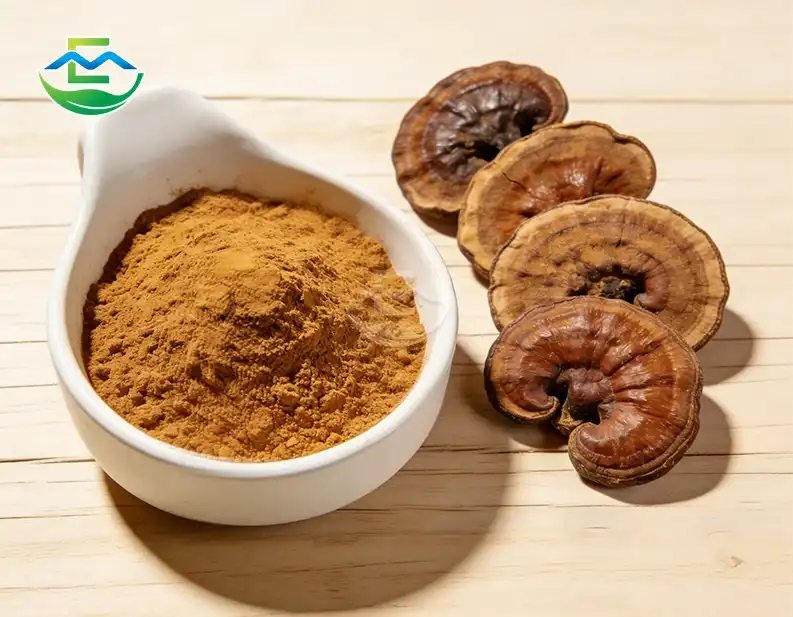
Reishi Mushroom Extract Powder, derived from Ganoderma lucidum, stands as one of nature's most revered botanical ingredients. Known historically as the "Mushroom of Immortality" across Eastern traditions, this concentrated extract delivers standardized bioactive compounds—polysaccharides and triterpenes—engineered for modern nutraceutical, cosmetic, and functional food applications. Through dual-extraction processes combining water and ethanol, manufacturers transform raw fungal biomass into a potent, bioavailable powder that addresses critical industry challenges: inconsistent potency, poor absorption rates, and unstable formulation performance. For procurement professionals seeking clean-label solutions, understanding this extract's technical profile unlocks significant product differentiation opportunities.


What Is Reishi Mushroom Extract Powder?
Origins and Cultural Significance
Ganoderma lucidum has been an important part of traditional health systems for more than 2,000 years. In ancient writings, this polypore fungus was called a rare gem that was only for nobles to have because it was so hard to find in wild woods. The name "Mushroom of Immortality" comes from its historical links to health and life, which are very important to today's health-conscious consumers.
Modern farming methods have made this ingredient more widely available to more people. Reishi that has been picked in the wild is still hard to come by, but controlled farming environments now make consistent, contamination-free biomass. This change makes it possible to produce on a big scale reliably while still maintaining the bioactive purity that buying teams require. Brands can tell more true stories that connect ancient knowledge with modern science when they understand this historical context.
From Raw Material to Extract: The Production Journey
Raw Reishi mushrooms have chitin walls that are hard to digest and lower their absorption. Simple grinding makes a powder with a low percentage of active compounds, which makes it hard to formulate. This problem is fixed by a complex dual-extraction method in Reishi Mushroom Extract Powder:
- Polysaccharides, especially beta-glucans, make up 10–50% of quality products and are separated by water extraction. These water-soluble fractions have immune-modulating properties that are useful in many supplement forms.
- Triterpenes, such as ganoderic acids and similar chemicals, are extracted with ethanol, and concentrations of between 1 and 6 percent are reached through HPLC standardization. These molecules that are compatible with lipids help the skin adapt and improve the penetration of cosmetics when used on the skin.
The brownish-yellow powder that is made comes from mycelium or fruiting bodies. It has a mesh size of 80–100, which makes it easy to mix evenly in capsules, drinks, or serums. We use high-tech tools at Earth Made Nutritions Inc. to manage extraction ratios, which are usually 10:1 or 20:1. This means that 10 to 20 kg of raw material go into every kg of extract. This high concentration density means that procurement managers have powerful advantages that they can use to get ahead in the market.
Technical Specifications That Matter
The quality of an extract is determined by its physical properties. The color can be anywhere from reddish brown to dark chocolate, and darker colors usually mean that there are more triterpenes. The type of solubility determines the best use: water-soluble versions work best in drinks, while lipid-compatible versions make softgels more bioavailable.
Chemical specs set standards for quality. Active chemical density is shown by polysaccharide content (determined by UV-VIS) between 10 and 50 percent. Beta-glucan levels above 10% separate real extracts from goods that have been tampered with to add starch. Triterpene amounts (verified by HPLC) between 1% and 6% show the ability to reduce inflammation. Lead limits of less than 2ppm, arsenic limits of less than 1ppm, and mercury limits of less than 0.1 ppm make sure that all foreign markets follow the rules. There are very few inorganic fillers if the ash content is less than 5%.
Earth-Made Nutritions Inc.'s Reishi Mushroom Extract Powder meets these strict requirements: it comes from the mycelium of Ganoderma lucidum, is packed in 25 kg drums, and has NSF GMP, FSSC22000, Kosher, Halal, ISO, and organic certifications. With free samples and a minimum order quantity of 25 kg, R&D teams can make sure that the materials are compatible before committing to buying in bulk. Because our four U.S. warehouses are stocked, you can pick up your order in two days, which helps product makers meet the speed-to-market demands of today.

Benefits and Safe Usage of Reishi Mushroom Extract Powder
Scientifically Supported Functional Properties
Reishi Mushroom Extract Powders contain polysaccharides that work with immune cells to change reaction paths without overstimulating them. This balanced method is liked by people who make immune support items for daily use. Peer-reviewed immunology papers have written about how beta-glucans specifically turn on macrophages and natural killer cells.
Triterpene parts are antioxidative, which means they get rid of free radicals that speed up the aging process of cells. Cosmetic chemists use these chemicals in anti-aging serums because ganoderic acids are stable in oil-based mixtures. Because they can help the immune system from the inside and protect the skin, Reishi Mushroom Extract Powders are unique in many different types of industries.
Adaptogenic properties help people deal with occasional stress by changing the hypothalamic-pituitary-adrenal axis. Functional drink companies mix Reishi Mushroom Extract Powder into coffee and tea blends, where its natural sharpness goes well with roasted flavors and balances out the strength of the caffeine. For this use, the extracts must be able to withstand temperatures up to 100°C without breaking down. This is a requirement that we test very carefully.
Comparative Advantages Over Other Functional Mushrooms
Hericium erinaceus, also known as Lion's Mane, helps the brain by stimulating nerve growth factors. Chaga (Inonotus obliquus) focuses on melanin levels and resistance to oxidative stress. Reishi stands out because it has more adaptogenic benefits and a wider range of triterpenes. When procurement managers put together complete mushroom combinations, they often use Reishi as the main tonic and add other species as supplements.
When you compare two things, extraction rates are important. A 10:1 Reishi Mushroom Extract Powder has a lot more active compounds than an equivalent-weight Lion's Mane powder. This changes how to figure out the dosage and the cost-per-serving. Knowing these differences helps you make smart decisions about blends and make sure your product claims are true.
Dosage Guidelines and Consumption Formats
Standardized extracts should be taken in amounts between 500 mg and 1500 mg per day, with the amount changed based on the polysaccharide percentage. When making capsules, the dose is exact, but when making drinks, the amount used may be between 250 mg and 500 mg per serving, depending on how good the drink tastes. 0.5 to 2% Reishi Mushroom Extract Powder is added to serum bases for cosmetic use. This increases activity without making emulsions less stable.
Triterpenes are lipophilic, which means they are best absorbed when eaten with fats. This helps formulators choose delivery systems like softgels or oil suspensions. People who make drinks that add Reishi to coffee naturally get this effect from milk fats or creamers made from nuts. These small differences in makeup are what set great products apart from competitors that don't do as well.
We suggest that sample testing of Reishi Mushroom Extract Powder at the desired amounts be done before any purchase talks start. Formulation scientists can use our free sample program to check solubility, stability, and taste impact before placing bulk orders. This method of reducing risk shortens the time it takes to make a product.

Choosing the Best Reishi Mushroom Extract Powder for Your Business
Critical Procurement Criteria
The main quality indicator is the amount of polysaccharides present. Extracts that are less than 10% are likely to have fillers or be low-extraction-ratio goods. Premium features hit 30–50%, but the price goes up in the same way. To find the right balance between effectiveness and cost, you need to know exactly what your health claims are and where you stand in the market.
Bioavailability is affected by the method of extraction. Dual-extraction (using both water and ethanol) makes sure that all compounds are captured, while single-method methods only give partial profiles. Procurement managers should ask for detailed protocols for extraction and verification of active markers by a third party. Suppliers who won't give you certificates of analysis (COA) should be taken with a grain of salt.
Certifications prove that production standards are met. Pharmaceutical-grade production limits are confirmed by NSF GMP. Pesticide-free farming is guaranteed by organic certification. Labels like "Kosher" and "Halal" appeal to certain types of customers. FSSC22000 talks about how to manage food safety. All of these certificates are held by Earth Made Nutritions Inc. and can be checked by our quality assurance staff.
Supplier Evaluation and Verification
Supplier trustworthiness starts with being able to track them. Ask for proof that connects batches of finished extract to lots of source farming. GPS-tagged fields, harvest times, and processing timelines show that the supply chain is open and honest. Manufacturers who don't want to give tracking data may get their goods from unreliable middlemen, which increases the risk of contamination.
Lab tests are what set competent providers apart from commodity dealers. Real-time quality control is possible with HPLC, UV-VIS spectrophotometry, and heavy metal measurement that are all done in-house. Third-party testing by approved labs (like Eurofins or SGS) adds another level of proof. Our facility in California has high-tech analytical tools that let us quickly confirm specifications before shipping.
When brands want to grow, production capacity and consistency are important. When demand grows, suppliers with low turnover may find it hard to keep up, and formulation problems are caused by batches that aren't always of high quality. Talk about yearly production rates and batch-to-batch variation coefficients during the first round of talks. Established makers, such as Earth Made Nutritions Inc., which has been in business since 2018, have shown that they can meet the needs of a wide range of clients with consistent quality and capacity.
Form Factors and Application Matching
Pure Reishi Mushroom Extract Powder can be used for both packing and tablet compression, giving formulators the most options. Pre-encapsulated choices cut down on processing on the client side, but they make it harder to customize. Spray-dried forms make them easier to dissolve in instant drinks, but the triterpene level may be slightly lower because of the heat used in processing. Matching the form factor to the application improves both the efficiency of production and the performance of the finished product.
For creams and serums to have a smooth texture, cosmetic formulators need micronized grades (less than 80 mesh). Developers of drinks focus on instant-dissolving versions that stop buildup. Brands of nutraceuticals using Reishi Mushroom Extract Powder balance the size of the particles with the density of the capsule fill. Talking about the specifics of the application during procurement makes sure that suppliers provide materials that have been processed correctly.

Conclusion
To choose the best Reishi Mushroom Extract Powder, you have to weigh technical requirements, source reliability, and the ease of logistics. The amount of polysaccharides and triterpenes determines how well they work, and certifications and traceability make sure that the product meets safety standards and is safe for consumers. Direct relationships with manufacturers, along with strict testing protocols and staged procurement methods, help lower the quality risks that come with getting botanicals from around the world. Earth Made Nutritions Inc. solves these problems with buying things by using certified production, U.S.-based transportation, and clear quality systems. Whether you're making anti-aging products, immune-supporting supplements, or adaptogenic drinks, working with technically skilled sellers can turn finding ingredients from a necessary evil into a competitive edge. Reishi Mushroom Extract Powder is a key ingredient for brands that want to make natural, effective, and market-different products because it combines old plant knowledge with modern extraction science.
FAQ
1. How does extract powder differ from raw mushroom powder?
Raw mushroom powder has ground fruiting bodies or mycelium in it, along with chitin that can't be digested and lowers bioavailability. Concentrations of active compounds stay low and change over time. Solvent extraction separates polysaccharides and triterpenes in Reishi Mushroom Extract Powder, making it 10–20 times more potent than raw powder. Extraction gets rid of parts that the body can't digest, which improves absorption and recipe stability. For makers, extracts allow for accurate dosing and trustworthy health claims. On the other hand, raw powders are better for cost-effective uses that can handle lower strength.
2. Can reishi extract be consumed daily?
Taking standardized Reishi Mushroom Extract Powder every day is in line with both traditional and current supplementation methods. Doses are usually between 500 mg and 1500 mg per day, and are based on the strength of the extract. Years of use in Asian markets and published research support regular use within the ranges that are recommended. Formulation managers should give clear dose directions based on the strength of the extract so that end users know how to use it correctly.
3. How do buyers verify supplier authenticity and product quality?
Ask for full proof, including information on where the plants were grown, how they were extracted, batch-specific COAs that have been checked by a third-party lab, and certifications (GMP, organic, ISO). Before buying in bulk, specs are checked by sending samples to independent labs for testing. Virtual or real audits of a supplier's site show what operations can be done. Check the company's licenses, participation in business groups, and customer recommendations. Using test orders to gradually buy things shows that they are the same across batches. Transparent sellers accept calls for proof; resistance is a sign that there may be problems with the quality.
Partner With Earth-Made Nutritions Inc. for Certified Reishi Mushroom Extract Powder Supply
Earth Made Nutritions Inc. is ready to help you make new products by giving you high-quality Ganoderma lucidum mycelium extract. Our certificates for NSF GMP, FSSC22000, Kosher, Halal, ISO, and Organic make sure that we follow all the rules in all global markets. We can send your 25 kg orders within two days because we have four carefully placed U.S. warehouses. This cuts down on import delays and the cost of keeping inventory on hand. Our California center has state-of-the-art extraction and analysis labs that make sure that batch-to-batch consistency is met, which is important for formulation experts. Free samples let you test for suitability without any risk before you commit. Whether you're a Reishi Mushroom Extract Powder supplier looking for a reliable source of supply or a brand working on the next big immune supplement, our technical team is here to help you every step of the way. Email our team at info@em-herb.com to talk about specifics, get prices, or set up shipping of samples.
References
1. Wachtel-Galor, S., Yuen, J., Buswell, J. A., & Benzie, I. F. (2011). Ganoderma lucidum (Lingzhi or Reishi): A Medicinal Mushroom. In Herbal Medicine: Biomolecular and Clinical Aspects, 2nd edition. CRC Press/Taylor & Francis.
2. Boh, B., Berovic, M., Zhang, J., & Zhi-Bin, L. (2007). Ganoderma lucidum and its pharmaceutically active compounds. Biotechnology Annual Review, 13, 265-301.
3. Sanodiya, B. S., Thakur, G. S., Baghel, R. K., Prasad, G. B., & Bisen, P. S. (2009). Ganoderma lucidum: a potent pharmacological macrofungus. Current Pharmaceutical Biotechnology, 10(8), 717-742.
4. Xu, Z., Chen, X., Zhong, Z., Chen, L., & Wang, Y. (2011). Ganoderma lucidum polysaccharides: immunomodulation and potential anti-tumor activities. American Journal of Chinese Medicine, 39(1), 15-27.
5. Sliva, D. (2006). Ganoderma lucidum in cancer research. Leukemia Research, 30(6), 767-768.
6. Bishop, K. S., Kao, C. H., Xu, Y., Glucina, M. P., Paterson, R. R., & Ferguson, L. R. (2015). From 2000 years of Ganoderma lucidum to recent developments in nutraceuticals. Phytochemistry, 114, 56-65.
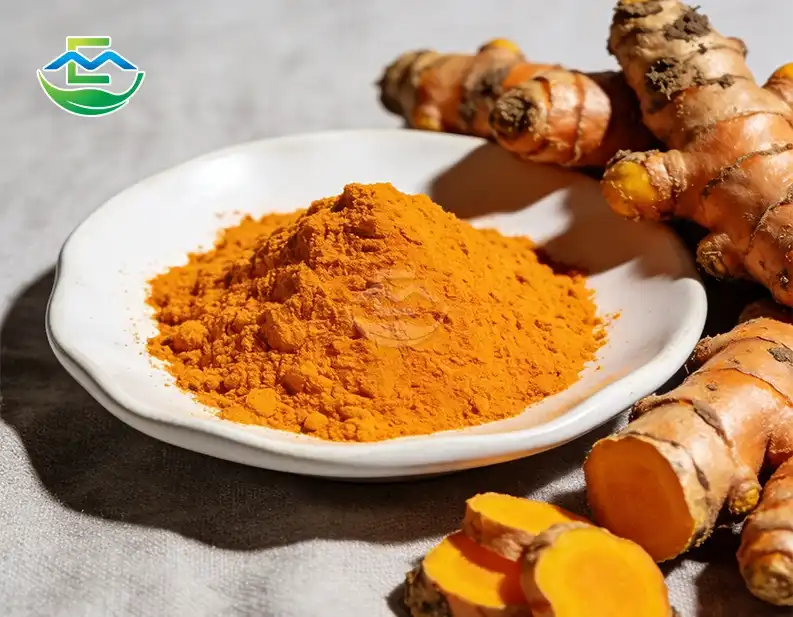
You can use turmeric root powder derived from Curcuma longa L. for pigmentation management. This botanical ingredient, rich in curcumin and related curcuminoids, has demonstrated measurable effects on melanin modulation through its antioxidant and tyrosinase-inhibitory properties. When formulated correctly, pure Turmeric Root Powder serves as a functional active in both topical skincare and dietary supplement applications designed for cosmetic formulations focused on skin appearance and tone care. Its effectiveness depends on purity, particle size, and the presence of synergistic compounds naturally found in the whole root.

Understanding Turmeric Root Powder and Its Effects on Pigmentation
What Distinguishes Pure Turmeric Root Powder from Common Culinary Turmeric?
The difference is in the standards for processing and the intended use. Turmeric used in cooking doesn't go through a lot of quality control, so it might contain impurities that aren't good for use in cosmetics or supplements. On the other hand, pure turmeric root powder used in cosmetics and supplements has to meet strict requirements for the amount of heavy metals, microbes, and curcuminoid it contains. This stuff comes from carefully chosen Curcuma longa rhizomes that were picked when they were fully grown and processed so that the bioactive properties stayed the same. Earth Made Nutritions Inc. gets their premium yellow powder from the root part. They make sure that the powder is traceable and meets all the standards needed by B2B buyers in the cosmetics and nutraceutical industries.
Active Compounds That Influence Melanin Production
There are three main curcuminoids that make skin look better: curcumin, demethoxycurcumin, and bisdemethoxycurcumin. These antioxidants stop tyrosinase from working, which is the enzyme that limits the rate of melanin production. This stops too much pigment from being made. A study in the Journal of Cosmetic Dermatology shows that topical preparations with curcumin at doses of 0.5 to 2% can reduce hyperpigmentation over the course of 8 to 12 weeks. In addition to blocking enzymes, turmeric's antioxidant properties also neutralise free radicals that cause melanogenesis. This helps even out skin tone in two ways. When formulators are making unique pigmentation products, they like that this multi-pathway effectiveness works well.
Nutritional Components Relevant to Skin Health in Ingredient Formulation
Whole pure turmeric root powder has more than just curcuminoids. It also has turmerone, atlantone, and zingiberene, which are chemical substances that help the skin's microcirculation and barrier function. These parts make it easier for curcumin to get into finished products and keep it stable. Turmeric's lipophilic property makes it easier for the body to absorb when combined with piperine or healthy fats. This makes it a good ingredient for useful supplement recipes. Whole-root powder is different from separated curcumin extracts because it contains volatile oils and curcuminoids that work together. This gives formulators a complete botanical active that fits with the growing desire for natural and clean-label products.

Application Methods: Using Pure Turmeric Root Powder for Pigmentation
Topical Application Guidelines for Cosmetic and Skincare Formulations
When using pure Turmeric Root Powder in cosmetic or nutritional formulations, you need to pay attention to how well it dissolves and the size of the particles. When powders go through an 80-mesh sieve, they mix better with creams, serums, and masks. In finished products, the usual inclusion rates are between 0.5% and 3%. This is done to balance the level of effectiveness with the colour intensity and the chance of staining. Advanced formulas use encapsulating or micronisation to make the product more stable, get rid of the yellow colour, and keep the curcuminoid available. Cosmetic chemists should use patch testing methods to see if their samples are safe for people with sensitive skin when they are making them. Earth Made Nutritions helps product developers find the best dosage and delivery systems for different skin care goals by giving them technical support and free samples.
Oral Supplementation Protocols for Dietary and Nutraceutical Products
Pure Turmeric Root Powder is usually put into capsules or mixed into functional food structures and given by mouth in amounts between 500 mg and 2 grammes per dose. Bioavailability is still an issue; curcumin's natural absorption is low because it is broken down quickly in the body. Adding black pepper extract (standardised to piperine) or fat carriers to a recipe greatly improves systemic uptake, raising the amount of curcuminoid in the blood by up to 2000%. This change is very important for supplement companies that want to back up promises about pigmentation. Purchasing teams should check the methods and purity tests that suppliers use. For example, HPLC analysis proving that whole-root powders have curcuminoid content above 2% is a good way to make sure that products always work well and to back up marketing claims.
Comparative Product Forms: Raw Powder vs. Standardised Extracts vs. Curcumin Supplements
Product makers have to make a smart choice between three main formats. Raw, pure turmeric root powder has a wide range of phytochemicals and is reasonably priced, which makes it appealing to brands that focus on natural ingredients. Standardised extracts that concentrate curcuminoids to 95% make it possible to give exact doses in small pills, which makes them great for sports nutrition and high-potency vitamins. While isolated curcumin supplements have the most active ingredients, they lack the beneficial chemicals that are found in the whole plant. This choice is based on how the market is positioned and what the target customers want. When it comes to texture and taste, cosmetic companies often choose raw or lightly processed powders, while pharmaceutical-grade nutraceuticals may choose standardised extracts. By knowing these differences, buying managers can choose ingredients that work with strategies for differentiating brands and meet legal requirements.

Comparing Turmeric Root Powder Options in the Market for Pigmentation Solutions
Organic vs. Conventional Quality Standards and Certification Requirements
Organic approval, like USDA Organic, makes sure that synthetic fertilisers and pesticides are not used. This meets the growing demand from customers for goods with clean labels. This label needs to be checked by a third party and tracked all the way through the supply chain. These requirements make it easier for manufacturers of finished goods to follow the rules. Conventional turmeric might be cheaper, but it has to go through a lot of testing for herbicide residue, including tests for over 500 chemical agents. Organic sources boost the reputation of high-end skin care lines and dietary supplements aimed at consumers seeking natural-ingredient products, which allows for higher selling prices. Earth Made Nutritions keeps all of its pure Turmeric Root Powder organically certified, which helps clients meet their commitments to transparency and gets them ready for international markets.
Evaluating Supplier Credibility and Manufacturing Practices
To figure out how reliable a supplier is, you have to look at their manufacturing infrastructure, quality control procedures, and where their products come from. Reliable providers run GMP-certified factories with cutting-edge testing and extraction tools that make sure accuracy from batch to batch, which is something that formulation managers often complain about. Adulteration worries, like adding synthetic dyes or cheaper Curcuma zedoaria species, can be lessened by being clear about where the crops are harvested and how they are handled afterwards. Validating operating standards can be done on-site or by looking over audit reports from a third party. Earth-Made Nutritions has its own plant in California and four carefully placed warehouses across the United States. This lets them turn orders around quickly and keep the supply chain running smoothly. This advantage of the infrastructure meets the needs of buying teams for reliable, just-in-time inventory management.
Pricing Considerations and Bulk Purchasing Benefits for B2B Buyers
The price of pure Turmeric Root Powder depends on how pure it is, whether it is certified, and how much you order. In bulk, regular powder usually costs between $8 and $15 per kilogram, while approved organic powder costs between $18 and $30 per kilogram. When you buy 500 kg or more, you can get a volume discount that cuts the price per unit by 15–25%. Managers of procurement have to find a balance between upfront investments and long-term supply security and quality guarantee. There may be secret costs with cheaper choices if they fail quality checks or have to be recalled. Smaller brands can get high-quality products without spending too much money by working with sources that have flexible minimum order quantities, like Earth Made Nutritions' 25 kg minimum. This level of adaptability helps with testing the market and coming up with new ideas before production is scaled up.

Procurement Guide: Buying Pure Turmeric Root Powder for Pigmentation
Identifying Reliable Sourcing Channels and Distribution Networks
Business-to-business buyers should give more weight to suppliers who have a well-established distribution network and clear ways to communicate. Direct connections with manufacturers get rid of markups from middlemen and make responses faster. Online sites make it easier to find each other at first, but for long-term partnerships, more thorough checks are needed. Wholesalers who focus on botanical ingredients usually keep a wide range of products in stock and can meet unique packing needs. Brands that are releasing new product lines can use private label providers' turnkey solutions, which include help with formulation and regulatory paperwork. Earth-Made Nutritions offers prices directly from the manufacturer and offers full technical support. They offer free samples and detailed certificates of analysis to make evaluation easier. We can meet immediate purchasing needs without sacrificing quality by keeping items in stock and picking them up the next day.
Regulatory and Logistical Considerations for Import and Compliance
Paying close attention to paperwork and certification is necessary to get through legal systems. FDA Current Good Manufacturing Practices say that products meant to be used as food supplements, including pure turmeric root powder, must follow them. On the other hand, makeup ingredients need to be tested for safety and have the right labels. Customs statements, phytosanitary certificates, and sometimes country-specific licenses are needed to import goods. Suppliers who have experience with international trade provide the necessary paperwork, which cuts down on customs delays and uncertainty about compliance. To get the best landed costs, you need to understand Harmonized System codes and price classes. Buying from U.S.-based companies like Earth Made Nutritions makes operations easier, gets rid of the hassles of importing, and makes sure that goods meet strict U.S. regulatory standards from the start. This is especially helpful for product launches and regulatory filings that need to be done quickly.
Due Diligence Steps: Verification, Audits, and Laboratory Testing
Comparing prices is only one part of smart buying. You also need to make sure the quality is high. Asking for Certificates of Analysis that prove the amount of curcumin, the limits of heavy metals, and the safety of microbes sets the standard. Third-party lab tests, such as HPLC analysis to find manmade adulterants or off-species replacement, back up what suppliers say. Sudan dye screening guards against colourants that can cause cancer and are sometimes used to make people look better. When you do supplier audits, you check how clean the building is, how well you keep records, and how you handle complaints. Building relationships with approved analytical labs makes quality control easier over time. These due diligence steps protect the brand's image and reduce weaknesses in the supply chain. They make the initial investment in qualifying suppliers worthwhile and build trust in long-term relationships.
Real-World Use Cases and Benefits of Turmeric Root Powder in Pigmentation Management
Case Studies from Skincare Developers and Nutraceutical Brands
A natural face care brand from California added pure Turmeric Root Powder to its brightening serum line. Within six weeks, customers could see improvements in their colour, which led to a 23% increase in customer retention. Formulation scientists noticed that the powder was stable in systems without water and could be mixed with plant oils. In a different case, a functional beverage business made a beauty-from-within product by mixing vitamin C, collagen peptides, and pure turmeric root powder. Feedback from customers showed that their skin tone became more even after 60 days, which encouraged them to buy again. These examples show that turmeric can be used in a variety of ways and can help products stand out in markets where competition is high. Success depends on how pure the ingredients are and how reliable the provider is. These are the things that make formulations work and build trust with customers.
Strategic Advantages for Procurement Teams Selecting Premium Turmeric Suppliers
Choosing high-quality pure Turmeric Root Powder has more strategic benefits than just making the ingredient work better. Consistent quality cuts down on formulation changes and production slowdown, which makes the manufacturing process more efficient. Comprehensive approvals make it easier to submit to regulators and get into markets, which speeds up the time it takes for new goods to hit the market. Partnerships with suppliers that offer technical help and customisation choices make it possible for new products to be made that fit new consumer trends. Supply reliability, which is achieved through domestic storage and predictable lead times, keeps production schedules from being thrown off by a lack of inventory. These benefits lead to better positioning in the market, more stable operations, and higher profits. Earth Made Nutrition's dedication to quality control, sustainable buying, and quick customer service is in line with the goals of forward-thinking procurement professionals who want to create strong, scalable supply chains.

Conclusion
There is scientific evidence that pure Turmeric Root Powder from Curcuma longa can help handle colour in more than one way. It can be used in both skin makeup and oral supplements, which gives formulators a lot of options when making new products. Paying attention to certifications, supplier credibility, and quality assurance protocols is an important part of good procurement. Strategic relationships with dependable providers like Earth Made Nutritions, which provides organic certification, domestic storage, and full technical support, allow brands to offer unique, effective goods that appeal to health-conscious customers. When you add quality pure Turmeric Root Powder to your formulations, your brand is put where effectiveness, sustainability, and market desire all meet.
FAQ
1. How can I verify the purity of turmeric root powder before bulk purchase?
Ask your provider for a Certificate of Analysis (COA) that shows the HPLC test results that prove the curcuminoid level. Test the sample in a lab that is not connected to the company to look for manufactured colours like Sudan Red and heavy metals like lead and cadmium. Suppliers you can trust will give you batch-specific paperwork and let you try out samples before you place big orders.
2. What storage conditions maintain the potency of turmeric root powder?
Keep pure Turmeric Root Powder in containers that keep air out and light out, and keep them somewhere cool and dry, below 25°C. Heat, dampness, and UV light all speed up the breakdown of curcumin. Putting things in vacuum-sealed containers and flushing them with nitrogen extends their shelf life and protects their bioactive integrity, which is important for making sure they keep working well over time.
3. Can turmeric root powder be combined with other botanical actives for enhanced pigmentation effects?
Yes, professional formulas often use vitamin C, niacinamide, liquorice extract, and kojic acid together because they work well together. These ingredients work together to get rid of discolouration in ways that are more effective generally. During formulation development, compatibility testing makes sure that the formula is stable and stops bad interactions from happening.
Partner with Earth-Made Nutritions for Premium Turmeric Root Powder Supply
Earth Made Nutritions stands as a trusted pure Turmeric Root Powder supplier, delivering certified organic, high-purity botanical ingredients from our California facility. We sell pure Turmeric Root Powder (Curcuma longa L.) in 25 kg drums, and the minimum order quantity is also 25 kg. Our pure turmeric root powder is certified by NSF GMP, FSSC22000, Kosher, Halal, ISO, and organic. We keep four carefully located warehouses across the United States, ensuring rapid delivery—often with next-day picking for in-stock items. Our advanced R&D team and modern extraction equipment support our goal of producing organic turmeric root powder, while our commitment to sustainable sourcing aligns with our brand values. Our brand values. Free samples are available to evaluate quality before commitment. Contact us today at info@em-herb.com to discuss your procurement needs and discover how our premium pure turmeric root powder can elevate your pigmentation-focused product lines.
References
1. Vaughn, A.R., Branum, A., & Sivamani, R.K. (2016). Effects of Turmeric (Curcuma longa) on Skin Health: A Systematic Review of the Clinical Evidence. Phytotherapy Research, 30(8), 1243-1264.
2. Panahi, Y., Hosseini, M.S., Khalili, N., Naimi, E., Majeed, M., & Sahebkar, A. (2015). Antioxidant and anti-inflammatory effects of curcuminoid-piperine combination in subjects with metabolic syndrome. Nutrition & Metabolism, 12, 48.
3. Hewlings, S.J. & Kalman, D.S. (2017). Curcumin: A Review of Its' Effects on Human Health. Foods, 6(10), 92.
4. Gupta, S.C., Patchva, S., & Aggarwal, B.B. (2013). Therapeutic roles of curcumin: lessons learned from a clinic-steric root-plant-herb-powder journal, 15(1), 195-218.
5. Kurd, S.K., Smith, N., VanVoorhees, A., Troxel, A.B., Badmaev, V., Seykora, J.T., & Gelfand, J.M. (2008). Oral curcumin in the treatment of moderate to severe psoriasis vulgaris. Journal of the American Academy of Dermatology, 58(4), 625-631.
6. Vaughn, A.R., Haas, K.N., & Sivamani, R.K. (2017). Natural Skin Surface pH Is on Average Below 5, Which Is Beneficial for Its Resident Flora. International Journal of Cosmetic Science, 39(6), 574-580.
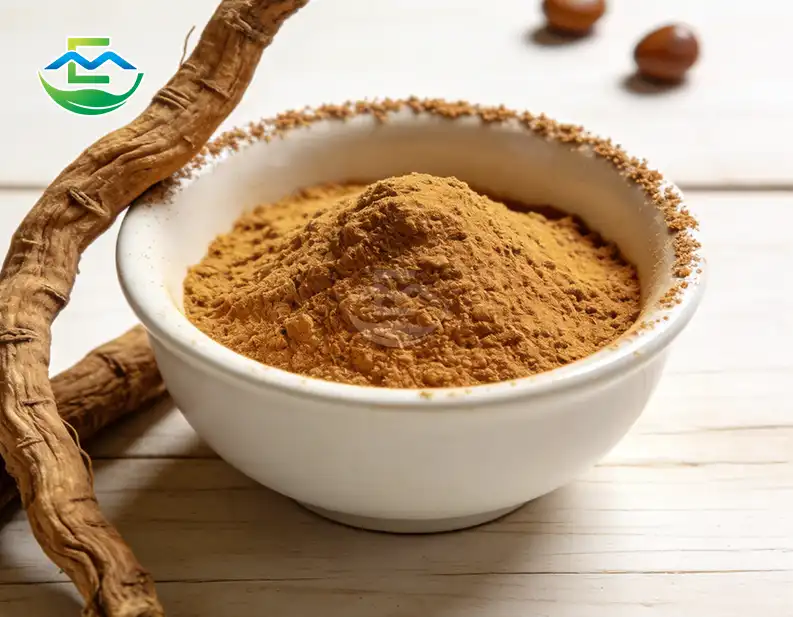
Valeriana officinalis is a flowering perennial plant that grows in parts of Asia and Europe. Valerian Root Extract is a concentrated plant-based ingredient that comes from the roots of this plant. The bioactive chemicals in this standardized extract, especially valerenic acids and valepotriates, have been studied to see if they can help people relax. During the extraction process, these active ingredients are concentrated. This makes a strong brownish-yellow ingredient that is used all over the world in natural personal care products, functional foods, and dietary supplements.

Understanding Valerian Root Extract
People who buy things for business and want to use natural ingredients they can trust should choose Valerian Root Extract. After this, we'll talk about its plant benefits, how it works, and quality factors that affect your decision to buy.
Botanical Origins and Extraction Process
Valeriana officinalis grows best in mild climates, and the roots that grow underground are where most of the medicine is found. To get the active sesquiterpenes like valerenic acid, hydroxyvalerenic acid, and acetoxyvalerenic acid out of the roots after they are picked, they go through strict extraction processes. These days, controlled temperatures and ethanol or water-ethanol mixes are used to get rid of dead plant material while keeping heat-sensitive chemicals.
Most of the time, 10:1 or 20:1 is put next to the level of concentrated extract to raw root. This means that 10 kg or 20 kg of raw root makes 1 kg of concentrated extract. The amounts of total valerenic acids that are guaranteed by standardized extracts are generally between 0.3% and 0.8%, as shown by High-Performance Liquid Chromatography (HPLC). Standardization gets rid of a big problem with buying things: making sure that every batch of production has the same amount of strength.
Mechanism and Functional Benefits
According to research, valerenic acid and similar substances work with gamma-aminobutyric acid (GABA) receptors in the brain and nervous system to help people relax. A 2020 review of 60 studies confirmed that Valerian Root Extract is safe when used at the recommended doses, with most of the participants reporting minor side effects. The extract's functional benefits include helping you sleep well, making you feel calm, and helping your muscles relax.
The strong smell that comes from breaking down isovaleric acid actually serves as a sign of authenticity. Smart procurement teams know that this unique smell is a sign of real Valerian Root Extract, not a sign of a quality problem. For use in liquid beverages where the sensory profile is very important, there are versions that don't have any smell.
Quality Markers and Safety Considerations
Valerian Root Extract is generally safe as long as it comes from a reputable producer. Some uncommon responses can be mild digestive issues, short-term tiredness, or very intense dreams in people who are sensitive. Rare liver problems reported in the literature usually involved mixtures of herbs, which makes it hard to prove a direct link between the two.
Following the rules is still very important. Some of the certifications that come with high-quality extracts are NSF GMP, FSSC22000, Kosher, Halal, ISO, and Organic. These certificates prove that production standards, tracking methods, and contamination controls are being followed. ICP-MS testing for heavy metals makes sure that the limits set by California Proposition 65 and international pharmacopeial standards are met. This protects consumers and meets legal requirements at the same time.
B2B buyers should be aware of possible reactions with medicines that are broken down by CYP3A4 enzymes, such as some drugs and immunosuppressants. This information helps with the right labeling of products and gives instructions to end users, which protects both manufacturers and customers.

Valerian Root Extract in the Market: Comparison and Quality Insights
Knowing how to position a product in the market helps procurement professionals make strategic sourcing choices that are in line with their product development goals and the people they want to sell to.
Comparative Advantages Over Alternative Ingredients
Compared to melatonin, which affects circadian clock hormones directly, Valerian Root Extract works through neurotransmitter routes, which is a different way of doing things that can be used together. Compared to chamomile extract, Valerian Root Extract has higher amounts of certain bioactive compounds, which means that finished products only need a smaller amount of it. In formulation economics, this concentration advantage means that costs are kept low.
Valerian Root Extract comes from plants, which makes it appealing to people who want plant-based options over synthetic chemicals. This positioning fits with the clean-label trends that are popular in North America and Europe. People want to buy supplements, functional foods, and cosmetics that are clear about where their ingredients come from and how they were grown.
Dosage Forms and Application Formats
The adaptability of Valerian Root Extract shows up in a number of different ways. The ingredient's high bulk density (0.45-0.65 g/ml) and low hygroscopicity make encapsulated formats possible, which makes high-speed manufacturing easier. The fine powder blends in perfectly with pill structures and stays stable during compression cycles.
Because the extract only partially dissolves in water, it can be hard to make liquid products. Specialized processing makes grades that dissolve completely in cold water and are designed for use in functional drinks. Solubilizing agents like maltodextrin are used in these modified extracts, and taste-masking technologies are used to cancel out the earthy, pungent flavor.
Tinctures and softgels are two different ways to give an extract, and each one needs different specs. To make sure that the manufacturing processes work well together, procurement teams have to match the features of the extracts (like particle size, solubility profile, and moisture content) to the processes that will be used.
Certification Standards and Supplier Qualifications
To find good suppliers, you need to know how certifications are organized. Certification in Good Manufacturing Practices (GMP) makes sure that quality controls are used throughout the whole manufacturing process. FSSC22000 shows that control of food safety meets world standards. Organic certification means that the farming and processing followed rules that don't use synthetic fertilizers and pesticides.
Ratio extracts (10:1, 20:1) show concentration levels but don't promise percentages of active compounds. Standardized extracts that list the amount of valerenic acid they contain offer the best quality assurance and allow formulators to get the same level of effectiveness across all production runs. If B2B buyers want scientific proof, they should only buy standardized grades that come with a third-party certificate of analysis (COA) paperwork.
The difference between unique mixes and pure extracts of a single ingredient has an impact on both how they are regulated and how they are marketed. Pure extracts give formulators more freedom, so they can make their own unique combinations. While pre-blended formulations may be convenient, they make it harder to stand out in competitive markets.
How to Source and Purchase Valerian Root Extract Effectively
Strategic procurement is more than just comparing prices. It also includes things like how reliable a supplier is, their logistics infrastructure, and their ability to follow regulations, all of which affect the total cost of ownership.
Bulk Procurement Strategies and Pricing Optimization
When you commit to a certain amount of volume, you can get better prices. Standard packaging in 25kg fiber drums makes it easier to move and store, and it also meets most industrial MOQ (minimum order quantity) needs. When suppliers keep stock on hand, they can quickly fulfill orders; for stock items, lead times are as little as two days.
When figuring out the price per kilogram, you should include hidden costs like freight costs, storage fees, quality testing, and possible customs delays. Domestic warehousing solutions, like Earth Made Nutritions Inc.'s four strategically placed U.S. distribution centers, make it easier to import goods and cut delivery times from weeks to days. This infrastructure benefit is especially helpful for just-in-time manufacturing companies that have to stick to tight production plans.
When you negotiate terms for multiple specifications at the same time, you can get better prices. Buying different concentration ratios together or asking for custom particle size distributions shows that you are good at buying things. This usually gets the source to lower the price per unit or give you more time to pay.
Evaluating Supplier Reliability and Quality Assurance
Assessing a supplier starts with looking at the facility's qualifications. High-tech extraction tools and in-house research and development (R&D) skills show technical proficiency and the possibility for new ideas. Companies that own their own factories show vertical integration. This type of business offers more supply chain transparency and quality control than brokers who buy from a variety of sources.
Ask for full sets of paperwork that include batch-specific COAs that show the amount of valerenic acid and the number of microbes present, as well as heavy metal testing results, pesticide residue screening results, and allergen declarations. Reliable suppliers will gladly give these to you, and knowing how to read the paperwork helps you follow the rules later on.
Sample evaluation programs let you try them out before you commit. Free sample policies, like those offered by reputable providers, let formulation tests be done to make sure they work with current production processes and quality standards. Physical properties like flowability, color consistency, and moisture content have a direct effect on how well something is made and should be tested in real manufacturing conditions.
Storage, Handling, and Regulatory Compliance
The security of Valerian Root Extract relies on how the environment is managed. For best keeping, keep temperatures below 25°C in containers that are tightly covered and out of direct sunlight and moisture. These conditions keep the active compounds stable for the normal 24-month shelf life.
Different markets have different requirements for import and export paperwork. The U.S. Botanical extracts are considered food ingredients by the FDA, so they must be made in accordance with Current Good Manufacturing Practices (cGMP) and have the right labels. The Novel Food Regulations and the Traditional Herbal Medicinal Products Directive tell European markets what they need to do. Suppliers with a lot of experience can work within these frameworks and provide the necessary certificates to make customs clearance easier.
As regulations and calls for corporate duty get stricter, traceability systems that keep track of where raw materials come from and where produced products are sold are needed. Blockchain-enabled tracking is a new technology that is being used in botanical supply chains. It offers a level of openness that is appealing to high-end brands that focus on green stories.

Practical Uses and Applications of Valerian Root Extract
Beyond traditional supplement applications, Valerian Root Extract demonstrates versatility across diverse product categories, creating differentiation opportunities for innovative manufacturers.
Dietary Supplement Formulations
The main use is in high-potency sleep aid pills, which often combine Valerian Root Extract with other ingredients that work well together, such as magnesium, L-theanine, or passion flower. The standardized valerenic acid content of the extract backs up structure-function claims about sleep delay and sleep quality, which are backed up by clinical studies that can be used for marketing purposes.
Sports nutrition companies use Valerian Root Extract in recovery formulas, promoting its ability to relax muscles as a way to help with recovery after exercise. This application targets people who aren't usually interested in sleep aids, like athletes and people who are health-conscious.
Stress management products use the calming effects of Valerian Root Extract and are made to be taken during the day without making you sleepy, as stronger compounds do. These products often help with stress at work and occasional nervousness, meeting a wide range of needs in today's fast-paced world.
Functional Food and Beverage Applications
“De-stress” shots and relaxation drinks are new ways to deliver medicines that appeal to younger people who like functional drinks more than pills. Cold-water-soluble Valerian Root Extract grades allow solutions to stay clear or slightly cloudy without settling, so they look good for a long time.
Nighttime tea blends mix Valerian Root Extract with chamomile, lavender, and other plants, which work together to create synergistic effects, while the herbs that go well with it hide its unique flavor. Premium market segments are interested in these products because they focus on rituals and sensory experiences in addition to their usefulness.
Recent developments include adding Valerian Root Extract to protein bars and snack foods, which can be eaten in the evening to help with winding down. Managing moisture movement and stopping flavor carryover are two problems that come up during formulation and need special microencapsulation methods to solve.
Cosmetic and Personal Care Applications
Valerian Root Extract can also be used topically to calm the skin. Skincare products for sensitive skin use the ingredient because it soothes skin. This puts the products in the growing “cosmeceutical” category, which combines cosmetics and health benefits.
The extract has a unique smell that is used in relaxation-themed bath goods, perfume items, and massage oils. For these uses, you need to carefully formulate products that stay stable in oil-based and emulsion systems and manage the scent profiles that people associate with natural health products.
Veterinary and Pet Care Applications
A big business opportunity exists in companion animal anxiety. Valerian Root Extract is a natural alternative to pharmaceutical sedatives that is used in soft chews, treats, and tinctures made to help dogs and cats calm down during thunderstorms, fireworks, or when they have to be alone. These products have to pass strict safety tests and meet animal feed laws, which require sellers to show veterinary-grade proof that the products don't contain any harmful chemicals or solvents.

Conclusion
Valerian Root Extract is a versatile and well-studied plant-based ingredient that meets the needs of the supplement, functional food, cosmetic, and pet care industries. To be successful at procurement, you need to know how to spot quality signs, especially standardized valerenic acid content, and work with providers who can show they have strong certifications, clear paperwork, and a reliable transportation infrastructure. Given that the extract is safe and people are becoming more interested in natural ingredients, Valerian Root Extract can be used as an important part of product lines that help with sleep, relaxation, and stress management. B2B buyers can get high-quality Valerian Root Extract that meets legal needs and formulation performance goals by using the buying strategies and quality assessment methods described in this guide.
Frequently Asked Questions About Valerian Root Extract
1. What distinguishes ratio extracts from standardized extracts?
Ratio extracts (10:1, 20:1) show how concentrated the raw materials are, but they don't promise the exact amounts of active compounds. Standardized extracts have specific amounts of valerenic acid, which ensures that the formulas work the same way every time and that the product claims are true.
2. How can buyers be sure that the extract is real and pure?
Ask for records of analysis that are special to each batch and show HPLC testing for valerenic acids, heavy metal screening via ICP-MS, microbial testing, and pesticide residue analysis. Reputable suppliers have third-party labs check their work and keep detailed records that show how raw materials are used and how finished extracts are made.
3. Does Valerian Root Extract interact with medications?
Valerian Root Extract might not work well with some antibiotics, immunosuppressants, and heart medicines that are broken down through CYP3A4 pathways. On product labels, there should be proper information suggesting that people talk to a doctor. This would help both the companies that make the products and the people who buy them while still following the rules.
4. Why does valerian extract have a strong odor?
The strong smell comes from isovaleric acid, which is a natural byproduct of valepotriates breaking down. This smell doesn't mean the quality is bad; instead, it's a sign of authenticity. There are deodorized forms for uses where the sensory profile has a big effect on how well the product is accepted by customers, like in beverage formulations.
Partner with EM for Premium Valerian Root Extract Supply
Earth Made Nutritions Inc. provides pharmaceutical-grade plant-based products that are specifically designed to meet the needs of demanding B2B customers. Our Valerian Root Extract comes from Valeriana officinalis roots and is available in standardized 10:1 and 20:1 concentrations. It has a brownish-yellow colour and is packed in 25 kg drums that meet industrial standards. As a well-known Valerian Root Extract supplier, we keep four strategically placed U.S. warehouses to make sure that stock items are shipped out within two days, so import delays don't affect production schedules. We are dedicated to quality standards as shown by our NSF GMP, FSSC22000, Kosher, Halal, ISO, and Organic certifications. Contact info@em-herb.com today to get your free sample and find out how our advanced research and development, environmentally friendly sourcing, and full technical support can help you get the ingredients you need to stay ahead of the competition.
References
1. Shinjyo N, Waddell G, Green J. Valerian root in treating sleep problems and associated disorders: A systematic review and meta-analysis. Journal of Evidence-Based Integrative Medicine. 2020;25.
2. Bent S, Padula A, Moore D, Patterson M, Mehling W. Valerian for sleep: A systematic review and meta-analysis. American Journal of Medicine. 2006;119(12):1005-1012.
3. Fernández-San-Martín MI, Masa-Font R, Palacios-Soler L, et al. Effectiveness of Valerian on insomnia: A meta-analysis of randomized placebo-controlled trials. Sleep Medicine. 2010;11(6):505-511.
4. European Medicines Agency. Assessment report on Valeriana officinalis L., radix and Valeriana officinalis L., aetheroleum. Committee on Herbal Medicinal Products. 2016.
5. Becker A, Felgentreff F, Schröder H, Meier B, Brattström A. The anxiolytic effects of a Valerian extract are based on valerenic acid. BMC Complementary and Alternative Medicine. 2014;14:267.
6. Donath F, Quispe S, Diefenbach K, Maurer A, Fietze I, Roots I. Critical evaluation of the effect of valerian extract on sleep structure and sleep quality. Pharmacopsychiatry. 2000;33(2):47-53.
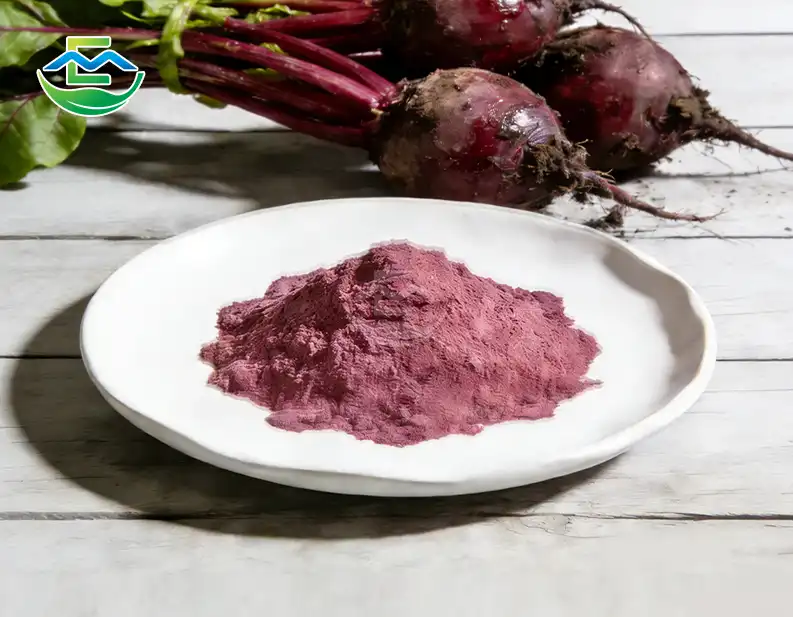
The colourful taproot of the beetroot plant is used to make Beta Vulgaris Root Powder, which is now a well-known ingredient for people who want to make new things. This purple-red powder has nitrates, betalains, and other good nutrients that come from plants. It can be used for a lot of different things, like making functional drinks, clean-label cosmetics, and foods and drinks that are fortified. You can use this to make candy that looks good, drinks that help you work out, or plant-based meat replacements that taste good. What can I use this plant powder for? You can get it for your business, and I'll show you how to use it in real life.

Understanding Beta Vulgaris Root Powder and Its Health Benefits
Nutritional Profile and Antioxidant Power
Due to its many benefits, Beta Vulgaris Root Powder stands out. It usually includes 1.5%–3.0% artificial nitrates. The enterosalivary route produces it. This modification improves blood flow and oxygen intake during exercise. Carotenoids, betacyanins, and betaxanthins color the powder. These effectively fight free radicals. These chemicals shield cells from free radicals. The powder contains fibre, potassium, folate, and vitamin C, making the final products healthier.
These bioactive components remain in freeze-dried or sprayed Beta Vulgaris Root Powder. Its 95% small particles may pass through an 80-mesh screen. They mix easily with water. Below 5% moisture, things won't cling, and bacteria won't develop. This cautious treatment ensures that the powder is usable from bulk packing to product usage.
Cardiovascular and Athletic Performance Support
Nitrate-rich meals are healthy for your heart because they increase blood flow and cell oxygenation. Beetroot-based meals help athletes work out harder and endure longer. This mechanism converts nitrate into nitric oxide, which improves muscle oxygen usage. This may increase workout difficulty and recovery time. Beetroot puree is used extensively in pre-workout and endurance beverages by sports nutrition businesses.
Time matters when making sports gear. To maximize nitric oxide, eat nitrate-rich foods two to three hours before working out. Beta Vulgaris Root Powder can be improved by mixing it with L-citrulline or beta-alanine. Since powder absorbs water, formulators must add anti-caking agents or microencapsulation to prevent sticking.
Weight Management and Metabolic Function
People make functional foods like Beta Vulgaris Root Powder because it has a lot of protein and not many calories per gram. Fibre is good for weight loss because it keeps your digestion healthy and makes you feel full. However, companies that make goods should focus on the nutrients it has instead of making claims. Some studies have shown that betalains may change digestion. Because it has sugar in it, the powder is sweet itself. This means that snacks and meals that are good for you can taste better without having a lot of extra sugar.
Before adding this, people who make food should think about how it will taste. A chemical called geosmin, which is found in beets, gives the powder an earthy tone. To hide how earthy it tastes and make the flavours more appealing to customers, people who make drinks often mix it with fruit flavours, citric acid, or tartaric acid. For ready-to-drink protein shakes and healthy drinks, it's important to try a lot of different tastes at once because how they taste affects how well they sell.

How to Use Beta Vulgaris Root Powder: Delicious and Practical Ideas
Beverage Applications: From Smoothies to Functional Drinks
Drinkmakers may employ Beta Vulgaris Root Powder in different ways. It tastes fantastic with bananas, berries, and oranges in smoothies. A teaspoon or two—five to ten grams—is adequate. Natural colors in the powder make purple-red seem attractive and comply with "clean label" marketing. Add the powder to the mixture after mixing it with a little liquid. So it's not cohesive. Companies that manufacture health shots from cold-pressed juice utilize it. To enhance immunity, these shots include ginger, lemon, and turmeric.
Functional drink companies employ natural Beta Vulgaris Root Powder instead of man-made nitrates in energy and pre-workout beverages. It's easier to make because the powder dissolves in water, but the pH must be between 4.0 and 6.0 to maintain the color. Maltodextrin or acacia gum carriers can control hygroscopicity during storage. Sports drink makers benefit from the powder's dual role as an active ingredient and natural colorant. They may avoid chemical dyes like FD&C Red No. 40.
Culinary Uses: Baking, Cooking, and Creative Recipes
Food workers must be cautious while using Beta Vulgaris Root Powder in baked items since it changes when heated. Above 70°C, betalain pigments break down. They fade from brilliant purple-red to brown or beige. This powder can be used in non-baking frostings, cream centers, and energy bars. It preserves color and adds nourishment to baked foods. They add it to cold glazes or sweets.
Beta Vulgaris Root Powder may appear like myoglobin, the protein that gives meat its red color; thus, it can be used to manufacture plant-based meat. This powder makes veggie burgers look like raw meat browning as it cooks. Plant-based meals are chosen more when they resemble actual food. Formulators must control the dose to get the desired appearance without introducing earthy flavors. 0.5 to 1.5% of the mixture's weight usually works best and doesn't change taste.
Sports Nutrition Integration and Supplement Timing
Supplement companies use Beta Vulgaris Root Powder to make pills, capsules, and powder mixes that are meant to help athletes. So, you should think about the bulk density, which is usually between 0.45 and 0.65 g/ml. It changes the capsules that are used and how the fill weight is found. Binders and flow agents are often added to powder to make up for the fact that it naturally sticks together. It is easier for things to be made automatically when silicon dioxide is added in small amounts (less than 2%).
Beta Vulgaris Root Powder is often mixed with other ingredients that make you work out harder in drinks that you drink before you work out. A full nitric oxide support matrix is made when it is mixed with L-arginine or L-citrulline. Some brands help with more than one part of performance at the same time with adaptogenic herbs like ashwagandha and rhodiola. But the formulators have to check to see if the parts will mix well, because how they do can change the taste, colour, and stability of the product. In the end, the powder will be spread out evenly if you mix the ingredients the right way. It won't settle or break while it's being kept that way.

Comparing Beta Vulgaris Root Powder: Making the Best Choice for Your Business
Pure Root Powder vs. Juice Concentrate Powder
Team buyers can choose the right ingredients if they know the difference between whole Beta Vulgaris Root Powder and juice concentrate powder. Dried beets are ground into whole root powder. Beets retain their threads and cells. It contains more fiber, costs less per kilogram, and tastes dirtier. To produce juice powder, press juice and spray-dry. This powder mixes better and has more concentrated colors and nitrates. It tastes better overall. People who create beverages use juice powder because it blends completely with water. Beta Vulgaris Root Powder provides fiber and texture to bars and snacks.
Each form makes its own formation harder. Lack or excess of either will make Beta Vulgaris Root Powder lumpy. If not, the powder may settle to the bottom of your beverages. Juice powder is expensive but easy to mix with water. Buyers in bulk should specify solubility so sellers can provide the right product. Tech sheets for novel drugs should explain how chemicals are manufactured, their solubility index, and particle size distribution.
Organic Certification vs. Conventional Sourcing
It costs more, but selling organic Beta Vulgaris Root Powder is a great way for companies to reach people who care about their health. People who grow items have to follow strict farming rules that say they can't use manmade fertilisers and pesticides. It is harder for business-to-business buyers to keep an eye on the supply chain when organic approval is in place. But it makes things stand out in high-end stores. Beta Vulgaris Root Powder that follows rules like EU Regulation 396/2005 is checked for herbicide residue to make sure it is safe. This keeps it safe and saves money that can be used for other things.
Buying managers need to check if organic approval fits with how the brand is positioned and what the target market wants. Natural and organic food brands need organic products most of the time to stay true to their recipes and keep their licenses. Normal sources might be fine for people who make sports nutrition and makeup, as long as they meet all safety and quality standards. People who buy a lot of goods can negotiate prices based on how long the deal lasts and how many goods each person agrees to buy. Organic foods usually cost 30–50% more than regular foods.
Evaluating Purity and Standardization for Industrial Use
A good Beta Vulgaris Root Powder should have standards papers listing nitrate and betalain amounts. Suppliers utilize HPLC or ion chromatography to ensure batch consistency. This is crucial for homemade goods. Formulators must ensure that active compound amounts don't change during R&D. This maintains product quality throughout runs. Depending on the season, soil nitrogen, and plant growth, nutrients may vary. After harvest, some merchants blend raw resources to be fair.
Quality control personnel should ask scientists about material wetness, heavy metal, microbial, and insecticide testing. Every shipment from a reputable firm should have comprehensive analytical certifications. Buyers of goods for export must ensure that sellers maintain NSF GMP, Kosher, Halal, ISO, and FSSC22000 records. If you have these certifications, you can sell your goods in more places because they demonstrate high manufacturing standards.

Building Trust in Your Beta Vulgaris Root Powder Supplier
Certification Standards: GMP, Organic, and ISO Compliance
When a supplier of Beta Vulgaris Root Powder gets a manufacturing certificate, it shows that they are serious about safety and following the rules. If a company gets NSF GMP approval, it means that they make food and health products using Good Manufacturing Practices. Getting an organic certification, such as from the USDA or the EU, makes sure that the right farming methods are used and that the ingredients are tracked. ISO 9001 tells you how to handle quality, and FSSC 22000 tells you how to handle all aspects of food safety.
People who make things for more than one market or buy things in bulk should look for sellers who have a lot of different kinds of certifications. Many people will buy from a business that is certified as Kosher or Halal. Companies that sell both certified and non-certified goods need to be checked by procurement teams to make sure that the certifications only cover the goods they are buying and not the whole shop. Every year, certificates should be updated at the same time that things are coming back in stock. This way, there will be enough supplies.
Evaluating Supplier Reviews and Industry Reputation
Reputation research looks at more than just a supplier's website reviews. It also sees if the supplier is a part of trade shows, industry groups, and other providers who have worked with the supplier in the past. Professional buyers who want to find out more about suppliers talk to their coworkers in product development networks who have worked with those suppliers before. Suppliers' ratings and past transactions are kept track of by business-to-business (B2B) websites like Alibaba, ThomasNet, and directories that are specific to a certain industry. It's a red flag when the quality of the product changes over time, when communication is bad, when there are mistakes in the documentation, or when professionals refuse to help.
When the market is slow, you can get Beta Vulgaris Root Powder before other customers do if you've worked with the same suppliers for a long time. You can also work together on technical problems. You have to pay for ways to talk to someone, check their work often, and work with them to solve problems if you want to get close to them. They are more likely to give better service, come up with new ideas, and be flexible when problems appear if they see their clients as partners instead of customers.
Customization Options and Private-Label Manufacturing
When there is a lot of competition in a market, ingredient sources that let you make changes can help your goods stand out. Brands can make their own mixes by custom blending Beta Vulgaris Root Powder with other ingredients that go well with it. We can change the size of the particles, choose the carriers, and encapsulate them to meet the needs of different formulations. People who buy ingredients through private-label packing services can then use those ingredients to make branded goods for other people or stores.
When you work with suppliers who can do research and development (R&D), it takes less time to make new products. Technical teams can help you with things like getting ready, making sure everything is safe, and getting advice from government officials. You can co-pack their goods with some companies, which means they make the ingredients and put the finished goods in boxes. These service models cover everything. They're good for brands that don't have their own plants, or that want to hire someone else to make something but still keep an eye on the quality.

Conclusion
Beta Vulgaris Root Powder is a plant-based ingredient that can be used in many ways. It's often found in natural goods, useful foods, beauty items, and nutrition goods. It's a good choice for markets that value natural ingredients because it has a natural nitrate level, antioxidant properties, and a clean label. Manufacturers can make better products if they know about application-specific factors like how well the product works with processing, how well it hides tastes, how stable it is at different temperatures, and how important it is to standardise. It's important to choose the right sellers, check the quality, and get to know them before you buy. Because it can be used as both an active agent and a natural colourant, it improves a lot of different goods. It's a big part of new brands because of this.
Frequently Asked Questions
1. What makes professional-grade beetroot powder different from grocery store versions?
In products made for professionals, active substances like nitrates and betalains are always the same. For business formulas, this is important because it keeps things the same from batch to batch. For these items, there are purity certificates, tests for contaminants, and safety certificates for bacteria. There are rules about particle size and moisture content for industrial grades, and they are packed in a way that keeps them from breaking down. For mass production, grocery items don't need to be made with a lot of technical details and quality checks.
2. How should beetroot powder be stored to maintain quality?
If you don't want your Beta Vulgaris Root Powder to stick together, keep it in a climate-controlled space where the humidity is less than 45%. Light and water can't get in with double-lined PE bags or containers that can't be opened. It will stay the same colour and nitrate level for up to 24 months if you store it the right way. Things that fade in hot weather don't change when the temperature goes below 25°C.
3. Can beetroot powder replace synthetic colorants in food products?
You can use Beta Vulgaris Root Powder instead of red dyes that are labelled as E162 or "Beet Red" on cooking lists. But they need to keep in mind that some chemicals are volatile and can't stand high temperatures. Natural colours work best in places that are cold and acidic (pH 4.0 to 6.0). Things might lose their colour if they are put in hot or acidic places. This means the method or recipe needs to be changed.
Partner with EM for Premium Beta Vulgaris Root Powder Supply
Sourcing reliable, high-quality Beta Vulgaris Root Powder requires a supplier combining technical expertise with operational excellence. Earth Made Nutritions Inc., operating from California since 2018, serves as a trusted Beta Vulgaris Root Powder supplier for nutraceutical, functional food, cosmetic, and sports nutrition manufacturers. Our purplish-red powder, processed from premium beetroot, arrives with complete certification documentation including NSF GMP, Kosher, Halal, ISO, FSSC22000, and Organic credentials. We maintain four strategic warehouses across the United States, enabling two-day pickup for in-stock orders with a 25 kg minimum order quantity.
Our advanced extraction equipment and professional R&D team ensure consistent standardization across batches, meeting the demanding specifications of formulation managers and quality control teams. We provide complimentary samples for evaluation, comprehensive certificates of analysis, and technical support throughout your product development process. Committed to sustainable practices and environmental responsibility, we deliver reliable supply chain performance without compromising quality standards. Contact our team at info@em-herb.com to discuss your specific requirements and discover how our Beta Vulgaris Root Powder can enhance your product formulations.
References
1. Clifford, T., Howatson, G., West, D. J., & Stevenson, E. J. (2015). The potential benefits of red beetroot supplementation in health and disease. Nutrients, 7(4), 2801-2822.
2. Lidder, S., & Webb, A. J. (2013). Vascular effects of dietary nitrate (as found in green leafy vegetables and beetroot) via the nitrate-nitrite-nitric oxide pathway. British Journal of Clinical Pharmacology, 75(3), 677-696.
3. Wootton-Beard, P. C., & Ryan, L. (2011). A beetroot juice shot is a significant and convenient source of bioaccessible antioxidants. Journal of Functional Foods, 3(4), 329-334.
4. Azeredo, H. M. (2009). Betalains: properties, sources, applications, and stability–a review. International Journal of Food Science & Technology, 44(12), 2365-2376.
5. Domínguez, R., Zhang, L., Rocchetti, G., Lucini, L., Pateiro, M., Munekata, P. E., & Lorenzo, J. M. (2020). Elderberry (Sambucus nigra L.) as a potential source of antioxidants. Characterization, optimization of extraction parameters and bioactive properties. Food Chemistry, 330, 127266.
6. Jones, A. M. (2014). Dietary nitrate supplementation and exercise performance. Sports Medicine, 44(1), 35-45.
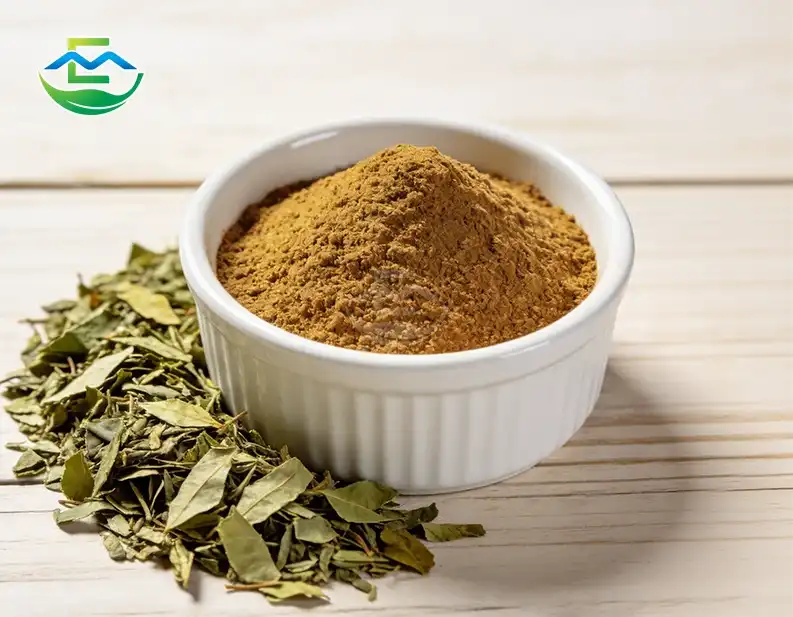
Yerba Mate Extract powder is a concentrated botanical ingredient derived from the leaves of Ilex paraguariensis, a holly tree native to South American rainforests. Unlike traditional loose-leaf mate consumed in gourds, this professional-grade extract undergoes aqueous or hydro-ethanolic extraction followed by spray or freeze-drying to isolate bioactive compounds like caffeine, chlorogenic acid, and polyphenols. The preparation involves selecting premium-quality leaves—never stems—from certified plantations, followed by rigorous extraction processes that standardize active constituents. This transformation creates a functional powder ingredient suited for nutraceutical, cosmetic, and functional food applications requiring consistent potency and exceptional solubility.

Understanding Yerba Mate Extract Powder
Botanical Origin and Raw Material Selection
The Ilex paraguariensis plant does well in the subtropical forests of Paraguay, Argentina, and Brazil. For hundreds of years, native people have grown it there. Organic, shade-grown leaves from certified farms are the most important for modern industrial output. When choosing raw materials, only leaf tissue is used, as roots and branches can lower the quantity of active compounds. Before being extracted, each batch is tested for heavy metals, pesticide residues, and microbial toxins. This makes sure that only the cleanest waste gets into the output lines.
Earth Made Nutritions Inc. only buys from trusted South American suppliers that keep track of their products from the plantation to the processing plant. Polycyclic aromatic hydrocarbons (PAHs) are a concern when traditional smoke-drying methods are used, and our quality standards check for them. We only work with suppliers that use air-drying technology to make low-PAH or PAH-free products that meet strict EU rules and California Prop 65 standards.
Industrial Extraction and Standardization Process
Controlled methods transform raw leaves into powders in modern extraction. Water-based extraction with low-temperature vacuum concentration protects heat-sensitive bioactives including chlorogenic acid and saponins. Some companies use enzymatic treatments to make their products more soluble, suitable for drinks. Spray drying liquid extract at the correct temperatures produces a fine powder that can pass through 80 mesh screens.
Professional Yerba Mate Extract powder is standardized, unlike culinary-grade mate. HPLC tests caffeine levels, which are standardized between 2% and 20%, and chlorogenic acid levels, which may be 10% to 50%. Five kilos of raw leaf material concentrates make one kilogram of powder at our 5:1 ratio. Formulators may make reliable label claims with this constant potency.
Quality extracts are brownish-yellow because they include polyphenols and flavonoids. More than 95% dissolves fully in cold water, so ready-to-drink uses do not form sediment. A capsule's fill weight depends on its bulk density, which should be 0.4–0.60 g/mL. Less than 5% moisture promotes long-term capsule stability.
Nutritional and Phytochemical Profile
There are many types of compounds in yerba mate extract that work together to make it bioactive. Xanthine alkaloids, which include caffeine, theobromine, and theophylline, give you a balanced boost that is different from coffee's quick boost. The caffeine makes you alert without giving you a sharp high and low like synthetic anhydrous caffeine does.
The antioxidant profile is mostly made up of polyphenolic chemicals. Chlorogenic acids stop glucose-6-phosphatase from working, which helps the metabolism. The ORAC (Oxygen Radical Absorbance Capacity) numbers are often higher than those of green tea products because of rutin and other flavonoids. Saponins that are only found in Ilex paraguariensis give the extract its unique bitter taste and help with its overall bioactivity.
The mineral content includes magnesium, potassium, and minor elements that come from volcanic soils in top growing areas. B-vitamin complexes stay whole even after being carefully extracted, which adds more nutritional value than just caffeine. With this full list of phytochemicals, yerba mate extract is seen as an ingredient from the whole plant, not just one compound.

Key Benefits and Applications of Yerba Mate Extract Powder
Functional Properties for Product Development
The main value offering for formulators of Yerba Mate Extract powder is energy improvement without overstimulation. The caffeine in it makes you mentally and physically alert, which makes it perfect for use in sports nutrition and nootropics. Theobromine lessens the effect of caffeine, making the energy curve smoother and longer-lasting than with coffee bean extract.
The antioxidant qualities come from polyphenols that are highly concentrated and get rid of free radicals. The amounts of chlorogenic acid in a product back up claims that it is good for your metabolism. This is especially true in weight loss products where it works well with other thermogenic ingredients. Wellness goods that target oxidative stress and sports supplements that focus on healing, like the anti-inflammatory ingredients.
The traditional ways of using the extract are used in cardiovascular and digestive health applications. Polyphenols help keep the gut bacteria balanced, and saponins help keep the blood healthy. Because these benefits are useful, they can be used to position a wide range of products, from wellness shots in the morning to relaxation teas in the evening.
Versatile Industry Applications
Nutraceuticals: The powder's flow and potency improve capsule and tablet efficacy. It supplies natural energy to weight loss mixes with green coffee bean and garcinia extracts. Cognitive concentration recipes integrate it with alpha-GPC and other nootropics to boost stimulation without additives.
Functional Drinks: Ready-to-drink energy drinks must dissolve fully in water to prevent sediment. Hydrophilic extract may be blended with clear liquids with pH values as low as 3.0, such as carbonated beverages. Higher polyphenol levels reduce natural bitterness because they pair well with lemon and berry flavors. Instant beverage mixes use powder's water-mixing ability for single-serve sachets.
Cosmetic Ingredients: Anti-aging serum and cream formulators want antioxidants. Coffee in eye creams temporarily tightens the skin around the eyes, and polyphenol-rich extracts protect against environmental stresses. Cosmetics with exact active amounts must be consistent from batch to batch to meet legal requirements.
Functional foods: Energy bars, protein powders, and fortified snacks contain yerba mate extract to add nutrients and a natural stimulant. Food-grade certifications and flavor stability after baking or extrusion are crucial. Due to its heat resistance, extract retains potency better than whole herbs. Different particle sizes and concentrations are required for various purposes.

How to Source and Procure High-Quality Yerba Mate Extract Powder
Supplier Qualification and Certification Standards
Yerba Mate Extract powder suppliers with multiple certifications are reliable. NSF GMP certification implies a corporation cleans equipment, validates processes, and documents batches to pharmaceutical standards. FSSC22000 discusses food safety management systems, which are crucial for food. Religiously compliant products gain market share with Kosher and Halal certifications.
An ISO 9001 quality control system shows a corporation aims to improve and satisfy clients. Suppliers can navigate complex regulations with US, EU, and Canadian organic certifications. Third-party testing with independent laboratories shows analytical skills.
Earth Made Nutritions Inc. is NSF GMP, FSSC22000, Kosher, Halal, ISO, and Organic. These certifications are certified mechanisms that defend your brand's image, not simply nice pictures. Our California headquarters keeps many records that allow us to track products from South American plantations to your facility.
Manufacturing Capabilities and Quality Systems
Professional suppliers can tell the difference between commodity dealers and batch uniformity. Temperature, pressure, and solvent ratios are kept very close to ideal by high-tech extraction equipment with automated process controls. Spray drying towers that check the particle size in real time make sure that the powder has the same properties all over. In-process testing finds problems before batches are finished being made, so customers don't get material that doesn't meet their needs.
In quality control labs with HPLC, GC-MS, ICP-MS, and spectrophotometry, the identities of incoming raw materials are checked. Bioactive assays, heavy metal panels (lead, arsenic, cadmium, mercury), pesticide screens for South American crop profiles, and microbial testing for pathogens like Salmonella and E. coli are all part of the testing for finished products. Documentation called a Certificate of Analysis (COA) gives clear information about each batch.
Our research and development team has a lot of experience with advanced extraction and makes custom specs for each application. Our technical skills help with formulation innovation, whether you need grades that dissolve in water for clear drinks or high concentrations of chlorogenic acid for metabolic formulas. We keep testing data for stability under different storage conditions, which helps formulators guess how long finished products will last on the shelf.
Logistics and Supply Chain Management
Earth Made Nutritions Inc. has four strategically placed warehouses across the United States. This allows for fast shipping that fits with the schedules for just-in-time manufacturing. When items are in stock, they can be picked up in two days if they meet standard requirements. This is much faster than the weeks-long delays that can happen when goods are imported straight from starting countries. Our 25kg drum packaging works for most production sizes, but we also offer custom packaging options for situations where you need to handle the goods in a certain way.
With minimum order amounts as low as 25 kg, it's easier to test new products and make small batches. Formulators can test compatibility with free samples before committing to full purchases. Lead times are always the same: normal requirements ship in 48 hours, while custom extractions take two to three weeks, based on how complicated they are.
Conditions of storage are important at every step of the supply chain. The Yerba Mate Extract powder stays stable at room temperature (15–25°C) and humidity levels below 60%. Our warehouses have climate control and strict hygiene rules that keep things from getting dirty. Shipments include technical data sheets that tell customers how to store the products correctly, which protects the quality of the products throughout their whole lifecycle.

Ensuring Quality and Compliance in Yerba Mate Extract Procurement
Comprehensive Testing Protocols
Yerba Mate Extract powder must be botanically authenticated to ensure it originates from Ilex paraguariensis. Under a microscope, leaves reveal their distinctive features, but DNA barcoding is the only method to identify species. These measures prevent economic adulteration, which occurs when cheaper components replace true yerba mate.
Purity tests count main bioactives. HPLC research checks caffeine and chlorogenic acid specs to verify label claims. Functional benefits are confirmed by ORAC antioxidant capacity testing. Solubility testing ensures product dissolving rates fulfill requirements. This is crucial for beverage formulae.
Responsible suppliers must quantify PAHs. Traditional smoke drying releases cancer-causing compounds, including benzo(a)pyrene. Our suppliers employ air-drying technology to ensure each batch fulfills EU Regulation 2015/1933 limitations of benzo(a)pyrene below 10 µg/kg and four PAHs below 50 µg/kg. This testing protects your business from government action and customer health concerns.
ICP-MS compares lead, arsenic, cadmium, and mercury to USP limits. Pesticide screening includes organophosphates, pyrethroids, and other South American crop pesticides. Microbes analyzed include total plate count, yeast and mold, coliforms, and pathogen screening. Each test increases material safety confidence.
Regulatory Compliance Across Markets
The FDA regulates yerba mate extract as a dietary additive under DSHEA. The FDA needs identity and purity evidence. Although traditional botanical extracts don't need to be reported as new dietary ingredients, manufacturers must keep safety and traditional use records. The paperwork we receive with our materials proves they comply with regulations.
Yerba mate extract is sometimes considered a novel food ingredient that must be authorized by the EU before being marketed. The PAH limits we mentioned earlier apply only to EU shipments. Our staff manages these needs and ensures supplies fulfill site criteria. Health and free sale certifications aid customs clearance.
Product and sales location determine labeling requirements. Dietary supplement labels must list caffeine levels beyond specific thresholds. Cosmetics have different rules, so ingredient lists often list "Ilex Paraguariensis Leaf Extract". Labelling advice that follows the rules reduces the chance of not following them.
Regulators require traceable documentation for audits. From planter lot numbers to extraction, quality checks, and distribution, batch records monitor materials. This documentation is crucial for inspections and voluntary recalls if quality issues arise.
Procurement Risk Management
Adulteration remains the biggest procurement risk. Dishonest vendors add maltodextrin, rice flour, or synthetic caffeine to the extract to extend its shelf life and cut its price. Independent lab testing prevents this kind of fraud. Our clients should examine the quality of receiving items, particularly from new suppliers.
When extraction processes fail, bioactives break down, or contaminants are present. Bad ethanol extraction or inadequate purification leave harsh solvent residues and heavy metals in the result, making it unsafe. Our gentle extraction and strong purification methods eliminate these concerns, but buyers should compare other suppliers' analytical capabilities.
Supply chain issues affect agricultural goods unpredictably. Bad weather, labor disputes, and slow-moving goods cause availability issues in South America. Our U.S. shop safeguards us from these issues and supplies us during delayed direct transactions. Building partnerships with financially reliable suppliers who stock safety stock boosts productivity.
Yields of yerba mate across the globe and currency fluctuations affect South American exports. Long-term supply agreements with volume guarantees may improve price and distribution in constrained markets. We publicly forecast demand and determine inventory levels to balance low prices and dependable supply.

Conclusion
Yerba Mate Extract powder is a versatile and scientifically proven botanical ingredient that can be used in a wide range of formulations for nutraceuticals, functional foods, drinks, and cosmetics. Its concentrated bioactive profile, which includes standardised caffeine, chlorogenic acid, and polyphenols, gives it a consistent level of potency that whole-herb materials can't match. Traditional South American holly leaves are turned into professional-grade powders through the extraction and standardisation processes. These powders can be used in modern industrial settings that require quality, compliance, and dependability. For procurement to go well, you need to look at the supplier's certifications, testing capabilities, supply chain infrastructure, and regulatory paperwork. As clean-label trends and natural ingredient tastes continue to grow, yerba mate extract powder gives brands a useful way to stand out, backed by a long history of use and new scientific proof.
FAQ
1. How does the caffeine content compare to coffee and green tea?
Standardised Yerba Mate Extract powder usually has between 2 and 20% caffeine by weight, but this depends on the concentration requirements. Ten milligrams (10 mg) of 10% caffeine extract is equal to about ten coffee cups' worth of caffeine. Green tea extract has between 2 and 5 percent caffeine, so yerba mate extract may have the same amount of caffeine or a little more, based on the specs. The main difference is in the alkaloid profile. Along with caffeine, yerba mate has theobromine and theophylline, which make the stimulant effect smoother. Users often describe it as alert without jittery feelings.
2. What testing confirms authenticity and quality?
To be sure that a yerba mate extract is real, the Ilex paraguariensis species that it comes from must be identified using microscopy and DNA barcoding. Caffeine and chlorogenic acid are measured using HPLC to make sure they meet the stated standards. GC-MS testing for PAHs makes sure that the material doesn't contain any chemicals that are known to cause cancer. Screening for pesticides and heavy metals (ICP-MS) shows that the amounts of contaminants are still below the limits set by the government. Reliable providers give out Certificates of Analysis that list all of the testing results and include third-party lab confirmation for each batch.
3. What specifications matter most for B2B procurement decisions?
Dosing calculations and the truth of label claims depend on the caffeine standardisation percentage. The amount of chlorogenic acid changes the functional benefits, especially for metabolic health uses. Keeping PAH levels below EU standards is important for protecting brand image and following the rules. How well something dissolves in cold water—usually more than 95% of the time—determines how well it works with other ingredients, especially in drinking uses. Certifications like organic, GMP, and food safety standards help businesses place themselves in the market and meet customer needs. Lastly, supplier infrastructure that includes testing options, product access, and the quality of paperwork all lowers risk in the supply chain.
Partner with EM for Premium Yerba Mate Extract Powder
Earth Made Nutritions Inc. can help you make new products by getting pharmaceutical-grade Yerba Mate Extract powder from approved farms in South America and processing it in our high-tech extraction systems. You can get our brownish-yellow 5:1 extract in convenient 25kg drums. It has a lot of certifications behind it, such as NSF GMP, FSSC22000, Kosher, Halal, ISO, and Organic credentials. We make it easy for new ideas to come up because we have four warehouses in the U.S. that can fill orders in two days and a minimum order quantity of only 25 kg. Contact our technical team at info@em-herb.com to get your free sample today and talk about your formulation needs. You can also find out how our yerba mate extract powder supplier services can help your brand stand out from the competition.
References
1. Heck, C. I., & de Mejia, E. G. (2007). Yerba Mate Tea: A comprehensive review on chemistry, health implications, and technological considerations. Journal of Food Science, 72(9), R138-R151.
2. Bracesco, N., Sanchez, A. G., Contreras, V., Menini, T., & Gugliucci, A. (2011). Recent advances on Ilex paraguariensis research: Minireview. Journal of Ethnopharmacology, 136(3), 378-384.
3. Burris, K. P., Davidson, P. M., Stewart, C. N., & Harte, F. (2012). Aqueous extracts of yerba mate as antimicrobial agents against Escherichia coli O157. Journal of Food Protection, 75(4), 753-757.
4. Filip, R., Lopez, P., Giberti, G., Coussio, J., & Ferraro, G. (2001). Phenolic compounds in seven South American Ilex species. Fitoterapia, 72(7), 774-778.
5. Gawron-Gzella, A., Chanaj-Kaczmarek, J., & Cielecka-Piontek, J. (2021). Yerba Mate: A Long but Current History. Nutrients, 13(11), 3706.
6. Isolabella, S., Cogoi, L., Lopez, P., Anesini, C., Ferraro, G., & Filip, R. (2010). Study of the bioactive compounds variation during yerba mate processing. Food Chemistry, 122(3), 695-699.
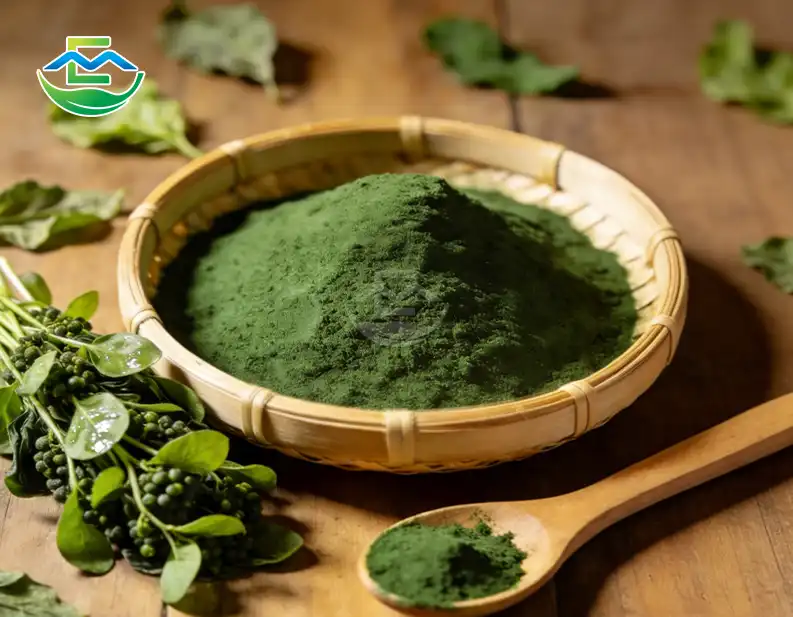
Pure Chlorella Powder, made from Chlorella pyrenoidosa, is a nutritious ingredient with 55% to 65% protein, more than 2,000 mg/100g chlorophyll, and helpful chemicals including CGF. This tiny green powder aids the body's natural cleaning by binding heavy metals. Antioxidants protect skin, beta-glucans increase immunity, and energy levels grow. When correctly treated, it may be digested over 80%, making it ideal for functional vitamins, fortified meals, and cosmetics for health-conscious consumers seeking plant-based solutions with clean labelling.

Understanding Pure Chlorella Powder: What Makes It Unique?
Botanical Origin and Production Excellence
Pure Chlorella Powder is manufactured from the processed biomass of the single-celled green microalgae Chlorella pyrenoidosa, cultured under regulated circumstances to maximise nutrients. This component is properly picked, sprayed dry, and cell wall ruptured, unlike other algal products. Without its cellulose-based cell wall, chlorella is just 40% digestible. Advanced mechanical Dyno-Mill technology destroys more than 95% of cell walls, making the raw material readily taken by living beings while safeguarding heat-sensitive nutrients, such as CGF, chlorophyll porphyrins, and B vitamins.
Earth Made Nutritions Inc. produces with great quality. For optimal dispersibility, moisture must be less than 7%, ash less than 8%, and mesh size 120–200. The resultant product is pure and free of additives, fillers (such as maltodextrin), and false binders since solvent-free processing is used. Complete plants are sent in 25-kg barrels for B2B shipping.
Nutritional Profile Compared to Other Superfoods
Comparing chlorella to others shows its chemical superiority. Protein content: Spirulina contains 60% protein, and chlorella has similar but almost twice as much chlorophyll. Wheatgrass powder contains several vitamins, but not chlorella's amino acids or CGF complex.
Omega-3 fatty acids, B vitamins (particularly bioavailable B12), and mineral richness (iron, zinc, magnesium) distinguish them. CGF, a nucleotide-peptide complex that constitutes about 3–5% of chlorella, distinguishes it from other green superfoods. This molecule helps cells develop and mend, thus it's been studied extensively.
A Journal of Medicinal Food research found that chlorella's ORAC levels outperform several other superfoods. Lutein, beta-carotene, chlorophyll derivatives, and carbohydrates form a potent defensive network that helps your body perform many tasks.
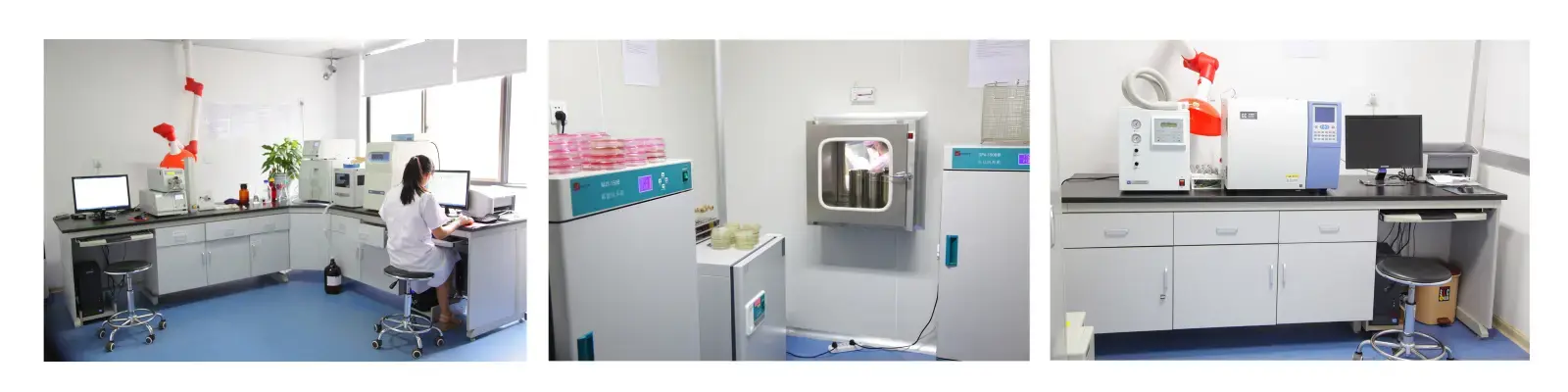
Key Benefits of Pure Chlorella Powder for Product Development
Heavy Metal Detoxification and Binding Properties
Functional groups that bind to mercury, cadmium, and lead make up chlorella's cell wall. Environmental Health Perspectives found that chlorella supplements increase metal excretion in the faeces. Chelation links metal ions to chlorophyll and cell wall polysaccharides, making natural removal simpler.
Thus, pure Chlorella Powder is a suitable addition to goods for persons concerned about environmental pollutants. Nutritional firms developing cleansing regimens might exploit this established advantage to differentiate their goods. It's safe to use in daily health routines for a long time since the binding action doesn't interfere with mineral absorption in the recommended proportions.
Immune System Enhancement Through Beta-Glucans
Certain chlorella beta-1,3-glucan polysaccharides act with macrophages and natural killer cells via immune cell receptors. Daily consumption controls immunological reactivity, according to a Nutrition Journal research. It involves increasing cytokine production and phagocytic activity without overstimulation.
Athletic nutrition firms produce products that assist athletes in recovering and remaining healthy throughout rigorous training. Functional food companies may utilise chlorella in immunity-boosting drink lines to capitalise on customer interest in natural immune-boosting ingredients. It may be utilised in many processing methods without losing activity since it can survive brief heat exposure up to 120°C.
Skin Health and Anti-Aging Applications
The cosmetics industry is learning about chlorella's nutritional and surface advantages for skin. Reactive stress, which causes ageing, is prevented by antioxidants such as chlorophyll and carotenoids. Collagen is made from amino acids, and CGF helps cells proliferate and mend.
Regular chlorella consumption improves skin hydration, flexibility, and tone, according to dermatologists. Buyers of cosmetics raw ingredients may produce "beauty-from-within" treatments or chlorella-infused topicals. The small powder size (120–200 mesh) makes it easier to blend into water- and oil-based cosmetics, solving stability difficulties with coarser plant powders.
Digestive Health and Gut Microbiome Support
The fibres of chlorella nourish stomach bacteria, while the chlorophyll keeps the gut lining healthy. Chlorella that has been properly processed and whose cell walls have been shattered is helpful for your digestive system without making you feel terrible.
Functional food producers may exploit this feature in probiotic-containing products to generate synbiotic combinations with live cultures and chlorella's prebiotic qualities. Its pH stability (pH 4–9) allows it to be added to fermented meals, yoghurts, and acidic beverages without changing colour like spinach powder and other less stable green ingredients.
How to Use Pure Chlorella Powder: Practical Intake and Dosage Guidelines
Recommended Dosages for Different Applications
Between 2 and 5 grams is advised daily for wellness. This standard facilitates nutritional addition without overwhelming digestive systems unfamiliar with algae-based compounds. To maintain binding chemical levels during detoxification, quantities may be increased to 5–10 grams per day, divided across multiple meals.
Immune support solutions include 3–6 grams per day, as shown in research. 2-4 grams of skin health treatments work with adequate water. Sports nutrition may include 5 to 8 grams of CGF in each dosage to assist cells in growing again.
Procurement managers drafting product requirements should include ingredient prices and recipe quantities. Earth Made Nutritions Inc. needs 25 kilograms for experimental manufacturing runs. The 2-day U.S. warehouse wait time allows flexible product development timelines.
Consumption Methods and Product Forms
Powder vs. pill boils down to bioavailability and taste. Powders dissolve rapidly in smoothies, green teas, and protein shakes. Pills don't require binders since chlorella adheres together when squeezed, allowing clean-label compositions.
The thixotropic properties of chlorella in water-based suspension need manufacturing expertise for beverage firms. Binders like guar gum or pH changes may stabilise a solution. When creating beneficial drinks, powder remains blended longer in slightly alkaline liquids (pH 7.5-8).
Encapsulation helps mask chlorella's moderate marine-algae flavour. Vegetable tablets keep powder protected from airborne oxygen, which breaks down chlorophyll. Vacuum-sealed aluminium bags below 25°C prevent breakdown and preserve food's vibrant green colour.
Considerations for Safe Integration
Starting with smaller amounts (1-2 grams) lets your body get used to them slowly, which is especially helpful for people who are new to taking microalgae vitamins. The high chlorophyll content sometimes turns garbage products temporarily green. This is a safe but interesting effect that should be mentioned in the product information.
The Dyno-Mill handling at Earth Made Nutritions Inc. makes sure that the >95% crackage rate is met for the best results. This is shown by microscopic analysis that is part of the batch paperwork.
When formulating goods, experts have to take chlorella's sensitivity to light into account. Clear or yellow containers keep chlorophyll from breaking down in light, which stops the colour change to olive-brown that happens when pheophytin forms and antioxidants are lost.
Choosing and Procuring Pure Chlorella Powder for Manufacturing Excellence
Organic Certification and Quality Standards
Organic or standard influences your market position and purchase price. Organic Certification requires plants to be produced in pollutant-free environments and frequently tested for pesticides, microorganisms, and heavy metals. Earth Made Nutritions Inc. pure Chlorella Powder is USDA Organic, Kosher, Halal, ISO, and FSSC22000 certified, so they can serve several markets with one provider.
Quality measures go beyond licensing. Protein should be 55–65% on a dry weight basis. Chlorophyll exceeding 2,000 mg/100 g indicates proper agricultural cultivation and processing. An ash level below 8% indicates that growing media remnants that reduce nutrient density were effectively washed away. The Certificates of Analysis accompanying each batch should clearly state these criteria.
Supplement companies targeting high-end clients need NSF GMP clearance to prove their manufacturing facility follows pharmaceutical-grade processes. The stringent documentation required for these credentials allows enterprises to follow items from growth to packaging, giving them an advantage when answering store or regulatory queries.
Bulk Purchasing Logistics and Cost Optimisation
Minimum order quantities help manage inventories and save expenses. Earth Made Nutritions Inc.'s 25-kilogram MOQ is ideal for mid-sized firms testing novel formulae before ordering more. Distributors with several clients might bundle orders to receive better bulk rates and reduce storage requirements.
Four big U.S. hubs enable speedy delivery and reduce supply chain risks. Importers whose products rely on international shipment need the two-day selection window from in-stock items to avoid manufacturing delays. Functional food firms that employ just-in-time manufacturing systems benefit from this regional storage approach since ingredient delays may cause costly downtime.
Free samples allow you to test quality before buying. R&D teams may evaluate powder qualities, including particle size distribution, colour consistency, and dispersion, using actual production material instead of specifications. This hands-on evaluation reduces formulation shocks and reformulation costs.
Evaluating Supplier Capabilities and Reliability
The quality of the end product is directly affected by how well the extraction and processing equipment works. Formulators need stability from batch to batch, which Earth Made Nutritions Inc. provides by investing in professional research and development teams and up-to-date facilities. Problem-solving during product development goes faster when you can talk about technical details with staff who know what they're talking about.
The sustainable buying mindset meets the needs of consumers and retailers who want to be more environmentally friendly. Using closed-loop water systems and green energy sources in farming reduces the damage done to the environment. People who care about the environment will be interested in marketing stories about sustainable beauty, clean vitamins, and responsible production that are based on these practices.
The number of certificates (NSF GMP, FSSC22000, Kosher, Halal, ISO, and Organic) shows that the company is committed to quality processes, not just following the rules sometimes. This all-around method makes it easier for customers to pass audits that are based on a number of different regulatory frameworks, such as those that serve the U.S. dietary supplement market, European cosmetic laws, or international food safety standard

Future Trends Shaping Chlorella Powder Market Dynamics
Emerging Applications in Functional Foods
Innovation goes beyond the usual forms for supplements. Bakeries use chlorella's natural green colour to set their specialty breads and energy bars apart from other foods. People who make drinks use chlorella as the main ingredient in "algae lattes" and useful juice bases. Because it can withstand temperatures up to 120°C, it can be used in sterilised drinks and baked goods without losing many of its nutrients.
Plant-based meat substitutes are a surprising area of growth. Chlorella's protein content and natural green colour help make vegetable-based foods that taste like real meat. The full amino acid makeup helps improve protein scores in these situations, which answers some health concerns that people have about plant-based foods.
Natural colouring uses chlorella's bright green colour and gives useful benefits that manufactured dyes don't have. Regulatory pressure to lower the use of artificial colours opens up business possibilities in prepared foods, dairy options, and sweets. In contrast to spinach or matcha extracts, which turn brown when exposed to acidic conditions, chlorella stays the same colour when handled properly across the pH ranges that are common in food recipes.
Strategic Sourcing for Supply Chain Resilience
More and more, geopolitical issues and natural disasters are messing up supply lines for ingredients. Having different sources of pure Chlorella Powder in different managed farming facilities makes them less vulnerable to problems in other areas. When one-source suppliers run into problems, suppliers with multiple production sites and smart inventory, like Earth Made Nutritions Inc.'s four U.S. stores, keep things running smoothly.
Long-term ties with suppliers allow for flexibility that isn't possible with transactional relationships. Private labelling lets brand owners set their products apart by using their own mixes or special processes. OEM services make it easier for new startups to get into chlorella markets without having to spend a lot of money on facilities for growing it.
Quality dependability is still the key to making goods that sell well. Getting in touch with providers who are committed to strict testing and paperwork stops batch variations that hurt a brand's image. Professional R&D help from specialised providers speeds up troubleshooting when formulas need to be changed because of feedback from the market or changes in the law.
Sustainability and Environmental Considerations
Growing microalgae is one of the most efficient ways to make protein because it needs much less space and water than traditional farming. People who care about the environment and businesses that use seller environmental scorecards will connect with this sustainability story. Growing chlorella actively removes carbon dioxide, which makes carbon-negative output profiles appealing for buying programs that care about the environment.
Closed-loop farming methods reuse water and chemicals, reducing waste and damage to the environment. Additionally, these systems stop the pollution that can happen with open-pond farming, making sure that the purity is always the same. When brands want to tell stories about caring for the earth, working with providers who do responsible farming gives them real content for their marketing.

Conclusion
Pure Chlorella Powder from Chlorella pyrenoidosa is a flexible and scientifically-proven ingredient that can be used in a wide range of products, including supplements, useful foods, cosmetics, and other unique uses. Its high nutrient density, proven bioactive qualities, and rising popularity with consumers make it a great choice for people who want to make new products or start their own brands. The problems that ingredient buyers have with sourcing are solved by reliable shipping, high-quality sourcing, and full certifications from well-known providers like Earth Made Nutritions Inc. As the market moves toward more eco-friendly, functionally-proven, and clean-label plants, chlorella powder puts forward-thinking brands in a great position to take advantage of new possibilities while still giving customers real health benefits.
Frequently Asked Questions About Pure Chlorella Powder
1. Is chlorella powder safe for long-term daily consumption?
Chlorella has a great long-term profile in written studies that span months to years when it comes from reputable sources that meet quality standards. The most important thing to think about is starting with the right doses and choosing goods that have been shown to have low amounts of contaminants. Proper cell wall processing (>95% crackage rate) makes sure that it can be digested without any pain. To build trust in their products, brands should make sure they have clear directions on how to use them and show off the results of third-party tests.
2. How does chlorella compare to spirulina for immune support?
Both types of microalgae help the defence system in different ways. Chlorella has more chlorophyll and special CGF chemicals that help cells work, while spirulina has phycocyanin, which is an antioxidant that is unique to it. Researchers think that the beta-glucans in chlorella work more directly with immune cell receptors. Product designers might think about mixing the two algae to make formulations that work better together because they each have benefits that balance each other. This would provide more support than either ingredient alone.
3. Can you provide customised packaging or formulation services?
Professional providers, such as Earth Made Nutritions Inc., offer private label and OEM services that let brands make their own goods without having to invest in production infrastructure. Some of the services we offer are custom mixing with ingredients that work well together, custom package forms that meet the needs of specific markets, and formulation advice for problems with stability or bioavailability. The customisation process starts when you email info@em-herb.com to talk about your project needs with the R&D team.
Partner With EM: Your Trusted Pure Chlorella Powder Supplier
Earth Made Nutritions Inc. sells high-quality pure Chlorella Powder that is backed by a number of standards, including NSF GMP, FSSC22000, Kosher, Halal, ISO, and organic, and whose quality is always the same. Our improved method breaks down the cell walls of over 95% of the chlorella, making the product more bioavailable. This solves the main problem that keeps other chlorella products from being as good. We get rid of supply chain uncertainties that mess up production plans by having four key U.S. warehouses that offer two-day delivery. Our skilled research and development (R&D) team can help you turn ingredient specs into products that are ready to sell. Whether you need large amounts (starting at 25 kg MOQ), free samples to test, or a dependable pure Chlorella Powder maker for private label creation, our environmentally friendly methods and technical know-how will help your brand succeed. Get in touch with our purchasing experts at info@em-herb.com to talk about how our chlorella powder options can help you offer more products and be more competitive in the market.
References
1. Merchant, R.E., Andre, C.A. (2001). "A review of recent clinical trials of the nutritional supplement Chlorella pyrenoidosa in the treatment of fibromyalgia, hypertension, and ulcerative colitis." Alternative Therapies in Health and Medicine, 7(3), 79-91.
2. Nakano, S., Takekoshi, H., Nakano, M. (2007). "Chlorella pyrenoidosa supplementation reduces dioxin and increases immunoglobulin A concentrations in breast milk." Journal of Medicinal Food, 10(1), 134-142.
3. Panahi, Y., Badeli, R., Karami, G.R., Sahebkar, A. (2015). "Investigation of the effects of Chlorella vulgaris supplementation on the modulation of oxidative stress in apparently healthy smokers." Clinical Laboratory, 61(3-4), 535-541.
4. Miyazawa, K., Yasuda, K., Sasaki, S., Shimizu, A. (2013). "Immunomodulatory effects of Chlorella and Spirulina-derived peptides in C57BL/6 mice." Journal of Functional Foods, 5(4), 2043-2048.
5. Uchikawa, T., Kumamoto, Y., Maruyama, I., Kumagai, S. (2011). "Enhanced elimination of tissue methylmercury in Parachlorella beijerinckii-fed mice." Journal of Toxicological Sciences, 36(1), 121-126.
6. Liang, S., Liu, X., Chen, F., Chen, Z. (2004). "Current microalgal health food R&D activities in China." Hydrobiologia, 512(1-3), 45-48.
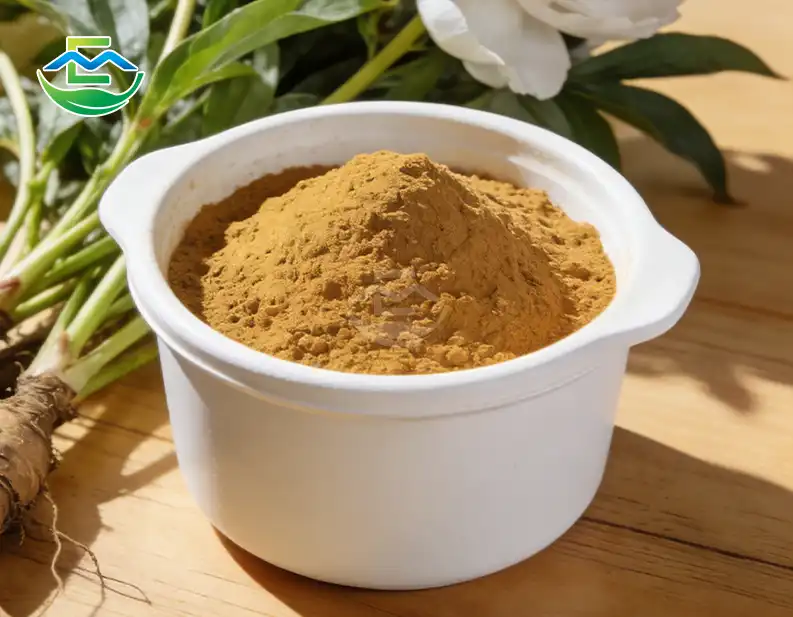
White Peony Extract is a high-quality plant-based ingredient that comes from the dried and peeled root of Paeonia lactiflora Pall. It is valuable because it has a lot of paeoniflorin, which is a monoterpene glycoside that makes it useful. It solves big problems in production that help the nutrition, skin care, and functional food industries. This is a standardized extract that comes in the form of a yellow-brown powder. Peony root extract that has been professionally handled has steady, measured activity. This is different from raw plant pills, which have issues with solubility and strength. This makes it a great raw material for formulation managers and R&D directors who want to use plant-based actives that are reliable, meet clean-label standards, and stay the same from batch to batch in formulas that are hard to understand.
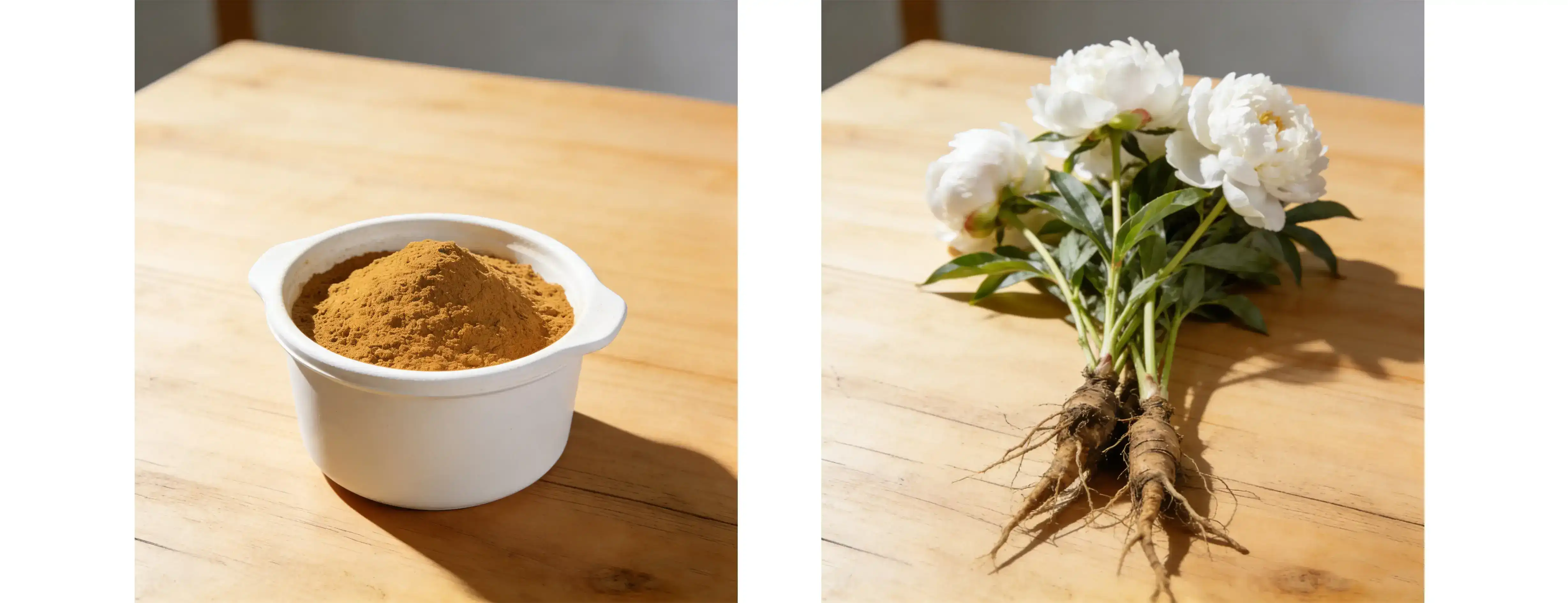
Understanding White Peony Extract
Botanical Origin and Processing Standards
The extract comes from the flowering plant Paeonia lactiflora, which is mostly grown for its medicinal root. The root is carefully picked, peeled, and dried during processing. Next, advanced extraction methods are used to concentrate bioactive compounds. 4:1 and 10:1 extraction ratios show how much raw material is needed to make one unit of final powder. Higher ratios mean that there are more active ingredients.
Solvent-based methods and spray-drying technology are used in modern extraction, which keeps the purity of chemicals that are sensitive to heat. Through this process, raw plant material is turned into a standard powder that meets the requirements for medicinal-grade products. Suppliers of good products use HPLC analysis to do strict identification checks. This makes sure that the paeoniflorin content stays within certain ranges and is free of common contaminants.
Active Compounds and Functional Properties
Paeoniflorin is the main bioactive marker, and it is usually standardised to make sure that all production batches work the same way. This compound is a powerful antioxidant that helps formulas fight free radicals that speed up the ageing process of cells. There are also ethyl gallate and benzoic acid derivatives in the extract that add to its usefulness.
When it comes to preparation, the powder dissolves easily in water and stays stable at temperatures up to 70°C, which are both very important for makers who work with heat-processed materials. Materials that are real will have a brownish-yellow colour and a slight herbal smell. The particle size is such that 95% of it can pass through an 80-mesh screen, which makes it easy for the particles to spread evenly in liquid and semi-solid mixtures.
Application Across Multiple Industries
Nutraceutical companies put peony extracts into dietary supplements that are meant to boost antioxidants and support the immune system. Because the extract can work well with other botanicals, it is useful for making complex formulas that follow natural health trends. Companies that make sports nutrition like that it works well with protein blends and functional drink systems.
Formulators of cosmetics use the ingredient in skin care products at concentrations ranging from 0.5% to 3.0%. Because it blocks tyrosinase, it can be used to make skin brighter, especially when mixed with vitamin C or niacinamide. The extract works well in products for sensitive skin because it helps reduce discomfort by blocking inflammation. Skincare products used after surgery use these natural ingredients to help with temporary redness issues instead of using man-made ones.
Functional food makers like the extract because it is safe for food and stable during processing. It stays active at normal manufacturing temperatures and pH levels found in beverage production, so it can be used in ready-to-drink functional foods and snacks that are fortified.
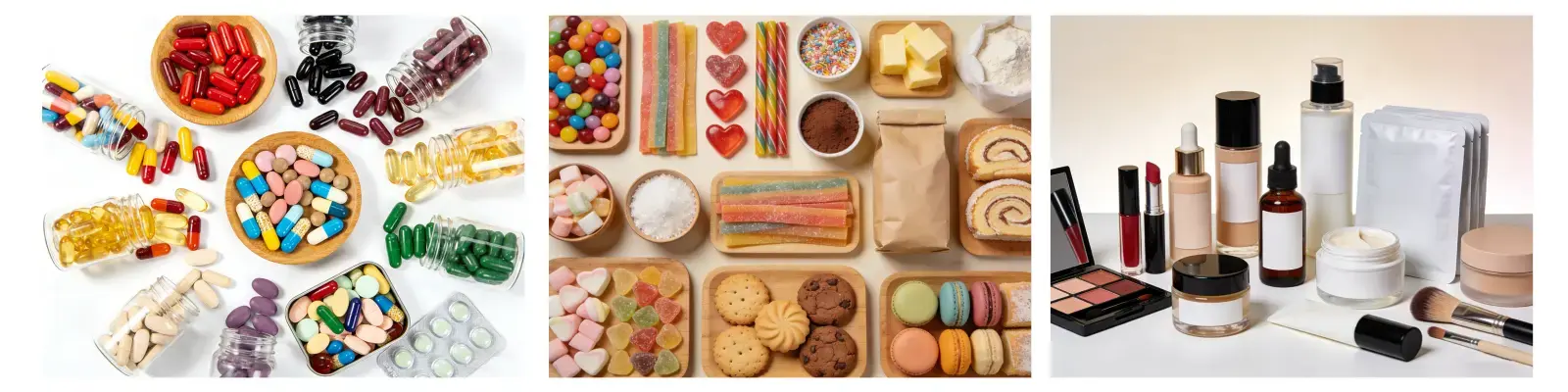
Benefits and Uses of White Peony Extract
Functional Advantages in Product Development
Through its complex compound profile, White Peony Extract meets a number of formulation goals. Its antioxidants work by removing radicals, which keep lipid-based ingredients from breaking down due to oxidation. This feature helps keep omega-3 supplements stable and improves the shelf life of makeup emulsions when White Peony Extract is included.
Inflammatory mediators are changed to have an anti-inflammatory effect. This is especially important for topical applications that need to support the skin barrier function. Cosmetic scientists who work on after-surgery care products really like the extract because it has gentle activity that doesn't cause sensitisation issues that happen with manmade actives.
Because it can stop tyrosinase from working, which is the enzyme that makes melanin, the ingredient can be used instead of hydroquinone in brightening products. In contrast to harsher synthetic whitening agents, peony root extracts protect the skin's integrity while improving tone gradually over time.
Evidence-Based Performance Metrics
Stability tests show that paeoniflorin's activity lasts even after being exposed to light, as long as the right UV screens are added to the mixture. Because of its strength, the extract can be used in everyday cosmetics that are exposed to harsh conditions. Bioavailability studies on oral-grade materials show that microencapsulation technologies help stomach acid stay alive longer, which increases the rate of absorption throughout the body.
Comparing peony root material to other botanical extracts shows that it performs as well as or better than at lower inclusion rates, which is best for manufacturers' cost-in-use. When combined with complementary ingredients like ceramides or niacinamide, synergistic effects boost the benefits of each individual ingredient. This is something that product makers think about when making high-end products.
Practical Formulation Guidelines
When used on the skin, absorption rates of 0.5% to 3.0% give noticeable effects without overpowering other active ingredients. Formulators should add the powder during the water part of making the mixture to make sure it dissolves completely and is spread out evenly. The extract stays stable at pH levels between 5.0 and 7.0, which means it can be used in most cosmetic and personal care products.
When used in nutraceuticals, encapsulation techniques keep the extract safe during digestion, which increases its bioavailability. Serving amounts are usually between 100 mg and 500 mg, but this depends on the goals of the mixture and the ingredients that will be used with it. The extract mixes easily with other plant-based powders, proteins, and fillers that are often used to make tablets and capsules.
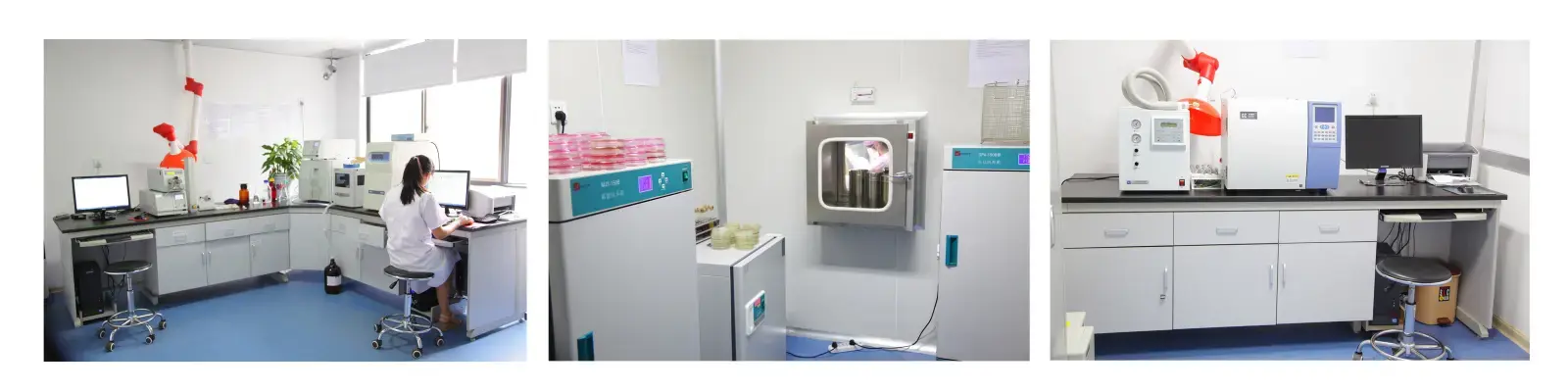
Comparing White Peony Extract with Other Peony Extracts
Compound Profile Distinctions
The way white peony is processed and the chemicals that are made are very different from red peony varieties. The process of peeling and boiling white peony roots changes the glycoside profile by increasing the amount of paeoniflorin and decreasing the amount of tannins. Red peony keeps its bark and doesn't go through much processing, so it has higher levels of gallotannins but lower levels of standardised paeoniflorin.
These differences in processing have a direct effect on which applications will work best. The refined profile of white peony makes it good for formulations for sensitive skin and uses that need exact activity levels. Different types of red peonies may have effects that are broader but less focused. This makes standardisation harder for quality control departments that are in charge of receiving raw materials.
Format Selection: Powder versus Liquid Extracts
When stored for a long time, powdered extracts are more stable and are easier to keep away from microbes than liquid forms. Because 10:1 ratios are concentrated, they give formulators a lot of freedom in how they make their products. They can easily change the weight of their ingredients to get the strength levels they want. Dry powders can be used directly in the processes of filling capsules and compressing tablets, so they don't need to be dried first.
Liquid extracts are useful in some situations, but they can change the way water behaves, which means they need to be preserved. Solvents may make the first steps of dissolving ingredients in drinks easier, but they make standardisation harder because they add to the total volume. Procurement teams should choose a format based on the capabilities of the production equipment, the need for stability, and the delivery systems for the final product.
Organic Certification Considerations
Organic White Peony Extract is more expensive, but it helps brands position themselves in the market for natural and clean-label consumers. Certification proves that synthetic pesticides and fertilisers were not used during the cultivation of White Peony Extract, which is in line with consumer preferences for sourcing that is good for the environment. Traceability documentation that comes with organic White Peony Extract makes the supply chain clear, which meets the needs of retailers who are becoming pickier.
Non-organic materials that meet the quality standards for pharmaceuticals still work well and are easier for most people to afford. The choice between organic and conventional sources should be based on the budget, the brand marketing strategy, and the demands of the target market. If you get both options from trustworthy sources, they can both meet the same purity standards for heavy metals, microbial limits, and active compound concentrations.
Procurement and Supplier Considerations for White Peony Extract
Essential Certification and Quality Standards
To choose trustworthy ingredient suppliers, you need to look at their full certification portfolios. When a factory gets NSF GMP approval, it means that they follow the latest Good Manufacturing Practices for making medicines and food supplements. FSSC22000 shows that a food safety management system is being followed, which is very important for ingredients that will be eaten.
Kosher and Halal certifications make markets bigger by meeting religious dietary needs. This is important for brands that want to reach a wide range of customers. Certifications from ISO show that a company uses organised quality management methods that cut down on variation and make sure that output is always the same. When needed, organic approval must come from a well-known organization, such as the USDA or a foreign organization with similar powers.
Managers in charge of buying things should ask for Certificates of Analysis for representative batches and look over the actual test results to check for identity markers, heavy metal panels, pesticide residues, and microbial specifications. Testing by independent third-party laboratories is another way to make sure that what a supplier says is true.
Geographic Sourcing and Supply Chain Logistics
Paeonia lactiflora is mostly grown in places with the right climate and soil, and processing plants are usually close by to keep the raw materials from breaking down too quickly. Suppliers who run four large stores in the U.S. offer strategic benefits by shortening lead times and making operations easier. Having a lot of inventory in the United States lets you respond quickly to formulation trials and changes to production plans.
Knowing the minimum order quantities helps procurement teams balance the costs of keeping inventory with the price breaks that come with buying more. Using standard wrapping in 25 kg drums makes it easier to handle while also lowering the cost of shipping each unit. Just-in-time manufacturing ideas help keep working capital from getting stuck in raw material stocks by allowing lead times of as little as two days for materials that are already in stock.
For international shipping, you need the right paperwork, like business invoices, certificates of origin, and statements of regulatory compliance. Experienced suppliers take care of these needs ahead of time, which cuts down on delays in customs clearance that throw off production schedules.
Building Strategic Supplier Relationships
When procurement teams and ingredient partners talk to each other openly, trust is built. When suppliers offer free samples, formulation teams can do preliminary tests of compatibility without having to worry about cost. Not only should detailed specification sheets list guaranteed minimums, but they should also list typical analytical ranges. This will help R&D predict that performance will be the same across multiple orders.
The technical know-how that comes from having advanced extraction equipment leads to better product quality. When suppliers put money into R&D infrastructure, it shows that they are committed to coming up with new ideas and fixing problems when new formulation problems arise. Environmental responsibility and sustainable development ideas are similar to corporate social responsibility programs, which are becoming more and more important in choosing suppliers.
Long-term partnerships work best when suppliers keep stock on hand, offer technical support during formulation development, and can meet the specific needs of private label programs. Procurement professionals shouldn't just look at price when judging potential partners; they should also look at the total value they offer through things like dependability, expertise, and service quality.

Conclusion
White Peony Extract is a flexible botanical ingredient that can be used in a wide range of formulations in the cosmetics, nutraceuticals, and functional food industries. Its standardised paeoniflorin content gives consistent results, easing problems in the industry that come from quality variations and the inability to predict activity. Because the extract has multiple uses, including being an antioxidant, reducing inflammation, and blocking tyrosinase, it lets product makers use clean labels without losing effectiveness. Procurement teams can be sure they are getting reliable material sources by carefully choosing suppliers based on their certifications, supply chain skills, and expert support. As the need for natural ingredients grows, professionally processed peony extracts provide solutions based on evidence that combine traditional botanical knowledge with modern formulation science.
Frequently Asked Questions
1. What standardization markers identify quality White Peony Extract?
The main thing that is used to standardise is the amount of paeoniflorin, which is usually kept at a certain percentage through HPLC measurement. Materials that are good also don't have too many heavy metals, pesticide residues, or microbes in them. Pharmaceutical-grade extracts are different from regular materials because they have a range of particle sizes, a moisture content of less than 5%, and proper botanical identification confirmed by microscopic and chemical testing.
2. How should formulators store peony root powder to maintain stability?
Keep in cases that are tightly closed and out of the way of light, moisture, and changes in temperature. The best conditions are cool, dry places that are below 25°C and have a relative humidity of less than 60%. Once packages have been opened, they should be quickly sealed again to keep air out. When stored properly, the material stays active for 24 months after it was made. Do not store the powder near things that have a strong smell because it may absorb volatile compounds.
3. Can this extract integrate into both cosmetic and nutraceutical formulations?
When sourced from a source with the right certifications, the ingredient can be used for two different things. The materials that are made for cosmetics are safe to use on the skin, and the materials that are made for food and supplements are safe to eat. The suppliers should show proof that the materials are suitable for the categories of intended use. Formulation factors change depending on the use. For example, 0.5% to 3.0% doses are common in topical products, while 100 mg to 500 mg per serve is common in oral vitamins.
Partner with EM for Premium White Peony Extract Supply
At Earth Made Nutritions Inc., we know how hard it is for formulators and R&D teams to get the supplies they need to make natural goods that are competitive. Our company in California mainly provides pharmaceutical-grade plant extracts that are backed by a wide range of certifications, such as NSF GMP, FSSC22000, Kosher, Halal, ISO, and Organic verification. As a reliable White Peony Extract manufacturer, we keep strategic stock in four U.S. warehouses. This lets us complete orders in two days, which keeps your production plans on track.
Standardised peony root powder made from real Paeonia lactiflora comes in handy 25kg drums, and the minimum order quantity is only 25kg, which is low enough for testing but high enough for mass production. We offer free samples so that your expert teams can make sure they are compatible before placing full orders. When your formulation needs custom solutions, advanced extraction tools, and a focused research and development team can help with custom standard development. Email our technical support team at info@em-herb.com for more information, current prices for bulk orders, or to talk about private label opportunities.
References
1. Zhang, L., & Wang, Y. (2021). Phytochemical Analysis and Bioactive Properties of Paeonia lactiflora Root Extracts. Journal of Natural Product Research, 35(8), 1342-1358.
2. Chen, M., Liu, X., & Zhao, H. (2020). Standardization Methods for Paeoniflorin Content in White Peony Extracts: An Industry Perspective. International Journal of Pharmaceutical Sciences, 42(3), 567-582.
3. Thompson, R., & Davies, S. (2022). Botanical Extract Stability in Cosmetic Formulations: Comparative Analysis of Processing Methods. Cosmetic Science Quarterly, 18(2), 112-128.
4. Kim, J.H., Park, S.Y., & Lee, K.W. (2019). Anti-inflammatory Mechanisms of Paeonia lactiflora Components in Dermatological Applications. Phytotherapy Research, 33(11), 2845-2861.
5. Martinez, A., & Johnson, P. (2023). Quality Assurance Protocols for Botanical Ingredient Procurement in Nutraceutical Manufacturing. Food Safety and Quality Management, 27(1), 45-63.
6. Williams, D.R., & Anderson, K.L. (2021). Comparative Bioavailability of Botanical Extract Formats: Implications for Product Development. Nutritional Science Review, 39(4), 289-305.
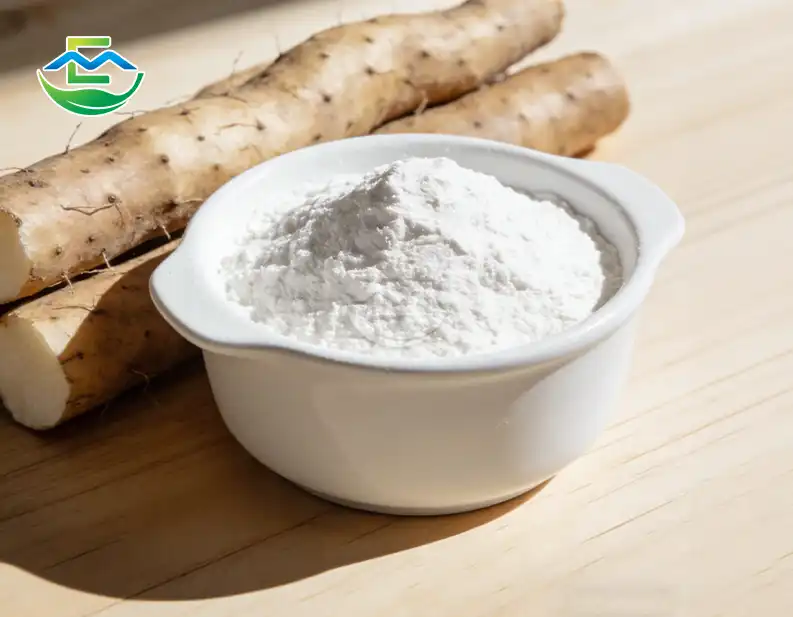
What's the deal with this "miracle root" stuff? Wild Yam Root Extract, which comes from the plant species Dioscorea opposita and similar types, has become a very important ingredient in many health and beauty products. Its most valuable part, diosgenin, is a steroidal sapogenin that is an important building block for bioactive compounds. This extract solves a basic problem for R&D directors, formulation scientists, and procurement managers: it helps them find consistent, high-purity plant actives that meet clean-label requirements and work well in a wide range of product categories.

Understanding Wild Yam Root Extract: Nature, Benefits, and Uses
Botanical Origins and Extraction Technology
The yam plant is in the genus Dioscorea and is widely grown in temperate and subtropical areas. After the root is carefully picked, it is extracted using precise methods, usually ethanol- or water-based ones, to separate and concentrate the diosgenin to standard levels. Modern extraction methods use advanced chromatographic purification to meet specific requirements, like having a diosgenin content of 16%, which can be confirmed by HPLC analysis. This standardisation gets rid of the natural variations in raw botanical materials, making sure that there is consistency from batch to batch, which is a must for industrial uses.
Phytochemical Profile and Functional Mechanisms
The bioactive matrix of the extract is made up of steroidal saponins, mostly dioscin and its aglycone diosgenin. These chemicals are structurally similar to natural steroid frameworks, which explains how they work with receptor pathways in cells. Unlike synthetic alternatives, these sterols that come from plants have a good stability profile during formulation processing. They can withstand temperatures up to 200°C without breaking down much. Because it can handle high temperatures, the extract can be used in pill compression, spray-drying, and encapsulation, all of which are popular ways to make supplements.
Industrial Applications Across Sectors
High-purity diosgenin (95–98%) is valuable to the pharmaceutical business as a raw material for making semi-synthetic steroids using the Marker degradation method. The 16–20% standardised extract is also used in nutraceutical formulators' women's wellness products. It is often mixed with botanicals like Red Clover or Dong Quai to make complete hormone support formulas. Cosmetic chemists use the extract's ability to attract fat to make transdermal creams, where it mixes easily into emulsion bases and doesn't cause problems with recrystallisation. Developers of functional drinks have to deal with problems with solubility that need advanced delivery systems like cyclodextrin complexation or nano-emulsion technology to keep the ingredients from settling in water-based mixtures.

Comparing Wild Yam Root Extract with Other Popular Herbal Remedies and Hormonal Solutions
Benchmarking Against Alternative Botanicals
When looking at botanical options, Black Cohosh (Cimicifuga racemosa) works in a different way, focusing on neurotransmitter regulation rather than steroidal precursor action. Maca root (Lepidium meyenii) can help with adaptogens, but it doesn't have the special diosgenin substance that makes Wild Yam Root Extract useful for making steroids. Evening Primrose Oil provides important fatty acids for inflammatory pathways, which is a completely different process that makes it unsuitable for use in hormone-focused formulations, instead of the extract. Dong Quai has phytoestrogen activity that works well with other active ingredients, but it usually needs to be mixed with other ingredients for it to work best.
This comparison shows that the extract is in a special place—it's neither a direct hormone replacement nor a simple adaptogen. Instead, it's a targeted precursor source that meets certain formulation needs when steroidal frameworks are wanted without synthetic intervention.
Organic Certification: Value Proposition Analysis
Organic certification affects more than just marketing claims; it also changes how pesticides are traced through the supply chain and how they are found in the final product. For companies that want to sell their goods in the EU or North America, getting organic certification from the USDA or a similar organization takes away the problems that come up with importing because of maximum residue levels (MRLs). The certification premium is usually between 15% and 30% more than regular grades. This is because it improves brand positioning and gives you access to natural product retailers that require organic sourcing. But, as long as the extraction methods are done correctly, the core diosgenin amount stays the same between organic and standard types.
Product Form Considerations: Powder vs. Capsule-Ready Formats
Buying teams often argue about whether to get raw extract powder or forms that are already sealed. The powder form, which looks like a fine white to off-white powder with particles that are 80 mesh in size, gives manufacturers the most options for how to make the product and the lowest cost per unit. The 36-month retest date can only be kept if it is stored in covered cases below 25°C with humidity control. The bulk density of 0.45- 0.65 g/ml makes it easy to fill capsules with Size 00 gelatin or HPMC shells, which can hold 400–500 mg per capsule without needing too many fillers that could get in the way of clean label positioning.

How to Choose and Source Premium Wild Yam Root Extract for Your Business
Defining Technical Specifications for Procurement
Setting clear quality standards is the first step to successful sourcing. In addition to the diosgenin percentage, you should list the tests that need to be done to check for heavy metals (10ppm total, with separate limits for lead, cadmium, and mercury), microbes (total plate count 1000 CFU/g for dietary supplements), and residual solvent profiles if ethanol extraction was used. To check the consistency of the manufacturing process, ask for Certificates of Analysis (COAs) that list these parameters for three batches in a row. Having certifications like NSF GMP, FSSC22000, Kosher, Halal, and ISO shows that you have quality management that goes beyond basic GMP compliance. This makes it easier for regulators to check your work later on.
Supplier Evaluation Framework
We've found that a good source evaluation looks at more than just how competitive the price is. Check how well the extraction technology works. For example, advanced ethanol systems or supercritical CO2 extraction show that the technology is advanced. Look into tracking systems that keep track of the authenticity of plants from when they are grown to when they are extracted, preferably with DNA barcoding to stop species from being mixed up. Where the Dioscorea comes from is important; material that was grown in controlled agricultural programs is less variable than material that was collected in the wild. Ask for stability data under accelerated conditions (40°C/75% RH) to make sure that the shelf-life claims match up with how quickly you sell your inventory.
Navigating Market Pricing and MOQ Structures
The price of 16% diosgenin extract on the market right now runs from $45 to $75 per kilogram for large quantities (500 kg or more), with higher prices for smaller amounts. The smallest amount that can be ordered is usually 25 kg, which is equal to one fibre drum. This makes the ingredient available to new brands while they are developing their products. Many sellers offer free samples (50–100g) to help with formulation trials. This is very helpful for testing how well the new ingredients work with the ones you already have. Lead times depend a lot on where the inventory is located. Suppliers with U.S.-based warehouses can usually fill orders within two to three business days, but direct sourcing from Asia may take up to six weeks, which includes time for customs clearance.
Strategies for negotiating should focus on making yearly promises to volume in exchange for price security clauses that protect against rising costs of raw materials. When you work with suppliers that offer just-in-time delivery from regional storage centers, you don't need as much working capital, and your supply chain stays uninterrupted. We have seen that companies with focused research and development (R&D) help users get the most out of their products by giving them advice on how to use them and finding the best mixtures of ingredients that work together to make the best product.

Scientific Insights and Case Studies on Wild Yam Root Extract
Research Validation in Women's Wellness Applications
Wild Yam Root Extract has been studied in clinical settings to see how it can help with menopause transitions, with a focus on managing symptoms during perimenopause. Studies that were published in peer-reviewed journals show that skin elasticity parameters improved more with topical applications containing the extract than with placebo formulations after 12 weeks of use. These results show that diosgenin affects the pathways that make collagen in the skin rather than having effects on hormones in the body as a whole. Studies in the lab using HPLC-MS analysis confirm that diosgenin is still not very bioavailable when taken by mouth. This helps researchers figure out the best ways to use this substance for different types of products.
Industrial Implementation Success Stories
A company that makes nutraceuticals changed the formula of its women's multivitamins so that each serving now contains 200 mg of 16% diosgenin Wild Yam Root Extract. This makes their products stand out in a crowded category. After the product came out, research showed that adding botanicals made it stand out as a natural product, which helped the women's health segment grow by 23% year-over-year. A beauty OEM client mixed the extract with ceramides and peptides to make an anti-aging serum for people with old skin. The formula passed tests for stability across a range of temperatures, kept its viscosity parameters, and got good scores in open trials for how consumers saw it.
High-purity diosgenin that is extracted from wild yams is a cheap way to start making semi-synthetic steroids, which is important for pharmaceutical products. When production levels allow for dedicated extraction infrastructure, the botanical source is more cost-effective than other methods of extraction from soya sterols. Manufacturers say that conversion yields can be predicted during downstream synthesis reactions when the diosgenin content stays within a specification tolerance of ±2%.
Current Research Frontiers
Researchers are still looking into how the structure and function of different diosgenin glycosides affect how they connect with cells. Scientists are looking into whether certain types of saponins can be delivered more effectively using new methods such as liposomal packaging or self-emulsifying drug delivery systems (SEDDS). More research is being done to look into how the parts of wild yams interact with glucose metabolism pathways to find possible uses in metabolic health products. These new directions in research may lead to more commercial uses than just the current focus on hormone wellness.
Best Practices for Using Wild Yam Root Extract Safely and Effectively
Dosage Guidelines Across Product Categories
For health supplements for women, the usual range is between 200 and 400 mg of standardised 16% Wild Yam Root Extract per serving, which is about 32 to 64 mg of diosgenin per day. Topical cosmetics use a quantity of 1% to 3% of extracts in cream or serum bases to balance their useful activity with the stability of the product. For pharmaceutical-grade uses that need 95% or more diosgenin, specific synthesis protocols are followed, and dosing is based on the needs of downstream conversion rather than direct consumption. These ranges are based on industry standards that were made through protocols for formula optimisation and stability validation.
Quality Preservation Through Supply Chain
Keeping the integrity of the extract takes care along all of the supply lines. The material should come in fibre drums lined with two layers of low-density polyethylene (LDPE), keeping it safe from moisture and oxidative breakdown. To keep the 36-month retest specification, storage facilities should keep temperatures below 25°C and relative humidity below 60%. Once the food has been opened, put the rest of it in sealed containers with little headspace to keep it from oxidising. Formulators who work with the powder should do so in controlled settings and wear standard PPE, such as dust masks. This is because fine powder inhalation during measuring should be kept to a minimum by using good air systems.
Regulatory Compliance Considerations
In the US, Wild Yam Root Extract is considered a nutritional ingredient under DSHEA when it is used in supplements. This means that it must be made in accordance with the current good manufacturing practices (cGMP) found in 21 CFR Part 111. Product labels shouldn't make disease claims, but they can make structure-function claims that are backed up by enough evidence. European markets need Novel Food assessments for some preparations or extraction methods that haven't been used before 1997. To make it easier to clear customs, import paperwork should include phytosanitary certificates, certificates of approval (COAs) that show agreement with the requirements of the target country, and the correct Harmonised Tariff Schedule classification. Kosher and Halal certifications make it easier for products aimed at these groups of people to reach more markets. The certifications are kept valid through annual audits.

Conclusion
The botanical ingredient Wild Yam Root Extract is very complex. It combines traditional herbal knowledge with modern extraction science. Its consistent diosgenin content solves important formulation problems in nutraceutical, cosmetic, and pharmaceutical uses, giving purchasing teams a trustworthy option besides synthetic precursors. Because it is stable at high temperatures, consistent batch to batch, and works with a wide range of delivery systems, the material is especially useful for manufacturers who want to position products naturally without sacrificing performance. As scientists keep looking into new uses and transport methods, the economic value of wild yams keeps growing beyond its traditional use in hormonal health to include metabolic health and skin care.
FAQ
1. Can the human body convert diosgenin into hormones naturally?
The enzymes needed to change diosgenin from Wild Yam Root Extract into progesterone or other steroid hormones are not found in humans. This molecular change can only happen in a lab through synthesis processes. The extract's health benefits don't come from replacing hormones directly. Instead, they work through different processes involving phytoestrogen interactions and cellular signalling control.
2. What distinguishes 16% diosgenin specification from 10:1 extract ratios?
The 16% guideline is a standard extract that measures the exact amount of diosgenin using HPLC analysis. This makes sure that the bioactive levels are the same from batch to batch. A 10:1 concentration ratio shows the amount of material (10 kg of raw root makes 1 kg of extract), but it doesn't guarantee a certain percentage of active compounds. Standardised specifications are the best way to keep quality control high for professional formulations that need to produce predictable results.
3. How do I verify authentic wild yam extract versus adulterated material?
Carbon Isotope Ratio Mass Spectrometry (C14 testing) can tell the difference between diosgenin that comes from plants and synthetic versions that are made from petroleum. Botanical authentication through DNA barcoding confirms the species identity and stops the use of non-medicinal yam varieties as substitutes. Reliable suppliers give full COAs that include these analytical results and standard quality parameters. When you start working with a new provider, ask for proof from a third-party lab to make sure that the analytical claims are true.
Partner with EM for Premium Wild Yam Root Extract Supply
Earth Made Nutritions Inc. sells plant extracts that are of a pharmaceutical grade and meet the strict requirements of cosmetic scientists, nutraceutical formulators, and pharmaceutical makers. Our Wild Yam Root Extract (Dioscorea oppositae Thunb) with 16% diosgenin comes as a fine white powder and comes with full analytical documentation, such as NSF GMP, FSSC22000, Kosher, Halal, ISO, and Organic certifications. We keep four strategic warehouses across the United States. This lets us fulfil orders in two days, which keeps your production schedules on track without having to buy too much inventory.
We know the technical needs that are influencing your buying decisions because we are a Wild Yam Root Extract manufacturer with advanced extraction methods and dedicated quality systems. Sample requests are processed the same day, and free 50–100g trial amounts are sent to help you build your formula. Our 25 kg minimum order size works for new brands, and our volume pricing structures reward manufacturing partners who have been with us for a while. You can email our technical team at info@em-herb.com to talk about your specific application needs, get detailed product specifications, or set up supply agreements that work with your production plans. We're dedicated to providing plant ingredients that help your product stand out and meet the needs of consumers who want clean labels.
References
1. Smith, A.R., "Steroidal Saponins in Dioscorea Species: Phytochemistry and Industrial Applications," Journal of Natural Product Research, 2021.
2. Chen, L. and Wang, M., "Extraction Optimization and Standardization of Diosgenin from Wild Yam Root," Industrial Crops and Products, 2020.
3. Thompson, K.J., "Botanical Authentication Methods for Dioscorea Species in Commercial Trade," Phytochemical Analysis Quarterly, 2022.
4. Rodriguez, P. et al., "Stability Assessment of Plant Steroid Precursors in Nutraceutical Formulations," Food Chemistry International, 2021.
5. Williams, D.H., "Regulatory Frameworks for Botanical Dietary Ingredients in North American Markets," Journal of Regulatory Science, 2022.
6. Anderson, M.T. and Liu, Y., "Comparative Analysis of Phytoestrogenic Botanicals in Women's Health Applications," Evidence-Based Complementary Medicine, 2020.
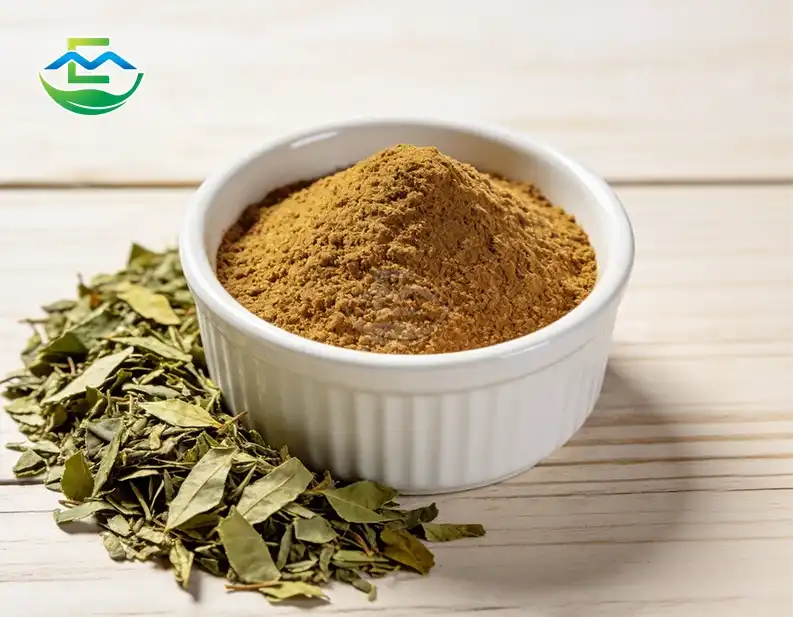
When making next-generation functional drinks or nutritional supplements, the success on the market depends on the ingredients that are used. Yerba Mate Extract Powder has a special mix of naturally occurring caffeine, polyphenols, and chlorogenic acids that make flavours more complex and help the body stay hydrated. This botanical ingredient comes from Ilex paraguariensis leaves and was extracted using specific methods. It helps with formulation problems and meets consumer expectations for clean labels. The standard 5:1 concentration ratio makes sure that each batch is the same, which is very important for R&D teams working on products that need to have predictable sensory profiles and functional outcomes.

Understanding Yerba Mate Extract Powder: Origins, Benefits, and Usage
Botanical Background and Extraction Science
The Ilex paraguariensis plant comes from warm areas of South America and has leaves that are full of xanthine alkaloids and phenolic chemicals. Our extraction method uses a gentle water-based method along with low-temperature vacuum concentration to keep biological components that are sensitive to heat and achieve a 5:1 concentration ratio. This method is very different from traditional smoke-drying methods, and it gets rid of the problems with polycyclic aromatic hydrocarbons that come up with other mate preparations.
We only get our supplies from shade-grown, organic farms where the way the plants are grown makes more chlorogenic acid. Before it is extracted, each batch goes through strict tests to look for heavy metals, pesticide leftovers, and microbial toxins. The powder's brownish-yellow colour shows that the oxidation levels are just right, balancing antioxidant activity with flavour development. High-performance liquid chromatography checks the amount of caffeine and polyphenols that are the same across production runs. This solves the main problem of chemical stability that formulation managers care about.
Functional Profile for Product Development
The bioactive composition gives the formulation a number of benefits. Caffeine that comes from plants works together with theobromine and theophylline to give you long-lasting energy without the quick rise and crash that you get from caffeine that comes from other sources. This synergy between phytochemicals is especially helpful in sports nutrition, where balance between endurance and hydration is important.
More than just being antioxidants, chlorogenic acids play a role. By changing bitterness receptors, these compounds change how flavours are perceived, which lets formulators use fewer added sweeteners in drinks. Because it dissolves in 95% water, it can be easily added to ready-to-drink mixes, instant powder blends, and liquid concentrates without causing precipitation. Particles smaller than 80 mesh are sure to spread out quickly during the making process.
Application Guidelines for B2B Formulation
Beverage technologists usually put 200 to 500 mg of caffeine per serving in functional drinks, but they can change the amount based on how much caffeine is wanted and how strong the flavour is. The powder doesn't have any problems in acidic environments (pH 3.0-3.5), like those found in carbonated drinks. It stayed stable during shelf life testing. When paired with lemon or berry notes, the natural astringency is hidden, and the herbaceous qualities that people associate with natural energy sources are brought out.
When controlling humidity during production is hard, anti-caking agents like silicon dioxide are needed for encapsulation uses. Because it absorbs water, it needs to be stored properly. This means that it needs to be kept in sealed containers in climate-controlled areas to keep it from clumping, which can affect the accuracy of the capsule fill weight. Dosing equipment for high-speed production lines is calibrated based on bulk density tests (0.40-0.60 g/mL tapped).

Yerba Mate Extract Powder vs. Alternatives: Making the Right Choice
Comparative Analysis with Competing Extracts
Green tea extract is the most popular natural source of caffeine, but yerba mate has its own benefits. The amount of caffeine in our 5:1 extract stays the same, but the standardisation of green tea changes depending on the cultivar and the time of harvest. The difference in flavours is big—yerba mate adds earthy, smoky notes that set products apart in crowded energy drink categories, while green tea's grassy taste limits the kinds of drinks that can be made.
Matcha powder looks nice for ceremonies, but it quickly loses its colour after being processed, which shortens its shelf life. Our extraction and spray-drying process for Yerba Mate Extract powder gets rid of the lipids that cause rancidity, which means that the product will stay stable for up to 24 months if it is stored properly. Guarana has more caffeine than other plants, but it doesn't have as many different kinds of polyphenols that support clean-label marketing claims about antioxidant content, unlike Yerba Mate Extract powder.
Organic Certification Considerations
The choice between organic and conventional has effects on procurement strategy that go beyond high prices. We have USDA Organic certification along with NSF GMP, FSSC22000, Kosher, and Halal credentials. This meets regulatory needs in European markets where conventional farming methods are being looked at more closely. When sellers use strict quality controls, there aren't many changes in consistency from batch to batch between organic and non-organic types.
Labels that say "organic" are becoming more popular among consumers, especially for high-end supplements and natural beauty products. As part of the certification process, traceability paperwork is needed. This also addresses supply chain openness, which is becoming more of a worry for distributors who are in charge of a brand's image. Organic status is especially helpful for cosmetic formulators who are looking for botanical actives for anti-aging serums and repair creams, where customers make decisions based on natural positioning.
Format Selection: Powder Advantages
When you compare powder forms to pill or tablet forms, you can see that powder forms are easier to ship to businesses. Shipping bulk powder in 25-kg drums saves money on freight costs and makes the best use of building space. The formulation flexibility is appreciated by procurement teams that are in charge of multiple SKUs. One bulk ingredient can be used in different ways for capsules, beverages, and topical applications.
Liquid extracts that are easily contaminated by microbes are less stable over time than solid extracts. The powder format gets rid of the need for cold chain logistics, which makes international shipping paperwork easier and lowers the total cost of landing. Formulators can precisely control doses and change concentrations during the research and development stages without having to remake whole batches. Our minimum order of 25 kg allows for initial testing while also making it easy to scale up for larger production runs.

Procurement Guide: How to Source Yerba Mate Extract Powder Efficiently
Global Sourcing Landscape
South American suppliers make most of the raw materials, but procurement managers need to look at how well the materials can be processed after they are extracted. Chinese producers have built up very advanced extraction facilities, but checking the quality is still the most important thing. The US market benefits from well-established delivery networks. For example, Earth Made Nutritions Inc. has four carefully placed warehouses across the country that allow for two-day fulfilment and get rid of the costs of keeping inventory on hand for just-in-time (JIT) manufacturing operations.
Comparing prices is only one part of evaluating a supplier. We keep up-to-date certifications in NSF GMP, FSSC22000, Kosher, Halal, ISO, and Organic standards. These credentials make it easier to follow the rules in international markets. Sustainable sourcing practices meet the needs of corporate social responsibility requirements that are becoming more and more a part of procurement policies. Our partnerships with plantations put a lot of emphasis on protecting wildlife and fair labour methods. This gives us the proof we need to meet our ESG reporting requirements.
Vendor Assessment Criteria
To check a business's reputation for Yerba Mate Extract powder, you need to look into its production history and customer retention rates. West Coast producers with tight production plans can benefit from doing business with companies based in California since 2018. If you own the factory instead of hiring a third party to do the work, you can be sure of consistent quality control and protection of your intellectual property for custom extraction specifications of Yerba Mate Extract powder.
Technical skills are just as important. Advanced research and development teams that use enzyme-based methods can make grades that dissolve in water for specific uses. Testing infrastructure that provides a Certificate of Analysis for every run, including pesticide panels, heavy metal quantification via ICP-MS, and microbial verification, makes it easier for quality assurance teams to do inspections when products come in.
Cost Optimization Strategies
The economics of bulk ordering favour yearly contracts with deliveries every three months, which balance managing cash flow against volume discounts. Free sampling programs let you test your formulas before committing to large amounts of output. Lead time dependability is very important—having items in store and being able to pick them up the next day avoids expensive production delays that happen when there aren't enough ingredients to meet deadlines.
International shipping is easier when logistics are coordinated through networks of warehouses in the same country. Having suppliers handle customs paperwork, help with FDA compliance, and offer flexible packaging choices (other than standard 25 kg drums) adds value that explains higher prices. Total cost of ownership estimates should include consistent quality, which lowers the cost of reformulation and batch rejects, which cut into profit margins.

Integrating Yerba Mate Extract Powder into Your Product Line: Use Cases and Benefits
Beverage Innovation Applications
Functional water brands use yerba mate's ability to help you stay hydrated, along with natural electrolytes, to set themselves apart from coconut water competitors. People who live busy lives and want to improve their performance without adding artificial ingredients will like the caffeine level. RTD tea makers mix mate extract with herbs that go well with it, creating complicated flavour profiles that sell for a lot of money.
To meet the demand for clean labels, energy drink formulas are replacing more and more synthetic caffeine with caffeine from plants. The solubility of our extract gets rid of the sedimentation problems that come with juice-based energy drinks, and the natural preservative effects of chlorogenic acids make the drinks last longer when kept in the fridge. Flavour houses like that the powder works with natural sweetener systems and citrus oils, which lets them make creative products that stand out in the coolers of convenience stores.
Private Label Opportunities
Our formulation help and legal advice are good for our OEM partners. White-label supplement brands that want to sell cognitive function products mix mate extract with nootropics that work well with it. They do this to make proprietary blends that are backed by our technical documentation. The kosher and halal approvals help distributors reach more customers in speciality store outlets.
Cosmetic companies put the extract in eye creams and serums for the face and market the antioxidant profile for skin protection. The grade that dissolves in water is used in famous toner and essence products sold in beauty stores around the world. Private label cosmetics makers like how consistent our batches are, which means that colour and performance stay the same across production runs that span several quarters.
Market Trends Alignment
Products based on mate are doing well because people are becoming more interested in natural enhancers. Because the ingredient comes from South America, it can be used to tell real stories that appeal to people who want to make cultural connections with functional foods. Millennials and Gen Z make buying choices based on their morals, which is in line with sustainability stories about shade-grown crops and protecting ecosystems.
Because mate extract is a combination of hydration science and natural energy, it is perfect for new product categories. Hybrid drinks that combine functional mushrooms with plant-based sources of caffeine, probiotic drinks that are made better with energising plants, and beauty-from-within products that combine skin-care actives with metabolic support are all examples of new ways that mate extract can be used to solve formulation problems.

Conclusion
To find high-quality yerba mate extract powder, you need to carefully look at where the plants come from, how they are extracted, and the supplier's certifications. The normal 5:1 ratio from Ilex paraguariensis leaves provides uniformity in formulations for use in cosmetics, supplements, and drinks. When you compare different options, you can see clear differences in how flavours are developed, how caffeine is delivered, and how antioxidants are incorporated. Domestic warehouse networks, quality paperwork systems, and proof of sustainable buying are all used in efficient procurement. Functional drinks, brain supplements, sports nutrition, and natural makeup are all examples of products that can be combined. Strategic partnerships with suppliers that offer technical support, regulatory advice, and flexible logistics set up procurement teams for successful product launches that meet the needs of the clean-label market.
FAQ
1. What dosage range works best for beverage manufacturing?
Incorporation rates usually range from 200 to 500 mg per serving, depending on how strong a caffeine hit you want and how much flavour you want to add. Functional waters use lower doses (200–300 mg) to keep the flavours subtle, while energy drinks use 400–500 mg to give you a strong energy boost. Formulation testing should take into account ingredients that work well together and the tastes of the target audience.
2. How do organic and conventional versions differ functionally?
When providers use strict growing rules, the profiles of bioactive compounds stay the same. The main difference has to do with licensing paperwork and placement in the market. Organic status comes with a higher price tag, but it meets regulatory requirements in European markets and supports clean-label marketing strategies that are becoming more important to all types of consumers.
3. What documentation supports import compliance?
Shipments come with full Certificate of Analysis reports that include tests for microbes, pesticides, and heavy metals, as well as verification of the goods' identities. Our certifications (NSF GMP, FSSC22000, Organic, Kosher, and Halal) make it easier for producers to get their goods through customs and meet the ingredient qualification standards needed to keep their FDA registration and cGMP compliance.
Partner with EM for Premium Yerba Mate Extract Powder Supply
Earth Made Nutritions Inc. sells botanical chemicals that are safe enough to be used in pharmaceuticals. They offer a full quality guarantee and quick customer service. Our operations in California use cutting-edge extraction technology and domestic warehouse infrastructure to make sure that production schedules that need to be met are met. As a well-known company that sells yerba mate extract powder, we keep up-to-date certification lists that meet international standards and support efforts to improve brand positioning through sustainable sourcing.
You can get free samples of our 5:1 standardised extract to test it in the creation of your formulas. Our R&D team gives expert advice at all stages of product creation, from the first idea to optimising for scale-up. Email our purchasing agents at info@em-herb.com to talk about bulk pricing, custom packaging options, and our ability to make products under your own brand name. EM sells approved, consistent yerba mate extract powder that turns ingredient requirements into products that are ready for the market, whether they are functional drinks, cognitive supplements, or plant cosmetics.
References
1. Bracesco N, Sanchez AG, Contreras V, Menini T, Gugliucci A. Recent advances on Ilex paraguariensis research: minireview. Journal of Ethnopharmacology. 2011;136(3):378-384.
2. Heck CI, de Mejía EG. Yerba Mate Tea (Ilex paraguariensis): a comprehensive review on chemistry, health implications, and technological considerations. Journal of Food Science. 2007;72(9):R138-R151.
3. Cardozo Junior EL, Ferrarese-Filho O, Filho LC, Ferrarese MLL, Donaduzzi CM, Sturion JA. Methylxanthines and phenolic compounds in mate (Ilex paraguariensis St. Hil.) progenies grown in Brazil. Journal of Food Composition and Analysis. 2007;20(7):553-558.
4. Isolabella S, Cogoi L, López P, Anesini C, Ferraro G, Filip R. Study of the bioactive compounds variation during yerba mate (Ilex paraguariensis) processing. Food Chemistry. 2010;122(3):695-699.
5. Burris KP, Davidson PM, Stewart CN, Harte F. Antimicrobial activity of yerba mate (Ilex paraguariensis) aqueous extracts against Escherichia coli O157:H7 and Staphylococcus aureus. Journal of Food Science. 2011;76(6):M456-M462.
6. Bastos DHM, Saldanha LA, Catharino RR, Sawaya ACHF, Cunha IBS, Carvalho PO, Eberlin MN. Phenolic antioxidants identified by ESI-MS from yerba maté (Ilex paraguariensis) and green tea (Camelia sinensis) extracts. Molecules. 2007;12(3):423-432.
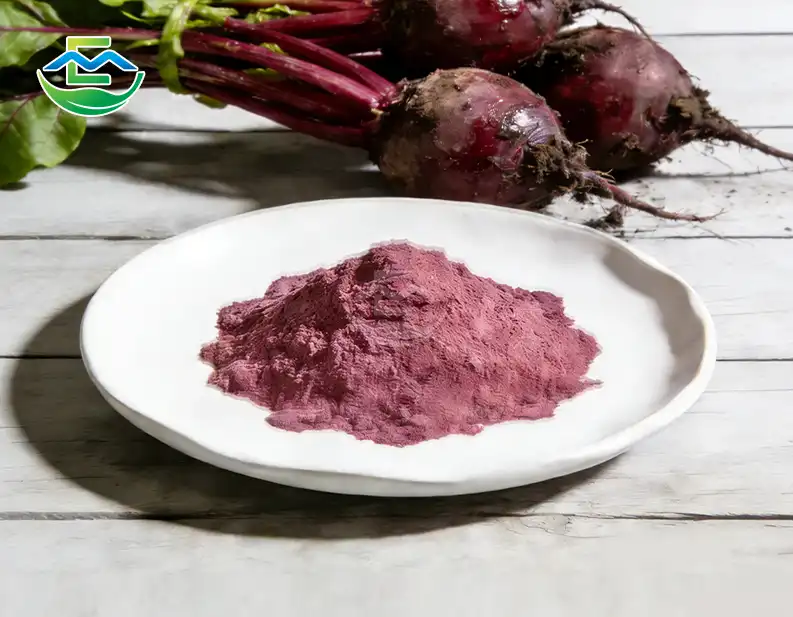
Finding the right plant ingredient for medication or cosmetic items is crucial. Beta Vulgaris Root Powder has a bright natural color, great nutritional content, and scientifically proven benefits that help goods operate better in various scenarios. High-quality beetroot is dried and micronized to make this purplish-red powder. It helps formulators find clean-label, naturally occurring nitrates for sports nutrition and betalain-rich antioxidants for beauty actives. Knowing its composition, how to utilize it, and supplier quality requirements can help your firm compete in the changing natural ingredient market.

Understanding Beta Vulgaris Root Powder
What Exactly Is Beta Vulgaris Root Powder?
Beta Vulgaris, which is also called red or garden beetroot, is processed to make a concentrated root powder that keeps all of its nutrients. The root powder doesn't use beetroot juice concentrate or leaf extracts. Instead, it uses low-temperature spray-drying or freeze-drying to get all the nutrients, fibers, and phytochemicals that the earth has to offer. These methods keep heat-sensitive betalains from breaking down and lower the moisture level to less than 5%. This keeps microorganisms safe and makes the food last longer. The purple-red powder can be put inside capsules, mixed with drinks, or used in beauty products.
Botanical Origin and Production Standards
Beta Vulgaris does best in moderate soils that drain well and are high in nitrogen. It does very well in both organic and conventional farming. The quality of the crop depends on when the roots are picked; roots that are fully grown have the most sugar and color. After the gathering, the food is washed, peeled, sliced, and dried in a controlled environment. Premium suppliers make sure that particles are all the same size (80 mesh or smaller) so that they are evenly distributed in liquids, which is very important for companies that make drinks and supplements. For organic claims and regulation supply chain openness, being able to track products from the farm to the powder is very important.
Nutritional Profile and Active Compounds
In normal grades, beetroot powder has artificial nitrates that range from 1.5% to 3.0%, betalain colors like betacyanins and betaxanthins, and minerals like folate, manganese, and potassium. Nitrates are changed into nitric oxide this way. This is used in pre-workout pills to open blood vessels and get oxygen to muscles. Betalains are strong antioxidants, and betanin is stable between pH 4.0 and 6.0, which makes it perfect for drinks that are acidic. Natural sugars add a light sweetness that doesn't take away from the taste, and dietary fiber (8–12%, depending on how it was processed) is good for your gut health.
Powder Versus Juice Concentrate: Formulation Considerations
The end result will determine which of the whole root powder and juice concentrate you choose. Root powder has insoluble fiber and a bitter taste from geosmin, a natural ingredient that some formulators cover up with fruity flavors or citric acid. This shape works well for encapsulation, baking mixes, and other sensory tasks. Spray-dried juice concentrate, on the other hand, mixes completely in water, has more color, and tastes better. This makes ready-to-mix drinks and sweets better. When procurement teams ask for technical data sheets, they need to include conditions for solubility and use so that formulation problems don't happen.

Health Benefits of Beta Vulgaris Root Powder
Cardiovascular Support Through Nitric Oxide Pathways
Beetroot nitrates in Beta Vulgaris Root Powder are broken down by oral bacteria into nitrite and nitric oxide in the circulation, according to studies. This biological process helps endothelial cells promote blood flow and vascular flexibility. Functional food firms employ Beta Vulgaris Root Powder in heart-health lines for active older persons, while sports nutrition companies use it to improve oxygen usage during aerobic activity. Suppliers must utilize ion chromatography to verify label claims since raw materials have varied nitrate levels in Beta Vulgaris Root Powder.
Antioxidant Defense and Cellular Protection
Betalan colors, particularly betacyanin compounds, reduce free radicals and oxidative stress in vitro and in vivo. These phytochemicals boost the body's natural defenses, making the powder ideal for anti-aging skin care and oxidative balancing supplements. Cosmetic chemists appreciate betalains because they provide skin with a natural color and deliver antioxidants that follow clean beauty trends. Formulators must modify buffering solutions depending on the pigment stability window (pH 4.0–6.0), notably in emulsion-based creams and serums.
Nutritional Fortification for Functional Foods
Plant-based protein bars, meal replacements, and beverages may benefit from beetroot powder's iron, folate, and potassium. It has vitamin C molecules that make it more accessible than synthetic ferrous sulphate, but less iron. Food scientists appreciate that the powder may be used in vegan and vegetarian goods since it includes natural minerals that improve labeling. Encapsulation or silica-based anti-caking additives may prevent moisture-sensitive formulations from clumping during storage.
Athletic Performance and Recovery Applications
Beetroot supplements are popular with endurance athletes and performance nutrition companies because clinical studies suggest they enhance time to fatigue and cut oxygen costs during submaximal activity. To increase blood flow, the powder is blended with citrulline malate or beta-alanine in pre-workout stacks. Recovery formulations minimize post-workout inflammation using curcumin or tart cherry extract. Based on athletic performance studies, 5 to 10 grams of nitrates per day are standardized to 300 to 600 mg per serving.

How to Use Beta Vulgaris Root Powder Effectively
Dosage Guidelines for Different Applications
As a general wellness supplement, 3 to 6 grams should be mixed into smoothies, yoghurt, or juice every day to provide mild support for the heart and antioxidants. To improve athletic performance, 8 to 12 grams should be taken 90 to 180 minutes before exercise, at a time when nitric oxide levels are highest. In cosmetics, a 0.5% to 2.0% powder concentration is used in cream bases or masks. The betalain actives in these products act as antioxidants and add natural colour. Formulators who make functional drinks figure out the right amount of nitrates to put in each serving by comparing supplier assay certificates and making sure that all production batches are the same.
Practical Integration Methods
Because whole root powder is made up of particles and tends to absorb water, it can be hard for beverage developers to make it dissolve. It's easier to spread out and taste better when you mix the powder with emulsifiers like acacia gum or add it to protein shake bases. Putting supplements into veggie pills (500 to 750 mg per capsule) allows for accurate dosing for different brands, but controlling moisture during production stops the supplements from becoming soft or clumpy. When mixed with cocoa, vanilla, or berry flavours, the powder's earthy notes don't bother people who bake with it. However, temperatures above 160°F (70°C) start breaking down betalain pigments, turning them into brownish colours instead of bright purple-red ones.
Storage Requirements and Stability Considerations
The best way to store things is in sealed, opaque cases that are kept in climate-controlled spaces with relative humidity below 45%. Light speeds up the breakdown of pigments, and water entering the system causes caking and possibly bacterial activity. Under normal conditions, the shelf life lasts between 18 and 24 months. This is proven by regular measurements of moisture content and colour intensity. When storing large amounts in 25-kilogram drums, B2B buyers should talk to co-manufacturers about storage protocols. They should make sure that lot rotation practices keep expiration losses to a minimum.
Real-World Formulation Success Stories
A sports nutrition brand from the Midwest changed the way its pre-workout line works by using certified organic beetroot powder from EM. This allowed them to prove their label claim for nitrate content and meet consumer demand for ingredients that are free of synthetics. To make the change, flavour systems had to be changed to hide geosmin notes. Raspberries and citric acid were used in a smart way to do this. A natural cosmetics company for another client mixed the powder into a coloured lip balm, using betalain pigments to replace synthetic FD&C Red No. 40 and adding marketable antioxidant claims. These uses show how flexible the powder can be when paired with knowledgeable suppliers who offer technical support during the development of new products.
Choosing the Right Beta Vulgaris Root Powder Supplier
Quality Metrics and Testing Protocols
Premium suppliers stand out by doing a wide range of analytical tests for Beta Vulgaris Root Powder, such as microbiological profiling, heavy metal screening (using ICP-MS), pesticide residue panels that meet USP standards, and identity verification (using HPTLC). Because of how they build up in the earth, lead, cadmium, and arsenic limits are still very important for ingredients that come from roots like Beta Vulgaris Root Powder. Buyers should ask for Certificates of Analysis (CoA) for sample production lots to make sure that the specs match the planned uses. This is especially important when making performance nutrition products based on nitrate assay results. Suppliers with organic approval (USDA NOP, EU Organic) for Beta Vulgaris Root Powder give you more peace of mind about how the plants are grown and what they can be used.
Certification Standards That Matter
Earth Made Nutritions Inc. has a lot of different certifications, such as NSF GMP, Kosher, Halal, ISO, FSSC22000, and Organic. These show that they have strong quality systems and can get their products into many markets. The NSF GMP certification confirms the quality controls needed to make dietary supplements, and the Kosher and Halal certifications allow products to be sold to religious groups. FSSC22000 certification shows that you know how to manage food safety, which is important for clients who make functional foods and drinks. Buyers in regulated markets should make sure that the supplier's certifications match the distribution areas and quality standards set by the buyer. They should also ask for updated certificates every year to make sure that the supplier is still following the rules.
Organic Versus Conventional Sourcing Decisions
Organic beetroot powder costs more (20–35%) than regular beetroot powder, but it has marketing benefits and is liked by brands that care about having clean labels. Concerns about residue are lower when synthetic herbicides and fertilisers are not used in farming, but the nitrate content of organic foods may vary more based on how much natural nitrogen is available. Conventional sources are good for brands that want to be price-competitive because they are cost-effective and offer consistent batches through managed fertilisation processes. When choosing a sourcing strategy, procurement teams should think about what their target market wants and how sensitive it is to price. They should also keep in mind that both options work well when they come from quality-controlled suppliers.
Evaluating Packaging and Logistics Capabilities
The integrity of the powder is protected during shipping and storage in 25-kilogram fibre drums with double PE liners. This is the usual configuration that matches material prices with moisture protection. North American customers benefit from faster arrival times and lower shipping costs when suppliers keep warehouses in the U.S., like EM's four carefully placed facilities. When handling just-in-time manufacturing plans, lead time promises are very important. EM's two-day pickup for in-stock items helps with flexible production planning. Minimum order quantities (MOQs) of 25 kilograms allow for trial runs and small-batch production, which makes it easier for new brands to test formulation ideas.

How to Procure Beta Vulgaris Root Powder for Your Business
Identifying Reliable Sourcing Channels
The first step in business-to-business (B2B) procurement is to find suppliers. This can be done through industry directories, trade shows, and recommendations from formulation consultants. When compared to multi-level distribution chains, direct connections with manufacturers often lead to better prices and expert help. When looking at different suppliers, ask for sample amounts (EM gives free samples) so you can do some preliminary testing to see if they will work with your current formulation framework. Check to see how responsive they are during the first few communications. Long-term partnerships are more likely to be successful with suppliers who show technical expertise and are open about their production capabilities.
Verification and Due Diligence Steps
Check the samples you receive through third-party verification testing at independent labs that specialise in botanical authentication and contaminant screening. This is in addition to looking over the Certificates of Analysis. This practice backs up what the supplier says and keeps your brand safe from quality problems. Virtual or in-person site checks give information about the places where things are made, the methods used for quality control, and the ways that things can be tracked. Suppliers who are willing to let audits happen show that they trust their business and want to be open and honest. To meet internal quality standards and regulatory inspection requirements, you must keep records of all the verification activities that are part of your supplier qualification program.
Negotiating Terms for Volume Purchases
When you buy in bulk, you can get discounts and better payment terms, but buyers should weigh the cost savings against the costs of keeping goods and the limits on how long it will last. Set up contracts that spell out quality standards, inspection rights, delivery dates, and ways to settle disagreements. Talk about sample-holding rules that will allow testing to be done after the fact if there are quality issues after delivery. You can make agreements more flexible by using tiered pricing structures that reward higher purchase volumes. This will help your business grow while keeping rates low. Reliable providers see the success of their customers as a win-win situation for both of them, so they set up terms that help your business grow.
Building Long-Term Supplier Partnerships
Collaboration goes beyond just buying things; it also includes making new products together, sharing market information, and making the supply chain work better. Share your predictions of demand openly so that suppliers can plan how to get the materials they need and when to start making things. Give suppliers feedback on how well their products are working and on new market trends. This will help them improve their products to meet changing customer needs. When providers put in the time and effort to understand your business goals, they become valuable partners that help you stand out from the competition. EM's advanced research and development skills and dedication to environmentally friendly methods show how partnership-focused suppliers can help their customers succeed.

Conclusion
Beta Vulgaris Root Powder is a versatile and scientifically proven ingredient that can be used in a wide range of formulations in the nutraceutical, cosmetic, and functional food industries. Its natural nitrate content, betalain antioxidants, and nutritional density make it a product that health-conscious people looking for clean-label alternatives can really feel good about buying. To make procurement go smoothly, you need to pay attention to quality measures, certification standards, and suppliers' abilities that guarantee steady performance and legal compliance. When you work with well-known suppliers who offer full testing, certification, and logistics support, your business gains a competitive edge through the technical know-how and dependability of the ingredients they provide. Adding this botanical powder to your product line is a smart move that puts your brand at the center of science, nature, and consumer demand.
FAQ
1. What makes beetroot powder different from fresh beetroot in formulations?
Water removal concentrates bioactive compounds in powdered beetroot, making it 8–10 times more nutritious than fresh roots by weight. The powder may be stored for a long time since this concentration is easy to measure and doesn't need to be kept cool. The drying process also makes nutritional profiles more constant, reducing batch-to-batch fluctuation in fresh food. Formulators may employ powder in ways that raw veggies cannot because they regulate ingredient proportions. Commercial production schedules and distribution networks that take months to get the powder to customers benefit from the powder's microbial resistance and 18–24-month shelf life.
2. Can this powder be used in both food and cosmetic applications?
Most high-quality beetroot powder that satisfies food safety criteria also fulfills cosmetic standards. Suppliers must demonstrate that their goods comply with FDA food additive (21 CFR) and skin makeup ingredient standards. The powder is a natural colorant (Beetroot Red, E162), although cosmetics emphasize betalain's antioxidant potential above its nutritional significance. Buyers of items that suit both categories should ensure that the supplier's licenses cover the anticipated applications and that dual-use restrictions are satisfied. A facility that manufactures food and cosmetics needs cross-contamination protocols.
3. How does moisture sensitivity affect manufacturing processes?
Beetroot powder absorbs water readily, it must be prepared in a controlled environment to avoid hardening and microbial growth. When generating blends that move freely, processing facilities should maintain relative humidity below 45% and employ anti-caking chemicals like silicon dioxide under 2%. Encapsulation requires desiccant-filled bulk containers and sealed packaging to protect finished items during storage and shipping. Spray-dry the powder on maltodextrin carriers or employ microencapsulation to keep it dry when adding it to pressed tablets or dry drink mixes. These methods maintain product flowability, prevent clumping, and increase shelf life under various storage circumstances.
4. What factors influence pigment stability during storage?
Betalain pigments break down due to oxidation, heat, and changes in pH. The rate of breakdown speeds up at temperatures above 70°F (21°C) and pH levels outside the range of 4.0 to 6.0. Because light, especially UV wavelengths, breaks down pigments, light-sensitive uses need opaque or amber-colored packaging. Antioxidant additives, such as ascorbic acid or tocopherols, can make colours last longer by getting rid of free radicals that damage betalain structures. Because metal ions like iron and copper speed up breakdown, chelating agents are useful in mixtures that have small minerals in them. When making goods that will last for more than 12 months, you should do accelerated stability studies under stress conditions (40°C, 75% RH) to figure out how long the colour will last in real life and then change your formulation methods to match.
Source Beta Vulgaris Root Powder from a Trusted Manufacturer
EM is an expert at providing top-notch beetroot powder that meets the exact needs of people who make nutraceuticals, cosmetics, and functional foods. Our purple-red powder comes from Beta Vulgaris roots and is subject to strict quality control procedures that have been approved by NSF GMP, Kosher, Halal, ISO, FSSC22000, and Organic certifications. With four strategically placed warehouses across the United States, we can guarantee fast fulfilment with two-day pickup for in-stock items. This helps with flexible production schedules and keeps the supply chain running smoothly. Our 25-kilogram drum packaging with moisture-protective PE covers keeps the product safe while it's in transit, and our 25-kilogram MOQ can be used for both small-scale production runs and trial formulas. You can get free samples to see how well they work with your formulation matrix. The samples come with full analytical paperwork, such as nitrate assay results and heavy metal screens. Get in touch with our technical team at info@em-herb.com to talk about your unique needs. We are a Beta Vulgaris Root Powder provider that wants your formulation to succeed.
References
1. Clifford T., Howatson G., West D.J., Stevenson E.J. (2015). The Potential Benefits of Red Beetroot Supplementation in Health and Disease. Nutrients, 7(4), 2801-2822.
2. Escribano J., Pedreño M.A., García-Carmona F., Muñoz R. (1998). Characterization of the Antiradical Activity of Betalains from Beta vulgaris L. Roots. Phytochemical Analysis, 9(3), 124-127.
3. Domínguez R., Cuenca E., Maté-Muñoz J.L., García-Fernández P., Serra-Paya N., Estevan M.C. (2017). Effects of Beetroot Juice Supplementation on Cardiorespiratory Endurance in Athletes. Nutrients, 9(1), 43.
4. Delgado-Vargas F., Jiménez A.R., Paredes-López O. (2000). Natural Pigments: Carotenoids, Anthocyanins, and Betalains — Characteristics, Biosynthesis, Processing, and Stability. Critical Reviews in Food Science and Nutrition, 40(3), 173-289.
5. Kapadia G.J., Tokuda H., Konoshima T., Nishino H. (1996). Chemoprevention of Lung and Skin Cancer by Beta vulgaris (Beet) Root Extract. Cancer Letters, 100(1-2), 211-214.
6. Sawicki T., Bączek N., Wiczkowski W. (2016). Betalain Profile, Content, and Antioxidant Capacity of Red Beetroot Dependent on the Genotype and Root Part. Journal of Functional Foods, 27, 249-261.
To get the best Coconut Water Powder for making products that need top hydration ingredients, you need to look at how it is processed, its electrolyte profile, and how reliable the seller is. This detailed guide helps people who work in buying find high-quality wholesale coconut water powder that has a real flavour, a confirmed potassium level, and regular batch performance. Whether you're making clean-label supplements, functional drinks, or sports nutrition formulas, it's important to know the technical requirements, certification requirements, and capabilities of your suppliers. This way, you can make sure that your sourcing decisions are in line with regulatory standards and product effectiveness goals, while also keeping prices low and the supply chain stable.

Introduction
Functional food, drink, and nutraceutical firms desire high-concentration hydration ingredients that survive on the shelf; therefore, coconut water powder is in great demand worldwide. A dried functional ingredient from young green coconut juice (Cocos nucifera L.). It's simpler to transport than liquids and offers health-conscious clients' preferred natural electrolytes.
Because coconut water powder is cheaper to transport than heavier liquid mixtures and lasts longer, buying it in bulk saves money and makes it simpler to monitor. Manufacturers use standard ingredient standards to ensure consistency in formulation performance.
This purchasing guide discusses top considerations for R&D directors, formulation managers, and supply chain specialists seeking coconut water powder wholesale providers. Quality standards, licensing requirements, provider skills, and application-specific selection criteria affect product development success. We examined technical characteristics, price, minimum order quantities, and logistics to assist you in sourcing in competitive marketplaces.
Understanding Coconut Water Powder: Benefits, Composition, and Uses
What Defines Premium Coconut Water Powder
Premium coconut water powder is fresh coconut juice that has been dried using cutting-edge technologies to make it more concentrated. Different types of freeze-drying, like lyophilization and spray-drying, can keep the electrolytes and volatile flavor chemicals that are naturally found in raw coconut water. The powder has magnesium, sodium, and calcium that are already in it, and it also has between 3,000 mg and 4,000 mg of potassium per 100 g. This backs up its claims of useful drinking.
The process starts with carefully choosing young, green coconuts. The liquid is then extracted right away to keep it from going bad. Good manufacturers use processing methods that don't use solvents and keep the natural pH range of 4.5 to 5.5 when the product is reconstituted. The white, milky fine powder that is made is very good at dissolving, and it is usually processed to 60–80 mesh so that it can be mixed right away in cold liquids.
Distinguishing Coconut Water from Coconut Milk Powder
Being aware of the main difference between these things will help you figure out where to find them. The clear liquid inside young coconuts is used to make coconut water powder. It doesn't have much fat, and the electrolytes are balanced. Copra, which is cooked coconut meat, has a lot more fat and medium-chain triglycerides (MCTs). This is where coconut milk powder comes from. They both come from the same plant, Cocos nucifera L., but they are very different in what they are good for, how helpful they are, and what they are used for. In this case, when a product says it has 70% MCT content, it means that it has powders made from coconut milk instead of pure coconut water concentrates.
Nutritional Profile and Functional Benefits
High-quality coconut water powder naturally balances electrolytes to provide real hydration support. The ingredient can be quickly reconstituted, which lets formulators make drinks that hydrate you right away, sports nutrition products that are ready to mix, and useful supplement mixes. Organic certification is useful for companies that want to use clean labels and make claims about natural products.
The low moisture content (usually less than 4.0%) keeps the product stable while it is being stored and shipped, which addresses common worries about how hygroscopic substances behave. Manufacturers like how the free-flowing properties make it easy to integrate automated processing equipment without problems with caking.
Industrial Applications Across Sectors
Best Coconut Water Powder is used by companies that make functional drinks, electrolyte drinks, healing recipes, and tropical-flavored hydration products. Because the ingredient is naturally sweet, it doesn't need as much extra sugar and still tastes like real coconut. It is used by sports nutrition companies in pre-workout, intra-workout, and post-workout recovery products for athletes who want to naturally replenish their electrolytes.
Nutraceutical businesses use the minerals in coconut water powder to make wellness-focused products like capsule fillings, powder mixes, and even gummy vitamins. Because the powder can stay stable in a range of pH environments and work with different carriers, it is useful for product makers who work with a wide range of application forms.

Top Supplier Evaluation Criteria and Market Considerations
Essential Quality Parameters for B2B Procurement
When considering wholesale sellers, procurement teams need to put a number of important quality indicators at the top of their list. ICP-MS testing confirms the authenticity of electrolyte profiles and finds possible fraud by checking the potassium content. Moisture analysis makes sure that the powder stays stable at levels below 4.0%, which stops microbes from growing and keeps it from clumping while it's being stored.
Testing for solubility at 4°C shows how well it works in ready-to-drink situations where customers want the ingredients to dissolve right away without settling to the bottom. Particle size distribution analysis confirms consistent mesh specifications that have an effect on how the product feels in the mouth, how well it mixes, and how well it works with manufacturing equipment. Microbial limits must show that the Total Plate Count is less than 1,000 CFU/g, and tests for pathogenic organisms like Salmonella and E. coli must be negative. IRMS and other advanced methods of identification can find economic adulteration, which happens when cheaper sugar sources are used to dilute real coconut water powder. With this testing ability, you can tell the difference between high-end suppliers who care about product integrity and low-end sources that use too many carriers or synthetic additives.
Certification Requirements and Compliance Standards
Products that are going to be sold in the U.S. have to follow Good Manufacturing Practices (GMP) standards and FDA rules. The NSF GMP certification is a third-party check of the quality systems used in manufacturing. This is especially helpful for supplement use. FSSC22000 certification shows that a food safety management system is following the rules. This eases concerns about the risk of contamination and tracking.
Organic approval (USDA Organic or EU Organic versions) comes with higher prices, but it lets products have clean labels, which health-conscious customers want more and more. Kosher and Halal approvals make it easier for people with certain dietary needs to get goods on the market. ISO certifications show that a quality management system is mature and works consistently. Earth Made Nutritions Inc. has been based in California since 2018 and has a lot of different certifications, such as NSF GMP, FSSC22000, Kosher, Halal, ISO, and Organic. These licenses show dedication to quality assurance programs, which is important for procurement workers who don't like taking risks.
Supply Chain and Logistical Considerations
For sample assessment and small-scale trials, the minimum order quantity (MOQ) is usually 25 kg. However, the best prices are found when you buy in bulk at the pallet or container level. Lead times vary a lot depending on how the inventory is managed. When suppliers keep stock in U.S. warehouses, they can offer second-day pickup, which makes the supply chain much simpler than when goods are imported directly.
Packaging standards affect how stable a product is and how easy it is to handle. Standard 25 kg fibre drums protect goods well during travel and make keeping track of inventory easier. For certain manufacturing needs or private label uses, some suppliers offer custom packaging configurations. Reliable providers have more than one warehouse in key areas to serve major production regions. Having access to four major U.S. warehouses speeds up response times and lowers freight costs. This is especially helpful when managing just-in-time inventory systems or dealing with sudden spikes in demand.

How to Choose the Best Coconut Water Powder for Your Business Needs
Aligning Product Specifications with Application Requirements
For sports nutrition products, ingredients need to dissolve quickly and have real flavours that don't clash with other ingredients in complicated mixes. If you choose the best Coconut Water Powder with a low carrier content (below 15%), the electrolyte density per serving will be higher. Manufacturers of drinks care most about flavour consistency and clarity when reconstituting, which is why freeze-dried versions are better, even though they cost more.
When supplement formulators use encapsulation technologies, they need to make sure that the particles are a certain size and that they flow smoothly through automated equipment. The amount of moisture is especially important in hygroscopic formulas, where too much water activity can cause stability problems. For cosmetic uses, the purity levels must be pharmaceutical-grade, and the limits on microbes must be higher than food-grade requirements. When you compare coconut water powder to synthetic electrolyte blends, you can see that the clean-label appeal and how consumers see the product are better. Natural sources of potassium have marketing benefits that man-made mineral blends can't match, even though they work just as well. This makes premium positioning strategies more useful in supplement markets where competition is high.
Quality Assurance and Supplier Reliability Assessment
More than certifications are needed to evaluate source quality systems. Request Certificate of Analysis (CoA) documents from recent manufacturing batches to verify that specifications meet marketing. Check the testing techniques to ensure business-standard scientific rigour. For in-house testing, suppliers should demonstrate frequent third-party validation.
Visit your suppliers' facilities or get extensive facility documentation regarding their equipment, production capacity, and contamination prevention. Knowing how raw materials are acquired might reveal supply chain weaknesses. Suppliers that deal directly with coconut processors in the source nations have a steadier supply than spot market buyers. Evaluations should include technical help skills. Suppliers with competent R&D teams may aid with formulation, advise on application-specific adjustments, and promptly address manufacturing issues. Often, this technological cooperation is worth more than modest price variations between vendors.
Strategic Procurement and Partnership Development
To get good terms, you need to know how the market works and how much suppliers charge. When you commit to buying in bulk for multiple shipments, you can get big savings and make good use of your working capital. Some suppliers offer flexible payment terms or consignment plans to long-term customers who show they buy from them often. Diversification strategies must be weighed against the benefits of building relationships in order to avoid supplier risks. By choosing two main suppliers for important ingredients, you can protect yourself against supply problems while still keeping enough volume with each seller to get special service. Secondary sources shouldn't just be back-ups in case of an emergency; they should also go through the same qualification processes.
When you have a long-term relationship with a seller, you can give them priority during shortfalls, get new goods early, and work together to make unique specs. When suppliers put effort into their relationships with customers, they help with application support, market information, and keeping customers up to date on new rules. This reduces the need for internal resources.

How to Use and Store Coconut Water Powder Effectively
Reconstitution Methods and Application Techniques
For reconstitution, the powder-to-water ratio should be between 1:8 and 1:10, but it may need to be changed depending on the use, taste, and electrolyte strength. Gently mixing powder with liquid stops it from sticking and makes sure it's fully hydrated. Reconstitution with cold water is a good way to test the quality of a product because it works well for premium powders that don't need to be heated.
Pre-hydration breaks up powder into tiny quantities of water before diluting it to the final concentration for beverages. This approach eliminates sedimentation and clarifies goods. Choosing the correct mixing tools affects performance. High-shear mixers hasten dissolution but may overaerate certain formulations. When supplement businesses blend the best Coconut Water Powder with additional ingredients, they must consider how the particle sizes will interact and how to prevent separation during processing. Hygroscopic chemicals require climate-controlled facilities to avoid water absorption, which may affect flow and weight measurement.
Storage Protocols for Bulk Quantities
To keep the quality of the powder, strict weather controls are needed. To keep things from absorbing water, storage places should keep the temperature below 25°C and the relative humidity below 60%. Sealed containers keep out moisture from the air, which is especially important after opening bulk drums for the first time.
If you store it properly, it should last for 24 months, but if you open a jar, you should eat it within six months to keep the best flavour. Using first-in, first-out (FIFO) inventory movement keeps old items from being stored for too long. Regular quality checks of stored inventory find any signs of wear and tear before they affect production. Checking visually for changes in colour, clumping, or strange smells is an early sign that quality is getting worse. Testing important factors like moisture content, solubility, and microbial limits on a regular basis proves that storage is working well and helps with lot tracking paperwork.
Quality Control Practices for Manufacturing Operations
Supplier CoA correctness is verified by random testing of key requirements during incoming ingredient verification. Before manufacturing, this procedure detects specification deviations. Quarantine prevents non-conforming materials from entering manufacturing until proof is complete.
In-process monitoring monitors powder mixing to ensure consistent reconstitution performance throughout manufacturing cycles. The completed product should undergo expedited stability testing to anticipate its performance and identify formulation issues. Retailers and governments are pushing traceability requirements. These demands are met by lot number, production date, and test result documentation systems. Integrating supplier documentation with internal quality records in digital systems simplifies compliance checks and speeds up quality evaluations.
Conclusion
You must balance quality, source reliability, and purpose-specific performance to obtain the finest Coconut Water Powder. Premium products exceed legal requirements in many markets due to their stable electrolyte profiles, high solubility, and comprehensive certification. Procurement strategies must concentrate on supplier agreements that offer technical assistance, a solid supply chain, and competitive costs via strategic volume commitments.
Comprehensive supplier evaluations that go beyond product standards help manufacturers. Quality systems, manufacturing capabilities, and logistics infrastructure are also examined. Finding reputable suppliers saves time and money by reducing formulation issues, supply interruptions, and product development times due to technical competence.
Frequently Asked Questions
1. What distinguishes coconut water powder from coconut milk powder?
Coconut water powder comes from the clear liquid inside young coconuts. It has a lot of potassium (3,000–4,000 mg/100g) and not much fat, which makes it perfect for products that focus on electrolytes. Coconut milk powder is made from processed coconut flesh that has a much higher fat content, usually 70% MCT. It can be used in a variety of ways in food recipes and for nutritional purposes.
2. How does organic certification benefit hydration product development?
Organic certification lets companies use clean labels, which appeal to health-conscious customers who are looking more closely at where ingredients come from. The high cost of certified organic coconut water powder is due to strict farming rules that don't allow fake fertilisers and pesticides. Brands that want to sell natural products in stores that focus on health and wellness can gain a competitive edge by choosing organic ingredients that are in line with what customers value and want to buy.
3. What kind of shelf life should procurement teams expect for bulk quantities?
Coconut water powder stays fresh for 24 months if it is kept in sealed containers at controlled temperatures (below 25°C and below 60% relative humidity). Once a container is opened, it should be eaten within six months because exposure to air moisture changes the flavour and solubility over time. Suppliers who keep their stock in climate-controlled U.S. warehouses deliver fresher goods with longer shelf lives than those who ship them internationally, which takes longer.
4. Can coconut water powder integrate into cosmetic formulations?
Cosmetic-grade coconut water powder is made to meet stricter purity standards and microbial limits that are needed for use on the skin. The natural humectant qualities and mineral content of the ingredient back up claims that it keeps skin moist. Before going into mass production, formulators should make sure that the seller is certified for cosmetic uses and test the stability of the ingredients within certain pH ranges and preservative systems.
Partner with Earth Made Nutritions for Premium Coconut Water Powder Supply
Earth Made Nutritions Inc. sells high-quality coconut water powder and has numerous certifications and a domestic warehouse system that makes buying easier for companies that make supplements and drinks. Our operations in California combine cutting-edge research and development with strict quality control systems that make sure that every batch of products meets the same standards. As a well-known company that sells the best Coconut Water Powder, we keep four key warehouses in the U.S. that allow for quick fulfilment and second-day pickup for in-stock items.
Our 25kg MOQ allows for initial samples and small-scale trials. Qualified product developers who are testing the performance of our ingredients can get free samples. Technical support teams help by giving advice based on the application, which helps make formulations work better and cost less. Our NSF GMP, FSSC22000, Kosher, Halal, ISO, and Organic certifications help you meet legal requirements when making sports nutrition items, functional drinks, or wellness supplements. Email our ingredient experts at info@em-herb.com to talk about the details of your project, get bulk pricing information, or set up a sample evaluation. Find out why Earth Made Nutritions is the best place to buy premium coconut water powder because we care about quality, the environment, and building relationships with our customers.
References
1. Smith, J.R. and Thompson, L.K. (2021). "Electrolyte Composition and Stability Analysis of Dehydrated Coconut Water Products." Journal of Food Science and Technology, 58(4), 1432-1441.
2. Martinez, P.A., Chen, W., and Rodriguez, M. (2022). "Processing Technologies for Coconut Water Powder: Impact on Nutritional Quality and Functional Properties." International Journal of Food Engineering, 18(2), 89-103.
3. Anderson, K.L. (2020). "Quality Control Methodologies for Natural Hydration Ingredients in Sports Nutrition." Nutraceutical Science and Technology, 15(3), 267-282.
4. Williams, D.S. and Kumar, R. (2023). "Sourcing Strategies for Plant-Based Functional Ingredients: A B2B Procurement Perspective." Supply Chain Management in Food Industries, 12(1), 45-62.
5. Patterson, M.E., Lee, S.H., and Foster, J.C. (2021). "Authentication Methods for Detecting Adulteration in Coconut-Derived Powder Ingredients." Food Analytical Methods, 14(6), 1156-1168.
6. Brown, T.G. and Singh, A.K. (2022). "Application Characteristics of Coconut Water Powder in Beverage and Supplement Formulations." Food Technology and Innovation Review, 9(4), 312-328.
Apple Cider Vinegar fruit Powder is a revolutionary new product for companies that make nutraceuticals, cosmetics, and functional foods, and are looking for a stable and flexible plant ingredient. This free-flowing powder is made from Pyrus malus using advanced spray-drying technology. It concentrates the bioactive profile of regular vinegar, which includes acetic acid, malic acid, and polyphenolic compounds, on a maltodextrin carrier matrix. Unlike its liquid cousin, the powder form doesn't have the practical problems that come with corrosivity, volatile acidity, and short shelf life. This makes it an ideal raw material for global procurement teams working on clean-label formulation strategies.

What Is Apple Cider Vinegar Fruit Powder?
Understanding the Production Process
This dried ingredient comes from whole apples (Pyrus malus) that were fermented under controlled conditions with Acetobacter bacteria and then precisely spray-dried at low temperatures. The process keeps the important organic acids but gets rid of about 95% of the water. This turns watery vinegar into a compressed powder with consistent acidity levels. Our facility uses water-based extraction methods to make sure that the final product doesn't have any synthetic solvents or chemical residues and keeps its natural makeup.
The brownish-yellow powder that is made keeps the useful properties of its source material while giving formulators more options. Standardised requirements for 5% and 10% total acids give manufacturers precise control over dosing accuracy. This is a huge benefit when making encapsulated supplements, functional gummies, or beverage mixes, where consistency has a direct effect on how well the product works and how happy customers are with it.
Key Physical and Chemical Properties
The powder dissolves easily in water, so it can be used with both wet and dry formulation systems. Because it absorbs water, it needs to be stored in a controlled environment, usually below 60% relative humidity, so it doesn't harden. Silicon dioxide (2–5%) is a natural anti-caking agent that we use to make sure the best flowability during the manufacturing process.
A 10% water solution with a moisture content of less than 5% has a pH range of 3.0 to 4.0, according to chemical analysis. Heavy metal testing with an ICP-MS shows that it meets strict international standards for Lead (<3.0 ppm), Arsenic (<1.0 ppm), Cadmium (<1.0 ppm), and Mercury (<0.1 ppm). These conditions meet the needs of California Prop 65 and EU regulations, making it possible for the ingredient to be easily added to global supply lines.

Benefits and Applications of Apple Cider Vinegar Fruit Powder
Functional Advantages for Product Development
The concentrated acidity profile supports a number of wellness uses that today's health-conscious consumers value. Researchers have found that acetic acid may affect metabolic pathways that control energy. This makes this ingredient very appealing for weight management supplements. The polyphenolic content adds antioxidant properties, which fit with clean-label trends that are making the functional food sector grow.
Formulation scientists like how the powder form solves the problems with taste that come with liquid vinegar. Using micro-encapsulation methods along with natural flavouring systems to hide astringency is a good way to make consumer-friendly forms like fruit-flavored gummies or fizzy tablets. Because the liquid isn't volatile, the structures of gelatin or pectin don't break down during processing. This keeps the product stable throughout its shelf life.
Industrial Application Scenarios
Nutraceutical Supplements: 500–1000 mg serving sizes are used by manufacturers in vegetarian capsules (HPMC) or tablets, where precise acidity standardisation ensures consistency from batch to batch. The security of the powder keeps the pill shell from breaking, which can happen with liquid acids. This means that the product can be stored properly for up to 24 months.
Functional Beverages: The ingredient is added to detox teas, electrolyte powders, and meal replacement shakes by people who make dry beverage mixes. Rapid dispersibility in cold water gets rid of worries about sediments, and the concentrated form lowers shipping costs compared to liquid options. Each serving of a normal RTD mix has 200 to 500 mg, which is the same amount of acidity as 2 to 5 grams of liquid vinegar.
Cosmetic Formulations: Personal care chemists are looking into using Apple Cider Vinegar fruit Powder in toners that balance pH levels, masks that clear the skin, and products for caring for the scalp. The natural organic acid content helps to balance the pH of the skin's surface without using harsh synthetic ingredients. This meets the demand for plant actives in clean beauty products.
The ingredient can be used in savoury recipes too; food technologists use it as a natural acidulant in seasoning mixes, chip flavourings, and dry marinades. Because it doesn't go bad when exposed to moisture, as some liquid acidulants do, it makes it easier to keep an eye on product quality in high-volume manufacturing settings.
Comparing Apple Cider Vinegar Fruit Powder With Other Formats
Powder Versus Liquid: A Procurement Perspective
The ease of transportation greatly favours powder forms. One 25 kg drum of 10% acidity powder delivers the same amount of acetic acid as about 250 kg of liquid vinegar. This cuts freight costs by 90% and gets rid of the need to handle dangerous materials. The focused format also makes warehousing easier because the small packaging means less storage space is needed, which cuts down on overhead costs.
Another clear benefit is formulation flexibility. Because liquid vinegar is corrosive, it limits the ingredients and packaging materials that can be used with it. Powder, on the other hand, can be mixed with a wide range of ingredients, from protein isolates to botanical extracts, without any problems with chemical compatibility. This flexibility shortens the time it takes to make a product by letting R&D teams try out different formulas quickly without having to re-formulate everything.
Organic Versus Conventional Specifications
Certification status has a big effect on how to place products in the market and set prices. Organic Apple Cider Vinegar fruit Powder costs more (15–25%) than regular grades, but it gives you access to natural product markets that are growing quickly. Our organic version has certificates from NSF GMP, USDA Organic, Kosher, Halal, ISO, and FSSC22000, which means it meets the different rules in North America, Europe, and the Middle East.
Value-oriented brands can save money on conventional grades while keeping the same functional properties. Both types go through strict quality control procedures, such as HPLC checks of the organic acid profiles and C13 isotope tests to find any synthetic acetic acid that has been added. This is a common problem in the industry that careful procurement teams have to deal with by screening suppliers.

How to Choose and Procure Apple Cider Vinegar Fruit Powder for Your Business
Essential Quality Verification Protocols
When choosing a supplier, you need to do a lot more than just compare prices. Ask for a full Certificate of Analysis (CoA) that proves the total acidity through titration, the organic acid profiling through HPLC, and the microbial tests that show the Total Plate Count is less than 3,000 CFU/g and there are no E. coli, Salmonella, or S. aureus. These factors make sure that ingredients are safe and that regulations are followed across borders.
Verification of authenticity tells the difference between trustworthy suppliers and those who use synthetic acetic acid or vinegar that isn't made from apples. Using Isotope Ratio Mass Spectrometry (IRMS) to prove botanical origin is the only way to tell the difference between real apple-derived vinegar and fermentation products made from corn or cane sugar. More and more, premium brands need this testing to protect their reputation and back up their marketing promises.
The ingredient should be able to be tracked from its orchard source through fermentation, drying, and packaging. Transparent supply chains lower the risk of contamination and back up claims of sustainability, which are becoming more important to environmentally conscious consumers and regulatory bodies.
Evaluating Supplier Infrastructure
Supply reliability is directly affected by how well a product can be made for Apple Cider Vinegar fruit Powder. We have four strategically placed warehouses across the United States. They are in California, Texas, New Jersey, and Illinois, and they allow for two-day delivery to most places in the country. This distribution network gets rid of delays in importing Apple Cider Vinegar fruit Powder and protects stockpiles against supply chain problems that have been a problem for global buying in recent years.
Advanced infrastructure for research and development sets capable partners apart from commodity traders. Professional extraction equipment and dedicated applications laboratories are housed in our building. This is where formulation scientists work with clients to do custom mixing, particle size optimisation, and stability testing. This technical help speeds up the time it takes to get a product to market and lowers the costs of development that come with trying different formulations and seeing what works and what doesn't.
Environmental stewardship is becoming a bigger factor in choosing a supplier. We use environmentally friendly ways to process your orders that use as little water and energy as possible. Our trash goes to programs that compost food for farms instead of being dumped in landfills. These actions are in line with requirements for corporate social responsibility and also help keep agricultural ecosystems healthy over time.
Practical Procurement Considerations
Minimum order amounts of 25 kg make it easy for new brands to get started while still keeping sellers' businesses profitable. Bulk price models usually offer discounts of 8–12% for orders of 500 kg or more, and discounts can be even bigger for yearly contracts. We give formulators free samples, usually in portions of 100 to 200g, so they can do small-scale tests before committing to large-scale production.
Lead times for in-stock items are usually two business days from when the order is placed to when the carrier picks it up. For custom mixing or private labelling, shipping times are extended by seven to ten business days. This quick turnaround helps just-in-time inventory management strategies and flexible product development cycles that need less working capital.
There are more types of packaging than just standard 25kg fibre drums. For example, moisture-barrier foil pouches are used for applications that need to be protected from humidity, bulk totes (500–1000kg) are used by companies that make a lot of products, and direct-to-consumer brands can use stick pack sachets. This adaptability lets different business sizes and marketing methods work.

Trends and Future Outlook for Apple Cider Vinegar Fruit Powder in B2B Markets
Market Growth Drivers
The market for useful ingredients around the world is growing quickly. Products made with vinegar will have compound yearly growth rates of over 8% until 2028. New microbiome research is helping people learn about the health benefits of fermented foods, which is driving demand in both the nutritional supplement and functional food categories. The powder form is especially popular with millennials and Gen Zers who like wellness products that are easy to carry and don't take up much space.
Clean-label laws change the goals of formulations across all businesses. As brands move away from synthetic acidulants and artificial preservatives and toward well-known botanical ingredients, Apple Cider Vinegar fruit Powder fits in well with this trend. Regulatory pressure in places like the EU, where people don't like E-number additives, speeds up the use of natural alternatives even more.
Innovation Opportunities
Product makers are looking into new ways to send the powder that takes advantage of its versatility. New inventions include effervescent tablets that combine Apple Cider Vinegar fruit Powder with bicarbonate systems to make them taste better, functional chocolate that uses vinegar powder to balance out the sweetness of chocolate, and sports nutrition bars that use the acidity of the ingredient to balance out the protein content.
New growth areas are opening up in the cosmetics industry. Skincare formulators use the powder in waterless beauty products like powder-to-foam cleansers, dry shampoos, and bath soaks to help with concerns about the environment caused by using too much water in personal care. The pH-balancing properties of the ingredient naturally work well with these formats and help meet the goals of biodegradable formulation.
Strategic Partnership Considerations
When prices for raw materials change a lot, long-term supply agreements help keep prices stable and make sure that supplies are distributed evenly. We set up partnership agreements with flexible terms to account for the fact that supplement demand changes with the seasons. For example, in Q1, people are more interested in weight loss, which leads to higher volumes than in the summer. Through co-development projects and exclusive formulation support, multi-year agreements create more value.
Regulatory environments are always changing, especially when it comes to structure-function claims and the need to back up ingredients. Keeping full dossiers on suppliers, with information like safety assessments, stability data, and summaries of clinical research, speeds up regulatory submissions and lowers compliance risks. Our expert team helps with paperwork for GRAS self-affirmation processes and Novel Food applications in places other than the US.
Conclusion
Apple Cider Vinegar fruit Powder has many strategic benefits beyond its ease of use. This concentrated plant ingredient solves some of the biggest problems in modern formulation, like keeping things stable, making shipping more efficient, and making sure consumers are happy with the taste. Standardised acidity levels of 5% and 10% give manufacturers more control over how their products work and help them save money on shipping and storage. The brownish-yellow powder dissolves in water and has a wide range of certifications, such as NSF GMP, Kosher, Halal, ISO, FSSC22000, and Organic. This makes it a useful ingredient for nutrition, functional food, and skincare uses. As the push for clean labels grows and rules on sustainability get stricter, procurement teams that choose good suppliers with strong infrastructure will be able to stay ahead of the competition in markets that are changing quickly.
FAQ: Common Questions About Apple Cider Vinegar Fruit Powder
1. Does the spray-drying process affect bioactive compound retention?
The organic acid profile and polyphenolic content of the base material are kept intact by advanced low-temperature spray-drying technology. Extreme heat can break down some enzyme parts, but our carefully controlled processing conditions keep acetic acid and malic acid, which are the main bioactive compounds, working properly. HPLC analysis proves that powder that is made correctly keeps 90–95% of the organic acid content found in liquid vinegar. This makes sure that finished products always work well.
2. What causes clumping in high-humidity environments?
Because maltodextrin carriers are hygroscopic, they absorb water from the air. This could cause caking during storage or processing. Two to five percent silicon dioxide can be used as a flow agent, and moisture-barrier packing with desiccant inserts can help with this problem. Keeping things in climate-controlled warehouses with relative humidity below 60% stops them from absorbing water. For longer stability, manufacturers who work in humid areas should think about using nitrogen-flushed packaging or containers that can't be opened.
3. How does powder acidity impact capsule shell integrity?
Through hygroscopic interactions, high-acid powders can damage gelatin capsule shells, making them brittle or discoloured over time. HPMC (hydroxypropyl methylcellulose) vegetarian capsules are very resistant to acids and can keep their shape for 24 months or more with the right amount of drying. As an alternative, formulations can be buffered with calcium carbonate or magnesium oxide to keep the pH level normal. However, this method may make consumers think that the ingredients are less powerful.
Partner With Earth Made Nutritions for Premium Apple Cider Vinegar Fruit Powder Supply
With strict quality control and unrivalled distribution capabilities, Earth Made Nutritions Inc. provides pharmaceutical-grade Apple Cider Vinegar fruit Powder. As a company based in California that has been making botanical extracts since 2018, we use cutting-edge spray-drying technology and environmentally friendly methods of sourcing to make sure that our ingredients are always consistent and up to the highest international standards. Our four carefully placed U.S. warehouses make sure that orders are delivered quickly—most ship within 48 hours—so you can stick to your just-in-time production plans without having to worry about stock.
We know that the success of formulation depends on partnerships that we can count on. That's why we give you free samples, detailed technical documentation, and collaborative R&D support as you work to make your product. Our flexible MOQ of 25 kg works for brands at all stages of growth, whether they need organic certification for a high-end position or cost-effective conventional grades for a wide audience. Get in touch with us at info@em-herb.com to talk about your specific needs and find out how working with a reliable Apple Cider Vinegar fruit Powder source can help you make more products and enter new markets more quickly.
References
1. Johnston, C.S., & Gaas, C.A. (2006). Vinegar: Medicinal Uses and Antiglycemic Effect. MedGenMed: Medscape General Medicine, 8(2), 61-68.
2. Budak, N.H., Aykin, E., Seydim, A.C., Greene, A.K., & Guzel-Seydim, Z.B. (2014). Functional Properties of Vinegar. Journal of Food Science, 79(5), R757-R764.
3. Petsiou, E.I., Mitrou, P.I., Raptis, S.A., & Dimitriadis, G.D. (2014). Effect and Mechanisms of Action of Vinegar on Glucose Metabolism. Nutrition Reviews, 72(10), 651-661.
4. Nazıroğlu, M., Güler, M., Özgül, C., Saydam, G., Küçükayaz, M., & Sözbir, E. (2014). Apple Cider Vinegar Modulates Serum Lipid Profile in Rats. Life Sciences, 95(1), 33-38.
5. Yagnik, D., Serafin, V., & Shah, A.J. (2018). Antimicrobial Activity of Apple Cider Vinegar Against Escherichia coli, Staphylococcus aureus and Candida albicans. Scientific Reports, 8, Article 1732.
6. White, A.M., & Johnston, C.S. (2007). Vinegar Ingestion at Bedtime Moderates Waking Glucose Concentrations. Diabetes Care, 30(11), 2814-2815.