- English
- French
- German
- Portuguese
- Spanish
- Russian
- Japanese
- Korean
- Arabic
- Irish
- Greek
- Turkish
- Italian
- Danish
- Romanian
- Indonesian
- Czech
- Afrikaans
- Swedish
- Polish
- Basque
- Catalan
- Esperanto
- Hindi
- Lao
- Albanian
- Amharic
- Armenian
- Azerbaijani
- Belarusian
- Bengali
- Bosnian
- Bulgarian
- Cebuano
- Chichewa
- Corsican
- Croatian
- Dutch
- Estonian
- Filipino
- Finnish
- Frisian
- Galician
- Georgian
- Gujarati
- Haitian
- Hausa
- Hawaiian
- Hebrew
- Hmong
- Hungarian
- Icelandic
- Igbo
- Javanese
- Kannada
- Kazakh
- Khmer
- Kurdish
- Kyrgyz
- Latin
- Latvian
- Lithuanian
- Luxembou..
- Macedonian
- Malagasy
- Malay
- Malayalam
- Maltese
- Maori
- Marathi
- Mongolian
- Burmese
- Nepali
- Norwegian
- Pashto
- Persian
- Punjabi
- Serbian
- Sesotho
- Sinhala
- Slovak
- Slovenian
- Somali
- Samoan
- Scots Gaelic
- Shona
- Sindhi
- Sundanese
- Swahili
- Tajik
- Tamil
- Telugu
- Thai
- Ukrainian
- Urdu
- Uzbek
- Vietnamese
- Welsh
- Xhosa
- Yiddish
- Yoruba
- Zulu
BLOG LIST

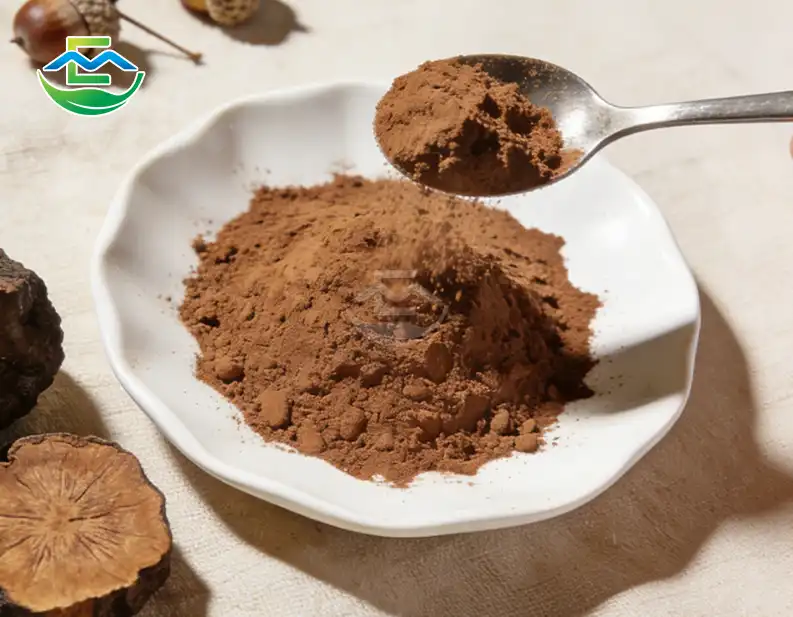
When I first encountered pure Chaga mushroom powder from Inonotus obliquus in formulation labs, I realized we were working with a distinctive botanical ingredient—a dark, nutrient-rich material that connects traditional botanical use with modern ingredient research. Derived from wild birch forests in sub-arctic regions, authentic Chaga powder contains naturally occurring compounds including polysaccharides, beta-glucans, and betulinic acid, making it a valuable ingredient for nutraceutical, cosmetic, and food applications seeking clean-label, plant-derived components with documented antioxidant characteristics.


Understanding Pure Chaga Mushroom Powder
What Defines Authentic Chaga Powder
Pure Chaga fungus Powder is prepared from the finely crushed growth body (sclerotium) of the Inonotus obliquus fungus, which grows naturally on birch trees in northern latitudes. True Chaga powder is only fungal biomass with no added additives or carriers, unlike mycelium-on-grain versions that may include starch-based fillers. The Latin term Inonotus obliquus certifies the botanical identification of the substance, a key consideration for buying teams assessing the authenticity and purity of ingredients. Composition is the difference between pure powder and its blends. The real product is often a fine brownish-yellow powder (normally 80–120 mesh), which gives a more uniform look than bigger mushroom fragments. The powder retains the original constituent qualities via sophisticated dry grinding technology, but also improves the processing compatibility for varied formulation needs.
Production and Quality Control Standards
Wild harvesting from mature birch trees preserves Chaga's original makeup. The mushroom body is cleaned, dried at low temperatures, then finely powdered to protect temperature-sensitive components. In supplement, cosmetic, and functional food businesses, clean-label positioning is growing due to solvent-free manufacture. The Megazyme Method (K-YBGL) assesses beta-glucan and alpha-glucan levels for quality. Alpha-glucan levels may suggest starch-related elements, while true Chaga has lower alpha-glucan levels and greater beta-glucan content, notably 1,3–1,6 structures.DNA barcoding by ITS region sequencing verifies species identification and reduces the danger of utilising other fungal sources.
ICP-MS heavy metal analysis is essential for quality control. Fungi naturally collect ambient elements, thus rigorous testing requirements are used to check lead, cadmium, mercury, and arsenic. Raw material quality may be assessed by Cesium-137 radioactivity testing in Siberian materials. Microbiological testing ensures total plate counts and other indicators meet food ingredient standards.
Nutritional Profile and Bioactive Compounds
Several naturally occurring compounds contribute to the characteristics of pure Chaga mushroom Powder. Standardized HPLC methods show that polysaccharide content can exceed 30%, representing one of the major components found in Chaga material. Triterpenes such as betulin and betulinic acid are present in measurable concentrations and originate from the birch substrate where Chaga naturally develops. The chromogenic complex contributes to the characteristic dark color of Chaga powder and provides antioxidant properties. The combination of different naturally occurring compounds gives Chaga powder its unique ingredient profile. Beta-glucans and triterpenes represent important components studied in botanical ingredient research. The melanin-related compounds contribute to the natural color characteristics of the material. Moisture content is maintained below 5% to support powder stability, prevent clumping, and improve flowability during automated production processes. Stability throughout distribution is supported through moisture-resistant packaging, commonly using 25 kg drums with protective barriers.

Applications and Usage of Pure Chaga Mushroom Powder
Scientifically Studied Ingredient Characteristics
Various studies have examined the naturally occurring compounds found in Chaga mushroom. Research has focused on antioxidant characteristics and the composition of polysaccharides, triterpenes, and other fungal-derived compounds. These ingredient characteristics create opportunities for product developers working on botanical formulations, clean-label products, and plant-based ingredient solutions across multiple categories. Companies developing food and nutrition products incorporate Chaga powder into different formulas based on its unique composition and market positioning. Products featuring botanical ingredients may use Chaga powder as part of antioxidant-focused concepts, while its beta-glucan content provides opportunities for diverse formulation strategies. The powder format allows integration into capsules, tablets, powdered drink mixes, functional beverages, and topical cosmetic preparations where botanical ingredients are valued for their natural characteristics.
Practical Dosage and Formulation Guidelines
Depending on formulation and placement, finished goods utilise 500 mg to 2000 mg per day. Encapsulation is effective due to a tiny mesh and steady wetness. Natural binding qualities of the powder reduce the requirement for excipients in tablet manufacture. Proper hydration aids beverage dispersion. The brownish-yellow colour complements earthy or herbal flavours. Powder compatibility across pH settings shows its applicability for varied formulation circumstances. Although temperature-sensitive chemicals may change after lengthy heat exposure, the substance is stable at standard pasteurisation temperatures. Chaga powder is an antioxidant-rich botanical ingredient for serums and creams. Water-soluble polysaccharides and lipid-soluble triterpenes enable product makers to experiment with formulations. Technical support resources including utilisation levels, stability, and compatibility data expedite product development.

Comparing Pure Chaga Mushroom Powder with Alternatives
Powder Versus Extract Forms
Pure Chaga mushroom Powder preserves the mushroom's natural components, making it suited for whole-food positioning and clean-label formulations. Extract forms concentrate polysaccharides or triterpenes using hot water or ethanol extraction and spray drying. Extract ingredients have greater concentrations per gram, which is advantageous when formulation space is restricted and ingredient requirements are needed. Costs vary greatly between powder and extract versions. Powder is cheaper per kilogram, making it appropriate for formulations with greater inclusion levels. Due to additional processing steps, extracts cost more but may allow manufacturers to meet specifications with smaller serving sizes. Companies weigh ingredient concentration, formulation needs, and cost during procurement. Products with entire botanical constituents may choose pure powder, whereas those with standardised chemical levels may choose extract.
Chaga Versus Other Mushroom Ingredients
Compared to other mushroom ingredients, Chaga shows a variety of botanical characteristics for product creation. Ganoderma lucidum (Reishi) has distinct triterpene structures and polysaccharides compared to Chaga, making it unique. Birch-tree-grown chaga contains melanin and betulinic acid. Brands may diversify botanical ingredient portfolios by using both constituents in various product categories. Another mushroom ingredient with naturally occurring erinacines, Lion's Mane (Hericium erinaceus), offers various commercial positioning potential. Turkey Tail (Trametes versicolour) polysaccharide-protein complexes offer another mushroom-based option. Procurement teams may use mushroom powders' composition, sourcing, and processing variances to establish complementary ingredient strategies.
Organic Certification and Sourcing Considerations
Organic certification meets the requirements of a growing natural ingredient market. USDA Organic, EU Organic, and similar certifications help verify sourcing practices, production procedures, and processing standards. Although wild Chaga naturally develops without agricultural cultivation, certification provides additional documentation regarding harvesting methods, handling procedures, and supply chain transparency. Wild-collected materials from untouched forest environments may contain different levels of naturally occurring compounds compared with cultivated alternatives. Since the relationship between Chaga and birch trees is difficult to replicate artificially, cultivation methods may provide a more controlled supply while producing different ingredient profiles. Traceability systems that record harvesting locations, batch numbers, and testing results strengthen supply chain transparency. Complete documentation from forest collection through warehouse delivery helps B2B buyers evaluate ingredient reliability and maintain quality standards.
How to Choose and Procure Pure Chaga Mushroom Powder for Your Business
Essential Supplier Selection Criteria
Certification documents demonstrate a manufacturer’s production capabilities and commitment to quality management. Pharmaceutical-grade manufacturing practices may be supported through certifications such as NSF GMP. Food safety management systems can be demonstrated through FSSC22000 certification. Kosher and Halal certifications expand market accessibility, while ISO standards demonstrate structured quality management practices. Organic certifications provide additional verification of sourcing standards. Suppliers offering comprehensive certification documentation can help reduce procurement risks and simplify compliance management. Testing protocols also demonstrate a supplier’s quality commitment. Buyers should request Certificates of Analysis (COA) containing information such as heavy metal results, microbiological testing, moisture levels, and beta-glucan/alpha-glucan ratios. HPLC-based triterpene analysis helps verify ingredient characteristics and sourcing information. Suppliers providing complete testing documentation as a standard practice demonstrate stronger quality control systems.
Logistics and Supply Chain Reliability
For buyers in North America, regional warehouse networks can significantly improve ingredient procurement efficiency. EM operates multiple storage locations in the United States, allowing available inventory to be accessed quickly and reducing potential delays associated with international transportation and customs procedures. The standard minimum order quantity of 25 kg drums provides flexibility for medium-sized businesses while maintaining efficient transportation management. Sample availability helps companies evaluate ingredient compatibility before committing to larger purchases. Providing samples allows formulation teams to assess processing performance, appearance, taste characteristics, and overall suitability within existing product systems. Shorter lead times for stocked materials support faster product development cycles and more flexible inventory planning. Sealed 25 kg drum packaging provides a balance between handling convenience and material protection, allowing ingredients to be directly integrated into manufacturing processes or divided into smaller units for distribution.
Pricing Structures and Procurement Platforms
Effective cost planning requires explicit pricing models based on order volume, certification, processing, and delivery. Tiered pricing in bulk buying schemes helps greater order commitments save money. Understanding minimum order amounts and predicted consumption helps organisations manage inventories and maximise volume advantages. Direct supplier ties can have benefits over marketplace platforms. Ingredient experts may assist with formulation creation, and customised processing can meet particle size adjustment and ingredient standardisation needs.OEM relationships help with formulation, paperwork, and production coordination for private-label product development. Marketplace platforms provide simple buying methods, but direct engagement with Chaga mushroom powder producers may improve supply chain visibility, technological collaboration, and customer support. Companies may create long-term product innovation partnerships with skilled ingredient suppliers.

Conclusion
Pure Chaga mushroom Powder from Inonotus obliquus meets market demands with its unique composition and sourcing. Naturally occurring polysaccharides, beta-glucans, triterpenes, and other substances make up its ingredient composition. Solvent-free processing promotes clean-label products, while beta-glucan analysis, heavy metal testing, and DNA identification ensure material authenticity and uniformity. Procurement teams must weigh the difference between pure powder and cheaper options. Companies may preserve product quality and brand confidence by choosing suppliers with suitable certifications, clear testing processes, and dependable paperwork. Chaga powder from certified wild harvests with full documentation offers supplement, cosmetic, and functional food options as the natural ingredient industry emphasises transparency and quality.
FAQ
1. Is Pure Chaga Mushroom Powder Safe for Commercial Formulations?
Research reviews back up Chaga's long history of use and its safety rating today when it comes from quality-controlled sources. Testing for microbes, heavy metals, and contaminants makes sure that the material meets the safety standards for food and supplements. Regulatory compliance across FDA and foreign frameworks is supported by the right paperwork. When materials are processed without solvents, any residual chemicals are removed, which protects the integrity of the clean label.
2. What Dosage Ranges Work Across Different Product Types?
Finished goods usually have 500mg to 2000mg daily servings, but the preparation goals decide the exact amounts. Capsules usually have 500 to 1000 mg per serving, so you can take two capsules every day. Higher amounts, 1500 to 2000 mg per serving, may be found in powdered drink mixes, where the earthy flavor blends into functional beverage profiles. In cosmetics, lower concentrations (1–5%) are used because the antioxidant activity helps the formulation without making the textures too strong.
3. How Do Beta-Glucans Support Formulation Claims?
Cellular studies have shown that beta-glucans associate with immune cell surface receptors. Fungal beta-glucans and grain beta-glucans have different 1,3-1,6 linkage structures, which give them different qualities. This group of compounds is used in formulations that focus on immune wellness. The effectiveness of these formulations is backed up by ingredient documentation and testing of the finished product to ensure delivery and stability over time.
Partner with EM for Premium Chaga Mushroom Powder Supply
EM is an expert in providing pharmaceutical-grade pure Chaga mushroom Powder that comes from legally harvested wild mushrooms that have been processed to the highest standards. Our wide range of certifications, including NSF GMP, FSSC22000, Kosher, Halal, ISO, and Organic, shows that we are dedicated to quality in all areas of regulation. We send materials within two days of receiving an order because our four carefully placed U.S. warehouses help meet tight production schedules and inventory management goals.
Our expert team helps with formulation, provides legal paperwork, and offers unique processing choices that are made to fit the needs of your product. Whether you're making herbal cosmetics, immune-supporting supplements, or drinks with antioxidants, we can give you consistent, tried material that comes with full analysis paperwork. Free samples let you try something out without any risk before you commit to buying it. To talk about your Chaga mushroom powder needs, email our ingredient experts at info@em-herb.com. We want you to be successful, so we offer a reliable supply, technical know-how, and quick, helpful service that grows with your business.
References
1. Balandaykin, M. E., & Zmitrovich, I. V. (2015). Review on Chaga medicinal mushroom, Inonotus obliquus (higher Basidiomycetes): Realm of medicinal applications and approaches on estimating its resource potential. International Journal of Medicinal Mushrooms, 17(2), 95-104.
2. Glamočlija, J., Soković, M., & van Griensven, L. J. (2014). Chemical composition and biological activities of Chaga (Inonotus obliquus): A literature review. Mycological Progress, 13(4), 1-12.
3. Wasser, S. P. (2011). Current findings, future trends, and unsolved problems in studies of medicinal mushrooms. Applied Microbiology and Biotechnology, 89(5), 1323-1332.
4. Zheng, W., Miao, K., & Liu, Y. (2010). Chemical analysis of the bioactive constituents of medicinal mushroom Inonotus obliquus. Journal of Food Composition and Analysis, 23(6), 637-643.
5. Park, Y. K., Lee, H. B., & Jeon, E. J. (2004). Quality characteristics of Chaga mushroom (Inonotus obliquus) and its biological activities. Korean Journal of Food Science and Technology, 36(4), 551-556.
6. Shashkina, M. Y., Shashkin, P. N., & Sergeev, A. V. (2006). Chemical and medicobiological properties of Chaga: A review. Pharmaceutical Chemistry Journal, 40(10), 560-568.
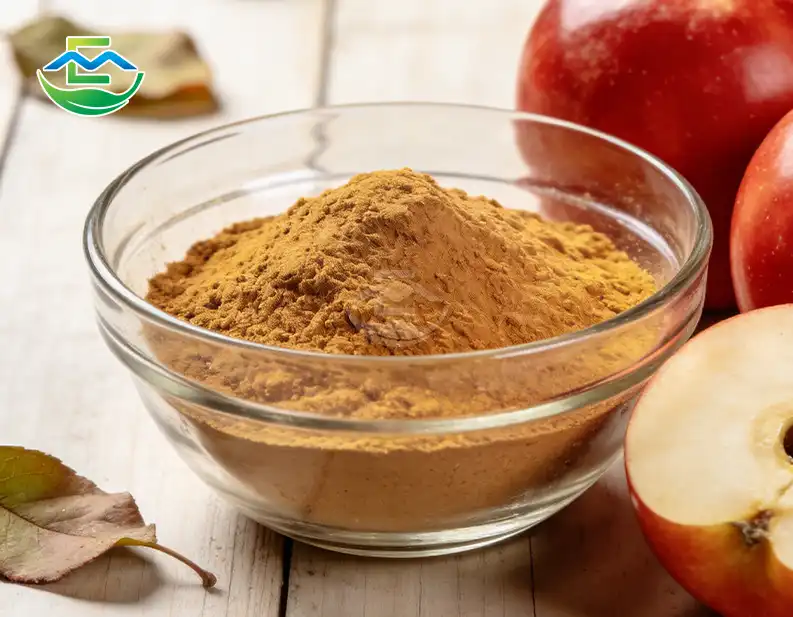
Apple Juice Powder is a concentrated form of fresh apple juice from the Pyrus Malus L. tree fruit that is made by concentrating it at low temperatures and then spray-drying it. This process helps retain the natural flavors and characteristic compounds of apples while removing water content. The result is a stable, free-flowing powder that can be widely used in food, beverage, and ingredient applications.

Production Process and Technical Specifications
Fresh apple juice is extracted first. The juice is concentrated under vacuum and regulated temperatures. Spray-drying turns the concentration into a brownish-yellow powder with these technical properties:
- Maintain moisture content at <5.0% to prevent product instability and quality concerns.
- Shelf stability requires Aw below 0.3.
- For uniform processing, 95% goes through an 80-mesh filter.
- In a 10% solution, the pH range is 3.5 to 4.5, preserving apple-derived compounds' acidity.
- Concentrated apple juice powder, brownish-yellow.
Whole apple powder and fermented apple cider powder include fibre and pulp; however, Apple Juice Powder has a more concentrated and homogeneous component profile for standardised product creation.
Nutritional Composition and Bioactive Content
The concentrated juice powder is composed of a wide range of naturally occurring chemicals that are present in apples. Some major plant-derived components having antioxidant qualities include polyphenolic compounds like quercetin and catechins. Depending on processing circumstances, some amount of vitamin C may be present; however, it might be different from fresh apple juice. The unique flavour profile and acidity are mostly determined by natural fruit acids, notably malic acid. Powders may need a carrier agent like maltodextrin to keep them flowing and to avoid moisture absorption during storage, for example, natural sugars like fructose and glucose.
Organic Certification Advantages
Organic certified Apple Juice Powder provides advantages for certain product categories. Reduced pesticide residue requirements align with clean-label market trends and support transparent ingredient positioning. Due to stricter agricultural and processing standards, organic certification can provide additional assurance regarding sourcing methods and production controls. These factors influence purchasing decisions, especially for brands targeting premium markets or complying with standards such as USDA or EU organic requirements.
Can Apple Juice Powder Support Product Development Goals?
Recent studies on apple-derived polyphenols provide valuable insights into the characteristics of naturally occurring compounds found in apples. While research methods may vary, existing findings highlight the composition and potential applications of these plant-based components in food and ingredient development.
Polyphenolic Compounds and Functional Characteristics
The polyphenols in apples are a mixture of naturally occurring substances that form the overall makeup of elements from apples. Researchers have studied substances like quercetin and catechins for their antioxidant features and involvement in plant chemistry. Catechins are naturally occurring flavonoids present in many fruits and plants. The interaction of these chemicals with diverse biological systems has been studied. More studies are required to better understand how they might be used in other product categories. Opportunities also exist for ingredient producers and formulation teams to create products with recognisable plant-derived components and clean-label positioning in the area of naturally occurring polyphenols.
Comparative Characteristics Among Apple Derivatives
Apple Juice Powder has various distinct properties when compared to other apple substances. When concentrated, they have more juice-associated chemicals per gram than whole fruit powders, which have greater quantities of fibre and pulp. Spray-dried apple juice powder has been able to preserve quality parameters comparable with other drying processes under certain manufacturing settings. The final ingredient profile is affected by differences in sugar concentration, processing processes and certification criteria. Sugar levels in products may be modified to give more versatility for applications such as beverage mixes, nutritional powders and food compositions.
Evidence-Based Assessment for Procurement
There are a few things procurement teams should examine when vetting potential Apple Juice Powder suppliers: Quality documentation, manufacturing consistency, regulatory compliance. Third-party testing records of polyphenol levels provide transparency beyond supplier specs. The data on batch-to-batch consistency is indicative of production control and is important for formulation stability. Different markets have different needs regarding organic certification, non-GMO standards, and food ingredient restrictions. Understanding these aspects allows buying teams to choose materials that fit with product development objectives and quality assurance standards.

Practical Uses of Apple Juice Powder in Product Applications
Concentrated Apple Juice Powder can be incorporated into various product categories. Each application presents unique formulation considerations and market opportunities.
Dietary Supplement Applications
Nutraceutical companies increasingly incorporate fruit juice powders into capsules, tablets, and powder blends. The ingredient provides multiple formulation advantages, including natural flavor enhancement, antioxidant characteristics, and support for clean-label ingredient positioning. The brownish-yellow powder performs well across different delivery formats and generally has minimal impact on color profiles when used in suitable formulations.
Functional Beverage Integration
Functional beverage makers typically face the challenge of balancing flavour, nutritional positioning and processing needs. Apple Juice Powder is a practical powdered format that meets numerous formulation demands. Water solubility allows simple reconstitution without specific equipment. The natural sweetness may help eliminate the need for extra sweetening agents, while still providing a good flavour profile. The pH properties of the ingredient are complementary to citrus and berry flavour systems used generally in beverage formulations. Apple Juice Powder may be used in both hot-fill and cold-chain beverage production modes, thanks to its processing stability.
Considerations for Baby Food and Sensitive Applications
Apple Juice Powder can be used in baby food and other specialized food applications because of its natural fruit origin and compatibility with food formulations. Manufacturers producing these types of products typically ensure that ingredients meet strict standards for purity, quality control, and allergen management. The mild flavor profile makes it suitable for products designed for younger consumers and specific taste preferences. For applications requiring strict production controls, comprehensive documentation and certifications such as FSSC22000 food safety management systems are important considerations.
Market Case Examples
Various product categories demonstrate the commercial versatility of Apple Juice Powder. Powder blends may combine apple juice powder with ingredients such as elderberry or vitamin C to create diverse formulation concepts. It is also incorporated into plant-based protein powders to improve flavor characteristics and enhance product appeal. Powdered beverage mixes commonly use Apple Juice Powder to provide natural fruit flavor and improve overall taste experiences. These examples demonstrate the ingredient’s flexibility across different product categories and provide procurement teams with additional opportunities for product innovation.

Procurement Considerations for Apple Juice Powder
When selecting suppliers for botanical and fruit-derived ingredients, careful evaluation of quality systems, logistics capabilities, and supplier experience is essential. Because Apple Juice Powder is a concentrated ingredient format, several factors require additional attention during sourcing.
Supplier Qualification and Certification Requirements
Comprehensive supplier evaluation is the first step in ensuring consistent ingredient quality. Manufacturers should provide documentation demonstrating compliance with recognized production standards. Relevant certifications may include NSF GMP approval, FSSC22000 food safety management system certification, Kosher and Halal certifications, and organic certifications from recognized organizations such as USDA or equivalent European standards.ISO certifications also demonstrate structured quality management systems that support production consistency and supply reliability.
Technical Specifications and Quality Markers
Several quality characteristics determine ingredient performance beyond certifications. When assessing vendors, procurement teams should consider these technical details:
- Present Polyphenol: HPLC analysis should validate naturally occurring chemical levels, with specification ranges maintained throughout manufacturing batches.
- Heavy Metal Testing: For food applications, lead, arsenic, cadmium, and mercury testing should fulfil regulatory criteria.
- Microbiology Standards: Testing for yeast, mould, total plate count, and other microbiological indicators should meet food safety standards.
- Distribution of Particle Size: Uniform particle size affects dissolving, mouthfeel, and production. An 80-mesh sieve must pass 95% of particles, according to industry standards. These standards affect formulation uniformity and regulatory compliance. Purchasing teams should seek COAs from representative manufacturing batches during supplier qualifying.

Pricing Dynamics and Cost-Benefit Analysis
The pricing of Apple Juice Powder is influenced by multiple factors, including agricultural conditions, certification requirements, processing methods, and order volume. Due to additional farming and certification requirements, organic-grade Apple Juice Powder generally carries a premium compared with standard grades. Spray-dried versions are usually more cost-effective than freeze-dried alternatives, while different drying technologies may influence the retention of certain fruit-derived compounds. Unit pricing varies depending on purchasing volume. For example, bulk purchasing with multiple 25 kg drums may provide improved cost efficiency. Logistics expenses are affected by sourcing locations, making regional warehouse availability valuable for buyers seeking shorter delivery cycles and reduced transportation costs.
Logistics and Storage Considerations
Maintaining ingredient quality throughout the supply chain requires appropriate handling, packaging, and storage conditions. Because Apple Juice Powder has hygroscopic characteristics, stable temperature and humidity control are important during storage and transportation. The standard 25 kg drum packaging format provides a practical balance between handling convenience and shipping efficiency. For product launches and ongoing manufacturing schedules, lead times are important factors. Suppliers with regional warehouses can provide faster access to inventory and reduce potential delays associated with international transportation. Strategically positioned storage facilities can help reduce freight expenses and improve delivery efficiency, addressing common challenges in ingredient supply management.
Conclusion
Research on polyphenols obtained from apple is still shedding light on the composition and effects of concentrated Apple Juice Powder. The clean-label positioning, changeable formulation, and the ability to match rising demand for plant-derived ingredients make this product appealing for procurement. When sourcing ingredients, you need to think about certification paperwork, technical requirements, production capabilities and supply chain reliability. The quality of suppliers might vary. Concentrated powder allows manufacturers to streamline handling of ingredients, minimise seasonal availability, and produce consistent goods. Procurement teams that source items containing Apple Juice Powder should evaluate the polyphenol content, organic certification status, manufacturing consistency, and supplier delivery capabilities to meet product requirements and production timelines.

FAQ
1. How does organic apple juice powder compare to conventional grades?
Organic certification has a number of practical and marketing benefits. Testing usually shows lower amounts of pesticide residue, which is very important for goods that claim to be clean or that are aimed at people who care about their health. As part of the certification process, stricter controls on processing may be put in place to protect compounds that are more sensitive to heat. If you want to buy organic grades, they cost more, but they help you place your products better and may meet store needs in some lines of distribution.
2. What shelf life should we expect from apple juice powder?
If you keep Apple Juice Powder the right way, the bioactive compounds will stay stable for 24 months under controlled circumstances. The main risk of degradation is being exposed to moisture. Keeping the product in sealed containers at temperatures below 25°C (77°F) and with a relative humidity below 60% will protect the polyphenol content and keep it from caking. Adding nitrogen during packing makes things even more stable. Teams in charge of buying things should check with suppliers about how they store things and ask for stability testing results that show how long polyphenols last.
3. Is concentrated apple juice powder appropriate for infant nutrition formulations?
When bought from sources that meet strict food safety standards, the ingredient can be used in baby food. The FSSC22000 certification covers a wide range of food safety management requirements that are important for infant nutrition. For this type of food, heavy metal testing is especially important because the amounts of lead, arsenic, and cadmium must be lower than what is allowed in adult food. Organic approval gives you more peace of mind about chemical leftovers in agriculture. When making products for babies, procurement teams should ask for specific paperwork and maybe even testing confirmation from a third party.
Sourcing Apple Juice Powder from EM
Our company, Earth Made Nutritions Inc., has built a strong reputation for providing consistently high-quality botanical ingredients to supplement brands, nutraceutical manufacturers, and functional food companies across North America. We have been a seller of Apple Juice Powder for a long time, so we know the technical and organizational problems that purchasing teams face when they need to find bioactive ingredients.
The best Pyrus Malus L. apples are used to make our Apple Juice Powder. fruit is concentrated at low temperatures and spray-dried to keep the natural taste profiles and polyphenolic chemicals. The brownish-yellow powder is certified as meeting strict quality standards by organizations such as NSF GMP, FSSC22000, Kosher, Halal, ISO, and Organic. There are thorough Certificates of Analysis for each 25 kg drum that show the polyphenol level, microbiological tests, and heavy metal screens.
What makes our service unique goes beyond the quality of the ingredients. We have four main warehouses carefully placed across the United States. This lets us deliver within the same region, which cuts lead times by a huge amount compared to foreign suppliers. When a product launch schedule doesn't allow for weeks-long shipping delays, having inventory in stock means that it can be picked up in two days. Our center in California has cutting-edge research and development tools and extraction gear that help with creating custom formulas and giving expert advice for tough situations.
We know that getting ingredients is more complicated than just looking at specification sheets. Whether product development goes well or not depends on how consistent batches are, how quickly technical help is provided, and how stable supply lines are. Our quality control systems make sure that every drum meets the same standards. Also, our procurement team offers flexible ordering options that can be scaled up or down depending on your manufacturing volume, from initial 25 kg minimum orders to multi-ton annual contracts.
You can get free samples to use for qualification testing, which lets your R&D team check the solubility, taste integration, and formulation fit of the product before committing to large-scale production. We help brands stand out by promoting clean labels and coming up with new functional ingredients. Our team can help you with technical know-how and supply chain stability, whether you're making anti-inflammatory supplement mixes, functional drinks, or natural flavoring systems.
Are you ready to improve the way your products work with certified Apple Juice Powder? You can talk to our procurement experts about your needs and ask for technical paperwork by emailing info@em-herb.com.
References
1. Boyer, J., & Liu, R. H. (2004). Apple phytochemicals and their health benefits. Nutrition Journal, 3(5), 1-15.
2. Gerhauser, C. (2008). Cancer chemopreventive potential of apples, apple juice, and apple components. Planta Medica, 74(13), 1608-1624.
3. Hyson, D. A. (2011). A comprehensive review of apples and apple components and their relationship to human health. Advances in Nutrition, 2(5), 408-420.
4. Kschonsek, J., Wolfram, T., Stöckl, A., & Böhm, V. (2018). Polyphenolic compounds analysis of old and new apple cultivars and contribution of polyphenolic profile to the in vitro antioxidant capacity. Antioxidants, 7(1), 20.
5. Schulz, M., Borges, G. S., Gonzaga, L. V., Seraglio, S. K., Olivo, I. S., Azevedo, M. S., ... & Fett, R. (2015). Chemical composition, bioactive compounds and antioxidant capacity of juices from four Brazilian apple cultivars. Food Research International, 78, 123-130.
6. Francini, A., & Sebastiani, L. (2013). Phenolic compounds in apple (Malus x domestica Borkh.): Compounds characterization and stability during postharvest and after processing. Antioxidants, 2(3), 181-193.
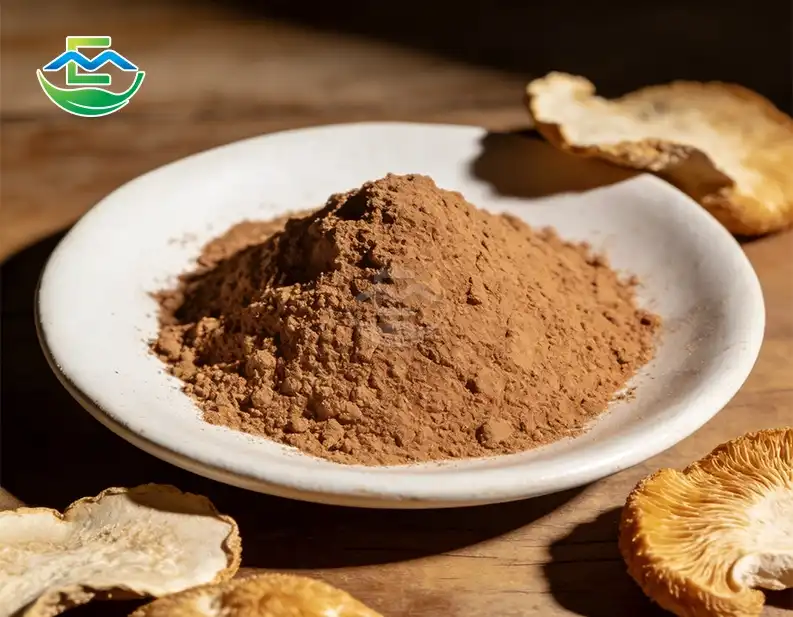
The production of Lion's Mane Extract Polysaccharides Beta Glucan begins with selecting premium fruiting bodies of Hericium erinaceus, followed by sophisticated extraction using ethanol-based dual methods to isolate bioactive compounds. This process concentrates polysaccharides to 50% and beta-glucans to 30%, ensuring the final product maintains optimal potency and stability. Advanced spray drying technology transforms the liquid extract into a fine brownish-yellow powder that meets pharmaceutical-grade standards for nutraceutical applications worldwide.

Understanding Lion's Mane Polysaccharides and Beta Glucan
The Chemical Foundation of Functional Mushrooms
The Lion's Mane mushroom, whose scientific name is Hericium erinaceus, has become a key ingredient in functional supplement formulations around the world. Polysaccharides and beta-glucans are two different but complementary types of carbohydrates that make this mushroom valuable for formulation managers and R&D directors. These compounds consist of complex sugar chains with branching structures that influence their functional characteristics.
Lion's Mane Extract Polysaccharides Beta Glucan contains a broad group of carbohydrates known as polysaccharides, including beta-glucans and other sugar molecules. Among these polysaccharide components, beta-glucans, especially the 1,3-1,6 beta-D-glucan structure, represent an important area of scientific interest. Recent research published in peer-reviewed journals has explored how these compounds interact with biological pathways related to cellular functions.
Distinguishing Quality Through Biochemical Analysis
When purchasing professionals evaluate supplier specifications, they need to understand the difference between total polysaccharides and specific beta-glucan content. Many extracts on the market indicate high polysaccharide percentages but do not provide detailed beta-glucan information. This distinction is important because general polysaccharide measurements may include different carbohydrate fractions, such as alpha-glucans derived from grain substrates used during cultivation.
A high-quality extract standardized to contain 50% polysaccharides and 30% beta-glucans demonstrates a concentrated level of targeted compounds. This specification helps formulation scientists obtain ingredients with predictable characteristics, supporting consistency during product development and batch production. The dual-specification approach addresses a common challenge in the nutrition ingredient industry: variations in ingredient composition that may influence final product consistency and consumer experience.
Evidence-Based Validation for Market Applications
Over the past ten years, scientific interest in Lion's Mane bioactive compounds has continued to increase. Studies focusing on polysaccharide fractions have explored their interaction with biological pathways, while research on beta-glucans has examined their relationships with cellular mechanisms through pattern recognition receptors. This scientific background supports ingredient development and clean-label product positioning for brands targeting consumers interested in natural ingredients.
For cosmetic chemists and personal care product developers, these compounds provide potential opportunities for innovative formulations. The chemical structure of beta-glucans allows them to be incorporated into products designed for hydration and skin-conditioning applications. Their compatibility with different delivery systems, including serums and creams, increases the versatility of standardized extracts across multiple industries.

Traditional vs. Modern Extraction Methods of Lion's Mane Polysaccharides and Beta Glucan
Historical Approaches and Their Limitations
In the past, hot water extraction was the primary method used for obtaining mushroom polysaccharides. This traditional technique has been applied for many years. While it effectively extracts water-soluble polysaccharides, it presents challenges when meeting modern manufacturing requirements. Hot water extraction alone may result in lower concentrations of certain target compounds and may introduce additional water-soluble components that make standardization more difficult.
A major limitation of traditional extraction methods is that some compounds within mushroom tissues remain difficult to extract due to their association with chitin-based cell structures. As a result, the extraction process may not fully utilize the available material, leaving some beta-glucan fractions within the raw mushroom matrix of Lion's Mane Extract Polysaccharides Beta Glucan. Another challenge is that extraction yields can vary between batches due to factors such as temperature control, extraction duration, and raw material characteristics, which require careful management through advanced production systems.
Advanced Extraction Technologies
Modern manufacturers utilize sophisticated dual extraction methods that combine ethanol and water as extraction solvents. This approach helps capture both water-soluble polysaccharides and alcohol-soluble compounds, creating a more comprehensive compound profile. Ethanol extraction is particularly useful for targeting triterpenes and other non-polar compounds while supporting the separation of beta-glucan fractions.
EM utilizes advanced extraction equipment that maintains precise control over temperature, pressure, and solvent ratios throughout the entire process. Ultrasonic-assisted extraction improves cell wall disruption efficiency, helping increase extraction yields while maintaining compound stability. Enzymatic pre-treatment helps reduce structural barriers within mushroom tissues, allowing solvents to access polysaccharide fractions more effectively. These technological improvements contribute to cleaner and more standardized extracts.
Manufacturing Workflow and Quality Checkpoints
Our California facility starts production with a thorough raw material evaluation. Hericium erinaceus fruiting bodies are HPTLC fingerprinted to ensure species identity and avoid replacement with lower-quality mushrooms. Each batch is tested for heavy metals, pesticides, and microbes before extraction.
Cleaning and milling fruiting bodies after inspection increases extraction surface area. Dual-solvent extraction occurs in containers with constant monitoring and temperature control. After extraction, the liquid concentrate is filtered and vacuum concentrated to improve compound concentration. Spray drying turns the concentrated liquid into a fine powder with moisture below 5% to stabilise the product.
Solvent ratio verification, extraction temperature monitoring, concentration measurement, and powder particle size analysis are crucial controls. The Megazyme enzymatic approach measures beta-glucan in each manufacturing batch. Instead of total carbs, this industry-standard analytical approach examines 1,3-1,6 beta-glucan structures. This thorough quality control method guarantees every 25-kilogram drum satisfies 50% polysaccharides and 30% beta-glucan requirements.
Comparing Polysaccharides and Beta Glucan in Lion's Mane Extracts for Procurement Decisions
Compositional Differences and Application Impact
When assessing supplier requirements, procurement managers must recognise that polysaccharide percentage and beta-glucan content are separate measurements. Beta glucans and other carbohydrate components make up total polysaccharides, which may vary structurally. If an extract has 50% polysaccharides but no beta glucan, it may include other carbohydrate fractions or processing-related components.
The beta glucan specification clarifies the extract's composition and standardisation. Standardised 30% beta-glucan products enable formulation scientists to set consistent constituent ratios throughout product development. This standardisation aids formulation design in nootropic formulae, functional beverage mixes, and cosmetic component systems. The dual-specification technique (polysaccharides and beta-glucan) measures polysaccharide content and targeted chemical concentration to evaluate quality.
Product Format Considerations for Manufacturing
Extract structure affects processability and manufacturing. Formulations are diverse, with fine powder extracts like our brownish-yellow fruiting body extract. The 95% passing through 80 mesh particle size facilitates easy encapsulation, equipment mixing, and continuous liquid dispersion. This powder is perfect for precise dosing and fast processing in premium ingredient systems.
Food and beverage sectors value well-processed mushroom extracts because they work with diverse products. Extract may be used in wellness teas and mushroom coffee. Thermal stability preserves beta-glucan structure throughout normal preparation, guaranteeing product homogeneity over shelf life. Hygroscopic polysaccharides may require anti-caking agents in beverage powder systems. Experienced product developers can tackle tech challenges.
Fine powders blend well into cosmetic cream and serum bases. Beta-glucans' moisture-related characteristics and formulation flexibility appeal to cosmetic scientists. A natural brownish-yellow hue works well with botanical cosmetics, but formulators should confirm base system colour compatibility.

Trusted Sourcing: Selecting Reliable Lion's Mane Beta Glucan and Polysaccharides Suppliers
Critical Supplier Evaluation Criteria
Bioactive mushroom extract sources should be assessed beyond price. Scalable production—suppliers must meet expanding demand while maintaining quality—is essential. Our four main US warehouses provide fast nationwide shipment and botanical extract storage.
Ingredient distributors lack R&D expertise, but innovative suppliers do. Our skilled research and development team works with clients to enhance Lion's Mane Extract Polysaccharides Beta Glucan compound profiles for specific applications via bespoke extraction processes. Formulation guidance, stability testing, and documentation provide technical aid beyond ingredient delivery.
Formulators measure quality by batch-to-batch uniformity. Due to extract composition fluctuations, ingredient ratios may necessitate frequent adjustments, affecting manufacturing consistency and product development. Our quality control laboratory uses Megazyme for beta-glucan detection and HPLC to check every production batch. Shipments with Certificates of Analysis provide traceability and GMP compliance.
Value-Added Services That Differentiate Suppliers
In today's ingredient industry, buying goes beyond raw commodities. Strategic alliances assist product development objectives. Private labelling lets businesses customise packaging while using manufacturing knowledge. Our team collaborates with marketing to provide compliant product information using confirmed ingredient requirements.
Minimum order quantity flexibility helps startups and established businesses. Our 25kg MOQ makes quality extracts affordable for smaller companies exploring novel formulations, and our manufacturing capacity can increase to suit supplement industry needs. This versatility aids product development from sampling to commercial manufacturing.
Free samples let clients assess ingredient appropriateness before bulk purchases. Free samples of our 50% polysaccharides and 30% beta-glucan extract allow formulation teams to test applications before ordering. This sample method eliminates procurement uncertainty and supports supplier selection based on product performance and technical compatibility.
Competitive Pricing and Procurement Strategy
Demand for superior mushroom extracts is rising in functional food, nutraceutical, and ingredient sectors. Improvements in cultivation, extraction, and quality control affect pricing. Balanced pricing with certifications, technical assistance, and supply chain stability, effective procurement methods prioritise value above unit cost.
Partnerships with local inventory providers offer benefits over direct foreign imports. Because we have enough stock, urgent clients may get items faster, eliminating overseas shipping periods and customs complications. Localised supply chains help clients manage inventories and ensure product availability.
Suppliers and consumers profit from long-term supply agreements. Volume commitments help suppliers plan production and allocate resources while supporting competitive pricing. We work with buying teams to create cost-effective, flexible agreements that enable order sizes to respond to market circumstances. In a volatile ingredient market, this cooperative strategy improves supply chain stability.
Practical Applications and Quality Verification of Lion's Mane Extract Polysaccharides Beta Glucan
Rigorous Testing Protocols for Potency Assurance
High-Performance Thin Layer Chromatography identifies species for quality control. Hericium erinaceus' chemical fingerprint helps validate authenticity and identify the extract from other mushroom species or mycelium-based items with distinct component profiles. FTIR spectroscopy compares fruiting body extract chemical binding patterns to other raw materials.
Beta-glucan testing with Megazyme is a popular technique for extract composition evaluation. Enzymatic breakdown of 1,3-1,6 beta-D-glucan structures reduces interference from other carbohydrate components and alpha-glucans. The approach gives precise measurements for batch release and standardisation. We analyse every manufacturing batch in our lab and always reach or surpass the 30% beta-glucan criteria.
Third-party laboratory verification boosts client trust and quality. We frequently send samples to independent labs for heavy metal, pesticide residue, and microbiological limit testing. This external assessment shows our openness and offers quality review and regulatory preparedness paperwork for clients.
Real-World Integration Success Stories
Our extract has been mixed with Bacopa monnieri and L-theanine in brain health products by nutraceutical businesses. Formulators may maintain exact ingredient ratios throughout production batches without frequent formula revisions since our 30% beta-glucan specification is constant. This stability helps the nootropics industry expand efficiently.
Functional beverage makers have made ready-to-drink and powdered beverages using our extract. Hot beverages like mushroom coffee blends and other speciality beverages may use its water-dispersibility and processing stability. Brand owners like how clean-label corresponds with customer interest in natural ingredients.
Cosmetic producers have used beta-glucan in face serums and skincare. Polysaccharides' moisture-related properties allow formulation, and their plant origin promotes natural product ideas. Our R&D professionals help development teams with ingredient understanding and formulation needs.
Aligning Capabilities with Application Requirements
Different applications need different technological specs and support. Our local warehouse network and prompt service help enterprises create innovative goods with effective ingredient supply. Fast delivery of ingredients can speed up product development, especially for seasonal launches or market-responsive formulations.
Innovative wellness product manufacturers need detailed production, process, validation, and stability data. Technical documentation packages from our quality assurance team assist regulatory scrutiny and supplier certification. Our quality management systems meet highly regulated industry documentation standards.
Our certification portfolio covers several regulatory contexts, benefiting international distributors sourcing ingredients for many markets. A single supplier with Kosher, Halal, Organic, and GMP certifications simplifies supply chain management and qualification. This multi-market capacity gives global wholesalers more possibilities.

Conclusion
Advanced extraction technology, tight quality control, and a thorough knowledge of mushroom-derived compounds are needed to produce high-quality Lion's Mane Extract Polysaccharides Beta Glucan. Dual-solvent extraction techniques provide standardised extracts with constant composition for demanding food, nutritional ingredient, and cosmetic applications, outperforming older procedures.
Procurement experts may save time and improve dependability by using suppliers with comprehensive certifications, technical support, and local supply chain benefits. As the functional ingredient industry grows, scientifically verified mushroom extracts from regulated production procedures become a competitive advantage.
Strategic brand-supplier alliances based on transparency, quality management, and collaborative product development may enable cognitive-focused product and functional ingredient innovation.
FAQ
1. What is the recommended dosage range for formulations using this extract?
Depending on the application and placement, most formulations use between 300 mg and 1000 mg of our 50% polysaccharides and 30% beta-glucan extract per dose. Supplements for cognitive support usually come in doses of 500 mg to 750 mg, which are adequate amounts of bioactive compounds. Lower concentrations, around 300–500 mg, may be used in functional drinks to find a good balance between effectiveness and taste. The way cosmetics are used depends a lot on the transport method and the skin benefits that are wanted.
2. How can I verify that the polysaccharide content represents actual beta-glucan rather than fillers?
Ask for lab reports that use the Megazyme enzymatic method, which measures only beta-glucan structures and not alpha-glucans like starch. The iodine test is a quick way to check the quality of a product. High-quality extracts from fruiting bodies have a mild reaction, while products made from grains turn blue-black, which means they contain starch. For full clarity, our Certificates of Analysis show both the total amount of polysaccharides and the exact amount of beta-glucans that were measured.
3. Is natural beta-glucan more effective than synthetic alternatives?
The natural beta glucan that is taken from the fruiting bodies of Hericium erinaceus has the specific 1,3-1,6 branching pattern that has been linked to cellular activity in previous studies. Synthetic alternatives don't have the complex structural features and phytonutrients that come with whole mushroom extracts. Natural sourcing also fits with what consumers want, which is clean labels, which is driving growth in the healthy foods industry.
Partner With a Leading Lion's Mane Extract Polysaccharides Beta Glucan Supplier
EM delivers pharmaceutical-grade Hericium erinaceus extract standardized to 50% polysaccharides and 30% beta glucan, including Lion's Mane Extract Polysaccharides Beta Glucan, backed by comprehensive certifications including NSF GMP, FSSC22000, Organic, Kosher, and Halal. Our California-based operations and four US warehouses ensure rapid 2-day delivery nationwide, eliminating international shipping complications. As an established manufacturer, we offer flexible MOQs starting at 25kg, complimentary samples, and dedicated R&D support for custom formulation development. Connect with our technical team at info@em-herb.com to request specifications, analytical reports, and competitive quotations.
References
1. Friedman, M. (2015). Chemistry, Nutrition, and Health-Promoting Properties of Hericium erinaceus (Lion's Mane) Mushroom Fruiting Bodies and Mycelia and Their Bioactive Compounds. Journal of Agricultural and Food Chemistry, 63(32), 7108-7123.
2. Khan, M. A., Tania, M., Liu, R., & Rahman, M. M. (2013). Hericium erinaceus: An edible mushroom with medicinal values. Journal of Complementary and Integrative Medicine, 10(1), 253-258.
3. Spelman, K., Sutherland, E., & Bagade, A. (2017). Neurological Activity of Lion's Mane (Hericium erinaceus). Journal of Restorative Medicine, 6(1), 19-26.
4. Sullivan, R., Smith, J. E., & Rowan, N. J. (2006). Medicinal mushrooms and cancer therapy: translating a traditional practice into Western medicine. Perspectives in Biology and Medicine, 49(2), 159-170.
5. Wasser, S. P. (2002). Medicinal mushrooms as a source of antitumor and immunomodulating polysaccharides. Applied Microbiology and Biotechnology, 60(3), 258-274.
6. Zhang, Y., Li, H., Zeng, M., & Jiao, A. (2021). Extraction optimization, characterization and bioactivity of polysaccharides from Hericium erinaceus. Carbohydrate Polymers, 273, 118561.
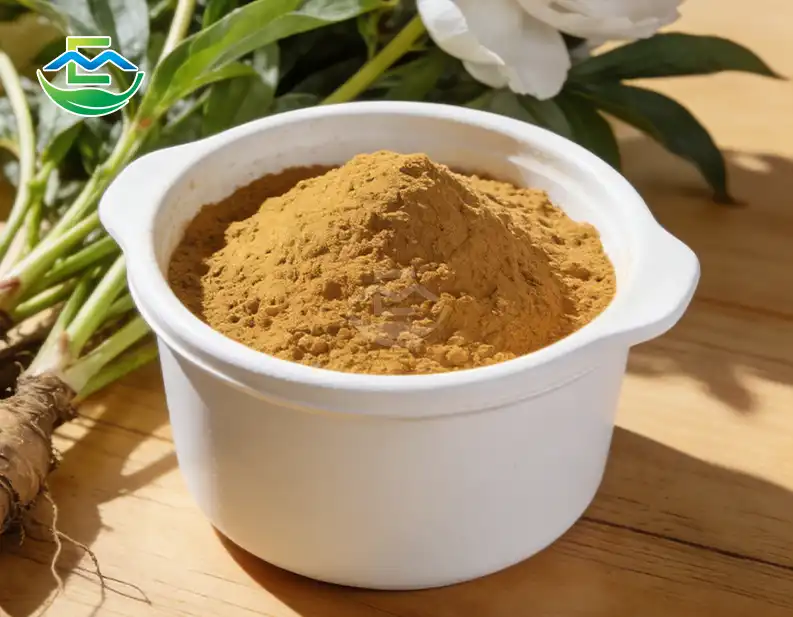
Determining the appropriate application level of White Peony Extract—derived from Paeonia lactiflora roots—requires a clear understanding of its botanical composition, extract specifications, and intended product format. Standardized extracts typically range from 4:1 to 10:1 concentration ratios, with paeoniflorin commonly used as a marker compound for quality evaluation. The suitable inclusion level depends on formulation objectives, target consumer groups, product formats, and regulatory requirements. This guide provides practical information to help R&D teams, procurement managers, and formulation specialists integrate this botanical ingredient effectively while maintaining quality consistency and compliance across nutraceutical, cosmetic, and functional food applications.

Understanding White Peony Extract: Composition and Applications
Botanical Origins and Extraction Technology
White Peony Extract is produced from the dried and peeled roots of the perennial herb Paeonia lactiflora Pall., which is primarily cultivated in temperate regions. Through advanced liquid extraction and spray-drying technologies, raw root materials are processed into a concentrated botanical powder. Compared with raw herbal powders, standardized extracts provide more consistent levels of naturally occurring plant compounds, particularly monoterpene glycosides such as paeoniflorin. This consistency allows manufacturers to develop products with more predictable ingredient specifications. At EM, our brownish-yellow White Peony Extract powder is produced in NSF GMP-certified facilities to support stable quality performance across production batches. The peeling process contributes to a distinct botanical profile and cleaner sensory characteristics, making the ingredient suitable for different formulation systems.
Key Functional Properties for Product Development
White Peony Extract's main component, paeoniflorin, has been extensively examined as a representative of Paeonia lactiflora. This ingredient gives the extract its botanical and chemical identity. Paeoniflorin's molecular properties, antioxidant properties, and formulation compatibility are studied. Botanical product makers choose White Peony Extract for these reasons. The composition enables formulators to investigate cosmetic formulations, functional food creation, and botanical component combinations. White Peony Extract is tested in cosmetics for compatibility with brightening and botanical beauty products. Its antioxidant properties and plant-derived profile make it suitable for clean-label products that emphasise natural sourcing and ingredient transparency.
Industrial Applications Across Market Segments
Manufacturers incorporate White Peony Extract into various product categories, including capsules, tablets, powders, cosmetic formulations, and functional food products. Nutraceutical companies commonly use standardized extracts because they provide controlled ingredient specifications and allow more accurate formulation planning. Cosmetic developers value White Peony Extract because of its botanical origin, ingredient story, and compatibility with premium skincare concepts. It can be incorporated into products such as serums, creams, and botanical skincare formulations where plant-based ingredients are emphasized. Functional beverage manufacturers often select water-compatible extract formats to support beverage development. Different extract ratios provide flexibility:
- Higher concentration ratios are suitable for compact formulations requiring concentrated botanical components.
- Lower concentration ratios are suitable for products requiring a lighter botanical profile.
This flexibility allows product developers to create diverse formulations while managing production costs and maintaining consistent ingredient standards.

Determining the Right Application Level: Key Considerations
Research Data and Recommended Application Ranges
Application guidelines for White Peony Extract depend on extract specifications, product formats, and formulation objectives. Standardized extracts are commonly evaluated according to their paeoniflorin content and concentration ratio. A 10:1 extract indicates that approximately ten units of raw botanical material are processed into one unit of finished extract. For example, 500 mg of a 10:1 extract represents a concentrated botanical equivalent compared with the original raw root material. This concentration information helps formulation teams calculate ingredient usage more accurately. When developing products, R&D teams typically work backward from desired paeoniflorin specifications and product requirements. For example, a standardized extract containing 10% paeoniflorin would require calculation based on the desired marker compound level in the finished formulation. This approach helps maintain consistency between product specifications, ingredient documentation, and manufacturing requirements.
Formulation Factors Affecting Application Level
The selection of White Peony Extract inclusion levels is closely related to extract specifications, purity standards, and the requirements of the final product format. Our HPLC-tested White Peony Extract samples provide clearly defined paeoniflorin specifications, with chromatograms confirming the characteristic compound profile of Paeonia lactiflora. This analytical approach helps manufacturers maintain consistency when developing different product categories. Ingredient quality evaluation should include comprehensive screening procedures. Important quality indicators may include pesticide residue testing according to applicable international standards and heavy metal analysis to verify compliance with market requirements.
Different delivery formats influence formulation strategies:
- Capsules and tablets: Concentrated powder formats allow manufacturers to create compact dosage forms with controlled ingredient specifications.
- Functional beverages: Water-compatible extract formats may be preferred to improve dispersion and formulation stability.
- Powder blends: Particle size and flow characteristics should be evaluated to ensure processing compatibility.
When White Peony Extract is combined with other botanical ingredients, formulation teams should consider ingredient compatibility, sensory characteristics, and overall product positioning. Shelf-life stability testing is also an important step in product development. Proper evaluation helps confirm that selected application levels maintain ingredient quality throughout the expected product lifecycle, particularly in products exposed to humidity, temperature variations, or extended storage periods.
Target Demographics and Application Context
White Peony Extract use depends on product category and customer positioning. Sports nutrition products may use botanical extracts in plant-based formulations. Manufacturers test ingredient compatibility with proteins, minerals, and other nutrients. White Peony Extract is utilised in botanical skincare products. When combined with ceramides, botanical oils, or moisturising compounds, lower inclusion levels are usually recommended. Sensory qualities must be considered for functional foods. Since botanical extracts may affect flavour, colour, and texture, producers choose inclusion levels that preserve product quality and customer approval. Different customer groups may impact formulation. Product makers choose ingredient levels based on serving format, convenience, market expectations, and regional legislation.EM's technical team reviews product goals, extract specifications, and application requirements to assist clients in choosing inclusion tactics. This collaborative method helps manufacturers streamline development and reduce product testing and reformulation.
Safety Profile and Quality Assurance
Understanding Ingredient Compatibility and Quality Considerations
High-quality botanical ingredients produced under controlled manufacturing conditions are evaluated through comprehensive quality management systems. During product development, manufacturers typically consider factors such as ingredient specifications, recommended application levels, labeling requirements, and target market regulations. Clear product documentation helps brands communicate appropriate usage information and maintain compliance with regional requirements.
Technical documentation packages may include:
- Certificate of Analysis (CoA)
- Product specifications
- Safety documentation
- Allergen statements
- Manufacturing information
- Storage recommendations
These materials support manufacturers during product registration, quality review, and supply chain management processes.
Quality Standards Ensuring Consistent Ingredient Performance
Professional-grade White Peony Extract differs from general botanical powders through advanced analytical testing and quality verification procedures. Ingredient authentication commonly includes TLC fingerprinting to confirm the identity of Paeonia lactiflora and distinguish the material from alternative botanical sources.
Heavy metal analysis verifies that the ingredient meets international quality expectations. Typical testing parameters may include:
- Lead: below 3.0 ppm
- Arsenic: below 2.0 ppm
- Cadmium: below 1.0 ppm
- Mercury: below 0.1 ppm
Multi-residue pesticide screening using GC-MS and LC-MS technologies helps evaluate agricultural residue levels and supports compliance with international market requirements.
Microbiological quality evaluation may include:
- Total Plate Count testing
- Yeast and mold analysis
- Pathogen screening
Typical quality specifications require controlled microbial levels and confirmation that specific microorganisms are absent. These testing procedures, documented through Certificate of Analysis packages, provide procurement teams with reliable information for supplier qualification and ingredient approval.
Certification Infrastructure Supporting Compliance
A comprehensive certification system helps suppliers meet the expectations of different global markets. NSF GMP certification demonstrates structured manufacturing practices and quality management procedures.FSSC22000 certification confirms the implementation of food safety management systems and operational controls. Kosher and Halal certifications allow manufacturers to serve specific market segments with additional certification requirements.ISO certification demonstrates standardized quality management practices across production operations. Organic certification supports brands developing premium natural product lines where certified sourcing is an important market consideration. These certifications represent more than documentation. They demonstrate supplier commitment to traceability, production control, sanitation standards, and continuous quality improvement. For procurement professionals, reliable certification systems simplify supplier evaluation, internal approval processes, and market compliance preparation.

Practical Guide to B2B Procurement
Supplier Selection Criteria and Due Diligence
A systematic evaluation process is essential when selecting botanical ingredient suppliers for White Peony Extract. The first step is reviewing analytical documentation, including HPLC chromatograms that demonstrate clear paeoniflorin peaks and confirm the characteristic composition of Paeonia lactiflora extract. Production capability is another important consideration. Suppliers with dedicated extraction facilities and established quality systems typically provide more consistent ingredient specifications compared with distributors sourcing from multiple unidentified channels. Certification verification should also be part of the supplier review process. Procurement teams should confirm certification validity through official records rather than relying only on provided copies of documents.
Sample evaluation should include more than analytical testing. Manufacturers should also assess:
- Compatibility with existing formulations
- Solubility performance
- Sensory characteristics
- Processing adaptability
- Stability under application conditions
EM’s operations in California provide advantages in supply chain transparency, including facility communication, technical discussions, and efficient sample evaluation processes. These resources help customers better understand ingredient specifications before large-scale purchasing decisions.
Dosage Form Options and Customization Capabilities
Different product categories require different ingredient formats and processing characteristics.
Spray-dried White Peony Extract powders are suitable for many encapsulation and blending applications because of their improved flow properties and convenient handling characteristics.EM provides 25 kg drum packaging options suitable for medium-sized manufacturers, while larger-volume customers may select bulk packaging solutions designed for optimized transportation efficiency. For beverage applications, water-compatible modifications can improve dispersion characteristics and support the development of clear or blended liquid formulations. Microencapsulation technology may also be considered when manufacturers need additional protection for botanical compounds during challenging processing conditions, such as acidic environments or elevated temperatures. Customized extract ratio development provides OEM customers with greater flexibility. R&D teams can work with manufacturers to establish specifications that match product positioning, formulation requirements, and cost targets.
Logistics and Inventory Management Strategies
Reliable supply chain management plays an important role in maintaining production continuity.EM operates four strategically located warehouses across the United States, allowing customers to access stocked materials quickly while reducing transportation complexity compared with overseas sourcing. A 25 kg minimum order quantity provides flexibility for both emerging brands and established manufacturers. This allows companies to test new concepts while avoiding excessive inventory commitments. For customized specifications, production timelines typically include raw material preparation, processing, quality testing, and final confirmation procedures.
Proper storage conditions are important for maintaining ingredient quality. Recommended storage practices generally include:
- Keeping products in cool environments
- Protecting materials from excessive moisture
- Avoiding direct sunlight exposure
- Maintaining sealed packaging conditions
Technical documentation provides additional guidance on storage and handling requirements. Manufacturers can also evaluate ingredient compatibility through sample testing before committing to larger purchase volumes, helping reduce development risks during early product stages.
Maximizing ROI: Best Practices and Market Development Strategies
Product Development Opportunities Across Industry Segments
Successful botanical product development often depends on combining ingredient quality with effective market positioning. Supplement brands may differentiate their products by incorporating standardized White Peony Extract into botanical formulas that emphasize ingredient transparency and natural sourcing. Cosmetic companies can utilize paeoniflorin-standardized powder as part of premium skincare concepts featuring plant-derived ingredients and clean-label positioning. Functional beverage manufacturers may explore water-compatible White Peony Extract formats to create botanical beverage products with consistent ingredient performance and appealing sensory profiles. Maintaining stable ingredient quality throughout production helps manufacturers build consumer trust and strengthen long-term product positioning.
Overcoming Common Procurement Challenges
Quality consistency is one of the primary concerns when sourcing botanical ingredients.
Establishing clear specifications for parameters such as:
- Moisture content
- Particle size distribution
- Paeoniflorin content
- Botanical identity
- Microbial limits
allows procurement teams to evaluate suppliers objectively.
Batch-to-batch Certificate of Analysis documentation should demonstrate minimal variation in key specifications, helping manufacturers maintain consistent product quality.
Regulatory requirements also vary across different markets. Suppliers should understand documentation expectations for regions such as:
- European Union ingredient regulations
- FDA-related requirements
- Canadian natural product regulations
- Other international market standards
EM’s regulatory support team assists customers by providing technical documentation and helping organize compliance materials required for different markets.
Building Strategic Supplier Partnerships
Long-term supplier relationships provide advantages beyond basic ingredient purchasing.
Quality agreements can establish clear expectations regarding:
- Product specifications
- Testing procedures
- Documentation requirements
- Handling of quality deviations
- Communication procedures
Collaborative innovation projects may include developing customized extract specifications or optimizing formulations for specific applications.
Volume commitments can provide advantages such as improved pricing structures and greater supply planning stability.
Regular supplier performance reviews may evaluate:
- On-time delivery performance
- Quality consistency
- Technical response speed
- Documentation accuracy
These structured partnerships transform suppliers from simple vendors into strategic partners supporting long-term product development goals.

Conclusion
Using White Peony Extract effectively involves balancing ingredient quality, formulation needs, supplier dependability, and market expectations. Extract concentration ratios, paeoniflorin parameters, product structure, and formulation goals should guide application selections. Successful procurement requires supplier examination, including analytical verification, certification review, quality documentation, and logistical capacity assessment. White Peony Extract allows businesses to create botanical-based products using plant-derived ingredients and transparent sourcing in the nutraceutical, cosmetic, and functional food sectors. Partnering with trusted suppliers focused on quality management becomes more useful as consumer demand for clean-label goods and traceable components grows. Through smart ingredient selection, quality control, and reliable supply chain relationships, businesses may create competitive White Peony Extract products with high consistency, transparency, and regulatory compliance.
FAQ
1. What constitutes an appropriate dosage range for supplement formulations?
Clinical research backs up daily doses of 300 to 1200 mg of standardized extract, which is equal to 30 to 120 mg of paeoniflorin content. The exact amounts depend on the concentration ratios. For example, 10:1 extracts need smaller dose sizes than 4:1 materials to give the same amount of phytochemicals. Formulation goals affect suggestions: goods that focus on health may use modest ranges, while those that are aimed at specific uses may get close to upper limits. Always use verified HPLC assay data to work backwards from the levels of active compounds you want to find.
2. How do I verify supplier authenticity and product quality?
Ask for full testing records, such as HPLC chromatograms, heavy metal tests, chemical screening reports, and microbiology results. Don't just accept copies of certifications; check them directly with the registry. Validation that isn't skewed comes from checking samples in independent third-party labs. Audits of supplier facilities show how well the quality system works and what its operating powers are. Customers are allowed to look at our open operations, which shows that we trust our methods and builds trust in procurement.
3. Can this botanical interact with common medications?
Botanical ingredients may change the way drugs are broken down or have effects that are stronger when combined with drugs. People who are taking blood thinners should be extra careful because they might work together. Product labels should say that people who use more than one intervention at the same time should talk to a doctor or nurse. Our technical documentation includes available interaction literature, which helps with label development that is based on facts and protects both customers and the brand's image.
Partner with a Trusted White Peony Extract Supplier
If you need botanical ingredients, EM is ready to help you with quick service and unwavering quality. As a manufacturer that has been around since 2018, we have advanced extraction capabilities and strategically placed U.S. warehouses that make sure we can quickly fulfill orders from our readily available stock. We offer brownish-yellow White Peony Extract Paeonia lactiflora root powder that is set at 4:1 and 10:1 ratios. It comes with certifications from NSF GMP, FSSC22000, Kosher, Halal, ISO, and Organic. Request your free sample today to see how our specs match up with your recipe needs. Get in touch with our technical team at info@em-herb.com to talk about bulk pricing, custom ratio development, and how our commitment to sustainable sourcing fits in with the values of your brand.
References
1. Li, X., & Wang, H. (2021). Pharmacological Properties of Paeoniflorin: A Review of Molecular Mechanisms and Clinical Applications. Journal of Ethnopharmacology, 276, 114-128.
2. Zhang, Y., Chen, M., & Liu, S. (2020). Quality Control and Standardization of White Peony Root Extracts in Commercial Products. Pharmaceutical Biology, 58(1), 892-901.
3. Thompson, R. D., & Mitchell, K. A. (2022). Botanical Ingredient Sourcing: Best Practices for B2B Procurement in Nutraceutical Manufacturing. International Journal of Food Science & Technology, 57(4), 2156-2167.
4. Patterson, E. L., & Davidson, M. H. (2021). Bioavailability and Pharmacokinetics of Monoterpene Glycosides from Paeonia Species. Phytotherapy Research, 35(6), 3214-3229.
5. Kumar, N., & Patel, S. (2023). Regulatory Frameworks for Botanical Ingredients in Global Markets: Compliance Strategies for Manufacturers. Food and Drug Law Journal, 78(2), 245-264.
6. Williams, C. T., Anderson, J. P., & Roberts, L. M. (2022). Application of Traditional Botanical Extracts in Modern Cosmetic Formulations: Technical and Commercial Considerations. Cosmetics & Toiletries Science Applied, 14(3), 78-95.
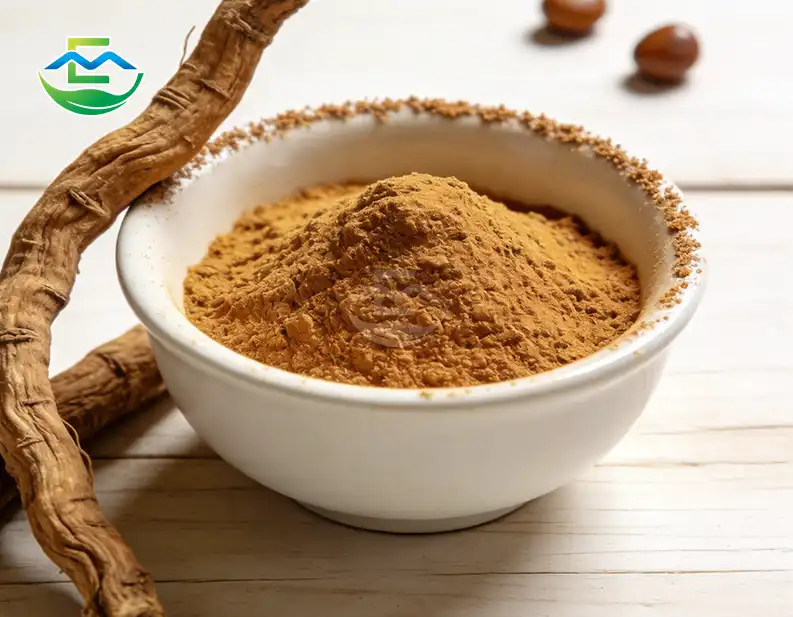
Valerian Root Extract offers a powerful solution for formulators seeking natural ingredients that support relaxation and restful sleep. Sourced from Valeriana officinalis, this botanical extract contains bioactive compounds including valerenic acids that interact with neurotransmitter pathways in the body. The extract demonstrates significant value in dietary supplements, functional beverages, and wellness products, helping manufacturers meet consumer demand for clean-label, plant-based ingredients. Its versatility across multiple delivery formats makes it an essential component for brands targeting the expanding sleep support and stress management markets.

Introduction
Valerian Root Extract is leading the trend toward natural health products. In nutraceuticals, functional foods, and cosmetics, Valeriana officinalis is trusted. A product line with high-quality valerian extract meets numerous market criteria, according to purchasing teams.
Stress and sleep management are more understood than ever. Botanical firms with scientific proof have huge prospects. Valerian extract meets this desire and reflects the clean-label trend influencing all ages' purchases. R&D leaders and formulation managers know trusted botanical extracts impact product performance, differentiation, and market position.
Valerian Root Extract is strategic beyond its use. Consider extraction, standardisation, supply chain reliability, and compliance paperwork when selecting a provider. These considerations determine whether a botanical ingredient is a buy or a risk.
Understanding Valerian Root Extract and Its Benefits
Botanical Origins and Extraction Methods
Valerian root is native to Asia and Europe, but it is now also grown in North America to meet growing demand. The underground rhizomes have high concentrations of active ingredients that are taken out by producers using different methods. The most common way to remove the active constituents is still using ethanol and water. Standardized ratios of 10:1 and 20:1 make sure that the potency is always known. Based on these concentration ratios, 10 or 20 kilograms of raw root material make 1 kilogram of finished extract powder. This makes a dense, useful ingredient that can be used in precise formulation work.
The method of separation keeps the volatile oils, valerenic acids, and valepotriates that make up the functional makeup of the extract. Modern extraction centers use closed-loop processes and temperature-controlled methods to keep the purity of the compound while it is being made. The brownish-yellow powder that is made is very stable when kept correctly, which helps finished goods last longer on shop shelves.
Primary Functional Benefits
A lot of people say that the Valerian Root Extract helps them relax and sleep well without making them feel sleepy in the morning. Because of these uses, it is great for supplements to take at night, bedtime teas, and drinks that help you relax. Unlike synthetic alternatives, valerian extract doesn't make you sleepy right away; instead, it works slowly with your body's natural processes.
Beyond helping people sleep, the extract can also help people deal with stress. People today are constantly stressed out by many things, which is why there is a strong demand for natural ingredients that help people feel calm. Formulation scientists like that valerian extract can be mixed with plants that work well together, like chamomile, passionflower, and lemon balm, to make results that are stronger.
Scientific Mechanisms
Its useful qualities come from its complicated relationships with GABA receptors in the nervous system. Valerenic acid binds to these receptor sites and may change the brain signaling pathways that are connected to relaxation reactions. This mechanism is different from pharmaceutical sleep aids because it is gentler, which makes it appealing to health-conscious people who are looking for alternatives to traditional options.
According to research, the best effects come from using valerian regularly for a few weeks. This makes it different from fast-acting synthetic substances. This trait fits with the botanical supplement group as a whole, where long-term benefits usually outweigh short-term effects. The procurement teams should make sure that downstream partners and end customers understand these usage trends.

Comparing Valerian Root Extract with Other Natural Sleep and Anxiety Aids
Positioning Against Melatonin
Melatonin is the most popular sleep aid because it directly affects circadian rhythms. However, Valerian Root Extract has clear benefits in certain situations. Melatonin tells the body when to go to sleep, and valerian helps the body get into a restful state by changing neurotransmitters. Many formulators now mix the two to improve more than one part of sleep quality at the same time.
The rules that govern these ingredients are also different. It is illegal to sell melatonin in some international markets, but it is usually easier to sell valerian extract. When a brand wants to sell their products all over the world or in places where certain ingredient rules apply, this is an important thing to think about.
Comparison with Other Botanicals
Passionflower extract (Passiflora incarnata) is another natural choice that can be used in similar ways but in different ways. Passionflower has flavonoids and alkaloids that are different from valerian's valerenic acids. This lets formulators make choices based on the tastes and preferences of the target audience and how they want to place their products. Kava root (Piper methysticum) is very good at helping people relax, but it is closely watched by regulators in many places because of past worries about how well it works with the liver. For procurement teams that don't want to take risks, valerian is a safer option.
Chamomile and lemon balm are milder options that can be used in daytime stress relief formulas. These plants work well with valerian and don't compete with it. This makes it possible to make sophisticated products with more than one ingredient that can help with different health issues throughout the day.
Form Factor Considerations
Valerian extract comes in a number of different delivery formats, and each one has its own manufacturing and shipping issues that need to be thought through. Concentrated powder extracts are the most flexible because they mix easily into powder blends, pills, and tablets. The 10:1 and 20:1 concentration ratios let you be flexible with your formulations while keeping doses the same across all product lines.
Liquid extracts are used in specific ways, like in tinctures, drinking concentrates, and skin treatments. But liquids need to be handled carefully while being shipped and stored so they don't go bad. These worries are lessened by powder forms, which also lower freight costs per active unit. This makes them the best choice for large-scale buying operations.
Safety, Dosage, and Regulatory Considerations for Procurement
Recommended Usage Guidelines
Clinical research backs up daily doses of 300 to 600 mg of standardized extract as helpful for adults who want to sleep better. For correct formulation work, concentration ratios are very important because these doses are for products that have been standardized to a certain amount of valerenic acid. The 10:1 and 20:1 specs let formulators figure out the same amount of raw herb, which backs up both traditional and scientific product claims.
Product designers should know that Valerian Root Extract usually needs to be used regularly for two to four weeks in order to work best. This trend of use affects how big a product should be, what marketing themes should be used, and efforts to teach consumers. During the initial discussions about sourcing, procurement teams should make these deadlines clear to brand partners.
Quality Assurance and Testing
Responsible valerian extract sourcing is based on testing methods set up by a third party. Heavy metal screening makes sure that levels of lead, arsenic, cadmium, and mercury stay below the limits set by FDA guidance and USP standards. Pathogenic species, such as Salmonella and E. coli, were not found through microbial tests, but the total plate counts stay in ranges that are good for dietary supplements.
More and more people are becoming aware of how farming works, which has made pesticide residue analysis more important. Multi-residue screening, which looks at hundreds of substances, makes sure that the ways plants are grown and harvested are safe and meet clean standards. Every package should come with a Certificate of Analysis (COA) that verifies the purity and strength claims for each batch.
Certification Requirements
For modern business-to-business purchases, certifications must cover a wide range of topics and meet many regulatory frameworks at the same time. The NSF GMP certification shows that the manufacturing process follows current good manufacturing practices for dietary supplements. Kosher and Halal certifications help brands reach more religious customers, and organic certification gives brands top spots in channels for natural products.
The FSSC22000 certification is about food safety management systems. It is especially useful for items that will be used in healthy foods and drinks. With ISO certifications, companies promise to do a better job of managing quality, which lowers the risk in the supply chain. Instead of depending on old paperwork, procurement managers should make sure that sellers keep their certifications up to date.

Market Insights and Procurement Strategies for Valerian Root Extract
Supplier Landscape Analysis
There are different types of suppliers in the Valerian Root Extract supply chain, and each one meets different buying needs. Direct botanical manufacturers run extraction facilities that are connected directly to agricultural sources. This gives them price advantages and makes the supply chain clearer. Most of the time, these providers have higher minimum order amounts, but they offer a lot of technical help and choices for custom standardization.
Ingredient wholesalers keep a wide range of plant extracts from different companies in stock, which lets customers place smaller orders and get them faster. This model works well for brands that are trying out new formulas or need to handle their goods in a flexible way. Private label makers give complete packages that include formulating, packaging, and legal paperwork. These packages are perfect for brands that value speed to market over unique formulations.
Cost Structure and MOQ Considerations
Valerian Root Extract prices depend on a number of factors, such as the concentration ratio, whether the product is organically certified, and the size of the order. Because it takes more time and more raw materials to make, the 20:1 percentage usually costs more than the 10:1 standard. Certification as organic adds 15–25% to the base price, but it gives you access to high-end markets where price is less important than ingredient quality.
For standard specifications, the minimum order quantity usually starts at 25 kilograms. However, some suppliers will accept smaller quantities for qualified accounts. The 25kg drum packaging format strikes a good balance between how quickly it can be shipped and how easily it can be managed, so that too much capital doesn't get stuck in raw material stocks. When choosing a supplier, procurement teams should compare annual usage estimates to MOQ requirements.
Logistics and Lead Times
When compared to directly importing from foreign sources, domestic warehouse networks cut lead times by a huge amount. Four carefully placed U.S. warehouses allow transport to most domestic places in two to three days, which supports just-in-time inventory strategies that lower the cost of storage. This system is especially helpful when a new product comes out, and demand predictions are hard to make.
When an item is in stock, it doesn't have to go through the 6–12 week lead times that come with foreign shipping, clearing taxes, and quality checks. Purchasing teams can quickly respond to sudden increases in demand or changes to the formula without having to wait for production to finish. Second-day pickup from warehouse places gives customers more options for meeting urgent needs.
Case Studies and Successful Formulation Applications
Nutraceutical Product Integration
Leading supplement companies have successfully added Valerian Root Extract to sleep aid formulas that contain other plant ingredients. Each dose of these items usually has 300 to 400 mg of valerian extract along with other ingredients that work well together, such as magnesium, L-theanine, and chamomile. Standardized concentration ratios make sure that all production batches of a product work the same way, which is good for the brand's image and keeps customers coming back.
Manufacturers say that powder extracts work well in capsule formulations and don't cause problems with flow or stability. When goods are stored in light-resistant bottles with the right moisture barriers, the brownish-yellow color stays the same over time. Studies on consumer acceptance show that goods with clear instructions for use that stress regular daily use get high satisfaction scores.
Functional Beverage Applications
Valerian extract is being used more and more in functional beverages, especially in drinks for relaxing at night and products that help with stress. People who make drinks like how easily concentrated extracts dissolve in both hot and cold liquids without leaving behind unwanted sediment. The mildly earthy taste goes well with plants and natural flavorings that go well with it.
To keep the extract stable during distribution, shelf-stable ready-to-drink formats need careful pH management and preservation strategies. Commercially successful products usually have 150 to 250 mg of valerian extract per serving, which strikes a balance between taste and health benefits. Manufacturers of drinks say that customers will buy their products again and again if they consistently help people relax without making them sleepy in the morning.
Quality Benchmarks from Established Brands
Suppliers of reputable ingredients show their commitment to quality by using clear testing protocols and lots of paperwork. Companies like Nature's Way and NOW Foods have become market leaders by setting high-quality standards that go above and beyond what the government requires. These brands keep detailed systems for tracking the origin of their raw materials from where they are grown to where they are sold as finished goods.
Third-party testing verification through independent laboratories gives buying teams that are handling source risk even more confidence. When suppliers provide full COA paperwork for every production lot, it makes it easier to do thorough quality checks and make sure they are following the rules. This openness is especially helpful when regulators come to check on the food or when customers ask about where the ingredients come from.

Conclusion
Valerian Root Extract is a key botanical ingredient for companies that want to reach the growing markets for sleep aids and stress relief. The extract's scientifically backed useful profile, along with its good reputation with regulators and customers, makes it a key ingredient for natural health products. For successful procurement, you need to look at more than just price when examining a supplier's skills. You should also look at their certification coverage, supply chain infrastructure, expert help, and consistency of quality. Standardized 10:1 and 20:1 concentration ratios give formulators more freedom while keeping consistent performance across a wide range of product forms. Building partnerships with reputable valerian extract providers is becoming more and more important for brands that want to stay ahead of the competition in the natural goods market as the demand for plant-based health products keeps rising.
FAQ
1. Could valerian powder be mixed with other plant-based ingredients?
Valerian Root Extract works well with plants that are similar to it, like chamomile, passionflower, lemon balm, and hops. When compared to single-ingredient products, these synergistic formulations often give better results. Formulators should make sure that the combined doses follow established usage guidelines and do stability tests to make sure that the ingredients will still work together after they've been stored for a while.
2. Which method of extraction makes the best valerian extract?
Using temperature-controlled methods to extract ethanol from water gives better results because it keeps heat-sensitive compounds safe while achieving concentrated standardization. The 10:1 and 20:1 ratios show how well the extraction worked and let you do exact estimates for the formulation. During the supplier qualification process, procurement teams should ask for detailed documentation on the extraction method.
3. How long does it take for users to notice effects?
Valerian Root Extract usually needs to be used every day for two to four weeks to work at its best. This slow start-up makes it different from manmade options and shows how gently it works with the body's natural processes. These reasonable dates should be written on product labels and consumer education tools to keep people's expectations in check and encourage them to keep using the product.
4. What certifications are most important for buying valerian extract as a business?
NSF GMP certification makes sure that supplements are made in accordance with the rules, and organic certification helps market high-end products. With Kosher and Halal approvals, you can reach more customers, and FSSC22000 covers food safety for beverage uses. Procurement teams should give more weight to suppliers that have multiple certifications than to those that only have one.
Premium Valerian Extract from EM
EM, a California-based company that has been specializing in botanical ingredients since 2018, can help procurement professionals find a reliable Valerian Root Extract supplier. Our standardized extracts come from Valeriana officinalis roots and have tight 10:1 and 20:1 concentration ratios. They give your formulation team the stability they need. With certificates for NSF GMP, FSSC22000, Kosher, Halal, ISO, and organic products on every shipment, EM meets all the compliance needs of a wide range of market outlets. Four strategically placed U.S. warehouses make sure that your 25 kg minimum orders get to you within two to three business days. This lets you keep up with changing production schedules without having to keep too much inventory on hand. Our R&D team gives expert advice on how to make formulations work better, and our quality control methods make sure that each batch is reliable. Your development team can test the performance of free samples before committing to full-scale buying. Get in touch with our team at info@em-herb.com to talk about how our Valerian Root Extract manufacturer services can help you expand your product line and get your next health idea to market faster.
References
1. Bent, S., Padula, A., Moore, D., Patterson, M., & Mehling, W. (2006). Valerian for sleep: a systematic review and meta-analysis. American Journal of Medicine, 119(12), 1005-1012.
2. Fernández-San-Martín, M.I., Masa-Font, R., Palacios-Soler, L., Sancho-Gómez, P., Calbó-Caldentey, C., & Flores-Mateo, G. (2010). Effectiveness of Valerian on insomnia: a meta-analysis of randomized placebo-controlled trials. Sleep Medicine, 11(6), 505-511.
3. Stevinson, C., & Ernst, E. (2000). Valerian for insomnia: a systematic review of randomized clinical trials. Sleep Medicine, 1(2), 91-99.
4. Diaper, A., & Hindmarch, I. (2004). A double-blind, placebo-controlled investigation of the effects of two doses of a valerian preparation on the sleep, cognitive and psychomotor function of sleep-disturbed older adults. Phytotherapy Research, 18(10), 831-836.
5. Hadley, S., & Petry, J.J. (2003). Valerian. American Family Physician, 67(8), 1755-1758.
6. Shikov, A.N., Pozharitskaya, O.N., Makarov, V.G., Wagner, H., Verpoorte, R., & Heinrich, M. (2014). Medicinal plants of the Russian Pharmacopoeia; their history and applications. Journal of Ethnopharmacology, 154(3), 481-536.
When procurement professionals seek functional ingredients that deliver authentic nutrition without logistical complexity, the best coconut water powder emerges as a strategic solution. Derived from young coconuts (Cocos nucifera L.), premium-grade coconut water powder preserves the natural electrolyte profile and essential nutrients of fresh coconut water while offering extended shelf stability, reduced shipping costs, and simplified formulation processes. This dehydrated ingredient addresses critical industry challenges including transportation inefficiencies, microbial instability in liquid formats, and inconsistent nutritional profiles in agricultural commodities. For nutraceutical manufacturers, functional beverage developers, and cosmetic formulators, understanding the technical specifications and application potential of high-quality coconut water powder becomes essential to maintaining competitive advantage in markets increasingly driven by clean-label demands and natural ingredient transparency.

What is Coconut Water Powder and How is it Made?
The watery endosperm that you can find inside young, green coconuts is turned into Coconut Water Powder. The way the final item is made changes both how well it works and how well it keeps nutrients. Some of the best Coconut Water Powder companies use freeze-drying (lyophilization) or cold-process spray drying to keep the raw material's delicate balance of water, vitamins, and naturally occurring sugars.
Manufacturing Methods That Preserve Nutritional Integrity
There are two main ways that professional-grade Coconut Water Powder is made. When you freeze-dry something in a vacuum at temperatures below -40°C, it creates a porous structure that is easy to re-form and keeps up to 97% of its nutritional value. This method works especially well when full solubility and true taste profiles are needed. Spray drying is a cheaper way that saves about 85 to 90 percent of the nutrients when cold-atomization techniques are used. To do this, tiny drops of coconut water are mixed with hot air for a short time. In this way, a fine powder is made whose moisture level is managed and is typically less than 5%. Purchasing teams can better match processing methods to the needs of their formulas and the money they have available when they know these differences.
Compositional Differences: Powder vs. Liquid vs. Concentrate
The shape changes a lot as it dries, and some parts become more defined. Fresh coconut water is mostly water, about 95%. Salts, carbs, vitamins, and minor minerals make up the last 5%. The water is taken out of this ingredient when it is turned into a powder. An ingredient with 10-15 times as many active chemicals per gram is made this way. It can be kept for a long time. Coconut water extract, on the other hand, needs to be kept cool and only takes in a small amount of water. Powder forms make it possible to buy things without having to deal with the cold chain. They also save 90% of the space needed in stores and extend the shelf life from weeks to 18 to 24 months. These useful advantages help big companies cut costs and make their supply lines easier to use.
Organic Certification and Quality Standards
There are more differences between organic and non-organic Coconut Water Powder than just how they are grown. They are also handled and tracked in different ways. To get organic approval, the whole process has to be checked, from the farm to the product that is sold. This includes proof that the crops were grown without using pesticides, that the gathering methods were safe for the environment, and that the processing centers did not use any artificial ingredients. There is Coconut Water Powder made from Cocos nucifera L. that EM uses. carries many certifications, including NSF GMP, FSSC22000, Kosher, Halal, ISO, and Organic certifications. When buying things for people in Europe and North America who care about their health, these certifications help procurement teams follow the rules. The portfolio of certifications also lowers regulatory risk and speeds up the process of getting products approved in different places.

The Surprising Health and Functional Benefits of the Best Coconut Water Powder
Many minerals and healthy substances are found in high-quality Coconut Water Powder, which makes it useful. Scientists have found that the best Coconut Water Powder is very helpful for recipe developers and people who make products in a lot of different fields. This part talks about those benefits.
Electrolyte Composition and Hydration Support
Potassium (about 1,200 to 1,500 mg per 100g powder), magnesium (60 to 80 mg), and smaller amounts of sodium, calcium, and phosphorus make up the electrolytes that naturally balance out in good Coconut Water Powder. This mix of minerals is a lot like the electrolyte levels that muscles and cells need to stay wet and work right. Mineral salts need to be sorted in order for synthetic electrolyte mixes to work. But Coconut Water Powder gives you these things in their natural forms, often mixed with amino acids and organic acids that may help your body use them better. In water studies, natural electrolyte sources work just as well as man-made ones, according to research published in journals of nutritional science. They also help with marketing because they are labeled as "clean." This scientific backing gives procurement workers solid data on how well goods work to back up claims and make their products stand out in crowded markets.
Functional Applications Across Industry Sectors
Coconut Water Powder can be used in many ways, such as in drinks, personal care items, nutritional supplements, and sports nutrition. It is naturally replaces electrolytes in pre-workout and recovery mixes made by companies that make sports supplements. This helps with energy and muscle tiredness. Researchers who are making functional drinks like that say it has a normal pH (about 5.5 to 6.0 when reconstituted) and a mild taste that works well with plant and fruit extracts without overpowering flavor systems that are already sensitive. The powder's natural humectant properties and vitamin content help make face masks and serums that keep the skin moist. The ingredient already has cytokinins in it. A study of cells has shown that these plant growth factors might help skin cells stay healthy. These different uses show how versatile Coconut Water Powder is in the business world. This makes it an important ingredient for companies that want to use the same set of ingredients to make more than one line of products.
Nutritional Profile Supporting Product Innovation
Good Coconut Water Powder has electrolytes, B-complex vitamins, trace amino acids, and enzymes that can work even when you're not drinking enough water. Natural antioxidants and versions of lauric acid can help formulators who are looking for natural ways to protect their products or keep food from going bad. Medium-chain triglycerides (MCTs) at a level of 70% in certain coconut mixes add another level of functional nutrition that is especially helpful for ketogenic and performance nutrition. Long-chain fats and MCTs are broken down in different ways. They give you energy quickly and don't need to be moved into mitochondria by carnitine. This biochemical difference means that MCT-enriched Coconut Water Powder can be used for two different things: it can help you stay hydrated, and it can give you energy quickly.

How to Use Coconut Water Powder Effectively in B2B Applications
If you want to add Coconut Water Powder to commercial goods, you need to know the right amount, how to store it, and how to make sure that the quality of the item stays high throughout the supply chain. Picking the best Coconut Water Powder can solve more than one problem in a recipe at the same time.
Dosage Guidelines and Formulation Considerations
Different types of apps have very different usage rates. The Coconut Water Powder normally makes up 5 to 15% of the weight of the finished wet product. This amount can be changed based on the taste strength and electrolyte concentration that you want. Depending on the pill or tablet, the amount of 200 mg to 500 mg can be different. Many times, they are mixed with things like vitamin C, B-vitamins, or plant extracts that work well together. For leave-on cosmetics, 1% to 5% is common. For rinse-off cosmetics, 3% to 10% is common. The powder is easy to mix back together with a little movement in 30 to 60 seconds. It dissolves quickly in both cold and warm water. It stays steady at pH levels between 4.0 and 8.0, which means it doesn't need a lot of buffering to work with most formulation systems. It's important for formulators to know that about 60–75% of the powder is natural sugars, mostly glucose and fructose. This changes both how sweet the food is and whether Maillard reactions can happen when it is heated.
Real-World Application Case Studies
An American functional drink business changed the recipe for their electrolyte drinks by adding 8% Coconut Water Powder instead of fake magnesium oxide and potassium citrate. The number of ingredients dropped from 14 to 9. The product was advertised as having "simple ingredients," and in blind taste tests, buyer appeal scores went up by 23%. Even though the cost of making the product only went up by 7%, people thought it was worth 12% more, so they paid 12% more for it. In the same way, a business that makes sports nutrition added 12% Coconut Water Powder to a plant-based protein powder to make it easy to mix and add natural electrolytes. Because Coconut Water Powder absorbs water, it made it easier for the pea protein base to spread out. This stopped the clumping that had been happening with earlier versions. These examples show how picking the right items can solve more than one problem in a recipe at the same time. It can also help marketing stories.
Storage Best Practices and Shelf Life Management
Throughout the supply chain, it's important to keep an eye on temps and the amount of wetness in the Coconut Water Powder. Microbes can grow in containers that can't be covered and stay below 25°C and 60% relative humidity. This will keep the item from caking and let it stay fresh. After being made, powder will still be nutritious and useful for 18 to 24 months as long as it is kept properly. At EM, we usually ship our goods in 25 kg fiber drums with food-safe polyethylene liners. It keeps your things safe while they're being shipped and while they're being stored in our office. The need for less than 5% moisture makes sure that the product stays stable even when stored in less-than-ideal ways, which can happen in delivery networks. So that vitamins and unsaturated fatty acids don't break down too quickly, procurement teams should make sure that providers vacuum pack or flush with nitrogen.

Choosing the Best Coconut Water Powder: Brands, Quality, and Price Comparison
There are many things to think about before you buy Coconut Water Powder, such as how pure it is, how current the approval is, how it tastes and smells, and how much it costs altogether. This part lays out a structured plan for judging suppliers to find the best Coconut Water Powder.
Evaluating Supplier Quality Indicators
There are several ways to tell the difference between poor and good Coconut Water Powder. You can tell if food is good by how much potassium it has. The best foods have between 1,200 and 1,500 mg of potassium per 100g. Foods that aren't very good usually have potassium levels below 800 mg. This means that the raw materials were bad or they were processed too much, which breaks down minerals. The way something looks is another sign of its worth. Real Coconut Water Powder is a fine, off-white to white powder with particles that are all the same size. If the extract has a gray or yellow color, it could be oxidized, contaminated, or made up of bits of coconut meat instead of pure water. When the powder dissolves in 60 seconds, it leaves behind a clear to slightly cloudy liquid with no solids. This shows how well the powder was processed. Some products have chemicals or haven't been properly dried out if they take a long time to mix or make cloudy suspensions with bits that can be seen. It is important to check how something smells before putting it on the market. There shouldn't be any chemical or sour notes in the powder; it should just smell like light, naturally sweet coconut.
Organic vs. Conventional: Cost-Benefit Analysis
Sometimes there is a 25–40% price difference between organic and regular Coconut Water Powder. This is because getting certified costs more, crops don't grow as well, and supply lines are more difficult. It's important to carefully look at how this extra fits in with the products and the people you want to buy them. Organic certification is usually worth the money for brands that want to sell in high-end health food stores, wellness subscription services, or clinical nutrition channels. This is because it changes how the market sees the brand and makes it easier for the market to accept. Food companies that sell their goods in grocery stores or sports nutrition shops may be able to make good money with high-quality normal foods that meet strict purity standards without having to get organic approval. When making the choice, you should think about how markets work in different places. For instance, markets in North America and Northern Europe strongly prefer organic products, while markets in other places value standards like Halal and Kosher more than organic status. It's possible to buy both organic and standard products at EM. This way, buying teams can find the best mix of ingredients for the market and their price goals.
Price-Quality Matrix for Procurement Strategy
At the moment, industrial-grade Coconut Water Powder ranges in price from $18 to $45 per kilogram, based on the quality level, the number of certifications, and the size of the order. Cheaper products that cost between $18 and $25/kg often don't have full certifications, may contain fillers or maltodextrin carriers, and have less electrolyte. The middle-priced items, which cost around $23 to $35/kg, are more pure, meet basic standards like Kosher and Halal, and have steady electrolyte profiles that can be used in most cases. Premium goods cost $34–$45/kg and come with full testing records, organic certification, better taste and smell, and reliable performance from batch to batch. For the high-end market, our product at EM is 70% MCT, has NSF GMP and FSSC22000 certifications, and is organic. Our domestic warehouse network and better operations cut total landed costs by 12–18% compared to direct imports. Our 25 kg minimum order quantity lets new and small brands get high-quality ingredients without having to keep a lot of stock on hand. Just-in-time manufacturing can also use our two-day wait time from stock.
Where and How to Procure the Best Coconut Water Powder for Your Business
To get Coconut Water Powder quickly, you need to know where to find suppliers, what certifications they need, and how to make connections that will guarantee a steady supply of good powder. Working with an experienced best Coconut Water Powder manufacturer transforms ingredient challenges into competitive advantages.
Identifying Reliable Wholesale and Bulk Channels
In the North American market for Coconut Water Powder, there are direct manufacturers, providers of ingredients, and natural product specialists who act as brokers. Most of the time, direct manufacturer ties offer the best prices for amounts over 500 kg per year. However, they may need longer wait times and higher minimum guarantees. There is a small price difference of 8–15% between what you buy from an ingredient dealer and what you buy from an ingredient manufacturer. When a company is making new products or seeing how the market will react to them, it is often more helpful to work with distributors who offer sample programs and technical help than to save a little money. The way EM works is a mix of production and local storage in four important U.S. locations. Customers get the same price and service as if they bought from the maker, but with the freedom and reach of a wholesaler. Because our main office is in California and we have regional delivery centers all over the country, we can send to 95% of North American addresses in two to three days. Our stock stays fresh by being rotated so that customers always get products that are still within their best-before dates.
Critical Supplier Evaluation Criteria
Procurement staff should not only look at price, but also at providers in a number of other ways that affect how well the relationship will work in the long term. The number of certifications a seller has shows how old the company is and how good its quality system is. Many sellers have more than one certification, like NSF GMP, FSSC22000, organic, Kosher, and Halal. This means they are good at managing quality and can work with customers from different markets. Professional providers are not the same as commodity traders because they test things in strict ways and keep their paperwork in order. You need to ask for Certificates of Analysis that show proof of electrolyte makeup, heavy metal screens, microbial counts, and pesticide residue tests. To follow the rules and deal with emergencies, it's important to have production traceability systems that keep track of specific coconut sources from the time they are harvested until they are used in finished goods. EM keeps full records of where the coconut comes from, how it was grown, and how it is processed. Within 24 hours of a customer's request, digital copies of documents that are unique to a batch can be sent to them. Companies that have never worked with coconut-based ingredients before need to be able to get technical help. Formulation experts who can explain how to use an ingredient, fix problems with suitability, and suggest ways to use it add a lot of value on top of the ingredient itself.
Negotiation Strategies and Supply Agreement Structures
Setting good business terms is more than just negotiating prices per kilogram. Most of the time, making a number promise is the only way to get tiered prices. As an example, yearly deals for 1,000 kg or more often save 12–18% compared to sales on the spot. Terms of payment have a big impact on cash flow. While net-30 terms are the norm, sellers may offer 2% off for net-10 payments or ask new customers to put down a deposit. Talking about how clear the estimate is helps providers plan their production better and may lead to better allocation during times when supplies are low. Specifics about quality should be made clear in buy deals. These should include the right amounts for important factors like the amount of potassium, the level of moisture, and microbiological standards. Also, it should be easy to see how to fix things that don't meet these standards. Logistics should be thought about in the deal. Make it clear who pays for shipping, insurance, getting orders through customs when they come from other countries, and the right way to handle packages that need to be kept at a certain temperature. EM gives away samples for free (the only cost is the shipping), so customers can see how well an item works in their specific needs before buying a lot of it.

Conclusion
Premium best Coconut Water Powder is useful for more than just switching out one ingredient for another. It also helps improve the supply chain, come up with new recipes, and make one brand stand out from others. People who work in procurement in the nutraceutical, functional food, cosmetic, and sports nutrition markets can get a competitive edge by picking suppliers with consistent quality, full certifications, and reliable logistics. This can change how products are developed, how efficiently they are made, and where they are placed in the market. The technical requirements, which include 70% MCT content, strict processing rules, and full approval files, decide the level of quality that is acceptable for business use. High-quality Coconut Water Powder is stored in the United States, comes with helpful technical support, and doesn't require a large minimum order. All of these factors make it a great ingredient for companies that want to use clear labels and be honest about the natural ingredients they use.
FAQ
1. What differentiates coconut water powder from coconut milk powder?
White coconut juice is used to make Coconut Water Powder. It's mostly made up of electrolytes, natural sugars, and very little fat (less than 2%). Putting pressed coconut meat and water together to make coconut milk powder creates a product that is 50–70% fat and has a lot of different nutrients. The best Coconut Water Powder suits energy drinks and electrolyte mixes, while coconut milk powder can be used in place of dairy in recipes that need fat and a creamy taste.
2. How long does coconut water powder maintain its nutritional properties?
If you keep premium Coconut Water Powder in sealed containers at a controlled temperature and humidity, it will keep 90% or more of its nutritional value for 18 to 24 months after you make it. The parts that are least stable are the enzymes and B-vitamins. During this time, their levels may drop by 10-18%. Electrolyte minerals don't change much over time. Products that are packed in nitrogen-flushed containers with moisture-barrier liners last longer than those that are stored in bulk containers that are open to the air.
3. Can coconut water powder replace liquid coconut water in formulations at a 1:1 ratio?
To get the makeup of fresh coconut water, reconstitution usually uses a 1:10 ratio, which means that one part powder to ten parts water by weight. However, the formulation may need to be changed based on how it is made and whether there are any extra ingredients. Powders are more concentrated than liquids, so formulators can fine-tune the amount of nutrients and sweetness more closely than with liquids.
Partner with EM for Your Coconut Water Powder Supply Needs
EM is ready to help you reach your procurement goals by providing you with high-quality Coconut Water Powder that is backed by a wide range of certifications, stable quality, and quick shipping. As a supplier that has specialized in natural ingredients since 2018, we know how hard it is for formulators to deal with the technical requirements and legal problems that come up in competitive markets. Fast shipping from our four U.S. warehouses keeps your production plans on track, and our NSF GMP, FSSC22000, Organic, Kosher, and Halal standards make it easier to keep track of your compliance papers. Our expert team can help you speed up the time it takes to get your products to market, whether you're making a new line of sports nutrition products, changing the way drinks are made to be "clean-label," or looking into useful ingredients for personal care products. Contact info@em-herb.com today to get your free sample and find out how working with an experienced best Coconut Water Powder manufacturer can help you turn problems with ingredients into competitive advantages.
References
1. Prades A., Dornier M., Diop N., Damme P. (2012). "Coconut water uses, composition and properties: a review." Fruits, 67(2), 87-107.
2. Kalman D.S., Feldman S., Krieger D.R., Bloomer R.J. (2012). "Comparison of coconut water and a carbohydrate-electrolyte sport drink on measures of hydration and physical performance in exercise-trained men." Journal of the International Society of Sports Nutrition, 9(1), 1-10.
3. DebMandal M., Mandal S. (2011). "Coconut (Cocos nucifera L.: Arecaceae): In health promotion and illness prevention." Asian Pacific Journal of Tropical Medicine, 4(3), 241-247.
4. Rao S.S., Najam R. (2016). "Coconut water of different maturity stages ameliorates inflammatory processes in model of inflammation." Journal of Intercultural Ethnopharmacology, 5(3), 244-249.
5. Saat M., Singh R., Sirisinghe R.G., Nawawi M. (2002). "Rehydration after exercise with fresh young coconut water, carbohydrate-electrolyte beverage and plain water." Journal of Physiological Anthropology and Applied Human Science, 21(2), 93-104.
6. Campbell-Falck D., Thomas T., Falck T.M., Tutuo N., Clem K. (2000). "The intravenous use of coconut water." American Journal of Emergency Medicine, 18(1), 108-111.
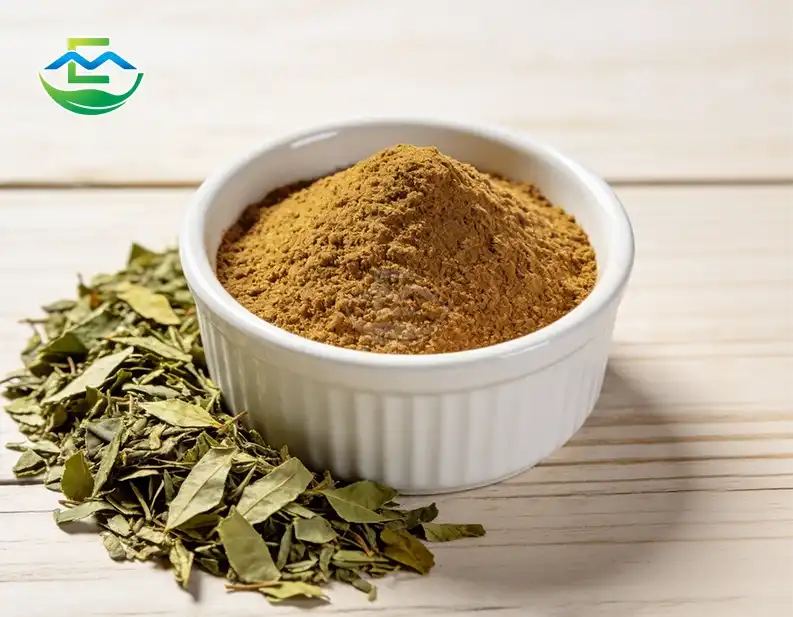
Ilex paraguariensis Yerba Mate Extract powder is an important botanical ingredient for nutritional product producers and functional food businesses seeking clean-label, organically derived ingredients. This concentrated plant extract is standardised for bioactive ingredients including polyphenols, chlorogenic acid and natural caffeine, and provides formulation benefits across a range of product categories. This brownish-yellow powder is sourced from verified South American plantations and delivers batch-to-batch uniformity that is crucial for product development in the nutraceutical, cosmetic and beverage sectors.

Introduction
Plant-based raw materials are still preferred by manufacturers globally for new product development. Yerba Mate Extract Powder appeals to research and development teams seeking transparent sources and identifiable constituents. Unlike manufactured substances, this South American plant extract's phytochemical composition makes it suitable for many applications. This extract helps product makers with clean-label compliance and formulation flexibility. The chemical works for sports nutrition, functional drinks, and natural skincare. Our lab uses gentle water-based extraction and low-temperature vacuum concentration to prepare this extract. This preserves botanicals and increases manufacturing solubility. The 5:1 ratio guarantees batch consistency for enterprises with specific ingredient needs and quality control. NSF, FSSC22000, Kosher, Halal, ISO, and Organic ingredient certifications. International buyers want it to meet quality requirements.
Understanding Yerba Mate Extract Powder: Composition and Benefits
Origin and Extraction Process
In South American conditions, Ilex paraguariensis is cultivated, and shade culture contributes to the preservation of the original composition of leaves. We only source materials from approved organic plantations tested for pesticides, heavy metals, and microbial indicators prior to extraction. Every batch of raw material is screened to verify that it satisfies the appropriate quality criteria. We employ exclusive processing procedures in our extraction process to extract the chlorogenic acid and maintain the natural balance of caffeine, theobromine and theophylline. The procedure does not include harsh chemical agents and provides a Yerba Mate Extract Powder with great water solubility, suited for beverage and other formulation applications. The spray drying process also ensures constant particle sizes so that the powder is easily dispersed throughout manufacture.
Bioactive Component Profile
The extract is characterised by a rich phenolic skeleton. Product parameters will normally be in the range of 10 to 50 percent for chlorogenic acid concentration. The constituent composition of the extract is a combination of naturally occurring polyphenols and other botanical chemicals. Natural caffeine levels provide formulation freedom for manufacturers creating goods using botanical caffeine sources. Theobromine and theophylline are naturally occurring constituents of the plant matrix contributing to the total makeup of the extract. This ingredient is different from separate sources of caffeine since it’s the naturally occurring minerals in the biomass.
Functional Benefits for Product Development
The botanical composition and processing flexibility of Yerba Mate Extract Powder provide formulation possibilities in a wide range of product categories. Manufacturers may utilise this ingredient to build goods that need to have a plant-based positioning, recognisable constituents and consistent standards. The extract may be used in numerous formulations depending on commercial aims such as drinks, nutritional items and cosmetic applications. Its natural caffeine level, polyphenol profile and botanical origin fit manufacturers who want to produce goods with clean-label attributes.
Processing Advantages and Formulation Compatibility
The water-based extraction procedure yields an ingredient that is readily integrated into diverse industrial processes. It is in powder form, making it easy to store, transport, and handle throughout manufacturing. Particle size is adjusted to provide better dispersion in both liquid and dry formulations. The amount of inclusion may be changed by the manufacturer to comply with the product requirements, flavour system, and target criteria.

Extraction and Quality Factors: Ensuring Consistency of Yerba Mate Extract Powder
The quality of the Yerba Mate Extract Powder depends on raw material selection, extraction technology, and manufacturing controls. These production methods are designed to maintain the natural characteristics of the botanical extract while meeting clean-label requirements.
Water Extraction: Maintaining Botanical Characteristics
Water-based extraction methods help reduce the need for additional chemical processing while maintaining the natural composition of the plant material. This approach supports applications where manufacturers prefer naturally derived ingredients with transparent processing methods. Low-temperature concentration techniques help preserve important botanical components during production. The final powder format provides convenience for manufacturers developing different types of finished products.
Purity Standards and Certification
When picking a supplier, companies purchasing yerba mate extract have to examine various quality factors. Active Compound Specification: Consistent Extracts of Chlorogenic Acid and Natural Caffeine. The standards allow manufacturers to predict the result of a formulation. Microbial Control: Microbial tests guarantee the product meets the quality criteria for its use. Manufacturers use quality management to make sure their products are safe and consistent. Heavy Metal Limits Testing for lead, arsenic, cadmium, and mercury to verify ingredient quality is up to international standards. Impurity levels are checked by means of sophisticated analytical processes during manufacture. Certifications: NSF GMP, Kosher, Halal, ISO, FSSC22000 and Organic certifications are available for the extract. The certifications complement global market norms and serve as evidence to buyers.
Packaging and Stability Considerations
Yerba Mate Extract Powder should be maintained in proper storage conditions to guarantee product quality. The correct packaging protects the powder from moisture, oxygen, and environmental changes during storage and transit. Bulk ingredient supply is often packaged in fibre drums, sealed bags and other protective packaging forms. The powder will retain its quality for the indicated shelf-life time if kept in a cool, dry location, away from direct sunlight. The extract works effectively in diverse product systems when proper processing conditions are used for formulators. “pH, temperature and ingredient compatibility are all things to consider when developing a product.

Comparative Insights: Why Choose Yerba Mate Extract Powder Over Alternatives?
Procurement teams can evaluate various botanical extracts and natural ingredients when developing new products. Understanding how Yerba Mate Extract Powder compares with alternative ingredients can help improve sourcing decisions and formulation planning.
Yerba Mate Extract Powder vs. Whole Yerba Mate Powder
The whole plant is included in the yerba mate powder, including fibre, plant particles, and naturally occurring chemicals. It does provide a more conventional botanical character, yet the more robust plant flavour and less concentrated nature might be problematic for certain applications. Yerba Mate Extract Powder is a more concentrated version with defined parameters, allowing producers to better regulate dose, flavour balance, and uniformity in formulation. Extract forms may be used by brands focused on standardised botanical ingredients to allow for more manufacturing flexibility.
Natural vs. Synthetic Caffeine Sources
Synthetic caffeine provides a standardized ingredient option with predictable specifications and wide availability. However, many brands are increasingly focusing on naturally sourced ingredients to meet consumer preferences for recognizable botanical components. Yerba Mate Extract Powder provides a plant-derived caffeine source combined with naturally occurring botanical compounds. This allows manufacturers to create product concepts centered around natural sourcing and ingredient transparency.
Supplier Evaluation Criteria
It's not only about the technicalities to find a great source of yerba mate extract. Evaluation key factors: Suppliers must declare the origin of yerba mate. “Traceable sourcing methods allow manufacturers to understand cultivation, harvesting, and raw material quality.”Buyers require current batch COAs from the manufacturer to test. Documentation of analysis of active compounds, microbiological testing, screening for heavy metals and other quality indicators. Supply chain reliability is influenced by low order numbers, manufacturing capacity, delivery timeframes and inventory availability. Stable supply systems allow planning of output and minimisation of interruptions. Companies need product paperwork, safety data sheets, compliance declarations and ingredient needs from emerging markets. The customer should be supplied with sufficient technical documentation from well-known suppliers.
Applications of Yerba Mate Extract Powder: Practical Uses for B2B Clients
Yerba Mate Extract Powder can be used across multiple industries because of its flexible formulation characteristics. It can be incorporated into beverages, nutritional products, and cosmetic applications. Understanding application requirements helps manufacturers optimize product design and maintain consistent quality.
Formulation Guidelines by Industry Segment
The extract can build products across categories because of its adaptability. Application-specific features boost formula performance and customer satisfaction. Cold water dissolves Yerba Mate Extract Powder fast, making it ideal for ready-to-drink cocktails. (caffeine and other variables) 200–500 mg per serving. Other flavours may enhance natural flavours. Berries and citrus improve beverage botanical tastes. pH matters for manufacturing carbonated beverages. Each capsule and pill contains free-flowing powder with specific particle sizes. Sports nutrition might include amino acids and botanicals. Product location and composition determine quantities. Clean label and herbal skin care extract. Toners and serums benefit from water-soluble polyphenol. Cosmetics need 0.5%–2%. Used in herbal meals and snack bars. Extract. Powder works with dry and food anti-caking substances. Baking ingredient makers should assess heat stability during manufacturing for consistency.
Regulatory Compliance and Labeling
Product information and marketing descriptions must follow the regulations of the target market. Ingredient names, specifications, and usage information should be accurately presented according to regional requirements. Organic certification and other quality certifications can support transparent labeling practices and help brands communicate ingredient sourcing information. Manufacturers should review applicable regulations and consult with regulatory professionals when preparing product documentation for different markets.
Marketing Differentiation Strategies
Botanical extracts can provide advantages for brands that focus on recognizable ingredients and transparent sourcing. Highlighting the South American origin and traditional use background of yerba mate can help create a distinctive product story. Certification marks, including "Organic," "Non-GMO," "Kosher," or "Halal," can provide additional information for consumers and business partners. Educational content comparing botanical caffeine sources can help brands communicate ingredient differences clearly.
Strategic Procurement Guide for Yerba Mate Extract Powder
Effective purchasing strategies focus on maintaining consistent ingredient quality, managing costs, and reducing supply chain risks. These approaches come from experience working with manufacturers, private label companies, and ingredient distributors regarding Yerba Mate Extract Powder.
Minimum Order Quantities and Pricing Structure
The minimum quantity for an order is 25 kg in packaging appropriate for commercial manufacturing. The amount also helps test the product, refine the formulation, and introduce it in the market for the first time, while keeping the inventory needs at a reasonable level. If you have bigger purchases, say 100 kg or more, we may provide pricing based on volume. “Buyers who sign long-term supply contracts may be able to secure additional benefits. Pricing is based on extraction ratio, specification requirements, certification requirements, and order quantities. Buyers should be concerned not just with the price per kilogram, but also the whole cost of ownership including storage, shipping, and inventory management costs.
Supplier Selection and Quality Management
Selecting the right supplier requires evaluating production capability, documentation systems, and quality control procedures. Reliable manufacturers provide consistent specifications, transparent sourcing information, and technical support throughout the purchasing process. Reviewing production records, testing reports, and certification documents helps buyers assess supplier reliability before establishing long-term cooperation.
Logistics and Supply Chain Management
Reliability in logistics avoids downtimes of production and stabilises the planning of inventories. Local warehousing may make delivery and transportation easier.
Packing is a must for product transportation stability. Powder components in heat-sealed foil packets in fibre drums maintain quality in transit.
Purchasing helps by monitoring orders and controlling stocks. Clear shipping updates, delivery confirmation, and quality comments strengthen supplier relationships. Regularly assess supplier performance, specification conformance, and technical response times. These assessments assist in long-term sourcing and supply chain management.
Risk Mitigation Through Dual Sourcing
A stable supply chain requires planning beyond dependence on a single supplier. Selecting qualified backup suppliers that meet the same quality requirements helps maintain supply continuity. Maintaining appropriate inventory reserves based on consumption patterns and delivery timelines can reduce unexpected disruptions. Recording supplier performance data helps companies make strategic sourcing decisions that balance cost control and reliability. By diversifying procurement of Yerba Mate Extract Powder, businesses can improve long-term supply stability.
How to Use Yerba Mate Extract Powder: Practical Applications for B2B Clients
Formulation Development Considerations
The extract's flexibility allows manufacturers to develop products across multiple categories. Understanding formulation requirements, ingredient compatibility, and processing conditions helps improve product consistency and production efficiency. When incorporating Yerba Mate Extract Powder into formulas, manufacturers should consider factors such as dosage, flavor balance, solubility, and interaction with other ingredients. Proper formulation planning helps maintain the desired product characteristics throughout production and storage.
Beverage Product Development
The water-soluble characteristics of Yerba Mate Extract Powder make it suitable for various beverage applications, including ready-to-drink beverages, powdered drink mixes, and botanical beverage blends. Manufacturers can combine the extract with fruit flavors, botanical ingredients, and other functional components to create differentiated beverage concepts. Processing conditions such as temperature, pH, and storage environment should be evaluated to maintain consistent quality.
Nutritional Product Applications
The powder format provides convenience for capsule, tablet, and blended powder formulations. Manufacturers can adjust inclusion levels based on product specifications, serving size requirements, and target market positioning. The standardized composition allows brands to maintain consistent ingredient profiles across different production batches, supporting reliable manufacturing processes.
Cosmetic and Personal Care Applications
Cosmetic formulators can incorporate Yerba Mate Extract Powder into products such as serums, creams, masks, and other botanical-based skincare formulations. Its plant-derived composition and ingredient transparency support clean-label product concepts. Formulators should evaluate compatibility with emulsifiers, stabilizers, preservatives, and other cosmetic ingredients during product development.

Quality Control and Manufacturing Standards
Maintaining consistent quality requires comprehensive testing procedures throughout the production process. Reliable manufacturers implement quality control systems covering raw material selection, extraction, processing, and final product inspection.
Raw Material Testing
Each batch of yerba mate leaves should be evaluated before extraction. Testing procedures may include identification checks, moisture analysis, pesticide screening, heavy metal testing, and microbial evaluation. These quality checks help ensure that raw materials meet required specifications before entering the manufacturing process.
Production Process Control
Controlled extraction parameters help maintain consistency in the final product. Temperature management, concentration methods, and drying processes are monitored to ensure stable ingredient characteristics. Manufacturers should maintain detailed production records for each batch, allowing traceability from raw materials to finished powder.
Finished Product Testing
Final products should undergo testing to confirm specifications such as appearance, moisture content, active compound levels, particle size, and microbial indicators. Certificates of Analysis (COA) provide buyers with important information about product quality and support transparent supplier relationships.
Choosing a Reliable Yerba Mate Extract Powder Supplier
Selecting an appropriate supplier is an important step for companies developing botanical products. Buyers should evaluate manufacturing capability, quality systems, certifications, and customer support services.
Manufacturing Capability Assessment
Experienced suppliers should have professional extraction facilities, advanced processing equipment, and established quality management systems. Evaluating production capacity, technology platforms, and process documentation helps companies identify suppliers capable of supporting long-term cooperation.
Documentation and Compliance Support
Reliable suppliers provide complete documentation packages, including:
- Certificates of Analysis (COA)
- Product specifications
- Safety documentation
- Certification records
- Regulatory support materials
These documents help companies complete internal reviews and meet market requirements.
Customer Support and Technical Assistance
Beyond product quality, supplier service capabilities are also important factors when selecting a long-term ingredient partner. Professional suppliers provide technical communication, application guidance, and documentation support throughout the cooperation process.
Formulation Support
Expert suppliers may advise on ingredient qualities, compatibility, and use. This service helps customers create effective and acceptable product mixes. Technical teams can resolve powder storage, processing, ingredient integration, and handling issues.
Communication and Service Efficiency
Clear communication helps suppliers and customers collaborate. Business relationships depend on quick responses, accurate documentation, and problem-solving. Transparent communication helps suppliers assist consumers throughout product development and manufacture.
Sustainability and Responsible Sourcing
Sustainable sourcing practices are becoming increasingly important for companies selecting botanical ingredients. Yerba mate suppliers that focus on responsible cultivation and environmental management can help brands meet growing market interest in sustainable products.
Botanical Source Management
Responsible suppliers work with qualified plantations and follow appropriate agricultural practices to maintain consistent raw material quality. Traceable sourcing systems provide greater transparency regarding cultivation and harvesting processes.
Environmental Considerations
Efficient extraction technologies and responsible manufacturing practices can help reduce resource consumption during production. Companies may consider environmental factors when selecting suppliers for long-term cooperation.
Conclusion
Yerba Mate Extract Powder is a multi-functional plant component for cosmetics, beverages, and nutrition. Natural origin and adaptable formulation of the standardised composition may allow companies to locate clean label ingredients. A successful acquisition takes into account supplier credentials, manufacturing capabilities, quality documents, certification status, and supply chain stability. Working with experienced manufacturers that provide quality, technical support and reliable service allows firms to sustain product lines and meet market demands. As demand for transparent sourcing and botanical ingredients rises, creative product developers across sectors may utilise Yerba Mate Extract Powder.
FAQ
1. What makes yerba mate extract different from regular caffeine?
The extract has naturally occurring xanthine chemicals (caffeine, theobromine, and theophylline) that work together to stimulate the brain rather than separately. When you mix these two substances together, you get long-lasting energy without the sharp strength peaks that come with manmade anhydrous caffeine. The polyphenol matrix that goes with it has useful effects that go beyond simple stimulation.
2. How should I evaluate supplier quality claims?
To get full scientific information, you should ask for data from HPLC tests for active chemicals, GC-MS tests for PAHs, ICP-MS tests for heavy metals, and microbial tests. Use records from the granting body to check current certifications (Organic, GMP, FSSC22000). Check the technical help of suppliers and the equipment of their factories by visiting them or reading audit reports from a third party.
3. What certifications matter most for U.S. market access?
Organic certification backs up farming methods and appeals to people who like natural products. NSF GMP shows that production standards are up to par for pharmaceuticals. FSSC22000 covers management of food safety, which is necessary for applications that are edible. Kosher and Halal certificates allow you to reach more people. ISO guidelines show how mature a quality control system is.
4. Can this ingredient work in both supplements and beverages?
Because the powder dissolves easily (>95% in cold water) and comes in uniformly sized particles, it can be used in a wide range of products, such as supplement capsules, drink mixes, functional foods, and even cosmetics. The most important things to think about are changing the inclusion rates to get the right amount of caffeine and coming up with good flavor systems that hide natural sharpness in apps that care about taste.
Partner with EM for Premium Yerba Mate Extract Powder Supply
Earth Made Nutritions Inc. has certified organic Yerba Mate Extract Powder that meets the highest standards in the industry and is ready to help you with your product development projects. Our operations in California use cutting-edge extraction technology and strict quality control systems to make sure that every batch is the same and comes with full analysis paperwork. As a trusted provider of yerba mate extract powder, we keep strategic stock in four U.S. warehouses. This lets us ship orders quickly and on time, so your production schedules don't get thrown off.
Our technical team has a lot of experience with formulation and can help joint relationships by giving advice on the best inclusion rates, ways to improve solubility, and ways to stay in line with regulations. With a 25 kg minimum order amount and free samples, you can get a good feel for the product before committing to buying more. Get in touch with our purchasing experts at info@em-herb.com to talk about your unique needs and get access to full product details.
References
1. Heck, C. I., & de Mejía, E. G. (2007). Yerba Mate Tea (Ilex paraguariensis): A Comprehensive Review on Chemistry, Health Implications, and Technological Considerations. Journal of Food Science, 72(9), R138-R151.
2. Bracesco, N., Sanchez, A. G., Contreras, V., Menini, T., & Gugliucci, A. (2011). Recent Advances on Ilex paraguariensis Research: Minireview. Journal of Ethnopharmacology, 136(3), 378-384.
3. Bastos, D. H. M., Saldanha, L. A., Catharino, R. R., Sawaya, A. C., Cunha, I. B., Carvalho, P. O., & Eberlin, M. N. (2007). Phenolic Antioxidants Identified by ESI-MS from Yerba Maté (Ilex paraguariensis) and Green Tea (Camellia sinensis) Extracts. Molecules, 12(3), 423-432.
4. Cardozo, E. L., Ferrarese-Filho, O., Filho, L. C., Ferrarese, M. L. L., Donaduzzi, C. M., & Sturion, J. A. (2007). Methylxanthines and Phenolic Compounds in Mate (Ilex paraguariensis St. Hil.) Progenies Grown in Brazil. Journal of Food Composition and Analysis, 20(7), 553-558.
5. Gawron-Gzella, A., Chanaj-Kaczmarek, J., & Cielecka-Piontek, J. (2021). Yerba Mate—A Long but Current History. Nutrients, 13(11), 3706.
6. Filip, R., López, P., Giberti, G., Coussio, J., & Ferraro, G. (2001). Phenolic Compounds in Seven South American Ilex Species. Fitoterapia, 72(7), 774-778.
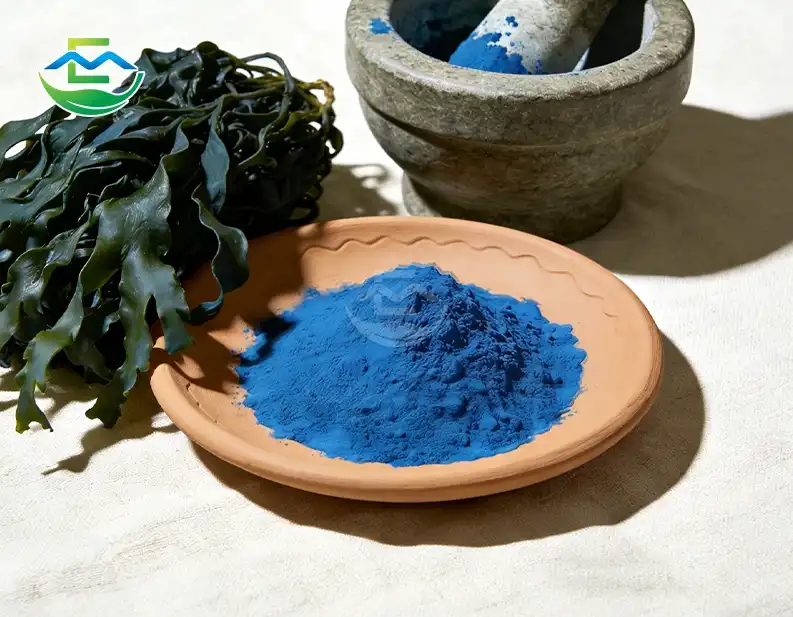
Blue spirulina phycocyanin is a sophisticated natural ingredient technology for skin care. This bright blue protein-pigment complex is derived from the cyanobacterium Arthrospira platensis (Spirulina platensis) and offers natural colour attributes with clean-label formulation benefits. This particular molecular makeup of the pigment makes it a useful element for cosmetic compositions that call for botanical-derived compounds with unique visual qualities. Phycocyanin is a multi-functional ingredient backed by biochemical research and increasing market awareness for formulators and procurement experts looking for high-purity natural ingredients that align with customer need for sustainable and effective skincare products.

Understanding Blue Spirulina Phycocyanin: Composition and Applications for Skincare
There is a phycobiliprotein called phycocyanin in spirulina that gives it its blue color. A lot of the time, whole spirulina powder is used in supplements. This pigment-protein complex is concentrated in Blue Spirulina Phycocyanin isolate by extracting it with water. This makes a pure, dark blue powder that doesn't taste of soil and doesn't have green chlorophyll as normal spirulina does.
Biochemical Structure and Skin Affinity
Phycocyanin is made up of chromophore groups that are molecularly linked to protein chains. The way it is structured gives it strong color characteristics and makes it suitable for cosmetic formulations. The pigment can be incorporated into topical products and provides a distinctive blue appearance for skincare products.
The protein part also contains amino acids that contribute to the ingredient composition. Phycocyanin is valued by formulators because it can be used as both an ingredient and a natural colorant. This makes it easier to create clear ingredient decks and improve product presentation.
Formulation Characteristics and Product Compatibility
Those who study phycocyanin have found that its molecular structure provides unique formulation possibilities. This ingredient can be used in products designed for different cosmetic categories, including serums, masks, creams, and gels.
Companies that develop natural skincare products can use phycocyanin to create ingredient-focused product concepts that appeal to consumers who prefer botanical and clean-label formulations.

Extraction and Quality Factors: Ensuring Purity and Stability of Blue Spirulina Phycocyanin
The quality of the Blue Spirulina Phycocyanin powder depends on how it is made and where the raw materials come from. These methods of extraction by EM are based on water and maintain ingredient characteristics while still meeting clean-label standards. Whole Spirulina platensis cells are used by our plant to make a standardized ingredient through ultrafiltration and spray drying. This makes sure that each batch maintains consistent quality, which is important for producing cosmetic formulations.
Water Extraction: The Clean-Label Advantage
Solvent-free extractions meet the requirements for organic certification and address user concerns about chemical residues. The protein structure stays stable when the pigment is extracted with water. This makes the pigment suitable for cosmetic applications and helps maintain color consistency. The dark blue powder that is made doesn't leave behind any solvents, which makes it easier to complete documentation for cosmetic uses.
Purity Standards and Certification
People who buy things have to think about a lot of quality issues when they buy phycocyanin for skincare uses.
- Colour Value Specification: The E-value is the absorption coefficient, which indicates how dense the colour is. In cosmetics, the criteria utilised are generally between E10 and E18, with the higher numbers giving increased intensity of colour.
- Microbial Control: Total plate count should be within the limits set by the cosmetic industry, and no undesirable micro-organisms such as Salmonella, Staphylococcus aureus or E. coli should be present. Our goods are manufactured in accordance with the NSF GMP standards, which helps assure consistent quality of ingredients.
- Limits on Heavy Metals: There are international restrictions on the levels of lead, arsenic, cadmium and mercury allowed in substances used in cosmetics. ICP-MS analyses are carried out to verify that impurity levels are below the limits imposed by international cosmetic standards.
- Certifications: Our phycocyanin is NSF GMP, Kosher, Halal, ISO, FSSC22000 and organic certified. This guarantees access to the worldwide market and conformity to relevant regulatory standards.
Packaging and Stability Considerations
Phycocyanin is a protein that responds to changes in light, temperature, and pH. We store and export goods in 25-kilogram barrels that are nitrogen-blanketed to preserve the quality of the product. The powder is stable for 24 months when stored at room temperature and protected from direct light. Good storage conditions may increase the life of a product over the long term.
Cosmetic formulators should be aware that phycocyanin is active within the pH range of 5.5 to 7.5. It may thus be utilised in various cosmetic formulations such as emulsions, serums and hydrogels. The addition of stabilisers such as polysaccharides or adjusting the pH of the mixture may help the finished goods keep their colour constancy.

Comparative Insights: Why Choose Blue Spirulina Phycocyanin Over Alternatives?
Teams in charge of purchasing can evaluate different natural colorants and skincare ingredients. Understanding how Blue Spirulina Phycocyanin compares to other choices can help improve product design and cost management.
Blue Spirulina Phycocyanin vs. Whole Spirulina Powder
Spirulina powder has several ingredients that make up its makeup. These components include pigments and lipids like chlorophyll. It is cheap, yet the strong fragrance and green-brown colour make it less appropriate for luxury skincare uses. Blue spirulina isolation contains 30–45% pure phycocyanin, which offers a brilliant blue colour without any strong odour or extra colours influencing the formulation. For brands that concentrate on product appearance and user experience, purified chemicals may provide more formulation flexibility.
Natural vs. Synthetic Blue Colorants
Synthetic colours such as Brilliant Blue FCF (FD&C Blue No. 1) tend to have longer-lasting colour performance and less expense per unit of colour intensity. But government rules and customer tastes are increasingly favouring natural ingredient solutions. Synthetic colours are used largely for colouring; however, phycocyanin has the qualities of a natural pigment and the flexibility of an ingredient.
Claims like “naturally coloured with blue spirulina” may impact purchase decisions, according to consumer research, particularly among customers who value ingredient disclosure.
Supplier Evaluation Criteria
You need to look at more than just the technical details to find a phycocyanin provider you can trust. Take a look at these:
- Source Traceability – You need to know where the spirulina is coming from. More attention should be paid to managing pollution control in open pond farming systems than in controlled cultivation systems. Both may supply compliant ingredients with the right use of quality control processes.
- Testing Documentation: You want to ask for Certificates of Analysis (COA) for the latest batches for testing. The testing for heavy metal, microbiological, and colour value should be competent laboratory tests.
- Supply Chain Reliability: Confirm minimum order quantities, lead times, and inventories. EM ready-to-ship goods are carried at 4 U.S. retailers. This means consumers will get their goods on time and producers may arrange their operations around a reliable supply.
- Regulatory Support: Compliance declarations, safety data sheets, and INCI names are some of the documentation required to register cosmetic ingredients in various markets. Ensure that the providers you deal with offer full paperwork.
Applications of Blue Spirulina Phycocyanin in Natural Skincare Products
Blue Spirulina Phycocyanin can be found in many different skincare products because it offers flexible formulation possibilities. It can be used in light serums, thick creams, and specialty cosmetic products. If formulators understand application factors, they can improve product stability and appearance.
Recommended Dosage and Formulation Guidelines
They are employed normally in a range of 0.1 to 1.0 % by weight of final products, depending on colour intensity required and formulation requirements. The pigments are present in quantities of 0.1 to 0.3% and lend a light blue hue to toners and essences, improving the visual appearance of the products. Bright blue hues for masks, speciality treatments and colour cosmetics with natural pigments are manufactured at a concentration of 0.5 to 1.0%.
It is better when introduced to the water phase so it is simple to incorporate into emulsions. Dissolve the powder in the hydrosol or water, gradually, before adding the other ingredients. Avoid strong shear or high temperatures in the mixing; both may alter protein structure and impair colour intensity.
Product Categories and Market Positioning
Leading natural skincare brands have successfully added phycocyanin to a range of products, such as facial serums, gel masks, and cosmetic products that focus on natural ingredient concepts. Because the ingredient functions as both an ingredient and a colorant, it makes formulation development more flexible and supports marketing concepts based on botanical sources and environmentally friendly production.
Brands can emphasize that phycocyanin comes from a renewable source. It takes less land and water to grow spirulina compared with many traditional agricultural sources, which supports sustainability-focused product positioning.
Synergistic Ingredient Combinations
It works well with other cosmetic ingredients that complement its formulation characteristics. When combined with ingredients such as hyaluronic acid, niacinamide, vitamin C derivatives, or plant-based extracts like green tea, brands can create diverse product formulas while maintaining simple and clear ingredient lists.

Strategic Procurement Guide for Blue Spirulina Phycocyanin
Maintaining consistent ingredient quality while controlling costs and reducing supply chain risks are important goals of effective purchasing strategies. These ideas come from experience working with cosmetics companies, private label partners, and ingredient suppliers regarding Blue Spirulina Phycocyanin.
Minimum Order Quantities and Pricing Structure
Our normal MOQ is 25 kg, and it comes in fiber drums suitable for large-scale production. This amount supports product testing and initial commercial launches while maintaining manageable inventory requirements. For orders of 100 kg or more, volume pricing is available. Customers who sign up for yearly supply agreements can receive additional pricing advantages.
Pricing reflects purity levels, certification requirements, and order volume. Buyers should not only consider the price per kilogram but also evaluate the total cost of ownership, including storage, freight, and inventory management expenses.
Logistics and Delivery Efficiency
Customers in the United States can quickly receive their orders because EM has four strategically located warehouses across the country. Items that are in stock are sent out within two business days. This supports just-in-time inventory management and helps reduce inventory holding costs.
We provide combined packages for international buyers and offer customs documentation, including commercial invoices, phytosanitary certificates, and regulatory compliance statements specific to different markets.
OEM and Private Label Partnerships
We help our OEM partners develop finished skincare products containing phycocyanin in addition to providing the ingredient itself. All of these processes are completed by our R&D team, including formulation development, safety evaluation, and scale-up optimization. The turnkey approach helps brands that do not have their own cosmetic production teams improve development efficiency.
With existing technical capabilities and certifications, private label programs allow emerging brands to launch phycocyanin-containing products without investing heavily in building new production facilities.
Quality Assurance and Traceability
Every package comes with a Certificate of Analysis. It shows the results of tests that evaluate physical properties, chemical characteristics, and microbial indicators. We maintain complete records of spirulina cultivation, extraction, processing, and packaging to meet customer requirements for ingredient transparency and sustainability documentation.
We follow ISO guidelines for our quality management system, and third-party organizations regularly review our processes to support consistent operations and continuous improvement. This systematic approach reduces quality variations and supply issues that may affect customers' production schedules.

Conclusion
Blue Spirulina Phycocyanin is a valuable ingredient for natural skincare products because of its distinctive color, clean-label characteristics, and flexible formulation possibilities. Its natural blue appearance and botanical origin make it an attractive choice for brands developing visually appealing and environmentally conscious beauty products. Companies working in procurement should select suppliers that provide consistent quality, complete certifications, and reliable services. As consumer interest in transparent and sustainable beauty products continues to grow, phycocyanin provides an ingredient option that meets cosmetic safety requirements and aligns with current market trends.
FAQ
1. Is phycocyanin suitable for all skin types in skincare formulations?
Phycocyanin is great for all skin types, even sensitive skin. Because the color calms inflammation, it is great for sensitive skin that gets red or inflamed easily. What makes the end product work better than phycocyanin itself is the pH of the formula and the chemicals that work well with it.
2. How does phycocyanin's shelf life compare in finished skincare products?
When it's in the right form, packed in the right way, and stored with the right preservatives, phycocyanin stays safe for 24 to 30 months. The color may fade over time if clear packaging is left out in the light. Cases that are opaque are best for long shelf lives and good looks.
3. Can phycocyanin replace synthetic colorants entirely in natural skincare?
Phycocyanin can be used for more than just making blue colors. It works just as well as man-made dyes for that purpose. If you want certain shades of green or blue, you may need to mix it with natural colorants that work well together, such as chlorophyll or spirulina powder. This will depend on the look you want and the formula's limits.
Partner with EM for Premium Blue Spirulina Phycocyanin Supply
There is Blue Spirulina Phycocyanin for sale at Earth Made Nutritions Inc. that can be used in medicine without danger. The whole Spirulina platensis cells are used to get it in a way that doesn't harm the bioactivity and meets organic standards. We are a well-known provider to cosmetic and nutraceutical businesses. Our quality is always the same, and we have certifications for NSF GMP, Kosher, Halal, ISO, FSSC22000, and Organic.
Our four shops in the U.S. make sure that orders get sent out quickly and that you can pick up in-stock items in two days. Our research and development team helps private label programs and OEM partners with technical development. You can try out different formulas with free samples before you decide to buy. We can make as much or as little as you need while still maintaining high standards of quality, whether you only need 25 kg for a test run or several tons every year. You can email our team at info@em-herb.com to find out how to get phycocyanin, get technical help, or talk about possible business partnerships.
References
1. Eriksen, N.T. (2008). Production of phycocyanin—a pigment with applications in biology, biotechnology, foods and medicine. Applied Microbiology and Biotechnology, 80(1), 1-14.
2. Romay, C., González, R., Ledón, N., Remirez, D., & Rimbau, V. (2003). C-phycocyanin: a biliprotein with antioxidant, anti-inflammatory and neuroprotective effects. Current Protein and Peptide Science, 4(3), 207-216.
3. Becker, E.W. (2013). Microalgae in human and animal nutrition. In Handbook of Microalgal Culture: Applied Phycology and Biotechnology (2nd ed., pp. 461-503). Oxford: Wiley-Blackwell.
4. Sekar, S., & Chandramohan, M. (2008). Phycobiliproteins as a commodity: trends in applied research, patents and commercialization. Journal of Applied Phycology, 20(2), 113-136.
5. Sonani, R.R., Rastogi, R.P., & Madamwar, D. (2015). Antioxidant potential of phycocyanin: an overview. In Natural Antioxidants: Sources, Compounds, Mechanisms of Action, and Potential Applications (pp. 121-136). New York: Nova Science Publishers.
6. Kulshreshtha, A., Zacharia, A.J., Jarouliya, U., Bhadauriya, P., Prasad, G.B., & Bisen, P.S. (2008). Spirulina in health management—Current status, future prospects and a natural fountain of life. International Journal of Pharmaceutical Sciences and Research, 19(2), 61-74.
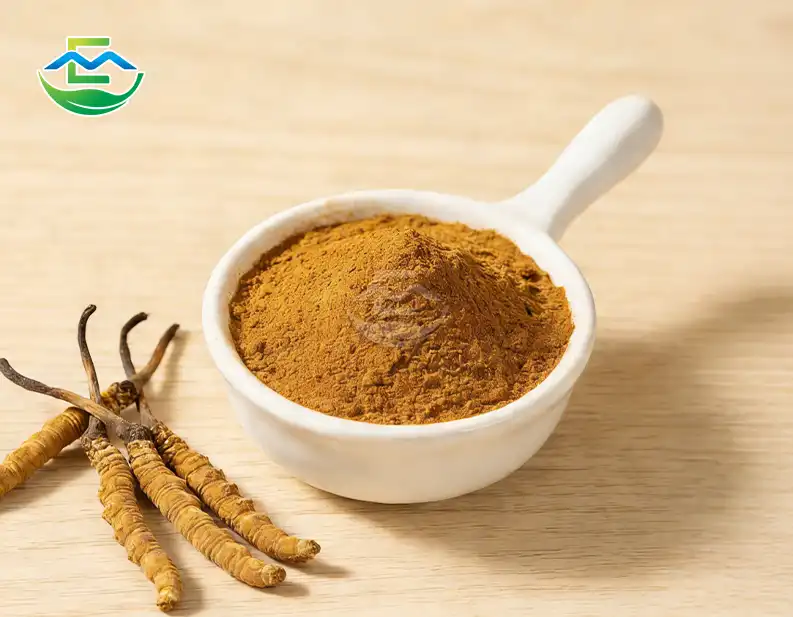
Cordyceps sinensis extract represents a high-value fungal-derived ingredient featuring naturally occurring compounds, including polysaccharides, nucleosides, and other botanical constituents. Our premium extract at Earth Made Nutritions Inc. utilizes advanced water and ethanol extraction technology to deliver 30–50% polysaccharides standardized from high-quality mycelium, making it an ideal choice for B2B partners seeking consistent and well-characterized natural ingredients. This brownish-yellow powder integrates smoothly into supplement formulations, functional beverages, and cosmetic applications, meeting the growing market demand for clean-label botanical ingredients. When selecting our Cordyceps ingredient, customers gain access to reliable batch quality supported by certifications including NSF GMP, FSSC22000, and Organic standards.

Understanding Cordyceps Sinensis Extract and Its Composition Characteristics
Botanical Origins and Industrial Extraction Excellence
Cordyceps sinensis is a rare fungus species known for its peculiar biology. Modern biotechnology allows controlled production of Cordyceps mycelium, making it a more dependable supply option than wild gathering. Our California plant uses a dual-solvent extraction method using water and ethanol. This approach creates a complete botanical profile by capturing water-soluble polysaccharide fractions and alcohol-soluble nucleoside molecules like adenosine and cordycepin.UV spectrophotometry research shows that controlled extraction methods maintain natural chemicals and concentrate important indicators to 30–50% polysaccharides. Manufacturers may design goods with uniform ingredient requirements and quality using this standardised technique.
Polysaccharides and Nucleosides in Product Formulation
Natural polysaccharides, nucleosides, and other fungal substances provide Cordyceps sinensis extract with its distinctive chemical composition. Cordyceps-derived chemicals are studied for their molecular, structural, and formulation interactions. Polysaccharide fractions are often used to assess fungal ingredient quality. Characteristic chemicals for ingredient identification and analytical assessment include adenosine and cordycepin. We standardise our extract so product makers may produce botanical formulations with defined ingredient properties. Manufacturers of mushroom-based goods must maintain consistent composition and accurate testing findings to ensure product uniformity between batches.
Why B2B Clients Choose Mycelium-Based Extracts
Mycelium-based manufacturing has benefits over fruiting body supply. Manufacturers can maintain consistent chemical profiles regardless of season or location via controlled cultivation. Quality testing of our mycelium-derived powder includes heavy metal testing and attention to fungal materials' naturally occurring environmental factors. Arsenic testing ensures ingredient quality criteria are met below 1 ppm. Advanced production procedures including membrane filtering and spray-drying keep particle size at 80 mesh. Effective encapsulation and supplement and beverage handling are improved by this particle uniformity.
Comparing Cordyceps Sinensis Extract to Alternative Ingredients
Cordyceps Sinensis Versus Cordyceps Militaris Profiles
When assessing fungal ingredients for product development, procurement managers evaluate Cordyceps sinensis and militaris. Both species include natural polysaccharides and nucleoside compounds, although cultivation, processing, and analytical standards may affect their chemical profiles. Due to its history and botanical identification, Cordyceps sinensis has a premium market position, whereas Cordyceps militaris is known for its naturally occurring cordycepin. Brands seeking distinctiveness in competitive marketplaces should use ingredients with certified species identification and consistent composition.DNA verification shows that our Cordyceps sinensis mycelium extract has a unique fungal chemical profile. This verifies raw material authenticity and avoids the possibility of using inferior mushrooms or undisclosed fillers.
Organic Certification and Clean-Label Ingredient Trends
Consumers now desire openness, source, and ingredient verification when buying botanical goods. Organic-certified Cordyceps mushroom ingredients fulfil agricultural and processing regulations for clean-label product development. With USDA and EU organic certifications, producers can reliably create goods with recognised sourcing and ethical ingredient selection. The water-ethanol extraction technique eliminates harsh chemical solvents, keeping the manufacturing profile clean enough for many natural product brands. Companies may grow into new markets and meet more client needs with Kosher and Halal certifications. Global brands benefit from robust certification systems that streamline product paperwork and supply chain transparency.
Dosage Form Versatility for Formulation Teams
Cordyceps sinensis extract's brownish-yellow powder is versatile. The extract's flow and processing capabilities help capsule producers fill capsules efficiently. The extract may be added to controlled-physical tablet formulations with acceptable excipients. Properly processed Cordyceps sinensis extract disperses easily in mushroom coffee, powdered drinks, and botanical drink mixes. To increase formulation stability, liquid product manufacturers may investigate emulsification and processing techniques. The 25-kilogram drum packing type is convenient for storage and transportation, and the 25 kg minimum order quantity helps new businesses test new ideas and existing producers boost production.

Selecting the Best Cordyceps Sinensis Extract for Your Business Needs
Critical Quality Parameters for Procurement Decisions
Technical assessment and analytical verification are needed to distinguish concentrated Cordyceps sinensis extract from mushroom powder. Characteristic chemicals like adenosine may be identified using HPLC. Reliable extracts should provide adenosine parameters, proving careful extraction rather than pulverising raw material. Our certificates of analysis give precise polysaccharide measurements using proven procedures. For dependable formulation development, batch-to-batch consistency is maintained within regulated specification ranges.
Additional quality parameters include:
- Loss on drying below 5% to support storage stability
- Ash content below 9% to verify processing consistency
- Particle size control for manufacturing compatibility
- Microbial testing for ingredient quality verification
These specifications allow procurement teams to compare suppliers objectively and select ingredients that meet their production requirements.
Supplier Transparency and Traceability Systems
Effective supply chain management requires complete visibility from raw material cultivation to finished ingredient production. At Earth Made Nutritions Inc., we maintain detailed production records covering the entire manufacturing process, from mycelium strain management to final powder batches.
Each drum includes unique batch identification information connected to:
- Cultivation records
- Extraction parameters
- Quality testing results
- Third-party analytical reports
Our NSF GMP certification demonstrates compliance with structured manufacturing practices and quality management procedures.
Regular facility evaluations verify:
- Equipment calibration
- Production environment controls
- Employee training procedures
- Documentation accuracy
This traceability framework supports global supplement companies during supplier qualification and quality review processes.
Synergistic Formulation Strategies
To generate unique formulations, innovative product developers blend Cordyceps sinensis extract with complementary botanical components. Manufacturers may create multi-mushroom ideas with varied fungal ingredient profiles by combining mushroom extracts like reishi. Botanical blends may include astragalus, rhodiola, or ashwagandha for plant-based lifestyle goods. Cordyceps sinensis extract may be used in botanical formulae with other natural ingredients to distinguish sports nutrition and active lifestyle companies.
Our technical support team works with formulators to evaluate:
- Ingredient ratios
- Compatibility between components
- Sensory considerations
- Stability requirements
- Processing conditions
This collaborative approach helps maintain ingredient quality throughout the product development process.
Comparing Cordyceps Sinensis Extract to Alternative Ingredients
Cordyceps Sinensis Versus Cordyceps Militaris Profiles
When assessing fungal ingredients for product development, procurement managers evaluate Cordyceps sinensis and militaris. Both species include natural polysaccharides and nucleoside compounds, although cultivation, processing, and analytical standards may affect their chemical profiles. Due to its history and botanical identification, Cordyceps sinensis has a premium market position, whereas Cordyceps militaris is known for its naturally occurring cordycepin. Brands seeking distinctiveness in competitive marketplaces should use ingredients with certified species identification and consistent composition.DNA verification shows that our Cordyceps sinensis mycelium extract has a unique fungal chemical profile. This verifies raw material authenticity and avoids the possibility of using inferior mushrooms or undisclosed fillers.
Organic Certification and Clean-Label Ingredient Trends
Consumers now desire openness, source, and ingredient verification when buying botanical goods. Organic-certified Cordyceps mushroom ingredients fulfil agricultural and processing regulations for clean-label product development. With USDA and EU organic certifications, producers can reliably create goods with recognised sourcing and ethical ingredient selection. The water-ethanol extraction technique eliminates harsh chemical solvents, keeping the manufacturing profile clean enough for many natural product brands. Companies may grow into new markets and meet more client needs with Kosher and Halal certifications. Global brands benefit from robust certification systems that streamline product paperwork and supply chain transparency.
Dosage Form Versatility for Formulation Teams
Cordyceps sinensis extract's brownish-yellow powder is versatile. The extract's flow and processing capabilities help capsule producers fill capsules efficiently. The extract may be added to controlled-physical tablet formulations with acceptable excipients. Properly processed Cordyceps sinensis extract disperses easily in mushroom coffee, powdered drinks, and botanical drink mixes. To increase formulation stability, liquid product manufacturers may investigate emulsification and processing techniques. The 25-kilogram drum packing type is convenient for storage and transportation, and the 25 kg minimum order quantity helps new businesses test new ideas and existing producers boost production.
Selecting the Best Cordyceps Sinensis Extract for Your Business Needs
Critical Quality Parameters for Procurement Decisions
Technical assessment and analytical verification are needed to distinguish concentrated Cordyceps sinensis extract from mushroom powder. Characteristic chemicals like adenosine may be identified using HPLC. Reliable extracts should provide adenosine parameters, proving careful extraction rather than pulverising raw material. Our certificates of analysis give precise polysaccharide measurements using proven procedures. For dependable formulation development, batch-to-batch consistency is maintained within regulated specification ranges.
Additional quality parameters include:
- Loss on drying below 5% to support storage stability
- Ash content below 9% to verify processing consistency
- Particle size control for manufacturing compatibility
- Microbial testing for ingredient quality verification
These specifications allow procurement teams to compare suppliers objectively and select ingredients that meet their production requirements.
Supplier Transparency and Traceability Systems
Effective supply chain management requires complete visibility from raw material cultivation to finished ingredient production. At Earth Made Nutritions Inc., we maintain detailed production records covering the entire manufacturing process, from mycelium strain management to final powder batches.
Each drum includes unique batch identification information connected to:
- Cultivation records
- Extraction parameters
- Quality testing results
- Third-party analytical reports
Our NSF GMP certification demonstrates compliance with structured manufacturing practices and quality management procedures.
Regular facility evaluations verify:
- Equipment calibration
- Production environment controls
- Employee training procedures
- Documentation accuracy
This traceability framework supports global supplement companies during supplier qualification and quality review processes.
Synergistic Formulation Strategies
To generate unique formulations, innovative product developers blend Cordyceps sinensis extract with complementary botanical components. Manufacturers may create multi-mushroom ideas with varied fungal ingredient profiles by combining mushroom extracts like reishi. Botanical blends may include astragalus, rhodiola, or ashwagandha for plant-based lifestyle goods. Cordyceps sinensis extract may be used in botanical formulae with other natural ingredients to distinguish sports nutrition and active lifestyle companies.
Our technical support team works with formulators to evaluate:
- Ingredient ratios
- Compatibility between components
- Sensory considerations
- Stability requirements
- Processing conditions
This collaborative approach helps maintain ingredient quality throughout the product development process.

Procurement Strategies for Cordyceps Sinensis Extract: Bulk Purchasing and Supply Chain Optimization
Establishing Dependable Supplier Relationships
Long-term ingredient sourcing success depends on establishing reliable partnerships rather than focusing only on individual transactions. With four strategically located warehouses across the United States, Earth Made Nutritions Inc. supports B2B customers through efficient inventory management and responsive supply chain solutions. This structure allows customers to access available inventory quickly, helping reduce potential delays during production planning. Our account management approach provides dedicated support for customers by understanding their ingredient specifications, purchasing schedules, and formulation requirements.
This communication system helps improve coordination regarding:
- Inventory planning
- Production timelines
- Custom specifications
- Supply availability
Bulk purchasing agreements can provide improved pricing structures, while regular business reviews help ensure production planning remains aligned with customer growth strategies. Through collaborative supply chain management, suppliers and manufacturers can create long-term value together.
Quality Verification Beyond Certificate Review
Professional buyers often use multiple verification methods beyond reviewing supplier documentation.
Independent laboratory testing of retained samples can help confirm important parameters, including:
- Polysaccharide content
- Characteristic compound levels
- Heavy metal specifications
- Microbial quality
Providing pre-production samples allows customers to evaluate ingredient performance within their own formulation systems before placing larger orders.DNA barcoding performed by qualified laboratories can verify species identity and support raw material authenticity.
Microbiological analysis should confirm that products meet established quality standards, including appropriate limits for:
- Total plate count
- Yeast and mold levels
- Absence of specified microorganisms such as E. coli and Salmonella
These verification procedures help brands maintain ingredient transparency and strengthen quality management systems.
Logistics Considerations for Bioactive Preservation
Cordyceps sinensis extract contains naturally occurring polysaccharides and nucleoside compounds that require appropriate storage conditions to maintain ingredient quality. Exposure to excessive heat, moisture, or unsuitable storage environments may affect powder characteristics over time. Our 25 kg fiber drums include moisture-resistant liners designed to protect the ingredient during transportation and storage.
Recommended storage conditions generally include:
- Temperature control between 15°C and 25°C
- Relative humidity below 60%
- Protection from direct sunlight
- Sealed packaging after opening
For international and domestic shipments, appropriate packaging strategies help minimize environmental impacts during transportation. When products are shipped during warmer seasons, insulated packaging solutions may be considered. Stability documentation supports a 24-month shelf-life evaluation when stored according to recommended conditions, helping manufacturers optimize inventory planning and reduce unnecessary material loss.
Future Outlook: Innovative Applications of Cordyceps Sinensis Extract in Botanical Product Development
Emerging Market Trends Driving Demand
Growing consumer interest in natural ingredients and transparent sourcing continues to expand opportunities for functional mushroom products.
Cordyceps sinensis extract is increasingly being explored as a premium fungal ingredient for various product categories, including:
- Botanical supplements
- Functional beverages
- Powdered drink mixes
- Beauty-focused formulations
Product developers are exploring innovative delivery formats such as:
- Gummies
- Ready-to-drink beverages
- Powder sachets
- Combination botanical formulas
Advanced extraction technologies allow manufacturers to create customized ingredient formats, including water-dispersible versions for beverage applications and specialized powders for different formulation systems. Research and development capabilities enable suppliers to support brands developing new product concepts with customized specifications.
Advanced Extraction Technologies Enhancing Ingredient Performance
Next-generation processing technologies continue to improve the production and application potential of fungal ingredients. Membrane filtration technology allows manufacturers to separate different molecular fractions and optimize ingredient composition. Enzymatic processing methods are also being explored to improve extraction efficiency and enhance the release of naturally occurring fungal compounds. Advanced extraction equipment enables the production of higher-specification extracts designed for premium product categories. These technologies allow formulation teams to achieve targeted ingredient characteristics while maintaining convenient serving sizes and efficient manufacturing processes. For B2B customers, technological improvements provide greater flexibility when developing differentiated products.
Cross-Industry Applications Beyond Supplements
The versatility of Cordyceps sinensis extract allows applications across multiple industries.
Cosmetic Applications
Cosmetic manufacturers are exploring Cordyceps sinensis extract as a botanical ingredient in products such as:
- Facial serums
- Skin care creams
- Botanical beauty formulas
Its naturally occurring compounds and antioxidant-related properties make it an attractive ingredient for brands developing plant-based cosmetic concepts. Formulation teams focus on maintaining stable emulsions and protecting sensitive compounds during product development.
Our technical team provides guidance on:
- Ingredient compatibility
- Antioxidant systems
- Packaging considerations
- Stability evaluation methods
Functional Food and Beverage Applications
Food and beverage manufacturers incorporate Cordyceps sinensis extract into products such as:
- Protein bars
- Coffee alternatives
- Powdered drink mixes
- Functional beverages
The naturally earthy flavor profile requires careful formulation strategies to achieve balanced sensory characteristics. Manufacturers may use flavor optimization techniques to create appealing consumer experiences while maintaining clean-label positioning.
Advanced Research and Ingredient Development
Cordyceps sinensis extract continues to attract attention in ingredient research due to its diverse naturally occurring compounds. High-quality manufacturing standards are especially important for companies conducting advanced product development, where ingredient identity, purity, and analytical documentation are essential. Certifications such as FSSC22000 support structured quality management systems and help manufacturers meet international ingredient sourcing expectations.

Conclusion
Good Cordyceps sinensis extract provides manufacturers a unique fungal component with standardised polysaccharides and botanical components. Our regulated water- and ethanol-extracted mycelium-derived extract fulfils supplement, beverage, and cosmetic regulations. NSF GMP, Organic, Kosher, and Halal certifications provide customers with documentation and sourcing. Earth Made Nutritions Inc. enables B2B customers to create innovative products using top fungal ingredients, strategically situated U.S. warehouses, stringent quality control, traceable production, and professional formulation. As demand for clean-label and organic foods develops, reputable suppliers with strong analytical abilities and strict manufacturing standards are essential. Careful ingredient selection, quality verification, and strategic supply chain coordination are needed to make competitive Cordyceps sinensis extract products with high quality, transparency, and regulatory compliance.
FAQ
1. What polysaccharide concentration works best for immunity formulations?
Cordyceps sinensis extract with 30–50% polysaccharides is often used in clinical studies. Daily doses of 1–3 grams are common. Our normal specification is in this range based on evidence, which lets formulators make goods that are in line with the parameters of published studies. Higher concentrations allow smaller serving sizes, but they may also raise the cost of the raw materials. Your formulation strategy should strike a balance between price positioning and efficacy goals.
2. How do I verify authentic Cordyceps sinensis versus adulterated products?
Use HPLC to look for adenosine and cordycepin as chemical markers that can only be found in real Cordyceps sinensis extract species. Ask for DNA barcoding studies that show the strains of Paecilomyces hepiali or Hirsutella sinensis. Review the heavy metal testing and pay special attention to the arsenic levels, as Cordyceps sinensis extract naturally builds up this element. Reliable suppliers keep As levels below 1ppm by controlling the substrate and purifying the extract after extraction.
3. Can samples be obtained before committing to bulk orders?
We offer free samples to qualified B2B clients who want to check the compatibility of formulations. Requests for samples should include details about how they will be used and what testing needs to be done. Our technical team sends samples with certificates of analysis and recipe ideas to help you meet your product development timeline and show you the quality of the extract before you commit to buying it.
Partner with EM for Premium Cordyceps Sinensis Extract Supply
We at Earth Made Nutritions Inc. are ready to help you make an immunity product by making pharmaceutical-grade Cordyceps sinensis extract in our California facility. As a well-known provider, we offer both technical know-how and excellent logistics. Our four regional U.S. warehouses ensure same-day order completion, which helps you stick to your production schedules. The wide range of certifications, such as NSF GMP, FSSC22000, Organic, Kosher, and Halal, makes it easier to follow the rules in all international markets. We encourage R&D leaders, procurement managers, and formulation scientists to ask for full product specs and free samples that show how good our extract is. Contact our team at info@em-herb.com to discover how our Cordyceps sinensis extract can help your brand stand out in the market for health supplements.
References
1. Chen, S., Li, Z., & Krochmal, R. (2010). "Effect of Cordyceps sinensis on the Immune System: A Comprehensive Review." Journal of Ethnopharmacology, 132(1), 43-53.
2. Nakamura, K., Yamaguchi, Y., & Kagota, S. (2015). "Activation of Natural Killer Cells by Polysaccharide Fractions from Cordyceps sinensis." International Immunopharmacology, 28(2), 615-622.
3. Zhou, X., Gong, Z., & Su, Y. (2009). "Cordycepin: A Bioactive Compound with Immunomodulatory Properties." Pharmacological Research, 59(4), 248-256.
4. Liu, Y., Wang, J., & Wang, W. (2016). "Quality Control and Authentication of Commercial Cordyceps Products Through DNA Barcoding." Planta Medica, 82(5), 442-449.
5. Paterson, R.R. (2008). "Cordyceps: A Traditional Chinese Medicine and Another Fungal Therapeutic Biofactory?" Phytochemistry, 69(7), 1469-1495.
6. Ng, T.B. & Wang, H.X. (2005). "Pharmacological Actions of Cordyceps, a Prized Folk Medicine." Journal of Pharmacy and Pharmacology, 57(12), 1509-1519.
Valerian Root Extract is a concentrated botanical ingredient derived from the roots of Valeriana officinalis. It is widely used in natural ingredient formulations because of its unique composition, including valerenic acid, valepotriates, flavonoids, and other naturally occurring compounds. The bioactive components in Valerian Root Extract are commonly studied for their interaction with neurotransmitter-related pathways, particularly gamma-aminobutyric acid (GABA)-associated mechanisms. These characteristics make valerian a popular ingredient choice for manufacturers developing relaxation-focused formulations, nighttime products, and botanical-based consumer products. For ingredient procurement professionals, understanding extraction methods, active compound specifications, and quality consistency is essential when selecting Valerian Root Extract for product development.

Understanding Valerian Root Extract and Its Composition
The Science Behind Valerian's Botanical Characteristics
Traditional herbal ingredient Valerian Root Extract contains naturally occurring compounds from Valeriana officinalis roots. Powdered chemicals include more plant components than unprocessed root material. Commercial extracts produce a brownish-yellow powder with enriched plant components at 10:1 or 20:1. Valerenic acid is essential for these compounds' purity and product identification. GABA-associated circuits have been studied using valerenic acid and other drugs. These compounds are studied for receptor activity and botanical composition, not GABA synthesis. Extraction technology helps procurement professionals standardise ingredients. Standardised extracts decrease batch variances, helping formulation teams maintain product standards. A 10:1 extract employs 10 kg of root material to generate 1 kg of extract. Concentration helps companies regulate ingredient levels and product performance.
Neurotransmitter-Related Pathways and Botanical Research
In addition to GABA-associated pathways, Valerian Root Extract compounds have also been studied in relation to serotonin-related and other biochemical pathways. Flavonoids and alkaloids naturally present in valerian contribute to its complex botanical profile. Current research explores the interaction between valerian compounds and various receptor systems, providing information that supports ingredient development for relaxation-oriented products and botanical formulations. The plant material also contains naturally occurring compounds associated with adenosine-related pathways, which are commonly researched in connection with sleep-wake cycles. These characteristics make Valerian Root Extract an ingredient of interest for manufacturers creating products designed around evening routines and relaxation concepts.
Extract Quality and Bioavailability Factors
Procurement teams should understand that extraction solvents, processing temperatures, and manufacturing procedures significantly influence the quality of the final Valerian Root Extract. Ethanol-water extraction methods are commonly used because they can help preserve various botanical compounds, including acids and volatile components. High-quality extracts typically display a brownish-yellow appearance, reflecting their natural plant composition. Particle size distribution also affects how easily powdered extracts disperse in different formulations. For beverage manufacturers and encapsulation facilities, particle sizes commonly ranging from 80 to 200 mesh may provide suitable processing characteristics. When sourcing materials supplied in 25 kg drums with minimum order quantities of 25 kg, buyers should request particle size specifications, certificates of analysis, and technical documentation to confirm formulation compatibility.

Applications and Product Development Potential of Valerian Root Extract
Sleep-Related Product Formulation Applications
Valerian Root Extract is often utilised in botanical preparations for bedtime rituals, relaxation, and sleep. Manufacturers of capsules, pills, powders, and blended botanical formulations use it because it contains valerenic acid and other plant-derived chemicals. Valerian Root Extract research frequently focuses on sleep and relaxation. This knowledge helps product manufacturers create clean-label botanical goods that meet customer demand for natural ingredients.Valerian Root Extract is used in daily-use formulations for stability and long-term user experience, unlike compounds with quick sensory effects. This makes it ideal for firms making routine items rather than single-use ones. Extraction ratios, product format, and regulations determine formulation levels. Standardised extract concentrations and inclusion levels are evaluated by manufacturers based on product requirements.
Relaxation-Oriented Product Applications
Relaxation, balancing, and evening lifestyle products often include Valeriana officinalis. Valerian Root Extract is typically blended with lemon balm, hops, chamomile, or magnesium. Brands seeking plant-based solutions in competitive natural product marketplaces might formulate using Valerian Root Extract. Herbal ingredient customers like its botanical uniqueness and extensive heritage. For product developers, valerian sensory properties are crucial. The extract may have an earthy, herbal taste, necessitating careful flavour formulation in drinks, powders, and chewables. Vanilla, berry, and botanical flavour combinations are often used to enhance taste balance and clean-label positioning.
Comparative Advantages Over Alternative Botanical Ingredients
Botanical Mechanism Differentiation
Knowing how Valerian Root Extract differs from other botanical substances helps companies create targeted goods. Natural hormone melatonin is used in sleep timing products. Valerian Root Extract includes neurotransmitter-related plant compounds. Both passionflower and valerian are studied for GABA-related pathways. Some companies make multi-plant botanical remedies from these ingredients. Functional beverages and relaxation products use L-theanine from green tea. Unlike Valerian Root Extract's complex botanicals, its amino acid profile offers alternate formulation. When formulating using direct GABA chemicals or plant extracts, formulators must consider constituent properties, absorption qualities, and regulatory restrictions. Valerian Root Extract is a botanical solution with confirmed component identification and pill, beverage, powder, and blended formulas.
Organic Versus Conventional Sourcing Considerations
Ingredient cost, market positioning, and supply chain needs are greatly affected by organic categorisation. Valeriana officinalis grown organically must follow organic production guidelines and avoid synthetic pesticides. These requirements raise production costs above ordinary farming. However, organic certification lets producers create goods for premium natural ingredient markets and organic customers. Conventional Valerian Root Extract that passes stringent quality tests might be cost-effective for high-volume applications. Target markets, product positioning, and certification needs should guide procurement teams' sourcing strategy. Root-based botanical substances must be carefully sourced since plants absorb soil elements. To ensure ingredient quality, responsible suppliers employ agricultural paperwork, regional sourcing regulations, and batch-level testing.
Leading suppliers provide certificates of analysis that include heavy metal testing results, such as:
- Lead: below 3.0 ppm
- Arsenic: below 2.0 ppm
- Mercury: below 0.1 ppm
These specifications support compliance with international ingredient quality expectations.
Procurement Guide for Valerian Root Extract: Sourcing, Pricing, and Supplier Evaluation
Evaluating Supplier Capabilities and Certifications
Procurement teams should emphasise quality-managed vendors with good documentation. NSF GMP accreditation supports quality and manufacturing standards. The FSSC22000 certification indicates structured production and operational food safety management systems. Kosher and Halal certifications assist businesses in serving specific markets and show ingredient management. ISO certification complements GMP certification by showing extensive quality management systems. For correct supplier assessment, buyers should request current certification papers and validate certificate information with acknowledged certifying agencies.USDA or comparable international organic certificates must be renewed and inspected often to meet organic production standards. Before buying minimal quantities, manufacturers may verify taste, processing compatibility, and formulation performance using samples. Regional inventory saves transportation time and allows flexible production planning, enhancing logistics efficiency.
Understanding Pricing Structures and Cost Optimization
Extraction ratio, certification, raw material sourcing, processing, and order volume affect Valerian Root Extract pricing. High-concentration extracts cost more owing to raw materials and processing. Manufacturing and raw material variances affect 10:1 and 20:1 extract costs. Stricter agricultural laws, certification, and supply chain management raise organic extract prices. They help premium botanical brands. Mid-sized companies testing novel formulae or products may utilise 25-kilogram bulk packaging. Price optimisation may work for bigger orders. High-volume customers may negotiate better prices, but procurement teams must balance cost, inventory, and demand. Bottled Valerian Root Extract lasts. Established product manufacturers may boost sales while maintaining ingredient quality. Comparing direct manufacturer purchase to regional distribution should include shipping, customs, storage, and delivery costs. Regional warehouses could simplify logistics by improving delivery times and supply flexibility.
Specification Verification and Quality Control Protocols
Technical specifications are essential when evaluating Valerian Root Extract suppliers. Product documentation should clearly identify extraction ratios, particle size ranges, moisture levels, and characteristic compound specifications. Valerenic acid content is one of the commonly referenced markers for valerian extract identification. High-quality standardized extracts typically provide clearly defined valerenic acid specifications verified through analytical methods such as HPLC.
Quality documentation should also include:
- Botanical identification testing
- Physical appearance evaluation
- Moisture content analysis
- Particle size measurement
- Microbiological testing
- Heavy metal screening
- Residual solvent analysis
Microbiological evaluation is an important part of botanical ingredient quality management. Testing commonly includes total aerobic microbial count, yeast and mold evaluation, and pathogen screening. Because herbal extracts may be affected by moisture conditions during storage, batch-level microbial testing helps maintain consistent quality standards.
Suppliers should provide documentation demonstrating compliance with applicable microbiological specifications, including:
- Total aerobic count limits
- Yeast and mold count limits
- Absence of specified microorganisms
Residual solvent testing is also an important quality parameter for extracted botanical ingredients. Extraction solvents such as ethanol should remain within accepted regulatory limits. Advanced suppliers use analytical methods such as gas chromatography to evaluate residual solvent levels and confirm that finished extracts meet applicable quality requirements.
Pesticide screening panels may also be performed to evaluate common agricultural residues, including:
- Organophosphates
- Organochlorines
- Pyrethroids
Testing requirements should align with the regulations of the target market, including relevant international food ingredient standards.

Practical Applications Across Industry Segments
Nutraceutical Formulation Strategies
Valerian Root Extract is widely used in capsule, tablet, powder, and blended botanical formulations. Manufacturers typically select standardized extracts according to desired product positioning, formulation requirements, and regional regulations. Concentrated extracts allow brands to create compact dosage formats while maintaining consistent ingredient specifications. For example, a 10:1 extract represents a concentrated form produced from a larger quantity of raw root material, allowing manufacturers to design smaller-volume formulations. Combination formulas often include Valerian Root Extract with complementary botanical ingredients such as hops, lemon balm, chamomile, or mineral-based ingredients.
When designing multi-ingredient formulas, product developers consider factors such as:
- Ingredient compatibility
- Flavor profile
- Extraction ratio
- Release characteristics
- Product format
Different delivery systems, including capsules, powders, and blended products, may require different approaches to ingredient selection and processing. Valerian Root Extract is also being explored in sports nutrition and lifestyle-oriented product categories where consumers are interested in evening routine products and balanced daily nutrition concepts. Its botanical identity and formulation flexibility allow it to be incorporated into various product formats, including powdered drink mixes and specialty blends.
Functional Food and Beverage Integration
The use of Valerian Root Extract in functional beverages continues to attract interest among manufacturers developing botanical drink concepts, evening beverages, and tea-style products. Water-dispersible spray-dried extracts are commonly selected for beverage applications because they offer convenient processing characteristics. However, formulators should consider valerian’s naturally distinctive herbal flavor. Flavor-masking strategies using natural ingredients such as vanilla, berry, cocoa, or complementary botanicals can help create more balanced sensory profiles.
Microencapsulation technology may be used to improve ingredient handling, protect sensitive botanical compounds, and support incorporation into products such as:
- Nutritional bars
- Functional confectionery
- Powdered beverage blends
- Specialty food products
The processing stability of Valerian Root Extract allows manufacturers to evaluate its use in products requiring controlled heating or extended shelf-life considerations.
Cosmetic and Topical Applications
Beyond traditional oral formulations, Valerian Root Extract is also considered by cosmetic developers exploring botanical-based skincare and personal care applications.
The plant-derived compounds and antioxidant characteristics of valerian contribute to its interest as an ingredient for botanical cosmetic formulations.
Formulators may incorporate Valerian Root Extract into products such as:
- Creams
- Serums
- Body lotions
- Botanical skincare products
Its compatibility with different formulation systems provides flexibility when designing water-based and oil-based cosmetic products. Valerian’s distinctive botanical profile also offers opportunities for brands seeking unique ingredient stories beyond commonly used cosmetic botanicals. Aromatic characteristics associated with valerian may be explored in sensory-focused products, including bath products, body care items, and lifestyle-oriented personal care formulations.

Conclusion
Valerian Root Extract is a versatile botanical ingredient with applications across supplement, food, beverage, and cosmetic industries. Its naturally occurring compounds, standardized extract options, and established botanical identity make it a valuable choice for manufacturers developing plant-based formulations. Successful sourcing requires careful evaluation of extraction methods, certification standards, analytical testing procedures, and supplier reliability.
Procurement teams should consider key factors including:
- Extraction ratio
- Botanical authentication
- Active compound specifications
- Quality certifications
- Supply chain transparency
- Documentation support
Understanding the differences between organic and conventional sourcing, concentrated extract formats, and application requirements helps manufacturers select ingredients that align with product goals and market expectations. By partnering with suppliers that provide consistent quality, comprehensive testing, technical support, and reliable logistics, businesses can develop competitive botanical products featuring Valerian Root Extract while maintaining strong standards for transparency, quality control, and ingredient consistency.
FAQ
1. How long does valerian extract take to show effects?
Valerian Root Extract usually starts to work 30 to 120 minutes after being taken, but for best results, it should be used regularly for 2 to 4 weeks. The plant works by changing receptors instead of filling neurons right away, which explains why the effects happen more slowly than with drugs. Product designers should tell customers about this feature so that customers know what to expect and are more likely to follow the rules during the first few uses.
2. Is it possible to mix valerian extract with other things?
Hops, passionflower, lemon balm, and L-theanine are all botanicals that work well with Valerian Root Extract. Together, they make formulations that work on multiple relaxation pathways. Stability testing is a good way for formulation scientists to make sure that ingredients are compatible, especially in liquid systems where pH and oxidation factors can affect many ingredients at the same time. Putting Valerian Root Extract and magnesium together helps neurotransmitters and relaxes muscles, which is a common method used in complete sleep formulas.
3. What storage conditions preserve valerian extract potency?
For best keeping, keep things cool and dry, away from direct light and moisture. Valerenic acids and flammable chemicals don't break down as quickly when they are sealed in 25 kg drums and flushed with nitrogen. This makes the food last longer on the shelf. Powder extracts don't clump and can still flow when stored in warehouses with temperatures below 25°C and relative humidity below 60%. When you store things the right way, they stay in good shape for the typical 24-month shelf life. This protects your procurement investments.
Partner With EM for Premium Valerian Root Extract Supply
EM provides Valerian Root Extract that is of a pharmaceutical grade and meets the high standards that your formulations need. Our operations in California combine advanced research and development with strategically placed U.S. warehouses. This allows for quick two-day pickup from in-stock inventory kept in four regional distribution centers. Our company is a reliable source for Valerian Root Extract. We offer regular 10:1 and 20:1 extracts from Valeriana officinalis roots in handy 25kg drum packing. Our flexible minimum orders start at just 25kg. Each batch has a lot of different certifications, such as NSF GMP, FSSC22000, Kosher, Halal, ISO, and Organic, along with clear documentation from third-party testing. Contact info@em-herb.com today to get your free sample and learn how our environmentally friendly gathering methods and technical know-how can help your product line.
References
1. Bent, S., Padula, A., Moore, D., Patterson, M., & Mehling, W. (2006). Valerian for sleep: a systematic review and meta-analysis. The American Journal of Medicine, 119(12), 1005-1012.
2. Fernández, S., Wasowski, C., Paladini, A. C., & Marder, M. (2004). Sedative and sleep-enhancing properties of linarin, a flavonoid isolated from Valeriana officinalis. Pharmacology Biochemistry and Behavior, 77(2), 399-404.
3. Houghton, P. J. (1999). The scientific basis for the reputed activity of Valerian. Journal of Pharmacy and Pharmacology, 51(5), 505-512.
4. Khom, S., Baburin, I., Timin, E., Hohaus, A., Trauner, G., Kopp, B., & Hering, S. (2007). Valerenic acid potentiates and inhibits GABA(A) receptors: molecular mechanism and subunit specificity. Neuropharmacology, 53(1), 178-187.
5. Murphy, K., Kubin, Z. J., Shepherd, J. N., & Ettinger, R. H. (2010). Valeriana officinalis root extracts have potent anxiolytic effects in laboratory rats. Phytomedicine, 17(8-9), 674-678.
6. Yuan, C. S., Mehendale, S., Xiao, Y., Aung, H. H., Xie, J. T., & Ang-Lee, M. K. (2004). The gamma-aminobutyric acidergic effects of valerian and valerenic acid on rat brainstem neuronal activity. Anesthesia & Analgesia, 98(2), 353-358.
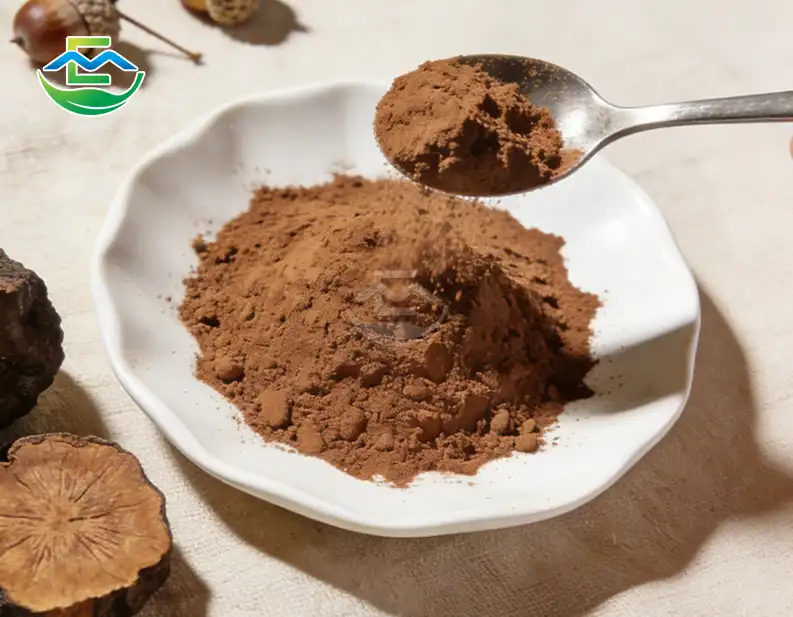
Pure Chaga mushroom powder is the finely milled form derived from the sterile conk (sclerotium) of Inonotus obliquus, a fungus predominantly wildcrafted from birch trees in subarctic circumpolar regions like Siberia, Northern Canada, and Alaska. Unlike mycelial biomass products grown on grain substrates, authentic Chaga powder consists of 100% wild-harvested fungal material, free from carriers, starch fillers, or excipients. This powder is processed through dual-extraction methods—hot water followed by ethanol extraction, then spray-dried—to concentrate naturally occurring compounds including beta-glucans, triterpenes, polyphenols, and melanin. For procurement professionals evaluating botanical ingredients, understanding the distinction between authentic Chaga and lower-quality alternatives is essential for formulation development and brand positioning.

Understanding Pure Chaga Mushroom Powder
Natural Origins and Botanical Identity
For 10 to 20 years before harvesting, pure Chaga mushroom powder develops on birch trees through a slow natural growth process. Its Latin name, Inonotus obliquus, identifies its botanical classification. When wildcrafted from living birch trees, it naturally contains compounds associated with the host tree, including betulin and betulinic acid. These components contribute to the unique chemical profile of wild-sourced Chaga compared with cultivated alternatives produced under controlled conditions. Harvesting methods have a significant influence on raw material quality. Responsible collection involves removing only a portion of the conk at a time, helping preserve the surrounding forest environment and allowing natural regeneration. After harvesting, the raw material is dried at controlled low temperatures to help maintain its naturally occurring compounds and physical characteristics.
Physical and Chemical Characteristics
High-quality pure Chaga mushroom powder typically features particle sizes between 80 and 120 mesh, producing a fine powder with a characteristic brown to dark brown appearance due to its naturally occurring melanin content. Quality evaluation commonly focuses on the following analytical indicators:
- Polysaccharides: Greater than 30%, based on standard carbohydrate analysis methods used to evaluate composition consistency.
- Beta-Glucans: Generally measured within a defined specification range, with analytical methods such as the Megazyme enzymatic assay used to identify fungal glucan structures and distinguish them from starch-derived alpha-glucans.
- Triterpenes: Above 2% in selected specifications, including naturally occurring compounds such as betulin and betulinic acid associated with birch-derived materials.
- Chromogenic Complex: Above 10% in some quality standards, representing the group of naturally occurring pigments and compounds contributing to Chaga’s characteristic color profile.
- Moisture Content: Below 5% to support powder flowability, storage stability, and reduced clumping during transportation and processing.
Advanced “dual extract” specifications are also available for manufacturers requiring ingredients with improved compatibility across both water-based and fat-based formulations. This makes the ingredient suitable for development in various product categories, including powdered beverages, nutritional formulations, and cosmetic applications.
Quality Control Measures and Certifications
Professional purchasing teams evaluate multiple quality factors when sourcing pure Chaga mushroom powder. HPTLC fingerprinting is commonly used to verify the identity of Inonotus obliquus sclerotium and confirm consistency between production batches. Because mushrooms naturally interact with their growing environment, ICP-MS testing is often applied for heavy metal analysis.
Typical quality specifications may include:
- Cadmium: below 1 ppm
- Lead: below 2 ppm
- Mercury: below 0.1 ppm
- Arsenic: below 1 ppm
Materials collected from specific geographic regions may also undergo additional testing, such as Cesium-137 screening, depending on sourcing requirements and regional regulations. Many suppliers provide certifications including NSF GMP, FSSC22000, Kosher, Halal, ISO, and organic certifications for pure Chaga mushroom powder. These certifications support international quality management requirements and help procurement teams meet regulatory expectations when supplying products to North American and European markets.

Applications and Usage of Pure Chaga Mushroom Powder
Scientifically Supported Ingredient Applications
Since it contains various natural compounds, pure Chaga mushroom powder is useful in plant-based therapies. Beta-glucans, polyphenols, triterpenes, and melanin distinguish and sell it. Analyses of Chaga's natural ingredients' composition, antioxidant capacity, and formulation compatibility are prevalent. Companies that respect natural ingredients, clean labelling, and botanical sources like pure Chaga mushroom powder. Polyphenolics and natural pigments differentiate Chaga ingredients. This powder is used in botanically complex, natural-colored, and ingredient-driven products. Cosmetic formulators like pure Chaga mushroom powder's melanin and plant-derived elements. Skincare products including serums, creams, and botanicals use it. Fat-soluble molecules provide flexibility, whereas water-soluble polysaccharides add texture. Cosmetic companies producing plant-based, clean ingredient lines benefit from chaga powder's versatility.
Practical Application Methods
Hot water extraction has traditionally produced drinks with naturally occurring soluble components from pure Chaga mushroom powder. Today, powder is employed in capsules, tablets, powdered drink mixes, and customised ingredient formulations. Recommended application amounts vary by product type, formulation, and regulation. B2B manufacturers base inclusion rates on product specs, target market needs, and technical testing. Functional food makers use pure Chaga mushroom powder in protein blends, energy bars, coffee alternatives, and speciality beverage mixes. Its earthy, moderate bitterness complements coffee, chocolate, and vanilla. When creating novel formulations, beverage producers consider processing stability, heat tolerance, and shelf life. Cosmetic makers choose micronised grades like 120 mesh or higher for smoother creams and lotions. Based on formulation design and desired sensory qualities, use levels vary from 0.5% to 5%.

Comparing Pure Chaga Mushroom Powder with Alternatives
Powder Versus Extract Concentrates
Chaga ingredients standardized to specific beta-glucan or polysaccharide levels generally require additional processing steps and may have higher production costs. Many extracts involve removing fibrous materials to achieve concentration ratios such as 10:1 or 20:1.Pure Chaga mushroom powder maintains more of the original mushroom material, making it a practical option for applications where higher inclusion rates are acceptable, such as powdered beverages, bulk ingredient blends, and whole-food-style formulations. Different formats provide different formulation advantages. Properly processed dual-extracted powders offer compatibility with both water-based and alcohol-based systems, making them suitable for various ingredient applications. Procurement managers should evaluate factors such as formulation requirements, target pricing, processing conditions, and product positioning when selecting between whole powder and concentrated extract formats.
Wildcrafted Versus Cultivated Sourcing
Many years of natural growth on birch trees create authentic wildcrafted pure Chaga fungus powder with a unique chemical makeup. Controlled Chaga production may have more constant production cycles, although its composition may vary from naturally obtained materials. Cultivated Chaga may have various ratios of naturally occurring chemicals depending on growing techniques and growth factors. DNA barcoding and ITS region sequencing may verify species identification and raw material authenticity. Environmental responsibility is needed for wild harvesting. Reliable suppliers use expert collectors who gather responsibly to safeguard forest ecosystems and ensure sustainable sourcing.EM works with certified wildcrafters to responsibly gather genuine Chaga mushroom powder. Organic positioning and ecologically responsible sourcing claims may be supported by supply chain evidence and traceability.
Understanding Label Claims: Organic Versus Pure
Organic certification indicates that materials are produced according to specific agricultural standards without the use of synthetic pesticides or fertilizers. For naturally wildcrafted Chaga collected from untouched forest environments, certification requirements may differ from cultivated agricultural products. The term “pure” refers primarily to product composition, indicating that the ingredient contains no unnecessary fillers, carriers, starches, or additional substances. This distinction is particularly important in markets where some mushroom products may contain added materials from grain-based cultivation processes. Business buyers should request certificates of analysis (CoA) to verify ingredient specifications, including identity testing, composition analysis, purity standards, and quality parameters.
Buying Guide for Pure Chaga Mushroom Powder: Ensuring Quality and Competitive Pricing
Essential Supplier Evaluation Criteria
More than price comparison is needed to find reliable pure Chaga mushroom powder vendors. Certification promotes quality control. NSF GMP accreditation verifies production procedures, FSSC22000 certifies food safety management systems, and Kosher and Halal help companies fulfil market expectations. Responsible sourcing claims may be supported by USDA, EU, or similar organic certifications. Technical knowledge and quality management identify seasoned vendors. HPLC, ICP-MS, and DNA sequencing are used by advanced R&D teams to verify raw material legitimacy, composition uniformity, and production standards. Since ingredient effectiveness depends on reliable raw materials, companies need uniform standards. Buyers should request heavy metal testing, beta-glucan content, triterpene profiles, microbiological examination, and batch-to-batch uniformity. Supplier reputation may be assessed by business history, third-party audits, customer feedback, and clear documentation. Long-term partnerships are built on transparent supply chains, including wildcrafting locations, processing procedures, and quality inspections.
Procurement Channels and Logistics Considerations
Companies seeking customisation, low price, and consistent supply typically benefit from working directly with manufacturers. Communication on product specifications, packaging, paperwork, and delivery dates is easier with direct manufacturers.EM has numerous strategically located US locations to simplify ordering and delivery for 100% Chaga mushroom powder consumers. Supplement, food, beverage, and cosmetic businesses may decrease transit, customs, and storage issues with domestic inventory management. Minimum order amounts vary per source. EM's 25 kilogram MOQ lets mid-sized firms test recipes and create new products with modest initial cost. For bulk distribution, pure Chaga mushroom powder is packed in 25 kilogram fibre drums with moisture-resistant packaging to ensure ingredient quality. Before placing significant orders, producers may test flavour, processing compatibility, and formulation performance using samples.
Pricing Benchmarks and Negotiation Strategies
Pure Chaga mushroom powder prices vary by source area, harvesting technique, processing technology, certification level, and order amount. Due to constrained harvesting circumstances, lengthier natural development cycles, and specialised collecting procedures, wildcrafted products cost more than produced ones. Dual-extracted powders cost more to make than ground Chaga powder due to additional processing. However, premium ingredient producers may have more formulation freedom. Volume purchases frequently provide price optimisation, with reductions offered at bigger order numbers. Long-term supply agreements may help firms stabilise purchases and enhance supply planning despite wild harvesting seasons. Complete CoA paperwork, third-party testing findings, and quality records are provided by transparent vendors. This information helps customers assess product value and identify certified ingredients from cheaper ones without quality verification.
Maximizing Procurement Success: Best Practices and Brand Trust
Building Strategic Supplier Relationships
Finding genuine Chaga mushroom powder requires more than purchasing. Prolonged partnerships with skilled suppliers may help with formulation, stability, paperwork, and regulation. Customers use EM's R&D team for application requirements, formulation optimisation, sensory characteristics, and product development. This cooperation accelerates product launches and development. Transparent sourcing improves customer communication. Natural and traceable products may learn more about ingredients from suppliers that document harvesting, processing, testing, and quality verification. Product lifecycle transparency may be improved by supply chain visibility technologies that track pure Chaga mushroom powder from raw material collection to final ingredient manufacturing. Manufacturers need reliable after-sales assistance for formulation changes, documentation updates, and regulations. Product management is simplified by suppliers updating CoAs, allergy declarations, technical specifications, and quality papers.EM provides extensive technical paperwork for product registration, international market preparation, and ingredient compliance.
Operational Reliability and Risk Management
Supply stability depends heavily on supplier management capabilities and sourcing strategies. Using multiple sourcing approaches can help reduce risks associated with seasonal wild harvesting changes, environmental conditions, and regional collection limitations. Strategic inventory planning allows suppliers to maintain appropriate stock levels, helping manufacturers avoid unexpected shortages during periods of increased demand. Reliable inventory management supports consistent production schedules and reduces potential supply interruptions. Maintaining consistent quality specifications for pure Chaga mushroom powder helps manufacturers reduce reformulation requirements and maintain product consistency. Each production batch should undergo comprehensive evaluation to confirm compliance with established standards.
Quality control programs may include:
- Megazyme enzymatic analysis for beta-glucan measurement
- ICP-MS testing for heavy metal evaluation
- Microbial testing for product safety specifications
- Identity verification through botanical authentication methods
- Moisture and physical property testing
EM’s quality management system monitors multiple production parameters for each batch, helping ensure consistent ingredient specifications and reliable supply performance.

Conclusion
Securing real pure Chaga mushroom powder needs careful consideration of source, quality, analytical testing, and supplier dependability. Professional buying choices include DNA authenticity, modern analytical methodologies, and vendors with uniform manufacturing standards. Knowing the variations between powder and extract forms, wildcrafted and cultivated sources, and organic and pure labelling helps producers choose ingredients that match product positioning, market needs, and quality expectations. Ingredient procurement may become a competitive advantage with transparent suppliers who provide technical assistance, uniform specs, verifiable sourcing, and dependable transportation. With careful supplier selection and quality-focused buying, enterprises may create genuine pure Chaga mushroom powder goods with high transparency and consistency.
FAQ
1. Is Chaga powder suitable for regular inclusion in supplement formulations?
Pure Chaga mushroom Powder has been eaten for hundreds of years, and when it comes from a reliable source that meets quality standards, it is usually thought to be good for you. The people whose job it is to buy things should make sure that the companies they work with give them all the safety information they need, such as proof that they follow food-grade manufacturing methods and test for heavy metals. Product makers can safely add Chaga to drinks, functional foods, and vitamins that people take every day, as long as they follow established usage standards and put the right labels on the products.
2. How can buyers verify Chaga powder quality before bulk purchasing?
Ask for full certificates of analysis that cover a lot of different areas, such as measuring triterpenes using HPLC, heavy metals using ICP-MS, and DNA barcoding to confirm that the Inonotus obliquus is the right species. The Megazyme enzymatic assay will tell you the difference between fungal polysaccharides and starch. Trustworthy sellers give away free samples of pure Chaga mushroom Powder that can be used for trying and making recipes in-house. Even more peace of mind comes from having a third-party lab check it through an independent testing site.
3. Can Chaga powder be used across diverse product formulations?
There are many times when pure Chaga mushroom Powder comes in handy. Because it is a dual-extract, it can dissolve in both water-based drinks and lipophilic makeup emulsions. The company that makes functional foods puts it in protein shakes, energy bars, and coffee alternatives. Health food businesses turn it into pills, tablets, and liquid extracts. Cosmetic scientists like it because it has vitamins and melanin, which are good for making anti-aging creams and serums that protect the skin. Changing the particle size (from 60 to 200 mesh) makes it work better for different tasks, like making drink mixes that dissolve quickly or skin care products that feel smooth.
Partner with a Trusted Chaga Mushroom Powder Supplier
EM's main business is selling high-quality pure Chaga mushroom Powder that meets the strict needs of companies that make useful foods, cosmetics, and nutraceuticals. Our wildcrafted material comes from boreal forests that haven't been touched by humans. It is put through a lot of tests to make sure it is the right plant, has the right bioactive chemical profiles, and is free of any contaminants. With our NSF GMP, FSSC22000, Kosher, Halal, ISO, and Organic certifications, we can meet a lot of legal needs in North America and other countries.
We can fill your order in two days if the product is in stock, and we have four carefully placed warehouses all over the United States. New brands can buy as little as 25 kg, and our bulk price rewards customers who commit to a longer term. Free samples help you figure out what you want before you decide to buy a lot of pure Chaga mushroom Powder. Our research and development team can help you with technical problems like writing up legal paperwork, finding the best dose, and making sure the product is stable. You can email our team at info@em-herb.com to find out how to get phycocyanin, get technical help, or talk about possible business partnerships.
References
1. Balandaykin, M. E., & Zmitrovich, I. V. (2015). Review on Chaga Medicinal Mushroom, Inonotus obliquus: Realm of Medicinal Applications and Approaches on Estimating its Resource Potential. International Journal of Medicinal Mushrooms, 17(2), 95-104.
2. Glamočlija, J., Ćirić, A., Nikolić, M., Fernandes, Â., Barros, L., Calhelha, R. C., Ferreira, I. C., Soković, M., & van Griensven, L. J. (2015). Chemical Characterization and Biological Activity of Chaga (Inonotus obliquus), a Medicinal Mushroom. Journal of Ethnopharmacology, 162, 323-332.
3. Géry, A., Dubreule, C., André, V., Rioult, J. P., Bouchart, V., Heutte, N., Eldin de Pécoulas, P., Krivomaz, T., & Garon, D. (2018). Chaga (Inonotus obliquus), a Future Potential Medicinal Fungus in Oncology? A Chemical Study and a Comparison of the Cytotoxicity Against Human Lung Adenocarcinoma Cells and Human Bronchial Epithelial Cells. Integrative Cancer Therapies, 17(3), 832-843.
4. Shashkina, M. Y., Shashkin, P. N., & Sergeyev, A. V. (2006). Chemical and Medicobiological Properties of Chaga. Pharmaceutical Chemistry Journal, 40(10), 560-568.
5. Zheng, W., Miao, K., Liu, Y., Zhao, Y., Zhang, M., Pan, S., & Dai, Y. (2010). Chemical Diversity of Biologically Active Metabolites in the Sclerotia of Inonotus obliquus and Submerged Culture Strategies for Up-Regulating their Production. Applied Microbiology and Biotechnology, 87(4), 1237-1254.
6. Wold, C. W., Kjeldsen, C., Corthay, A., Rise, F., Christensen, B. E., Duus, J. Ø., & Inngjerdingen, K. T. (2018). Structural Characterization of Bioactive Heteropolysaccharides from the Medicinal Fungus Inonotus obliquus. Carbohydrate Polymers, 185, 27-40.
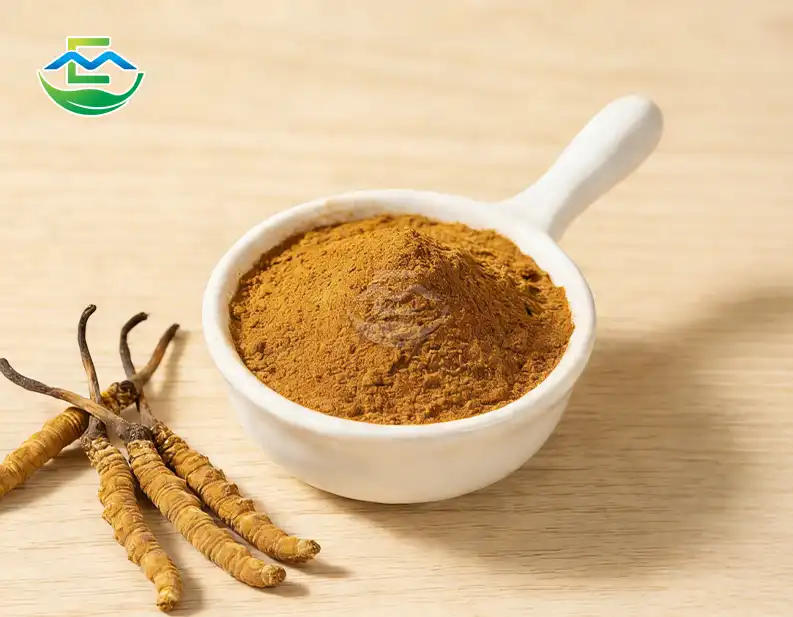
Cordyceps sinensis extract represents a concentrated botanical ingredient derived from one of nature's valued fungal species. Through advanced water and ethanol extraction processes, this brownish-yellow powder provides standardized polysaccharide content ranging from 30% to 50%, making it a suitable raw material for nutraceutical, cosmetic, functional beverage, and sports nutrition applications. As procurement professionals navigate the growing demand for natural and standardized ingredients, understanding the technical specifications, quality benchmarks, and application versatility of this mycelium-derived extract becomes essential for product development and market differentiation.

Understanding Cordyceps sinensis Extract: Basics and Characteristics
Botanical Origins and Modern Extraction Technology
Asian cultures have used Cordyceps sinensis fungus (Ophiocordyceps sinensis) for centuries. Controlled mycelium-growing technologies in modern production eliminate wild-harvested specimen variability and preserve raw material quality. Manufacturers use dual-solvent extraction to isolate essential natural chemicals while retaining polysaccharides, adenosine, and cordycepin. High-quality extraction procedures include hot water extraction for polysaccharide concentration and ethanol extraction for nucleoside compounds. Spray-drying turns the concentrated extract into a brownish-yellow powder that passes 80-mesh sieves. This processing method enhances powder flow and component mixing. These technical advances meet B2B ingredient standardisation and batch-to-batch uniformity needs.
Key Compounds and Their Characteristics
Polysaccharides, 30% to 50% in premium Cordyceps sinensis extract, indicate quality. Ingredient profiles sometimes include complex carbs as standardisation indicators. Adenosine levels vary from 0.2% to 1.0% depending on extraction circumstances. This molecule is crucial for ingredient identification and quality assessment. The naturally occurring nucleoside compound Cordycepin is found in Cordyceps species. It is found in various quantities and is another benchmark for premium extract requirements. These chemicals provide a unique ingredient profile that benefits numerous sectors. These standardised indicators help sports nutrition, functional food, and botanical formulation manufacturers maintain consistency and quality. The chemical profile helps R&D teams test ingredient combinations with other botanical extracts like rhodiola or ashwagandha for formulation ideas. Polysaccharides and nucleoside compounds are water-soluble and may be used in powder mixes, capsules, tablets, and liquid drinks.

Comparing Cordyceps Extract Forms and Quality Dimensions
Cordyceps sinensis Versus Cordyceps militaris: Species Distinction
Both species belong to the Cordyceps genus, but their chemical compositions differ significantly. Cordyceps militaris may contain different levels of cordycepin, while Cordyceps sinensis products are commonly evaluated through polysaccharide content and adenosine specifications. Procurement teams should clearly identify the desired species based on product positioning, formulation requirements, and target market expectations. Extracts produced from Cordyceps sinensis mycelium provide a more consistent supply option compared with wild-harvested fruiting bodies, which may experience availability and pricing fluctuations.DNA barcoding and TLC fingerprinting are used to verify ingredient identity and help prevent the presence of undeclared materials or fillers. This identification process is especially important for premium markets requiring transparent sourcing information.
Extract Concentration Versus Raw Powder Formats
Standardised Cordyceps sinensis extracts are more concentrated and consistent than mushroom powders. Natural mushroom matrix components in raw powders may affect processing and formulation. Concentrated extracts help businesses to create goods with regulated ingredient requirements by providing more standardised chemicals per gram. Quality extracts are brownish-yellow due to processing and ingredient control. Technical criteria for automated capsule filling equipment include bulk density readings between 0.45 and 0.65 g/ml and tapped density between 0.6 and 0.85. These parameters affect unit cost and manufacturing efficiency. Storage stability is improved by keeping moisture below 5.0%. When sealed in drums with desiccants, the substance may last longer.
Organic Certification and Purity Standards
Organic certification addresses North American and European demand for clean-label ingredients. Cordyceps sinensis extracts must meet regulated growth conditions and agricultural regulations to be organically certified. International markets benefit from third-party verification by credible organisations like USDA NOP or EU organic certification schemes. Earth Made Nutrition's Organic, Kosher, Halal, NSF GMP, and FSSC22000 certifications assist in fulfilling clients' regional and industry needs. Beyond organic certification, heavy metal testing is vital for quality monitoring. Cordyceps constituents fulfil raw material requirements with strict limitations for arsenic (As < 1ppm), lead (Pb < 2ppm), cadmium (Cd < 1ppm), and mercury (Hg < 0.1ppm). Microbiological criteria include a Total Plate Count of fewer than 1,000 cfu/g and E. coli and Salmonella testing to fulfil food and cosmetic ingredient quality standards.

Usage Guidelines and Ingredient Specifications
Industry-Standard Usage Frameworks
Cordyceps sinensis extracts are added to supplements at 500 mg to 2,000 mg per day, depending on polysaccharide content and formulation needs. Products employing 30% polysaccharide extract may choose 1,000 mg daily serving sizes, whereas formulations using 50% standardised materials may alter consumption levels based on product specifications and design. Formulation-based use ranges let producers standardise ingredient quantities while retaining product forms. From standard to concentrated extracts, formulation makers must consider extract ratios and constituent concentration. A 10:1 extract ratio converts 100g of raw mycelium material into 10g of final extract, increasing chemical concentration. This data helps producers compute botanical equivalency and define product requirements.
Formulation Compatibility and Processing Stability
An ingredient suited for different formulation systems is extracted using water and ethanol. Microcrystalline cellulose and magnesium stearate may be added to Cordyceps sinensis extract to compress tablets. Tablet production is more efficient, and capping and lamination difficulties are reduced with this compatibility. The brownish-yellow colour matches earthy ingredient mixes or may be covered with coloured capsule shells. When mixed properly, water-soluble polysaccharide fractions distribute uniformly in beverages. Controlling formulation conditions, especially pH between 4.5 and 6.5, preserves nucleoside chemical stability during pasteurisation. Encapsulation or lipid matrix systems may increase cosmetic emulsion compatibility, enabling better serum and cream formulations.
Regulatory Compliance and Documentation Requirements
Global botanical extract laws vary. In the US, Cordyceps compounds are examined under food ingredient rules. Product identity, purity, strength, and composition consistency are maintained by good manufacturing practices. Products must include appropriate structure and function statements and avoid unapproved claims related to specific conditions. European markets follow EFSA regulations and requirements for novel food ingredients and botanical materials.
Strategic Procurement: Finding Reliable Cordyceps sinensis Extract Suppliers
Evaluation Criteria for Manufacturer Selection
Beyond price, choosing a dependable source takes assessment. Product consistency is affected by extraction equipment, clean room classification, quality control laboratory certification, and production expertise. Suppliers with ISO-certified facilities and mycology teams prioritise technical competency and process optimisation. Traceability solutions that link raw material origins to product lot numbers aid quality investigations and organic or regional sourcing documentation. High-end vendors may give DNA authentication reports, HPLC chromatograms with chemical profiles, and microbiological testing data. Professional manufacturers are distinguished from ingredient vendors without direct manufacturing control by these documentation criteria.
Strategic Procurement: Finding Reliable Cordyceps sinensis Extract Suppliers
Evaluation Criteria for Manufacturer Selection
Companies with multiple warehouse locations in the U.S., such as Earth Made Nutritions with four strategically positioned warehouses, provide significant logistical advantages. Domestic inventory availability can reduce lead times from weeks to days, helping companies improve inventory planning and production scheduling. This infrastructure is especially valuable during new product launches or periods of increased market demand, allowing brands to respond more efficiently to changing requirements.
Market Pricing Structures and Wholesale Options
The cost of Cordyceps sinensis extract varies based on raw material quality, extraction concentration, certification, and manufacturing complexity. Premium 50% polysaccharide extract costs $80.00 to $120.00 per kilogram, whereas standard 30% costs $45.75 to $57.55.Special cultivation and processing for organic certification may cost 15–25% more. Bulk purchases may save money. Volume discounts are frequent for 100, 500, and 1,000 kilogram yearly purchases. Strategic procurement teams may arrange yearly supply agreements with quarterly delivery dates to enhance inventory planning and cost certainty. Companies may make 25 kg. Supplier connections and order volume affect payment periods. New and current clients with good credit may qualify for advance payment or extended payment options. International buyers should consider currency rates, customs classifications, and import procedures. Companies prefer domestic suppliers with recognised facilities to facilitate supply chain management.
Private Label Partnerships and Custom Formulation Services
Value-added services help distinguish premium suppliers from basic ingredient distributors. Private labeling allows brands to outsource manufacturing while maintaining control over product specifications and market positioning. Experienced manufacturers can assist clients with flavor masking, capsule size selection, packaging considerations, and label documentation support, helping accelerate product development. Custom extraction services allow manufacturers to create customized specifications beyond standard market options. Technical collaboration can support customers seeking specific polysaccharide-to-nucleoside ratios, extraction profiles, or specialized ingredient characteristics. These partnerships allow brands to develop differentiated products with unique specifications and improve market competitiveness.
Sampling Programs and Product Evaluation
Sampling programs reduce procurement risks by allowing customers to evaluate ingredients before committing to large-volume purchases. Reliable suppliers provide samples suitable for formulation testing and stability evaluations. Sample quantities typically range from 100g to 500g and are provided with supporting analytical documentation. Earth Made Nutritions provides free samples and ships them from available inventory, helping customers accelerate R&D evaluation and product development processes.
Integrating Cordyceps sinensis Extract into Product Lines: Practical Applications and Market Trends
Nutraceutical and Sports Nutrition Applications
The largest application area for Cordyceps sinensis extracts includes capsule and tablet supplement products. In standalone products, the ingredient is commonly positioned as a botanical component used in specialized supplement formulations. Combination formulas may include Cordyceps sinensis extract with other botanical ingredients, such as astragalus, reishi, or ginseng, to create diversified botanical blends. Sports nutrition manufacturers incorporate Cordyceps sinensis extract into pre-workout, endurance, and performance-oriented product concepts. The ingredient's traditional association with active lifestyle products supports its use in sports nutrition market categories. Protein powder manufacturers may include Cordyceps sinensis extract in customized formulas that combine botanical ingredients with macronutrient-based product designs. These applications align with continued growth in the sports nutrition market and increasing interest in plant-based ingredients.
Functional Beverage Applications
Functional beverage development represents a rapidly expanding application area. Cordyceps sinensis extract is used in ready-to-drink mushroom beverages, botanical teas, and specialty hydration products. Water-soluble extracts disperse effectively in liquid systems, maintaining product appearance or contributing earthy color characteristics depending on the formulation. When used in beverages, flavor optimization is an important consideration because concentrated Cordyceps sinensis extract may introduce mild earthy notes that require adjustment within the flavor system.
Cosmetic and Personal Care Integration
Luxury skincare firms use Cordyceps sinensis extract more. Chemical properties and water compatibility make polysaccharides useful in cosmetics. Extract botanicals enhance formulation and ingredient selection. Creams may include more Cordyceps sinensis extract than serums (1–3%), depending on formulation. Due to their 24-36-month lifespan, cosmetics need stability testing. Fast ageing at regulated temperatures lets manufacturers assess component stability. Since certain antimicrobials reduce polysaccharide performance, Cordyceps sinensis extract formulations must be preserved similarly. Component suppliers and cosmetic formulators work together on product stability and quality owing to technological problems. Certified organic Cordyceps sinensis extracts are used in natural personal care. Cleaning firms that use plant-based ingredients use botanical extracts. Specialist cosmetics have more narrative possibilities with traditional plant sourcing and contemporary extraction.
Market Growth Drivers and Consumer Demand Patterns
Market research indicates mushroom-based products are rising throughout North America. Functional food, beverage, and supplement development is driven by botanical ingredients and clean-label goods. Media and the internet have increased mushroom-derived ingredient knowledge and demand across distribution channels. Big retailers' clean-label requirements prioritise ingredient origin, verification, and minimal processing. Standardised Cordyceps sinensis extracts with natural polysaccharide markers may meet these requirements due to consistent ingredient specifications and verified sources. Certified Organic/Non-GMO Project Verified brands may sell more naturally. European markets value environmental documentation and ethical sourcing. Sustainable farming, transparent supply chains, and extensive documentation help providers meet market needs. Supply chain openness, traceability, and certifications improve long-term partnerships.

Conclusion
Cordyceps sinensis extract represents an advanced botanical ingredient with standardized compound profiles, versatile application possibilities, and growing market interest across beverage, sports nutrition, cosmetic, and nutraceutical industries. Successful procurement requires understanding extraction methods, quality standards, regulatory requirements, and supplier capabilities to ensure consistent ingredient specifications and reliable supply. Mycelium-derived extract standardized to 30–50% polysaccharides, produced through water-ethanol extraction, and packaged with complete documentation provides a combination of quality, application flexibility, and commercial value. As demand for natural and standardized ingredients continues to grow, brands can benefit from establishing strategic partnerships with qualified manufacturers. These partnerships help companies maintain consistent quality standards, improve product development efficiency, and build long-term market competitiveness.
FAQ
1. What distinguishes high-quality cordyceps extract from inferior products?
Premium Cordyceps sinensis extracts have uniform bioactive content that has been confirmed by HPLC tests. These extracts show specific polysaccharide percentages and adenosine levels. Quality goods come with full records of analysis that show the limits of heavy metals, the purity of microbes, and the identification of plants through DNA barcoding. A brownish-yellow color, the right amount of moisture (below 5%), and the right distribution of particle sizes are all signs of good processing. Certifications from organizations like NSF GMP, FSSC22000, Organic, Kosher, and Halal give you an extra quality guarantee on top of basic manufacturing standards.
2. How should cordyceps extract be stored to maintain potency?
Cordyceps sinensis extract should be kept in sealed drums or containers out of direct sunlight, heat sources, and water. Temperatures below 25°C (77°F) and relative humidity below 60% are the best conditions for keeping. Once a container is opened, it should be quickly sealed again with desiccant packets to keep moisture from escaping. Quality extracts keep their bioactive potency for 24 to 36 months after they were made, as long as they are stored properly.
3. Can cordyceps extract be combined with other botanical ingredients?
When designing a recipe, Cordyceps sinensis extract works well with many plants. For full mushroom complexes, reishi and lion's mane are popular combinations. Rhodiola and ashwagandha are popular for adaptogenic blends, and ginseng is popular for energy-focused products. Testing for compatibility makes sure that mixes are steady and that chemical interactions don't change their bioavailability or shelf life.
Partner with EM for Premium Cordyceps sinensis Extract Supply
According to Earth Made Nutritions Inc., their Cordyceps sinensis extract is pharmaceutical-grade and is standardized to 30–50% polysaccharides. It is made from superior mycelium using modern water-ethanol processing. Our operations in California run four key U.S. warehouses that allow orders to be filled in two days with a 25 kg minimum order size and free sample programs. Full certifications like NSF GMP, FSSC22000, Organic, Kosher, Halal, and ISO standards help companies easily follow the rules in all global markets. Our technical team can help you with formulation, private labeling, and making sure that your product's extraction specifications are exactly what you need to make it stand out. Email our buying experts at info@em-herb.com to talk about bulk prices, ask for analytical paperwork, or set up free samples from the products we keep in stock. Find out why top cosmetic formulators, sports nutrition companies, and supplement brands choose EM as their Cordyceps sinensis extract provider for stable quality, technical know-how, and dependable domestic supply chains.
References
1. Holliday, J. & Cleaver, M. (2008). Medicinal Value of the Caterpillar Fungi Species of the Genus Cordyceps. International Journal of Medicinal Mushrooms, 10(3), 219-234.
2. Zhou, X., Gong, Z., Su, Y., Lin, J., & Tang, K. (2009). Cordyceps Fungi: Natural Products, Pharmacological Functions and Developmental Products. Journal of Pharmacy and Pharmacology, 61(3), 279-291.
3. Ng, T. B. & Wang, H. X. (2005). Pharmacological Actions of Cordyceps, a Prized Folk Medicine. Journal of Pharmacy and Pharmacology, 57(12), 1509-1519.
4. Paterson, R. R. (2008). Cordyceps: A Traditional Chinese Medicine and Another Fungal Therapeutic Biofactory. Phytochemistry, 69(7), 1469-1495.
5. Zhu, J. S., Halpern, G. M., & Jones, K. (1998). The Scientific Rediscovery of an Ancient Chinese Herbal Medicine: Cordyceps sinensis. Journal of Alternative and Complementary Medicine, 4(3), 289-303.
6. Cunningham, K. G., Manson, W., Spring, F. S., & Hutchinson, S. A. (1950). Cordycepin, A Metabolic Product Isolated from Cultures of Cordyceps militaris. Nature, 166(4231), 949-950.