- English
- French
- German
- Portuguese
- Spanish
- Russian
- Japanese
- Korean
- Arabic
- Irish
- Greek
- Turkish
- Italian
- Danish
- Romanian
- Indonesian
- Czech
- Afrikaans
- Swedish
- Polish
- Basque
- Catalan
- Esperanto
- Hindi
- Lao
- Albanian
- Amharic
- Armenian
- Azerbaijani
- Belarusian
- Bengali
- Bosnian
- Bulgarian
- Cebuano
- Chichewa
- Corsican
- Croatian
- Dutch
- Estonian
- Filipino
- Finnish
- Frisian
- Galician
- Georgian
- Gujarati
- Haitian
- Hausa
- Hawaiian
- Hebrew
- Hmong
- Hungarian
- Icelandic
- Igbo
- Javanese
- Kannada
- Kazakh
- Khmer
- Kurdish
- Kyrgyz
- Latin
- Latvian
- Lithuanian
- Luxembou..
- Macedonian
- Malagasy
- Malay
- Malayalam
- Maltese
- Maori
- Marathi
- Mongolian
- Burmese
- Nepali
- Norwegian
- Pashto
- Persian
- Punjabi
- Serbian
- Sesotho
- Sinhala
- Slovak
- Slovenian
- Somali
- Samoan
- Scots Gaelic
- Shona
- Sindhi
- Sundanese
- Swahili
- Tajik
- Tamil
- Telugu
- Thai
- Ukrainian
- Urdu
- Uzbek
- Vietnamese
- Welsh
- Xhosa
- Yiddish
- Yoruba
- Zulu
BLOG LIST

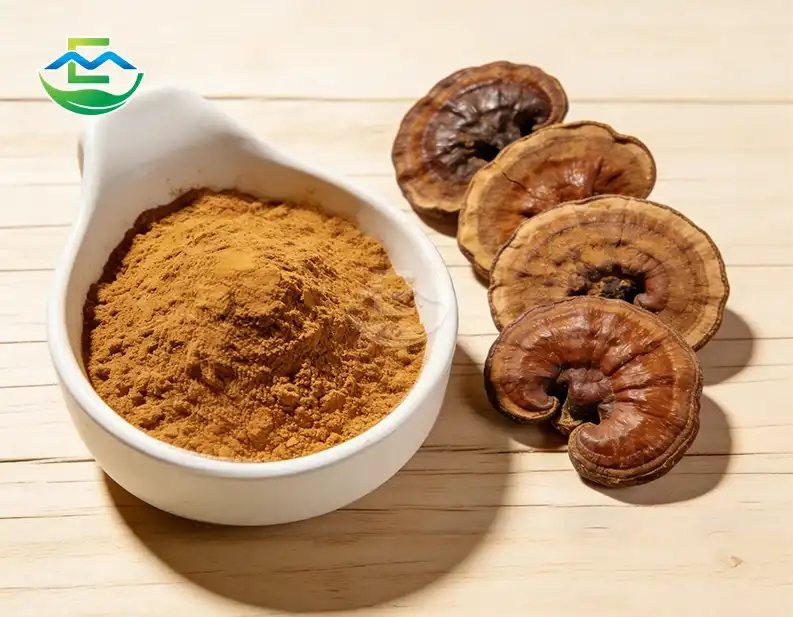
The beneficial elements of the ancient fungus Reishi Mushroom are concentrated in Reishi Mushroom Extract Powder, which comes from Ganoderma lucidum. This brownish-yellow powder standardizes key actives like beta-glucans and triterpenes by using both hot water and ethanol extraction methods. This solves the absorption problems that come with raw mushroom material. Unlike regular ground reishi, this extract is more stable, has higher strength, and has been tested to be pure. This makes it an important ingredient for nutraceutical products that want to support the immune system and adaptogens in today's health market.


Understanding Reishi Mushroom Extract Powder: Definition and Core Benefits
What Makes Extract Powder Different from Other Formats
The main difference is in how the data is processed. Raw reishi powder has chitin cell walls that can't be digested and stop compounds from being absorbed. Reishi Mushroom Extract Powder, on the other hand, goes through a lot of hot water extraction to separate polysaccharides and ethanol extraction to concentrate triterpenes. This two-step process provides a full-spectrum profile that can't be found in pills with raw materials or simple tinctures. Spore powder has a lot of oils, but it doesn't have the usual amount of polysaccharides that are needed for uniform formulation. The bioavailability-versus-potency problem that R&D teams face when making supplements for immunity is solved by the change from raw material to functional ingredient.
Scientifically Validated Health Properties
Researchers have found that Ganoderma lucidum mycelium products can change the immune system in a measured way through beta-1,3/1,6-D-glucan contents that range from 10 to 30 percent. These sugars work with natural killer cells and macrophages to help the body's natural defenses. Triterpene chemicals, which are usually found in amounts between 2 and 5 percent in high-quality extracts, help reduce inflammation by changing the production of cytokines. Antioxidant activity, which can be measured by ORAC levels, helps cells deal with reactive stress. Studies show that standardized extracts also help keep cortisol levels healthy, which is why they have been used for a long time to help people sleep well and deal with stress. This feature, which is based on proof, makes reishi extract a key ingredient for functional supplement brands that want to attract health-conscious customers.
The B2B Value Proposition for Product Developers
When it comes to buying things, standardized extracts get rid of the batch-to-batch differences that come with farming raw materials. A Certificate of Analysis that guarantees 30% carbohydrates and 2% triterpenes makes sure that the recipe stays the same from one production run to the next. The powder's fine mesh size (usually 80 to 100 mesh) makes it easy to blend evenly in beverage and pill production. Low moisture level (below 5%) makes food last longer on the shelf, which lowers the risk of expiration. Heavy metal testing that meets USP guidelines (Pb <2ppm, As <1ppm) meets the needs of regulations in all foreign markets. Formulation managers who have to balance claims of effectiveness with quality control methods care a lot about these technical details.

How Reishi Mushroom Extract Powder Is Used in B2B and Consumer Markets
Primary Applications in Supplement Formulations
Reishi Mushroom Extract Powder is often mixed with vitamin C, zinc, and astragalus in immune-supporting combinations so that they work better together. It is used by sports nutrition companies in healing products that help control inflammation after exercise. Reishi, L-theanine, and ashwagandha are all found in mental health items to help with stress response. For ready-to-drink immunity shots and adaptogenic coffee replacements, functional beverage makers use extracts that dissolve in water. The powder form lets brands precisely control dosing—standard daily dose sizes are between 500 mg and 1,500 mg—so they can adjust strength to suit their target audience. Its use in nutrition, functional food, and cosmetic ingredient markets is due to its flexibility.
Dosage Guidelines and Formulation Considerations
According to a clinical study, the daily effective dose is between 1 and 3 grams of standardized extract. However, less concentrated forms need less. When making a product, people have to think about extraction ratios. For example, a 10:1 extract means that 10 kg of raw material makes 1 kg of powder. The water-extracted versions focus on supporting the immune system through polysaccharide delivery, while the alcohol-extracted versions focus on triterpenes for adaptogenic uses. Premium powders that are dual-extracted cost more but have many advantages. Formulation chemists should think about particle size when figuring out how a pill will move and how fast it will dissolve. When making powdered drink mixes, settling problems can be avoided by testing the stability in small amounts. Knowing these technical details helps hiring teams choose the right grades for the jobs they want to do.
Comparing Product Types for Procurement Decisions
Organic versus conventional sourcing affects how hard it is to get certified and how much it costs. It costs 15–25% more for ingredients to be certified organic by the USDA, but this helps the clean-label image. Extraction method transparency separates reliable sellers from commodity traders by the openness of their extraction methods. Dual-extraction with third-party verification of beta-glucan content via the Megazyme method guarantees real quality. Potency standardization creates clear tier structures: entry-level extracts should have 10% polysaccharides, mid-tier products should have 30%, and top products should have 50% polysaccharides with 4% to 10% triterpenes. Buying managers can use these differences to find the right quality levels for their brand positioning. When you buy in bulk, you can save money by lowering the minimum order size to 25 kg while still keeping the integrity of the certification through proper paperwork.

Choosing the Right Reishi Mushroom Extract Powder for Your Business Needs
Essential Quality Markers and Certifications
When judging a supplier's goods, you have to look at a lot of different quality factors. Certificates of Analysis should show the amount of polysaccharides using UV-VIS spectroscopy, the amount of beta-glucans using an enzyme test, and the profiles of triterpenes using HPLC. The NSF GMP approval shows that the production process meets standards for pharmaceutical-grade products. Food safety management methods are approved by the FSSC22000 approval. Kosher and Halal licenses make it easier for certain types of customers to buy things. ISO standards show that quality control is done in a planned way. For organic approvals to be valid, the food must be able to be tracked from plant growth to preparation. Tests for heavy metals must show that mercury is less than 0.1ppm, arsenic is less than 1ppm, and lead is less than 2ppm. Microbiological standards say that the total plate count should be less than 1,000 cfu/g. These paperwork rules protect the purity of the formulation and make sure that regulations are followed.
Supplier Reliability and Supply Chain Transparency
For procurement to work, relationships with makers must show that they can consistently produce what is needed. Suppliers who run their own sites with controlled extraction tools lower the risk of contamination. In-stock material that can be picked in two days works for production plans that need to be met quickly. Just-in-time production needs can be met quickly by four carefully placed warehouses across the United States. Formulation teams can check for compatibility with free sampling tools before committing to bulk sales. Response-time providers are different from commodity traders because it takes less than 48 hours from placing an order to shipping it. Clear information about harvest times, extraction ratios, and testing procedures builds trust, which is needed for long-term relationships with ingredient providers.
Balancing Cost and Quality in Bulk Purchasing
When buying in bulk, volume-based price systems make it easier to get what you need. The 25 kg minimum order number is an entry level for new names, while established makers can get better prices when they buy 500 kg or more. As the order size goes up, the cost per kilogram goes down, but quality standards must not be changed. Prices that are competitive should never mean lowering the level of standards or tampering with certifications. Purchasing managers should ask for multi-year supply deals that lock in prices and make sure that specifications stay the same. Knowing how the market works, like how changes in farming times affect the prices of raw materials, helps you plan when to buy things. Having partnerships with highly skilled suppliers who put money into research and development (R&D) and environmentally friendly sourcing gives you more than just a lower cost benefit.

How to Grow Reishi Mushrooms at Home: A Practical Guide for Beginners
Selecting Optimal Spawn and Substrate Materials
Choosing good seed is the first step to successful growing. Colonized grain spawned from reputable sources guarantees strong mycelial growth. Hardwood sawdust from oak, maple, or beech is the best medium because it has the right amount of lignin and cellulose for Ganoderma lucidum and the production of Reishi Mushroom Extract Powder. Adding 5 to 20 percent of wheat bran or rice bran to food improves protein without putting it at risk of contamination. Substrate moisture level should be between 55 and 60%. When you squeeze something, it should feel damp, but it shouldn't drip water. Competing creatures are killed by sterilization at 15 PSI for 2.5 hours. Once it is room temperature, add the inoculum at a rate of 5% spawn and mix it well. Put substrate into grow bags that have filter patches on them. The patches let gas exchange happen while keeping the substrate clean. The success of gardening depends more on this planning phase than on any other step that comes after.
Managing Environmental Conditions for Maximum Yield
Temperature control is very important. Mycelial growth does best at 75 to 80°F, while fruiting body development needs 65 to 75°F. Humidity maintenance between 85 and 95% during flowering keeps mushrooms from drying out. Light exposure for 12 hours a day should be indirect natural light or cool white lighting tubes. This will help the antlers grow properly. Fresh air exchange every 4 to 6 hours stops carbon dioxide from building up, which leads to growth problems. By checking these factors every day, problems can be fixed before they get worse. Hygrometers and thermometers can be used by home gardeners to keep track of the weather and make changes to humidifiers and fans as needed. The flowering time lasts for four to six weeks, and when the brackets are fully grown, they take on a kidney-shaped appearance and turn brown.
Addressing Common Cultivation Challenges
Green mold or bacterial contamination means that cleaning failed or there was an environmental breach. Isolating the affected bags stops the spread of the infection. If settlement is slow, it means there aren't enough spawns, or it's too cold. Moving to warmer places speeds up mycelial growth. Lack of humidity stunts growing bodies. This can be fixed by increasing the frequency of misting and decreasing air exchange. If antlers grow too fast without conks developing, it means that carbon dioxide levels are too high. Increasing air causes the right shape to form. Compound content is highest when harvested at the peak of growth, just as the spores start to fall off. Dehydrating mushrooms that have been picked at 95 to 115°F keeps their bioactivity so that they can be extracted later. Home cultivation takes time and care, but it offers benefits like quality control and sustainability that companies looking into vertical integration or premium source tales may find appealing.
Maximizing the Value of Reishi Mushroom Extract Powder in Your Product Line
Formulation Strategies for Immunity and Wellness Products
Putting Reishi Mushroom Extract Powder with plants that work well together increases their health benefits by making the ingredients work better together. When mixed with astragalus and blackberry, it makes immunity support formulas that are more complete. Strong adaptogen combinations are made when ashwagandha and rhodiola are added. Anti-inflammatory posture is improved by adding turmeric and ginger. In these multi-ingredient matrices, 500 to 1,000 mg of reishi extract is usually included in each dose. The flow qualities of the extract help with capsule formulas, but the particle size needs to be optimized for powdered drink mixes to have a smooth texture. To make sure that compounds stay together, formulation scientists should test their stability under fast conditions for three months at 40°C/75% relative humidity. For product makers to make unique products that work well throughout their shelf life, they need to understand these technical issues.
Marketing and Brand Differentiation Approaches
Teaching target groups about extraction methods and consistency sets you apart from the competition. Consumers who know what they're talking about will trust you more if you show them Certificate of Analysis data that shows verified beta-glucan content. Using certificates for organic, non-GMO, and third-party testing shows that you care about quality. By using content marketing to talk about the nutritional benefits of dual-extracted powders over raw mushroom pills, brands can be seen as experts in their fields. When selling to businesses, you should stress how reliable your supply chain is, how well you follow the rules, and how well you can help customers with technology issues. Case studies that show how recipes worked well and comments from happy procurement managers make sales stories stronger. These tactics help both companies that sell ingredients and companies that make finished products get a bigger part of the growing functional mushroom market.
Emerging Trends and Innovation Opportunities
A high-level chance is the demand from consumers for high-potency extracts that are standardized to 50% polysaccharides. New developments in liposomal delivery methods offer better bioavailability, which will lead to higher profits. Water-dispersible extract forms make beneficial beverage uses possible that weren't possible before because of problems with solubility. Combination goods with more than one type of medical mushroom, like cordyceps for energy and lion's mane for brain health, appeal to people who want to get the most out of their purchases. Buyers who care about the environment like sustainability badges that show carbon-neutral output and regenerative farming methods. When brands invest in these innovation paths, they put themselves at the front of the market and attract early adopters who are willing to pay more for clear progress.
Conclusion
In the fields of nutraceuticals, useful foods, and cosmetics, Reishi Mushroom Extract Powder is a highly advanced ingredient that meets important needs. Its uniform bioactive profile makes manufacturing easier and gives benefits that are backed by science. It is important to understand the extraction method, quality standards, and application strategies when looking for ingredients to make supplements, researching cultivation for supply chain integration, or creating the next generation of health goods. When traditional plant knowledge meets modern extraction science, it opens up possibilities for brands that want to use high-quality ingredients and stand out in the market.
Frequently Asked Questions
1. What concentration of polysaccharides should I specify when purchasing reishi extract?
Entry-level formulations usually call for 10–20% polysaccharides, which are good for health items that want to save money. The best vitamins aim for 30% polysaccharides and 2-4% triterpenes, which give the immune system and adaptogens a healthy boost. Ultra-premium products have 50% carbohydrates, but the price goes up by the same amount. Your choice should fit with your marketing strategy, the people you want to reach, and the other businesses in your market group.
2. How does dual-extraction differ from single-method processing?
Hot water extraction separates water-soluble carbohydrates that help the immune system work. Alcohol extraction yields triterpenes that dissolve in fat and have adaptogenic qualities. Dual-extraction uses both ways together to get all the chemicals that can't be gotten with single processing. This all-encompassing method is the best choice for high-end product lines because it works better and makes more practical claims, which supports its higher cost.
3. Can reishi extract powder be used in beverage formulations?
Versions of Reishi Mushroom Extract Powder that have been removed with water and have a lot of polysaccharides dissolve well in water, which means they can be used in functional drinks, immunity shots, and powdered drink mixes. Test for breakdown at the temperatures and pH values you want. Some mixtures work better when they have natural emulsifiers or spray-dried forms that are made to work with drinks so they don't settle during storage.
Source High-Quality Reishi Mushroom Extract Powder from EM
Earth Made Nutritions Inc. sells high-quality Ganoderma lucidum mycelium extract that has been tested to meet strict standards. Our brownish-yellow powder comes in 25-kilogram drums and comes with free samples. It is certified by NSF GMP, FSSC22000, Kosher, Halal, ISO, and Organic. As a well-known provider of Reishi Mushroom Extract Powder, we keep four carefully placed U.S. warehouses that allow us to complete orders in two days. Our advanced research and development (R&D) skills and unique extraction technology ensure uniform batch quality with full data for tracking. Our commitment to sustainable sourcing and quick technical help makes us a good choice for companies looking for a reliable Reishi Mushroom Extract Powder maker. Get in touch with info@em-herb.com to talk about your formulation needs and get unique buying solutions that fit your brand's goals.
References
1. Wachtel-Galor S, Yuen J, Buswell JA, Benzie IFF. Ganoderma lucidum (Lingzhi or Reishi): A Medicinal Mushroom. In: Benzie IFF, Wachtel-Galor S, editors. Herbal Medicine: Biomolecular and Clinical Aspects. 2nd edition. Boca Raton: CRC Press; 2011. Chapter 9.
2. Boh B, Berovic M, Zhang J, Zhi-Bin L. Ganoderma lucidum and its pharmaceutically active compounds. Biotechnology Annual Review. 2007;13:265-301.
3. Sanodiya BS, Thakur GS, Baghel RK, Prasad GB, Bisen PS. Ganoderma lucidum: a potent pharmacological macrofungus. Current Pharmaceutical Biotechnology. 2009;10(8):717-742.
4. Bishop KS, Kao CHJ, Xu Y, Glucina MP, Paterson RRM, Ferguson LR. From 2000 years of Ganoderma lucidum to recent developments in nutraceuticals. Phytochemistry. 2015;114:56-65.
5. Stamets P. Growing Gourmet and Medicinal Mushrooms: A Companion Guide to The Mushroom Cultivator. Berkeley: Ten Speed Press; 2000.
6. Ahmad MF. Ganoderma lucidum: Persuasive biologically active constituents and their health endorsement. Biomedicine & Pharmacotherapy. 2018;107:507-519.
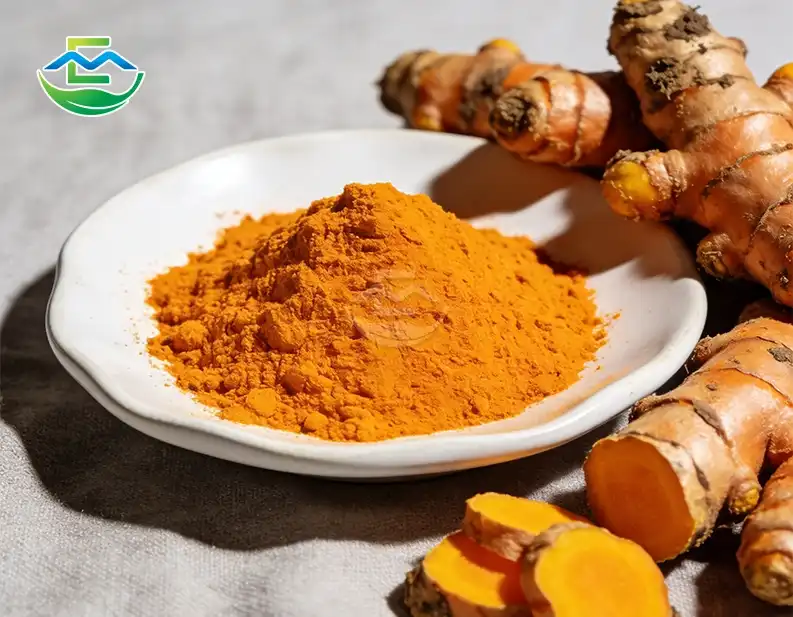
If you dry the root of Curcuma longa L. is what is used to make pure Turmeric Root Powder, which is one of the most useful plant foods. A lot of curcuminoids are found in this golden-yellow powder. Curcuminoids are natural chemicals that are useful in the supplement, makeup, and functional food businesses. Not like most spice mixes, this one keeps all of its antioxidants, like the medicinal substances and essential oils that have curcumin levels between 2% and 6%. As clean-label trends grow and businesses look for whole-food products that have been shown to work, it's important to know what makes good turmeric powder different so you can buy it from a good source.

What is Pure Turmeric Root Powder? Understanding Its Composition and Production
Defining Purity and Composition Standards
The word "pure" means a lot when it comes to plant items. Some things that can be in pure Turmeric Root Powder but aren't really pure Turmeric Root Powder are rice flour, cassava starch, and artificial colors like Metanil Yellow and lead chromate. Because these additives make things less safe and less effective, buying teams need to make sure that the right testing steps are taken.
Curcumin, demethoxycurcumin, and bisdemethoxycurcumin are the three main curcuminoids that are found in good, pure Turmeric Root Powder. The strong orange-yellow color of the ingredient comes from these chemicals, which also make it helpful. The powder naturally has volatile oils like turmerone, atlantone, and zingiberene, which give it an earthy, spicy smell and a slightly bitter, strong taste. Whole root powder is different from separate extracts because it has the full phytochemical structure. It gives what many formulators call "broad-spectrum synergy."
Production Process and Quality Retention
The first step in the making process is to pick out the grown rhizomes. Most of the time, this happens eight to ten months after growth began. In post-harvest preparation, controlled drying methods are used to keep the food's nutritional value while dropping the moisture level below 10%. This is needed to stop the growth of microbes while the food is being stored and shipped.
Next is precision grinding, which makes pieces that are 60 to 80 mesh in size. When particles are mixed in dry mixes or used in food, this standard makes sure that the particles are spread out properly. It doesn't dissolve in water because it is lipophilic. Instead, it forms solid solutions. This trait changes how different companies make their goods.
For industrial-grade materials, one important quality standard is to use High-Performance Liquid Chromatography (HPLC) to check the curcumin amount instead of UV spectroscopy, which can be fooled by things that change color. A total ash content of less than 7% means that the earth isn't too polluted, and a moisture level of less than 10% means that the product is safe to store for longer.
Certification and Compliance Considerations
When you buy something from another business, you need paperwork that follows a lot of different legal rules. The fact that manmade fertilizers and chemicals are not used in gardening is shown by the organic seal. It's becoming more and more important for customers to be open, and non-GMO certification protects genetic purity. GMPs and other food safety standards, such as FSSC22000, keep goods from getting contaminated and make sure that they can be used for medical and nutritional uses.
In some ways, different ways of cleaning are better for organic obedience than others. Even though they kill germs, irradiation and ethylene oxide treatments aren't used very often in some places, so steam cleaning is still the best way to keep your organic certification. When buying, teams know about these differences, and they can better match the skills of sellers with the needs of the target market.
Exploring the Health Benefits of Pure Turmeric Root Powder
Anti-Inflammatory and Antioxidant Properties
Studies on the bioactive ingredient in pure Turmeric Root Powder have shown that it helps keep inflammation reactions in check. By working with several chemical pathways, curcuminoids change the way cells deal with oxidative stress. Pure Turmeric Root Powder can be used to make products that boost the immune system and ease joint pain. These are two types of nutritional goods that are growing quickly.
Turmeric is a strong antioxidant that can get rid of free radicals and make the body's own antioxidant enzyme systems work better. Both of these processes work together to make gains that are bigger than what either of them could do by itself. What this means is that formulators can use pure Turmeric Root Powder in two ways: as an active ingredient and as a natural way to keep things fresh longer.
Whole Powder Versus Isolated Curcumin
People often have to pick between whole root powder and standardized curcumin extracts, which are almost always made up of 95% curcuminoids. The pros of each design are different. The full phytochemical makeup is kept in whole powder. This includes the fiber and volatile oils that may make the phytochemicals easier for the body to use through entourage effects. This "food matrix" method is liked by people who want ingredients that are made from whole foods, and it lets businesses market their goods as having been lightly processed.
On the other hand, standardized extracts have more curcumin per dose. This means that capsules can be smaller and doses can be more carefully watched. But they need fillers or carriers, and they might not be as stable at high temperatures as whole powder, which is good for baking and other high-temperature tasks. When formulating, teams know these trade-offs and can make the shape of an item fit the needs of a product and the people they want to sell it to.
Dosage Considerations and Safe Usage
As an extra, most people take 500 mg to 2,000 mg of whole root powder every day. This is the same as 10 mg to 40 mg of curcuminoids that are found in nature. Because it is lipophilic, curcumin is not easily absorbed, which is something that needs to be thought about in commercial goods. Piperine (black pepper extract) or fat carriers make absorption much better when added to a mixture. This method is often used in whole food mixes for nutraceuticals.
There shouldn't be more than 1 ppm of heavy metals, especially lead (Pb). This is more than the general US Pharmacopeia levels. This should be checked by quality control methods. Lead chromate that has been tampered with in the past shows how important it is to use Inductively Coupled Plasma Mass Spectrometry (ICP-MS) to do full tests.
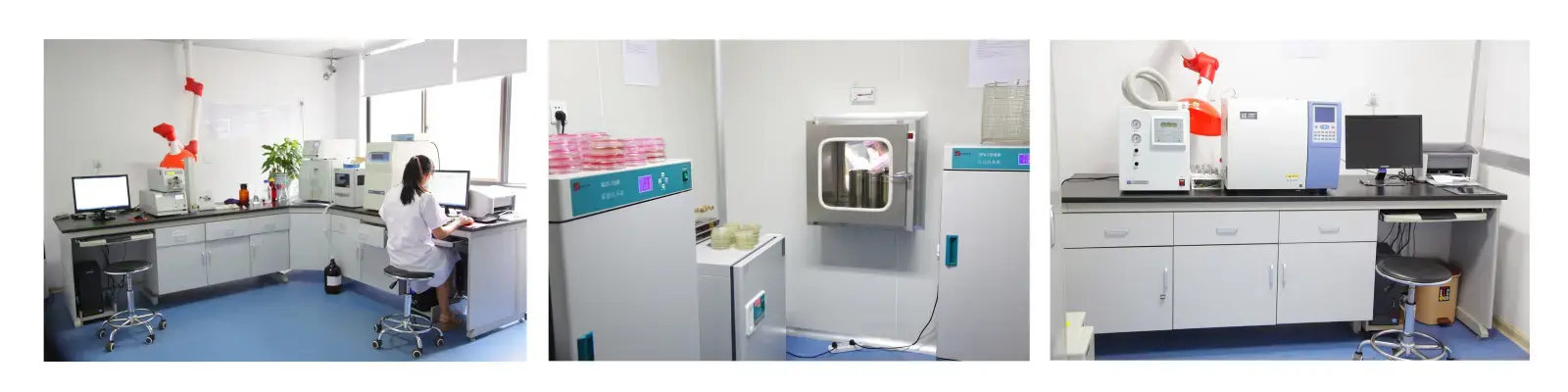
Culinary and Industrial Uses of Pure Turmeric Root Powder
Traditional and Contemporary Food Applications
For hundreds of years, pure Turmeric Root Powder has been an important part of cooking, especially in South Asian food. It makes food taste better and keeps it fresh naturally. These traits are used by current food manufacturers in a number of different types of food. It makes spice mixes yellow and gives them a light, earthy smell. Companies that make functional drinks use them to make golden milk, turmeric coffee, and wellness shots that help with overall health and inflammation.
Natural colorants can be used instead of man-made colors like Tartrazine (Yellow 5). Pure Turmeric Root Powder is being used more and more in sauces, mustards, and processed foods that need a yellow-orange color as clean-label movements gain steam. You have to be very careful about the things you use, though, because it marks so deeply. The powder sticks well to PVC and plastic parts of production lines, so you need special tools or very thorough cleaning methods to work with them.
Turmeric is used for more than just its color. It also kills germs, which helps wet sauces last longer on the shelf. People who want natural ways to keep food fresh can use it for two different things. When companies change the recipes of their goods to get rid of man-made stabilizers, this property comes in very handy.
Cosmetic and Personal Care Applications
Cosmetics companies now use pure Turmeric Root Powder in items that you put on your face to make it look and feel better. The fact that curcuminoids don't break down in oil means that they can be used in treatments, serums, and creams. The ingredient is liked by formulators because it works well with other plant-based actives and helps them make claims about green goods.
If the specs are for cosmetics, you need to pay extra attention to how the bits are spread out and how many germs are there. For better texture and feel on the skin, micronized forms are used. And steam sterilization makes sure that products meet strict microbial limits without changing their organic certification or leaving behind chemical residues.
Functional Food and Beverage Innovation
Healthy foods are one of the areas where the use is growing the fastest. People who make protein powder use pure Turmeric Root Powder in plant-based mixes, which means that their products are good for your health because they reduce inflammation. Sports nutrition companies use pure Turmeric Root Powder in recipes with protein, branched-chain amino acids, and adaptogens that help the body heal.
One problem that keeps coming up in formulation is how to deal with grittiness and settling in liquid solutions. Using encapsulation technologies, micronizing, or mixing with fat carriers like coconut milk powder are some options. These technologies make the product feel better in the mouth and make it more bioavailable. How well people like the product and how often they buy it again are directly linked to these technical factors. This is why it's so important to optimize recipes for the market.

How to Choose and Source the Best Pure Turmeric Root Powder for Your Business
Quality Certification and Supplier Assessment
You need to look at a provider's skills and compliance in a number of areas to find pure Turmeric Root Powder you can trust. The first thing that is looked at is quality approvals. Getting organic certification from the USDA, the EU, or a similar group proves that the crops are grown in a certain way. With NSF GMP approval, you can see that the production process is controlled. FSSC22000 is about food safety management systems. Goods that are meant for certain groups of people can reach more people with the help of Kosher and Halal licenses.
Another important thing to look at is traceability tools. It is important for suppliers to provide proof of where the materials came from, how they were handled, and how they were packed. People who check things and people who ask about where goods come from need to know this chain of control. Tracking that works well also lets you move quickly if there are problems with the quality, which keeps the supply chain happy.
You should pay close attention to how well the supply chain works and how much it can produce. When it comes to supplies and costs, sellers who work directly with farmers or who combine several businesses into one are better. Because buying teams know when crops usually grow and how to handle stocks, they can plan ahead for times when there might not be enough supplies.
Organic Versus Conventional: Making the Trade-Off
Most of the time, organic pure Turmeric Root Powder costs 20–40% more than normal pure Turmeric Root Powder. The price difference is because of the higher costs of licenses, smaller returns, and farming methods that require more work. But getting approved as organic lets you sell your goods in new places where buyers care about clean growing methods.
A lot of the time, regular pure Turmeric Root Powder works just fine when organic claims aren't important for business reasons. It is still necessary to do a full test on quality reference material to look for heavy metals, pesticide residues, and microbial contamination. The decision will rely on what the target market wants, how price-conscious they are, and where they want their brand to be placed.
Root Powder Versus Concentrated Extracts
When studying the cost-effectiveness, the amount of curcuminoid present needs to be taken into account. It might look like extracts cost more per kilogram, but because they contain more curcumin, they might cost less per standard amount. But extracts need carriers, might not be accessible without extra process steps, and don't sell as a whole food as whole powder does.
Pure Turmeric Root Powder doesn't break down when kept away from light and can handle high temperatures well for baking. This makes it useful for adding nutrients to foods and making snacks healthy. You can also say that the whole plant and all of its effects are good for you when you sell it. This puts goods in the growing "food as medicine" area.
Pricing Benchmarks and Procurement Channels
Bulk pure Turmeric Root Powder (500 kg or more) costs between $4 and $8 per kilogram right now. The price of organically approved material ranges from $6 to $12 per kilogram, depending on how much curcumin it has, what certifications it has, and how well the buyer and seller know each other. The price of standardized curcumin extracts (95% of the active ingredient) ranges from $35 to $75 per kilogram. Approved organic forms cost close to $100 per kilogram.
One way to get goods is to work directly with makers, work with ingredient brokers, or buy goods in bulk. This method can save you money and give you more control over the details, but you have to place bigger orders and be more in charge of the supply chain. There are distributors who give smaller lots and things from the area, but they charge more, which makes delivery more expensive.
When companies make private label and OEM goods, having suppliers who can help with recipe, do custom mixing, and offer a range of packaging options gives them an edge over their competitors. Aside from the commodity price, professional service skills such as stable testing, application help, and support for regulations make the product more valuable.

Conclusion
Well-made pure Turmeric Root Powder is used in lots of different areas, from health and beauty items to useful foods and makeup. To find this plant ingredient, you need to think about a lot of things, like how much curcuminoids are in the ingredient, how pure it is, how well it meets licensing standards, and how reliable the seller is. Because it has the whole food, pure Turmeric Root Powder is better than other products. This is especially true for brands that stress clean labels and plant benefits that cover a wide range. More and more people want natural products that work, so buying teams need to connect with buyers who can show they know their stuff when it comes to technology, quality control, and being open with the supply chain. People want plant ingredients that can be proven, tracked, and shown to work. How competitive a company is today will depend on the strategic buying decisions it makes.
Frequently Asked Questions
1. What distinguishes turmeric root powder from standard turmeric spice blends?
Ground Curcuma longa rhizomes are all that make up pure Turmeric Root Powder. There are no other spices, fillers, or chemicals in it. There are other ingredients in some standard spice mixes that might change the amount of curcuminoids in the mix and make it less stable. Because it is so controlled, pure Turmeric Root Powder lets you make sure that every batch of your product follows the rules and has the same amount of beneficial ingredients.
2. How can I verify the purity and quality of turmeric powder before committing to bulk purchases?
Ask for Certificates of Analysis (COA) that show tests for bacteria, manmade dyes, heavy metals (especially lead using ICP-MS), and starch fillers, as well as tests for HPLC curcuminoid. Sellers you can trust will give you these papers out of the blue and accept checks from a third party. By sending samples to outside labs for testing before placing large orders, you lower the risk in the supply chain and make sure the seller is telling the truth.
3. What are the recommended usage levels for incorporating turmeric powder into commercial formulations?
For each type of treatment, the dose is different. Most nutraceutical pills have between 500 mg and 1000 mg in each dose. Foods and drinks use 50–200 mg, mostly for color and taste. Functional drinks, on the other hand, use 200–500 mg per dose. Bioavailability boosters, such as piperine or lipid carriers, can help you get more out of smaller amounts of a product while continuing to use it.
Partner with EM: Your Trusted Turmeric Root Powder Supplier
Curcuma longa L. pure Turmeric Root Powder that is shipped by Earth Made Nutritions Inc. is pharmaceutical-grade and meets the high standards of companies in North America that make cosmetics, nutraceuticals, and functional foods. Our yellow root powder comes in drums that hold 25 kg, and you have to order at least 25 kg to place an order. Many approvals, like NSF GMP, FSSC22000, Kosher, Halal, ISO, and Organic, show that it follows the rules in many places. We have four carefully placed stores in the U.S. that allow us to fill orders with in-stock items in just two days. This takes away the uncertainty in the supply chain that can cause production plans to slip. We can make unique formulas thanks to our advanced research and development (R&D). We also have strict quality control measures in place that use high-performance liquid chromatography (HPLC) to check the curcumin level and look for impurities that could hurt the purity of the product. Try some for free today and learn how working with a company that makes pure Turmeric Root Powder can help your supply chain. Send an email to info@em-herb.com to get technical information, prices, and private label choices from our buying experts.
References
1. Aggarwal, B.B., & Harikumar, K.B. (2009). Potential therapeutic effects of curcumin, the anti-inflammatory agent, and their relationship with molecular targets. Biochemical Pharmacology, 78(4), 1399-1408.
2. Hewlings, S.J., & Kalman, D.S. (2017). Curcumin: A review of its effects on human health. Foods, 6(10), 92-105.
3. Nelson, K.M., Dahlin, J.L., Bisson, J., Graham, J., Pauli, G.F., & Walters, M.A. (2017). The essential medicinal chemistry of curcumin. Journal of Medicinal Chemistry, 60(5), 1620-1637.
4. Prasad, S., & Aggarwal, B.B. (2011). Turmeric, the golden spice: From traditional medicine to modern formulations. Herbal Medicine: Biomolecular and Clinical Aspects, CRC Press, Chapter 13.
5. Tayyem, R.F., Heath, D.D., Al-Delaimy, W.K., & Rock, C.L. (2006). Curcumin content of turmeric and curry powders. Nutrition and Cancer, 55(2), 126-131.
6. Hewlings, S., & Kalman, D. (2017). Curcumin delivery systems and bioavailability enhancement strategies in dietary supplements and functional foods. Agro Food Industry Hi Tech, 28(3), 56-59.
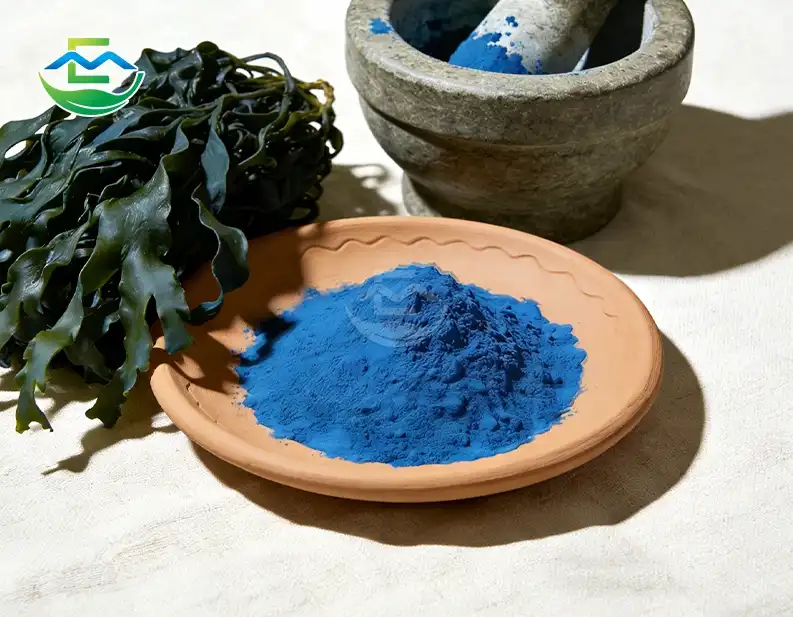
Whole Spirulina Platensis cells are used to make Blue Spirulina Phycocyanin, a new natural ingredient. This is a great choice for businesses that want to make clean signs. Some of the many ways this amazing dark blue pigment-protein complex can be used are in cosmetics, useful foods, and gourmet drinks. It is also a very strong antioxidant. More and more people want eco-friendly, plant-based options. Phycocyanin is a common choice as a strategic ingredient that meets both the needs of aesthetics and wellness-focused product positioning. Creators of new goods now have a way to make them that has been tested in science and is ready for the market.
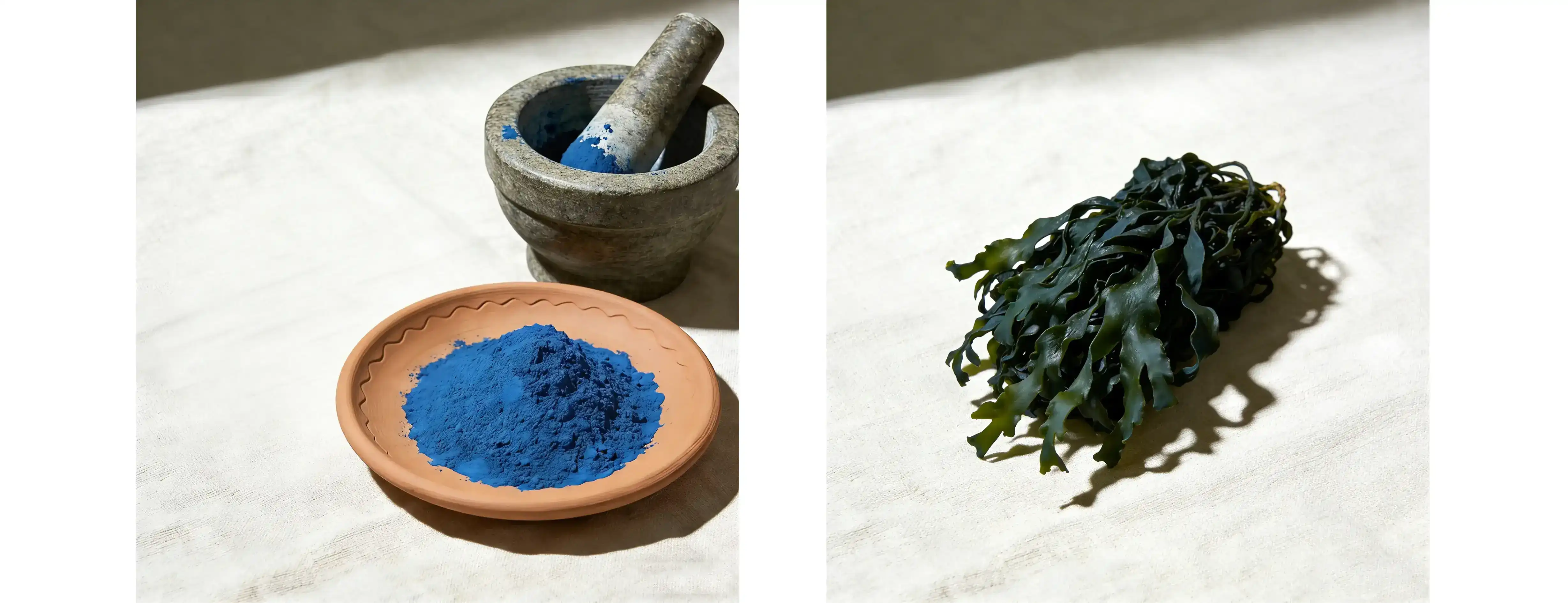
Understanding Blue Spirulina Phycocyanin: Nature's Powerful Compound
One thing that makes phycocyanin different from regular spirulina powder is that it is made of different chemicals and is extracted in a different way.
Molecular Structure and Extraction Excellence
It comes from the cyanobacterium Spirulina Platensis and is a part of the phycobiliprotein family. Whole-cell spirulina, on the other hand, has chlorophyll in it, which makes it green. To separate the blue pigment while keeping its shape, phycocyanin separation uses methods that are based on water. This water-soluble extraction method doesn't use chemicals and saves the bioactivity. This makes sure that clean-label rules are followed, which is important for customers today who care about their health.
It was a dark blue powder that could only be made from cell parts that were found. It goes down quickly in water, which makes it great for drinks and makeup serums that need to spread out evenly.
Compositional Advantages for Product Development
Phycocyanin is not the same as regular spirulina because it has a protein-pigment structure that is very thick. There is about 15 to 20 percent phycocyanin mixed in with the chlorophyll, fats, and carbs that make up regular spirulina. If you compare it to isolated phycocyanin, it is a pure active ingredient whose strength has been managed. With this focus, you can exactly control the recipe, make sure that each batch is the same, and guess how well the finished goods will work.
Being without chlorophyll, whole spirulina doesn't taste like the rich, oceanic food that most people think of when they think of it. This means it can be used in more expensive drinks, sweets, and skin care products where the way they taste and smell is important to the buyer. Product designers have more freedom to be creative and add helpful features without affecting the way the product looks or tastes.
Differentiating Value in Raw Material Selection
It is important for B2B buying teams to understand the finer points of algae-based products when they look at them. Whole spirulina can't compare to phycocyanin when it comes to keeping its color, neutralizing tastes, and having high amounts of antioxidants. When making high-end lines of products, this difference is very important because the quality of the materials has a direct impact on how people see the brand and where it stands in the market.
Health Benefits and Functional Properties of Blue Spirulina Phycocyanin
Scientists have proven that phycocyanin has a number of useful properties. Because of these qualities, it's a good choice for use in many items, from sports nutrition to anti-aging skin care.
Antioxidant Capacity and Free Radical Defense
Blue Spirulina Phycocyanin is a very strong antioxidant because it can get rid of reactive oxygen species. This is due to a phycocyanobilin chromophore that helps cells deal with oxidative stress by giving them electrons. This means that nutrition brands have to come up with recipes that help cells stay healthy and deal with oxidative imbalance problems without using products that were made in a lab.
The chemical is a strong antioxidant, which makes it useful for sports nutrition items that help busy people who are exposed to oxidative stress through exercise. People who make products can market supplements with phycocyanin as ways to help people heal, which will help their goods stand out in crowded marketplaces.
Anti-Inflammatory Properties for Wellness Applications
Researchers say that phycocyanin can lower inflammation by stopping some of the processes that cause inflammation. This feature can help people who make products that are good for their health or that they need to keep up with every day. The story of how the product came to be naturally and its proven bioactivity make for interesting marketing stories that appeal to health-conscious customers looking for plant-based choices.
Cosmetic Applications and Skin Health Support
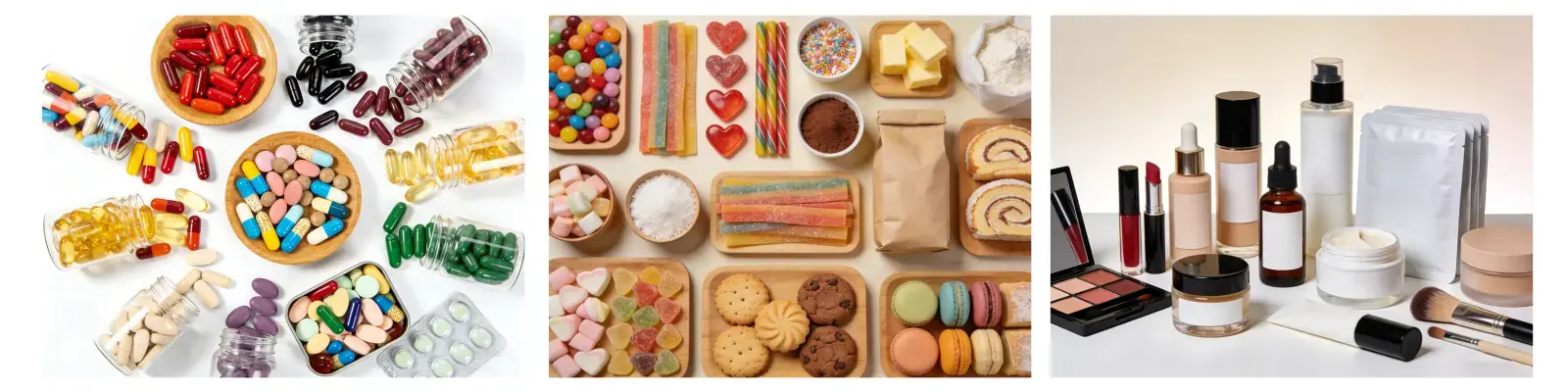
Phycocyanin is useful for more than just food. It is also useful in makeup. The antioxidants in it help skin care products protect the skin, and the blue color makes face masks, serums, and other specialized skin care items more interesting to look at. Cosmetic chemists like that it can be used as both an active ingredient and a natural colorant.
The protein structure of phycocyanin changes how the product feels and may help the skin's defense system when put on the skin. There are a lot of natural cosmetic names on the market, and phycocyanin helps them stand out. It also has clean label properties that buyers want from botanical actives.
By knowing these useful traits, R&D teams can carefully put things into a lot of different groups. Some examples are vitamins for immune health, sports diet, and high-end skin care brands.
Quality and Purity: Choosing the Right Blue Spirulina Phycocyanin for Your Business
If you want to buy something, you should carefully look at the quality standards, certifications, and style choices that work with the company's production skills and meet government standards.
Certification Standards and Compliance Assurance
To get into world markets, high-quality Blue Spirulina Phycocyanin has to pass strict approval processes. Some food items, like those that are NSF GMP, Kosher, Halal, ISO, FSSC22000, or Organic, come with the paperwork that many places need to follow the rules. With these licenses, you can be sure that strict quality control measures are in place from the time the raw materials are gathered to the time they are packed.
Health food and other items meant to be used with drugs must be made in a way that follows Good Manufacturing Practices. Companies that buy from suppliers with full approval profiles find it easier to follow the rules. This speeds up the process of putting new goods on the market.
Purity Grades and Specification Considerations
Phycocyanin sold in stores comes in different amounts of purity, which can be seen by the color value (E-value) at different wavelengths. The pigments and vitamins are more concentrated when the E-value is higher. With these specs, formulators can figure out exact amounts while keeping costs as low as possible.
By setting a norm for phycocyanin content, all production runs will be the same. This is very important for people who want to keep the quality of their products good. It is easy to tell how pure the goods really are compared to what the sellers say they are when you ask for certificates of analysis and standard sheets.
Format Options and Application Suitability
Most of the time, phycocyanin is sold as a powder in 25 kg drums, which are good for making a lot of it. One way this style can be used is to put vitamins and minerals in pills. Another way is to add them to drink powders and makeup bases. The powder is easy to mix with water because it melts quickly. You don't need any special tools to do this.
Phycocyanin usually has a minimum order size of 25 kg. Small to medium-sized businesses can use it to test out new recipes, and big names can still use it because they need a steady supply. Formulators can make sure that the two work together before they buy the full version because there are free demos available. This lowers the chances of growth and makes sure the recipe works.

Comparative Overview: Blue Spirulina Phycocyanin vs Other Algae and Antioxidants
To buy strategically, you need to know how Blue Spirulina Phycocyanin compares to other ingredients in terms of what it is made of, how useful it is, and where it fits in the market.
Phycocyanin Versus Whole Spirulina Powder
They both come from Spirulina Platensis, but they are made in very different ways and have very different things in them. Whole spirulina powder tastes and looks different because it has a special green-blue color, and it has the whole cell structure, which includes chlorophyll. The blue color that was taken out of this structure is called phycocyanin. Some people might not find it as helpful because it doesn't taste or look good, but it's good for you in many ways.
This difference is important when the way something looks is important, like when making high-end drinks or makeup. The bright blue color and bland taste of spirulina can be kept by formulators using phycocyanin to get to the healthy parts.
Comparison with Chlorella and Other Algae Extracts
Another well-known microalgae is Chlorella, which is made up of different chemicals. It is a plant that has a lot of chlorophyll and nucleic acids. It's good for you in many ways, but it's not blue like phycocyanin and doesn't have as many antioxidants. Phycocyanin is better than chlorella for businesses that want to make products that look good or make specific health claims.
Positioning Against Synthetic Colorants and Antioxidants
The market is strongly going toward natural blues instead of man-made ones like Brilliant Blue FCF. Phycocyanin meets this need and has other useful properties besides coloring. People in high-end markets who carefully read ingredient labels and place a high value on plant sources will find this two-for-one deal interesting.
Because it comes from plants and is made of proteins, phycocyanin is different from antioxidants that are made in a lab. This can help brands build their image for using clean labels. The fact that it can be extracted with just water makes it even more appealing to cooking teams that want to use ingredients that come from natural sources.
Procurement Guide: Sourcing High-Quality Blue Spirulina Phycocyanin for Your Business
Good sourcing strategies take into account business issues, quality control, and the reliability of the supply chain to make sure that a relationship lasts for a long time.
Identifying Reliable Manufacturing Partners
The most important things to look at when judging a provider are their ability to make things, their quality control methods, and their compliance with rules. If a company has its own production sites with cutting-edge extraction equipment, it has a better handle on quality security than middlemen or traders. Trust in the supply chain grows when manufacturing is open and honest, like when there are site checks and process records.
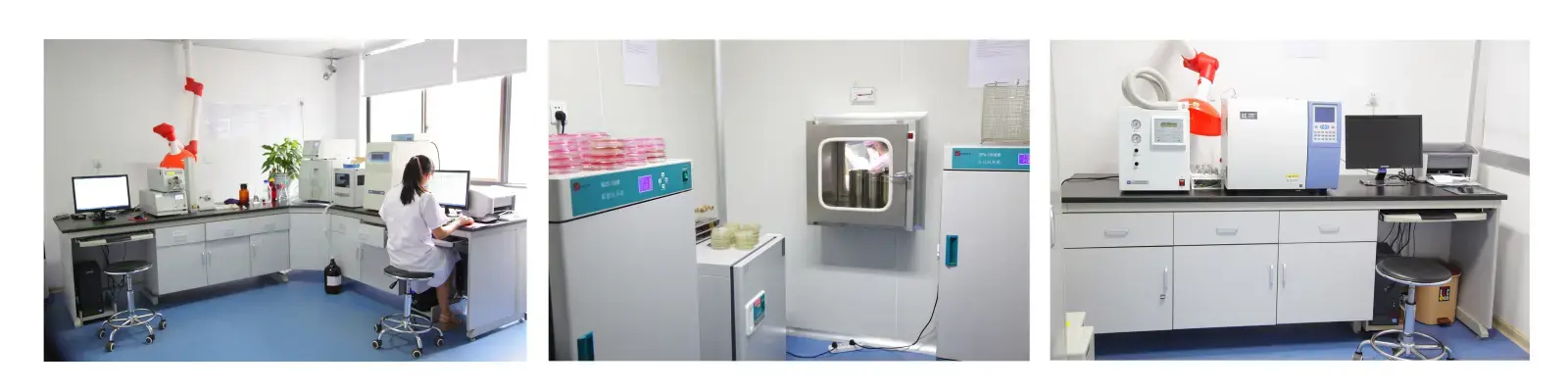
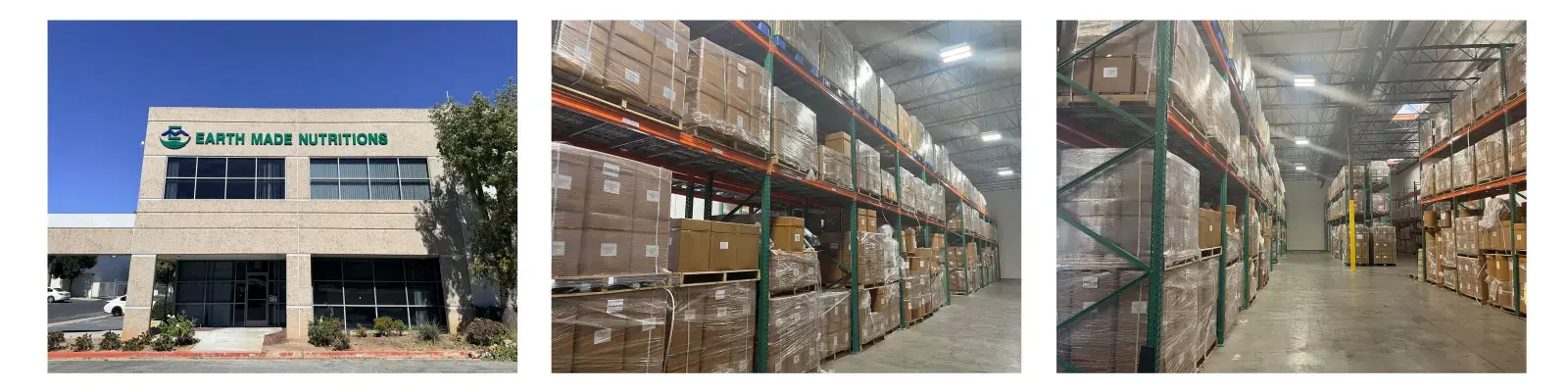
The company Earth Made Nutritions Inc. was set up in 2018 and is based in California. It has its own modern plant with state-of-the-art extraction tools that make sure production runs smoothly, and goods are of the same high quality from start to finish. There is less work in the supply chain because of this vertical merger, and quality is checked at every stage of production.
Logistics and Supply Chain Optimization
Shipping times and handling goods are affected by domestic warehousing in a big way. With multiple warehouses in the U.S., suppliers can offer fast delivery, often within two days. This lowers the risk of running out of stock and helps just-in-time manufacturing tactics work. When it comes to transportation, this edge helps keep track of working capital and lowers the cost of storage at customer sites.
Manufacturing processes can adapt quickly to changes in the market or the production plan because Blue Spirulina Phycocyanin goods are always in stock and can be picked up quickly. When picking a service, knowing how long the wait times are and what kinds of items are offered keeps production from stopping further down the line.
Quality Verification and Sample Evaluation
By asking for free samples, you can fully test how well they work with certain methods before making big purchases. Samples should be looked at to see how well they melt, how stable the color is in the conditions that will be used for processing, and how the finished goods smell and taste. The mixture is less likely to go wrong, and this basic testing backs up what the seller says about the product specs.
Because these are food items, it's important to think about the purity grades, bacterial safety, and heavy metal tests that come with them. The certificate of analysis backs these up. In order to set clear performance standards for long-term supply partnerships, it is important to set quality standards early on through sample review.
Conclusion
Companies that want to keep up with changing customer tastes for natural, useful products are starting to use Blue Spirulina Phycocyanin more and more. It is more than just a colorant because it has been shown to be an antioxidant and can be used in many health, beauty, and useful foods. It is an ingredient that can be used for many things and backs up many product claims. There are many licensing options for the compound, and more and more research is being done on it. This makes it a good deal for formulators who want to stand out in busy markets. When buying teams look at different ingredient portfolios, phycocyanin gives them the quality, stability, legal compliance, and functional performance they need to make products that work well in a number of different industry groups.
Frequently Asked Questions
1. What distinguishes phycocyanin from regular spirulina supplements?
The blue color that is taken out of spirulina cells and kept separated is called phycocyanin. Plain spirulina has all the parts of a cell, like chlorophyll, proteins, fats, and carbs. This way of extracting concentrates the blue color and the vitamins that go with it. It also gets rid of the strong taste and green color that come from spirulina that is whole. So, there is a more adaptable ingredient that can be used in high-end drinks, sweets, and makeup where a neutral taste and bright blue color are needed.
2. How should businesses evaluate phycocyanin quality when selecting suppliers?
There are many things that can be used to judge the quality of something, such as certifications (NSF GMP, Organic, ISO, FSSC22000), purity standards (measured by E-values), how open the production process is, and proof that each batch has been tested. One objective way to make sure that the claims about the standards are correct is to ask for proof of analysis. Also, checking the production skills of suppliers and seeing if they own their own plants or buy from other businesses can affect how stable the quality is and how reliable the supply chain is. Before you buy a lot of it, you should try a taste in the area where you will be using it to make sure that it works well.
Partner with a Trusted Blue Spirulina Phycocyanin Supplier
The good Blue Spirulina Phycocyanin sold by Earth Made Nutritions Inc. comes from Spirulina Platensis and is made using water-based methods. Their goods meet the standards of NSF GMP, Kosher, Halal, ISO, FSSC22000, and Organic. Our advanced research and development (R&D) center and four strategically placed U.S. stores are based in California. These stores make sure that orders are brought quickly, usually within two days of being made. We offer a variety of flexible ways to buy, with a minimum order amount of 25 kg, and we give away free samples so that you can try out different formulas. Because we care about making things in an eco-friendly and long-lasting way, brands that want to work with honest and reliable providers can do so. You can email our team at info@em-herb.com to talk about your phycocyanin needs and get more information, or to set up sample packs for your next product idea.
References
1. Romay, C., et al. "Phycocyanin: A Biliprotein with Antioxidant, Anti-inflammatory and Neuroprotective Effects." Current Protein and Peptide Science, vol. 4, no. 3, 2003, pp. 207-216.
2. Benedetti, S., et al. "Antioxidant Properties of a Novel Phycocyanin Extract from the Blue-Green Alga Aphanizomenon flos-aquae." Life Sciences, vol. 75, no. 19, 2004, pp. 2353-2362.
3. Riss, J. et al. "Phycobiliprotein C-Phycocyanin from Spirulina platensis is Powerfully Responsible for Reducing Oxidative Stress and NADPH Oxidase Expression." Journal of Agricultural and Food Chemistry, vol. 55, no. 18, 2007, pp. 7962-7967.
4. Bhat, V.B. and Madyastha, K.M. "C-Phycocyanin: A Potent Peroxyl Radical Scavenger In Vivo and In Vitro." Biochemical and Biophysical Research Communications, vol. 275, no. 1, 2000, pp. 20-25.
5. Eriksen, N.T. "Production of Phycocyanin—A Pigment with Applications in Biology, Biotechnology, Foods and Medicine." Applied Microbiology and Biotechnology, vol. 80, no. 1, 2008, pp. 1-14.
6. Sekar, S. and Chandramohan, M. "Phycobiliproteins as a Commodity: Trends in Applied Research, Patents and Commercialization." Journal of Applied Phycology, vol. 20, no. 2, 2008, pp. 113-136.
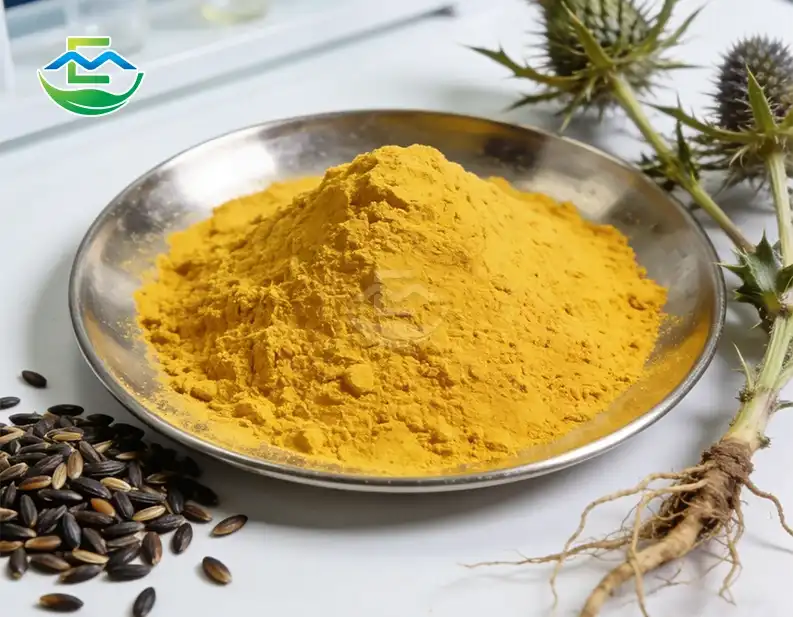
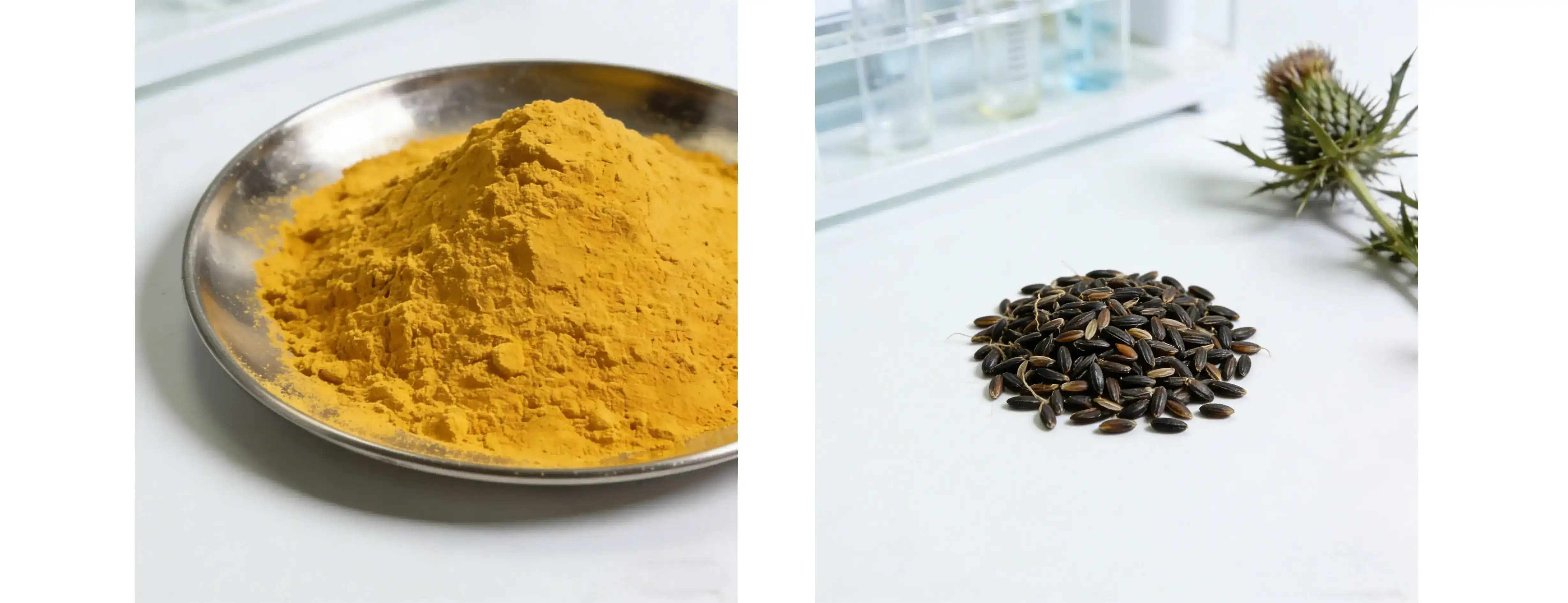
One of the most well-known plant products in the current global nutraceutical market is Milk Thistle seed Powder, which is made from the seeds of Silybum marianum. This yellow powder has been standardized to contain a high concentration of silymarin, a strong flavonolignan complex. It has great antioxidant qualities and helps the liver. As buyers look for natural, clean-label ingredients to make their products stand out, it's important to know about the technical details, bioactive profiles, and buying methods for Milk Thistle seed Powder. This complete guide covers the main benefits, best forms, correct doses, and buying information you need to make smart choices when looking for this valuable plant ingredient.
Understanding Milk Thistle Seed Powder and Its Core Benefits
Botanical Origins and Nutrient Composition
Milk Thistle seed Powder, or Silybum marianum, is a plant in the Asteraceae family that has been used for hundreds of years in traditional European and Mediterranean medicine. The seeds have a special mix of beneficial chemicals, with silymarin being the main one that does the work. There are silybin A and B, isosilybin A and B, silychristin, and silydianin in this group. Depending on the testing method and extraction method, high-quality standardized products can have silymarin amounts anywhere from 50% (HPLC method) to 80% (UV method).
To separate and concentrate these good chemicals, the plant's seeds are either cold-pressed or extracted using solvents like ethanol. When it's done, the powder is a fine, light yellow to pale yellow substance that tastes a little bitter. When it's properly found, it has very little wetness (usually less than 5%), which keeps it stable while it's being stored and made.
Primary Health Benefits and Mechanisms
The fame of Milk Thistle seed Powder comes from its powerful antioxidant and liver-protecting qualities. At the cellular level, the silymarin complex helps the body's natural cleansing processes and keeps hepatocyte membranes stable. Because of this, it works especially well in formulas that aim to support liver health, cleansing, and antioxidants.
In addition to being good for your liver, the beneficial chemicals in Milk Thistle seed Powder are also very good at reducing inflammation. Researchers have found that silymarin changes the processes that cause inflammation. Because of this, it is used in functional foods, drinks, and dietary supplements that are meant to improve general health. Because silymarin is an antioxidant, it helps get rid of free radicals, which protect cells in many parts of the body.
Commercial Value in Product Development
Knowing these functional benefits helps R&D leaders and formulation managers put Milk Thistle seed Powder in the right place in their product lines. The ingredient meets clean-label requirements and meets the rising desire for natural, plant-based remedies. It can be used to make pills, softgels, functional drinks, or topical products. Standardized Milk Thistle seed Powder can be used in a lot of different ways in the cosmetic and functional food industries.
Best Forms of Milk Thistle for Procurement and Use
Raw Seed Powder Versus Standardized Extracts
When buying, teams look at Milk Thistle seed Powder choices, and they come across different types of products. Raw seed powder is made from ground whole seeds that naturally contain between 1.5% and 3% silymarin. Even though this form is cheaper, it is hard to get regular potency with it, and you have to take more of it to get useful bioactive amounts.
Standardized extracts are the standard for B2B buying in the business. After being extracted with a solvent (usually ethanol for clean-label uses or acetone/ethyl acetate for cost-effectiveness), these concentrated powders are cleaned up and made uniform. The powder that is made concentrates silymarin to amounts that are useful for medicine, which allows for precise control over the mixture. Our Earth Made Nutritions Inc. standardized Milk Thistle seed Powder is made with high-tech extraction tools that give us a uniform yellow powder with a confirmed silymarin content and very little solvent waste.
Concentrated Extracts and Encapsulation Forms
In addition to bulk flour, Milk Thistle seed Powder can be bought in a number of forms that are ready to use. High-end supplement products need ingredients that are highly concentrated and contain 80% silymarin (UV). These products work well in hard-shell pills and tablets, which need concentrated actives because they don't have a lot of room. In softgel uses, Milk Thistle seed Powder is often mixed with oil matrices like soybean or lecithin to make the medicine more bioavailable. This is done because silymarin is lipophilic and doesn't dissolve well in water.
Micro-encapsulated forms have become available as options for healthy food and drinks. This method of processing makes it easier for water to mix with the substance and hides its bitter taste, which means it can be used to make more ready-to-drink detox drinks, protein shakes, and enriched foods.
Quality Standards and Certification Requirements
To choose the right form, you need to make sure it meets certain quality standards. Premium Milk Thistle seed Powder should meet USP (United States Pharmacopeia) or EP (European Pharmacopoeia) monograph standards. These include strict limits on heavy metals, ash content (usually less than 5%), and loss on drying (less than 5%). Particle size distribution—usually 95% going through 80 mesh—makes sure that the encapsulation and tableting processes mix the particles evenly.
Certifications like NSF GMP, Organic, Kosher, Halal, ISO, and FSSC22000 make sure that the products are made correctly and meet the needs of different markets. These qualifications are especially important for foreign brands and distributors that have to deal with a lot of different regulations. At our facility in California, we keep full certification coverage, and our in-stock inventory in four U.S. warehouses helps us process orders quickly, with as little as a two-day wait time.
Figuring out the bulk density (0.40-0.60 g/ml) and tapping density affects how the equipment is set up during production, and the solubility profiles decide how to make the mixture. The fact that Milk Thistle seed Powder doesn't dissolve well in water but does well in ethanol and methanol helps with choosing delivery methods and excipients.

Recommended Dosage and Safe Usage Guidelines
Clinically Supported Dosing Parameters
Dosing correctly is the basis for how well a product works and for following the rules. In clinical studies, silymarin is usually given in amounts of 140 mg to 420 mg per day, spread out over two or three treatments. These amounts are equal to about 200 to 600 mg of a pure extract that has 70 to 80% silymarin in it. To figure out equal amounts when making with Milk Thistle seed Powder, you need to know the exact silymarin concentration, which can be proven through analytical testing.
Standardized extracts make it easier to figure out how much to give. A pill with 300 mg of 80% silymarin extract gives you 240 mg of active complex, which is within the ranges that have been shown to work in clinical trials. Due to their lower natural silymarin content (1.5–3%), raw seed powder versions need much higher doses—often 5–10 grams—to deliver the same amount of bioactives. This makes them impractical for most supplement shapes.
Dosage Variations Across Product Types
Dosing tactics are greatly affected by the shape of the product. Softgels with oil-based structures may help the body absorb the medicine better, which could mean that slightly lower amounts are needed to keep the medicine working. Each dose of Milk Thistle seed Powder mixes for functional drinks or meal replacements might have 200 to 400 mg of standardized extract, which is a good balance between taste and health benefits.
Adding items that work well together can improve results. When you mix Milk Thistle seed Powder with phosphatidylcholine or liposomal transport methods, the bioavailability goes up. This is because silymarin's lipophilic structure makes it harder for the body to absorb. Formulation experts could also mix Milk Thistle seed Powder with other botanicals that protect the liver, such as dandelion root or artichoke extract. This would create benefits that work better together while spreading the active doses among more than one ingredient.
Formulation Considerations and Labeling Clarity
Product designers have to think about how stable silymarin is in different processing situations. Bioactivity can be lost in places with a lot of heat, light, and oxygen, so it's important to store and package things safely. Labels that clearly show how much silymarin is in each dose, not just the total weight of the Milk Thistle seed Powder, help consumers trust the product and make sure it meets regulatory standards.
Correct documentation helps QA teams and fits the requirements of foreign regulations. Giving full Certificates of Analysis (CoAs) with silymarin test results, microbial counts, heavy metal testing, and pesticide screening makes things clear for procurement workers who are deciding how reliable a provider is.
Sourcing Milk Thistle Seed Powder: Procurement Insights for B2B Clients
Market Dynamics and Pricing Factors
The global Milk Thistle seed Powder market shows that the nutrition, skincare, and functional food industries all want more of it. Prices change based on the amount of silymarin, how it was extracted, whether it is certified organic, and the size of the order. Standardized 80% silymarin extracts are more expensive than raw seed powder because they are easier to process, have stricter quality control, and work better in formulations.
When you buy in bulk, you save a lot of money. Minimum order amounts (MOQ) usually start at 25 kg, and prices go down by 100 kg, 500 kg, and 1,000 kg or more. Long-term supply deals can lock in good prices and make sure that goods are always available. This is especially important when farming factors affect harvests of raw materials.
Assessing Supplier Credibility and Compliance
A careful review of suppliers is key to a successful procurement. Key evaluation factors include the company's ability to manufacture, its extraction technology, its scientific testing infrastructure, and its certification collection. Suppliers must show that they follow GMP guidelines, keep their quality control systems strong, and give a lot of information about their products, such as specs, analytical methods, and stable data.
Another important factor is traceability. Reliable sellers can track materials back to the organic source by keeping records of how the plants were grown, when they were harvested, and how they were handled afterward. This line of custody is very important when working with pharmaceutical-grade materials or markets that need very strict name proof for plants.
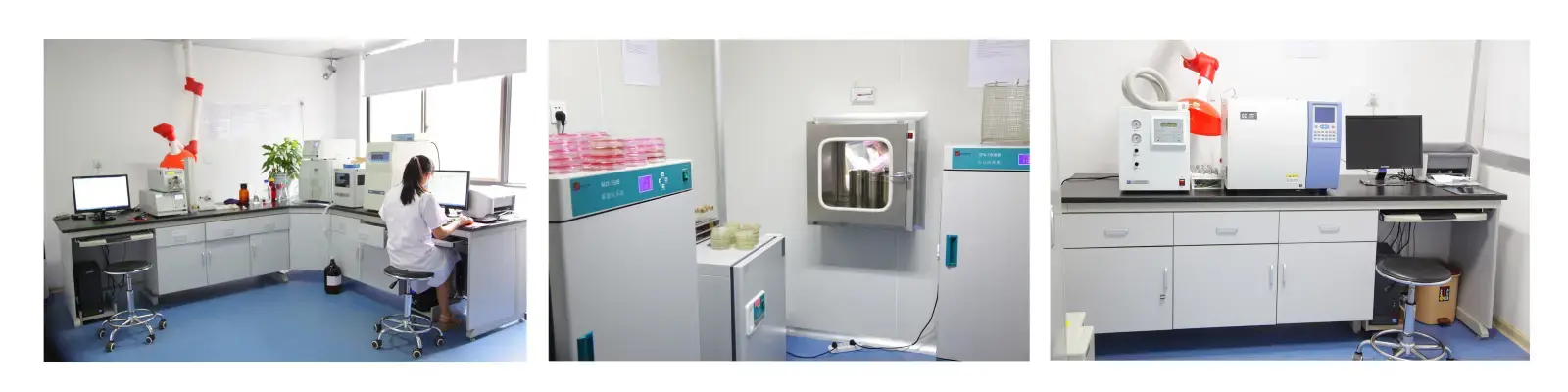
Our company, Earth Made Nutritions Inc., has its own modern factory with skilled R&D staff and cutting-edge extraction technology. Our method for quality control makes sure that goods meet U.S. FDA and GMP standards and have many certifications, such as NSF GMP, Kosher, Halal, ISO, and FSSC22000. With this infrastructure, we can consistently supply high-purity Milk Thistle seed Powder that meets the most exacting recipe needs.
Logistics, Sampling, and Order Fulfillment
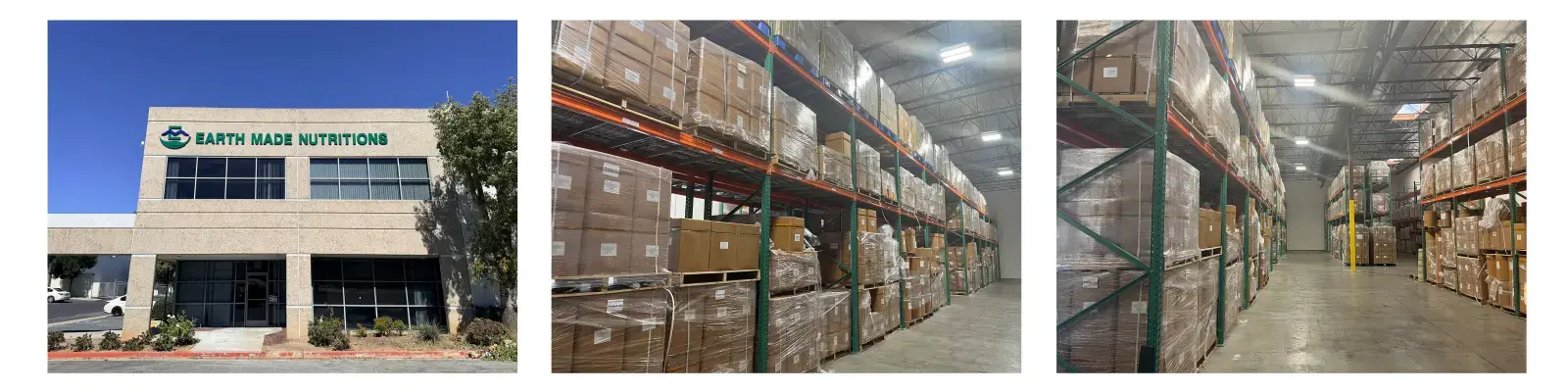
More than just product details are practical things to think about when buying something. Lead times, shipping processes, and minimum order amounts all have an effect on planning your inventory and your cash flow. North American buyers can save a lot of money and time on shipping by working with sellers who have stores in the U.S. Our four carefully placed U.S. warehouses allow for fast delivery, and you can pick up in-stock items within two days.
Having samples available speeds up the process of making a product. Before placing full-scale orders, R&D teams can test for compatibility and stability, and make preliminary recipes by getting representative samples with matched CoAs. At EM, we give free samples to approved B2B customers to help them make smart buying choices and lower the risk of procurement.
You should also think about your choices for packaging. Standard 25 kg fiber drums with polyethylene covers are a great way to protect most things, but custom packing solutions may be better for certain storage or handling needs. Understanding these organizational factors makes the buying process easier and helps make production schedules more reliable.
Conclusion
Milk Thistle seed Powder is an important ingredient for companies in the nutrition, skincare, and functional food markets that want to offer natural solutions that work. Because it is a strong vitamin that helps the liver, and can be mixed in many different ways, it is a good choice for differentiating products. To get the most out of this plant-based ingredient, you need to know the difference between raw seed powder and standardized extracts, use dosing strategies that are based on evidence, and work with suppliers who can show they have technical knowledge, quality control, and reliable fulfillment. By putting silymarin standardization, thorough testing, and ethical sources at the top of their list of priorities, procurement professionals can safely add Milk Thistle seed Powder to formulas that meet regulatory requirements and customer expectations.
Frequently Asked Questions
1. What distinguishes organic from conventional milk thistle seed powder?
Organic Milk Thistle seed Powder comes from plants that were grown without using chemical fertilizers, herbicides, or pesticides. These plants meet USDA Organic or similar certification guidelines. This label is appealing to brands that want to reach customers who care about clean labels and the environment. Conventional milk thistle is tested for chemical residues to make sure it meets safety standards, but it doesn't have organic approval. When properly standardized and tested, both forms can provide the same amount of silymarin. Which one to use depends on the brand's positioning and the interests of its target market.
2. How can buyers verify silymarin content and product purity?
The main way to check something is to ask for specific Certificates of Analysis (CoAs). CoAs should list the amount of silymarin that was found using certain testing methods, like UV or HPLC, and also include the levels of heavy metals, microbes, pesticide residues, and solvent residues. Reliable providers give paperwork for each package that is specific to the batch it came in. Third-party laboratory testing is another way to be sure of the quality of the silymarin. Reputable analytical labs can confirm the quantity of silymarin and look for possible adulterants or contaminants.
3. Is milk thistle seed powder compatible with other formulation ingredients?
It has been shown that Milk Thistle seed Powder works well with most vitamins and useful food ingredients. Because it is lipophilic, it mixes well with oil-based ingredients. Adding phosphatidylcholine or microencapsulation makes water-based formulations work better. When formulators mix powders with ingredients that respond quickly or put them through extremes in pH, temperature, or moisture during processing, they should test for stability. The purity of silymarin is maintained throughout the manufacturing process by using the right excipients and processing settings.
Partner with EM for Premium Milk Thistle Seed Powder Supply
Earth Made Nutritions Inc is a reliable source for Milk Thistle seed Powder. They provide standardized extracts that meet the strict requirements of current formulation science. Our yellow powder comes from Silybum marianum seeds and is strictly inspected for quality. It also comes with all the necessary standards, such as NSF GMP, Organic, Kosher, Halal, ISO, and FSSC22000. With a 25 kg minimum order amount, free samples, and fast two-day shipping from our four U.S. stores, we make it easy to get what you need while keeping the quality of our products high. Our research and development team in California and our high-tech extraction tools allow us to offer solutions that are fully adjustable and fit your exact formulation needs. We offer the technical know-how and reliable supply chain that procurement professionals value when they are making food supplements, functional drinks, or cosmetics. You can email us at info@em-herb.com to get product specs, CoAs, or quotes that are specifically made for your needs.
References
1. Abenavoli L., Capasso R., Milic N., Capasso F. "Milk thistle in liver diseases: past, present, future." Phytotherapy Research, 24(10), 1423-1432, 2010.
2. Flora K., Hahn M., Rosen H., Benner K. "Milk thistle (Silybum marianum) for the therapy of liver disease." The American Journal of Gastroenterology, 93(2), 139-143, 1998.
3. Kren V., Walterova D. "Silybin and silymarin—new effects and applications." Biomedical Papers, 149(1), 29-41, 2005.
4. Post-White J., Ladas E.J., Kelly K.M. "Advances in the use of milk thistle (Silybum marianum)." Integrative Cancer Therapies, 6(2), 104-109, 2007.
5. Wellington K., Jarvis B. "Silymarin: a review of its clinical properties in the management of hepatic disorders." BioDrugs, 15(7), 465-489, 2001.
6. Zhao J., Agarwal R. "Tissue distribution of silibinin, the major active constituent of silymarin, in mice and its association with enhancement of phase II enzymes: implications in cancer chemoprevention." Carcinogenesis, 20(11), 2101-2108, 1999.
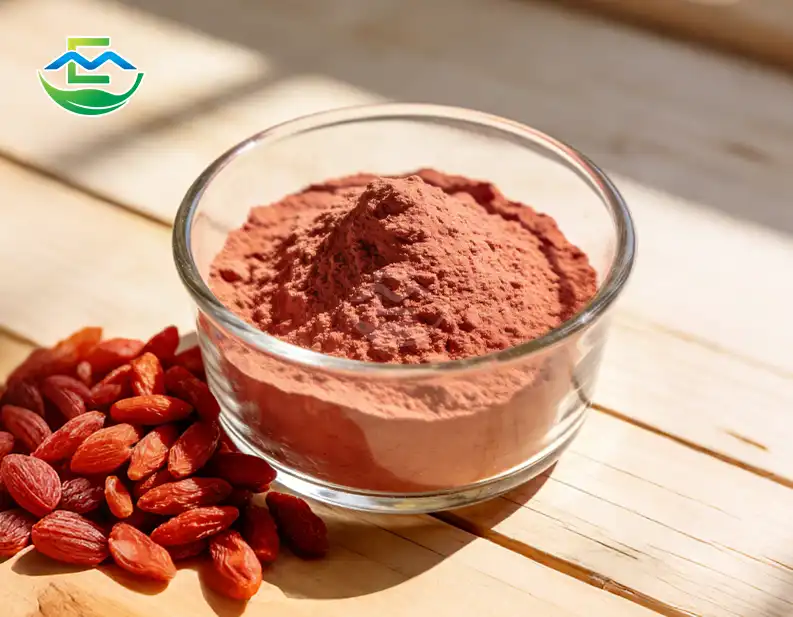
You need to know about the technical features of Goji Juice Powder, how it goes through the supply chain, and how it can be used in the cosmetics and functional foods industries in order to choose the right one. Spray-drying techniques that don't use solvents are used to make high-quality Goji Juice Powder from Lycium barbarum berries. It is a steady, brownish-red powder that has a lot of bioactives in it, such as Lycium Barbarum Polysaccharides (LBP), carotenoids, and minor minerals. Workers in procurement can use this guide to learn how to use makeup analysis, source selection criteria, legal compliance, and strategic sourcing practices to make smart decisions that make brands stand out and make products better.

Understanding Goji Juice Powder: Composition and Core Characteristics
It's better to use Goji Juice Powder instead of whole-fruit powders because it solves important manufacturing issues that B2B buyers deal with every day. Ground berries have seeds and fiber that sink to the bottom of liquids. Goji Juice Powder, on the other hand, is cleaned and concentrated before it is dried. This makes it a fine ingredient that dissolves in water and is great for making drinks clear and spreading them out evenly.
What Distinguishes Juice Powder from Extract Powder
How they are made is the main difference between Goji Juice Powder and extract powder. Most of the time, Goji Juice Powder tastes and looks like fresh goji berries, and the concentration level stays between 1:1 and 10:1. If you want to do this, you juice ripe berries, filter out the thick pulp, concentrate the liquid under pressure to keep heat-sensitive compounds, and spray-dry the concentrate with a few carrier agents like maltodextrin to make it flowable.
Extraction powder, on the other hand, uses a solvent-based method (water or ethanol) to separate certain substances, like carbohydrates, at normal amounts of 40% or 50%. It is true that extract powder is better for some health claims, but it doesn't have as many of the flavor and phytonutrient benefits that Goji Juice Powder does. You should use either Goji Juice Powder or extract powder, depending on the purpose of the product. Goji Juice Powder is best for uses that need real taste and full-spectrum nutrition, while extract powder is best for concentrated supplement pills that need to give specific bioactives.
Physical and Chemical Specifications for B2B Applications
There are certain chemical and physical traits of high-quality Goji Juice Powder that determine how well it works. That depends on when it was picked and how hot it was while it dried. It can be bright orange or very dark brown. Making sure that particle sizes are always between 80 and 100 mesh ensures that in factories, materials melt quickly and mix evenly. The wetness content is kept well below 5% to prevent the material's natural ability to absorb water, which is a key part of keeping it from caking while it's being stored and shipped.
It breaks down in normal water more than 98% of the time and doesn't leave much behind, even when used in cold weather. This property is very useful for ready-to-drink drinks and quick vitamin mixes that don't taste good when they're rough. How much carbohydrate there is depends on the concentration ratio and is generally between 20% and 50%. The profiles of vitamins and carotene that have been kept are good for you in many ways. Because the pH of a 10% solution is between 4.5 and 5.5, it can be mixed with most drink mixes without having to use complicated neutralizing systems.
Key Bioactive Components Relevant to Product Development
Goji Juice Powder is useful because it contains healthy parts. The main thing that backs up claims that functional foods can help the immune system is Lycium Barbarum Polysaccharides (LBP). This vitamin is great for nutricosmetic uses that protect the eyes and face from UV rays because it has a lot of zeaxanthin and beta-carotene. It fits the growing market for beauty-from-within products.
Small amounts of zinc, iron, and selenium are good for you, and the natural vitamin C level is still high enough to be an antioxidant, even though some of it is lost when you spray dry it. The amino acid profile is made up of 18 different amino acids. It's one of them... Foods get their unique sweet-tart taste from it, and bad tastes are hidden in complex mixes of veggies or proteins.

Evaluating Quality Standards and Certification Requirements
Before you can be sure of the quality, you need to know the rules for licensing that govern the trade of foreign goods. Earth Made Nutritions Inc. has a lot of different kinds of certifications, such as ISO, Natura, Kosher, FSSC22000, and Gluten-Free. They can meet the wants of many customers in North America, Europe, and the Asia-Pacific region with these. So, you can be sure that the quality control process starts when the raw materials are found and stops when the finished Goji Juice Powder is sent out to the public.
Organic Versus Conventional: Making Strategic Sourcing Decisions
Prices and where a product is sold are both affected by whether it is organic or standard. For farmers to get organic certification, they have to grow their crops in strict ways that don't use manmade chemicals and fertilizers. Third-party checks of farms and processing plants show this to be true. Ingredient prices normally go up by 15 to 30 percent after this approval, but it opens up high-end markets where "clean label" placement drives buying decisions.
It is made the same way as organic Goji Juice Powder, but the berries come from farms that use integrated pest management instead of organic guidelines. If a company has good quality control methods in place, things like cleanliness, bioactive content, and germ safety stay the same. The choice of strategy is based on what the company's ideal customer wants and where it stands in the market for certain types of goods.
Critical Quality Metrics for Procurement Evaluation
Buying teams should look at more than just certification. They should also look at a number of professional quality factors. There should be a list of polysaccharides, heavy metals (like lead, arsenic, cadmium, and mercury), chemical waste panels that are related to the source area, and microbial limits for things like yeast, mold, E. plate count, and E. coli. Both Salmonella and E. coli. How willingly providers give out paperwork for each batch shows how well their business is and how well they can keep track of things.
How quickly particles dissolve and how uniform the mixture is depend on how they are spread out. A laser refraction test from premium sellers shows that 95% of particles can pass through certain mesh sizes. To make sure that the finished goods are dosed evenly, this keeps the bits from splitting while they are being mixed. Color spectrophotometry data (Lab* values) lets you match colors from one batch to the next. This is important for keeping the look uniform in market goods, since how they look is a big part of how good they are.

How to Choose the Best Goji Juice Powder Supplier: Decision Criteria for B2B Buyers
There are more things than just price to consider when picking a seller. Reliability, expert help, and strategy matching are also important. To keep the supply chain going easily and quality from changing, Goji Juice Powder ingredients need to be carefully checked in a lot of different places.
Assessing Production Capacity and Supply Stability
As the seasons change and new products come out, providers need to make sure they have enough production space and good methods for keeping track of their stock. When it comes to batch sizes, Earth Made Nutritions Inc. has its own plants with high-tech spray-drying tools that can handle anything from 25 kg for small orders to many tons for big production runs. We have four carefully put warehouses in the U.S. that make sure goods are always available. Items that are in stock have two-day wait times. This meets the needs of just-in-time production and keeps working capital as free as possible from being tied to large amounts of ingredients.
If you look at a supplier's production plan, you can see how their capacity is being used and how ready they are to handle big orders or orders that come in quickly. Keep an extra supply of popular specs on hand so that lead times don't change too often. On the other hand, providers who use "make-to-order" models might be able to offer more customization, but shipping times will be longer. When you compare these things to your own production plans, you can find the best supply relationships.
Geographic Sourcing and Traceability Transparency
Different types of soil, weather, and growing methods can change the phytonutrient profiles of raw berries depending on where they were grown. High-quality goji is grown in Ningxia, China, but more and more, regional markets are buying goji from the U.S. and Europe, which can be traced back to the farms where they were grown. Suppliers who offer farm-level tracking can prove that many finished items came from specific places and at certain times during gathering. This lets people say where the ingredients came from and lets people act quickly if the food gets contaminated.
Technical Support and Formulation Assistance
Providers who stand out offer science knowledge that goes beyond just selling products. Formulation scientists who know about problems with stability in different media, such as how pH affects stability, how proteins interact with each other, and how heat processing affects stability, can help speed up the process of making new products. The research and development team at Earth Made Nutritions Inc. can help you figure out the best amounts of ingredients to use, ideas for mixing ingredients that work well together, and ways to fix stability issues that come up during pilot testing. Suppliers become important partners in this discussion, which helps the product do well.
Best Practices for Purchasing and Using Goji Juice Powder in Bulk
You need to know how prices work, how to store things, and how to handle products so that their quality stays the same throughout the supply chain if you want to get the best deals on big Goji Juice Powder purchases.
Understanding Pricing Models and Negotiation Strategies
The prices of items depend on how much the raw materials cost, how hard they are to work with, how much it costs to get licenses, how much it costs to pack them, and how much it costs to ship them. With volume-tiered prices, people are more likely to buy more because they can save 5–15% when they buy certain amounts. When a seller is honest, they give you a thorough price that breaks down the costs of the ingredients, testing, special packaging, and faster shipping. This lets you correctly model the costs.
Changes in the commodity market can make the price of raw berries go up or down, but budgets stay stable thanks to yearly supply deals that protect prices. Setting payment terms based on the number of orders is the best way to keep track of cash flow. Also, keeping goods from going out of date means making sure that minimum order quantities (MOQ) are in line with how fast things are used up. The standard 25 kg drum shipping works well for people who need to ship medium to large amounts of goods. Totes or bulk bags are easier to move around when you have a lot to do.
Storage and Handling Protocols to Maintain Quality
Natural fruit sugars in Goji Juice Powder make it absorb water, so it needs to be kept in a certain way. The temperature should be less than 20°C, and the humidity should be less than 40% in buildings. Facilities with temperature control should be used in wet places. Using aluminum-foil stacked bags with heat seals and food-grade desiccants to keep the bags closed keeps water out, which would otherwise make the food clump and break down.
As soon as a package is opened, it should be put back together with clip caps or put in a bin that won't let air in. Because carotenoids break down faster in direct sunlight, you need dark storage bins or warehouse areas that block light. First-in, first-out (FIFO) inventory movement, which is based on the times that items were made and written on batch stickers, keeps old stock from piling up. Material stays in good shape for 24 months after it was made, as long as it is stored properly. However, it needs to be checked for quality every 6 months to make sure it is still good enough to use in production.
Formulation Integration and Dosage Guidance
The best rate of participation for each type of application is different. Most functional drink recipes use between 2% and 5% Goji Juice Powder by weight. This is a good mix between price and taste strength. Goji is a well-known ingredient that backs up marketing claims. It's found in 10 to 25 percent of vitamin powders and fruit mixes. 500 to 1000 mg per dose is used in nutraceuticals that claim to improve skin and eye health. This is because research has shown that these amounts work at the bodily level.
Goji Juice Powder is very easy to mix in, so it can be used with both wet and dry types. With cold-water dispersion, you can add things in the last few steps of mixing without using heat, which could hurt parts of the mixture that are sensitive to heat. About 40–50% of the powder's sucrose equivalents come from its natural sweetness. This means that sugar reduction methods can be used in low-calorie recipes. If you try different amounts of goji during the research and development process, you can find the best ones where the sweet and sour notes don't take over the overall taste.
Maintaining Quality and Ensuring Compliance: Regulatory and Safety Aspects
To get around the rules of foreign markets, you need to know how to get Goji Juice Powder ingredients approved, make labels, and fill out paperwork in each country.
Food Safety Standards and Manufacturing Certifications
Based on FDA rules, Goji Juice Powder is generally thought to be safe for use in food in the US. It can be sold right away without being cleared. Current Good Manufacturing Practices (cGMP) can be found in 21 CFR Part 111 for dietary supplements or 21 CFR Part 117 for human food. Factories must follow these rules no matter what they are making. The FSSC22000 certification, which is a mix of ISO 22000 and other standards, shows that there is an organized way to look at risks and put in place controls that deal with physical, chemical, and biological sources of contamination.
Novel Food has to follow rules in order to sell in European markets. But people have been eating goji nuts for a long time, so they don't need permission. Kosher and Halal symbols are used to make sure that food meets the religious needs of certain groups of people. There should be known licensing groups that keep an eye on them and make sure that the processing of ingredients follows the rules of those religions.
Import Documentation and Customs Procedures
For international deals involving products, it's easier to get through customs if there is a lot of paperwork. Commercial bills have the name of the object, its Harmonized System (HS) code, where it was made, and its stated value. These are used to fill out import statements. Customs officers or people who are taking goods may ask for Certificates of Analysis, Phytosanitary Certificates (if the target country needs them), and Free Sale Certificates to prove that the goods were legally sold in the country where they came from.
When things are shipped to another country, they don't get held up or rejected if the sender knows the rules of that country. For some poisons, the maximum residue limits (MRLs) are higher in other places than in the area where they came from. In other words, tests on the ingredients must show that they meet the tightest rules. Keeping in touch with qualified freight forwarders and working with service providers who know how to handle export paperwork makes things easier and cuts down on problems at the border.
Batch Testing and Ongoing Quality Verification
Using processes to check arriving ingredients, even when buyers give COAs, is another way to protect against changes in specifications or mistakes made during shipping. To do rapid screening at home, you only need a few tools. For example, loss-on-drying can be used to measure how wet something is, spectrophotometry can measure color, and sieve analysis can measure particle size. More complicated tests, like ICP-MS measurements of heavy metals and pesticide residue screens, are usually done by outside labs that follow approved procedures.
Setting acceptable quality levels (AQL) and sample plans based on statistical principles can help find a balance between the cost of testing and the amount of risk that is accepted. Trending analysis lets you see small changes in quality over time in batch data. You should talk to the service about these changes before the specs become unacceptable. Buyers and sellers agree in writing on quality standards, including who will test the goods, what claims are made about specs, and how to handle problems with materials that don't meet standards.

Conclusion
If you want to buy Goji Juice Powder, you should think about the technical details, the supplier's skills, and the rules that must be followed. To make ingredients work better in recipes, you should know the difference between juice powder and extract, check the quality with scientific tests and certifications, and store them in the right way. With openness, technical support, and stable supplies as the main goals of strategic relationships with sellers, new goods can be made that follow market trends toward natural, useful ingredients. This book lays out an organized way for procurement workers to make smart decisions that protect people, keep things safe, and make money.
FAQ
1. Why does the powder clump during storage?
Goji Juice Powder has natural fruit sugars that pull water from the air. If the powder is not kept properly to control humidity, this can cause hygroscopic clumps to form. Keep buildings below 40% relative humidity and use moisture-barrier packing with aluminum-foil laminate and desiccant packs to avoid this problem. As soon as the packages are opened, they should be resealed and kept in a temperature-controlled area so that the flowability stays the same for as long as the product is on the shelf.
2. What is the difference between Goji Juice Powder and Goji Extract Powder?
Goji Juice Powder is what you get when you dry-grind fruit juice. When the content is between 1:1 and 10:1, the powder keeps its original color, taste, and full phytonutrient profiles. A solvent-based separation process is used to target specific chemicals, such as polysaccharides, at normal strengths (40–50%) in the extract powder. Taste is often lost when bioactives are delivered in a concentrated way. You should choose the right format for the job. For example, Goji Juice Powder works best in drinks with a lot of taste, while extract powder works best for certain vitamin pills.
3. Can this be used for clear drinks?
When maltodextrin carriers are used correctly, Goji Juice Powder dissolves almost fully in clear drinks. Pectin hazes may show up in small amounts, though, depending on how well the raw juice is cleaned. Small amounts of certain formulation factors, like pH, processing temperature, and storage time, are checked to make sure the security of the visual clarity. Some sellers offer different types that are better for uses that need water that is very clear because they filter them more fully.
4. Does heat during preparation get rid of chemicals that are good for you?
Spray-drying only heats things up for a short time at a time, so chemicals that break down quickly in hot conditions don't break down as quickly. Dried berries don't have as much vitamin C as fresh ones, but they still have the same amount of carbs, enzymes, and minerals. The ingredients cost a lot more when they are freeze-dried, but formulas that want to keep as many vitamins as possible might want to look into them.
Partner with EM for Premium Goji Juice Powder Supply
For companies that make useful foods, supplements, or makeup, Earth Made Nutritions Inc. is a great place to get Goji Juice Powder from a reliable source. The berries of the Lycium barbarum plant give us our brownish-red powder, which is made without using any liquids. Some of the quality standards that it has to meet are NSF GMP, FSSC22000, Kosher, Halal, ISO, and organic. There are strategically placed warehouses all over the United States that make shipping quick. Items that are already in stock can be picked up in two days. Only what is needed at the right time is what this does.
Due to their advanced R&D skills and understanding of extraction tools, our expert team helps with formulations. You can get help from us whether you need to make immune-boosting pills, nutricosmetics, or functional drinks. Private labels and changing specs to fit your wants are two of our unique services. You can get free samples before you buy, and the 25 kg minimum order size is big enough to cover everything from tests to mass production.
Our team can be reached at info@em-herb.com to talk about your specific needs with Goji Juice Powder providers who care about quality, safety, and the success of our teams. We'd love the chance to help you reach your goals for product growth by giving you items that are the best in the business.
References
1. Amagase, H., & Farnsworth, N. R. (2011). A review of botanical characteristics, phytochemistry, clinical relevance in efficacy and safety of Lycium barbarum fruit (Goji). Food Research International, 44(7), 1702-1717.
2. Potterat, O. (2010). Goji (Lycium barbarum and L. chinense): Phytochemistry, pharmacology and safety in the perspective of traditional uses and recent popularity. Planta Médica, 76(1), 7-19.
3. Masci, A., Carradori, S., Casadei, M. A., Paolicelli, P., Petralito, S., Ragno, R., & Cesa, S. (2018). Lycium barbarum polysaccharides: Extraction, purification, structural characterisation and evidence about hypoglycaemic and hypolipidaemic effects. Food Chemistry, 254, 377-385.
4. Yao, R., Heinrich, M., & Weckerle, C. S. (2018). The genus Lycium as food and medicine: A botanical, ethnobotanical and historical review. Journal of Ethnopharmacology, 212, 50-66.
5. Jin, M., Huang, Q., Zhao, K., & Shang, P. (2013). Biological activities and potential health benefit effects of polysaccharides isolated from Lycium barbarum L. International Journal of Biological Macromolecules, 54, 16-23.
6. Skenderidis, P., Lampakis, D., Giavasis, I., Leontopoulos, S., Petrotos, K., Hadjichristodoulou, C., & Tsakalof, A. (2019). Chemical properties, fatty-acid composition, and antioxidant activity of goji berry (Lycium barbarum L. and Lycium chinense Mill.) fruits. Antioxidants, 8(3), 60.
Raspberry Juice Powder, derived from Rubus idaeus L., offers a concentrated source of bioactive compounds that support cellular health, immune function, and skin vitality. This fine pink powder delivers ellagic acid, anthocyanins, and vitamin C in stable form, providing benefits ranging from antioxidant defence to metabolic support. Through advanced spray-drying or freeze-drying methods, the powder retains the nutritional integrity of fresh raspberries while solving critical challenges in formulation stability and shelf life. Understanding what this ingredient does to your body helps procurement managers, R&D directors, and formulation scientists optimise product development strategies that align with clean-label trends and consumer wellness demands.
Introduction
Because of the worldwide trend toward natural and useful ingredients, Raspberry Juice Powder has gone from being a niche ingredient to a key asset in the health, beauty, and functional food industries. More and more, buyers and people who make products are being pushed to find ingredients that improve health in a healthy way while also keeping the supply chain stable. All of these needs are met by Raspberry Juice Powder, which has all the health benefits of real fruit and also meets industry standards for stability and compliance.
There is a lot of information in this guide about Raspberry Juice Powder's effects on the body, its nutritional make-up, its scientifically proven health benefits, its usefulness in many product categories, and important things to think about when picking a provider. People who work in buying can use the material to make formulations work better, make brands stand out more, and meet the high-quality standards that today's health-conscious markets expect.
Understanding Raspberry Juice Powder and Its Nutritional Profile
What Distinguishes Raspberry Juice Powder from Other Fruit Ingredients
Rubus idaeus L. fruit juice is gently dried to create Raspberry Juice Powder. Minimising fruit water loss and concentrating minerals to 5%. Whole raspberry powder contains insoluble fibre and seeds. However, this refined substance emphasises flavour intensity and solubility, which is crucial for pill-based beverages and vitamins. The manufacturing procedure uses no solvents, preserving the original chemical composition. Synthetic additives are avoided, making anthocyanins harmless.
It is usually a thin pink powder with 60–80 mesh particles. It mixes well with water. This scientific factor is crucial in commerce because clumping or incomplete dissolution might impair product quality. Fruit powder doesn't require refrigeration like real fruit. The acidity is standardised (pH 2.9–3.5), making preparation more dependable than with seasonal food.
Nutritional Composition and Bioactive Compounds
Raspberry Juice Powder provides more nutrients than fresh berries since it's stronger. Vitamin C is abundant in each dose. Vitamin C, an antioxidant that breaks down in water, keeps cells healthy and makes collagen. Raspberries are rich in polyphenolic ellagic acid. This powder is stable and will function for 24 months in a cold, dry environment.
Anthocyanins remove free radicals well in living organisms. They produce the powder's colour. Flavonoid molecules change colour with pH. They become brilliant red in acidic conditions and purple-blue in neutral conditions. Manufacturers of products with varied pH levels must consider this feature. They may require citric acid or other natural acidulants for visual appeal.
Manganese is in the powder. It supports enzymes and cellular activities. There's also some potassium and calcium. These nutrients are natural, which may improve absorption by coordinating molecules. Not like artificial vitamin mixtures. It's true that providing minerals individually is less effective than all at once. This uptake increase supports that.
Comparing Spray-Dried and Freeze-Dried Variants
Choosing between freeze-dried and spray-dried Raspberry Juice Powders generally depends on how they are prepared. Spray-drying uses maltodextrin and controlled heat. These make it more water-soluble, making it ideal for fast drinks. Though vitamin C breaks down more quickly than freeze-dried, it saves money and retains benefits.
When freeze-dried, water is lost by sublimation, not phase change. This milder strategy protects heat-degradable chemicals. This produces powder with more anthocyanin and truer flavours. Freeze-dried foods are more costly to manufacture and may not dissolve correctly; thus, recipes may need to be altered.
Both produce hygroscopic dust, they must be packaged carefully. When the humidity is below 50%, aluminium foil bags don't allow water in. That would cause clumping and caking. Quality control is difficult for wholesalers who handle products in multiple temperature zones because of their susceptibility to keeping.
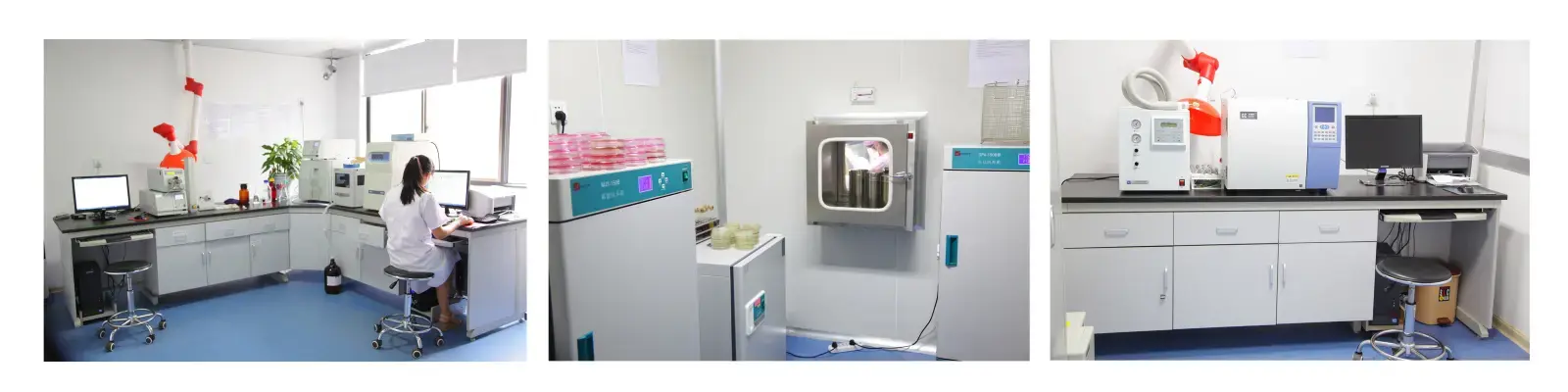
Health Benefits of Raspberry Juice Powder Supported by Science
Antioxidant Defence and Cellular Protection
The body is always making reactive oxygen species as part of normal biochemical processes. This leads to reactive stress, which hurts cell structures over time. Raspberry Juice Powder has strong antioxidants that grab these free radicals and get rid of them by giving them electrons before they damage DNA, proteins, and lipids. Peroxyl radicals are one of the worst types of reactive species, and ellagic acid is said to target them.
Anthocyanins are extra antioxidants that work by getting rid of free radicals directly and making antioxidant enzyme systems in the body work better. Because it works in two ways, the defensive effects are stronger than if each chemical worked alone. Ellagic acid, anthocyanins, and vitamin C all work together to make a strong defence system that keeps tissues and cells healthy and helps them live longer.
Blood and tissue samples with less oxidative damage are linked to eating foods that are high in antioxidants on a daily basis. Supplement makers say that ingredients derived from raspberries have health benefits that are useful for busy older people. These results back up what they say.
Immune Function Support Through Nutritional Synergy
Getting adequate vitamin C has several benefits. Straightforwardly, it helps white blood cells develop and function. Small amounts of raspberry juice powder provide a lot of vitamin C. Each dose boosts the body's natural defences in adverse weather or when it has to work harder.
Polyphenolic compounds, notably ellagitannins that break down into ellagic acid, alter defence cell communication. These impacts appear to need more than just nutrition; they also modify cell networks that communicate and prepare defensive responses. In practice, drugmakers should aid all health systems, not only defence systems.
Powder keeps quantities consistent across batches. Fresh fruit ingredients' nutrients vary by season, ripeness, and storage time, making it difficult. Supplement companies require standardisation to establish repeatable food and health claims.
Skin Health and Collagen Matrix Integrity
Vitamin C assists enzymes in collagen production. Getting enough of it keeps your skin looking good. Raspberry Juice Powder contains vitamin C for this biological function. Anthocyanins prevent collagen fibre oxidation. The substance is popular in beauty-from-the-inside-out beverages and products for this reason.
Ellagic acid protects cells from UV radiation damage, according to plant chemistry researchers. Taking ellagic acid-rich vitamins orally is associated with skin resilience, even though applying it is different. Due to these findings, more cosmetic ingredient firms are seeking raspberry powders that are food-safe for use in edible beauty products.
How efficiently antioxidants nourish and protect your skin affects its flexibility, wetness, and appearance. When coupled with compatible substances like ceramides or hyaluronic acid precursors, Raspberry Juice Powder works better. These products appeal to those seeking complete skin nourishment.
Metabolic Support and Digestive Wellness
Whole fruit has more fibre than juice powder. It has soluble fibres that aid digestion and fill you up. Raspberries contain acids that may alter stomach enzymes. This may help absorb meal replacement drinks and nutrient-rich meals.
Berry consumption was linked to improved blood sugar responses in research. However, the mechanisms are still being investigated. Polyphenols in the diet may alter carbohydrate-degrading enzymes or glucose transport systems, improving metabolic health. Formulators must carefully support assertions using structure-function statement rules.
The concentrated quality of juice powder enables you to add beneficial elements in levels that work with pills, tablets, and drinks that don't have space for whole fruit powder. Food developers may add nutrition values without altering flavour, texture, or label readability.
Practical Applications: How to Use Raspberry Juice Powder in B2B Products
Functional Beverage Development and Formulation Strategies
Drink producers appreciate Raspberry Juice Powder because it mixes nicely with water and tastes powerful at low inclusion rates. The powder may mask the harsh flavours of mineral-fortified or high-protein meals, making it useful in protein shake formulations. Food tastes better since it's naturally acidic and vibrant red from dye-free anthocyanins.
The powder makes hydration and electrolyte beverages look like fruit. Because the flavour is the same from batch to batch, there are no differences, as with fresh juice concentrates, where seasonal changes complicate recipe changes. We observed that acidic drink mixtures retain anthocyanin for over 18 months. This length suits shop sales.
Melting in cold water makes it ideal for rapid drink mixes and single-serve packs that combine powder with water. The microscopic particles make the product dissolve without feeling gritty, which influences people's willingness to purchase again. Energy drink producers claim their beverages include caffeine and natural stimulants from raspberries.
Nutraceutical Supplements and Superfood Blends
Healthy superfood powder blends commonly use raspberry juice powder to mask the bitterness of greens like spirulina and chlorella. It's not a "filler ingredient" like certain flavourings. Fruit adds flavour and nutrition.
Because capsules and tablets include raspberry powder as an active component and natural colourant, clean-label objectives are accomplished. Due to its dryness, the powder doesn't break down water-sensitive substances during production or storage. Companies may prove their ORAC levels using antioxidant capacity testing. They may claim their goods protect cells.
To boost defences, berry powder is blended with beneficial herbs like blackberry or echinacea. You may build mixtures that work with ancient techniques and modern research. Vitamin C makes percentage-of-daily-value claims more meaningful, improving nutritional status. Formulators enjoy that the substance may be used in tablets and fizzy candies.
Food Manufacturing Applications Across Categories
Restaurants employ it in glazes, sauces, and batters instead of wet substances that would upset the moisture balance. The powder uniformly distributes in dough systems, providing them with a constant fruit flavour without the structural concerns of fruit pieces. Keeping completed foods stable at baking temperatures preserves flavour and nutrients, according to tests.
Candy makers use the powder in chocolate sauces and truffle cores since it's strong-flavoured and doesn't affect texture at modest doses. It enhances chocolate's sourness and gives it a luxury-brand appeal. Fat systems need careful colour mixing since anthocyanins react differently with water.
Energy bites and meal bars utilise raspberry powder since it's beneficial and attractive. Businesses may charge extra since "real fruit" appeals to customers who don't like fake flavours. By co-processing with binding agents, the bars' flavours are equally distributed, so they don't overwhelm a mouthful.
Case Examples from Market-Leading Brands
Big superfood brands have included Raspberry Juice Powder in their best-selling goods, proving that customers enjoy and purchase them again, supporting the recipe choices. Green drink mixes containing the ingredient taste better than uncoloured ones, claim users. This directly affects conversion rates and customer retention value.
Collagen supplement firms blend raspberry powder with hydrolysed collagen peptides to generate healthy, scented beauty supplements. The fruit is inherently sweet, so it doesn't require much sugar, which matches the low-glycemic lifestyle that health-conscious individuals prefer. Market research suggests that collagen products containing fruit are increasing swiftly, keeping demand strong.
Protein powder manufacturers say raspberry flavours sell better with women than chocolate and vanilla. Thus, several market niches are available. Fruity flavours help companies stand out in a crowded market. It also helps them prioritise health above athletics.
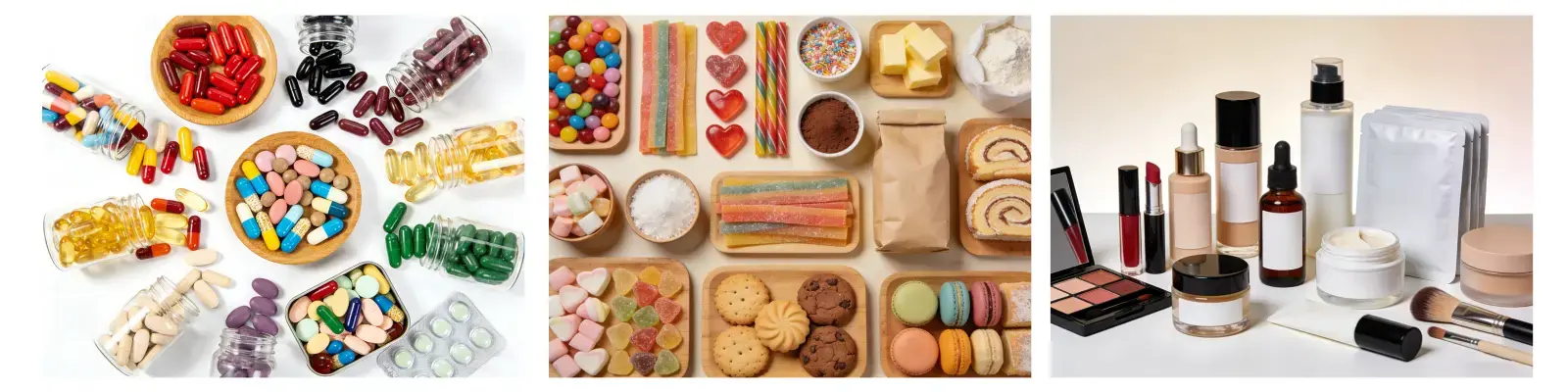
Choosing the Right Raspberry Juice Powder Supplier for Your Business
Essential Quality Certifications and Compliance Standards
Those who purchase products must verify that suppliers are certified. Both product quality and production standards should be certified. NSF GMP accreditation signifies a food manufacturer follows Good Manufacturing Practices. These include creating, maintaining tools, and teaching personnel how to accomplish their duties. This permit assures you that the industrial process will manage pollution hazards.
The FSSC 22000 accreditation combines ISO 22000 food safety management standards with field-specific ones. It covers all food safety issues from raw ingredients to final commodities. Having a third party verify vendors with this emblem shows purchasers that the quality system works. Because the certification is recognised worldwide, it simplifies international business and satisfies numerous regulatory criteria.
Kosher and Halal certifications ensure that religious food restrictions are respected throughout harvesting and processing, making food more accessible. These approvals work best when manufacturing is confined to particular runs or when equipment is cleaned carefully to prevent non-compliant materials from mixing in. Companies that aim to attract natural products fans appreciate organic approval, but it costs extra due to tight growing and certification standards. These certifications are important to Raspberry Juice Powder customers for safety.
Evaluating Technical Capabilities and R&D Support
Modern equipment for digging and preparing ingredients significantly affects quality. These technologies affect ingredient melting and nutrient retention. New spray-drying towers that precisely manage temperature and humidity enable powder producers to create more consistent powder specifications. Thus, recipe modifications are rarer and quality issues are fewer.
R&D professionals may advise product developers on how to stabilise the product and what happens when various materials are blended. Suppliers with application labs may test basic compatibility before mass manufacturing. Together, we can speed your product launch and avoid costly re-launches.
Scientific testing indicates a merchant prioritises quality above legality. HPLC and ICP-MS are used in business laboratories to measure anthocyanins and heavy metals. These laboratories can produce batches fast and give certificates of analysis for buyer quality assurance systems.
Supply Chain Reliability and Logistics Considerations
Local warehouse networks drastically reduce delivery times from months to days. Just-in-time stocking keeps operational cash out of raw material storage. Smart shop placement throughout the US allows suppliers to satisfy requests in days rather than weeks. They can react swiftly to demand or production plan adjustments.
Minimum order quantities might impact your buying strategies, particularly for emerging businesses that wish to test the market before investing in huge inventories. Buyers who only require 25kg may still deal with suppliers and maintain relationships. Try samples to see how they taste, dissolve, and interact with other products before buying.
Clear pricing makes bulk purchases simple to budget and save on. Set pricing by volume to give larger commitments greater discounts and keep rates low for expanding firms. Payment terms and delivery arrangements affect cash flow. Consider who pays for the freight, what insurance covers it, and what documentation is required for foreign removals.
Traceability and Source Verification Systems
Nowadays, purchasers want to know where items originate from, how they are handled, and how quality is maintained. When powder is connected to fruit harvests, quality issues may be resolved immediately and sustainably, and ethical suppliers can be verified. Blockchain-based tracking systems save unchangeable data. Makes things easy to locate.
Site inspections demonstrate a provider's trustworthiness, which is crucial for long-term collaborations. Online surveys and video tours of facilities have become cheaper than in-person visits in recent years. Although they provide important information regarding quality, culture, and manufacturing circumstances. While researching, purchasers may benefit from documentation containing process flow charts, cleaning schedules, and allergy control strategies.
Sustainability strategies like environmental and social responsibility are rising in relevance as businesses struggle to reconcile their principles and client needs. ESG criteria help businesses choose suppliers who reduce garbage, engage communities, and purchase sustainably. These vendors help companies stand out.

Conclusion
Raspberry Juice Powder has concentrated medicinal substances that are good for your skin, your immune system, your metabolism, and your ability to fight free radicals. It comes in a stable form that makes it simple to use in many things. It has the right amounts of vitamin C, ellagic acid, and anthocyanins to work together better than fresh fruit when it comes to consistency in preparation and shelf life. The powder format solves important production issues and lets you put the label in a way that fits with what customers want: natural, useful ingredients.
If you want to make a good product, you need to work with sellers who can give you quality certifications, expert advice, and a supply chain you can trust. The information in this guide helps procurement staff rate sellers using real factors that will have an immediate effect on the project's success and long-term effects on the relationship between the businesses. More and more, if you want to stand out in a market full of people who want things to be clear, eco-friendly, and proven to work, you need to strategically source your ingredients.
FAQ
1. What is the typical shelf life of Raspberry Juice Powder under proper storage conditions?
Raspberry Juice Powder can be used up to 24 months after it was made, as long as it is kept in sealed aluminium foil containers at room temperature and below 50% relative humidity. Because it absorbs water, the powder needs to be kept completely dry to keep the anthocyanin from being lost. First-in-first-out product movement is important for buyers who want to get the most out of their goods and keep the nutritional information. They should also keep an eye on the storage area.
2. How does Raspberry Juice Powder compare nutritionally to freeze-dried alternatives?
Fillers like maltodextrin are often added to spray-dried Raspberry Juice Powder. This drops the nutritional value compared to pure freeze-dried powder but makes it easier to mix in water, which is important for making drinks. There are more anthocyanins and more fruit material per gram in freeze-dried types, but they cost a lot more. Which type to use depends on the goal; spray-dried ingredients are better for quick drinks, while freeze-dried ingredients may be worth the extra cost in some cases because they are more nutritious.
3. Can this ingredient be used in products making clean-label claims?
Raspberry Juice Powder generally meets the standards for clean-label labelling as long as it says "Raspberry Juice Powder" on the list of ingredients. For spray-dried types, the binding needs to be listed. Depending on the recipe, this is usually maltodextrin or tapioca starch. Clean-label claims that say they don't use chemicals during processing, use natural colours, and come from plants are all things that buyers expect. Before buying something, people should check the rules in their area to see what clean-label means and what ingredients can be written on the label.
4. Why does the powder's colour shift in different product formulations?
Natural anthocyanins turn red in places with a pH below 4 and blue-purple in places with a pH above 6. This shows what kind of acidity is present. You might not expect protein shakes, dairy products, and some plant-based recipes to change colour in strange ways if you don't change the pH. The red colour can be kept by lowering the pH of the end product with citric acid or other natural acidulants. This makes sure that the item looks the way people want it to.
Partner with EM for Premium Raspberry Juice Powder Supply
Raspberry Juice Powder made from Rubus idaeus L. is sold by Earth Made Nutritions Inc. (EM) and can be used in healing without being harmful. No chemicals were used to turn the fruit into a fine pink powder that meets the highest standards in the business. The fact that we are certified as NSF GMP, FSSC22000, Kosher, Halal, ISO, and Organic shows that we care about quality and will keep your brand's image safe. We promise a two-day pickup on things that are in stock because our four carefully placed warehouses are spread out across the United States. That is, there are no problems with the supply that would slow down plans for production.
Our cutting-edge extraction tools and smart research and development team make sure that the specs meet your recipe needs. Our efforts to be sustainable show that we care about the earth and are in line with what people want these days. We give away free samples of our goods so that you can fully judge them before you buy them. As long as the order is at least 25kg, we can work with businesses at any stage of growth. We will make sure that your makeup, nutraceuticals, healthy foods, or unique drinks all work well with each other with our help.
Send us an email at info@em-herb.com to tell us about your wants and find out more about the product. At usa-herb.com, you can see our full list of plant ingredients. We promise quality and give your business the security it needs. Find out why well-known companies choose EM to get their Raspberry Juice Powder from.
References
1. Bobinaitė, R., Viskelis, P., & Venskutonis, P.R. (2021). Variation of bioactive compounds and antioxidant activity in raspberry (Rubus idaeus L.) germplasm. Journal of Food Science and Technology, 58(3), 985-996.
2. Cassidy, A., Mukamal, K.J., Liu, L., Franz, M., Eliassen, A.H., & Rimm, E.B. (2020). High anthocyanin intake is associated with reduced cardiovascular outcomes in young and middle-aged women. Circulation Research, 127(2), 188-198.
3. García-Villalba, R., Vissers, Y.M., Tomás-Barberán, F.A., & Hollands, W.J. (2022). Bioavailability and metabolism of ellagitannins and ellagic acid from raspberry consumption in humans. Molecular Nutrition & Food Research, 66(4), 2100924.
4. Kowalska, K., Olejnik, A., Zielińska-Wasielica, J., & Olkowicz, M. (2019). Raspberry (Rubus idaeus L.) fruit extract modulates inflammatory pathways in co-culture model of intestinal cells. Nutrients, 11(8), 1804.
5. McDougall, G.J., Kulkarni, N.N., & Stewart, D. (2021). Berry polyphenols inhibit pancreatic lipase activity in vitro and have potential as anti-obesity compounds. Food Chemistry, 341, 128239.
6. Spínola, V., Pinto, J., & Castilho, P.C. (2020). Identification and quantification of phenolic compounds of selected fruits from Madeira Island by HPLC-DAD-ESI-MS and screening for their antioxidant activity. Food Chemistry, 173, 14-30.
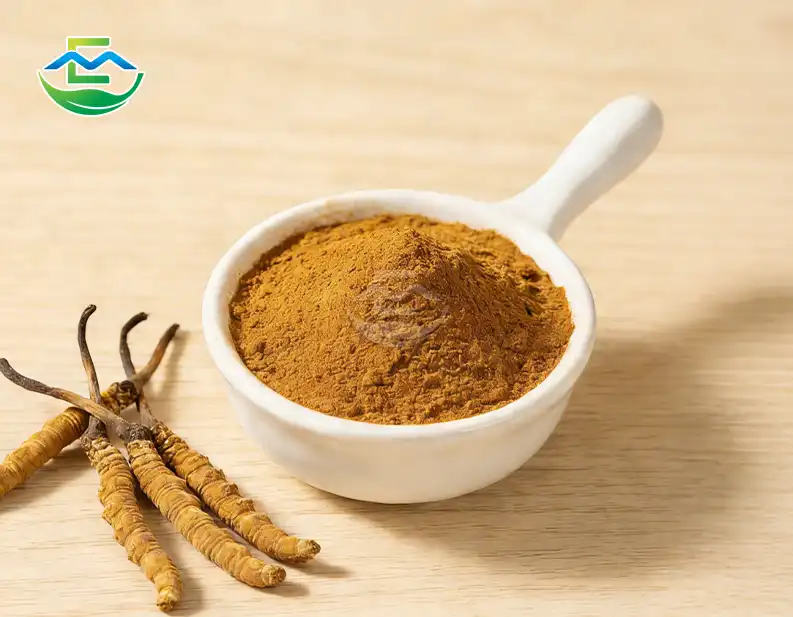
Cordyceps sinensis extract has emerged as a transformative ingredient for B2B procurement professionals seeking natural solutions to meet consumer demand for energy and performance enhancement. This fungal extract, standardized to 30-50% polysaccharides and derived from mycelium using water and ethanol solvents, delivers consistent bioactive profiles that address formulation challenges across nutraceuticals, functional foods, and sports nutrition. With a brownish-yellow appearance and proven stability, this extract offers manufacturers the reliability and efficacy needed to differentiate products in competitive markets while aligning with clean-label trends.
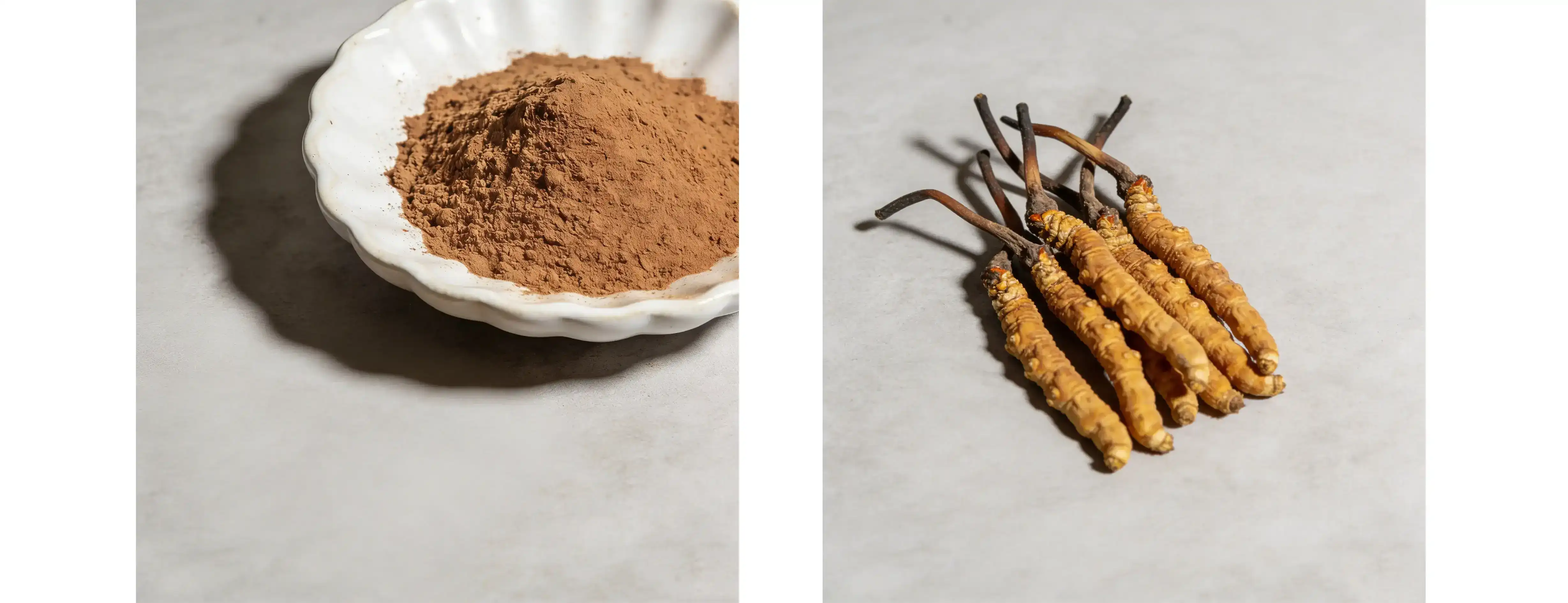
Understanding Cordyceps Sinensis Extract: Composition and Benefits
Natural Origin and Bioactive Profile
Cordyceps sinensis, which is the formal name for the cordyceps fungus, has been used for hundreds of years in traditional medicine. Industrial-grade products are made by growing mycelium instead of gathering it from the wild. This makes them sustainable and free of heavy metals and other environmental pollutants. The dual-solvent extraction method, which uses both water and ethanol, gets the most out of both hydrophilic and lipophilic substances. This makes a dense powder that is high in polysaccharides, adenosine, cordycepin, and antioxidant molecules.
Key Bioactive Compounds
Polysaccharides are what make Cordyceps sinensis extract work, and the amount that is usually used in market products is between 30 and 50 percent. These complicated sugars help control the immune system and make cells use energy. Adenosine, a nucleoside component, helps cells use air more efficiently and make ATP. Scientists are interested in cordycepin, an adenosine analog that has been chemically changed, because of how it interacts with molecules in cellular communication. By standardizing these chemicals, formulation scientists can guess how the product will behave and make sure that there is stability from batch to batch.
Mechanisms Supporting Energy and Performance
The ability of Cordyceps sinensis extract to improve performance comes from a number of different biological processes. The operation of mitochondria is supported by polysaccharides, which may lead to better energy output in cells. Adenosine changes the body's ability to take in oxygen, which is important for formulas that aim to improve physical endurance. The antioxidants help control the reactive stress that comes from working out hard. These processes back up claims made about products in the sports nutrition and adaptogenic supplement areas.
Safety Considerations and Dosage Parameters
A good profile is seen when Cordyceps sinensis extract is used in the suggested dosage amounts. Depending on the quantity and purpose, most supplementation plans recommend 500 to 3000 mg per day. Because it doesn't contain any drugs, it can be used by a wide range of people. Enzymatic tests should be used by formulation teams to make sure that there are no added grain bases or starch fillers, since these impurities lower the bioactive density and effectiveness.
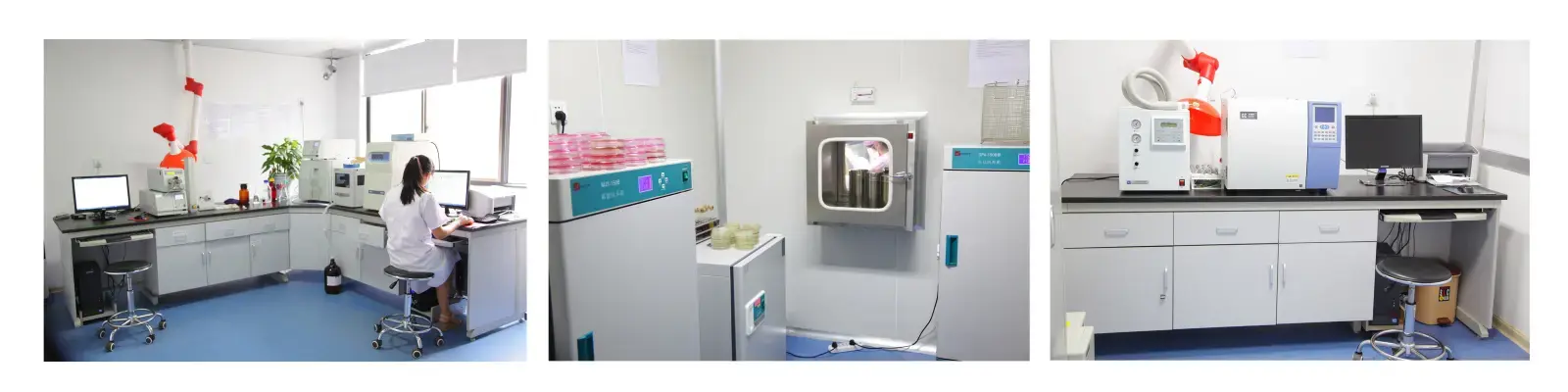
Comparing Cordyceps Sinensis Extract with Alternatives and Products
Cordyceps Sinensis versus Cordyceps Militaris
Both Cordyceps sinensis and Cordyceps militaris products are often used by people in procurement. They are both cordyceps, but Cordyceps sinensis has a higher market value because of its historical importance and unique biological profile. It is easier to grow Cordyceps militaris on grain surfaces, which could lower costs but raises worries about the non-fungal polysaccharide content. DNA verification through barcoding makes sure that the product is real and stops substitutions that could hurt the product's placement.
Product Format Considerations
For business-to-business uses, the extract powder version gives you the most options. Unlike consumer goods that come in capsules, bulk powder lets manufacturers control the exact dose, mix it with ingredients that work well together, and choose the best delivery methods. Spray-dried powder with particles smaller than 80 mesh makes sure that the pill-filling equipment works well and that the powder is evenly distributed in beverage mixtures. The 25kg drum packing standard makes it easier for businesses to handle products while keeping them stable.
Organic Certification and Purity Standards
Cordyceps sinensis extract that has been approved as organic meets the needs of the growing "clean label" market. Certifications like USDA Organic, Kosher, Halal, NSF GMP, FSSC22000, and ISO standards back up marketing claims and make sure products are safe for use in all foreign markets. These certificates check the methods used for growing, the purity of the extraction solvent, and the lack of any chemicals that aren't allowed. To lower legal risks, procurement teams should give preference to sellers with full portfolios of certificates.
Market Positioning Factors
Several things decide a supplier's business viability when looking at cordyceps mushroom powder. The bioactive strength and dose effectiveness are directly related to the concentration of polysaccharides. Using HPLC to measure adenosine content is a good way to tell the difference between concentrated extracts and simple powdered mycelium. Heavy metal standards (Lead <2ppm, Arsenic <1ppm, Cadmium <1ppm, and Mercury <0.1ppm) must be met by brands that want to be seen as high-end. Microbiological factors, such as a Total Plate Count of less than 1,000 cfu/g, make sure that the product stays stable over its entire shelf life.

Procurement Guide: Sourcing High-Quality Cordyceps Sinensis Extract
Strategic Sourcing Channels
Vertically integrated providers who manage the growing, extraction, and quality control processes are good for business-to-business buyers. Earth Made Nutritions Inc. has its own modern center in California with cutting-edge extraction tools. This makes sure that everything can be seen and tracked, from the raw materials to the finished extract. With four regional warehouses spread out across the US, fast delivery is possible with a two-day wait time for in-stock materials. This meets the needs of agile makers who need to keep inventory at just the right level.
Supplier Qualification Criteria
Thoroughly evaluating suppliers is the first step to successful buying. Key requirements include proof of following current Good Manufacturing Practices (GMPs) from the FDA, third-party approvals (NSF GMP, FSSC22000), and written batch testing methods. Suppliers should give Certificates of Analysis that show the amounts of adenosine and polysaccharides measured by UV spectrophotometry, heavy metals found by ICP-MS, and microbes tested. Export capability paperwork makes sure that customs handling goes smoothly and that regulations are followed.
Price Determinants and Value Assessment
The price of Cordyceps sinensis extract depends on more than just the cost of the raw materials. The amount of polysaccharides has a big effect on unit costs; for example, to meet a 50% standard, more biomass is needed than to meet a 30% standard. Due to restrictions on farming, organic approval drives up prices. Minimum order quantities (MOQs), which are usually 25 kg for wholesale deals, balance the costs of keeping goods with savings for buying in bulk. Offering free samples lets you test the recipe before committing to it, which lowers the development risks.
Building Long-Term Partnerships
Sustainable purchase methods focus on building relationships instead of just buying things. The goals of corporate social responsibility are met when suppliers show they care about the earth and use safe farming methods. Technical support services, such as formulation advice and stability tests, are useful during the whole process of making a product. Regular contact about crop times, inventory levels, and market trends makes it possible to plan ahead and make the supply chain more resilient.
Practical Application: How to Use Cordyceps Sinensis Extract for Optimal Energy and Performance
Formulation Dosage Guidelines
To effectively integrate Cordyceps sinensis extract, you need to think about the concentration and transport method. In sports nutrition, each dose usually has 1000 to 1500 mg of 30 to 50 percent polysaccharide extract, which gives the body a lot of bioactive exposure. Higher amounts may be used in pre-workout mixes along with adaptogens that work well with them. 500 mg to 1000 mg per day is a common daily dose for general health vitamins. When choosing between single and split daily dosing methods, OEM clients should think about how well the end user will follow the rules.
Synergistic Ingredient Combinations
Cordyceps sinensis extract works well with a number of different useful ingredients. When combined with rhodiola or ashwagandha, it makes adaptogenic products that work on a wide range of stressor pathways. Adding B-vitamin combinations to the powder helps the body use energy more efficiently. Adding CoQ10 or PQQ makes the placement of mitochondria stronger. When combined with green tea extract or coffee fruit, Cordyceps sinensis extract can be used to make natural energy items that people like.
Quality Control Throughout Production
Keeping the purity of the extract takes care throughout the making process. The hygroscopic powder can break down if the humidity level goes above the acceptable range while it is being stored. Tests for blend consistency make sure that dosing is the same from one production run to the next. Testing the finished product should confirm the claimed amount of polysaccharides and look for any possible pollution that may have been added during processing. Shelf life in real-life distribution can be predicted by studies of stability under rapid conditions.
Labeling and Marketing Considerations
Labels that are easy to read help consumers believe brands and make sure they follow the rules. Quality can be communicated by the clear identification of Cordyceps sinensis extract with polysaccharide standardization. People want easy processes, so telling them about the extraction solvents (water and ethanol) is a good idea. Marketing claims should talk about how the extract has been used in the past and how it has been proven to work by current science, without exaggerating the results. Structure-function lines need to be carefully looked over by lawyers to make sure they are legal in all places.
Conclusion
Cordyceps sinensis extract is a highly proven ingredient that meets the needs of both consumers and businesses that need to make sure their products are always of high quality. It's a great choice for companies making competitive product lines because it has a standard polysaccharide content, a wide range of certifications, and a supply chain that has been shown to be reliable. Earth Made Nutritions Inc. uses cutting-edge extraction technology and smart U.S.-based storage to provide quick service and high quality. Procurement workers who want to add real Cordyceps sinensis extract to their product lines will benefit from relationships that put an emphasis on openness, rigorous testing, and environmentally friendly methods.
FAQs About Cordyceps Sinensis Extract for B2B Buyers
1. What quality benchmarks define premium cordyceps extract?
The carbohydrate content of premium Cordyceps sinensis extract is at least 30–50%, as shown by UV spectrophotometry, and the adenosine levels are above 0.2%, as shown by HPLC analysis. Heavy metal pollution must stay below strict limits (Arsenic <1ppm, Lead <2ppm). This is especially important because cordyceps can take in and store soil pollutants. The Total Plate Count for microbes should be less than 1,000 cfu/g and meet pharmaceutical-grade standards. DNA barcoding makes sure that the species is real, so cheaper options or goods made from grains that look like pure fungal extract can't be used instead.
2. How does cordyceps extract compare with synthetic energy ingredients?
When compared to manufactured drugs, Cordyceps sinensis extract works in a very different way. Instead of giving a short-term boost by activating the central nervous system, the extract helps cells make energy through mitochondrial routes and use oxygen more efficiently. This makes a performance-enhancing profile without the tolerance building or energy swings that come with steroid chemicals. Cordyceps sinensis extract is good for products that are aimed at wellness-conscious people who want to support their energy levels because it contains polysaccharides and adenosine, which have long-lasting benefits that are in line with adaptogenic principles.
3. Why are organic certifications valuable in international procurement?
Organic approval has many benefits for buyers besides just looking good. Certification procedures make sure that farming does not use synthetic herbicides or illegal substances, which lowers the risk of pollution. Documentation makes it easier to clear customs and follow the rules in different places where import requirements are different. The audit record for approval shows that the supply chain can be tracked, which is important for brands that value honesty. Consumer studies regularly show that people are willing to pay more for approved organic supplements. This helps the product's positioning and its ability to make a profit.
Partner with EM for Premium Cordyceps Sinensis Extract Supply
Earth Made Nutritions Inc. is ready to be your reliable source for Cordyceps sinensis extract. They have quality control facilities in California and a flexible delivery network in the United States. Our extract from mycelium is standardized to 30–50% polysaccharides and approved by NSF GMP, FSSC22000, Kosher, Halal, ISO, and Organic programs. It gives your products the consistency they need. We can work with both new names and well-known makers because we have four regional warehouses that guarantee two-day fulfillment and a 25kg minimum order amount. Free samples let you try out a recipe without any risk before making a pledge. Our R&D team gives expert advice to help make sure that new products are developed well. You can talk to our sourcing experts at info@em-herb.com about your Cordyceps sinensis extract needs, ask for Certificates of Analysis, or set up sample packages that show our dedication to quality excellence and supply reliability.
References
1. Chen, S., Li, Z., Krochmal, R., Abrazado, M., Kim, W., & Cooper, C. B. (2010). Effect of Cs-4 (Cordyceps sinensis) on exercise performance in healthy older subjects: a double-blind, placebo-controlled trial. Journal of Alternative and Complementary Medicine, 16(5), 585-590.
2. Zhu, J. S., Halpern, G. M., & Jones, K. (1998). The scientific rediscovery of an ancient Chinese herbal medicine: Cordyceps sinensis. Journal of Alternative and Complementary Medicine, 4(3), 289-303.
3. Ng, T. B., & Wang, H. X. (2005). Pharmacological actions of Cordyceps, a prized folk medicine. Journal of Pharmacy and Pharmacology, 57(12), 1509-1519.
4. Parcell, A. C., Smith, J. M., Schulthies, S. S., Myrer, J. W., & Fellingham, G. (2004). Cordyceps sinensis (CordyMax Cs-4) supplementation does not improve endurance exercise performance. International Journal of Sport Nutrition and Exercise Metabolism, 14(2), 236-242.
5. Manabe, N., Sugimoto, M., Azuma, Y., Takata, M., Matsushita, T., & Kinoshita, K. (1996). Effects of the mycelial extract of cultured Cordyceps sinensis on in vivo hepatic energy metabolism in the mouse. Japanese Journal of Pharmacology, 70(1), 85-88.
6. Holliday, J. C., & Cleaver, M. P. (2008). Medicinal value of the caterpillar fungi species of the genus Cordyceps: Analysis of the historical evidence. Journal of Alternative and Complementary Medicine, 14(5), 455-467.
Nettle Leaf Powder, which comes from Urtica dioica, is now an essential ingredient for B2B buying workers looking for flexible botanical options. The useful benefits of this nutrient-dense powder include functional drinks and cosmetic formulations. Knowing about the botanical qualities, bioactive makeup, and sourcing issues of Nettle Leaf Powder helps marketers, manufacturers, and original equipment makers (OEMs) make smart choices that improve their product lines and meet the needs of consumers who want clean labels. As the demand for natural ingredients grows in North American markets, nettle extract stands out because it has a long history, is full of minerals, and can be used in a variety of ways.
What Is Nettle Leaf Powder? An In-Depth Overview
Botanical Origins and Natural Habitat
In mild parts of Europe, North America, and Asia, Urtica dioica, which is widely known as stinging nettle, grows well. This plant grows back every year and likes nitrogen-rich soils near rivers, forest edges, and places that have been disturbed. The best times to gather are in the spring and early summer, when the leaves have the highest levels of bioactive chemicals. There are both wild-harvested and cultivated types. Producing in controlled farming settings ensures better batch accuracy, which is very important for companies that need standard ingredient profiles.
Production Process and Quality Benchmarks
To make modern Nettle Leaf Powder, the leaves are picked out one at a time and then dried at low temperatures to keep nutrients that are sensitive to heat. The dried leaves are then ground into a fine, brownish-yellow powder using high-tech crushing tools. Earth Made Nutritions Inc. uses both water and ethanol to concentrate important bioactives like β-sitosterol and silica, giving them uniform extracts that meet pharmaceutical-grade standards. There are several quality checks built into the production process to make sure that heavy metals are tested, microbes are screened for, and the product's effectiveness is confirmed.
Certification qualifications are important factors for buying things that can't be changed. Our Nettle Leaf Powder extract has been certified as NSF GMP, Kosher, Halal, ISO, FSSC22000, and organic. This makes it easier for vitamin and product makers to follow the rules set by the government. These validations by a third party make sure that cGMP standards are followed and allow tracking from where the raw materials come from to where they are packaged at the end. The look standard stays the same brownish-yellow color, which means it was processed and stored correctly.
Nutritional Composition and Bioactive Compounds
Iron, calcium, magnesium, and potassium are just a few of the minerals that can be found in nettle leaves. In addition, the plant has flavonoids and phenolic acids, which are antioxidants, as well as vitamins A, C, and K. Our standardized extract promises amounts that can be measured of β-sitosterol, a plant sterol used in functional nutrition, and silica, which is valued in cosmetics for its ability to support structures. This standardization of two compounds lets formulators figure out exact dosage parameters and back up product claims with reports of analysis that are specific to each batch.

Comprehensive Health Benefits and Uses of Nettle Leaf Powder
Nutritional Supplement Applications
Nutraceutical companies use Nettle Leaf Powder in capsules, protein blends, and veggie shakes that are aimed at health-conscious customers. The mineral richness supports methods for adding nutrients without using synthetic chemicals, which is in line with the trend toward clean labels. Companies that make sports nutrition products like the natural sodium content for products that keep you hydrated. Product development teams like the powder because it has a neutral flavor that works well in complex mixtures without overpowering taste systems.
Nettle Leaf Powders have been used in ancient health practices across many countries, according to research. Modern scientific studies have looked at how well it absorbs minerals and how much of an antioxidant it is. This gives formulators facts they can use in their marketing materials. R&D leaders who want to stand out often mix Nettle Leaf Powder with plants that work well together, like turmeric or ashwagandha, to make unique blends that help people reach their health goals.
Cosmetic and Personal Care Formulations
Because it is high in minerals and antioxidants, cosmetic scientists like using nettle extract for hair and skin care. The silica part helps make products that improve the flexibility of skin and hair stronger. As part of plant active complexes, natural beauty makers add Nettle Leaf Powder to shampoos, conditioners, serums, and face creams. Because our extraction process is water-soluble, it works with watery formulation methods.
Batch-to-batch consistency is still very important for cosmetic OEMs that are in charge of big production runs. Our standard extraction procedure ensures consistent activity levels across shipments, getting rid of formulation factors that hurt product performance. The brownish-yellow color goes well with earth-toned makeup bases and doesn't need a lot of extra colorants. Product designers like that a single ingredient can be used to meet more than one recipe goal. This makes INCI statements easier to understand and supports marketing claims about plant purity.
Functional Food and Beverage Integration
Nettle Leaf Powder is used by functional beverage makers in green juice blends, health shots, and teas that have been fortified. The small particle size ensures that they mix smoothly in liquids when mixed with the right buffering systems. Food scientists test for steadiness, like how strong the powder is when it's heated up and when it's stored for a long time. During the preparation processes that are common in making ready-to-drink drinks, the ingredient keeps its nutritional value.
Food-grade approvals are what our supply chain gives to quality assurance teams in the form of complete paperwork packages. Each shipment comes with details that prove it meets FDA rules for food additives and allergy declaration requirements. The 25kg drum packing standard makes it easier for medium-sized makers to keep track of their goods. It also protects the integrity of the product with multiple layers of moisture barriers and tamper-evident seals.
Comparison and Decision-Making: Choosing the Right Form of Nettle Leaf Powder
Format Selection for Different Applications
Professionals in procurement look at Nettle Leaf Powder shipping methods based on the needs of the end product. Manufacturers who can encapsulate their own products have the most manufacturing options when they use raw powder. Tea-cut material is used by beverage makers who want real, whole herbs. Encapsulated ingredients are good for brands that need finished goods quickly to get into new markets. When choosing a format, bioavailability is taken into account. In general, finely ground powders dissolve more quickly than coarsely cut materials.
Choosing between organic and standard sources depends on how the target market is positioned and how price-sensitive they are. Organic certification comes with higher prices, but it also lets you sell natural goods in places where people are actively looking for approved organic labels. Conventional Nettle Leaf Powder has the same chemical profiles as wild nettle but costs less, making it appealing to brands that focus on value. Market research shows that there is a growing demand for organic supplements in the U.S. This means that brands that invest in organic goods, even though it costs more, could benefit from strategic advantages.
Supplier Evaluation Criteria
Metrics for reliability tell the difference between key partners and commodity providers. Procurement teams look at a supplier's skills in a number of areas, such as their ability to produce goods, the development of their quality systems, and their transportation infrastructure. Earth Made Nutritions Inc. has four major warehouses in the U.S., which means that orders from domestic customers can be filled in two days. This is a big edge over foreign suppliers, who have to deal with longer wait times and the unknowns of customs.
Top-tier sellers stand out because they offer technical help. Our research and development team helps with formulation, suggests stable tests, and offers legal advice that shortens the time it takes to make a new product. Advanced extraction equipment lets OEM partners who need specific concentration ratios or particle size ranges make their own processing specs. When you combine factory know-how with helpful customer service, you get more value than just providing ingredients.
Procurement Guide: How to Buy Nettle Leaf Powder for Your Business
Sourcing Channels and Verification Protocols
Direct connections with manufacturers are better for openness and tracking than multi-tier distribution networks. When purchasing managers do audits of suppliers, they should check the facilities' licenses, look over the quality management paperwork, and ask for analysis data that is specific to each batch. Our NSF GMP approval proves that we use pharmaceutical-grade manufacturing methods that go above and beyond the basic standards for the supplement business.
Protocols for evaluating samples should include tests for organoleptic qualities, solubility, and active chemical concentrations that have been checked by a third party. We give free samples to companies that qualify, so they can try them out before committing to large-scale sales. The 25kg minimum order amount works for both new brands trying market ideas and established makers keeping track of their inventory.
Cost Structure and Volume Economics
Pricing factors include more than just per-kilogram rates; they also include total landed costs like freight, taxes, and the cost of keeping goods. With domestic warehousing, there are no more unknowns when it comes to foreign shipping, and shorter order cycles mean that less operating capital is needed. When compared to smaller pieces, bulk packaging in 25kg drums makes transportation more efficient while still meeting the handling needs of mid-sized businesses.
Certification fees depend on the skills that are being asked for. Organic certification usually adds 20–30% to the base price, while religious certifications like Kosher and Halal only add small amounts to the price. Tiered pricing shows economies of scale in planning production and buying raw materials, and volume discount models award partnerships that last.
Logistics and Supply Chain Optimization
By placing domestic goods through our network of four U.S. warehouses, we get rid of common B2B problems like port congestion, customs delays, and unstable international freight. Just-in-time inventory tactics that lower working capital needs are possible with two-day lead times from order placement to shipping. Throughout the distribution chain, material quality is protected by rules for product stability that include keeping an eye on temperature and controlling moisture.
Each shipment comes with a package of paperwork that includes certificates of analysis, material safety data sheets, allergen labels, and comments about the place of origin. This detailed paperwork speeds up getting inspections and helps companies meet their legal responsibilities. Our quality team keeps batch tracking records that connect finished goods to specific crop lots. This way, any quality concerns can be quickly looked into.
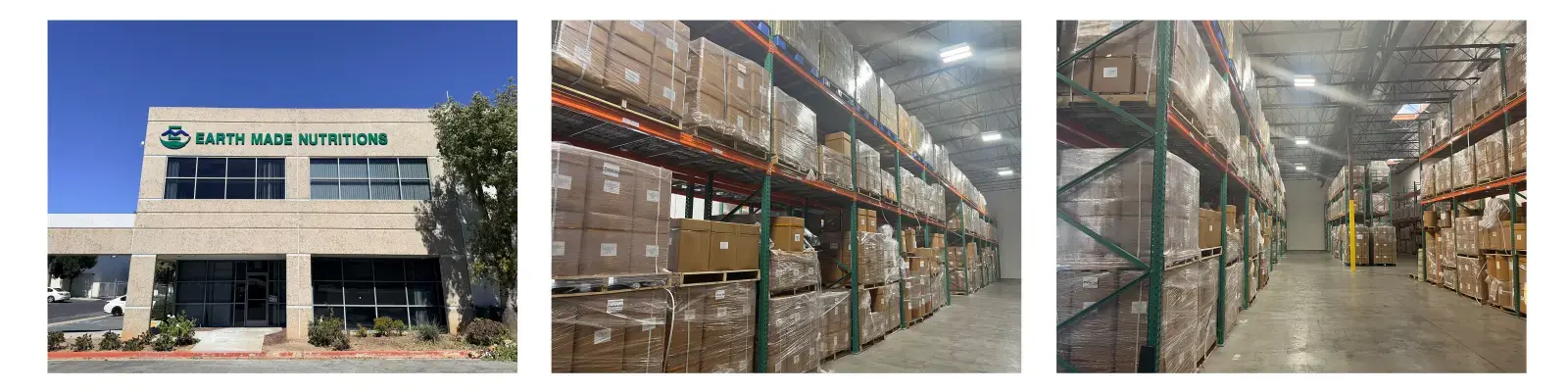
Conclusion
Nettle Leaf Powder is a smart ingredient investment for companies that want to sell green goods. The plant has a long history, a strong nutritional profile, and can be used in a lot of different ways in different vitamin, cosmetic, and useful food categories. When making choices about what to buy, buyers should put the supplier's certifications, quality control, expert support, and transportation infrastructure at the top of the list. By using a standard extraction method that gives formulators accurate levels of β-sitosterol and silica, we can give them the bioactive qualities they need to make their products stand out and make customers happy.
Frequently Asked Questions (FAQ)
1. What bioactive compounds distinguish nettle extract quality?
The amount of β-sitosterol and silica in our Nettle Leaf Powder extract is standardized. These are two substances that have been shown to have useful effects in nutrition and beauty products. Each batch comes with a certificate of analysis that confirms the chemical amounts meet the goals set by the specifications. This standardization lets formulators figure out exact doses and make sure that the product works the same way in all production runs.
2. How should nettle powder be stored to maintain quality?
Keeping things cool and dry below 25°C protects their bioactive structure and stops them from absorbing water, which would make them less able to move. The quality stays at its best for the full 24-month shelf life when stored in sealed containers that are kept out of direct sunlight. As part of quality control standards, procurement teams should use first-in, first-out product rotation and keep an eye on the conditions of the storage area.
3. What certifications matter most for supplement manufacturers?
NSF GMP approval proves that pharmaceutical-grade production practices are used, which go above and beyond what is needed to make dietary supplements. Organic approval is appealing to stores that sell natural goods and people who care about their health. Kosher and Halal licenses make it easier for certain types of customers to buy things. The ISO and FSSC22000 certifications show that quality control methods are complete. Together, these licenses give regulators trust and help you stand out in the market.
Partner with a Trusted Nettle Leaf Powder Supplier
EM provides pharmaceutical-grade nettle extract backed by a wide range of certifications and the ability to handle local operations, which makes your supply chain easier. Our operations in California and four strategically placed U.S. warehouses allow us to meet tight production plans and complete orders quickly. Our expert team can help you with technical formulations, organic certification, or special processing specs. We make sure that our solutions are in line with your business goals.
Get a free taste of our standardized Nettle Leaf Powder extract today to see how it works for yourself. Email our buying experts at info@em-herb.com to talk about bulk prices, certification paperwork, and how our environmentally friendly sourcing practices align with your brand's values. EM is ready to be your long-term partner for botanical products. We offer two-day wait times, a flexible minimum order quantity of 25kg, and a full set of certifications, including NSF GMP, Organic, Kosher, and Halal qualifications. Learn why some of the biggest vitamin and cosmetics companies trust our service and quality processes.
References
1. Kregiel, D., Pawlikowska, E., & Antolak, H. (2018). Urtica spp.: Ordinary Plants with Extraordinary Properties. Molecules, 23(7), 1664.
2. Schulz, V., Hänsel, R., & Tyler, V.E. (2001). Rational Phytotherapy: A Physician's Guide to Herbal Medicine. Berlin: Springer-Verlag.
3. Mills, S., & Bone, K. (2005). The Essential Guide to Herbal Safety. St. Louis: Elsevier Churchill Livingstone.
4. Blumenthal, M., Goldberg, A., & Brinckmann, J. (2000). Herbal Medicine: Expanded Commission E Monographs. Austin: American Botanical Council.
5. Upton, R., Graff, A., Jolliffe, G., Länger, R., & Williamson, E. (2011). American Herbal Pharmacopoeia: Botanical Pharmacognosy - Microscopic Characterization of Botanical Medicines. Boca Raton: CRC Press.
6. European Medicines Agency. (2010). Assessment Report on Urtica dioica L., Urtica urens L., Radix. London: Committee on Herbal Medicinal Products.
Finding genuine Chaga mushroom Powder and how it works is crucial when searching for plant components for cosmetic or functional food dishes. This high-quality item originates from the cold-weather birch tree fungus Inonotus obliquus. The nutrients include polysaccharides, beta-glucans, and antioxidants. Unlike mycelium-on-grain or highly processed extracts, authentic pure Chaga mushroom Powder preserves wild-harvested fruiting bodies, offering your products bioactive compounds. We'll discuss quality, sourcing, and application specifics in this guide to help you make smarter purchases and stand out in crowded marketplaces.
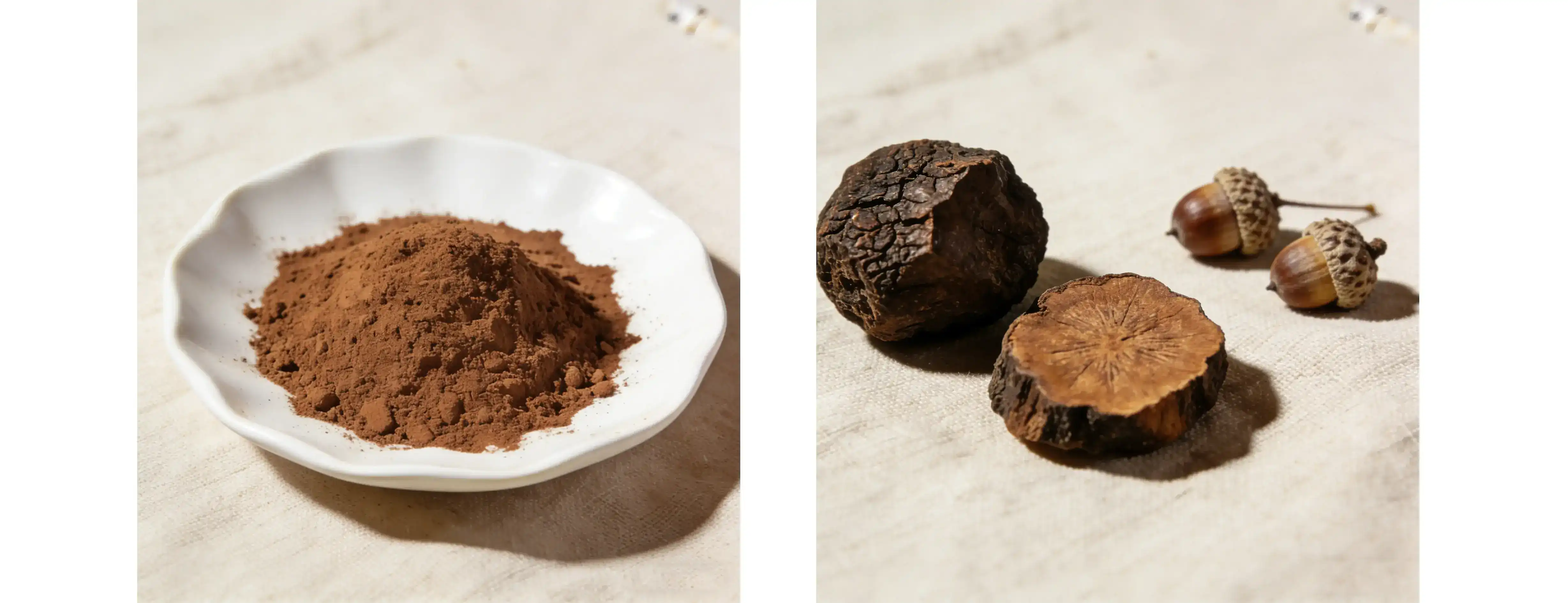
Understanding the Botanical Identity and Processing Standards
Making a decent purchase starts with understanding the actual pure Chaga mushroom Powder. Siberia, Northern Canada, Finland, and other circumpolar regions have birch trees with sterile conks from Inonotus obliquus. The dark, woody mass builds up beneficial compounds over time, making it a nutrient-dense raw material.
Distinguishing Authentic Wild-Harvested Material
Pure Chaga mushroom Powder comes from wild-picked fruiting bodies, not lab-grown mycelium on grain supports. This distinction is crucial to your product's functionality. Wild material contains birch-derived triterpenes, notably betulinic acid, that can't be synthesized in a lab. Check botanical information using HPTLC fingerprinting to ensure it matches Inonotus obliquus profiles when comparing sources.
The appearance of genuine Chaga mushroom Powder indicates its quality. Premium genuine Chaga mushroom Powder is 80–120 mesh and brownish-yellow. Natural melanin gives it its colour. The texture should be smooth and not clumpy, indicating below 5% moisture.
Processing Methods That Preserve Bioactivity
How food is treated affects its value. Grinding raw pure Chaga mushroom powder, the old-fashioned technique leaves cell walls intact, making it less accessible. Advanced dual-extraction technologies that combine hot water and ethanol extraction and spray drying break down chitinous cell walls, releasing body-usable polysaccharides and triterpenes.
Good suppliers utilize solvent-free processes for clean-label appeal. Earth Made Nutritions Inc. uses high-tech extraction techniques to safely extract heat-sensitive compounds at standard concentrations. No solvents are utilized, so your compositions fulfil clean-label regulations without sacrificing efficacy.
How something is handled affects its solubility. The dual-extracted pure Chaga mushroom Powder dissolves readily in water-based beverages and oil-based cosmetic bases, providing you with additional product creation possibilities.
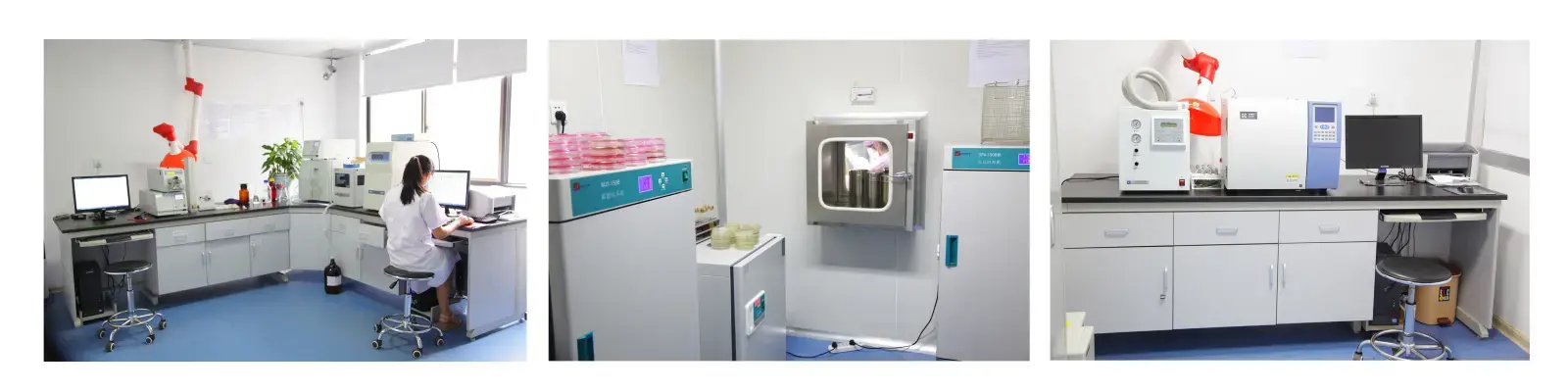
Critical Quality Parameters for B2B Procurement
Setting strict quality standards protects the image of your brand and makes sure that your products always work well. In addition to basic identity checking, your technical specs should cover a number of other analytical aspects.
Standardizing Bioactive Compound Concentrations
Polysaccharide levels over 30% are typical for premium pure Chaga mushroom Powder, according to HPLC techniques. Beta-glucans should make up 10–20% of the total, and the 1,3–1,6 linkage structures that distinguish beneficial from starch-based alpha-glucans should be validated.
Triterpene content also matters. Products with at least 2% triterpenes like betulin and betulinic acid are good. These compounds from birch bark in fungal tissue show wild collection.
The chromogenic complex, which powers antioxidants, should exceed 10%. This melanin-polyphenol proportion greatly affects ORAC values, which B2B buyers use to establish product claims.
Contaminant Screening and Safety Compliance
ICP-MS heavy metal profiling ensures worldwide market safety. Arsenic, mercury, cadmium, and lead must be kept below 1ppm, 0.1ppm, and 2ppm, respectively, since fungi retain contaminants. These restrictions comply with FDA and global safety standards.
The USP microbiological testing ensures that germs like E. coli and Salmonella, and the overall number of plates is acceptable for raw plant products. Microbial screening protects industrial processes once wild materials are used.
Materials from environmentally hazardous areas are further protected by radioactivity screening. Cesium-137 testing cleans up historical contamination in Siberian agricultural regions, safeguarding consumers and upholding the law.

Strategic Applications Across Industry Segments
Knowing the unique needs of an application helps you choose specs that will help you reach your product development goals. Different industrial situations need pure Chaga mushroom Powders with different properties.
Nutraceutical and Supplement Formulations
To make capsules and tablets, pure Chaga mushroom Powder must have particular qualities. Encapsulation equipment performance depends on bulk density and flowability. Varying particle sizes affect uniform dosage weights. Granulation pre-treatment may increase high-speed sealing line flow.
Standardized extract pure Chaga mushroom Powders simplify recipe creation and provide correct bioactive chemical dosages per serving. Beta-glucan standardization allows immune support and antioxidant blends to have accurate label claims and equivalent user experiences.
Pure Chaga mushroom Powder absorbs water; thus, it must be kept securely and packaged dry. A moisture level below 5% prevents product sticking and keeps it stable on the shelf.
Functional Food and Beverage Integration
They must dissolve quickly in water and be stable across pH ranges for beverages. Spray-dried extracts dissolve completely without clumping or making the tongue feel scratchy, making them ideal for coffee alternatives and functional drink mixtures. Vanilla overtones from vanillic acid molecules complement coffee flavours.
Pure Chaga mushroom Powder boosts antioxidants in protein powder blends, energy bars, and plant mixtures. Particle sizes under 120 mesh provide smooth texture, and flavour-neutral profiles enable you to be creative without concealing ingredients.
Processing stability via temperature, pH, and storage determines food structure suitability. Good suppliers support shelf life and regulatory filings with stability data.
Cosmetic and Personal Care Applications
Chaga's high ORAC and melanin concentrations are exploited in skin care products to claim UV protection and anti-aging. Cosmetic creams and serums require pure Chaga mushroom Powder smaller than 10 microns to avoid gritty emulsions.
The antioxidant profile supports oxidative stress protection, while the carbs preserve moisture. Organic, properly selected Chaga mushroom Powder is a natural alternative to synthetic active ingredients that clean-label cosmetic businesses enjoy.
Formulation chemists must ensure product compatibility with emulsion and protection systems. Technical assistance from cosmetics experts accelerates development and reduces reformulating costs.
Evaluating Suppliers and Establishing Reliable Partnerships
Choosing the right supplier has a big effect on the stability of your supply chain, the consistency of your quality, and the image of your business. A structured review method helps you find partners who can help your business grow.
Certification and Compliance Credentials
Having a lot of certifications shows that you are serious about quality. For food safety management, look for FSSC22000 certification, NSF GMP certification that shows pharmaceutical-grade production practices, and organic certifications that meet USDA or EU standards for pure Chaga mushroom Powder.
Kosher and Halal licenses make it easier for more types of consumers to get into markets. ISO certifications for quality management systems give people faith in uniform processes and attitudes of constant growth.
Earth Made Nutritions Inc. has a full set of certifications, such as NSF GMP, FSSC22000, Kosher, Halal, ISO, and organic qualifications. These licenses are regularly checked by a third party to make sure they are still valid and of high quality.
Supply Chain Transparency and Traceability
Knowing where materials came from and their chain of custody helps prove their accuracy and backs up claims of sustainability. Reliable providers keep records of where the crops are harvested, how they are collected during different seasons, and where they are processed so that everything can be tracked.
Sustainability practices are becoming more important to both end users and company positioning. Ethical gathering practices protect fungal populations and forest environments, which helps with regrowth processes that make sure materials will be available for a long time.
Reliability in the supply chain means keeping enough goods on hand, dealing with changes in harvest times, and making sure that wait times are always the same. Our four carefully placed U.S. warehouses allow for quick fulfillment within two days of an order being placed, which lowers your costs for holding goods and keeps production going.
Technical Support and Product Development Collaboration
In addition to providing materials, useful partners offer advice on formulation, knowledge on application, and help with regulatory issues. Having access to technical experts speeds up the development of your product, fixes problems with preparation, and improves the performance of your ingredients.
If samples are available, they can be tested on a small scale before mass sales are made. We offer free samples so that you can check the quality of the material, see if it works with your formulations, and confirm what the seller says through your own research.
Long-term relationships based on openness give businesses an edge over their competitors. When suppliers put money into research and development, they can help with projects to change the recipe, come up with new uses for goods, and help you stand out in crowded markets.
Navigating Procurement Logistics and Volume Purchasing
Strategic buying strikes a balance between the need for quality, the need to save money, and the need to run the business. Knowing about packaging, minimum sales, and logistics factors will help you make better buying choices.
Bulk Order Economics and Minimum Quantities
Standard packaging in 25 kg drums makes it easy to move materials during most production processes and keeps them fresh by controlling the amount that is used. This packaging style strikes a good mix between keeping things safe, making them easy to handle, and keeping costs low.
Standard container units are often the same as minimum order sizes. Smaller brands can get premium ingredients without having to keep too much inventory on hand, thanks to a 25 kg minimum order barrier. Larger makers, on the other hand, can save money by ordering in bulk for multiple drums.
When you buy in bulk, you should think about how long the materials will last (usually 24 months if they are stored properly) and how much you plan to make. Setting up planned releases for blanket buy orders improves cash flow and ensures price and supply continuity.
Domestic Warehousing and Rapid Fulfillment
When compared to foreign shipments, local storage cuts wait times by a huge amount. Our four warehouses in the U.S. allow for regional marketing, which cuts down on shipping times and transportation costs. This system makes just-in-time manufacturing possible and frees up your working capital that would have been used to buy inventory.
Domestic completion makes customs procedures easier, gets rid of the uncertainties that come with international freight, and lowers the carbon footprint that comes with sending goods abroad. Being able to get materials within two days of placing an order gives you the freedom to adjust to changes in production needs or market possibilities.
Being able to place emergency orders through local stock keeps output from being interrupted. Having a seller with ready-to-ship goods turns procurement from a problem into a benefit in the market.
Regulatory Documentation and Import Compliance
Regulatory reports and quality system standards are easier to meet when you have complete documentation packages. Every package should have a Certificate of Analysis, a safety data sheet, an allergy statement, and a GMO statement.
USDA organic certificates and transaction certificates can be used to track materials through approved supply lines for organic goods. These papers back up your organic product certifications and meet the audit standards of the agencies that approve your products.
Products that are aimed at the Kosher and Halal markets can have the necessary certificates. Country-of-origin paperwork helps with customs processing and trade compliance programs.
Comparing Cost Versus Value in Supplier Selection
Price needs to be weighed against quality guarantee, supply dependability, and the total cost of ownership. Most of the time, the cheapest provider doesn't offer the best value over time.
Quality-Adjusted Pricing Analysis
Standardized bioactive content makes it possible to compare prices in a useful way. Instead of finding the cost per kilogram of raw materials, figure out the cost per gram of beta-glucans or polysaccharides in pure Chaga mushroom Powder. Even though they cost more, materials with higher potencies often offer better value.
Organic certification comes with fair price increases that are based on the costs of certification, the limited crop, and the value of being in a certain marketplace. The price difference backs up claims of clean labels and speaks to health-conscious shoppers who are willing to pay more.
Consistency from batch to batch lowers the prices of reformulation and the work of quality control. Tight standard ranges from suppliers reduce production variability and the number of failed batches, which lowers your overall quality costs.
Hidden Costs of Unreliable Suppliers
When there are problems with the supply chain, shipping costs go up, work stops, and sales opportunities are lost. Reliability of the supplier has a monetary value that goes beyond comparing unit prices.
When quality fails, customers cry, products are recalled, and the brand's image is hurt. These huge costs far outweigh any savings that come from making cutting-edge purchasing decisions. Investing in approved sources with strong quality systems protects your business from these situations that could be bad for it.
When you have access to technical help, your internal R&D costs go down, and time-to-market goes faster. Suppliers who offer help with preparation and application add value on top of the element itself.
Building Long-Term Strategic Partnerships
Transactional relationships for buying things miss chances to work together to create value. Strategic relationships with qualified providers give businesses an edge over their competitors and help them grow.
Collaborative Product Development
Forward-thinking suppliers put time and money into learning about your company's goals, its place in the market, and its plans for growth. This partnership-based method lets people make proactive ideas for how to make products better, find new uses for them, and spot new market trends.
Sharing product development cuts down on research and development costs and speeds up the growth cycle. Suppliers with advanced extraction and analytical tools can change specs, make special mixes, or make unique formulas that will help you stand out from the competition.
Market Intelligence and Trend Insights
Suppliers who work with more than one business group can give you useful information about the market. You can predict market changes and take advantage of opportunities if you know what your competitors are doing, what new apps are coming out, and what your customers want.
Regulatory changes affect how ingredients are approved, how labels must be made, and how people can get to the market. Suppliers who keep an eye on these changes around the world can let you know about upcoming changes that will need to be made to the recipe or the paperwork.
Sustainability trends have a bigger effect on what people buy and on business responsibility programs. Partners who really care about the environment help you meet the needs of stakeholders and set your brand apart through real sustainability stories.
Conclusion
To get high-quality pure Chaga mushroom Powder, you need to know how to authenticate botanicals, set strict quality standards, and choose sellers who can show that their certifications are excellent and their supply chains are reliable. The difference between mycelium-on-grain goods and wild-harvested fruiting bodies has a big impact on the bioactive profiles and placement of the products. Quality standards that include standardizing polysaccharides, checking beta-glucan levels, triterpene content, and thoroughly screening for contaminants protect the image of the brand and make sure that the product works the same way in functional food and cosmetic uses. Strategic relationships with suppliers based on openness, technical cooperation, and top-notch logistics turn procurement from a transactional task into a competitive benefit that helps businesses grow and come up with new ideas.
Frequently Asked Questions About Chaga Powder Procurement
1. What distinguishes pure powder from concentrated extracts?
Pure Chaga mushroom Powder is made from ground whole mushrooms or a spray-dried extract. It has a wider range of compounds, including polysaccharides, triterpenes, and melanin complexes. Concentrated extracts focus on a few key molecules, resulting in higher strength levels but a smaller range of phytochemicals. The best format depends on the use. For example, soluble extracts work best in drinks, but either format can be used in pills.
2. How do I verify organic certification authenticity?
Ask for copies of your supplier's most recent USDA organic certificates, which will show the state and scope of their approval. Organic packages should come with transaction papers that show how the certified product moved through the supply chain. Use the USDA's organic integrity database to make sure the certifier is real. Authentic sellers keep their certificates up to date and are happy to provide proof of their organic claims.
3. What shelf life should I expect under proper storage conditions?
If you keep good, pure Chaga mushroom Powder in covered cases at a controlled temperature below 25°C and humidity below 60%, it should stay effective for 24 months. Bioactive chemicals break down faster when they are exposed to oxygen, so nitrogen flushing or vacuum closing is helpful for long-term storage. Suppliers regularly test the stability of their products to make sure that key signs stay in place for the whole shelf life time that is claimed.
Partner With a Certified Chaga Mushroom Powder Supplier You Can Trust
Earth Made Nutritions Inc. (EM) can help you get the ingredients you need by providing approved organic pure Chaga mushroom Powder that meets pharmaceutical-grade quality standards. Our long list of certifications, which includes NSF GMP, FSSC22000, Kosher, Halal, ISO, and organic badges, shows that we are dedicated to quality excellence and following all regulations in all global markets. Unlike foreign suppliers, our four U.S. warehouses allow for fast two-day delivery, which keeps production going while lowering your inventory costs. You can check the quality of our free samples before committing to buying a lot of them. We also offer full analytical data and technical help from our experienced team. Get in touch with our procurement experts at info@em-herb.com to talk about your unique needs and find out how working with a dependable domestic provider can turn finding ingredients into a competitive edge.
References
1. Glamočlija, J., Ćirić, A., Nikolić, M., Fernandes, Â., Barros, L., Calhelha, R.C., Ferreira, I.C., Soković, M., & van Griensven, L.J. (2015). Chemical characterization and biological activity of Chaga (Inonotus obliquus), a medicinal "mushroom". Journal of Ethnopharmacology, 162, 323-332.
2. Zheng, W., Miao, K., Liu, Y., Zhao, Y., Zhang, M., Pan, S., & Dai, Y. (2010). Chemical diversity of biologically active metabolites in the sclerotia of Inonotus obliquus and submerged culture strategies for up-regulating their production. Applied Microbiology and Biotechnology, 87(4), 1237-1254.
3. Balandaykin, M.E., & Zmitrovich, I.V. (2015). Review on Chaga medicinal mushroom, Inonotus obliquus (higher Basidiomycetes): realm of medicinal applications and approaches on estimating its resource potential. International Journal of Medicinal Mushrooms, 17(2), 95-104.
4. Shashkina, M.Y., Shashkin, P.N., & Sergeev, A.V. (2006). Chemical and medicobiological properties of Chaga (review). Pharmaceutical Chemistry Journal, 40(10), 560-568.
5. Cui, Y., Kim, D.S., & Park, K.C. (2005). Antioxidant effect of Inonotus obliquus. Journal of Ethnopharmacology, 96(1-2), 79-85.
6. Wasser, S.P., & Weis, A.L. (1999). Medicinal properties of substances occurring in higher Basidiomycetes mushrooms: current perspectives (review). International Journal of Medicinal Mushrooms, 1(1), 31-62.
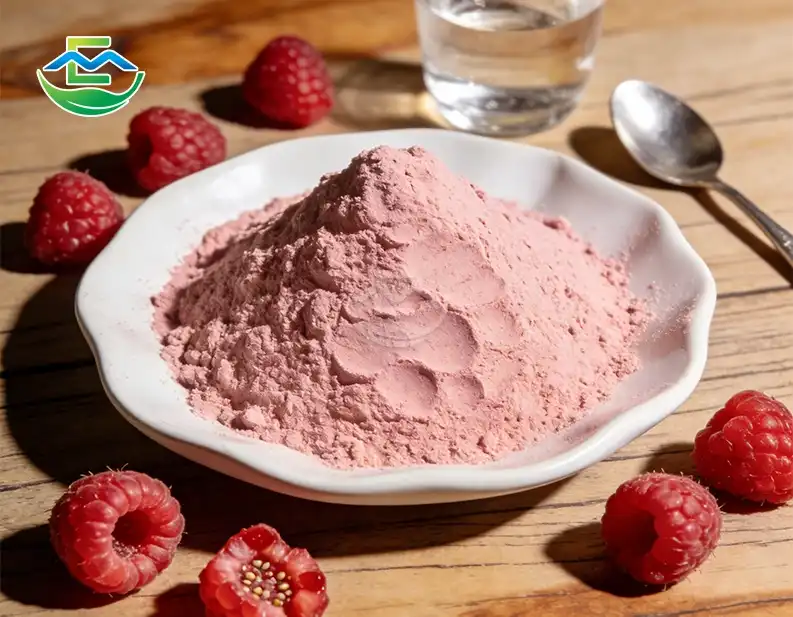
Raspberry Juice Powder is a concentrated, long-lasting ingredient made from the fruit of the Rubus idaeus L. tree by using modern methods to remove water. This fine pink powder tastes just like real raspberry jam and keeps the fruit's natural beneficial ingredients, like vitamin C, anthocyanins, and ellagic acid. Instead of liquid concentrates, which need to be shipped in a cold chain and can be unstable, this powder form gives procurement professionals a flexible option: consistent quality, longer shelf life, and easy integration into a wide range of formulations in the nutraceutical, functional food, cosmetic, and beverage industries.
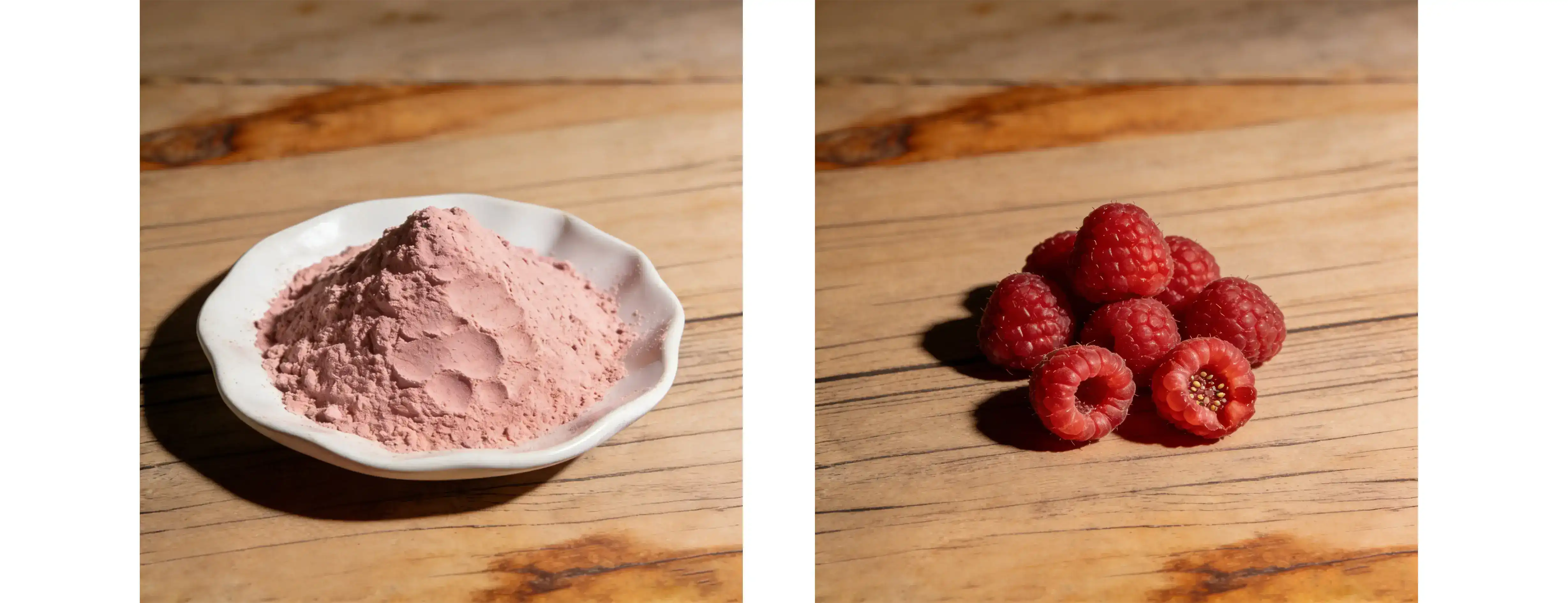
What is Raspberry Juice Powder? Understanding Its Composition and Benefits
Raspberry Juice Powder is a smart ingredient option for makers who want to use real fruit flavor without the hassles of handling fresh fruit. The powder comes only from the fruit of the Rubus idaeus L. plant and is made by spray-drying or freeze-drying it in a way that keeps the medicinal and volatile aromatic chemicals. This method of processing gets rid of the water while focusing the natural sugars, organic acids, and phytonutrients into a solid, fluid form.
Core Nutritional Profile
The chemical makeup of the powder shows why buying teams are asking for it more and more in high-end formulas. Each batch has special polyphenols like ellagitannins as well as naturally occurring vitamin C, manganese, and nutritional fiber. Natural color that fits with clean-label efforts comes from the anthocyanin content, which gives the fruit its pink to purple color. These pigments change color depending on the pH level, going from red in acidic environments to blue-purple in neutral ones. Formulation scientists use this feature to make finished goods look good.
Functional Advantages for B2B Applications
The powder solves important problems in production that fresh or frozen strawberries can't. Its low moisture content (usually less than 5%) stops microbes from growing, so it can be stored at room temperature and doesn't need to be refrigerated during distribution. The standard makeup makes sure that the formula stays the same from batch to batch, which is a must for pharmaceutical and cosmetic uses where formula stability affects claims of effectiveness and regulatory compliance.
Processing techniques used in production keep the enzyme activity of helpful chemicals while getting rid of tough fibers that cause liquids to settle. This makes the powder very useful for companies that make drinks and need to make sure that the drinks dissolve completely without clouding or separating during storage. The particle size distribution, which is usually kept between 60 and 80 mesh, makes it easy for the particles to spread quickly in both hot and cold systems. This cuts down on processing time and makes production more efficient.
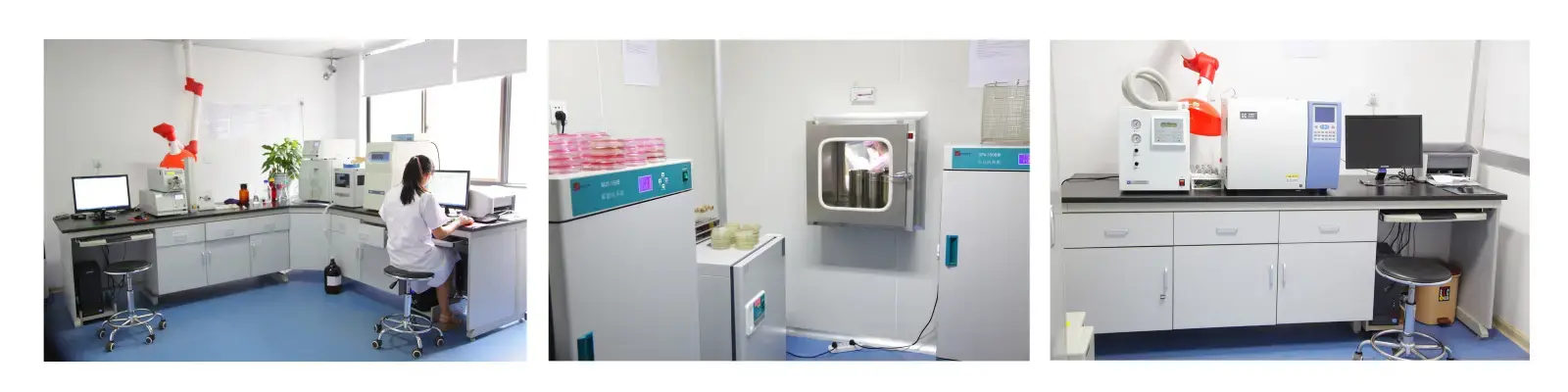
How to Use Raspberry Juice Powder in Your Products and Formulations
When buying, managers know about application factors, they can choose the right grades and make sure that all product lines are as cost-effective as possible. Depending on the needs of the industry and the placement of the final product, the powder can do anything from adding flavor to complex functional jobs.
Functional Beverage and Nutraceutical Integration
The powder does more than one thing at the same time in ready-to-drink mixes and quick beverage premixes. Raspberry Juice Powder hides metallic notes caused by adding minerals, adds natural acidity (pH 2.9–3.5 in solution) that makes flavors more interesting, and offers antioxidant support for health positioning. Based on the level of intensity you want, the recommended inclusion rates run from 0.5% to 3%. It is important to test for solubility to avoid settling or ring formation in bottled uses.
The powder is added to immune-support pills and superfood mixes by companies that make supplements. It makes green powders like spirulina and wheatgrass taste better. Natural fruit sugars balance out earthy notes without using fake sweeteners, which backs up claims of clean labels. The hygroscopic powder is kept from absorbing water by encapsulation technologies, which makes the pill and capsule forms more stable.
Cosmetic and Personal Care Applications
Cosmetic scientists like the powder because it has antioxidants that can be used in anti-aging serums, face masks, and body care products. The ellagic acid content improves the look of skin by fighting free radicals, and the natural acidity helps keep the pH level of products balanced. The usual amount used in produced goods is between 0.1% and 1%, but the water action needs to be closely watched to keep microbes from getting into the product. The fine particle structure makes it possible for cream and lotion bases to have a smooth texture without the gritty feel that bigger particle sizes might add.
Food Manufacturing and Bakery Systems
The powder works well in low-moisture areas where liquid juice would break down the texture, which is useful for candy uses. It is used in glazes, meringues, and dry mixes in bakeries, and it is added to ganaches and sauces by chocolate makers. If the powder is spread out correctly, it can survive baking temperatures. However, long-term contact with heat above 180°C may damage the anthocyanin pigments. Adding things in a controlled way during cold stages of processing keeps the color and aromatic chemicals intact.
After opening, storage procedures are very important for keeping quality. We suggest that you seal packages again right away after using them and keep the relative humidity in storage areas below 50%. Powder that is kept in aluminized foil and out of direct light for 24 months from the date it was made will keep its organoleptic features.
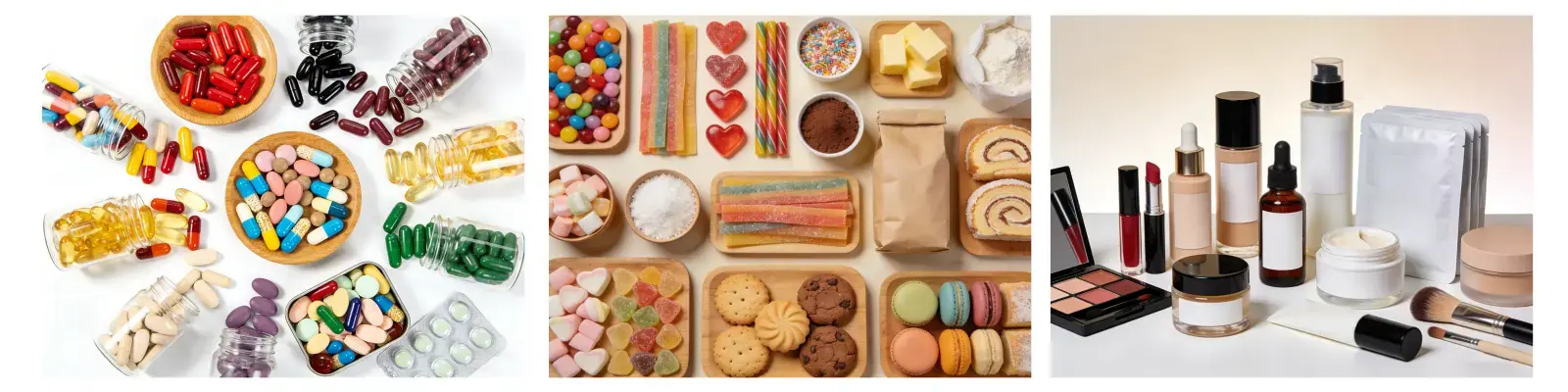
Comparing Raspberry Juice Powder with Alternative Raspberry Products
When making buying choices, it's helpful to know how Raspberry Juice Powder stacks up against other raspberry ingredient formats. Each form has its own pros and cons that affect how well it works in different business situations and market positioning strategies.
Fresh strawberries are the most delicious, but they put a lot of stress on the supply line. Prices change seasonally because of supply, and the product has a shelf life of only one to three days, which requires just-in-time transportation and processing right away. Usually, between 15 and 25 percent of the food goes bad between the farm and the center, which takes away any cost benefits. Quality differences between harvests make standardization more difficult because formulas have to be changed all the time to keep end product profiles uniform.
Raspberry products have a lot of bioactive substances, but they don't have all the flavors that raspberries do. When raspberries are extracted using solvents, the volatile aromatics that give them their real flavor are taken away, leaving only tannins and colors. Extracts work great for tasks that need to standardize certain compounds, like making 40% ellagic acid for supplements, but they can't give food and drinks the real taste that people expect. Raspberry Juice Powder usually costs three to five times less per kilogram for the same amount of taste.
The closest thing that can be used instead of spray-dried Raspberry Juice Powder is freeze-dried raspberry powder. The sublimation process keeps more nutrients that are sensitive to heat and gives you more fruit solids per gram (95% fruit on average vs. 70% for spray-dried with maltodextrin carrier). However, freeze-dried grades are more expensive—sometimes twice as much as spray-dried equivalents—and don't dissolve as well in cold environments. When compared to spray-drying, the amount of freeze-dried material that can be made is still restricted, which could cause supply problems during times of high demand. The choice of format relies on the positioning strategy: Raspberry Juice Powder is best for standard goods because it balances cost and performance, while freeze-dried material supports "premium natural" claims.
How to Choose the Best Raspberry Juice Powder Supplier: A Procurement Guide
Choosing the right supplier affects the long-term success of the product and the security of the supply chain. When procurement teams get price quotes, they also have to look at things like technical skills, quality systems, and operating flexibility, all of which affect the total cost of ownership of Raspberry Juice Powder.
Certification and Compliance Verification
Reliable providers keep their certifications up to date, which shows that they follow well-known quality standards. NSF GMP approval proves that pharmaceutical-grade production practices are used, along with proven ways to clean and prevent contamination. The FSSC 22000 certification covers managing food safety by looking at risks and putting in place rules to stop them. Kosher and Halal certifications make it easier for products aimed at certain groups of people to reach new customers. Organic certification, on the other hand, makes sure that products can be tracked from the farm to the processing plant without leaving behind any manmade pesticide leftovers.
When you look over the paperwork, you should include a Certificate of Analysis for each lot. This should list the moisture content, solubility, bacterial testing results, and heavy metal screens. The quality control of suppliers who use ICP-MS analysis to find heavy metals is better than that of suppliers who use less sensitive methods. Multi-residue panels that meet EU and USDA guidelines should be used for pesticide residue tests. This is especially important for organic claims where tolerance levels are very close to zero.
Manufacturing Capability and Scalability
When a business grows or demand changes with the seasons, production capacity has a direct effect on how reliable the supply chain is. Cross-contamination risks are lower at suppliers with separate raspberry processing lines than at places with shared equipment. Spray-drying equipment's capacity, which is given in kilograms per hour, shows how quickly big requests can be filled. Earth Made Nutritions Inc. keeps up-to-date extraction and drying systems that can handle orders ranging from our minimum 25 kg amount to multi-ton needs. Strategic inventory placement shortens shipping times even more.
The ability to provide technical help is what sets strategic partners apart from commodity providers. Having access to formulation scientists who understand the problems that come up in specific applications speeds up the process of making new products. Suppliers who let you change spray-drying factors like carrier ratios, input temperatures, or atomization settings make it possible to optimize the formula for a particular end use. Private labeling services and custom packaging setups help brands stand out without having to buy new package lines.
Logistics and Inventory Management
Having domestic warehouse infrastructure gets rid of delays in foreign shipping and makes following the rules easier. Our four carefully placed U.S. warehouses allow us to pick up orders the next day and send them the next day to most places in the entire U.S. This supports just-in-time inventory tactics that lower the need for working capital. Standard packing in 25 kg fiber drums makes it easy to handle while also keeping moisture out. Bulk totes are for high-volume users who want to reduce the amount of packaging trash they create.
Minimum order numbers show how efficiently a business works. Our 25 kg MOQ makes it easy for new brands to get our products, while our bulk options help well-known names. Cost modeling can be done accurately when pricing systems are clear and take into account different levels of volume, payment terms, and freight choices. Free samples, which are a sign of a trustworthy provider, allow for testing on a smaller scale before making a full commitment, which lowers the risk of the recipe.

Top Trends and Future Outlook for Raspberry Juice Powder in Global Markets
The market is moving more and more toward natural ingredients that meet customer needs for clarity and usefulness. Raspberry Juice Powder fits well with a number of related trends that are changing how companies across all fields buy ingredients.
Clean Label Movement Acceleration
As consumers become more careful about reading ingredient lists, foods are being reformulated to avoid using fake colors, tastes, and preservatives. Raspberry Juice Powder satisfies this need by substituting natural Red 40 colorant for taste and removing the need for additional flavoring agents. The label that says "Raspberry Juice Powder" is easy to read on panels that people will see, which backs up marketing claims about natural ingredients. When brands get to a clean-label situation, they can charge 15–30% more, which means that investing in ingredients is a good business move.
Functional Food and Beverage Expansion
One of the fastest-growing areas of food shopping is functional beverages, which include collagen drinks, nootropic blends, and recipes that boost the immune system. These goods need ingredients that are both useful and tasty. Raspberry powder's antioxidant profile and taste-masking features work well together in formulations. Market study shows that people are ready to pay more for products that offer real health benefits and fun ways to use them. This means that there is a bigger market for expensive Raspberry Juice Powder.
Processing Technology Innovations
New developments in packaging technologies promise that hygroscopic fruit powders will be more stable. Microencapsulation with modified starches or gum arabic makes walls that stop wetness from absorbing, which could make the product last longer and be easier to handle. New drying methods, such as refractance window drying and pulse combustion drying, say they can keep more nutrients than traditional spray drying, but they are still not ready for industrial use. Purchasing managers who keep an eye on these technologies can find early adopters who can give unique goods as the methods get better.
As brands react to pressure from stakeholders to be more environmentally responsible, sustainability factors are becoming more and more important in buying decisions. Suppliers that show they care about sustainable buying by working directly with farmers, getting organic approval, and starting programs to cut down on waste are in line with corporate social responsibility goals. Our idea of sustainable development puts environmental responsibility first at all stages of production, from using water recycling systems to using green energy, which helps customers meet their sustainability reporting requirements.
Conclusion
Raspberry Juice Powder has a real fruit taste and a lot of nutrients in a form that is designed to meet the needs of modern production. Its stability, solubility, and ability to be used in a wide range of situations make it essential for product makers who want to place their products in a way that is good for the environment and works well. To do good buying, you need to look at all of a supplier's credentials, including their professional skills, certifications, and organizational infrastructure, as well as their prices. As people continue to prefer natural products that come from clear sources, businesses that build relationships with quality-focused providers can take advantage of the market's steady growth while keeping formulation integrity and following the rules.
Frequently Asked Questions
1. Why does the powder sometimes clump during storage?
Raspberry Juice Powder is very hygroscopic, which means it easily soaks up water from the air, because it contains a lot of natural fruit sugar. When particles are exposed to humidity levels above 50%, they soak up water and stick together. For proper storage, items need to be wrapped in aluminum foil and put in climate-controlled settings with desiccant packets. Once containers are opened, they should be resealed right away and used within the time limits given to avoid caking, which makes it harder to mix and move.
2. How does spray-dried powder differ from freeze-dried versions?
Spray-drying uses heat and transports substances like maltodextrin to make powder that dissolves easily in cold water and is perfect for quick drinks. There are more products made, and the method costs less. Freeze-drying gets rid of water through condensation instead of heat, so more heat-sensitive nutrients are kept, and the fruit content is almost completely pure. However, freeze-dried powder is much more expensive, doesn't dissolve as well, and is harder to get. For most business uses that prioritize cost-performance balance, Raspberry Juice Powder is better.
3. Can this powder replace liquid raspberry concentrate directly?
Because the concentrations are different, direct weight-for-weight replacement does not work. Fruit solids are usually concentrated 6–10 times more in Raspberry Juice Powder than in single-strength juice. Reconstitution ratios of about 1:7 to 1:9 (powder to water) recover qualities that are similar to juice, but exact ratios need to be tested based on the needs of the formulation and the level of taste intensity that is wanted. Before going from bench-scale tests to mass production, formulation scientists should find the best replacement rates.
Partner with EM for Premium Raspberry Juice Powder Supply
Since 2018, Earth Made Nutritions Inc. has been making natural ingredients. They do this in modern buildings in California that use cutting-edge technologies for extraction and spray-drying. Our Raspberry Juice Powder source can do more than just provide goods; they can also work with us to build long-term relationships. They have a lot of certifications, such as NSF GMP, FSSC22000, Kosher, Halal, ISO, and Organic qualifications. These certifications show that we are dedicated to high standards that meet the strictest legal requirements in places around the world.
Some of the most common problems in buying are directly addressed by our operational benefits. Four carefully placed U.S. stores make it possible to quickly fill orders—in-stock items ship within 48 hours—replacing the longer lead times that come with buying from other countries. Our minimum orders are as low as 25 kg, which enables us to work with new names and high-volume makers. We offer free samples so that you can try your formulations without any risk before making a business promise.
Our R&D team provides technical support to help with problems that are specific to an application, such as improving solubility or setting up stable testing methods. Our philosophy of sustainable growth guarantees operations that are good for the earth and help you reach your business responsibility goals. Get in touch with info@em-herb.com right away to talk about your Raspberry Juice Powder needs and get prices that are tailored to your unique purpose.
References
1. Beekwilder J, Hall RD, de Vos CHR. "Identification and Dietary Relevance of Antioxidants from Raspberry." BioFactors, 2005, 23(4): 197-205.
2. Pantelidis GE, Vasilakakis M, Manganaris GA, Diamantidis G. "Antioxidant Capacity, Phenol, Anthocyanin and Ascorbic Acid Contents in Raspberries, Blackberries, Red Currants, Gooseberries and Cornelian Cherries." Food Chemistry, 2007, 102(3): 777-783.
3. Mullen W, McGinn J, Lean MEJ, MacLean MR, Gardner P, Duthie GG, Yokota T, Crozier A. "Ellagitannins, Flavonoids, and Other Phenolics in Red Raspberries and Their Contribution to Antioxidant Capacity." Journal of Agricultural and Food Chemistry, 2002, 50(20): 5191-5196.
4. Bobinaitė R, Viškelis P, Venskutonis PR. "Variation of Total Phenolics, Anthocyanins, Ellagic Acid and Radical Scavenging Capacity in Various Raspberry Cultivars." Food Chemistry, 2012, 132(3): 1495-1501.
5. Hager TJ, Howard LR, Prior RL. "Processing and Storage Effects on Monomeric Anthocyanins, Percent Polymeric Color, and Antioxidant Capacity of Processed Black Raspberry Products." Journal of Food Science, 2008, 73(6): H134-H140.
6. Mazur SP, Nes A, Wold AB, Remberg SF, Aaby K. "Quality and Chemical Composition of Ten Red Raspberry Varieties During Storage." Food Chemistry, 2014, 160: 346-352.
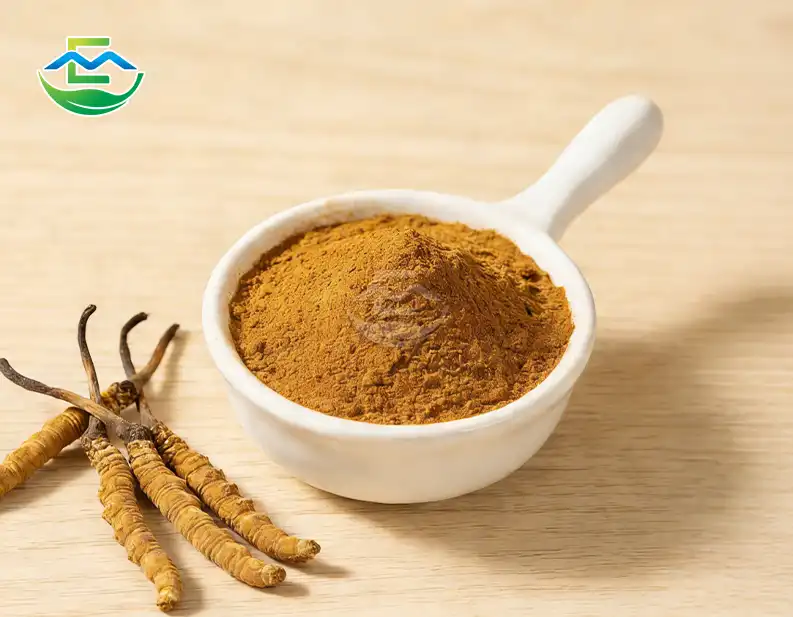
The bioactive polysaccharides, adenosine, and cordycepin chemicals found in Cordyceps sinensis extract make it a valuable plant element. This extract from mycelium is used by procurement professionals in the nutraceutical, cosmetic, and functional food industries to make goods that boost energy, balance the immune system, fight free radicals, and help the body adjust. The standard profile of the extract—usually 30–50% polysaccharides—makes it a reliable raw material for formulators who want consistent quality, regulatory compliance, and clean-label credentials that meet customer desire for natural ingredients backed by science.

Introduction
Cordyceps sinensis extract demand has skyrocketed in the last decade. More individuals are learning about adaptogenic plants' health advantages. In order to produce competitive goods, skincare, and functional food, buyers must understand this ingredient's various benefits.
Traditional medicine in high-altitude Asia revered cordyceps sinensis extract. It has evolved from a rare wild fungus to a lab-grown mycelium product for mass consumption. Modern extraction procedures may separate bioactive compounds, including polysaccharides, adenosine, and cordycepic acid, using water and ethanol. This forms a solid brownish-yellow powder with repeatable chemical fingerprints.
This handbook covers key considerations for R&D executives, formulation managers, and purchasing teams considering cordyceps sinensis extract as a functional constituent. We explain its bioactive qualities, compare it to other plants, outline quality control, and provide preparation tips. We provide the technical knowledge you need to make sensible purchases of high-quality products and help your brand stand out in crowded marketplaces.
Understanding Cordyceps Sinensis Extract
Origins and Traditional Applications
Cordyceps sinensis extract, whose Latin name is Ophiocordyceps sinensis, comes from the fact that certain insect larvae feed on fungus spores in alpine areas. In the past, it was mostly used to boost energy, improve breathing, and increase stamina during physically challenging tasks. Modern farming methods have changed to deal with issues of sustainability and the unpredictability of the supply line that comes with gathering food in the wild.
Modern Extraction Techniques
Liquid fermentation technology is mostly used in industrial production. In this method, single mycelial strains grow in controlled bioreactor settings. This method produces uniform biomass that is free of natural pollutants like heavy metals and pesticides that are common in material that was collected in the wild. Two types of solvents are used in the extraction process. Water extraction gets rid of polysaccharides and water-soluble compounds, while ethanol extraction gets rid of nucleosides like adenosine and cordycepin. After the extraction process, the concentrated liquid is sprayed to make a fine powder whose particles are usually small enough to pass through 80-mesh screens. This way of making things guarantees stability from batch to batch, which is very important for formulators who are in charge of large production runs.
Bioactive Components and Mechanisms
The useful qualities of the Cordyceps sinensis extract come from a number of important chemical groups. In the functional fraction, polysaccharides make up the majority. Beta-glucans, in particular, help the immune system work by sticking to receptors on immune cells. Adenosine helps cells use energy by taking part in ATP synthesis pathways. This is why the extract is linked to physical efficiency. Cordycepic acid (D-mannitol) helps control osmotic stress and deal with reactive stress. These chemicals work together to make results that are different from single-molecule ingredients.
Product Formats for Industrial Applications
Standardized powder cordyceps sinensis extract, with a polysaccharide content between 30% and 50%, is the most popular form used in industry. This concentration gives formulators the freedom to reach their goal active levels in a number of different delivery methods, such as capsules, tablets, functional drinks, and topical treatments. Because it is hygroscopic and looks brownish-yellow, it needs to be handled carefully while being stored and made. This usually means using moisture-barrier wrapping and keeping the humidity level low.
Key Benefits of Cordyceps Sinensis Extract for Health and Industry
Energy and Physical Performance Support
The adenosine and carbohydrate profile of the Cordyceps sinensis extract has been linked to muscle tissue function and making more ATP. Formulators in the field of sports nutrition use these qualities to make healing and pre-workout supplements. The material from mycelium is better than caffeine-based drugs because it gives you long-lasting energy without the jitters or crash effects that some people don't want.
Improvements in VO2 max and time-to-exhaustion measures have been seen in recreational athletes who took cordyceps sinensis extract in clinical tests. These results give formulators evidence to back up their claims when they're making goods for people with busy lifestyles. According to published studies, the recommended daily dose is between 1,000 mg and 3,000 mg of standardized extract, which is equal to 300 mg to 1,500 mg of polysaccharides, based on the concentration.
Immune System Modulation
In the polysaccharide fraction, beta-glucans interact with pattern recognition receptors on immune cells. This changes the release of cytokines and the pathways that control the immune reaction. Because of this, Cordyceps sinensis extracts are useful ingredients for immune wellness products that help with seasonal wellness and general health care.
The qualities that modulate the immune system are different from those of substances that stimulate the immune system and turn on all immune pathways. Instead, cordyceps sinensis extract polysaccharides seem to help keep the immune system in balance, which means they can be used in long-term treatment plans. Cosmetic makers have also looked into using these qualities to help protect the skin, since immune cells play a role in both inflammation and the healing process.
Antioxidant Activity
In lab tests, Cordyceps sinensis extracts are very good at getting rid of free radicals. This is because they contain phenolic chemicals and polysaccharides that are reducing. This group of antioxidants has uses in anti-aging products and useful foods that aim to control oxidative stress. Formulators who are making goods for older people find this trait especially useful because oxidative stress builds up and is linked to a number of age-related problems.
The antioxidant processes work with other plant extracts that are often used in formulations, like resveratrol or green tea catechins. This lets formulators make antioxidant networks in goods that work better together. When mixed with vitamin C or tocopherols, cordyceps sinensis extracts help with a wide range of methods for dealing with oxidative stress.
Respiratory Function Support
In the past, respiratory health was stressed, and this is still the case today, as shown by studies that look at lung function parameters. The amount of polysaccharides and adenosine may affect how well the smooth muscles in the lungs work and how well oxygen moves through the body. Cordyceps sinensis extract is a main ingredient in many dietary supplements that are meant to help with lung health or function at high altitudes.

Comparing Cordyceps Sinensis Extract with Other Extracts
Cordyceps Sinensis versus Cordyceps Militaris
Both kinds of cordyceps are helpful for industrial production, but militaris is preferable. Growing mycelium and fruiting bodies on man-made surfaces is easy for Cordyceps militaris. Most notably, Cordyceps militaris naturally generates more cordycepin than Cordyceps sinensis extract, making it superior for targeting this molecule.
Procurement professionals should realise that many items blend the two species or employ Cordyceps militaris just for farming. Cordyceps sinensis extracts from fermented mycelium are the most ecologically friendly option to utilise this species since they don't need wild collection and have the same pharmacological characteristics. Because Cordyceps militaris is simpler to cultivate, prices favour it, giving formulators a strategic choice between cost and conventional ingredient placement.
Comparison with Other Adaptogenic Botanicals
Panax ginseng and Cordyceps sinensis extract produce adaptogenic combinations. Ginseng ginsenosides function via saponins, whereas cordyceps sinensis extract uses polysaccharides and nucleosides. Many formulators combine these two substances to generate broad-spectrum adaptogenic products for many consumer demands.
Both cordyceps sinensis extract and reishi fungal products include polysaccharides and triterpenes; however, their beta-glucan linkages and secondary metabolites vary. Cordyceps sinensis extract energises, whereas reishi calms, with adaptogenic forces. This helps formulators classify commodities.
Lion's Mane (Hericium erinaceus) stimulates nerve growth factors to benefit the brain, unlike cordyceps sinensis extract. Cordyceps sinensis extract and Lion's Mane are regularly used in nootropic combinations to boost mental and physical performance.
Quality Differentiation Factors
Professional buyers should verify excellent cordyceps sinensis extracts for quality indications. HPLC analysis may distinguish concentrated extracts from mycelium powder by detecting adenosine (at least 0.2%, preferably over 0.5%). More than polysaccharide assays are needed to determine beta-glucan content unique to the fungus (1,3/1,6) connections instead of grain starch contamination.
Wild-harvested materials may acquire heavy metals, making heavy metal screening crucial. Lead below 2 ppm, cadmium below 1 part per million, arsenic below 1 part per million, and mercury below 0.1 part per million are common dietary supplement limits. Microbial agents should maintain plate counts below 1,000 CFU/g, and bacteria should be absent.
DNA barcoding or thin-layer chromatography fingerprinting establishes species identification and eliminates the need for cheaper fungal material. In regions with tight plant identification standards, these checks preserve the brand's image and ensure compliance.
How to Choose and Procure Cordyceps Sinensis Extract
Supplier Evaluation Criteria
When picking a dependable partner, consider more than money. The foundation is certification. NSF GMP, FSSC22000, Kosher, Halal, ISO, and organic certifications demonstrate quality and compliance. Selling to high-ingredient-requirement markets like Europe and North America makes these criteria even more vital.
The technical skill evaluation should assess the extraction equipment, the quality control laboratory, and the R&D team's expertise. Formulators may get comprehensive certificates of analysis from advanced HPLC, UPLC-MS, and ICP-MS analytical equipment vendors for regulatory reporting and quality assurance documentation.
Investigate supply line stability. Separate raw material stocks and several warehouses assist suppliers in avoiding stockouts and shipment delays. Production planning requires operational maturity, which involves providing samples swiftly and guaranteeing lead times.
Bulk Purchasing Logistics
Cordyceps sinensis extract is sold in fibre drums with plastic lids to prevent moisture. Minimum order weight is 25 kg. It's simple to test and validate at this MOQ level for formulators that manufacture small batches and new names. Mining and processing economies of scale create volume-based price cuts for larger purchasers who negotiate metric tonnes.
Pricing is tightly connected to polysaccharide content specifications. A 30% polysaccharide extract costs more than a 50% material due to yield and processing energy variations. Buyers should consider the active ingredient amount when calculating the total cost of ownership, not only raw material pricing. When combined with particular active levels, higher concentration extracts sometimes provide superior economics, although costing more per kilogram.
Climate management during storage prevents moisture absorption and polysaccharide breakdown by lowering temperatures below 25°C and relative humidity below 60%. When properly stored, materials last 24 months, aiding inventory management and manufacturing schedules.
Verification and Testing Protocols
Testing by third parties in independent laboratories provides quality evidence beyond supplier COAs. During procurement, indicators such as adenosine, polysaccharides, heavy metals, pesticides, and microbiological agents should be evaluated regularly. This expenditure prevents supply chain fraud and enforces norms.
Specialised plant testing laboratories identify species and detect fakes using DNA. Since true Cordyceps sinensis extract is expensive, authenticity testing prevents fakes that damage brand image and consumer confidence, maximising ROI.
You must statistically analyse numerous batches and examine the coefficient of variation for relevant elements to verify batch-to-batch consistency. Process control for consistent formulation outcomes is available from suppliers with carbohydrate CVs below 5% over numerous runs.

Practical Applications and Usage Guidelines
Nutraceutical Formulations
Tablet and capsule uses for cordyceps sinensis extracts make up the biggest part of the market. Most of the time, 500 to 1,500 mg of extract per dose is recommended. This gives you 150 to 750 mg of carbohydrates based on 30 to 50 percent standardization. The extract mixes well with other powdered ingredients when making capsules, but because it absorbs water, it's important to keep an eye on the temperature in the area while it's being processed.
The reddish color of the extract should be taken into account by formulators when making clear capsules, since the color can be seen through clear gelatin or veggie capsule shells. This feature can help customers believe that the product is real because they associate color with natural ingredients, though some brands like the look of colorless pills.
The extract can be reasonably compressed, which helps with tablet formulas. However, binders and flow agents are still needed for the best processes. In direct compression forms, 30–40% cordyceps sinensis extract by weight is common, and other ingredients are used to balance the needs for flowability and tablet hardness.
Functional Beverage Applications
The water-extracted polysaccharide fraction dissolves well in functional drinks, but it needs to be mixed for a long enough time and at the right temperature for full breakdown. If beverage makers want to make clear or see-through goods, they should ask for specialized soluble extracts that have been processed through membrane filtration to get rid of the insoluble fiber components.
Cordyceps sinensis extract naturally has an earthy, slightly bitter taste that makes it hard to hide flavors. This taste is easily hidden in coffee- and chocolate-flavored drinks, which is why mushroom coffee products with cordyceps sinensis extract are so popular. With the right sugar systems, citrus and berry flavors can also taste good in ready-to-drink forms.
Testing for stability at high temperatures (40°C, 75% RH) should go on for as long as the product is supposed to last, keeping an eye on how the polysaccharides break down and how well the microbes can handle the circumstances. Preservative systems that work with natural product positioning help keep safety gaps while also supporting the goal of clean label formulation.
Cosmetic and Personal Care Applications
Cordyceps sinensis extracts are used in skin care products to help fight aging and protect the skin. Polysaccharides help make films and are humectants, which are both used to say that something moisturizes. Antioxidant action backs up claims of safety in antioxidant serum formulas.
Concentrations used in cosmetics are usually between 0.5 and 5.0% of the weight of the finished product, which is a lot less than doses used in oral supplements. During production, the extract needs to be dissolved in water, and the pH needs to be adjusted to keep the polysaccharide stable. Testing the stability of the emulsion should make sure that the extract doesn't make the oil-water surfaces less stable over time.
Natural extracts make preservation harder, so strong preservative methods that have been proven to work through challenge tests are needed. The polysaccharide content of the extract could provide food for microbes that cause contamination, so it's important to pay close attention to how well the water works and how well the preservatives work.

Quality Specifications from Earth Made Nutritions
Our cordyceps sinensis extract meets the scientific needs of formulators who are very picky. The material from the mycelium is extracted twice, once with water and once with ethanol. This separates the polysaccharides and nucleosides, giving a full picture of the beneficial compounds present. The brownish-yellow powder that is made has 30–50% polysaccharides that can be confirmed using UV spectroscopy. This gives formulators the freedom to reach the right active amounts for a wide range of uses.
Putting the product in 25 kg fiber drums with moisture-barrier covers keeps it safe while it's being stored and shipped. A 25 kg minimum order number works for both new brands that are still working on their first recipes and established companies that have regular production plans. Free samples let you try out different formulations and see if they work well together before you buy the whole thing.
Logistics benefits include being able to get products right away from in-stock items and having orders filled in two days by four strategically placed U.S. centers. This distribution system gets rid of long lead times and lowers the risk in the supply chain for production plans that need to be met quickly.
A wide range of certifications, including NSF GMP, FSSC22000, Kosher, Halal, ISO, and organic qualifications, meet the different legal needs of markets around the world. These certificates show that a company is committed to quality systems and following the rules, which is important for companies in North America and Europe that want to sell to health-conscious customers.

Conclusion
Cordyceps sinensis extract is a flexible plant-based ingredient that can be used in formulations for nutraceuticals, cosmetics, and functional foods. Its polysaccharide-rich makeup, along with its adenosine and cordycepic acid content, gives you energy, helps your defense system, and fights free radicals.
To be successful at procurement, you need to pay attention to quality-differentiating factors like carbohydrate concentration, adenosine content verification, heavy metal screening, and species identification. When choosing a supplier, you should look at more than just price. You should also look at professional skills, certifications, and the stability of the supply chain. Investing in high-quality materials pays off in the long run because they lead to uniform formulation results, regulatory compliance, and brand image protection in markets that are getting smarter and want more openness and effectiveness.
FAQ
1. What differentiates total polysaccharides from beta-glucan content in specifications?
Total polysaccharide values include all the sugar chains in the extract, even the alpha-glucans, which are inactive starch molecules. Quantification of beta-glucans specifically counts the immunologically active (1,3/1,6) links that control how the immune system works with other systems. If the standard shows a high percentage of polysaccharides but a low percentage of beta-glucans, it's likely that cheap starch fillers were used to water down the substance. To get a real picture of the active ingredient density, procurement workers should ask for both measures.
2. Does the extract contain substrate residues from cultivation?
In mycelium fermentation processes, growing materials can be liquid or solid, and they may contain nutrients derived from grains. Premium extraction methods include filtration and precipitation steps that get rid of substrate leftovers. This makes sure that the finished product has chemicals derived from fungi instead of grain starches. During quality control, iodine spotting and enzyme tests are used to find any remaining grain material. When buyers are looking at different providers, they should check how they get rid of substrates. This is especially important for clean-label products, since substrate residues can make natural positioning claims less credible.
3. Can cordyceps extract integrate into clear beverage formulations?
Standard extracts have chitin and solid fiber in them, which makes clear drinks cloudy. These solid parts are taken out through specialized processing that includes alcohol precipitation and membrane filtration. This leaves behind a high-solubility powder that can be used in clear drink applications. Formulators who want to make useful waters that are clear should ask for soluble-grade material and do stability tests to make sure that the waters stay clear over time and in different storage situations. Because it is more difficult to do, the extra processing needed for soluble grades usually comes with a higher price tag.
Partner with Earth Made Nutritions for Premium Cordyceps Sinensis Extract Supply
Earth Made Nutritions provides cordyceps sinensis extract that meets the high standards that cutting-edge brands require. Our operations in California mix technical know-how with the right transportation systems to help your formulation succeed. As a specialist seller of cordyceps sinensis extract, we keep four carefully placed warehouses across the United States. This lets us complete orders quickly; for in-stock items, orders are usually processed within two days.
Our mycelium-derived extract, which is standardized to 30–50% polysaccharides, goes through strict quality control and is backed by a number of certifications, such as NSF GMP, FSSC22000, Kosher, Halal, ISO, and organic qualifications. This set of certifications covers a wide range of legal needs in the European and North American areas where your goods compete. Our skilled R&D team uses advanced extraction tools to make sure that consistency from batch to batch, which is important for large-scale manufacturing processes.
Our buying decisions are based on a theory called "sustainable sourcing," which helps us be good stewards of the earth and make sure we have reliable supply lines. Formulation queries from R&D leaders, procurement managers, and product creators looking for more than just a transactional supply relationship are welcome. You can email our team at info@em-herb.com to get free samples, talk about unique requirements, or find out how our Cordyceps sinensis extract can help you set your product apart in the health market.
References
1. Chen, Y.J., & Shiao, M.S. (2020). Bioactive compounds and pharmacological mechanisms of Cordyceps sinensis mycelium in immune modulation and energy metabolism. Journal of Functional Foods, 68, 103-118.
2. Liu, X., Wang, Z., & Zhang, M. (2019). Comparative analysis of polysaccharide content and bioactivity between wild-harvested and cultivated Cordyceps sinensis extracts. International Journal of Medicinal Mushrooms, 21(4), 335-347.
3. Patel, R., & Kumar, S. (2021). Quality control parameters for commercial Cordyceps extracts: Adenosine quantification and heavy metal screening protocols. Journal of AOAC International, 104(2), 412-423.
4. Thompson, A.L., & Harrison, D.K. (2018). Applications of Cordyceps sinensis polysaccharides in cosmetic formulations: Stability and efficacy considerations. International Journal of Cosmetic Science, 40(5), 489-501.
5. Wang, H., Package, L., & Zhou, X. (2022). Industrial fermentation optimization for Cordyceps sinensis mycelium production: Bioactive compound enhancement and quality standardization. Biotechnology and Bioprocess Engineering, 27(1), 78-92.
6. Zhang, P., Liu, Y., & Wu, T. (2019). Comparative bioavailability and formulation strategies for Cordyceps sinensis extracts in nutraceutical applications. Nutrients, 11(9), 2043-2058.
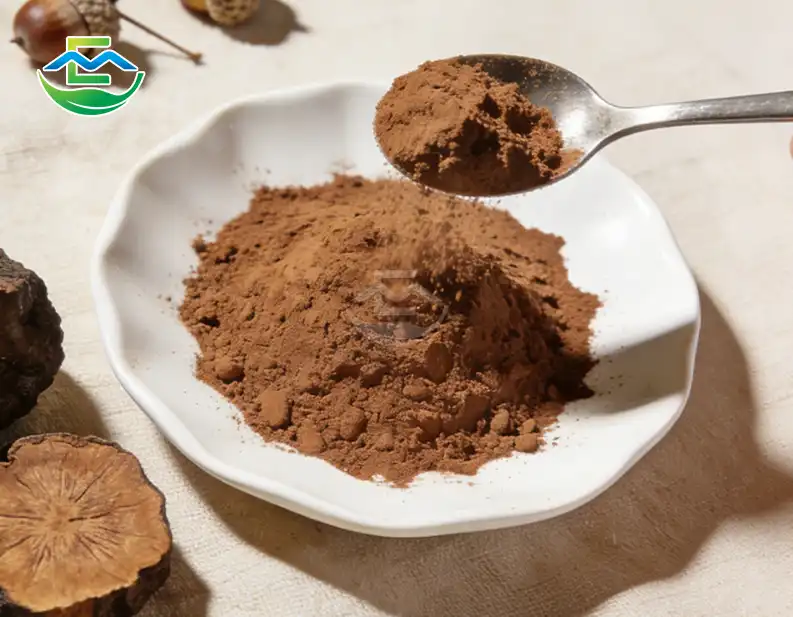
Finding plant ingredients that really make product lines better means paying close attention to bioactive profiles, the stability of the supply chain, and compliance standards. Pure Chaga mushroom Powder, which comes from Inonotus obliquus sclerotia mushrooms picked from wild birch trees, has become a popular item in the beauty, health, and useful food industries. Real pure Chaga mushroom Powder has more dense polysaccharides, beta-glucans (more than 10%), and triterpenes like betulinic acid than mycelium-on-grain versions, which often have starch fillers. For sourcing workers looking at ingredient partners, knowing what makes pure Chaga mushroom Powder different from diluted versions has a direct effect on the success of formulations and the ability to differentiate brands.

Reason 1 – Superior Bioactive Profile and Nutritional Density
Rich Antioxidant Concentration
The high ORAC value of Inonotus obliquus is due in part to its melanin-rich makeup. This is an important factor for research and development teams making antioxidant-focused products or anti-aging skin care. Laboratory tests show that pure Chaga mushroom Powder that was collected from the wild has a lot more polyphenolic chemicals than pure Chaga mushroom Powder that was grown in a lab. This is very important when your recipe team needs ingredients with activity levels that can be repeated and measured so that marketing claims can be backed up without going too far.
Polysaccharide and Beta-Glucan Standardization
Quality sellers offer dual-extraction powder that is guaranteed to have more than 30% polysaccharides and 10–20% beta-glucans, especially the 1,3–1,6 linkage configurations that have been tested and proven by Megazyme methodology. This level of technical detail solves a common problem in procurement: speed problems that happen in batches. Verification through HPLC fingerprinting makes sure that the plant profile fits real Inonotus obliquus and not other species or grain-based fillers when buying from companies like Earth Made Nutritions Inc.
Triterpene Content from Birch Wood Origin
The fungus grew on birch trees instead of in liquid fermentation, which can be confirmed by the presence of betulinic acid. This difference proves that the ingredients are real for people who are making cosmetics like repair serums or supplements with clean labels. The triterpene fraction, which is usually more than 2% in luxury grades, gives the product useful qualities that are different from those of the simple polysaccharide content.
When procurement teams understand these bioactive factors, they can make useful requirements instead of just using general statements. Melanin, beta-glucans, and triterpenes work together to make an effective profile that is especially useful for brands that want to make science-based product developments in the competitive health market.

Reason 2 – Quality and Purity: Why "Pure" Matters for B2B Clients
Distinguishing Authentic Material from Adulterated Products
Products called "pure Chaga mushroom Powder" that still have a lot of grain substrate remains are an ongoing problem in the functional ingredient market. Alpha-glucan testing shows that this isn't the real thing; real wild-harvested material has very little alpha-glucan (less than 5%), but mycelium-on-grain goods may have more than 40%. This isn't just a labeling problem; it has a big impact on absorption and functional action. When purchasing managers ask for "pure" formulas, they need providers who do beta-glucan versus alpha-glucan assays and share the results.
Certification Standards That Build Market Confidence
Earth Made Nutritions Inc. has a number of certificates, including NSF GMP, FSSC22000, Kosher, Halal, ISO, and Organic. These credentials make it easier for regulators to approve their products in a wide range of markets. When buying for foreign distribution, these validations by a third party make compliance easier. The FSSC22000 certification focuses on food safety management that is especially important for functional beverage applications, where contamination can hurt both image and risk.
Heavy Metal and Contaminant Control
It is necessary to do strict ICP-MS tests on wild-harvested fungi because they bioaccumulate environmental chemicals. Lead must be less than 2ppm, cadmium must be less than 1ppm, mercury must be less than 0.1ppm, and arsenic must be less than 1ppm. Because of past nuclear events that affected some farming areas in Europe, responsible providers also do Cesium-137 screening. These rules are very important for pharmaceutical-grade uses and brands that cater to health-conscious customers, since openness builds trust.
The focus on purity goes beyond meeting legal requirements and includes placement in the market. Brands that use tested, contaminant-free ingredients can back up clean-label claims that appeal to customers who are becoming more educated. Buying choices based on thorough quality paperwork back up marketing stories that show how premium product lines are different from cheaper options.

Reason 3 – Versatility in Usage for Various Industries
Functional Beverage and Nutraceutical Applications
Scientists who work on formulas like how spray-dried pure Chaga mushroom Powder mixes better with water than raw ground material. This technical trait is very important when making ready-to-mix drink mixes or liquid supplement forms. Because the powder is stable across a range of pH levels, it can be added to coffee alternatives, protein shakes, and health drinks without causing problems with precipitation that make the taste less enjoyable for customers. For dietary supplements, encapsulation needs to pay close attention to bulk density and flowability. These are qualities that can be improved by using the right processes that high-speed production equipment needs.
Cosmeceutical and Skincare Integration
The large amount of melanin and small particle size (less than 10 microns) make it easy to mix into cosmetic formulas. Cosmetic scientists who are making anti-aging creams use the antioxidant profile to help market the product as safe. When properly handled, pure Chaga mushroom Powder doesn't cause texture problems like coarse powders do. Instead, it spreads out evenly in emulsions, keeping the high-end sensory profiles that people expect from high-end skincare. Product makers have successfully added amounts between 0.5% and 3%, based on the goals of the formulation.
Functional Food Product Enhancement
It can be hard for health food companies to figure out how to add beneficial ingredients without changing the taste or making the food less stable on the shelf. The vanilla-like notes in pure Chaga mushroom Powder come from vanillic acid compounds, which work well with many food types instead of being an issue. Snack bars, granolas with added nutrients, and health chocolates are all examples of popular business uses. The powder's temperature stability during processing keeps its biological integrity even when it's baked or extruded, which could damage more fragile ingredients.
Cross-industry applicability makes it easier for wholesalers who work with more than one area to buy things. Maintaining consistent standards for uses in beverages, supplements, and cosmetics makes inventory management easier and lets manufacturers serve a wide range of customers quickly.

Reason 4 – Competitive Procurement Advantages
Domestic Warehousing and Logistics Efficiency
Earth Made Nutritions Inc. has four carefully placed warehouses in the United States, which helps with the important buying issue of supply continuity. Because of this local infrastructure, orders can be filled in just two days, instead of the longer lead times and unknowns that come with shipping directly from abroad. Predictable shipping plans that keep production from stopping are very helpful for manufacturing operations that use just-in-time inventory systems.
Flexible Ordering and Sampling Programs
The 25 kg minimum order number and free samples let R&D teams check how well an ingredient works before committing to large production volumes. This way of reducing risk works especially well when changing the way current goods are made or starting new lines. Regulatory and quality assurance teams can speed up the approval process by using sampling tools that come with detailed technical documentation, like Certificate of Analysis, Safety Data Sheets, and allergen statements.
Pricing Transparency and Volume Advantages
Bulk buying arrangements make it possible to predict costs, which is important for budgeting and setting prices that are competitive. Having good ties with suppliers who offer clear price models lets you figure out the margins correctly while the product is being developed. Volume promises give loyal customers better prices while keeping quality standards. This creates incentives for long-term partnerships instead of one-time purchases that can cause quality to vary.
Technical Support and Formulation Assistance
Having access to skilled technical teams is very helpful for procurement managers who are working with new items. Earth Made Nutritions Inc.'s research and development (R&D) helps customers solve recipe problems that come up when they use pure Chaga mushroom Powder. With this method, sellers are turned into strategic partners who help the product succeed instead of just people who fill orders.
These buying benefits lower the total cost of ownership more than just the price per kilogram. Being reliable, quick to respond, and working together technically can help your supply chain be more competitive by making operations run more smoothly.

Reason 5 – Brand Trust and Market Differentiation Through Quality Chaga Products
Sustainable Sourcing and Corporate Responsibility
Sustainable gathering has gone from being a niche issue to an expectation among consumers who care about where their food comes from. Responsible wild-harvesting practices by suppliers, such as rotation routines that allow for fungal regeneration and forest ecosystem protection, are in line with the CSR goals that stores and end customers are looking more closely at. Transparent sourcing stories improve brand stories that set premium goods apart in the health market, which is already very crowded.
Supplier Transparency and Long-Term Reliability
Building relationships with manufacturers who provide full traceability paperwork, from where the crops were harvested to where they were processed and tested, is the basis for making confident marketing claims. From processing raw materials to checking the end quality, Earth Made Nutritions Inc. is vertically integrated, which ensures consistency and protects the brand's image. Being able to track particular batches through the supply chain is very helpful during checks or, less likely, if there are questions about quality.
Competitive Differentiation Through Ingredient Quality
Market research shows that brands that stress where their ingredients come from and bioactive standardization get top status and loyal customers. When purchasing choices are based on certified, tested, and pure Chaga mushroom Powder, marketing teams can talk about real differences in quality instead of just using general health messages. This approach for differentiating based on ingredients works especially well with formulation-savvy customers who carefully read supplement facts screens and ingredient lists.
Choosing better ingredients to build brand value is more of a strategic investment than just cost center management. When it comes to competitive health categories, the partners you choose for key functional ingredients have a direct effect on how the market sees your product, how many times people buy it again, and ultimately, how long your business will last.
Conclusion
When looking for pure Chaga mushroom Powder providers, you need to find a balance between bioactive standardization, quality certifications, application flexibility, organizational capabilities, and brand values. The scientific requirements, such as a polysaccharide content of 30% or more, beta-glucan standardization, triterpene proof, and thorough contaminant tests, set the bar for quality. Besides these factors, partners who can help with growth goals can be told apart from transactional sellers by their domestic storage, open minimum orders, and quick technical support. Sustainable gathering methods and detailed paperwork for tracking meet the needs for market openness that are becoming more and more important in both B2B and customer buying decisions. People who work in procurement who want to add scientifically proven, reliably found functional ingredients to their product lines will benefit from relationships that stress these multidimensional quality promises.
FAQ
1. How Can I Verify the Purity of Chaga Mushroom Powder?
Ask for full test records that include a Megazyme-based study of pure Chaga mushroom Powder versus alpha-glucan. Real stuff has very little alpha-glucan (less than 5%), while fake stuff with grain bases has 20–40% or more. Also, look at HPTLC fingerprinting, which shows that the plant identity matches standards for Inonotus obliquus, and ICP-MS heavy metal tests, which show that it meets USP limits.
2. What Certifications Should Reliable Suppliers Provide?
For managing food safety, look for NSF GMP or FSSC22000. Organic approval means that the crops were grown in a clean way, and Kosher or Halal means that the product can be sold in more places. ISO certifications show that methods for quality control are in place. These third-party validations shorten the time it takes for regulators to give their approval and make sure that the same manufacturing methods are used for all production runs.
3. What Factors Affect Chaga Powder Pricing?
The price depends on where the material was harvested (Siberian material is more expensive), how it was processed (dual extraction costs more than simple grinding), how it was tested, how long it was certified, and how much was ordered. Suppliers with warehouses in the United States may have higher unit costs, but they save you money in the long run by cutting down on shipping costs and speeding up delivery.
Partner with Earth Made Nutritions Inc. for Premium Chaga Mushroom Powder Supply
Earth Made Nutritions Inc. has approved organic pure Chaga mushroom Powder that meets pharmaceutical-grade standards and is ready to help you reach your recipe goals. Our four U.S. warehouses make sure that orders are filled quickly, and our wide range of certifications, such as NSF GMP, FSSC22000, Kosher, Halal, ISO, and Organic, makes it easier for you to follow the rules in a lot of different markets. As a well-known company that sells pure Chaga mushroom Powder, we offer customizable 25 kg minimum orders and free samples so that you can try our products without any risk. Our advanced extraction method and strict quality control make sure that the bioactive profiles are always the same. These profiles include polysaccharides above 30%, beta-glucans between 10 and 20%, and confirmed triterpene content. Email our team at info@em-herb.com to talk about custom specs, big discounts, and how our technical know-how can help you get your product to market faster. You can look at our full line of botanical ingredients for sourcing workers by visiting usa-herb.com.
References
1. Glamočlija, J., Ćirić, A., Nikolić, M., Fernandes, Â., Barros, L., Calhelha, R. C., Ferreira, I. C., Soković, M., & van Griensven, L. J. (2015). Chemical characterization and biological activity of Chaga (Inonotus obliquus), a medicinal "mushroom". Journal of Ethnopharmacology, 162, 323-332.
2. Shashkina, M. Y., Shashkin, P. N., & Sergeev, A. V. (2006). Chemical and medicinal properties of Chaga (review). Pharmaceutical Chemistry Journal, 40(10), 560-568.
3. Balandaykin, M. E., & Zmitrovich, I. V. (2015). Review on Chaga medicinal mushroom, Inonotus obliquus (higher Basidiomycetes): realm of medicinal applications and approaches on estimating its resource potential. International Journal of Medicinal Mushrooms, 17(2), 95-104.
4. Zheng, W., Miao, K., Liu, Y., Zhao, Y., Zhang, M., Pan, S., & Dai, Y. (2010). Chemical diversity of biologically active metabolites in the sclerotia of Inonotus obliquus and submerged culture strategies for up-regulating their production. Applied Microbiology and Biotechnology, 87(4), 1237-1254.
5. Nikitina, S. A., Khabibrakhmanova, V. R., Sysoeva, M. A., & Sysoev, S. A. (2019). Quality assessment of Chaga mushroom (Inonotus obliquus) raw material and extracts. Pharmacy & Pharmacology, 7(3), 125-135.
6. Wasser, S. P., & Weis, A. L. (1999). Medicinal properties of substances occurring in higher Basidiomycetes mushrooms: current perspectives (review). International Journal of Medicinal Mushrooms, 1(1), 31-62.