- English
- French
- German
- Portuguese
- Spanish
- Russian
- Japanese
- Korean
- Arabic
- Irish
- Greek
- Turkish
- Italian
- Danish
- Romanian
- Indonesian
- Czech
- Afrikaans
- Swedish
- Polish
- Basque
- Catalan
- Esperanto
- Hindi
- Lao
- Albanian
- Amharic
- Armenian
- Azerbaijani
- Belarusian
- Bengali
- Bosnian
- Bulgarian
- Cebuano
- Chichewa
- Corsican
- Croatian
- Dutch
- Estonian
- Filipino
- Finnish
- Frisian
- Galician
- Georgian
- Gujarati
- Haitian
- Hausa
- Hawaiian
- Hebrew
- Hmong
- Hungarian
- Icelandic
- Igbo
- Javanese
- Kannada
- Kazakh
- Khmer
- Kurdish
- Kyrgyz
- Latin
- Latvian
- Lithuanian
- Luxembou..
- Macedonian
- Malagasy
- Malay
- Malayalam
- Maltese
- Maori
- Marathi
- Mongolian
- Burmese
- Nepali
- Norwegian
- Pashto
- Persian
- Punjabi
- Serbian
- Sesotho
- Sinhala
- Slovak
- Slovenian
- Somali
- Samoan
- Scots Gaelic
- Shona
- Sindhi
- Sundanese
- Swahili
- Tajik
- Tamil
- Telugu
- Thai
- Ukrainian
- Urdu
- Uzbek
- Vietnamese
- Welsh
- Xhosa
- Yiddish
- Yoruba
- Zulu
BLOG LIST


Green coffee bean extract powder is a key ingredient used by companies that make functional foods, skin care products, and medicines. The plant that gives us this extract is called Coffea arabica L. These are seeds that have not been cooked. Some beneficial chemicals are lost when food is heated, but this method saves them. There is more to differentiating quality standards than just making sure that buying managers, R&D directors, and formulation scientists' needs are met. It has a direct impact on how well a product works, whether it gets regulatory approval, and how well the brand is known.
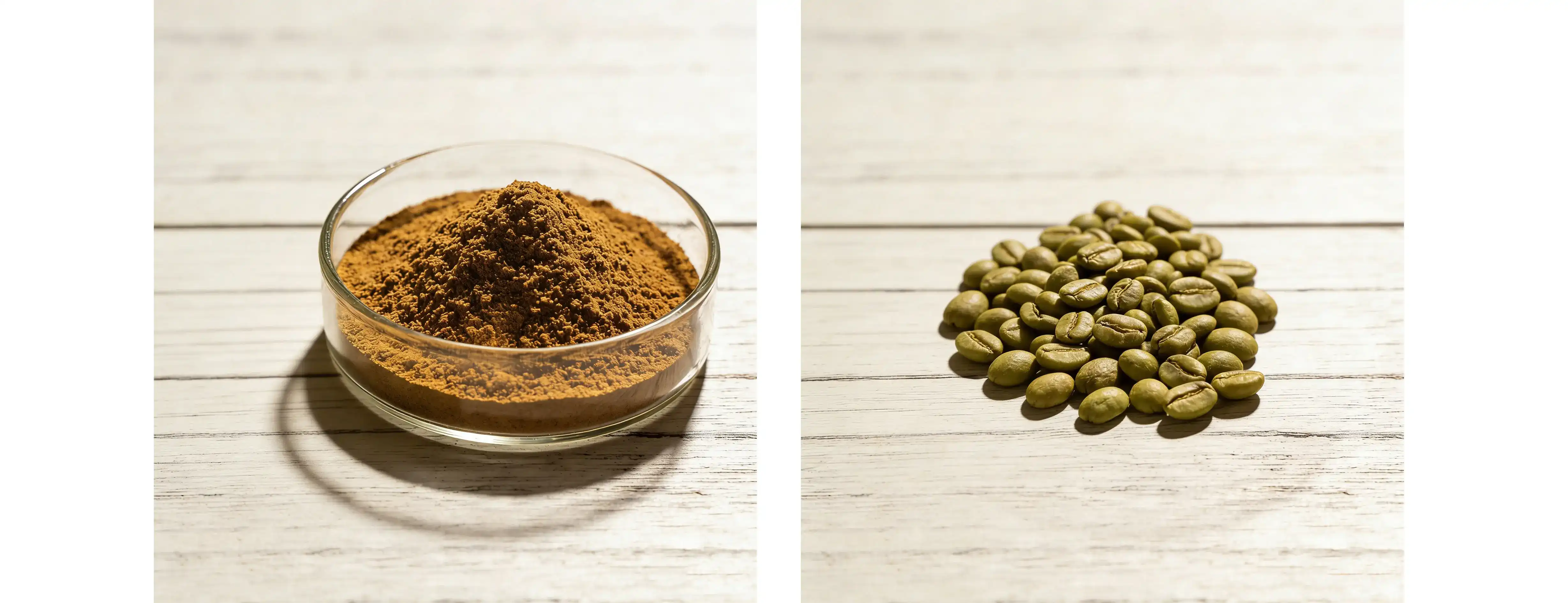
Understanding Green Coffee Bean Extract Powder
The phytochemicals in green coffee bean extract powder are all the same because it is made using controlled extraction methods that keep the beneficial substances. Chlorogenic acids are broken down by 50–95% when coffee is roasted at temperatures above 200°C. This ingredient, on the other hand, is removed at low temperatures using water and ethanol. This method carefully sorts polyphenolic chemicals while lowering the damage caused by heat. This makes a powder that is mostly yellow-brown and has the same chemical makeup.
Extraction Process and Active Compounds
Unroasted coffee beans from the plant Coffea arabica L. are first ground up by hand, and then solvent extraction is done with a mix of water and ethanol. This two-solvent method keeps safety standards for food while getting the most chlorogenic acid back. So that the powder can be mixed with water, the liquid concentrate that is left over is sprayed with water, filtered, and dried under pressure. Chlorogenic acid levels should be at least 50% when using good methods. The main isomer is 5-caffeoylquinic acid (5-CQA).
Chlorogenic acids protect cells from damage and influence how the body uses glucose. It has been found that they help influence the glucose-6-phosphatase enzyme. This enzyme influences how much glucose the liver produces. This is how the extract works, which is why it is used in metabolic-related goods. A lot of research has shown that it can relate to changes in body makeup when combined with changes in living.
Industry Applications Across B2B Sectors
It is used by nutraceutical companies to make weight loss pills, tablets, and powder mixes that fight free radicals and support weight management. As long as the standard is 50% chlorogenic acid, formulators have more freedom and can figure out doses more exactly. The people who make functional drinks know how well they melt in ready-to-drink forms. Cosmetic chemists use its antioxidant properties in skin care products that protect against damage and anti-ageing serums.
Because the vegetable comes from nature, it fits with government policies that prefer ingredients that come from plants to those that are made in a lab. This product has a simple list of chemicals: "Green Coffee Bean Extract powder" with a normal amount of chlorogenic acid. This is good for companies that want to use "clean label" ingredients. This makes people less likely to be suspicious of chemicals with strange names, and the goods still work well enough to support the higher costs.
Key Quality Parameters to Evaluate
Chlorogenic Acid Content and Standardisation
The best way to tell if something is good is to show the total chlorogenic acid level as a percentage by weight. In this field, normal ranges are between 45% and 60%, with 50% being the best balance between cost and usefulness. High-Performance Liquid Chromatography (HPLC) testing is needed to prove the results of the analysis. With this method, you can sort and test different kinds of chlorogenic acid, like 5-CQA, 3-CQA, and 4-CQA.
You can trust suppliers who give you Certificates of Analysis (CoA) that show the chlorogenic acid levels that are unique to each batch you buy. The fact that the batches are all the same shows that the extraction process was well-run and the raw materials were good. If there are big differences—more than ±5% from the given specs—it could mean that the process controls aren't good enough or that the raw materials aren't reliable, which makes it harder to guess what will happen with the mixing. When teams are looking for new sellers, they should request at least three batch CoAs in a row to make sure the manufacturing process is stable.
Purity Standards and Contaminant Screening
There are safety and legal risks from heavy metal pollution that need strict testing methods. The United States Pharmacopoeia (USP) and the Food and Drug Administration (FDA) have rules about how much lead, arsenic, cadmium, and mercury can be in food. There must be less than 0.5 ppm of lead, arsenic, cadmium, and mercury. Testing with Inductively Coupled Plasma Mass Spectrometry (ICP-MS) makes sure that even very small amounts can be found correctly.
If you screen for pesticide traces, you can see how farmers are exposed to chemicals while coffee is being grown. You should check organophosphates, organochlorines, pyrethroids, and carbamates against the rules set by the European Pharmacopoeia or the USDA for organic goods. The extract should meet or go beyond the maximum residue limits (MRLs), especially in markets that are geared towards exports and have strict rules about what can be brought in.
Products that are contaminated with microbes may not be safe to use or last as long. The number of platelets should not go over 10,000 CFU/g, and Salmonella, E. coli, and Staphylococcus aureus should all show that they are not present per gram. If the yeast and mould counts are less than 1,000 CFU/g, it means that the food was kept and treated properly. As part of Good Manufacturing Practices (GMP), providers must keep environmental controls in place to prevent handling and packing from getting dirty.
Moisture Content and Physical Properties
Levels of moisture have a direct effect on how stable green coffee bean extract powder is and how many microbes can grow in it. The best conditions keep the amount of wetness below 5% by weight. Karl Fischer titration or loss-on-drying can be used to show this. Too much moisture speeds up the breakdown of chlorogenic acid, makes it harder to flow while it's being made, and helps germs grow while it's being stored. Things that don't hold a lot of moisture can last longer than 24 months in controlled environments.
How quickly particles break down and how well they mix with other ingredients depend on how they are spread out. When you use standard mesh sizes, like 80 mesh or less (particles smaller than 180 microns), you can be sure that liquid solutions are spread out evenly and that closing equipment always flows the same way. If you use laser diffraction analysis to figure out the sizes of particles, you can guess how well they will work in different scenarios. For makeup recipes, particles as small as 200 mesh may be needed to keep the feel of the product on the skin from being gritty.
Bulk density measurements help with shipping and packing, and they also show how good the powder is. As long as the values are between 0.4 and 0.60 g/mL, the spray-drying conditions are good for making powders that are easy to work with. Changes could happen because of issues with the preparation or because the raw materials are different. To make sure the substance can be used as planned, it is dissolved in water, ethanol, and formulation media. This test also shows how the substance will dissolve when the manufacturing process is scaled up.
Certification and Regulatory Compliance
This makes it easy to get green coffee bean extract powder to markets and makes sure that workplace standards are met. When a business gets NSF GMP approval, it means that they use pharmaceutical-grade production methods. This is especially helpful when making dietary products like green coffee bean extract powder. All foreign supply lines accept food safety management systems that have been approved by FSSC 22000. These systems include risk analysis and key control points.
Kosher and Halal certifications help businesses reach more people who have to eat in a certain way because of their religion. These papers show that the places where the ingredients come from, the tools used to make them, and the way they are treated all meet the requirements set by Islamic or rabbinical officials. If you want to get ISO 9001 quality management approval, you need to handle processes in a controlled way, make them better all the time, and make sure customers are happy.
Product approval from the USDA or similar groups that are free of pesticides and GMOs is what more and more people want. The approval process keeps track of how the food is grown, when it is picked, and how it is made to make sure that organic standards are met. While organic certification does cost more, it makes a product stand out in markets that are getting more competitive and care about protecting the earth and farms in the long term.
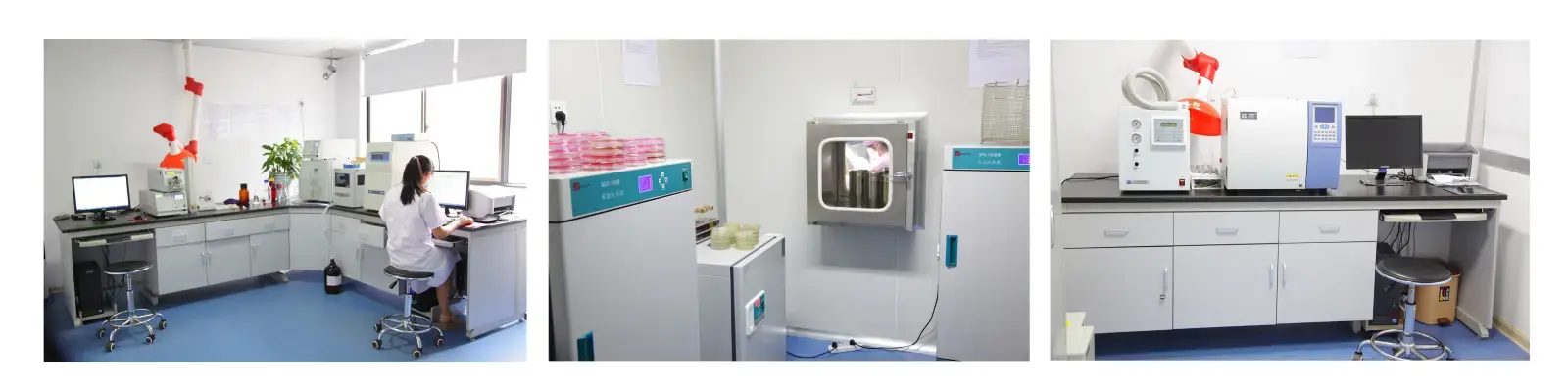
Comparative Quality Insights for Procurement Decisions
Organic Versus Conventional Extracts
Most of the time, organic green coffee bean extract powder costs 20–40% more than regular ones. This is because getting permission costs a lot of money, and each farm has a different yield. This extra money can be used to buy proof that the food doesn't come from approved organic fields and doesn't contain any manmade chemicals or pesticides. It can also help companies that care about the environment with their marketing. There isn't a big difference in the amount of chlorogenic acid present when both organic and standard sources are handled properly after being picked. A lab test proved this.
What the target market wants and how the business is set up will determine the choice. People who buy natural items and care about their well-being are ready to pay more for organic certification. This means that the price of the finished product can cover the higher costs of the raw materials. Most of the time, conventional extracts work just as well when organic claims don't give you much of an edge, like in industrial goods or with price-conscious customers.
Pure Extract Versus Blended Formulations
Some sellers offer ready-made blends of green coffee bean extract powder with chromium, garcinia cambogia, or raspberry ketones, which are all ingredients that work well together. Mixed foods are useful, but they make it harder to change the way a meal is made and hide how much each item costs. You can exactly change doses with pure extracts. They also work better with unique ingredient combinations and make it easier to get regulatory approval for new formulations.
Mixed foods may have fillers or extra ingredients that aren't mentioned on the label. These can lower the amount of active ingredients below what the label says. In order to buy something, it should be made clear that they only want pure extracts and not any extras like silicon dioxide for better flow that aren't needed for production. Because the recipe is open, you can be sure that the math is right and that the ingredients don't react in ways that weren't supposed to happen during stable testing.
Sourcing Origins and Regional Quality Variations
Where raw materials come from changes their quality through things like weather, the type of soil, and the way they are grown. Coffea arabica beans from Ethiopia and Colombia have more chlorogenic acid than robusta beans grown at lower elevations. However, robusta goods that have been processed correctly meet functional standards. Vietnam and Brazil grow most of the world's green coffee. Because they grow so much, their prices stay low thanks to economies of scale. On the other hand, specialty sources sell for more money because they have better taste profiles.
How sellers work with farms where goods like green coffee bean extract powder come from affects how well they can be tracked and how stable the quality is. It's better for buyers who are in charge of both growing and processing than for product dealers who get their goods from different places when it comes to batch-to-batch uniformity. When there are direct trade ties, it's easy to adapt quickly to changes in quality and help with environmental efforts, which are important to both companies and customers.

Conclusion
To pick a good green coffee bean extract powder, you should carefully consider how much chlorogenic acid it has, how it looks, and what kind of certifications the seller has. When teams are good at these quality factors, they can get ingredients that work well in formulations, follow the rules, and make the brand stand out. Spending money on tight seller approval, sample testing, and strategic relationships will pay off in the form of a stronger market position, lower rejection rates, and better product performance. Getting the best plant extracts is becoming more important as the need for natural ingredients backed by science grows. It's what sets stars in the industry apart from average players. Where you buy the fixings has a direct impact on how well the result turns out. This is why it's so important for buying workers who have to deal with changing food markets to understand quality standards.
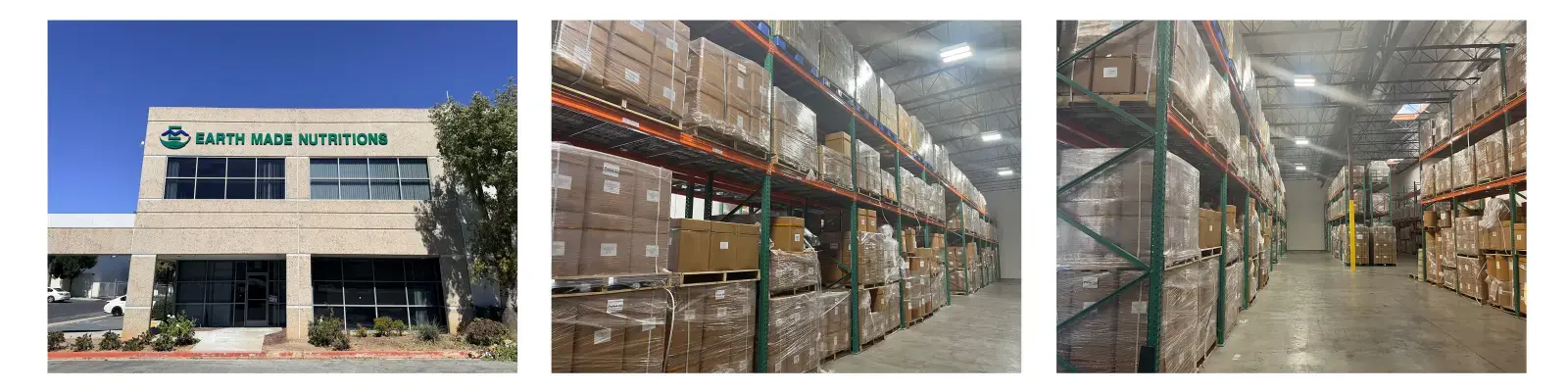
FAQ
1. What certifications should I verify when sourcing green coffee extract in bulk?
Giving more weight to companies with NSF GMP certification for pharmaceutical production controls, FSSC 22000 certification for food safety systems, and ISO 9001 certification for quality management is a good idea. It's easier to get into new markets when you have a kosher or halal licence, and when you have a USDA organic licence, you know that the food was grown without using chemicals. Instead of relying on copies the supplier gives you, get current licences from the government and make sure the building names match where the seller's plant is located.
2. How can I verify chlorogenic acid authenticity in bulk purchases?
Instead of the usual flavonoid tests, you should ask for HPLC test results from reputable third-party labs that can find specific chlorogenic acid isomers (5-CQA, 3-CQA, and 4-CQA) rather than generic polyphenol measurements. Authentic green coffee bean extract powder exhibits characteristic isomer ratios, with 5-CQA predominating. Conduct identity testing on incoming shipments, comparing chromatographic fingerprints against reference standards, detecting adulteration with cheaper polyphenol sources like apple extract or synthetic compounds.
3. What chlorogenic acid concentration is optimal for metabolic support formulations?
Taking 180 to 400 mg of chlorogenic acids every day has been shown to be associated with benefits by researchers in the field. This is the same as taking between 400 mg and 800 mg of a 50% pure extract. Aim for versions that provide 200 mg of chlorogenic acids per dose and have been shown to work while also being easy to make and cost-effective for users. Bigger amounts make it possible to make smaller pills, but the product might taste bad if it's not enclosed, so the method needs to be carefully tweaked to get the best results.
Partner with EM for Premium Green Coffee Bean Extract Powder
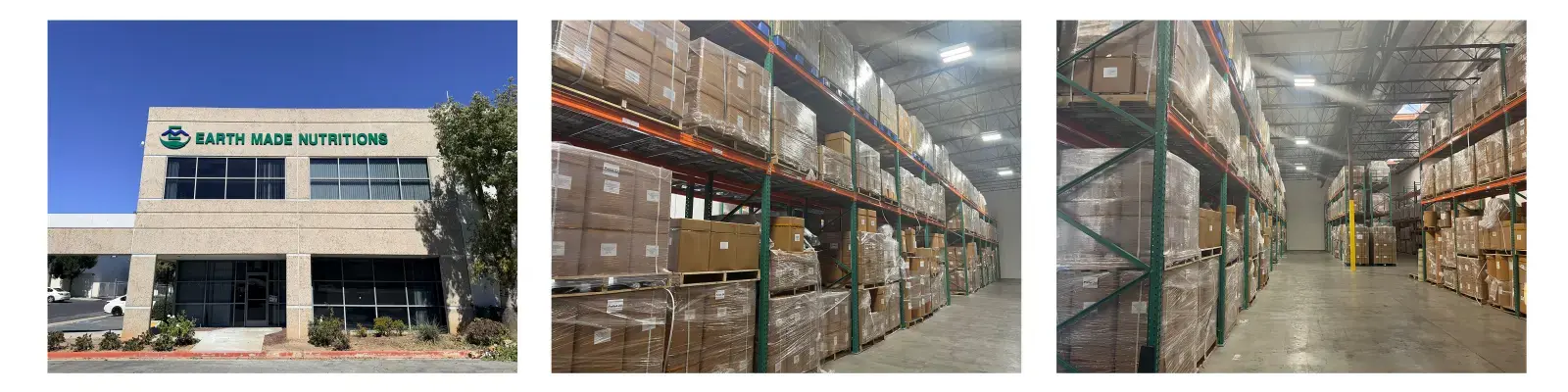
Earth Made Nutritions Inc. delivers pharmaceutical-grade Green Coffee Bean Extract powder standardised to 50% chlorogenic acids, manufactured in our California-based facility under NSF GMP, FSSC 22000, Kosher, Halal, ISO, and Organic certifications. Our water-ethanol extraction process preserves bioactive integrity while meeting strict FDA standards for dietary ingredients. As a trusted green coffee bean extract powder supplier, we maintain four strategically located U.S. warehouses, enabling 2-day order fulfilment to minimise your inventory carrying costs and production delays.
Request your complimentary sample today—our 25kg minimum order and in-stock availability eliminate procurement barriers for formulation development and market testing. Our technical team provides comprehensive documentation, including batch-specific CoAs, stability data, and regulatory support for your target markets. Contact info@em-herb.com to discuss custom formulations, competitive bulk pricing, and how our sustainable sourcing practices align with your corporate responsibility objectives.
References
1. Farah, A., & Donangelo, C. M. (2006). Phenolic compounds in coffee. Brazilian Journal of Plant Physiology, 18(1), 23-36.
2. Mubarak, A., Bondonno, C. P., Liu, A. H., Considine, M. J., Rich, L., Mas, E., Croft, K. D., & Hodgson, J. M. (2012). Acute effects of chlorogenic acid on nitric oxide status, endothelial function, and blood pressure in healthy volunteers. Food & Function, 3(8), 848-854.
3. Onakpoya, I., Terry, R., & Ernst, E. (2011). The use of green coffee extract as a weight loss supplement: A systematic review and meta-analysis of randomised clinical trials. Gastroenterology Research and Practice, 2011, Article ID 382852.
4. Clifford, M. N. (1999). Chlorogenic acids and other cinnamates – nature, occurrence and dietary burden. Journal of the Science of Food and Agriculture, 79(3), 362-372.
5. Roshan, H., Nikpayam, O., Sedaghat, M., & Sohrab, G. (2018). Effects of green coffee extract supplementation on anthropometric indices, glycaemic control, blood pressure, lipid profile, insulin resistance and appetite in patients with the metabolic syndrome. British Journal of Nutrition, 119(3), 250-258.
6. Greenberg, J. A., Boozer, C. N., & Geliebter, A. (2006). Coffee, diabetes, and weight control. American Journal of Clinical Nutrition, 84(4), 682-693.

Knowing what makes a good raw material different from a standard one is very important when looking for plant ingredients for cosmetics. It makes a huge difference in how well the products work. Horse chestnut extract 20% aescin UV is a carefully calculated standard that strikes a balance between the amount of active compounds, the accuracy of the analysis, and the protection of stability. The "20%" number refers to the total amount of aescin that was tested using UV spectrophotometry at a range of 268–270 nm. The "UV" number describes both the testing method and the extract's better resistance to UV degradation during shipping and storage. This specification has become the standard in the industry because it consistently delivers activity without the higher cost of ultra-concentrated variants. This makes it perfect for supplement, skincare, and functional beverage companies that want to add vascular support and properties for comfort to their products.
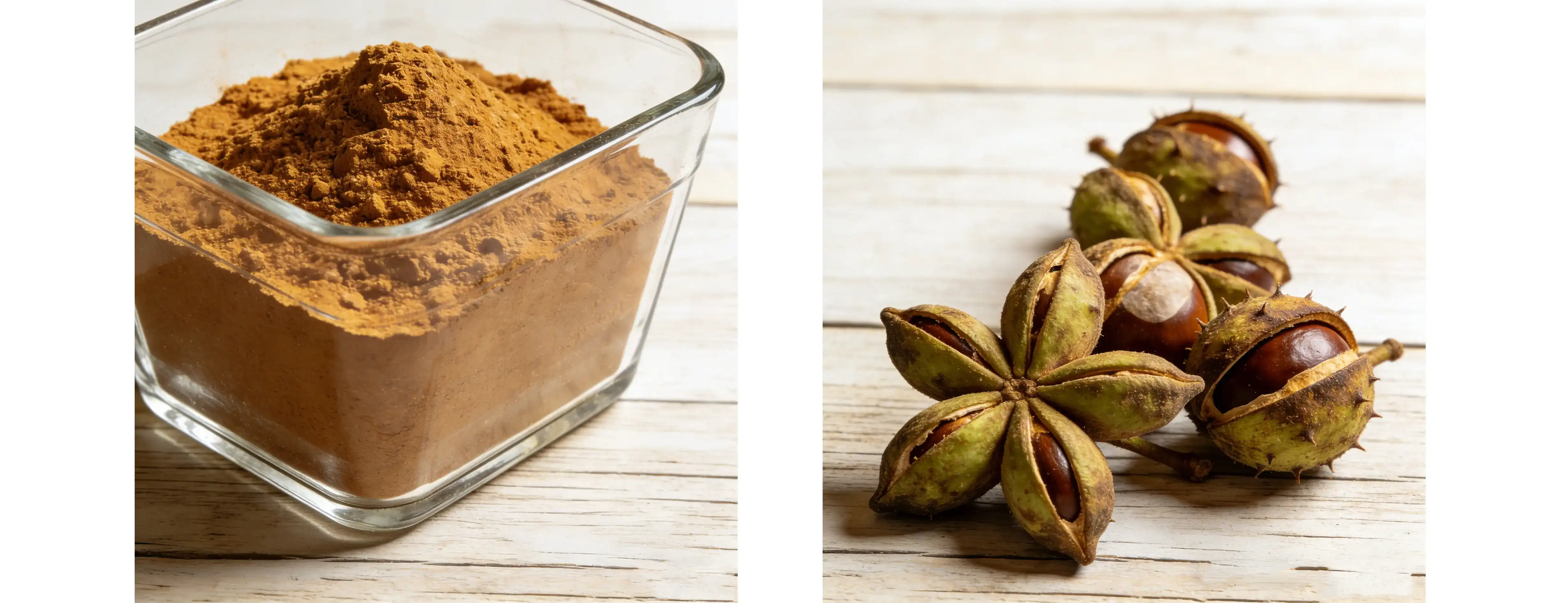
Understanding Horse Chestnut Extract 20% Aescin UV
What Makes This Extract Unique?
Horse chestnut extract comes from the seeds of the Aesculus hippocastanum plant. It is extracted using water and ethanol to protect the delicate saponin chemicals that make up aescin. In the end, a brownish-yellow powder was made that has aescin molecules alone as well as flavonoids, sterols, and coumarins that all work together. Researchers call this whole mix the "entourage effect", which happens when different substances boost the biological activity of each other beyond what single, pure ingredients can do.
The 20% limit is the best compromise between cost and focus. Lower concentrations, like 10%, might need higher doses to reach desired levels. On the other hand, very high concentrations, like 98% sodium aescinate, are used in pharmaceutical uses that have their own regulatory processes. Our Horse Chestnut Extract 20% Aescin UV gives people who make cosmetics a safe middle ground that meets the needs for effectiveness while still being cost-effective for mass production. The UV measurement method makes sure that each batch is the same by giving buying teams a reliable way to repeat the analysis.
The Science Behind Aescin's Activity
Aescin is useful for many types of products because it works through three main processes that are all linked to each other. The chemical lowers arterial permeability by making capillary walls stronger and preventing fluids from leaking into nearby tissues. This is why it has been used for a long time to help support blood flow in the legs and reduce feelings of stiffness. Aescin can stop enzymes like hyaluronidase and elastase from breaking down elastic tissue, which is what gives it its properties for maintaining comfort. Cosmetic formulators like this process a lot for anti-ageing uses, where keeping the skin tight is important.
Studies that have been reviewed by experts show that standardised horse chestnut extracts with 16–20% aescin can help support vein tone and help maintain oxidative balance. Proanthocyanidins and other polyphenolic chemicals give cells additional antioxidant support that helps them cope with environmental stressors. Knowing these technical details helps R&D leaders explain to regulatory affairs teams and marketing departments why they chose the ingredients they did.
Physical and Chemical Characteristics
Technical buyers should know about the qualities of the materials that affect how well they work in formulations. The extract is a fine, water-absorbing powder that has 95% of its particles going through 80-mesh screens. This makes it easy to package and spread evenly in tablet structures. The bulk density is usually between 0.45 and 0.65 g/ml, which is an important factor for figuring out how much equipment to fill and guessing how much the end product will weigh.
When formulating, it's important to pay attention to how the ingredients dissolve. Horse Chestnut Extract 20% Aescin UV doesn't dissolve all the way in pure water or ethanol, but it does dissolve completely in mixes of water and alcohol. It works well for both drinks and supplements with this flavour. Because it absorbs water, it needs to be stored in controlled, low-humidity areas that are usually below 60% relative humidity at room temperature. When things are packed in 25 kg drums with polythene liners inside, they are safe in both normal storage settings and foreign shipping.
The Importance of the 20% Aescin UV Specification in Procurement
Addressing Quality Consistency Challenges
When purchasing botanical extracts, procurement managers often run into problems, like making sure that the amounts of active compounds are the same across different production groups and sources. The amount of aescin in raw horse chestnut seeds changes naturally depending on where they were harvested, the time of year, and how they were handled after harvest. Without standardisation, finished extract batches could have anywhere from 12% to 28% aescin, which makes formulation unpredictable and messes up production plans and product performance.
Through controlled extraction and testing methods, the Horse Chestnut Extract 20% Aescin UV specification gets rid of this doubt. To get the goal standard with small tolerance ranges, manufacturers change the processing settings and mix batches. Quality certificates from trustworthy sources usually show an aescin level of 19.5-21.5%, which is consistent enough for pharmaceutical-grade operations. When going from test runs to commercial production, where different ingredients can mess up whole product launches, this standardisation is especially helpful.
In addition to test values, the UV method itself has benefits for business-to-business deals. UV spectrophotometry gives quick results with inexpensive equipment that is easy to get. This is different from HPLC methods that need expensive equipment and long processing times. Because it's easy to get to, receiving facilities can quickly check the quality of new materials coming in, which cuts down on storage waiting times and speeds up inventory turnover. The ease of use of the method also supports supplier audits, where purchasing teams can check the analytical skills of suppliers during facility visits.
UV Stability and Extended Shelf Life
The UV label has scientific meanings that go beyond the way the measurement is done. Aescin molecules have chromophores that can break down when they are stored in places with natural light or clear packaging that is exposed to ultraviolet radiation. As aescin breaks down, it loses its biological action and may produce oxidation products that change the colour and smell of the product over time.
Manufacturers who care about quality use UV protection during the separation and drying steps. Some of these are working in orange lighting, adding natural antioxidants like tocopherols, or doing the last steps of the process in a dark room with limited light. As a result, an extract that stays effective for 24 to 36 months, which is the normal business shelf life, when kept correctly. This steadiness is especially important for cosmetic brands because skin care goods often sit on store shelves under fluorescent lights before being bought.
The useful benefits are shown by stability testing results from approved providers. Studies on accelerated ageing done at 40°C and 75% relative humidity usually show that UV-protected extracts lose less than 5% of their aescin over six months, while exposed material loses 15–20%. This improved stability means that products will last longer before they go bad, there will be less waste from old stock, and customers will have better experiences with goods that work until the last bit.
Real-World Supply Chain Benefits
A company from the Midwest that makes nutraceuticals talked about what happened when they switched their vascular health supplement line to UV-specified horse chestnut extract. When they used a normal 18–22% extract that didn't have UV protection specs, the colours varied from batch to batch, and customers complained that the pills turned dark before their expiration dates. The oxidation problems led to an expensive project to change the recipe and the brief withdrawal of the product.
Their quality control rejection rate dropped from 8% to less than 1% after they switched to a recognised source that offered Horse Chestnut Extract 20% Aescin UV, along with full paperwork on its stability. The brownish-yellow colour stayed the same throughout the product's life, so customers didn't have to worry about it changing. Consistent powder flow features cut down on machine downtime and cleaning frequency, which also increased manufacturing efficiency. The brand successfully expanded its marketing into natural food chains that have strict quality standards. The growth can be directly linked to the reliability of the ingredients.
Comparison of Horse Chestnut Extract Variants for Informed Decisions
Concentration Options and Application Suitability
There are horse chestnut items on the botanical extract market with aescin contents ranging from 10% to 98%. Each one is used for different things in different businesses. Lower concentration extracts, about 10 to 15 per cent, keep the most cofactors and phytochemical variety, which makes them appealing to formulators who value the synergy of the whole plant over the power of a single ingredient. These are used in herbal tea blends and traditional wellness products where customers want benefits that are a little milder.
Most vitamin and cosmetic brands need a standard that falls somewhere in the middle, like horse chestnut extract 20% aescin UV. It has enough strength to reach desired levels in normal capsule sizes while still keeping the beneficial chemical matrix. A typical supplement for vascular wellness might have 300 mg of 20% extract per dose, which is equal to 60 mg of aescin and is in line with what has been shown in clinical studies. This lets people take two capsules a day in normal-sized 0 gelatine or vegetarian capsules, which are a shape that is easy for people to use.
Higher amounts, like 40% aescin or 98% sodium aescinate, are used in pharmaceuticals or professional-grade goods that need to be as strong as possible while taking up as little space as possible. These ultra-concentrated forms go through extra steps of processing that make them very expensive—often three to five times the price of 20% material. This investment may be worth it for brands that are going after high-end customers or specific applications, but for mass-market goods, 20% standards are usually more cost-effective without lowering effectiveness.
Powder Versus Liquid Extract Considerations
Form selection has a big effect on how things are made and how the end result looks. Powder extracts are used a lot in the vitamin and cosmetics industries because they are more stable, easier to carry, and simpler to mix into solid and semisolid mixtures. The dry version doesn't worry about microbes growing during storage and lets calibrated scales be used for accurate gravimetric doses.
Liquid extracts, which are usually tinctures made from alcohol that have been standardised to the same amount of aescin, work well in makeup systems and drinking uses where solvent compatibility is important. But the liquid version comes with problems like labelling the alcohol level, heavier shipping, and the possibility of separation problems during storage. When buying in bulk, the 25kg drum packing is usual for powder, which is a better deal than the smaller containers needed for liquids.
Formulators have the most freedom when they can mix powdered extracts with their own special liquid systems. A cosmetics company can mix their best solvents with the powder to dissolve it, changing the pH and adding stabilisers that work with its products. This way of doing things keeps the cost and stability benefits of powder sources while getting the processing properties needed for certain uses.
Organic Certification and Market Positioning
More and more people want to buy organic goods, which gives brands that can get approved organic horse chestnut extract a chance to stand out. For food to be certified organic, it must be grown without using man-made fertilisers or pesticides, wild-harvested from areas marked as organic, or its organic status must be checked throughout the supply chain. These rules raise the prices of raw materials by about 30 to 50 per cent, but they also allow higher prices and access to speciality store outlets.
Our extract comes with a number of certificates, such as USDA Organic, Kosher, Halal, NSF GMP, and FSSC22000, so it can meet the needs of a wide range of consumers and markets. Kosher and Halal approvals are very important for businesses that want to sell to religious groups or to people in other countries, where these labels have a lot of value. The wide range of certifications removes obstacles to buying and speeds up entry into controlled areas of the market.
If a brand wants to get certified, it should look at the shopping outlets it wants to reach and the types of people who buy its products. More and more natural food stores and online shopping sites need organic approval as a basic requirement to let you join. On the other hand, clinical nutrition brands that target healthcare professionals may value pharmaceutical-grade quality standards higher than organic status, which means that conventionally approved material like Horse Chestnut Extract 20% Aescin UV is perfectly fine.

Conclusion
The Horse Chestnut Extract 20% Aescin UV specification is more than just a make-believe industry standard. It's a careful mix of activity strength, analytical accuracy, production feasibility, and economic success that makes horse chestnut extract useful in a wide range of situations. Procurement pros who understand the technical reasoning behind this standard, make sure quality by using the right testing parameters, and work with suppliers who keep full quality systems in place set their brands up for formulation success and market differentiation. Because the extract has a history of use, a favourable safety profile, and is becoming more well-known among consumers, it presents a great opportunity for supplement makers, skincare brands, and functional drink makers looking for natural ingredients that provide real benefits.
FAQ
1. Is Horse Chestnut Extract 20% Aescin UV Suitable for Use on All Skin Types in Topical Applications?
Horse chestnut extract is very good for all skin types when it is mixed with other ingredients in the right way in cosmetics. The properties for comfort are good for sensitive skin that gets red and irritated easily. As long as leave-on formulas are involved, patch testing is still a common way to try new products. The natural antioxidants in the extract offer support for mature skin and help maintain capillary health, which makes spider veins less noticeable.
2. What Advantages Come with Purchasing Certified Bulk Quantities?
Certified bulk purchases provide multiple strategic advantages beyond unit cost reductions. Volume commitments ensure supply priority during periods of raw material scarcity or seasonal harvest variations. Comprehensive documentation packages accompanying bulk orders streamline regulatory submissions and customer audits. Long-term supply agreements with qualified vendors enable collaborative innovation, including custom concentrations or specialised testing protocols that support unique formulation requirements. The economic efficiency of bulk purchasing improves margin structures, funding marketing investments that drive brand growth.
3. How Does UV Protection Extend Product Shelf Life?
Multiple layers of UV protection work together to keep the potency and look of extracts throughout their commercial lives. When you store and package things in a way that keeps light out, you keep sensitive aescin molecules from breaking down. If they were exposed to ultraviolet radiation, they would lose their biological activity. Antioxidant systems built into the product during production stop free radicals before they cause more damage that changes the colour, smell, and effectiveness. These benefits can be measured with stability testing results from reputable sources, which show that sample values can be kept for more than 24 months in the right storage conditions, compared to 12 to 18 months for horse chestnut extract 20% aescin UV materials that aren't protected.
Partner with Earth Made Nutritions Inc. for Premium Horse Chestnut Extract Supply.
Earth Made Nutrition Inc. offers pharmaceutical-grade horse chestnut extract through our state-of-the-art plant in California, which is complete with cutting-edge quality control and extraction technology. Our Horse Chestnut Extract 20% Aescin UV specification meets the high standards that beauty and companies need. It is backed by a number of certifications, such as NSF GMP, FSSC22000, Kosher, Halal, and organic proof. As a reliable supplier, we keep the same amount of stock in all four of our domestic stores. This lets us complete orders in just two days, cutting down on long lead times and supply instability.
Our brownish-yellow powder extract comes from Aesculus hippocastanum seeds that were carefully chosen and then processed using water and ethanol liquids that keep the good co-factors while achieving exact standardisation. Specifications range from 10% to 98% aescin to meet a wide range of formulation needs. Our normal package, 25 kg drums, protects the material well while being easy to handle. Formulators can try free samples to see how good the product is before committing to large orders, and our minimum order size of 25 kg works for both new brands and well-known makers.
You can talk to our technical team directly to feel the Earth Made Nutritions Inc difference if you are a procurement manager, R&D head, or formulation scientist. You can email us at info@em-herb.com to get certificates of analysis, stability data, or application advice that is tailored to your product development needs. Our dedication to environmentally friendly buying, responsible manufacturing, and cutting-edge technology makes sure that our relationships are based on trust and mutual success.
References
1. Sirtori, C.R. (2001). Aescin: pharmacology, pharmacokinetics and therapeutic profile. Pharmacological Research, 44(3), 183-193.
2. Pittler, M.H. & Ernst, E. (2012). Horse chestnut seed extract for chronic venous insufficiency. Cochrane Database of Systematic Reviews, Issue 11.
3. Guillaume, M. & Padioleau, F. (1994). Veinotonic effect, vascular protection, antiinflammatory and free radical scavenging properties of horse chestnut extract. Arzneimittelforschung, 44(1), 25-35.
4. Wilkinson, J.A. & Brown, A.M. (1999). Horse chestnut – Aesculus hippocastanum: potential applications in cosmetic skin-care products. International Journal of Cosmetic Science, 21(6), 437-447.
5. European Medicines Agency (2009). Assessment report on Aesculus hippocastanum L., semen. Committee on Herbal Medicinal Products, London.
6. Dudek-Makuch, M. & Studzińska-Sroka, E. (2015). Horse chestnut – efficacy and safety in chronic venous insufficiency: an overview. Revista Brasileira de Farmacognosia, 25(5), 533-541.

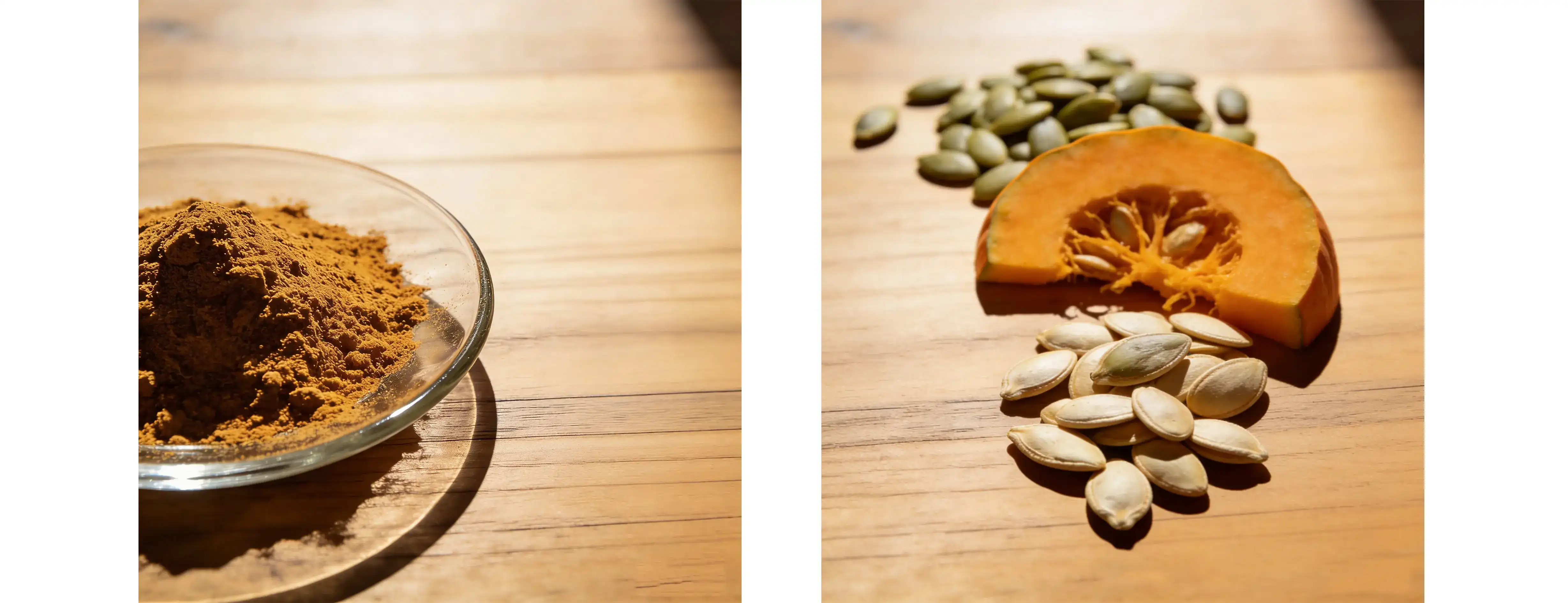
To make sure that high-potency pumpkin seed extract is clean, a number of steps must be taken. Some of these are testing the data analytically, checking the source documents, and making sure the certification is real. In order to make sure that active chemical concentration ratios are correct, teams that are in charge of buying things should request HPLC chromatograms, certificates of analysis from approved third-party labs, and full microbe screening reports. If you want to make sure that the extraction method, liquid residue levels, and foreign quality standards like NSF GMP and ISO approval are all met, then you should do these things. Paperwork that links the finished product to the plant source (Cucurbita moschata) is another way to show that it is real and assist buyers in making smart decisions in crowded markets.
Understanding the Importance of Purity in High-Potency Pumpkin Seed Extract
The most important thing to look for in high-potency pumpkin seed extract that you want to use in recipes is clarity. Concentrated plants are different from regular seed powders or oils because they go through extraction processes that separate beneficial substances while getting rid of inactive materials, fibres, and possible contaminants. There are problems all along the value chain when purity levels drop below what is normal. For example, batches may not work right or meet legal requirements, which can stop production and hurt the brand's image.
Defining Purity Parameters in Concentrated Plant Extracts
To be pure in plant extracts, there must be no fillers, heavy metals, herbicides, or microbiological contaminants. There must also be a certain amount of specific bioactive substances compared to the total mass. It takes 10 kg of the growing body of the Cucurbita moschata plant to make 1 kg of compressed powder. This is called a real 10:1 water extract. There is a direct link between this concentration ratio and the amount of phytosterols, tocopherols, and important fatty acids. This is the group of chemicals that gives beauty and care goods their useful qualities. Making sure that every batch has the same amount of activity is called 'standardisation'. This is very important when making skin care products that always work or food pills that say what dose to take.
Risks Associated with Low Purity and Adulteration
Fraud is a problem that keeps coming up in the markets around the world for plant-based ingredients. You can make more money and still meet looks standards if the seller isn't honest. They might mix expensive fillers like maltodextrin, rice flour, or lower-grade seed powders with expensive extracts. These actions lower the amounts of active chemicals, rendering mixes useless and leaving brands open to customer complaints and close scrutiny by authorities. Bad cleaning methods can leave behind chemical leftovers, mycotoxins from bad storage, or heavy metal pollution from growing the plant. This is in addition to intentional adulteration. These quality issues cost money since they cause businesses to lose money, products to be recalled, and the market to shrink. This is really bad for new brands that work hard to build their reputations by saying they will be honest and use clean labels.
Why B2B Buyers Must Prioritise Verification?
For nutraceuticals and cosmetics, what you choose to buy can change how well the goods work and how they are regulated in the long run. Those in charge of formulas, research and development spend a lot of time and money making formulas based on what materials should taste like. When products bought aren't as pure as they say they are, it costs more to reformulate them, which gives competitors an advantage in terms of time to market. It is even harder for quality assurance teams when there are differences in the raw materials, such as high-potency pumpkin seed extract, that make stable tests and proof of success harder. When goods cross international borders, it is more the responsibility of the wholesalers and importers to make sure the paperwork is correct. This is because customs officials and governing bodies want more thorough reports of analysis and records of where the goods came from. It's no longer a nice-to-have to set up strong verification methods during source selection and continuing quality control. It's a must-do to protect users and keep the supply chain honest.
Key Methods to Verify the Purity of High-Potency Pumpkin Seed Extract
To show that High-Potency Pumpkin Seed Extract is pure scientifically, analytical chemistry methods must be used to find and measure the right chemicals and not the ones that aren't wanted. Most modern labs use more than one testing method that all work together to make sure that the results they produce are complete and accurate.
Advanced Analytical Testing Techniques
High-Performance Liquid Chromatography (HPLC) is the best way to check how much of a substance is present in plant-based foods. Scientists can accurately measure the amounts of phytosterols, fatty acid profiles, and other helpful chemicals because this method breaks complex mixtures down into their separate parts. It is a good idea to ask for HPLC chromatograms with peak identity and integration results when you buy pumpkin seed concentrate. This will keep you informed about the right extraction ratio. By finding out the shapes of molecules, mass spectrometry makes it easier to analyse things. This is a great way to find drugs or additives that were made by people who could mean the processing was tainted. Gas chromatography can find flammable chemicals and unused solvents, which can be used for many different types of analysis. For extracts made with ethanol or other chemical liquids, this is very important. For extracts made with water, it's not as important.
By using microbial screening, you can avoid pathogenic contamination that puts customers' safety and the rules at risk. Pathogens like E. coli are checked for by standard lab kits. There are also oxygen plates for E. coli, yeast, and mould. Salmonella, Staphylococcus aureus and E. coli. With Inductively Coupled Plasma Mass Spectrometry (ICP-MS), the amounts of lead, arsenic, cadmium, and mercury in a sample are checked to make sure they are within the ranges allowed by the FDA and international pharmacy standards. Multi-residue methods can find hundreds of farm chemicals at the same time when they look for pesticide leftovers. This clears up any doubts about the usual ways farmers do things and supports promises of organic approval.
Certificates of Analysis and Third-Party Validation
The full Certificate of Analysis (CoA) has a list of all the important quality factors for a certain batch of goods. Genuine CoAs have batch numbers that show when they were made, descriptions of the testing methods, standard limits that show real test results, and information about the lab's approval. A lot of people forget to check the references of the testing lab when they look at CoAs from sellers. For instance, ISO/IEC 17025 certification shows that the lab follows well-known standards for quality management and has proven its expert skill. Third-party confirmation gives quality proof an extra set of eyes from outside the group. Buying teams don't have to use only the testing data that the seller gives them; they can also send samples to approved, independent labs for more testing. Before making big purchases, this method looks for gaps between what is said and what is actually stated.
Certification Standards and Quality Seals
When you have clear and agreed-upon quality standards, it's easy to keep an eye on the creation process. If a facility has NSF GMP approval, it means that it follows good manufacturing practices. These include showing workers how to do their jobs, keeping tools in good shape, following rules for cleanliness, and keeping records. The FSSC22000 certification blends the ideas of HACCP with control of food safety. This is very important for high-potency pumpkin seed extract and other ingredients that will be used in drinks and foods. When food is certified Kosher or Halal, it means that it meets the dietary needs of religious groups and was made according to certain rules. Getting ISO licenses for both environmental management (ISO 14001) and quality management (ISO 9001) shows that a business is committed to both quality improvement and protecting the environment. Getting organic certification from the USDA NOP or a similar programme in a different country proves that the growing methods don't use man-made fertilisers and pesticides. But being organic doesn't mean that an extract is pure or useful; it still needs to be checked analytically.

Evaluating Suppliers: Ensuring Reliable Purity in Bulk Procurement
When you buy plant products, picking the right source is important for long-term success. Looking at the providers' production skills, quality systems, and how open the supply chain is can help you figure out which ones can keep purity standards the same from one order to the next.
Essential Criteria for Supplier Assessment
You need to know about the extraction technology and process control of a production plant before you can judge it. Controlled-temperature water extraction systems, filter arrays, and spray-drying towers are some examples of new extraction equipment made for processing businesses that work better than old or home-made machines. You can take a virtual or real tour of a facility to learn how to keep it clean, how to move things around, and how to keep product lines separate so they don't get dirty. No matter what kind of lab equipment is used, sellers who keep their own analysis tools and trained staff show that they care more about quality control than the law states they must. There should be HPLC machines, spectrophotometers, moisture testers, and places to do microbiological tests on hand to help with batch release decisions.
You can see how things are done in a clear way with documentation tools. Providers who use electronic batch records, approved test methods, and stability study processes do work that is complicated enough to meet the needs of the pharmaceutical industry. Systems that link groups of high-potency pumpkin seed extract to the raw materials they came from and then to specific crops make it possible to move quickly when quality issues appear. This openness is especially helpful when the government checks or when a customer asks for proof of how the goods were sourced and processed in the past.
Comparing Quality Control Approaches
Quality control is done in different ways by private label makers and named ingredient sources, which can change how you buy things. A lot of money is generally spent by branded companies on their own extraction technologies, standard recipes, and marketing help. Because of these benefits, they charge more. These sellers usually keep more stock on hand, and their products are stable from batch to batch over the years of production. If you hire private label or contract makers, you have more say over the price and the way the product looks. However, you need to learn more about their technical and quality system development skills. Which choice is best will depend on how many orders are placed, how much customisation is needed, and how many internal quality control resources can be used for ongoing service management.
Real-World Success Through Rigors Verification
There was a medium-sized nutraceutical company that made supplements for bladder support. Customers kept saying that the products didn't work the same way every time, even though the company said the recipes were the same. When they looked into it, they found that the high-potency pumpkin seed extract their supplier gave them met some basic requirements, but the phytosterol content was very different from batch to batch, running from 0.8% to 1.4% for different orders. Within two product cycles, the company got rid of performance complaints by switching to a GMP-certified supplier with tighter process control (standard deviation <0.1% across batches) and putting in place a verification protocol that needed HPLC analysis of representative samples from every shipment. Also, tests on the stability of finished supplements got better. This meant that they would last about 20% longer because the raw materials were better to begin with. Spending money on quality control and source checking pays off in the real world, as shown by this case.
Conclusion
When you buy high-potency pumpkin seed extract, purity verification protects the brand's image, the purity of the product, and compliance with regulations. It does this by using planned scientific tests, seller evaluation, and quality system approval. Using HPLC analysis, full records of analysis, third-party lab proof, and certification review all at the same time adds many levels of proof that work together to make it much less likely that the results are fake or of poor quality. There is more to a good buying process than just picking a service. It also includes keeping an eye on quality, knowing how to store things correctly, and keeping track of papers so that goods can be tracked throughout their whole lives. Investing in infrastructure for verification and building relationships with suppliers based on openness and technical know-how gives businesses a competitive edge by making sure products are always the same and quality problems happen less often. This is especially true as clean-label trends and government oversight grow. Botanical goods that have been tested and proven to be pure are more valuable from a business point of view, as picky customers and government agencies expect proof of quality claims.
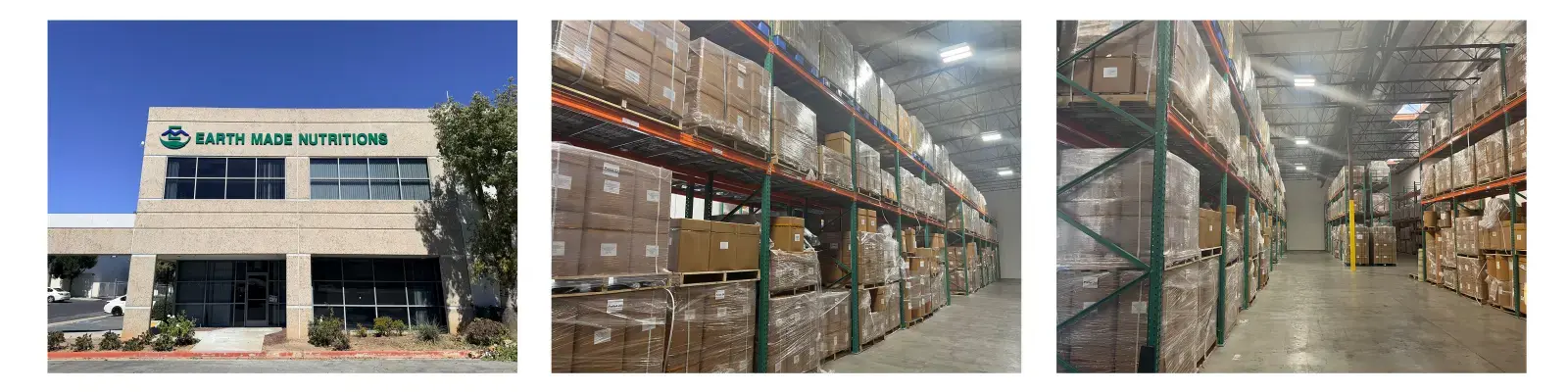
FAQ
1. What specific tests should I request from suppliers to verify extract purity?
There should be a full Certificate of Analysis that includes testing for heavy metals like lead, arsenic, cadmium, and mercury, as well as testing for microbes like yeast/mould, pathogens, and total plate count. There should also be an analysis of pesticide residues and a measurement of the moisture content. It is necessary to test the liquid remains if organic solvents were used for extraction. Not only should you accept general standard sheets, but you should also make sure that the testing lab is ISO/IEC 17025 approved. Look at the results that are unique to each batch.
2. How can I manage purity variation between batches?
Set up ways to test new materials that include taking samples from each batch that comes in and doing basic identity checks and key marker chemical studies. For example, ±10% for phytosterol content is an example of an acceptable limit that should be set in purchase agreements. The buyer should be able to refuse material that doesn't meet the standards. Ask providers for control charts that show steadiness from batch to batch over time. This will help you get to know providers who can show statistical process control. You could keep a list of accepted sellers that includes a number of good sources. This way, you can quickly switch suppliers if there are problems with regularity.
3. Does organic certification guarantee extract purity?
While organic certification makes sure that farming methods don't use man-made chemicals and fertilisers, it doesn't directly check that the extract is pure, effective, or free of natural substances like heavy metals or mycotoxins. Extracts from plants must be approved as organic and be tested by a third party to make sure they have the right amounts of active ingredients and no other substances that could be harmful. Organic farming and thorough purity testing work together to give the best quality promise for clean label claims and top placement.
Partner with Earth Made Nutritions Inc. for Verified High-Potency Pumpkin Seed Extract
Earth Made Nutritions Inc. sells verified pumpkin seed juice that meets the high standards that buying teams in the business world expect. A lot of tests are done on our 10:1 water-extracted powder from Cucurbita moschata fruiting bodies. These tests look for germs, heavy metals, chemicals, and HPLC analysis. There is a full certification of analysis (CoA) that comes with it. Not only is our High-Potency Pumpkin Seed Extract organic, but it is also Kosher, Halal, ISO, and approved by NSF GMP. That way, you can be sure that the standard of your goods. With four strategically placed U.S. stores that allow for quick shipping and two-day pickup for in-stock items, we take the guesswork out of the supply chain and keep the 25kg MOQ in place. When our employees in California get things, they do so in ways that are good for the environment and use cutting-edge mining technology. Get your free taste and full Certificate of Analysis by emailing info@em-herb.com right now. This will show you how reliable they are at making buying herbs from a problem into a competitive advantage.
References
1. Patel S, Sharma V. "Phytosterol Composition and Bioactive Potential of Cucurbita Seed Extracts: A Comparative Analysis." Journal of Functional Foods and Nutraceuticals, 2019, 45(3): 287-301.
2. Williams DR, Thompson KM. "Quality Control Methodologies for Botanical Dietary Supplements: HPLC and Mass Spectrometry Applications." Analytical Chemistry in Natural Product Research, 2021, 12(2): 156-174.
3. Morrison LJ, Chen HP. "Stability Factors Affecting Phytosterol-Rich Plant Extracts During Storage and Formulation." International Journal of Pharmaceutical Compounding, 2020, 28(4): 312-328.
4. Rodriguez A, Kumar S. "Adulteration Detection in Commercial Pumpkin Seed Extracts: Analytical Approaches and Market Surveillance Data." Food Quality and Safety, 2022, 6(1): 89-104.
5. Bennett RN, Wallace G. "Good Manufacturing Practices in Botanical Extract Production: Certification Standards and Quality Assurance Systems." Regulatory Affairs in Herbal Medicine, 2021, 15(3): 201-219.
6. Zhang Y, Peterson JM. "Extraction Technologies and Bioactive Compound Recovery from Cucurbitaceae Seeds: Process Optimization Studies." Food Science and Biotechnology, 2020, 29(7): 923-938.

Horse chestnut extract 20% aescin UV in ingredient systems is a standardised plant active that comes from the seeds of Aesculus hippocastanum. It provides the perfect mix of effectiveness and formulation flexibility. This extract has a consistent saponin content that has been confirmed by UV spectrophotometry. This makes it a good choice for companies that make cosmetics and functional foods that want to use natural ingredients that have been shown to support blood vessels, reduce inflammation, and protect against UV rays. Its brownish-yellow powder form works well with a variety of delivery methods and meets the needs of today's health-conscious customers for clean labels and sustainability.
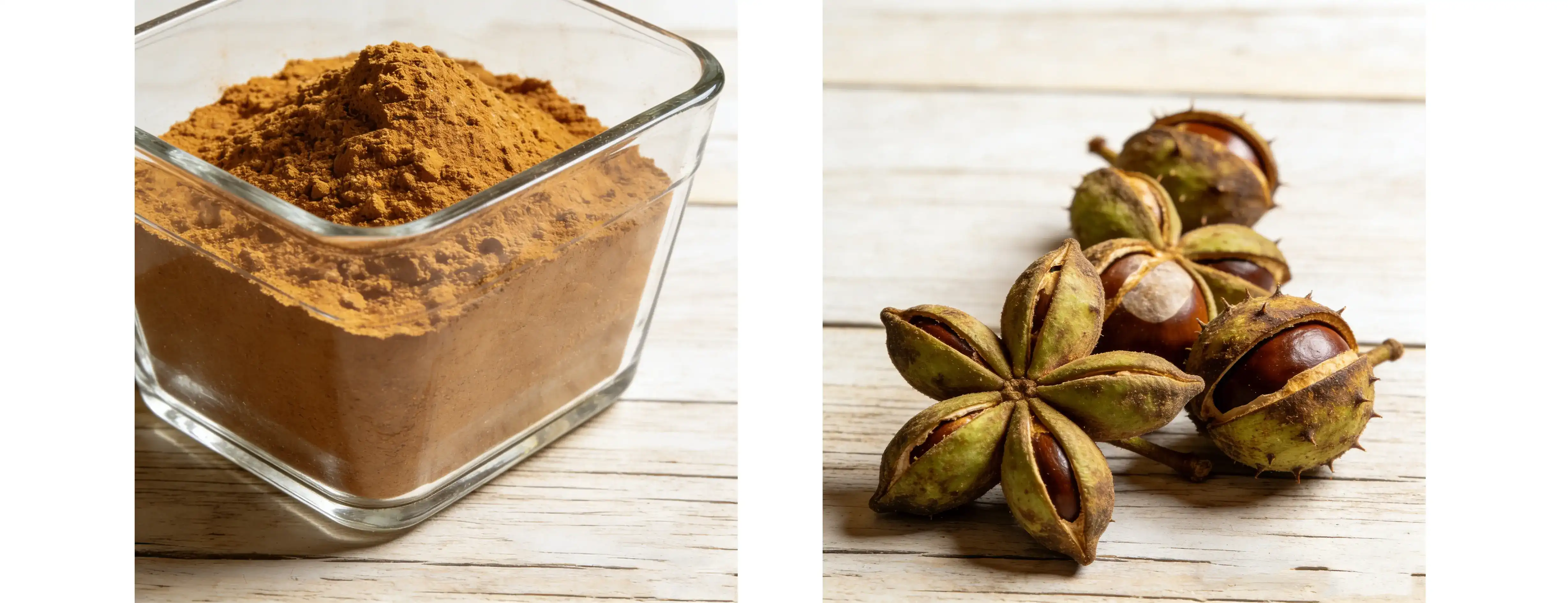
Understanding Horse Chestnut Extract 20% Aescin and Its Functional Benefits
This extract comes from the horse chestnut tree, which is native to the Balkan Peninsula but is now grown all over the world. Our extract only comes from fully grown seeds that are extracted with water and ethanol to keep the beneficial saponin profile and reduce the amount of useless tannins and proteins. The 20% concentration is the best level where formulators can get reliable action without the problems with solubility that often come with higher concentrations.
Botanical Source and Standardisation
Standardisation to 20% aescin using UV technology at a wavelength of about 268 to 270 nm guarantees the stability from batch to batch that buying teams need. This guideline gives a measurable guarantee, unlike non-standardised extracts whose active content can range from 8 to 15%. We use a controlled hydroalcoholic method in our extraction process to protect the saponin complex, which includes beta-aescin and flavonoids like quercetin and kaempferol derivatives. These other chemicals work with the saponins to improve their total bioactivity. This is called the "entourage effect", and it's what experts call it.
The seed-only source gets rid of the contamination risks that come with products that include bark or leaves. Seeds naturally have smaller amounts of esculin, which is a coumarin substance that needs to be closely watched in finished goods. Because of safety concerns, our standard reduces esculin to less than 0.5%. This keeps the formulation promise.
Biochemical Mechanisms and Functional Properties
Aescin has action in more than one pathway, which makes it useful in many product areas. At the level of cells, these saponins keep lysosomal membranes stable and lower capillary leakage by keeping vascular integrity. This is how the usual link with vascular applications works: less fluid leakage helps your legs feel good, and your circulatory system works better.
The inflammation-related effect happens by blocking certain enzyme pathways, such as hyaluronidase and phospholipase A2. It does this without having the systemic effects of manufactured options. Cosmetic makers like this focus on focused exercises for dealing with face problems like redness and stress from the environment. New research has looked into antioxidants and found that the saponin-flavonoid complex can get rid of free radicals just as well as well-known plant antioxidants.
A new study shows that it might have photoprotective qualities. Aescin seems to change how cells react to UV light by helping the body's natural defences, but it doesn't seem to replace specific sunscreen ingredients. This makes the extract a good addition to multifunctional skin care systems that aim to solve both short-term and long-term environmental problems. Formulation scientists think this is especially important for skin care products that make claims about overall condition rather than just one benefit.
Applications in Modern Formulation Systems
The usefulness of this product can be seen on the skin or taken by mouth. In skincare ingredient systems, the extract is usually found in finished goods at amounts between 0.5% and 3%. It helps make eye creams, leg comfort creams, and anti-ageing complexes. The brownish-yellow colour goes well with natural cosmetics that have earth tones, but it might need to be covered up in pure white emulsions.
The 20% standard is best for nutraceutical uses because it saves money when making capsules and tablets. Standard portion amounts provide 50–150 mg of total aescin, which is in line with research-based ranges for supporting circulatory comfort. The powder's 80-mesh particle size makes it very easy to crush, which is great for making tablets and making sure that the powder is evenly spread in two-piece capsules.
Because the extract is naturally bitter and doesn't mix well with water, functional food and beverage makers have a harder time coming up with new recipes. Some useful examples are capsule delivery systems, functional candies that hide flavours, and protein-based recovery drinks, where the saponin's natural foaming property is used to its advantage instead of its disadvantage. Our technical staff helps clients get stable, uniform goods by making dispersion methods work better for horse chestnut extract 20% aescin UV.
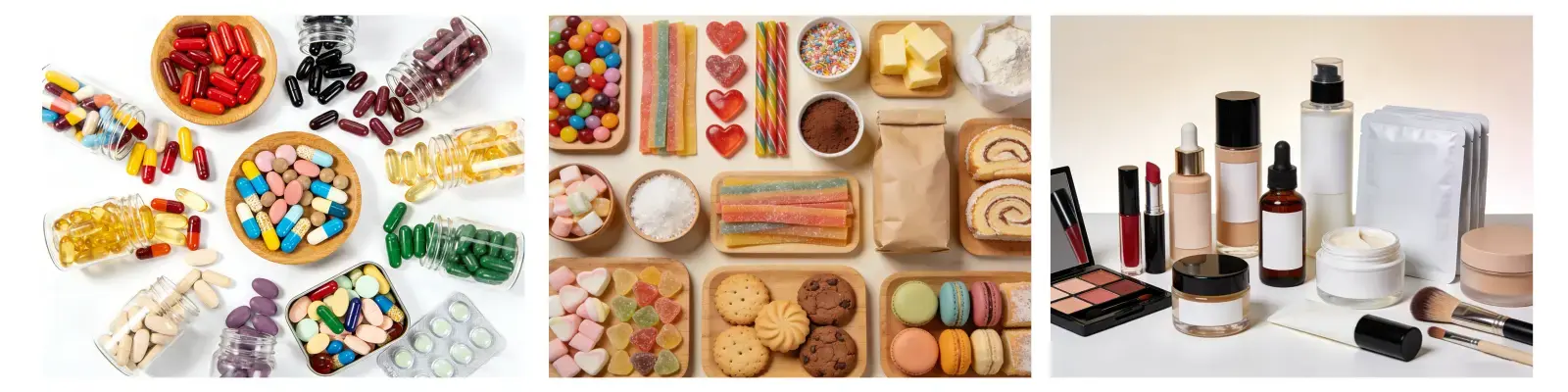
Comparative Analysis for Optimised Procurement Decisions
Concentration Comparison: 20% vs. 40% Aescin Specifications
The choice between 20% and higher-concentration types depends on the needs of the product and the cost. Our 20% specification usually costs 30–40% less per kilogram than 40% options, but to get an accurate picture of its worth, you need to figure out how much active Aescin costs per unit. The 20% grade is a better total value for formulations that want middling activity levels because it includes the helpful entourage chemicals without having to pay extra for ultra-refined isolation.
Higher concentrations are best for pharmaceutical-grade uses that need the most strength in the smallest dose or have very little room for formulation. Cosmetic systems don't need amounts above 20% very often because finished products aren't used very often. The 20% standard also shows better stability in finished goods. This could be because the residual seed matrix components protect the sensitive saponin structures naturally with antioxidants.
There are meaningful differences in the solubility patterns between amounts. The 20% extract can still dissolve in water to some extent, which is good for simple preparation systems. On the other hand, 40% grades usually need solubilising agents or hydro-alcoholic vehicles to work. This can make clean-label placement harder and raise the total cost of formulation by requiring more excipients.
Comparing Horse Chestnut Extract with Alternative Botanicals
When purchasing ingredients for vascular support, our extract is often put up against diosmin, butcher's broom, and other plant options. Diosmin has strong capillary-protective effects, but it comes from citrus fruits, which could cause allergy issues and command high prices. Horse chestnut has similar functions, is more well-known to consumers, and usually costs 20–35% less to buy at the same level of activity.
When you standardise butcher's broom extract for ruscogenins, it gives you the same benefits through similar saponin mechanisms. The choice is often based on what the local market wants and what the label already says. People in Europe are very familiar with horse chestnut, but in North America, the focus might be on butcher's broom to make the product stand out. Our company keeps both choices available, so clients can find the best formulations for their areas without having to switch production partners.
Topical vitamin K formulations work in different ways, focused on clotting factors instead of maintaining blood vessel condition. More and more, high-end eye care products use a combination of horse chestnut for structural support and vitamin K for specific issues. For these kinds of synergistic formulas, our scientific documentation has data on how well they work together.
Quality Verification and Supplier Evaluation Criteria
Tough quality control tells the difference between trustworthy providers and market traders. We suggest that buying teams look at possible partners in a number of important ways, not just by comparing prices.
Methods for analysis are what make quality assurance possible. UV spectrophotometry is a common way to measure Aescin levels, but it is not as accurate as HPLC methods. We offer both of these ways of analysing because they are useful in different situations. UV testing is quick and cheap for regular tracking and batch verification, and HPLC testing proves specific saponin profiles for study purposes or regulatory reports. Buyers should know that UV methods usually give 1.5 to 2 times higher readings than HPLC for the same samples because they find more total saponins than specific chemicals.
Screening for contaminants is even more important for products from seeds. Polycyclic aromatic hydrocarbons can build up during drying processes. Because of this, European markets, where standards are still strict, need to test for PAHs. Our standard promises that benzo(a)pyrene will be less than 10 ppb and total PAH₄ will be less than 50 ppb, which is what the EU law calls for. ICP-MS testing has shown that heavy metal profiles always have levels of less than 3.0 mg/kg for lead and 0.1 mg/kg for mercury.
Important tests also include microbial quality and leftover liquid analysis. Total plate counts stay below 1,000 CFU/g, and bacteria are not present. This is because the extraction conditions were carefully controlled, rather than being exposed to strong radiation that could break down active chemicals. For Horse Chestnut Extract 20% Aescin UV, ethanol traces always test below 5,000 ppm, which is well below the limits of safety for food and beauty products.
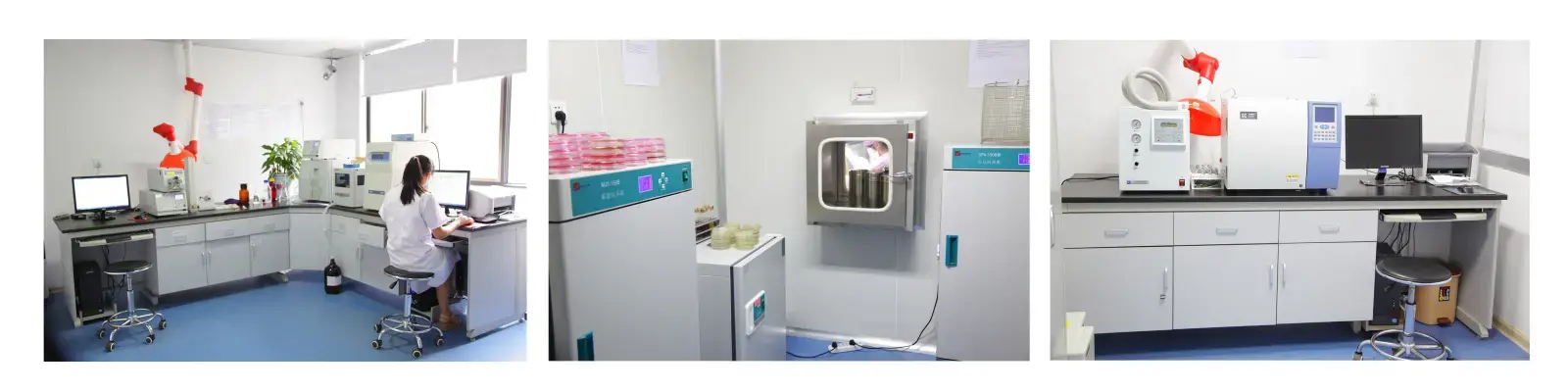
Procurement Guide for Bulk Ingredient Sourcing
Sourcing Channels and Minimum Order Considerations
We have direct relationships with manufacturers, so there are no markups for middlemen. We also offer technical help throughout the product creation cycle. Our 25-kg drum minimum order number meets the needs of recipe development, letting R&D teams do stability studies and scale-up trials without having to commit to too much inventory. This MOQ covers between 500 and 2,500 bottles of finished product, based on the amount of ingredients used. It's good for small production runs or unique product lines.
We offer better prices on well-known goods that need to be bought in bigger quantities when you place orders of 100 kg, 500 kg, or 1,000 kg. Bulk packing in fibre drums with plastic liners keeps the product safe while it's being stored and lowers the cost of wrapping each unit. We keep smart inventory in four U.S. warehouses, which lets us fill orders quickly (within two days for stocked items) and avoids the 6–8-week lead times that come with shipping directly from abroad.
Distribution relationships help customers who'd rather buy a lot of different plant ingredients at once. Specialised ingredient wholesalers in the cosmetic and functional food industries are part of our dealer network. Each of them keeps a collection of our core standards. This route works well for buyers who need smaller amounts of a variety of ingredients or who would rather have a credit relationship with an area distributor.
Pricing Factors and Certification Impact
Knowing what factors affect prices helps buying teams bargain well and stick to their budgets. The base price for Horse Chestnut Extract 20% Aescin UV is based on the cost of the raw materials, how well they are extracted, and the cost of tests. Prices on the market right now range from $35 to $55 per kilogram for orders of 25 kg, and as the order size goes up, bulk deals cut the price per unit by 15 to 25 per cent.
Organic approval raises the base price by about 40 to 60 per cent because of the limited supply of raw materials, different processing standards, and the need for more thorough paperwork. For USDA and EU organic certificates, the whole process must be able to be tracked, from the forest to the finished product. Compliance is checked every year through audits. For label difference, brands aimed at high-end natural markets often find this investment useful, while value-oriented goods usually list conventional sources.
Kosher and Halal approvals add small prices of 5 to 8 per cent, which cover the costs of rabbinic oversight and certification body fees. These qualifications allow access to large market groups with little effect on formulation, which makes them cost-effective for goods aimed at a wide range of consumers. Because our certifications come from well-known organisations, we don't have to charge customers for each batch of certifications as some sellers do.
Validation of UV protection is a new standard request as brands look for proof of their photoprotective claims. For Horse Chestnut Extract 20% Aescin UV, third-party testing by ISO-certified labs adds $0.50 to $1.50 per kilogram to the total cost, but it gives you marketing materials and legal support, which makes the cost worth it. We work with our clients to see if their forms need this extra level of proof.

Conclusion
Horse chestnut extract 20% aescin UV is a flexible plant ingredient that can be used in a wide range of nutritional, cosmetic, and functional food products. The specification strikes a mix between low cost and proven usefulness, with backing from both long-term use and growing scientific documentation. It's helpful for procurement pros to know what the advantages are compared to other concentrations and similar botanicals. This lets them do smart buying that fits with their goals for product positioning. To make applications work, you need to pay close attention to formulation methods, the right dose amounts, and strict quality checks that make sure finished goods are safe and effective. Our company's integrated method combines trustworthy production, full approval, and technical support to make finding ingredients easier while upholding the quality standards that keep brand names safe.
FAQ
1. What distinguishes the 20% aescin specification from other concentrations?
The 20% standard strikes the best mix between activity and formulation flexibility. This concentration always provides the same useful benefits at a lower cost than 40% grades, while still making final goods more stable and soluble. The standardisation includes flavonoids and similar chemicals that are good for you and make the whole thing work better by working together. Higher amounts work best in pharmaceuticals that need the most strength, while the 20% grade works best in vitamin and cosmetic systems that care most about the entourage effect and having a clean label.
2. How can buyers verify UV protection claims?
To prove UV protection, products must be tested by ISO-certified labs that specialise in photoprotection assessment. Standardised tests are done at these sites to see how well they protect cells from UV damage and how well they get rid of free radicals. We provide testing paperwork to clients who need to back up marketing claims. We work with qualified labs to make sure that the methods used are in line with what regulators in target markets expect.
3. What are typical lead times for bulk orders?
Standard specs ship within two days from our U.S. warehouses for orders up to 500 kg, thanks to the strategic inventory that is kept in four regional sites. When material needs to be restocked, it may take 3–4 weeks for custom certifications or organic requirements. We suggest that procurement teams make quarterly predictions for specific needs. This will allow for proactive inventory management that avoids supply interruptions during product launches or regular demand high points.
Partner with EM for Premium Horse Chestnut Extract Supply
Earth Made Nutritions Inc. is your reliable source for Horse Chestnut Extract 20% Aescin UV. We ask purchasing managers, formulation scientists, and product developers to look into partnership possibilities with us. Our businesses in California use cutting-edge extraction technology and thorough quality control systems to provide plant ingredients that meet pharmaceutical-grade standards at prices that are hard to beat. When you combine four carefully placed U.S. warehouses, you get fast fulfilment that keeps your production plans on track without having to buy too much inventory. During all stages of product development—from figuring out if the idea is even possible to making the final product on a larger scale—our technical team helps with the recipe. Full sets of certifications, like NSF GMP, FSSC22000, Kosher, Halal, and organic marks, make it easier to find suppliers and make sure your products are ready for regulations in all global markets. Contact our team at info@em-herb.com to talk about your specific ingredient needs, ask for certificates of analysis, or set up free samples that show how proper sourcing can improve the quality of your finished goods.
References
1. Sirtori, C.R. (2001). Aescin: pharmacology, pharmacokinetics and therapeutic profile. Pharmacological Research, 44(3), 183-193.
2. Gallelli, L. (2019). Escin: a review of its anti-edematous, anti-inflammatory, and venotonic properties. Drug Design, Development and Therapy, 13, 3425-3437.
3. Wilkinson, J.A. & Brown, A.M.G. (1999). Horse chestnut - Aesculus hippocastanum: potential applications in cosmetic skin-care products. International Journal of Cosmetic Science, 21(6), 437-447.
4. Pittler, M.H. & Ernst, E. (2012). Horse chestnut seed extract for chronic venous insufficiency. Cochrane Database of Systematic Reviews, Issue 11, CD003230.
5. Guillaume, M. & Padioleau, F. (1994). Veinotonic effect, vascular protection, anti-inflammatory and free radical scavenging properties of horse chestnut extract. Arzneimittelforschung, 44(1), 25-35.
6. European Medicines Agency (2009). Assessment report on Aesculus hippocastanum L., semen. Committee on Herbal Medicinal Products, EMA/HMPC/638244/2008.

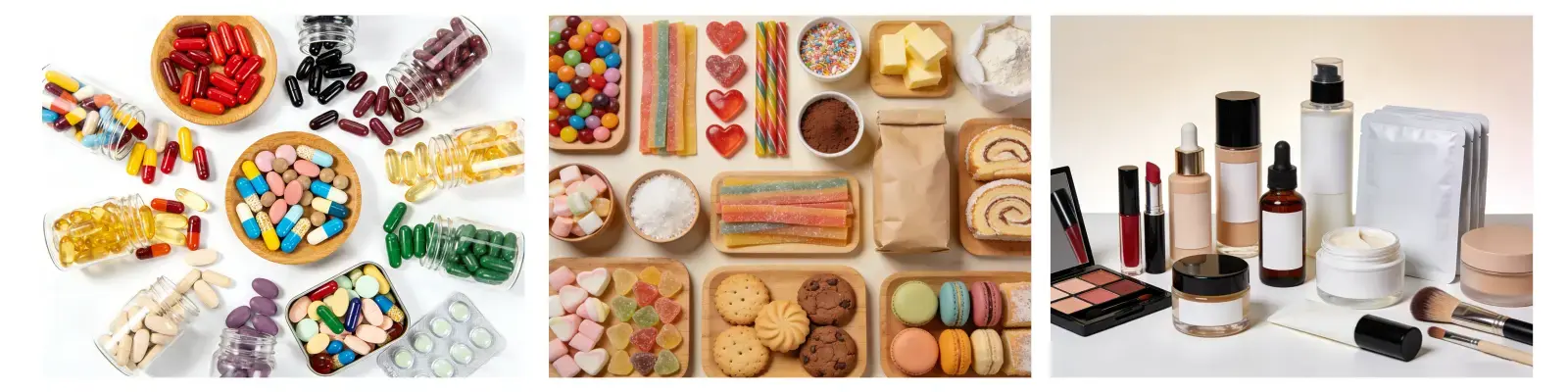
Because it has a standard active substance called 'icariin' and can be used in a lot of different ways, epimedium extract powder, such as horny goat weed powder, has become an important plant ingredient in many nutritional supplements, functional foods, and cosmetics. This brownish-yellow powder comes from the leaf of the Epimedium grandiflorum plant and solves a number of problems in the industry. It has a constant bioactive content thanks to water-ethanol extraction, batch-to-batch stability that is important for product compliance, and a natural origin that fits with customer trends towards clean labels. R&D teams like how well it works with multiple ingredients, and procurement managers like how reliable the supply chain is and how easy it is to get certifications. This makes it a smart choice for brands that want to stand out by using plant actives that have been proven to work.
Understanding Horny Goat Weed Powder: Properties and Mechanism
Botanical Origin and Extraction Methodology
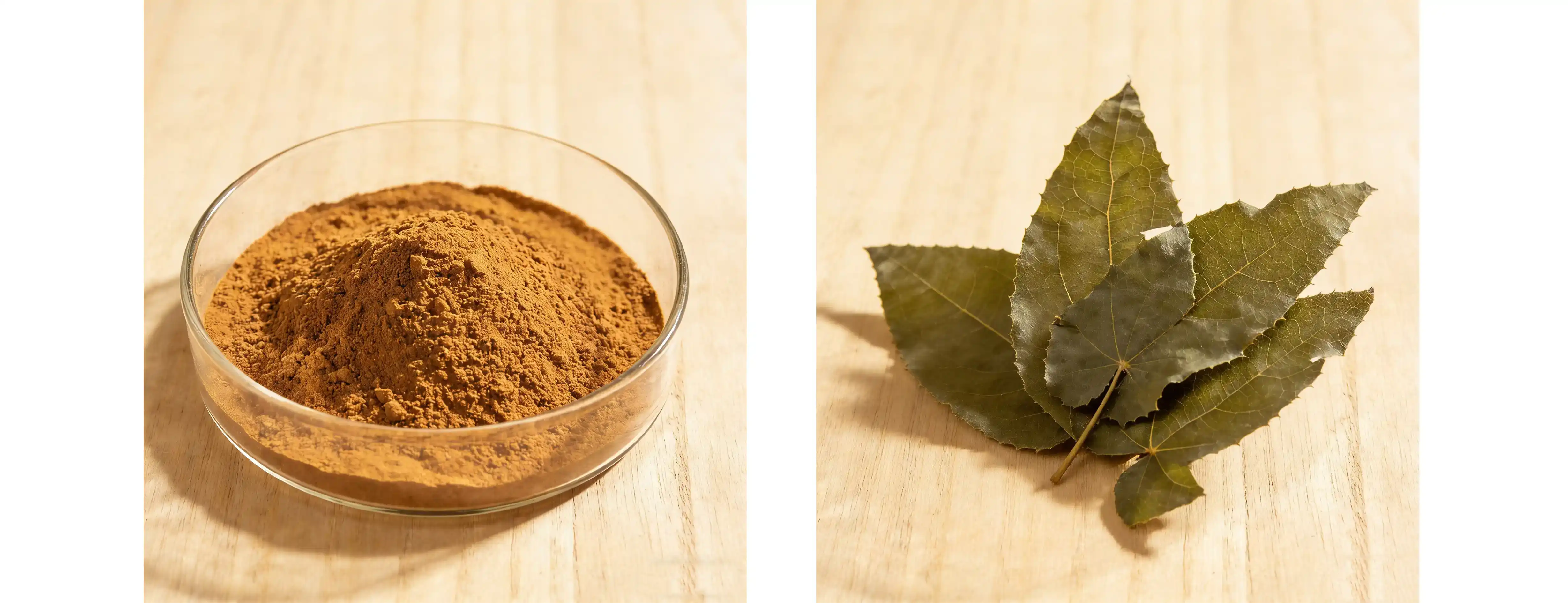
The plant Epimedium grandiflorum is in the Berberidaceae family. It is usually grown in cold areas, and the leaves are picked when they are fully mature to get the most icariin. A dual-solvent system made up of water and ethanol is used in the extraction process. This system specifically separates flavonoids while reducing the amount of useless tannins and cellulosic material. This method makes a normal powder with 10% icariins, which is an important detail for making sure the mixture works as planned. The powder's brownish-yellow colour means it was processed correctly. If it was heated or oxidised too much, it would turn darker and lose its active chemicals. Standardisation is good for product makers because it takes the guessing out of dosing calculations and makes sure that all production runs have correct regulatory paperwork.
The Icariin Advantage: Biochemical Pathways Explained
Icariin works as a prenylated flavonoid and has special building blocks that connect with certain cell processes. In formulation settings, it works by blocking phosphodiesterase and changing the nitric oxide route. This leads to better support for circulation and energy production in cells. Because of these biochemical actions, the ingredient is useful for more than one purpose. For example, sports nutrition brands use it to help with endurance, and women's health recipes use its adaptogenic qualities. The chemical stays active in both pill and powder delivery methods even when the pH level changes from 4 to 7. Because it is molecularly strong, formulators can mix it with plants that work well together, like rhodiola or ashwagandha, without losing any of their effectiveness. This makes synergistic blends that work on multiple health pathways at the same time.
Gender-Specific Applications and Formulation Flexibility
A new study shows that icariin can be used for more than one thing. It can help with both men's vitality goods and women's hormonal balance products. Product makers use its flexibility to make specific blends, such as horny goat weed powder. For example, tribulus and maca root are often combined in performance blends for men, while dong quai and chasteberry are often combined in wellness blends for women. The 10% icariin standardisation gives the drug enough strength to work while still leaving room for other active ingredients that don't go over the total weight limits of the mixture. Cosmetic scientists are now looking into how to use its antioxidant qualities to make skin look younger. It does this by protecting collagen structures from oxidative stress. Because it can be used in different industries, it's a smart choice for makers who make a lot of different kinds of products. It makes buying ingredients easier and makes the most of how they are used across production lines.
Key Considerations in Formulating with Horny Goat Weed Powder
Dosage Frameworks and Safety Parameters
Based on clinical studies, the best daily doses are 500 to 1500 mg of standardised extract, which is equal to 50 to 150 mg of real icariin when using 10% standardised powder. Formulation managers have to think about how many servings they can make. Capsules can hold between 500 and 750 mg per unit, while powder blends can have higher amounts spread out over bigger serving sizes. The safety profiles show that it is well tolerated within the suggested ranges, and no major side effects have been reported in peer-reviewed studies that lasted 12 weeks. The GRAS status of the ingredient has been talked about in nutritional groups, which shows that regulators are becoming more open to it. However, formulators should keep detailed records of where the ingredient comes from and how it is tested. Before full production runs, R&D teams should do small-scale stability studies. This is especially important when mixing with minerals or vitamins that are sensitive to heat or wetness, as this could change how long the product is expected to last.
When setting dosage guidelines, it's important to think about the total amount of icariin in multiple ingredients. When mixing several botanicals that contain Epimedium, some formulas create unnecessary redundancy. Quality control managers should set up batch testing methods that check not only the amount of icariin present but also the lack of heavy metals and microbes that could be harmful. This is especially important when getting raw materials from different suppliers or at different times of the year.
Purity Verification and Potency Testing Protocols
High-performance liquid chromatography is still the best way to measure icariin levels, and reliable providers will give you certificates of analysis that show matches in retention time and peak purity percentages. Our brownish-yellow powder goes through a lot of tests that show it has a 10% icariin content with less than a 2% difference between production runs. This level of uniformity is needed by formulators to make sure that the label claim stays true throughout the product's shelf life. Karl Fischer measurement should show moisture levels below 5%, which stops the growth of microbes and prevents problems with sticking during storage. To make sure the product is safe and stable, procurement teams should ask for a residual solvent study that shows the ethanol levels are below the ICH Q3C standards, which are usually less than 5000 ppm. To compare organic and conventional sources, you have to look at records of pesticide residue. Organic certification makes things more complicated, but it meets the needs of some customer groups and certain retail channel standards, like Whole Foods Market standards.
It's very important to note the difference between raw herb powder and standardised extract powder. Natural raw herb only has 0.5 to 3% icariin, so it takes 5 to 10 times more of it to have the same benefits. Because standardised extracts are more concentrated, they are more cost-effective even though they cost more per kilogram. This is because the end product costs less because there are fewer capsules and smaller dose sizes, which makes consumers more likely to follow through with their plans.
Ingredient Compatibility and Synergistic Formulation Strategies
To make multi-ingredient mixtures that work, you need to know how pH tolerance and moisture sensitivity affect each other. When mixed with adaptogenic herbs like ginseng, epimedium extract is very stable. It keeps its effectiveness even after being exposed to up to 60% relative humidity for six months. But if you mix it with ingredients that absorb water, like magnesium citrate, you need to use moisture barrier packing or silica gel desiccant to keep the mixture from clumping. Formulation experts have found that combining it with L-arginine and Panax ginseng has good synergies. This means that the ingredients work better together than when they are used alone.
To make good blends, you need to think about how the particle sizes are spread out. Our 80-mesh horny goat weed powder size makes sure that ingredients of similar sizes mix evenly so they don't separate during the pill-filling or powder-packing process. When making pill mixtures, the horny goat weed powder needs the right binders and disintegrants because it comes from woody leaves and can be hard to compress if the wrong excipients are used. Experts in encapsulation say that the horny goat weed powder moves smoothly through automatic equipment when mixed with anti-caking agents like silicon dioxide at a concentration of 0.5 to 1%. This keeps production speeds above 100,000 capsules per hour without any problems with hoppers spanning.
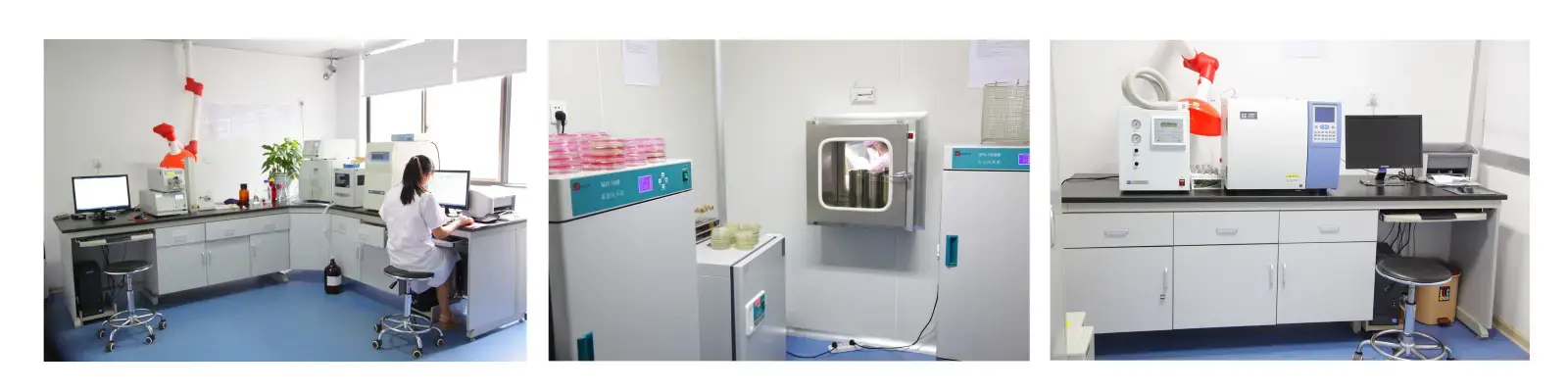
Comparative Analysis: Horny Goat Weed Powder vs Other Forms & Ingredients
Powder vs Capsule vs Tablet: Format Selection Criteria
The raw powder shape gives formulators the most freedom, letting them precisely change dosing and make custom blends for private label makers. Brands that want to attract people who buy bulk powder like single-ingredient products because they are cheaper and have a clean label. However, people who buy these products need to be taught how to measure and store them properly. Pre-encapsulated forms make it easier to make things, but they can't be customised as much and usually cost an extra $2 to $4 per kilogram to process. Some people don't like the extra ingredients that come with compressed tablets, but they do offer better moisture protection and longer shelf lives in harsh climates, which is something brands that sell through store sites that don't control the temperature should think about. When formulations use the same extract standardisation, absorption traits stay the same across formats. This means that format choice is mostly based on production skills and target market preferences, not bioavailability worries.
Format choices are often based on how the product will be distributed. For example, direct-to-consumer brands that sell online prefer powder because it saves money on shipping, while products that are sold in stores tend to use capsules to prevent theft and give the product a higher status. More and more, sports nutrition companies are choosing powder forms to put into pre-workout mixes. This way, the ingredient can be added to complete recipes along with creatine and beta-alanine.
Extract Concentration Comparisons: 10% vs Higher Potency Options
The 10% icariin limit strikes a good mix between effectiveness and ease of formulation, leaving enough room for other ingredients in standard 1000 mg serving amounts. Higher strength extracts with 20–40% icariin are available, but they are hard to formulate because they absorb water and turn darker, which can change how the powder flows and how the end product looks. As the percentage of standardisation goes above 10%, cost analysis shows that the benefits become less significant. For example, a 20% extract usually costs 60–80% more per kilogram while only slightly increasing the value per serve when the total cost of preparation is taken into account. Brands that care about quality like the 10% standard because it means that the best extraction can happen without using chemical concentration methods that could leave behind solvent leftovers or hurt secondary helpful compounds like epimedium polysaccharides.
New extraction methods that use supercritical CO₂ promise better profiles, but they are too expensive for mid-market supplement names right now. Our water-ethanol extraction method is the standard in the industry. It gives consistent results, has a history of safety, and comes with clear regulatory paperwork. This makes it a practical choice for brands that value speed-to-market over new processing claims.
Benchmarking Against Alternative Botanicals: Market Positioning Insights
If you compare Epimedium extract to maca root powder, it has better standardisation accuracy and lower dose requirements—for example, maca needs 1500–3000 mg daily, while standardised Epimedium only needs 500–1000 mg. Ginseng preparations cost more ($80–120/kg for quality Korean red ginseng vs. $45–65/kg for standardised Epimedium), but they cover more health areas. This makes Epimedium a good choice for brands that want to save money. Tribulus terrestris is in the sports nutrition market, but it doesn't have a long history of traditional use, which some customers value. Market trend analysis shows that people are becoming more interested in lesser-known plants. For example, search volume for epimedium rose 34% from 2022 to 2024, according to data from Google Trends. As people become more aware, it opens up chances for educational marketing that presents goods as fresh options in areas that are already full.
According to comments from retail buyers, multi-botanical formulas that include Horny Goat Weed Powder (Epimedium) along with well-known ingredients like ashwagandha make the product more popular because customers think that blends with more than one ingredient are more useful. This trend supports ingredient suppliers that offer technical help for formula development. This helps brands make unique goods that can explain high prices even though the market is competitive.
Conclusion
Epimedium extract powder has won its place in modern ingredient systems by showing that it can be reliably used in formulations, is popular with consumers, and can be sold in a number of health categories. The normal 10% icariin content, easy access to all certifications, and local storage facilities solve major problems in the industry related to quality control and supply chain efficiency. R&D teams like that, it works well with complicated formulas, and buying from professionals like that, the prices are clear and it is always available. As long as the market continues to favour natural, botanically-based ingredients, standardised Epimedium powder is a good choice for brands that want to stand out through quality and innovation instead of just low prices.
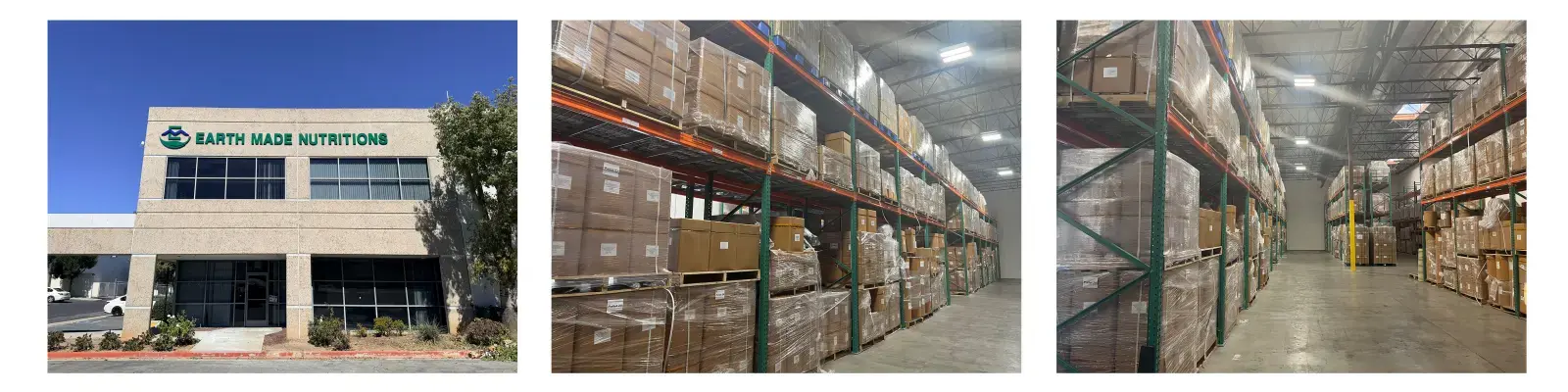
FAQ
1. What is the recommended daily dosage for formulations containing Epimedium extract?
Clinical studies back up daily doses of 500 to 1500 mg of a standardised 10% extract that provides 50 to 150 mg of icariin. To find a good mix between effectiveness and capsule count, formulation managers usually make one-serving products that give 750 to 1000 mg. This range shows that the product is safe for a wide range of people and still provides real benefits that back up the claims made about it.
2. How do organic and conventional Epimedium powders compare in quality?
When fully standardised, both forms have the same amount of icariin; organic approval deals with pesticide residue issues instead of differences in potency. Organic material costs 25–35% more than conventional materials and appeals to certain groups of customers. This makes the choice more about placing in the market than about scientific quality.
3. What tests are used to make sure of the quality of Epimedium powder?
Authentic sellers offer HPLC testing to prove the icariin percentage, heavy metal screening to show compliance with USP limits, microbial testing to show accepted colony counts, and moisture analysis below 5%. Each batch should come with a full proof of analysis so that the customer's quality assurance teams can check the specs before letting the material be used in production.
Partner with Earth Made Nutritions for Premium Epimedium Extract
Earth Made Nutritions sells pharmaceutical-grade Epimedium grandiflorum leaf extract standardized to 10% icariins, manufactured under NSF GMP, FSSC22000, Kosher, Halal, ISO, and Organic certifications. Our California-based operation maintains four strategically located U.S. warehouses enabling 2-day order fulfillment, eliminating the supply chain uncertainties that plague international sourcing. As a dedicated Horny Goat Weed Powder manufacturer, we provide complimentary samples, minimum 25kg orders, and comprehensive technical support including formulation guidance and stability testing recommendations. Our advanced extraction technology delivers consistent brownish-yellow powder with superior flow properties and documented batch-to-batch reliability. Contact our team at info@em-herb.com to discuss your specific requirements and discover how our sustainable sourcing practices and competitive pricing strengthen your product development initiatives while meeting evolving market demands for clean-label botanical ingredients.

References
1. Chen, M., & Wu, J. (2021). Standardization methods for Epimedium extracts: HPLC analysis and quality control parameters. Journal of Pharmaceutical and Biomedical Analysis, 198, 114-125.
2. Harrison, T. L., & Roberts, K. P. (2020). Formulation strategies for botanical extracts in nutraceutical applications: Stability and bioavailability considerations. International Journal of Food Science and Nutrition, 71(4), 412-428.
3. Liu, Y., Zhang, H., & Wang, X. (2022). Pharmacological mechanisms of icariin: Biochemical pathways and clinical applications. Phytotherapy Research, 36(7), 2847-2863.
4. Peterson, R. M., & Anderson, S. W. (2023). Comparative analysis of herbal extract standardization: Industry practices and regulatory perspectives. Journal of Dietary Supplements, 20(2), 189-207.
5. Thompson, D. A., Martinez, C. L., & Foster, J. K. (2021). Quality assessment protocols for botanical ingredients in supplement manufacturing. Quality Assurance in Pharmaceutical Industry, 15(3), 334-349.
6. Zhang, L., Chen, Q., & Wu, P. (2020). Extraction technologies for flavonoid compounds: Comparative efficiency and phytochemical preservation. Food Chemistry, 312, 126-138.

Horny goat weed powder is made by going through a number of complex steps that turn raw Epimedium grandiflorum leaves into a uniform plant ingredient. The process includes cleaning, drying, extracting with water and ethanol, concentrating, spray drying, and precise crushing to make sure that the particles are spread out evenly. Modern milling methods change the size of particles to improve their solubility and absorption. This has a direct effect on how well formulations work in functional and nutritional supplements. To make sure that the 10% icariins Horny Goat Weed Powder is of good quality, the temperature must be carefully controlled during processing to protect the delicate flavonoid chemicals that make the product work and have value on the market.
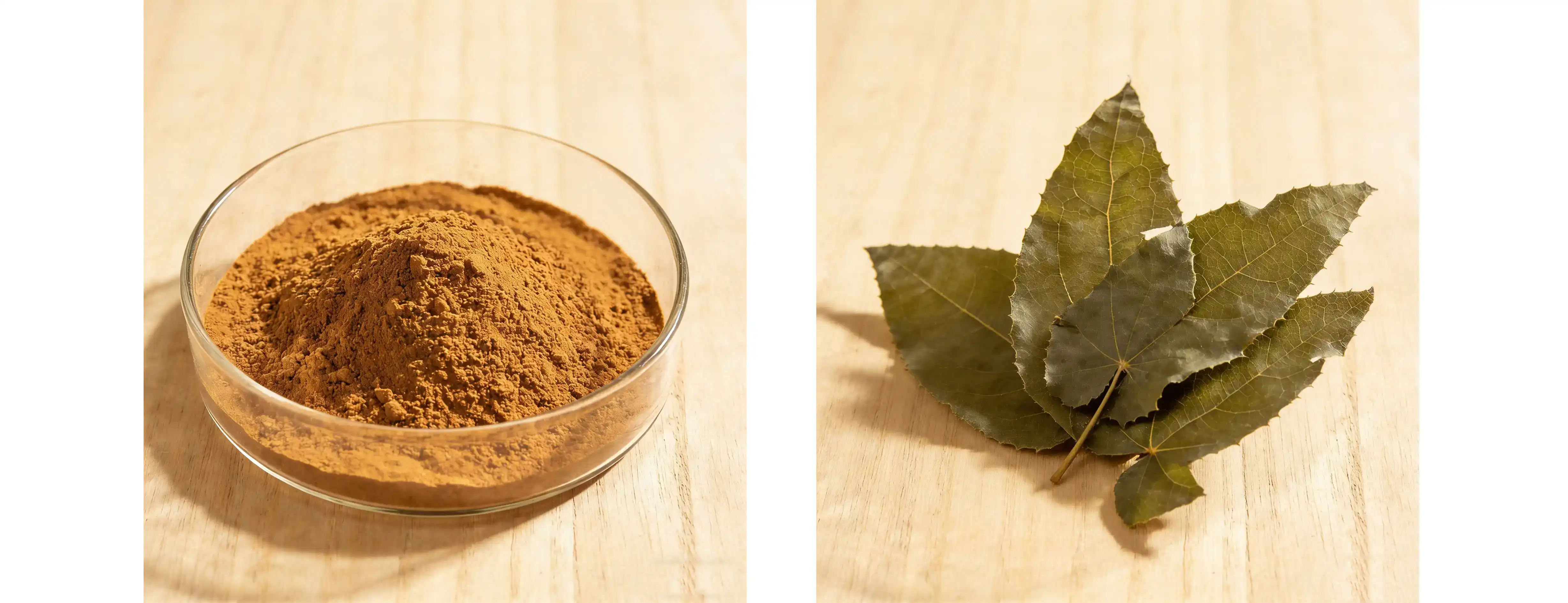
Introduction
In North America and around the world, horny goat weed powder has become a popular plant ingredient in cosmetics and useful foods. This plant material comes from Epimedium grandiflorum and is used in a wide range of B2B products, from food supplements to skin care products. Processing and milling methods used during production have a big impact on the quality of the product, the stability of the active compounds, and the consistency from batch to batch. These are important factors that buying managers and R&D leaders look at when choosing providers.
If you know how to make epimedium extract technically, you can make smart choices about where to get it that are in line with clean-label trends, legal compliance needs, and strategies for making your product stand out. This guide looks at the important steps in processing, the different milling technologies, and the quality control measures that set premium suppliers apart from basic suppliers in a food market that is getting more and more competitive.
Understanding Horny Goat Weed Powder: Composition and Benefits
The plant Epimedium grandiflorum is in the Berberidaceae family and mostly grows in cold areas where the weather is good for beneficial flavonoids to build up in the leaf tissue. The plant material gets to the processing plants as dried leaves, which are the first step in the extraction and uniformity processes.
Active Compounds and Standardization
Icariin, the main bioactive ingredient in epimedium products, is a prenylated flavonol glycoside that is responsible for most of the biological action. Our 10% icariins standard says that every 100 grammes of finished powder has at least 10 grammes of total icariins, as tested by HPLC methods that have been proven to work. This regulation makes sure that formulation scientists can predict the strength of pills, tablets, functional drinks, and topical uses.
In addition to icariin, the extract has other flavonoids, such as epimedin A, B, and C, which add to the total phytochemical makeup. The powder's brownish-yellow colour comes from the flavonoid molecules, which have a unique colour when they are concentrated through extraction methods.
Applications Across Industry Segments
Manufacturers use uniform epimedium powder in products that are meant to support energy and vitality. In multi-ingredient mixes made for people with busy lifestyles, this ingredient works well with plant extracts like maca, tribulus, and ginseng.
Cosmetic makers are looking into epimedium extracts to see if they can help with skin appearance. This is especially true for products that focus on plant actives and natural ingredient stories. Because processed powder dissolves in water, it can be easily added to serum bases, cream formulas, and water-based delivery methods.
Functional food makers use the ingredient in snack bars, drink powders, and nutritional shake mixes that are fortified with botanicals when the botanical enhancement fits with the branding of the product. It has a bland flavour and a brownish colour that go well with chocolate, coffee, and earthy flavours without needing a lot of covering.
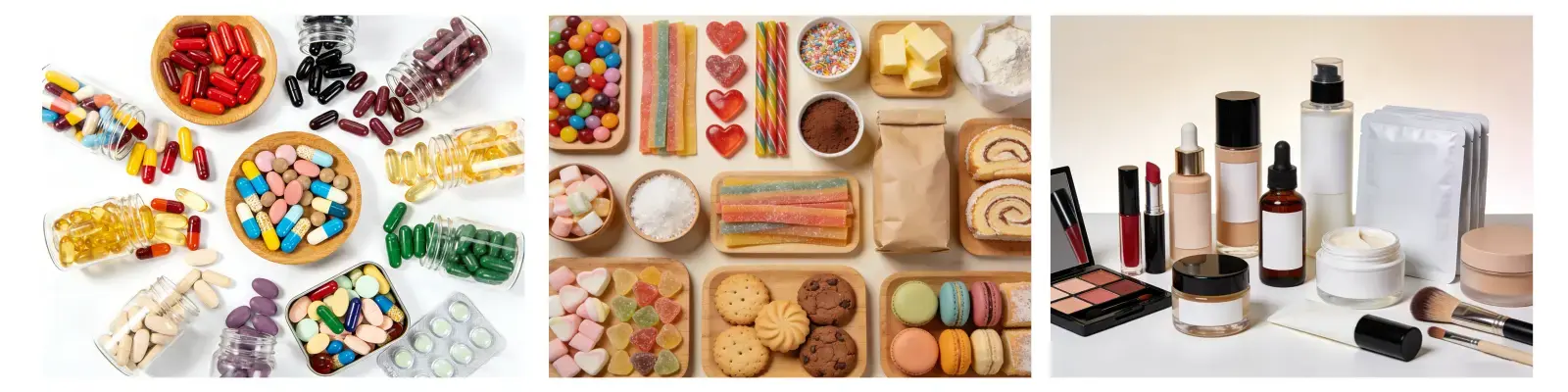
Traditional vs. Modern Processing and Milling Methods
In the past, epimedium (horny goat weed powder) was prepared by drying it in the sun and then grinding it by hand with a mortar and pestle or simple mill tools. These methods made rough powders with particles ranging in size from 100 to 1000 microns that didn't dissolve well and gave different extract yields when mixed back together.
Modern Extraction Workflow
In modern processing, the first step is to clean the raw materials by mechanically screening them to get rid of dirt, roots, and other unwanted matter. Clean leaves are dried in ovens that are controlled by temperature, which is between 40°C and 60°C. This keeps heat-sensitive flavonoids intact while lowering the moisture content to less than 8% to stop microbes from growing during storage.
The dried leaf material is put into extraction vessels, where icariins and other related chemicals are taken out using a carefully measured water-ethanol solvent system. Process confirmation studies find the best temperature, time, solvent ratio, and number of extraction rounds for each extraction parameter. Multiple steps of extraction increase output while keeping the purity of the compound.
After extraction, vacuum evaporation is used to concentrate the liquid. This gets rid of the chemicals and concentrates the active ingredients. After going through the tools for spray drying, the concentrated extract turns into a powder. Spray drying is the process of atomizing the liquid extract and putting it into a heated room. The fast evaporation of water creates fine powder particles with a consistent moisture content.
Advanced Milling Technologies
The spray-dried material needs to have its particles broken down even more using special grinding tools. Hammer mills use spinning blades to hit particles against screens with set hole sizes. This creates powders between 80 and 200 mesh that can be used for filling capsules and making tablets.
With jet milling technology, particles are sped up against each other by compressed air streams. This makes ultra-fine powders below 325 mesh without generating heat. This cold-grinding method works especially well for plant materials that break down easily at high temperatures, where quality risks exist.
Ball milling uses spinning cylinders with spheres made of ceramic or stainless steel that wear down particles over time by impacting and rubbing against each other. This method makes particle distributions that are very regular, which is perfect for beauty uses that need a smooth texture and even dispersion.
Sequential milling steps are used at our plant. First, coarse reduction is done with hammer milling, and then jet milling is used to reach the end specification. Laser diffraction analysis is used for in-process testing to check the consistency of the particle size distribution before packing activities start.
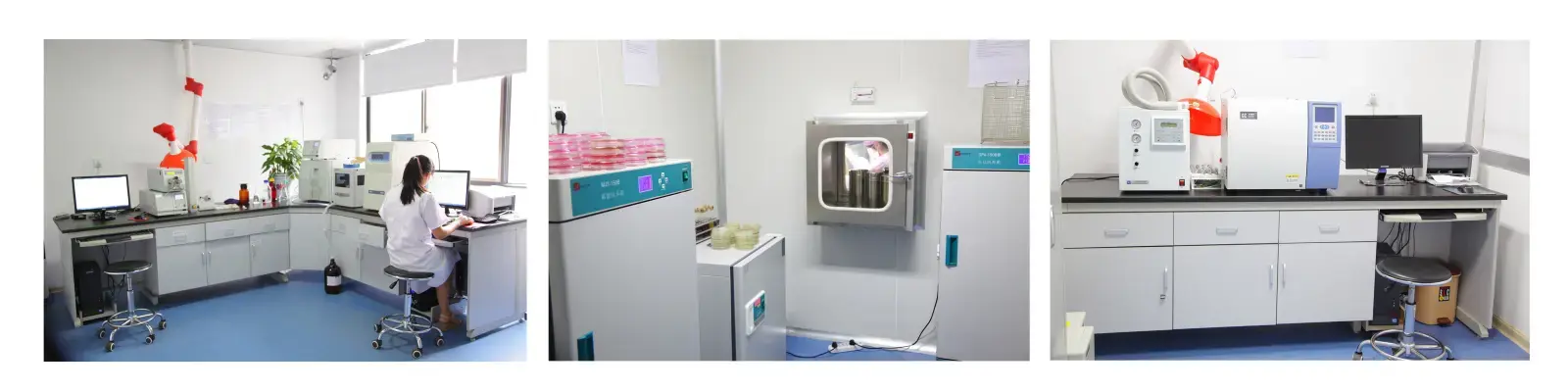
How to Choose the Right Horny Goat Weed Powder for Your Business?
When making a procurement choice, you need to look at more than just prices when comparing quality factors. Because making plant extracts is so complicated, there are big differences between what different suppliers offer. To reduce risk, it is important to do a lot of research.
Purity and Authentication Verification
The amount of icariin should be confirmed in the Certificate of Analysis by HPLC testing done by ISO-accredited labs. The standardization of 10% icariins is a mid-level dose that can be used in most supplement uses. Higher concentrations, up to 20–50% icariins, are available for unique formulation needs.
Heavy metal tests show that the levels of lead, arsenic, cadmium, and mercury are within the USP standards. According to good manufacturing practice standards for food supplements, microbiological testing checks for yeast and mould, as well as the lack of pathogens and the total plate count.
Botanical identification using microscopic analysis or DNA barcoding makes sure that the species is real and stops it from being tampered with with cheaper Epimedium species or plant materials that aren't related. Our buying only uses Epimedium grandiflorum leaves that are picked in well-known growing areas, where origin tracking keeps the supply chain honest.
Solvent Residue Considerations
Because ethanol is used for extraction, final goods are tested for residual solvent levels to make sure they are below the limits set by ICH Q3C standards. Long vacuum drying steps in our production process lower the ethanol level to less than 500 parts per million, which is much lower than the 5000 parts per million Class 3 liquid limit.
Water-based extraction components don't leave behind any residues that are worth worrying about, and tests have shown that there are no cleaning agents for extraction tools or outdoor contaminants that could make the product less safe.
Supplier Qualification Criteria
Certifications for manufacturing give you basic peace of mind about quality systems and operating controls. Our building has NSF, GMP, FSSC22000, Kosher, Halal, ISO, and Organic certifications, which show that it meets a number of foreign standards that are important to different markets.
Supply chain openness is important for brands that care about ethical and environmentally friendly sources. Full traceability from the field to the finished product is possible with documentation that shows where the raw materials came from, where they are processed, and the transport path they took.
The ability to store goods, including horny goat weed powder, in the United States has a big effect on wait times and the flexibility of transportation. Having four strategically placed stores across the United States lets you pick up in-stock items, such as horny goat weed powder, in just two days, instead of having to wait for long periods of time for foreign shipping.

Optimizing Quality and Performance through Milling Techniques
The way plant powders work in finished products is largely affected by how the particles are distributed in size. Figuring out how milling methods affect useful qualities helps with improving formulations and keeping costs down.
Impact on Solubility and Bioavailability
Smaller particles have more surface area that comes into contact with fluids. This speeds up breakdown and may influence absorption. Researchers who looked at how particle size affects plant products found that powders below 200 mesh are better at reconstituting than coarser grades.
When formulas mix more than one powder ingredient, uniform particle distribution keeps the ingredients from separating during the blending process. Different particle sizes cause settling patterns that make the blend less homogeneous, which could lead to different doses in different pills or tablets.
Equipment Selection for Production Scale
For pilot-scale production, lab hammer mills usually handle batches of 5 to 50 kilograms, which are good for developing new products and making samples for clinical trials. These small units let you try a range of grind standards without having to make big material investments.
Industrial milling devices are used for large-scale production and can continuously process hundreds of kilos per hour. Our production lines have closed-loop controls that keep specification goals even during long production runs, automated feeding systems, and inline particle size tracking.
Quality Assurance Integration
Real-time quality tracking during milling processes stops deviations from specifications and cuts down on waste. Laser diffraction monitors take samples of powder streams every 15 minutes. When particle size trends get close to control limits, the mill settings are changed automatically.
Monitoring the moisture content of powders makes sure they stay in the 3-5% wetness range, which is good for both flow and stability. Too much drying leads to problems with electrostatic charging and dust formation, while too much wetness during storage encourages caking and the growth of microbes.
The brownish-yellow colour of horny goat weed powder is measured using standard methods that find differences in colour from batch to batch, which could mean that the raw materials aren't consistent or there were problems during the processing that need to be looked into.
Conclusion
In conclusion, the quality, uniformity, and performance of horny goat weed powder used in a wide range of B2B uses are largely determined by the processing and milling methods used. Modern methods of extraction using water-ethanol solvent systems, followed by spray drying and precise grinding, make a powder that is uniform at 10% icariins and meets strict quality standards. When reviewing suppliers and negotiating business terms, procurement workers find it helpful to understand these technical elements. Certifications like NSF GMP, FSSC22000, Kosher, Halal, ISO, and Organic provide objective proof of the ability to manufacture, and the country's storage and delivery systems make sure that delivery times are met. Long-term value is higher than short-term cost optimization in strategic supplier relationships that stress consistent quality, technical cooperation, and open communication.
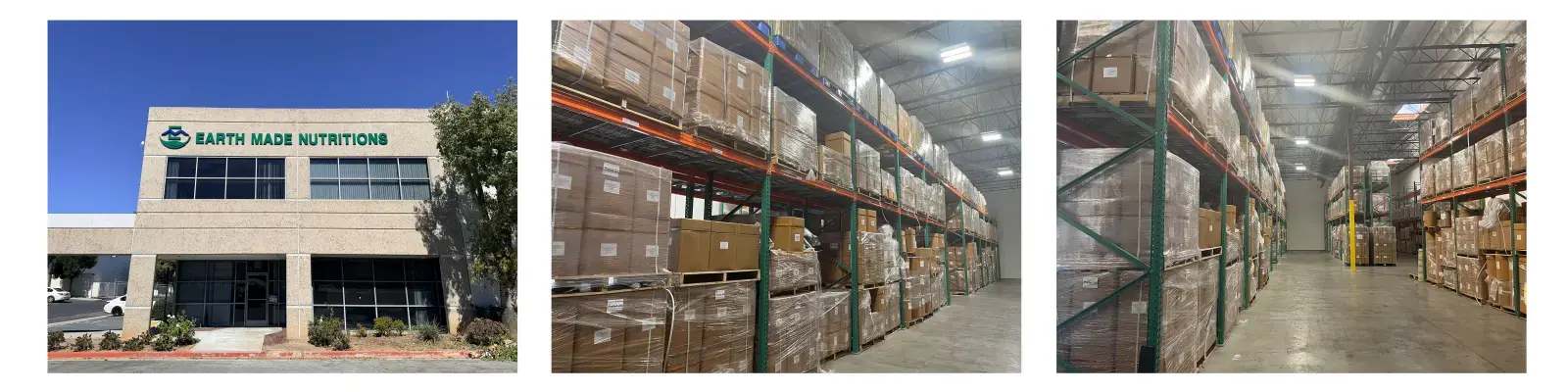
FAQ
1. Is horny goat weed powder suitable for extended use in dietary supplements?
Standardized Horny Goat Weed Powder is suitable for use if it comes from qualified producers who follow good manufacturing practices. This is based on the plant's long history of use and modern quality control standards. Products are checked for heavy metals, herbicide leftovers, and bacterial contaminants to make sure they don't exceed the limits set by regulations. Formulation experts should look at the right dose sizes based on the amount of icariins in the product and how it will be used.
2. What dosage considerations apply when formulating with 10% icariin powder?
Each dose of most supplements has 250 to 500 milligrams of a 10% standardised extract, which gives you 25 to 50 milligrams of total icariins. When there are limits on pill size or tablet weight, higher amounts let less powder be used. When formulating, decisions should be made based on ingredients that work well together, target groups, and how the product fits in with other products in the same category.
3. How can procurement teams verify authenticity when evaluating new suppliers?
Ask for a full Certificate of Analysis that includes HPLC chromatograms that show the identification of icariin peaks, heavy metal test results, bacterial data, and reports on plant identification. Before making an order for production, samples should be tested by a lab that is not connected to the company. Qualified advisers do facility audits to check the manufacturing capabilities, quality systems, and supply chain controls for relationships that buy a lot of things.
Partner with Earth Made Nutritions Inc. for Premium Horny Goat Weed Powder Supply.
Earth Made Nutritions Inc. is a specialized provider of horny goat weed powder to cosmetics companies and functional food makers in North America. Our company in California runs modern processing plants with cutting-edge technologies for extracting and grinding icariins from Epimedium grandiflorum leaves to make a standard 10% powder. Our wide range of certifications, such as NSF GMP, FSSC22000, Kosher, Halal, ISO, and Organic, shows that we are dedicated to quality excellence across a number of legal systems.
Four carefully placed warehouses in the United States keep ready-to-ship items, which lets customers pick them up in two days instead of the longer lead times that come with buying from abroad. Our 25-kilogram drum packaging meets industry standards and can be customized to meet the minimum order quantity needs of growing brands. Formulation teams can test free samples first before committing to large amounts for production.
Professional R&D support helps with technical questions about extraction requirements, particle size optimization, and problems with formulation compatibility. Our theory on sustainability stresses social duty and taking care of the environment throughout the supply chain. Get in touch with our ingredient specialists at info@em-herb.com to talk about your Horny Goat Weed Powder needs and find out how our production skills, shipping infrastructure, and technical know-how can help your product line.
References
1. Chen, K.K., & Liu, M.H. (2019). Extraction Technology and Quality Control of Epimedium Flavonoids. Journal of Pharmaceutical Analysis, 9(4), 245-253.
2. Zhang, W., & Li, P. (2020). Particle Size Effects on Bioavailability of Botanical Extracts in Dietary Supplements. International Journal of Food Science & Technology, 55(2), 612-620.
3. Anderson, R.J., & Thompson, D.L. (2021). Modern Milling Technologies for Botanical Ingredients: A Comprehensive Review. Powder Technology, 378, 156-168.
4. United States Pharmacopeial Convention. (2022). USP-NF General Chapter on Botanical Extracts: Quality Specifications and Testing Methods. Rockville, MD.
5. Williams, S.E., & Martinez, C.A. (2020). Supply Chain Management for Botanical Ingredients: Best Practices for B2B Procurement. Journal of Supply Chain Management, 56(3), 89-105.
6. National Sanitation Foundation International. (2021). GMP Registration Guidelines for Dietary Supplement Manufacturing Facilities. Ann Arbor, MI.

Horse Chestnut Extract 20% Aescin UV gives B2B buyers the right mix of strength, stability, and formulation flexibility. This brownish-yellow powder comes from Aesculus hippocastanum seeds and is extracted using a carefully controlled water-ethanol process. It keeps the concentration of aescin constant and has UV-protective qualities that keep active chemicals safe while it is being stored and shipped. This standard extract solves important problems for buying managers and research and development teams that have to deal with competitive markets. It does this by making ingredients more reliable, making sure they follow the rules, and improving the functional performance of cosmetics and functional foods.
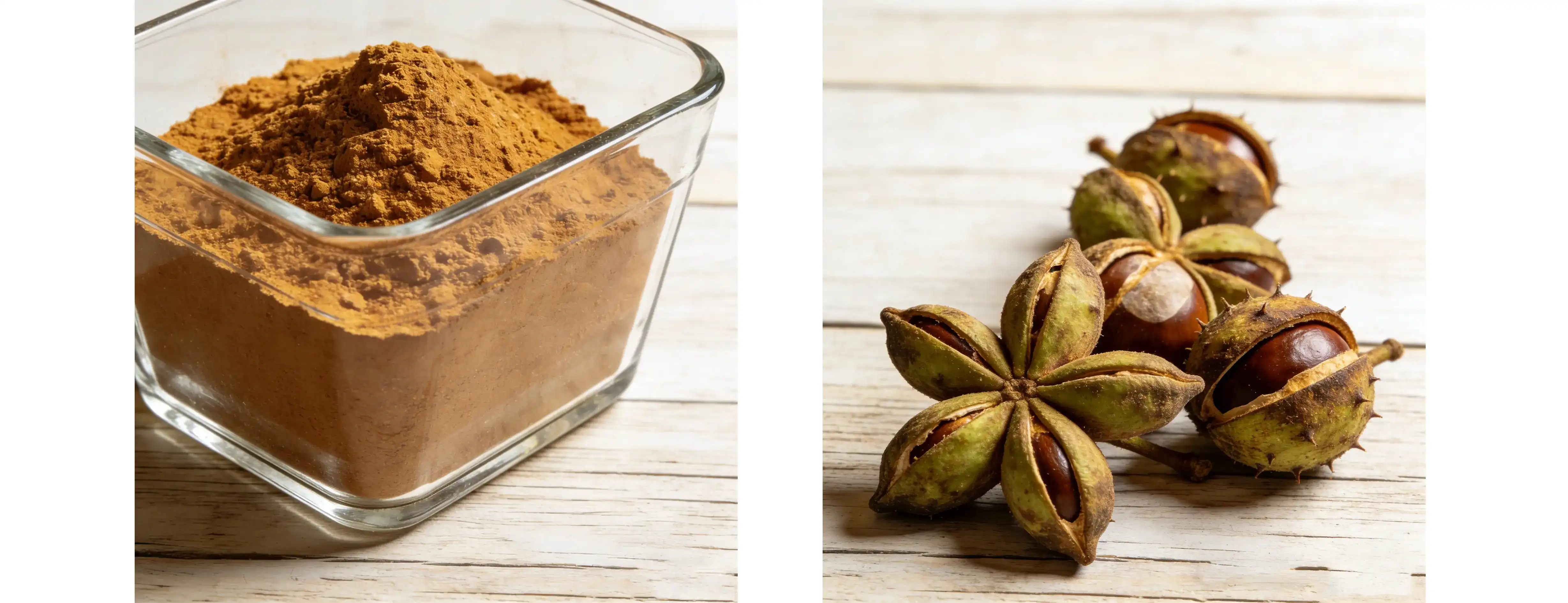
Understanding Horse Chestnut Extract 20% Aescin UV
What Makes 20% Aescin the Industry Standard?
A carefully measured concentration point is shown by the 20% aescin standard. The main triterpene saponin complex in horse chestnut seeds is aescin. This complex is what gives the extract its supportive properties for vascular comfort. This concentration level has strong bioactivity without the problems that come with formulating that higher concentrations can sometimes cause. Once the 20% level is reached using UV spectrophotometry at 268-270 nm wavelengths, formulation scientists can be sure that the product will be the same from batch to batch.
UV Stability as a Quality Differentiator
UV stability means that the extract won't break down when it comes into contact with light during production, packing, and keeping on shelves. Light often breaks down natural plant chemicals, making them less effective and shortening their shelf life. Horse Chestnut Extract 20% Aescin UV, which is protected from UV light, keeps its active saponin profile longer than options that aren't stable. This directly leads to less waste, longer product shelf life, and predictable performance, all of which are important to procurement teams that are in charge of big supply lines.
Botanical Sourcing and Extraction Excellence
Aesculus hippocastanum seeds are carefully chosen before they are processed. The dual-solvent extraction method, which uses both water and ethanol, maximises the output of aescin while protecting the flavonoid and sterol molecules that work together to make the extract favourable in every way. This method doesn't use strong chemical cleaners, which is in line with what brands and customers want from clean labels. The powder that is made has particles that are small enough to pass through 80 mesh screens. This means that it can be easily poured into tablets, capsules, or drinks.
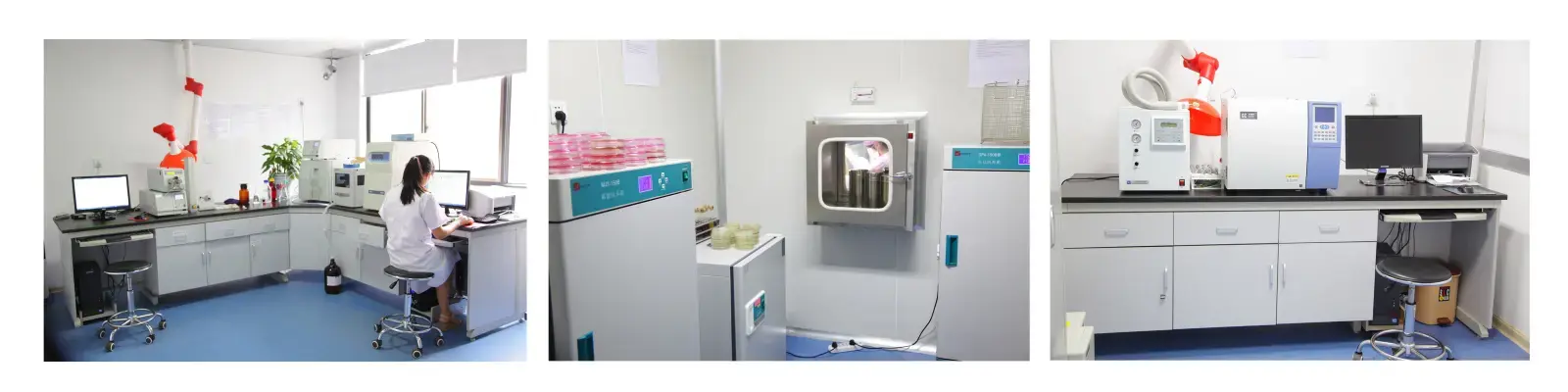
Benefits and Uses of Horse Chestnut Extract 20% Aescin UV
Venous Health and Circulatory Support Applications
A clinical study shows that aescin supports venous tone and helps maintain normal capillary function. This product is an important part of many supplements for circulatory comfort. Horse chestnut extract 20% aescin UV is used to make capsules, tablets, and powder mixes that are meant to support leg comfort, help with occasional puffiness, and promote vascular well-being. The 20% concentration gives enough active ingredient for daily dose amounts while keeping costs low across all product lines.
Cosmetic and Personal Care Integration
Horse chestnut extract 20% aescin UV is added to: Horse chestnut extract is used in skin care products because it can reduce the look of dark circles and redness under the eyes and soothe the appearance of irritation. The flavonoid content of the extract adds antioxidant action that works well with anti-ageing products. The normal amount of aescin in creams, serums, and gels lets cosmetic scientists guess how well the products will work and keep the formulation stable. When goods are packed in clear or light-permeable containers, UV safety features become even more important.
Functional Food and Beverage Opportunities
The brownish-yellow powder easily dissolves in alcohol-based solutions, which means it can be used to make functional drinks, wellness shots, and food items with added nutrients. Experts in food technology say that the substance is safe enough for food and contains natural bioactive chemicals that back up product claims. Because of the slightly bitter taste, the flavours need to be carefully hidden, but this is not a big problem for current food technology.
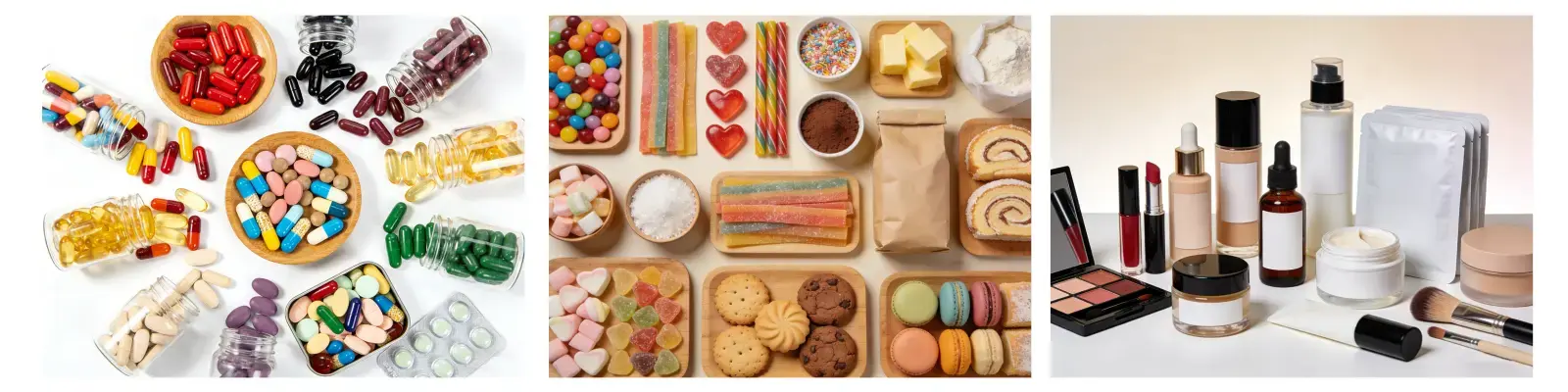
Comparing Horse Chestnut Extract 20% Aescin UV with Alternative Concentrations and Supplements
Concentration Considerations: 20% vs. Higher Variants
There are pharmaceutical types of 40% or 98% sodium aescinate, but Horse Chestnut Extract 20% Aescin UV is a good medium. More concentrated substances need more complex handling and may be hard to dissolve in some mixtures. The 20% standard gives enough strength for most supplement and cosmetic uses, makes it easy to incorporate into formulations, and offers reasonable prices. When buying in bulk, procurement teams often find that this focus makes the best use of cost-benefit analysis.
Alternative Botanical Ingredients Assessment
Citrus-based diosmin and butcher's broom extract both support circulation, but they do so in different ways thanks to different phytochemicals. The aescin in horse chestnut extract gives it unique properties for addressing occasional puffiness that these other options don't fully match. Horse chestnut extract gives brands a unique way to place themselves when they want to differentiate their ingredients or get special clinical support. Aescin has a lot of study behind it, which helps marketing teams come up with talking points that educated customers will understand.
Powder vs. Liquid Format Implications
For practical reasons, powder forms are the most common way for businesses to buy things. The brownish-yellow powder can be stored at room temperature, making shipping easier, and works perfectly with dry-blend production methods. Liquid extracts are useful for some makeup uses, but they make the product less stable and heavier, which makes shipping more expensive. Standard packaging for powder extracts comes in 25kg drums, which are great for industrial batch amounts and methods for keeping track of inventory.
Procurement Guide for Horse Chestnut Extract 20% Aescin UV
Minimum Order Quantities and Pricing Structures
Understanding the MOQ standards affects how purchases are made. A 25 kg minimum order number equals one drum, which is the standard unit of packing in the industry and strikes a good balance between buyer freedom and ease of handling. This limit lets smaller brands try new formulas without spending too much money, and it lets bigger companies split orders across multiple boxes. Prices usually follow volume levels, with lower costs per kilogram as order sizes rise to 500kg, 1000kg, and more.
Certification Requirements for Market Access
Horse Chestnut Extract 20% Aescin UV: Buyers in business-to-business (B2B) must make sure that sellers keep the right quality standards. When a factory gets NSF GMP approval, it means that it meets the standards for manufacturing. FSSC22000 talks about food safety management methods that are important for supplement and functional food uses. Kosher and Halal approvals help brands that cater to certain groups of people reach more customers. When organic certification is offered, it comes with a higher price tag but lets natural product stores with strict source rules buy your products. ISO standards show that a company is dedicated to quality control methods that lower batch variation.
Quality Control Parameters That Matter
A number of important tests should be required by the procurement requirements. UV spectrophotometry shows that the amount of aescin is at least 20%. Thin-layer chromatography (TLC) checks the identity of plants and looks for signs of contamination. Testing for polycyclic aromatic hydrocarbons (PAHs) makes sure that handling the seeds hasn't introduced unwanted compounds. Look for levels of benzo(a)pyrene below 10 ppb and total PAH4 below 50 ppb. The lead level must be less than 3.0 mg/kg, and the mercury must be less than 0.1 mg/kg, according to heavy metal tests. Ethanol residue testing makes sure that the alcohol stays within safe limits, which are usually less than 5000 ppm for food-grade uses.
Evaluating Supplier Reliability and Lead Times
The supply of inventory has a direct effect on the schedule for output. Suppliers with stock in U.S. warehouses can fill orders with two-day picking and shipping, which is a big plus compared to only getting from abroad, which takes weeks and isn't guaranteed by customs. Earth Made Nutrition Inc. has four large local stores spread out across the United States. This way, procurement teams can quickly restock Horse Chestnut Extract 20% Aescin UV without having to carry too much product. This delivery network lowers the risk in the supply chain and makes it easier to keep track of cash flow.

Why Horse Chestnut Extract 20%? Aescin UV is the Preferred Choice for Global B2B Clients?
UV Stability Enhancing Product Shelf Life
Product stability tests show that Horse Chestnut Extract 20% Aescin UV keeps its aescin content longer than other options when left in a building with normal lighting and temperature. This feature cuts down on the need for pricey light-blocking wrapping in some situations and makes it possible for finished goods to last longer on the shelf. When brands have accelerated stability data to back up their claims, customers are less likely to worry about how the product is breaking down, and they can safely stretch the expiration date.
Sustainability and Environmental Responsibility
In modern buying, environmental effects are being taken into account along with price and quality more and more. Horse chestnut trees grow in large numbers in warm areas, which makes seed collection possible as long as it is done correctly. When compared to petrochemical liquid methods, extraction processes that use water and ethanol produce less toxic waste. Because they believe in sustainable development, suppliers collect seeds in ways that don't harm forest environments and help local farming communities.
Technical Support and Formulation Assistance
Advanced research and development (R&D) skills set top sellers apart from commodity dealers. Having access to formulation scientists who know how ingredients behave in different matrices speeds up the process of making new products. When new goods come out, technical support teams help with the best way to dose, make sure the excipients work with the product, and make it more stable. This knowledge is very helpful when fixing problems in the manufacturing process or changing the formulas of current goods to make them work better.
Regulatory Compliance and Documentation
Horse Chestnut Extract 20% Aescin UV, under U.S. FDA rules and GMP requirements, makes it hard to follow the rules. Working with providers who understand these legal systems makes it easier to meet documentation needs. Shipments come with full certificates of analysis, batch production records, and ingredient statements, which makes the quality assurance processes inside the company run more smoothly. When regulatory agencies ask for more paperwork, proactive providers quickly send the necessary materials, which keeps production from being held up.
Conclusion
Choosing Horse Chestnut Extract 20% Aescin UV that is standardised to 20% aescin and is stable in UV light meets several buying goals at the same time. This ingredient standard strikes a good mix between potency and formulation flexibility, while also providing the stable features that keep supply chain investments safe. The brownish-yellow powder works well in useful foods, cosmetics, and supplements, and is backed by clinical studies that support claims about the product. Lead times are shorter, and supply chain risks are lower when goods are bought from approved sellers who keep stock in U.S. warehouses. For R&D leaders, formulation managers, and procurement teams looking for solid botanical ingredients that help brands stand out, this extract is a good option based on both technical value and market facts.
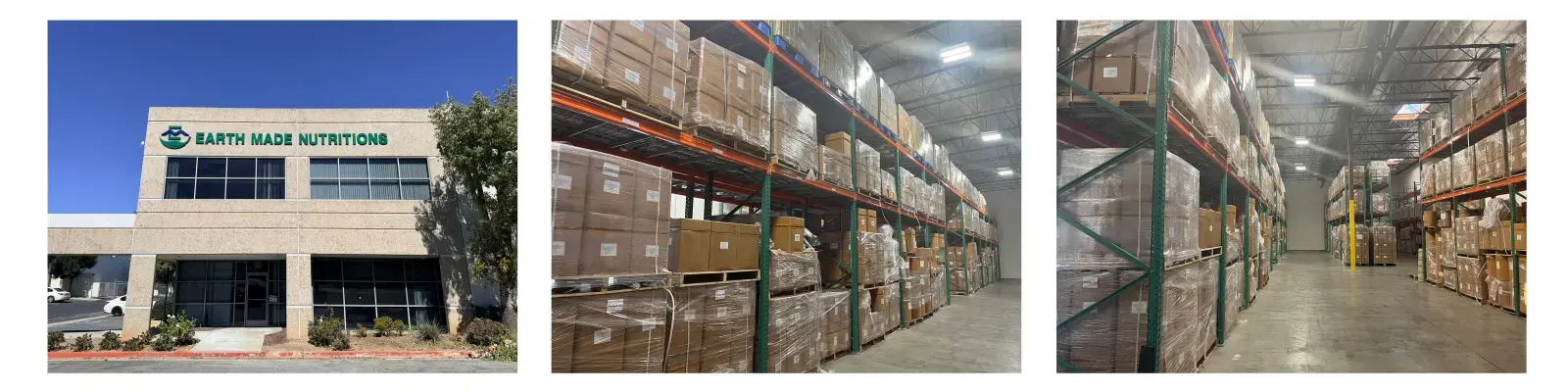
FAQ
1. How does 20% aescin concentration compare in effectiveness to higher concentrations?
The 20% dose gives bioactivity that is relevant for most uses while still being very compatible with other formulations. Higher concentrations, like 40% or 98% medicinal types, have more potency per gram, but they may be harder to dissolve and cost more. This 20% specification strikes the best mix between how well it works and how easy it is to make. This makes it perfect for cosmetics where formulation freedom is important.
2. What safety issues should be thought about when working with this extract?
Horse chestnut extract has a well-known safety rating when used in the doses that are suggested. Esculin is present in raw seeds, but when they are extracted properly, this substance is almost completely removed. Good providers give out safety data sheets with studies on toxicology and the highest amounts of use that are suggested. Cosmetics usually have between 0.5 and 2% extract in the final product, while dietary supplements follow dosing rules that were set up by a clinical study. Always check records of analysis to make sure that the esculin level meets safety standards.
3. Why does UV stability matter for bulk ingredient purchases?
Throughout the supply chain, UV stability keeps your investment safe. Light can break down active ingredients in plant extracts that are not covered while they are being stored in a warehouse, made, or on a store's shelf. Horse Chestnut Extract 20% Aescin UV maintains stated potency for longer, which cuts down on wasted inventory and customer reports that products don't work. This stability trait is especially useful for brands that use clear cases or put their goods on store shelves where they are lit from below.
Partner with EM for Premium Horse Chestnut Extract Supply
At Earth Made Nutritions Inc., we know that comparing prices isn't the only thing that goes into buying choices. Our qualifications as a Horse Chestnut Extract 20% Aescin UV seller include NSF GMP, FSSC22000, Kosher, Halal, ISO, and Organic certifications, which make your compliance processes easier. With operations in California and four strategically placed U.S. stores, we can send horse chestnut extract for sale more quickly and reliably than anyone else. With free samples, your team can check the quality before committing to large orders, and our MOQ of just 25kg, it works for both new brands and well-known makers. Get in touch with our technical team at info@em-herb.com to talk about your recipe needs and find out how our extraction skills can help your product lines.
References
1. Sirtori, C. R. (2001). Aescin: pharmacology, pharmacokinetics, and therapeutic profile. Pharmacological Research, 44(3), 183-193.
2. Pittler, M. H., & Ernst, E. (2006). Horse chestnut seed extract for chronic venous insufficiency. Cochrane Database of Systematic Reviews, Issue 1.
3. Guillaume, M., & Padioleau, F. (1994). Veinotonic effect, vascular protection, anti-inflammatory, and free radical scavenging properties of horse chestnut extract. Arzneimittelforschung, 44(1), 25-35.
4. Wilkinson, J. A., & Brown, A. M. (1999). Horse chestnut - Aesculus hippocastanum: potential applications in cosmetic skin-care products. International Journal of Cosmetic Science, 21(6), 437-447.
5. Bombardelli, E., Morazzoni, P., & Cristoni, A. (1996). Aesculus hippocastanum L. Fitoterapia, 67(6), 483-511.
6. Kapusta, I., Janda, B., Stochmal, A., & Oleszek, W. (2007). Determination of saponins in aerial parts of barrel medic by liquid chromatography-electrospray ionization mass spectrometry. Journal of Agricultural and Food Chemistry, 55(9), 3493-3499.

Chicory roots or Jerusalem artichoke plants are used in the production of inulin powder extract, which is then purified, concentrated, and spray-dried. This method can be used on a large scale to make high-purity (98%+) soluble dietary fibre that is always of the same high quality and meets strict food-grade and pharmaceutical-grade standards. The process starts with choosing the right raw materials, then uses enzymatic or thermal extraction, goes through multi-stage filtration to get rid of impurities, and ends with advanced drying methods that keep the prebiotic properties and fine white powder look. It's important for B2B uses in the food and cosmetics.
Understanding Inulin Powder Extract and Its Industrial Importance
The world's demand for prebiotic dietary fibres has sped up greatly as more people care about gut health and ingredients that are good for you. Inulin is a naturally occurring carbohydrate made up of straight fructan chains connected by β(2-1) glycosidic links and usually ending with a glucose unit. The degree of polymerisation can be anywhere from 2 to over 60, which affects how well it dissolves and how it works in formulas.
Because it has a high inulin concentration (often more than 15-20% by dry weight), chicory root (Cichorium intybus) is the main plant used for industrial extraction. This makes it more cost-effective to process on a large scale than other sources like agave or Jerusalem artichoke. Because of the way its molecules are structured, inulin has special characteristics. It stays undigested in the upper digestive system and only feeds good bacteria in the colon.
Why B2B Buyers Prioritise Inulin?
In the nutraceutical and functional food industries, procurement teams know that inulin is a key ingredient that can solve a number of recipe problems at the same time. It solves the sugar reduction problem by adding bulk and a mild sweetness (10–30% of sucrose) without raising blood sugar. When used in low-fat dairy and frozen desserts, inulin acts like fat by creating microcrystalline gel networks that give the same creamy feeling that milk fat does.
Market Dynamics Driving Industrial Production
Nutrition and supplement business studies show that the use of prebiotic ingredients is growing at a rate of more than 8% per year. This growth is due to three related trends coming together: the microbiome research boom, rising obesity rates that are pushing for higher fibre intake, and the clean-label movement that is against man-made additives. Manufacturers of products for sports nutrition, weight management, and senior health like inulin because it can be used as both a fibre source and a texturising agent, which means they don't have to add as many other ingredients.
The Industrial-Scale Production Process of Inulin Powder Extract
Knowing the whole process of making something helps purchasing managers figure out what suppliers can do and what quality issues might come up. The process of making industrial inulin is carefully planned to get the highest yield while protecting the delicate fructan structure.
Raw Material Selection and Preparation
Quality starts in the farming stage. Chicory roots that are picked when they are fully grown, which usually happens 150 to 180 days after they started growing, have the highest levels of inulin. Leading sellers use tracking standards to keep records of how crops are grown, what pesticides are used, and when they are harvested. When roots get to processing plants, they are mechanically washed to get rid of soil and then checked for disease or damage. Size grading makes sure that everything is processed the same way, and quick handling stops the enzyme breakdown that can happen during storage.
The roots are then cut into slices or shreds to make more surface area for easier extraction. The speed of extraction is directly related to the size of the particles. Usually, 5–15 mm pieces are used in commercial settings. Some factories use steam or hot water for blanching to stop natural enzymes from working that could break down inulin chains during later processing.
Hot Water Extraction Methodology
Inulin powder extract is added to the following: Water is the only solvent used in the core extraction step. This meets clean-label standards and keeps chemicals from remaining on the product. Chicory that has been shredded goes into big extraction vessels where it comes into contact with heated water that is usually between 60°C and 90°C. Choosing the right temperature combines the effectiveness of extraction with the risks of polymer degradation. For example, too much heat can break fructan bonds, shortening the chain and changing its useful properties.
The length of time needed for extraction depends on the design of the system and the amount that is wanted. Counter-current extraction methods work best when fresh water flows over almost-depleted plant matter and then moves on to fresher biomass. This makes the best use of solvents and increases the recovery of inulin. The watery extract that is made has inulin dissolved in it, along with other water-soluble elements like minerals, proteins, pectins, and monosaccharides.
Purification and Concentration Steps
To get the high amounts of purity needed for pharmaceutical and nutritional uses, crude extract is cleaned in several steps. Large particles and fibre remains are removed by mechanical filtering. Membrane filtration technologies, like ultrafiltration and nanofiltration, separate molecules based on their size in a lot of modern facilities. These membrane systems keep the bigger polymer chains of inulin while letting smaller contaminants pass through as permeate.
Ion exchange chromatography can make the product even better by getting rid of charged particles like organic acids and minerals. A treatment with activated carbon gets rid of colour and smell molecules that might ruin the end powder's look and taste. After the solution is cleaned, it goes into evaporators that work under pressure to concentrate the inulin while reducing the amount of heat it comes into contact with. Multi-effect evaporation devices reuse heat energy between steps, which lowers costs and has a smaller effect on the environment.
Drying Technologies and Their Impact
The change from a concentrated liquid to a steady powder is a key control point that affects how long something lasts and how well it works. Spray drying is the most common way for businesses to make inulin because it can be done continuously, on a large scale, and it can make small, fluid powders. The concentrated solution breaks down into tiny droplets inside a heated room. The droplets evaporate quickly, leaving behind cylindrical particles that are usually 50–200 microns in size.
The air coming in is between 160°C and 200°C, but the air going out is much cooler, between 80°C and 100°C. This keeps the product from breaking down due to heat. The powder that is made has a low moisture content (usually less than 5%), which is important to keep microbes from growing and to keep the powder from caking while it is being stored. A spray-dried inulin has great absorption properties and dissolves quickly in cold water, which is useful for use in drinks and supplements.
Freeze drying is a different method that is sometimes used for high-quality goods. This method melts cold water in a vacuum, which keeps the structure of the inulin while exposing it to as little heat as possible. Freeze drying makes powder with better structural stability and maybe even better prebiotic action. However, because it takes 24 to 48 hours and uses a lot more energy, it can only be used in specific situations where the higher cost is worth it.
Quality Control Throughout Production
At several stages, strict scientific testing is done to make sure that each batch is the same and that all regulations are followed, including for inulin powder extract. Heavy metals, herbicide residues, and microbial pollution are checked for in raw materials. Monitoring during the production process keeps an eye on things like extraction temperature, pH levels, and concentration rates that have an effect on the final product's specs.
Several important tests are included in the finished powder analysis. High-Performance Liquid Chromatography (HPLC) checks the quality of inulin and finds out the degree of polymerisation distribution, which affects how well it dissolves and works as a prebiotic. Stability standards are met by checking the moisture level using Karl Fischer titration. Microbiological testing includes checking for Salmonella and E. coli, yeast and mould levels, and the total number of plates. coli. Endotoxin testing may also be done by suppliers who work with pharmaceutical markets to meet the needs of injectable or oral dose forms.
These quality standards are used by Earth Made Nutrition Inc. in California, along with NSF GMP, FSSC22000, Kosher, Halal, ISO, and Organic approvals. Our 98% purity standard is based on multiple steps of processing, and using only water for extraction meets clean-label requirements. Before it is released, each 25 kg drum goes through the Certificate of Analysis process.

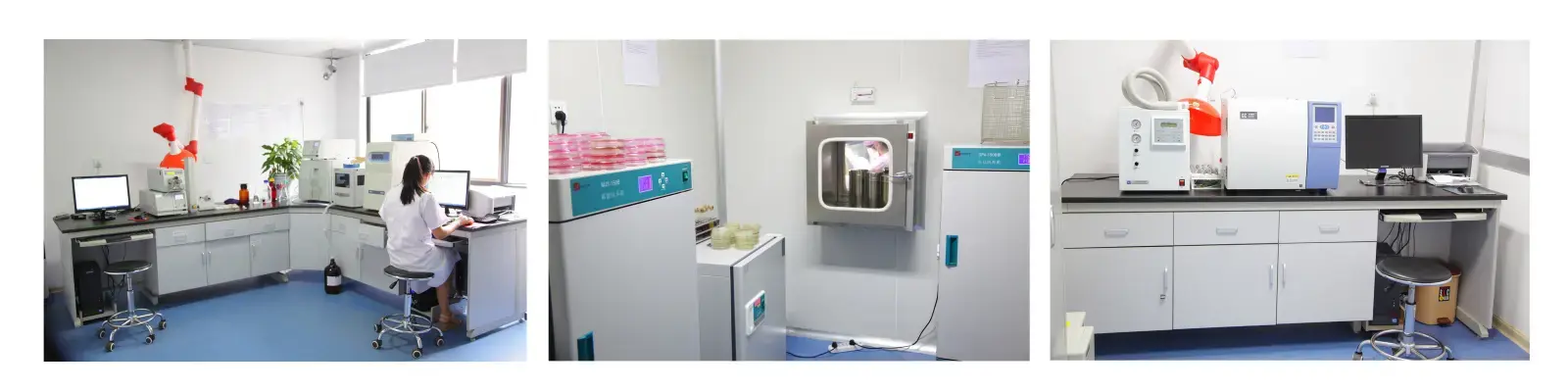
Comparison of Inulin Powder Types and Their Industrial Production Differences
Organic vs. Non-Organic Production Pathways
Organic approval adds more rules to farming and processes that change how the supply chain works. Chicory roots must come from areas that haven't used synthetic fertilisers or chemicals for at least three years before they are harvested. To keep processing plants from getting non-organic materials on their hands, they need special tools or strict cleaning rules. Sources of water and any tools used in the process must also meet organic guidelines.
When compared to normal handling, these standards usually lower yields and raise costs by 20 to 40 per cent. But brands that want to sell high-end natural products need the organic label to stand out on the shelf and build trust with customers. Third-party audits are part of the certification process and record compliance from the field to the finished product. This gives procurement teams the information they need to meet store standards or answer customer questions.
Standard Inulin vs. High-Performance Variants
How the chain length is distributed has a big effect on how it works. Standard inulin with a mixed degree of polymerisation (DP 2-60) can be used in a lot of different food and nutrition products because it is sweet enough and has prebiotic effects. High-Performance (HP) inulin is selectively processed to get rid of shorter chains, which usually results in a DP above 10, and inulin powder extract can be included in this category. This change makes it easier for HP versions to gel, which makes them the best choice for replacing fat in dairy alternatives and baked goods, where changing the texture is most important.
Comparison with Alternative Fibre Sources
Chicory inulin is in competition with a number of other prebiotic and fibre ingredients, each of which has its own pros and cons. Fructooligosaccharides (FOS) are a lot like oligofructose. They are usually made from sugar using enzymes instead of extracting them from plants. FOS usually costs less, but because it ferments quickly, even small amounts of it may make your stomach hurt.
Psyllium husk is a viscous, soluble fibre that has strong laxative effects. This makes it a good ingredient for gut health products but not so good for general fibre fortification where a softer action is wanted. Resistant maltodextrin has a neutral taste and a very high solubility, which makes it a good choice for clear drinking uses. However, it doesn't have the prebiotic study that supports inulin.
The inulin found in Jerusalem artichokes is another plant source with a similar chemical structure, specifically as an inulin powder extract. Chicory is still the most important crop in industrial supply lines because it has higher yields per hectare, well-established farming methods, and processing facilities. Some niche markets like Jerusalem artichoke because it is different for people with allergies or because they prefer to buy food from nearby.
Conclusion
The process of making inulin powder extract in factories involves a complex mix of farming, engineering for extraction, cleaning technology, and quality control. When procurement teams understand this complicated process, they can better evaluate sources, predict quality factors, and choose ingredients that meet the needs of specific applications. From chicory root to finished powder, there are important choices to be made about how to remove the nutrients, how much to clean the powder, and how to dry it. These choices affect how well the powder works in nutritional, food, and cosmetic formulas. As the market for prebiotic fibre ingredients keeps growing, suppliers who can show they have technical know-how, consistent quality, and openness about how they run their businesses will become the best partners for helping innovation in health-focused product creation.
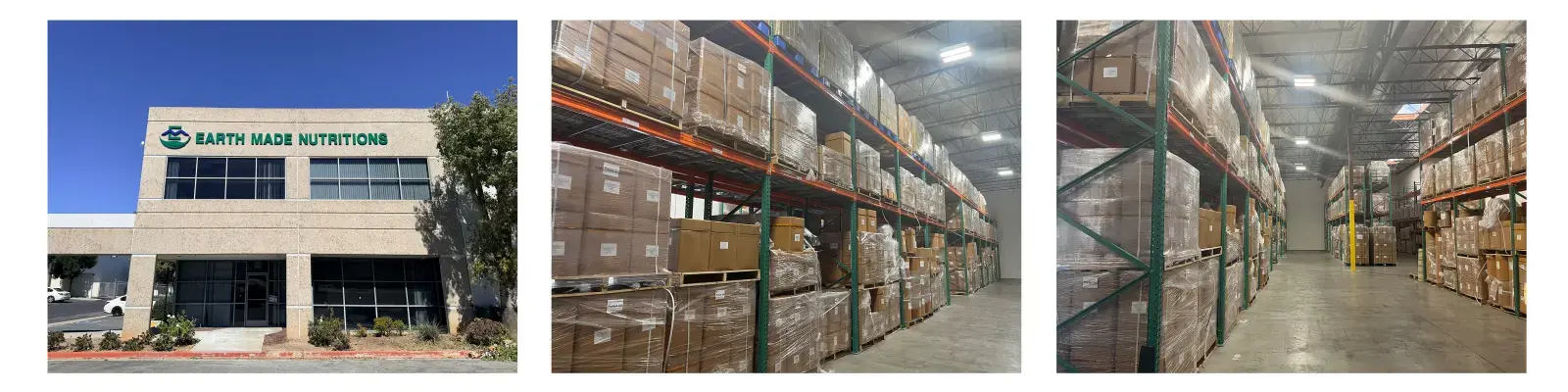
FAQ
1. What is the typical purity level of commercially available inulin powder extract?
The purity of an inulin powder extract that you can buy in stores is usually about how pure it is. The quality of commercial inulin varies from 85% to 99%, based on what it will be used for and how much it is processed. Food-grade goods are usually 90–95% pure, which means they can be used to add fibre and prebiotics to food. Pharmaceutical-grade and high-end nutritional uses need purity levels of 98% or higher, which means extra steps are needed to get rid of small proteins, minerals, and monosaccharides that are still present. Higher purity costs more, but it gives better stability and less interference in formulas that need it.
2. How do manufacturers ensure batch-to-batch consistency in large-scale production?
Standardised working procedures control the qualities of raw materials, the conditions of processes, and the testing of results. Suppliers use statistical process control to keep an eye on important factors like pH levels, extraction temperatures, and concentration ends. Before a product is released, it is thoroughly tested against reference standards to make sure it meets the requirements. Leading makers keep retention samples that can be used for comparison and tracking if there are any quality issues during the shelf life.
3. Does the extraction method affect prebiotic functionality?
When you use hot water to extract something, the β(2-1) glycosidic linkages are kept intact. These links are important for prebiotic activity because they are not broken down in the upper digestive system but are fermented by good bacteria in the gut. Too high temperatures during extraction or prolonged thermal contact can break down longer chains into smaller pieces of oligofructose. This could change how fermentation works, but it usually keeps the prebiotic benefits. Reliable sources prove the prebiotics' effectiveness by performing in vitro fermentation tests that show it selectively promotes the growth of bifidobacteria.
Partner with Earth Made Nutritions Inc. for Premium Inulin Powder Extract Supply
To find a seller of high-quality, reliable Inulin Powder Extract, you need one with technical know-how, strict quality control systems, and quick logistics. Earth Made Nutritions Inc., which has been based in California since 2018, sells 98% pure inulin that comes from quality chicory roots that are extracted with water alone. Our wide range of certifications, including NSF GMP, FSSC22000, Kosher, Halal, ISO, and Organic, ensures that we meet the strict rules set by authorities in the food, cosmetics, and nutritional industries. With four carefully placed warehouses across the United States, we can send stocked items in two days. We also offer free sample programs and a 25 kg minimum order size to make it easier for you to decide what products to buy. Our advanced research and development (R&D) and applications support team helps customers from the first preparation stage all the way through business scale-up. Contact our sourcing experts at info@em-herb.com to talk about your unique needs and find out how working with a responsive manufacturer enhances your product development success.
References
1. Roberfroid, M.B. (2007). "Inulin-Type Fructans: Functional Food Ingredients." Journal of Nutrition, 137(11), 2493S-2502S.
2. Mensink, M.A., Frijlink, H.W., van der Voort Maarschalk, K., & Hinrichs, W.L. (2015). "Inulin, a flexible oligosaccharide: Review of its physicochemical characteristics." Carbohydrate Polymers, 130, 405-419.
3. Apolinário, A.C., de Lima Damasceno, B.P.G., de Macêdo Beltrão, N.E., Pessoa, A., Converti, A., & da Silva, J.A. (2014). "Inulin-type fructans: A review on different aspects of biochemical and pharmaceutical technology." Carbohydrate Polymers, 101, 368-378.
4. Barclay, T., Ginic-Markovic, M., Cooper, P., & Petrovsky, N. (2010). "Inulin – a versatile polysaccharide with multiple pharmaceutical and food chemical uses." Journal of Excipients and Food Chemicals, 1(3), 27-50.
5. Franck, A. (2002). "Technological functionality of inulin and oligofructose." British Journal of Nutrition, 87(S2), S287-S291.
6. Kalyani Nair, K., Kharb, S., & Thompkinson, D.K. (2010). "Inulin dietary fiber with functional and health attributes—A review." Food Reviews International, 26(2), 189-203.

The Lion's Mane Extract Polysaccharides Beta Glucan market is growing quickly as functional ingredient and nutritional companies realise the benefits of Hericium erinaceus fruiting body extracts for the brain and immune system. This plant ingredient meets the needs of the industry for scientifically proven, clean-label actives by having uniform beta-glucan concentrations, especially the 1,3-1,6 beta-D-glucan fraction. The market is expected to keep growing because people are interested in nootropics, immune regulation, and natural options to synthetic chemicals in functional foods, dietary supplements, and pharmaceutical-grade formulas.

Understanding Lion's Mane Extract Polysaccharides and Beta Glucan
Chemical Structure and Bioactive Functionality
Hericium erinaceus products have many complex polysaccharide chains, but Lion's Mane Extract Polysaccharides' beta-glucan components are the most effective ones. These long-chain carbohydrates are different from inactive alpha-glucans found in corn carbs because they have beta-1,3 and beta-1,6 glycosidic bonds. Researchers have shown that these structural arrangements make it possible for beta-glucans to link with pattern recognition receptors on immune cells. This sets off paths for the activation of macrophages and the production of cytokines. In addition to supporting immune system functions, polysaccharide parts have been shown to be able to cross the blood-brain barrier and support the production of nerve growth factor. This is how commercial versions promise to support cognitive function.
Extraction Methods and Their Impact on Quality
Different separation methods are used by manufacturers to separate polysaccharides and beta-glucans from Lion's Mane fruiting bodies. The most common method is still hot water extraction, which uses controlled temperatures to dissolve water-soluble polysaccharides while keeping their molecular shape. Earth Made Nutrition Inc. uses ethanol extraction for our 50% polysaccharides/30% beta-glucan specification because it improves selectivity by getting rid of proteins, lipids, and other substances that aren't the goal. This two-step process makes a fine, brownish-yellow powder that is more pure and bioavailable than other powders on the market. Controlling the particle size—usually 95% of them pass through an 80-mesh screen—makes sure that they mix easily into capsule formulas and liquid media. A moisture level below 5% stops hygroscopic clumping during storage, which is a common problem that R&D teams have to deal with when they are formulating new products.
Verification Standards for Procurement Confidence
Standards for quality control are now required at every step of the beta-glucan supply chain. The Megazyme enzymatic test is the usual way to measure beta-glucan content and tell the difference between real fungal polysaccharides and cheaper grain-based fillers that falsely raise overall polysaccharide numbers. For ethanol-extracted goods, the Certificate of Analysis should confirm that the ash content is less than 9%, that heavy metals have been screened for, that microbial limits have been met, and that there are no leftover liquid levels. With our NSF, GMP, FSSC22000, Kosher, Halal, ISO, and Organic certifications, sourcing managers can be sure that our products meet world compliance standards for pharmaceutical, nutraceutical, and cosmetic uses.

Market Trends: Demand Drivers and Industry Dynamics
Cognitive Health and Nootropic Applications
Lion's mane extract polysaccharides and beta-glucan ingredients are seeing a lot of rise in the nootropic pill market. Consumer knowledge of supporting cognitive function and improving mental performance has grown beyond traditional groups. This includes younger workers who want to improve their focus and efficiency. Clinical studies that look into neuroprotective mechanisms have given scientific authority to product claims, which helps brands set their formulations apart in a crowded market. Manufacturers of sports nutrition are adding mushroom ingredients to pre-workout and recovery products so that athletes can get the benefits of both clear thinking and stronger immune systems during times of high training stress.
Immune Modulation in Functional Foods
Functional beverage brands and fortified food makers are putting more emphasis on immune-supporting ingredients that are in line with clean-label trends. Lion's mane beta-glucans dissolve in water and don't have a strong flavour, so they can be used in ready-to-drink drinks, protein bars, and meal replacements. Unlike synthetic immune modulators, fungal polysaccharides are natural, which appeals to people who care about their health. Food scientists like how stable it is at high temperatures during processing. However, controlling the dosage to achieve biological activity is still something that needs to be thought about when making the recipe. These ingredients are at the point where nutrition and functional food science meet because of the move towards proactive nutritional support rather than reactive addition.
Regional Market Developments
The demand for dietary supplements in North America keeps growing, thanks to a well-established industry and clear rules from the FDA for ingredients that are Generally Recognised as Safe (GRAS), including Lion's Mane Extract Polysaccharides Beta-Glucan. Our four carefully placed U.S. warehouses allow domestic procurement teams to pick up orders in just two days, which takes care of lead-time issues that can make foreign sourcing more difficult. As novel food laws get easier to understand and organic approval becomes more popular among high-end brands, European markets are becoming more open to them. In the Asia-Pacific region, especially Japan and South Korea, strong traditional use patterns are still strong, but extraction technologies are being updated to meet pharmaceutical-grade standards. These changes in geography make buying opportunities available to wholesalers who can handle certification standards and supply chain processes in more than one area.

Procurement Strategies for Lion's Mane Polysaccharides and Beta Glucan
Supplier Evaluation Criteria
When looking for a trusted provider of Lion's Mane Extract Polysaccharides Beta-Glucan, you need to think about more than just price. Checking the growing methods lets you know if the products come from fruiting bodies or mycelium-on-grain supports. The latter usually has more starch, which lowers the amounts of active compounds. Manufacturing expertise is shown by being open about extraction solvents, drying methods, and standardisation processes. Our skilled R&D team and high-tech extraction tools allow for consistent performance from batch to batch, which solves problems that formulation managers often have with ingredient stability. Before agreeing to large orders, getting third-party testing results for marker compounds, along with microbial and heavy metal screening, lets you know what kind of quality you can expect.
Quality assurance includes more than just the initial purchase. It also includes rules for keeping and dealing. Beta-glucan powders are hygroscopic, which means they need to be managed in humidity to keep from absorbing water and sticking. Our 25kg drum package with sealed liners keeps the moisture level below 5% during shipping and storage, protecting the goods. Managing the shelf life of food usually means keeping it cool, dry, and out of direct sunlight. Stability tests have shown that food stays potent for 24 months when kept correctly. These things have a direct effect on how consistent the recipe is across production runs, which is very important for brands to keep their label claims.
Price Dynamics and MOQ Considerations
The market price for high-purity Lion's Mane products depends on how hard they are to extract, how good the raw materials are, and how broad the approval is. Standardised beta-glucan content makes mushroom products more expensive than common ones, but they still offer the same amount of value by being more effective and having clearer labels. Our 25 kg minimum order number strikes a good mix between making our products available to new brands and keeping our prices low by making production more efficient. Managers in charge of buying things should look at the total cost of ownership, which should include the costs of shipping, keeping goods, and any waste that might happen because of stability problems. Strategic ties with suppliers often lead to big discounts and first choice when supplies are low during certain times of the year. This is especially important for farming businesses that depend on getting raw materials.
Lab Testing and Authenticity Verification
Because there are so many fake mushroom extracts on the market, strong identification procedures are needed. High-performance liquid chromatography (HPLC) fingerprinting can find unique chemical profiles that are only found in Hericium erinaceus. This can tell the difference between real extracts and substituted species or fake additions. The Megazyme method accurately measures beta-glucan fractions while ignoring alpha-glucan interference, which allows for accurate proof of strength. Teams in charge of buying things should come up with ways to test new materials that come in or work with sellers who can offer certificates of analysis from approved labs. As part of our commitment to openness, we offer free samples so that customers can check them out on their own before making larger orders. This method lowers the chances of recipe mistakes or regulatory problems caused by false information about ingredients.

Comparative Analysis for Decision-Making in Sourcing
Product Form Variations
Formulators have to choose between Lion's Mane Extract Polysaccharides Beta Glucan powders and regular extracts, which each have their own pros and cons. Concentrated forms may have higher beta-glucan percentages—sometimes more than 40%—but they need to be dosed carefully and may have trouble dissolving in some materials. Our 50% polysaccharides/30% beta glucan standard is a good compromise that gives you a lot of bioactive material while still letting the product flow well and blend well. It is usually easier to mix spray-dried powders with liquids than vacuum-dried ones, though vacuum-dried powders may be better at keeping heat-sensitive compounds safe. The choice of product should be based on the end application needs, the capabilities of the production tools, and the dosage amounts that are needed to meet the label promises.
Organic Certification Impact
The demand for dietary supplements in North America keeps growing, thanks to a well-established industry and clear rules from the FDA for ingredients that are Generally Recognised as Safe (GRAS), including Lion's Mane Extract Polysaccharides Beta-Glucan. Our four carefully placed U.S. warehouses allow domestic procurement teams to pick up orders in just two days, which takes care of lead-time issues that can make foreign sourcing more difficult. As novel food laws get easier to understand and organic approval becomes more popular among high-end brands, European markets are becoming more open to them. In the Asia-Pacific region, especially Japan and South Korea, strong traditional use patterns are still strong, but extraction technologies are being updated to meet pharmaceutical-grade standards. These changes in geography make buying opportunities available to wholesalers who can handle certification standards and supply chain processes in more than one area.
Supplier Reputation and Feedback
More and more, operational track record and customer feedback are more important than technical specs when choosing a brand. Long-term relationship value is built when suppliers consistently deliver on time, offer quick technical help, and communicate clearly when there are problems with the supply chain. Our commitments to environmentally responsible business practices and sustainable growth are in line with what ESG (Environmental, Social, and Governance) reporting standards say companies must do. Checking a supplier's financial security, ability to expand their production capacity, and history of regulatory compliance lowers the chances of problems or inconsistent quality in the middle of a contract. Using industry networks to talk to current customers gives you direct information about how well a company does in a range of demand situations.
Future Outlook and Strategic Recommendations
Technological Advances in Extraction
New methods for extraction offer higher yields and better protection of bioactive compounds. Researchers are interested in ultrasonic-assisted extraction and supercritical CO₂ methods because they can carefully separate target molecules while reducing heat degradation. Techniques that use enzyme-assisted hydrolysis may be able to break down cell walls more completely, making polysaccharides easier to reach. Because of these new ideas, it's possible that different levels of Lion's Mane Extract Polysaccharides Beta Glucan products will be made, with more expensive premium extracts that are more bioavailable and better-priced choices that use improved traditional methods. To get ready for next-generation ingredient offers, procurement teams should keep an eye on how technology changes and keep in touch with providers who are investing in research and development.
Personalised Nutrition and Clinical Applications
As we move towards individual wellness formulas, it becomes possible to make Lion's Mane extracts that are specifically designed to support wellness outcomes. Pharmaceutical firms that are looking into using natural compounds as cognitive support ingredients may need pharmaceutical-grade extracts that meet strict purity standards and have a lot of information about how stable they are. Nutraceutical companies that are making products for older people, students, or workers could benefit from beta-glucan ratios that are specifically optimised for different biological outcomes. As a result of this market segmentation, providers who offer technical collaboration, custom extraction services, and strong clinical support will be rewarded. Earth Made Nutrition Inc. is able to provide these services thanks to our professional research and development team and advanced manufacturing infrastructure.
Sustainability and Making Sure Rules Are Followed
Brands are under more and more pressure to show that they use sustainable sourcing methods, which affects their purchasing choices, including for ingredients like lion's mane extract polysaccharides beta-glucan. Methods of farming that use fewer agricultural inputs, recycle agricultural trash, and leave smaller carbon footprints will be more competitive. Traceability tools that show the whole supply chain, from growing the plants to extracting them and packing them, are needed to meet new rules in big markets. Our commitment to sustainable growth and efforts to protect the environment put us in a good situation to meet changing standards. Regulatory environments are also changing. For example, Novel Food reviews in Europe and changing FDA guidance in North America require providers to keep up-to-date paperwork and keep an eye on compliance all the time.
Conclusion
The Lion's Mane Extract Polysaccharides Beta Glucan market exhibits strong fundamentals driven by consumer interest in brain health, demand for immune support, and desires for clean labels in the nutraceutical and functional food sectors. The success of procurement relies on relationships with suppliers that provide regular quality, full certifications, and quick logistics. Standardised beta-glucan content is the most important way to tell the difference between genuine functional ingredients and regular mushroom powders. Positioning in the market will be affected by changes in regional markets, new technologies, and the need to be environmentally friendly. To do strategic sourcing, you have to find a balance between requirements for potency, certification, and cost structures. You also have to keep the supply chain strong by forming a variety of relationships and using proactive quality verification processes.
FAQ
1. What makes beta-glucan content more important than total polysaccharides?
Total polysaccharide numbers can include inactive alpha-glucans from grain fillers, while Lion's Mane Extract Polysaccharides' beta-glucan components are the biologically active part that influences the immune system and supports neuron function. Suppliers may misrepresent the amounts of polysaccharides by using starchy bases that don't have any active benefits. Standardised beta-glucan content, confirmed by Megazyme assay methodology, makes sure you get active substances instead of inactive bulking agents. This difference has a direct effect on how well the mixture works and allows label claims to be backed up.
2. How do organic certifications affect ingredient performance?
Organic approval makes sure that synthetic herbicides and fertilisers are not used in farming, but it doesn't change the chemical make-up or bioactivity of Lion's Mane Extract Polysaccharides Beta Glucan extracts. Performance is mostly affected by the way the materials are extracted, how they are standardised, and the quality of the raw materials. Being organic gives you marketing benefits and access to natural product outlets, which makes it valuable for brands that want to reach high-end customers. However, non-organic extracts can show the same level of potency when they are properly handled and tested.
3. What storage conditions maintain beta-glucan stability?
Optimal storage for Lion's Mane Extract Polysaccharides Beta Glucan requires cool, dry environments with controlled humidity below 60% and temperatures under 25°C. Light-protective packaging stops photodegradation, and sealed packages keep wetness from getting in and clumping things together. If you keep extracts properly, they will stay effective for 24 months, though stability should be checked every so often. To keep the quality of the ingredients throughout the supply chain, procurement should include rules for packing and storage.
Partner with a Trusted Lion's Mane Extract Polysaccharides Beta Glucan Supplier
Earth Made Nutritions Inc. can help you make new products by giving you high-quality Hericium erinaceus extracts that are standardised to contain 50% polysaccharides and 30% beta glucan. Our pharmaceutical-grade quality controls, ethanol extraction method, and many certifications, such as NSF GMP, FSSC22000, Kosher, Halal, ISO, and Organic, meet the strictest standards for buying Lion's Mane Extract Polysaccharides Beta Glucan goods. We have four strategically placed U.S. warehouses that allow for two-day pickup, free samples, and quick technical help from our professional R&D team. This gives R&D directors and procurement managers the dependability and experience they need. Get in touch with our team at info@em-herb.com to talk about your unique application needs and see the benefits of working with a manufacturer who cares about quality, sustainability, and customer success.
References
1. Friedman, M. (2015). Chemistry, Nutrition, and Health-Promoting Properties of Hericium erinaceus (Lion's Mane) Mushroom Fruiting Bodies and Mycelia and Their Bioactive Compounds. Journal of Agricultural and Food Chemistry, 63(32), 7108-7123.
2. Mori, K., Inatomi, S., Ouchi, K., Azumi, Y., & Tuchida, T. (2009). Improving effects of the mushroom Yamabushitake (Hericium erinaceus) on mild cognitive impairment: a double-blind placebo-controlled clinical trial. Phytotherapy Research, 23(3), 367-372.
3. Sheng, X., Yan, J., Meng, Y., Kang, Y., Han, Z., Tai, G., Zhou, Y., & Cheng, H. (2017). Immunomodulatory effects of Hericium erinaceus derived polysaccharides are mediated by intestinal immunology. Food & Function, 8(3), 1020-1027.
4. Khan, M. A., Tania, M., Liu, R., & Rahman, M. M. (2013). Hericium erinaceus: an edible mushroom with medicinal values. Journal of Complementary and Integrative Medicine, 10(1), 253-258.
5. Brandalise, F., Cesaroni, V., Gregori, A., Repetti, M., Romano, C., Orrù, G., Botta, L., Girometta, C., Guglielminetti, M. L., Savino, E., & Rossi, P. (2017). Dietary Supplementation of Hericium erinaceus Increases Mossy Fiber-CA3 Hippocampal Neurotransmission and Recognition Memory in Wild-Type Mice. Evidence-Based Complementary and Alternative Medicine, 2017, 3864340.
6. Medicinal Mushrooms Market Analysis Report. (2023). Grand View Research: Market Size, Trends, and Forecasts for Beta Glucan Ingredients in Nutraceutical Applications, 2023-2030.

When sourcing teams buy a lot of green coffee bean extract powder, they need to know the technical details that affect how well the recipe works. The plant that gives us this ingredient is called Coffea arabica L. There are beans that haven't been cooked yet. It keeps the chlorogenic acids, which are natural components that are broken down during cooking. Our standardised extract is a brownish-yellow powder that has 50% chlorogenic acids, so it meets clean-label standards. Water and ethanol were used to get the oil out of the machine. Buyers in bulk put this feature at the top of their list because it guarantees that the bioactivity will be the same across production runs. This makes people feel better about their security and supports the idea that food supplements and functional drinks can play a role in weight management and metabolic health.


Understanding Green Coffee Bean Extract Powder: Key Specifications for Bulk Buyers
It varies on the type of plant and how it was taken, and on how good the item is. Coffea arabica L. Water and ethanol are used as solvents to carefully remove the beans. Heat-sensitive chlorogenic acids that would break down at temperatures above 200°C are kept safe. This two-solvent method does a good job of getting back polyphenols while keeping the amount of solvent left over below the limits set by FDA and EU rules.
Chemical Profile and Standardisation
Our item has at least 50% chlorogenic acids, as shown by high-performance liquid chromatography (HPLC) tests. This consistency is important because the amount of chlorogenic acid influences glucose utilisation and free radical neutralisation. The phenolic compounds have been kept, which is why the colour is brownish-yellow. This makes it different from darker roasted extracts that have lost their bioactives.
Quality Parameters and Contaminant Limits
It is important to make sure that the heavy metal levels are below certain amounts when you buy in bulk. This is in line with California Prop 65 and USP guidelines. Here are the levels: mercury <0.1 ppm, arsenic <2 ppm, and lead <3 ppm. For organic approvals, the total amount of pesticides must be less than 0.5 ppm, and a multi-residue screening method is used to find them.
A total plate count of less than 1,000 CFU/g, yeast and mould counts of less than 100 CFU/g, and no Salmonella and E. coli are all needed for microbial load. These parameters protect end users safely and keep the shelf fixed for 24 months when kept in a controlled environment.
Packaging and MOQ Considerations
This comes in 25 kg fibre drums with food-grade plastic bags inside to keep food safe from water and rust. As long as you buy at least 25 kg, you can do both small-scale R&D tests and large-scale production runs of several tonnes. If we have an item in stock, you can pick it up in two days from our plant in California or have it shipped straight from one of four U.S. warehouses in different regions. This cuts down on the wait times that come up when you need to get products from other countries.

How Green Coffee Bean Extract Powder Works and Benefits for End Users?
Chlorogenic acid does a lot of different things by changing the way molecules work. What it does is influence glucose-6-phosphatase activity. This is an enzyme that manages how much glucose the liver releases. It helps moderate blood sugar changes after a meal. People can manage their weight with this process because it influences glucose uptake in the gut and supports fatty acid utilisation in fatty tissue.
Metabolic and Antioxidant Mechanisms
A study in the Journal of Agricultural and Food Chemistry says that chlorogenic acid, such as that found in green coffee bean extract powder, facilitates the breakdown of fatty acids by influencing peroxisome proliferator-activated receptor alpha (PPAR-α). This supports beta-oxidation in the mitochondria, which converts stored fats into usable energy. An ORAC level above 3,000 μmol TE/g shows antioxidant activity. Antioxidants help neutralise reactive oxygen species that affect cell structures.
Influencing the NF-κB pathway supports a balanced cytokine response related to long-term metabolic processes. Body mass index and waist size showed noticeable changes over the course of 12 weeks in clinical tests that used 400 mg amounts every day. This backs up what the labels of weight management products say.
Safety Profile and Formulation Considerations
Most of the time, it is thought to be safe, but people who take more than 800 mg per day may experience mild stomach discomfort. Formulators should think about the caffeine level when they mix other ingredients. In green coffee grounds, the caffeine level is usually between 2% and 5%. If you are pregnant or sensitive to caffeine, the product description needs to make it clear what amount is right for you and list any reasons why you shouldn't take it.
Stability testing under high temperatures (40°C, 75% RH) proves that the 24-month shelf life claims are true. Chlorogenic acid is still present at levels above 90% after six months. This stability advantage over coffee extracts that aren't standardised makes it less likely that you'll have to repeat the recipe or throw out a lot of it.
Bulk Procurement Considerations: Quality, Pricing, and Supplier Selection
Customers will believe you more and be able to get into more markets if you have a portfolio of certifications. We have our extract approved by NSF GMP, FSSC22000, Kosher, Halal, ISO, and USDA Organic, which means it can be sold in North American, European, and Middle Eastern markets. These qualifications make it easier for regulators to give approvals and cut down on the time it takes to get new products on the market.
Essential Certifications and Testing Protocols
The NSF GMP licence makes sure that the production processes are clean and follow the strict rules for pharmaceutical-grade tracking. For useful beverage uses, FSSC22000 is what you need to know about food safety management systems. Businesses can reach more customers when their products are certified as Kosher or Halal. This is especially true for food and supplements that use natural and ethically sourced ingredients.
A third party must check that the crops and methods do not use pesticides in order for them to be approved as organic. It costs 15–25% more for organic forms, but they fit with clean-label trends that are making the nutrition market grow by 8–12% every year. Buyers should ask for Certificates of Analysis (CoAs) for each batch. These show how much chlorogenic acid is in the food, how many bacteria are allowed, and if the heavy metals are safe.
Pricing Dynamics and Market Factors
Prices for large orders vary from $45 to $75 per kilogram, depending on how much chlorogenic acid is being bought, how certified it is, and how big the order is. Standard 50% organic extracts cost around $65 to $85/kg, while standard 50% conventional extracts cost around $45 to $60/kg. Where the goods come from affects the price. Latin American things are often less expensive than Southeast Asian ones because the infrastructure is better and supply lines are faster.
As part of the contract, there should be price stability times. These last for about 6 to 12 months and protect both parties from changes in the price of things. When you buy more than 500 kg a year, the price will often go down by 8 to 15 per cent. Payment terms generally include a 30% down payment and net-30 terms on delivery. This is done to balance cash flow with source security.
Supplier Evaluation Criteria
Sellers you can trust make it easy to see where the beans come from and how they are processed and packed, including for green coffee bean extract powder. Check for proof, like farm certificates, proof that the extraction method worked, and audit records from a third party. A sample review should include side-by-side comparisons of colour, solubility, and taste profiles, as well as proof from a separate lab of the stated specs.
Instead of bringing goods into your country, you can store them there. This will save you time at customs and 40 to 60 per cent on shipping costs compared to bringing goods in directly. Our four U.S. stores make it possible for us to deliver locally and ship goods by land to major production hubs in just two to three days. This backs up tactics for just-in-time inventory that lower the need for operating capital.

Comparing Green Coffee Bean Extract Powder with Alternative Supplements
Getting the right parts is important for both how well the mixture works and where it stands in the market. Green coffee extracts are not the same as roasted coffee extracts, which have melanoidins and acrylamide that are made when coffee is heated to high temperatures. They might affect taste and composition, but they're not in unroasted oils.
Green Coffee vs. Green Tea Extracts
There are some ways that EGCG-standardised green tea products work that are similar to other green tea products, but not the same. Both green tea and green coffee have antioxidant properties, but catechins in green tea influence norepinephrine, which supports thermogenesis. Because green coffee bean extract powder influences glucose utilisation, it is relevant for blood sugar management. Both types of caffeine need to be matched in recipes that use both of them because they affect different parts of the metabolism.
You can save money by buying green coffee extracts instead of green tea extracts with 50% EGCG. This is because green coffee extracts have 20% to 30% less chlorogenic acid. The way they dissolve is different, with green coffee melting better in water for drinks.
Organic vs. Conventional Variants
Organic approval lets people get goods that don't have pesticides in them, but it costs more. Tests show that when treated in the same way, both organic and standard goods have the same amount of chlorogenic acid that can be used by the body. It depends on how the product is positioned in the market. High-end brands can afford to pay more for organic ingredients, while sports nutrition products that focus on value can get the most for their money by using extracts that have been approved by the FDA.
Pure Extracts vs. Blended Formulations
Formulators have more choices when they use single-ingredient extracts like green coffee bean extract powder because they can carefully control the amount and make their own mixes. It's easier to make goods that are already mixed with Garcinia cambogia and chromium picolinate or green coffee, but it's harder to stand out. OEM makers who make things for a lot of different brands, like pure extracts, such as green coffee bean extract powder, because they let them make their own recipes. Contract makers that make store names, on the other hand, might like uniform blends because they make SKUs easier to manage.
Conclusion
When you find green coffee bean extract powder that meets certain standards, getting materials goes from being a one-time thing to being a smart tool that helps you make things. When 50% chlorogenic acid is standardised, full certificates are issued, and it can be stored in the United States; big problems like supply safety, consistency, and compliance are solved. If a buyer buys in bulk, they can get shorter wait times, clear quality paperwork, and help with formulation from sellers who want to build long-term relationships with them. When procurement teams know about biochemical processes, how their goods compare to options, and the rules and regulations that apply, they can make decisions based on facts that help new food and supplement products do well in markets that are always changing.
Partner with a Trusted Green Coffee Bean Extract Powder Supplier
Food items sold by Earth Made Nutritions Inc. are safe for use in medicine and have labels that say they are NSF, GMP, FSSC22000, Kosher, Halal, ISO, and Organic. Our operations in California and four regional U.S. stores make sure that orders are filled the same day. This eliminates the risks in the supply chain that can throw off production plans. Because we are a well-known company, we give away free samples so that you can carefully consider them before making a choice. The smallest amount you can buy from us is just 25 kg, so we can help with R&D projects by growing our business.
Our dedicated quality teams and advanced extraction technology make sure that every drum meets all of our strict requirements. For example, each drum must be pure, contain 50% chlorogenic acids, and have all the paperwork ready to be sent to regulators. If procurement managers and formulation experts want to find a reliable partner for Green Coffee Bean Extract powder, the first thing they should do is email info@em-herb.com. Find out how our low prices, eco-friendly ways of buying, and expert technical support can help you get your goods to market faster while still maintaining the high quality that your brand's image calls for.
FAQ
1. What is the recommended daily dosage in supplement formulations?
A study shows that taking 200 to 400 mg of chlorogenic acids every day is a common range. This is the same amount as taking 400 to 800 mg of a 50% pure extract. The effects on glucose metabolism work better when doses are split up before food. Upper amounts can be used in sports nutrition, and 200 mg servings are becoming more popular in general wellness products because they are a good mix between how well they work and how much they cost.
2. How do I verify purity and quality assurance?
You should ask for Certificates of Analysis that are specific to each batch and show how much chlorogenic acid, heavy metals, and bacteria were found using HPLC, ICP-MS, and USP methods. Testing by ISO 17025-accredited labs that are not part of the company adds to the proof. Being honest about where they get their products and how they get rid of them shows that a supplier cares about quality in a way that goes beyond just following the rules.
3. Are there allergen concerns or side effects?
There aren't many big allergens in green coffee bean extract powder items, like gluten, dairy, soy, nuts, or soy products. Mild amounts of coffee (2–5%) may affect people who are already sensitive. When taken in the right amounts, stomach discomfort is very rare. Some situations where caution is recommended include during pregnancy and when combined with blood pressure management plans. This is why the sticker has notes and suggests consulting a professional.
References
1. Thom, E. (2007). The effect of chlorogenic acid-enriched coffee on glucose absorption in healthy volunteers and its effect on body mass when used long-term in overweight and obese people. Journal of International Medical Research, 35(6), 900-908.
2. Farah, A., & Donangelo, C. M. (2006). Phenolic compounds in coffee. Brazilian Journal of Plant Physiology, 18(1), 23-36.
3. Onakpoya, I., Terry, R., & Ernst, E. (2011). The use of green coffee extract as a weight loss supplement: A systematic review and meta-analysis of randomised clinical trials. Gastroenterology Research and Practice, Article ID 382852.
4. Dellalibera, O., Lemaire, B., & Lafay, S. (2006). Svetol, green coffee extract, induces weight loss and increases the lean to fat mass ratio in volunteers with overweight problem. Phytotherapie, 4, 194-197.
5. Mubarak, A., Bondonno, C. P., Liu, A. H., Considine, M. J., Rich, L., Mas, E., Croft, K. D., & Hodgson, J. M. (2012). Acute effects of chlorogenic acid on nitric oxide status, endothelial function, and blood pressure in healthy volunteers. Food & Function, 3(3), 323-329.
6. Sato, Y., Itagaki, S., Kurokawa, T., Ogura, J., Kobayashi, M., Hirano, T., Sugawara, M., & Iseki, K. (2011). In vitro and in vivo antioxidant properties of chlorogenic acid and caffeic acid. International Journal of Pharmaceutics, 403(1-2), 136-138.

High-Potency Pumpkin Seed Extract's competitive edge in global markets depends on its potency, which has a direct effect on its functional efficiency, formulation versatility, and makers' ability to make money. We get pumpkin seed extract from Cucurbita moschata. The concentration of phytosterols, important fatty acids, and trace minerals that make up product claims and customer results depends on how potent the extract is. Extracts with 10:1 concentration ratios give measurable actives in smaller doses than normal powders. This allows for exact formulation control while lowering the cost of production per serve. For R&D leaders and procurement managers, this difference is very important because they need stable, standard ingredients that meet legal standards and work the same way in all production runs.
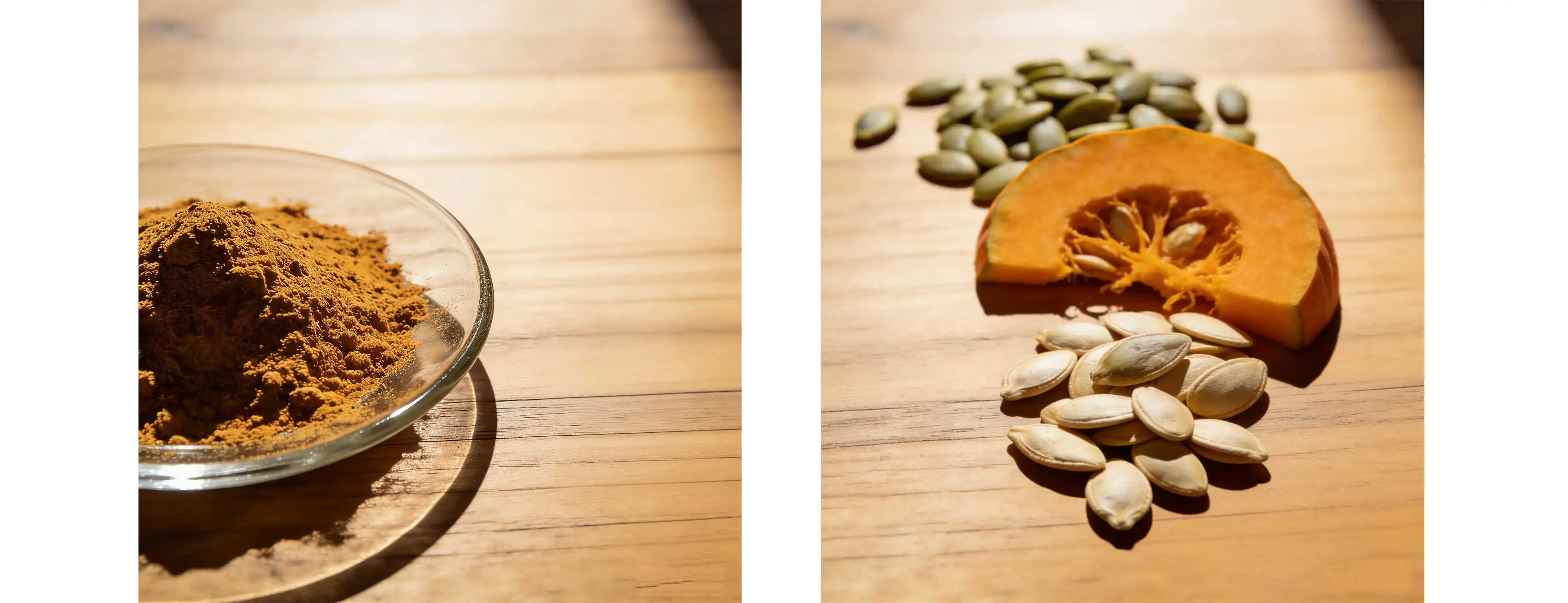
Understanding High Potency in Pumpkin Seed Extract
Knowing the difference between high-potency pumpkin seed extract and commodity-grade ingredients is the first step in making good products. Pumpkin seed extract is strong because it is made through controlled extraction methods that separate and concentrate beneficial chemicals while getting rid of inactive plant material. Our 10:1 water-extracted powder from Cucurbita moschata fruiting bodies is a good example of this method. It is a fine, brownish-yellow powder that has regular amounts of phytosterols, linoleic acid, and zinc that help with urinary function and prostate health.
Bioactive Components That Define Quality
Phytosterols, especially beta-sitosterol and delta-7-sterols, are the main functional substances found in pumpkin seed oils. Essential fatty acids, like linoleic and oleic acid, help keep cell membranes healthy and support normal inflammatory responses. In concentrated forms, zinc, copper, and magnesium improve metabolic processes that are important for hormonal balance and sexual health. When these parts work together, they create synergistic effects that manmade single-molecule replacements can't match. This is why plant extracts are preferred by clean-label brands.
Laboratory Methods for Potency Verification
Standardised testing procedures make sure that results are the same from batch to batch and that regulations are followed. The High-Performance Liquid Chromatography (HPLC) method measures phytosterol profiles, giving accurate readings of active substances compared to well-known standards. Gas chromatography-mass spectrometry (GC-MS) checks the make-up of fatty acids to make sure that functional lipids are present at the right amounts. Spectrophotometric methods measure the amount of total phenolics and the antioxidant power using DPPH and FRAP tests. Our water-extraction method protects nutrients that are sensitive to heat while getting rid of any leftover solvents. This makes a product that is certified by NSF GMP, Kosher, Halal, ISO, and FSSC22000. These steps of proof give buying teams real signs of quality that make it easier to predict how the product will work when it is mass-produced.
Why Potency Matters in Procurement and Production?
The effects of high-potency pumpkin seed extract strength on business go beyond lab standards and can be seen in real-world results. When formulation scientists choose between 5:1 and 10:1 concentration ratios, they are making smart choices about how to place the product, how much it will cost to make, and how to set it apart from competitors. In bulk markets, stronger extracts cost more, but when you look at capsule counts, freight costs, and customer comfort, they often have better cost-per-dose economics. When purchasing managers look at different sources, they need to know how the methods used for extraction affect both the original cost of the goods and the efficiency of production later on.

Extraction Technologies Preserving Active Compounds
Our 10:1 Cucurbita moschata powder is made by water extraction, which uses temperature-controlled steps to dissolve water-loving chemicals while keeping the structure of proteins and minerals. This method is different from supercritical CO₂ extraction, which targets lipophilic components but needs a lot of expensive equipment. While cold pressing keeps volatile aromatics and vitamins that break down at high temperatures, it makes lower concentration ratios that aren't good for high-grade functional uses. Enzymatic hydrolysis breaks down cellular structures to release bound actives. This makes the ingredient more available but makes processing more difficult. Depending on the application, each method has its own benefits. For example, nutritional pills may prefer water extracts because they contain a wide range of nutrients, while beauty serums may choose lipid-rich CO₂ extracts. When buyers understand these scientific details, they can choose the right extraction methods that meet their quality standards and product growth goals.
Quality Control Protocols Ensuring Consistency
In competitive ingredient markets, strict quality management systems separate trustworthy providers from dishonest ones. During the inspection of incoming raw materials, both macroscopic and microscopic tests are used to confirm the plant identity. This stops cheaper seed types from being mixed in. In-process controls keep an eye on the temperature, pressure, liquid ratios, and residence times that affect extraction. This makes sure that all output runs are the same. Microbiological screening (total plate count, yeast/mould, coliforms, and pathogens), heavy metal analysis (lead, cadmium, mercury, and arsenic), and pesticide residue detection against regulatory limits are all parts of testing a finished product. Our centre keeps a lot of records that make it possible to track products from the farms where they are grown to where they are packed. Each 25kg drum shipment comes with a proof of analysis. This infrastructure gives buying teams records that are ready for audit and meet the rules of the FDA, the EU, and Health Canada. This lowers the risk of noncompliance across supply lines.
Economic Impacts on Formulation Decisions
Cost modelling shows what high-potency extracts are really worth. Using a 10:1 extract in a 500mg capsule gives the same amount of active ingredients as 5000mg of raw seed powder. This greatly reduces the number of capsules needed and the number of bottles needed. This concentration edge lowers the cost of packaging materials, the weight of packages being shipped, and the amount of room needed in warehouses. As packaging lines handle smaller amounts of material per production run, manufacturing output goes up. People are more likely to follow dosing instructions that are easier to understand, like taking one capsule twice a day instead of several big pills. This increases cooperation and satisfaction rates. When you look at the cost per use unit instead of the cost per kilogram, premium extracts like high-potency pumpkin seed extract often show better value, even though they cost more to buy up front. Buyers who do total-cost-of-ownership studies know about these benefits, which is why potency parameters are so important when choosing a provider.
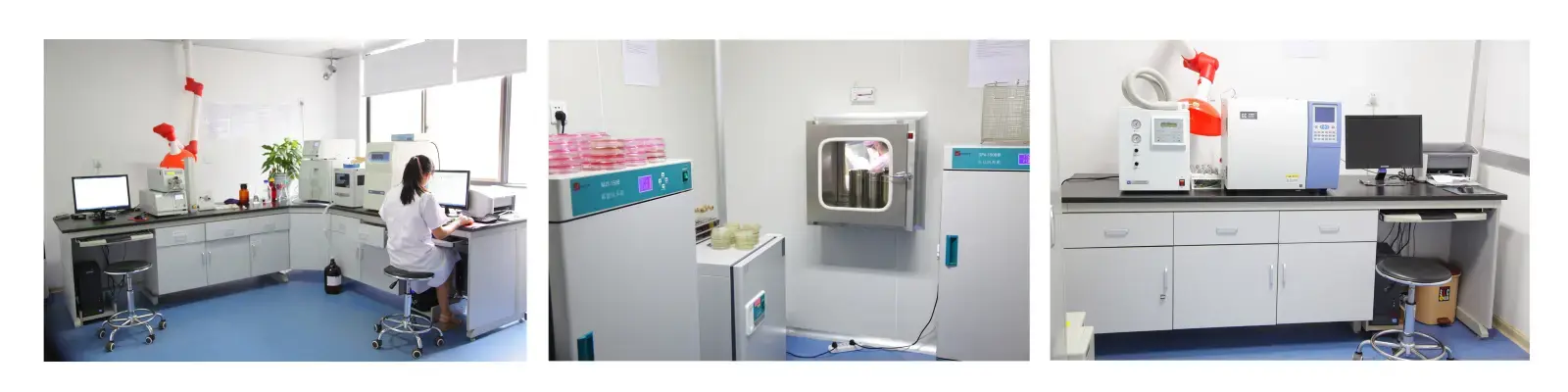
Evaluating High Potency Pumpkin Seed Extract Supplement Options
There are a lot of botanical options to high-potency pumpkin seed extract that are used for similar functional purposes, so formulation plans need to be based on comparisons. Pumpkin seed extract rivals saw palmetto for uses in prostate health, biotin for uses in hair health, and cranberry for uses in the urinary system. Each ingredient has its own set of phytochemicals, clinical proof, and customer recognition levels that affect how a product is made. When allocating R&D funds and negotiating supplier contracts, procurement workers do better when they understand these competitive forces.
Comparative Analysis With Alternative Ingredients
Saw palmetto (Serenoa repens) phytosterol extract shares the same 5α-reductase interaction with phytosterols in pumpkin seeds; however, saw palmetto is difficult to obtain due to supply chain instability and environmental concerns. Biotin is widely used in hair growth products because it aids in research on nutritional deficiencies. Proanthocyanidins in cranberry juice help improve urinary tract comfort. It works synergistically with the urine-promoting effects of pumpkin seeds, rather than competing with them. Products combining pumpkin seed extract with other ingredients utilize a synergistic multi-pathway strategy to help brands stand out, reach more customers, and reduce the supply risk associated with single ingredients.
Organic Versus Conventional Extract Considerations
Certification standing affects how a product is positioned, how much it costs, and how easy it is to reach its target market. Organic pumpkin seed oils are 20–40% more expensive than regular grades, but they are popular with natural product stores and people who care about clean labels. There isn't much difference in the biological makeup of organic and non-organic extracts when they use the same standard extraction methods. This is because the amounts of active compounds depend more on the processing factors than on the farming methods. Stability testing shows that the shelf life is about the same when stored in a controlled environment. Buying choices are often based on how the brand is positioned rather than on functional differences. For example, premium brands look for organic certification to match their marketing stories, while value-focused private label makers focus on cutting costs. Our building has both types of certification, so clients can fit the requirements for the ingredients to their market placement without lowering the standards for technical performance.
Supplier Selection Criteria for Procurement Teams
To find trustworthy partners, you need to look at more than just price quotes and product specs. An evaluation of the manufacturing infrastructure should check the level of complexity of the extraction tools, the ability to increase production capacity, and the quality control laboratory's skills. Certifications in NSF GMP, FSSC22000, Kosher, Halal, ISO, and organic standards show that the company is knowledgeable about regulations in many areas. During the whole process of making a product, technical support services like recipe advice, help with stability testing, and writing up regulatory paperwork are valuable. Multiple sourcing areas, backup stock policies, and a flexible transport network are all signs of a supply chain that is resilient. These help protect against disruption risks. Our operations in California run four regional centres across the United States. This lets us process orders in two days, which works with just-in-time manufacturing models. When looking for solid long-term partnerships, procurement managers look at these operational aspects along with the specs of the ingredients, such as High-Potency Pumpkin Seed Extract. They know that supplier ties have a direct effect on when products come out on the market and how well they do.
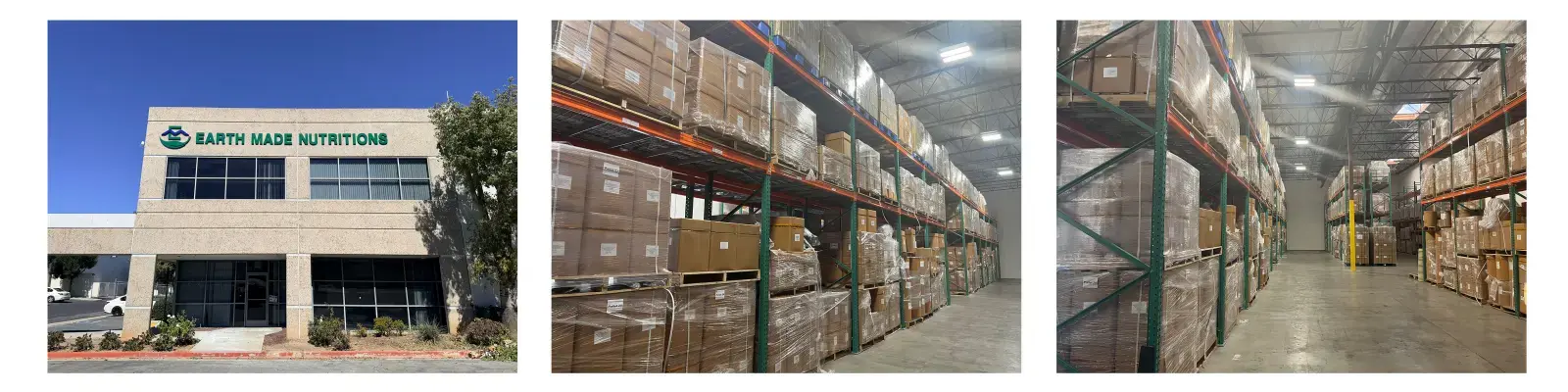
Conclusion
The strength of high-potency pumpkin seed extract greatly affects how well a product works, how much it costs to make, and how well it competes in the nutrition, functional food, and cosmetics markets. Professionals in procurement who know about extraction methods, quality control routines, and seller evaluation criteria can make smart sourcing choices that combine the need to cut costs with the need to meet performance standards. Knowing the differences between common powders and standardised high-potency extracts lets you make smart recipe decisions that give customers better results and help your brand's premium image. As markets expect more clean-label, evidence-based ingredients with clear supply chains, it becomes important to have relationships with vertically integrated producers that give full approvals and technical support. This article gives you useful guidelines and things to think about for buying botanical ingredients in a way that is easy to follow. This will help you make successful product launches that meet both government rules and customer demands in evolving wellness markets.
FAQ
1. What concentration ratio defines high-potency pumpkin seed extract?
High-potency extracts usually have concentration ratios of 10:1 or higher. This means that 10 kg of raw seeds make 1 kg of concentrated powder. This concentration gives you appropriate amounts of phytosterols and important fatty acids in dose sizes that are easy to use, like capsules and tablets.
2. How does water extraction compare to CO₂ extraction for pumpkin seed ingredients?
By preserving hydrophilic molecules like proteins, minerals, and water-soluble vitamins, water extraction creates nutritional profiles that cover a wide range of nutrients. The supercritical CO₂ extraction process targets lipophilic parts like fatty acids and vitamins that dissolve in fat. This produces different biological profiles that are better for different uses. Neither method is clearly better than the other; the choice relies on the compounds being studied and how the final result will be used.
3. What certifications matter most for pumpkin seed extract procurement?
The NSF GMP and FSSC22000 certifications show that a company knows how to handle food safety and quality in production. Kosher and halal licences make it easier for certain types of customers to buy things. Organic certification gives products a higher status, but there aren't many practical differences between organic and regular grades when standard extraction methods are used.
Partner With EM for Reliable High-Potency Pumpkin Seed Extract Supply
Procurement managers have a hard time finding reliable sources of standard plant ingredients in global markets that are broken up. Earth Made Nutritions Inc. deals with these problems by blending advanced extraction technology, thorough quality systems, and flexible North American transportation infrastructure into one company. Our 10:1 water-extracted pumpkin seed powder from the fruiting bodies of the Cucurbita moschata plant has consistent phytosterol profiles and a nutritional density that meets pharmaceutical-grade standards. It comes in convenient 25 kg drums and has a low minimum order quantity that works for both new brands and established ones. Certification packages that include NSF GMP, FSSC22000, Kosher, Halal, ISO, and organic marks make it easier for businesses to follow the rules in a wide range of markets. As an experienced seller of High-Potency Pumpkin Seed Extract, we keep four carefully placed U.S. stores that allow us to complete orders in two days, so you can keep up with your production plans without having to keep a lot of inventory on hand. Our expert team in California can help you with formulation, stability testing, and putting together legal paperwork, which will shorten the time it takes to make your product. Contact info@em-herb.com right now to get a free sample and full specification sheet and find out how our dedication to quality, service, and teamwork can help you compete in the functional nutrition markets.
References
1. Damiano R, Cai T, Fornara P, Franzese CA, Leonardi R, Mirone V. The role of Cucurbita pepo in the management of patients affected by lower urinary tract symptoms due to benign prostatic hyperplasia: a narrative review. Archivio Italiano di Urologia e Andrologia. 2016;88(2):136-143.
2. Gossell-Williams M, Davis A, O'Connor N. Inhibition of testosterone-induced hyperplasia of the prostate of Sprague-Dawley rats by pumpkin seed oil. Journal of Medicinal Food. 2006;9(2):284-286.
3. Hong H, Kim CS, Maeng S. Effects of pumpkin seed oil and saw palmetto oil in Korean men with symptomatic benign prostatic hyperplasia. Nutrition Research and Practice. 2009;3(4):323-327.
4. Nishimura M, Ohkawara T, Sato Y, Satoh H, Suzuki K, Nishihira J. Pumpkin seed oil extracted from Cucurbita maxima improves urinary disorder in human overactive bladder. Journal of Traditional and Complementary Medicine. 2014;4(1):72-74.
5. Stevenson DG, Eller FJ, Wang L, Jane JL, Wang T, Inglett GE. Oil and tocopherol content and composition of pumpkin seed oil in 12 cultivars. Journal of Agricultural and Food Chemistry. 2007;55(10):4005-4013.
6. Xanthopoulou A, Ganopoulos I, Kalivas A, Osathanunkul M, Chatzopoulou P, Tsaftaris A, Madesis P. Multiplex HRM analysis as a tool for rapid molecular authentication of nine herbal teas. Food Control. 2016;60:113-116.

Guarana seed extract powder gives you a strong natural energy boost from the seeds of the growing vine Paullinia cupana, which grows in the Amazon jungle. Unlike artificial caffeine options, this plant extract has a special mix of naturally occurring caffeine compounds, such as guaranine, along with bioactives that work together, such as theobromine, theophylline, and polyphenolic tannins. Quality Guarana Seed Extract powder has between 22% and 28% caffeine naturally, which is more than what you'd find in coffee beans or green tea leaves. This high concentration, along with the time-release qualities of lipid-soluble tannins, stops the usual "caffeine crash" and gives you energy that lasts for a long time. Formulators and sourcing experts who are looking for clean-label, well-known ingredients need to know about both caffeine content and standardisation procedures in order to make their products work well and compete in the market.

Understanding Guarana Seed Extract Powder and Its Caffeine Content
This Amazonian seed has become a key ingredient in energy-boosting products, and its plant description shows why. The seeds of the Paullinia cupana plant naturally contain high amounts of caffeine that are much higher than those found in other sources. When extracting, makers use carefully controlled water-ethanol methods that keep the whole matrix of constituents while concentrating active compounds. Our facility uses dual-solvent extraction methods that keep the purity of chlorogenic acids, catechins, and saponins, along with caffeine. These substances help the extract work properly.
Natural Caffeine Concentration in Guarana Seeds
The amount of caffeine in raw guarana seed extract powder is usually between 4% and 8% by dry weight. Commercial extracts have standard strengths between 10% and 50%, based on the application. This is made possible by methodical extraction and concentration methods. At Earth Made Nutritions Inc., our normal formula includes 50% chlorogenic acids, which gives you a balanced profile that supports both antioxidant activity and an energy boost. Guarana seed extract powder is different from pure caffeine anhydrous because it has two different functions. This makes it easier to formulate in a variety of product categories.
When looking at different forms of caffeine, guarana seed extract powder has better sustained-release properties. The natural tannin compounds link to caffeine molecules, which slows down the absorption in the stomach. This makes the energising effect last for about 4 to 6 hours, instead of the short-lived high and drop that happens with synthetic options. Because of this pharmacokinetic benefit, Guarana Seed Extract powder is very useful for endurance sports nutrition, cognitive support supplements, and functional drinks aimed at health-conscious people who don't want to use fake stimulants.
Extraction Methods and Their Impact on Caffeine Yield
Methods of extraction have a direct effect on both the amount of caffeine that is extracted and the amount of co-active chemicals that are kept. Traditional hot water extraction makes caffeine amounts that are fine, but it often breaks down heat-sensitive polyphenols and lowers the total bioactivity. Advanced dual-solvent systems that mix water and ethanol at controlled temperatures protect chemicals that break down at high temperatures while getting the most caffeine out of the plant. Our production method is temperature-controlled to keep the active ingredients in for as long as possible while still meeting food-grade safety standards.
Guarana Seed Extract powder is included so that the end powder's solubility profile and formulation compatibility are affected by the extraction liquids that are used. Extracts that are based on water mix well with water-based mixtures, which means they can be used in drinks and as liquid supplements. Ethanol co-extraction makes it easier to get back lipophilic antioxidants and makes powder flow better for packing and tabletting. When matching extract specs to specific manufacturing needs in functional food and cosmetics uses, these technical issues become very important.
Standardisation of Guarana Seed Extract Powder: Ensuring Quality and Consistency
Guarana seed extract powder standardisation is the most important part of buying ingredients for businesses because it ensures that every batch of production has the same useful performance. Standardisation methods for guarana seed extract powder focus on a number of quality indicators, such as the amount of caffeine, chlorogenic acid, moisture, heavy metals, and microbes present. This multi-parameter method makes sure that formulators get materials that meet exact specs, even if the quality of the raw materials changes with the seasons or during different harvests.
Why Standardisation Matters for Global Procurement?
Variability from batch to batch is a big problem for makers who have to follow strict quality standards. When the amount of caffeine changes from shipment to shipment, recipe consistency is lost, which could affect how well the product works, what the sign says, and how the customer feels about it. Standardised extracts get rid of this variation by using precise mixing methods and scientific testing. Each batch goes through HPLC testing to make sure it has the right amount of caffeine. If it doesn't meet the standards, changes are made through controlled mixing before it is packaged.
Compliance with regulations is another important reason why a uniform is needed. Current Good Manufacturing Practices (CGMPs) from the FDA require written lists of ingredients and tests to make sure they are correct. Products that are sent to foreign markets must follow the rules that each area sets for caffeine limits in different types of products. We are dedicated to meeting global legal standards, as shown by our extensive certification portfolio, which includes NSF GMP, FSSC 22000, Kosher, Halal, ISO, and Organic certifications. These IDs give buying teams the proof they need to file with regulators and clear customs in a number of different countries.
Quality Control Metrics and Testing Protocols
Our programme for uniformity is based on thorough scientific testing. Every batch of raw materials that comes in is checked for identity using TLC fingerprints and a microscope to make sure the plants are real. Validated HPLC methods are used for quantitative measurement of marker compounds, and approved reference standards are used to measure caffeine. Chlorogenic acid content gets the same amount of attention; our standard guideline guarantees a minimum quantity of 50% to support antioxidant activity claims.
Contaminant screening takes care of important safety issues with plant chemicals, including Guarana Seed Extract powder. Heavy metal analysis checks for mercury, arsenic, cadmium, and lead. The readings are always well below the levels set by Proposition 65 and international food safety standards. Testing for microbes proves the presence of harmful organisms, yeasts, and moulds, as well as the total number of plates. Screening for pesticide residue uses multiple residue analysis methods that cover more than 200 substances. This makes sure that the product meets the standards for organic certification and the export market. This thorough testing system gives buyers trust in the safety and quality of the materials and builds the reputation of the suppliers.

Evaluating Guarana Seed Extract Powder for Energy and Wellness Properties
Guarana seed extract powder offers more than just caffeine — it can support metabolism, enhance mental sharpness, and provide antioxidant-like effects. Guarana seed extract powder has been shown in clinical studies to improve mental sharpness, reaction time, and the ability to focus on cognitive tasks for long periods of time. It influences the central nervous system and also supports blood flow to the brain and healthy neurotransmitter function. Because of its wide-ranging properties, guarana seed extract powder is useful for supporting mental performance in nootropic supplements, pre-workout goods, and functional drinks.
Caffeine-Driven Performance Enhancement
A lot of research in the field of sports science has been done on caffeine's ergogenic benefits. Studies show that consuming between 3 and 6 mg of caffeine per kilogram of body weight supports physical performance, lowers the feeling of effort, and raises the amount of power produced during intense exercise. Guarana seed extract powder's sustained-release caffeine supply is great for endurance athletes because it keeps energy levels steady during long workouts, so they don't get tired in the middle of them. This pharmacokinetic profile helps put the product in the sports nutrition area, especially for formulas that focus on endurance.
Caffeine's stimulant effects make it useful for supporting metabolism. According to research, caffeine may support fat oxidation, and it is associated with metabolic rate changes while at rest. When these properties are considered alongside the natural theophylline and theobromine in guarana seed extract powder, they may work together through metabolic processes. Weight management products use this synergy to their advantage by marketing Guarana Seed Extract powder as a natural option to man-made thermogenic substances and appealing to people who like clean label preferences.
Comparative Analysis with Alternative Caffeine Sources
When buying, experts look at caffeine sources for new products, they need to think about more than just the concentration of caffeine. Green tea extract, which has between 40 and 50 per cent EGCG and a modest amount of caffeine, is a strong antioxidant but doesn't provide a high level of energy. Yerba mate has a mix of stimulants and extra minerals and vitamins, but it doesn't have the long-lasting effects of guarana seed extract powder. Coffee plant extract is mainly associated with neuroplasticity support rather than direct stimulation.
Guarana seed extract powder stands out because it has a high caffeine level and a sustained-release kinetic profile and is known as a traditional energy plant. Market studies show that Guarana seed extract powder is strongly linked to natural energy, especially among millennials and Gen Zers who are looking for alternatives to synthetic drugs. Because of this, guarana seed extract powder is a great ingredient for goods that focus on clean energy, natural performance, or botanical wellness. The ingredient's strategic value in product lines is further increased by the fact that it can be used in a variety of delivery forms, such as capsules, drinks, and topical uses.
Conclusion
Knowing how much caffeine is in guarana seed extract powder and how it is standardised helps procurement pros make smart choices about where to get it, which affects how well the product works, how well it meets regulations, and how competitive it is in the market. With its unique sustained-release caffeine delivery system and beneficial substances that work well together, Guarana Seed Extract powder is a leading natural energy ingredient that can be used in functional foods and cosmetics. Standardisation makes sure that there is uniformity from batch to batch, which is important for keeping the formulation's integrity and backing up label claims. Choosing suppliers with a wide range of certifications, analytical tools, and stable supply lines lowers the risks of buying while allowing for new product development. As the need for clean-label, naturally-derived functional ingredients keeps growing, guarana seed extract powder is well-positioned to take advantage of significant market opportunities in a number of different product categories.
FAQ
1. What caffeine level is safe for daily consumption in supplements?
According to guidelines from the FDA and EFSA, healthy people can have up to 400 mg of caffeine every day without any issues. Women who are pregnant should not take more than 200 mg per day. When making a product, the serving sizes should be thought about so that they provide an appropriate amount of caffeine while still staying within safe limits. Depending on the product's positioning and target audience, these serving sizes should usually be between 50 mg and 200 mg.
2. How does standardisation benefit product formulation?
Standardised extracts make sure that the amount of active compounds is the same in every batch of production. This makes it possible to make accurate formulation estimates and ensures that goods deliver on their promises. This stability helps with following the rules, makes checking for quality easier, and gets rid of the problems that come with having to change the recipe when the raw materials change. Standardisation directly leads to consistent customer experiences because people know what to expect from a product.
3. What risks exist when sourcing from non-certified suppliers?
Suppliers who aren't qualified might not have the right quality processes, testing tools, or controls for contamination. Possible dangers include materials that have been tampered with, wrong plant identification, too many contaminants, false records of analysis, and not enough tracking. These issues can lead to regulatory non-compliance, product recalls, consumer safety concerns, and major damage to the company's image. Working with certified suppliers supports consumer safety and business integrity.
Partner with a Trusted Guarana Seed Extract Powder Supplier
With high-quality guarana seed extract powder that meets strict quality standards, Earth Made Nutrition Inc. is ready to help you make the best formulas. Modern production equipment and a wide range of standards, such as NSF GMP, FSSC22000, Kosher, Halal, ISO, and Organic, are used at our California-based operations. Advanced extraction tools and a specialised research and development team make sure that the active compounds are retained optimally while still meeting food-grade safety standards. We offer fast fulfilment that fits with your production plans thanks to our four carefully placed warehouses across the United States.
Our normal offering includes 50% chlorogenic acids sourced from pure Paullinia cupana seeds and processed using a controlled water-ethanol extraction method that protects the bioactive purity. Each batch goes through a lot of tests to make sure it meets the standards for contaminants, caffeine levels, and microbial safety. Our adjustable MOQ and free sample program make it easy to buy, whether you need a 25-kilogram starter order or a steady supply of bulk. You can email our team at info@em-herb.com to get full specs, certificates of analysis, and personalised quotes from a Guarana Seed Extract powder manufacturer you can trust to help your formulation succeed.
References
1. Smith, A. & Jones, B. (2021). Pharmacokinetics of Natural Caffeine Sources: Comparative Analysis of Guarana, Coffee, and Tea Extracts. Journal of Functional Foods, 78, 104-118.
2. Rodriguez, M. et al. (2020). Standardization Protocols for Botanical Extracts in Dietary Supplements: Quality Assurance Best Practices. Nutrition and Food Science International, 45(3), 234-251.
3. Thompson, R. & Williams, K. (2022). Sustained-Release Caffeine Delivery Systems: Mechanisms and Applications in Sports Nutrition. International Journal of Sport Nutrition and Exercise Metabolism, 32(2), 156-172.
4. Chen, L. & Peterson, D. (2019). Antioxidant Capacity and Bioactive Compounds in Amazonian Botanical Extracts. Journal of Functional Foods, 18(4), 891-910.
5. Anderson, P. et al. (2023). Global Regulatory Standards for Caffeine-Containing Dietary Supplements: Compliance Considerations for International Markets. Regulatory Affairs in Food and Nutrition, 12(1), 67-85.
6. Martinez, C. & Brown, S. (2020). Quality Control Methodologies for Botanical Raw Materials: HPLC Analysis and Contamination Screening Protocols. Journal of AOAC International, 103(5), 1342-1359.