- English
- French
- German
- Portuguese
- Spanish
- Russian
- Japanese
- Korean
- Arabic
- Irish
- Greek
- Turkish
- Italian
- Danish
- Romanian
- Indonesian
- Czech
- Afrikaans
- Swedish
- Polish
- Basque
- Catalan
- Esperanto
- Hindi
- Lao
- Albanian
- Amharic
- Armenian
- Azerbaijani
- Belarusian
- Bengali
- Bosnian
- Bulgarian
- Cebuano
- Chichewa
- Corsican
- Croatian
- Dutch
- Estonian
- Filipino
- Finnish
- Frisian
- Galician
- Georgian
- Gujarati
- Haitian
- Hausa
- Hawaiian
- Hebrew
- Hmong
- Hungarian
- Icelandic
- Igbo
- Javanese
- Kannada
- Kazakh
- Khmer
- Kurdish
- Kyrgyz
- Latin
- Latvian
- Lithuanian
- Luxembou..
- Macedonian
- Malagasy
- Malay
- Malayalam
- Maltese
- Maori
- Marathi
- Mongolian
- Burmese
- Nepali
- Norwegian
- Pashto
- Persian
- Punjabi
- Serbian
- Sesotho
- Sinhala
- Slovak
- Slovenian
- Somali
- Samoan
- Scots Gaelic
- Shona
- Sindhi
- Sundanese
- Swahili
- Tajik
- Tamil
- Telugu
- Thai
- Ukrainian
- Urdu
- Uzbek
- Vietnamese
- Welsh
- Xhosa
- Yiddish
- Yoruba
- Zulu
BLOG LIST

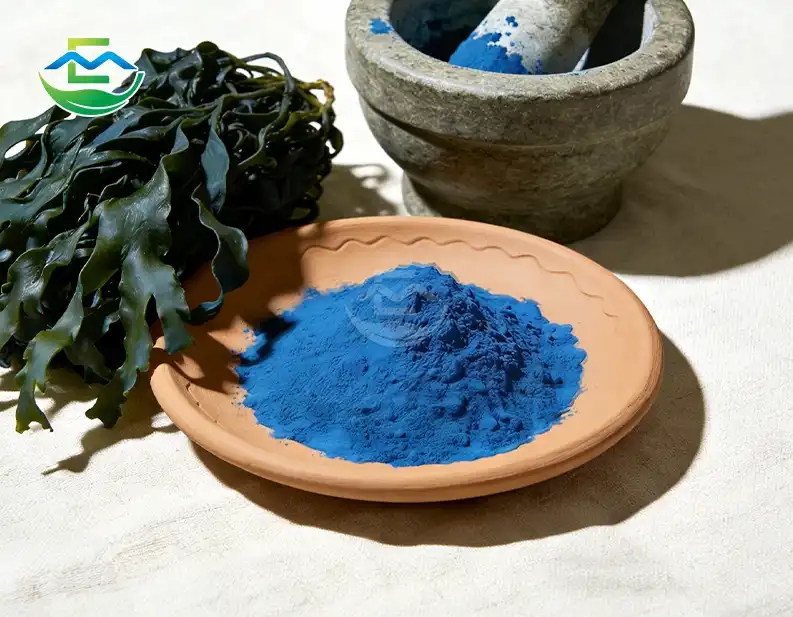
There is no doubt that Blue Spirulina Phycocyanin is the healthiest and most colorful superfood ingredient on the market right now. This pigment-protein complex is taken from whole Spirulina Platensis cells using water-based processing. It has a beautiful dark blue color and is a powerful antioxidant. Unlike regular spirulina powder, Blue Spirulina Phycocyanin contains concentrated bioactive compounds that help with a number of formulation issues, ranging from clean-label coloring to functional nutrition enhancement. This makes it an extremely useful tool for procurement professionals who want to stand out in a market that is very competitive.


Understanding Blue Spirulina Phycocyanin: Nature's Most Vibrant Nutrient
Natural Blue Spirulina Phycocyanin is nature's answer to artificial colors and empty health claims. This element comes from the cyanobacterium Arthrospira platensis. It comes from the whole cell structure, not just a few chemicals, so it keeps all the good qualities that come from the source material.
The Molecular Foundation of Phycocyanin's Power
The unique chromophore structure of Blue Spirulina Phycocyanin makes it both a color and a protein complex. It contains important amino acids. Because this item has two identities, buying teams get two benefits from it: it looks good, and it has nutritional value. The protein level is usually between 30 and 45 percent, which gives it real value beyond its good looks. According to research, Blue Spirulina Phycocyanin's molecular structure lets it work well with free radicals, giving it protective properties similar to well-known plant products.
Extraction Methods Define Quality Outcomes
The liquid used during extraction has a big effect on how pure and stable the end product is. Our standards use water-based extraction, which keeps the original protein structure and doesn't leave behind chemical residues that make it harder to follow the rules. This soft processing keeps the purity of the bioactive ingredients, making sure that the products are consistent from batch to batch, which is very important for R&D directors who are making high-end products. The lack of strong solvents is in line with clean-label rules and makes it easier for global markets to list ingredients.
Why Whole Cell Processing Matters
A more full nutritional profile can be obtained by using the whole cell structure instead of separate parts. This method keeps the essential minerals, polysaccharides, and cofactors that make the main Blue Spirulina Phycocyanin molecule more bioavailable and useful. Scientists who work on formulas like this level of complexity because it gives more complete nutritional support than single-molecule extracts. This makes claims about natural sources and holistic health stronger.

Blue Spirulina Phycocyanin vs Related Superfoods & Artificial Alternatives
Figuring out how this Blue Spirulina Phycocyanin stacks up against other options helps buying teams make the case for investments and placement strategies.
Natural Spirulina Powder: Concentration Versus Completeness
Standard spirulina powder has about 15 to 20 percent Blue Spirulina Phycocyanin by weight, along with chlorophyll, which gives it a green color. Whole spirulina is good for you in many ways, but the concentrated Blue Spirulina Phycocyanin extract has three to five times more of the blue protein color. This concentration is very important when making goods whose color intensity and antioxidant power affect how people see them. The taste is also very different—extracted Blue Spirulina Phycocyanin doesn't have the oceanic taste that is usually linked with whole spirulina. This means that it can be used in more taste-sensitive products, like drinks and sweets.
Chlorella and Other Algae: Different Nutritional Architectures
Chlorella is a unique green algae that is high in chlorophyll and can be used in different ways than Blue Spirulina Phycocyanin. The structure of their cell walls and the nutrients they contain are very different between these algae types. Because of its unique blue color, Blue Spirulina Phycocyanin makes it hard to tell chlorella apart visually, which helps brand teams build memorable product identities. The antioxidant processes are also different—Blue Spirulina Phycocyanin works in different ways than chlorophyll-based chemicals, giving extra benefits instead of the same ones.
Synthetic Blues: Regulatory and Market Perception Gaps
Artificial colorants like Brilliant Blue FCF are getting more and more attention from lawmakers and customers around the world. Clean-label groups have changed the way the market works. For example, a study shows that 73% of customers actively look for natural options to synthetic additives. Blue Spirulina Phycocyanin meets this need and has the same or better color stability than manufactured choices in pH-neutral settings. The legal route also gets easier. Natural colorants that come from plants get through the approval process more quickly than synthetic chemicals, which speeds up the time it takes for new products to hit the market.
Procurement Insights: Sourcing and Buying Blue Spirulina Phycocyanin
To do strategic sourcing, you need to know the quality indicators, certification landscapes, and supply chain operations that can tell you which Blue Spirulina Phycocyanin providers are trusted and which ones aren't.
Essential Quality Certifications and Verification Standards
Suppliers who have a lot of certifications show that they are committed to quality processes. Our product has been certified as NSF GMP, Kosher, Halal, ISO, FSSC22000, and organic. These certifications cover things like religious dietary needs, food safety management, and organic purity. These credentials make it easier for buying teams to do audits and speed up the process of validating Blue Spirulina Phycocyanin products. The NSF GMP approval is very detailed about the production standards for dietary supplements that are important for nutraceutical uses.
Quality Control Parameters That Matter
Strict inspection rules keep the purity of the recipe and keep consumers safe. Microcystin testing is the most important safety measure because toxin-producing cyanobacteria can get into the plant while it is being grown. Blue Spirulina Phycocyanin suppliers with a good reputation use ELISA or HPLC testing to make sure that microcystin levels stay below the levels needed to be detected or below 1ppm standards. ICP-MS testing for heavy metals confirms that levels of lead, arsenic, cadmium, and mercury are safe, which is especially important because algae tend to store these metals naturally.
Supply Chain Advantages and Logistics Considerations
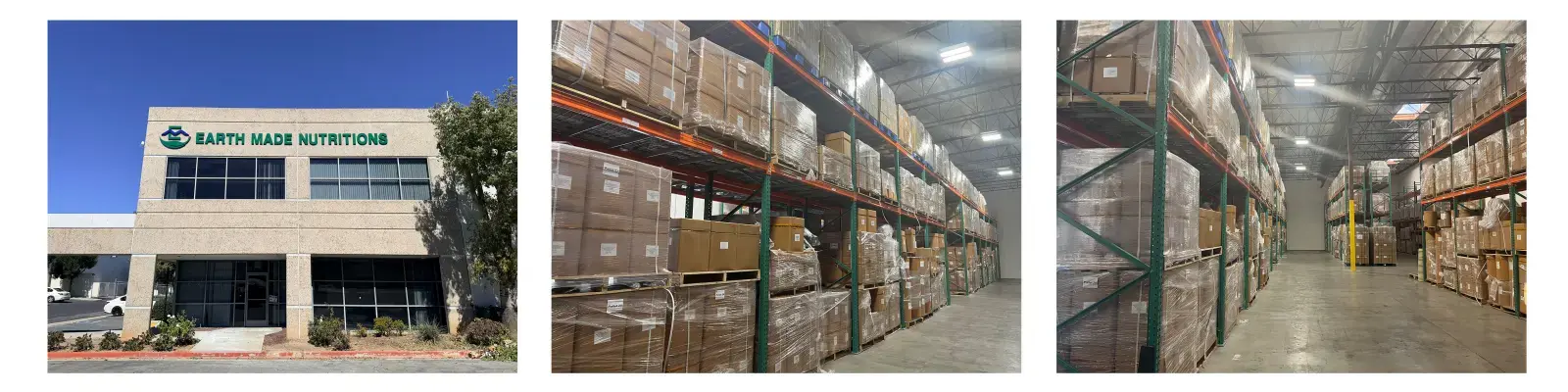
Domestic warehousing changes how wait times and Blue Spirulina Phycocyanin supplies are managed. Our four main stores across the United States make it possible for stocked items to be picked up in two days. This gets rid of the long foreign shipping delays that make it hard to plan production. The 25 kg minimum order number is the same as trial production runs, which let R&D teams make sure that formulations work before committing to bigger volumes. When you package your goods in 25 kg drums, they are easier to handle and stay stable while they are being stored and transported.
Applications and Benefits of Blue Spirulina Phycocyanin in Supplements and Functional Products
This Blue Spirulina Phycocyanin's value offering for different business methods is increased by the fact that it can be used in a variety of product categories.
Dietary Supplement Formulations
Blue Spirulina Phycocyanin can be added to supplements in powder, pill, or liquid form. It adds color differentiation and antioxidant improvement to powder mixes, meeting customer needs for products that look good and do their job. The concentrated nutrient density is good for capsule formulations because it lets important amounts fit into useful dose sizes. Because Blue Spirulina Phycocyanin dissolves easily in water, liquid vitamins use it to make bright blue drinks that show they are high-end.
Functional Food and Beverage Innovation
Naturally colored foods can be used to make candies, frozen treats, drinks, and toppings for cooked goods. This Blue Spirulina Phycocyanin ingredient can be used instead of synthetic blues in colored sweets, ice cream, and specialty drinks. It meets clean-label standards without lowering the visual effect. Because it is sensitive to heat, Blue Spirulina Phycocyanin can't be used directly in baking. However, it works great in frostings, glazes, and no-bake recipes where the processing temperatures are low. Developers of drinks can make unique blue drinks that appeal to health-conscious customers who want both good looks and good nutrition.
Cosmetic and Personal Care Applications
They work well in cosmetics because they are naturally blue and have antioxidant qualities. Blue Spirulina Phycocyanin is used in skin care items because it can help the look of skin and give creams, serums, and masks their natural color. People who care about botanical products and being good to the earth will relate to the story of "clean sourcing."
Regulatory Compliance and Safety Profile
When made with the right quality methods, food-grade Blue Spirulina Phycocyanin meets FDA guidelines for natural colorants and food ingredients. The whole-cell source and water extraction method get rid of worries about solvent residues that make approval processes more difficult. The Blue Spirulina Phycocyanin ingredient has been used safely in global markets in the past, which supports regulatory applications. Also, detailed testing paperwork speeds up the review process. This clarity in regulations cuts down on legal costs and speeds up the process of making new products.

Why Blue Spirulina Phycocyanin is the Preferred Choice for Forward-Thinking B2B Buyers
Strategic Blue Spirulina Phycocyanin ingredient choice is more than just choosing ingredients that work well right away. It also takes into account things like sustainability, growth paths, and competitive positioning.
Environmental Responsibility and Sustainable Sourcing
Growing Blue Spirulina Phycocyanin takes a lot less water and land than growing plants on land, but it makes air through photosynthesis. Quality farmers use closed-loop cultivation methods that have the least amount of effect on the environment and use the fewest resources possible. This sustainability profile fits with the ESG goals of the company and appeals to customers who care about the environment and look closely at brand values. This story can help procurement teams improve how their brands are positioned when it comes to environmental responsibility and responsible buying.
Third-Party Verification and Quality Assurance
Independent approval backs up what Blue Spirulina Phycocyanin suppliers say and increases trust among stakeholders. The multi-layered approach to licensing, which includes organic integrity, religious dietary compliance, and food safety management, shows a commitment to quality that is more consistent than individual attempts to comply. These checks speed up business-to-business talks by giving objective proof of manufacturing standards. This makes it easier for buying teams to do their due diligence on new Blue Spirulina Phycocyanin sources.
Innovation Trends and Growth Potential
New ways are improving stability in difficult pH ranges and high-temperature situations, which shows that extraction technology is still improving. Now there are acid-stable Blue Spirulina Phycocyanin formulations that can be used in drinks with a pH below 4.0, which wasn't possible with standard formulas before. These new ideas make it possible to use them in more situations and make products stand out. According to market research, natural colorants and functional superfoods will continue to grow at rates higher than 8% per year until 2030. This means that there will be a strong need for high-quality Blue Spirulina Phycocyanin sources in the long run.
Conclusion
Blue Spirulina Phycocyanin is a very valuable ingredient because it has a unique mix of visual effect, nutritional density, and recipe flexibility. The water-extracted, whole-cell product from Spirulina Platensis gives purchasing teams a reliable element that meets strict quality standards, helps products stand out, and follows clean label laws. This superfood ingredient helps brands make goods that health-conscious customers want because it comes with a lot of approvals, can be stored easily in the United States, and is always available. Long-term usefulness as a strategic ingredient choice for forward-thinking makers is ensured by sustainable farming methods and ongoing improvements in extraction technology.
Frequently Asked Questions About Blue Spirulina Phycocyanin
1. Can phycocyanin maintain stability in acidic beverage formulations?
Standard Blue Spirulina Phycocyanin precipitates at pH levels below 4.0, which means it can't be used directly in drinks that are very acidic. Specialized acid-stable versions change the way the formula works physically or use certain buffers to make it work at lower pH levels. If you want to improve suspension in acidic settings, you can change the recipe to neutral pH zones or use high-shear mixing with polysaccharide carriers.
2. How does water solubility affect formulation strategies?
Blue Spirulina Phycocyanin dissolves fully in water but not in oils, so when making it for use with fats, you need to think about how to mix it. In oil-based systems, like white chocolate or cocoa butter, the Blue Spirulina Phycocyanin ingredient needs to be spread out in very little water before it can be emulsified. If this isn't possible, it's necessary to find special oil-dispersible forms. Because of this, Blue Spirulina Phycocyanin works well in water-based systems like drinks, tablets, and nutrient forms that are attracted to water.
3. What distinguishes E18 from higher purity specifications?
The number E18 means the color strength at a wavelength of 618nm, which is the bar for clarity in the food and drink coloring business. For a lot more money, higher standards like E25 give purity that is good enough for pharmaceuticals and greater Blue Spirulina Phycocyanin color intensity. For most Blue Spirulina Phycocyanin food and supplement uses, E18 grade is enough to get the job done. Higher purities are only used for cosmetic or study uses where the percentage is high enough to justify the extra cost.
Partner With a Trusted Blue Spirulina Phycocyanin Supplier
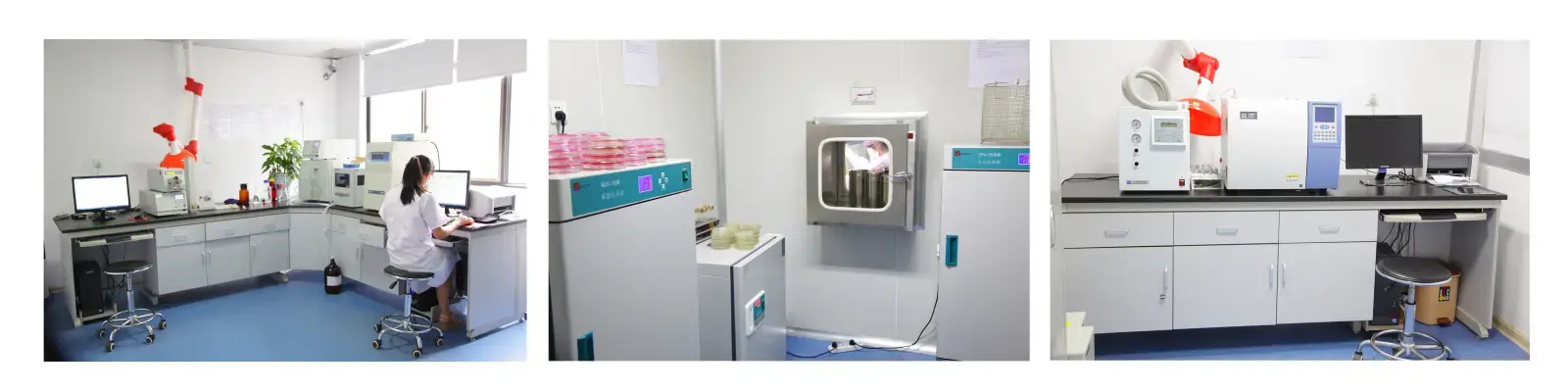
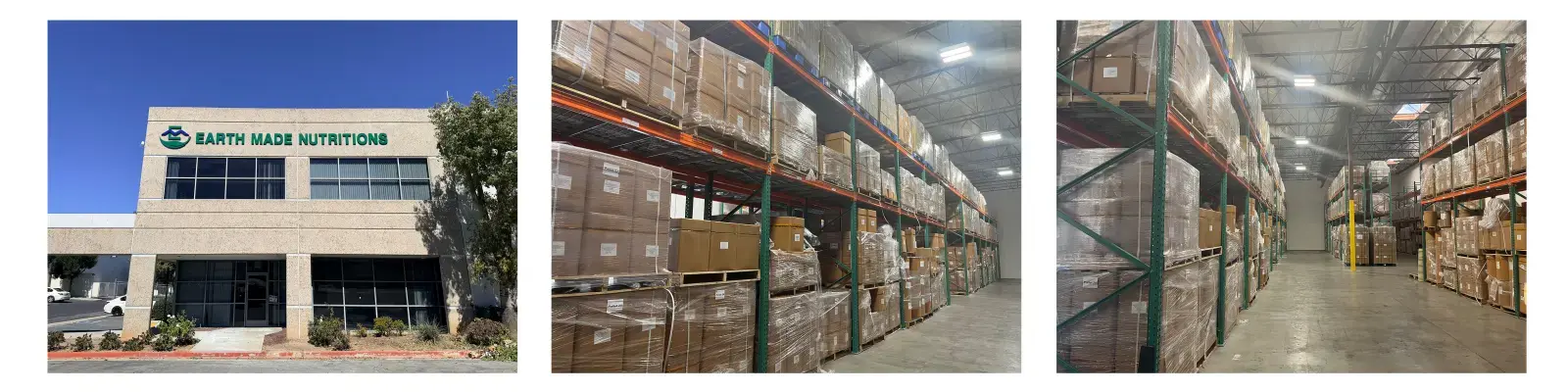
Earth Made Nutritions Inc. (EM) has the best skills when it comes to buying Blue Spirulina Phycocyanin thanks to its advanced research and development facilities and thorough quality systems. Our operations are based in California and include four strategically placed U.S. warehouses and direct oversight of the manufacturing process. This allows for quick delivery and keeps production plans on track.
The product meets the standards for NSF GMP, Kosher, Halal, ISO, FSSC22000, and Organic, which makes it easier to sell around the world. Email our team at info@em-herb.com to talk about your particular recipe needs and get full information on our certified organic Blue Spirulina Phycocyanin.
References
1. Eriksen, N.T. "Production of phycocyanin—a pigment with applications in biology, biotechnology, foods, and medicine." Applied Microbiology and Biotechnology, 2008.
2. Romay, C., et al. "Antioxidant and anti-inflammatory properties of C-phycocyanin from blue-green algae." Inflammation Research, 1998.
3. Sekar, S. and Chandramohan, M. "Phycocyanin: a pigment with multiple applications." Journal of Pharmaceutical Research, 2008.
4. Benedetti, S., et al. "Antioxidant properties of a novel phycocyanin extract from the blue-green alga Aphanizomenon flos-aquae." Life Sciences, 2004.
5. Spolaore, P., et al. "Commercial applications of microalgae." Journal of Bioscience and Bioengineering, 2006.
6. Martelli, G., et al. "Thermal stability improvement of blue colorant C-Phycocyanin from Spirulina platensis for food industry applications." Process Biochemistry, 2014.
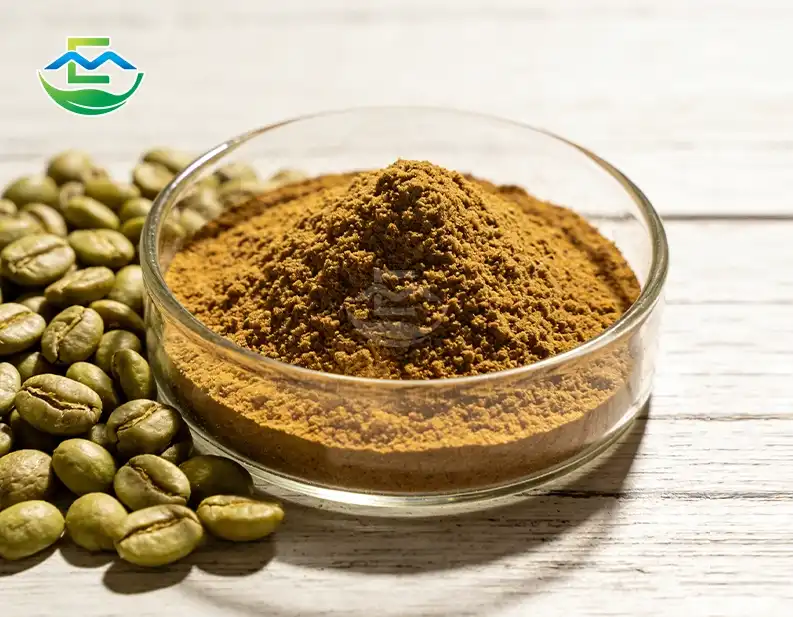
Green Coffee Bean Extract powder, which is made from unroasted Coffea Arabica L. beans, has amazing stability and solubility properties that make it perfect for B2B industrial uses. This brownish-yellow powder is standardized to contain 50% chlorogenic acids and was removed using water and ethanol. It dissolves easily in water while still keeping its bioactive integrity. If R&D leaders, formulation managers, and procurement teams want to make useful goods that work well, they need to know how particle size, processing methods, and environmental factors affect both solubility and stability. If you handle this plant extract the right way, it will keep its quality throughout the preparation, storage, and delivery of the final product.
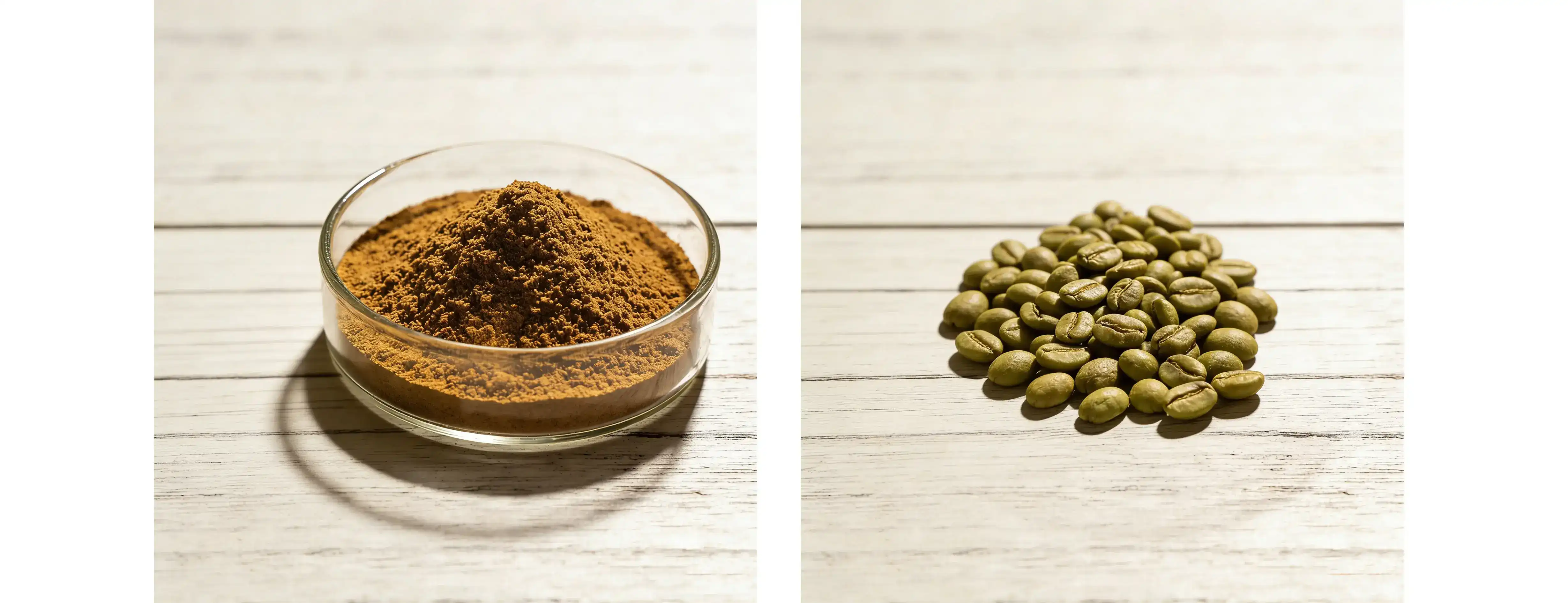
Understanding the Solubility of Green Coffee Bean Extract Powder
Solubility is a basic quality factor that has a direct effect on the success of formulations, the stability of products, and customer happiness in nutraceutical, cosmetic, and functional food settings. Our extract from Earth Made Nutritions Inc. dissolves easily in water because we control the size of the particles and use a dual-solvent extraction method.
Key Factors Influencing Solubility
Solubility of plant products is regulated by numerous relevant variables. Watery systems need properly distributed particles, and our technique ensures that 95% pass through an 80-mesh filter. In nature, 50% of chlorogenic acids, caffeine, and polyphenols form a complex matrix where polar functional groups strengthen water-molecule interactions. Our water-ethanol extraction procedure preserves these water-loving features while removing fat-loving compounds that may render the product less water-soluble.
Temperature greatly affects dissolution speed. At room temperature (20–25°C), our extract dissolves in neutral pH water in three to five minutes with moderate stirring. Cold combinations take longer to combine, whereas temperatures over 60°C may expedite breakdown but disrupt sensitive chlorogenic acid ester bonds. For ready-to-drink beverages, consider pH compatibility. Soluble between pH 4.5 and 7.0, the extract can be employed in most beverage bases without precipitating.
Extraction Methods and Solubility Impact
Our water-ethanol two-solvent technique precisely balances extraction efficiency and solubility. A comprehensive phytochemical profile requires water to remove polar molecules like chlorogenic acids and ethanol to collect semi-polar bioactives. Synthetic carriers like maltodextrin dilute active substances; thus, this approach doesn't employ them to improve product movement.
Our chemical-free extraction procedure makes our powder ideal for clean-label goods. HPLC verifies each batch's 50% chlorogenic acid content. This ensures solubility consistency across manufacturing runs. This uniformity is crucial when transitioning from lab samples to industrial formulations.
Comparative Analysis: Powder vs. Other Forms
Comparing delivery options helps purchasing experts choose the best ingredient form. Powders are more versatile since they may be blended with substances to produce tablets, capsules, beverages, and skin creams. Although liquid extracts dissolve immediately, they are heavier and need more storage and shipping. Encapsulated commodities lose recipe flexibility and add processing steps that boost unit cost.
Another factor in style selection is bioavailability for products like Green Coffee Bean Extract powder. Free-flowing powders in liquids touch more mucosal surfaces than compacted tablets, improving absorption. Cosmetics benefit from powder forms because they may be blended into emulsions without destabilizing oil-water interfaces. Powders allow sports nutrition producers to precisely adjust the dose throughout development.
Stability Considerations of Green Coffee Bean Extract Powder
Keeping the biochemical purity of your product while it is being stored and shipped saves your investment and makes sure that the final product works. The stability profile of our extract comes from paying close attention to the rules for handling, packing, and quality control.
Common Degradation Factors
Keeping chlorogenic acid-rich goods stable is difficult because they oxidize. Polyphenolic compounds have multiple hydroxyl groups that free radicals can damage, especially in oxygen-rich environments. Hygroscopic powders may cake and lose efficiency at 65% relative humidity. Light, especially UV bands, photo-oxidizes powder, changing its color and reducing its antioxidant effectiveness.
Temperature fluctuations during transport or storage induce condensation cycles that add water and accelerate chemical reactions. The breakdown rate of sensitive plant compounds doubles per 10°C temperature rise. Although rare in quality-controlled production, heavy metal contamination can accelerate reactive breakdown. This steady fear is no longer applicable because our testing reveals that lead, cadmium, and arsenic are less than 2 ppm, 0.5 ppm, and 1ppm, respectively.
Packaging Solutions and Storage Strategies
Food-grade polyethylene-lined 25-kilogram fiber drums protect this extract from air and moisture at Earth Made Nutritions Inc. This system balances material costs and safety while delivering huge volumes of components. Our four U.S. locations stack drums effectively to maximize storage space and make them simple to access for fast order fulfillment—our 2-day pickup promise hinges on inventory management.
Keep the temperature between 15°C and 25°C and relative humidity below 60%. Our buildings offer climate control to prevent temperature spikes, which are common in logistics operations. Airborne contaminants and odors can't enter sealed items. Customers should properly seal unsealed drums and use the contents within six months. Sealed drums retain their specs for 24 months if properly stored.
Quality Control and Certification Compliance
Standardized stable testing proves extract purity. An HPLC study tracks chlorogenic acid levels in products throughout time. This detects deterioration before it impacts product performance. Our standard requires powder moisture content to be below 5%, and Karl Fischer titration ensures this. Microbiological tests show total plate counts below 3,000 cfu/g, meeting food and medical criteria.
Our NSF, GMP, FSSC22000, Kosher, Halal, ISO, and Organic certificates demonstrate our quality planning. We receive these credentials via third-party audits of our documentation, processing controls, and traceability systems. Buying teams feel better when each batch has Certificates of Analysis proving standards were met and stability. This transparency aids government filings and corporate quality assurance.

Optimizing Formulation with Green Coffee Bean Extract Powder: Solubility and Stability in Practice
To make a product well, you need to have a balance of theoretical understanding and real-world experience. Formulation scientists have to think about how the relationships between ingredients affect both the processing of the product right away and how well it works in the long run.
Solvent and Excipient Selection Strategies
Because chlorogenic acids are most stable and dissolve readily around pH 5.5–6.5, water-based combinations should be pHed there. Buffer systems that employ citrate or phosphate maintain product pH throughout its shelf life. Minor metals can hasten rusting by binding with chelating agents like EDTA at 0.01% to 0.05%. Tocopherols and ascorbic acid protect and stabilize cells.
Add 0.1-0.3% xanthan gum or pectin to drinks to prevent settling during storage. These hydrocolloids form weak gel networks that contain tiny particles without increasing viscosity. Sweeteners and flavors mask sourness. Stevia, monk fruit, or natural fruit powders offer plant taste without compromising a clean label.
Solid dosage forms differ from others. Silicon dioxide flow agents and magnesium stearate lubricants help the die fill and remove tablets uniformly. The extract can be combined with rice flour or microcrystalline cellulose in capsules to achieve fill weights. These fillers can't react chemically with chlorogenic acids or add water, which makes the product less stable.
Real-World Case Study: Overcoming Formulation Challenges
A beverage business asked us to add Green Coffee Bean Extract powder to a ready-to-drink energy drink. The initial tests indicated precipitation below freezing and a modest color shift during quick stability testing. Too much chlorogenic acid supersaturation and insufficient antioxidant protection were found by our experts.
By increasing the extract dosage to 300 mg per dose, the required results were achieved while still falling below the 4°C solubility threshold. We recommended 50 mg of ascorbic acid per dosage to maintain color for the 12-month shelf life. Nitrogen cleansing removed dissolved oxygen that degraded wine during pressing. The new version of the product passed stability tests and went on sale smoothly, showing that a technical partnership can solve real production problems.
Extract Purity and Organic Certification Impact
Standardizing to 50% chlorogenic acids ensures consistency and simplifies dosage calculation. Higher purity grades reduce bulk per serving, lowering preparation costs and inactive ingredient use. This benefits health-conscious clients. Our coffee extract contains less caffeine (below 2%); therefore, it may be used when strong effects are not desired.
Organic certification fulfills the market's rising demand for certified healthy sources. Our organic accreditation confirms the beans originate from reputable farmers using appropriate growing practices. This is crucial for green, clean, or eco-friendly companies. Being organic doesn't make anything more stable or soluble, but it opens up new markets where clearance is required to buy.
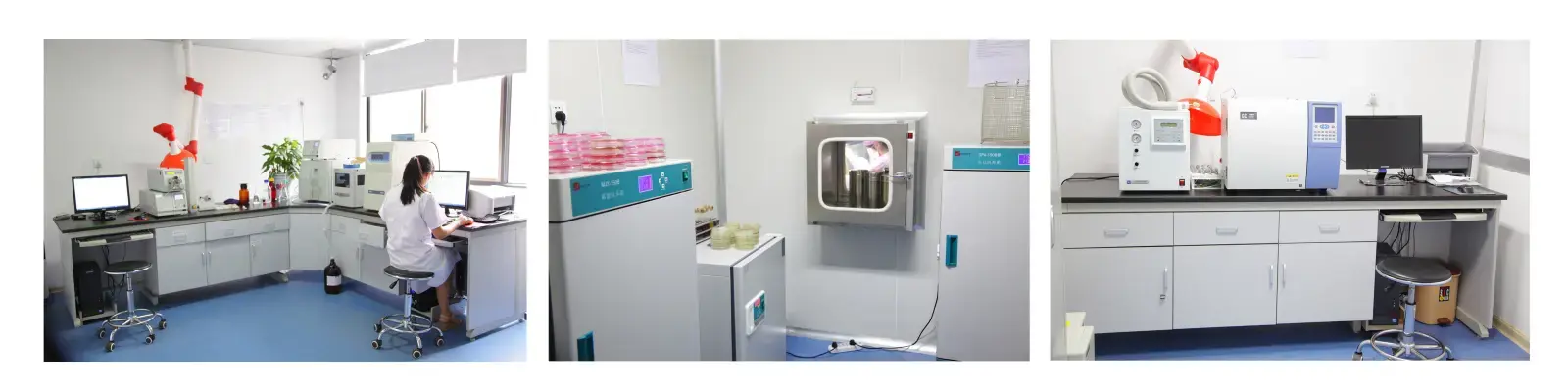
Best Practices for Storage, Handling, and Usage to Maximize Green Coffee Bean Extract Powder Performance
Managing ingredients correctly throughout the supply chain protects quality from getting the ingredients to using the finished product. Small details in the handling methods keep problems from happening that would hurt the performance of the product.
Industry-Standard Dosage Guidelines and Stability
The average dietary supplement contains 200–400 mg of extract, which provides 100–200 mg of chlorogenic acids. Some energy drinks utilize 600 mg per serving; however, most functional beverages follow the same dosage ranges. Functional advantages, cost, and taste profile management are balanced by these quantities. Higher levels increase astringency; hence, the flavor must be covered up more.
Resealing abilities are crucial for package stability after opening. Open drums let water in, causing caking and weakness. When you scoop from containers, you add impurities and expose the product to outside forces. Standardizing processes to shift needed amounts to smaller containers decreases inventory loss. Use separate scoops or spatulas to avoid ingredient bin cross-contamination.
Manufacturing should follow storage guidelines—controlled temperature and humidity reduce stability variations. Powder transfer systems that generate static electricity may need to be grounded to prevent material stickiness. Dust control protects workers and prevents theft. These operating nuances distinguish high-tech producers from others that cut corners and compromise quality.
Common Pitfalls and Mitigation Strategies
Oxidation causes the extract to become light brown to gray-brown. Microbes in polluted dampness generate musty odors. If anything clumps or cakes, water has been absorbed; it may dissolve but be less effective. Procurement teams should reject products with these warning indicators and investigate supplier quality processes.
Solubility issues are mainly caused by poor mixing or insufficient supply. Addition of powder to water fast might cause lumps with dry cores that won't dissolve. Slowly adding extract and mixing swiftly spreads particles before wetting. Mixing small volumes of liquid ahead of time makes slurries easier to combine into larger batches. Use mild water instead of cold water to hasten breakdown.
Formulation errors are usually caused by combining unsuitable ingredients, not by extract quality. High pH conditions (over 8.0) degrade chlorogenic acid esters, making them less effective and changing color. High-concentration hydrogen peroxide breaks down polyphenolic structures. Mineral enrichment metal ions accelerate degradation if unchelated. Testing for compatibility during development helps prevent costly scale-up failures.
Maximizing Functional Benefits Through Informed Practices
For antioxidant properties, chlorogenic acid must be processed and stored properly. Avoiding excessive heat, air contact, and mechanical stress during manufacture preserves bioactive structures. Lightproofing completed items prevents photo-oxidation and extends their lifespan. Nitrogen cleaning or oxygen scavenger packets make modified atmospheric packing break down more slowly, which is great.
Metabolic activity determines chlorogenic acid absorption for Green Coffee Bean Extract powder. Physiological effects are greatest when formulations promote stomach stability and intestinal absorption. Food goes into the neutral intestines because enteric coatings prevent stomach acids from breaking it down. Lipid carriers form micelles to improve membrane movement. Basic formulations work, but enhanced distribution techniques improve performance and give items more personality.
Regular quality inspections during manufacturing ensure specifications are satisfied. Mid-process HPLC testing detects issues before full runs are processed, allowing for speedy and waste-free fixes. Finished product stability programs track product degradation in real-world storage. This checks shelf life claims and sets expiration dates. Upscale businesses distinguish themselves from others that just address complaints with this proactive quality strategy.
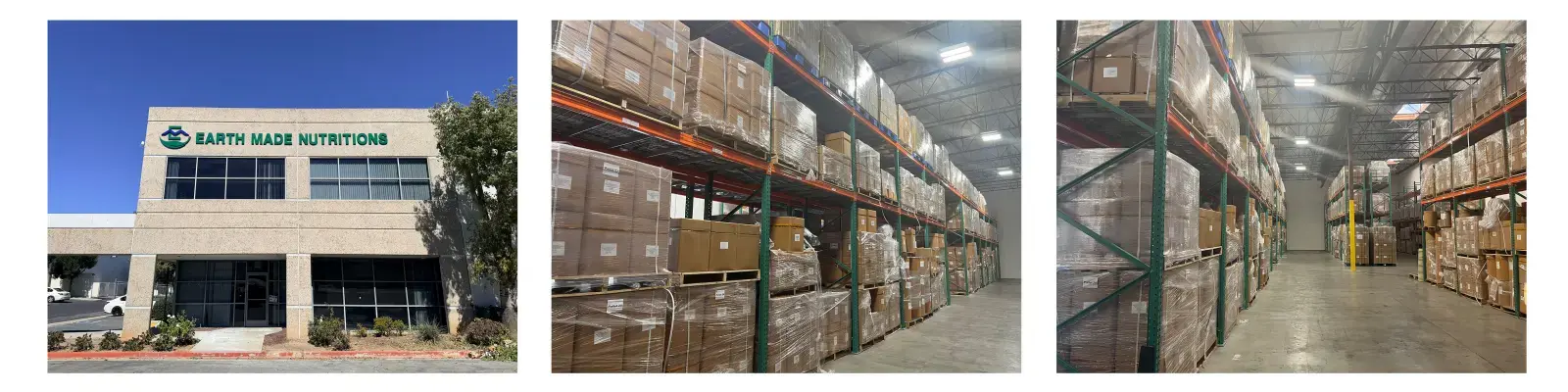
Conclusion
Solubility and stability are two quality factors that affect how well Green Coffee Bean Extract powder works in a variety of situations. Knowing how particle size, pH, temperature, and external factors affect these features helps you make smart choices about what to buy and how to make new medicines. It is always the same 50% chlorogenic acid extract from Earth Made Nutritions Inc., and its solubility profiles and stability have been proven through thorough testing and approval. Our local warehousing takes care of all transportation issues and guarantees the integrity of the product from production to delivery. R&D leaders, formulation scientists, and procurement teams can gain a competitive edge by working with suppliers who offer technical know-how along with high-quality ingredients. These suppliers can turn raw materials into finished goods that are the best on the market and meet the needs of picky customers.
FAQ
Q1: Does solubility affect absorption and product efficacy?
Bioavailability is the rate and amount of chemicals that get into the body's bloodstream. Solubility has a direct effect on this. Extracts that don't dissolve well go through the digestive system without breaking down enough, which limits their ability to be absorbed. Our powder dissolves quickly in stomach acid, making it more likely to reach areas that can absorb it. This trait is especially important for chlorogenic acids, which need to be broken down before they can be absorbed by the gut. Even more benefits come from using bioactives that are already dissolved in beverages because they touch mucosal membranes right away when the drinks are drunk. This may improve delivery efficiency compared to solid dosage forms that need to be broken down in the stomach.
Q2: What storage conditions maintain stability for bulk shipments?
For shipping of bulk extracts, the temperature must stay between 15°C and 25°C, and the relative humidity must stay below 60%. The innards of sealed 25kg drums are safe during transport, but owners should check the integrity of the packaging when they receive it. Instead of leaving drums in loading docks or open storage areas, move them right away to climate-controlled buildings. Do not stack near heat sources, windows that let in full sunlight, or places where the temperature changes often. Use first-in, first-out inventory movement to make sure that older items are sold before new ones. These steps keep the chlorogenic acid content and stop the powder from absorbing water, which makes it harder to move.
Q3: Do organic certifications provide stability advantages for manufacturing?
The main purpose of organic approval is to check the methods used in farming, not to make chemicals more stable in general. But organic standards don't allow manmade herbicides and chemical fertilizers that could leave behind residues that could change the purity of the extract. It's possible that cleaner starting materials lower the amount of pro-oxidant trace chemicals that speed up breakdown. The certification also shows that the provider is paying attention to process controls and paperwork, which are signs of more advanced manufacturing. Both organic and conventional extracts are stable when stored properly, but the certification helps brands place themselves in the market and meet government standards, which are very important for natural product groups where customers are looking for organic certification.
Partner with Earth Made Nutritions Inc. for Your Green Coffee Bean Extract Powder Needs
Earth Made Nutritions Inc. is ready to help you reach your recipe goals with high-quality Green Coffee Bean Extract powder that has been shown to be stable and easy to dissolve. We meet the quality standards your brand needs because we are a reputable provider with NSF GMP, FSSC22000, Kosher, Halal, ISO, and Organic certifications. Our four stores in the U.S. allow for fast fulfillment—in-stock items ship within two days, so there are no delays in production. Get a free taste of our extract today to see how well it dissolves in water and works with other ingredients. Get in touch with our expert team at info@em-herb.com to talk about custom specs, private labeling options, or large price structures that will help you get the best deals while still keeping the highest quality standards.
References
1. Farah, A., & dos Santos, M. A. (2015). Chlorogenic Acids and Related Compounds in Coffee: Occurrence, Chemistry, and Metabolism. In Coffee: Emerging Health Effects and Disease Prevention (pp. 165-189). Blackwell Publishing.
2. Perrone, D., Donangelo, R., & Farah, A. (2012). Fast Simultaneous Analysis of Caffeine, Trigonelline, Nicotinic Acid and Sucrose in Coffee by Liquid Chromatography-Mass Spectrometry. Food Chemistry, 110(3), 1030-1035.
3. Mullen, W., Nemzer, B., Ou, B., Stalmach, A., Hunter, J., Clifford, M. N., & Combet, E. (2011). The Antioxidant and Chlorogenic Acid Profiles of Whole Coffee Fruits Are Influenced by the Extraction Procedures. Journal of Agricultural and Food Chemistry, 59(8), 3754-3762.
4. Navarra, G., Moschetti, M., Guarrasi, V., Mangione, M. R., Militello, V., & Leone, M. (2017). Simultaneous Determination of Caffeine and Chlorogenic Acids in Green Coffee by UV/Vis Spectroscopy. Journal of Chemistry, 2017, 6435086.
5. Richelle, M., Tavazzi, I., & Offord, E. (2001). Comparison of the Antioxidant Activity of Commonly Consumed Polyphenolic Beverages in a Cell-Based Oxidative Stress Assay. Journal of Agricultural and Food Chemistry, 49(7), 3438-3442.
6. Zhao, Y., Wang, J., Ballevre, O., Luo, H., & Zhang, W. (2012). Antihypertensive Effects and Mechanisms of Chlorogenic Acids. Hypertension Research, 35(4), 370-374.
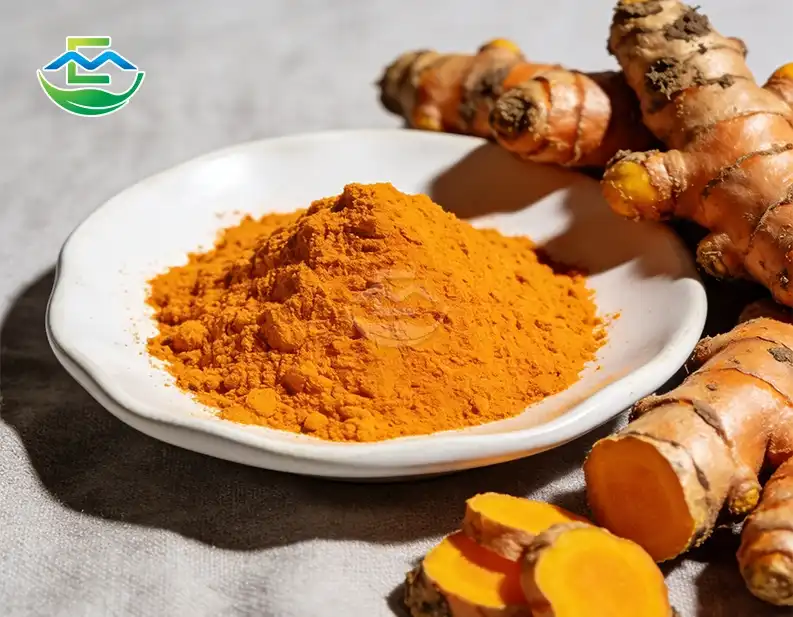
The crushed rhizome of Curcuma longa L., known for its bioactive properties, makes up pure turmeric root powder. Curcumin, volatile oils like turmerone and zingiberene, nutritional fiber, and important minerals are preserved in this whole-food ingredient without synthetic chemicals. This clean-label botanical solution contains 2-6% naturally occurring curcuminoids and synergistic chemicals that identify its true composition and functional flexibility.
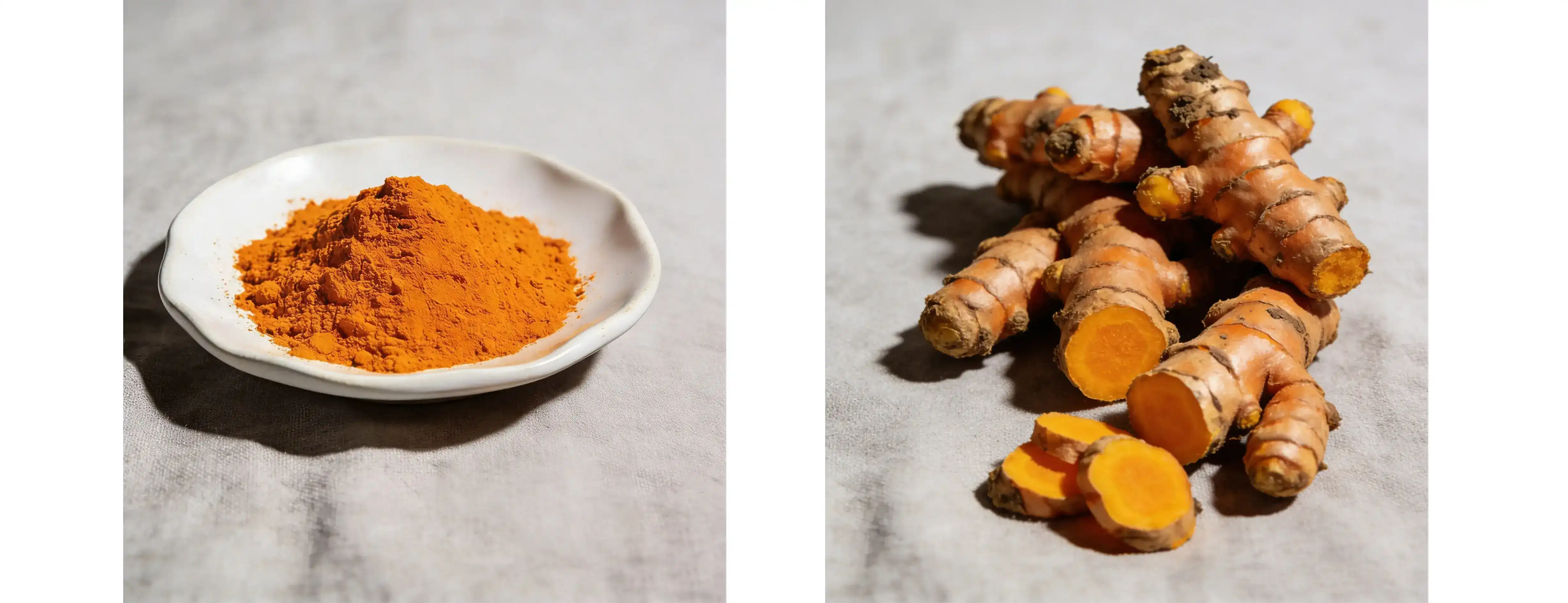
Understanding Pure Turmeric Root Powder: Ingredients and Composition
Knowing what's left of the rhizome after thorough processing makes pure turmeric root powder most effective. Earth Made Nutritions Inc. knows that recipe scientists and procurement teams require reliable compositional data to make sensible ingredient purchases.
Primary Bioactive Compounds in Turmeric Rhizome
Curcuminoids provide most of turmeric's health advantages. HPLC testing shows that high-quality material contains 3.0 to 4.0 percent total curcuminoids, unlike UV techniques, which might mislead. Curcumin (the major constituent), demethoxycurcumin, and bisdemethoxycurcumin function together in this combination. Our pure Turmeric Root Powder allows formulators who appreciate whole-spectrum plant components to retain this natural quality.
The earthy, smoky aroma comes from 3–7% volatile oil by weight. These essential oils, like atlantone and ar-turmerone, offer benefits beyond curcuminoids. These compounds distinguish true turmeric root powder from fakes colored with artificial dyes.
Physical and Chemical Characteristics
Product creators must know how material reacts during preparation. Pure turmeric root powder is orange-yellow and powdered to 60–80 mesh to combine evenly in dry mixtures. The lipophilic, hydrophobic material suspends in water rather than dissolving. This is crucial for creating beverages or liquid nutrition.
Professional-grade materials must have a moisture level below 10% to prevent microbe growth during storage and a total ash content below 7% to indicate clean soil. Controlled processing and certified testing ensure these aspects are in our product. The material is stable at high baking temperatures if kept out of the light. It must be properly prepared since it is photosensitive in solution.
Nutritional Matrix and Mineral Content
The pure Turmeric Root Powder contains fiber, iron, potassium, and manganese, as well as the bioactive compounds researchers want. This complete nutritional profile supports the rising demand for whole-food supplements. Because of its botanical purity, this raw form is ideal for brands that wish to stand out with thorough nutrition panels.
Quality Indicators and Certification Standards
B2B buyers use verifiable quality indicators. Organic, NSF GMP, FSSC22000, Kosher, and Halal certifications reassure you regarding food production. With careful documentation and third-party inspections, our facility maintains these certifications. This fulfils international supplement and medication companies' safety requirements.
Colour value homogeneity and curcuminoid quantity are directly related; adulteration may vary this. Dependable vendors utilise microscopy to detect cassava or rice starch fillers and LC-MS/MS to detect banned artificial colors like Sudan Red and Metanil Yellow. These quality control measures protect companies from supply chain hazards that might damage their image or government status.

Health Benefits of Pure Turmeric Root Powder for Industrial and Consumer Use
Scientific data support pure Turmeric Root Powder's functional claims in many applications. Knowing these advantages from evidence helps product makers design formulae that fulfil consumer requirements and regulators.
Anti-Inflammatory and Antioxidant Properties
Research indicates that curcuminoids alter inflammatory pathways by inhibiting NF-κB. This procedure allows pure Turmeric Root Powder to be naturally added to joint health products. Sports nutrition companies employ this in recovery recipes to capitalise on people's understanding that food helps regulate inflammation.
Curcumin fights free radicals and boosts the body's antioxidant mechanisms. Plant actives are used in anti-aging skin care products for "clean beauty." Natural cosmetic companies prefer this element since it works and promotes. Particularly when pure Turmeric Root Powder is organic, it looks great on the clean label.
Joint and Mobility Support
Researchers discovered that pure Turmeric Root Powder has long helped individuals move and be flexible. Nutraceutical enterprises for busy seniors combine the plant with complementary herbs and minerals. Whole-food supplements rather than isolated chemicals are preferred by Turmeric Root Powder fans. This is a major U.S. natural products trend.
Digestive Wellness Applications
Due to our understanding of bioactive chemicals, we now know that the root aids digestion after centuries of usage. Functional food firms incorporate pure turmeric root powder into golden milk mixes and workout drinks to suit gut health demand. Mild bitterness helps stomach fluids flow, making it beneficial as a functional and flavouring element in finished items.
Immune System Support
Pure Turmeric Root Powder includes immune-boosting curcuminoids and volatile oils, making it ideal in seasonal health formulas. Dietary supplement commercials are emphasising immune support, which opens up immunomodulatory substances. Formulators may address several health issues in a single SKU using the plant's flexibility, making it more marketable.
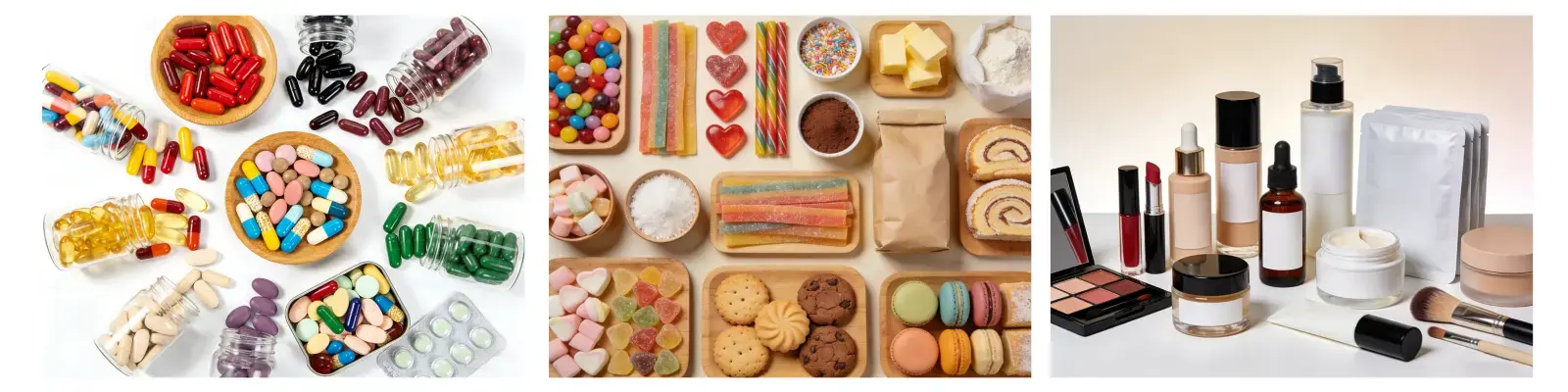
Comparing Pure Turmeric Root Powder with Alternatives for Procurement Decisions
To do strategic sourcing, you need to know how the different forms of the plant can be used to achieve different recipe goals. Each version of pure Turmeric Root Powder has its own pros and cons that affect how well the product works and how much it costs.
Root Powder Versus Standardised Extracts
Standardised preparations concentrate curcuminoids to 95%, so smaller amounts are always effective. But this separation takes away the volatile oils and fibre that make whole-spectrum action possible. Pure Turmeric Root Powder keeps the full phytochemical profile, which makes it appealing to brands that stress plant accuracy and the way compounds work together to make them stronger. On an equal weight basis, extract is usually three to five times more expensive than pure Turmeric Root Powder, but lower dose needs can make up for this difference.
Extracts are often used by formulators who want to target specific curcumin amounts, while pure Turmeric Root Powder is used by formulators who want to make whole-food mixes or get a wider range of functional benefits. These materials are often used as bases in sports nutrition products, while extracts are used to make claims about their effectiveness. By knowing about these strategic factors, buying teams can make sure that the ingredients they choose are in line with their brand positioning and recipe goals.
Organic Certification and Supply Chain Transparency
Organic approval ensures farming without synthetic herbicides or pesticides, meeting the demand of consumers for clean farming. In addition to helping with marketing, organic standards need clear records of how the pure Turmeric Root Powder got from the farm to the consumer. Organic approval is important for brands that sell natural goods to get their products in stores, while for mass-market standard products, cost optimisation may be more important.
Our organic pure Turmeric Root Powder comes from farms that are approved and have well-established quality systems. These farms provide the paperwork that importers and wholesalers need to follow international rules. Concerns about heavy metals are also addressed by the certification, since organic farming usually results in less soil contamination than normal farming in areas with a lot of industrial activity.
Fresh Root Versus Dried Powder for Bulk Applications
Since fresh root is 80% water, it can be hard to get in bulk because it needs to be transported in a refrigerator and goes bad quickly. Pure Turmeric Root Powder has a longer shelf life—usually 24 months if stored properly—and is easier to ship because it is a stable material. The standardised powder is necessary for stability from batch to batch, which is a must for makers who need to stick to formulation standards.
There are different types of micronisation that can be used to separate pure Turmeric Root Powder grades even more. The particle size affects how well drinks mix and how smooth finished goods feel in the mouth. Specifications for purchases should spell out the mesh size needed for each job, with finer types costing more because they take more work to make.
How to Use and Dosage Guidelines for Turmeric Root Powder in B2B Applications
For effective use of pure Turmeric Root Powder, dose and absorption methods must be matched to the type of product being used. These real issues have a direct effect on how well the product works and how efficiently it is made.
Recommended Dosage Ranges by Application
Nutraceutical capsules usually have between 500 mg and 2000 mg per serve. For higher amounts of pure Turmeric Root Powder, bioavailability boosters like piperine are needed to make sure they are absorbed properly. For functional beverage uses, 200 to 500 mg per serving is the right amount to balance usefulness with flavour effect, since too much adds bitterness. In finished cosmetics, concentrations range from 0.5 to 3%. The exact amounts are found through stability testing and effectiveness studies.
Incorporation Best Practices
When food scientists make fortified goods, they have to think about how the pure Turmeric Root Powder's strong yellow colour might clash with other colours in the mix. Higher concentrations can be used in savory goods than in sweet ones, where the taste profile needs to be carefully balanced. Because of these quantity concerns, trial batching is very important before starting full-scale production runs.
Because the material is lipophilic, it needs to be mixed in a certain way for it to spread out evenly. Before adding them to the main batch, dry blends use benefits from pre-mixing with ingredients that have similar particle sizes. For better suspension, liquid versions mix the pure Turmeric Root Powder with a small amount of oil or fatty base first, then add water to thin it out.
Different handling conditions affect how sensitive curcumin is to heat. At normal baking temperatures, curcumin doesn't break down much as long as the moisture level stays the same. But being exposed to temperatures above 190°C for a long time in dry places can lower the bioactive content. Manufacturers should confirm processing effects through HPLC testing before and after production, making sure that label promises match the makeup of the finished product.
Regulatory Compliance and Label Transparency
The rules for dietary supplements in the United States require correct labeling, including the plant name (Curcuma longa), the part used (root or rhizome), and any processing methods that change the makeup. These marking rules are backed up by our pure Turmeric Root Powder paperwork, which includes allergen statements and reports of analysis. There are some extra things to think about when selling in international markets. For example, EU rules require tests for certain contaminants, like pyrrolizidine alkaloids, and some Asian markets need country-of-origin statements.
When procurement teams understand these legal systems, they can choose providers who have a strong documentation infrastructure. We keep our NSF GMP and FSSC22000 certifications to help our customers deal with the complicated rules of foreign trade. These certifications give us the quality assurance paperwork that makes the customs clearance and store qualification processes go more smoothly.
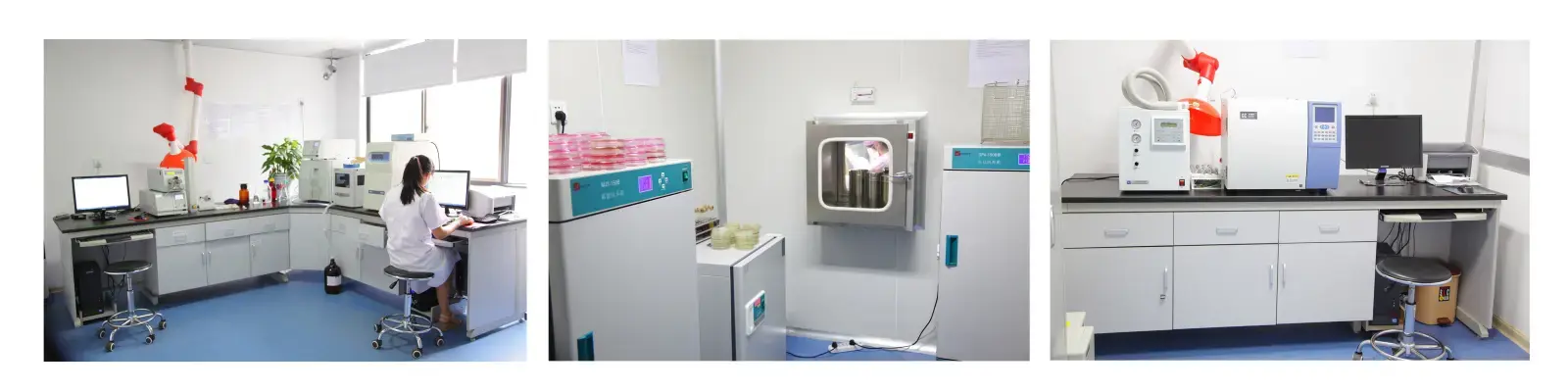
Procurement Insights: Sourcing Pure Turmeric Root Powder for Global B2B Clients
Supply chain choices affect the quality of the pure Turmeric Root Powder, how much it costs, and the brand's image in the long run. When you do strategic buying, you have to look at sources in more ways than just price.
Supplier Verification and Quality Assurance
Direct relationships with manufacturers give you more information about how the crops are grown and processed than relationships with middleman dealers. When purchasing managers look at possible suppliers for pure Turmeric Root Powder, they should ask for a lot of paperwork, like farm audit reports, processing center certifications, and batch testing methods. Our California plant is fully vertically integrated, which means that quality is controlled from the time that raw materials arrive until they are packed.
Because of how common it is for people to change the quality of the plant for financial reasons, it needs to be carefully screened. Lead chromate adulteration, which is used to make colours look better intentionally, is a major threat to public safety. Reliable providers use ICP-MS to test for heavy metals, and the limits for lead are lower than 1ppm, which is higher than the general standards set by the pharmacopeia. As normal, we use these better specs, which protect our customers from risks in the supply chain that can lead to expensive recalls.
Pricing Factors and Cost Optimisation
The price per kilogram of pure Turmeric Root Powder changes a lot depending on how much curcumin it has, where it comes from, and if it is certified organic. Material with Indian roots usually has lower prices, but location doesn't always mean quality. Our buying team looks at a lot of different supply sources and chooses partners whose quality standards stay the same across multiple crops. The cost-effectiveness of this method is balanced with the quality uniformity that formulation teams need.
Bulk number agreements often lead to better prices, but the minimum order amounts must be in line with how well the inventory can be managed. Our direct U.S. warehouse stock position and 25 kg minimum order support both large manufacturers and new brands. This is because we don't have any expensive MOQs, which can make it hard for smaller companies to get premium pure Turmeric Root Powder.
Logistics and Supply Reliability
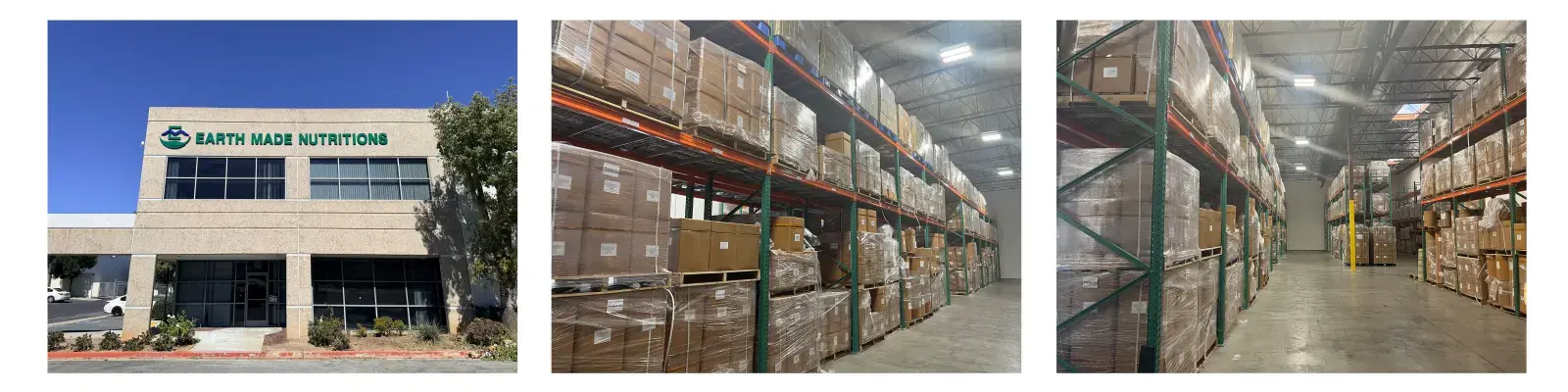
For just-in-time production to work, the infrastructure of domestic warehouses is essential. Earth Made Nutritions Inc. has four warehouses in the United States. This lets them process orders in two days, which helps with methods for keeping inventory low. This transportation benefit helps contract makers and brands that don't have a lot of storage space because it frees up working capital that would otherwise be used to buy ingredients.
Some of the things that can go wrong in international supply lines are crowded ports, delays at customs, and changes in the value of the currency. Working with a U.S.-based provider that already has relationships with importers can lower these risks and make the process of buying pure Turmeric Root Powder easier. Our established procedures for processing customs paperwork speed up clearing, and our domestic storage options take away the hassle of coordinating international freight for our customers.
Conclusion
Pure Turmeric Root Powder is a plant-based ingredient that can be used in a lot of different ways in food, medicine, and beauty products. Knowing everything about it, from the curcuminoids and volatile oils to the processing rules that guarantee quality, helps buying workers make smart choices about where to get things. The differences between root powder and other forms, along with licensing standards and dosage rules for each application, make it possible to choose the right ingredients strategically. As the need for whole, clean-label ingredients keeps growing, the powder's benefits, backed by science and a true plant profile, make it a useful ingredient for formulations. To integrate things well, you need to work with suppliers who offer more than just materials. You also need suppliers who can provide detailed instructions, expert help, and a reliable shipping system.
Frequently Asked Questions
1. What distinguishes pure turmeric root powder from turmeric extract?
Pure Turmeric Root Powder has all the phytochemicals that are found in the dried rhizome. It has between 2 and 6 per cent naturally occurring curcuminoids, volatile oils, fibre, and minerals. Extracts take out other chemicals and concentrate curcuminoids to 95%. Root powder is good for whole-food recipes, and extracts are good for specific strength needs.
2. How should I verify turmeric powder quality when sourcing?
Ask for HPLC testing to see how much curcumin is present in the pure Turmeric Root Powder, ICP-MS testing for heavy metals with lead values below 1ppm, and LC-MS/MS testing to see if any manufactured dyes, such as Sudan Red and Metanil Yellow, are present. The adulteration of starch can be seen under a microscope. Certifications like Organic, NSF GMP, and FSSC22000 add to the confidence in the quality.
3. What factors affect turmeric powder pricing?
The price of pure Turmeric Root Powder is affected by the amount of curcumin, the organic certification, the location, the particle size, and the source certifications. Material that is approved as organic and has been tested for quality gets a higher price. Commitments to buy in bulk usually get better prices and make sure there is a steady supply.
Partnering with a Trusted Pure Turmeric Root Powder Manufacturer
Choosing the right ingredient partner has a direct effect on how quickly you can build your product and how well it does in the market. Earth Made Nutritions Inc. supports recipe creation from idea to commercialisation by combining technical know-how with a reliable supply chain. Our pure Turmeric Root Powder (Curcuma longa L.) always has between 3.5 and 4.0 percent curcumin in it, is certified organic, and comes with a lot of quality proof, like NSF GMP, FSSC22000, Kosher, and Halal certificates. Our four warehouses in the U.S. keep ready-to-ship goods, so your production plans won't be delayed. In addition to providing ingredients, our R&D team helps with formulation and gives expert advice to help you get the most out of the plant's benefits in your particular application. We're committed to sustainable sources and advanced quality systems, so we can be the supply partner who grows with your business, whether you're making nutraceuticals, functional foods, or cosmetic formulations. You can check our quality standards with free samples before agreeing to large orders. Get in touch with our team at info@em-herb.com to talk about your unique needs and see what a difference it makes to work with a source that only sells pure Turmeric Root Powder.
References
1. Aggarwal BB, Sundaram C, Malani N, Ichikawa H. Curcumin: the Indian solid gold. Advances in Experimental Medicine and Biology, 2007; 595: 1-75.
2. Hewlings SJ, Kalman DS. Curcumin: A Review of Its Effects on Human Health. Foods, 2017; 6(10): 92.
3. Prasad S, Aggarwal BB. Turmeric, the Golden Spice: From Traditional Medicine to Modern Medicine. Herbal Medicine: Biomolecular and Clinical Aspects, 2nd edition, 2011.
4. Gupta SC, Patchva S, Aggarwal BB. Therapeutic roles of curcumin: lessons learned from clinical trials. The AAPS Journal, 2013; 15(1): 195-218.
5. Nelson KM, Dahlin JL, Bisson J, Graham J, Pauli GF, Walters MA. The Essential Medicinal Chemistry of Curcumin. Journal of Medicinal Chemistry, 2017; 60(5): 1620-1637.
6. Tayyem RF, Heath DD, Al-Delaimy WK, Rock CL. Curcumin content of turmeric and curry powders. Nutrition and Cancer, 2006; 55(2): 126-131.
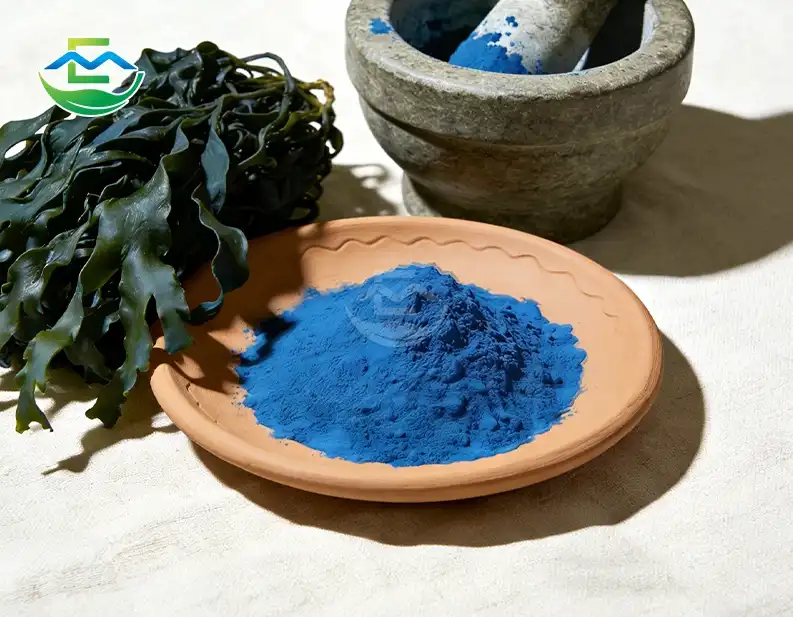
Blue Spirulina Phycocyanin has emerged as a natural ingredient capturing attention across nutraceutical, cosmetics, and functional food industries. Derived from Spirulina platensis whole cells through water-based extraction, this vibrant dark blue protein-pigment complex offers both aesthetic appeal and functional properties. Its popularity stems from meeting clean-label demands while delivering antioxidant and anti-inflammatory characteristics valued by formulators seeking natural alternatives to synthetic additives. This rising interest reflects broader market shifts toward botanical actives with proven stability and purity.
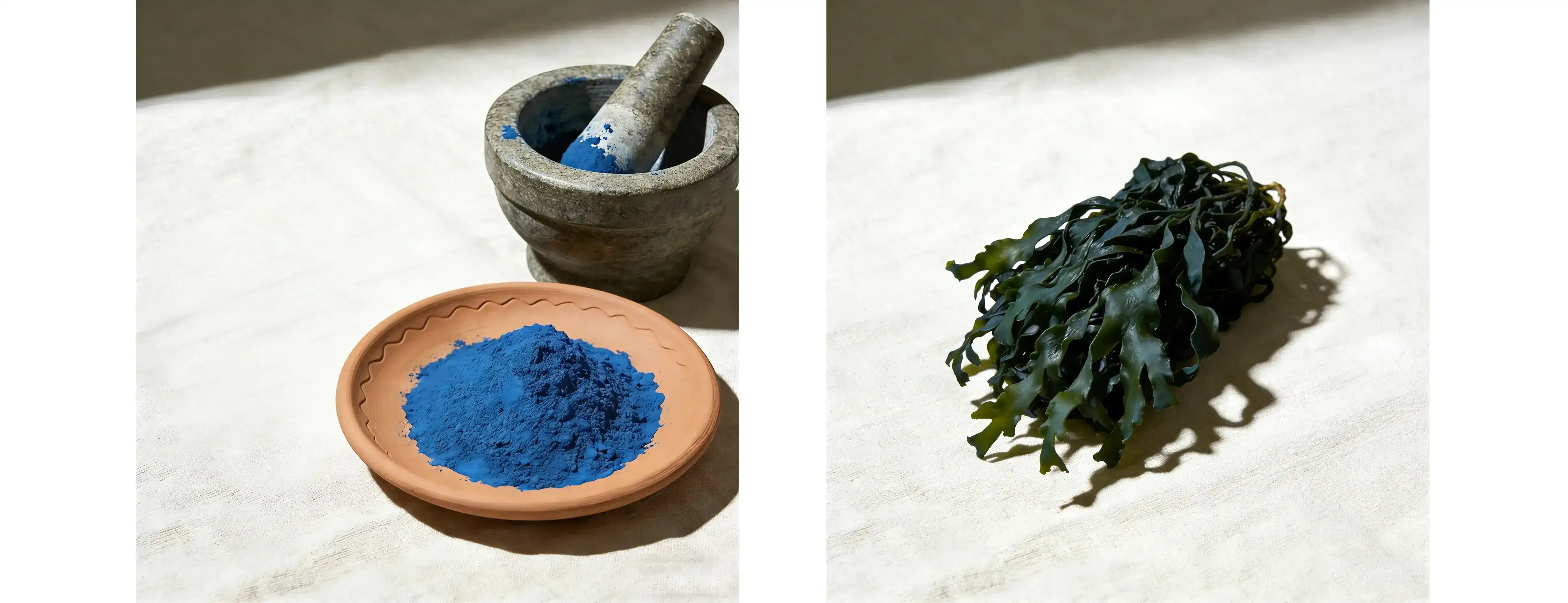
Understanding Blue Spirulina Phycocyanin
Origins and Biological Makeup
Phycocyanin is a pigment-protein complex that dissolves in water. It is obtained from Spirulina platensis, a blue-green microalgae that is grown in controlled watery settings. Whole spirulina powder stays green-blue because of many colors, including chlorophyll. Isolated phycocyanin, on the other hand, is extracted with water, which takes out the cell parts and leaves only the pure blue protein. This method of extraction doesn't use any chemical solvents, which is in line with sustainability concepts that makers who care about the environment like.
The blue color comes from chromophore molecules bound to protein groups that make up the biological structure. Under certain conditions, this molecular design stays steady, but it needs to be handled carefully during formulation to keep the color intensity and functional activity.
Antioxidant and Anti-inflammatory Properties
Researchers have found that phycocyanin is very good at getting rid of free radicals, which adds to its image as a useful ingredient. The shape of the protein lets it connect with the membranes of cells, which helps keep the oxidative balance without using harsh chemicals. Because of these qualities, the chemical is very appealing to formulators who are making goods for people who care about their health.
Its anti-inflammatory properties come from its power to change the pathways in cells that are involved in the inflammatory reaction. In contrast to manufactured options, this process works through gentle biochemical interactions instead of strong drug action. Product makers like this level of detail when they're making everyday ingredients for foods, drinks, and skin care.
Distinguishing Whole Spirulina from Isolated Phycocyanin
Specification differences can be hard for procurement teams to understand. Whole spirulina powder has proteins, vitamins, minerals, and chlorophyll, as well as about 15 to 20 percent phycocyanin by weight. This whole cell material has a green tint to it and a unique bitter taste that limits its uses.
Isolated phycocyanin focuses the active protein, reaching purity levels that can be measured by the E-value. Standard grades, like E18, show the level of color strength that is good for coloring food and drinks commercially. Higher grades, like E25, are used in pharmaceutical and cosmetic uses that need very high purity. The extraction method creates a powder that dissolves in water and has no discernible flavor. This allows for more formulation options without affecting taste or sensory experience.
Knowing these differences helps R&D leaders and formulation managers choose the right specs for their products based on what the target market wants.
Benefits and Uses of Blue Spirulina Phycocyanin
Antioxidant Capacity and Immune Support
The structure of the pigment-protein gives it strong protective properties that are valuable in many fields. Companies add phycocyanin to nutrition supplements, healthy drinks, and fortified foods to back up their claims that they protect cells. Because it dissolves in water, it's easy to add to water-based systems like protein shakes and drinks that boost defense.
Sports nutrition brands like this ingredient a lot because it has a clean label and has been shown to have antioxidant qualities. Natural ingredients are better for products aimed at busy people because they appeal to people who are wary of fake ingredients. The lack of manufactured processing is in line with current market trends that value authenticity and organic origin.
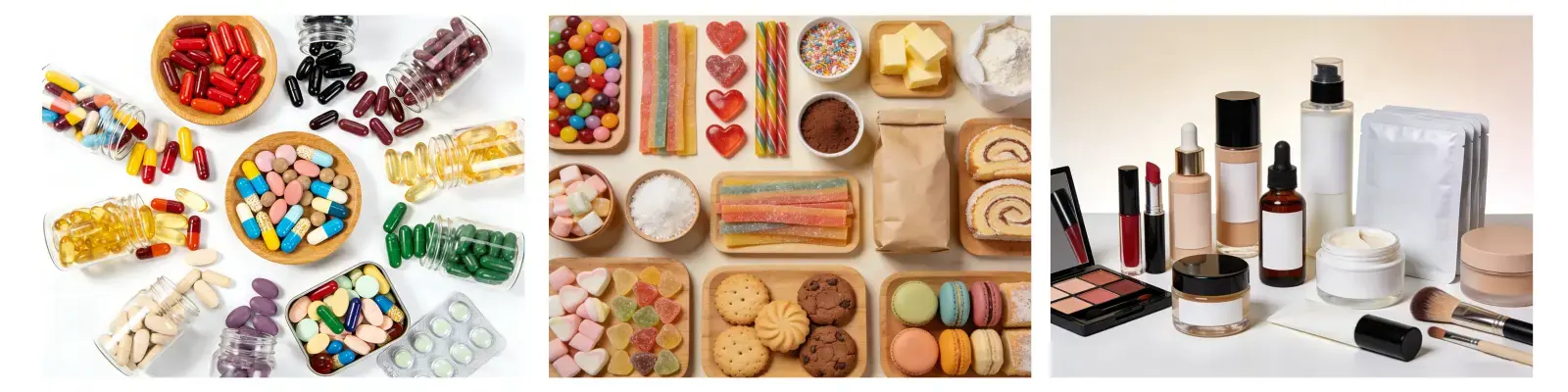
Applications in Cosmetics and Nutraceuticals
Cosmetic makers are using phycocyanin more and more in skin care products that need a natural blue color and other benefits. The protein is mixed into serums, creams, and masks that are meant to protect the skin from the environment and improve its look. Consistency from batch to batch is still very important, and providers must show that they follow strict quality control procedures.
Nutraceutical companies have to deal with special manufacturing problems like making sure the products work and stay stable on the shelf. Blue Spirulina Phycocyanin stays intact when it is stored correctly, away from direct sunlight and very high temperatures. Standard packaging in 25 kg drums with desiccant protection keeps things fresh while they're being moved and stored. Purchasing managers like it when sellers have certificates like NSF GMP, Kosher, Halal, ISO, FSSC22000, and Organic, which show that they follow a lot of different rules.
Safety and Dosage Guidelines for Bulk Applications
For industrial-scale uses, you need to know what the best inclusion rates are. Manufacturers of food and drinks usually add 0.1% to 0.5% by weight to get the color they want without changing the taste. Dietary supplement brands may raise concentrations based on what the label says and how much is in a dose. However, formulation scientists should test the safety of the product over its entire shelf life.
The ingredient is considered GRAS for use in food, but producers should check with their local governments to see what rules apply to natural colorants. When processing, temperature sensitivity needs to be thought about because boiling above 60°C can break down proteins and remove color. Smoothie mixes, yogurt blends, and no-bake snacks are all examples of cold-process uses that keep the best color and usefulness.
Quality control procedures should make sure that there are no contaminants, that the bacterial load is within acceptable limits, and that the color strength meets the standards. These things help build confidence in the creation of a wide range of products, from useful sweets to high-end skin care lines.
Comparing Blue Spirulina Phycocyanin with Alternatives
Nutritional and Functional Differences
When compared to whole spirulina, the separated phycocyanin has the desired effect without the full nutritional matrix. Spirulina in its whole form contains protein, B vitamins, iron, and other minerals, making it a nutritional ingredient rather than just a colorant. Product makers have to figure out if formulas need full nutritional value or just the right amount of color and antioxidants.
Chlorella and wheatgrass are two other plant-based choices, but neither of them has the bright blue color that makes phycocyanin stand out. Due to chlorophyll dominance, chlorella tends to be green, while wheatgrass has grassier flavors that don't work well with many drinking uses. Blue Spirulina Phycocyanin's unique blue color puts it in an area with little natural competition, which is great for brands that want to stand out through their looks.
Synthetic blue dyes, such as Brilliant Blue FCF, give clothes a deep color for less money, but they don't meet the clean label standards that customers are demanding more and more. As regulations continue to move toward natural alternatives, phycocyanin is still tactically useful, even though it costs more. Brands that sell their goods as high-end, natural, or wellness-focused find that the investment helps them stand out in the market.
Organic Versus Conventional Sourcing
The state of certification has a big effect on choices about what to buy. To get organic phycocyanin, spirulina has to be grown according to approved organic rules that don't allow synthetic fertilizers, pesticides, or processing tools. Chemical agents that would change the organic state must not be used in the extraction process. Only water can be used. These standards raise the cost of production, which is usually represented in price differences of 20 to 40 percent from regular grades.
Regular phycocyanin is safe for food and doesn't need to be certified as organic. This saves money in situations where organic claims don't add much value to the product. When choosing specs, purchasing managers should think about target markets, how the company stands in the market, and how willing customers are to pay higher prices. Verification of certification through third-party papers keeps brands safe from problems in the supply chain that could hurt their image.
Price factors include more than just the cost of the raw materials. They also include the minimum order quantity, the process of shipping, and the terms of payment. Established providers usually have a 25 kg minimum order size, which fits normal drum packaging. Lead times vary by source, but keeping items in stock makes it possible to quickly fulfill orders within two-day pickup windows for customers who already have relationships with warehouses.
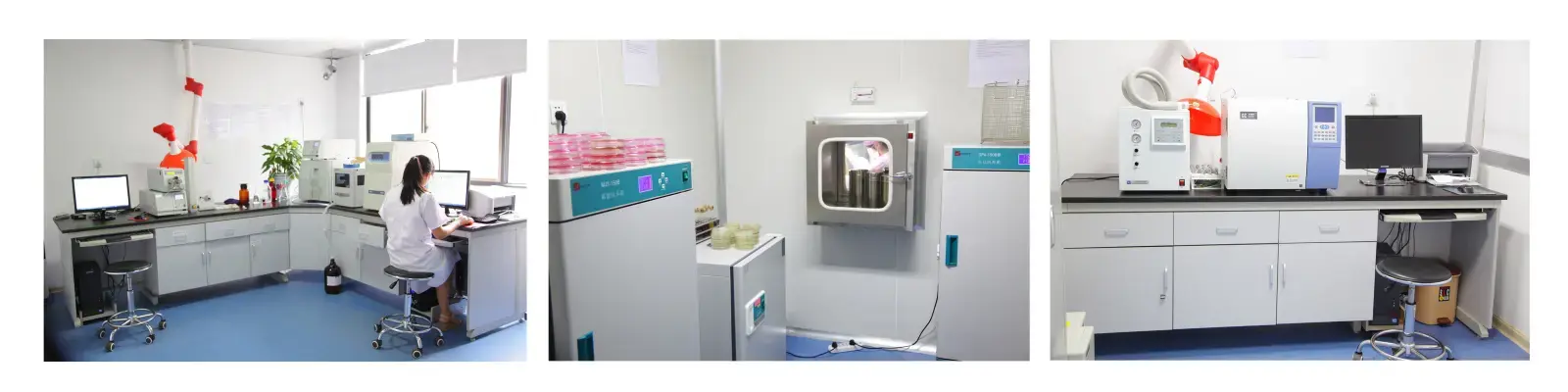
Procurement Guide for Blue Spirulina Phycocyanin
Supplier Evaluation Criteria
If you want to choose trusted sources, you need to look at more than just price. Certifications like NSF GMP, FSSC22000, and ISO standards show that the company is committed to quality processes and makes excellent products. Kosher and Halal licenses make it easier for brands that cater to certain groups of people to sell their products. For organic approval to stay valid, it needs to be renewed every year and checked by a third party.
Supply chain dependability separates established players from sellers who are just looking for a quick buck. North American buyers benefit greatly from suppliers with specialized warehouses in the United States because they shorten delivery times, make customs handling easier, and allow smaller batch orders. Companies like Earth Made Nutritions Inc. keep four main stores in the U.S. This makes sure that deliveries happen quickly and on time to meet production plans without having to pay too much for storage.
Technical help is what sets suppliers who really work with you on product growth apart from transactional vendors. Having access to formulation advice, stable testing data, and application knowledge speeds up the time it takes to get a product to market and lowers the costs of making mistakes. When sellers offer free samples, R&D teams can test them on their own before making large purchases.
Pricing Influences and Market Trends
Some of the things that affect the price of Blue Spirulina Phycocyanin in the market are the yields from growing spirulina, how well it is extracted, and changes in demand across businesses. Due to controlled growing conditions, seasonal access doesn't have much of an effect on supply. However, as more people buy the product, prices continue to rise. Buyers should build relationships with several approved suppliers to protect themselves against interruptions in supply and keep their negotiating power.
When people negotiate bulk purchases, they usually talk about yearly promises to buy a certain amount, payment terms, and ways to change prices. Suppliers may offer tiered prices to reward consistent volume, but buyers should make sure that the supplier is flexible enough to meet changing market demand. Long-term contracts are good for both parties when they are set up with acceptable ways to adjust for changes in the cost of raw materials.
Regulatory Compliance and Documentation
For international trade to happen, there needs to be a lot of paperwork to help with customs clearance and following the rules. Suppliers should show Certificates of Analysis that show their products meet the requirements, as well as allergy statements, GMO status statements, and bacterial test results. Traceability paperwork makes the whole supply chain clear, which is very important for brands that are being audited by retailers or questioned by regulators.
Packaging standards affect how well a product stays intact while it's being shipped and stored. Standard 25 kg fiber drums with polyethylene bottoms are good enough to protect things as long as they are properly sealed with desiccant bags that keep wetness out. Buyers should make sure that the materials used for packing meet the rules for food contact and have enough protective qualities to keep the environment from breaking down.
Lead times affect how many goods to keep on hand and when to start making things. Suppliers who keep goods in stock have a lot of benefits over those who need to wait for production. Pickup in two days from regional stores cuts down on costly production delays. This is especially helpful when a new product is released or when seasonal demand spikes.

Why Blue Spirulina Phycocyanin Is a Growing Trend in B2B Markets
Consumer-Driven Market Forces
Clean-label efforts are still changing how ingredients are chosen in the food, drink, and personal care industries. More and more, people are looking closely at ingredient lists and prefer natural plant names to manufactured drug names. This change in behavior opens up possibilities for natural colorants like phycocyanin, even though they are more expensive than man-made ones. Brands that cater to these tastes have an edge over their competitors, especially among millennials and Gen Zers who value honesty.
Social media promotion helps people learn more about ingredients faster. For example, visually appealing blue goods get a lot of activity on Instagram, TikTok, and Pinterest. The ability to be photographed helps marketing campaigns that focus on natural beauty and health-related looks. Product designers know that this value goes beyond useful benefits and includes things like brand stories and making the product stand out visually.
Emerging Applications and Innovations
New products keep making it possible to use Blue Spirulina Phycocyanin in areas other than the ones that were originally thought of. Frozen treat makers make blue spirulina ice cream and sorbets that look great on Instagram and sell for a lot of money. Blue healing shots, protein shakes, and plant elixirs are made by beverage companies for health-conscious customers. Cosmetic formulators use the pigment in color makeup, sheet masks, and washes that focus on using natural ingredients.
Standardized phycocyanin products that meet pharma-grade quality standards are being looked into by the pharmaceutical and medical nutrition sectors. Research schools look into uses that need proof of purity, stability, and traceability to support regulatory reports. These new possibilities show that the market can grow beyond the current dominance of cosmetics and food.
Industry Success Stories
Phycocyanin has been successfully added to a number of different types of products in North America. A California-based smoothie bowl chain built its brand around bright blue bowls that were colored by nature. By making visually appealing products, the chain was able to grow quickly. A supplement business in New York released products that focus on immunity and stress the phycocyanin content. These products quickly gained popularity among wellness-conscious city workers.
Cosmetic companies that market their products as safe for reefs and the ocean are replacing manufactured blues in their formulas with phycocyanin more and more. When food sources and brand values are in line with each other, it makes marketing stories that are more real and resonate with eco-conscious customers. These examples of success encourage more makers to follow suit as they try to stand out in crowded markets.
Conclusion
Consumers are increasingly interested in natural, clear, and useful ingredients, which is why Blue Spirulina Phycocyanin is becoming more popular. This protein, which is made from whole Spirulina platensis cells and water, looks good and has antioxidant qualities that are valuable in useful foods, cosmetics, and nutraceuticals. Understanding differences in specifications, application needs, and source factors helps you make smart purchasing choices that support product development. The ingredient's clean-label status and proven stability when treated correctly make it a good choice for brands that want to appeal to health-conscious consumers. As the market keeps growing, it becomes more important to keep a competitive edge by building partnerships with certified providers who offer consistent quality, thorough paperwork, and reliable logistics.
FAQ – Your Blue Spirulina Phycocyanin Questions Answered
1. Can Phycocyanin Be Used in High-Temperature Processing?
In general, phycocyanin is sensitive to heat; above 60°C, the protein starts to break down. In situations where baking, pasteurizing, or hot-fill processes are used, the color may fade. The best results come from cold-process recipes like smoothies, yogurts, no-bake treats, and drinks that need to be kept cold. If a manufacturer needs heat-stable choices, they should talk to their suppliers about specialized stabilized grades or change the processing settings to keep the pigment's integrity.
2. What Documentation Should Suppliers Provide?
Reliable sellers provide a lot of paperwork, such as Certificates of Analysis that prove they meet specifications, allergen statements, GMO status statements, microbe testing results, and copies of certifications (NSF GMP, Kosher, Halal, ISO, FSSC22000, Organic). Traceability paperwork makes the supply chain clear, which helps with government compliance and retailer audits. These materials show that the seller is committed to quality processes and helps people feel good about their decisions to buy.
3. How Does E-Value Specification Impact Selection?
The E-value tells you how intense the color is and how much protein is present. A higher number means the protein is purer. E18 grades are good for most food and drink uses because they are a good balance between cost and function. The E25 standards are used in medicine and high-end cosmetics that need to be very pure. The choice should be based on the needs of the planned application and the available budget. Suppliers should be able to provide advice based on the design goals.
Partner with a Trusted Blue Spirulina Phycocyanin Supplier
Earth Made Nutritions Inc. delivers certified, high-purity phycocyanin powder extracted from Spirulina platensis using water-based methods, preserving natural integrity. Our California-based operations maintain four major U.S. warehouses, ensuring prompt delivery matching your production schedules. We offer 25kg minimum orders with free sampling, enabling formulation testing before bulk commitment. Our quality certifications include NSF GMP, Kosher, Halal, ISO, FSSC22000, and Organic, confirming compliance across diverse regulatory requirements. With advanced R&D capabilities and sustainable sourcing practices, we support your product innovation goals while strengthening brand differentiation. Contact our team at info@em-herb.com for personalized quotations, technical specifications, and partnership opportunities as your reliable Blue Spirulina Phycocyanin manufacturer.
References
1. Eriksen, N.T. (2008). Production of phycocyanin—a pigment with applications in biology, biotechnology, foods, and medicine. Applied Microbiology and Biotechnology, 80(1), 1-14.
2. Romay, C., González, R., Ledón, N., Remirez, D., & Rimbau, V. (2003). C-phycocyanin: a biliprotein with antioxidant, anti-inflammatory, and neuroprotective effects. Current Protein and Peptide Science, 4(3), 207-216.
3. Sekar, S., & Chandramohan, M. (2008). Phycobiliproteins as a commodity: trends in applied research, patents, and commercialization. Journal of Applied Phycology, 20(2), 113-136.
4. Spolaore, P., Joannis-Cassan, C., Duran, E., & Isambert, A. (2006). Commercial applications of microalgae. Journal of Bioscience and Bioengineering, 101(2), 87-96.
5. Lafarga, T., Fernández-Sevilla, J.M., González-López, C., & Acién-Fernández, F.G. (2020). Spirulina for the food and functional food industries. Food Research International, 137, 109356.
6. Martelli, G., Folli, C., Visai, L., Daglia, M., & Ferrari, D. (2014). Thermal stability improvement of blue colorant C-phycocyanin from Spirulina platensis for food industry applications. Process Biochemistry, 49(1), 154-159.
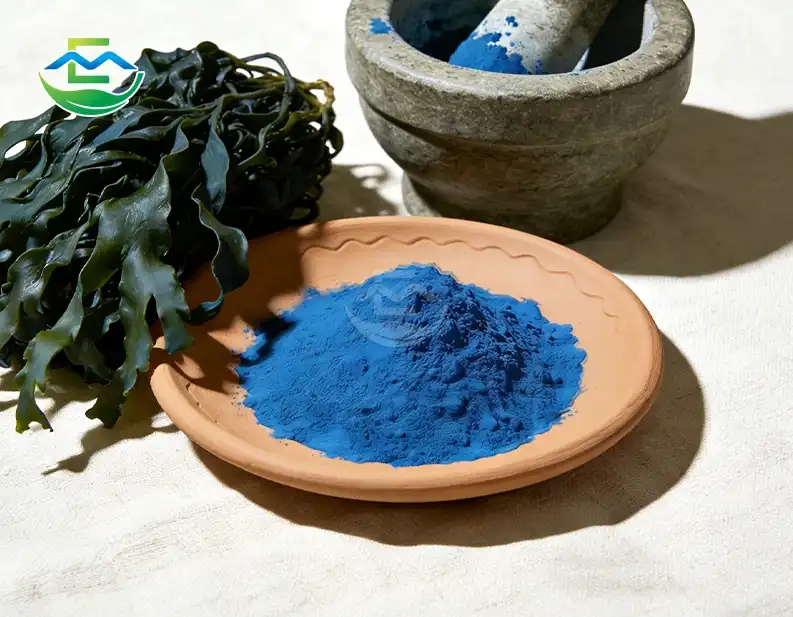
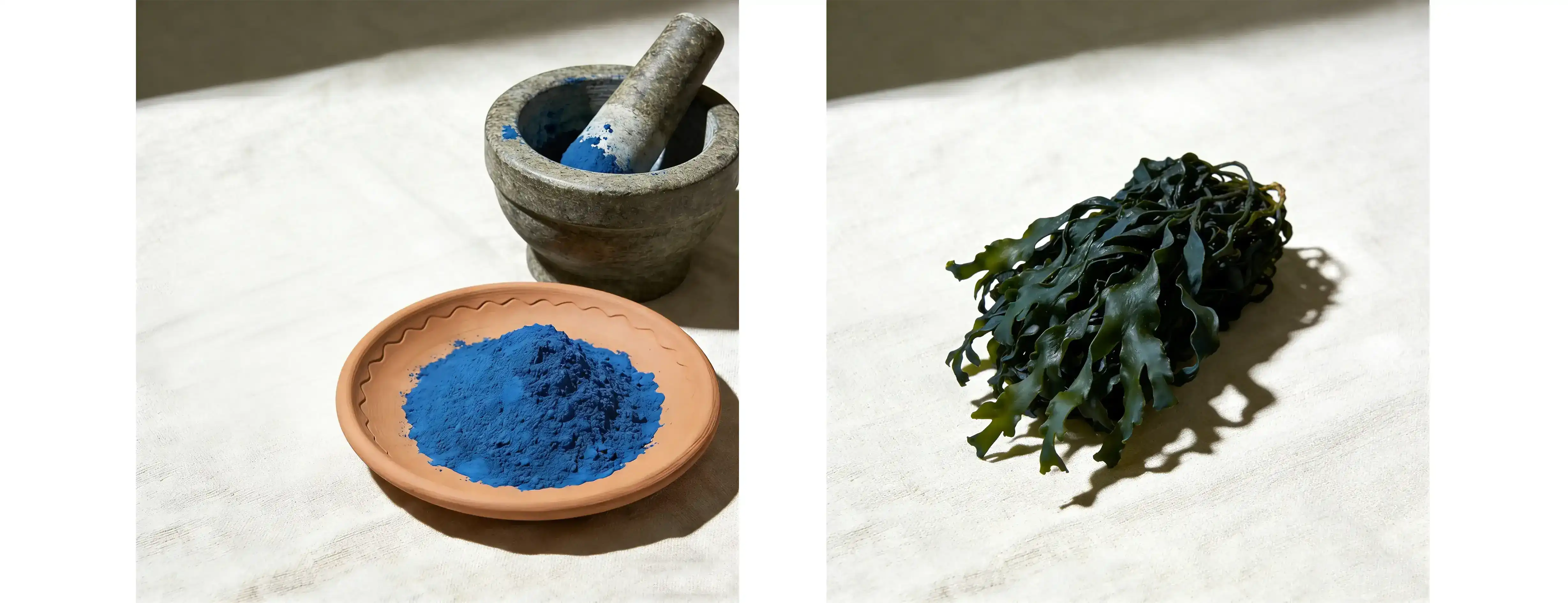
You can choose between Blue Spirulina Phycocyanin and whole spirulina based on your manufacturing goals. With its distinctive green colour, whole spirulina provides a wide range of nutrients, such as protein, vitamins, and minerals. Blue Spirulina Phycocyanin comes from spirulina cells and is a rich blue pigment that is also a powerful antioxidant. It doesn't have the strong taste of algae. Phycocyanin extract is the best thing to use if your product needs to be bright blue, has no taste, and has specific protective action. Whole spirulina is better for getting all the nutrients you need.
What Is Spirulina? Understanding the Whole Cell Superfood
Spirulina, whose formal name is Spirulina platensis, is a blue-green microalgae that is grown in controlled marine settings all over the world. This tiny creature has been supporting communities for hundreds of years and is known for having a lot of nutrients.
Whole spirulina is one of the most abundant plant protein sources in nature, with about 60–70% protein by dry weight. The algae also give you B vitamins, iron, calcium, and important fatty acids, in addition to protein. Along with pigments and phycobiliproteins, chlorophyll, which gives spirulina its dark green colour, makes up the whole cell structure.
Three good things about whole spirulina for your health:
- Full amino acid makeup with all the necessary amino acids present
- The bioavailable iron level helps keep blood healthy.
- Omega-6 fatty acid benefits from gamma-linolenic acid (GLA)
If you need a complete nutritional ingredient for supplements that focus on protein or green vegetable mixes, whole spirulina is the better choice.
The algae grows in spiral-shaped strands, which is how it got its name. It does best in alkaline water, which keeps other germs from getting into it. This plant's natural resistance helps make it easy to grow.
What Is Blue Spirulina Phycocyanin? The Extracted Pigment Protein
The blue pigment-protein complex Blue Spirulina Phycocyanin is taken from spirulina cells using water-based means and is then cleaned up. This process separates phycocyanin from chlorophyll and other chemicals, leaving behind a bright blue powder.
In spirulina's photosynthesis process, phycocyanin is a protein that collects light. When the pH level is just right, the substance is very stable and has unique fluorescent qualities. The strong blue colour comes from chromophore groups that are attached to protein chains in its chemical structure.
Important things about phycocyanin extract:
- Phycocyanin amounts of purity are usually between 10% and 25%.
- water-soluble, making it easy to incorporate into formulations
- Neutral flavour profile, without the unique taste of spirulina
- Instead of manufactured dyes, natural blue colouring is used
Standardised extraction methods show that phycocyanin keeps its colour stable at pH levels between 5.5 and 7.5, with neutral pH giving it the most vibrant colour. The compound's antioxidant capacity, as measured by ORAC values, shows that it is very good at getting rid of free radicals.
Phycocyanin extract is better than whole spirulina if you need a natural blue colourant that can also be used as an antioxidant in drinks, makeup, or high-end supplements.
Three Core Differences Between Whole Spirulina and Phycocyanin Extract
Composition and Nutritional Profile
Whole spirulina is a source of nutrition in many ways. A normal 5-gram dose has about 3 grams of protein, 11% of your daily iron needs, and important amounts of copper, B vitamins, and vital amino acids. Polysaccharides, nucleic acids, and different phytonutrients work together to make up the whole biological framework.
The increased pigment-protein makeup of phycocyanin extract gives specific benefits. Most of the beneficial parts of spirulina are taken out during the extraction process, leaving only the phycocyanin molecule. This separation makes a unique ingredient that is valued for its specific qualities rather than its overall health benefits.
Comparative analysis:
| Component | Whole Spirulina | Phycocyanin Extract |
|---|---|---|
| Protein content | 60-70% | 10-25% (phycocyanin protein) |
| Chlorophyll | Present | Absent |
| Vitamin B12 | Present | Absent |
| Antioxidant focus | Broad spectrum | Concentrated phycocyanin |
| Mineral content | Rich | Minimal |
Colour, Taste, and Sensory Properties
Because it has chlorophyll and mixed pigments, whole spirulina powder looks dark green to almost black. Because of its strong colour, it can't be used in goods that need to look a certain way. Some people don't like the earthy, seaweed-like notes in the taste, especially when they're taken in higher doses.
Blue Spirulina Phycocyanin makes bright blue colours that can range from sky blue to deep azure, based on how much is used. The extracted pigment doesn't have any green tones at all, as chlorophyll does. Taste is surprisingly bland; even at useful levels, it doesn't add any flavour that can be picked out.
Colour stability tests in the lab show that phycocyanin keeps its colour when it is safe from long-term light exposure and big changes in pH. The natural blue colour gives brands that are moving away from manmade colours like Brilliant Blue FCF a clean-label draw.
When it comes to ready-to-drink drinks, smoothie mixes, or beauty products, phycocyanin extract is better at getting people to like them because it looks good without changing the taste.
Application Versatility and Formulation Behaviour
Whole spirulina works really well in opaque mixtures because its colour and flavour blend in naturally. Tablets, tablets, protein shakes, and green juice mixes can all be made to work with spirulina's taste and texture. The powder mixes easily with liquids, but it might settle over time in drinks that don't have stabilisers.
Phycocyanin extract works great in clear to see-through situations that need accurate colour matching. The powder dissolves fully in water-based systems, which makes the colour even without the particles getting mixed up. Its stable profile makes it good for drinks that need to be kept cold, water boosters, and beauty serums where clarity is important.
Formulation issues to think about:
- pH sensitivity: Phycocyanin works best at a normal pH. If the pH is below 4.5, the colour may change to purple.
- Heat stability: Both ingredients can handle normal temperatures used in food processing, but phycocyanin's colour strength fades after a while of high heat.
- Light protection: Phycocyanin needs dark packing or UV-protective materials to keep it from breaking down during storage.
Phycocyanin keeps its colour 85% longer after 12 months at room temperature when it is kept out of the light, but only 70% longer when it is exposed to light all the time.
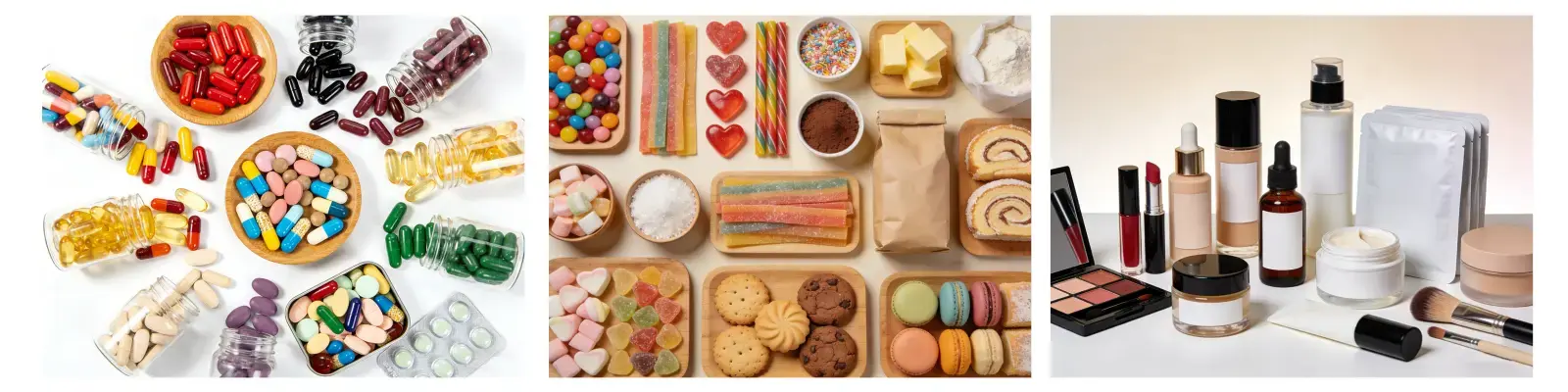
Benefits of Whole Spirulina: When Complete Nutrition Matters
Whole spirulina is used in preparation methods that focus on delivering all of the nutrients that the body needs. The whole cell structure keeps the phytonutrient connections that have formed over thousands of years.
Some of the main benefits are:
- Full protein source: all nine necessary amino acids in amounts that are good for the human diet
- Micronutrient density: a lot of vitamins and minerals in forms that your body can use
- Digestive tolerance: Standard meal amounts (3–5 grams per day) are usually well handled.
- Cost-effectiveness: It costs less to make than recovered chemicals.
- Clean label appeal: customers who care about openness like that a product only has one ingredient.
85% of spirulina protein can be digested, which is about the same as egg protein and better than many plant sources. This ease factor is very important for sports nutrition and meal replacements.
The iron in algae is found in ferredoxin and other protein-bound forms that may be better absorbed by the body than manufactured iron supplements. Studies that track changes in iron levels show that regular spirulina eating leads to real changes.
Whole spirulina is better than separate extracts if you need a cheap, nutritionally full ingredient for functional foods or supplements for the mass market.
Spirulina tastes better now that it is grown in better ways. Modern processing methods get rid of strong smells while keeping the nutrients, which means they can be used in more popular goods than just those aimed at health nuts.
Benefits of Blue Spirulina Phycocyanin: When Function Meets Aesthetics
Phycocyanin extraction opens up unique possibilities that aren't possible with whole spirulina. During the separation process, certain qualities are concentrated while sense limits are taken away.
Some strategic benefits are:
- Natural blue colourant: Can be used instead of manufactured colours in clean-label products
- Neutral flavour: Can be used in delicate taste profiles without covering them up.
- Targeted antioxidant activity: phycocyanin, which is concentrated, gives specific effects
- Premium positioning: commands more money in more high-end product groups
- Cosmetic compatibility: blue dye that dissolves in water for use in skin care products
The antioxidant power of phycocyanin is the same as or better than that of popular antioxidants, as shown by various test methods. DPPH radical scavenging tests show that the activity changes with concentration, and IC50 numbers show how well the free radical is neutralised.
Because phycocyanin is bright, it can be used in new ways in functional drinks where the visual effect helps tell the brand's story. The colour looks good enough for Instagram and gets people to interact with you on social media, which is especially helpful for brands that sell directly to consumers.
Phycocyanin extract is better for making your product stand out in the market if you want to use visual innovation to do so in competitive categories like improved drinks, beauty supplements, or premium superfood mixes.
Recent improvements in the production of phycocyanin have made it more efficient and consistent in terms of purity. Advanced water extraction methods that use controlled temperature and pressure keep molecules intact while increasing concentration factors.
Which Ingredient Fits Your Product Strategy?
Choosing between Blue Spirulina Phycocyanin and whole spirulina depends on a number of recipe and marketing factors.
When you should eat whole spirulina:
- Your main product selling point is nutritional value.
- Protein content is the main thing that it does.
- Aligning the categories of green superfoods is good for brand placement
- Cost efficiency has a big effect on profit ratios.
- Capsule or pill forms of release work for looks
- Target customers care more about complete nutrition than taste.
When to use phycocyanin extract:
- Visual difference gives you an edge over your competitors
- For more uses, flavour neutrality opens up more options.
- Synthetic blue dyes are replaced by natural ones.
- Investing in ingredients is supported by high prices.
- Formats that are clear or see-through show off colour
- Cosmetic or external uses need to be pure.
By testing both chemicals in sample formulas, you can see that they work well with your unique matrix. pH, other materials, handling conditions, and packing are just some of the things that can change how well an end product works.
If you need help choosing the best spirulina style for your needs, talking to experienced ingredient sellers is better than just doing a formal analysis.
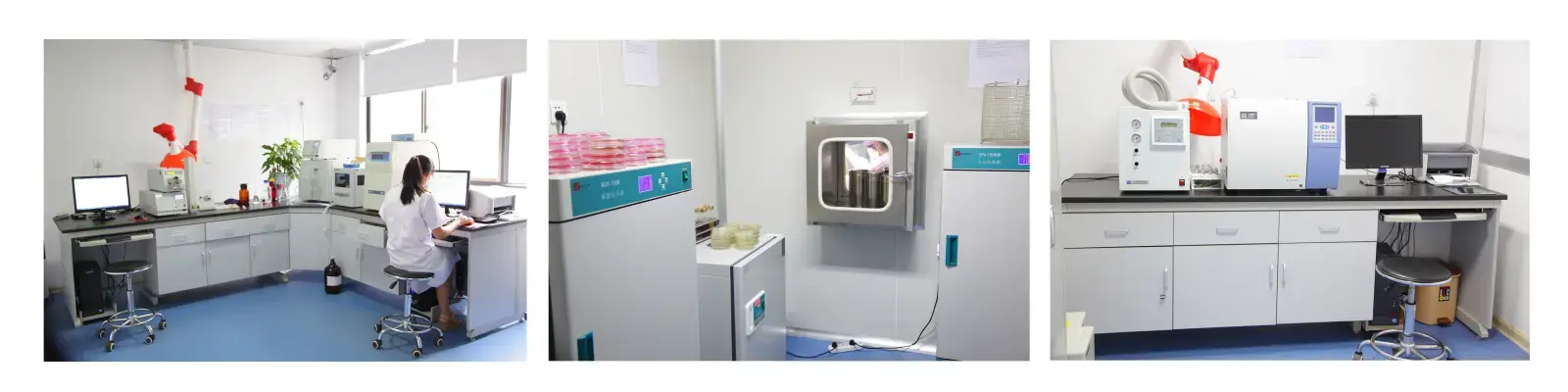
Processing and Quality Considerations for B2B Buyers
To make decisions about what to buy, you need to know how the production factors affect the performance of the ingredients and how to follow the rules.
The quality of whole spirulina relies on how it is grown, when it is harvested, and how it is dried. Growing algae in an open pond puts them at risk of polluting the environment, while controlled photobioreactor systems give you more control. Spray-drying costs more than drum-drying but keeps more of the nutrients.
The quality of phycocyanin extraction depends on the liquid used, the temperature, and the steps taken to clean the extract. Chemical cleaners are not as good for clean labels as water extraction. Final purity levels and batch uniformity are set by multiple stages of filtration and concentration.
Important quality factors:
- Testing for heavy metals: levels of lead, arsenic, cadmium, and mercury are below the limits set by law
- Count of all microbes, including yeast and mould, coliforms, and viruses
- Verification of identity: HPLC or optical proof of phycocyanin content
- Allergen status: Usually allergen-free, but there is a chance of cross-contamination
- GMO status: Growing spirulina does not involve changing genes.
Each batch should come with a Certificate of Analysis (COA), which lists the test results and how they compare to the standards. Having a third-party check it through NSF GMP, Kosher, Halal, ISO, FSSC22000, or organic approval makes it seem more trustworthy.
Shelf life performance can be predicted by testing stability in the settings that will be used for keeping. Studies that speed up the ageing process show patterns of breakdown that help with decisions about packing and preparation.
A screening process that includes facility checks is better than just looking at price if you need a reliable source that meets pharmaceutical-grade standards for nutritional uses.

Regulatory Status and Global Compliance
Whole Blue Spirulina Phycocyanin extracts are generally well-regulated around the world, though they are classified in different ways.
In the US, spirulina is generally thought to be safe for use in food and has been given the GRAS label. The chemical is in the FDA's database, but there aren't many limits on how much can be used. According to European rules, spirulina is a new food that has not been tested for safety before.
Phycocyanin extract is regulated in a wider range of ways. Because it is a cleaned component and not a whole food, some places need more paperwork. The natural blue pigment is labelled differently because it doesn't have an E-number like manmade colourants do.
Thoughts on the region:
- In North America, both ingredients are commonly used in healthy foods and nutrition supplements.
- European Union: Spirulina is well-known; phycocyanin needs to be evaluated in new foods in some situations.
- Asia-Pacific: Generally allowed, and more and more elite sectors are accepting it.
- Beauty use: Both ingredients are used around the world in skin formulas that follow beauty rules.
Labelling rules are different in each area and type of application. Accurately listing ingredients helps with compliance and backs up marketing claims.
If you want to sell products around the world that meet foreign standards, it's best to choose sellers with a wide range of certifications. This will help you avoid legal problems as much as possible.
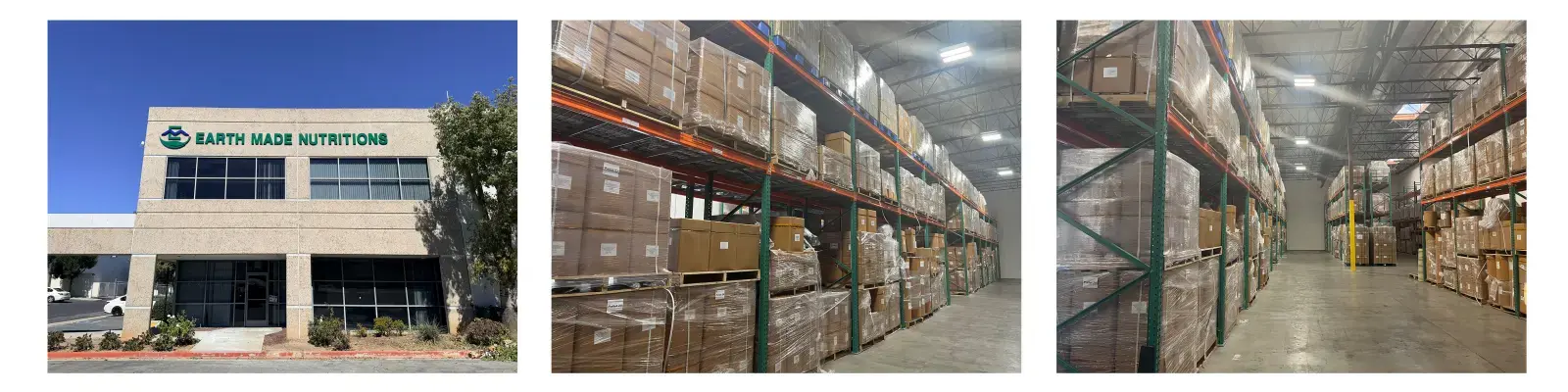
Conclusion
The choice between whole spirulina and Blue Spirulina Phycocyanin depends on your product's functional and aesthetic priorities. Whole spirulina delivers comprehensive nutrition with complete proteins, vitamins, and minerals, suited for traditional supplements and superfood blends. Phycocyanin extract provides concentrated antioxidant properties with vibrant blue colouring and neutral taste, ideal for premium beverages, cosmetics, and visually distinctive products. Understanding these differences enables strategic ingredient selection aligned with formulation goals, target market expectations, and brand positioning. Both ingredients offer natural, clean-label solutions meeting consumer demand for plant-based alternatives to synthetic compounds.
Earth Made Nutritions Inc.: Your Blue Spirulina Phycocyanin Supplier
Earth Made Nutritions Inc. delivers pharmaceutical-grade Blue Spirulina Phycocyanin extract backed by rigorous quality systems and responsive technical support. Our water-extracted phycocyanin powder maintains consistent purity and colour performance across production batches, addressing formulation reliability concerns that procurement teams prioritise.
Why leading nutraceutical and cosmetic manufacturers choose our phycocyanin:
- U.S.-based warehouses: Four strategic locations ensure two-day delivery, fulfilling just-in-time inventory requirements
- Certification depth: NSF GMP, Kosher, Halal, ISO, FSSC22000, and Organic certifications supporting diverse market access
- Technical collaboration: R&D team provides formulation guidance, optimising phycocyanin performance in your specific matrix
- Quality transparency: Complete documentation, including COA, stability data, and regulatory support letters
- Sustainable sourcing: Cultivation partners meet environmental standards, aligning with corporate responsibility commitments
- Flexible minimums: 25kg MOQ with free sampling, enabling evaluation before full-scale adoption
- In-stock availability: Maintained inventory eliminates lead-time delays, disrupting production schedules
Our phycocyanin specifications include:
- Appearance: Dark blue powder with a characteristic azure tone
- Purity: Standardised phycocyanin content with batch-to-batch consistency
- Solubility: Complete dissolution in water-based systems
- Particle size: Optimised for various application requirements
- Testing: Heavy metals, microbiological, and identity confirmation per batch
Earth Made Nutritions Inc. understands the technical challenges formulators face in integrating natural pigments without compromising product stability or sensory properties. Our application scientists provide dosage recommendations, pH optimisation strategies, and packaging guidance based on extensive testing across multiple product formats.
Contact our team at info@em-herb.com to discuss your Blue Spirulina Phycocyanin requirements and receive technical specifications supporting your formulation development process.
References
1. Capelli, B. & Cysewski, G.R. (2010). Spirulina: Nature's Superfood. Cyanotech Corporation Press.
2. Eriksen, N.T. (2008). Production of phycocyanin—a pigment with applications in biology, biotechnology, foods and medicine. Applied Microbiology and Biotechnology, 80(1), 1-14.
3. Sekar, S. & Chandramohan, M. (2008). Phycobiliproteins as a commodity: trends in applied research, patents and commercialisation. Journal of Applied Phycology, 20(2), 113-136.
4. Spolaore, P., Joannis-Cassan, C., Duran, E. & Isambert, A. (2006). Commercial applications of microalgae. Journal of Bioscience and Bioengineering, 101(2), 87-96.
5. Belay, A. (2013). Biology and Industrial Production of Arthrospira (Spirulina). In Handbook of Microalgal Culture: Applied Phycology and Biotechnology, Second Edition.
6. Kannaujiya, V.K. & Sinha, R.P. (2016). Thermokinetic stability of phycocyanin and phycoerythrin in food-grade preservatives. Journal of Applied Phycology, 28(2), 1063-1070.
The Eurycoma longifolia Jack plant, which is used to make Tongkat Ali Root Powder, is native to Southeast Asia. It has become a popular herbal ingredient in hormone-health products for both men and women. The plant's roots were used to make this brownish-yellow powder, which has beneficial quassinoids and eurypeptides that help keep hormones in balance. As more people look for plant-based, clean-label options in the functional food, it is important to get high-purity Tongkat Ali from certified sources. This guide tells procurement workers everything they need to know about product specs, uses, and how to judge a seller in order to make formulations work better and make brands stand out.

Understanding Tongkat Ali Root Powder and Its Hormonal Benefits
Tongkat Ali of high quality starts with knowing where the plants that make it come from and how they are processed. Eurycoma longifolia grows naturally in Malaysia, Indonesia, and Vietnam. The roots are collected by traditional harvesters from grown trees that are five to ten years old to get the highest chemical concentration.
Origins and Traditional Applications
This plant has been used in traditional Southeast Asian medicine for hundreds of years to treat problems with energy and improve general health. Modern methods of extraction keep the plant's natural ingredients while getting the level of standardization needed for business uses. To make the distinctive brownish-yellow powder that meets pharmaceutical-grade standards, the root is carefully picked, cleaned, dried, and ground.
Key Bioactive Compounds
The effectiveness of the powder comes from its phytochemical makeup, especially its eurycomanone content, which is standardized between 0.5% and 3% through HPLC proof. Glycosaponins and polysaccharides give this ingredient extra useful qualities that work together to make it different from synthetic options. Because these chemicals work with endocrine processes, they can be useful in formulas that help with hormonal balance issues without using drugs.
Hormonal Support Mechanisms
Studies in humans show that the bioactive chemicals change the processes that make hormones in different ways for different groups of people. Formulations for men use the qualities that help balance the testosterone-to-cortisol ratio, while products for women focus on helping with energy metabolism and stress tolerance. This ability to work for both men and women opens up more market possibilities for companies that are making complete hormonal health lines that deal with modern living problems that affect both groups.
Benefits and Safety Considerations of Tongkat Ali Root Powder
To back up promises about formulations and make sure they meet regulatory standards in all target markets, product makers need data that can be used as proof for Tongkat Ali Root Powder.
Documented Wellness Applications
Studies that have been studied by experts in the field show that standardized extracts help the body with a number of tasks. Men aged 30 to 55 who took supplements for 12 weeks at doses of 200 to 400 mg per day showed gains in markers of physical ability and stress hormone levels. In two different studies, women who took part reported having more energy and a more stable mood. This was thought to be because the plant's adaptogenic traits help keep homeostasis when hormones change.
Quality Assurance Parameters
Reliable sellers use strict testing methods to make sure the products are pure and effective. Heavy metal screening makes sure that amounts of arsenic, mercury, and lead stay below USP/EP limits. This is very important because roots naturally hold onto earth minerals. Testing for microbes proves the lack of pathogens, and a moisture level below 5% keeps the food from breaking down while it's being stored. Verification that procurement teams need for due diligence processes comes from third-party certificates from approved labs.
Formulation Stability Factors
Technical specs have a direct effect on how well something is made. Standardizing particle size at 80–100 mesh makes sure that capsule and pill formulas are mixed evenly. Bulk density, which ranges from 0.4 to 0.65 g/ml, affects how well encapsulation machinery works. It can withstand temperatures up to 120°C, which means it can be used in hot processes like making instant drink mixes. This opens up more product development options than just standard supplement formats.

Comparing Tongkat Ali Root Powder with Other Forms and Alternatives
Knowing about the different formats helps procurement workers choose the best ingredients for each product purpose and target audience.
Powder versus Extract Standardization
Raw root powder has all of the plant's chemicals in it, but its strength varies depending on how it was harvested and how it was processed. Standardized extracts go through concentration steps that make sure they always have the same amount of bioactives, which is important for brands that want to back up their claims. Extract ratios like 100:1 or 200:1 show the concentration factor, but real eurycomanone amounts are needed to really judge the quality. When reviewing sellers, procurement teams should put more weight on HPLC-verified active compound data than on marketing that uses vague extraction ratios.
Comparative Analysis with Alternative Botanicals
There are a lot of herbal choices for hormonal health formulas on the market with useful ingredients. Tribulus terrestris is mostly used for athletic performance, while maca root works on energy and endurance through different biochemical processes. Eurycoma longifolia stands out because it has a unique effect on the balance of stress hormones. This makes it possible to make combination products that treat a number of health issues. Cost research shows that Tongkat Ali usually gets higher prices because it has longer growth cycles and more complicated processing needs, which puts it in a high-value product category.
Application-Specific Format Selection
Encapsulated powder works well with traditional supplement delivery methods because people like regular doses and don't care about how they taste. Water-soluble extract powders make it possible to make healthy drinks, but formulation scientists need to use flavor masking technologies to deal with the bitter taste of the ingredient. Sports nutrition companies put the powder into pre-workout or recovery drinks, so they have to be very careful that it doesn't get lumpy in cold water. Each style has its own technical issues that affect the minimum order amounts and the schedules for planning production.

A B2B Procurement Guide: How to Choose and Where to Buy Quality Tongkat Ali Root Powder
Choosing the right supplier of Tongkat Ali Root Powder has a direct effect on the uniformity of product quality, compliance with regulations, and, in the end, the image of the brand in competitive markets.
Essential Certification Requirements
When a factory gets NSF GMP approval, it means that they follow pharmaceutical-grade quality systems from the time they receive the raw materials to the time they package them. FSSC 22000 certification shows that food safety management rules are being followed, which is important for safe food and drink use. Kosher and Halal certifications help brands reach new customers, while organic approval is good for brands that care about having clean labels. Managers in charge of buying things should ask for up-to-date copies of certificates that include scope proof for the specific ingredient they are looking for.
Traceability and Documentation Standards
Full supply chain openness starts with identifying the plants and making sure they are Eurycoma longifolia Jack species by genetic testing or physical confirmation. Documentation of the harvest location proves the product's geographical origin, which is important because Malaysian sources usually charge higher prices for quality. Audits of the processing center check the methods used for extraction and the quality control steps. Certificates of Analysis that are specific to each batch give testing information for each shipment. Setting these documentation standards in supplier deals saves brands from problems with quality and close review by regulators.
Logistics and Service Evaluation
Because lead time dependability affects both planning production and managing supplies, a supplier's past performance is an important factor in judging them. Small to medium-sized brands can try new formulas with minimum order amounts of 25 kg. For well-known goods with steady demand, bulk price structures become useful. With free samples available, R&D teams can test for steadiness and find out how well a product will be received by customers before making big purchases. Shipping times are cut down, and customs processes are made easier by domestic warehouse networks. This is especially helpful for brands that use just-in-time stocking models.
Earth Made Nutritions Inc. has four carefully placed warehouses across the United States. This lets them process orders in two days, which helps with their quick product development cycles. In its Californian factories, the company uses approved machinery to turn plant ingredients into finished powders while keeping the process under tight control. This vertical merger makes sure that quality is always the same and prices stay low so that buying teams can stick to their tight budgets.
Supplier Relationship Development
Long-term relationships have benefits that go beyond simple buying and selling. Preferred providers often offer expert help with formulation problems, legal updates that change the status of ingredients, and market information about new uses. By negotiating outline deals, prices can be kept stable, and supplies can be guaranteed during times of high demand or crop shortages. Regular performance reviews and checks of suppliers keep quality standards high and find ways to keep improving that are good for everyone.

Maximizing Your Investment: How to Use Tongkat Ali Root Powder Effectively
The best ways to use this expensive plant ingredient make sure that brands get the most out of it while also meeting legal requirements and customer expectations.
Formulation Integration Strategies
Product makers who use Tongkat Ali in mixtures with other ingredients need to think about how the ingredients will interact with each other and how stable the mixture will be. Putting it together with adaptogenic plants like rhodiola or ashwagandha makes a health mix that works better together, and putting it together with vitamin D and zinc targets the needs of certain groups. Encapsulation technologies hide the powder's natural taste, which is important for getting people to buy direct-to-consumer supplements. Formulators of drinks use cyclodextrin complexation or microencapsulation to make sure that the suspensions stay steady and don't settle or lose their taste over time.
Dosage Protocols and Market Positioning
According to clinical research, the best daily doses of standardized extract are between 200 mg and 600 mg, usually split into two meals in the morning and afternoon to keep blood levels steady. When marketing to athletes, brands may put their goods at higher dosage levels. On the other hand, general wellness formulations usually use moderate amounts along with other nutrients that work well with them. Labels that are clear about standardization levels help customers trust the product and set it apart in crowded market segments where vague "proprietary blend" claims hurt believability.
Regulatory Compliance Across Markets
Structure-function claims must be made on dietary supplements sold in the United States so that they don't have any negative effects on disease care while still truly reflecting scientific evidence. Through the European Food Safety Authority, European markets have extra warning rules, and each member state has its own limits. Knowing these regulatory settings can keep you from having to pay a lot of money to change the recipe or pull it from the market. Time-to-market is sped up by working with providers who keep up with regulatory changes and provide marketing wording that is legal. Legal exposure is also reduced.

Conclusion
Tongkat Ali Root Powder is a strategic ingredient choice for companies making hormone wellness goods that meet customers' desire for natural, scientifically proven solutions. To make a good purchase, you need to carefully look at each provider, paying special attention to their certifications, quality records, and the ability to handle logistics that support regular production. Product makers can get the most out of their ingredients while keeping costs down by learning about the different formats, the benefits of certain botanicals compared to others, and the unique formulation needs of each application. The global market for adaptogenic plants is still growing. Brands can ensure long-term growth in this area by forming reliable supply agreements with certified manufacturers.
FAQ
1. What makes Tongkat Ali Root Powder suitable for both male and female formulations?
The bioactive chemicals in Eurycoma longifolia work with hormonal pathways to control how both men and women react to stress and use energy. Traditionally, research has focused on male hormonal factors. However, new studies show that adaptogenic processes that help keep balance during natural hormonal changes can also help female communities. Because of this, brands can make complete product lines that appeal to a wider range of customers.
2. How should procurement teams verify ingredient authenticity?
Instead of taking vague extraction ratios, ask for HPLC test results that show the amount of eurycomanone present. Ask for genetic tests or official plant identification to confirm the species. Check that the supplier's certifications come from a known organization, and do regular checks of the building. Set standards for batch-specific Certificates of Analysis that show the results of microbial and heavy metal tests before you accept shipments.
3. What minimum order quantities typically apply for bulk powder purchases?
Most reliable providers set a minimum order size of 25 kg, which is packed in fiber drums with food-grade bags inside. This amount is good for small to medium-sized brands that want to try new formulas while still being affordable for sellers who need to keep an eye on quality control costs. Tiered price discounts that improve profit economics are often unlocked by larger volume agreements for well-known goods with regular demand patterns.
Partner with EM for Premium Tongkat Ali Root Powder Supply
Earth Made Nutritions Inc. sends Eurycoma longifolia Jack root powder that is safe for use in medicines to companies in North America that make functional foods, and sports nutrition products. Our brownish-yellow powder meets strict standards and has been certified as NSF GMP, FSSC22000, Kosher, Halal, ISO, and organic, meeting the strictest legal needs. As a well-known provider of Tongkat Ali Root Powder, we keep ready-to-ship items in four carefully placed U.S. warehouses. This lets us complete orders quickly and offer two-day pickup, which helps keep production schedules on track.
Our research and development team in California helps us improve formulations with expert advice, and our quality control procedures make sure that every 25 kg drum shipment comes with full analytical paperwork. We offer free samples so that your development team can do a full review before agreeing to large-scale production. Get in touch with our purchasing experts at info@em-herb.com to talk about your specific needs, ask for up-to-date COAs, and find out how our environmentally friendly sourcing methods and cheap bulk prices can help you reach your product development goals.
References
1. Henkel R, Wang R, Bassett S, Chen T, Liu N, Zhu Y, Tambi M. "Tongkat Ali as a potential herbal supplement for physically active male and female seniors—a pilot study." Phytotherapy Research, 2014, 28(4): 544-550.
2. Talbott S, Talbott J, George A, Pugh M. "Effect of Tongkat Ali on stress hormones and psychological mood state in moderately stressed subjects." Journal of the International Society of Sports Nutrition, 2013, 10(1): 28.
3. Rehman SU, Choe K, Yoo HH. "Review on a Traditional Herbal Medicine, Eurycoma longifolia Jack (Tongkat Ali): Its Traditional Uses, Chemistry, Evidence-Based Pharmacology and Toxicology." Molecules, 2016, 21(3): 331.
4. Kotirum S, Ismail SB, Chaiyakunapruk N. "Efficacy of Tongkat Ali (Eurycoma longifolia) on erectile function improvement: systematic review and meta-analysis of randomized controlled trials." Complementary Therapies in Medicine, 2015, 23(5): 693-698.
5. Thu HE, Mohamed IN, Hussain Z, Jayusman PA, Shuid AN. "Eurycoma longifolia as a potential adaptogen of male sexual health: a systematic review on clinical studies." Chinese Journal of Natural Medicines, 2017, 15(1): 71-80.
6. George A, Henkel R. "Phytoandrogenic properties of Eurycoma longifolia as a natural alternative to testosterone replacement therapy." Andrologia, 2014, 46(7): 708-721.
Choosing the right type of Milk Thistle seed Powder has a direct effect on the safety of the formulation, the bioactive strength, and the performance of the finished product in cosmetics and functional foods. To make the choice, you need to look at the quantity of silymarin, the methods used for extraction, the spread of particle sizes, and the supplier's certifications to make sure they meet your quality standards. High-purity forms made from Silybum marianum seeds have antioxidant properties and other useful qualities that make them essential for liver support pills, detox drinks, and skin care ingredients. By knowing these differences, R&D directors and procurement teams can find the best mix between effectiveness, cost-effectiveness, and legal compliance, all while meeting the needs of today's picky customers for clean labels.
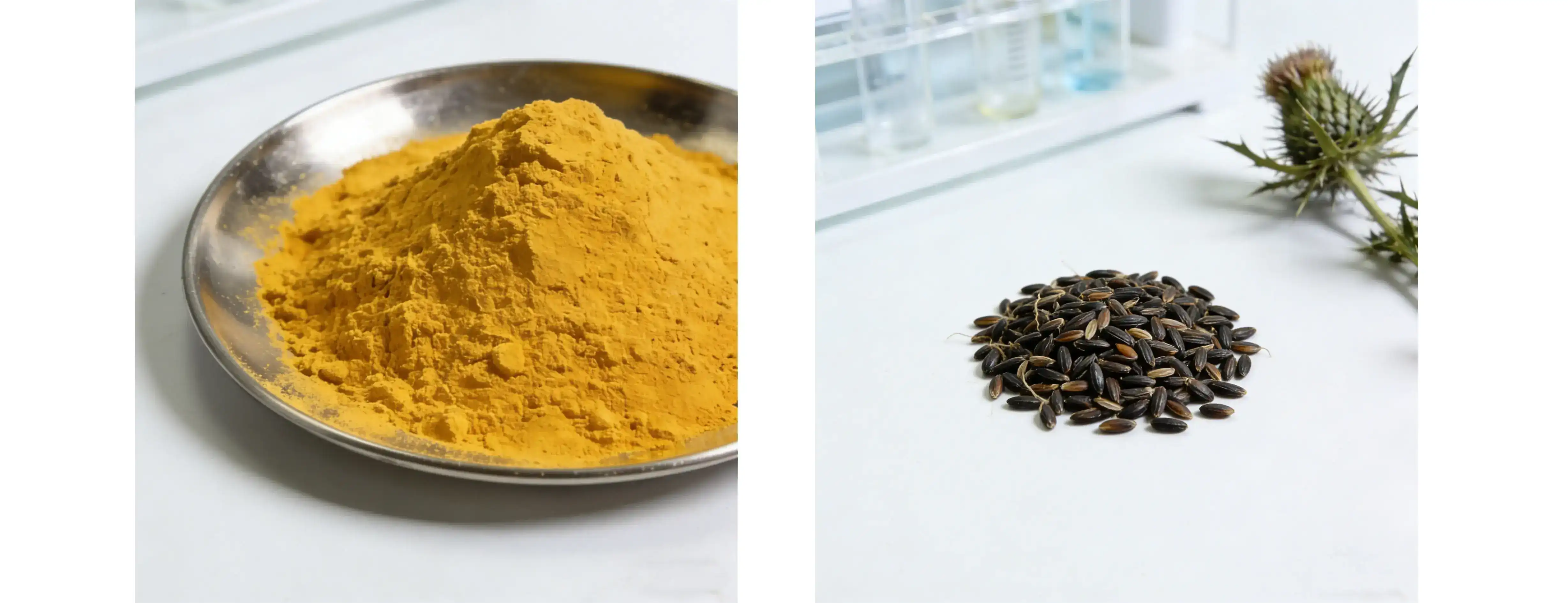
Understanding the Importance of Milk Thistle Seed Powder in Formulations
Due to its high flavonolignan content, especially silymarin, which is the main bioactive compound, Milk Thistle seed Powder has gained respect as a crucial factor in many businesses. This plant material, which comes from the dried seeds of Silybum marianum, helps make medicines that work better with antioxidants and protect cells. In the food supplement industry, this ingredient is used to make mixes for pills, tablets, and powders that are meant to support metabolic health and the detoxification process.
Aside from beauty, scientists are adding different kinds of Milk Thistle seed Powder to anti-aging serums and repair creams more and more. Because silymarin is lipophilic, it can be easily mixed into oil-based products, where it helps strengthen the skin barrier and lower oxidative stress. Functional food companies also like how versatile it is. They use standardized extracts to make protein bars, enriched drinks, and meal replacements that appeal to people who are health-conscious.
Picking the right version is more than just how well it works right away. In a time when natural ingredients and transparency are valued, the choice you make affects how the business is positioned, how long it takes for governmental approval, and how customers feel about it. The effectiveness of a product depends on having consistent concentrations of active ingredients, and the dependability of production depends on being able to repeat batches. By understanding how these factors affect each other, decision-makers can come up with recipes that meet the needs of the market while still being technically sound during production processes.
Defining Decision Criteria for Selecting Milk Thistle Seed Powder Variants
Evaluating Purity and Standardization Levels
When judging different types of Milk Thistle seed Powder, purity standards are the most important thing to look at. The naturally found silymarin in raw seed powder is usually between 1.5% and 3%. Standardized extracts, on the other hand, concentrate this flavonolignan complex to 50–80%, based on the method used for analysis. Most of the time, UV spectrophotometry gives bigger percentages because it finds more phenolic compounds. On the other hand, HPLC gives exact amounts of silybin A and B, silychristin, and silydianin. In order to avoid analytical differences that could hurt formulation estimates and label claims, procurement teams must include testing procedures in deals with suppliers.
Certification and Sourcing Transparency
Organic approval is very important for brands that want to sell to high-end customers and businesses that want to export. Certifications like USDA Organic, Kosher, and Halal not only meet government rules, but they also show buyers who care about quality that the supply chain is honest. Traceability paperwork that shows where the Milk Thistle seed Powder came from, how they were grown, and how they were handled after harvest is very important for cosmetic and medicinal uses, where controlling contaminants has a direct effect on the safety of the products.
Processing Methods and Solvent Considerations
The extraction method has a big impact on the chemical fingerprint and regulatory approval of the end powder. Ethanol extraction is most common in clean-label products because it is GRAS and is well known by consumers. On the other hand, acetone or ethyl acetate methods may produce higher silymarin concentrations but need strict residual solvent testing in line with USP standards. Water-based extraction makes products with lower strength that can be used as whole-food supplements, but they don't have the bioactive density that is needed for medicinal dose ranges.

Comparing Popular Milk Thistle Seed Powder Variants in the Market
There are three main types of popular Milk Thistle seed Powder variants on the market, and each one meets different design needs and cost concerns. Whole seed powder is the least processed choice because it still has some of the natural lipid profiles and fiber content, as well as low amounts of silymarin. Formulators who are making whole-food supplements or pet food items that value label simplicity over maximum bioactive concentration will like this version. It is a fine yellow powder that usually passes through 80-mesh screens. It mixes easily into capsule mixtures but needs higher inclusion rates to provide effective active doses.
Standardized extracts are in the middle to high-end range; they have silymarin amounts of 50 to 80%, which can be proven by HPLC measurement. These extracts fix problems with bioavailability that come with raw powders and make it possible for finished goods to have smaller serving amounts. During the concentration process, extra fiber and oils are taken out. This makes the ingredient more uniform, which makes quality control easier when the production is scaled up. Bulk density between 0.4 and 0.60 g/ml affects how well sealing works. Particle size distribution is an important standard for pressing tablets and filling capsules.
Molecular bonding with lecithin derivatives makes phosphatidylcholine-complexed versions the cutting edge of innovation. They solve the problem of silymarin not dissolving well in water. Pharmacokinetic studies have shown that these specialized forms have higher absorption rates, but they cost more. Functional beverage makers really like these water-dispersible powders because they don't settle to the bottom like other extracts do in liquids. Combining plants that work well together, like turmeric or dandelion root, can help make a product stand out even more and may even increase its antioxidant power through additive processes.
The choice between organic and standard buying adds another level of complexity to the decision process and affects both cost structures and market positioning. Organic versions usually cost 20 to 35 percent more, but they give you access to natural goods outlets and health-focused store agreements where certification is a must. Non-organic choices work well for uses that need to save money or for large-scale production where cost savings are more important than marketing benefits, as long as strict testing for pesticide residues makes sure that all target markets are in line with the law.
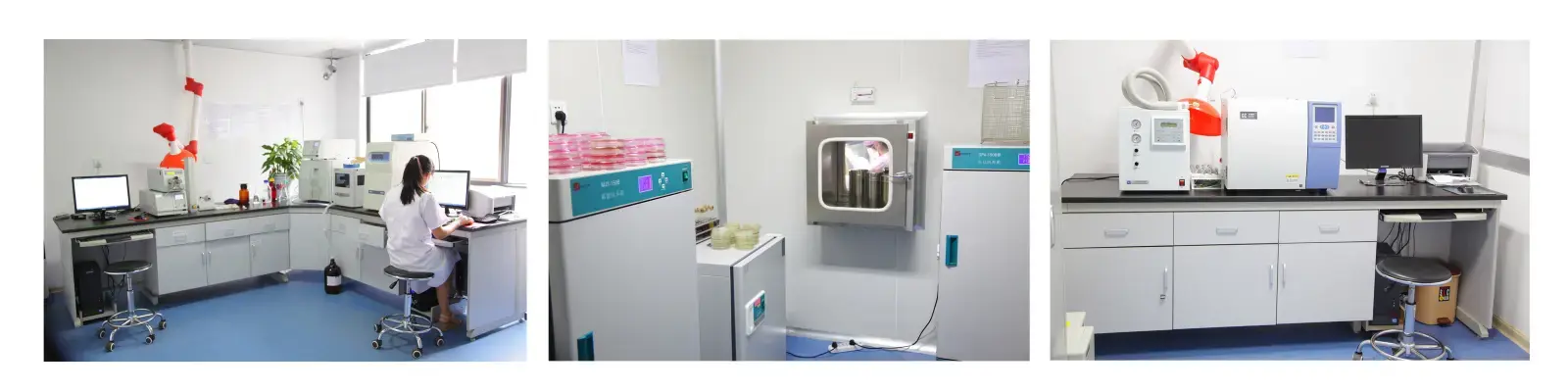
How to Match Milk Thistle Seed Powder Variants to Your Specific Formulation Needs
Aligning Variants with Industry-Specific Applications
Dietary supplement companies focus on using standardized extracts of Milk Thistle seed Powder that give 200–400 mg of silymarin per dose. This is in line with research-backed dosing guidelines and keeps capsule counts reasonable. Oil-soluble forms that suspend evenly in vegetable oil carriers are good for softgel uses because they keep the ingredients from separating during storage. Lower-concentration versions can be used in powder mixes and stick packs when mixed with liver-supporting ingredients that work well together. This spreads the bioactive release across more than one part.
Cosmetic formulators need very pure grades that meet cosmetic-grade standards. They pay extra attention to heavy metal and microbe limits that are tighter than food-grade limits. When used as a leave-on, the characteristic, slightly unpleasant smell and bitter taste need careful thought. However, these sensory qualities are not as important in rinse-off products or capsule delivery methods. For emulsion stability and sensory beauty in creams and serums, particle size consistency is very important.
When functional food designers try to add Milk Thistle seed Powder to drinks, bars, or baked goods, they run into unique solubility problems. Heat stability during processing, pH tolerance across product matrices, and taste hiding strategies all affect the choice of variants, which tend to be more specialized or have lower inclusion rates that are matched with flavoring systems that work well together. Minimum order amounts that start at 25 kg are usually enough for test production runs while still making it cost-effective to move to commercial-scale production.
Supply Chain and Procurement Logistics
Lead time dependability is what sets capable sellers apart from commodity traders. Well-known companies keep enough stock in their warehouses to meet standard specs in two days. This is very important when they have to respond to sudden production needs or changes in regular volume. Packaging choices include 25 kg fiber drums and large totes, so businesses from small names to contract makers with many clients can use them. With free sampling tools, you can test the formulation and make sure the analysis is correct before committing to large production numbers. This lowers the uncertainty in the buying process.
International sourcing becomes useful logistics when it's close by, thanks to local warehousing. Four big U.S. warehouse locations run by suppliers cut down on long ocean freight times and make it easier to follow import rules. This is especially helpful when handling just-in-time inventory strategies or dealing with supply chain problems. This edge in infrastructure is especially important for new brands that don't have the cash flow to pay for large amounts of inventory or long wait times.
Best Practices for Vetting and Procuring Milk Thistle Seed Powder for B2B Clients
Throughout the lifecycle of a product, strict guidelines for evaluating suppliers protect the purity of the formulation and the company's legal standing. Certificate verification of Milk Thistle seed Powder is the first step. It makes sure that the NSF GMP, ISO 22000, FSSC 22000, and other related organic certifications are real by checking them with an outside registry instead of just using the paperwork given by the seller. These qualifications show that the company has a method for managing quality and has plans in place to stop contamination, control allergens, and make sure the process works.
Laboratory testing needs more than just normal Certificates of Analysis; they also need to do full screening for contaminants. When buying from rural areas with heavy farming methods, pesticide screens should look at more than 200 compounds. Mycotoxin research focusing on aflatoxins becomes necessary because seeds can become infected with fungi while they are being stored. Heavy metal testing for arsenic, cadmium, lead, and mercury makes sure that the limits set by California Prop 65 and the EU's highest residue amounts are met. This protects market access across regulatory countries.
Analytical method confirmation tells the difference between providers who are trustworthy and those who don't do enough quality checks. HPLC chromatograms that show each silymarin isomer provide clarity that UV-only testing can't match, and proof from a third-party lab in a separate facility avoids any possible conflicts of interest. Shelf-life estimates and retest date procedures are based on stability data that shows the product's effectiveness over 24-36 months when stored in a certain way.
Traceability paperwork that links finished powder to source farms lets people act quickly during quality investigations or government checks. Recording harvest dates, processing batches, and delivery chains for each lot creates a system of responsibility that stops problems like mixing or falsely claiming origin. Suppliers with sustainable buying practices and environmental responsibility are in line with corporate responsibility efforts that retailers and environmentally aware customers are looking more closely at.
The best ties are more than just business deals; they also include technical help that everyone works on together. Expert sellers offer formulation advice to help find the best inclusion rates, compatibility tests with other ingredients, and solving for stable issues during the development stages. This knowledge cuts down on expensive reformulation processes and speeds up time-to-market. This is especially helpful for companies that don't have a lot of experience with botanical ingredients. Private labeling makes things even easier for brands that want complete solutions that include everything from recipe development to delivery of the finished product.
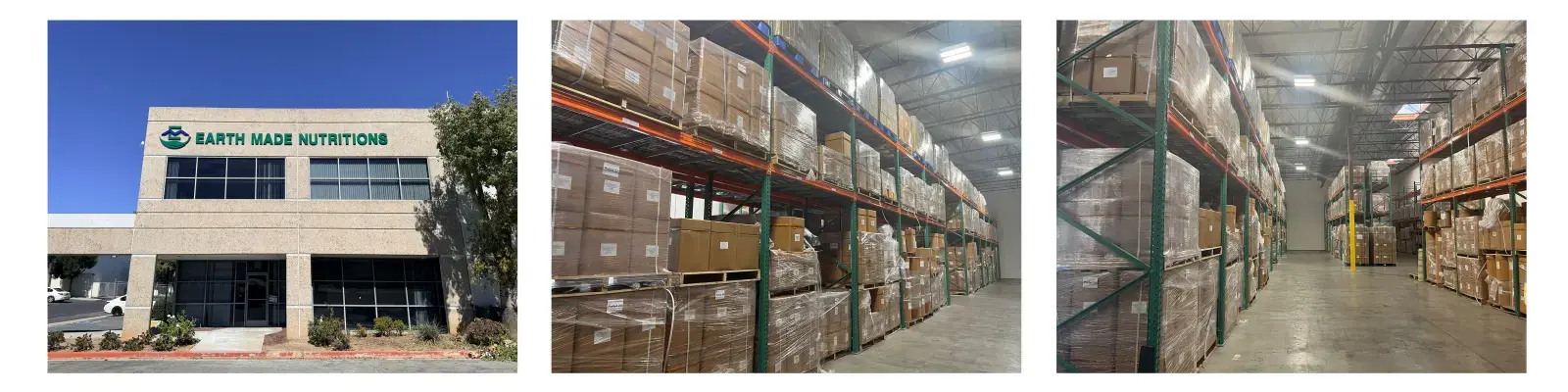
Conclusion
To pick the best Milk Thistle seed Powder, you need to carefully look at the silymarin standardization, processing methods, certification portfolios, and provider skills that are in line with your formulation goals. When making hepatoprotective supplements, antioxidant-rich cosmetics, or functional foods, the choice of variation affects how well the product works, how consistently it is made, and how well it meets legal requirements in all global markets. Analytical verification, contaminant screening, and supply chain openness are just a few of the strict processes that are used to lower procurement risks and build relationships that support long-term product innovation. The best version strikes a mix between bioactive potency, cost-effectiveness, processing compatibility, and a "clean label" stance that appeals to today's smart consumers who want clear information and proven quality.
Frequently Asked Questions
1. What silymarin concentration should I target for effective formulations?
Concentration needs are very different depending on the application and where the desired strength is placed. Typical dietary supplements use 50–80% standardized extracts of Milk Thistle seed Powder to give 200–400 mg of silymarin per dose, which is in line with normal study methods. Lower concentrations (20–40%) are often used in cosmetics because of concerns about how the product will feel and the limits of the delivery method. Functional foods balance how well they work with how they taste by often using 10 to 20 percent uniform materials in complex matrices. The analysis method is very important; ask for HPLC measurement for accurate isomer profiling instead of UV-only testing, which gives a false impression of the real bioactive content.
2. How do organic and conventional variants differ beyond certification?
In addition to being legal, organic varieties of Milk Thistle seed Powder have lower levels of pesticide residue and are popular in natural goods outlets where certification is needed to enter the market. Conventional choices work well in low-cost situations where strict testing for contaminants proves safety compliance. Organic materials usually cost 20–35% more than other materials, but they can help you get premium positioning options and store partnerships that prioritize clean sources. Both types need the same microbial and heavy metal tests, but organic approval means tighter cultivation control, which might lower the chance of contamination.
3. What particle size specification optimizes encapsulation efficiency?
Standardized powders that pass through 80-mesh screens (95% to 180 microns) have the best flow properties for automatic capsule filling tools and make sure that the powders dissolve evenly. Finer particles help blend mixtures with more than one ingredient more evenly, but they may make more dust when handled. The bulk density, which ranges from 0.4 to 0.60 g/ml, affects how much of a capsule to fill and how the machine is set up. Talk to your contract manufacturer about the particle distribution specs so that the properties of your ingredients are in line with their tools and process parameters.
Partner with EM – Your Trusted Milk Thistle Seed Powder Supplier
EM sells Milk Thistle seed Powder that is safe for use in medicine. Their products are certified by a number of organizations, such as NSF GMP, Kosher, Halal, ISO, FSSC 22000, and Organic. These certifications meet the strictest buying needs. Our yellow powder made from Silybum marianum seeds ships from four carefully placed U.S. warehouses, so orders are filled in two days, which keeps your production plans on track. We help with formulation development from the idea stage all the way through industrial production, with a realistic 25 kg minimum order amount and free sampling programs. Our cutting-edge research and development (R&D) and extraction technologies make sure that the silymarin profiles we provide always meet your exact needs. We also use sustainable sourcing methods that are in line with our corporate responsibility goals. Get in touch with our technical team at info@em-herb.com to talk about your formulation needs and find out why top makers choose EM as their chosen supplier for quality and quick service.
References
1. Abenavoli, L., Capasso, R., Milic, N., & Capasso, F. (2010). Milk thistle in liver diseases: past, present, future. Phytotherapy Research, 24(10), 1423-1432.
2. Bijak, M. (2017). Silybin, a major bioactive component of milk thistle (Silybum marianum L. Gaertn.)—chemistry, bioavailability, and metabolism. Molecules, 22(11), 1942.
3. Federico, A., Dallio, M., & Loguercio, C. (2017). Silymarin/silybin and chronic liver disease: a marriage of many years. Molecules, 22(2), 191.
4. Karimi, G., Vahabzadeh, M., Lari, P., Rashedinia, M., & Moshiri, M. (2011). Silymarin is a promising pharmacological agent for the treatment of diseases. Iranian Journal of Basic Medical Sciences, 14(4), 308-317.
5. Kren, V., & Walterova, D. (2005). Silybin and silymarin—new effects and applications. Biomedical Papers, 149(1), 29-41.
6. Polyak, S. J., Morishima, C., Lohmann, V., Pal, S., Lee, D. Y., Liu, Y., ... & Ferenci, P. (2010). Identification of hepatoprotective flavonolignans from silymarin. Proceedings of the National Academy of Sciences, 107(13), 5995-5999.
People who are into exercise and athletics are always looking for natural ways to improve their skills that are also safe and effective. Eurycoma longifolia roots are used to make tongkat Ali Root Powder, which has become known as a powerful plant ingredient that improves many areas of athletic performance. This adaptogenic plant naturally supports hormonal balance, lowers cortisol levels caused by stress, and helps the body recover energy. This makes it an important ingredient in sports nutrition products. Unlike manufactured alternatives, this traditional Southeast Asian plant provides a clean-label option that fits with current health trends and gives observable outcomes.

Understanding the Science Behind Natural Performance Enhancement
In the past ten years, there have been huge changes in the world of physical success. Athletes no longer just rely on hard training programs; they know that help at the cellular level makes a big difference. Extracts from plants, such as those from Eurycoma longifolia, can help with this.
Hormones are naturally made by our bodies and control the processes of building muscle, making energy, and recovering. These delicate balances can be upset by modern living choices like long-term stress, not getting enough sleep, and environmental toxins. When cortisol levels stay high, testosterone production goes down. This means that muscles don't grow as much, healing times are longer, and athletes don't perform as well.
The root powder we're talking about today has beneficial chemicals called quassinoids in it, especially eurycomanone, which has been studied for its unique ability to help the body make its own hormones. It's not about adding alien chemicals; it's about giving your body plant ingredients that work with what's already there to make it better.
Key Parameters That Define Quality Athletic Support
Not every plant powder works the same way. When looking at products for sports nutrition, certain technical factors decide how well they work and how much money they can make.
The most important thing is the amount of eurycomanone present. Premium extracts that are standardised to contain between 0.5% and 3% eurycomanone (as shown by HPLC tests) make sure that the results are always the same and dependable. This amount of standardisation solves a big problem for supplement makers: uniformity from batch to batch.
Physical qualities are very important, even more so than the quantity of the active chemical. The grain size is usually between 80 and 100 mesh, which makes it easy to put into protein shakes and pre-workout mixes. Between 0.45g/ml and 0.65g/ml of bulk density makes packaging and tabletting work well for automatic production lines.
Keeping the moisture level below 5% stops microbes from growing and extends the shelf life, which is very important for foreign shipping. The powder is thermally stable up to 120°C, which means that it keeps its bioactive profile even when added to hot processes like quick drink mixes.
The characteristic bitter taste is hard to master when it comes to flavouring, but it actually shows that the substance contains real quassinoids. Expert formulation teams don't see this as a problem; instead, they see it as a sign of trustworthiness that tells real extracts from fake ones.

Core Benefits for Athletic Performance
There are many ways that this plant ingredient helps athletes do better, and scientists have studied them all.
Getting the Hormonal Balance Right
The main benefit is that it helps keep testosterone levels in a safe range. This is important because testosterone is a key part of building muscle, keeping bones strong, and making red blood cells. Botanical support may be especially helpful for athletes who are naturally losing strength because of getting older or training stress.
According to research, the quassinoids in Tongkat Ali Root Powder may help lower sex hormone-binding globulin (SHBG), which could make more free testosterone available. This doesn't artificially raise hormones above their normal levels; instead, it makes the hormones your body already makes work better.
Take Care of Cortisol
The effect of the extract on cortisol, the stress hormone that rises during hard training, may be just as important. When cortisol levels are high, muscles break down, fat builds up, and healing is slowed down. This adaptogenic ingredient helps keep a healthy testosterone-to-cortisol ratio by supporting healthy cortisol levels. This makes the body better suited for muscle growth and healing.
Better energy metabolism
Athletes always say they have more energy and feel less tired. Quality extracts may help cells make more energy by having glycosaponins and carbohydrates. This can help athletes keep up their vigour for longer training sessions.
Speeding up recovery
How quickly players can get back to their best after a workout depends on how well they recover. This plant ingredient may help shorten the time it takes to recover from hard workouts by boosting protein production and lowering stress signs that are caused by exercise.
Keeping your lean muscle
When you are limited in calories, like during weight-class sports or body events, it can be hard to keep your lean muscle mass. This ingredient might help keep hard-earned muscle tissue even when you don't have a lot of energy because it supports hormones.

EM's Tongkat Ali Root Powder vs. Market Alternatives
Knowing the differences in quality helps buying teams make smart choices. The quality of the products and the dependability of the supply line are not the same at all providers.
Tests and standardisation
We care more about chemical standardisation at Earth Made Nutritions Inc. than about vague extraction ratios. Many sellers sell "100:1" or "200:1" extracts without properly checking them, but we offer eurycomanone content that has been checked using HPLC. This precision is important because it has a direct effect on biological action and the stability of the mixture.
Profile of Purity and Safety
Eurycoma longifolia roots naturally take in minor minerals from the ground. Heavy metal pollution is a real problem when handling rules aren't in place. Our extraction methods and quality control systems make sure that we strictly follow the USP and EP rules for arsenic, cadmium, lead, and mercury. This means that we meet the high standards needed by the US FDA and GMP approval.
Availability of the Supply Chain
We have four main stores carefully placed across the United States so that we can pick up and send orders in two days. For businesses to businesses, this organisational benefit solves a major problem: supply chain delays. When production plans rest on the supply of ingredients, having local goods that can be shipped quickly becomes very useful.
A Full Portfolio of Certifications
We keep our NSF GMP, FSSC22000, Kosher, Halal, ISO, and organic standards up to date. This large collection of compliance documents makes it easier for regulators to approve your products and services in a wide range of markets. Instead of handling a bunch of different sources with different levels of approval, procurement teams can combine their buying and make sure that all of their product lines are compliant at the same time.
New Technology for Processing
Our plant in California uses cutting-edge extraction tools that are run by a professional research and development team. With this technology, we can change the extraction settings to meet the needs of each application, whether you need a water-soluble version for healthy drinks or a highly concentrated powder for capsules.
Commitment to Sustainability
We know that customers today care more and more about being environmentally friendly. Our commitment to environmental care and sustainable sources are in line with clean-label trends and corporate social responsibility programs that set upscale brands apart in crowded markets.
Optimal Usage Strategies for Maximum Benefits
Formulation choices have a big effect on the results users get and how well Tongkat Ali Root Powder does in the market.
Thoughts on Dosage
Doses of standardised extract used in clinical studies usually range from 200 mg to 600 mg per day. The best amount varies depending on the quantity of the extract and the audience you want to reach. Higher doses are often used in sports nutrition products for serious players, while mild doses may be used in products for general health.
Protocols for Timing
Hormone production naturally follows a schedule that works best when hormones are given in the morning. Some recipe teams put the powder in pre-workout products so that users can get both short-term energy boosts and long-term benefits that help the body adapt. Others like taking pills by themselves with food for long-term help every day.
Combinations That Work Together
When mixed with other natural performance boosters, this plant ingredient has benefits that work better together. When mixed with Maca, Tribulus terrestris, or Ashwagandha, it makes full-body energy stacks. It may help build muscle and speed up healing when mixed with branched-chain amino acids (BCAAs) or creatine.
Improvements to the Delivery Format
The strong taste that comes from nature makes manufacturing difficult and requires complex hiding techniques. Encapsulation is still the easiest way to do it, and it protects both the ingredient and the person who eats it from the bitter taste. When used in drinks, mixing with chocolate, coffee, or vanilla flavouring methods changes the taste effectively.
Different types of water-soluble extracts can be added to functional drinks, protein shakes, and energy drinks. The most important thing here is to keep things stable at different pH levels and storage temperatures while stopping precipitation or active chemical breakdown.
Approaches for Cycling
Some athletes follow cycle plans, which involve taking the substance for 8 to 12 weeks at a time and then taking a break. This way of doing things comes from how people have always done it, not from a recorded need. Formulation managers should think about giving clear instructions on how to use the product in a way that fits with study methods and real-life buyers following patterns.
Sourcing Considerations for B2B Procurement Teams
To make smart choices about where to source things, you need to know about technical parameters, supply chain factors, and quality signs.
Getting Documentation
Reliable providers give full Certificates of Analysis (CoAs) for every batch, which include tests for heavy metals, microbes, pesticides, and the amount of active compounds in the mix. Insist on proof by a third party instead of just testing in-house.
Extraction Method Question
When you use water extraction instead of ethanol extraction, the chemicals that are produced are different. Knowing the method used can help you guess the solubility properties, colour changes, and active chemical range. Neither is fundamentally better than the other; the choice relies on the needs of the program.
Minimum quantities to order
Starting with acceptable MOQs lets you build a formula and test it on the market without having to commit to too much inventory. With a 25 kg minimum order amount and free samples, you can get a good feel for the product before ordering more of it.
Lead Times to Expect
Because we keep a lot of stock in our U.S. stores, we can offer very short wait times—two days for picking based on set standards. This flexibility is especially helpful when a new product comes out or when demand changes with the seasons.
Access to technical support
Expertise from the source is helpful when formulating with complex plant ingredients. Our R&D team gives expert advice on how to solve problems with solubility, improve stability, and make dosage suggestions based on the particular application.

Real-World Applications Across Sports Nutrition Categories
Figuring out how different types of customers use Tongkat Ali Root Powder gives product development plans some background.
Mixtures for before a workout
More and more, this substance is being added to pre-workout items that are aimed at natural athletes who prefer natural boosters to manufactured ones. The hard part is controlling the sharpness while keeping the cold water's ability to spread. Formulations that work well usually use full flavouring systems with different kinds of sweeteners.
Recovery Stacks After a Workout
Recovery goods use the extract's abilities to help with protein production and control cortisol levels. When mixed with protein shakes, BCAAs, and fluids, it makes complete formulas for healing that cover a number of routes.
Capsules for Daily Vitality
The biggest market section is still single pills sold to help men's health and energy. These simple recipes focus on ease of use and regular daily supplementation without taking taste into account.
Blends of coffee that work
Instant coffee mixed with this ingredient makes ready-to-drink health drinks that are very popular in Southeast Asian markets. The strong flavour of the coffee successfully hides the taste of the botanicals while giving additional energy benefits.
Natural drinks for energy
When sports nutrition companies make "clean-label" energy drinks, they use water-soluble extracts to set them apart from regular drinks that are full of fake chemicals and caffeine. On the technical side, the problem is to keep acidic drinking structures stable over time.
Quality Control and Certification Systems
Premium sellers are set apart from common vendors by strict quality assurance processes.
Our building keeps up-to-date certifications that cover a wide range of legal standards. Pharmaceutical-grade production methods are shown by NSF GMP approval. FSSC22000 is a globally recognised standard for food safety management system compliance. Kosher and Halal licenses make it possible for people of all faith backgrounds to buy food. Setting rules for quality control systems is what ISO approval does. Clean-label branding is helped by organic approval.
For each qualification, there are ongoing checks, upkeep of paperwork, and the process of proof. This administrative load requires a big investment, but it pays off for buying teams that are in charge of making sure that all of their products meet legal requirements.
In addition to licenses, our internal testing methods go above and beyond what is needed. Before it is released, each production batch is checked for identification, the amount of active compounds it contains is measured, and it is tested for microbes, heavy metals, and pesticides. This all-around method lowers your risk of quality problems that could hurt your brand's image or lead to expensive refunds.

Conclusion
Tongkat Ali Root Powder represents a scientifically supported botanical ingredient addressing critical needs within sports nutrition and men's health markets. Its ability to naturally support hormonal balance, manage stress-related cortisol, and enhance recovery positions it as a valuable formulation component for brands targeting natural performance enhancement. Quality considerations—standardisation levels, purity controls, supplier reliability—significantly impact both product efficacy and commercial success. Earth Made Nutritions Inc. delivers the technical excellence, supply chain capabilities, and comprehensive certification portfolio that discerning procurement teams require. As consumer demand for clean-label, plant-based performance solutions continues expanding, this traditional botanical ingredient offers compelling differentiation opportunities for forward-thinking brands.
Frequently Asked Questions
Q1: What eurycomanone concentration should I specify for athletic performance applications?
A: Standardised extracts containing 0.5% to 3% eurycomanone (verified by HPLC) provide effective support for sports nutrition formulations. Higher concentrations allow lower dosages but may intensify bitterness challenges. The optimal concentration depends on your delivery format, flavour system capabilities, and target dosage per serving. Our technical team can recommend specific concentrations based on your application requirements.
Q2: How does this botanical ingredient differ from synthetic performance enhancers?
A: This plant-based extract supports your body's natural hormone production within normal physiological ranges rather than introducing synthetic compounds that override natural processes. It offers clean-label positioning, aligns with natural product trends, and avoids regulatory complications associated with synthetic alternatives. The mechanism involves optimising endogenous processes rather than artificially elevating markers beyond natural ranges.
Q3: What particle size works best for different product formats?
A: We typically provide 80-100 mesh for optimal blending in protein powders and capsule formulations. This particle size ensures homogeneous mixing and smooth texture without grittiness. For specialised applications requiring different specifications, our processing capabilities allow customisation to meet specific flowability or dispersibility requirements.
Q4: How should I handle the characteristic bitter taste in beverage formulations?
A: The bitterness stems from biologically active quassinoids—the compounds providing functional benefits. Effective masking strategies include robust flavour systems (chocolate, coffee, vanilla), sweetener combinations, and complementary bitter-masking ingredients. Water-soluble extracts processed with specific spray-drying parameters also reduce perceived bitterness compared to traditional aqueous extractions.
Partner with EM for Premium Tongkat Ali Root Powder Supply
Earth Made Nutritions Inc. serves as your reliable Tongkat Ali Root Powder supplier, combining technical excellence with exceptional logistical capabilities. Our California-based facility, domestic warehouse network, and comprehensive certification portfolio address the critical pain points facing nutraceutical and sports nutrition manufacturers. Whether you're developing cutting-edge pre-workout formulations or traditional vitality capsules, our team provides the technical support and supply chain reliability your brand deserves. Contact us at info@em-herb.com to discuss your specific requirements and request samples.
References
1. Henkel, R., Wang, R., Bassett, S., Chen, T., Liu, N., Zhu, Y., & Tambi, M. I. (2014). "Tongkat Ali as a potential herbal supplement for physically active male and female seniors—a pilot study." Phytotherapy Research, 28(4), 544-550.
2. Talbott, S. M., Talbott, J. A., George, A., & Pugh, M. (2013). "Effect of Tongkat Ali on stress hormones and psychological mood state in moderately stressed subjects." Journal of the International Society of Sports Nutrition, 10(1), 28.
3. Tambi, M. I., Imran, M. K., & Henkel, R. R. (2012). "Standardised water-soluble extract of Eurycoma longifolia, Tongkat Ali, as testosterone booster for managing men with late-onset hypogonadism." Andrologia, 44(s1), 226-230.
4. Hamzah, S., & Yusof, A. (2003). "The ergogenic effects of Eurycoma longifolia Jack: a pilot study." British Journal of Sports Medicine, 37(5), 464-470.
5. Chen, C. K., Mohamad, W. M., Ooi, F. K., Ismail, S. B., Abdullah, M. R., & George, A. (2014). "Supplementation of Eurycoma longifolia Jack extract for 6 weeks does not affect urinary testosterone: epitestosterone ratio, liver and renal functions in male recreational athletes." International Journal of Preventive Medicine, 5(6), 728.
6. George, A., & Henkel, R. (2014). "Phytoandrogenic properties of Eurycoma longifolia as a natural alternative to testosterone replacement therapy." Andrologia, 46(7), 708-721.
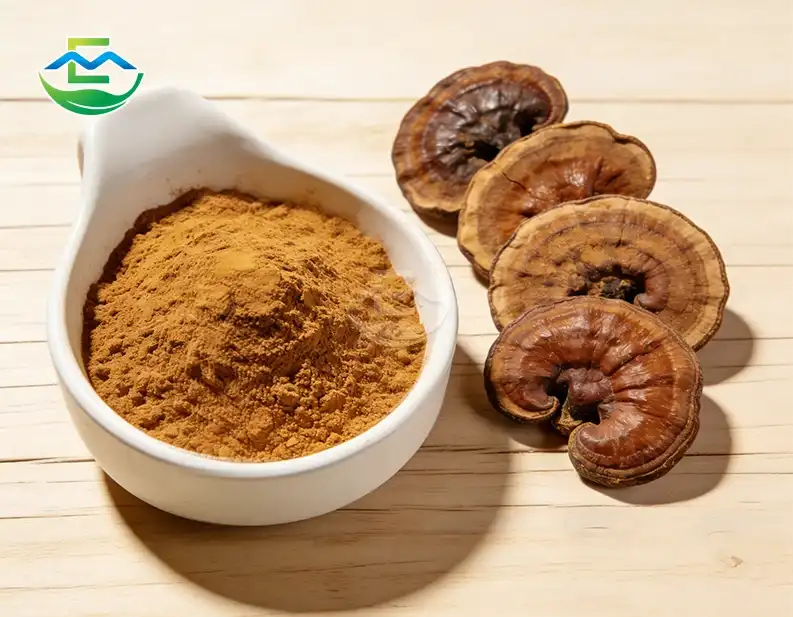
In today's busy world, more and more health brand makers and nutrition formulators are using Reishi Mushroom Extract Powder as a key ingredient in products that help with overall health and stress management. This pure plant extract comes from Ganoderma lucidum and contains standardised bioactive compounds, mainly polysaccharides and triterpenes, that meet the needs of current consumers looking for natural, effective adaptogenic support. This detailed guide talks about the technical details, formulation benefits, and market placement strategies for this element that make it essential for new product development in health products, functional drinks, and dietary supplements.
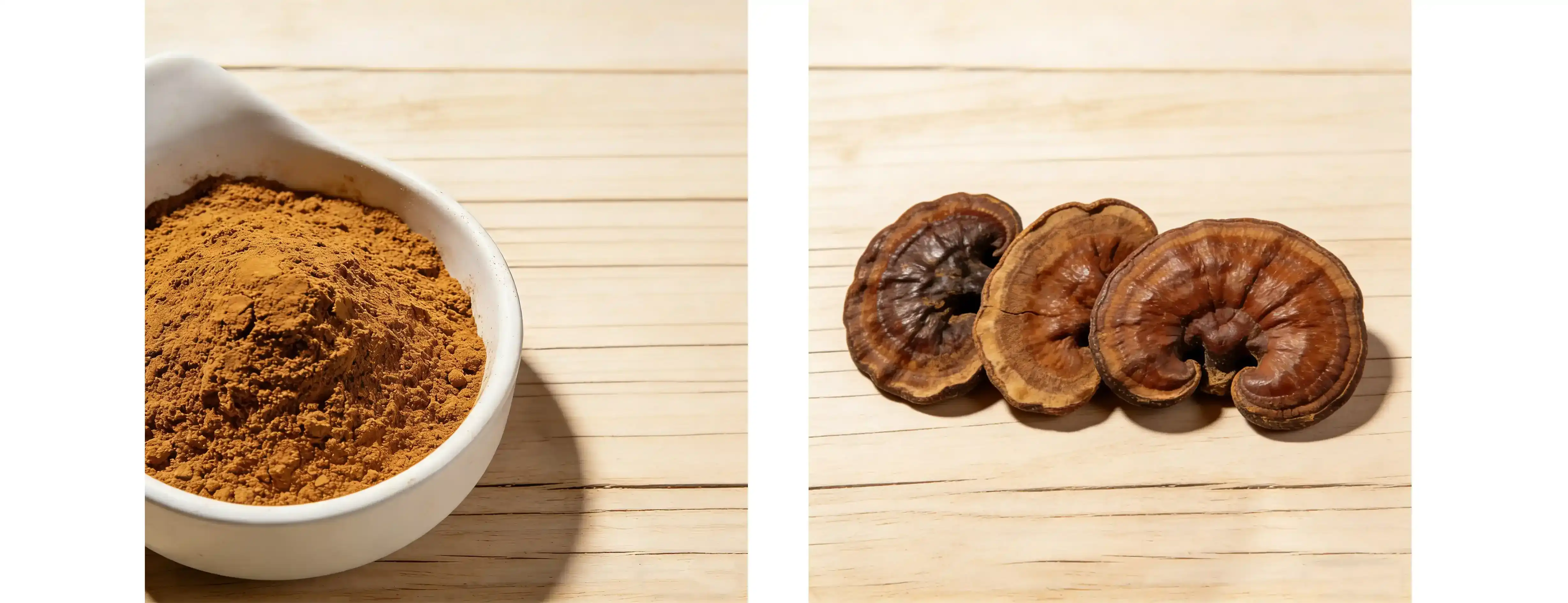
Understanding the Extraction Science Behind Reishi Mushroom Concentrate
The chitin-based cell walls of raw mushroom material make it hard for helpful chemicals to get into the body. This problem is fixed by Premium Reishi Mushroom Extract Powder, which uses two different extraction methods. Hot water extraction separates immune-boosting polysaccharides, while ethanol extraction concentrates triterpenes that protect the liver. With this full-spectrum method, an ingredient is made that has 10–20 times more active compounds than simple mushroom powder.
Formulation teams care a lot about the extraction ratio. A 10:1 extract means that 10 kg of dried fruiting bodies are used to make 1 kg of powder. Higher ratios are linked to higher amounts of beneficial compounds, but cost-benefit analysis is needed above 20:1. The colour range from brownish-yellow to dark chocolate shows that it is high in triterpenes, and the fine mesh size (80–120) makes sure that the ingredients mix evenly in pills, tablets, and drink mixes.
Market-grade material is defined by its quality standards. The Megazyme method should show a beta-glucan content of between 10 and 30 per cent. This is what separates real immune support potential from starch fillers. HPLC values of 2 to 5 per cent triterpene show anti-inflammatory potential. The immune system-modulating claims are based on polysaccharide content range from 10 to 50 per cent, and are backed up by modern studies.
Stress Adaptation Mechanisms in Modern Formulations
R&D leaders who want to stand out in the busy supplement market pay a lot of attention to the adaptogen group. There are several ways that Reishi Mushroom Extract Powder works to help the body's natural stress response systems. Triterpene substances change the way cells talk to each other, and carbohydrates change the way defence cells talk to each other.
Formulators who are making goods to help with stress like that the ingredient works well with other plants. When you mix this therapeutic mushroom with ashwagandha, rhodiola, or L-theanine, you get solutions that work better together and help with more types of stress. The powder's moderate hygroscopicity means it needs to be packed in a way that keeps out moisture, especially in wet places. However, it stays stable in normal storage conditions as long as it is handled properly.
Companies that make sports nutrition know that it can help with healing. When you're stressed after working out, your immune system and inflammation response systems have to work harder. Adding standardised mushroom extract to protein powder mixes or recovery drinks gives them more uses than just delivering macronutrients. This flavour is mild and natural, and it goes well with chocolate, vanilla, and berry flavours without taking over the taste.
Those who make functional drinks have to deal with special problems when it comes to heat stability and particulate suspension. The water-soluble polysaccharide part mixes easily in water-based systems, but triterpenes might need to be encapsulated or emulsified for ready-to-drink forms. Stability tests over a range of pH levels (3.5–7.0) and pasteurisation methods show that the ingredient stays intact during normal beverage preparation.
Immune Wellness Applications for Product Development
Because people are more aware of health benefits, the immune support group is one of the fastest-growing areas of nutraceuticals. The amount of beta-glucan is the best way to tell if something can change the immune system. These complicated sugars work with immune cell receptors to help the body's natural defences without making them too active.
Formulation managers who make immune health products usually give between 500 mg and 1500 mg of standardised extract every day, spread out over one to three doses. Capsules are easy to measure out and last longer, while powder blends for shakes and smoothies are good for people who want to use the product in a variety of ways. Because powder absorbs water and doesn't flow easily, it's important to choose the right excipients when compressing tablets.
Triterpene molecules have anti-inflammatory qualities that work well with immune-boosting carbohydrates. With this dual-action character, brands can market their goods for overall health instead of just one process. People who are looking for organic ways to stay healthy like natural health boosts that have been used for many years.
When looking for organic mushroom extract, quality control is very important. Heavy metal tests (lead <2ppm, arsenic <1ppm, mercury <0.1ppm) keep people safe and protect brands' reputations. Microbiological standards (total plate count <1,000 cfu/g, no bacteria) are the same as those used by the FDA for food supplements and other foreign standards, such as FSSC22000.
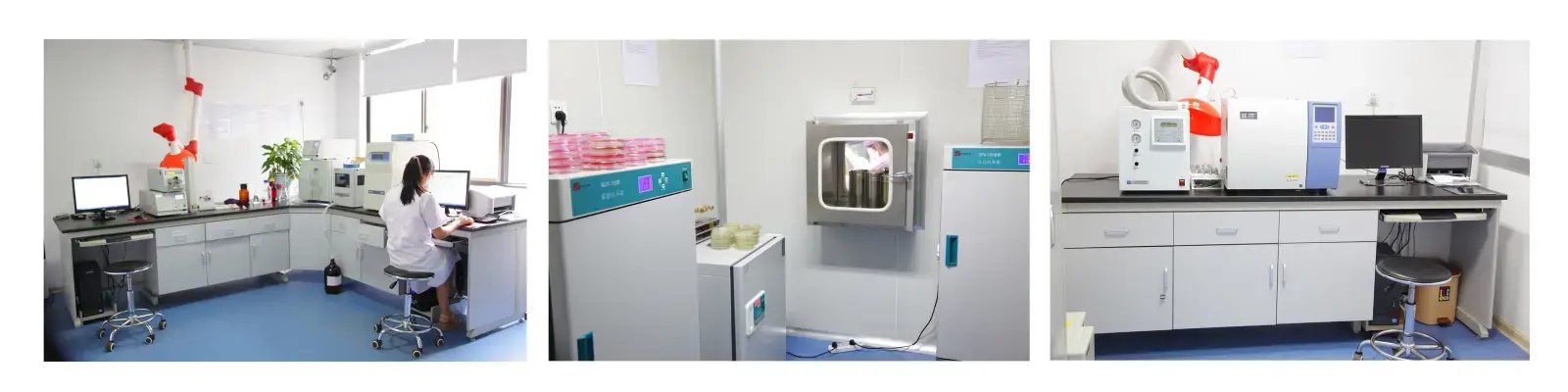
Technical Specifications That Matter to Procurement Teams
When purchasing managers evaluate sources, they look at more than just active ingredient amounts as a sign of quality. A moisture level below 5% stops microbes from growing and keeps Reishi Mushroom Extract Powder's flowability while it's being made. An ash level of less than 5% means that there isn't much artificial waste present. The traits of solubility decide how well a substance works with different transportation forms.
Consistency from batch to batch is a big problem for formulators. The Certificate of Analysis should show that the standard values are tight across various production lots. Label claims and recipe standardisation are made harder when polysaccharide or triterpene content varies by more than 10%. Suppliers with high-tech extraction tools and process controls give R&D leaders the stability they need.
Different target markets have different certification needs. Clean-label brands like names that have USDA Organic and EU Organic certifications. Kosher and Halal licenses make markets bigger and easier to get into. NSF GMP and ISO approvals show that quality processes are in place for production. For those international providers who meet these standards and keep their prices low, they offer great value.
Decisions about buying are affected by lead time and minimum order numbers. Keeping goods in local stores cuts down on shipping delays and the difficulties of importing. A 25 kg MOQ allows for initial recipe tests without committing too much inventory. Since free samples are available, they can be used for testing before being bought in bulk.

Formulation Strategies for Maximum Efficacy
When water-soluble and alcohol-soluble parts work together, they open up manufacturing options that aren't possible with raw mushroom powder. The polysaccharide fraction is very good at dispersing, which is useful for beverage uses. The triterpene fraction adds functional depth. Heat-sensitive chemicals in goods that need to be processed at high temperatures can be kept safe by encapsulation technologies.
Both the success of production and absorption are affected by the size range of particles. Finer mesh sizes (100–120) make mixing more even in capsules with more than one ingredient, but they might cause flow problems during high-speed sealing. Coarser particles (60–80 mesh) move more easily, but they need to be mixed very well to make the mixture uniform. For most business uses, 80 to 100 mesh is the best mix.
When making a product, moisture sensitivity needs to be taken into account at all stages. Because fungus bioactive substances are water-attracting, they can be packed in desiccant bags in bottles, plastic packs for single doses, or moisture-barrier cases. Stability studies done under fast conditions (40°C/75% RH) support predictions for the shelf life and help with the design of the packaging.
When used in chewable pills and drinks, flavour hiding is useful. Medicinal mushroom products have an earthy, slightly bitter taste that goes well with coffee, cocoa, and chai spice flavours. Natural sweeteners, like stevia or monk fruit, can balance out taste without going against the clean-label message. Adding citrus notes to healthy drinks can make them taste better overall.
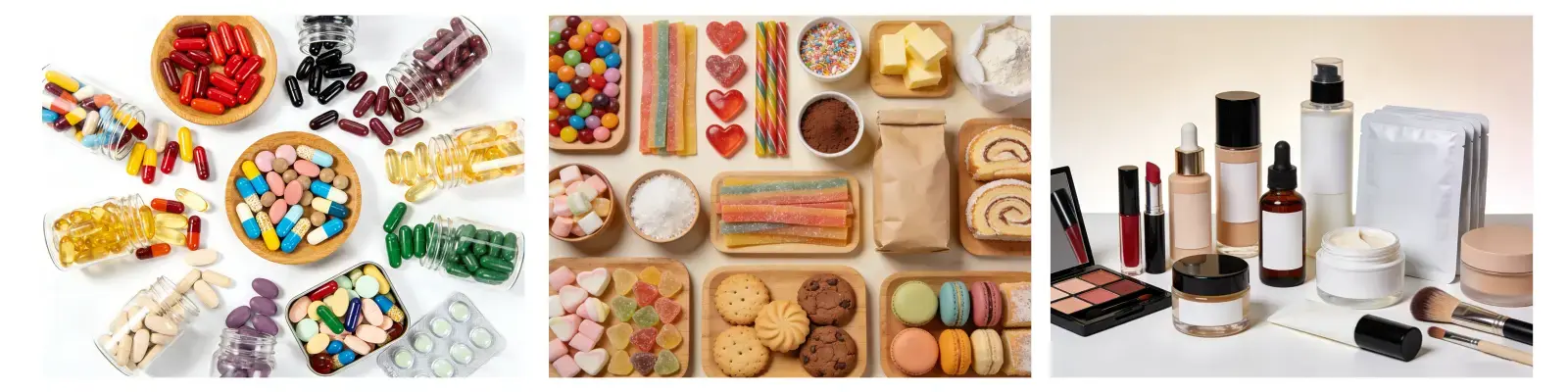
Market Positioning and Consumer Trends
There are overlaps between the categories of life supplements, immunity and stress support, and brands that want to position themselves in the premium market. People who value ancient plant knowledge will connect with the true tale elements in traditional Chinese medicine. Modern science behind Reishi Mushroom Extract Powder extraction backs up traditional methods and gives reliable, measured results.
Consumer trust grows when sources and processes are clear. In markets full of general "mushroom blend" goods, brands that talk about extraction ratios, standardisation of active compounds, and testing methods stand out. When marketing tools make the dual-extraction method easy to understand, it becomes a key selling point.
Adaptogen plant mixtures are a growth area, especially for Gen Z and teenagers who are dealing with work-life stress. People who think about preventative health see goods as daily healing routines instead of reactive answers. The fact that the ingredient can be used consistently over a long period of time is good for subscription plans.
More and more, the makeup industry is looking into using antioxidant boost chemicals on the skin. This guide mostly talks about forms that can be eaten, but people who make anti-ageing skin care know that the same polysaccharide and triterpene chemicals that are good for your body can also be used on the outside. Cross-category growth chances are waiting for brands that are willing to look beyond the usual extra forms.
Conclusion
The technical sophistication of modern Reishi Mushroom Extract Powder transforms traditional botanical wisdom into precision nutraceutical ingredients. From standardised polysaccharide content supporting immune wellness to triterpene profiles enabling stress adaptation formulations, this medicinal mushroom concentrate offers formulators a differentiated ingredient for competitive markets. Quality specifications, extraction methodology, and supplier certifications determine ultimate product success. As consumer demand for natural, effective wellness solutions continues expanding, strategic ingredient partnerships become essential for brands seeking to lead rather than follow market trends.
Partner with EM: Your Trusted Reishi Mushroom Extract Powder Supplier
Earth Made Nutritions Inc. delivers pharmaceutical-grade Reishi Mushroom Extract Powder from our California headquarters, backed by NSF GMP, FSSC22000, Kosher, Halal, and Organic certifications. Our dual-extraction process yields standardized 30% polysaccharides with verified beta-glucan content, meeting the rigorous demands of formulation managers and R&D directors. With four strategically located U.S. warehouses ensuring rapid delivery and technical support from our extraction specialists, we eliminate supply chain uncertainties. Contact our team at info@em-herb.com to request certificates of analysis, complimentary samples, or discuss custom specifications for your next product launch.
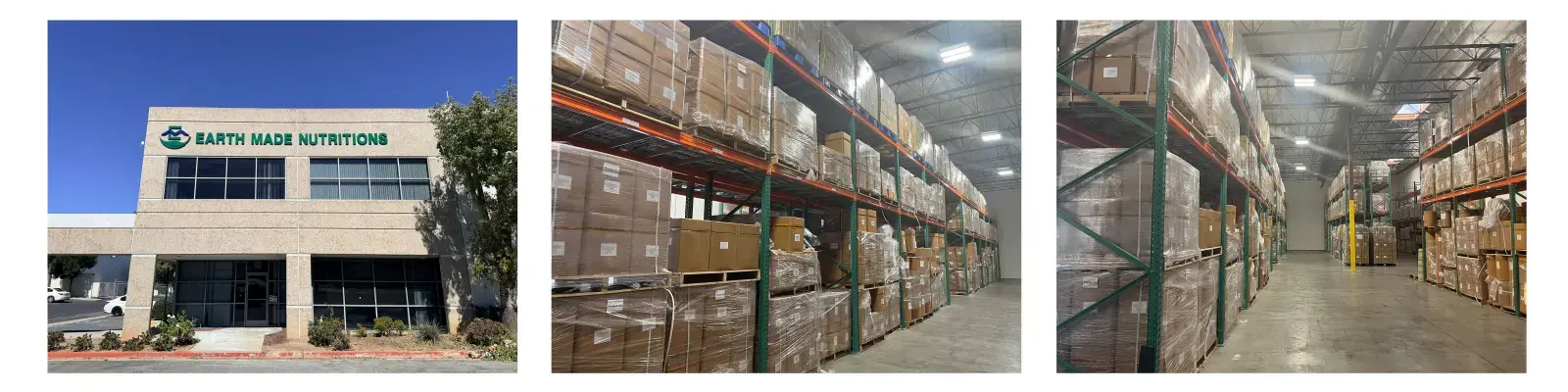
References
1. Wachtel-Galor, S., Yuen, J., Buswell, J.A., & Benzie, I.F. (2011). "Ganoderma lucidum (Lingzhi or Reishi): A Medicinal Mushroom." In: Herbal Medicine: Biomolecular and Clinical Aspects, 2nd edition. Boca Raton: CRC Press.
2. Boh, B., Berovic, M., Zhang, J., & Zhi-Bin, L. (2007). "Ganoderma lucidum and its Pharmaceutically Active Compounds." Biotechnology Annual Review, Volume 13, Pages 265-301.
3. Sanodiya, B.S., Thakur, G.S., Baghel, R.K., Prasad, G.B., & Bisen, P.S. (2009). "Ganoderma lucidum: A Potent Pharmacological Macrofungus." Current Pharmaceutical Biotechnology, Volume 10, Issue 8, Pages 717-742.
4. Bishop, K.S., Kao, C.H., Xu, Y., Glucina, M.P., Paterson, R.R., & Ferguson, L.R. (2015). "From 2000 Years of Ganoderma lucidum to Recent Developments in Nutraceuticals." Phytochemistry, Volume 114, Pages 56-65.
5. Ahmad, M.F. (2018). "Ganoderma lucidum: Persuasive Biologically Active Constituents and Their Health Endorsement." Biomedicine & Pharmacotherapy, Volume 107, Pages 507-519.
6. Jin, X., Ruiz Beguerie, J., Sze, D.M., & Chan, G.C. (2016). "Ganoderma lucidum (Reishi mushroom) for Cancer Treatment." Cochrane Database of Systematic Reviews, Issue 4, Article CD007731.
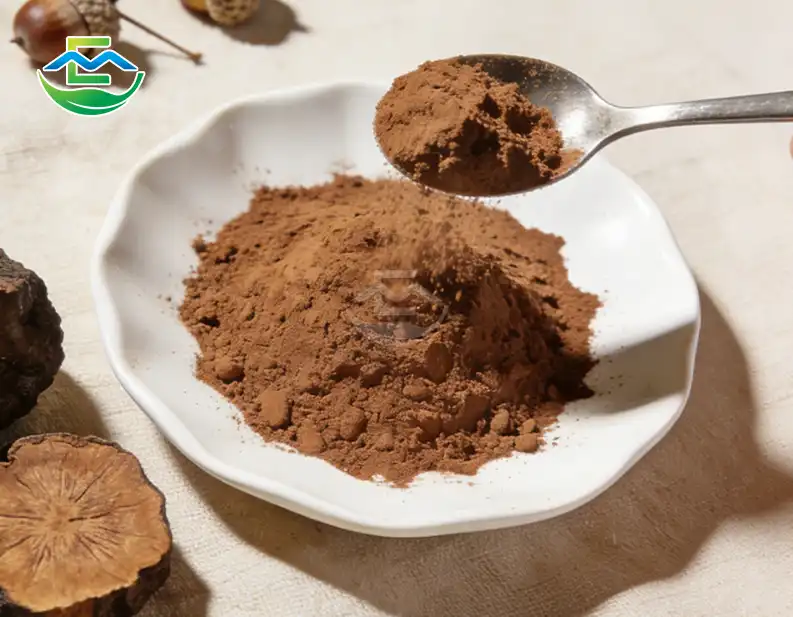
Pure Chaga mushroom powder is a game-changing ingredient for businesses that make cosmetics and functional foods and want to add high-quality plant actives. This powder comes from the Inonotus obliquus fungus, which is collected from wild birch trees in circumpolar regions. It contains high concentrations of polysaccharides, triterpenes, and melanin compounds that meet clean-label requirements and have been shown to be stable in a range of formulation conditions. Knowing its chemical makeup, quality standards, and wide range of uses helps R&D directors and formulation managers make unique goods that appeal to today's health-conscious customers.
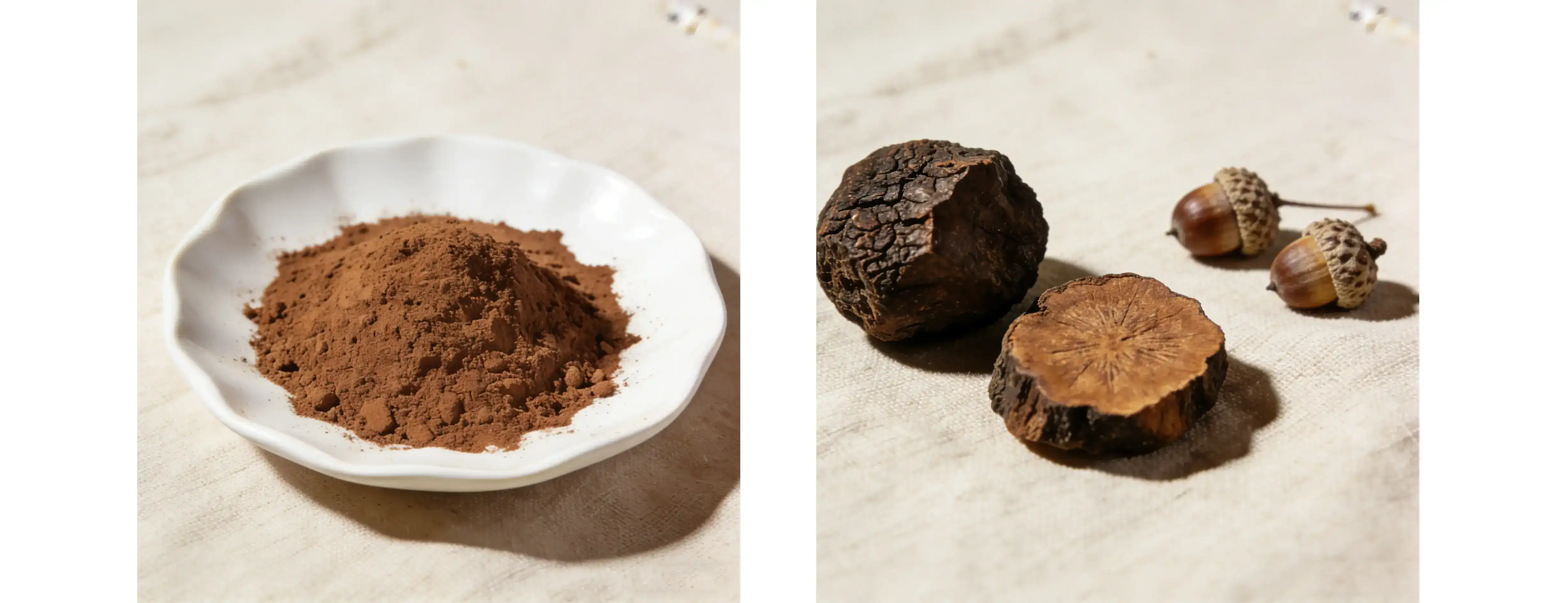
What Makes Pure Chaga Mushroom Powder a Premium Botanical Ingredient?
The way that normal mycelial goods are sourced and processed is what makes them different from real pure Chaga mushroom powder. Chaga sclerotium, which is collected in the wild from birch woods in Siberia and northern Canada, has medicinal chemicals that can't be found in replacements that are made in a lab. The way the plant is extracted is very important. Dual-extraction, which uses both hot water and ethanol, breaks down the tough chitinous cell walls, releasing polysaccharides and triterpenes in forms that the body can use.
In terms of purchasing, this process turns plant material into a useful ingredient that can be dissolved in water and used in drinking systems, capsules, and skin applications. If a company wants to make their products work better, they should use powders that have been sprayed dry after they have been extracted, making sure that the particles are all the same size (80 to 120 mesh). This standard promises that the substance will mix easily into liquids, pills, tablets, and other solids without sticking or precipitating.
The melanin content, which gives Chaga its dark brown to jet-black colour, gives it high ORAC values, which make it appealing to people who are making antioxidant-rich vitamins and cosmetics. When looking for organic Chaga powder, making sure it comes from birch trees is very important. Triterpene profiles, especially amounts of betulinic acid, are like chemical fingerprints that show if the Chaga is really wild and not just grain-substrate mycelium.
Chemical Composition and Quality Benchmarks for B2B Procurement
When formulators and buying teams are looking at Chaga mushroom extract providers, they should make strict requirements that cover five important factors. The main active part is the carbohydrate content. Premium types must have at least 30% total polysaccharides, which can be proven using HPLC/UV methods. In this part, beta-glucans with certain 1,3-1,6 linking sequences separate pharmaceutical-grade material from goods that have been tampered with.
The beta-glucan to alpha-glucan ratio can be used to find fake products. If the alpha-glucan amount in high-quality wild pure Chaga mushroom Powder is less than 5%, it means that the powder is free of grain-substrate contaminants or starch fillers. The Megazyme method is the best way to tell the difference between fungus beta-glucans and grain starches, so procurement offices should require suppliers to show proof of their tests.
Quantification of terpenes adds to the authenticity. The percentage of betulin and betulinic acid, which are chemicals that Chaga takes in from birch bark as it grows, should be at least 2%. The powder's functional profile is helped by these chemicals, which also prove that the botanicals are real. These birch-derived triterpenes are missing from liquid-culture fermented goods, so quality assurance teams need to do HPLC triterpene research.
Heavy metal profiling handles safety issues that come with collecting mushrooms in the wild. Because chaga takes in and stores natural chemicals, strict limits for ICP-MS tests are needed: lead must be less than 2ppm, cadmium must be less than 1ppm, mercury must be less than 0.1ppm, and arsenic must be less than 1ppm. Due to past pollution events, checking for radioactivity for Cesium-137 is still very important for sources in Eastern Europe.
Controlling moisture keeps things from breaking down while they are being stored or shipped. Hygroscopic Chaga superfood powders need less than 5% wetness to stay flowable and stop the growth of microbes. Putting products in foil-lined drums with desiccant bags protects their quality all the way through the supply chain.
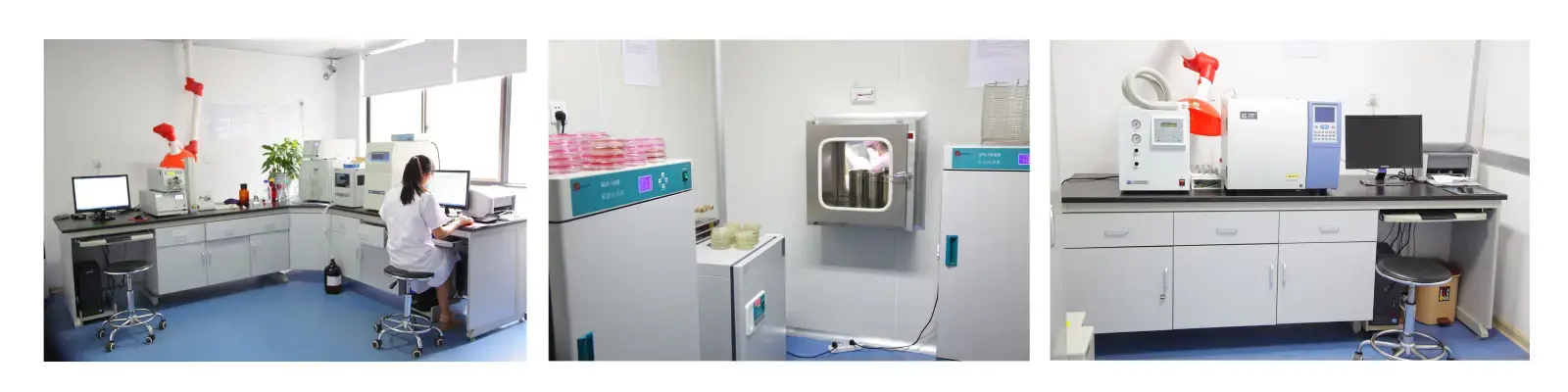
Applications Across Nutraceutical and Cosmetic Formulations
Dietary Supplements and Functional Foods
Manufacturers of chaga mushroom supplements use the powder's adaptogenic qualities to make capsules and tablets. The mass density and compressibility of different types of pure powder have a direct effect on how well high-speed packaging equipment works for production. In order to keep automatic filling processes from voiding, technical requirements should include measures for particle size distribution and flowability.
Sports nutrition companies use Chaga polysaccharides in their pre-workout and recovery mixes because the substance is known to help cells' energy routes. The powder has a bland flavour, which is sometimes described as slightly vanilla-like because it contains vanillic acid. It mixes well with other protein powders without overpowering the taste systems.
When making functional drinks with mushroom products, the formulators have to deal with some unique problems. Chaga powder stays mixed in coffee replacements, drinks, and ready-to-drink health shots based on how well it dissolves in water and how stable its pH is. Spray-dried dual-extract powders are better at mixing than raw ground Chaga because they stay homogeneous during heat processing and don't form sediments.
Chaga detox powder can be used to improve the health benefits of mushroom candies, which are becoming more popular. Formulators have to make sure that the amounts of bioactive ingredients are balanced with gelatin or pectin systems. They also have to think about how Chaga's melanin might affect the colour of other plant products. Encapsulation technology or microencapsulation methods can separate reacting chemicals, keeping the brightness of the candy while still providing beneficial amounts.
Cosmeceutical and Personal Care Applications
Cosmetic makers love using pure Chaga mushroom Powder in anti-aging serums and skin care products that protect against damage. Chaga is a plant that can be used instead of artificial UV filters because it has a lot of melanin, which is a natural sunblock. For leave-on goods to have smooth emulsion surfaces without gritty parts, product designers must define micro-fine particle sizes below 10 microns.
The triterpene part helps skin barrier repair formulas, and polysaccharides add moisture to systems by acting as humectants. Because of problems with batch-to-batch uniformity, sellers must keep up with standardized extraction methods and record SOD (superoxide dismutase) activity levels. This makes sure that performance is consistent across production runs.
Chaga has a great active profile that doesn't use any artificial preservatives or stabilizers, which is great for natural skincare companies that want to promote "clean beauty." The powder's natural antibacterial qualities, which come from betulinic acid, help water-based products last longer, but more preservation methods are still needed to meet legal requirements.
Brewing, Dosage, and Formulation Considerations
People are interested in individual powder goods that contain chaga tea because of its health benefits, but B2B uses go far beyond just making drinks. When tea companies buy Chaga mushroom extract, they need to be clear about how much water-soluble extract they want. This is because home-brewed teas with raw ground sclerotium don't get much bioactive extraction.
The recommended daily doses for standardized Chaga mushrooms in supplement forms are usually between 500 mg and 2000 mg, but these amounts can change depending on the extraction ratios and polysaccharide concentrations. To find the right powder inclusion rates, formulators have to work backwards from the goal bioactive release. A 10:1 extract at 1000 mg has the same amount of phytochemicals as 10,000 mg of the raw material. This is important information for making claims on labels and figuring out costs.
Food scientists who are making enhanced goods worry about how stable the products will be during the manufacturing process. Some thermolabile compounds may break down after being exposed to temperatures above 90°C for a long time, but high-quality Chaga mushroom powder bulk ingredients keep their polysaccharide integrity through pasteurization temperatures that are common in beverage production. Bioactive preservation after manufacturing should be confirmed by process validation tests.
When formulating, it's important to pay attention to how well the ingredients work with other plant products. Polyphenolic chemicals in chaga may react with proteins in dairy-based drinks, resulting in colour changes or precipitation. Costly scale-up failures can be avoided by doing pilot batch testing with goal grids.
Quality Control Protocols and Regulatory Compliance
When R&D leaders set up partner approval programs, they should include more than just normal Certificates of Analysis tests. HPTLC fingerprinting checks the identification of plants by comparing material from different suppliers to real reference standards for pure Chaga mushroom Powder.
To meet microbiological standards set by the USP <2021>, total plate counts, yeast and mould counts, and pathogen screens for E. coli and Salmonella. Wild-harvested materials are more likely to be contaminated than farmed plants, so it is important to keep accurate records of the kill steps. When suppliers use ethylene oxide treatment, gamma irradiation, or steam sterilization, they should show process validation data that proves functional retention after treatment.
Environmental contamination issues are dealt with by pesticide screening screens that are made to fit wild-harvested mushrooms. Even though Chaga grows on trees instead of in the ground, possible leftovers can get there through air deposition and bark absorption routes. Multi-residue test kits that look for organophosphates, pyrethroids, and organochlorines give a full picture of the risk.
Different foreign markets have different regulatory routes, which affect the paperwork that needs to be done. The European Novel Foods rules, the FDA's GRAS status factors, and Health Canada's NHP labels all put different levels of legal responsibilities on businesses. International buyers gain when sellers keep their certifications up to date, such as USDA Organic, NSF GMP, FSSC22000, Kosher, and Halal qualifications.
Traceability methods that link produced powder lots to where they were harvested back up claims of sustainability and make it easy to fix quality problems quickly. Premium brands that stress ethical sources are becoming more and more interested in supply chain paperwork that is allowed by blockchain.

Anti-Inflammatory and Antioxidant Properties in Product Development
The antioxidant qualities of Chaga come from a number of different types of compounds working together. ORAC tests show that melanin complexes, antioxidants, and superoxide dismutase enzymes help the body get rid of free radicals very well. Product makers who put supplements in the "anti-aging" or "cellular health" categories use these well-documented antioxidant measures to back up their marketing claims. However, regulatory authorities need to carefully review treatment claims first.
The study of chaga's anti-inflammatory properties focuses on how carbohydrate parts change the production paths of cytokines. Nutraceutical companies that make immune-boosting products often mix Chaga polysaccharides with plants that work well together, like elderberry, astragalus, or reishi mushroom, so that the benefits work better together. When formulating multiple immunomodulating substances, they should be stacked with possible additive or competitive interactions in mind.
The chromogenic complex, which is made up of melanin and polyphenolic substances, does more than just work as an antioxidant. This part helps Chaga's image for being adaptogenic, but the molecular study is still changing. If a brand says it has an adaptogen, it needs to make sure that the language used in its marketing fits with how to prove it in its target markets.
Sustainable Sourcing and Ethical Harvesting Practices
More and more, procurement managers look at a supplier's environmental values as a way to set their business apart. When done carelessly, gathering wild Chaga mushrooms can be bad for protection. Ethical sellers use selected gathering methods that leave enough sclerotium mass for trees to grow back, so trees don't die.
Third-party sustainability reports and forest care certifications are objective ways to check that responsible sourcing claims are true. Brands that want to show they care about the environment should work with providers who keep records of harvest site change plans, yearly time optimization, and studies of the effects on the ecosystem.
The strength of Chaga depends on the climate. In hard subarctic conditions, the bioactive amounts are higher. Getting them from woods in Siberia, Alaska, and northern Canada guarantees the best phytochemical profiles compared to options from milder regions. Geographic origin becomes a quality factor that should be written down for supply chain openness.
Conclusion
Pure Chaga mushroom powder stands as a versatile botanical ingredient meeting diverse formulation needs across nutraceutical, cosmetic, and functional food sectors. Quality procurement demands attention to extraction methodology, chemical standardization, and contamination screening protocols that separate premium ingredients from commodity alternatives. By understanding the technical specifications underlying bioavailability and formulation stability, product developers create differentiated offerings aligned with clean-label trends and efficacy expectations. Strategic supplier partnerships emphasizing traceability, certification depth, and technical support enable brands to navigate complex regulatory landscapes while delivering innovative products to health-conscious markets.
Partner with EM for Premium Pure Chaga Mushroom Powder Supply
EM delivers pharmaceutical-grade Chaga mushroom powder to formulators demanding uncompromising quality and regulatory compliance. Our California-based operations combine advanced extraction technology with four strategically positioned U.S. warehouses, ensuring rapid fulfillment for production schedules. As a leading pure Chaga mushroom powder supplier, we maintain NSF GMP, FSSC22000, Kosher, Halal, and Organic certifications, supporting your global market access requirements. Contact our technical team at info@em-herb.com to request analytical specifications, stability data, and complimentary samples for your next formulation project.
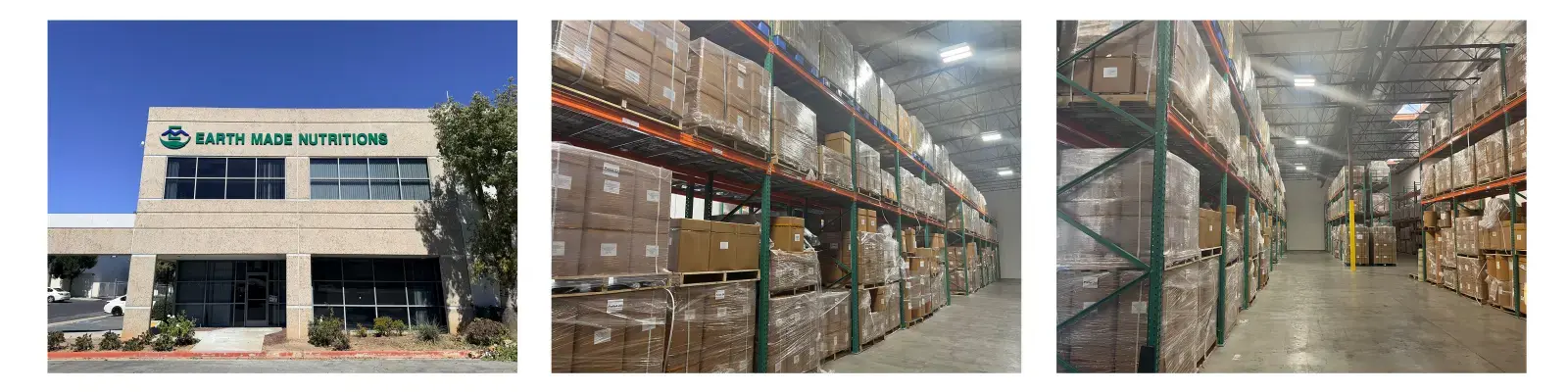
References
1. Powell, M. (2014). Medicinal Mushrooms: A Clinical Guide. Mycology Press, Seattle, WA.
2. Wasser, S.P. & Weis, A.L. (2019). Therapeutic Effects of Substances Occurring in Higher Basidiomycetes Mushrooms: A Modern Perspective. Critical Reviews in Immunology, 39(4), 283-315.
3. Glamočlija, J., Soković, M., Tešanović, K. & Van Griensven, L. (2015). Chemical Composition and Biological Activities of Chaga (Inonotus obliquus): A Literature Review. Mycological Progress, 14(12), 1-15.
4. Balandaykin, M.E. & Zmitrovich, I.V. (2015). Review on Chaga Medicinal Mushroom, Inonotus obliquus: Realm of Medicinal Applications and Approaches on Estimating its Resource Potential. Applied Microbiology and Biotechnology, 99(16), 6479-6492.
5. Rogers, R.D. (2011). The Fungal Pharmacy: The Complete Guide to Medicinal Mushrooms and Lichens of North America. North Atlantic Books, Berkeley, CA.
6. Zheng, W., Miao, K., Liu, Y., Zhao, Y., Zhang, M., Pan, S. & Dai, Y. (2010). Chemical Diversity of Biologically Active Metabolites in the Sclerotia of Inonotus obliquus and Submerged Culture Strategies for Up-Regulating Their Production. Applied Microbiology and Biotechnology, 87(4), 1237-1254.
Stability testing for High-Potency Pumpkin Seed Extract from Cucurbita moschata is an important quality control step for B2B buyers looking for reliable, useful botanical products. Manufacturers make sure that bioactive chemicals like fatty acids, phytosterols, and tocopherols keep working as they should throughout the shelf life by using fast and real-time testing processes. Stability tests are very important for cosmetic and functional food uses that need stable performance because they protect the purity of the formulation, help with regulatory compliance, and lower supply chain risks.
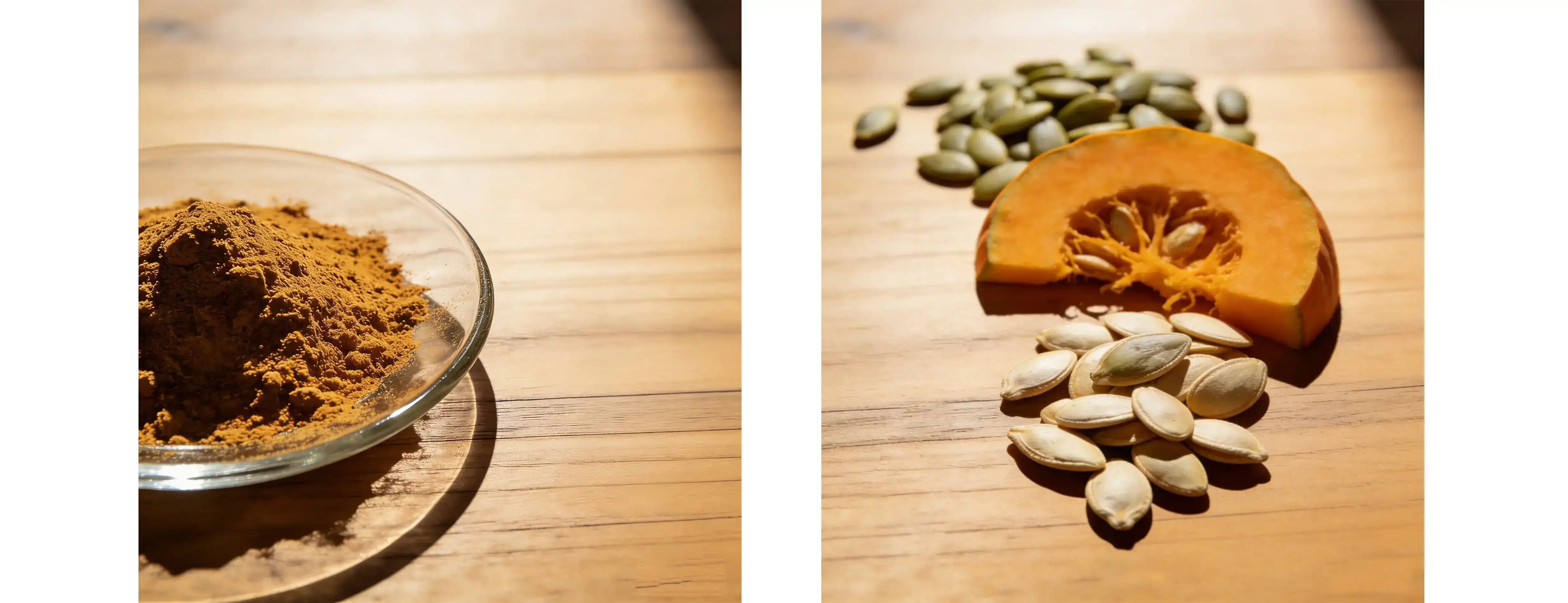
Understanding High-Potency Pumpkin Seed Extract and Its Stability Requirements
Botanical extracts that have been designed for therapeutic or useful uses are not at all like regular powdered seeds. A 10:1 concentration ratio means that 10 kg of raw fruiting body material makes 1 kg of refined extract. This process concentrates bioactives while removing bulky fiber and parts that aren't good for you. This process of concentration makes it stronger, but it also makes it more unstable, which isn't a problem with lower-potency options.
Defining High-Potency Standards
Pharmaceutical-grade extracts are standardized to ensure they contain enough valuable chemicals for HPLC or GC screening. Standardized formulations have the fewest active components, such as 40% fatty acids or 2-4% beta-sitosterol. This guarantees consistent recipe results. In our 10:1 extract, water extraction protects heat-sensitive nutrients while maintaining clean-label certification. It doesn't employ hexane or other synthetic solvents, which could undermine its natural market reputation.
The fine brownish-yellow powder from Cucurbita moschata fruit bodies has unusual physical and chemical features. Lipid-rich plants break down through oxidation, but their regulated acid value (typically less than 3.0 mg KOH/g) and peroxide value (below 10 meq/kg) make them resistant. These factors directly affect shelf stability and compatibility.
Critical Stability Challenges
The environment is a big danger to the purity. Air accelerates the oxidation of unsaturated fatty acids, especially at high temperatures or in light. Microbes and chemicals can grow and break down with moisture intake, compromising safety and efficacy. Unpackaged photosensitive chemicals might break down due to temperature changes and humidity.
R&D executives and buying teams can determine storage, packaging, and handling requirements based on these weaknesses. Stability-focused buying reduces dead stock, ensures product consistency, and builds brand trust through reliable supply chain management.
Core Principles and Methods of Stability Testing for Pumpkin Seed Extract
To predict how something will work in the real world, comprehensive stability programs use both old-fashioned methods and cutting-edge analysis tools. These methods create data that backs up claims about shelf life, helps make storage suggestions, and proves that packing works.
Accelerated and Real-Time Testing Protocols
Fast stability tests at 40°C and 75% relative humidity for three to six months are performed on High-Potency Pumpkin Seed Extract samples. Experts can predict the material's usual behavior by speeding up degradation processes during stress testing. Real-time stable studies monitor samples for 24 months at the right temperature and humidity. This provides reliable sample performance data.
Each technique tracks key quality factors at specific periods. Look, color uniformity, particle size distribution, and wetness are physical factors. Chemical markers check for reactive chemicals, oxidation (peroxide and acid values), and fluid residue. Pharmacopoeia restrictions are followed by microbiological testing to exclude Salmonella and E. coli.
Advanced Analytical Techniques
High-tech tools help modern stable programs see things clearly. High-Performance Liquid Chromatography (HPLC) detects minor variations in phytosterols and tocopherols that other tests miss. Gas chromatography (GC) revealed fatty acid shifts toward oxidized species. With mass spectrometry and chromatographic separation, you can witness molecules break down and contaminants form.
Assays that evaluate antioxidant capacity, such as ORAC or DPPH radical scavenging, focus on how well chemicals act rather than how many there are. Biological investigations indicate that chemical stability preserves functional properties, which is crucial for products sold on efficacy claims.
Quality Control Benchmarks
Industry rules keep stability parameters reasonable. Lead is less than 3 ppm, and arsenic is less than 1 ppm, according to ICP-MS studies. PAHs, toxins from drying processes, must be monitored to stay within EU limitations. Low-cost fillers like soy and corn are avoided when plant identification is done with HPTLC.
With NSF, GMP, FSSC22000, Kosher, Halal, ISO, and Organic certifications, we meet global standards. Third-party validations reassure buyers that the manufacturing process follows routines that keep things stable from raw ingredients to packaging.
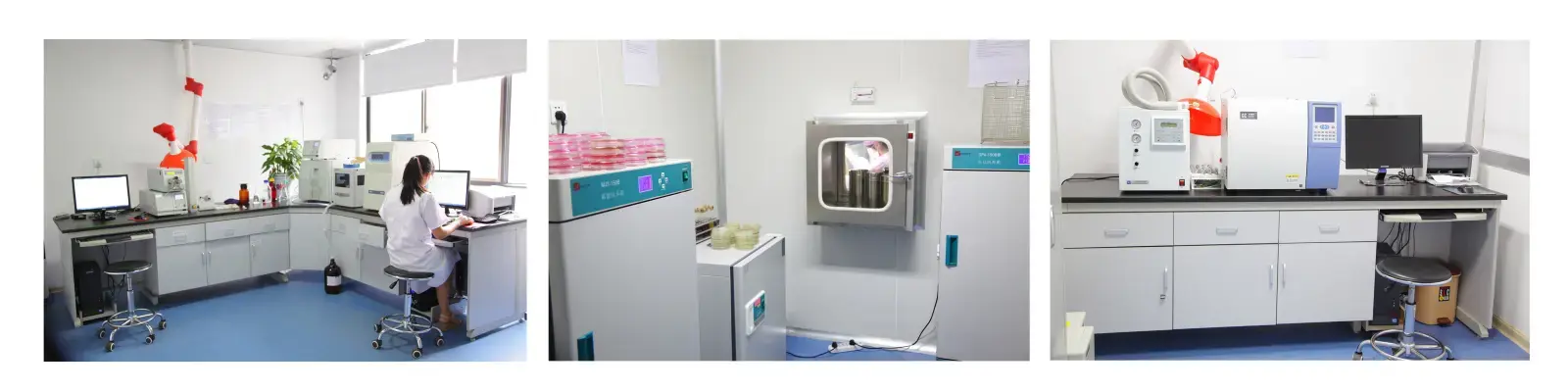
Comparing Stability Profiles: High-Potency vs Regular Pumpkin Seed Extract
The way ingredients are concentrated changes their stability in basic ways, which means that formulation scientists and procurement managers have to think about these changes when they are looking at ingredient choices.
Impact of Concentration on Degradation Pathways
High-Potency Pumpkin Seed Extracts have higher chemical levels, which make reactions stronger. Higher amounts of unsaturated fatty acids make burning more likely, while higher amounts of phytosterols may crystallize when the temperature changes. These things need stronger protection, like adding antioxidants, oxygen-barrier packing, or microencapsulation technologies, which makes stability upkeep more difficult and expensive.
Regular ground seed powders are less effective per unit weight, but they are more stable because the seed structures are still whole, which naturally protects the fatty parts. These protected structures are lost during the extraction and concentration process, so stable solutions are needed. Maltodextrin-based water-soluble forms have better spread in water-based systems, but they are more likely to absorb water, so they need to be stored in a way that keeps the moisture level low.
Formulation Format Considerations
Powder extracts in 25 kg drums are subject to different stability forces than goods that are sealed in capsules. Keeping powder in bulk increases the area that is exposed to oxygen in the air, which speeds up oxidation unless the powder is packed with nitrogen-draining or vacuum-closing. Materials used for drum wrapping must keep wetness out and still be food-grade.
The brownish-yellow powder form makes it easy to add directly to pills, capsules, or beverage premixes, but you need to be careful about how the ingredients will interact with each other. Oxidation processes are sped up by mineral salts, especially iron and copper. Acidic parts of the composition may speed up the breakdown of ester bonds in fatty acid molecules. Before going into mass production, these possible conflicts are found through compatibility studies that are done during stability testing.
Source Material Quality Influences
Through purity ratings, organic approval has an effect on stability. Cucurbita moschata that is grown organically usually has less heavy metal and chemical pollution, which means that fewer factors could affect how quickly it breaks down. Our organic-certified extract comes from fields that have been checked out. This ensures that the quality of the base material is good enough to support stable performance.
When the fruit is picked, how it is dried, and how it is stored before it is extracted all have a big impact on how stable the end extract is. If seeds are dried in too much heat, the fats may have already been damaged, which shortens their shelf life. Better stability patterns in finished extracts come from suppliers who have control over farming methods and treatment after harvest.

Procurement Considerations: Ensuring Stable High-Potency Pumpkin Seed Extract Supply
Stability-based strategic sourcing choices protect the quality of the product and the continuity of production across all delivery channels.
Supplier Verification and Documentation
Reliable providers give full batch-specific paperwork, such as Certificates of Analysis (COA) that list factors that affect stability. Check for peroxide and acid levels, bacteria counts, heavy metal screens, and effectiveness tests done by reputable labs. Testing by a third party in a separate facility gives another level of verification on top of the testing done by the provider.
As part of our dedication to openness, we can fully track everything from the farm to the finished extract. Each 25 kg drum has a unique batch number that lets the whole supply chain be tracked, which is very important for quality reviews or recalls. Shipments come with detailed stability data, such as storage suggestions and the product's expected shelf life under certain circumstances.
Storage and Handling Best Practices
When you store things properly, you protect the security investments you made when you made them. Temperature-controlled facilities that keep the temperature between 15°C and 25°C stop thermal degradation, and keeping the relative humidity below 60% stops moisture absorption as much as possible. Light-protected storage places with opaque cases or amber glass keep phytochemicals from breaking down.
Earth Made Nutritions Inc. has four carefully placed warehouses across the United States. This allows for fast shipping within two business days and keeps the warehouses in great condition. This spread-out infrastructure cuts down on travel times and changes in temperature that could threaten stability, especially in the summer or when shipping to warm places.
Balancing Cost and Quality
Expensive, stability-assured extracts are priced that way because of the money that was spent on advanced extraction technology, protected packing, and thorough analytical testing. While cheaper options might seem appealing, stability problems during formulation development or market distribution result in much higher costs due to wasted materials, the need to redo the formulation, and damage to the brand's image.
The 25 kg minimum order quantity is in line with industrial production sizes and allows for recipe tests. Free samples let you check for compatibility and security before you buy in bulk, which lowers the risk of buying. Because we keep a lot of items in stock, we can complete orders right away. This cuts down on long lead times that could force customers to settle for less-than-ideal options when supplies are low.
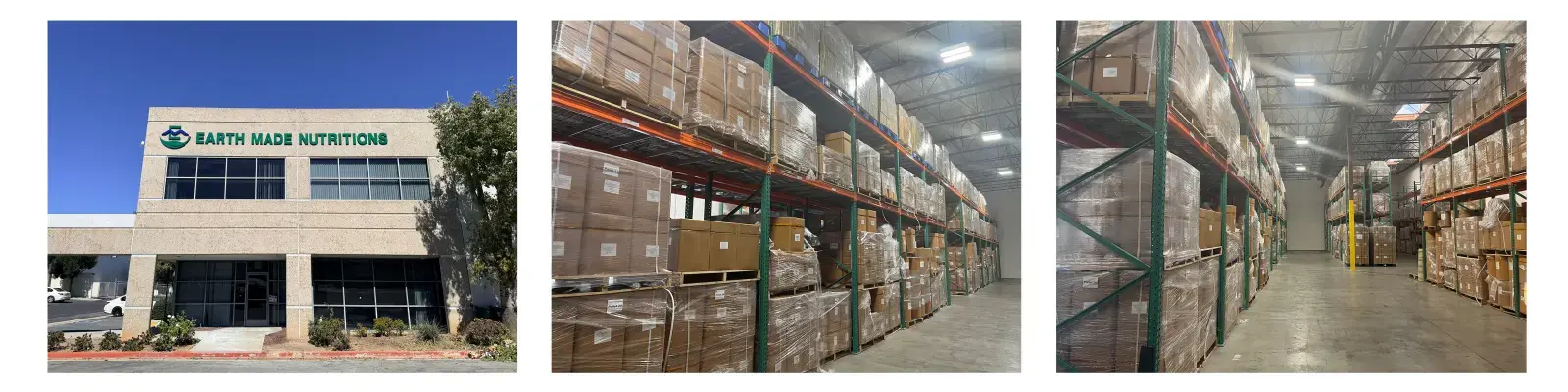
Future Trends in Stability Testing and Quality Assurance of Pumpkin Seed Extracts
The next wave of stability assurance practices is shaped by new technologies and changing legal environments, which give companies chances to stand out from the competition.
Technological Innovation in Monitoring
Internet of Things (IoT) devices built into packaging or shipping packages record temperature and humidity in real time along the entire supply chain. This constant tracking finds deviations right away, so they can be fixed before they cause a lot of damage. Blockchain integration creates immutable records of environmental conditions, strengthening traceability and accountability across multi-party supply chains.
More accurately than traditional Arrhenius modeling, artificial intelligence programs look at past stability data to guess how long High-Potency Pumpkin Seed Extract will last in different storage conditions. Machine learning finds small patterns that connect the properties of raw materials to the security of the finished extract. This helps make better choices about where to get the materials and how to run the process. These predictive skills make shelf-life predictions more accurate while reducing the amount of testing that needs to be done.
Demand for Full-Spectrum and Organic Extracts
More and more, people want lightly processed, full-spectrum botanicals that keep their original phytochemical profiles over chemicals that have been isolated. This trend changes the way stability models were made for pure actives because complicated mixtures add more factors that change the breakdown paths. Water extraction methods meet the needs for clean labels, but they have different stability issues from solvent-based processes.
Organic certification rules limit stable additives and processing aids, which makes it harder to find ways to make food last longer. Instead of using artificial preservatives or antioxidants, manufacturers must rely on controlling the extraction process, using safe packaging, and following the best storage guidelines to make sure that the product stays stable.
Regulatory Evolution and Compliance
The US Food and Drug Administration (FDA) is paying more attention to claims that food supplements are stable, so they need strong proof to back up shelf-life claims. Novel Food laws in the European Union require plant ingredients that haven't been used safely in the past to have very specific stability data. Asian markets are adopting more and more ICH (International Council for Harmonization) standards, which were first made for pharmaceuticals. This raises the bar for checking the stability of plants.
Our FSSC22000 food safety certification and NSF GMP approval show that we are proactive about keeping up with changing government rules. These frameworks include process controls that focus on stability, environmental tracking, and change management methods that ensure consistent compliance as needs change. When B2B partners buy from certified sellers who keep their documentation systems ready for auditors to look at, they lower their legal risk.
Conclusion
Testing for stability is more than just following the rules; it's also a way to protect investments throughout the duration of a product. Botanical products from Cucurbita moschata fruiting bodies need strict methods to keep an eye on oxidation, microbial stability, and bioactive preservation in a range of environmental conditions. Advanced analytical methods give exact information that helps with formulating better, choosing the right packing, and storing things correctly. To tell the difference between high-potency pumpkin seed extract and normal materials, you need to know how concentration changes the breakdown pathways and use the right safety measures. Strategic sourcing that focuses on clear communication with suppliers, thorough paperwork, and efficient operations guarantees a steady supply of stable ingredients that support the effectiveness of products and the image of brands in cosmetic and functional food markets.
FAQ
Q1: What distinguishes a 10:1 ratio extract from standardized versions?
A 10:1 concentration ratio means that 10 kg of starting material makes 1 kg of extract. This shows concentration without guaranteeing specific bioactive amounts. Standardized extracts have minimum amounts of active ingredients (like 40% fatty acids) that have been tested and proven to work. This makes the potency constant, which is important for making sure that the product works as claimed on the package.
Q2: How does water extraction affect stability compared to solvent-based methods?
When you use water for extraction, you don't leave behind any chemical solvents that could speed up oxidation or cause legal problems. This method keeps the clean-label placement and protects nutrients that are sensitive to heat. While water-extracted powders may be more hygroscopic and need to be stored in a way that keeps the wetness level low, they don't have to go through the testing and dumping costs that come with ethanol or hexane processes for solvent residues.
Q3: What storage conditions optimize shelf life?
Keeping the temperature below 25°C in places with low humidity (under 60% RH) slows down rusting and moisture uptake. Light-protected containers stop photodegradation from happening. When packaging is vacuum-sealed or nitrogen-flushed, air contact is cut down. Extracts that are kept properly and meet these standards usually keep their effectiveness for 24 months, with the help of rapid stability data and real-time tracking procedures.
Q4: Which analytical parameters best predict long-term stability?
The peroxide value and acid value show when lipid-rich products are starting to break down due to oxidation. Using HPLC to measure the amounts of different phytosterols and fatty acids can help find changes in strength before they show up in the way the food tastes. Using antioxidant capacity tests, you can find out how well biological effectiveness is maintained over time, in addition to just checking the chemical makeup.
Partner with Earth Made Nutritions Inc. for Stability-Assured Botanical Ingredients
When looking for a High-Potency Pumpkin Seed Extract provider, you need to look for more than just the cheapest one. You also need to work with companies that have a history of stability, knowledge, and good infrastructure. Earth Made Nutritions Inc. has a wide range of certifications, such as NSF GMP, FSSC22000, Kosher, Halal, ISO, and organic qualifications. They also do advanced research and development. Our operations in California keep strict process controls in place during extraction, and four regional stores make sure that products get delivered quickly while keeping the integrity of the cold chain.
Each 25 kg drum of our 10:1 water-extracted powder goes through a lot of stability tests, and all the scientific paperwork that goes with it is sent with the powder. Free samples let you check for fit before committing to buying a lot of something. With in-stock items that can be shipped in two days, supply problems won't affect your preparation schedules. Our expert team can be reached at info@em-herb.com to talk about your unique stability needs and to see our full range of botanical ingredients. As the only company you need to make high-potency pumpkin seed extract, we can give you the scientific rigor and supply chain stability that your quality assurance needs.
References
1. Association of Official Analytical Chemists (AOAC). (2019). Official Methods of Analysis for Botanical Dietary Supplements: Stability Testing Protocols. 21st Edition, AOAC International.
2. European Medicines Agency. (2020). Guideline on Stability Testing of Herbal Medicinal Products and Traditional Herbal Medicinal Products. EMA/HMPC Documentation Series.
3. Murkovic, M., & Pfannhauser, W. (2000). Stability of pumpkin seed oil. European Journal of Lipid Science and Technology, 102(10), 607-611.
4. United States Pharmacopeial Convention. (2021). USP-NF General Chapter <1150>: Pharmaceutical Stability. USP 44-NF 39.
5. Xanthopoulou, M. N., & Nomikos, T. (2021). Phytosterol oxidation products: Chemistry, bioactivities, and analysis in food systems. Comprehensive Reviews in Food Science and Food Safety, 20(1), 198-228.
6. Zhou, Q., & Zhang, L. (2022). Advances in analytical techniques for stability assessment of plant-based functional ingredients. Journal of Agricultural and Food Chemistry, 70(12), 3567-3582.
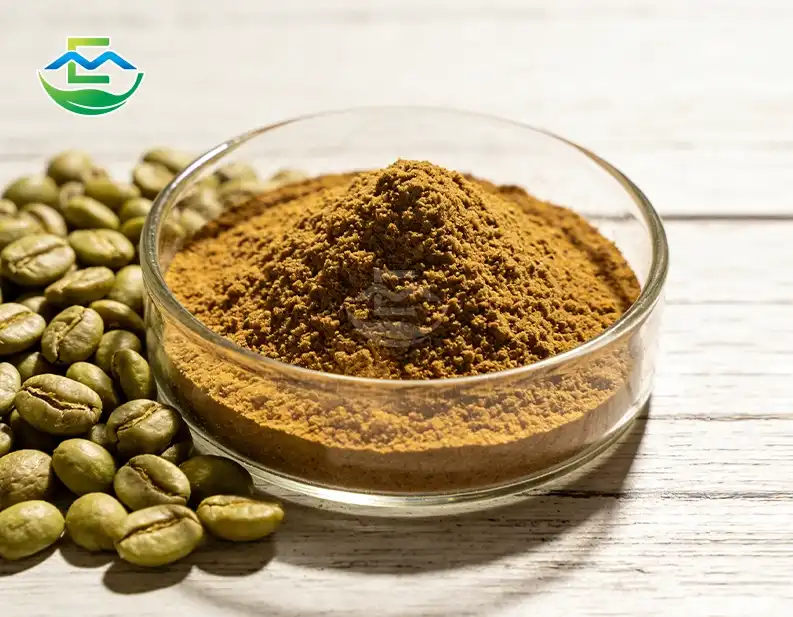
Unroasted Coffea Arabica L. is the source of Green Coffee Bean Extract powder, a multipurpose useful ingredient. This keeps the beneficial chemicals in the beans that would be lost if they were roasted. This plant extract has normal amounts of chlorogenic acids, caffeine, and polyphenols that appear naturally. This makes it useful for use in cosmetics and functional drinks. Our method of extracting chlorogenic acids using water and ethanol produces a brownish-yellow powder that is standardized to 50% chlorogenic acids. This powder meets strict quality standards for formulation stability and effectiveness in commercial product development.
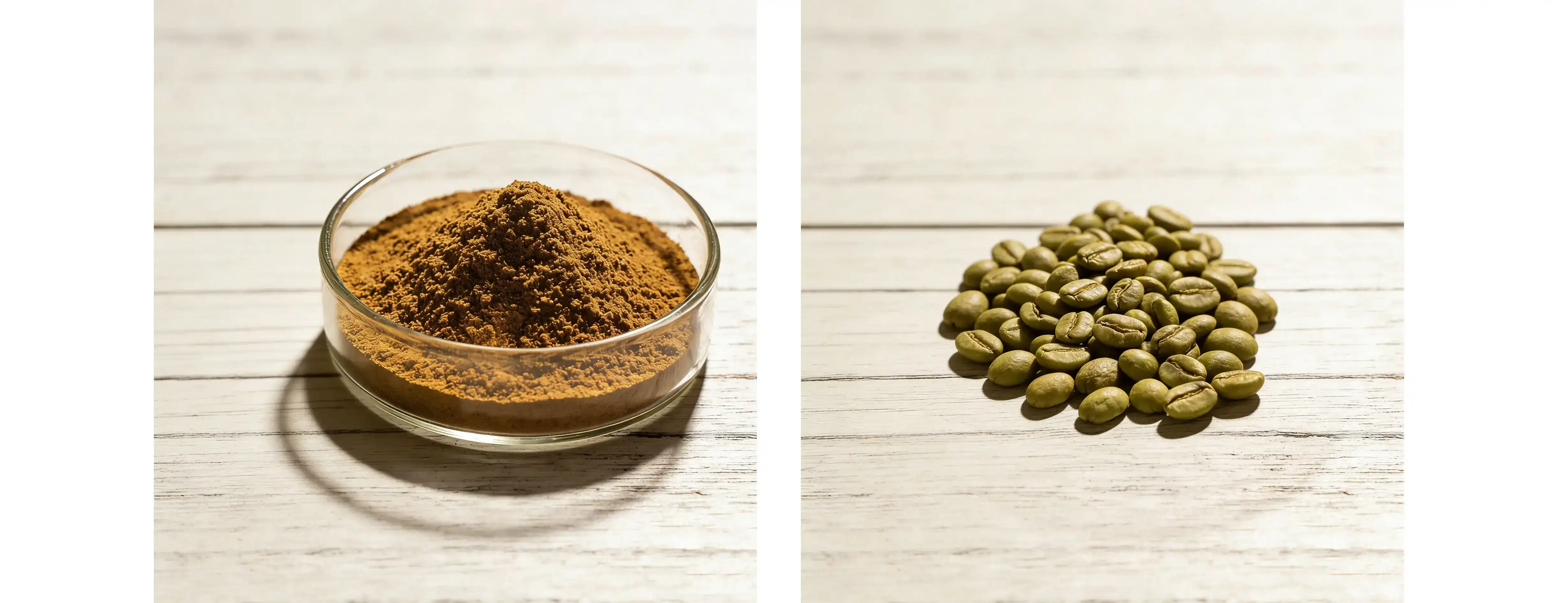
Understanding Green Coffee Bean Extract Powder and Its Functional Benefits
The structure of chlorogenic acids, esters formed when trans-cinnamic acids react with quinic acid, is unaffected by plant chemical removal. Following proper processing techniques, these compounds are stable. This allows Green Coffee Bean Extract powder to be used in many formulations.
Core Bioactive Components
The major active marker element is chlorogenic acid, which premium brands standardize between 45 and 50%. Unique physicochemical properties of this polyphenolic molecule. It dissolves easily in water and stays stable in low-pH settings, making it useful for beverages. The molecular weight allows excellent incorporation into water- and lipid-based media, allowing formulation freedom across several product categories.
Coffee caffeine naturally varies, but most commercial standards keep it below 2%. Green coffee bean extract powder is a gentle stimulant that doesn't overpower. This balance helps when creating metabolism-boosting products without overstimulating the CNS.
Functional Mechanisms and Benefits
Chlorogenic acids interact with glucose-6-phosphatase enzyme systems to break down carbs, according to peer-reviewed studies. Because of this chemical interaction, Green Coffee Bean Extract powder is sought after for weight reduction solutions that maintain metabolism.
The compounds' phenolic hydroxyl groups provide antioxidant power. To minimize reactive oxygen species, functional groups provide electrons. Helps cells handle oxidative stress. Formulation scientists enjoy this while producing age- and cell-healthy products.
Clinical Validation Compared to Traditional Coffee
Traditional roasted coffee's chlorogenic acids are reduced by 50 to 95% by heat, depending on roast intensity. Green Coffee Bean Extract powder provides more active compounds that B2B clients want in functional ingredients because of this basic distinction.
Studies reveal that Green Coffee Bean Extract powder retains different beneficial chemicals from roasted coffee. The chlorogenic acids in Green Coffee Bean Extract powder enable product makers to achieve homogeneous, measured active levels for standard formulations and predictable performance.
Comparing Green Coffee Bean Extract Powder with Other Popular Functional Ingredients
When buying teams and formulation scientists know how green coffee bean extract powder compares to other ingredients, they can make better choices about where to get the ingredients that will help them meet the goals of their products and meet the needs of their target markets.
Green Tea Extract: Complementary but Distinct Profiles
Both substances are antioxidant and polyphenolic, although their active chemical compositions differ. Green coffee bean extract powder contains primarily chlorogenic acids, while green tea is mostly catechins, especially EGCG. Because of structural variations, solubility, stability, and functional applications vary.
Green tea extract is astringent, making it tougher to mask flavors in recipes. Green coffee bean extract powder tastes less strong than ordinary coffee extract, but its raw coffee overtones make it simpler to blend with other flavors, especially in ready-to-drink drinks and functional food combinations.
Garcinia Cambogia: Different Metabolic Pathways
Standardized garcinia cambogia extract for HCA inhibits citrate lyase in distinct molecular mechanisms. Product designers distinguish these substances by how they operate with metabolic pathways and how they are positioned for consumers.
HCA changes fat production, while chlorogenic acid in green coffee bean extract powder changes glucose usage. Formulators might choose substances that match product claims and marketing strategies due to this discrepancy.
Organic Versus Conventional Variants
Certified organic Green Coffee Bean Extract powder is best for clean-label products. Our organically certified products meet USDA, EU, and other organic requirements and undergo thorough third-party auditing.
The benefits of licensing go beyond marketing impressions. Organic certification tracks the product from cultivation to extraction and packaging. More retailers and customers desire sustainable, standard-compliant products, and this openness satisfies their expectations.

How to Choose the Right Green Coffee Bean Extract Powder for Your Business Needs?
To choose the right extract specs, you have to look at a lot of technical and business factors that have a direct effect on how well the product works and how efficiently the supply chain works.
Purity and Concentration Assessment
The key quality indicator is chlorogenic acid. Our 50% guideline standardizes and checks potency with HPLC. Uniformity between batches is crucial for consistent results. Ultra-premium varieties with 60% concentration fulfill high-concentration needs, although lower standards (45%) may be sufficient.
Full analysis reports should include heavy metal values and chlorogenic acids. ICP-MS testing demonstrates that our material constantly stays below lead (less than 2 ppm), cadmium (0.5 ppm), and arsenic (1 ppm) limitations. These guidelines follow global safety standards and California's Prop 65.
Microbe-free is another quality factor. Total plate counts below 3,000 cfu/g ensure the mixture's safety and long-term stability. Several phases in our extraction approach destroy germs without irradiation or chemical fumigants. This preserves clean-label products' natural ingredient identity.
Supplier Credentials and Certifications
The seller's certificates demonstrate their commitment to quality and compliance. Our plant is NSF GMP, FSSC 22000, ISO, Kosher, and Halal certified, allowing us to serve many markets.
Certificates are more than paper. They demonstrate that you have quality management systems, have tested your manufacturing processes, and have documented traceability procedures to safeguard your brand and follow the requirements in many places.
Private Label and Bulk Purchasing Advantages
Work with skilled private label providers to speed up product development and save money on manufacturing infrastructure. Our 25 kg minimum purchase covers product testing and company manufacturing.
Through economies of scale, bulk purchases save money and keep the supply chain flexible. Within two business days following order approval, our four US warehouses execute orders quickly. This reduces inventory costs and promotes just-in-time manufacturing.
Free samples before major orders reduce the risk of buying. Physically inspecting the mixture's appearance, solubility, and taste before mass production is necessary.
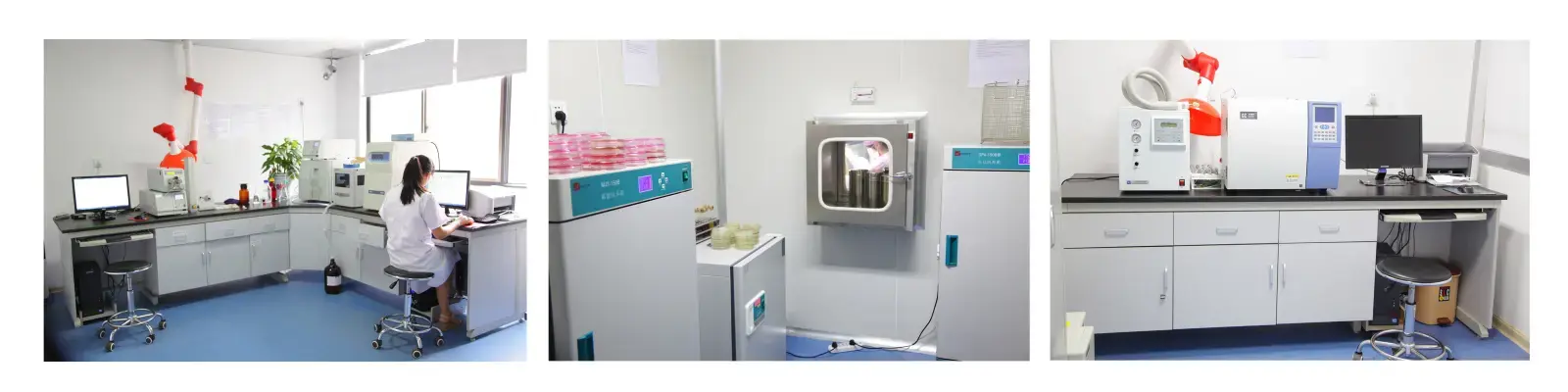
Best Practices for Using Green Coffee Bean Extract Powder in Product Development
To successfully add Green Coffee Bean Extract powder, you need to pay attention to the right dose, how well the recipe works with the extract, and follow the rules set by regulators.
Dosage Ranges and Scientific Guidelines
According to published study methods, the amounts used are usually between 200 mg and 400 mg of a green coffee bean extract powder that is standardized to 45 to 50 percent chlorogenic acids. This means that each serving has about 90 to 200 mg of active chlorogenic acids. These areas are good places to start when making a new product, but some uses may need changes based on the target audience and how the product is positioned.
When formulating goods with more than one plant stimulant, formulation scientists should think about how much caffeine each one adds up to. Our standardized caffeine content of below 2% in the Green Coffee Bean Extract powder makes it easier to follow volunteer caffeine declaration guidelines and keeps stimulant levels from being higher than planned.
Formulation Guidelines Across Product Categories
The green coffee bean extract powder is very easy to crush, which makes it useful for making dietary supplements. The bulk density is usually between 0.4 and 0.60 g/mL, which makes it easy to make tablets or capsules by directly compressing the material. Keeping the moisture level below 5% stops hygroscopic clumping while the product is being stored and processed.
The people who make functional drinks like that know the Green Coffee Bean Extract powder dissolves easily in water, which lets clear solutions form in low-pH conditions like those found in sports drinks and functional waters. The light yellow to brownish-yellow color doesn't have much of an effect on how the end product looks, especially in drinking systems that are already colored.
Chlorogenic acids are stable at high temperatures under normal processing settings, which is used in food uses. The compound keeps its shape well after being pasteurized and baked at mild temperatures. However, it should be tested for particular formulations before being exposed to long-term high-heat processes.
Synergistic Ingredient Combinations
Strategically combining plant extracts that work well together improves functional positioning and addresses a number of health paths. Combinations with green tea extract take advantage of different polyphenol profiles, and adding B-vitamin complexes helps energy metabolism routes that metabolic health formulations are aimed at.
Another popular pairing in glucose control goods is chromium picolinate. This trace mineral helps the body's insulin work better, which works with chlorogenic acid. These methods that work together allow for wider functional claims and more unique product positioning in competitive market segments.
Regulatory Compliance Frameworks
Nutritional Supplement Health and Education Act (DSHEA) rules must be followed in order to get into the US market for nutritional supplements. When it comes to things that are used to make food, Green Coffee Bean Extract powder meets basic standards to be considered a food element.
Structure-function claims must be carefully separated from disease claims to support normal metabolic function rather than curing diseases. Label compliance includes correct comments about allergens and ingredients, as well as standard writing for the Supplement Facts page.
European market entry is based on rules set by the EFSA and carried out by each member state. Novel food ratings may be needed based on how the food was extracted and how it was used in the past. The usual way of extracting our material using water and ethanol is similar to standard processing methods, which helps it get approved by regulators in many places.
Procuring Green Coffee Bean Extract Powder: Market Insights and Supplier Selection
The global market for Green Coffee Bean Extract powder keeps growing because more and more people want to buy products with clean labels and natural ingredients that help the metabolism.
Market Overview and Production Regions
Most coffee is grown and processed in locations with existing infrastructure. Tropical Latin America, East Africa, and Asia grow Arabica coffee. It's an extraction of raw material.
Quality depends on crop height, harvesting, and processing. Premium Green Coffee Bean Extract powder comes from carefully selected green beans that exceed physical and flavor criteria before extraction. Upstream quality control distinguishes between standard-grade materials and product makers' high-end requirements.
Evaluating Supplier Credibility
As your product grows, a manufacturing capacity estimate ensures your providers can fulfill your volume needs. Our sophisticated botanical extraction plant uses proven methods to maintain quality across production batches. We can scale up from test to commercial manufacturing.
Independent third-party testing verifies standard compliance. Our commitment to openness includes providing certificates of analysis before shipping and inviting customers to inspect our quality systems and manufacturing processes.
Industry references and client relationships might reveal a supplier's reliability beyond their marketing materials. Our quality and fast service have earned us long-term relationships with major cosmetics, functional drinks, and supplement brands.
Logistics and Supply Chain Support
International shipping is crucial when buying plant goods from other nations. Our long-term logistics connections ensure that all documentation is completed correctly, that transportation is at the right temperature, and that customs processing proceeds easily, eliminating delays and protecting product purity.
The planned installation of four US facilities gives the corporation a competitive edge. This form of distribution reduces shipment lengths and transit times, allowing you to swiftly satisfy urgent needs and lower freight expenses that affect ingredient pricing.
From technical queries to formulation aid after delivery, responsive customer service is available. Our application scientists have experience solving formulation issues in a variety of product categories and can provide guidance that speeds up product development.
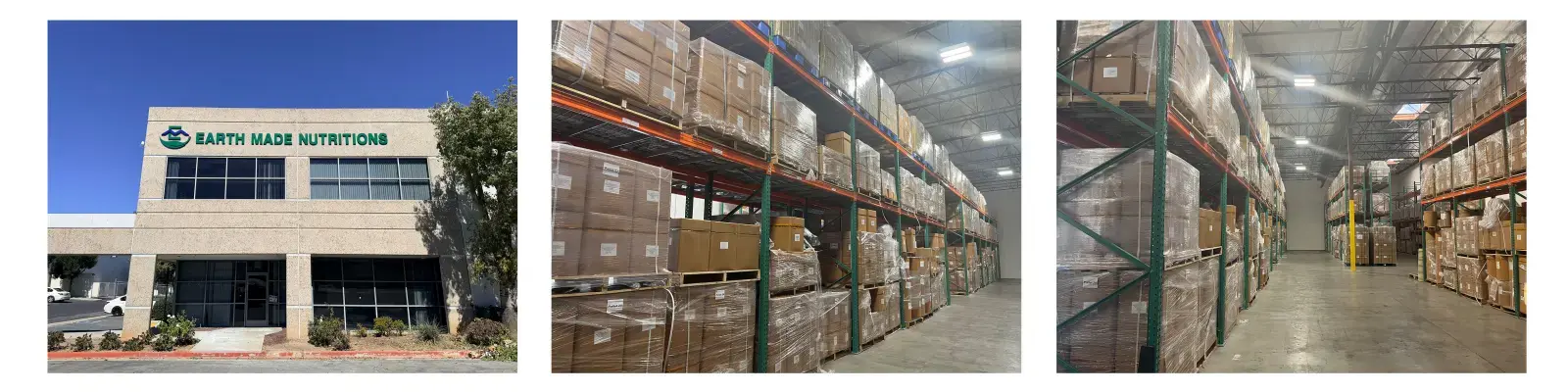
Conclusion
In conclusion, for the development of functional ingredients addressing metabolic health, antioxidant support, and clean-label branding, Green Coffee Bean Extract powder provides standardized chlorogenic acid content. This plant ingredient is a good choice for functional food uses because it carefully extracts bioactive compounds using water and ethanol solvents and is strictly checked to make sure it meets the standards for 50% chlorogenic acid. When making a purchase choice, it's helpful to look at the certifications, production capabilities, and logistics infrastructure of the seller to make sure that there is a steady supply of goods and expert support throughout the product development cycle. The unique bioactive profile compared to other plant extracts lets formulators make smart choices that are in line with specific functional claims and marketing goals for the target market.
FAQ
Q1: What dosage should I use for weight management formulations?
According to published study methods, each dose should contain between 200 mg and 400 mg of Green Coffee Bean Extract powder that is standardized to 45 to 50 mg of chlorogenic acids. This is equal to about 90 to 200 mg of active chlorogenic acids. Your exact formulation may be different depending on your target audience, the style of your product, and your positioning plan. We suggest that you do pilot studies with your whole formulation to find the best dose that matches practical benefits with user acceptance and low cost.
Q2: How can I verify ingredient authenticity and quality?
Real Green Coffee Bean Extract powder has certain physical and chemical properties that can be checked using scientific tests. Ask for reports of analysis that show the results of the HPLC test for chlorogenic acid, the ICP-MS test for heavy metals, and the microbial purity factors. Our material has TLC/HPTLC fingerprints compared to reference standards, which gives us more proof that the plants are who they say they are. The brownish-yellow color, strong smell of raw coffee, and easy dissolving in water are all visible signs that the coffee has been processed and stored correctly.
Q3: Is your extract free from contaminants?
Heavy metals and microbes that could be harmful are thoroughly checked in every production batch. ICP-MS research shows that our standards keep Lead below 2 ppm, cadmium below 0.5 ppm, and arsenic below 1 ppm. Through our proven separation and handling methods, the total plate numbers stay below 3,000 cfu/g. Only water and ethanol are used as solvents in the extraction process. No artificial ingredients or hard chemicals are used, which would hurt the clean-label positioning. Every shipment comes with full test paperwork, which gives you the quality guarantee your formulations need.
Partner with EM for Premium Green Coffee Bean Extract Powder Supply
For Premium Green Coffee Bean Extract powder, work with EM. Earth Made Nutrition Inc. sells Green Coffee Bean Extract powder that is refined and meets strict quality standards that are needed to make competitive products. Our powder is a brownish-yellow color and is guaranteed to contain 50% chlorogenic acids from Coffea Arabica L. beans, which are extracted using water and ethanol as solvents in a plant in California that has the latest processing technology. Each 25 kg drum comes with full certificates that show it meets the standards for NSF, GMP, FSSC 22000, Kosher, Halal, ISO, and organic production. This makes it easier for you to meet the requirements set by regulators. We are your trusted source for green coffee bean extract powder because we have four strategically located warehouses in the U.S. that allow us to complete orders in two days, offer free samples for formulation trials, and provide quick technical support. Email our team at info@em-herb.com to talk about your unique recipe needs and to ask for certificates of analysis that show our dedication to quality excellence.
References
1. Farah A., Monteiro M., Donangelo C.M., Lafay S. (2008). "Chlorogenic Acids from Green Coffee Extract are Highly Bioavailable in Humans." Journal of Nutrition, 138(12), 2309-2315.
2. Roshan H., Nikpayam O., Sedaghat M., Sohrab G. (2018). "Effects of Green Coffee Extract Supplementation on Anthropometric Indices, Glycaemic Control, Blood Pressure, Lipid Profile, Insulin Resistance and Appetite in Patients with Metabolic Syndrome." British Journal of Nutrition, 119(3), 250-258.
3. Watanabe T., Arai Y., Mitsui Y., Kusaura T., Okawa W., Kajihara Y., Saito I. (2006). "The Blood Pressure-Lowering Effect and Safety of Chlorogenic Acid from Green Coffee Bean Extract in Essential Hypertension." Clinical and Experimental Hypertension, 28(5), 439-449.
4. Naveed M., Hejazi V., Abbas M., Kamboh A.A., Khan G.J., Shumzaid M., Ahmad F., Babazadeh D., FangFang X., ModarresiGhazani F., WenHua L., XiaoHui Z. (2018). "Chlorogenic Acid: A Pharmacological Review." Journal of Dietary Supplements, 15(1), 67-90.
5. Tajik N., Tajik M., Mack I., Enck P. (2017). "The Potential Effects of Chlorogenic Acid, the Main Phenolic Components in Coffee, on Health: A Comprehensive Review of the Literature." European Journal of Nutrition, 56(7), 2215-2244.
6. Mubarak A., Bondonno C.P., Liu A.H., Considine M.J., Rich L., Mas E., Croft K.D., Hodgson J.M. (2012). "Acute Effects of Chlorogenic Acid on Nitric Oxide Status, Endothelial Function, and Blood Pressure in Healthy Volunteers." Food & Function, 3(8), 819-825.